Birds in North Yorkshire
Explore 218 species found in this region.
North Yorkshire is one of England's largest and most diverse counties for birdwatching, with 217 recorded species across its sweeping moorlands, rugged coastline, river valleys, and expansive wetlands. From the upland heaths of the North York Moors, where Hen Harriers and European Honey-buzzards breed, to the coastal reserves and lowland lakes that attract wintering Goldeneye and Great White Egrets, the county offers exceptional birding year-round. Scarcer visitors such as Cetti's Warbler and Long-tailed Jaeger add further excitement for keen observers.
Visiting in September? Look out for Balearic Shearwater and Brambling arriving this month, and Cuckoo and European Storm-petrel depart for the season.


Showing 139–161 of 218 species
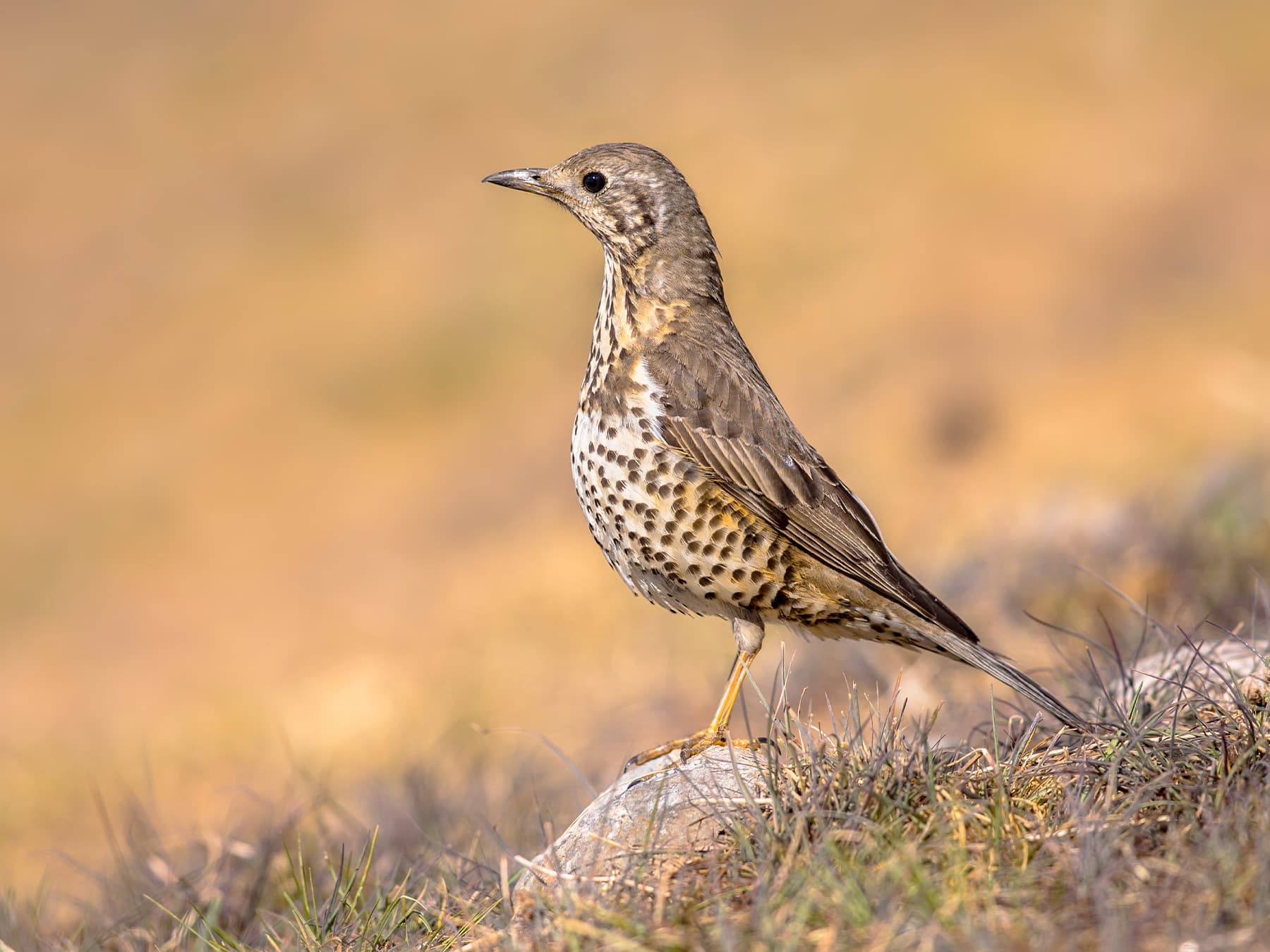
Mistle Thrush
Turdus viscivorusLC
Resident in parkland, orchards and open woodland, often singing boldly from treetops even in midwinter. Forms post-breeding flocks in autumn.
Year-round
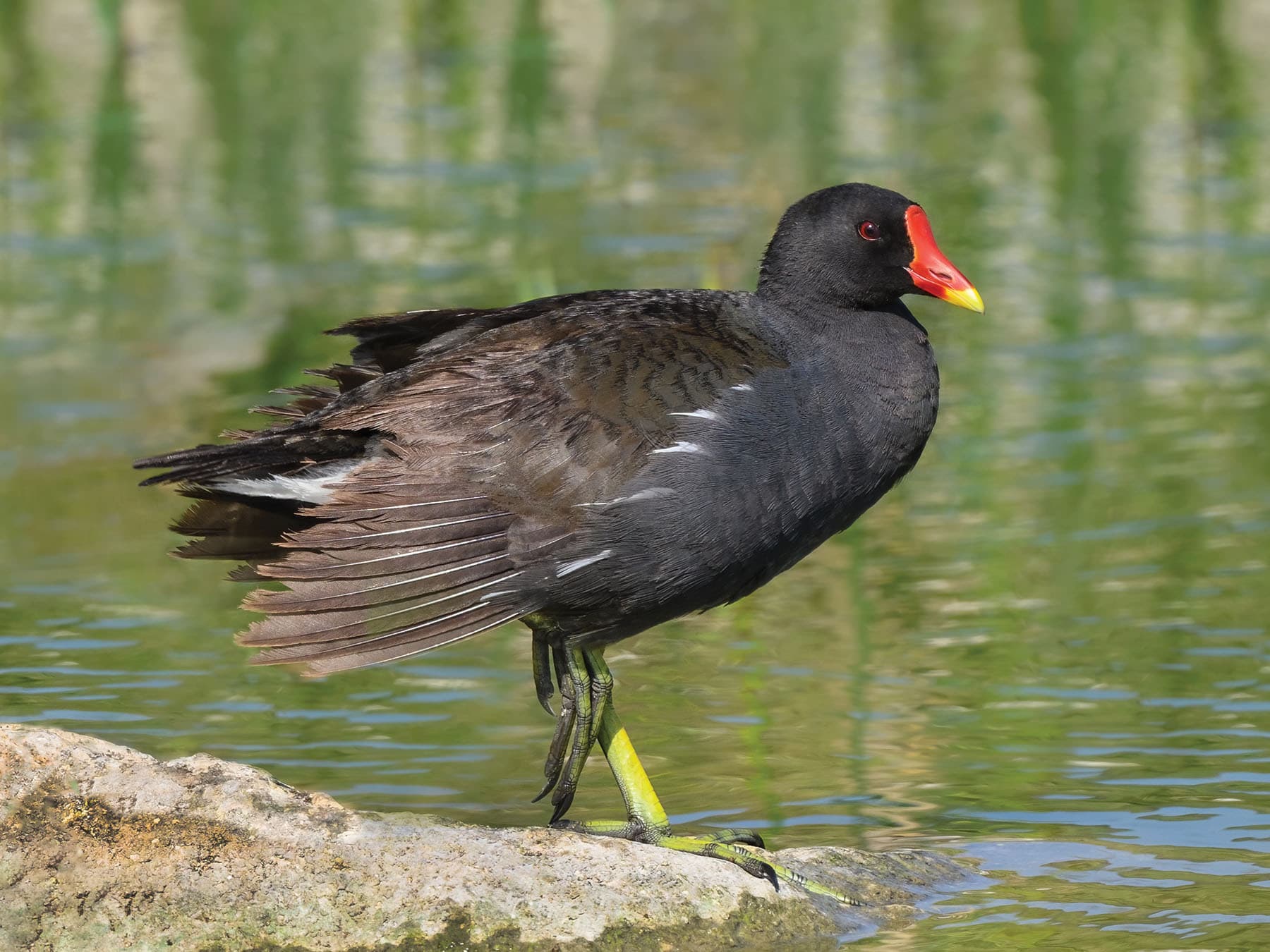
Moorhen
Gallinula chloropusLC
A common resident found on ponds, rivers and wetlands throughout the region, often seen flicking its white undertail along waterside vegetation.
Year-round
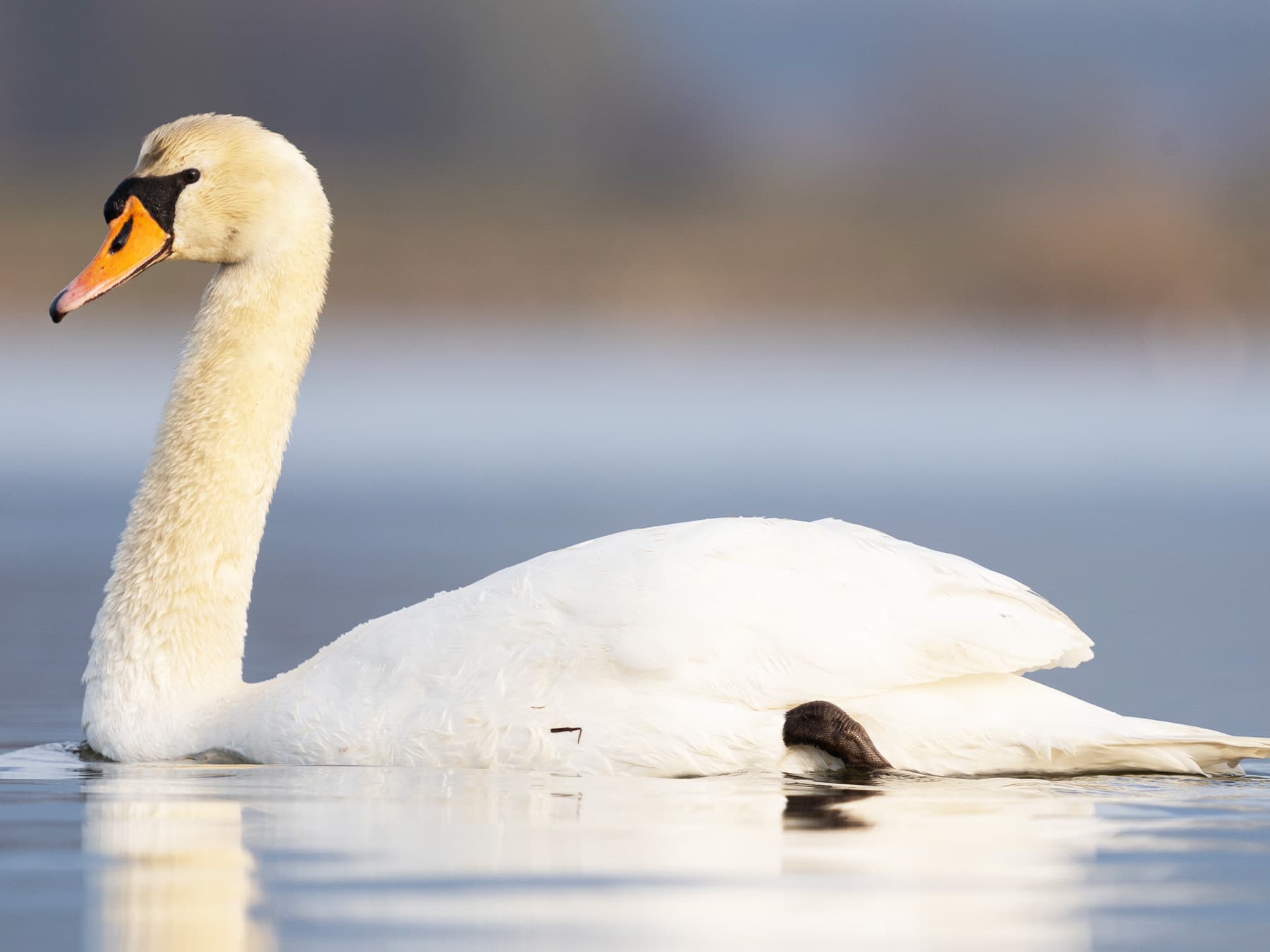
Mute Swan
Cygnus olorLC
A familiar and elegant resident of rivers, canals and lakes throughout the region. Breeds widely and is present all year.
Year-round
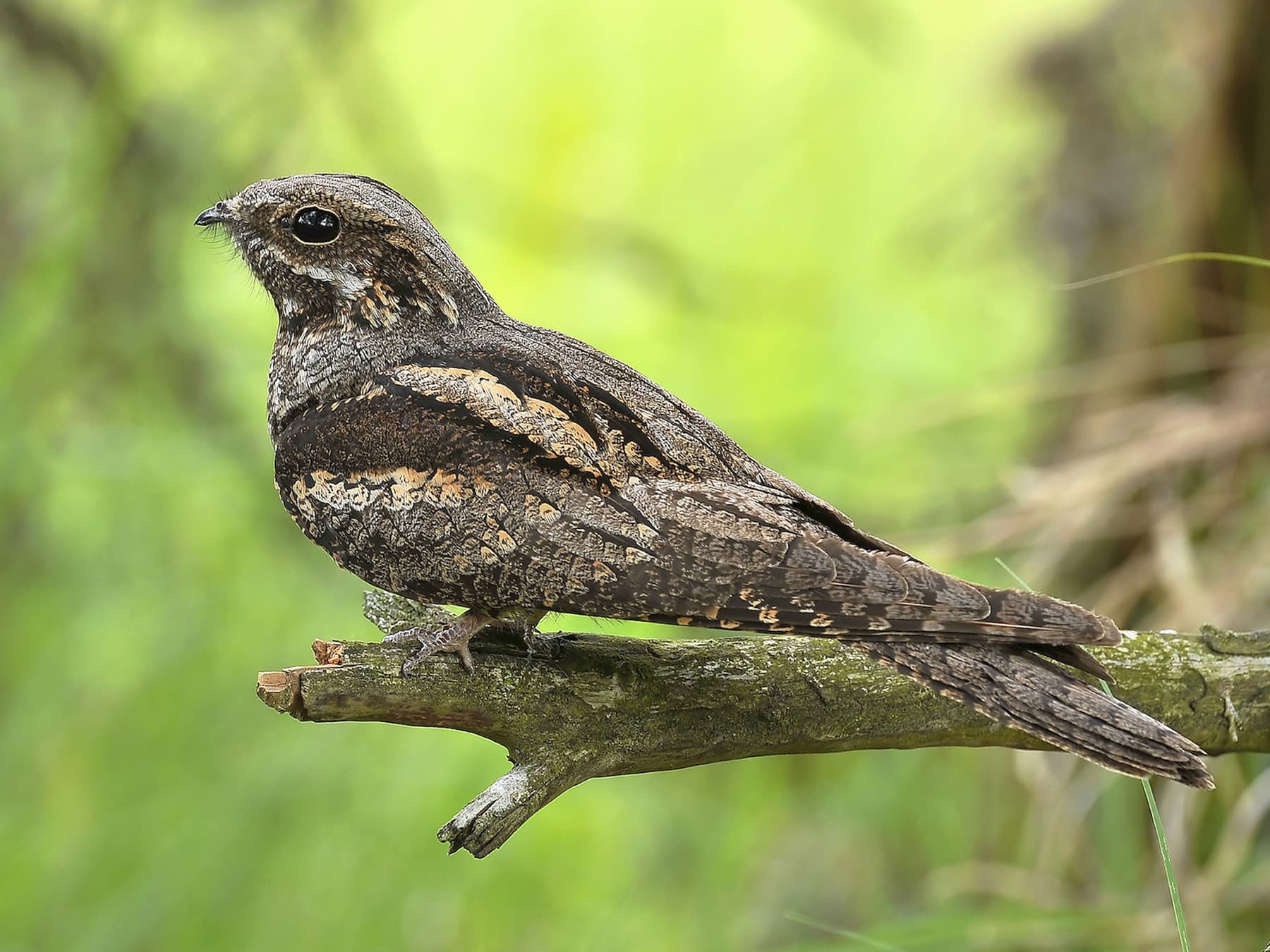
Nightjar
Caprimulgus europaeusLC
A rare summer breeder on heathland and young forestry plantations. Its churring song is heard at dusk from May to July.
May–Jul
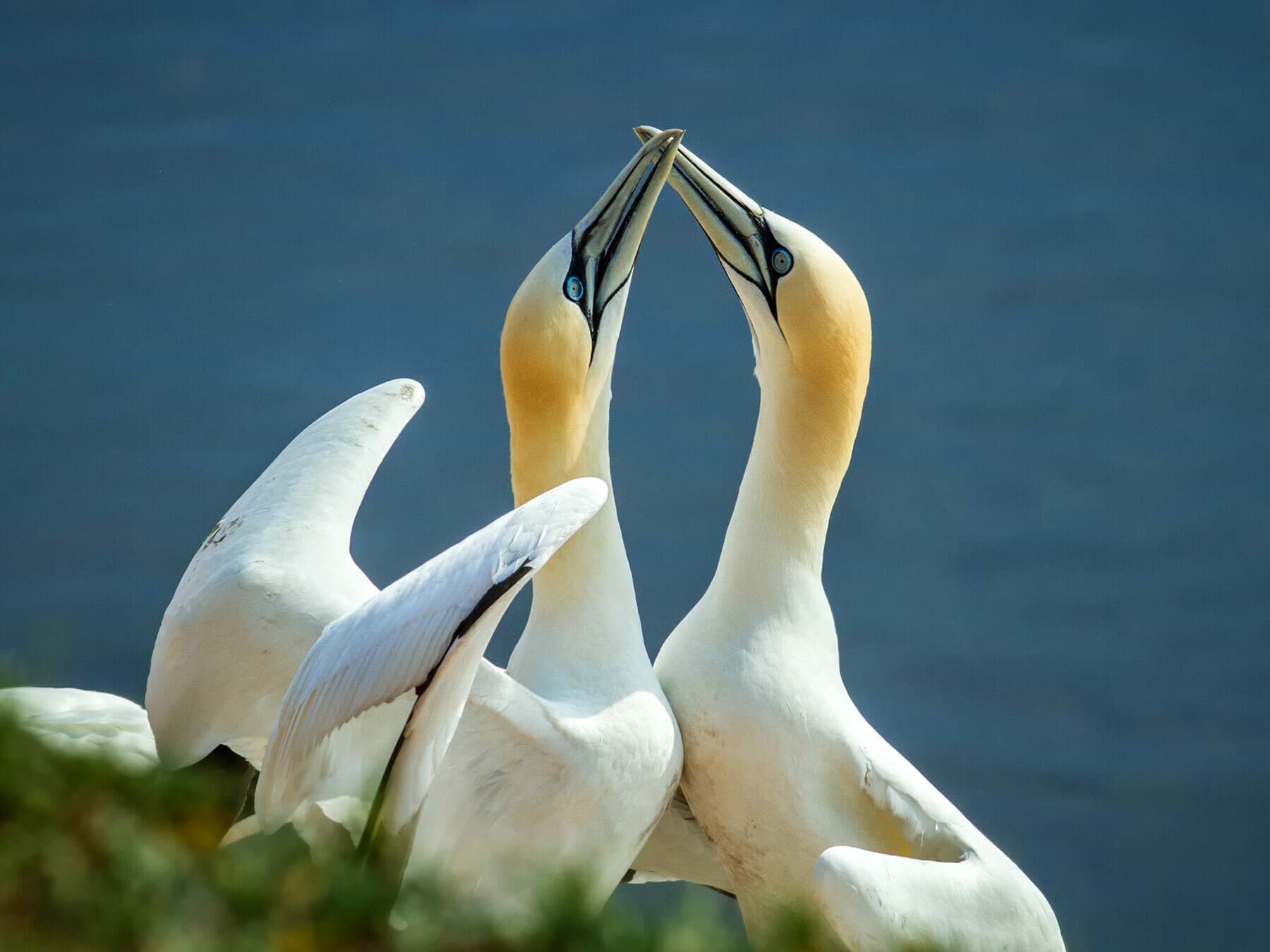
Northern Gannet
Morus bassanusLC
Uncommon but seen year-round offshore, often visible from Flamborough Head. Spectacular plunge-diving can be watched from coastal vantage points.
Year-round
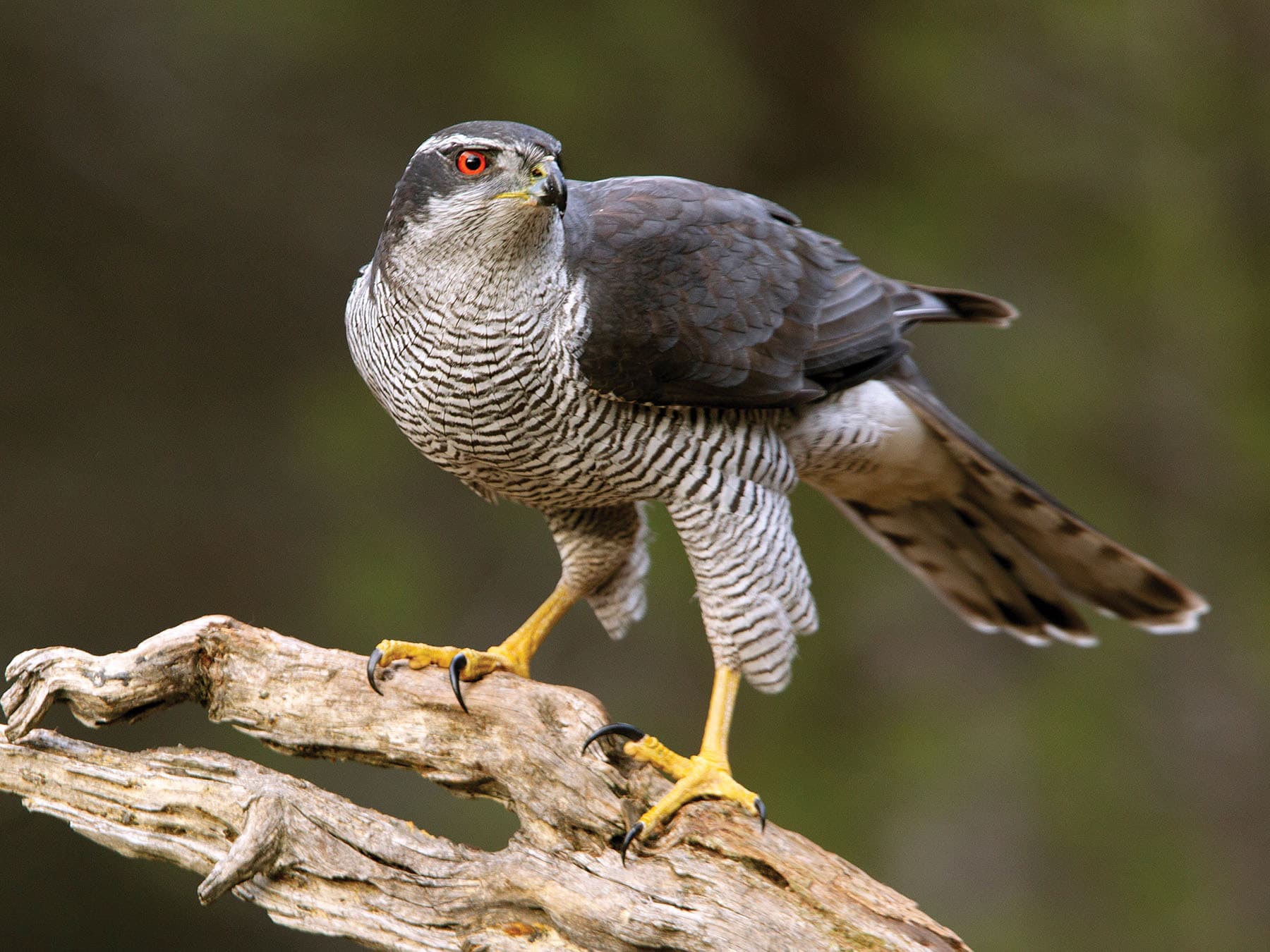
Northern Goshawk
Accipiter gentilisLC
A rare and secretive resident of large forests, slowly expanding its range. Most likely seen soaring over extensive conifer plantations in the region.
Jan–Aug
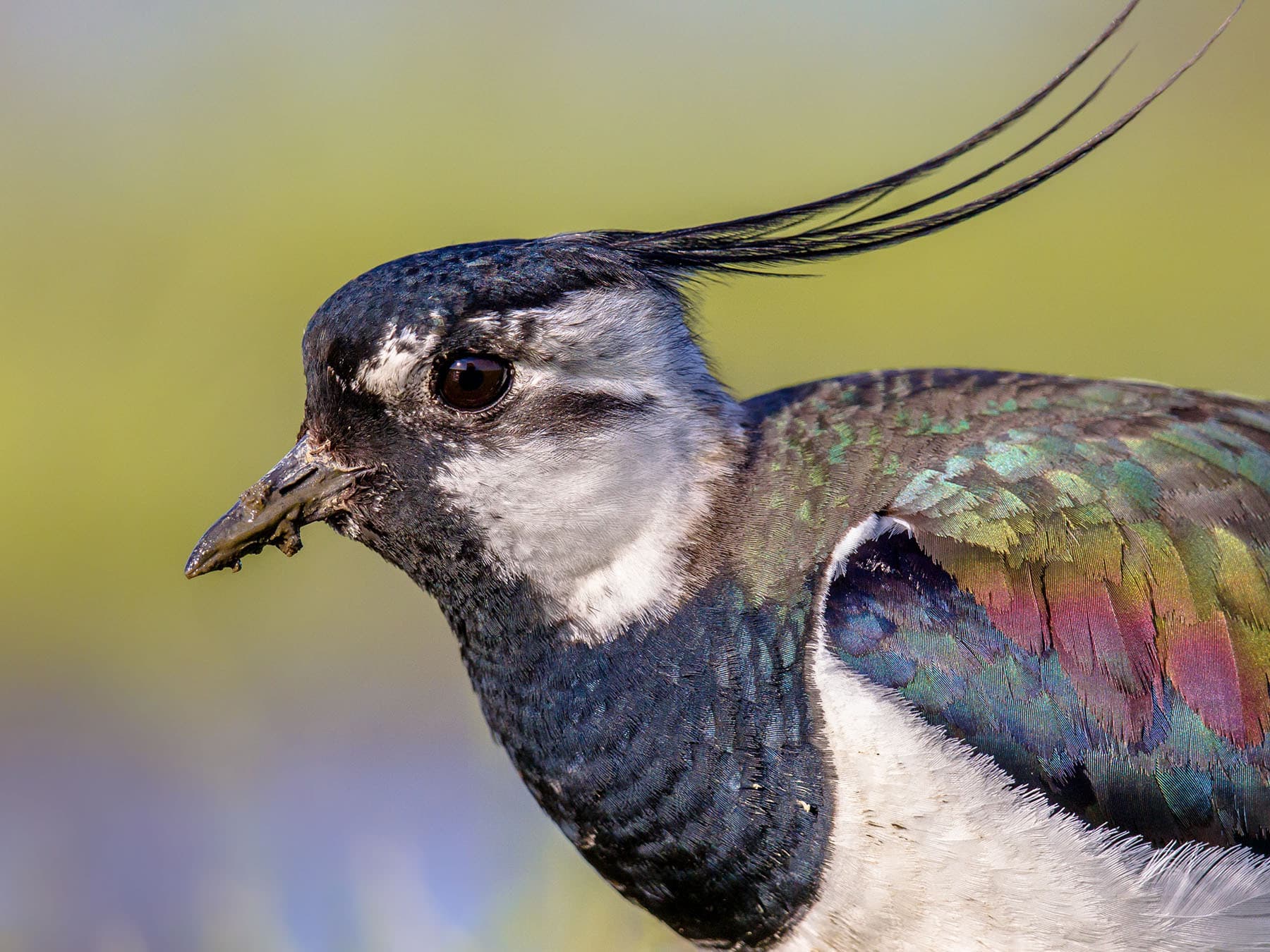
Northern Lapwing
Vanellus vanellusNT
A common year-round resident of farmland and moorland edges. Breeds on upland fields but flocks on lowland pastures in winter.
Year-round
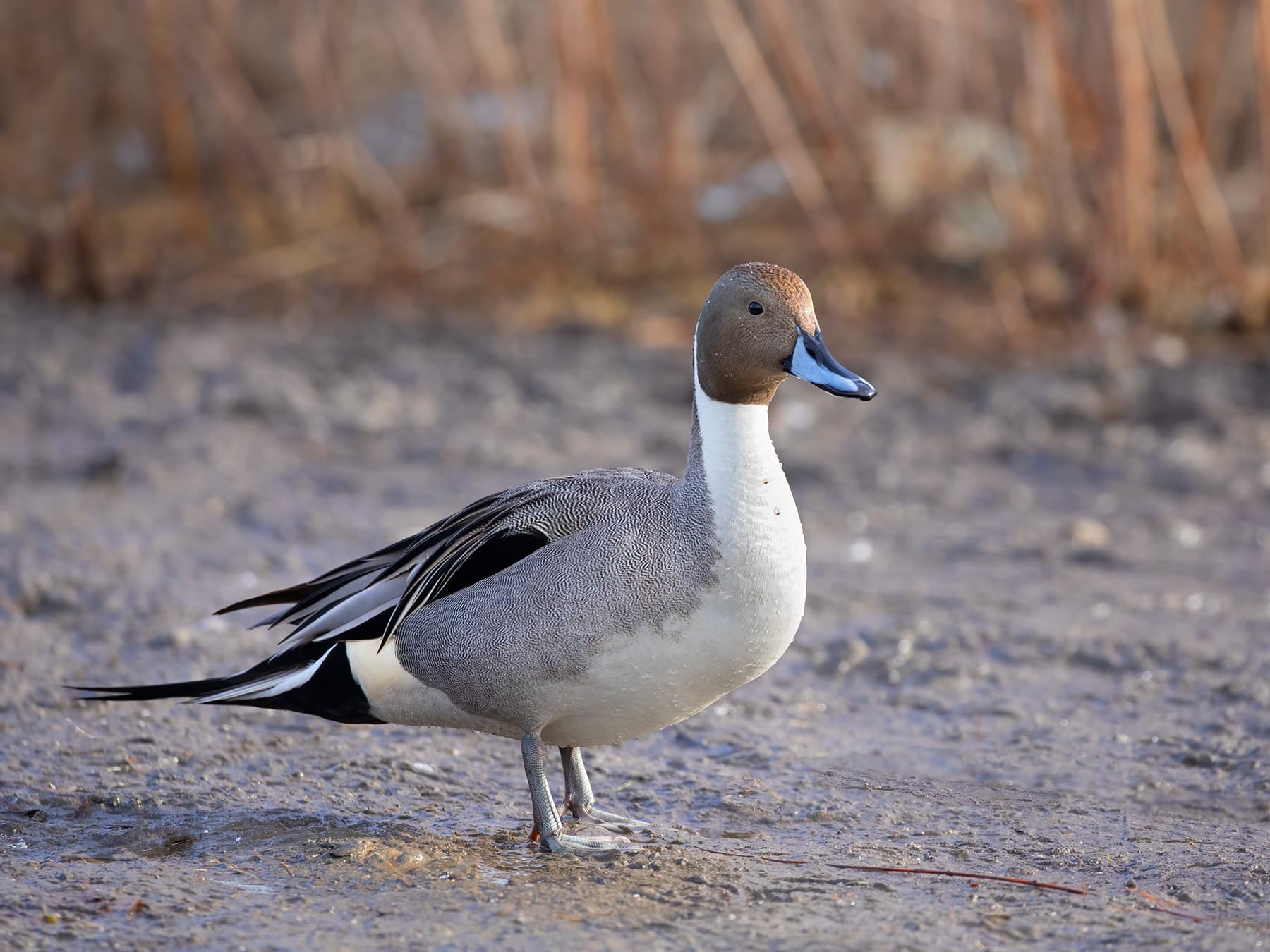
Northern Pintail
Anas acutaLC
A rare winter visitor to coastal estuaries and inland waters, arriving from September and departing by April. An elegant, long-necked dabbling duck.
Sep–Apr
Spotted something?
Upload a photo to identify it
Identify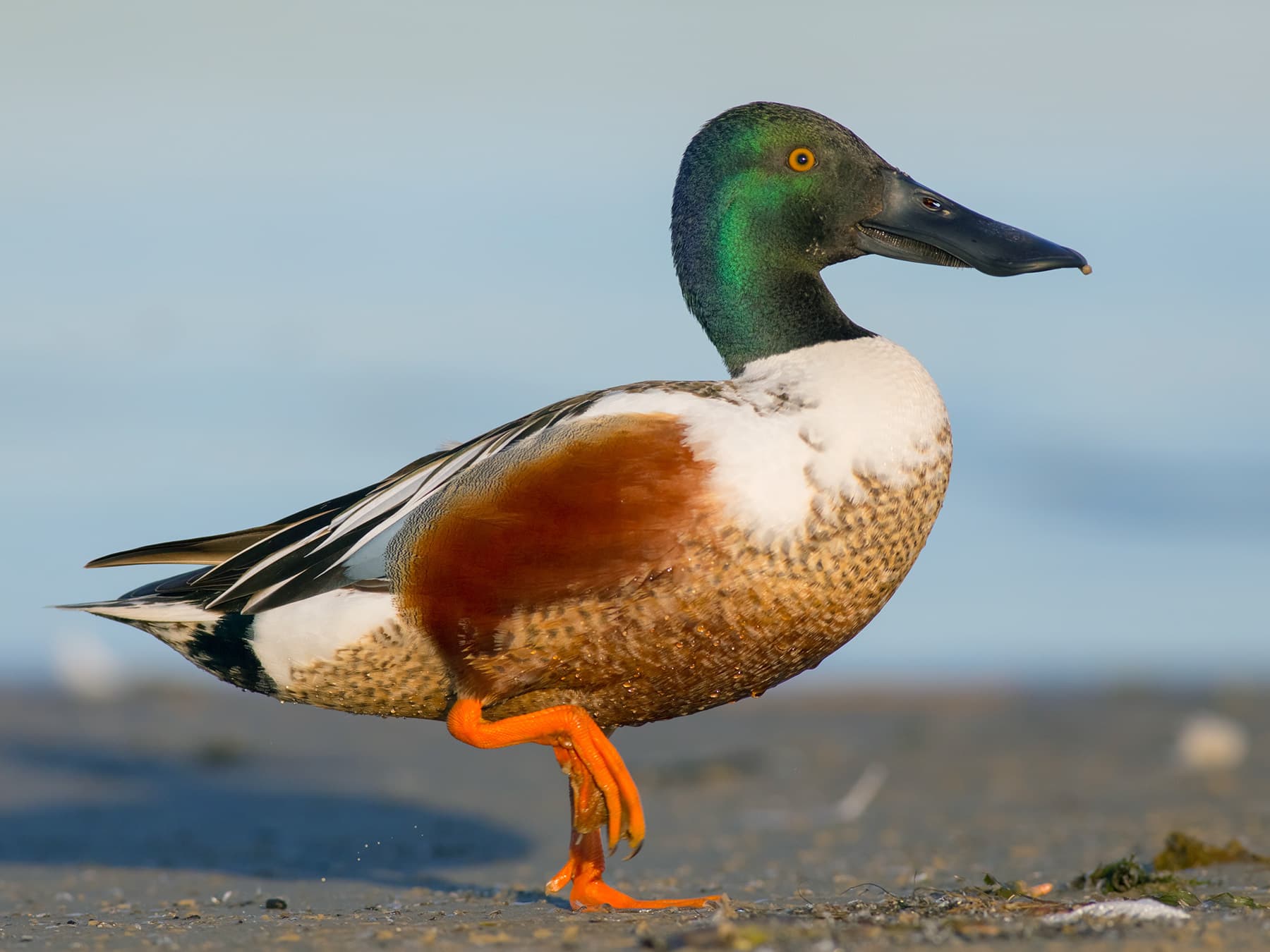
Northern Shoveler
Spatula clypeataLC
An uncommon resident of shallow lakes and flooded fields. Numbers increase in winter as continental birds arrive.
Year-round
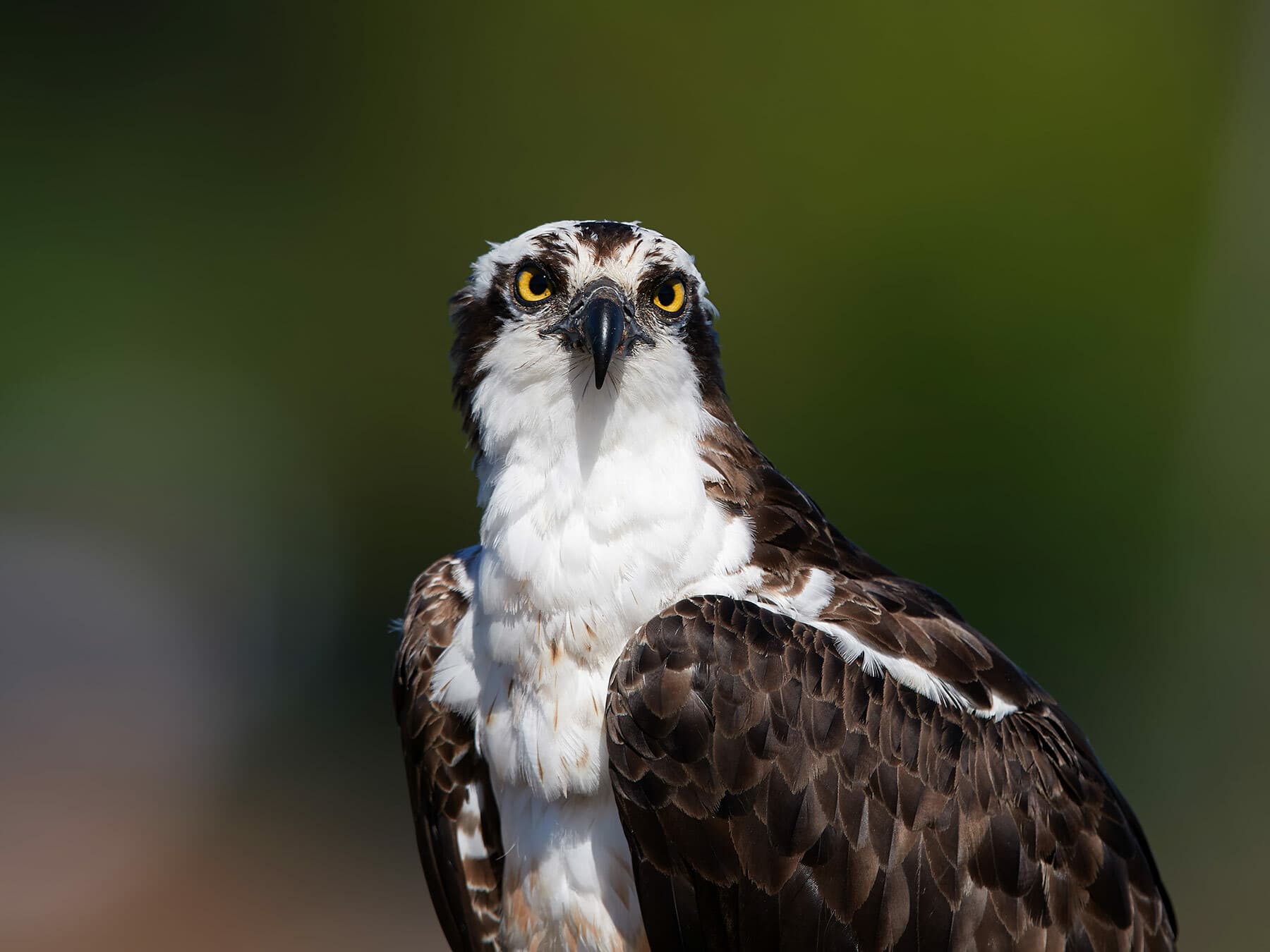
Osprey
Pandion haliaetusLC
A rare but increasingly seen passage visitor, pausing at reservoirs and large lakes in spring and late summer to fish.
May–Aug
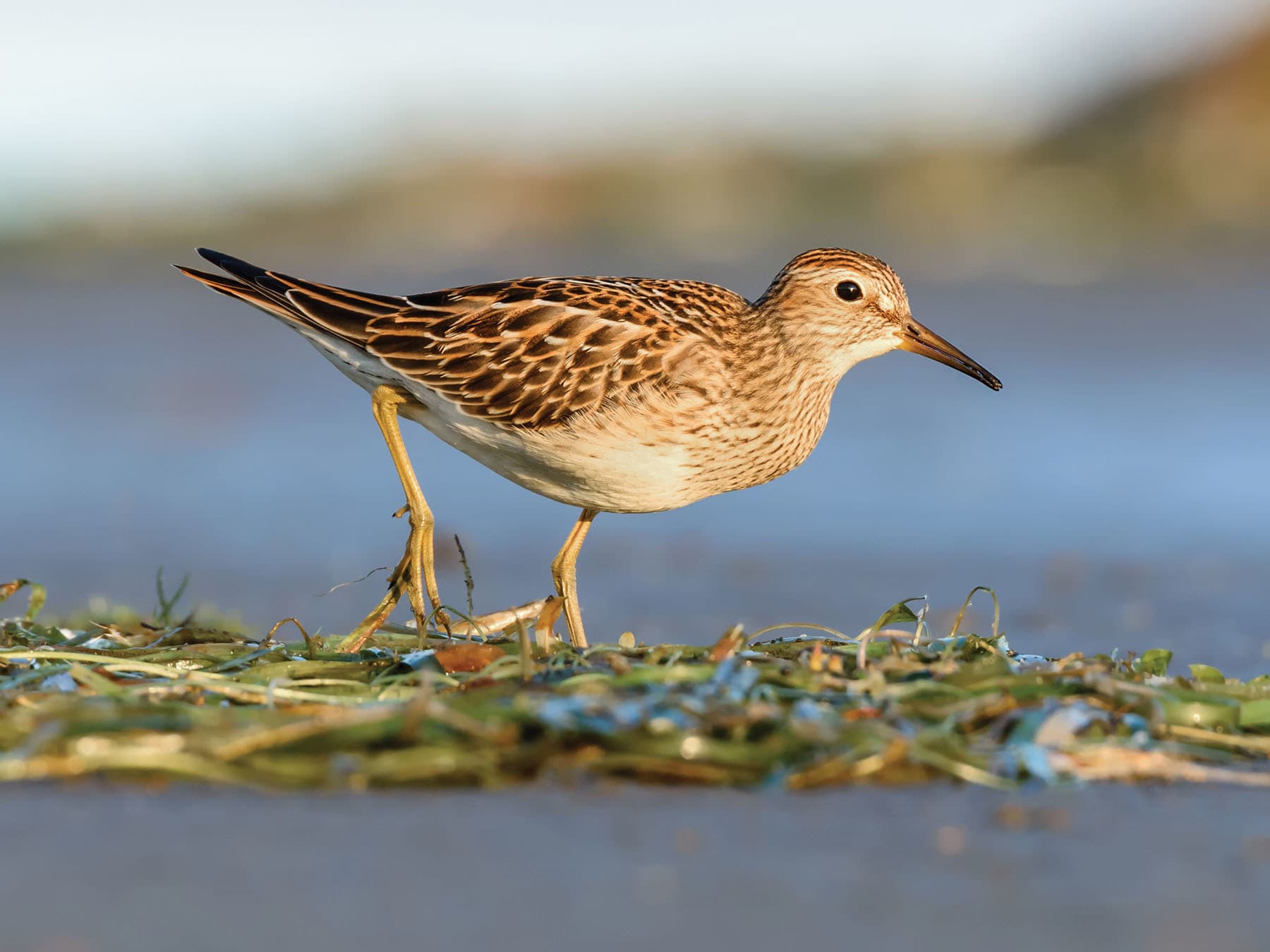
Pectoral Sandpiper
Calidris melanotosLC
A rare Nearctic vagrant, occasionally turning up at freshwater scrapes in September. Always a prized find for local birders.
Sep
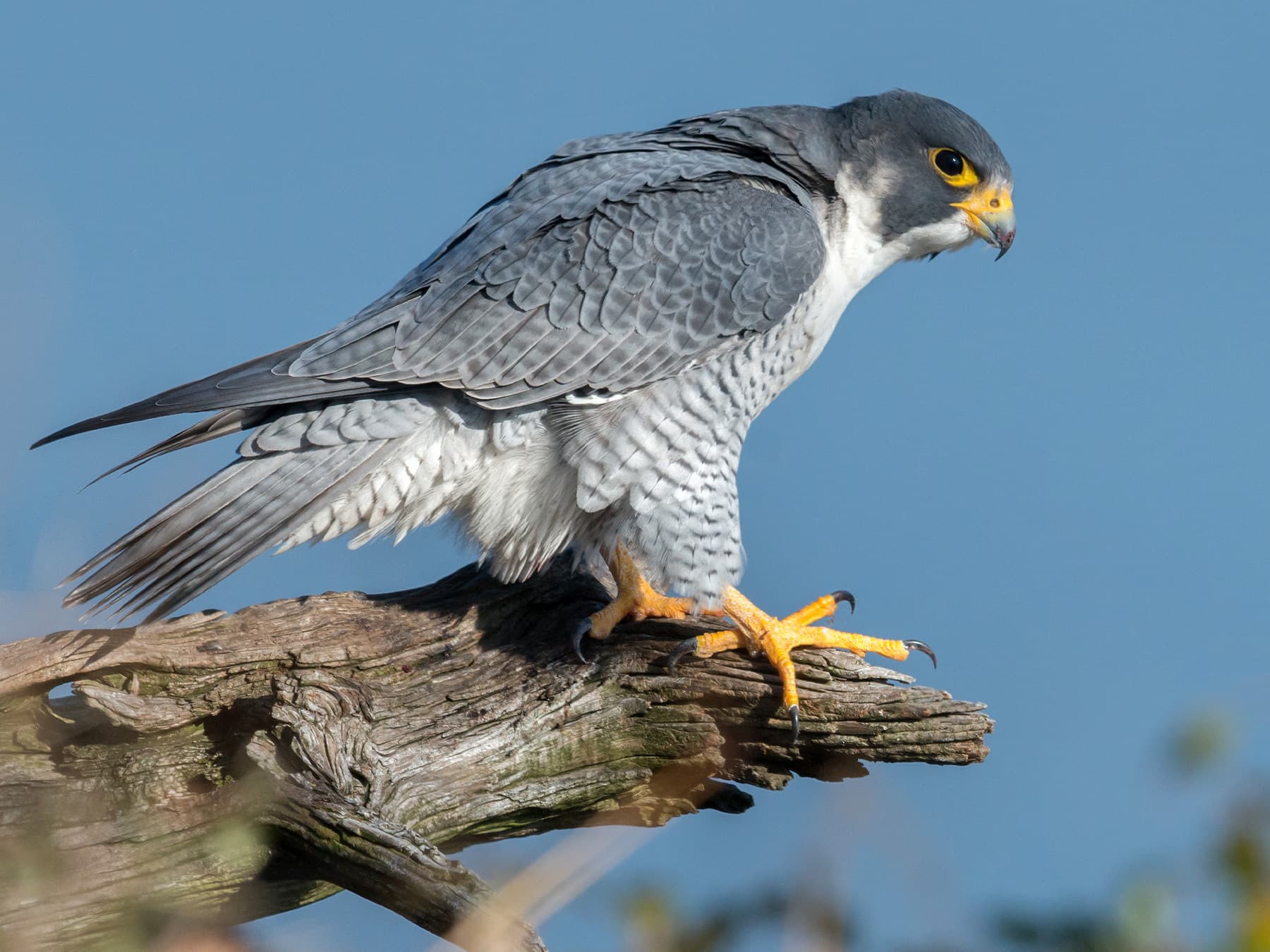
Peregrine Falcon
Falco peregrinusLC
An uncommon year-round resident nesting on coastal cliffs and inland crags, sometimes hunting over towns and estuaries in winter.
Year-round
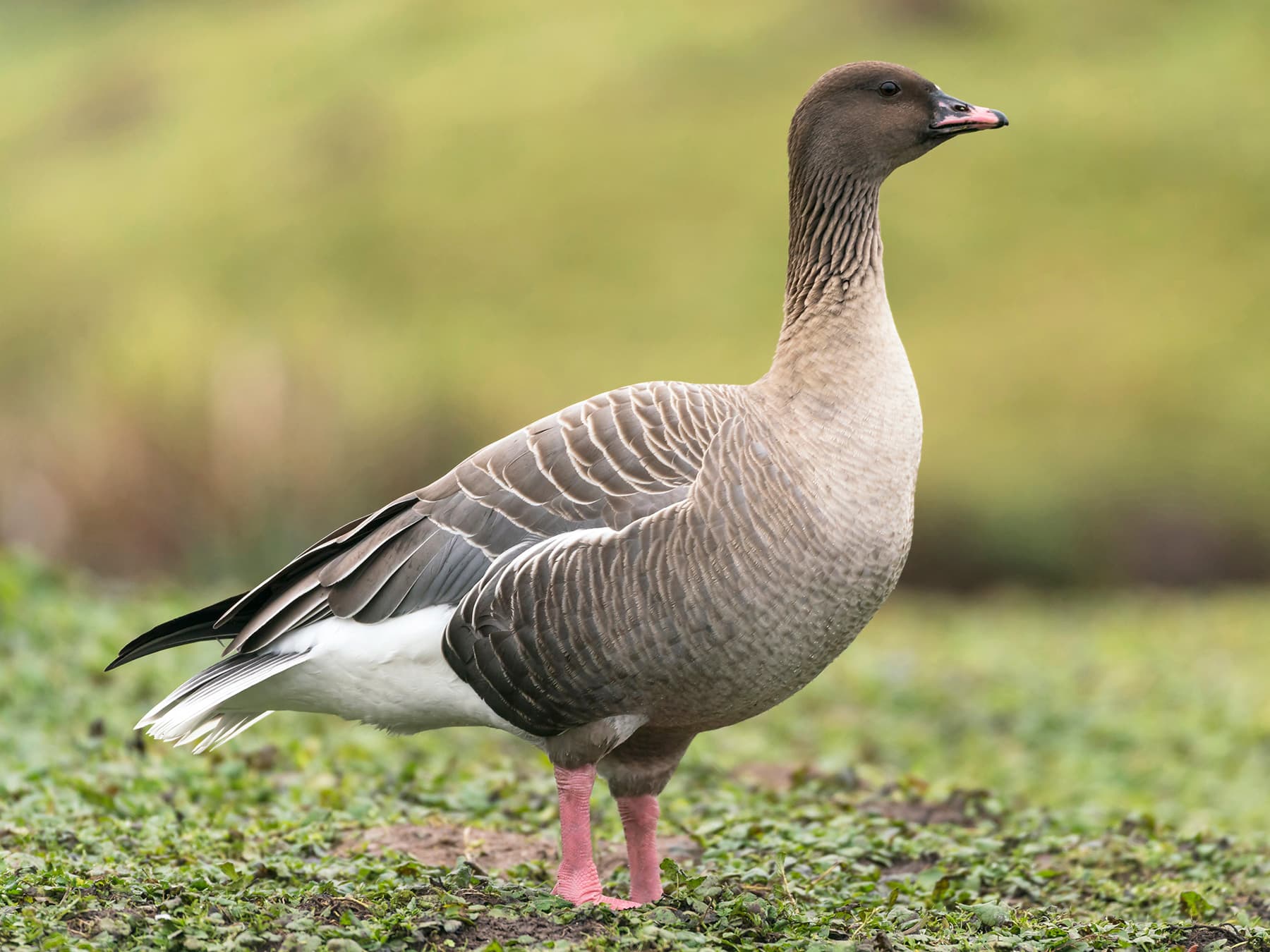
Pink-footed Goose
Anser brachyrhynchusLC
Winters in large skeins over the Vale of York, arriving from Iceland in autumn. Absent during summer breeding months.
Sep–May
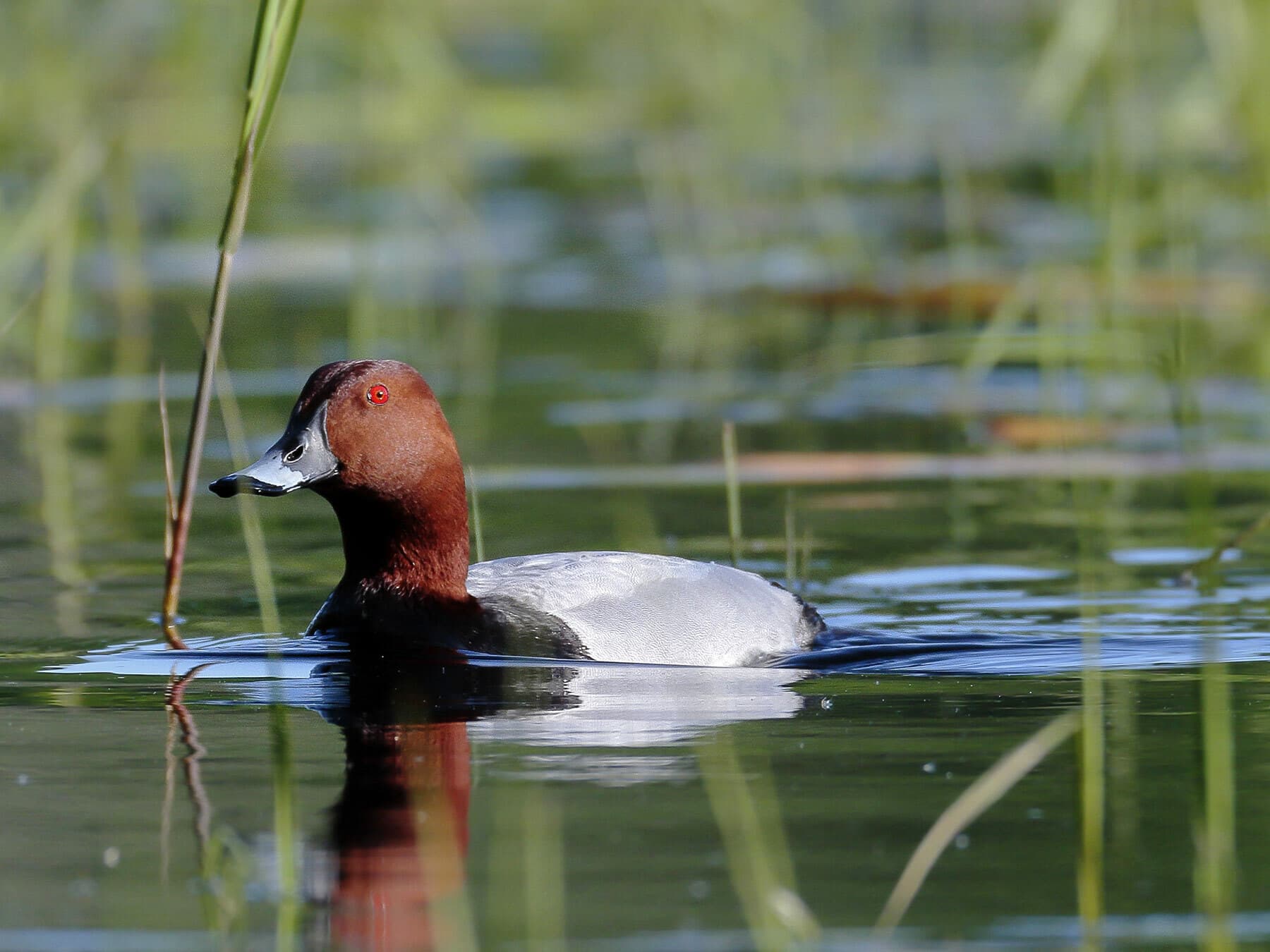
Pochard
Aythya ferinaVU
Present year-round but declining nationally. Favours large lakes and reservoirs, with numbers boosted by winter visitors.
Year-round
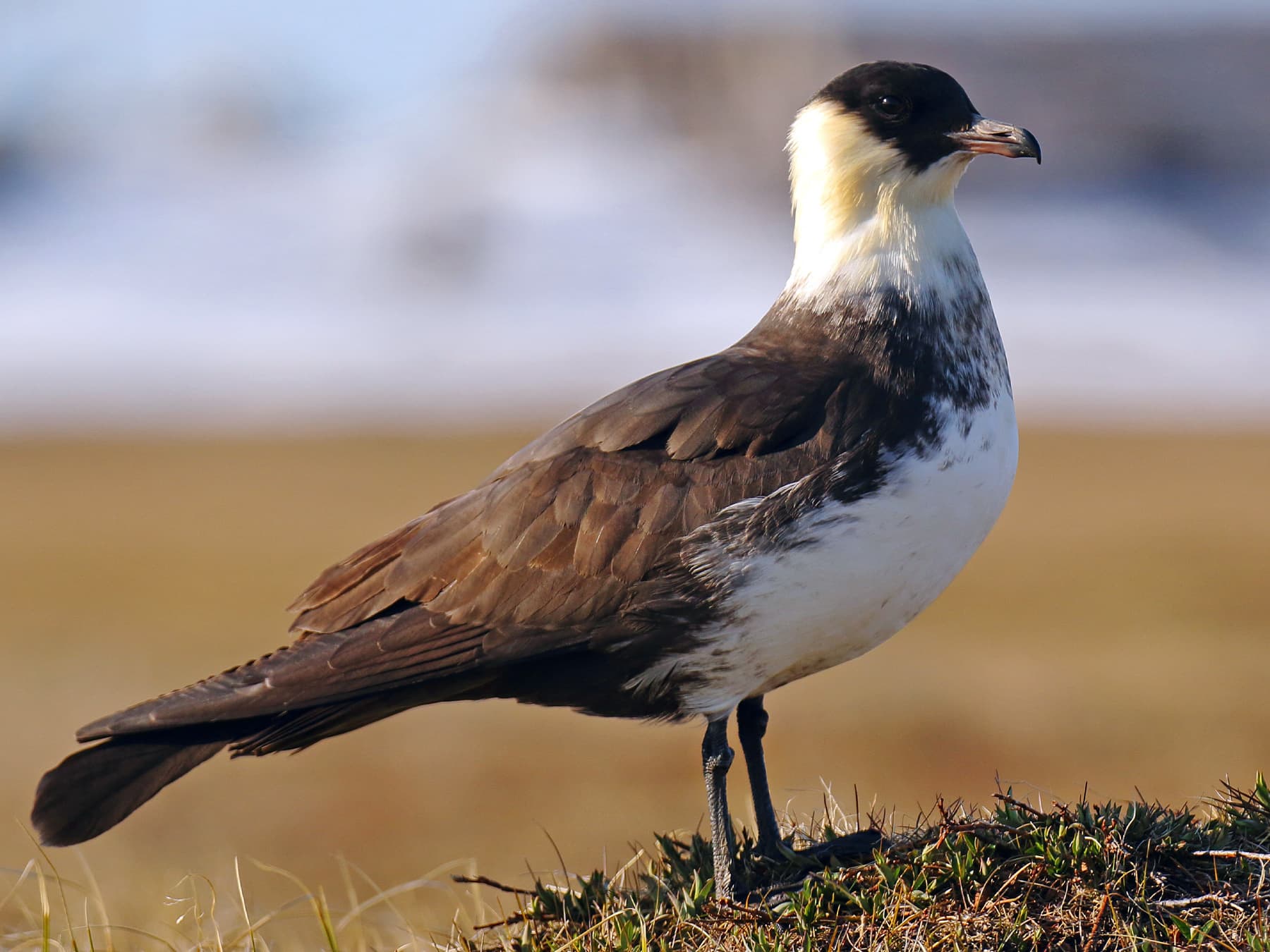
Pomarine Jaeger
Stercorarius pomarinusLC
A rare autumn passage seabird seen from coastal headlands between August and November. Best spotted during strong onshore winds at sites like Filey.
Aug–Nov
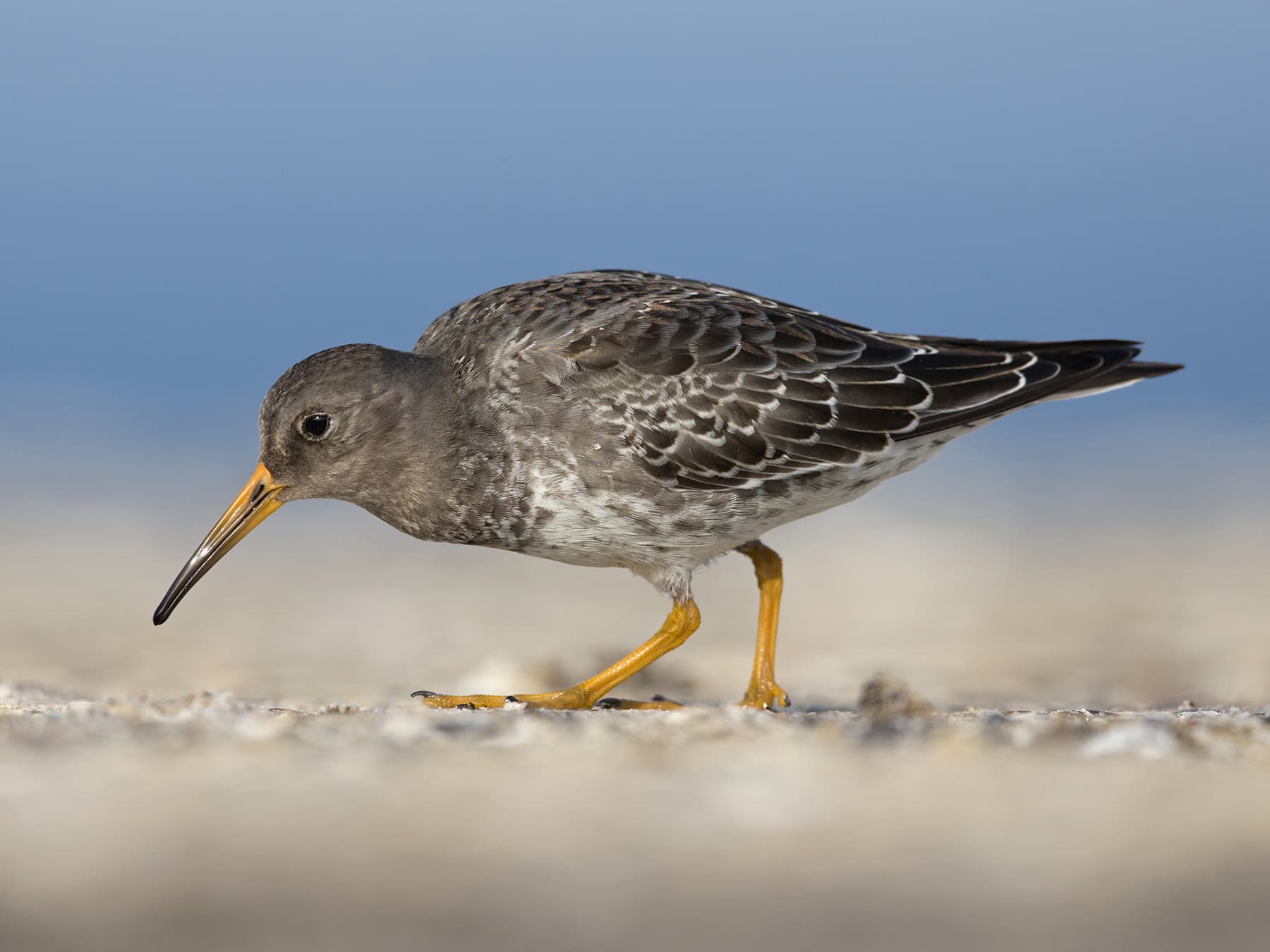
Purple Sandpiper
Calidris maritimaLC
Frequents rocky shores and harbour walls along the coast, especially at Scarborough and Filey, mainly outside the brief breeding season.
Jul–May
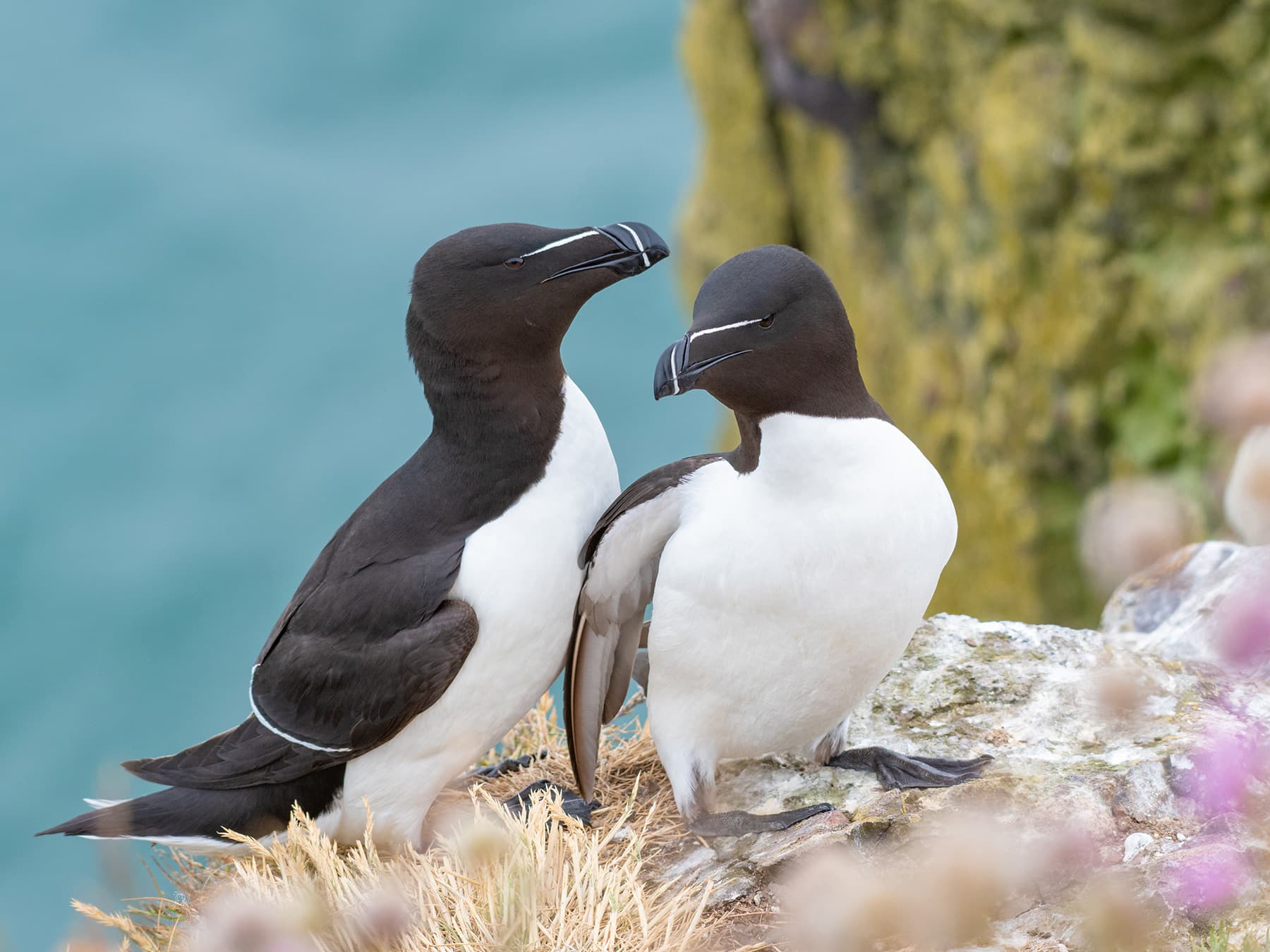
Razorbill
Alca tordaLC
Breeds on the dramatic cliffs at Flamborough and Bempton, with large numbers present in spring and summer before dispersing offshore.
Year-round
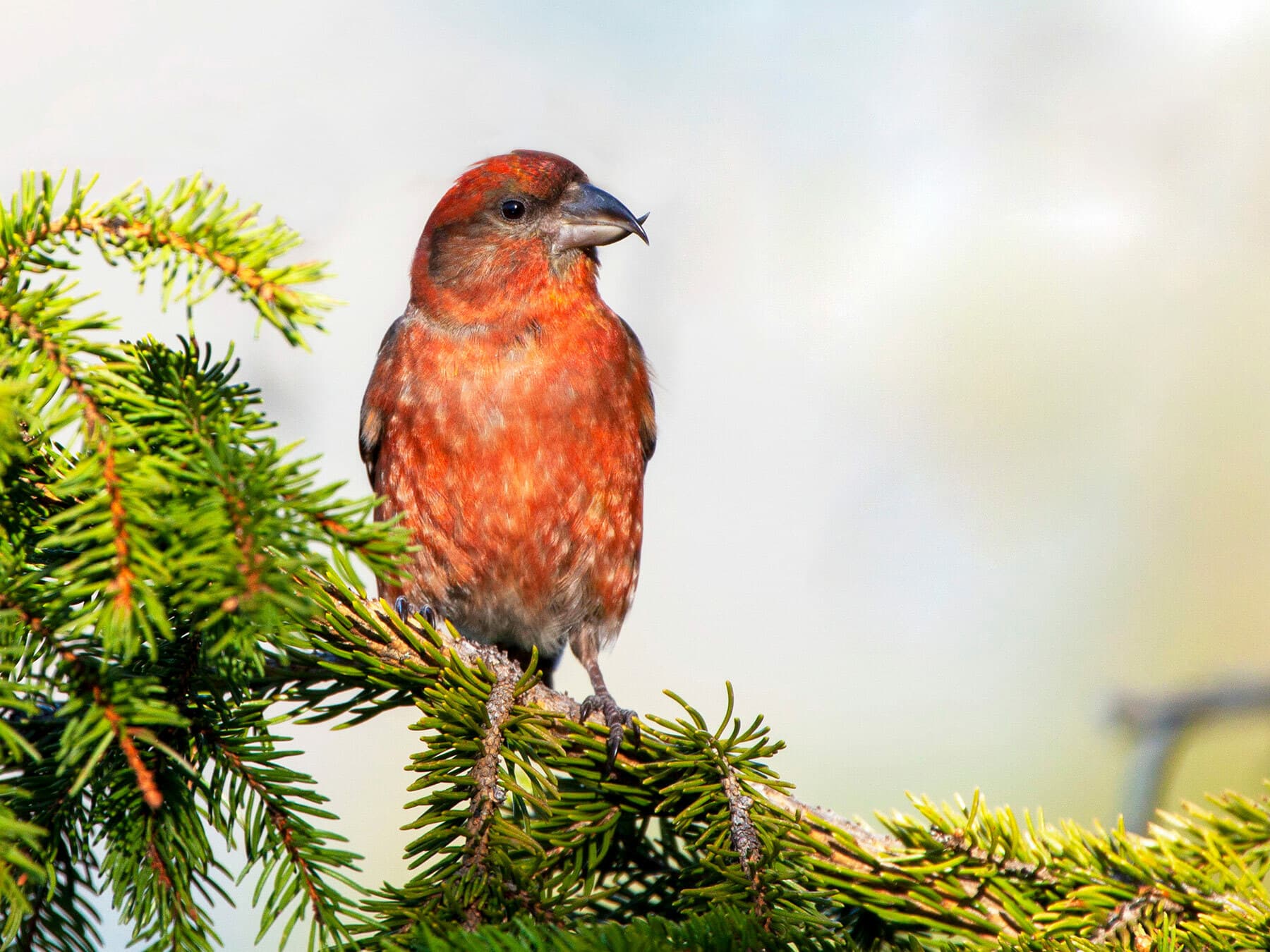
Red Crossbill
Loxia curvirostraLC
A rare and nomadic resident of conifer plantations, with numbers varying greatly between years. Its distinctive crossed bill extracts seeds from spruce cones.
Year-round
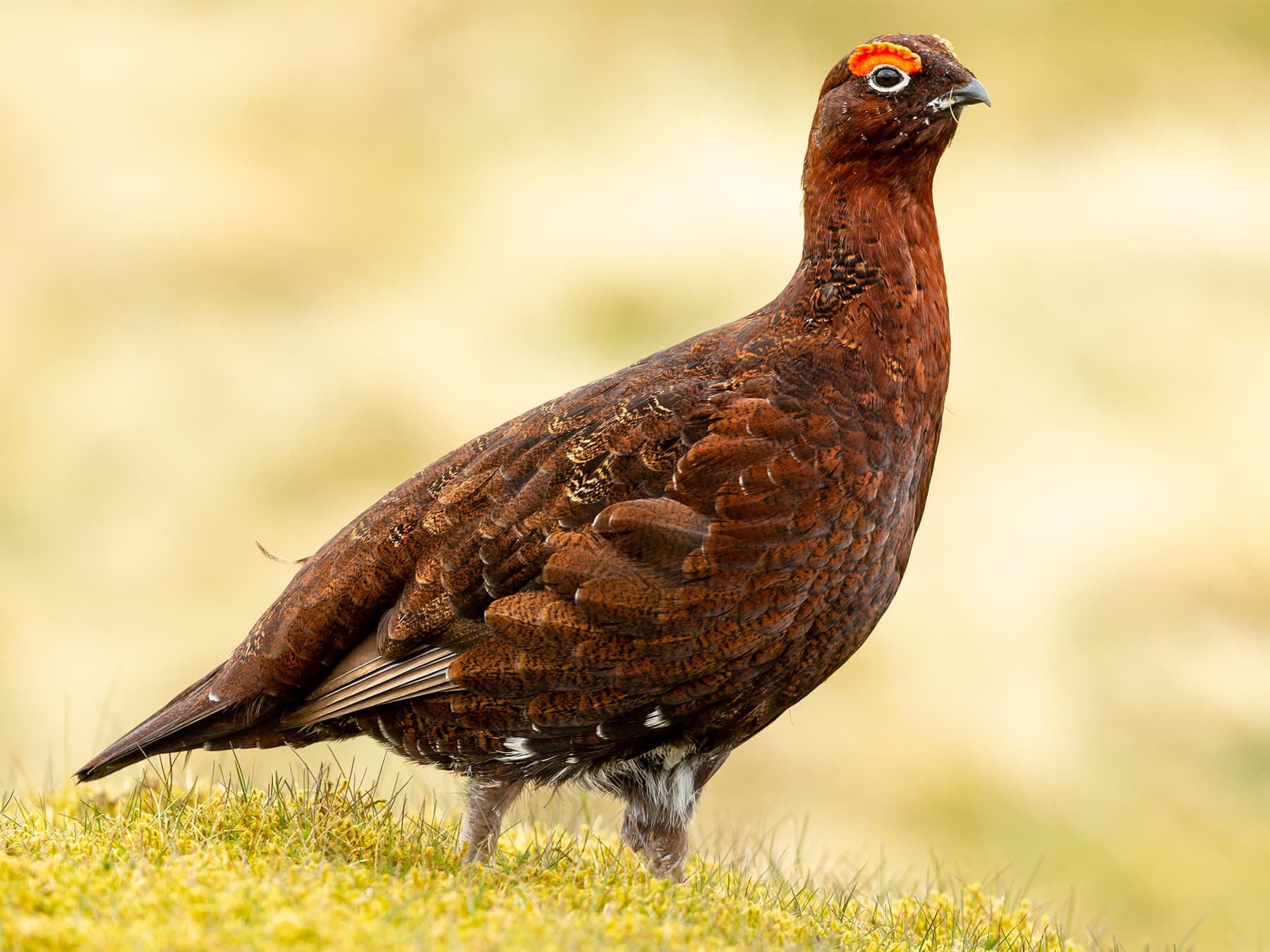
Red Grouse
Lagopus lagopus scoticaLC
An iconic resident of the North York Moors and Dales heather moorland. Present all year, with numbers managed for grouse shooting.
Year-round
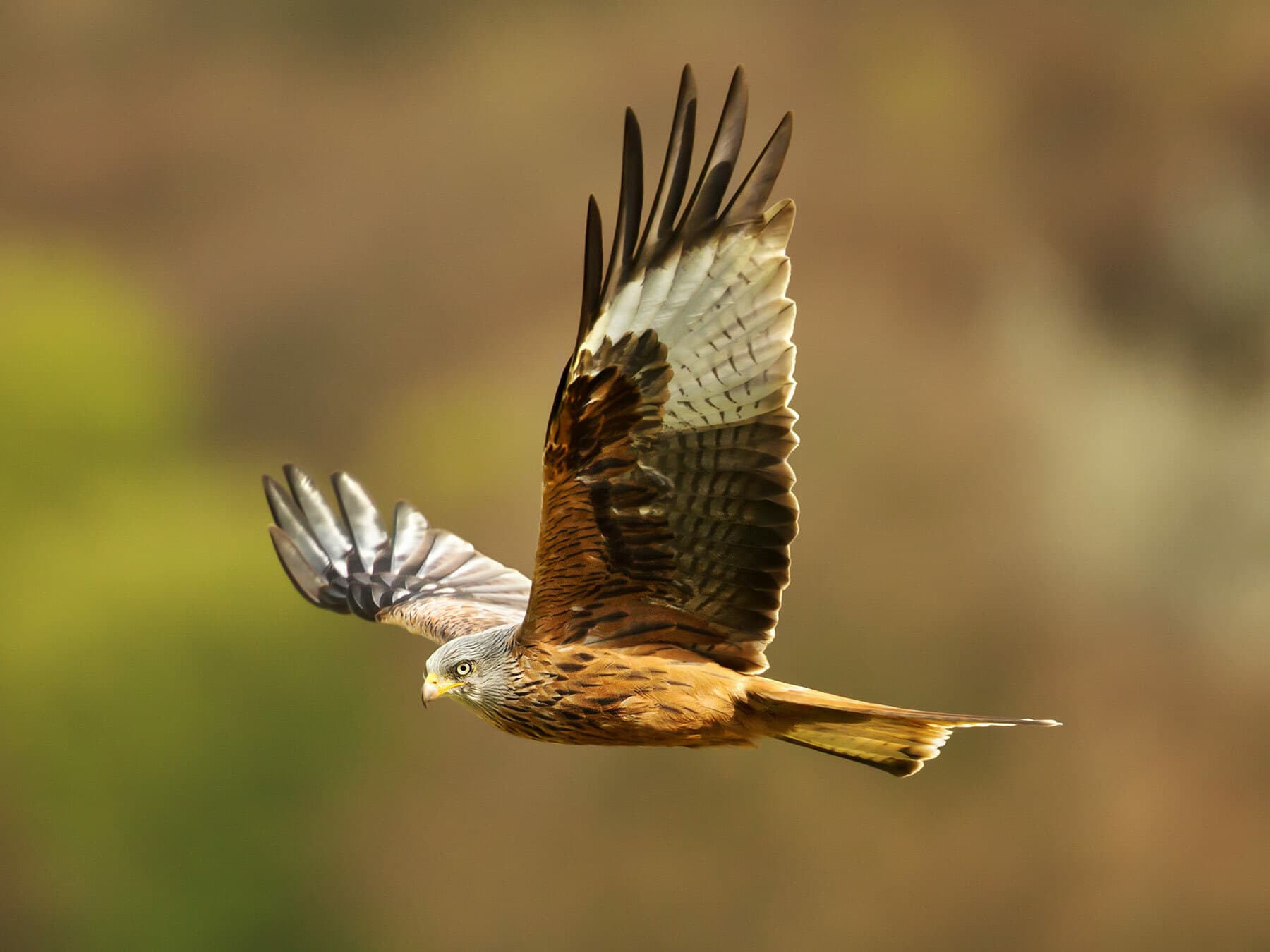
Red Kite
Milvus milvusLC
Now resident year-round following successful reintroduction at Harewood, increasingly seen soaring over the Dales and Vale of York.
Year-round
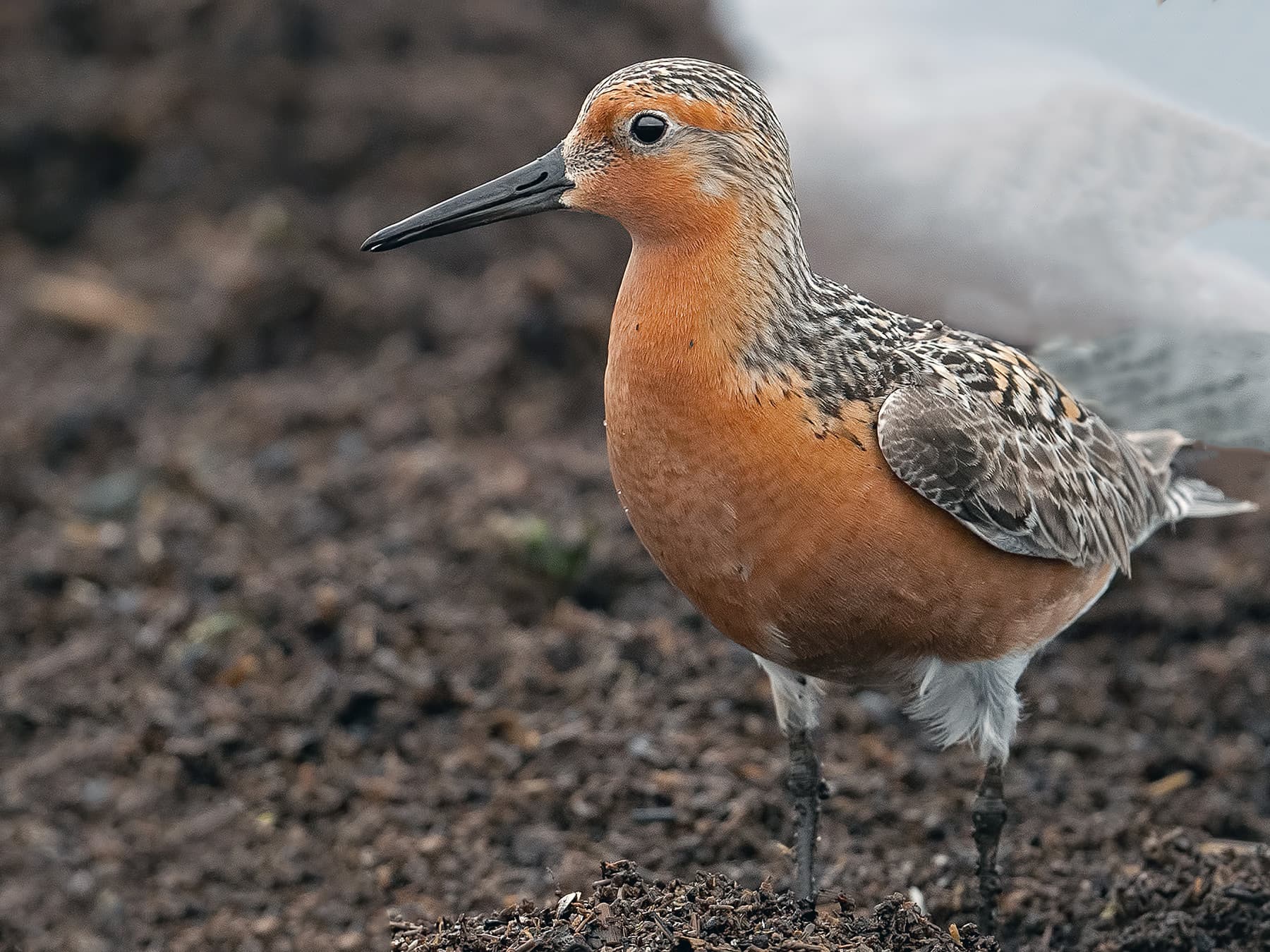
Red Knot
Calidris canutusNT
Uncommon but present year-round, gathering in flocks on the Tees estuary mudflats. Numbers peak in winter with arrivals from Arctic breeding grounds.
Year-round
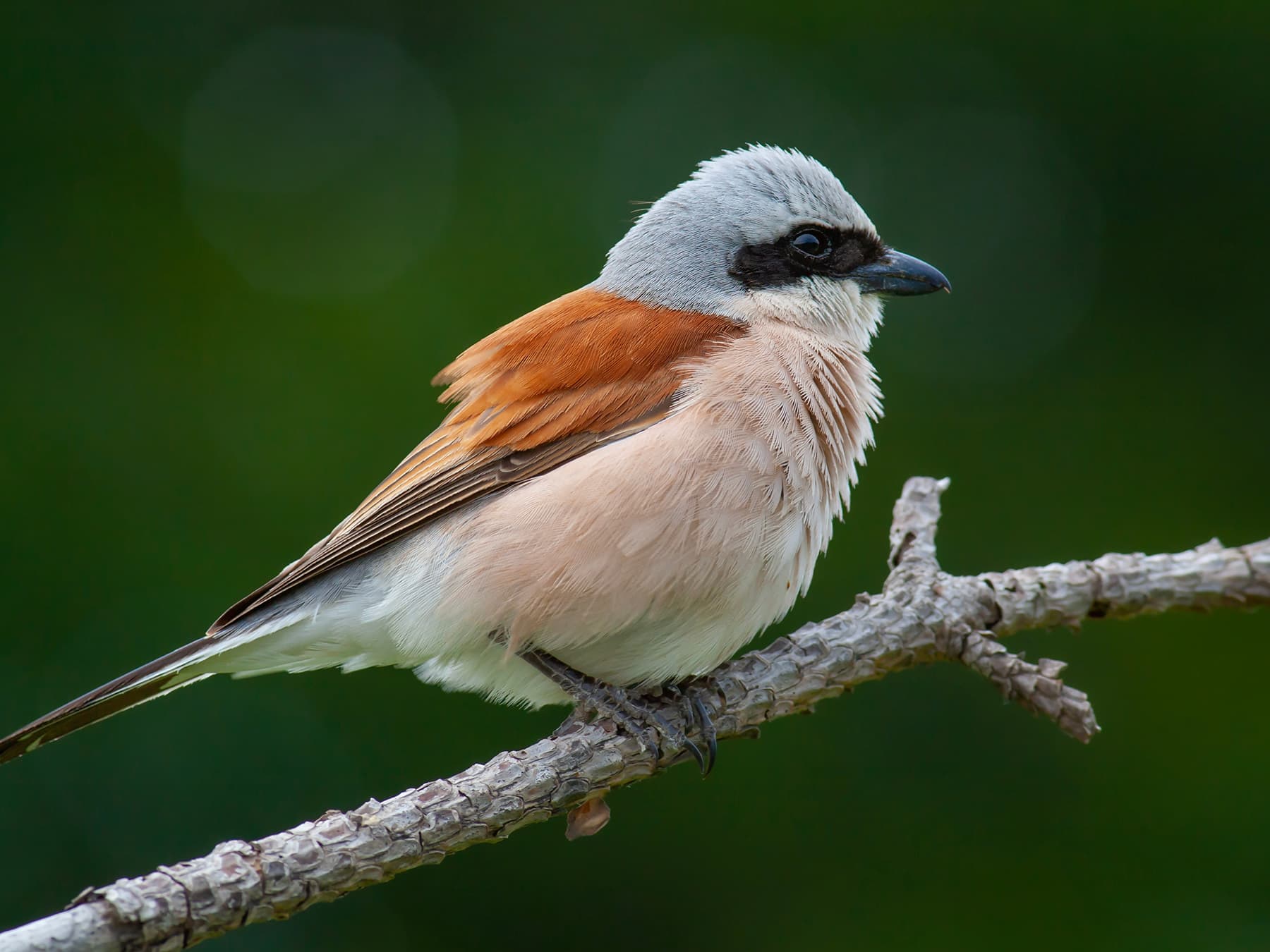
Red-backed Shrike
Lanius collurioLC
A rare passage visitor in May and September, most likely at coastal migration watchpoints such as Flamborough and Spurn.
May–Sep
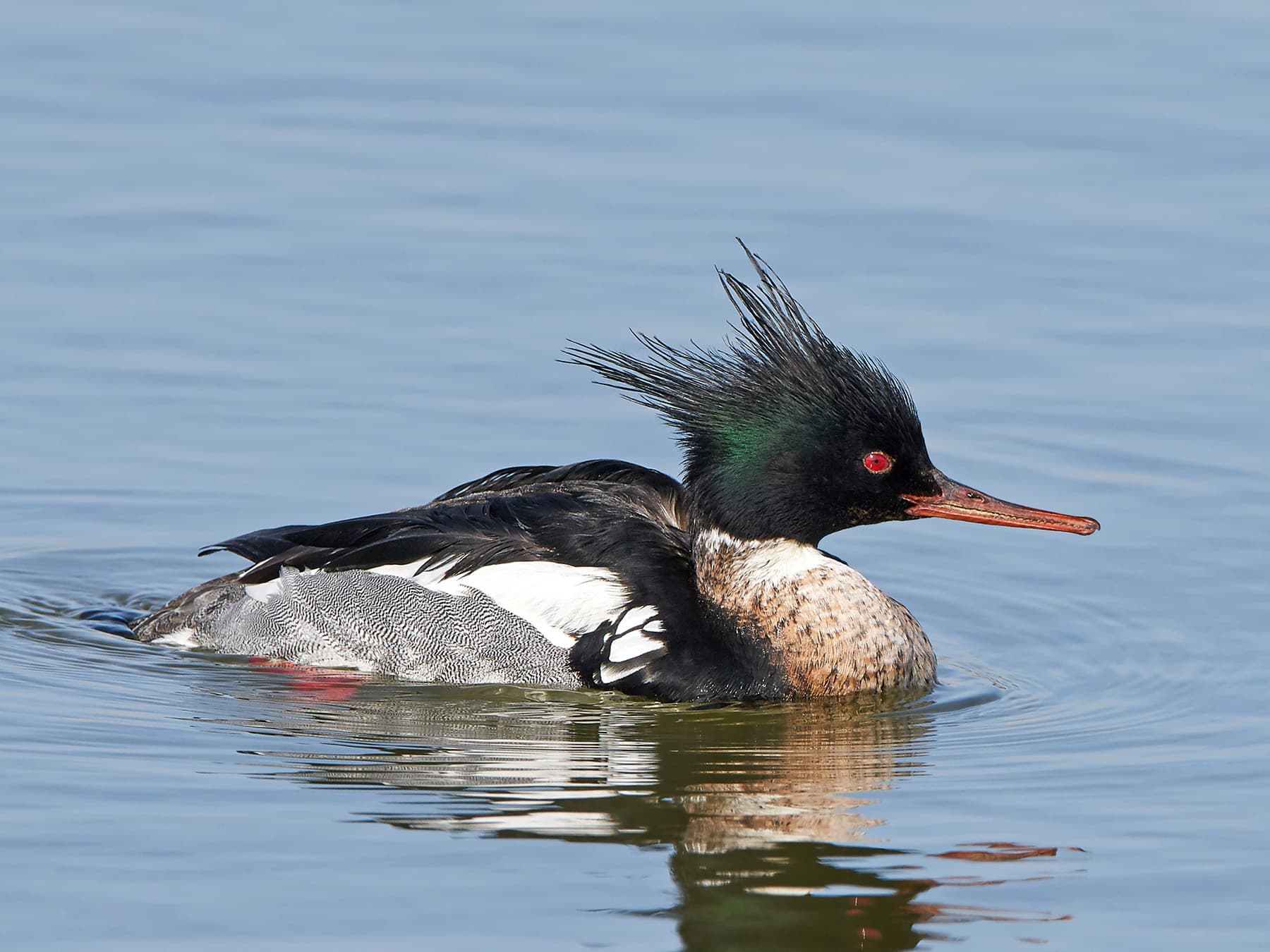
Red-breasted Merganser
Mergus serratorLC
An uncommon resident favouring coastal waters and estuaries. Also breeds along upland rivers in the Dales and North York Moors.
Sep–Jul