Rare Birds in Norfolk
99 species matching this filter.
Norfolk is one of Britain's premier birdwatching destinations, and its diverse coastal marshes, estuaries, and inland wetlands attract a remarkable variety of rare species. With 114 birds classified as rare in the county, visitors may encounter elusive species such as European Honey-buzzard, Grey Phalarope, Little Auk, and Garganey. The county's position on the East Anglian coast makes it a vital stopover for scarce migrants and storm-blown vagrants alike.


Showing 47–69 of 99 species
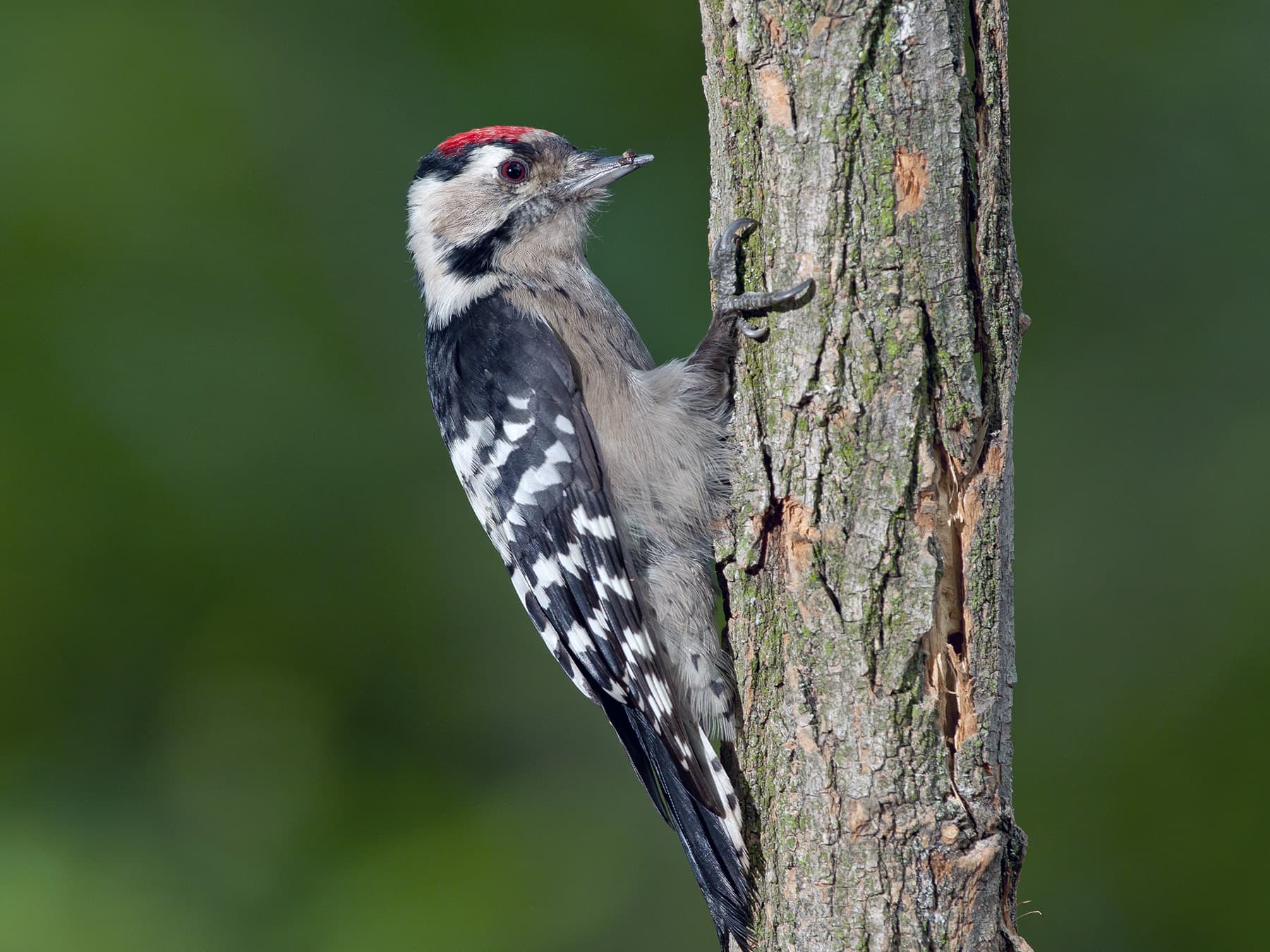
Lesser Spotted Woodpecker
Dryobates minorLC
A rare and declining species, occasionally noted in mature broadleaved woodland during early spring. One of Britain's most threatened woodpeckers.
Mar
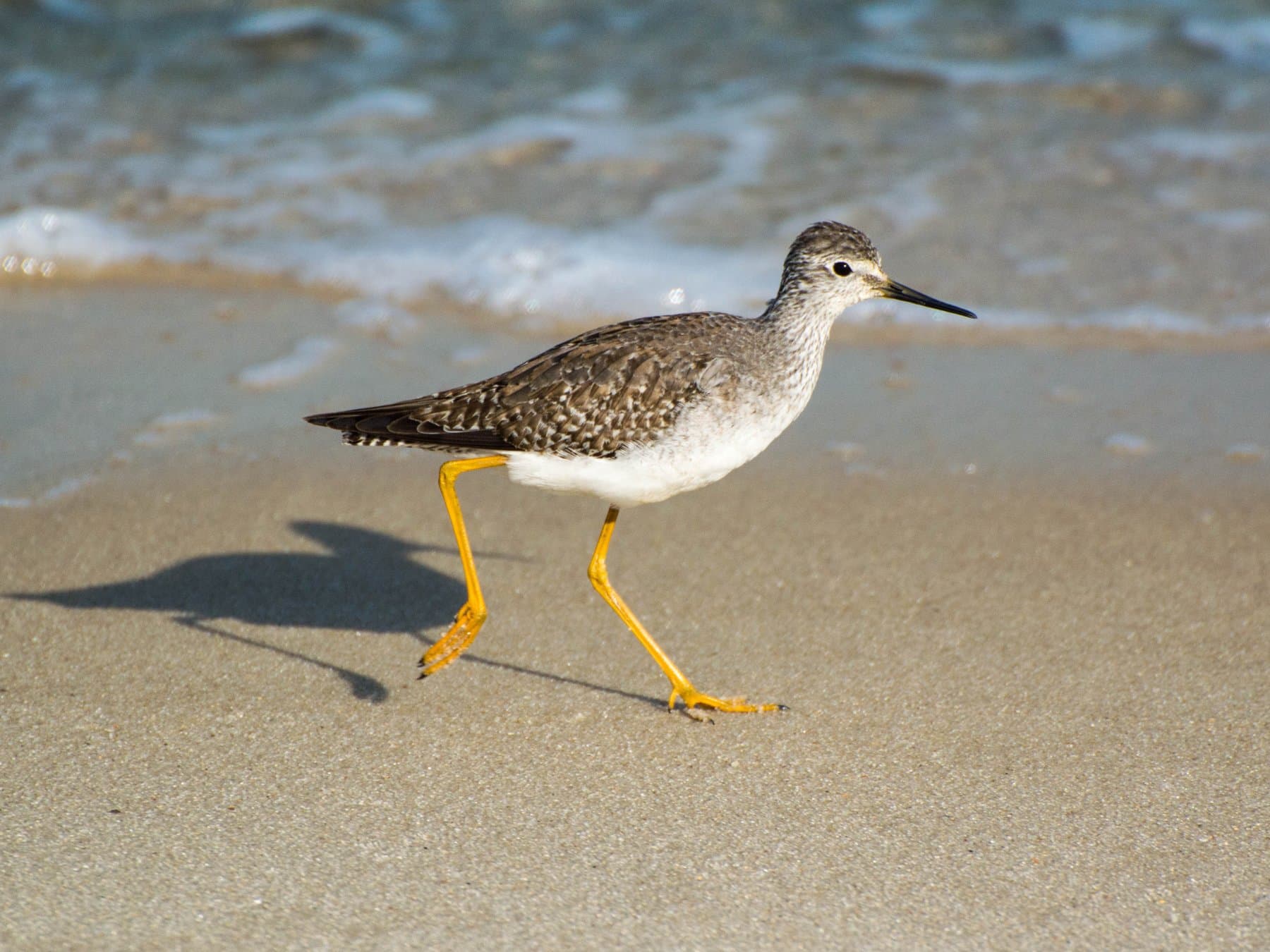
Lesser Yellowlegs
Tringa flavipesVU
A rare American vagrant occasionally recorded on passage at coastal marshes, mainly in July and October.
Jul–Oct
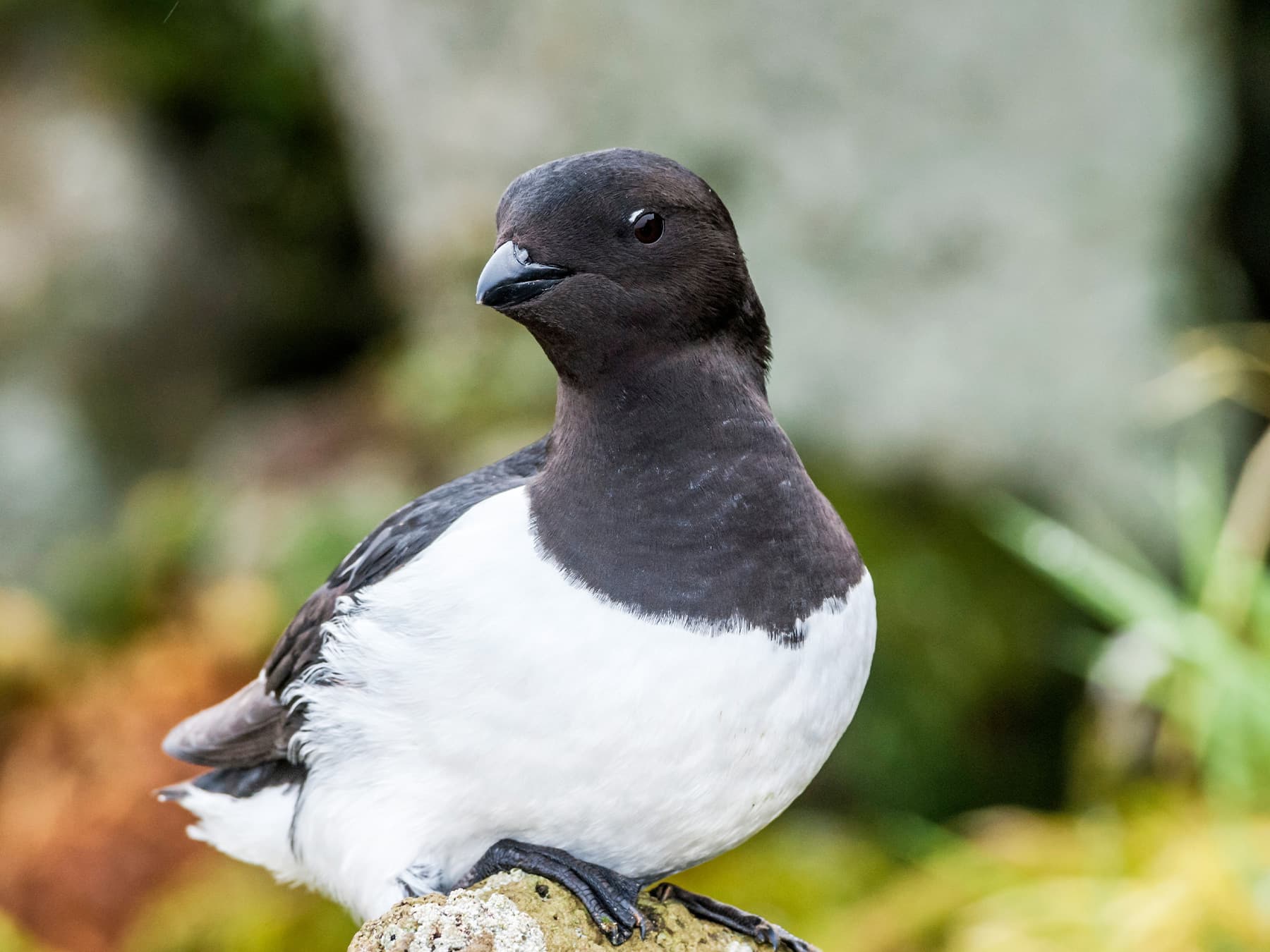
Little Auk
Alle alleLC
A rare late-autumn visitor, sometimes driven close to Norfolk's shores by North Sea gales in November, occasionally found beached.
Nov
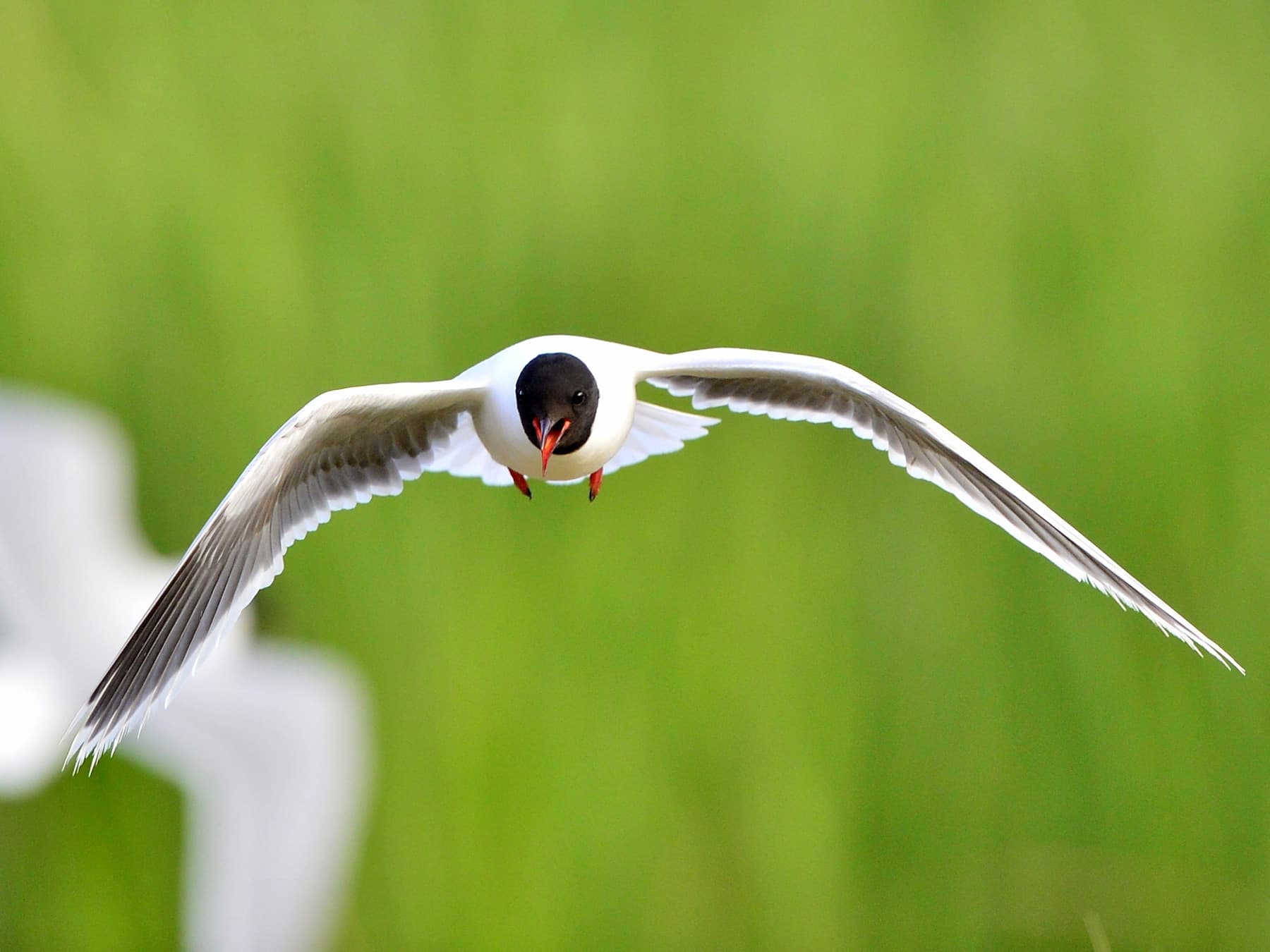
Little Gull
Hydrocoloeus minutusLC
A rare breeder present from spring through autumn, daintily picking insects from Norfolk's coastal lagoons and marshes.
Apr–Nov
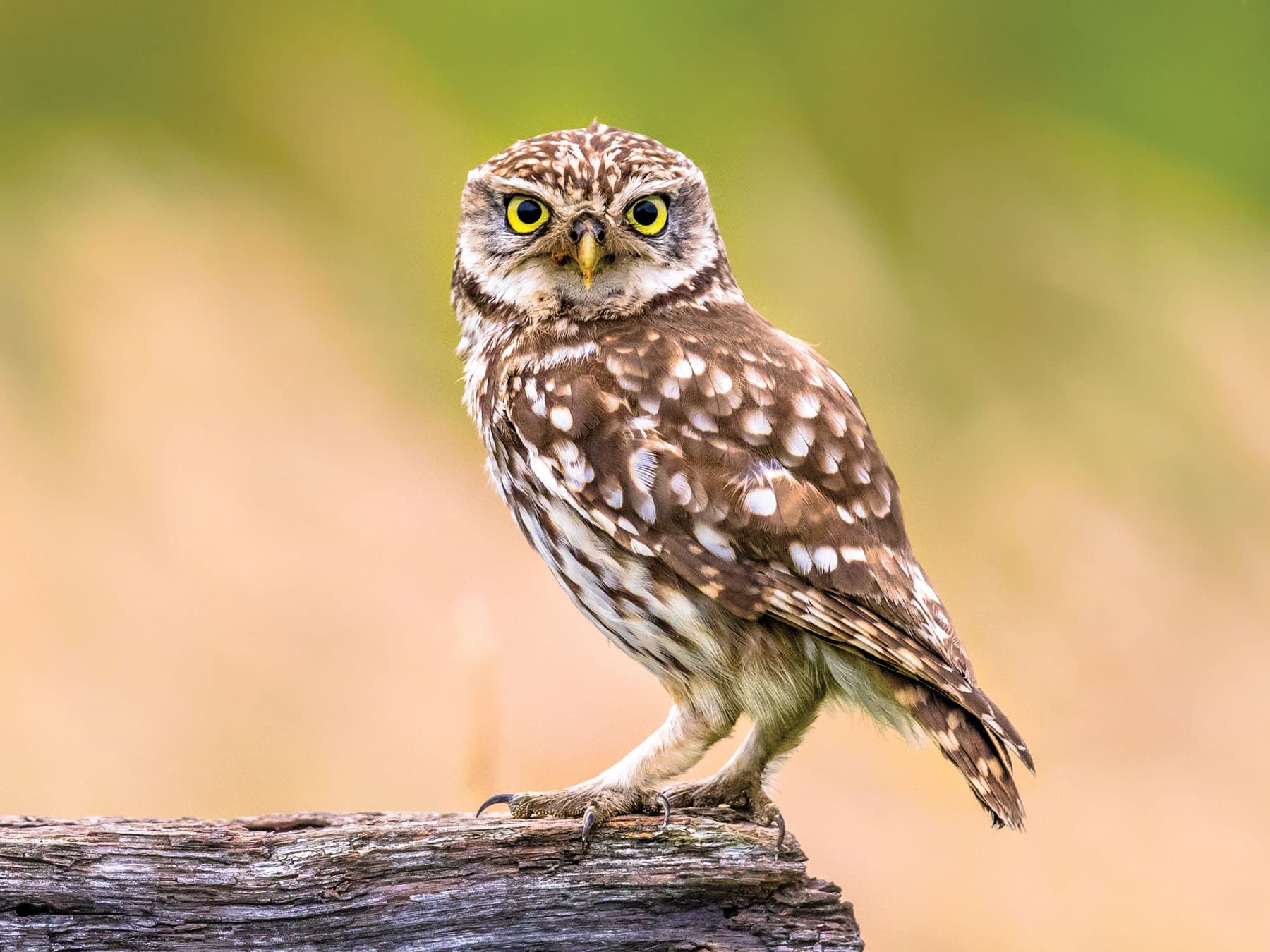
Little Owl
Athene noctuaLC
A rare and declining resident, sometimes spotted perched on fence posts in open farmland. Introduced to Britain, it favours old farm buildings for nesting.
Year-round
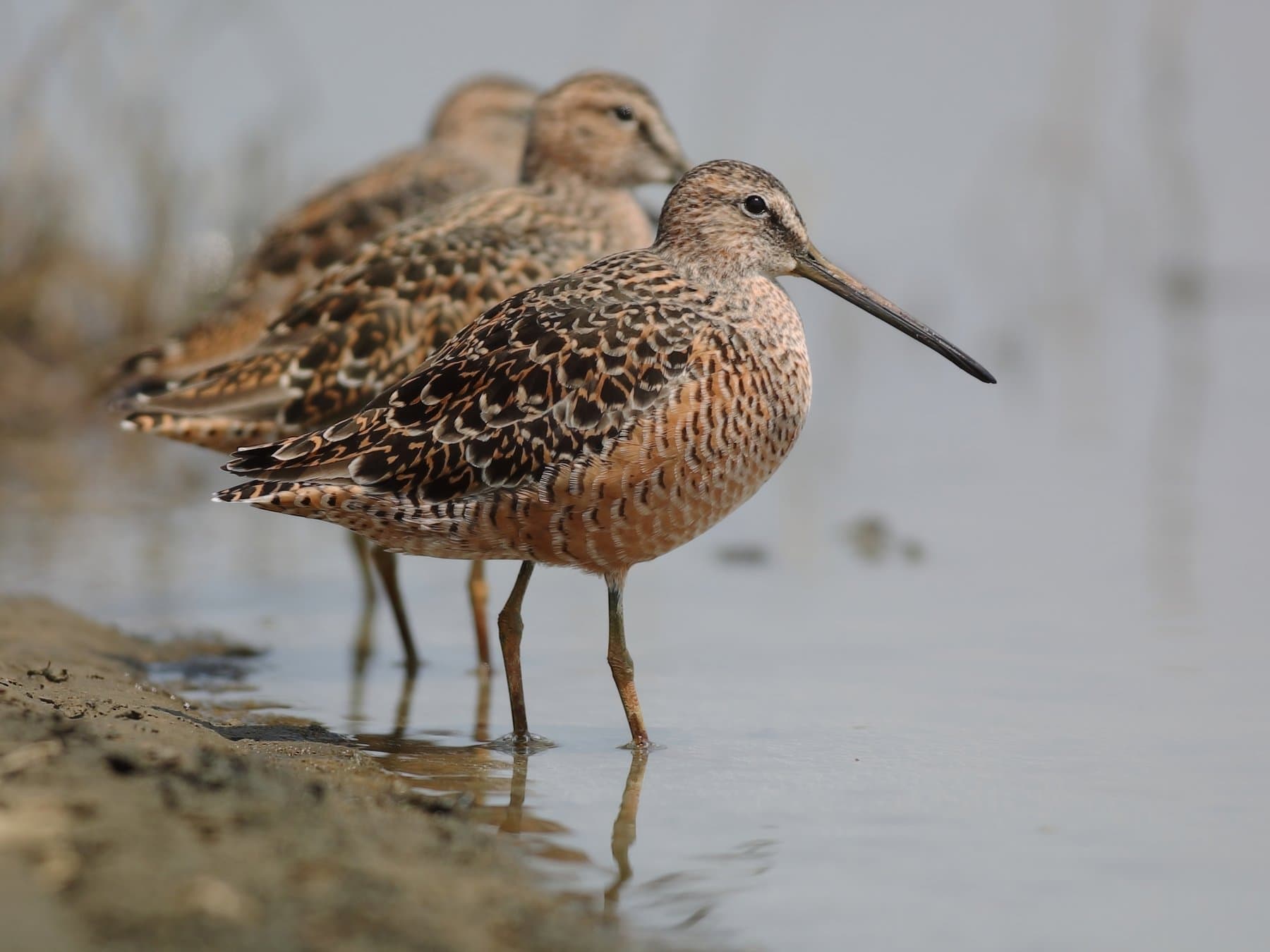
Long-billed Dowitcher
Limnodromus scolopaceusNT
A rare Nearctic vagrant, occasionally lingering on freshwater marshes. Norfolk's coastal reserves attract most English records.
Jul–Apr
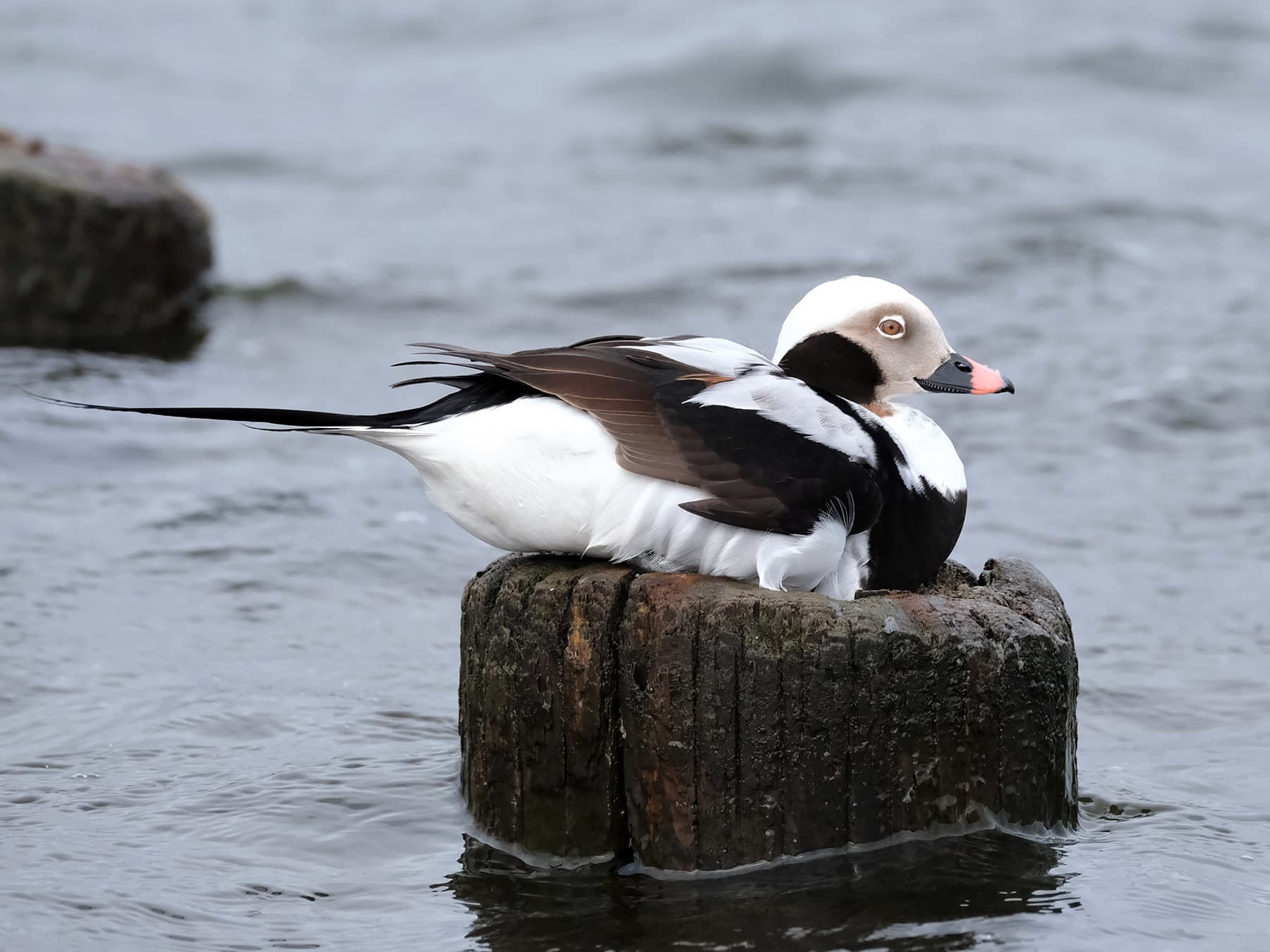
Long-tailed Duck
Clangula hyemalisVU
A rare non-breeding visitor to offshore waters from October to March. Occasionally seen from coastal watchpoints along the north coast.
Oct–Mar
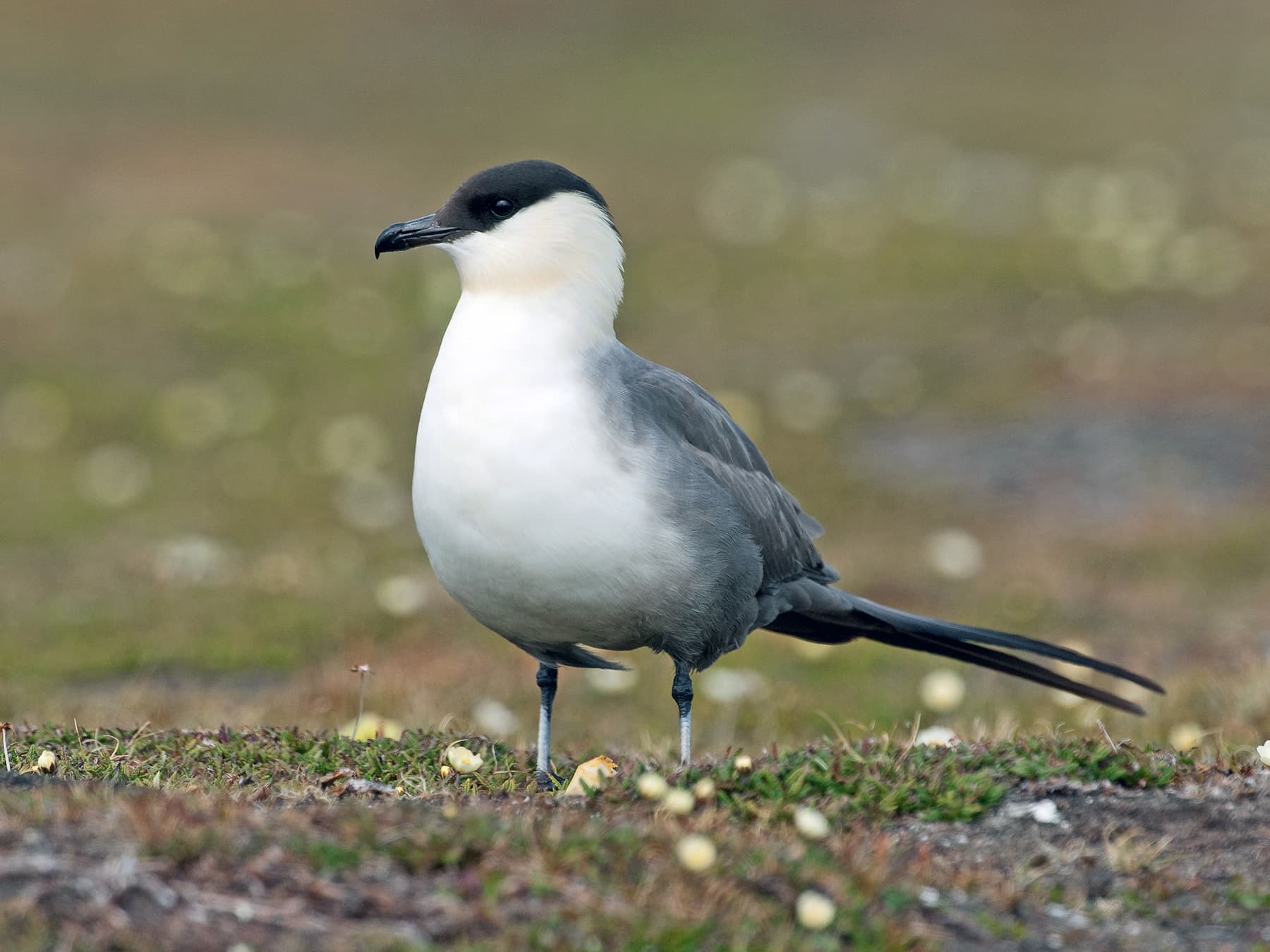
Long-tailed Jaeger
Stercorarius longicaudusLC
A rare September passage migrant, best spotted during seawatches off the north Norfolk coast in strong onshore winds.
Sep
Spotted something?
Upload a photo to identify it
Identify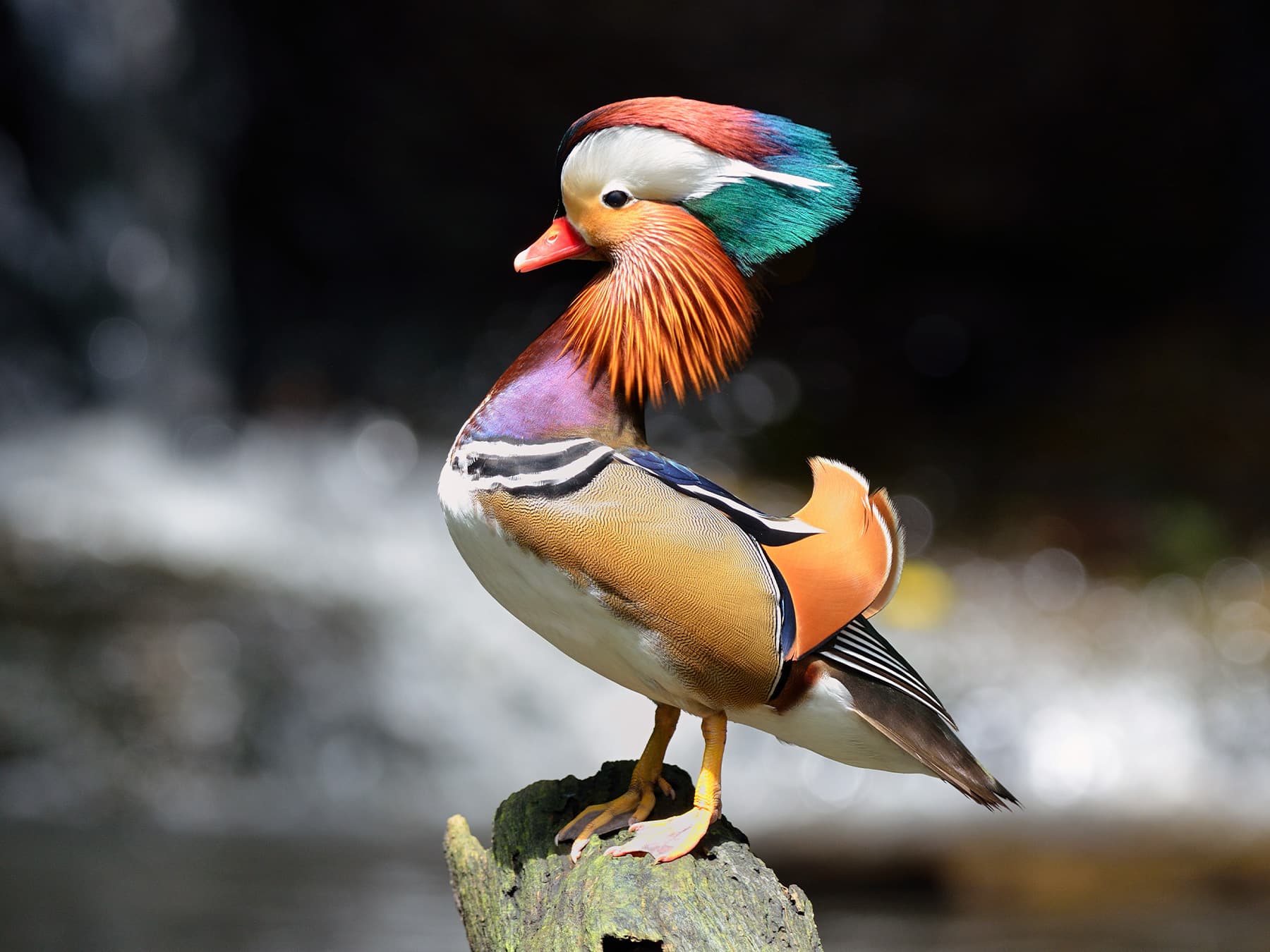
Mandarin Duck
Aix galericulataLC
A rare breeding visitor to wooded lakes and rivers from February to June. A naturalised species, scarce but increasing in Norfolk.
Feb–Jun
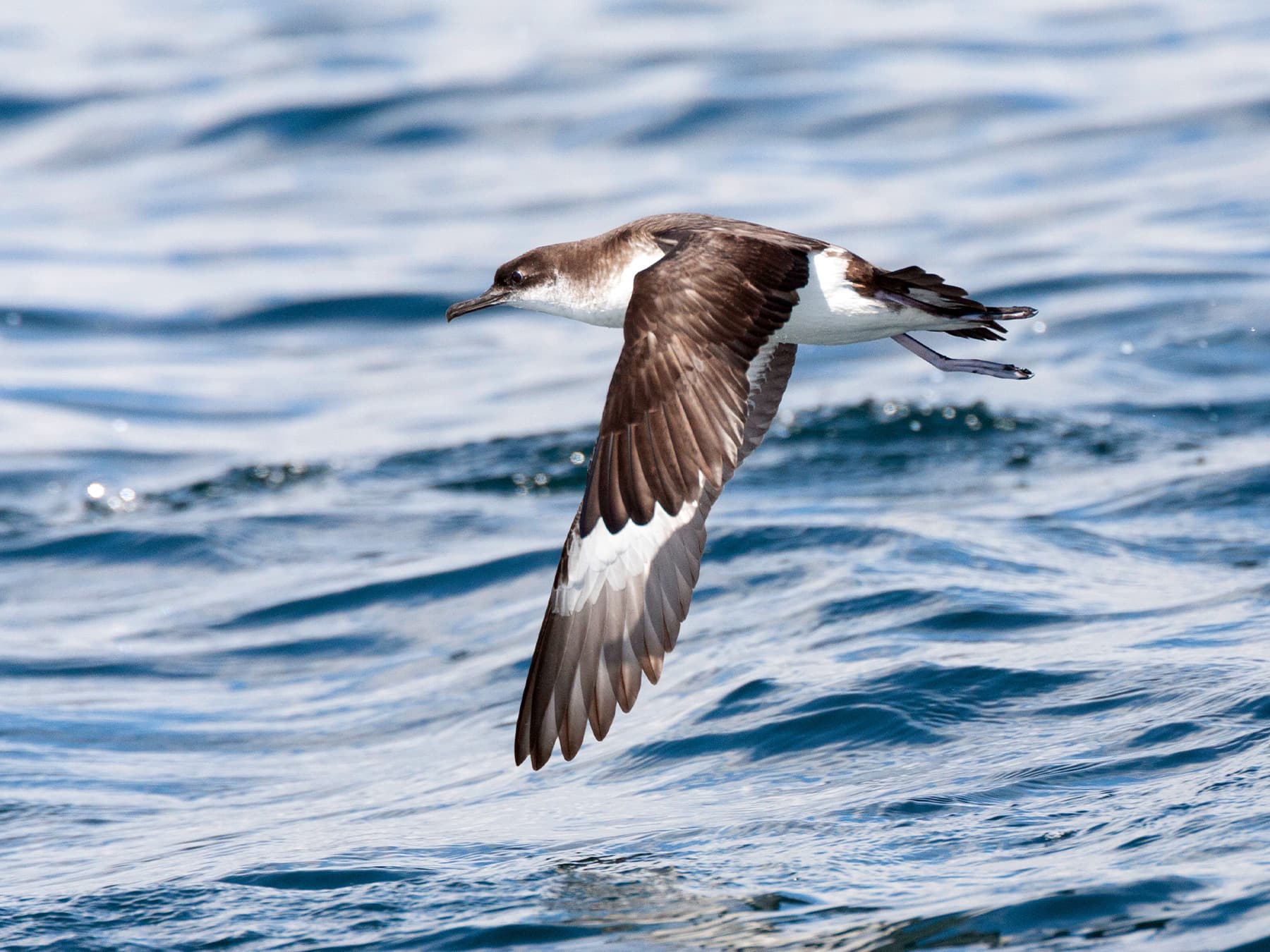
Manx Shearwater
Puffinus puffinusLC
Rare passage seabird seen during autumn seawatches from August to October, usually after strong westerly winds.
Aug–Oct
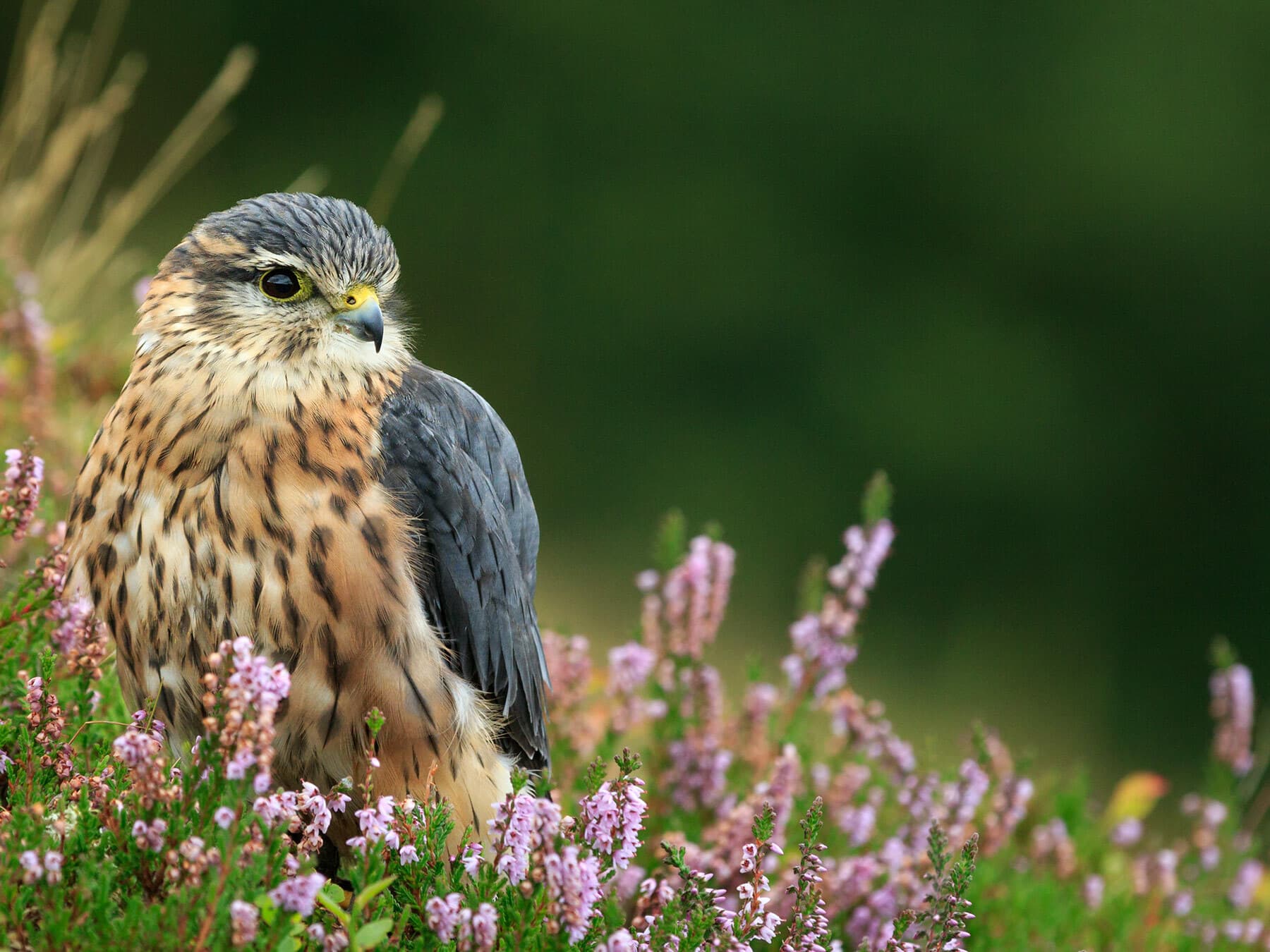
Merlin
Falco columbariusLC
A scarce winter visitor to Norfolk's coastal marshes and open farmland, hunting small birds with dashing low-level flights from autumn to spring.
Sep–Mar
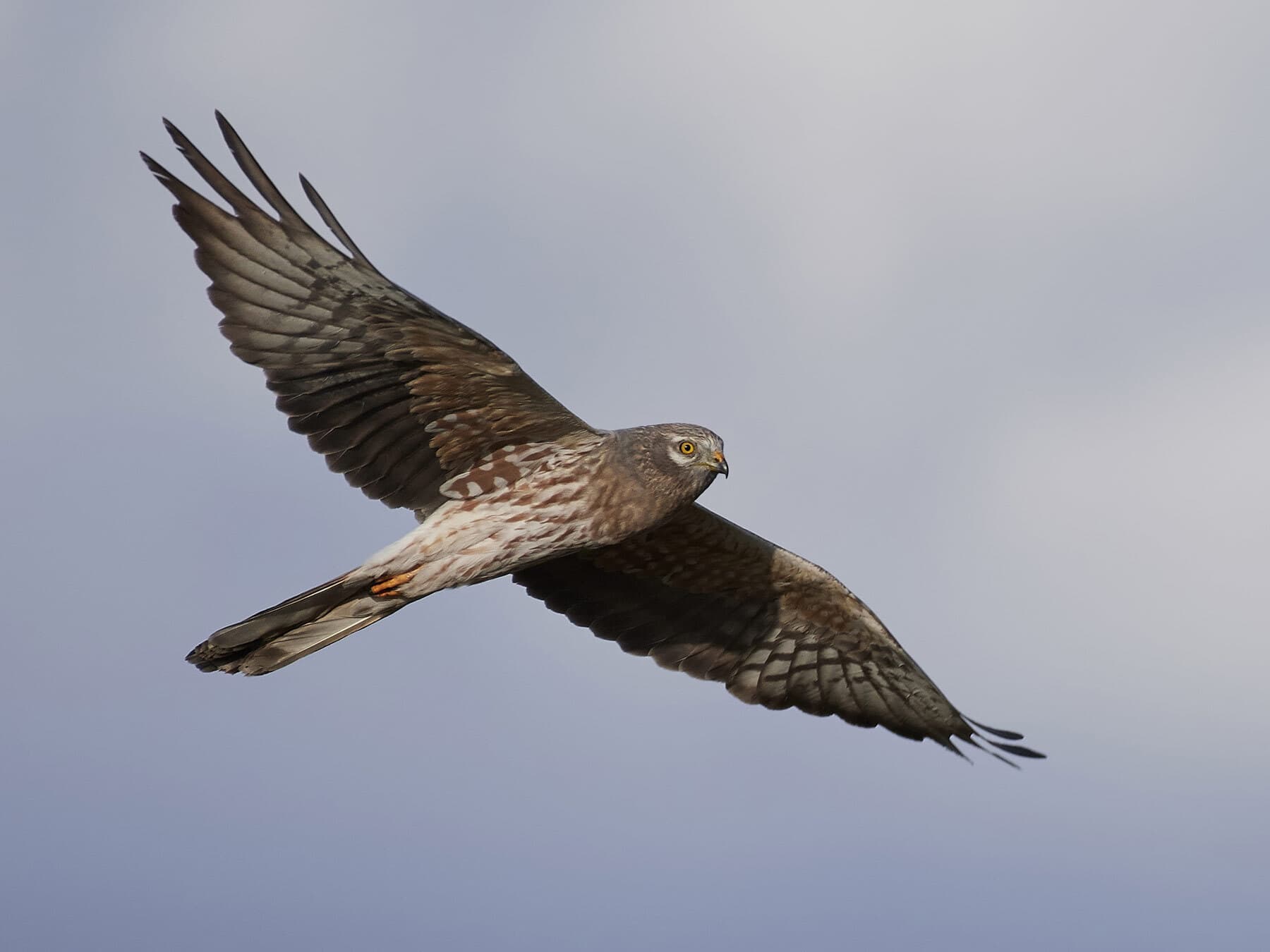
Montagu's Harrier
Circus pygargusLC
A rare spring passage migrant, occasionally seen quartering over Norfolk's arable fields and marshes in May.
May
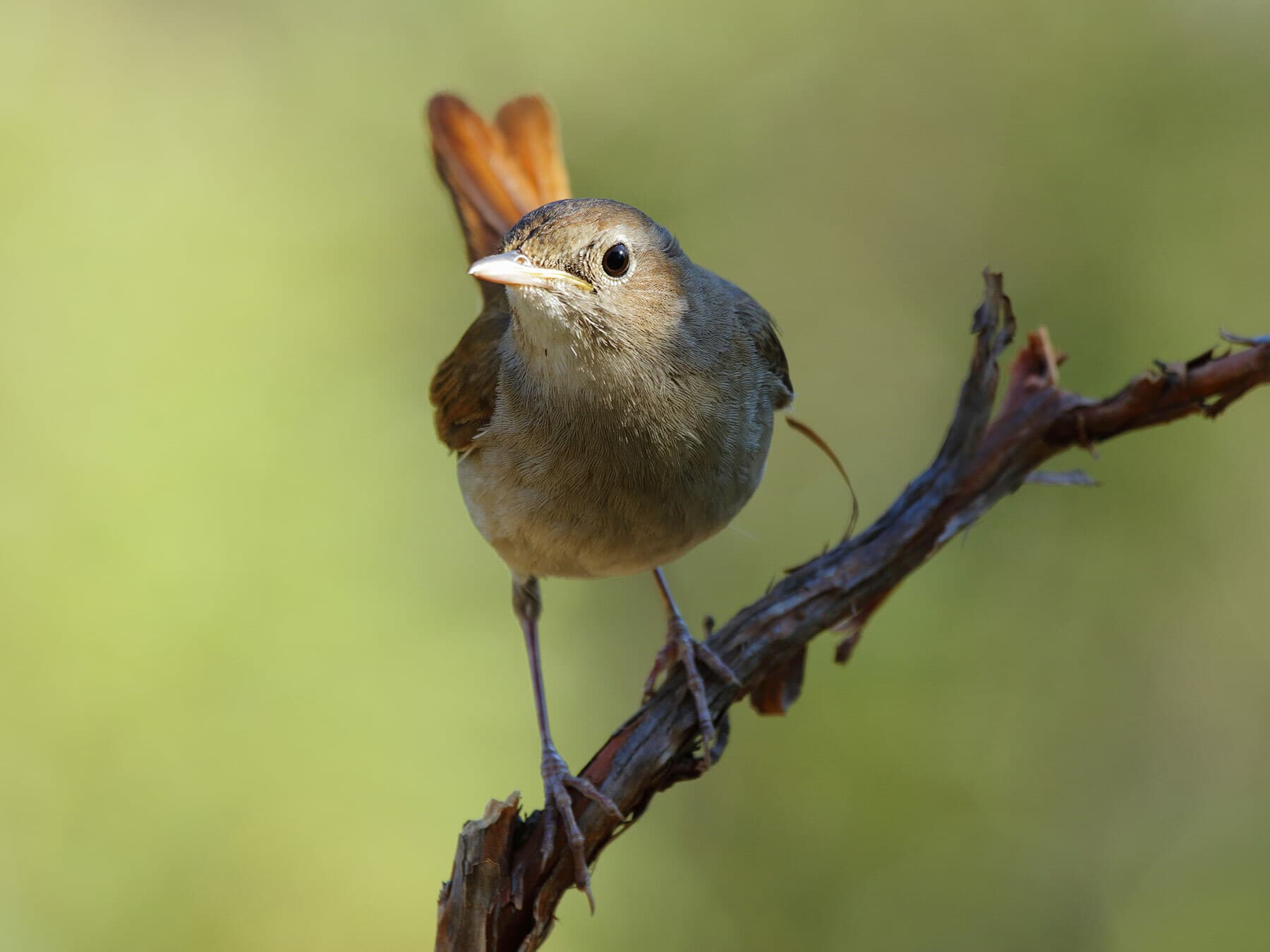
Nightingale
Luscinia megarhynchosLC
A rare spring passage visitor, occasionally heard in dense scrub and thickets during April and May. Norfolk lies at the edge of its breeding range.
Apr–May
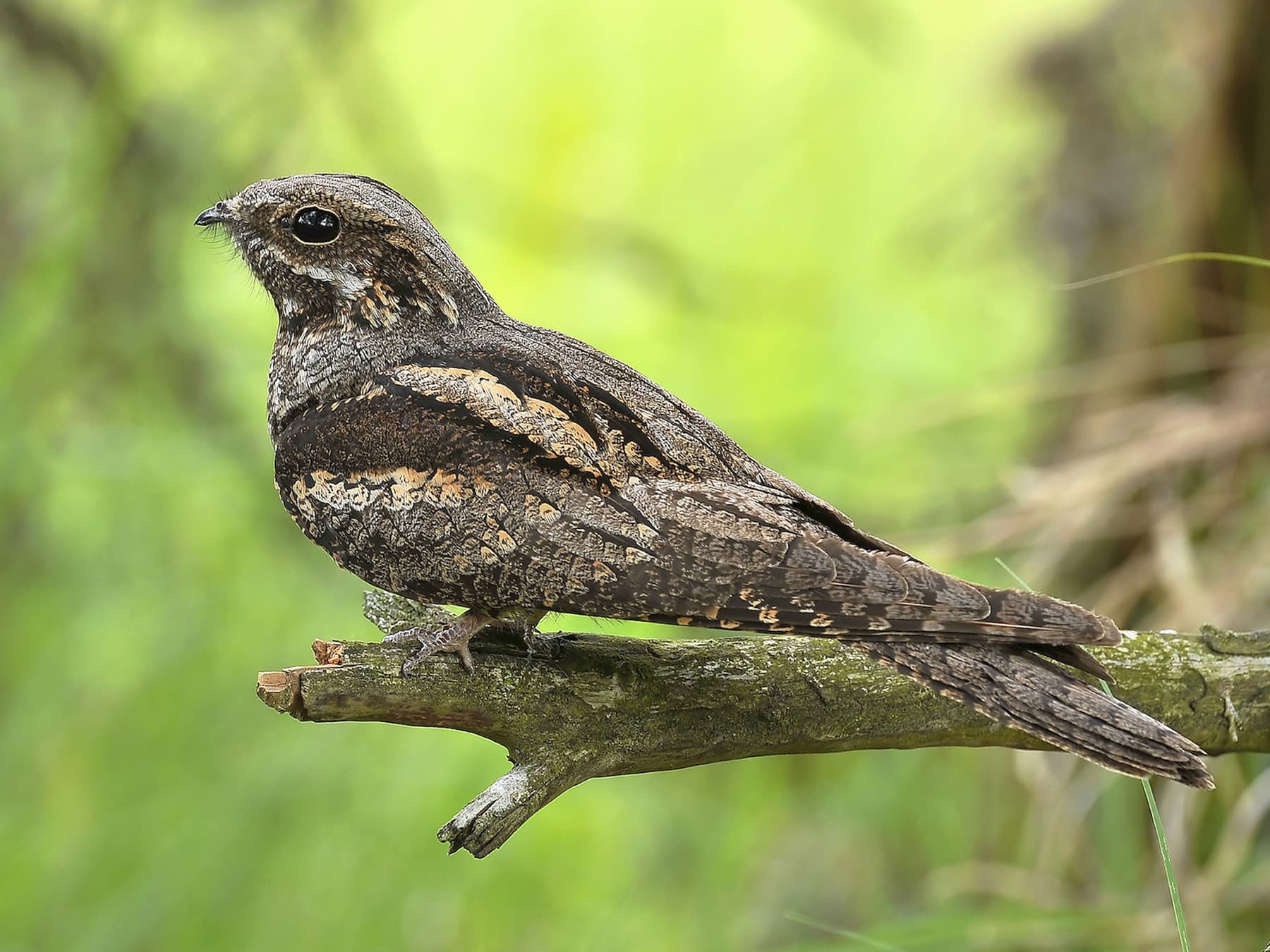
Nightjar
Caprimulgus europaeusLC
A rare and secretive breeding visitor to Norfolk's heathlands, arriving in May. Best detected by its churring song at dusk on warm evenings.
May–Aug
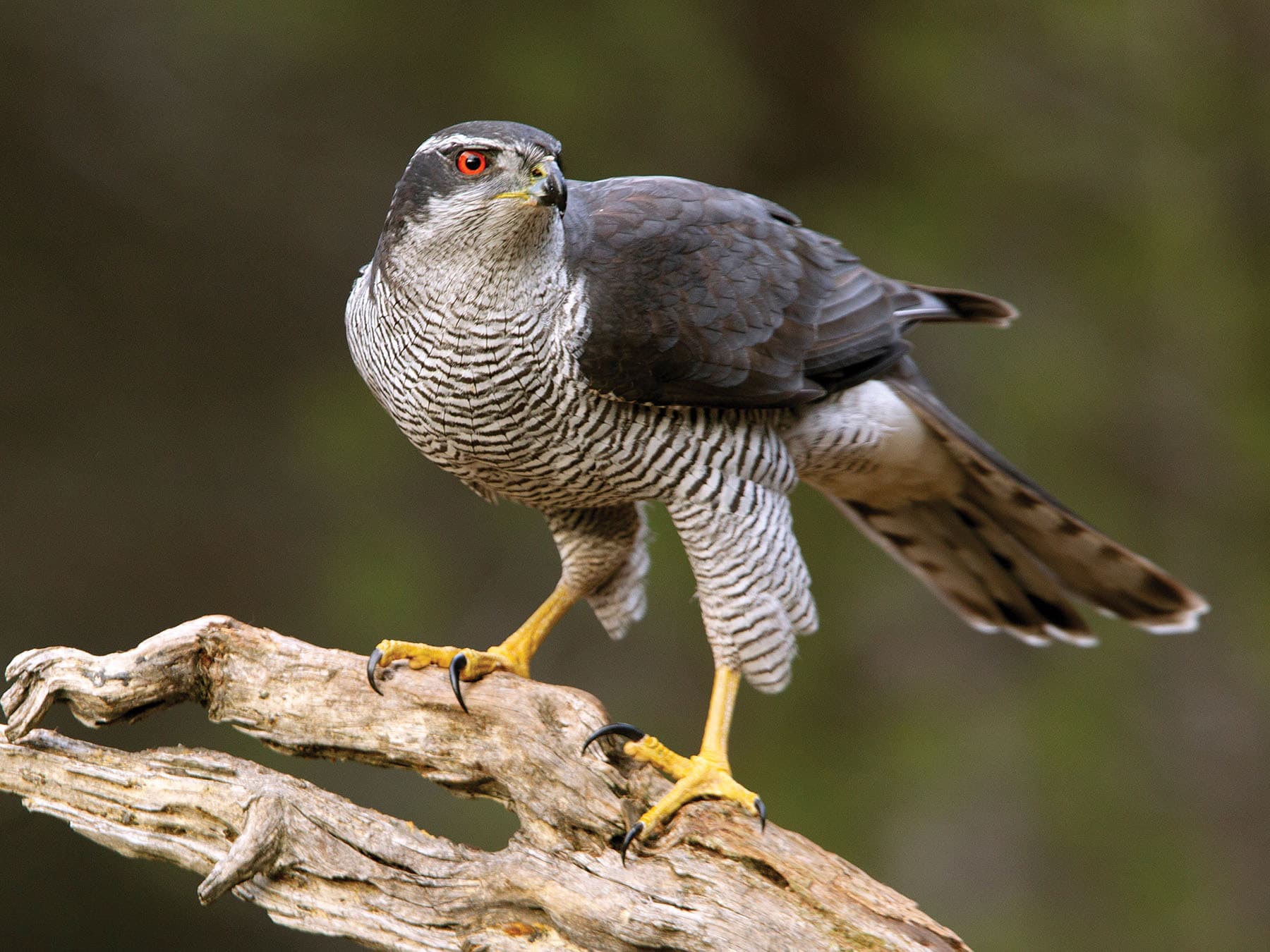
Northern Goshawk
Accipiter gentilisLC
A rare breeding resident in Norfolk's larger forests, particularly Thetford Forest. This secretive raptor is slowly recolonising after historical persecution.
Feb–Jul
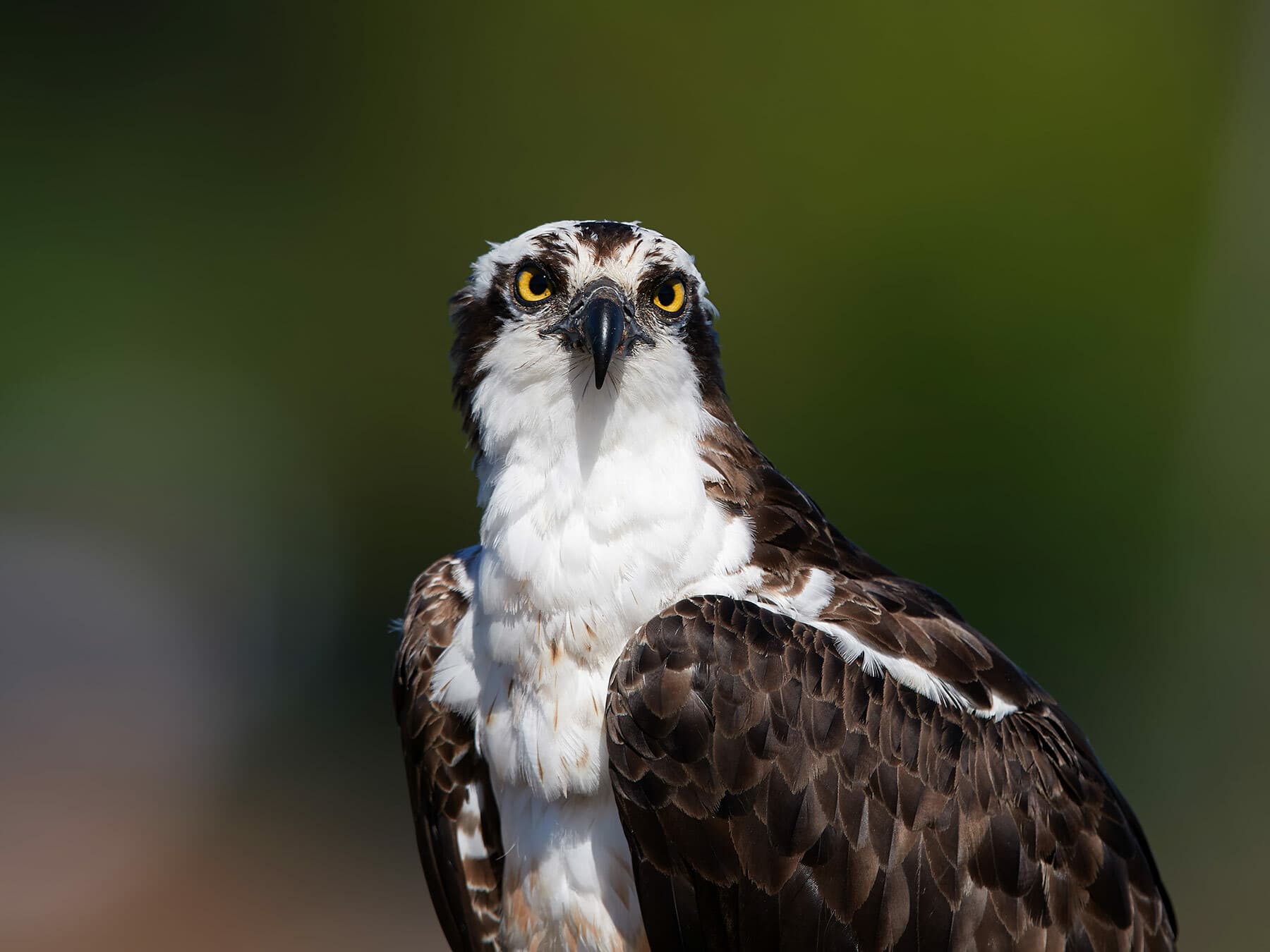
Osprey
Pandion haliaetusLC
A rare breeding raptor, recently recolonising Norfolk. Seen fishing at Broads and coastal marshes in spring and autumn.
Apr–Sep
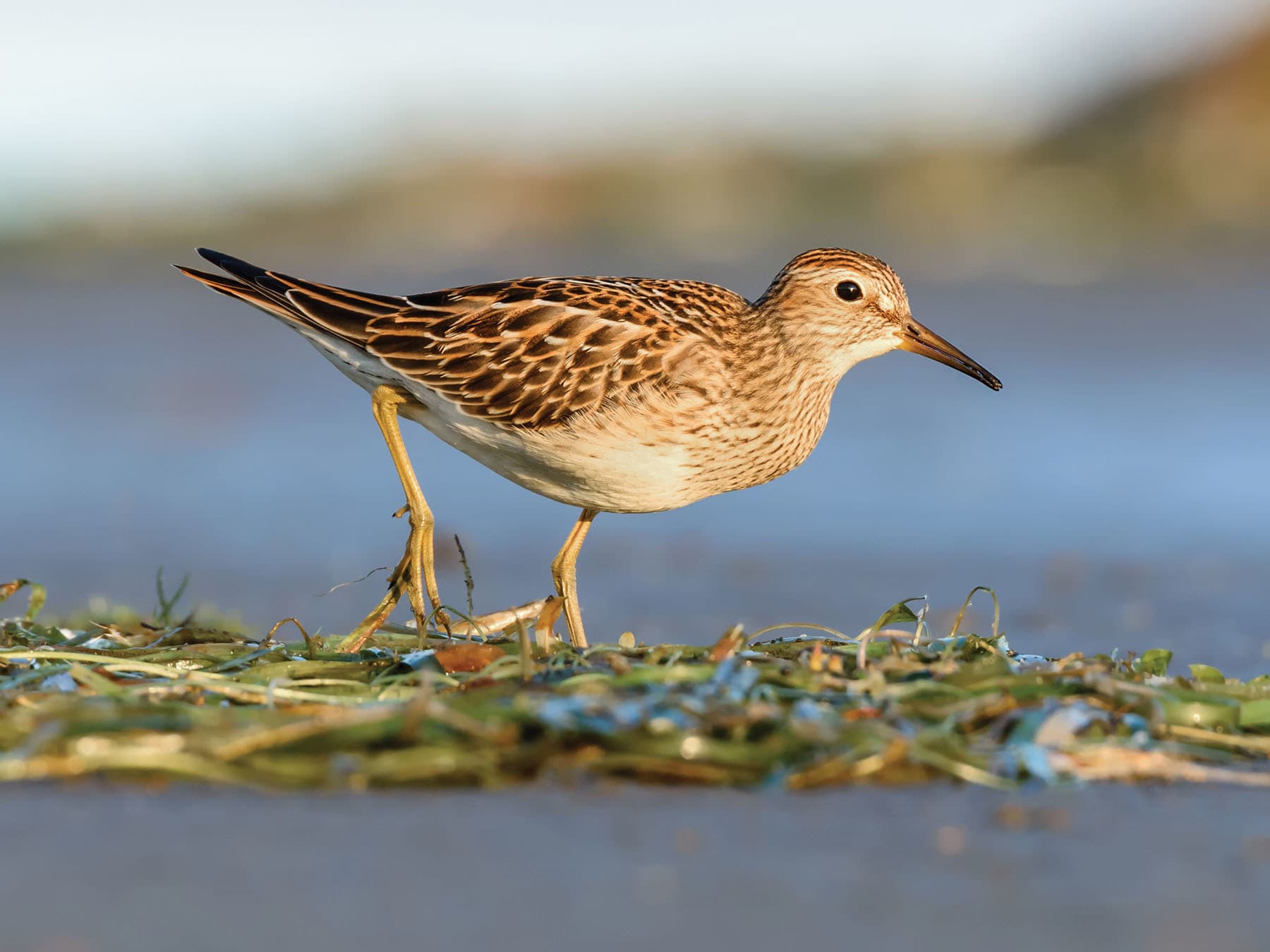
Pectoral Sandpiper
Calidris melanotosLC
A rare autumn passage wader, occasionally turning up at coastal marshes and freshwater scrapes from July to September.
Jul–Sep
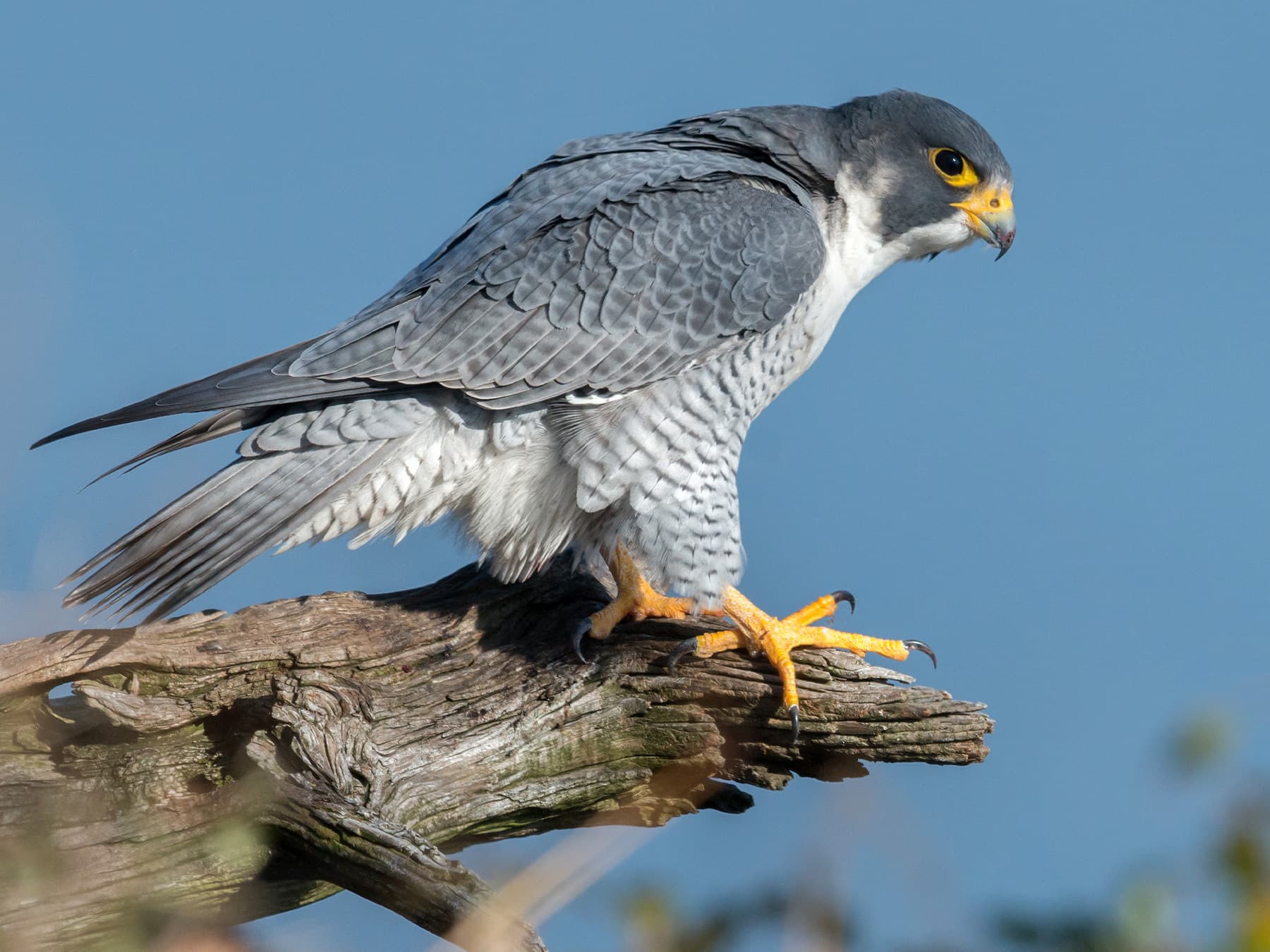
Peregrine Falcon
Falco peregrinusLC
A rare but year-round resident, seen hunting over coastal marshes and increasingly around Norwich Cathedral's nesting site.
Year-round
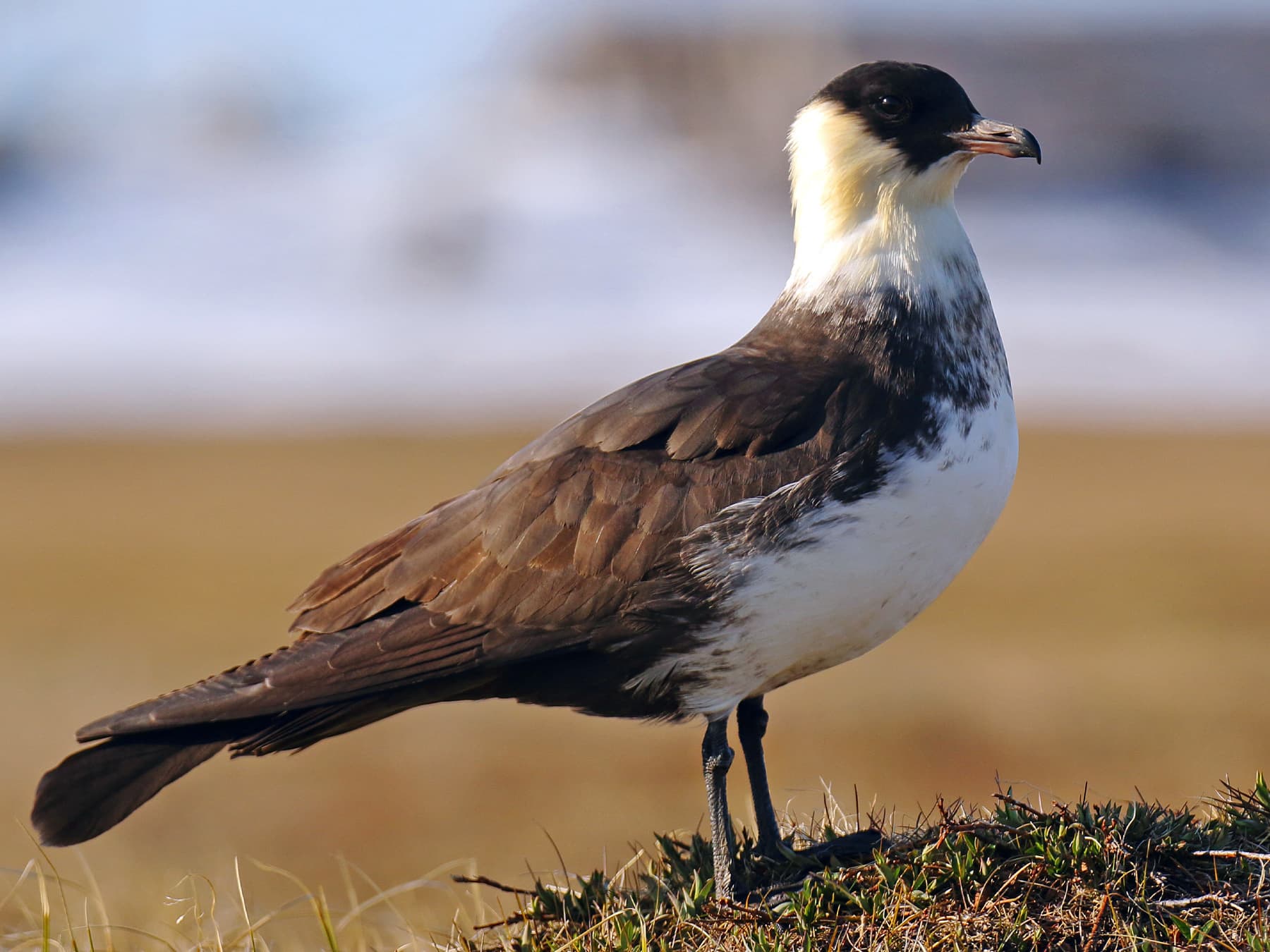
Pomarine Jaeger
Stercorarius pomarinusLC
Rare passage skua seen offshore during autumn seawatches, mainly from September to November off headlands like Sheringham.
Sep–Nov
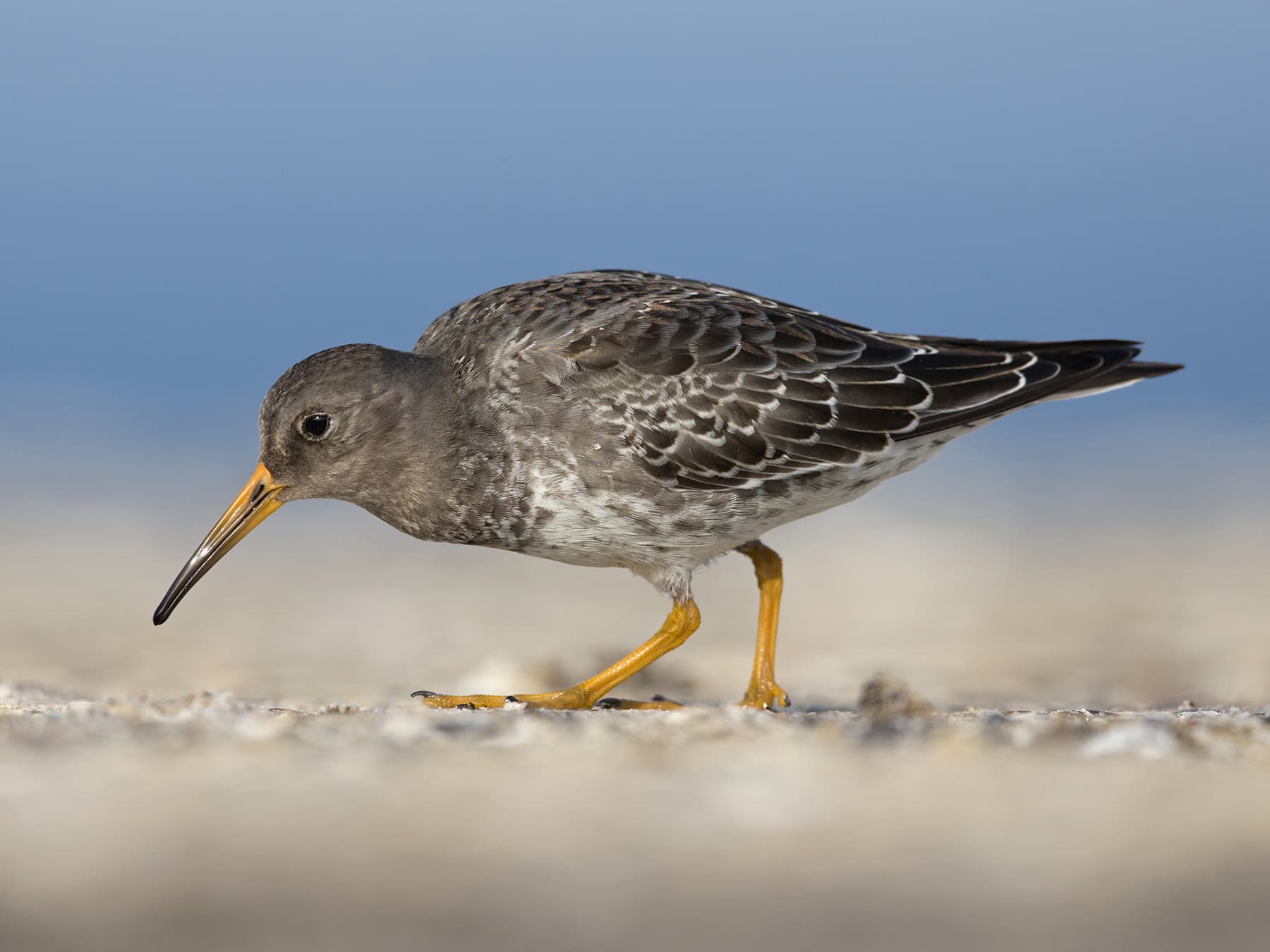
Purple Sandpiper
Calidris maritimaLC
A rare non-breeding visitor to Norfolk's rocky groynes and harbour walls from autumn through winter, favouring wave-splashed structures.
Sep–Feb
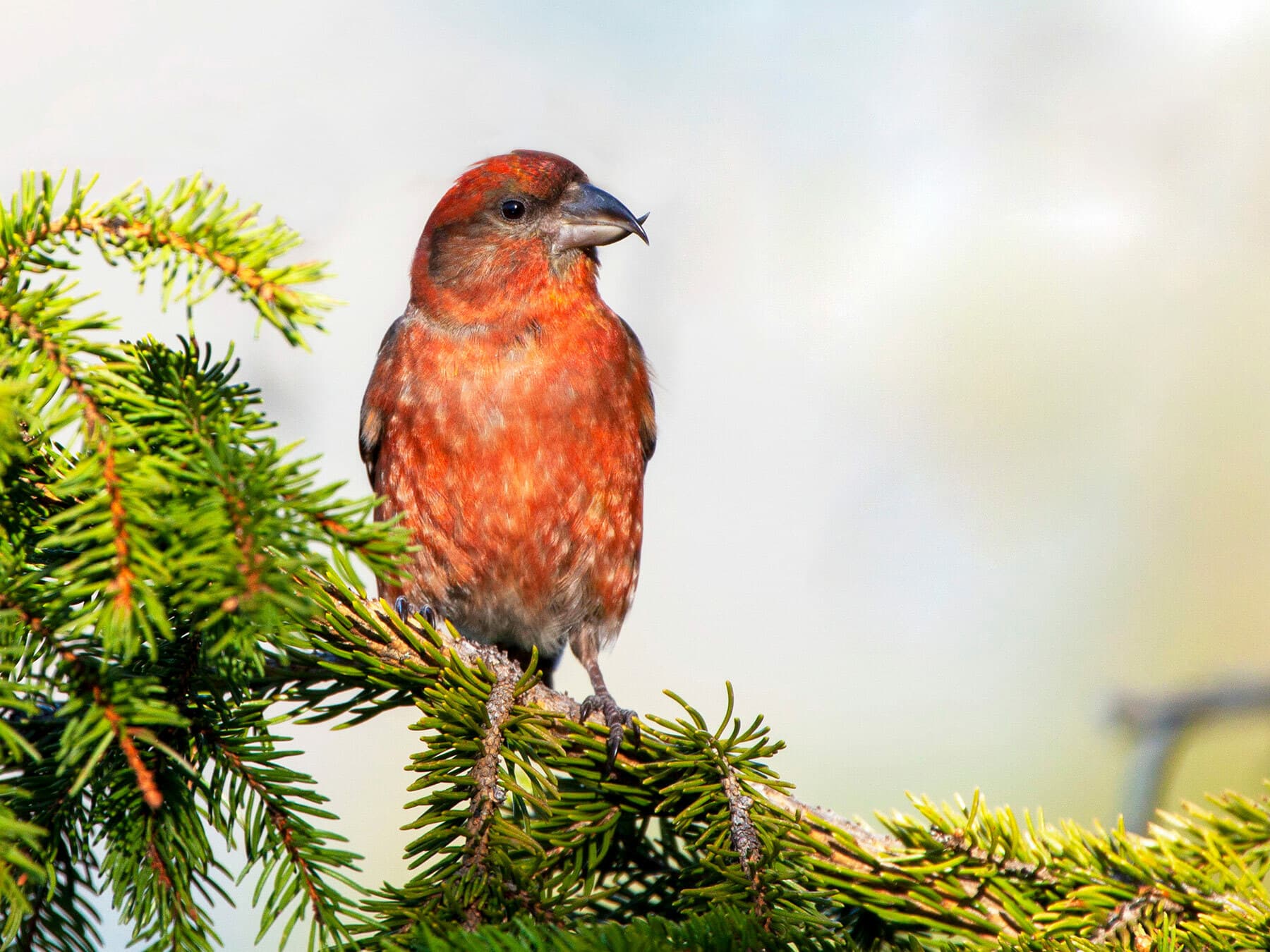
Red Crossbill
Loxia curvirostraLC
A rare resident of conifer plantations such as Thetford Forest, with numbers fluctuating markedly in irruption years.
Year-round
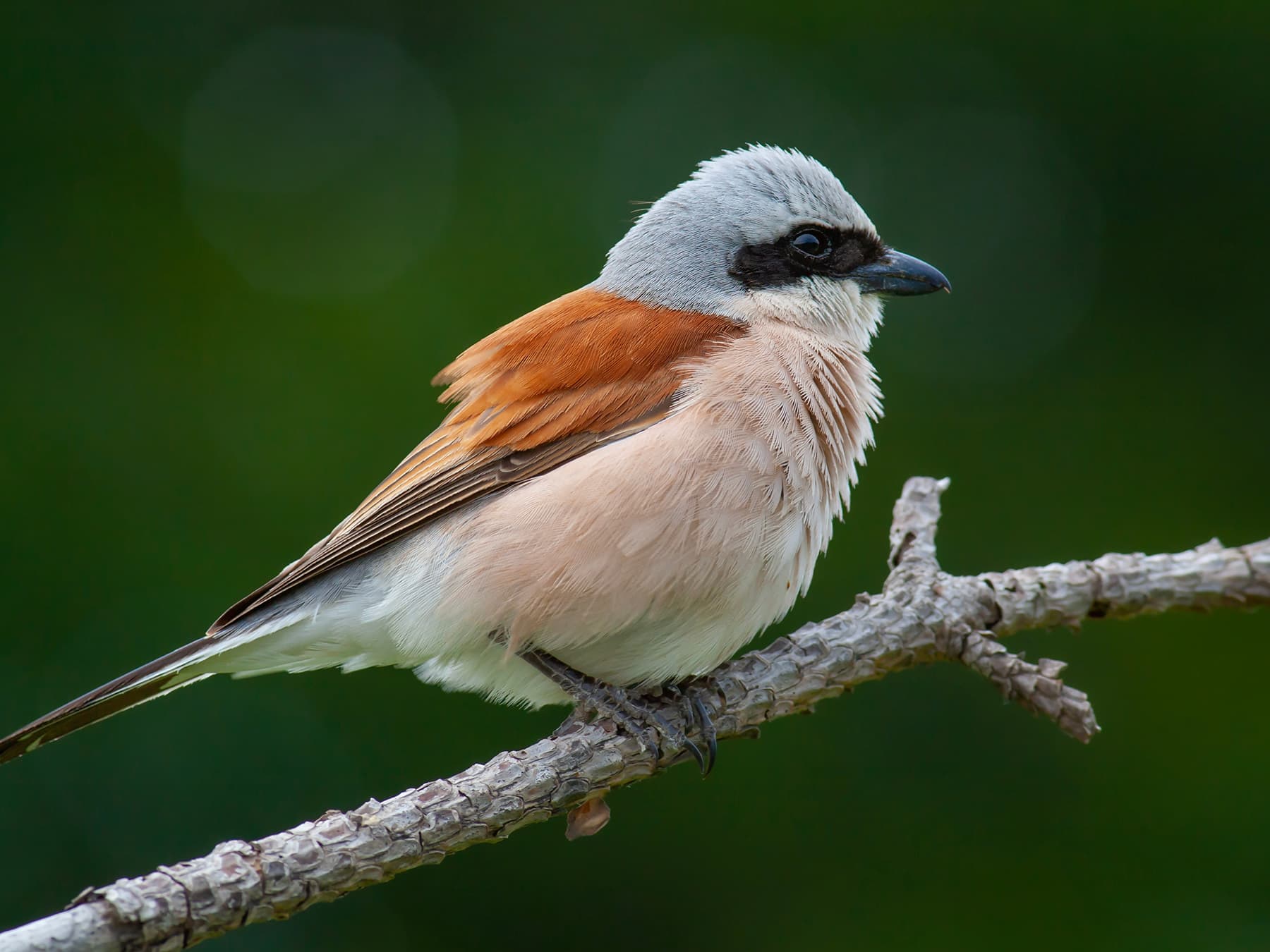
Red-backed Shrike
Lanius collurioLC
A rare passage migrant, most often found in coastal scrub during late spring and early autumn. A sought-after find along the north Norfolk coast.
May–Sep
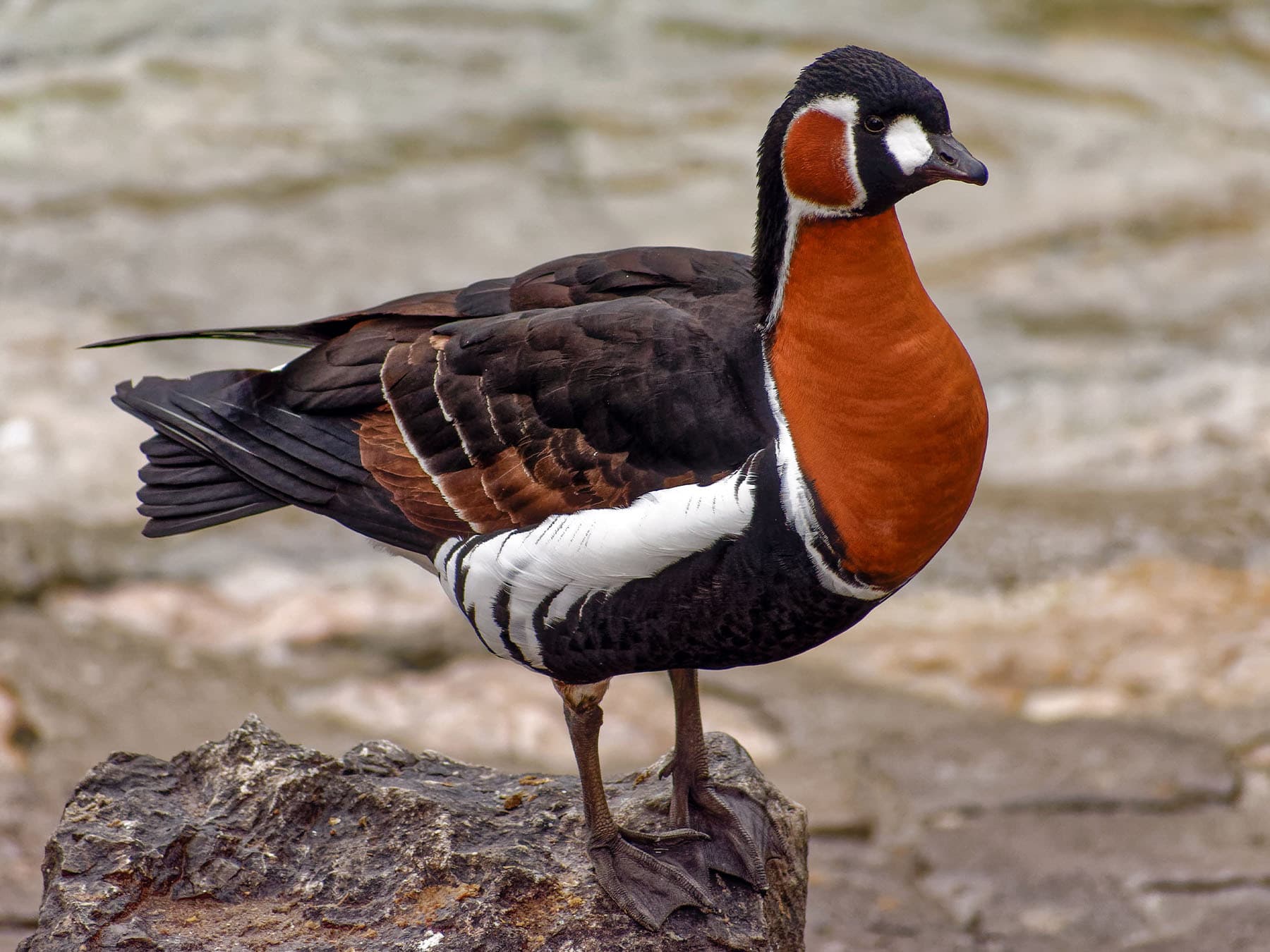
Red-breasted Goose
Branta ruficollisVU
A rare and prized winter vagrant, occasionally found among brent goose flocks on the north Norfolk coast. Requires patient searching.
Feb