Rare Birds in Norfolk
99 species matching this filter.
Norfolk is one of Britain's premier birdwatching destinations, and its diverse coastal marshes, estuaries, and inland wetlands attract a remarkable variety of rare species. With 114 birds classified as rare in the county, visitors may encounter elusive species such as European Honey-buzzard, Grey Phalarope, Little Auk, and Garganey. The county's position on the East Anglian coast makes it a vital stopover for scarce migrants and storm-blown vagrants alike.


Showing 70–92 of 99 species
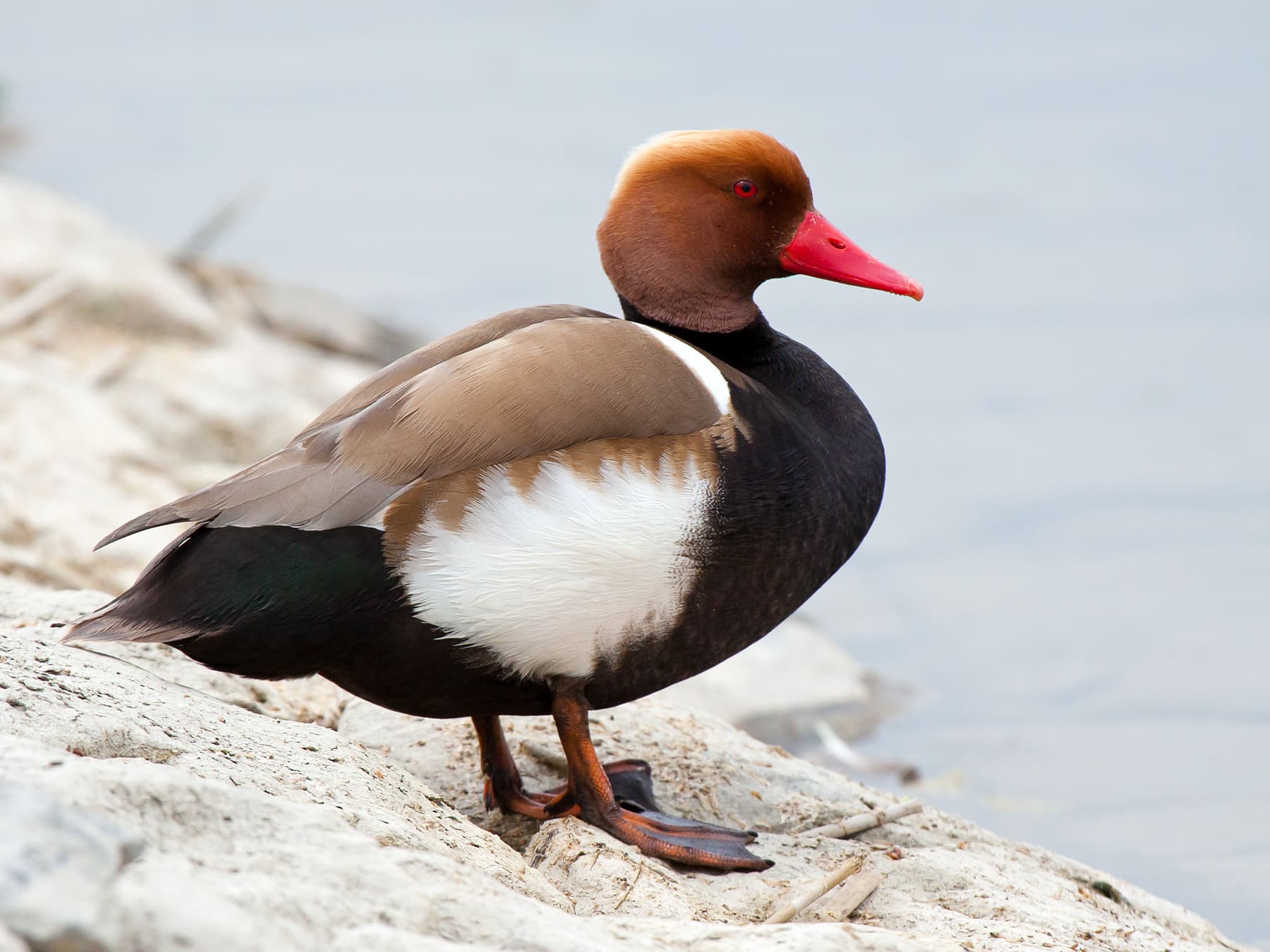
Red-crested Pochard
Netta rufinaLC
A rare breeding visitor to shallow lakes and broads from March to August. Norfolk is one of its few regular UK breeding areas.
Mar–Aug
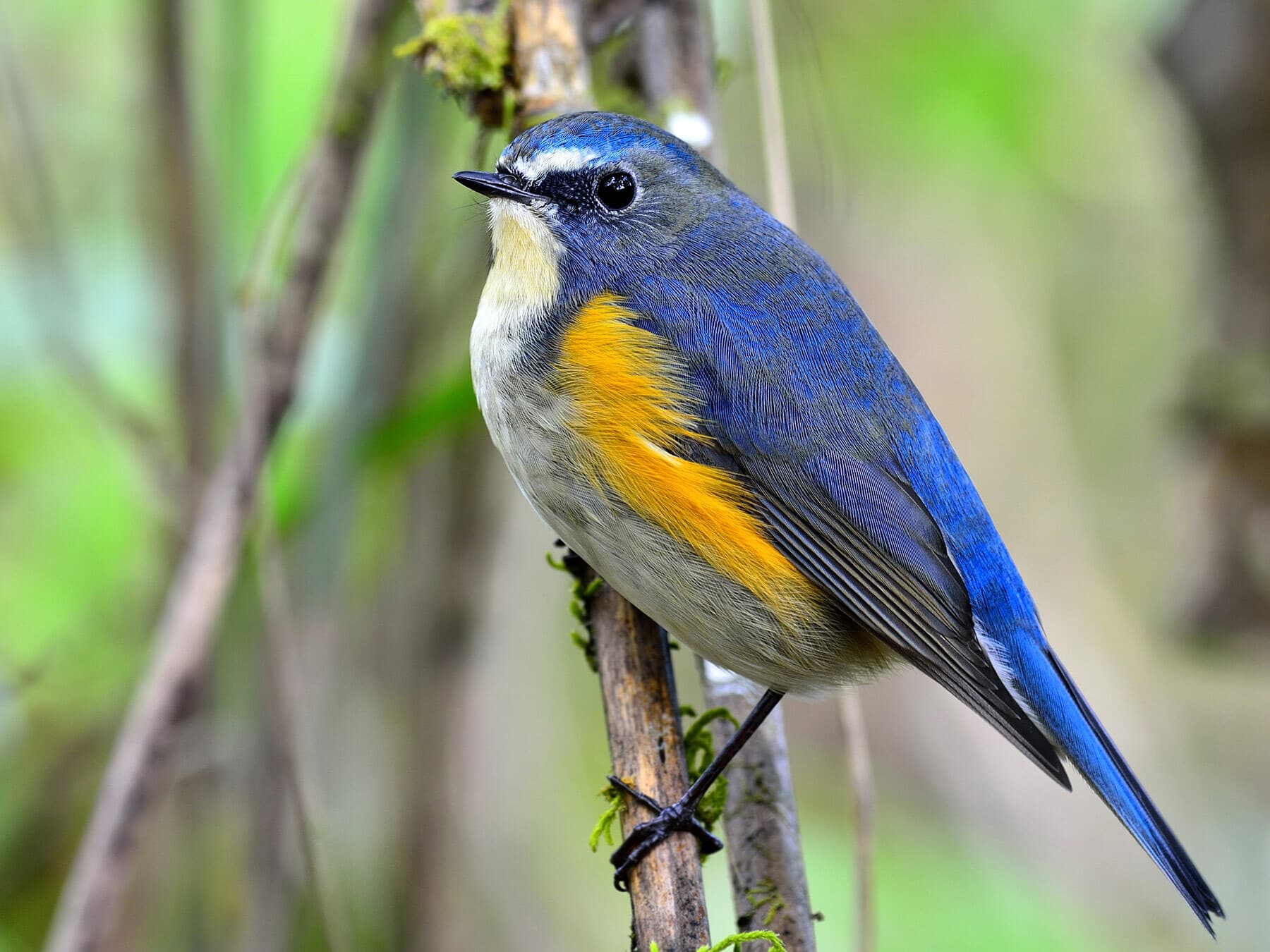
Red-flanked Bluetail
Tarsiger cyanurusLC
A rare but increasingly recorded autumn vagrant from Siberia, typically found in coastal scrub and gardens in October. A major Norfolk tick.
Oct
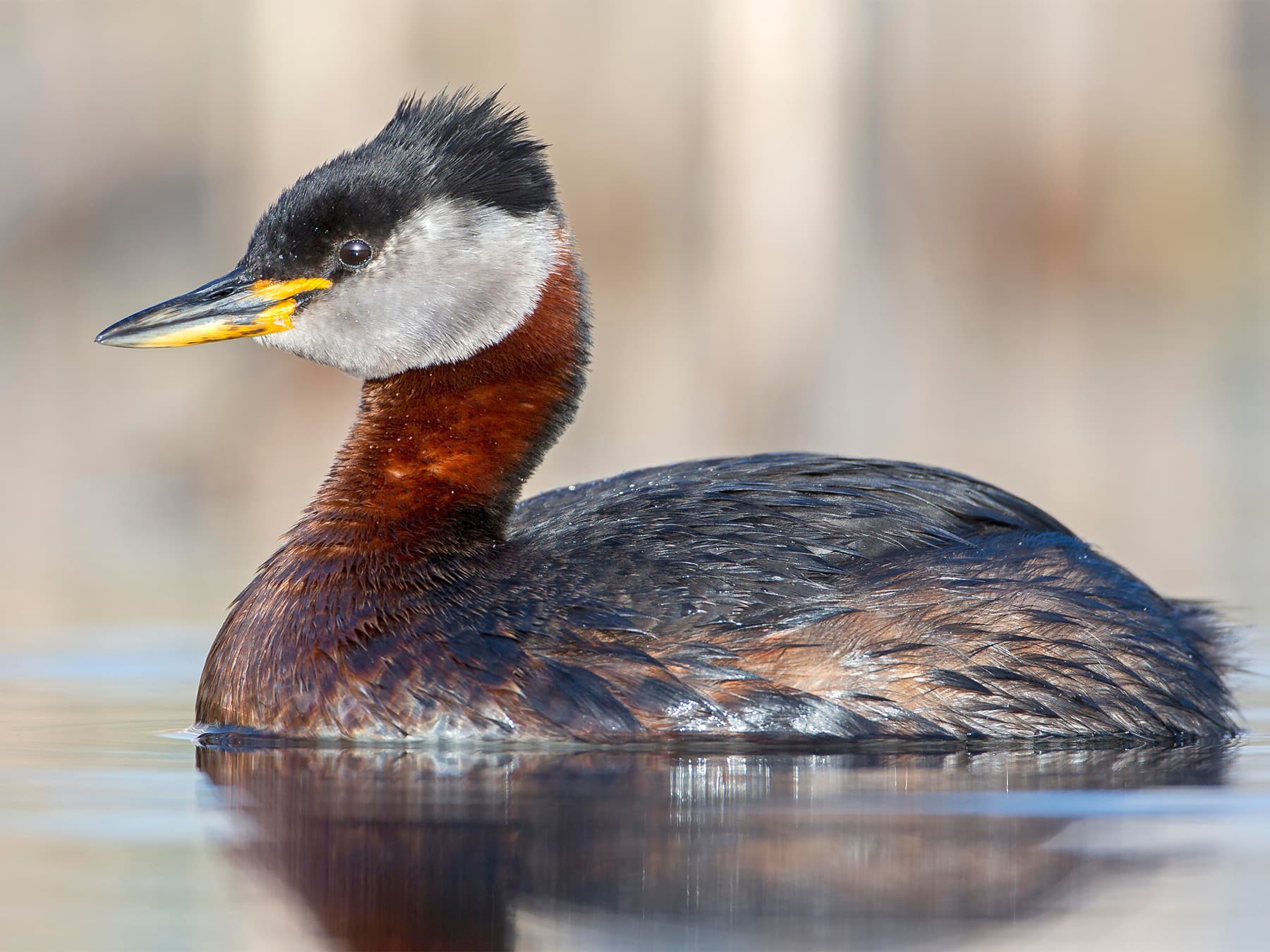
Red-necked Grebe
Podiceps grisegenaLC
A rare non-breeding visitor to coastal waters and sheltered bays from October to February. Most reliably seen off the north Norfolk coast.
Oct–Feb
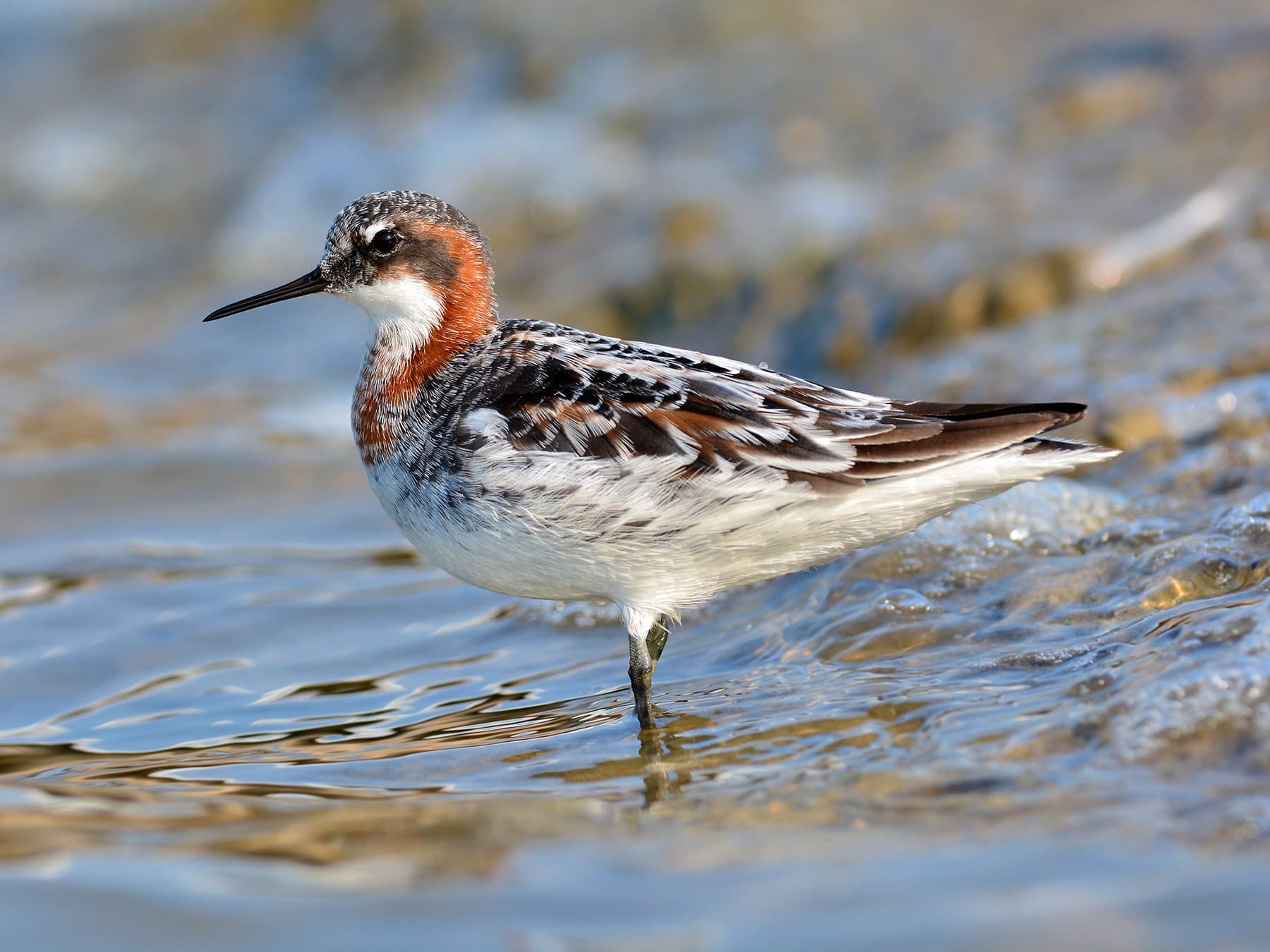
Red-necked Phalarope
Phalaropus lobatusLC
A rare September passage migrant, occasionally spinning on freshwater pools at coastal reserves like Cley and Titchwell.
Sep
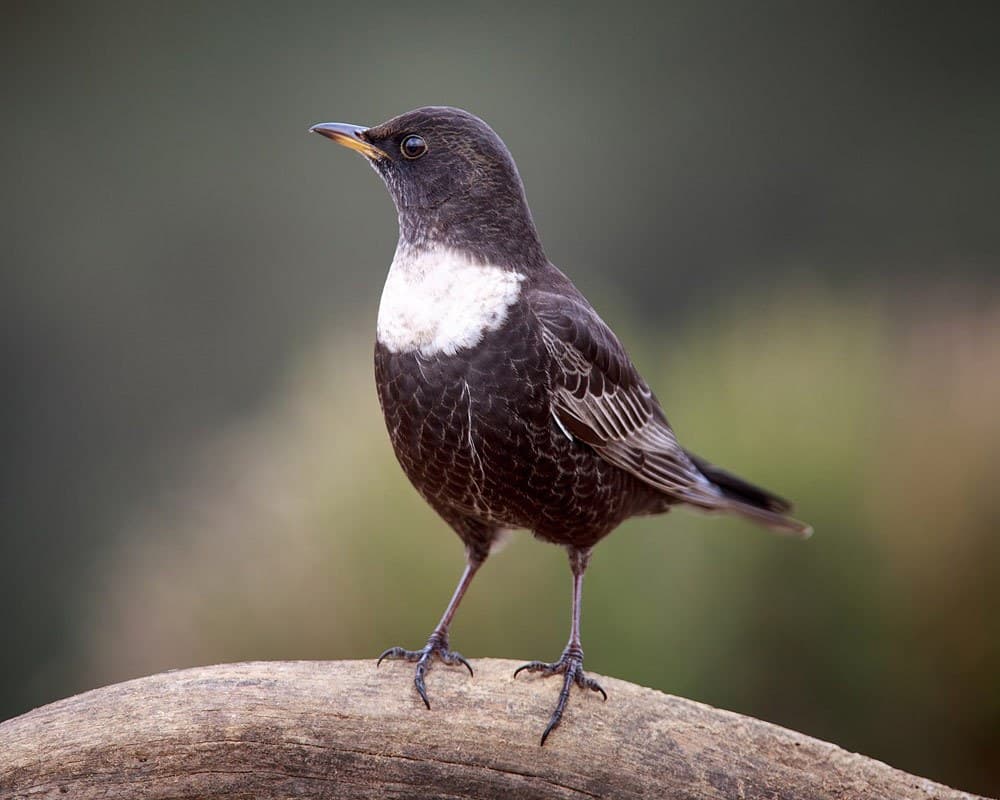
Ring Ouzel
Turdus torquatusLC
A rare passage migrant in spring and autumn, pausing briefly on coastal scrub and open fields. Most Norfolk records come from the north coast.
Apr–Oct
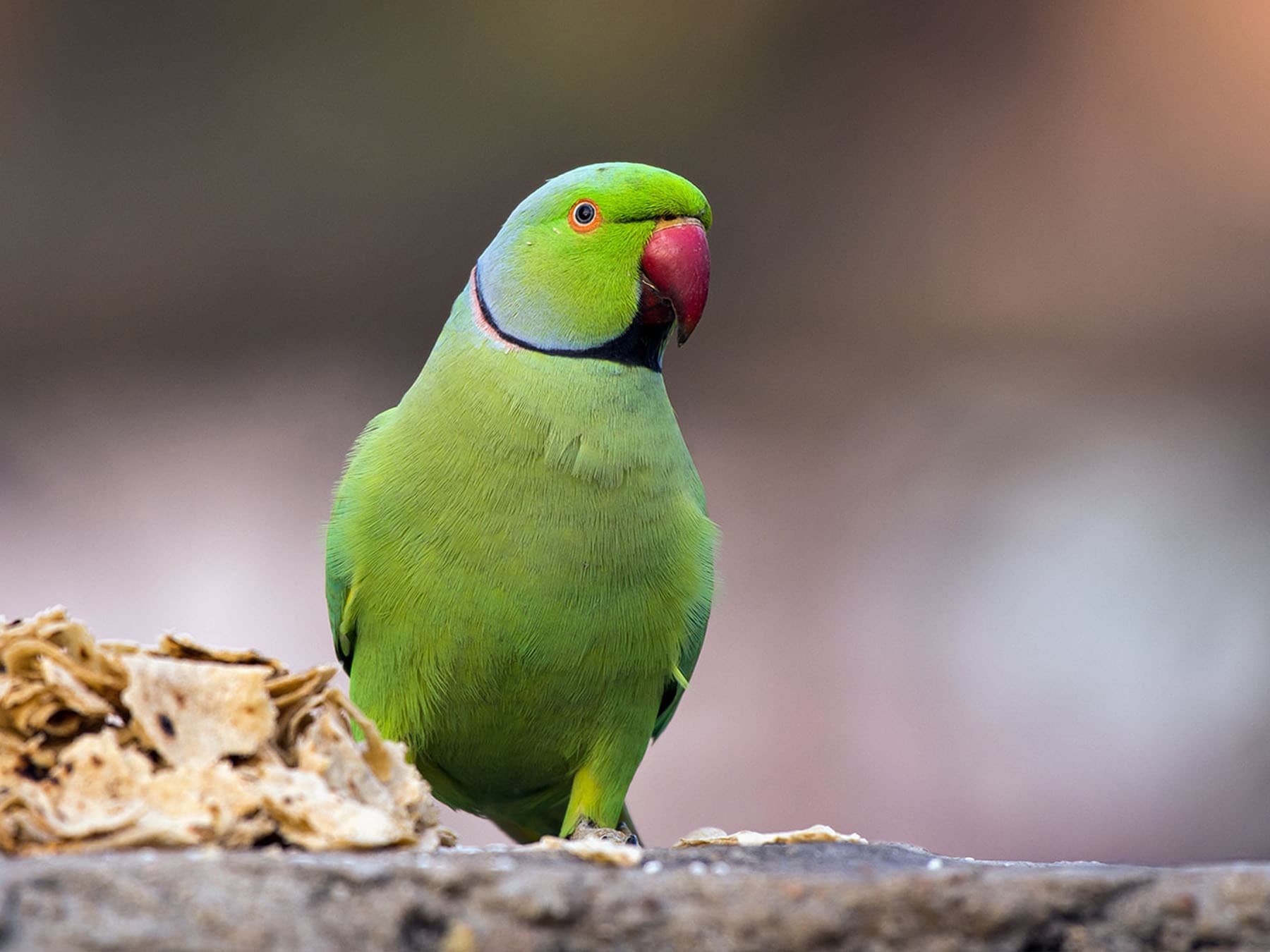
Rose-ringed Parakeet
Alexandrinus krameriLC
A rare and sporadic visitor, occasionally recorded but not established in Norfolk as in southeast England.
Sep–Jan
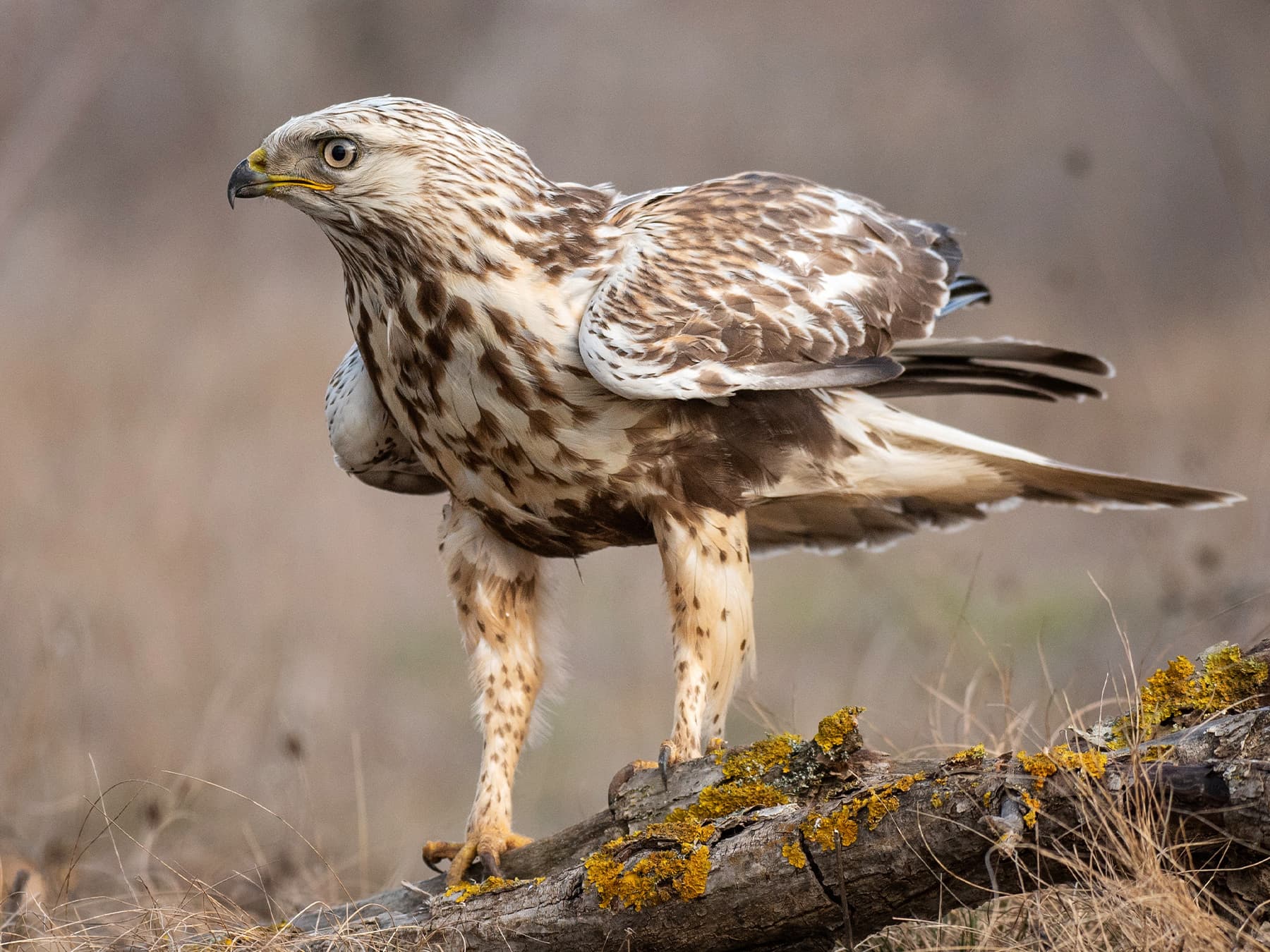
Rough-legged Hawk
Buteo lagopusLC
A rare winter visitor, favouring open coastal marshes and farmland, often hovering over rough grassland.
Nov–Feb
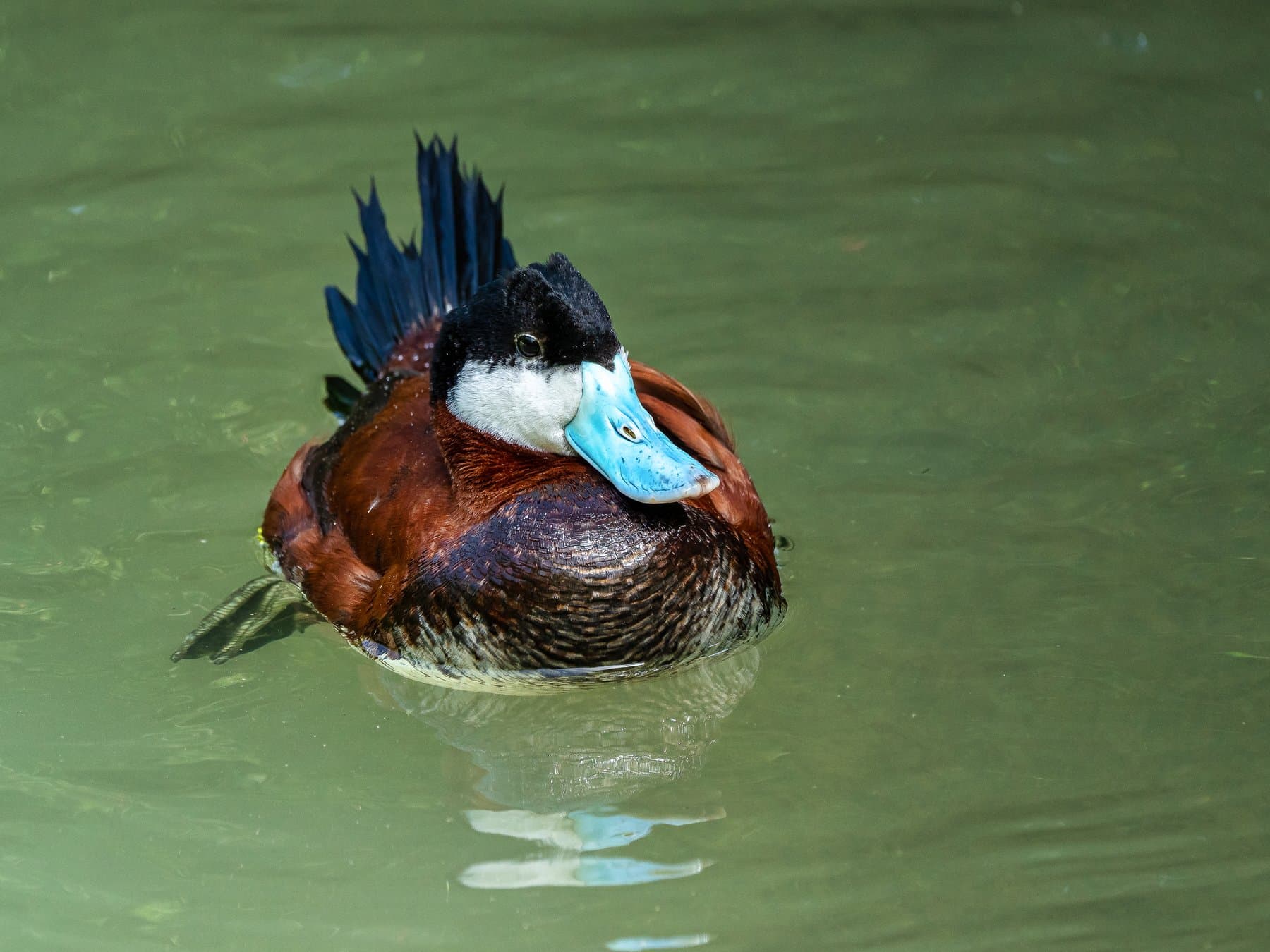
Ruddy Shelduck
Tadorna ferrugineaLC
A rare passage visitor in October, with sightings of uncertain origin — some may be escapes from wildfowl collections.
Oct
Spotted something?
Upload a photo to identify it
Identify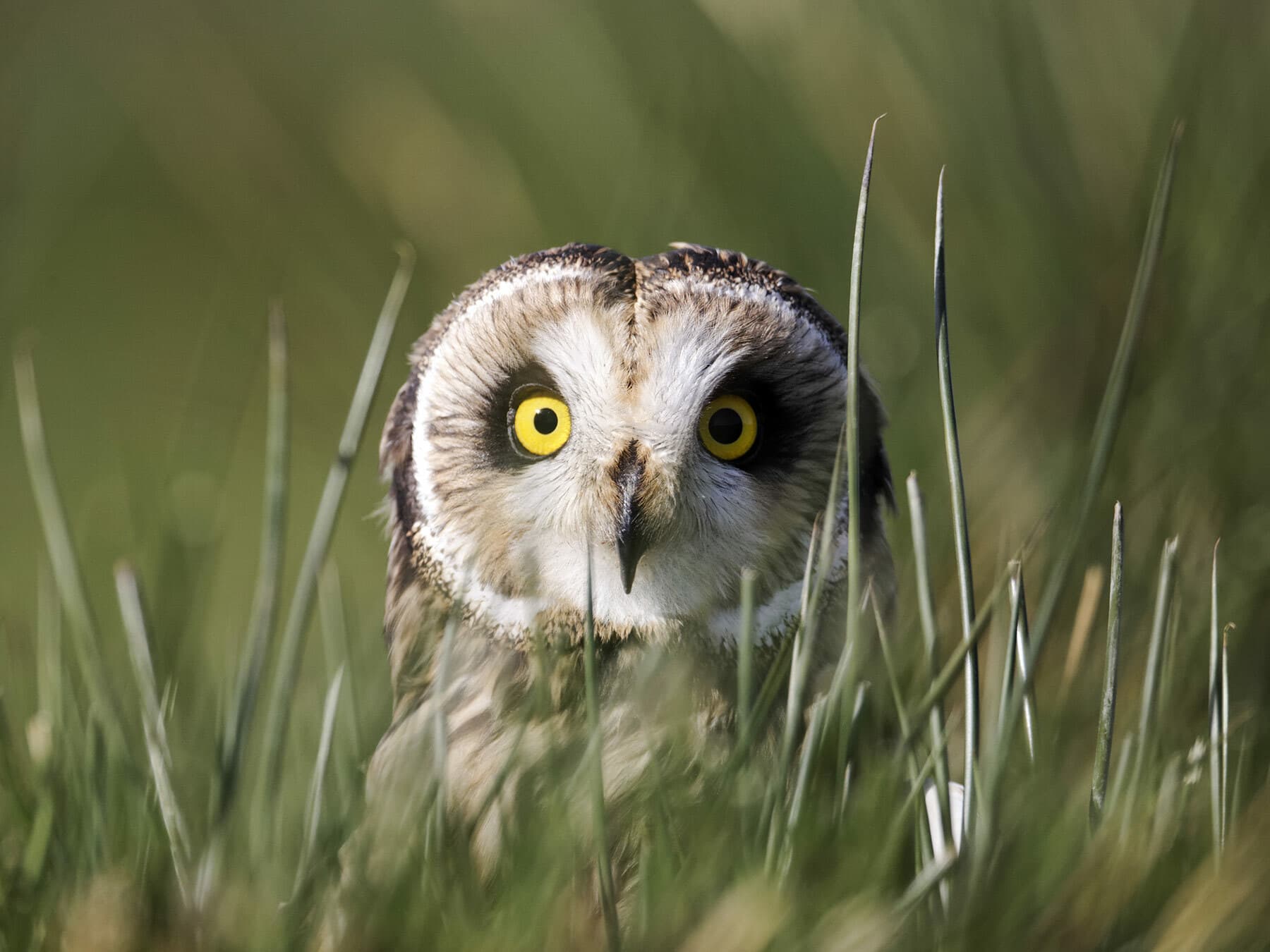
Short-eared Owl
Asio flammeusLC
A rare winter visitor to Norfolk's coastal marshes and grazing levels, hunting low over open ground from October to April.
Oct–May
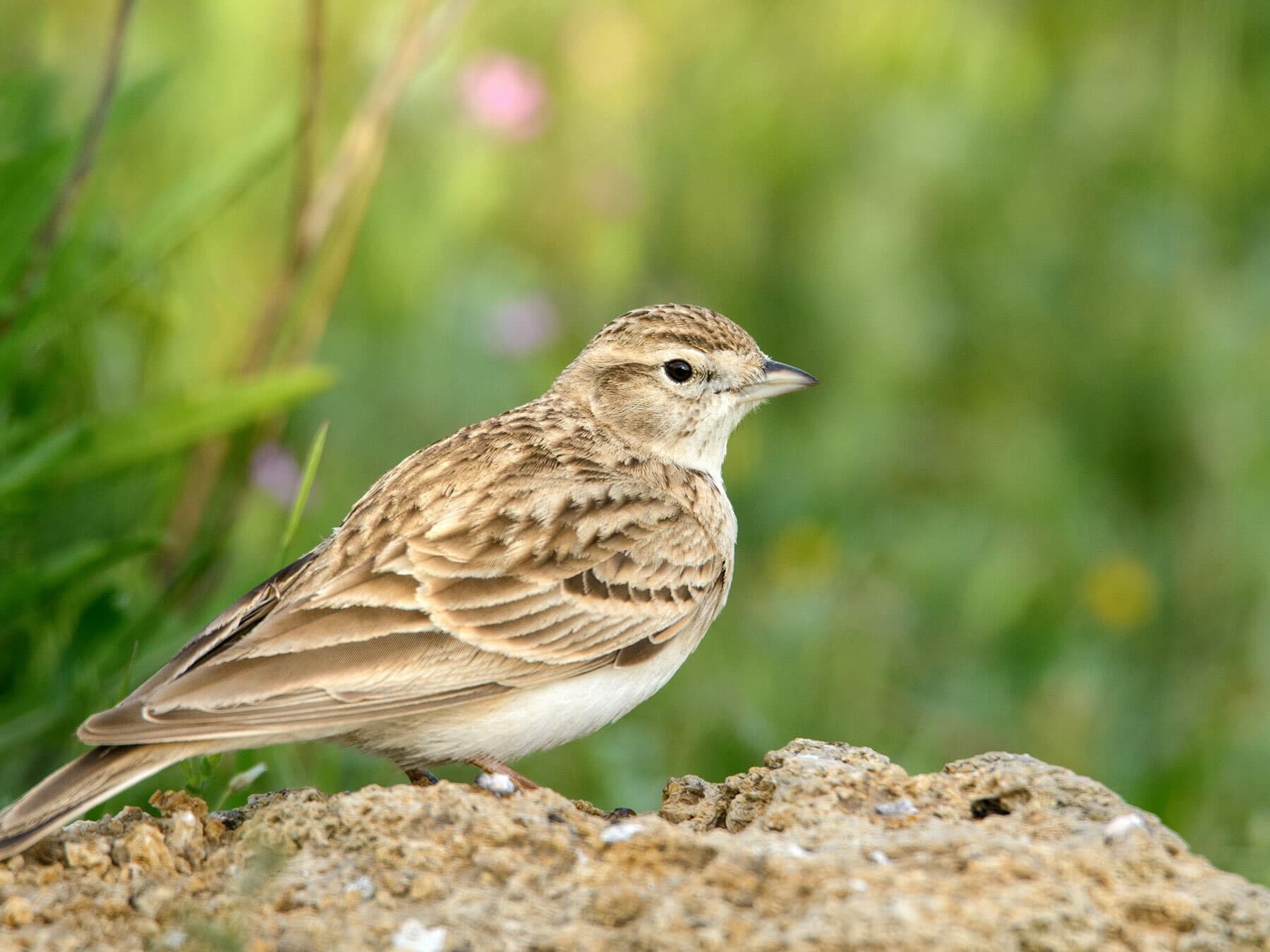
Short-toed Lark
Calandrella brachydactylaLC
A rare autumn vagrant from southern Europe, occasionally turning up at coastal migration hotspots in October.
Oct
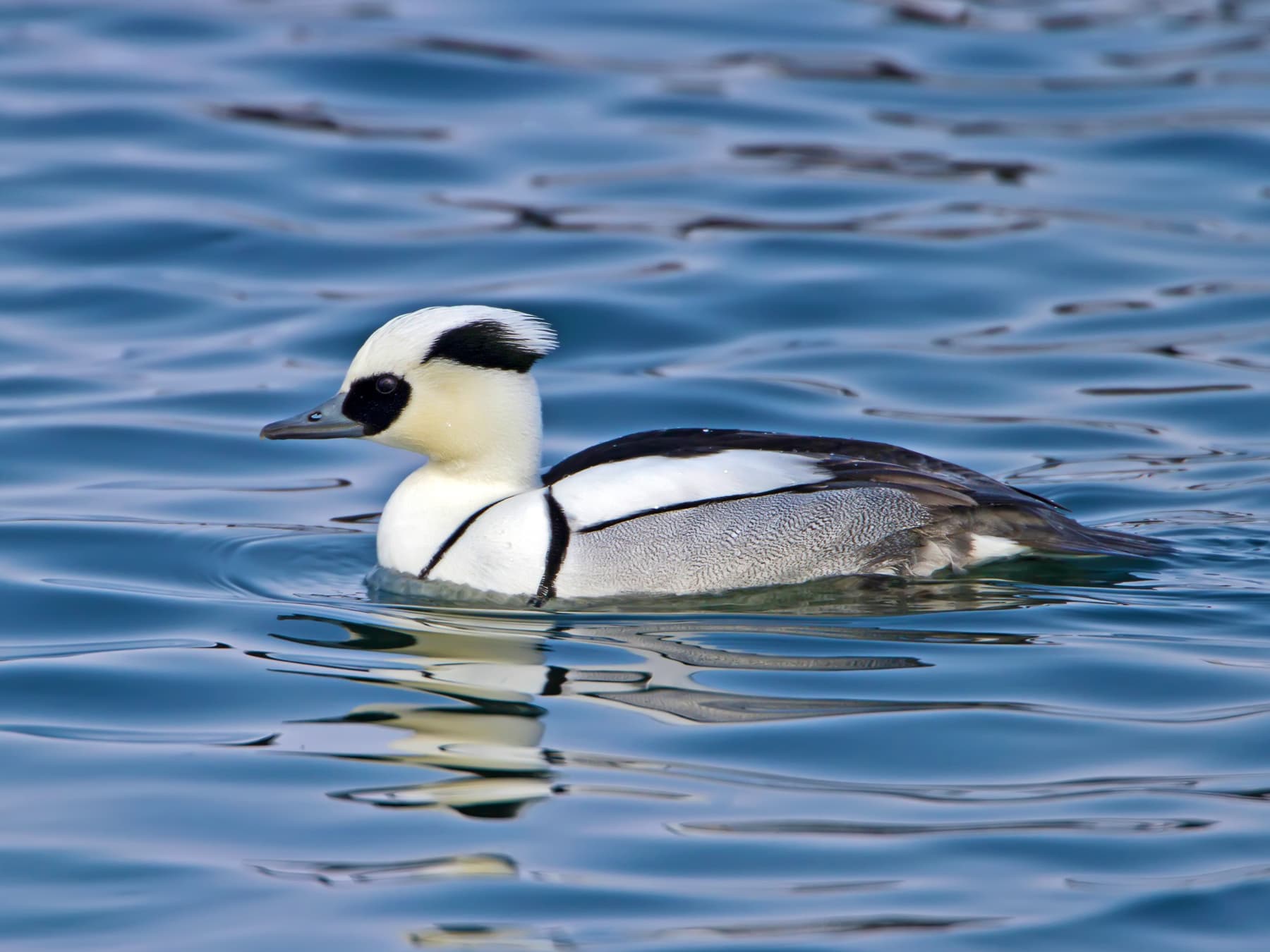
Smew
Mergellus albellusLC
A rare winter visitor, occasionally appearing on inland lakes and broads in January during cold weather influxes from the continent.
Jan
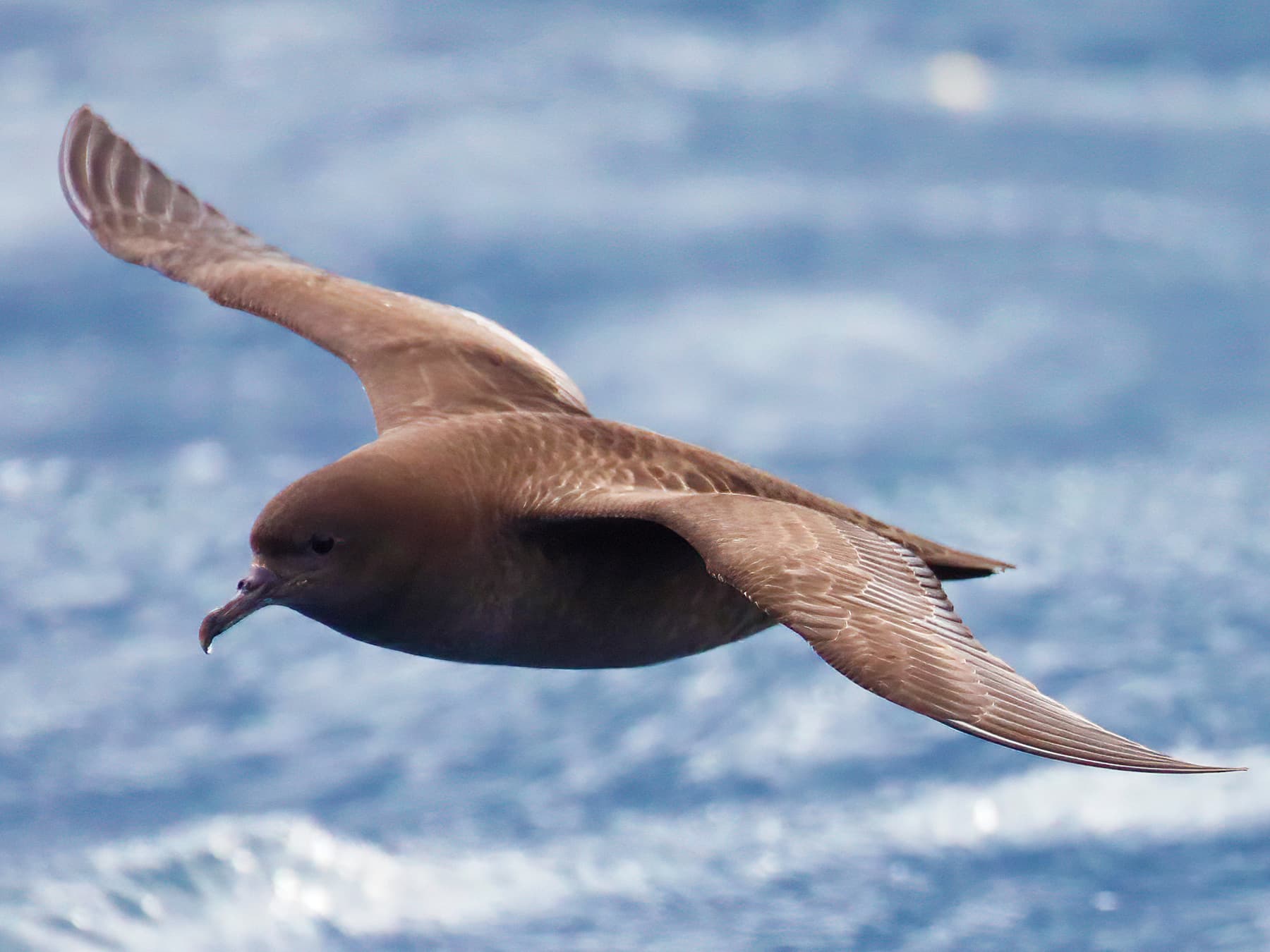
Sooty Shearwater
Ardenna griseaNT
A rare autumn passage seabird, best spotted from north Norfolk headlands during strong onshore winds in August to October.
Aug–Oct
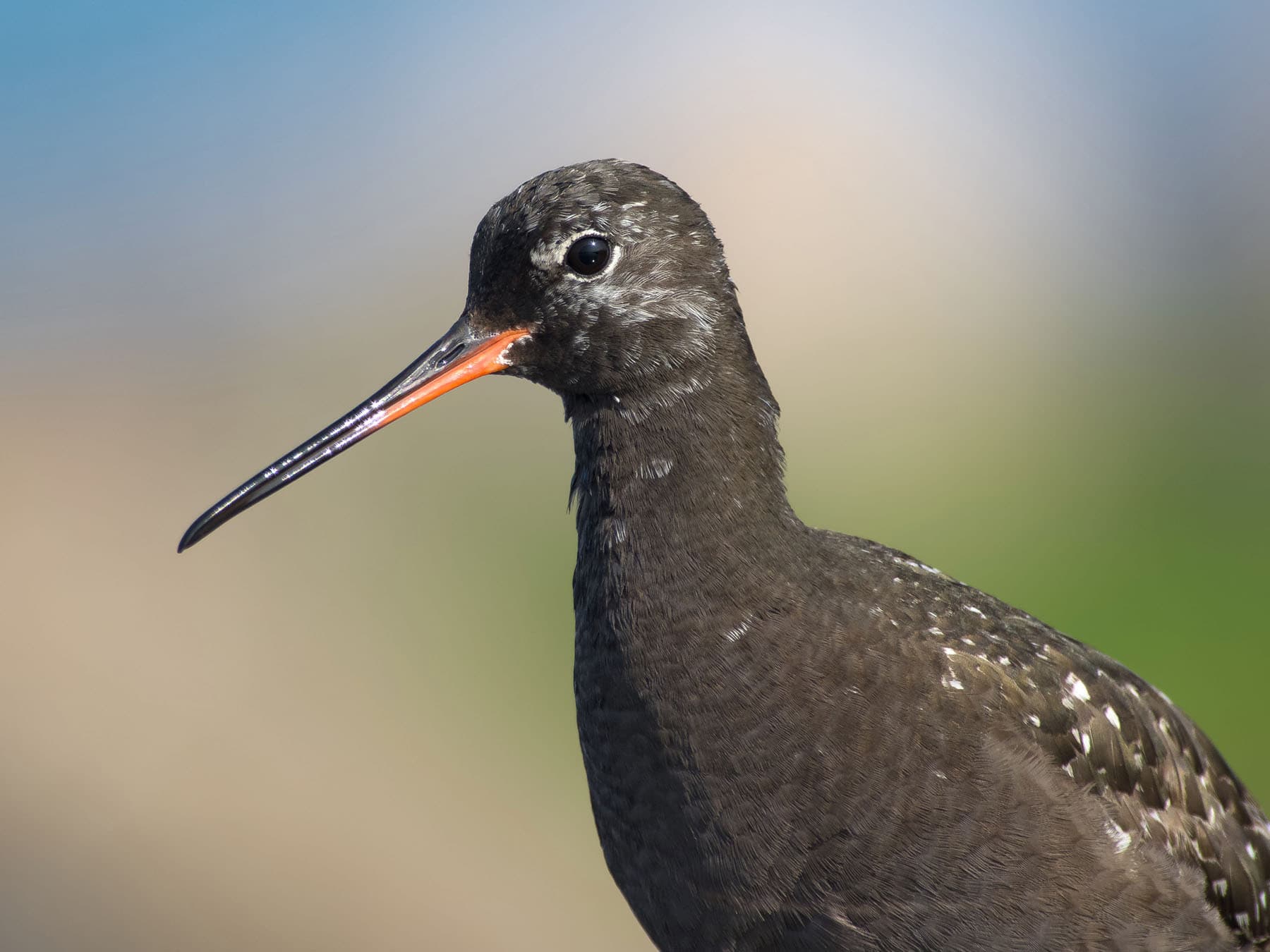
Spotted Redshank
Tringa erythropusLC
A rare but year-round presence on Norfolk's coastal lagoons and estuaries, often seen wading elegantly alongside Redshanks.
Year-round
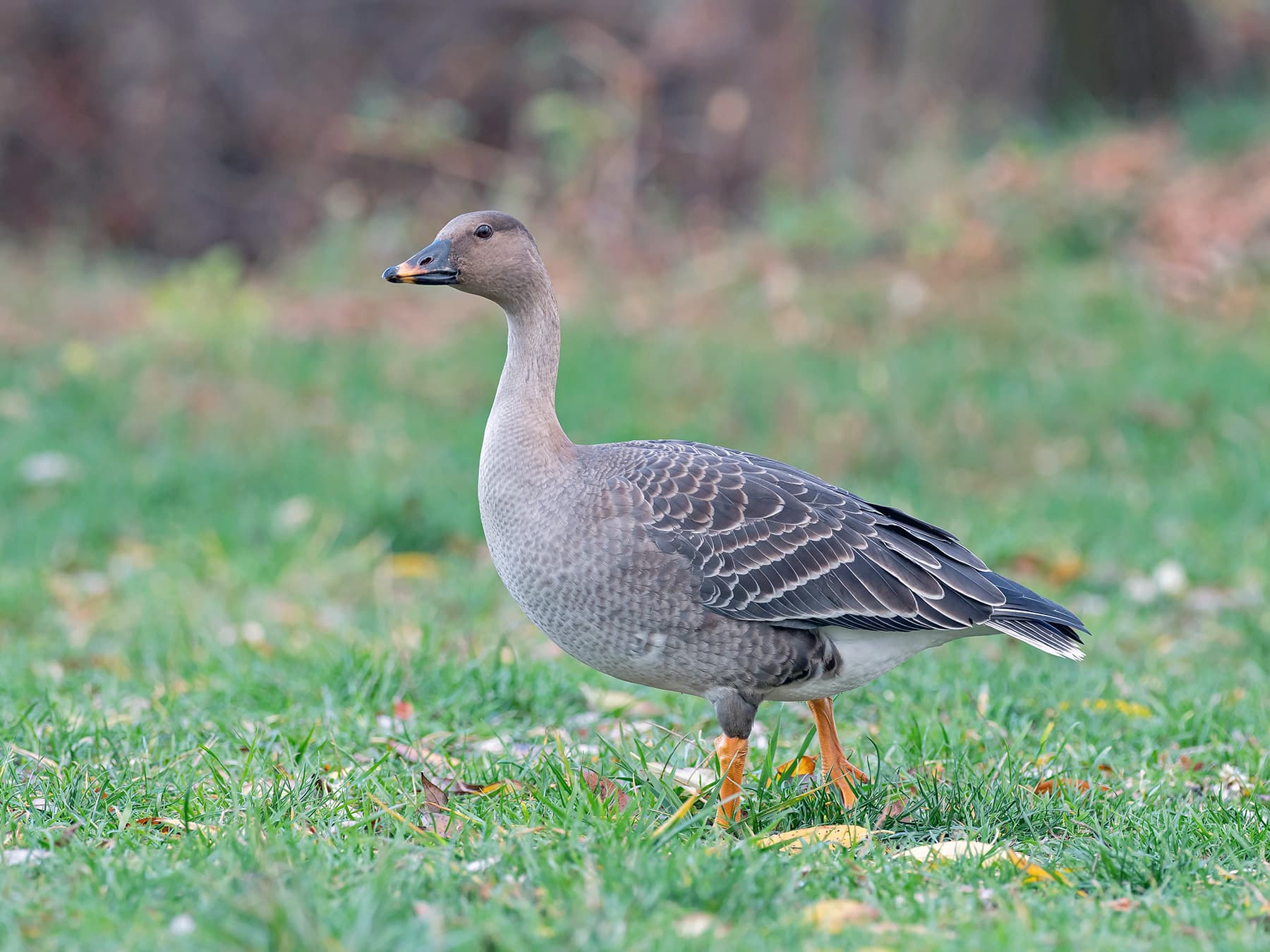
Taiga Bean Goose
Anser fabalisLC
A rare winter visitor, occasionally seen on grazing marshes and beet fields in the Yare Valley during January and December.
Dec–Jan
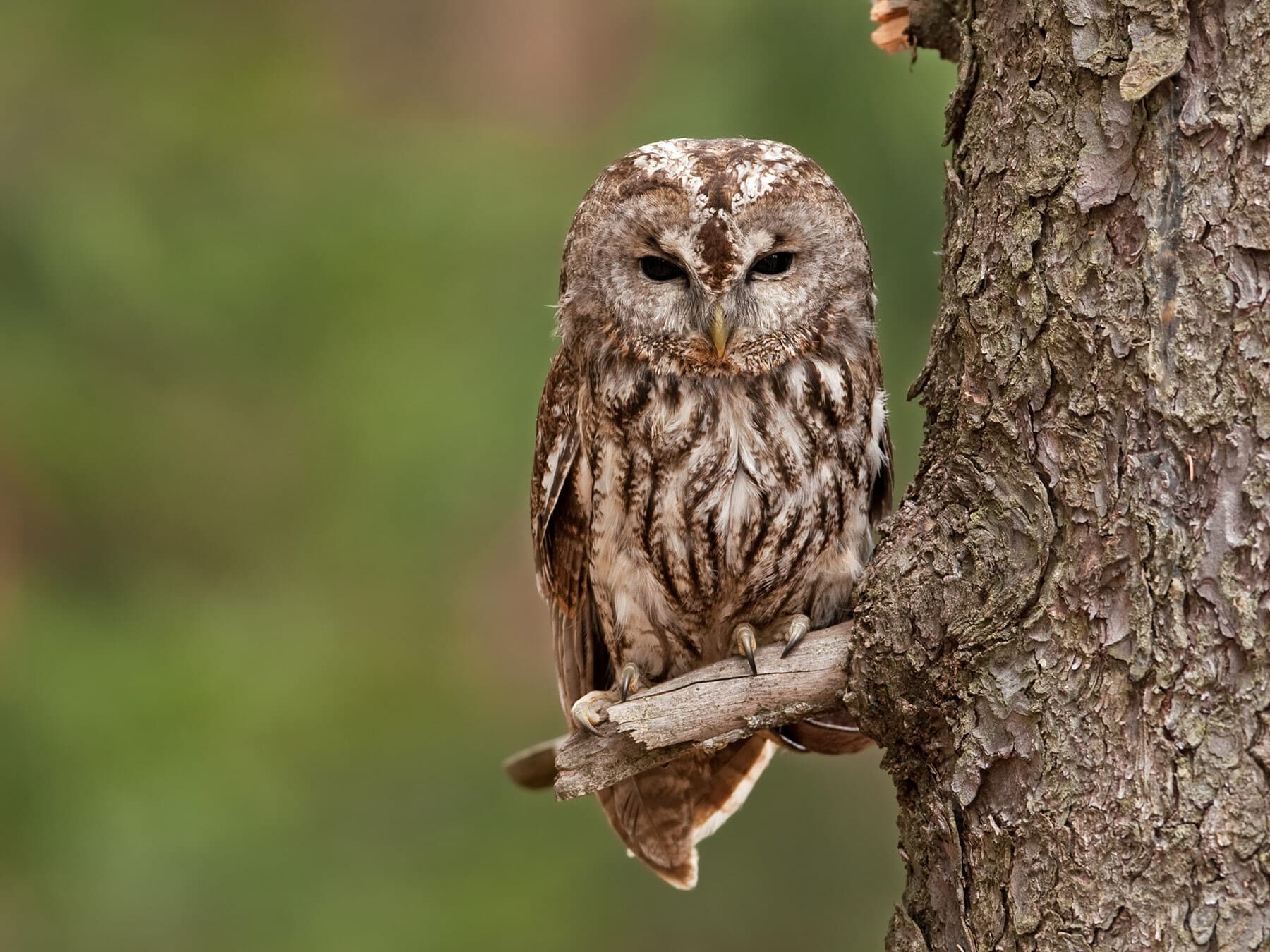
Tawny Owl
Strix alucoLC
A secretive resident of mature woodland, more often heard than seen. Seldom encountered away from wooded areas.
Year-round
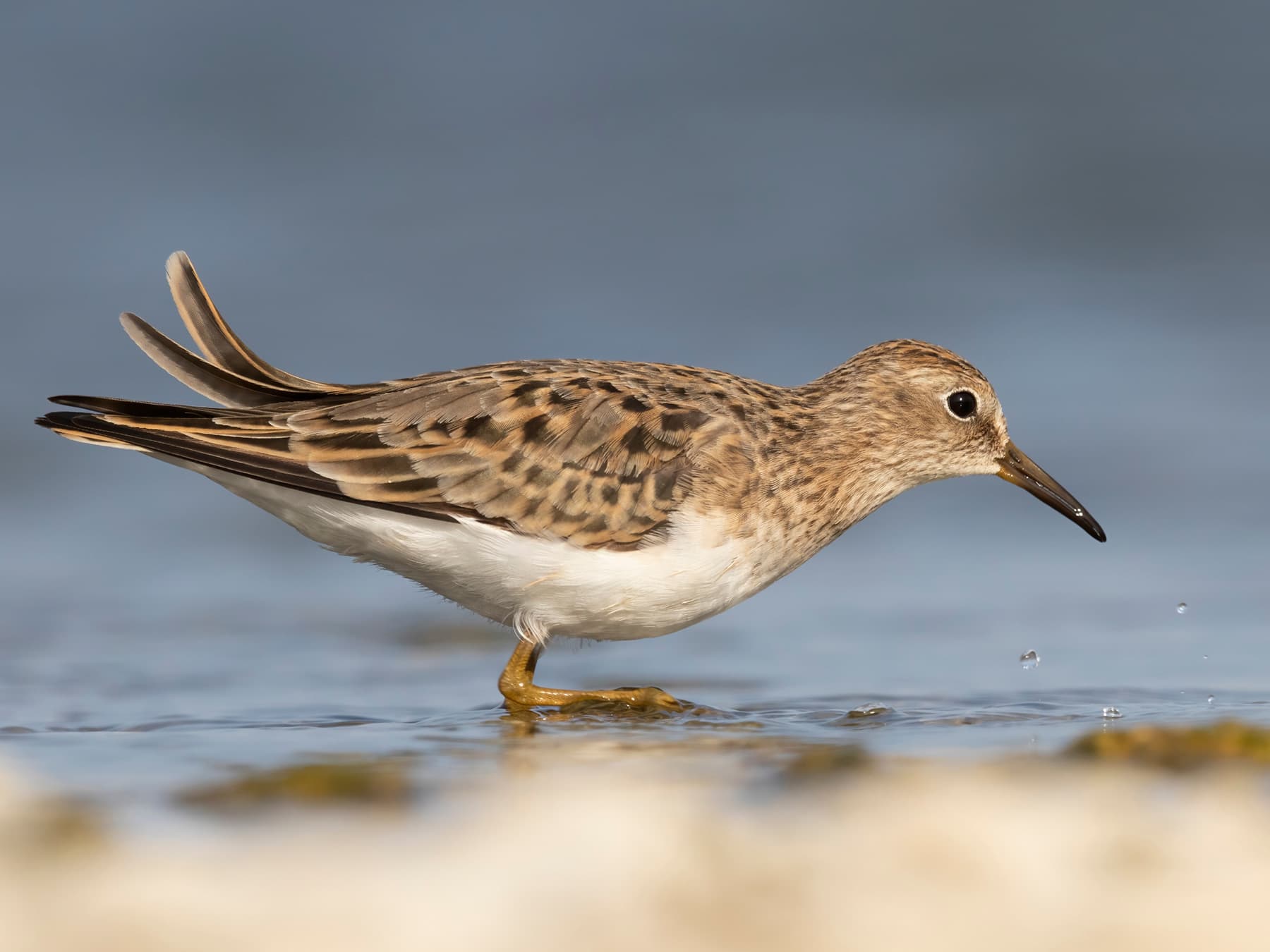
Temminck's Stint
Calidris temminckiiLC
A rare passage migrant, briefly visiting freshwater scrapes in May and August, most reliably seen at Cley or Titchwell.
May–Aug
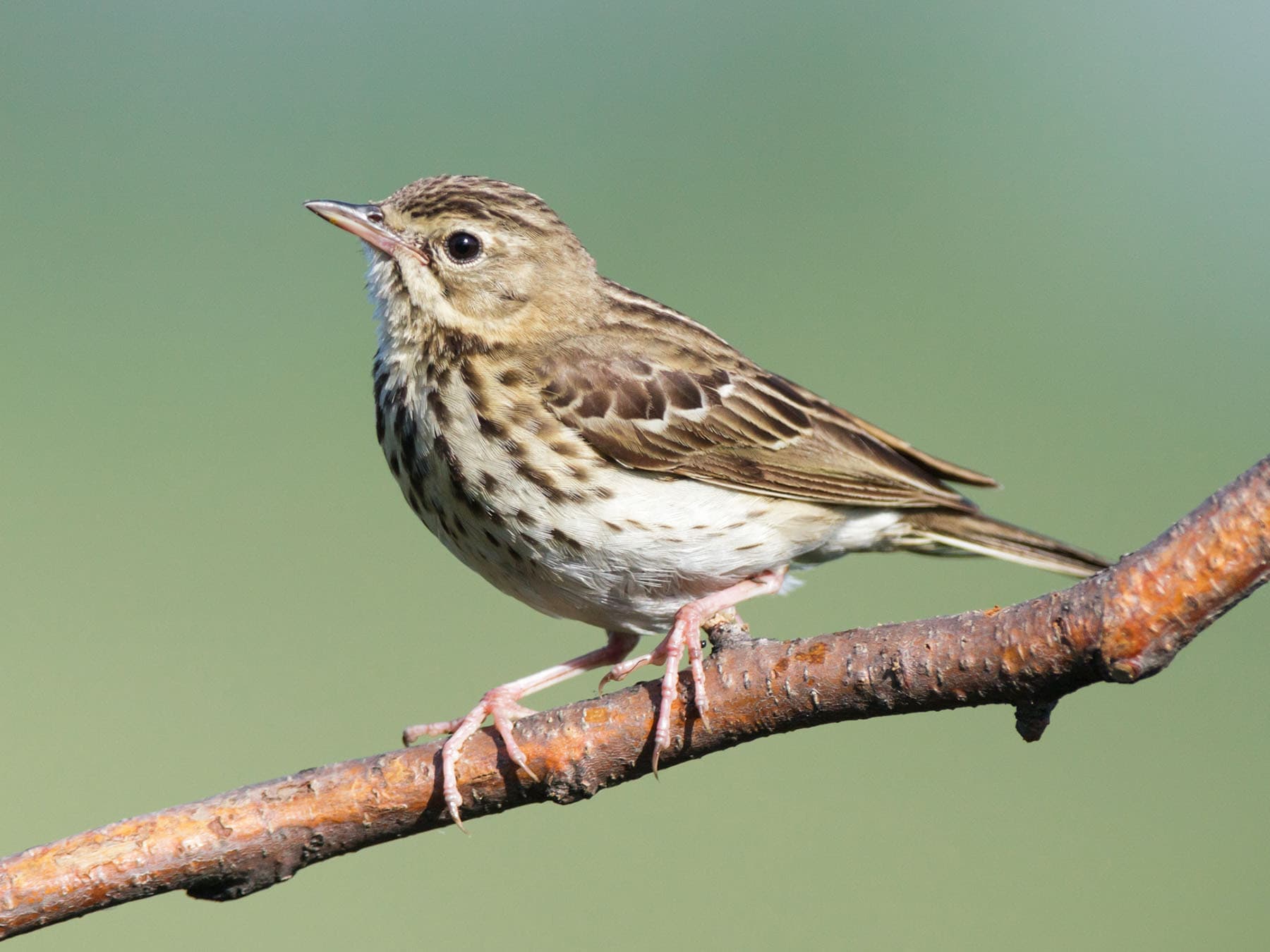
Tree Pipit
Anthus trivialisLC
A rare breeding visitor to Norfolk's heathland and woodland edges, arriving in April. Delivers its distinctive song flight over sites like Salthouse Heath.
Apr–Sep
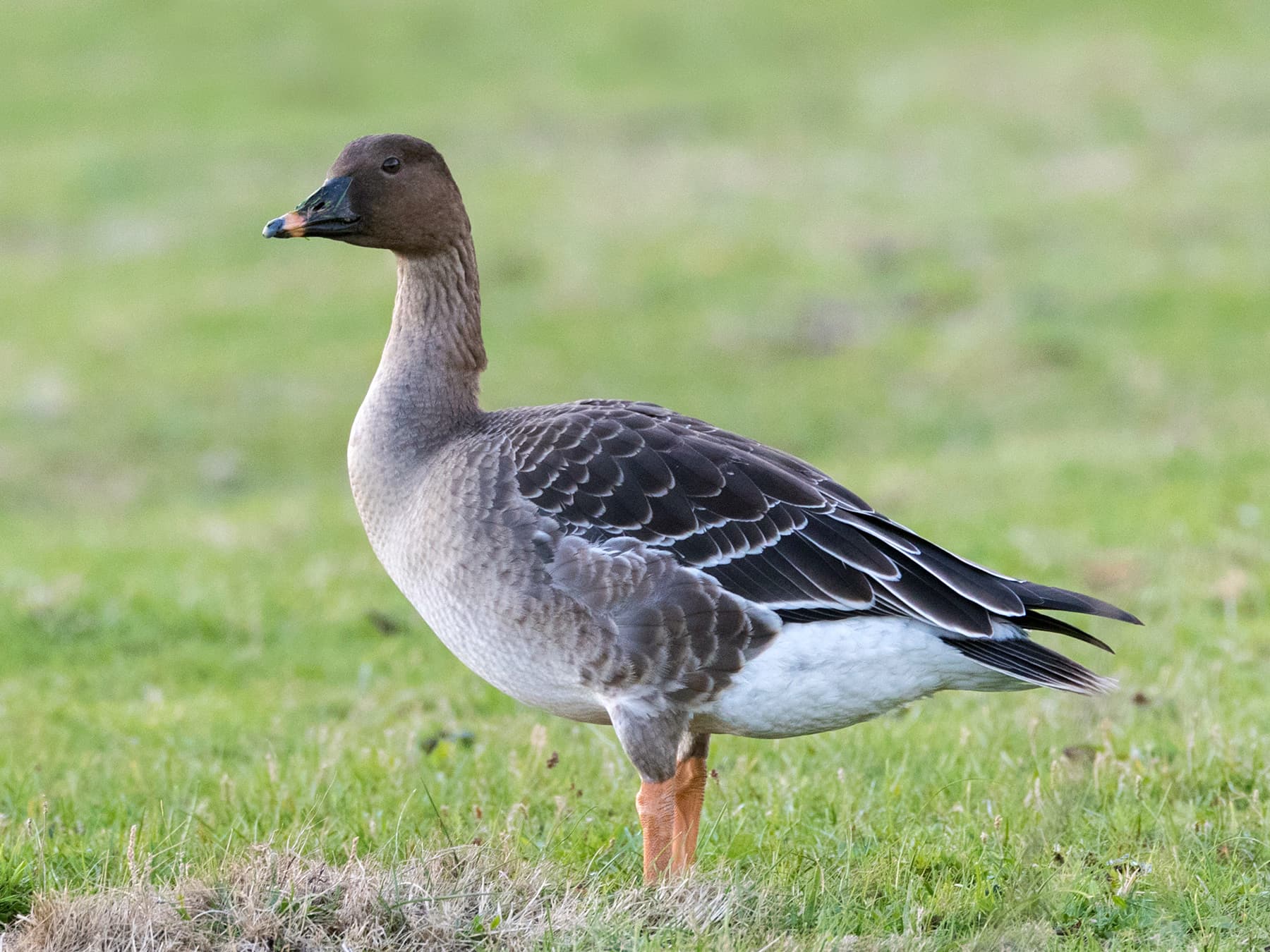
Tundra Bean Goose
Anser serrirostrisLC
A rare winter visitor, with a regular flock at the Yare Valley from December to February. Norfolk is a key UK wintering site.
Dec–Feb
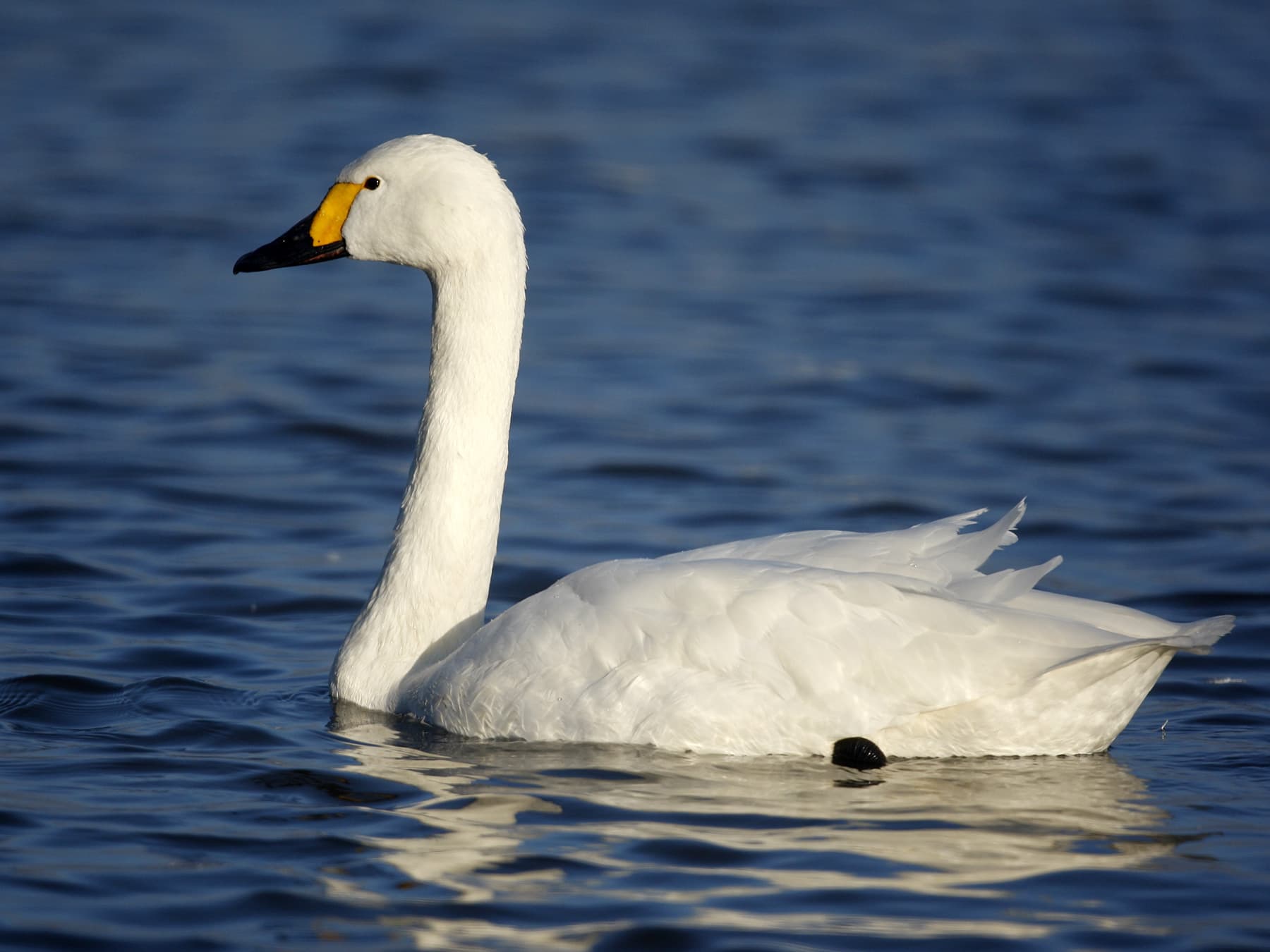
Tundra Swan
Cygnus columbianusLC
A rare winter visitor to the Ouse Washes and Norfolk's flooded grazing marshes. Small herds arrive from Arctic Russia in November.
Nov–Mar
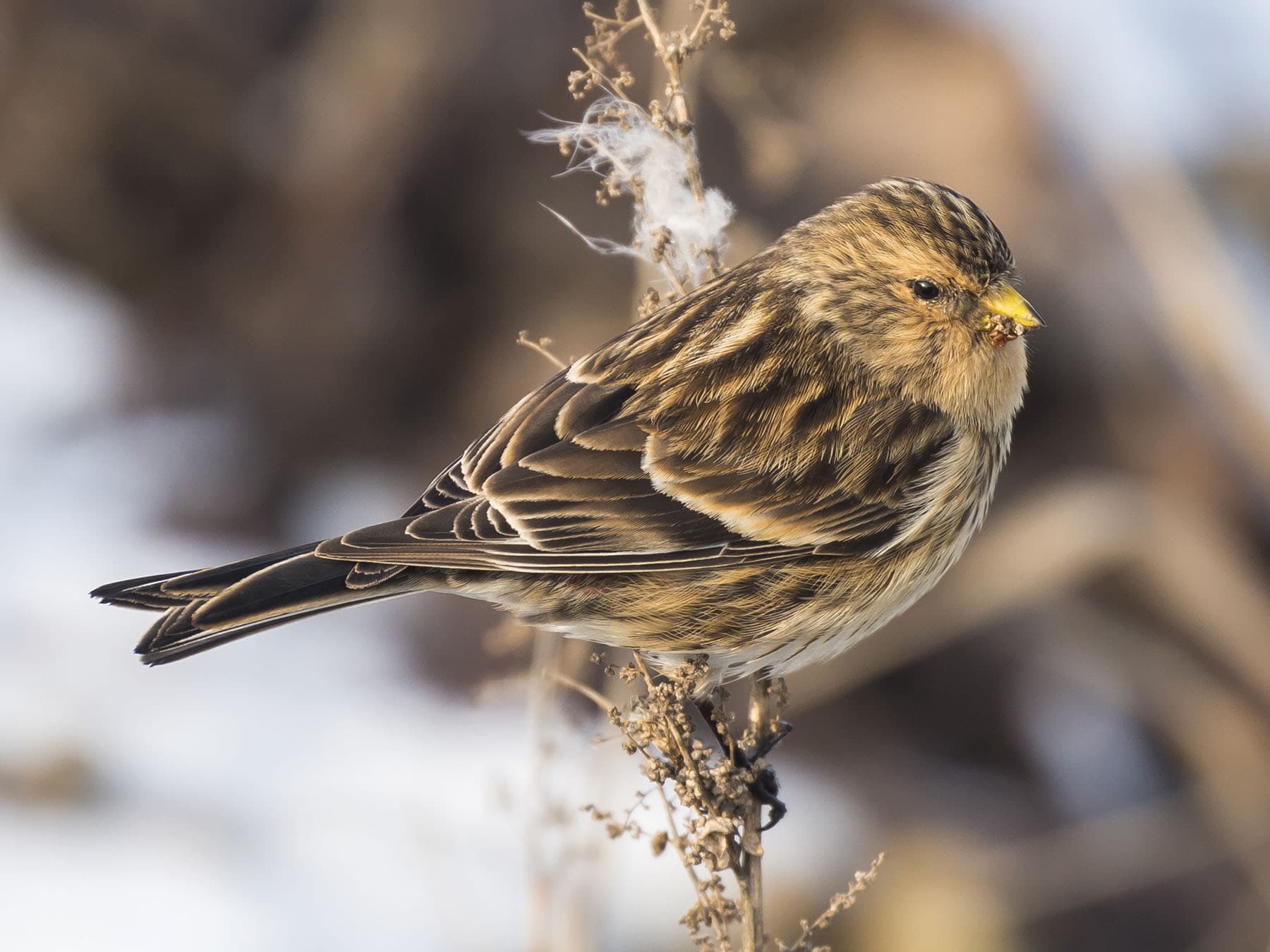
Twite
Linaria flavirostrisLC
A rare winter visitor to the Norfolk coast, occasionally found in small flocks on saltmarshes and shingle beaches from October to March.
Oct–Mar
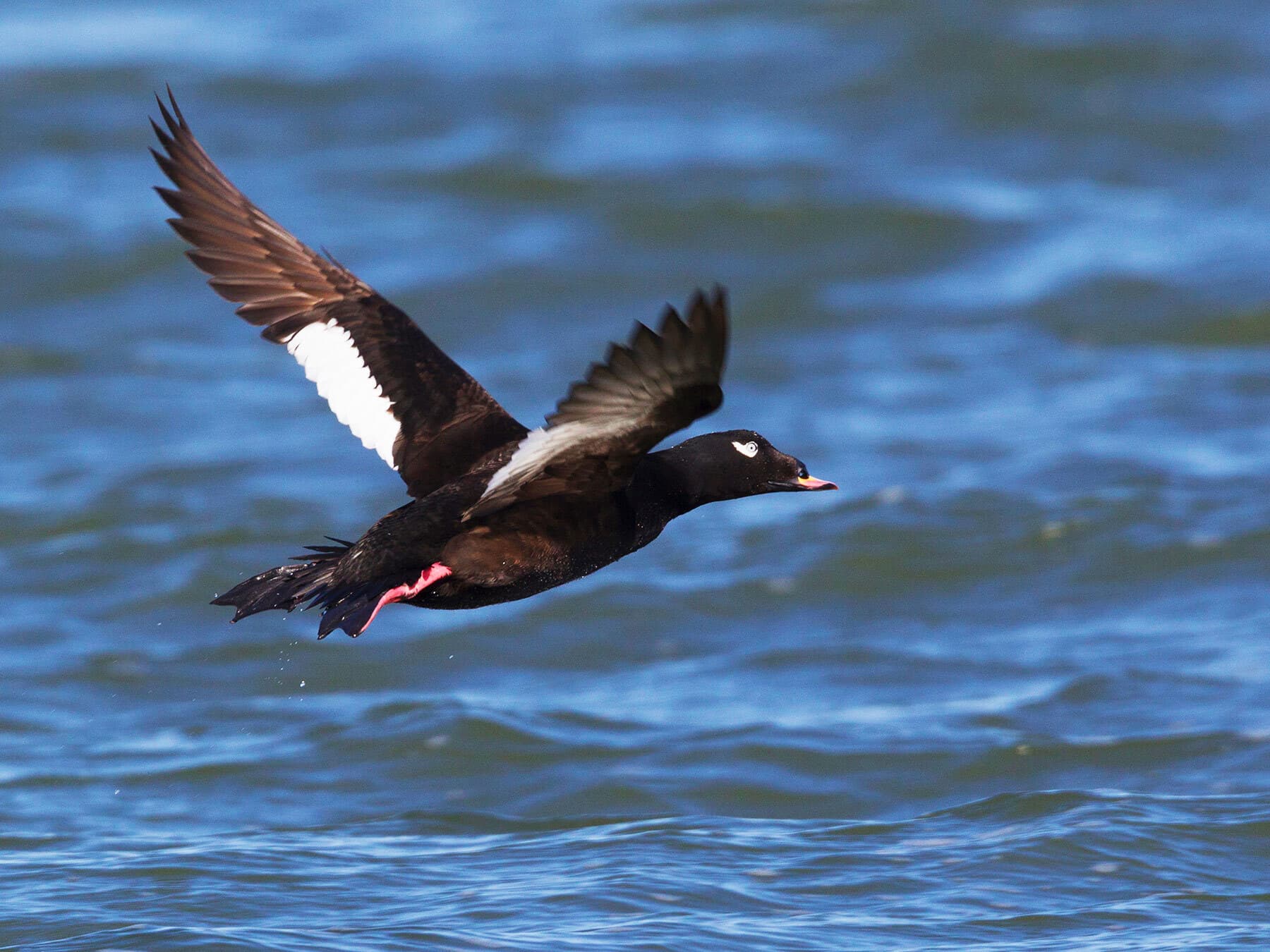
Velvet Scoter
Melanitta fuscaVU
A rare winter visitor, found offshore along the north Norfolk coast from October to March, often among Common Scoter flocks.
Oct–Mar
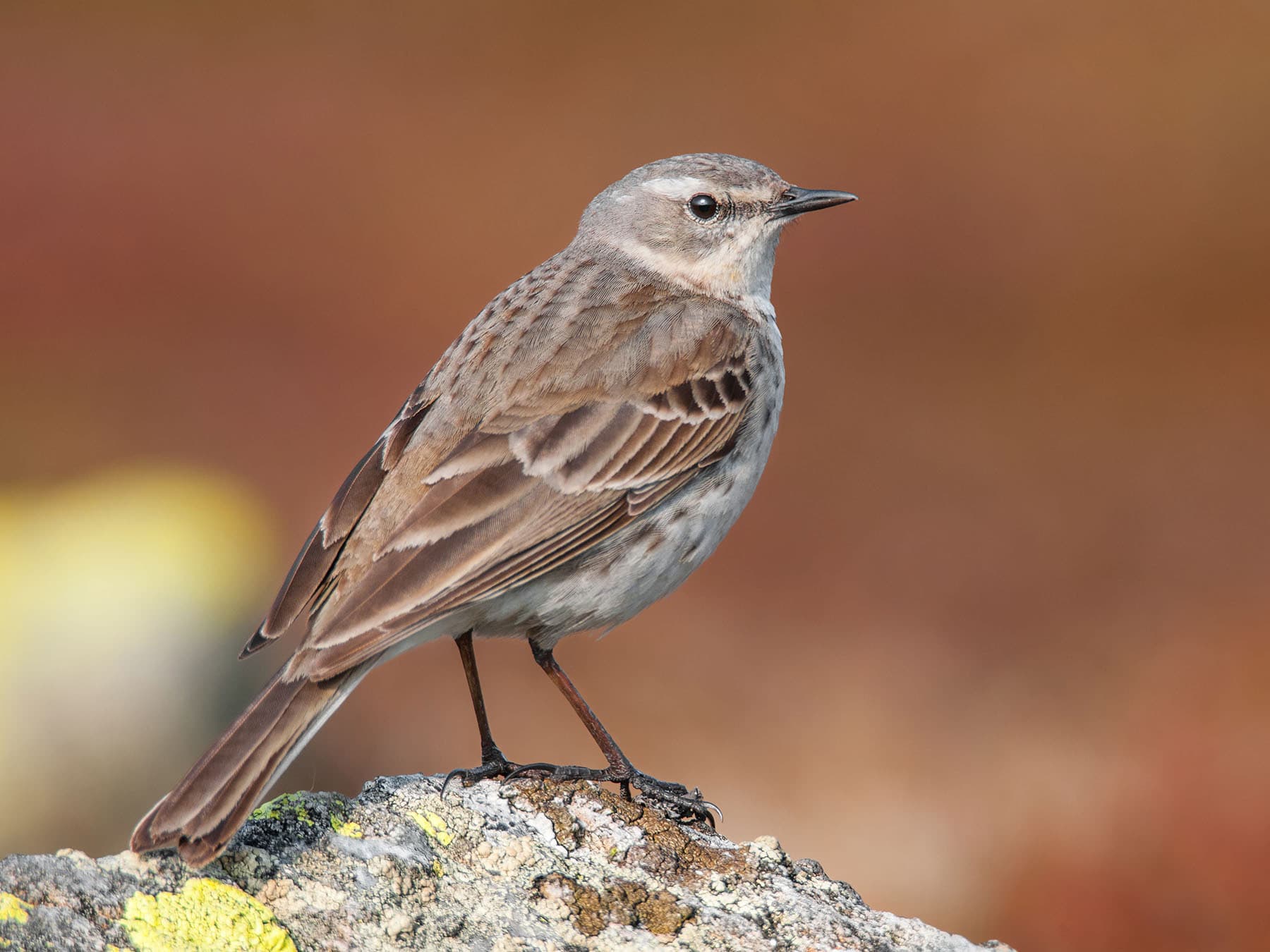
Water Pipit
Anthus spinolettaLC
A rare winter visitor found at freshwater marshes and watercress beds, most reliably seen at coastal grazing marshes from October to March.
Oct–Mar
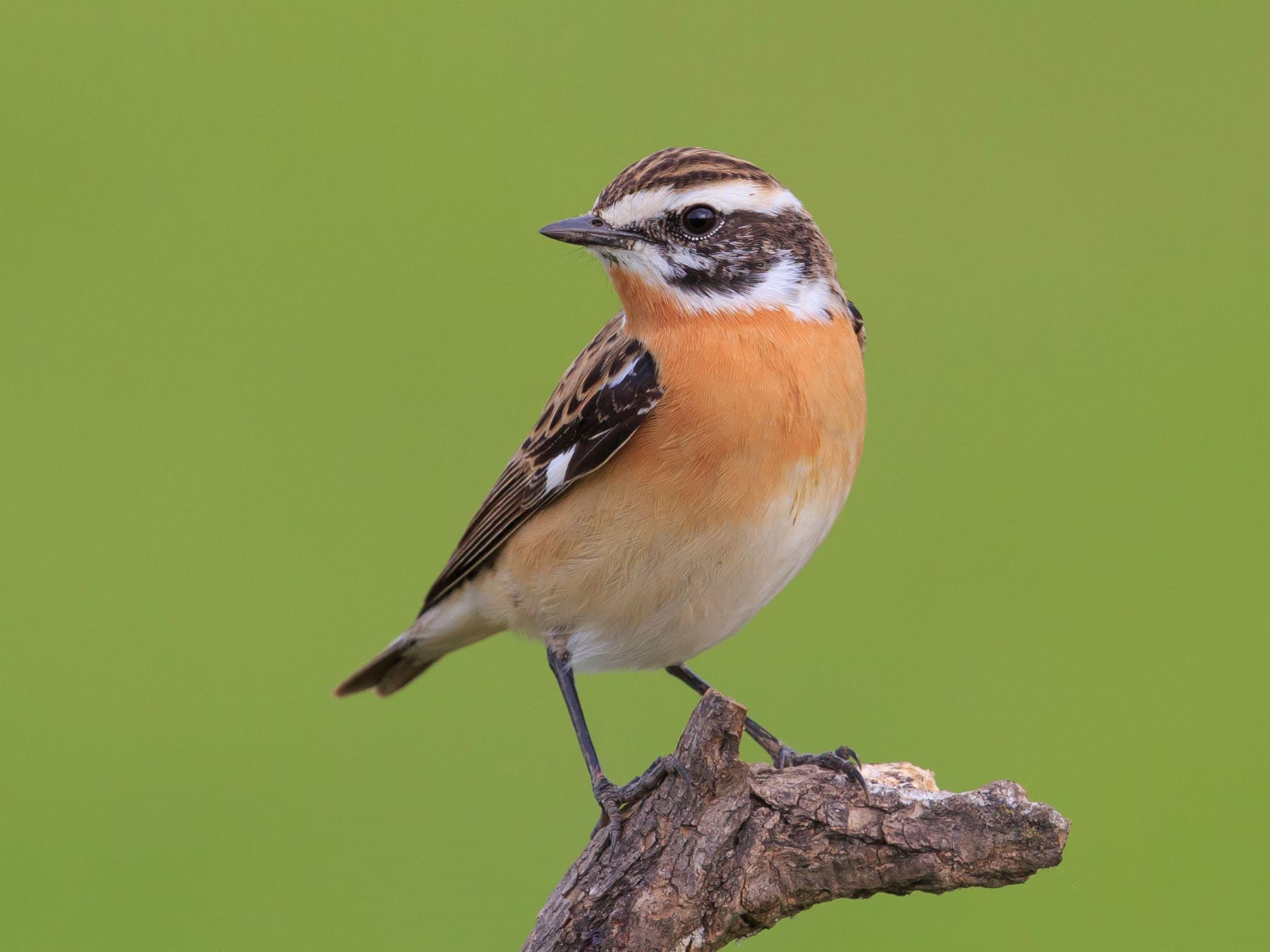
Whinchat
Saxicola rubetraLC
A rare passage migrant seen briefly in spring and autumn on coastal scrub and marshes. No longer breeds in Norfolk.
Apr–Sep