Birds in Lancashire
Explore 200 species found in this region.
Lancashire boasts a rich and diverse birdlife, with 195 recorded species found across its varied landscapes of coastal estuaries, moorland uplands, and fertile lowland farmland. The county's extensive coastline along Morecambe Bay and the Ribble Estuary provides vital habitat for wading birds such as Northern Lapwing and Common Sandpiper, while its inland waters attract species including Common Merganser, Northern Pintail, and the striking Mandarin Duck. From the high-altitude Dotterel on the Bowland Fells to the familiar Great Tit and Magpie in gardens and hedgerows, Lancashire offers outstanding birdwatching opportunities throughout the year.
Visiting in July? Look out for Black-necked Grebe and Curlew Sandpiper arriving this month, and Common Quail and Cuckoo depart for the season.


Showing 116–138 of 200 species
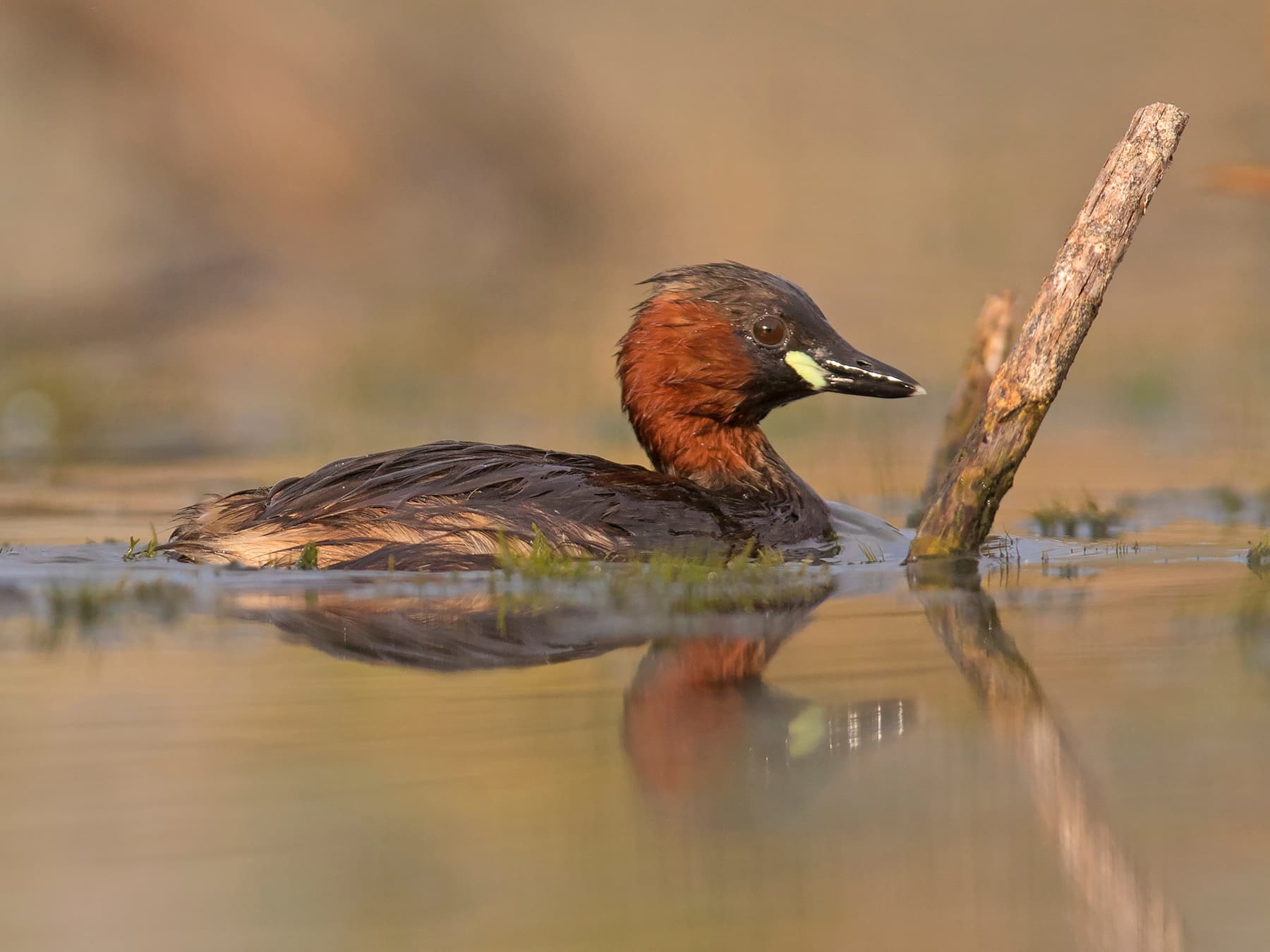
Little Grebe
Tachybaptus ruficollisLC
A shy resident of sheltered ponds, canals, and slow-moving waterways. More easily heard than seen, with its distinctive trilling call.
Year-round
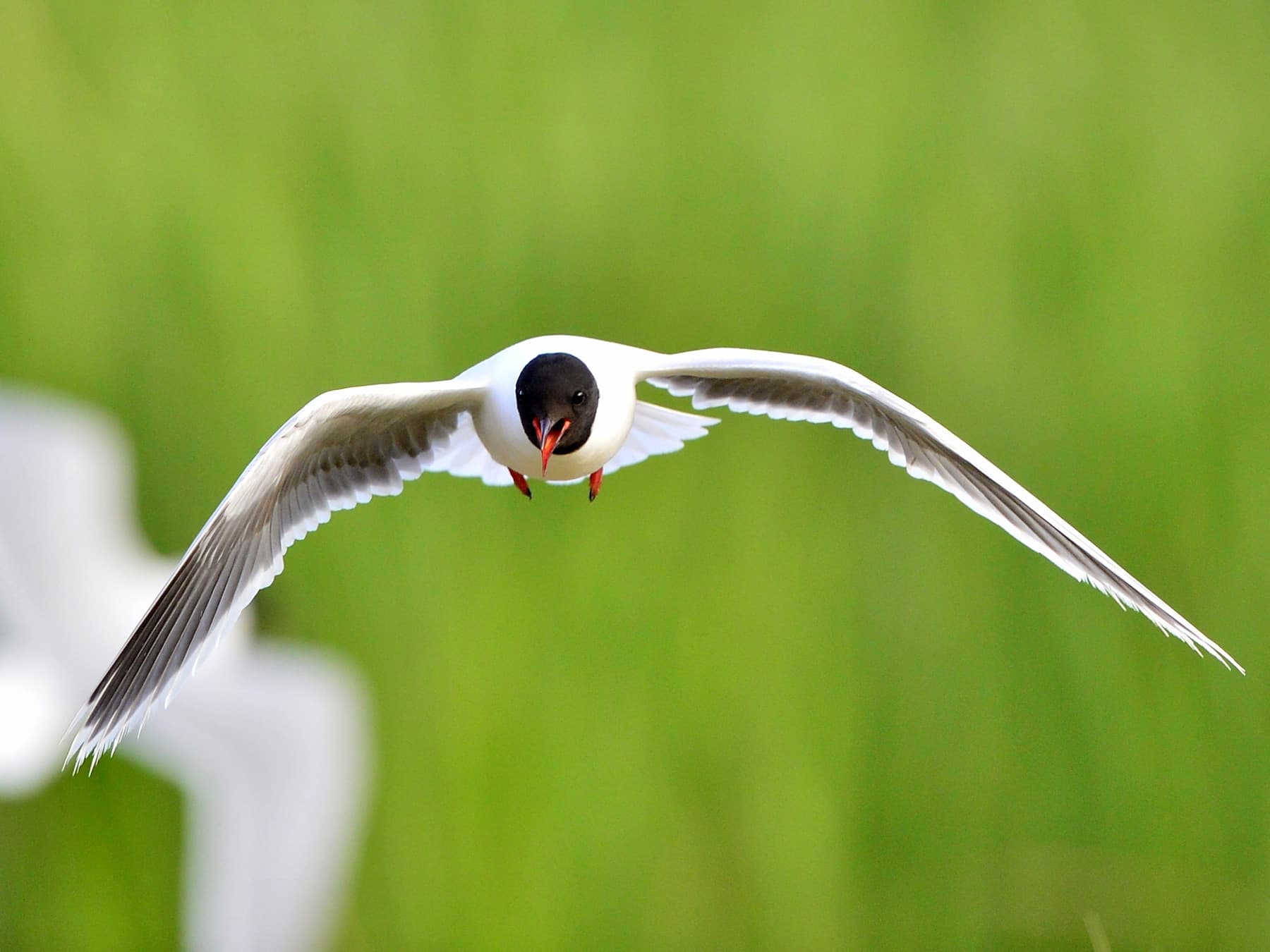
Little Gull
Hydrocoloeus minutusLC
A rare and dainty passage migrant in May, occasionally spotted over coastal waters and estuaries during spring migration.
May
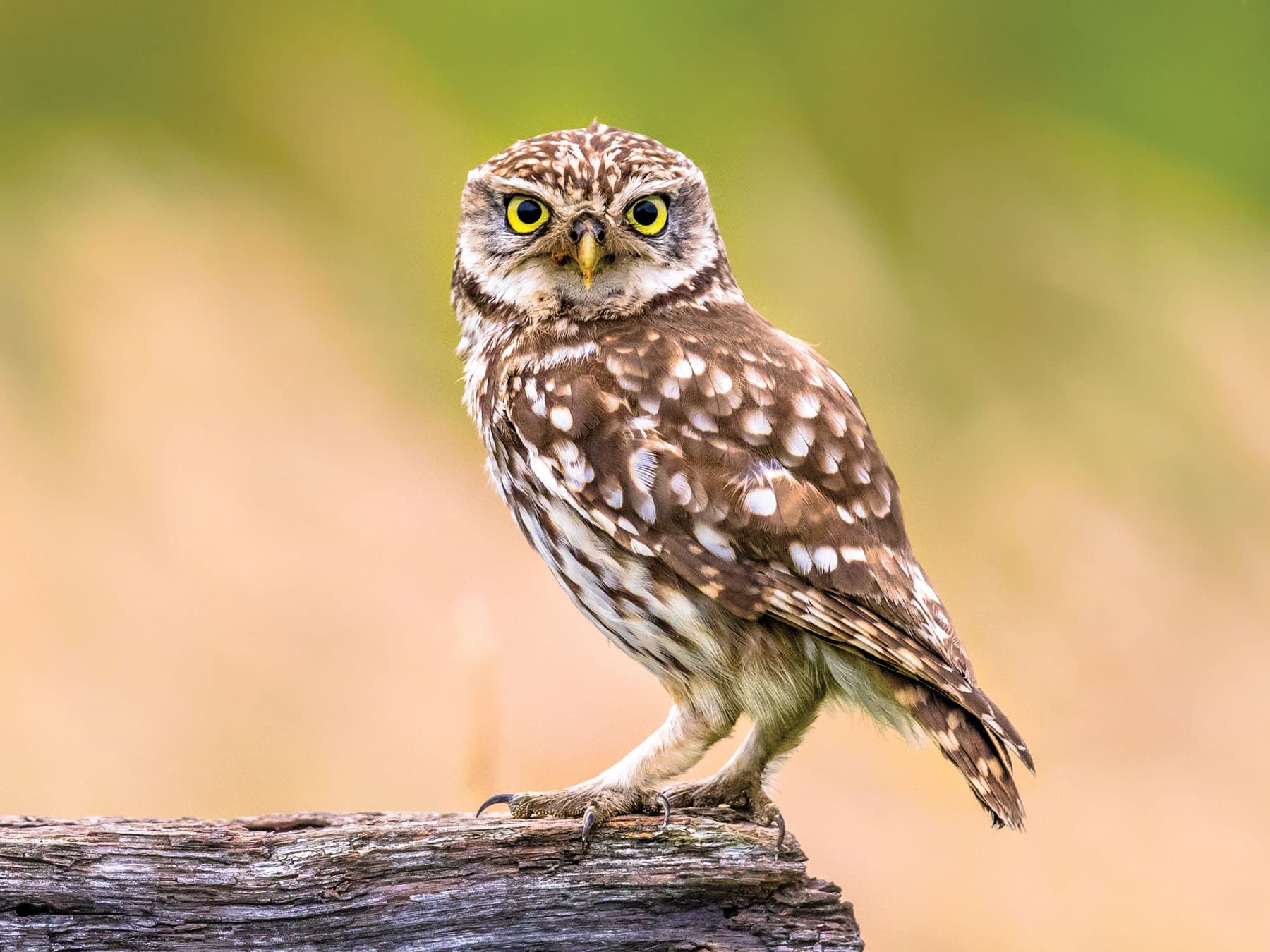
Little Owl
Athene noctuaLC
A rare resident of farmland and parkland, sometimes heard calling at dusk. Declining across much of northern England.
Year-round
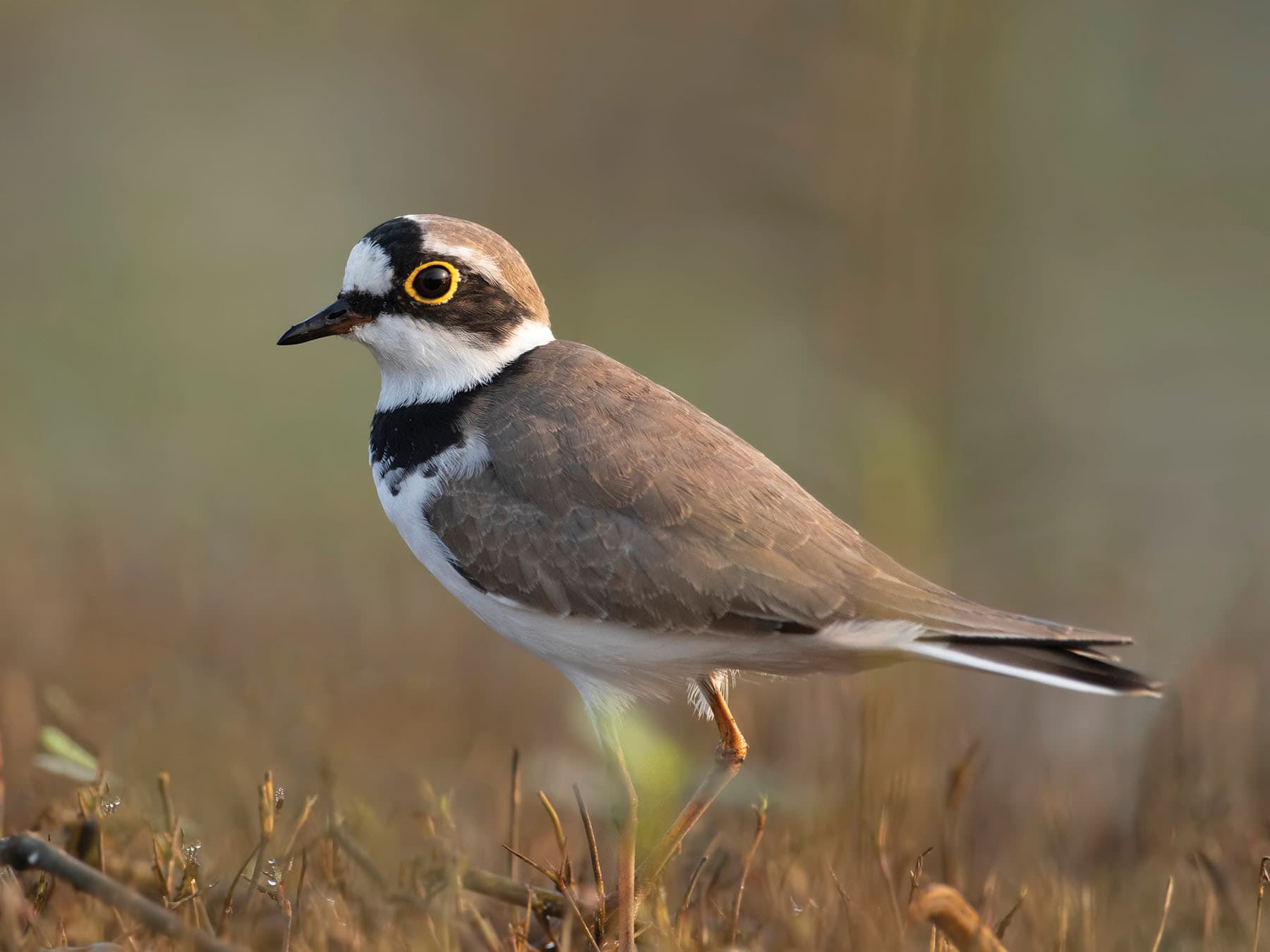
Little Ringed Plover
Charadrius dubiusLC
A rare summer breeder favouring gravel pits and reservoir margins. Arrives in March and departs by September.
Mar–Sep
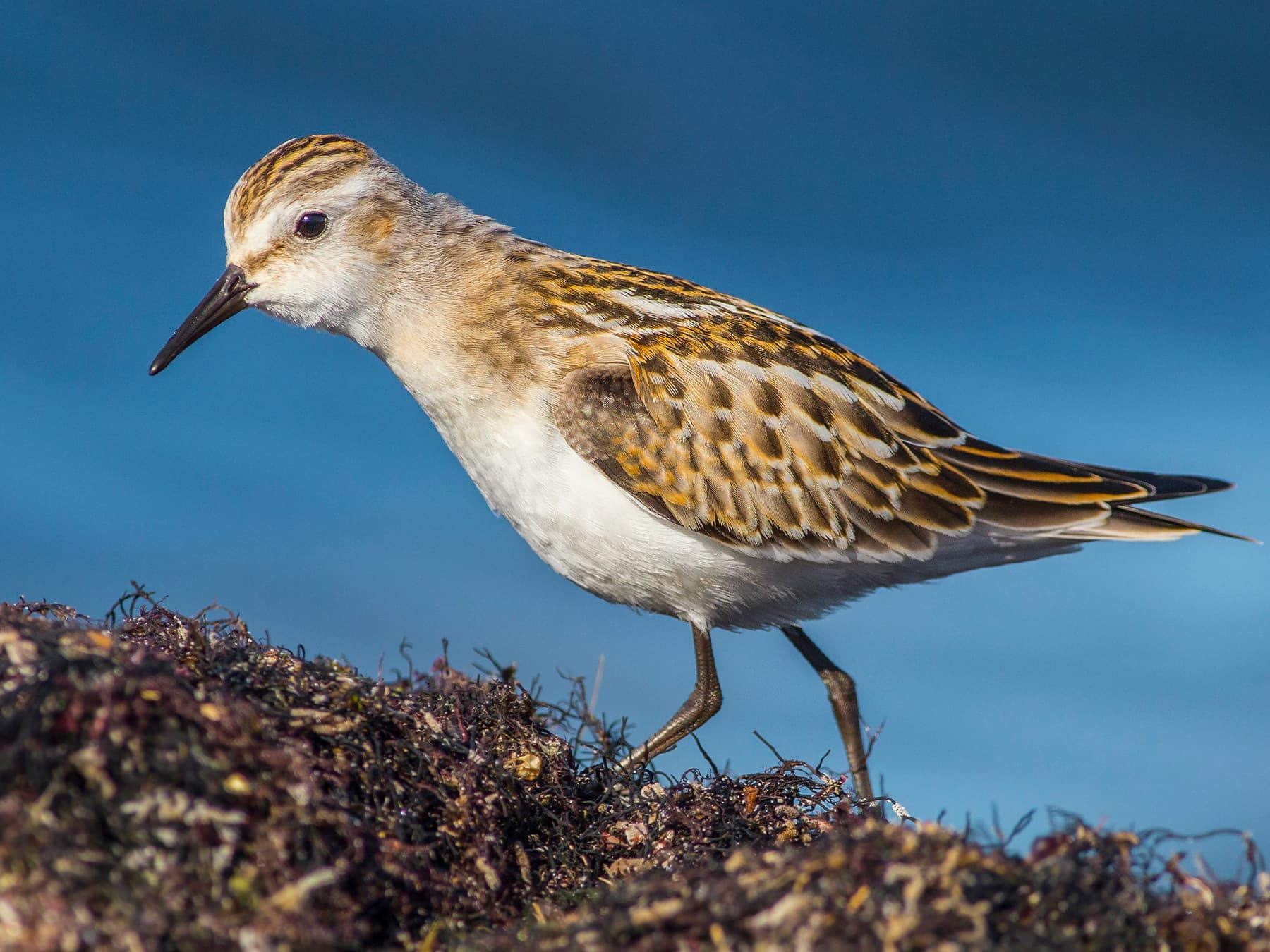
Little Stint
Calidris minutaLC
A rare autumn passage migrant in August and September, picking through muddy margins at coastal pools and estuaries.
Aug–Sep
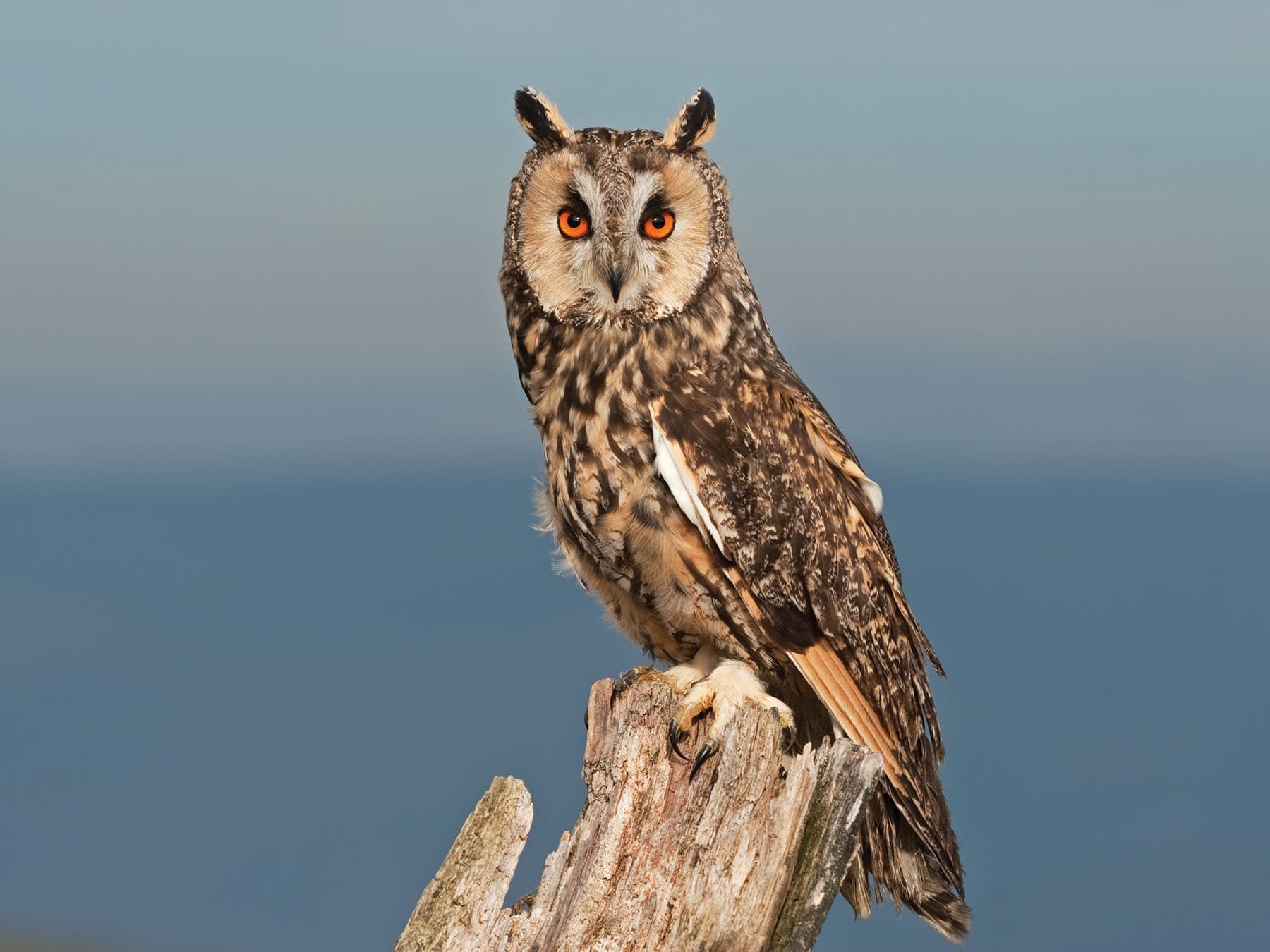
Long-eared Owl
Asio otusLC
A rare and secretive passage visitor, occasionally recorded in woodland and scrub during February and July.
Feb–Jul
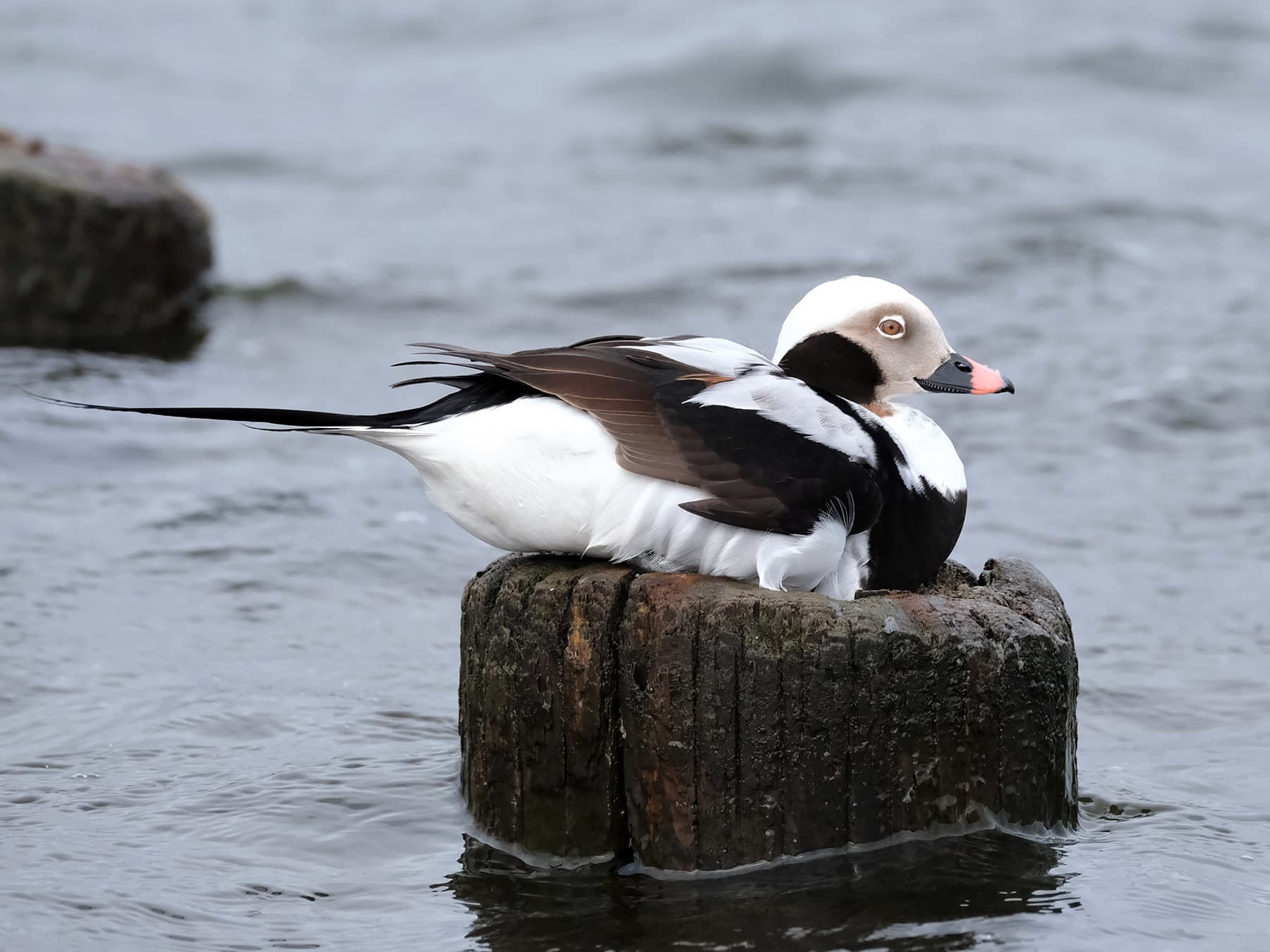
Long-tailed Duck
Clangula hyemalisVU
A rare passage visitor, occasionally noted offshore or on coastal waters in late autumn. Most records come from Morecambe Bay.
Nov
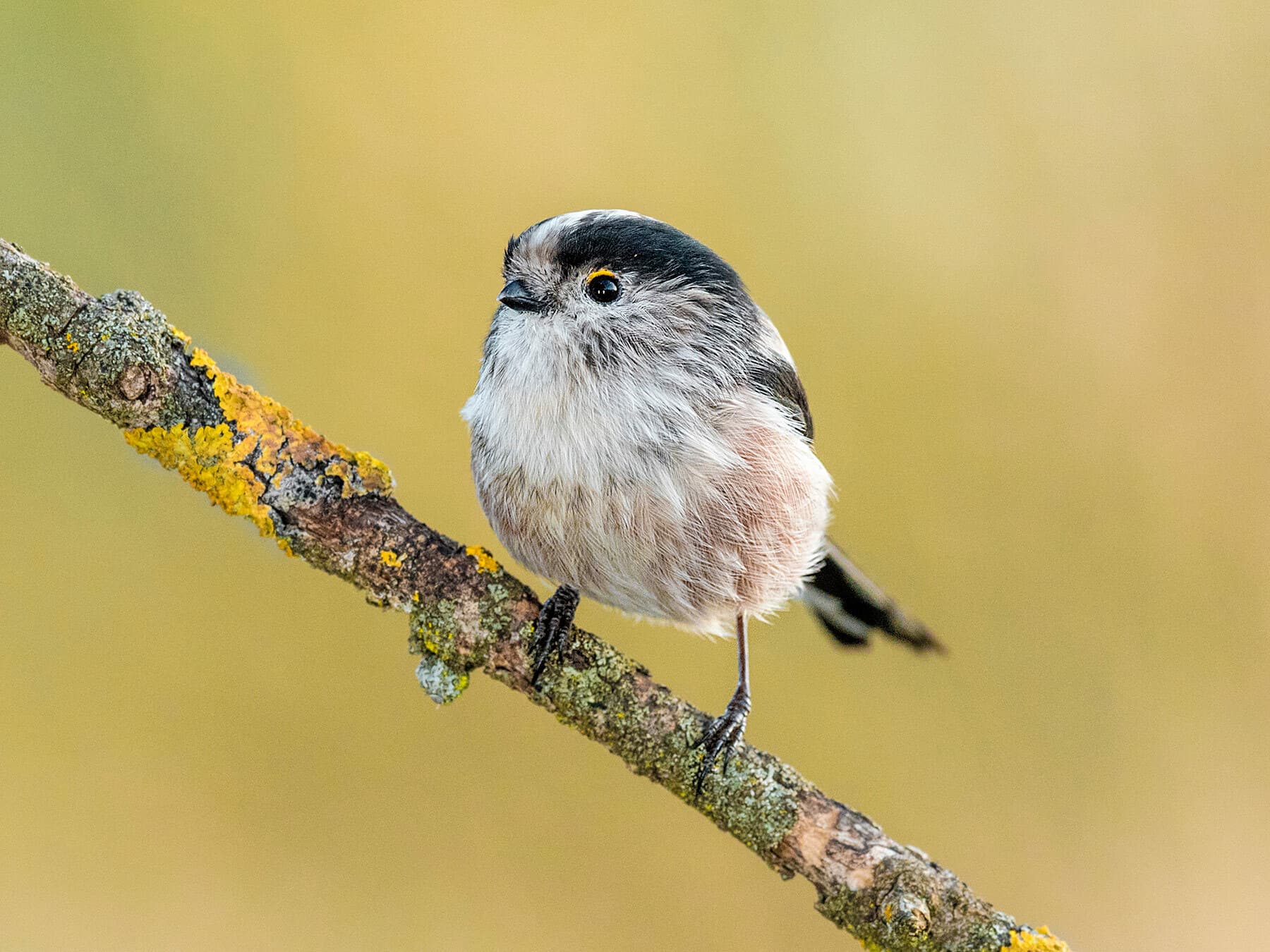
Long-tailed Tit
Aegithalos caudatusLC
A common resident easily recognised by its long tail, often seen in noisy family flocks moving through Lancashire's hedgerows and woodland edges.
Year-round
Spotted something?
Upload a photo to identify it
Identify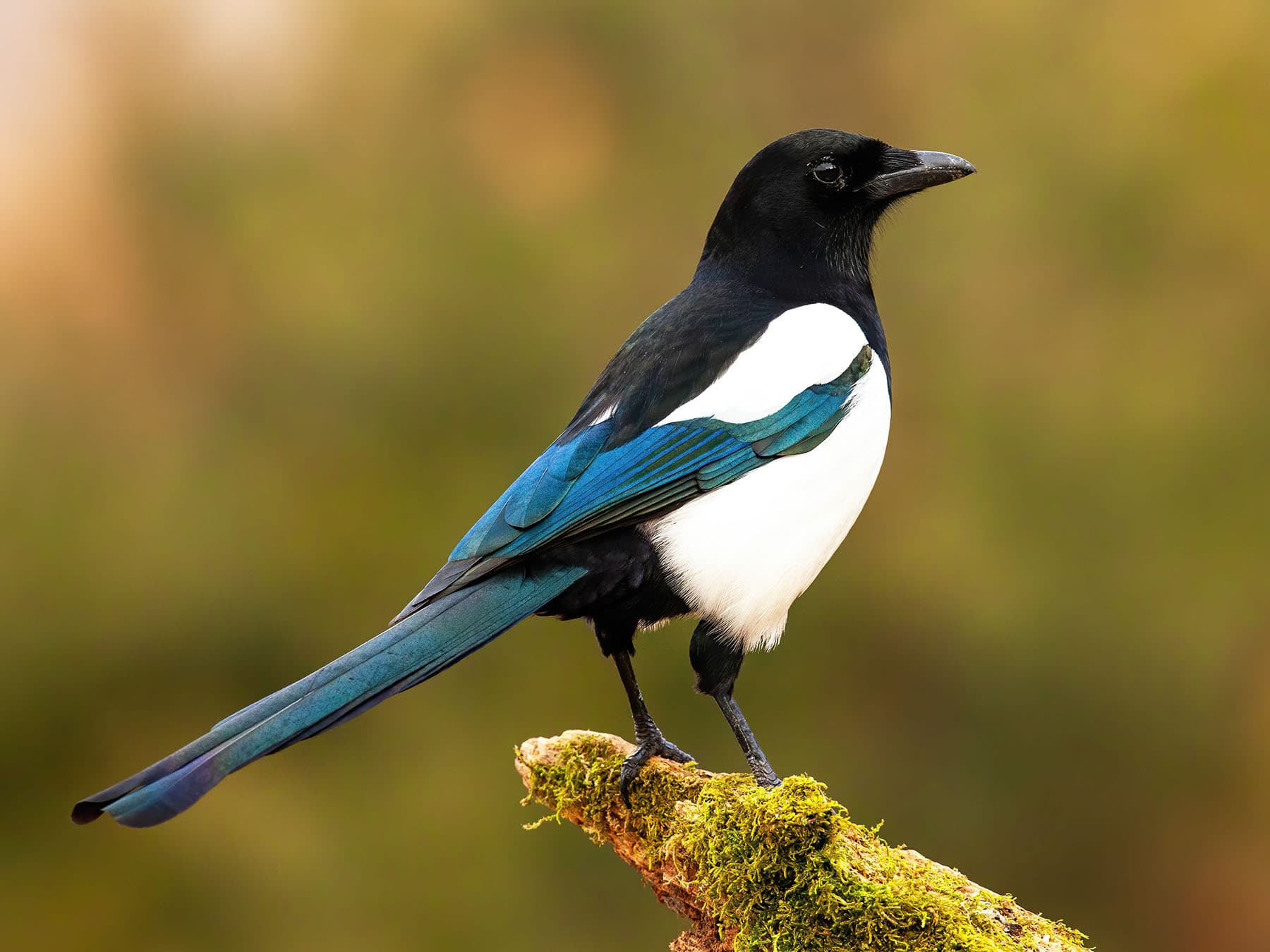
Magpie
Pica picaLC
A common and conspicuous resident of gardens, parks and farmland throughout Lancashire. Bold and unmistakable with its pied plumage.
Year-round
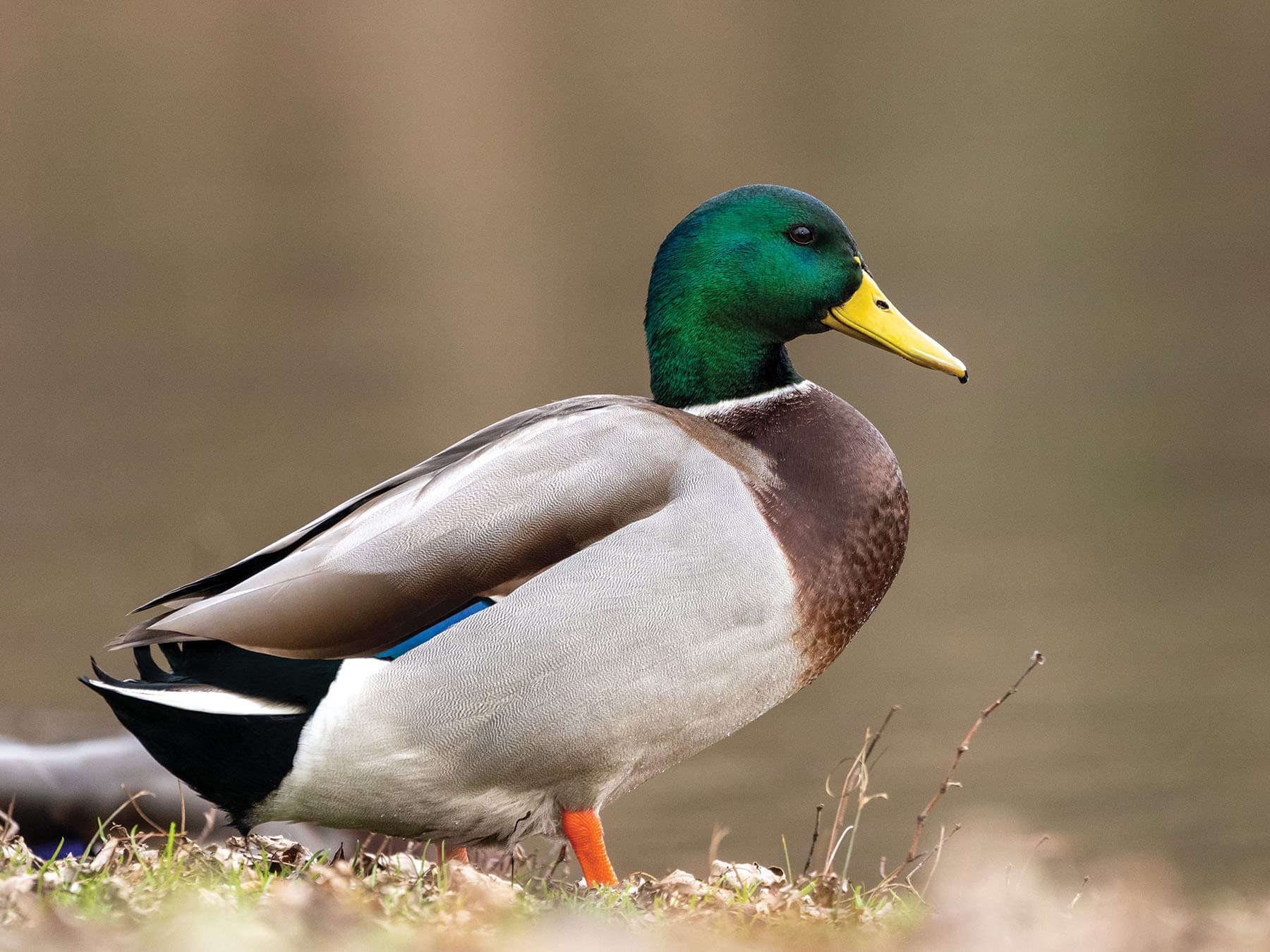
Mallard
Anas platyrhynchosLC
An abundant and familiar resident found on virtually any waterbody, from urban park lakes to rural reservoirs and estuarine marshes.
Year-round
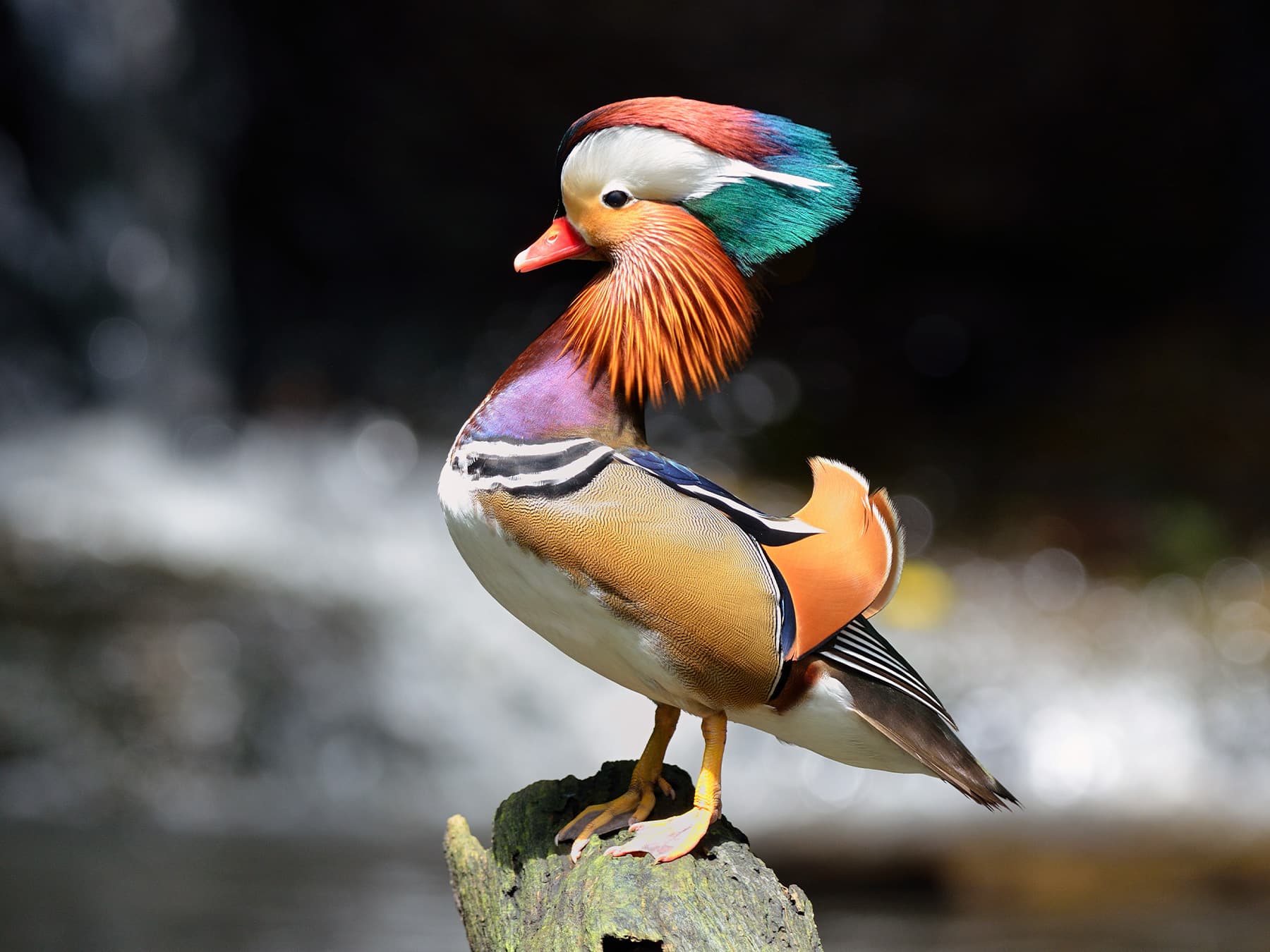
Mandarin Duck
Aix galericulataLC
A rare resident of wooded lakes and rivers, with scattered sightings across Lancashire from feral populations. Easily overlooked.
Nov–Aug
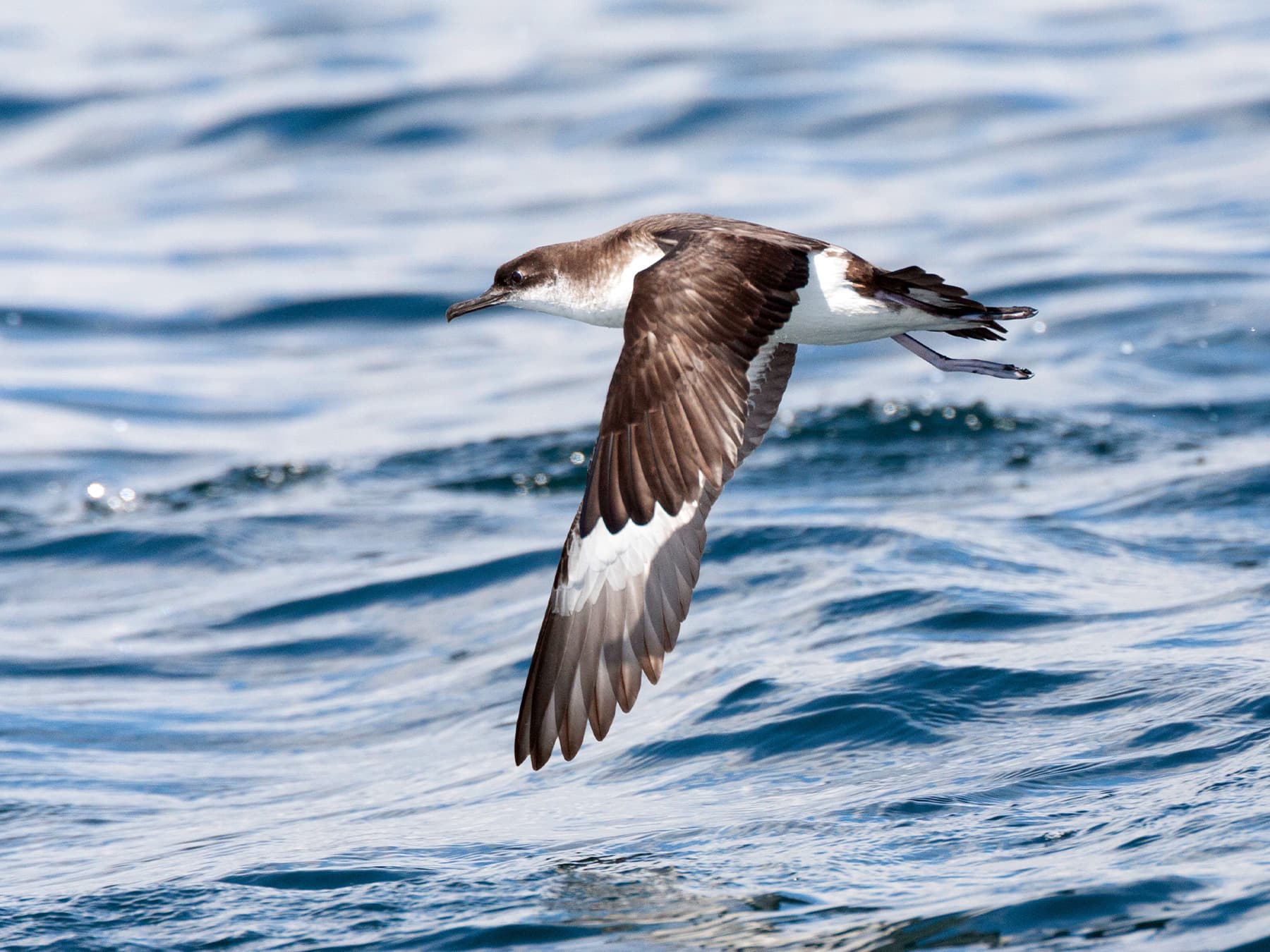
Manx Shearwater
Puffinus puffinusLC
A rare breeder present April to September, more often seen offshore. Occasionally noted passing coastal watchpoints.
Apr–Sep
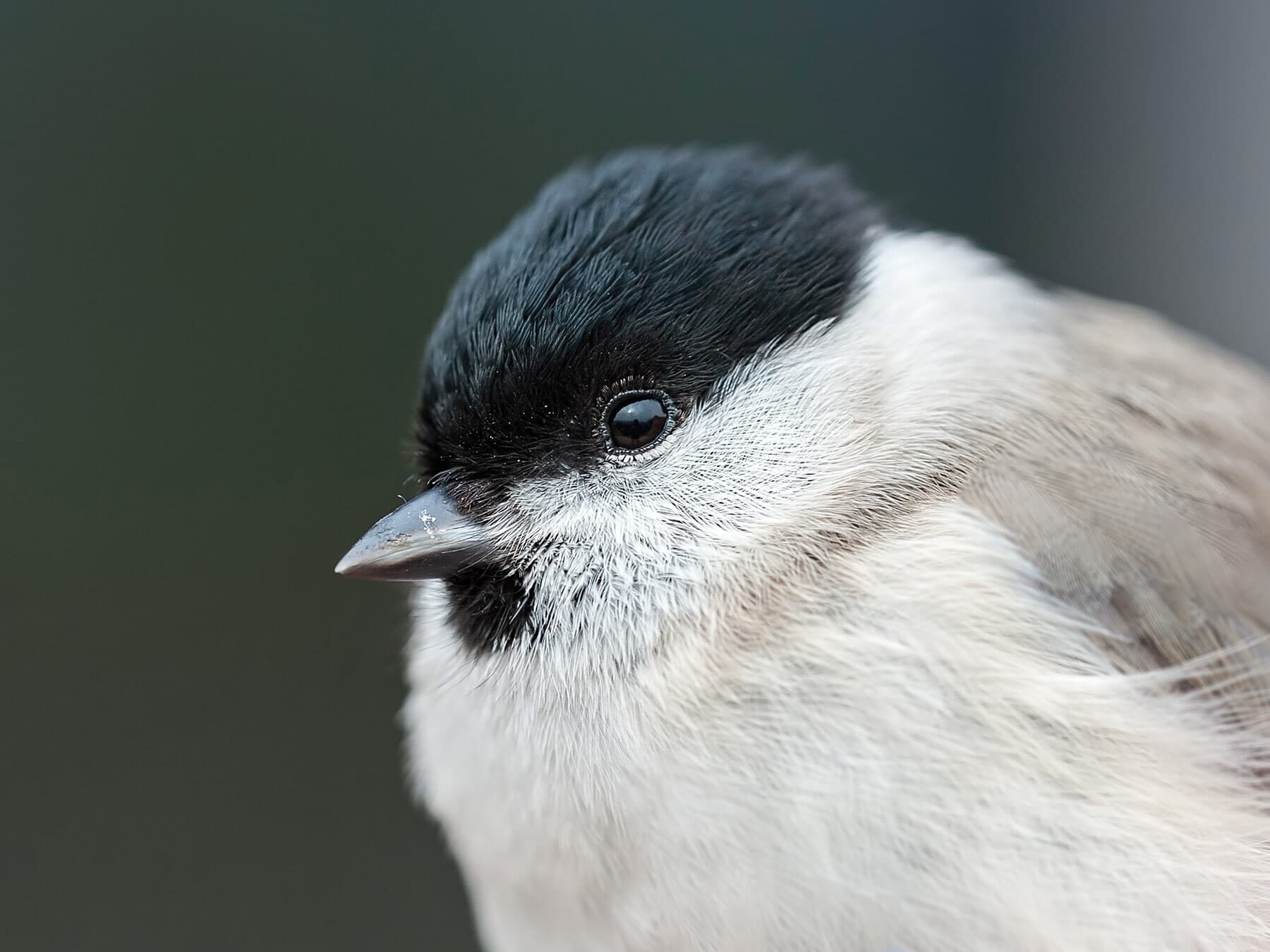
Marsh Tit
Poecile palustrisLC
An uncommon resident of mature deciduous woodland, found at scattered sites across Lancashire. Declining nationally and easily confused with Willow Tit.
Year-round
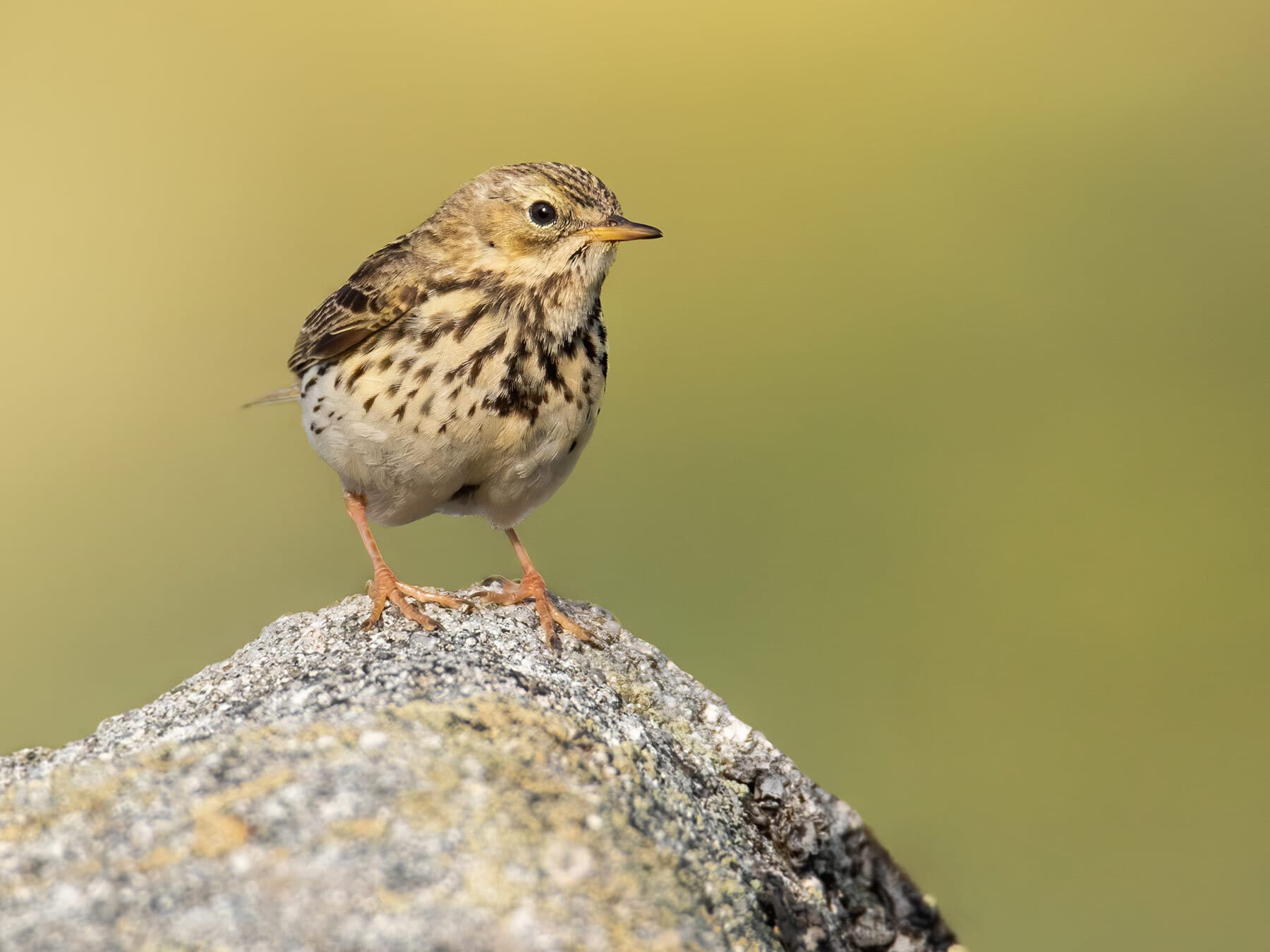
Meadow Pipit
Anthus pratensisLC
A common resident of Lancashire's moorlands and rough pastures year-round, its thin call a familiar sound on the Pennine uplands and Bowland fells.
Year-round
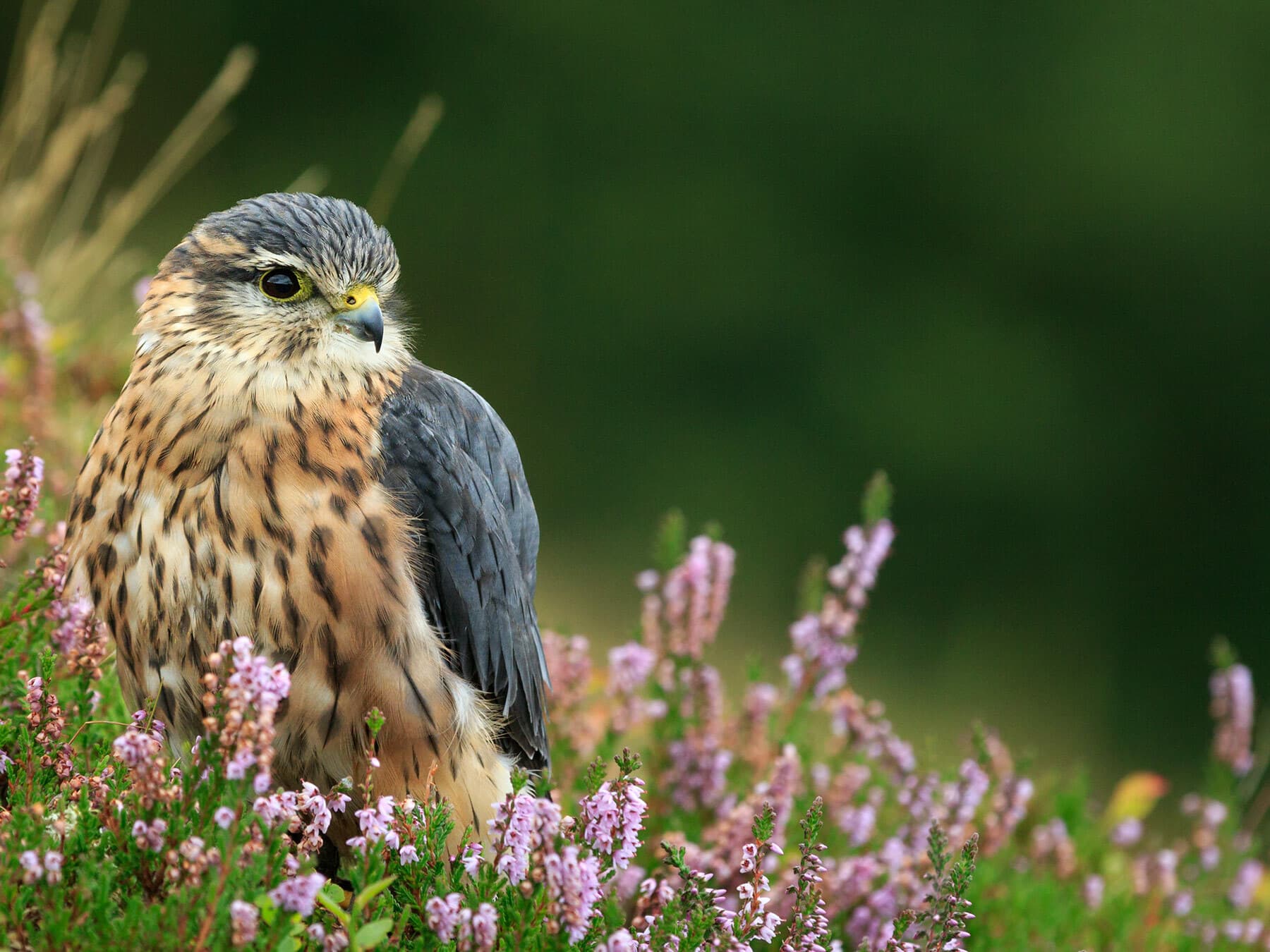
Merlin
Falco columbariusLC
A rare non-breeding visitor, arriving from August and wintering on coastal marshes and open moorland. Dashing and compact in flight.
Aug–Mar
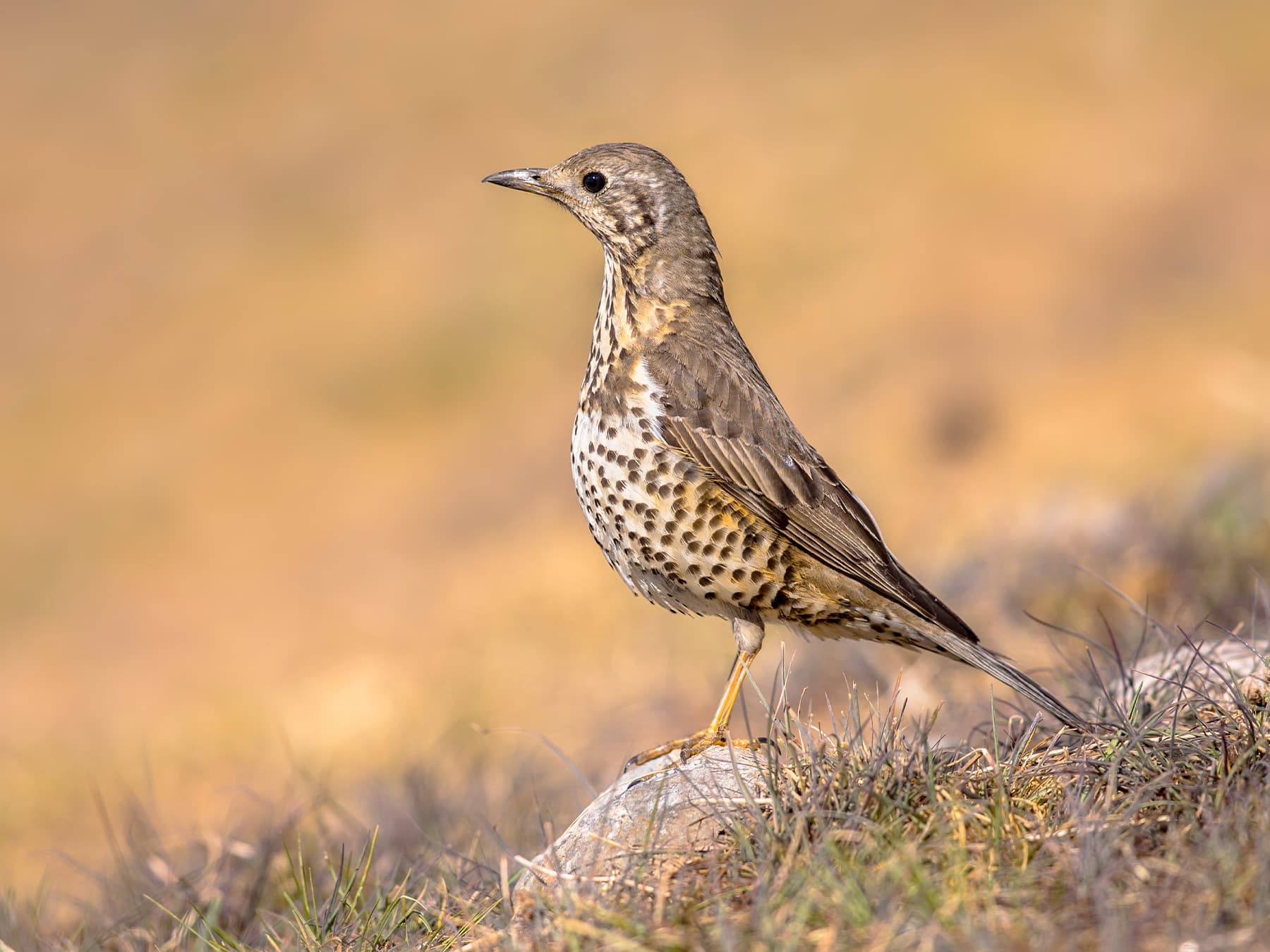
Mistle Thrush
Turdus viscivorusLC
An uncommon resident of parks, open woodland and farmland, often singing from treetops in early spring. Forms roaming flocks in late summer.
Year-round
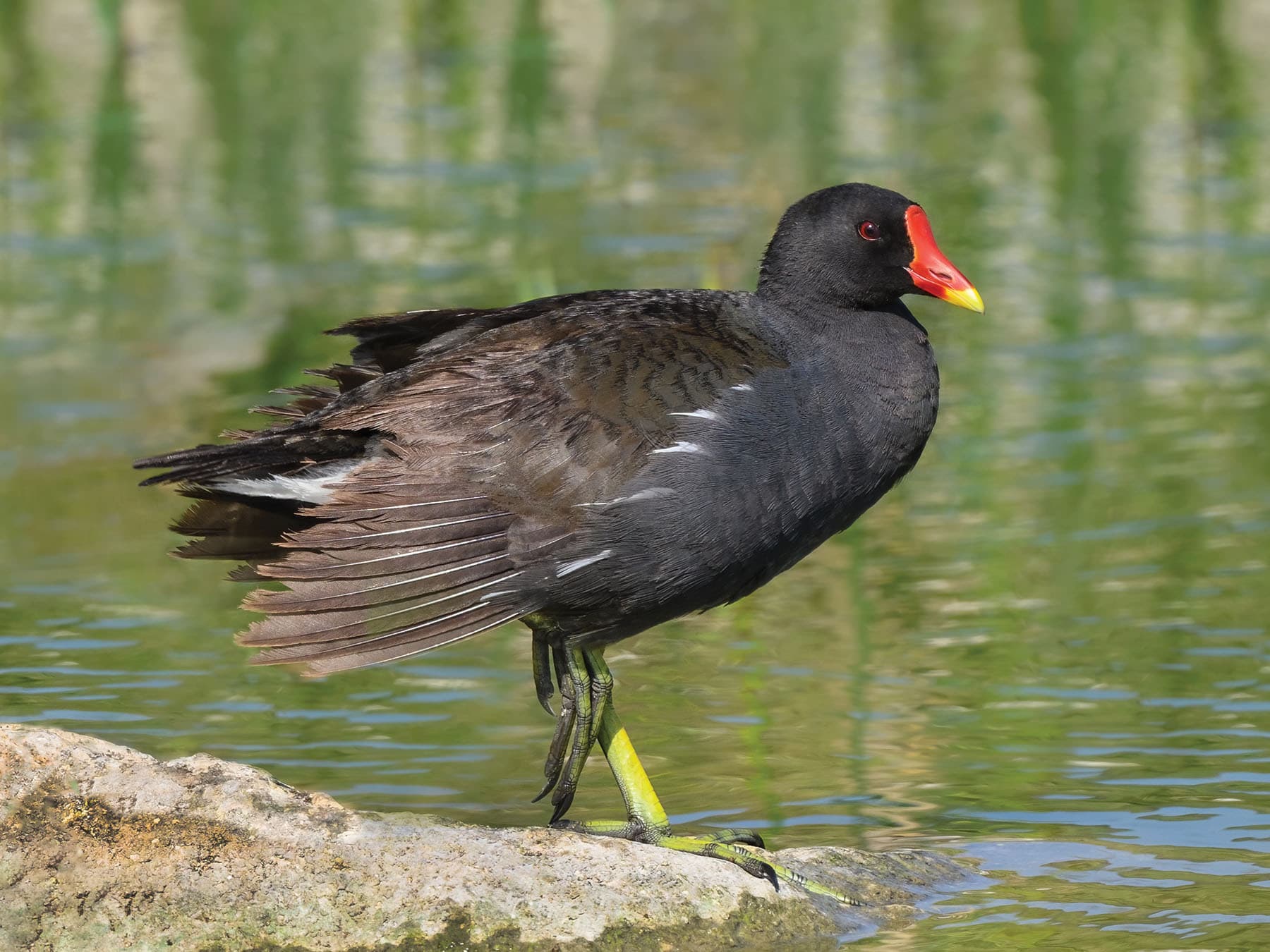
Moorhen
Gallinula chloropusLC
A common resident of ponds, canals and waterways throughout Lancashire. Breeds widely and is easily spotted in parks and gardens.
Year-round
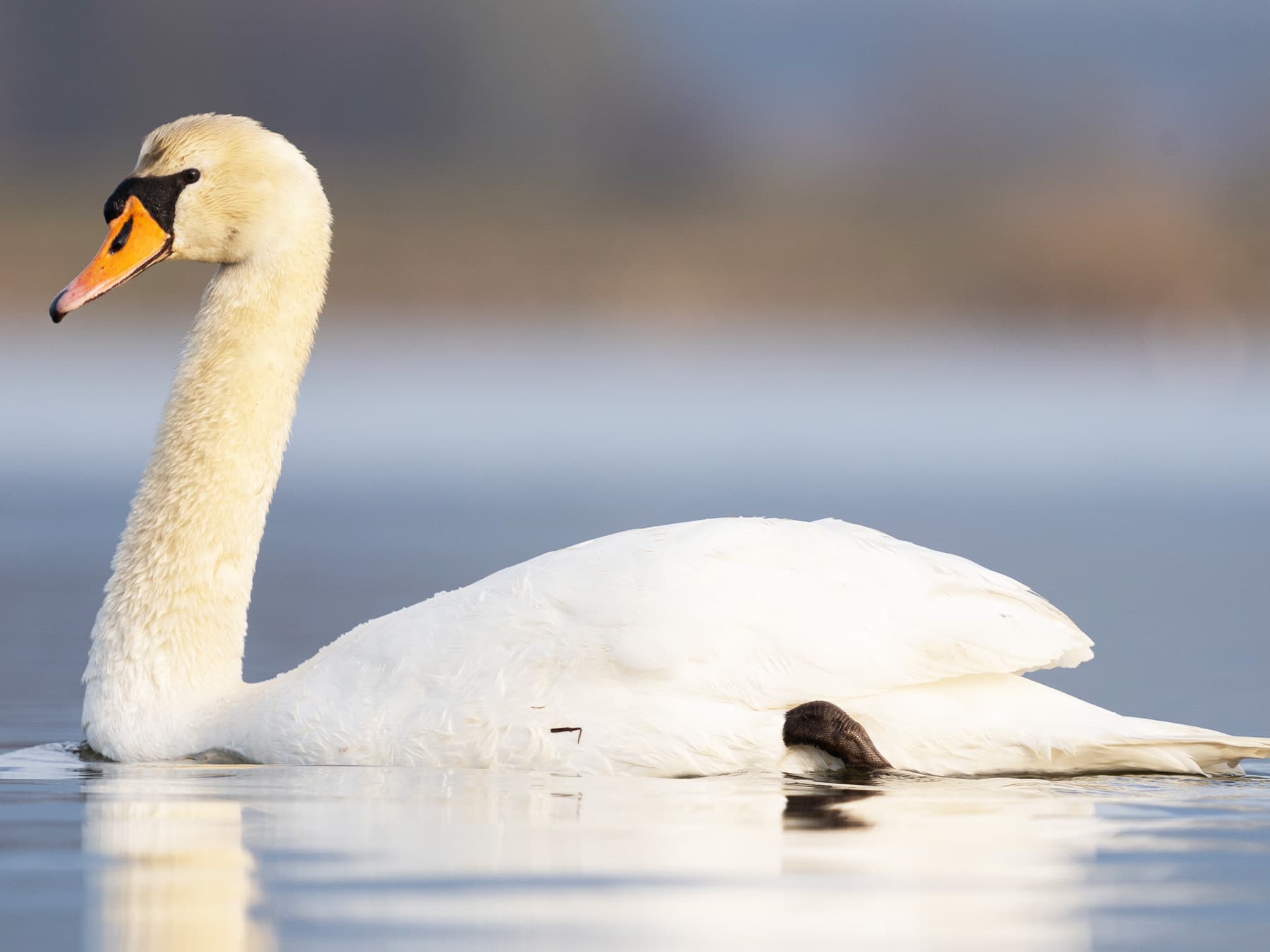
Mute Swan
Cygnus olorLC
A familiar year-round resident gracing Lancashire's canals, lakes and rivers. Breeds on many urban and rural waterways across the county.
Year-round
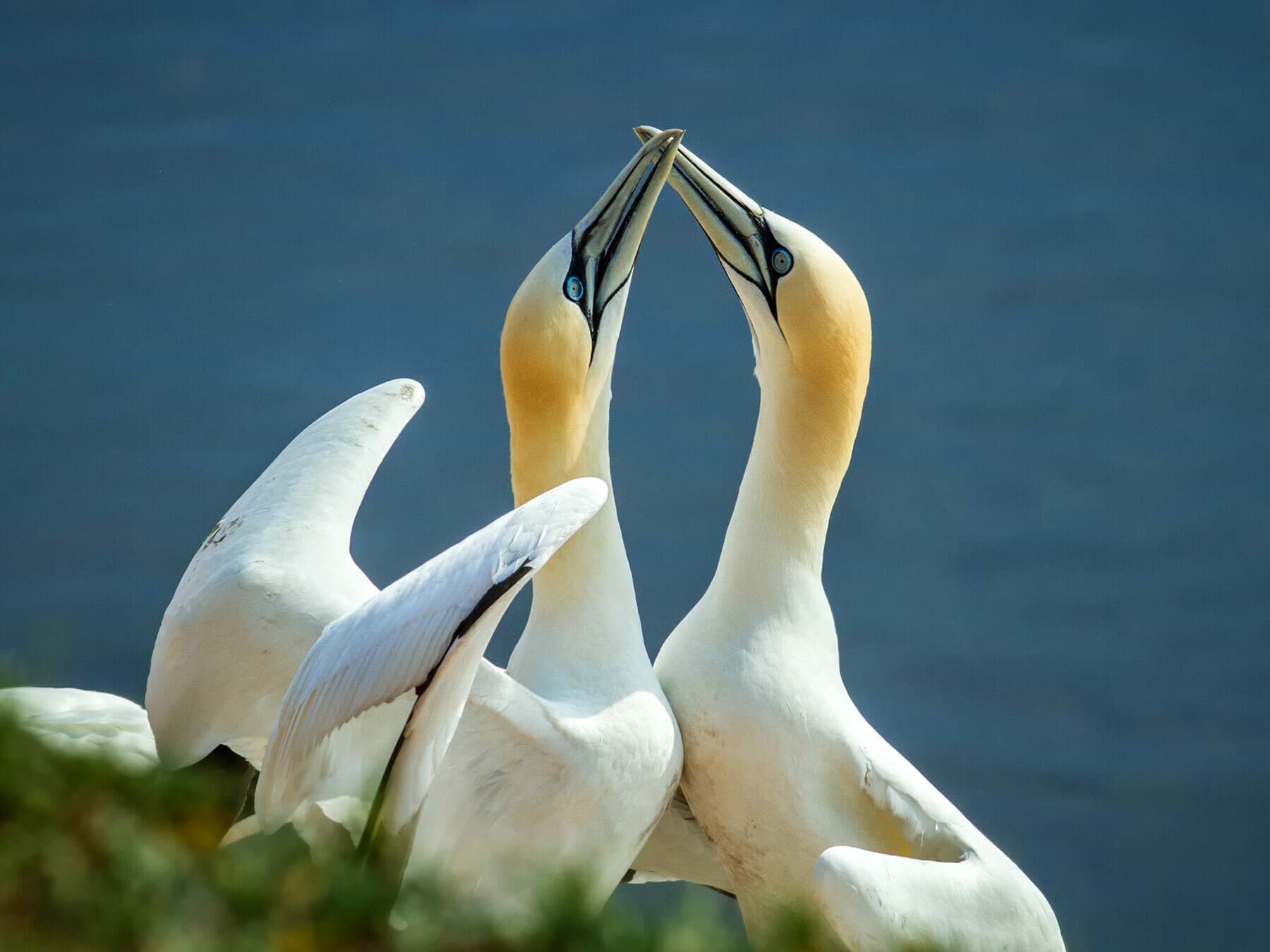
Northern Gannet
Morus bassanusLC
Seen offshore from April to October, often during seawatches from headlands. Breeds sparingly but is more frequent on passage.
Apr–Oct
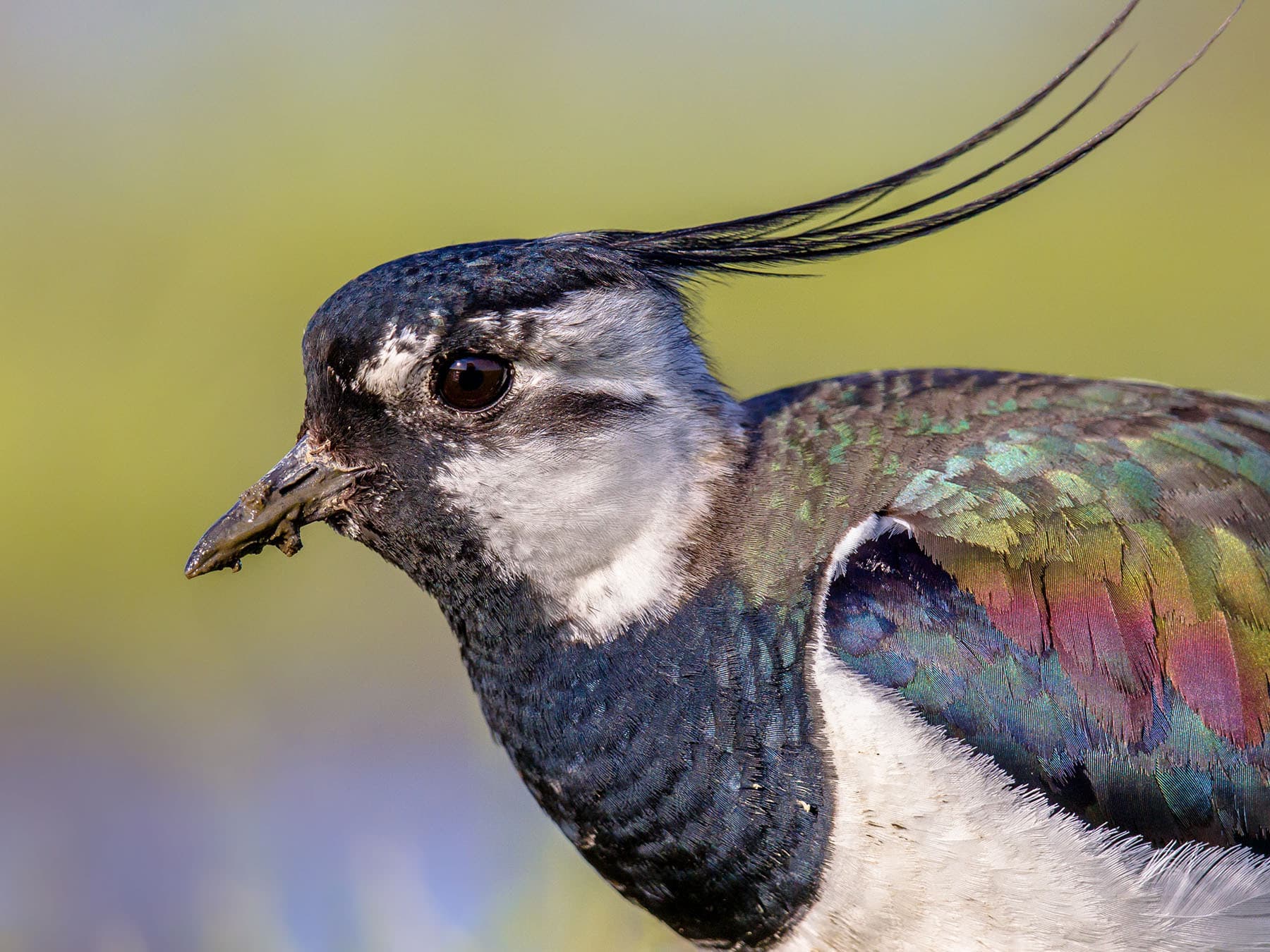
Northern Lapwing
Vanellus vanellusNT
A common year-round resident of farmland and wetlands, though breeding numbers have declined sharply across the county.
Year-round
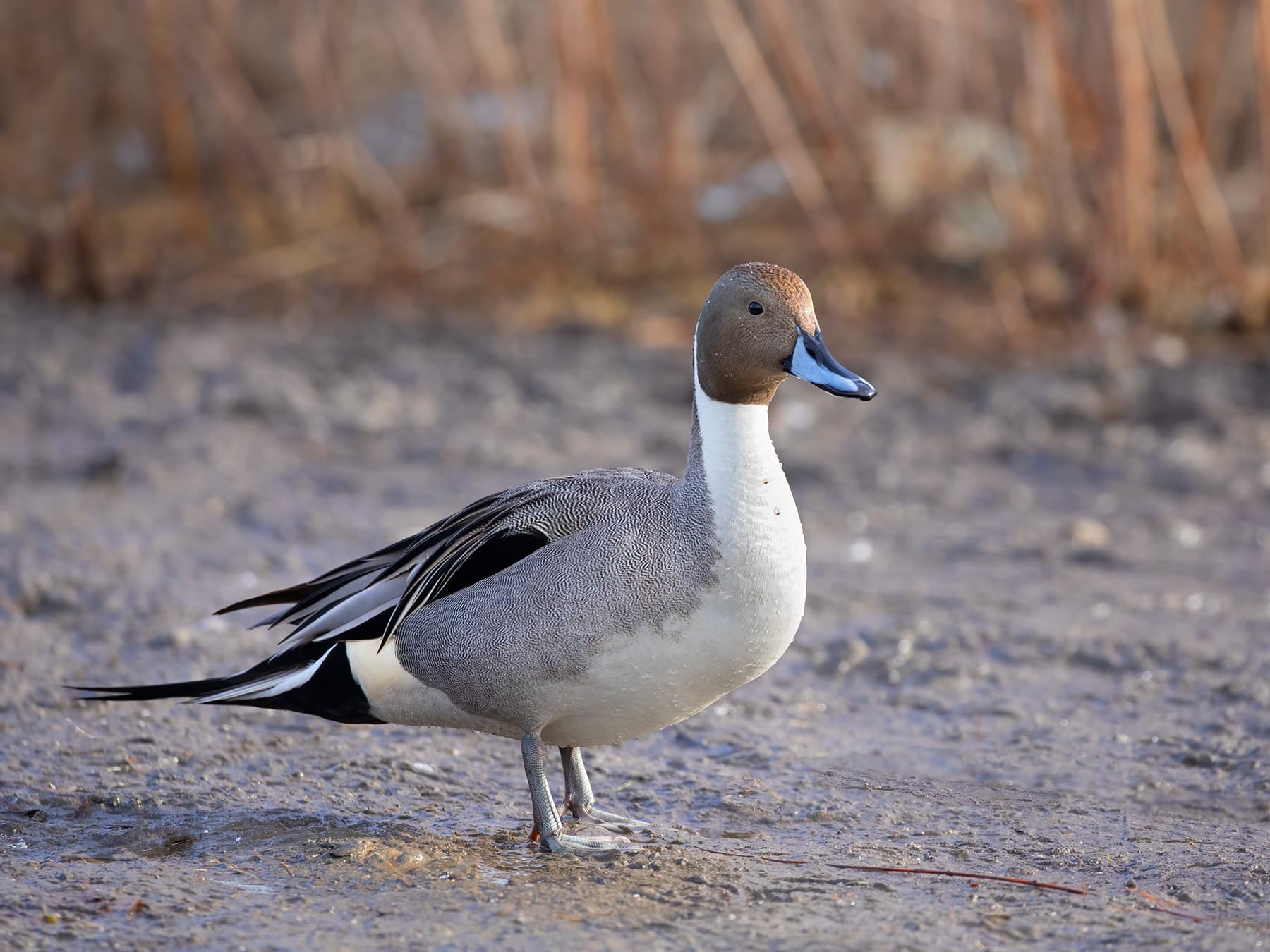
Northern Pintail
Anas acutaLC
An uncommon but elegant resident, favouring the Ribble Estuary and Martin Mere. Winter numbers swell with continental arrivals.
Year-round
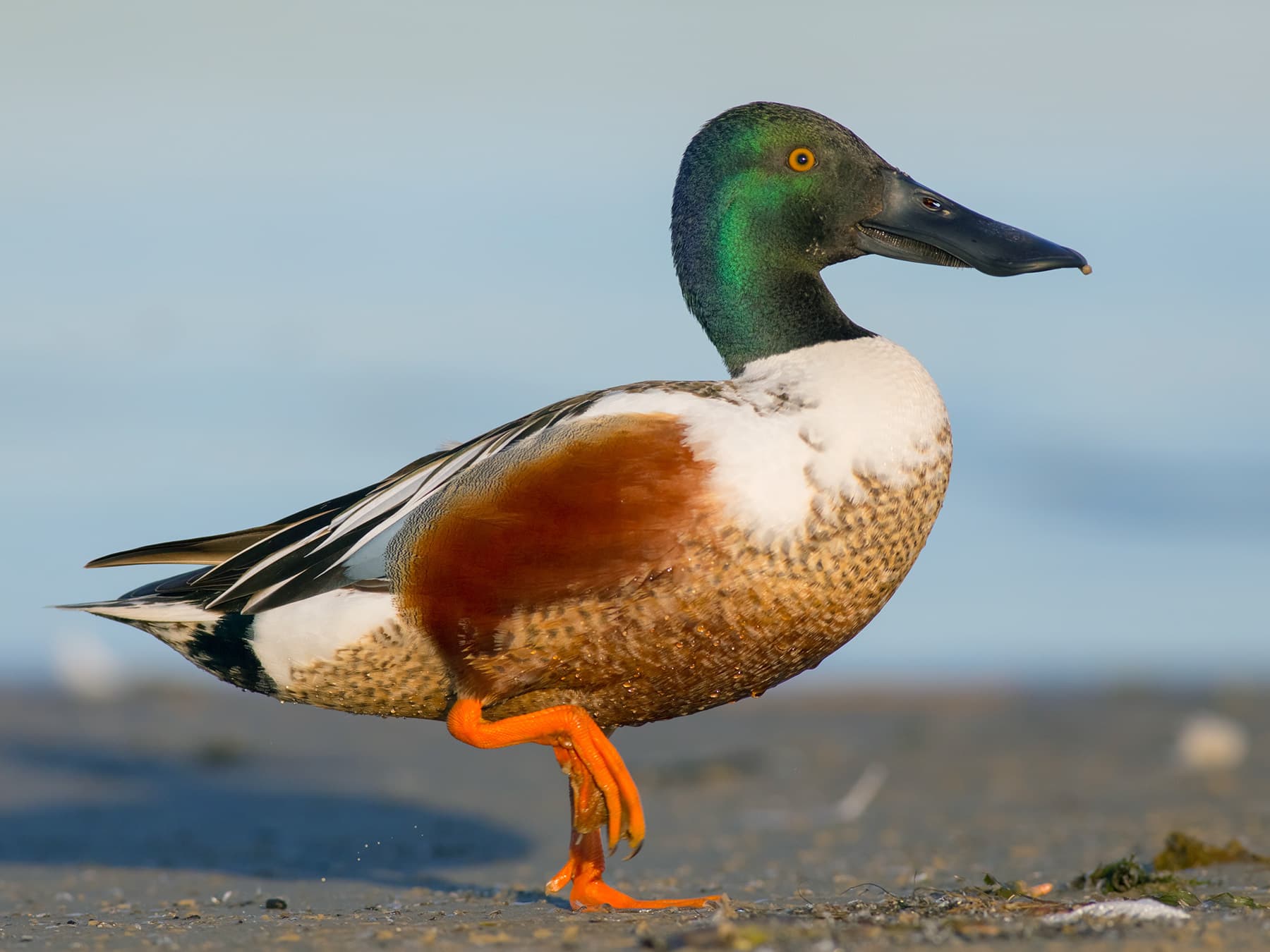
Northern Shoveler
Spatula clypeataLC
A common resident found on shallow lakes and marshes, with numbers peaking in winter. Martin Mere and the Ribble wetlands are key sites.
Year-round
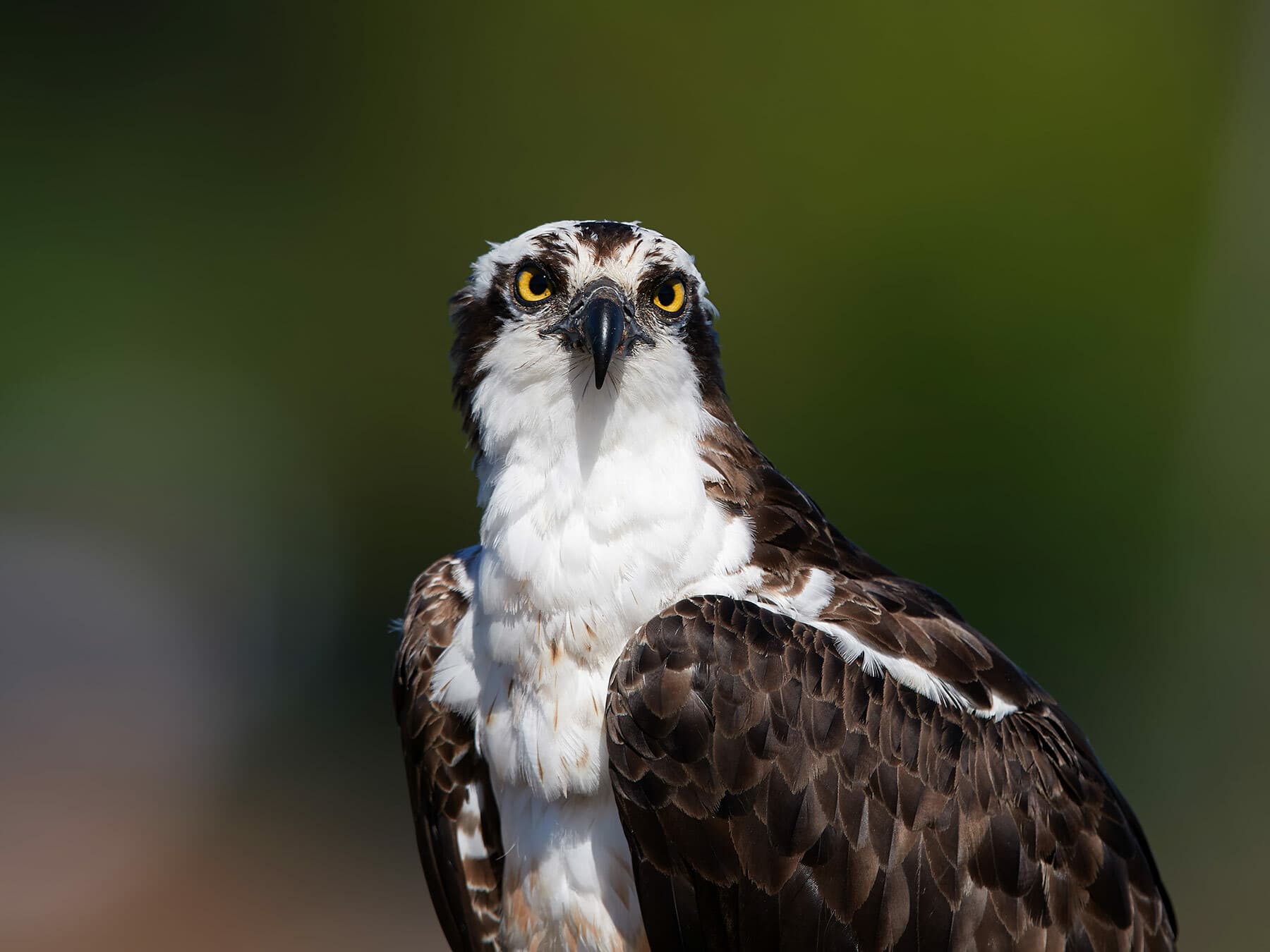
Osprey
Pandion haliaetusLC
A rare breeding visitor from April to September, favouring lakes and reservoirs. Lancashire's nesting pairs reflect the species' slow UK recovery.
Apr–Sep