Birds in Lancashire
Explore 200 species found in this region.
Lancashire boasts a rich and diverse birdlife, with 195 recorded species found across its varied landscapes of coastal estuaries, moorland uplands, and fertile lowland farmland. The county's extensive coastline along Morecambe Bay and the Ribble Estuary provides vital habitat for wading birds such as Northern Lapwing and Common Sandpiper, while its inland waters attract species including Common Merganser, Northern Pintail, and the striking Mandarin Duck. From the high-altitude Dotterel on the Bowland Fells to the familiar Great Tit and Magpie in gardens and hedgerows, Lancashire offers outstanding birdwatching opportunities throughout the year.
Visiting in July? Look out for Black-necked Grebe and Curlew Sandpiper arriving this month, and Common Quail and Cuckoo depart for the season.


Showing 139–161 of 200 species
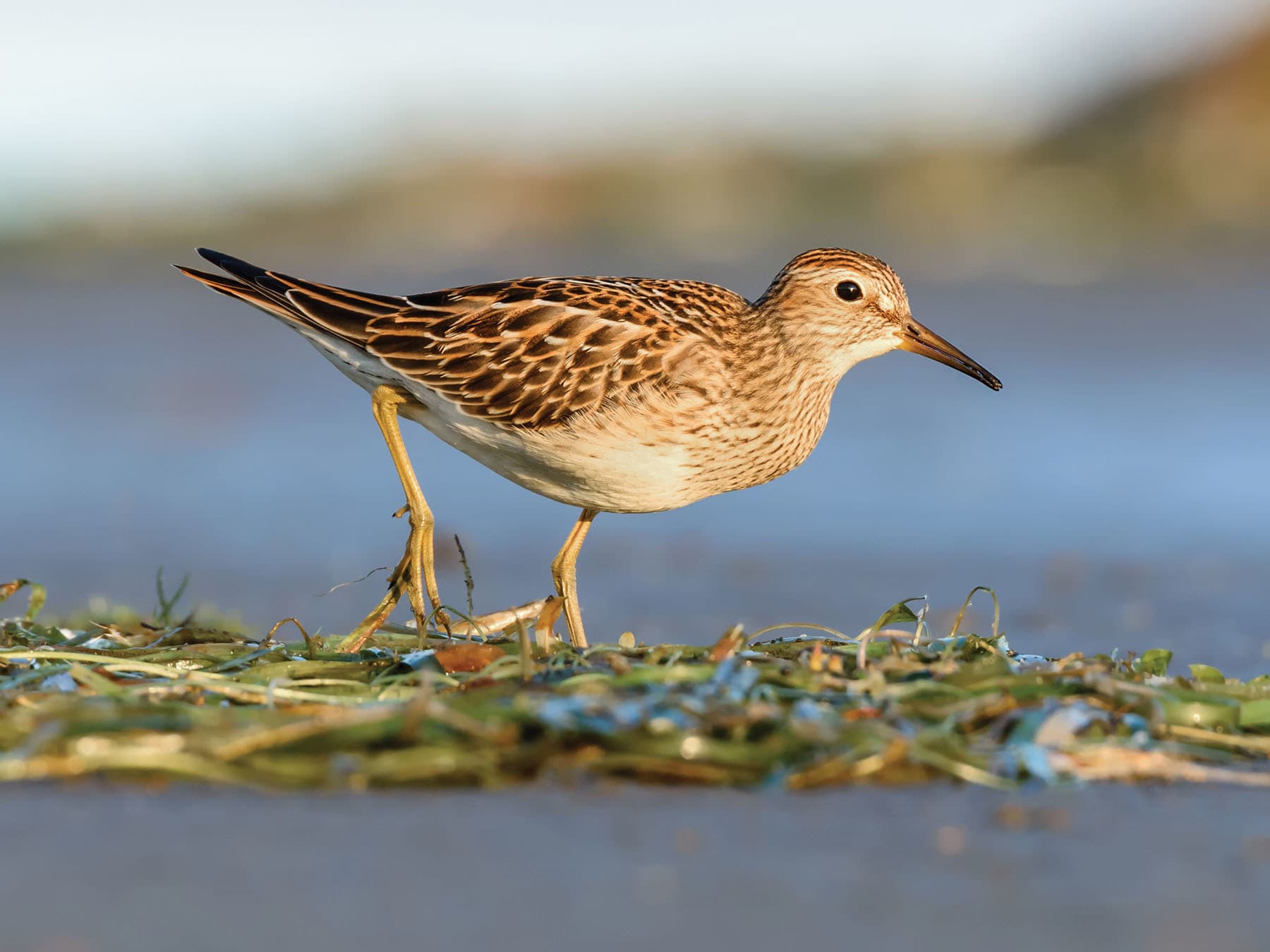
Pectoral Sandpiper
Calidris melanotosLC
A rare Nearctic vagrant recorded on autumn passage in September. Any Lancashire sighting draws keen interest from county birders.
Sep
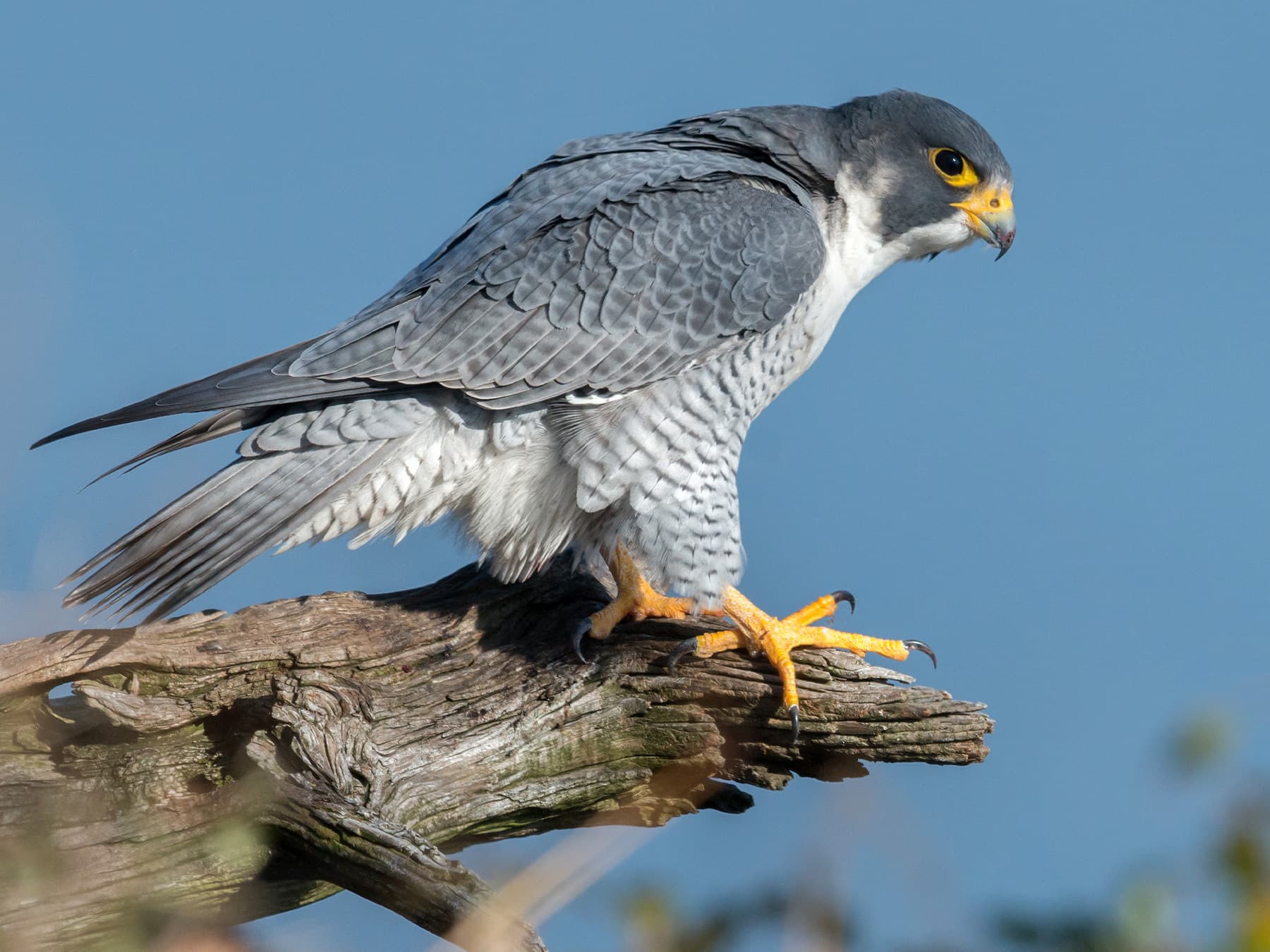
Peregrine Falcon
Falco peregrinusLC
An uncommon year-round resident, increasingly nesting on urban buildings and church towers as well as coastal cliffs.
Year-round
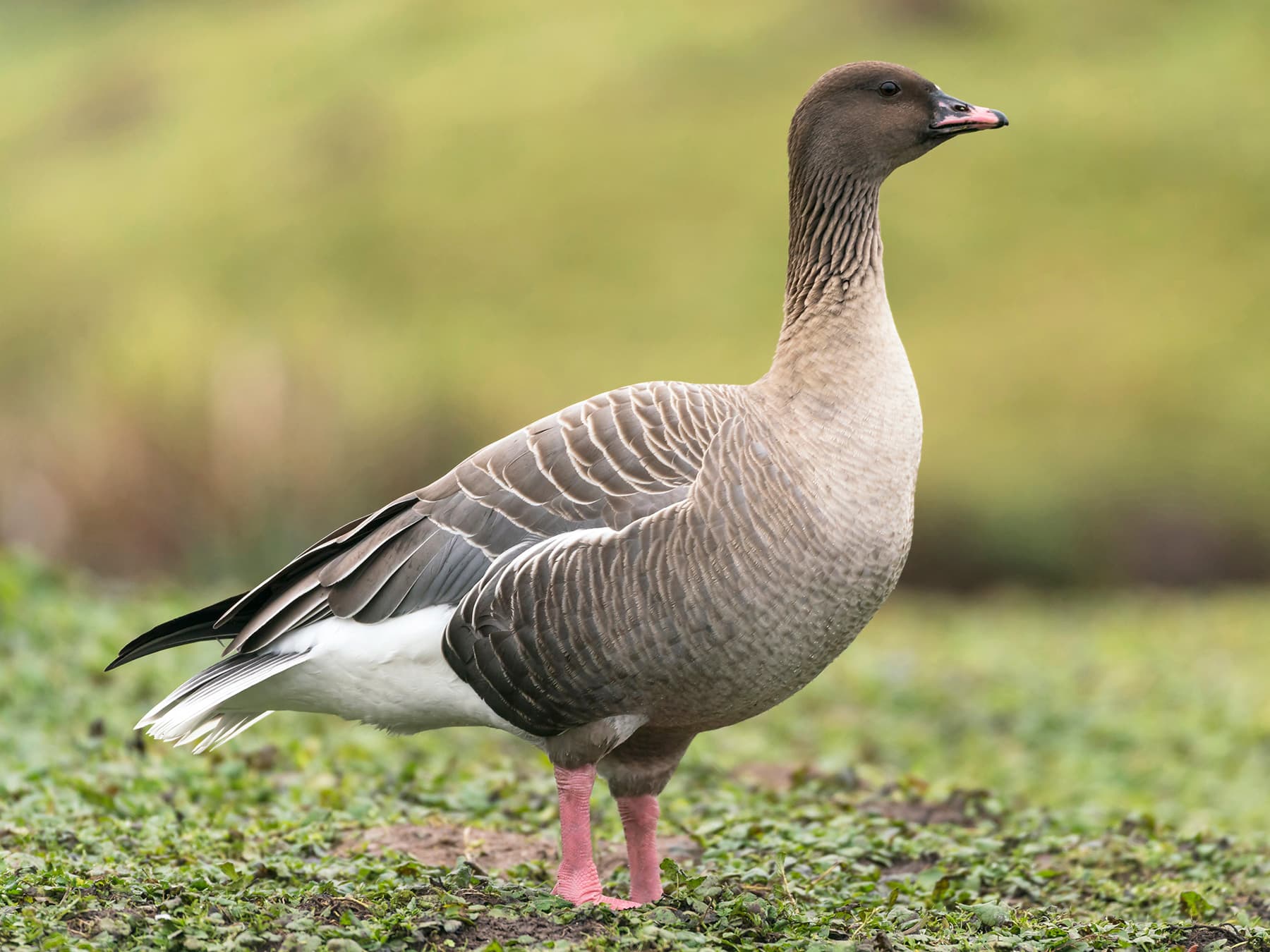
Pink-footed Goose
Anser brachyrhynchusLC
Large skeins arrive from Iceland in autumn, wintering on farmland around the Fylde and Ribble marshes in spectacular numbers.
Year-round
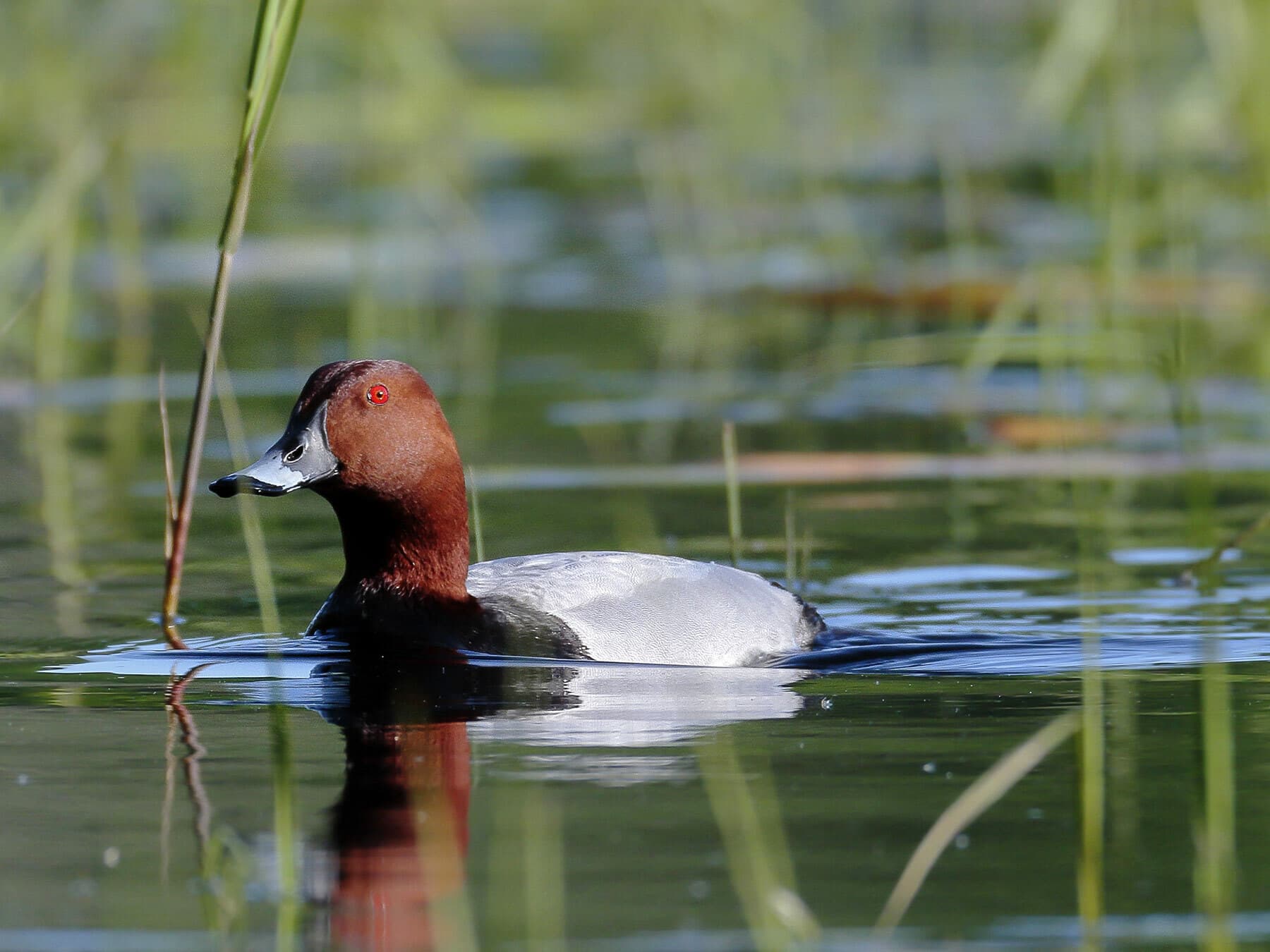
Pochard
Aythya ferinaVU
An uncommon resident on Lancashire's lakes and reservoirs. Numbers are declining nationally, making local sightings increasingly notable.
Year-round
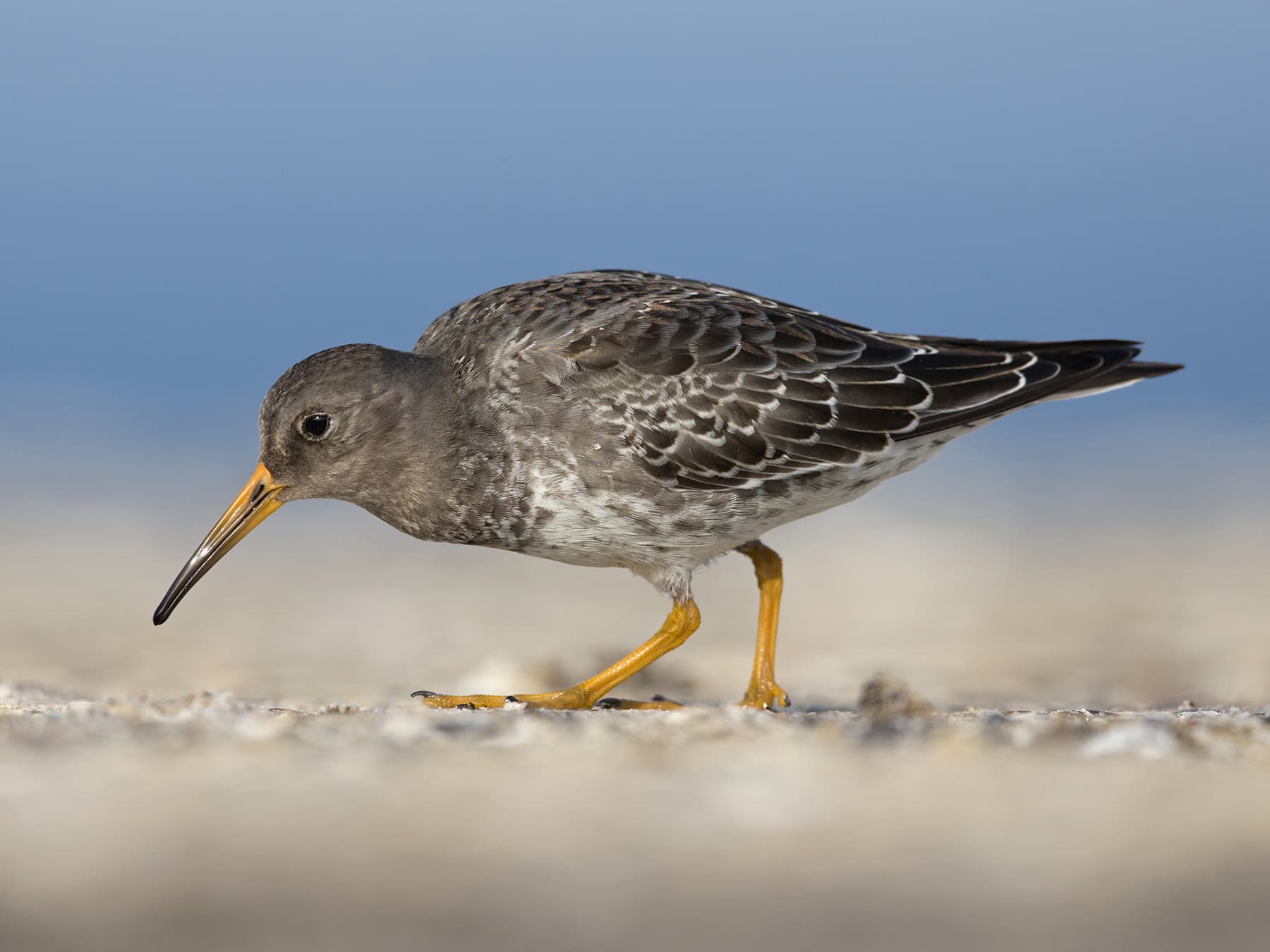
Purple Sandpiper
Calidris maritimaLC
A rare passage visitor in late autumn, favouring rocky coastal stretches and harbour walls around Morecambe Bay.
Nov–Dec
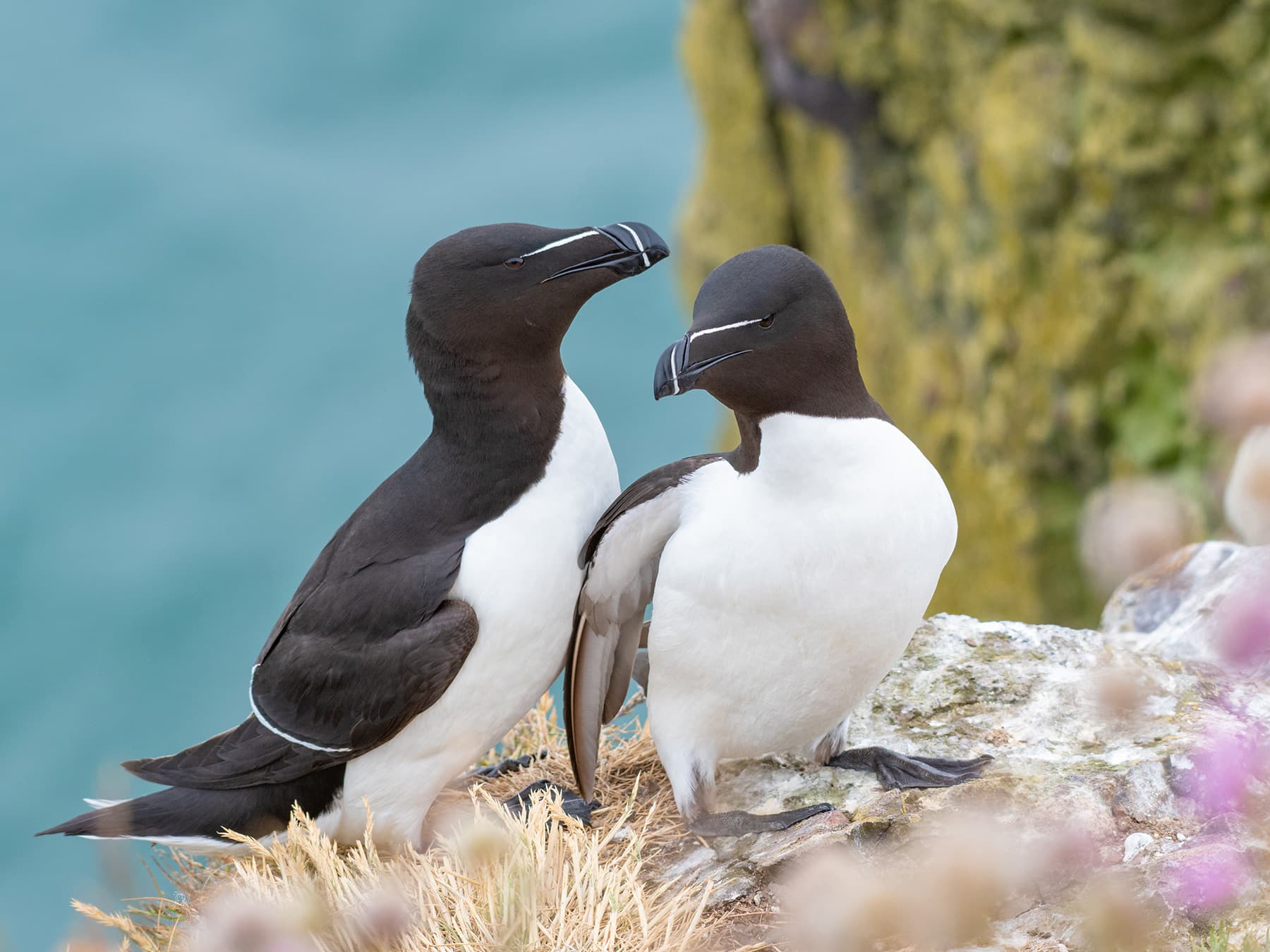
Razorbill
Alca tordaLC
A rare passage visitor in May, sometimes seen offshore or washed ashore after storms. Breeds on cliffs further north.
May
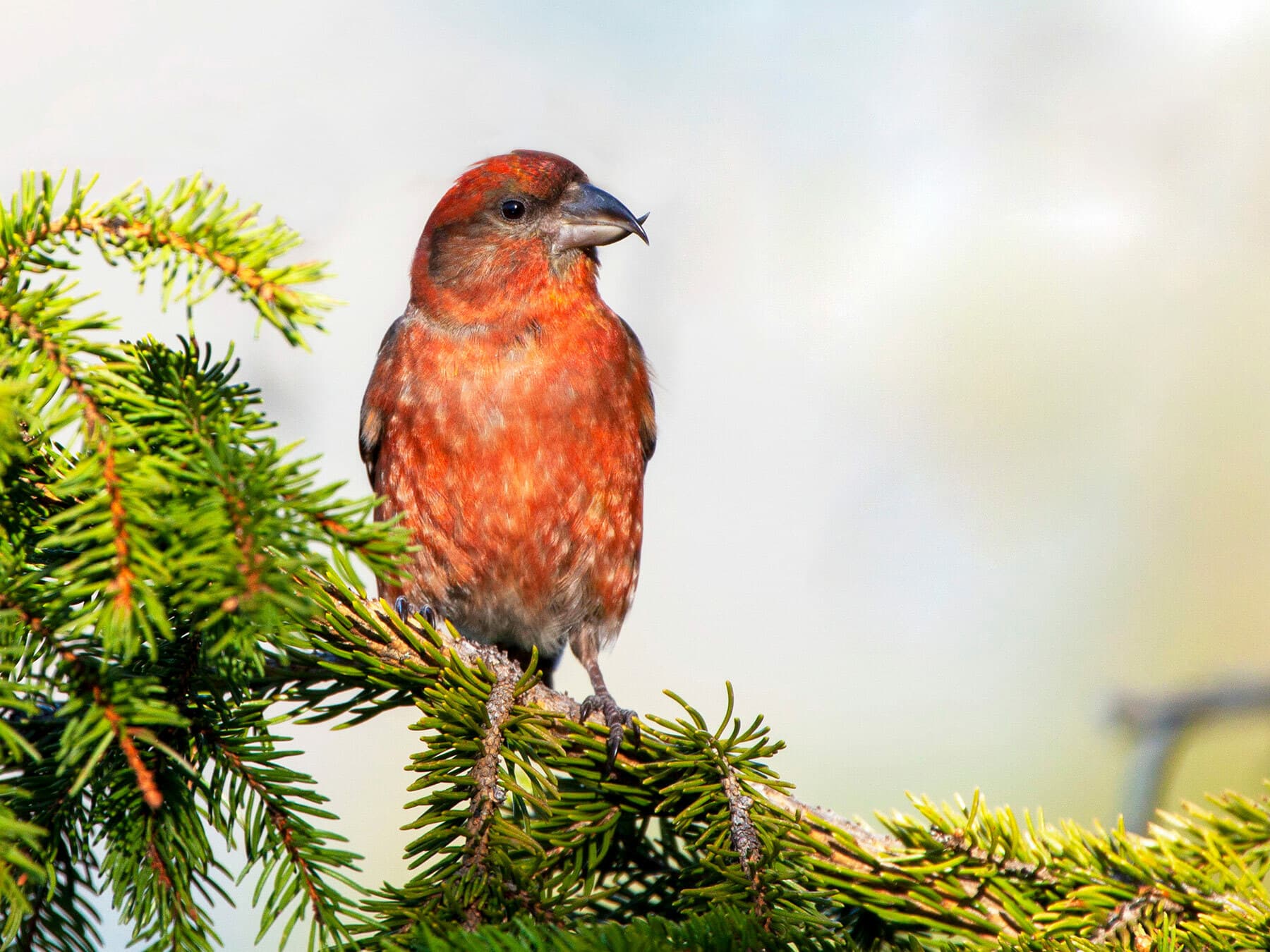
Red Crossbill
Loxia curvirostraLC
A rare breeding visitor to Lancashire's conifer plantations, with sporadic appearances linked to irruption years. Most likely in Bowland and Gisburn forests.
Apr–Oct
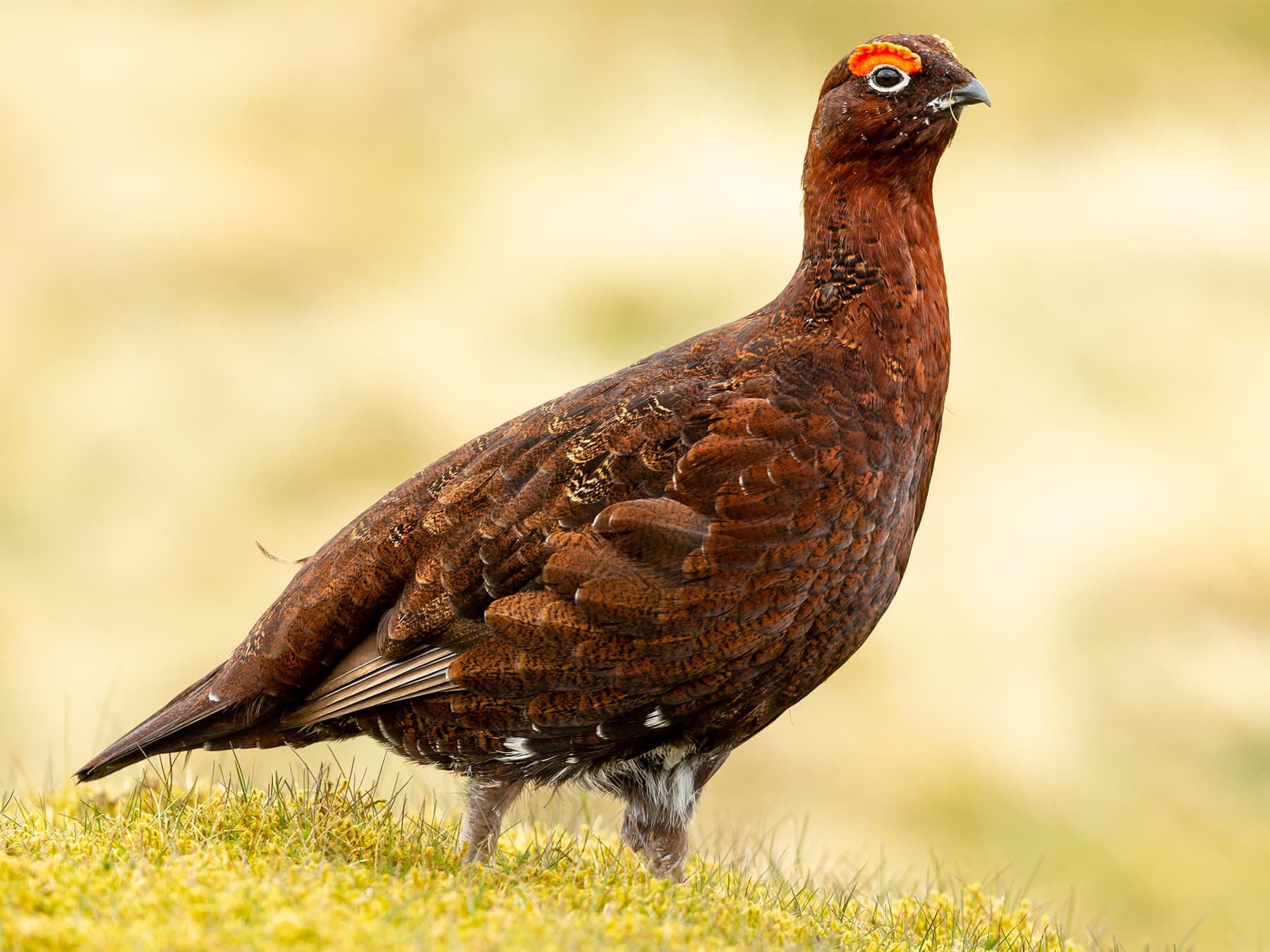
Red Grouse
Lagopus lagopus scoticaLC
A scarce resident of the Bowland and Pennine moorlands, favouring heather-clad uplands where it remains a prized gamebird.
Mar–Dec
Spotted something?
Upload a photo to identify it
Identify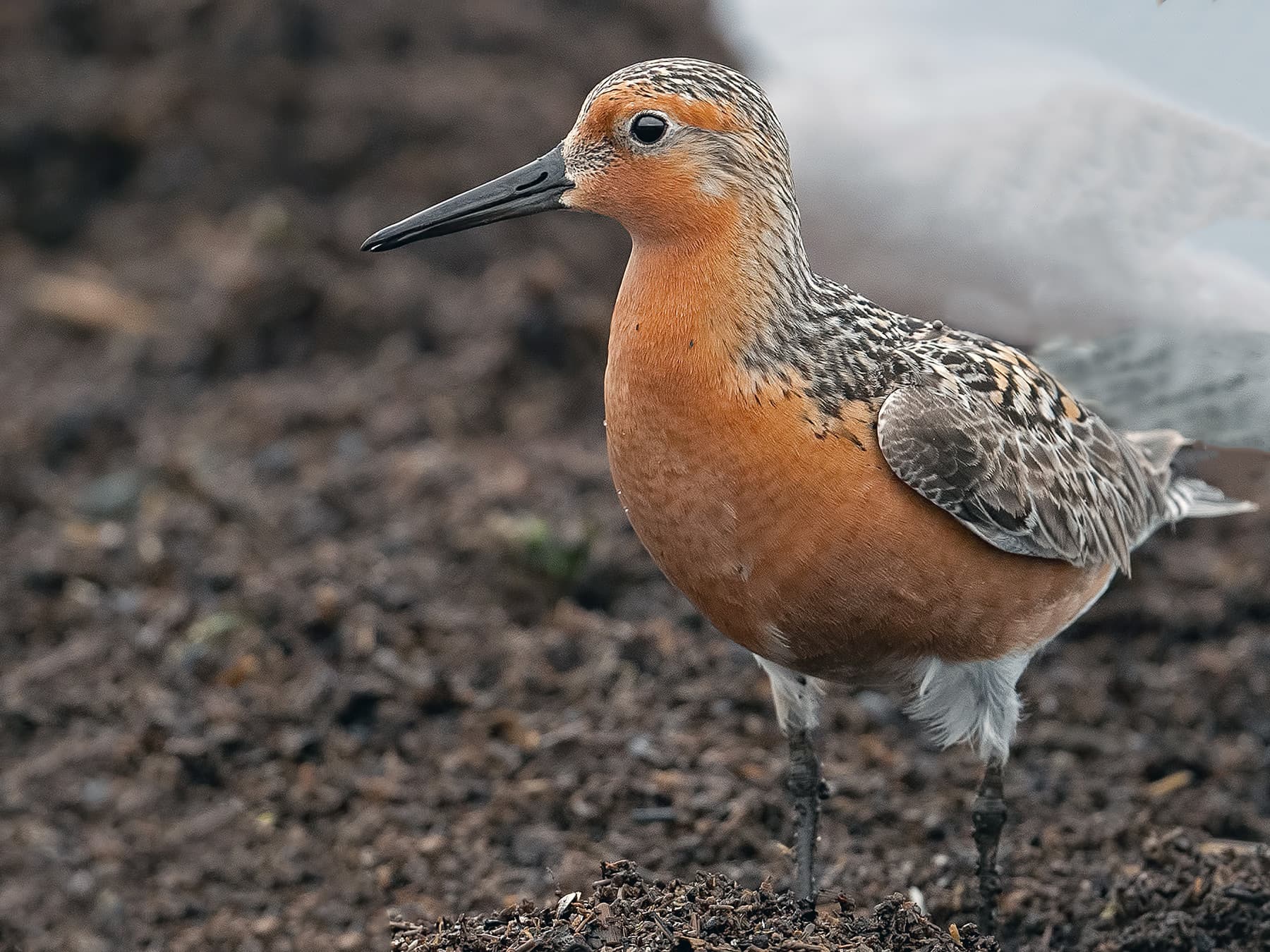
Red Knot
Calidris canutusNT
Rare but recorded year-round, with flocks sometimes gathering on Morecambe Bay's vast mudflats during winter months.
Year-round
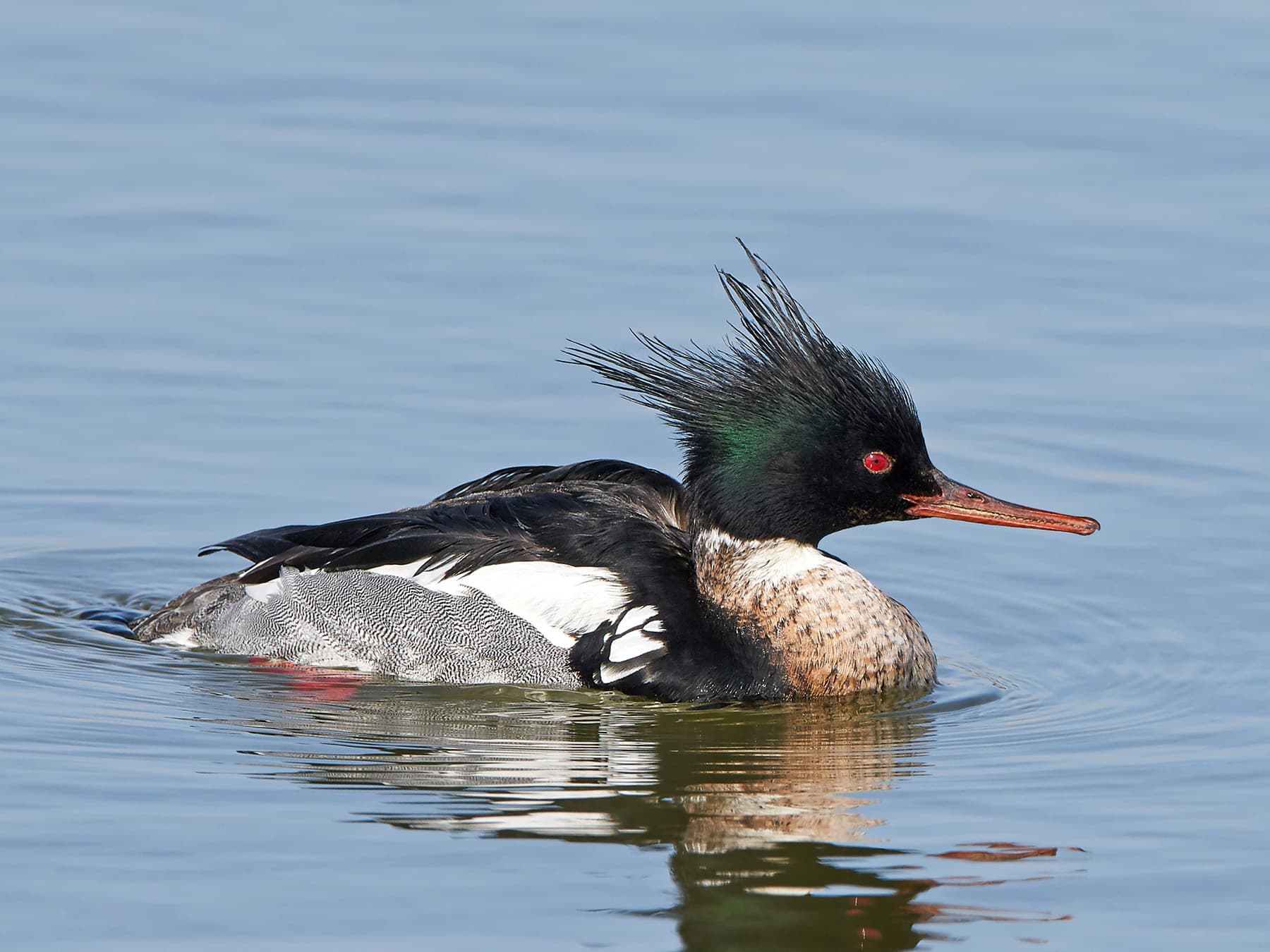
Red-breasted Merganser
Mergus serratorLC
A rare resident of coastal waters, occasionally seen fishing in the estuaries and sheltered bays around Morecambe.
Year-round
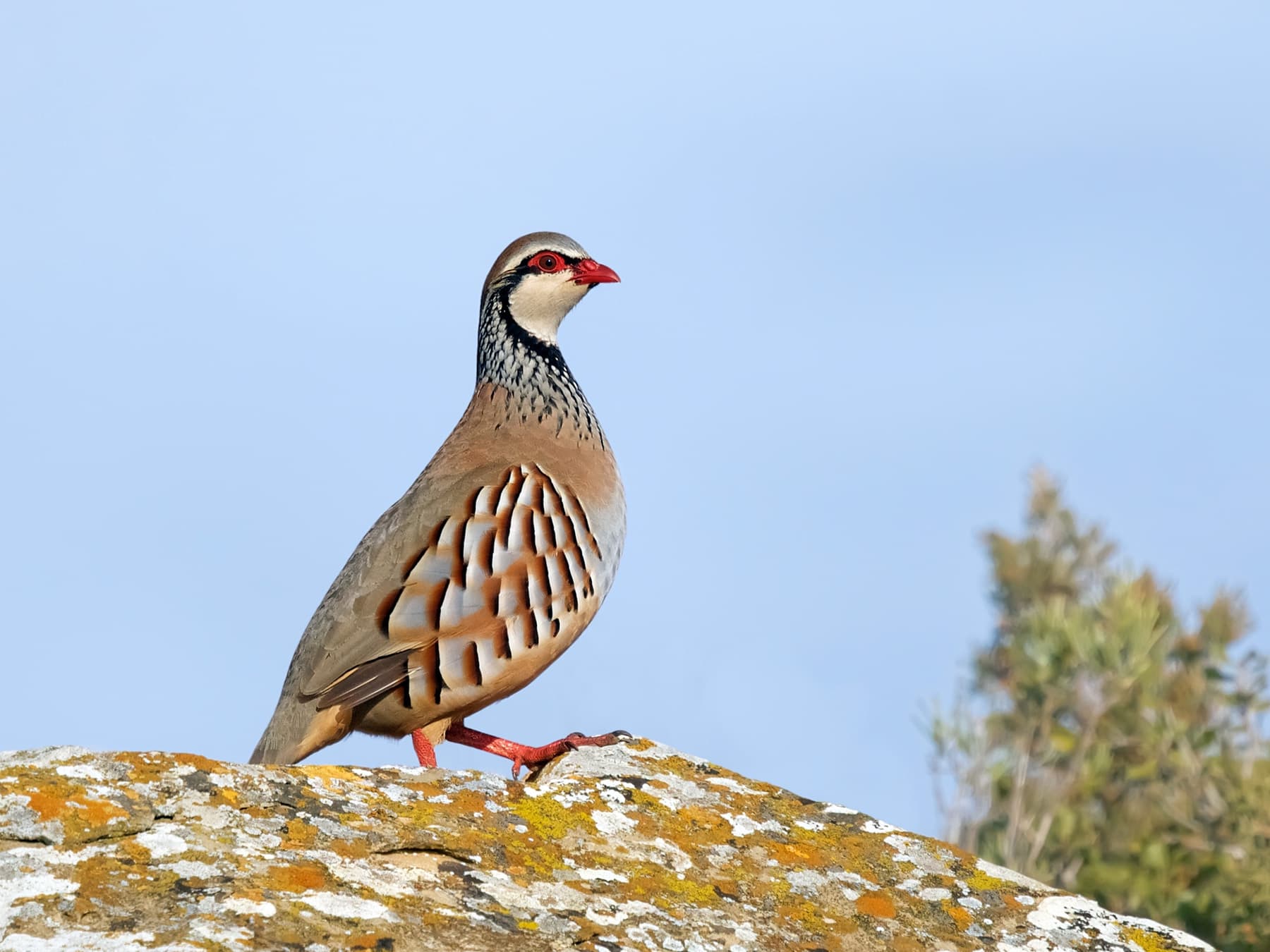
Red-legged Partridge
Alectoris rufaNT
A rare introduced resident found on lowland farmland. Less established here than in southern England, with scattered records year-round.
Year-round
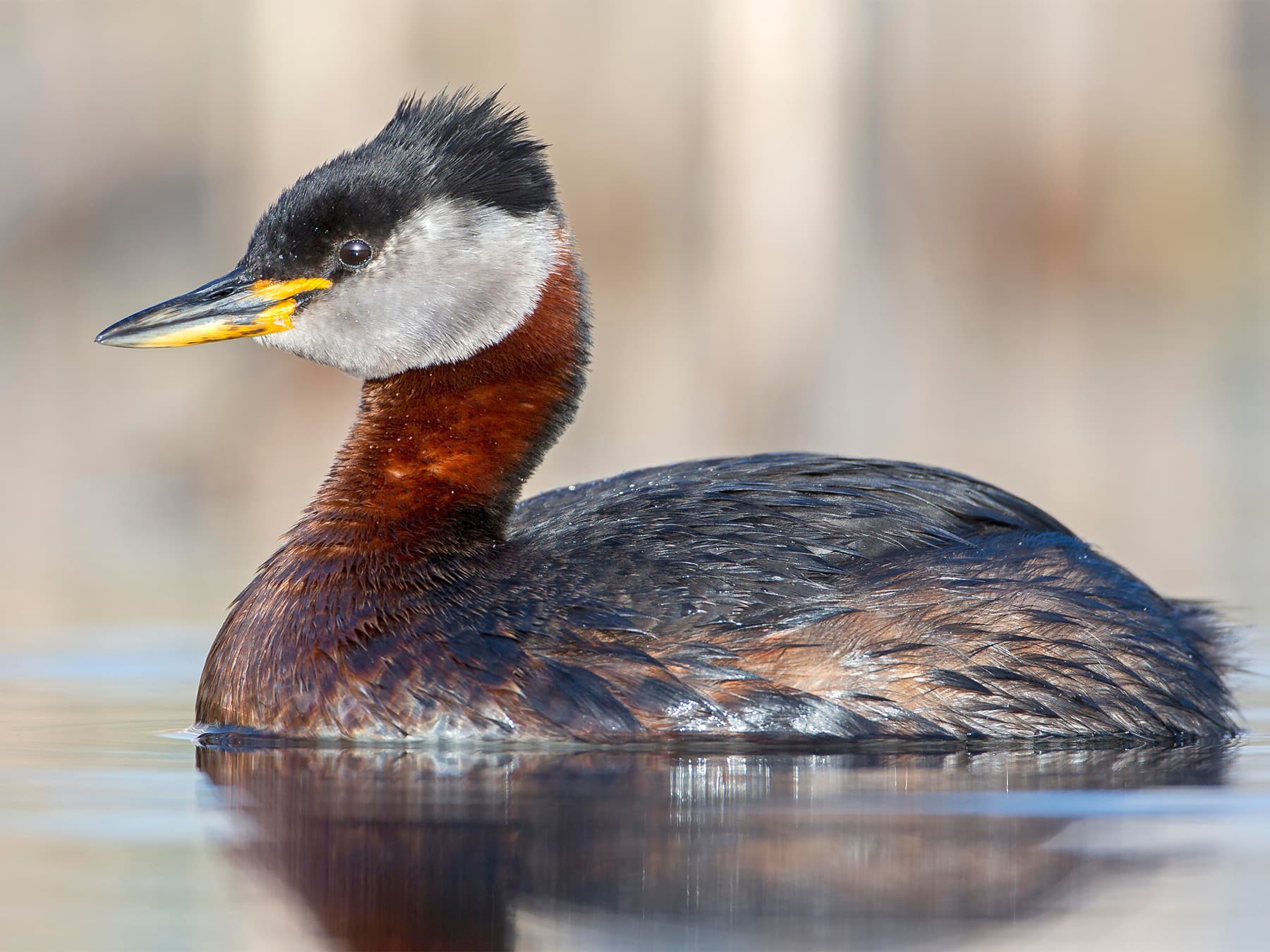
Red-necked Grebe
Podiceps grisegenaLC
A rare spring passage visitor in March and April, occasionally seen offshore or on larger reservoirs. Always a notable county record.
Mar–Apr
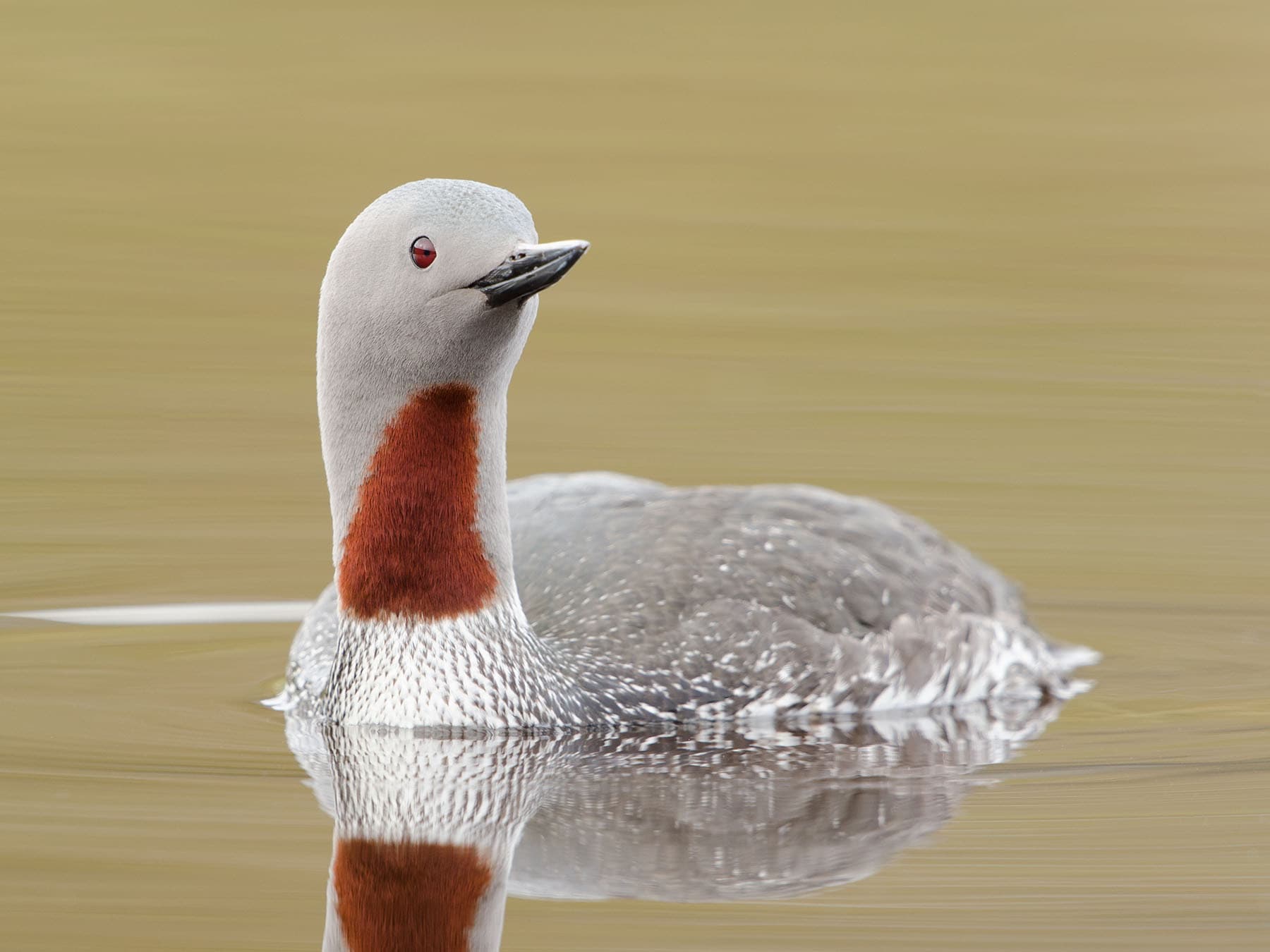
Red-throated Loon
Gavia stellataLC
A rare resident seen mainly in winter and early spring off the coast, particularly in Morecambe Bay. Largely absent in midsummer.
Sep–May
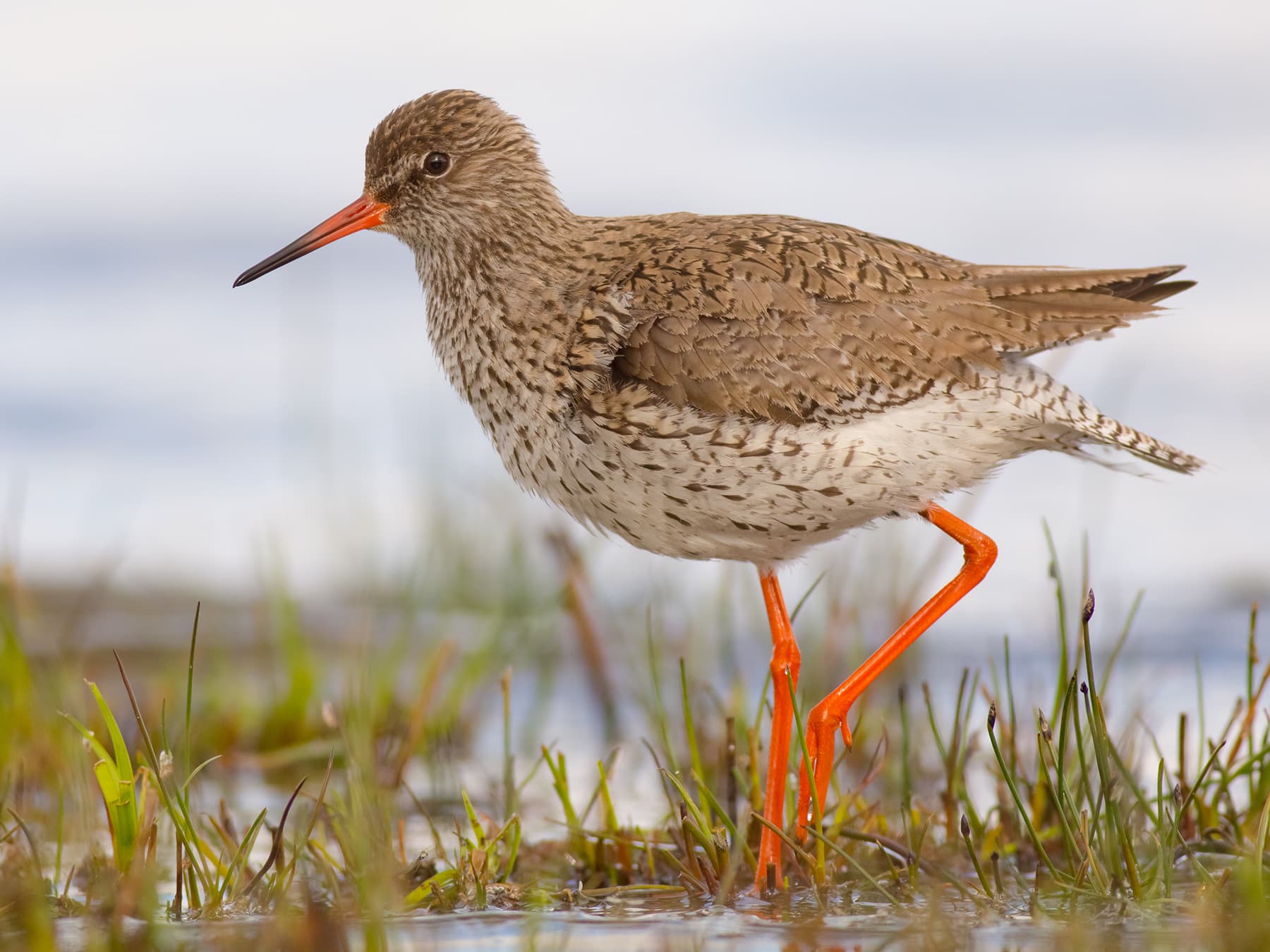
Redshank
Tringa totanusLC
A year-round resident found in good numbers on the Ribble Estuary and Morecambe Bay saltmarshes, giving its loud piping alarm call.
Year-round
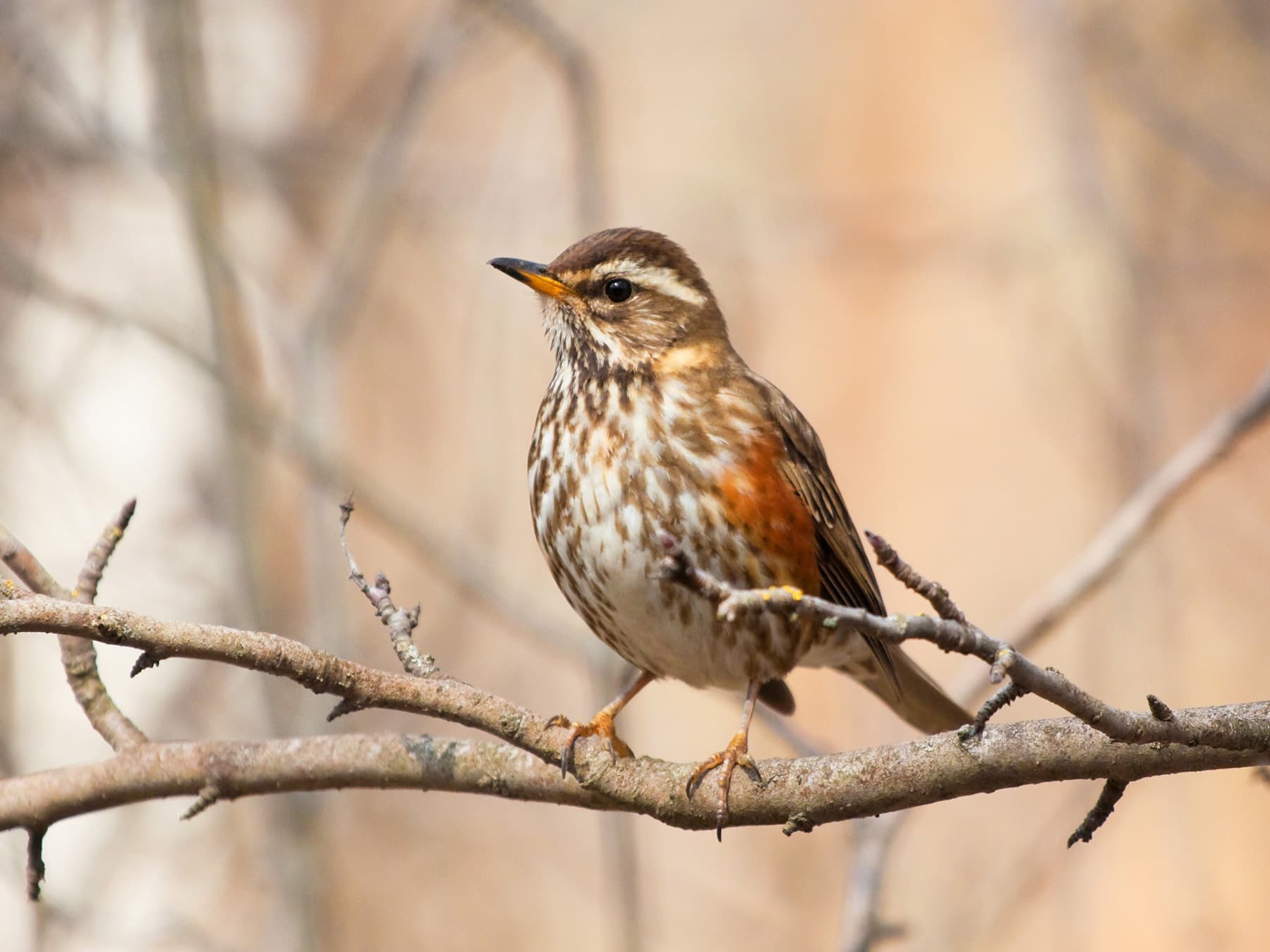
Redwing
Turdus iliacusNT
An uncommon winter visitor from Scandinavia, foraging in hedgerows and on berry-laden trees across Lancashire from October to April.
Oct–Apr
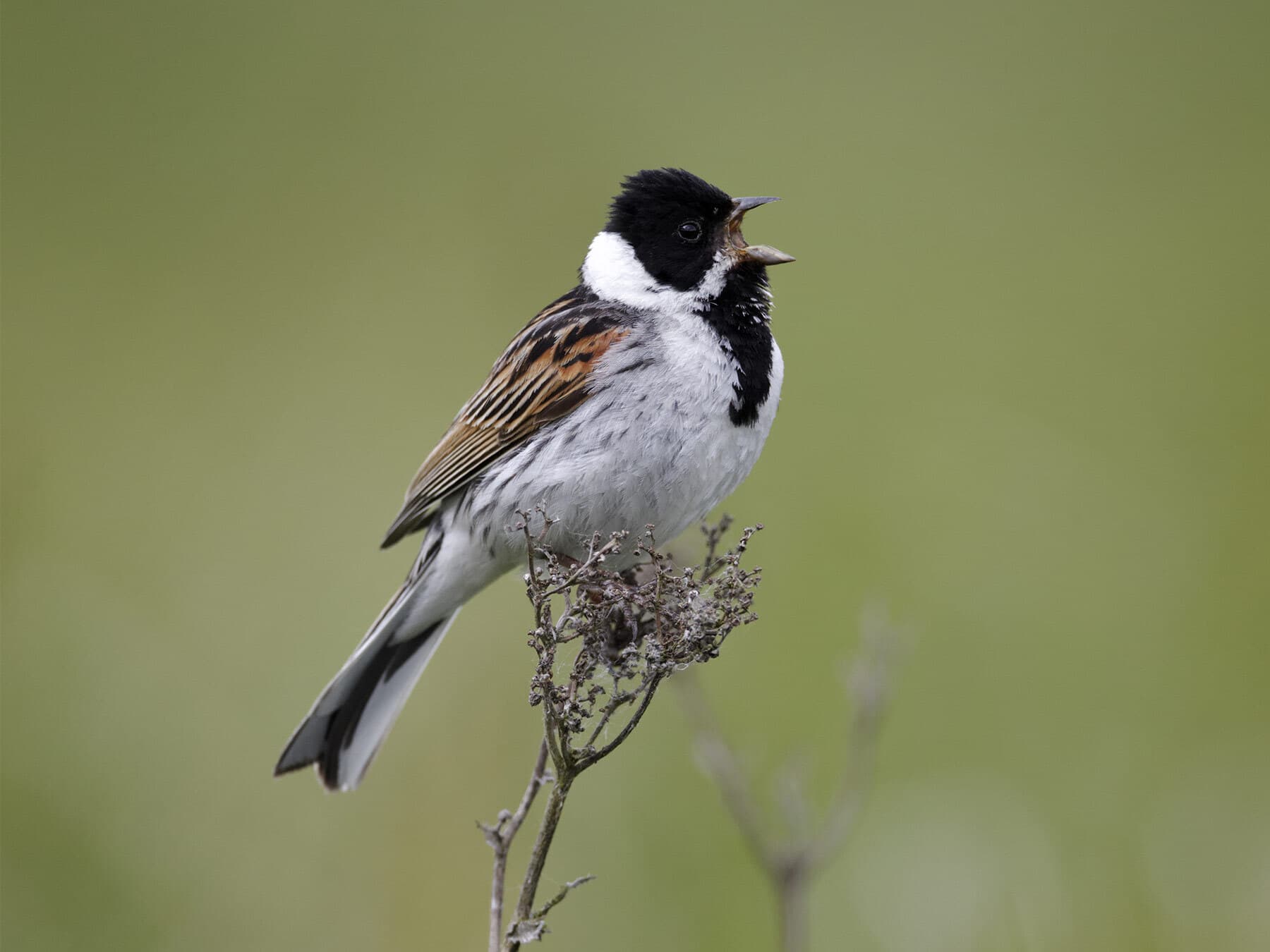
Reed Bunting
Emberiza schoeniclusLC
A common resident of reedbeds, marshes and damp farmland. Readily found at wetland sites such as Leighton Moss and Martin Mere year-round.
Year-round
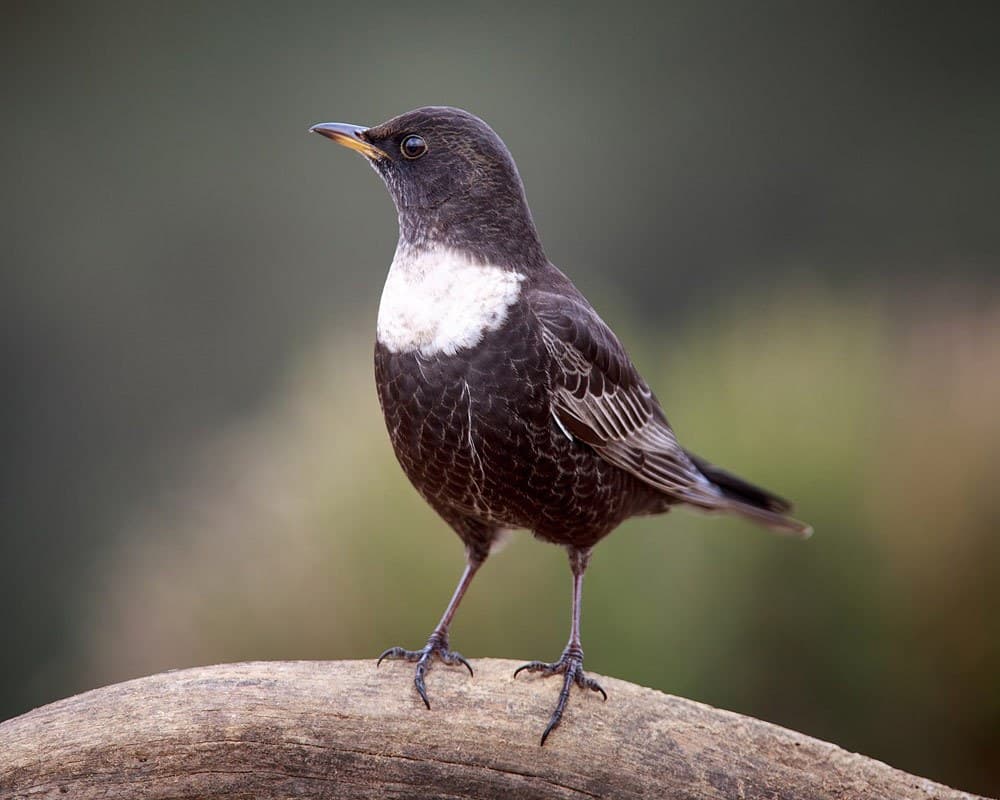
Ring Ouzel
Turdus torquatusLC
A rare spring passage migrant passing through Lancashire's uplands in April and May, pausing on moorland edges en route to breeding grounds.
Apr–May
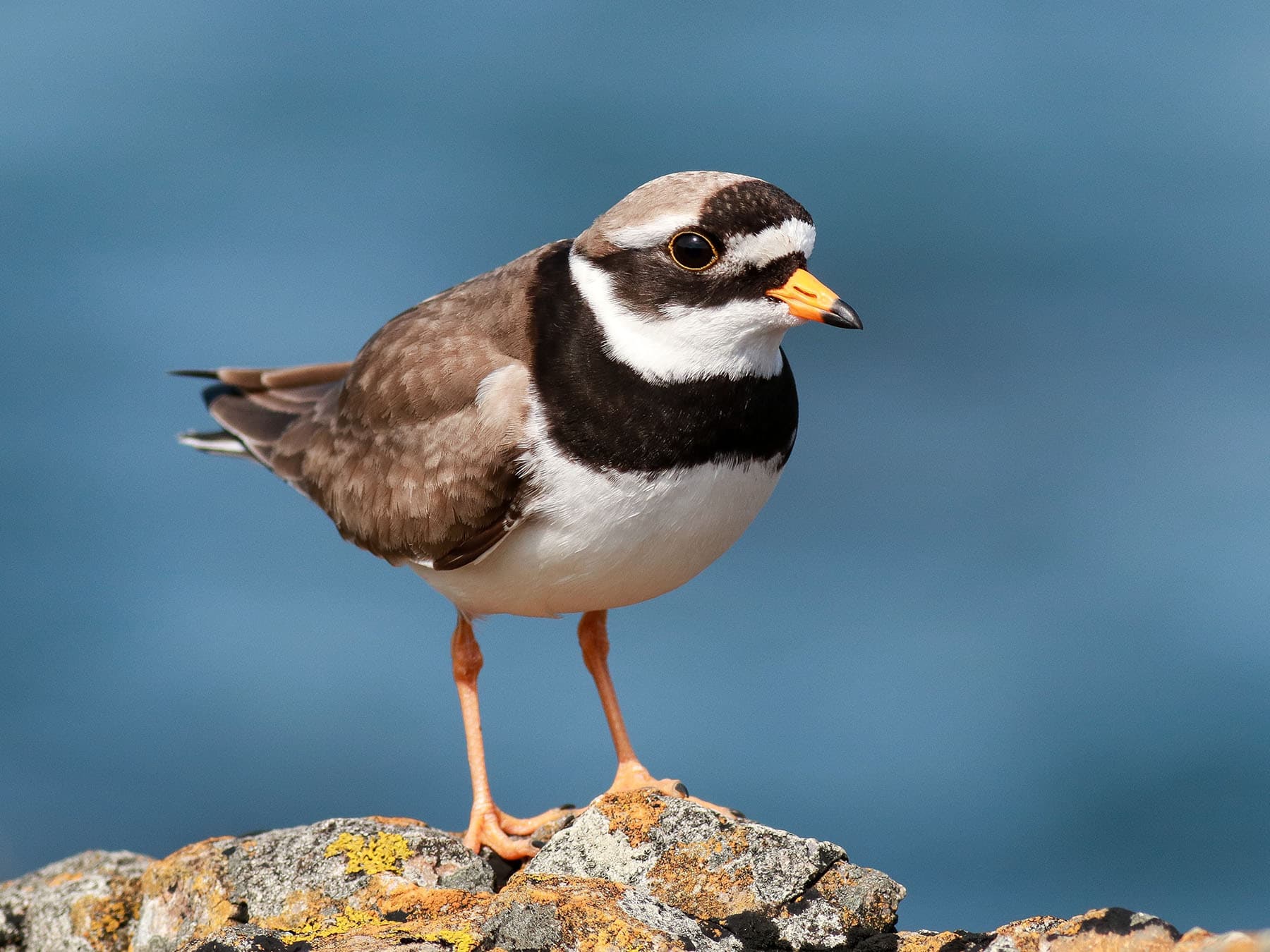
Ringed Plover
Charadrius hiaticulaLC
A rare year-round resident, nesting on shingle beaches along the Fylde coast and feeding on Lancashire's estuarine mudflats.
Year-round
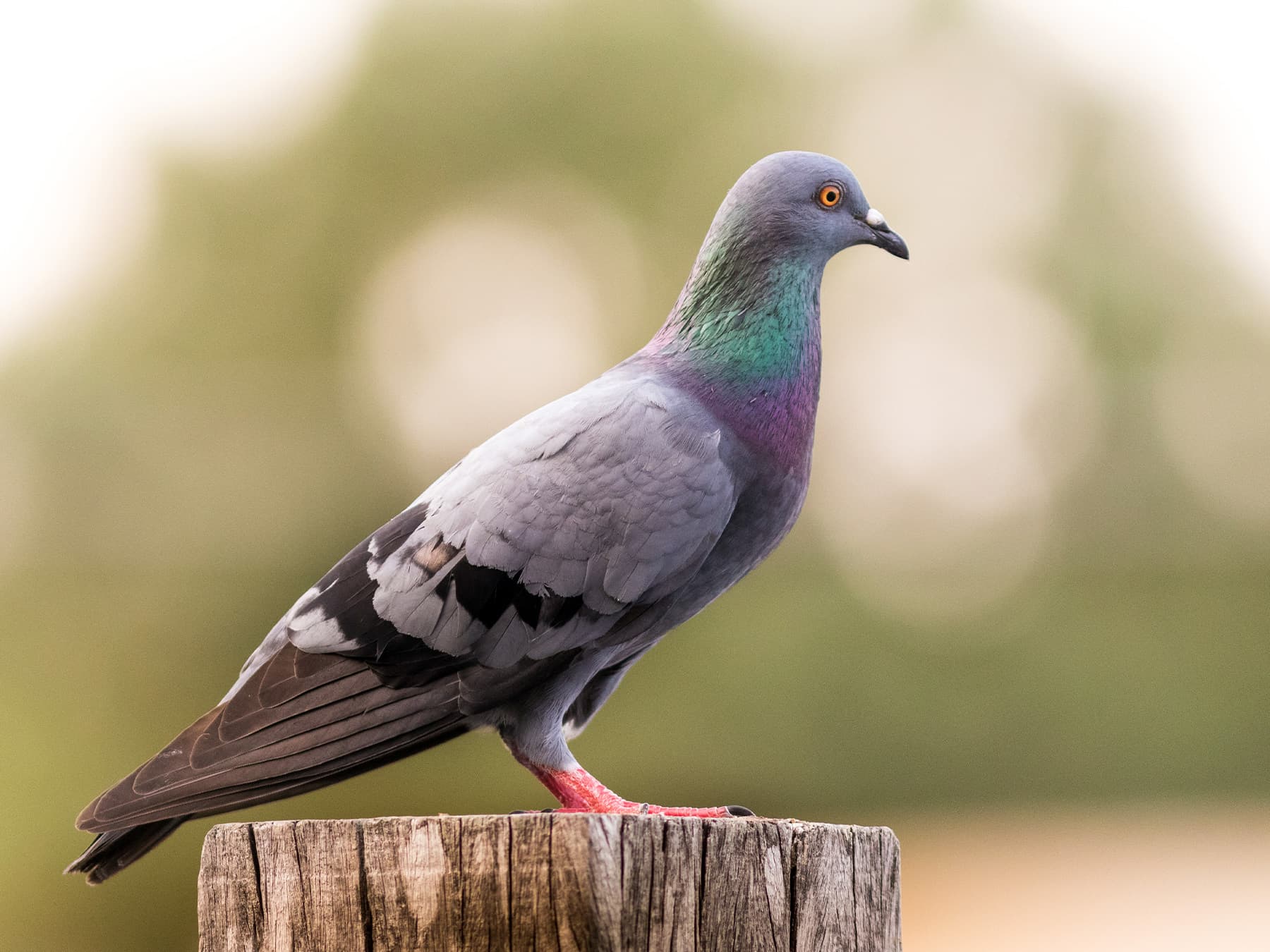
Rock Dove
Columba liviaLC
Abundant year-round in Lancashire's towns and cities as feral pigeons, with some wilder birds along the Fylde coast cliffs.
Year-round
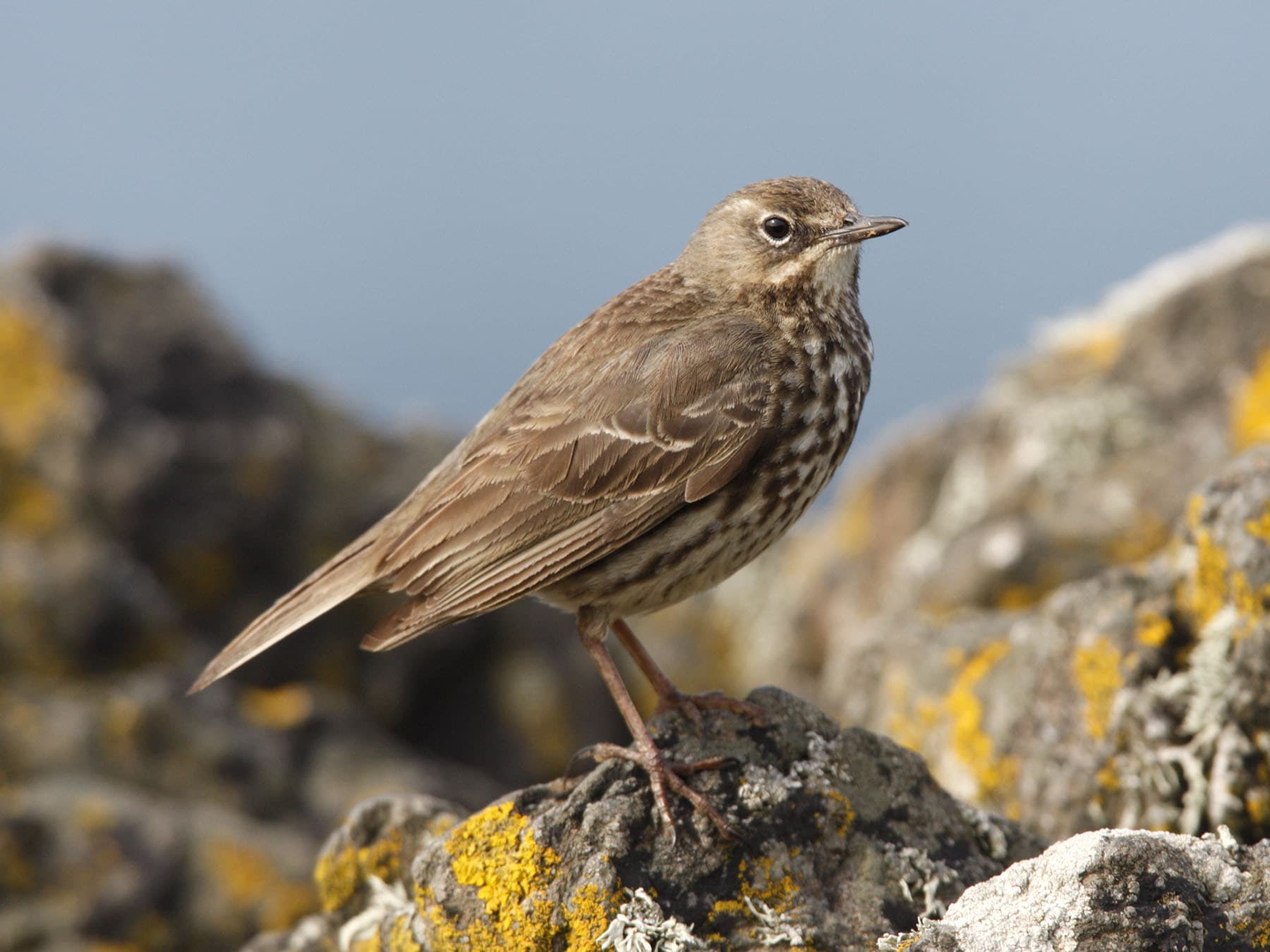
Rock Pipit
Anthus petrosusLC
A rare non-breeding visitor to Lancashire's rocky coastline and saltmarshes, mainly from autumn through winter with occasional spring records.
Oct–May
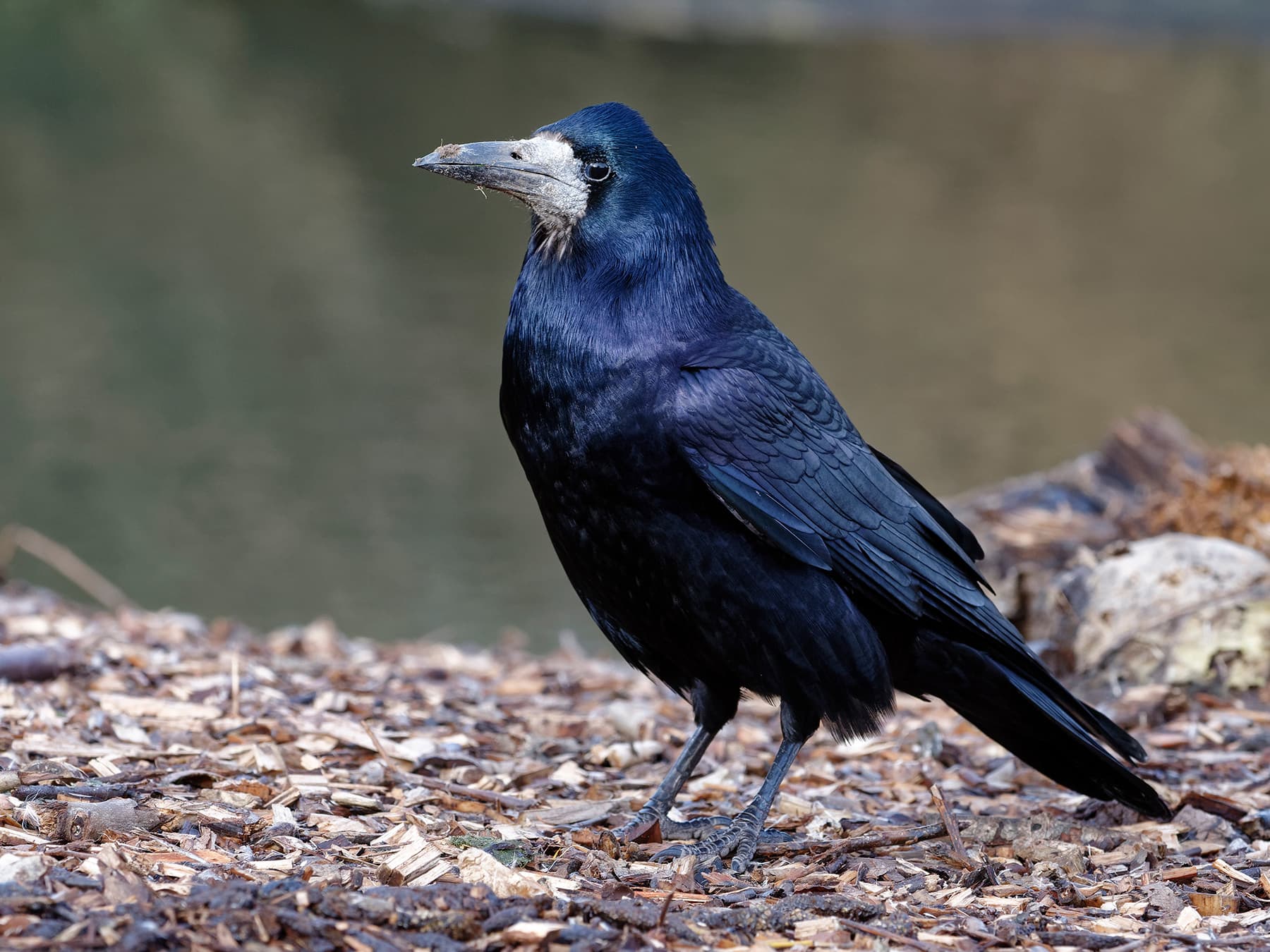
Rook
Corvus frugilegusLC
An uncommon but year-round resident, nesting colonially in tall trees near farmland. Rookeries are scattered across Lancashire's agricultural lowlands.
Year-round
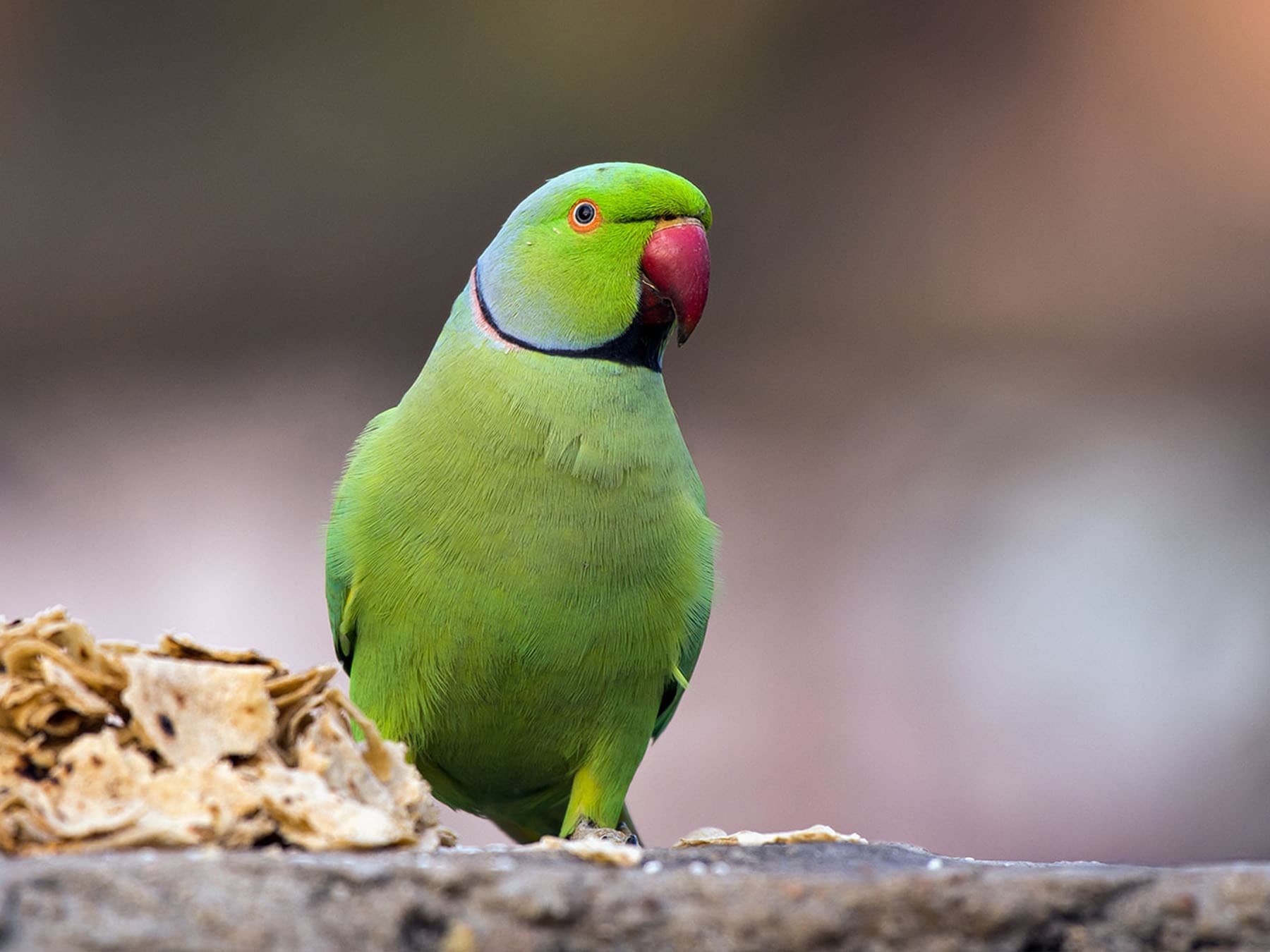
Rose-ringed Parakeet
Alexandrinus krameriLC
A rare resident, part of a slowly expanding feral population. Occasionally reported in parks and suburban areas.
Year-round
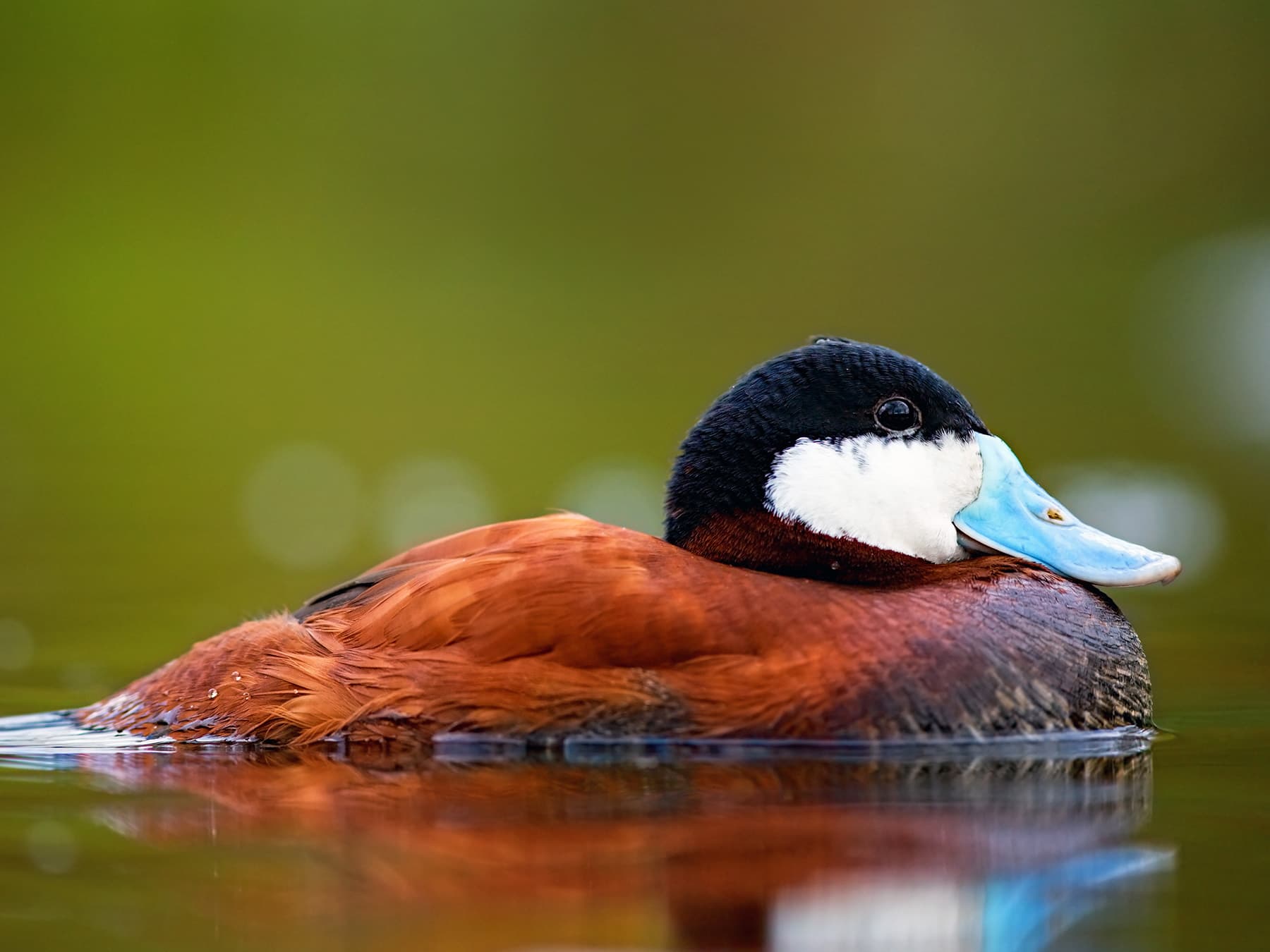
Ruddy Duck
Oxyura jamaicensisLC
A rare breeding bird on Lancashire's lakes, now extremely scarce due to the national eradication programme targeting this non-native species.
Nov–Jul