Birds in Lancashire
Explore 200 species found in this region.
Lancashire boasts a rich and diverse birdlife, with 195 recorded species found across its varied landscapes of coastal estuaries, moorland uplands, and fertile lowland farmland. The county's extensive coastline along Morecambe Bay and the Ribble Estuary provides vital habitat for wading birds such as Northern Lapwing and Common Sandpiper, while its inland waters attract species including Common Merganser, Northern Pintail, and the striking Mandarin Duck. From the high-altitude Dotterel on the Bowland Fells to the familiar Great Tit and Magpie in gardens and hedgerows, Lancashire offers outstanding birdwatching opportunities throughout the year.
Visiting in July? Look out for Black-necked Grebe and Curlew Sandpiper arriving this month, and Common Quail and Cuckoo depart for the season.


Showing 93–115 of 200 species
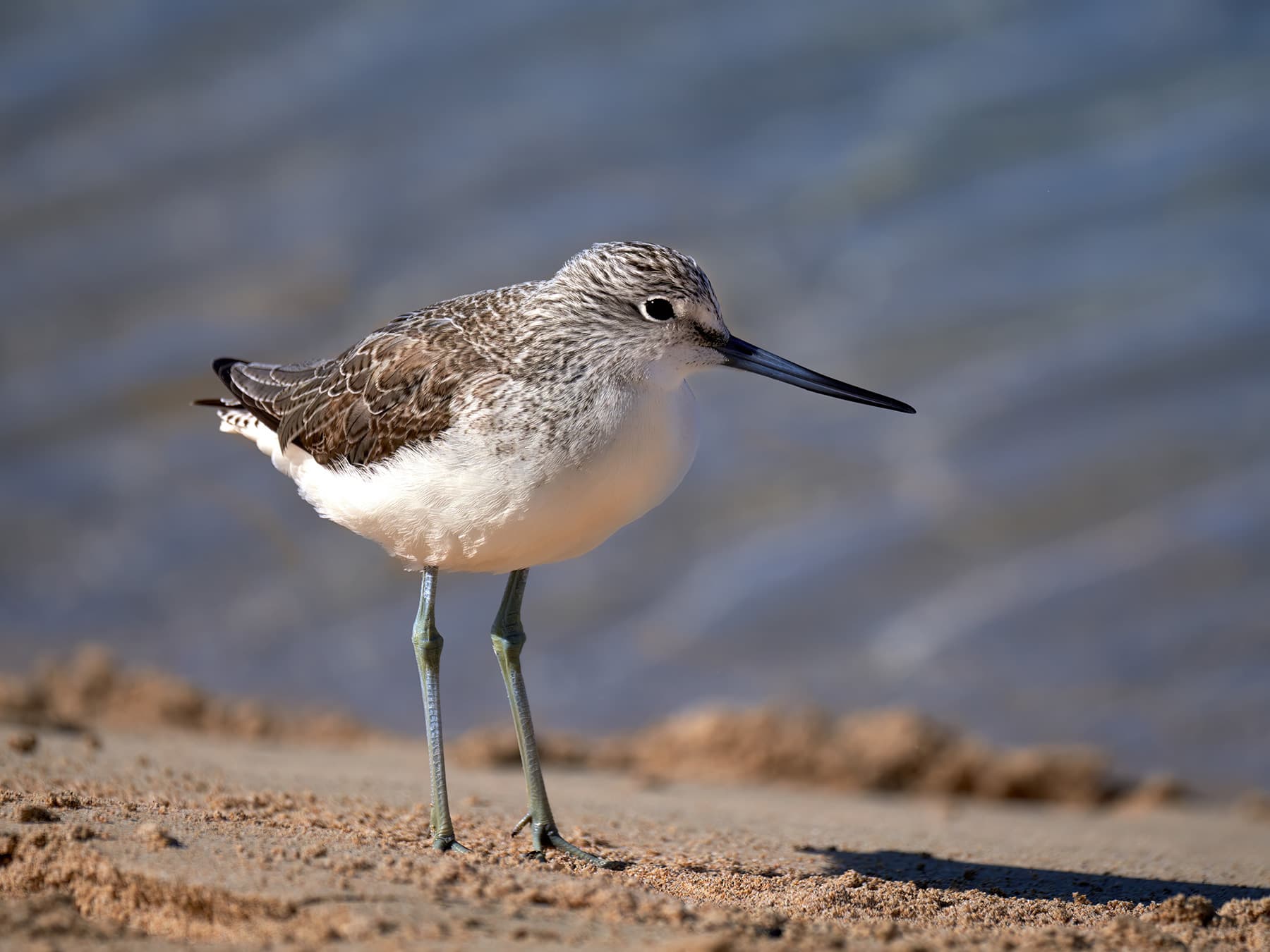
Greenshank
Tringa nebulariaLC
Present year-round but uncommon, favouring estuarine mudflats at Morecambe Bay and the Ribble, with numbers peaking on autumn passage.
Year-round
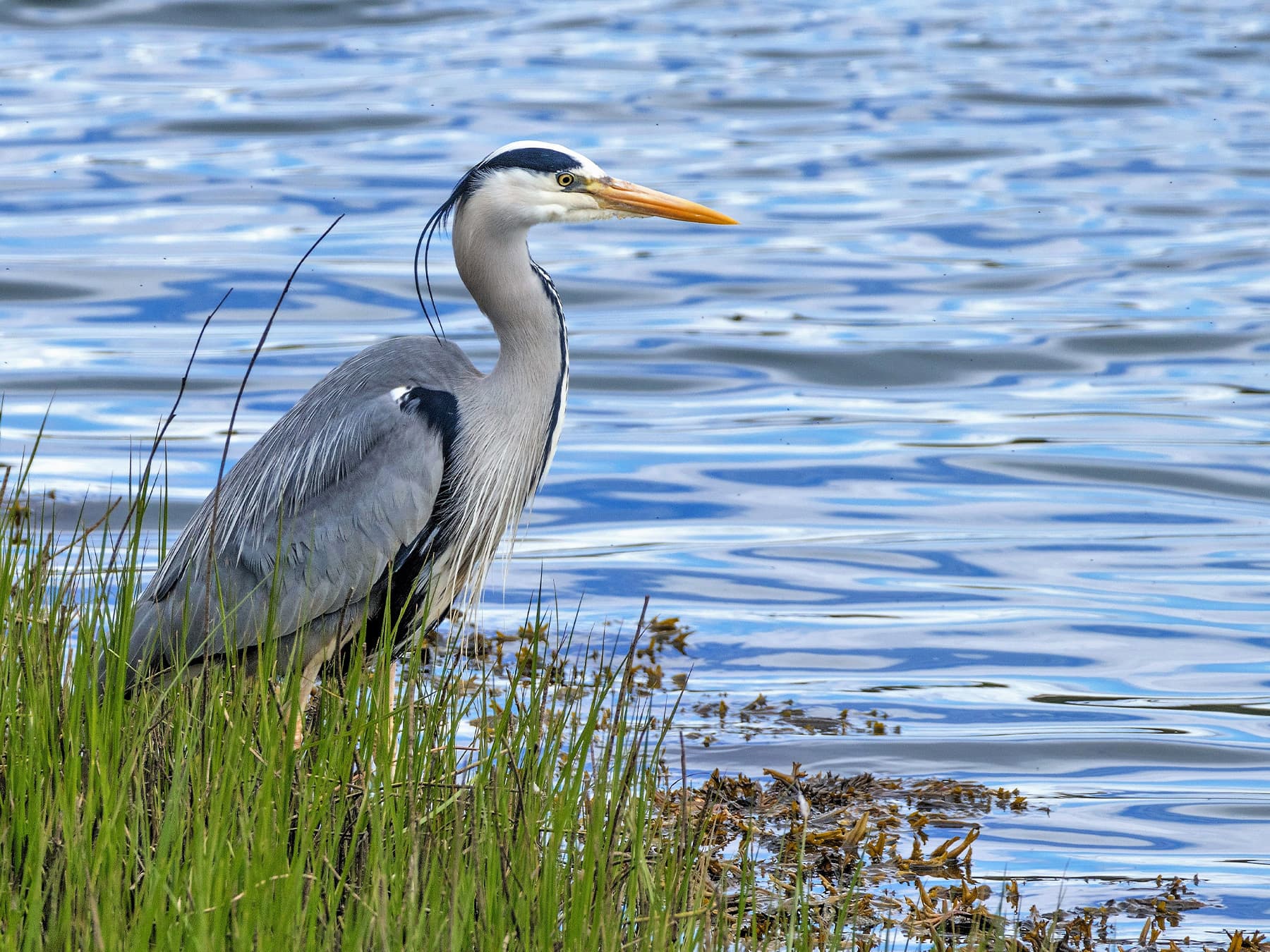
Grey Heron
Ardea cinereaLC
A common year-round resident, easily seen along rivers, canals, and wetlands. Often stands motionless at the water's edge.
Year-round
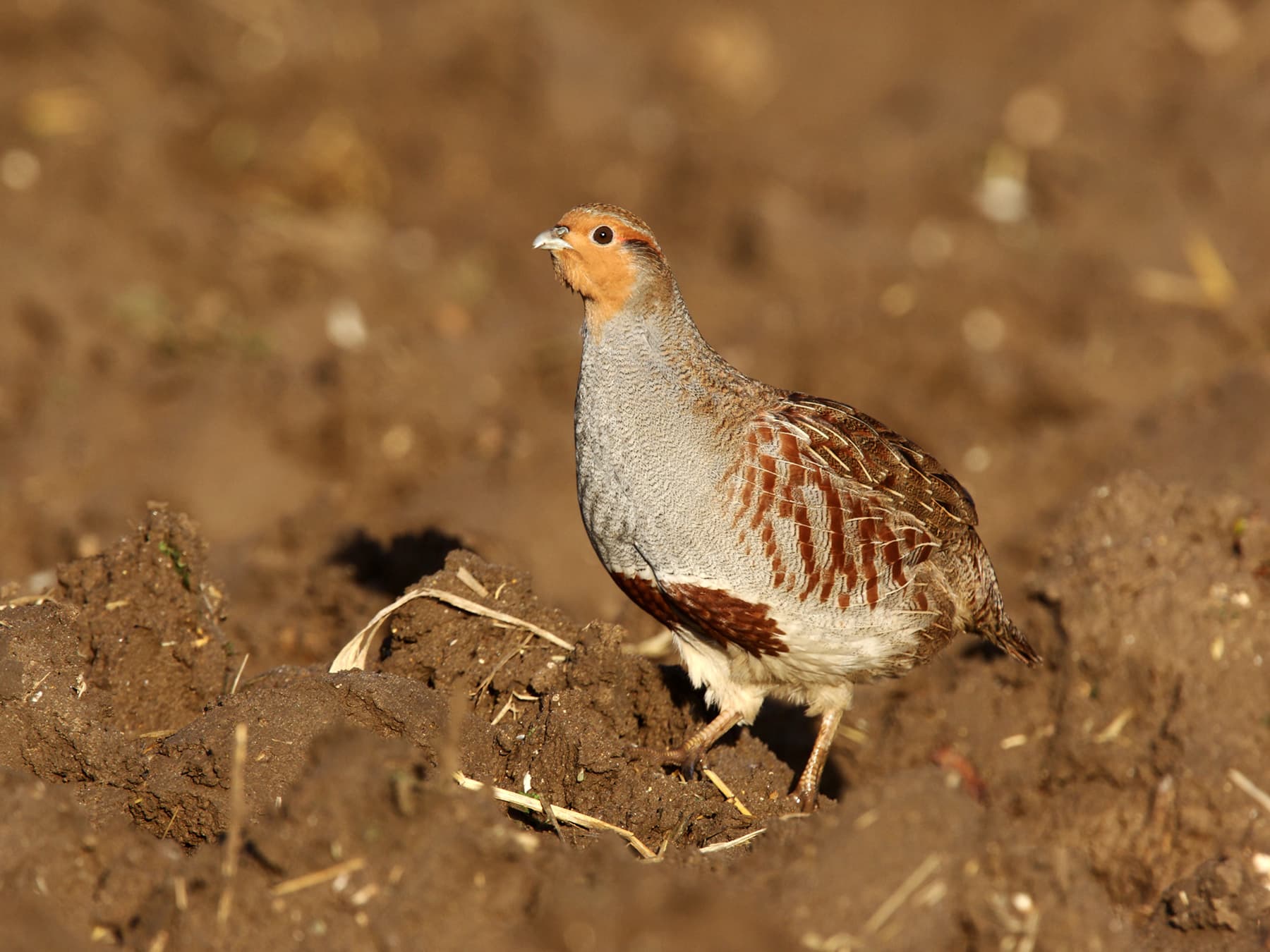
Grey Partridge
Perdix perdixLC
A rare and declining resident of farmland, now scarce across Lancashire. Favours arable fields with hedgerow margins for nesting.
Sep–Jun
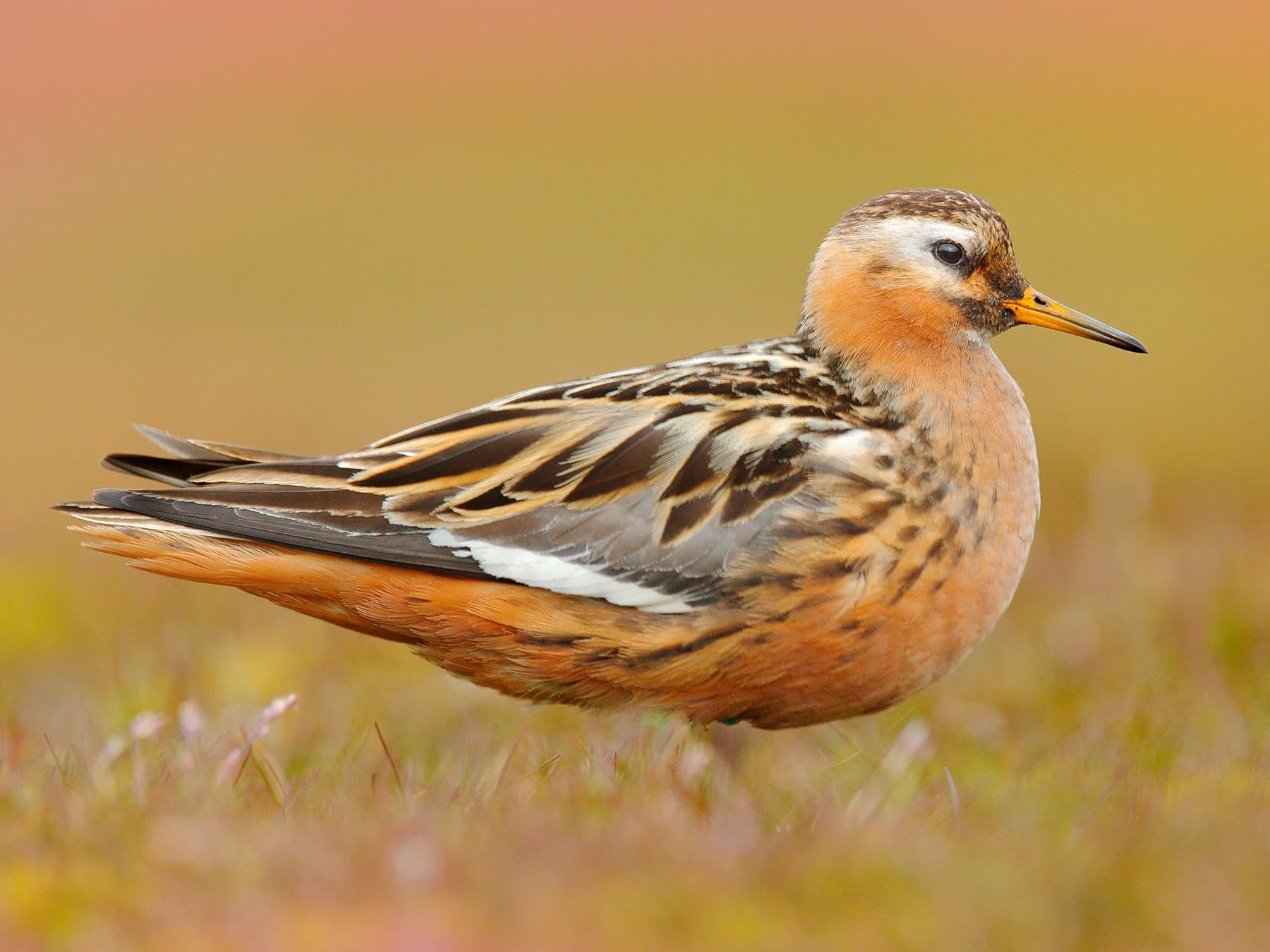
Grey Phalarope
Phalaropus fulicariusLC
A rare autumn passage visitor, occasionally storm-blown onto Lancashire's coast in September, favouring sheltered pools.
Sep
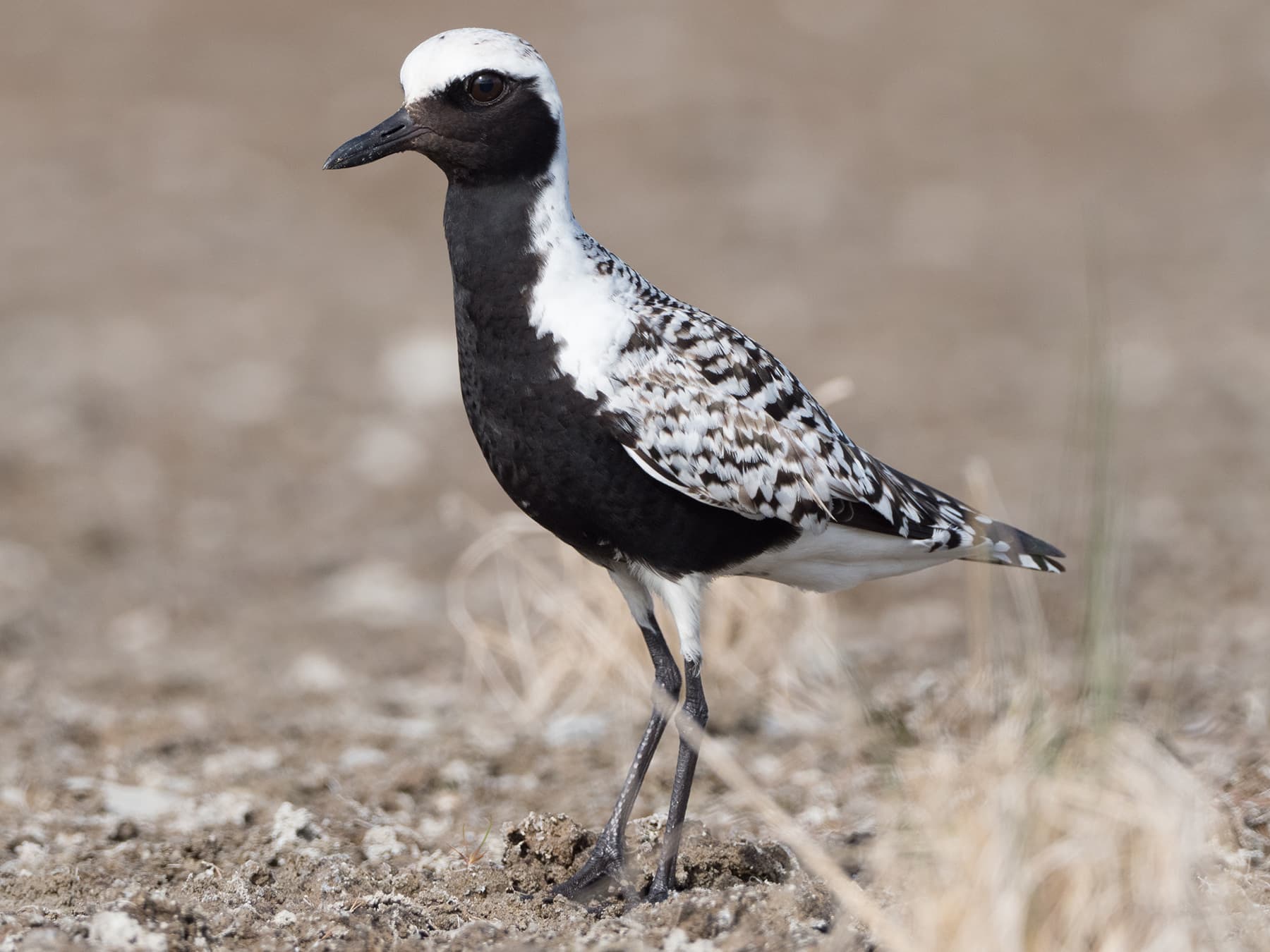
Grey Plover
Pluvialis squatarolaLC
A rare but regular visitor to Lancashire's estuaries, favouring the Ribble and Morecambe Bay mudflats outside the summer months.
Aug–May
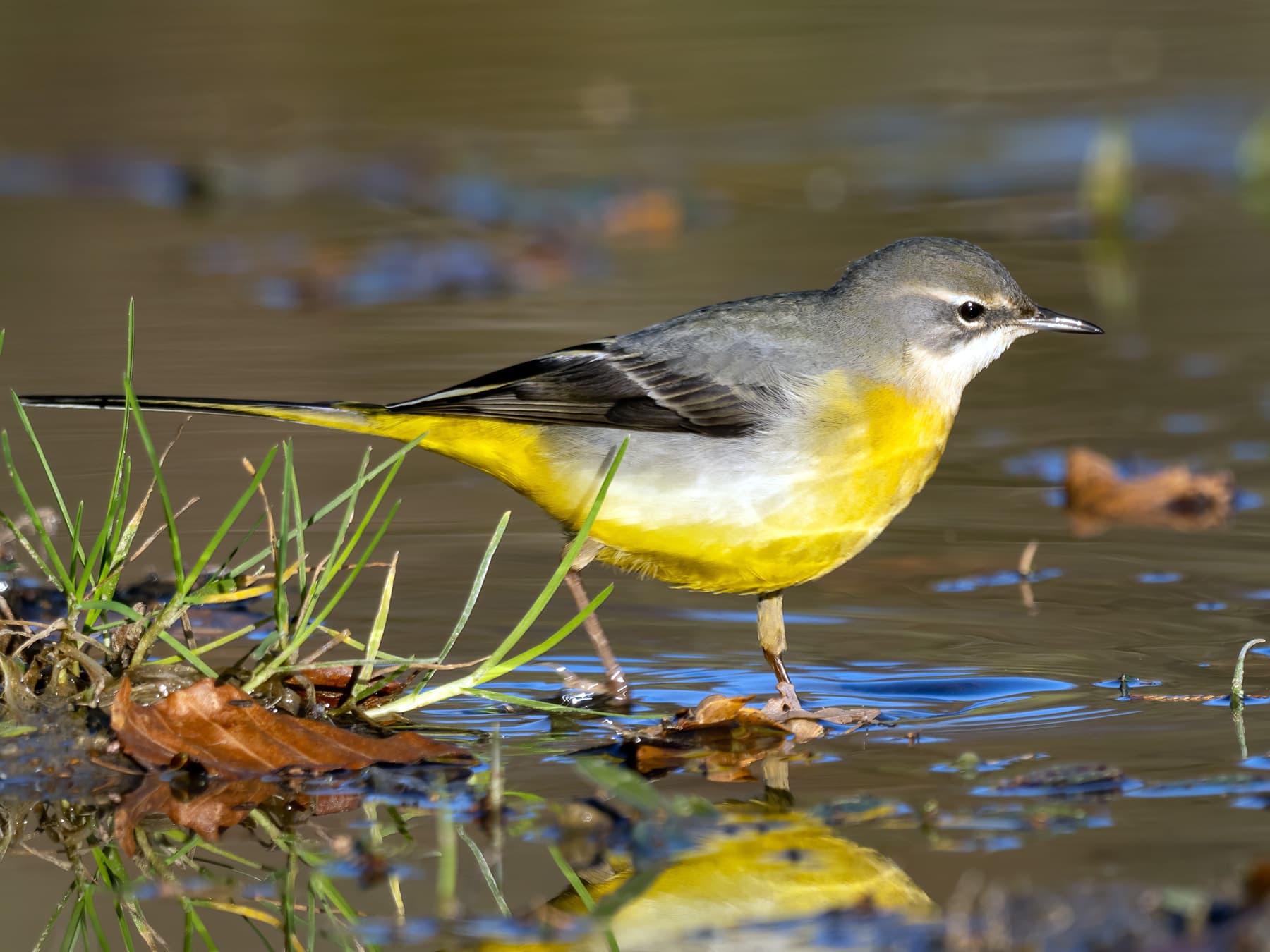
Grey Wagtail
Motacilla cinereaLC
An uncommon resident found along Lancashire's streams and rivers year-round, its bright yellow underparts and wagging tail distinctive on waterside rocks.
Year-round
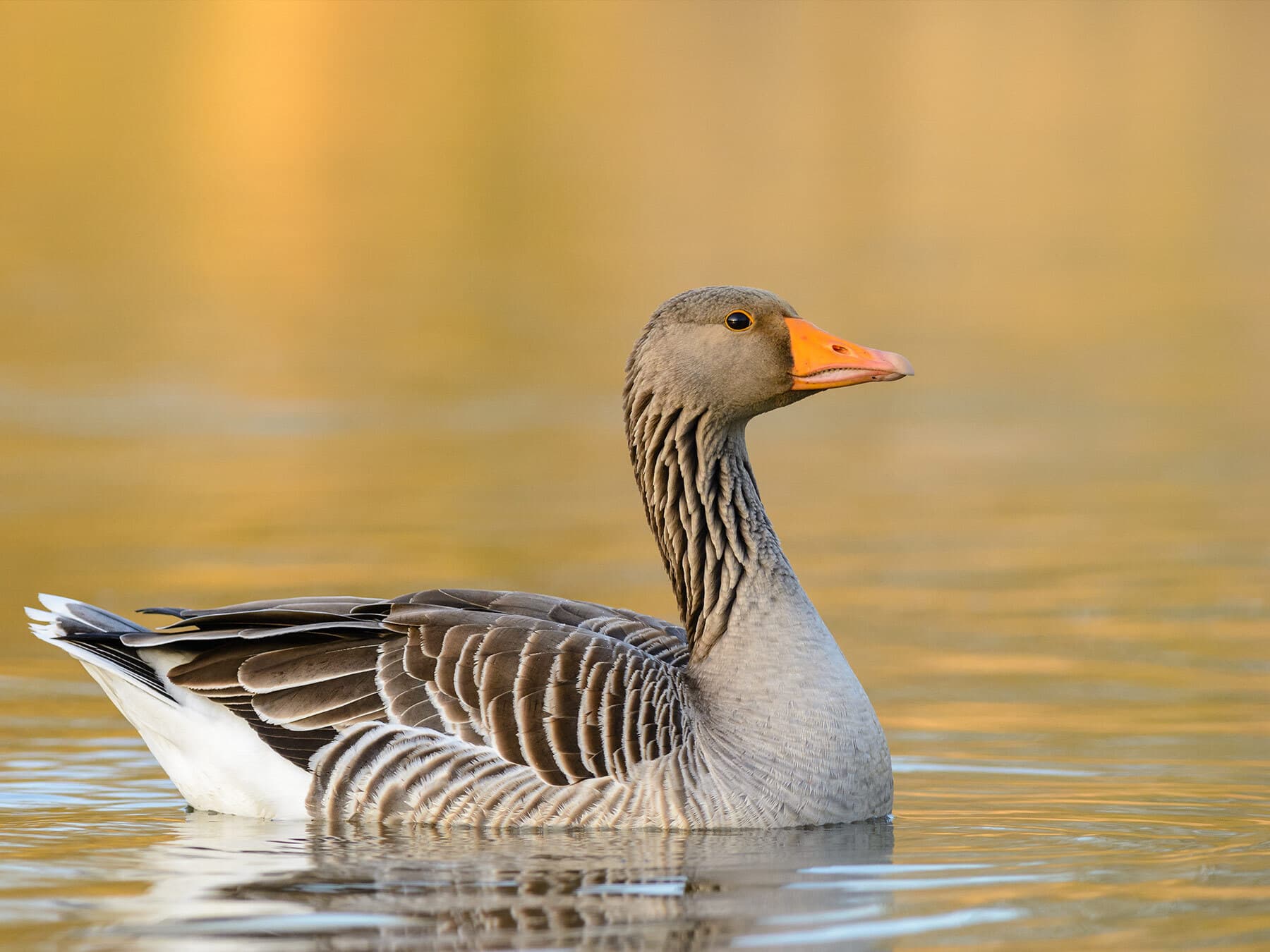
Greylag Goose
Anser anserLC
A common resident found on reservoirs, farmland, and parks throughout Lancashire, with feral populations now well established.
Year-round
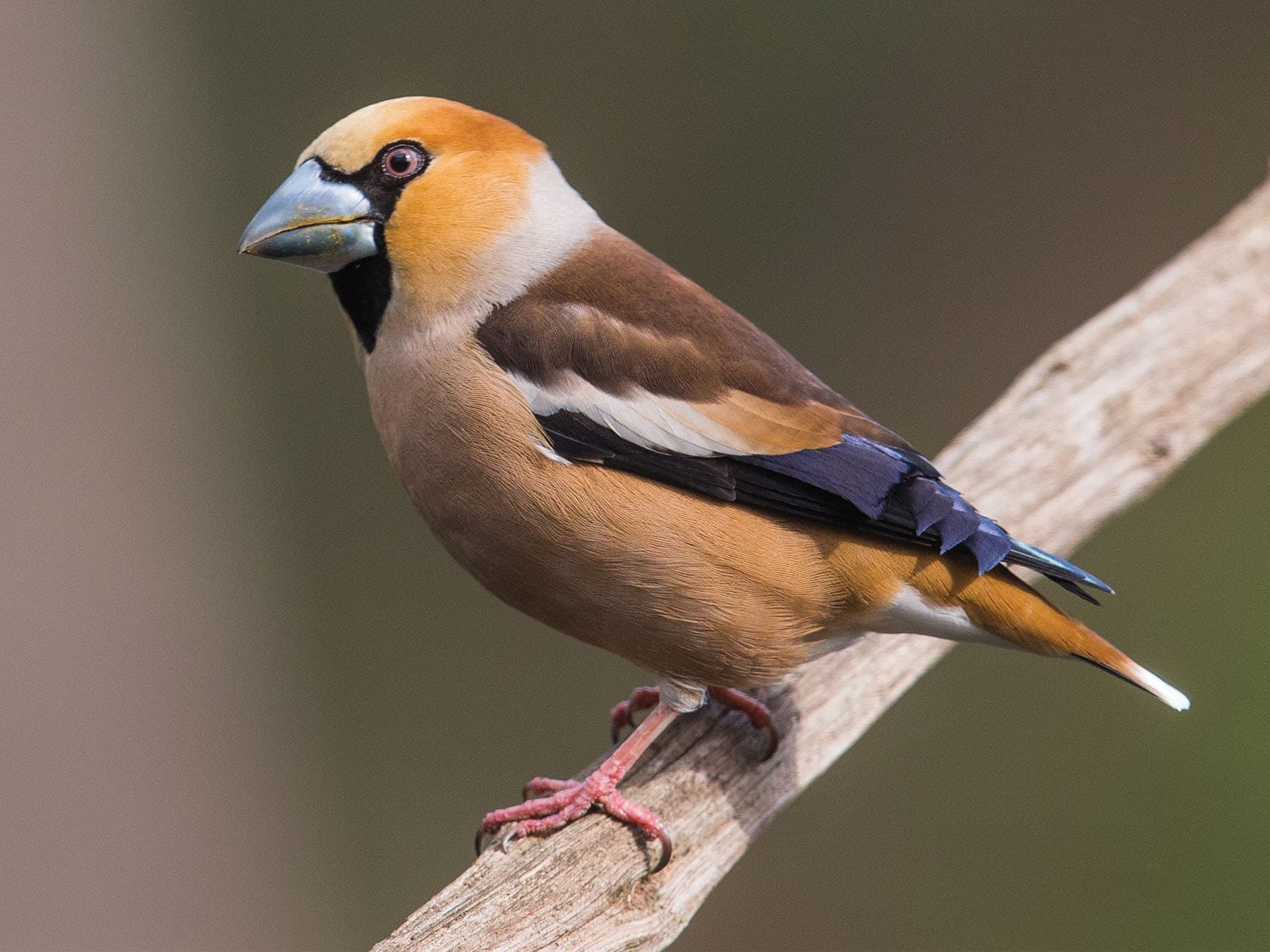
Hawfinch
Coccothraustes coccothraustesLC
A rare passage visitor, occasionally recorded in February. Lancashire lies outside its core range, making any sighting a notable event.
Feb
Spotted something?
Upload a photo to identify it
Identify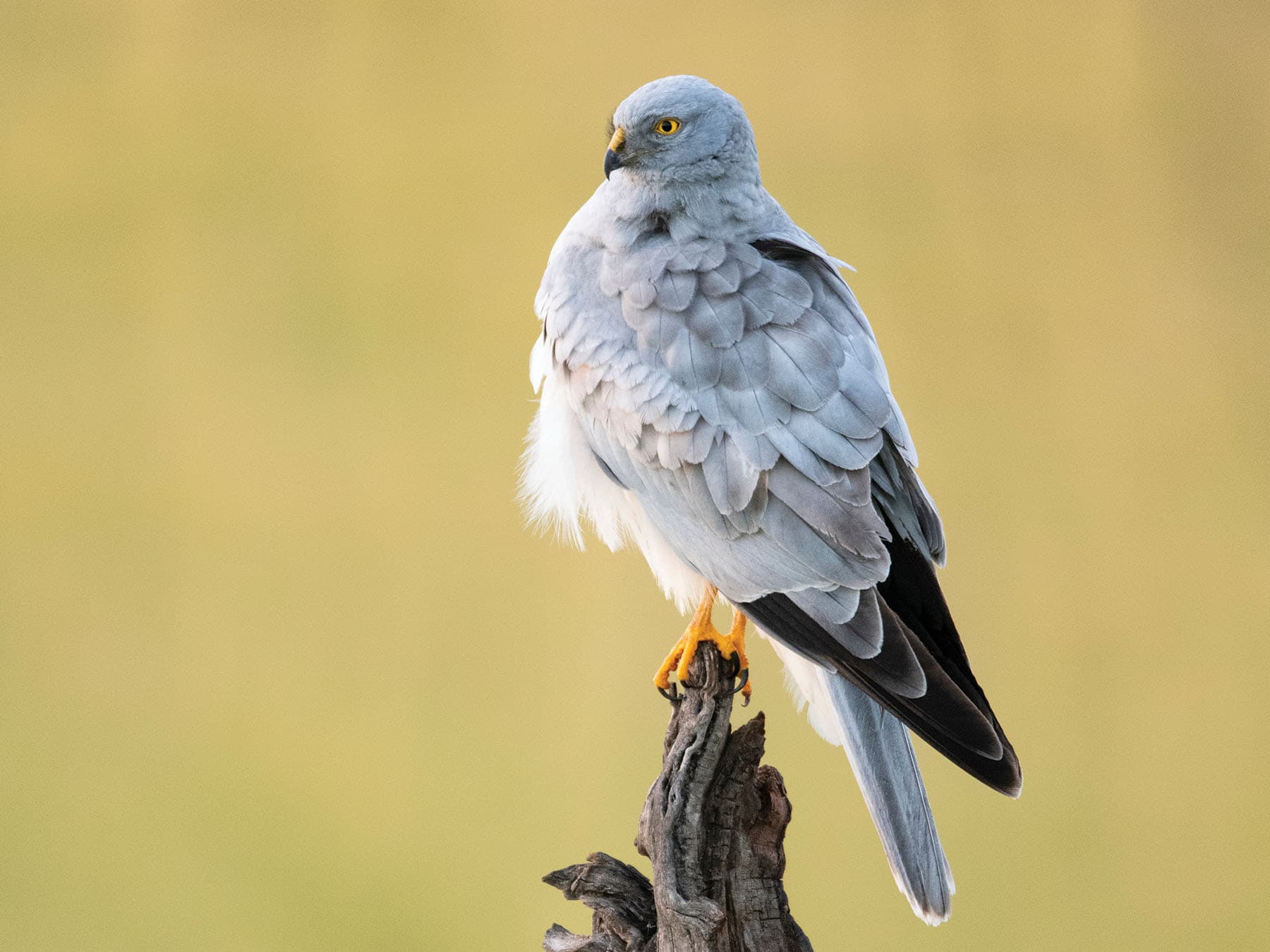
Hen Harrier
Circus cyaneusLC
A rare resident of upland moors in summer; winters on lowland mosses and marshes. A conservation priority in the Bowland Fells.
Oct–Jun
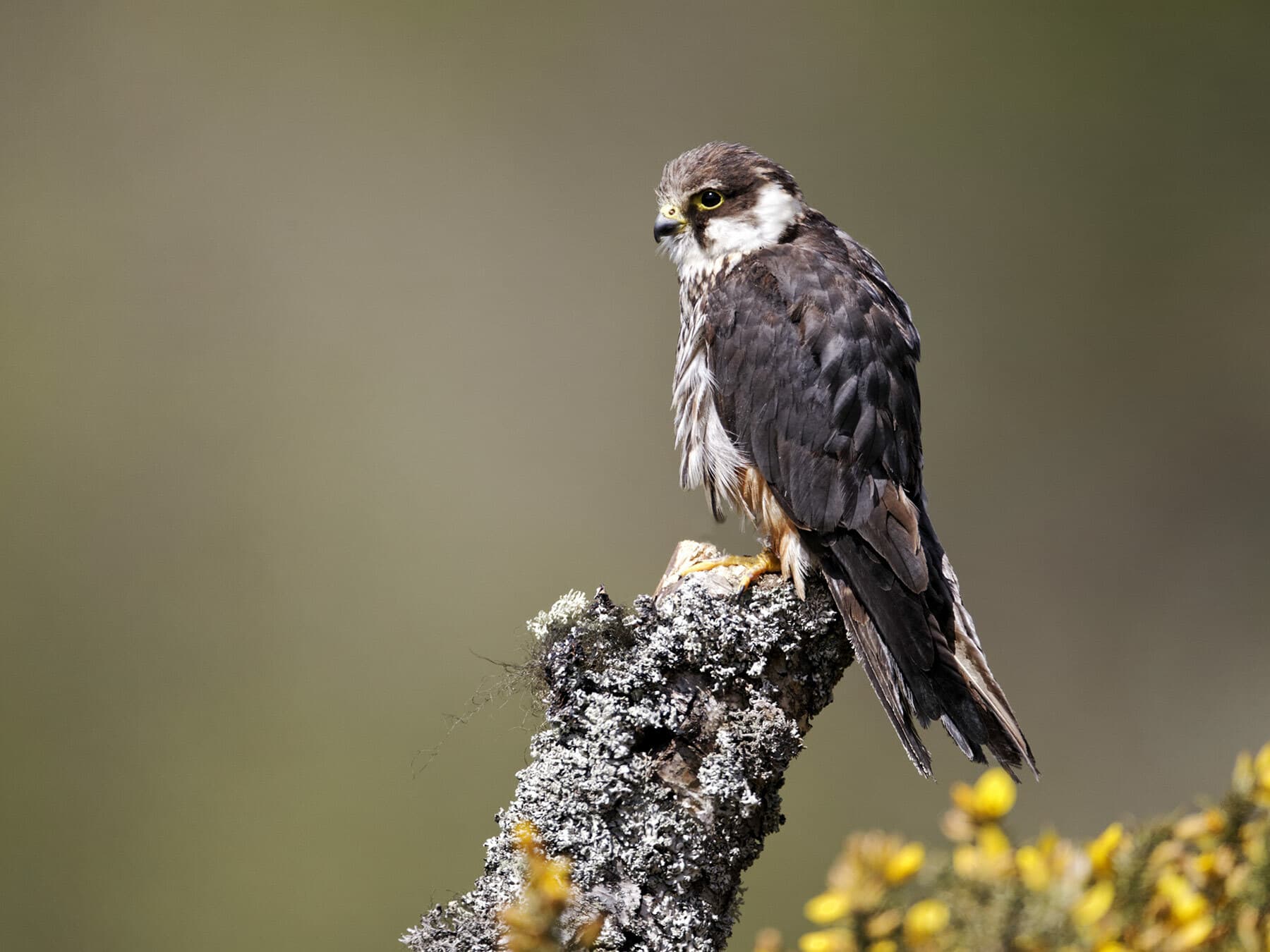
Hobby
Falco subbuteoLC
A rare summer breeder from May to September, hunting dragonflies and small birds over wetlands and open countryside.
May–Sep
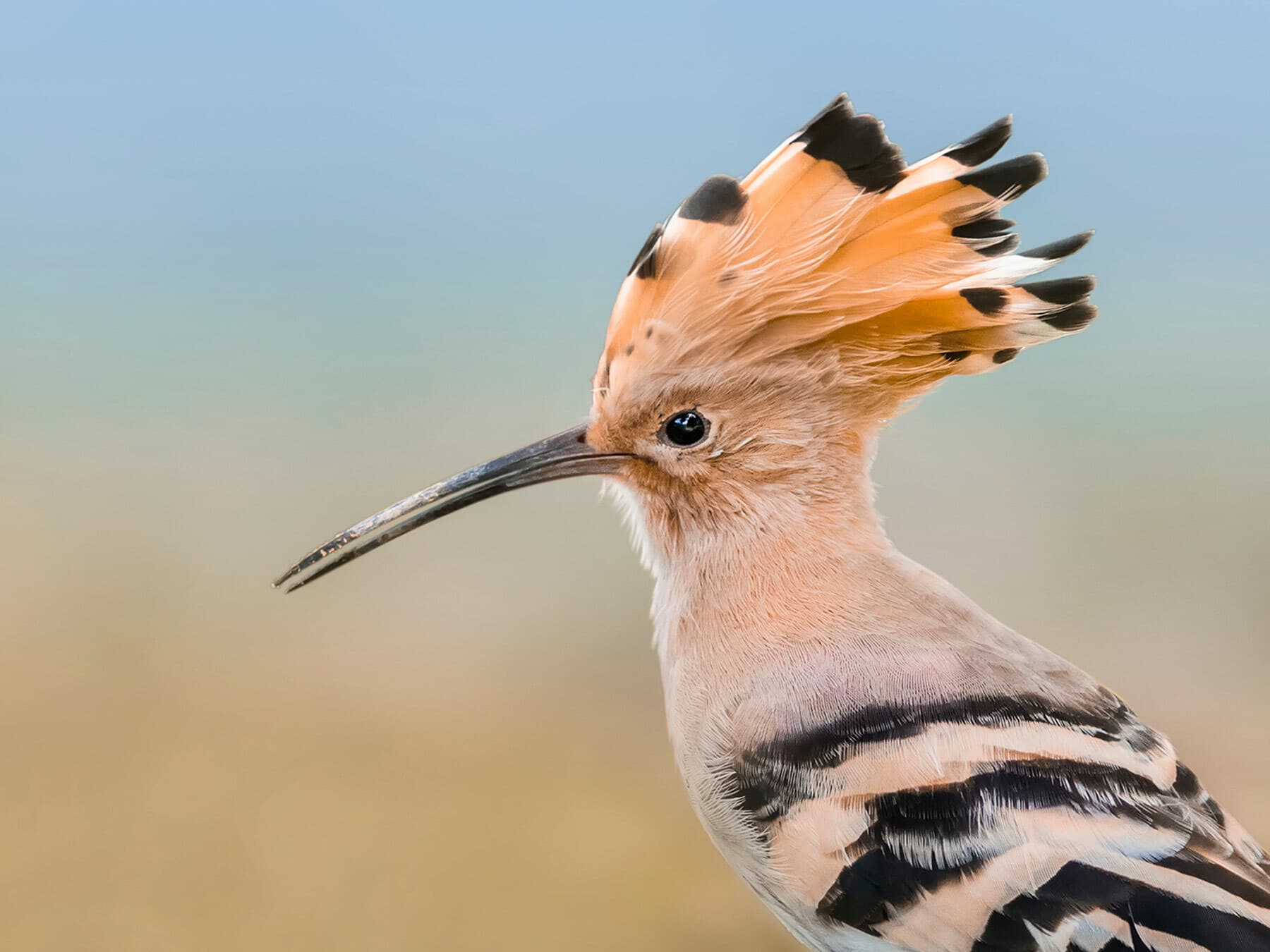
Hoopoe
Upupa epopsLC
A rare and exciting autumn vagrant, occasionally turning up in October in parks and gardens. Always causes a stir among local birders.
Oct
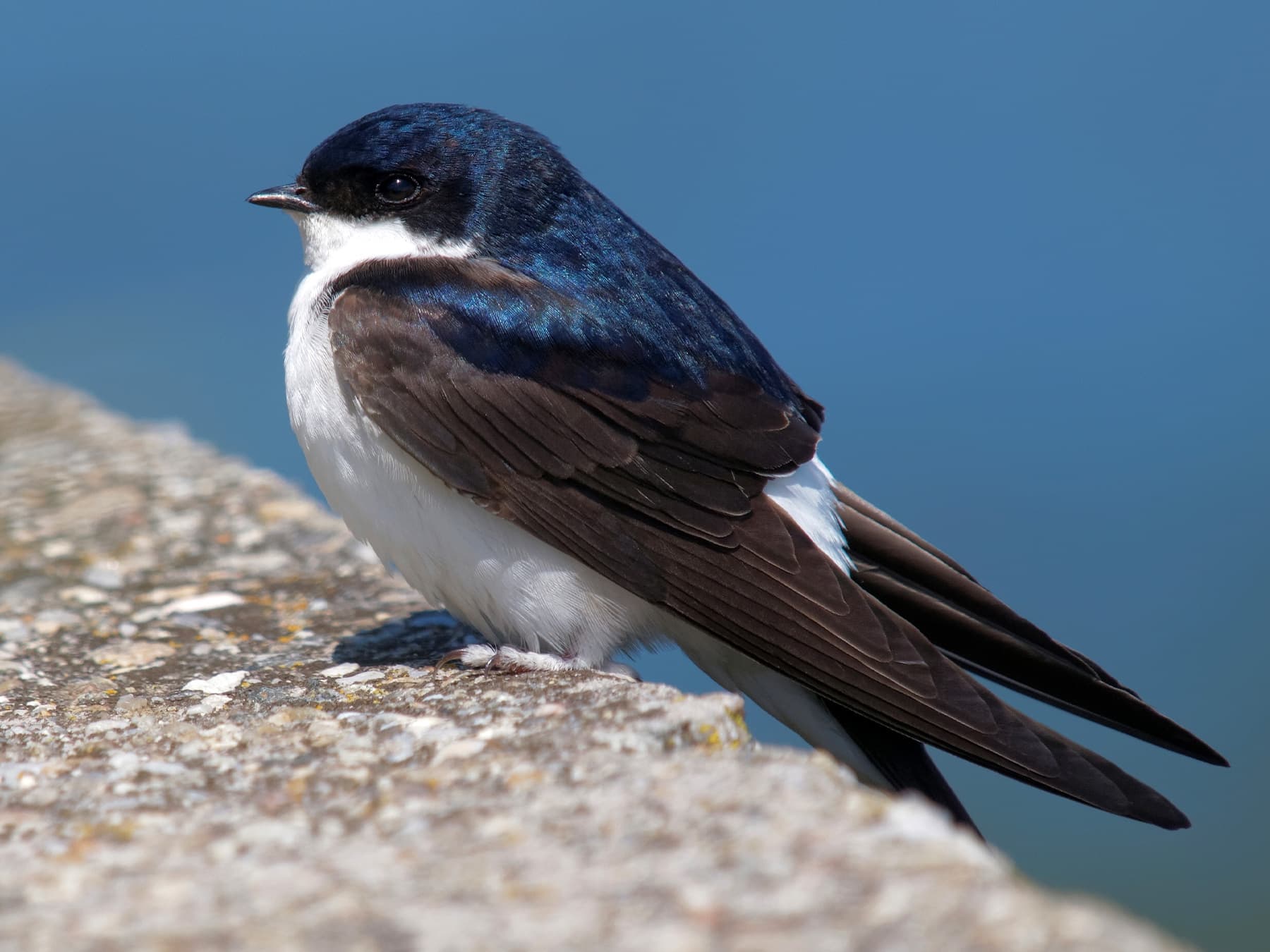
House Martin
Delichon urbicumLC
A common summer breeder nesting under eaves in towns and villages from April to October. Numbers have declined but it remains widespread.
Apr–Oct
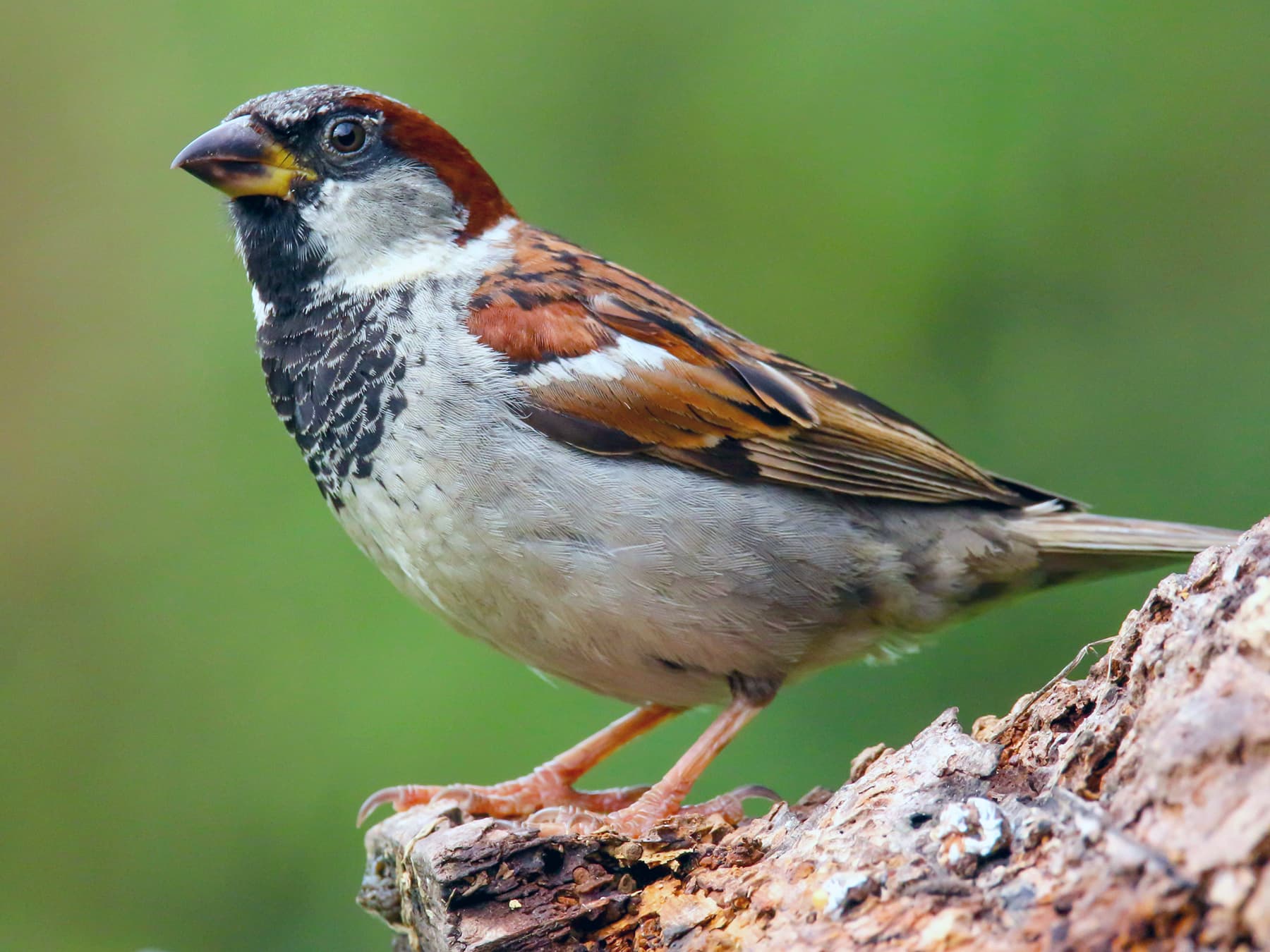
House Sparrow
Passer domesticusLC
A common year-round resident closely tied to human habitation, nesting under eaves and in hedges across Lancashire's towns and villages.
Year-round
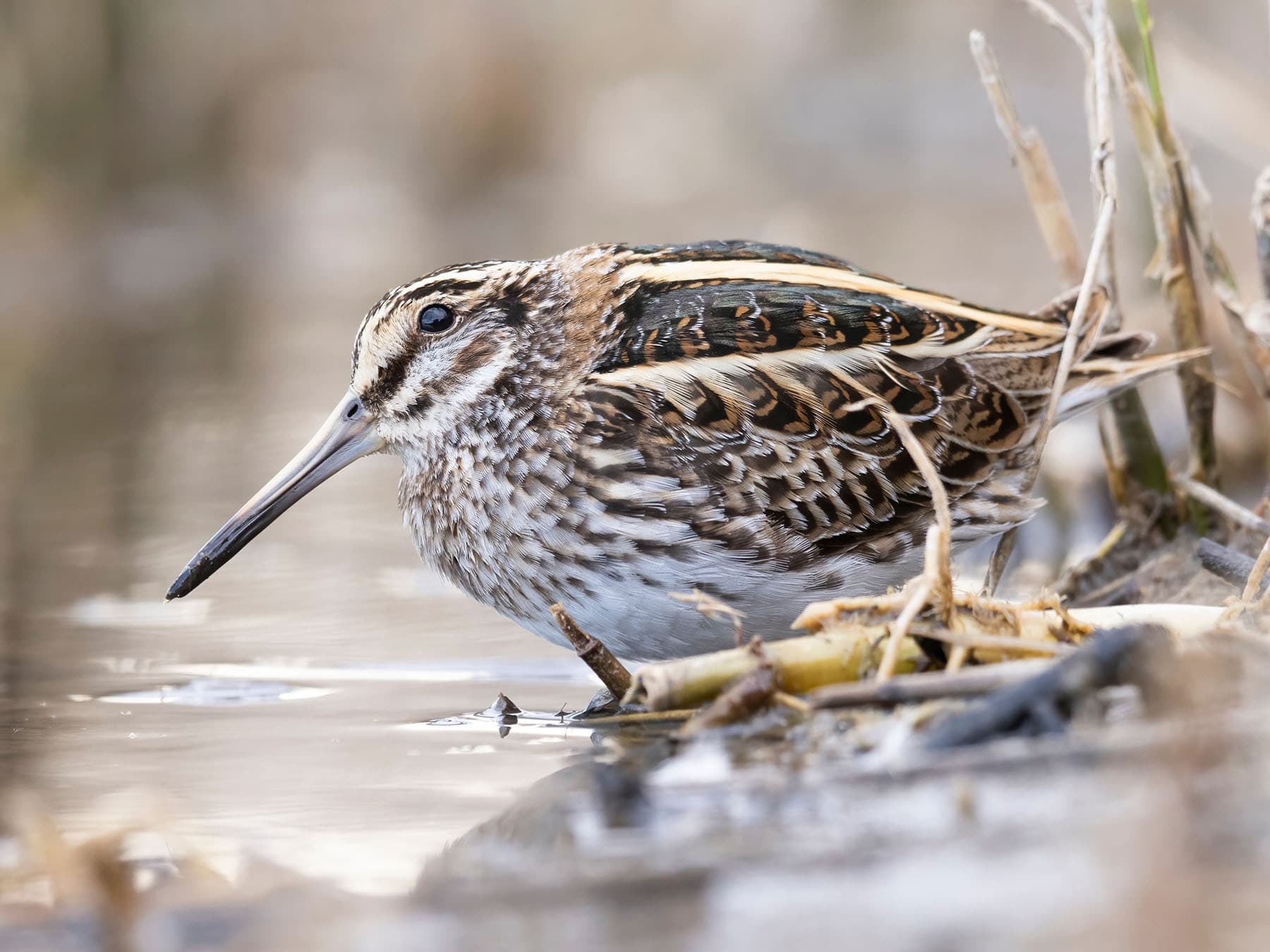
Jack Snipe
Lymnocryptes minimusLC
A secretive winter visitor to Lancashire's marshes and boggy fields, often flushing at close range with a weak, fluttering flight.
Oct–Feb
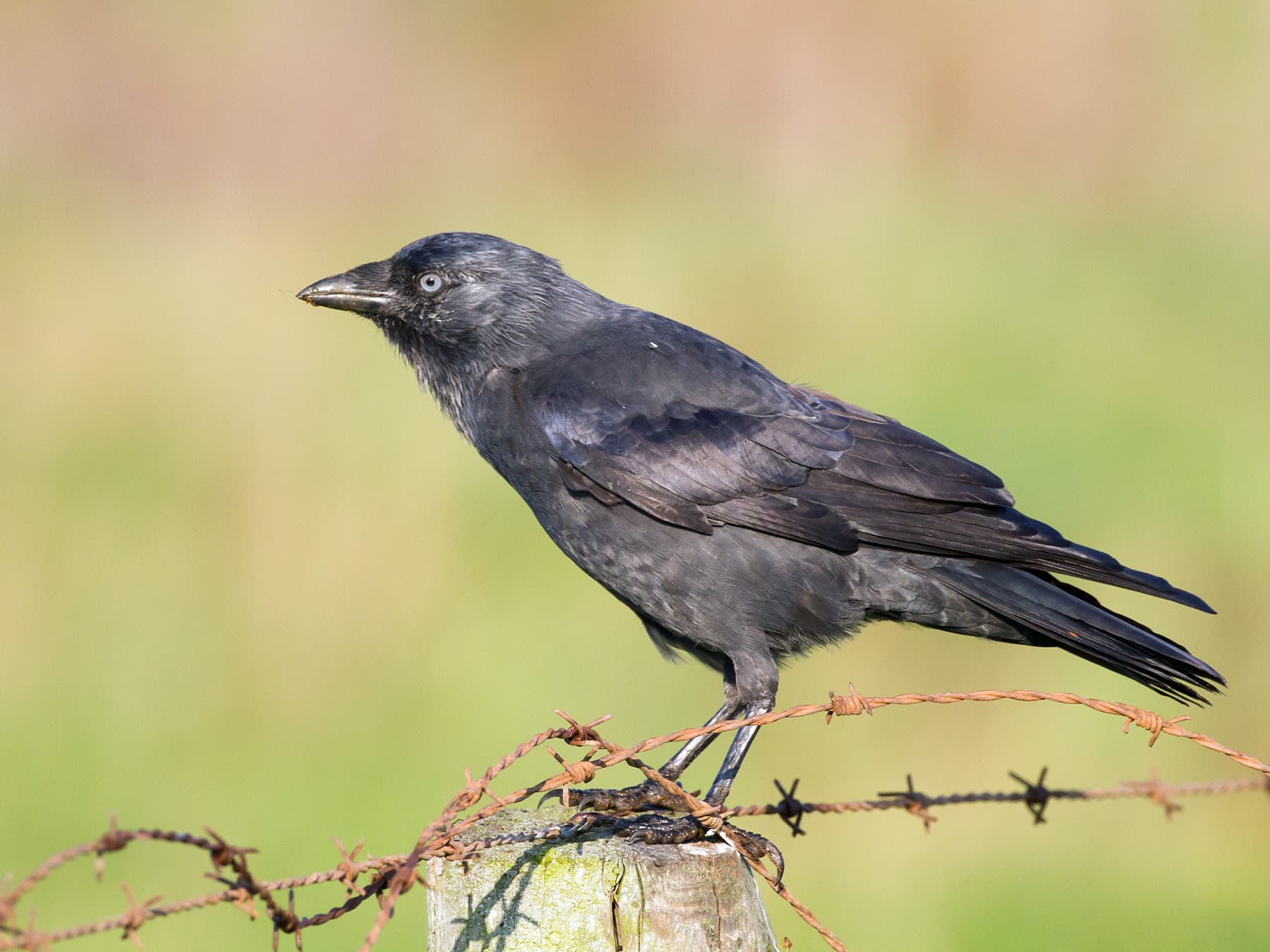
Jackdaw
Coloeus monedulaLC
A common and sociable resident, nesting in church towers, old buildings and tree cavities across Lancashire's towns and countryside.
Year-round
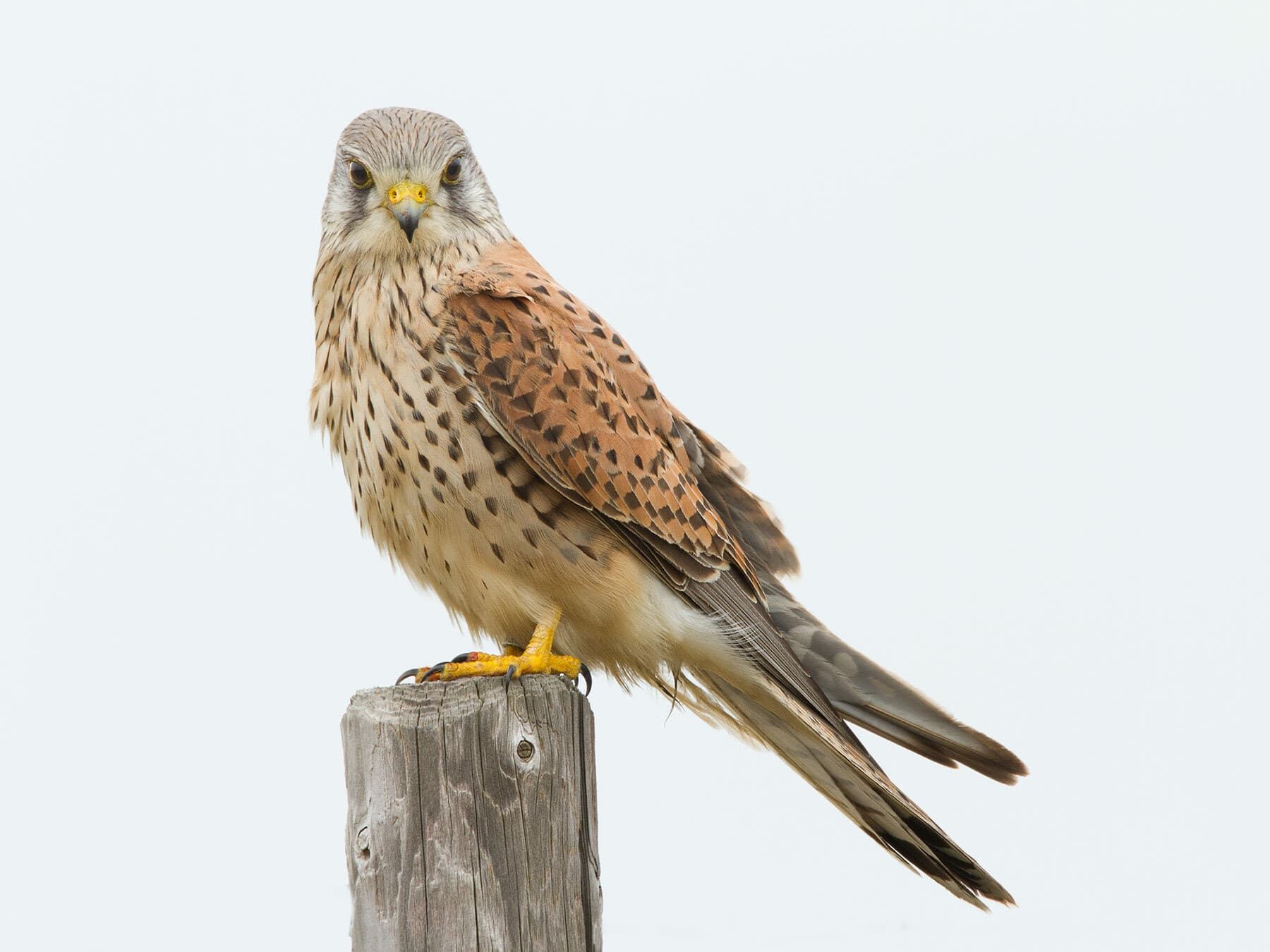
Kestrel
Falco tinnunculusLC
A common resident hovering over roadside verges, farmland, and moorland edges throughout the county year-round.
Year-round
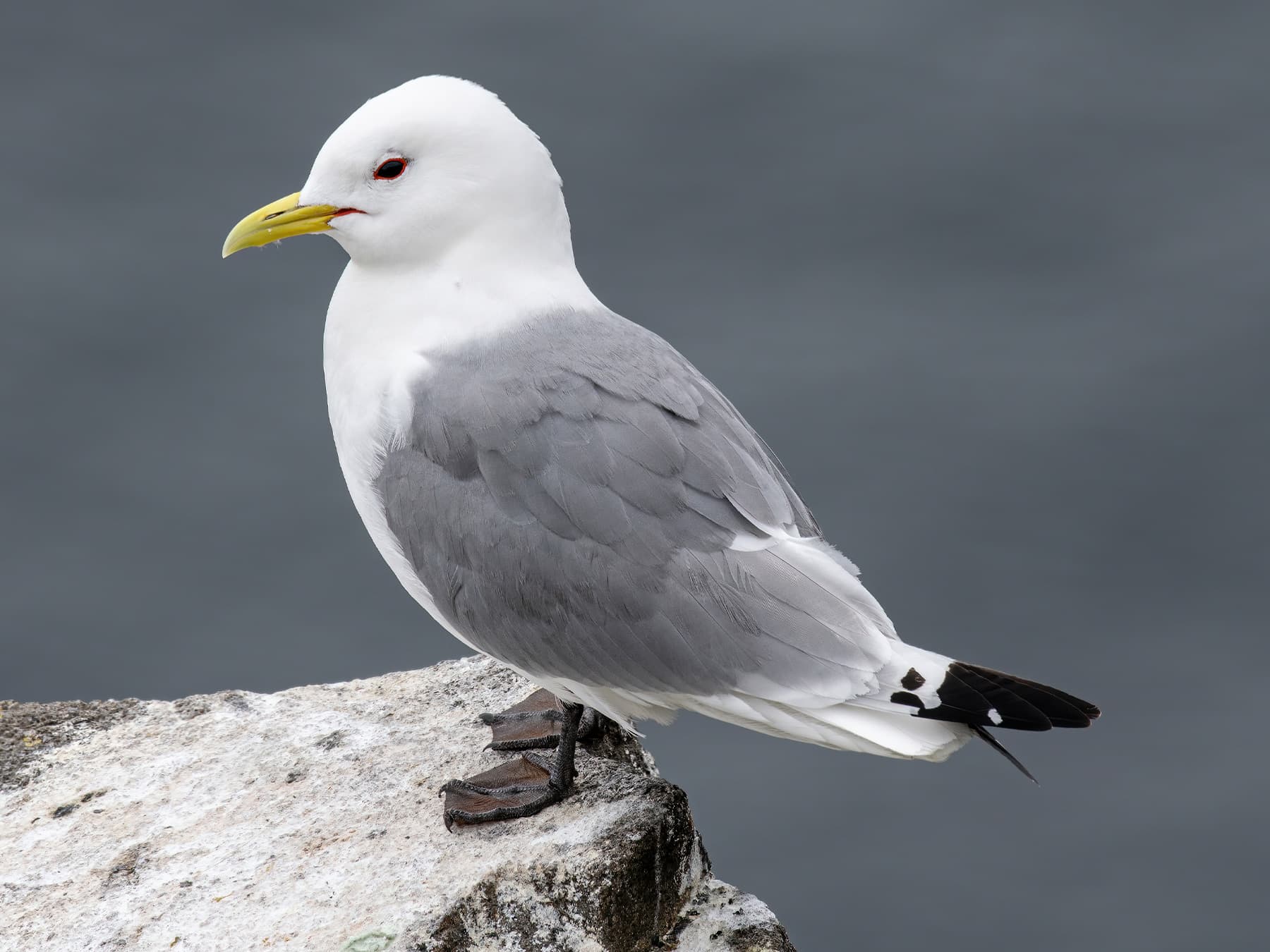
Kittiwake
Rissa tridactylaVU
A rare breeding visitor, seen offshore and at coastal sites from spring to autumn. Numbers are declining sharply across the UK.
Apr–Oct
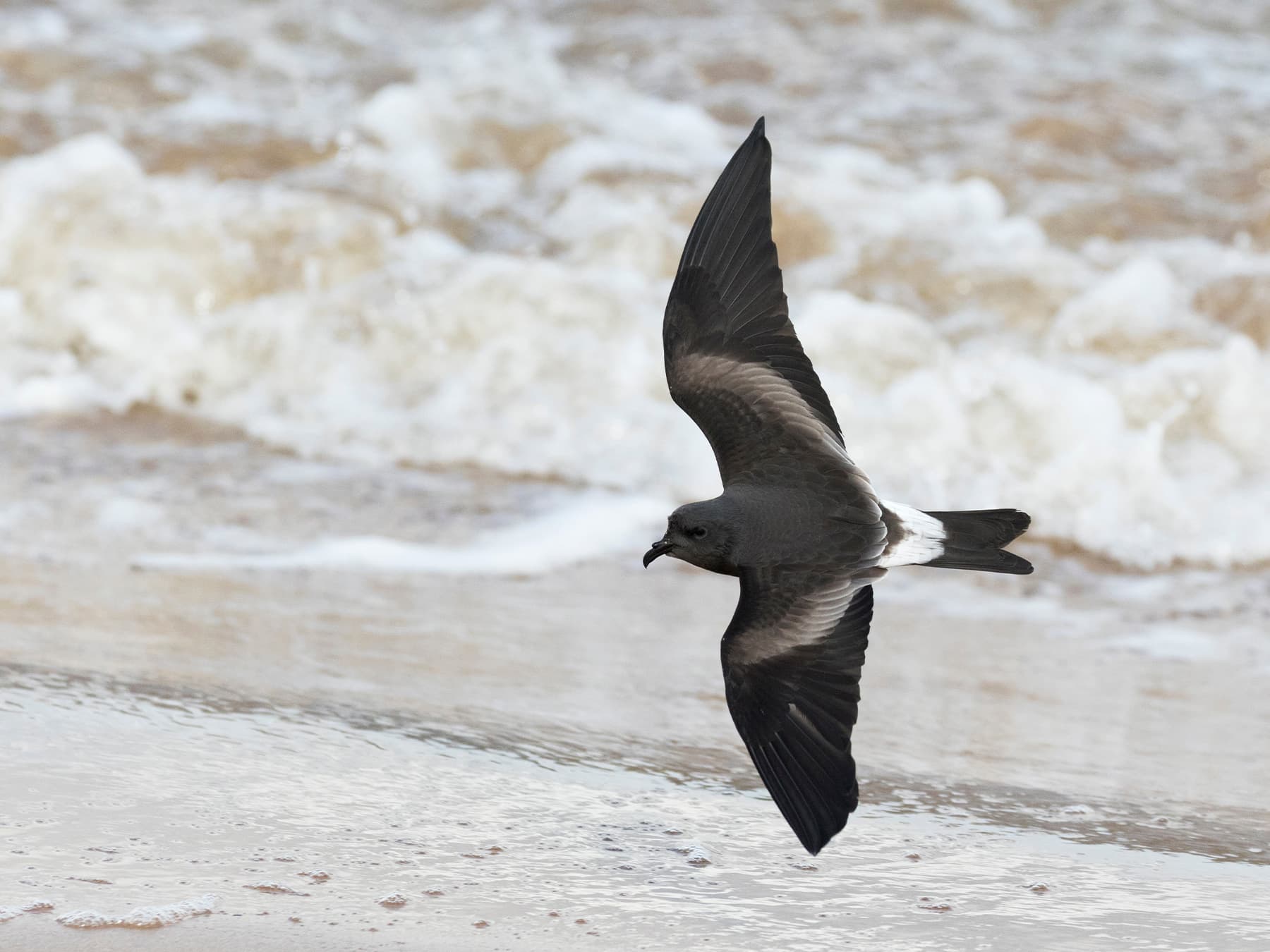
Leach's Storm-petrel
Hydrobates leucorhousVU
A rare September passage visitor, driven close to shore by Atlantic gales. Best looked for during strong westerly seawatches.
Sep
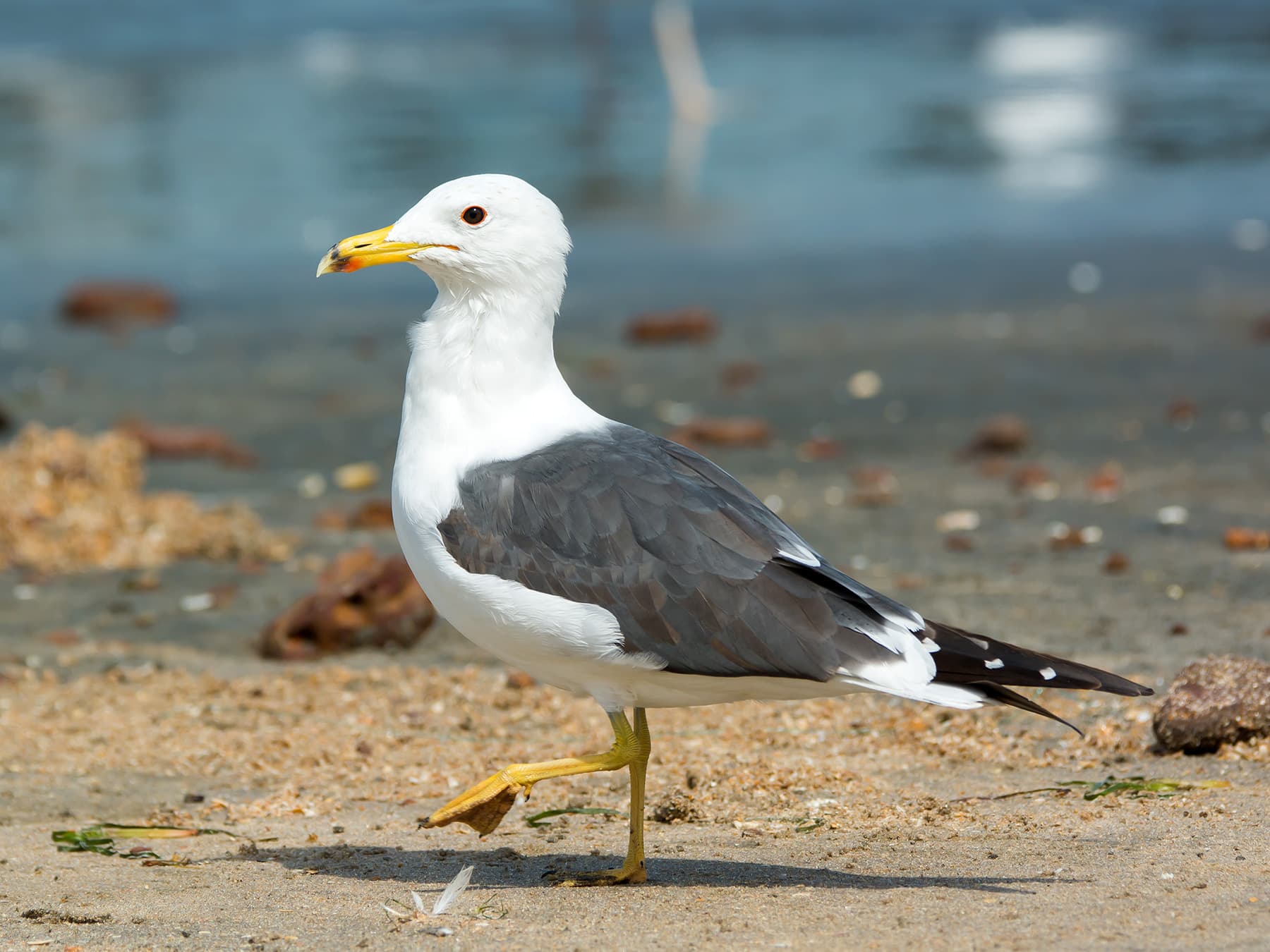
Lesser Black-backed Gull
Larus fuscusLC
A common year-round resident, frequently seen at landfill sites, coastal areas, and urban centres across Lancashire.
Year-round
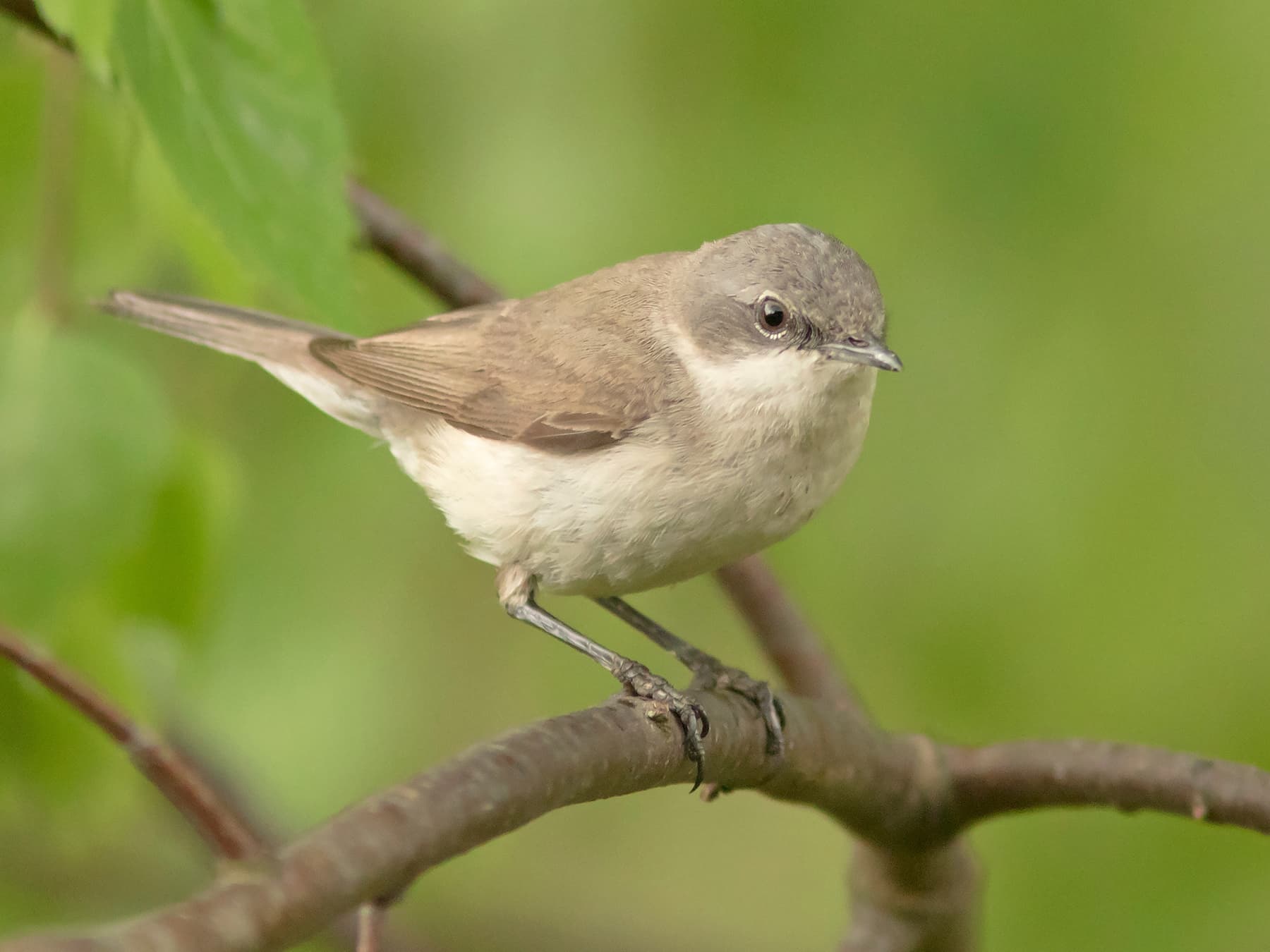
Lesser Whitethroat
Curruca currucaLC
A rare summer breeder arriving in April, favouring tall hedgerows and scrubby woodland edges. Its rattling song is easily overlooked.
Apr–Aug
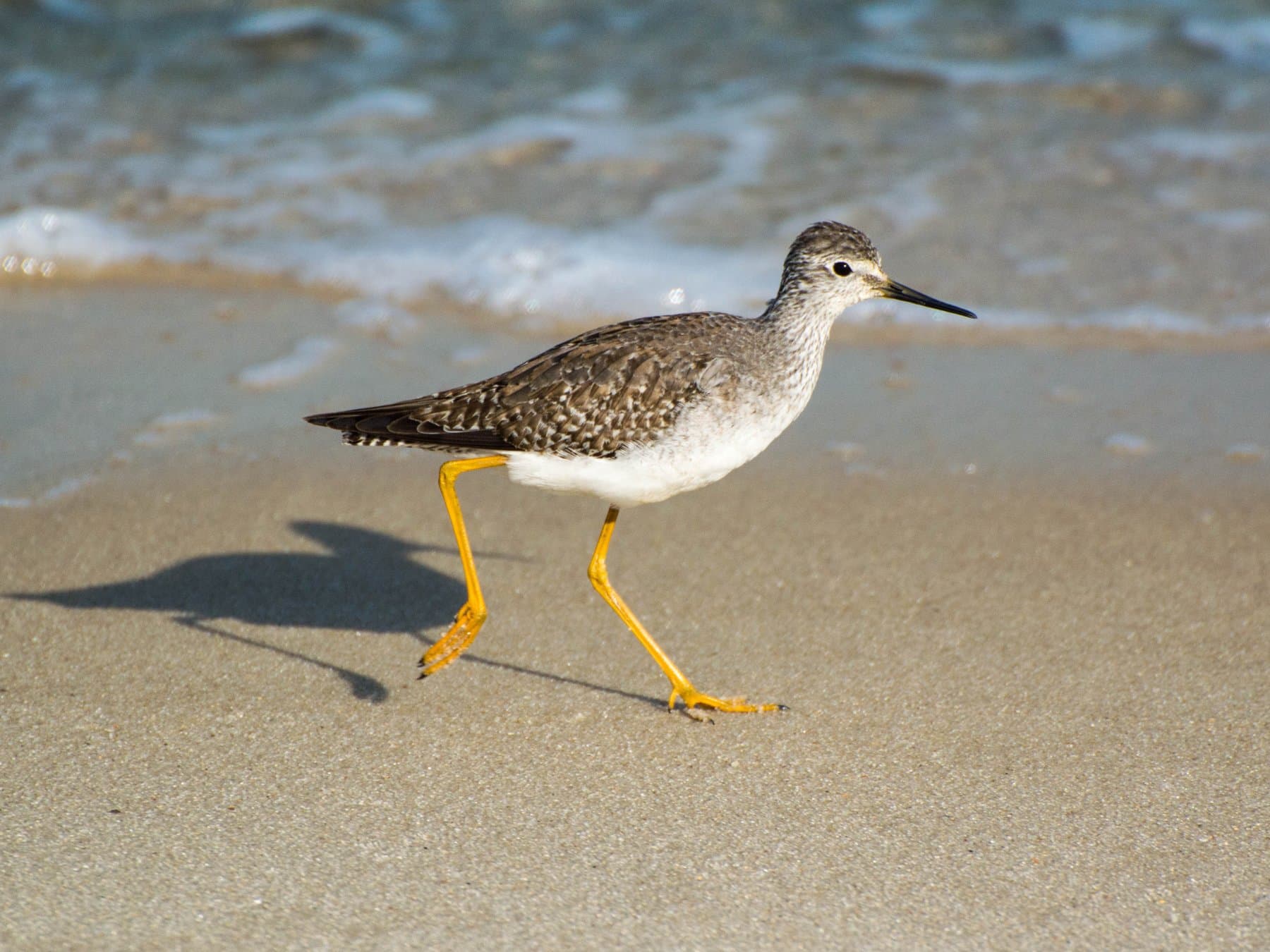
Lesser Yellowlegs
Tringa flavipesVU
A rare Nearctic vagrant, very occasionally recorded on passage at coastal pools and marshes in midsummer.
Jul
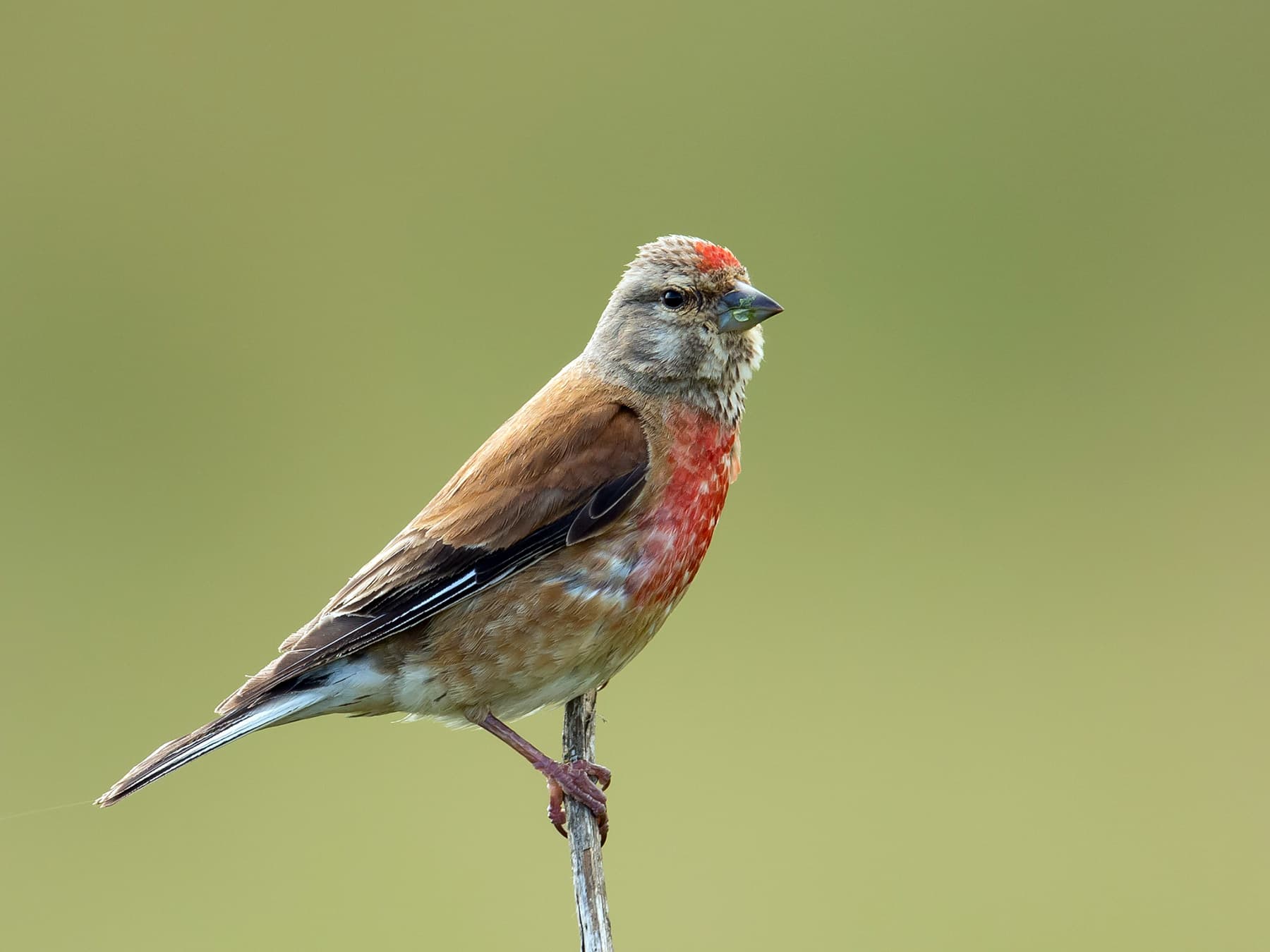
Linnet
Linaria cannabinaLC
An uncommon resident favouring gorse-covered hillsides, farmland hedgerows and coastal scrub. Numbers have declined significantly in recent decades.
Year-round
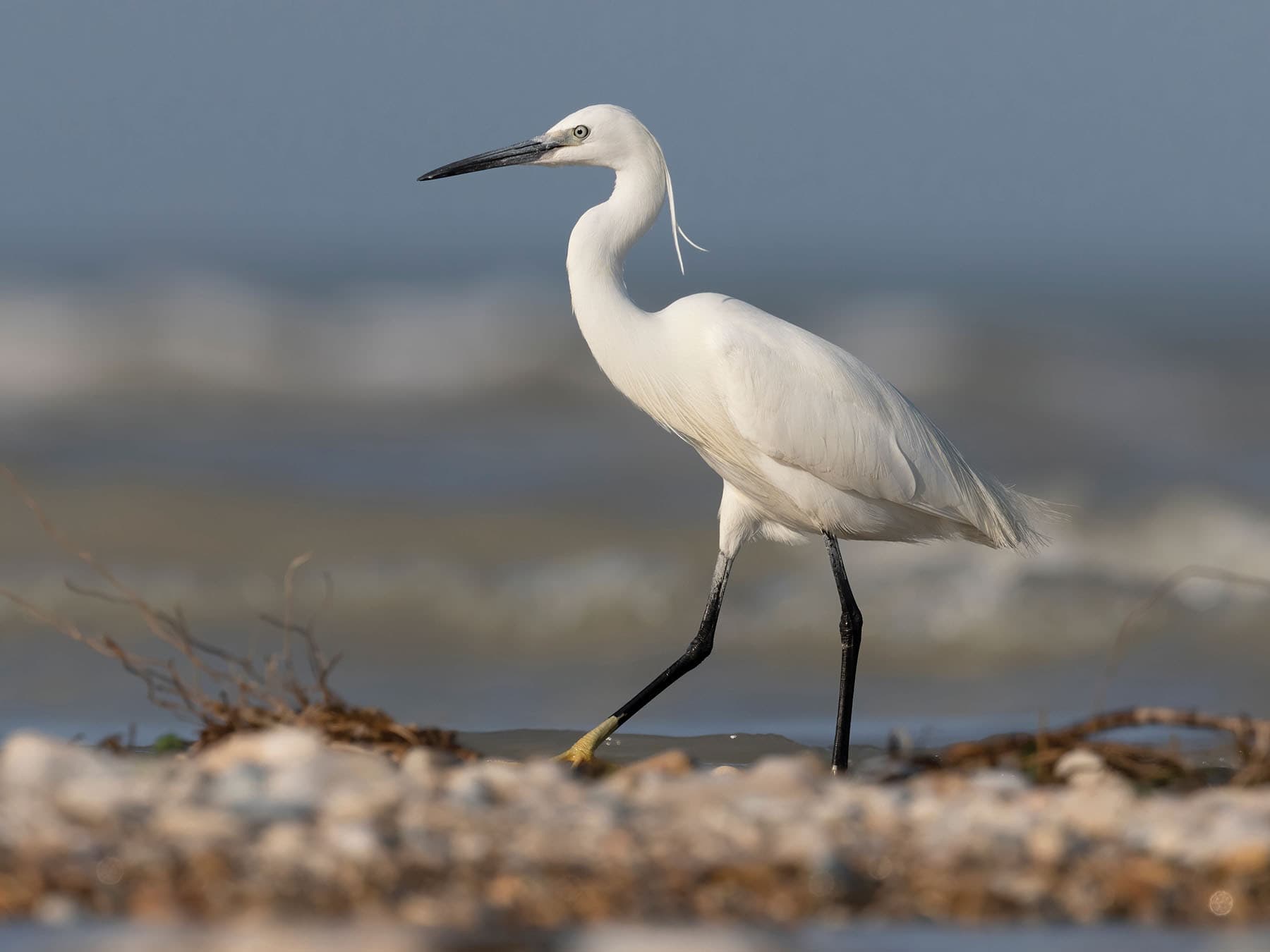
Little Egret
Egretta garzettaLC
A common resident found year-round along estuaries, marshes and waterways. Numbers have surged since colonising Lancashire in the early 2000s.
Year-round