Birds in Lancashire
Explore 200 species found in this region.
Lancashire boasts a rich and diverse birdlife, with 195 recorded species found across its varied landscapes of coastal estuaries, moorland uplands, and fertile lowland farmland. The county's extensive coastline along Morecambe Bay and the Ribble Estuary provides vital habitat for wading birds such as Northern Lapwing and Common Sandpiper, while its inland waters attract species including Common Merganser, Northern Pintail, and the striking Mandarin Duck. From the high-altitude Dotterel on the Bowland Fells to the familiar Great Tit and Magpie in gardens and hedgerows, Lancashire offers outstanding birdwatching opportunities throughout the year.
Visiting in August? Look out for Arctic Jaeger and Grey Plover arriving this month, and Corn Bunting and Garden Warbler depart for the season.


Showing 70–92 of 200 species
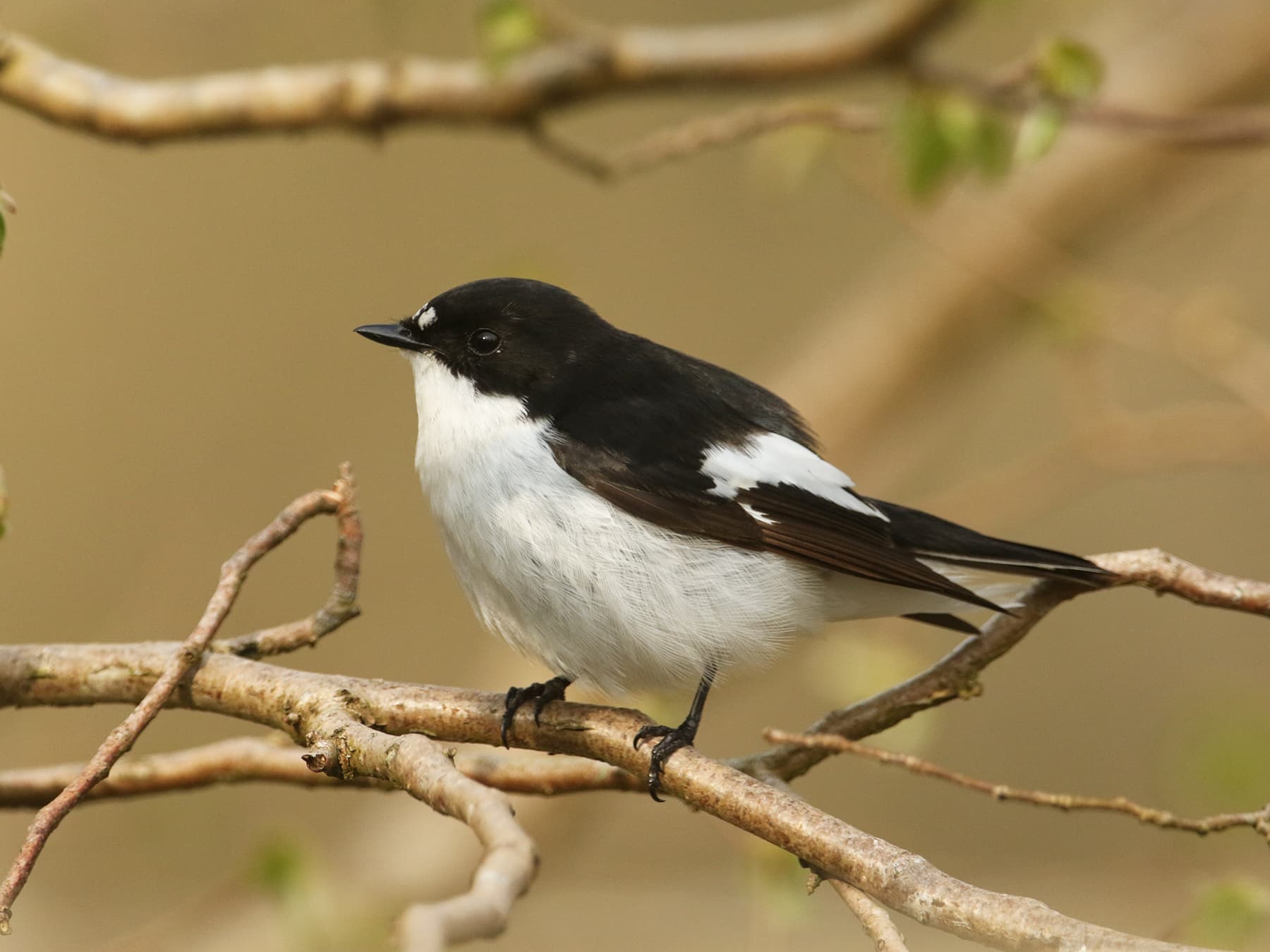
European Pied Flycatcher
Ficedula hypoleucaLC
A rare summer breeder favouring oak woodlands in the eastern hills, arriving in April. Readily takes to nestboxes where provided.
Apr–Jun
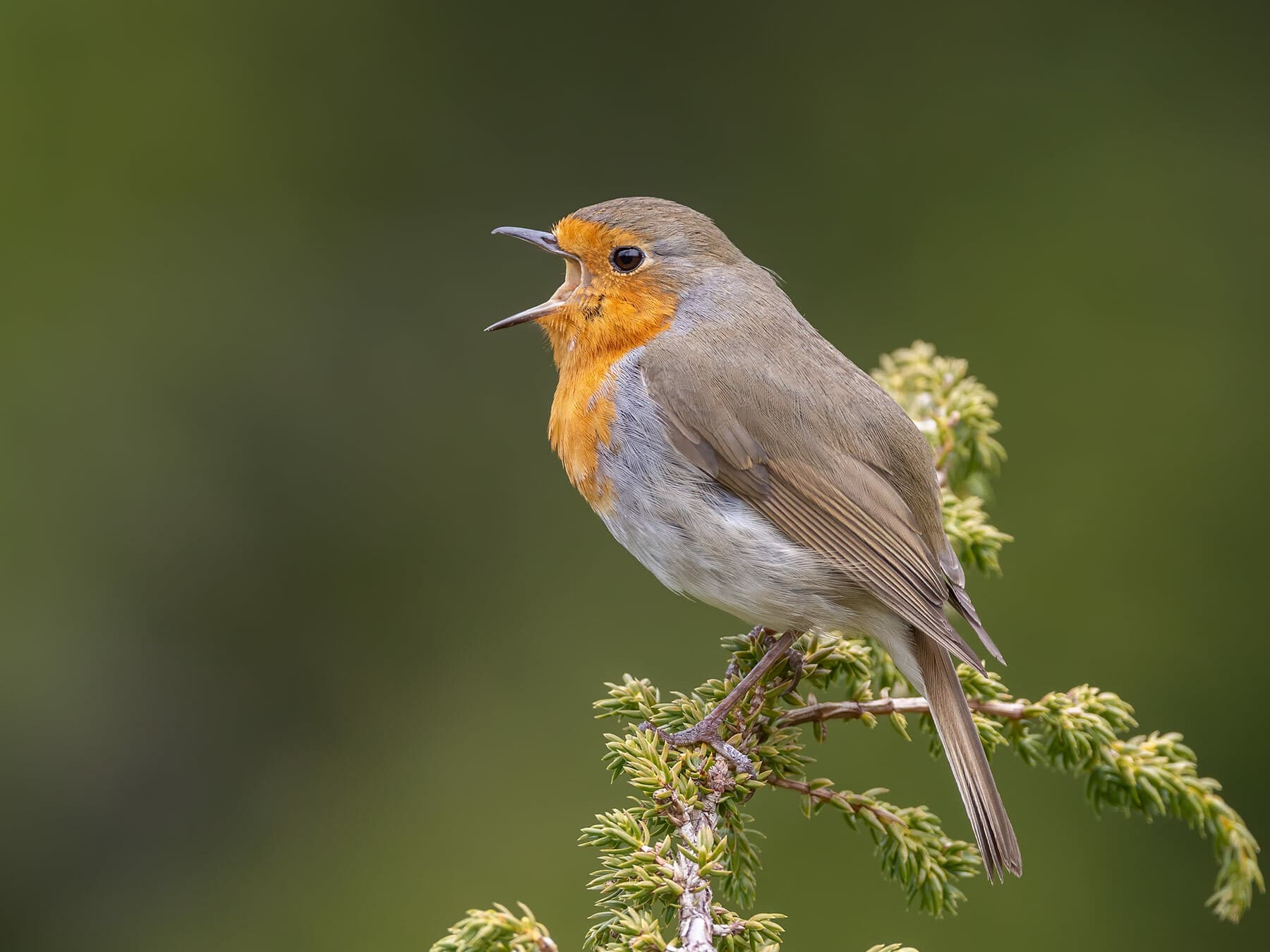
European Robin
Erithacus rubeculaLC
A common and much-loved year-round resident of Lancashire's gardens, woodlands and hedgerows. One of the first birds to sing at dawn.
Year-round
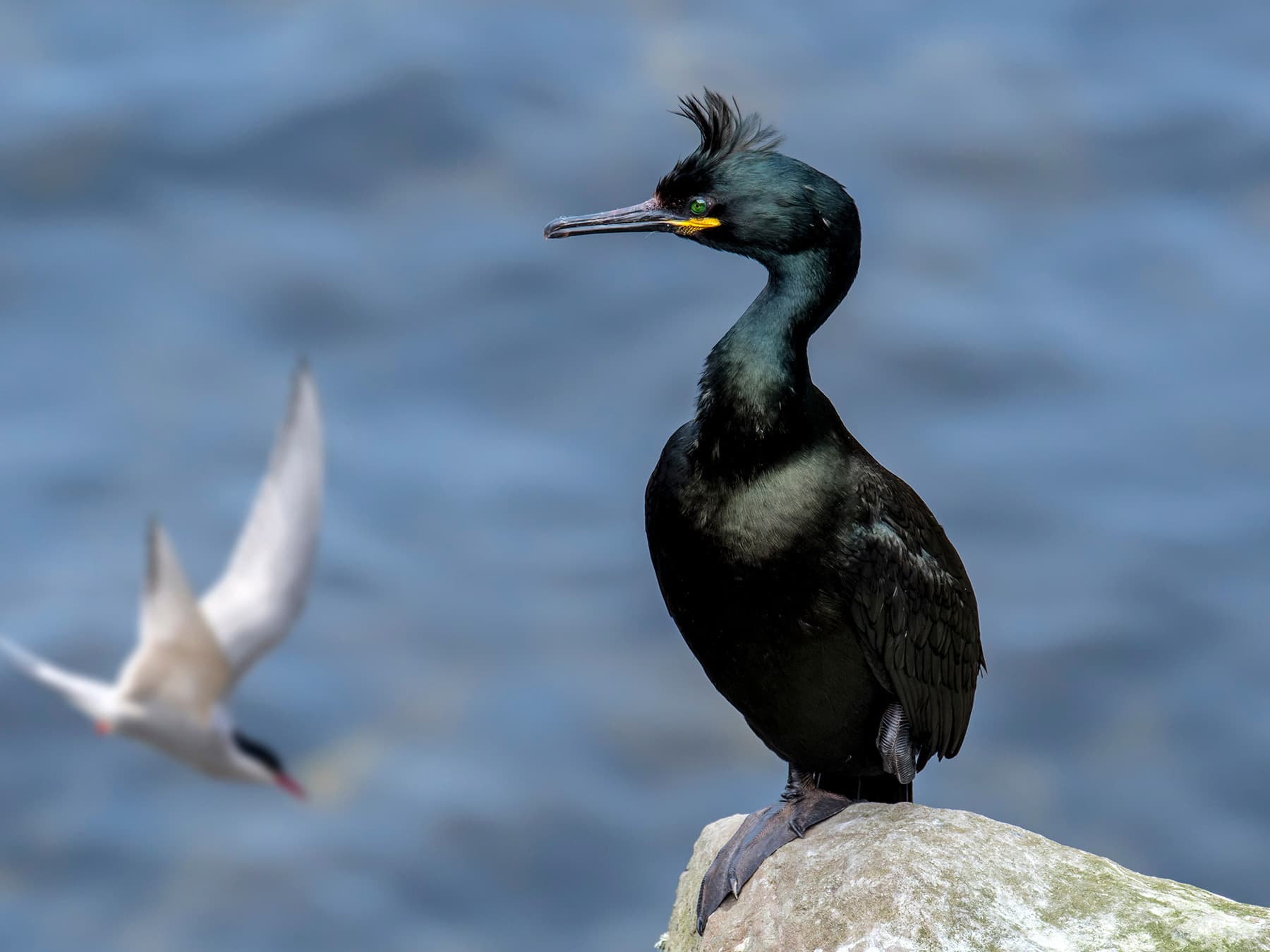
European Shag
Phalacrocorax aristotelisLC
A rare passage visitor, occasionally recorded along rocky stretches of coast in January. Scarcer here than the Cormorant.
Jan
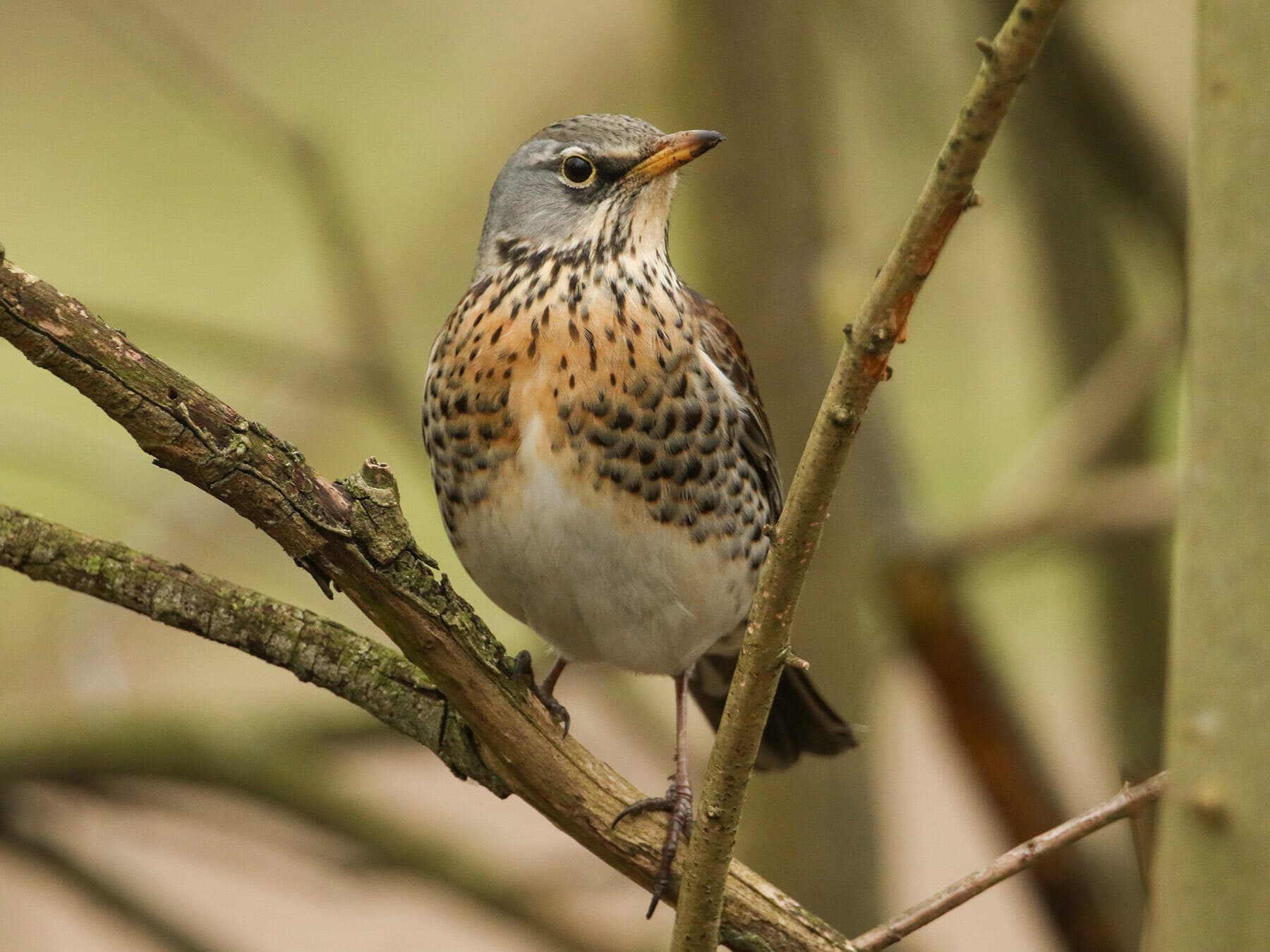
Fieldfare
Turdus pilarisLC
An uncommon winter visitor arriving in flocks from October, feeding on berries and in open fields across Lancashire's farmland.
Oct–Apr
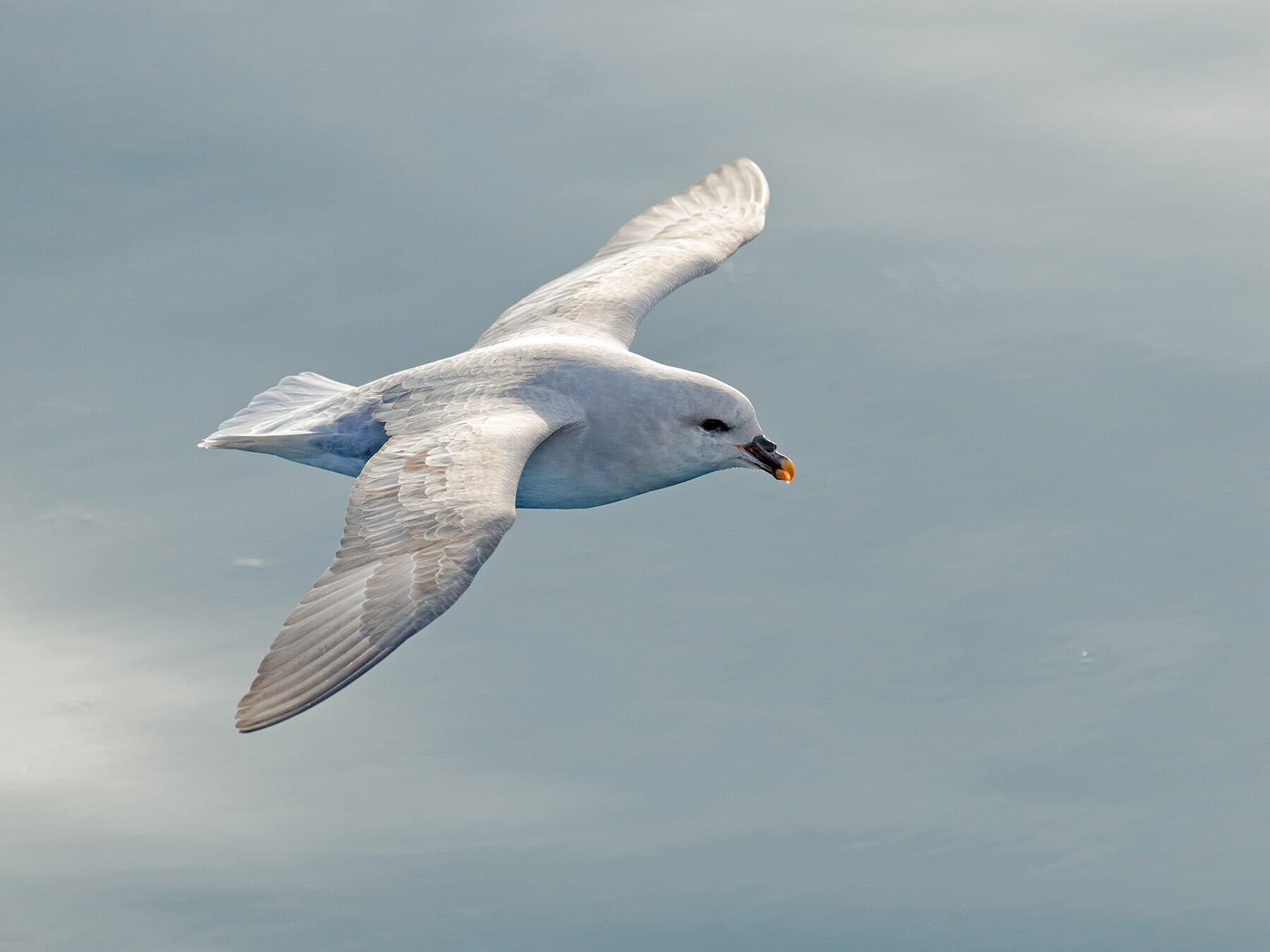
Fulmar
Fulmarus glacialisLC
A rare passage visitor in September, sometimes driven close to shore by autumn storms along the Lancashire coast.
Sep
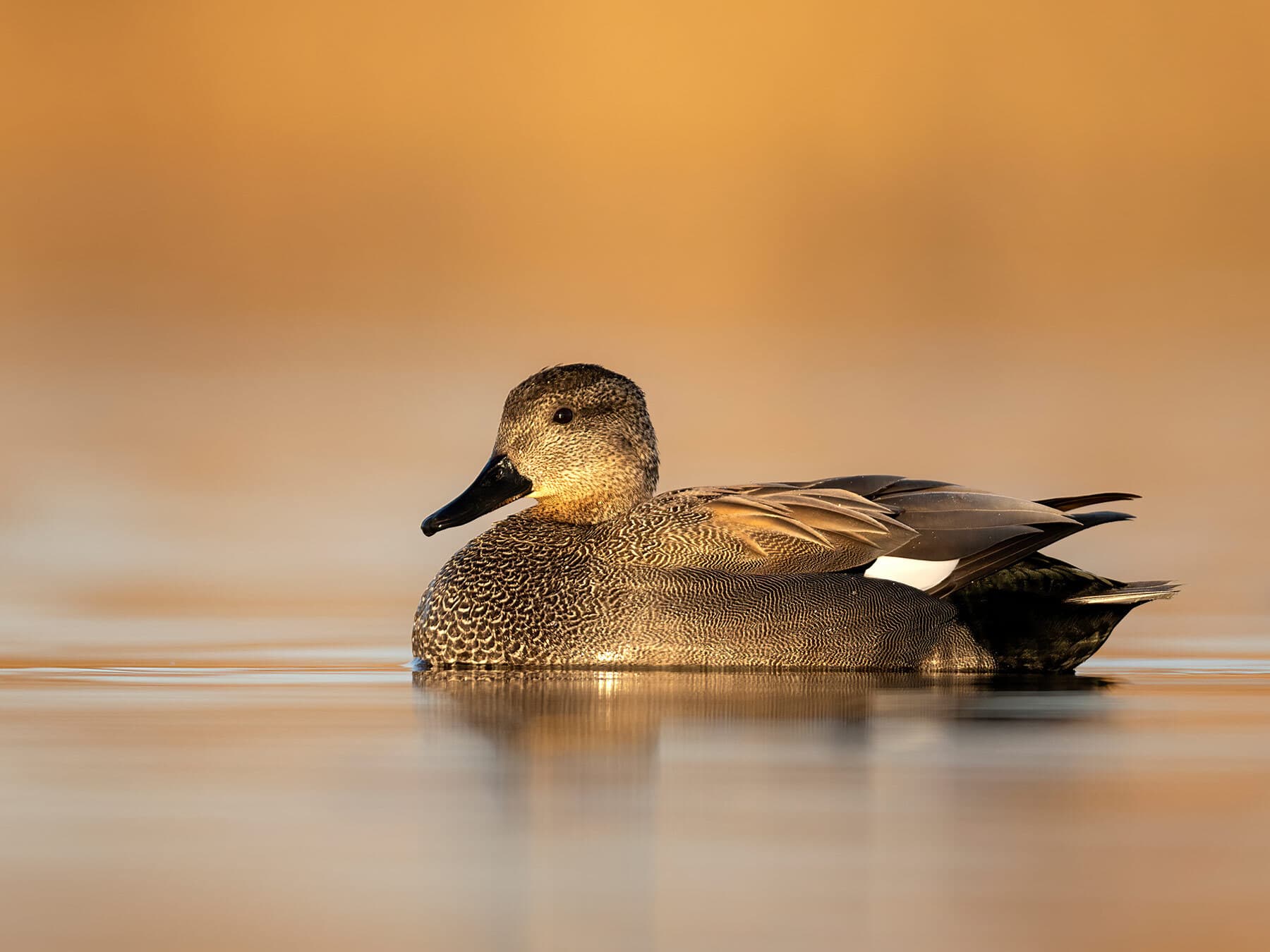
Gadwall
Mareca streperaLC
A common resident on freshwater lakes and reservoirs, often seen at sites like Brockholes and Martin Mere year-round.
Year-round
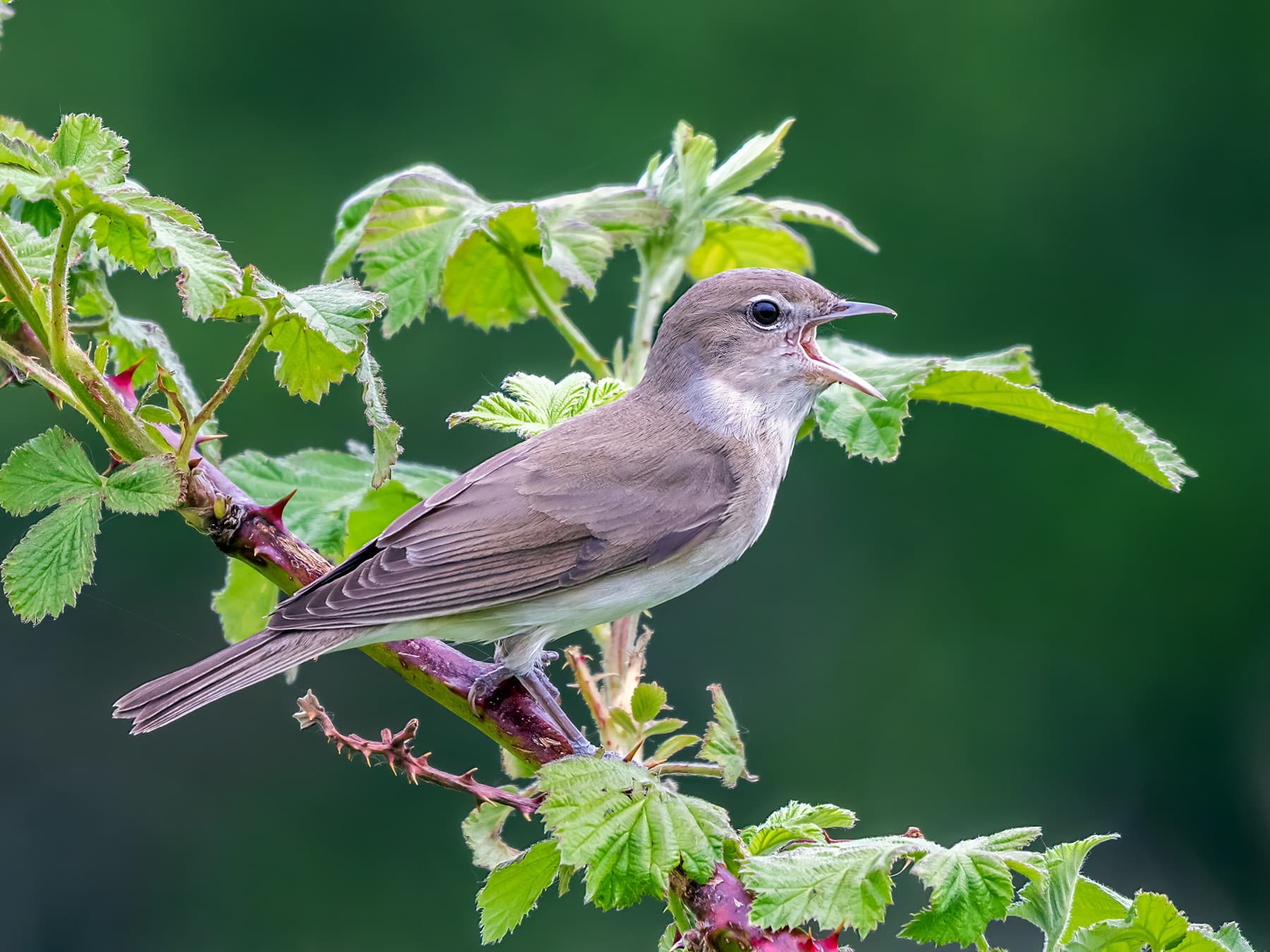
Garden Warbler
Sylvia borinLC
A rare and declining summer breeder found in dense woodland understorey from May to July. Skulking and more often heard than seen.
May–Jul
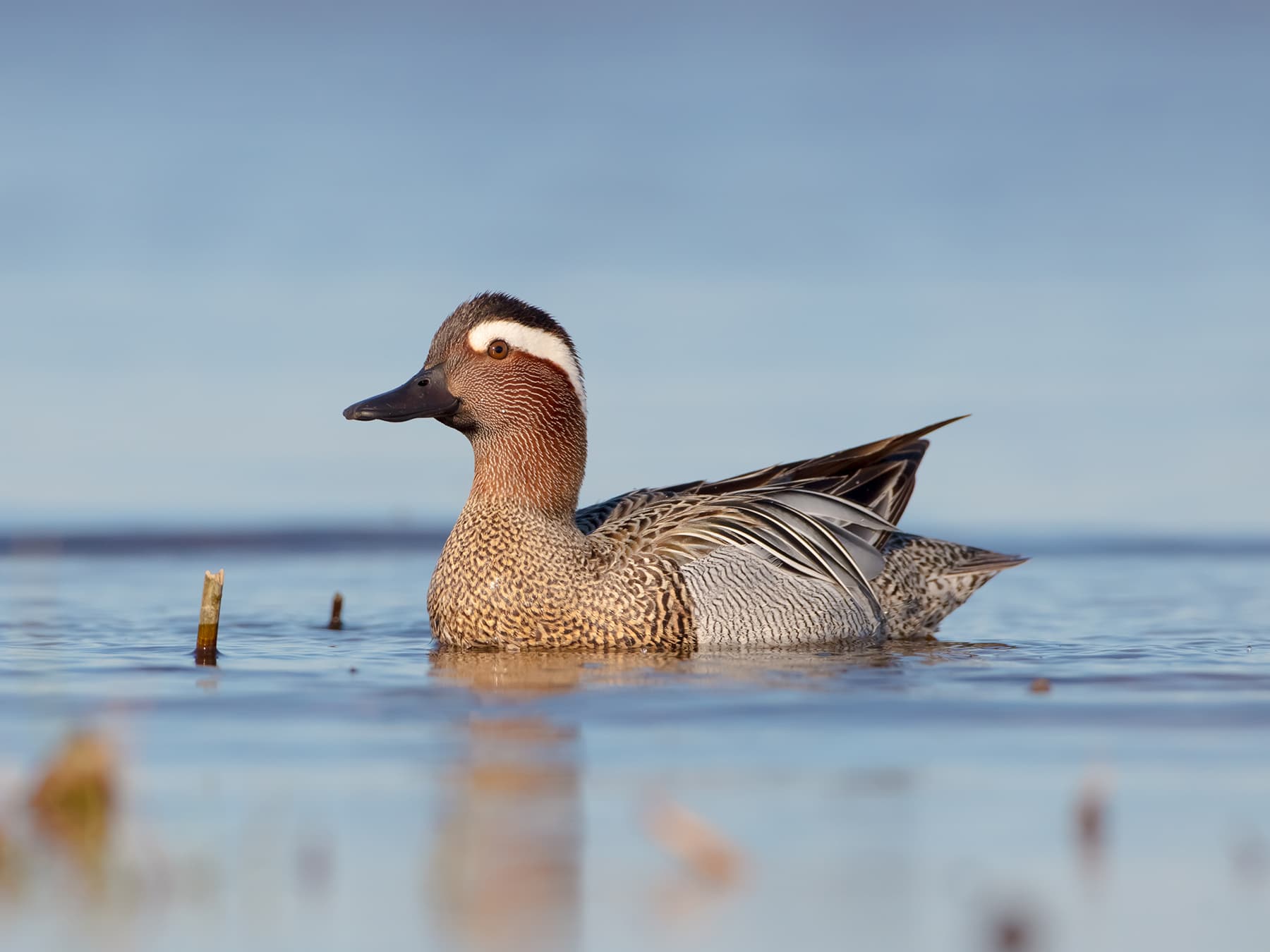
Garganey
Spatula querquedulaLC
A rare summer visitor breeding on Lancashire's shallow wetlands from March to September. One of the UK's scarcest breeding ducks.
Mar–Sep
Spotted something?
Upload a photo to identify it
Identify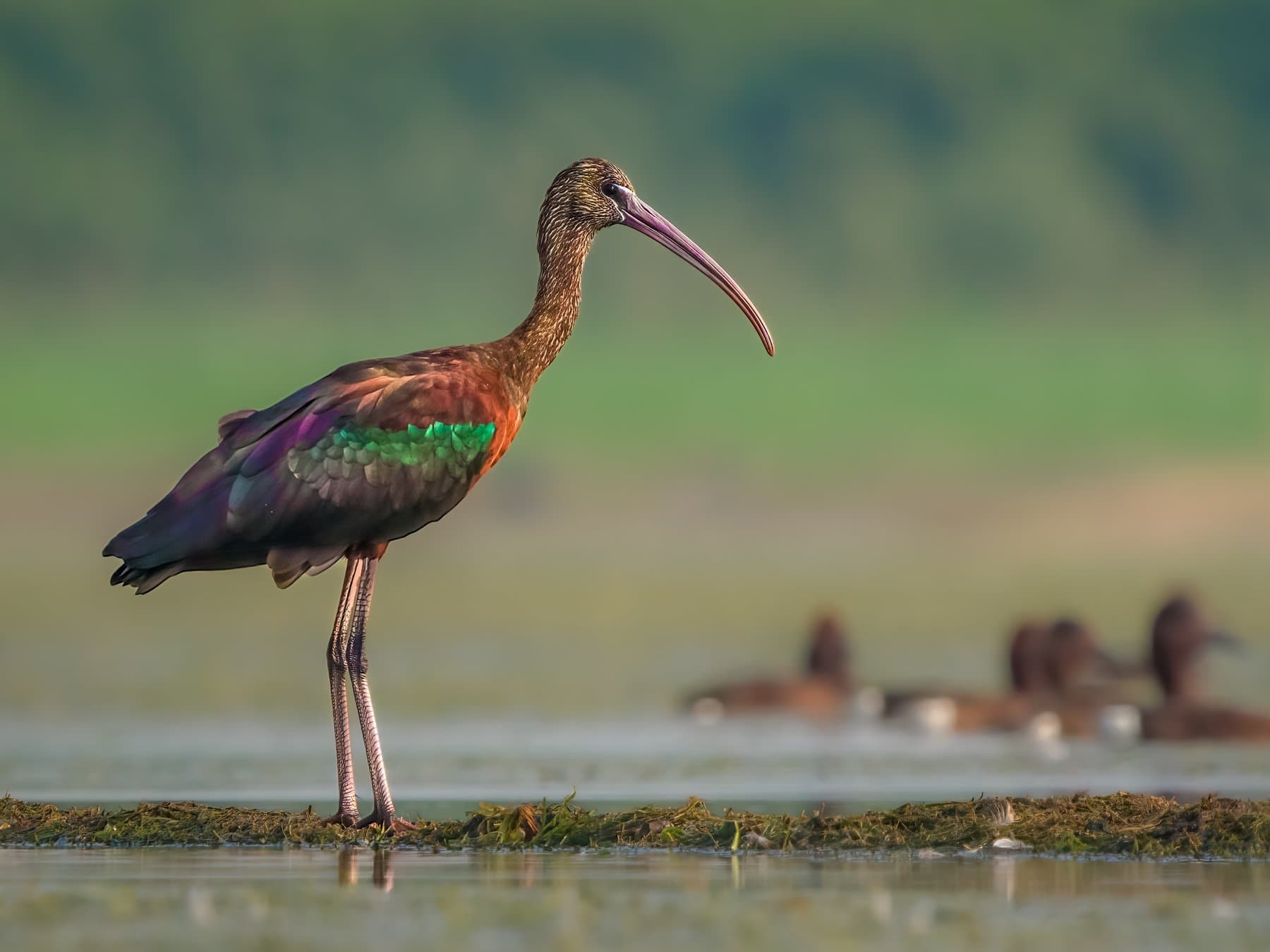
Glossy Ibis
Plegadis falcinellusLC
A rare non-breeding visitor, increasingly recorded at marshes and wetlands in autumn and winter as the species expands its range.
Sep–Feb
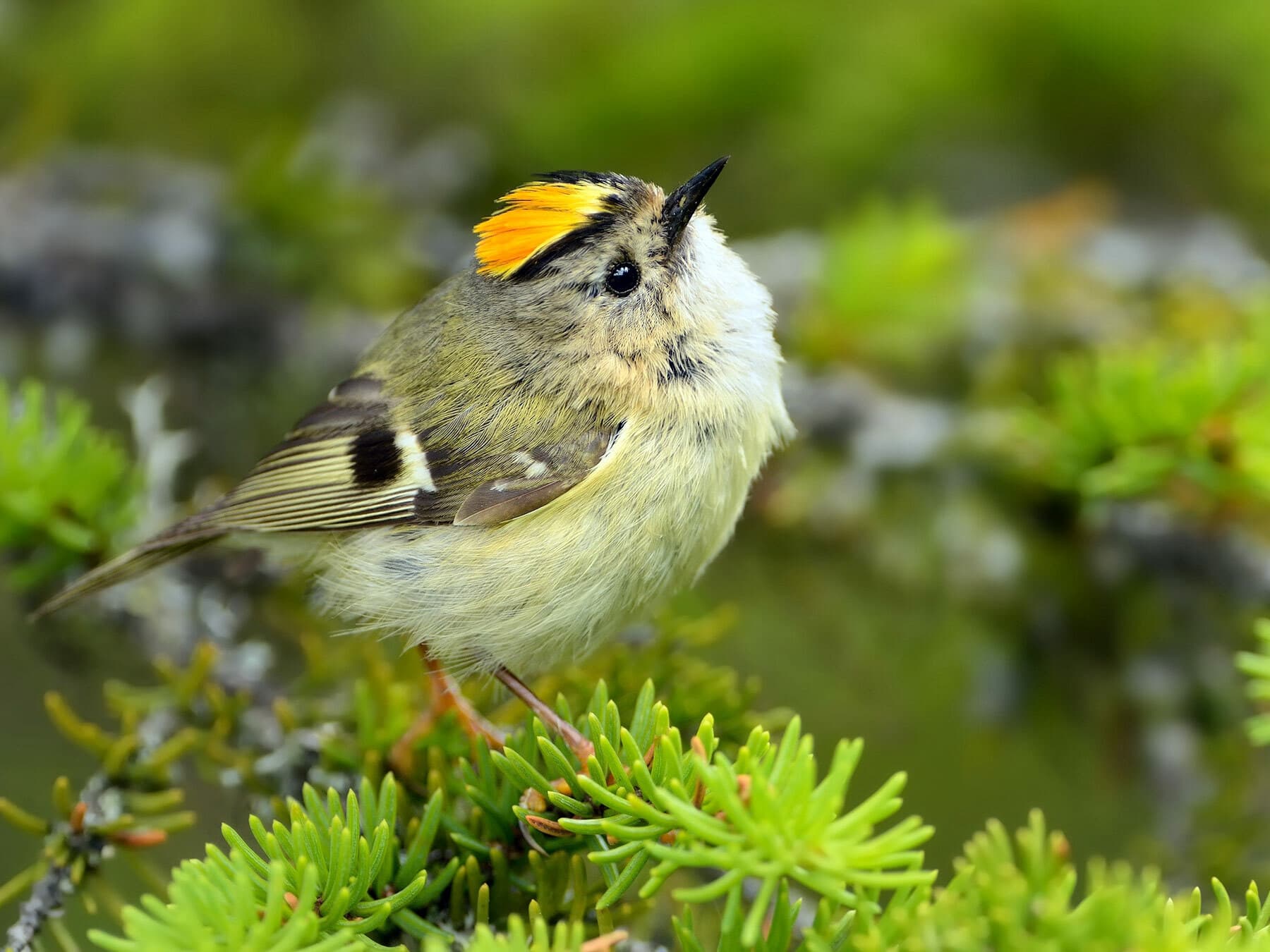
Goldcrest
Regulus regulusLC
A common resident of coniferous and mixed woodland year-round. Britain's smallest bird, often heard giving its thin, high-pitched call in treetops.
Year-round
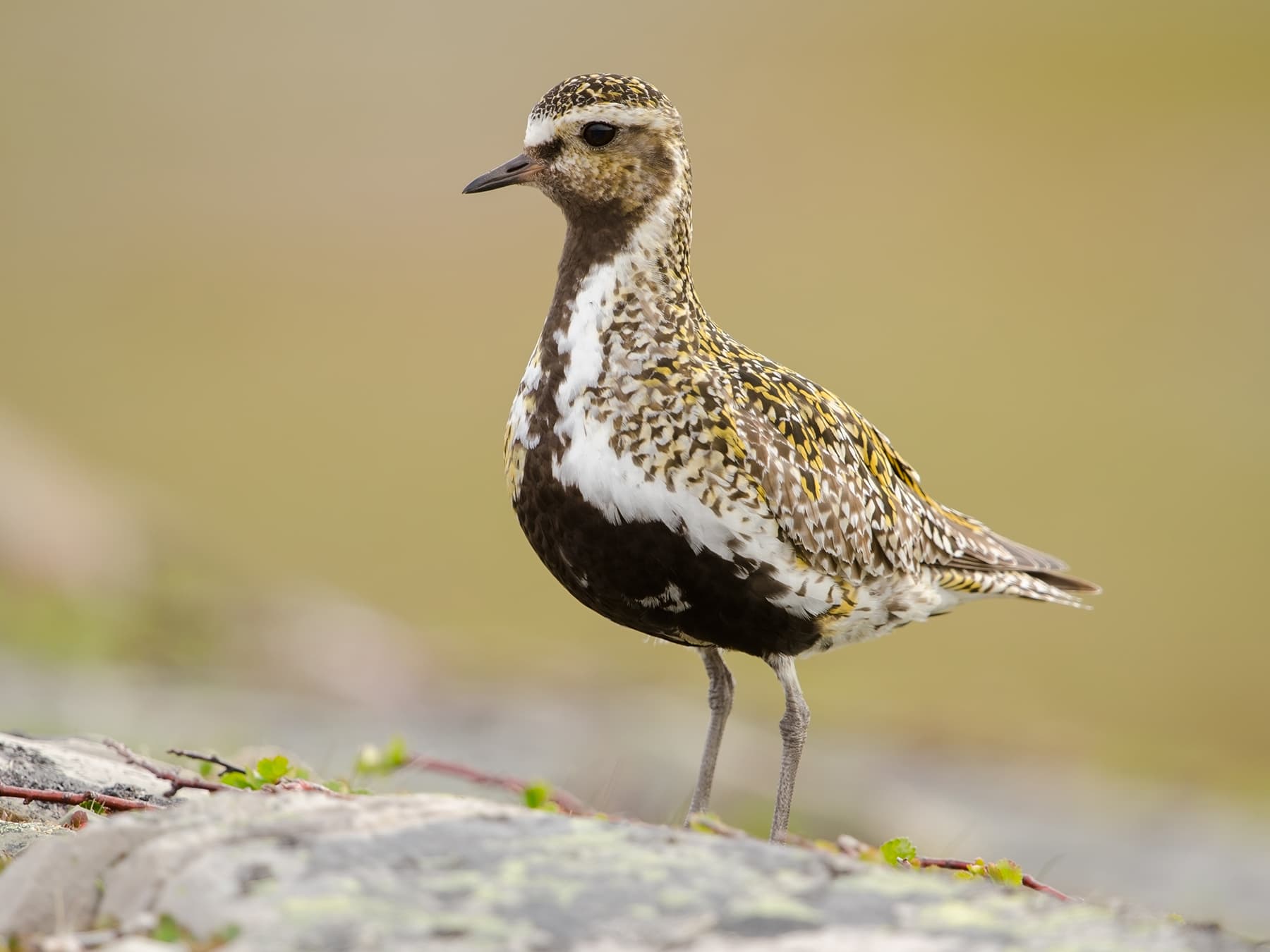
Golden Plover
Pluvialis apricariaLC
An uncommon resident breeding on Bowland's moorland tops. Large winter flocks gather on coastal fields and the Ribble marshes.
Jul–May
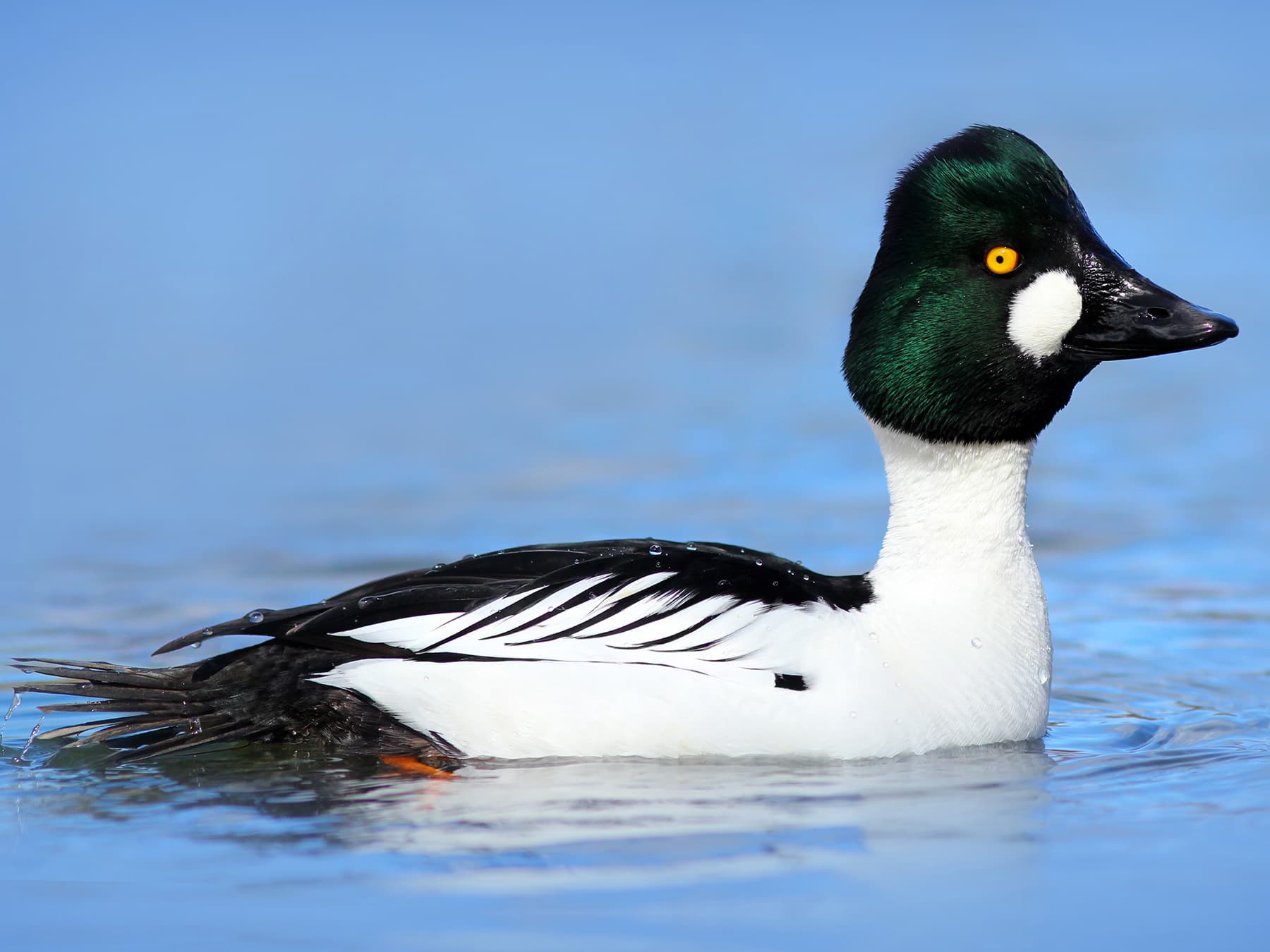
Goldeneye
Bucephala clangulaLC
An uncommon winter visitor to Lancashire's reservoirs and lakes from October to April, the males showing a distinctive white face patch.
Oct–Apr
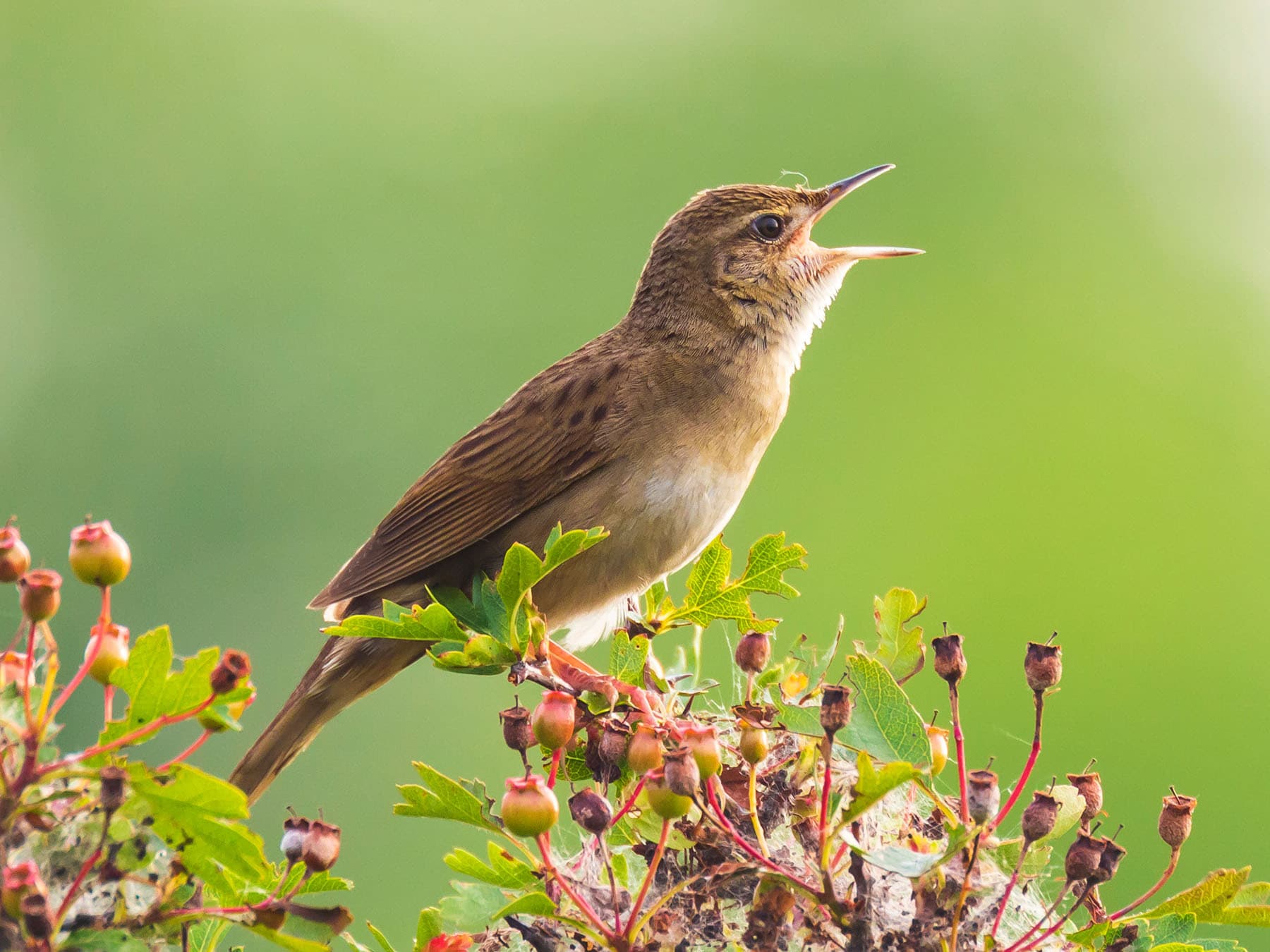
Grasshopper Warbler
Locustella naeviaLC
A rare and secretive breeding visitor from April to July. Its insect-like reeling song is best heard at dusk on rough grassland and young plantations.
Apr–Jul
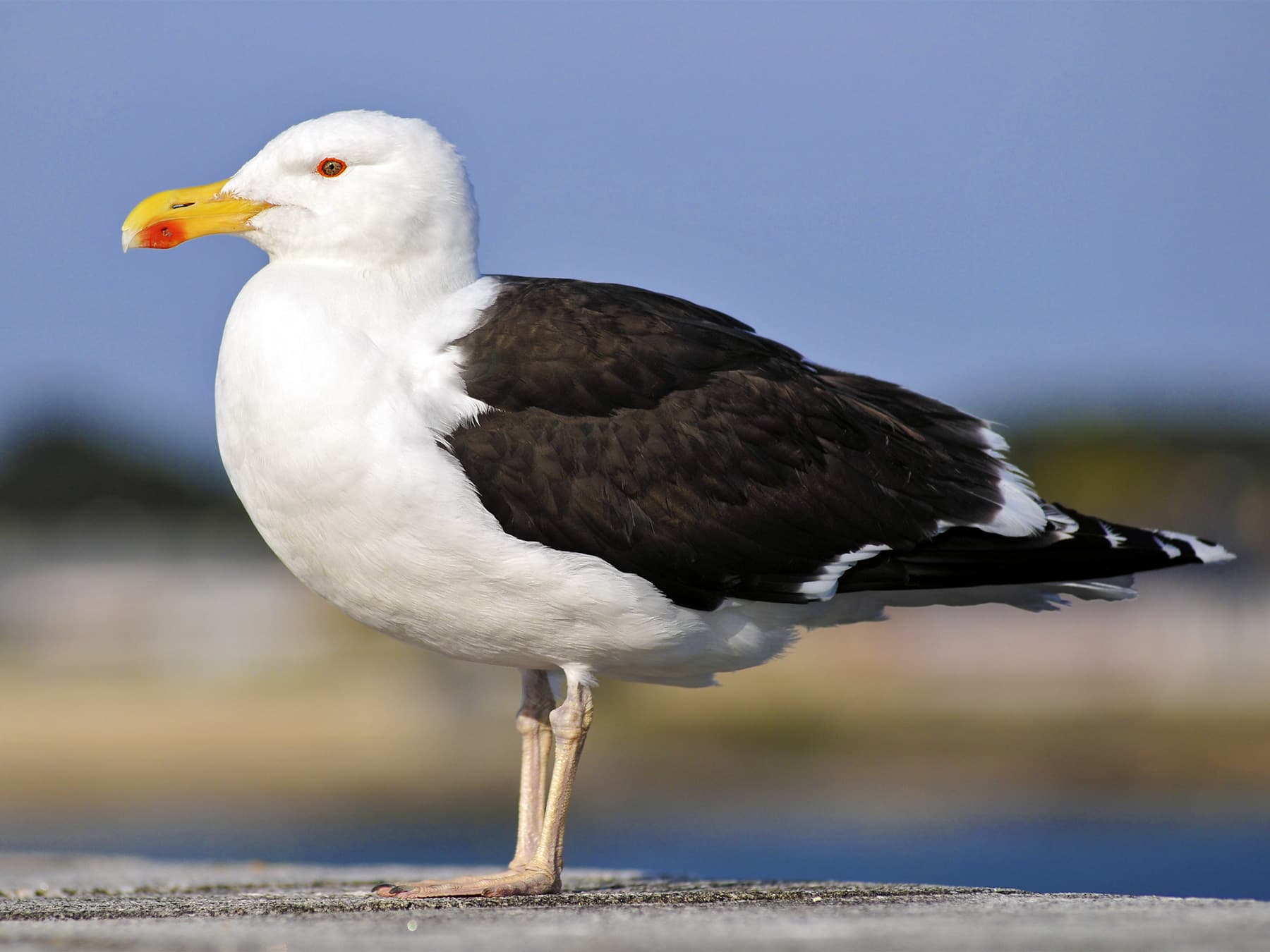
Great Black-backed Gull
Larus marinusLC
Present year-round along the coast and at larger inland water bodies. Numbers increase in winter, often loafing on estuarine mudflats.
Year-round
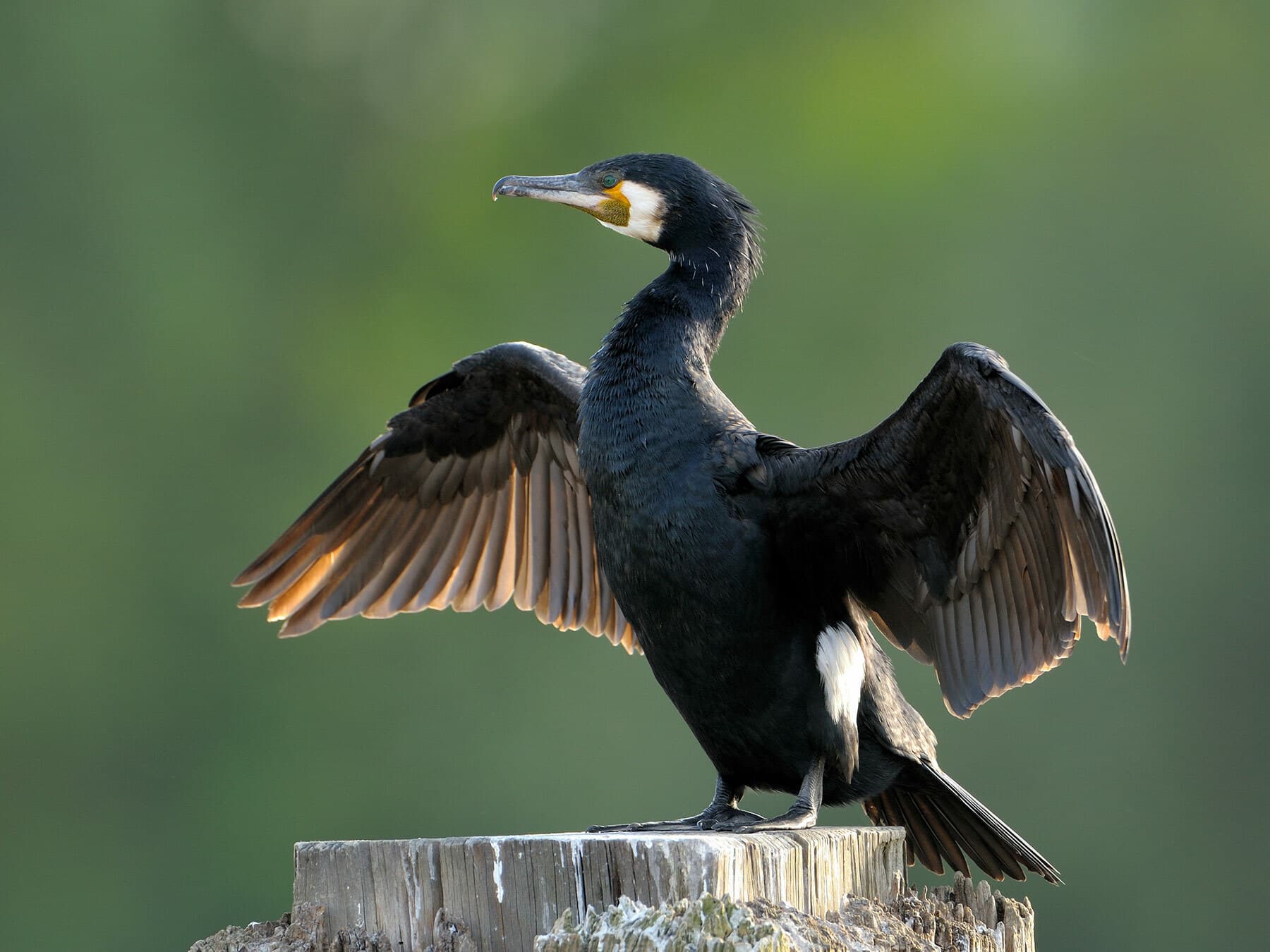
Great Cormorant
Phalacrocorax carboLC
A common year-round resident found along rivers, reservoirs, and the coast. Often seen perched with wings outstretched to dry.
Year-round
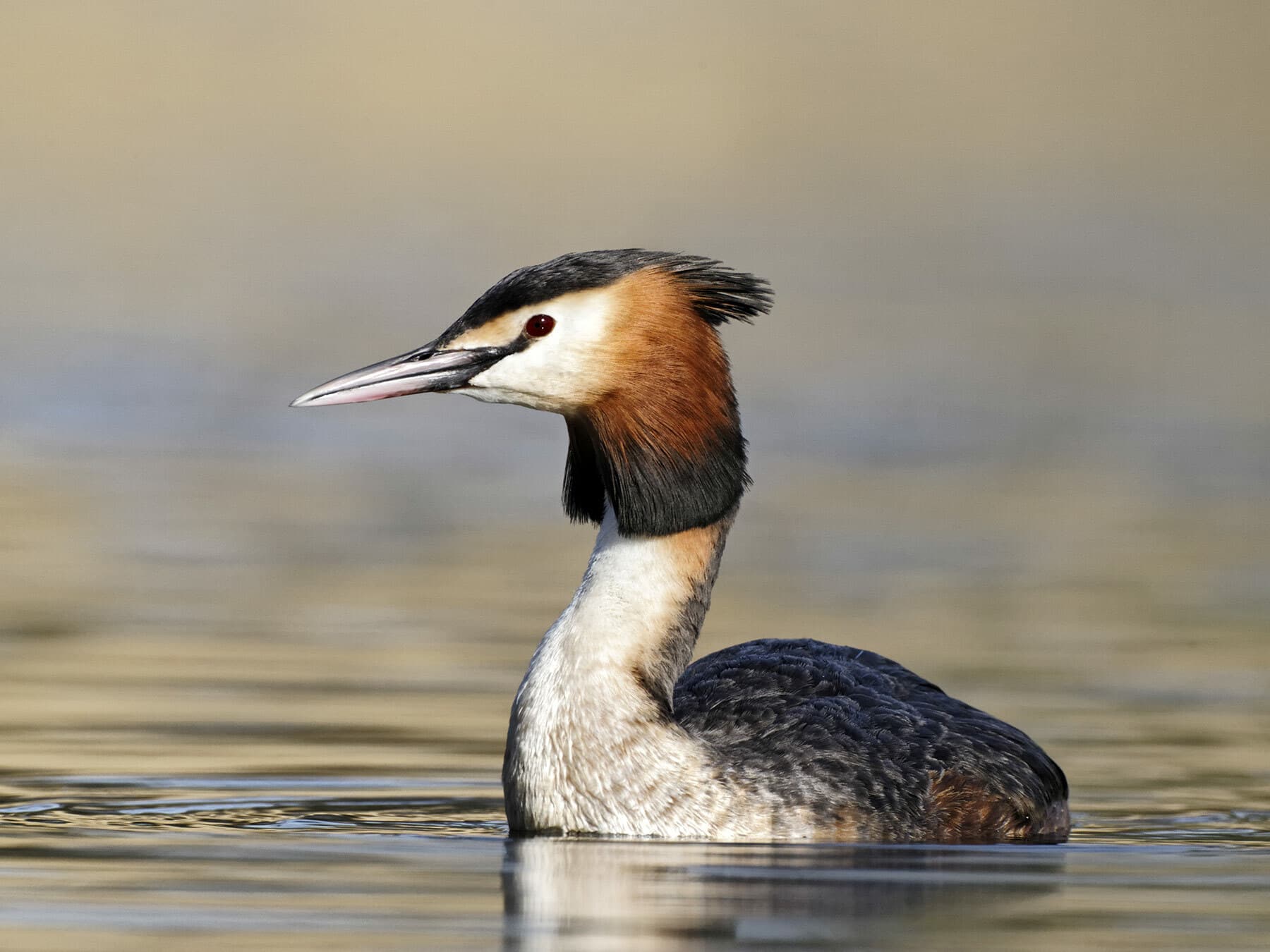
Great Crested Grebe
Podiceps cristatusLC
An elegant year-round resident of larger lakes and reservoirs. Its elaborate courtship display can be seen from early spring.
Year-round
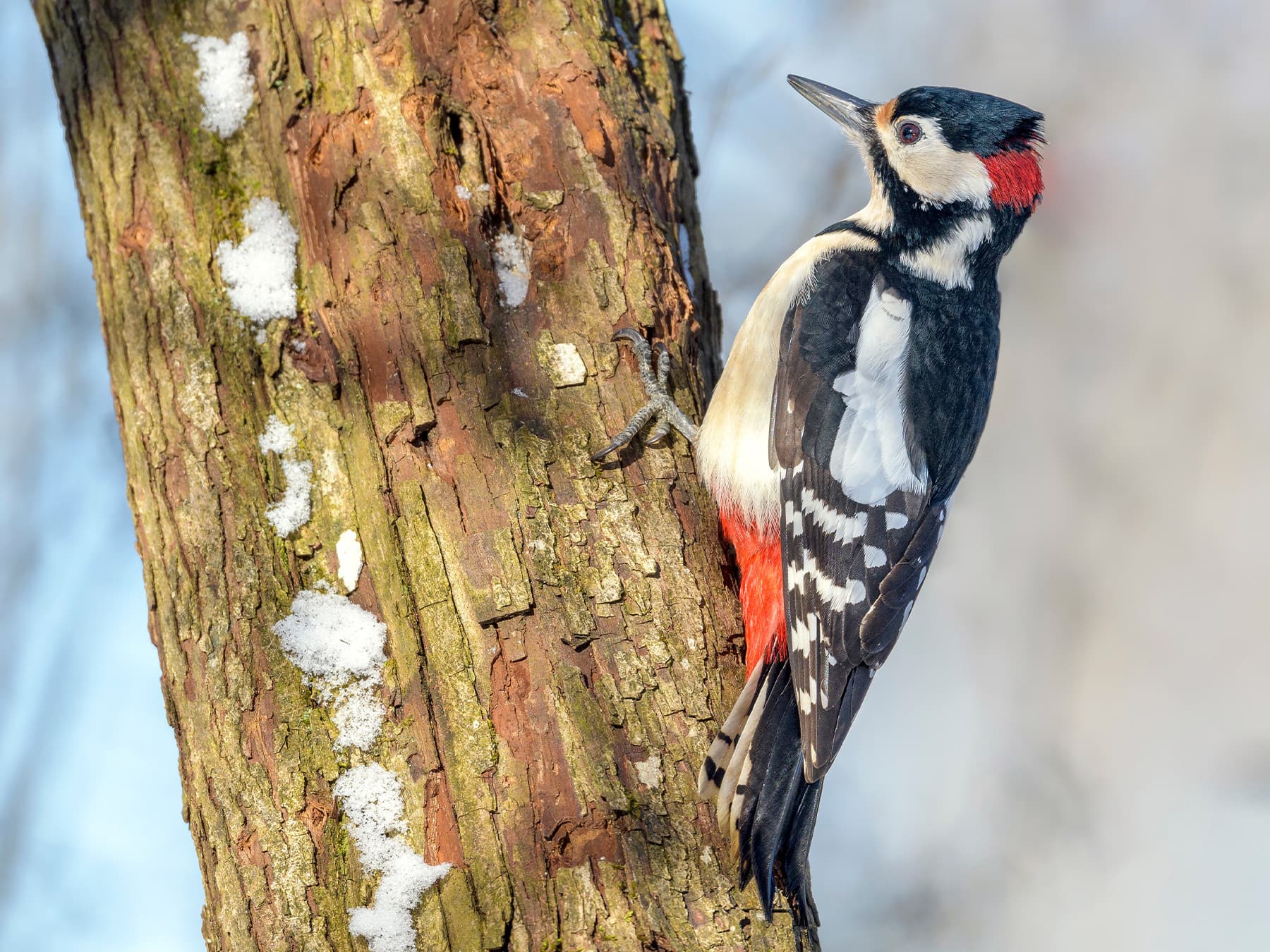
Great Spotted Woodpecker
Dendrocopos majorLC
An uncommon but widespread resident of mature woodland and parks. Its drumming is a familiar spring sound in Lancashire's wooded valleys.
Year-round
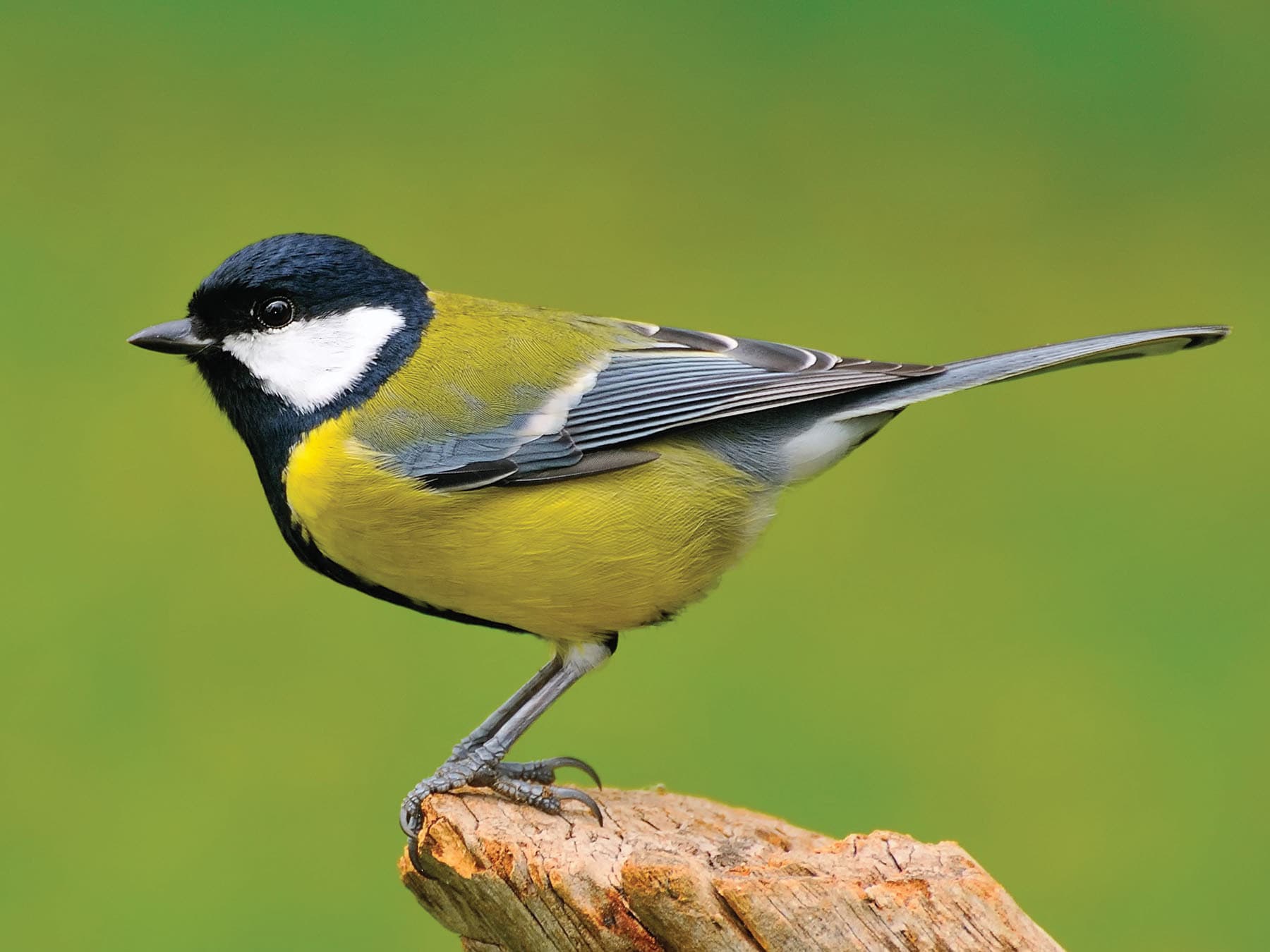
Great Tit
Parus majorLC
A common and familiar garden resident throughout Lancashire year-round, readily visiting feeders. Its bold 'teacher-teacher' song is heard from January.
Year-round
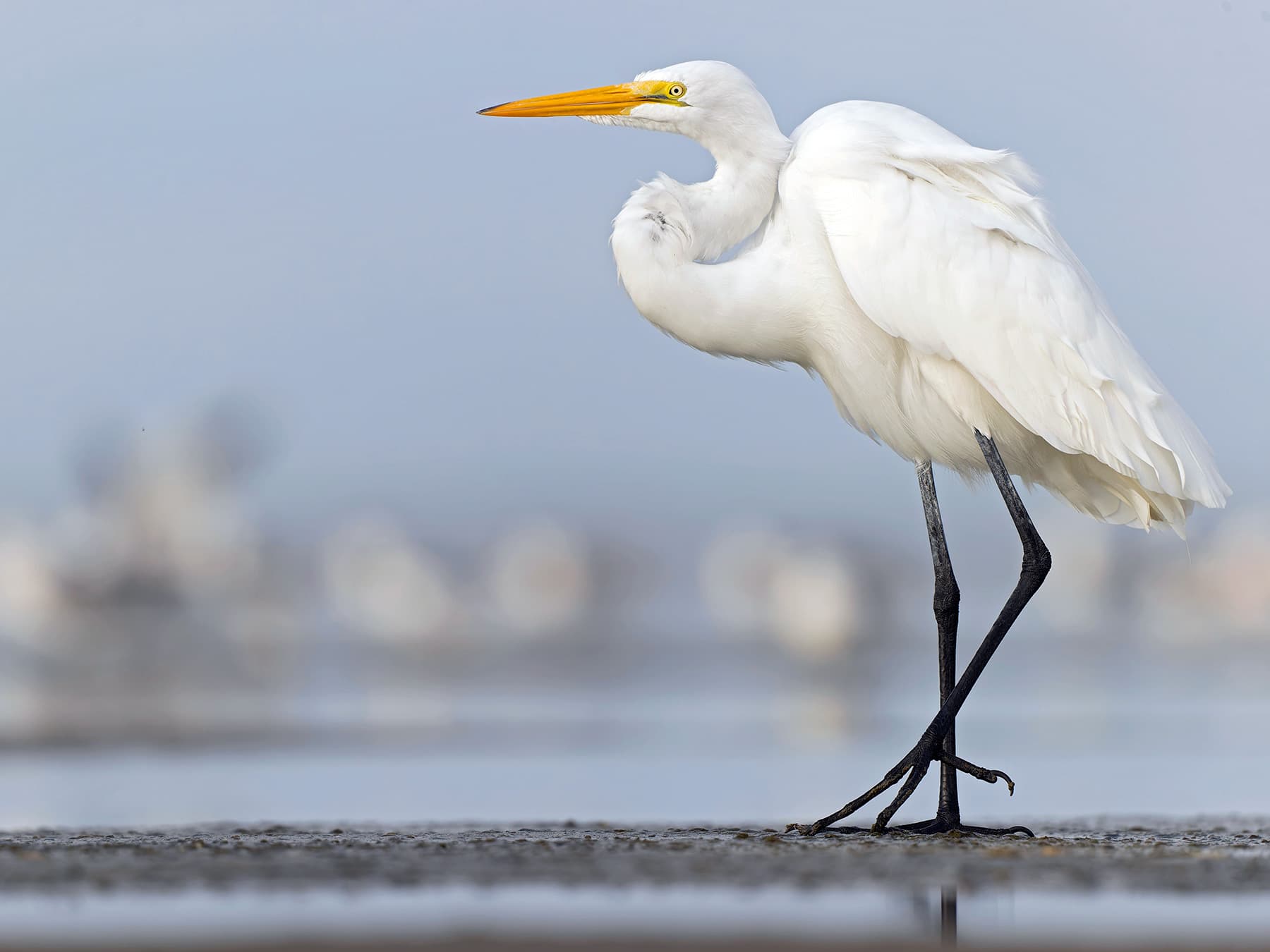
Great White Egret
Ardea albaLC
An uncommon but year-round resident, increasingly seen at wetland sites such as Leighton Moss and the Ribble Estuary marshes.
Year-round
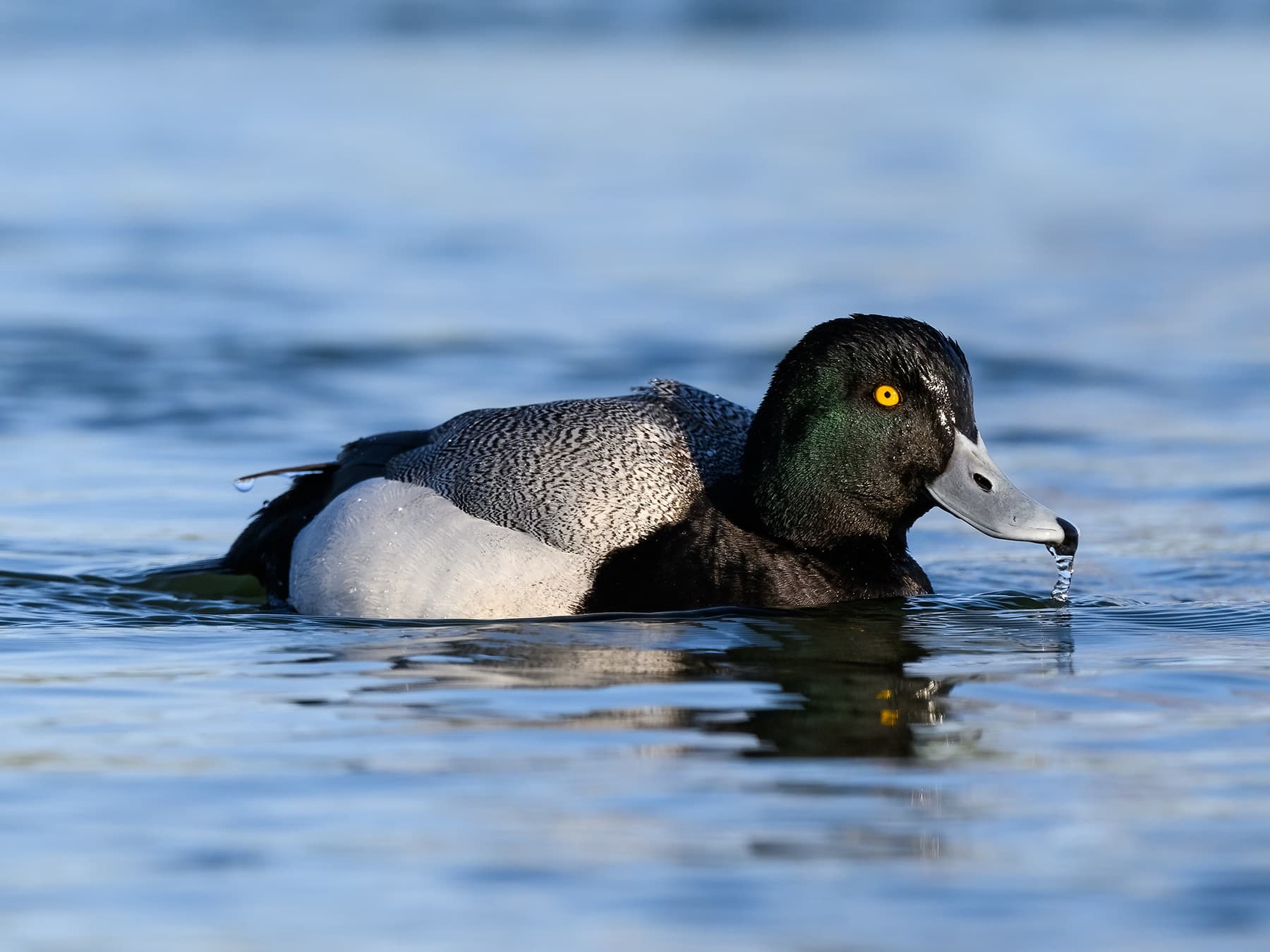
Greater Scaup
Aythya marilaLC
A rare winter visitor, occasionally seen on sheltered coastal waters and estuaries from November to February.
Nov–Feb
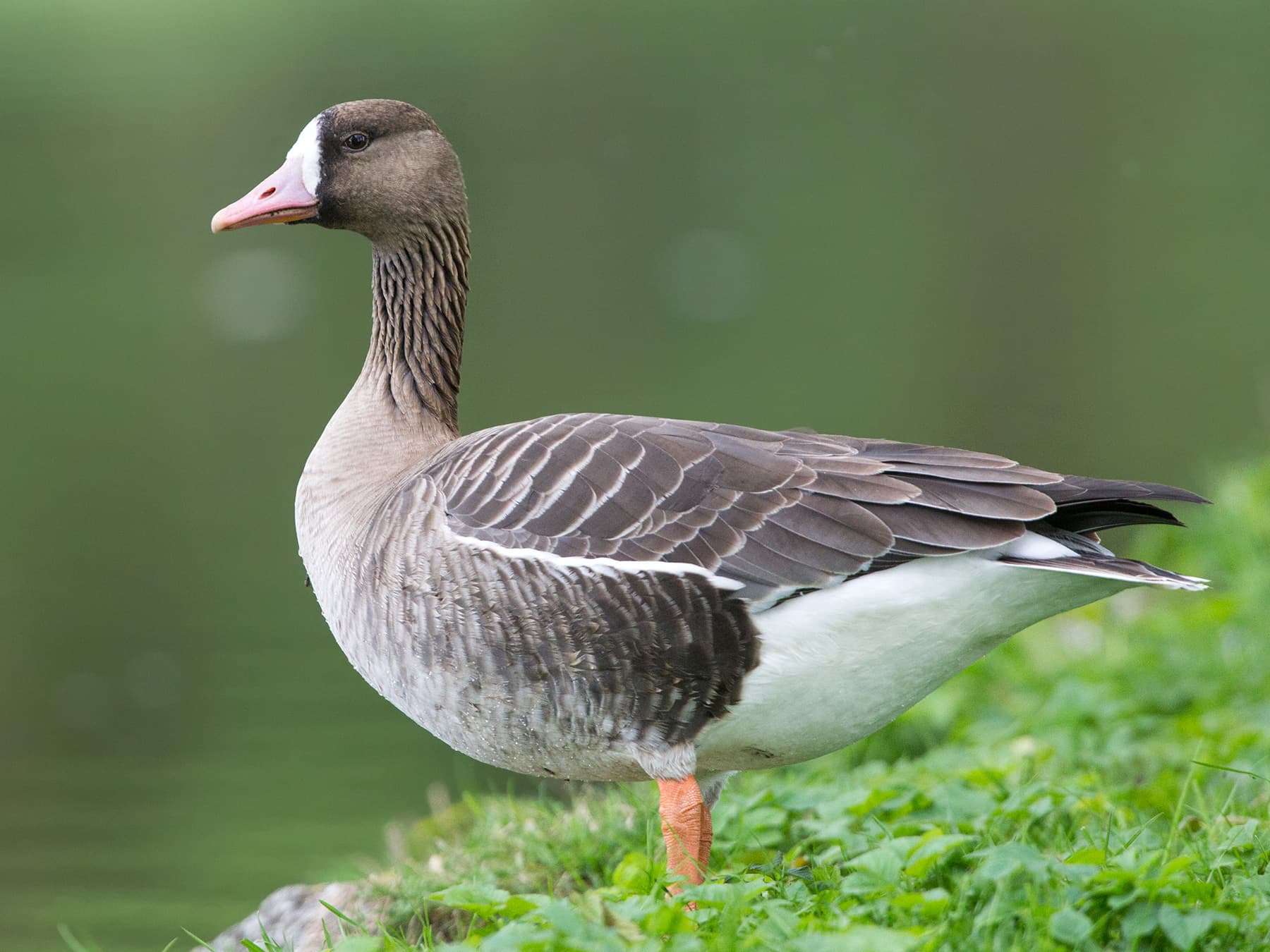
Greater White-fronted Goose
Anser albifronsLC
A rare winter visitor to Lancashire's coastal marshes and wetlands, occasionally joining flocks of Pink-footed Geese between December and March.
Dec–Mar
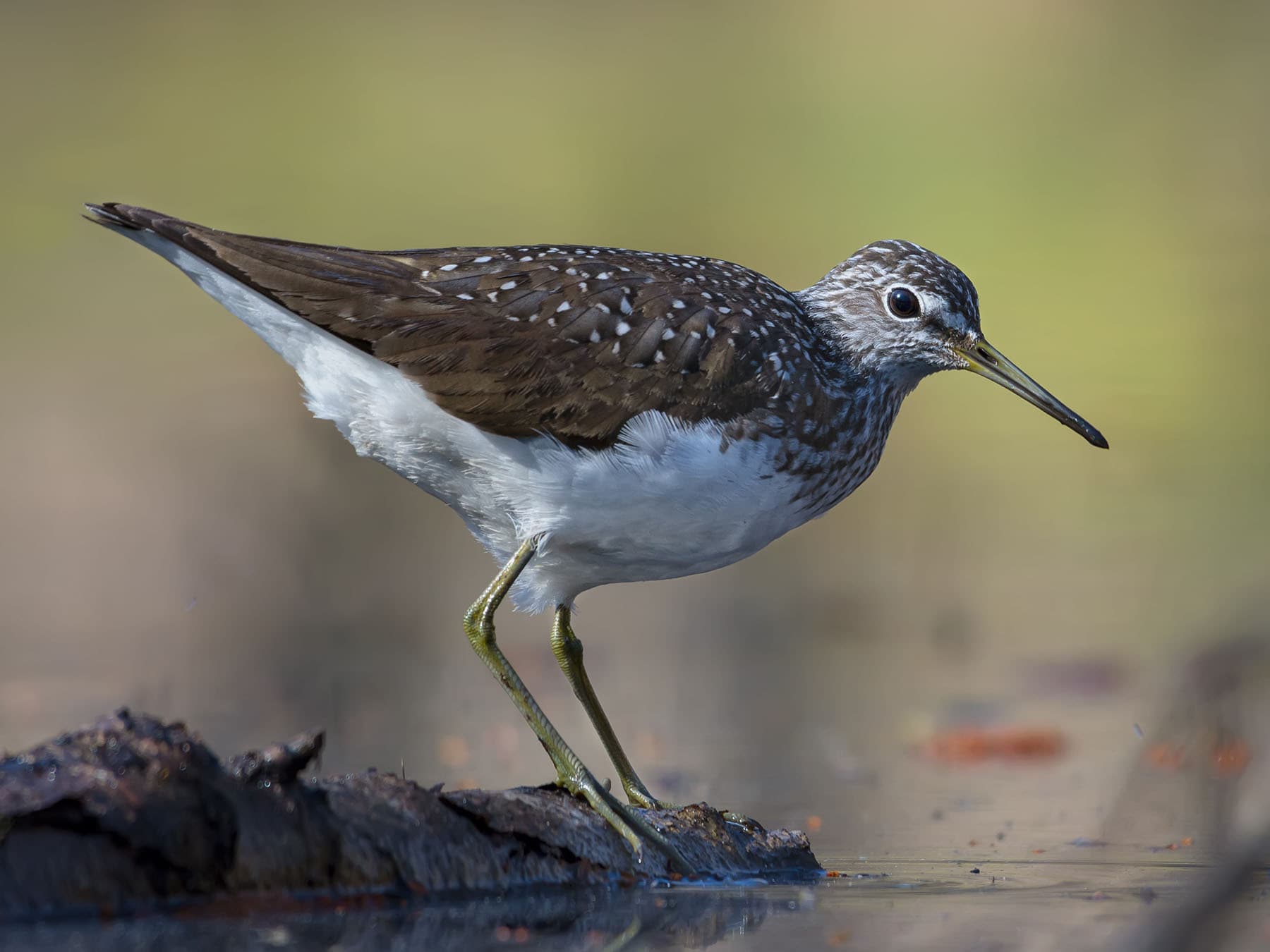
Green Sandpiper
Tringa ochropusLC
A rare but regular visitor to Lancashire's freshwater margins, most often seen on autumn passage at pools and reservoir edges.
Mar–Dec
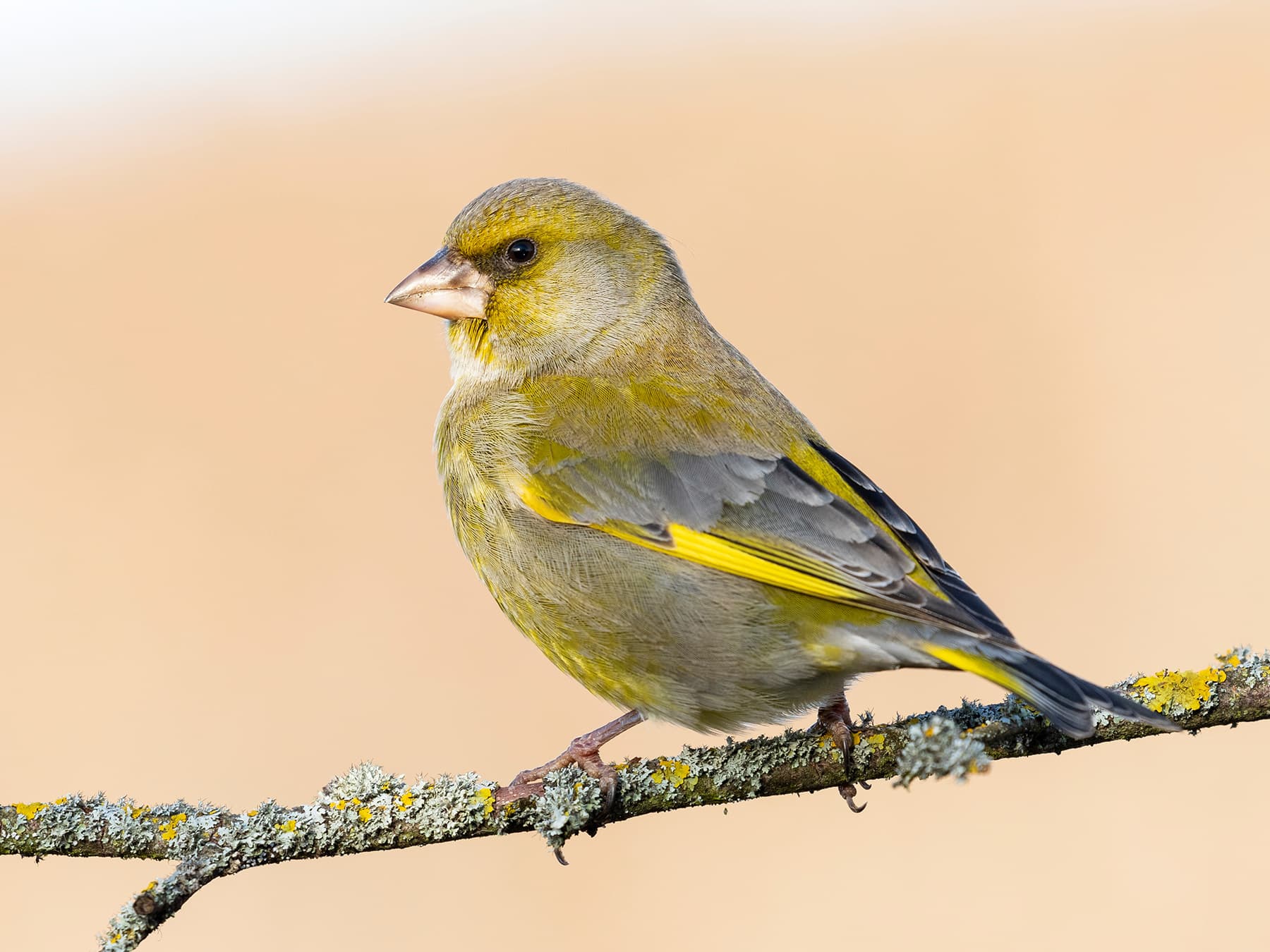
Greenfinch
Chloris chlorisLC
A common resident found in gardens, hedgerows and parks throughout Lancashire, though numbers have declined in recent years due to disease.
Year-round