Birds in Lancashire
Explore 200 species found in this region.
Lancashire boasts a rich and diverse birdlife, with 195 recorded species found across its varied landscapes of coastal estuaries, moorland uplands, and fertile lowland farmland. The county's extensive coastline along Morecambe Bay and the Ribble Estuary provides vital habitat for wading birds such as Northern Lapwing and Common Sandpiper, while its inland waters attract species including Common Merganser, Northern Pintail, and the striking Mandarin Duck. From the high-altitude Dotterel on the Bowland Fells to the familiar Great Tit and Magpie in gardens and hedgerows, Lancashire offers outstanding birdwatching opportunities throughout the year.
Visiting in August? Look out for Arctic Jaeger and Grey Plover arriving this month, and Corn Bunting and Garden Warbler depart for the season.


Showing 47–69 of 200 species
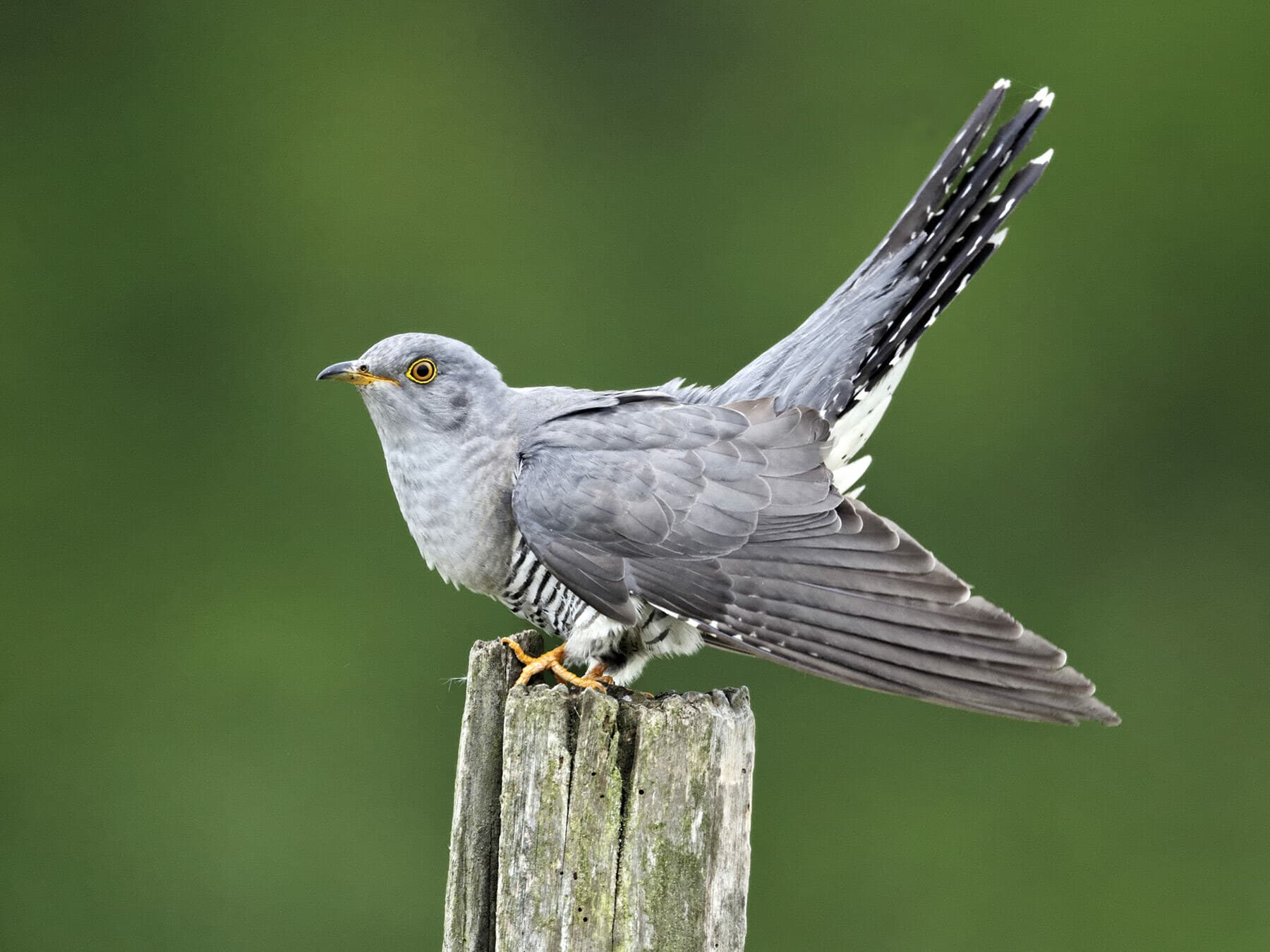
Cuckoo
Cuculus canorusLC
An uncommon summer breeder arriving in April, favouring moorland edges and reed beds. Its distinctive call echoes across Bowland's valleys.
Apr–Jun
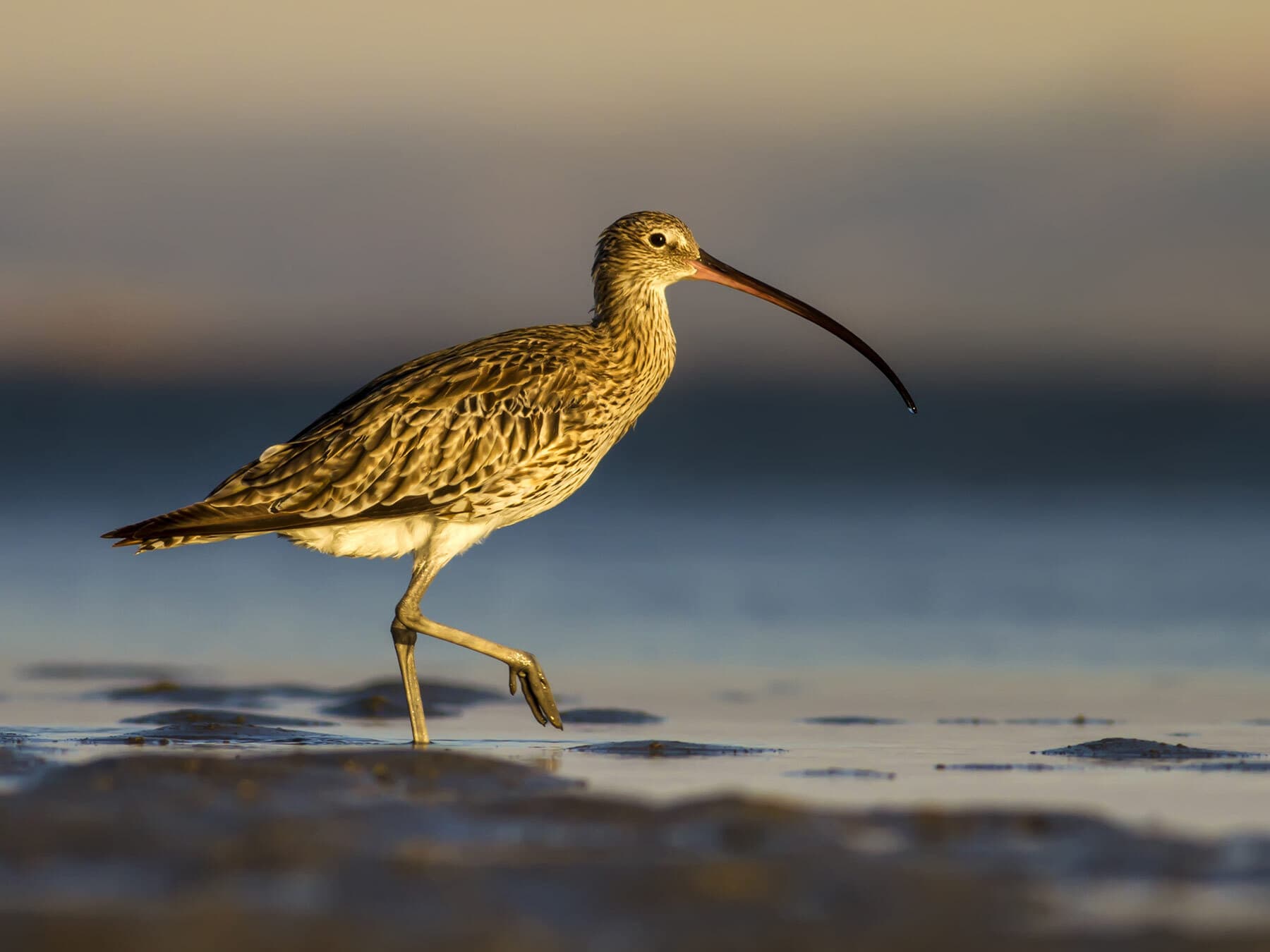
Curlew
Numenius arquataNT
Common year-round, breeding on upland moors in the east and wintering in large flocks on the Ribble Estuary and Morecambe Bay.
Year-round
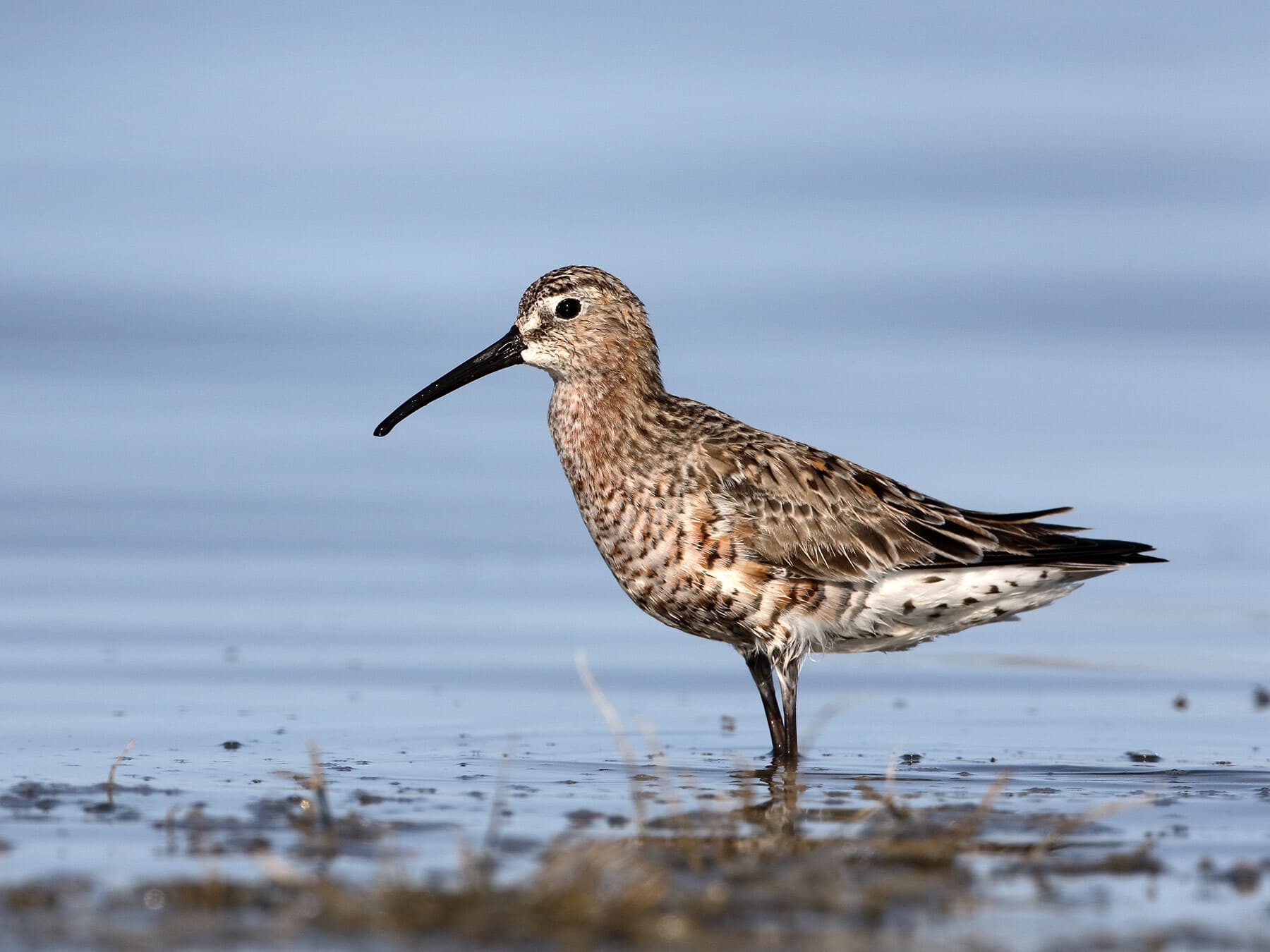
Curlew Sandpiper
Calidris ferrugineaNT
A scarce autumn passage migrant from July to October, occasionally turning up on coastal pools and estuarine margins.
Jul–Oct
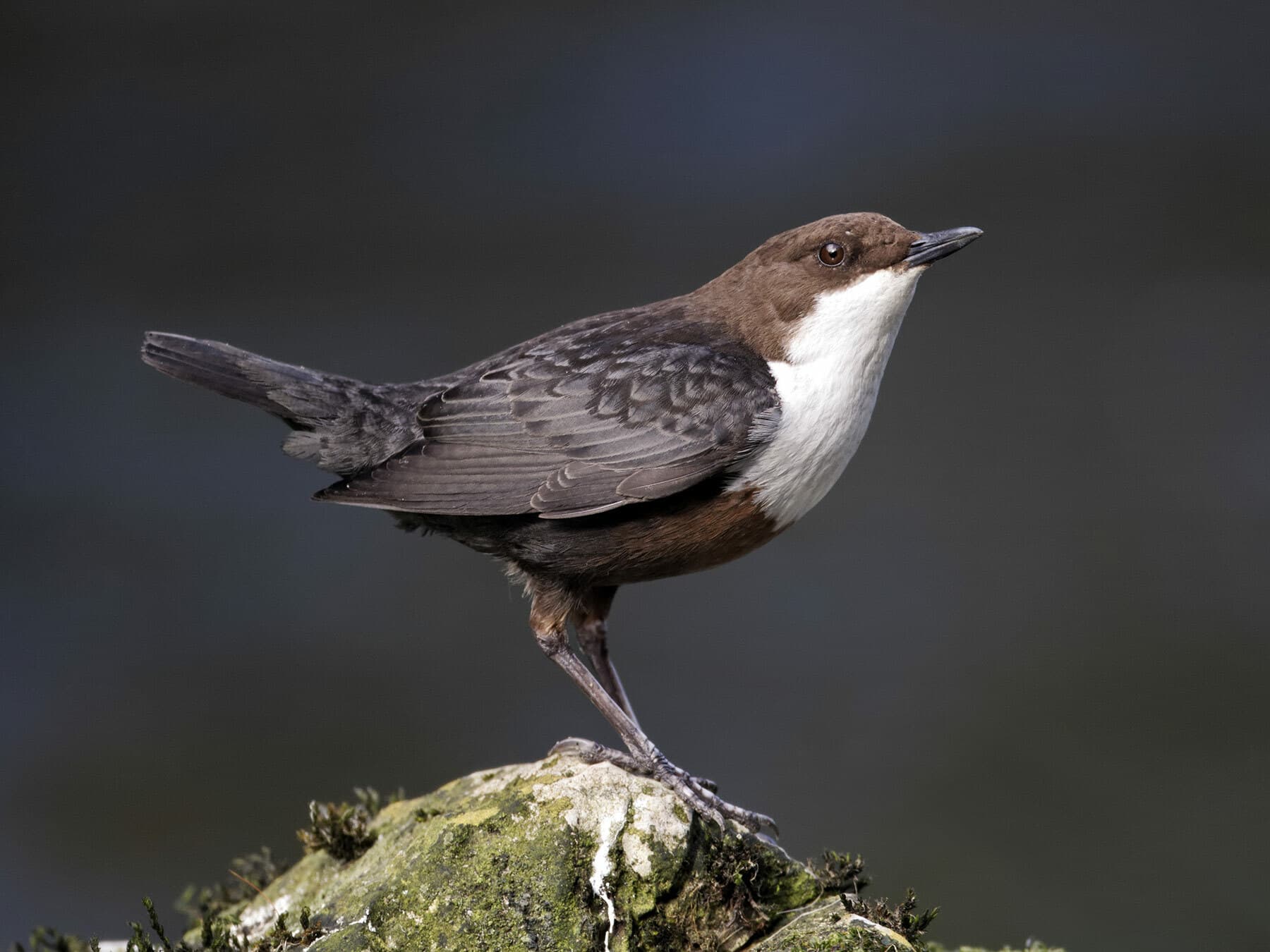
Dipper
Cinclus cinclusLC
A rare but charismatic resident of fast-flowing streams in the Bowland fells and Pennine valleys, bobbing on rocks in clear upland waters.
Dec–Oct
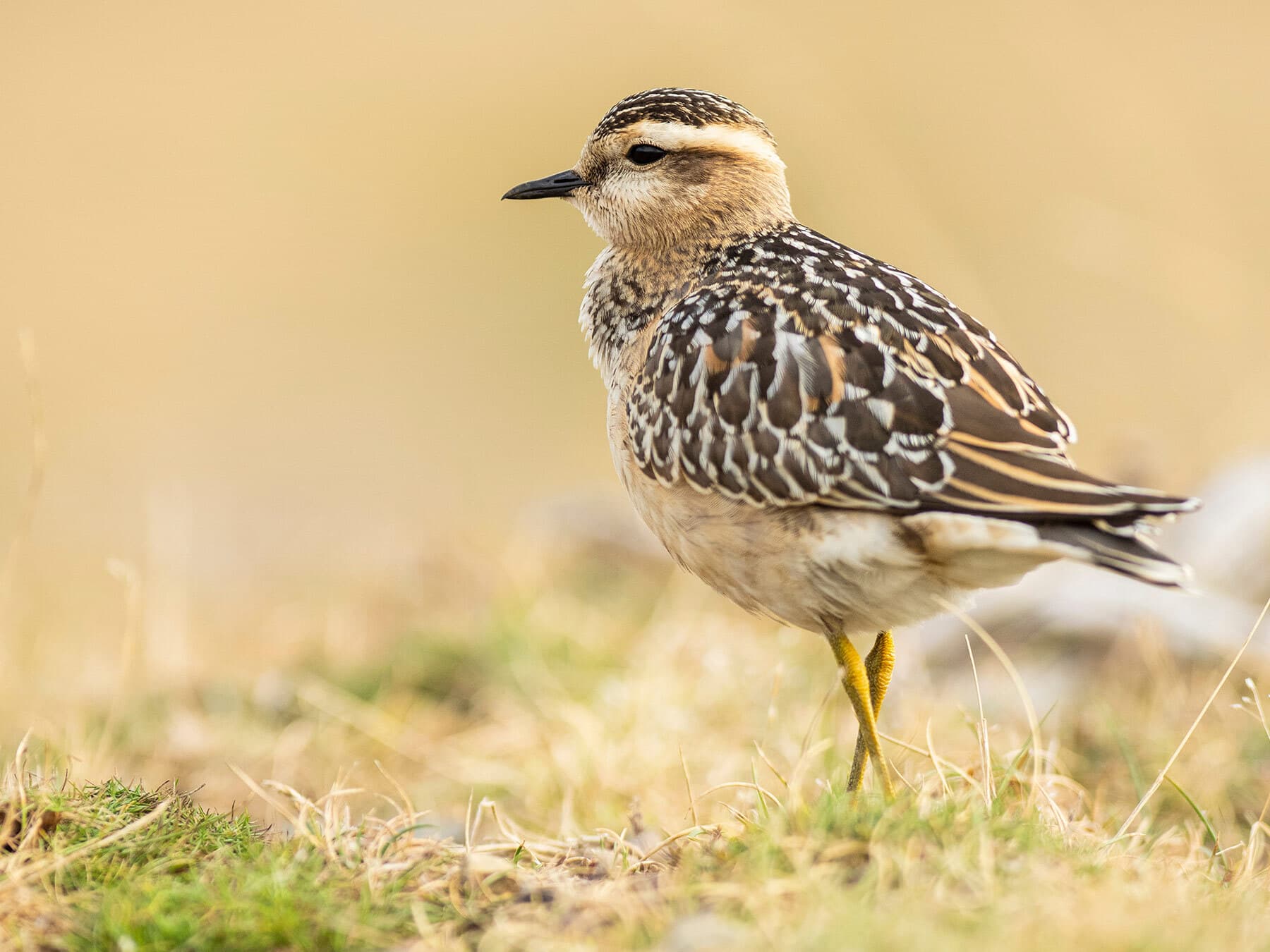
Dotterel
Eudromias morinellusLC
A rare and elusive passage migrant, occasionally stopping on Pendle Hill or Bowland Fells in May during spring migration.
May
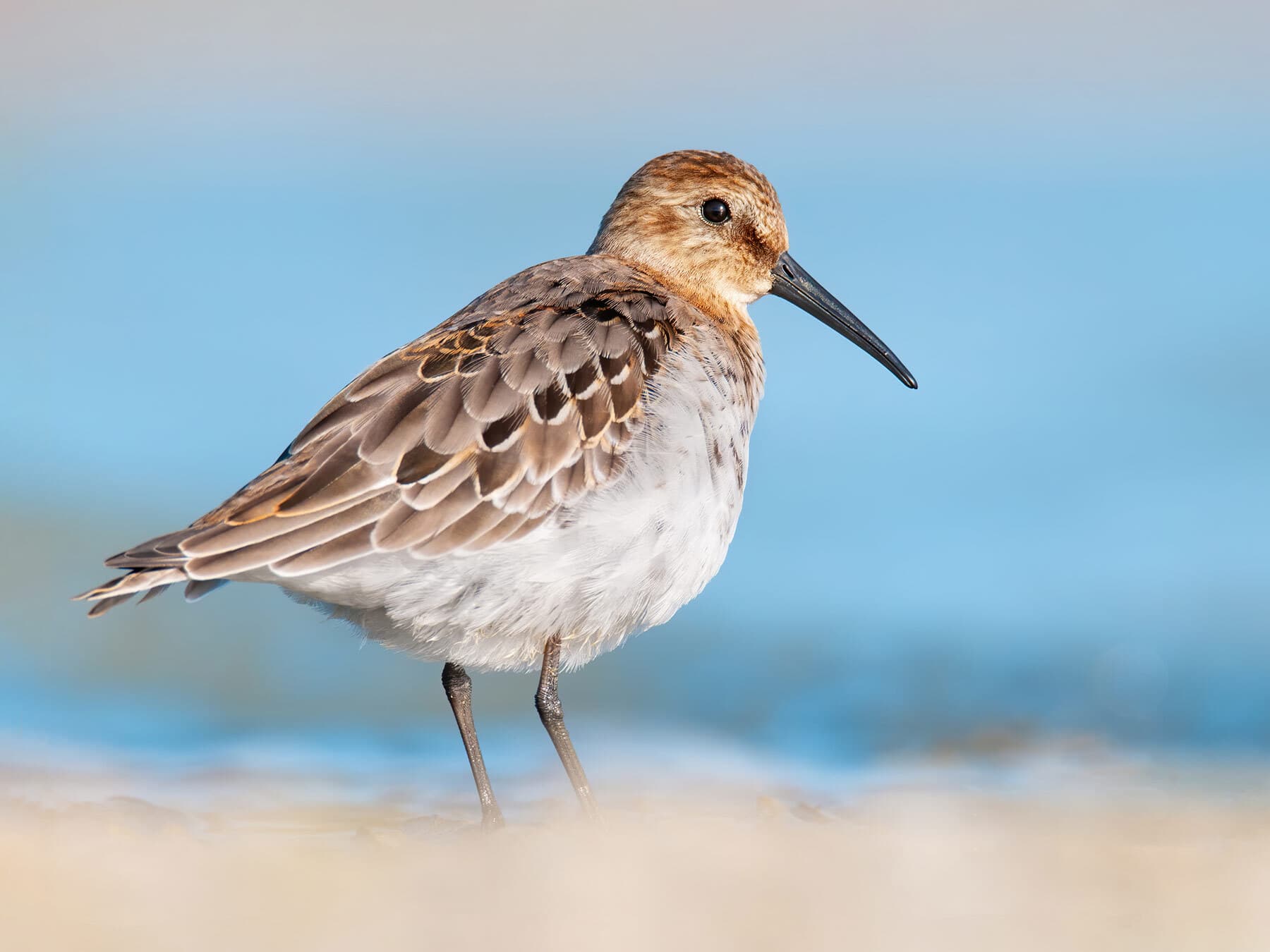
Dunlin
Calidris alpinaLC
An uncommon resident found year-round on estuarine mudflats, especially Morecambe Bay and the Ribble, with winter flocks.
Year-round
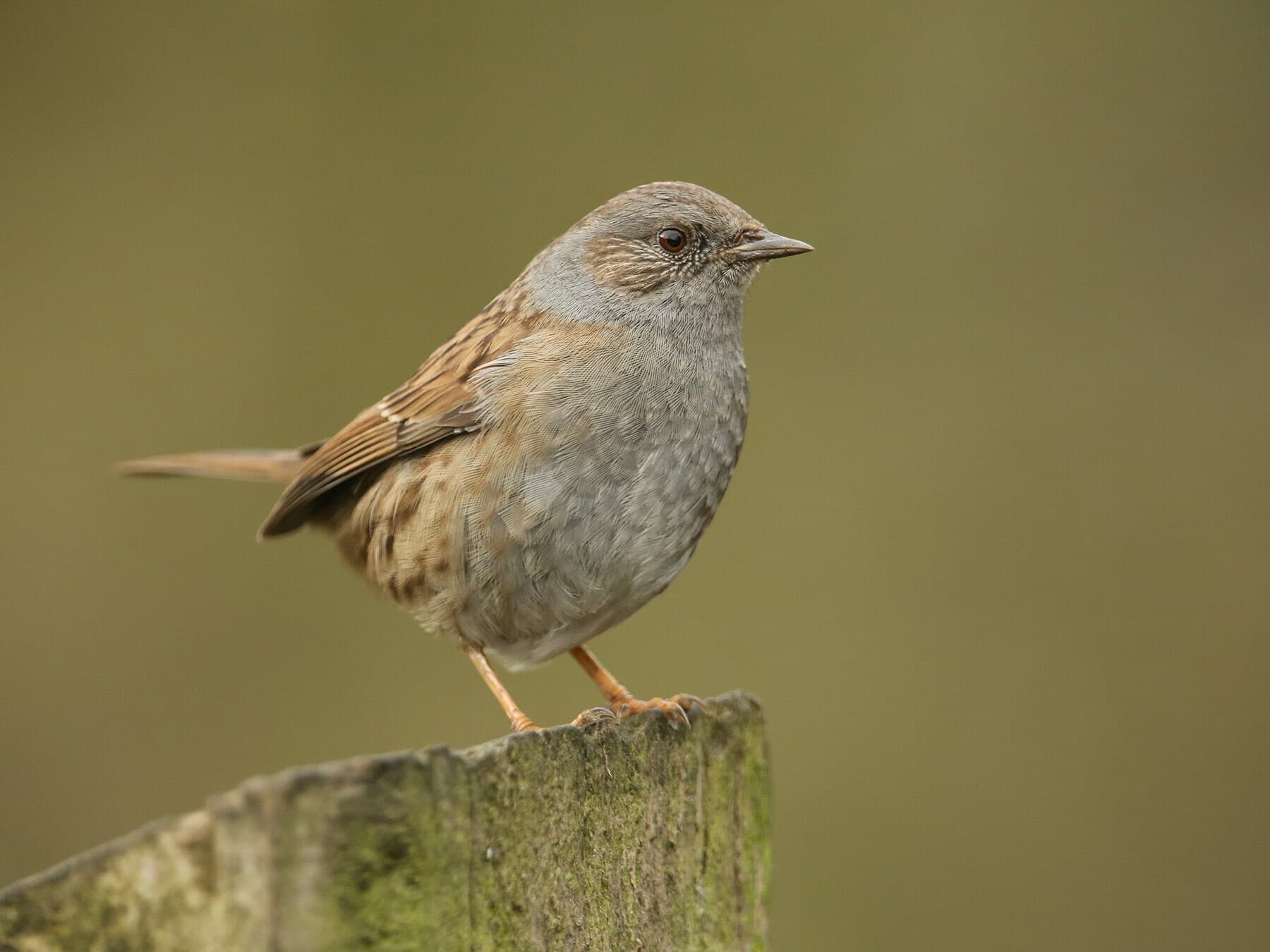
Dunnock
Prunella modularisLC
A common year-round resident of hedgerows, gardens and scrubby undergrowth. Shuffles quietly along the ground but sings boldly from cover.
Year-round
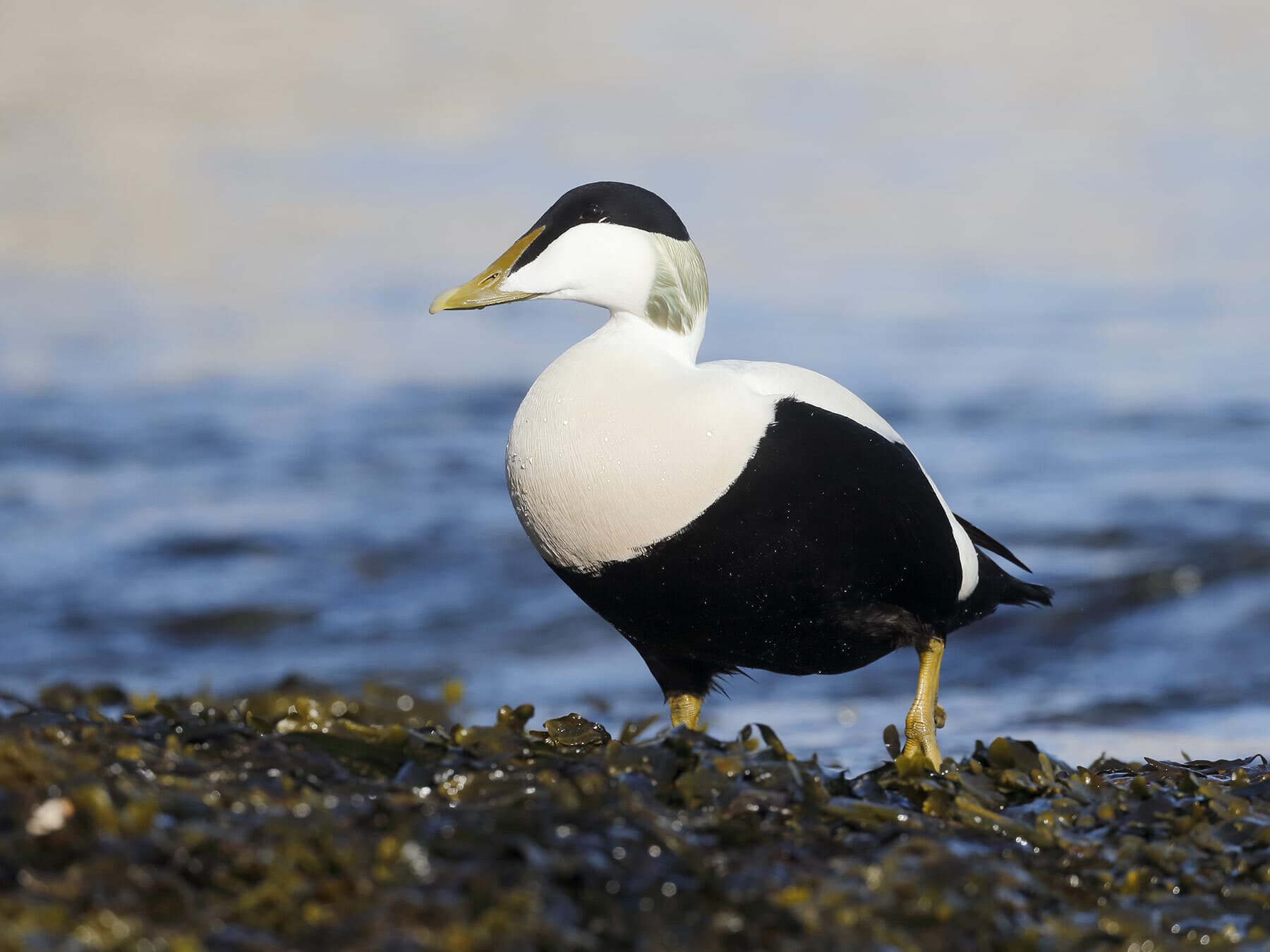
Eider
Somateria mollissimaNT
A rare resident along the Lancashire coast, occasionally seen off Morecambe Bay. Numbers have declined significantly in recent decades.
Year-round
Spotted something?
Upload a photo to identify it
Identify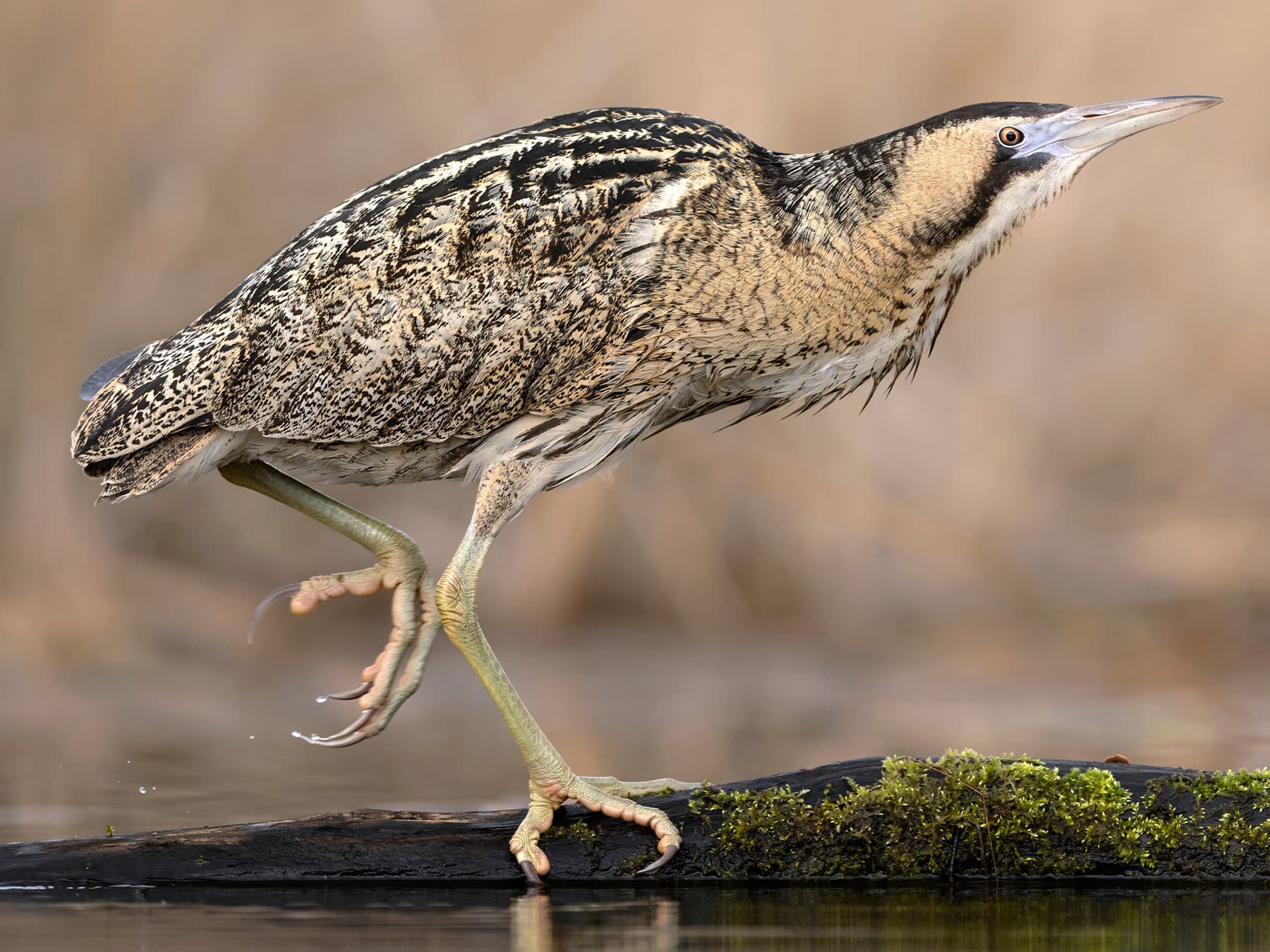
Eurasian Bittern
Botaurus stellarisLC
A secretive year-round resident of reedbeds at sites like Leighton Moss. Its booming call in spring is a highlight of Lancashire birding.
Year-round
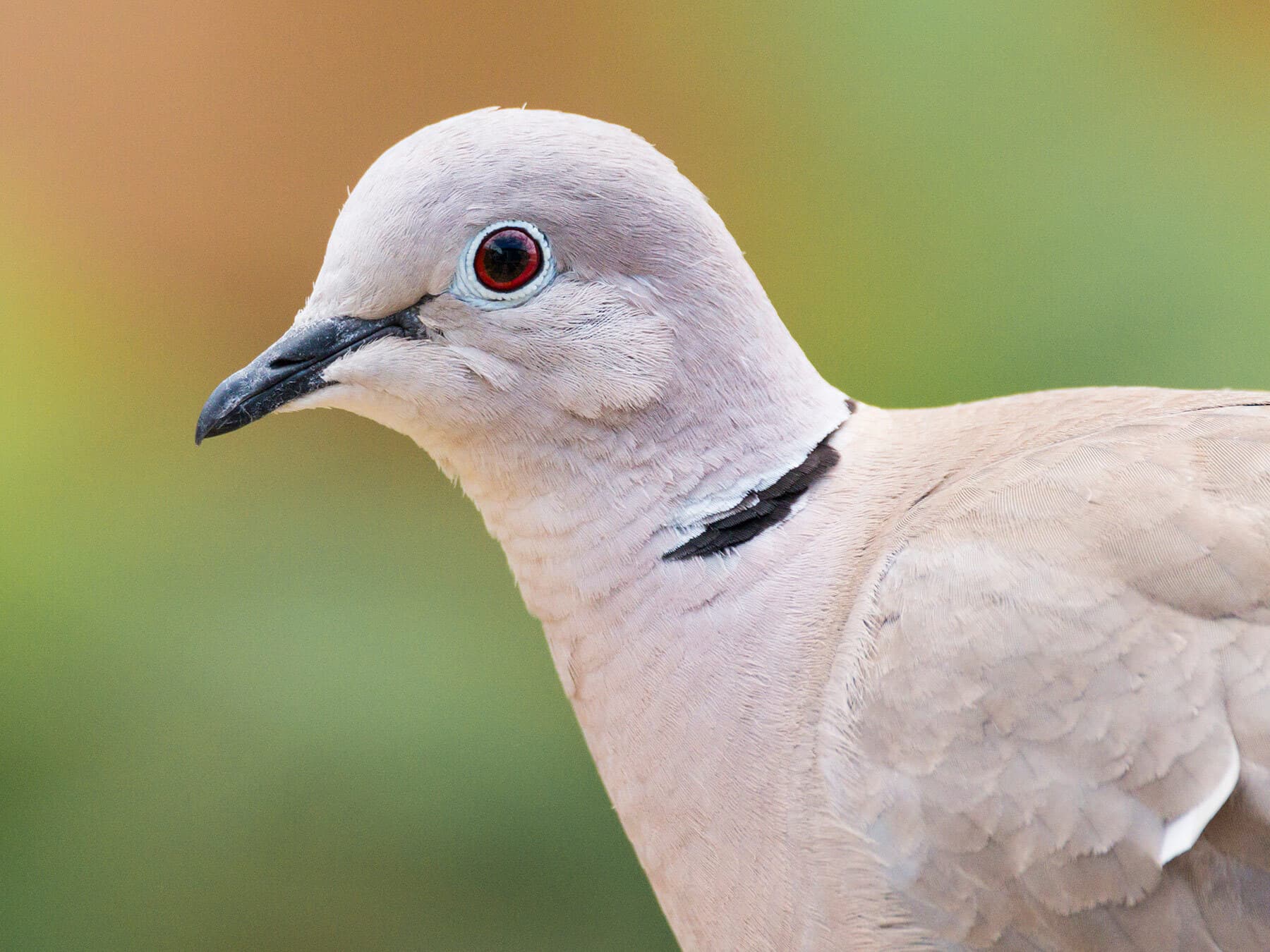
Eurasian Collared Dove
Streptopelia decaoctoLC
A common resident in towns, villages and farmyards across Lancashire. Its monotonous three-note call is a familiar suburban sound.
Year-round
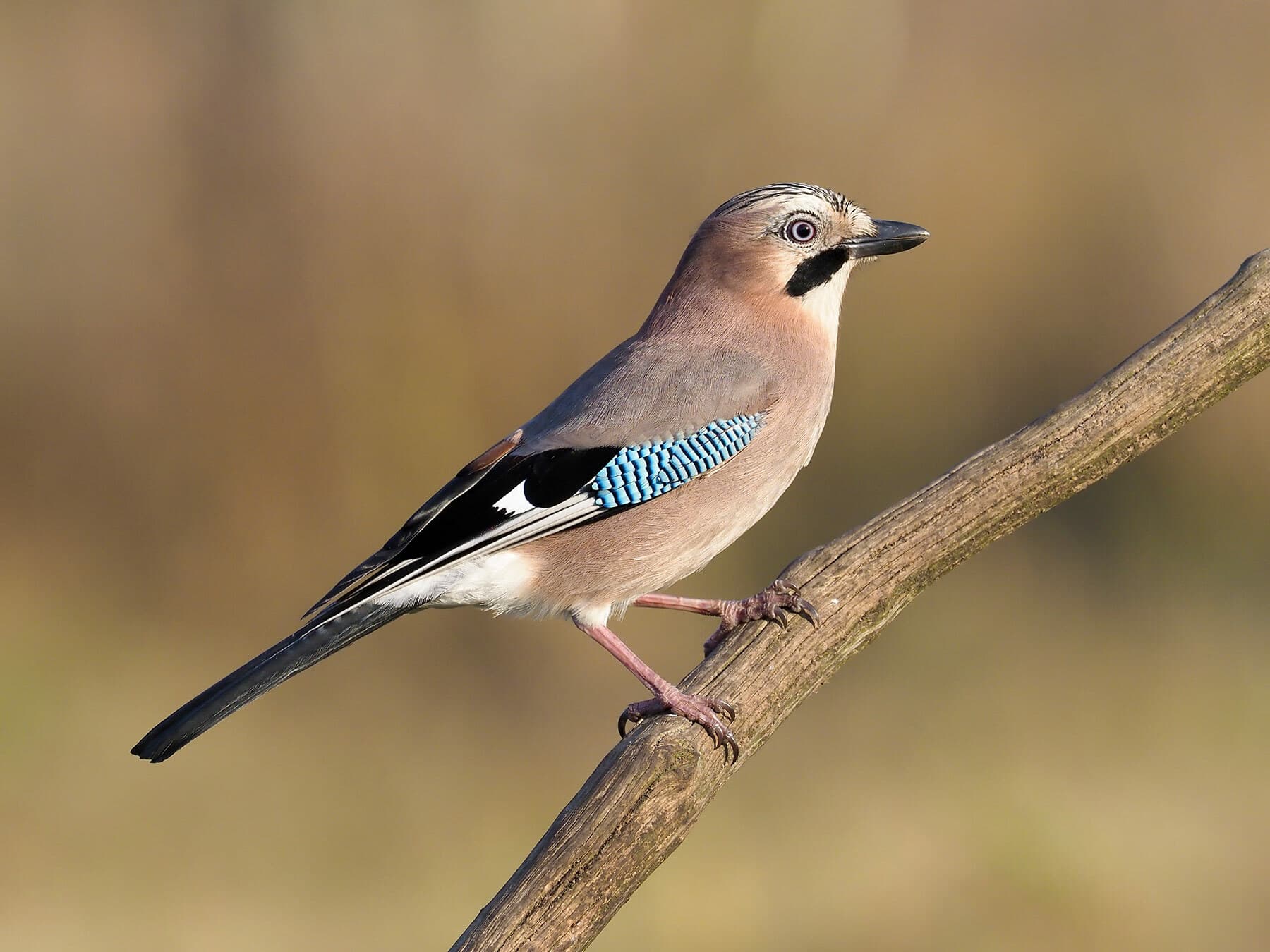
Eurasian Jay
Garrulus glandariusLC
An uncommon but year-round resident of mature broadleaved and mixed woodland. Often detected by its harsh, screeching call in autumn.
Year-round
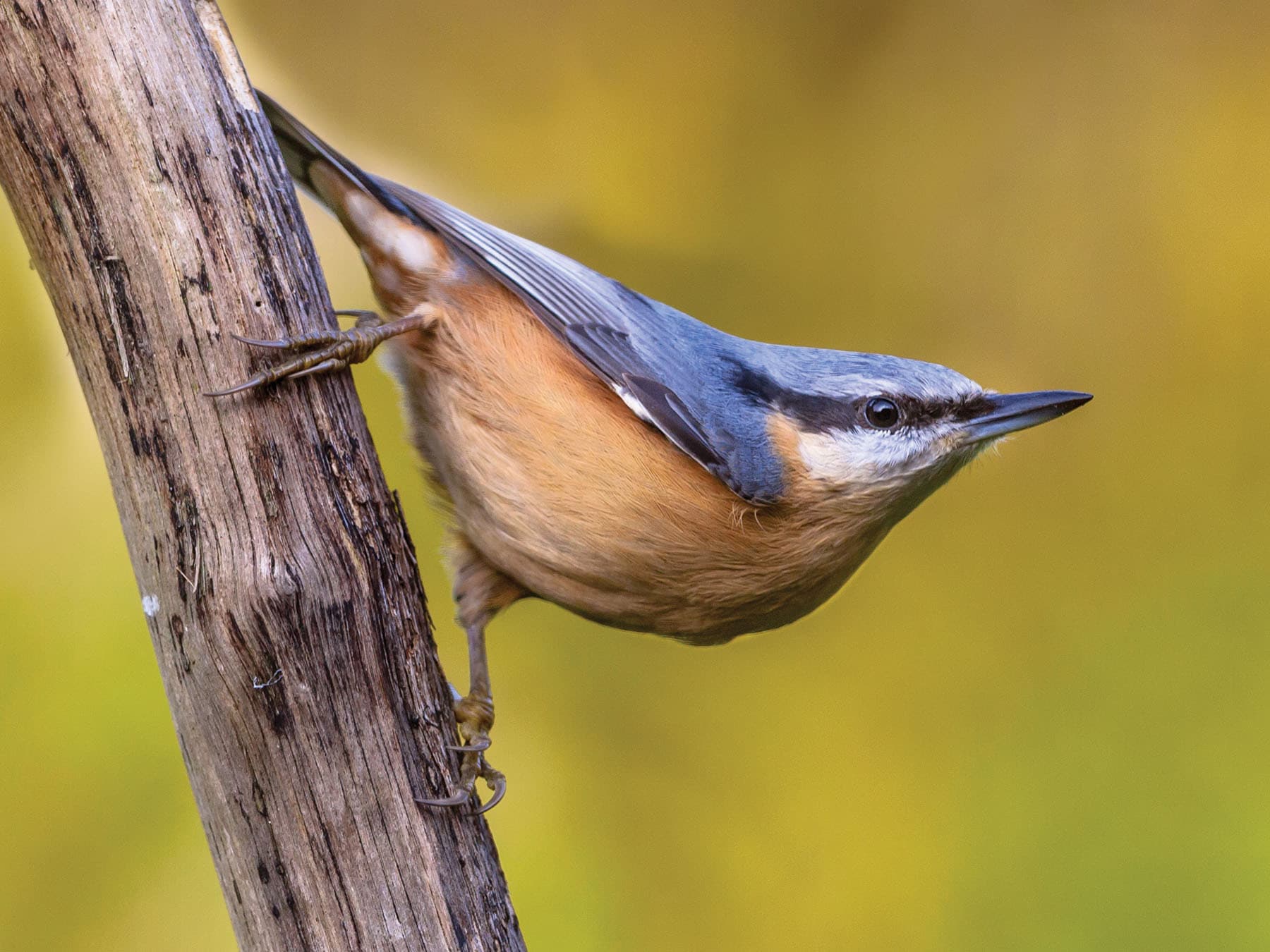
Eurasian Nuthatch
Sitta europaeaLC
An uncommon resident of mature deciduous woodland, found at sites across Lancashire. Its loud call and tree-climbing habit make it distinctive.
Year-round
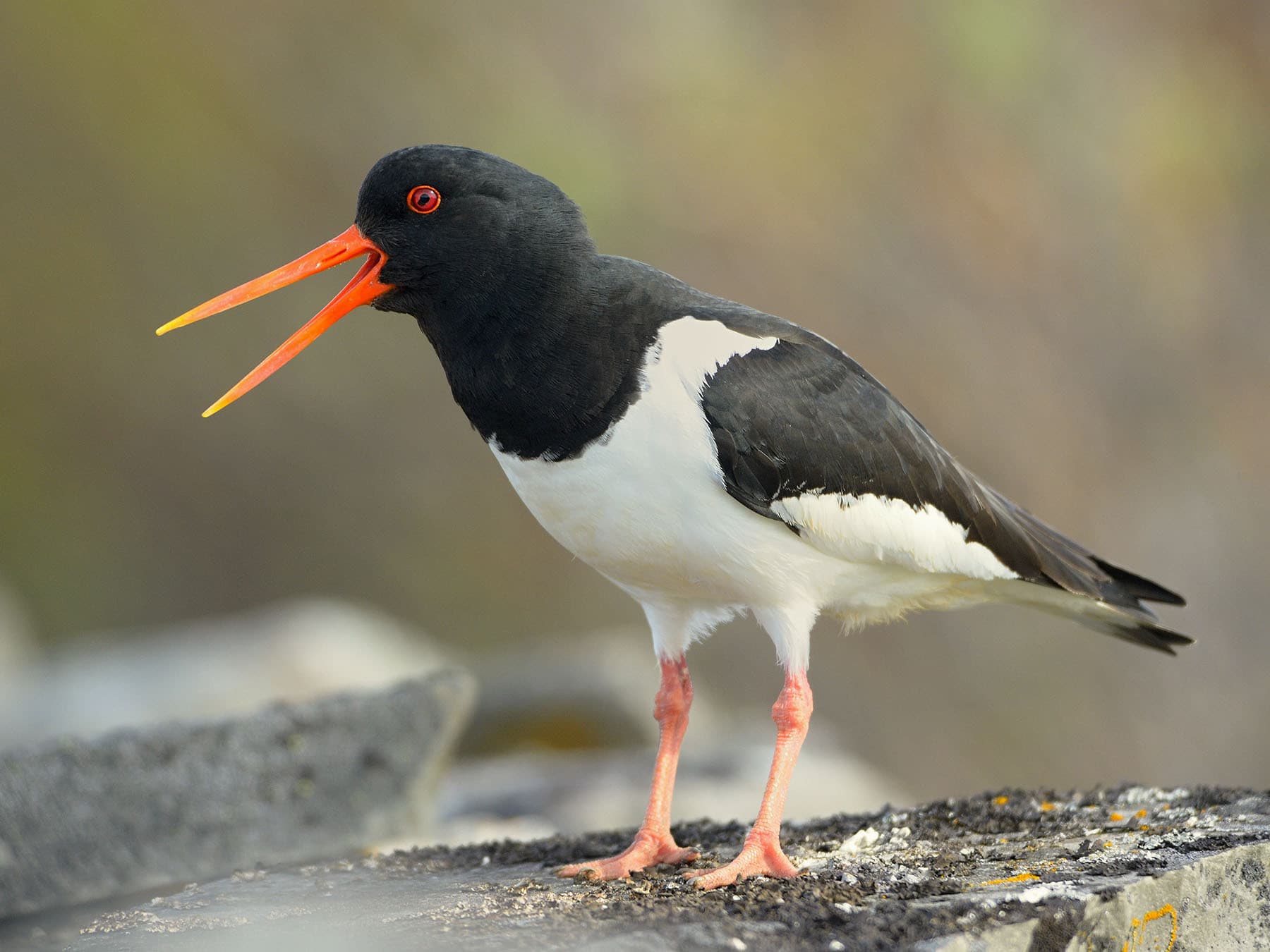
Eurasian Oystercatcher
Haematopus ostralegusNT
A noisy, conspicuous resident of Lancashire's coasts and increasingly inland fields, breeding on farmland and estuarine shingle.
Year-round
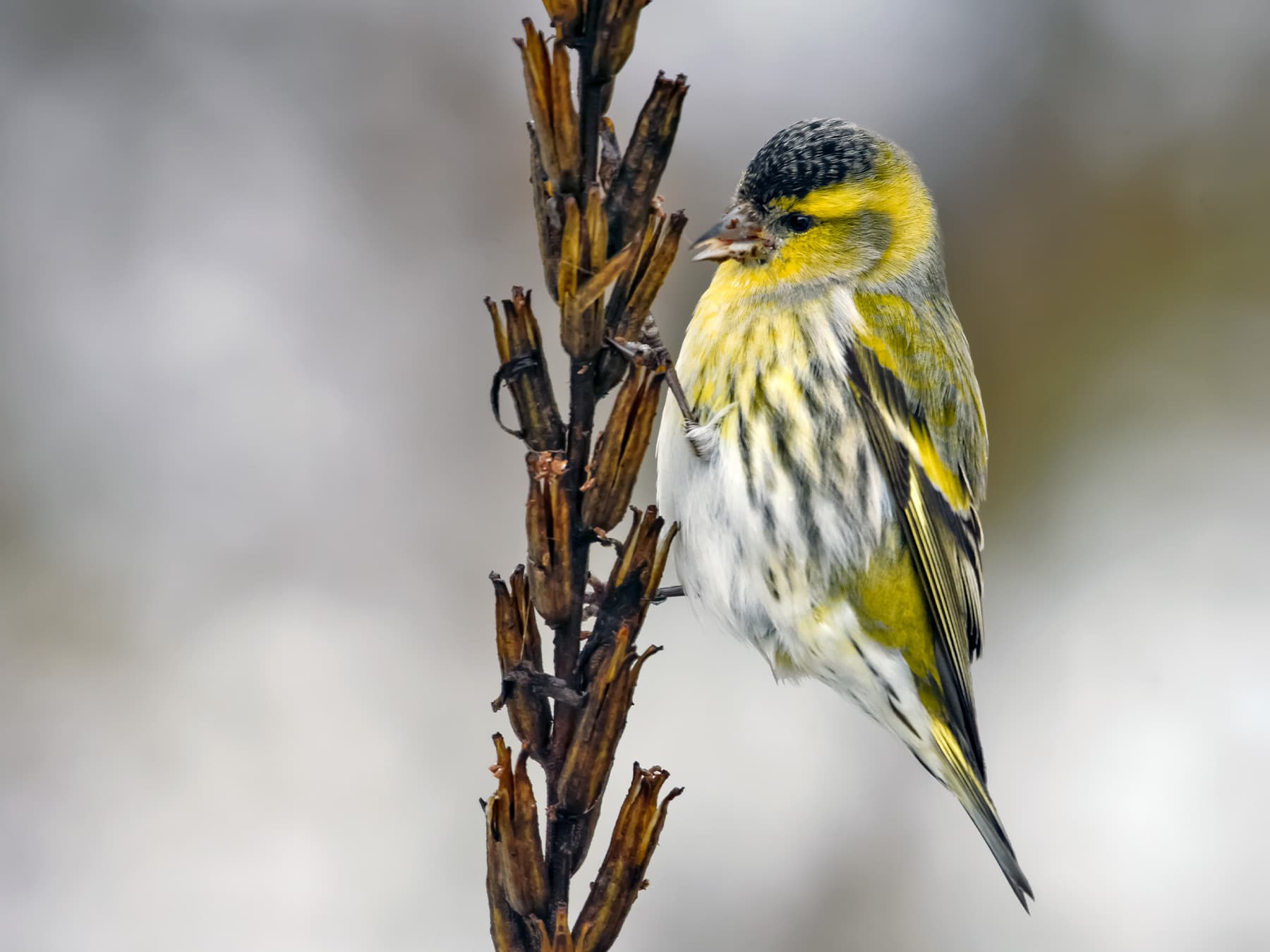
Eurasian Siskin
Spinus spinusLC
An uncommon resident favouring conifer plantations and alder stands. Often visits garden nyjer feeders in winter when numbers are boosted by migrants.
Year-round
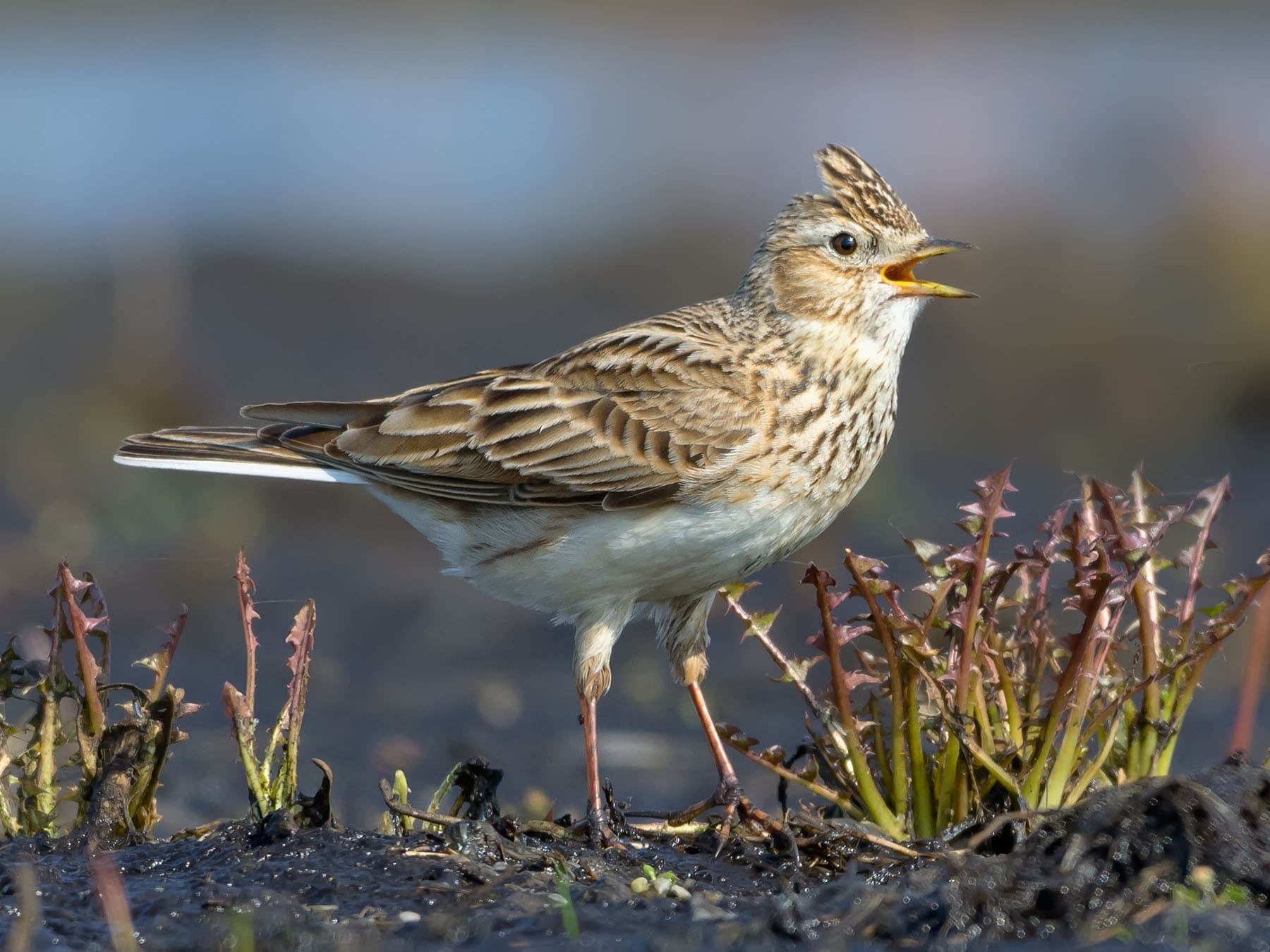
Eurasian Skylark
Alauda arvensisLC
An uncommon resident of open farmland and moorland edges, singing in hovering flight over Lancashire's fields. Numbers have declined significantly.
Year-round
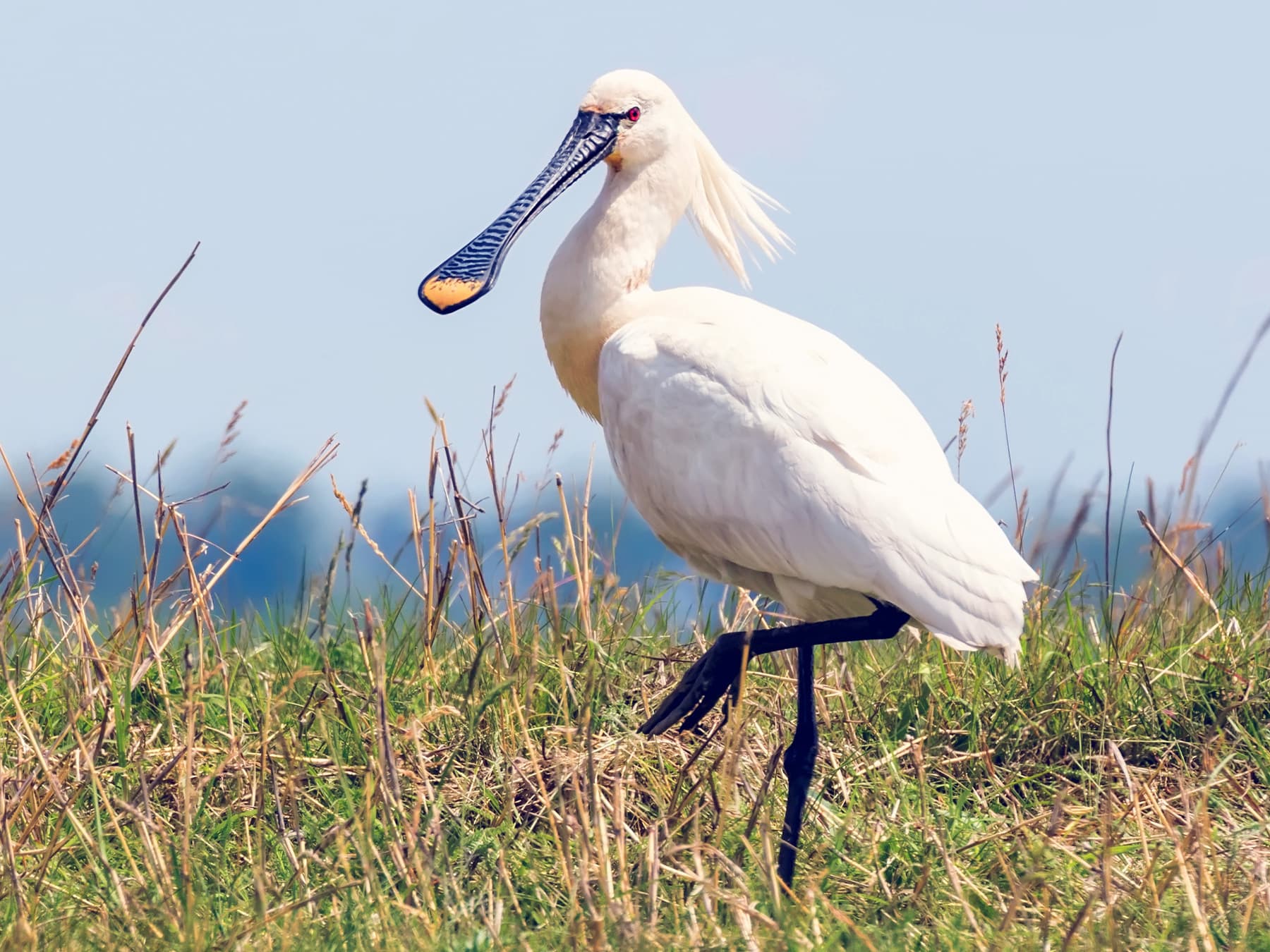
Eurasian Spoonbill
Platalea leucorodiaLC
A rare but increasingly regular breeder from May to September, favouring marshes and estuaries such as the Ribble.
May–Sep
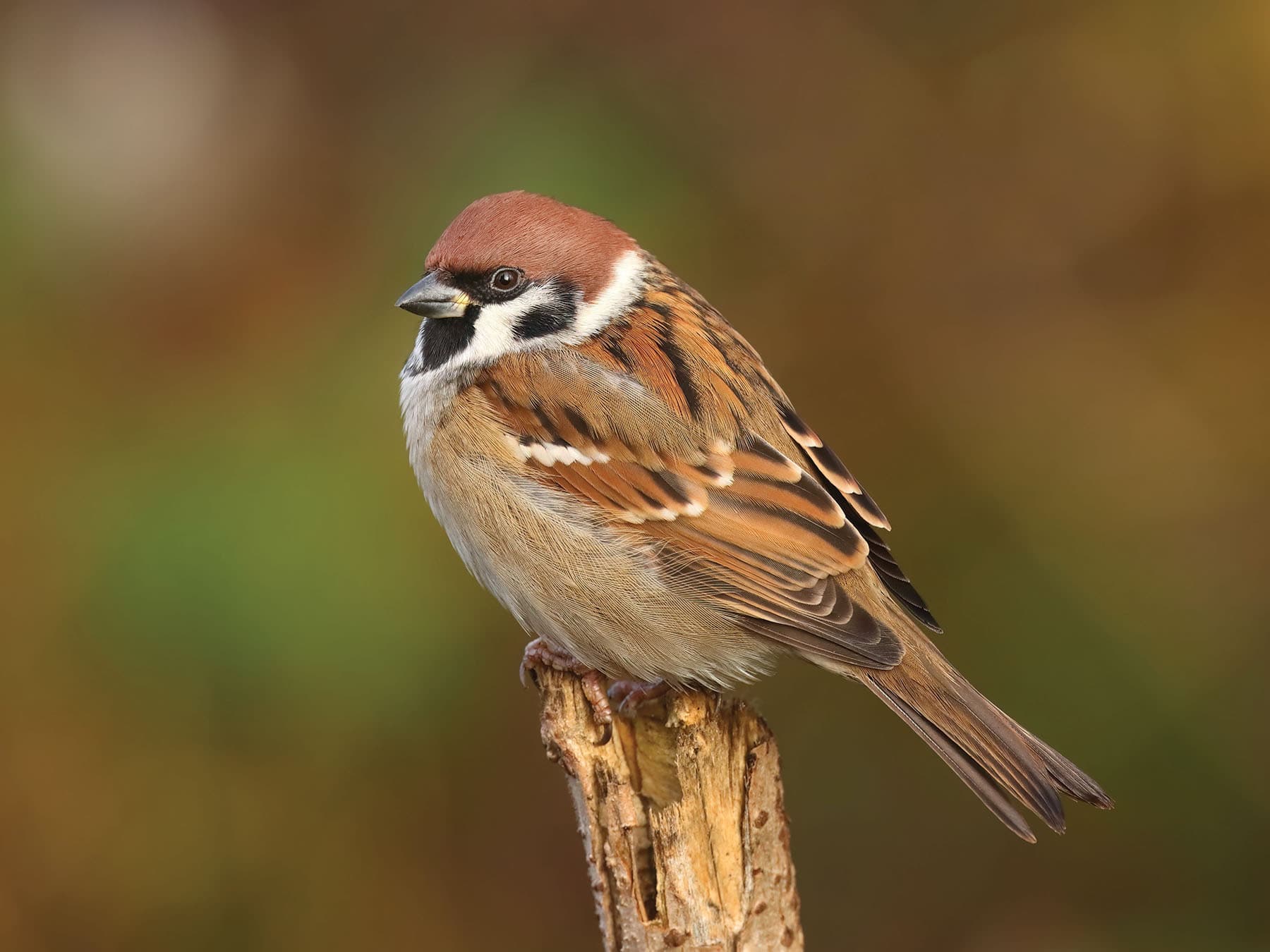
Eurasian Tree Sparrow
Passer montanusLC
An uncommon resident found around farmyards and rural hedgerows. Has declined nationally but persists in scattered Lancashire colonies.
Year-round
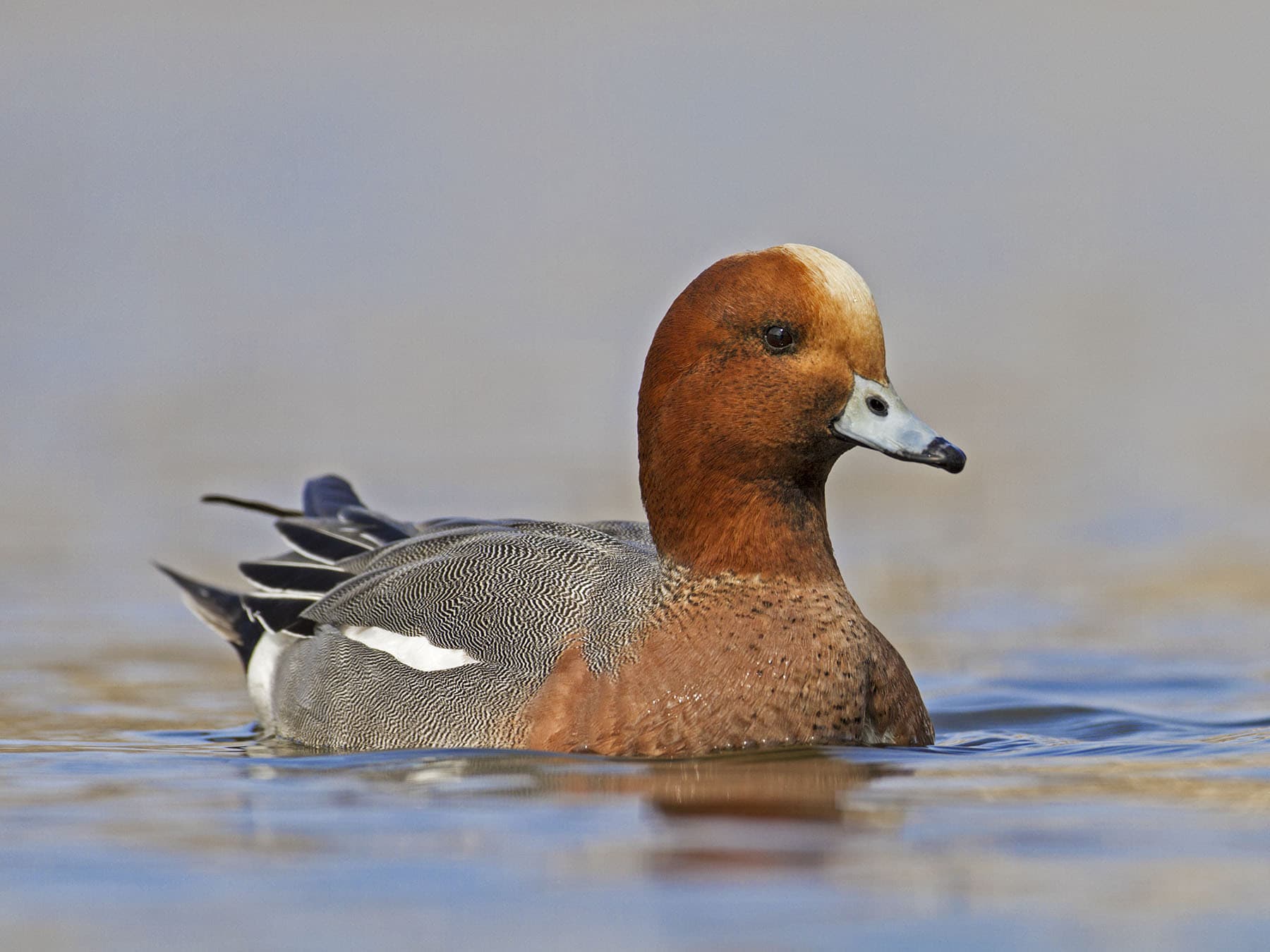
Eurasian Wigeon
Mareca penelopeLC
Common year-round, with large winter flocks gathering on the Ribble Estuary and Martin Mere. Numbers peak with continental arrivals.
Year-round
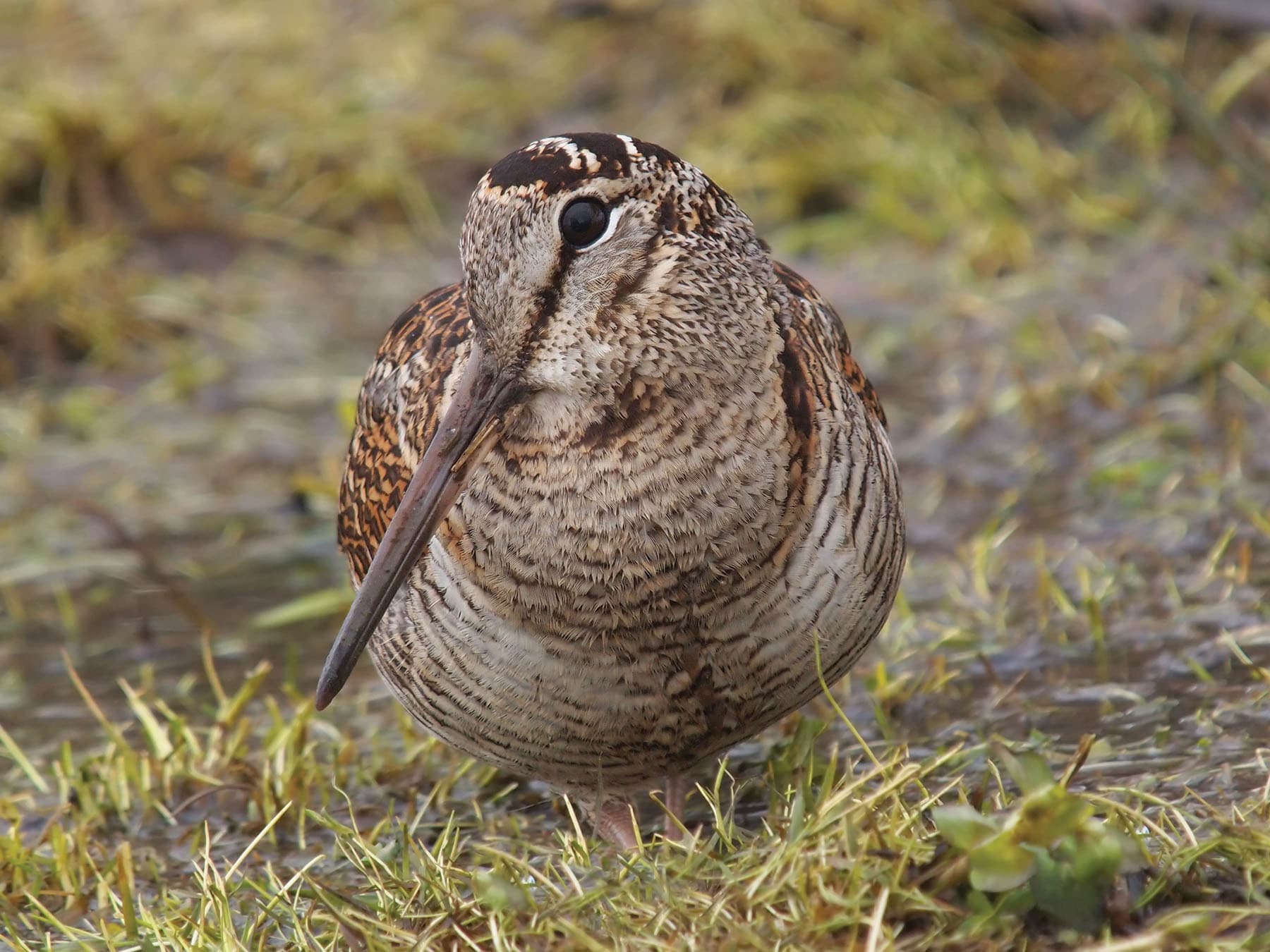
Eurasian Woodcock
Scolopax rusticolaLC
A secretive resident of damp woodland, most often seen during roding display flights at dusk over Bowland's woods in spring.
Nov–May
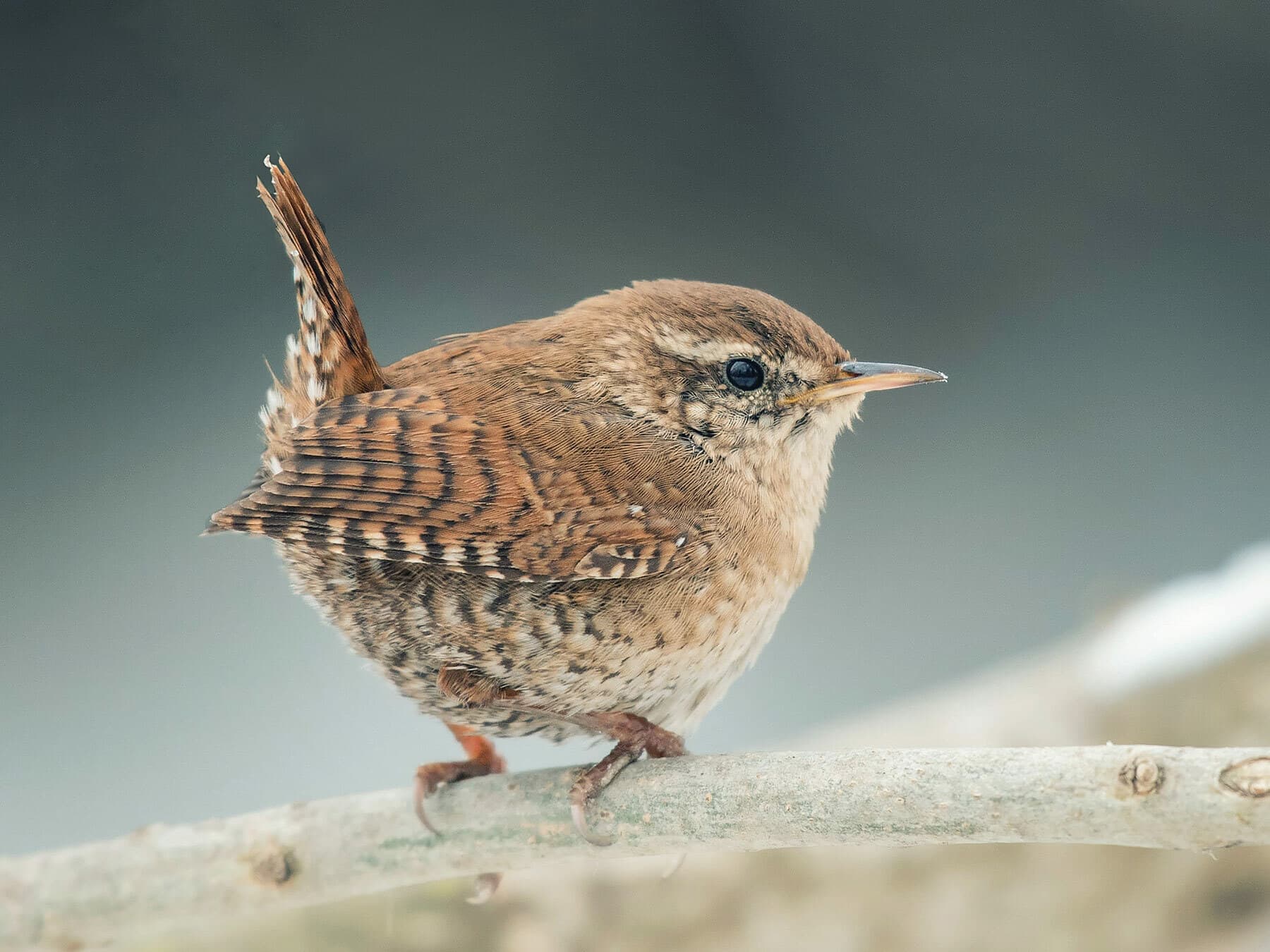
Eurasian Wren
Troglodytes troglodytesLC
A common year-round resident found in almost every habitat, from garden hedgerows to upland cloughs. Remarkably loud for its tiny size.
Year-round
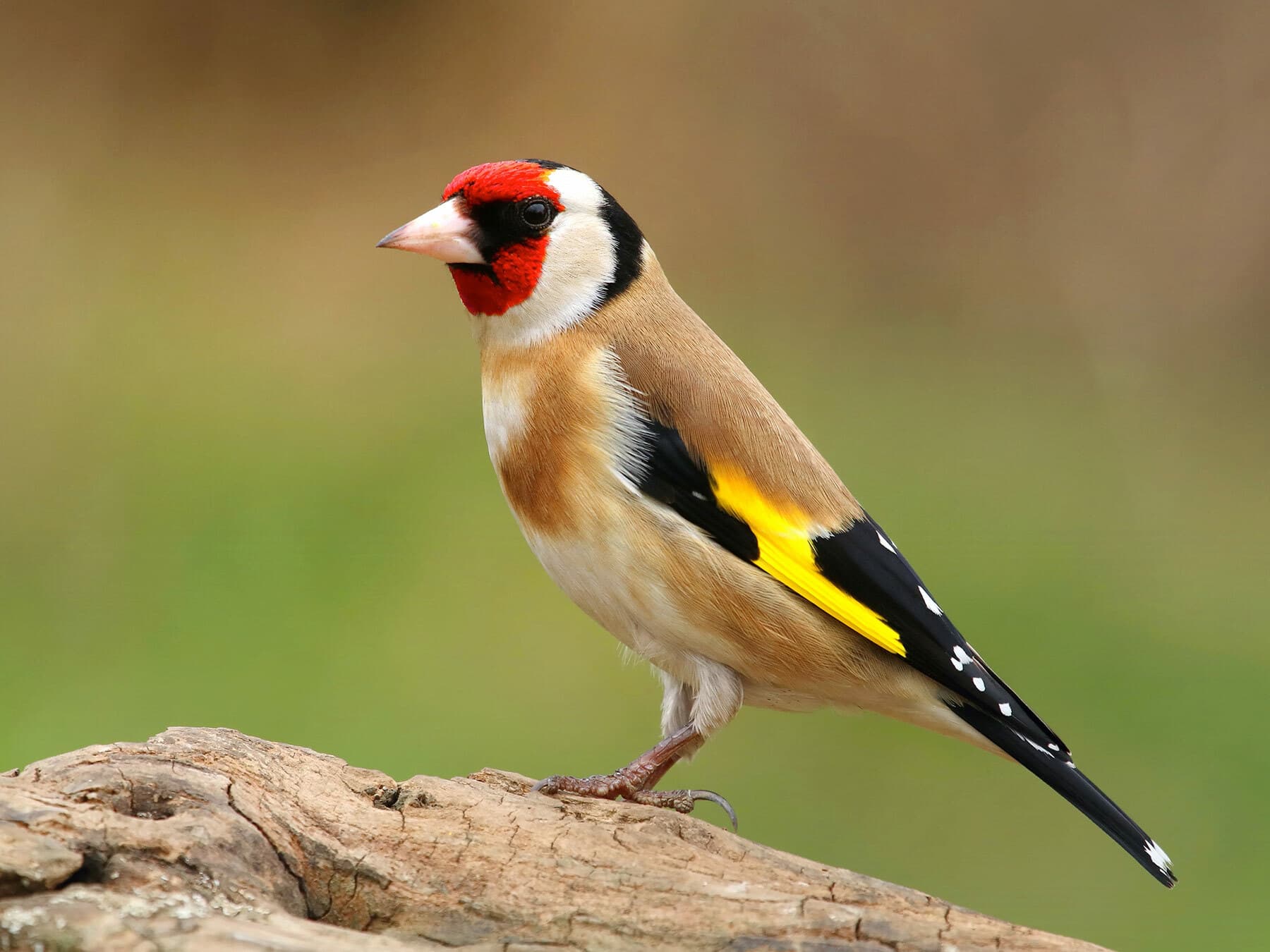
European Goldfinch
Carduelis carduelisLC
A common resident, frequently visiting garden feeders and foraging on teasel and thistle heads across Lancashire's parks and farmland year-round.
Year-round
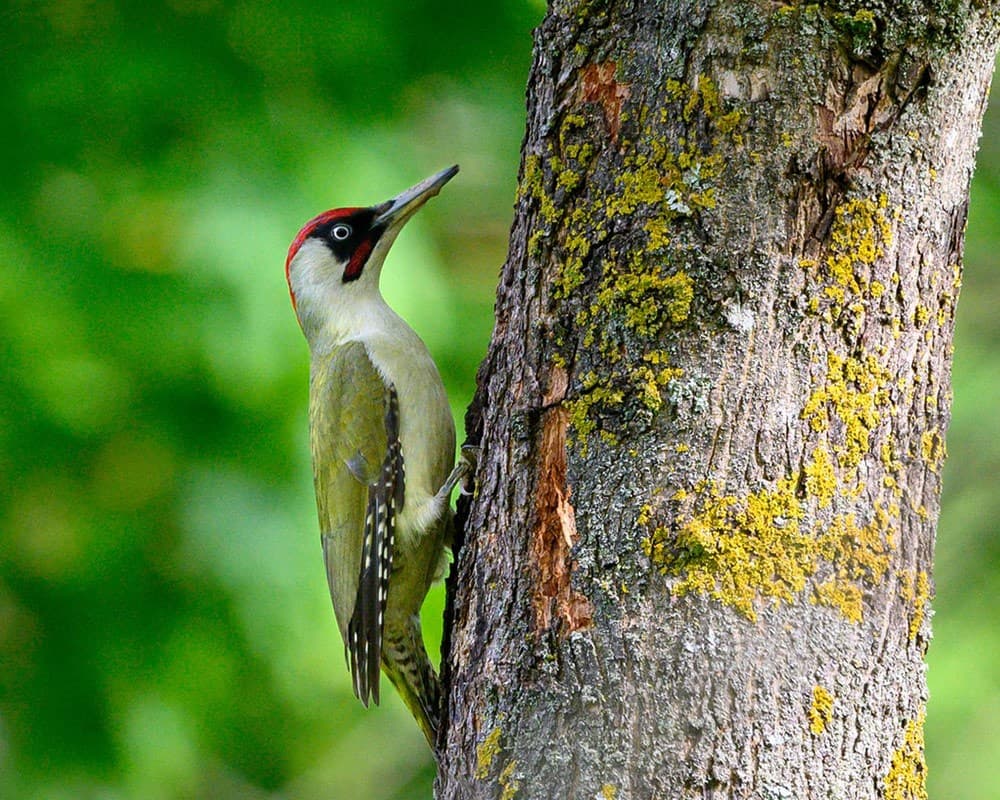
European Green Woodpecker
Picus viridisLC
A rare resident of parkland and woodland edges, identified by its loud laughing call. Scarce in northern Lancashire.
Jan–Nov
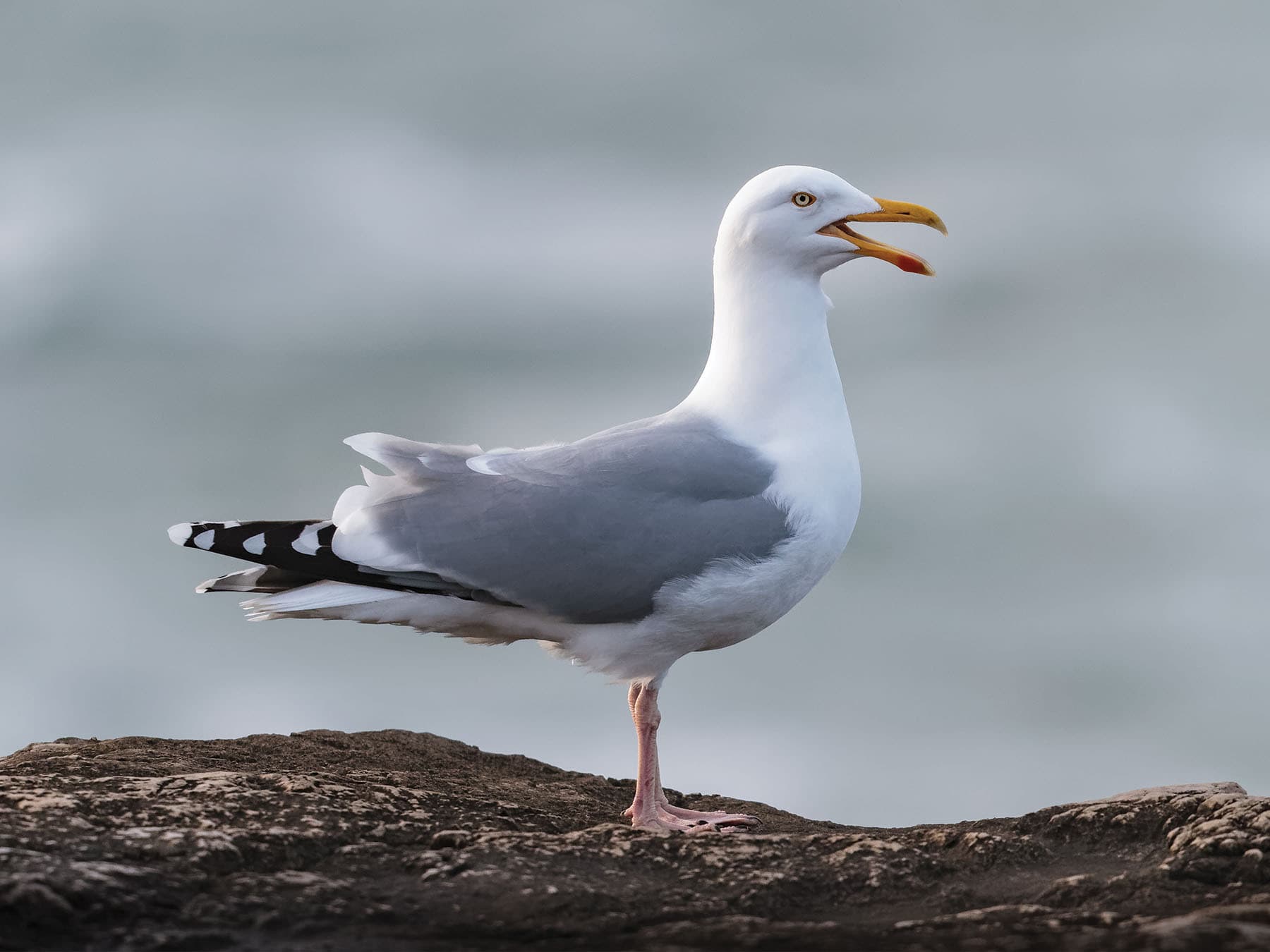
European Herring Gull
Larus argentatusLC
A common and conspicuous resident along the coast, in towns, and at landfill sites. Numbers have declined but it remains widespread.
Year-round