Rare Birds in Lancashire

90 species matching this filter.

All birds in Lancashire

Lancashire's diverse landscapes — from the sweeping mudflats of Morecambe Bay to the upland moors of the Forest of Bowland and the wooded river valleys in between — provide habitat for a surprising variety of rare bird species. Around 90 species are classified as rare across the county, including elusive residents such as Barn Owl and Little Owl, scarce breeders like Grasshopper Warbler and Garden Warbler, and passage visitors such as Arctic Jaeger and Dotterel. Whether you're scanning coastal cliffs for European Shag and Kittiwake or listening for the reeling song of a Grasshopper Warbler in a reedbed, Lancashire offers rewarding birding for those willing to seek out its less common species.

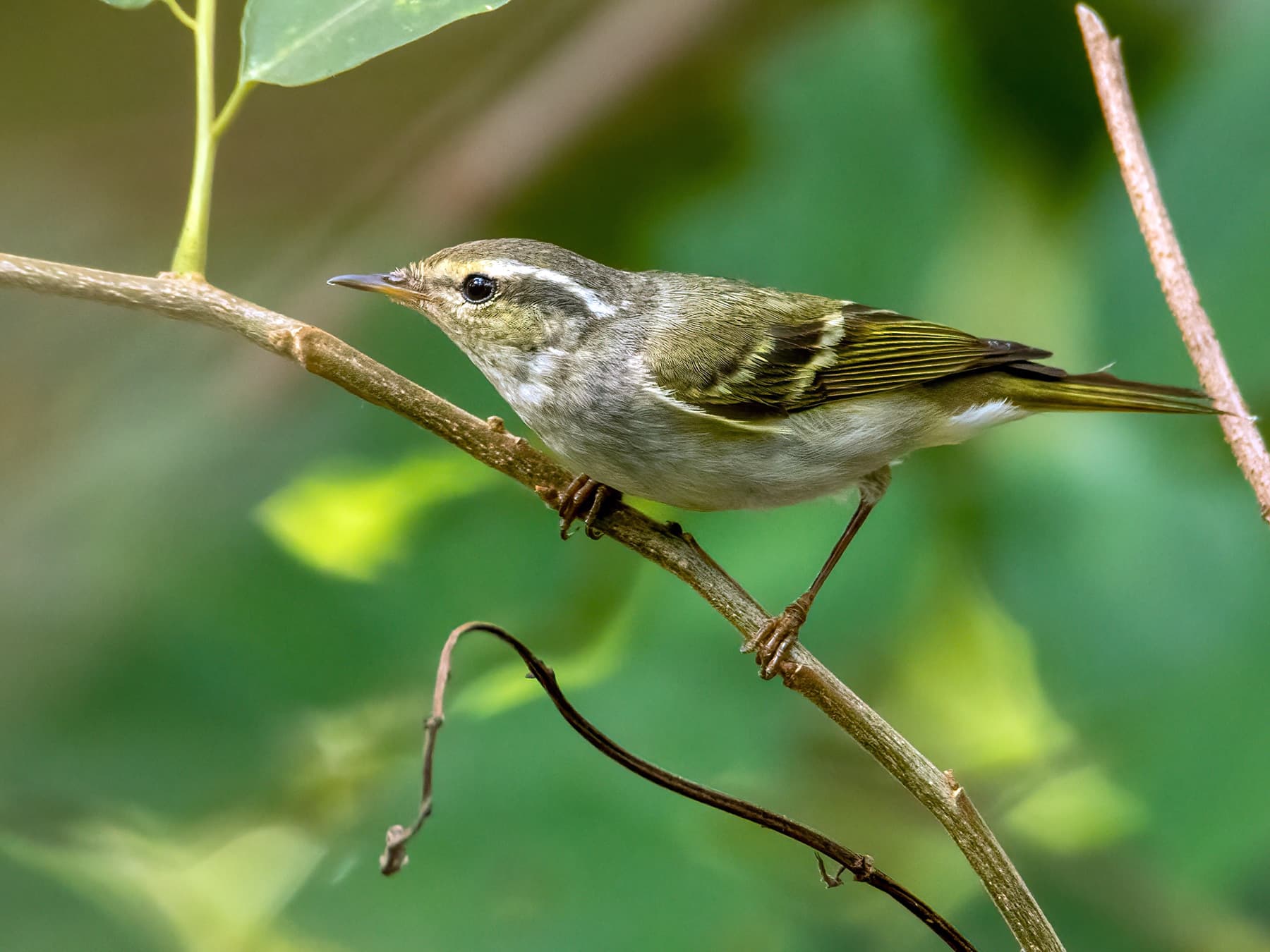
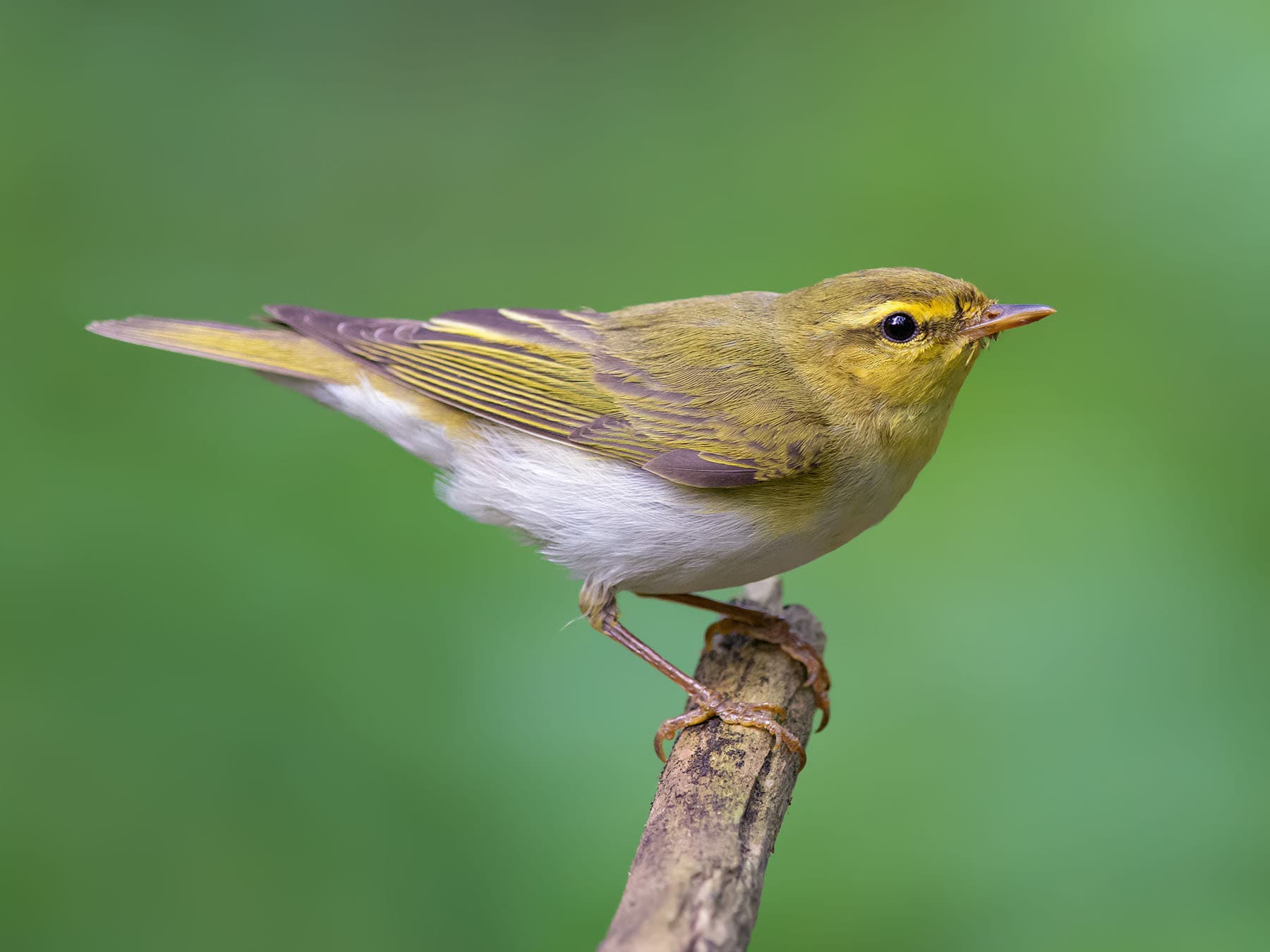
Yellow-browed Warbler
Yellow-browed WarblerSmallest · 10cm
to
Tundra Swan
Tundra SwanLargest · 150cm
Ranges from the Yellow-browed Warbler (10cm) to the Tundra Swan (150cm)35 families represented28 year-round residents

Showing 2446 of 90 species

Eurasian Woodcock

Eurasian Woodcock

Scolopax rusticolaLC

A secretive resident of damp woodland, most often seen during roding display flights at dusk over Bowland's woods in spring.

Nov–May

J
F
M
A
M
J
J
A
S
O
N
D
European Green Woodpecker

European Green Woodpecker

Picus viridisLC

A rare resident of parkland and woodland edges, identified by its loud laughing call. Scarce in northern Lancashire.

Jan–Nov

J
F
M
A
M
J
J
A
S
O
N
D
European Pied Flycatcher

European Pied Flycatcher

Ficedula hypoleucaLC

A rare summer breeder favouring oak woodlands in the eastern hills, arriving in April. Readily takes to nestboxes where provided.

Apr–Jun

J
F
M
A
M
J
J
A
S
O
N
D
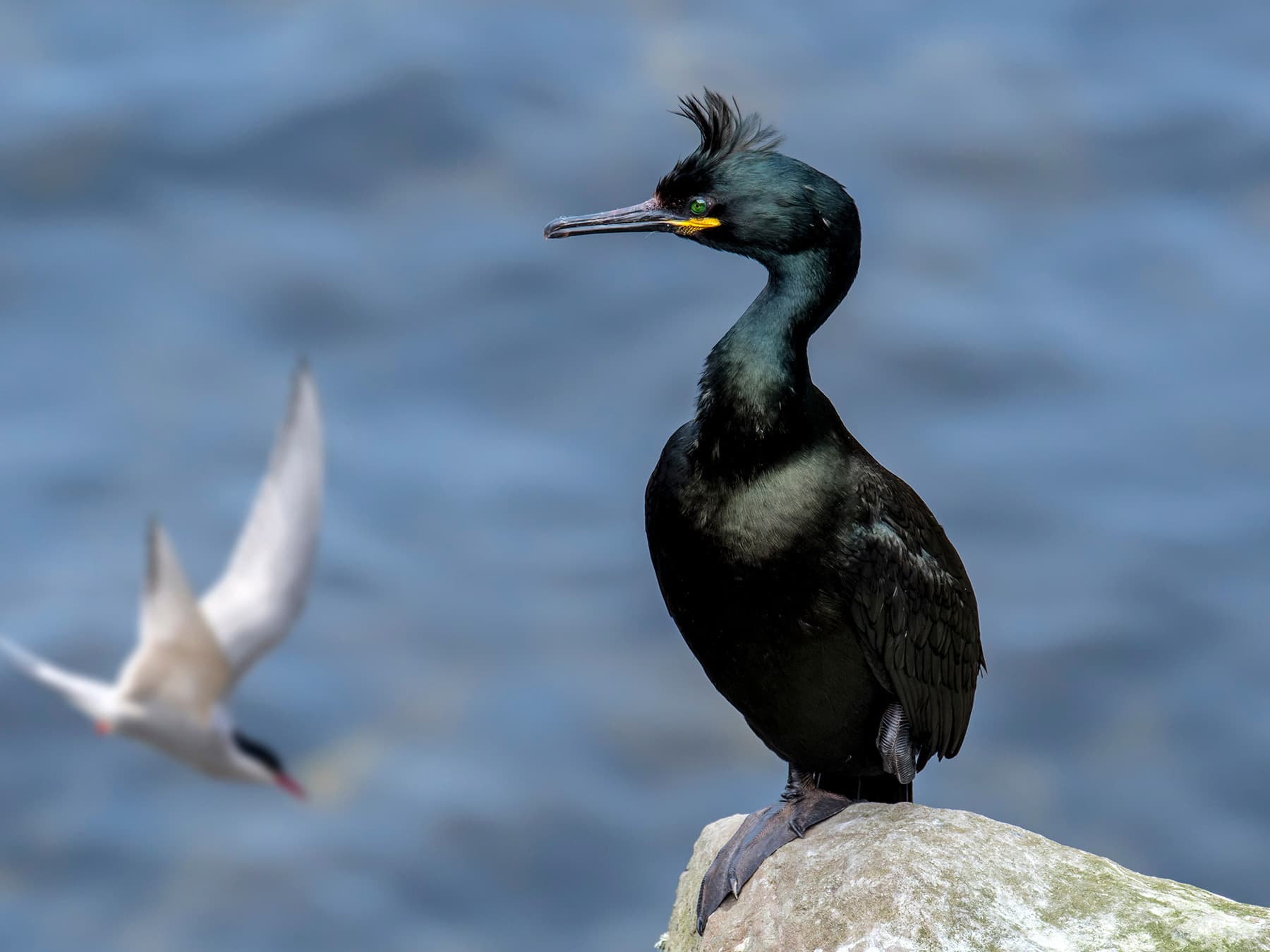
European Shag

European Shag

Phalacrocorax aristotelisLC

A rare passage visitor, occasionally recorded along rocky stretches of coast in January. Scarcer here than the Cormorant.

Jan

J
F
M
A
M
J
J
A
S
O
N
D
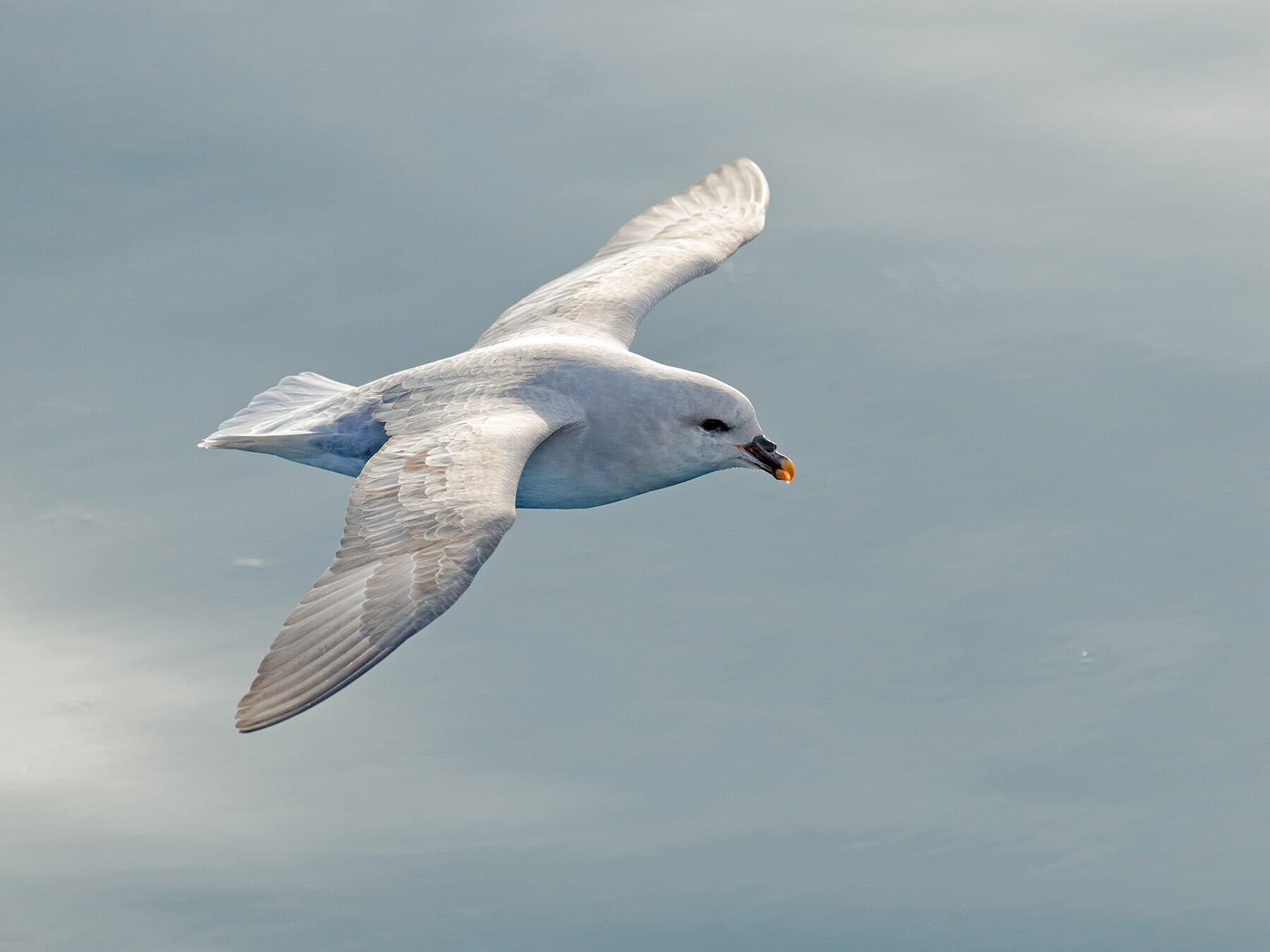
Fulmar

Fulmar

Fulmarus glacialisLC

A rare passage visitor in September, sometimes driven close to shore by autumn storms along the Lancashire coast.

Sep

J
F
M
A
M
J
J
A
S
O
N
D
Garden Warbler

Garden Warbler

Sylvia borinLC

A rare and declining summer breeder found in dense woodland understorey from May to July. Skulking and more often heard than seen.

May–Jul

J
F
M
A
M
J
J
A
S
O
N
D
Garganey

Garganey

Spatula querquedulaLC

A rare summer visitor breeding on Lancashire's shallow wetlands from March to September. One of the UK's scarcest breeding ducks.

Mar–Sep

J
F
M
A
M
J
J
A
S
O
N
D
Grasshopper Warbler

Grasshopper Warbler

Locustella naeviaLC

A rare and secretive breeding visitor from April to July. Its insect-like reeling song is best heard at dusk on rough grassland and young plantations.

Apr–Jul

J
F
M
A
M
J
J
A
S
O
N
D

Spotted something?

Upload a photo to identify it

Identify
Greater Scaup

Greater Scaup

Aythya marilaLC

A rare winter visitor, occasionally seen on sheltered coastal waters and estuaries from November to February.

Nov–Feb

J
F
M
A
M
J
J
A
S
O
N
D
Greater White-fronted Goose

Greater White-fronted Goose

Anser albifronsLC

A rare winter visitor to Lancashire's coastal marshes and wetlands, occasionally joining flocks of Pink-footed Geese between December and March.

Dec–Mar

J
F
M
A
M
J
J
A
S
O
N
D
Green Sandpiper

Green Sandpiper

Tringa ochropusLC

A rare but regular visitor to Lancashire's freshwater margins, most often seen on autumn passage at pools and reservoir edges.

Mar–Dec

J
F
M
A
M
J
J
A
S
O
N
D
Grey Partridge

Grey Partridge

Perdix perdixLC

A rare and declining resident of farmland, now scarce across Lancashire. Favours arable fields with hedgerow margins for nesting.

Sep–Jun

J
F
M
A
M
J
J
A
S
O
N
D
Grey Phalarope

Grey Phalarope

Phalaropus fulicariusLC

A rare autumn passage visitor, occasionally storm-blown onto Lancashire's coast in September, favouring sheltered pools.

Sep

J
F
M
A
M
J
J
A
S
O
N
D
Grey Plover

Grey Plover

Pluvialis squatarolaLC

A rare but regular visitor to Lancashire's estuaries, favouring the Ribble and Morecambe Bay mudflats outside the summer months.

Aug–May

J
F
M
A
M
J
J
A
S
O
N
D
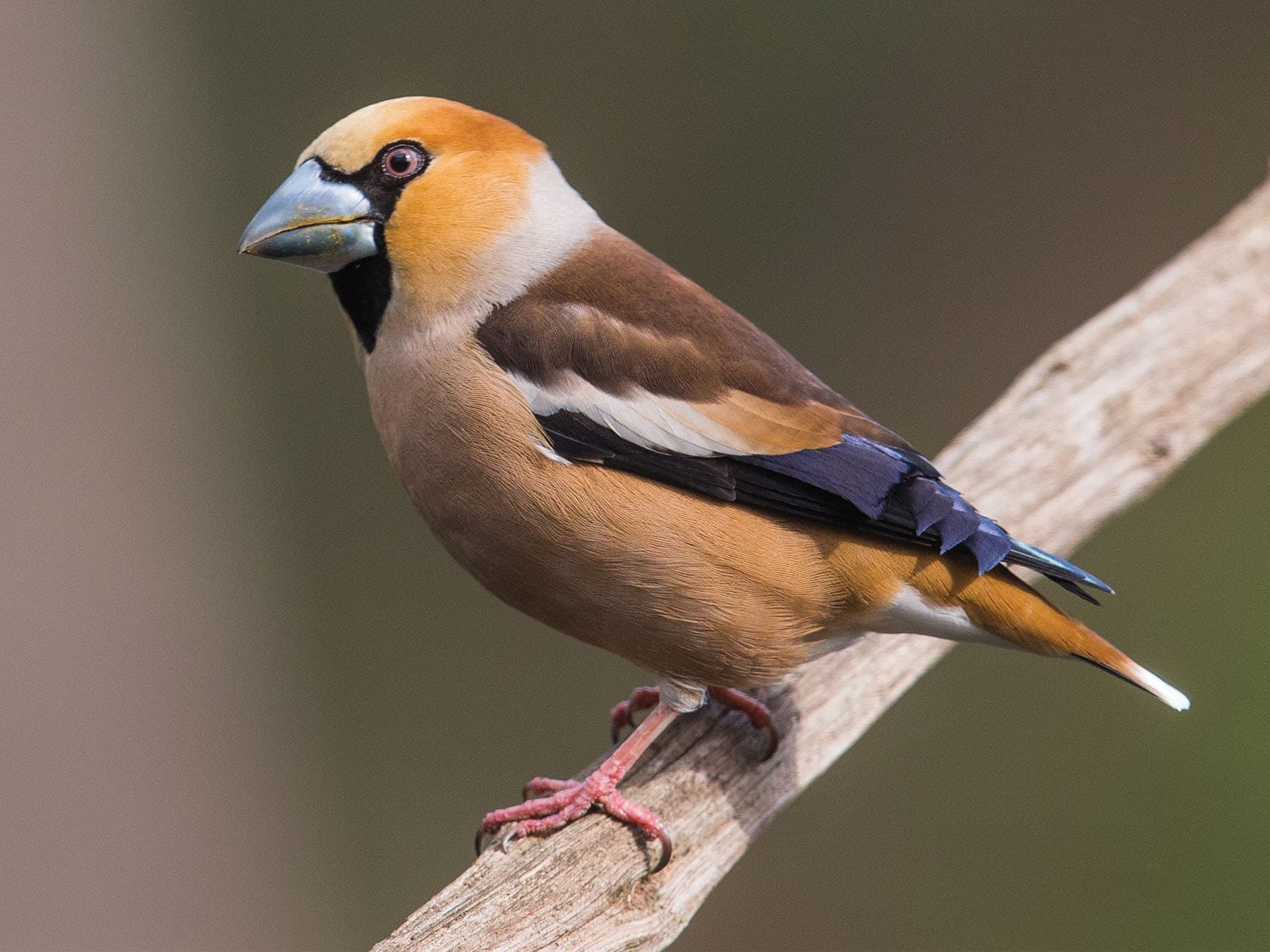
Hawfinch

Hawfinch

Coccothraustes coccothraustesLC

A rare passage visitor, occasionally recorded in February. Lancashire lies outside its core range, making any sighting a notable event.

Feb

J
F
M
A
M
J
J
A
S
O
N
D
Hen Harrier

Hen Harrier

Circus cyaneusLC

A rare resident of upland moors in summer; winters on lowland mosses and marshes. A conservation priority in the Bowland Fells.

Oct–Jun

J
F
M
A
M
J
J
A
S
O
N
D
Hobby

Hobby

Falco subbuteoLC

A rare summer breeder from May to September, hunting dragonflies and small birds over wetlands and open countryside.

May–Sep

J
F
M
A
M
J
J
A
S
O
N
D
Hoopoe

Hoopoe

Upupa epopsLC

A rare and exciting autumn vagrant, occasionally turning up in October in parks and gardens. Always causes a stir among local birders.

Oct

J
F
M
A
M
J
J
A
S
O
N
D
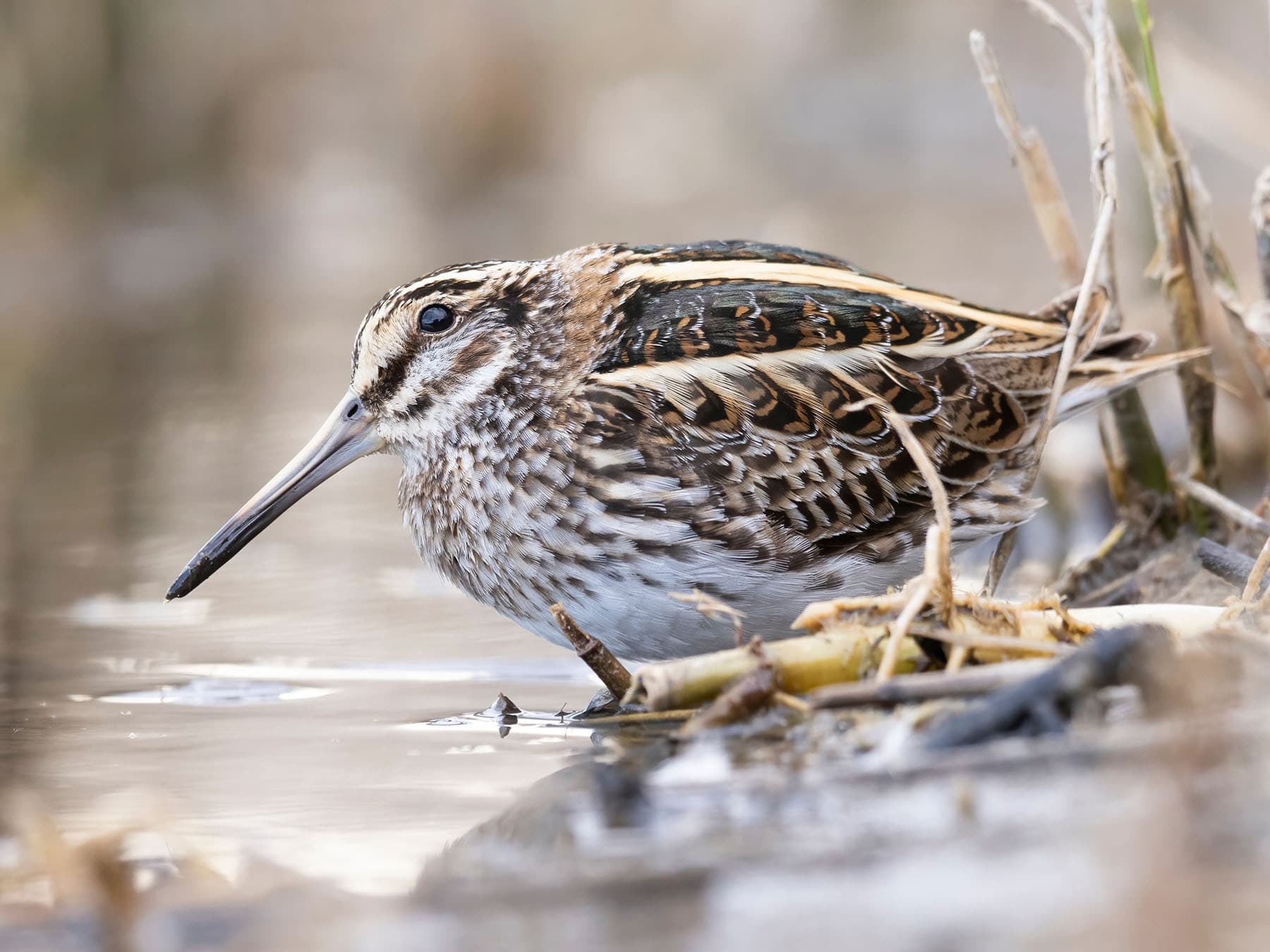
Jack Snipe

Jack Snipe

Lymnocryptes minimusLC

A secretive winter visitor to Lancashire's marshes and boggy fields, often flushing at close range with a weak, fluttering flight.

Oct–Feb

J
F
M
A
M
J
J
A
S
O
N
D
Kittiwake

Kittiwake

Rissa tridactylaVU

A rare breeding visitor, seen offshore and at coastal sites from spring to autumn. Numbers are declining sharply across the UK.

Apr–Oct

J
F
M
A
M
J
J
A
S
O
N
D
Leach's Storm-petrel

Leach's Storm-petrel

Hydrobates leucorhousVU

A rare September passage visitor, driven close to shore by Atlantic gales. Best looked for during strong westerly seawatches.

Sep

J
F
M
A
M
J
J
A
S
O
N
D
Lesser Whitethroat

Lesser Whitethroat

Curruca currucaLC

A rare summer breeder arriving in April, favouring tall hedgerows and scrubby woodland edges. Its rattling song is easily overlooked.

Apr–Aug

J
F
M
A
M
J
J
A
S
O
N
D
Little Gull

Little Gull

Hydrocoloeus minutusLC

A rare and dainty passage migrant in May, occasionally spotted over coastal waters and estuaries during spring migration.

May

J
F
M
A
M
J
J
A
S
O
N
D
PreviousPage 2 of 4Next

Frequently Asked Questions