Rare Birds in Lancashire
95 species matching this filter.
Lancashire's diverse landscapes — from the sweeping mudflats of Morecambe Bay to the upland moors of the Forest of Bowland and the wooded river valleys in between — provide habitat for a surprising variety of rare bird species. Around 90 species are classified as rare across the county, including elusive residents such as Barn Owl and Little Owl, scarce breeders like Grasshopper Warbler and Garden Warbler, and passage visitors such as Arctic Jaeger and Dotterel. Whether you're scanning coastal cliffs for European Shag and Kittiwake or listening for the reeling song of a Grasshopper Warbler in a reedbed, Lancashire offers rewarding birding for those willing to seek out its less common species.


Showing 47–69 of 95 species
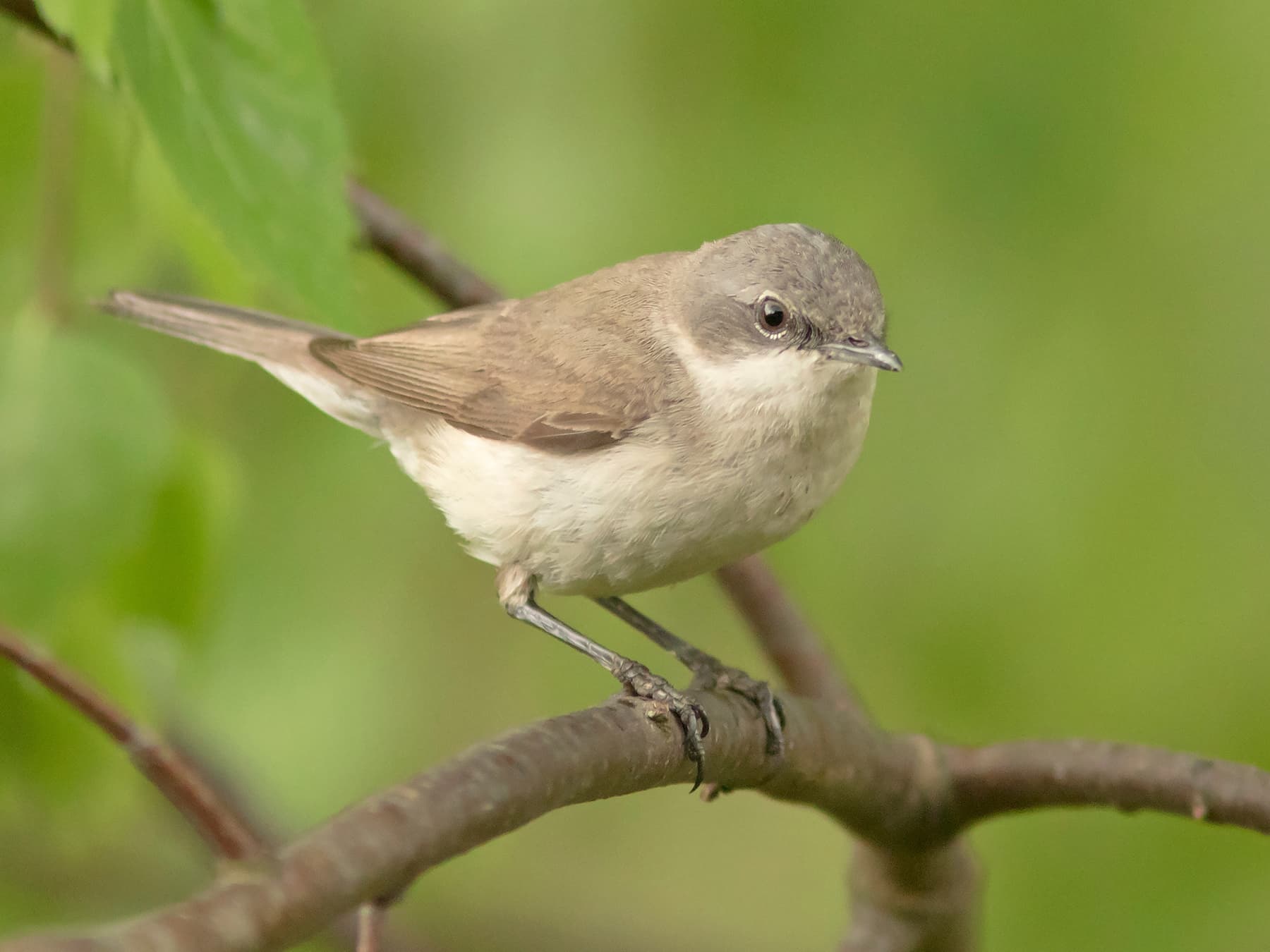
Lesser Whitethroat
Curruca currucaLC
A rare summer breeder arriving in April, favouring tall hedgerows and scrubby woodland edges. Its rattling song is easily overlooked.
Apr–Aug
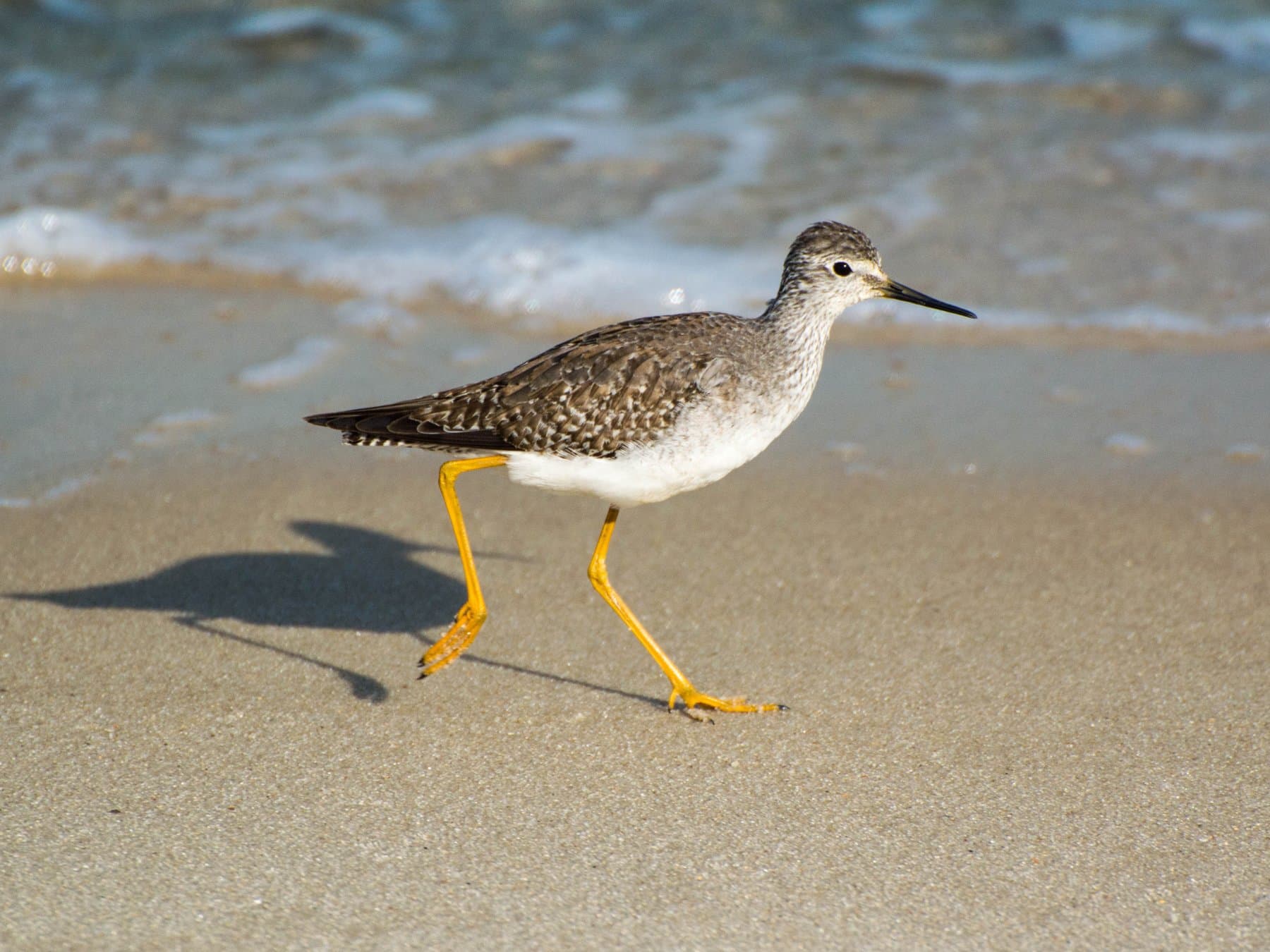
Lesser Yellowlegs
Tringa flavipesVU
A rare Nearctic vagrant, very occasionally recorded on passage at coastal pools and marshes in midsummer.
Jul
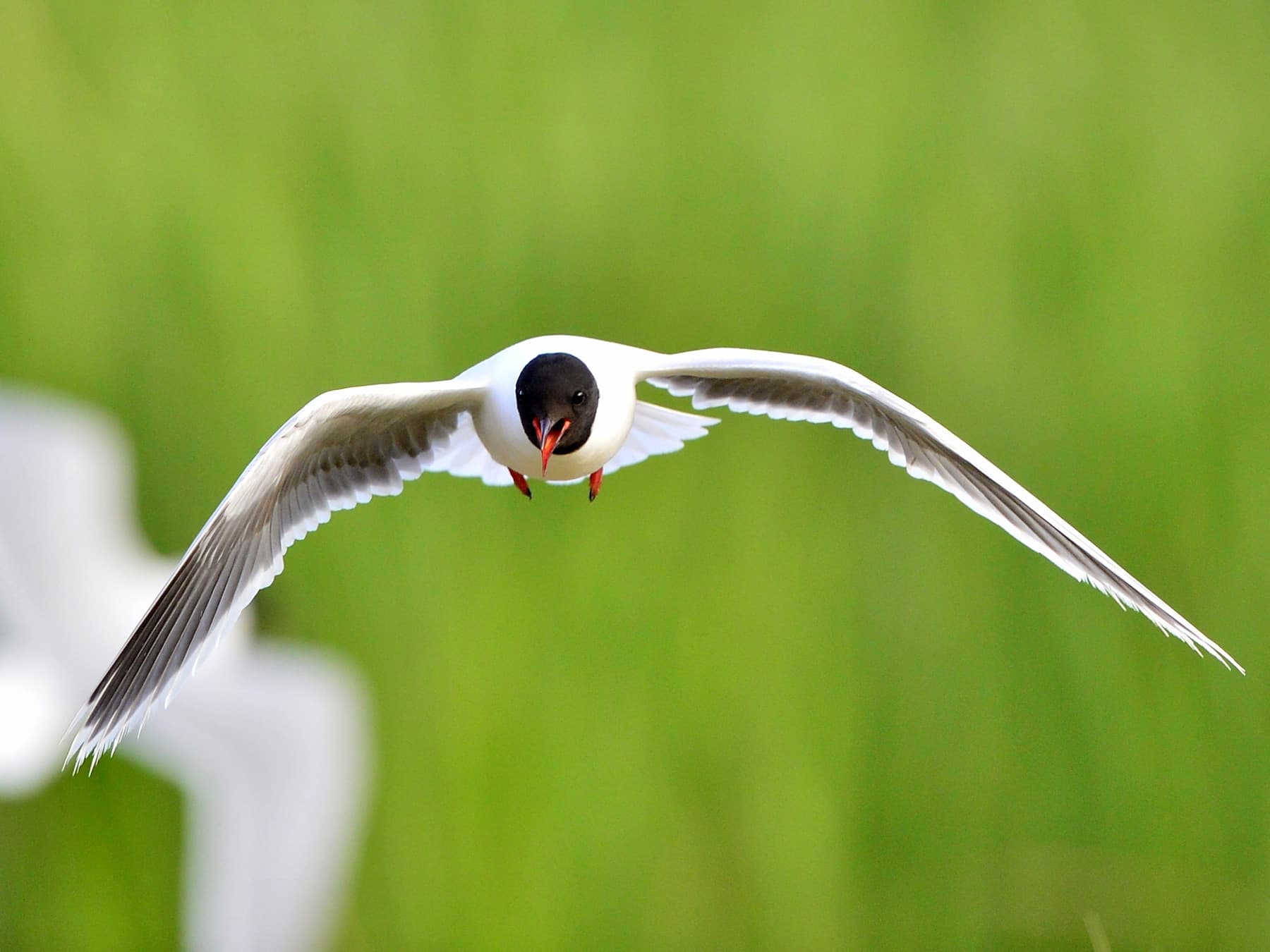
Little Gull
Hydrocoloeus minutusLC
A rare and dainty passage migrant in May, occasionally spotted over coastal waters and estuaries during spring migration.
May
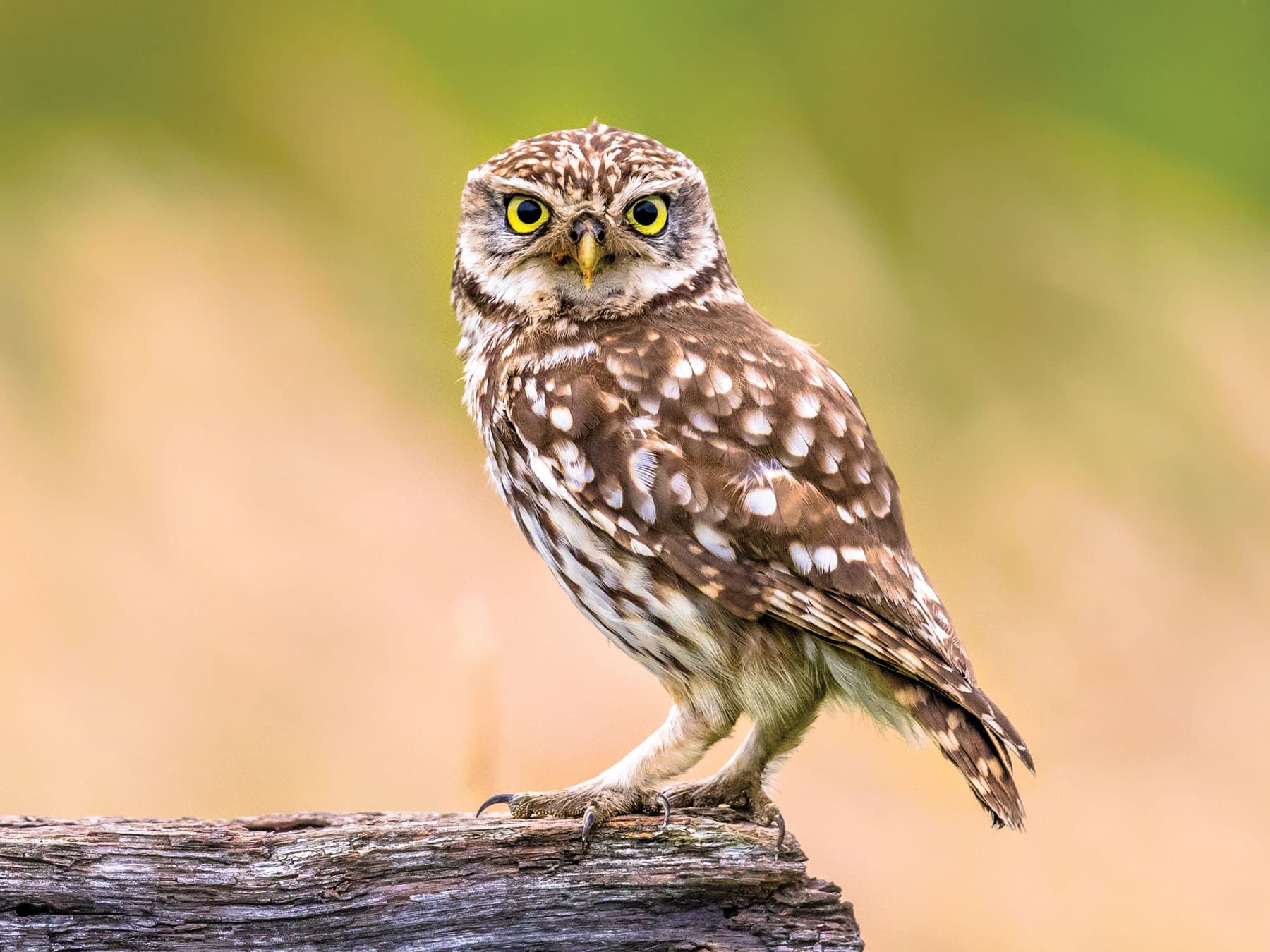
Little Owl
Athene noctuaLC
A rare resident of farmland and parkland, sometimes heard calling at dusk. Declining across much of northern England.
Year-round
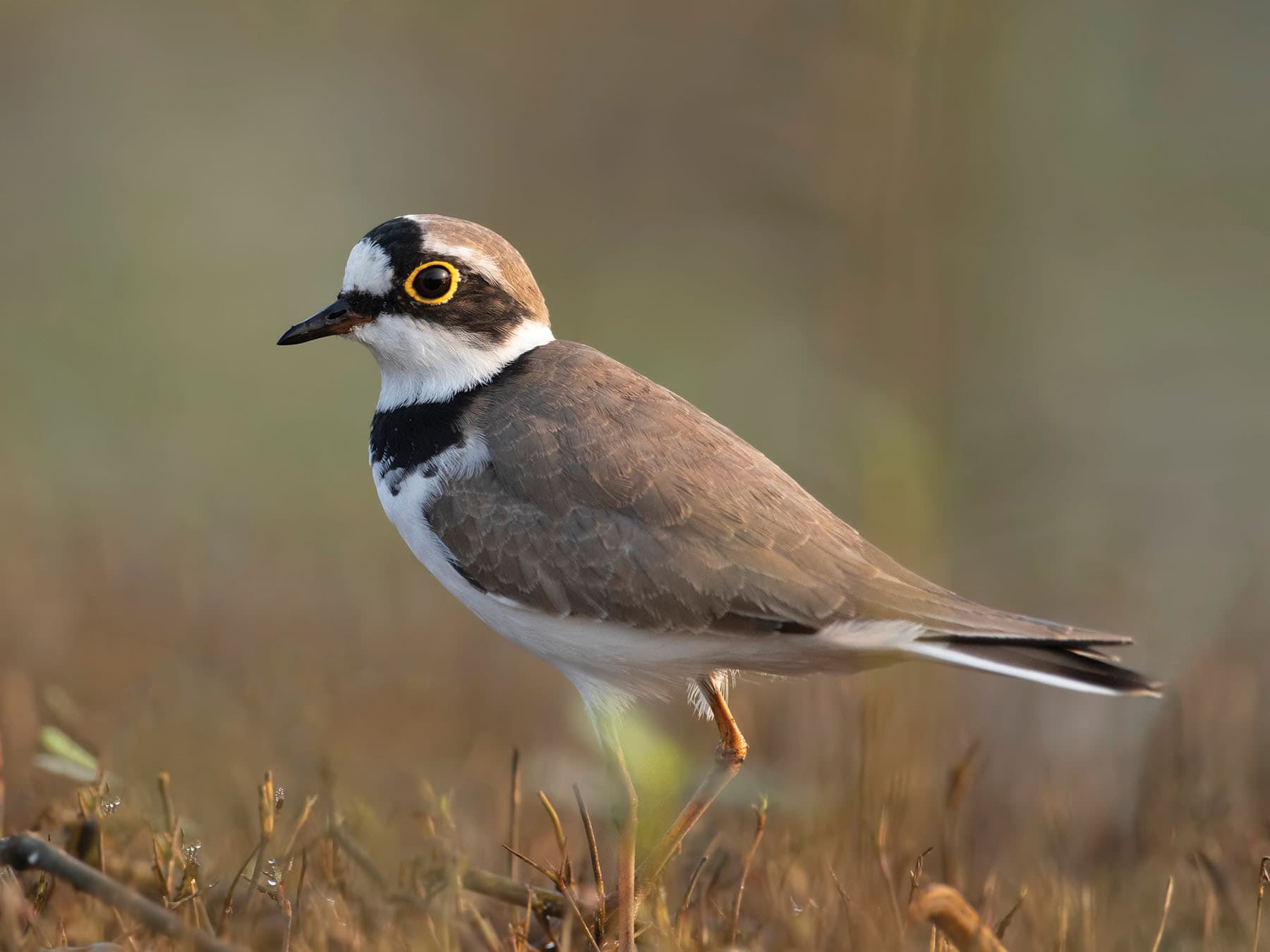
Little Ringed Plover
Charadrius dubiusLC
A rare summer breeder favouring gravel pits and reservoir margins. Arrives in March and departs by September.
Mar–Sep
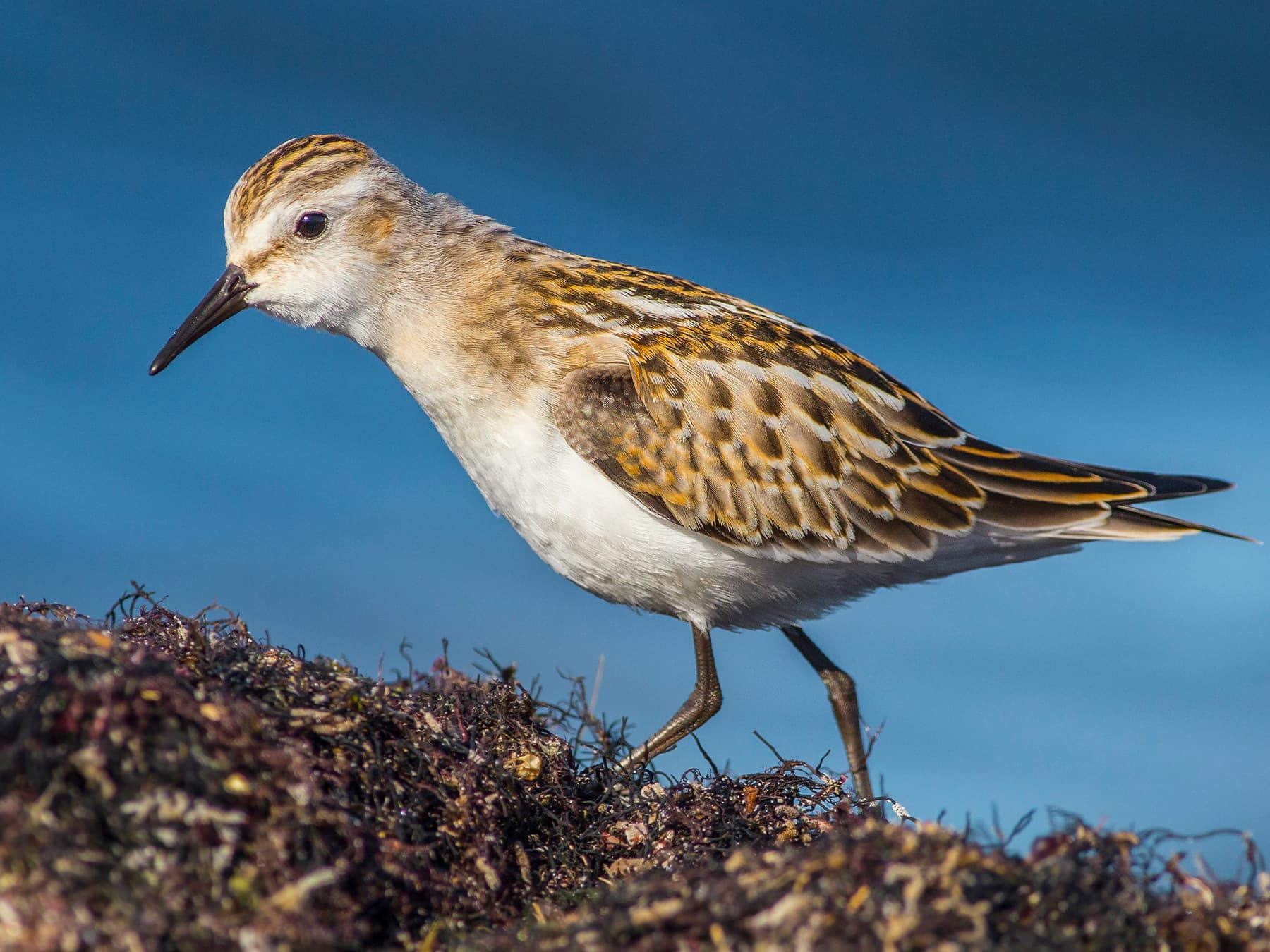
Little Stint
Calidris minutaLC
A rare autumn passage migrant in August and September, picking through muddy margins at coastal pools and estuaries.
Aug–Sep
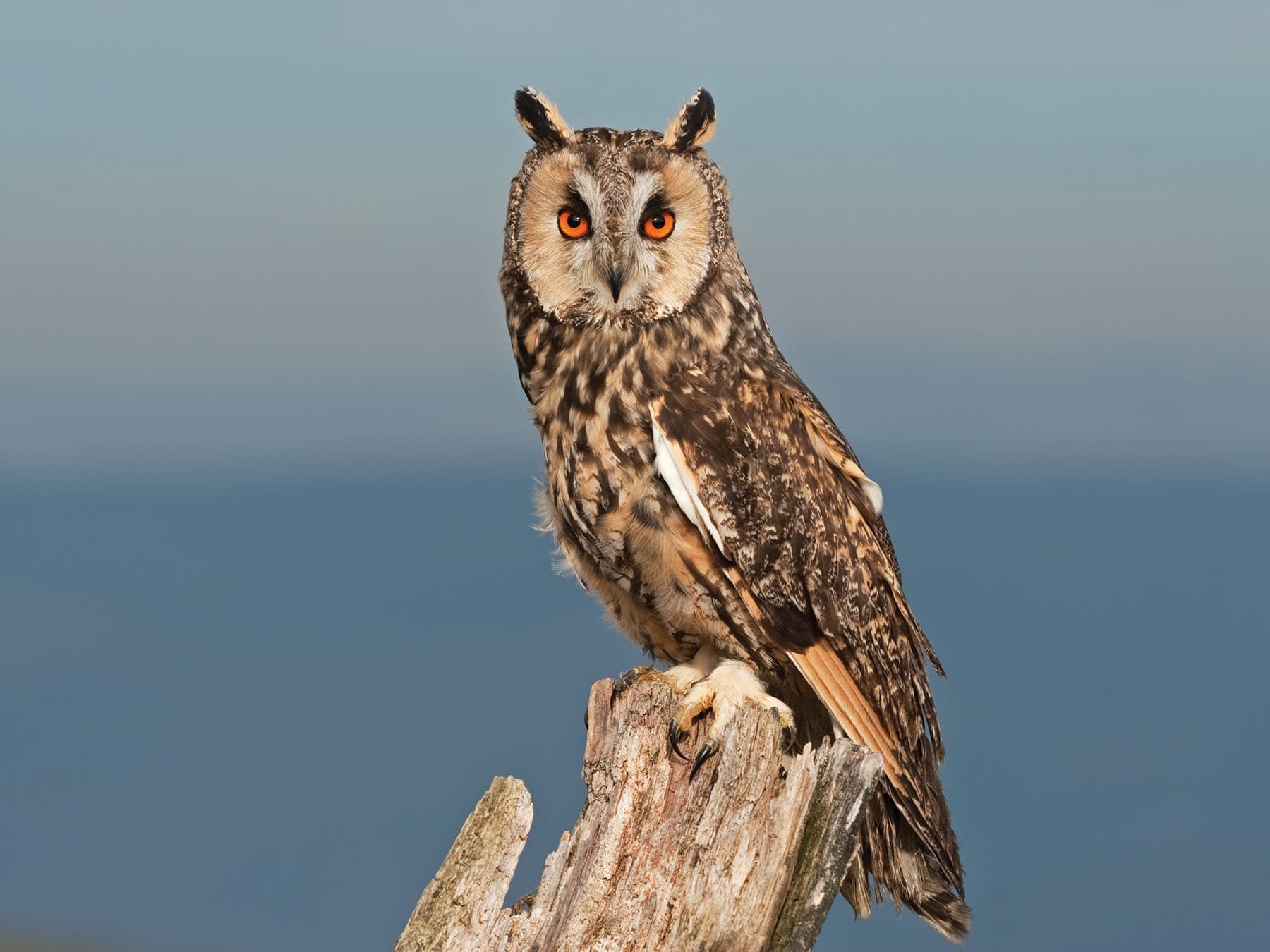
Long-eared Owl
Asio otusLC
A rare and secretive passage visitor, occasionally recorded in woodland and scrub during February and July.
Feb–Jul
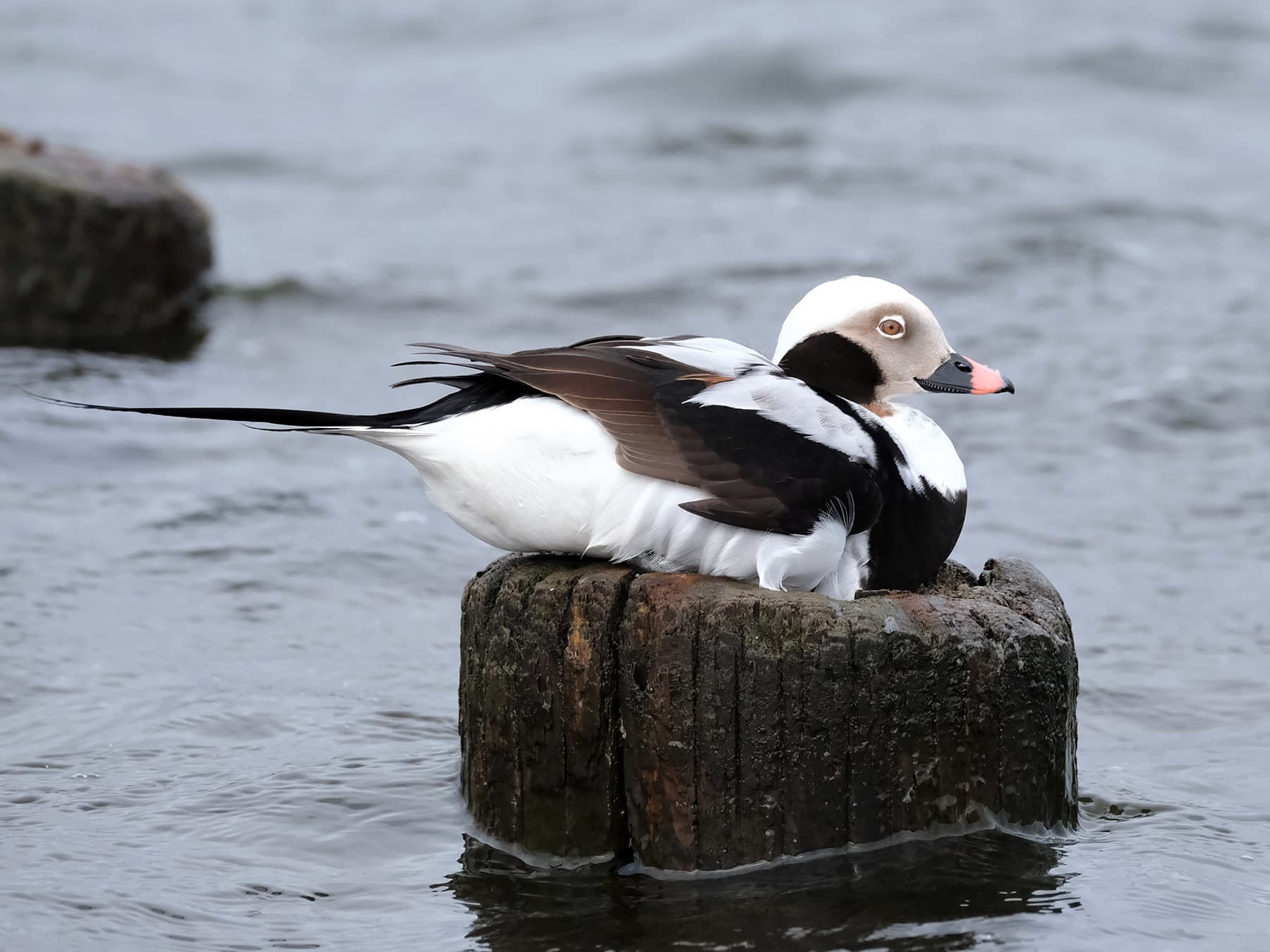
Long-tailed Duck
Clangula hyemalisVU
A rare passage visitor, occasionally noted offshore or on coastal waters in late autumn. Most records come from Morecambe Bay.
Nov
Spotted something?
Upload a photo to identify it
Identify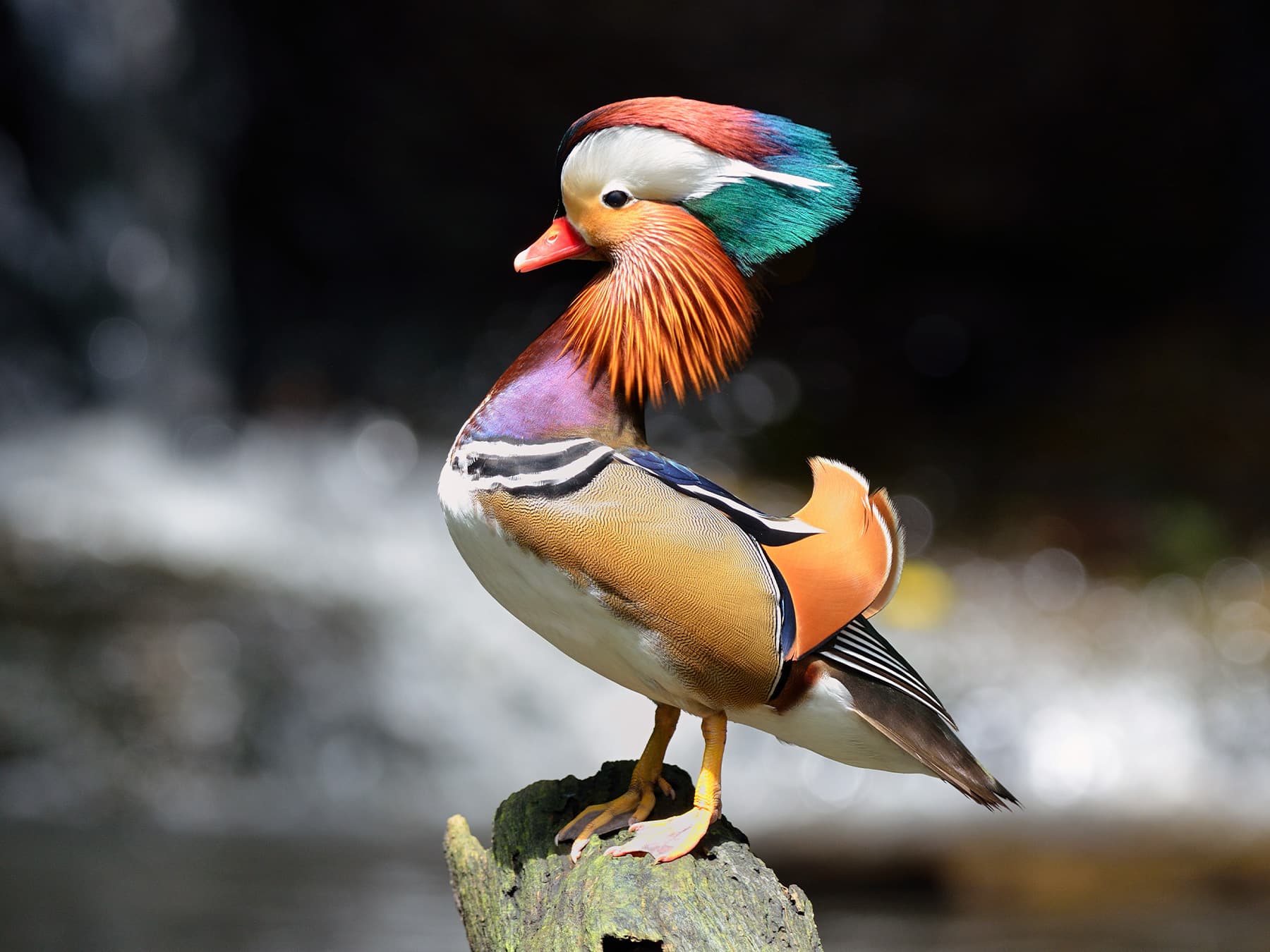
Mandarin Duck
Aix galericulataLC
A rare resident of wooded lakes and rivers, with scattered sightings across Lancashire from feral populations. Easily overlooked.
Nov–Aug
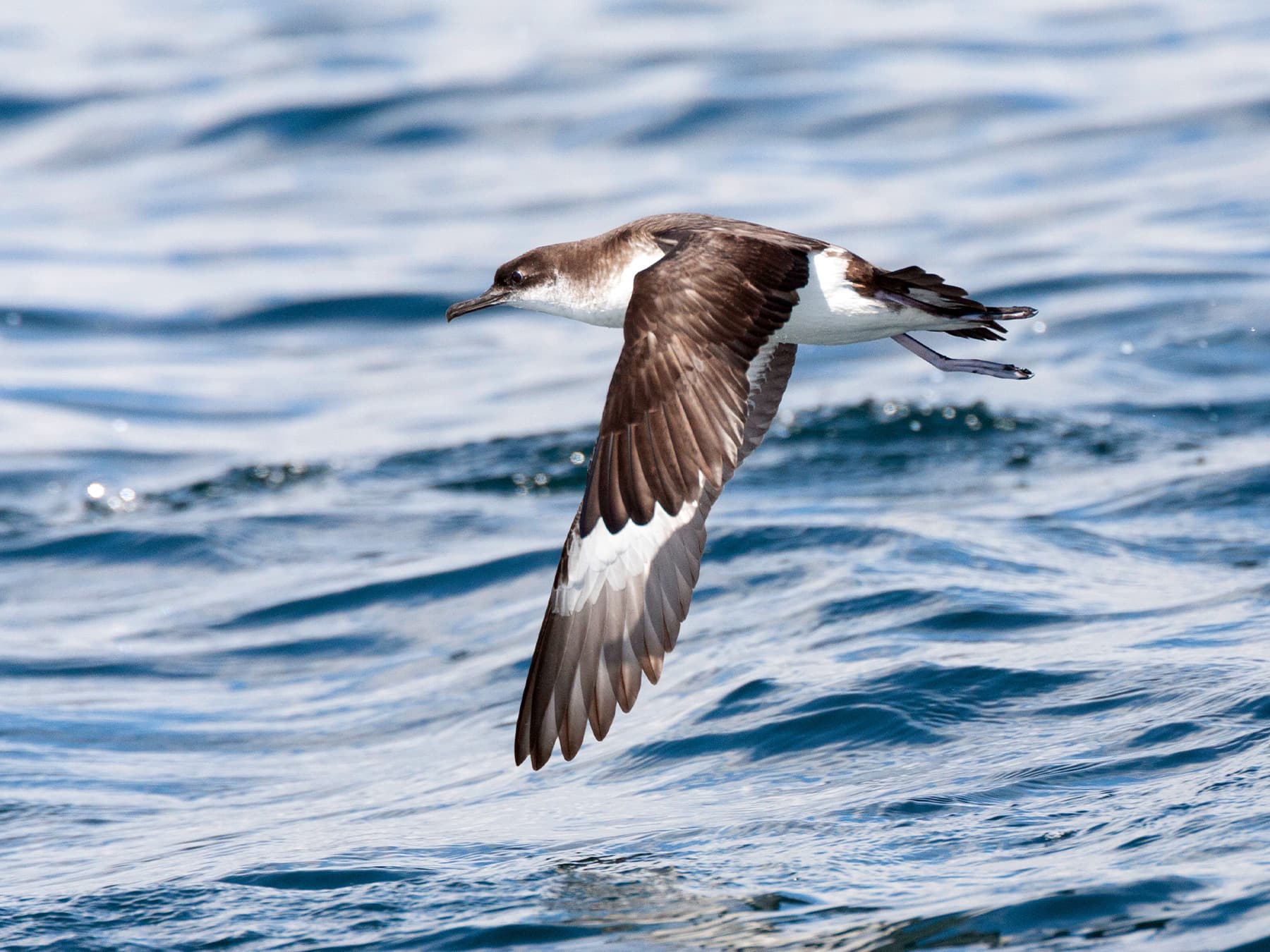
Manx Shearwater
Puffinus puffinusLC
A rare breeder present April to September, more often seen offshore. Occasionally noted passing coastal watchpoints.
Apr–Sep
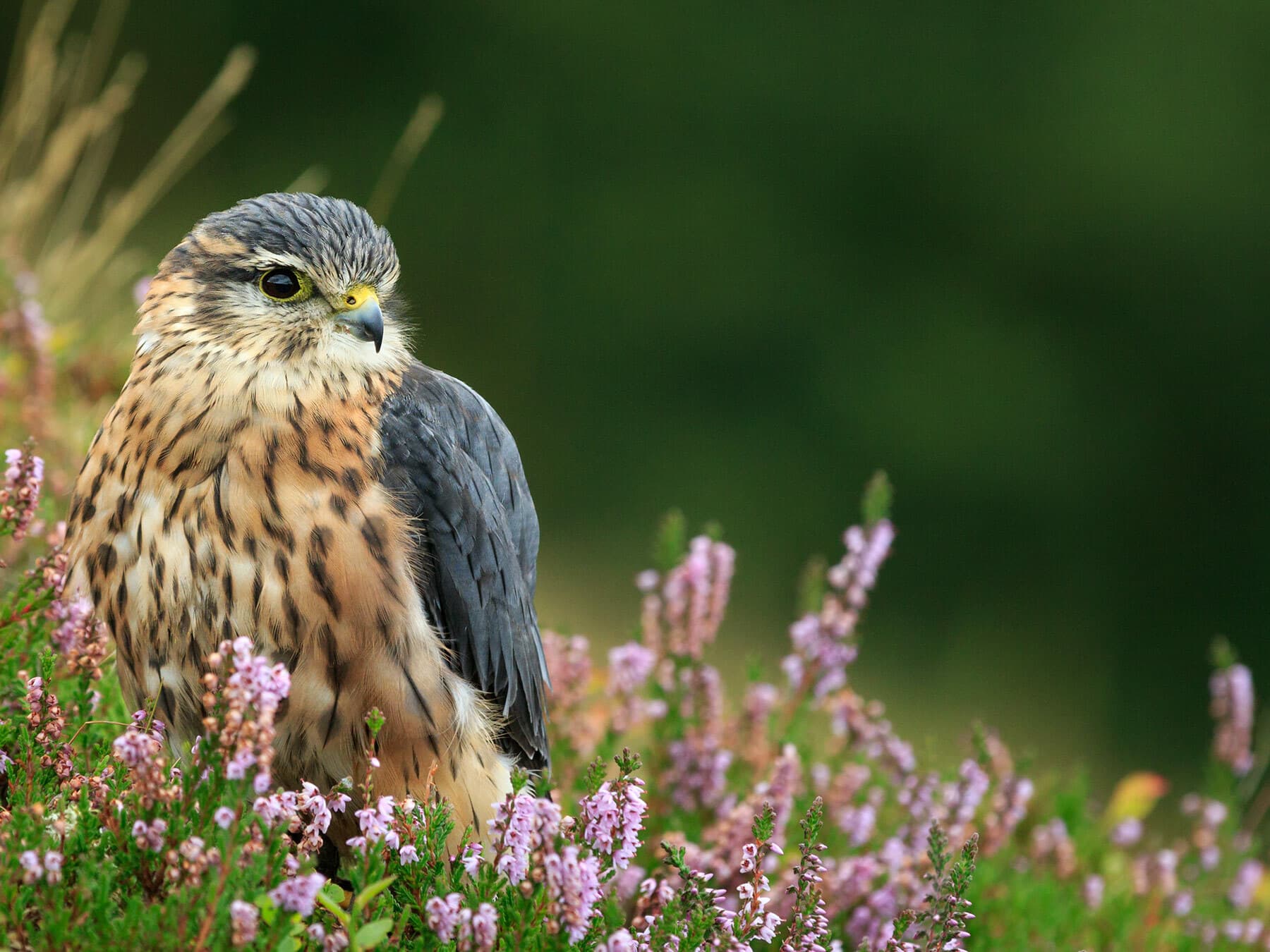
Merlin
Falco columbariusLC
A rare non-breeding visitor, arriving from August and wintering on coastal marshes and open moorland. Dashing and compact in flight.
Aug–Mar
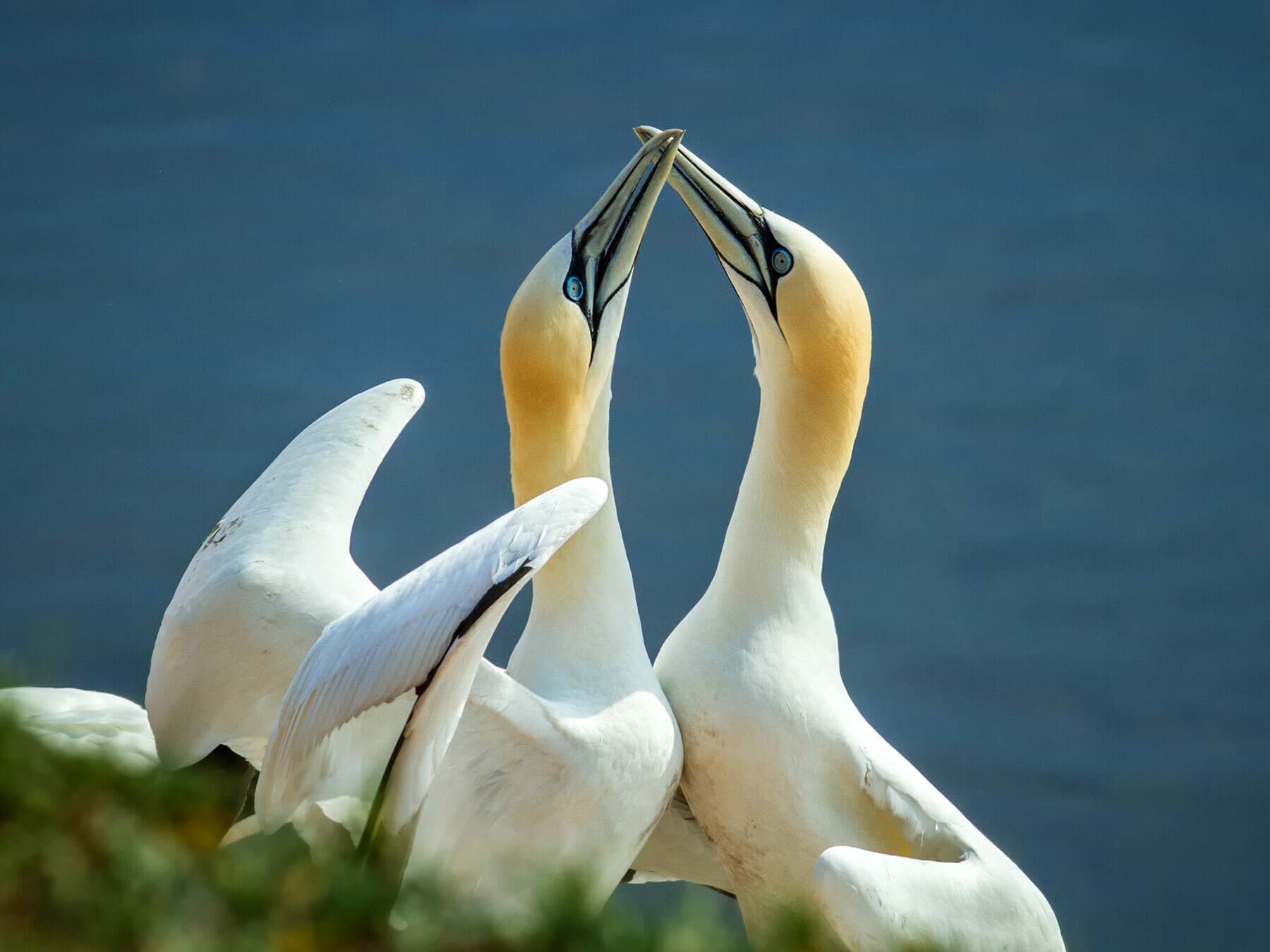
Northern Gannet
Morus bassanusLC
Seen offshore from April to October, often during seawatches from headlands. Breeds sparingly but is more frequent on passage.
Apr–Oct
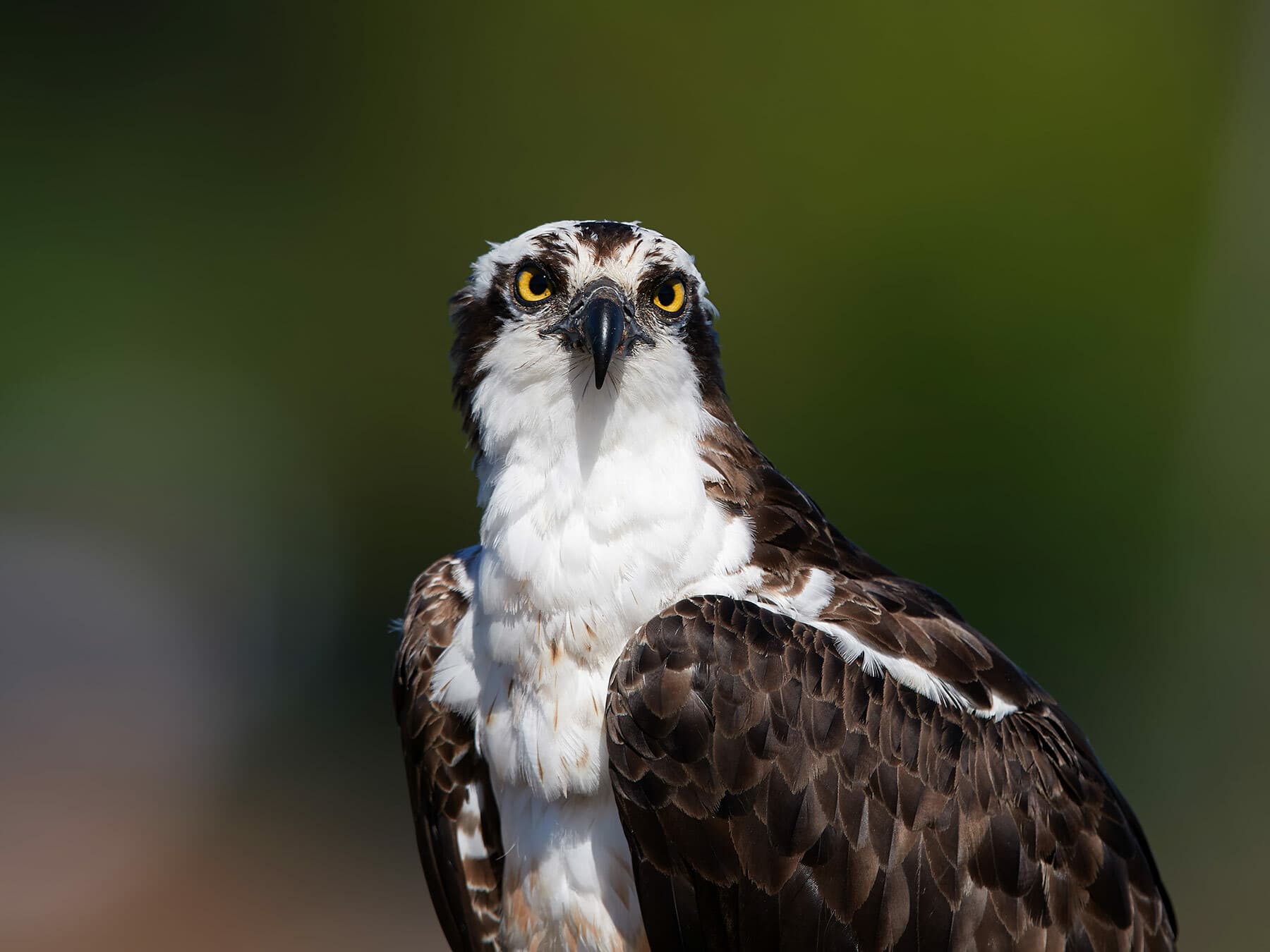
Osprey
Pandion haliaetusLC
A rare breeding visitor from April to September, favouring lakes and reservoirs. Lancashire's nesting pairs reflect the species' slow UK recovery.
Apr–Sep
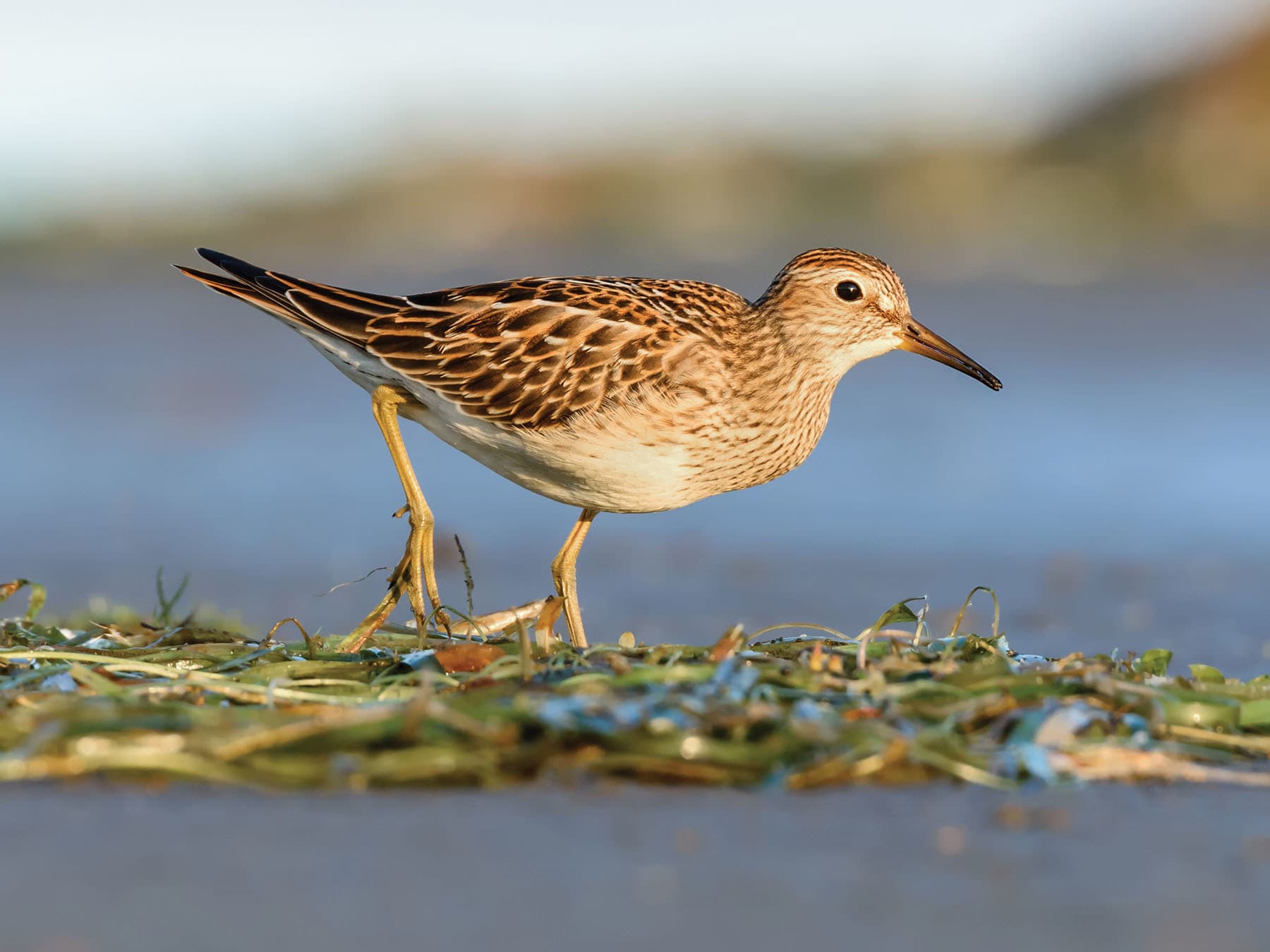
Pectoral Sandpiper
Calidris melanotosLC
A rare Nearctic vagrant recorded on autumn passage in September. Any Lancashire sighting draws keen interest from county birders.
Sep
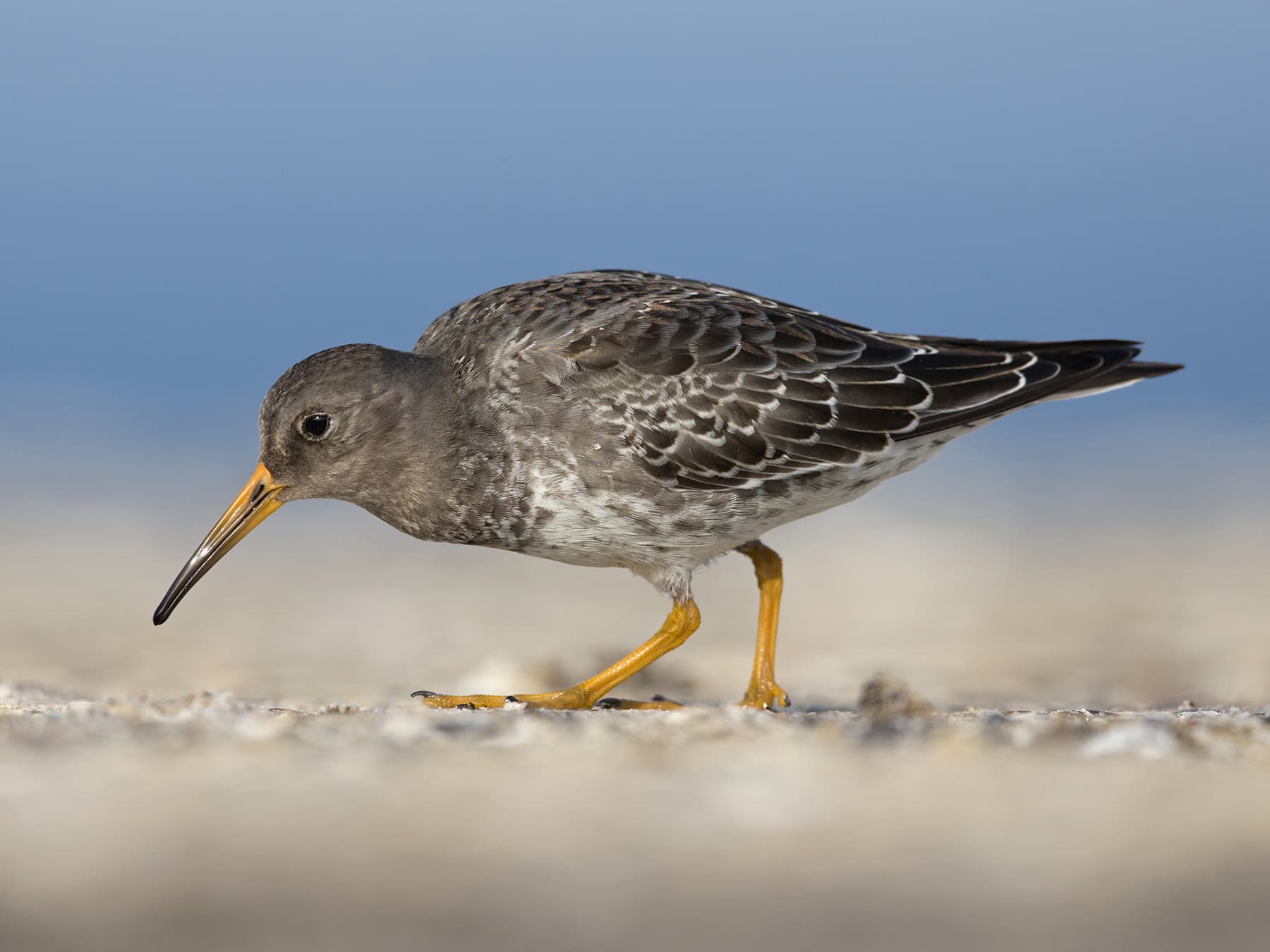
Purple Sandpiper
Calidris maritimaLC
A rare passage visitor in late autumn, favouring rocky coastal stretches and harbour walls around Morecambe Bay.
Nov–Dec
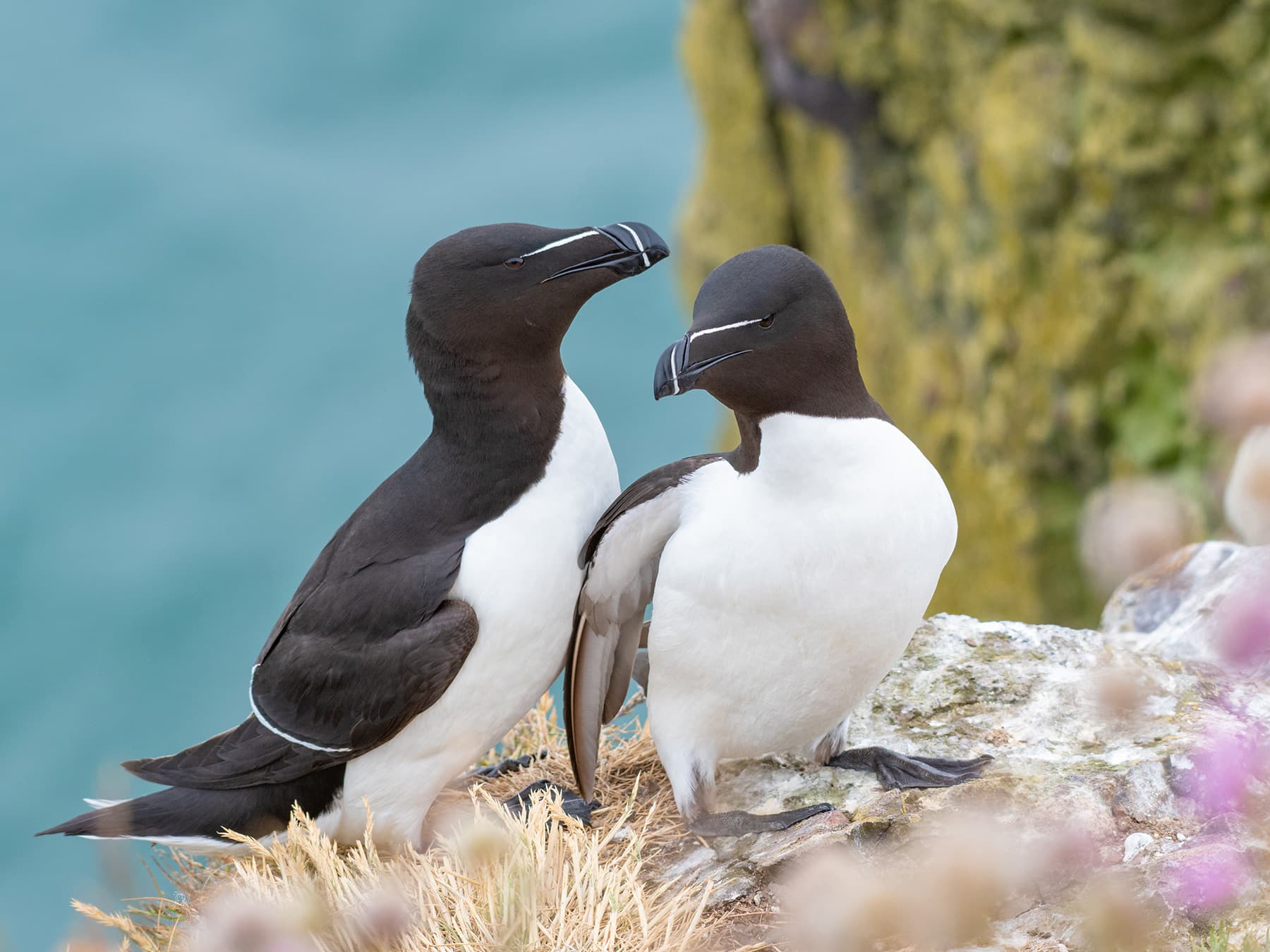
Razorbill
Alca tordaLC
A rare passage visitor in May, sometimes seen offshore or washed ashore after storms. Breeds on cliffs further north.
May
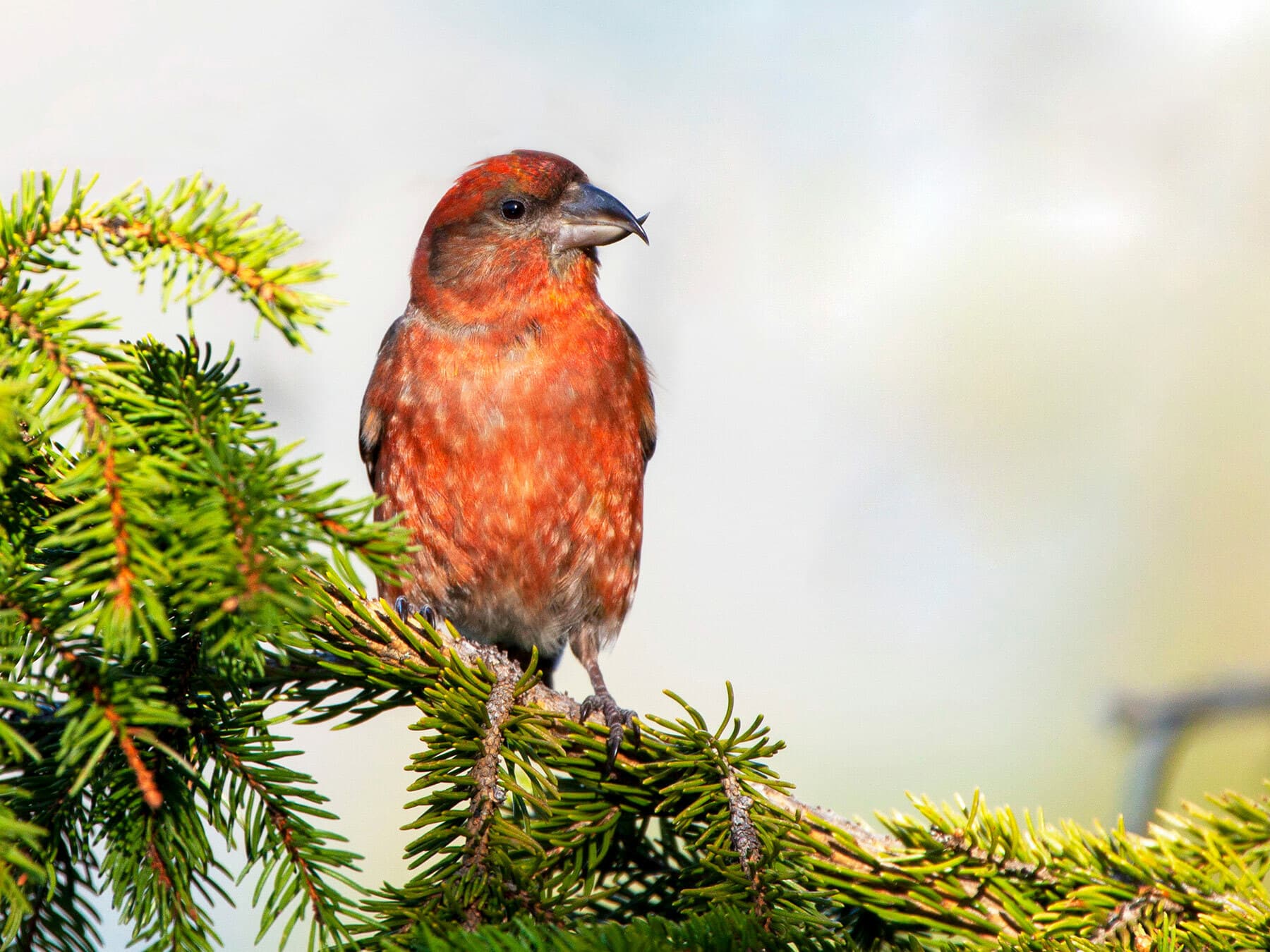
Red Crossbill
Loxia curvirostraLC
A rare breeding visitor to Lancashire's conifer plantations, with sporadic appearances linked to irruption years. Most likely in Bowland and Gisburn forests.
Apr–Oct
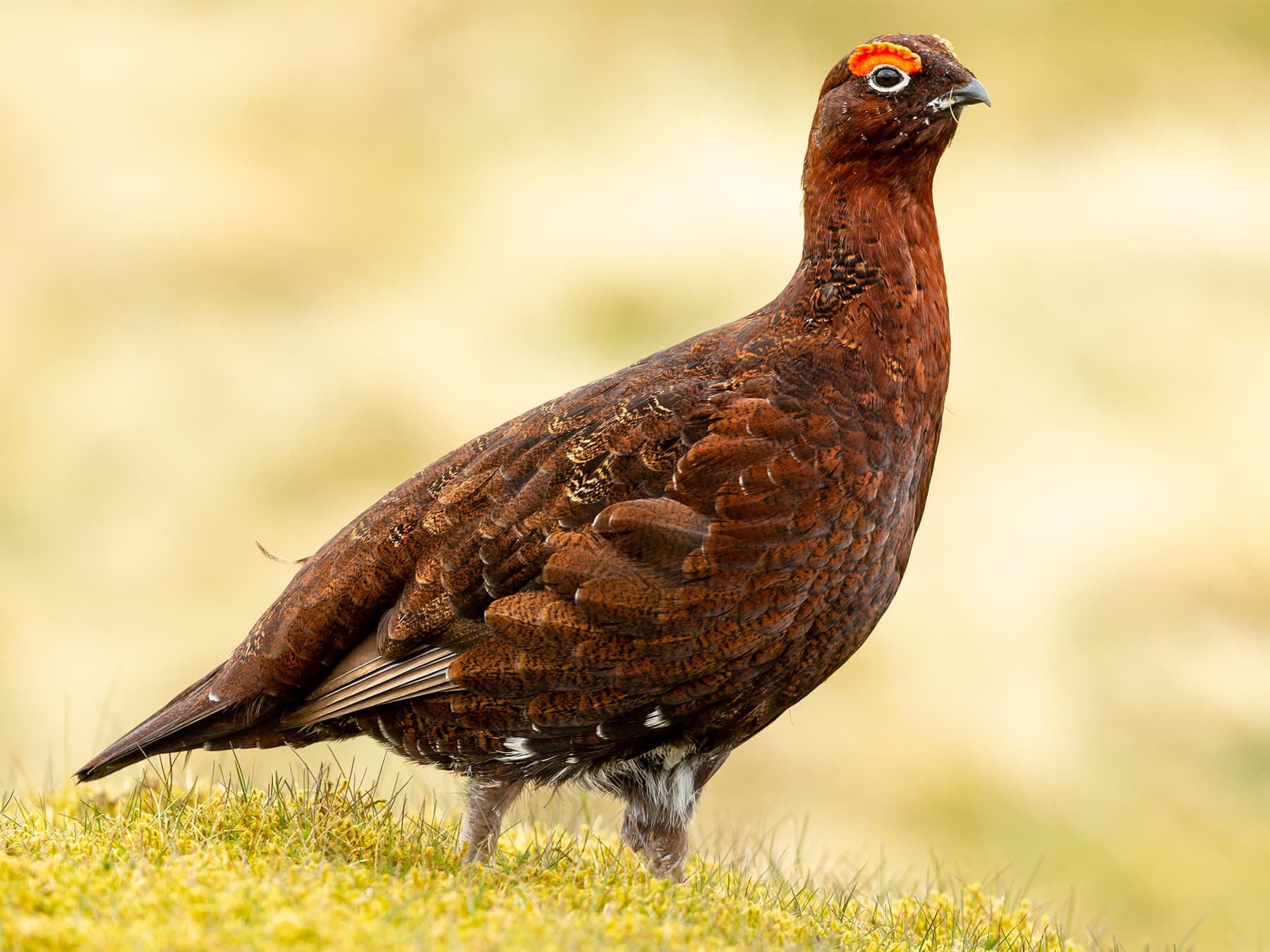
Red Grouse
Lagopus lagopus scoticaLC
A scarce resident of the Bowland and Pennine moorlands, favouring heather-clad uplands where it remains a prized gamebird.
Mar–Dec
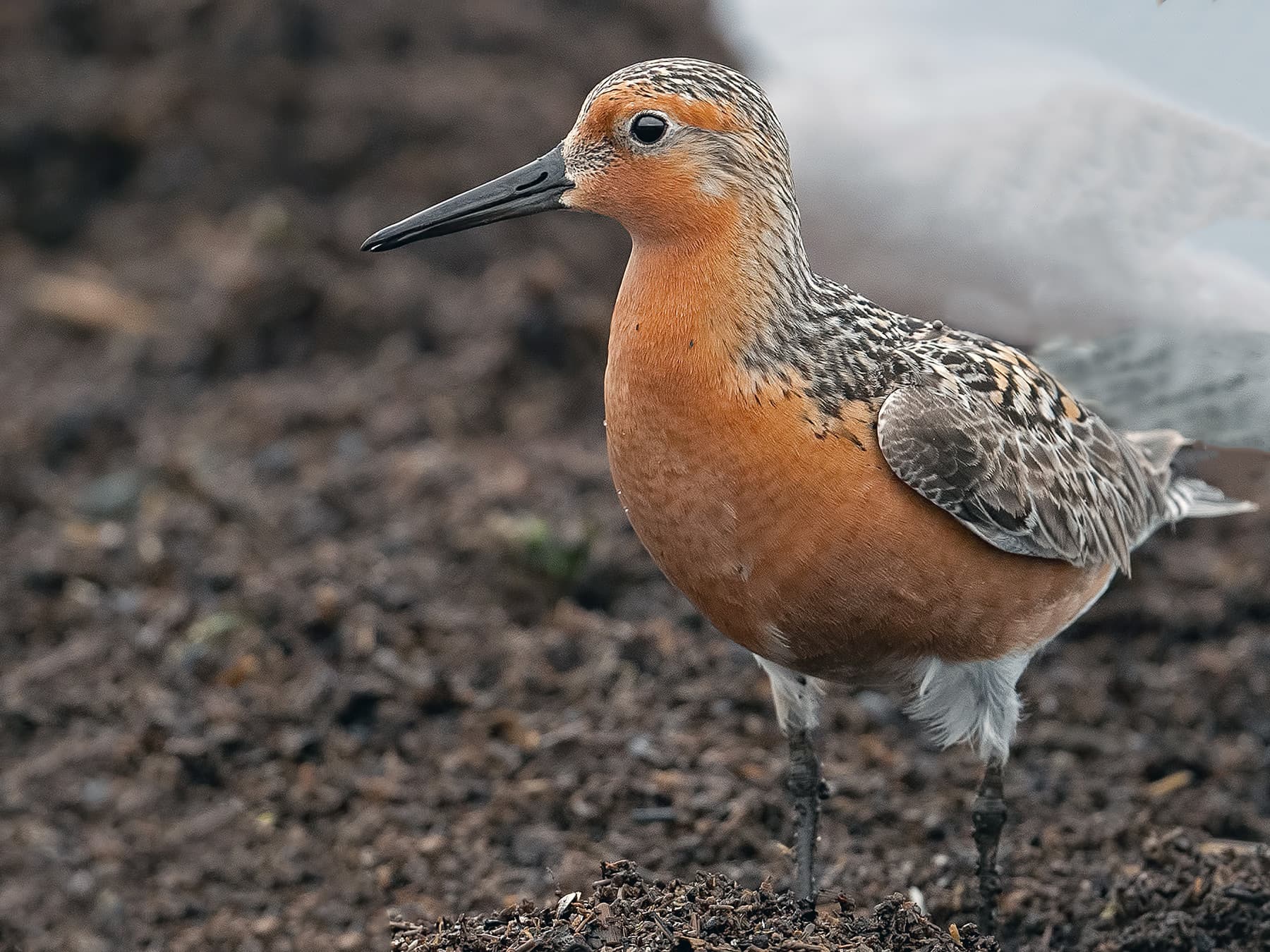
Red Knot
Calidris canutusNT
Rare but recorded year-round, with flocks sometimes gathering on Morecambe Bay's vast mudflats during winter months.
Year-round
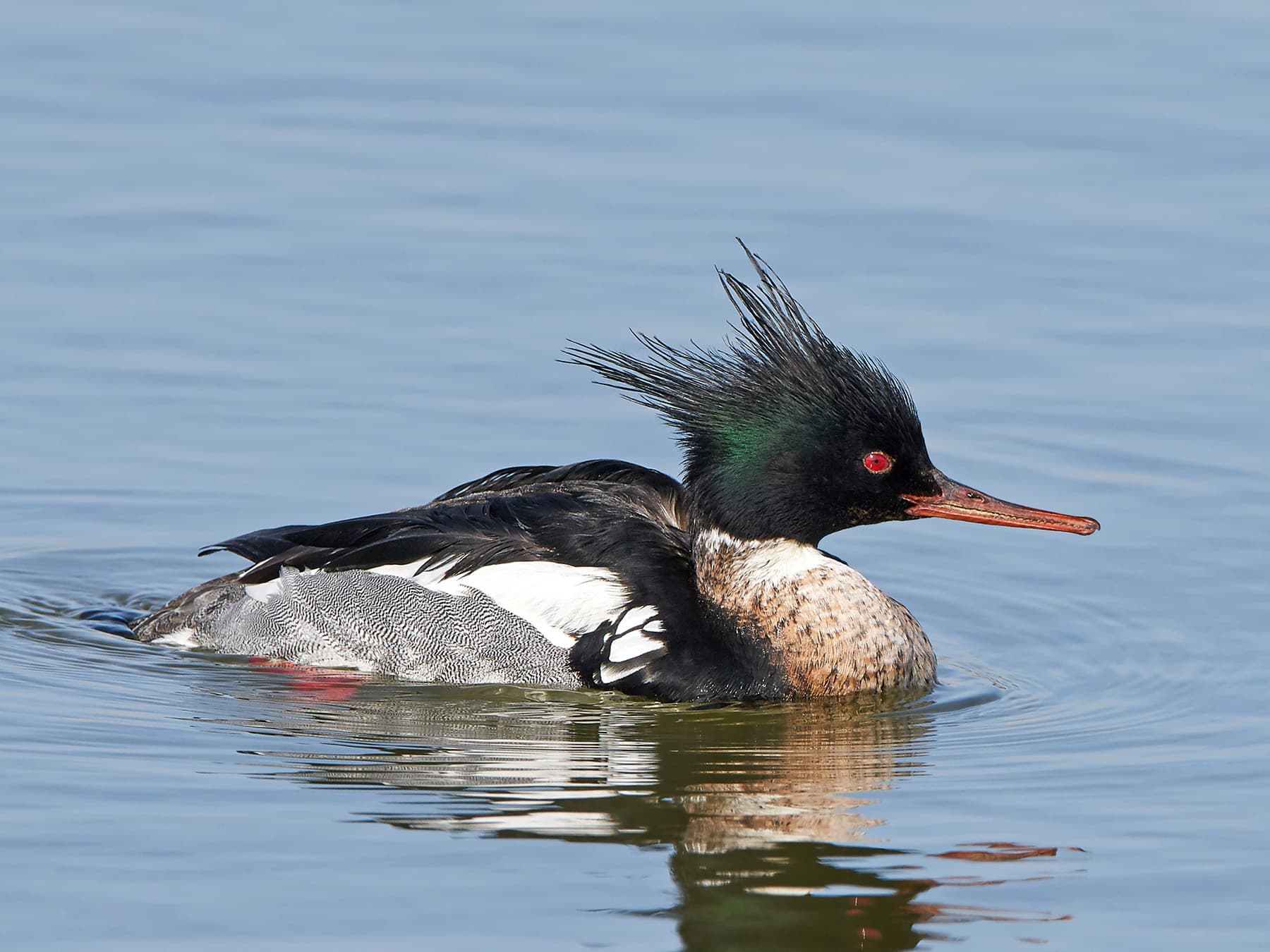
Red-breasted Merganser
Mergus serratorLC
A rare resident of coastal waters, occasionally seen fishing in the estuaries and sheltered bays around Morecambe.
Year-round
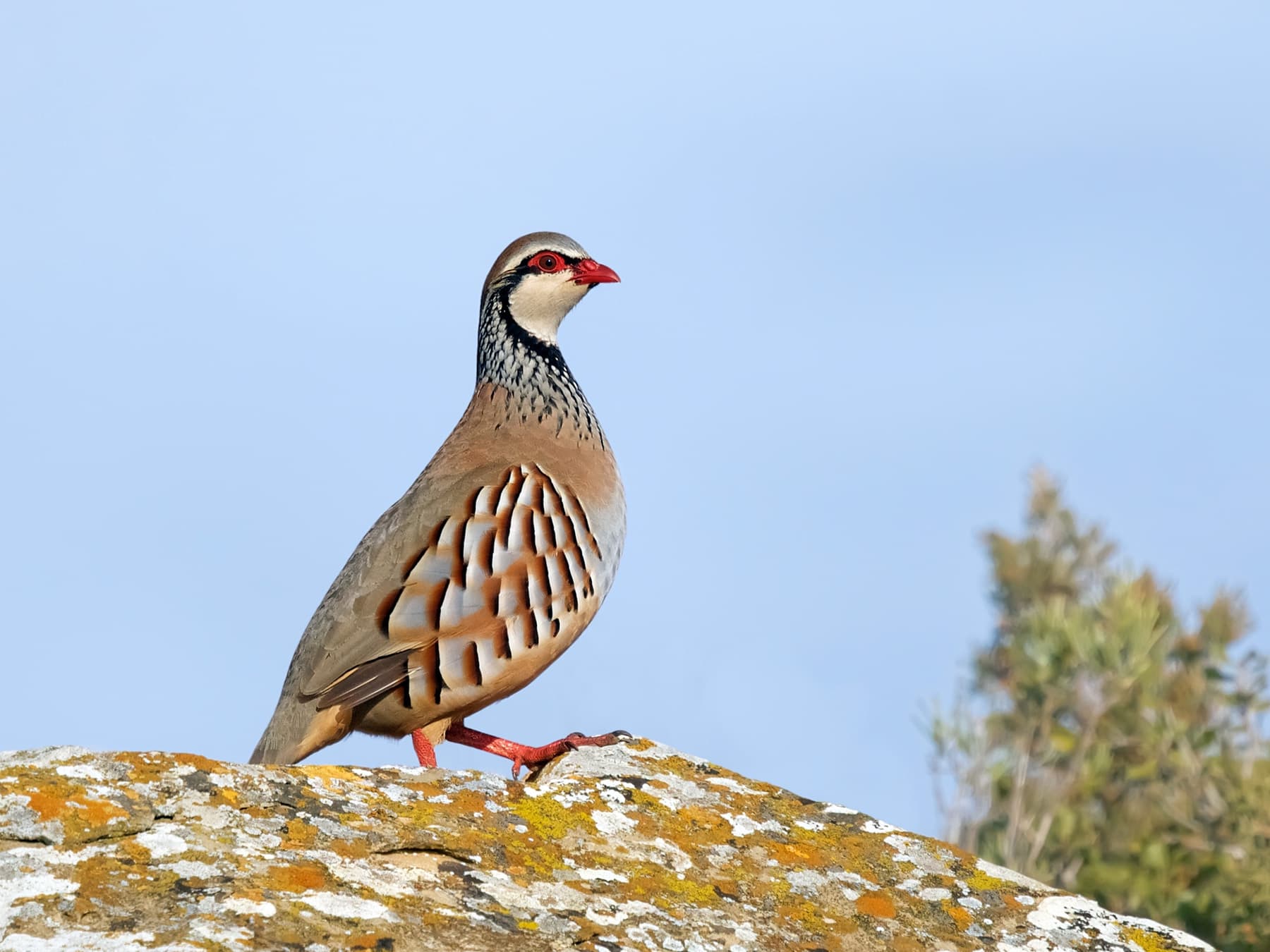
Red-legged Partridge
Alectoris rufaNT
A rare introduced resident found on lowland farmland. Less established here than in southern England, with scattered records year-round.
Year-round
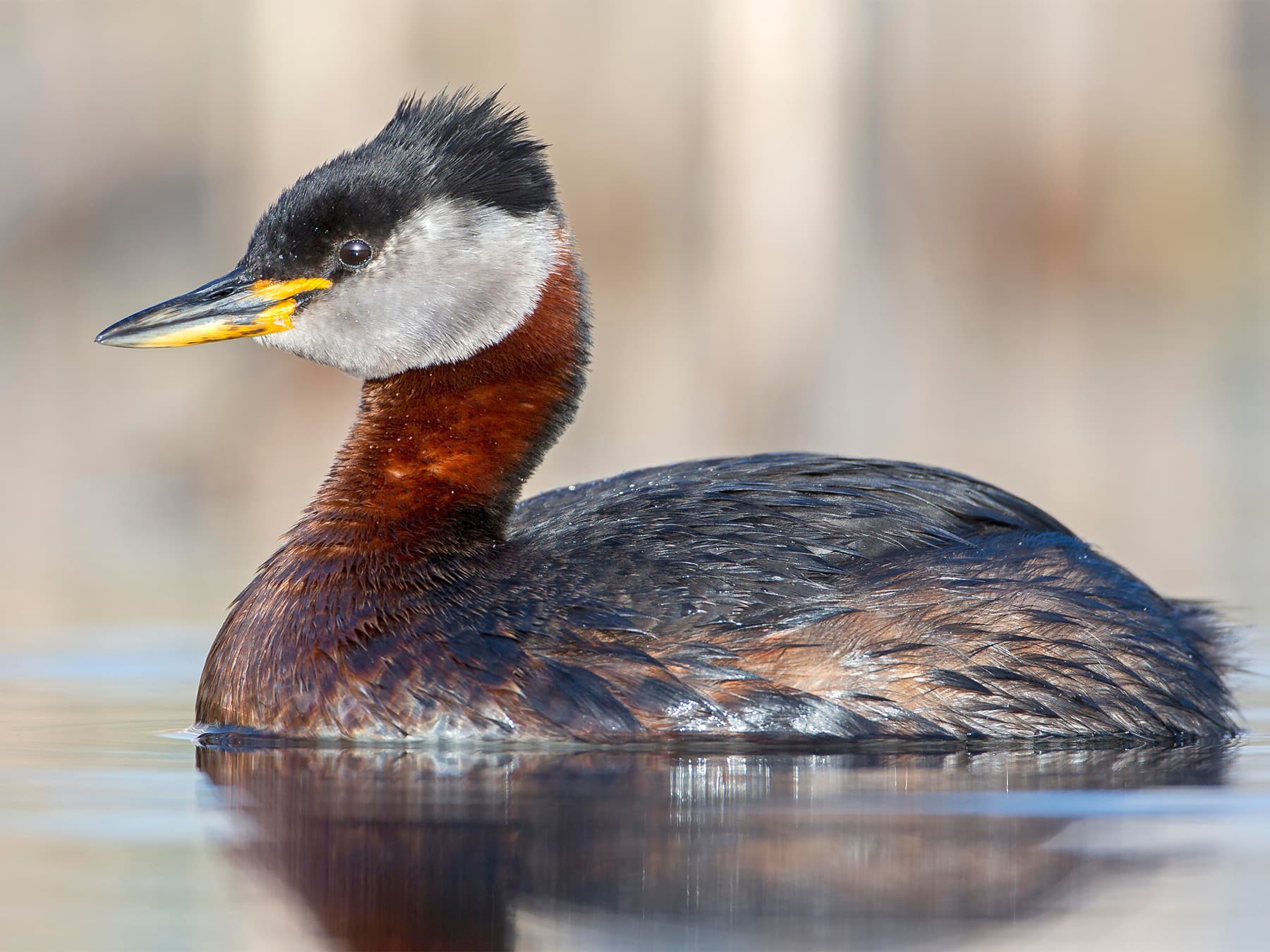
Red-necked Grebe
Podiceps grisegenaLC
A rare spring passage visitor in March and April, occasionally seen offshore or on larger reservoirs. Always a notable county record.
Mar–Apr
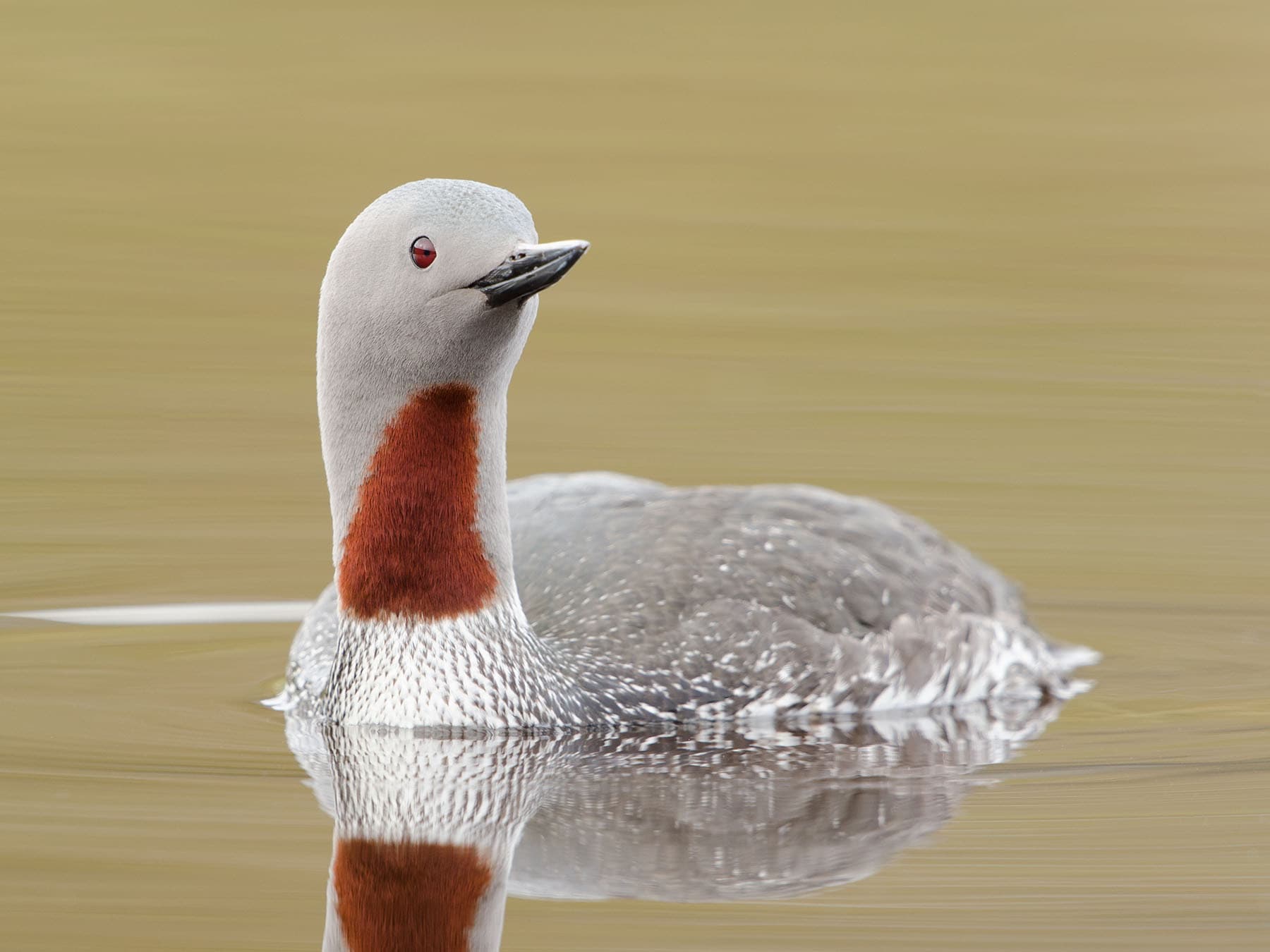
Red-throated Loon
Gavia stellataLC
A rare resident seen mainly in winter and early spring off the coast, particularly in Morecambe Bay. Largely absent in midsummer.
Sep–May