


Rare Birds in Lancashire
Our list for Lancashire has 37 rare birds recorded regularly there: 12 residents, 1 summer visitor, 4 winter visitors, 10 passage migrants and 10 scarce visitors
Most likely in October
GBIF · OctShare of all bird records in Lancashire in October, 2019–2024. Each month links to that month’s page.
All 37, most common first
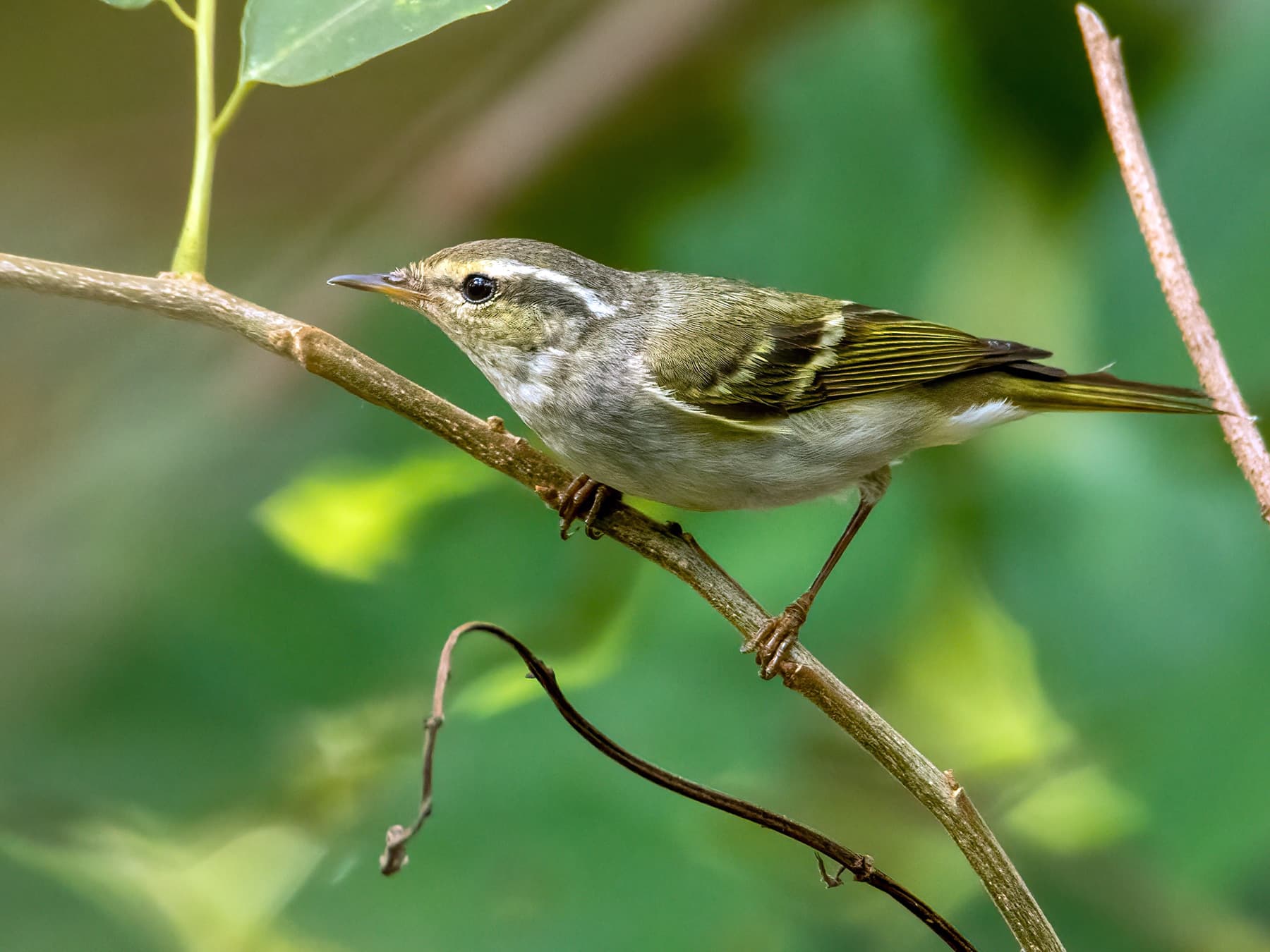 Yellow-browed WarblerPhylloscopus inornatusPassage migrantRare10–11 cmRegularly Oct
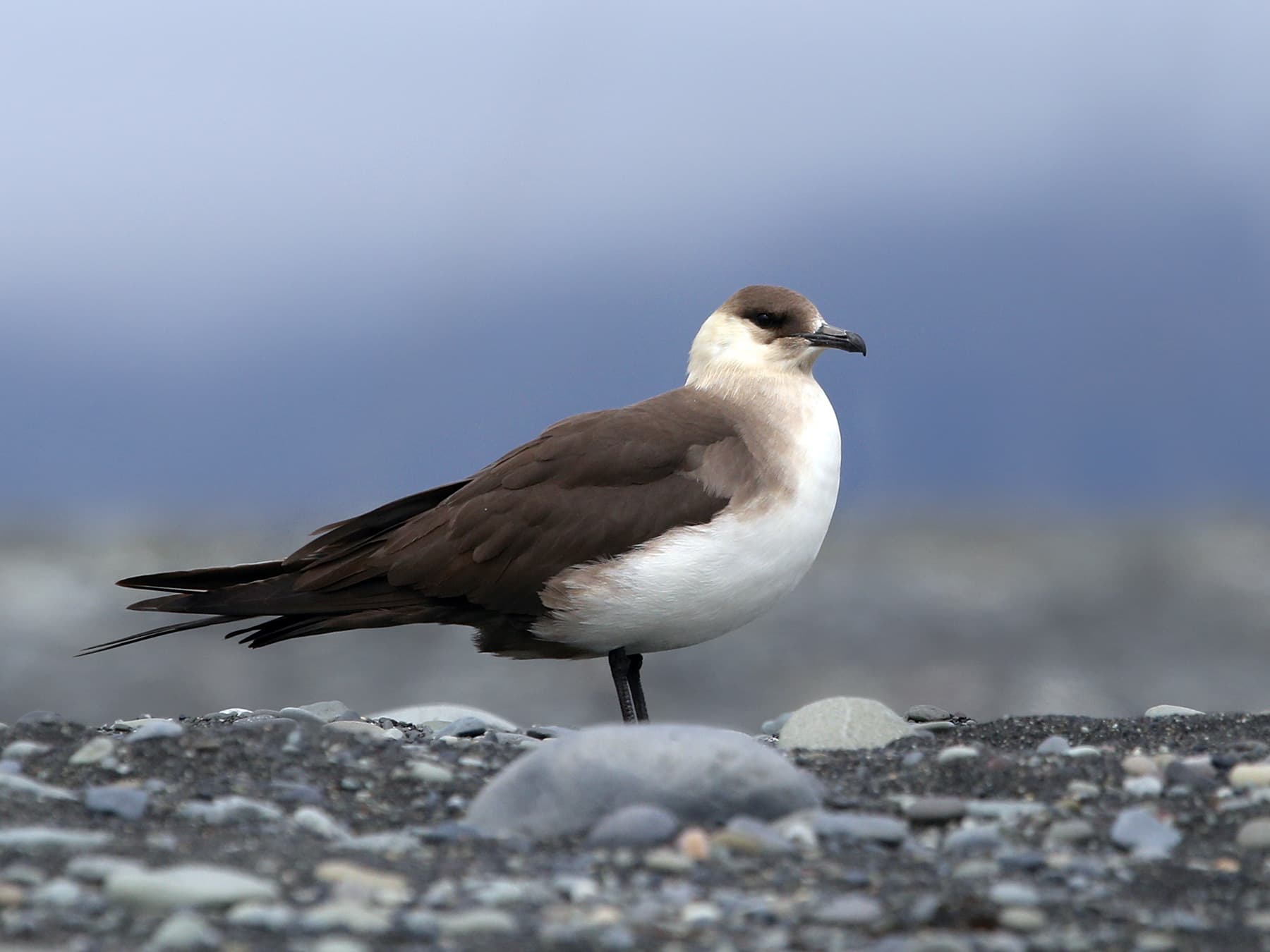 Arctic JaegerStercorarius parasiticusPassage migrantRare41–46 cmRegularly Apr–Aug
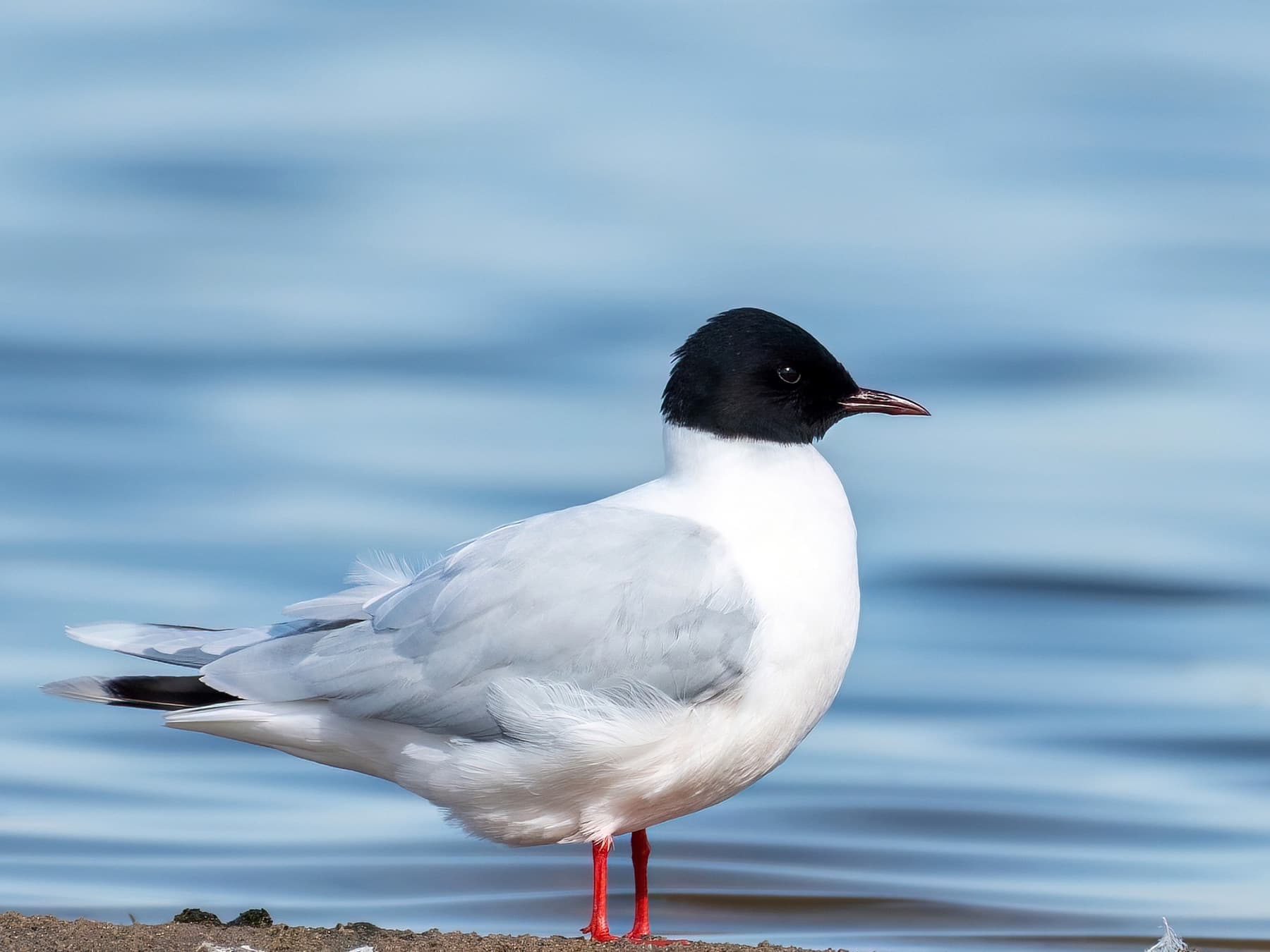 Little GullHydrocoloeus minutusPassage migrantRare25–30 cmRegularly Mar–May
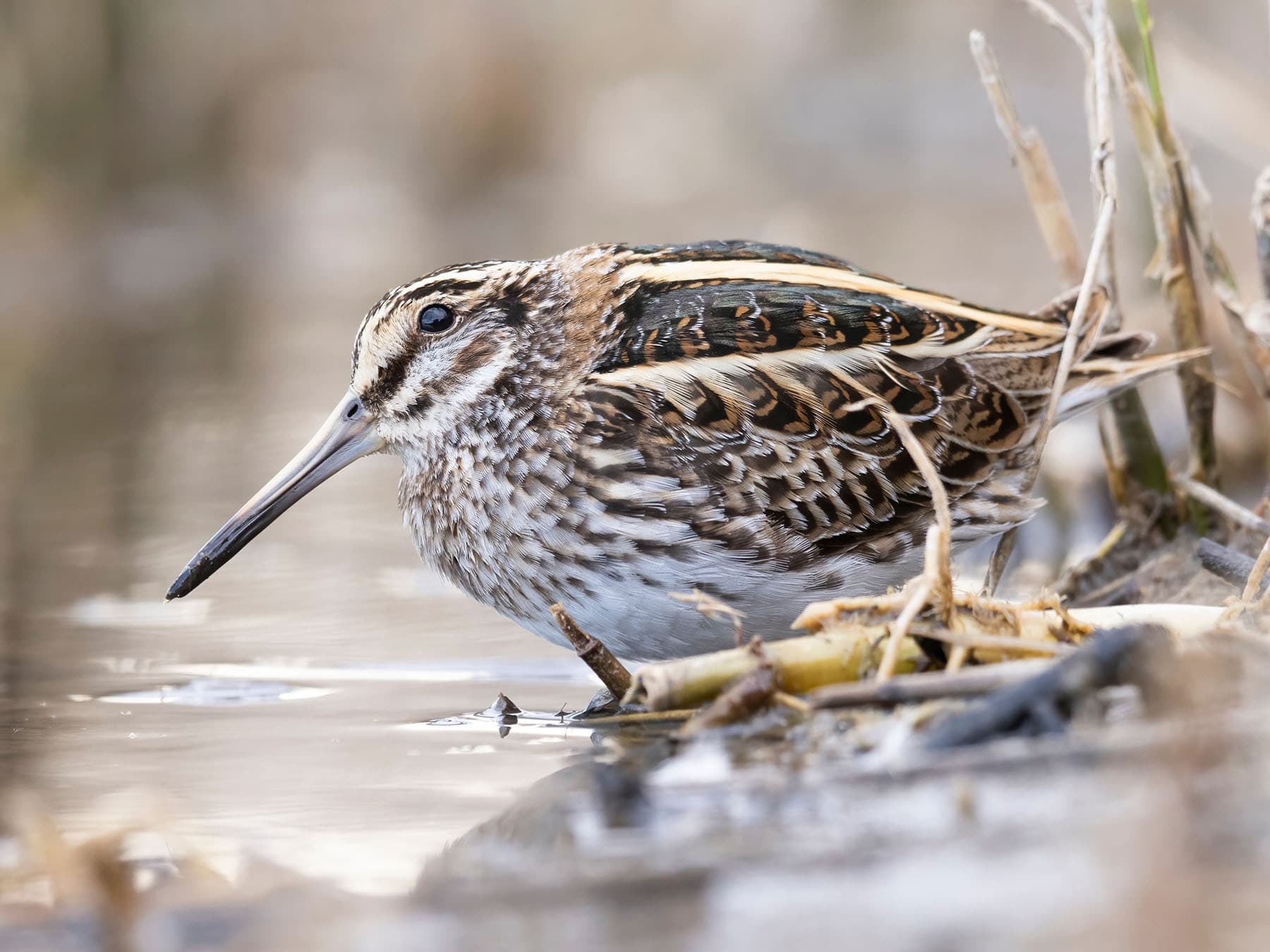 Jack SnipeLymnocryptes minimusWinter visitorRare17–19 cmRegularly Oct–Mar
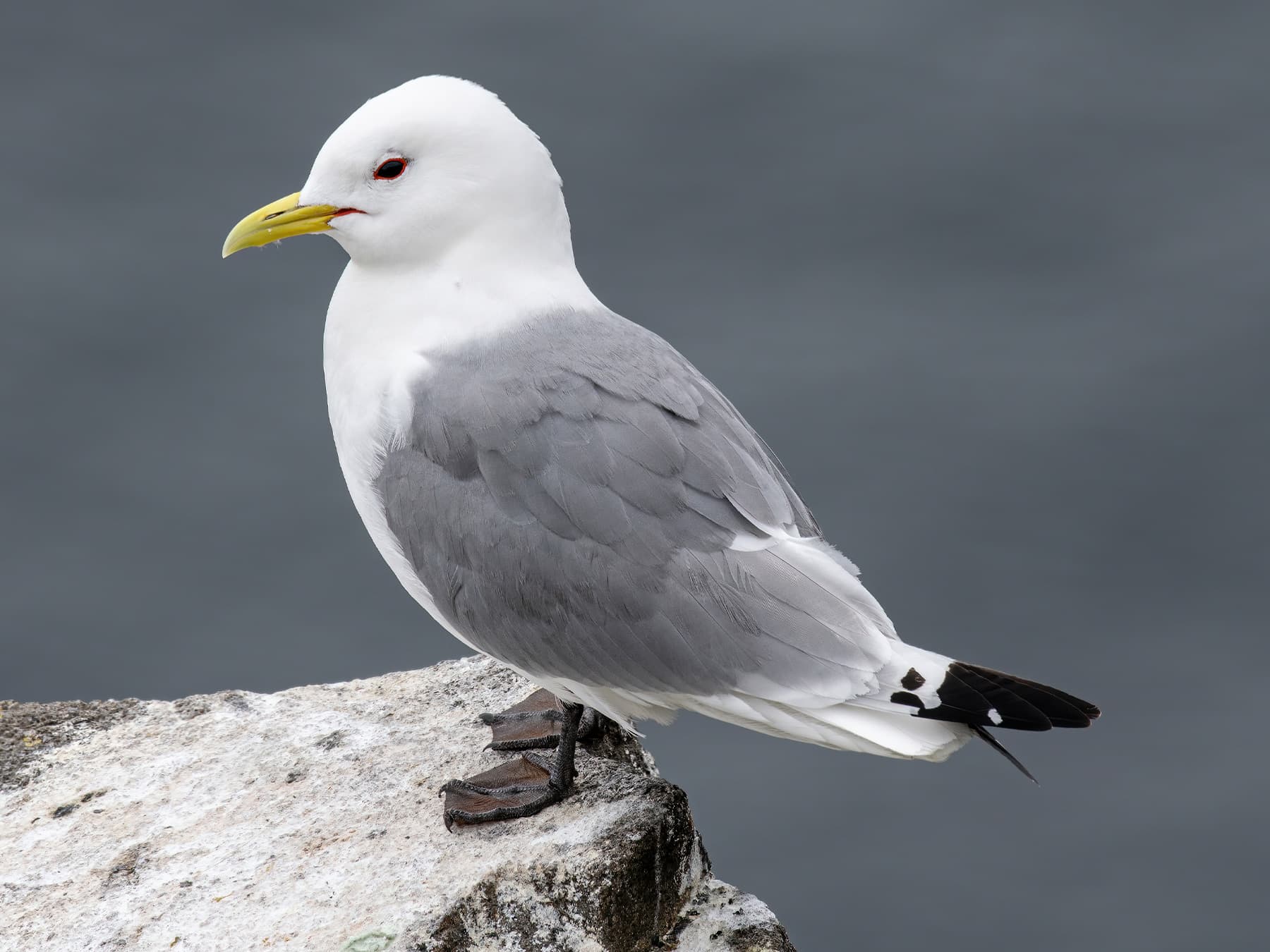 KittiwakeRissa tridactylaWinter visitorRare37–41 cmRegularly Aug–Jun
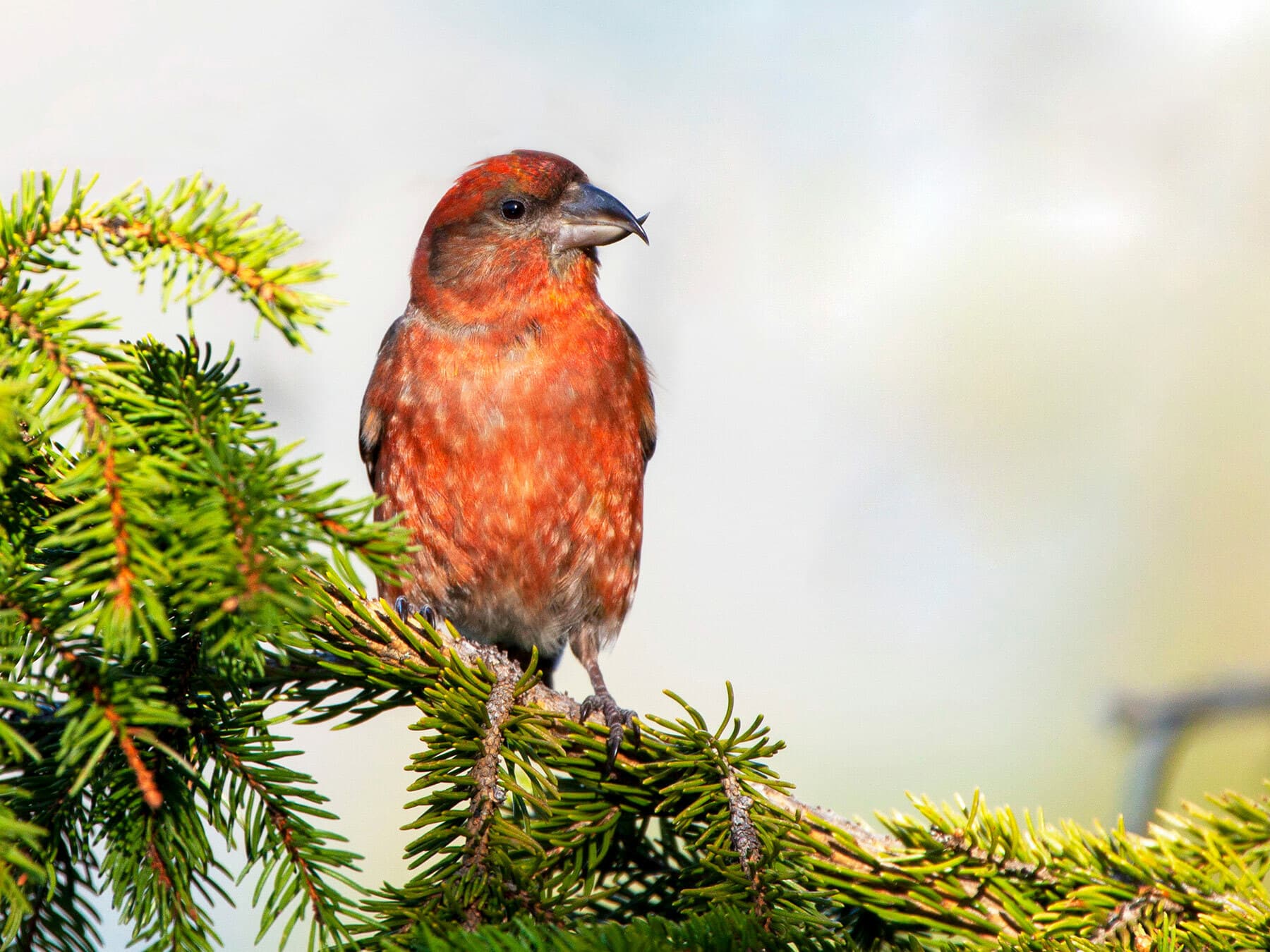 Red CrossbillLoxia curvirostraSummer visitorRare15–17 cmRegularly Mar–Jan
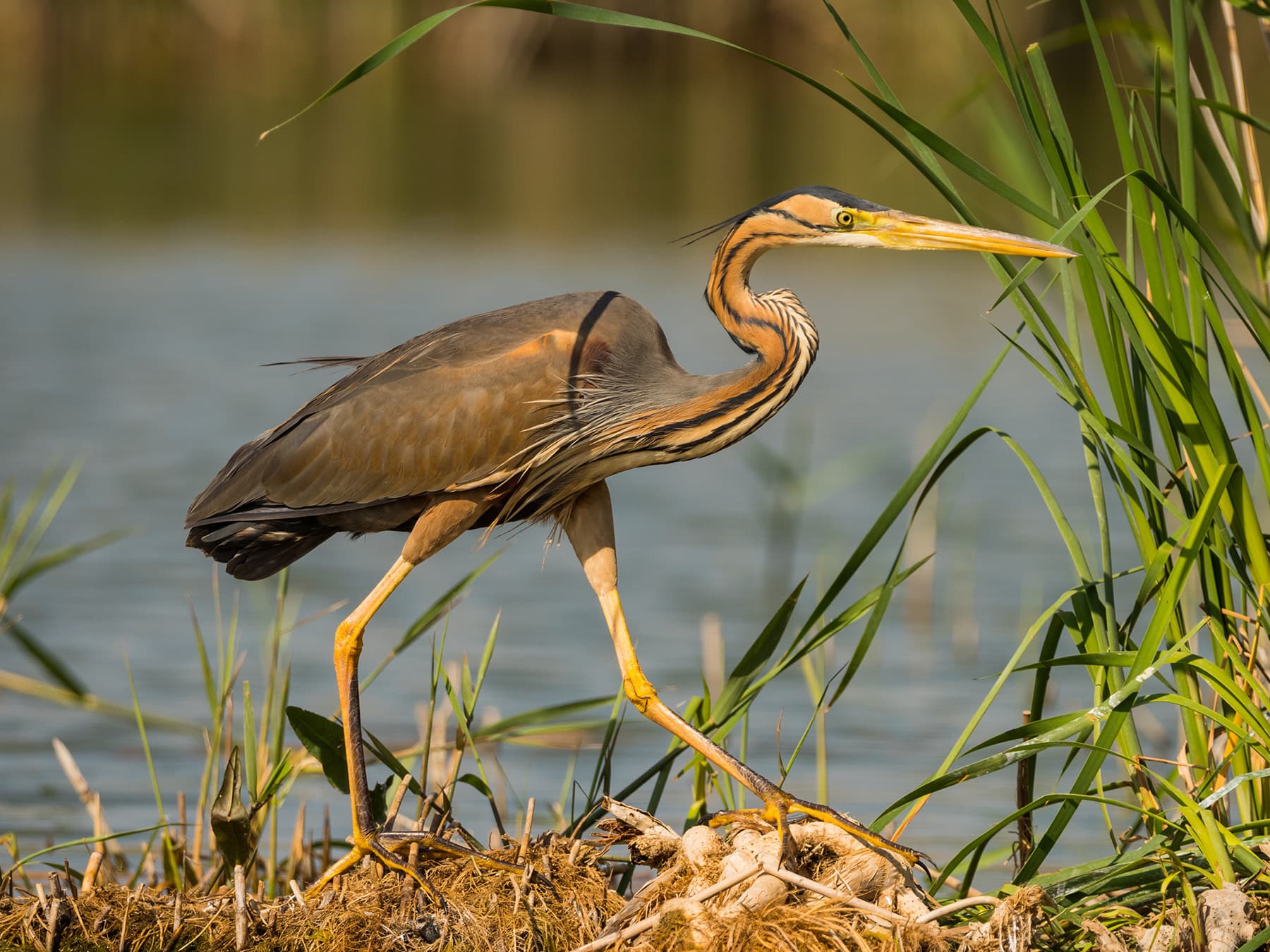 Purple HeronArdea purpureaScarceRare78–90 cm
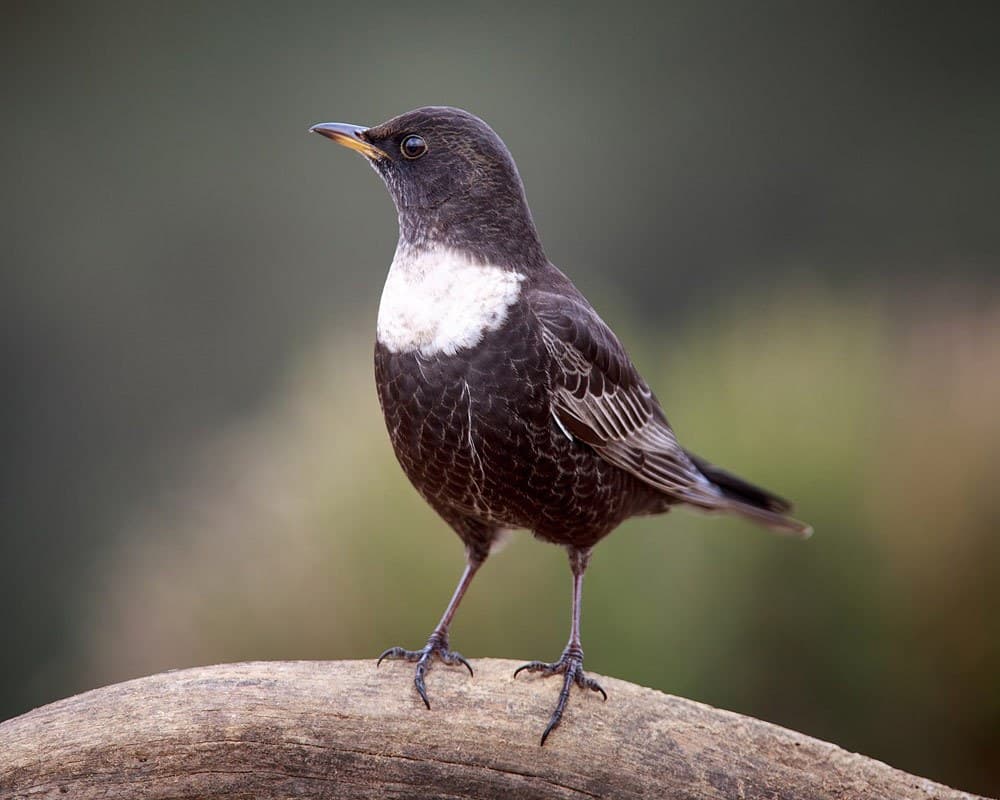 Ring OuzelTurdus torquatusPassage migrantRare23–24 cmRegularly Apr–May
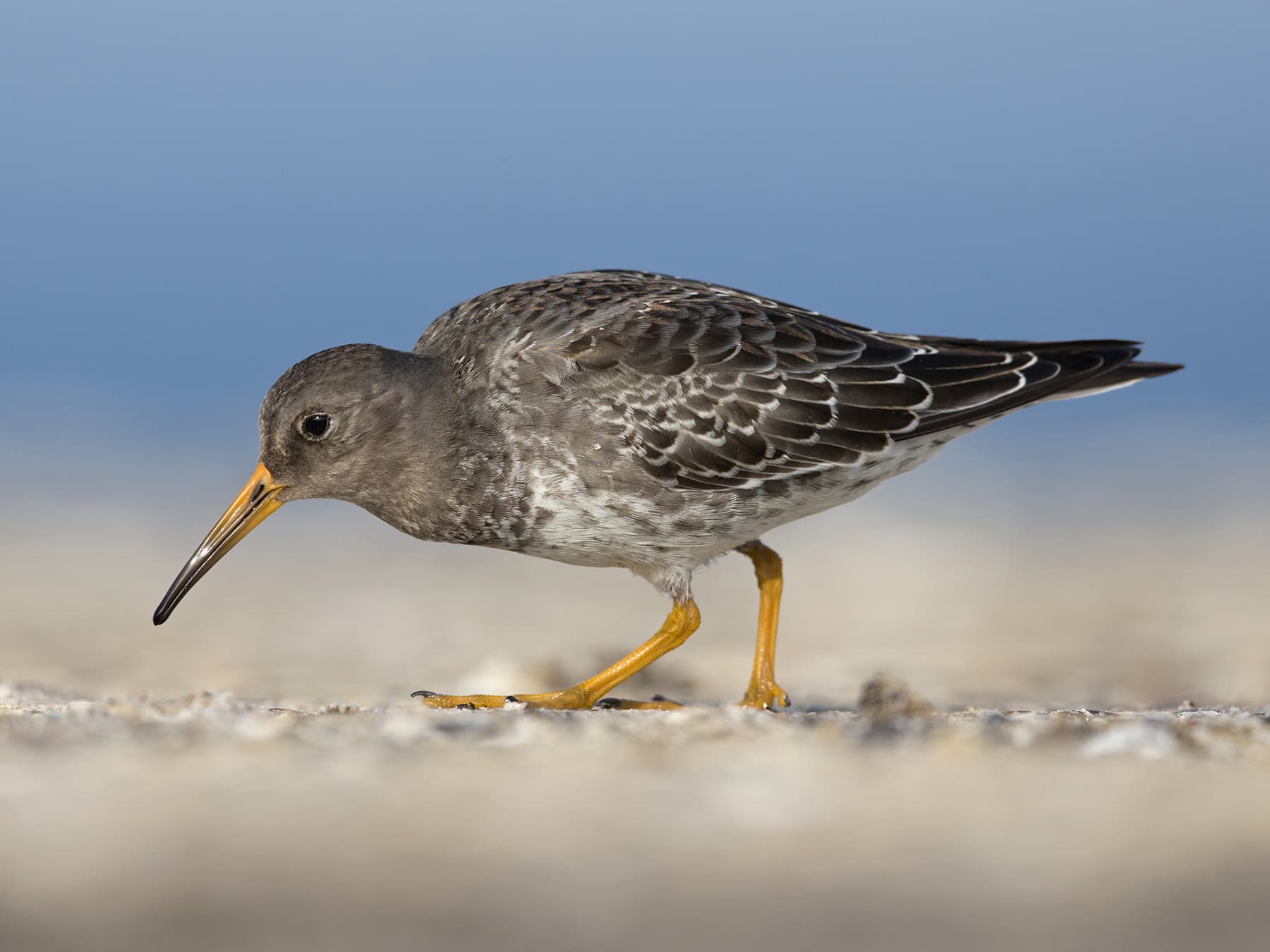 Purple SandpiperCalidris maritimaWinter visitorRare20–22 cmRegularly Nov–Feb
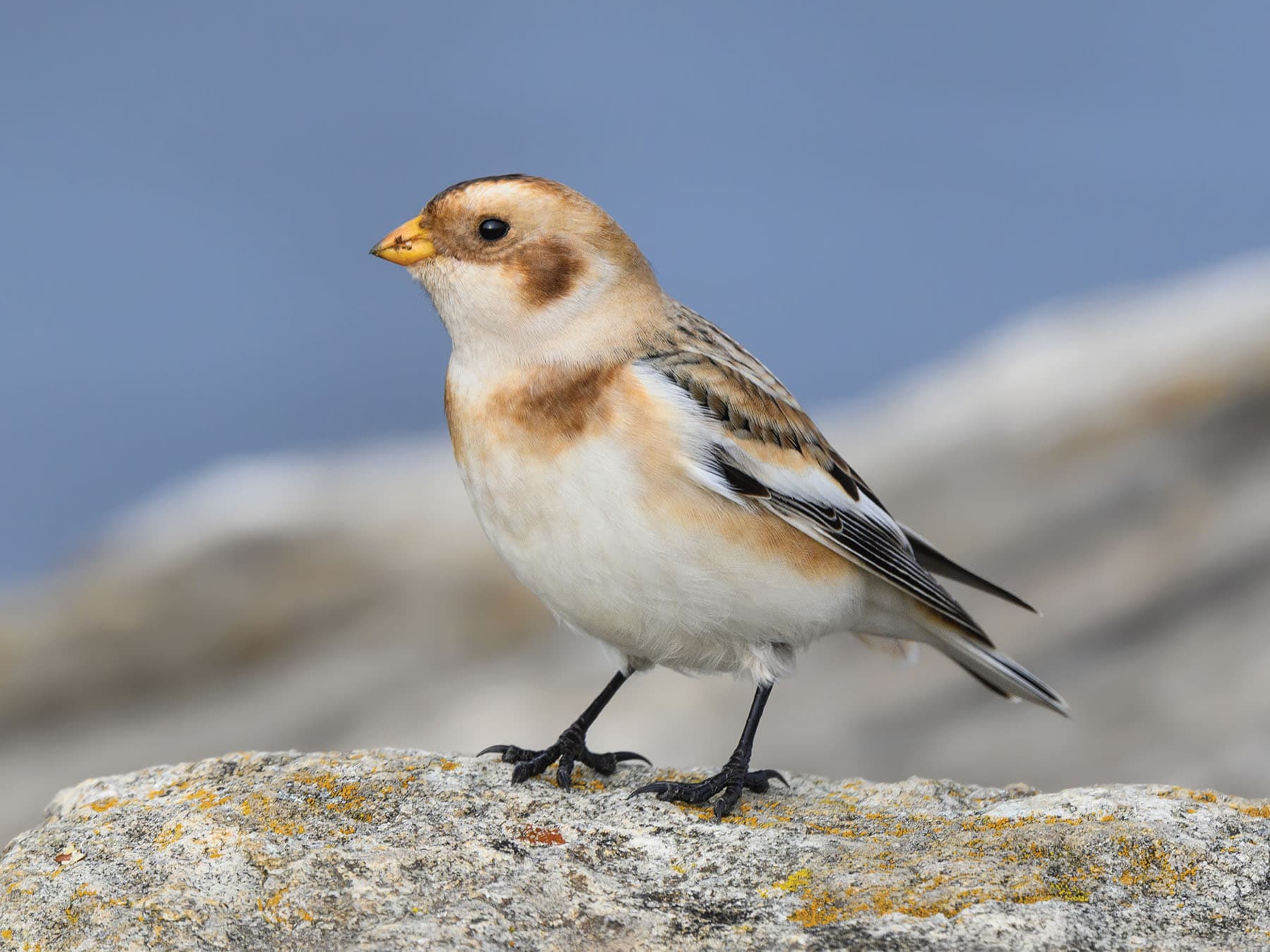 Snow BuntingPlectrophenax nivalisPassage migrantRare15–18 cmRegularly Dec–Feb
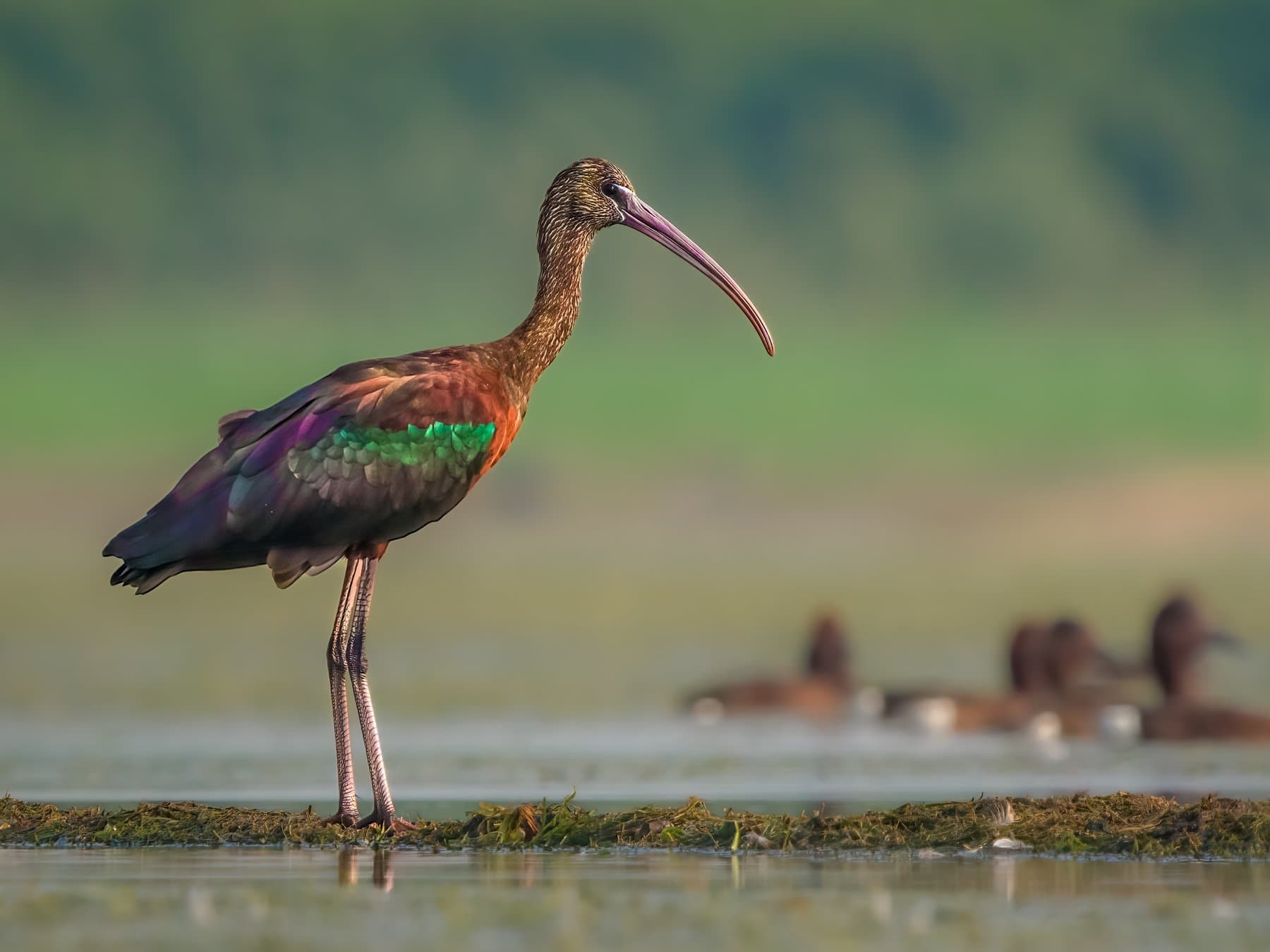 Glossy IbisPlegadis falcinellusScarceRare48–66 cm
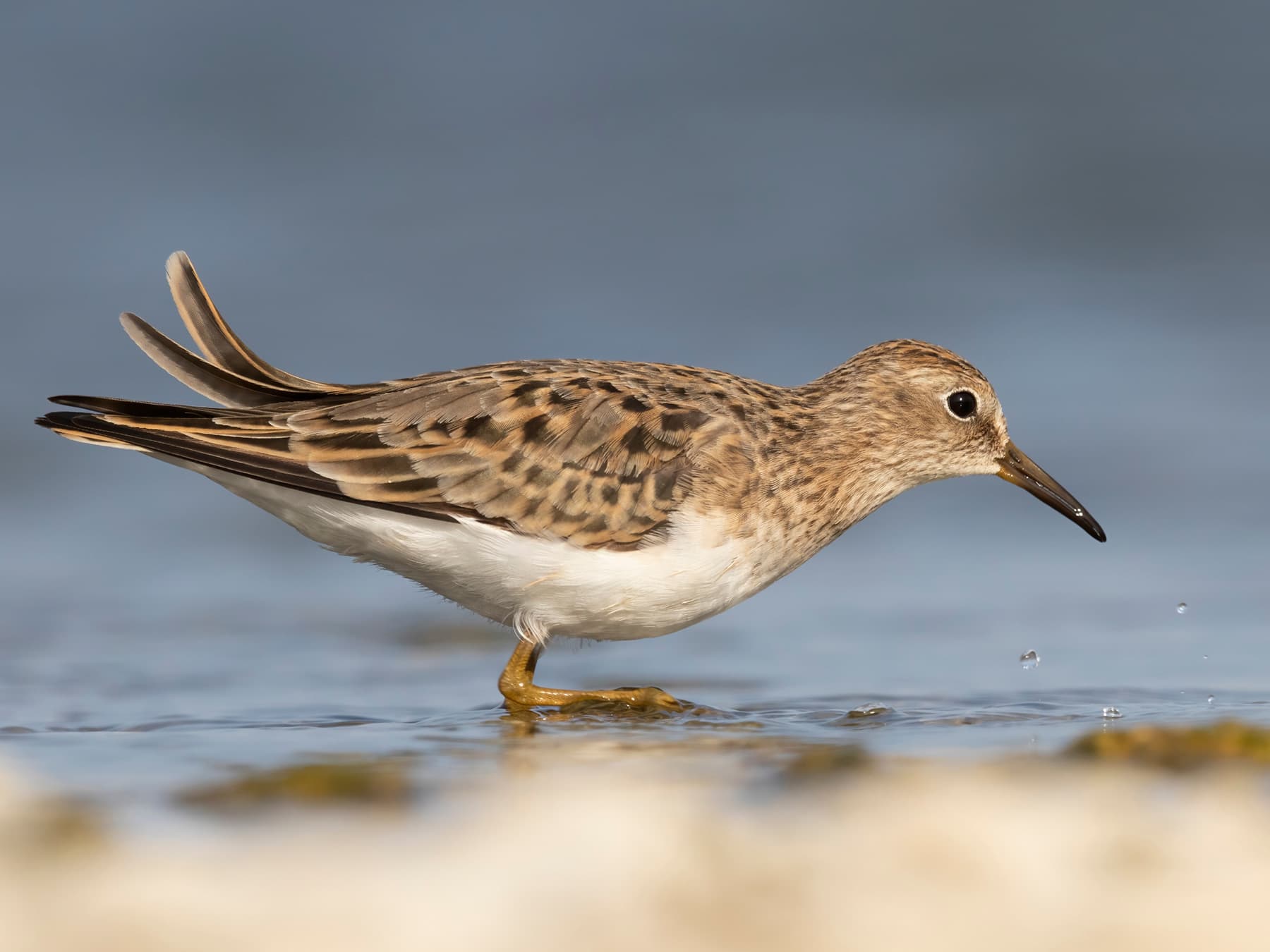 Temminck's StintCalidris temminckiiPassage migrantRare13–15 cmRegularly May
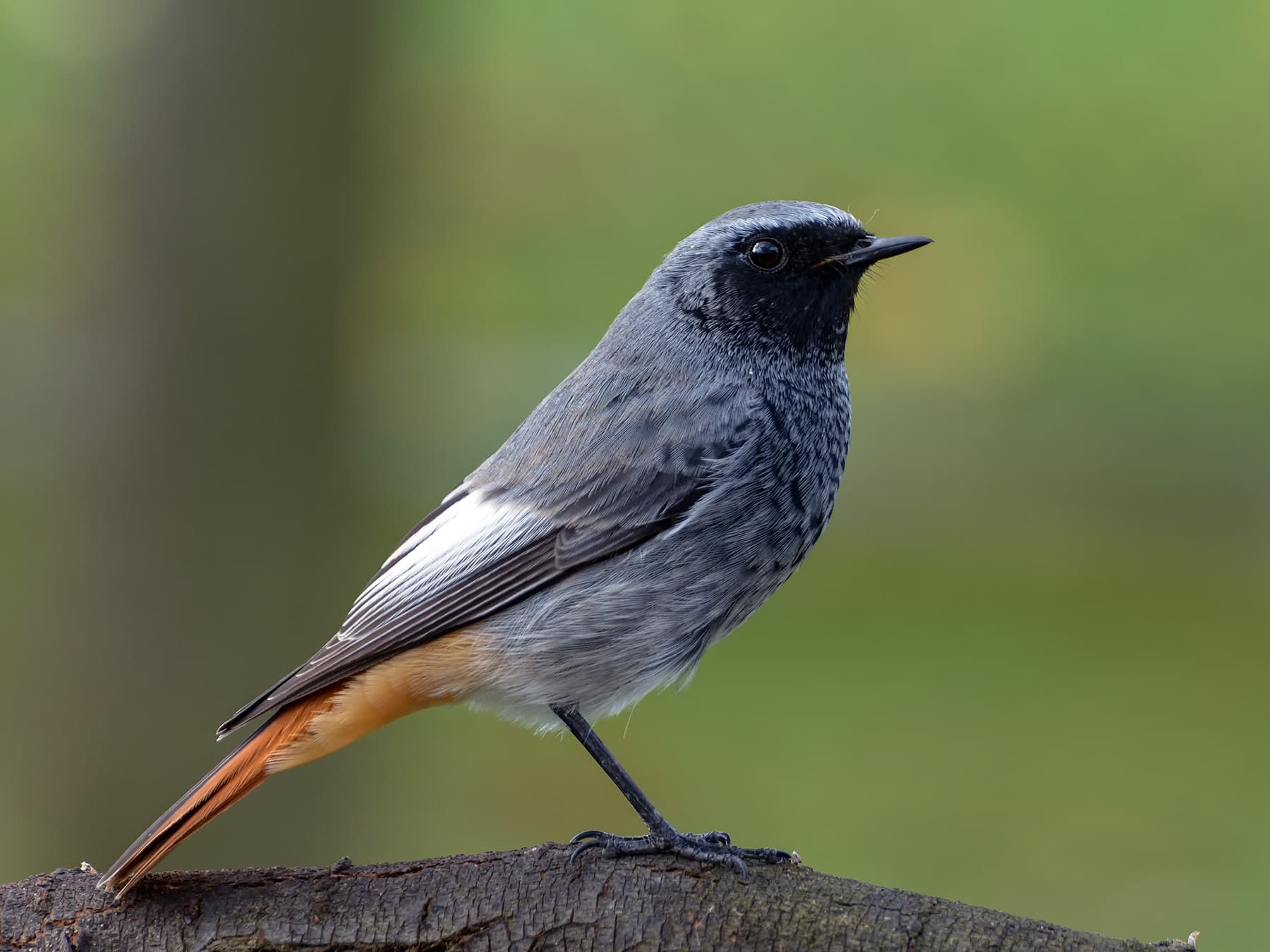 Black RedstartPhoenicurus ochrurosPassage migrantRare13–15 cmRegularly Jan
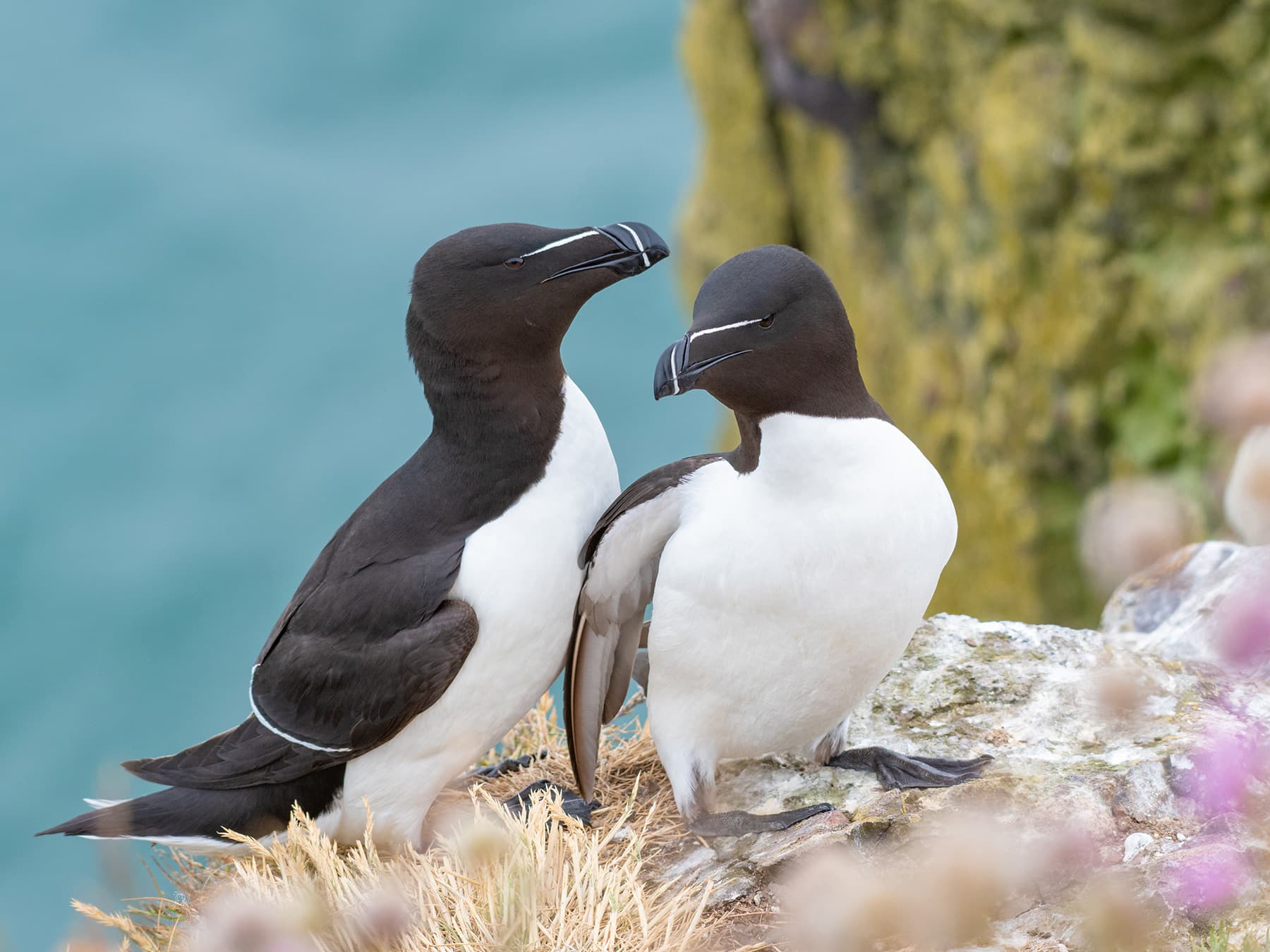 RazorbillAlca tordaResidentRare38–43 cmRegularly Nov–May
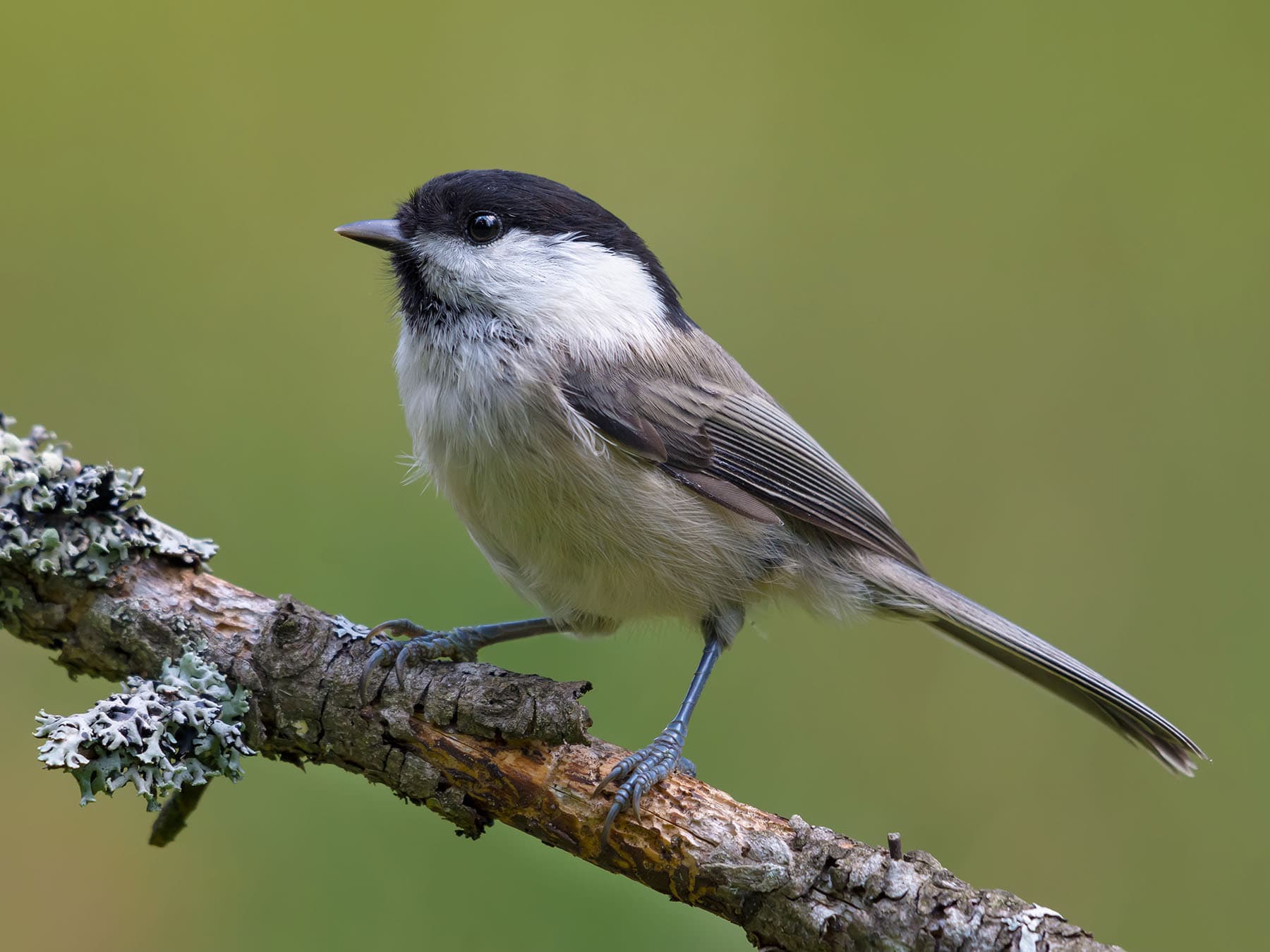 Willow TitPoecile montanusResidentRare11–12 cmRegularly Oct–Mar
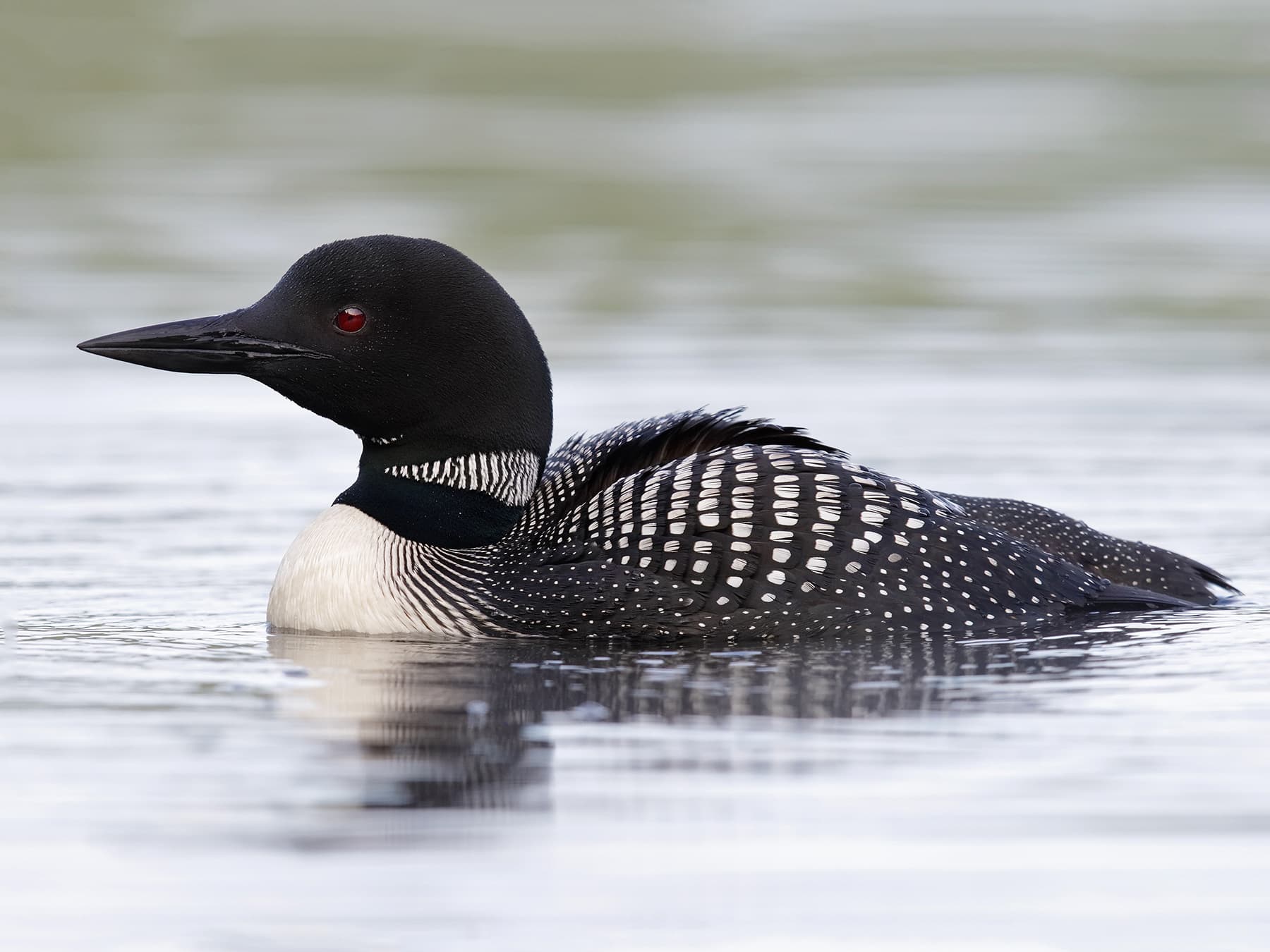 Common LoonGavia immerScarceRare66–91 cm
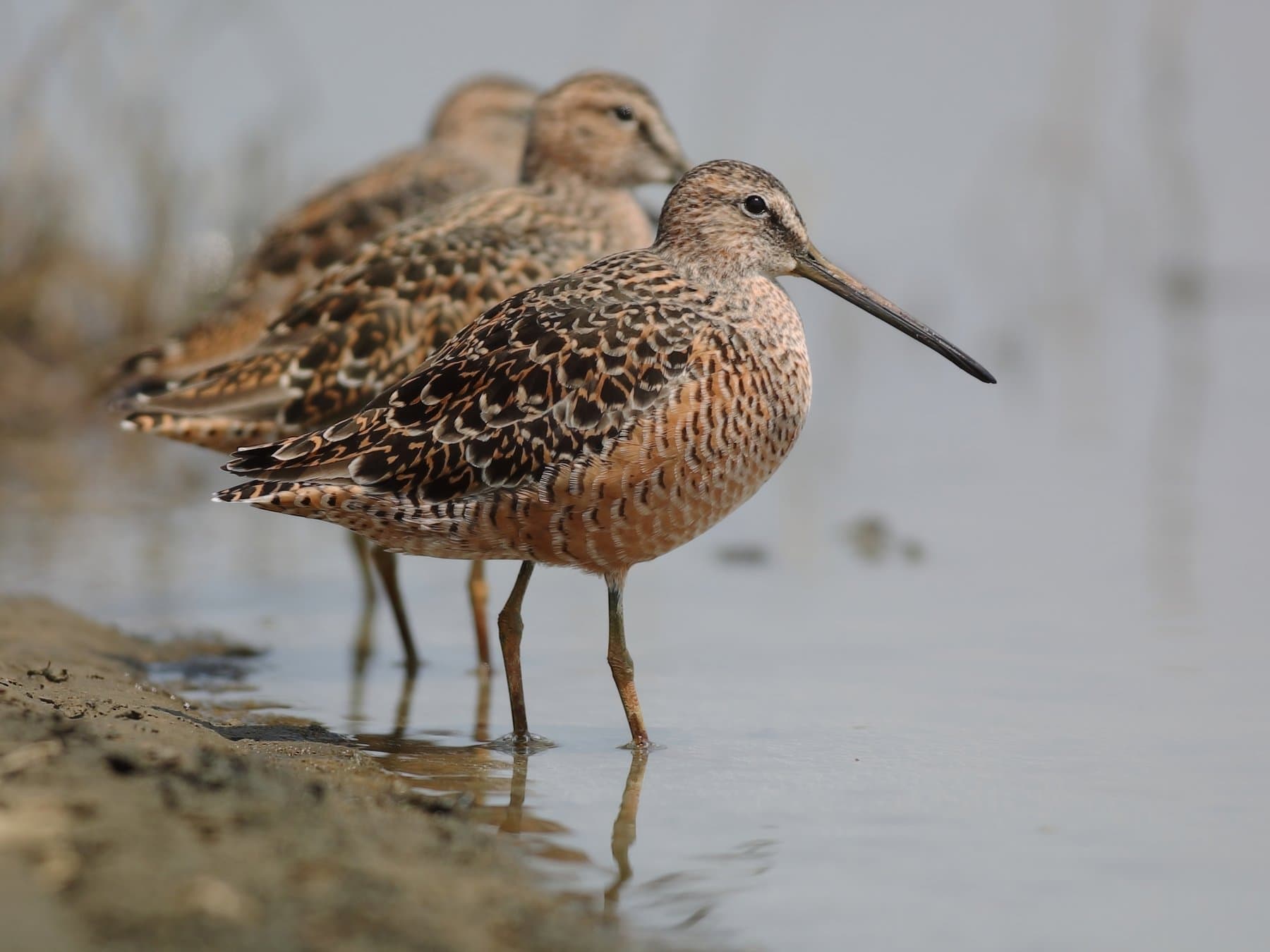 Long-billed DowitcherLimnodromus scolopaceusScarceRare27–30 cm
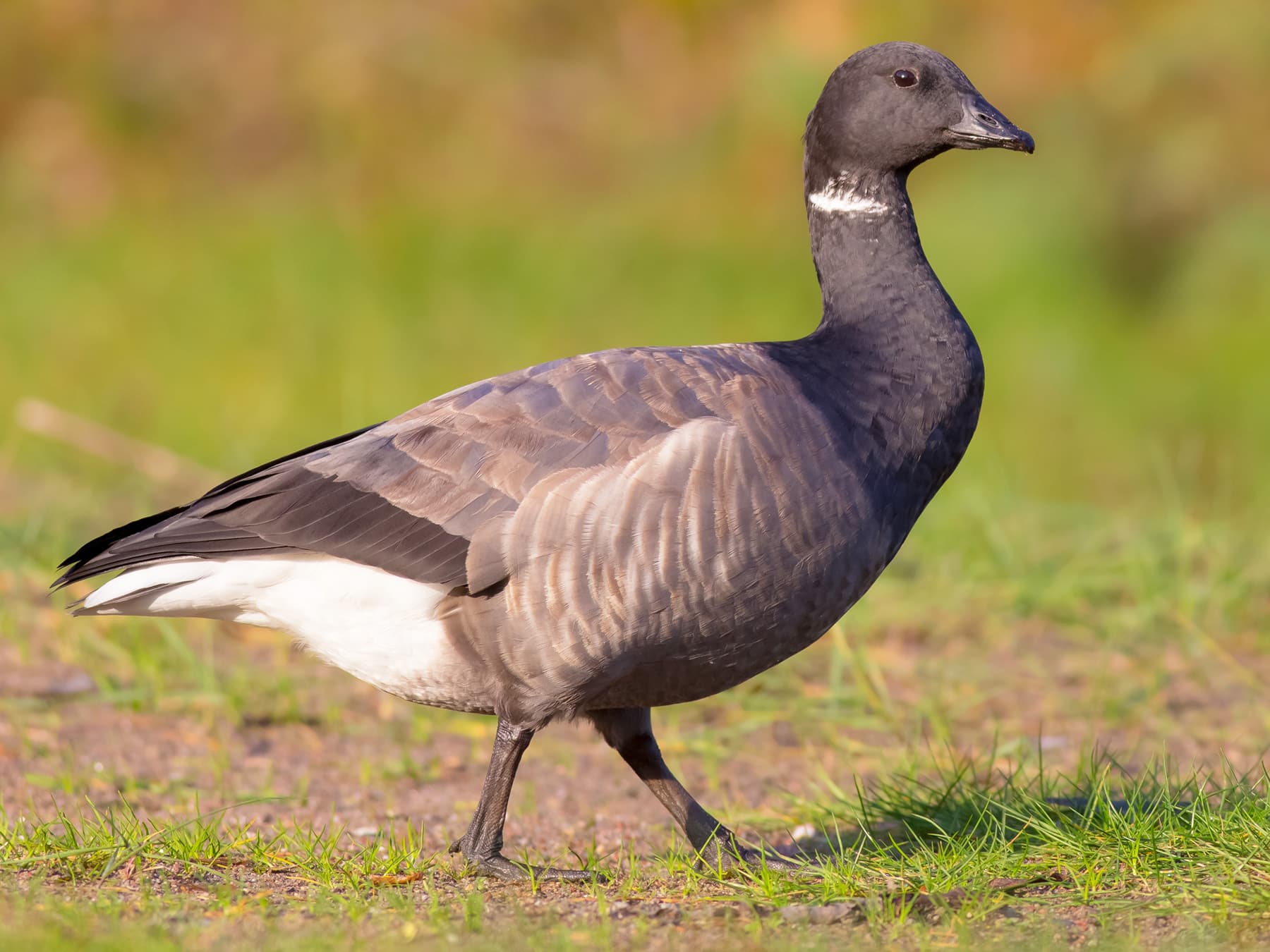 Brent GooseBranta berniclaWinter visitorRare55–66 cmRegularly Dec–Mar
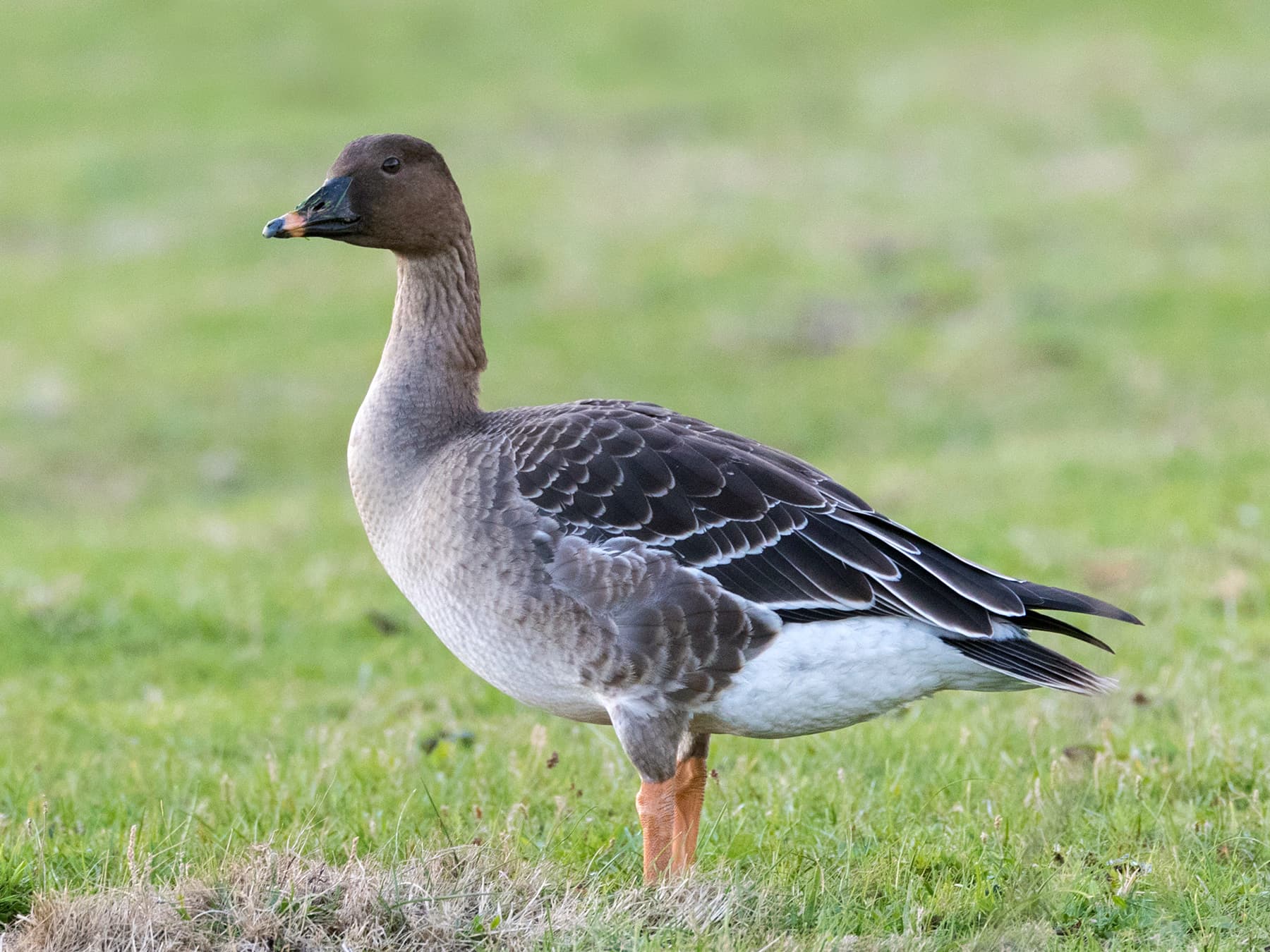 Tundra Bean GooseAnser serrirostrisPassage migrantRare66–84 cmRegularly Feb
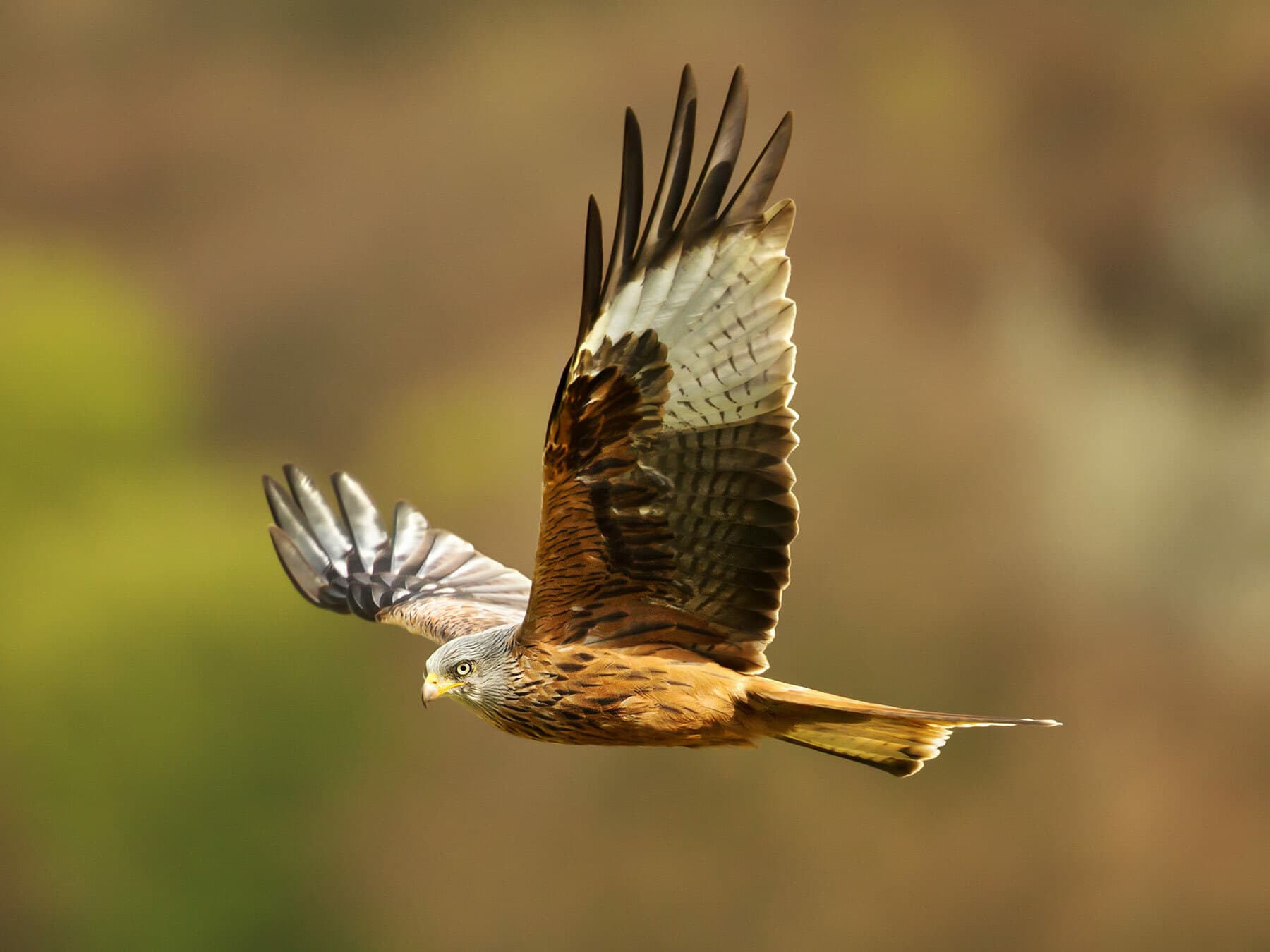 Red KiteMilvus milvusResidentRare60–66 cmRegularly Feb–Aug
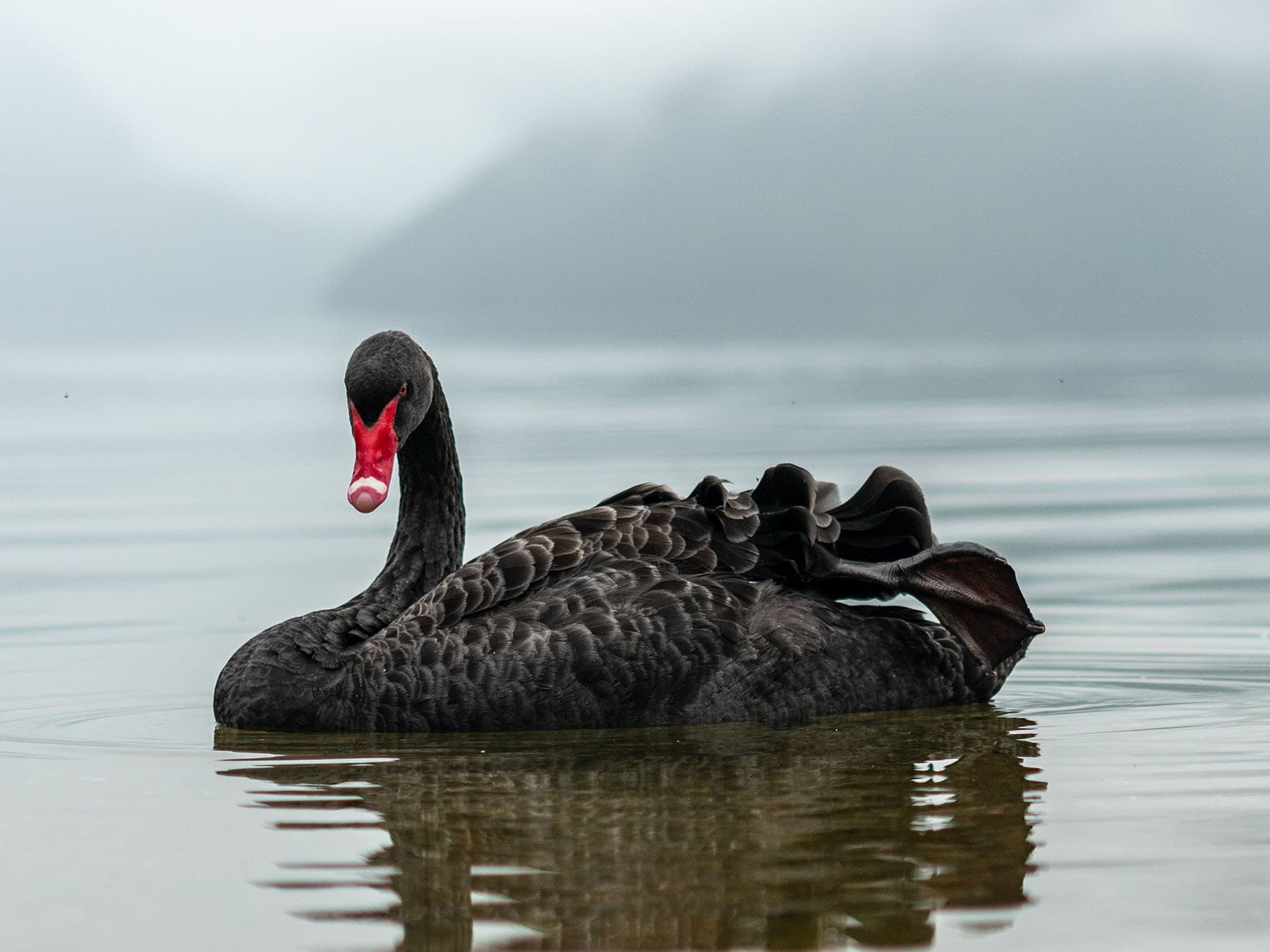 Black SwanCygnus atratusResidentRare110–142 cmRegularly Jun–Dec
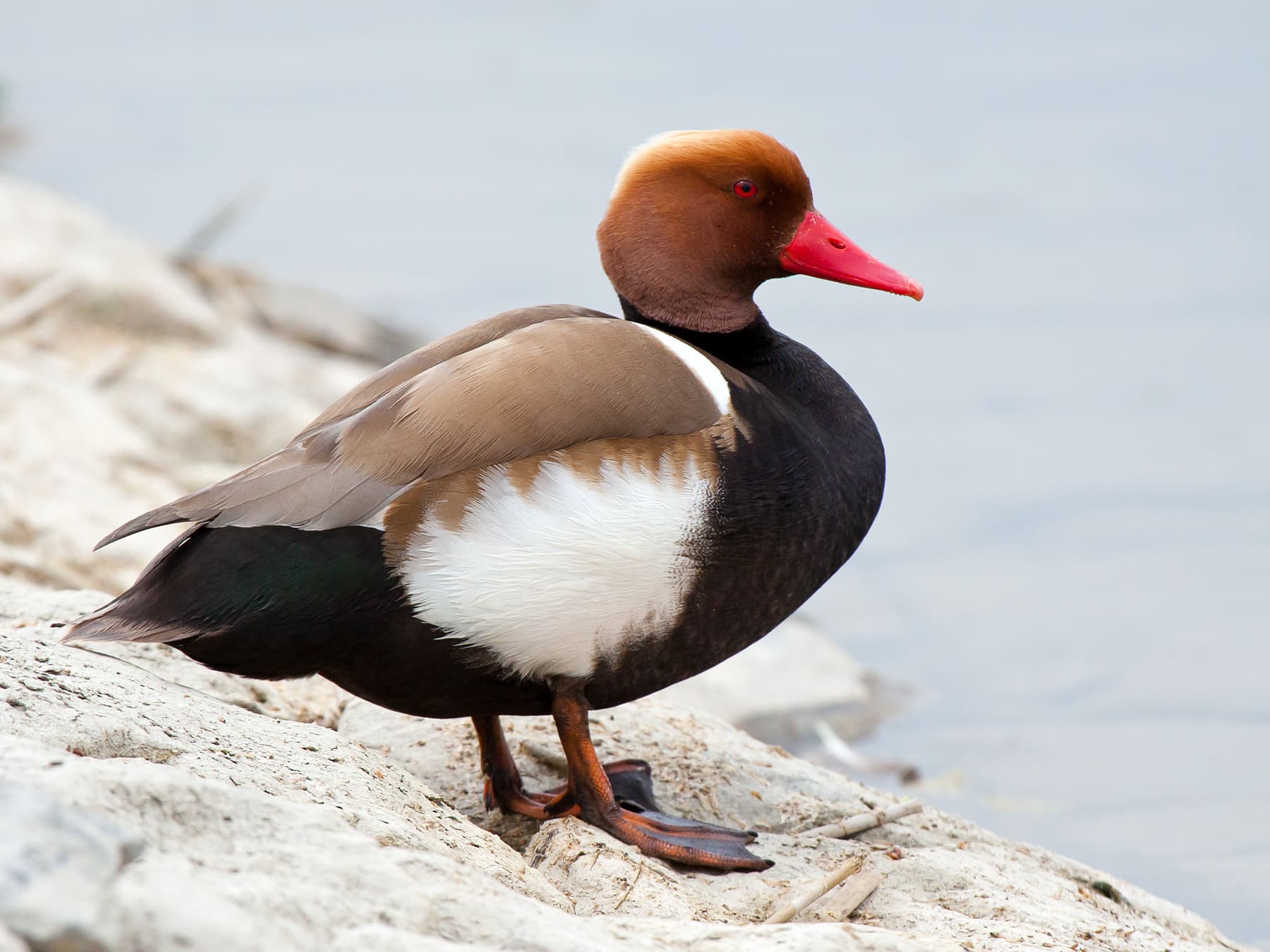 Red-crested PochardNetta rufinaScarceRare53–57 cm
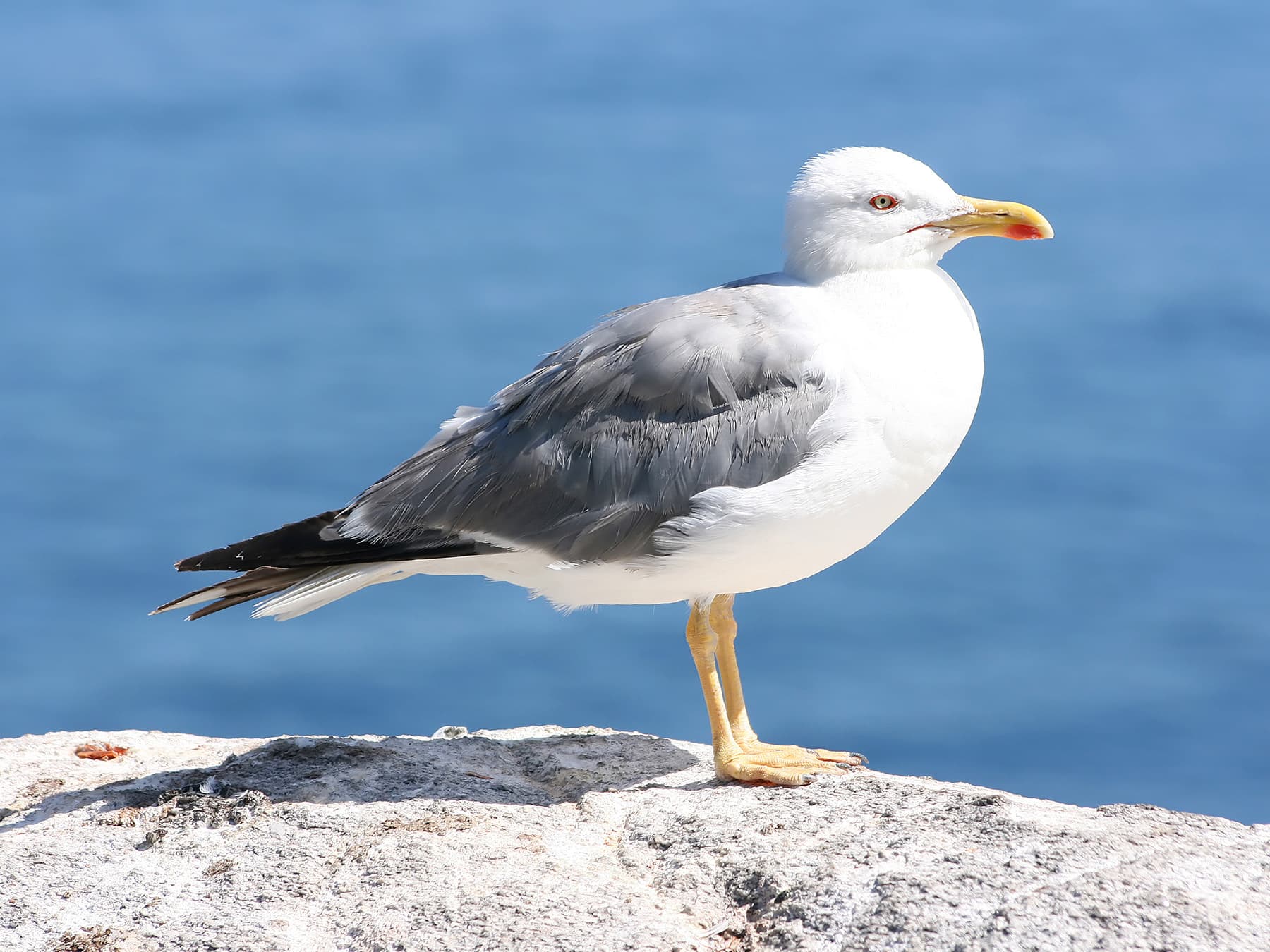 Yellow-legged GullLarus michahellisResidentRare52–68 cmRegularly Jan–Feb
Data: EOD – eBird Observation Dataset (Cornell Lab of Ornithology), accessed via GBIF.org, CC BY 4.0. Records from 2019–2024, aggregated and filtered by Birdfact. How these lists are made