Birds in Gloucestershire
Explore 195 species found in this region.
Gloucestershire is a wonderfully diverse county for birdwatching, with 189 recorded species found across its varied landscapes. From the wetlands of the Severn Estuary and the waterways of the Cotswold Water Park to the ancient woodlands of the Forest of Dean, the county supports an impressive range of habitats that attract both resident and migratory birds. Notable species include the striking Bluethroat, the elegant Northern Lapwing, the elusive Great Grey Shrike, and the colourful Mandarin Duck.
Visiting in September? Look out for Black Tern and Common Redpoll arriving this month, and Red Crossbill and Tundra Bean Goose depart for the season.


Showing 93–115 of 195 species
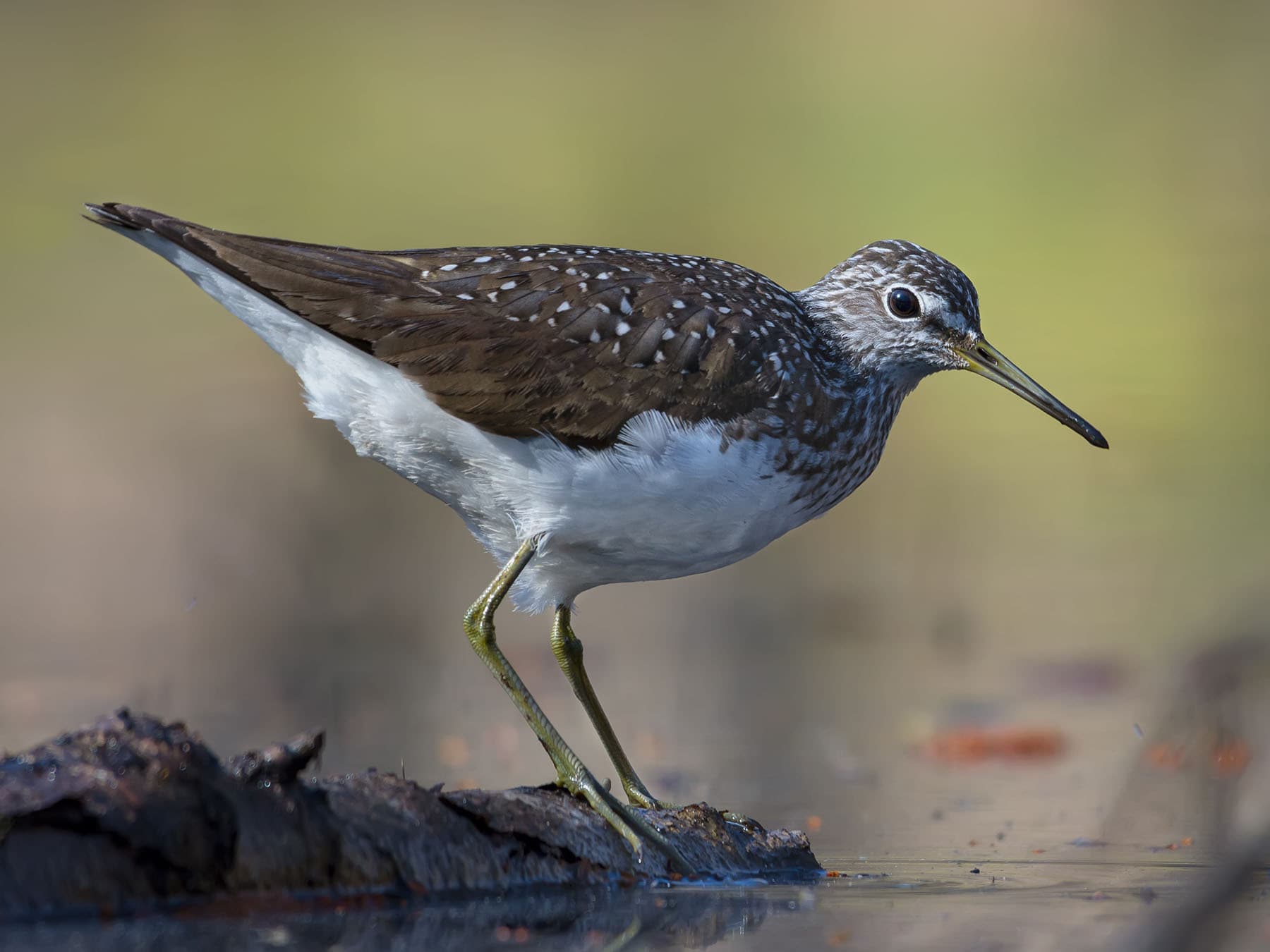
Green Sandpiper
Tringa ochropusLC
An uncommon but regular visitor to muddy pool edges and ditches, present in most months except midwinter.
Jun–Apr
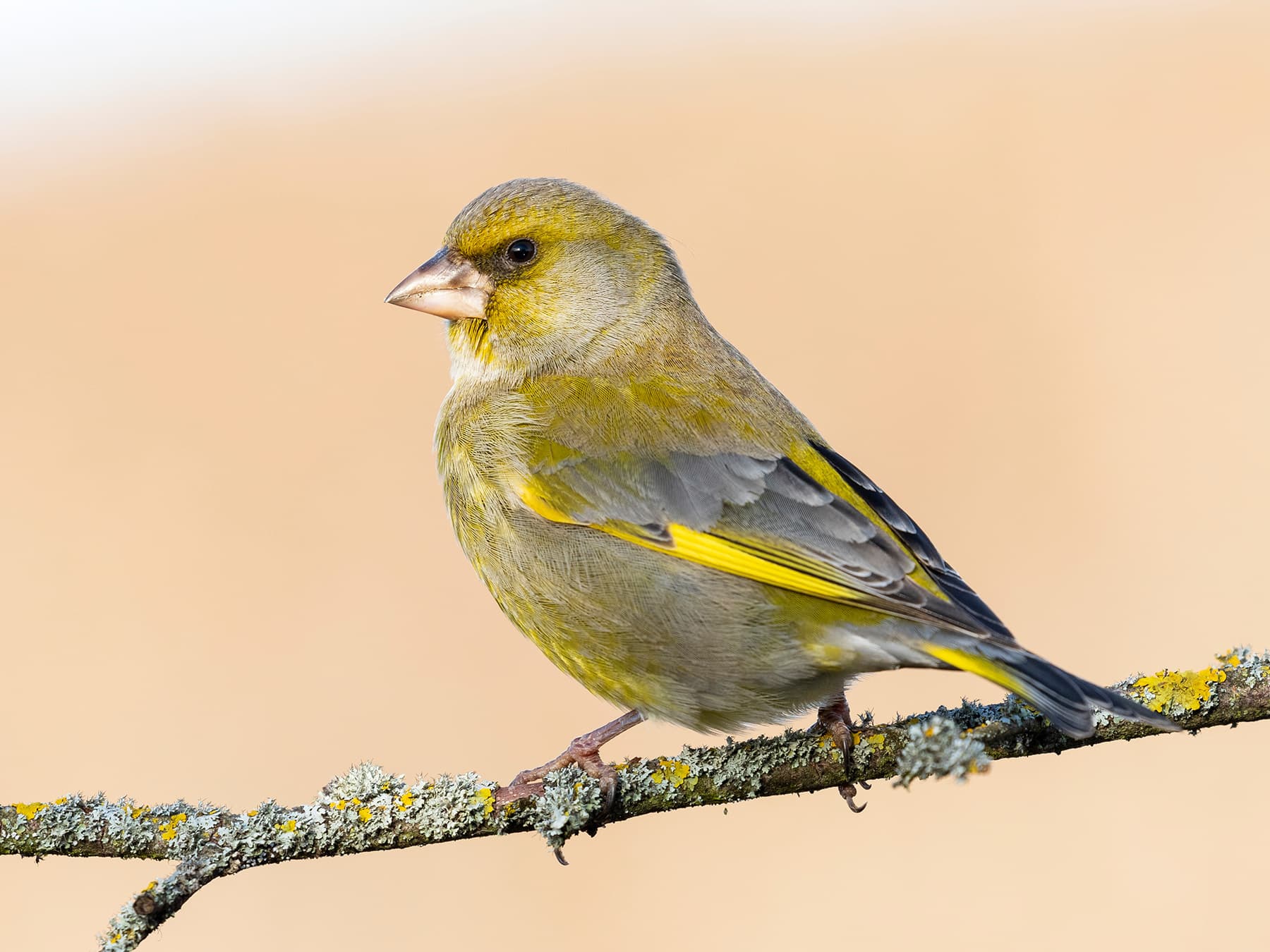
Greenfinch
Chloris chlorisLC
A common resident found year-round in gardens, hedgerows and farmland, though numbers have declined significantly due to trichomonosis disease.
Year-round
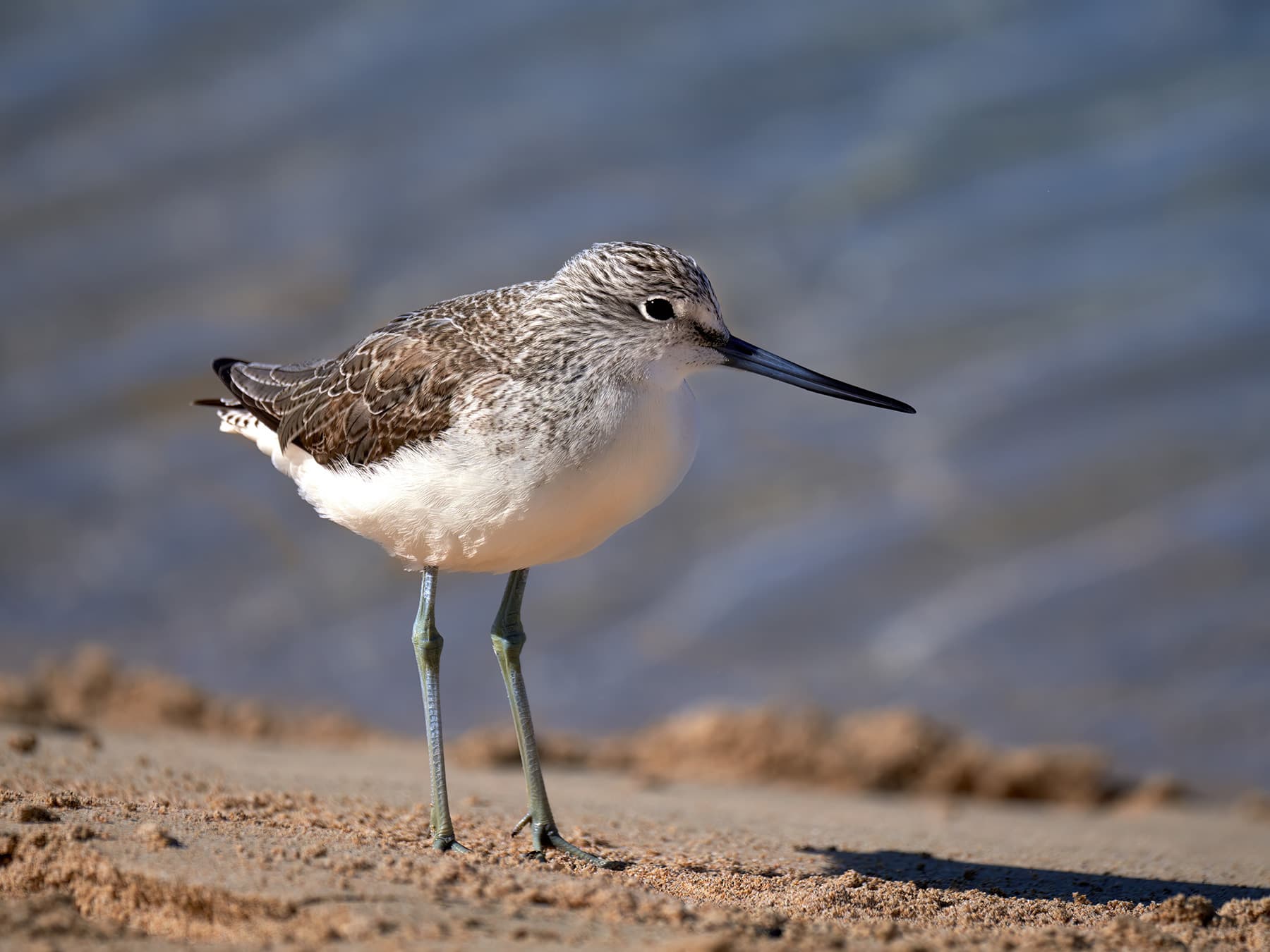
Greenshank
Tringa nebulariaLC
An uncommon breeder present from April to October, favouring marshy pools and reservoir margins.
Apr–Oct
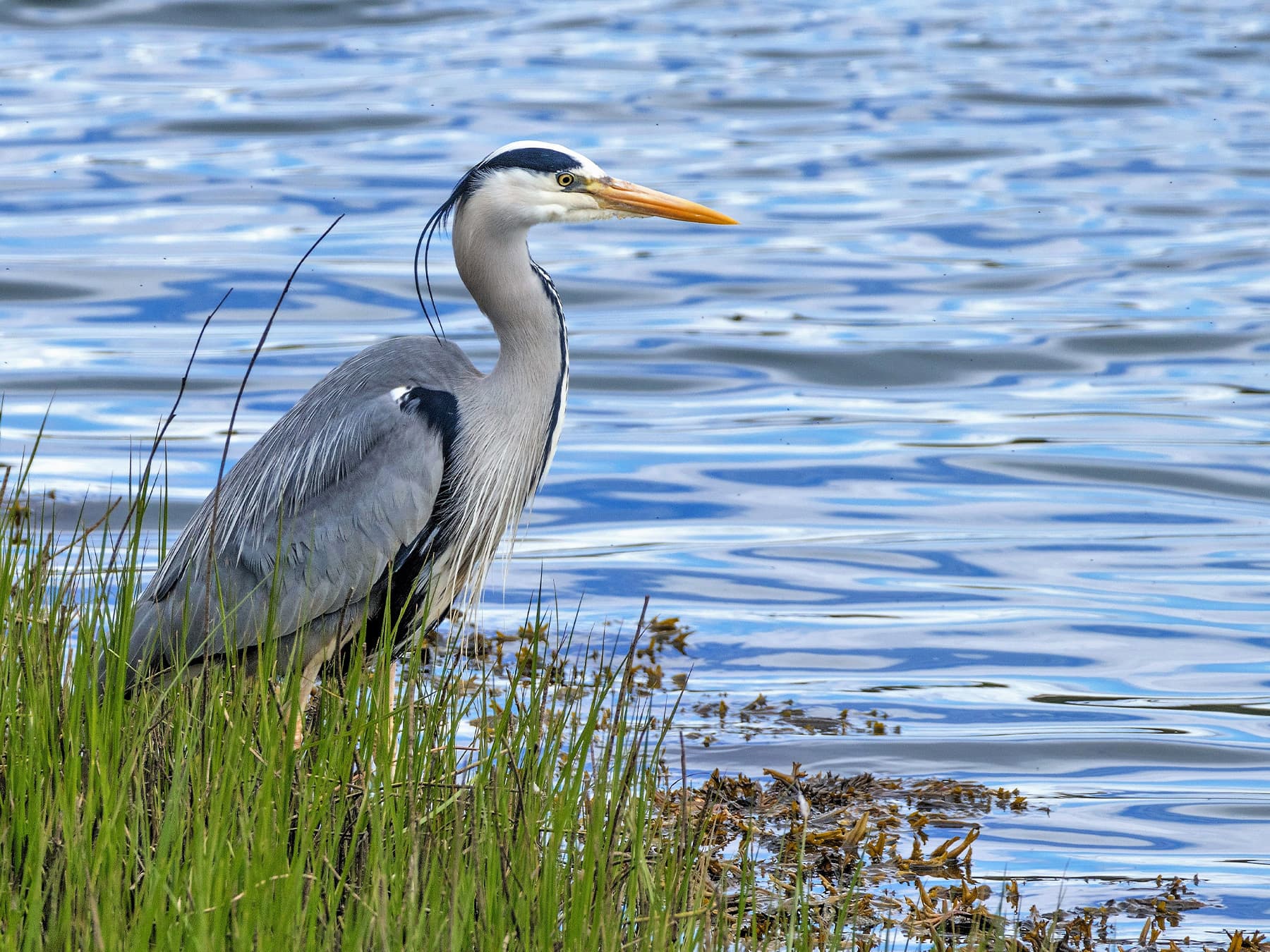
Grey Heron
Ardea cinereaLC
A common year-round resident, nesting in heronries in tall trees. Readily seen along rivers, lakes and wet meadows across the county.
Year-round
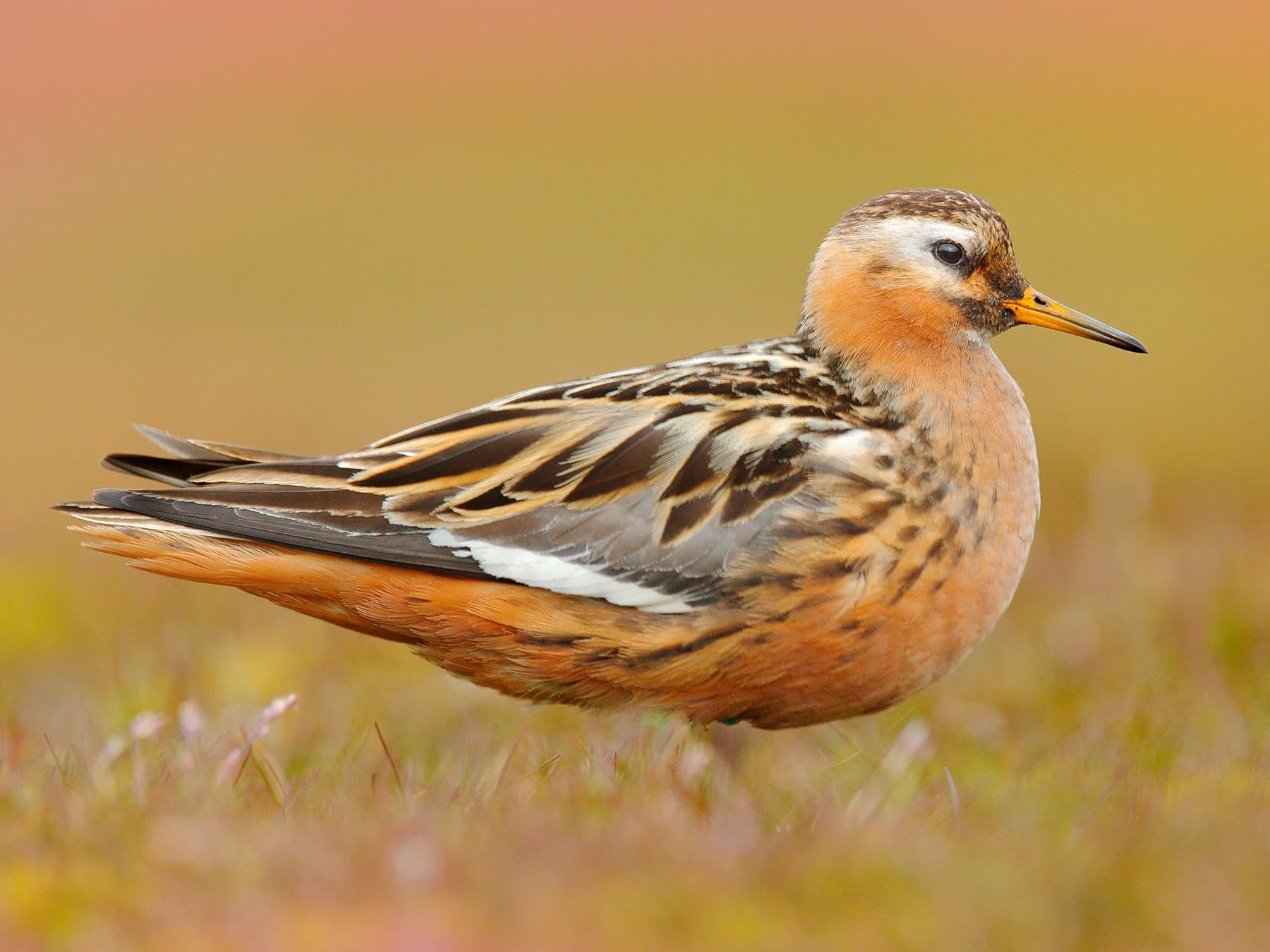
Grey Phalarope
Phalaropus fulicariusLC
A rare autumn passage visitor, occasionally storm-blown to inland pools and reservoirs in September.
Sep
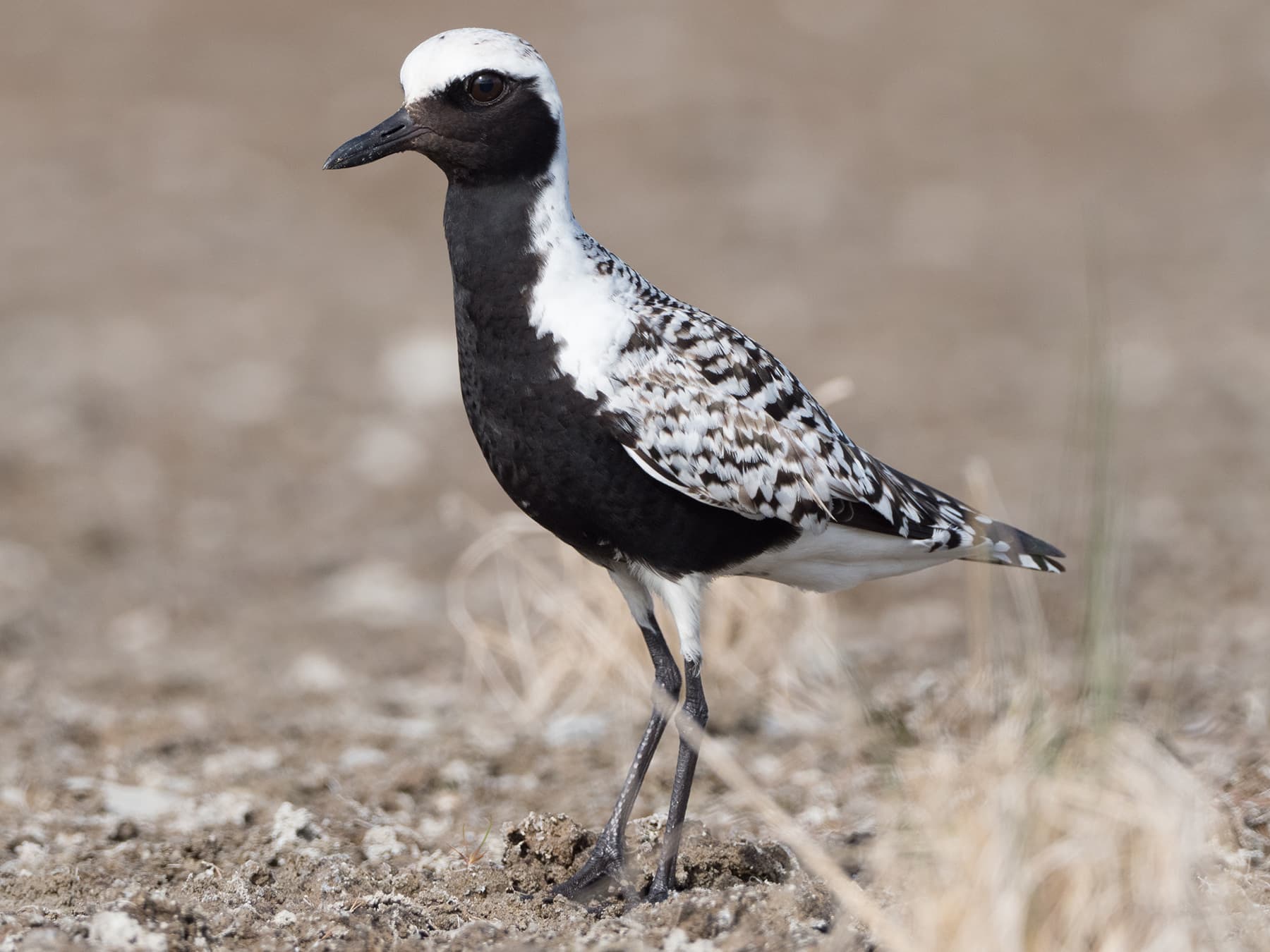
Grey Plover
Pluvialis squatarolaLC
A rare visitor to the Severn Estuary mudflats, seen sporadically outside the main summer months.
Sep–Jun
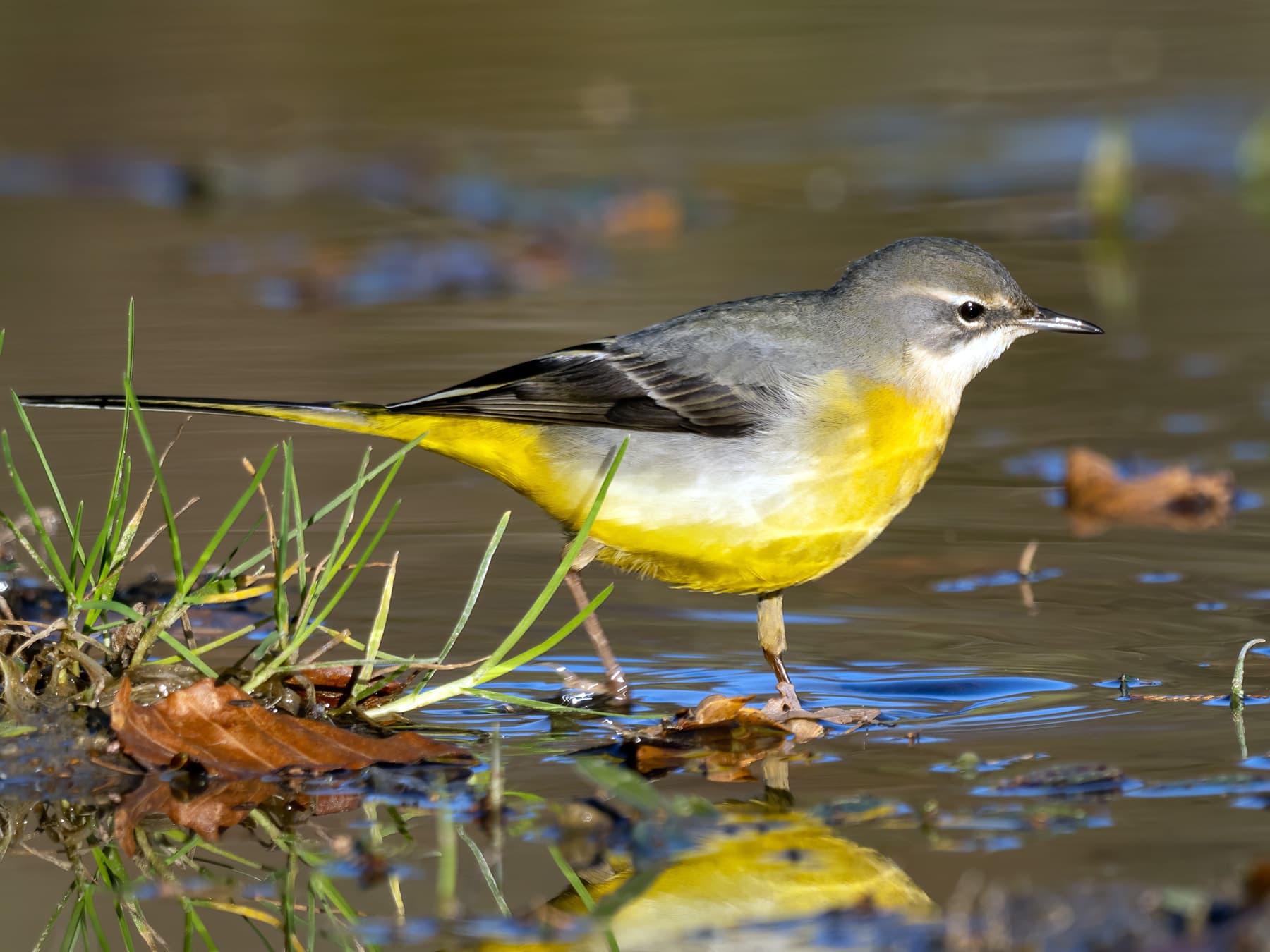
Grey Wagtail
Motacilla cinereaLC
An uncommon year-round resident favouring fast-flowing streams and weirs, especially in the Cotswolds. Bobs its long tail constantly.
Year-round
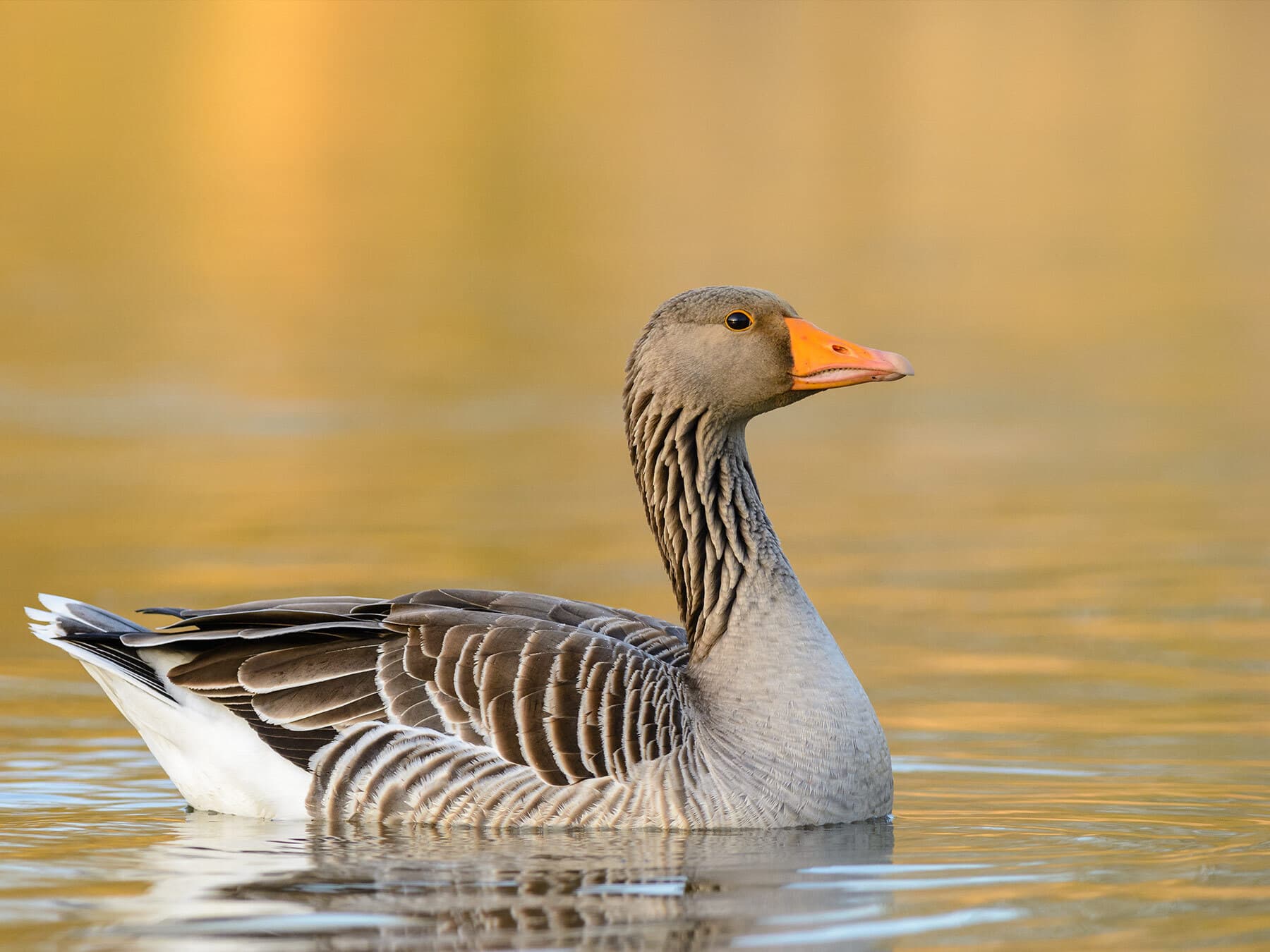
Greylag Goose
Anser anserLC
Common and resident, with large flocks grazing the Severn Vale. Feral populations bolster wild wintering birds.
Year-round
Spotted something?
Upload a photo to identify it
Identify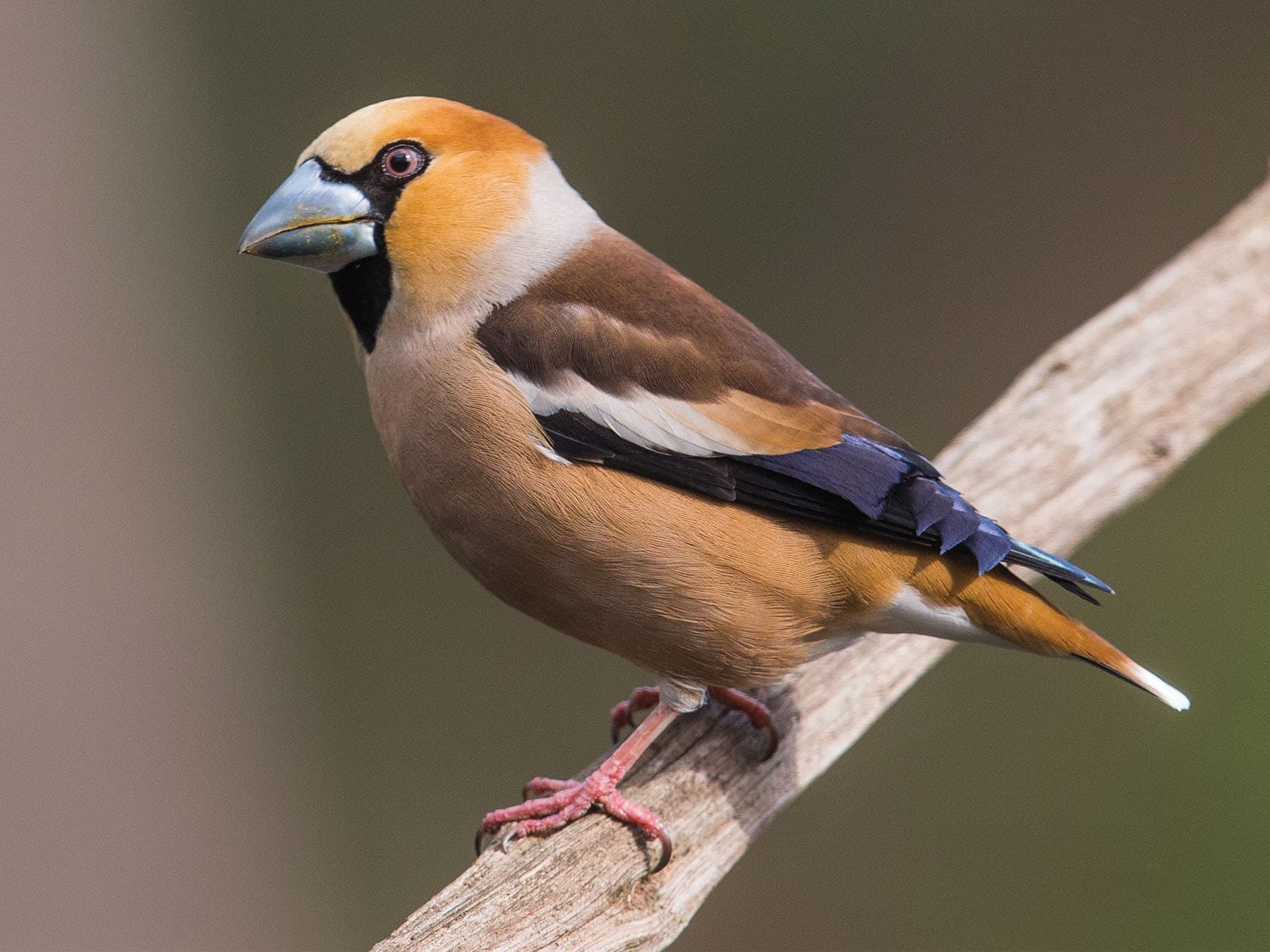
Hawfinch
Coccothraustes coccothraustesLC
A rare but iconic resident of the Forest of Dean, favouring mature broadleaved woodland with hornbeam and cherry. Most reliably seen in winter flocks.
Sep–Jun
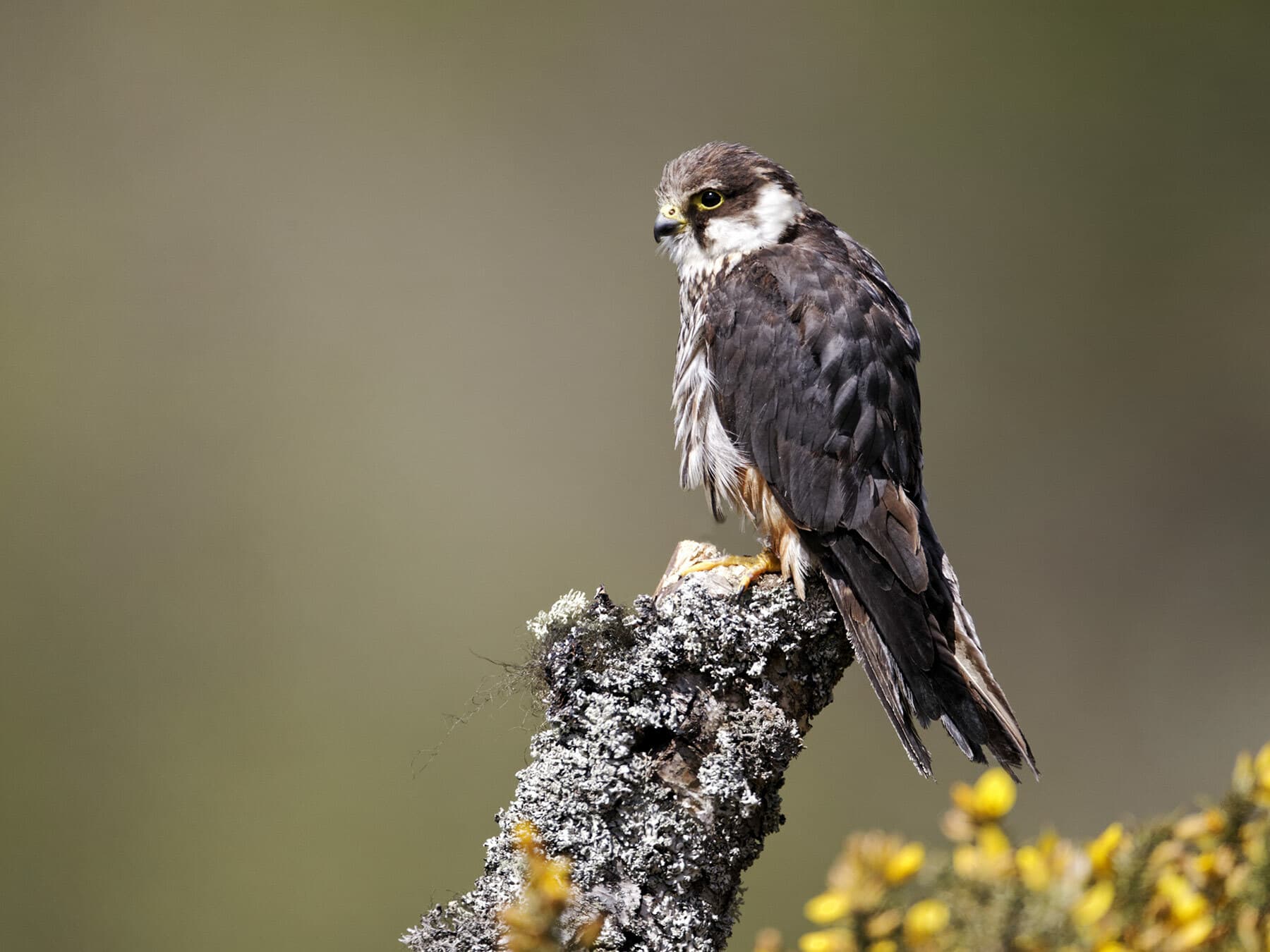
Hobby
Falco subbuteoLC
A rare summer visitor, hunting dragonflies and hirundines over wetlands and open country from April to October.
Apr–Oct
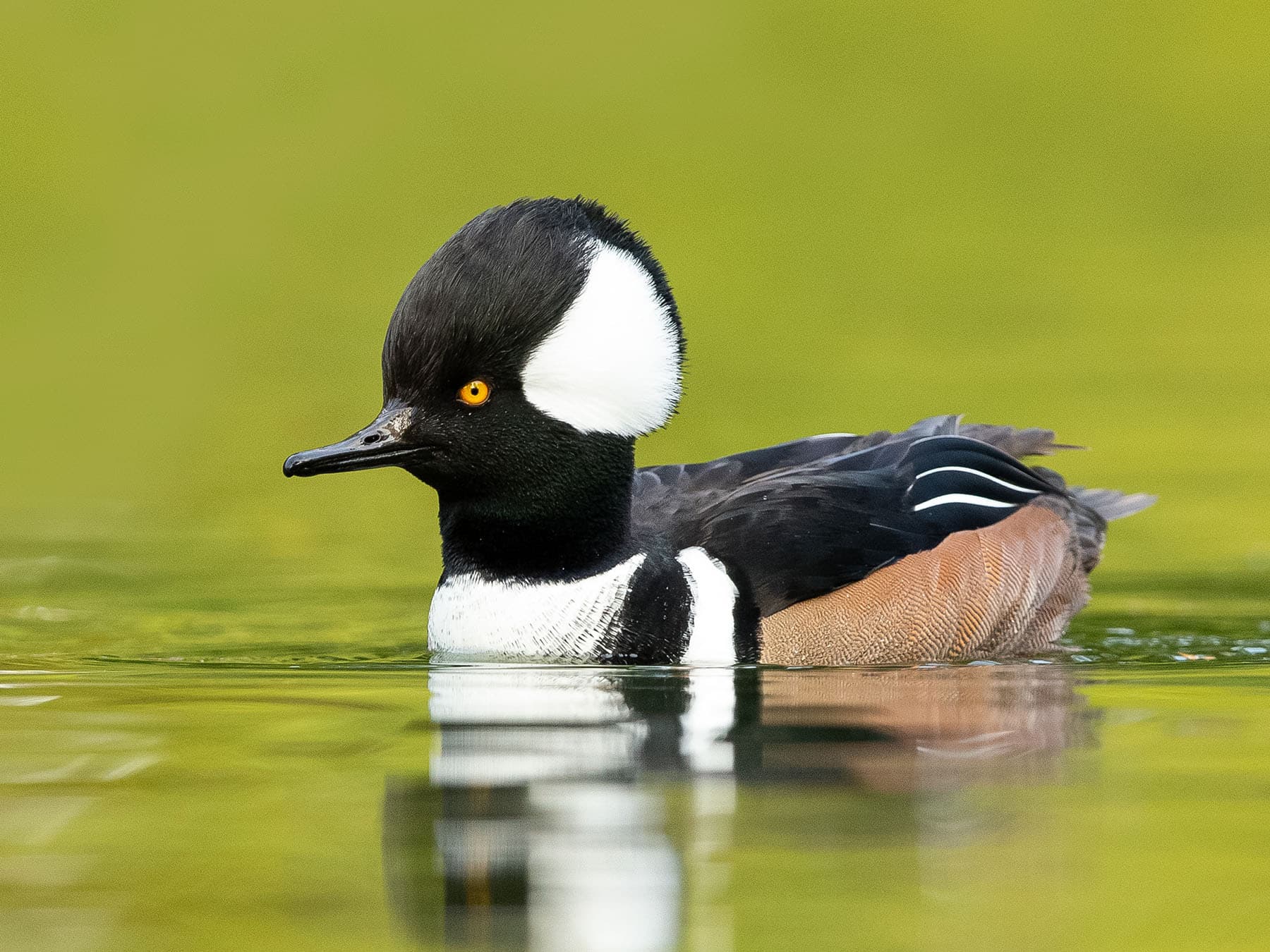
Hooded Merganser
Lophodytes cucullatusLC
An exceptionally rare visitor, with records most likely involving escapees. Recorded in February as a brief passage occurrence.
Feb
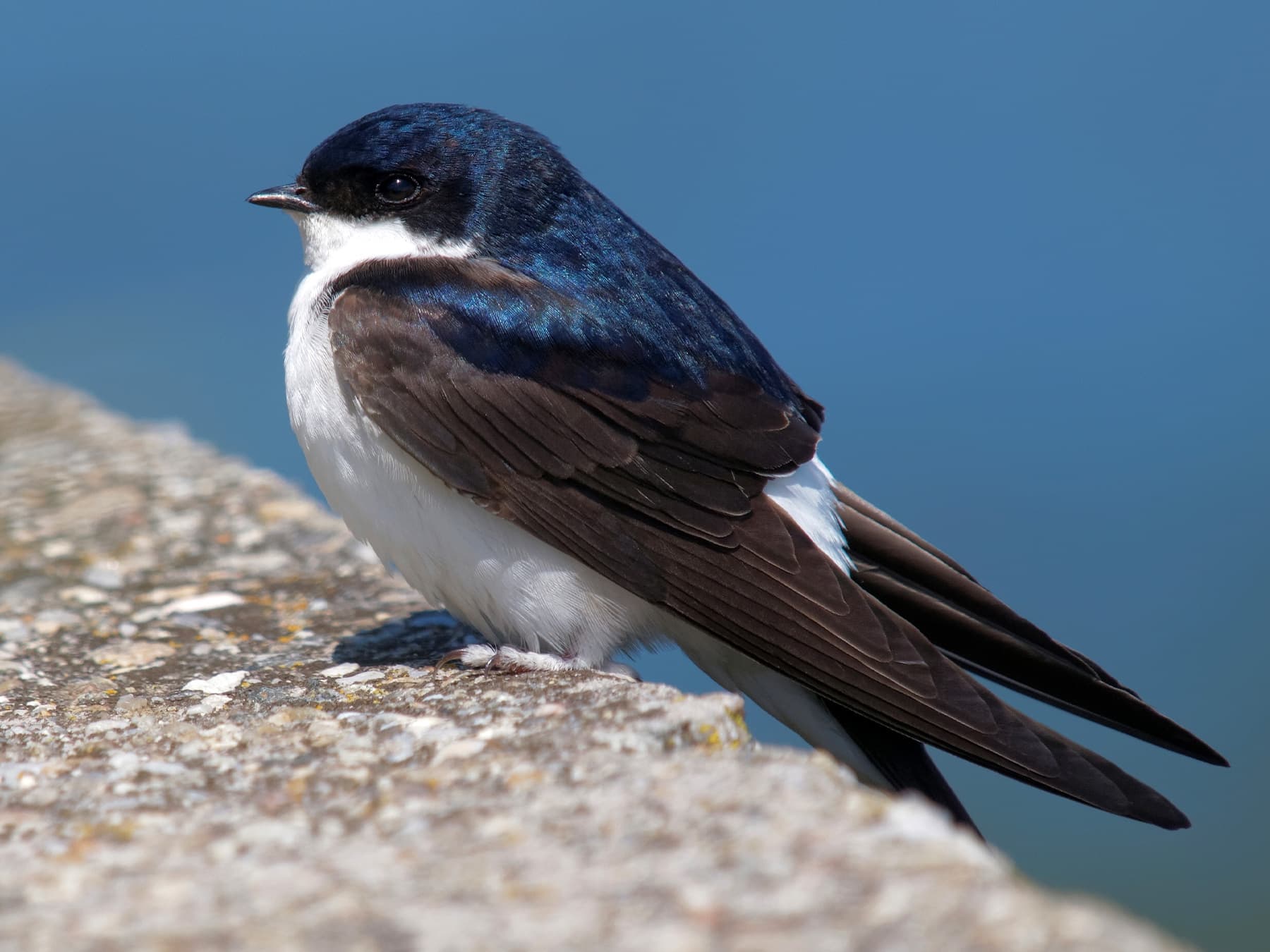
House Martin
Delichon urbicumLC
A common summer breeder arriving in April, nesting under eaves in towns and villages. Numbers have declined in recent years.
Apr–Oct
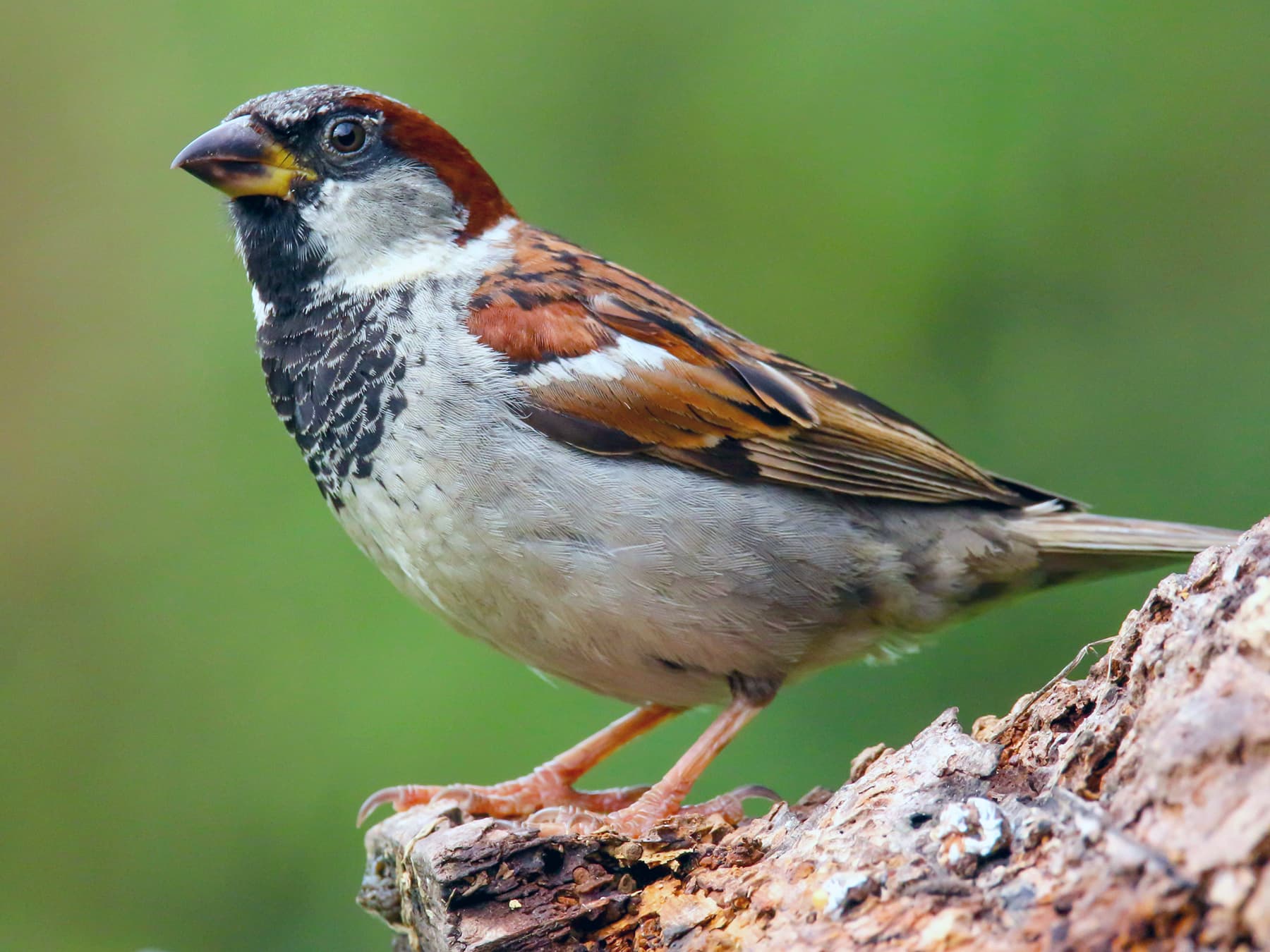
House Sparrow
Passer domesticusLC
A common year-round resident, nesting in roof spaces and hedges in towns and villages across the county.
Year-round
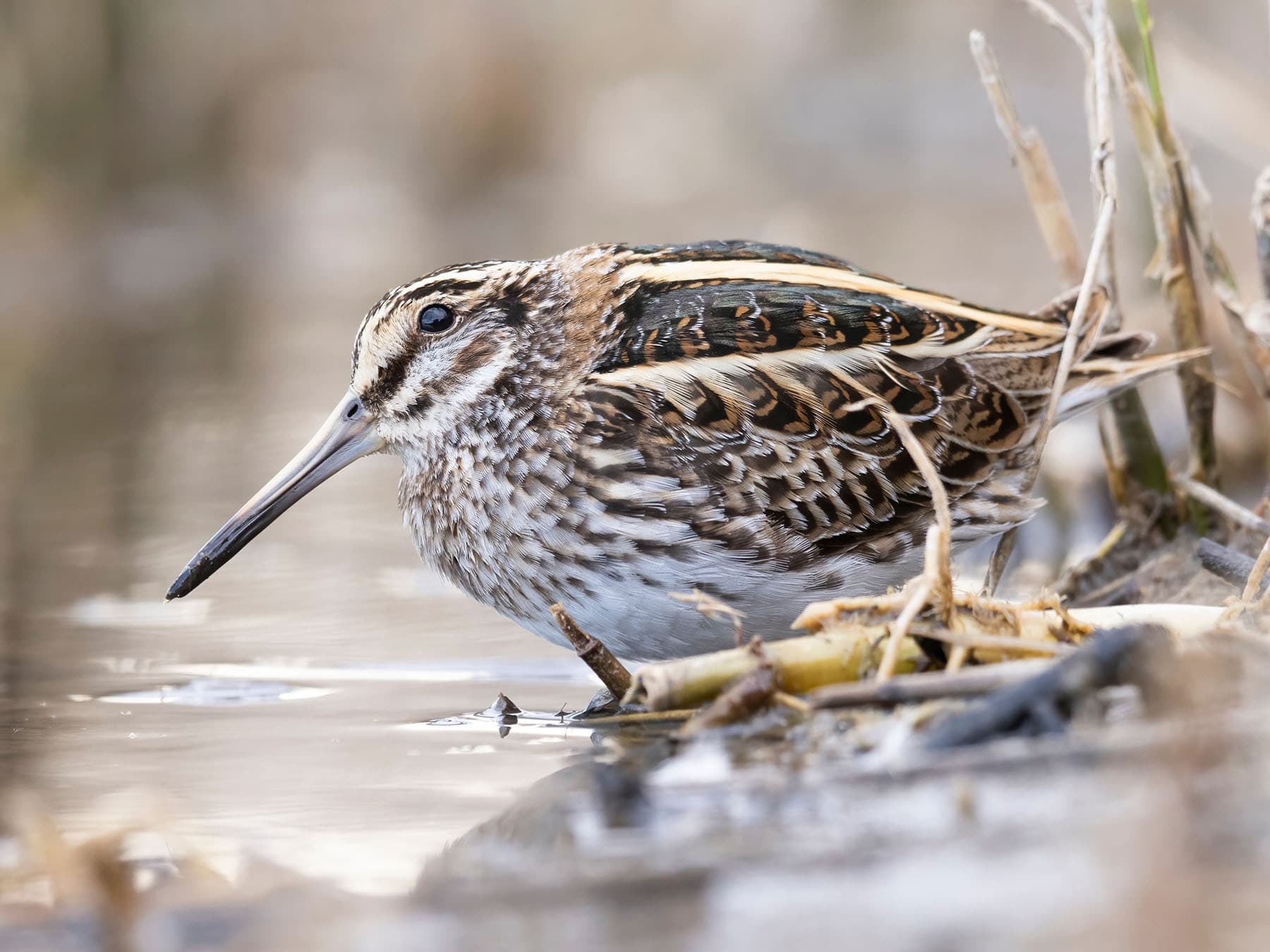
Jack Snipe
Lymnocryptes minimusLC
A rare and secretive winter visitor to boggy fields and wetland margins. Easily overlooked due to its skulking habits.
Oct–Apr
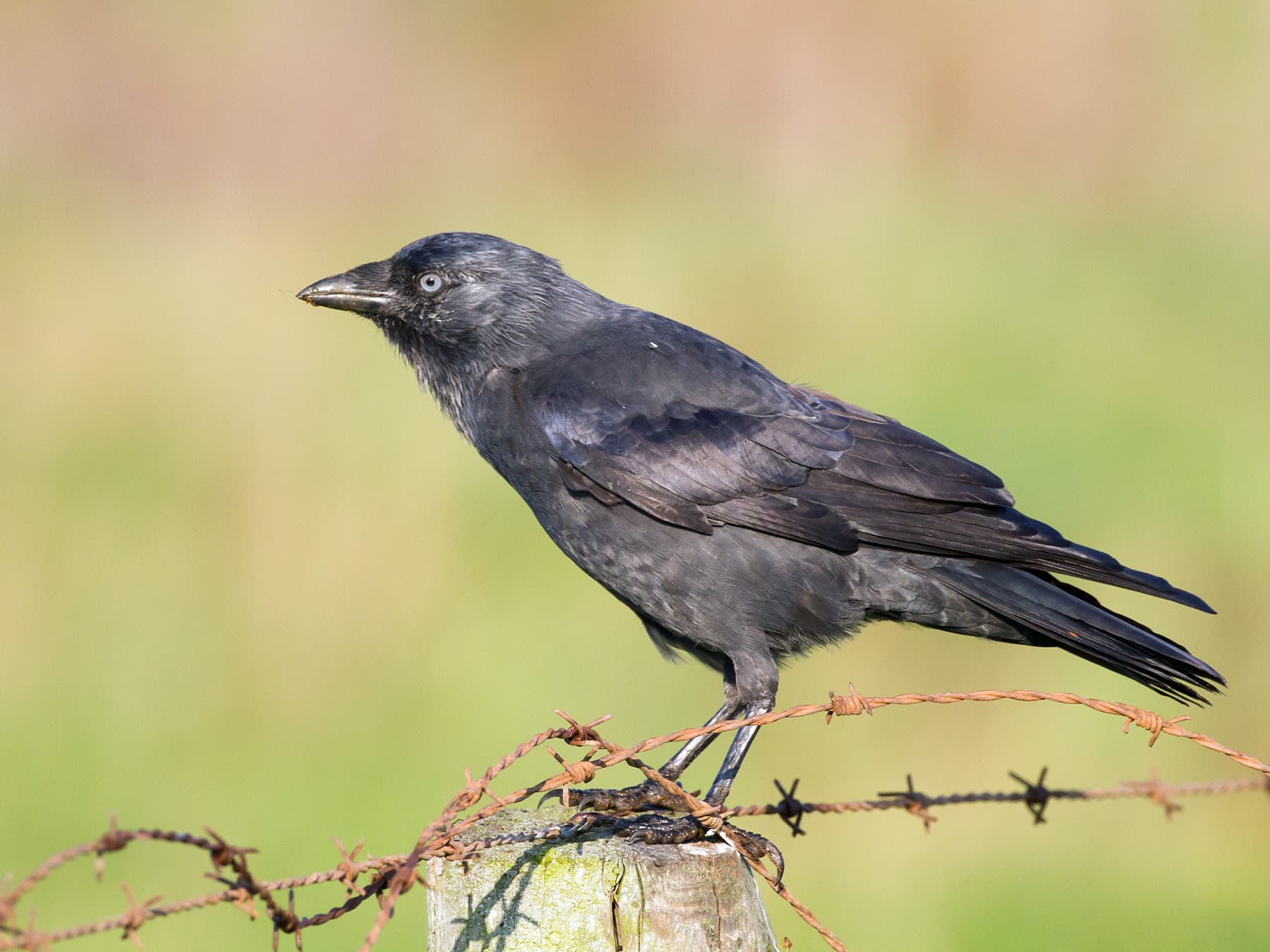
Jackdaw
Coloeus monedulaLC
A common and sociable resident, nesting in Cotswold stone buildings, church towers and old trees across the county in noisy, chattering colonies.
Year-round
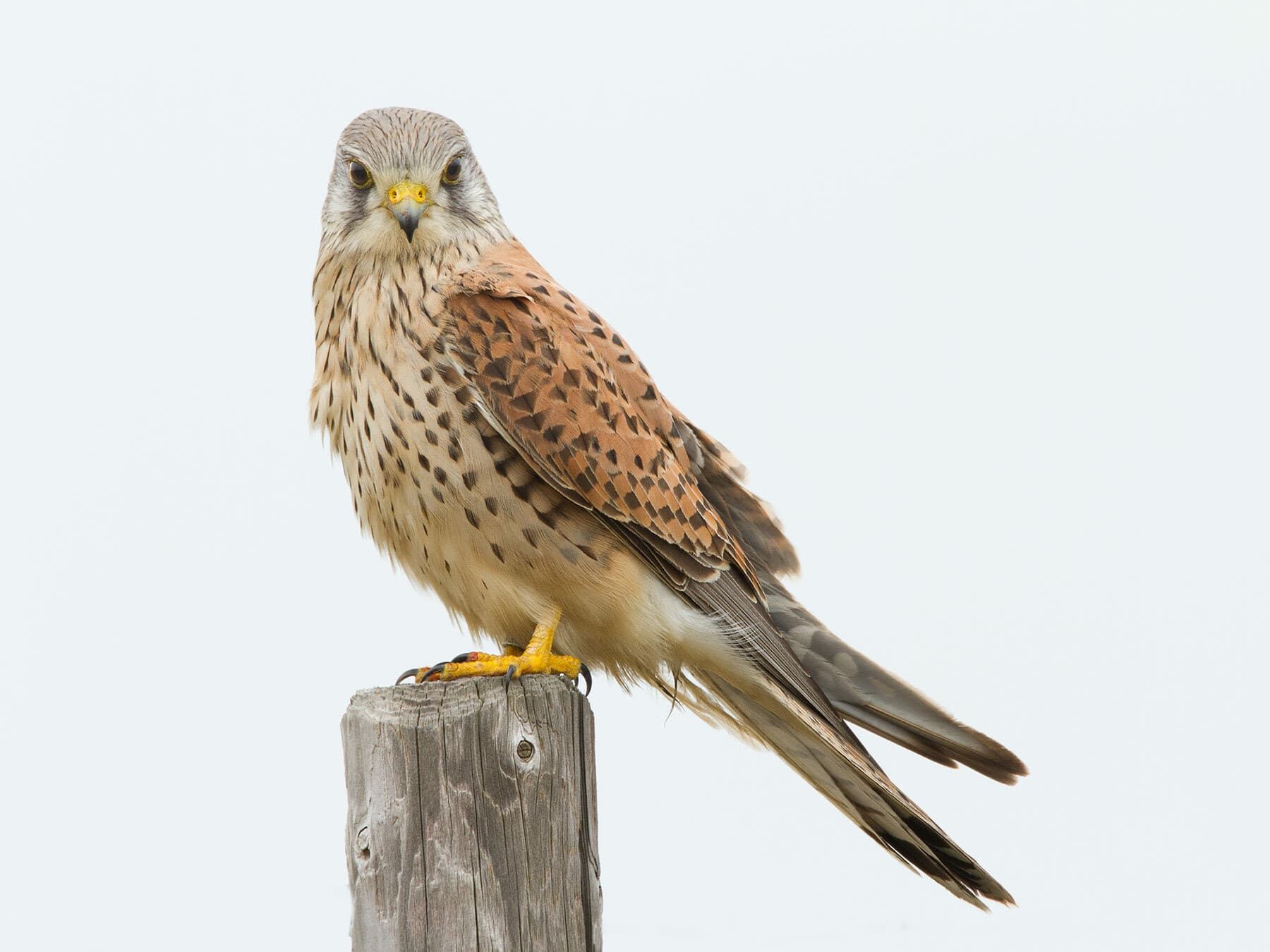
Kestrel
Falco tinnunculusLC
An uncommon resident often seen hovering over roadside verges and open farmland across the Cotswolds and Severn Vale.
Year-round
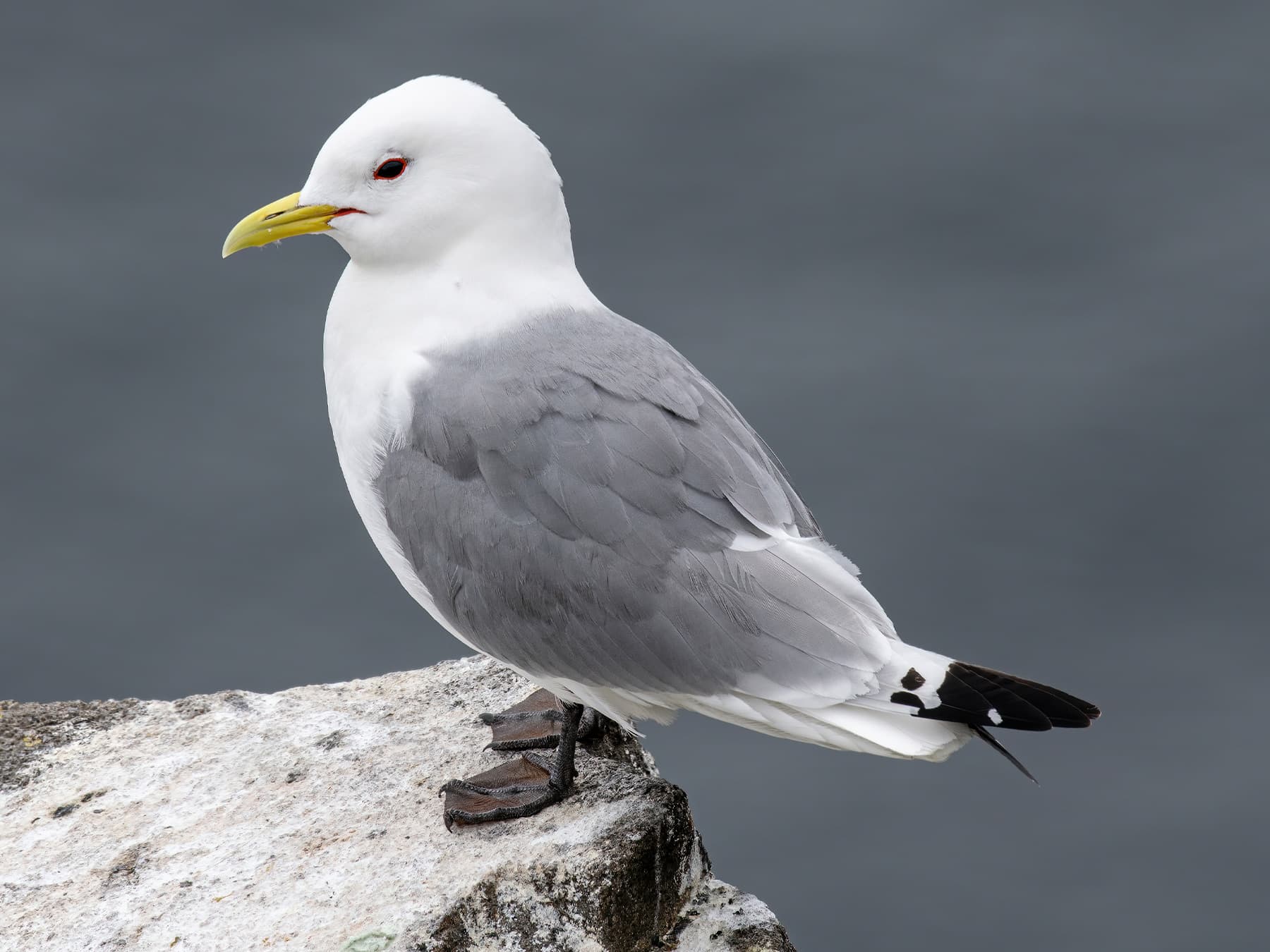
Kittiwake
Rissa tridactylaVU
A rare visitor, sometimes storm-driven inland to reservoirs or the Severn Estuary during winter gales.
Nov–Apr
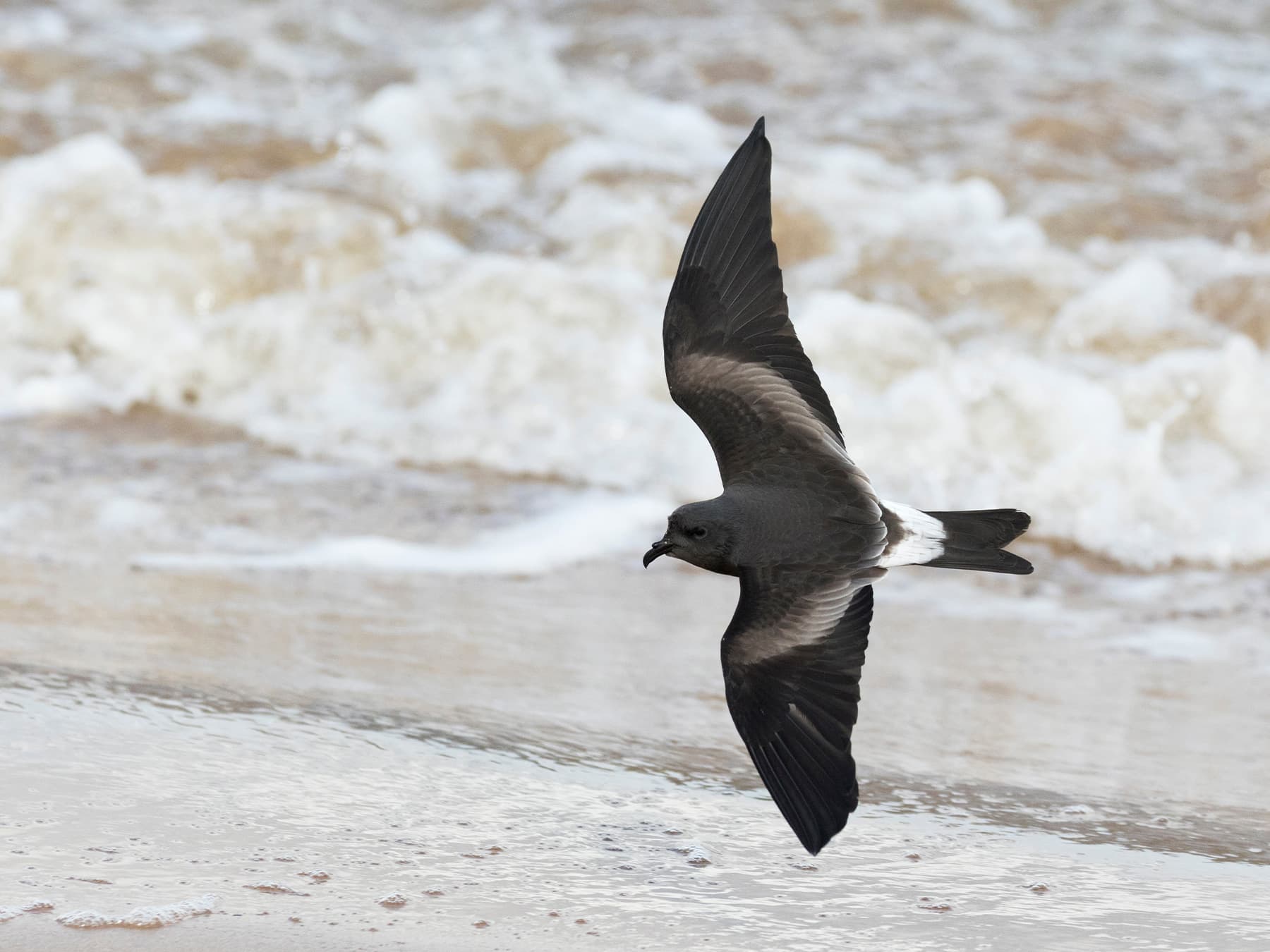
Leach's Storm-petrel
Hydrobates leucorhousVU
A rare storm-driven vagrant, occasionally recorded inland in September and November after severe Atlantic gales.
Sep–Nov
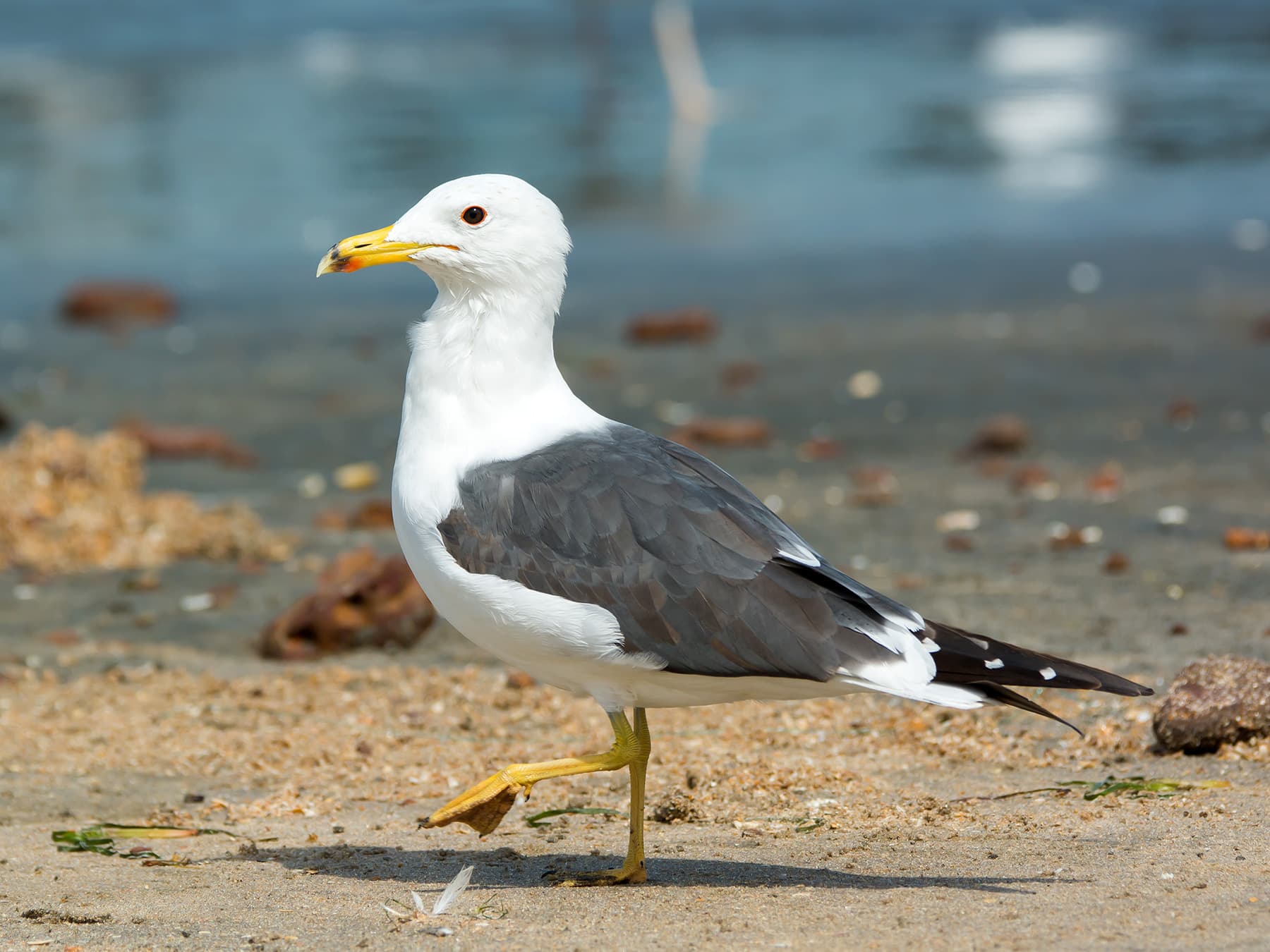
Lesser Black-backed Gull
Larus fuscusLC
Common year-round, frequenting landfill sites, reservoirs, and the Severn Estuary. Numbers peak in summer breeding colonies.
Year-round
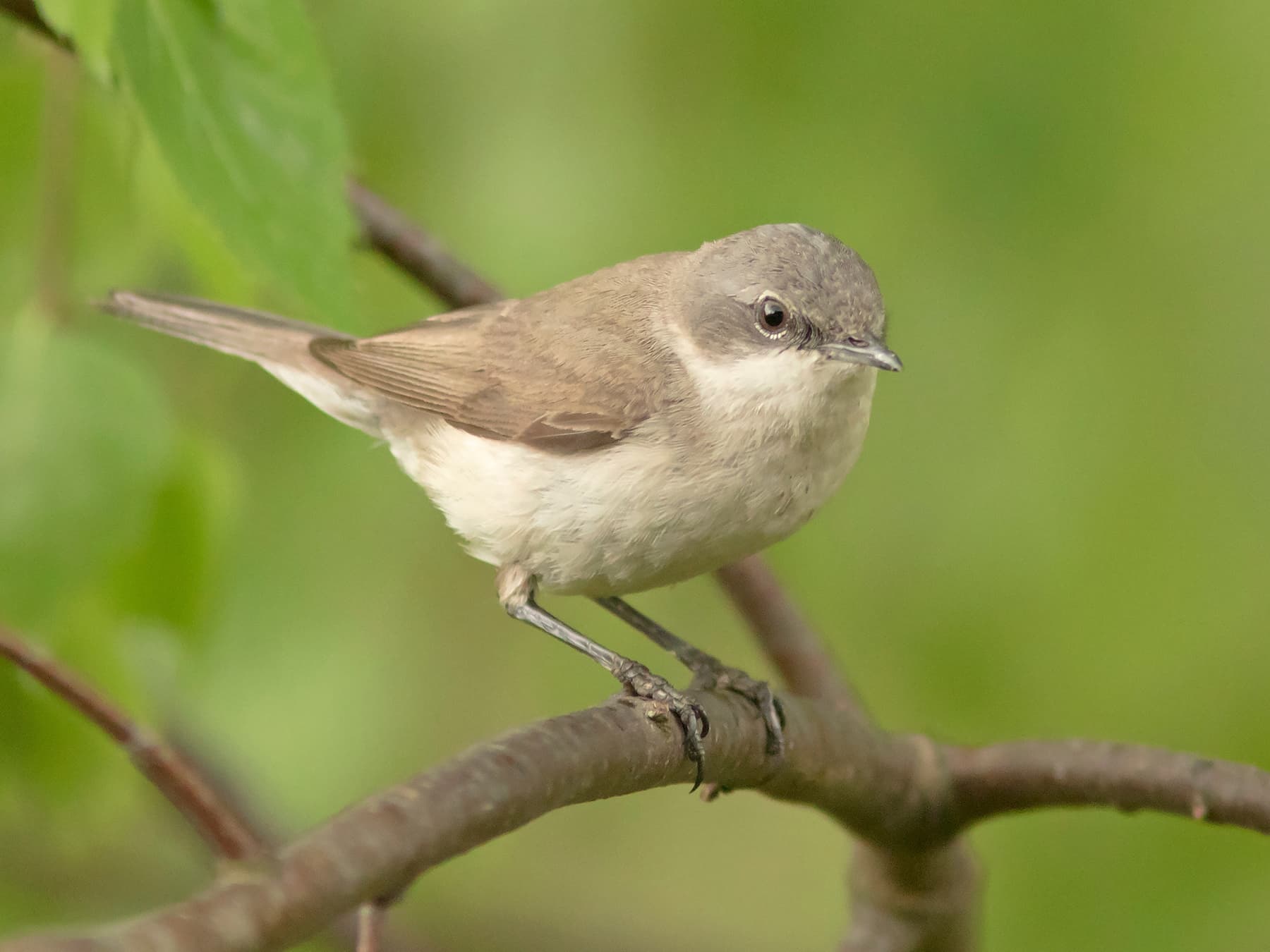
Lesser Whitethroat
Curruca currucaLC
An uncommon summer breeder found in dense hedgerows and scrubby thickets, arriving in April and departing by September.
Apr–Sep
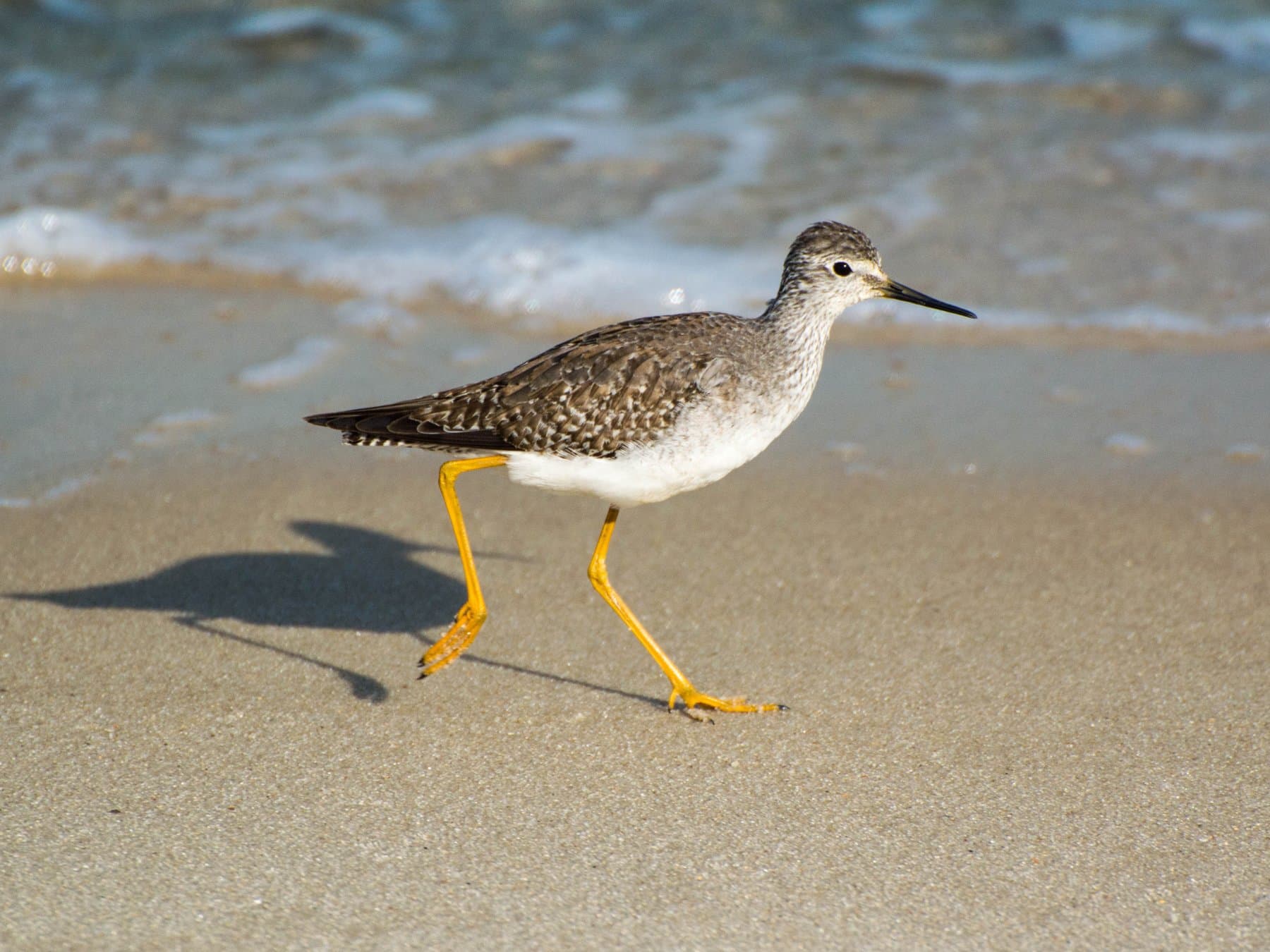
Lesser Yellowlegs
Tringa flavipesVU
A very rare Nearctic vagrant, recorded as a brief October passage visitor at freshwater wetland sites in the county.
Oct
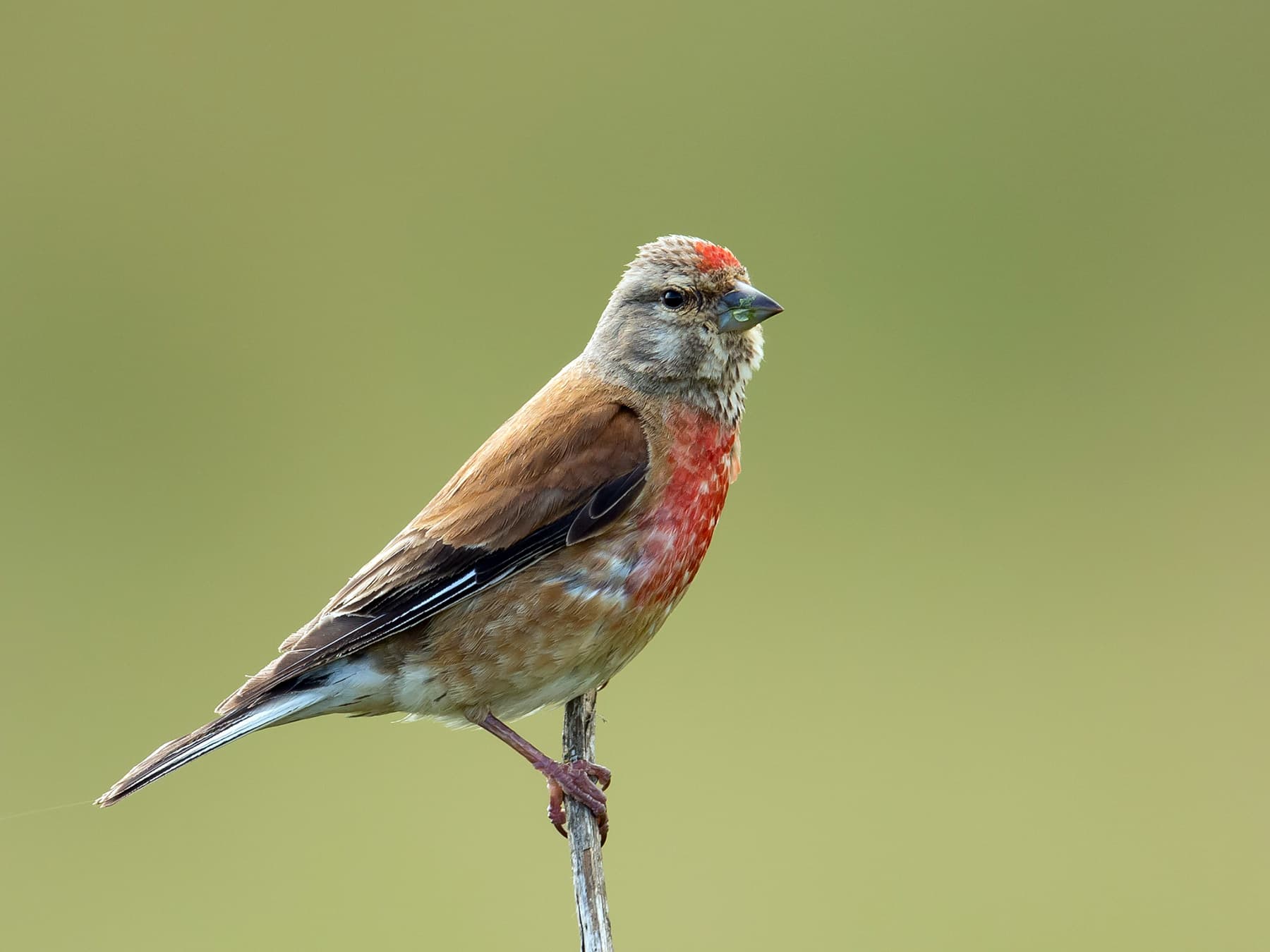
Linnet
Linaria cannabinaLC
A common resident of farmland, rough ground and hedgerows. Forms sociable flocks in winter, often mixing with other finches on stubble fields.
Year-round
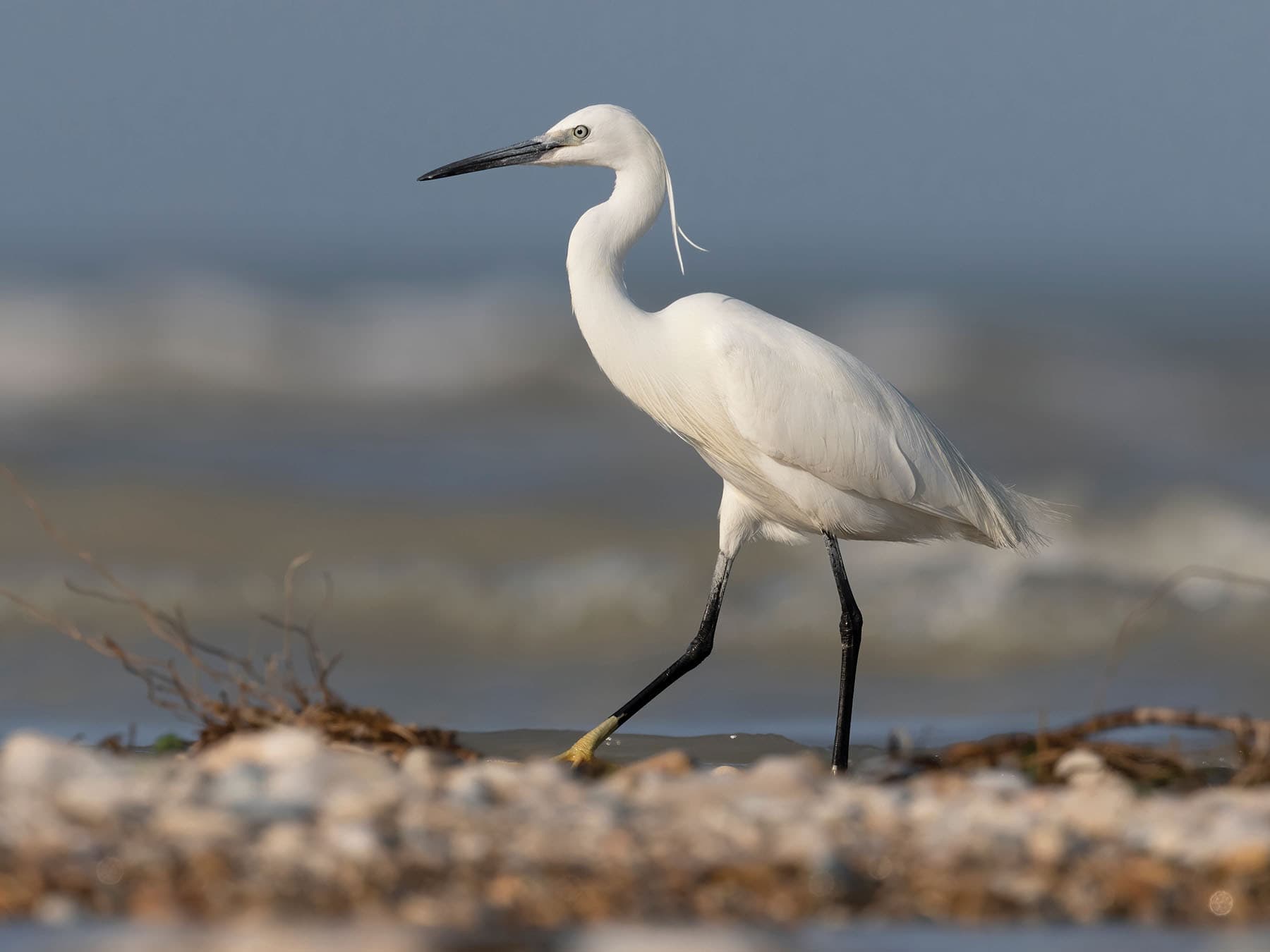
Little Egret
Egretta garzettaLC
Now a common sight along the Severn Estuary and Cotswold waterways year-round, having colonised the county since the 1990s.
Year-round