Birds in Gloucestershire
Explore 195 species found in this region.
Gloucestershire is a wonderfully diverse county for birdwatching, with 189 recorded species found across its varied landscapes. From the wetlands of the Severn Estuary and the waterways of the Cotswold Water Park to the ancient woodlands of the Forest of Dean, the county supports an impressive range of habitats that attract both resident and migratory birds. Notable species include the striking Bluethroat, the elegant Northern Lapwing, the elusive Great Grey Shrike, and the colourful Mandarin Duck.
Visiting in September? Look out for Black Tern and Common Redpoll arriving this month, and Red Crossbill and Tundra Bean Goose depart for the season.


Showing 70–92 of 195 species
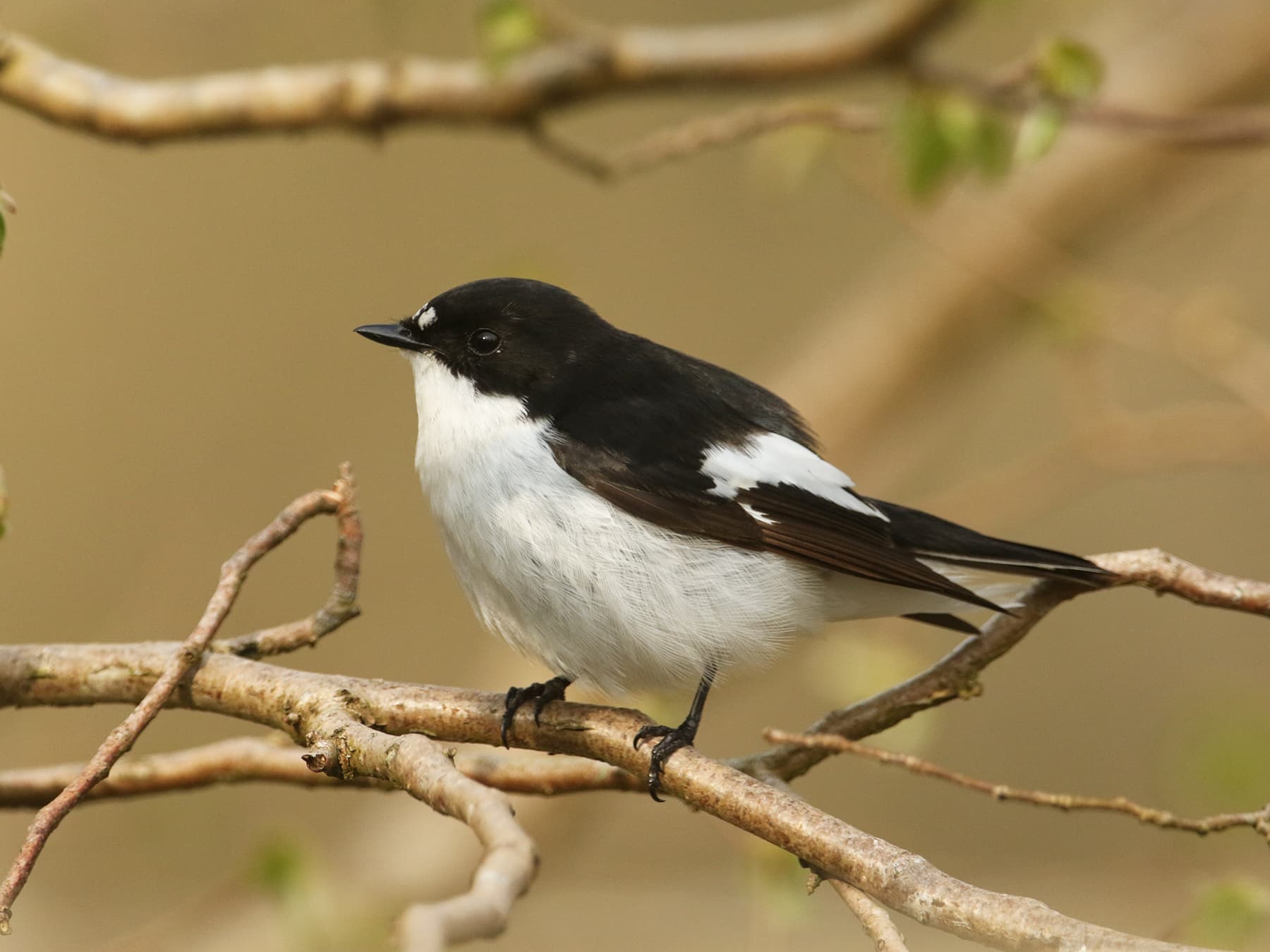
European Pied Flycatcher
Ficedula hypoleucaLC
An uncommon summer breeder strongly associated with oak woodlands in the Forest of Dean, arriving in April and nesting in tree holes.
Apr–Jun
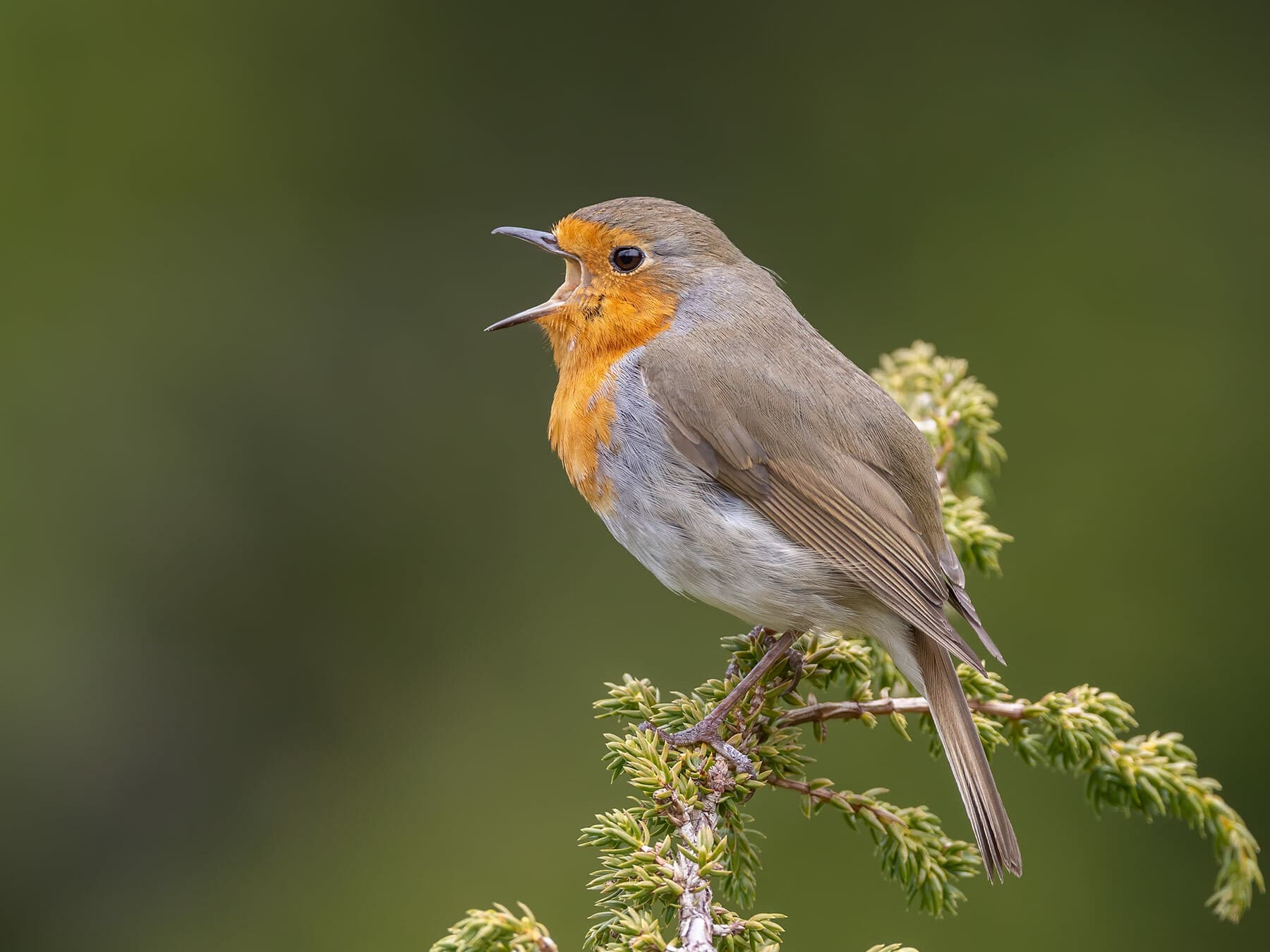
European Robin
Erithacus rubeculaLC
One of the county's most familiar garden birds, present year-round in hedgerows, woodlands and parks throughout Gloucestershire.
Year-round
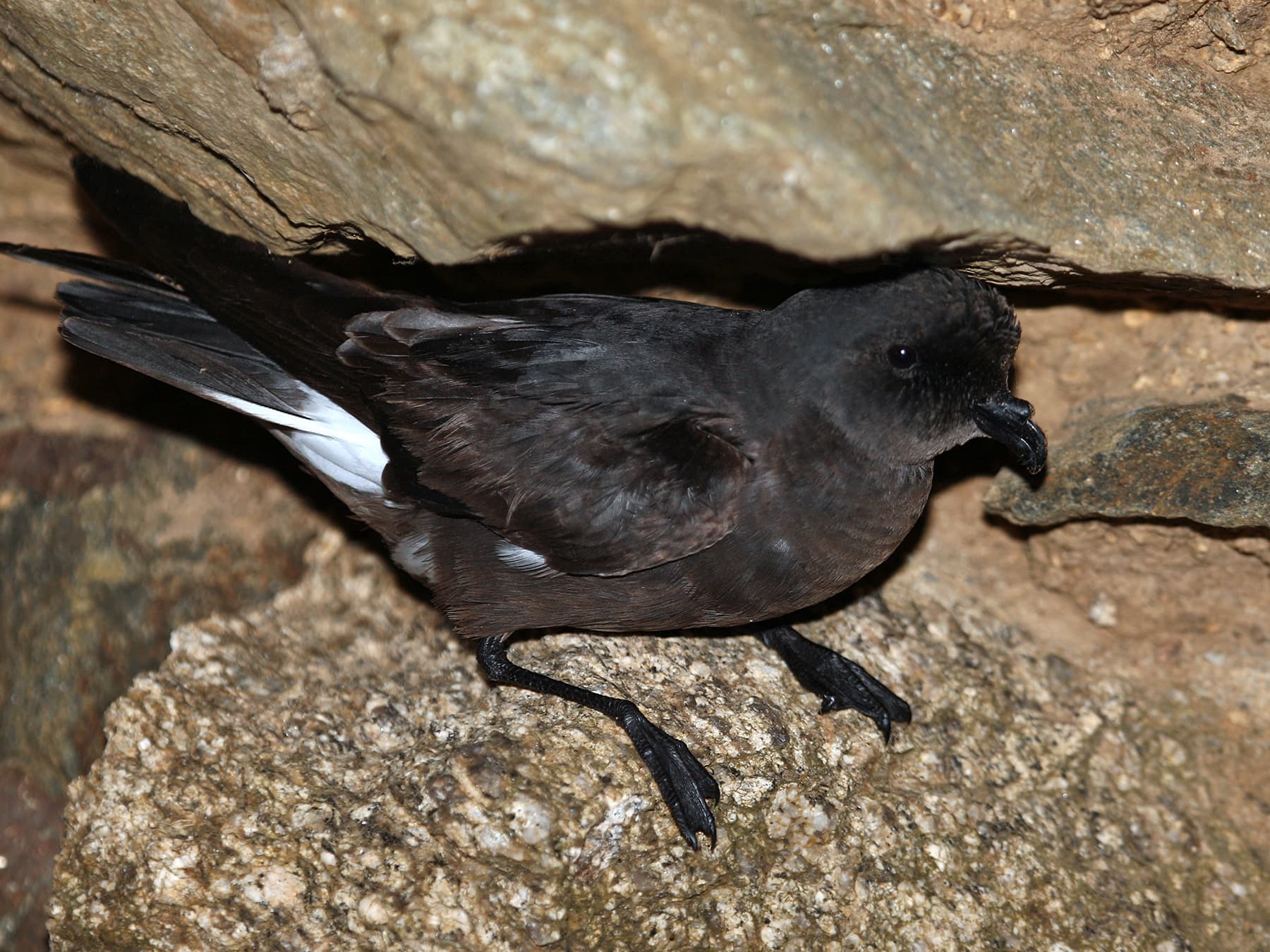
European Storm-petrel
Hydrobates pelagicusLC
A rare passage visitor, very occasionally storm-driven inland in summer. Records are exceptional this far from the coast.
Jul
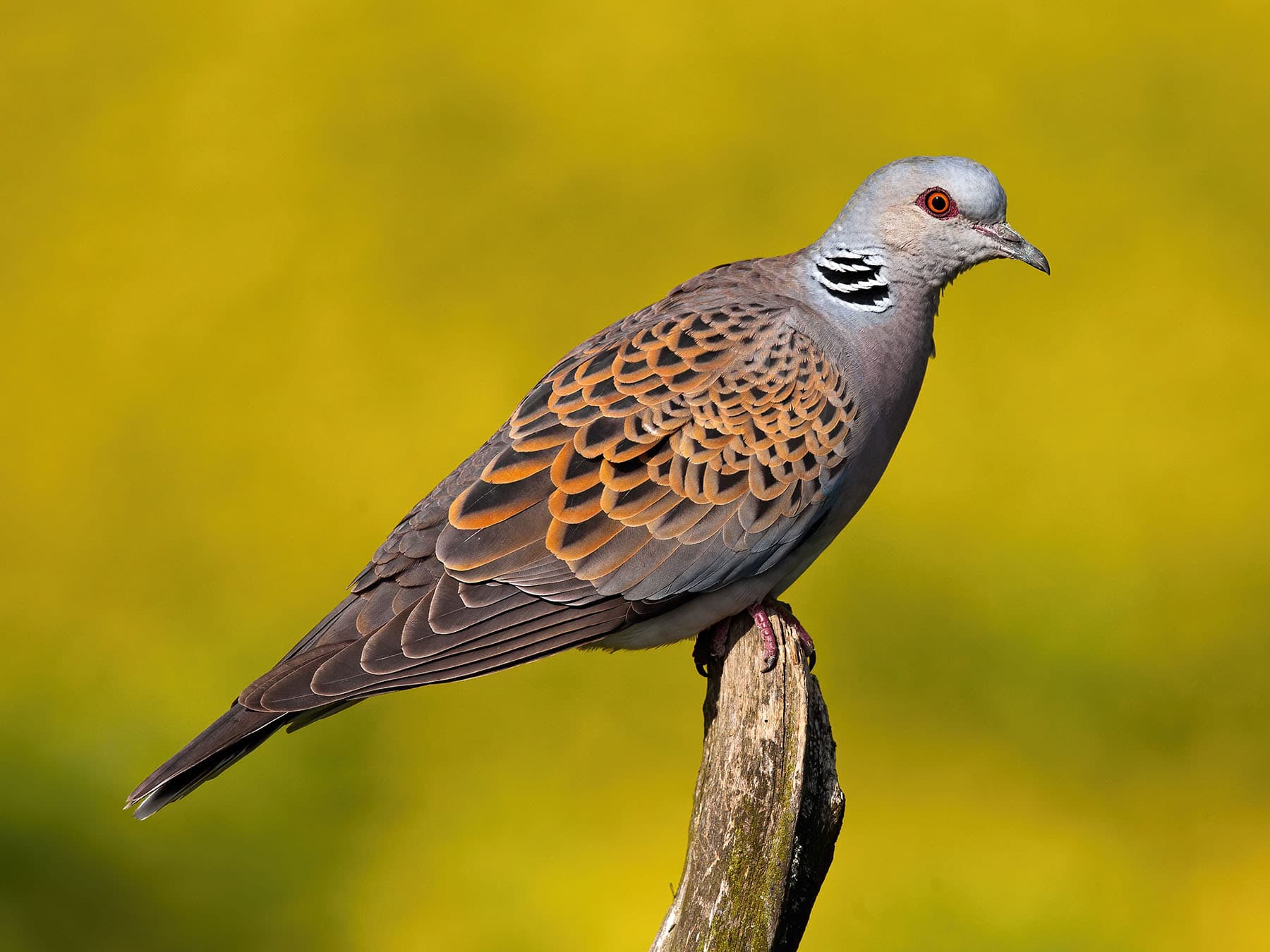
European Turtle-dove
Streptopelia turturVU
A rare and declining summer passage bird, now critically scarce nationally. Occasionally noted in July on farmland edges.
Jul
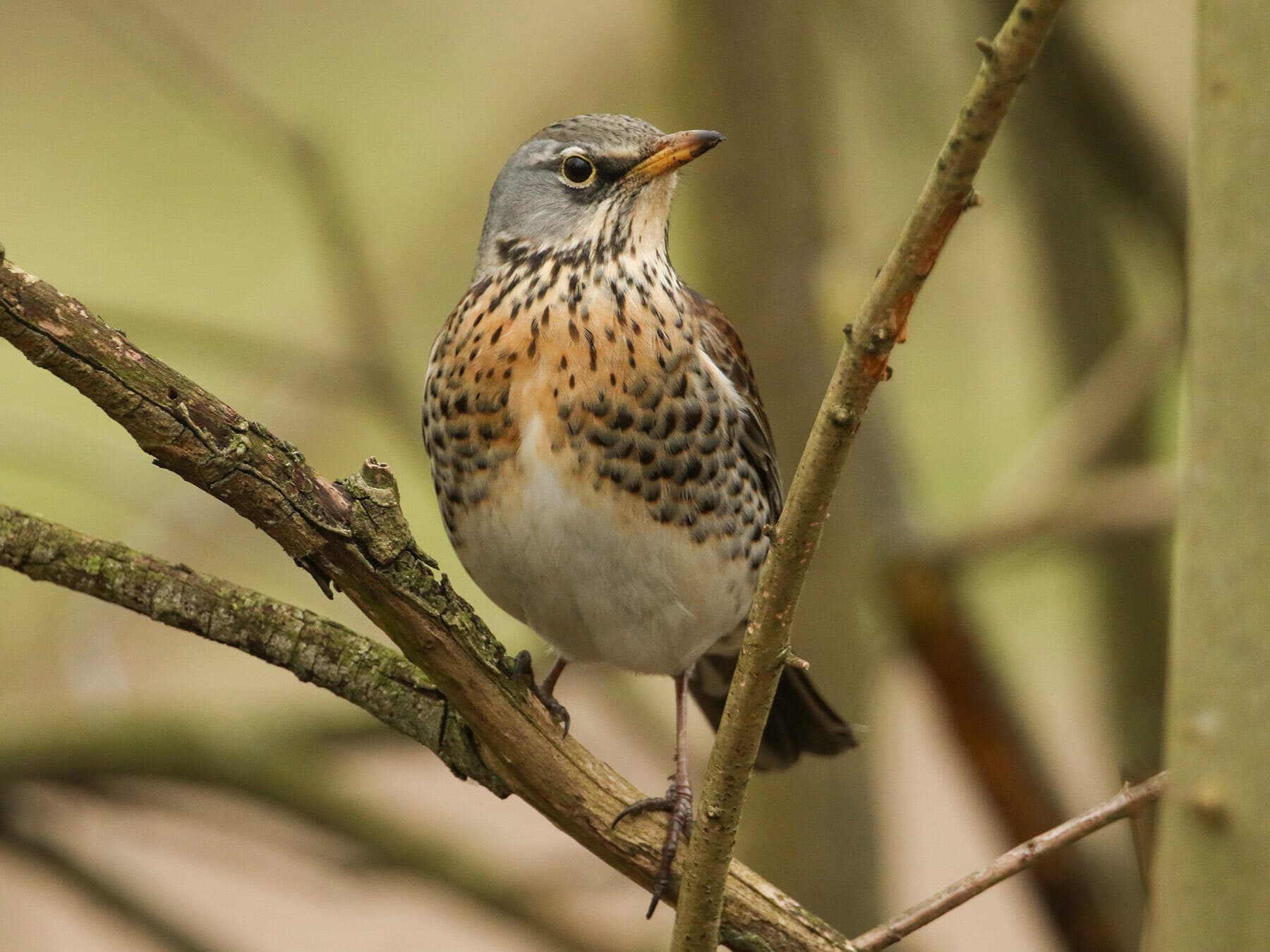
Fieldfare
Turdus pilarisLC
An uncommon winter visitor from Scandinavia, feeding in flocks on berry-laden hedgerows and open fields from October to April.
Oct–Apr
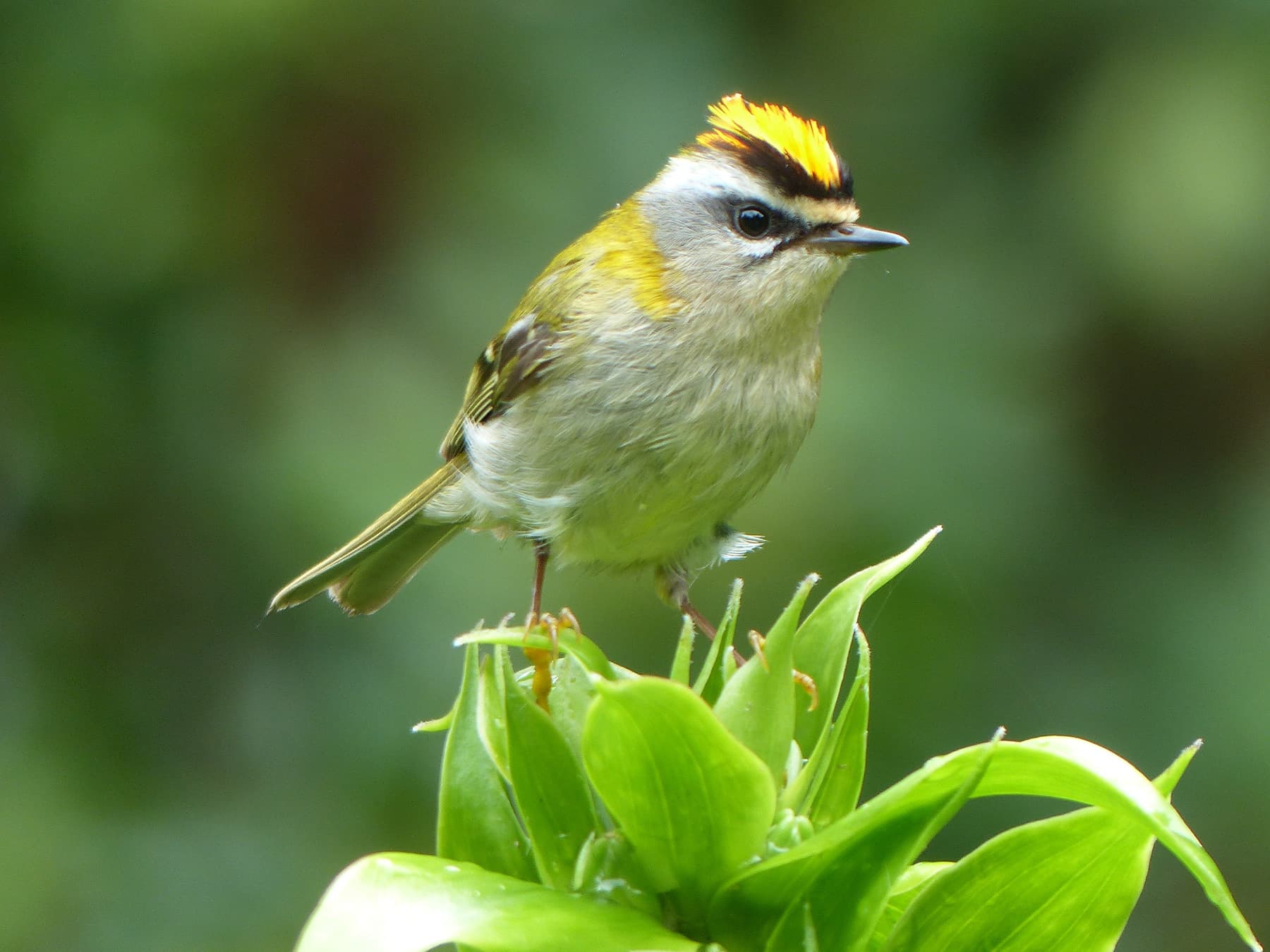
Firecrest
Regulus ignicapillaLC
A rare but increasing resident, favouring coniferous and mixed woodland. Most often detected by its high-pitched call in autumn and winter.
Oct–Jun
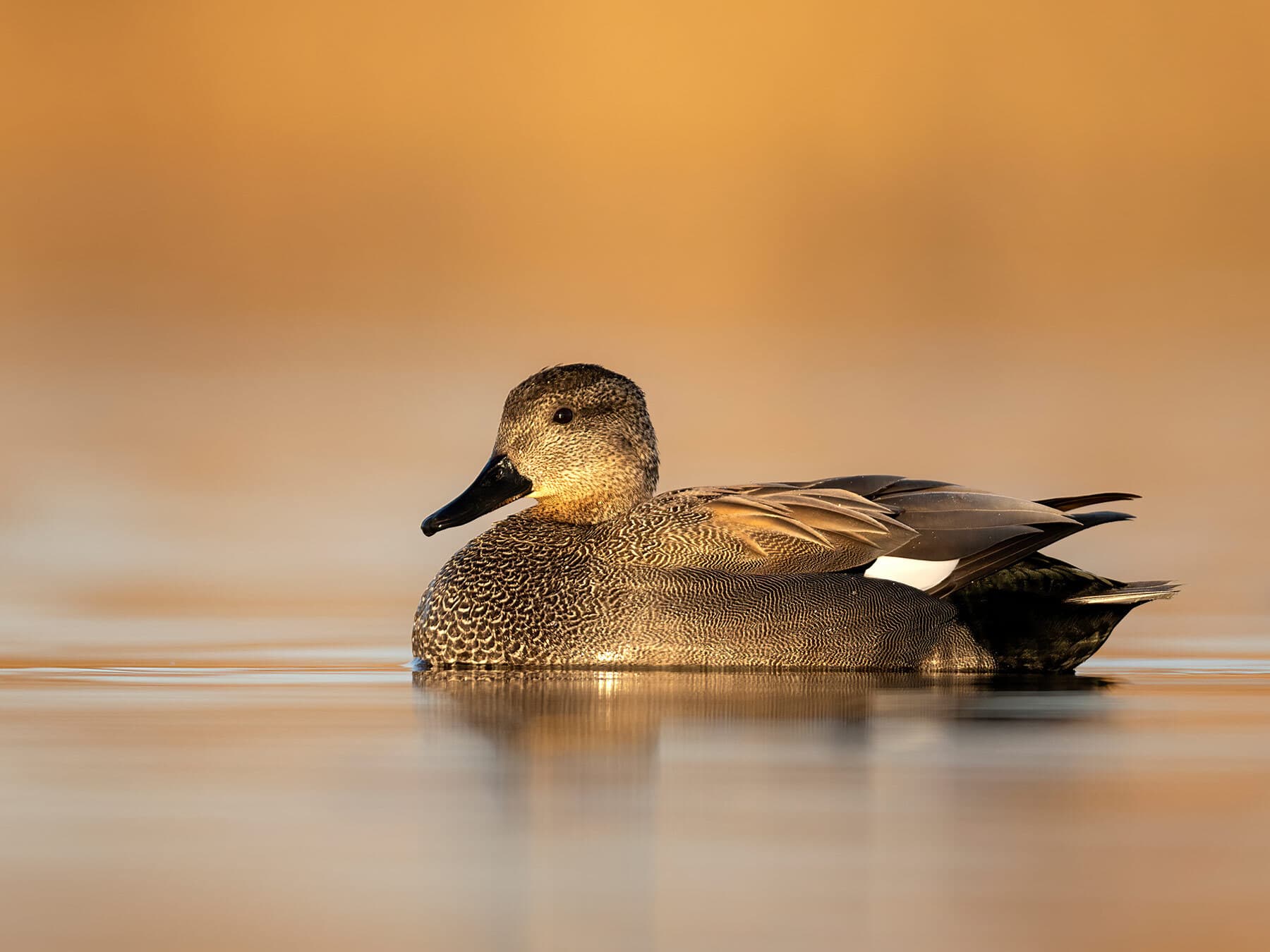
Gadwall
Mareca streperaLC
Common year-round on lakes and gravel pits, especially at the Cotswold Water Park and Slimbridge reserves.
Year-round
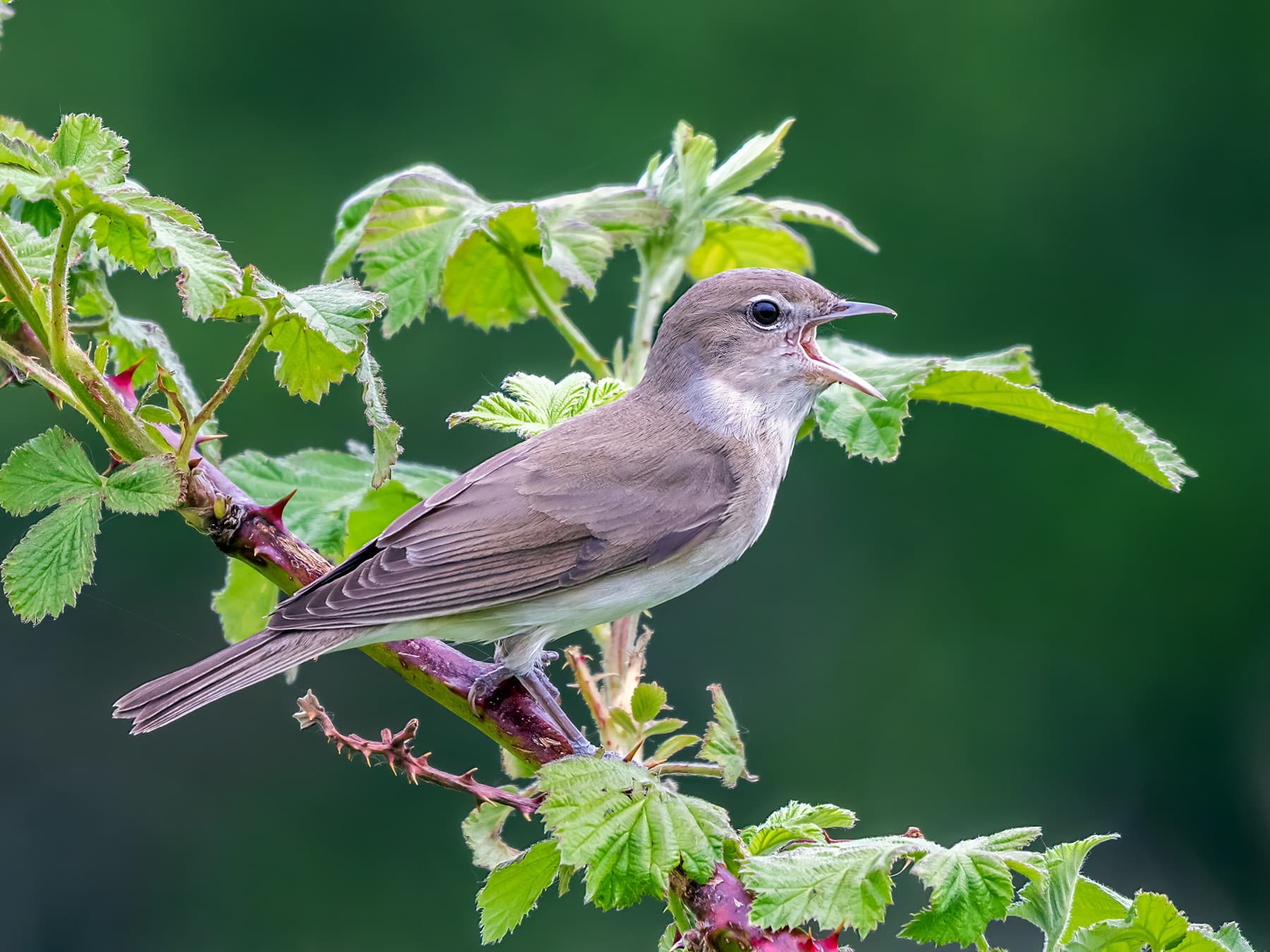
Garden Warbler
Sylvia borinLC
An uncommon summer visitor breeding in dense scrub and woodland understorey from April to September, best located by song.
Apr–Sep
Spotted something?
Upload a photo to identify it
Identify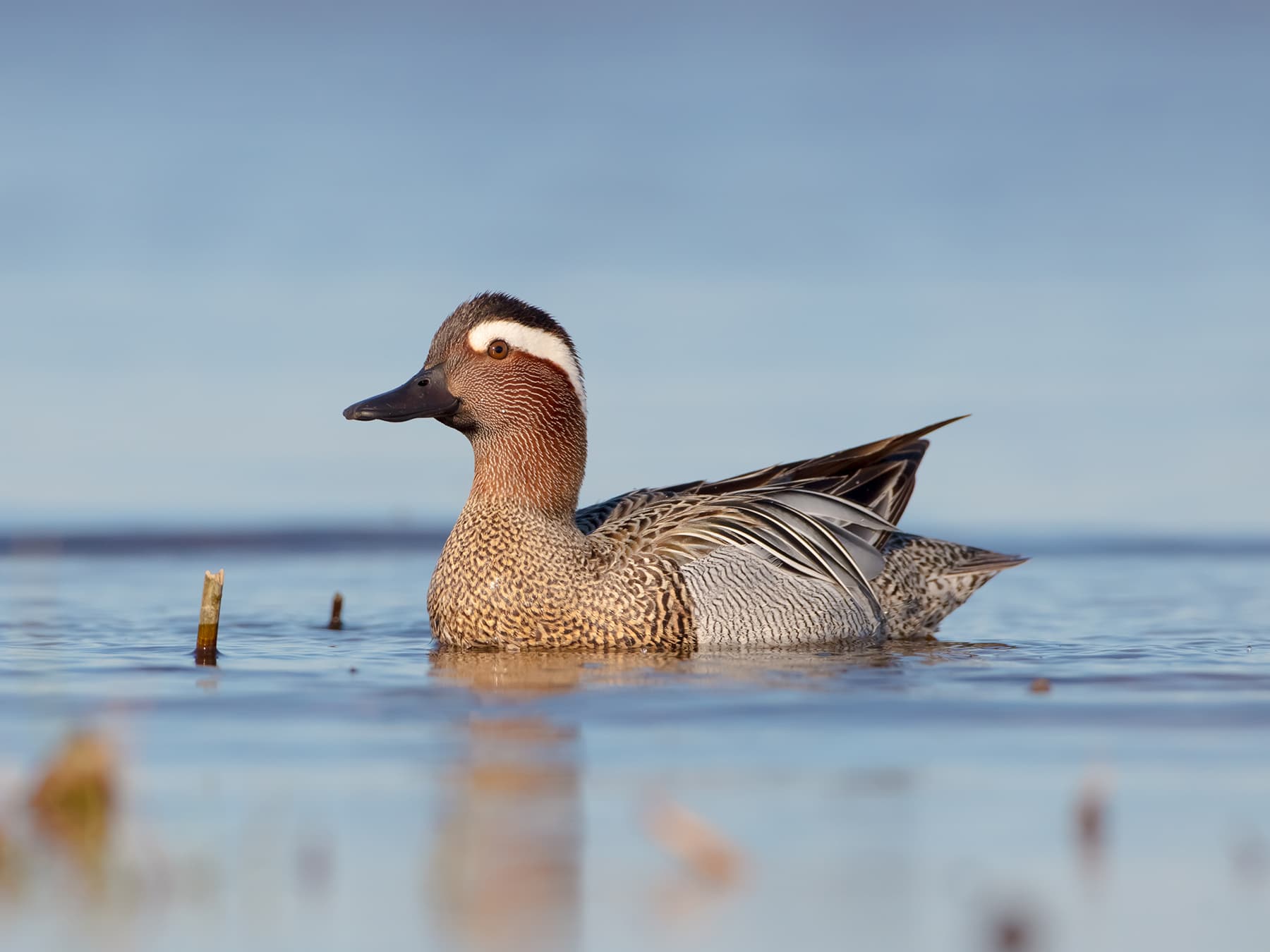
Garganey
Spatula querquedulaLC
A rare summer breeder, arriving in spring at shallow wetlands. Listen for the distinctive crackling call.
Mar–Sep
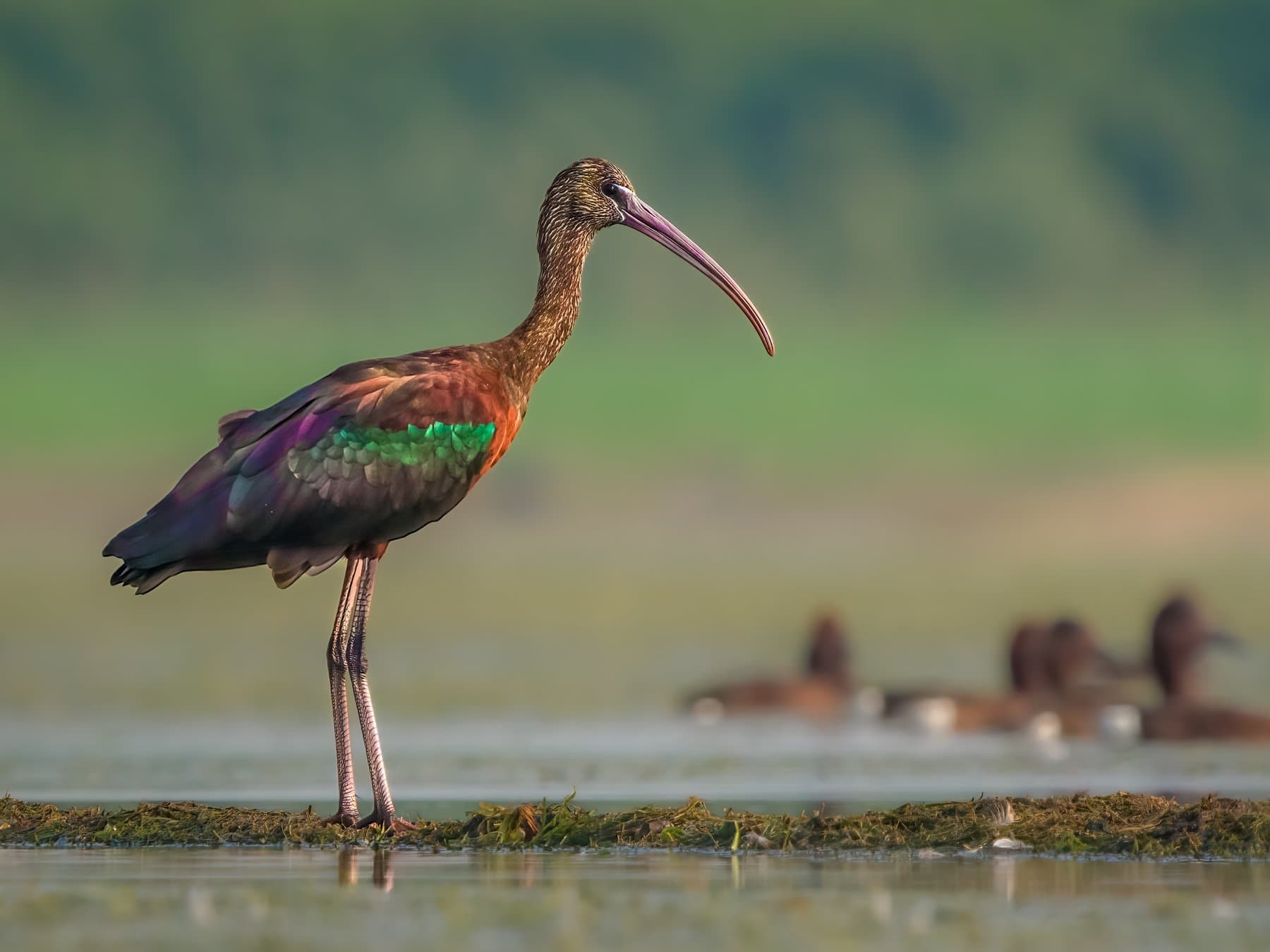
Glossy Ibis
Plegadis falcinellusLC
A rare but increasingly recorded visitor to Severn Vale wetlands, reflecting the species' northward range expansion across western Europe.
Sep–May
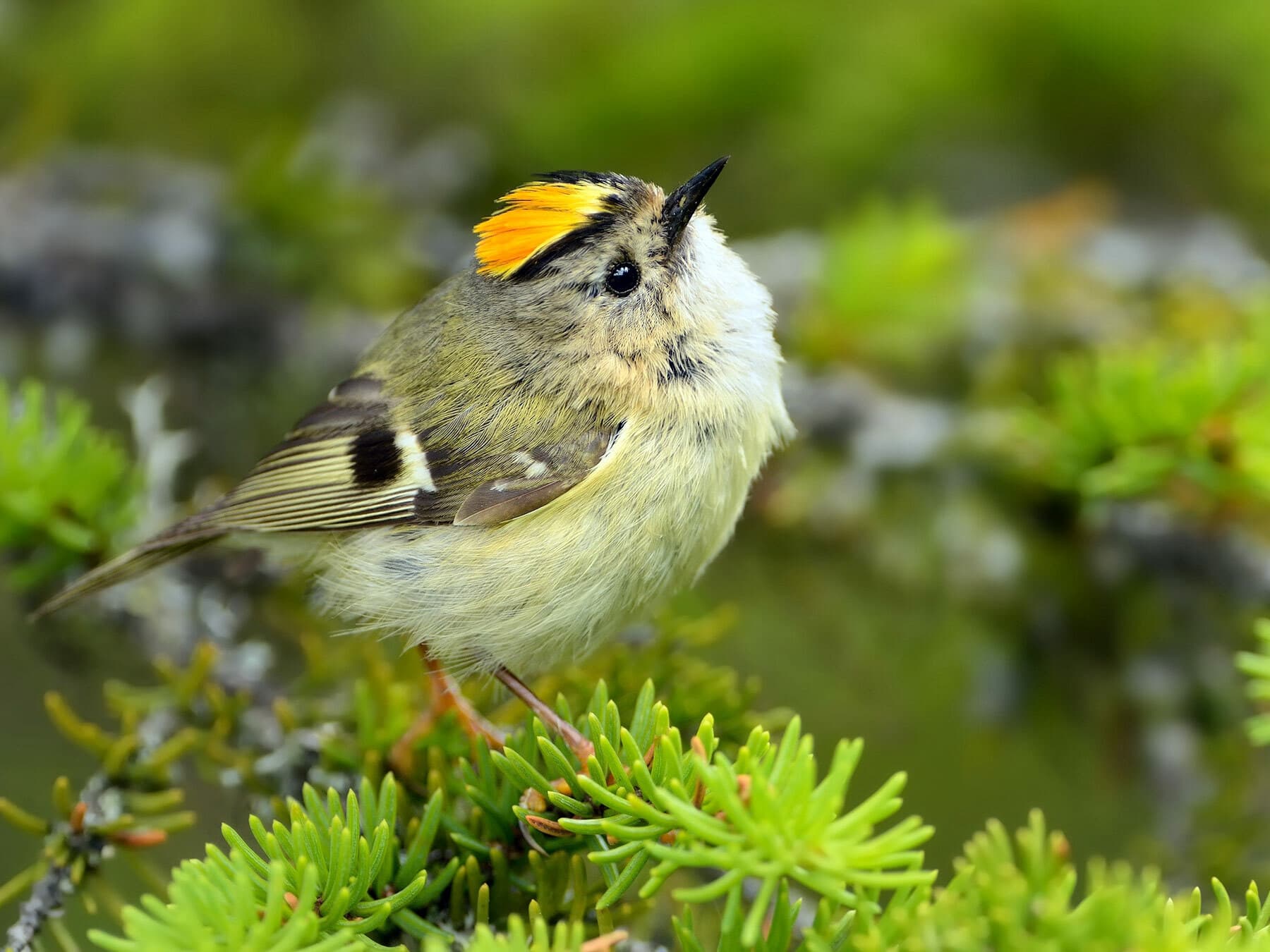
Goldcrest
Regulus regulusLC
A tiny resident of coniferous and mixed woodland, present year-round in the Forest of Dean and Cotswold plantations.
Year-round
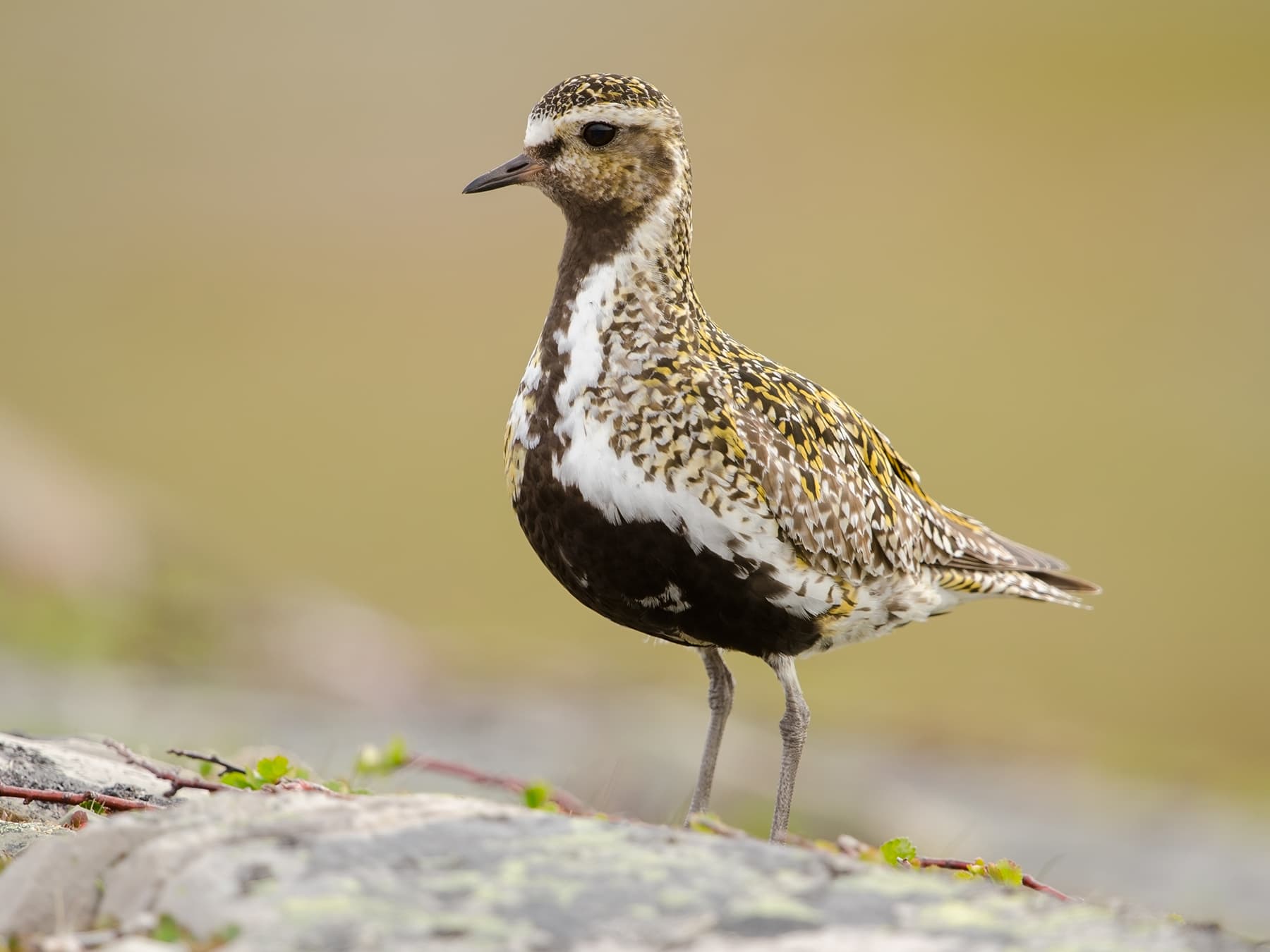
Golden Plover
Pluvialis apricariaLC
An uncommon winter visitor forming flocks on the Severn floodplain and arable fields, present from autumn through to early spring.
Sep–Apr
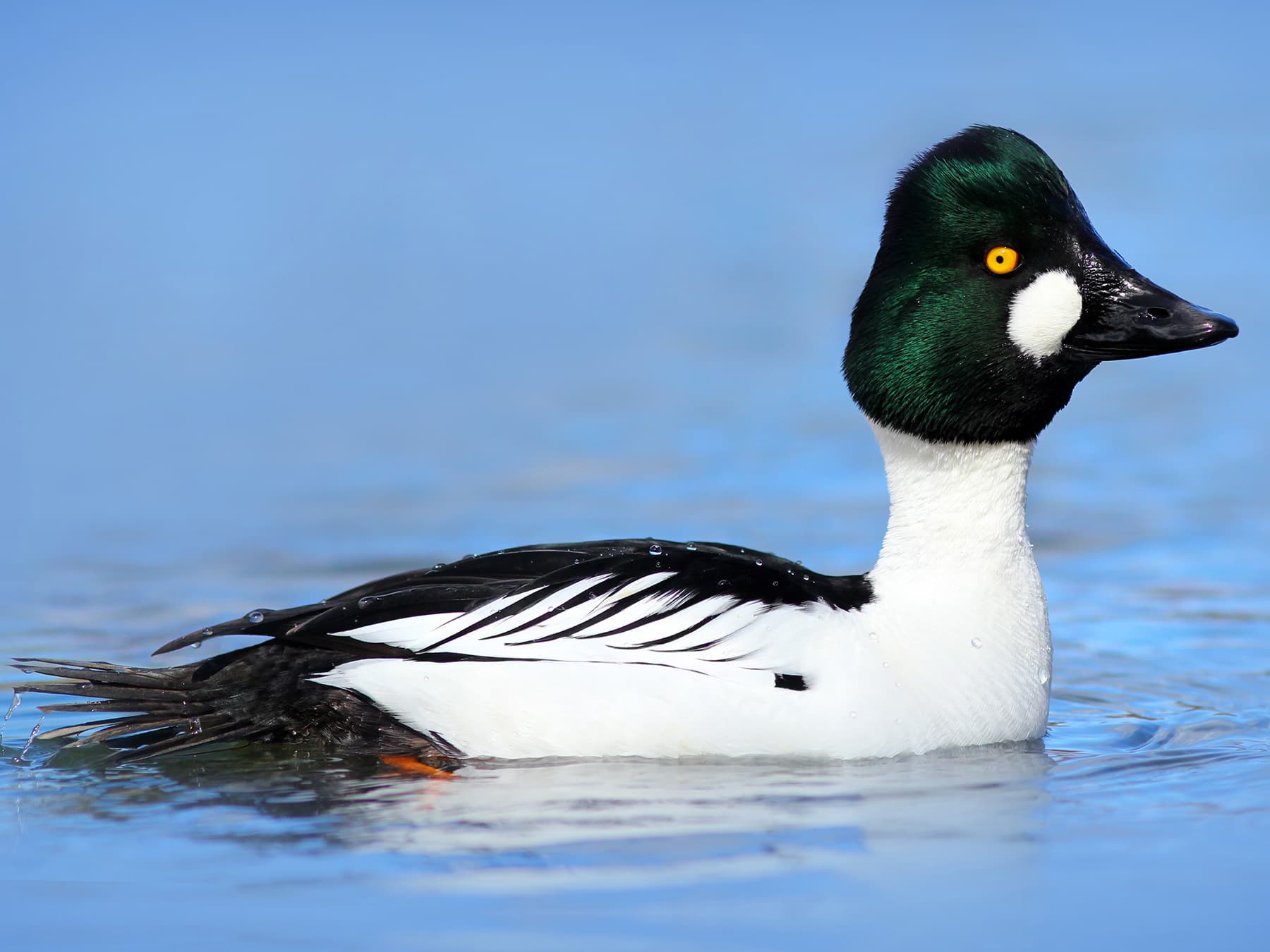
Goldeneye
Bucephala clangulaLC
Rare but regular in winter on larger lakes and gravel pits, with small numbers lingering into spring.
Nov–May
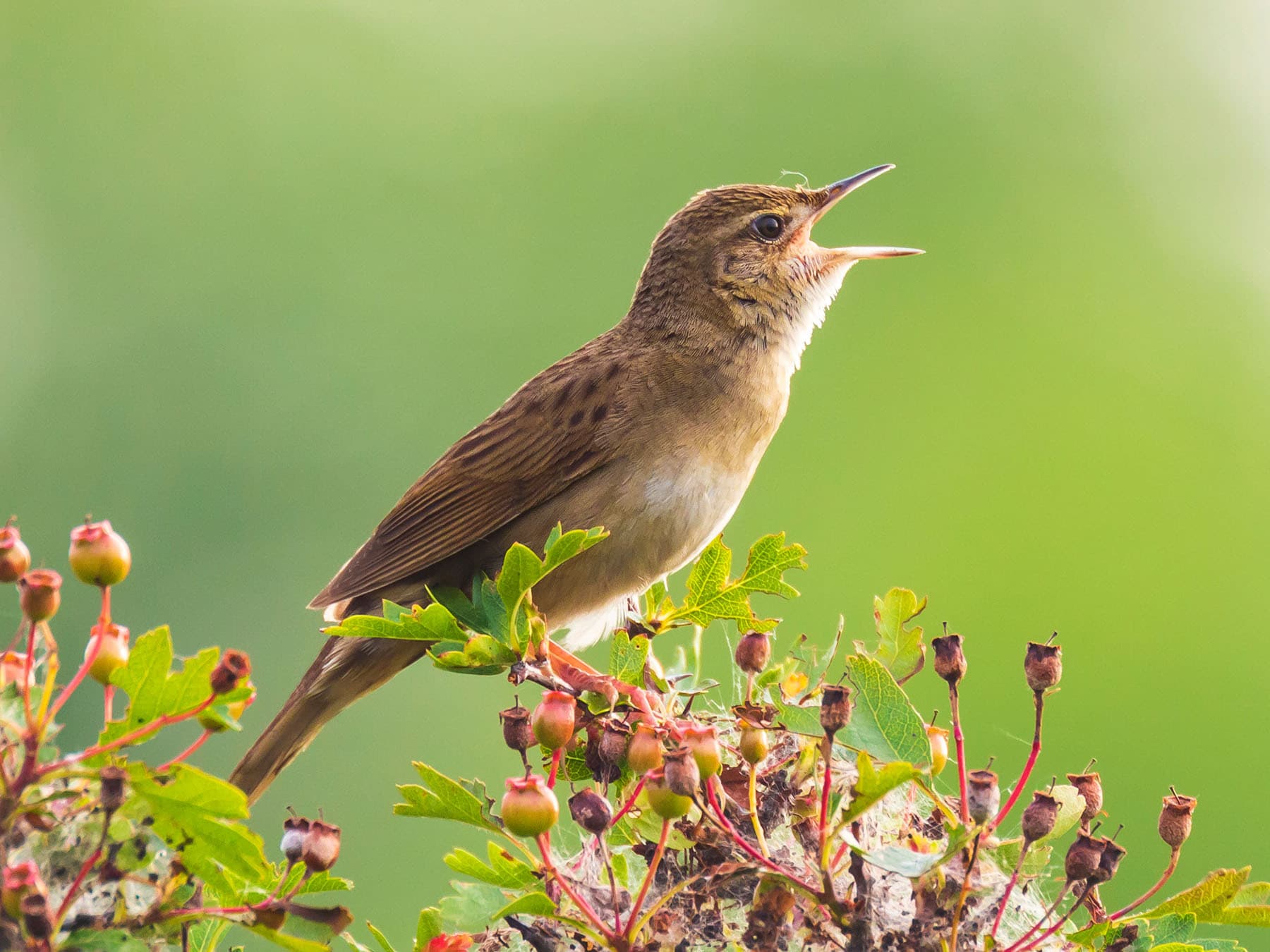
Grasshopper Warbler
Locustella naeviaLC
A rare and elusive passage migrant in April–May, its insect-like reeling song heard from dense scrub and wetland margins.
Apr–May
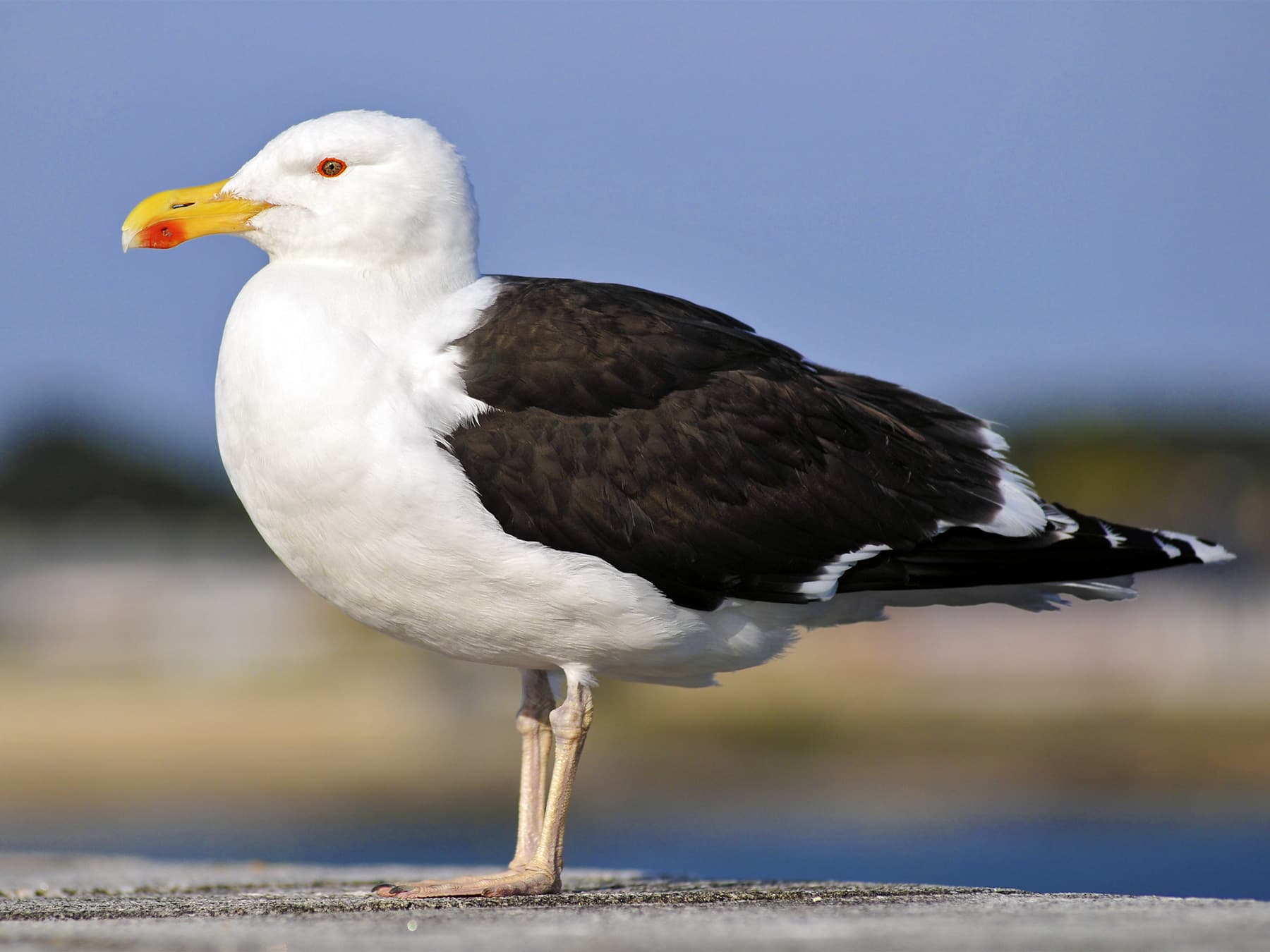
Great Black-backed Gull
Larus marinusLC
An uncommon but year-round resident, seen at reservoirs, the Severn Estuary and landfill sites across the county.
Year-round
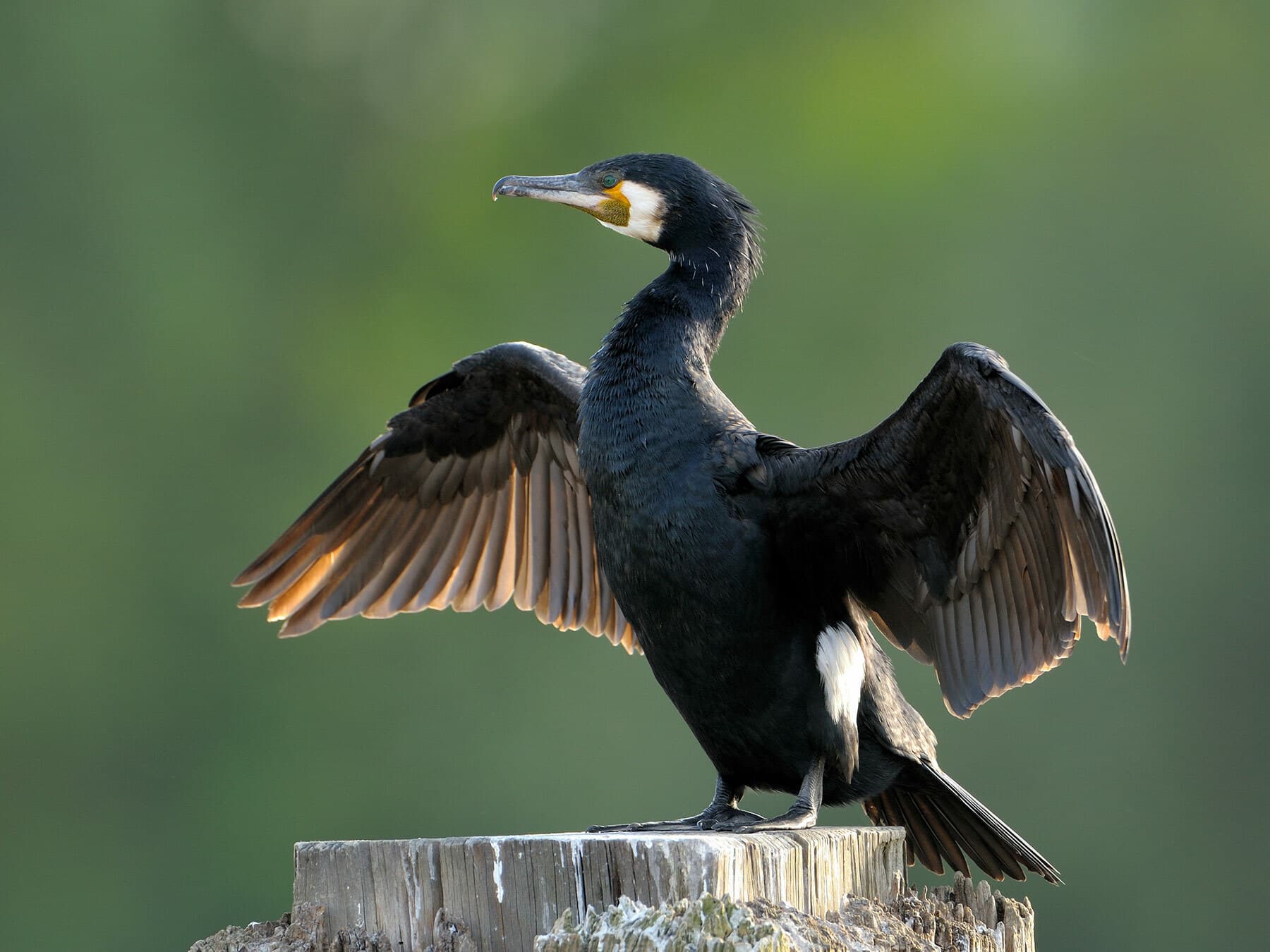
Great Cormorant
Phalacrocorax carboLC
A common resident along rivers, gravel pits and reservoirs. Often seen perched with wings outstretched on the Severn and its tributaries.
Year-round
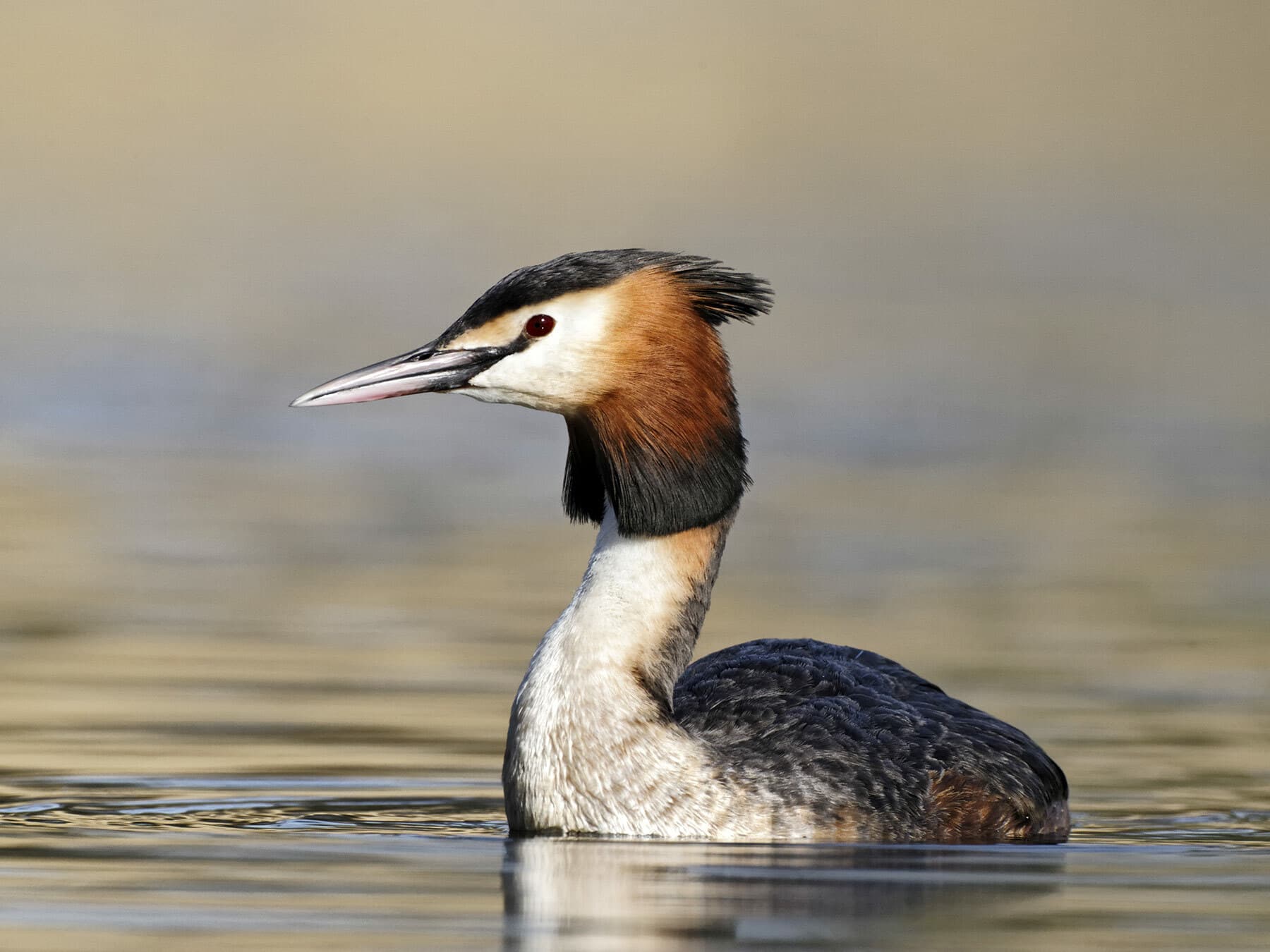
Great Crested Grebe
Podiceps cristatusLC
An uncommon resident, breeding on larger lakes at Cotswold Water Park and other gravel pits. Elegant courtship displays begin in spring.
Year-round
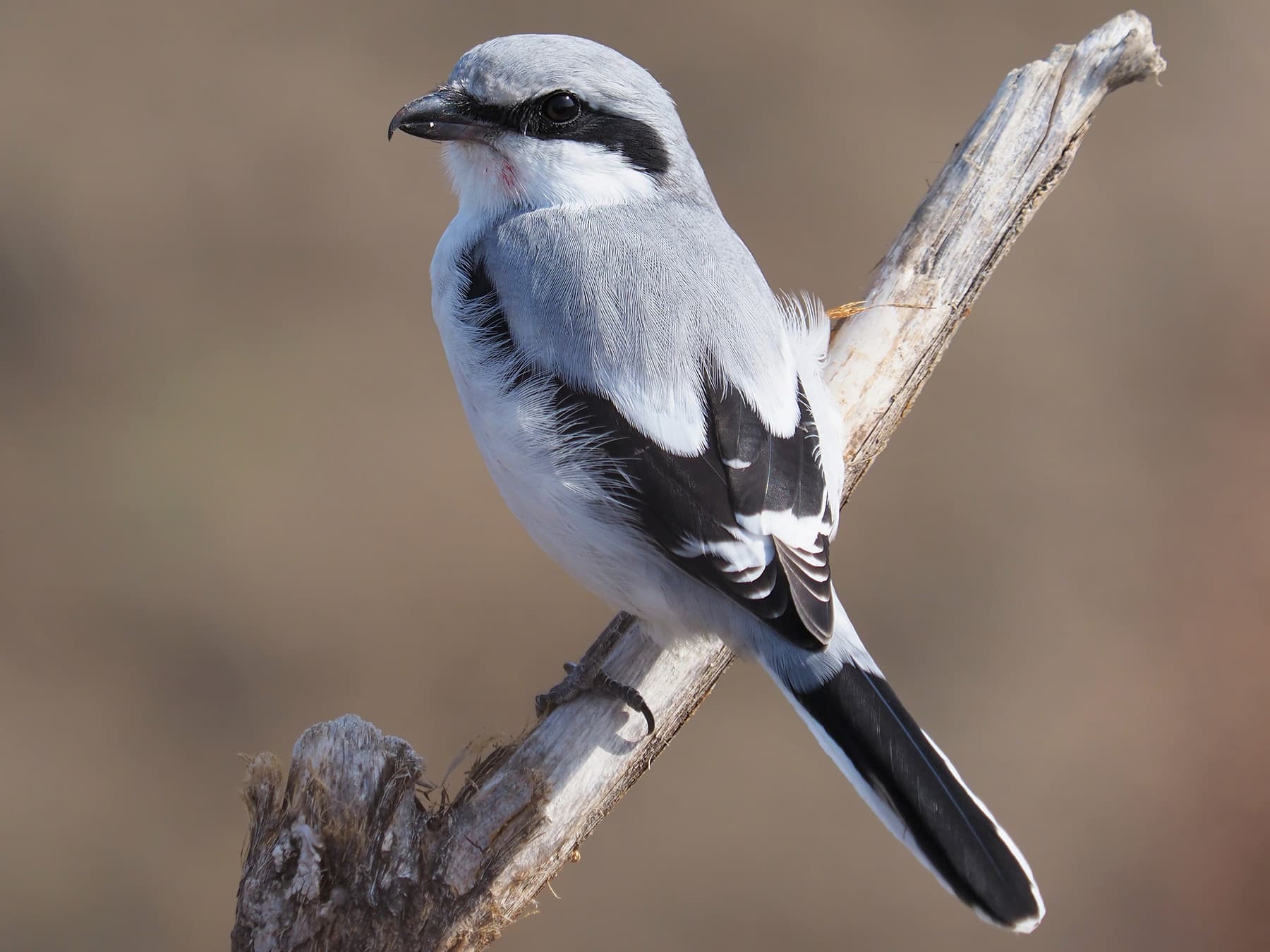
Great Grey Shrike
Lanius excubitorLC
A rare passage visitor, occasionally recorded in March on open heathland or scrubby farmland with prominent perches for hunting.
Mar
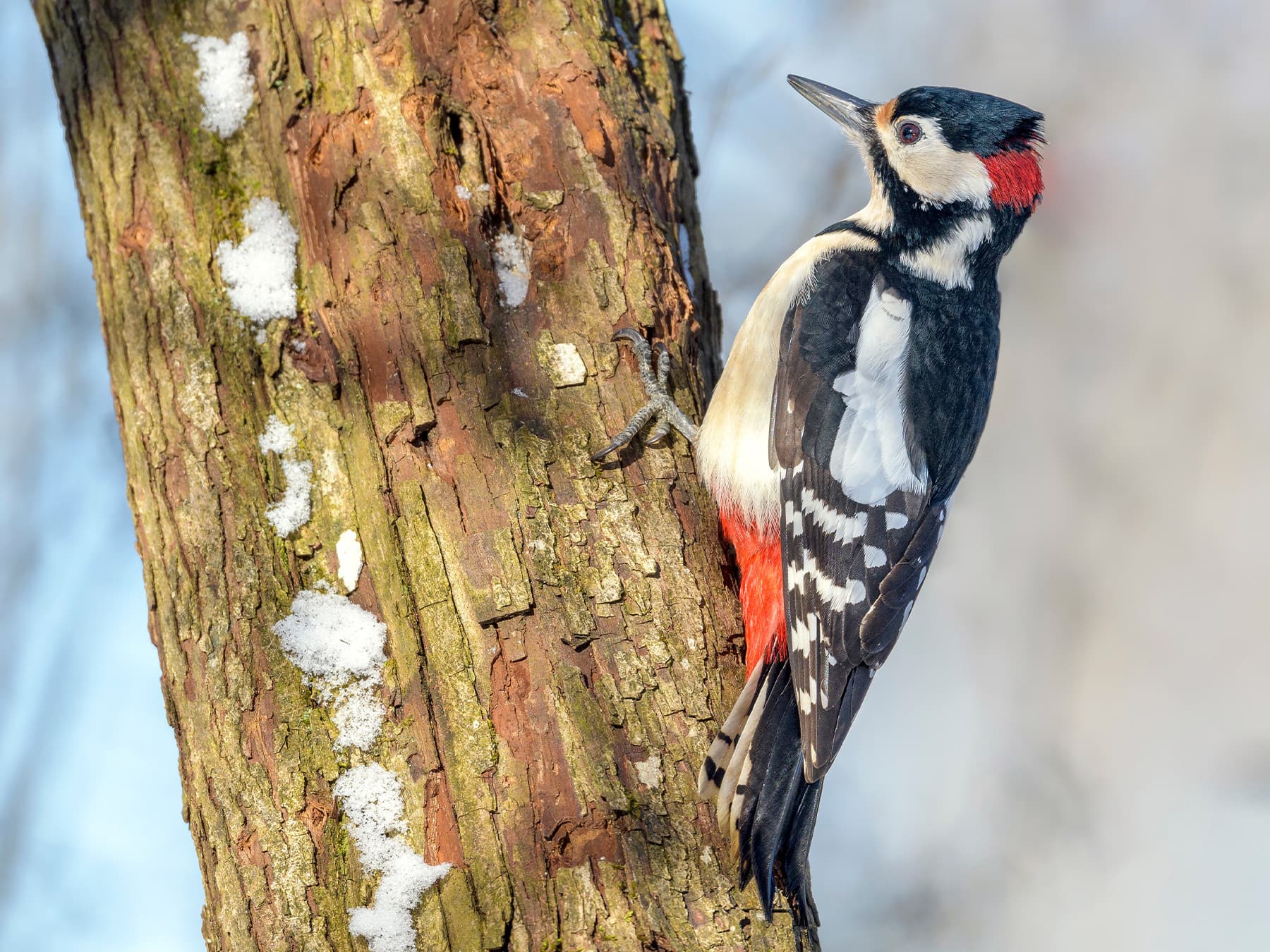
Great Spotted Woodpecker
Dendrocopos majorLC
An uncommon resident of mature woodlands and larger gardens, its drumming a familiar spring sound in the Forest of Dean.
Year-round
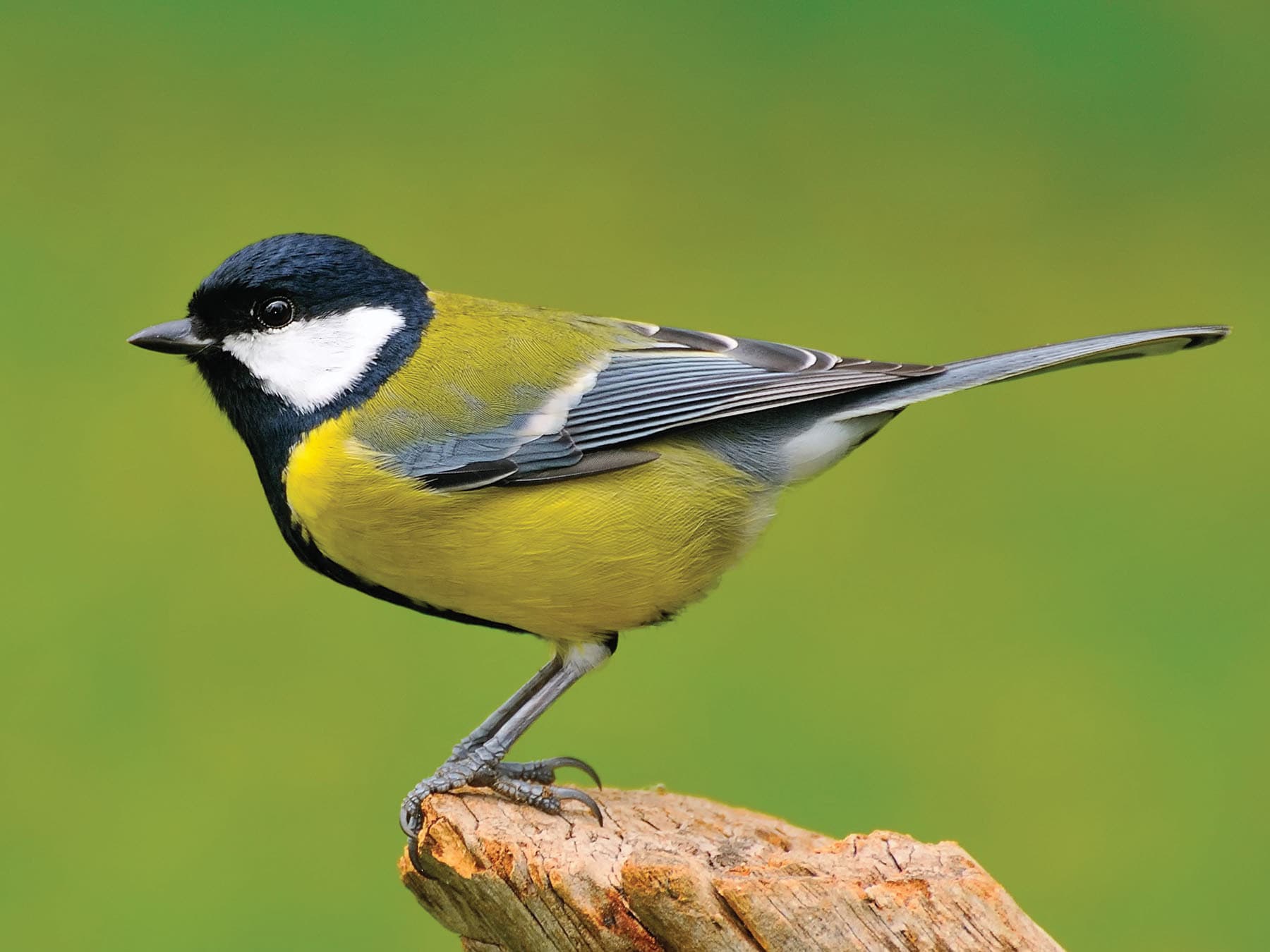
Great Tit
Parus majorLC
A common resident of gardens, parks and woodlands throughout the county, readily visiting feeders and nesting in nest boxes year-round.
Year-round
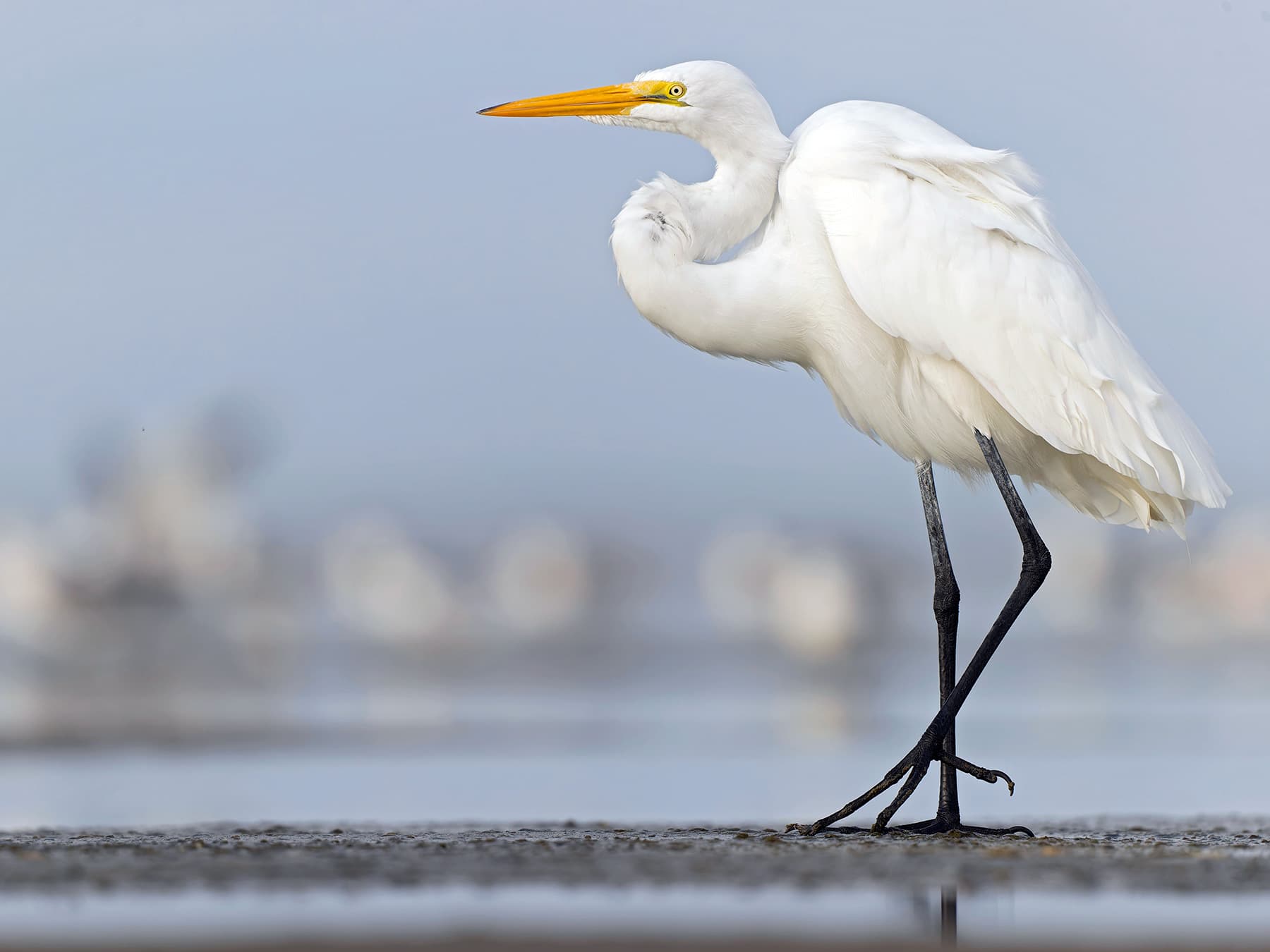
Great White Egret
Ardea albaLC
An increasingly established presence, seen year-round at Slimbridge and the Severn Vale wetlands, part of a national expansion.
Year-round
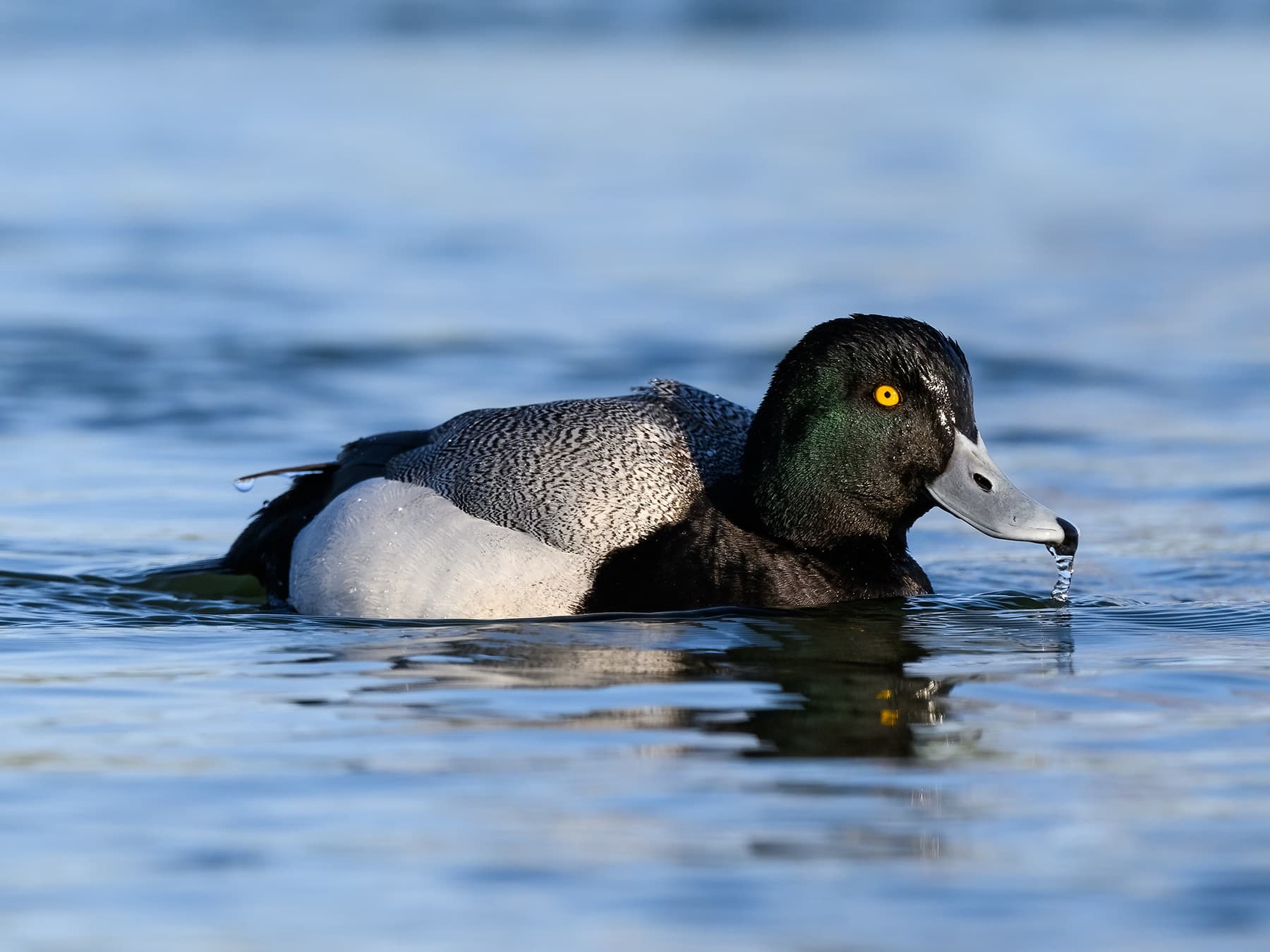
Greater Scaup
Aythya marilaLC
A rare winter visitor, occasionally turning up on deeper lakes and reservoirs between December and March.
Dec–Mar
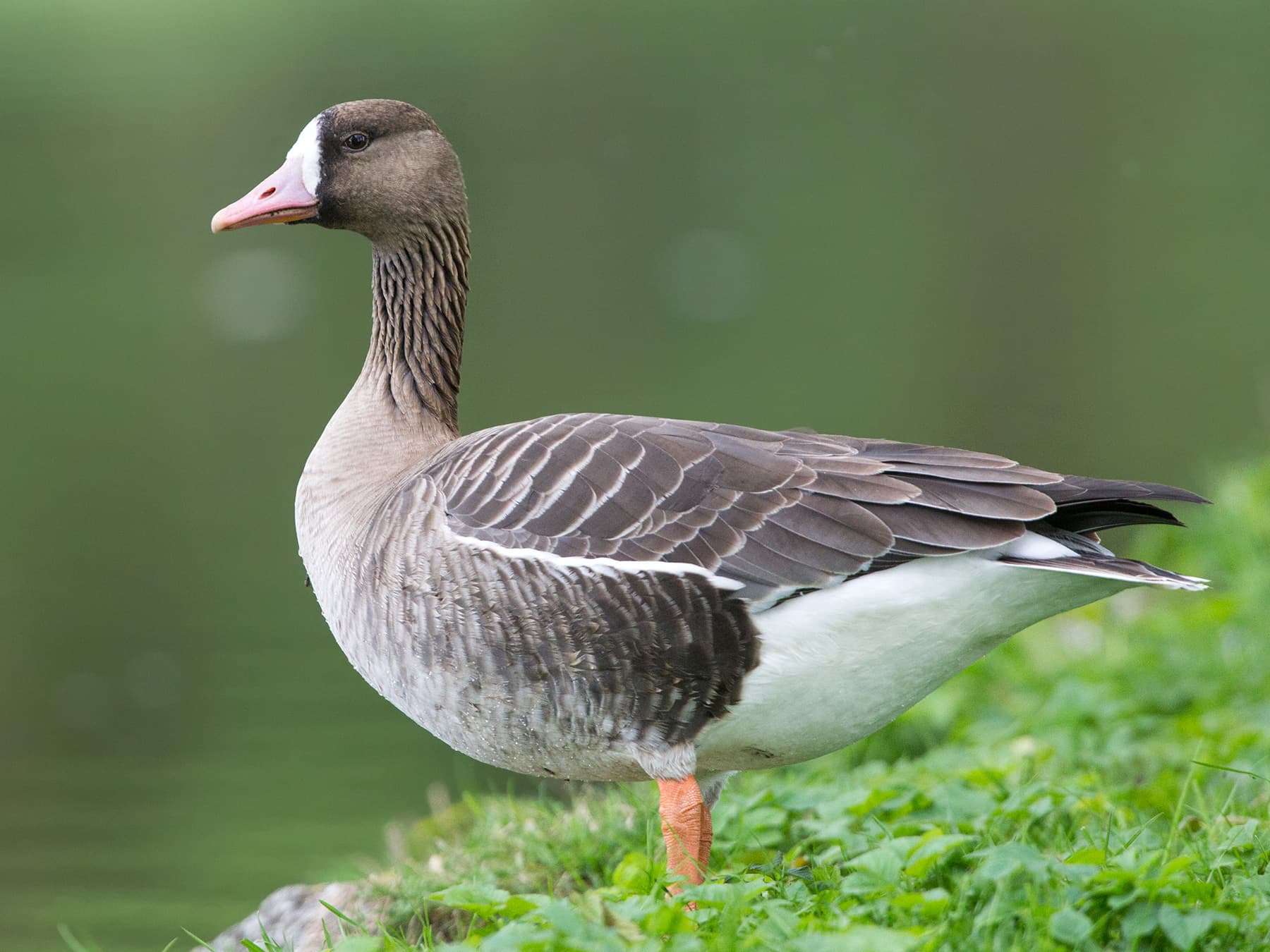
Greater White-fronted Goose
Anser albifronsLC
An uncommon winter visitor to the Severn Estuary and floodplain grasslands, with the Slimbridge area being a key site in the county.
Oct–Apr