Birds in Gloucestershire
Explore 195 species found in this region.
Gloucestershire is a wonderfully diverse county for birdwatching, with 189 recorded species found across its varied landscapes. From the wetlands of the Severn Estuary and the waterways of the Cotswold Water Park to the ancient woodlands of the Forest of Dean, the county supports an impressive range of habitats that attract both resident and migratory birds. Notable species include the striking Bluethroat, the elegant Northern Lapwing, the elusive Great Grey Shrike, and the colourful Mandarin Duck.
Visiting in September? Look out for Black Tern and Common Redpoll arriving this month, and Red Crossbill and Tundra Bean Goose depart for the season.


Showing 116–138 of 195 species
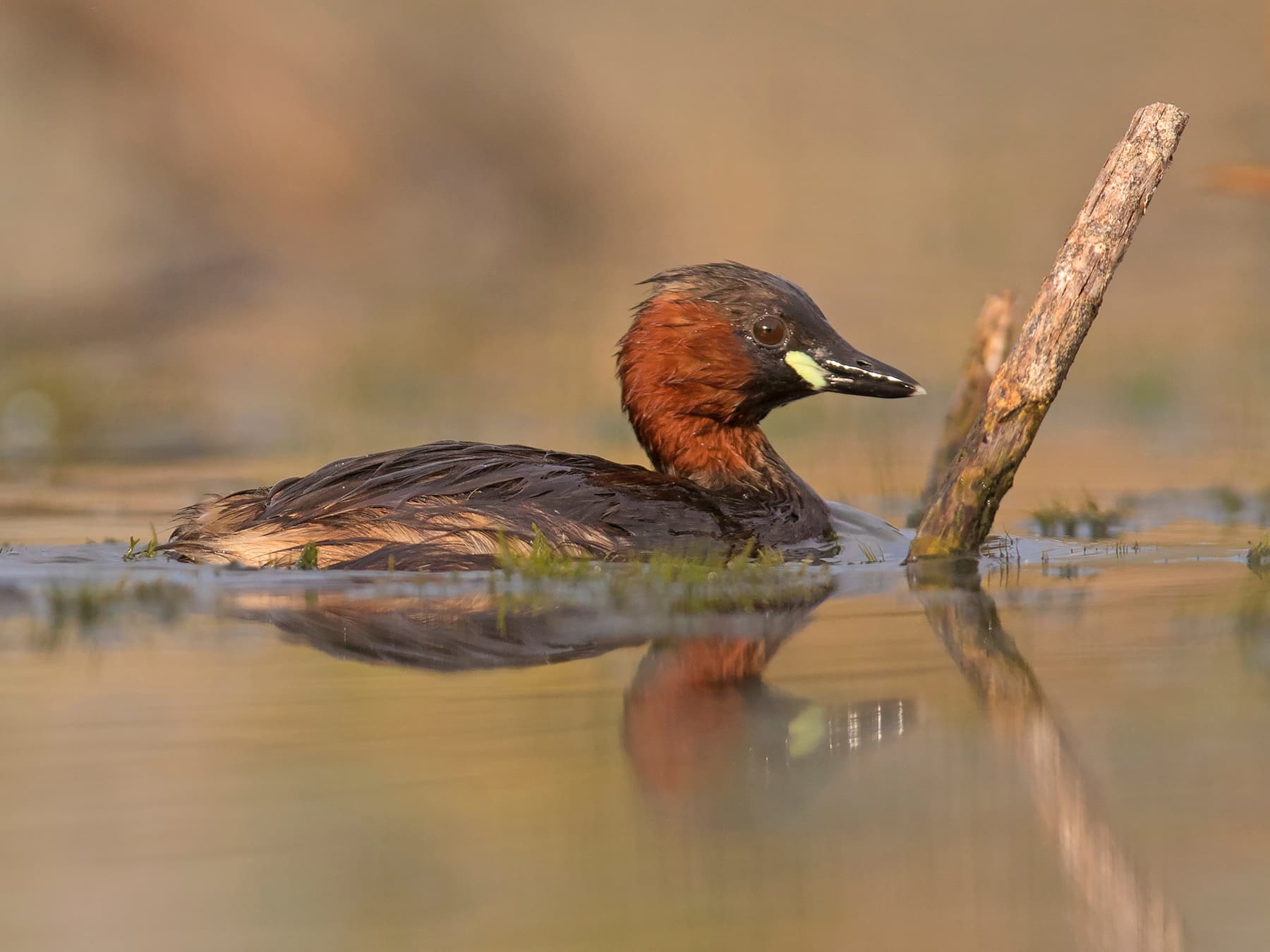
Little Grebe
Tachybaptus ruficollisLC
An uncommon but year-round resident on ponds, canals, and sheltered lakes. Its whinnying trill is often heard before it is seen.
Year-round
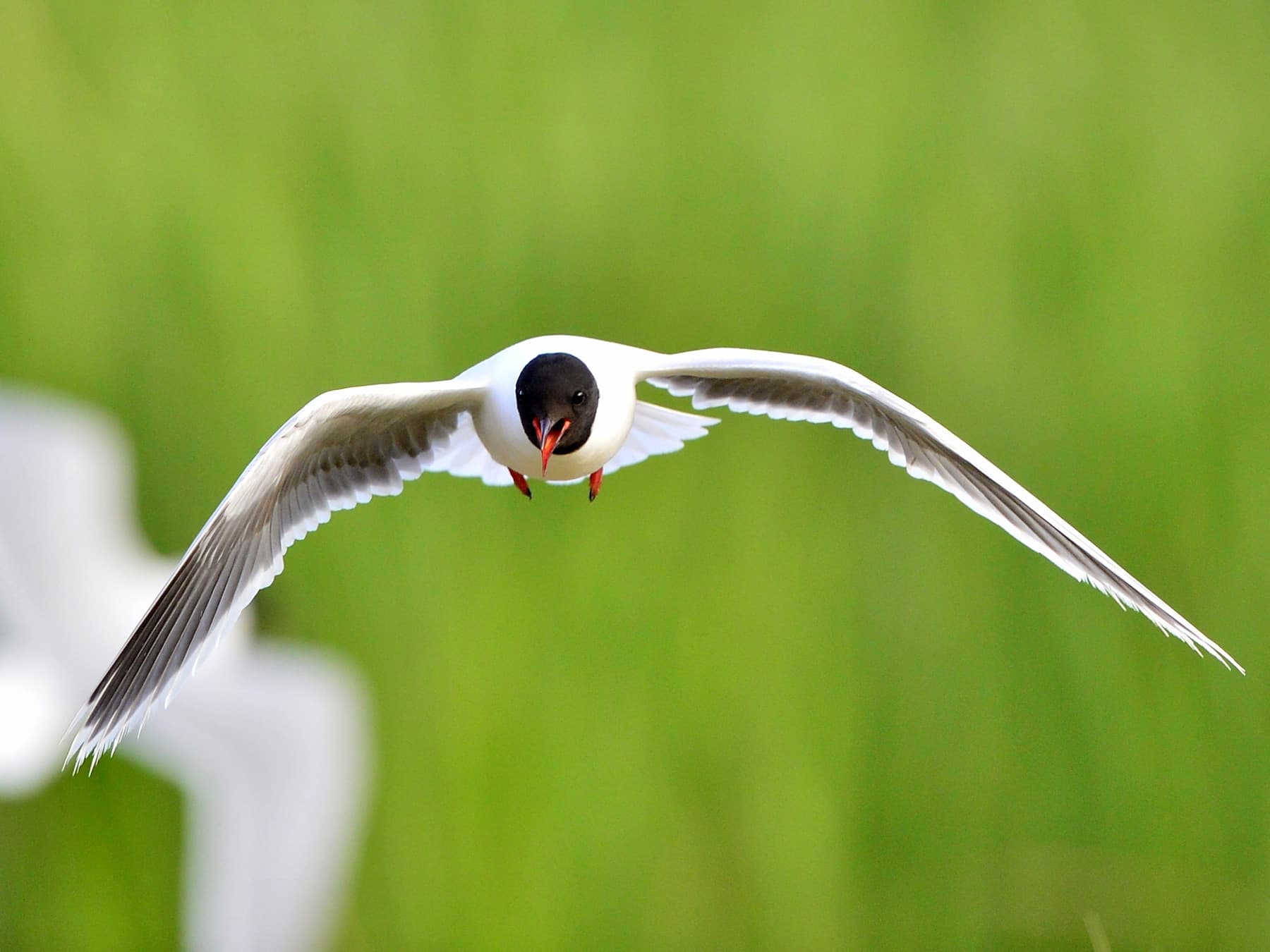
Little Gull
Hydrocoloeus minutusLC
A dainty rare passage gull seen briefly in April–May, usually over reservoirs or gravel pits in the Cotswold Water Park.
Apr–May
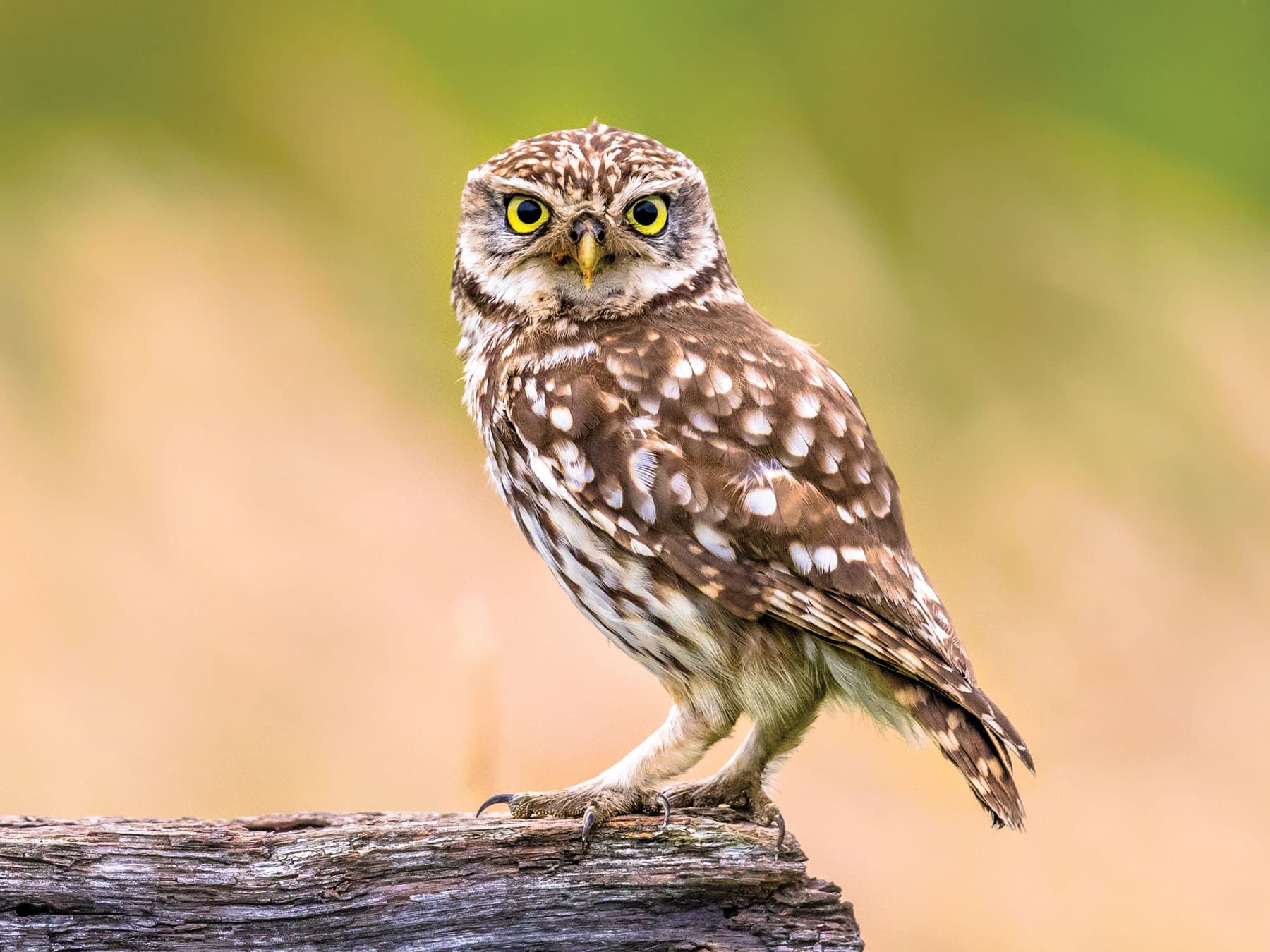
Little Owl
Athene noctuaLC
A rare resident of farmland and parkland, often nesting in old buildings and tree cavities. Has declined across the county in recent years.
Jan–Sep
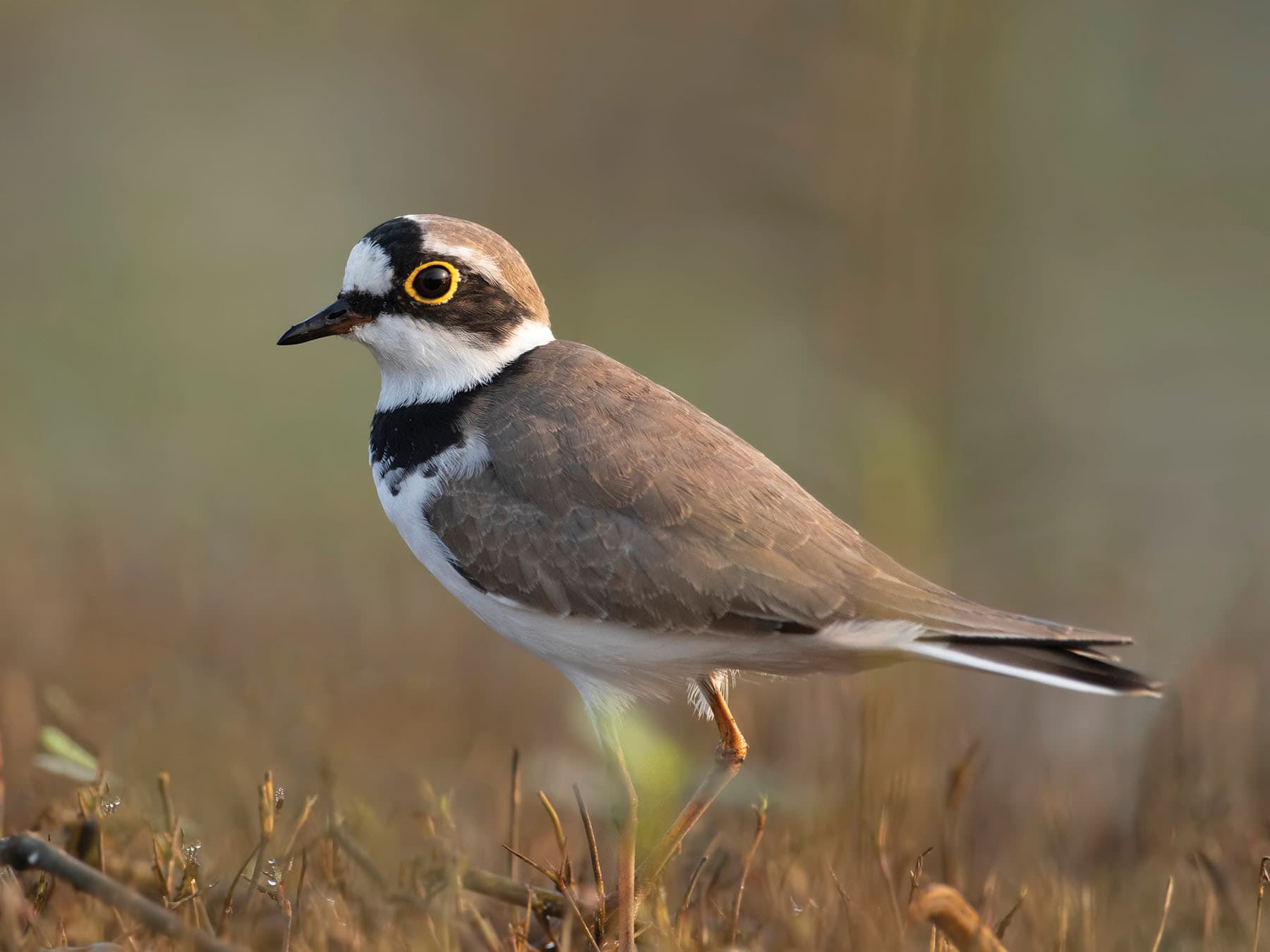
Little Ringed Plover
Charadrius dubiusLC
An uncommon summer breeder at gravel pits and reservoir margins. Arrives in March and departs by September.
Mar–Sep
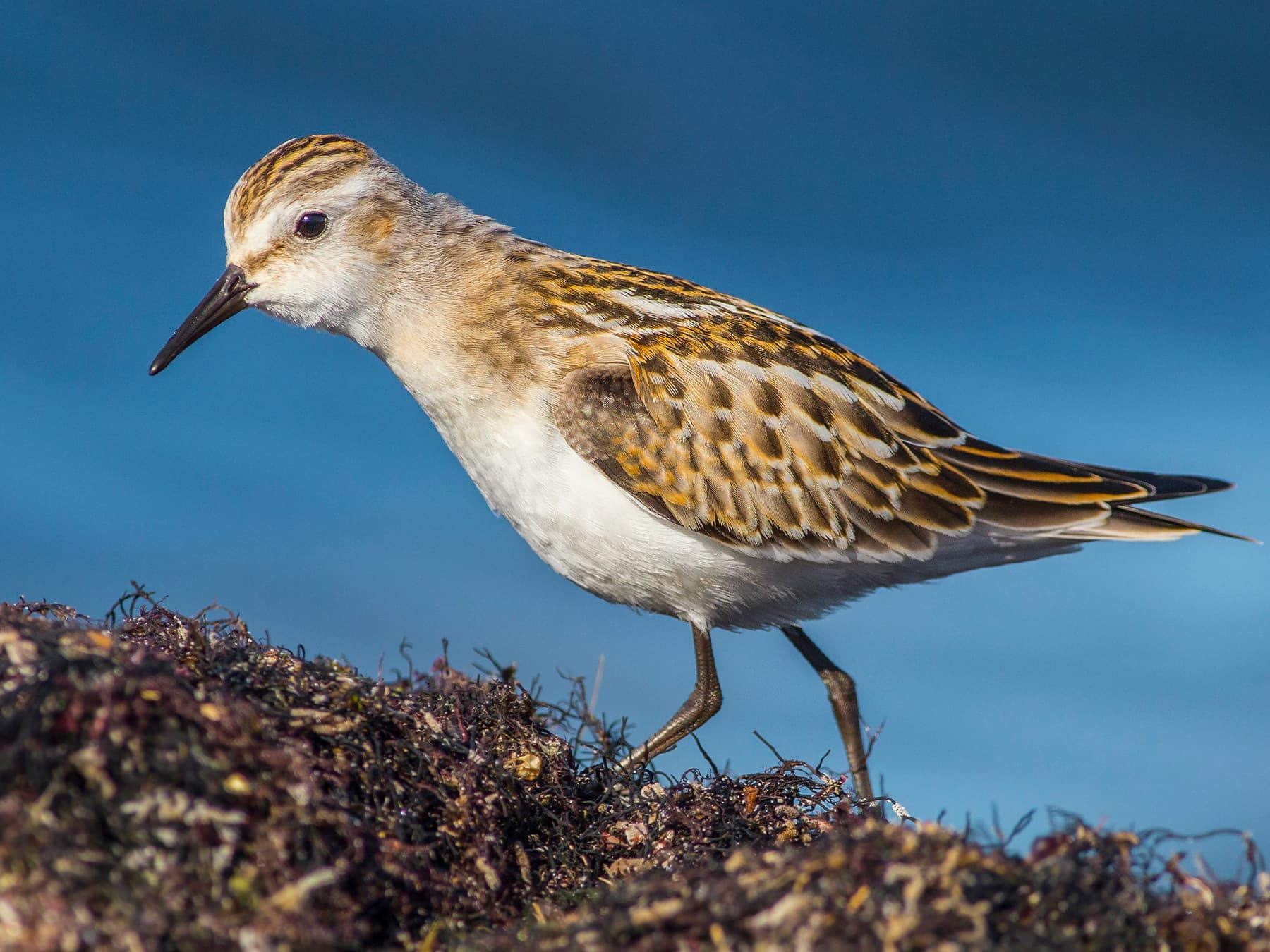
Little Stint
Calidris minutaLC
A rare wader visiting the Severn Estuary mudflats and inland reservoirs, most likely seen on autumn passage in August and September.
Aug–May
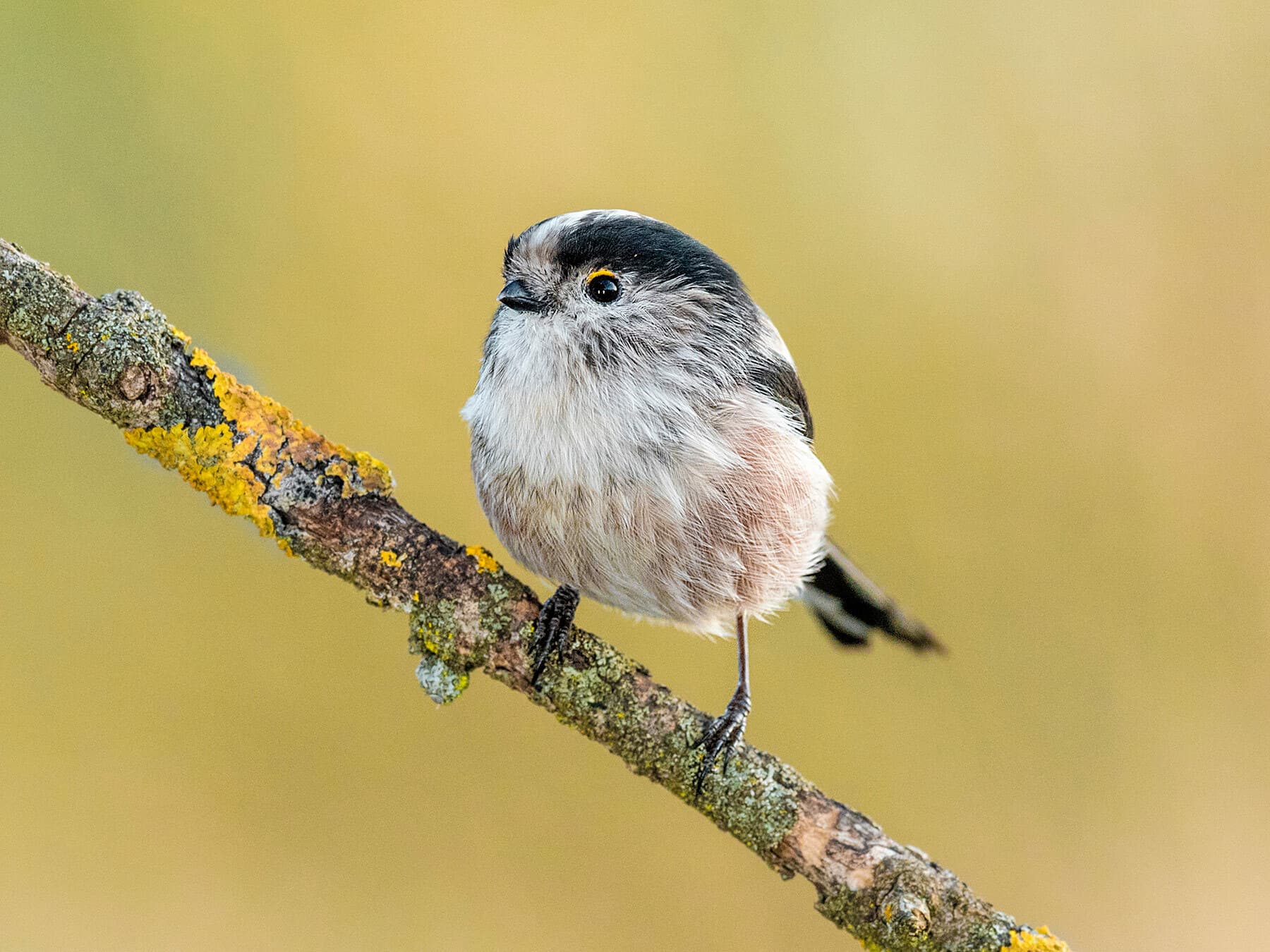
Long-tailed Tit
Aegithalos caudatusLC
A common resident forming noisy roving flocks through hedgerows and woodland. Builds elaborate domed nests in thorny scrub.
Year-round
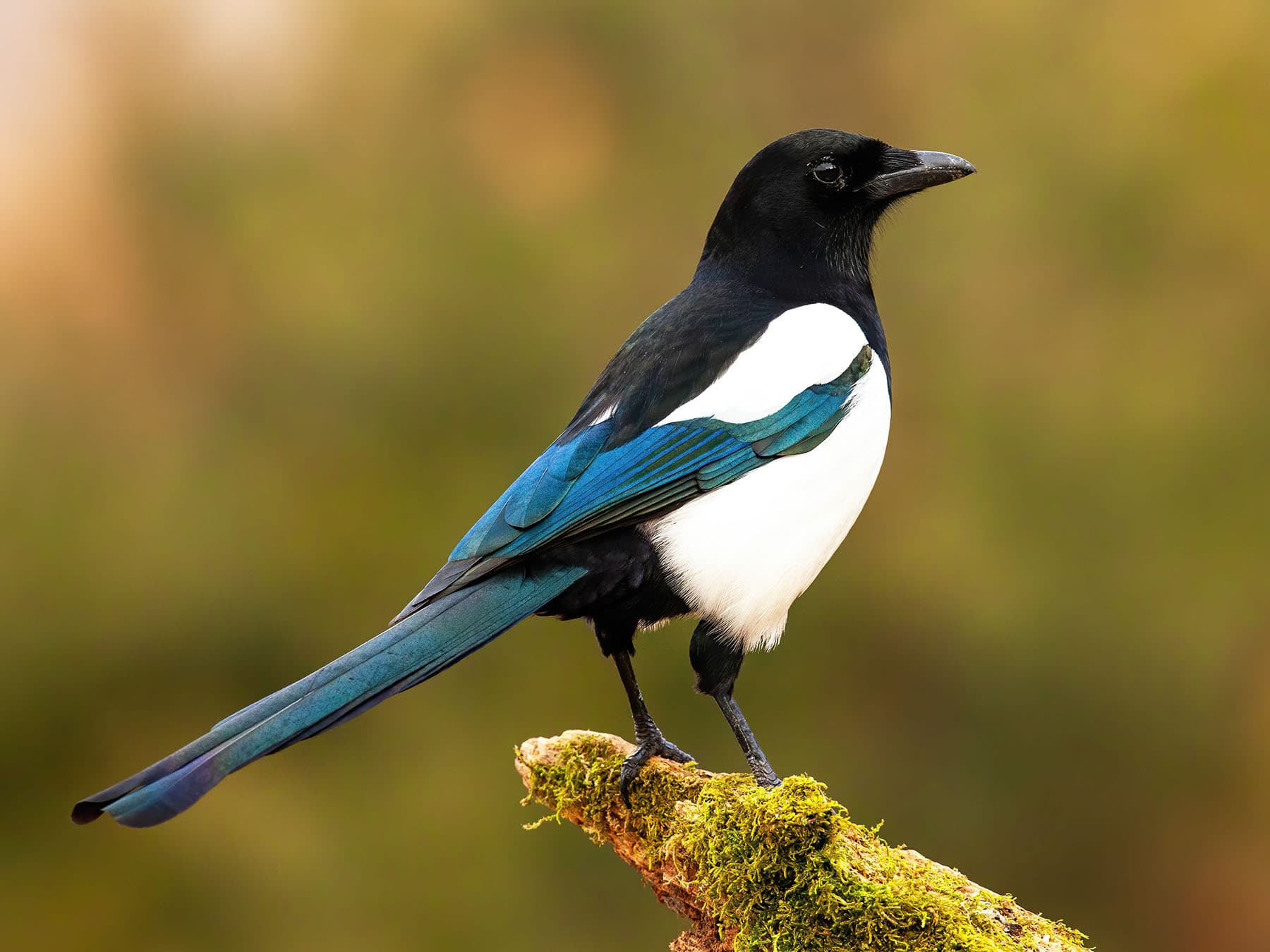
Magpie
Pica picaLC
A common and conspicuous resident throughout the county, found in gardens, farmland and parks, often seen in noisy territorial groups.
Year-round
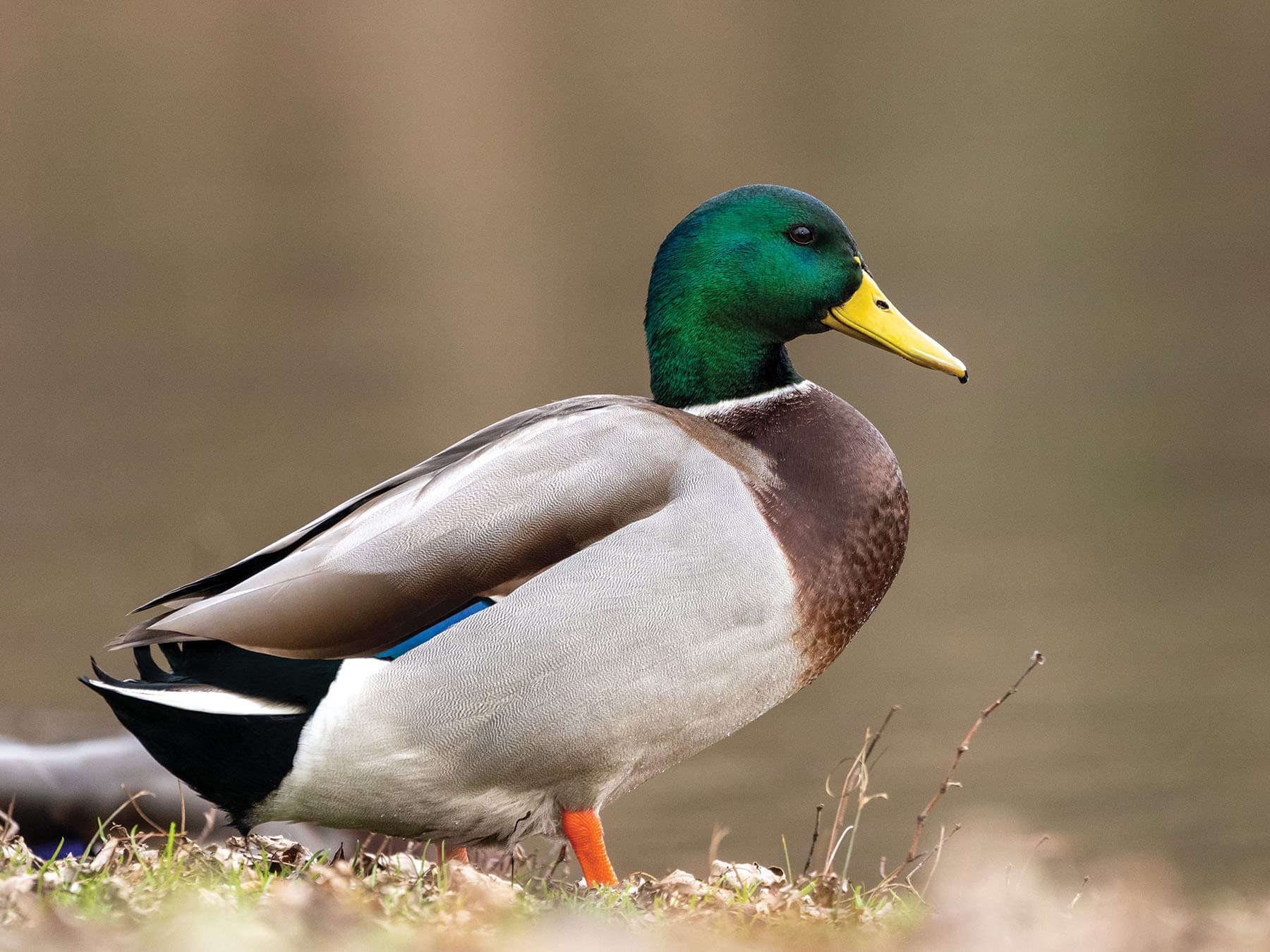
Mallard
Anas platyrhynchosLC
An abundant resident found on virtually any waterbody, from the Severn and its tributaries to farm ponds and urban park lakes.
Year-round
Spotted something?
Upload a photo to identify it
Identify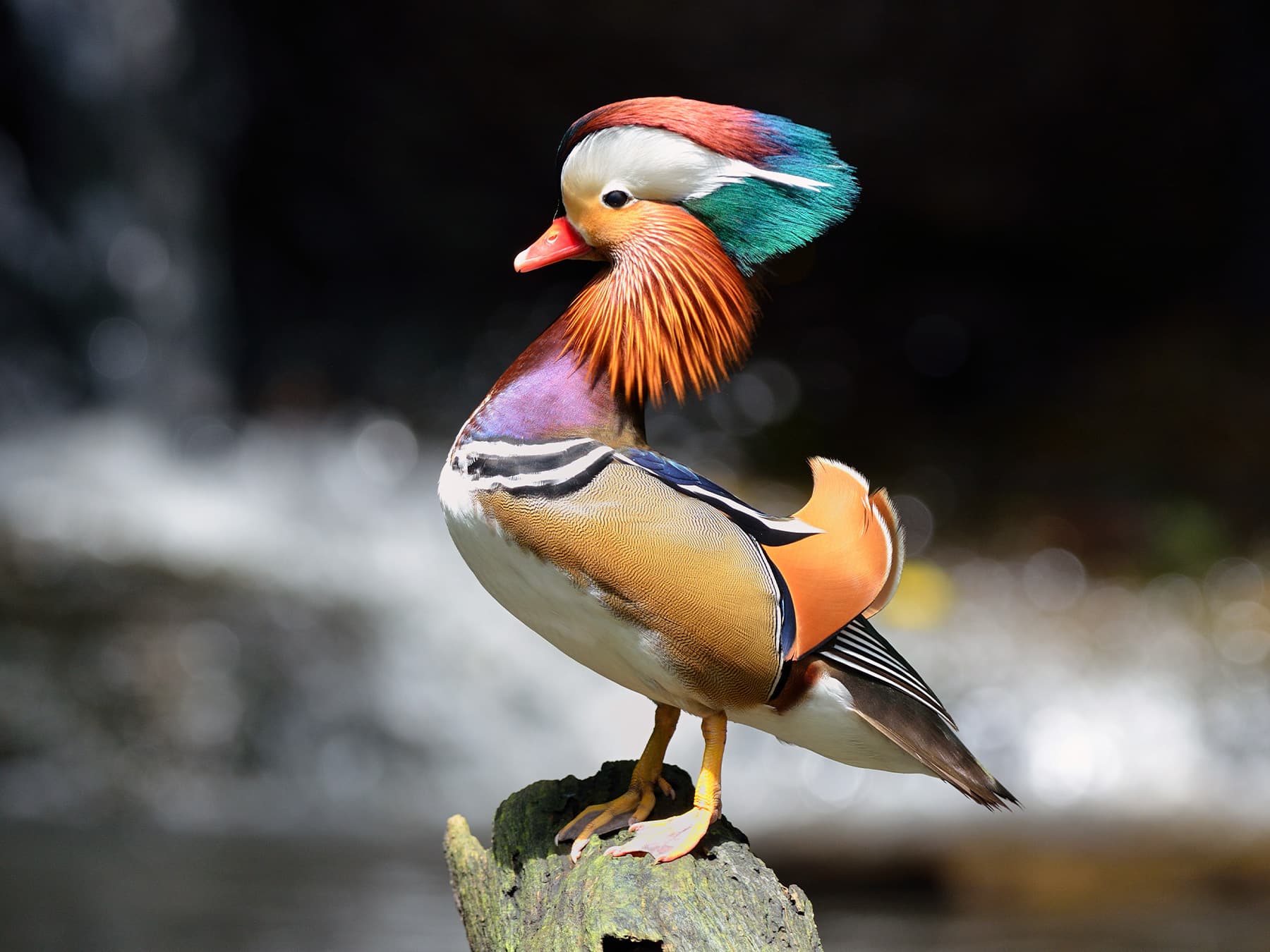
Mandarin Duck
Aix galericulataLC
A rare but year-round resident favouring wooded lakes and rivers. Nests in tree holes along the county's well-wooded valleys.
Year-round
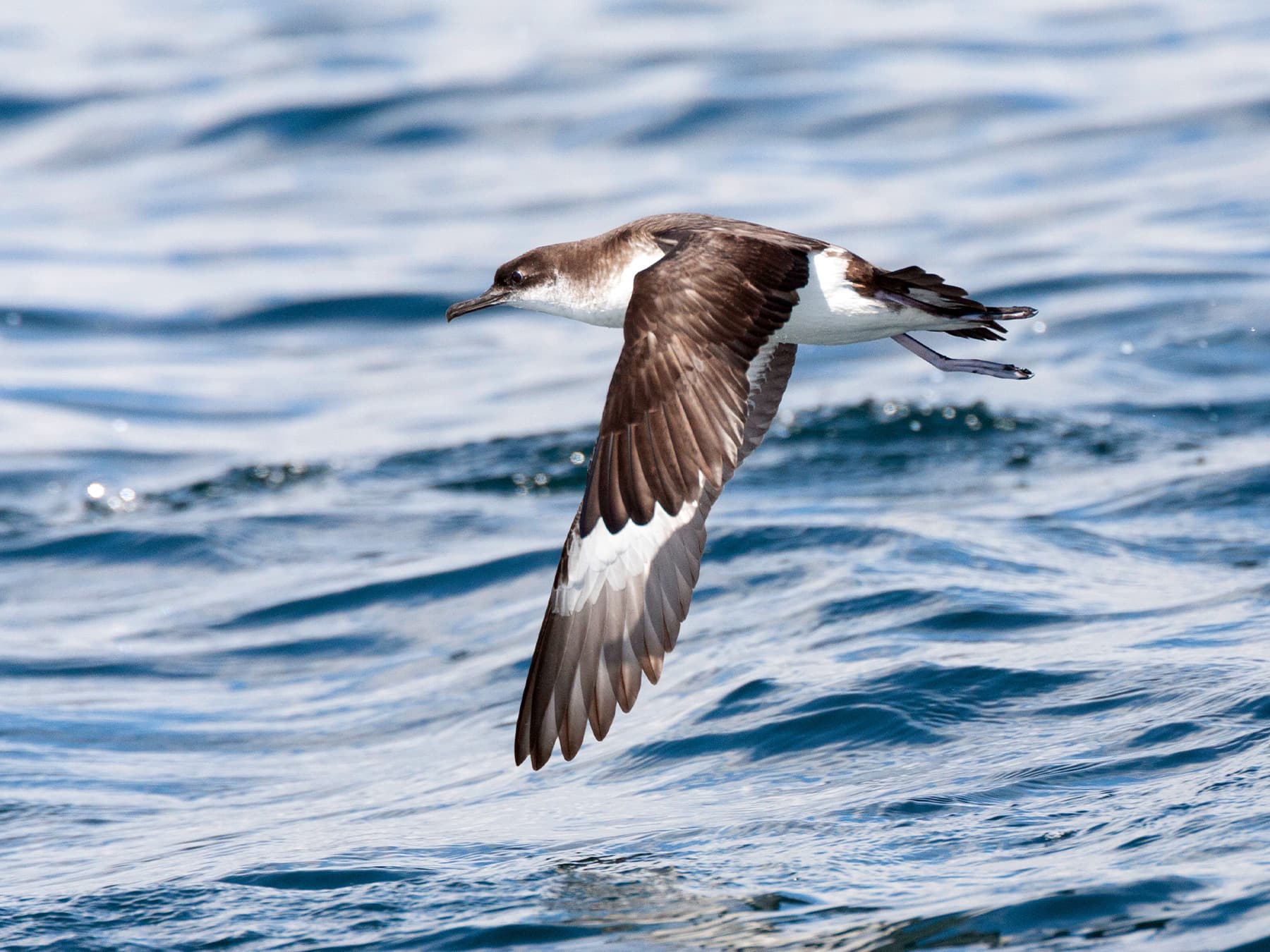
Manx Shearwater
Puffinus puffinusLC
A rare autumn passage bird, occasionally storm-blown inland to the Severn Estuary or county reservoirs in September.
Sep
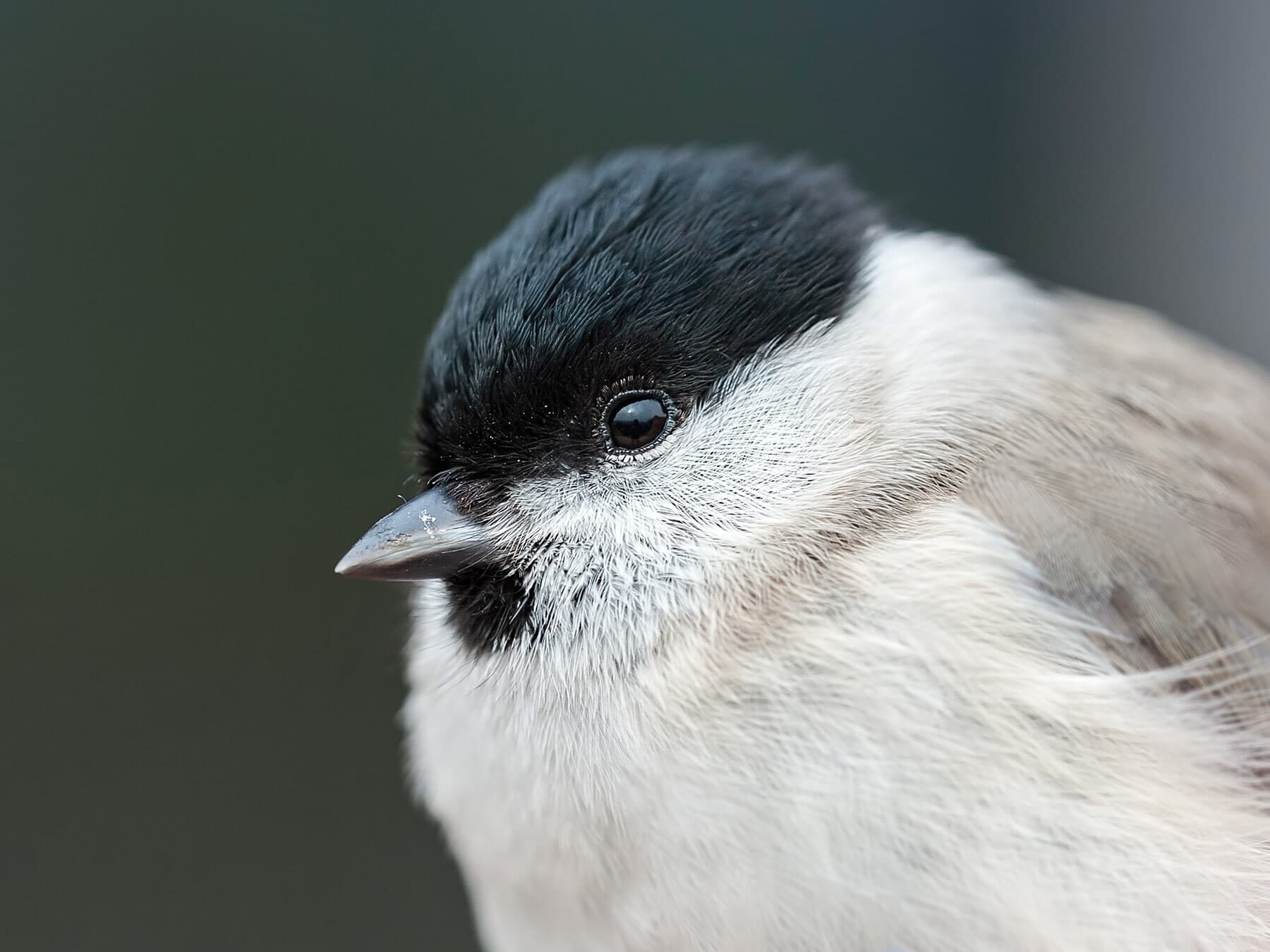
Marsh Tit
Poecile palustrisLC
A rare but year-round resident of mature deciduous woodland, particularly in the Forest of Dean. Declining nationally and a conservation concern.
Year-round
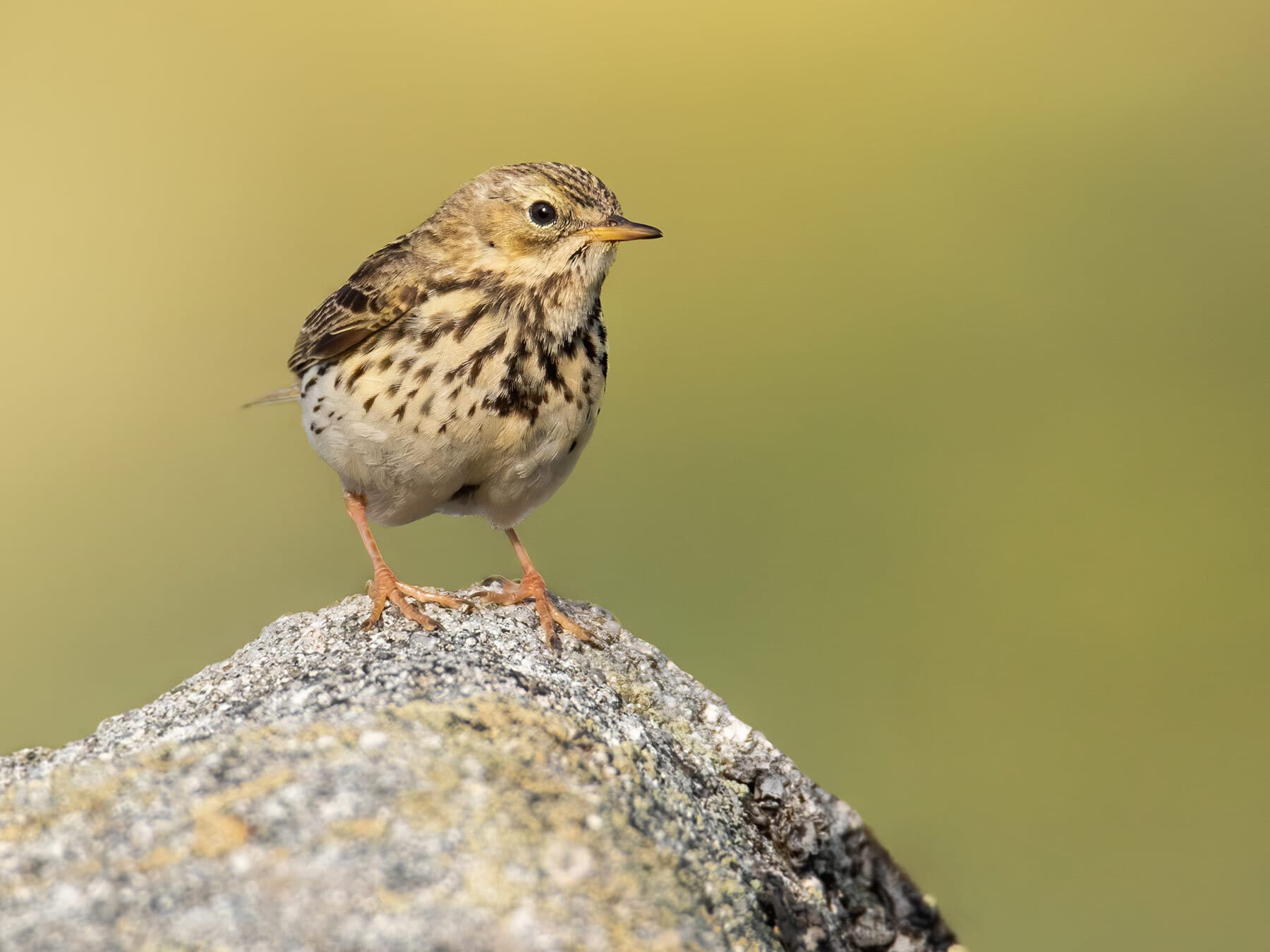
Meadow Pipit
Anthus pratensisLC
A common resident of upland grassland and rough pasture on the Cotswold hills, also widespread in winter lowlands.
Year-round
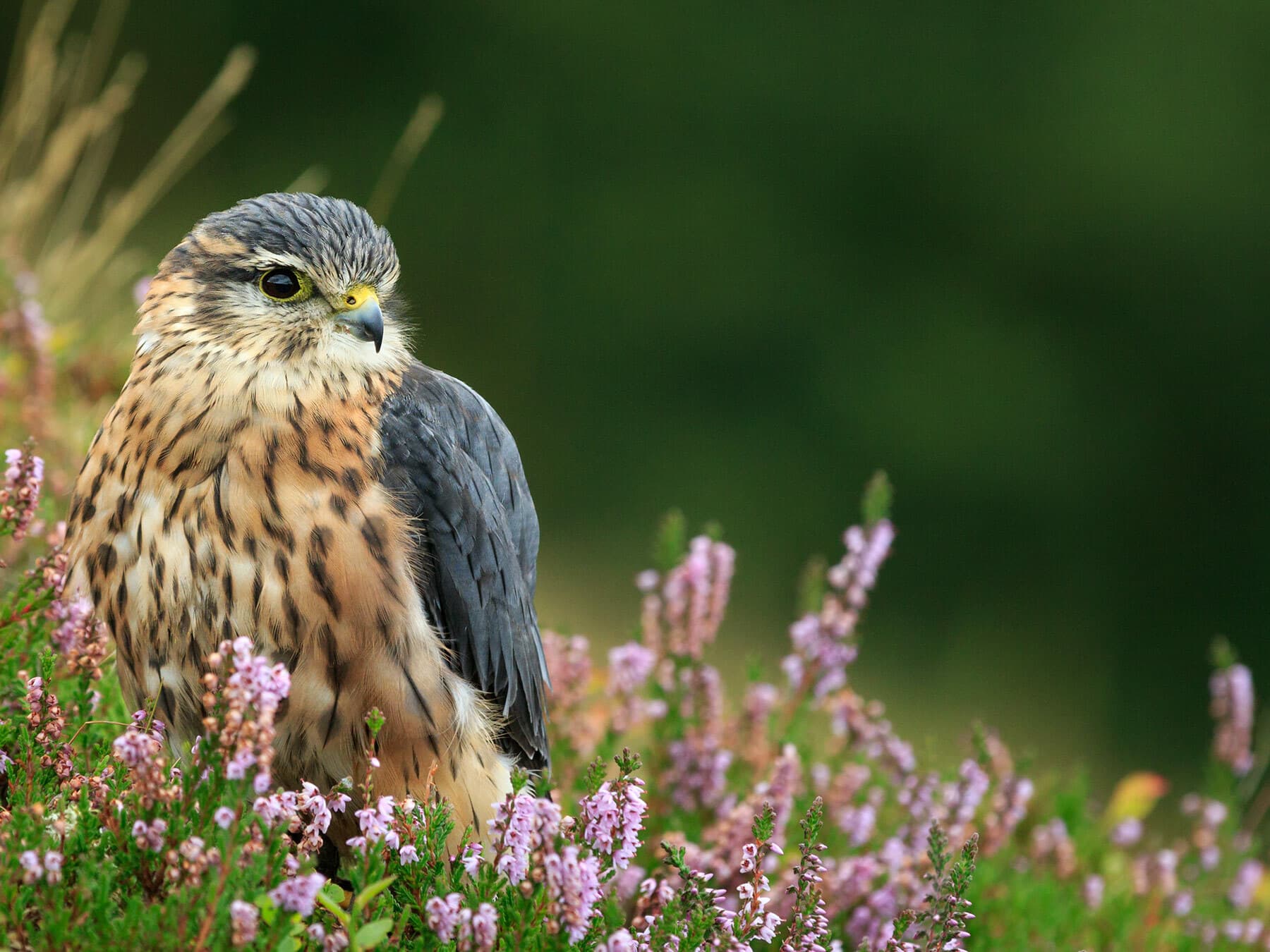
Merlin
Falco columbariusLC
A rare winter visitor from upland breeding grounds, seen dashing low over farmland and marshes from October to March.
Oct–Mar
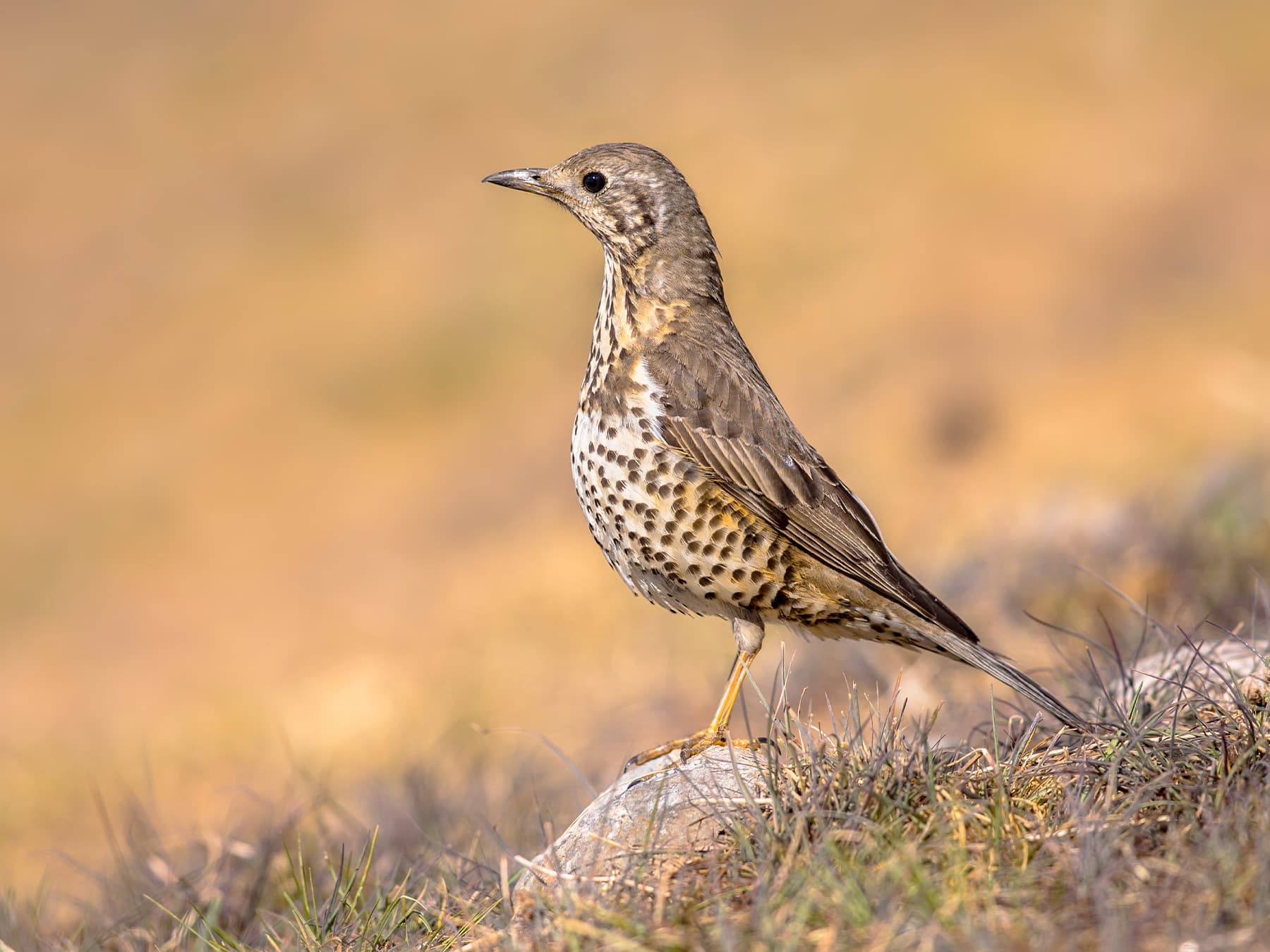
Mistle Thrush
Turdus viscivorusLC
An uncommon year-round resident of parkland, orchards and open woodland, often seen singing boldly from treetops even in winter storms.
Year-round
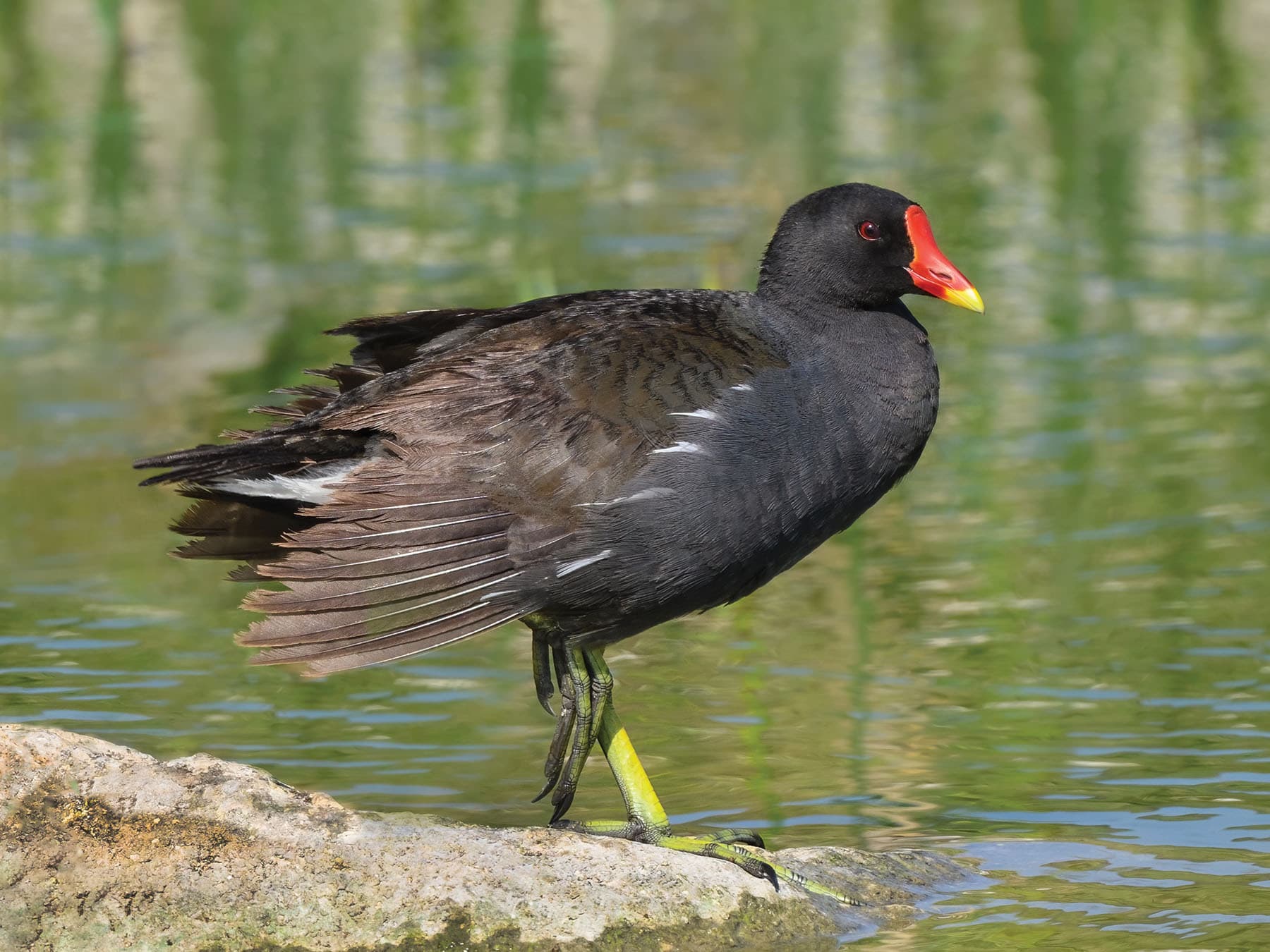
Moorhen
Gallinula chloropusLC
A common resident of ponds, streams and ditches throughout the county, often seen picking its way along muddy waterside margins.
Year-round
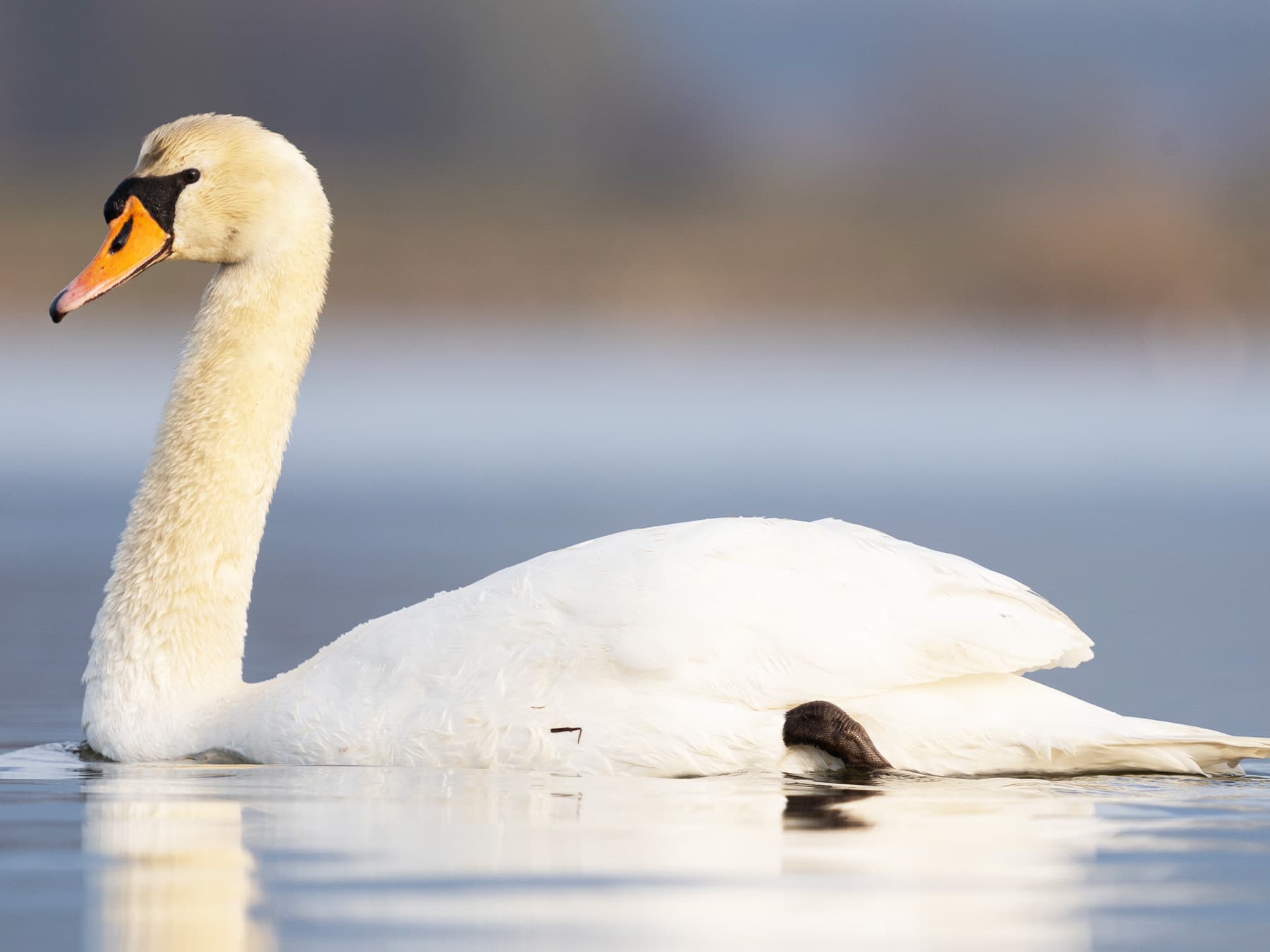
Mute Swan
Cygnus olorLC
A familiar resident on the county's rivers, lakes and gravel pits, often seen gliding along the Severn or nesting on canal banks year-round.
Year-round
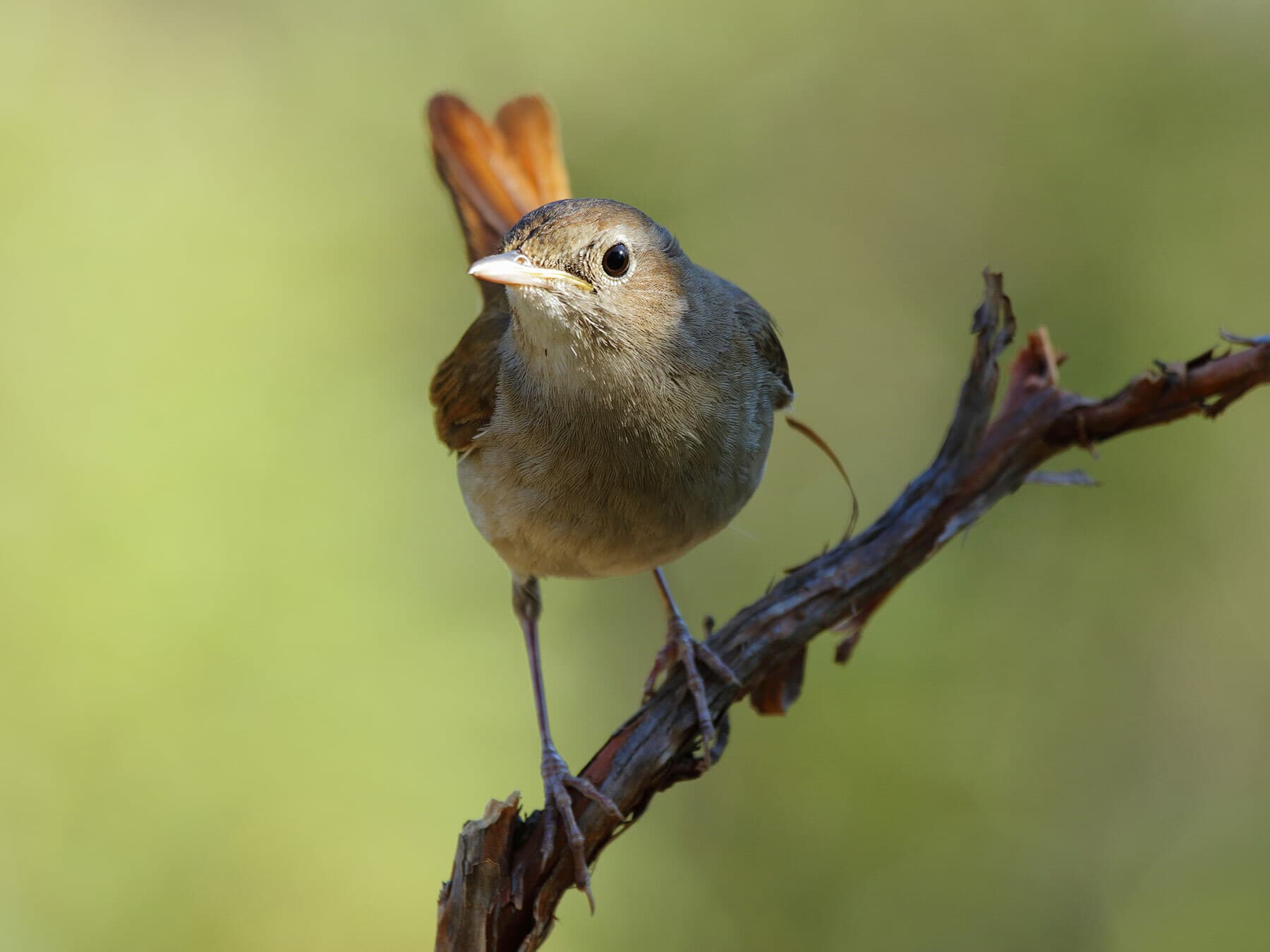
Nightingale
Luscinia megarhynchosLC
A rare passage visitor in April and May, occasionally heard singing in dense scrub. Gloucestershire lies at the edge of its breeding range.
Apr–May
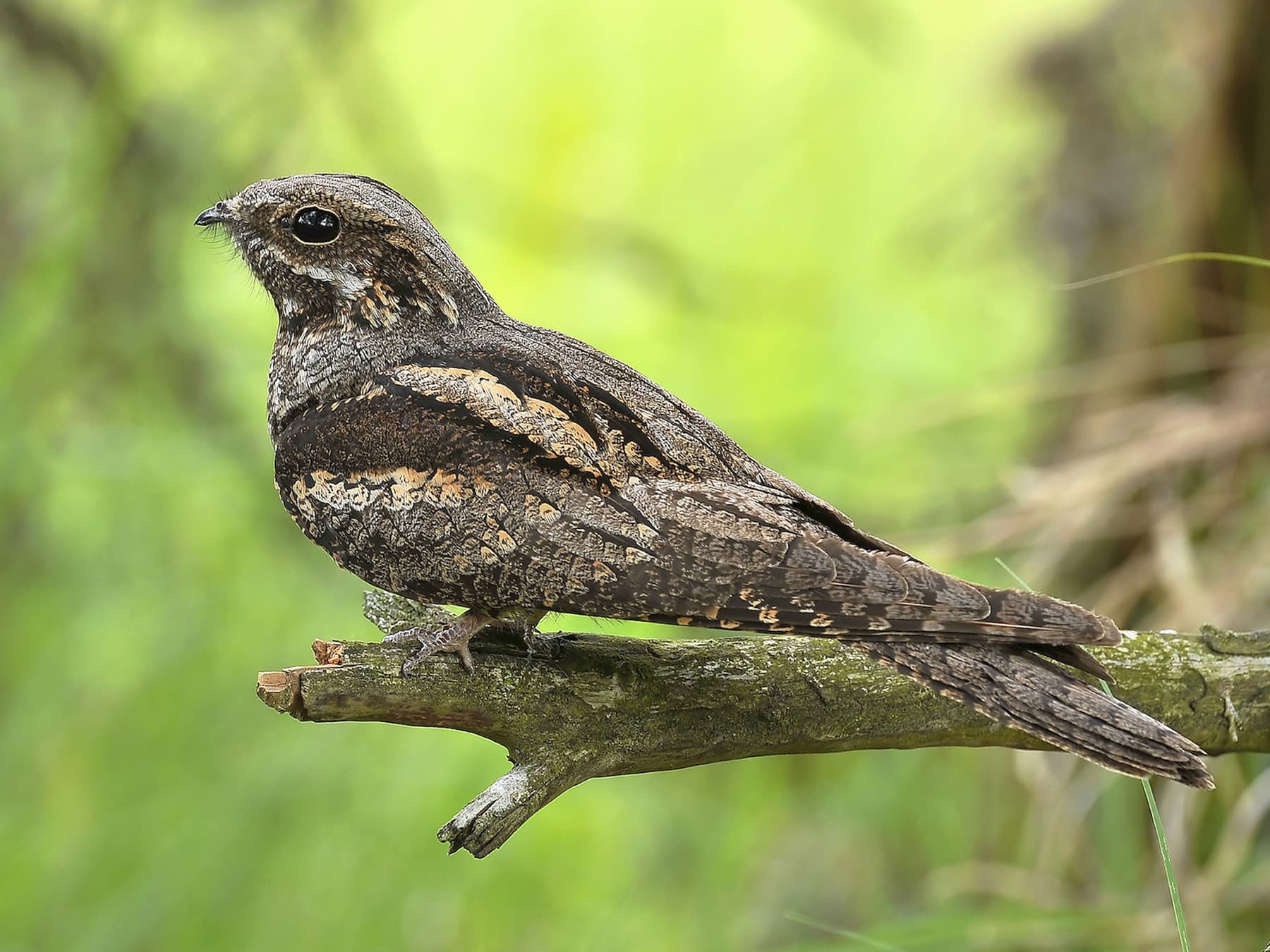
Nightjar
Caprimulgus europaeusLC
A rare passage visitor in June, occasionally noted at heathland edges in the Forest of Dean area.
Jun
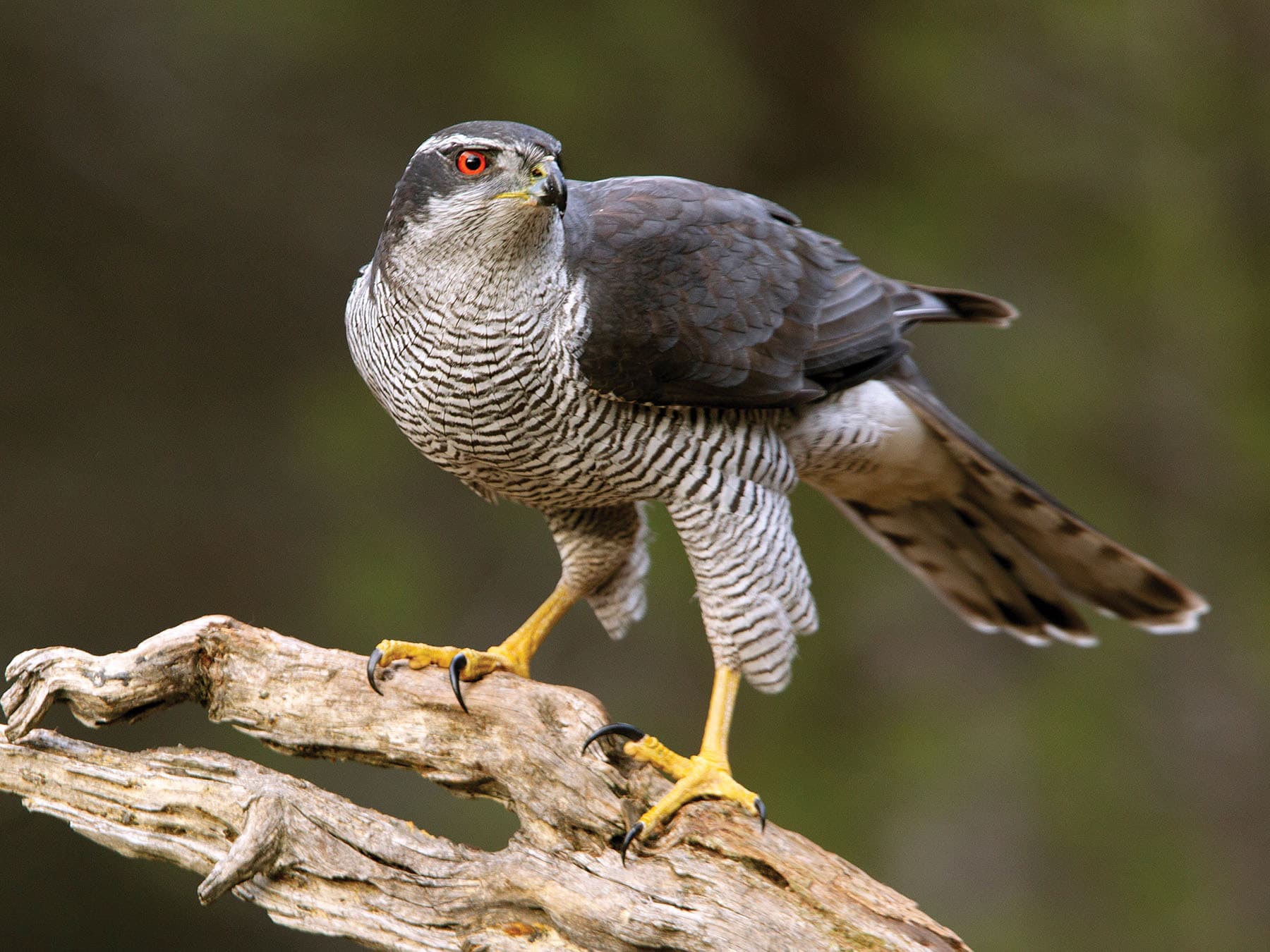
Northern Goshawk
Accipiter gentilisLC
A rare and secretive raptor breeding in the Forest of Dean's dense woodlands. Best spotted soaring over the canopy in early spring.
Oct–Jun
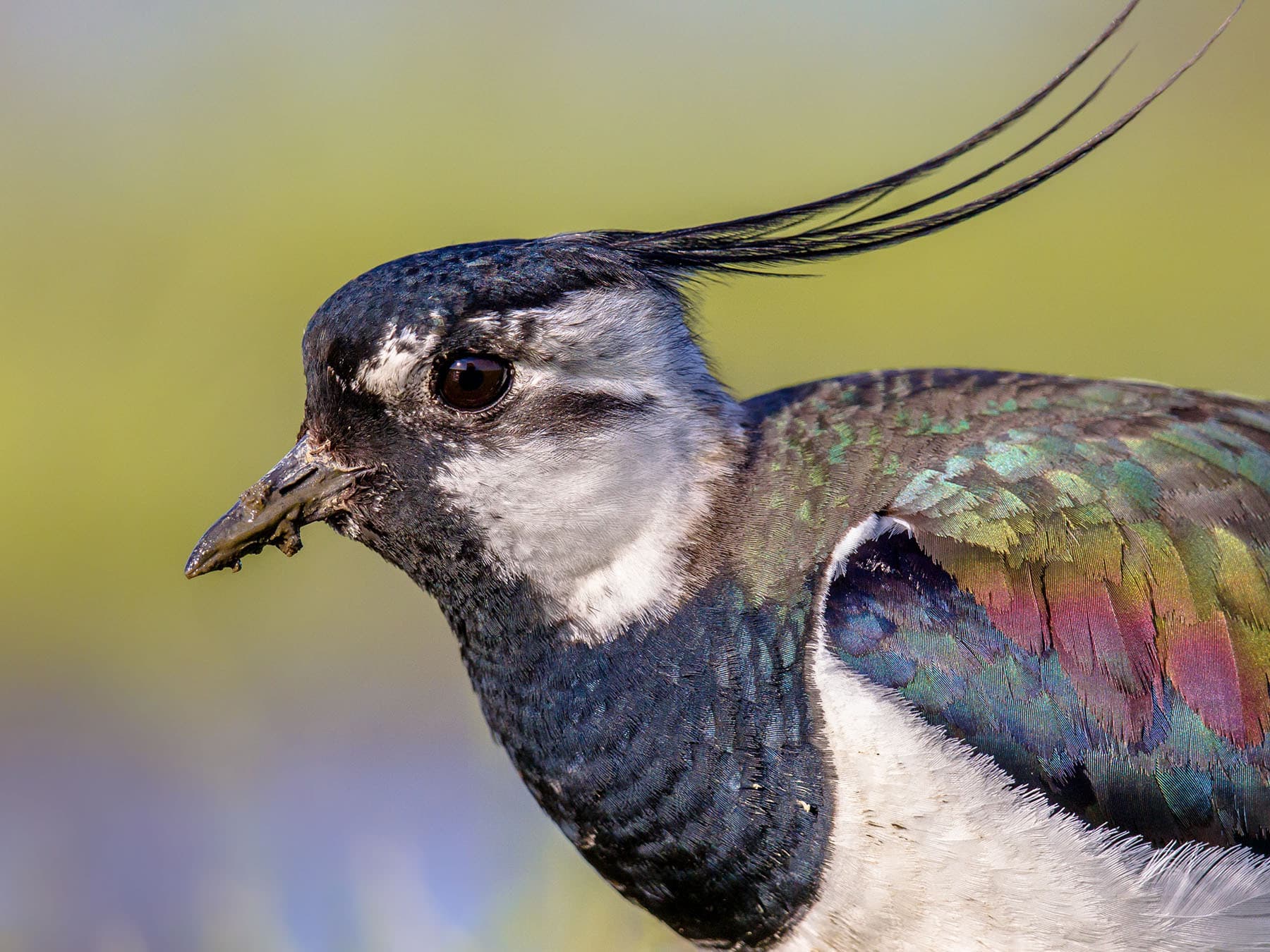
Northern Lapwing
Vanellus vanellusNT
Common year-round on wet grasslands and ploughed fields, with large winter flocks on the Severn floodplain.
Year-round
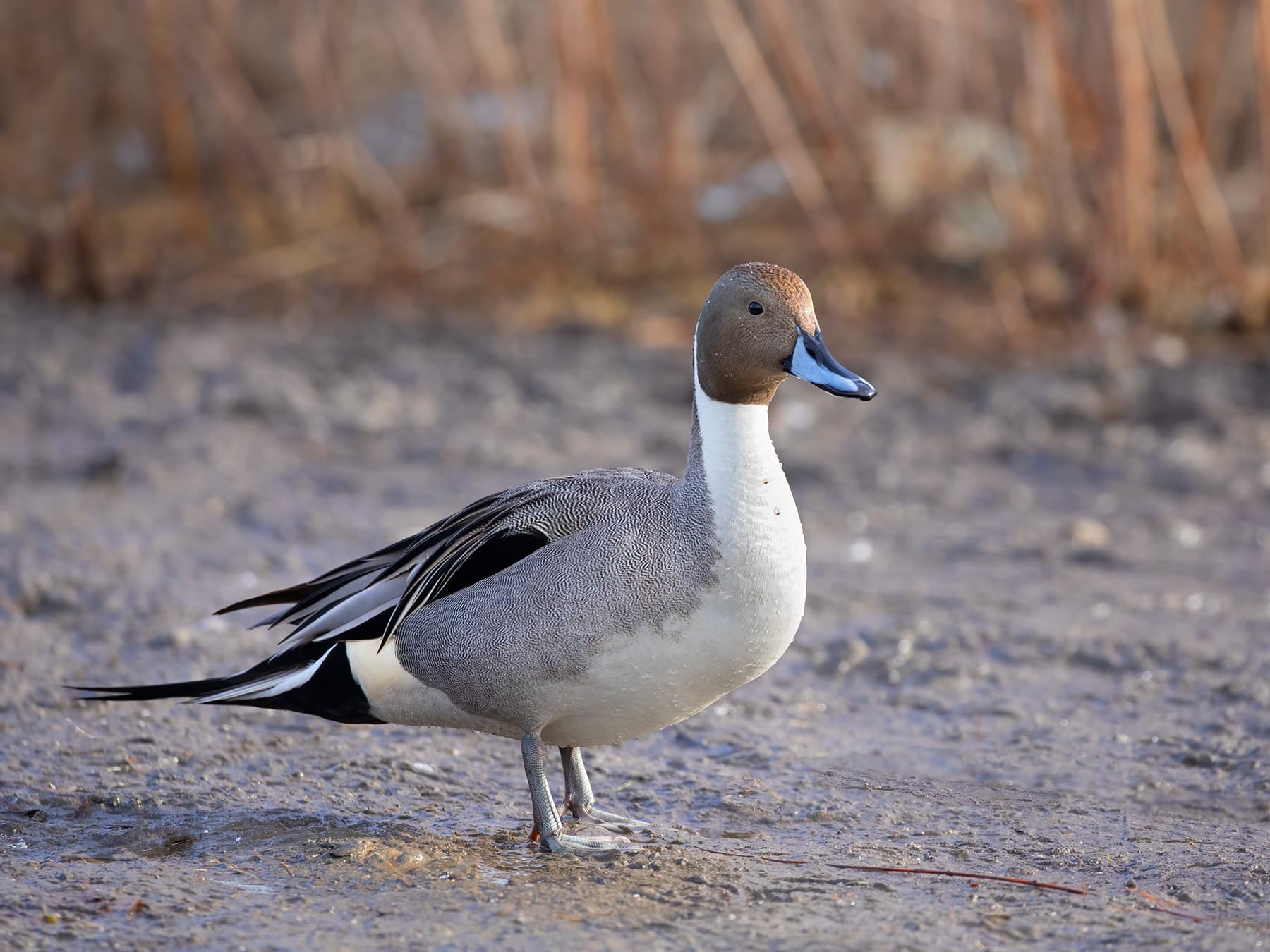
Northern Pintail
Anas acutaLC
An uncommon winter visitor to the Severn Estuary and floodplain pools, typically present from autumn through to spring.
Sep–May
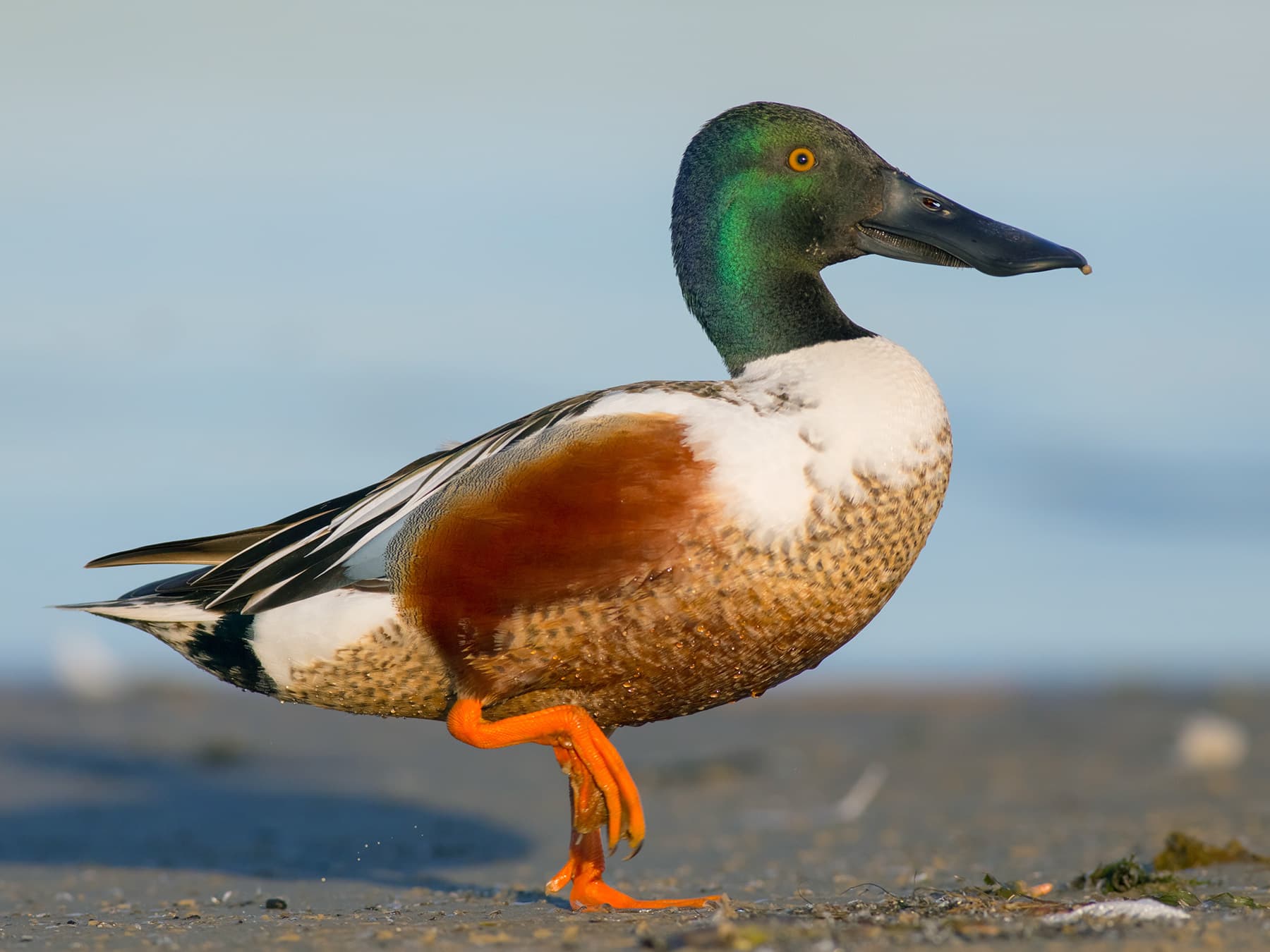
Northern Shoveler
Spatula clypeataLC
Common on shallow wetlands and flooded fields, especially around the Severn Vale. Numbers peak in winter with continental arrivals.
Year-round
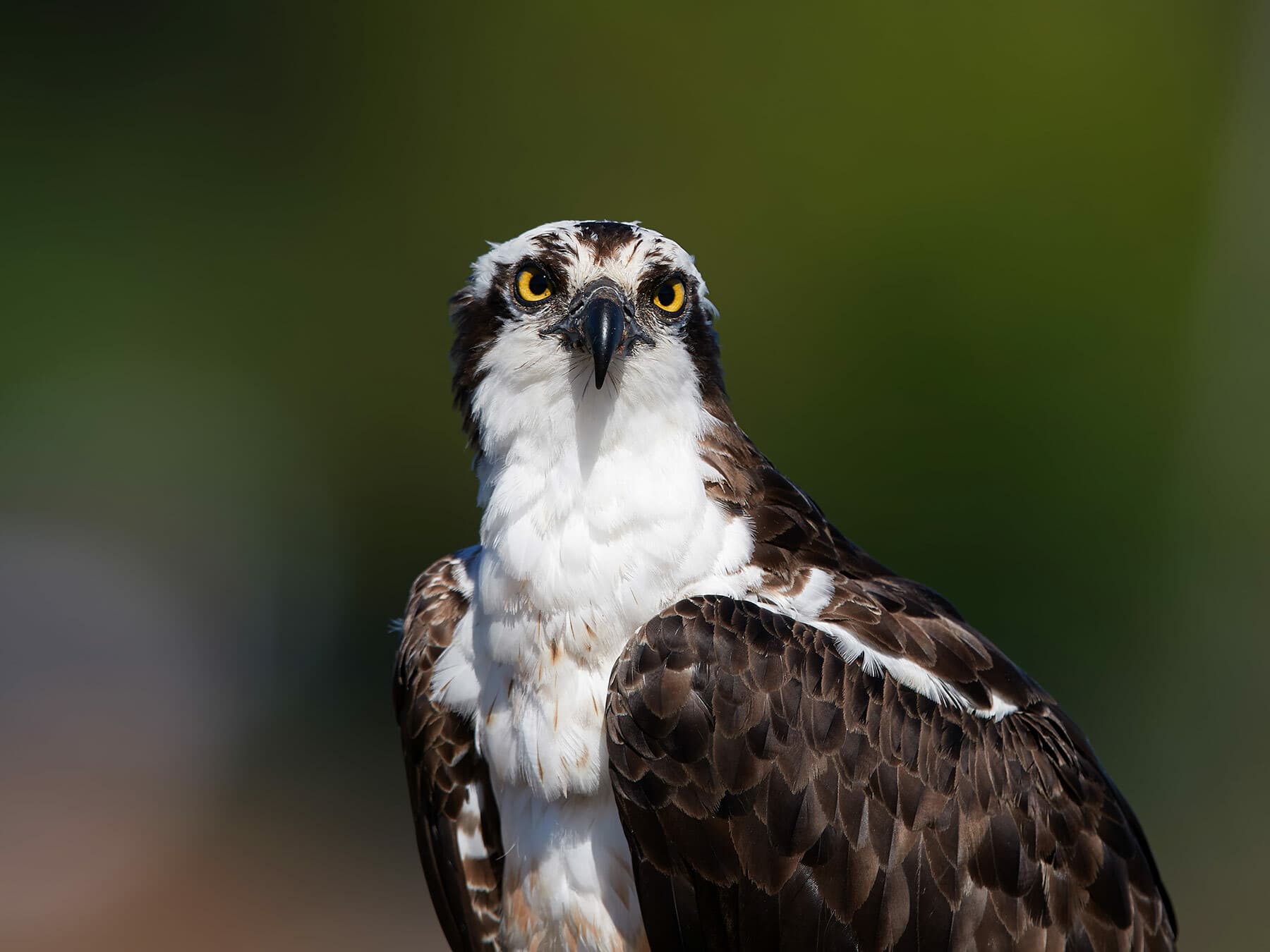
Osprey
Pandion haliaetusLC
A rare but eagerly anticipated passage migrant in spring and autumn, seen fishing at reservoirs and the Cotswold Water Park.
Apr–Sep