Birds in East Sussex
Explore 217 species found in this region.
East Sussex is home to an impressive diversity of birdlife, with 212 species recorded across its varied landscapes of chalk downland, ancient woodland, coastal marshes, and shingle beaches. From the iconic white cliffs at Beachy Head — a renowned migration hotspot — to the wetlands of Pevensey Levels and the reedbeds of Rye Harbour, the county offers outstanding birding opportunities year-round. Notable species include the Dotterel on passage, wintering Great Grey Shrike, breeding Northern Lapwing, and the elegant Eurasian Woodcock in the county's woodlands.
Visiting in September? Look out for American Golden-Plover and Arctic Jaeger arriving this month, and Cuckoo and European Honey-buzzard depart for the season.


Showing 185–207 of 217 species
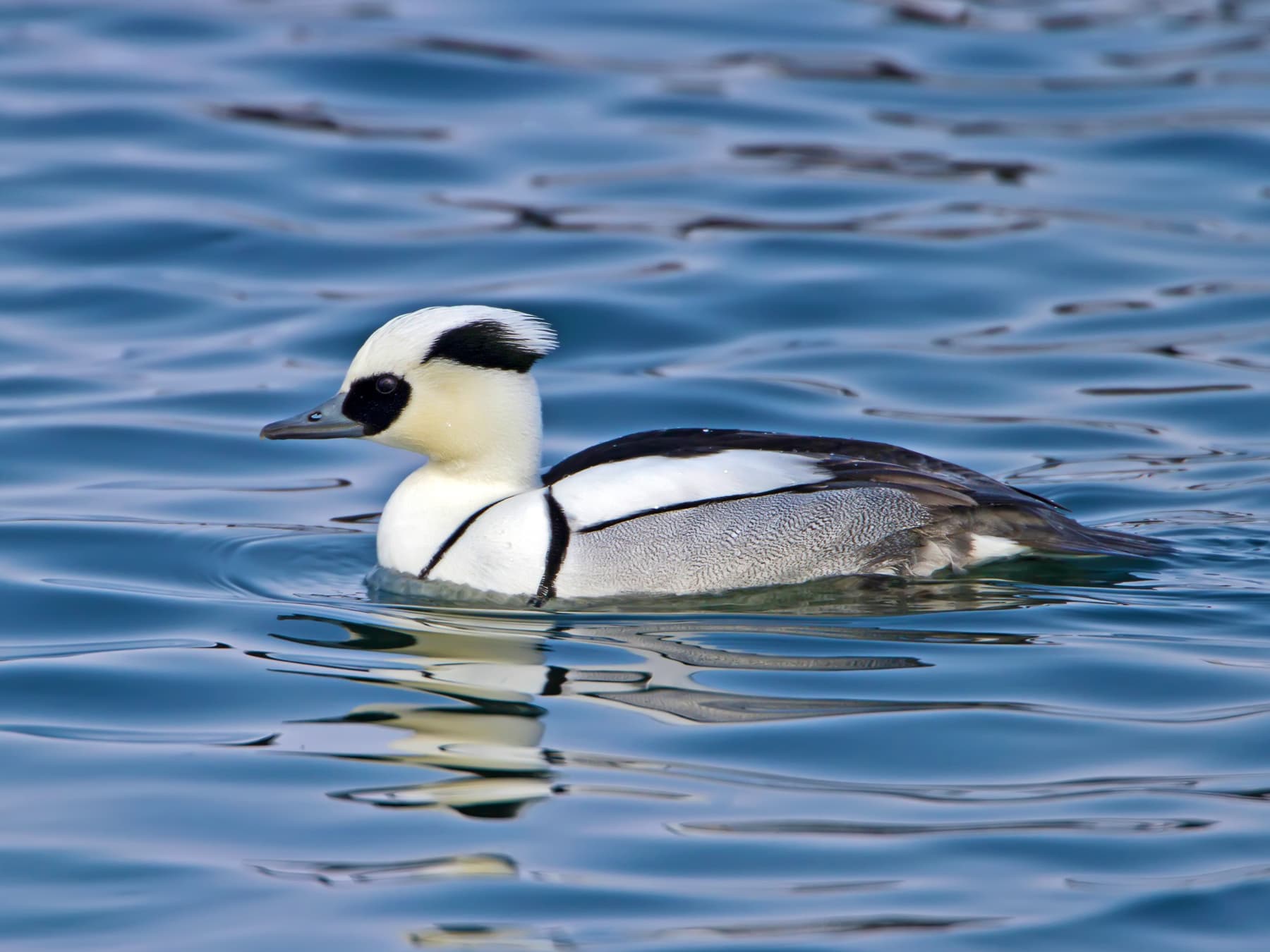
Smew
Mergellus albellusLC
A rare and prized winter visitor, most likely in cold snaps during January and December. Favours reservoirs and sheltered freshwater lakes.
Dec–Jan
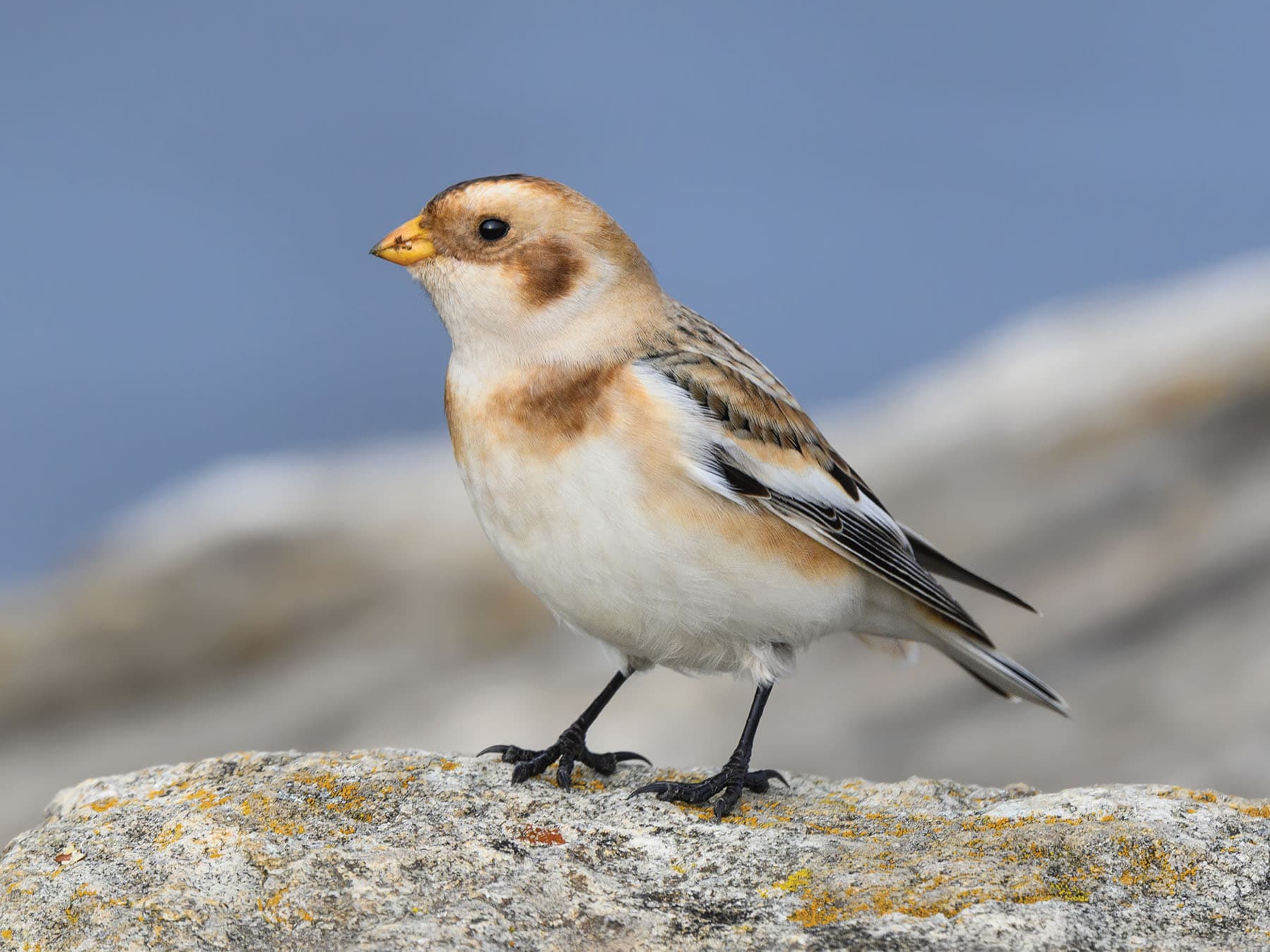
Snow Bunting
Plectrophenax nivalisLC
A rare passage visitor in November, occasionally seen on shingle beaches and coastal fields. An Arctic breeder that seldom lingers in the county.
Nov
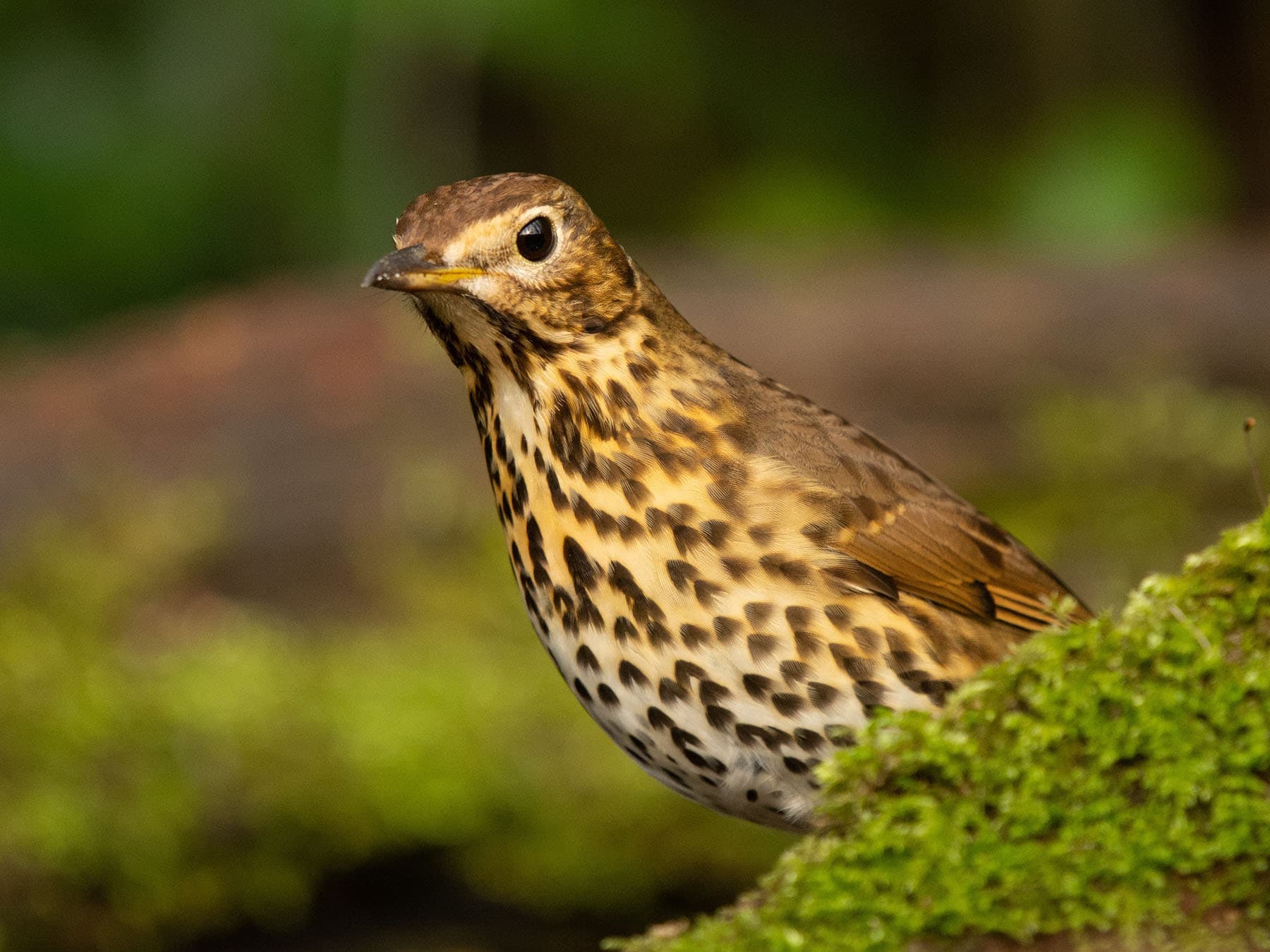
Song Thrush
Turdus philomelosLC
A common resident heard singing from gardens and woodland throughout the year. Often seen smashing snails on paths and stones across the county.
Year-round
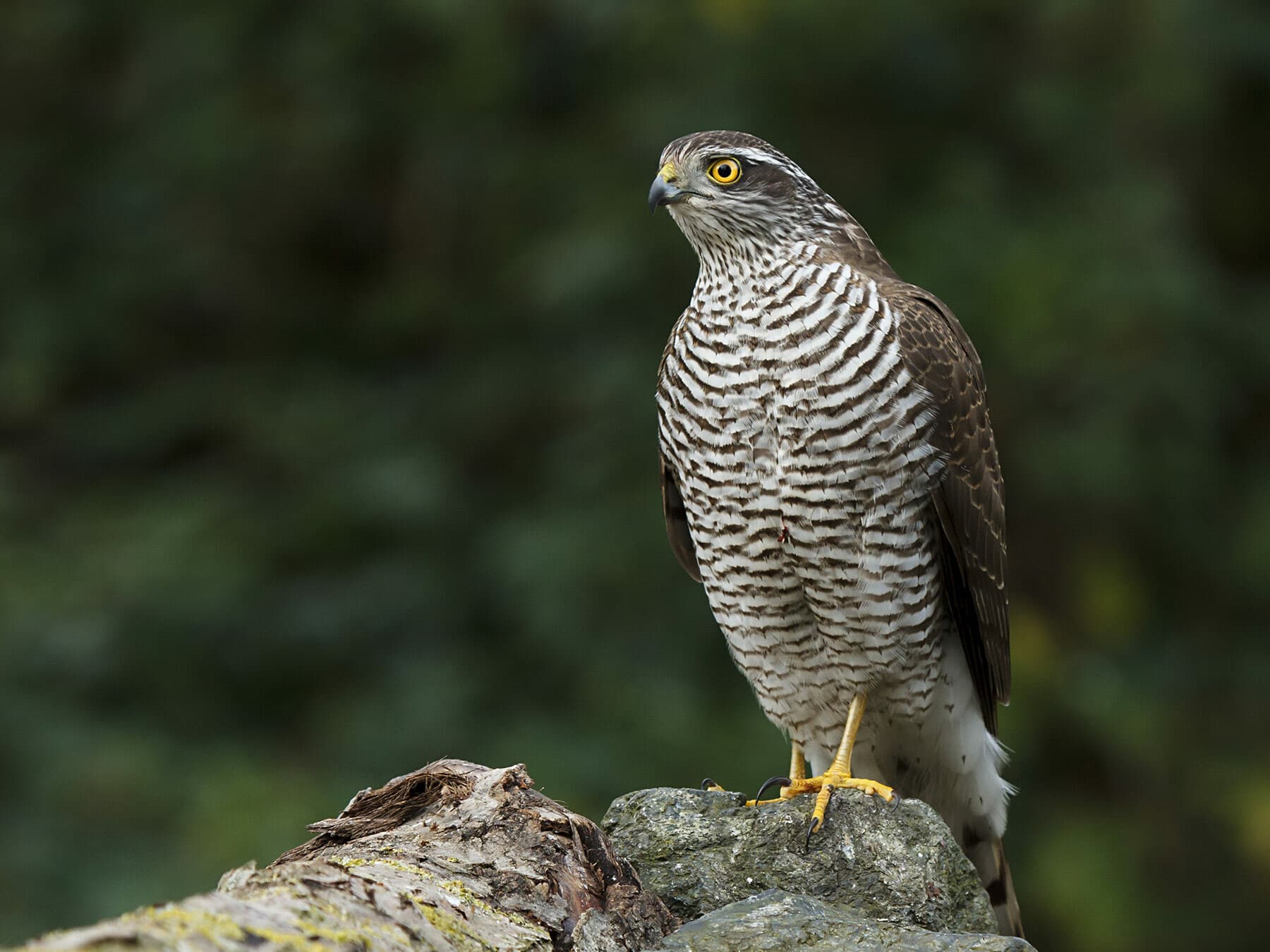
Sparrowhawk
Accipiter nisusLC
An uncommon but widespread resident, hunting small birds through woodland and gardens with dashing low-level flight year-round.
Year-round
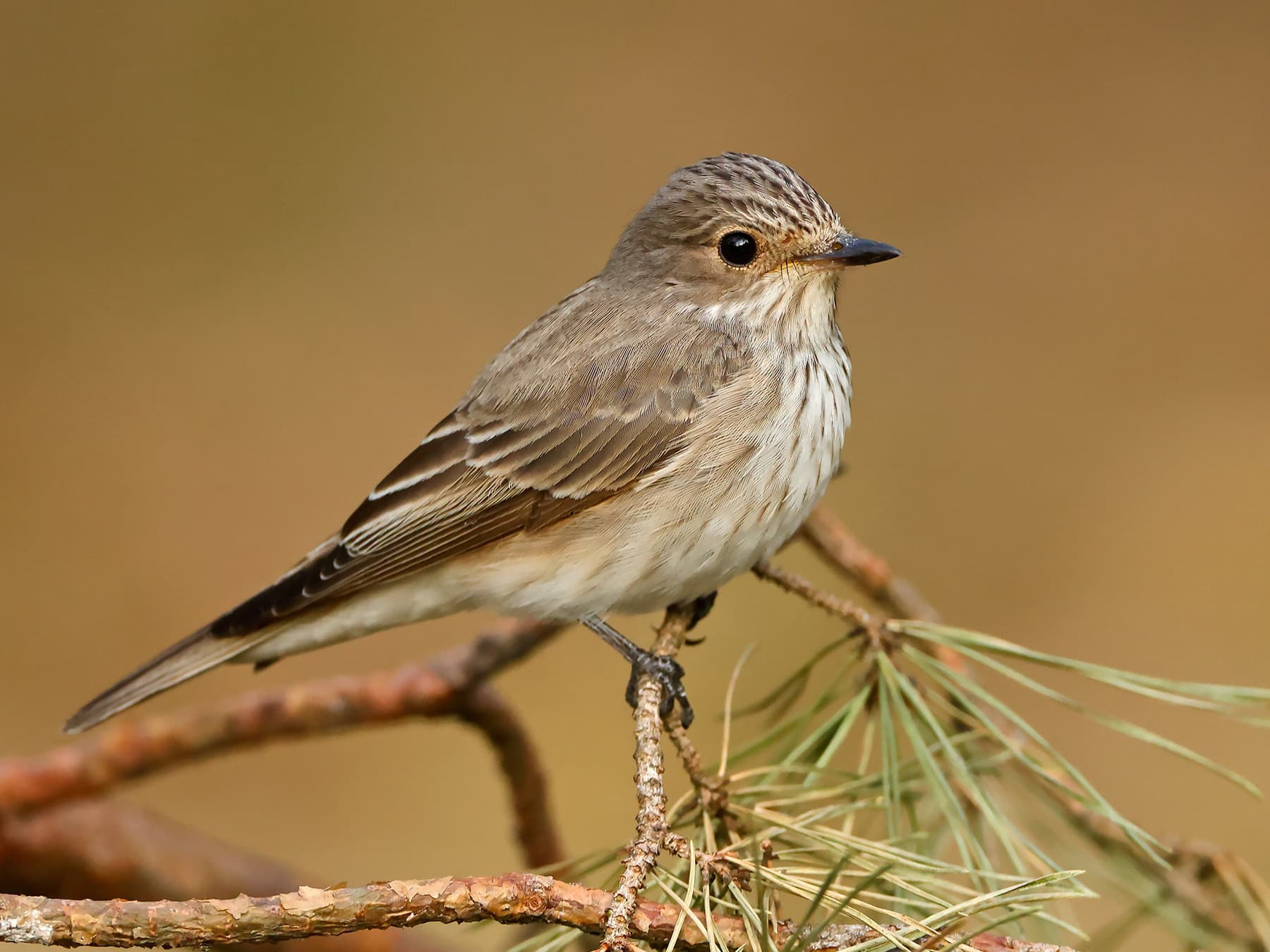
Spotted Flycatcher
Muscicapa striataLC
An uncommon and declining summer breeder arriving in May. Sallies for insects from exposed perches in woodland edges and mature gardens.
May–Sep
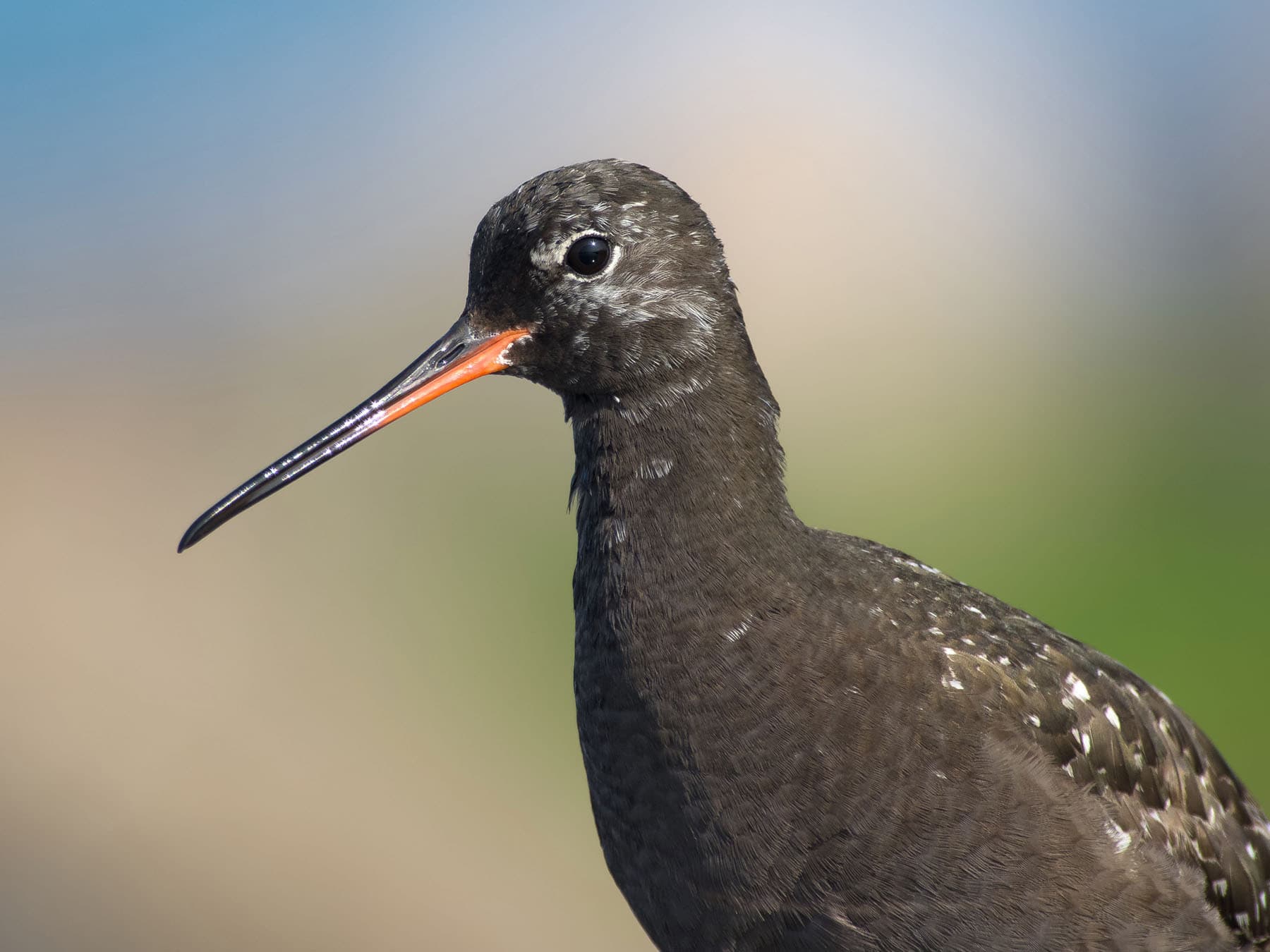
Spotted Redshank
Tringa erythropusLC
A rare non-breeding visitor to sheltered estuaries and coastal pools. Most often seen at Rye Harbour or Pagham-area marshes.
Aug–Apr
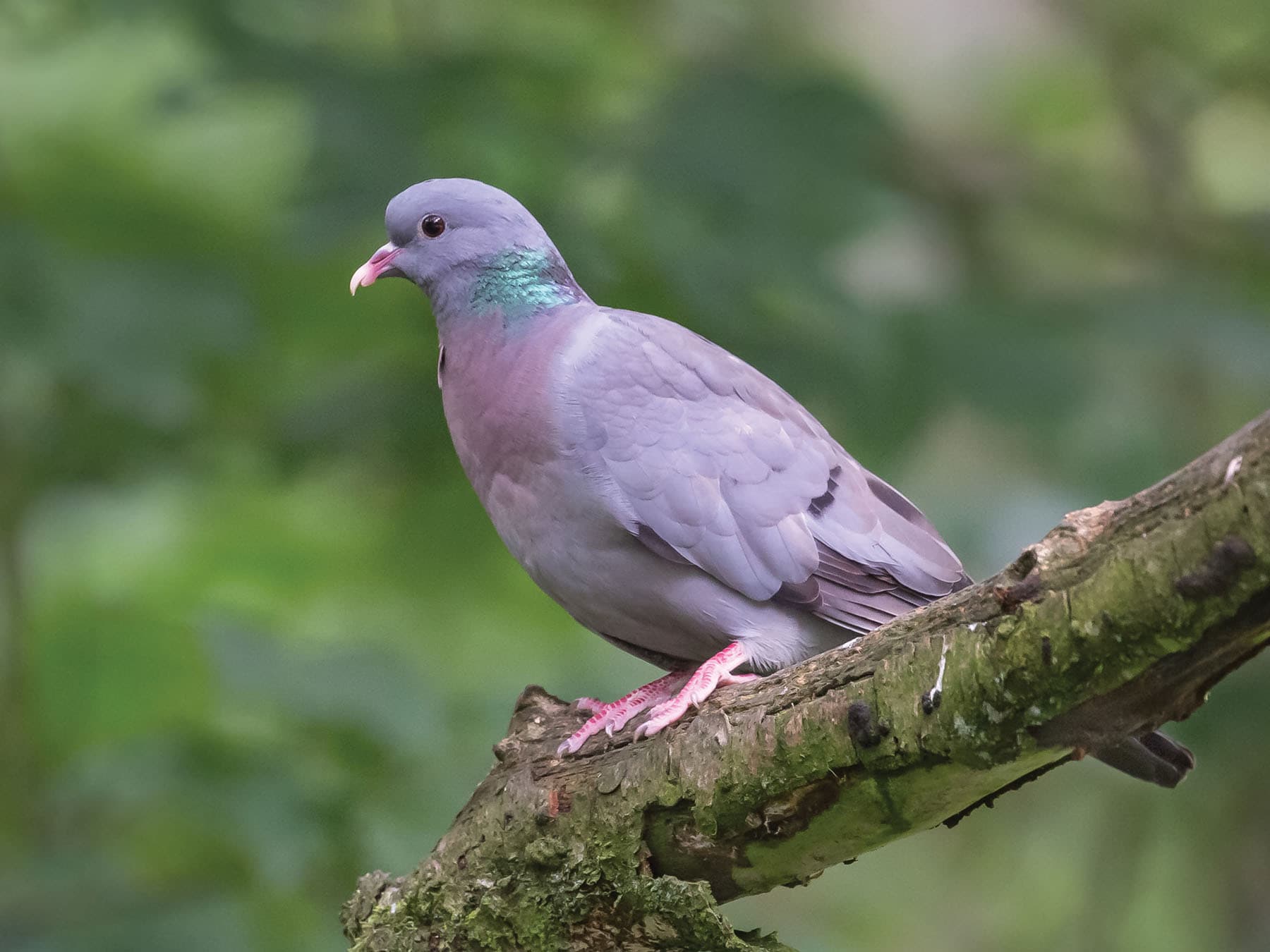
Stock Dove
Columba oenasLC
A common resident of farmland and parkland, nesting in tree holes and old buildings. Often seen in small flocks over the South Downs.
Year-round
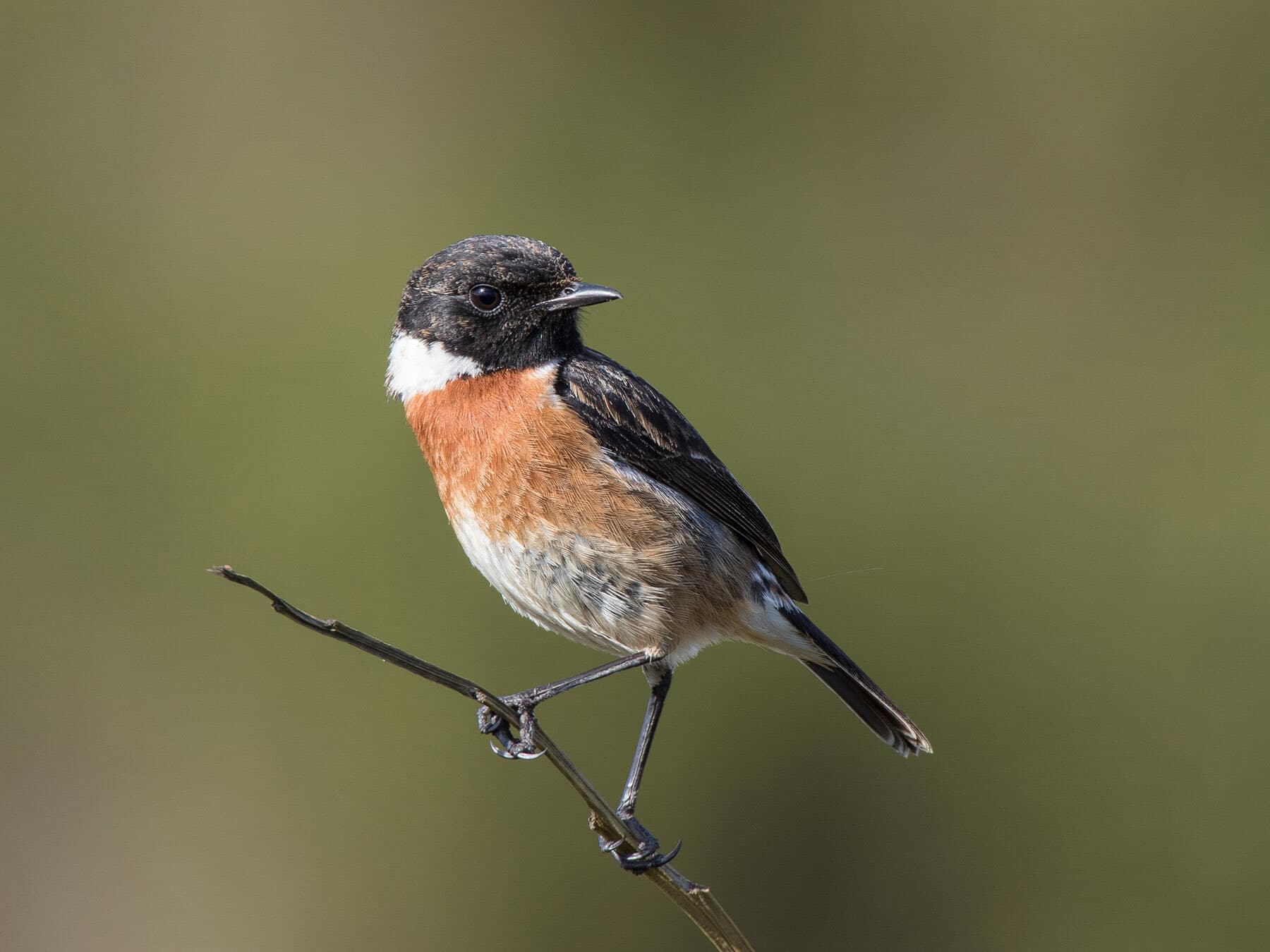
Stonechat
Saxicola torquatusLC
A common resident of coastal scrub, heathland, and gorse. Readily seen perching prominently at sites like Beachy Head and the Cuckmere valley.
Year-round
Spotted something?
Upload a photo to identify it
Identify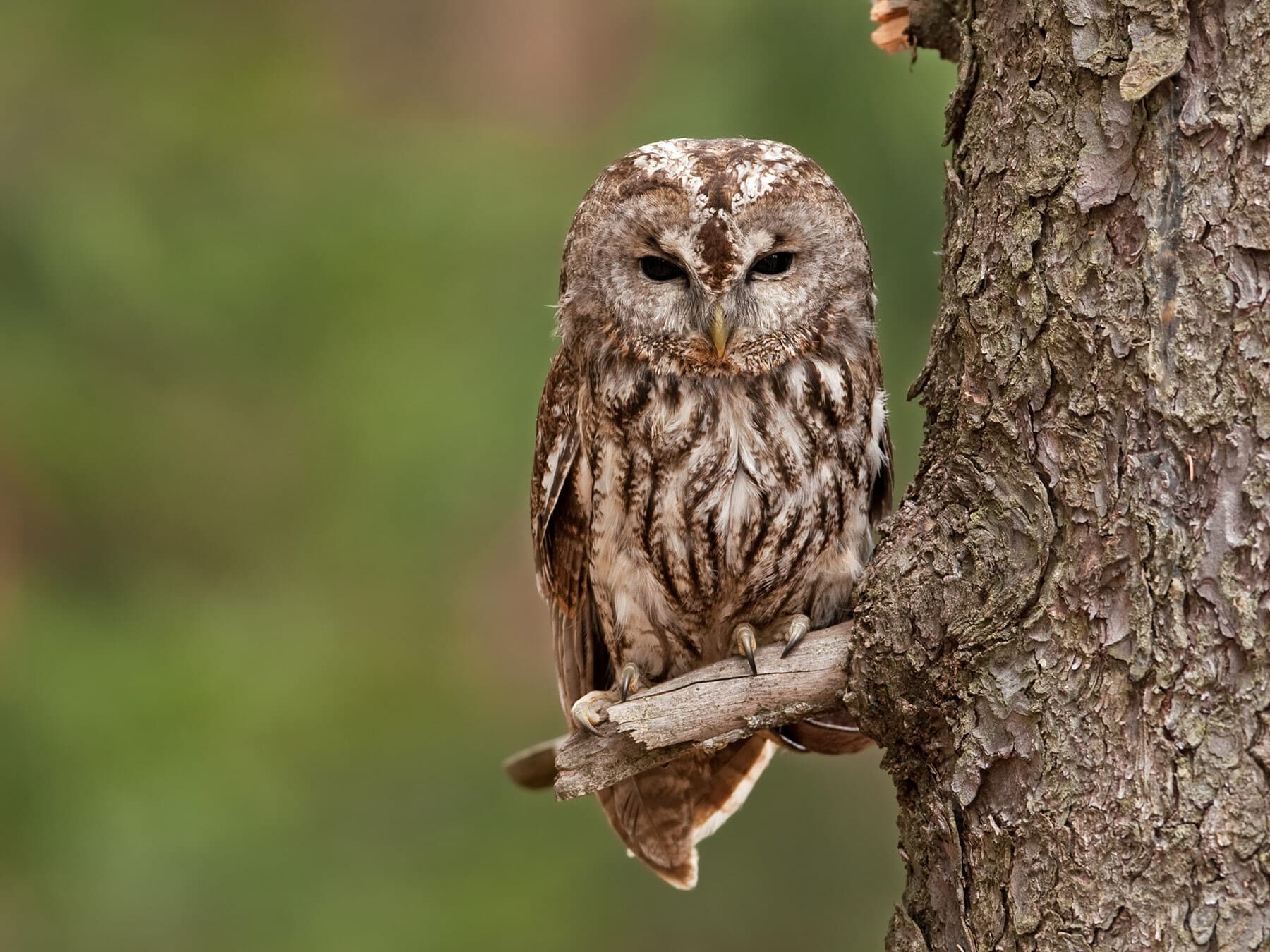
Tawny Owl
Strix alucoLC
A rare but resident owl of mature deciduous woodland, heard more often than seen. Declining in parts of south-east England.
Year-round
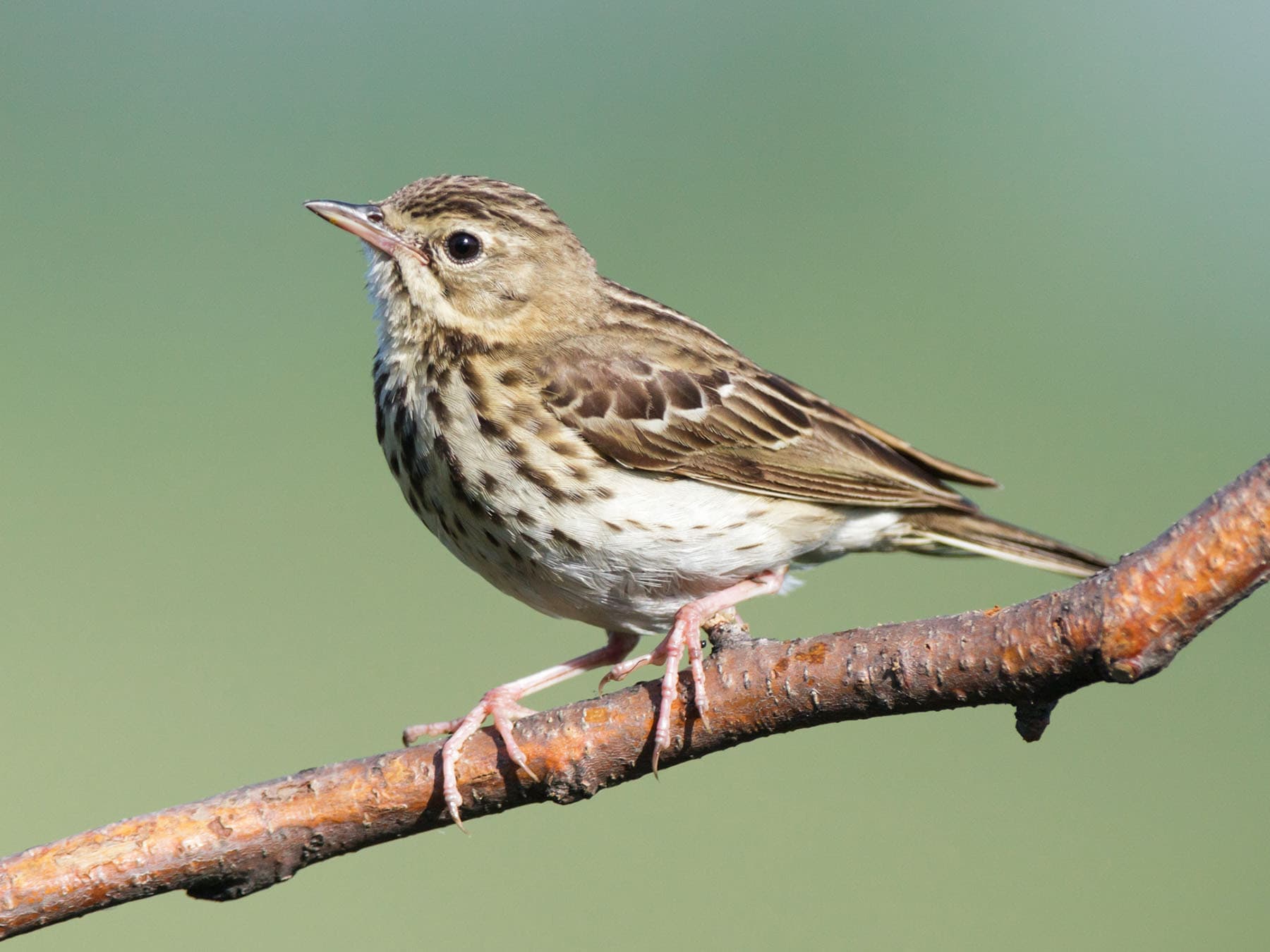
Tree Pipit
Anthus trivialisLC
A rare and declining summer breeder on heathland sites such as Ashdown Forest. Delivers its song in a distinctive parachuting display flight.
Apr–Oct
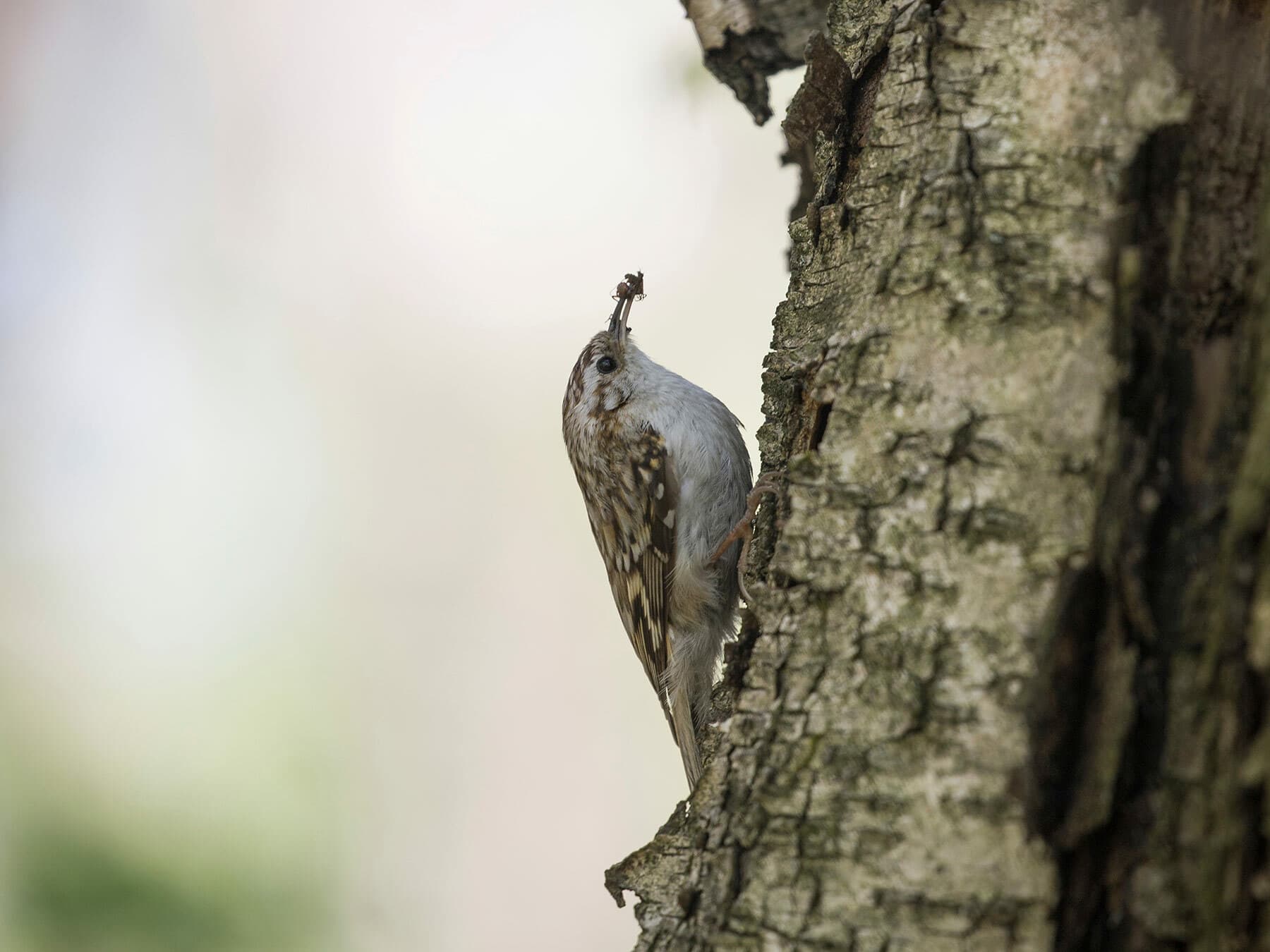
Treecreeper
Certhia familiarisLC
An uncommon resident of mature woodland, spiralling up tree trunks in search of insects. Found throughout the Wealden woods year-round.
Year-round
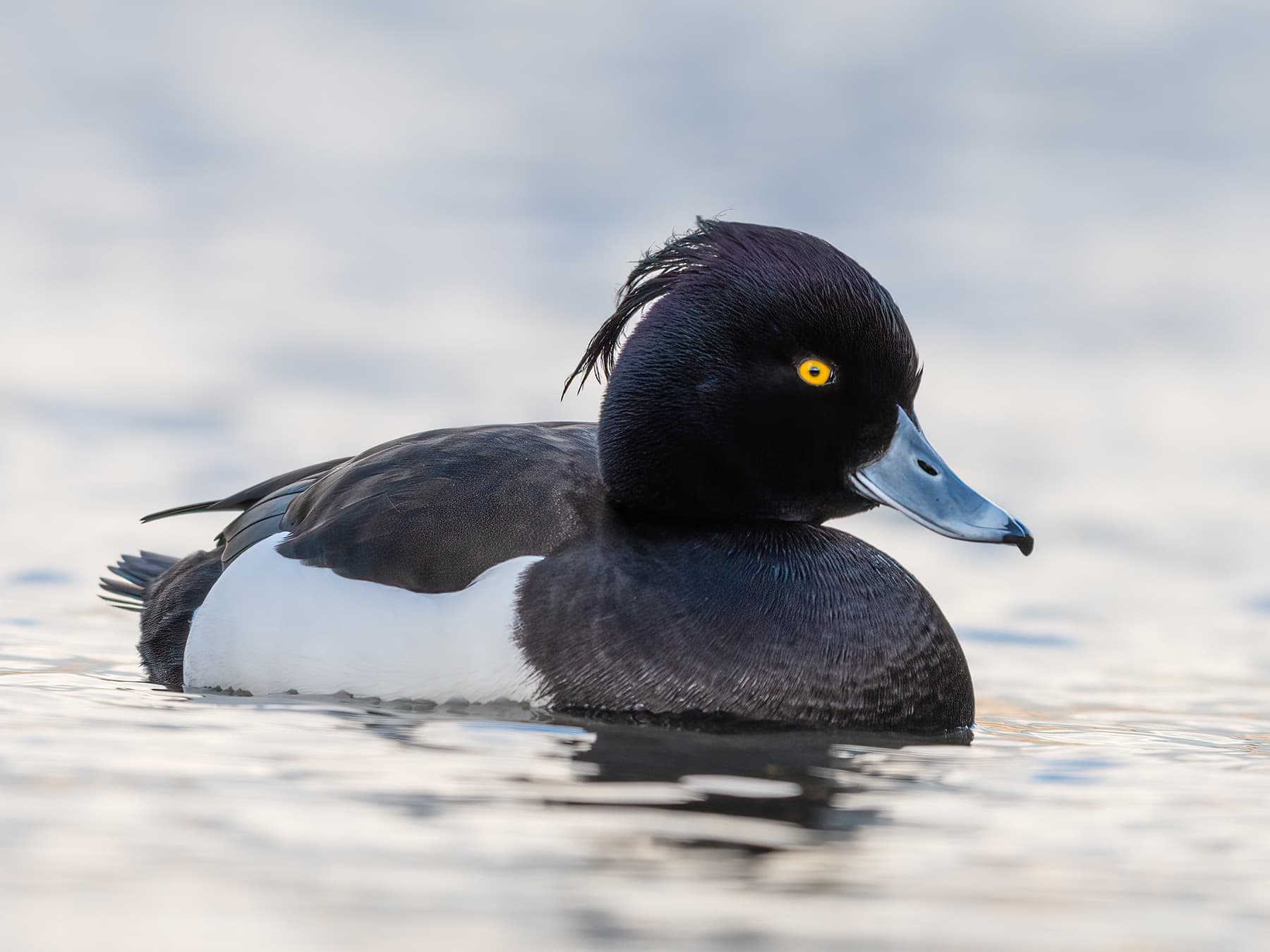
Tufted Duck
Aythya fuligulaLC
Found year-round on lakes and reservoirs, diving for invertebrates. Regularly seen at Arlington Reservoir and Weir Wood.
Year-round
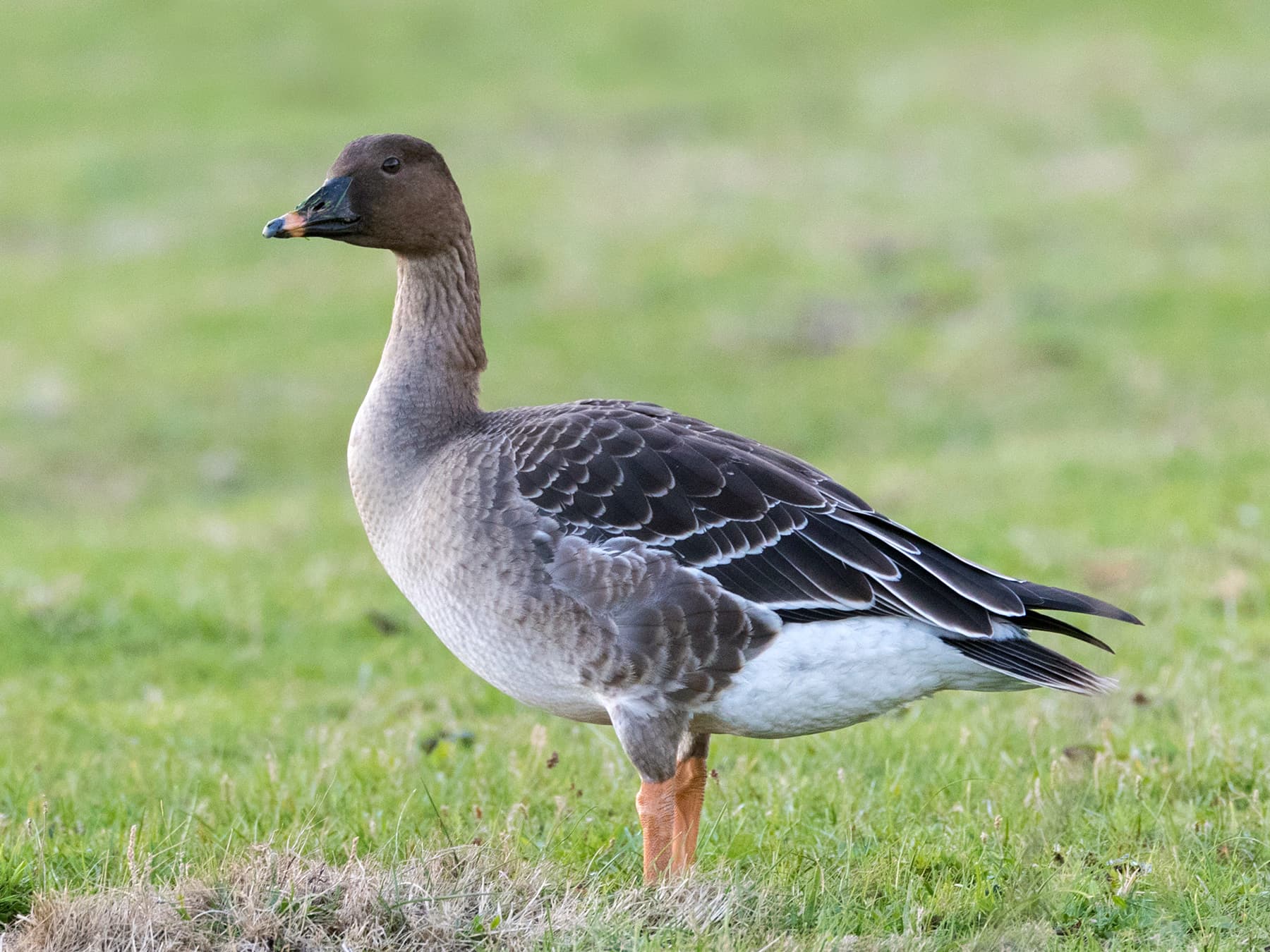
Tundra Bean Goose
Anser serrirostrisLC
A rare passage visitor in midwinter, occasionally seen on flooded fields and grazing marshes, most likely in January and February.
Jan–Feb
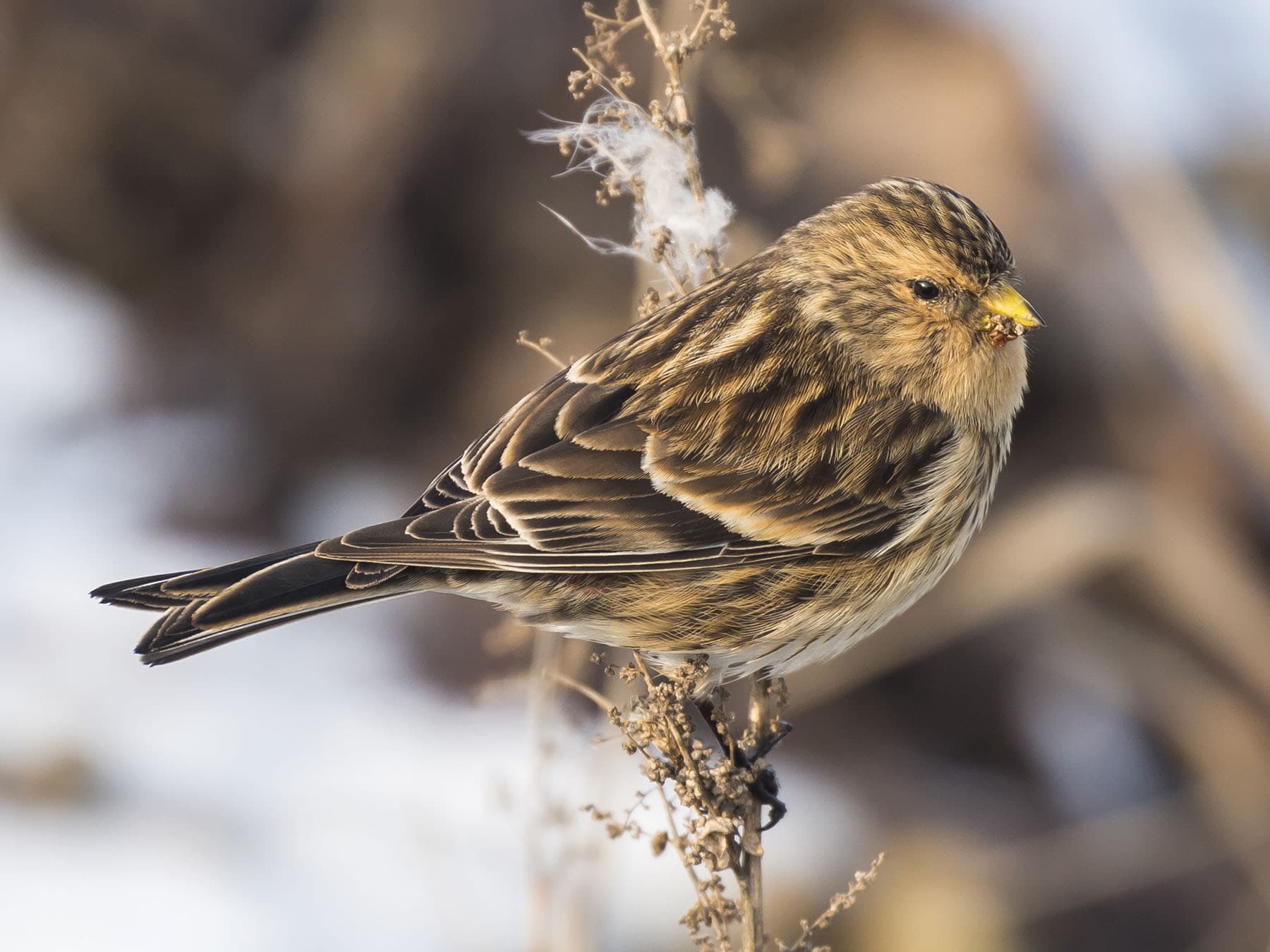
Twite
Linaria flavirostrisLC
A rare passage visitor, occasionally recorded in January. Far more typical of northern uplands, it is a notable find in East Sussex.
Jan
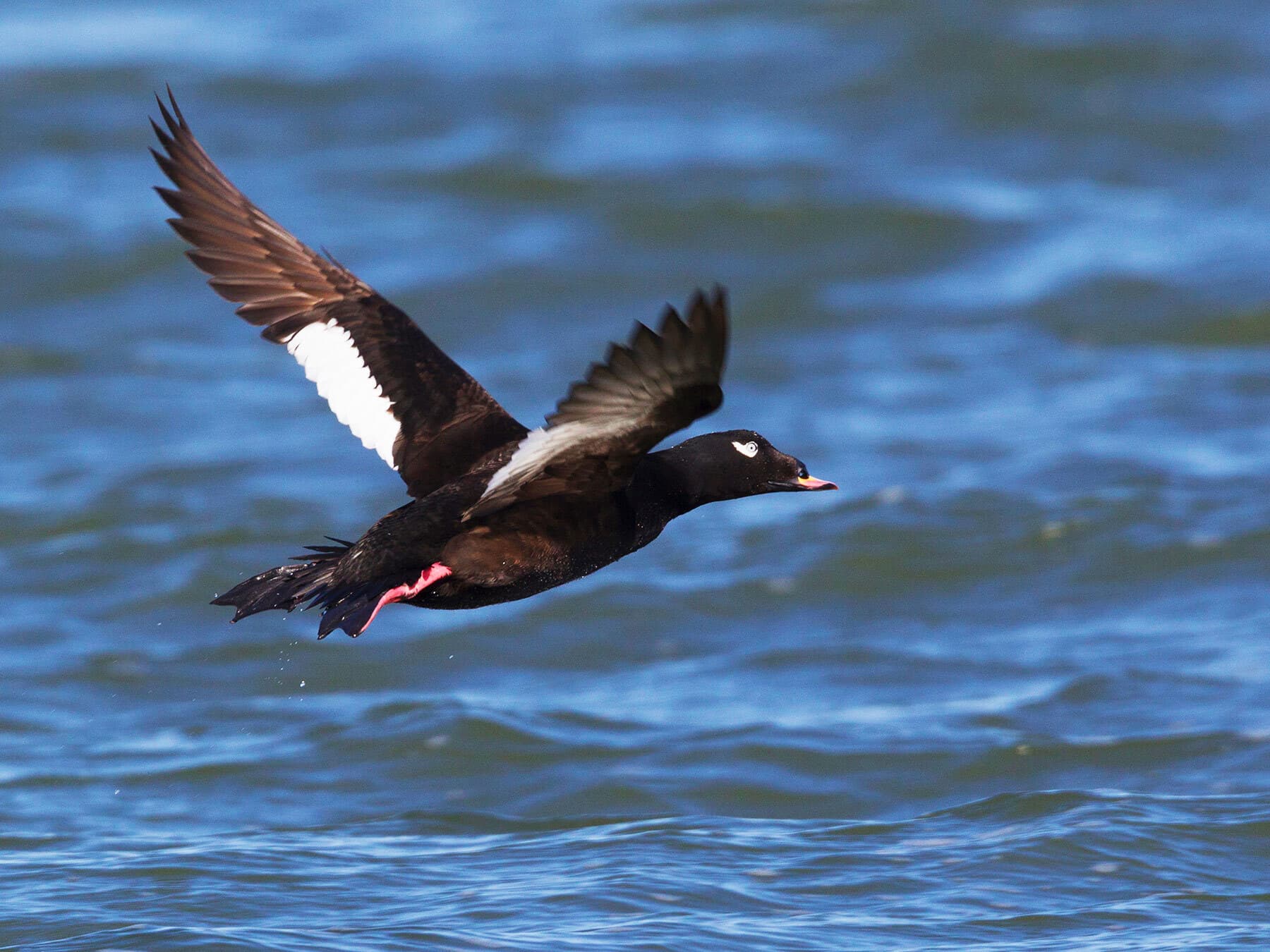
Velvet Scoter
Melanitta fuscaVU
A rare passage visitor, occasionally spotted offshore in April and December. Best looked for during seawatches from Beachy Head or Birling Gap.
Dec–Apr
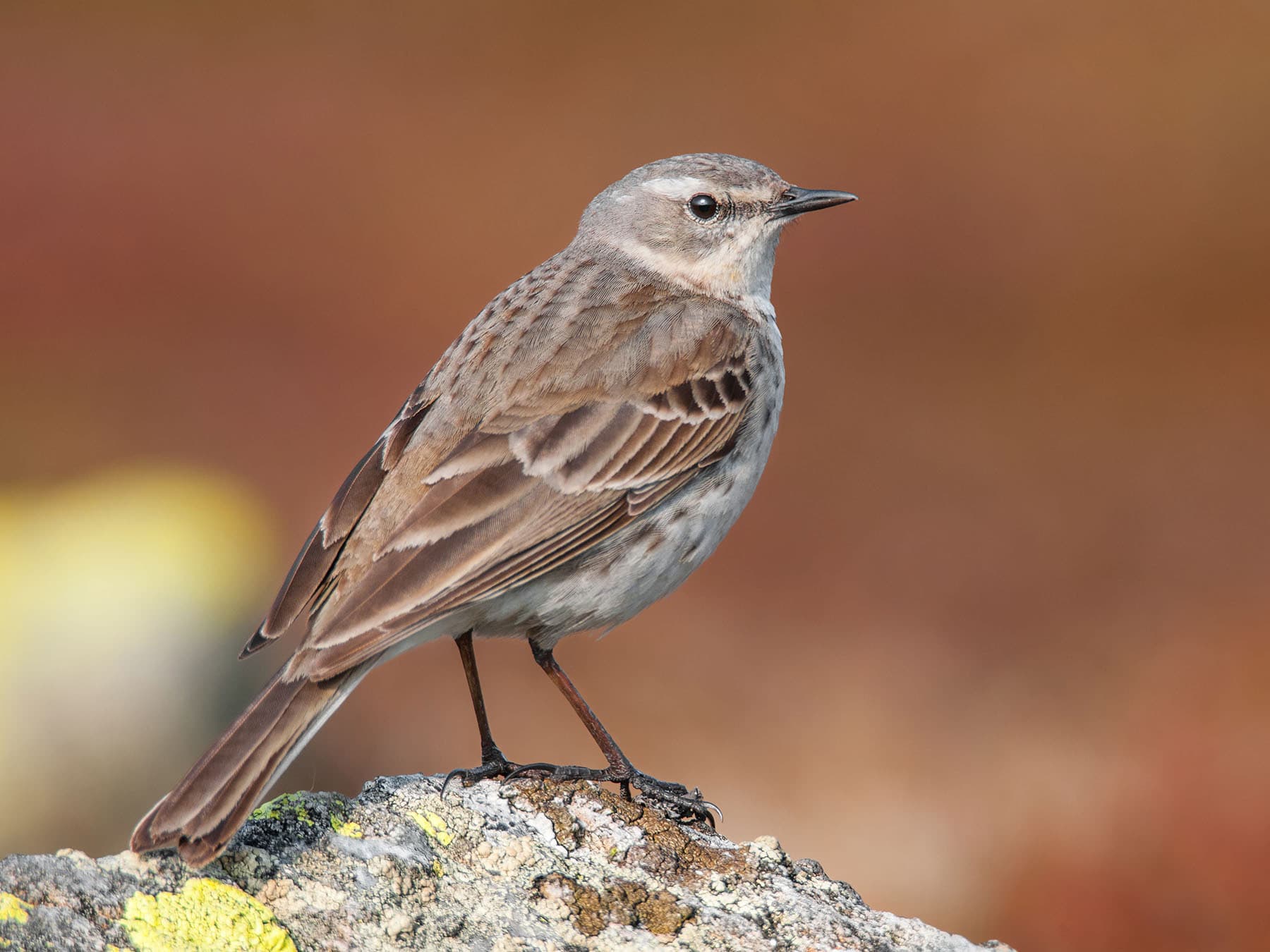
Water Pipit
Anthus spinolettaLC
A rare winter visitor from November to March, favouring watercress beds and marshy areas. The Cuckmere valley is a reliable site.
Nov–Mar
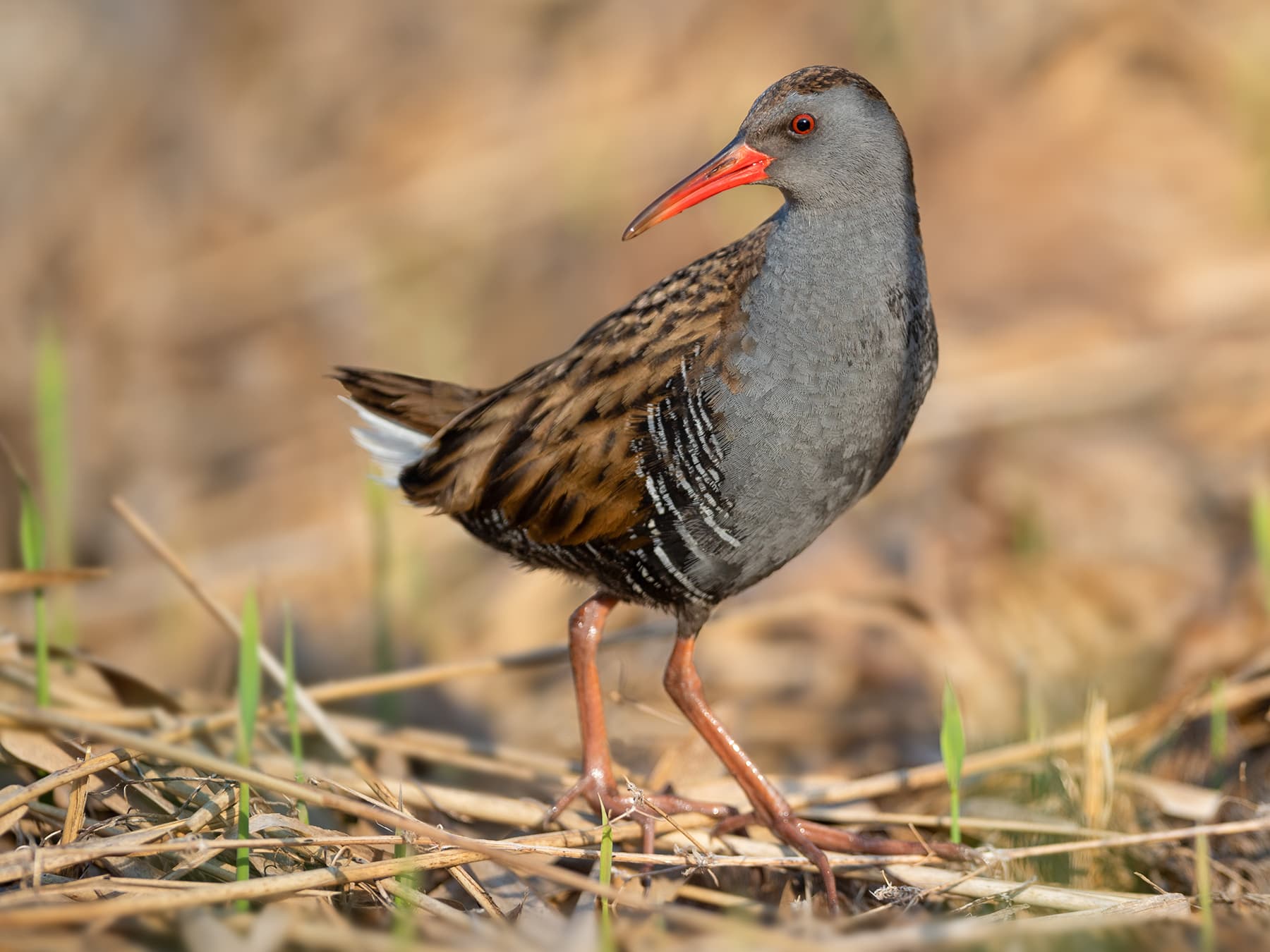
Water Rail
Rallus aquaticusLC
A secretive resident of reedbeds and marshy ditches, more often heard than seen. Squealing calls betray its presence at sites like Filsham and the Pannel Valley.
Aug–May
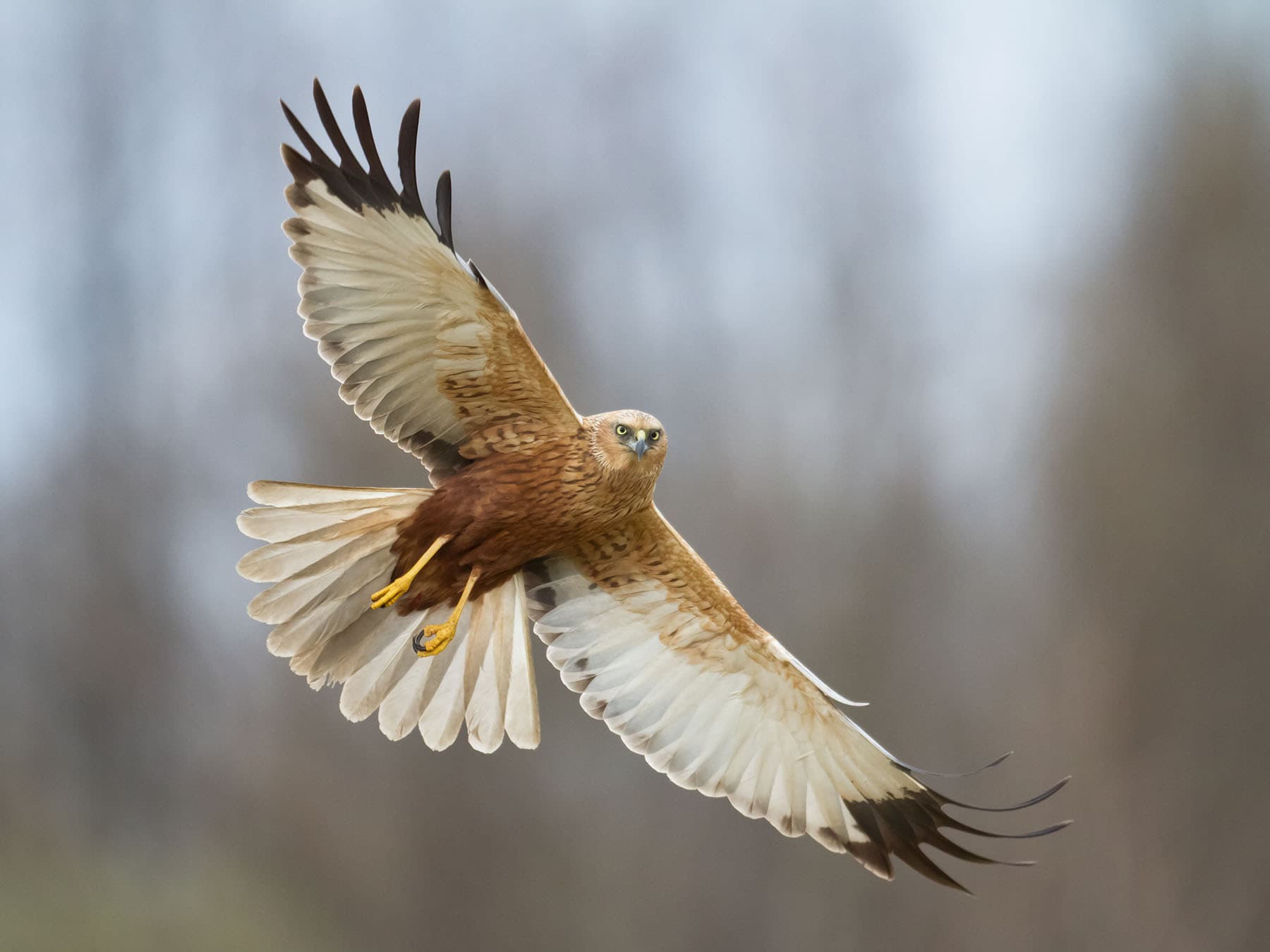
Western Marsh-harrier
Circus aeruginosusLC
An uncommon year-round resident of extensive reedbeds and marshes, regularly seen quartering the Pevensey Levels and Lewes Brooks.
Year-round
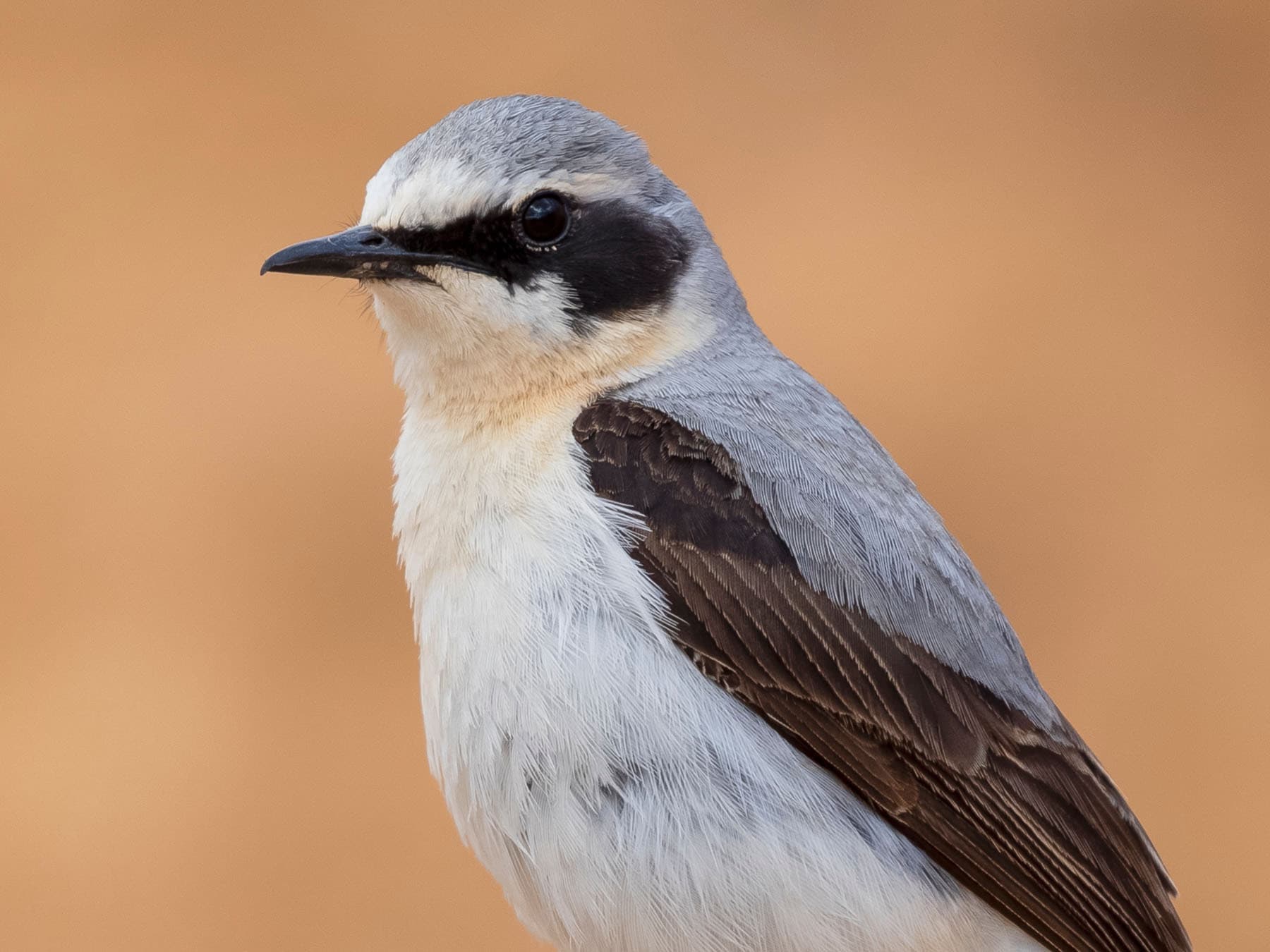
Wheatear
Oenanthe oenantheLC
An uncommon breeder on short-grazed chalk downland and coastal clifftops. Most visible during spring and autumn passage along the Sussex coast.
Mar–Nov
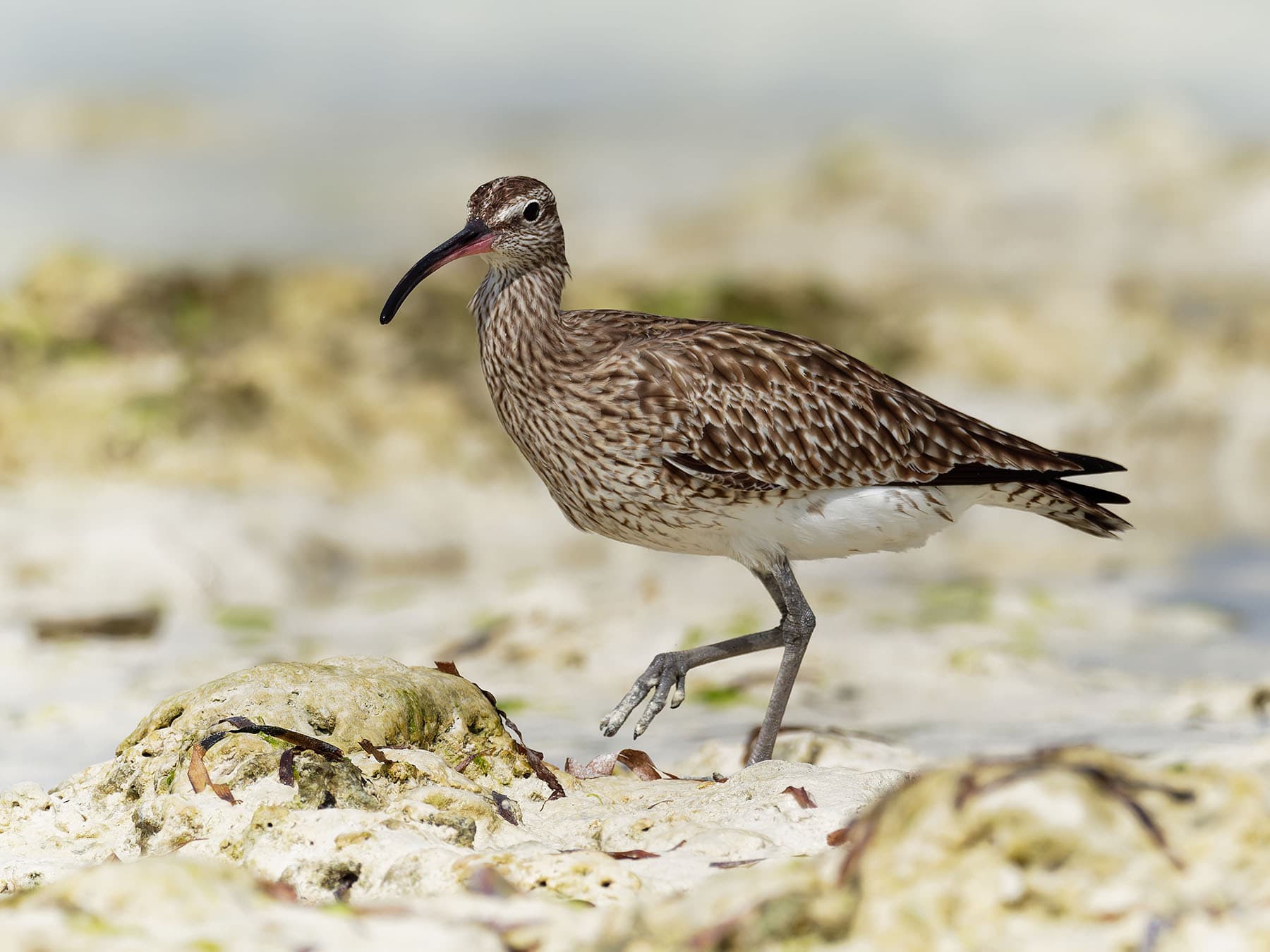
Whimbrel
Numenius phaeopusLC
An uncommon passage wader heard calling overhead in spring and late summer. Coastal marshes and the Cuckmere Valley are favoured stopover sites.
Apr–Sep
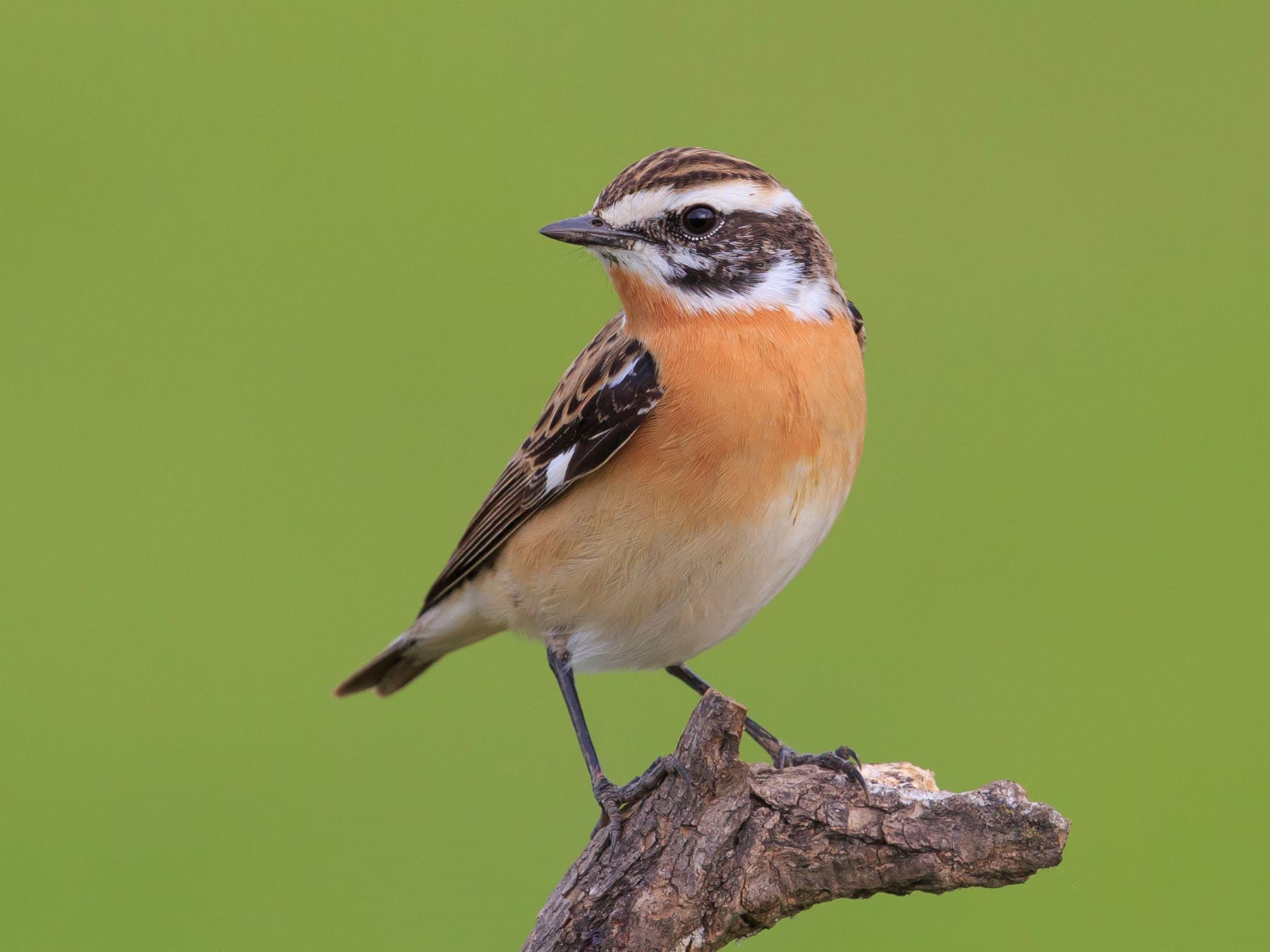
Whinchat
Saxicola rubetraLC
An uncommon visitor to rough grassland and scrubby margins, mainly on passage from May to October. Favours open areas along the coast and Downs.
May–Oct
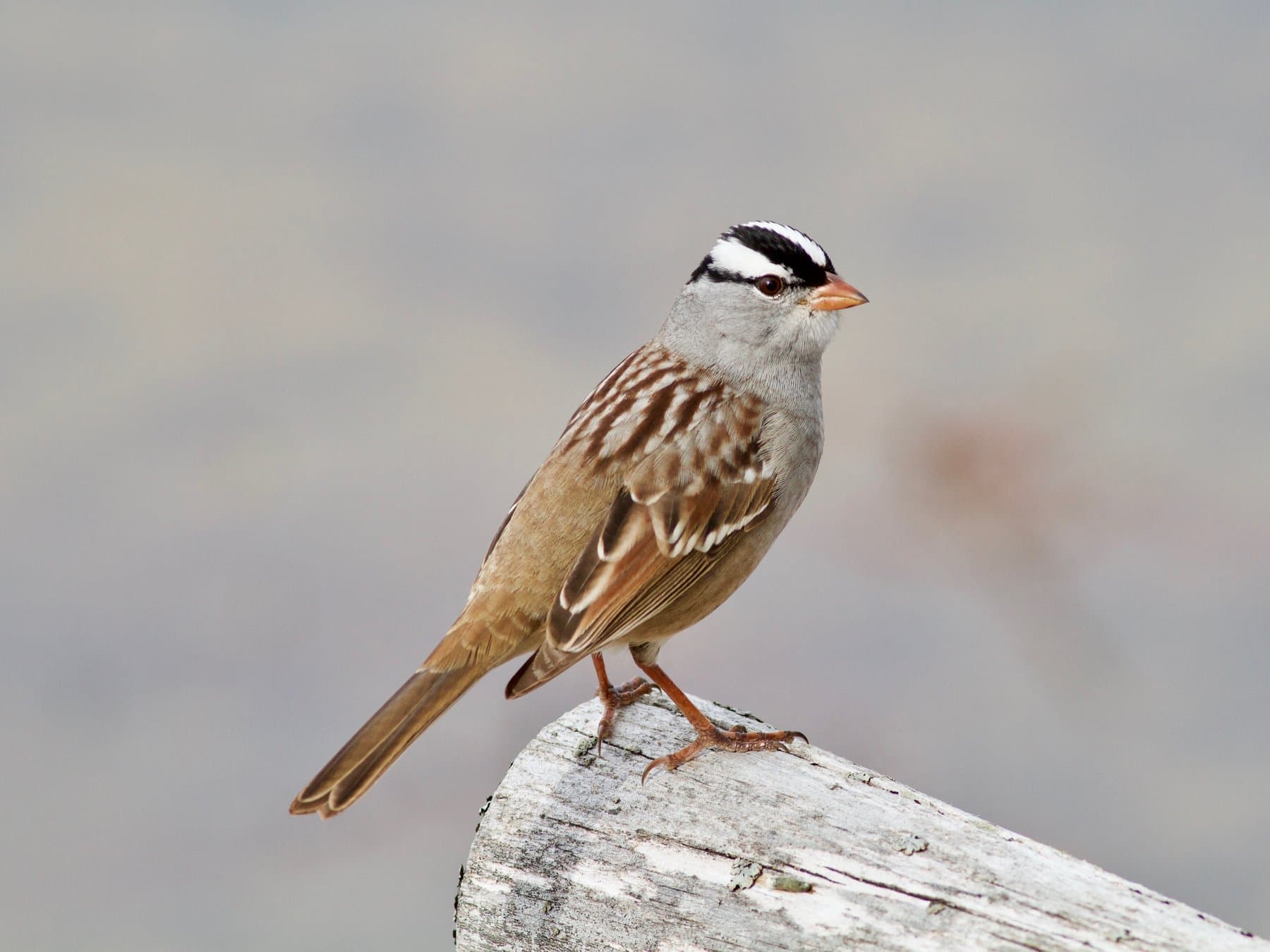
White-crowned Sparrow
Zonotrichia leucophrysLC
A rare North American vagrant, occasionally recorded on spring passage. Any sighting in East Sussex is a notable event for local birders.
Apr
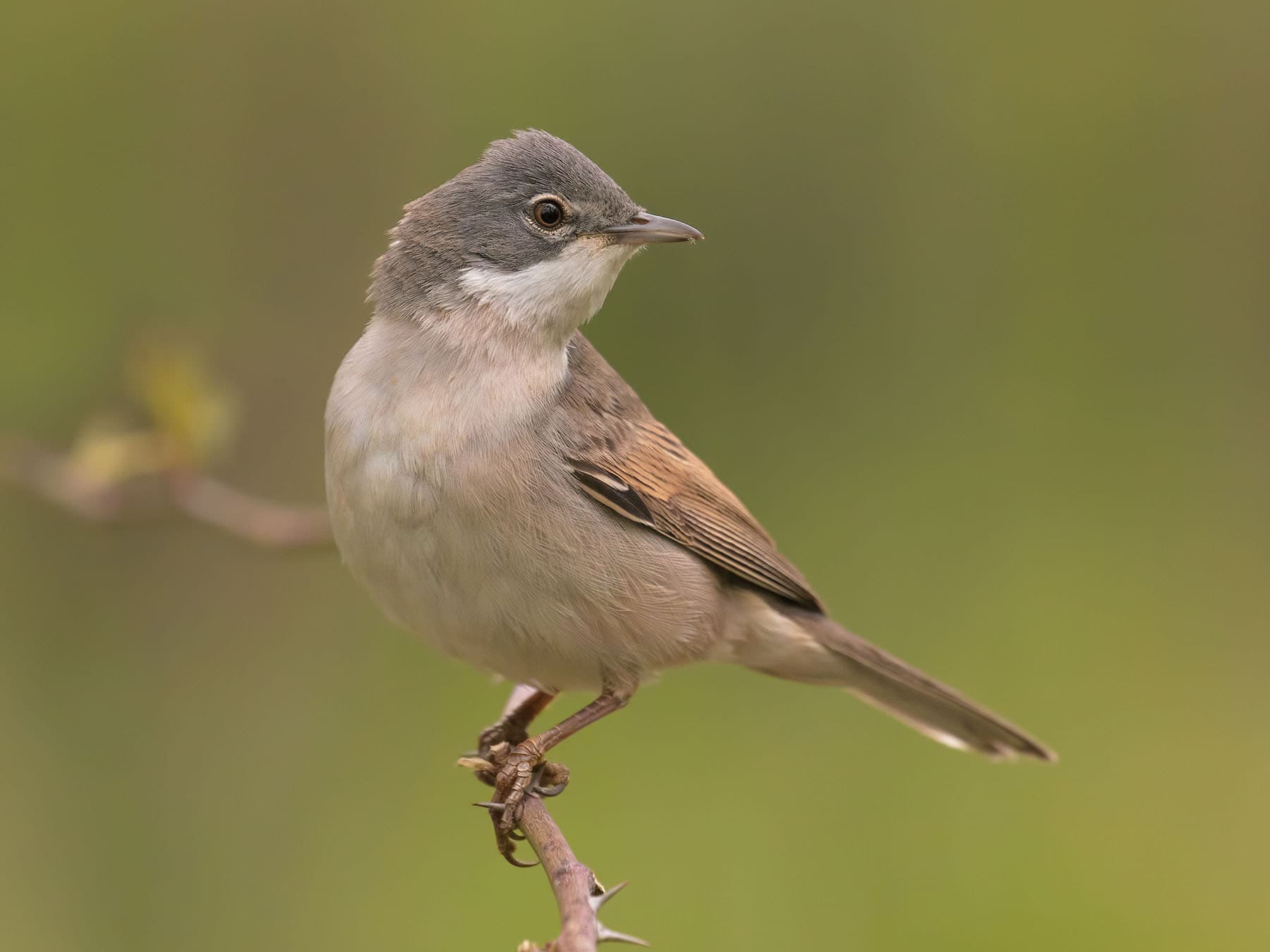
Whitethroat
Curruca communisLC
A common summer breeder found in hedgerows, scrubby downland and field margins. Arrives in April and delivers its scratchy song from exposed perches.
Apr–Oct