Birds in East Sussex
Explore 217 species found in this region.
East Sussex is home to an impressive diversity of birdlife, with 212 species recorded across its varied landscapes of chalk downland, ancient woodland, coastal marshes, and shingle beaches. From the iconic white cliffs at Beachy Head — a renowned migration hotspot — to the wetlands of Pevensey Levels and the reedbeds of Rye Harbour, the county offers outstanding birding opportunities year-round. Notable species include the Dotterel on passage, wintering Great Grey Shrike, breeding Northern Lapwing, and the elegant Eurasian Woodcock in the county's woodlands.
Visiting in September? Look out for American Golden-Plover and Arctic Jaeger arriving this month, and Cuckoo and European Honey-buzzard depart for the season.


Showing 208–217 of 217 species
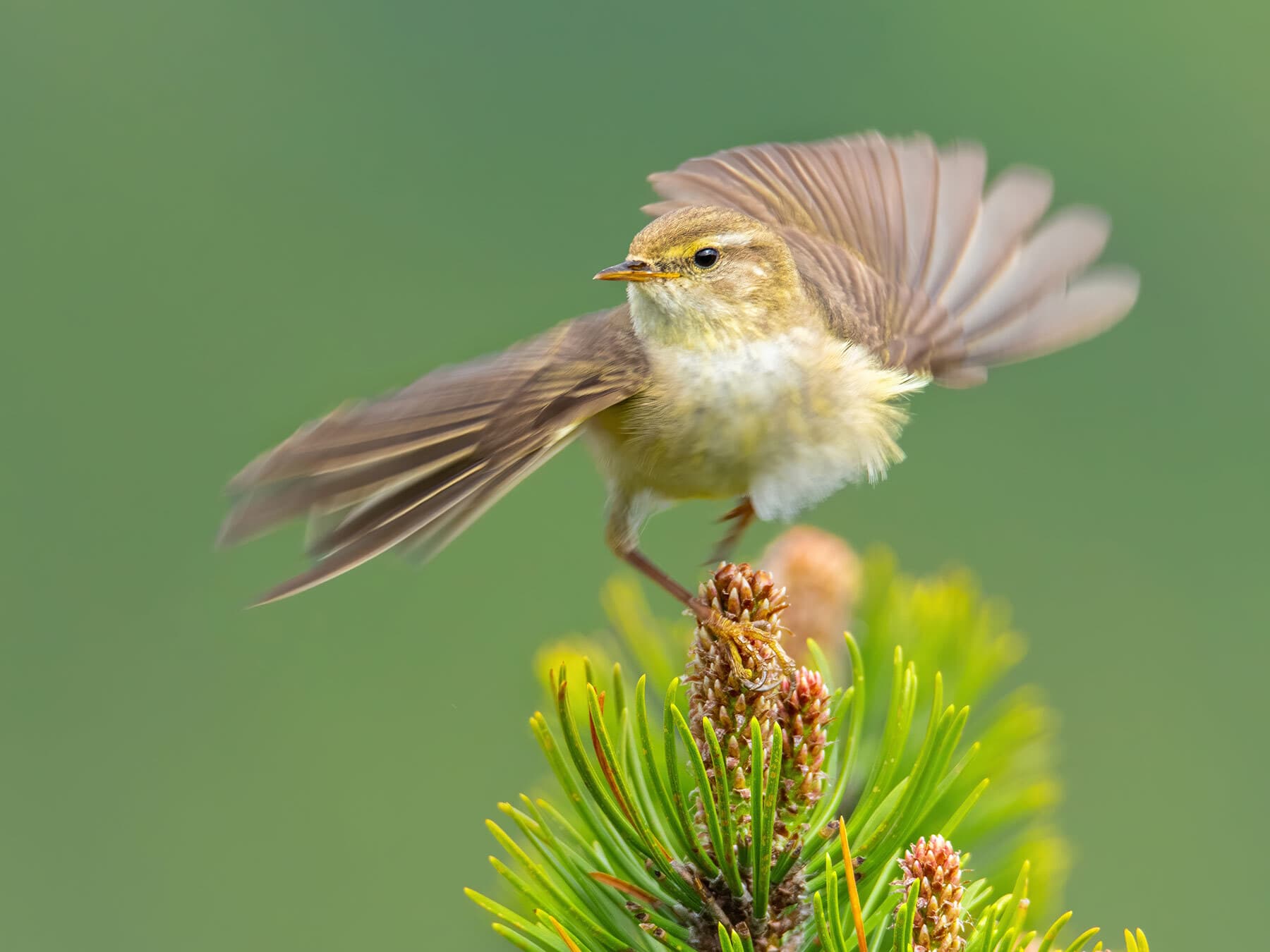
Willow Warbler
Phylloscopus trochilusLC
An uncommon summer breeder arriving from March, favouring scrubby woodland edges and heathland. Its gentle descending song is a hallmark of spring.
Mar–Oct
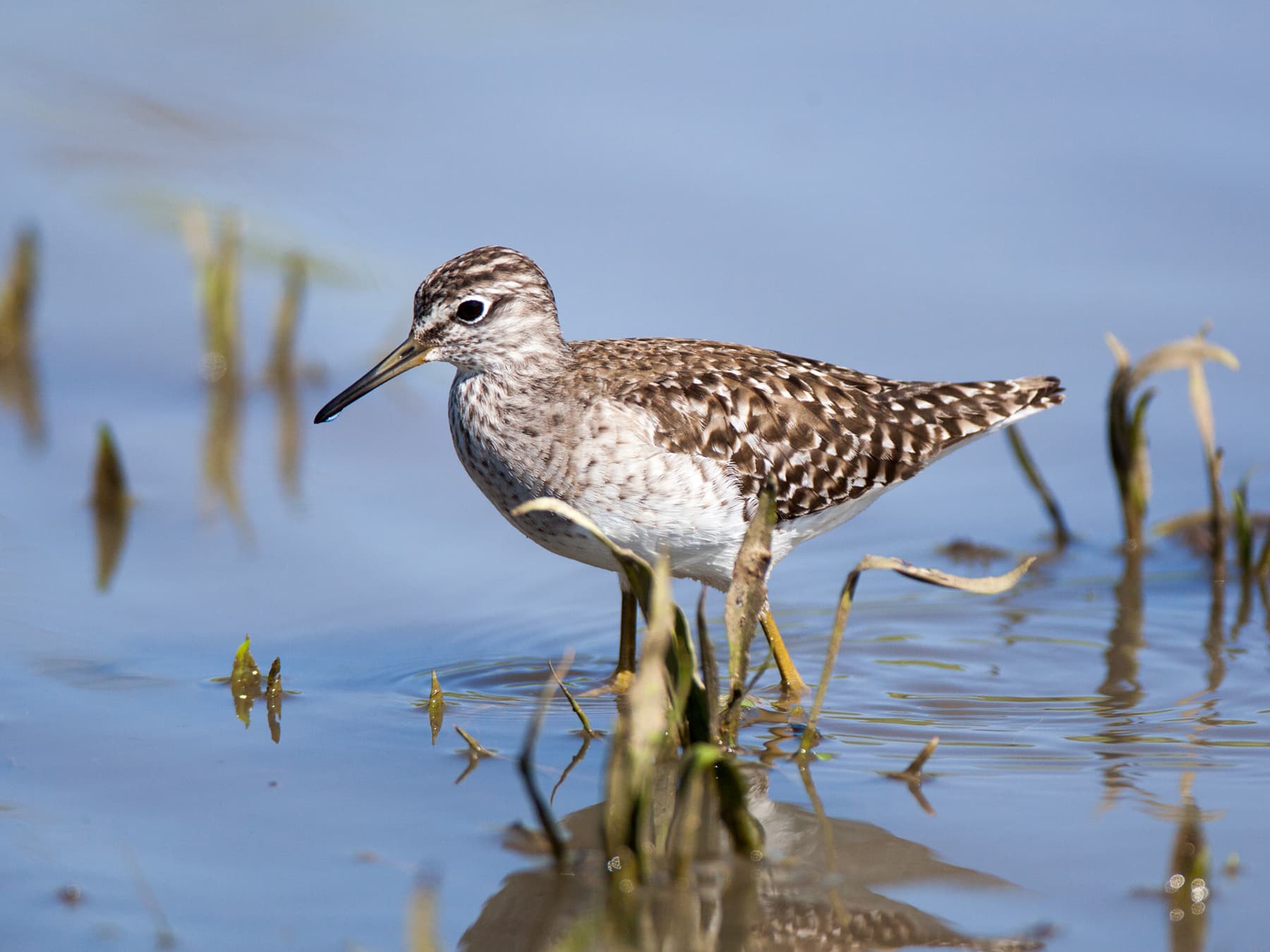
Wood Sandpiper
Tringa glareolaLC
A rare but regular autumn passage wader, favouring freshwater scrapes at sites like Rye Harbour and Pett Level from July to September.
Jul–Sep
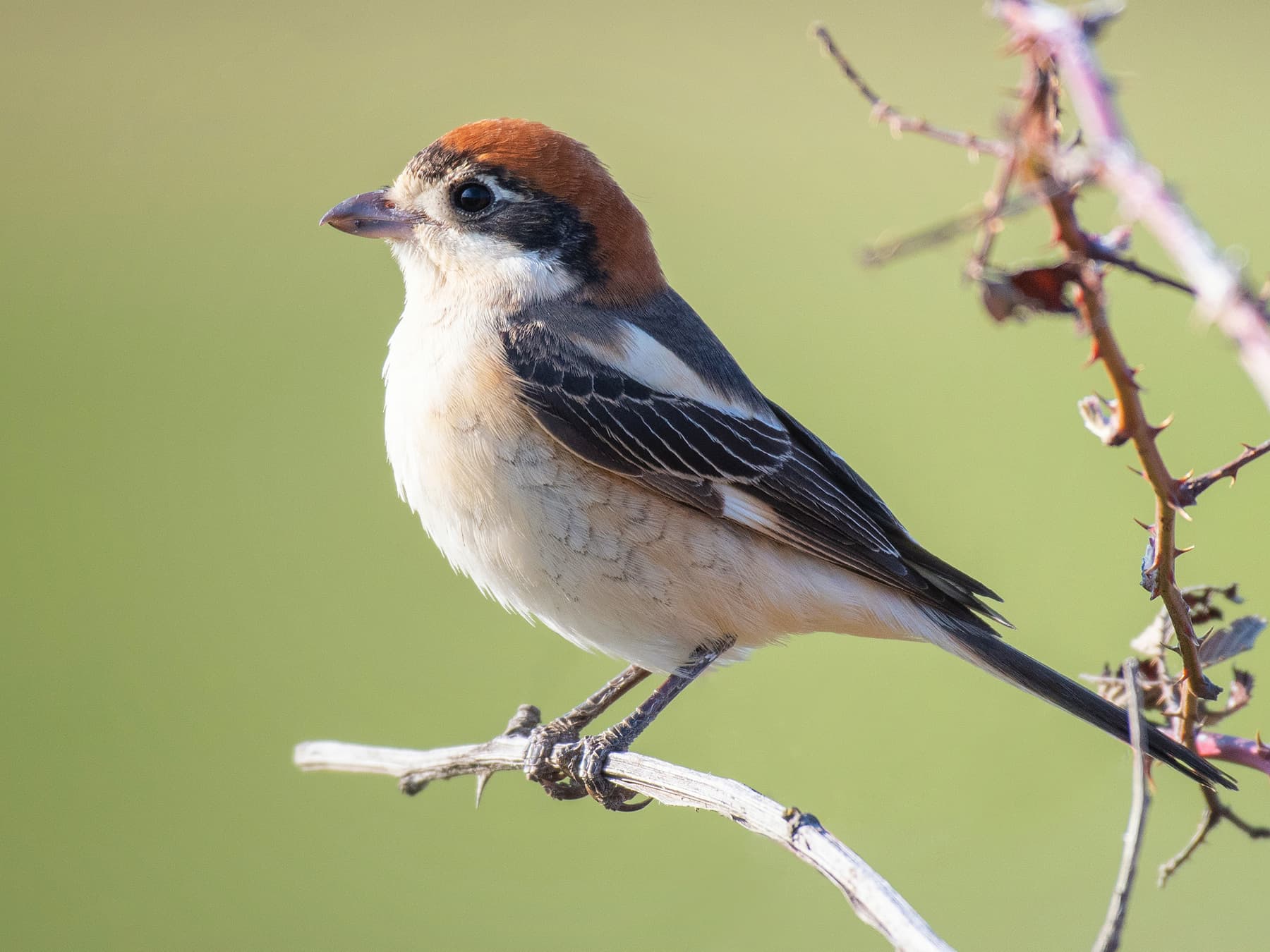
Woodchat Shrike
Lanius senatorNT
A rare spring overshoot from southern Europe, occasionally recorded in April at coastal headlands and scrubby migration points.
Apr
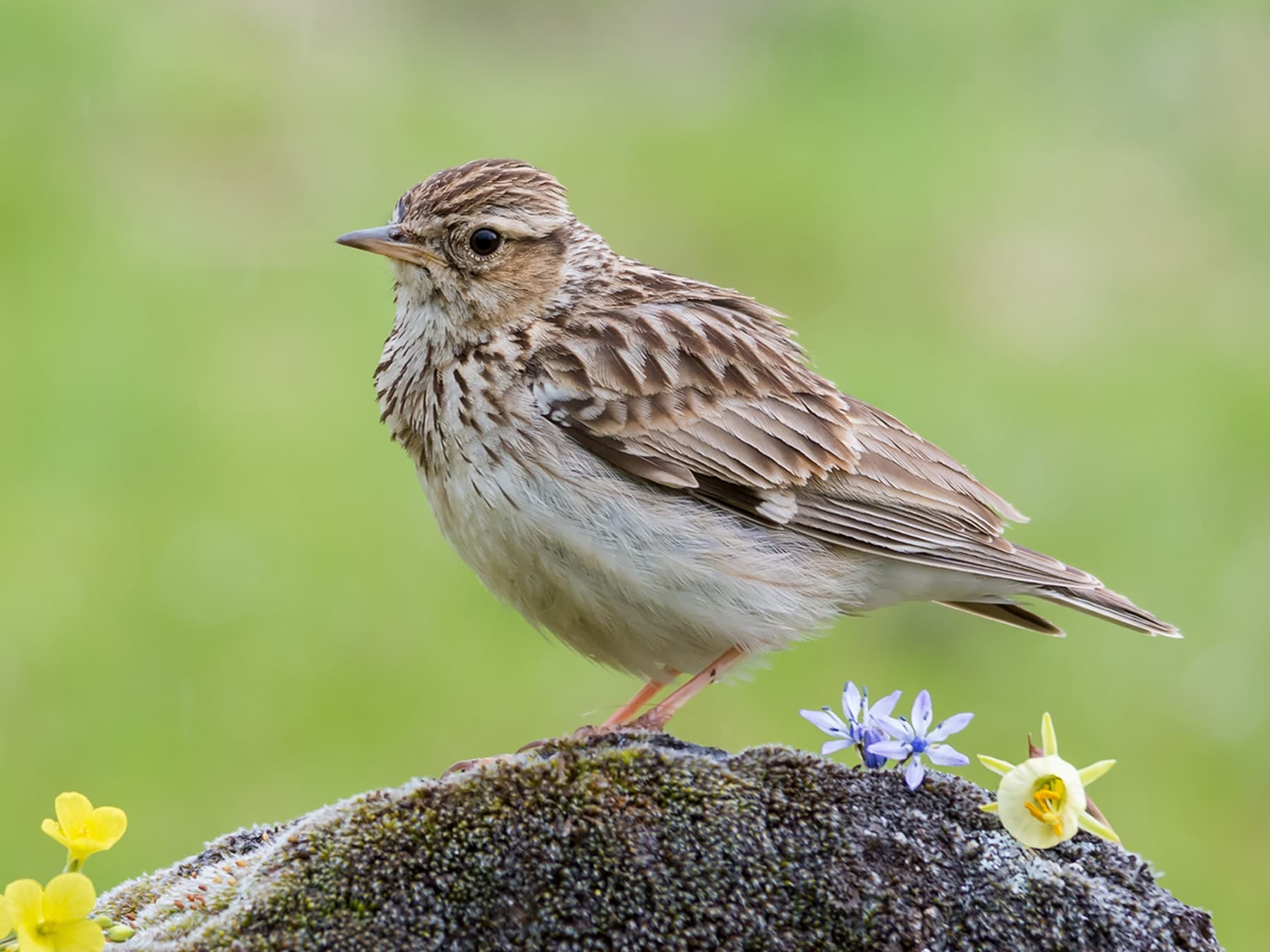
Woodlark
Lullula arboreaLC
A rare breeding species found on heathland sites such as Ashdown Forest. Arrives from February and delivers its sweet, descending song in display flight.
Oct–Jun
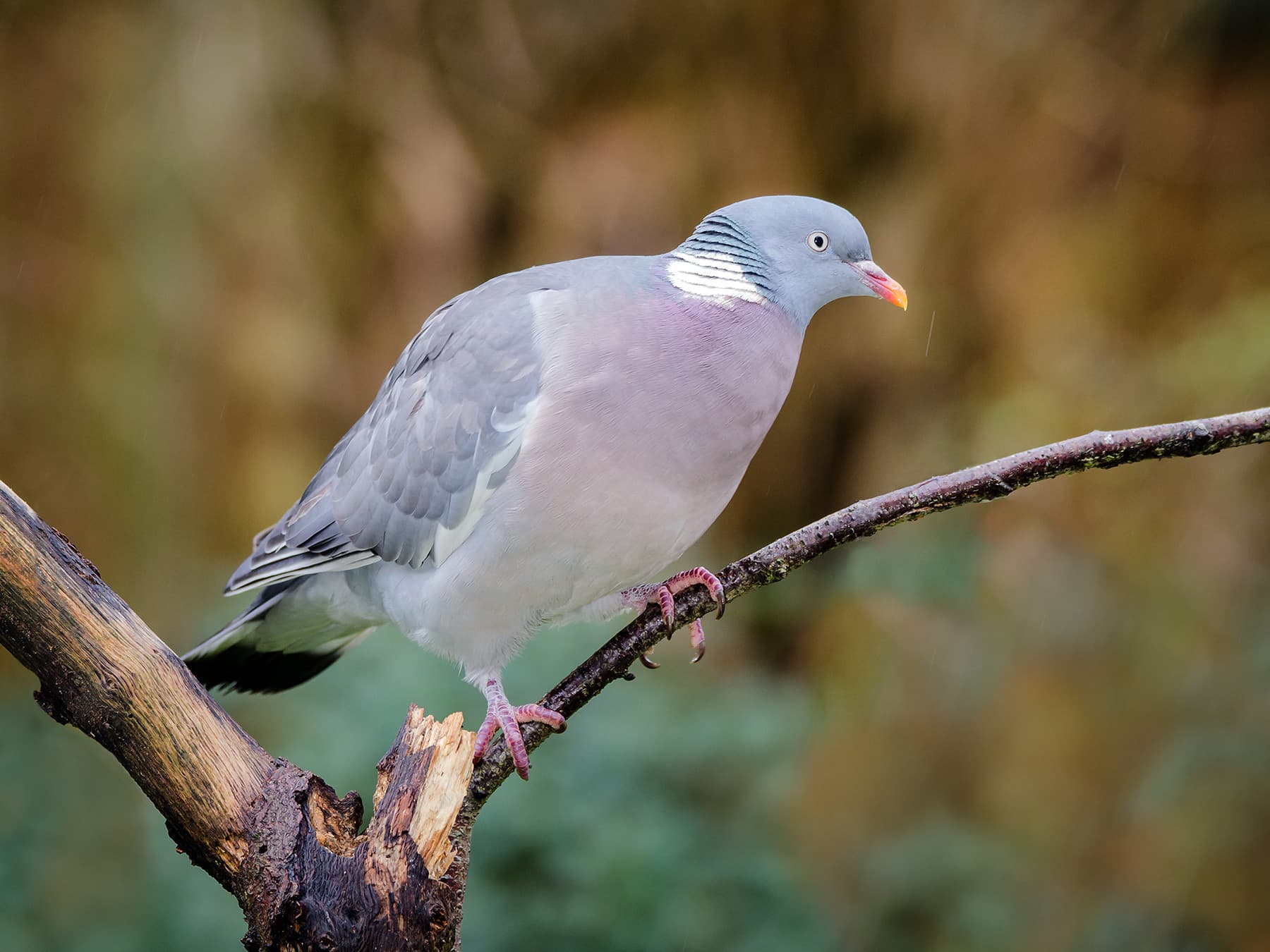
Woodpigeon
Columba palumbusLC
A common and familiar resident, abundant in gardens, farmland, and woodland throughout East Sussex year-round.
Year-round
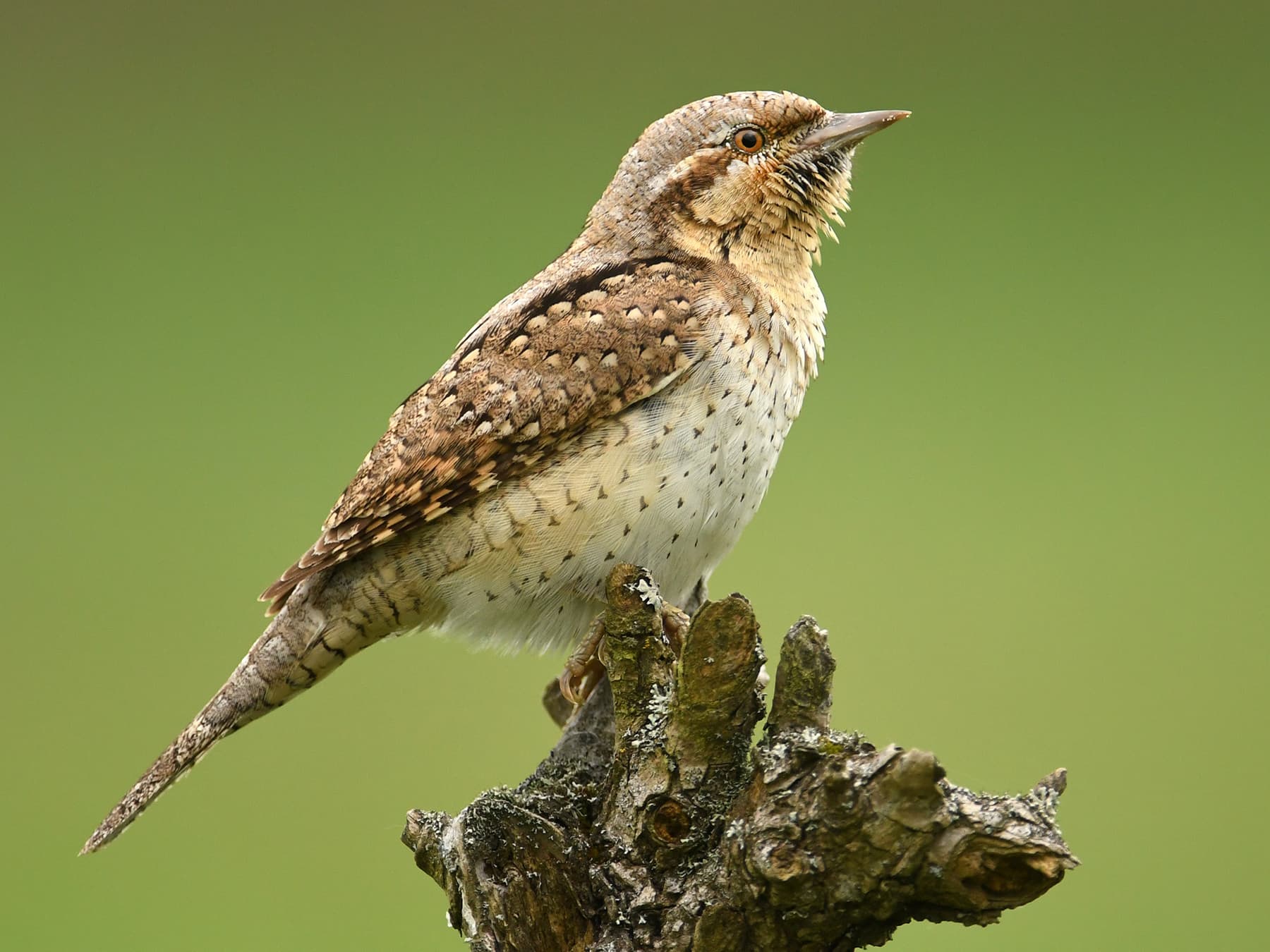
Wryneck
Jynx torquillaLC
A rare autumn passage migrant, most often found in coastal scrub around Beachy Head during September falls.
Sep
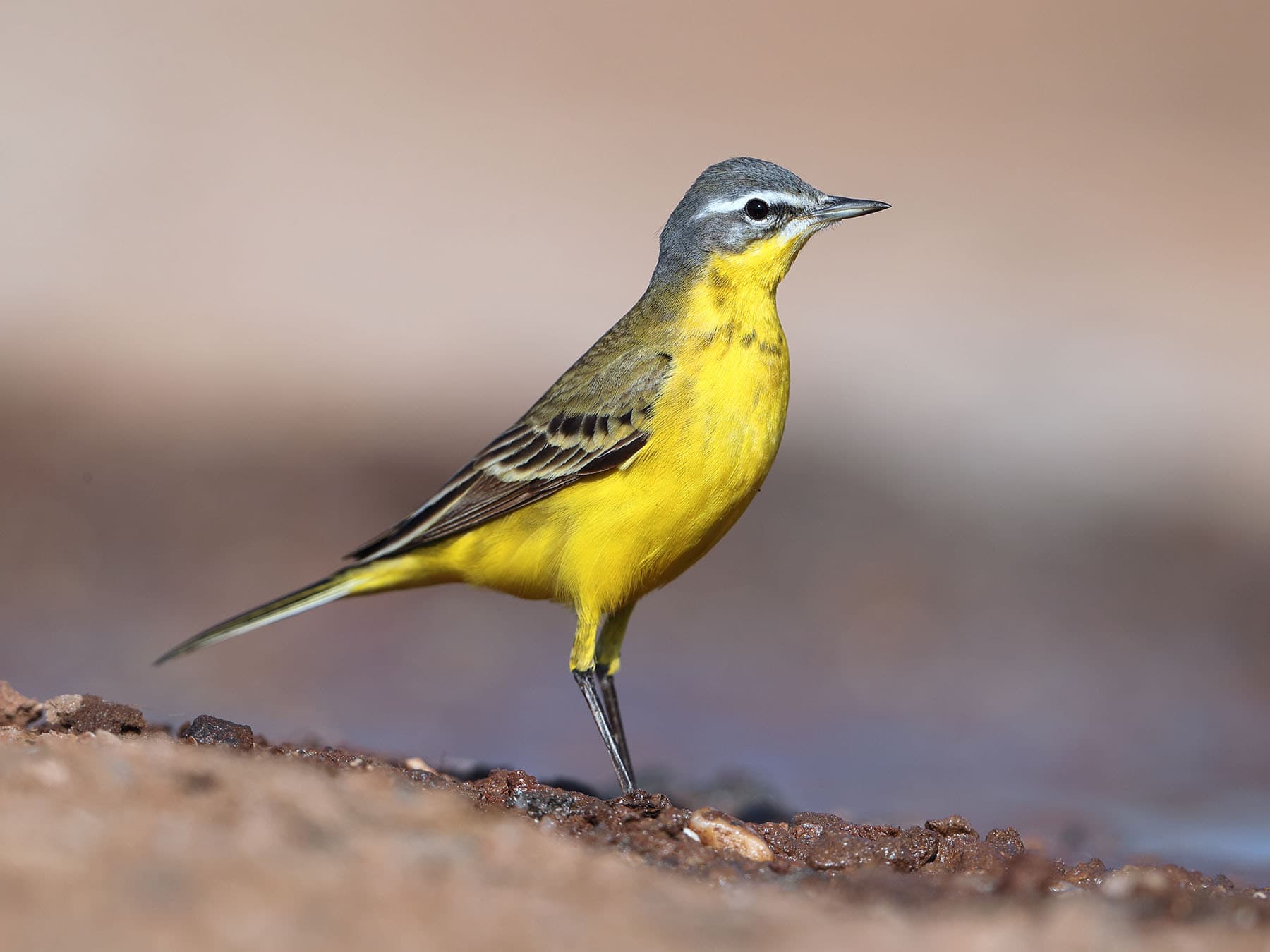
Yellow Wagtail
Motacilla flavaLC
An uncommon summer breeder arriving from April, favouring damp meadows and the Pevensey Levels. A declining species across southern England.
Apr–Oct
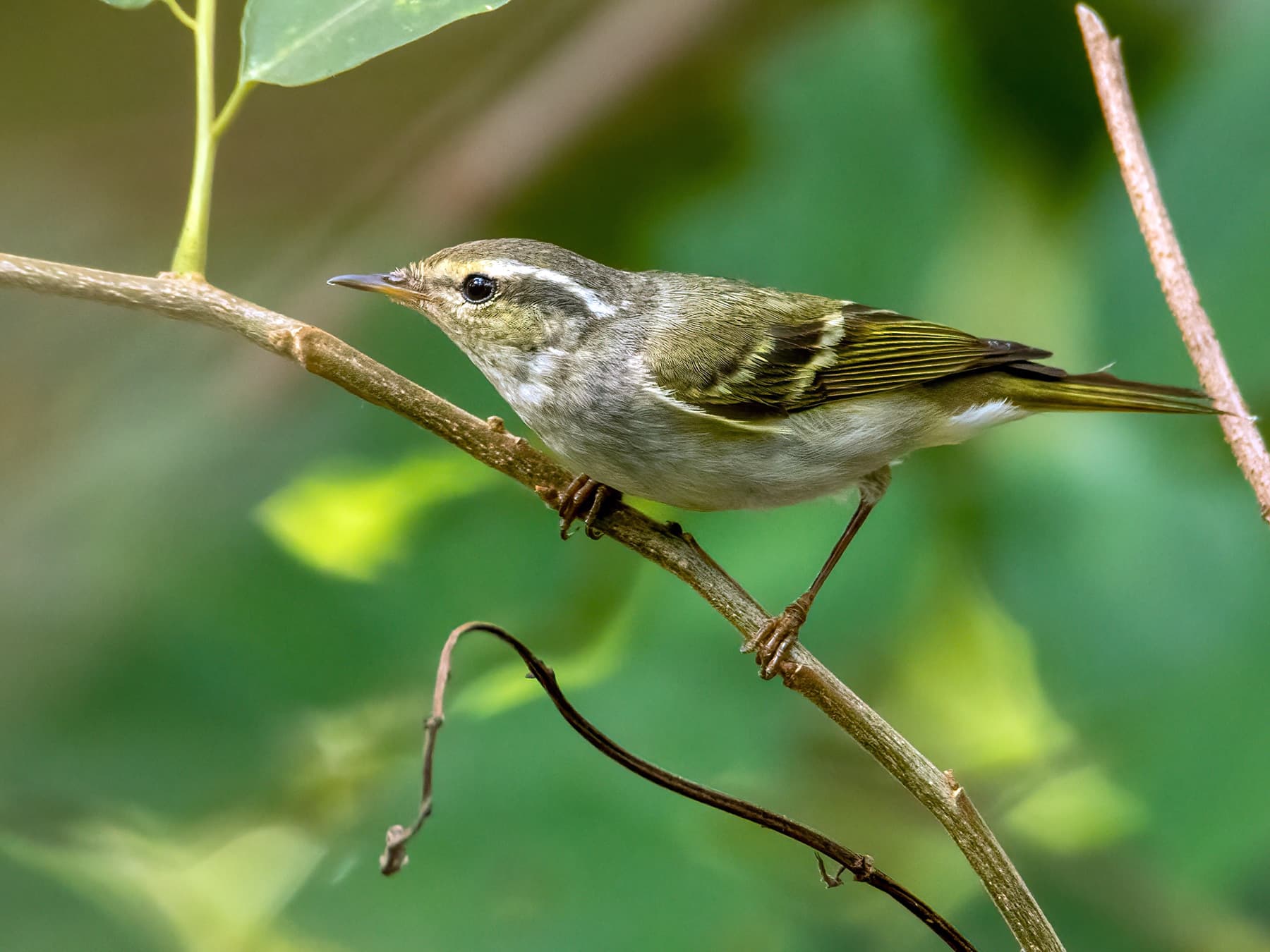
Yellow-browed Warbler
Phylloscopus inornatusLC
A rare but annual autumn vagrant in October, found in coastal scrub and bushes, especially around Beachy Head.
Oct
Spotted something?
Upload a photo to identify it
Identify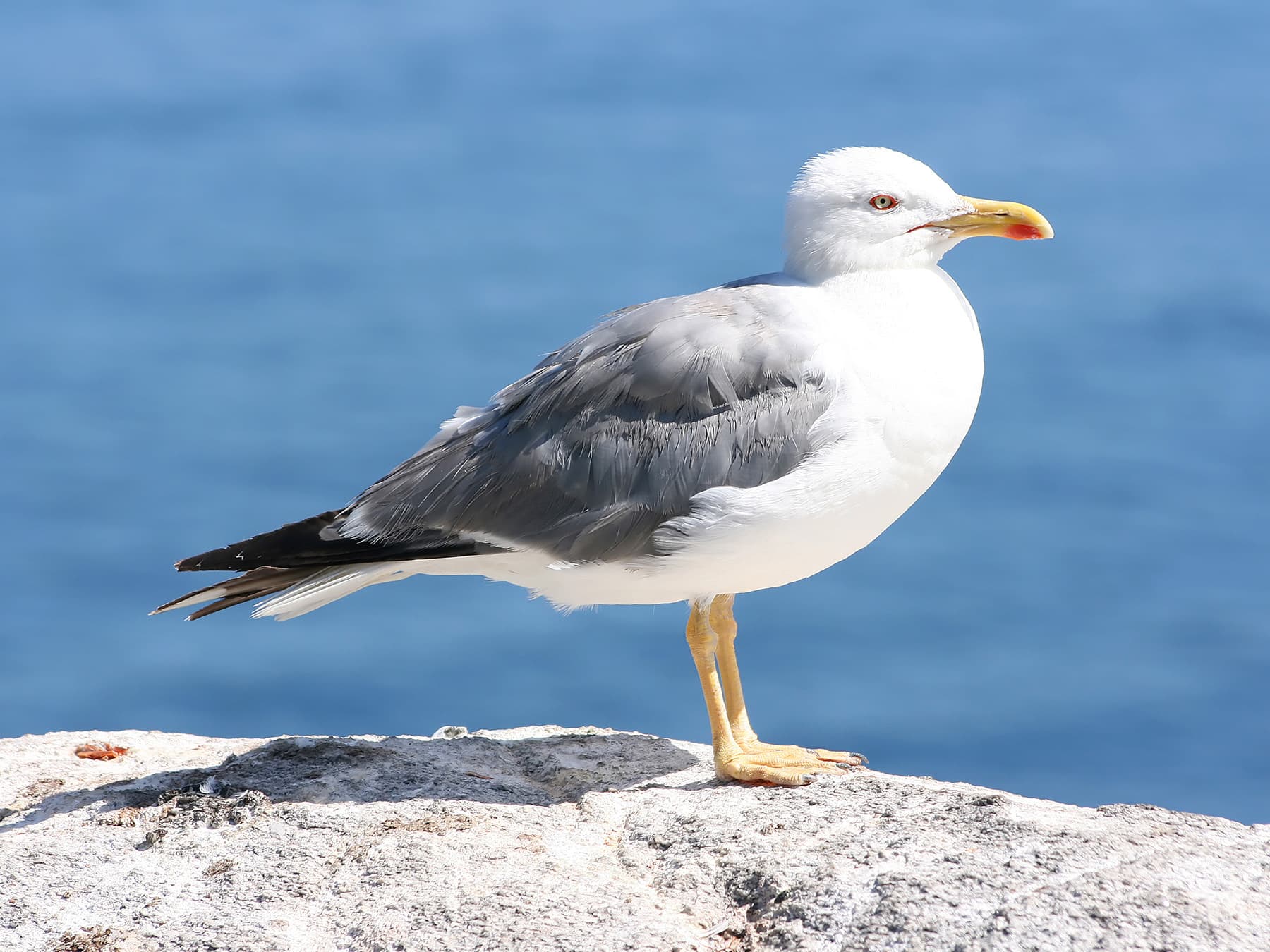
Yellow-legged Gull
Larus michahellisLC
A rare but increasingly regular resident, found among large gull gatherings at roosts and along the coast almost year-round.
Jun–Apr
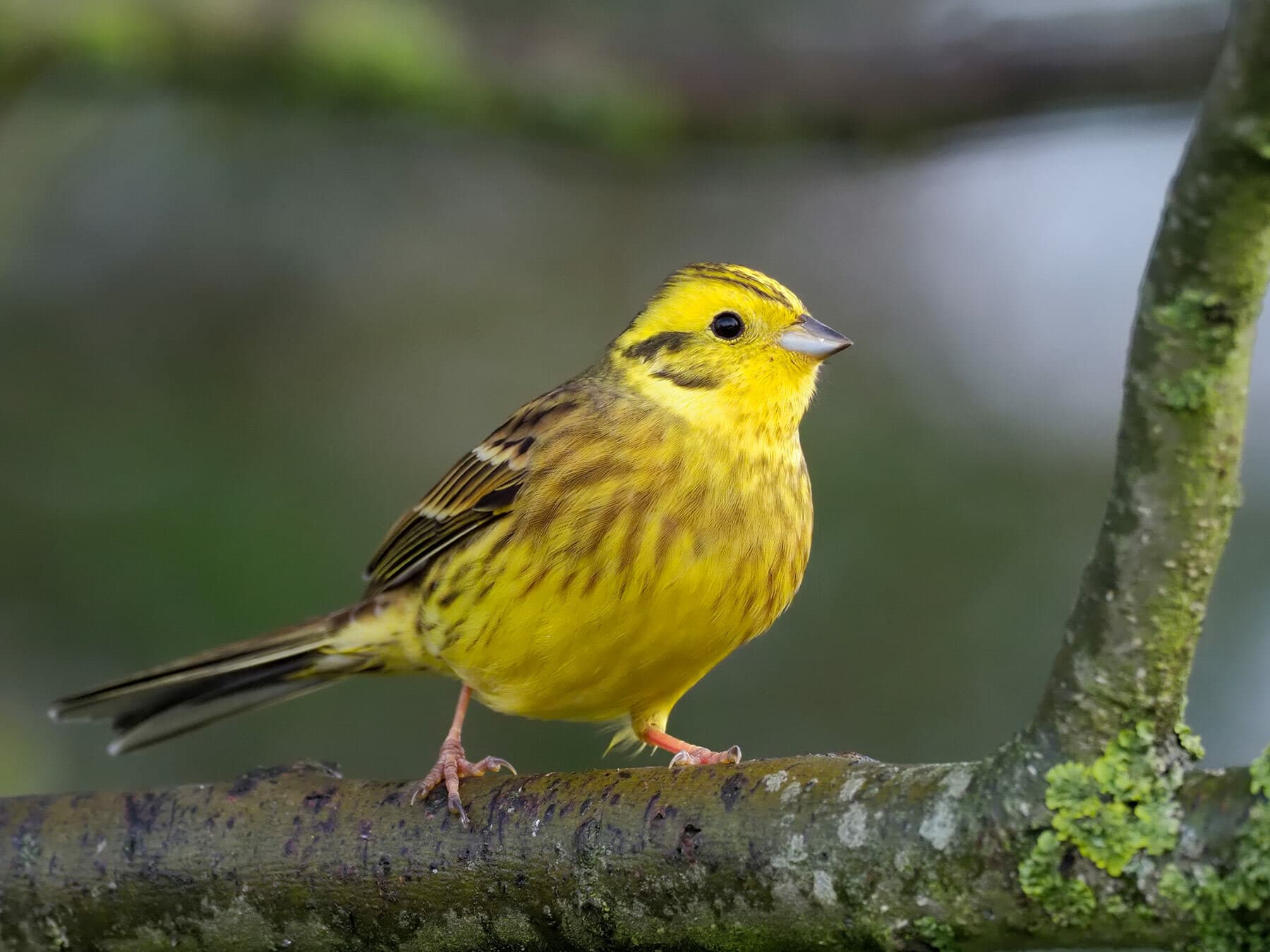
Yellowhammer
Emberiza citrinellaLC
An uncommon but year-round resident of hedgerow-rich farmland on the Downs. Its jangling song is a characteristic sound of rural East Sussex.
Year-round