Birds in East Sussex
Explore 217 species found in this region.
East Sussex is home to an impressive diversity of birdlife, with 212 species recorded across its varied landscapes of chalk downland, ancient woodland, coastal marshes, and shingle beaches. From the iconic white cliffs at Beachy Head — a renowned migration hotspot — to the wetlands of Pevensey Levels and the reedbeds of Rye Harbour, the county offers outstanding birding opportunities year-round. Notable species include the Dotterel on passage, wintering Great Grey Shrike, breeding Northern Lapwing, and the elegant Eurasian Woodcock in the county's woodlands.
Visiting in September? Look out for American Golden-Plover and Arctic Jaeger arriving this month, and Cuckoo and European Honey-buzzard depart for the season.


Showing 162–184 of 217 species
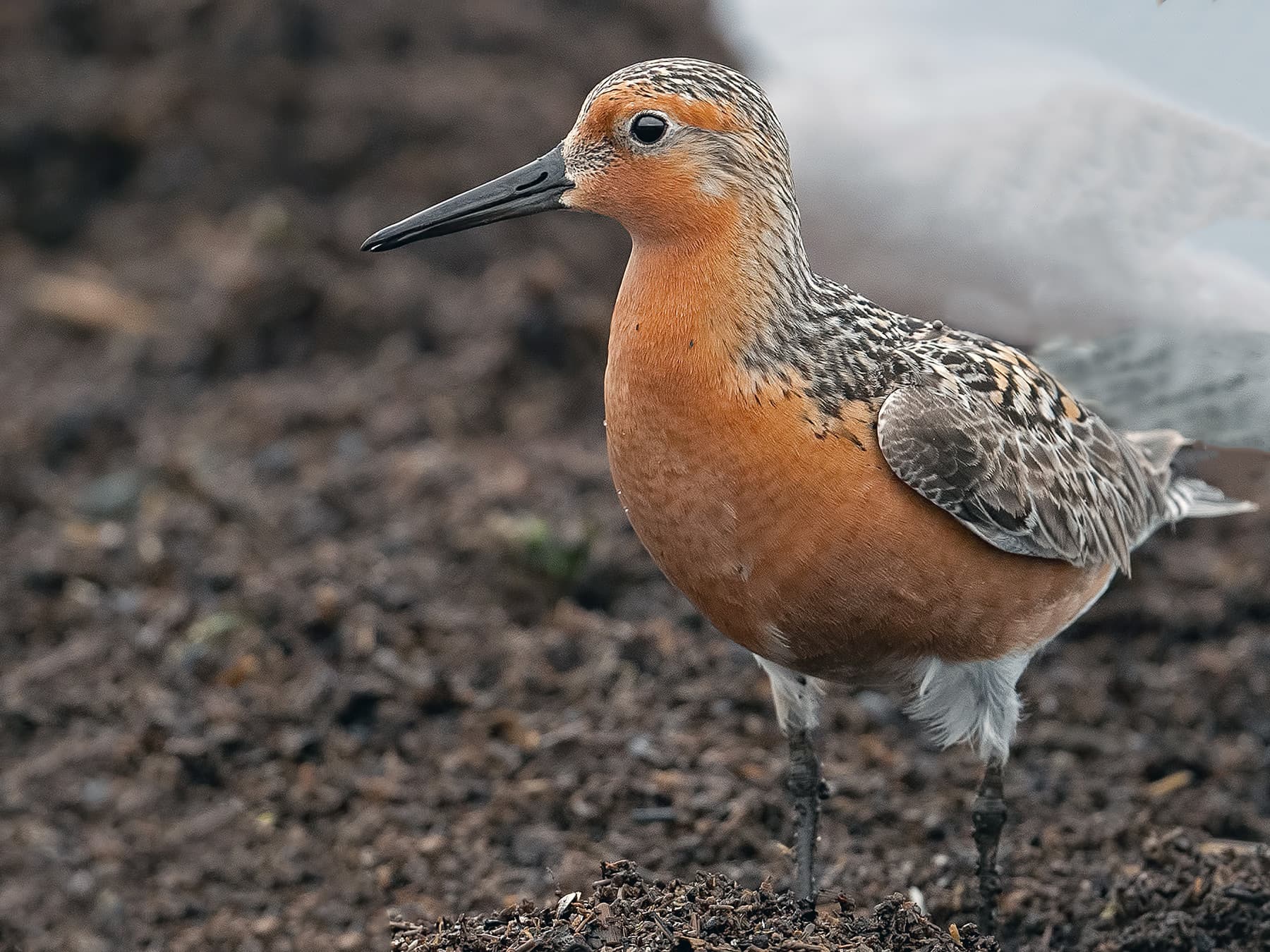
Red Knot
Calidris canutusNT
A rare visitor to mudflats and coastal lagoons, present mainly in winter and on passage. Small flocks occasionally visit Rye Harbour.
Aug–May
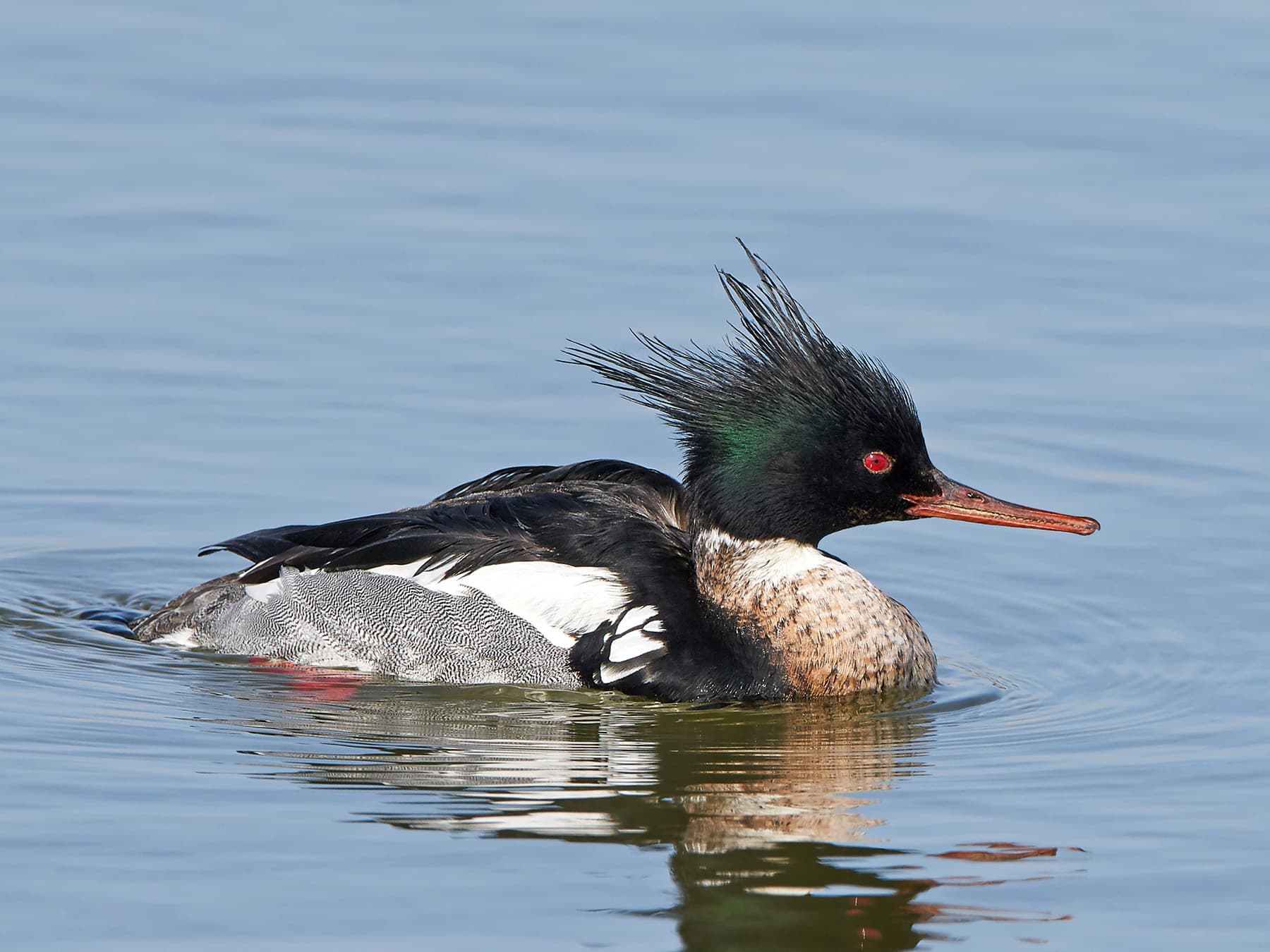
Red-breasted Merganser
Mergus serratorLC
A scarce winter visitor to sheltered coastal waters and estuaries. Small numbers frequent the Rye Bay area from late autumn to spring.
Nov–May
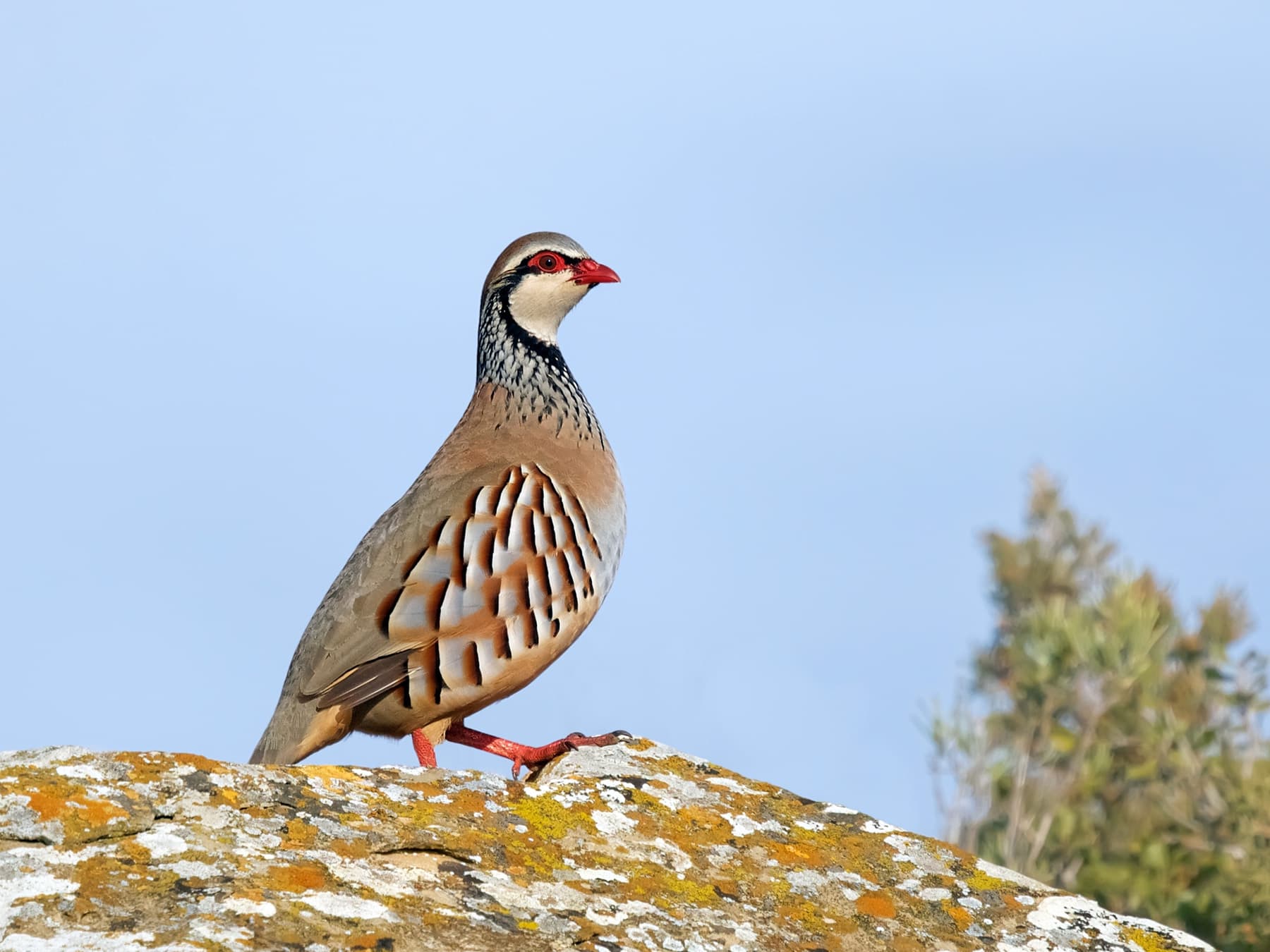
Red-legged Partridge
Alectoris rufaNT
An introduced resident found year-round on farmland and downland edges, though rarely encountered. Prefers arable fields with hedgerow cover.
Year-round
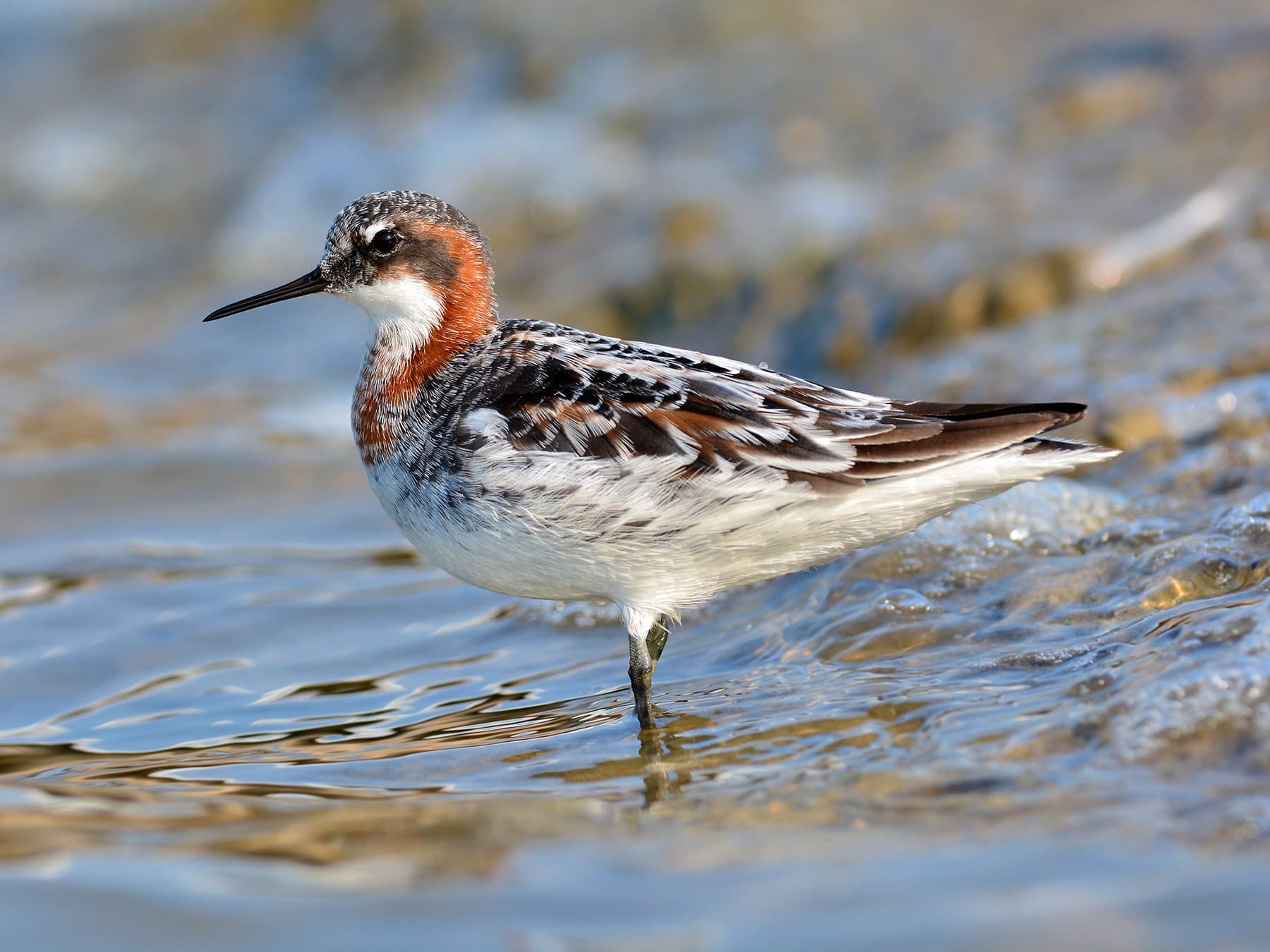
Red-necked Phalarope
Phalaropus lobatusLC
A rare autumn passage migrant, occasionally seen spinning on pools at coastal reserves such as Rye Harbour in September.
Sep
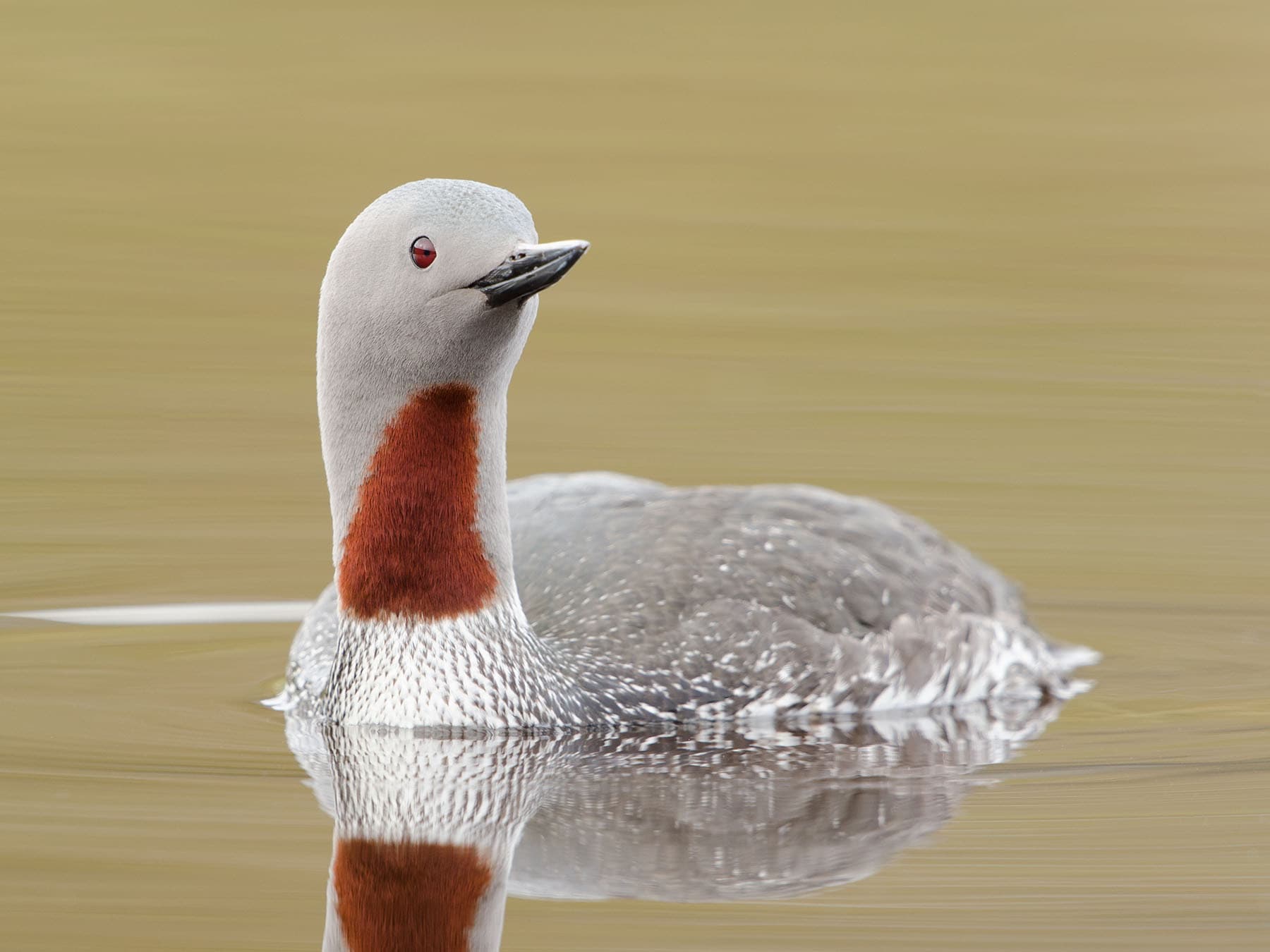
Red-throated Loon
Gavia stellataLC
An uncommon winter visitor seen offshore from autumn to spring, often flying low over the sea past coastal headlands.
Oct–May
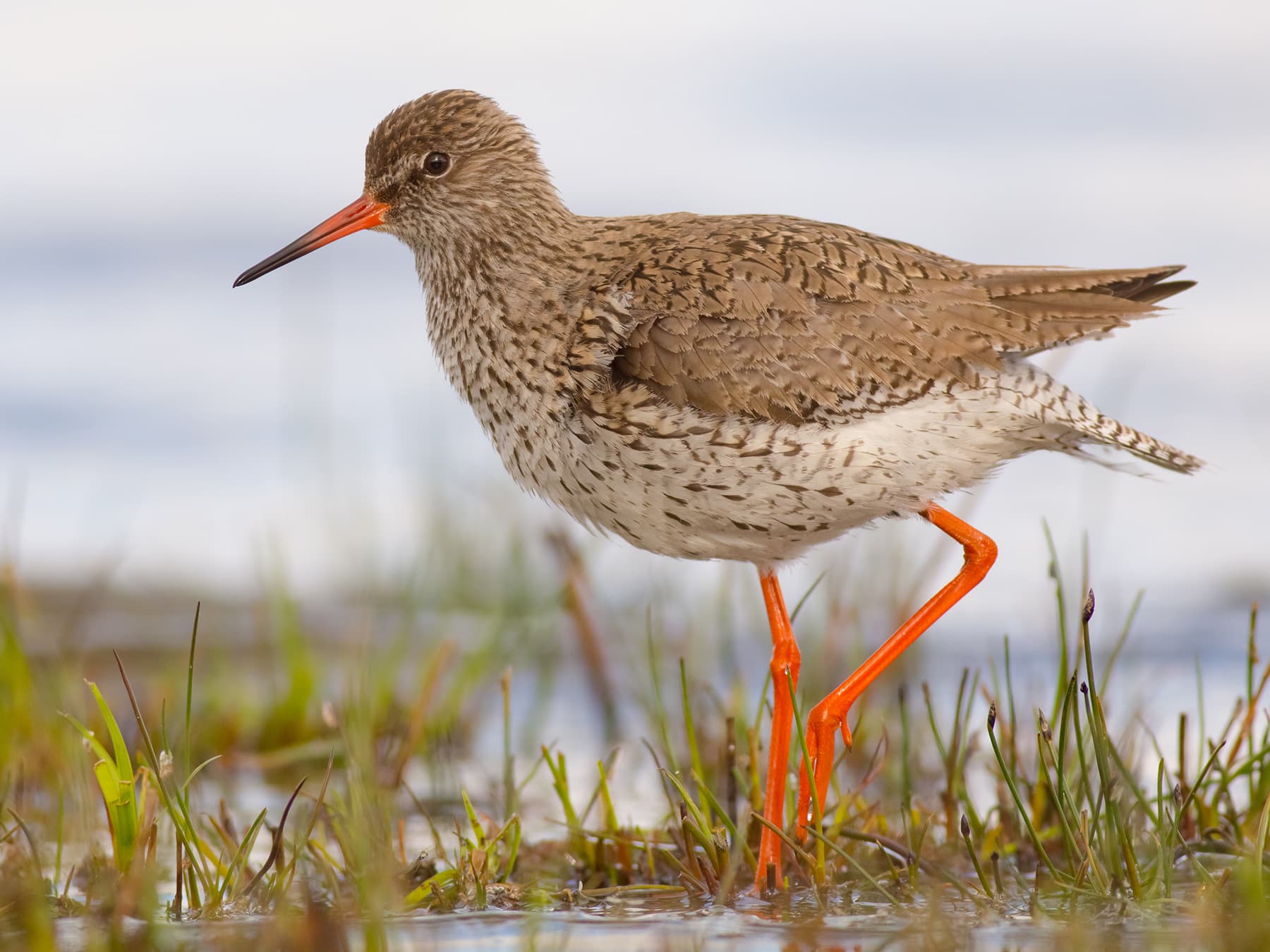
Redshank
Tringa totanusLC
An uncommon resident of coastal marshes and estuaries, breeding on grazing levels. Its loud piping call is characteristic of the Pevensey Levels.
Year-round
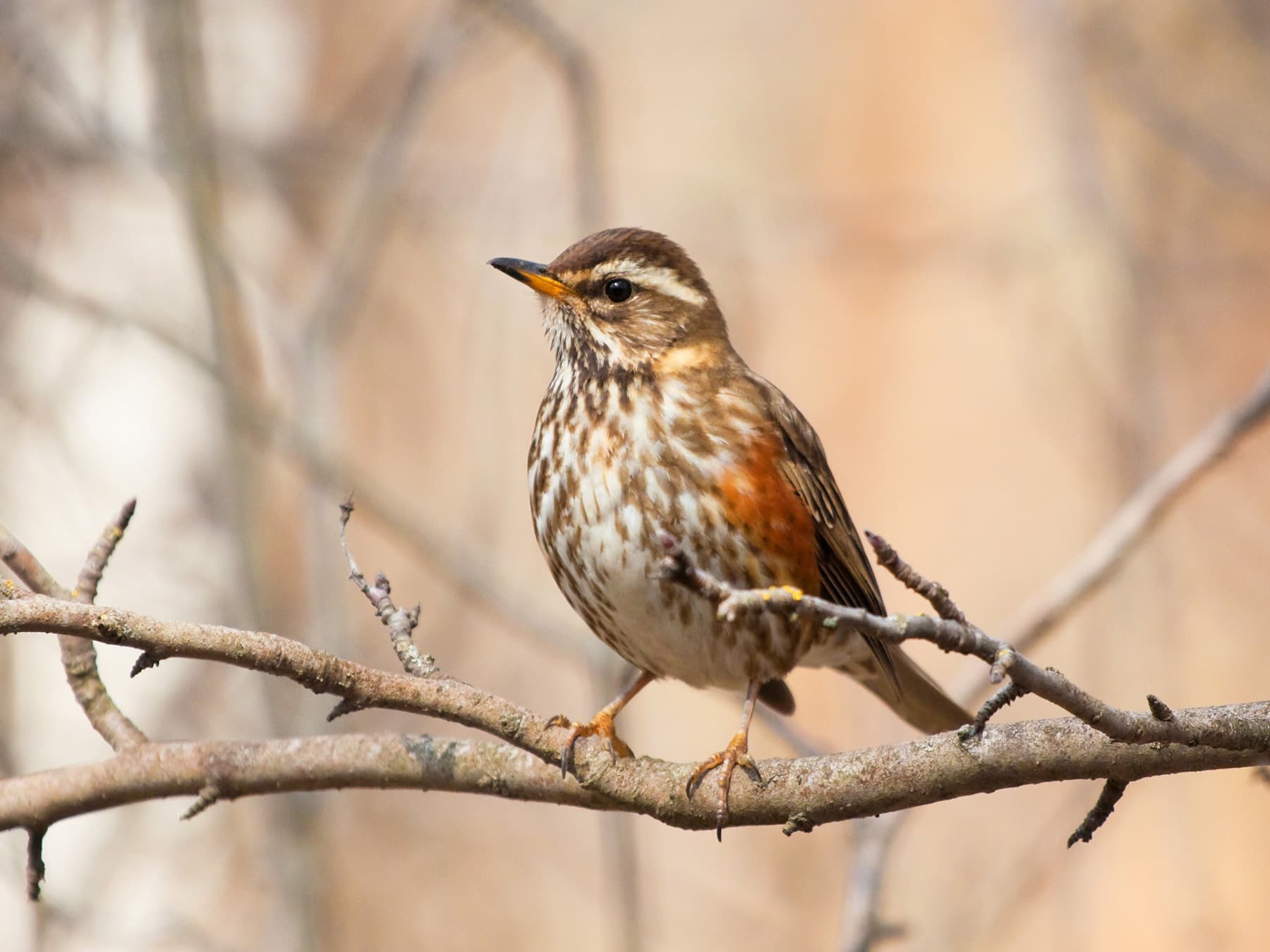
Redwing
Turdus iliacusNT
A common winter visitor from Scandinavia, foraging in hedgerows and fields across the county. Often found alongside Fieldfares in mixed flocks.
Oct–Apr
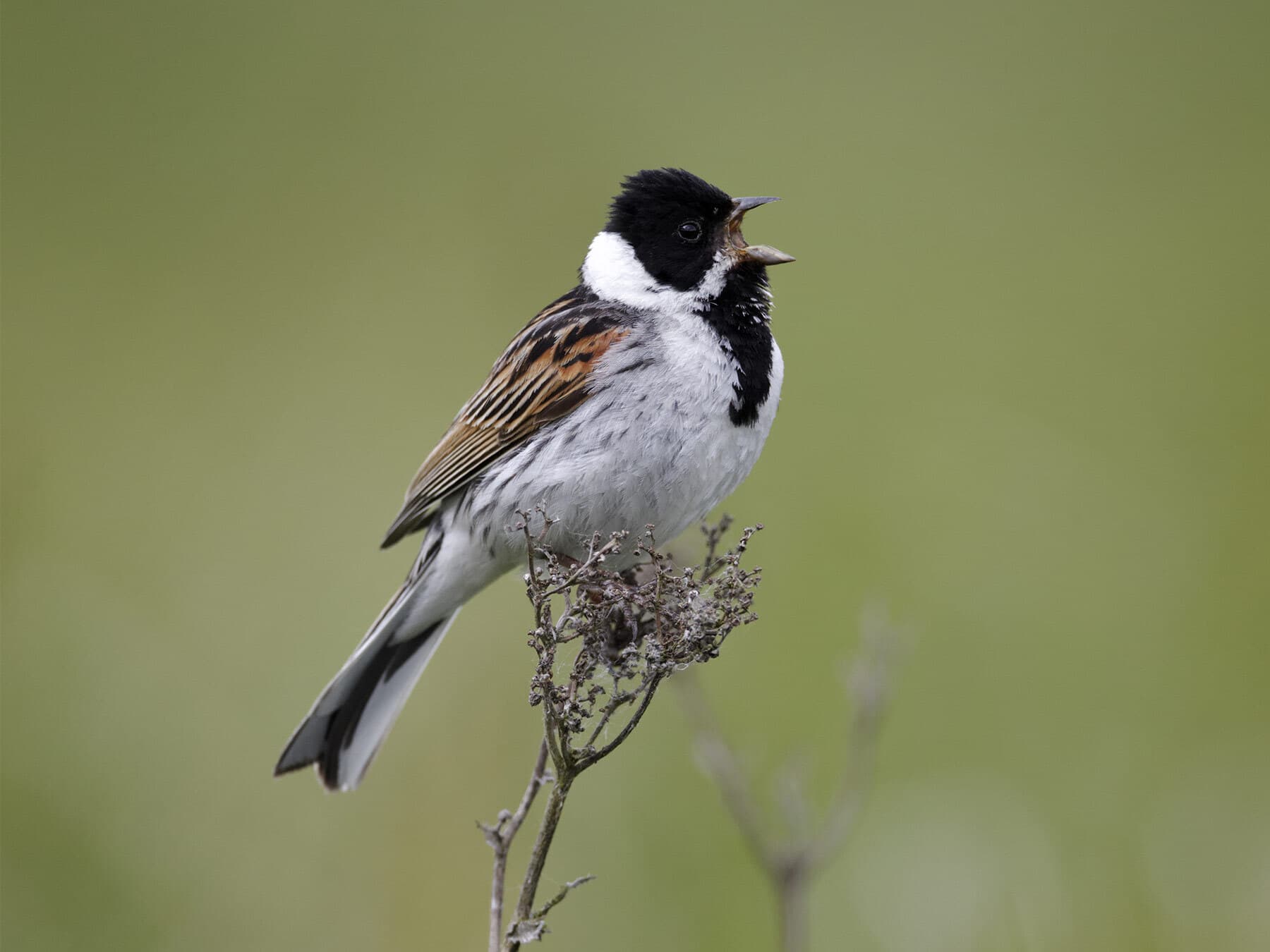
Reed Bunting
Emberiza schoeniclusLC
An uncommon resident of reedbeds and wetland margins, found year-round at sites like the Pevensey Levels and Rye Harbour.
Year-round
Spotted something?
Upload a photo to identify it
Identify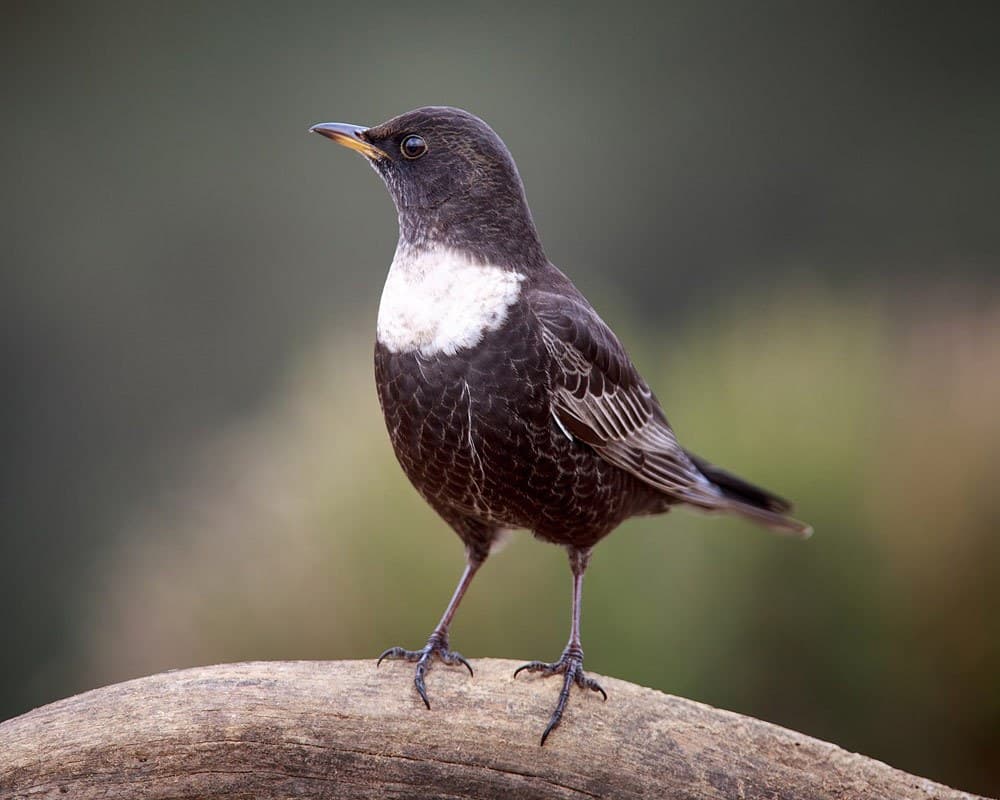
Ring Ouzel
Turdus torquatusLC
A scarce passage migrant through East Sussex in April and October, often seen on downland scrub and coastal headlands during brief stopovers.
Oct–Apr
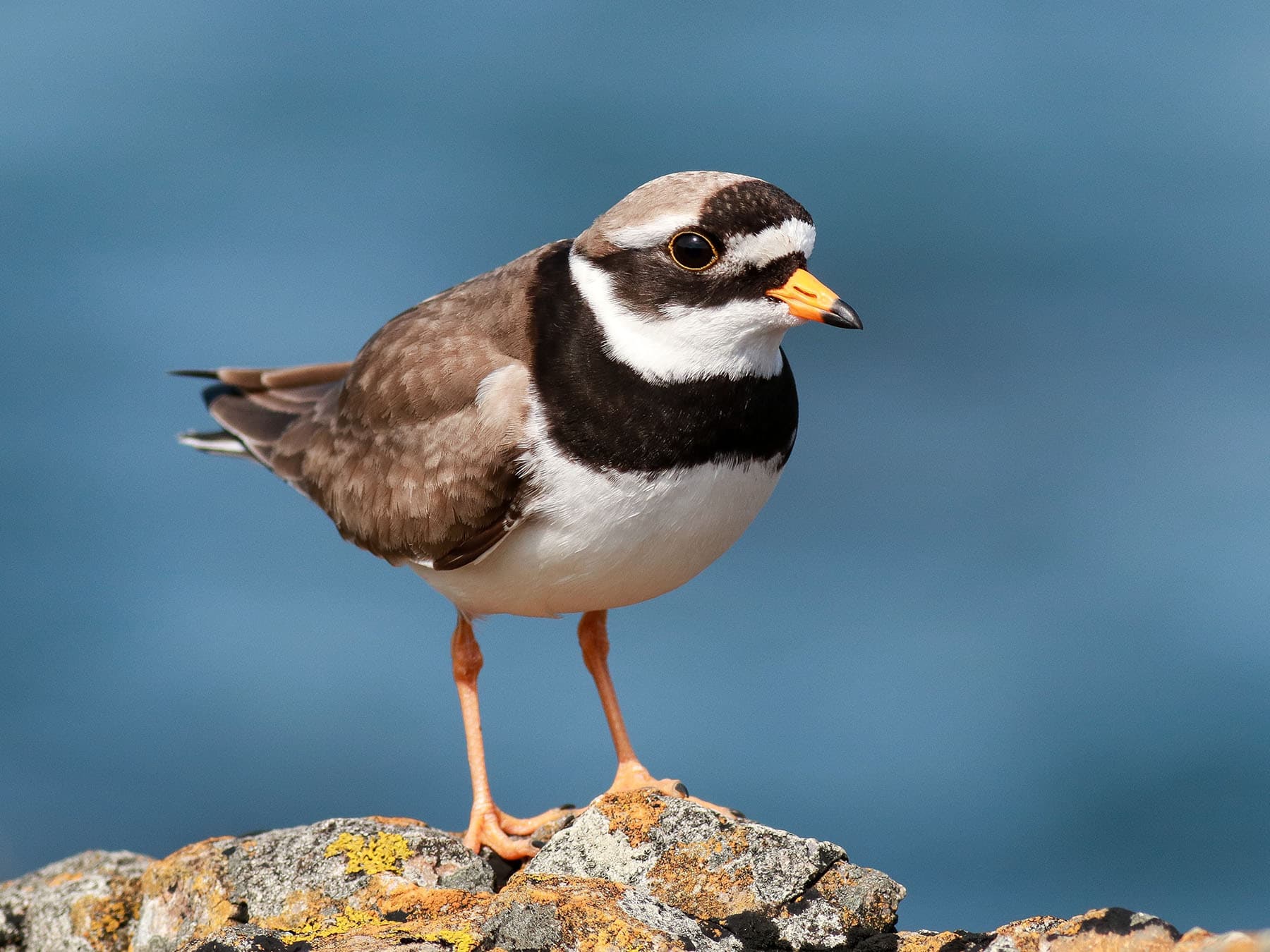
Ringed Plover
Charadrius hiaticulaLC
Breeds on shingle beaches and frequents coastal pools year-round. Rye Harbour is a key nesting site, with numbers rising on passage.
Year-round
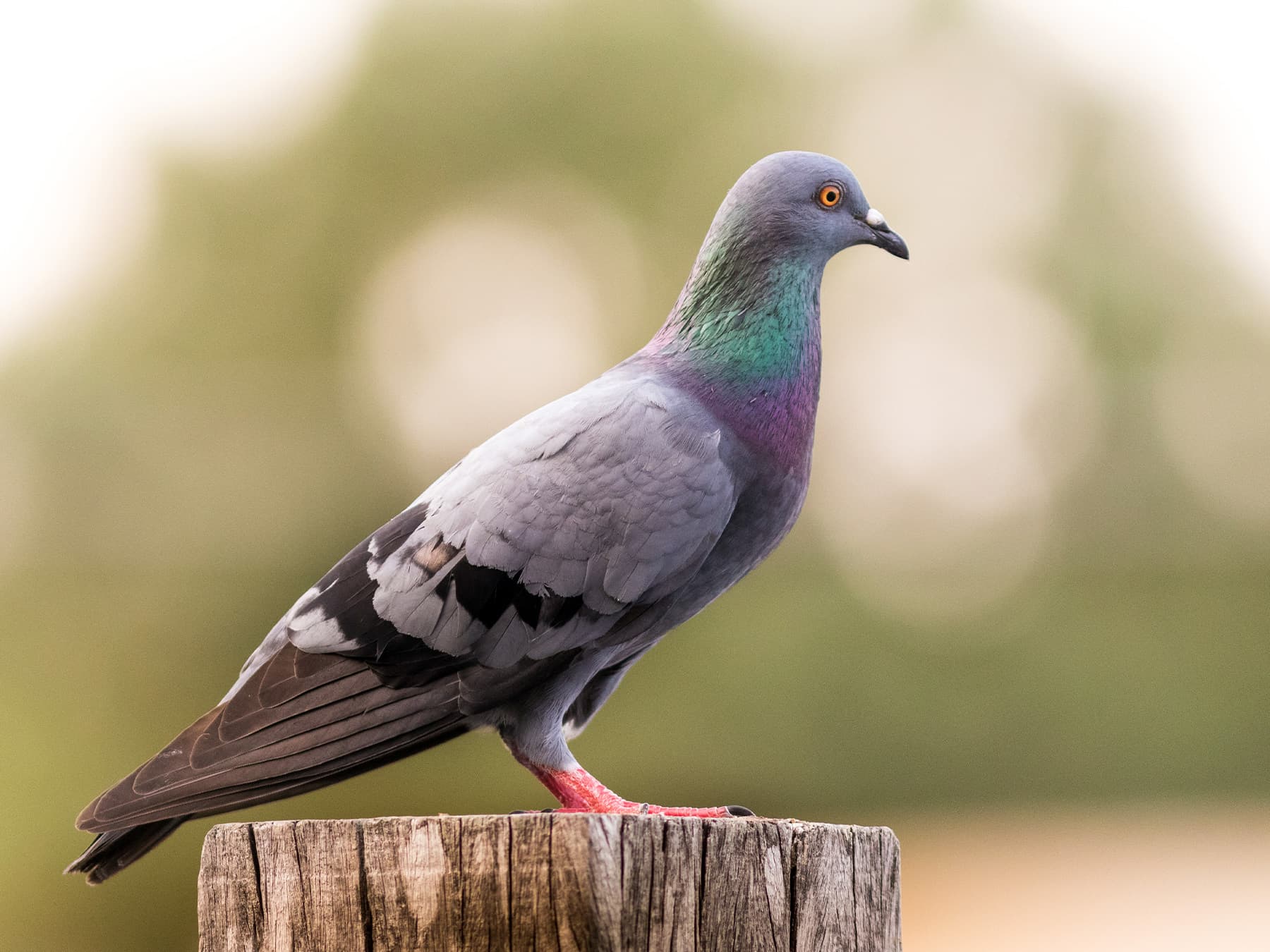
Rock Dove
Columba liviaLC
Abundant in towns and cities year-round as feral pigeons. True wild-type birds may still occur on coastal cliffs near Beachy Head.
Year-round
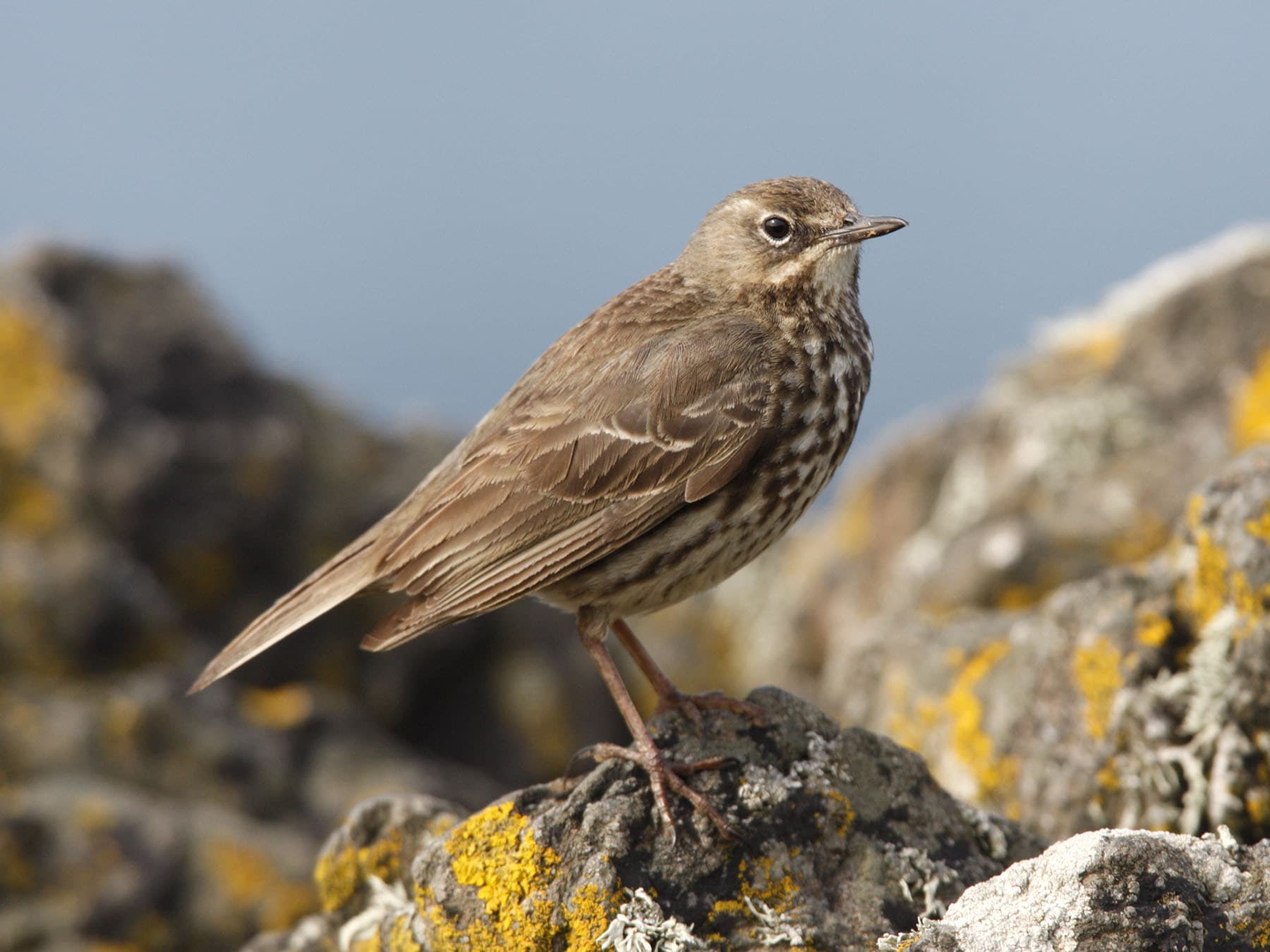
Rock Pipit
Anthus petrosusLC
An uncommon resident of rocky shorelines and chalk cliffs, often seen foraging along the base of the Seven Sisters and Beachy Head throughout the year.
Year-round
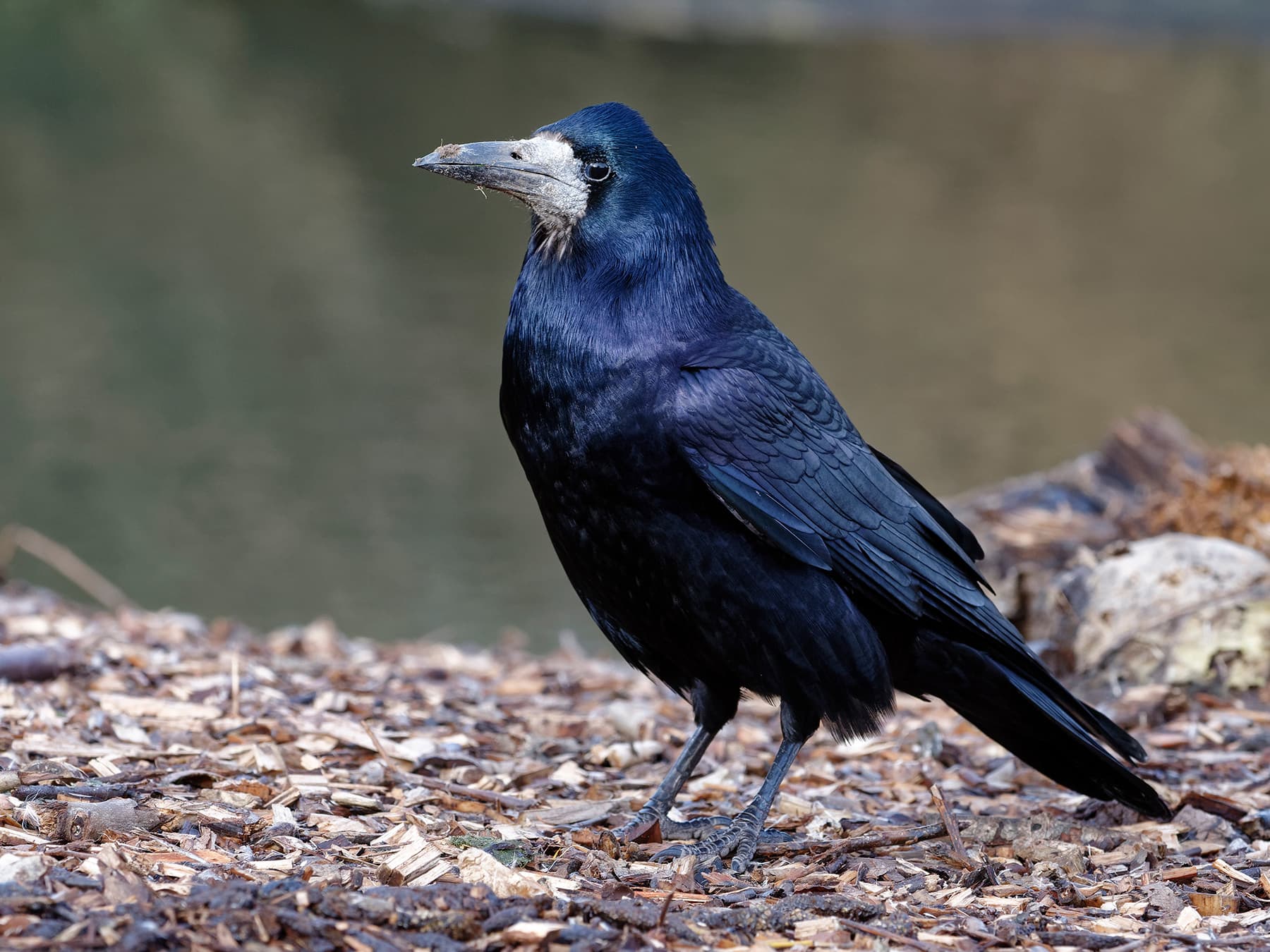
Rook
Corvus frugilegusLC
A common resident forming noisy rookeries in tall trees across farmland and villages. Large flocks forage on the fields of the Low Weald.
Year-round
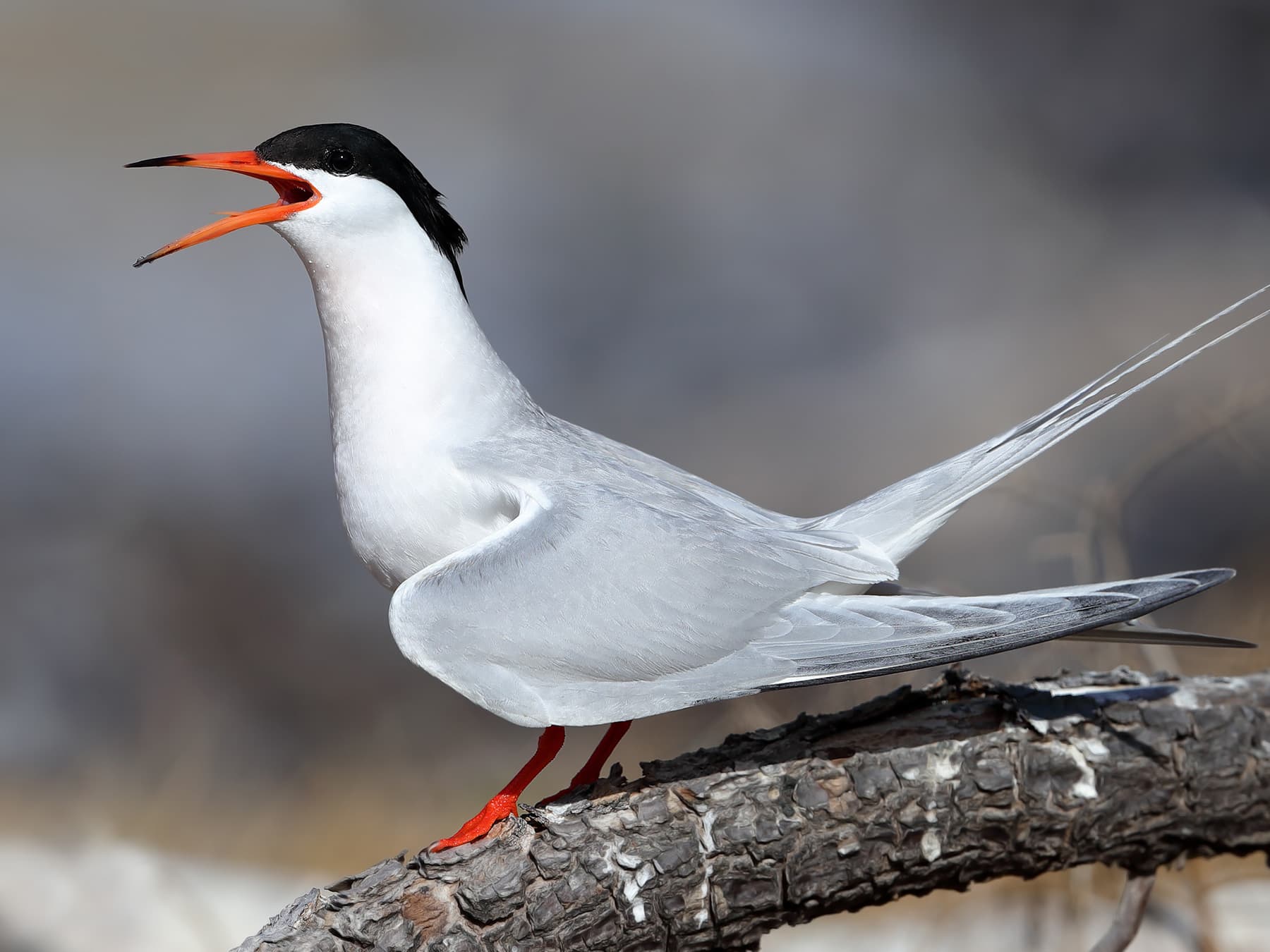
Roseate Tern
Sterna dougalliiLC
A rare passage visitor, occasionally glimpsed offshore in July among commoner tern flocks moving along the Sussex coast.
Jul
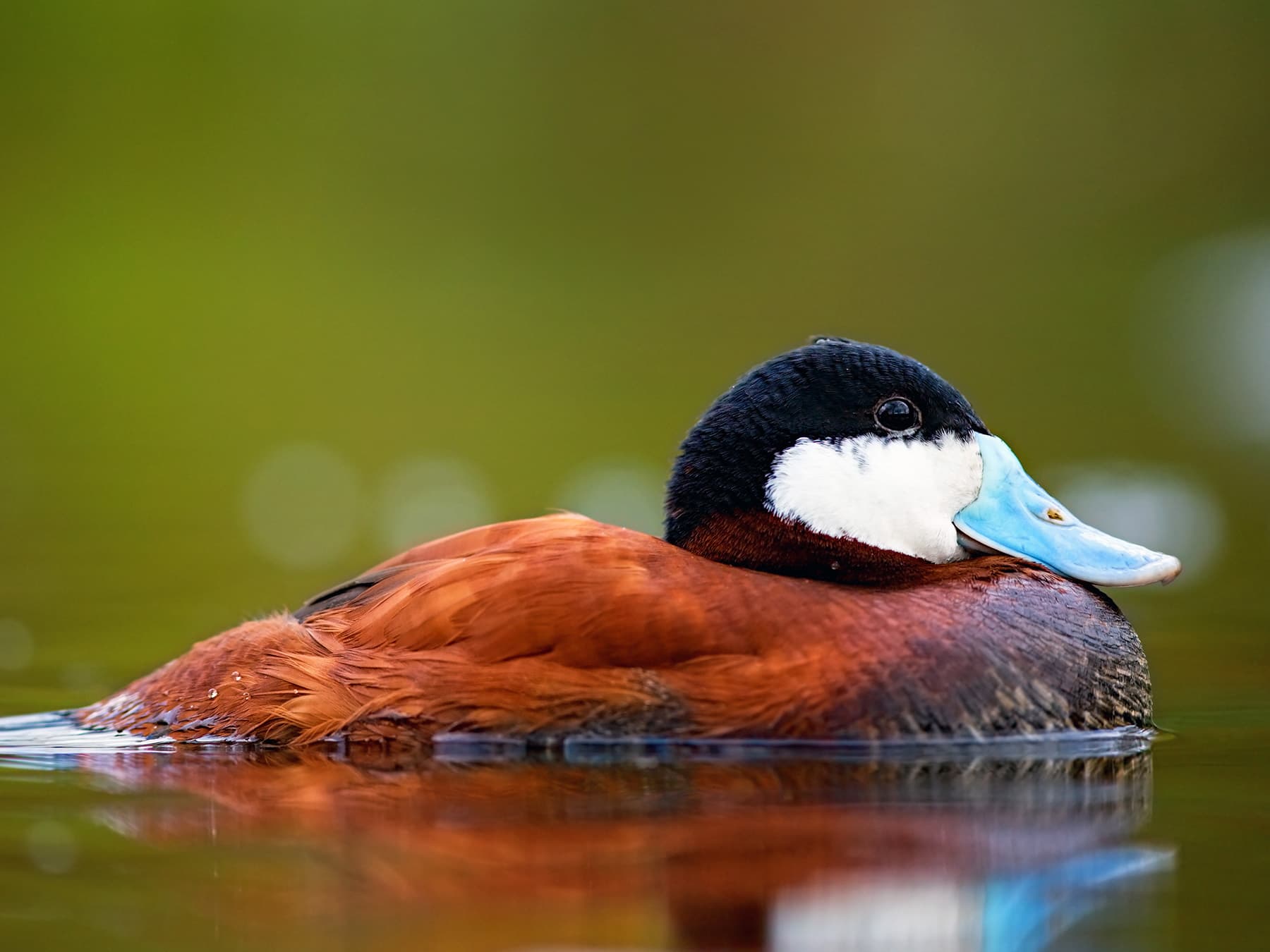
Ruddy Duck
Oxyura jamaicensisLC
A rare breeding visitor to freshwater lakes, now extremely scarce following national eradication efforts. Any sightings are notable in the county.
Mar–Jun
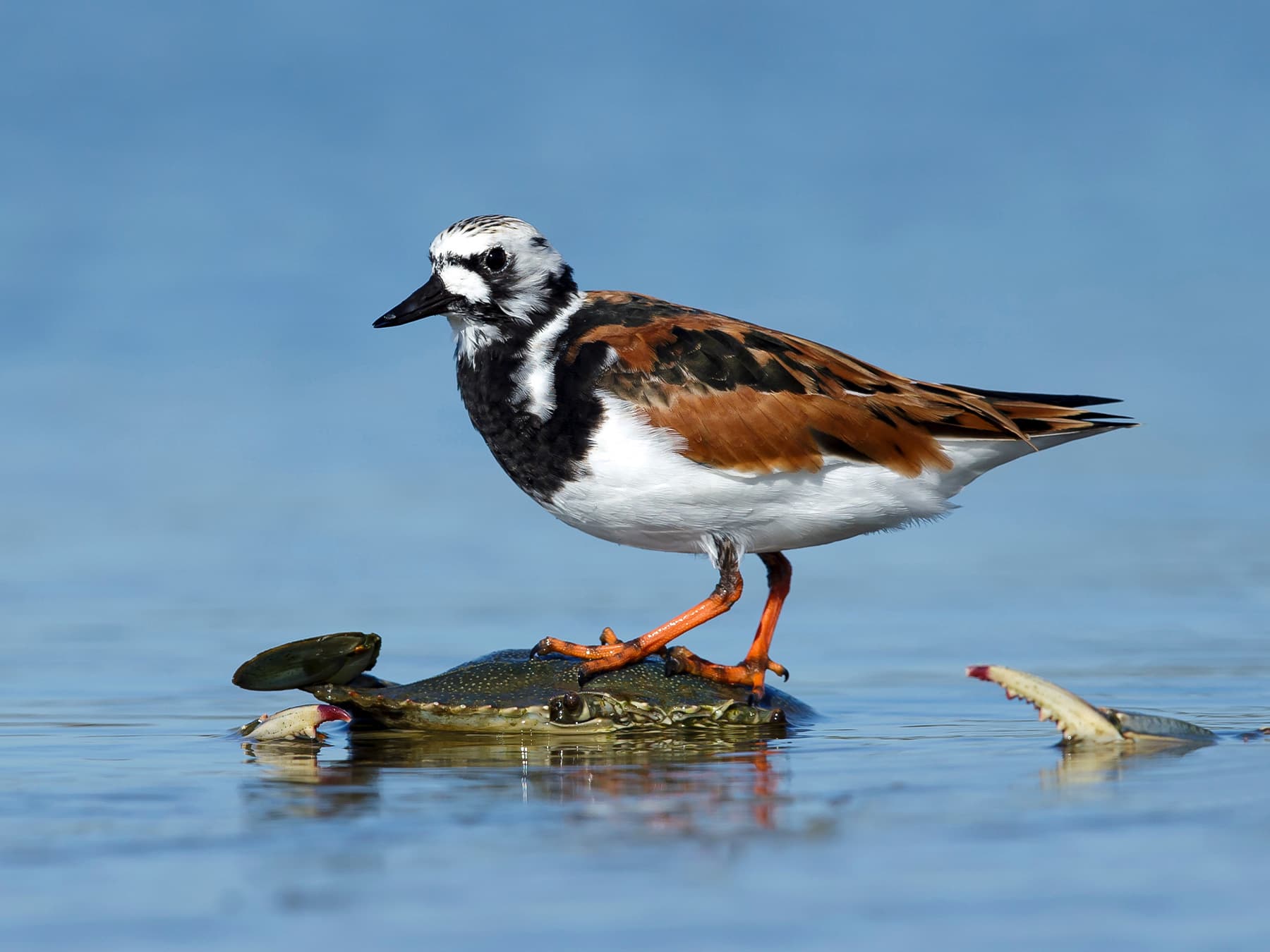
Ruddy Turnstone
Arenaria interpresLC
Forages along rocky shorelines and groynes, flipping stones for invertebrates. Present year-round but uncommon, favouring the coast at sites like Rye Harbour.
Year-round
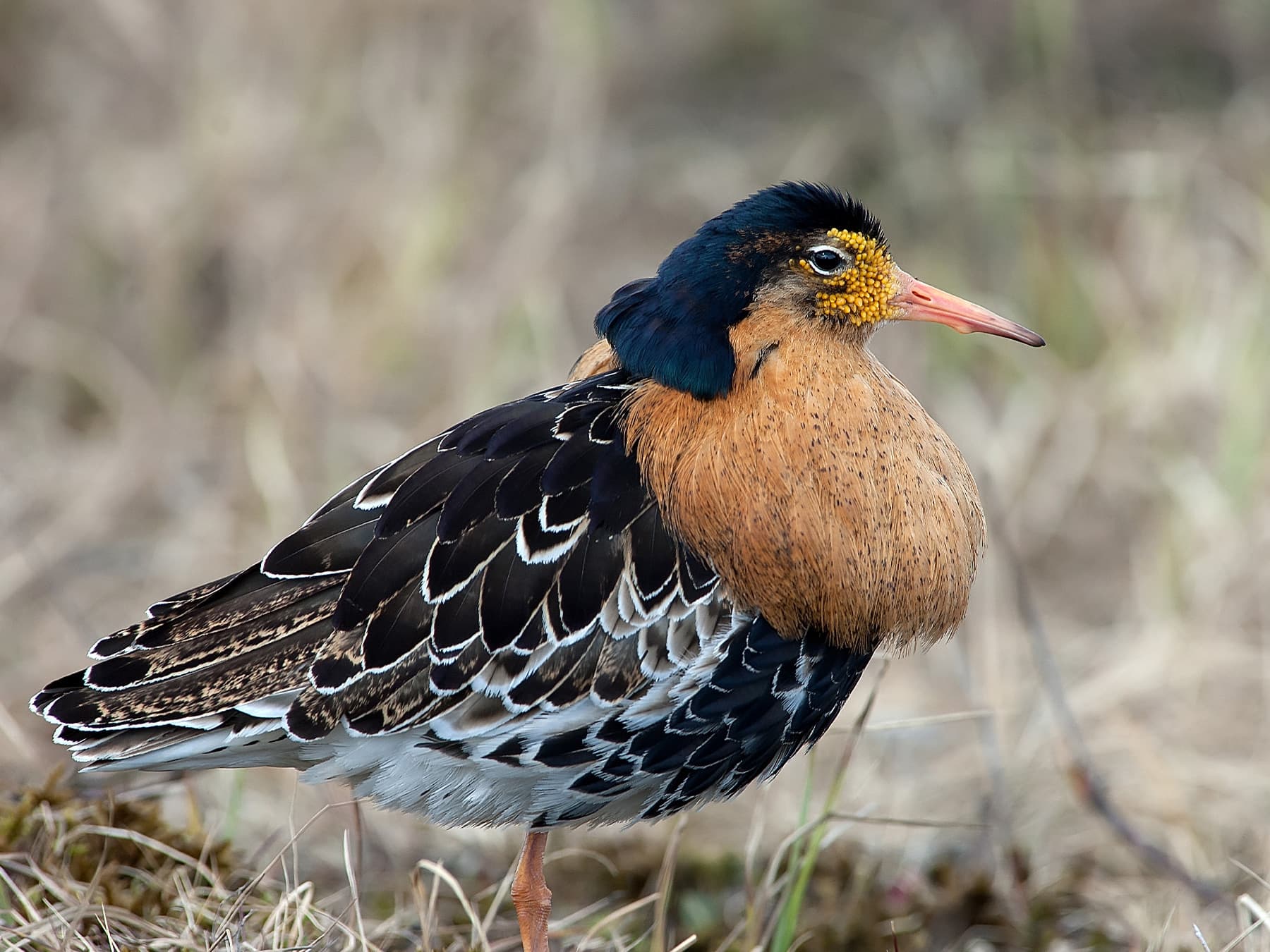
Ruff
Philomachus pugnaxLC
A rare wader found at coastal pools and marshes, most often seen on autumn passage. Breeding males sport extraordinary ruffs, but most sightings here involve plainer birds.
Jul–Apr
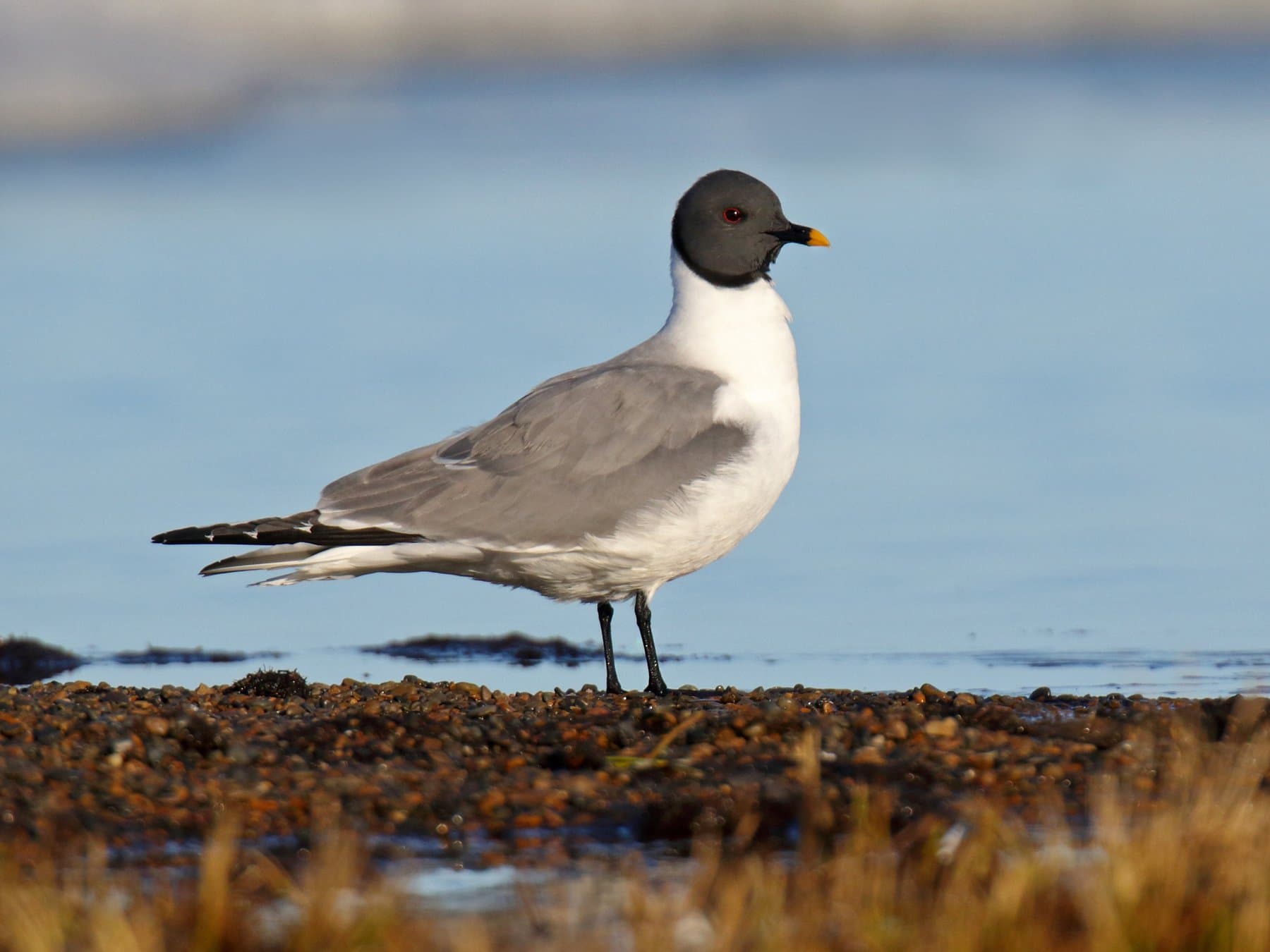
Sabine's Gull
Xema sabiniLC
A rare autumn passage migrant, usually seen during stormy September seawatches from headlands such as Beachy Head.
Sep
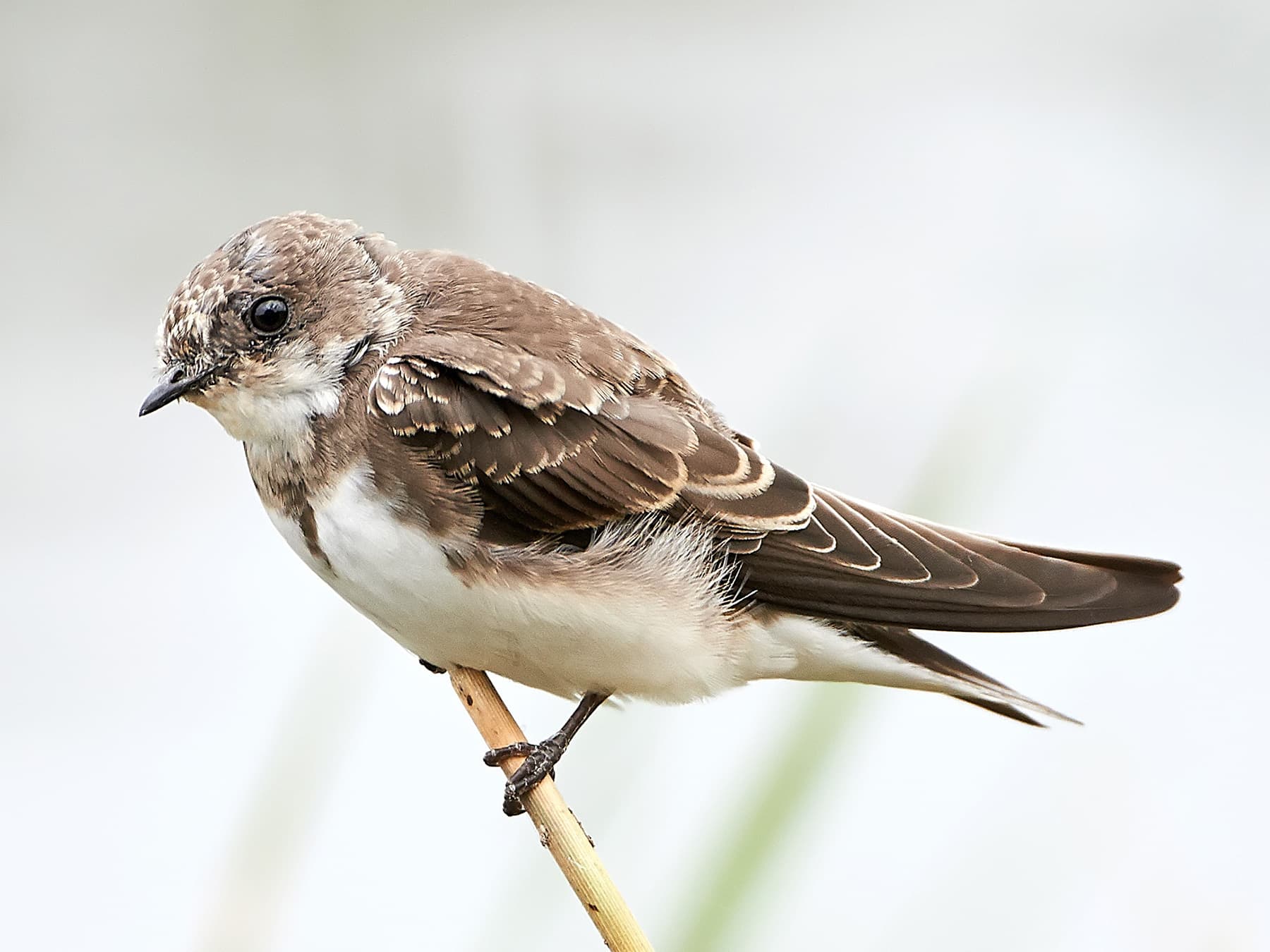
Sand Martin
Riparia ripariaLC
An uncommon summer breeder from March to October, nesting in sandy banks near rivers and gravel pits across the county.
Mar–Oct
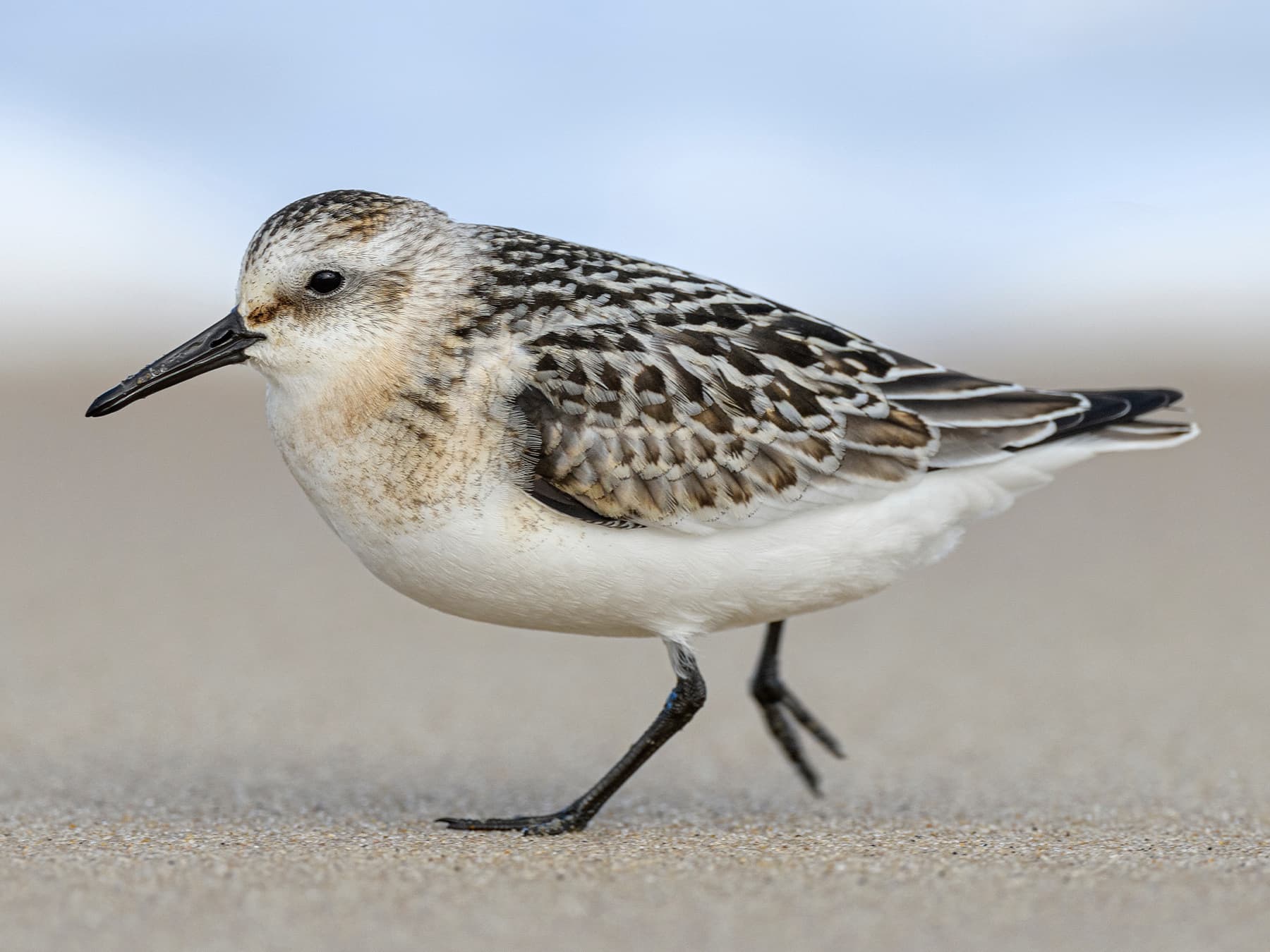
Sanderling
Calidris albaLC
Scarce along East Sussex's shingle and sandy shores, mainly seen in winter and on passage. Runs energetically at the tide edge, often in small flocks.
Aug–May
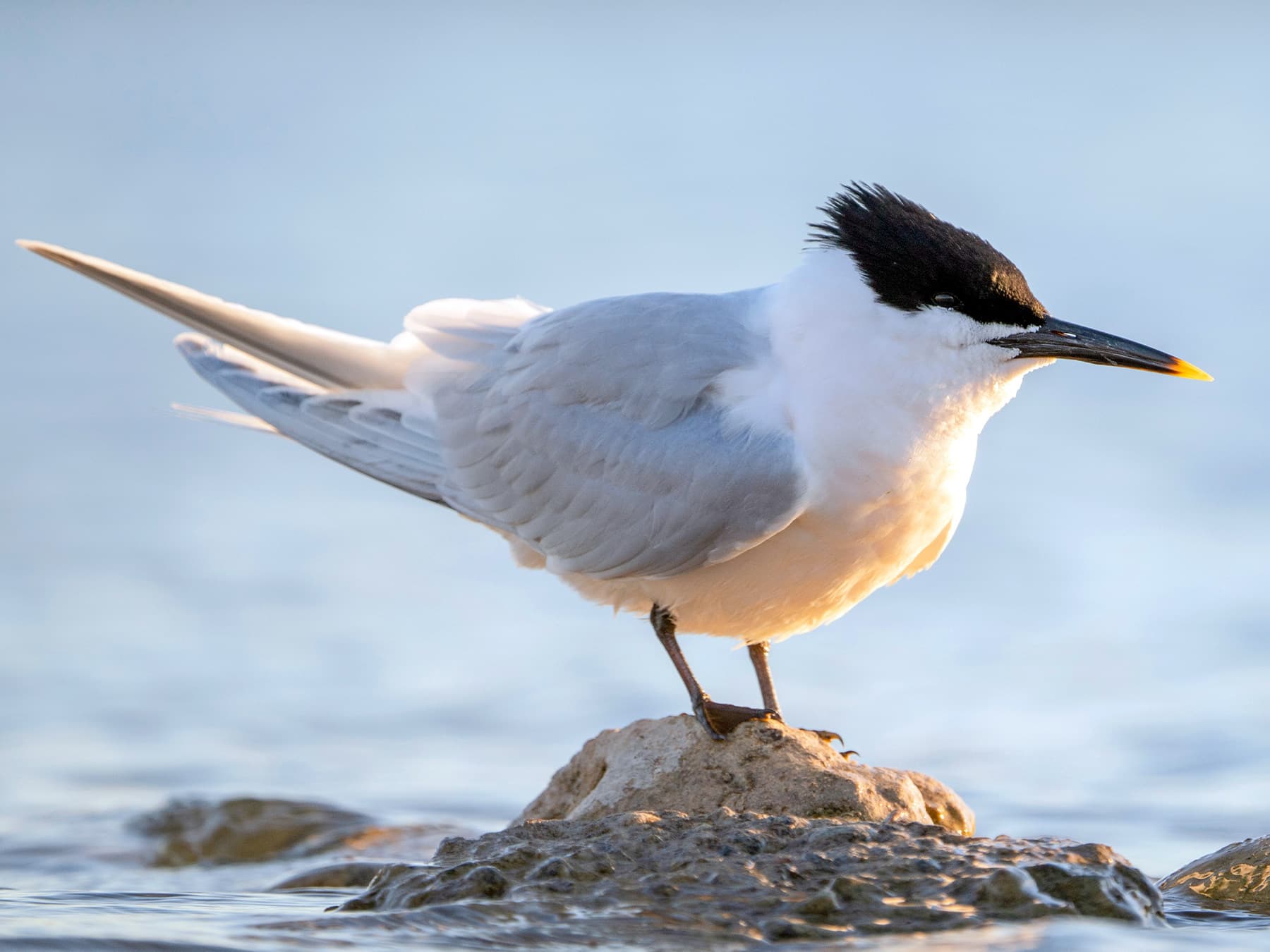
Sandwich Tern
Thalasseus sandvicensisLC
An uncommon breeding visitor arriving in March, nesting at coastal shingle sites like Rye Harbour before departing by October.
Mar–Oct
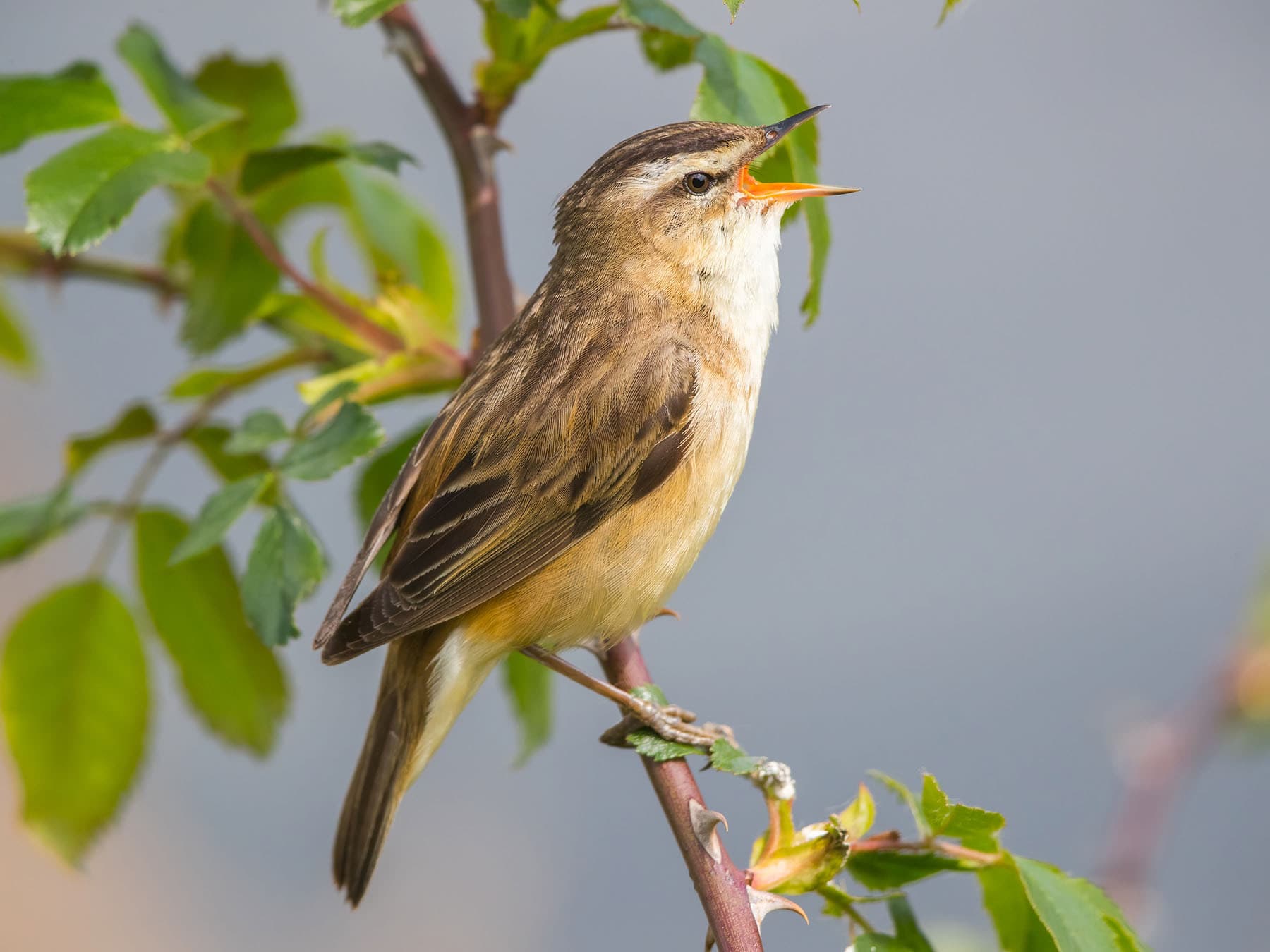
Sedge Warbler
Acrocephalus schoenobaenusLC
An uncommon summer breeder arriving in April, favouring dense waterside vegetation at wetland sites. Its rapid, chattering song is distinctive.
Apr–Sep
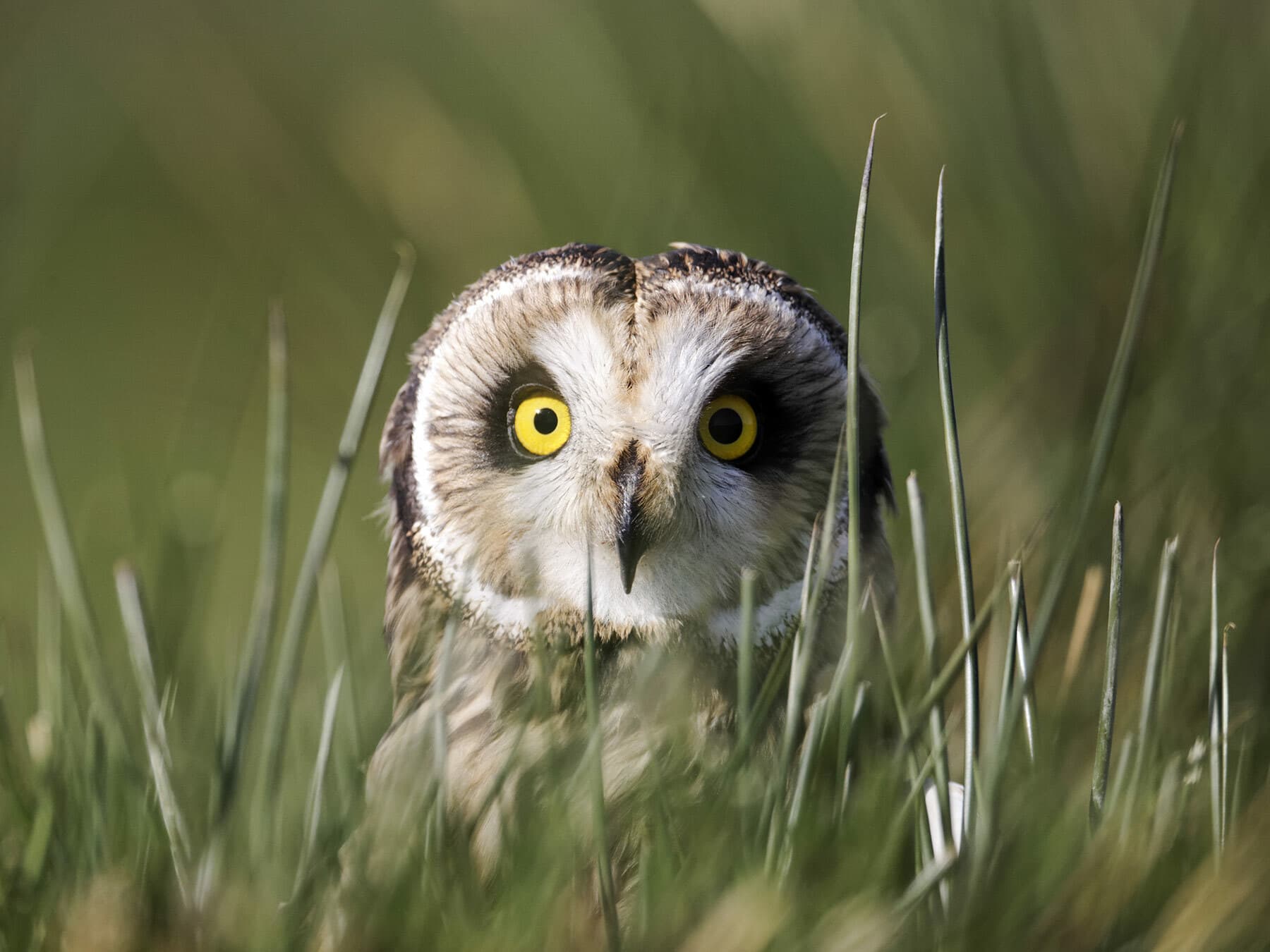
Short-eared Owl
Asio flammeusLC
A rare winter visitor to open marshes and coastal grasslands, hunting low over the Pevensey Levels and similar sites from October to April.
Oct–Apr