Rare Birds in East Sussex
99 species matching this filter.
East Sussex is home to a fascinating array of rare bird species, with 94 uncommon visitors and scarce residents recorded across the county. From the elusive Eurasian Bittern lurking in reedbeds at sites like Filsham and the Pevensey Levels to spectacular passage migrants such as Arctic Terns along the coast, the county's diverse habitats — including chalk downland, ancient woodland, and coastal wetlands — attract a remarkable variety of rarities. Winter months can bring surprises like Bohemian Waxwings, Bramblings, and Goldeneye, while the warmer seasons may reward patient observers with sightings of European Honey-buzzards soaring over the Weald.


Showing 47–69 of 99 species
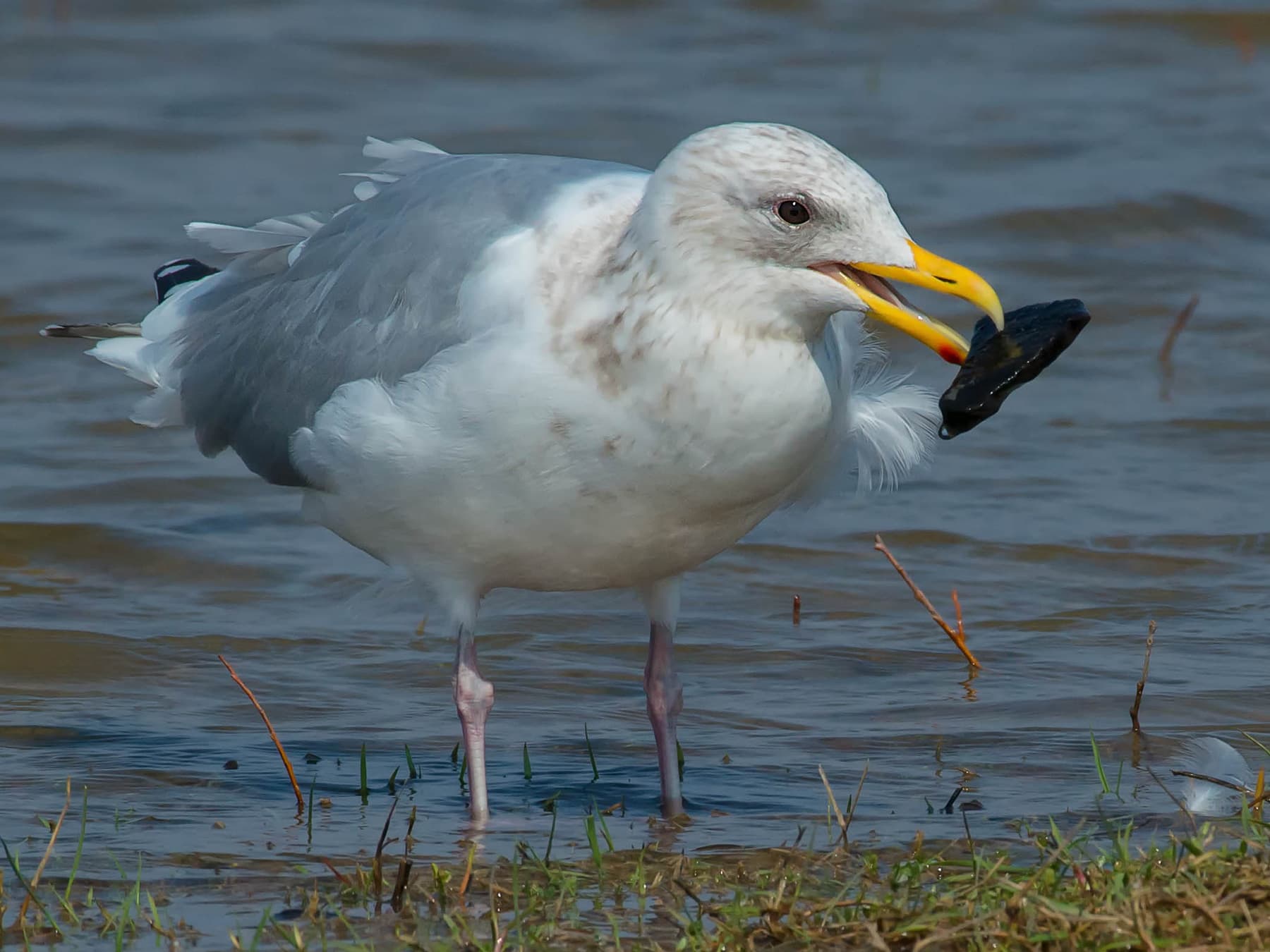
Iceland Gull
Larus glaucoidesLC
A rare late-winter visitor, occasionally found among gull flocks at coastal roosts. Most records fall in March.
Mar
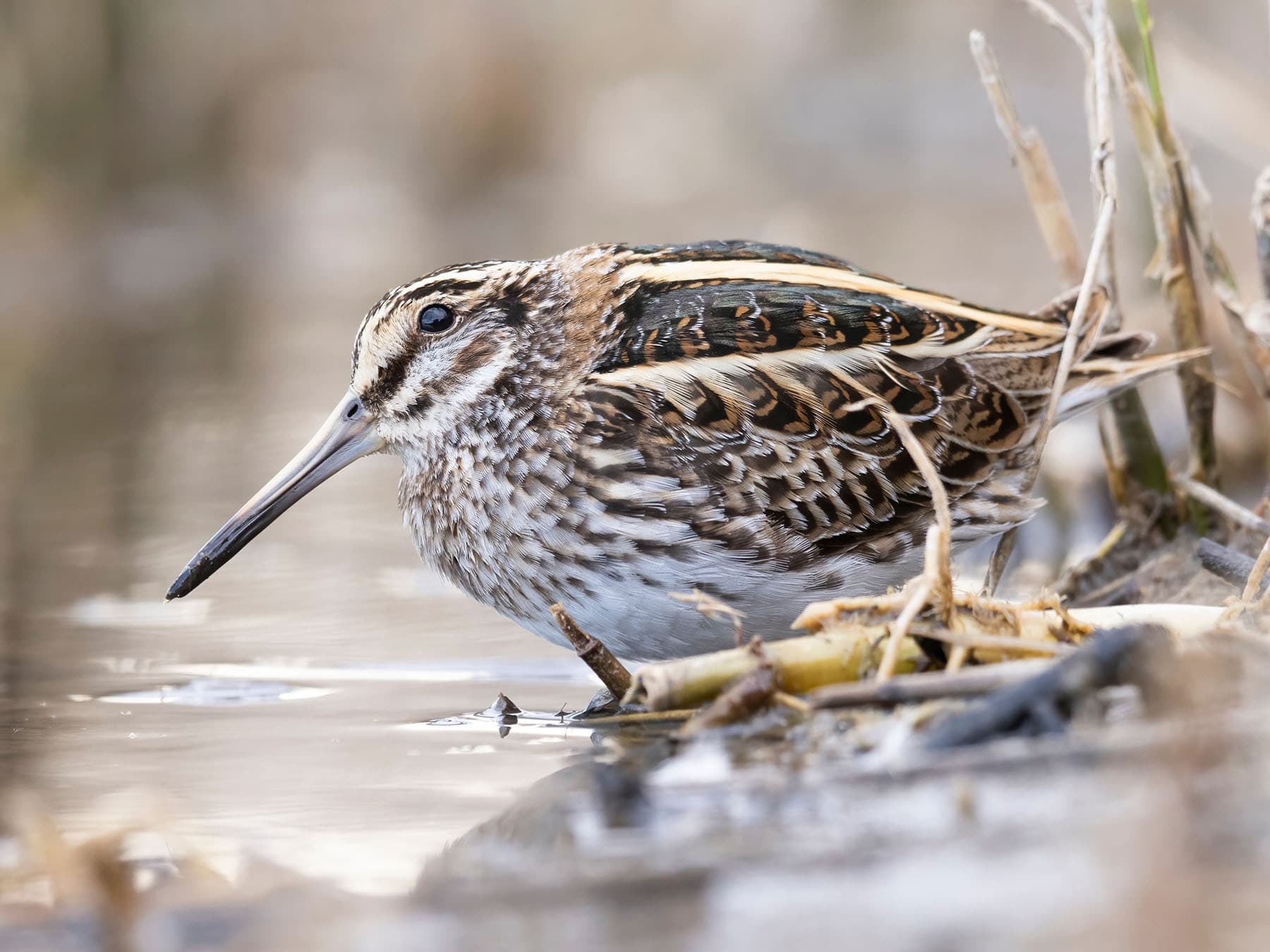
Jack Snipe
Lymnocryptes minimusLC
A rare and secretive passage visitor, most likely flushed from boggy margins in March. Easily overlooked due to its reluctance to fly.
Mar
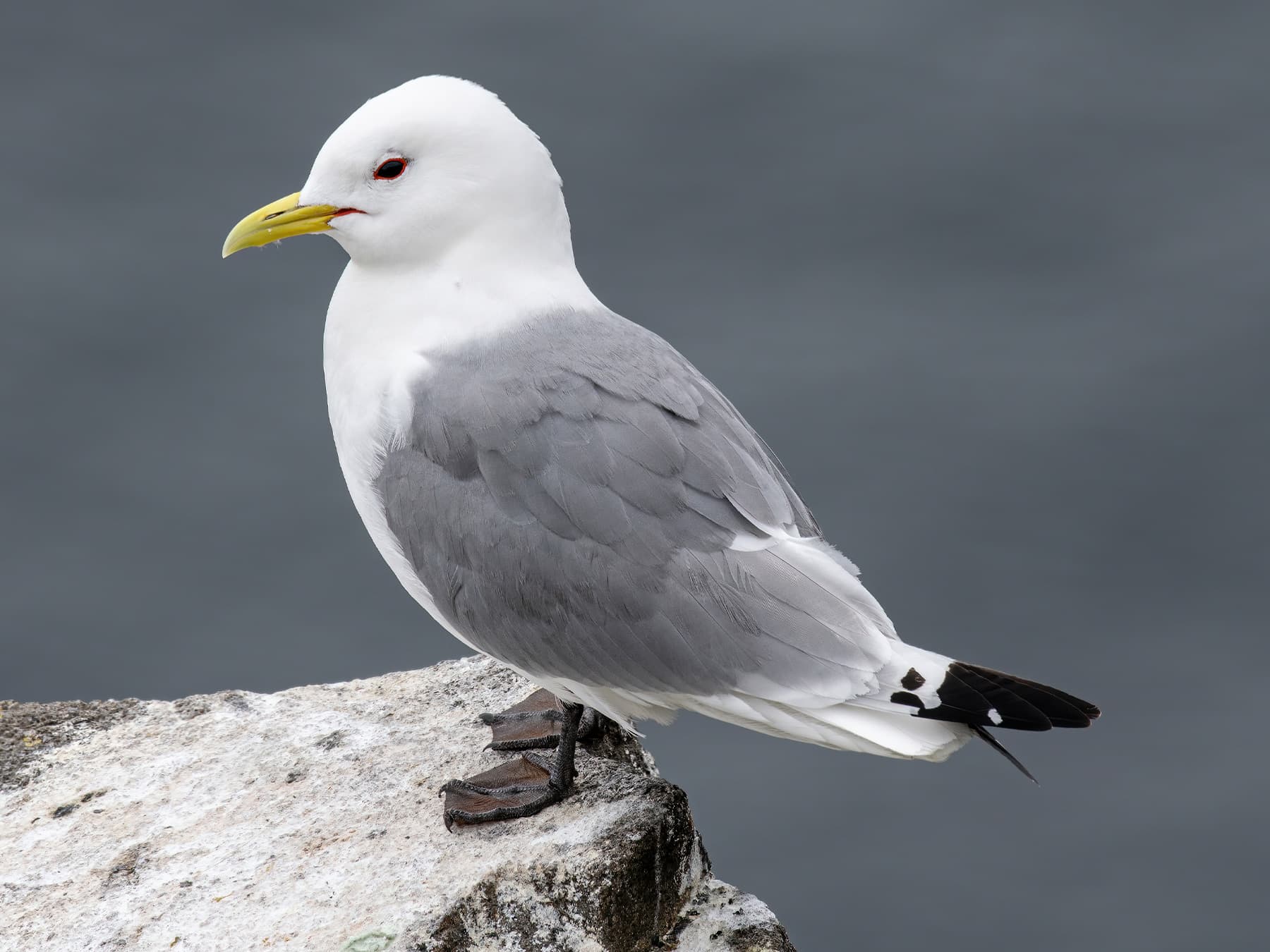
Kittiwake
Rissa tridactylaVU
Scarce year-round, most often seen offshore or at coastal roosts. Once bred on nearby cliffs but has declined dramatically across the UK.
Year-round
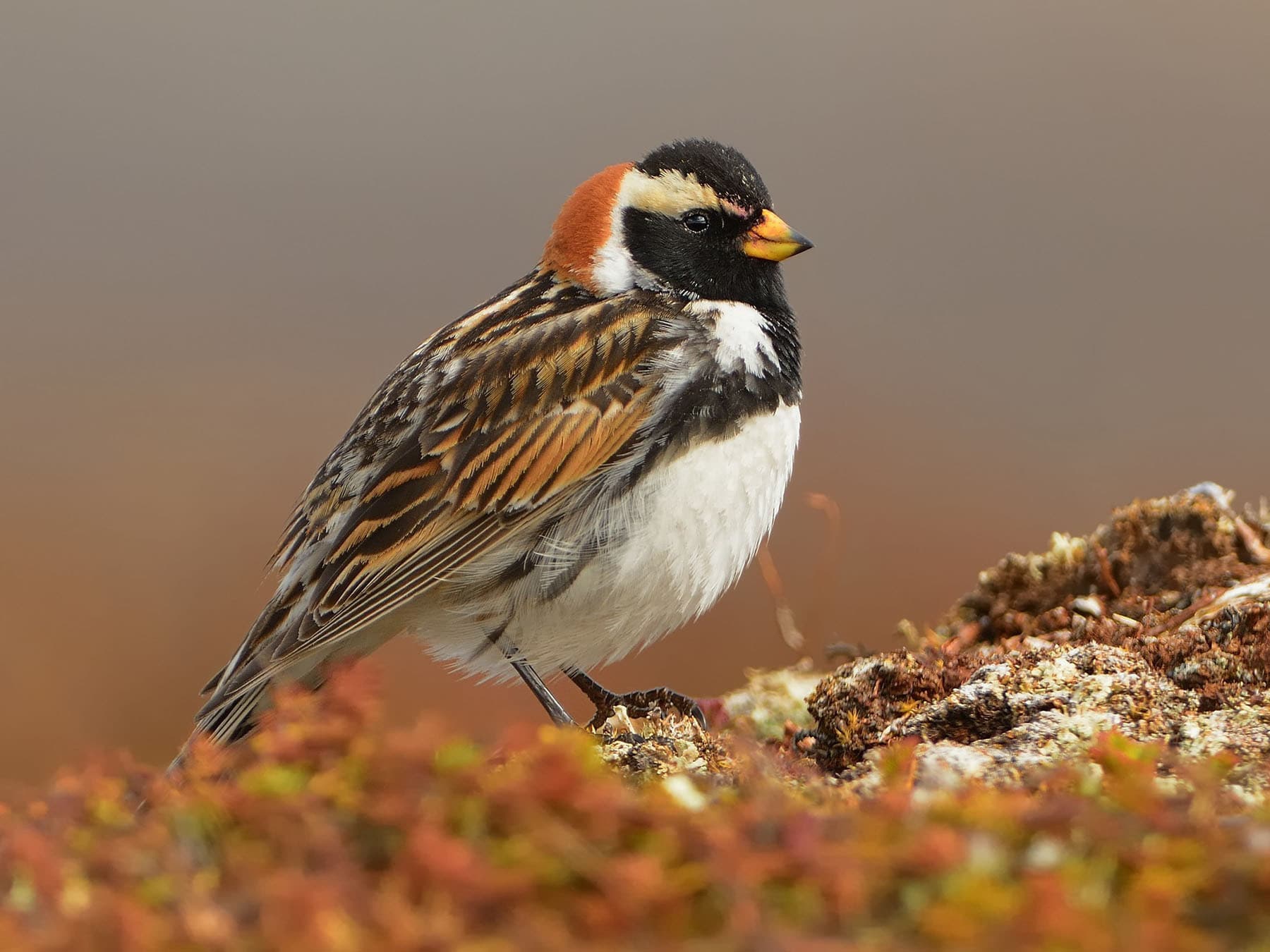
Lapland Longspur
Calcarius lapponicusLC
A rare autumn passage migrant, occasionally recorded in October on coastal fields and shingle. Beachy Head is a favoured site for sightings.
Oct
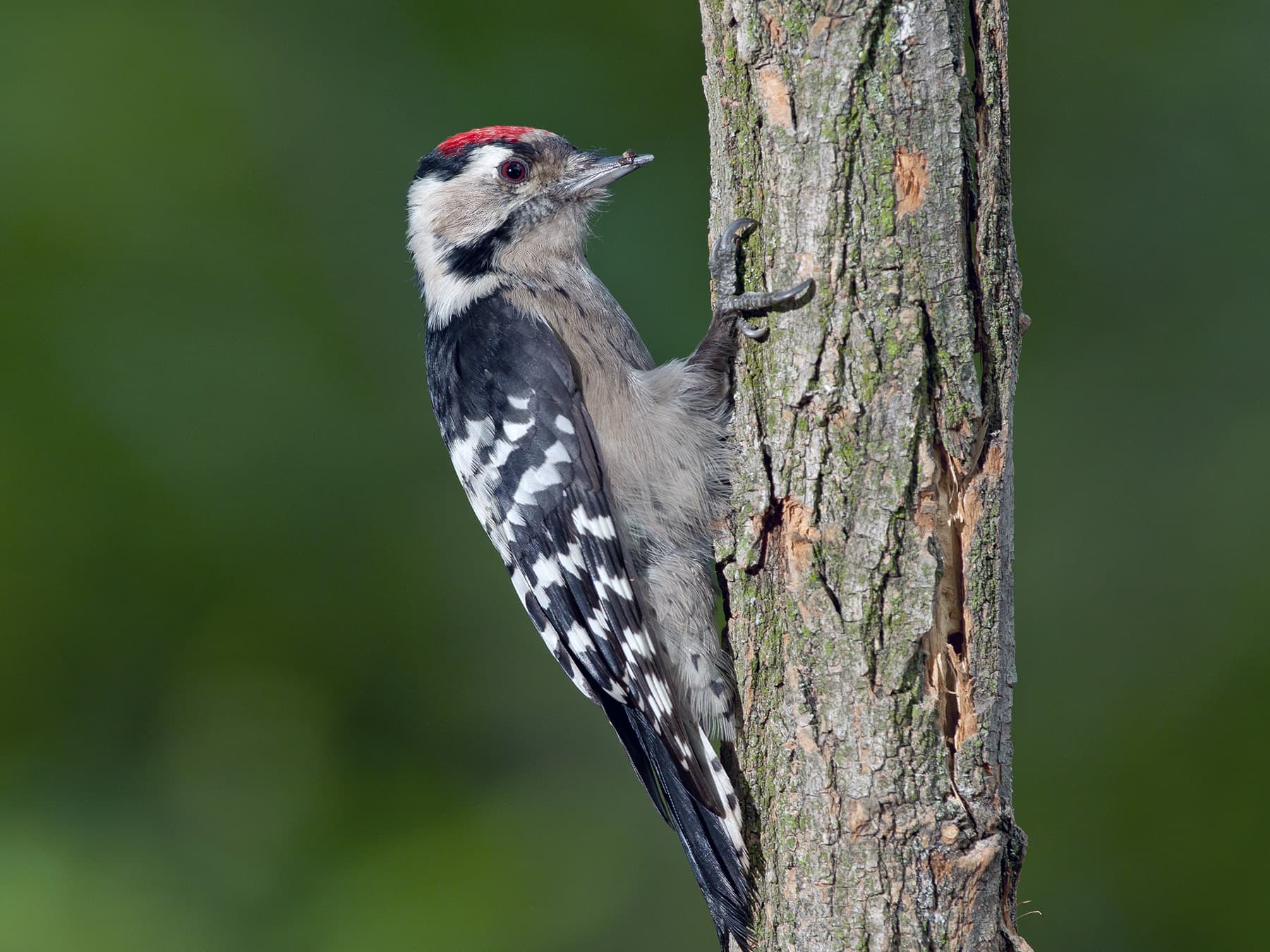
Lesser Spotted Woodpecker
Dryobates minorLC
A rare and declining species, occasionally recorded in March when drumming reveals its presence in mature broadleaved woodland.
Mar
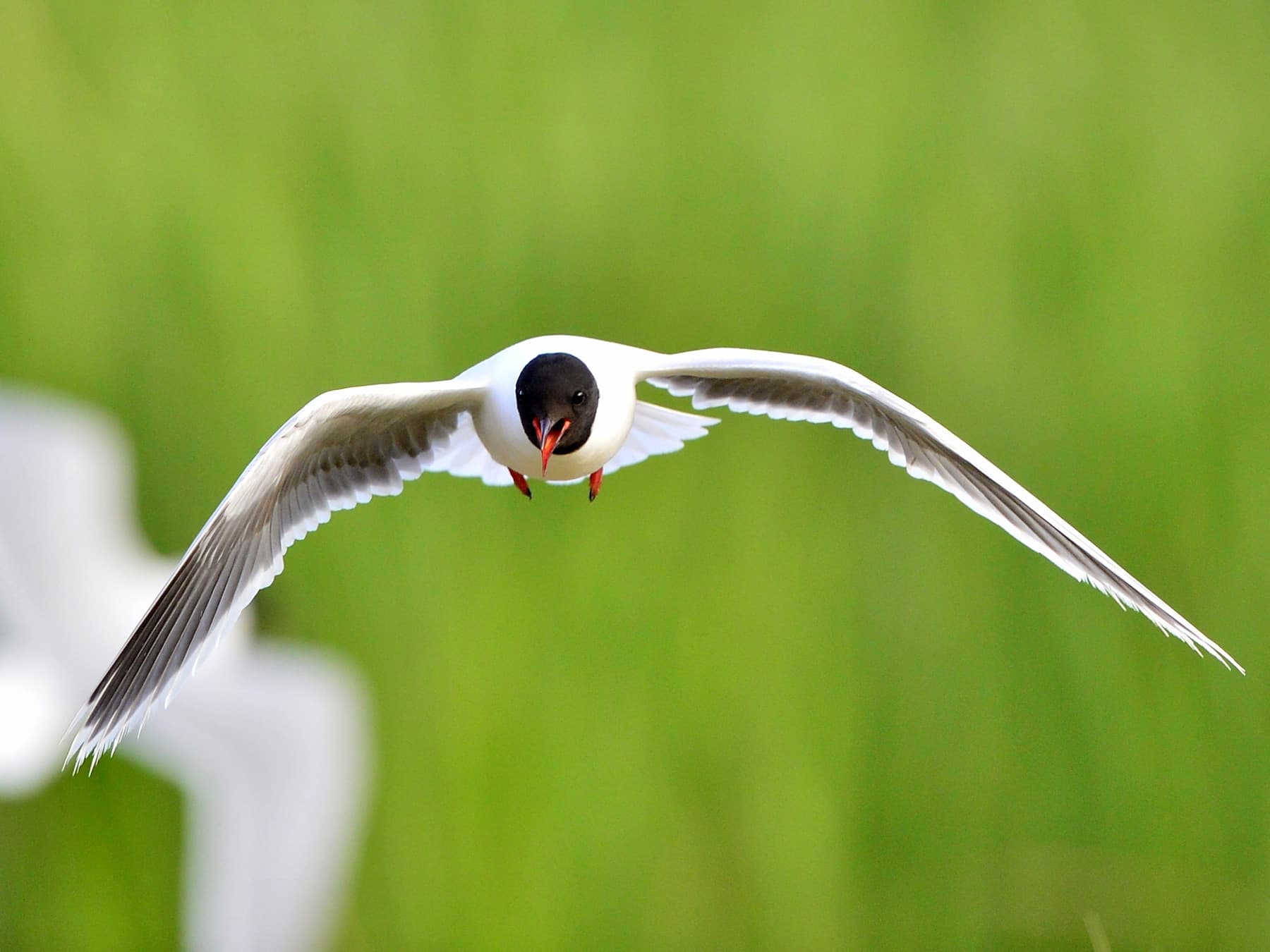
Little Gull
Hydrocoloeus minutusLC
A dainty, rare gull seen on passage and in winter, often at coastal lagoons. Spring and autumn movements bring occasional sightings offshore.
Sep–May
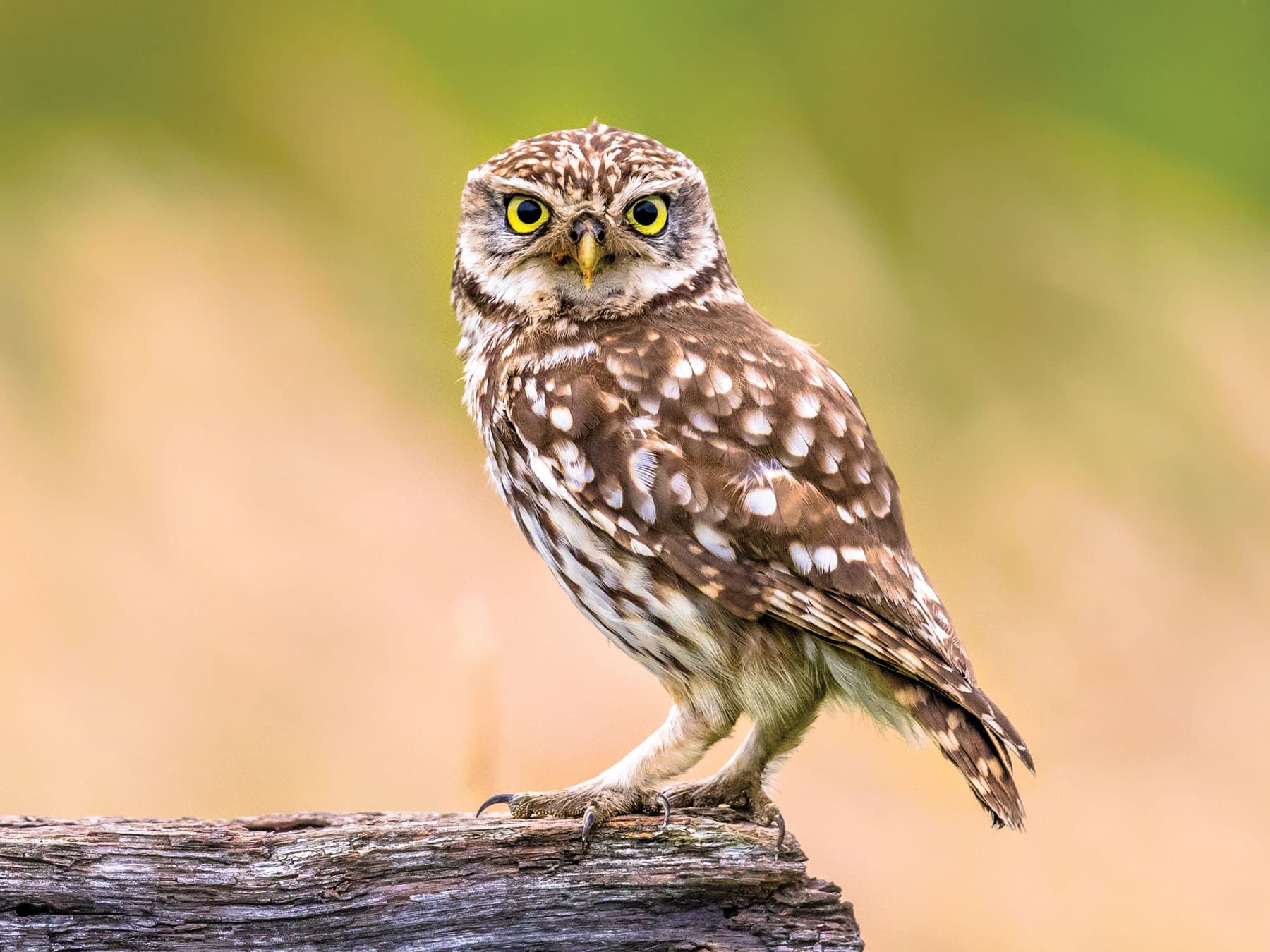
Little Owl
Athene noctuaLC
A scarce resident of farmland and parkland, often perching on fence posts across the Low Weald. An introduced species now in gradual decline.
Oct–Jun
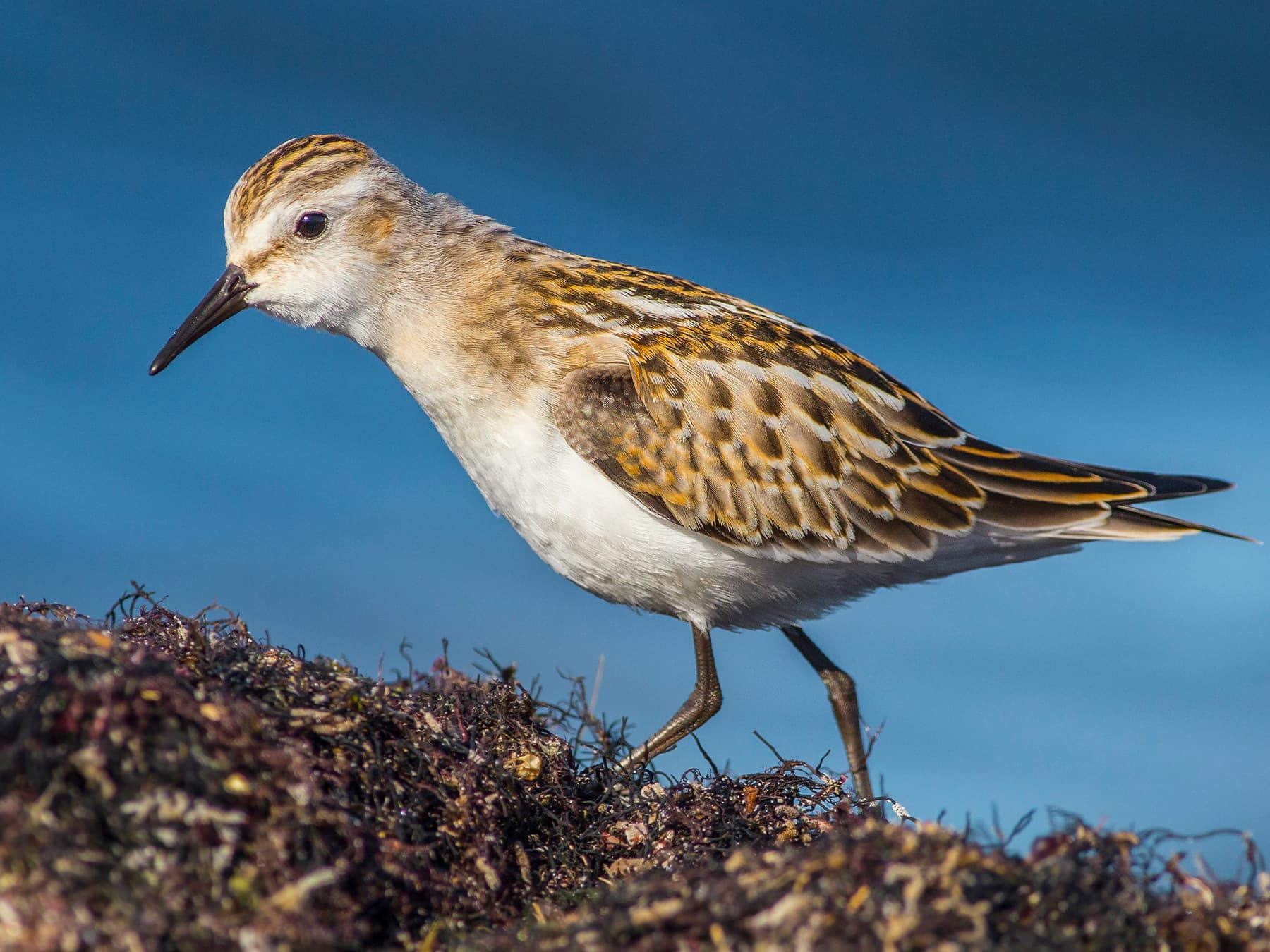
Little Stint
Calidris minutaLC
A rare autumn passage migrant, appearing briefly on coastal scrapes and pools from August to October. Rye Harbour is the most reliable site.
Aug–Oct
Spotted something?
Upload a photo to identify it
Identify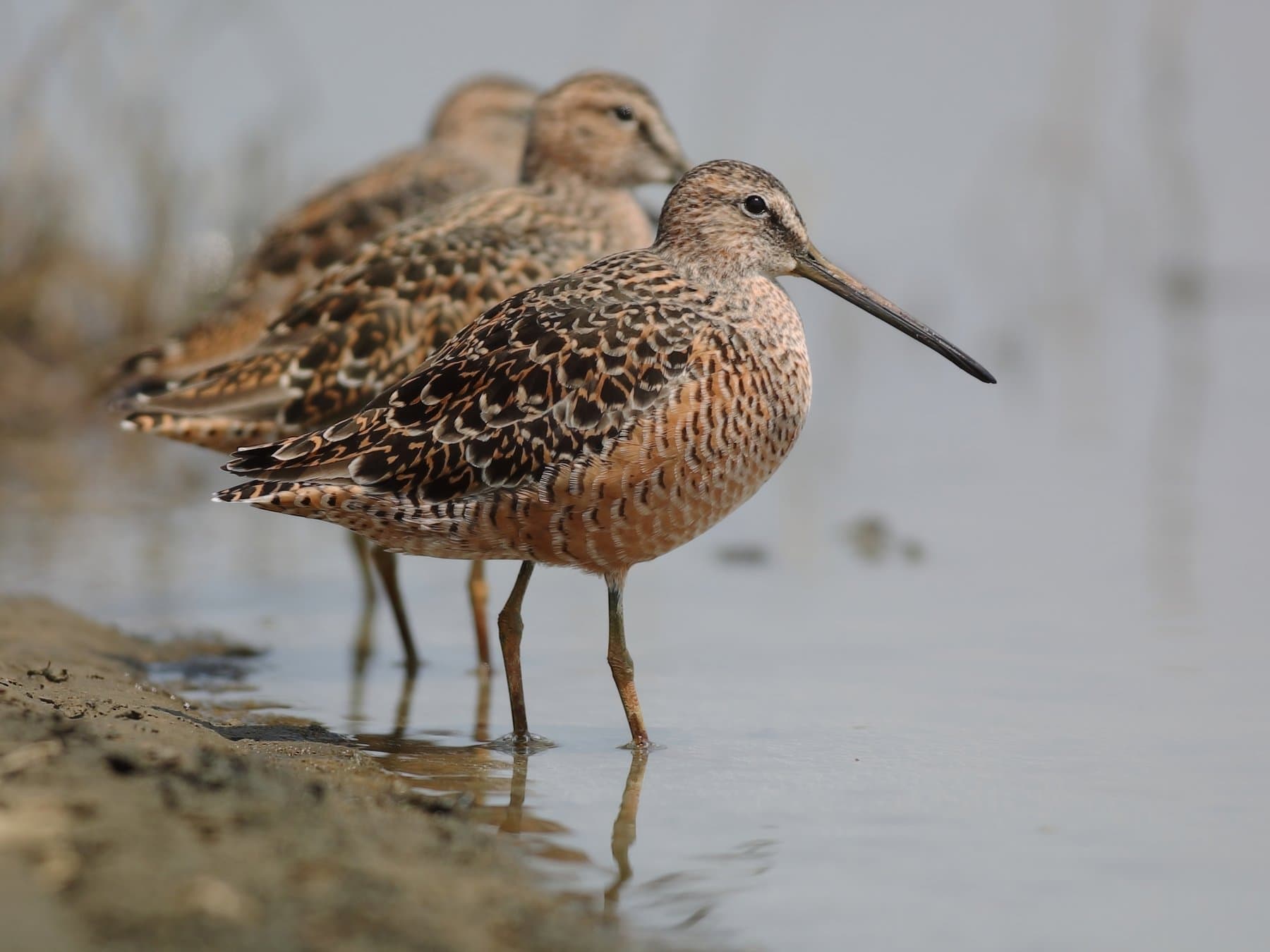
Long-billed Dowitcher
Limnodromus scolopaceusNT
A rare Nearctic vagrant occasionally recorded at coastal pools and marshes, mainly in autumn. A prized find for local birders.
Oct–Jan
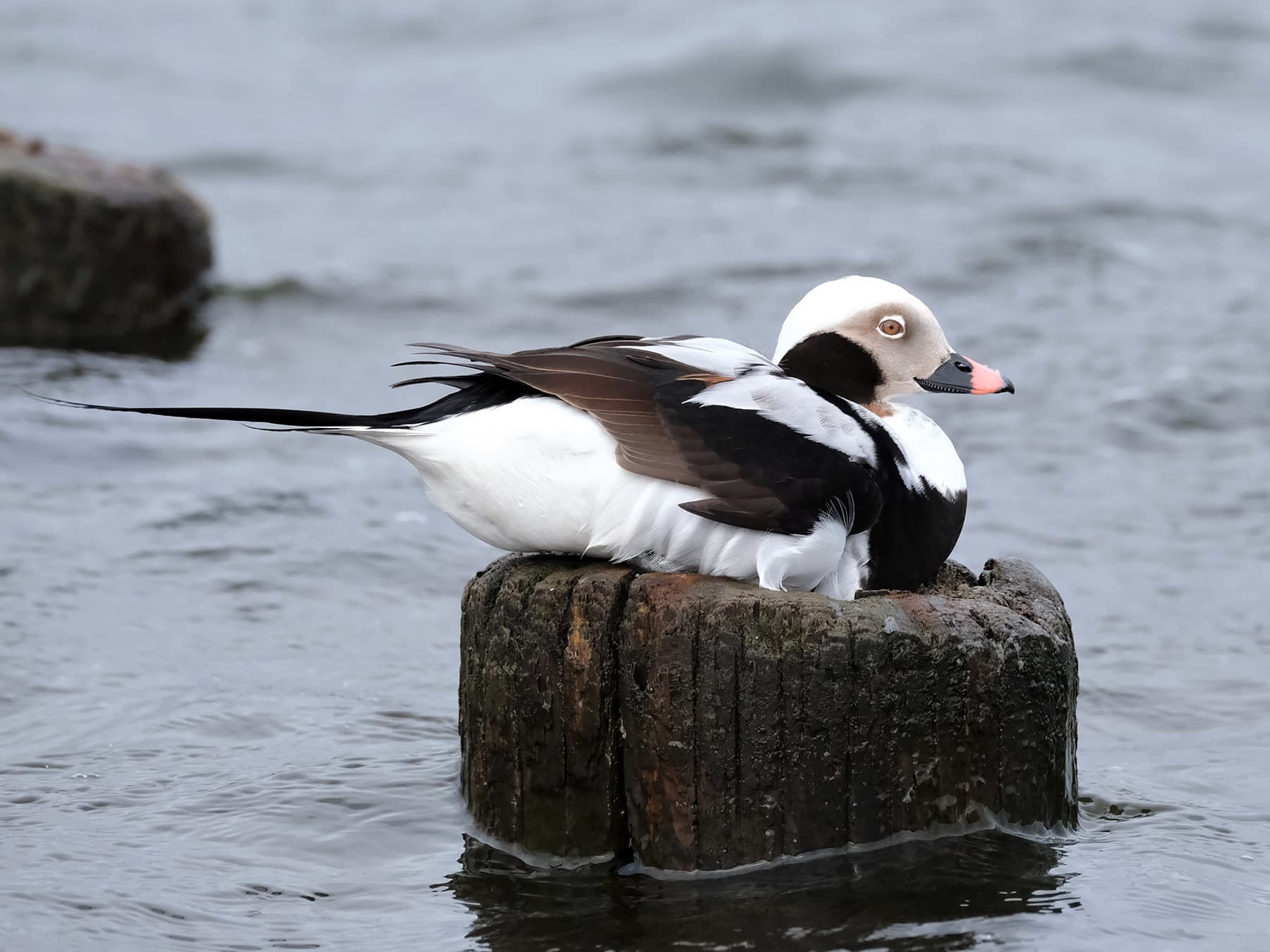
Long-tailed Duck
Clangula hyemalisVU
A rare winter visitor, occasionally spotted offshore or in sheltered bays during December. One of the county's scarcest sea ducks.
Dec
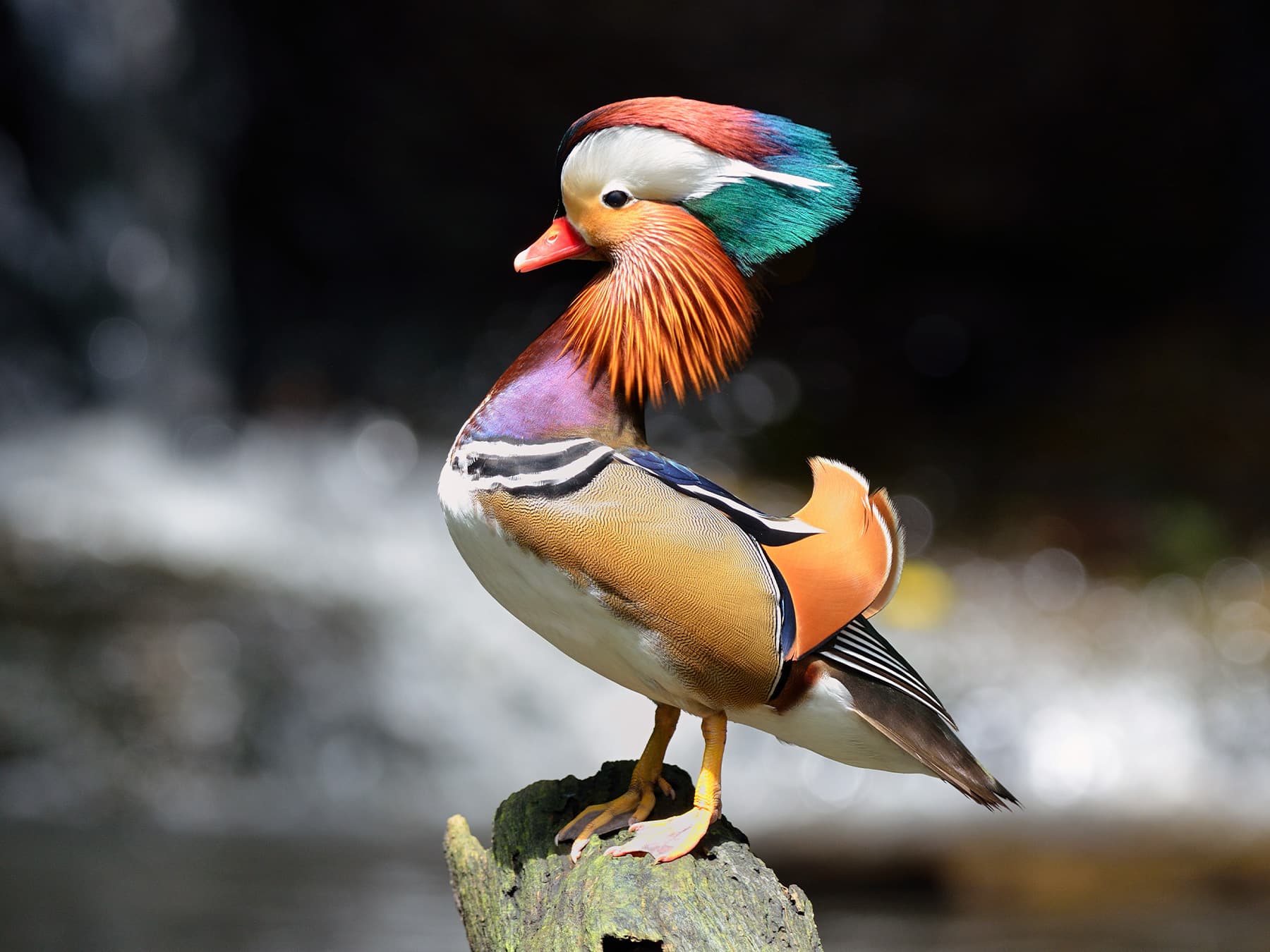
Mandarin Duck
Aix galericulataLC
A rare but established resident on wooded lakes and rivers, favouring mature trees with nesting holes. Most easily seen in late winter displays.
Year-round
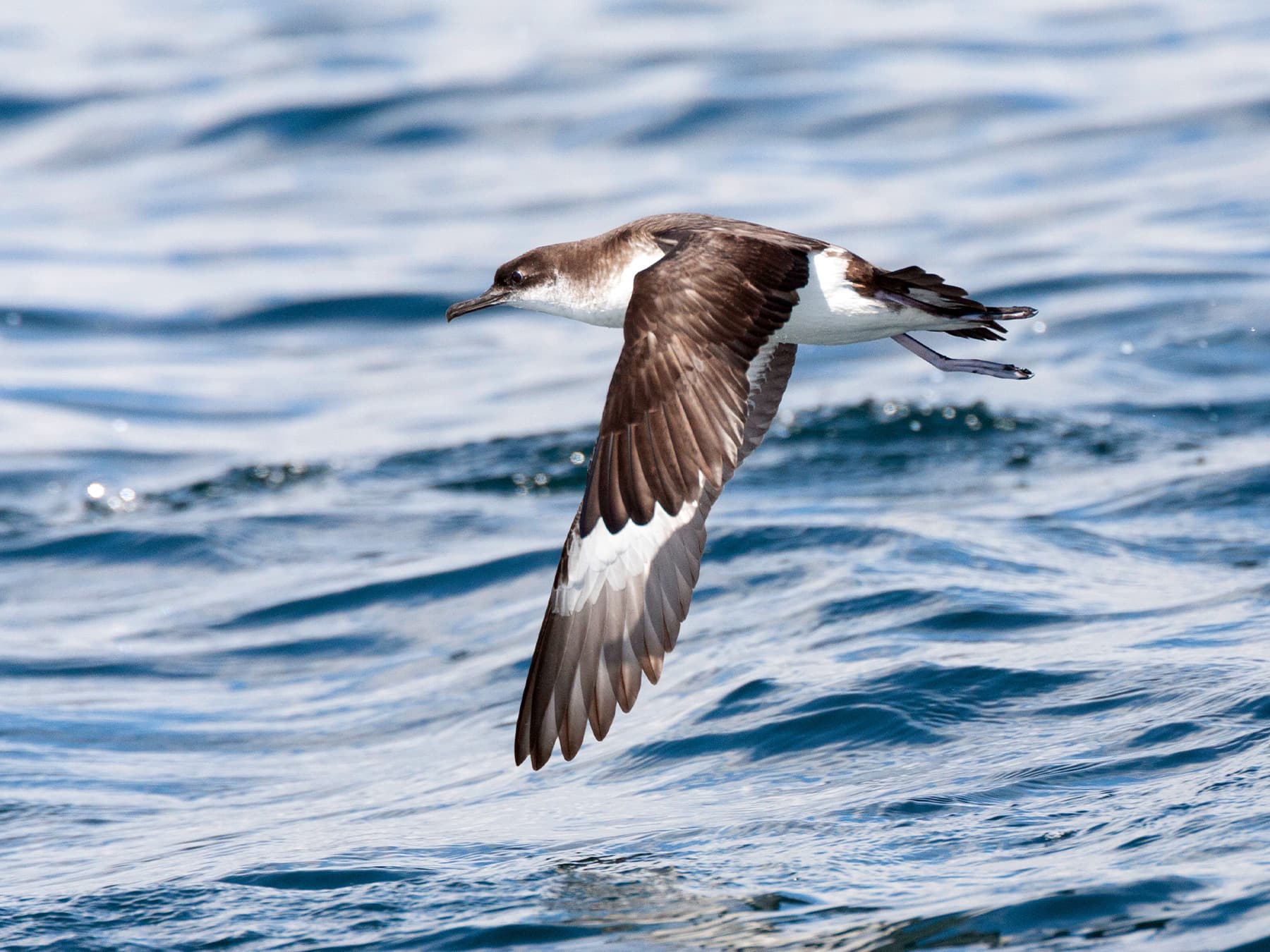
Manx Shearwater
Puffinus puffinusLC
A rare spring passage visitor, occasionally spotted from coastal headlands such as Beachy Head during seawatching in May.
May
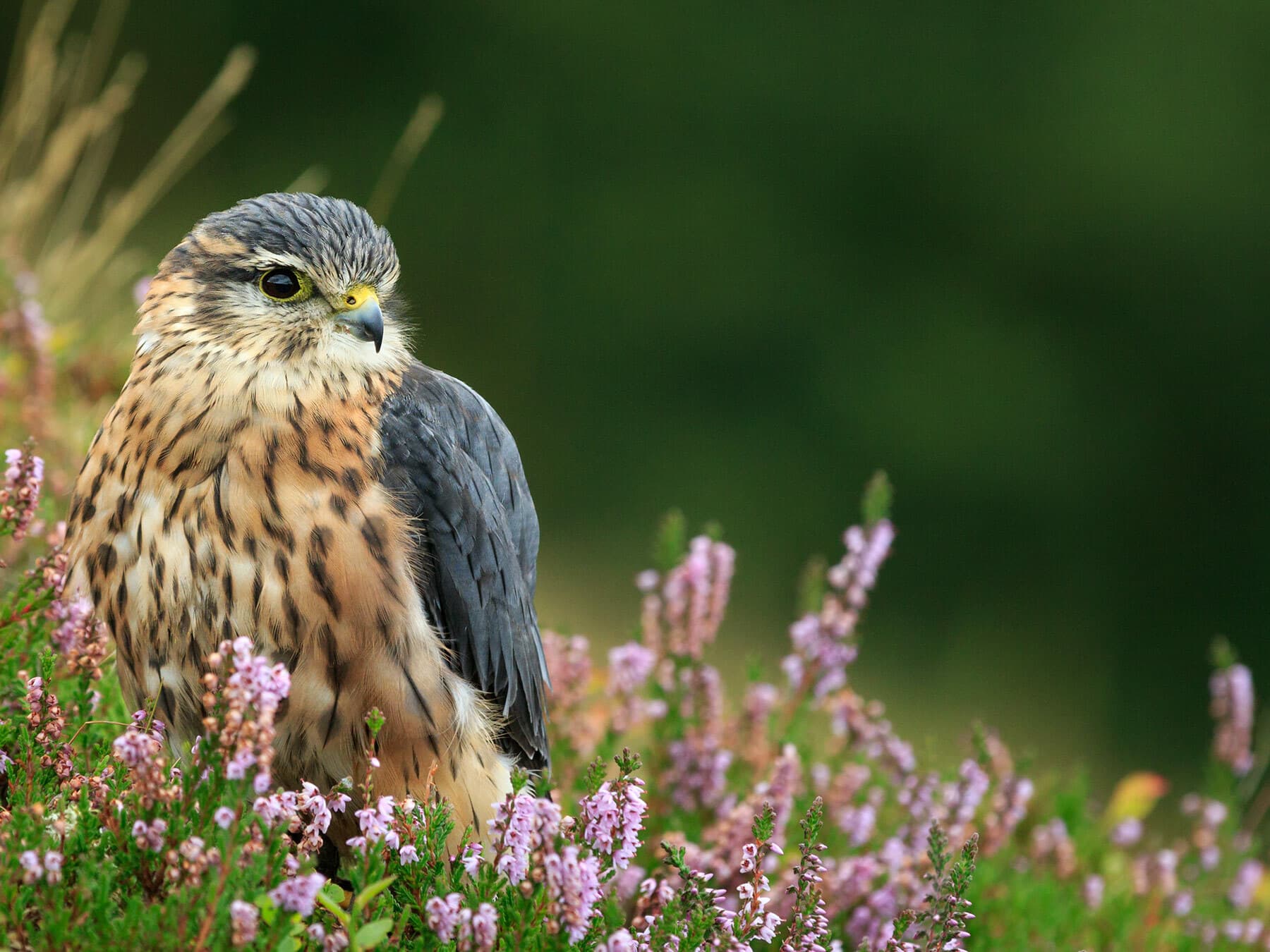
Merlin
Falco columbariusLC
A rare winter visitor, occasionally seen dashing low over coastal marshes and downland. Most likely from autumn through to early spring.
Sep–Mar
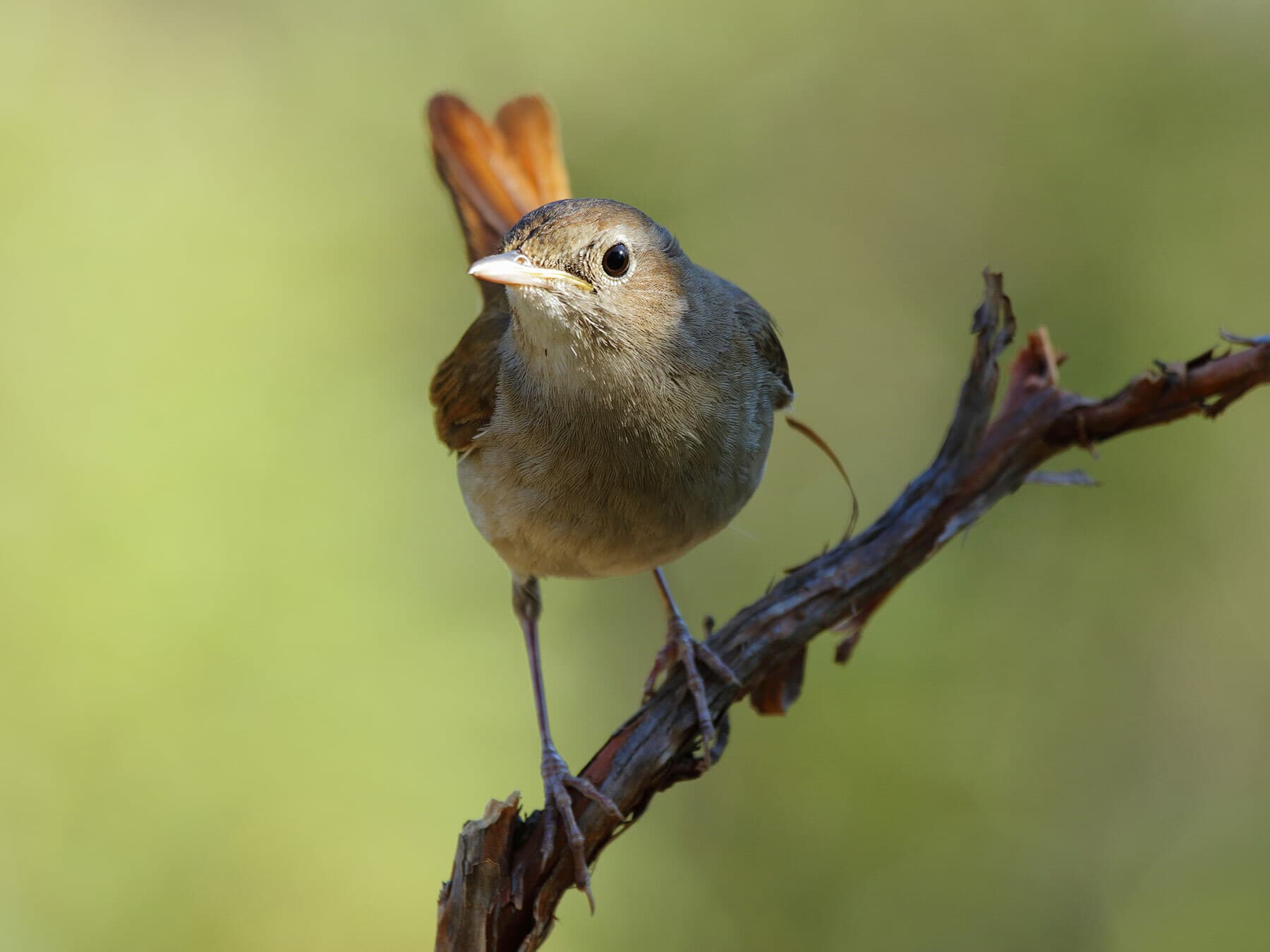
Nightingale
Luscinia megarhynchosLC
A rare and declining summer breeder, arriving in April. Dense coppiced woodland in the Low Weald remains a stronghold for this celebrated songster.
Apr–Aug
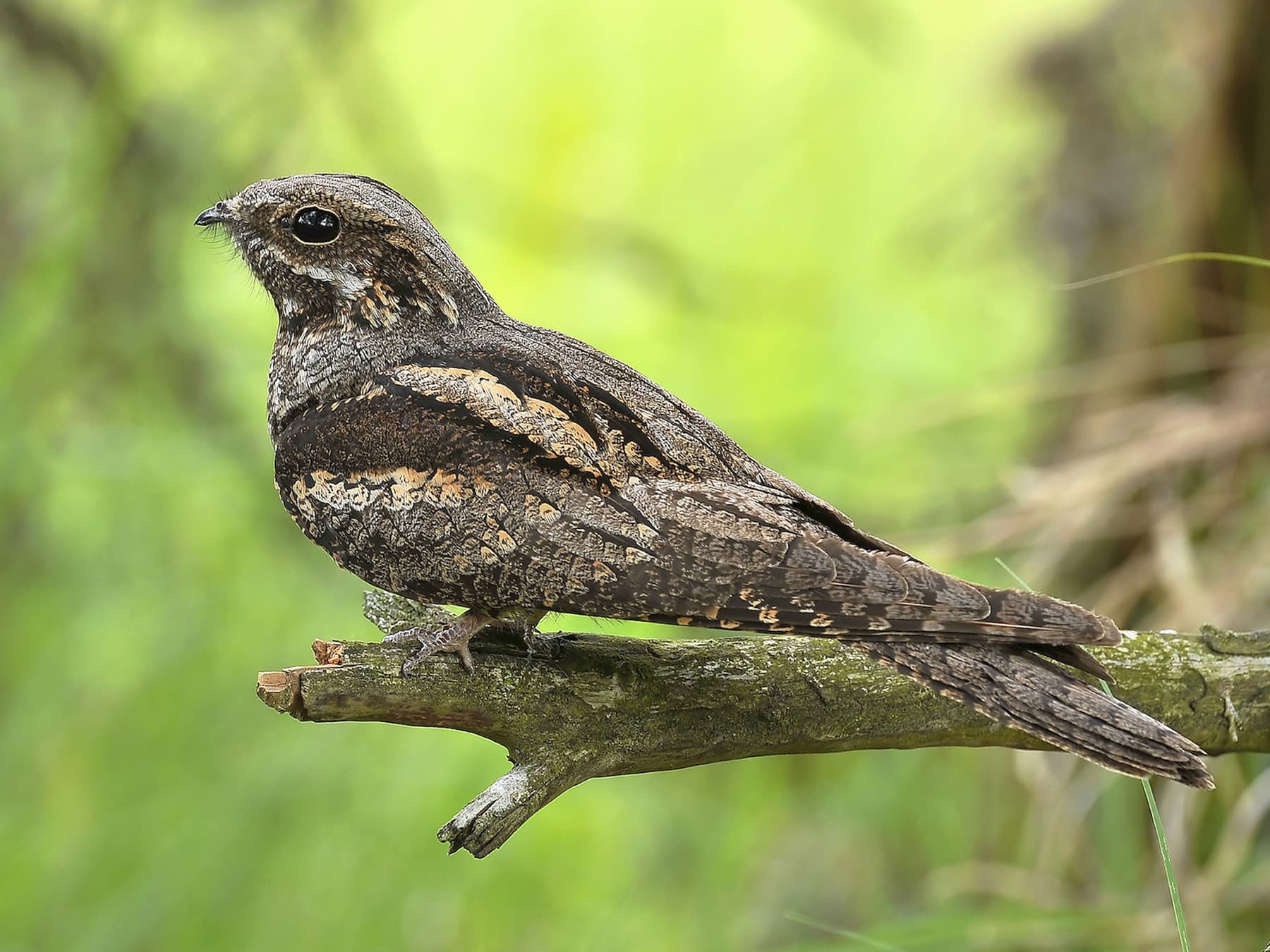
Nightjar
Caprimulgus europaeusLC
A scarce summer breeder on heathland in the Ashdown Forest area. Its churring song carries across warm evenings from May to July.
May–Jul
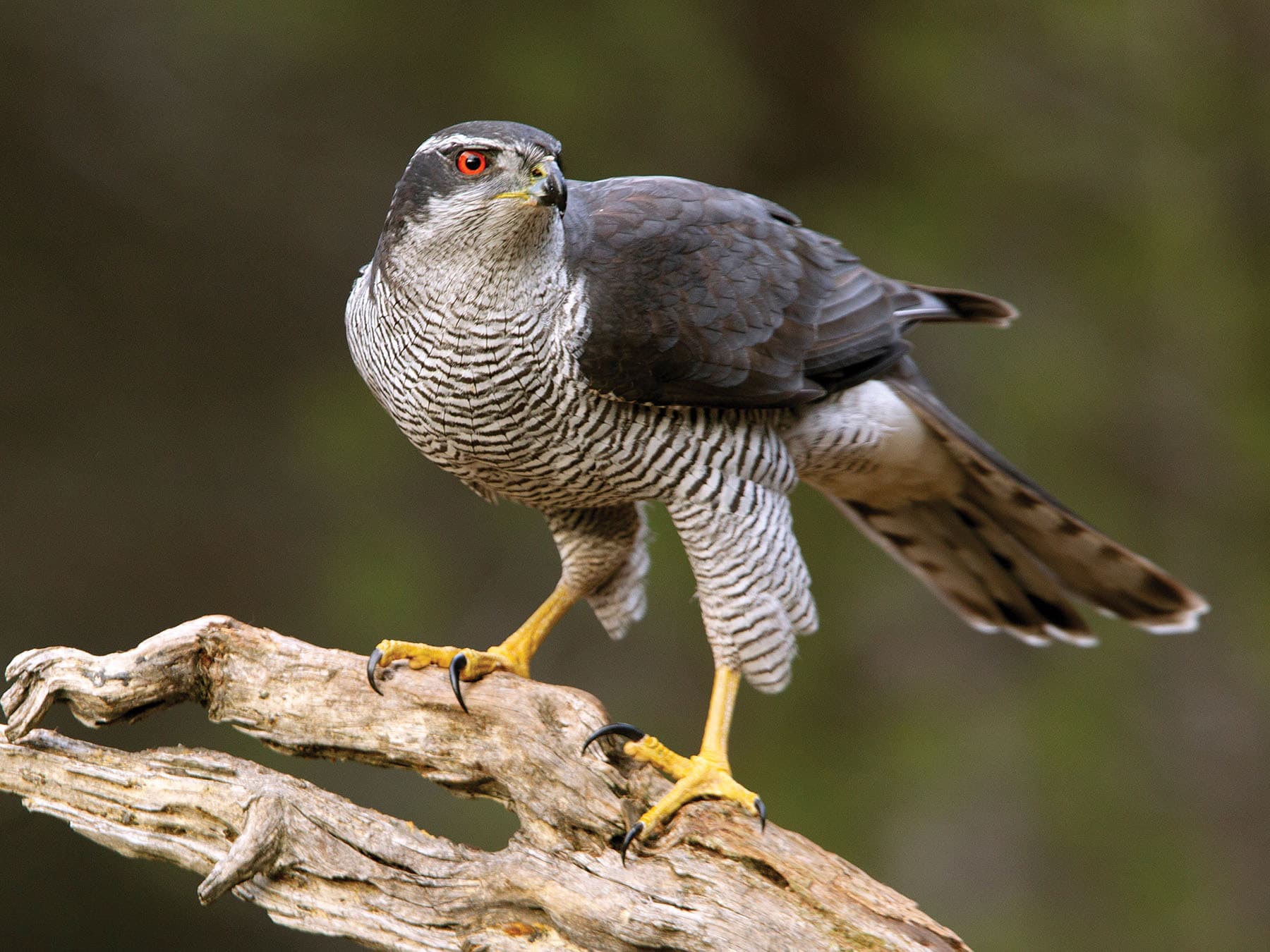
Northern Goshawk
Accipiter gentilisLC
A rare and secretive resident of larger woodlands. Sightings peak in late winter and autumn, often near extensive forest blocks in the Weald.
Aug–Apr
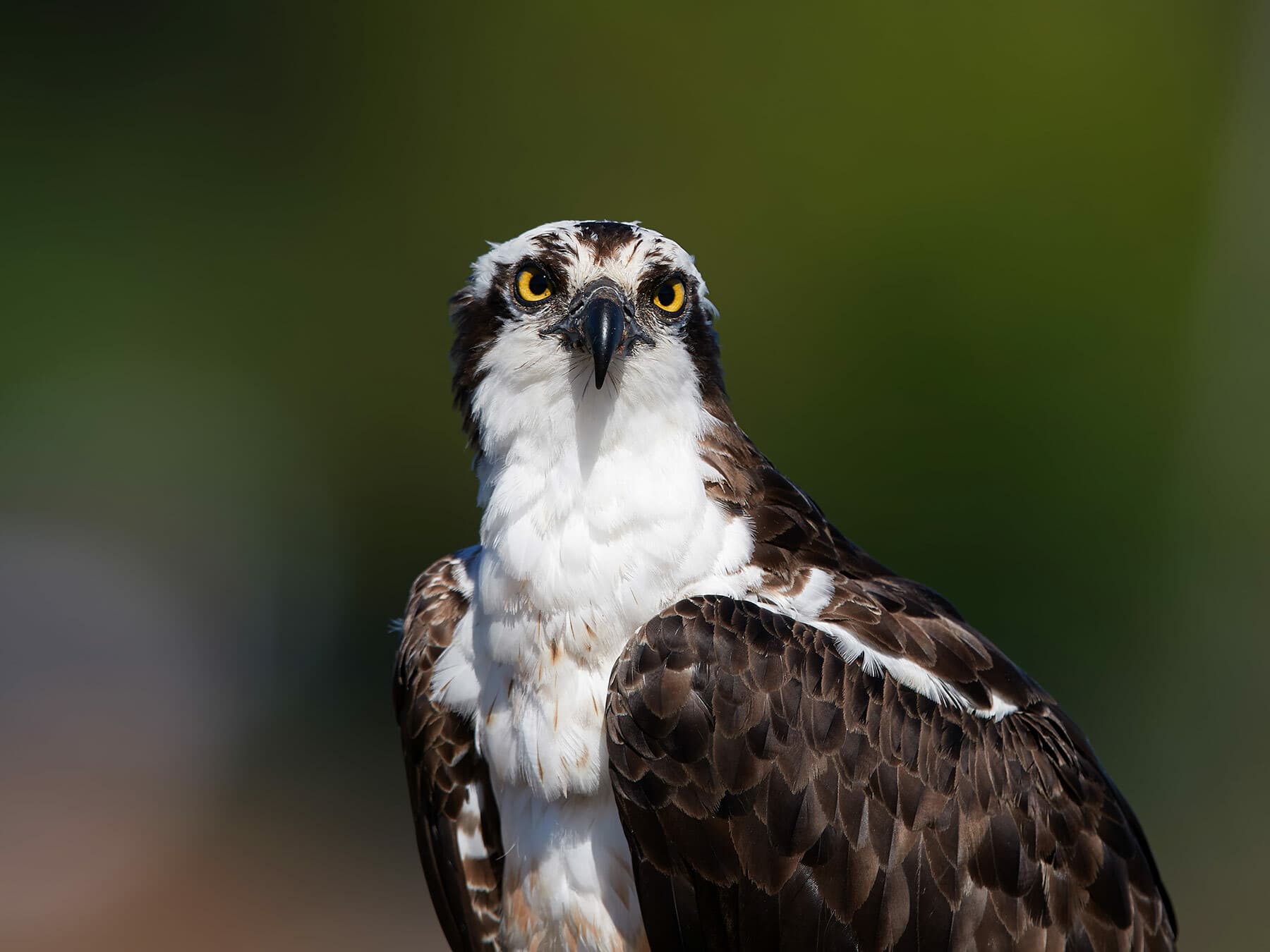
Osprey
Pandion haliaetusLC
A rare but eagerly awaited autumn passage migrant in August and September, often seen fishing over reservoirs and coastal lagoons.
Aug–Sep
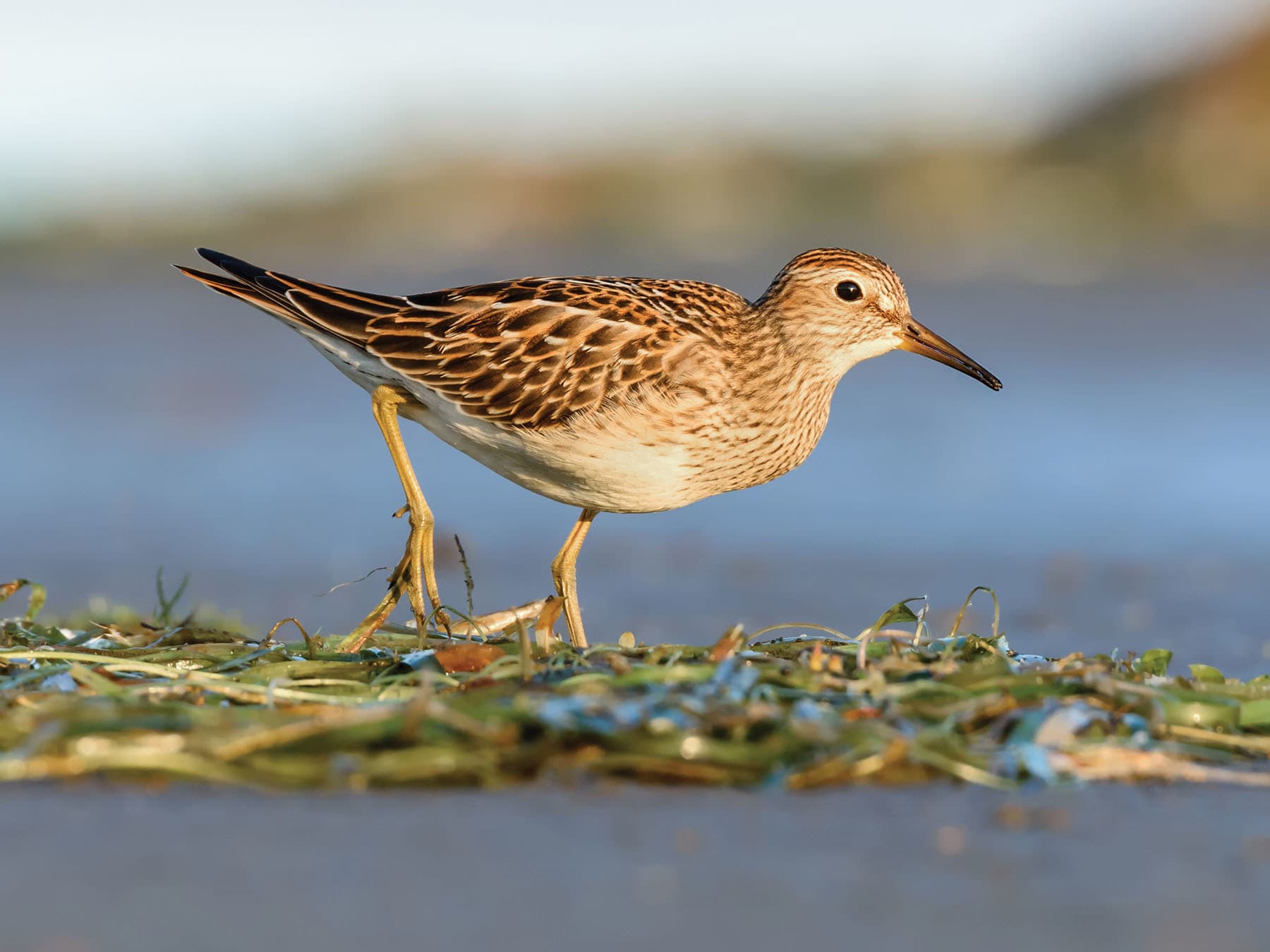
Pectoral Sandpiper
Calidris melanotosLC
A rare transatlantic vagrant, occasionally turning up at coastal pools in August. Most records come from sites like Pett Level or the Cuckmere.
Aug
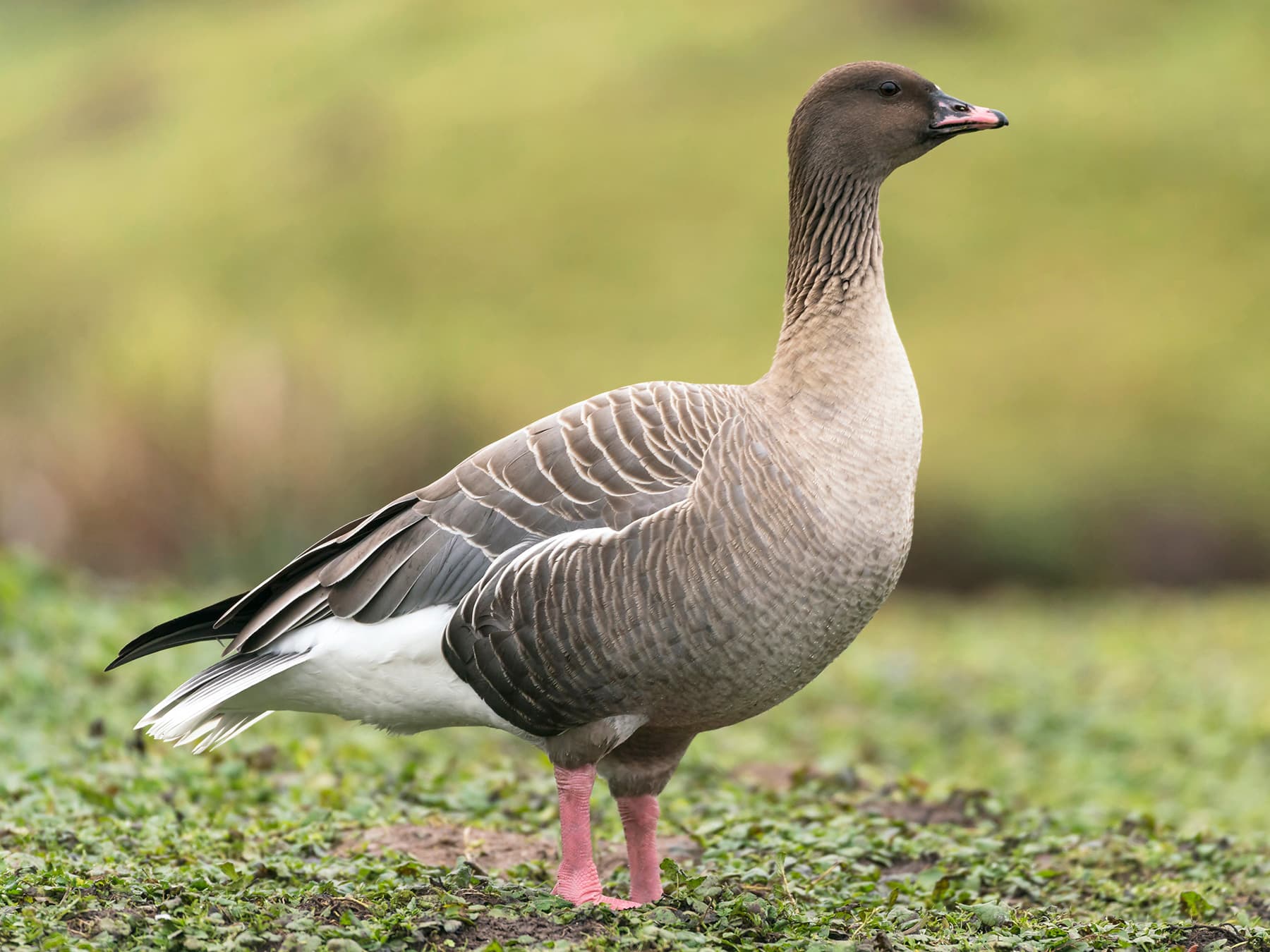
Pink-footed Goose
Anser brachyrhynchusLC
A rare winter visitor to the Pevensey Levels and coastal grazing marshes. Small numbers occasionally appear among flocks of other geese in January and February.
Jan–Feb
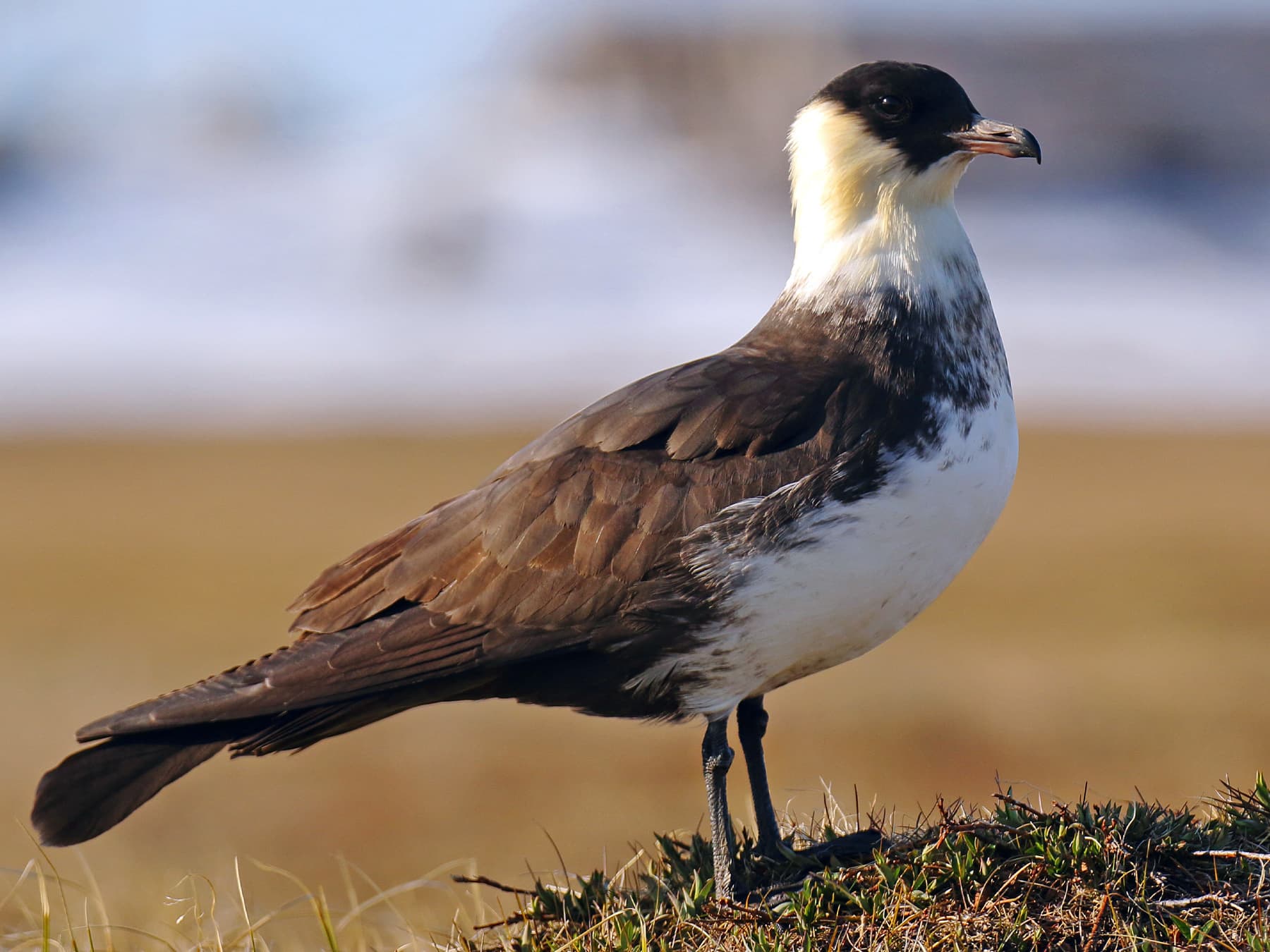
Pomarine Jaeger
Stercorarius pomarinusLC
A rare spring passage migrant best seen during seawatches from Beachy Head or Splash Point in April and May.
Apr–May
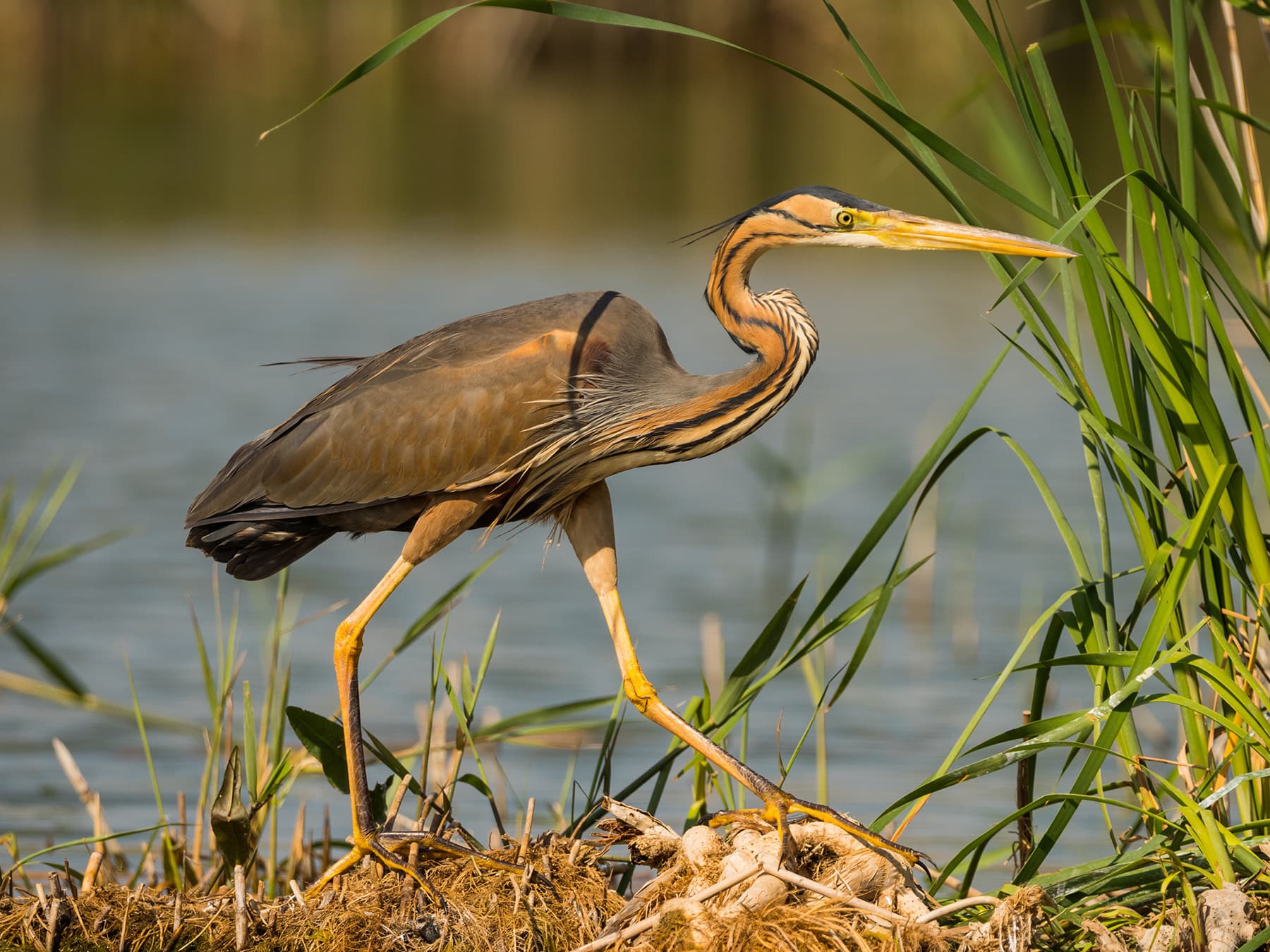
Purple Heron
Ardea purpureaLC
A rare spring passage migrant, occasionally spotted in April at reedbeds and wetlands such as those around the Pevensey Levels or Rye Harbour.
Apr
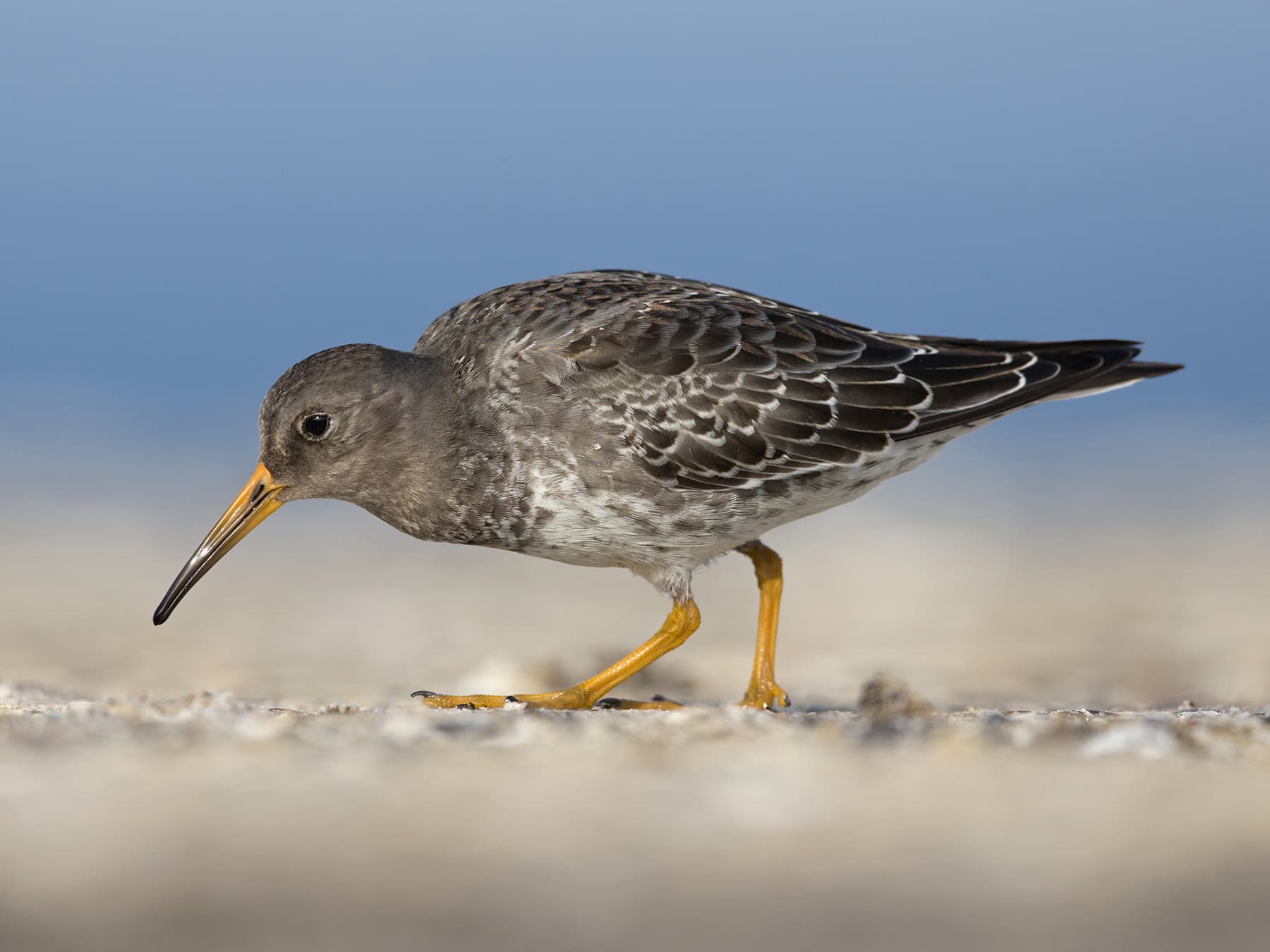
Purple Sandpiper
Calidris maritimaLC
A rare winter visitor favouring rocky groynes and harbour walls along the coast. Most reliably seen from November to March.
Nov–Mar
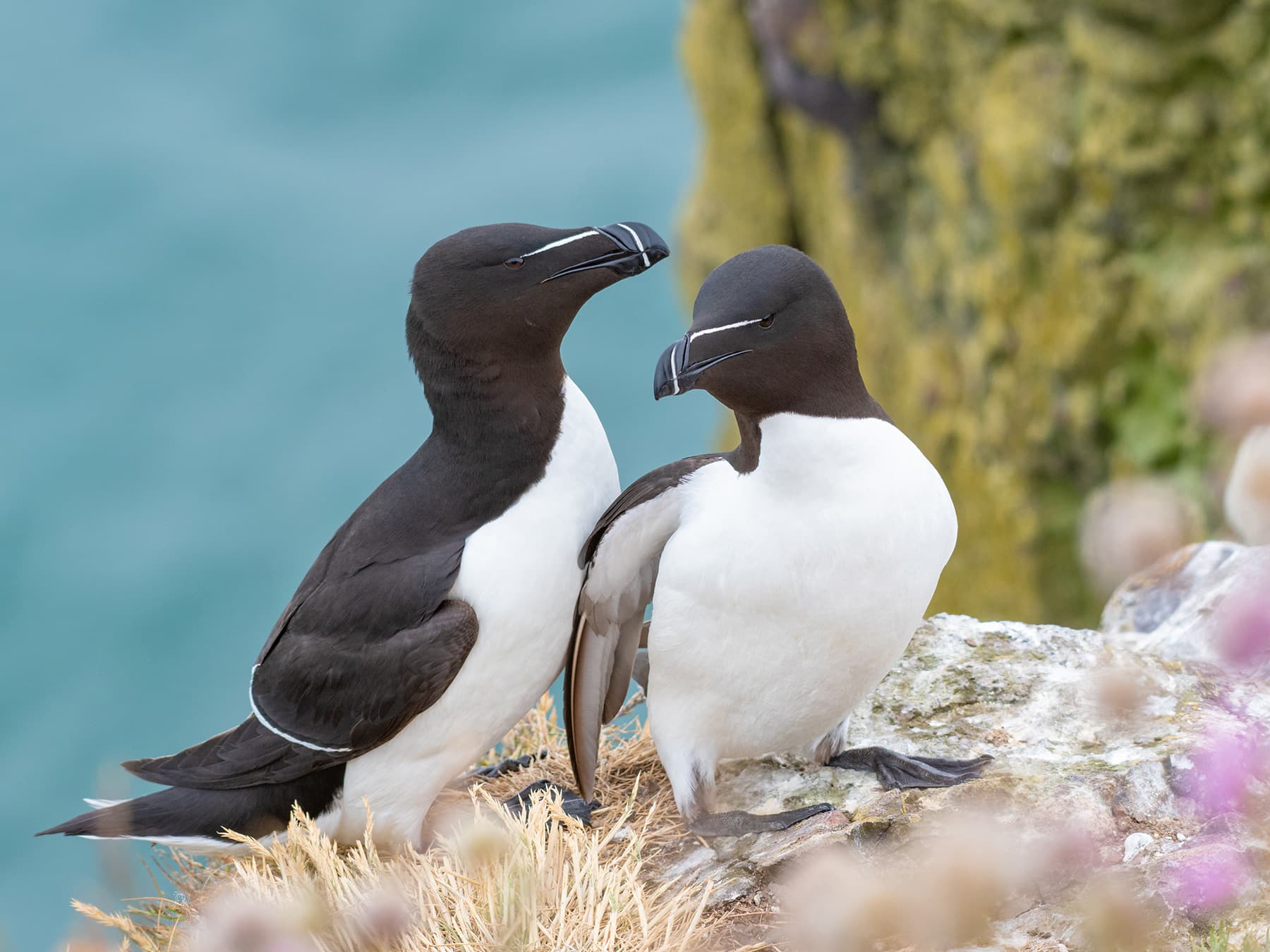
Razorbill
Alca tordaLC
Scarce but regular offshore in winter and spring, often seen from seawatching points. Occasionally washes up on beaches after storms.
Oct–May