Rare Birds in East Sussex
99 species matching this filter.
East Sussex is home to a fascinating array of rare bird species, with 94 uncommon visitors and scarce residents recorded across the county. From the elusive Eurasian Bittern lurking in reedbeds at sites like Filsham and the Pevensey Levels to spectacular passage migrants such as Arctic Terns along the coast, the county's diverse habitats — including chalk downland, ancient woodland, and coastal wetlands — attract a remarkable variety of rarities. Winter months can bring surprises like Bohemian Waxwings, Bramblings, and Goldeneye, while the warmer seasons may reward patient observers with sightings of European Honey-buzzards soaring over the Weald.


Showing 70–92 of 99 species
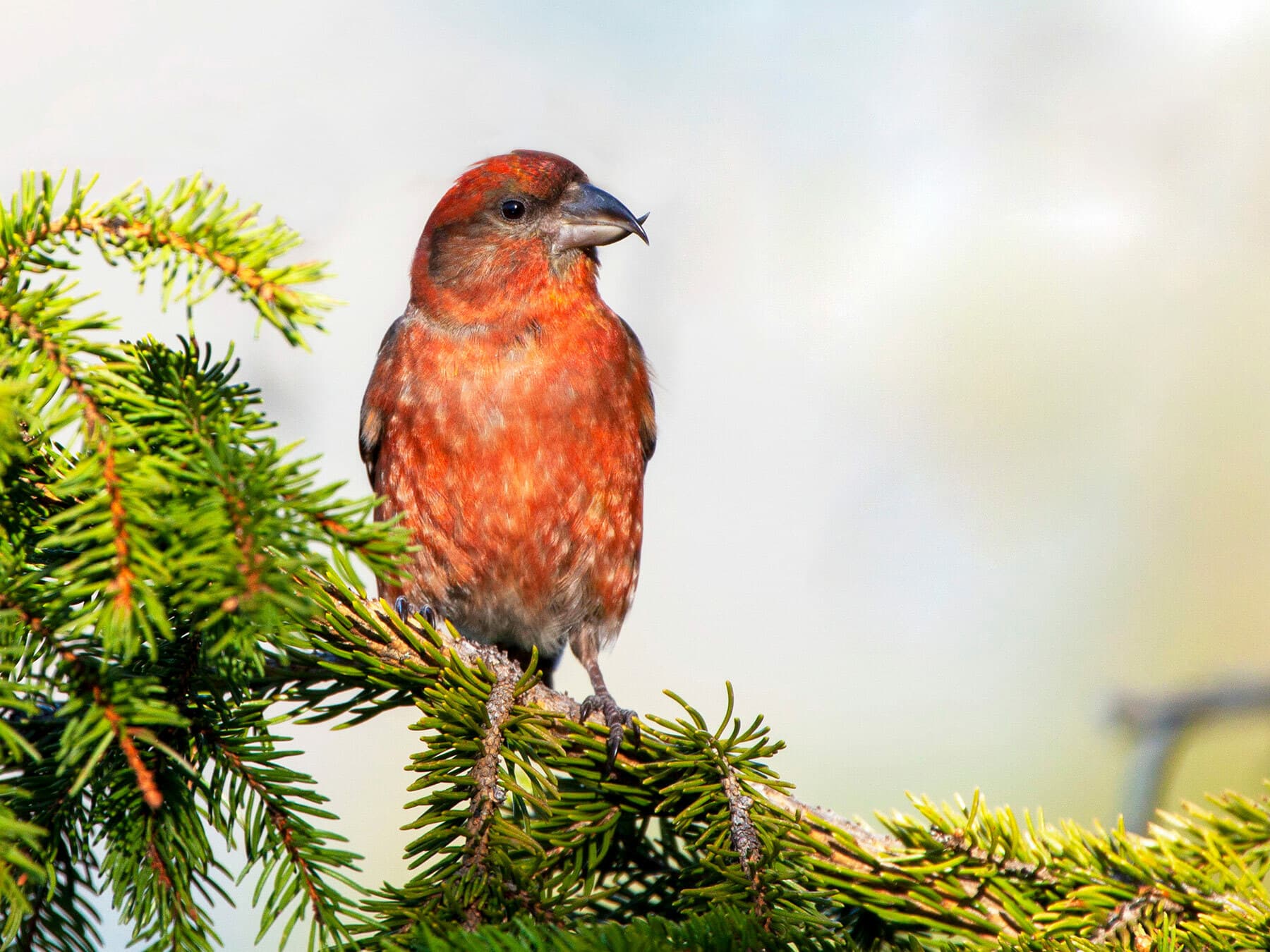
Red Crossbill
Loxia curvirostraLC
A rare resident of conifer plantations, with numbers varying greatly between years. Ashdown Forest is a key site for this unpredictable finch.
Year-round
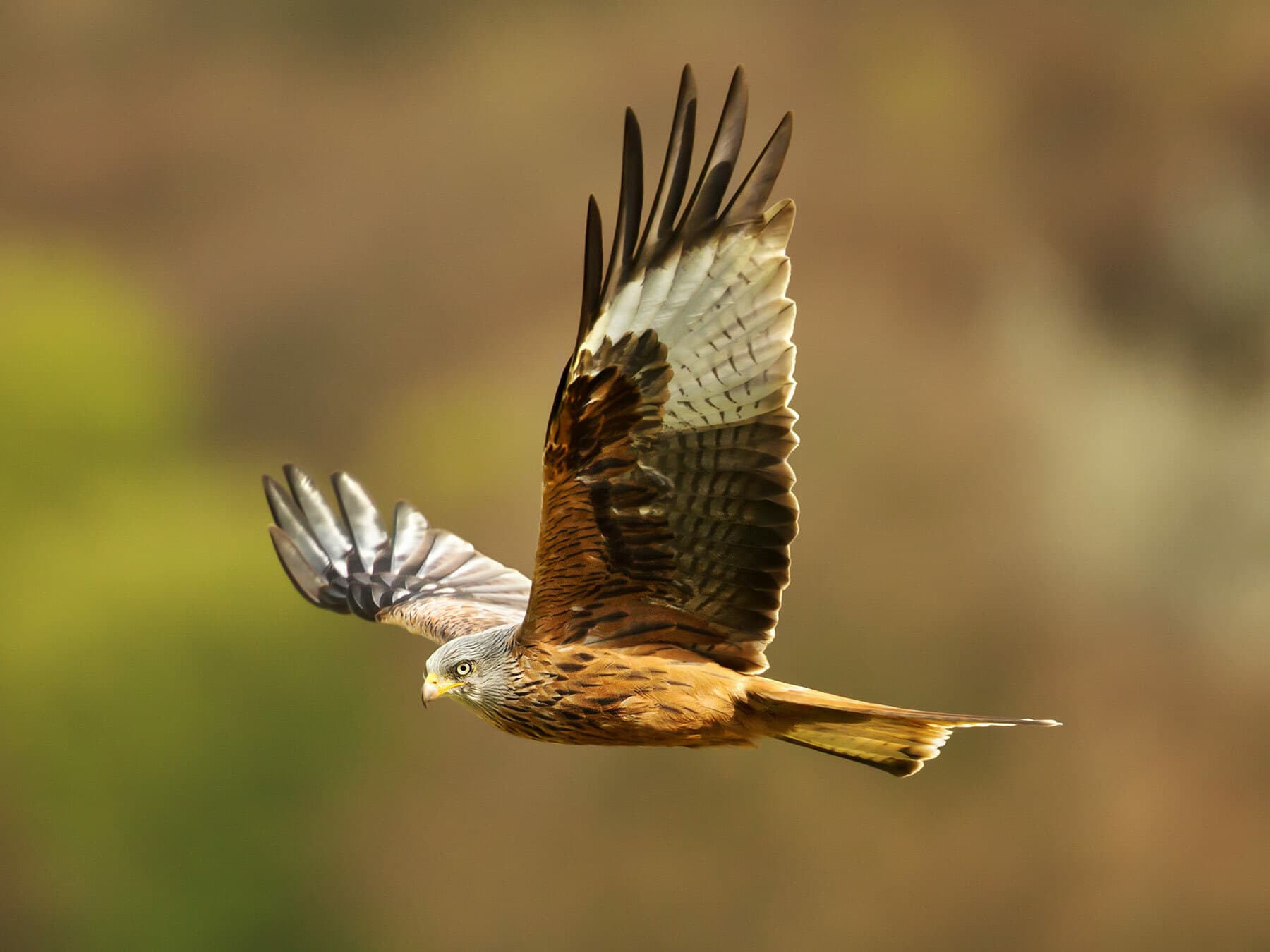
Red Kite
Milvus milvusLC
A rare but increasingly seen resident, soaring over the Downs and Weald as the population slowly spreads southward.
Year-round
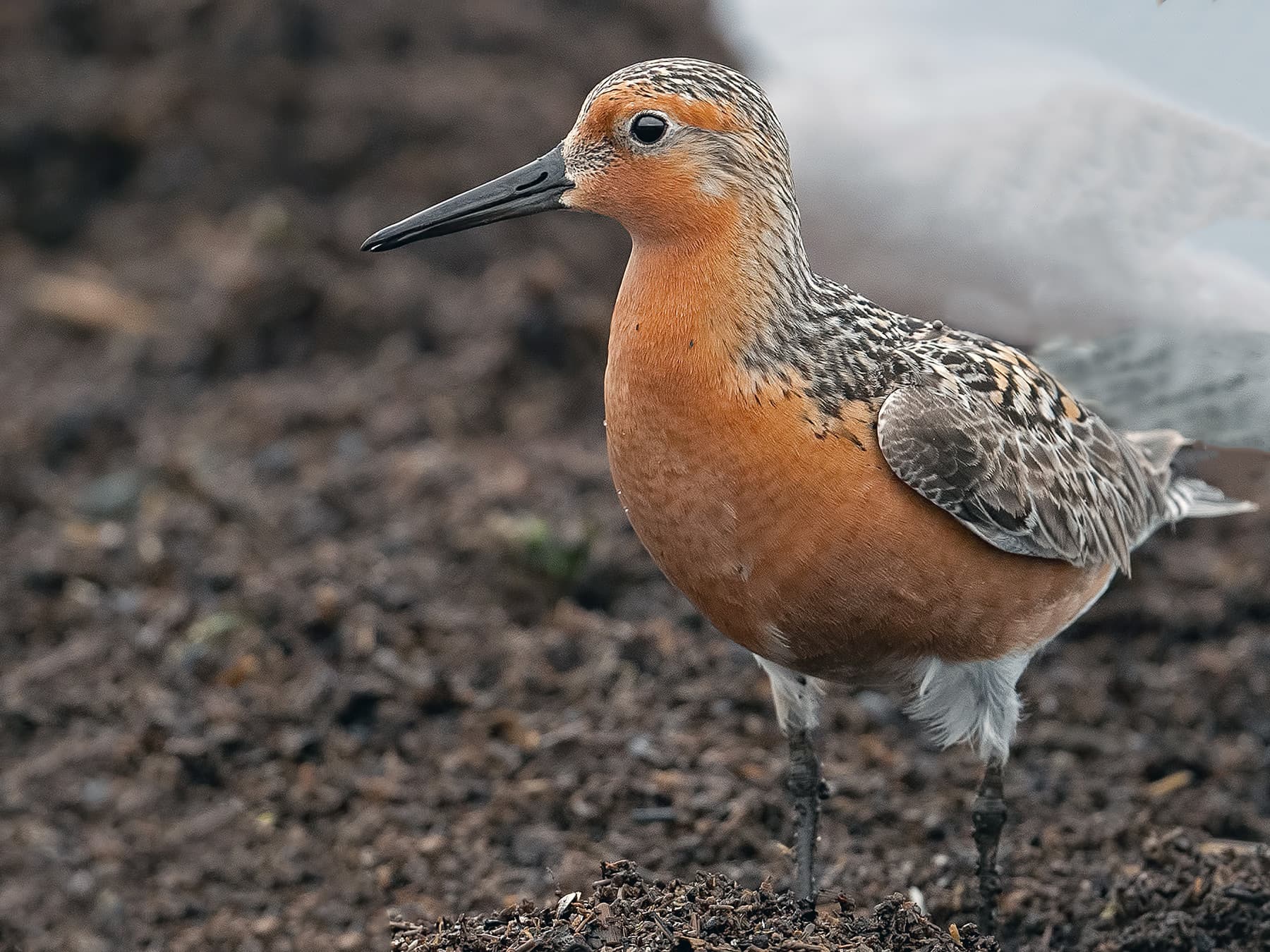
Red Knot
Calidris canutusNT
A rare visitor to mudflats and coastal lagoons, present mainly in winter and on passage. Small flocks occasionally visit Rye Harbour.
Aug–May
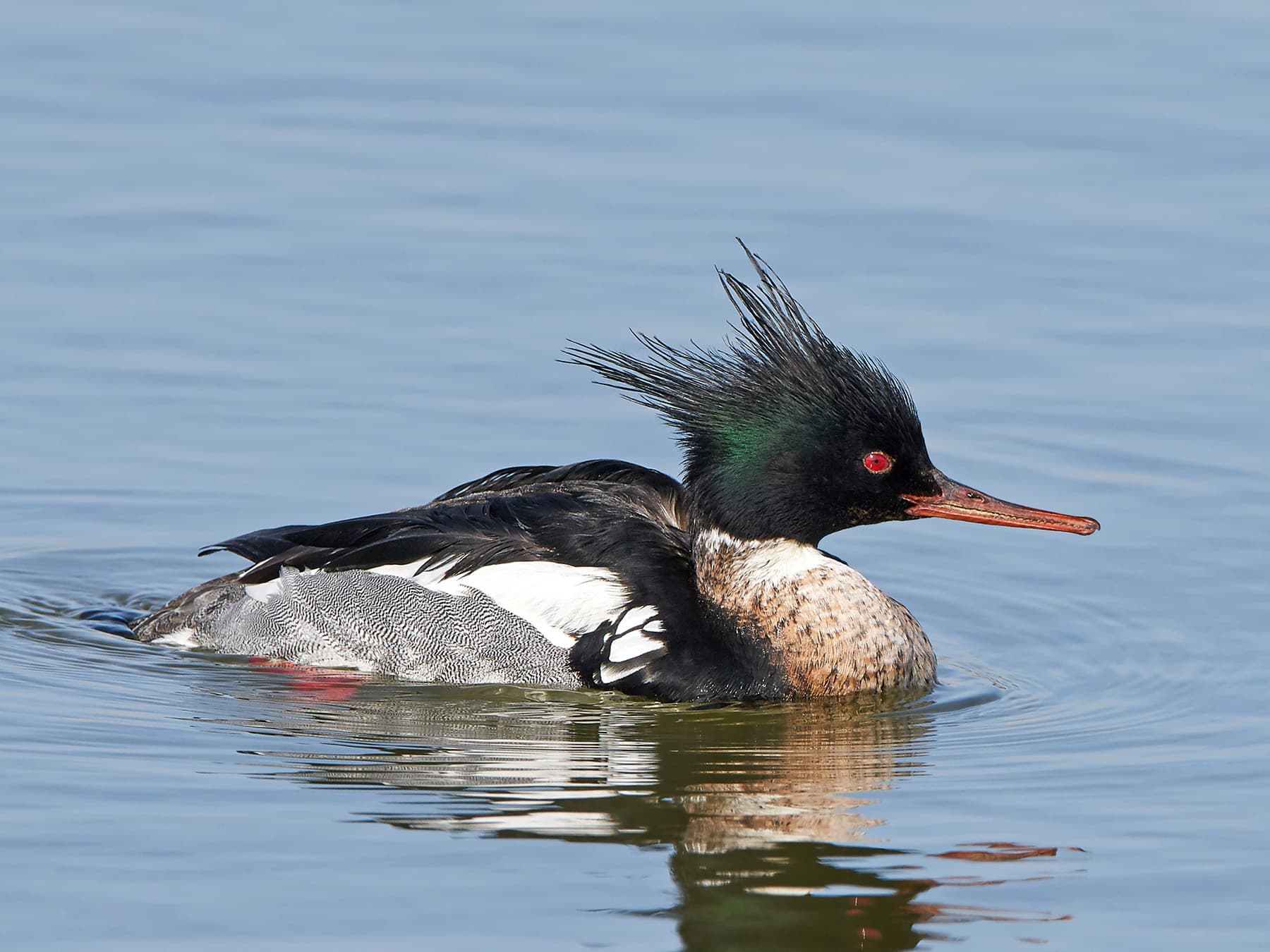
Red-breasted Merganser
Mergus serratorLC
A scarce winter visitor to sheltered coastal waters and estuaries. Small numbers frequent the Rye Bay area from late autumn to spring.
Nov–May
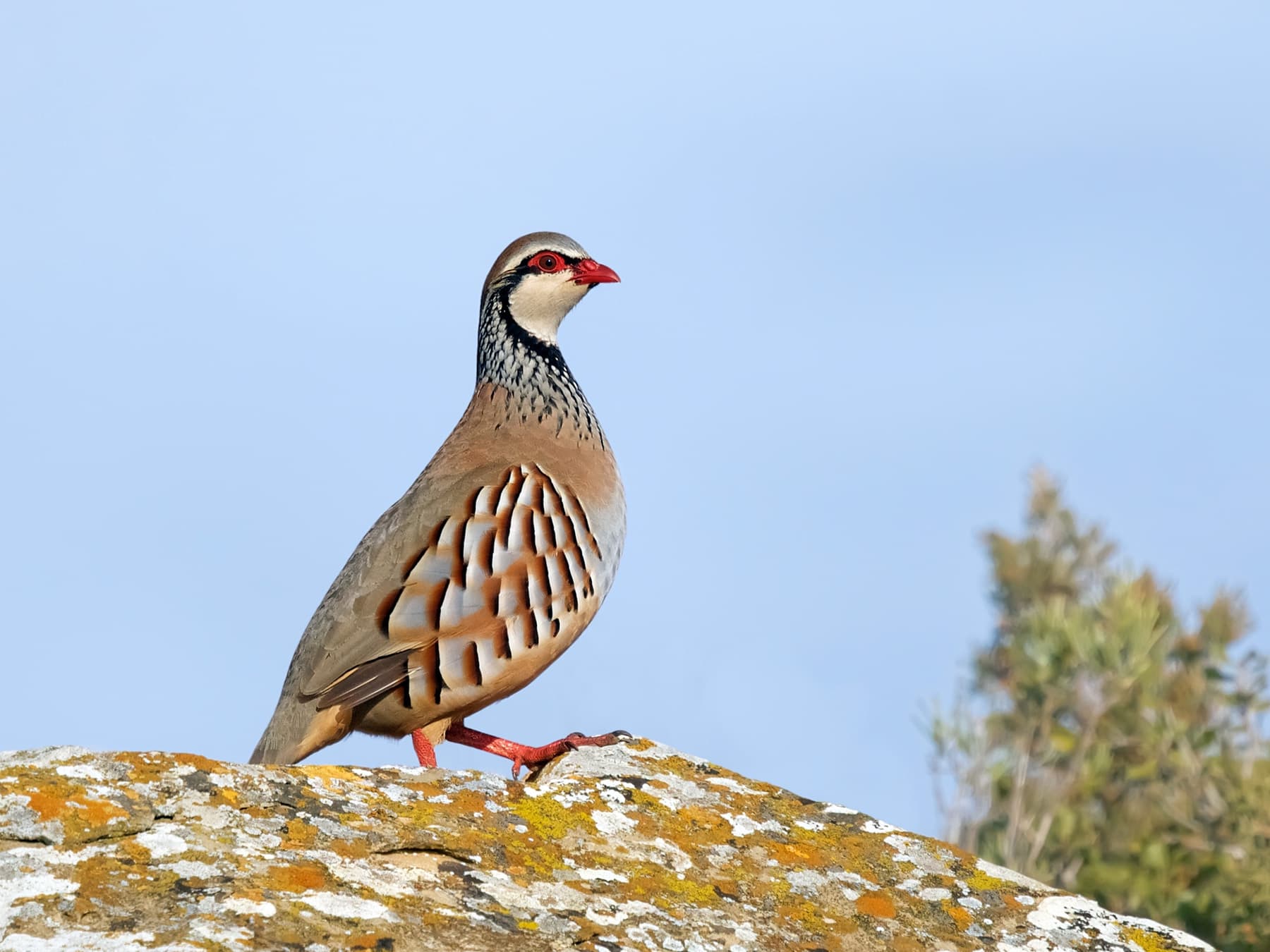
Red-legged Partridge
Alectoris rufaNT
An introduced resident found year-round on farmland and downland edges, though rarely encountered. Prefers arable fields with hedgerow cover.
Year-round
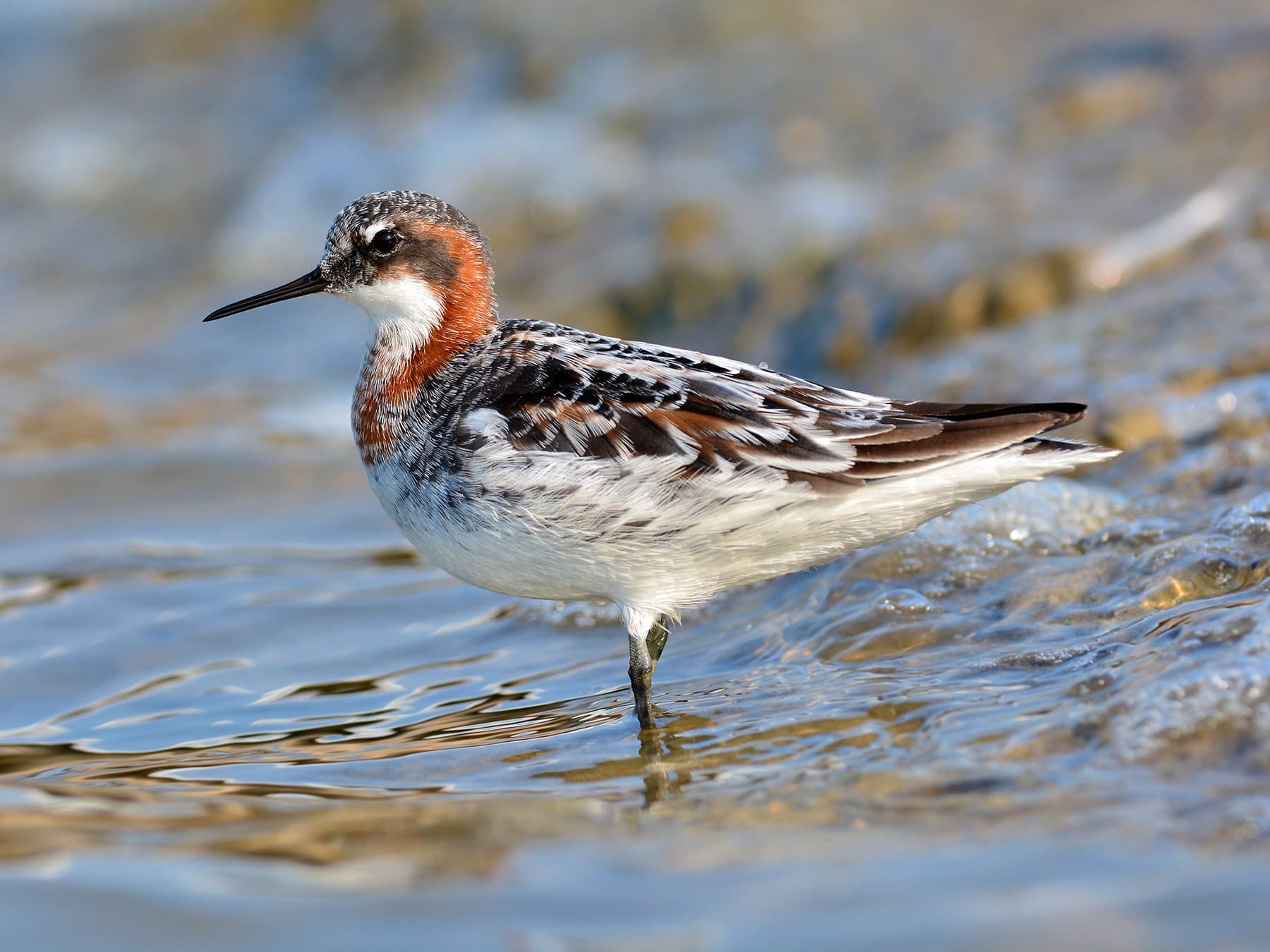
Red-necked Phalarope
Phalaropus lobatusLC
A rare autumn passage migrant, occasionally seen spinning on pools at coastal reserves such as Rye Harbour in September.
Sep
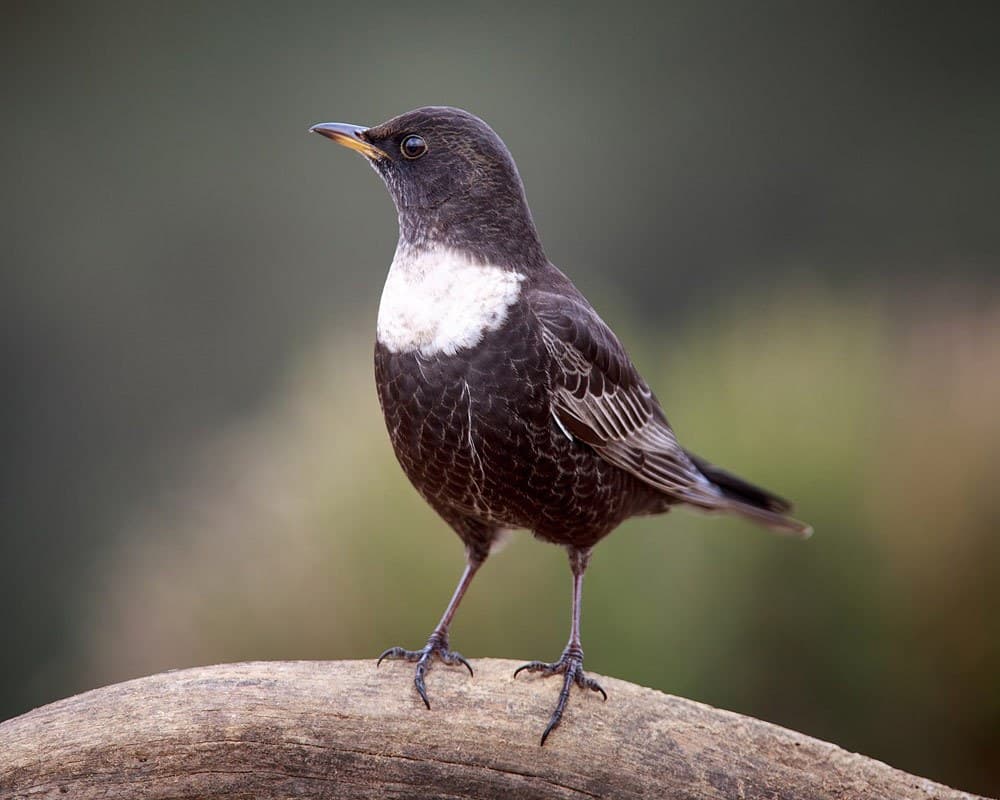
Ring Ouzel
Turdus torquatusLC
A scarce passage migrant through East Sussex in April and October, often seen on downland scrub and coastal headlands during brief stopovers.
Oct–Apr
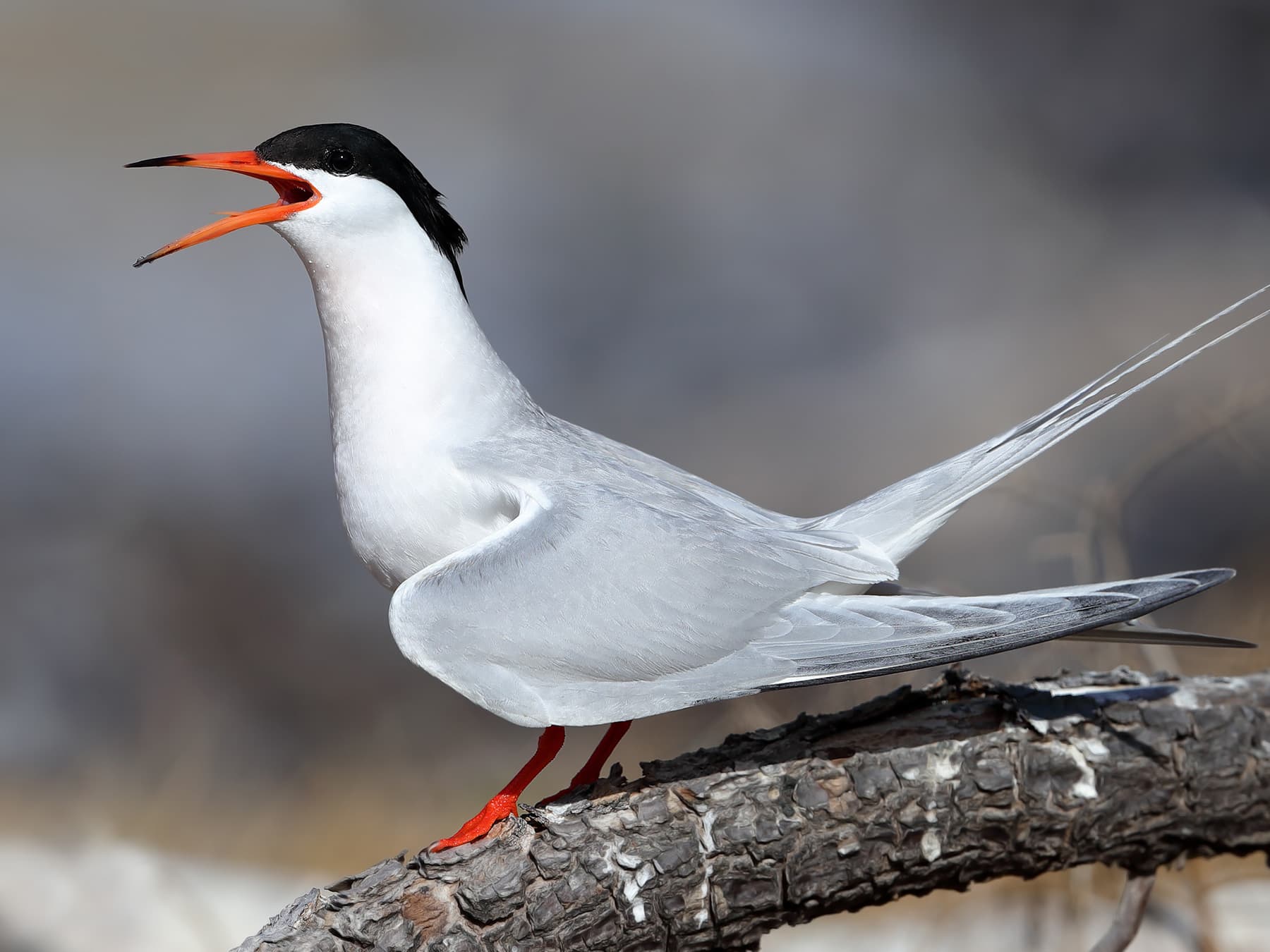
Roseate Tern
Sterna dougalliiLC
A rare passage visitor, occasionally glimpsed offshore in July among commoner tern flocks moving along the Sussex coast.
Jul
Spotted something?
Upload a photo to identify it
Identify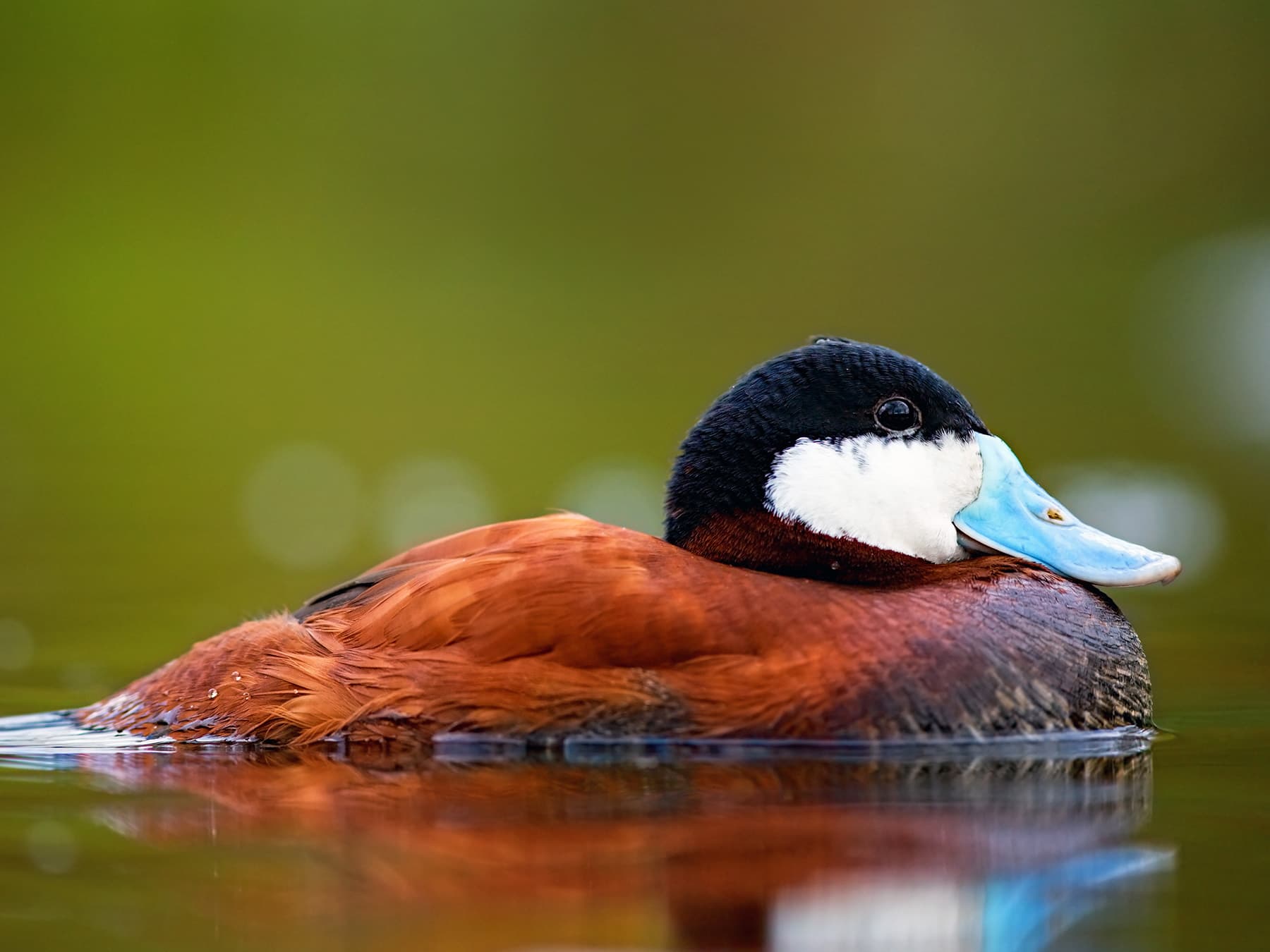
Ruddy Duck
Oxyura jamaicensisLC
A rare breeding visitor to freshwater lakes, now extremely scarce following national eradication efforts. Any sightings are notable in the county.
Mar–Jun
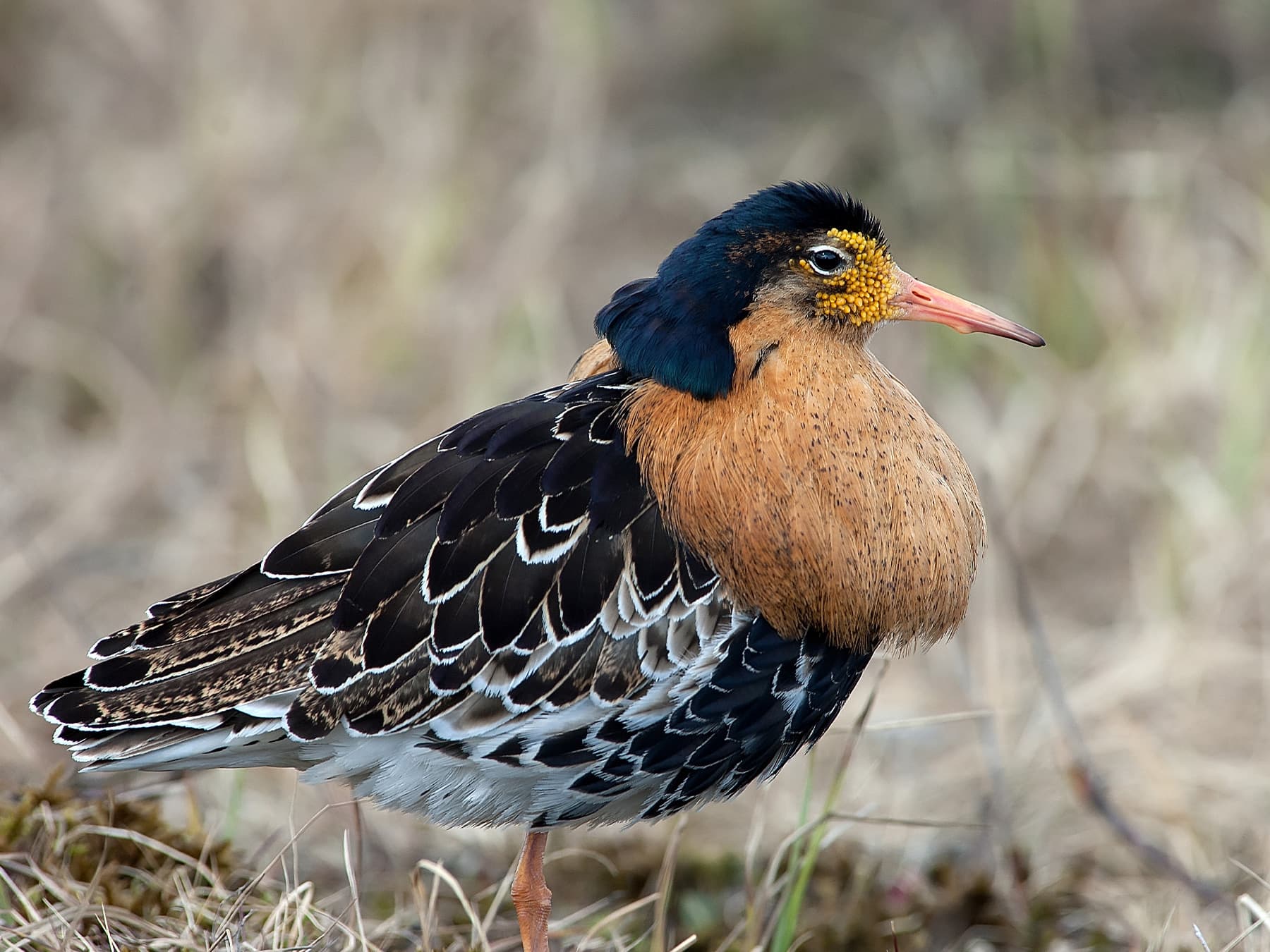
Ruff
Philomachus pugnaxLC
A rare wader found at coastal pools and marshes, most often seen on autumn passage. Breeding males sport extraordinary ruffs, but most sightings here involve plainer birds.
Jul–Apr
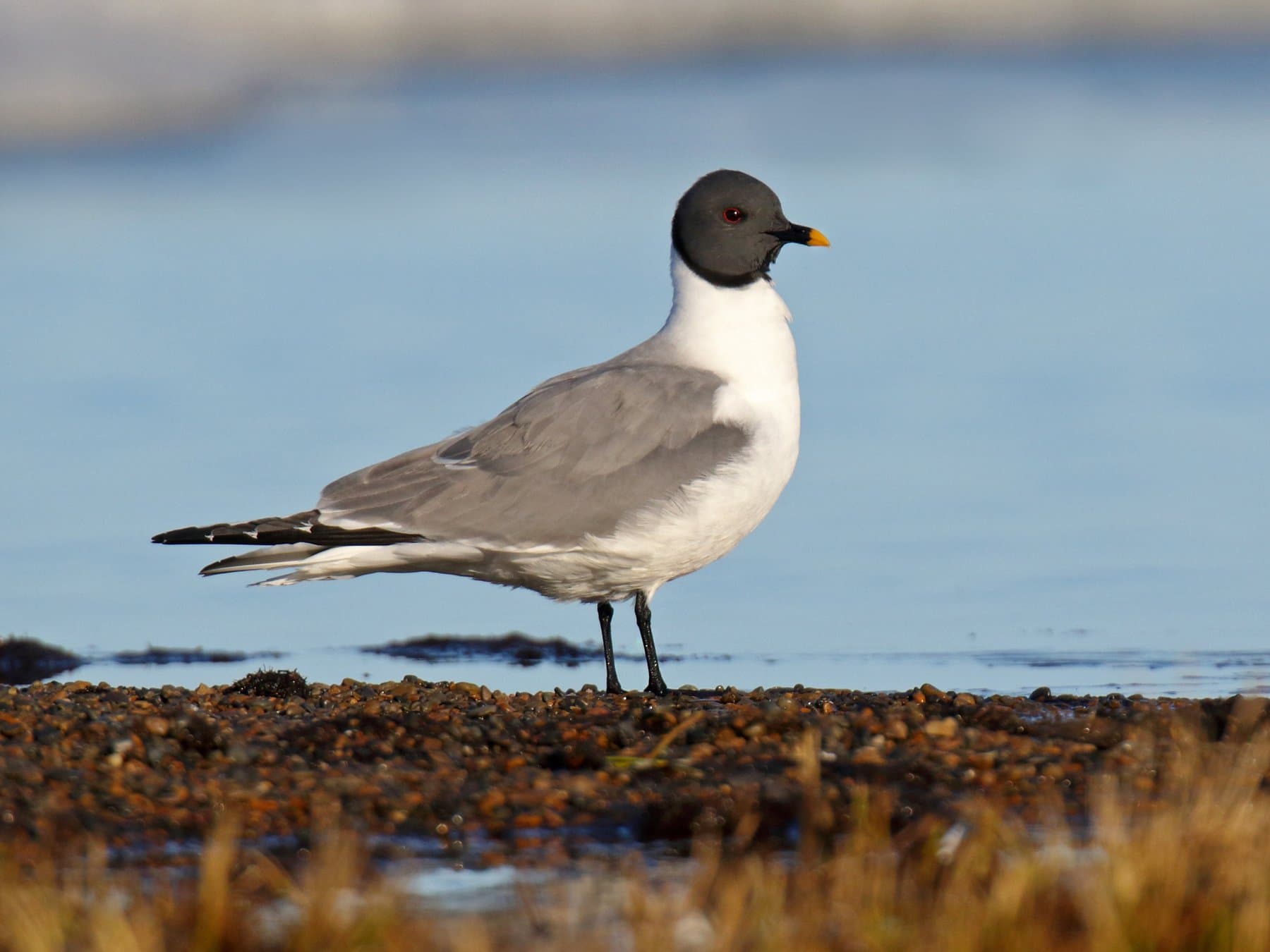
Sabine's Gull
Xema sabiniLC
A rare autumn passage migrant, usually seen during stormy September seawatches from headlands such as Beachy Head.
Sep
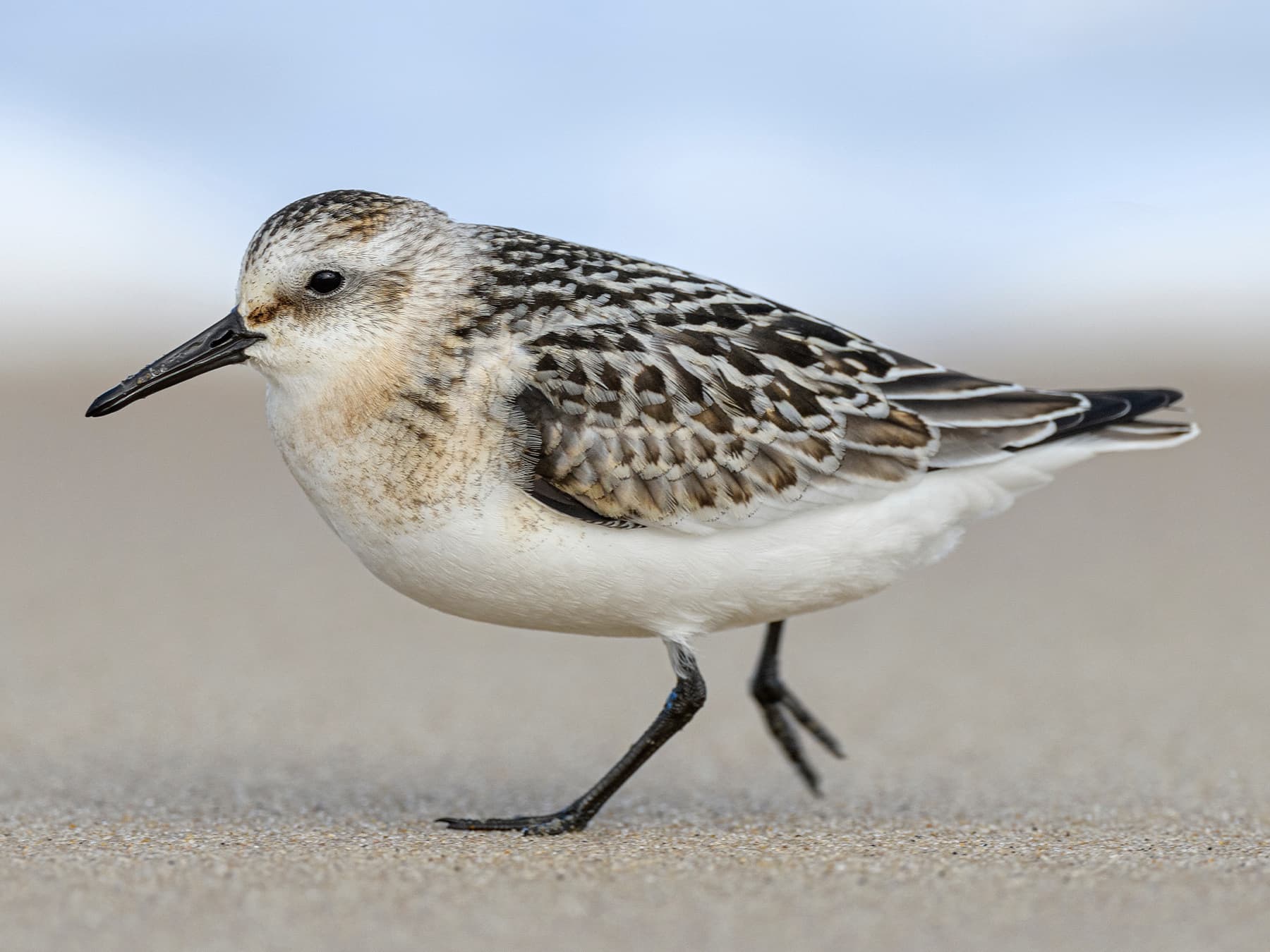
Sanderling
Calidris albaLC
Scarce along East Sussex's shingle and sandy shores, mainly seen in winter and on passage. Runs energetically at the tide edge, often in small flocks.
Aug–May
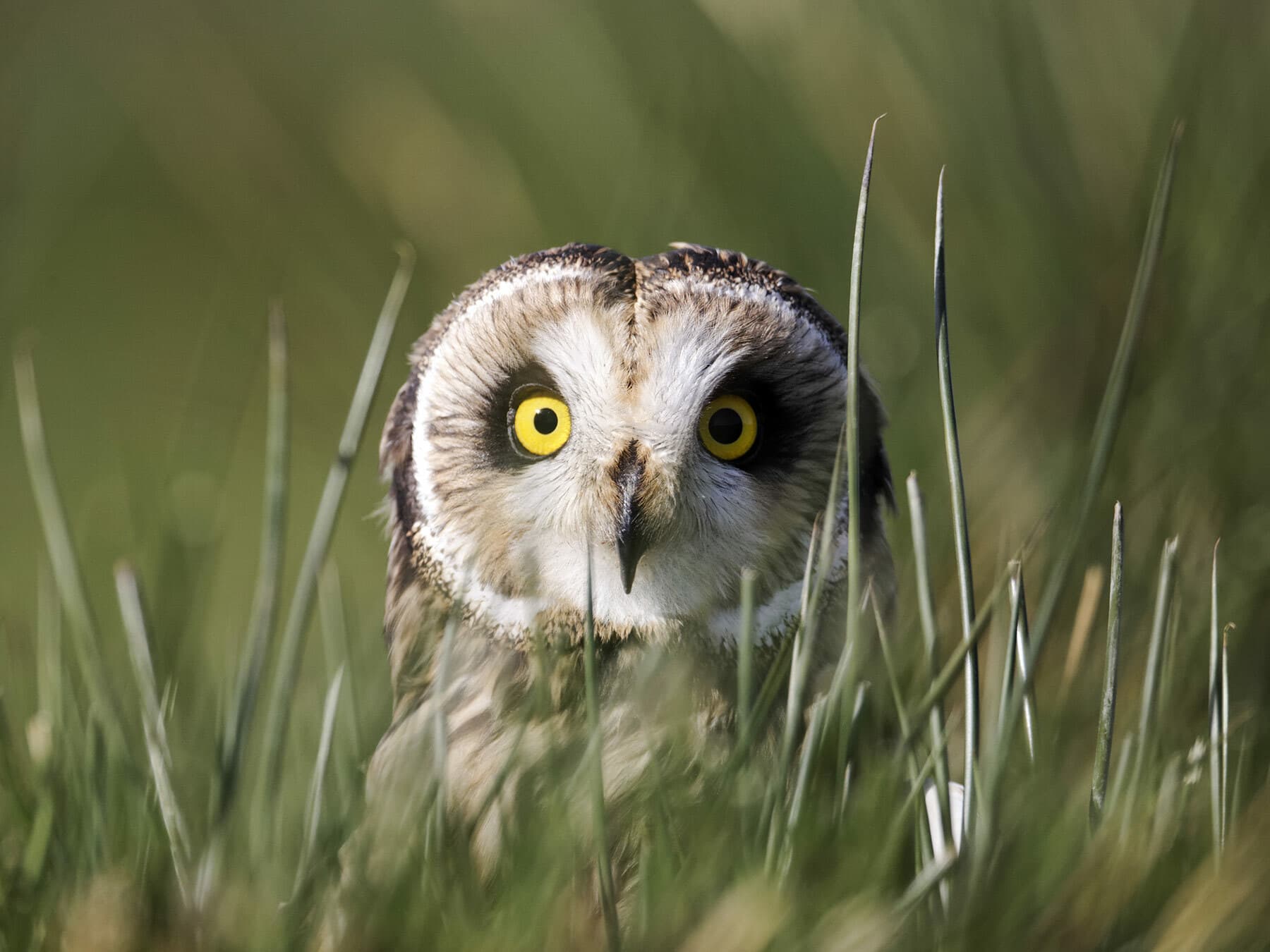
Short-eared Owl
Asio flammeusLC
A rare winter visitor to open marshes and coastal grasslands, hunting low over the Pevensey Levels and similar sites from October to April.
Oct–Apr
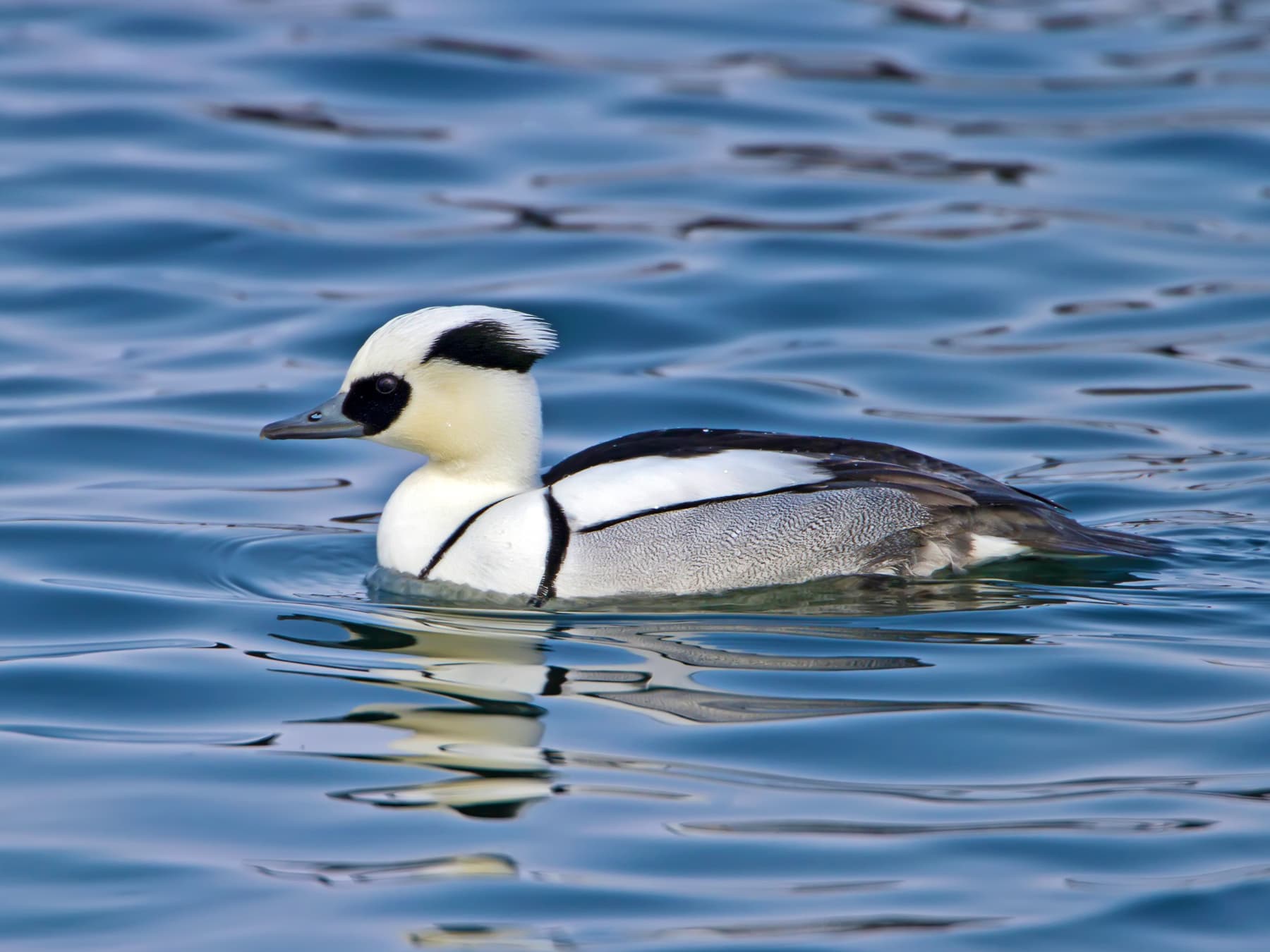
Smew
Mergellus albellusLC
A rare and prized winter visitor, most likely in cold snaps during January and December. Favours reservoirs and sheltered freshwater lakes.
Dec–Jan
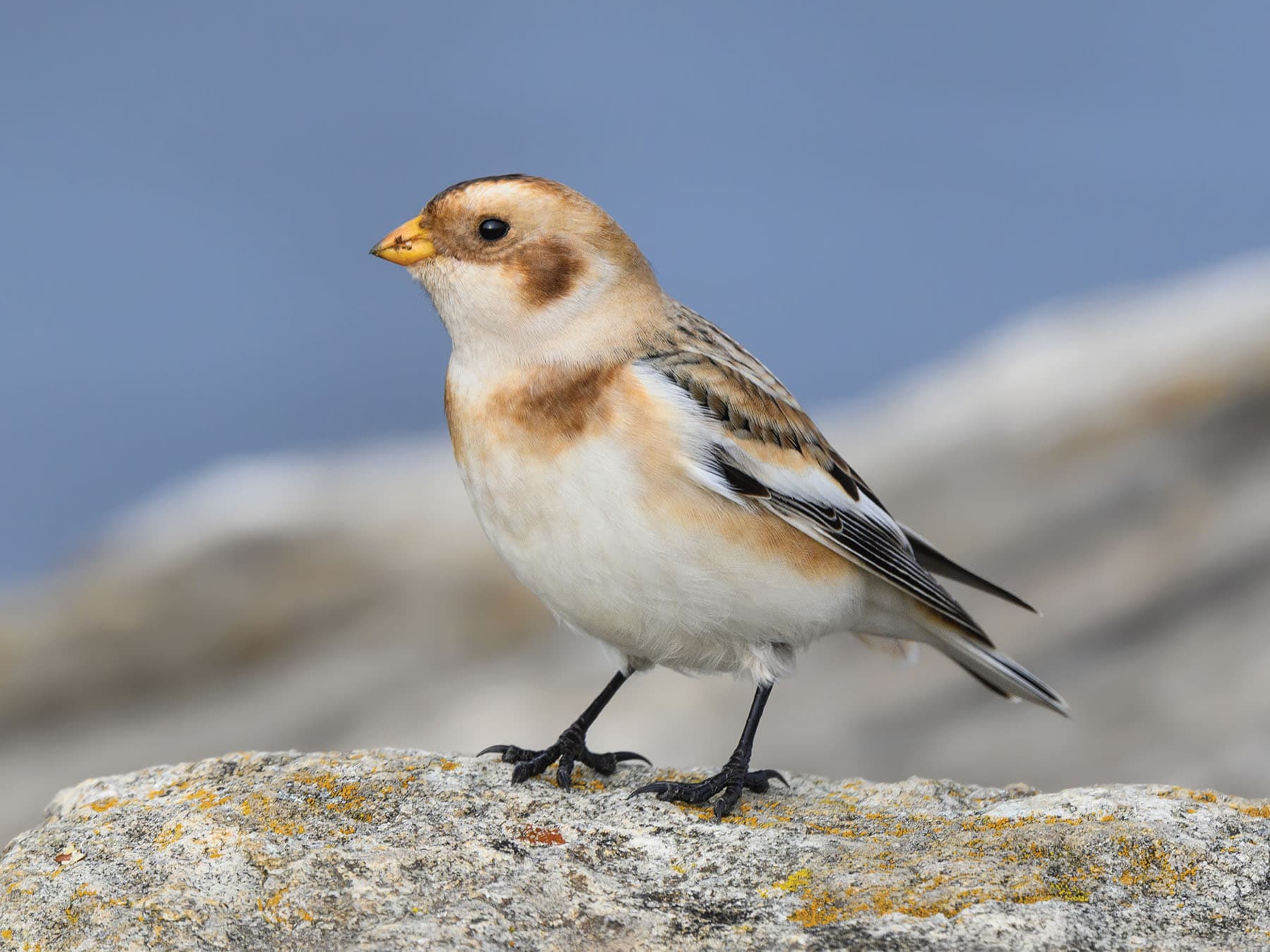
Snow Bunting
Plectrophenax nivalisLC
A rare passage visitor in November, occasionally seen on shingle beaches and coastal fields. An Arctic breeder that seldom lingers in the county.
Nov
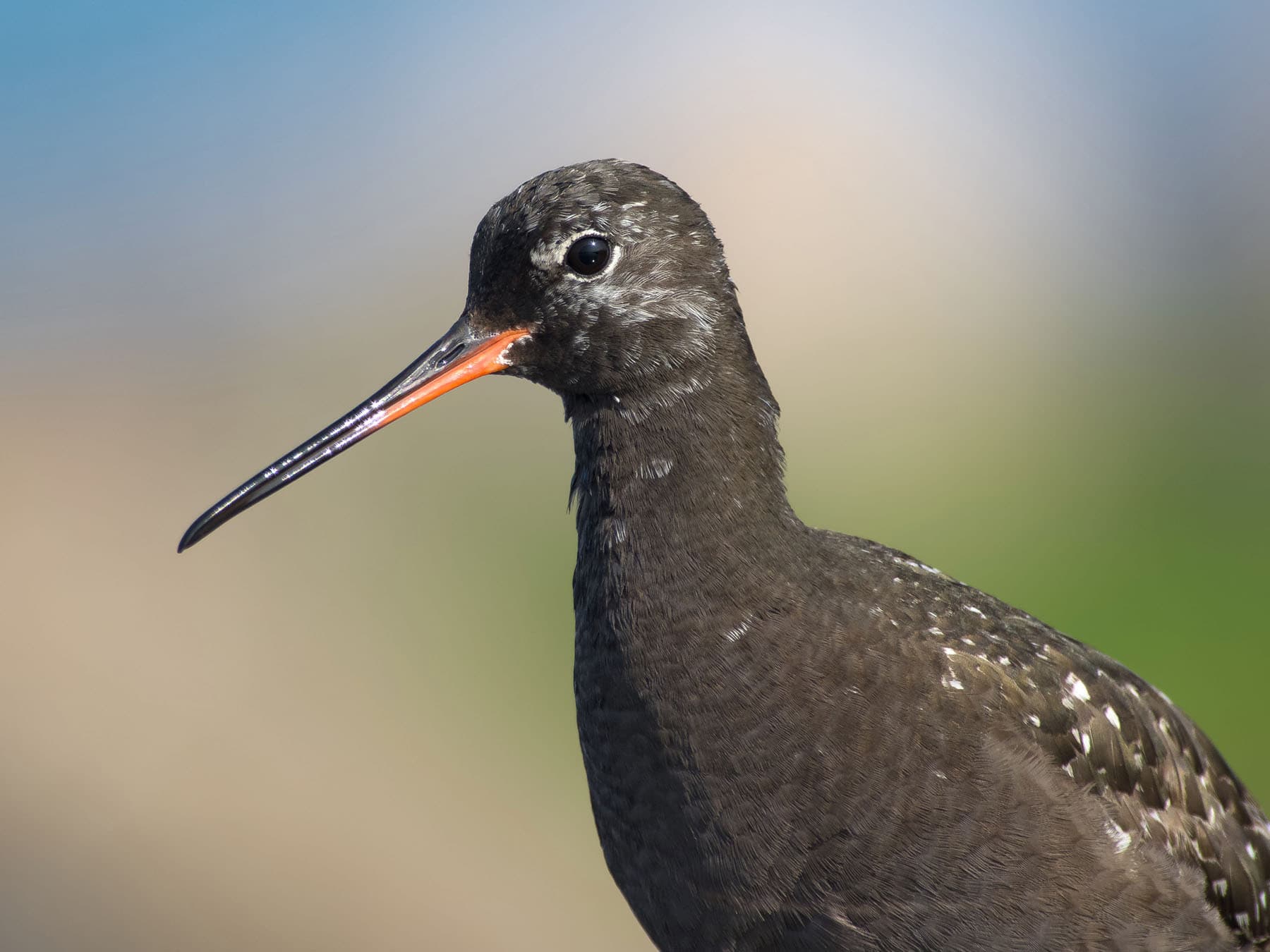
Spotted Redshank
Tringa erythropusLC
A rare non-breeding visitor to sheltered estuaries and coastal pools. Most often seen at Rye Harbour or Pagham-area marshes.
Aug–Apr
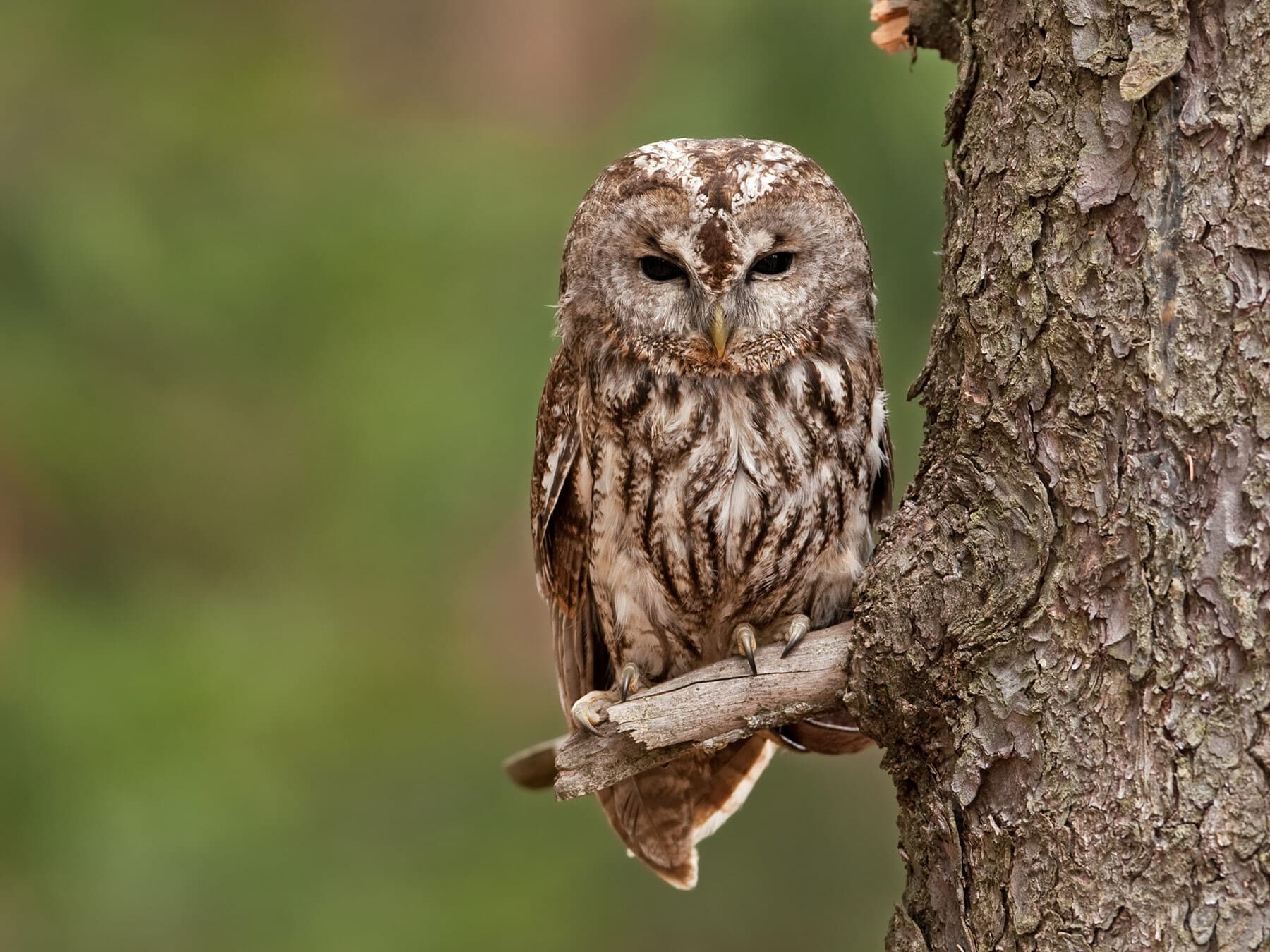
Tawny Owl
Strix alucoLC
A rare but resident owl of mature deciduous woodland, heard more often than seen. Declining in parts of south-east England.
Year-round
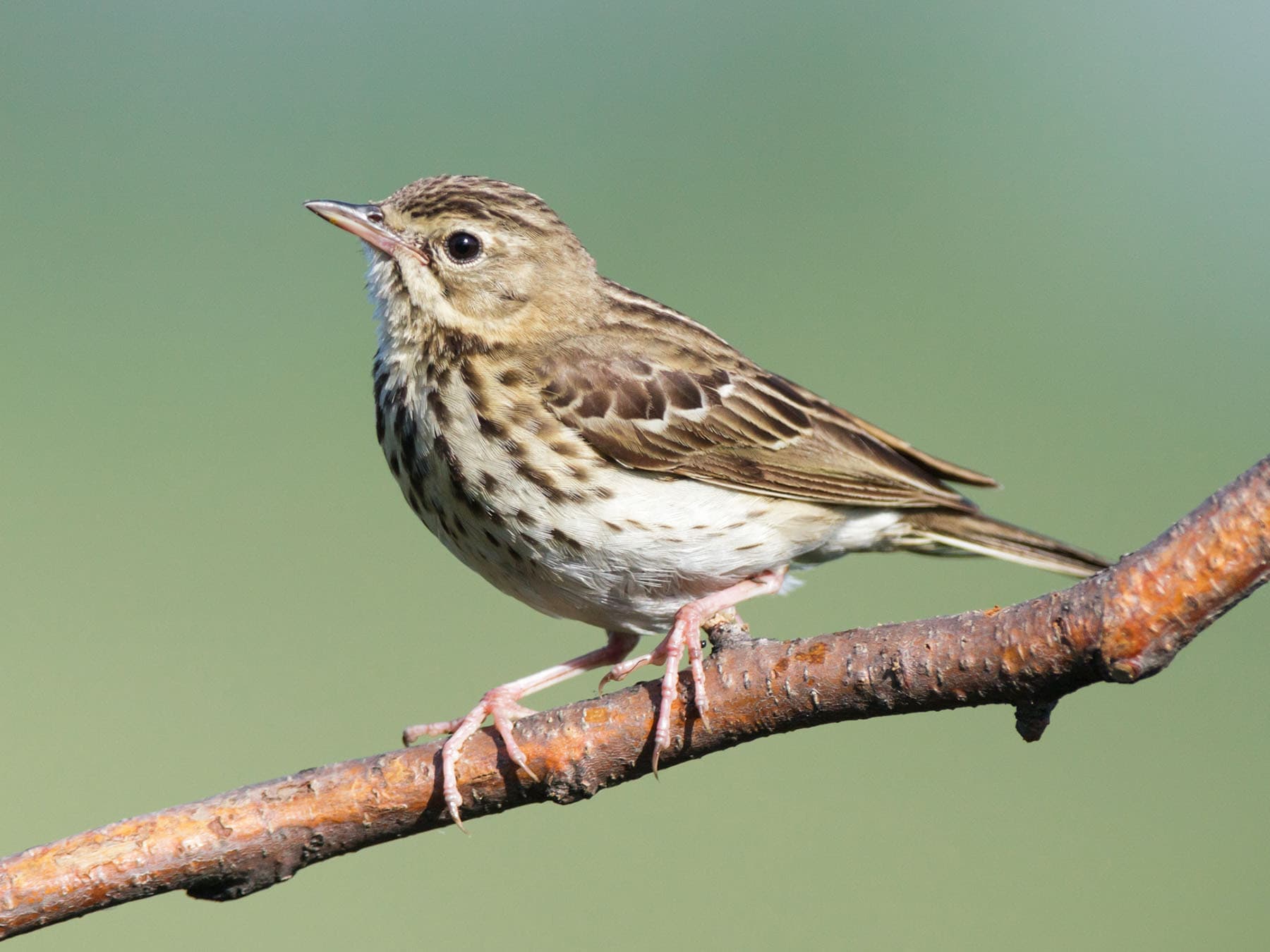
Tree Pipit
Anthus trivialisLC
A rare and declining summer breeder on heathland sites such as Ashdown Forest. Delivers its song in a distinctive parachuting display flight.
Apr–Oct
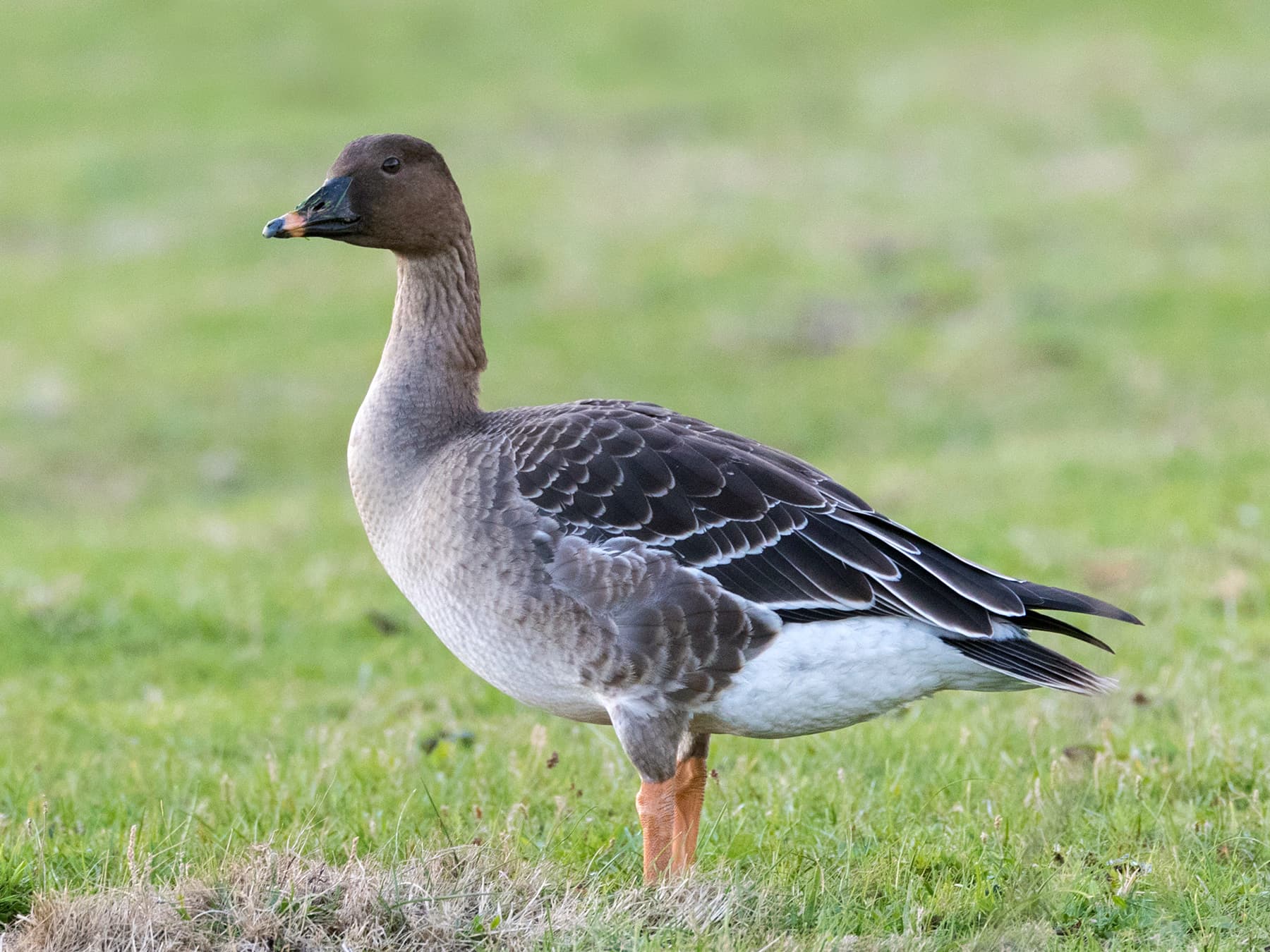
Tundra Bean Goose
Anser serrirostrisLC
A rare passage visitor in midwinter, occasionally seen on flooded fields and grazing marshes, most likely in January and February.
Jan–Feb
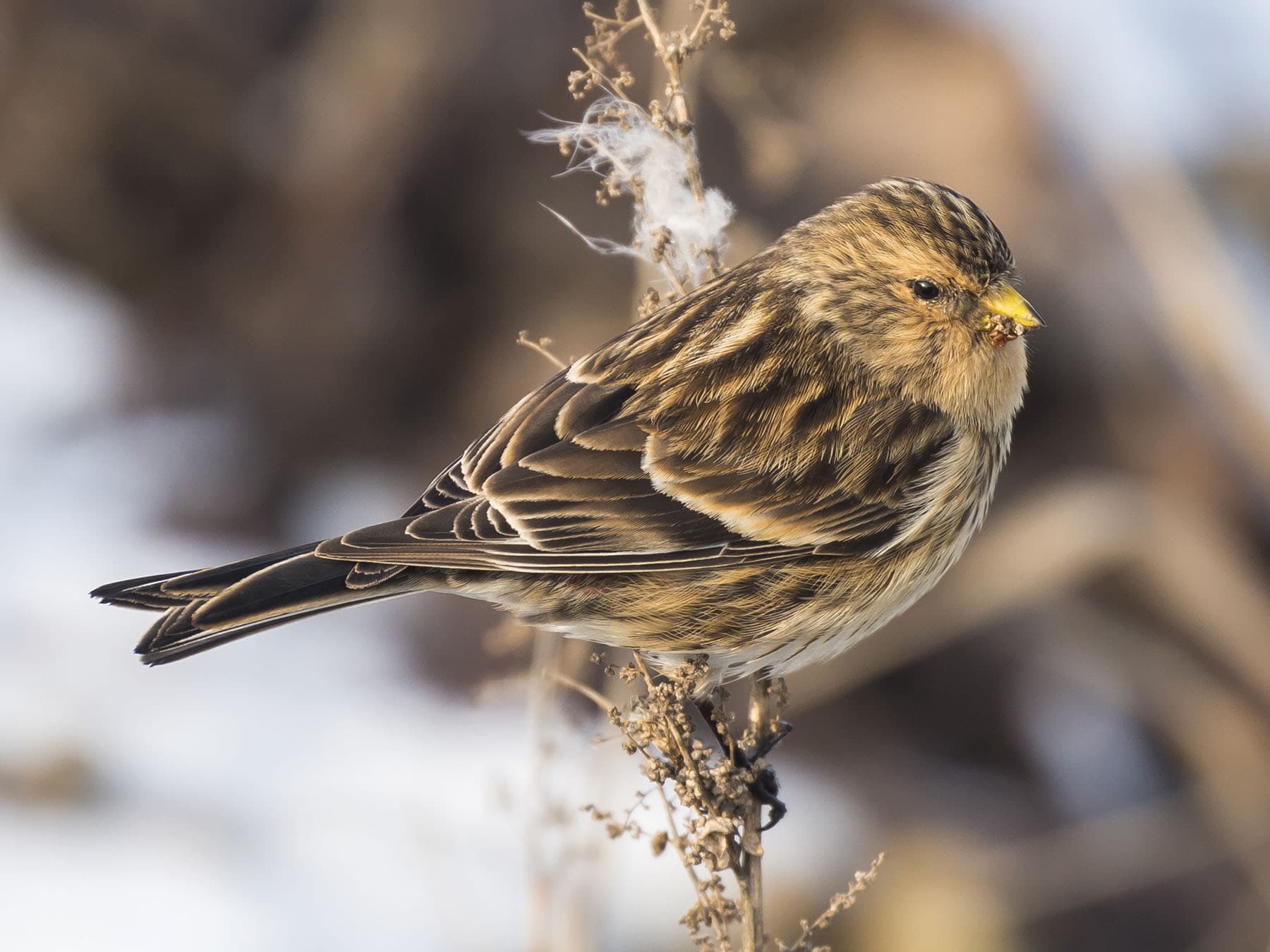
Twite
Linaria flavirostrisLC
A rare passage visitor, occasionally recorded in January. Far more typical of northern uplands, it is a notable find in East Sussex.
Jan
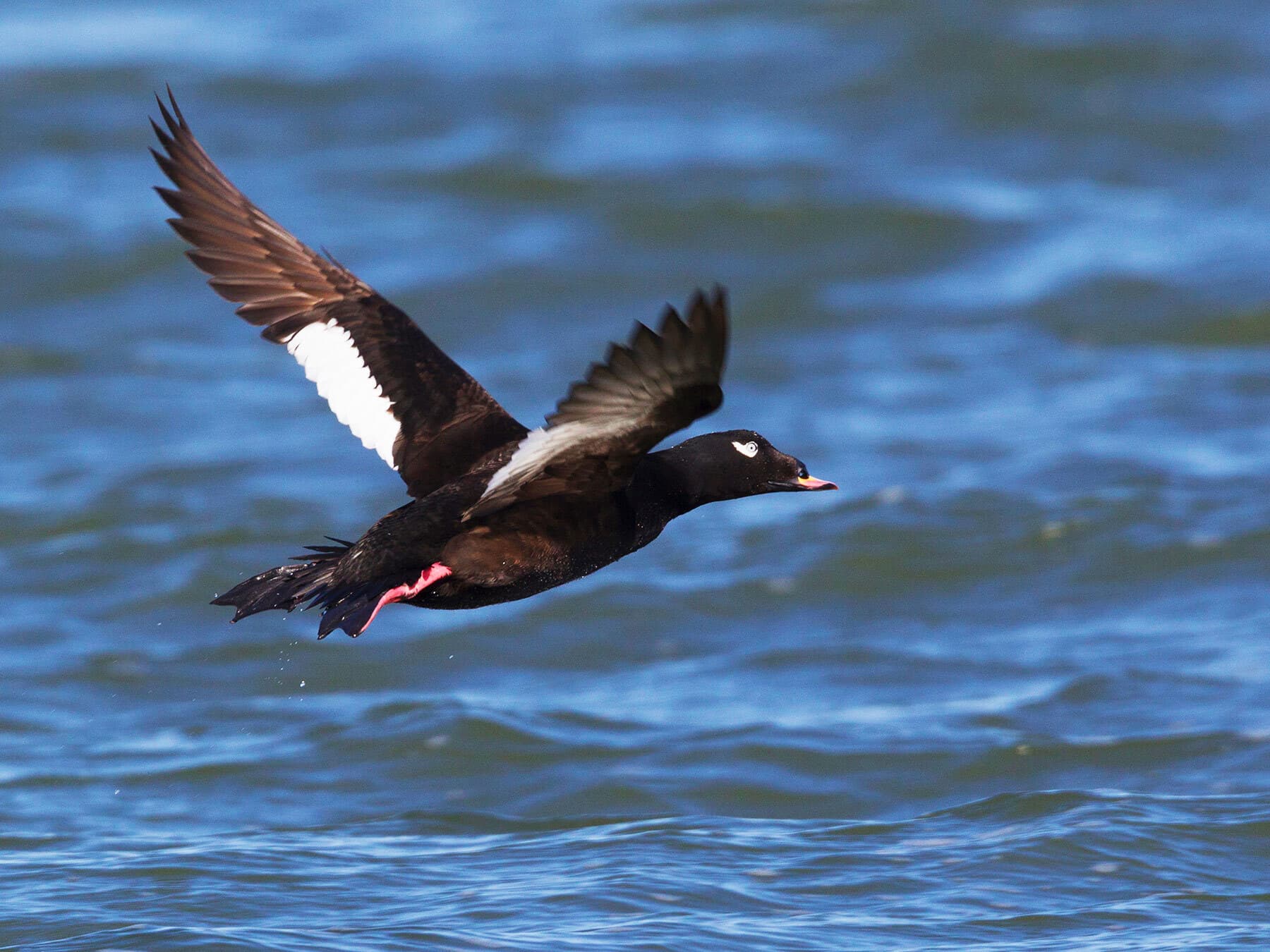
Velvet Scoter
Melanitta fuscaVU
A rare passage visitor, occasionally spotted offshore in April and December. Best looked for during seawatches from Beachy Head or Birling Gap.
Dec–Apr
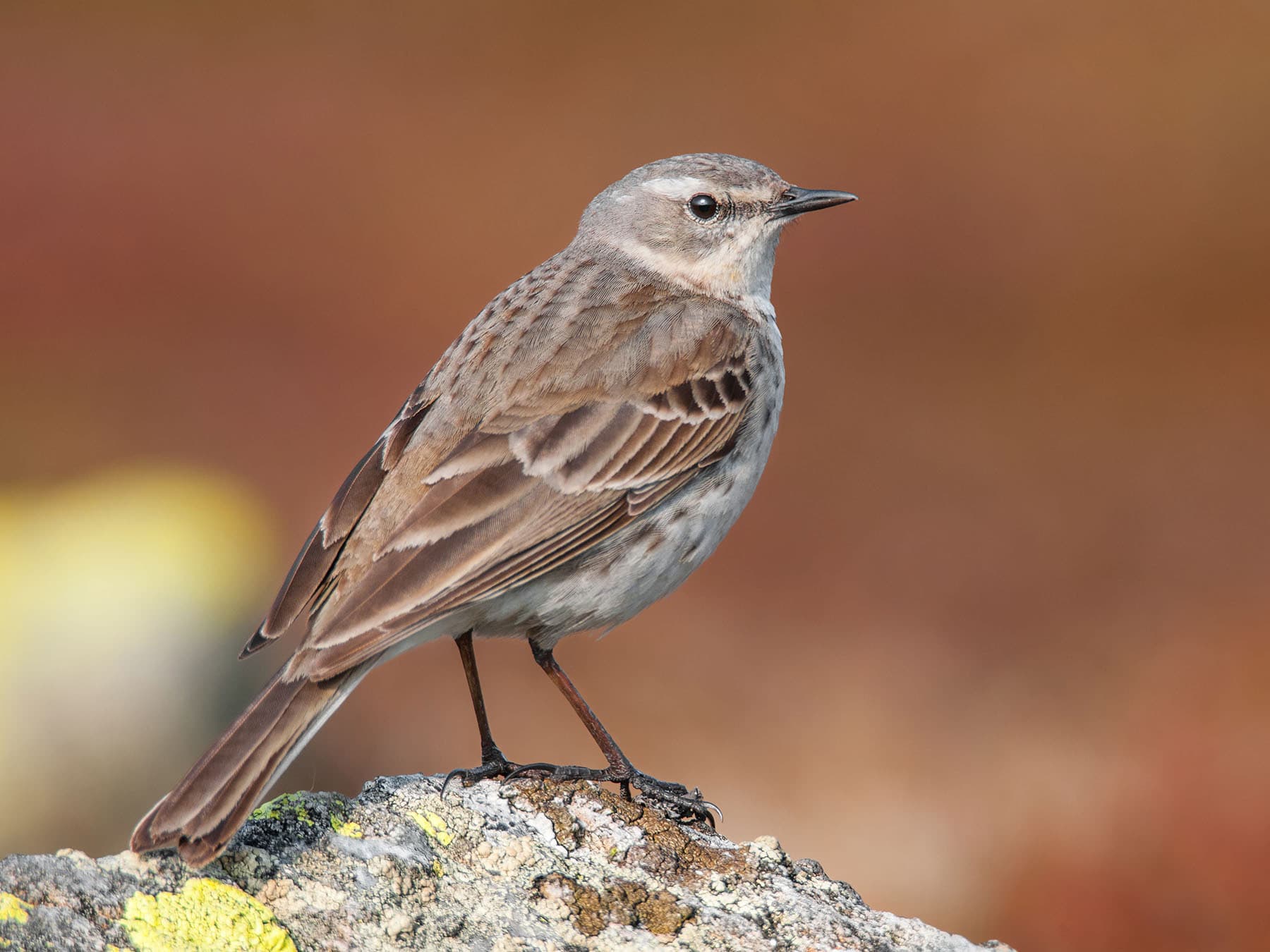
Water Pipit
Anthus spinolettaLC
A rare winter visitor from November to March, favouring watercress beds and marshy areas. The Cuckmere valley is a reliable site.
Nov–Mar
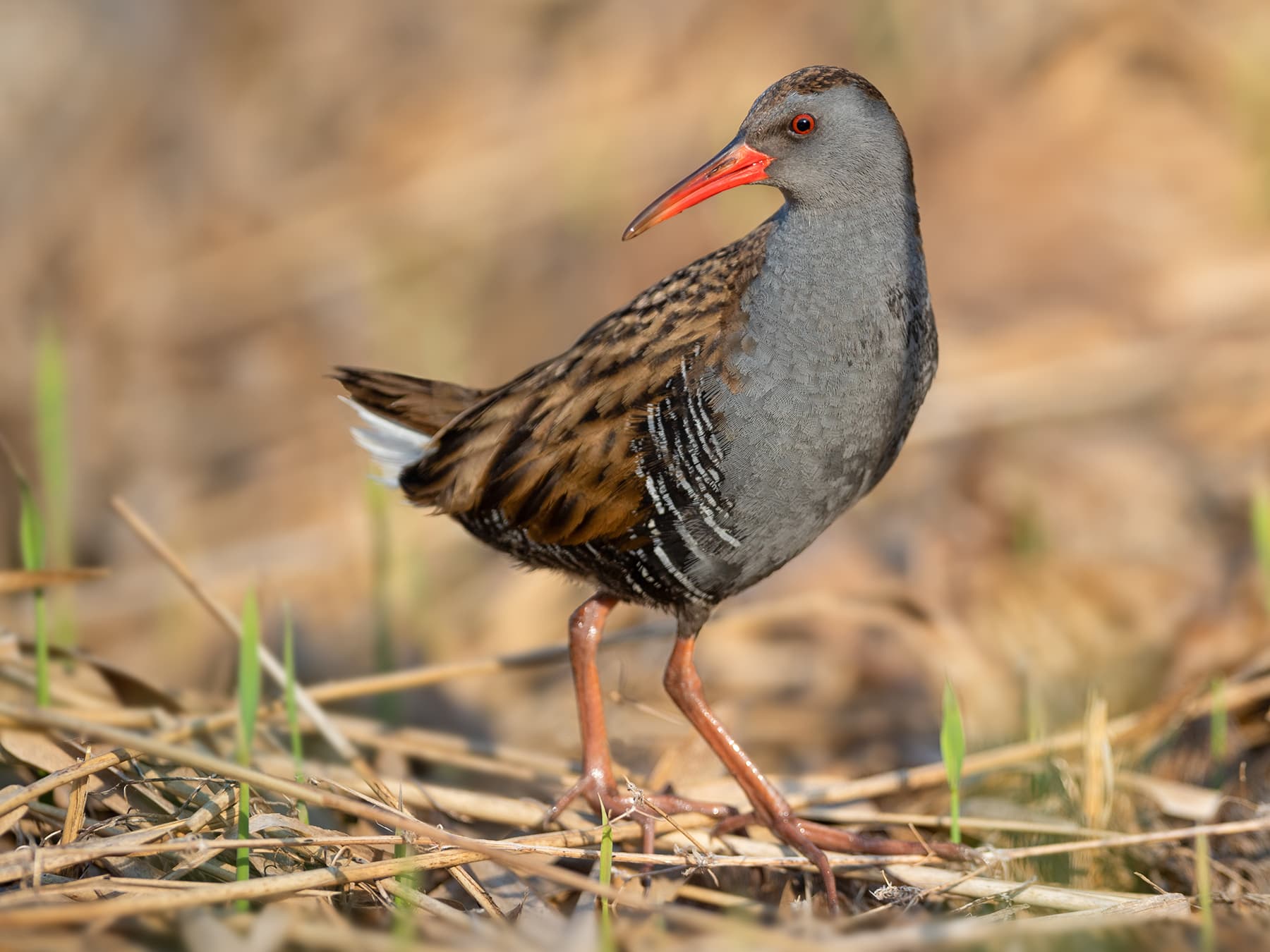
Water Rail
Rallus aquaticusLC
A secretive resident of reedbeds and marshy ditches, more often heard than seen. Squealing calls betray its presence at sites like Filsham and the Pannel Valley.
Aug–May