Rare Birds in East Sussex
99 species matching this filter.
East Sussex is home to a fascinating array of rare bird species, with 94 uncommon visitors and scarce residents recorded across the county. From the elusive Eurasian Bittern lurking in reedbeds at sites like Filsham and the Pevensey Levels to spectacular passage migrants such as Arctic Terns along the coast, the county's diverse habitats — including chalk downland, ancient woodland, and coastal wetlands — attract a remarkable variety of rarities. Winter months can bring surprises like Bohemian Waxwings, Bramblings, and Goldeneye, while the warmer seasons may reward patient observers with sightings of European Honey-buzzards soaring over the Weald.


Showing 24–46 of 99 species
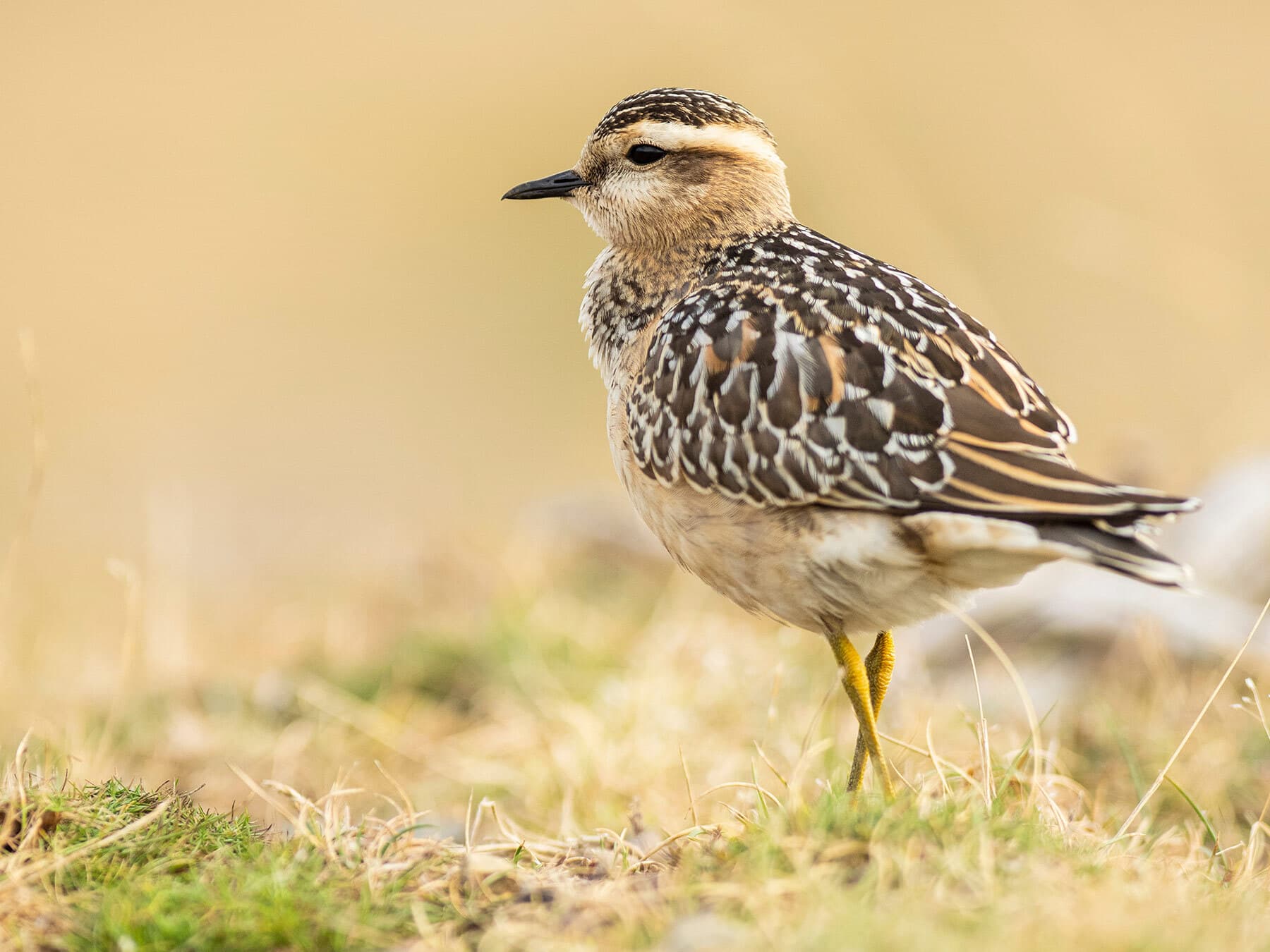
Dotterel
Eudromias morinellusLC
A rare and charming passage migrant, occasionally stopping on the South Downs in September. Remarkably tame, often allowing close approach.
Sep
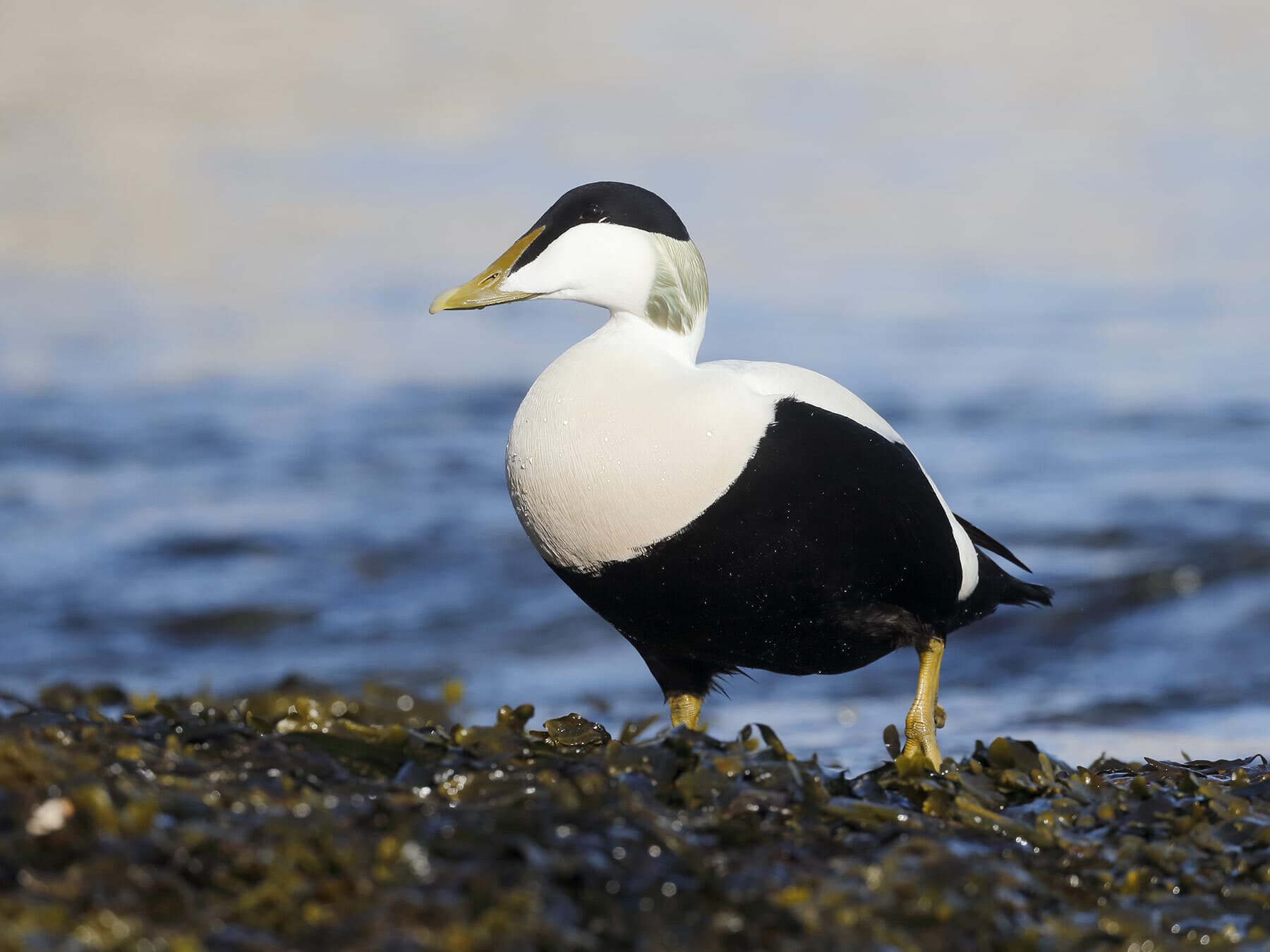
Eider
Somateria mollissimaNT
A rare passage visitor, occasionally seen offshore or in sheltered bays during spring and late autumn. Small numbers may linger through winter.
Dec–Apr
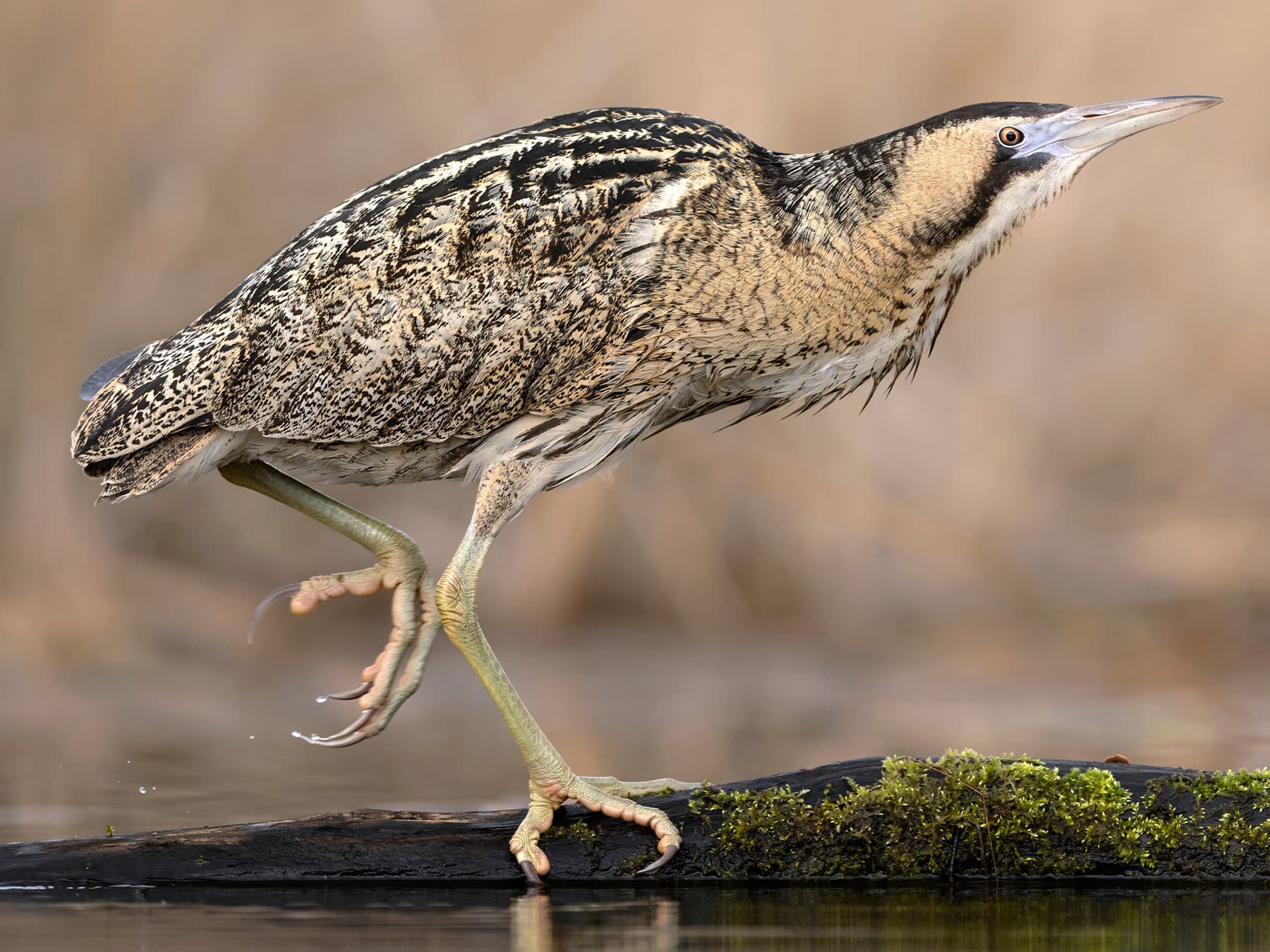
Eurasian Bittern
Botaurus stellarisLC
A rare and elusive passage visitor, occasionally flushed from reedbeds at sites like the Pevensey Levels in May.
May
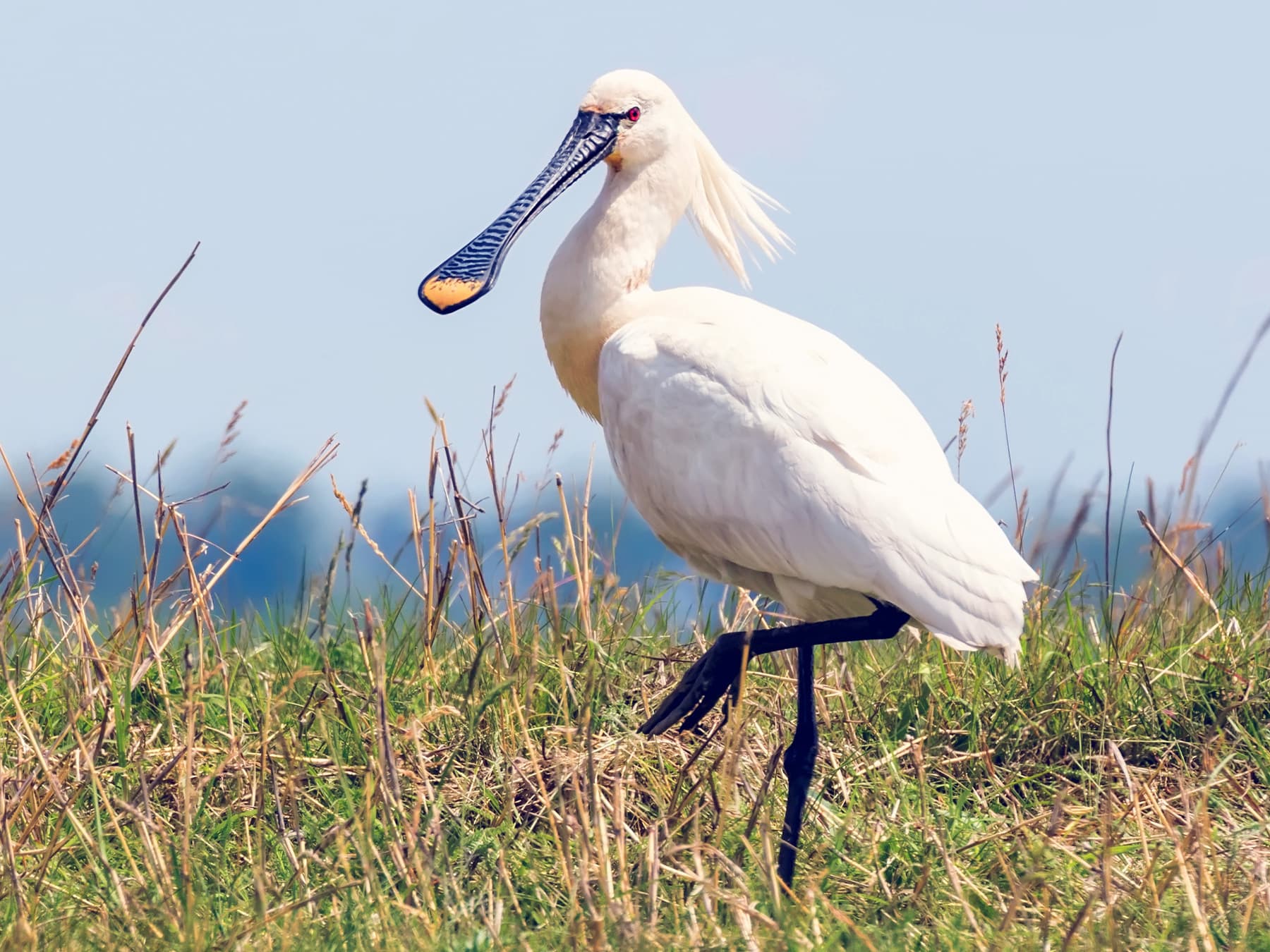
Eurasian Spoonbill
Platalea leucorodiaLC
A rare but increasingly regular visitor to coastal marshes and the Pevensey Levels, most often seen outside the breeding season sweeping its distinctive bill through shallow water.
Sep–May
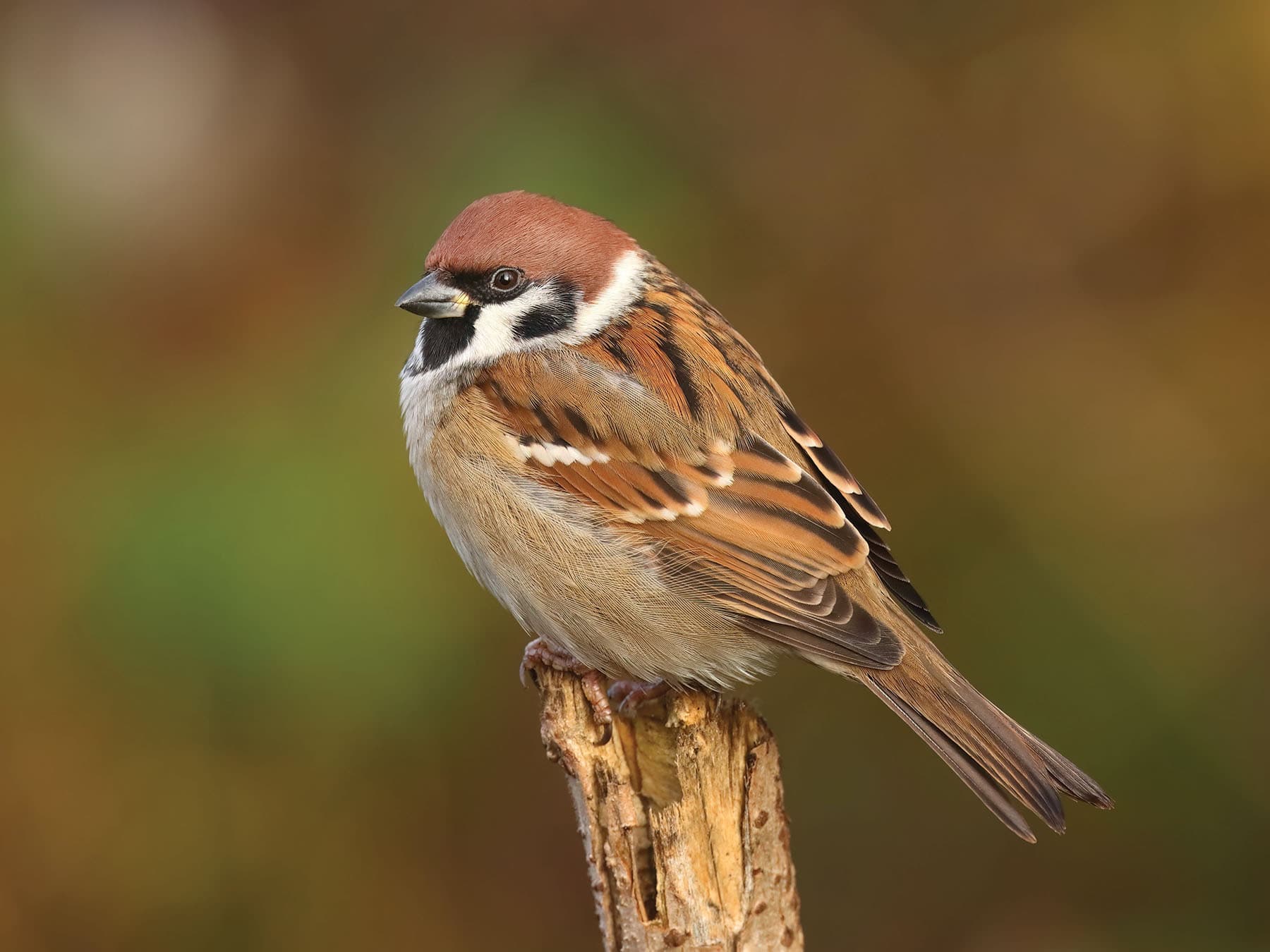
Eurasian Tree Sparrow
Passer montanusLC
A rare passage visitor in March, far scarcer here than in northern England. Any sighting in East Sussex is noteworthy.
Mar
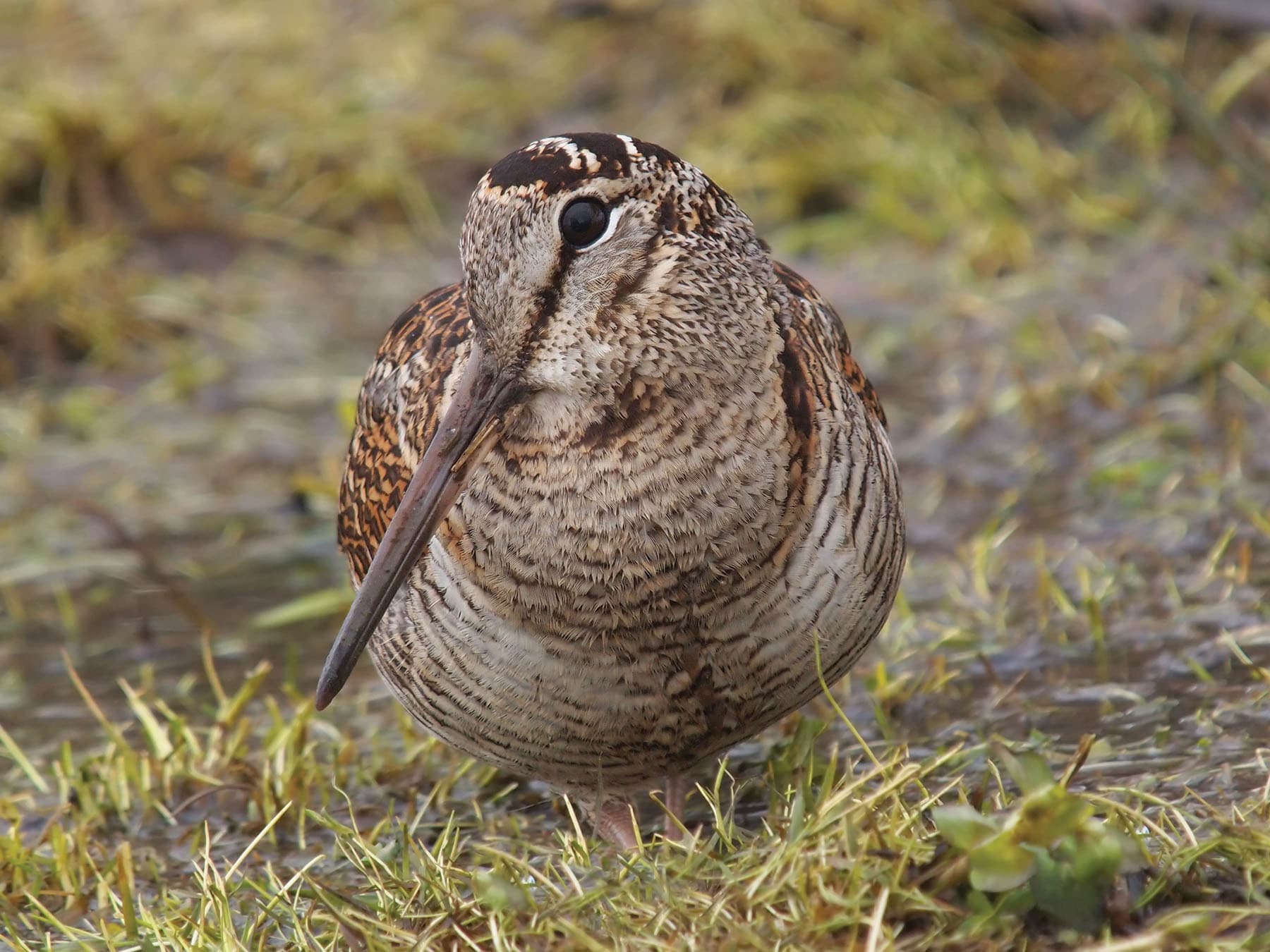
Eurasian Woodcock
Scolopax rusticolaLC
A secretive resident of damp woodland, most often flushed unexpectedly in winter. Breeds in small numbers in the county's larger woodlands.
Jan–Jun
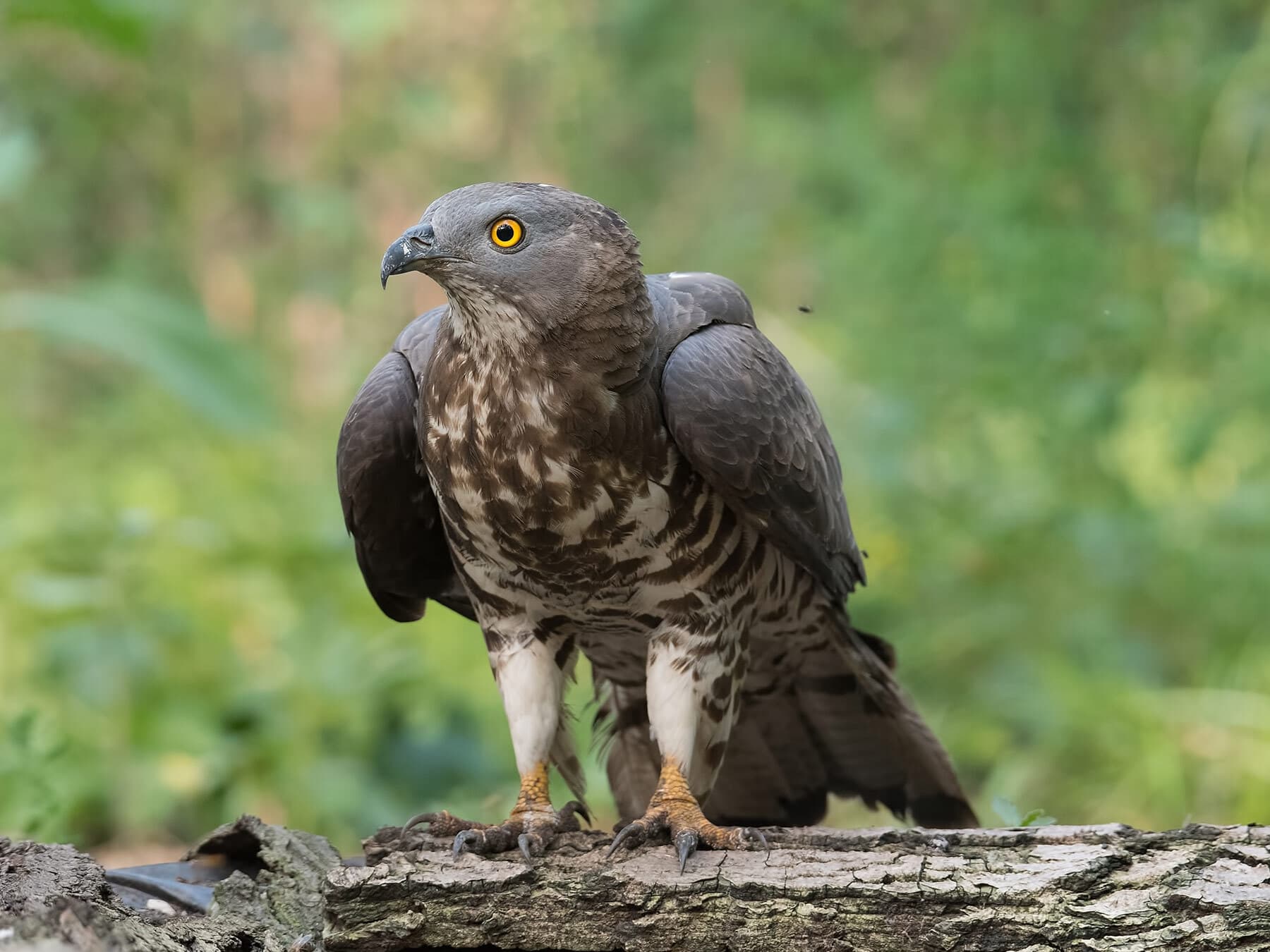
European Honey-buzzard
Pernis apivorusLC
A rare passage visitor in summer, sometimes seen soaring over the wooded Weald. Feeds on wasp and bee larvae unlike most raptors.
Jun–Aug
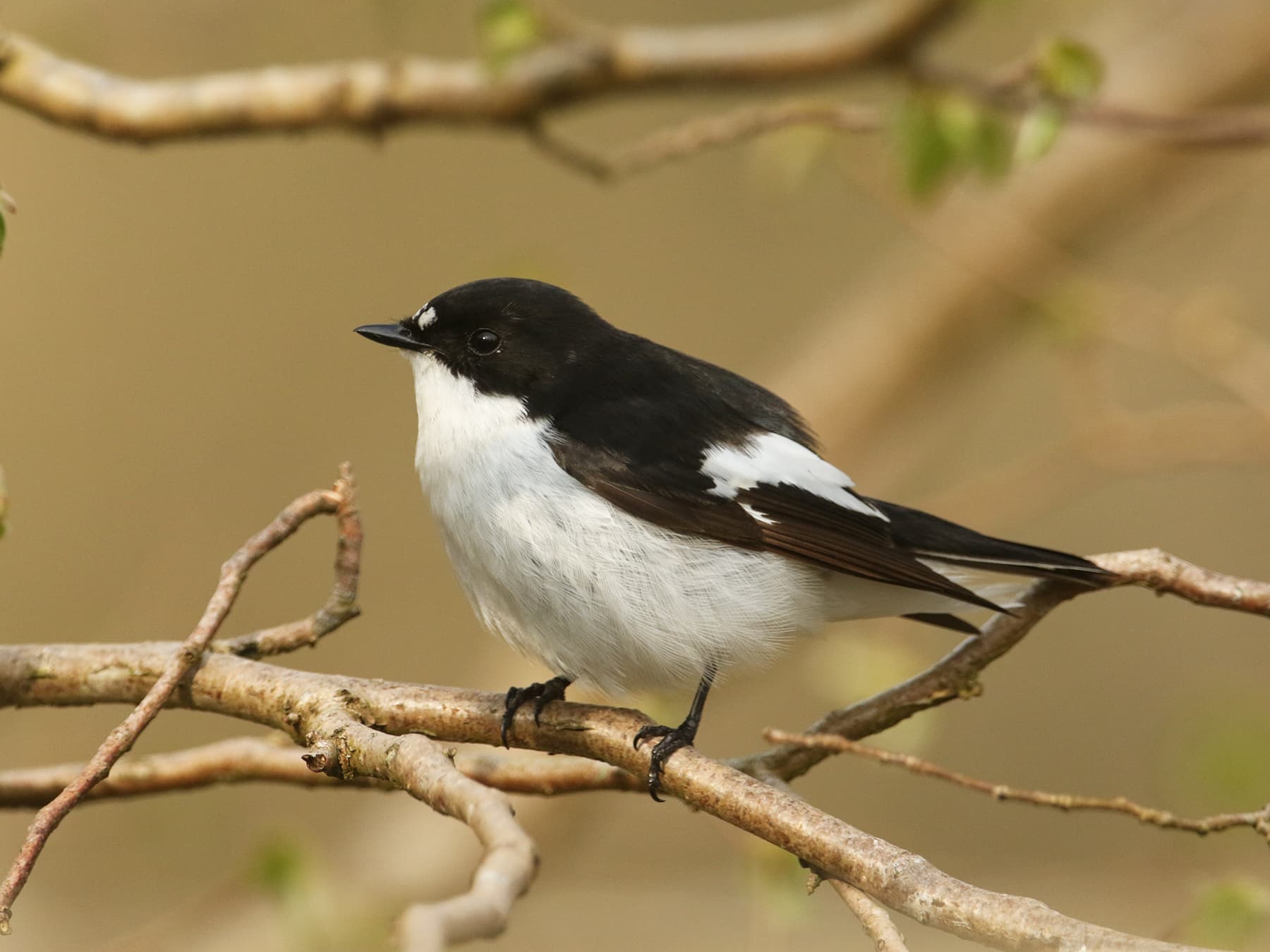
European Pied Flycatcher
Ficedula hypoleucaLC
A rare passage migrant seen mainly in August and September at coastal sites. Spring records in May are scarce but possible.
May–Sep
Spotted something?
Upload a photo to identify it
Identify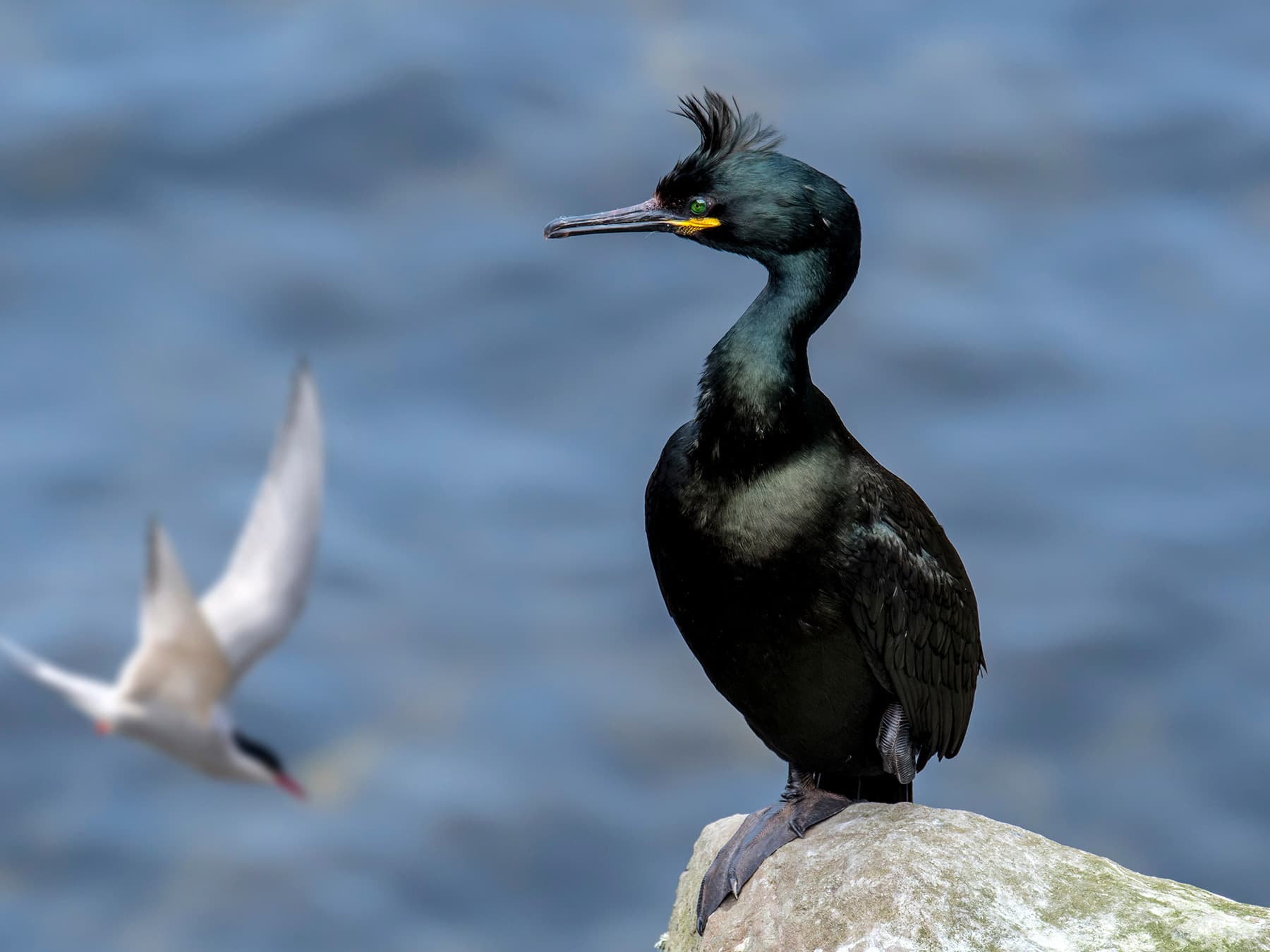
European Shag
Phalacrocorax aristotelisLC
A rare resident along the chalk cliffs and rocky shoreline, most visible in spring and late autumn near Beachy Head and Newhaven.
Nov–May
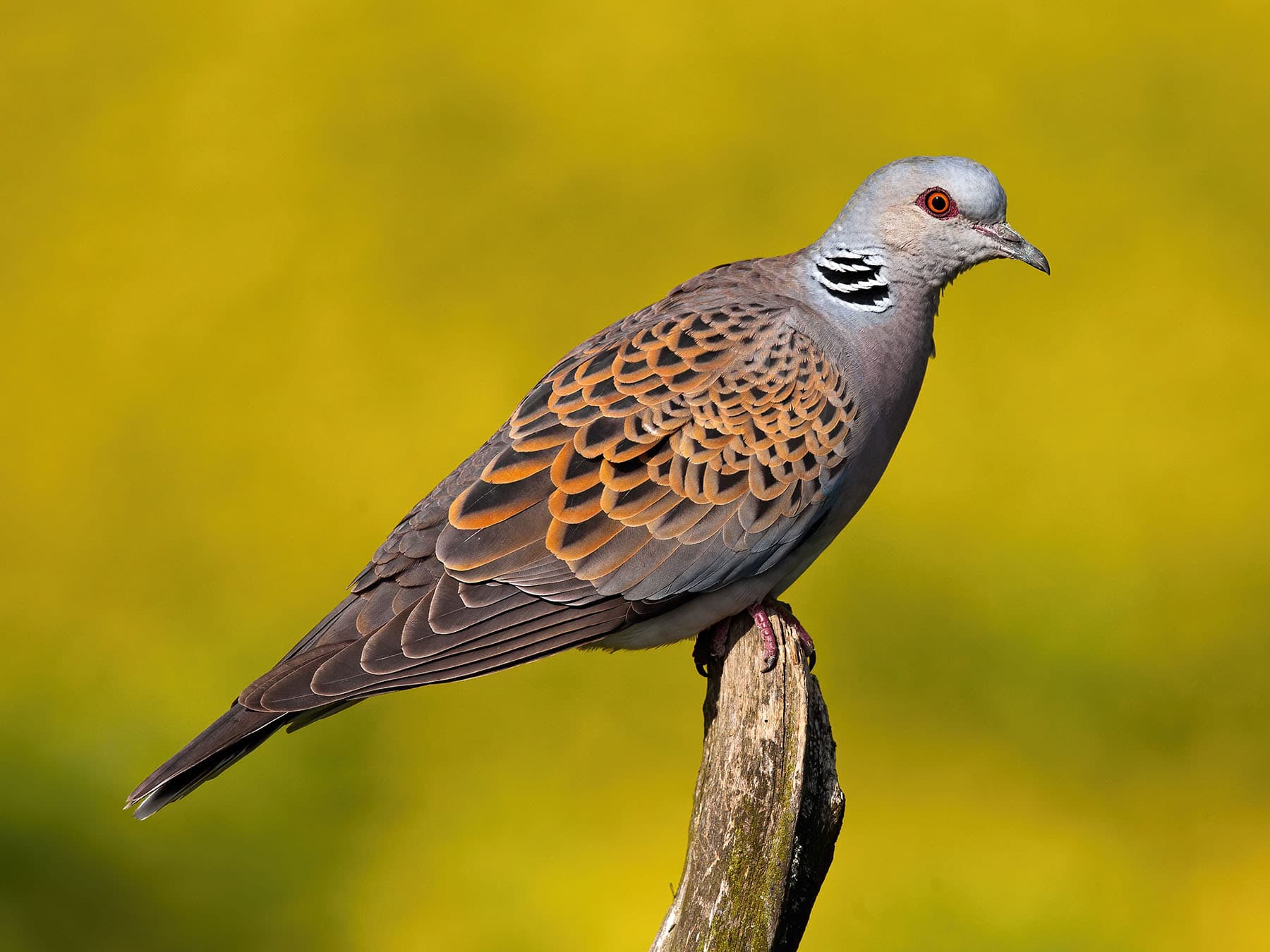
European Turtle-dove
Streptopelia turturVU
A rare and rapidly declining summer breeder, arriving in May. One of the UK's most threatened birds, clinging on in scrubby farmland hedgerows.
May–Sep
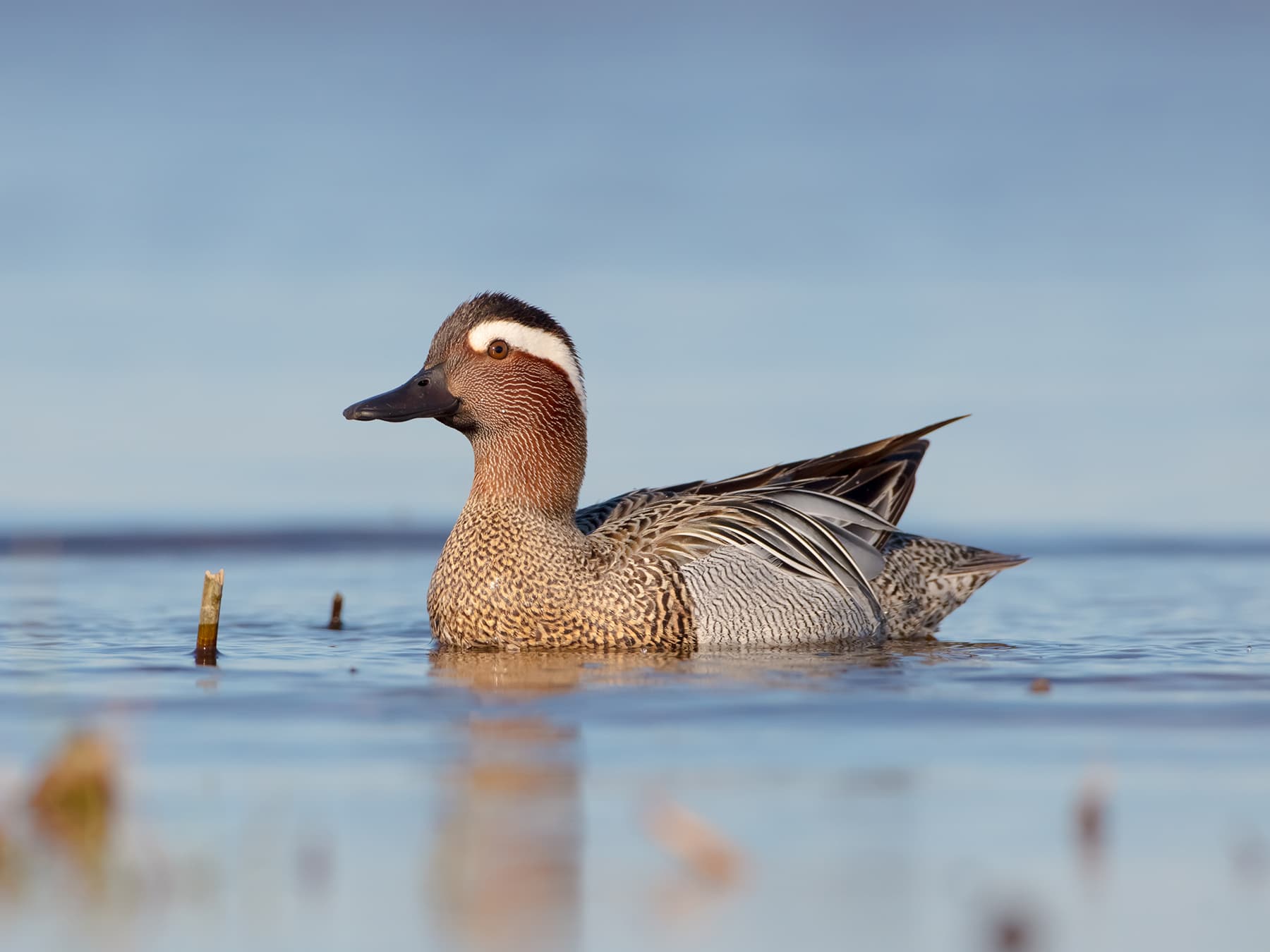
Garganey
Spatula querquedulaLC
A scarce summer breeder at wetland sites like the Pannel Valley. Arrives in spring and departs by early autumn, favouring shallow pools with emergent vegetation.
Mar–Sep
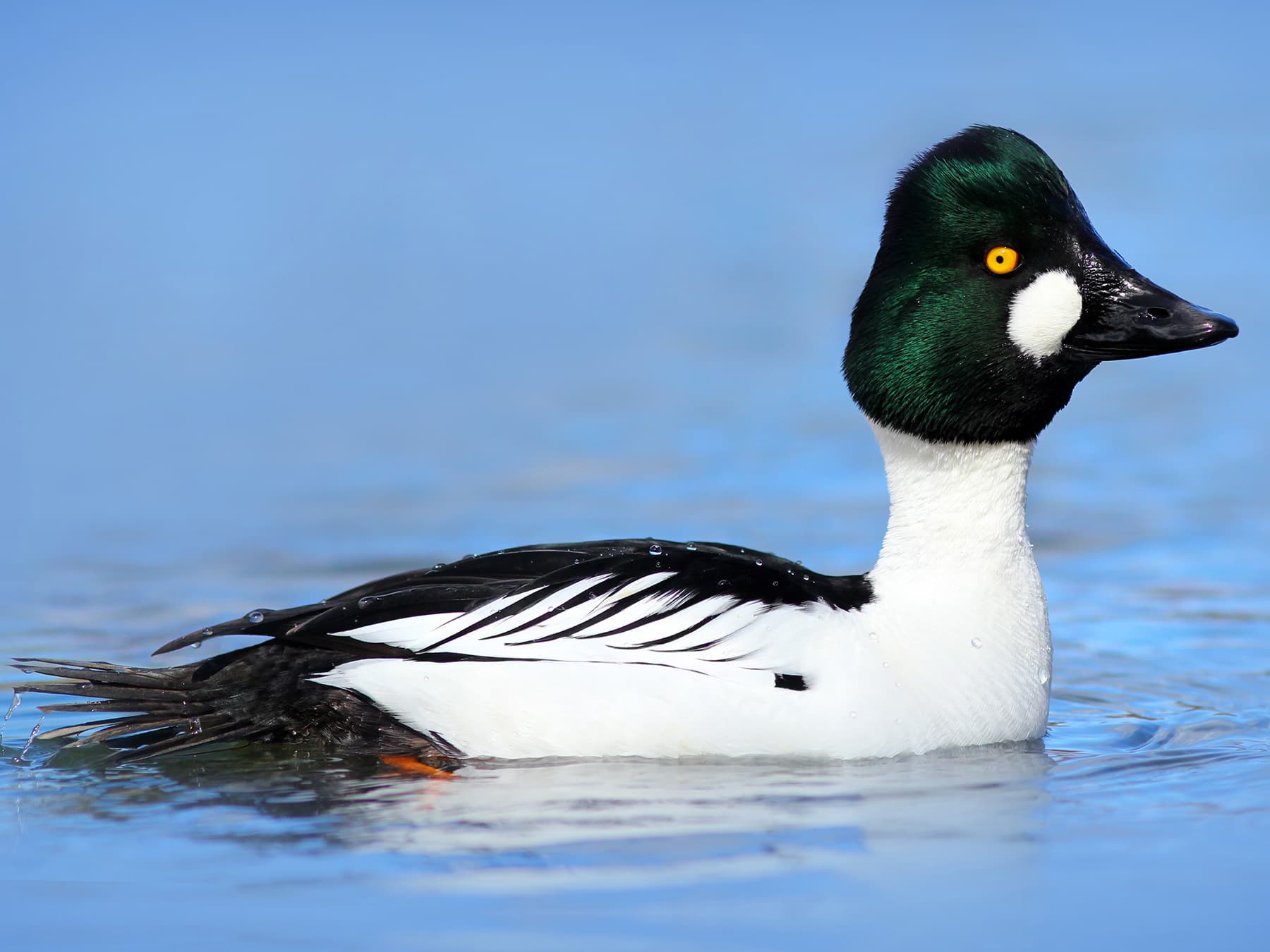
Goldeneye
Bucephala clangulaLC
A scarce winter visitor to reservoirs and sheltered coastal waters from November to March. Arlington Reservoir offers occasional sightings.
Nov–Mar
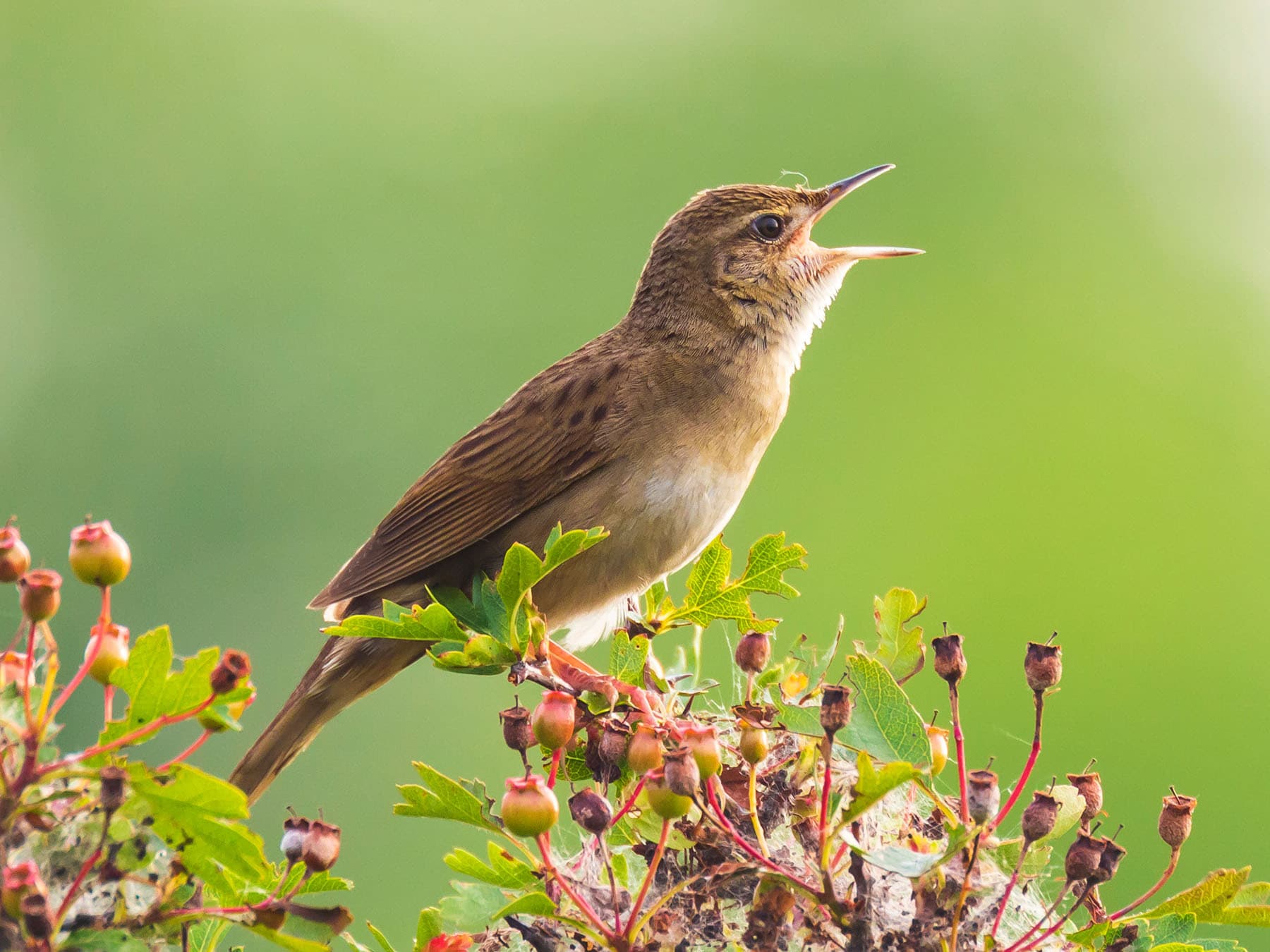
Grasshopper Warbler
Locustella naeviaLC
A rare passage visitor in late summer, more often heard than seen. Its insect-like reeling song carries far across scrubby wetland margins.
Jul–Sep
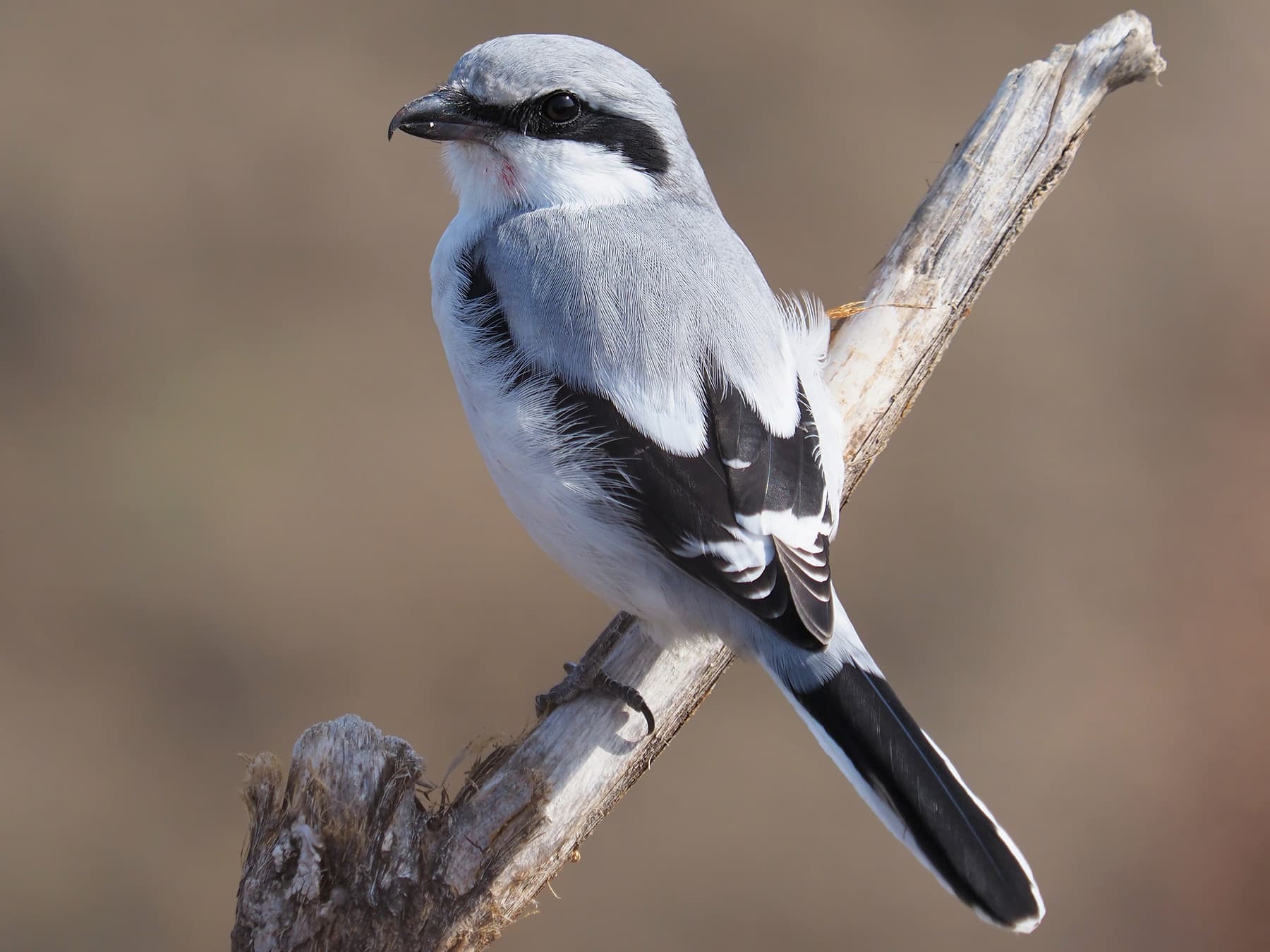
Great Grey Shrike
Lanius excubitorLC
A rare passage visitor, very occasionally recorded in March on heathland or open scrub. A prized find for local birders.
Mar
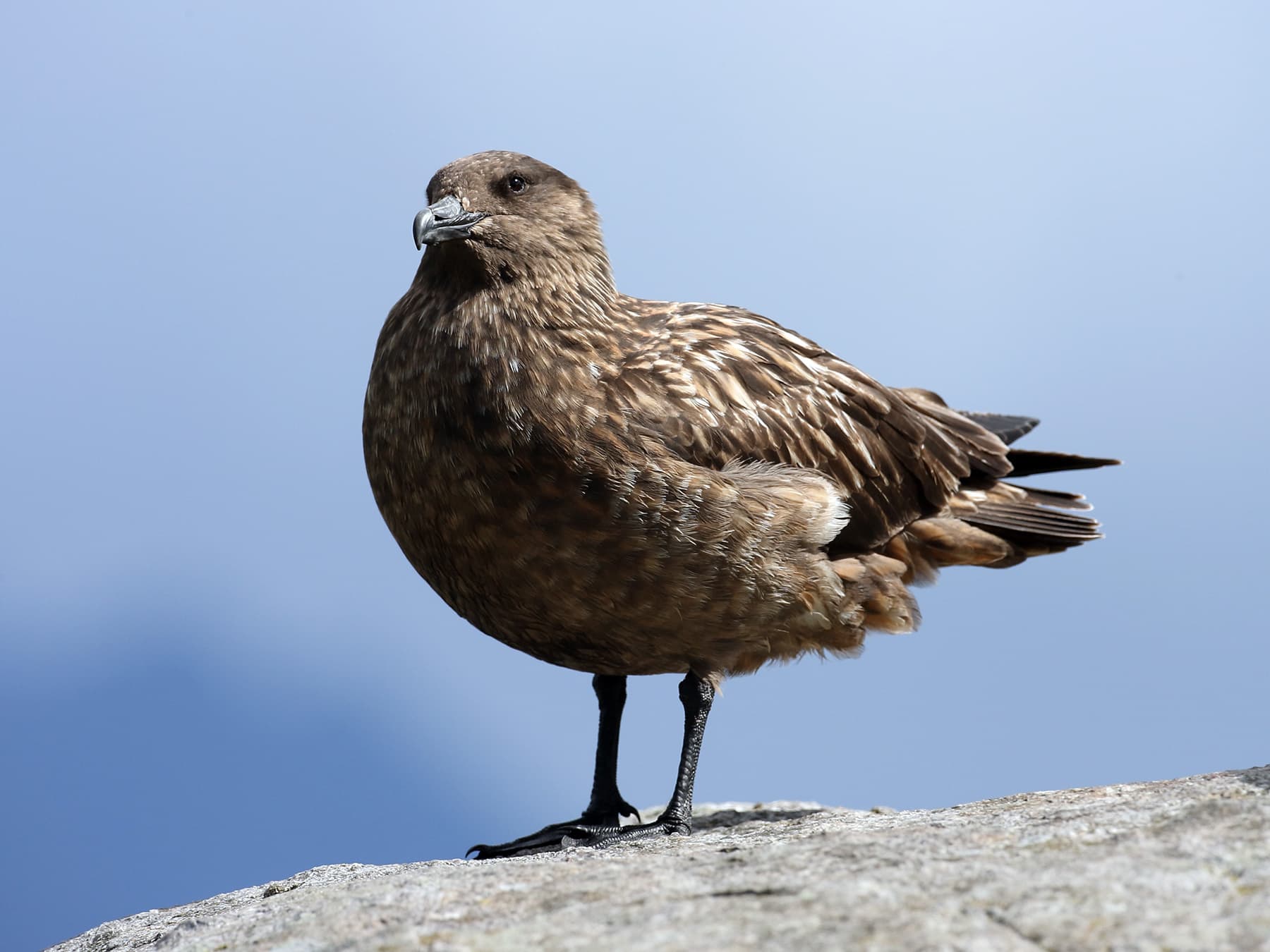
Great Skua
Catharacta skuaLC
A powerful seabird seen rarely offshore during spring passage. Best spotted from headlands like Beachy Head during April and May seawatches.
Apr–May
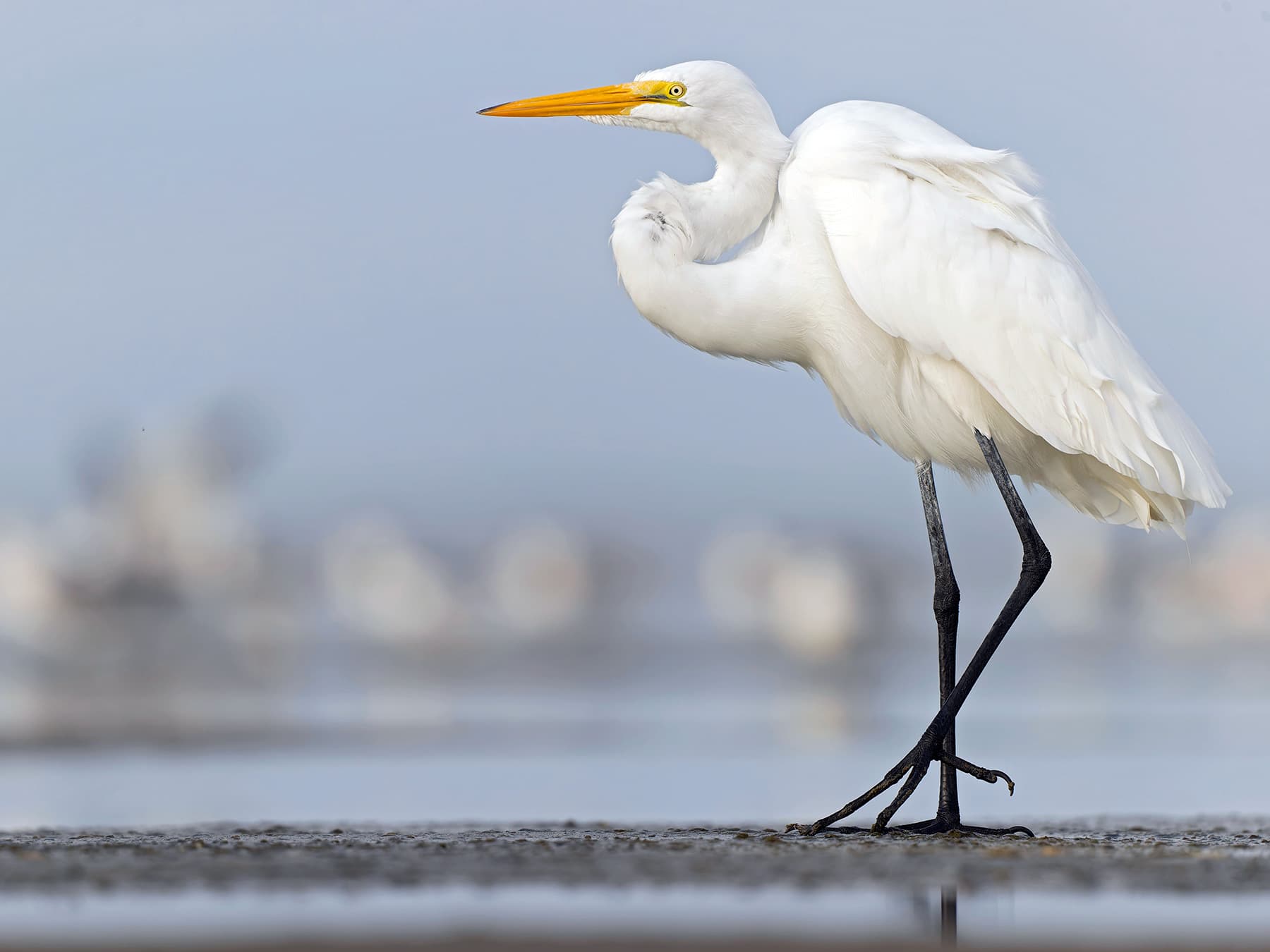
Great White Egret
Ardea albaLC
A rare but increasingly recorded resident, seen year-round at marshes and wetlands. Part of a wider UK range expansion.
Year-round
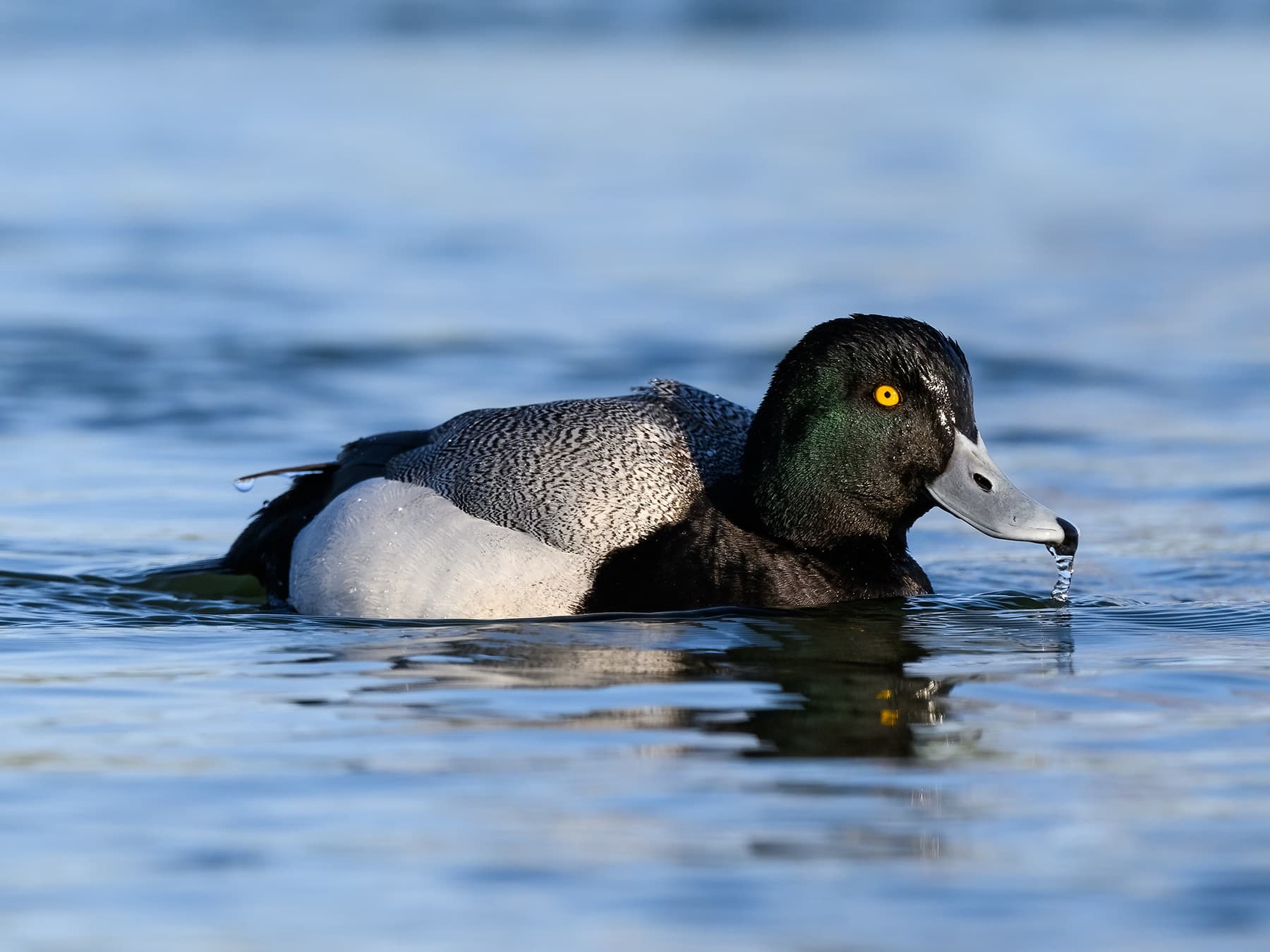
Greater Scaup
Aythya marilaLC
A rare passage visitor in early winter and spring, occasionally found among Tufted Duck and Pochard flocks on reservoirs and sheltered coastal waters.
Jan–Mar
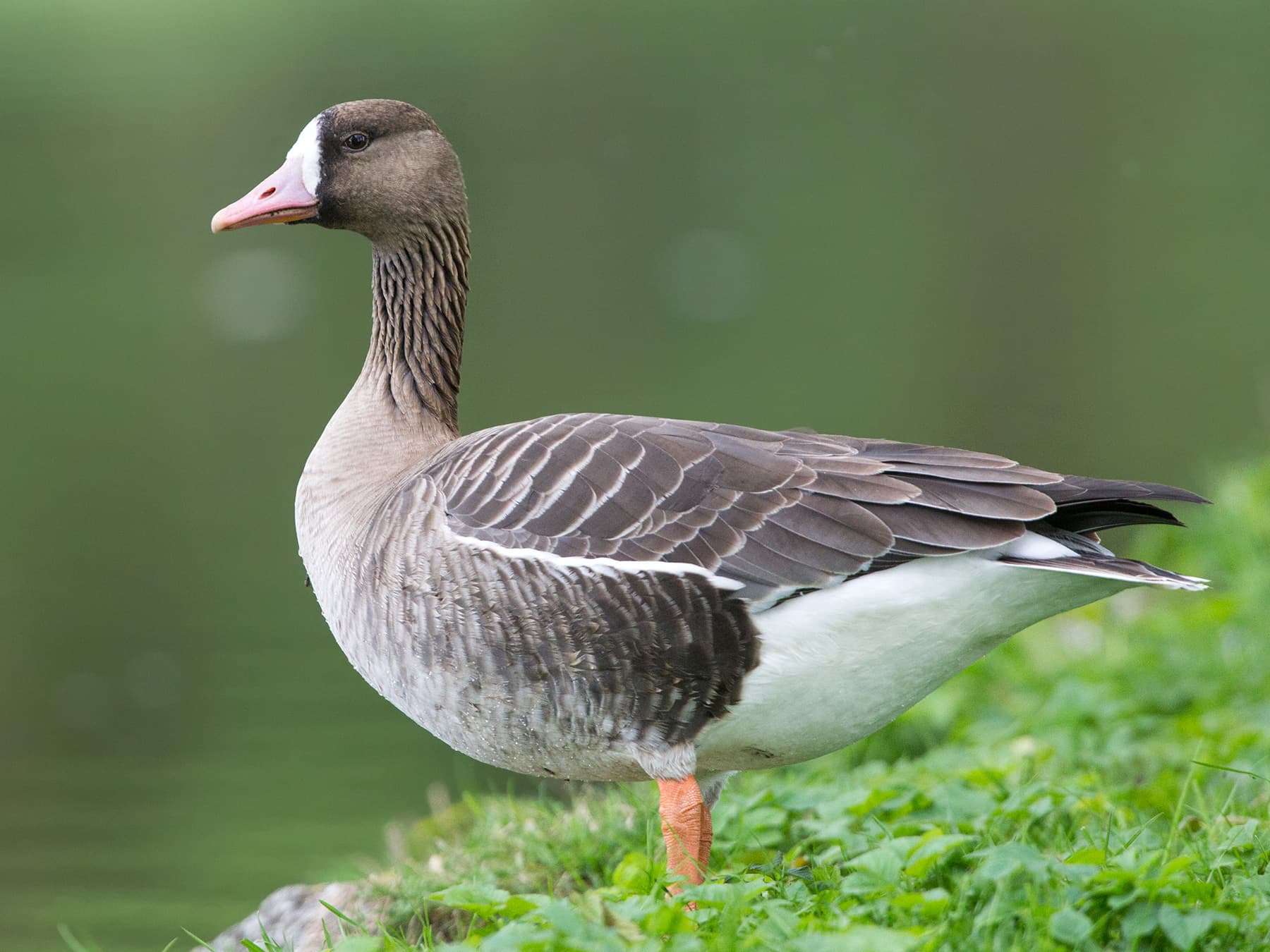
Greater White-fronted Goose
Anser albifronsLC
A rare winter visitor to the Pevensey Levels and grazing marshes, sometimes mixing with other goose flocks from November through to March.
Nov–Mar
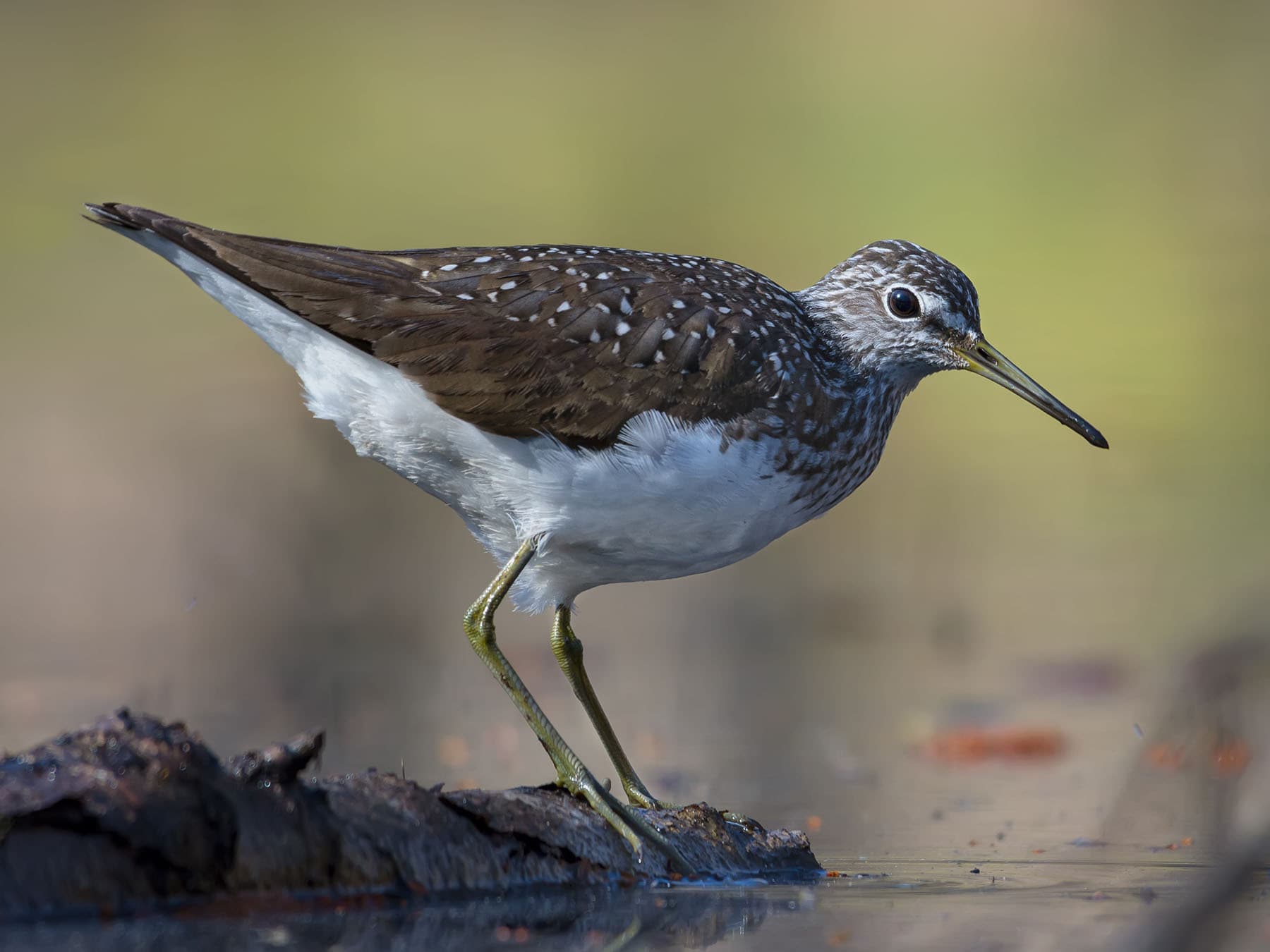
Green Sandpiper
Tringa ochropusLC
A rare but near year-round visitor to ditches, streams and watercress beds. Often detected by its sharp call as it flies up from cover.
Jun–Apr
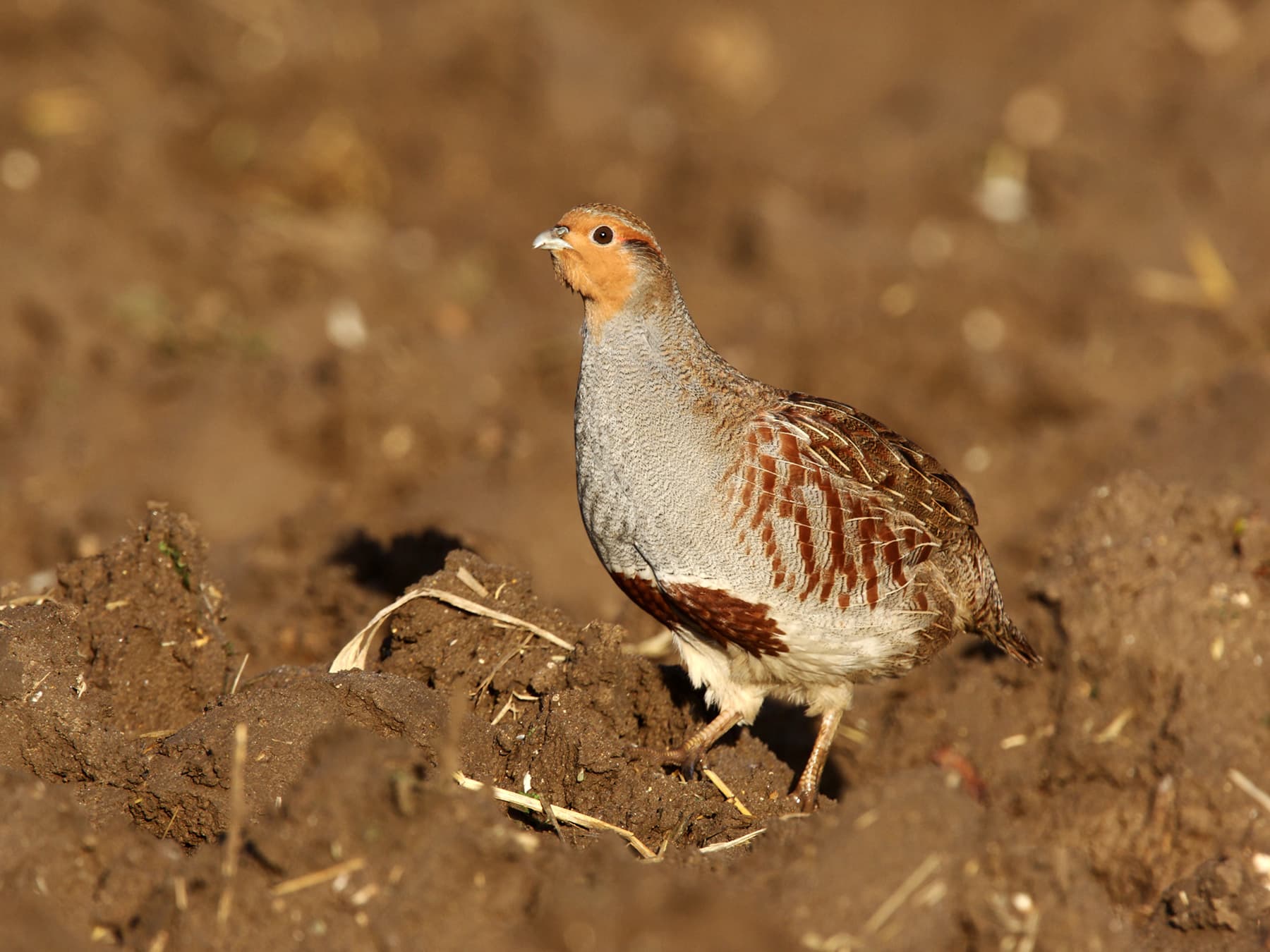
Grey Partridge
Perdix perdixLC
A rare and declining gamebird, occasionally recorded on passage in spring. Once more widespread on the South Downs, now very scarce in the county.
May
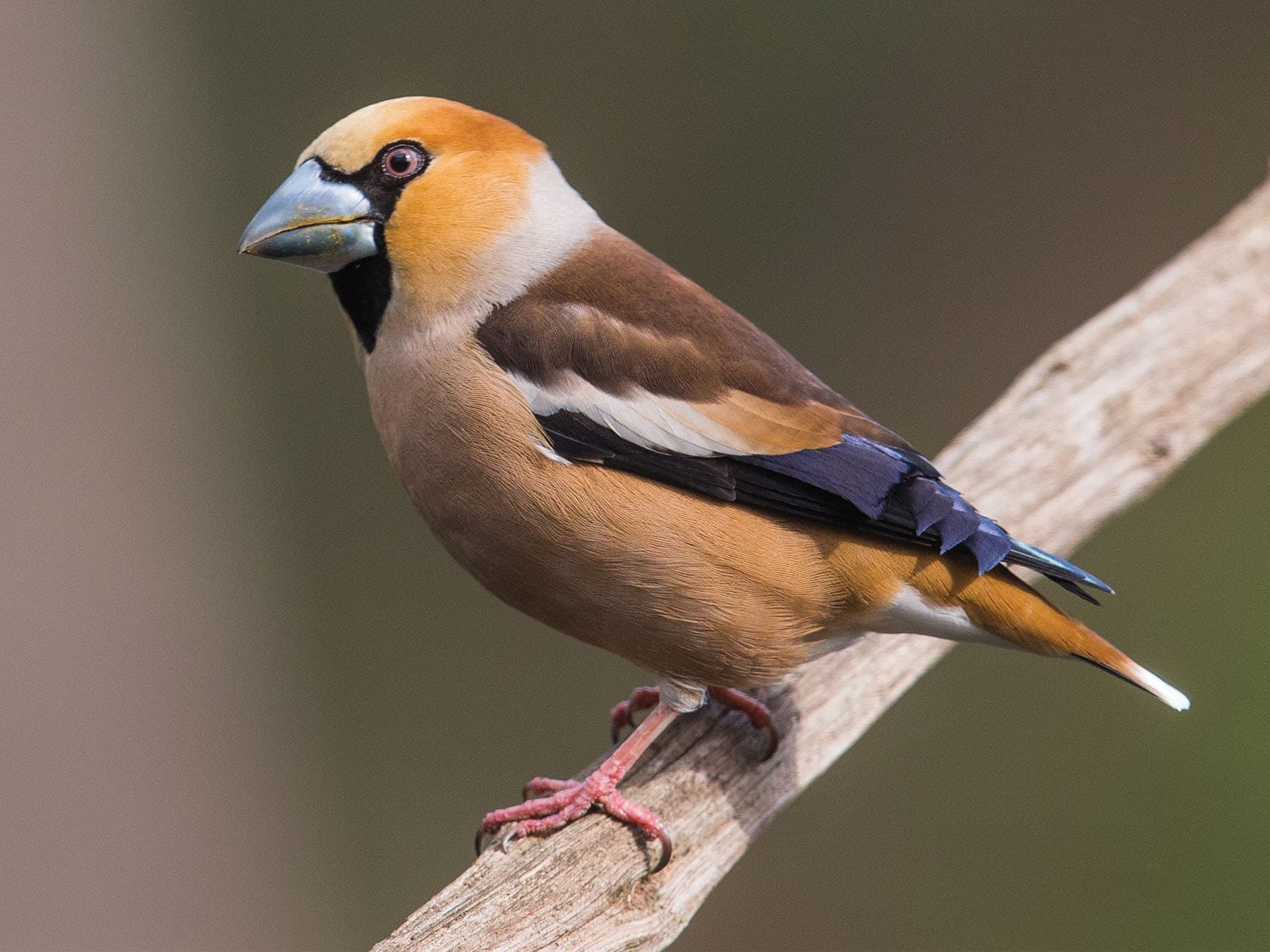
Hawfinch
Coccothraustes coccothraustesLC
A rare passage visitor in November, occasionally turning up in wooded areas. Once more widespread, now a scarce and declining species in southern England.
Nov
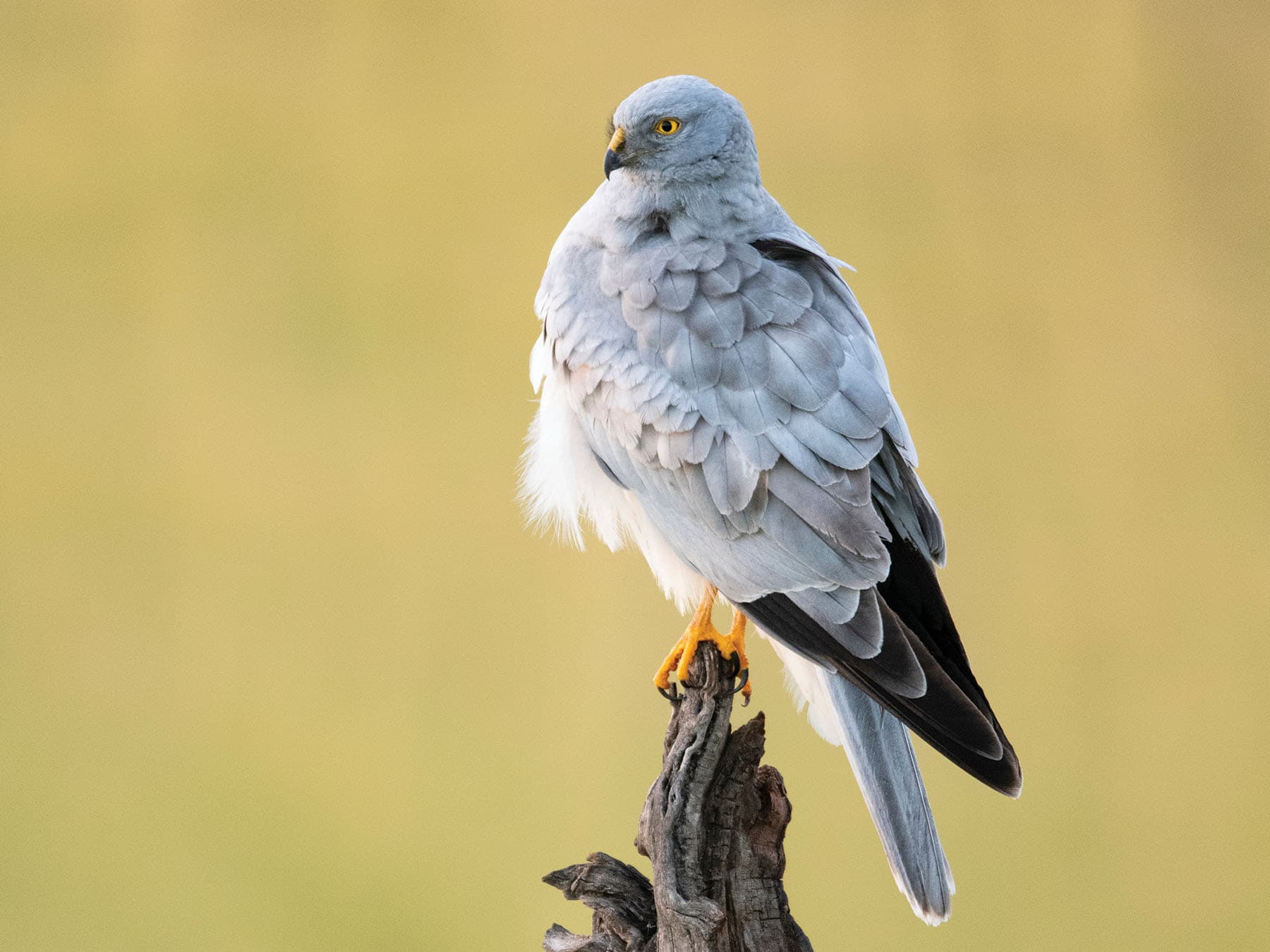
Hen Harrier
Circus cyaneusLC
A rare winter visitor to open marshes and farmland, occasionally seen quartering the Pevensey Levels in deep winter.
Dec–Feb
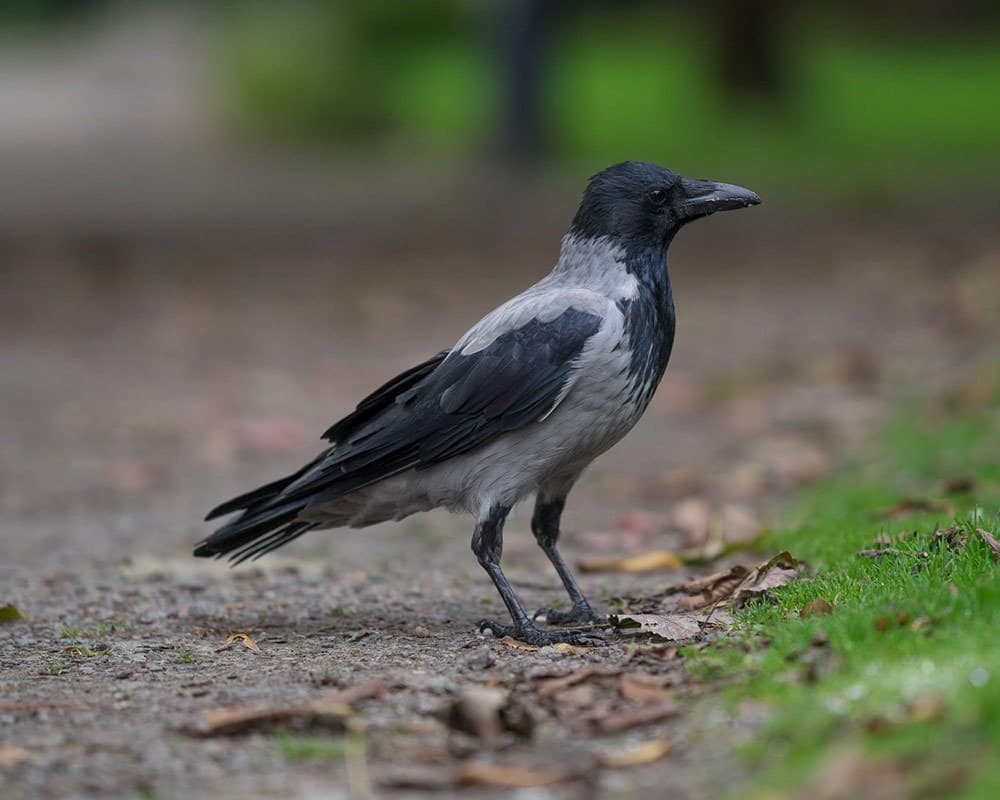
Hooded Crow
Corvus cornixLC
A rare passage visitor, occasionally recorded in February and December. Most sightings likely involve Continental birds drifting across the Channel.
Dec–Feb