Rare Birds in East Sussex
99 species matching this filter.
East Sussex is home to a fascinating array of rare bird species, with 94 uncommon visitors and scarce residents recorded across the county. From the elusive Eurasian Bittern lurking in reedbeds at sites like Filsham and the Pevensey Levels to spectacular passage migrants such as Arctic Terns along the coast, the county's diverse habitats — including chalk downland, ancient woodland, and coastal wetlands — attract a remarkable variety of rarities. Winter months can bring surprises like Bohemian Waxwings, Bramblings, and Goldeneye, while the warmer seasons may reward patient observers with sightings of European Honey-buzzards soaring over the Weald.


Showing 1–23 of 99 species
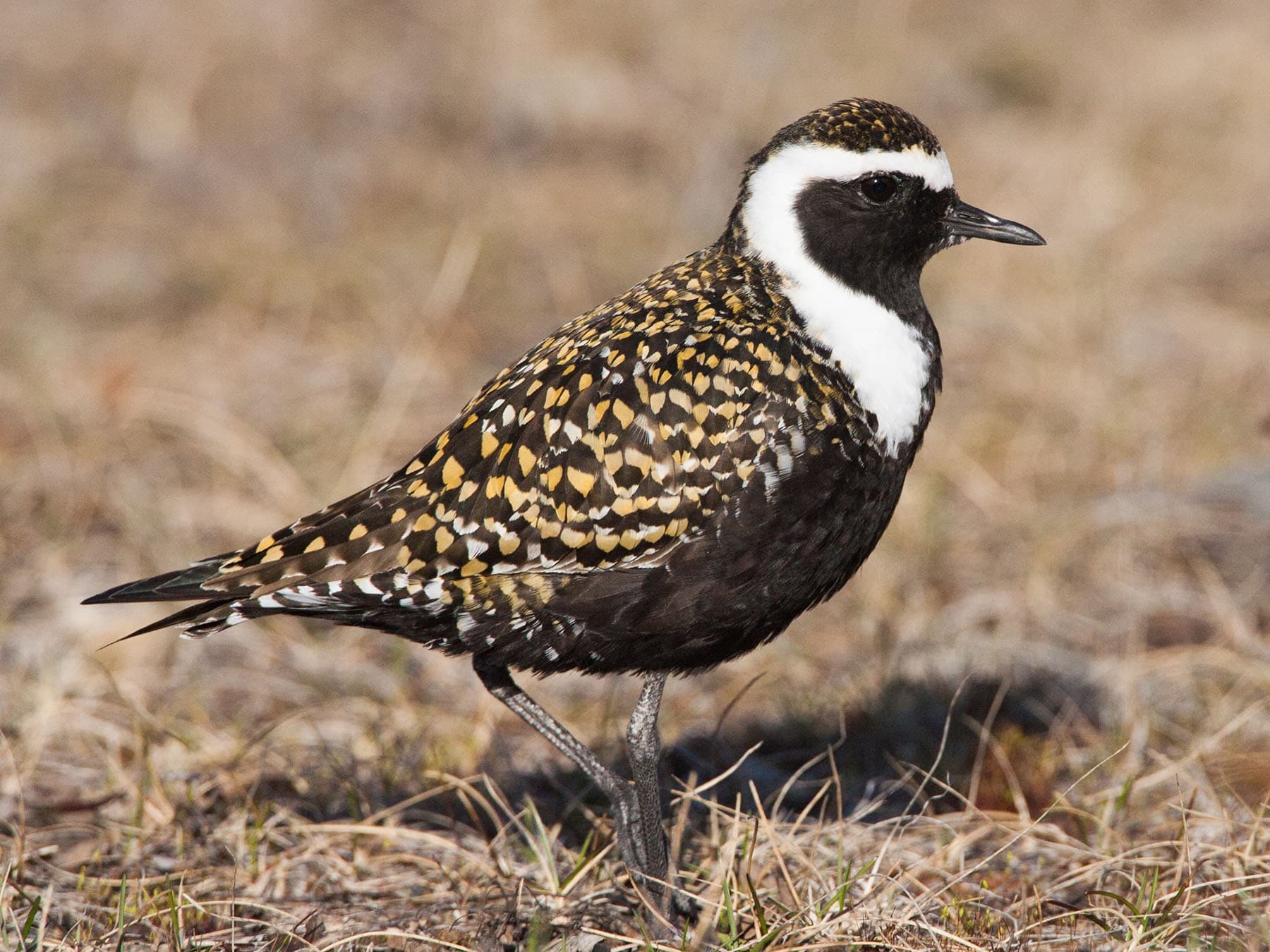
American Golden-Plover
Pluvialis dominicaLC
An extremely rare transatlantic vagrant, occasionally recorded in September. Any sighting on coastal fields or marshes is a notable county event.
Sep
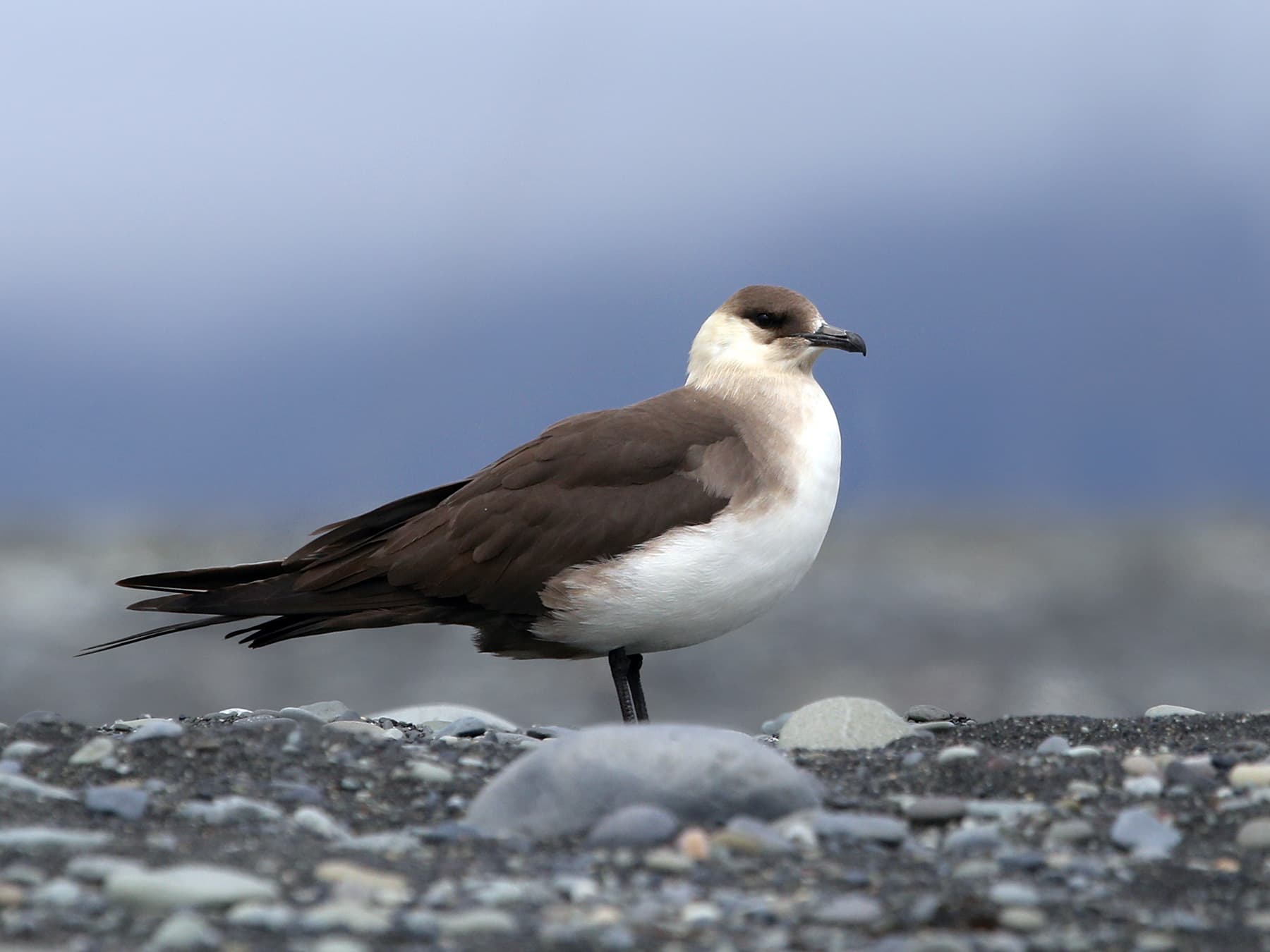
Arctic Jaeger
Stercorarius parasiticusLC
A rare passage migrant seen offshore in spring and autumn, often harassing terns and gulls. Best spotted during seawatches from Beachy Head.
Apr–Sep
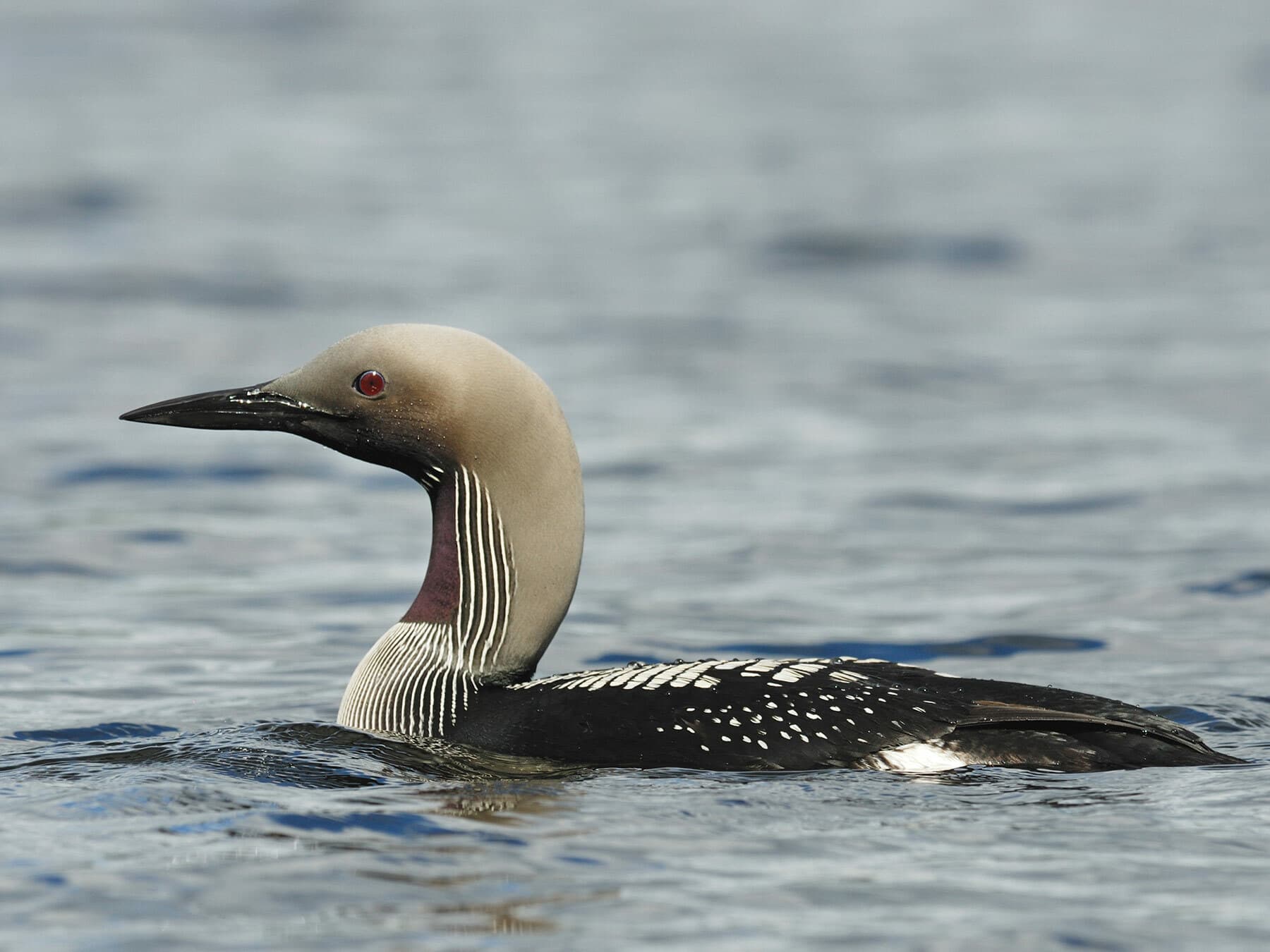
Arctic Loon
Gavia arcticaLC
A rare visitor to inshore coastal waters, mainly in winter and spring. Occasionally seen during seawatches from Beachy Head.
Dec–May
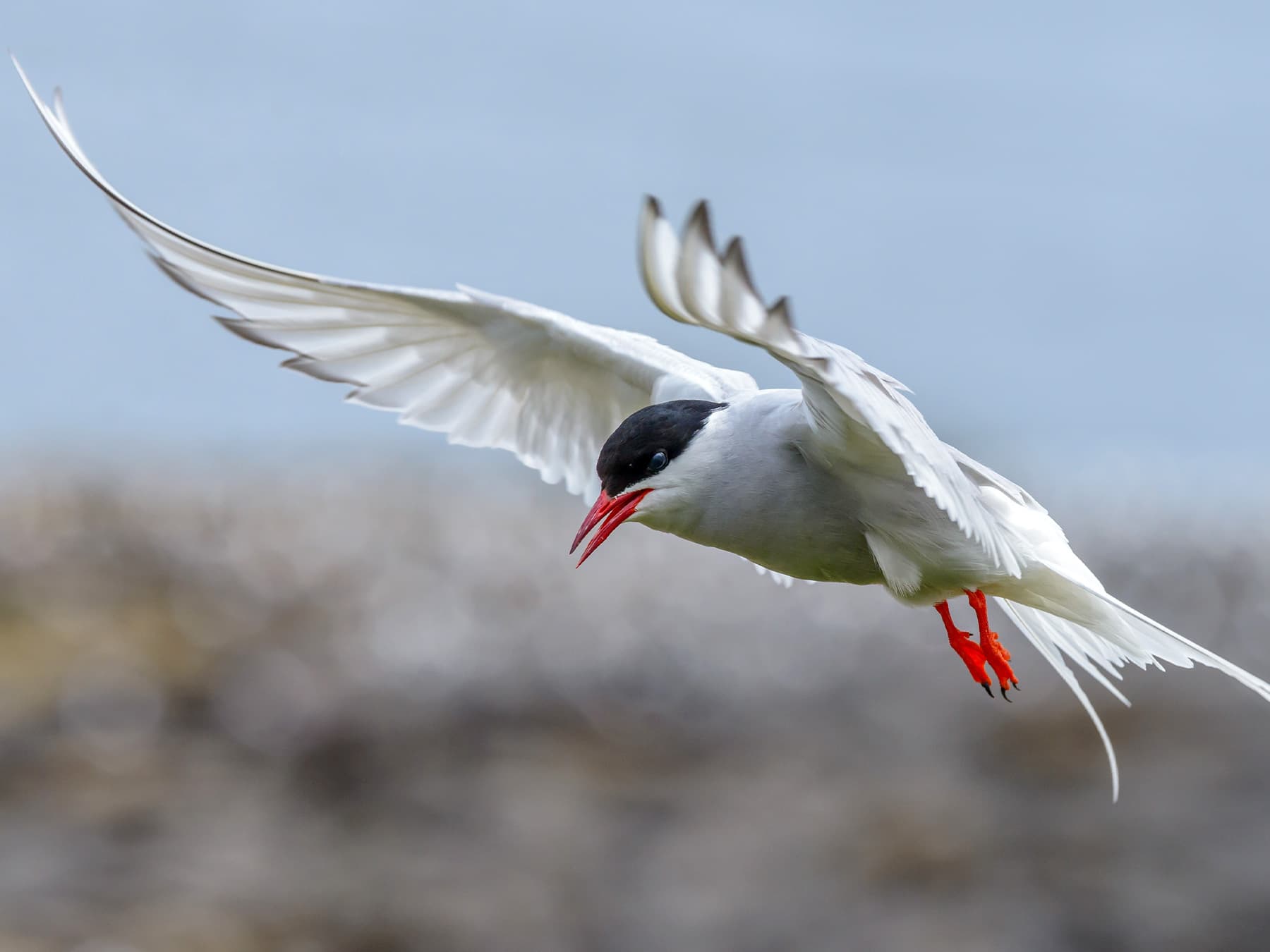
Arctic Tern
Sterna paradisaeaLC
A rare spring passage migrant seen offshore during seawatches in April and May, often mixed with Common Tern flocks.
Apr–May
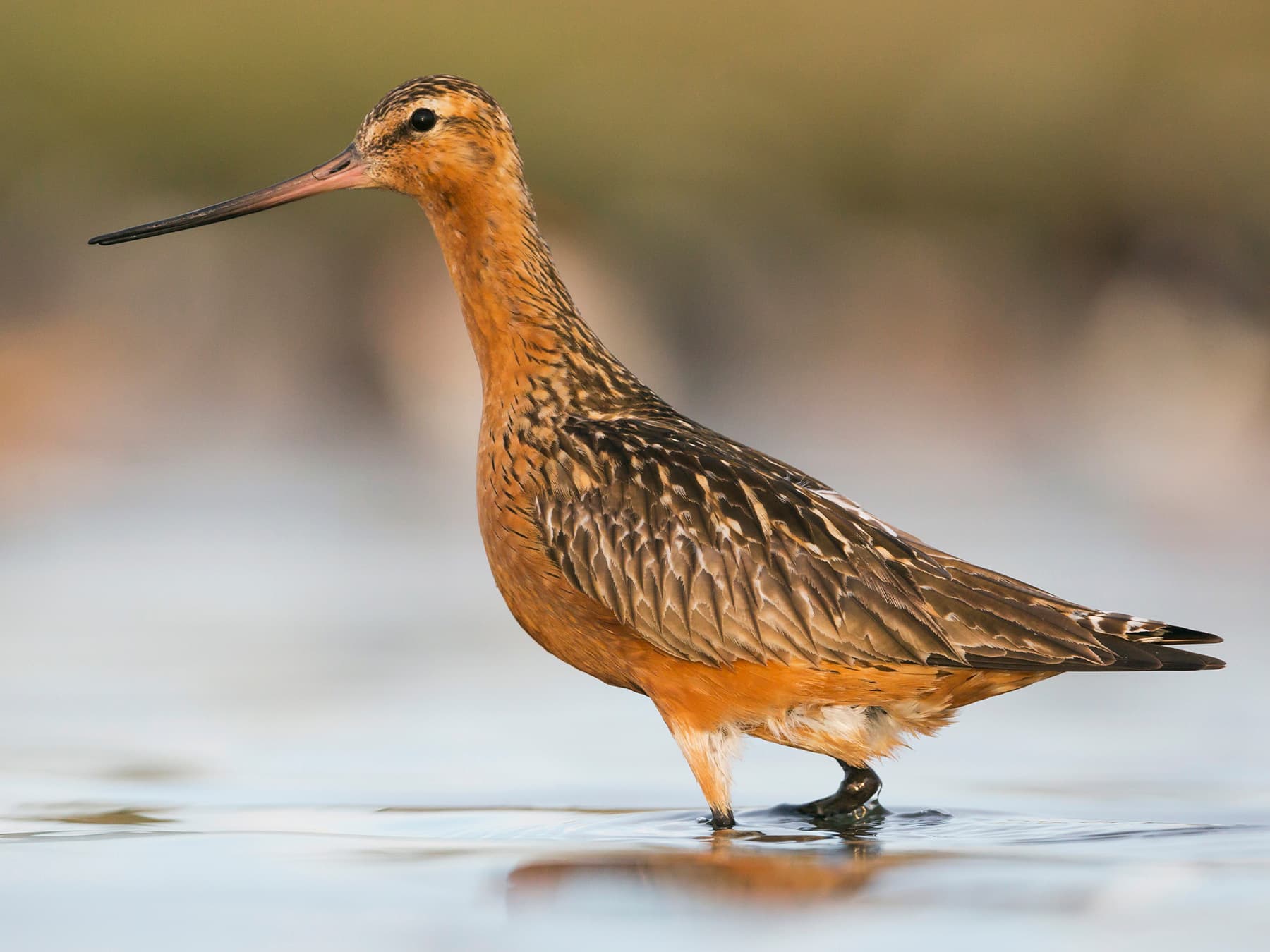
Bar-tailed Godwit
Limosa lapponicaNT
A rare but regular visitor to coastal mudflats and estuaries, with passage peaks in spring and autumn. Favours the Cuckmere and Rye areas.
Mar–Jan
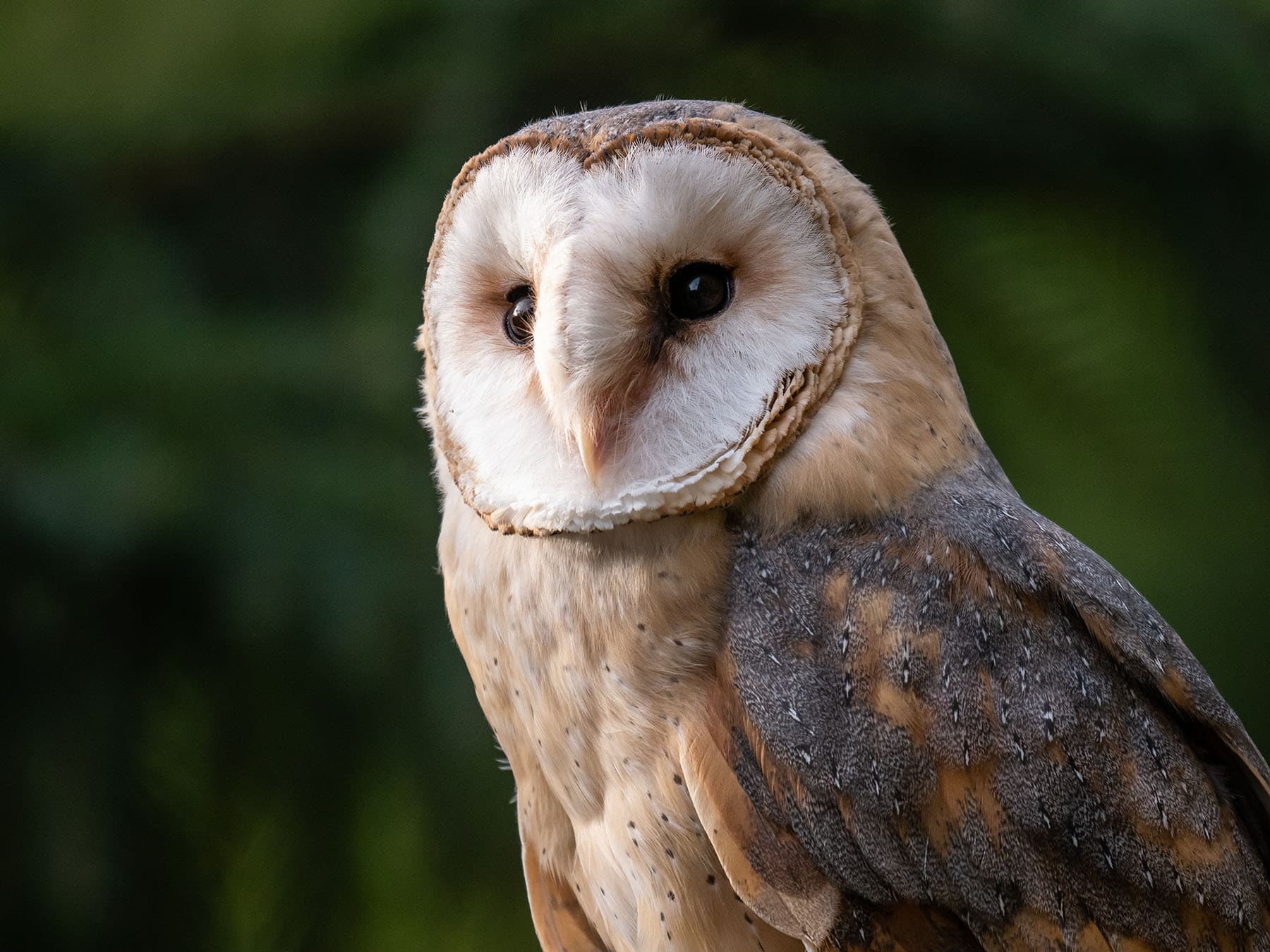
Barn Owl
Tyto albaLC
A rare resident of farmland and marshes, hunting silently at dusk over the Pevensey Levels and downland field margins.
Nov–Sep
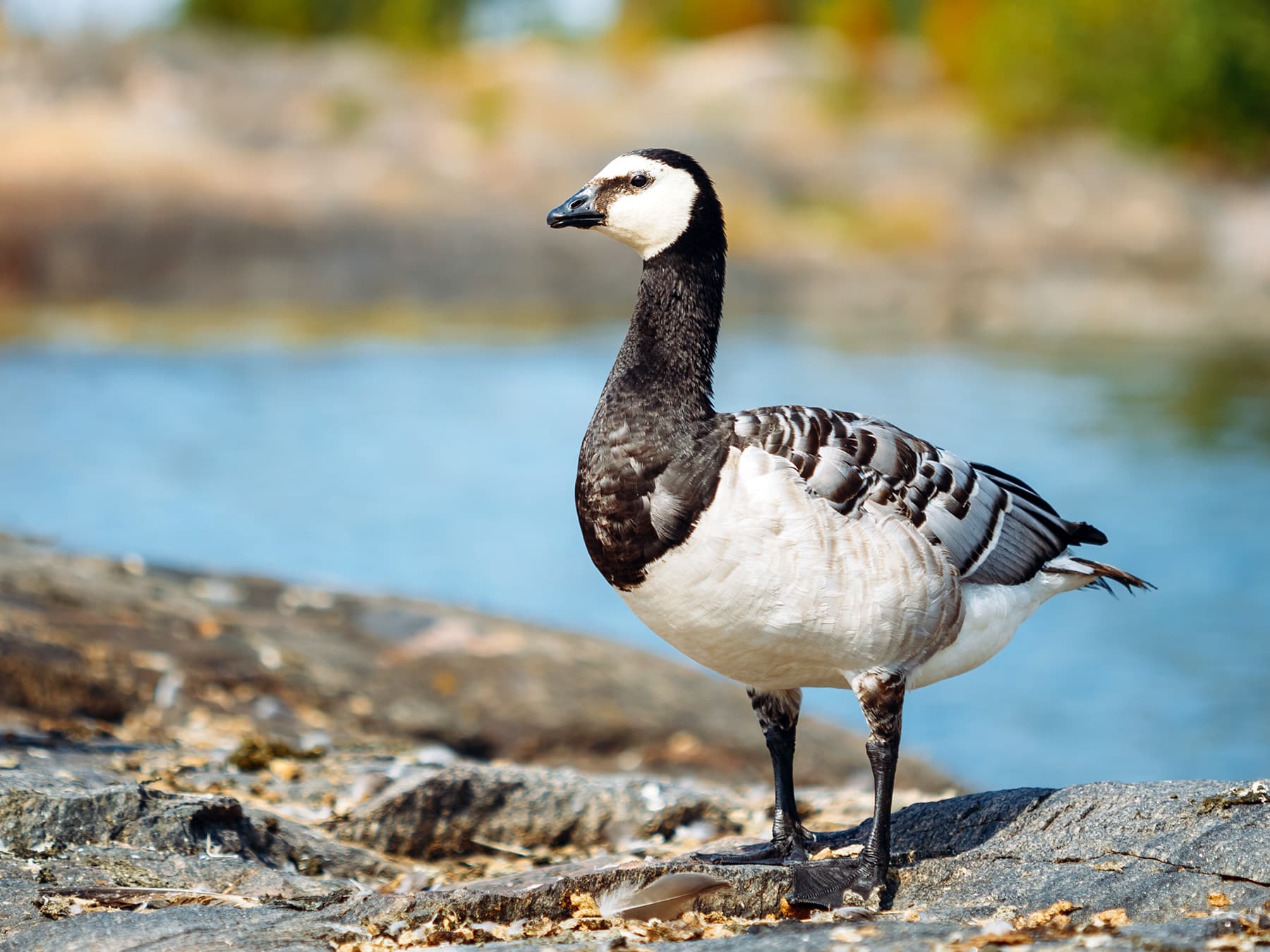
Barnacle Goose
Branta leucopsisLC
A rare resident, with feral birds present on coastal marshes and reservoirs. Numbers increase in autumn and winter with possible wild arrivals.
Sep–May
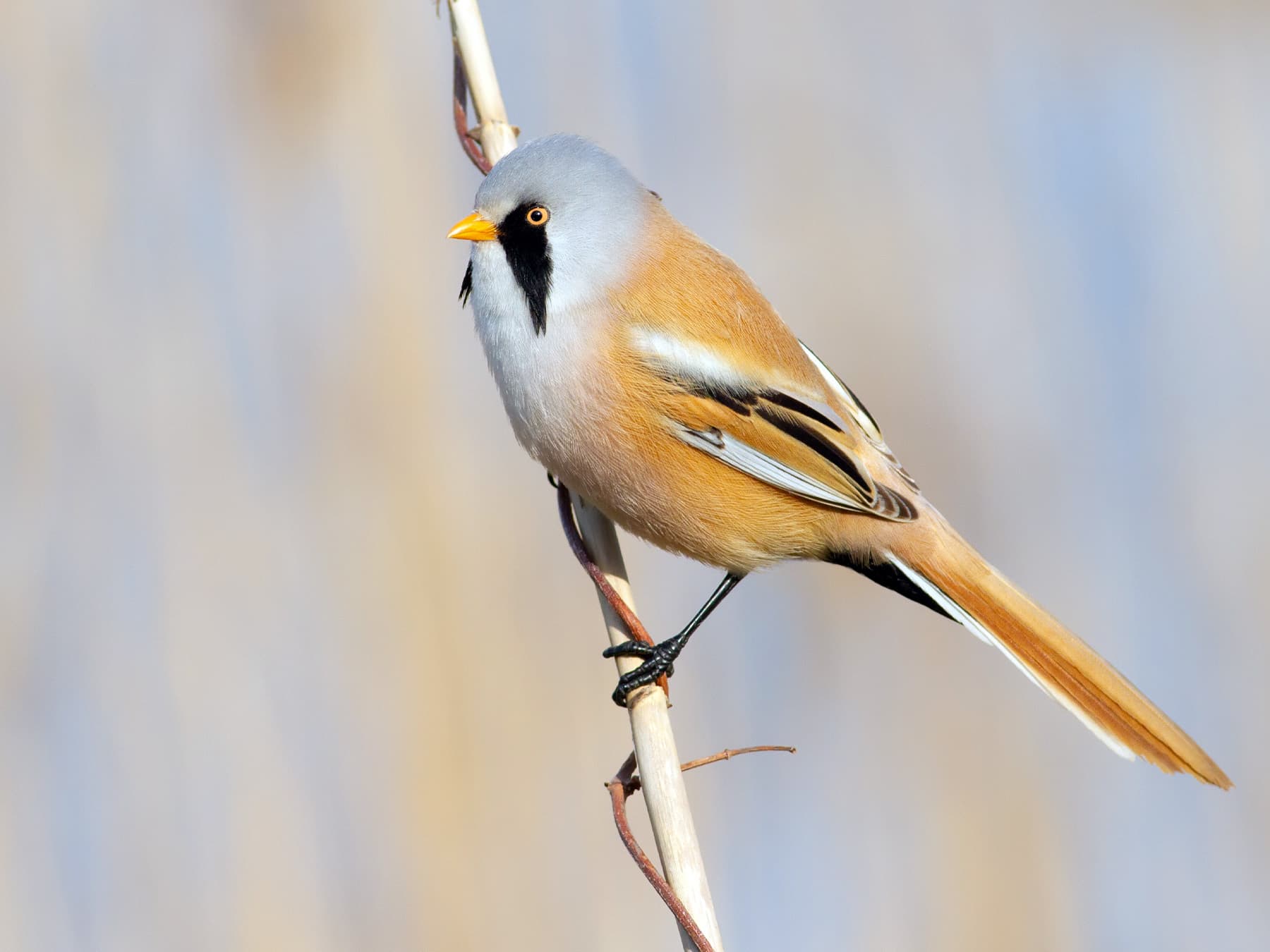
Bearded Tit
Panurus biarmicusLC
A rare but prized resident of extensive reedbeds, with sites like Rye Harbour offering the best chances. Listen for its distinctive pinging call.
Year-round
Spotted something?
Upload a photo to identify it
Identify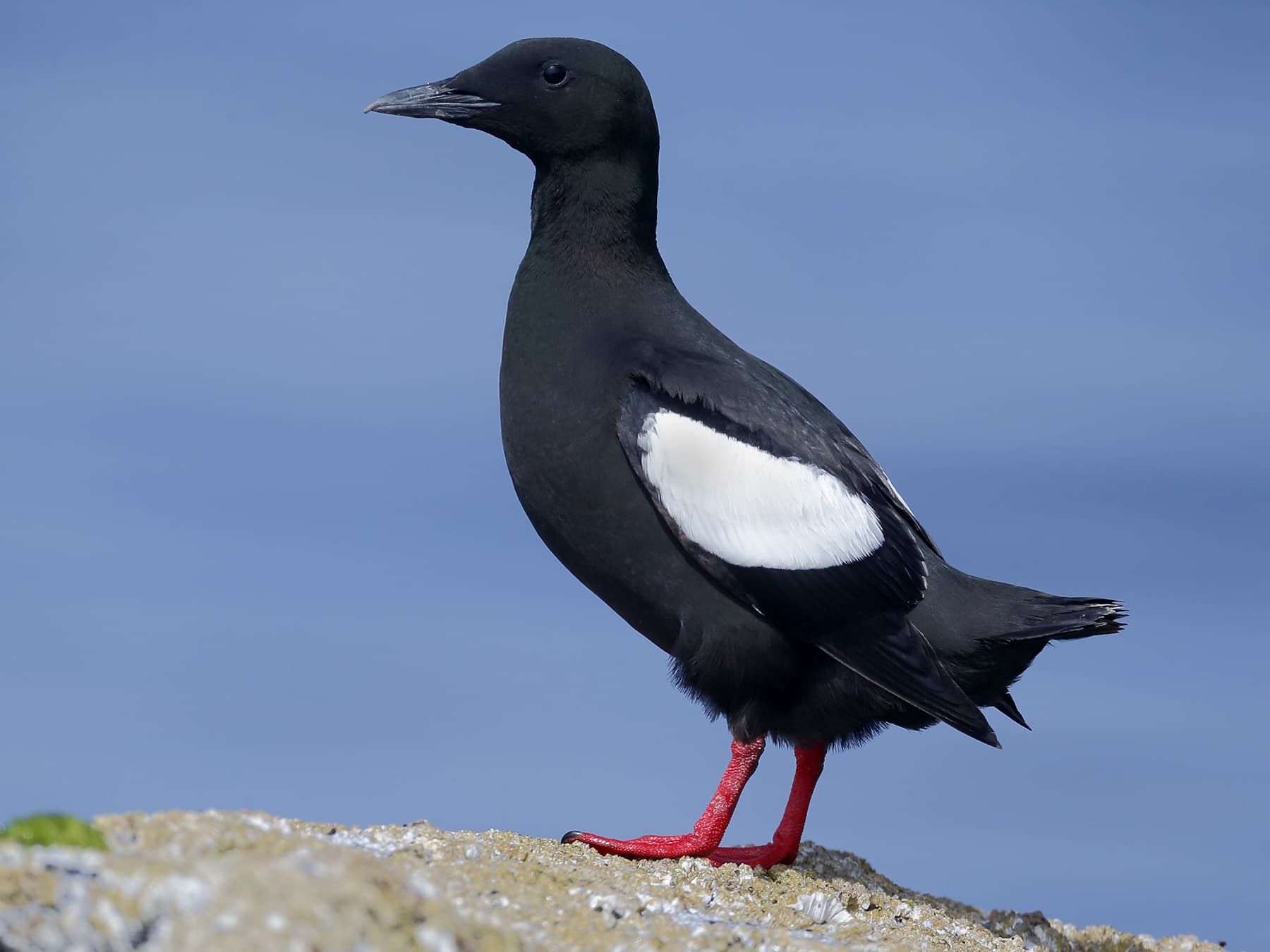
Black Guillemot
Cepphus grylleLC
A very rare visitor to inshore waters, occasionally recorded in winter. Well south of its usual breeding range in northern Britain.
Dec
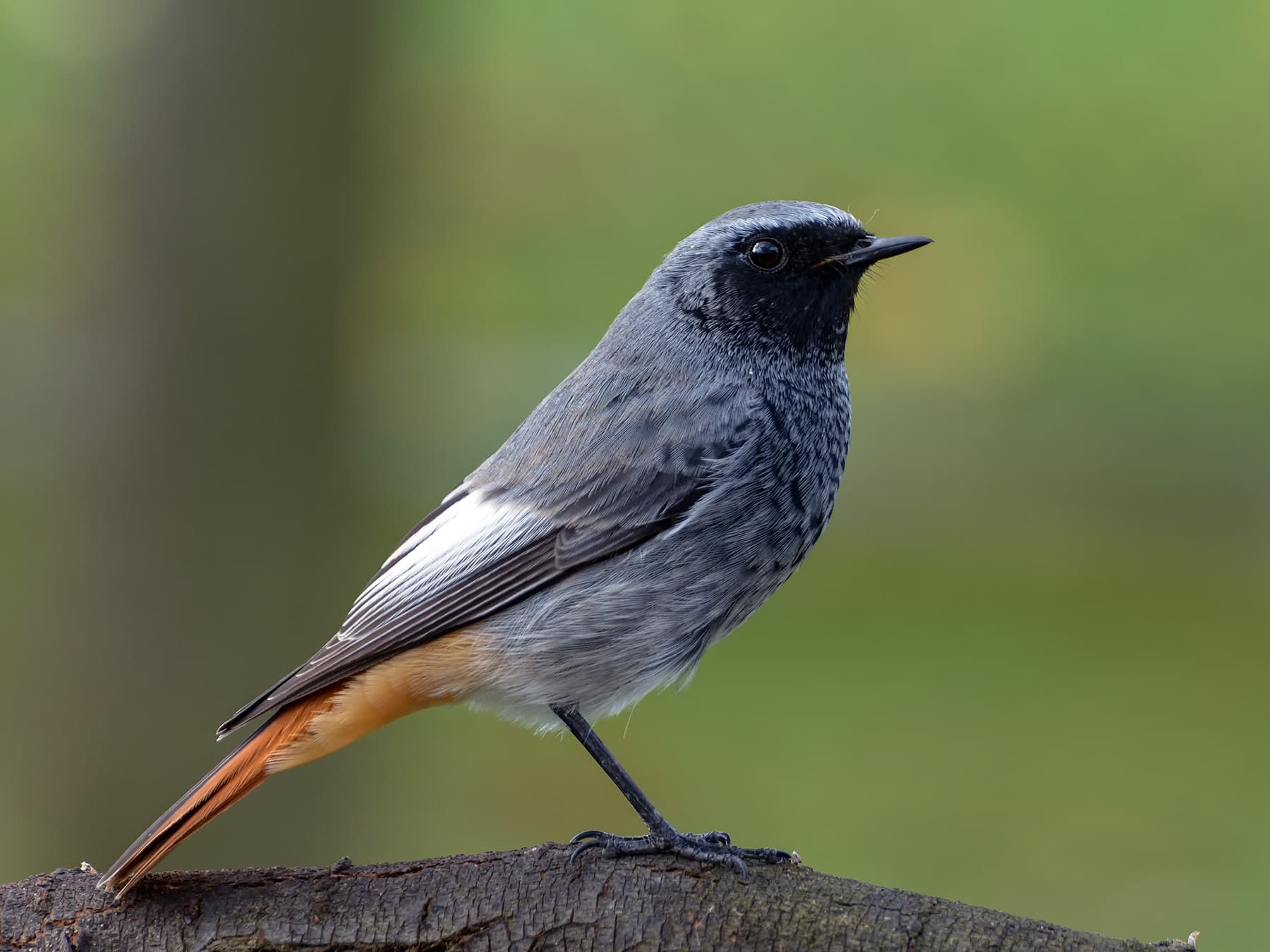
Black Redstart
Phoenicurus ochrurosLC
A rare winter visitor favouring coastal cliffs and buildings around Brighton and Beachy Head from October to early spring.
Oct–Apr
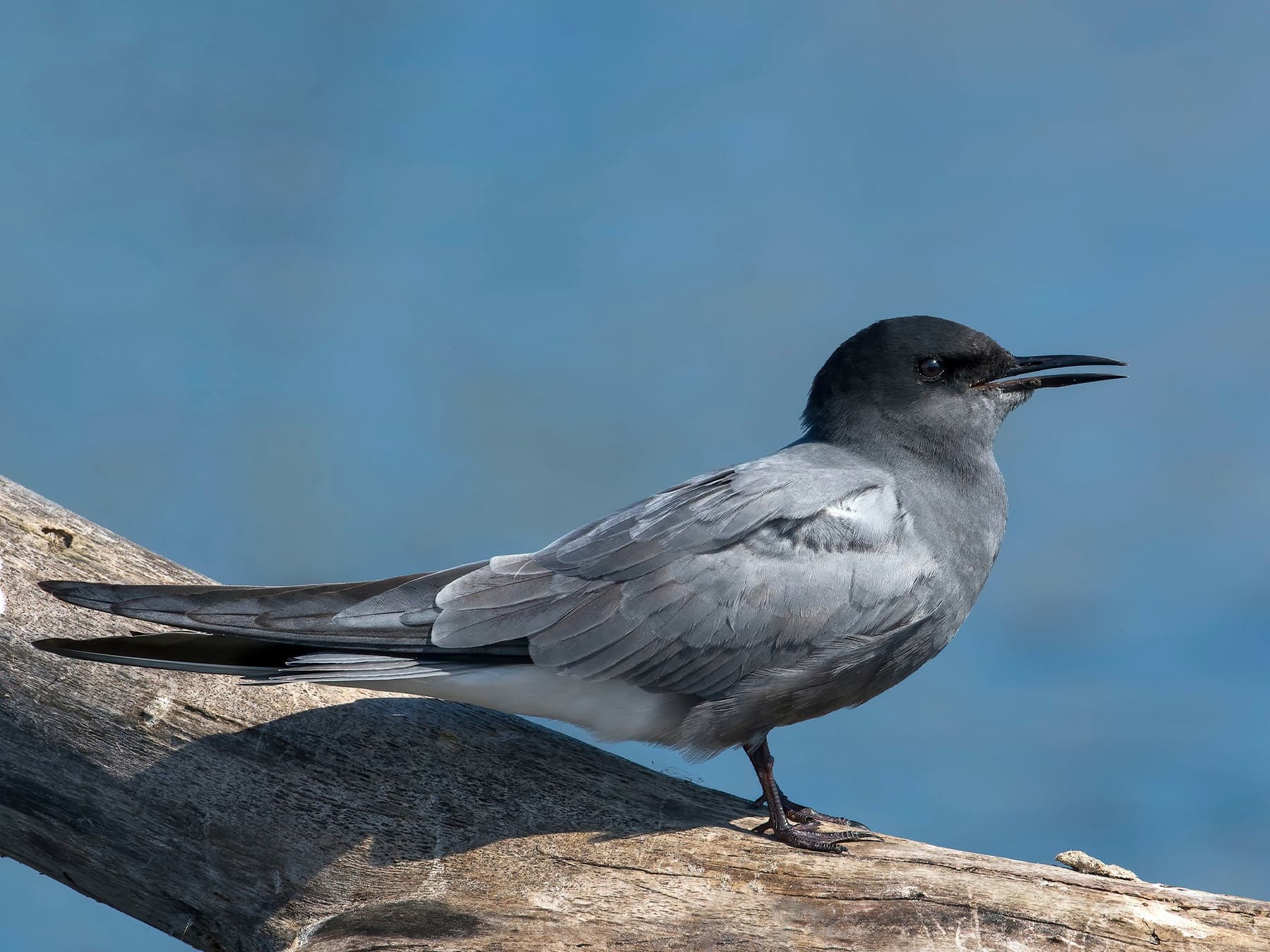
Black Tern
Chlidonias nigerLC
A rare passage visitor in May and September, occasionally seen hawking over coastal lagoons and reservoirs such as Arlington or Bewl Water.
May–Sep
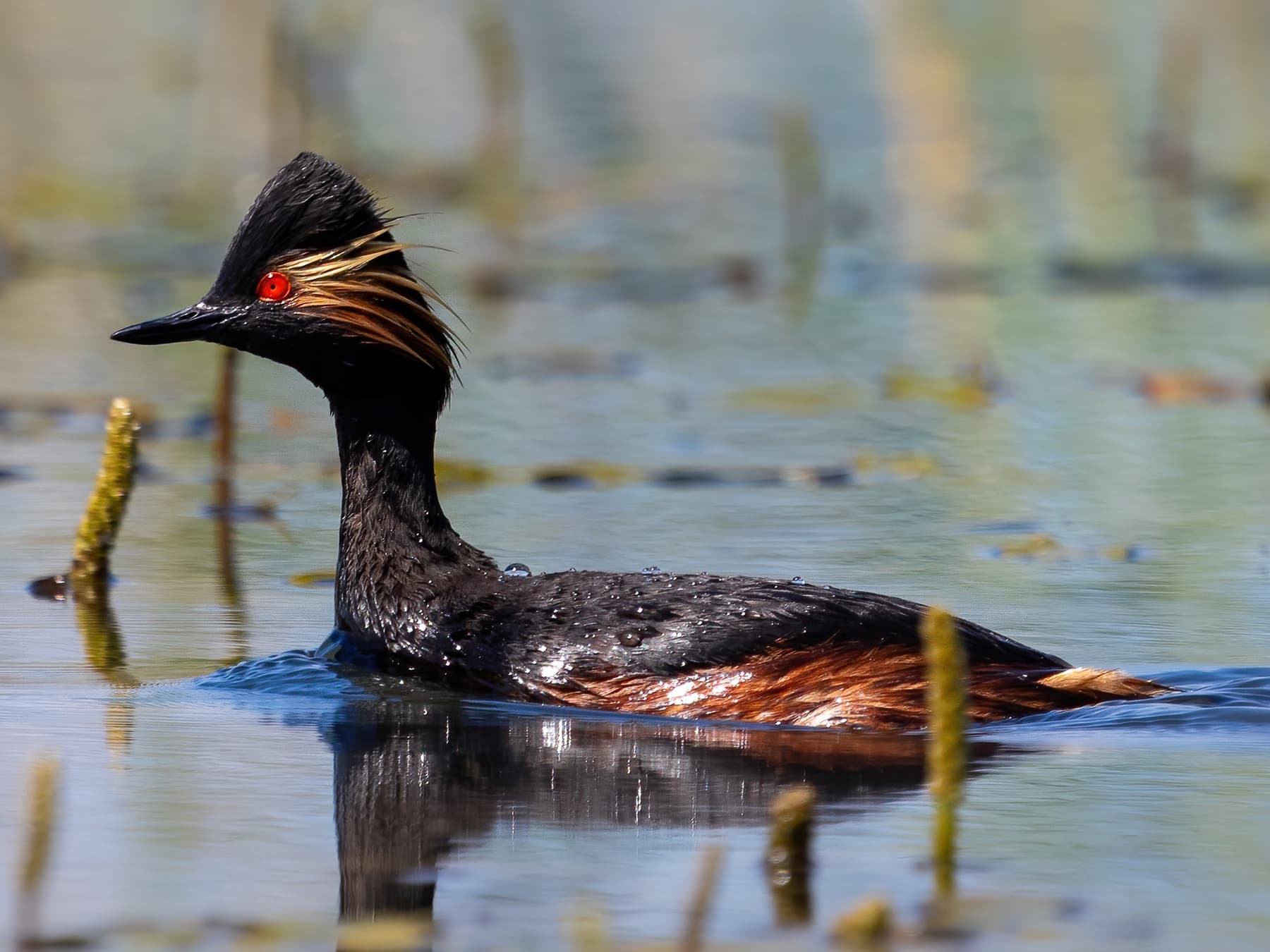
Black-necked Grebe
Podiceps nigricollisLC
A rare but near year-round presence on sheltered coastal waters and reservoirs. Numbers are small, with a brief gap in midsummer.
Jul–May
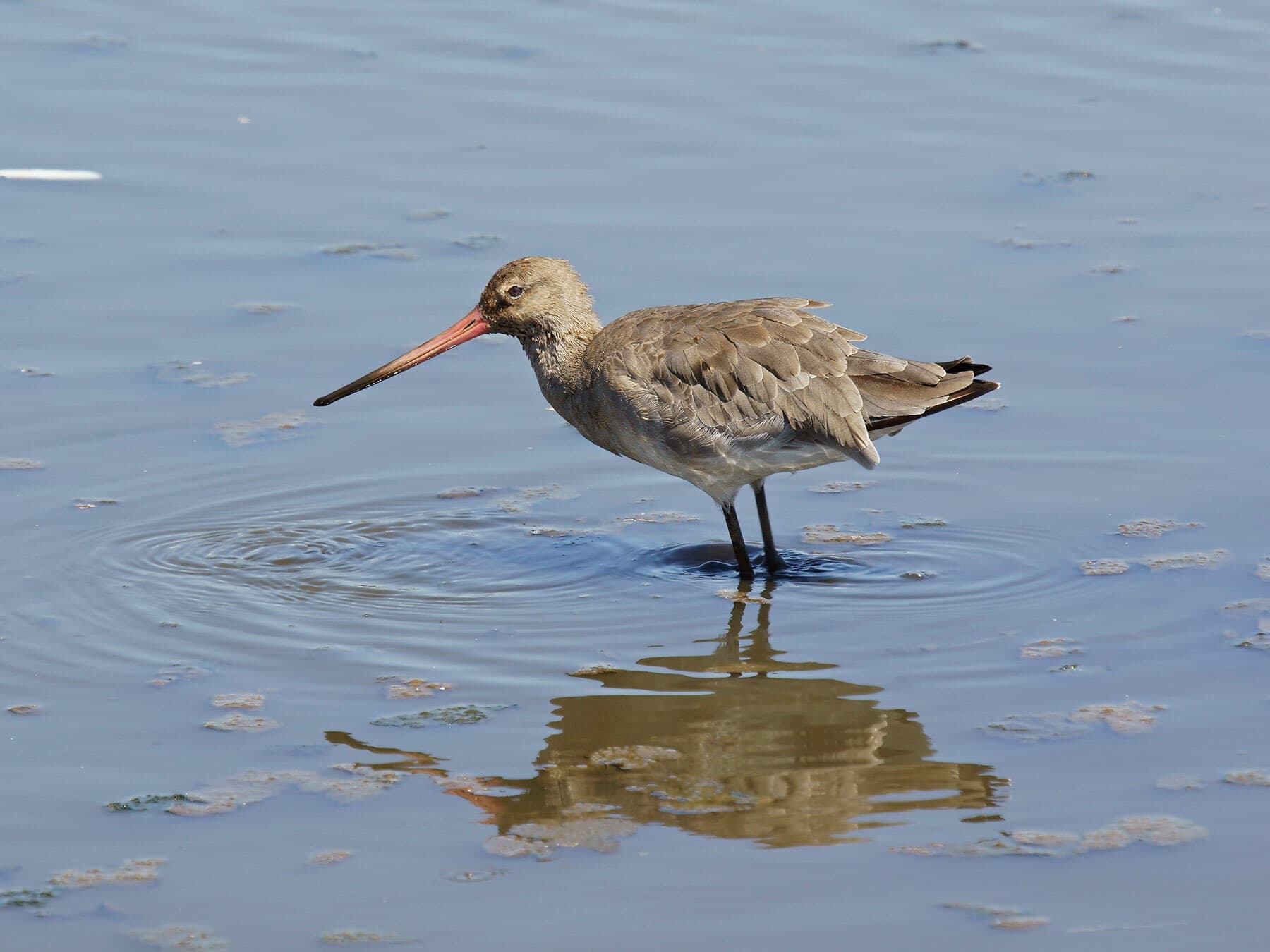
Black-tailed Godwit
Limosa limosaNT
A rare but increasingly regular wader at coastal pools and grazing marshes. Rye Harbour and the Pevensey Levels offer the best chances of sightings.
Mar–Jan
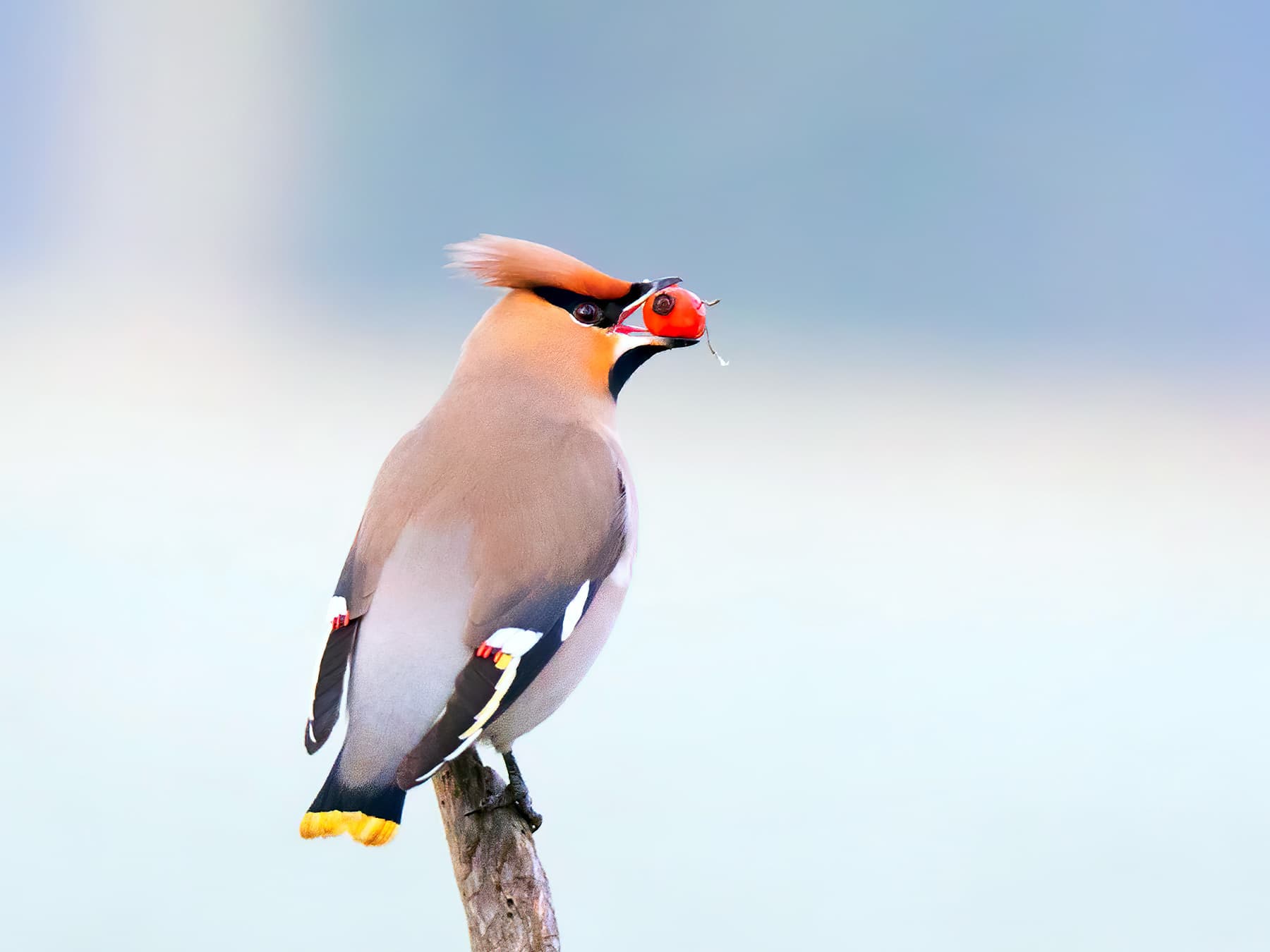
Bohemian Waxwing
Bombycilla garrulusLC
A rare winter visitor, appearing in irruption years during December and January. Flocks descend on berry-laden trees in towns and gardens.
Dec–Jan
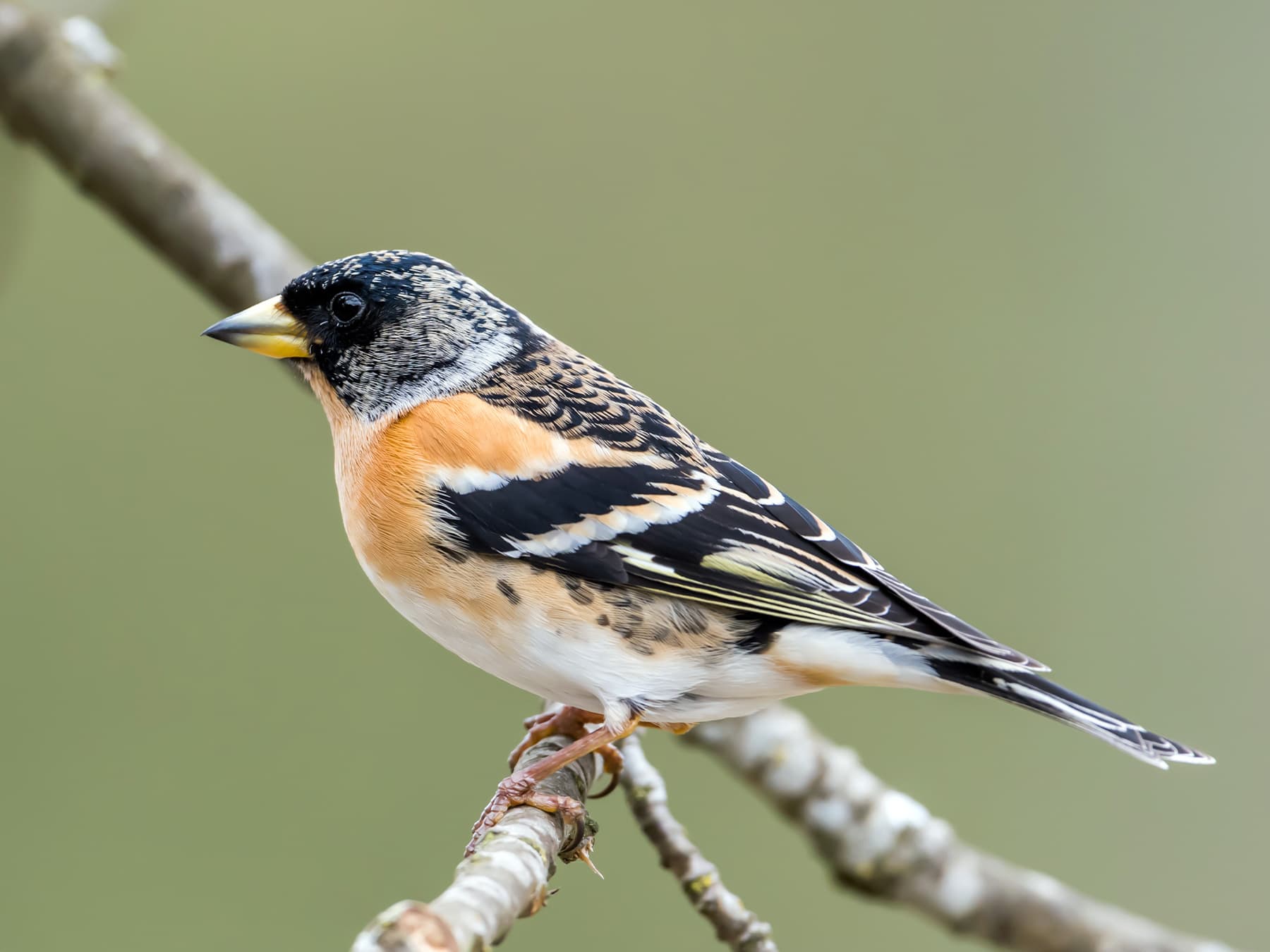
Brambling
Fringilla montifringillaLC
A rare non-breeding visitor from October to March, often found among chaffinch flocks in beech woodland and farmland stubble.
Oct–Mar
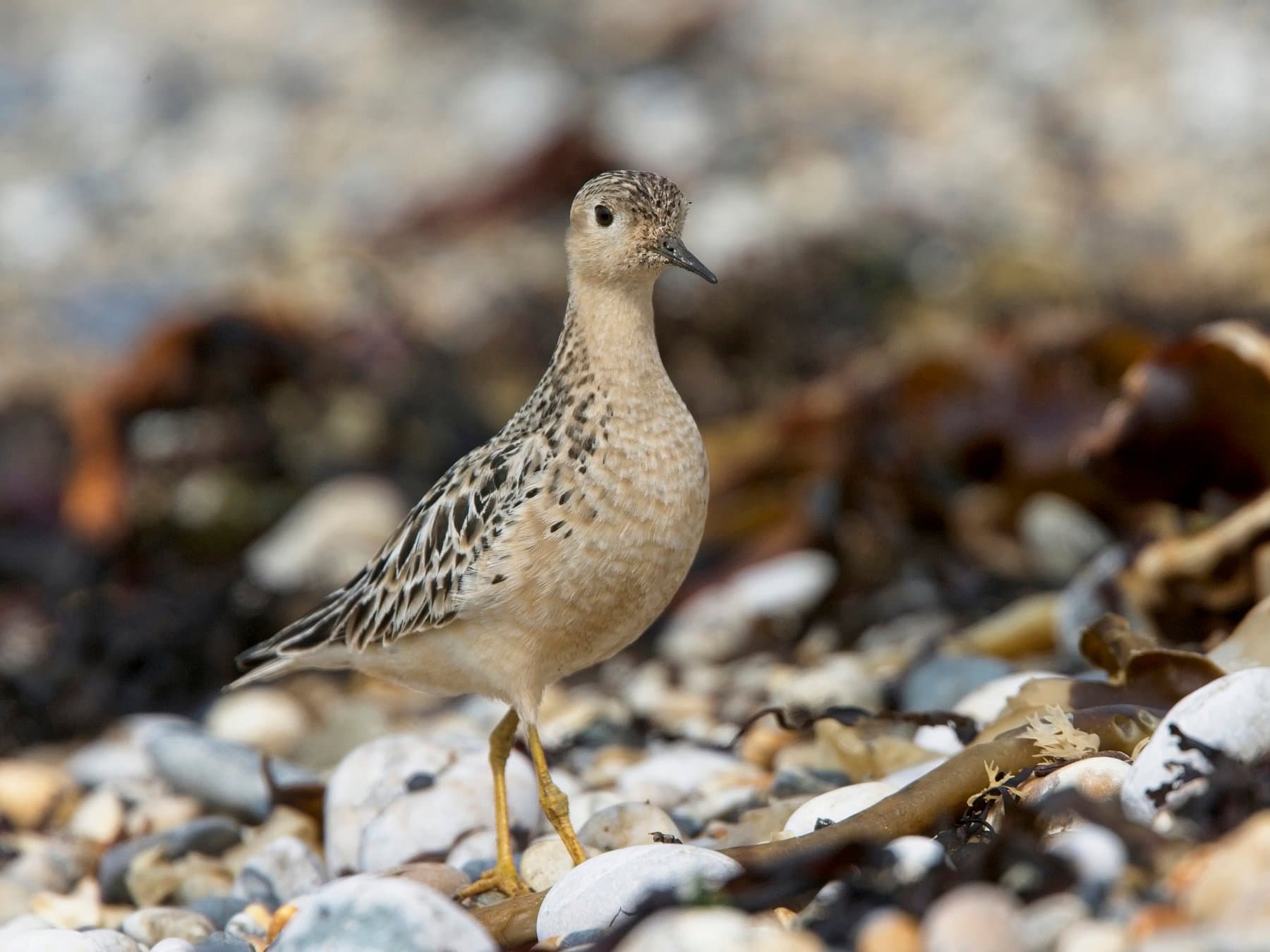
Buff-breasted Sandpiper
Calidris subruficollisVU
A rare Nearctic vagrant, very occasionally recorded on short grassland or coastal pools in September during Atlantic weather systems.
Sep
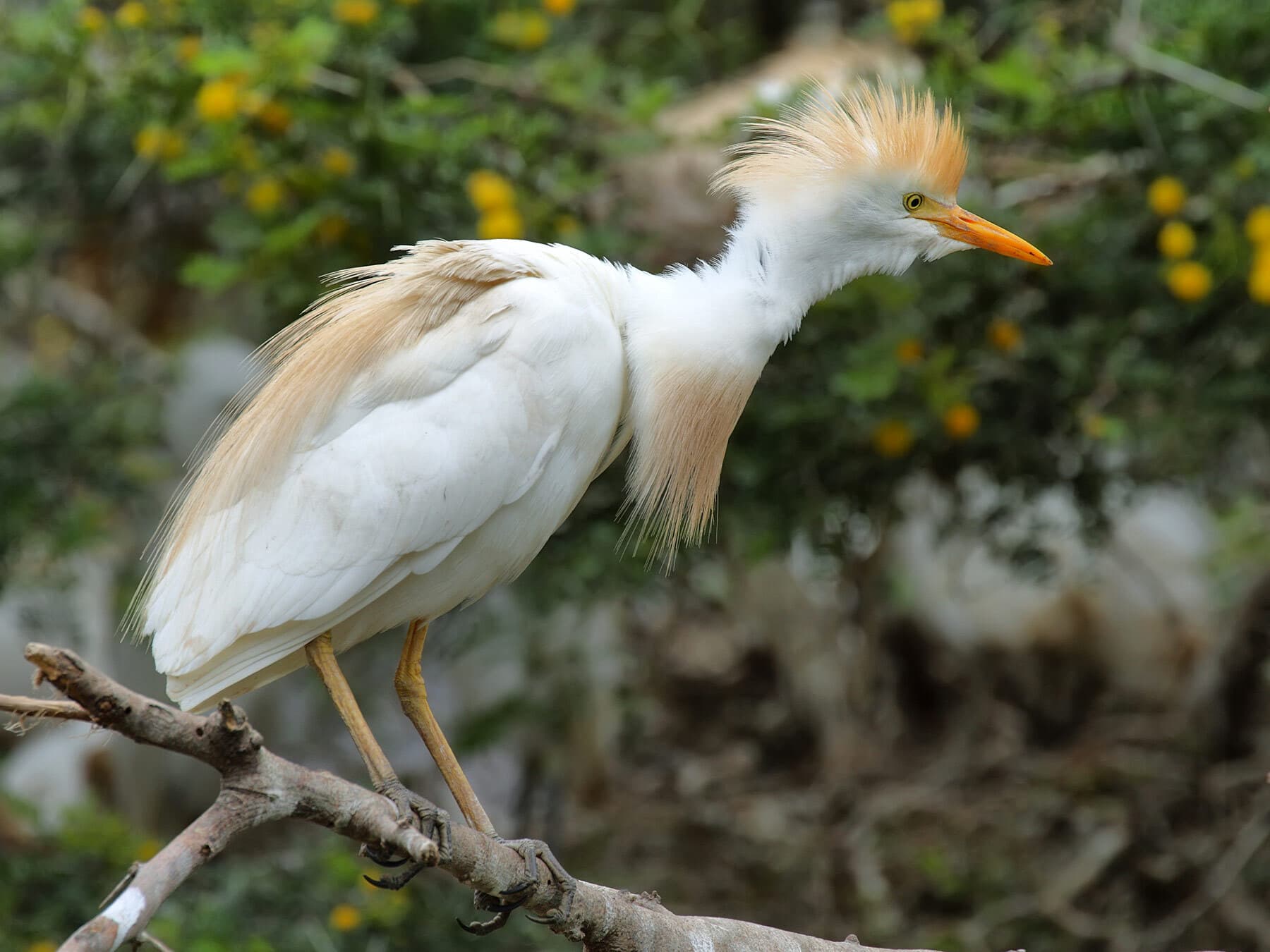
Cattle Egret
Bubulcus ibisLC
A rare but increasingly seen resident, often found alongside cattle on the Pevensey Levels and other low-lying grazing marshes.
Mar–Jan
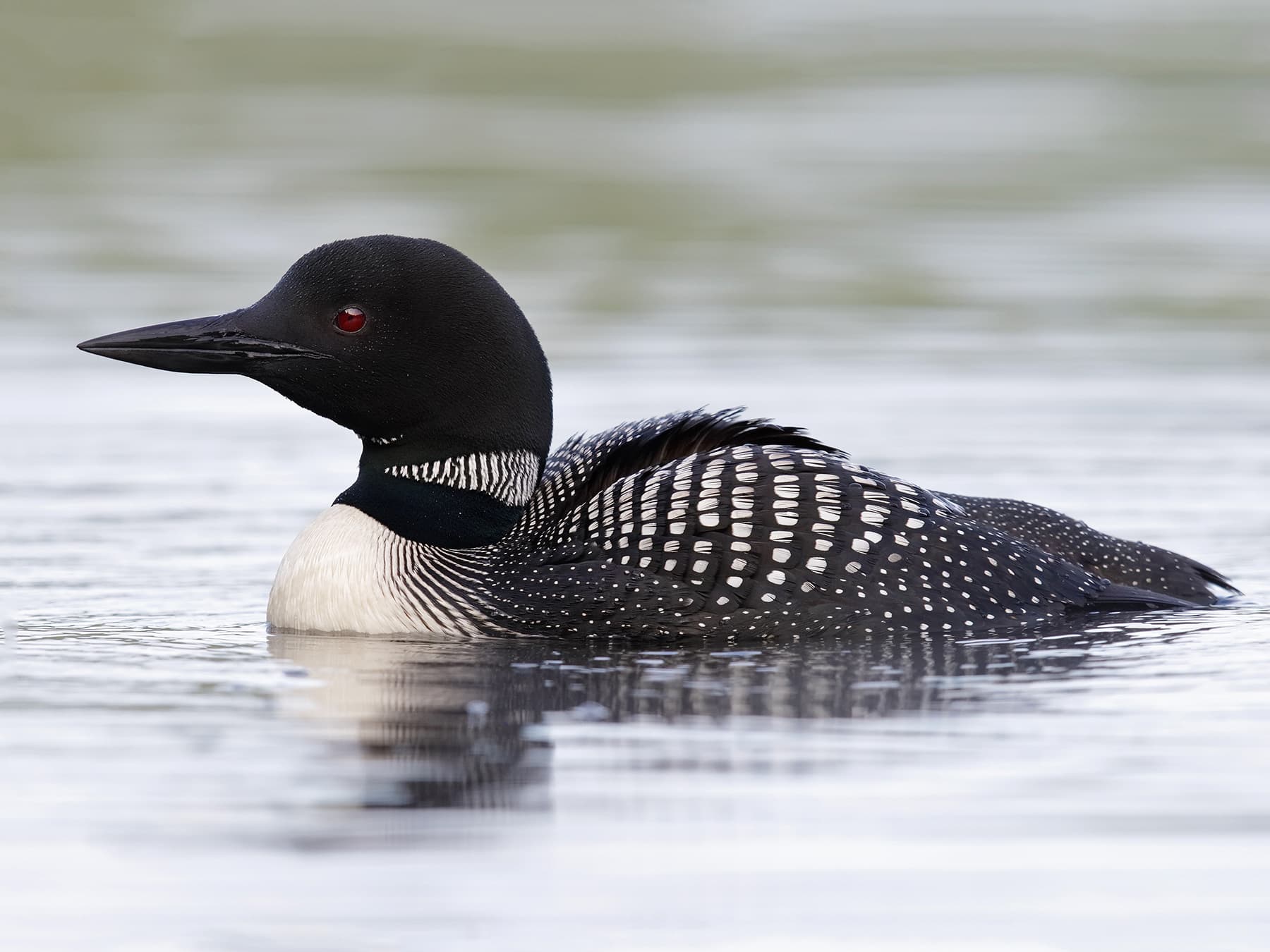
Common Loon
Gavia immerLC
A rare winter visitor to coastal waters, occasionally seen offshore or in sheltered bays between November and February.
Nov–Feb
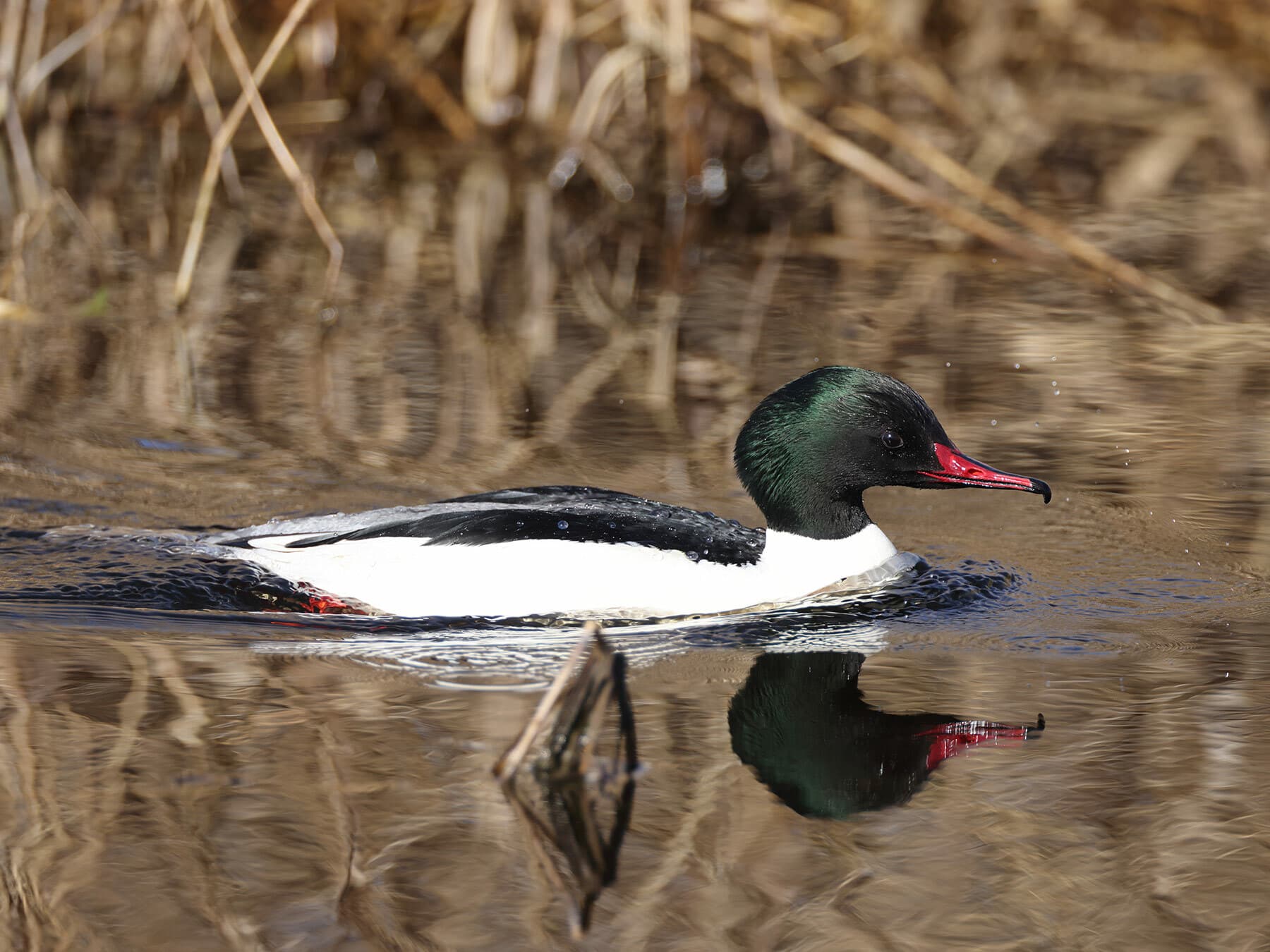
Common Merganser
Mergus merganserLC
A rare non-breeding visitor to reservoirs and rivers in winter. Small numbers appear between November and February, favouring larger freshwater bodies.
Nov–Feb
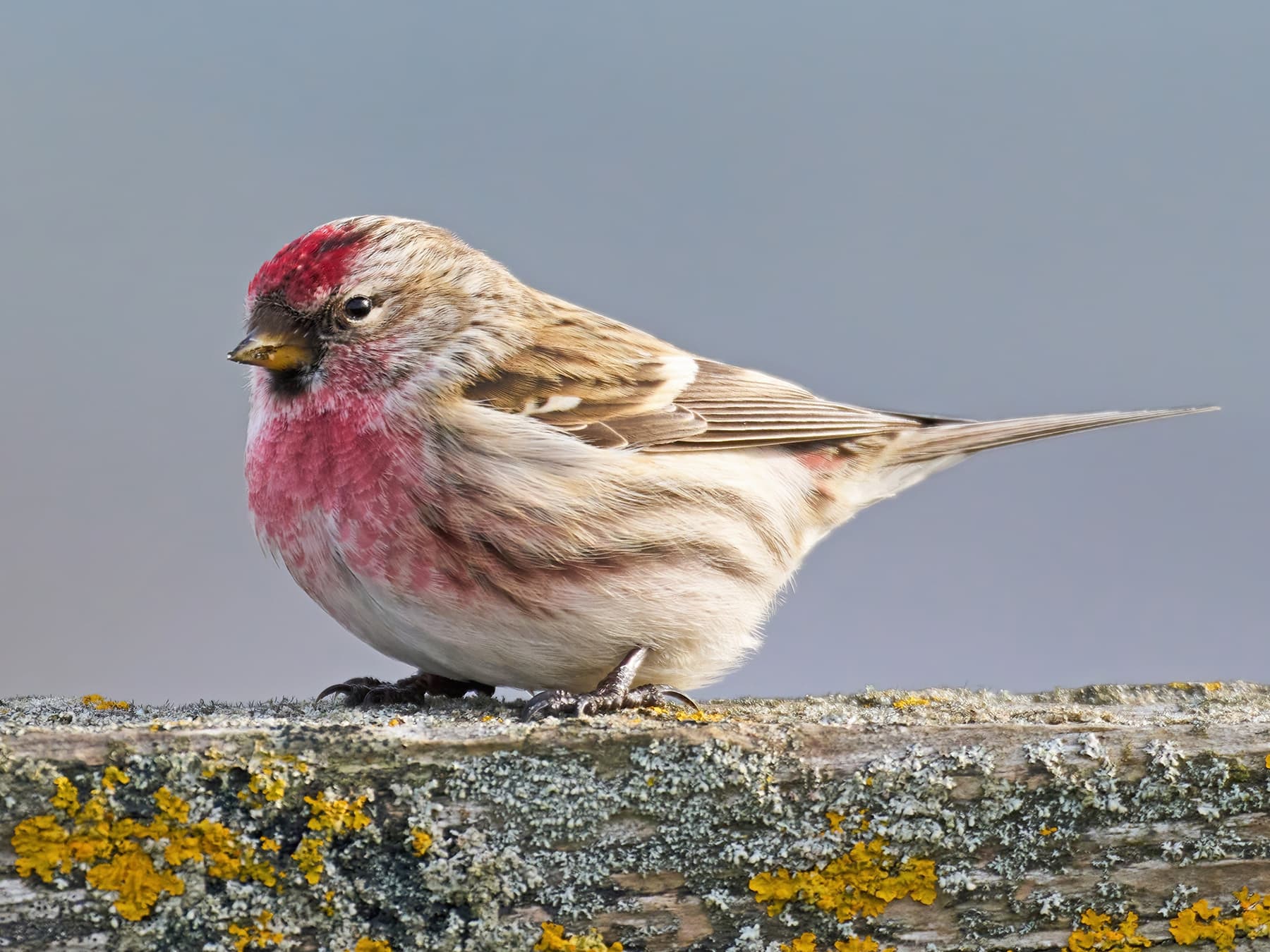
Common Redpoll
Acanthis flammeaLC
A rare resident, scarce and easily overlooked among birch and alder woodland. Most likely encountered in winter flocks, sometimes with siskins.
Sep–Jul
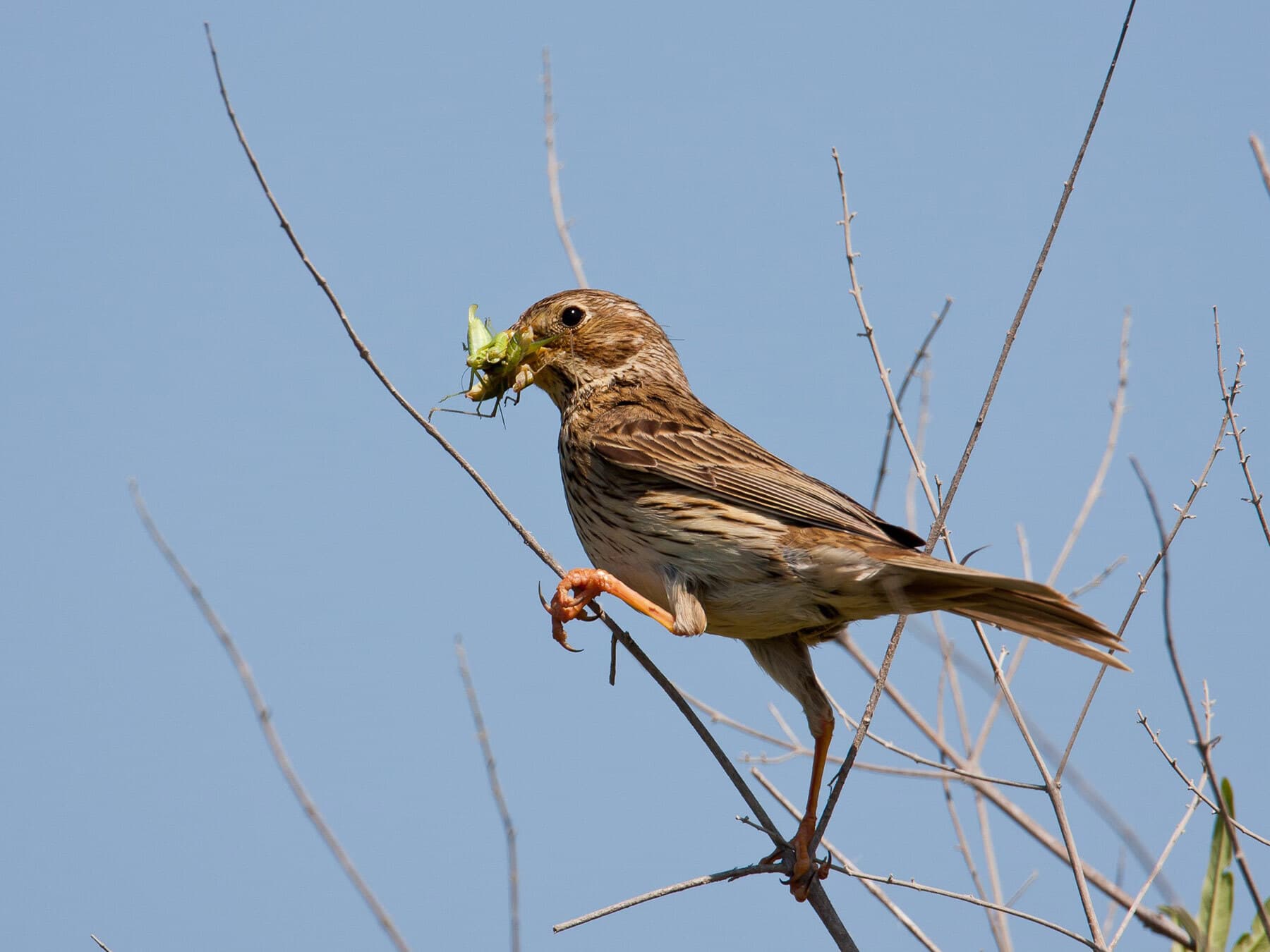
Corn Bunting
Emberiza calandraLC
A rare and declining resident of open arable farmland. Small populations persist on the South Downs, where its rattling song can still be heard.
Year-round
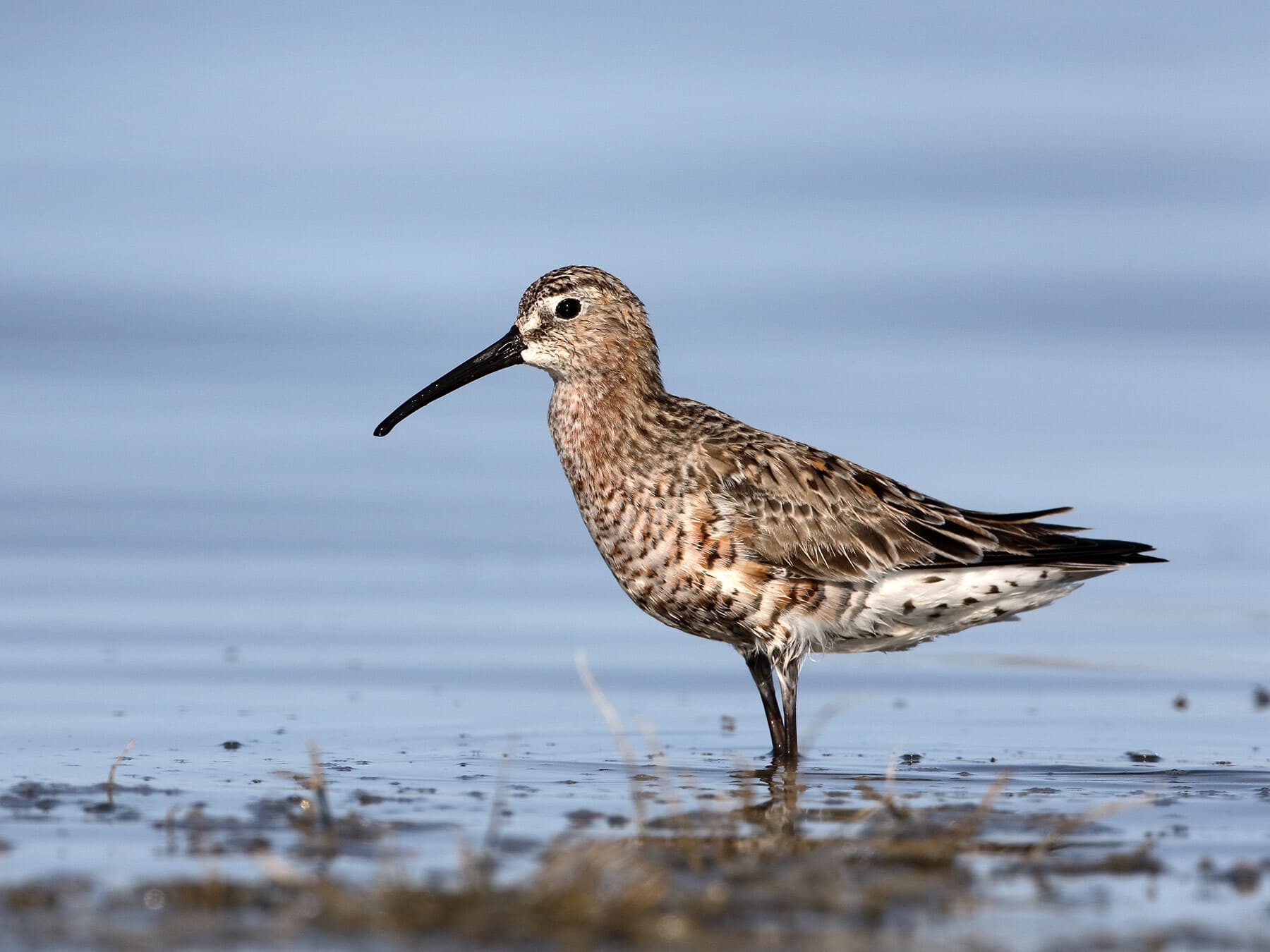
Curlew Sandpiper
Calidris ferrugineaNT
A rare but annual autumn passage migrant, typically seen on coastal scrapes from July to September, often alongside Dunlin.
Jul–Sep
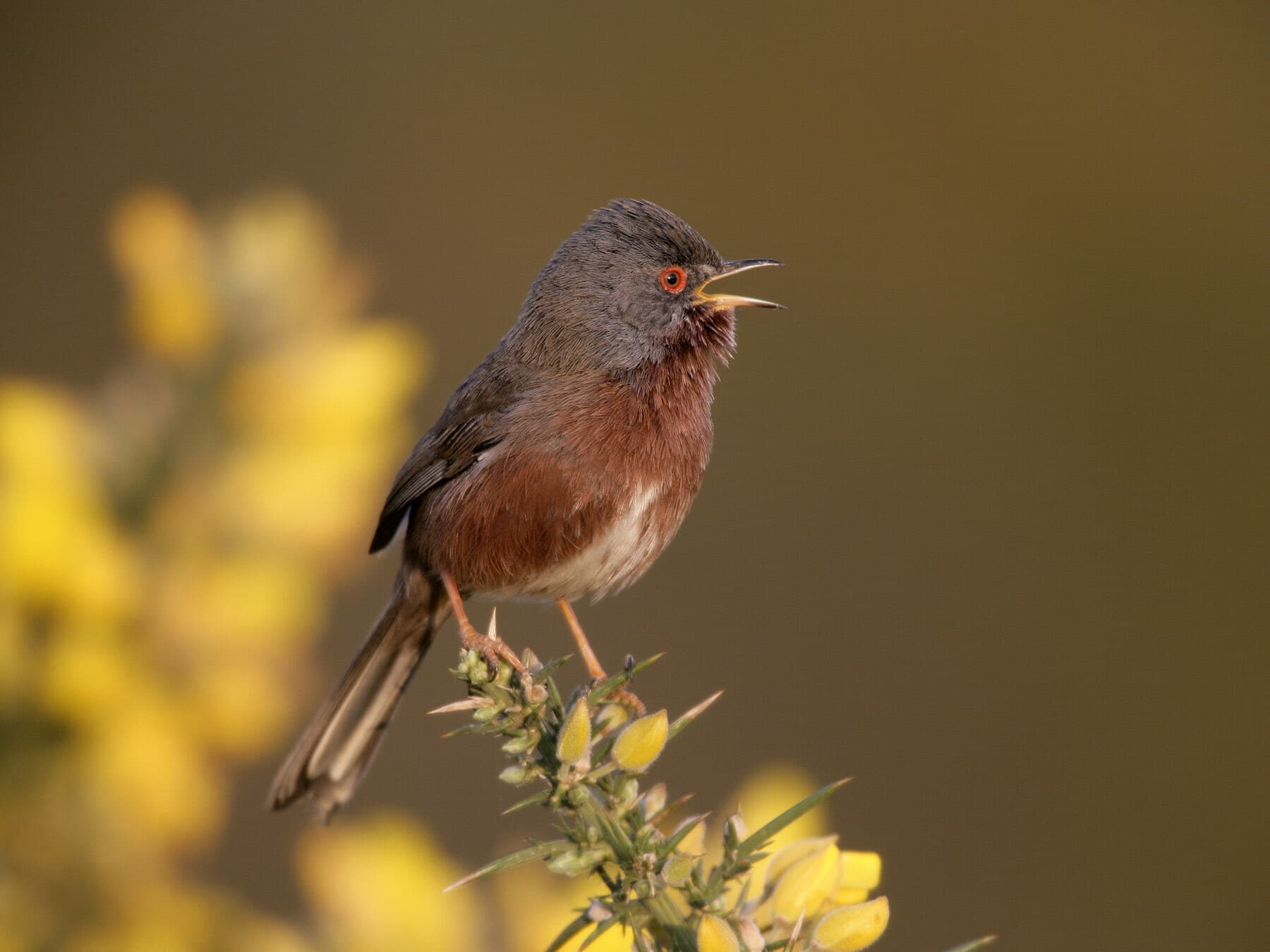
Dartford Warbler
Curruca undataNT
A rare resident of gorse-covered heathland, vulnerable to harsh winters. Ashdown Forest is a key stronghold in the county.
Year-round