Birds in East Riding of Yorkshire
Explore 233 species found in this region.
The East Riding of Yorkshire supports an impressive diversity of birdlife, with around 230 species recorded across its varied landscapes. From the dramatic chalk cliffs of Flamborough Head and Bempton to the expansive wetlands of the Humber Estuary, the region offers habitats that attract everything from breeding seabird colonies to scarce migrants such as Bluethroat and Great Grey Shrike. Wading birds like Northern Lapwing and Dotterel, along with coastal specialists such as Common Shelduck, make this county a rewarding destination for birdwatchers year-round.
Visiting in September? Look out for Bluethroat and Brambling arriving this month, and Black-crowned Night-heron and Cuckoo depart for the season.


Showing 93–115 of 233 species
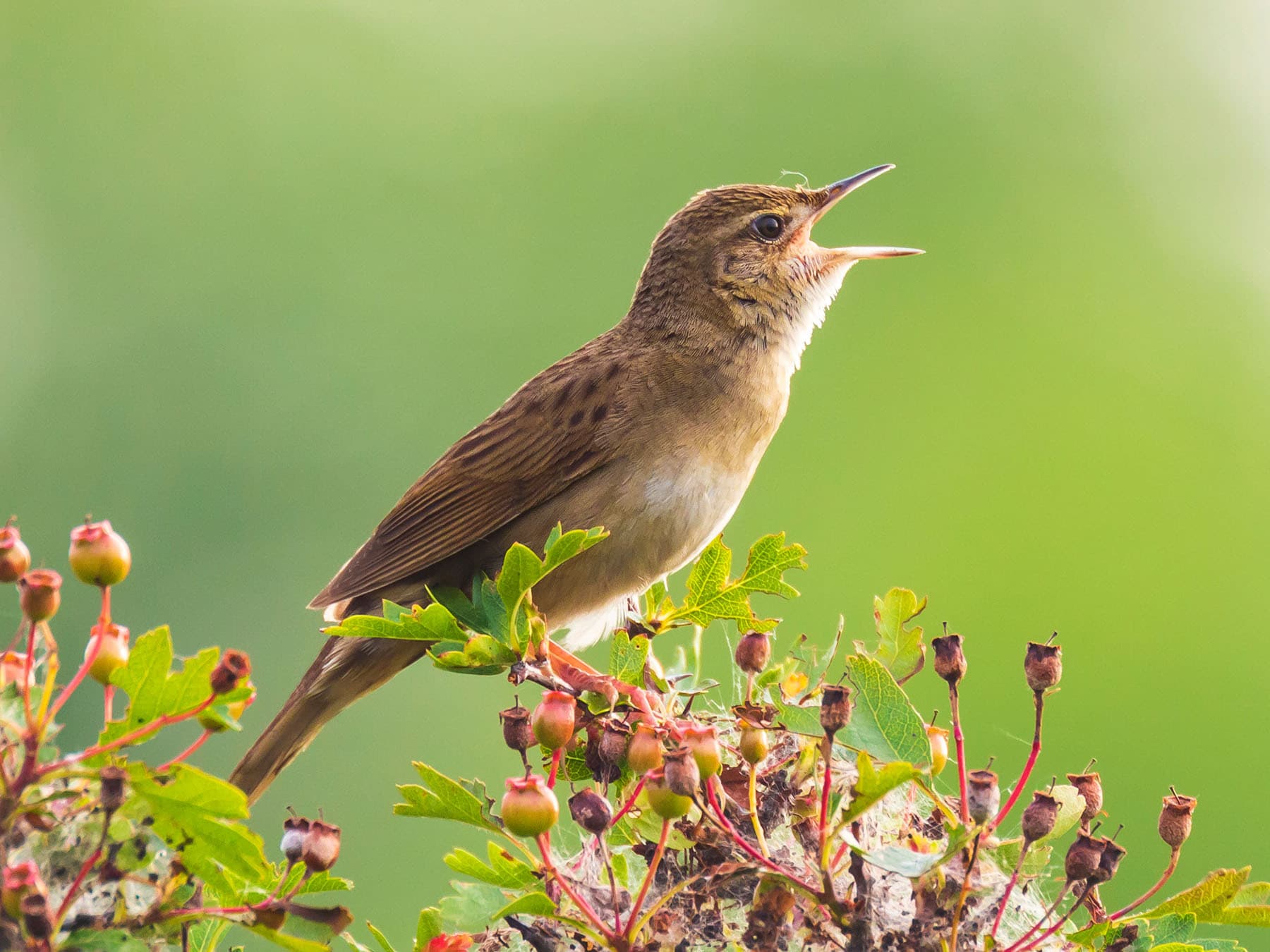
Grasshopper Warbler
Locustella naeviaLC
A rare and secretive breeding visitor, best detected by its insect-like reeling song from dense grassland and scrub in spring.
Apr–Jul
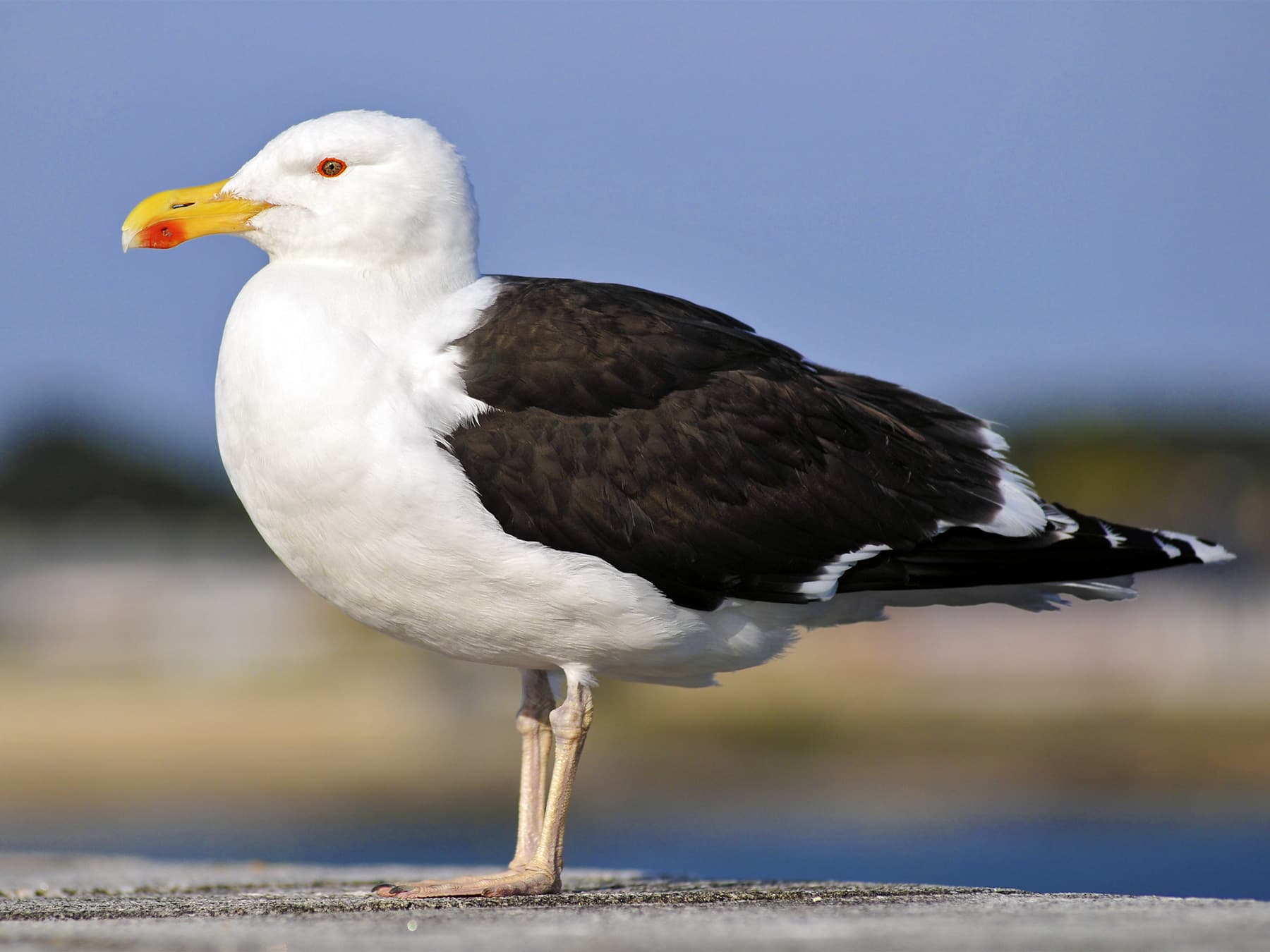
Great Black-backed Gull
Larus marinusLC
The largest resident gull, common along the coast and Humber Estuary year-round. Often dominates other gulls at feeding sites.
Year-round
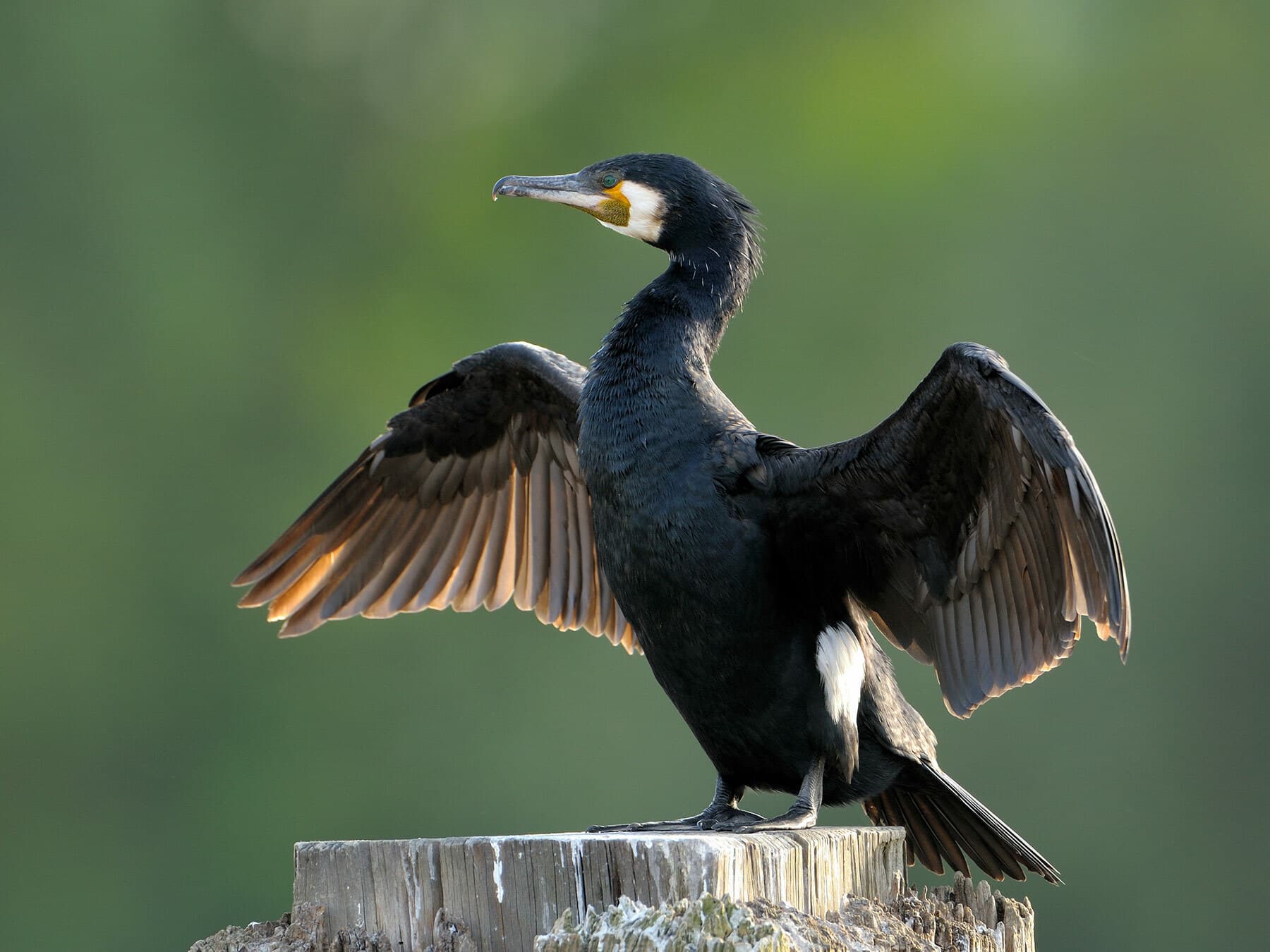
Great Cormorant
Phalacrocorax carboLC
Common resident found along rivers, lakes, and the Humber Estuary. Often seen perched with wings outstretched to dry.
Year-round
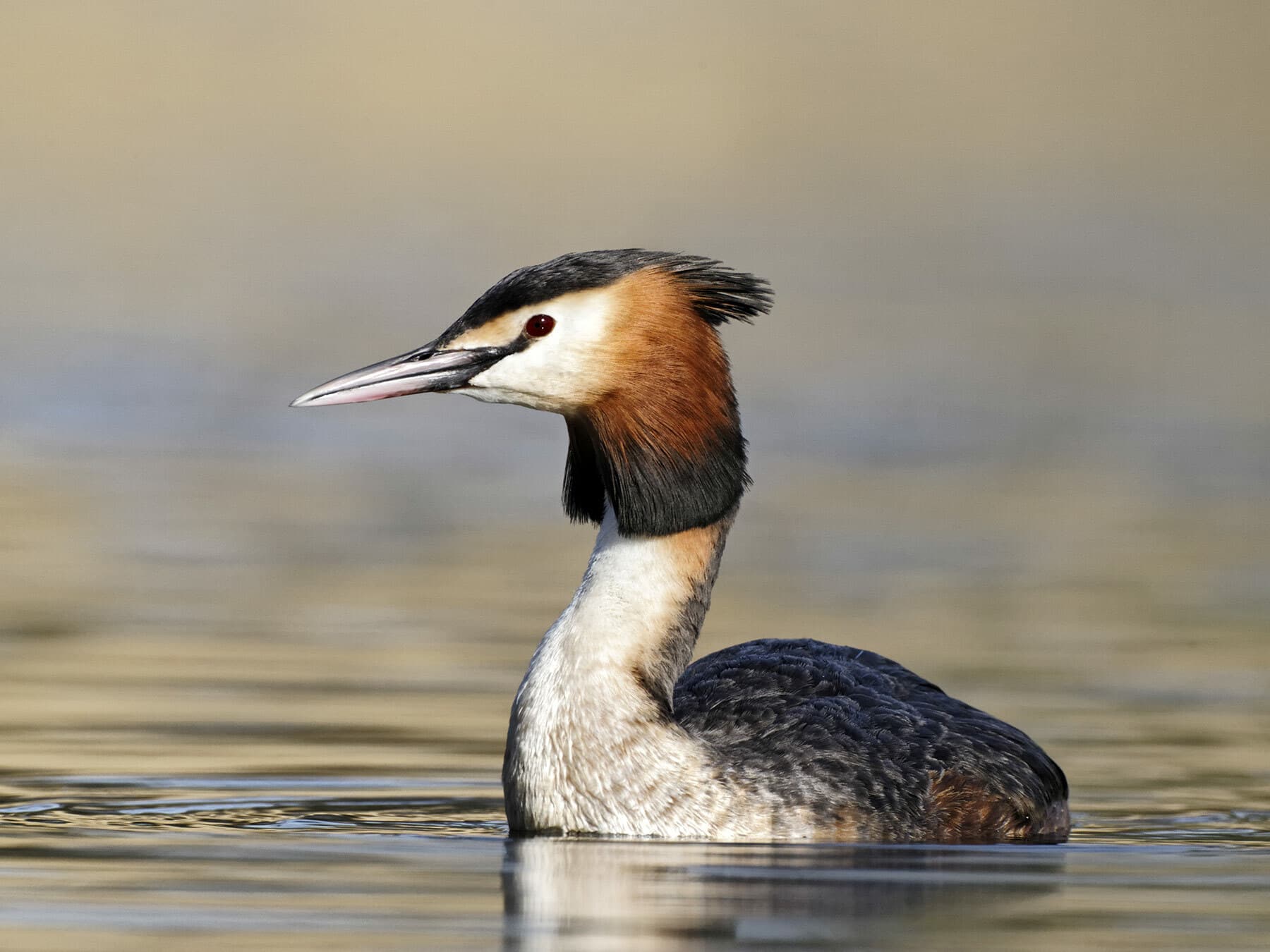
Great Crested Grebe
Podiceps cristatusLC
An elegant resident of larger lakes and reservoirs such as Hornsea Mere, performing elaborate courtship displays in spring.
Year-round
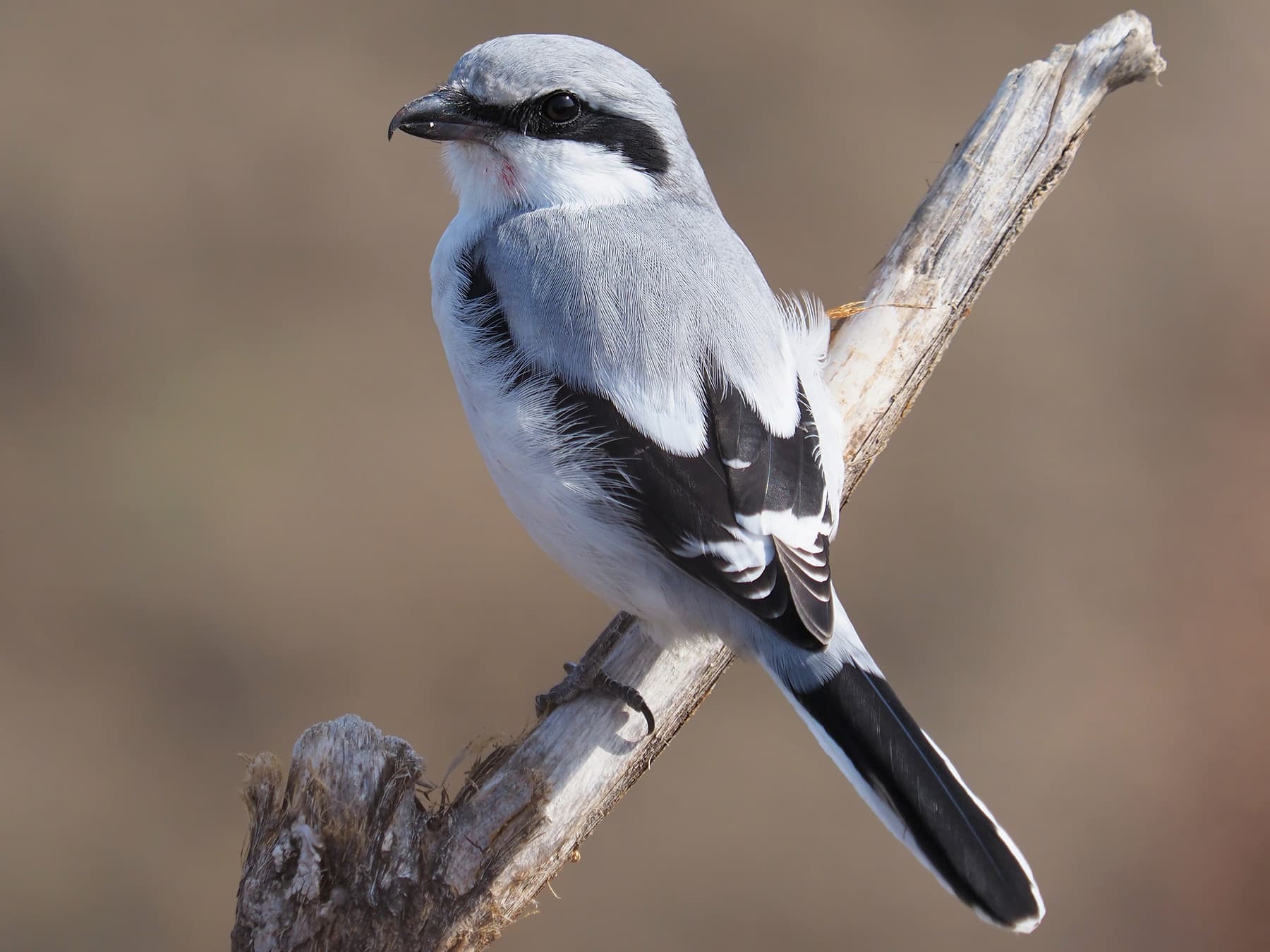
Great Grey Shrike
Lanius excubitorLC
A rare autumn passage visitor, occasionally seen perching prominently at coastal scrub and hedgerows in October. A scarce but regular vagrant.
Oct
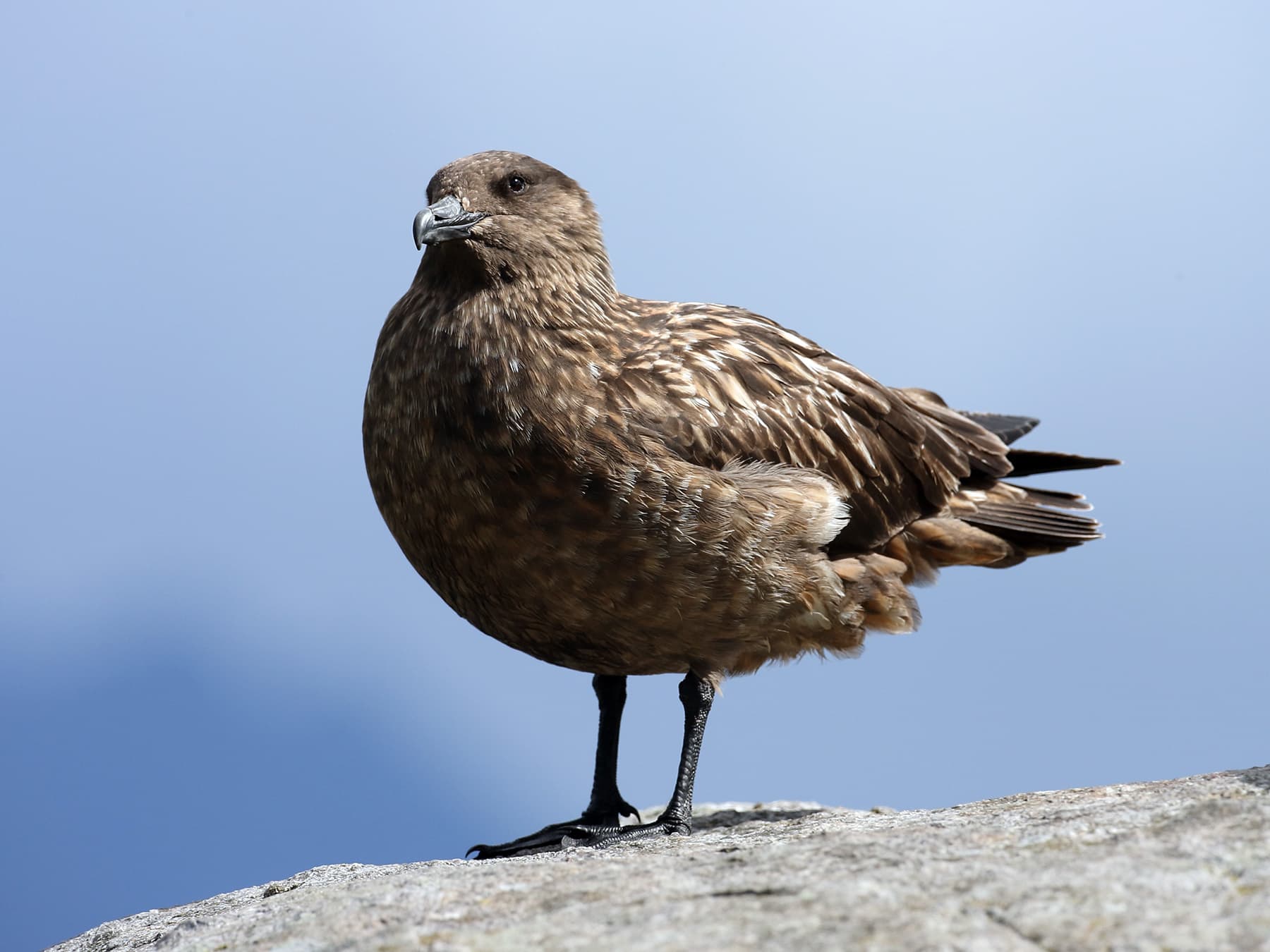
Great Skua
Catharacta skuaLC
A rare but powerful seabird seen offshore from spring through winter, often harassing gannets. Best spotted from Flamborough and Spurn.
Apr–Dec
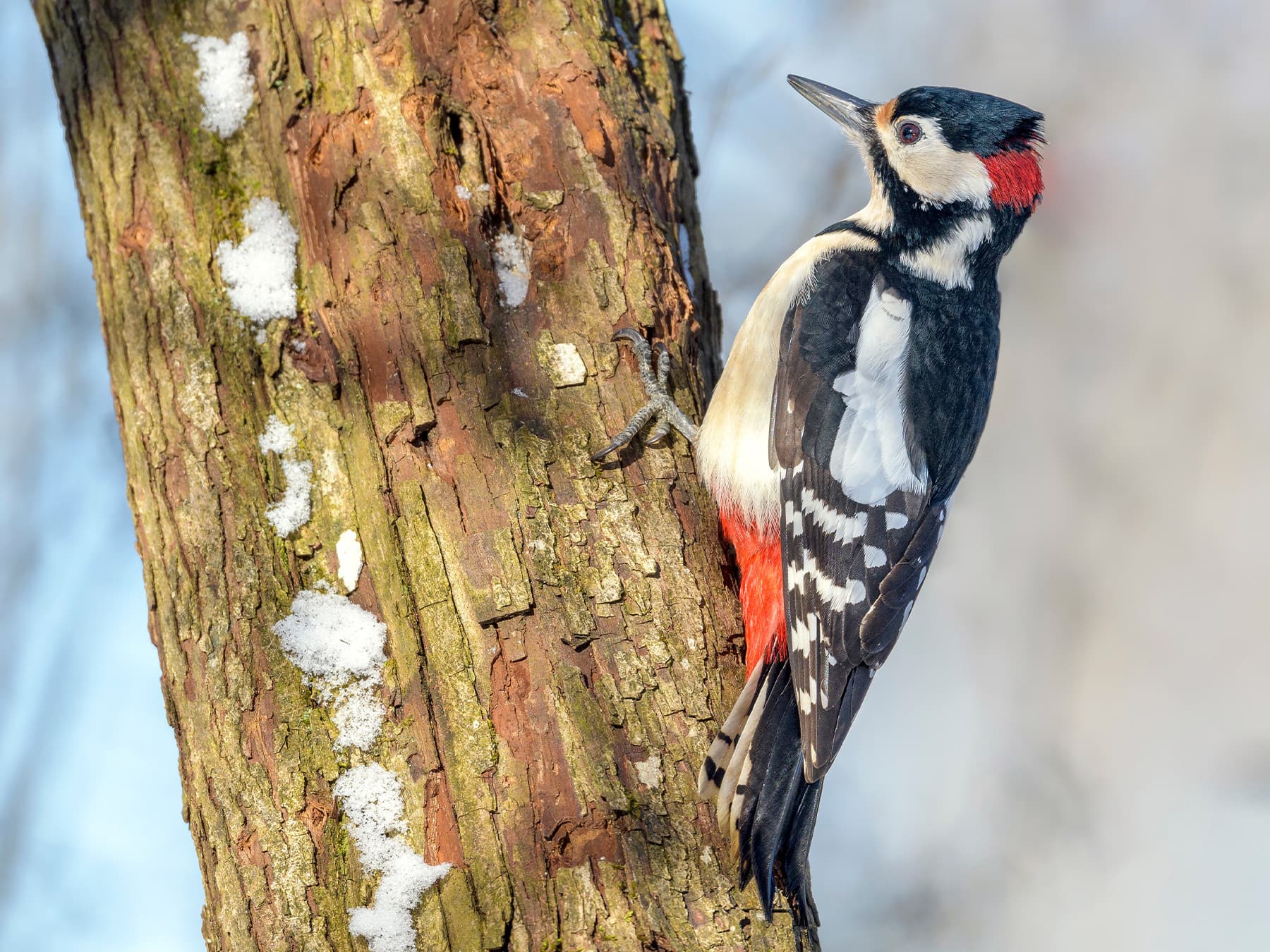
Great Spotted Woodpecker
Dendrocopos majorLC
Present year-round in mature woodland and parks across the region. Its loud drumming is a familiar sound in spring on the wooded western Wolds.
Year-round
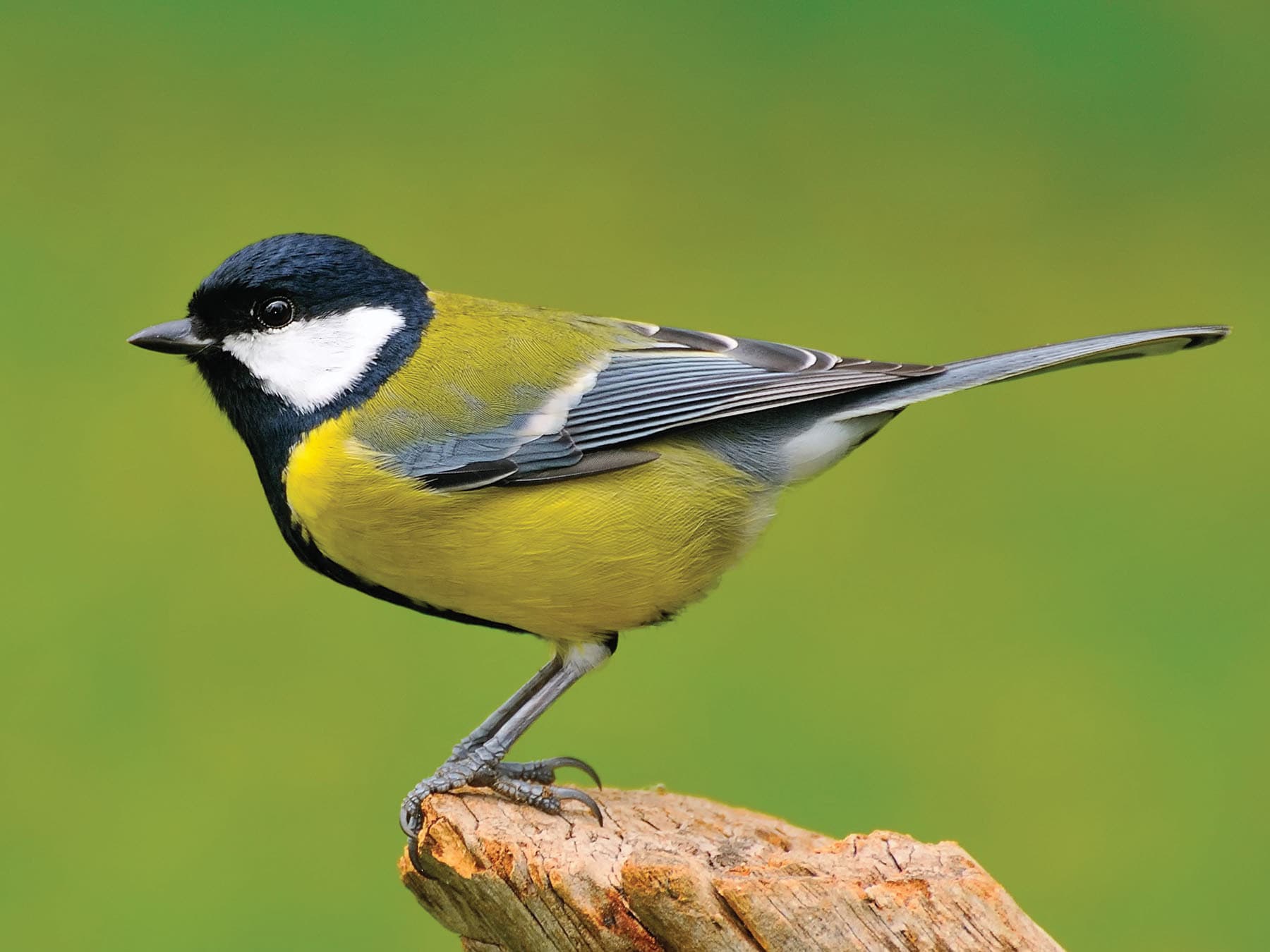
Great Tit
Parus majorLC
Abundant resident found in gardens, parks, and woodland across the region. Its bold 'teacher-teacher' song is heard from late winter.
Year-round
Spotted something?
Upload a photo to identify it
Identify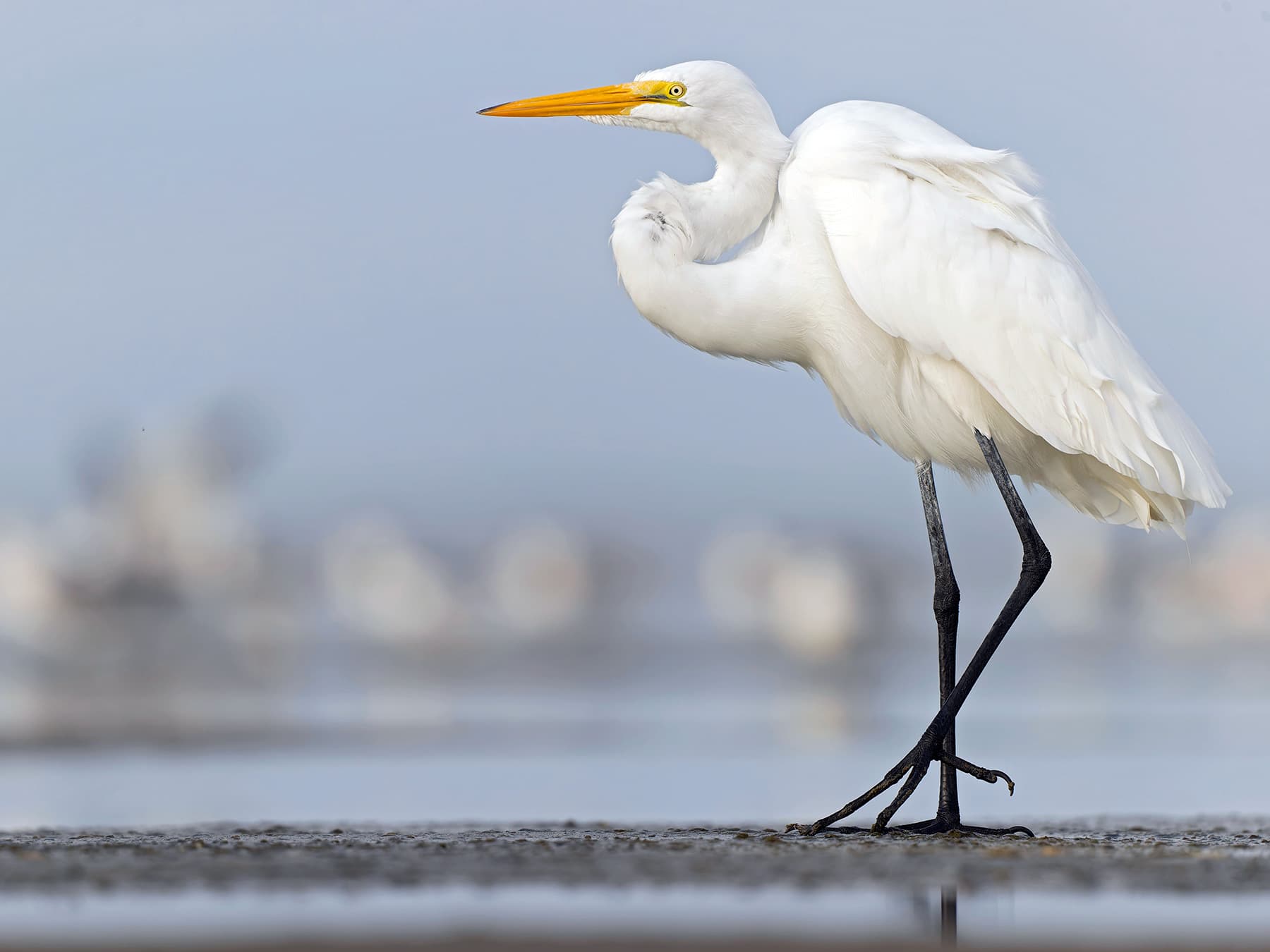
Great White Egret
Ardea albaLC
A rare but increasingly recorded resident at wetlands and marshes. Seen in most months, reflecting its recent national expansion.
Jul–May
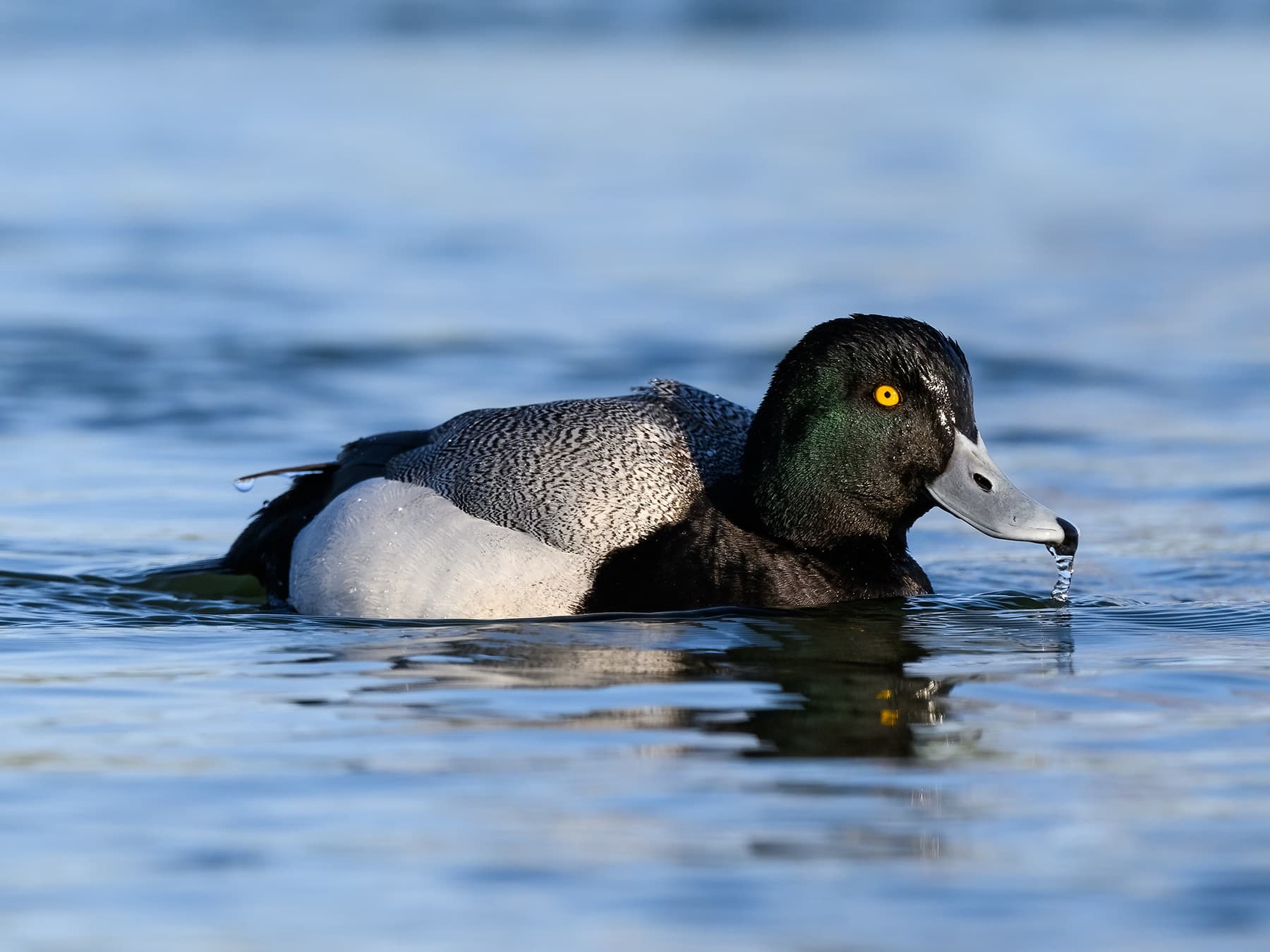
Greater Scaup
Aythya marilaLC
A rare diving duck, mainly seen in winter on the Humber Estuary and coastal waters. Occasionally lingers into spring at favoured sites.
Oct–Jul
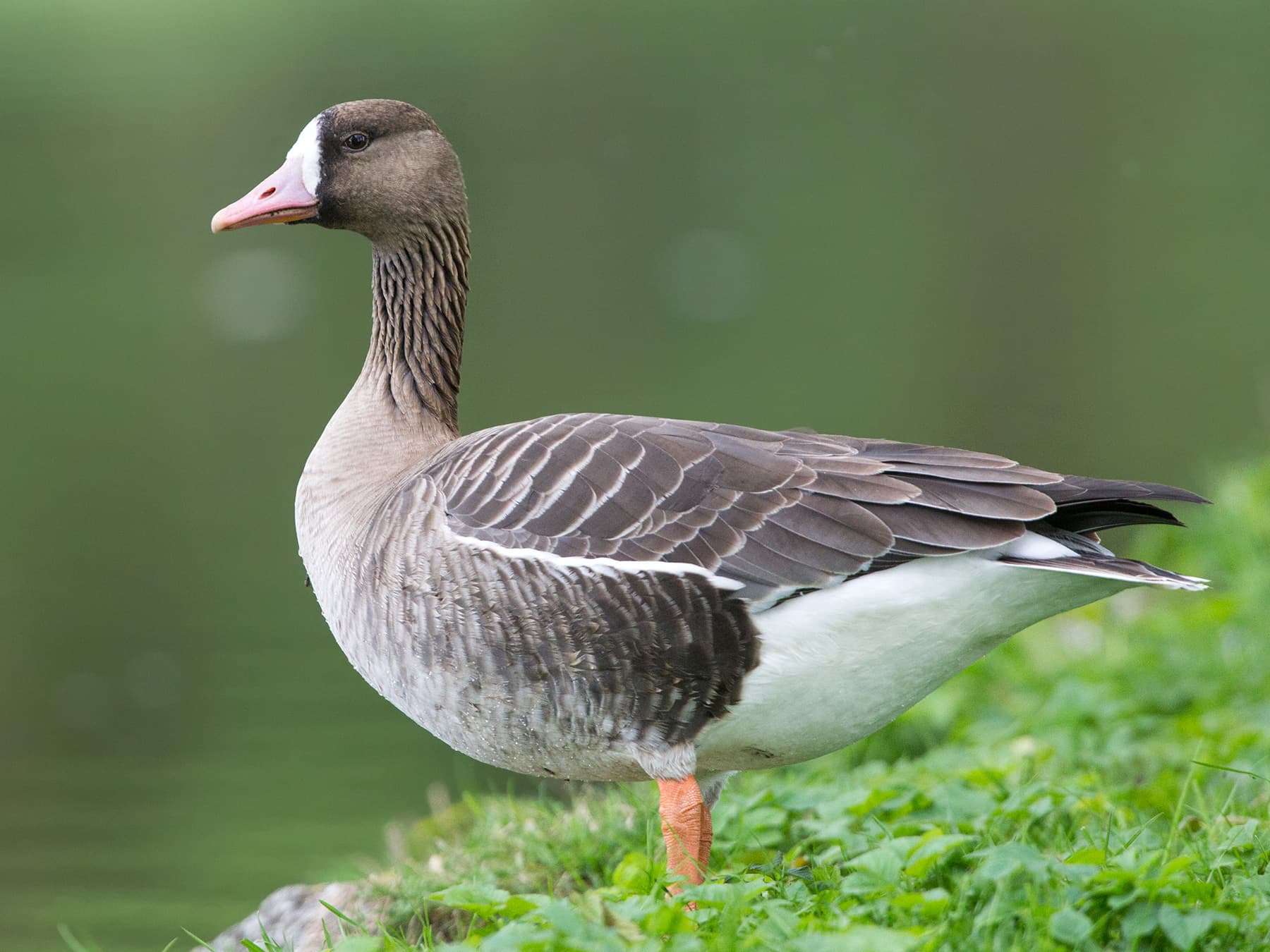
Greater White-fronted Goose
Anser albifronsLC
An uncommon winter visitor to low-lying farmland and wetlands, present from November to March in small numbers.
Nov–Mar
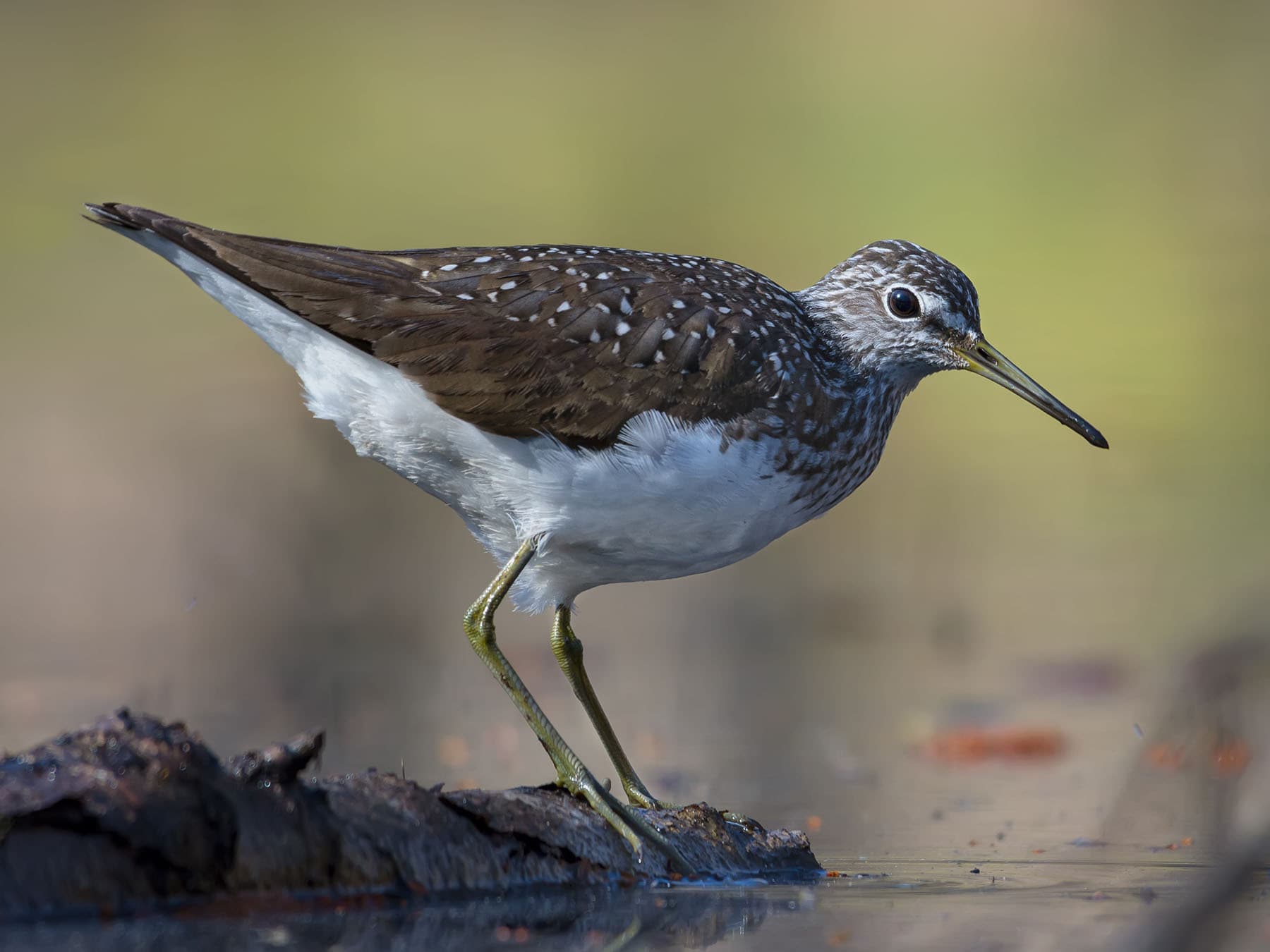
Green Sandpiper
Tringa ochropusLC
An uncommon but year-round visitor to ditches, watercress beds, and marshy pools, often flushed from cover with a distinctive white rump.
Mar–Dec
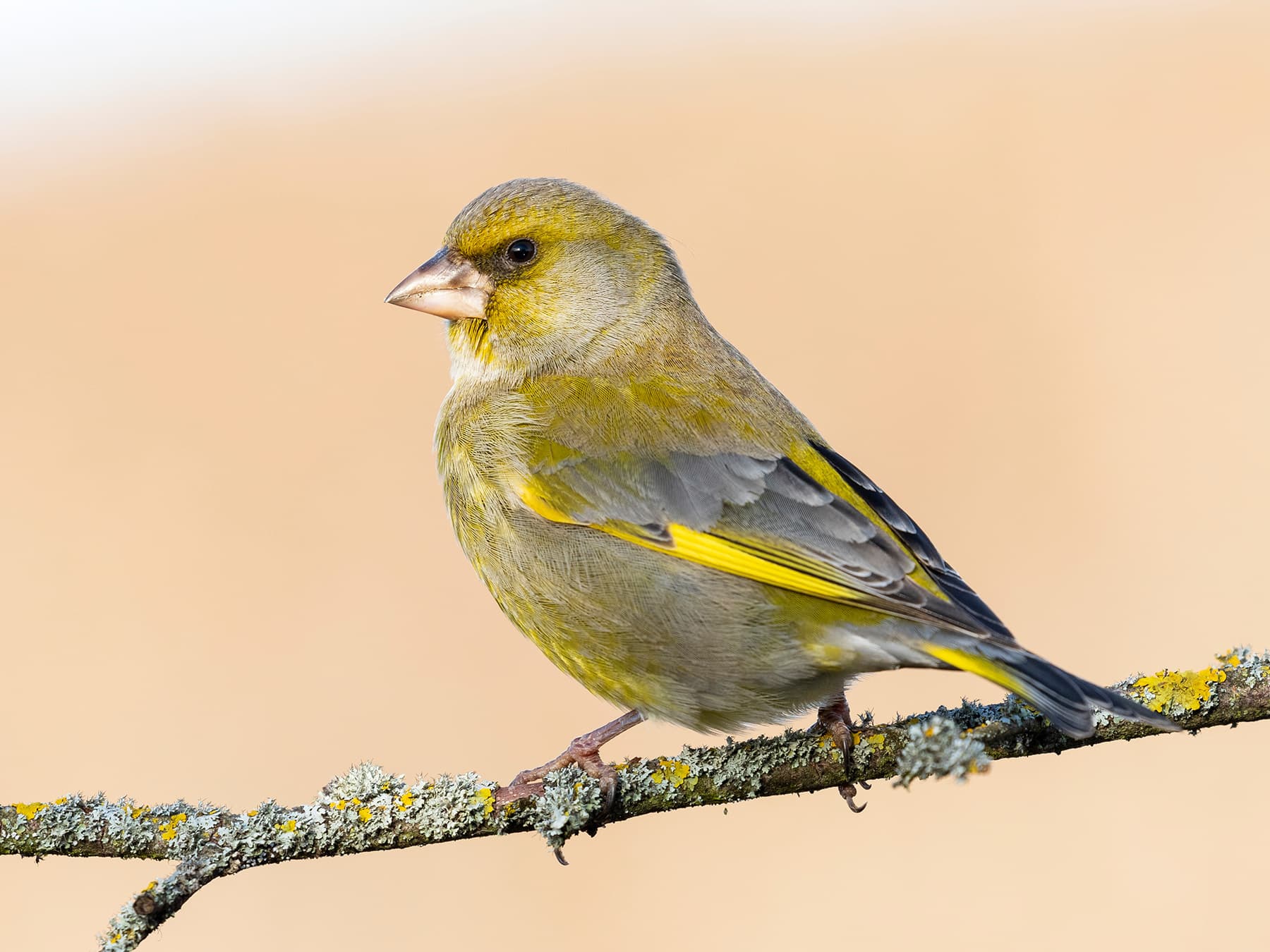
Greenfinch
Chloris chlorisLC
A common resident in gardens, hedgerows and farmland throughout the region, though numbers have declined due to trichomonosis disease.
Year-round
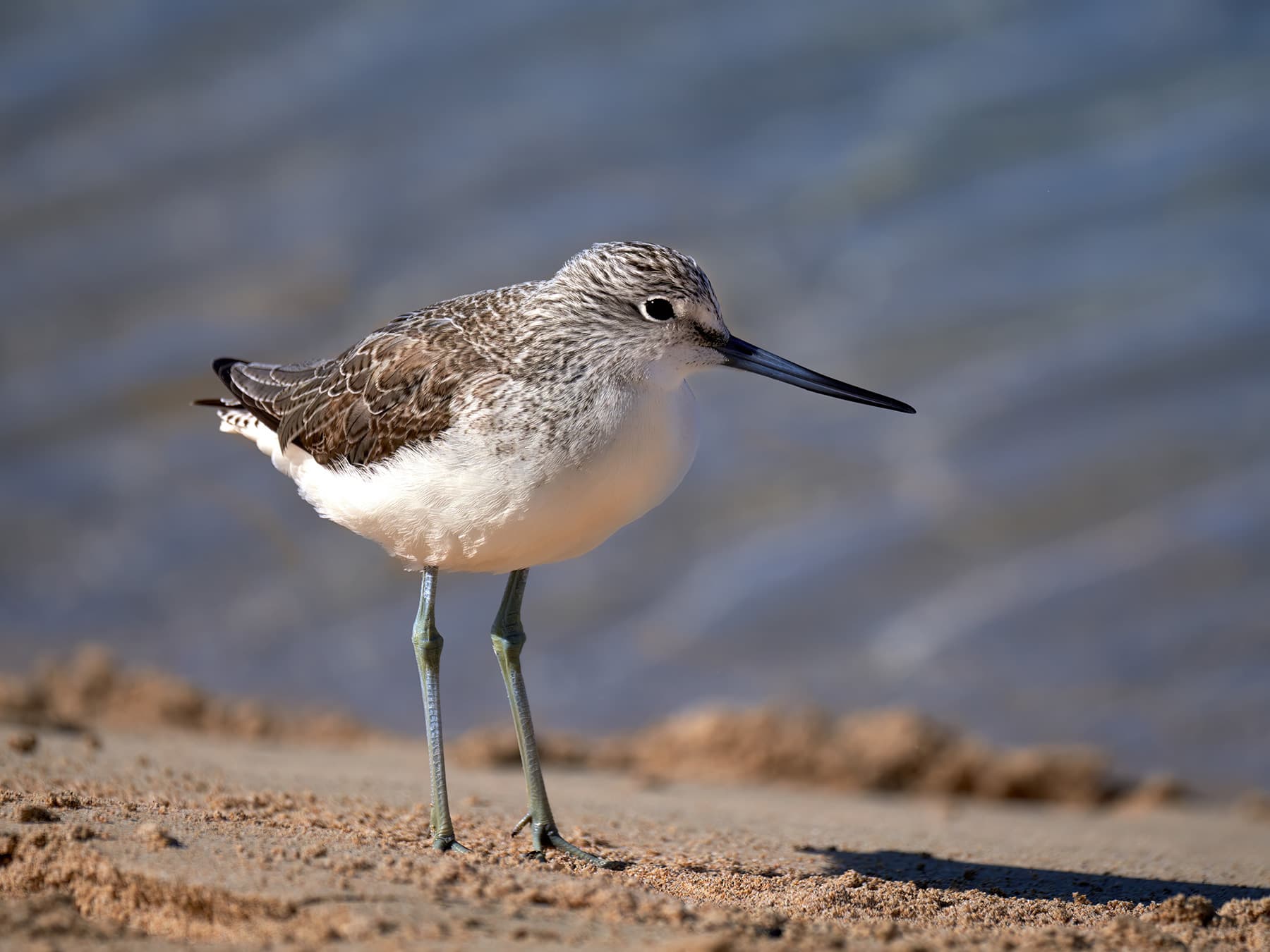
Greenshank
Tringa nebulariaLC
An uncommon but year-round presence on estuarine mudflats and inland pools, most frequently seen during autumn passage.
Year-round
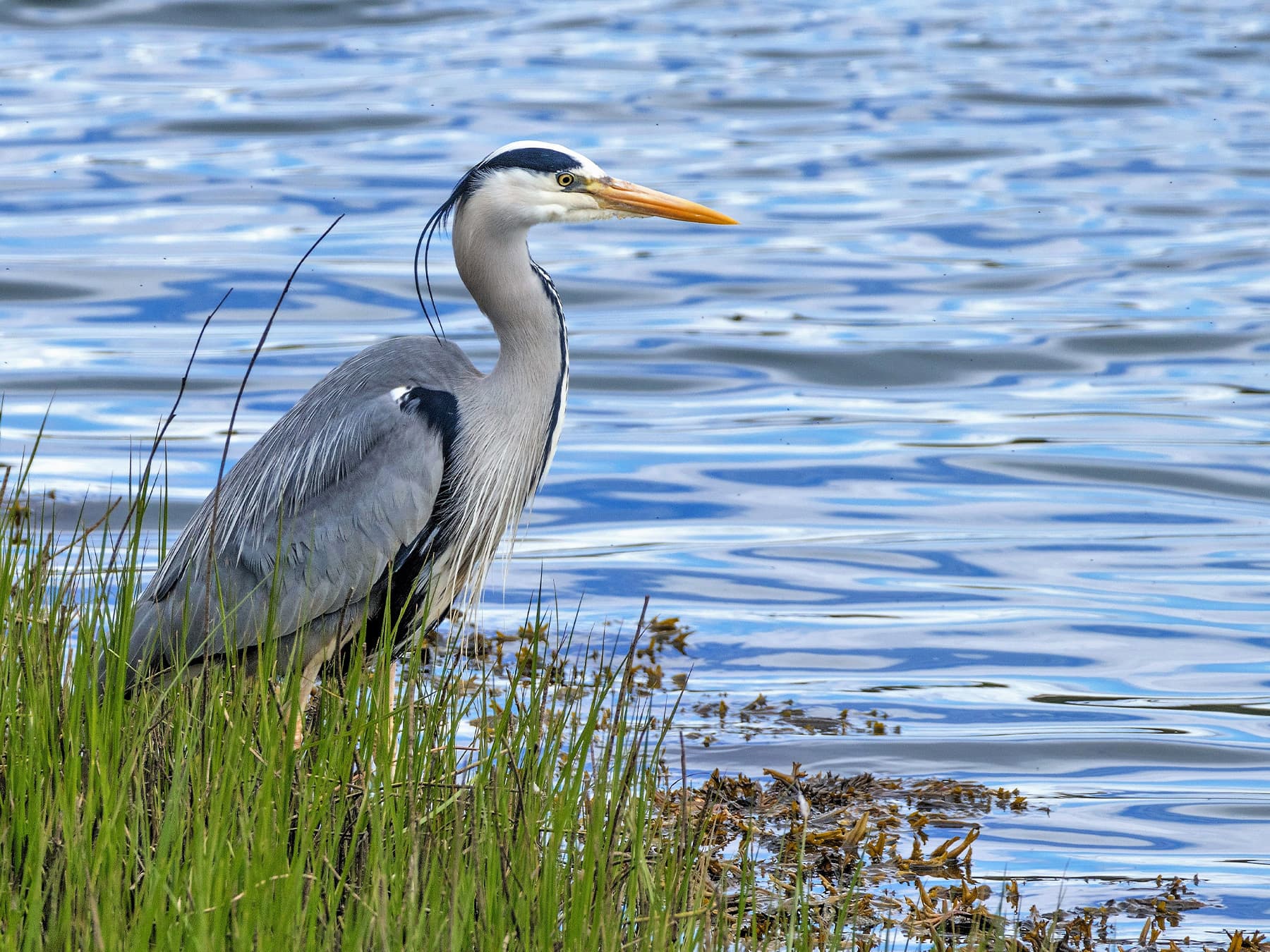
Grey Heron
Ardea cinereaLC
A common and familiar resident of waterways, farmland ponds, and estuarine margins throughout the East Riding year-round.
Year-round
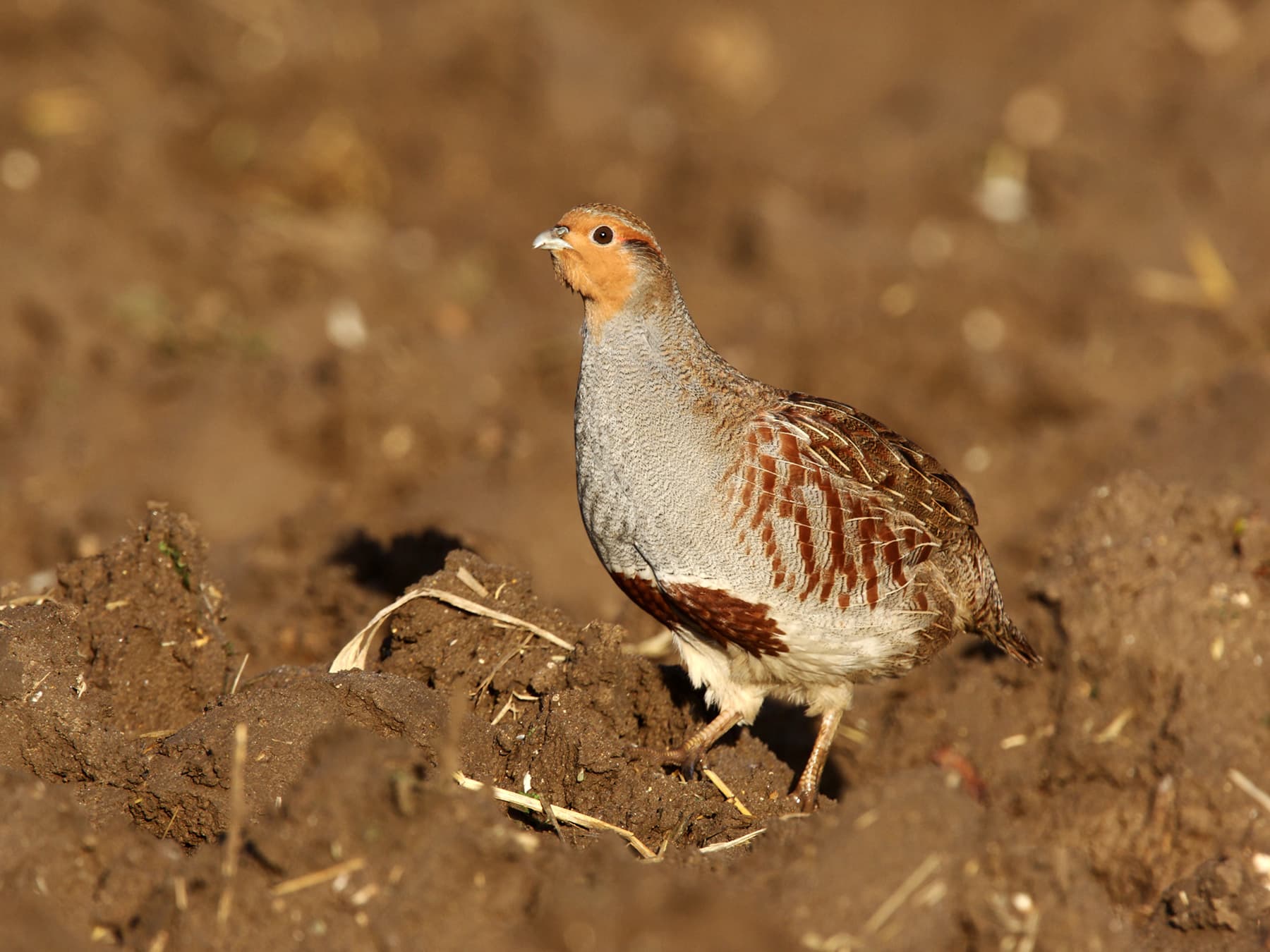
Grey Partridge
Perdix perdixLC
A declining resident of arable farmland and field margins. Once widespread across the Wolds and lowlands, now increasingly hard to find.
Year-round
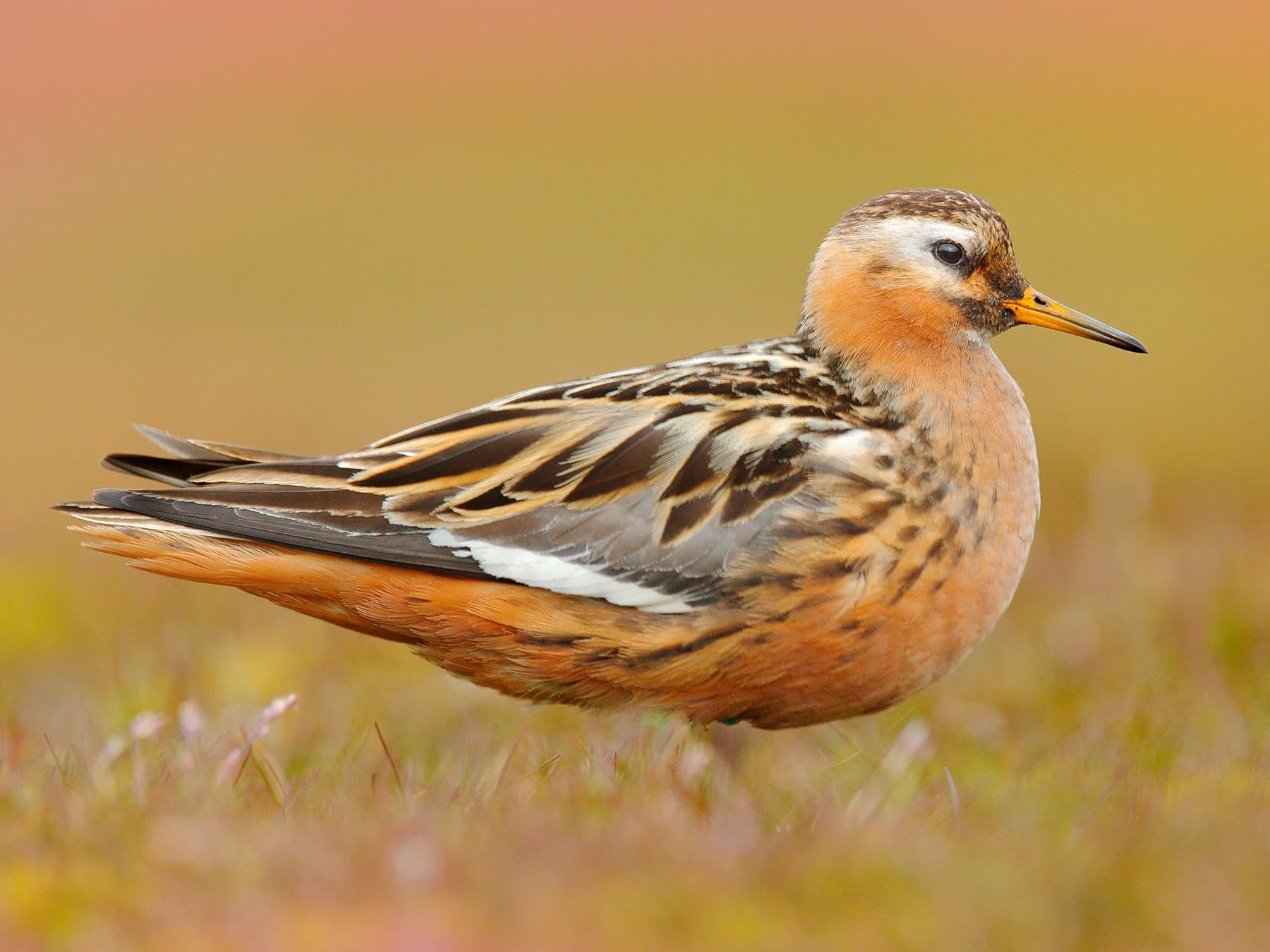
Grey Phalarope
Phalaropus fulicariusLC
A rare autumn passage visitor, most likely seen after strong westerly gales in October along the Holderness coast or at Spurn Point.
Oct
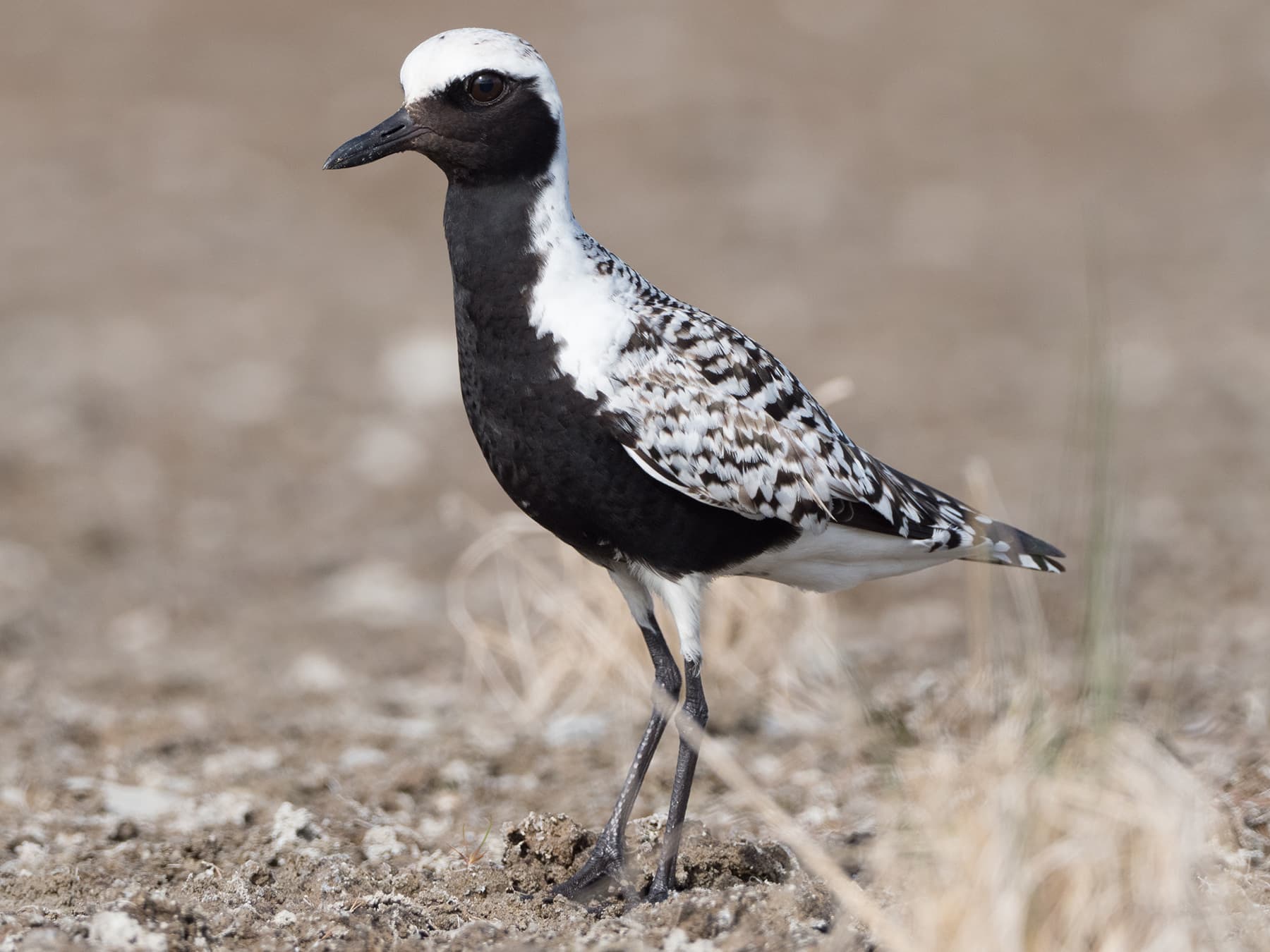
Grey Plover
Pluvialis squatarolaLC
An uncommon wader found mainly on the Humber mudflats and Spurn, most numerous in winter. Identified by its black 'armpit' patches in flight.
Year-round
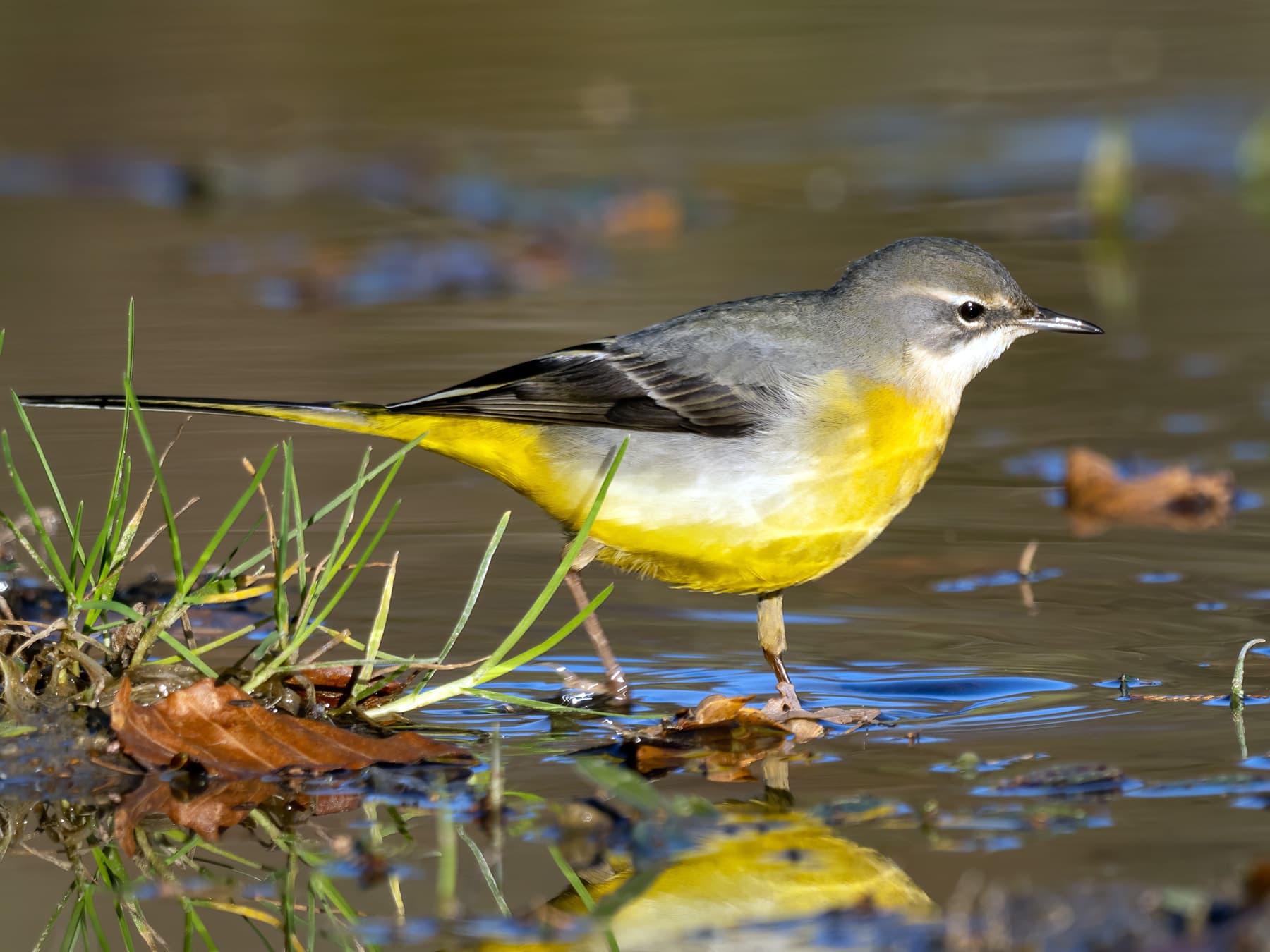
Grey Wagtail
Motacilla cinereaLC
An uncommon resident found along streams and waterways year-round. Often bobs its long tail while perched on rocks in flowing water.
Year-round
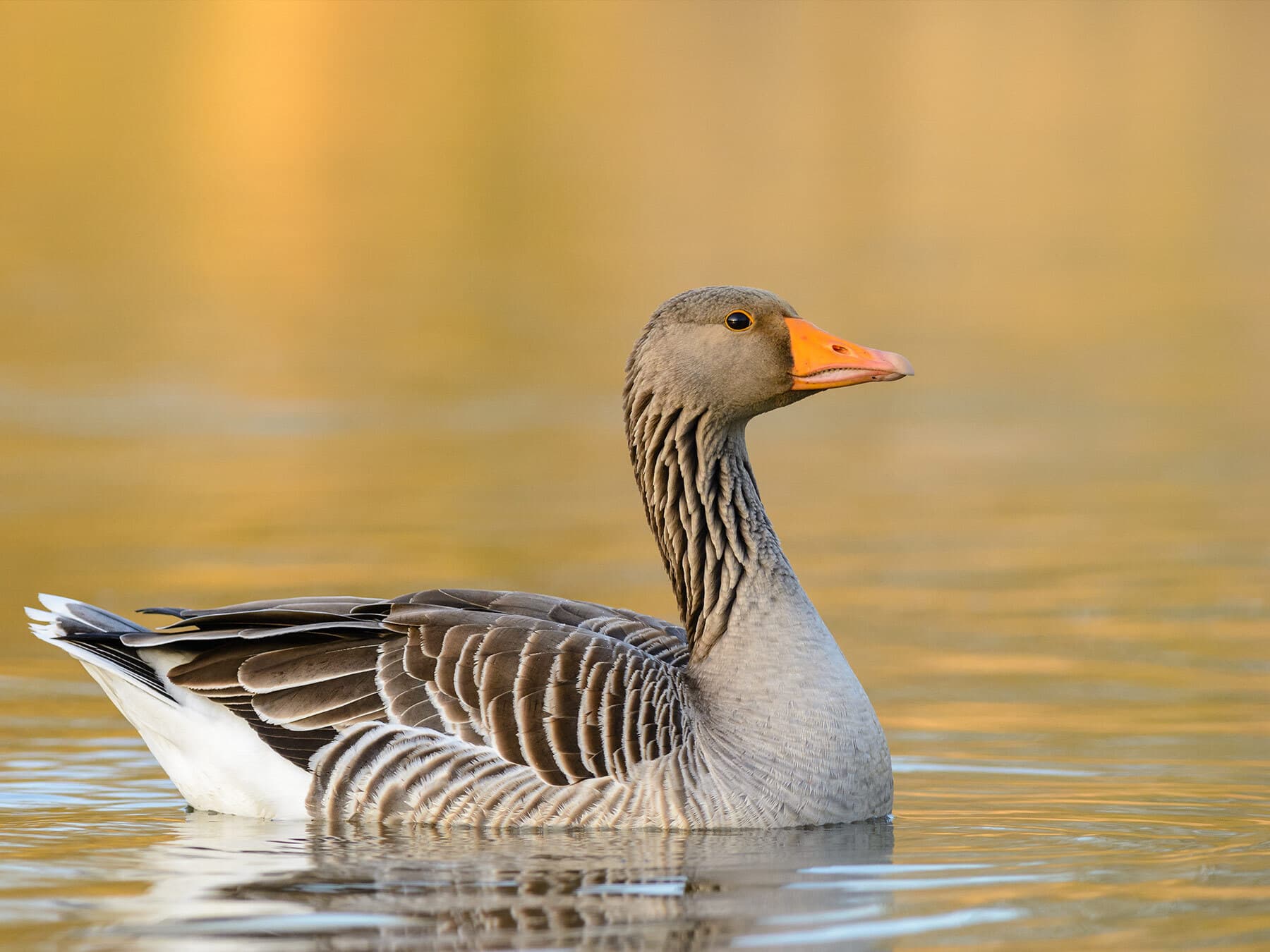
Greylag Goose
Anser anserLC
A common year-round resident found on lakes, rivers, and farmland. Feral and wild populations mix in winter.
Year-round
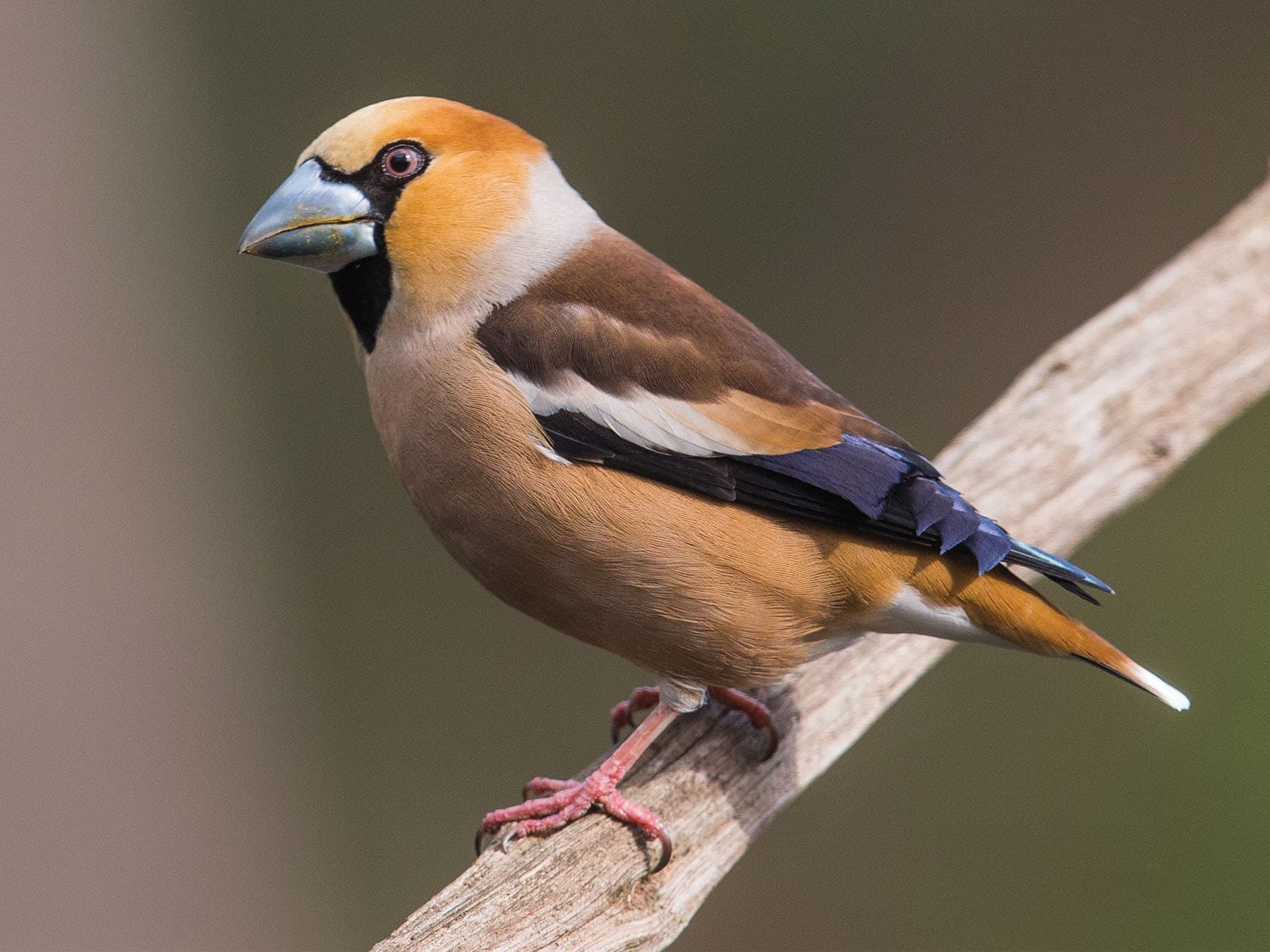
Hawfinch
Coccothraustes coccothraustesLC
A rare passage visitor, occasionally seen at coastal migration points in spring and autumn. Its massive bill makes it unmistakable when found.
Oct–Apr
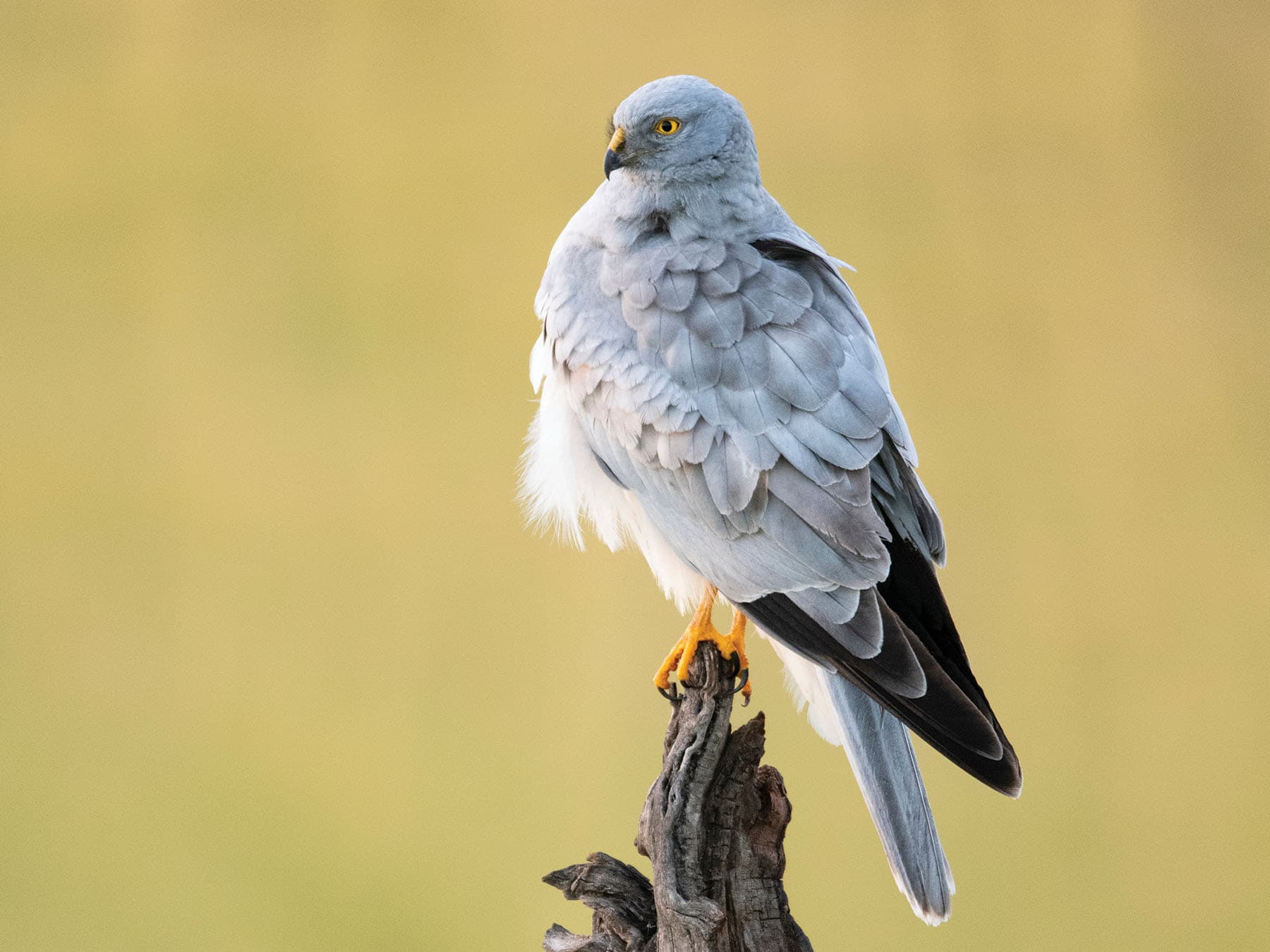
Hen Harrier
Circus cyaneusLC
A rare resident, most often seen in winter hunting over coastal marshes and farmland. Absent during midsummer months.
Sep–May
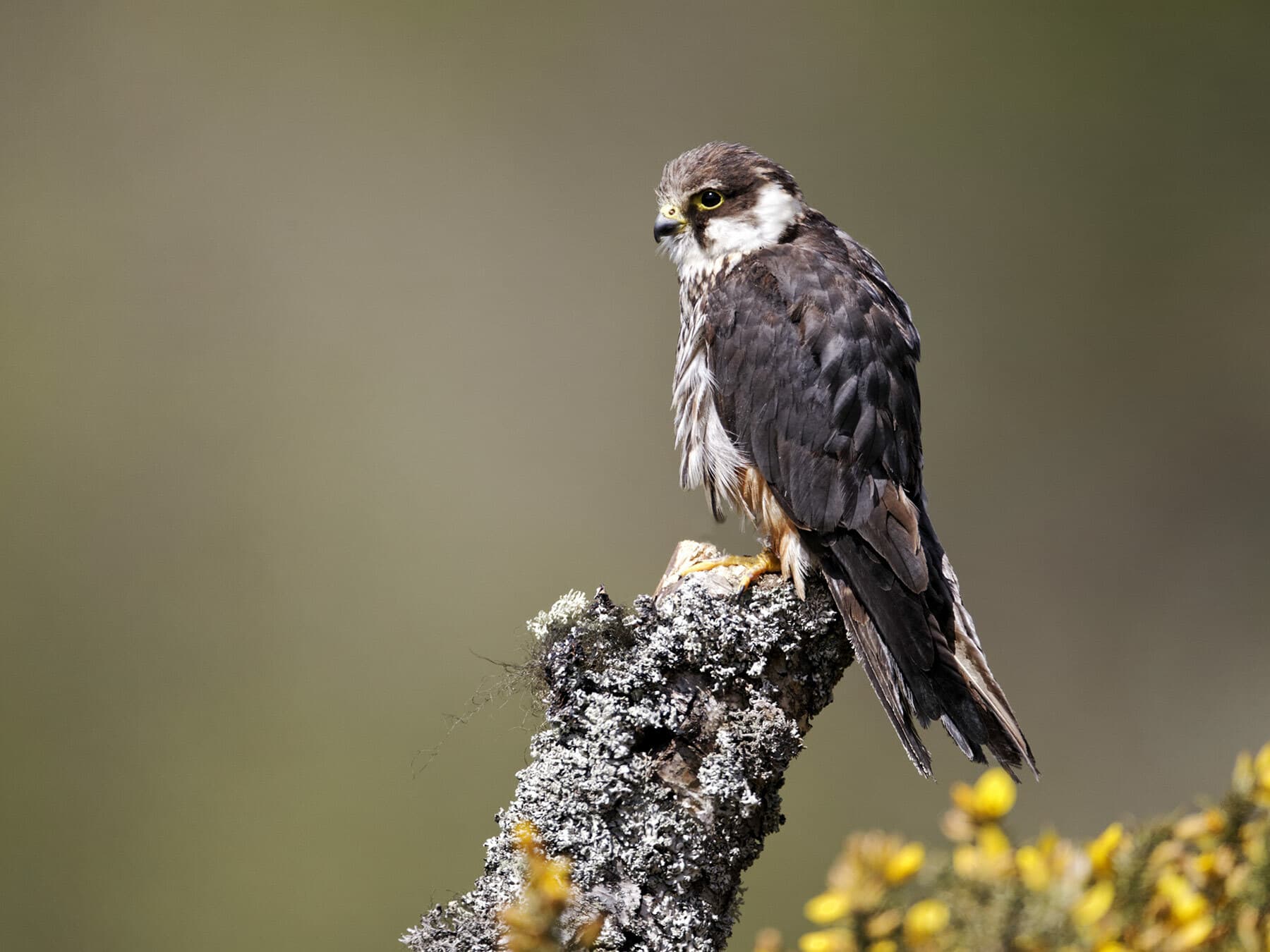
Hobby
Falco subbuteoLC
A graceful summer visitor from May to September, hunting dragonflies over wetlands and farmland. Scarce but increasing as a breeding bird.
May–Sep