Birds in East Riding of Yorkshire
Explore 233 species found in this region.
The East Riding of Yorkshire supports an impressive diversity of birdlife, with around 230 species recorded across its varied landscapes. From the dramatic chalk cliffs of Flamborough Head and Bempton to the expansive wetlands of the Humber Estuary, the region offers habitats that attract everything from breeding seabird colonies to scarce migrants such as Bluethroat and Great Grey Shrike. Wading birds like Northern Lapwing and Dotterel, along with coastal specialists such as Common Shelduck, make this county a rewarding destination for birdwatchers year-round.
Visiting in September? Look out for Bluethroat and Brambling arriving this month, and Black-crowned Night-heron and Cuckoo depart for the season.


Showing 70–92 of 233 species
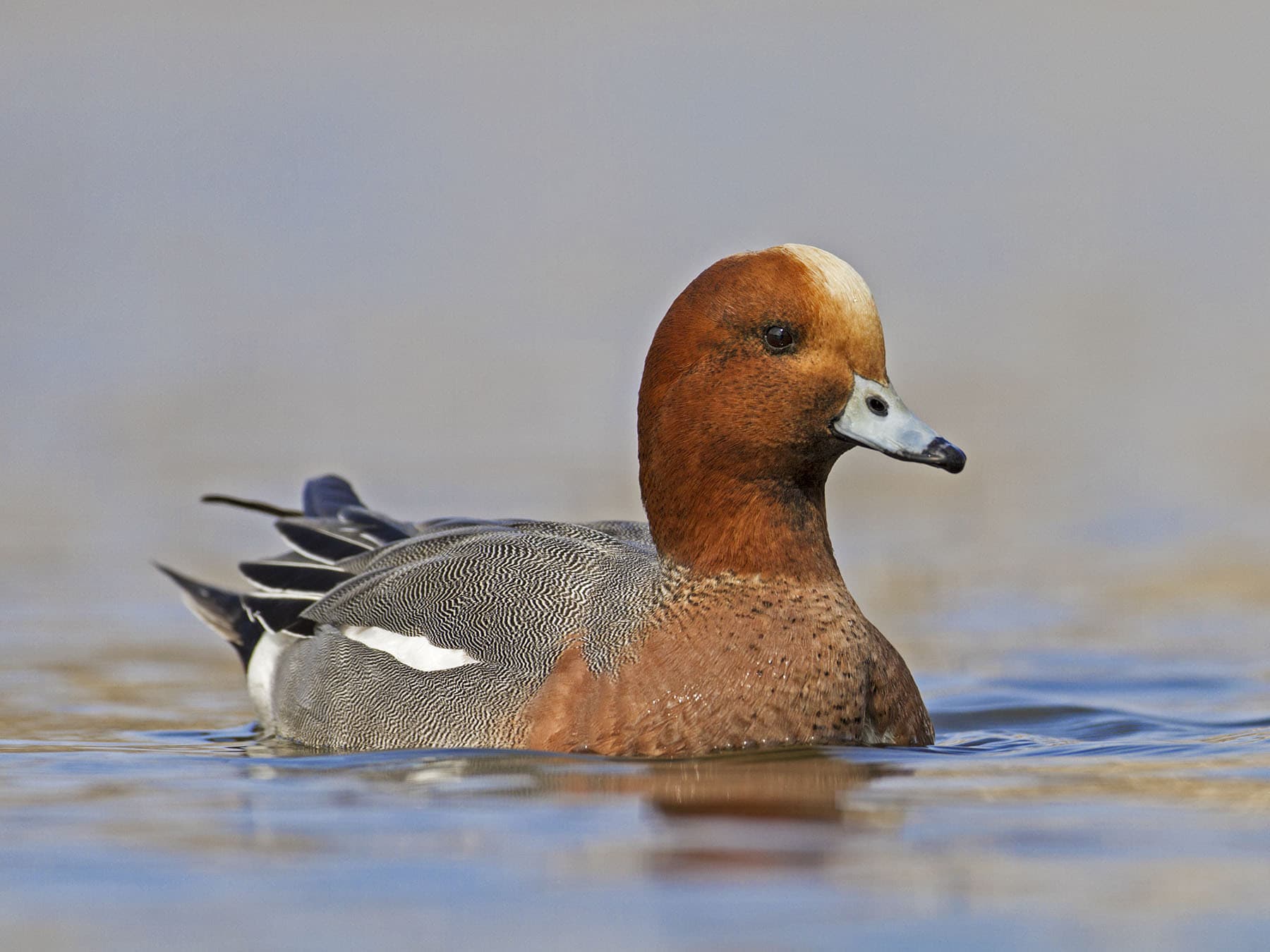
Eurasian Wigeon
Mareca penelopeLC
Common year-round, with large winter flocks gathering on the Humber Estuary and flooded fields. Whistling calls are a characteristic sound of the lowlands.
Year-round
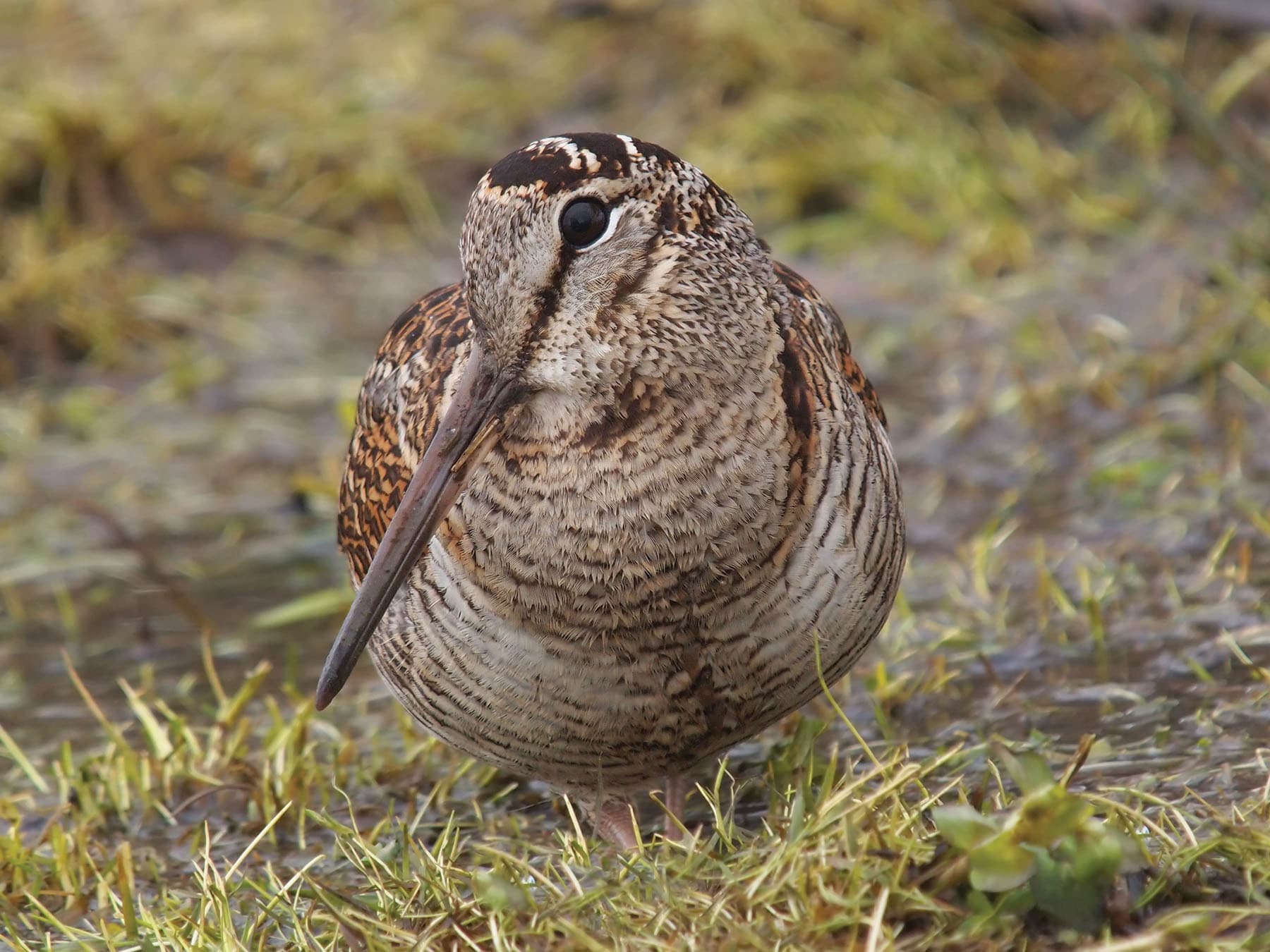
Eurasian Woodcock
Scolopax rusticolaLC
An uncommon winter visitor to woodland and hedgerows, arriving from October. Continental birds boost numbers, sometimes appearing in gardens during cold snaps.
Oct–Apr
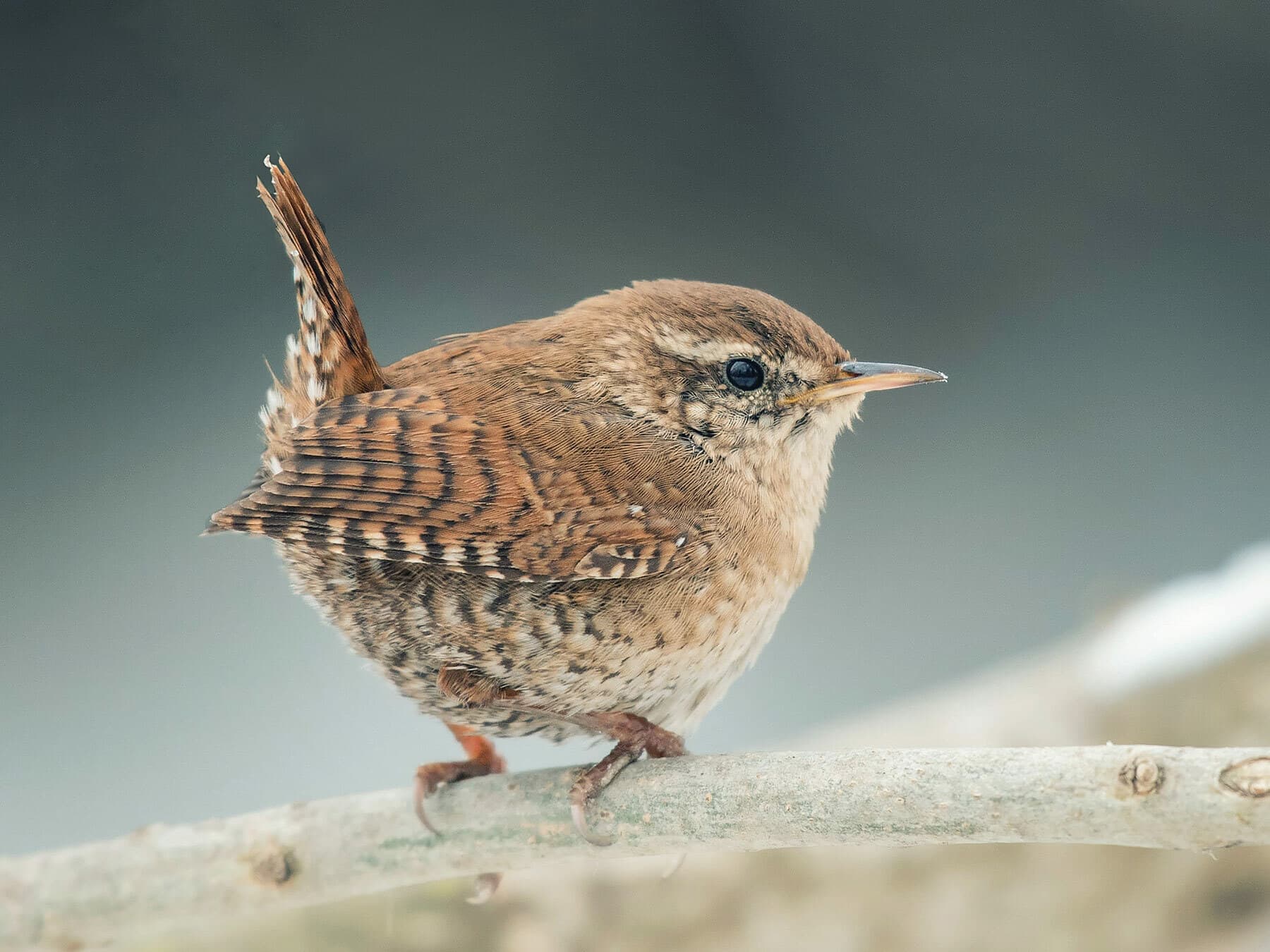
Eurasian Wren
Troglodytes troglodytesLC
A common and vocal resident found in gardens, hedgerows and woodland throughout the year. Its loud song belies its tiny size.
Year-round
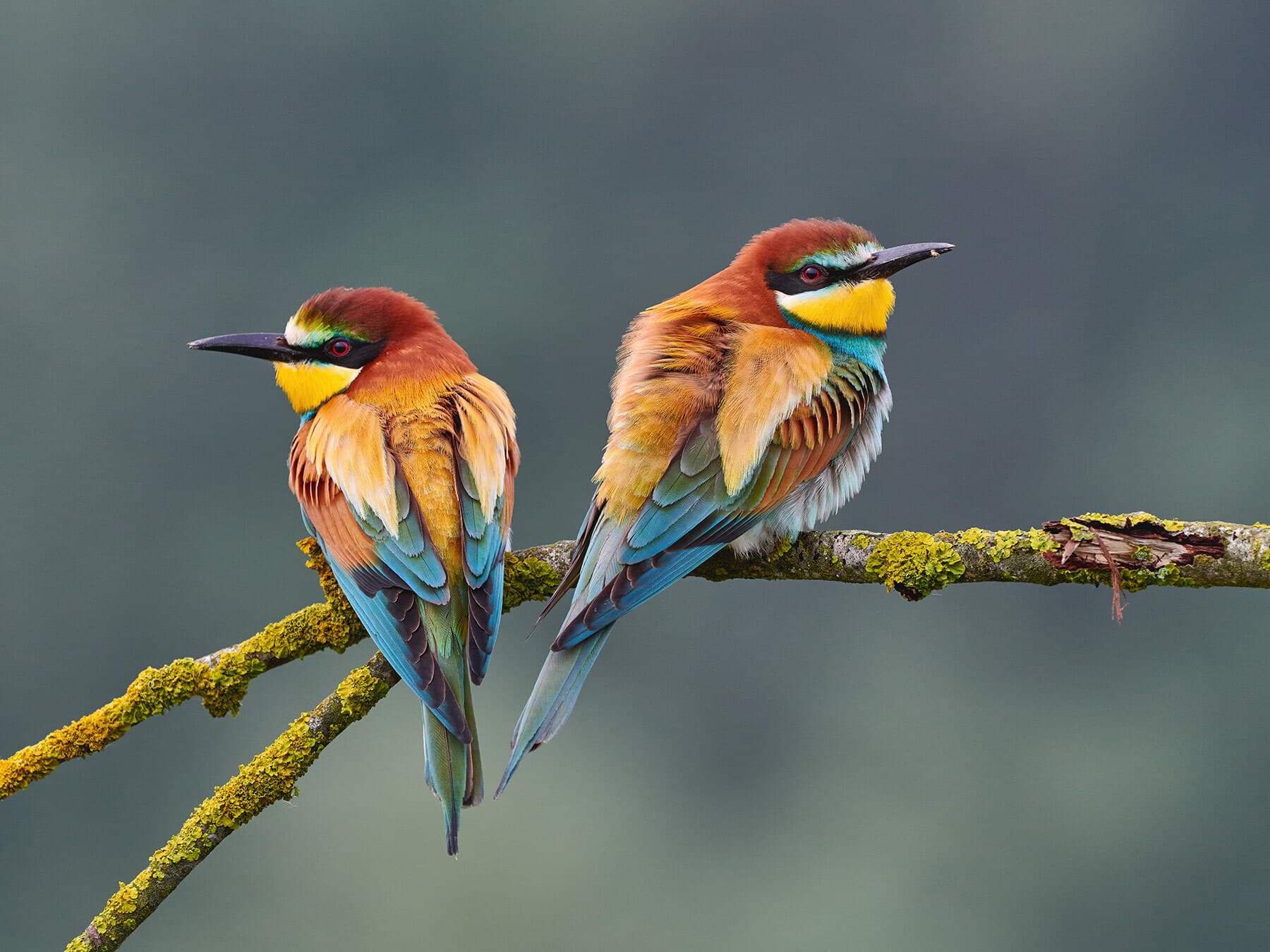
European Bee-eater
Merops apiasterLC
A rare and dazzling spring overshooting migrant, occasionally recorded along the coast in May and June. Famously bred near Bempton in 2002.
May–Jun
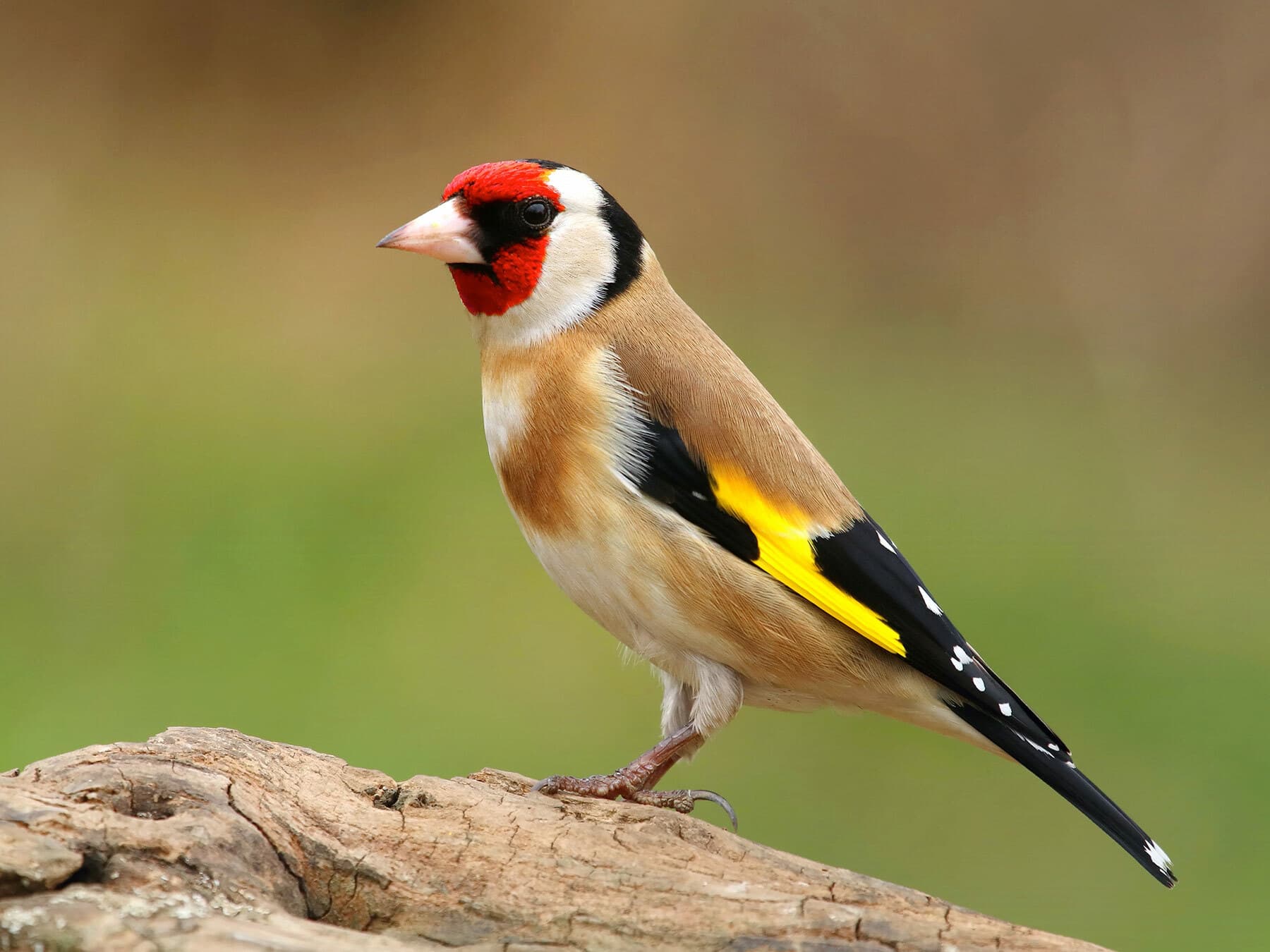
European Goldfinch
Carduelis carduelisLC
A common and familiar resident, often seen in colourful flocks feeding on teasels and thistles across farmland and gardens year-round.
Year-round
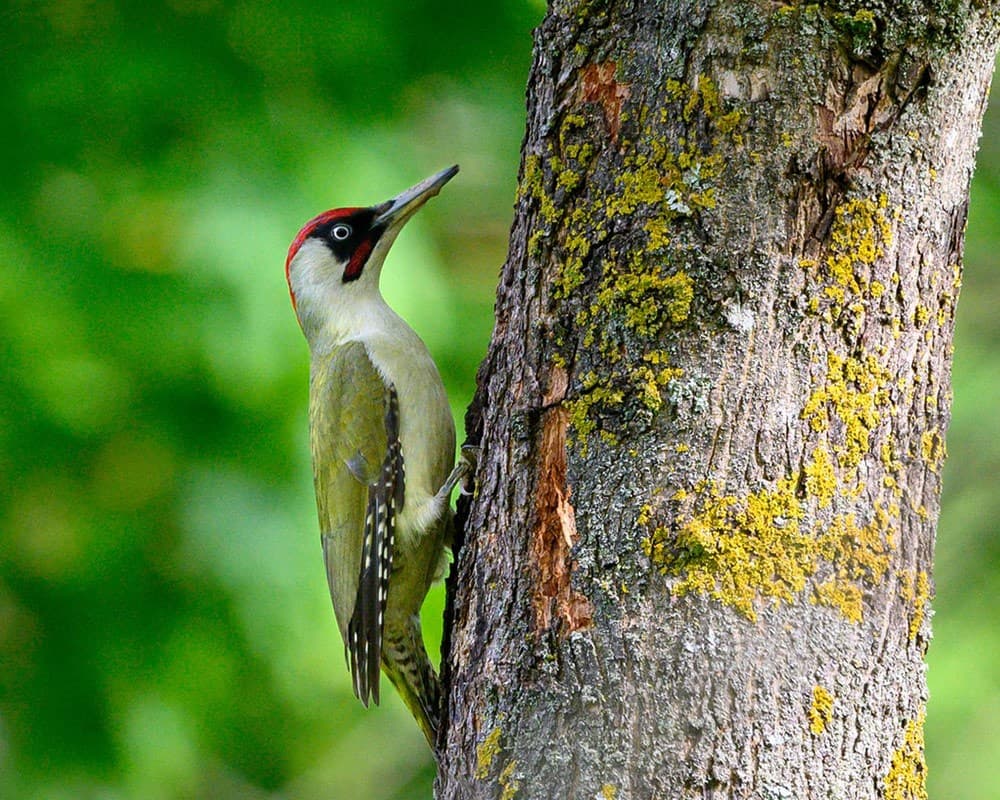
European Green Woodpecker
Picus viridisLC
A rare resident, thinly spread in parkland and woodland edges. Its loud laughing call is more often heard than the bird is seen.
Year-round
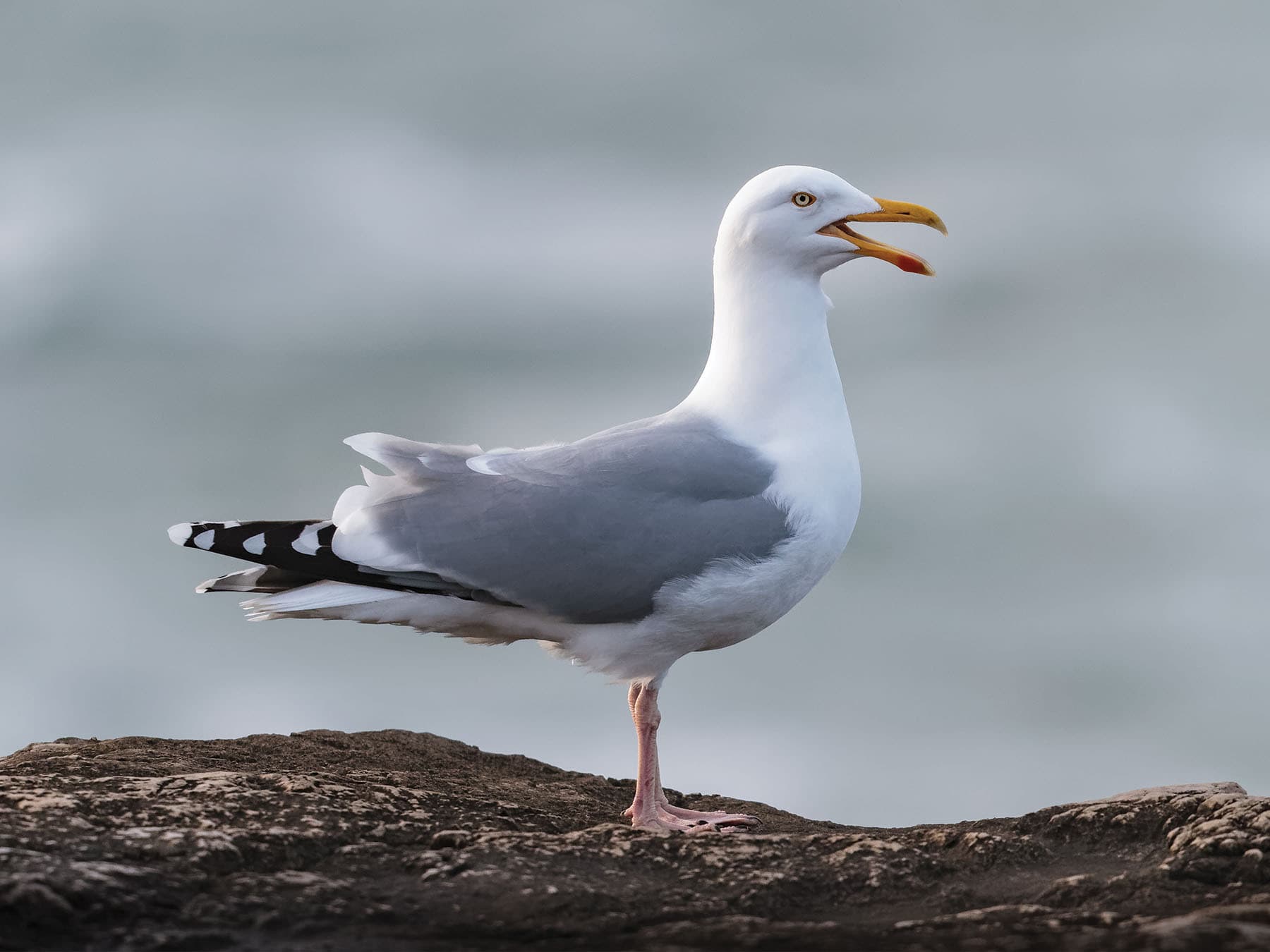
European Herring Gull
Larus argentatusLC
Abundant year-round along the coast and inland. Breeds on cliffs at Flamborough and on rooftops in towns like Bridlington.
Year-round
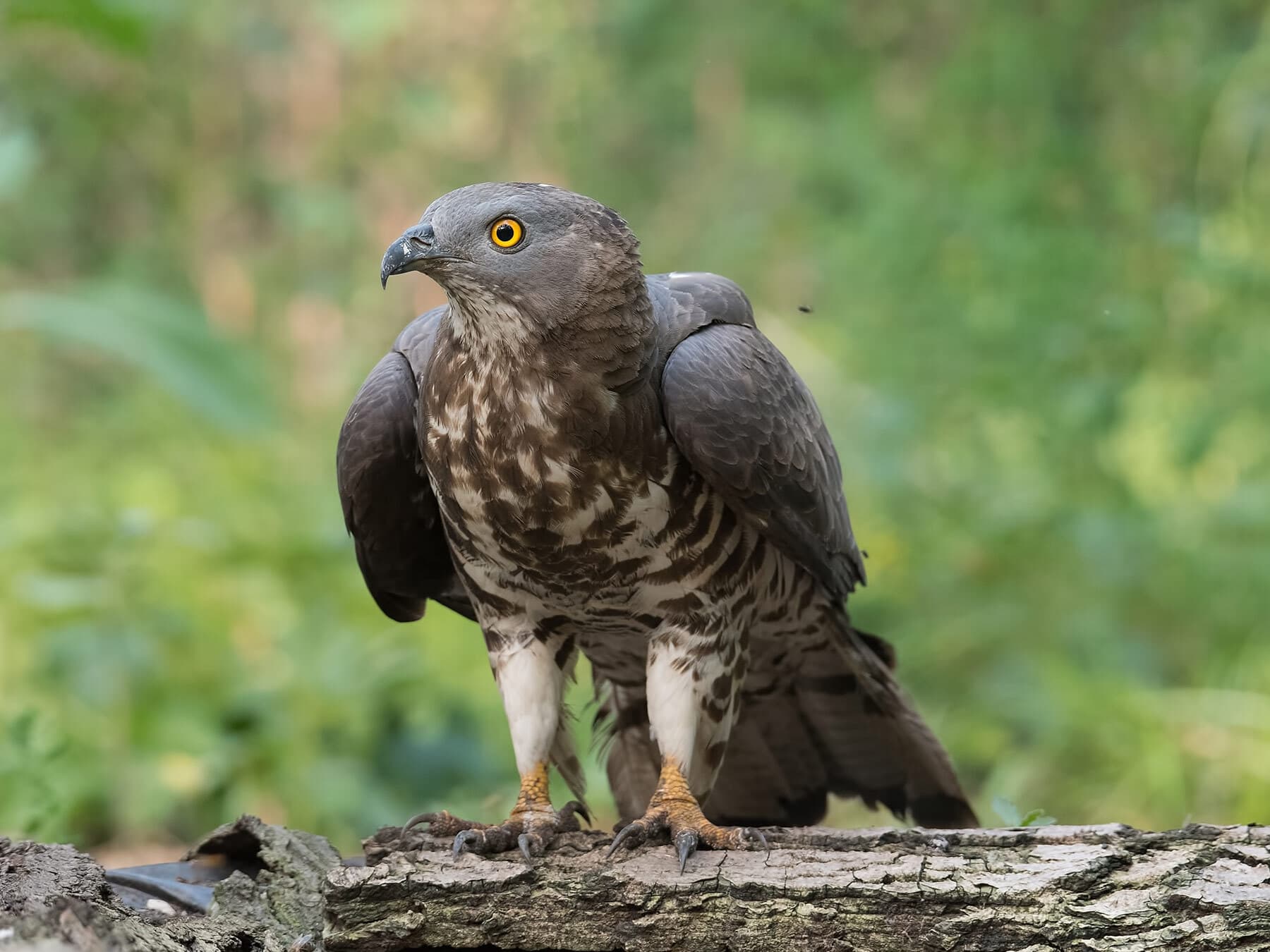
European Honey-buzzard
Pernis apivorusLC
A rare autumn passage migrant, most likely seen in September at coastal watchpoints such as Spurn and Flamborough.
Sep
Spotted something?
Upload a photo to identify it
Identify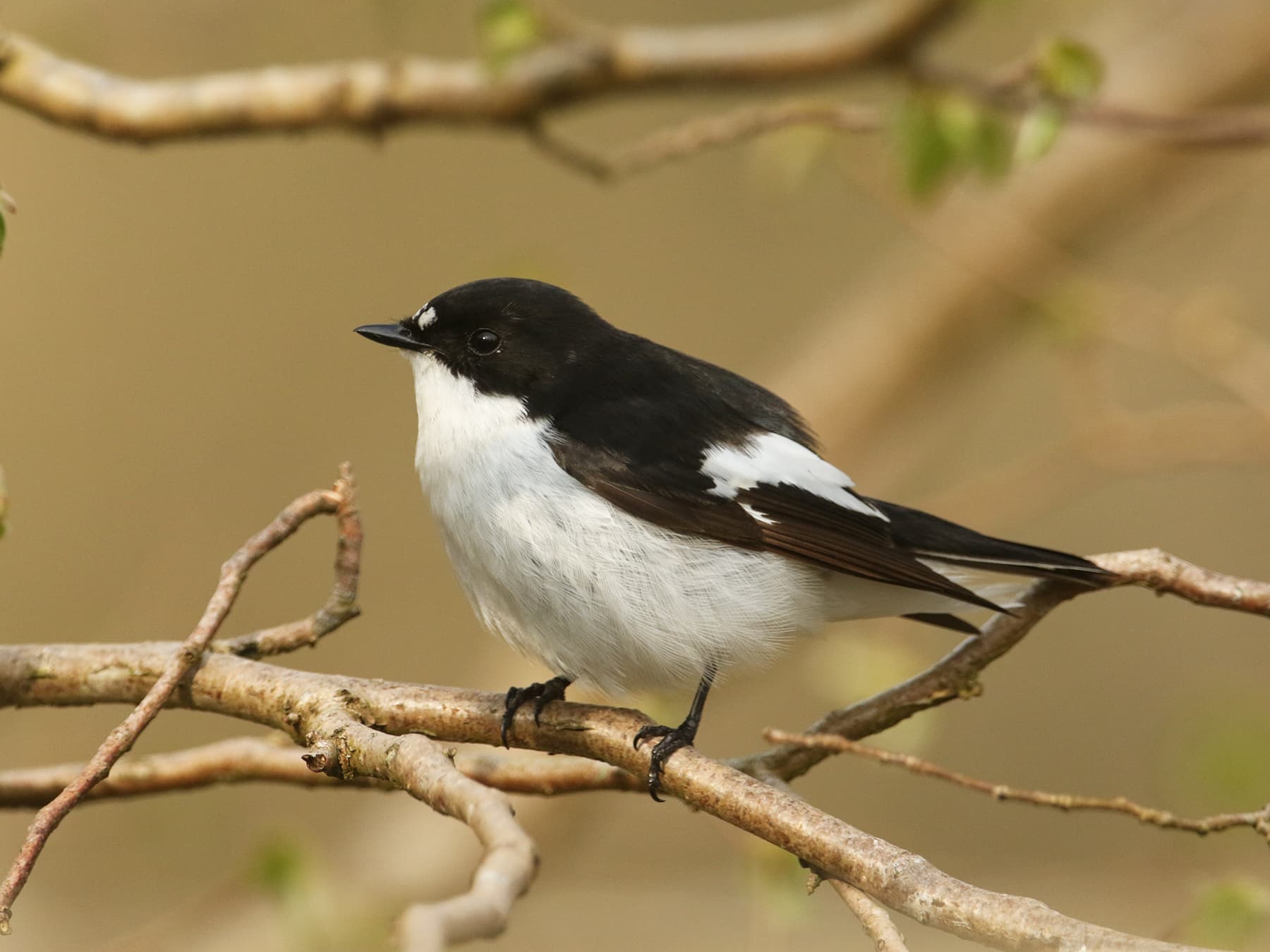
European Pied Flycatcher
Ficedula hypoleucaLC
An uncommon breeder in wooded areas, most visible during spring arrival and autumn passage along the coast at sites like Flamborough and Spurn.
Apr–Oct
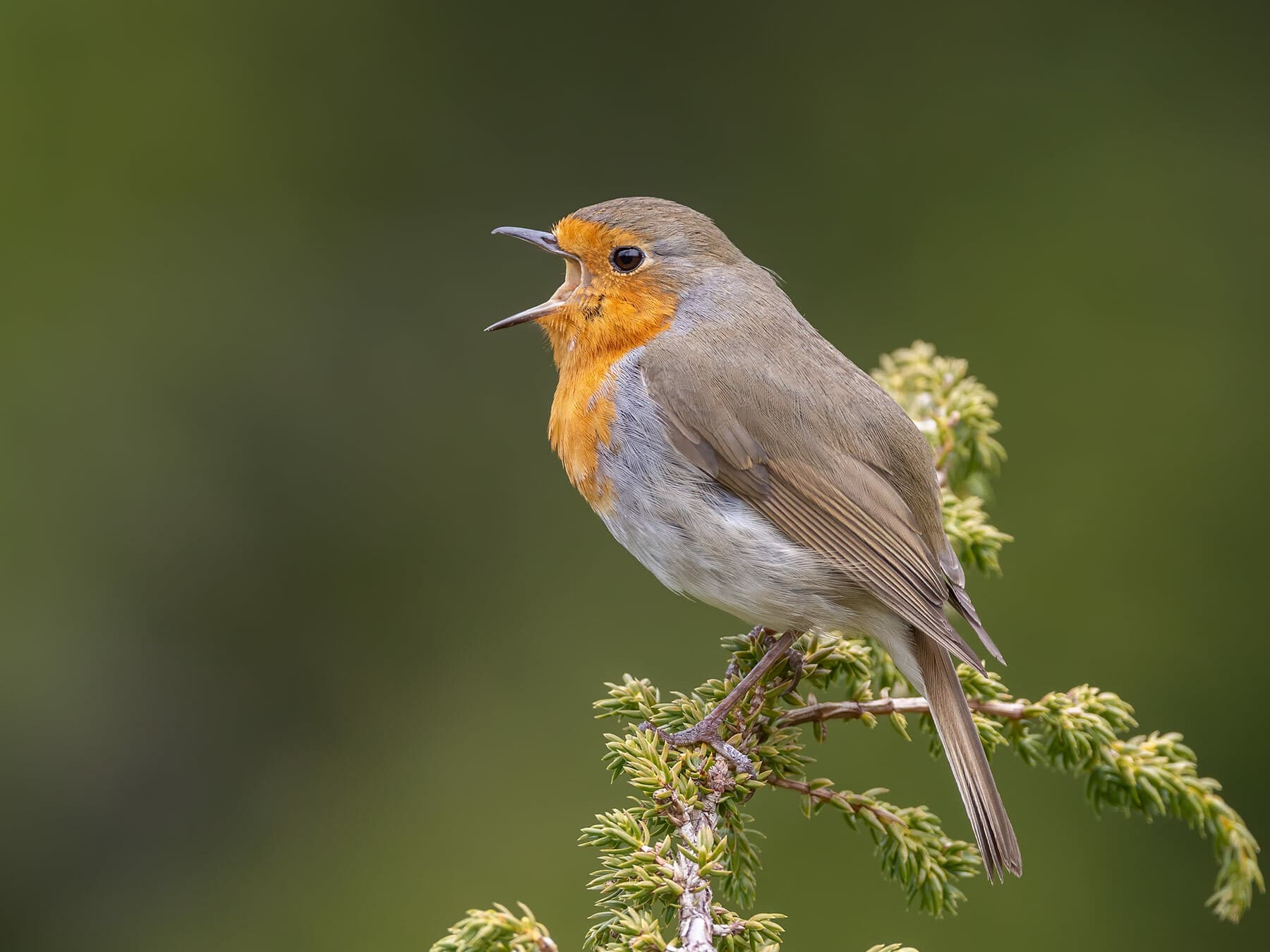
European Robin
Erithacus rubeculaLC
A common and confiding year-round resident of gardens, parks and woodland, often the last bird singing at dusk across the region.
Year-round
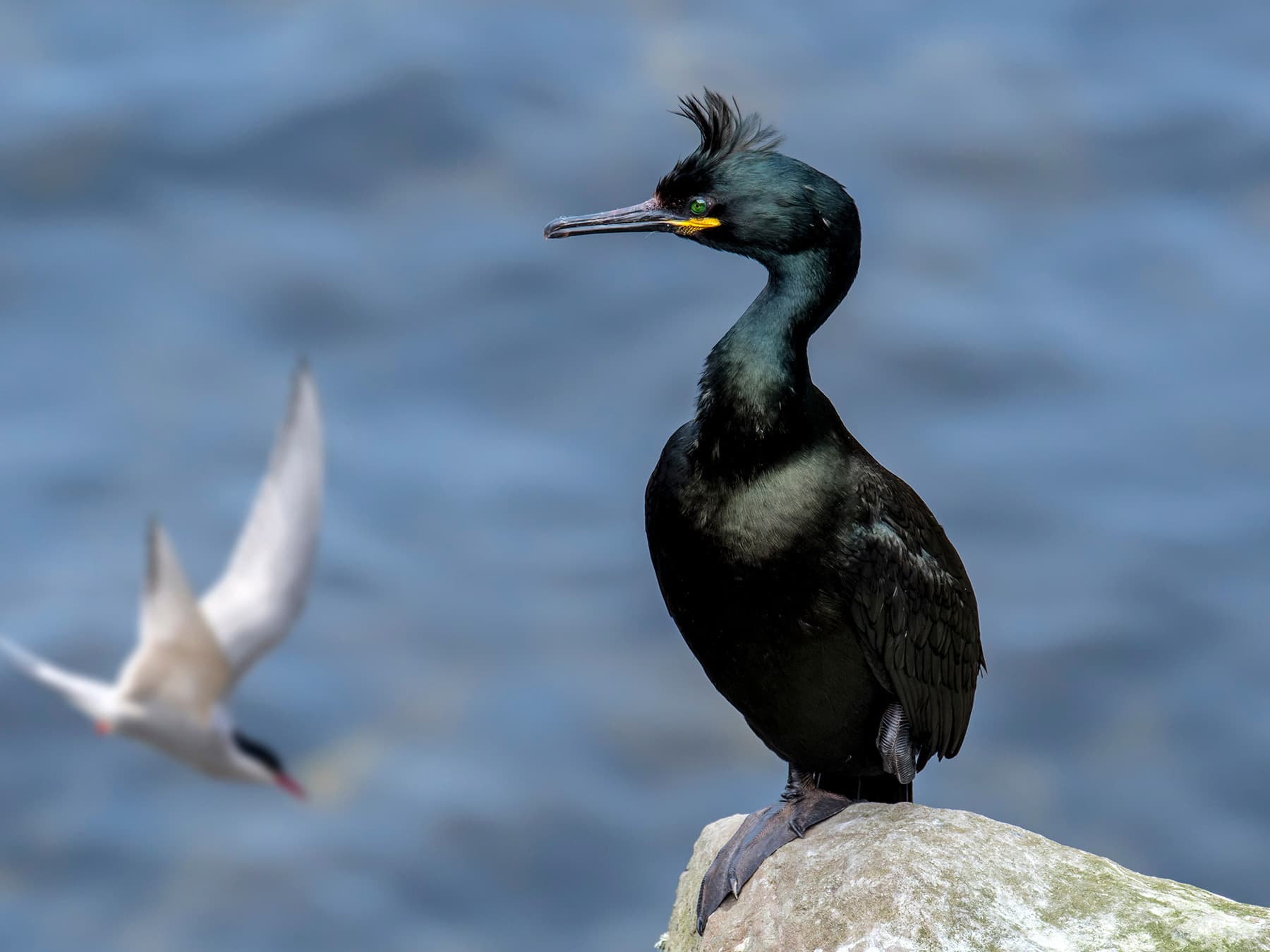
European Shag
Phalacrocorax aristotelisLC
Uncommon resident favouring the rocky chalk cliffs around Flamborough Head, where small numbers breed alongside larger seabird colonies.
Year-round
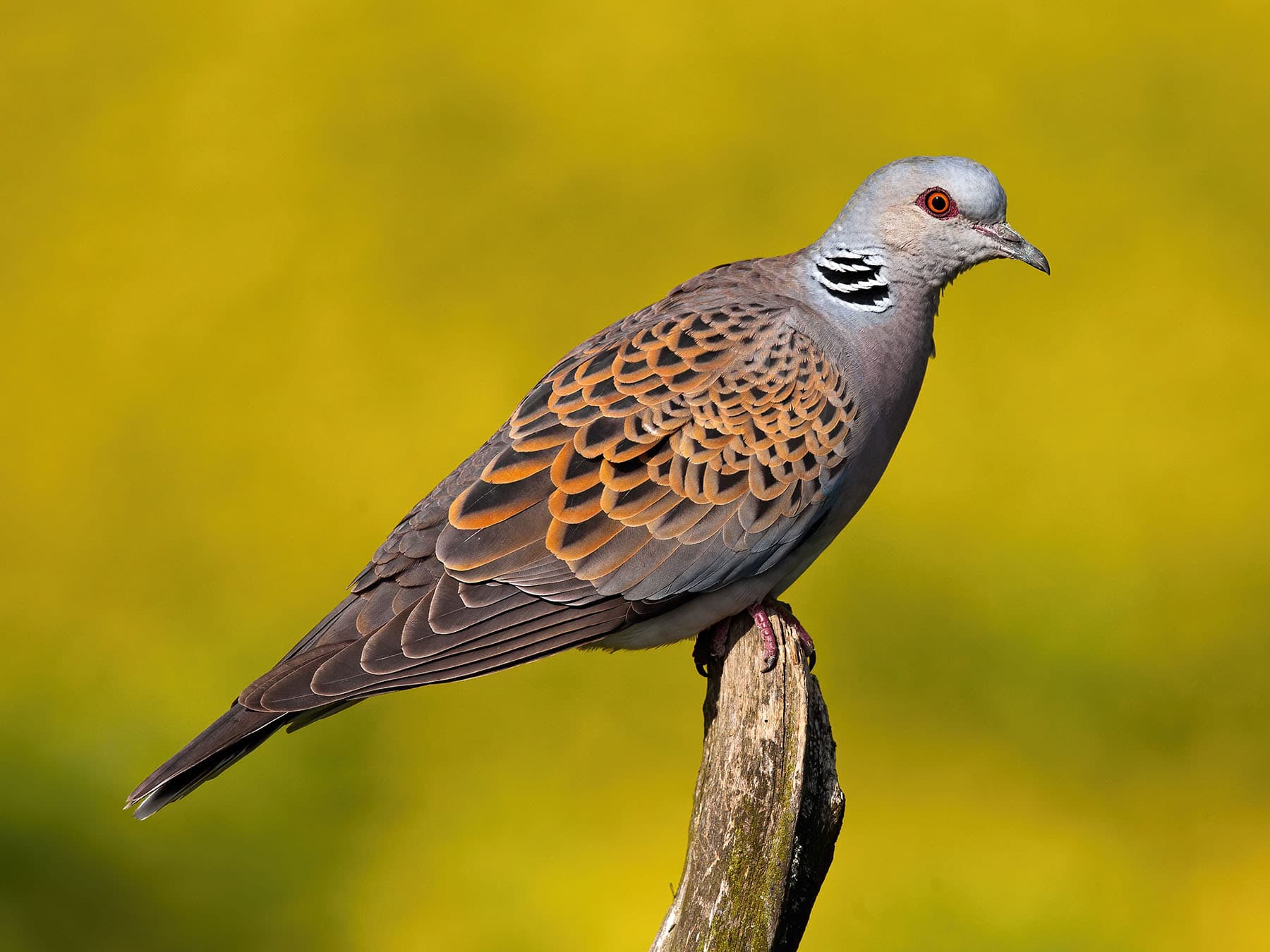
European Turtle-dove
Streptopelia turturVU
A rare and declining summer visitor, arriving in May. One of Britain's fastest-declining birds, now barely clinging on in parts of the region.
May–Aug
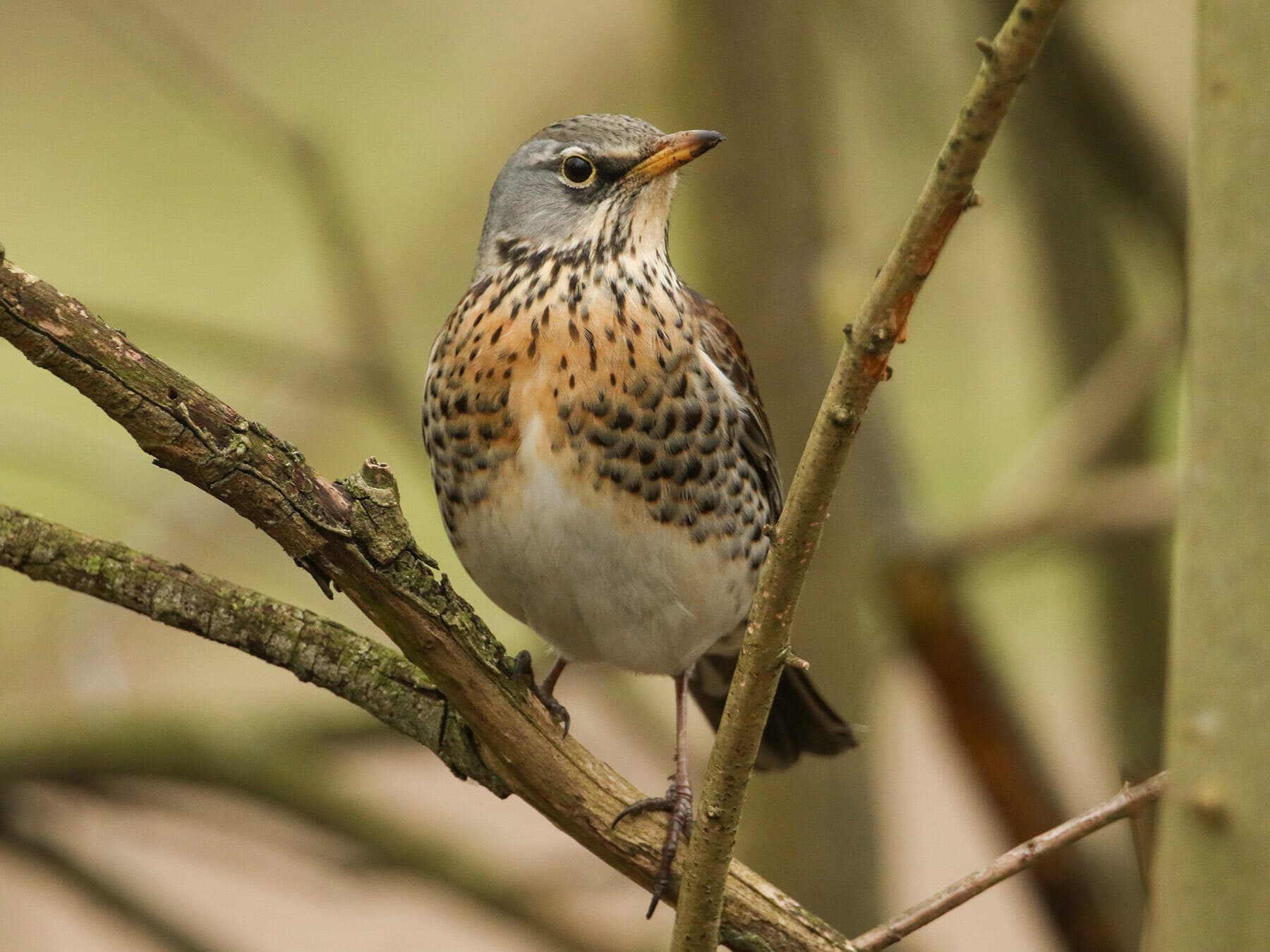
Fieldfare
Turdus pilarisLC
An uncommon winter visitor from Scandinavia, often seen in noisy flocks feeding on hawthorn berries across farmland and hedgerows.
Sep–May
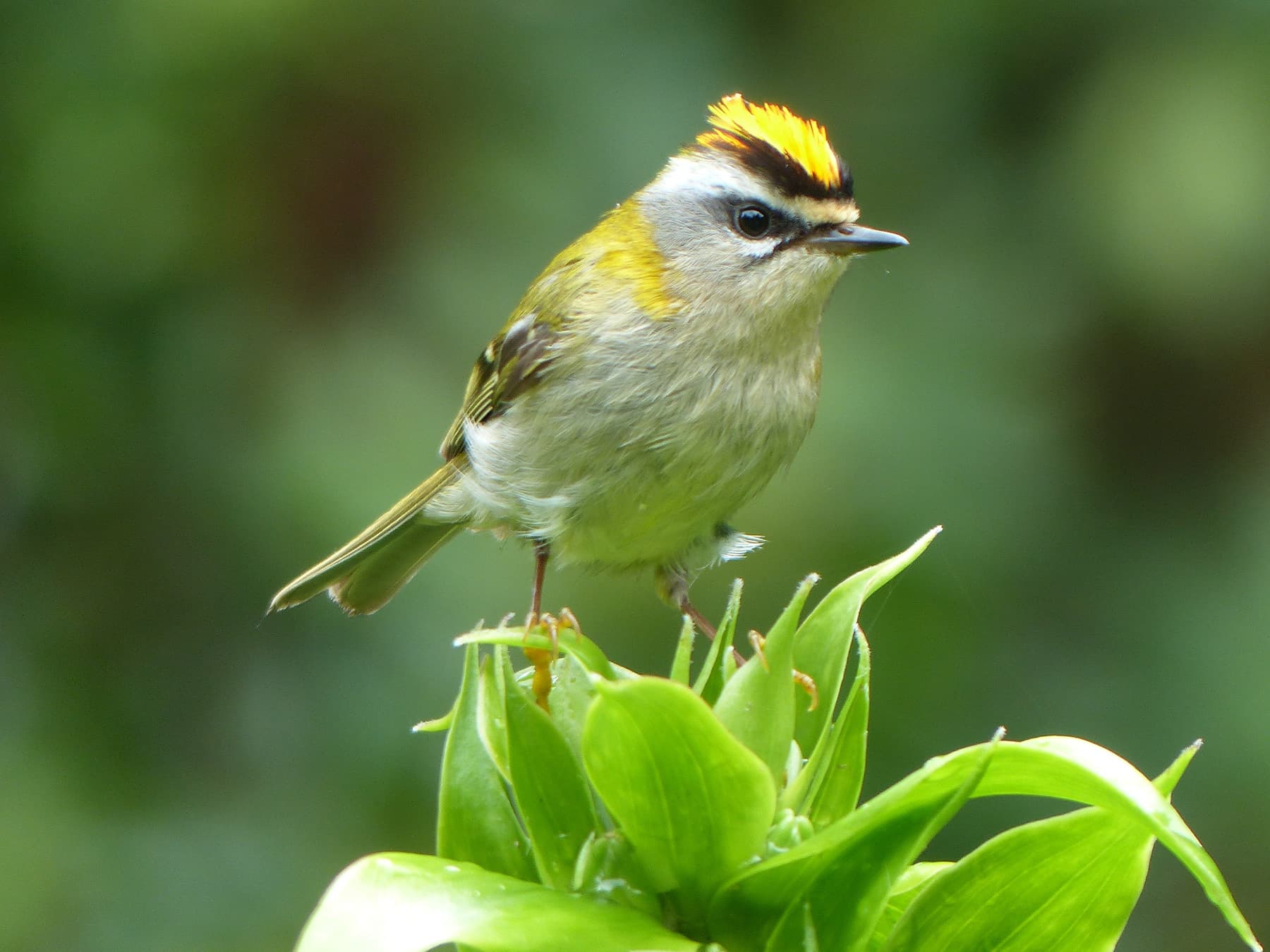
Firecrest
Regulus ignicapillaLC
A rare visitor mainly seen during spring and autumn passage at coastal sites. Occasionally lingers through winter in sheltered woodland and scrub.
Sep–May
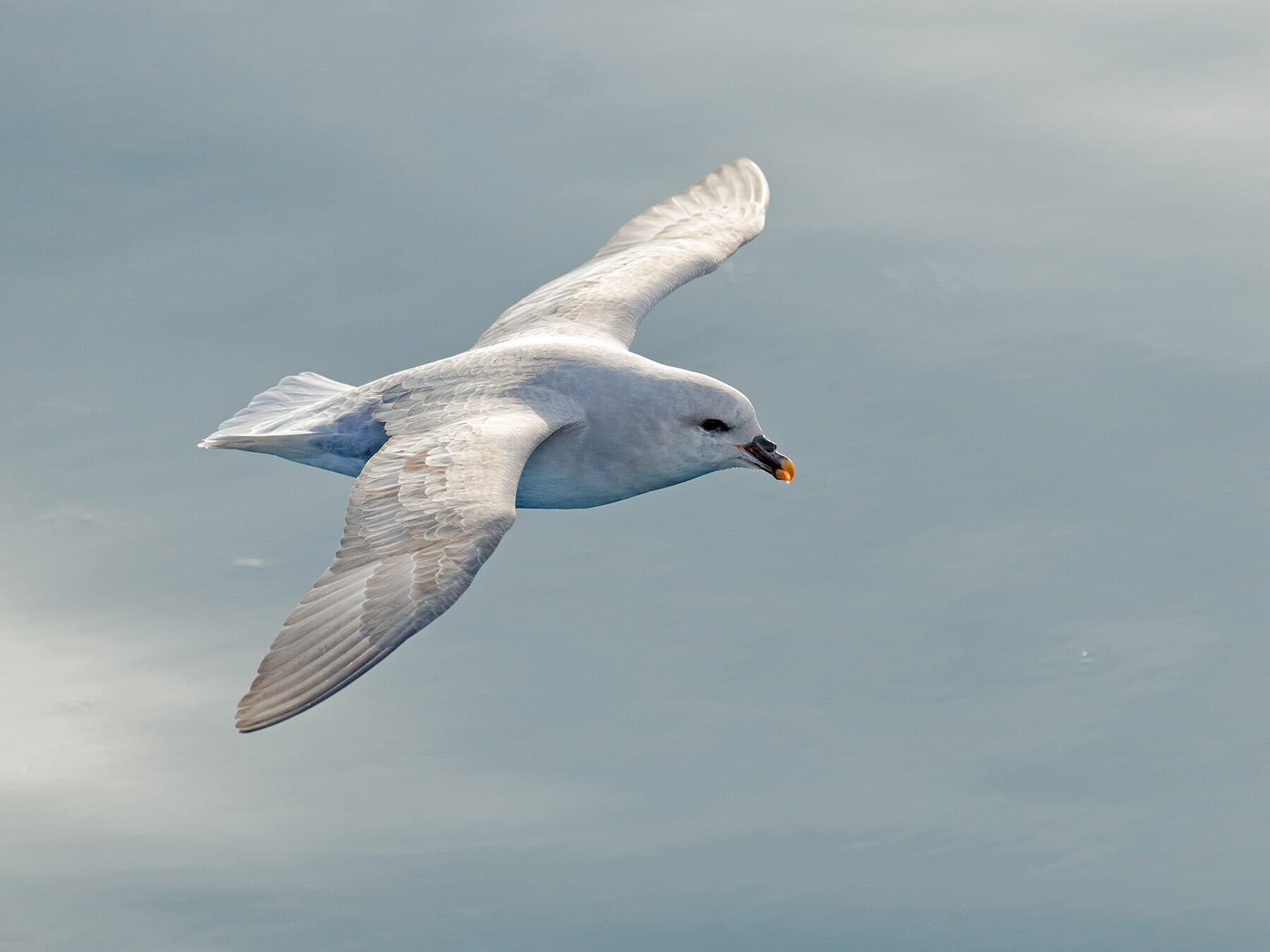
Fulmar
Fulmarus glacialisLC
Breeds on the dramatic chalk cliffs at Bempton and Flamborough, present year-round. Often seen gliding stiff-winged over the North Sea.
Year-round
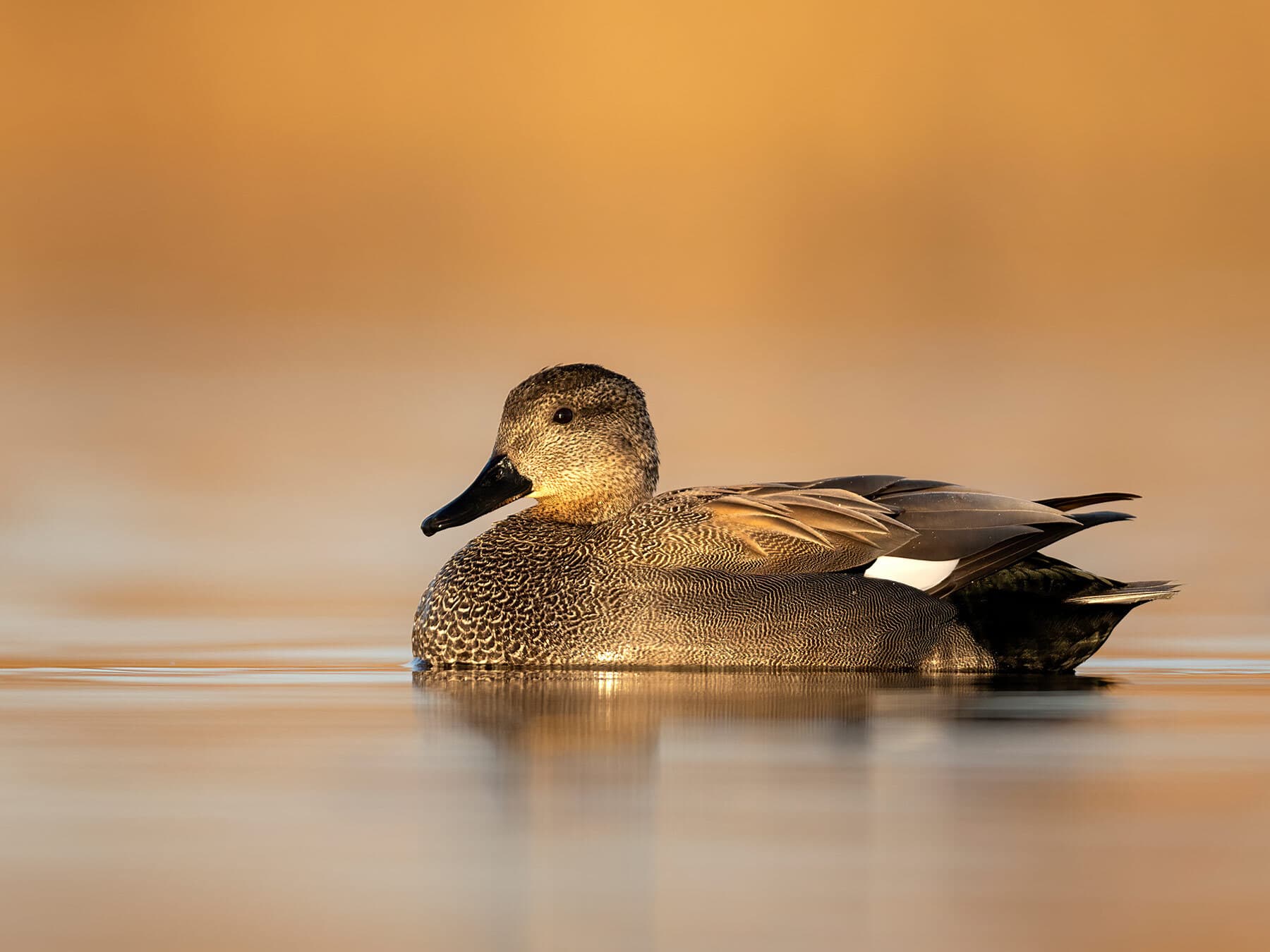
Gadwall
Mareca streperaLC
A common resident on lakes, gravel pits and marshes across the region. Often overlooked among Mallards but breeds readily at sites like Tophill Low.
Year-round
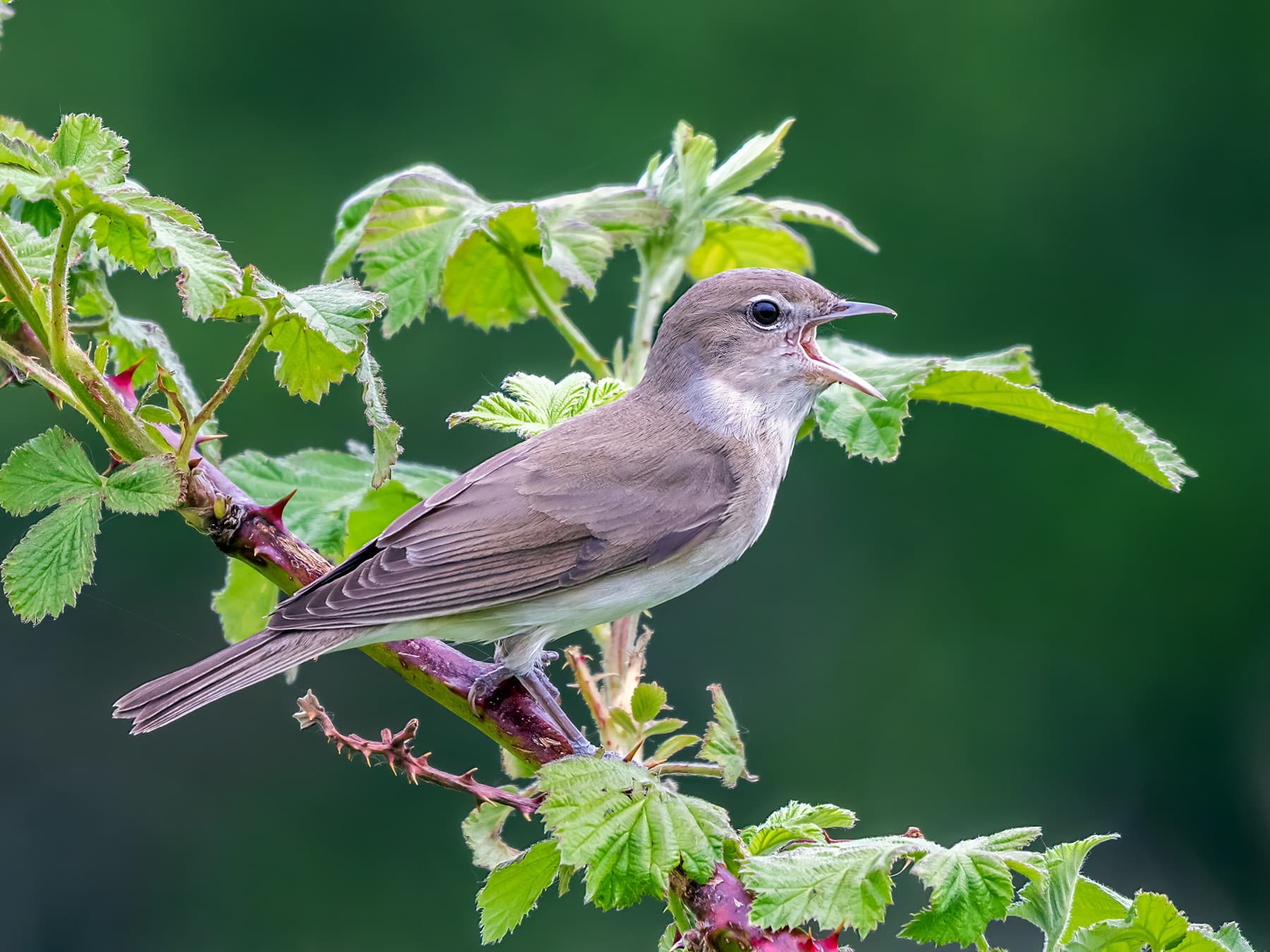
Garden Warbler
Sylvia borinLC
A rare breeding visitor arriving in April, favouring dense scrub and woodland edges. Easily overlooked due to its plain plumage and skulking habits.
Apr–Oct
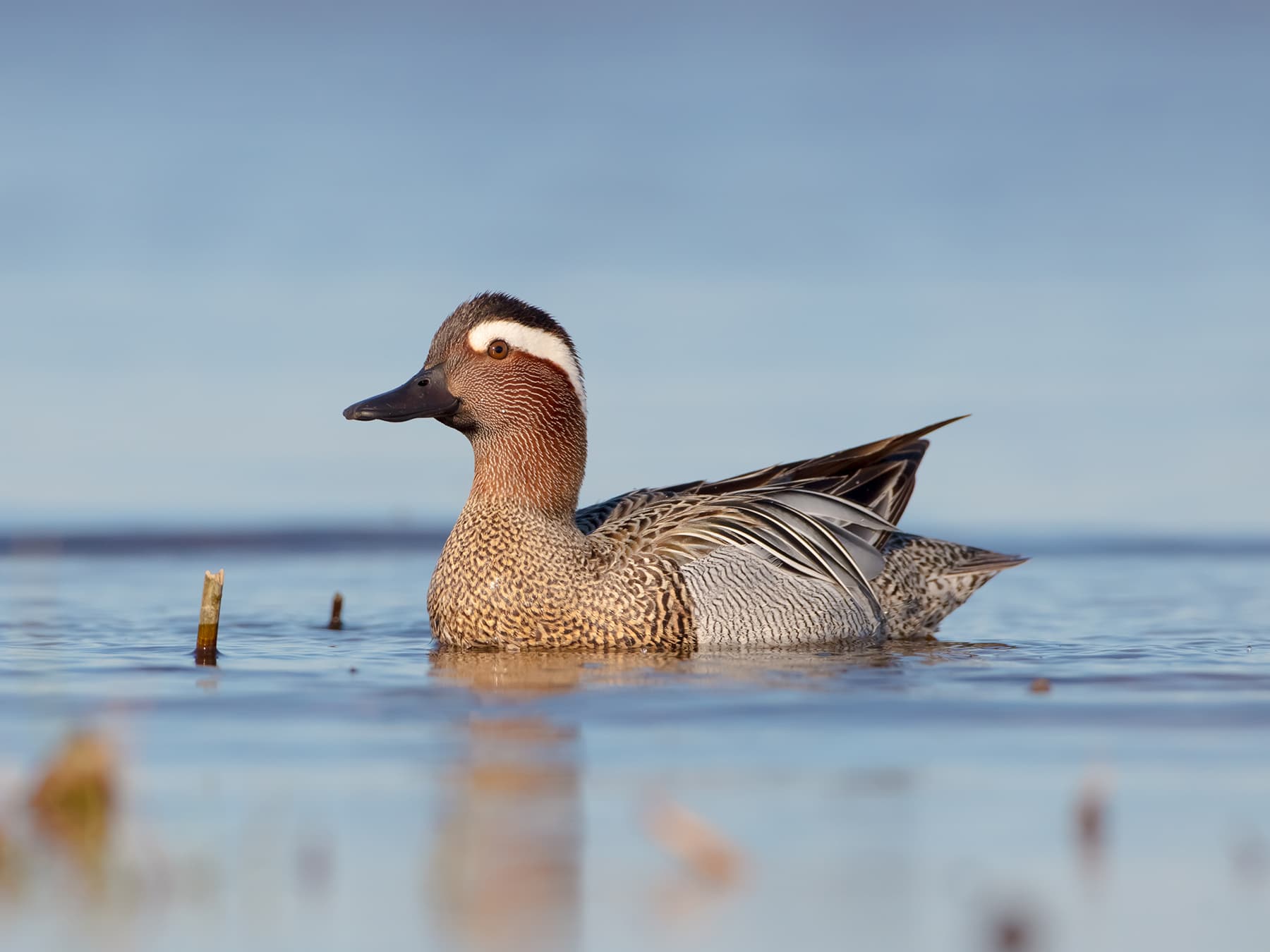
Garganey
Spatula querquedulaLC
A rare summer breeder on shallow wetlands, arriving in April and departing by October. A declining species in the UK.
Apr–Oct
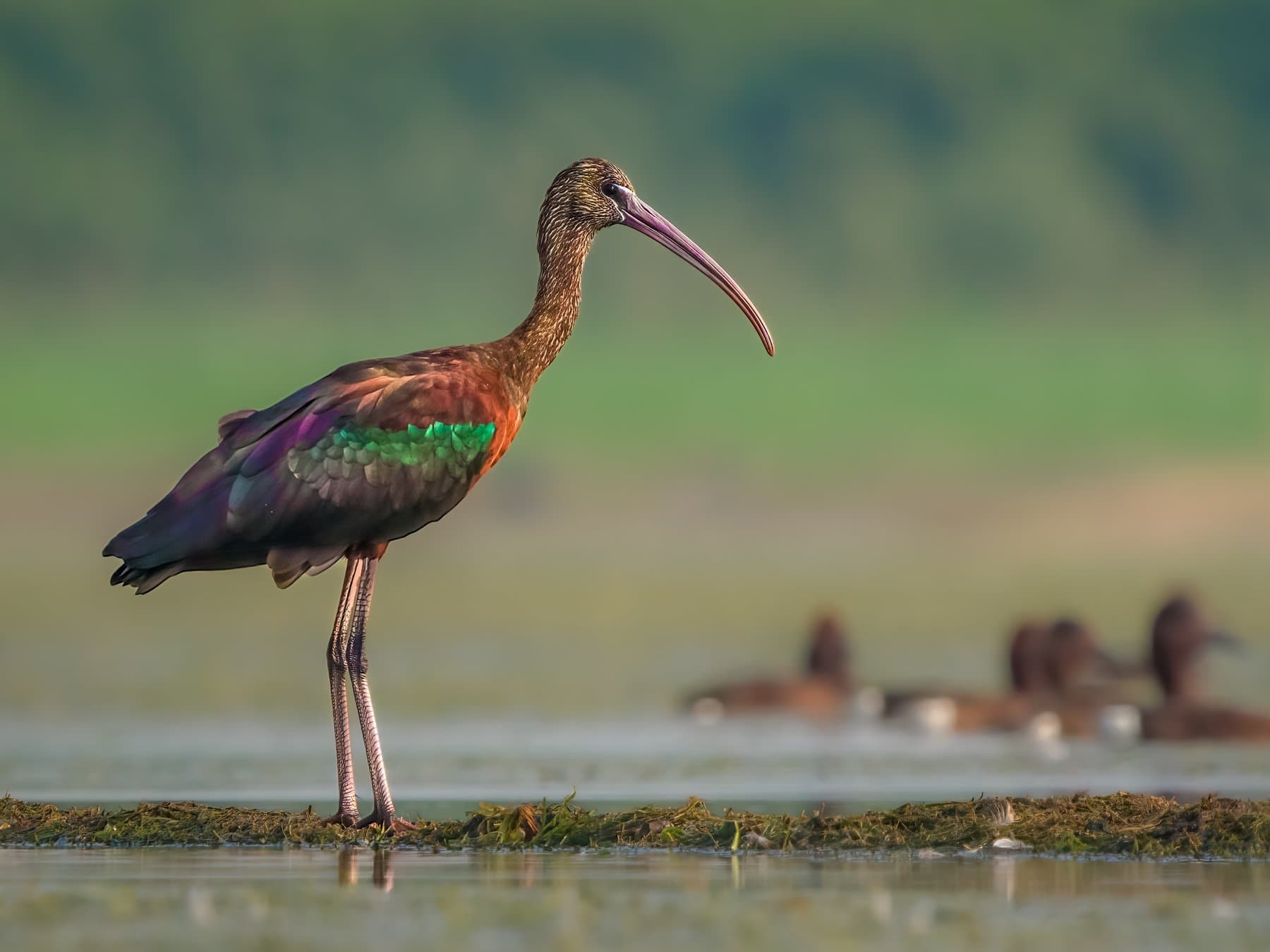
Glossy Ibis
Plegadis falcinellusLC
A rare autumn vagrant, occasionally turning up at wetland sites in September and October during southward passage.
Sep–Oct
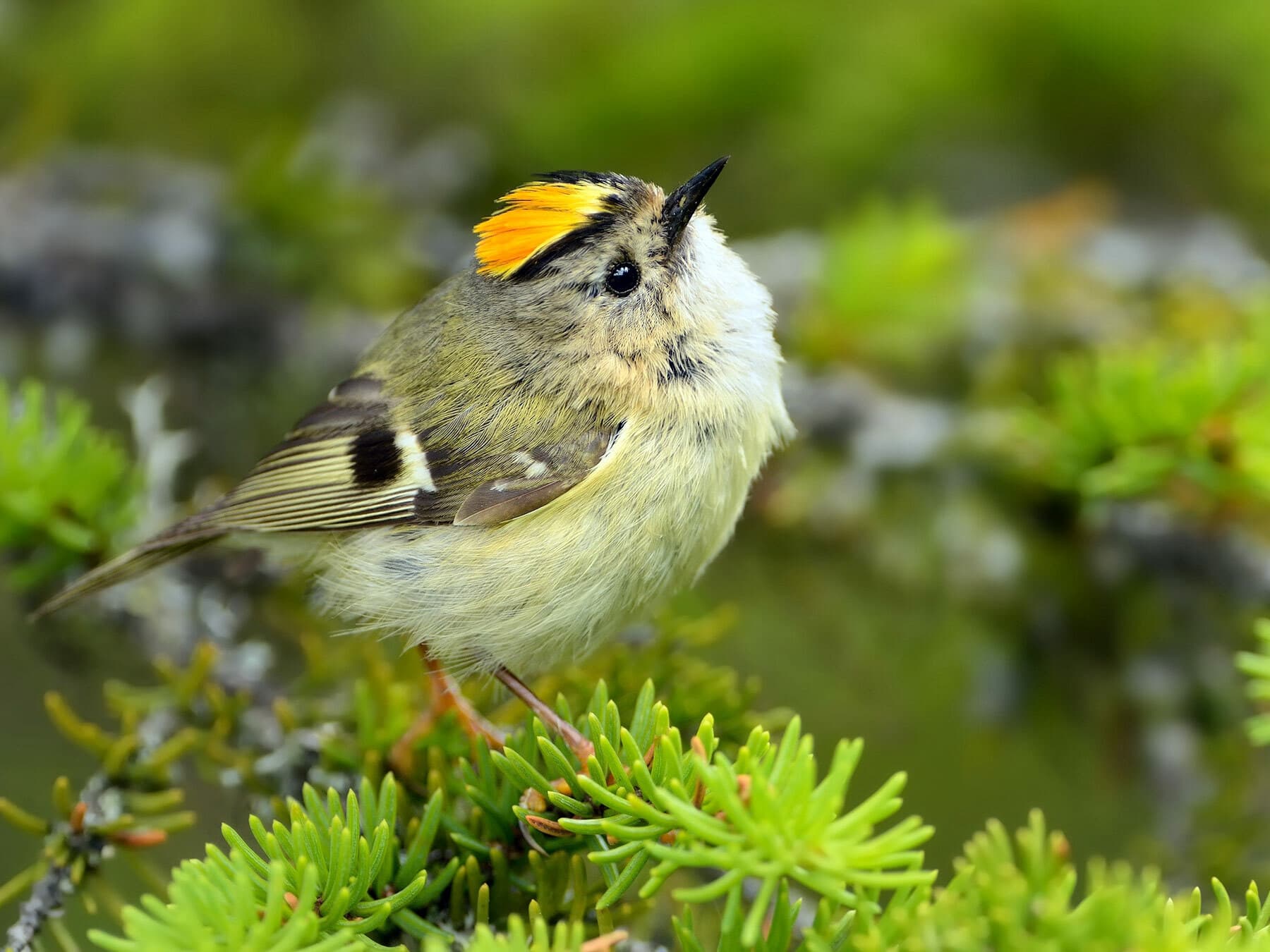
Goldcrest
Regulus regulusLC
An uncommon resident found year-round in coniferous and mixed woodland. Numbers increase in autumn with continental migrants arriving at the coast.
Year-round
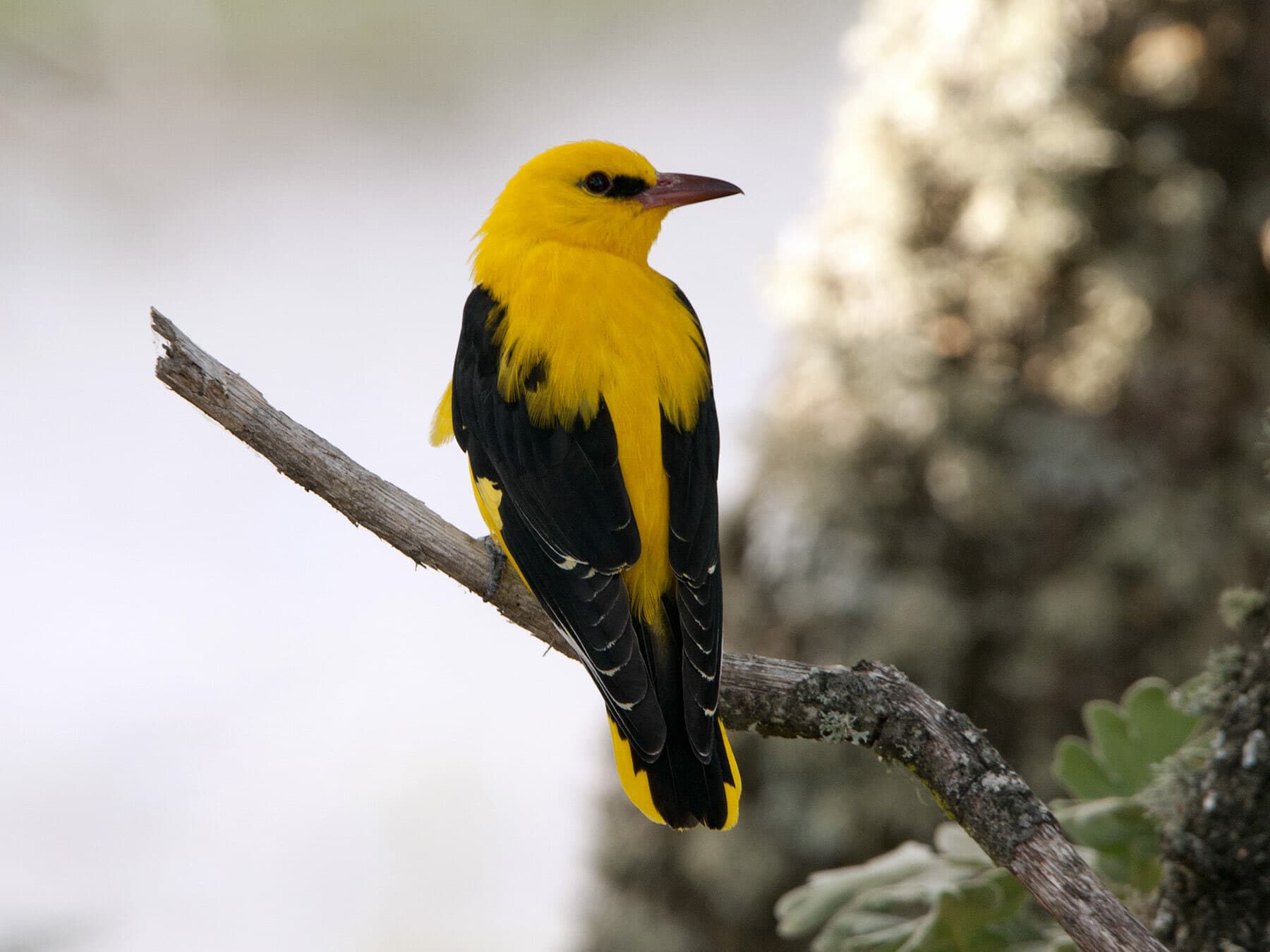
Golden Oriole
Oriolus oriolusLC
A rare spring overshooting migrant from the continent, occasionally recorded at coastal sites in May. A prized find for local birders.
May
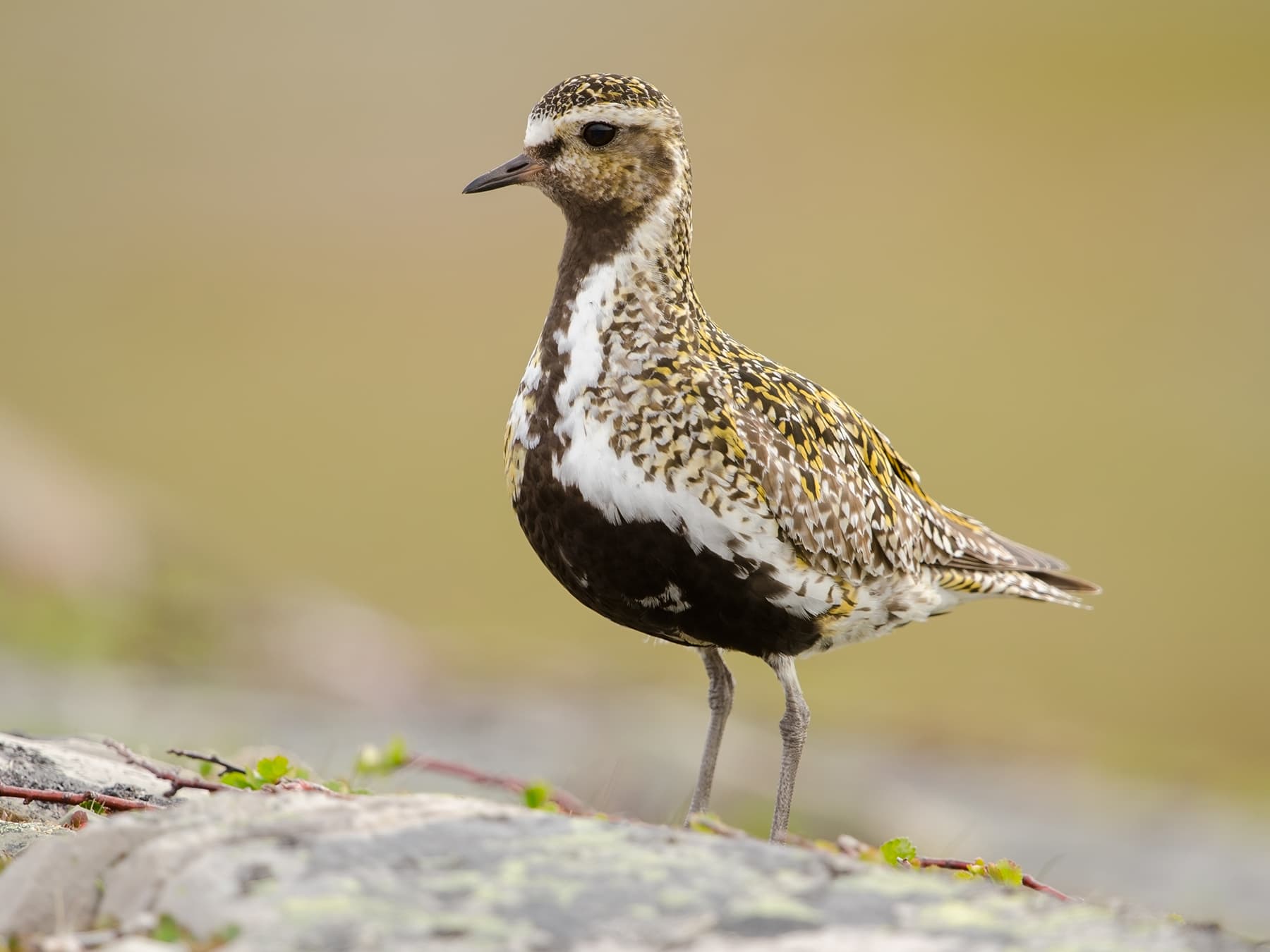
Golden Plover
Pluvialis apricariaLC
Present year-round but most conspicuous in winter when large flocks gather on ploughed fields and lowland farmland across the East Riding.
Year-round
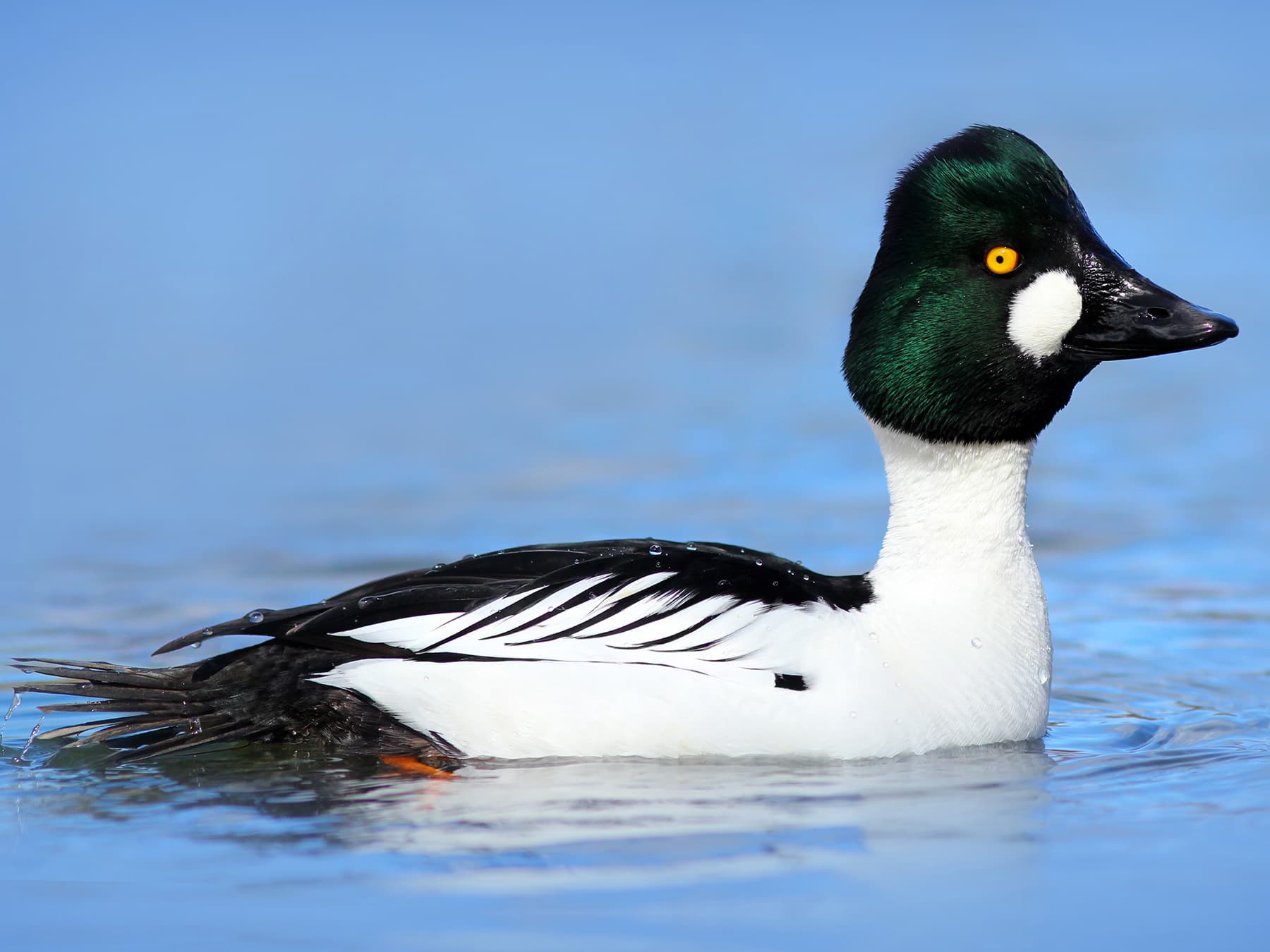
Goldeneye
Bucephala clangulaLC
An uncommon winter visitor to inland lakes and reservoirs from October to April. Tophill Low and Hornsea Mere are reliable sites.
Oct–Apr