Birds in East Riding of Yorkshire
Explore 233 species found in this region.
The East Riding of Yorkshire supports an impressive diversity of birdlife, with around 230 species recorded across its varied landscapes. From the dramatic chalk cliffs of Flamborough Head and Bempton to the expansive wetlands of the Humber Estuary, the region offers habitats that attract everything from breeding seabird colonies to scarce migrants such as Bluethroat and Great Grey Shrike. Wading birds like Northern Lapwing and Dotterel, along with coastal specialists such as Common Shelduck, make this county a rewarding destination for birdwatchers year-round.
Visiting in September? Look out for Bluethroat and Brambling arriving this month, and Black-crowned Night-heron and Cuckoo depart for the season.


Showing 47–69 of 233 species
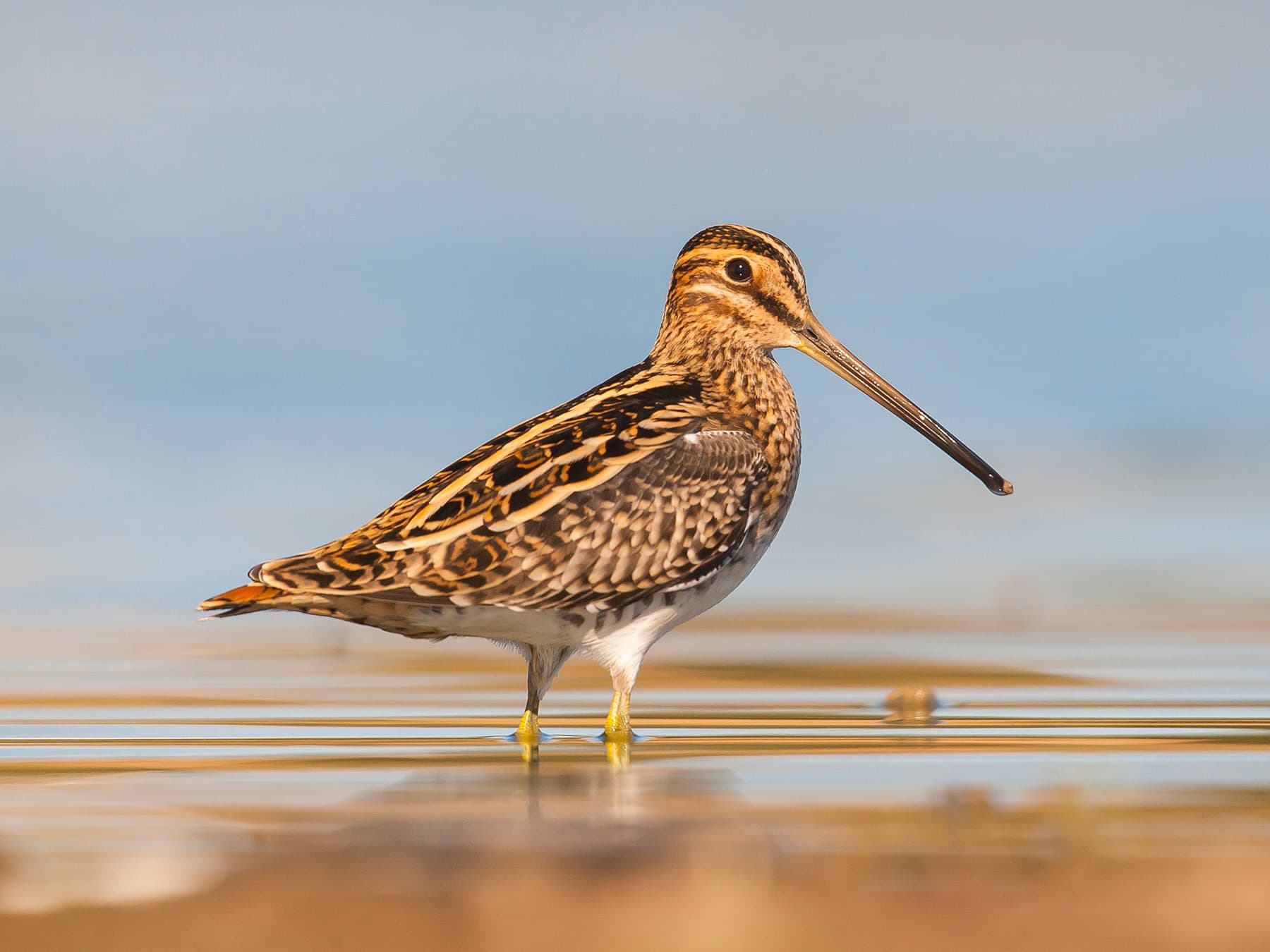
Common Snipe
Gallinago gallinagoLC
An uncommon year-round resident of wet grassland and marshes. Breeds in damp meadows and is more visible in winter when flushed from ditches.
Year-round
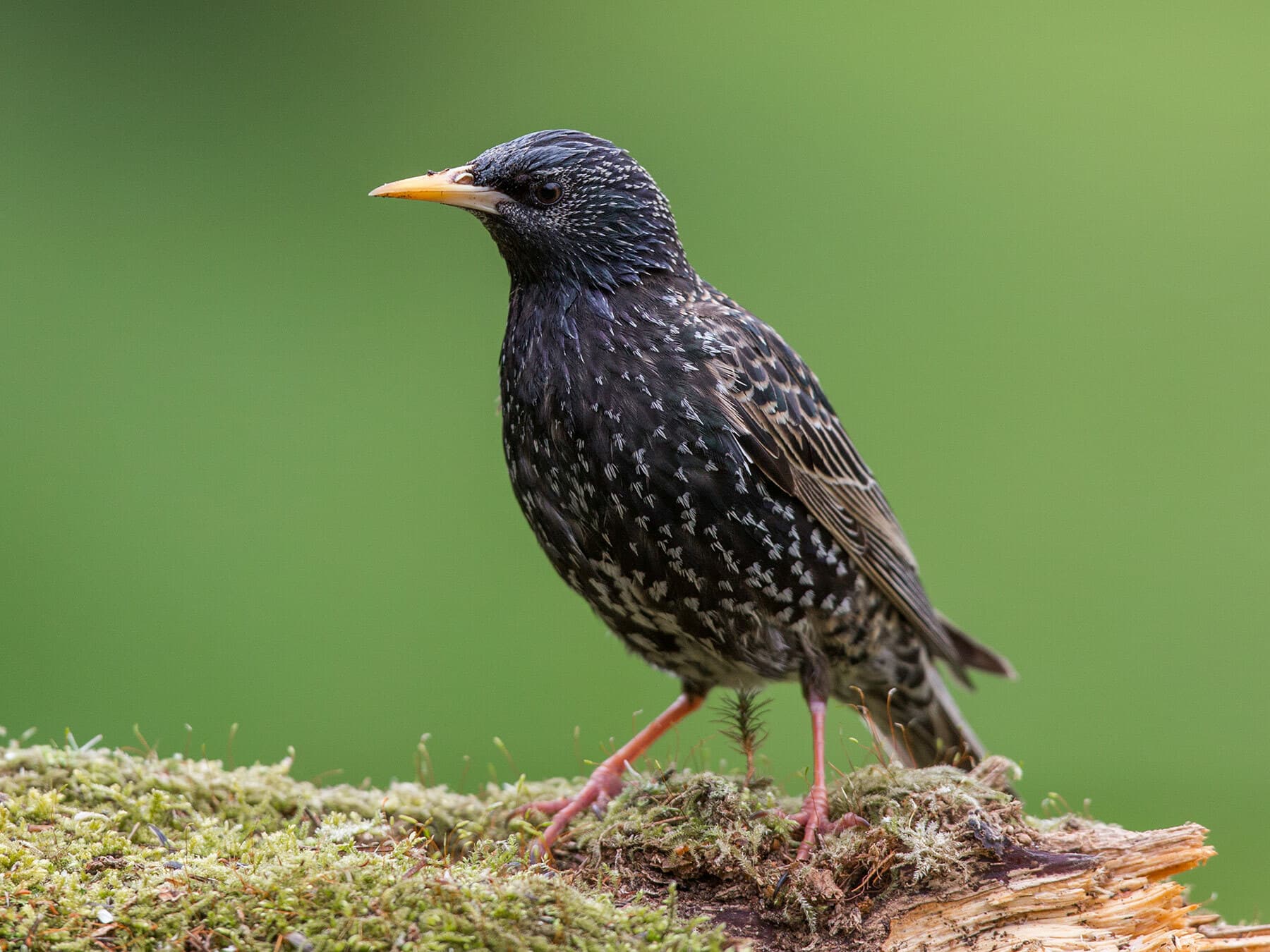
Common Starling
Sturnus vulgarisLC
A common resident forming spectacular winter murmurations, notably over reedbeds and piers. Breeds widely in towns, farms and open countryside.
Year-round
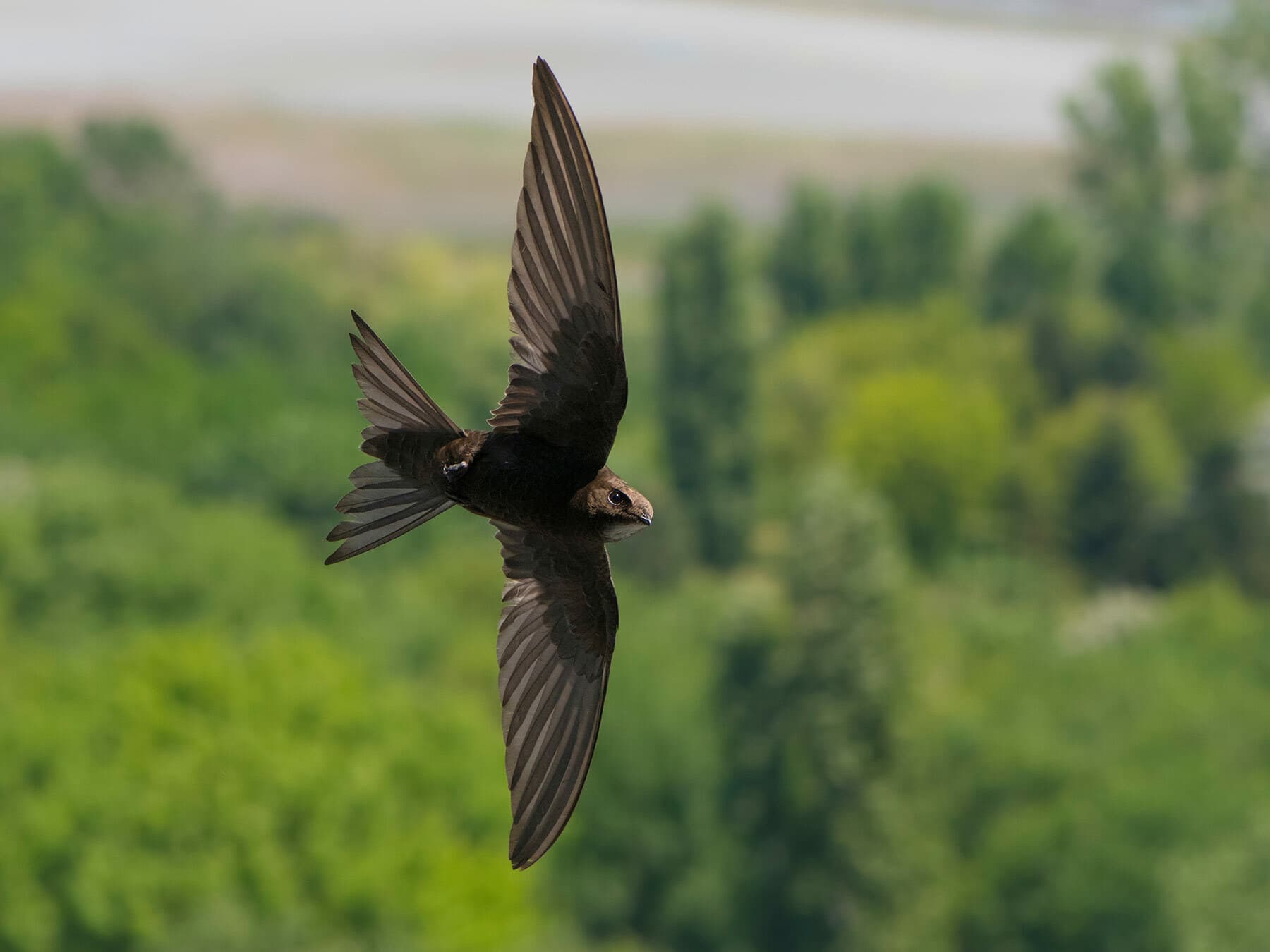
Common Swift
Apus apusLC
A common summer visitor screaming over towns and villages from late April to September. Breeds in older buildings across the region.
Apr–Sep
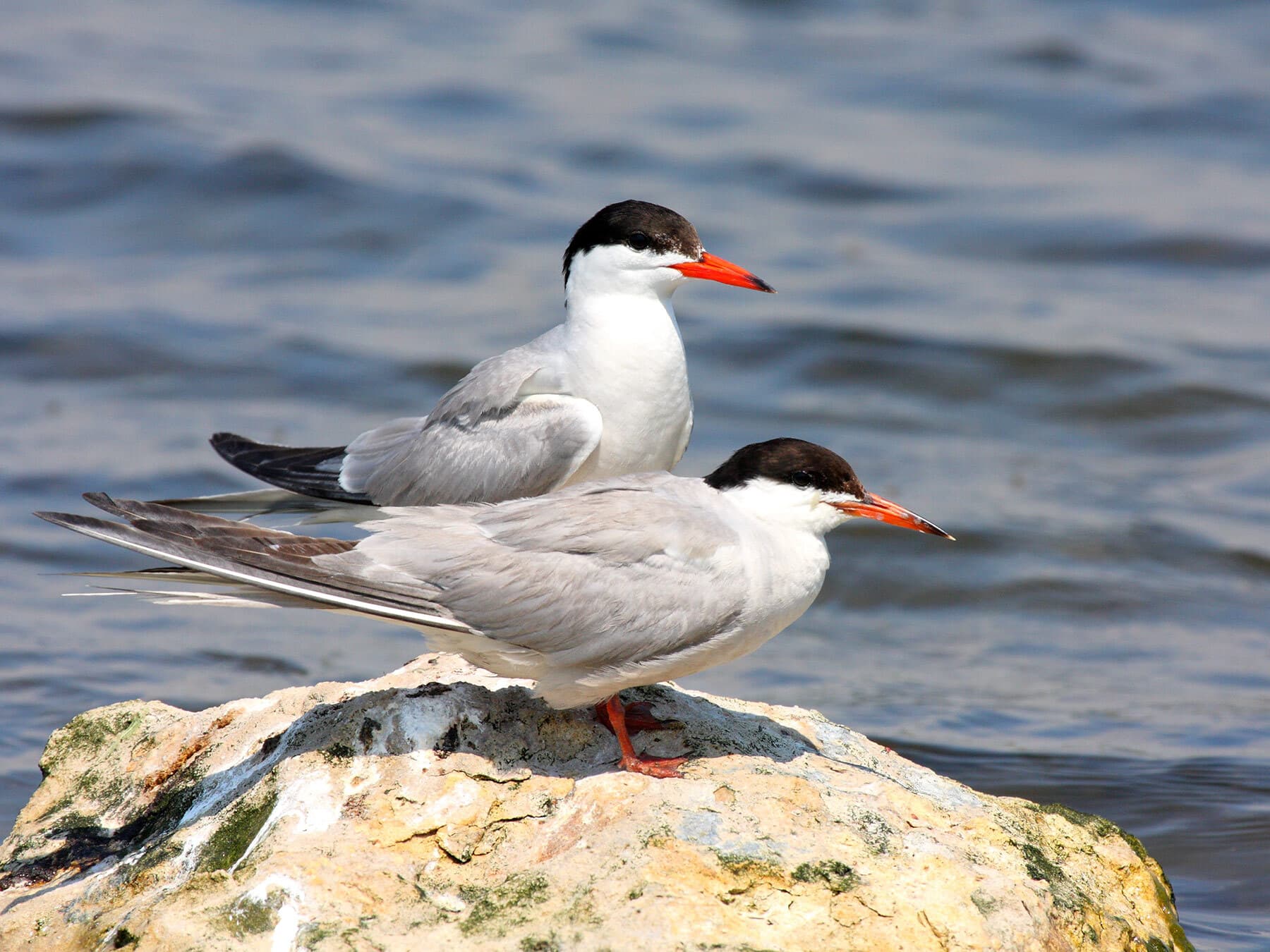
Common Tern
Sterna hirundoLC
An uncommon summer breeder, nesting at gravel pits and the Humber Estuary. Present from April to October on passage and breeding.
Apr–Oct
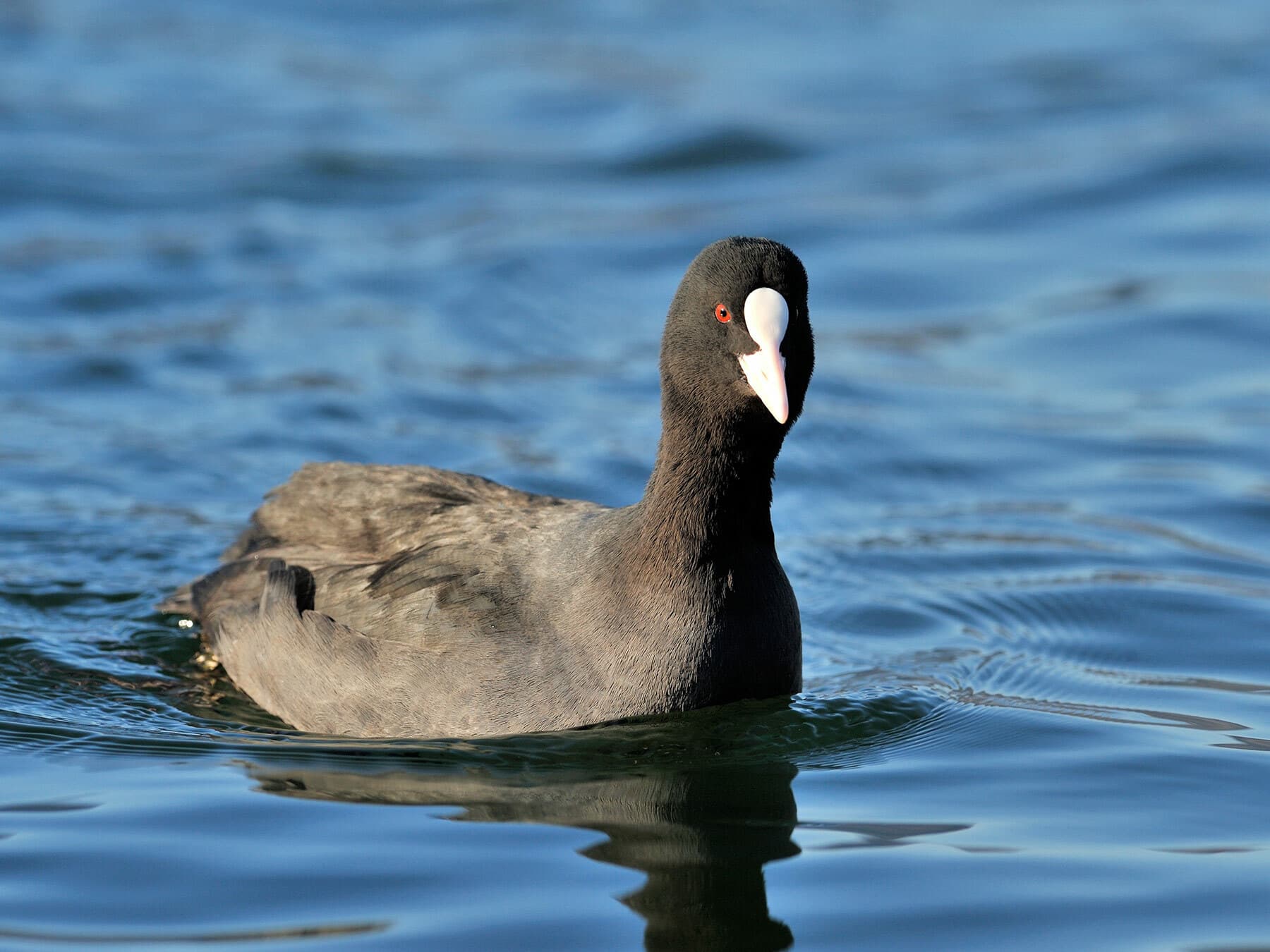
Coot
Fulica atraLC
Common year-round on lakes, gravel pits and reservoirs. Winter flocks can be large at sites like Hornsea Mere and Tophill Low.
Year-round
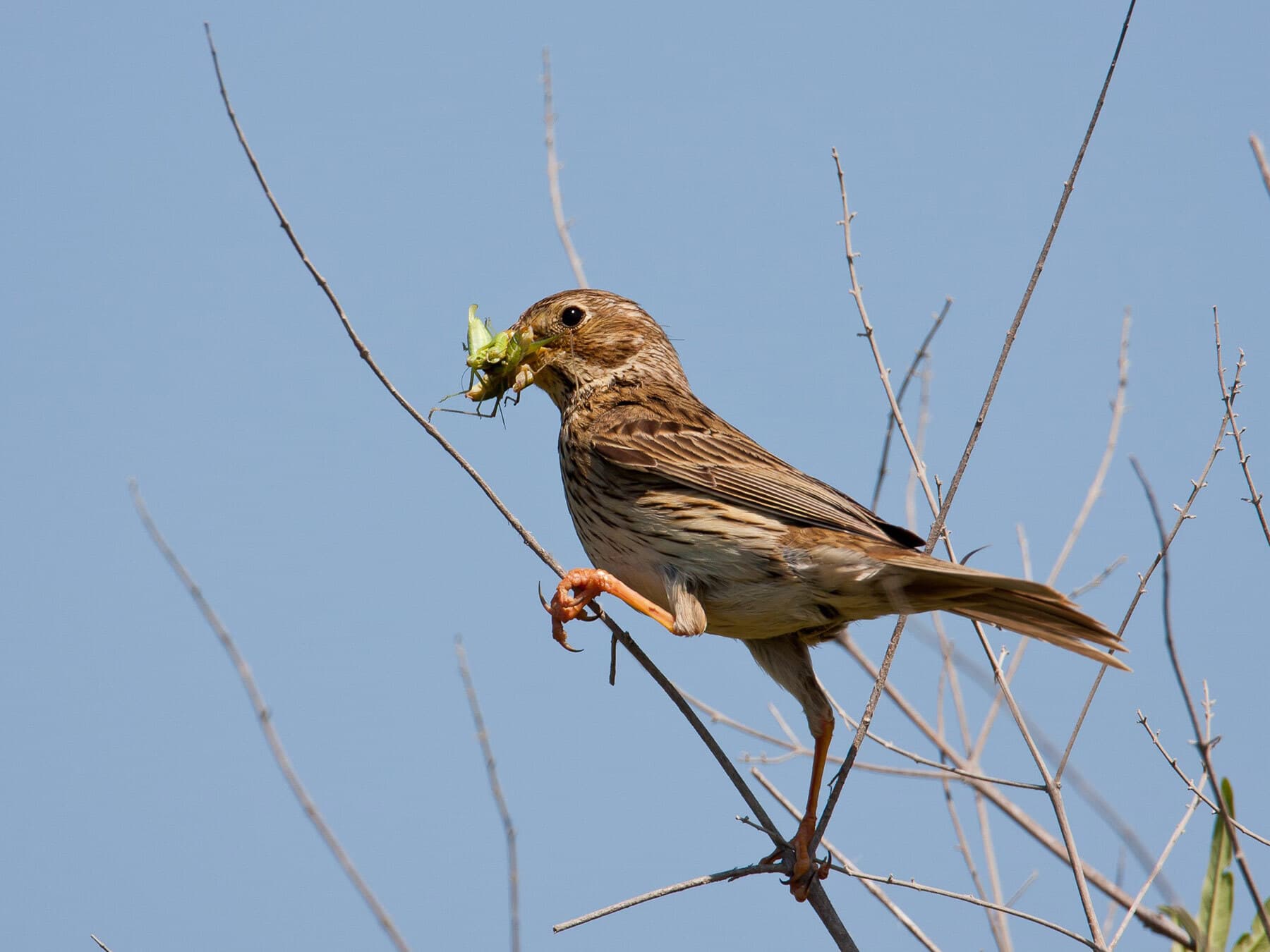
Corn Bunting
Emberiza calandraLC
An uncommon but year-round resident of open arable farmland on the Wolds and plains. A declining species of conservation concern.
Year-round
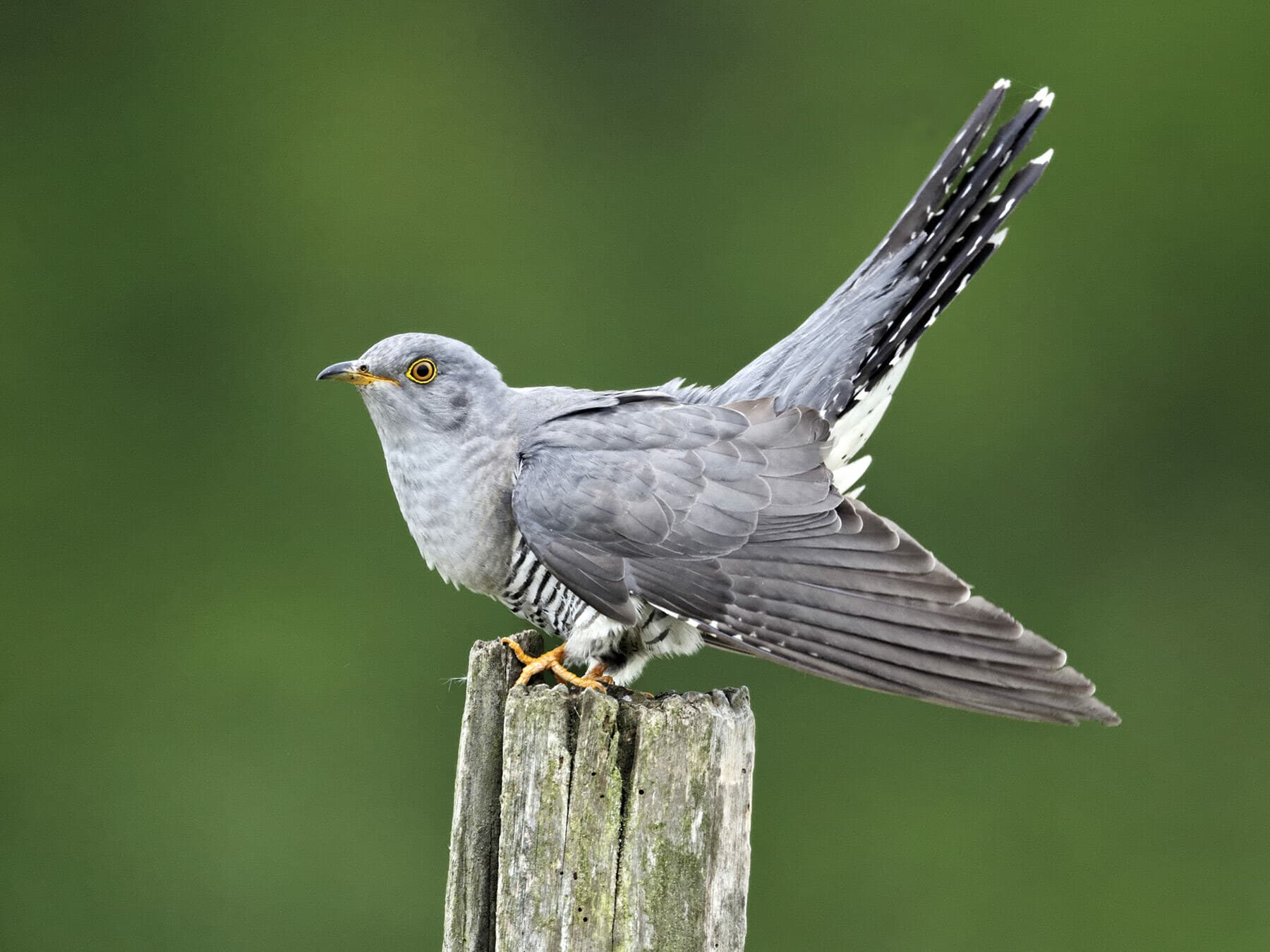
Cuckoo
Cuculus canorusLC
An uncommon breeding visitor from April to August, heard more often than seen in hedgerows and woodland edges. Numbers have declined significantly.
Apr–Aug
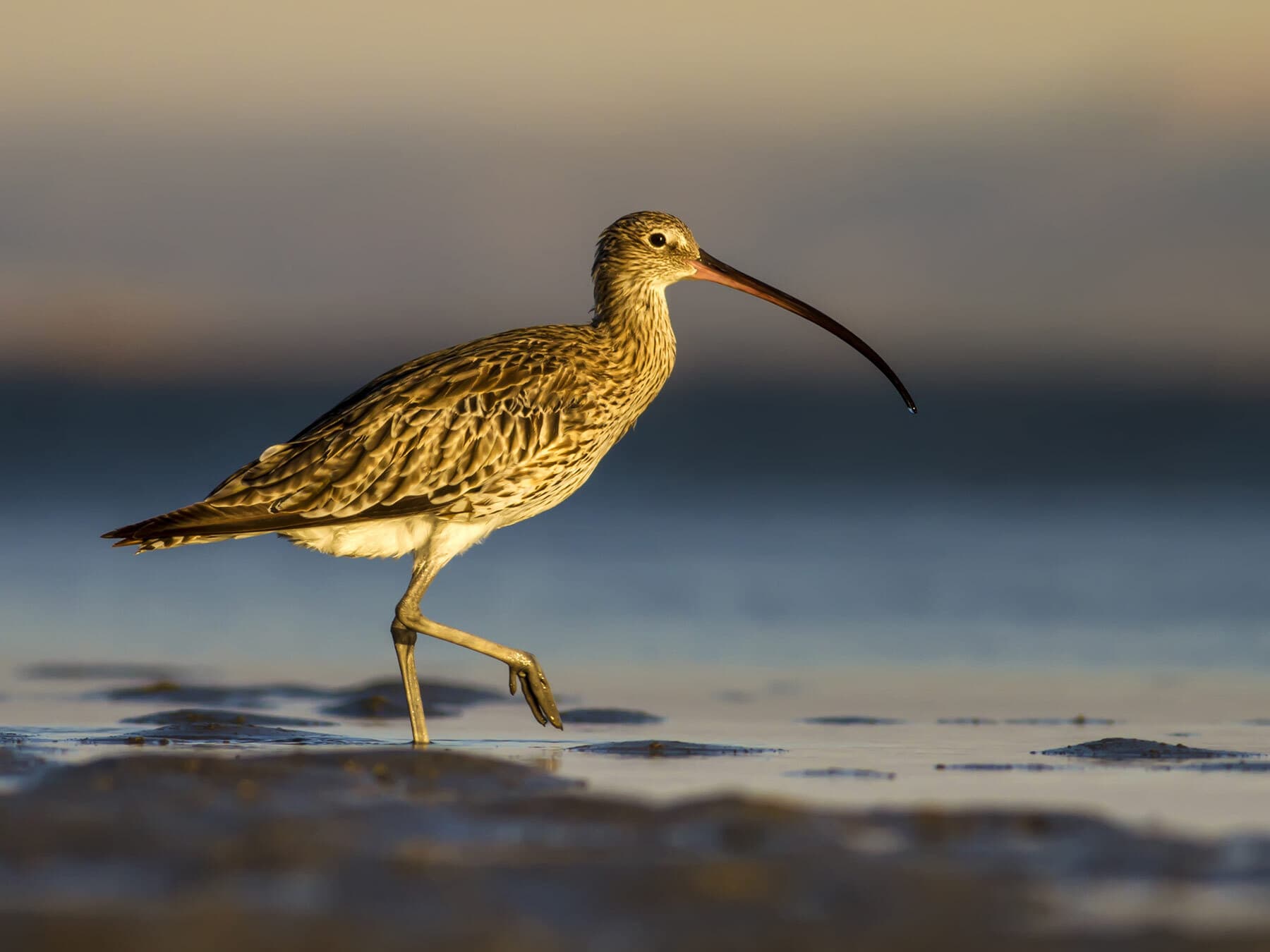
Curlew
Numenius arquataNT
A common year-round resident, breeding on farmland and moorland edges, wintering on the Humber mudflats. Its evocative call is iconic of the region.
Year-round
Spotted something?
Upload a photo to identify it
Identify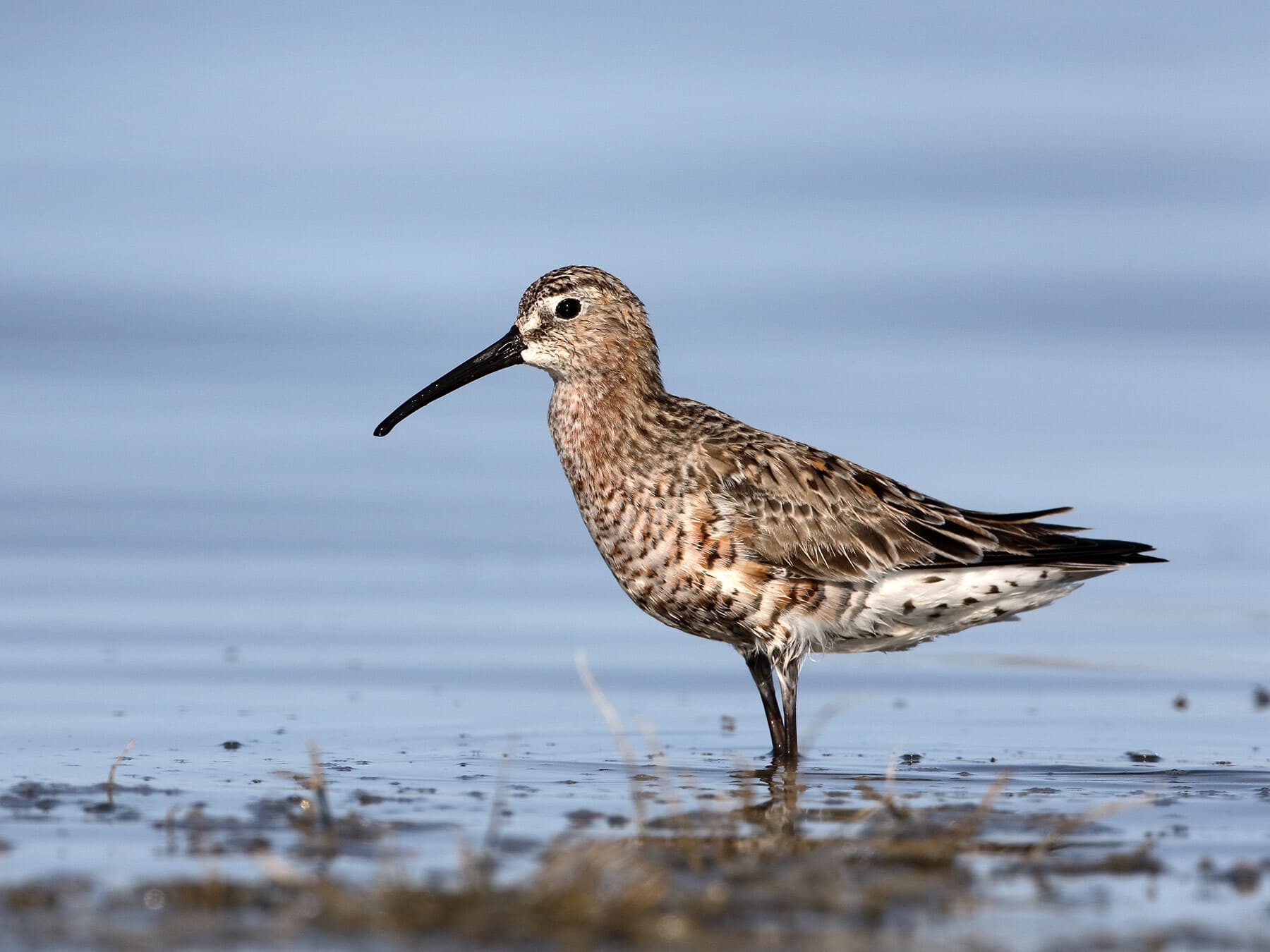
Curlew Sandpiper
Calidris ferrugineaNT
An uncommon visitor from May to October, favouring coastal scrapes and estuarine margins, often mixing with Dunlin flocks on passage.
May–Oct
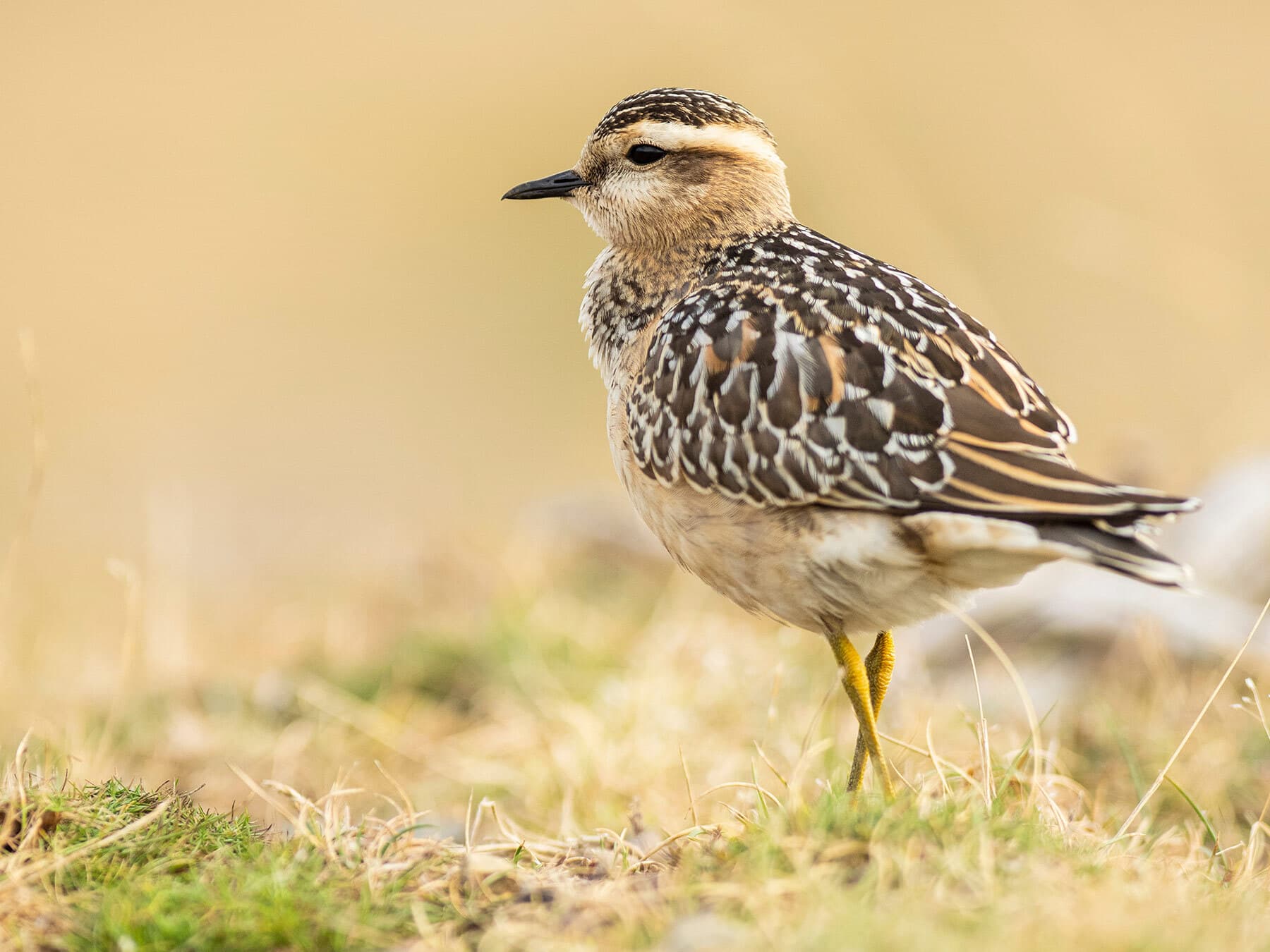
Dotterel
Eudromias morinellusLC
A rare passage migrant, occasionally stopping on arable fields in May and September. Remarkably tame, these 'trip' birds are eagerly sought.
May–Sep
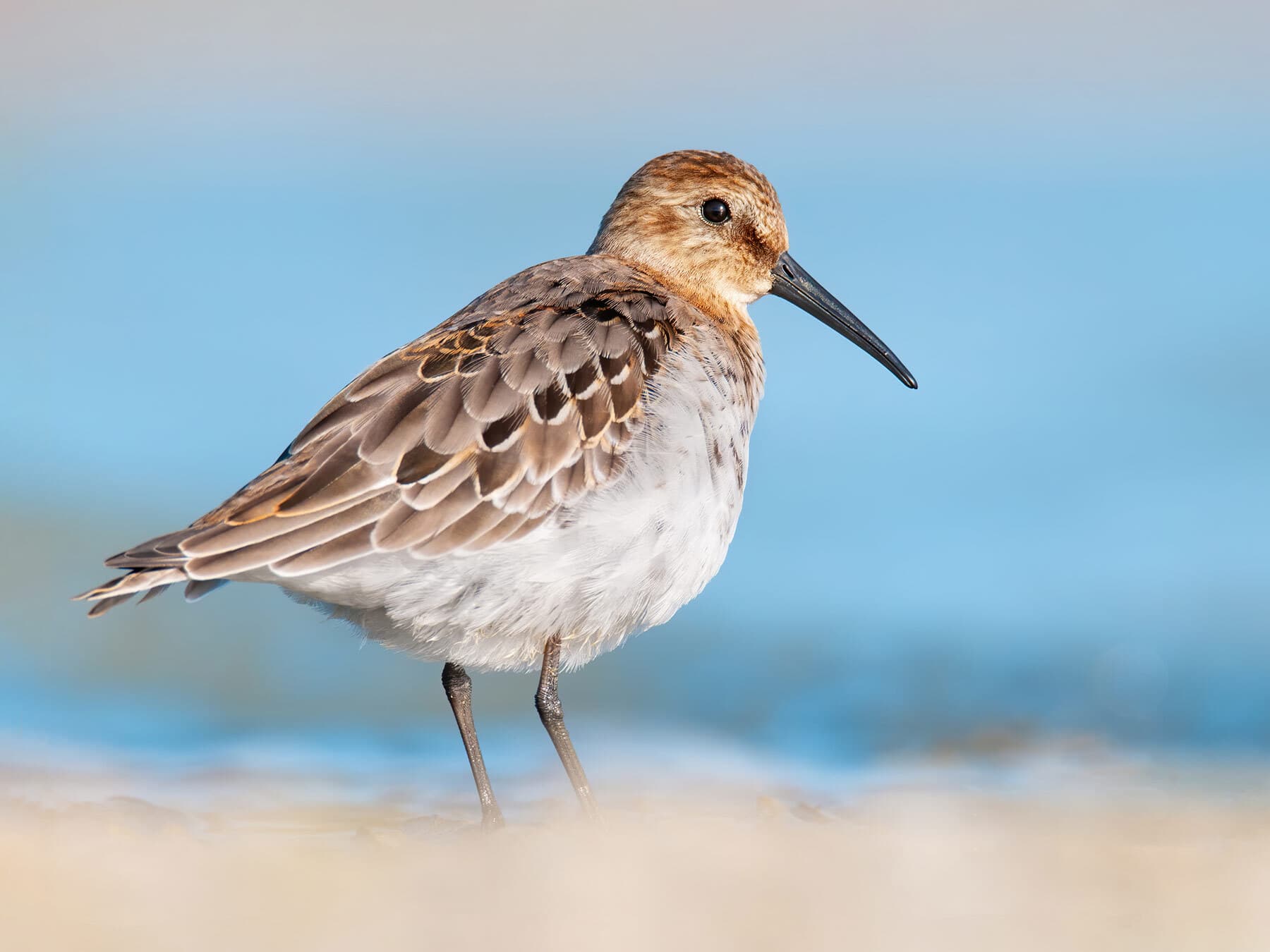
Dunlin
Calidris alpinaLC
A common resident of the Humber Estuary and coastal mudflats, forming large winter flocks. Breeds sparingly on nearby moorland.
Year-round
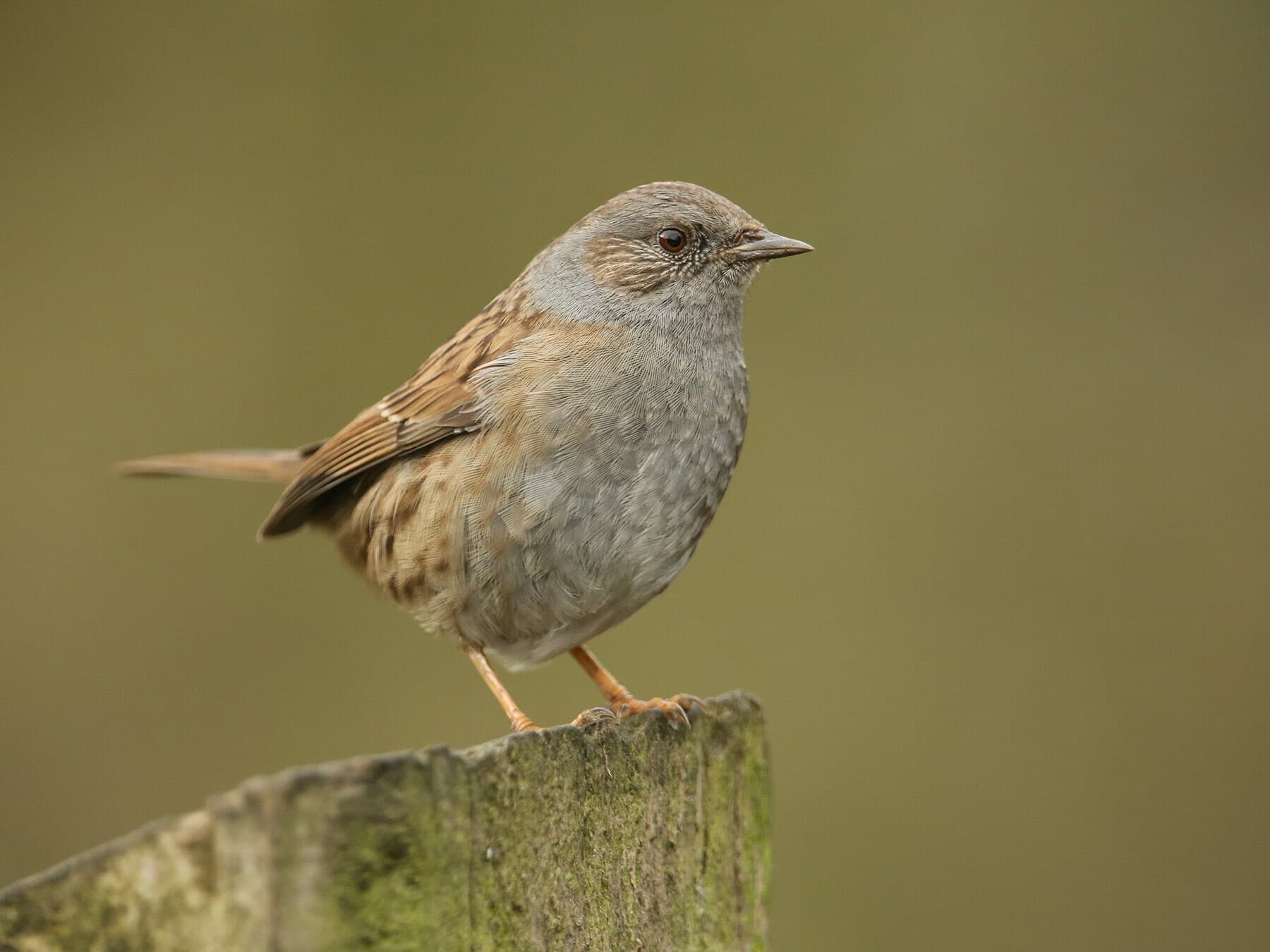
Dunnock
Prunella modularisLC
A common and widespread resident of hedgerows, gardens, and woodland edges. Its shuffling, mouse-like foraging is a familiar sight year-round.
Year-round
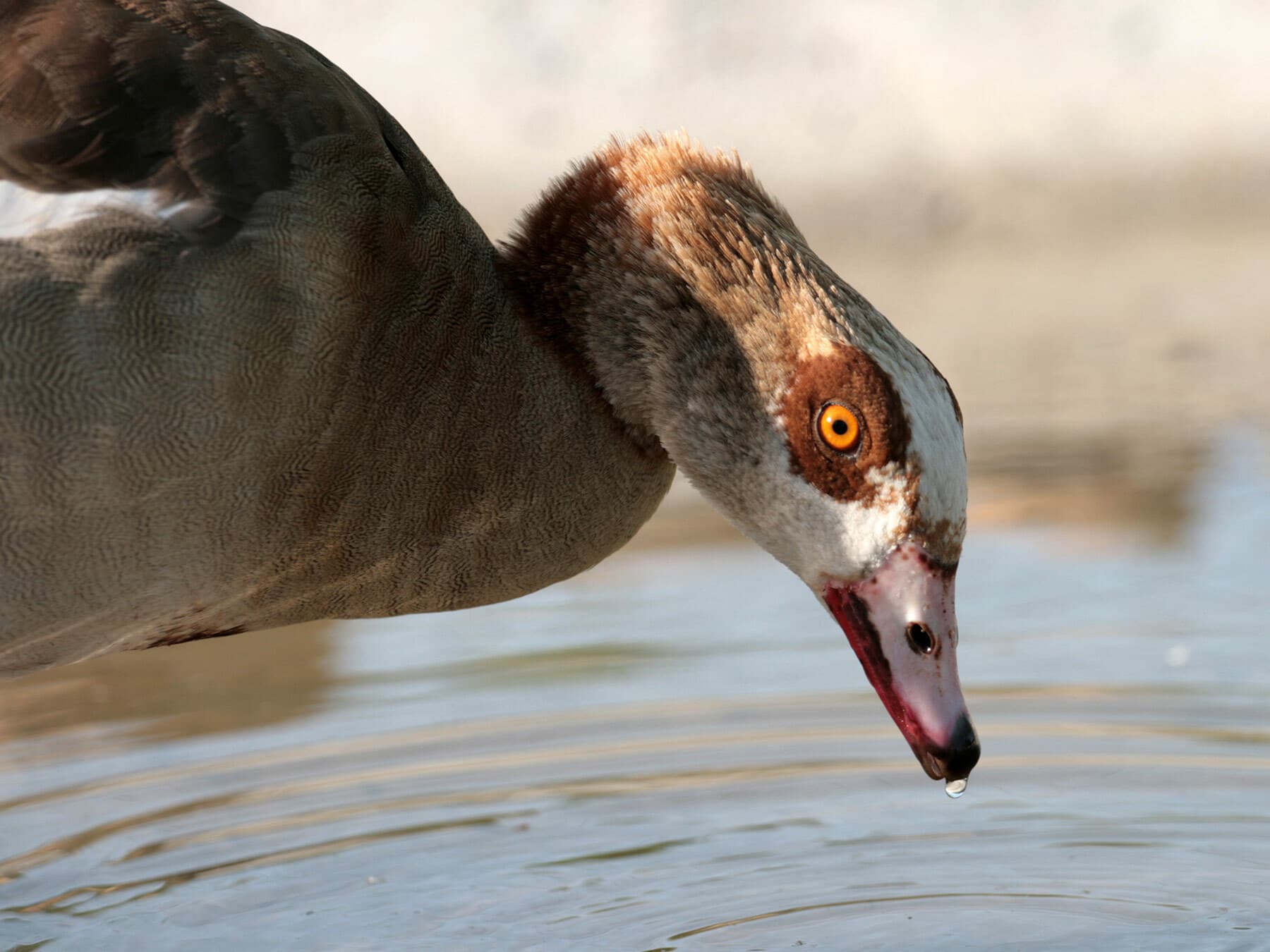
Egyptian Goose
Alopochen aegyptiacaLC
A rare but increasing feral resident, found year-round on lakes and gravel pits across the region.
Year-round
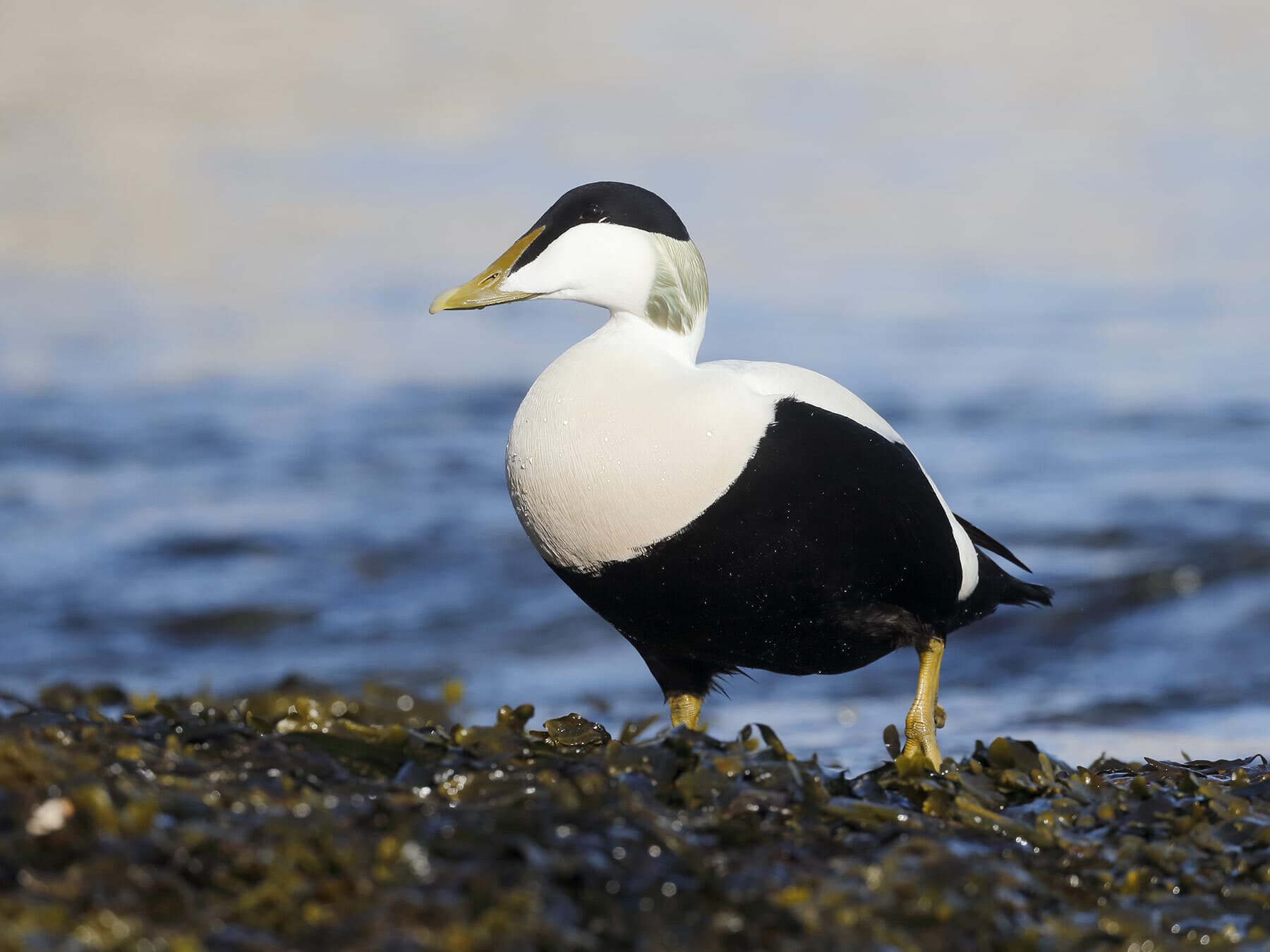
Eider
Somateria mollissimaNT
A rare resident along the coast, most reliably seen off Flamborough Head and Bridlington. Small numbers are present year-round on nearshore waters.
Year-round
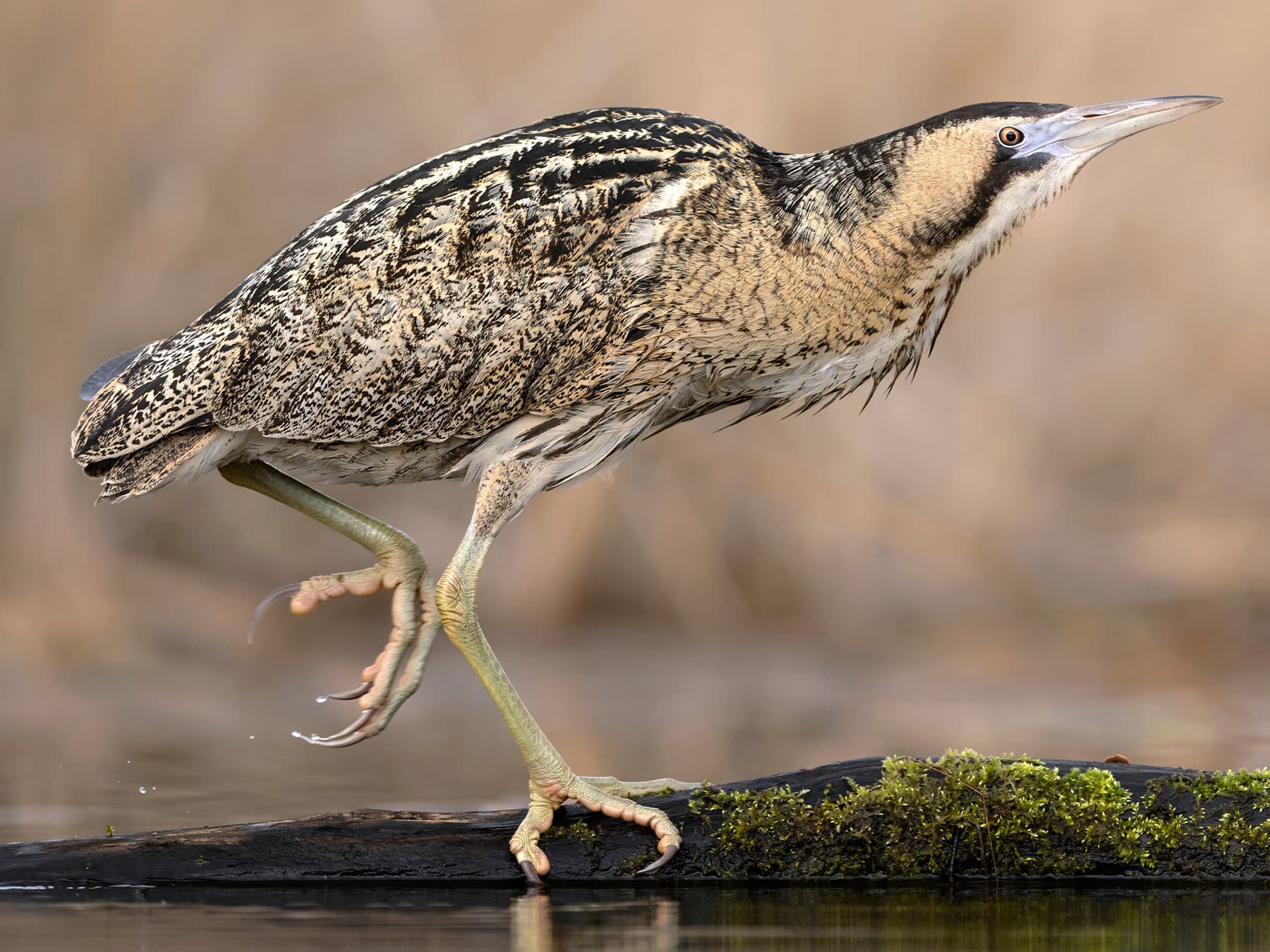
Eurasian Bittern
Botaurus stellarisLC
A rare and secretive resident of extensive reedbeds. Most likely encountered at reserves like Tophill Low, with booming males in spring.
Apr–Jan
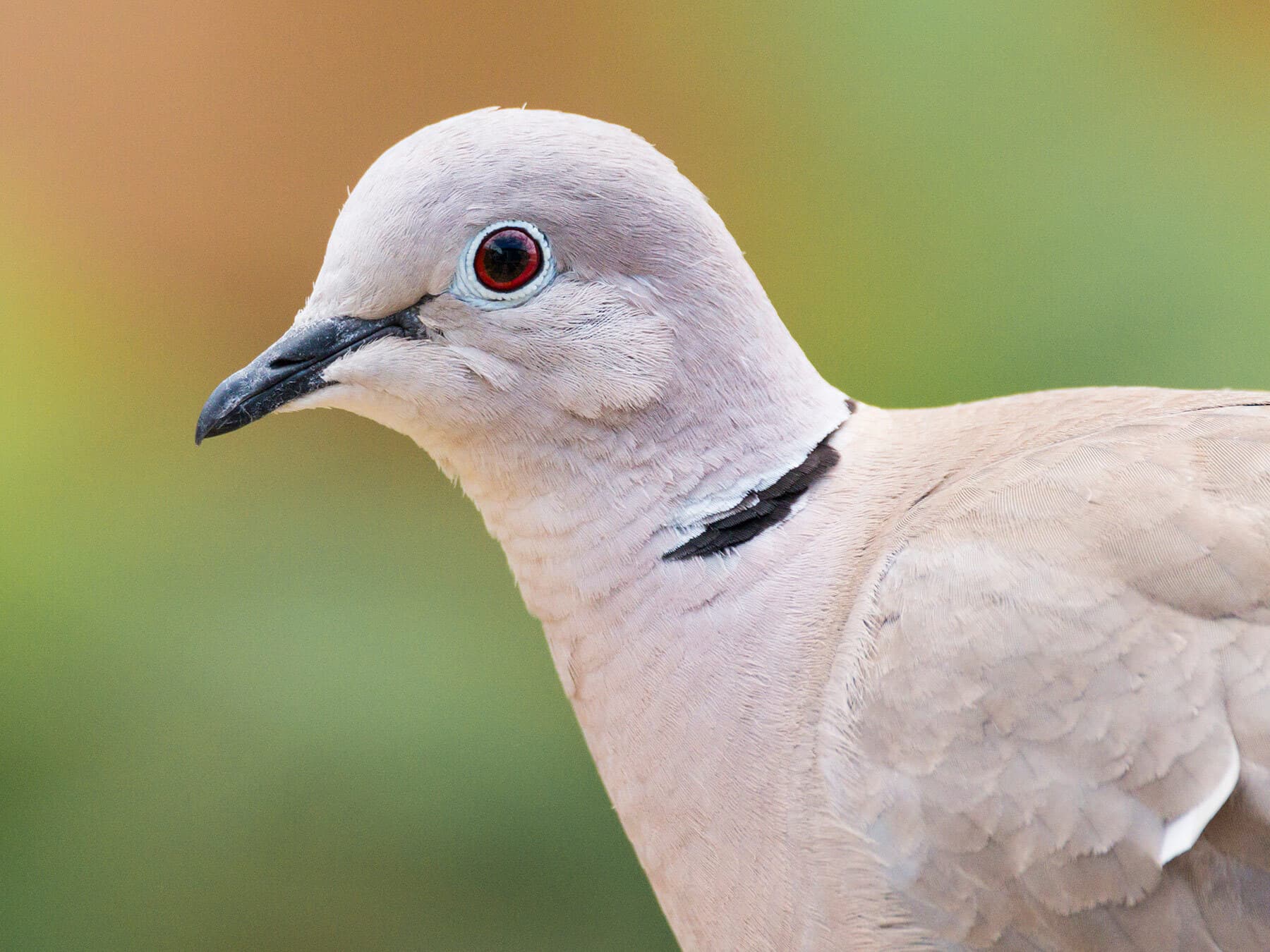
Eurasian Collared Dove
Streptopelia decaoctoLC
A common resident found year-round in towns, villages and farmyards across the East Riding, often heard giving its persistent three-note cooing call.
Year-round
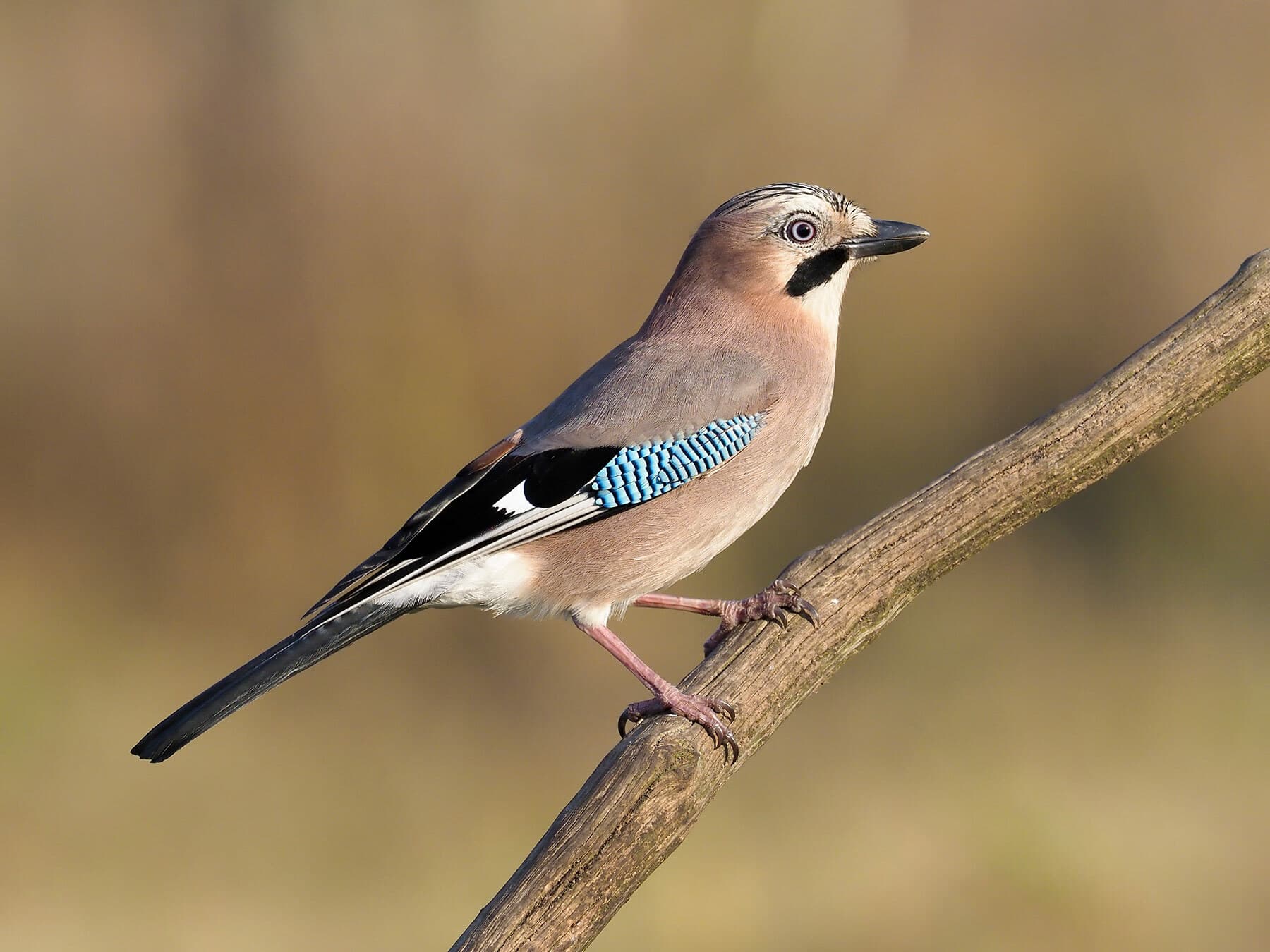
Eurasian Jay
Garrulus glandariusLC
A rare resident, largely confined to mature woodland on the western Wolds. The East Riding lies at the edge of its range in Yorkshire.
Year-round
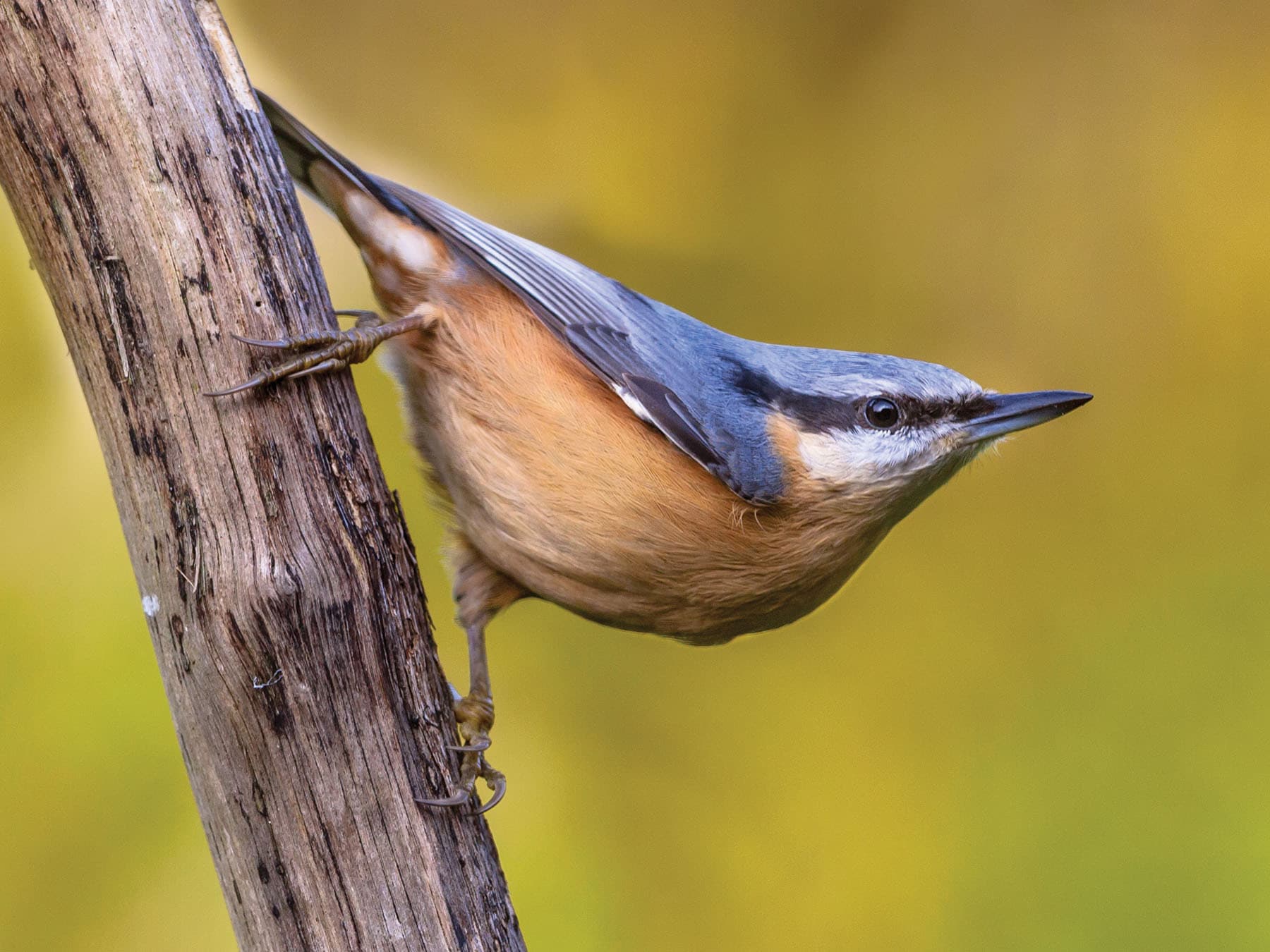
Eurasian Nuthatch
Sitta europaeaLC
A rare passage visitor, occasionally noted in April. The East Riding lies at the edge of its range, with mature woodland scarce in the area.
Apr
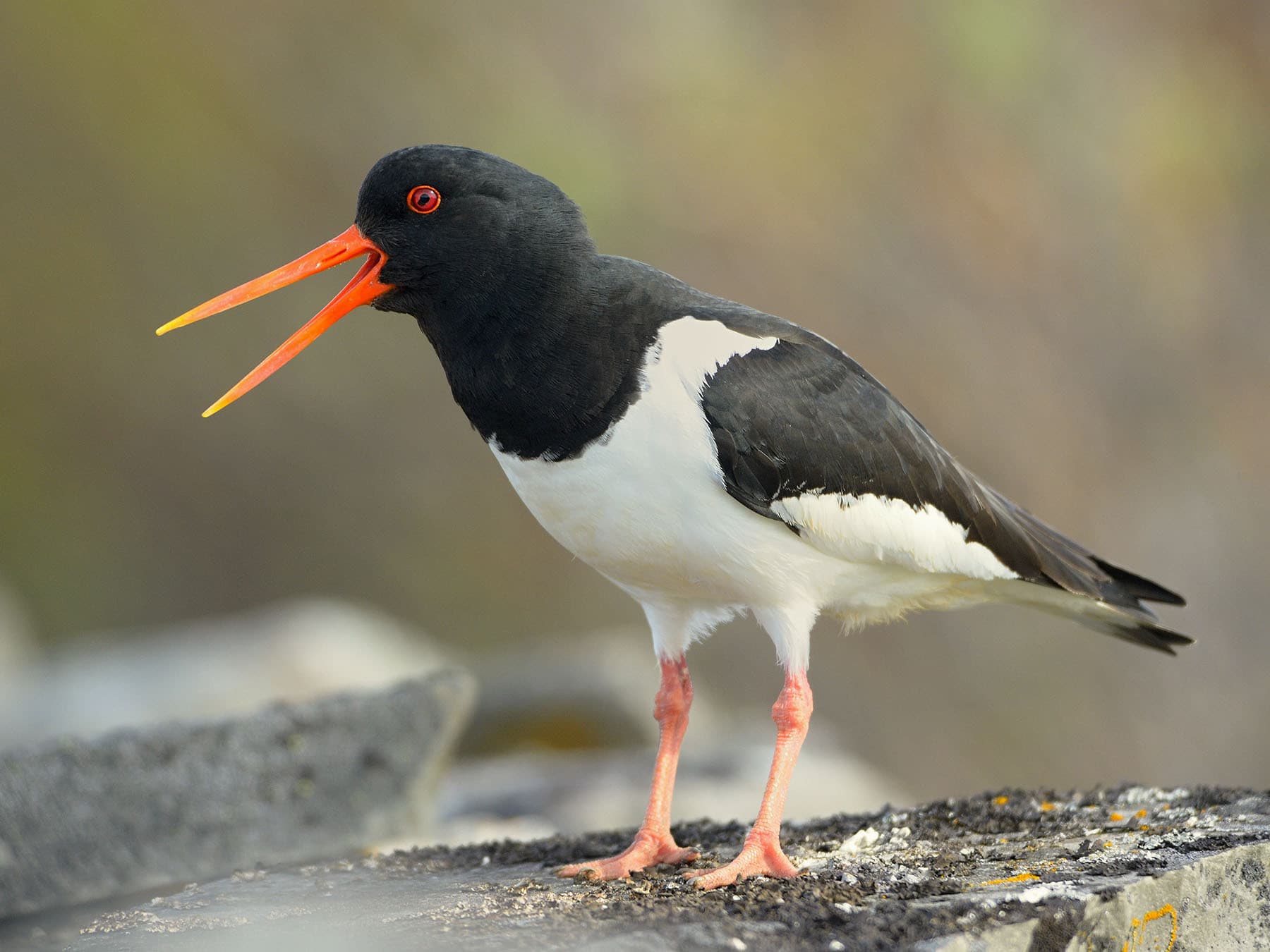
Eurasian Oystercatcher
Haematopus ostralegusNT
A common resident along the Humber estuary and coast, also breeding inland on farmland. Its loud piping call is a familiar sound year-round.
Year-round
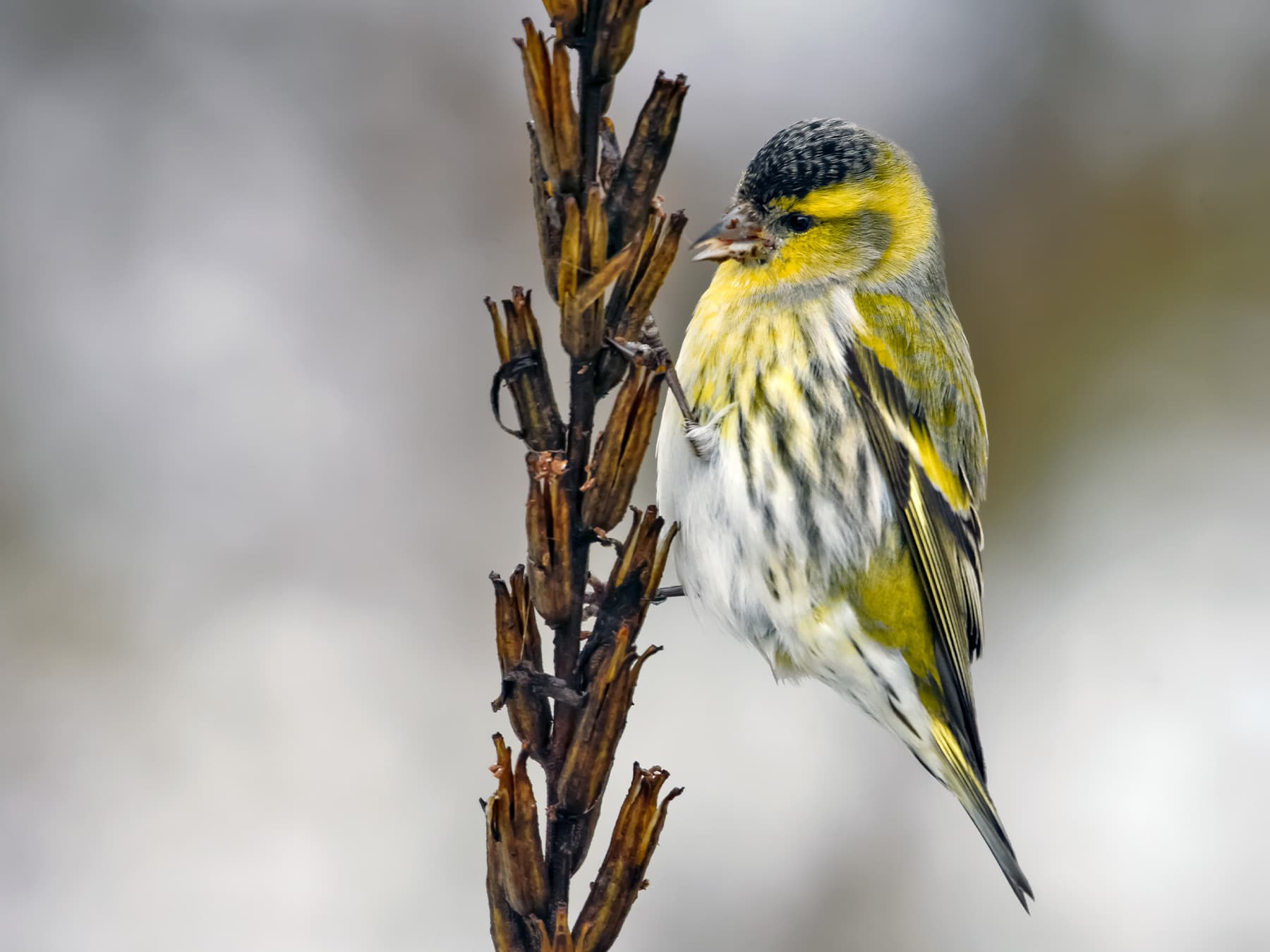
Eurasian Siskin
Spinus spinusLC
An uncommon resident most visible in winter when flocks visit alder trees and garden feeders. Breeds sparingly in conifer woodland.
Year-round
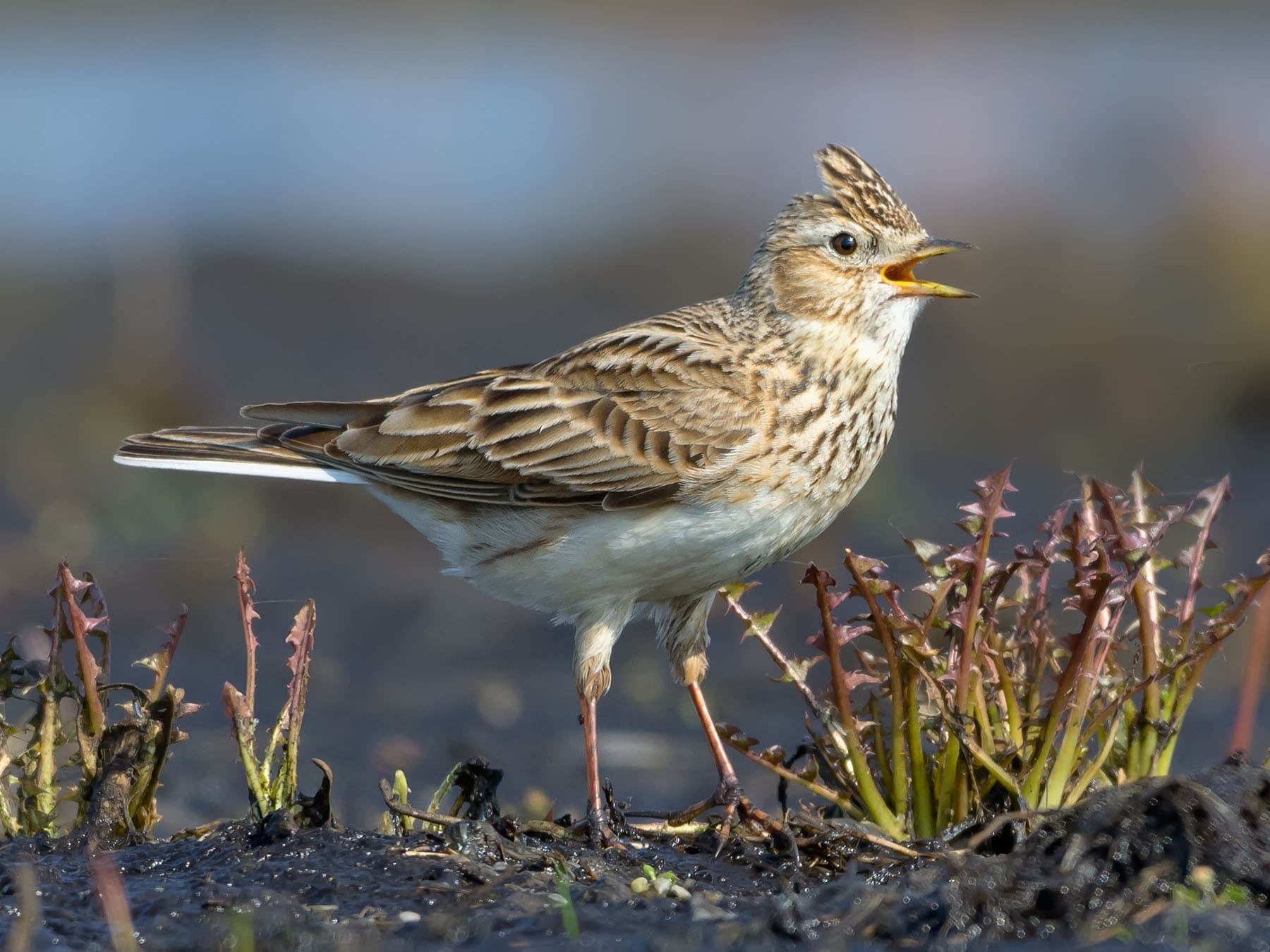
Eurasian Skylark
Alauda arvensisLC
A common resident of the Wolds' arable fields and coastal grasslands, delivering its song flight year-round but especially in spring.
Year-round
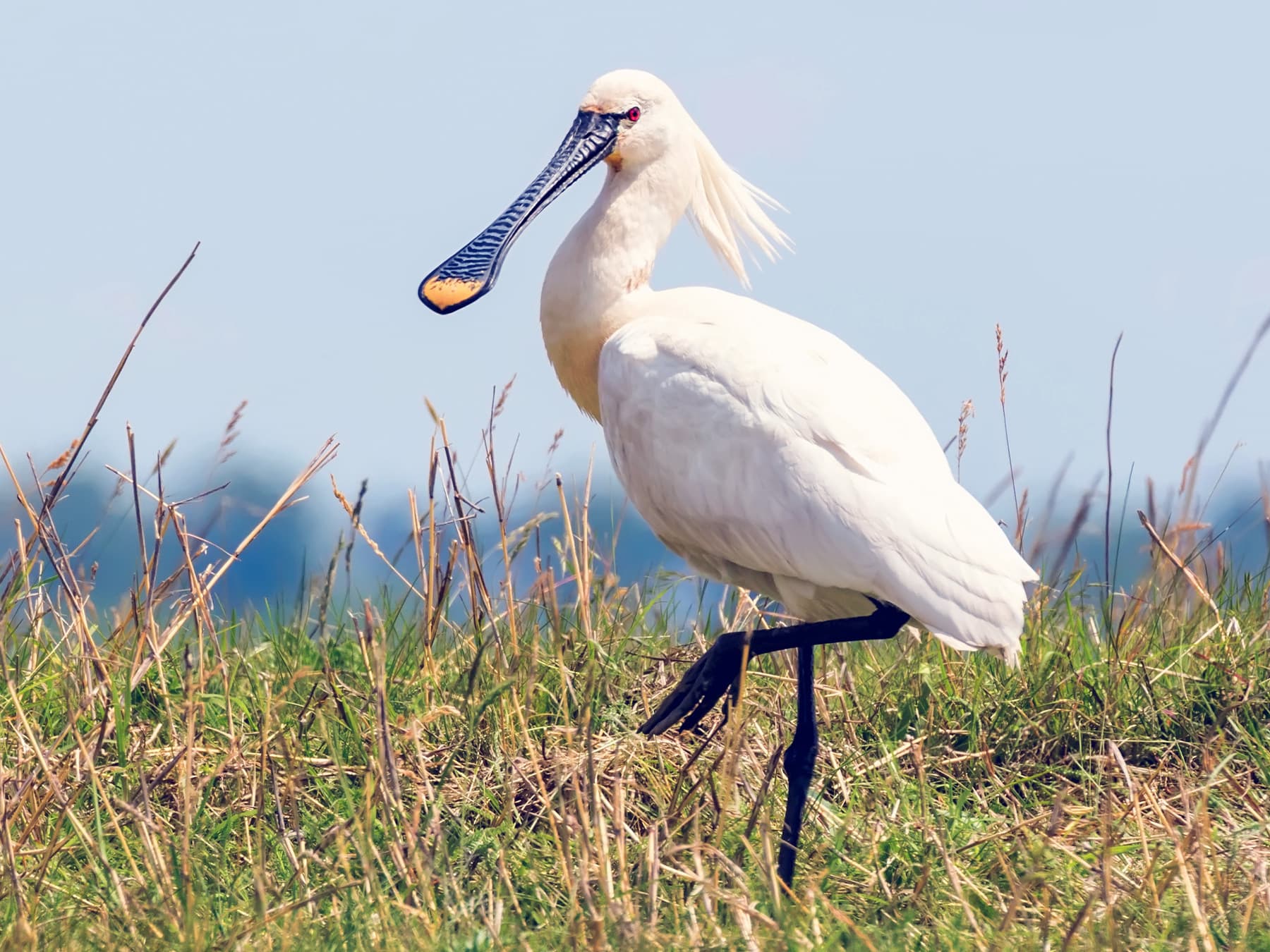
Eurasian Spoonbill
Platalea leucorodiaLC
An uncommon but increasing breeder, present from April to September at wetland reserves such as Tophill Low and the Humber area.
Apr–Sep
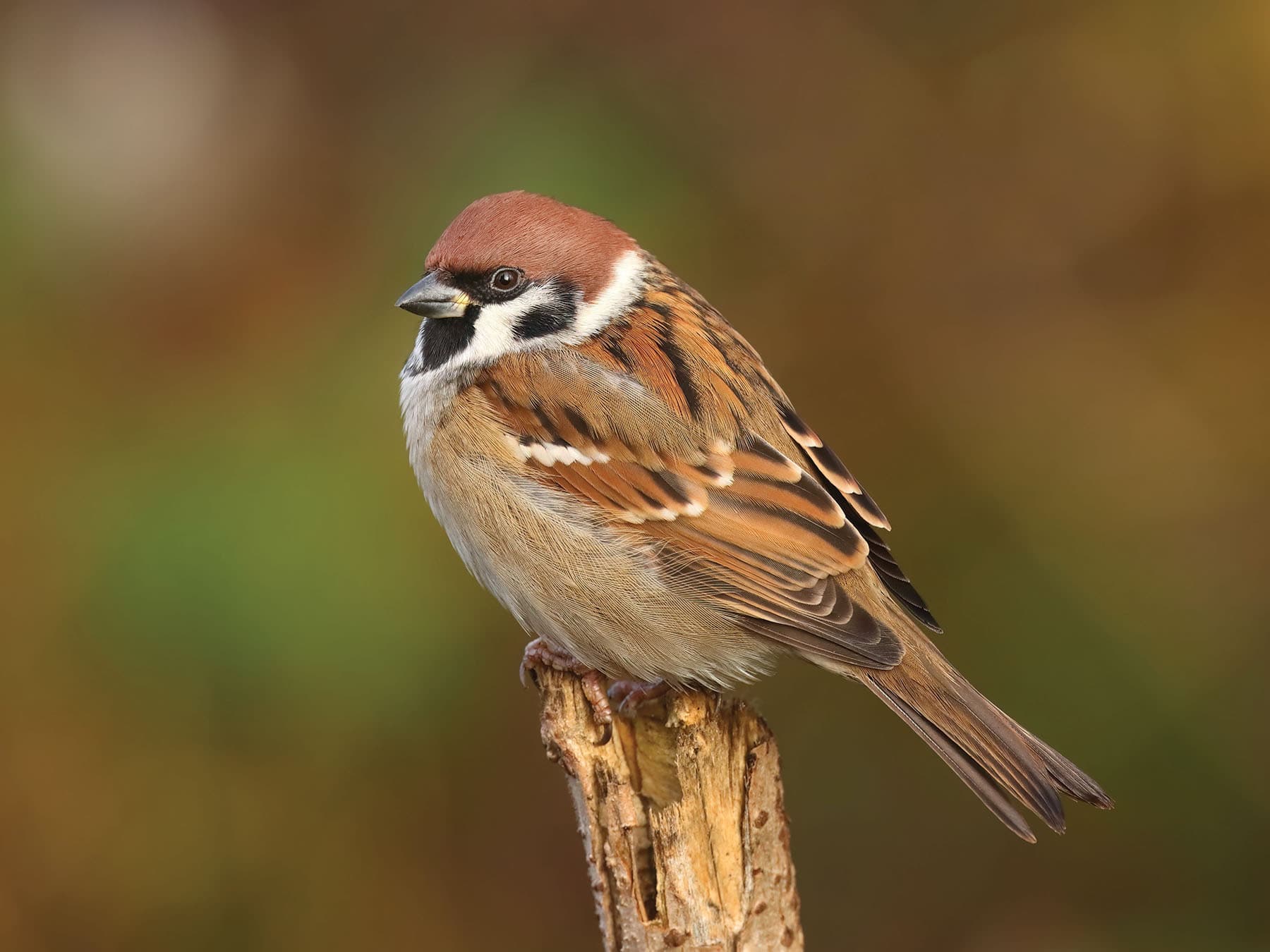
Eurasian Tree Sparrow
Passer montanusLC
A common year-round resident, more widespread here than in most of England. Favours farmland hedgerows and rural gardens across the region.
Year-round