Birds in East Riding of Yorkshire
Explore 233 species found in this region.
The East Riding of Yorkshire supports an impressive diversity of birdlife, with around 230 species recorded across its varied landscapes. From the dramatic chalk cliffs of Flamborough Head and Bempton to the expansive wetlands of the Humber Estuary, the region offers habitats that attract everything from breeding seabird colonies to scarce migrants such as Bluethroat and Great Grey Shrike. Wading birds like Northern Lapwing and Dotterel, along with coastal specialists such as Common Shelduck, make this county a rewarding destination for birdwatchers year-round.
Visiting in September? Look out for Bluethroat and Brambling arriving this month, and Black-crowned Night-heron and Cuckoo depart for the season.


Showing 24–46 of 233 species
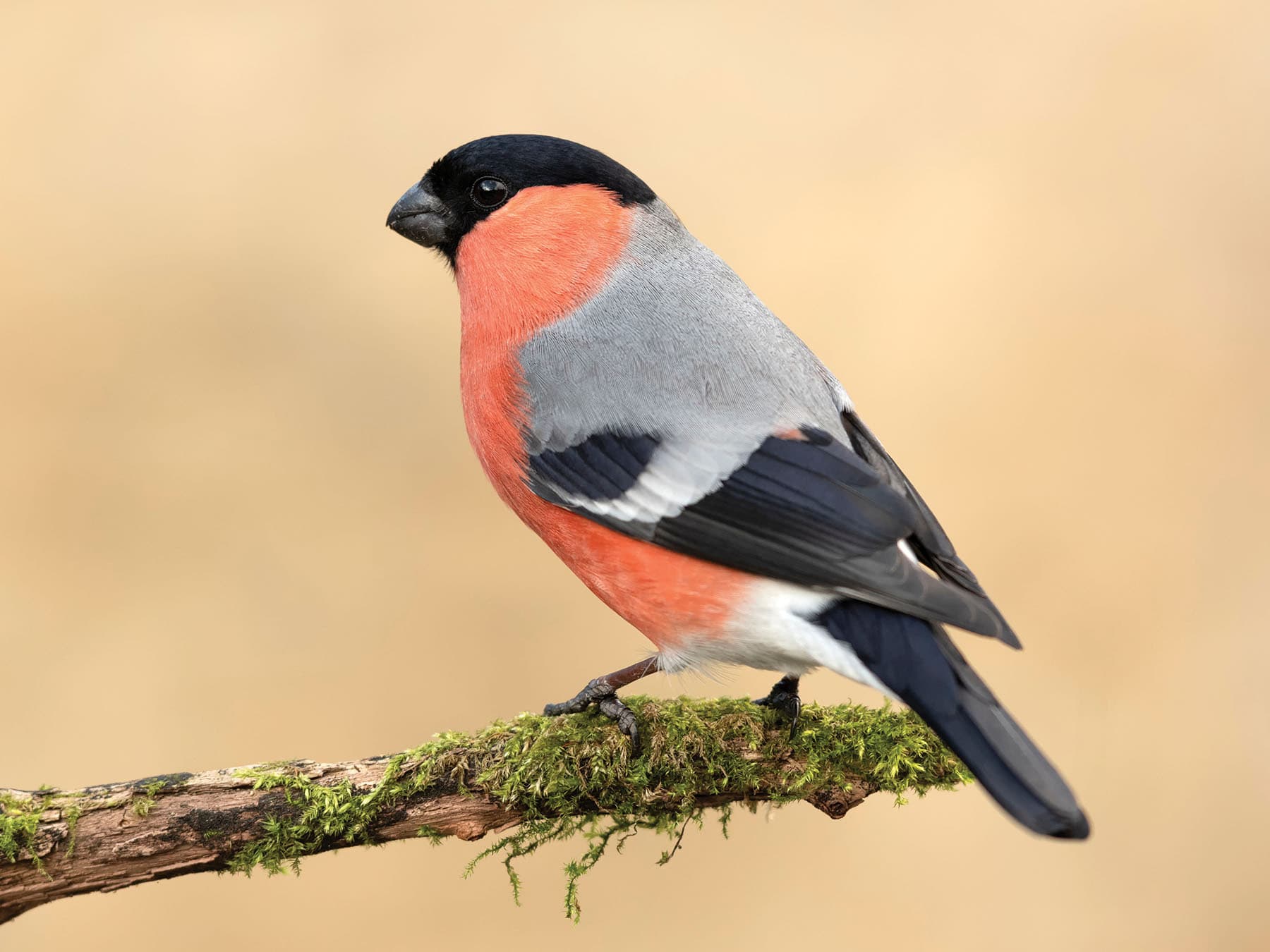
Bullfinch
Pyrrhula pyrrhulaLC
An uncommon resident found in hedgerows, orchards and woodland edges year-round. Its soft piping call often betrays its presence.
Year-round
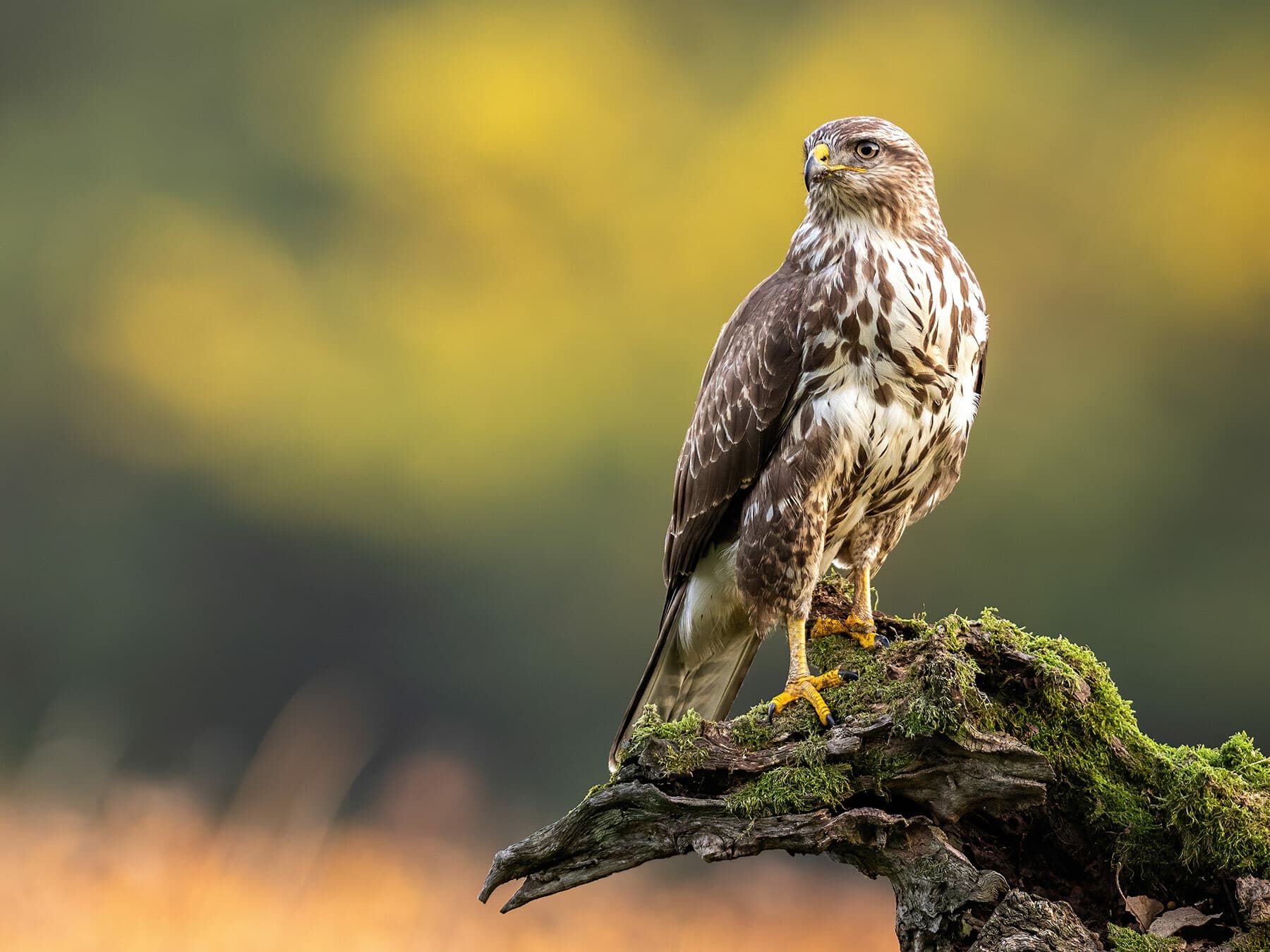
Buzzard
Buteo buteoLC
A common year-round resident, frequently seen soaring over the Wolds and farmland. Has increased markedly in recent decades.
Year-round
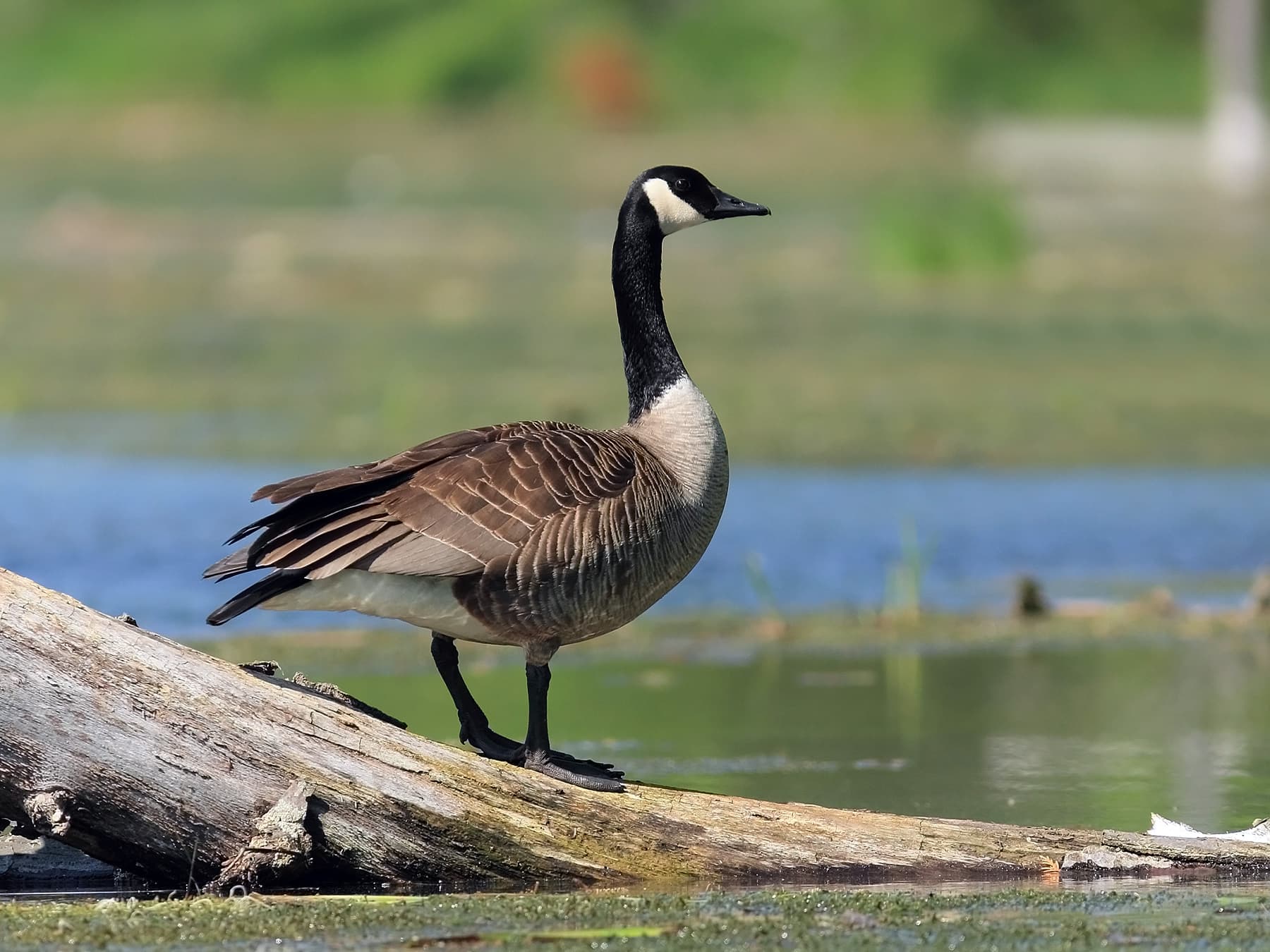
Canada Goose
Branta canadensisLC
An established but uncommon resident found on lakes, gravel pits, and parkland throughout the year.
Year-round
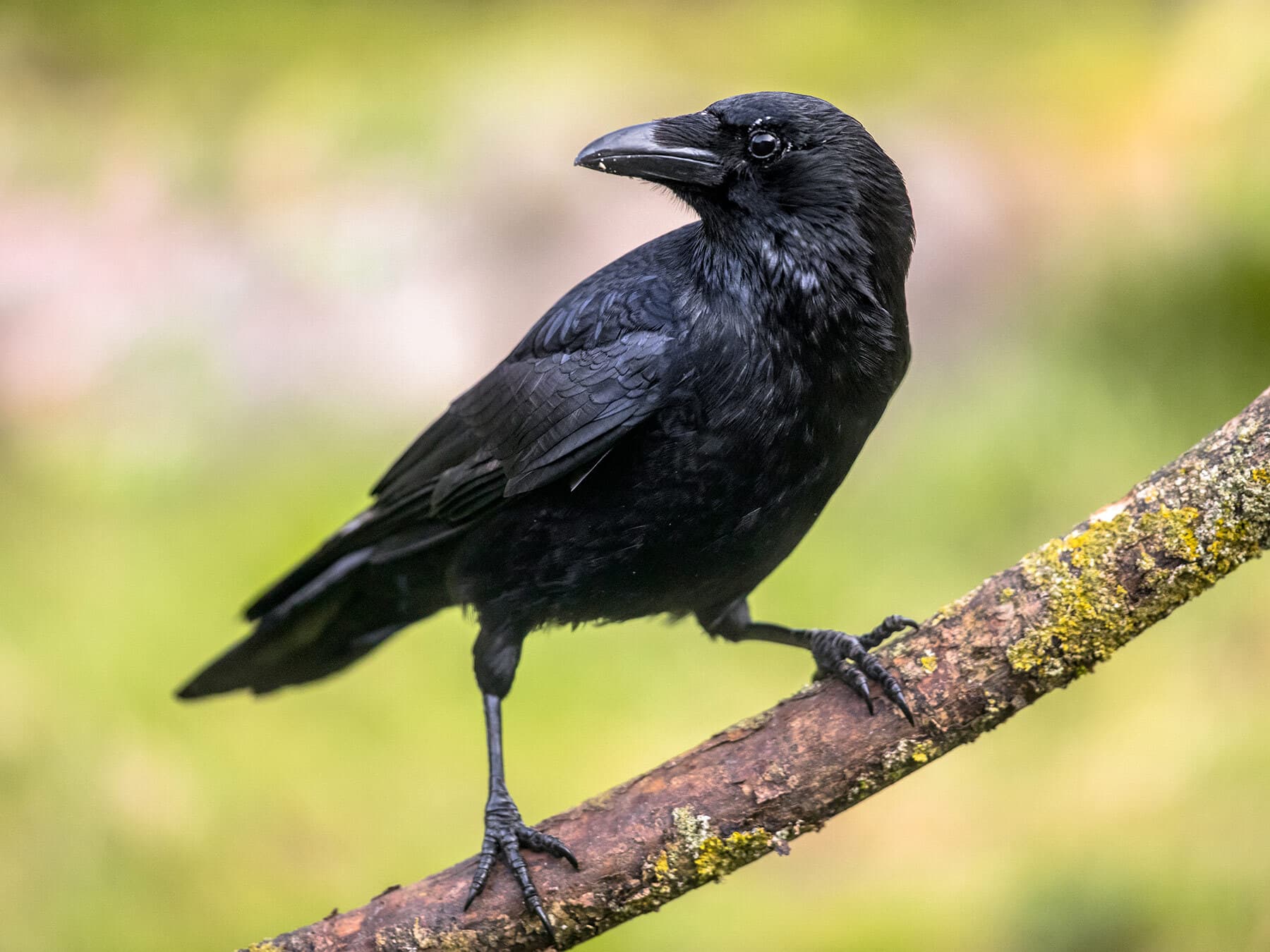
Carrion Crow
Corvus coroneLC
An abundant and adaptable resident found across all habitats from farmland to urban centres. Present throughout the year.
Year-round
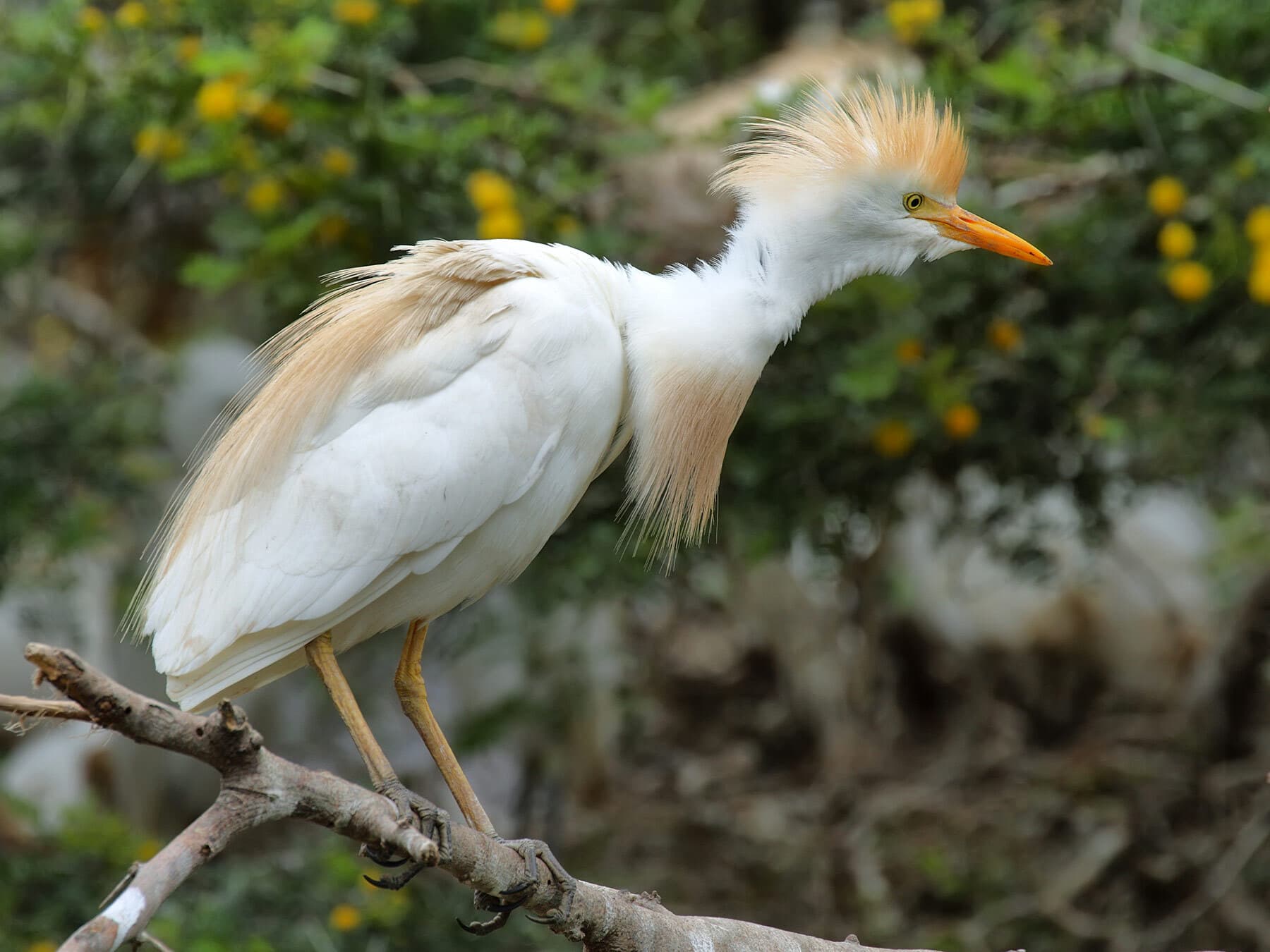
Cattle Egret
Bubulcus ibisLC
A rare summer visitor, part of a recent northward range expansion. Occasionally seen near livestock in lowland pastures during June and July.
Jun–Jul
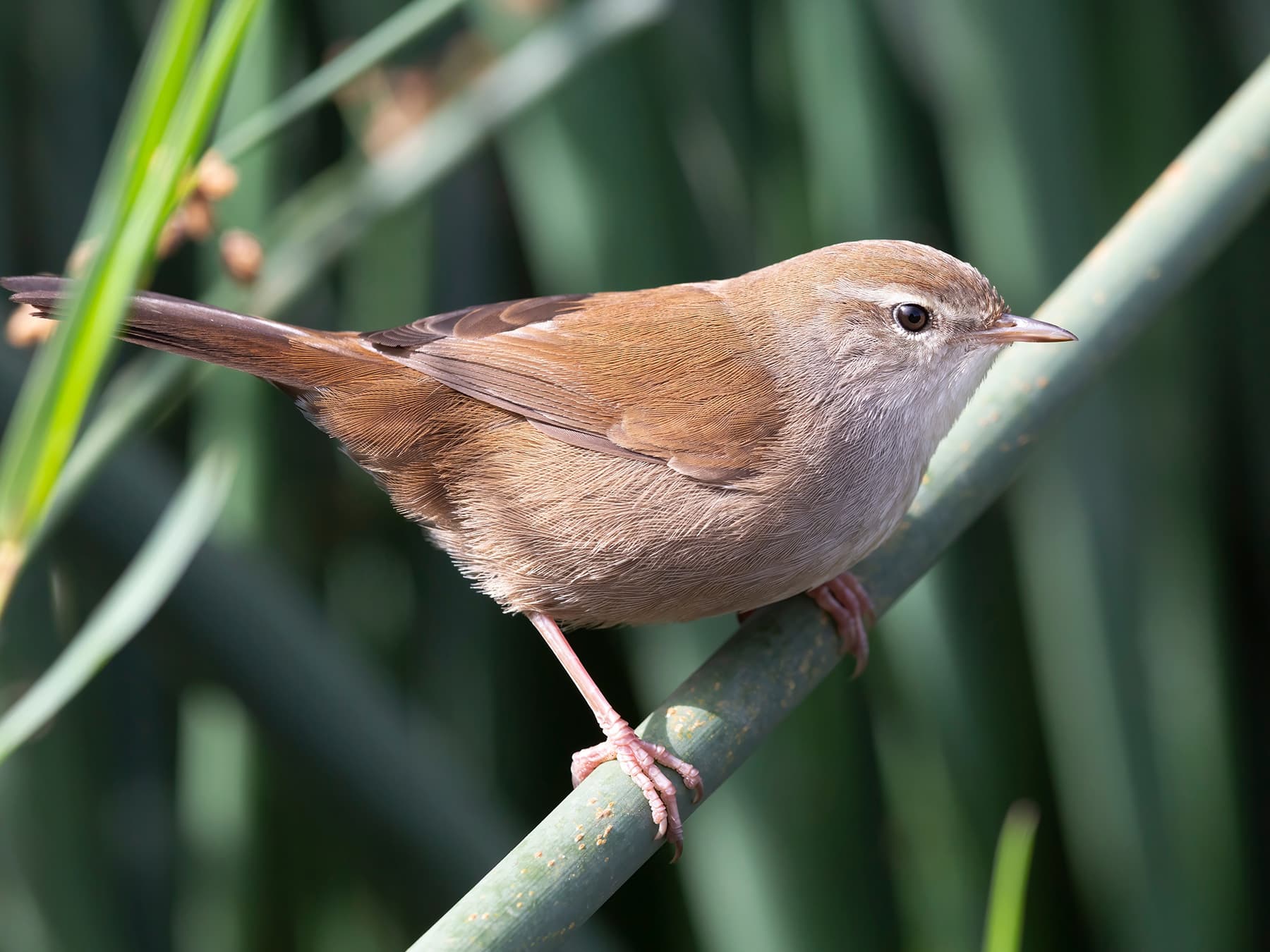
Cetti's Warbler
Cettia cettiLC
An uncommon but increasing resident, establishing itself in reedbeds and dense waterside vegetation. More often heard than seen.
Year-round
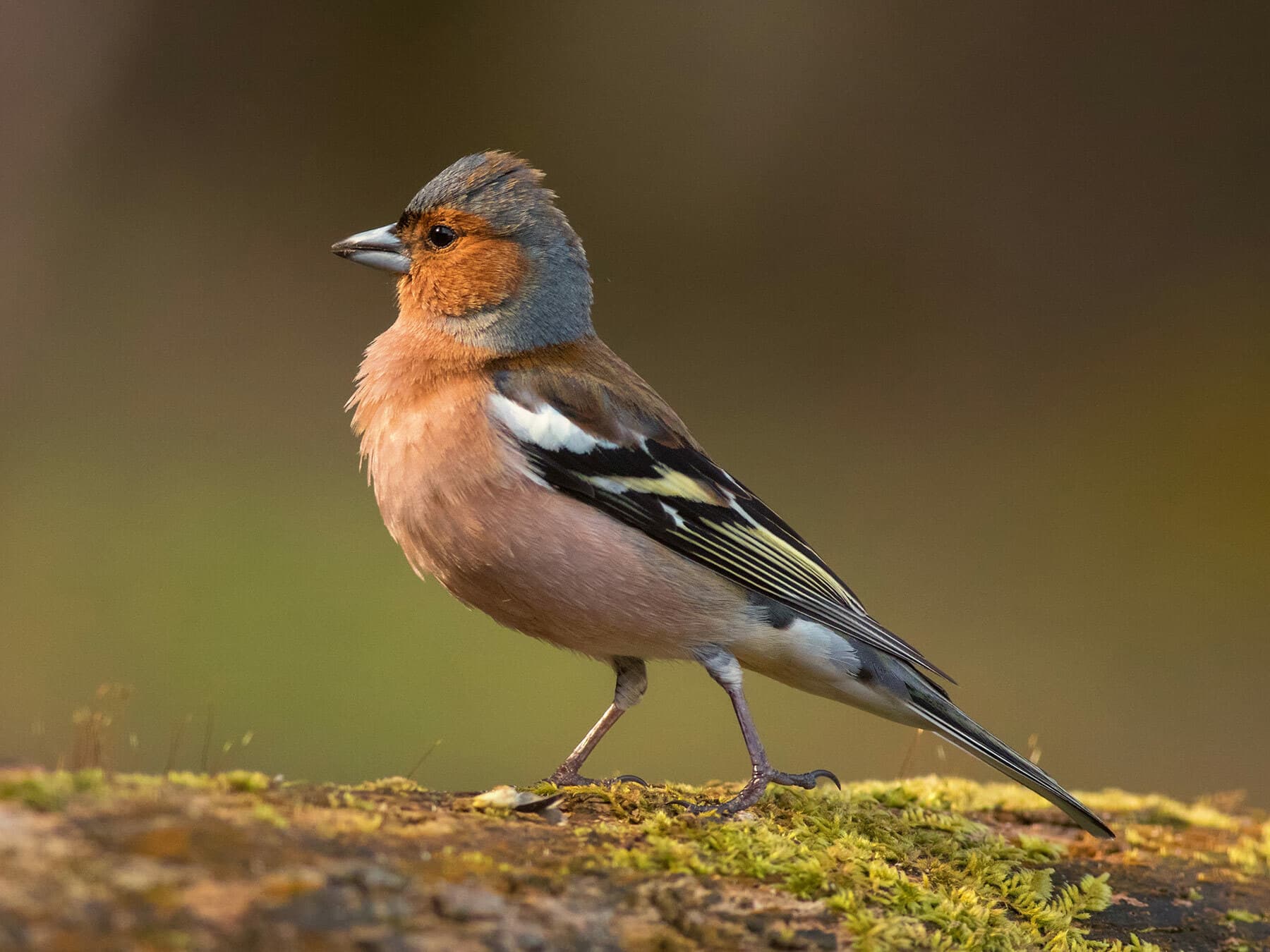
Chaffinch
Fringilla coelebsLC
A common and familiar resident of woodland, hedgerows, and gardens. Continental migrants boost numbers along the coast in autumn.
Year-round
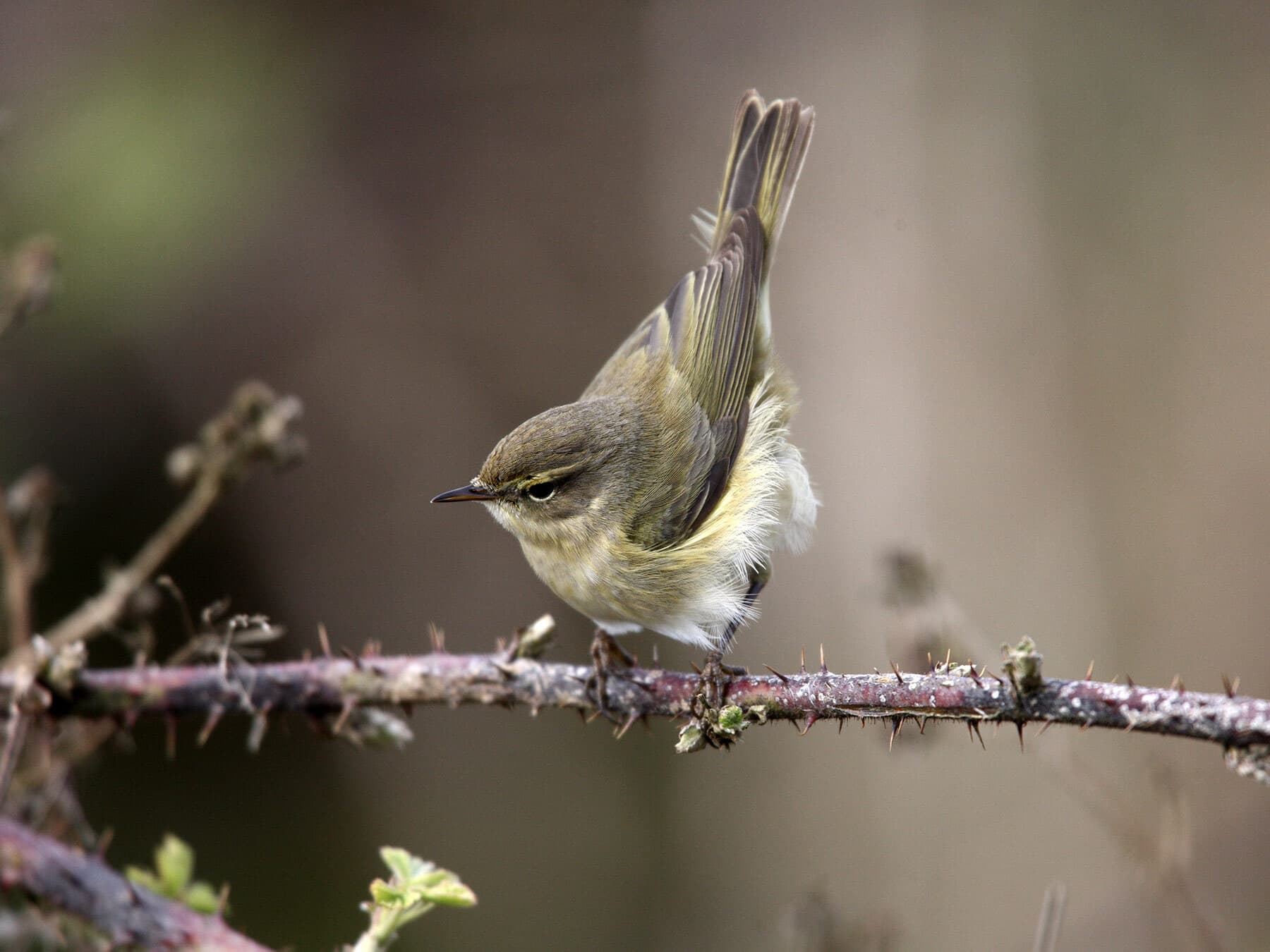
Chiffchaff
Phylloscopus collybitaLC
A common resident heard year-round, with numbers boosted by continental migrants in autumn. Increasingly overwinters in the region.
Year-round
Spotted something?
Upload a photo to identify it
Identify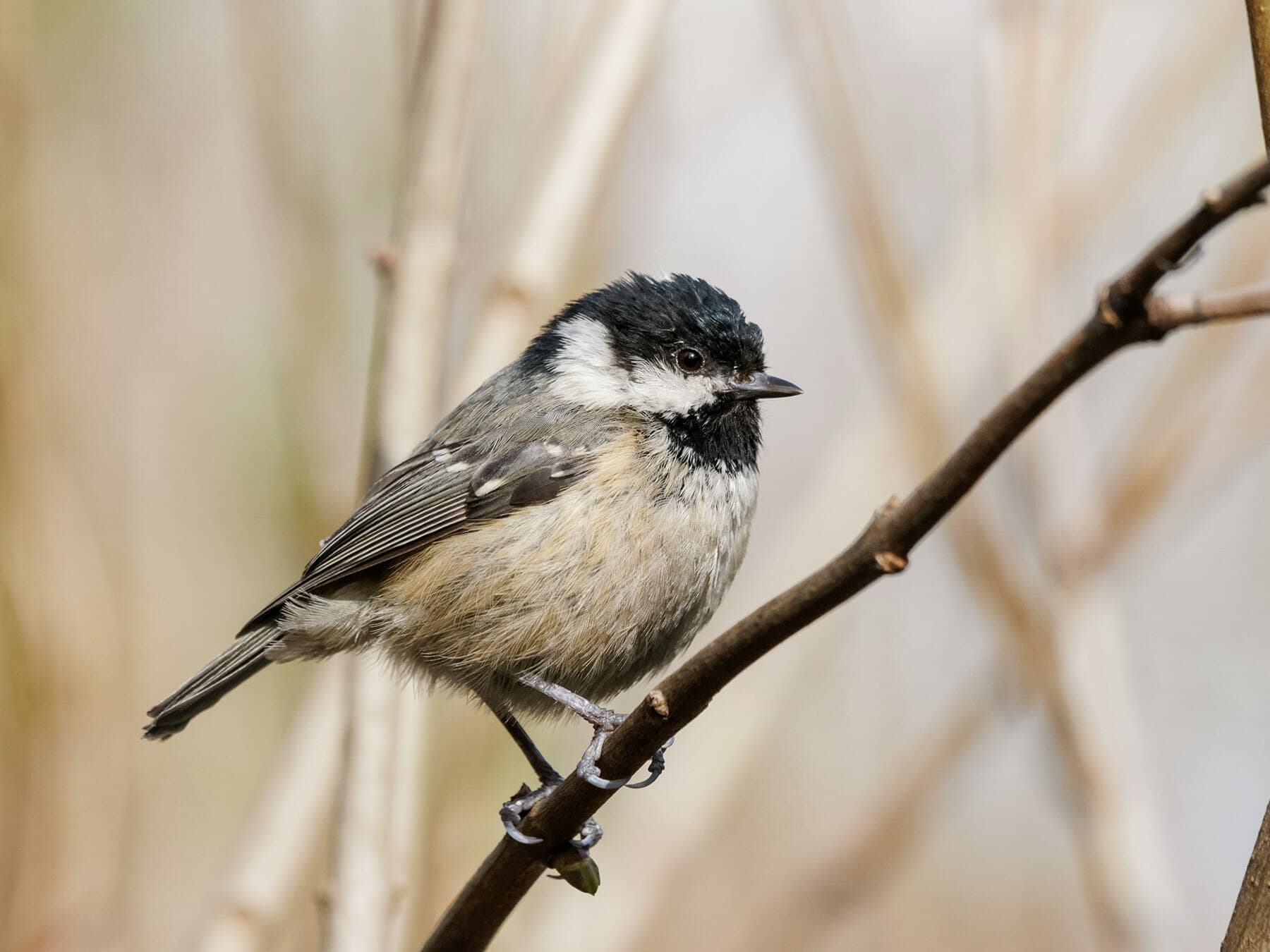
Coal Tit
Periparus aterLC
An uncommon resident of coniferous and mixed woodland. Less numerous here than in western Yorkshire but present year-round at suitable sites.
Year-round
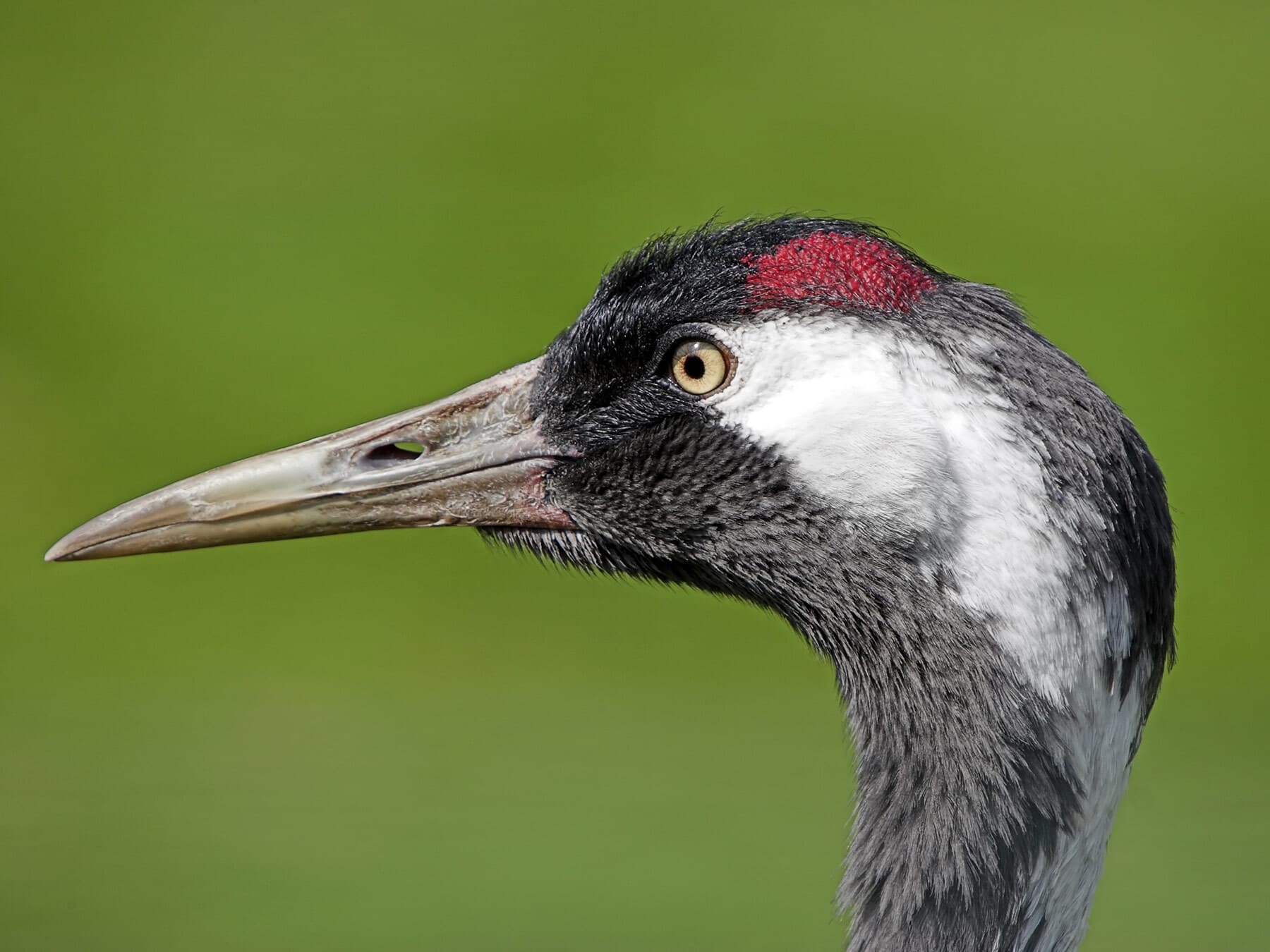
Common Crane
Grus grusLC
A rare passage visitor in spring and autumn, occasionally seen flying over wetlands or farmland. Sightings are increasing as the UK population slowly grows.
Apr–Sep
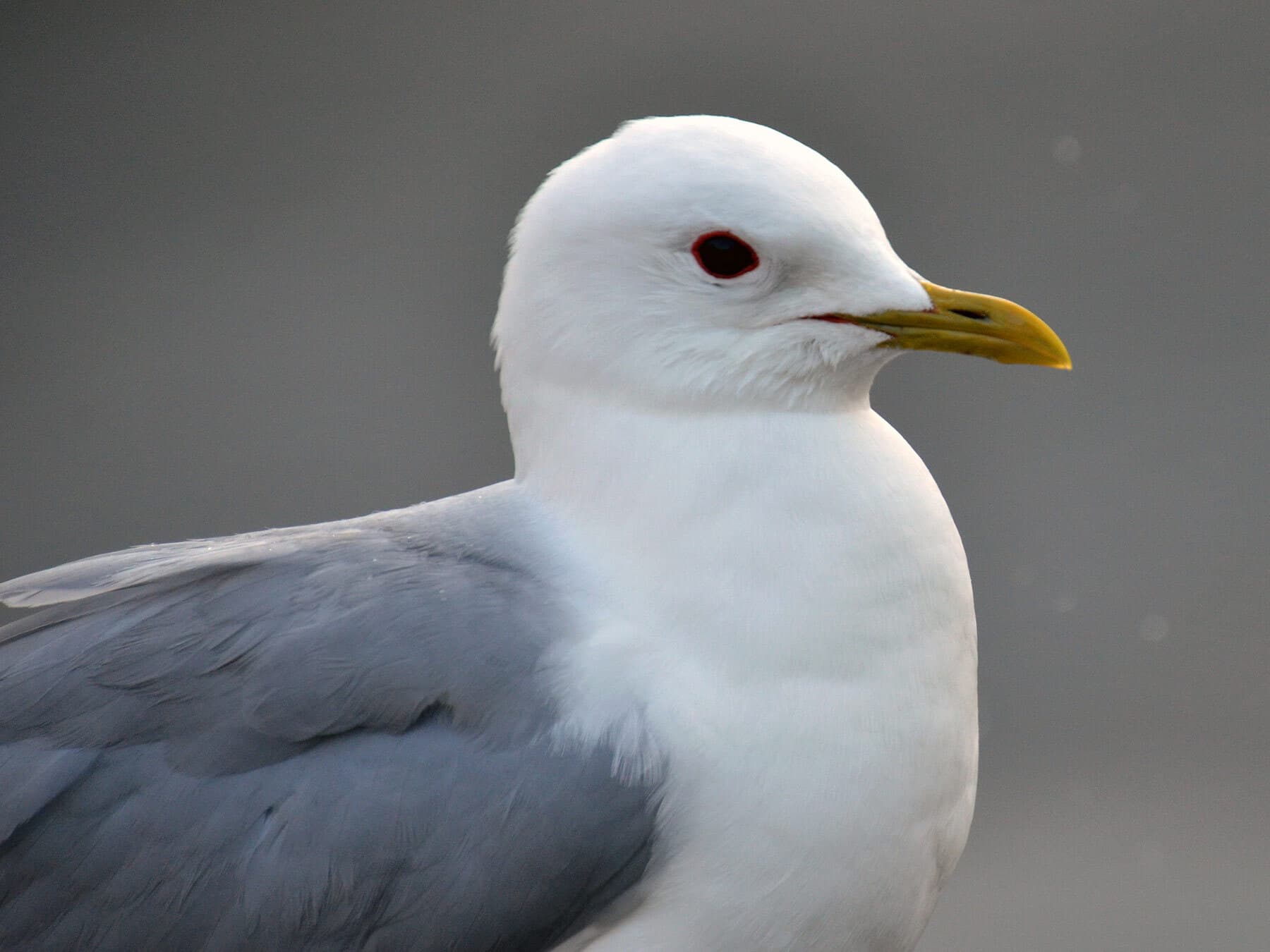
Common Gull
Larus canusLC
Present year-round on farmland, estuaries, and playing fields. Numbers swell in winter with arrivals from Scandinavia and the continent.
Year-round
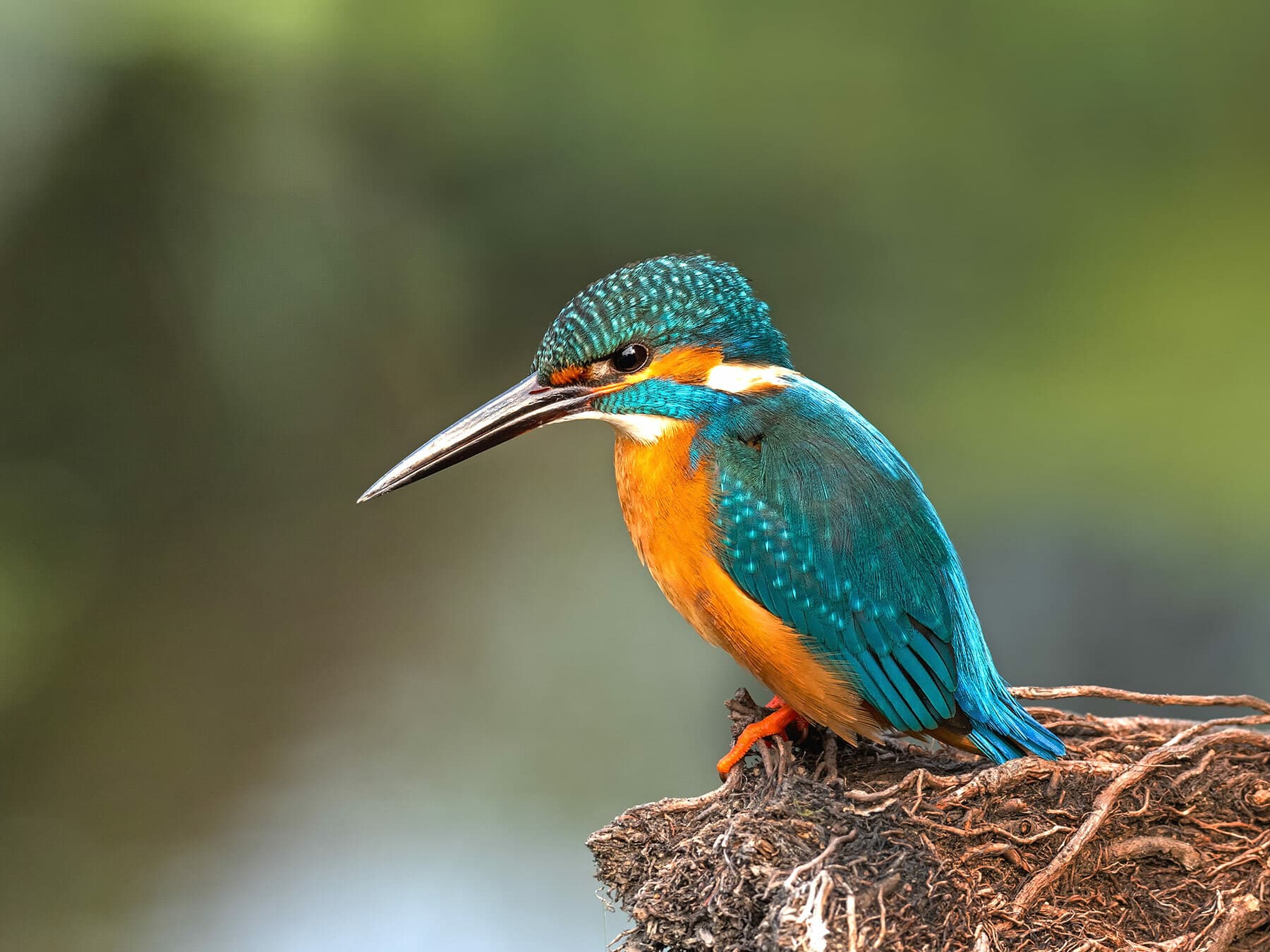
Common Kingfisher
Alcedo atthisLC
A scarce resident along the region's rivers and drainage channels. Most often glimpsed as a flash of electric blue darting low over the water.
Year-round
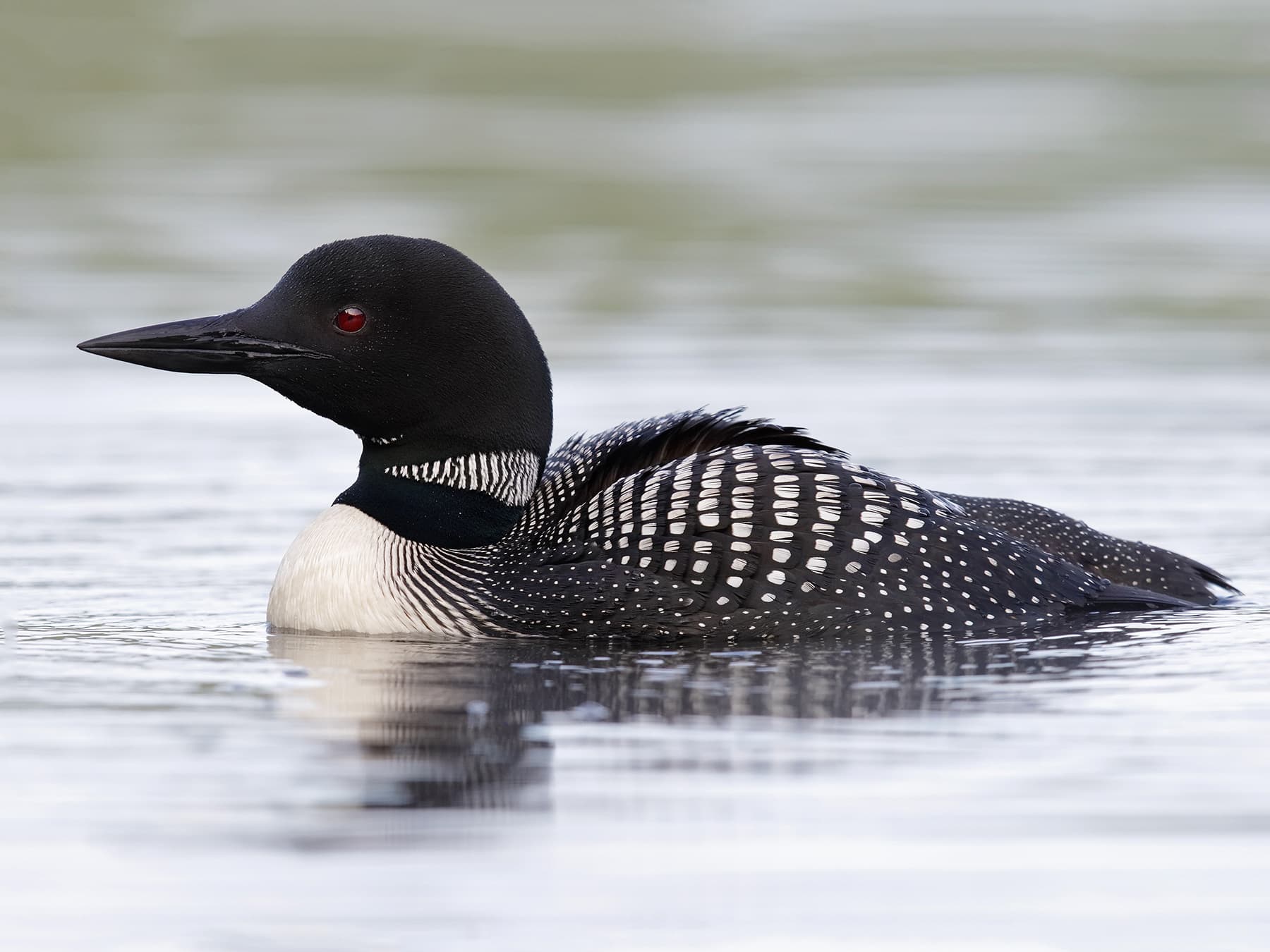
Common Loon
Gavia immerLC
A rare non-breeding visitor to coastal waters, most likely in winter months. Occasionally lingers into spring off the Holderness coast.
Oct–May
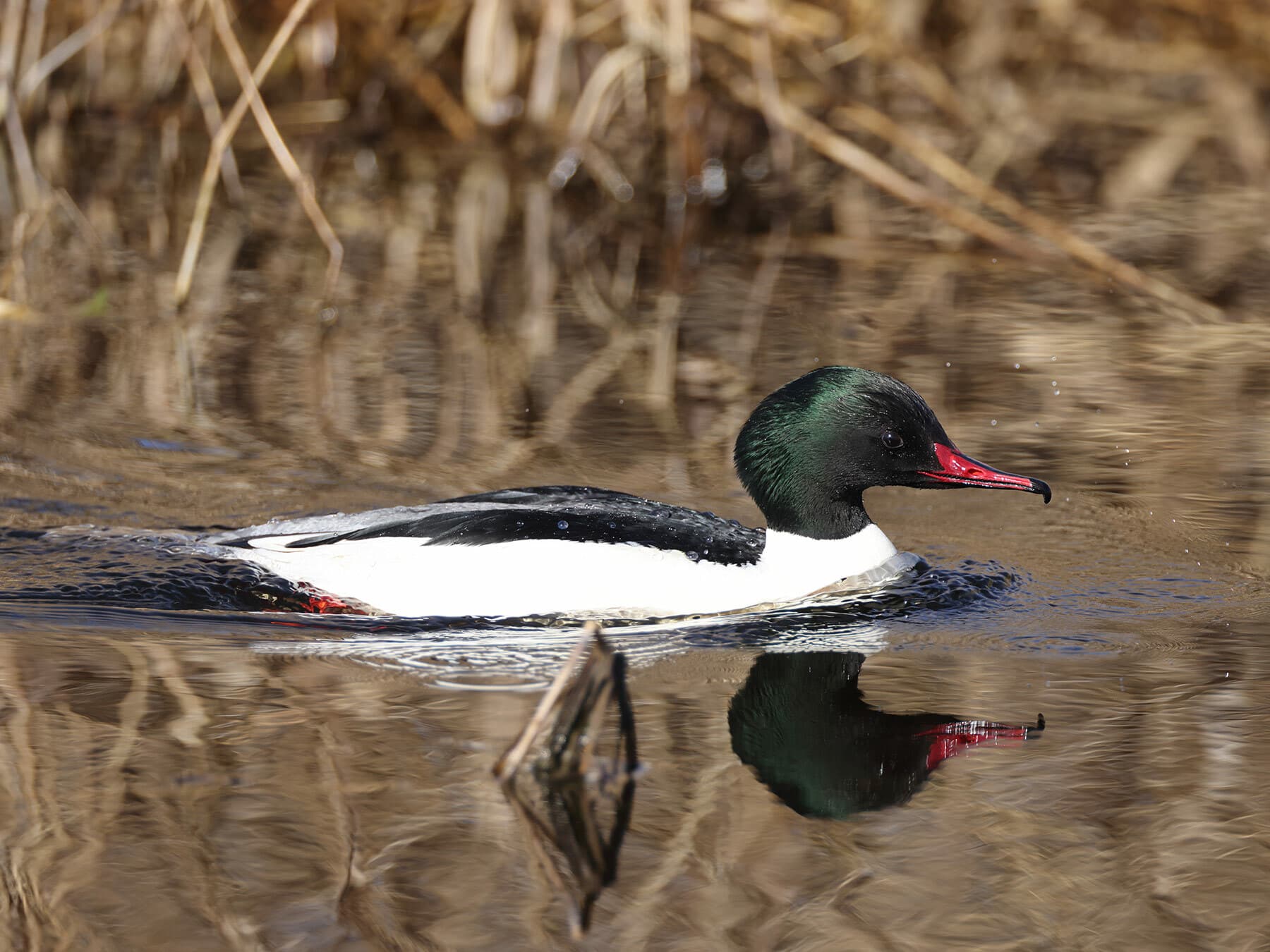
Common Merganser
Mergus merganserLC
A rare non-breeding visitor to rivers and lakes, mainly from October to April. Less frequent here than in upland regions further west.
Oct–Apr
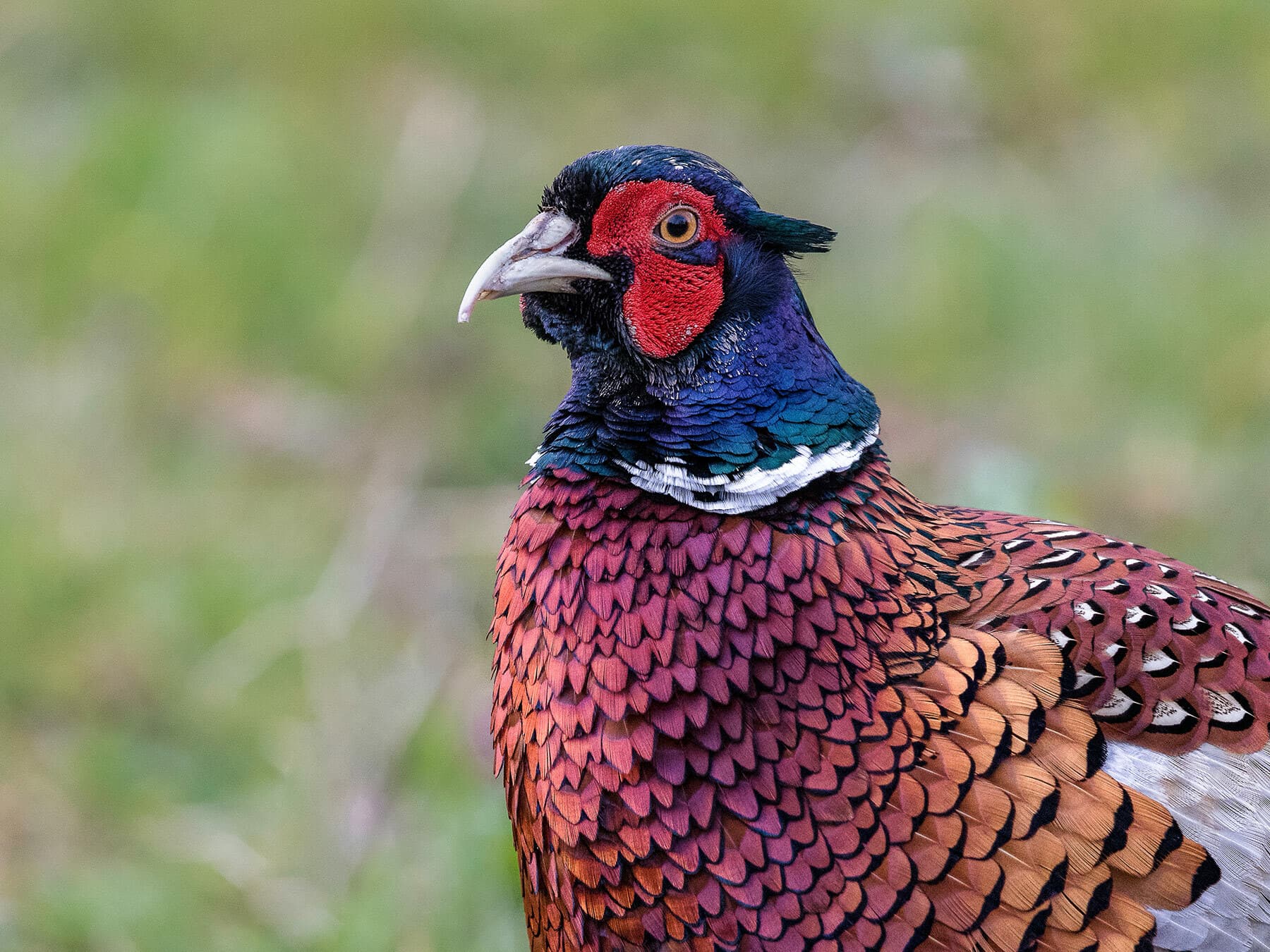
Common Pheasant
Phasianus colchicusLC
An abundant resident across farmland, woodland edges and hedgerows. Numbers are sustained by regular releases for shooting across the region.
Year-round
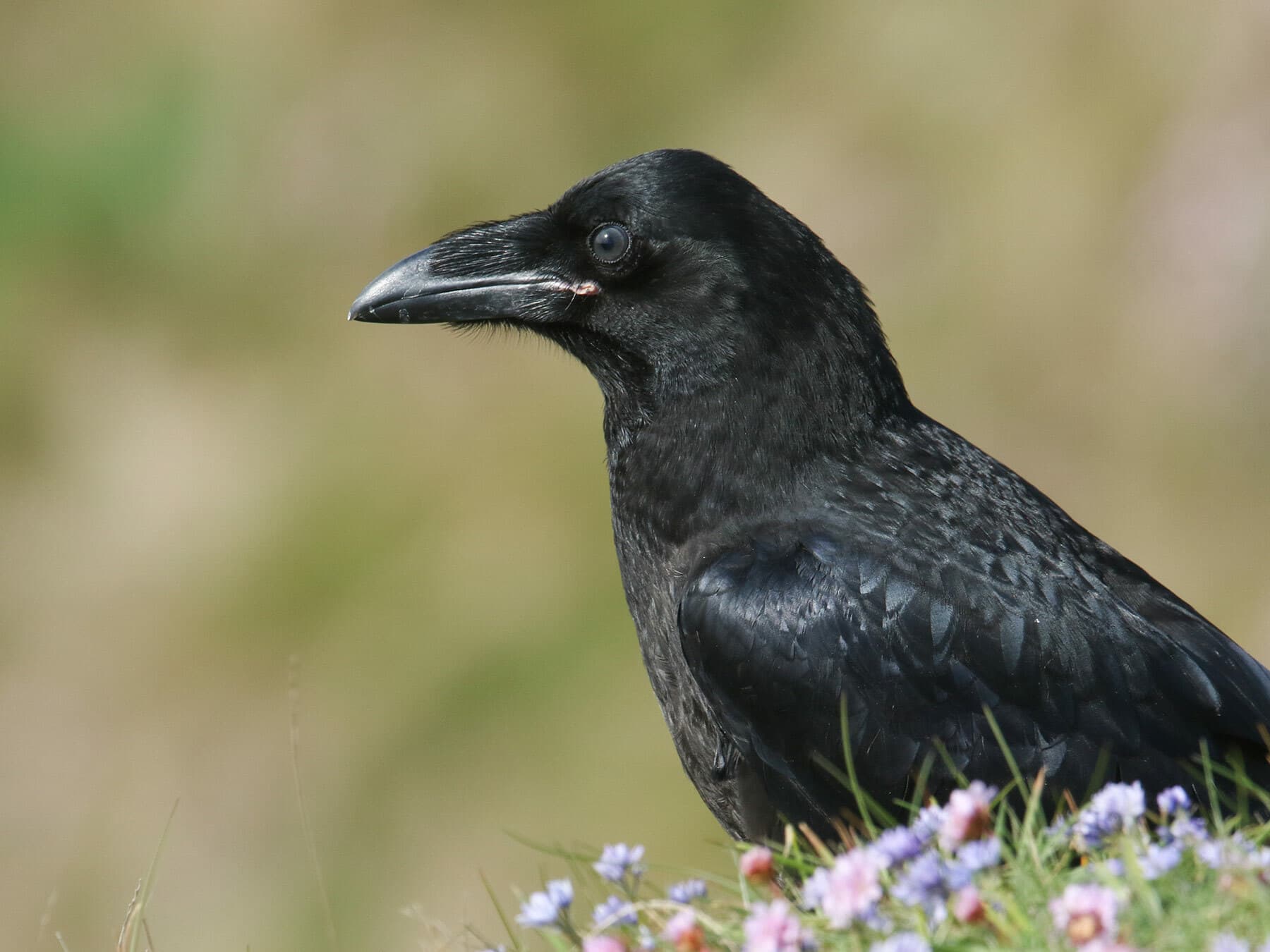
Common Raven
Corvus coraxLC
A rare passage visitor in spring, slowly recolonising Yorkshire. Occasionally seen soaring over the Wolds, reflecting a gradual national recovery.
Feb–May
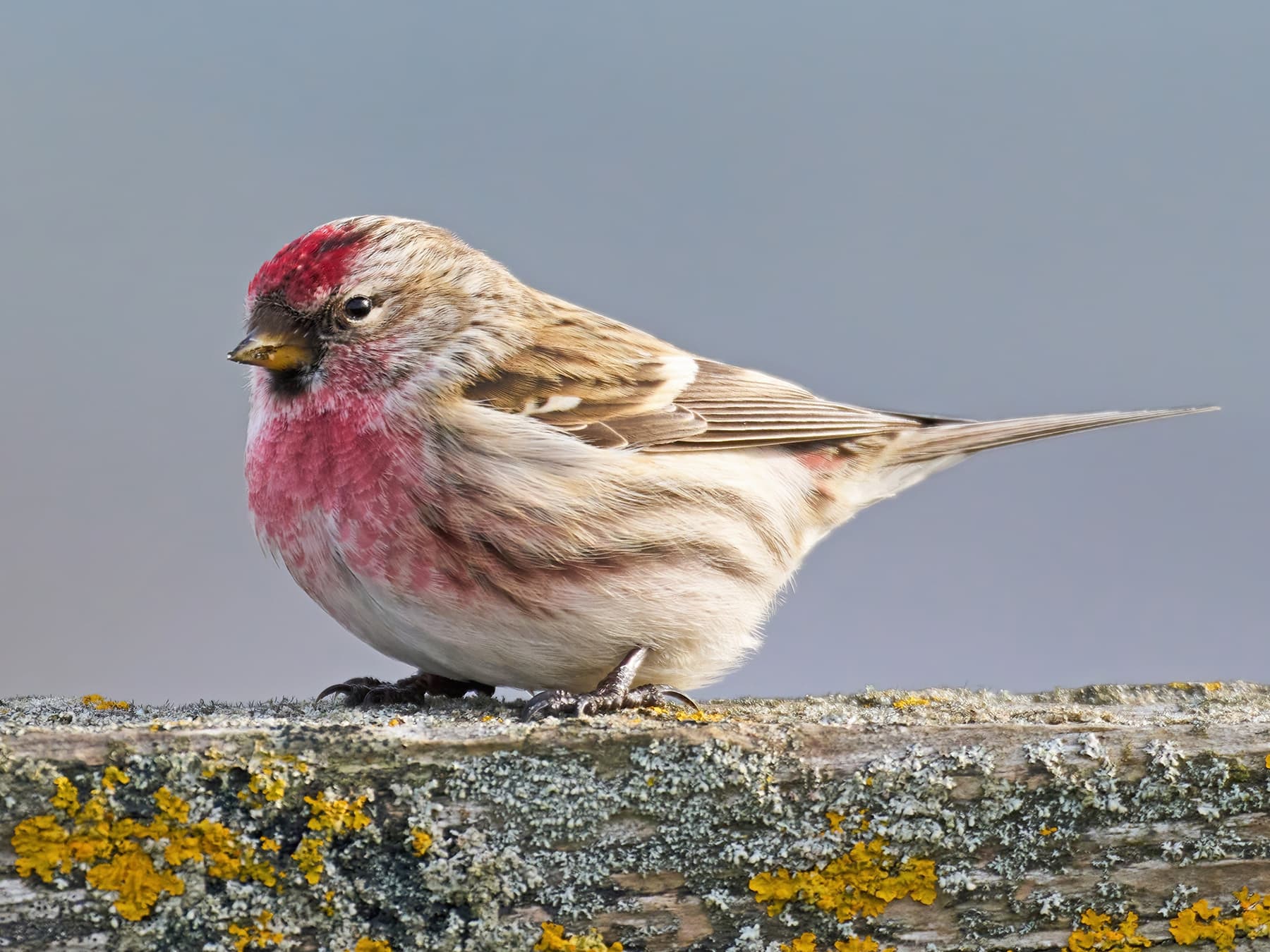
Common Redpoll
Acanthis flammeaLC
An uncommon resident favouring birch and alder woodland. Numbers increase in autumn and winter with arrivals from the Continent.
Sep–May
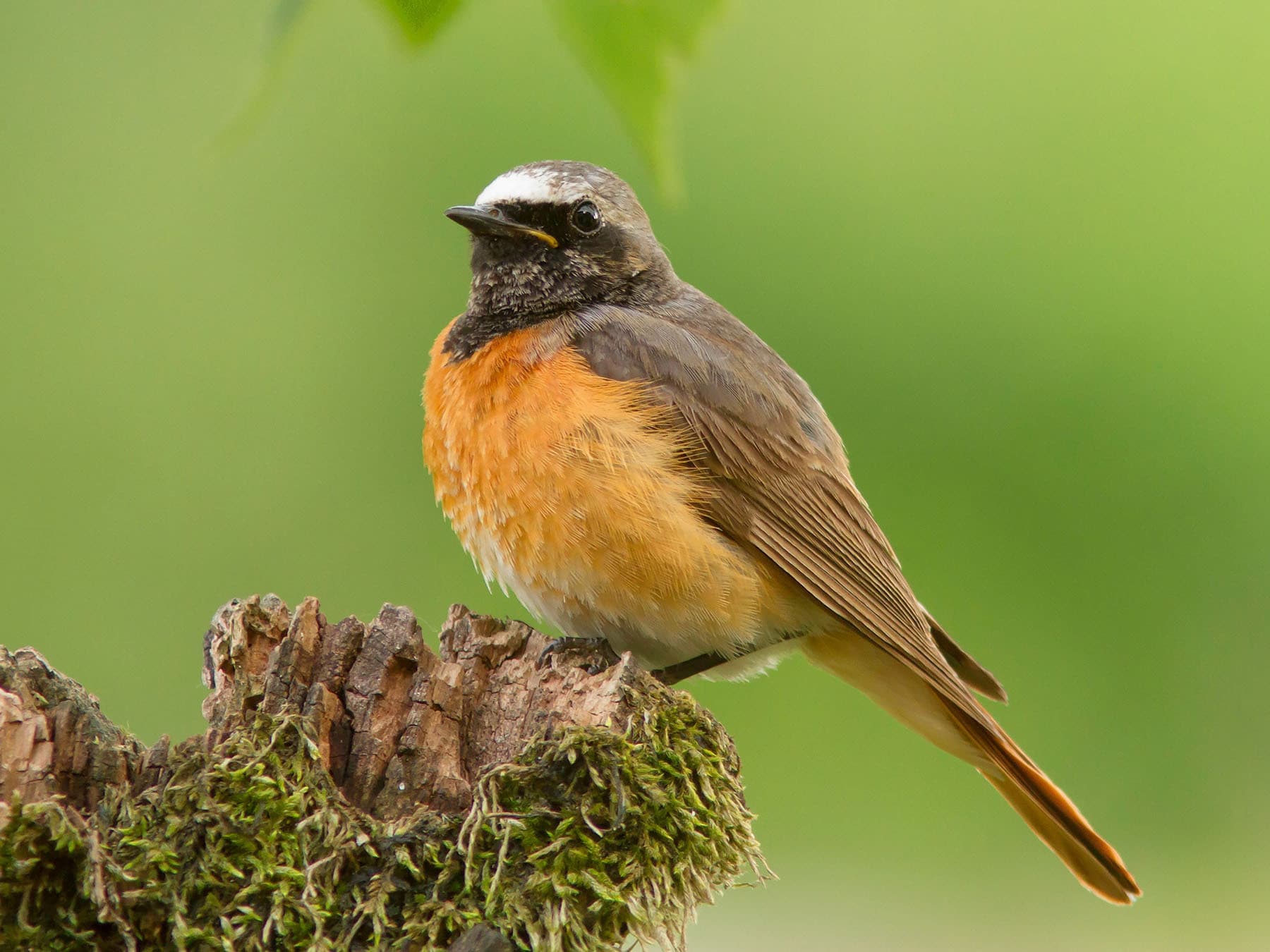
Common Redstart
Phoenicurus phoenicurusLC
An uncommon summer visitor breeding in mature woodland. Most conspicuous during spring and autumn passage along the coast.
Apr–Oct
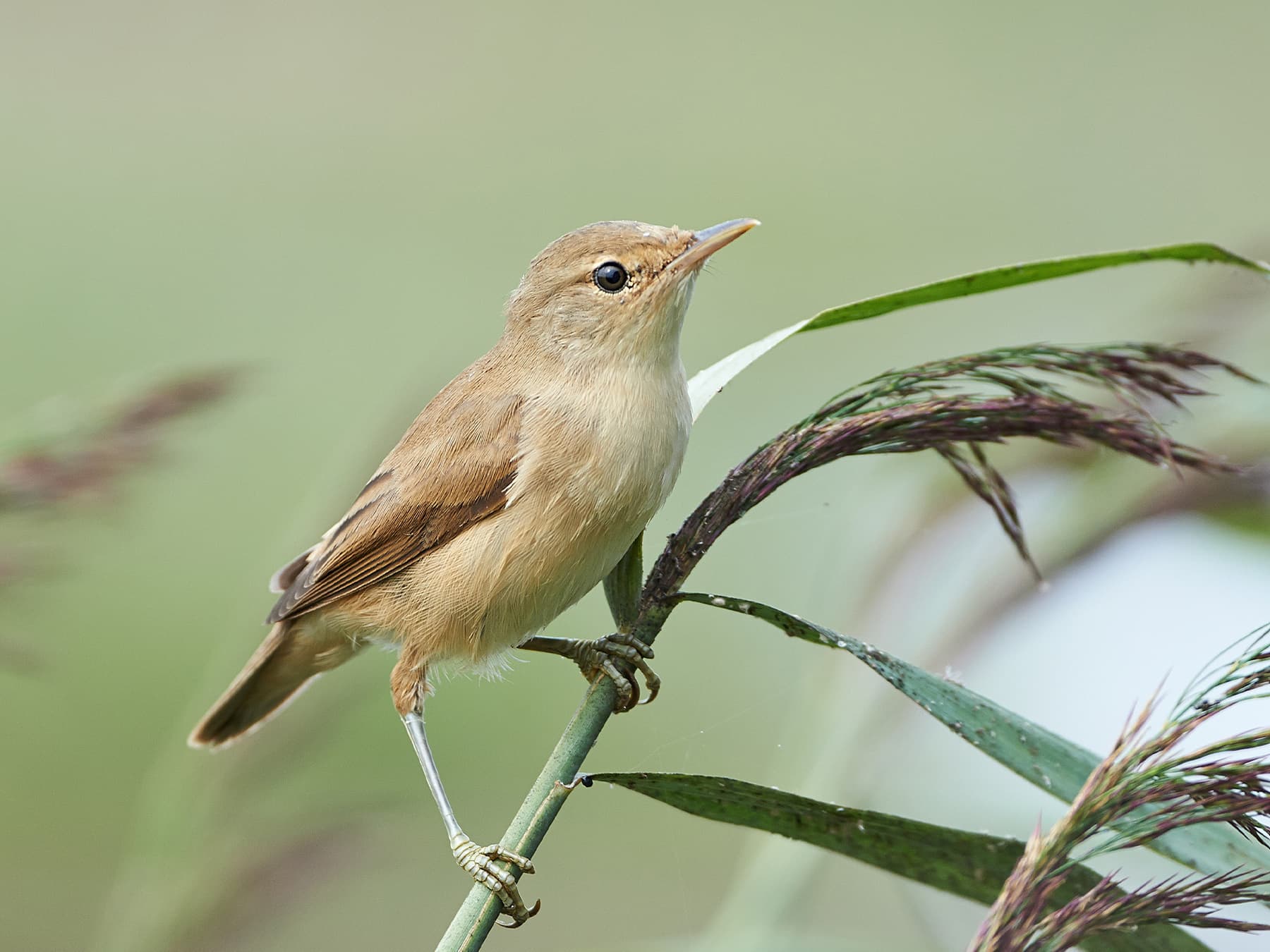
Common Reed-warbler
Acrocephalus scirpaceusLC
An uncommon summer breeder found in reedbeds at sites like Tophill Low and the Humber wetlands from April to October.
Apr–Oct
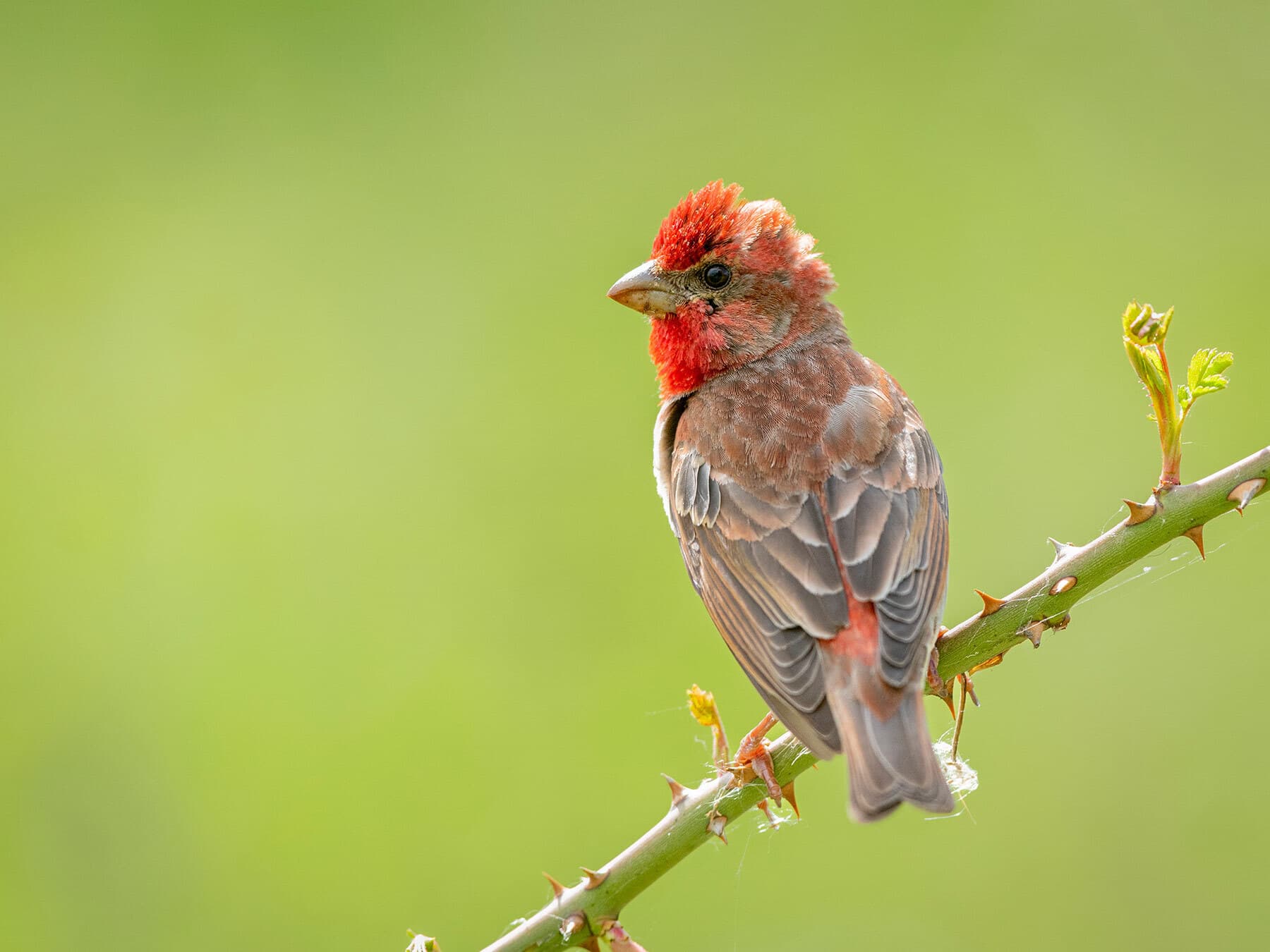
Common Rosefinch
Carpodacus erythrinusLC
A rare autumn passage migrant, most likely encountered at Spurn Point in September. An exciting find for any East Riding birder.
Sep
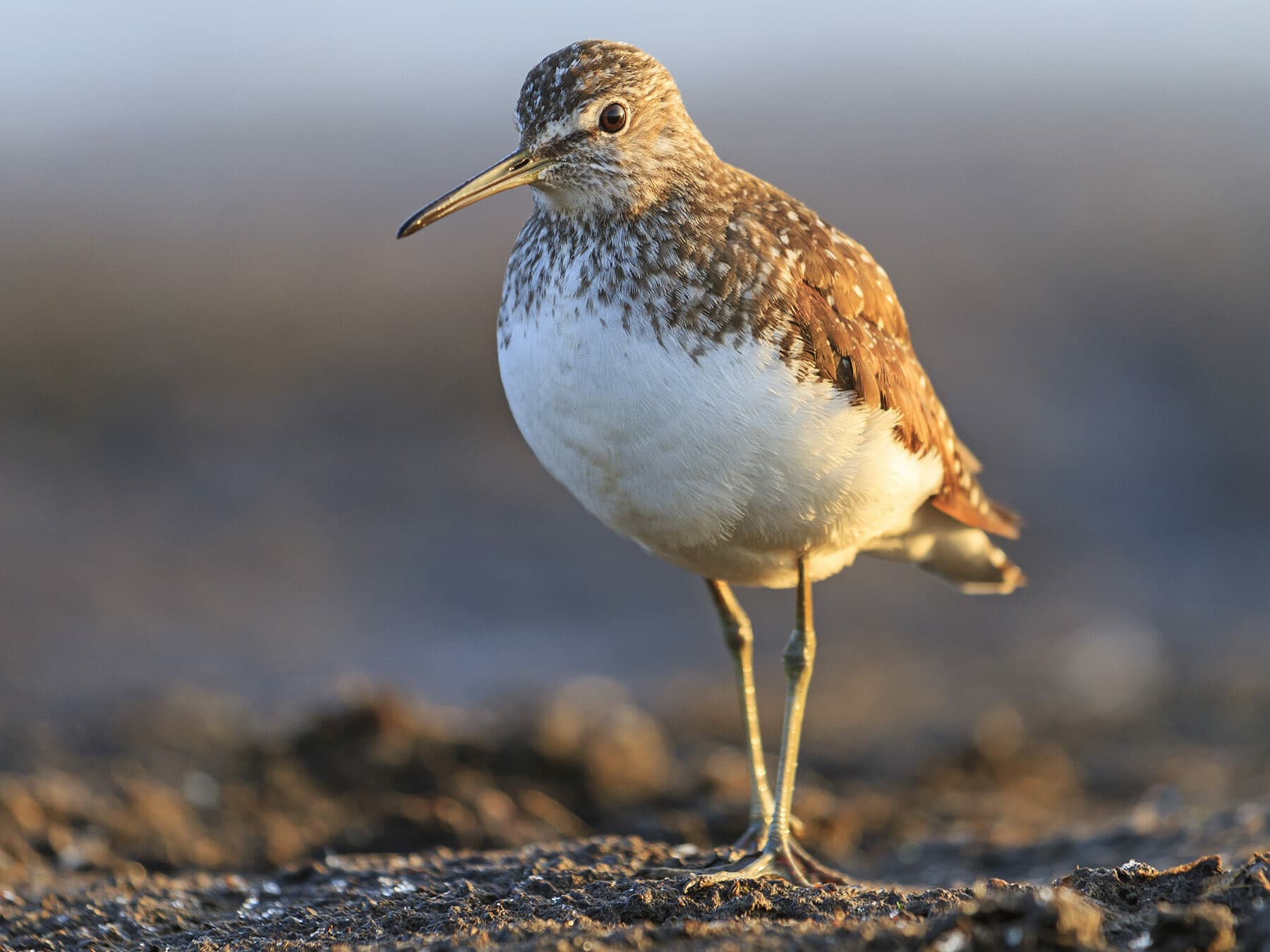
Common Sandpiper
Actitis hypoleucosLC
An uncommon breeder along streams and reservoir edges, bobbing characteristically on rocks. Present from April to October.
Apr–Oct
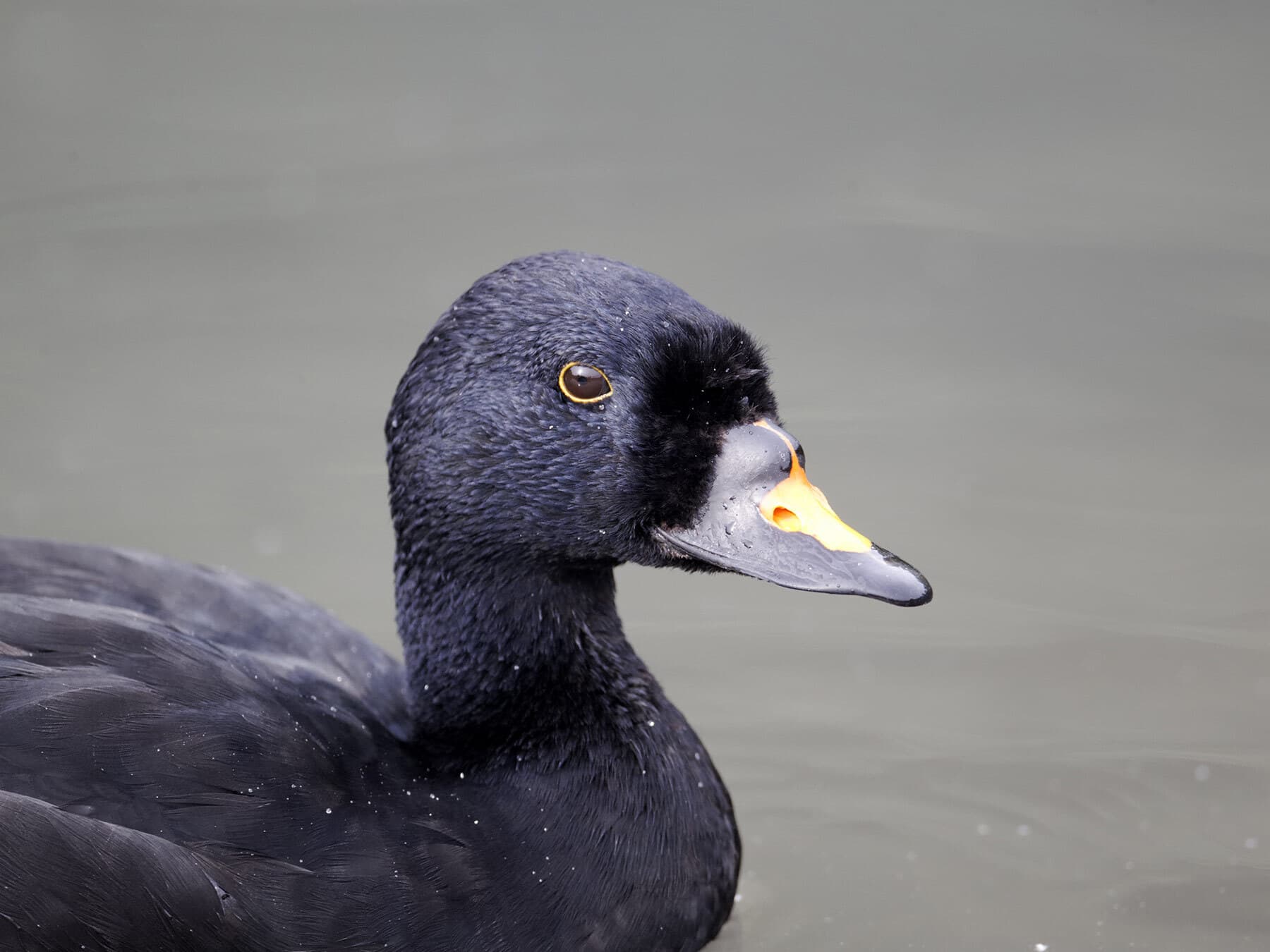
Common Scoter
Melanitta nigraLC
Uncommon but present year-round offshore, with flocks regularly seen passing Flamborough Head. Numbers peak during spring and autumn passage.
Year-round
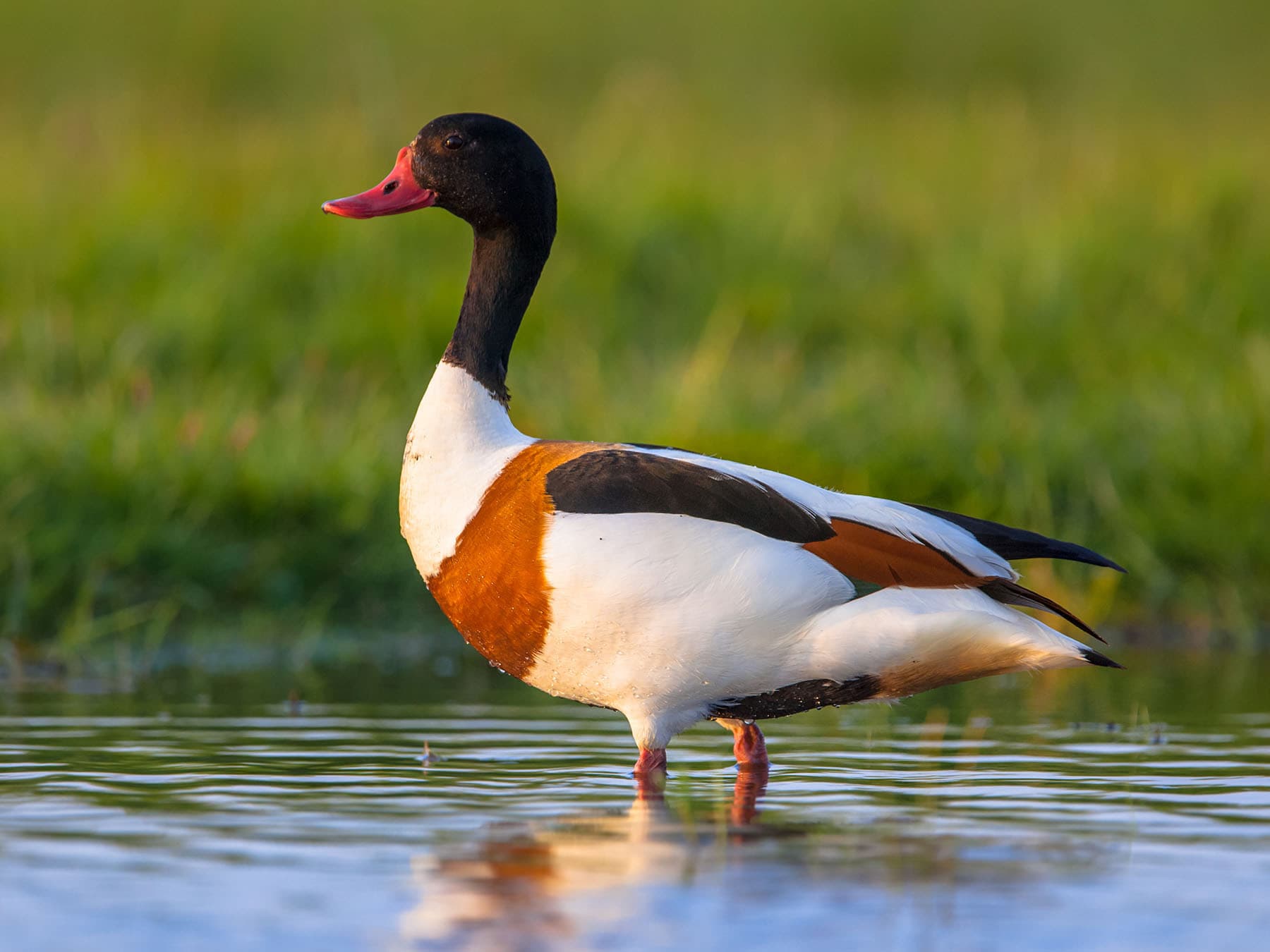
Common Shelduck
Tadorna tadornaLC
A common resident of the Humber Estuary and coastal marshes, nesting in rabbit burrows and banks.
Year-round