Birds in East Riding of Yorkshire
Explore 233 species found in this region.
The East Riding of Yorkshire supports an impressive diversity of birdlife, with around 230 species recorded across its varied landscapes. From the dramatic chalk cliffs of Flamborough Head and Bempton to the expansive wetlands of the Humber Estuary, the region offers habitats that attract everything from breeding seabird colonies to scarce migrants such as Bluethroat and Great Grey Shrike. Wading birds like Northern Lapwing and Dotterel, along with coastal specialists such as Common Shelduck, make this county a rewarding destination for birdwatchers year-round.
Visiting in September? Look out for Bluethroat and Brambling arriving this month, and Black-crowned Night-heron and Cuckoo depart for the season.


Showing 116–138 of 233 species
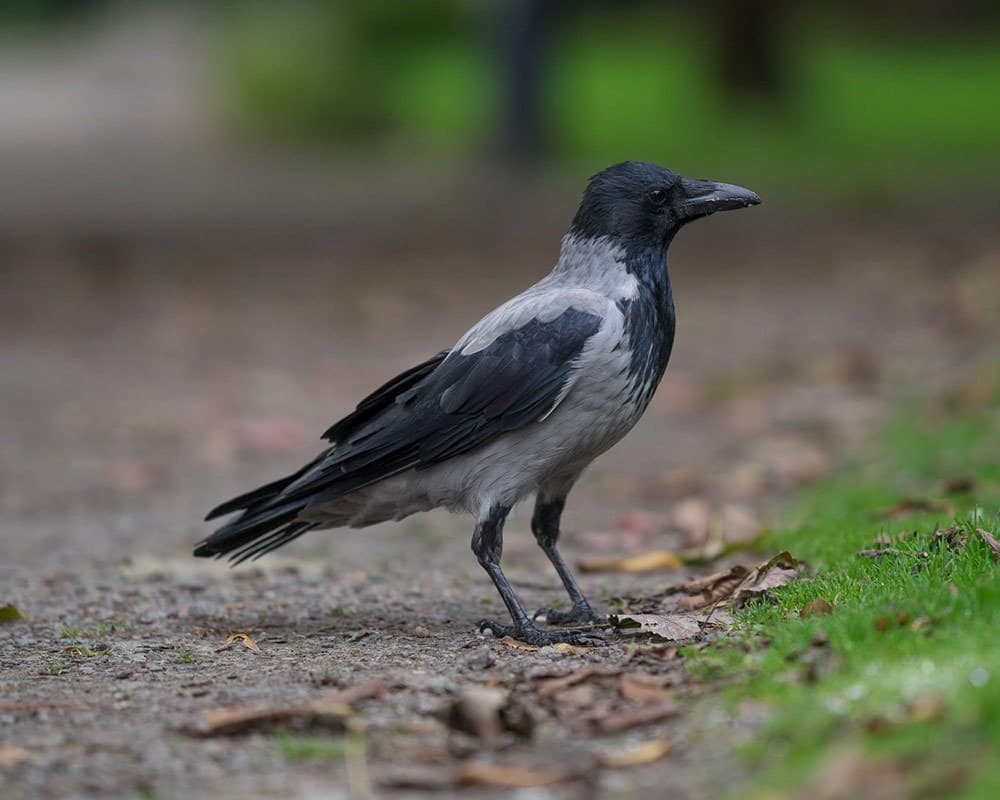
Hooded Crow
Corvus cornixLC
A rare spring passage visitor, occasionally recorded in April. The East Riding sits well south of the usual hybridisation zone with Carrion Crow.
Apr
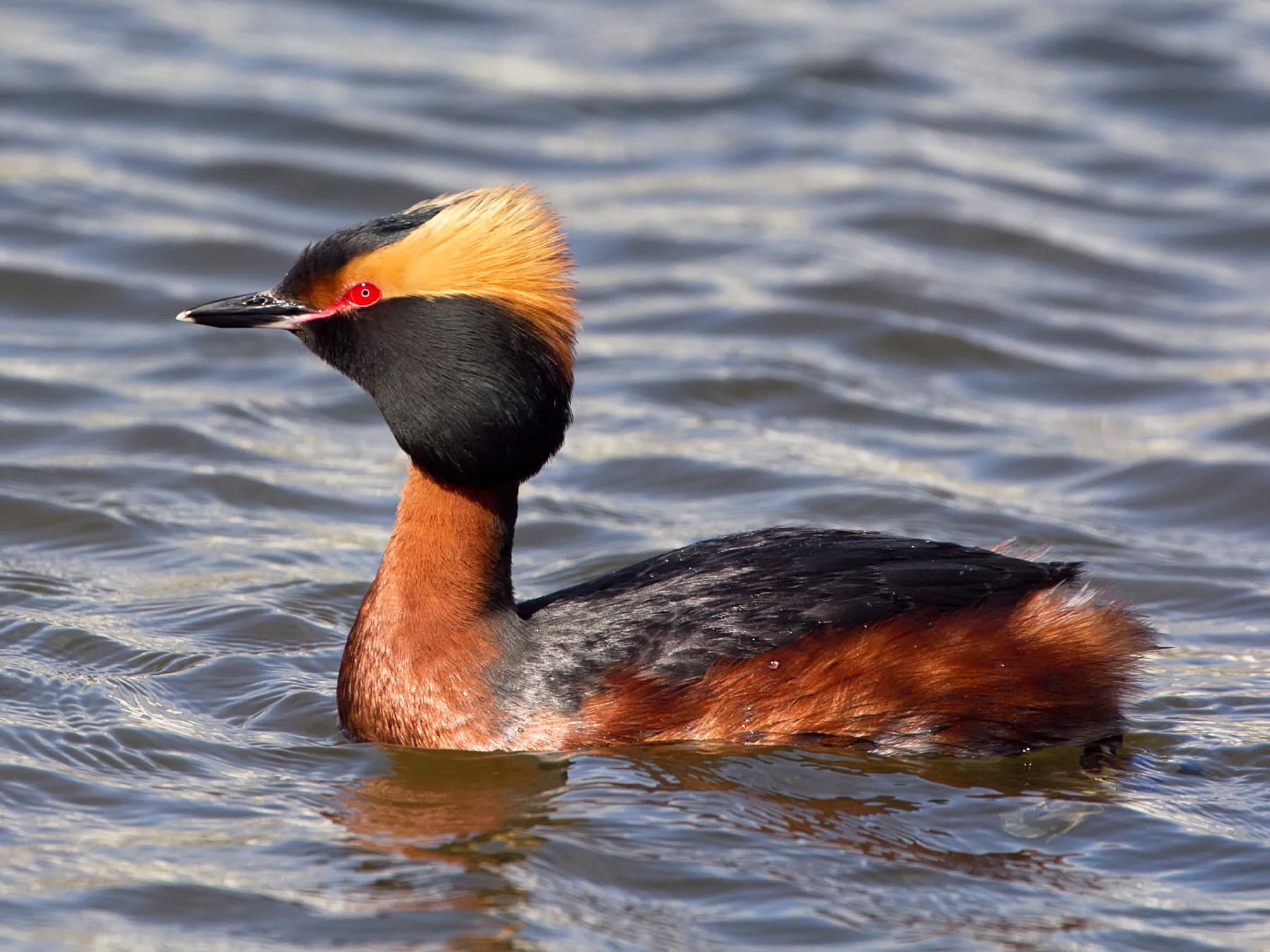
Horned Grebe
Podiceps auritusVU
A rare autumn passage visitor, occasionally seen in October on coastal waters and sheltered bays along the Holderness coast.
Oct
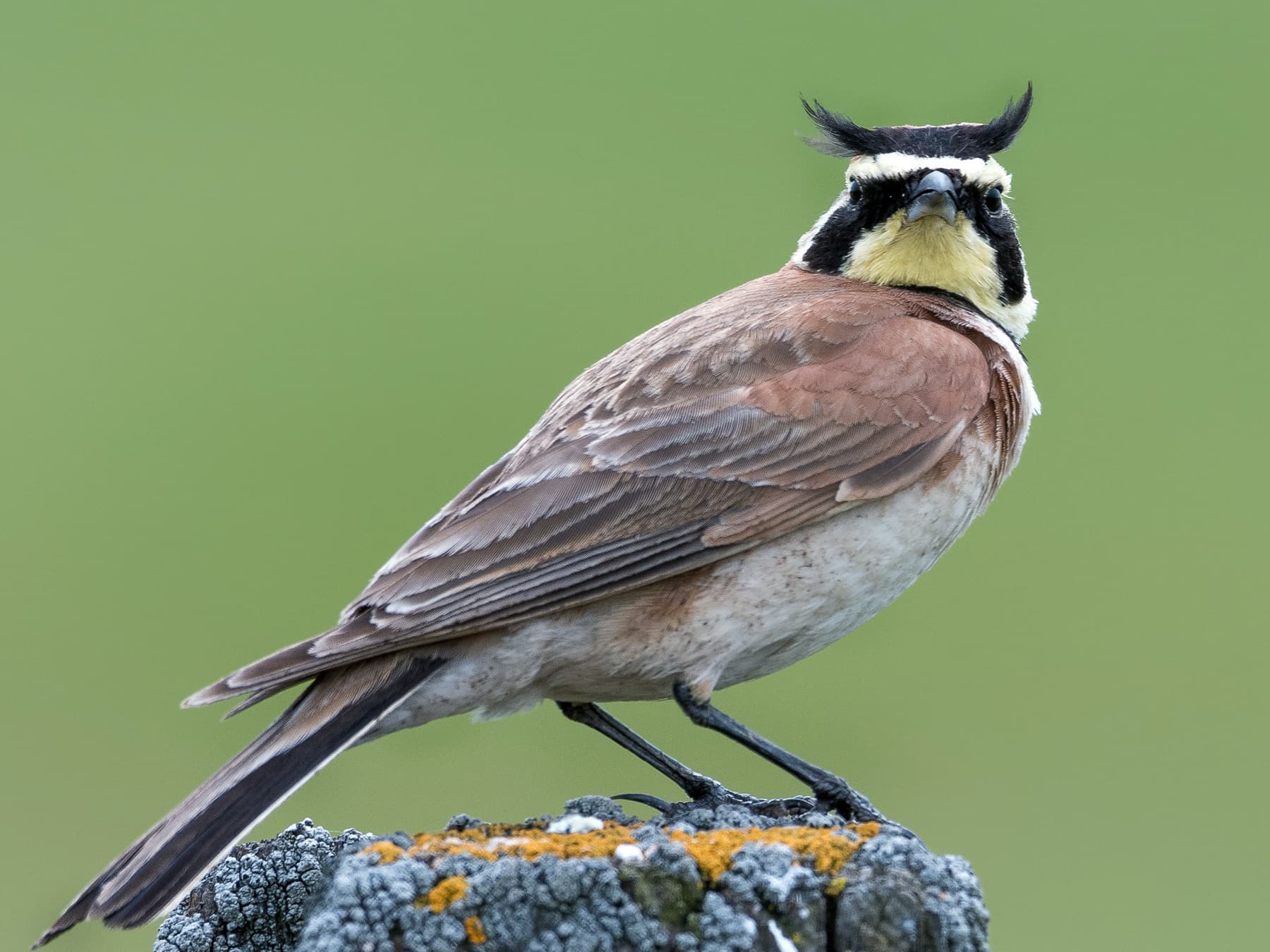
Horned Lark
Eremophila alpestrisLC
A rare winter visitor, occasionally found on stubble fields and coastal saltmarshes around Spurn and the Humber in autumn and winter.
Oct–Feb
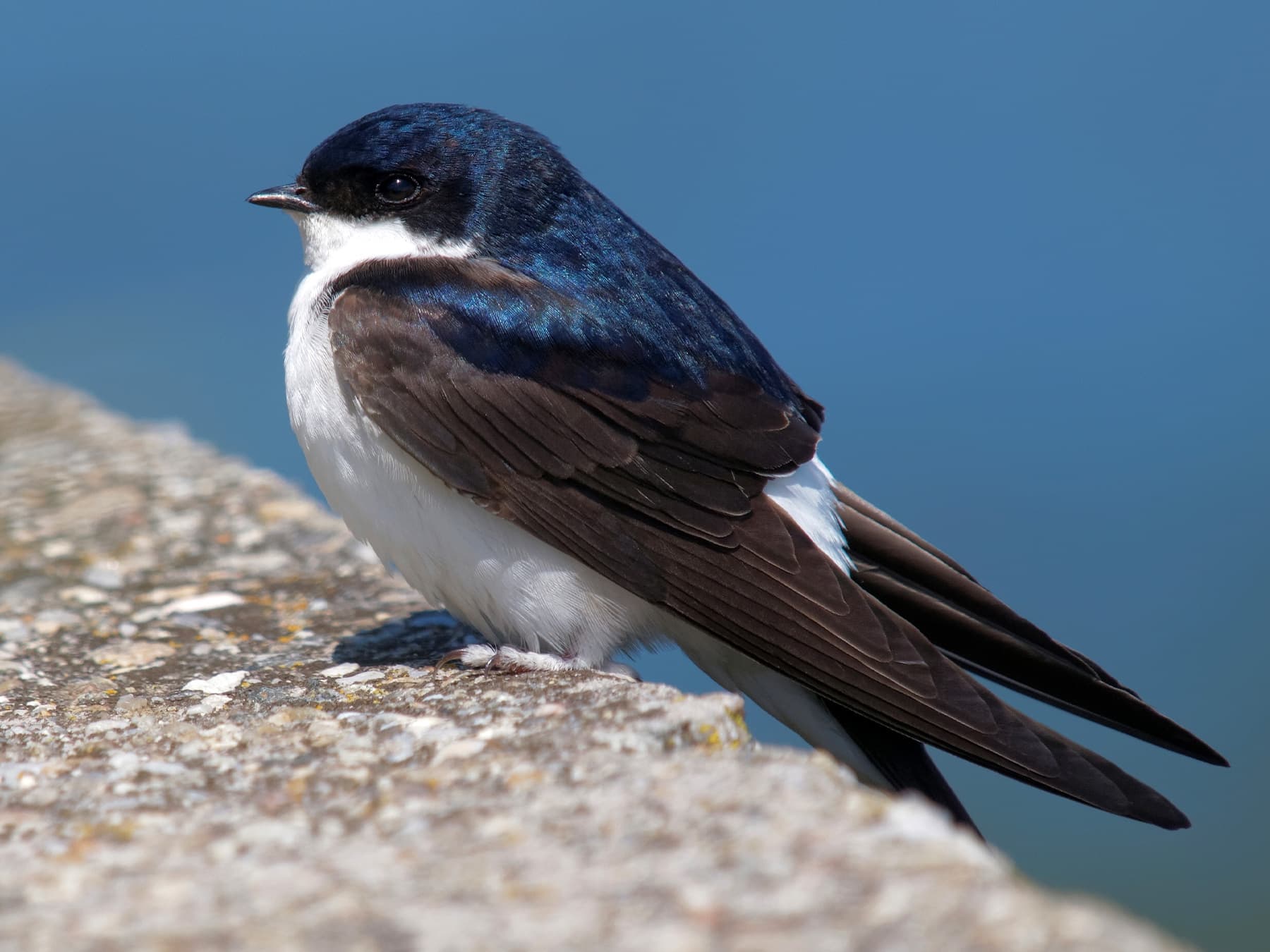
House Martin
Delichon urbicumLC
A common breeding visitor nesting under eaves in towns and villages, gathering mud for its distinctive enclosed nests from April.
Apr–Oct
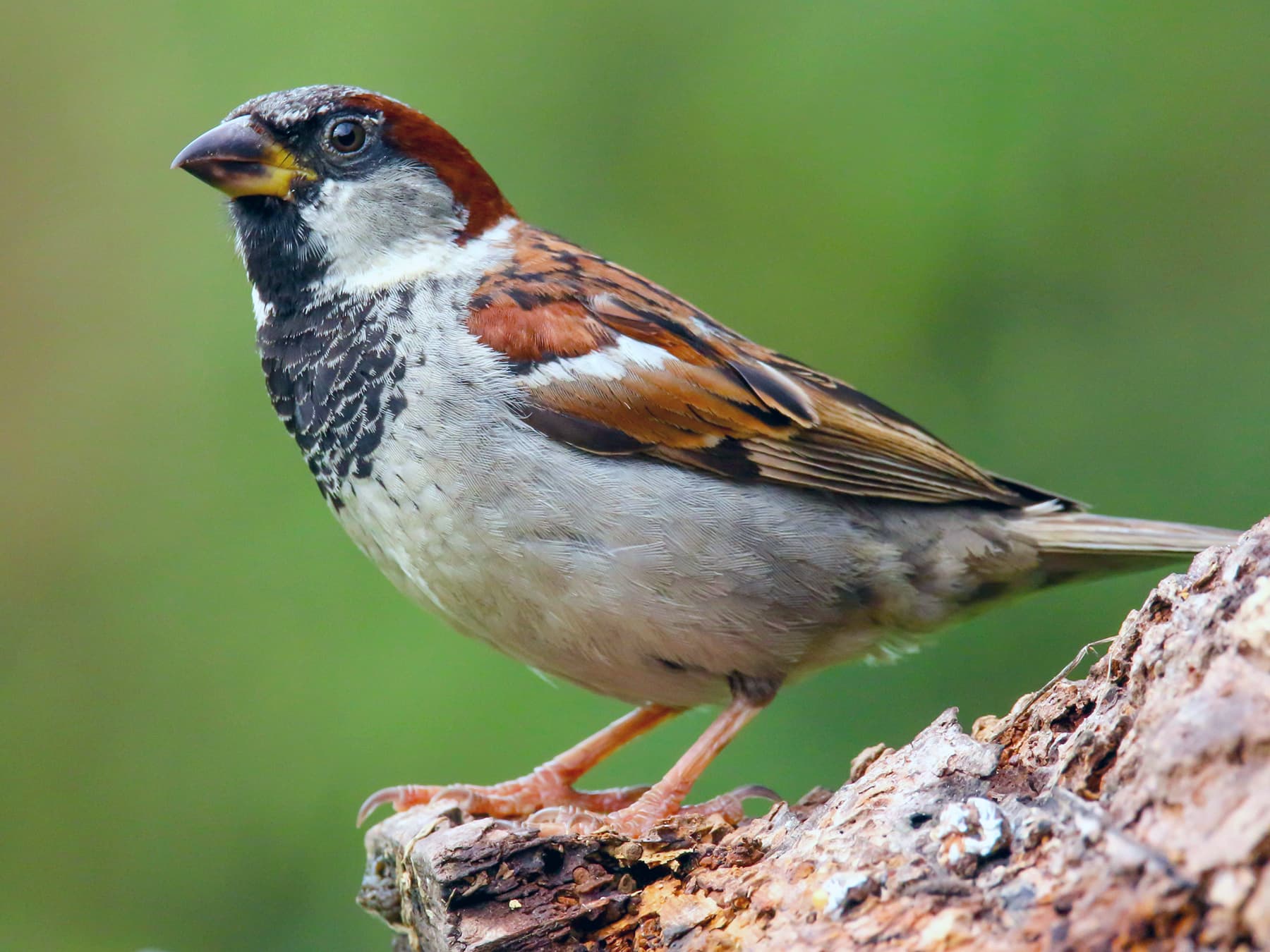
House Sparrow
Passer domesticusLC
A common resident closely associated with farms, villages, and urban areas. Numbers have declined nationally but remain relatively stable here.
Year-round
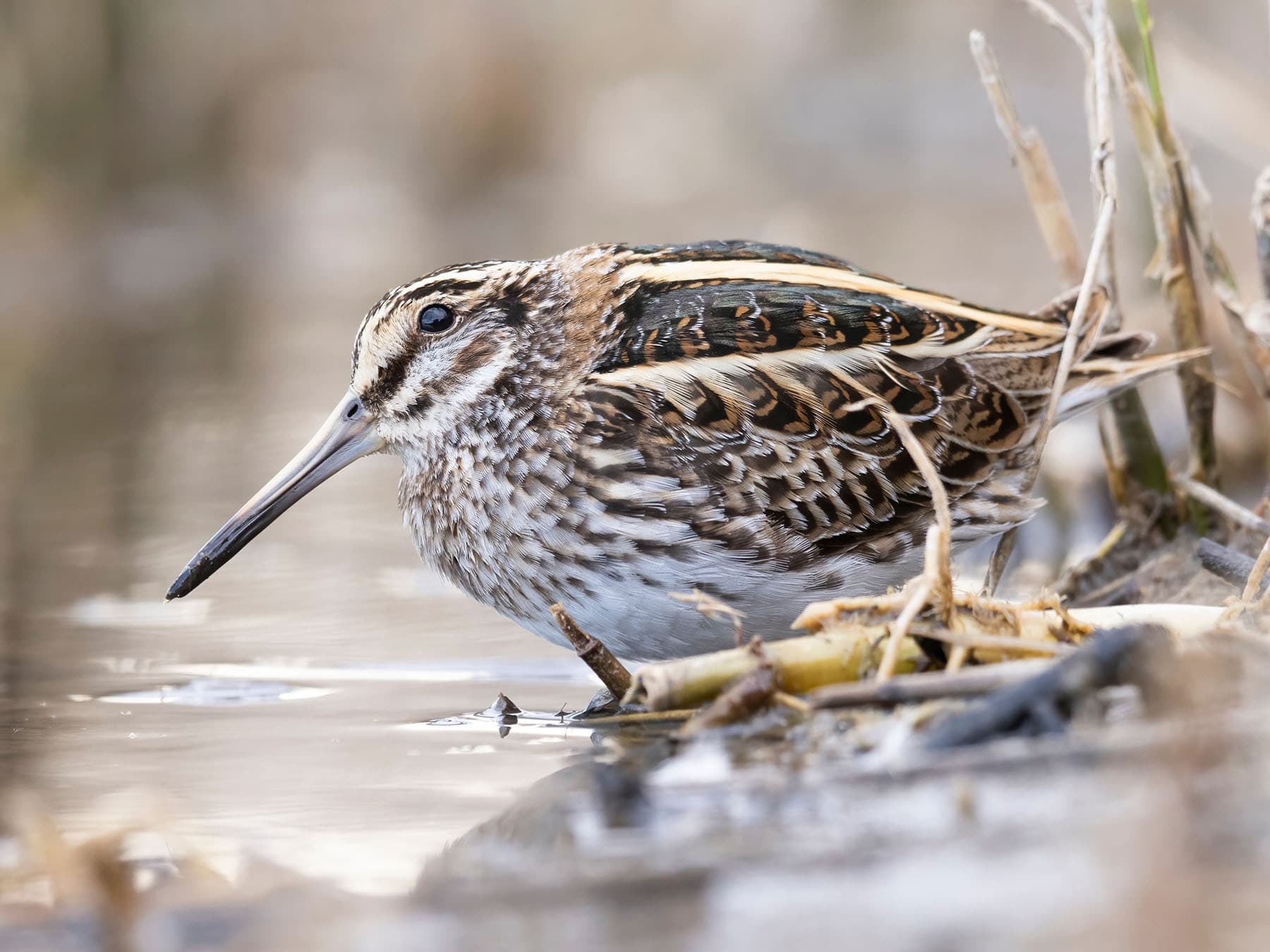
Jack Snipe
Lymnocryptes minimusLC
A rare and secretive winter visitor to marshy areas, arriving from September. Easily overlooked, it tends to flush only at very close range.
Sep–Feb
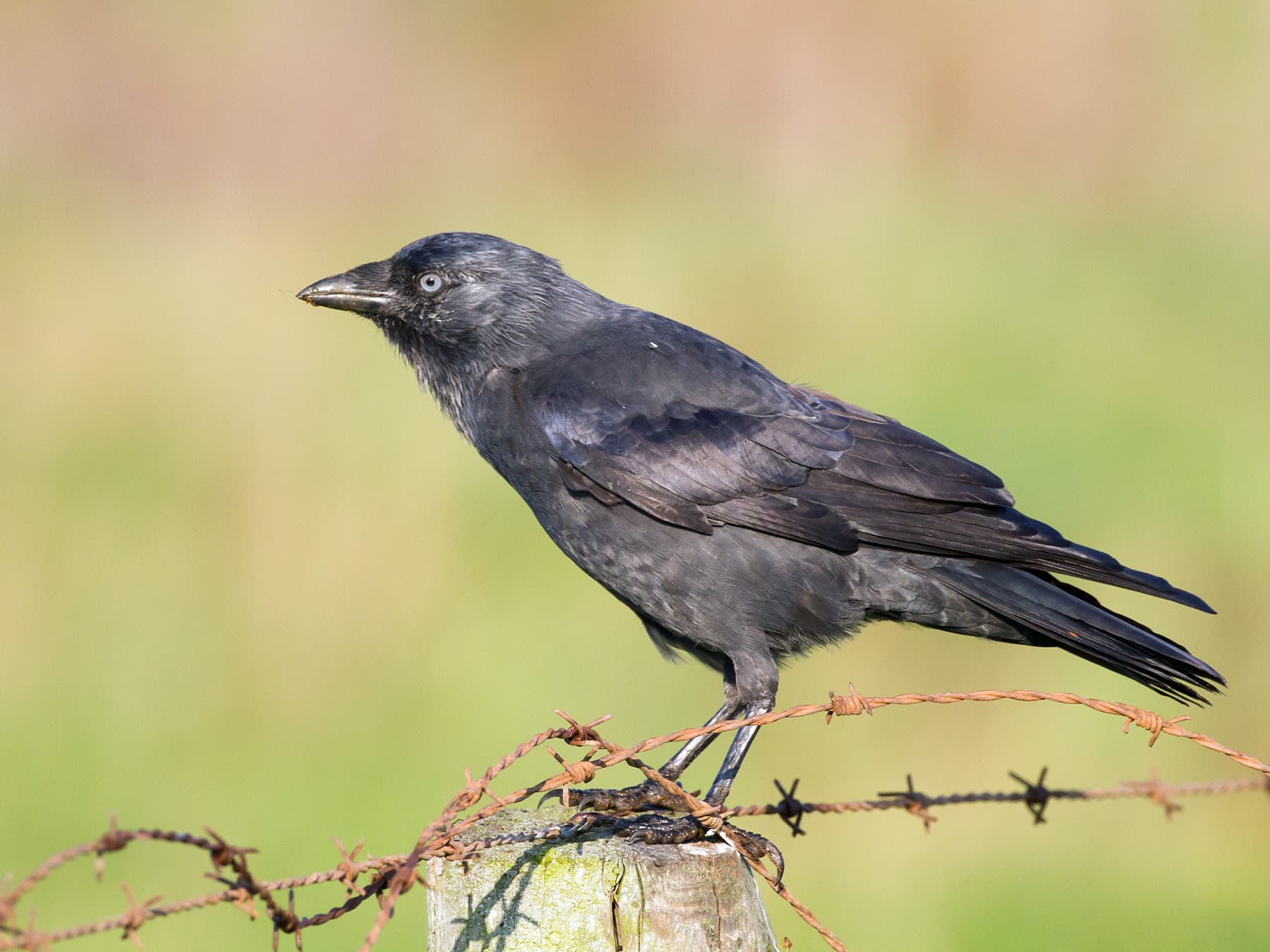
Jackdaw
Coloeus monedulaLC
A common and sociable resident, nesting in church towers, old buildings and tree cavities. Often seen in noisy flocks with Rooks over farmland.
Year-round
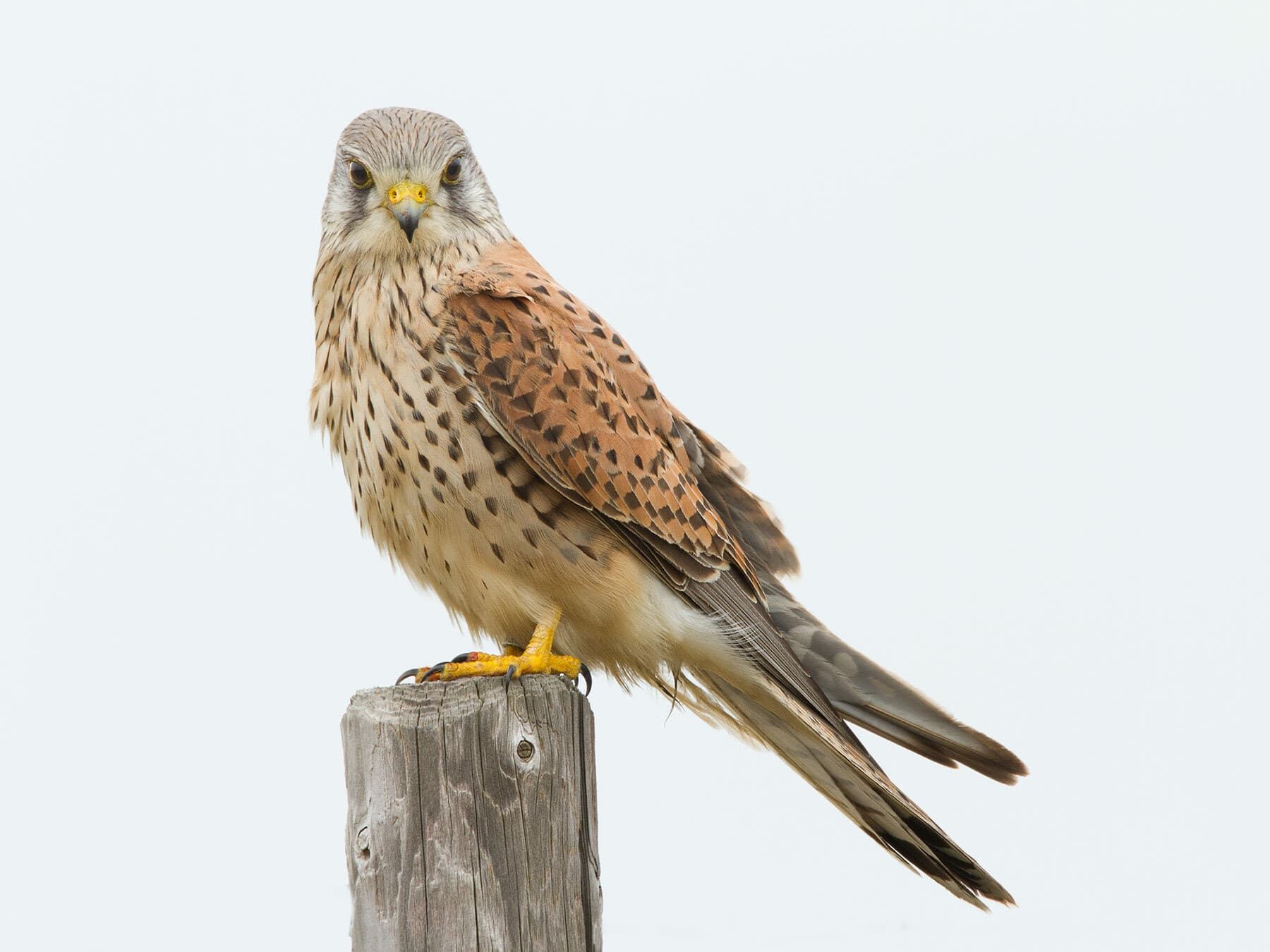
Kestrel
Falco tinnunculusLC
A familiar sight hovering over roadside verges and farmland across the region year-round. One of the most commonly seen raptors in the East Riding.
Year-round
Spotted something?
Upload a photo to identify it
Identify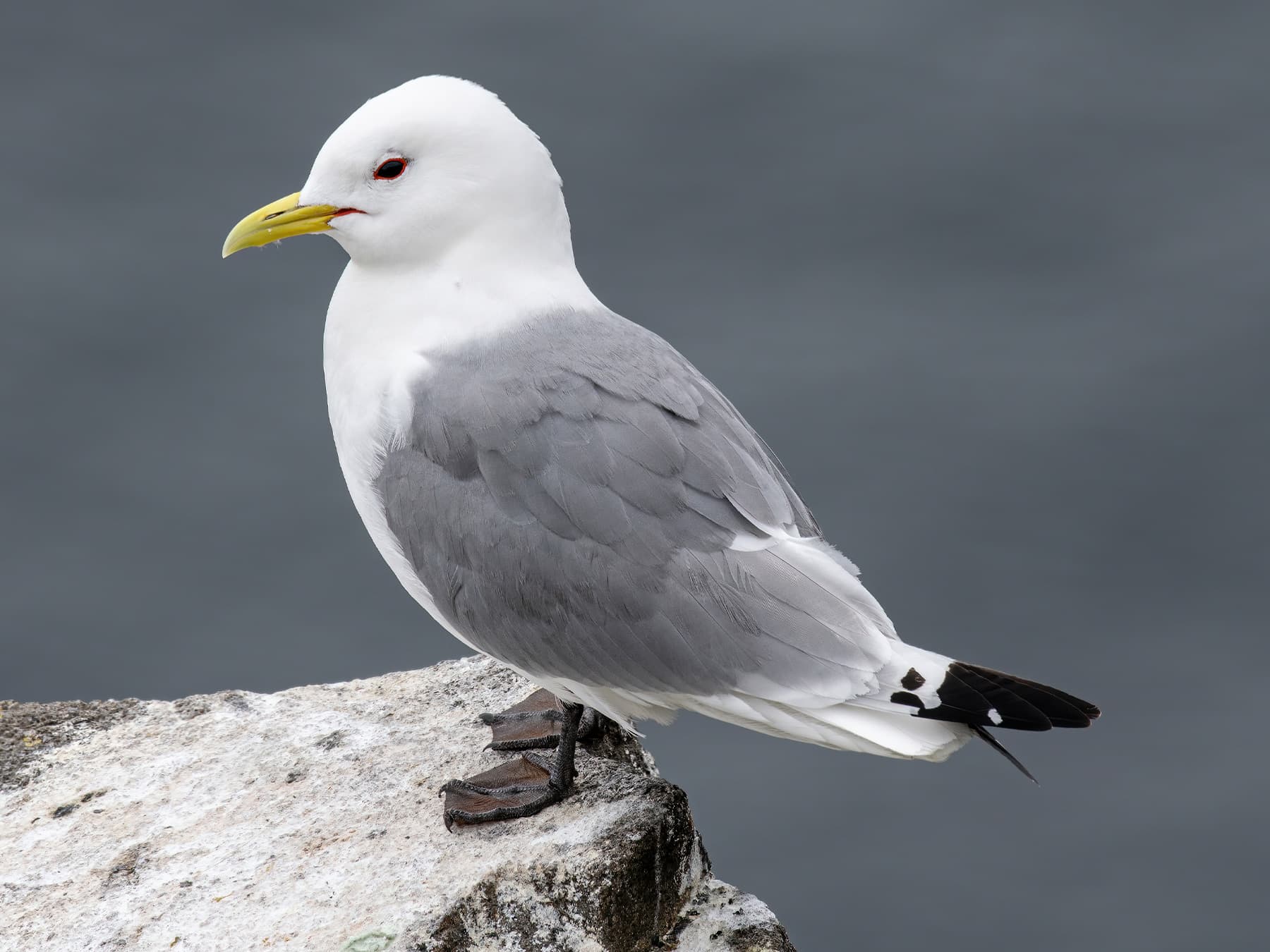
Kittiwake
Rissa tridactylaVU
Breeds in large colonies on the dramatic chalk cliffs at Bempton and Flamborough Head, a spectacular sight from spring through summer.
Year-round
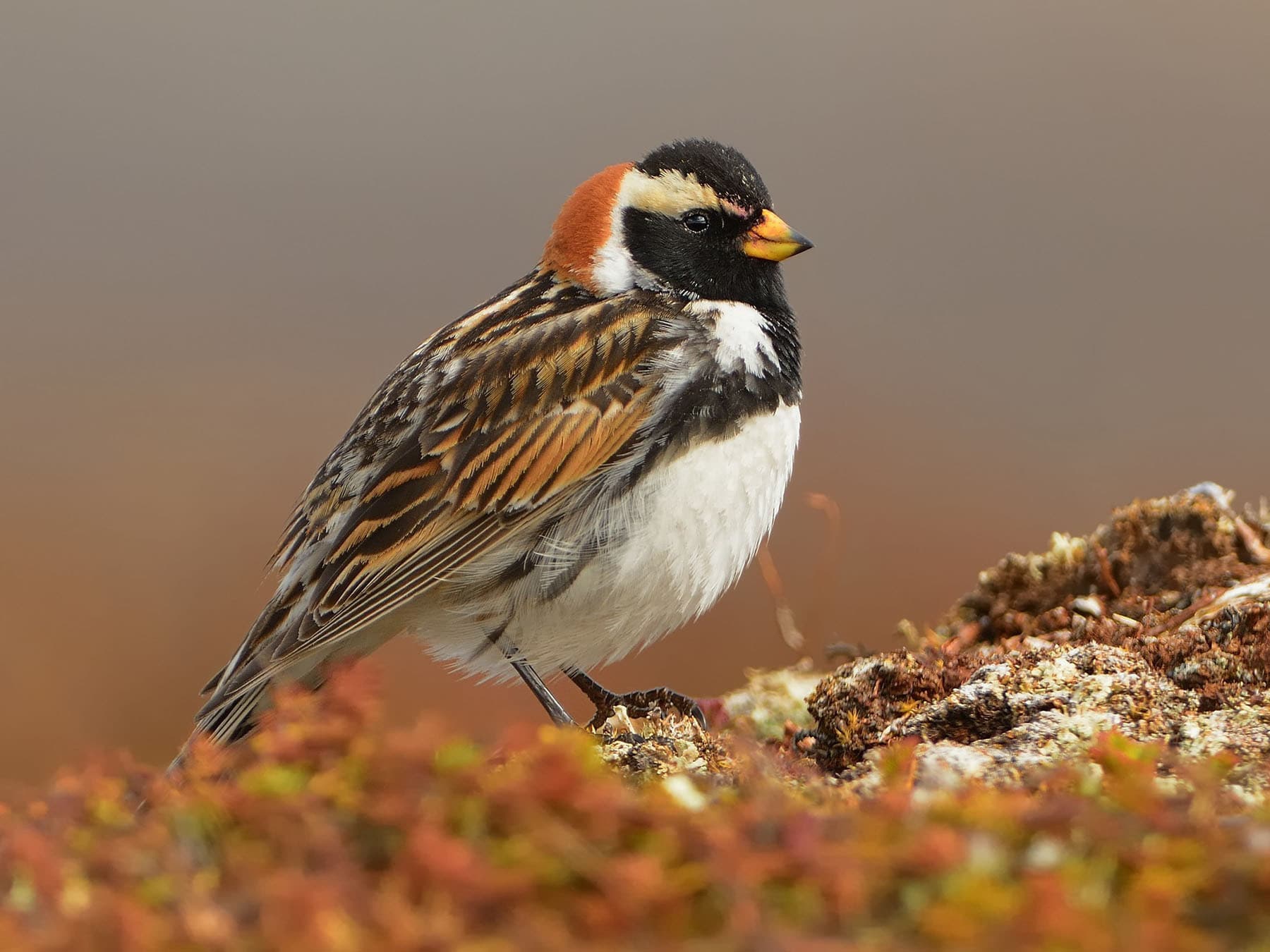
Lapland Longspur
Calcarius lapponicusLC
A rare winter visitor and passage migrant, favouring stubble fields and coastal margins. Spurn and the Holderness coast are key sites.
Sep–Mar
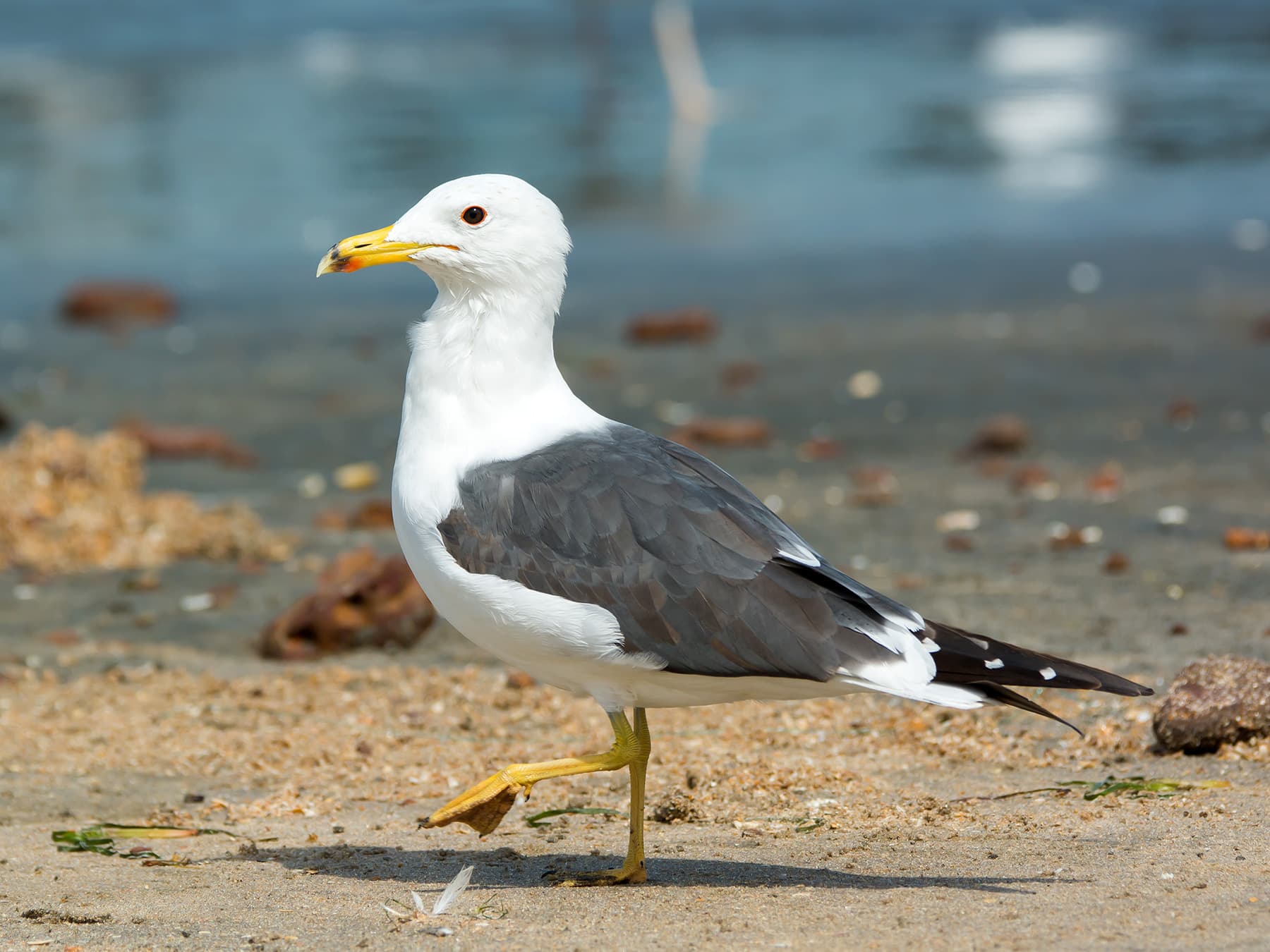
Lesser Black-backed Gull
Larus fuscusLC
Common throughout the year, frequenting farmland, landfill sites, and the Humber Estuary. Peak numbers occur during summer breeding season.
Year-round
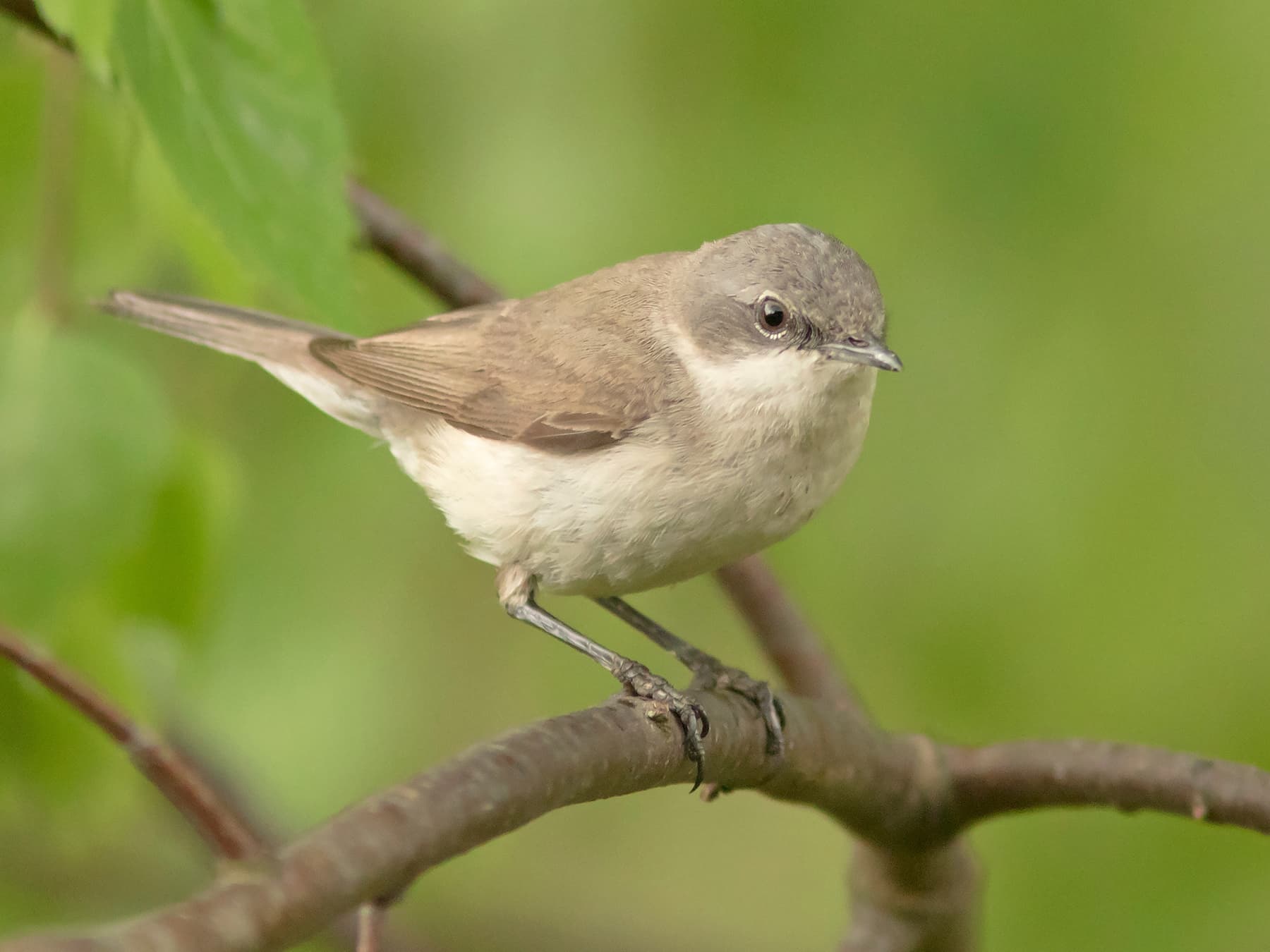
Lesser Whitethroat
Curruca currucaLC
An uncommon summer breeder arriving from April, favouring tall hedgerows and scrubby thickets across the region's farmland and woodland edges.
Apr–Oct
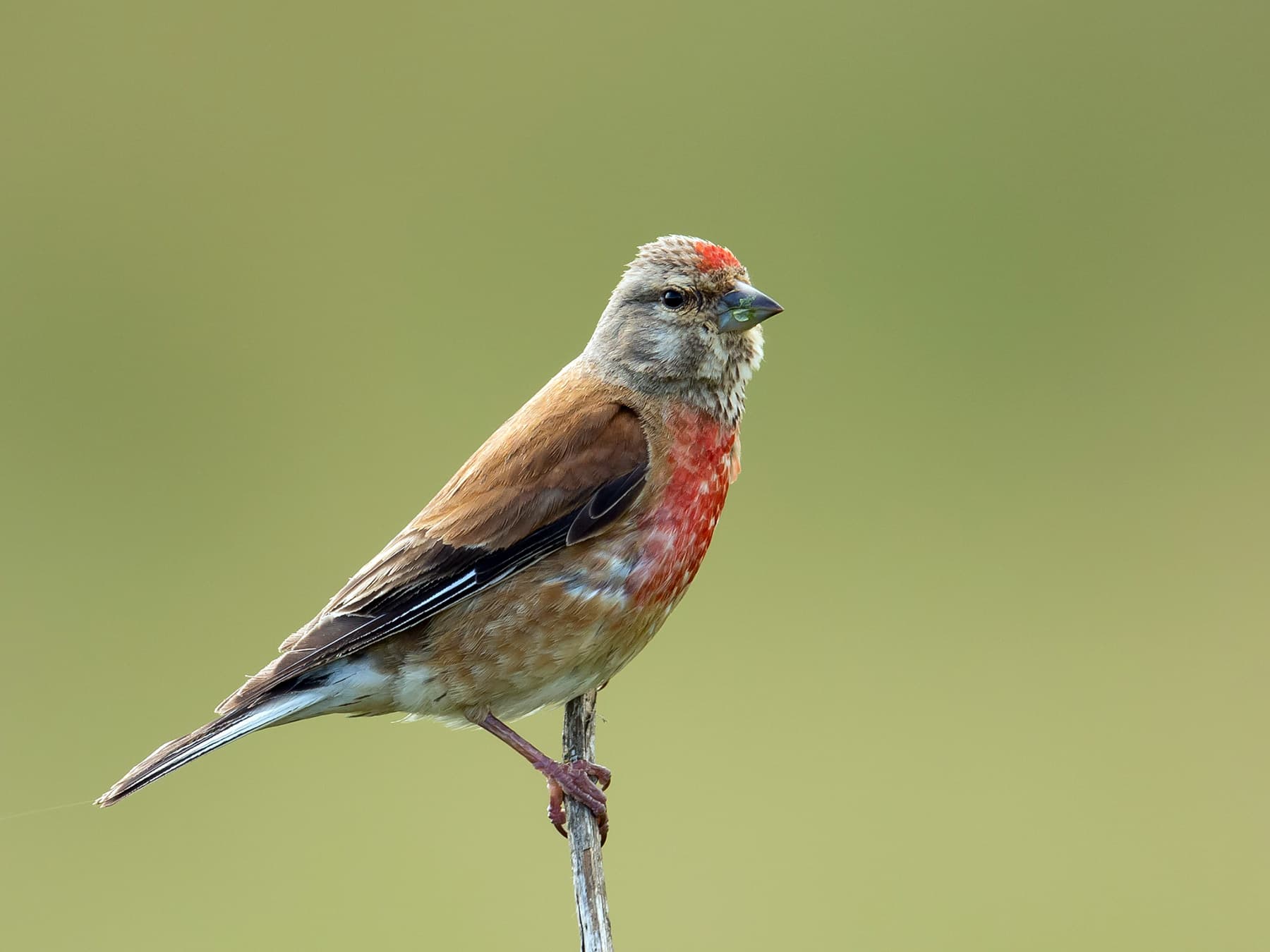
Linnet
Linaria cannabinaLC
A common resident of farmland, gorse scrub and weedy fields. Flocks gather on stubble and coastal margins outside the breeding season.
Year-round
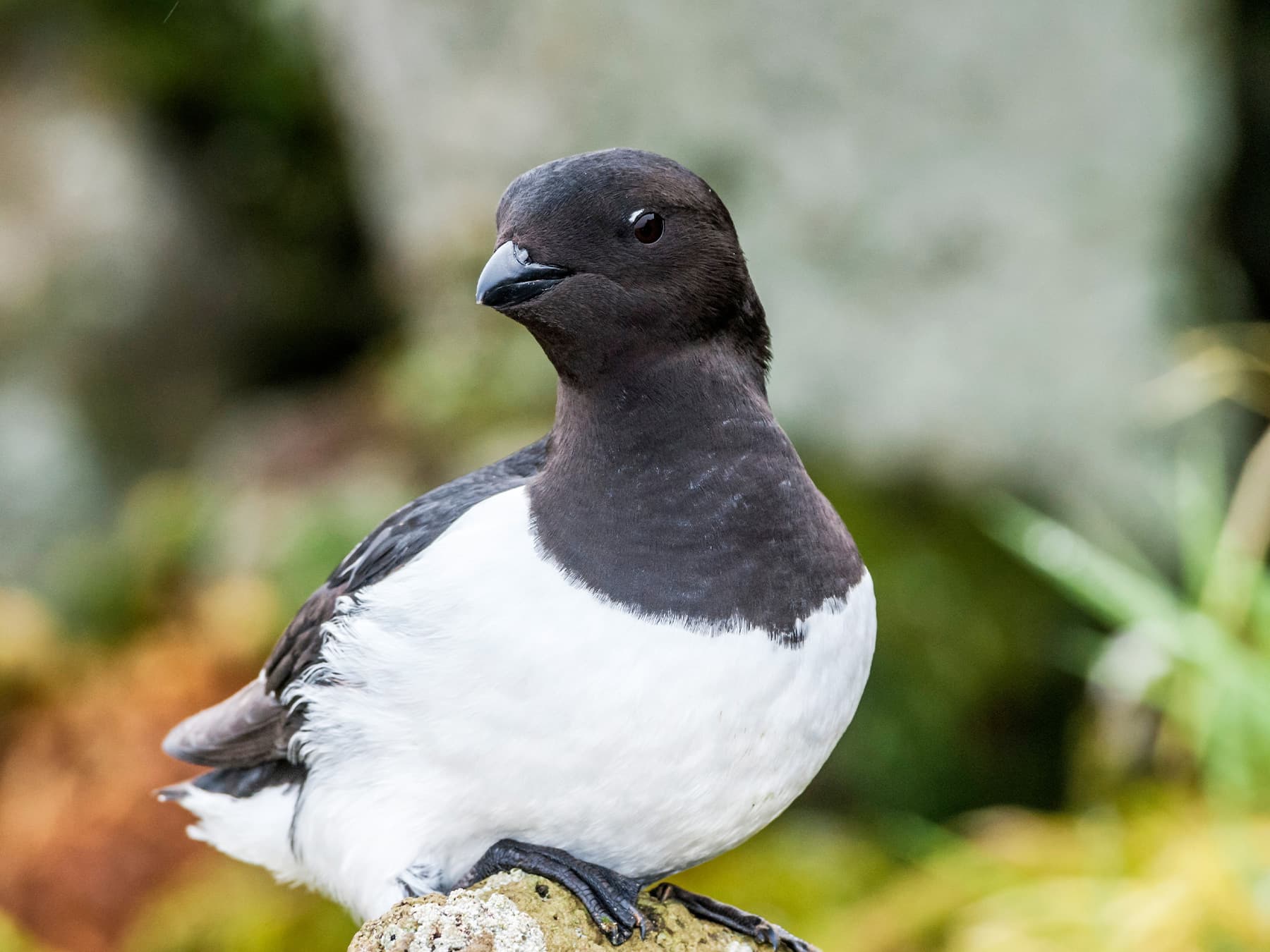
Little Auk
Alle alleLC
A rare late-autumn and winter visitor, sometimes driven close inshore or even inland by North Sea gales. Most records from October to December.
Oct–Dec
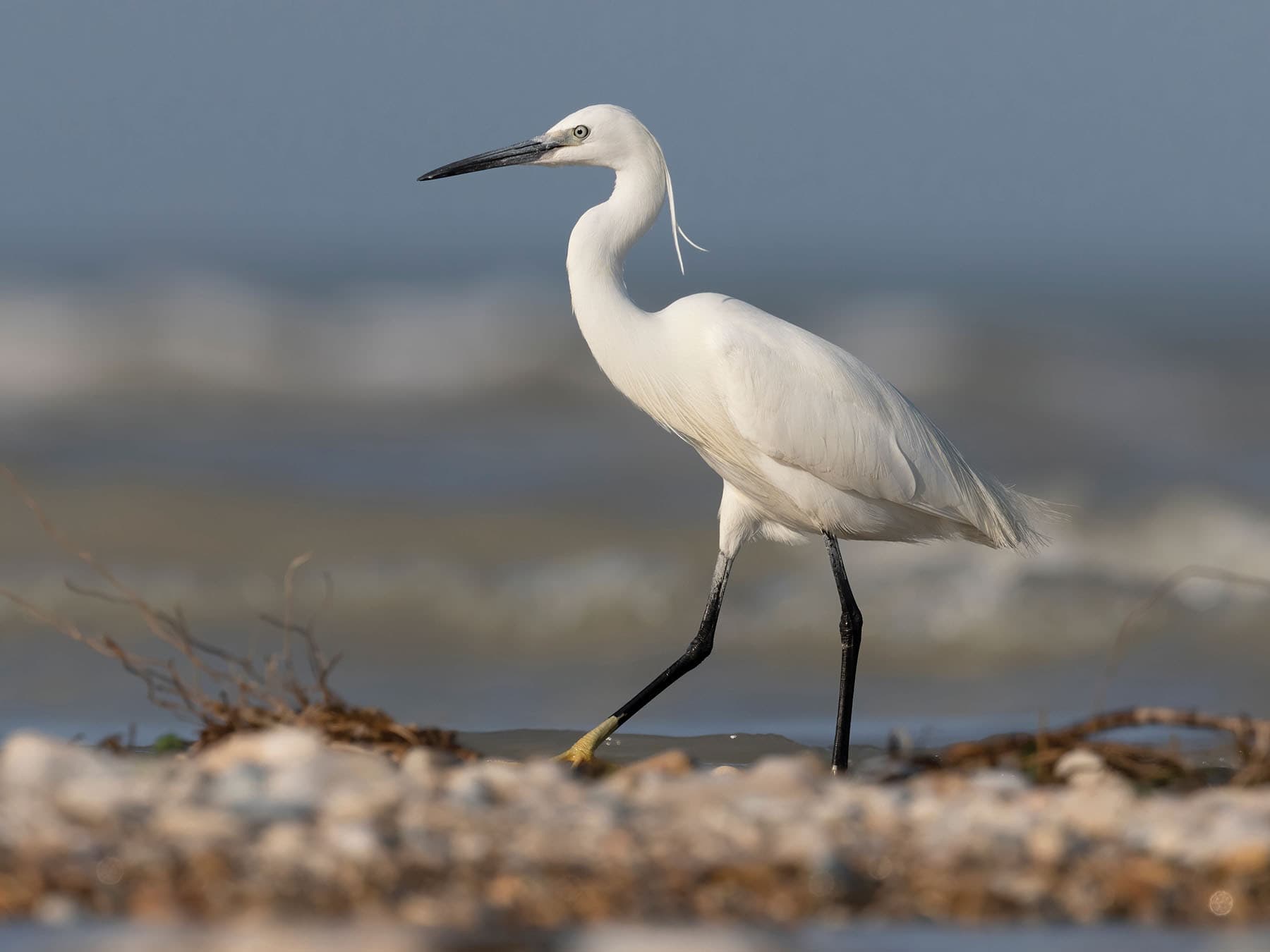
Little Egret
Egretta garzettaLC
Now a common resident at estuarine and wetland sites after a dramatic range expansion. Readily seen at Tophill Low and along the Humber.
Year-round
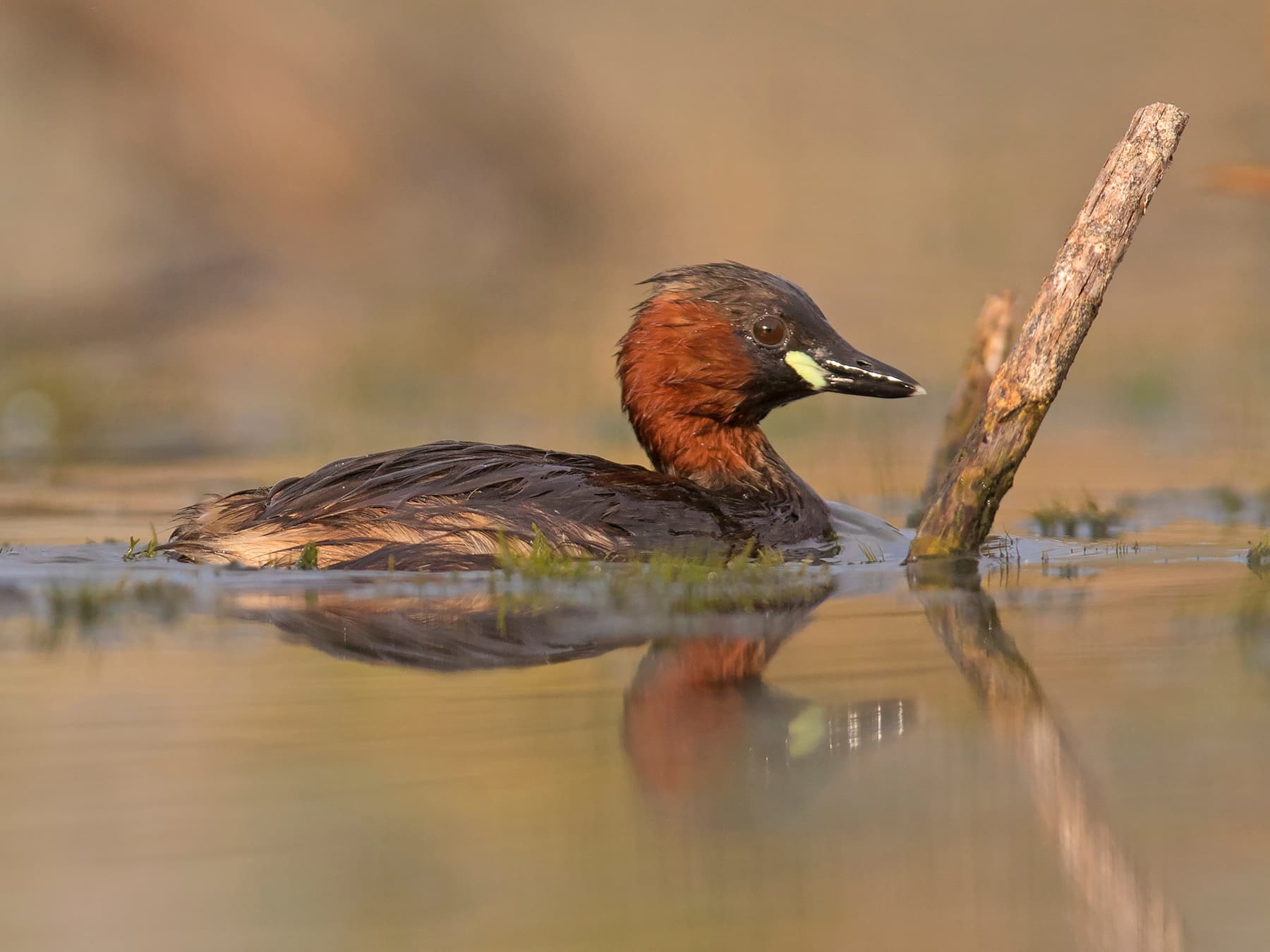
Little Grebe
Tachybaptus ruficollisLC
A shy resident of ponds, lakes, and slow-moving waterways. Often heard before seen, with a distinctive whinnying trill.
Year-round
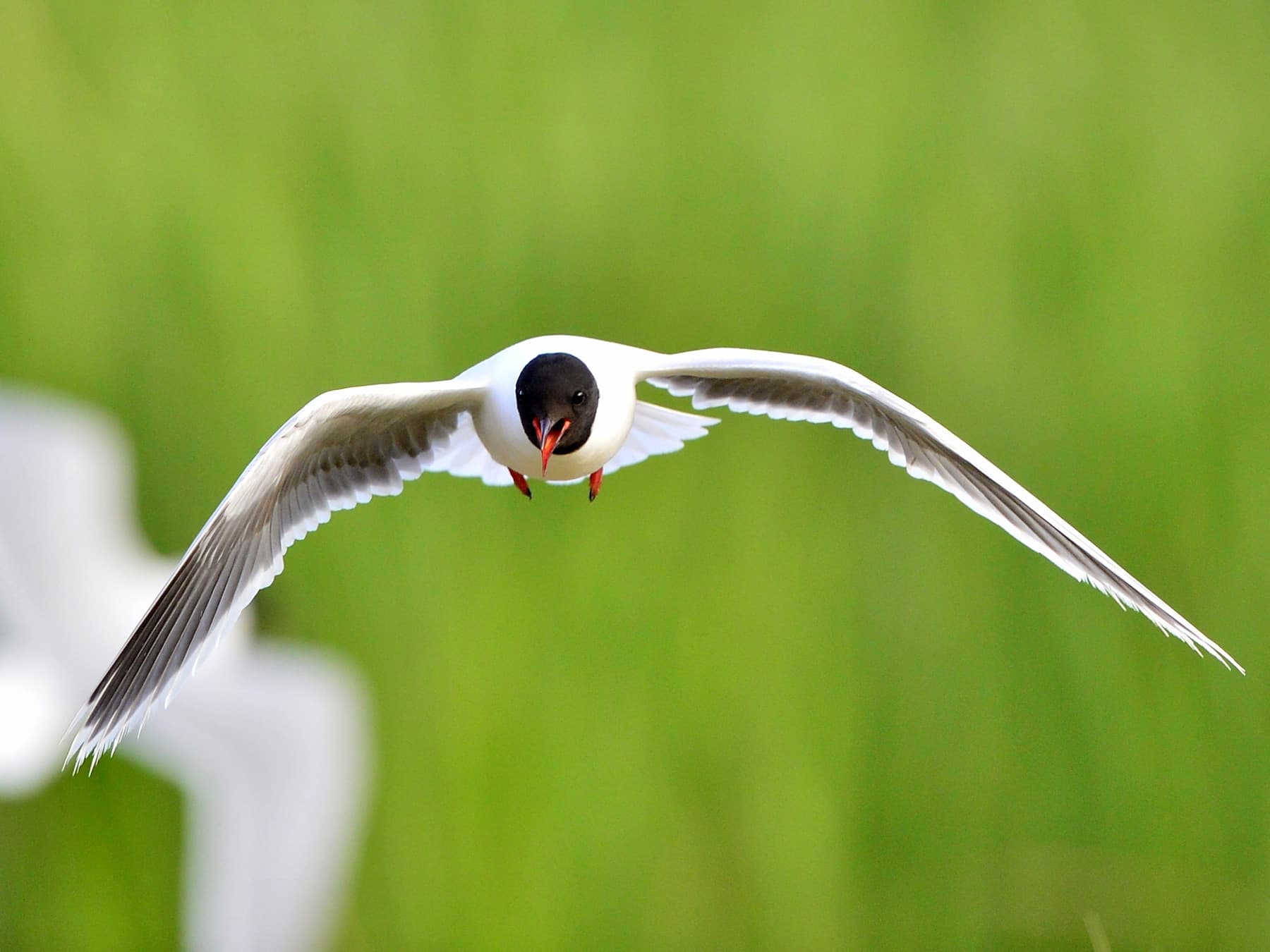
Little Gull
Hydrocoloeus minutusLC
An uncommon but regular visitor to the Humber Estuary and coastal waters, most often seen on passage from spring through autumn.
Mar–Dec
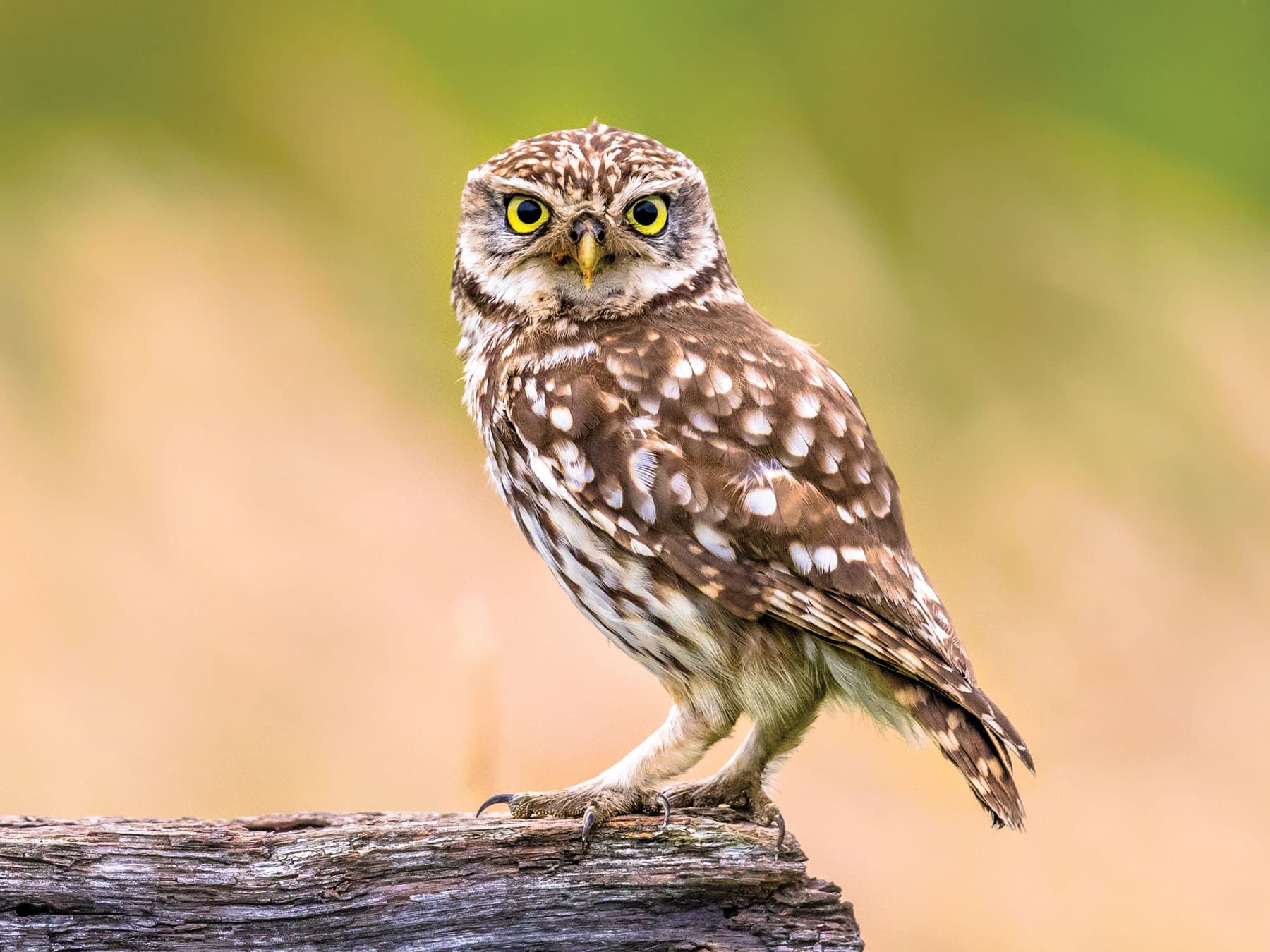
Little Owl
Athene noctuaLC
A rare but resident owl of farmland and parkland, sometimes seen perched on posts during daylight hours.
Year-round
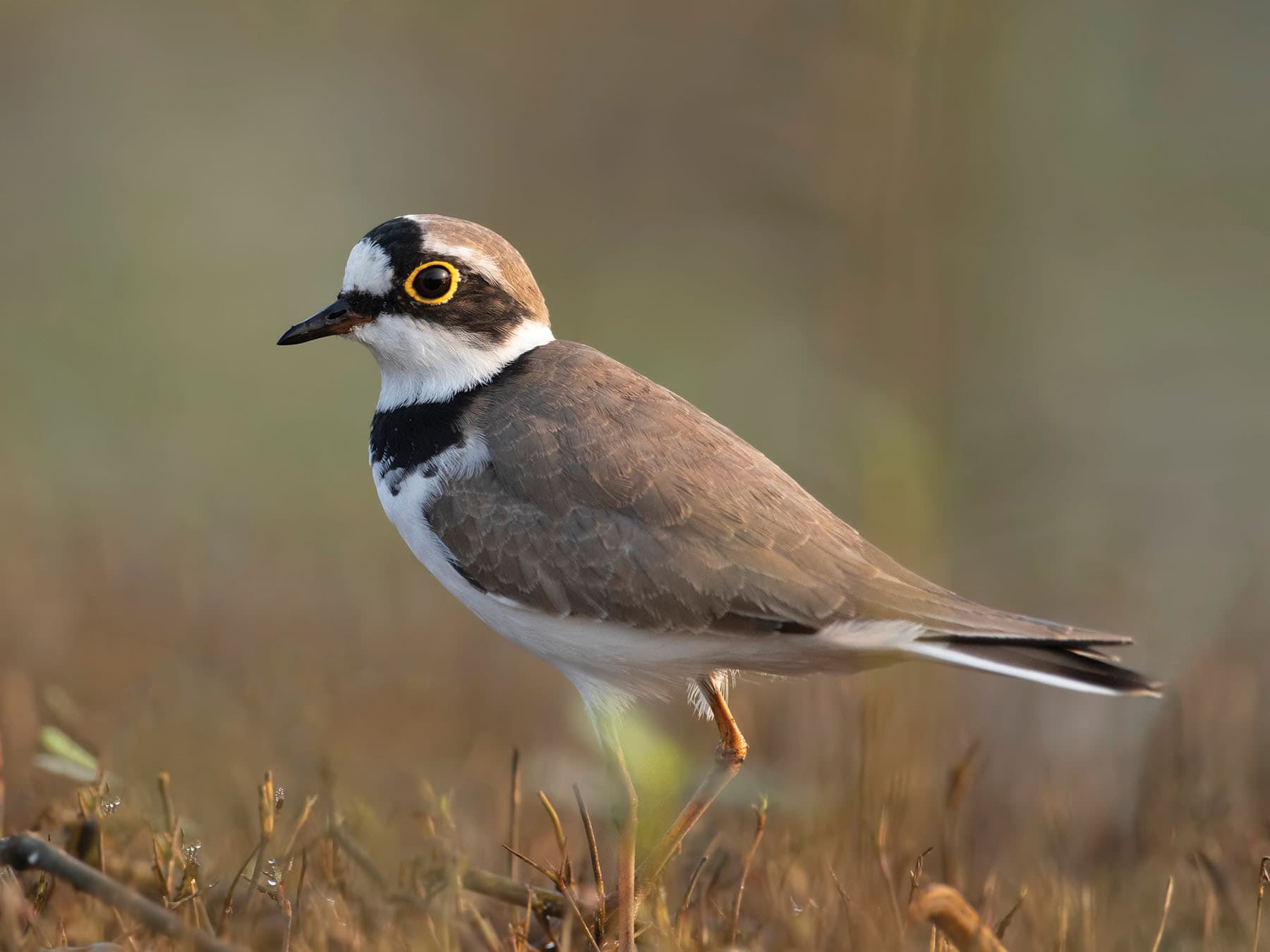
Little Ringed Plover
Charadrius dubiusLC
An uncommon summer breeder from March to September, favouring gravel pits and reservoir margins. Distinguished from Ringed Plover by its yellow eye-ring.
Mar–Sep
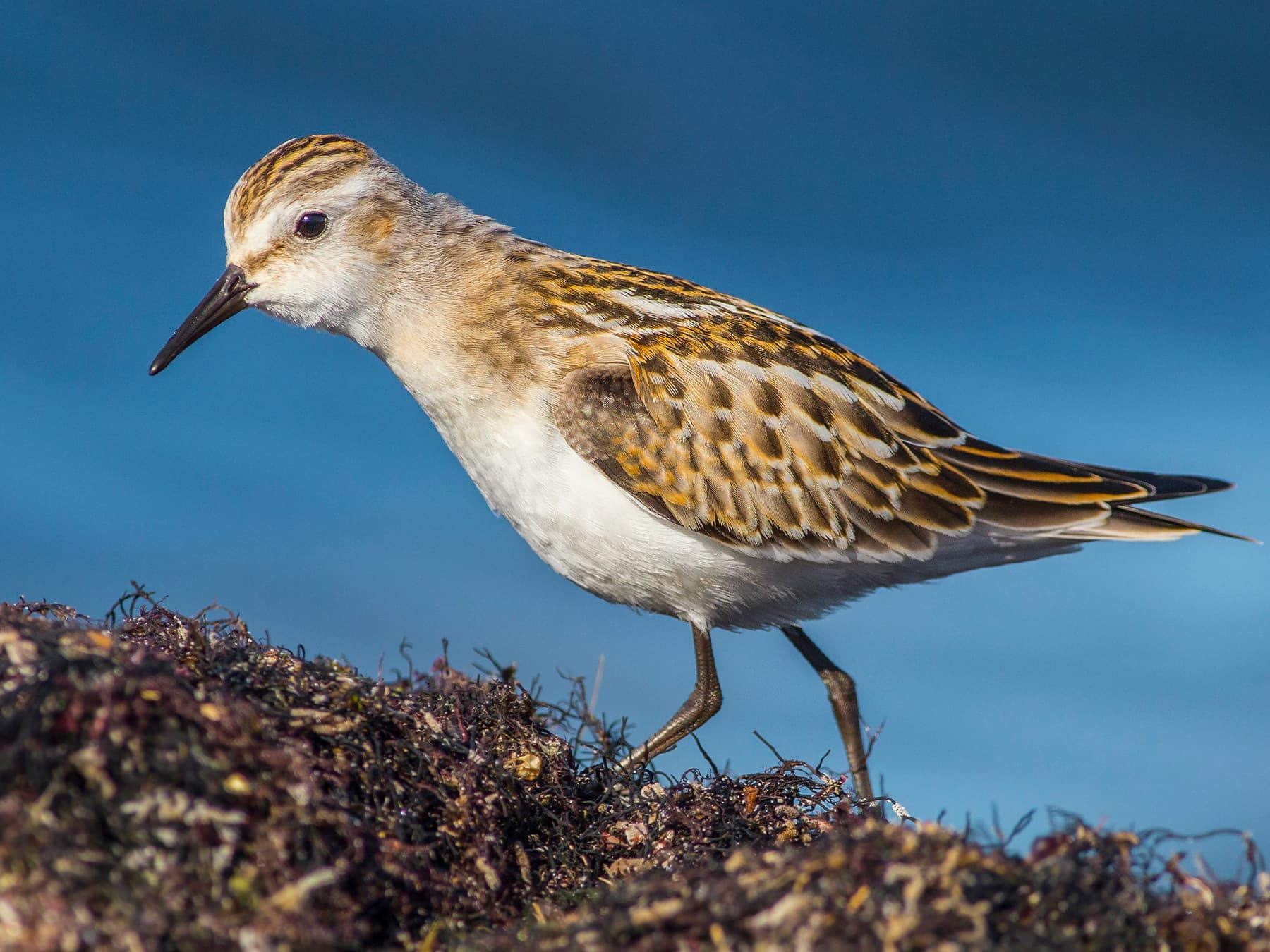
Little Stint
Calidris minutaLC
A rare visitor from May to October, most often seen in autumn at coastal scrapes and freshwater pools alongside other small waders.
May–Oct
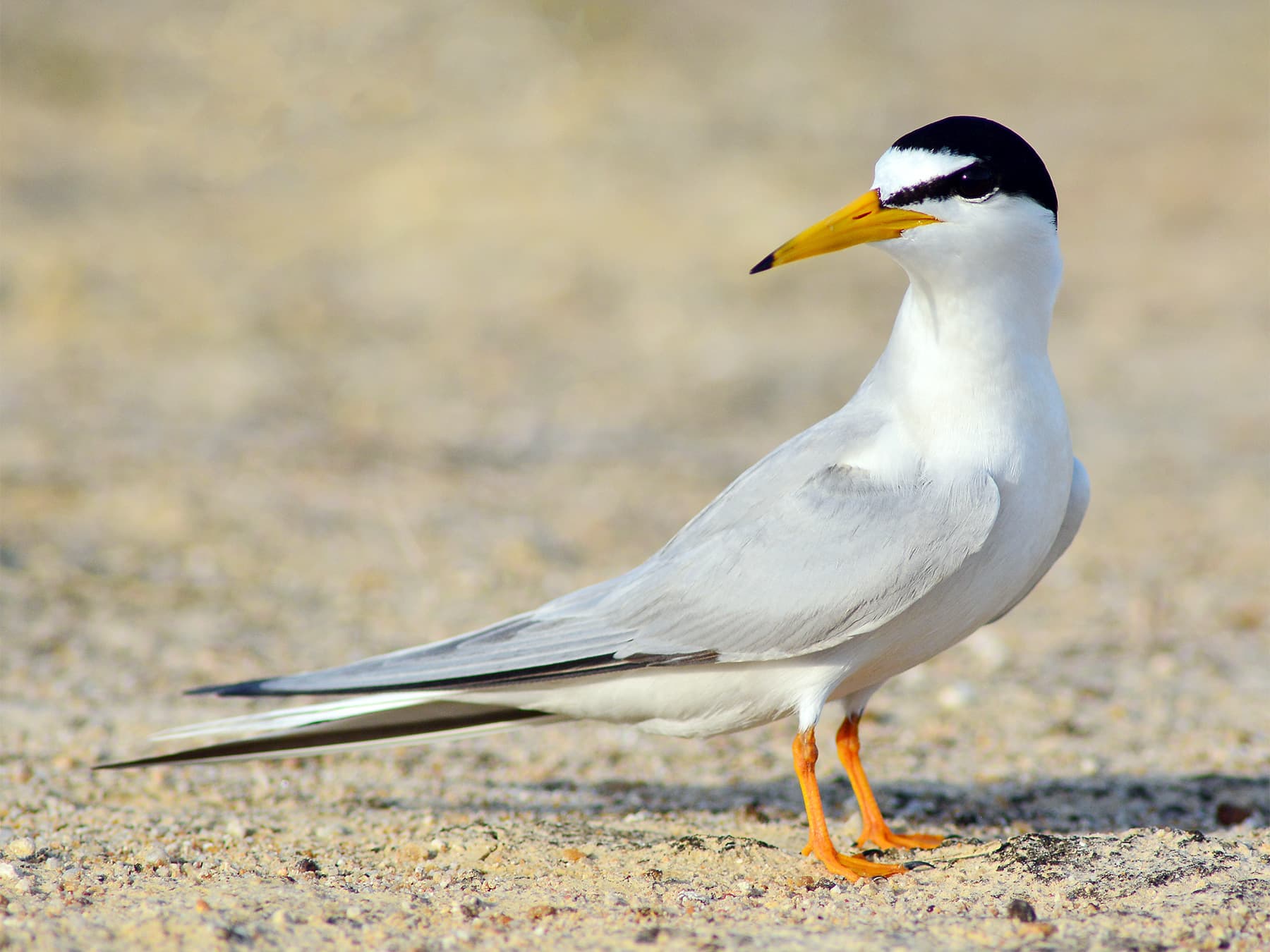
Little Tern
Sternula albifronsLC
A scarce summer breeder on shingle beaches along the Holderness coast. Vulnerable to disturbance and habitat loss from coastal erosion.
Apr–Sep
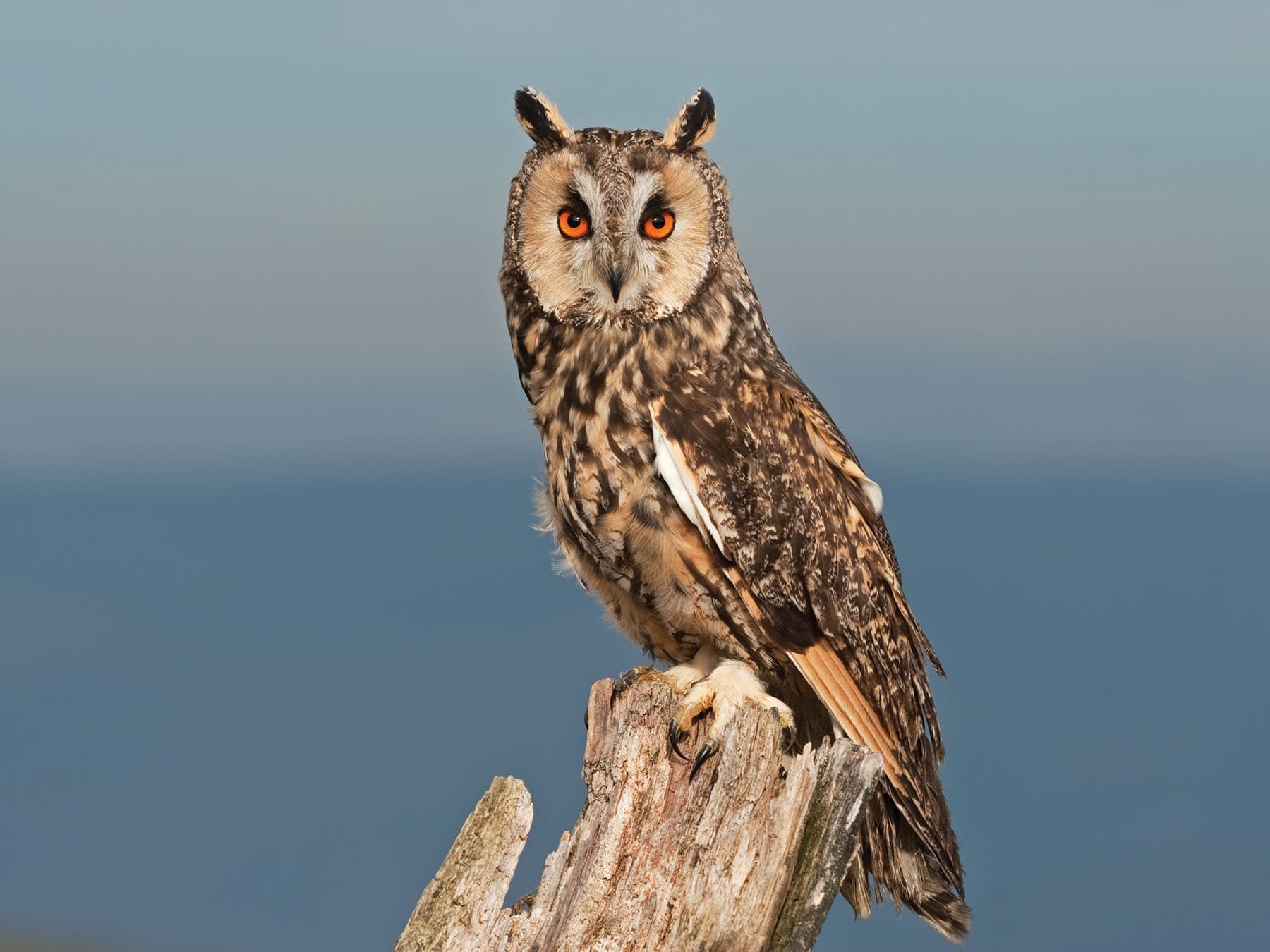
Long-eared Owl
Asio otusLC
A rare passage visitor in spring and autumn, sometimes found roosting in coastal scrub at migration hotspots like Spurn.
Oct–May
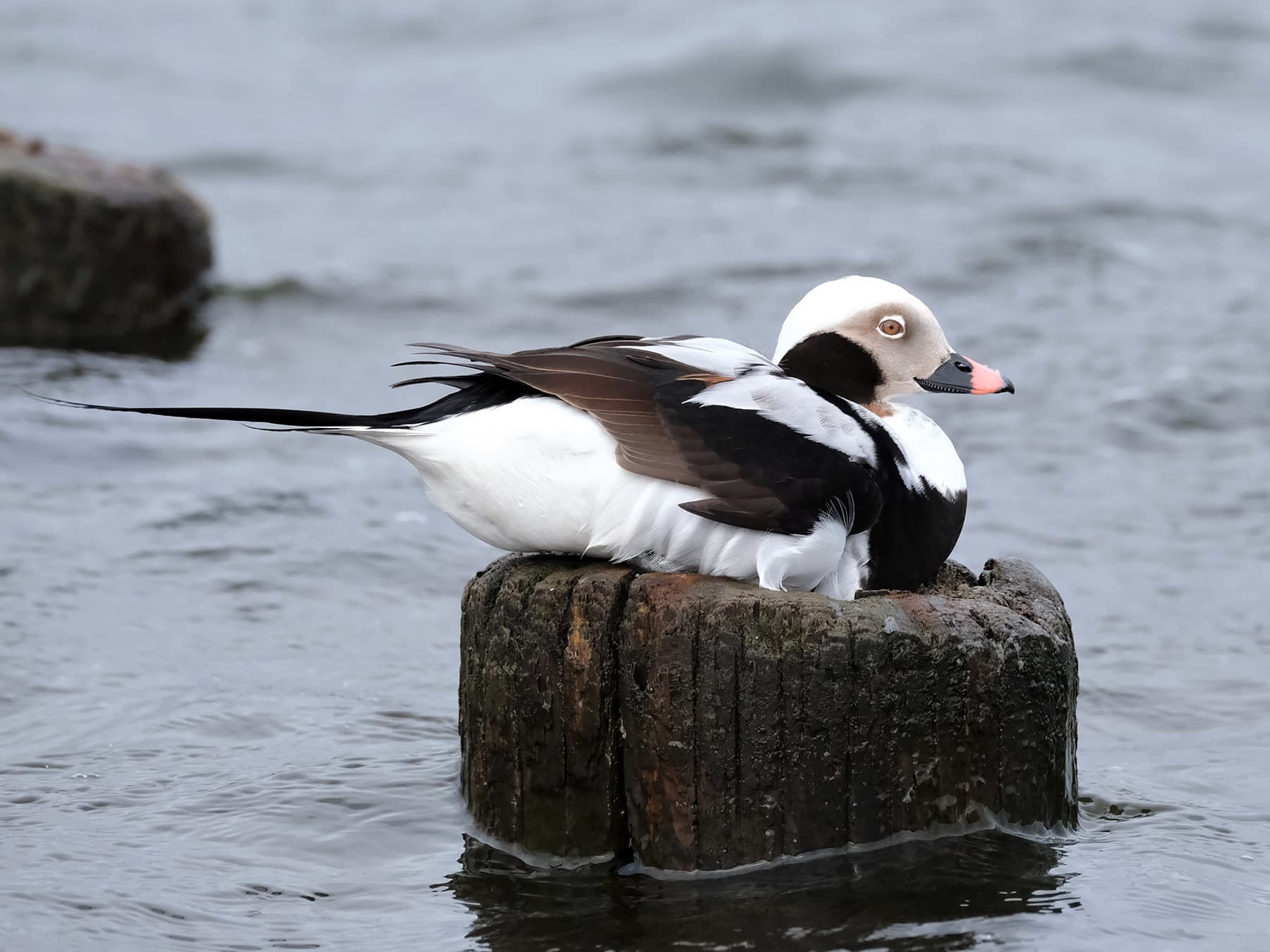
Long-tailed Duck
Clangula hyemalisVU
A rare winter visitor to coastal waters, arriving from October. Occasionally seen from headlands or in sheltered bays along the Holderness coast.
Oct–Jan