Birds in Durham
Explore 199 species found in this region.
Durham is a richly diverse county for birdwatching, with 197 recorded species found across its varied landscapes of upland moorland, river valleys, coastal stretches, and ancient woodlands. From the striking Northern Lapwing displaying over farmland to the elusive Eurasian Woodcock in dense woodland, the county offers rewarding birding throughout the year. Notable species include the colourful Mandarin Duck along wooded waterways, Common Merganser on the River Wear, and Horned Lark on the high Pennine tops.
Visiting in September? Look out for Brent Goose and Eurasian Spoonbill arriving this month, and Common Raven and Common Reed-warbler depart for the season.


Showing 139–161 of 199 species
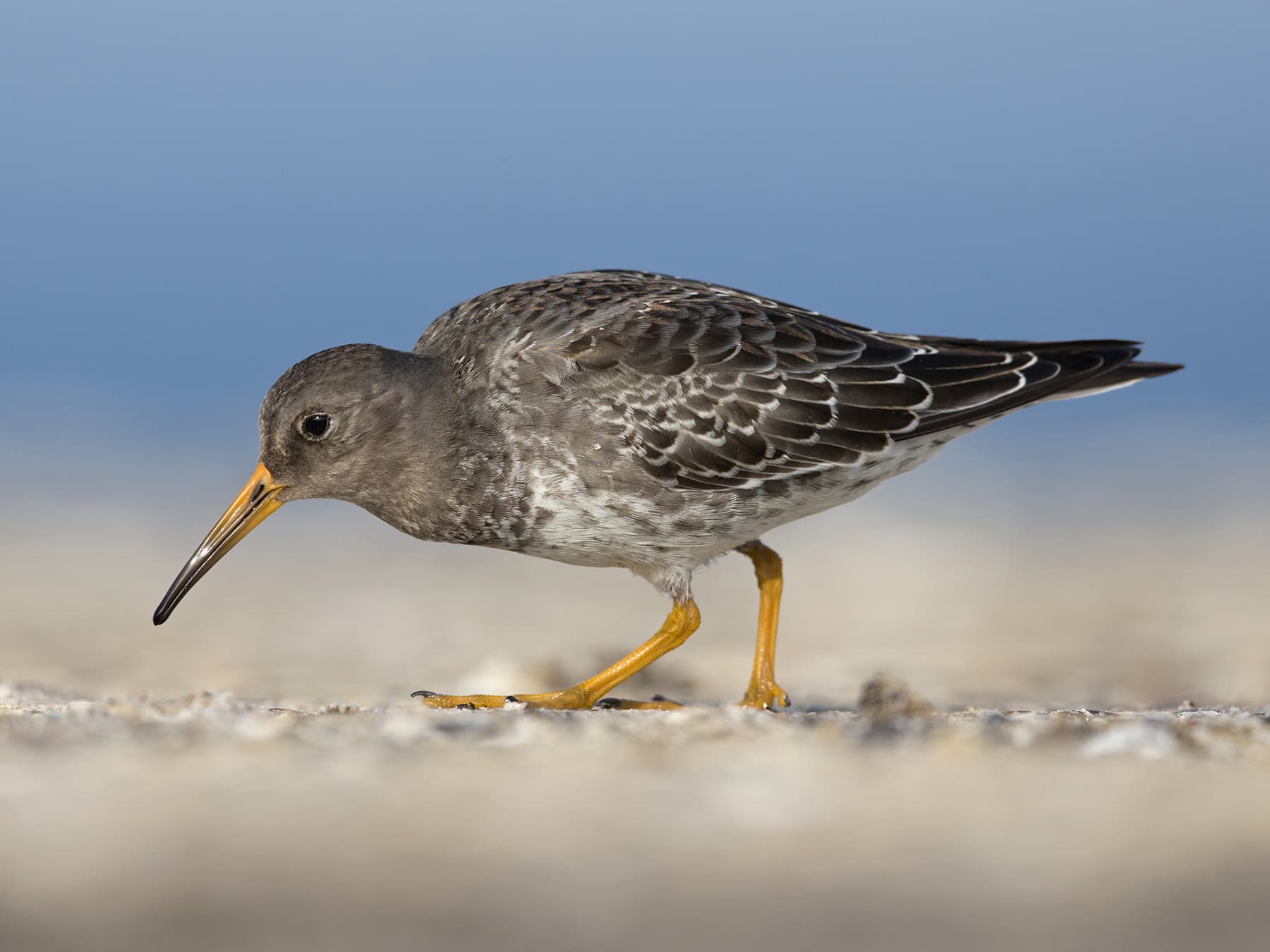
Purple Sandpiper
Calidris maritimaLC
A rare winter visitor to Durham's rocky coastline, favouring wave-washed piers and headlands. Departs by spring to breed in the Arctic.
Sep–Mar
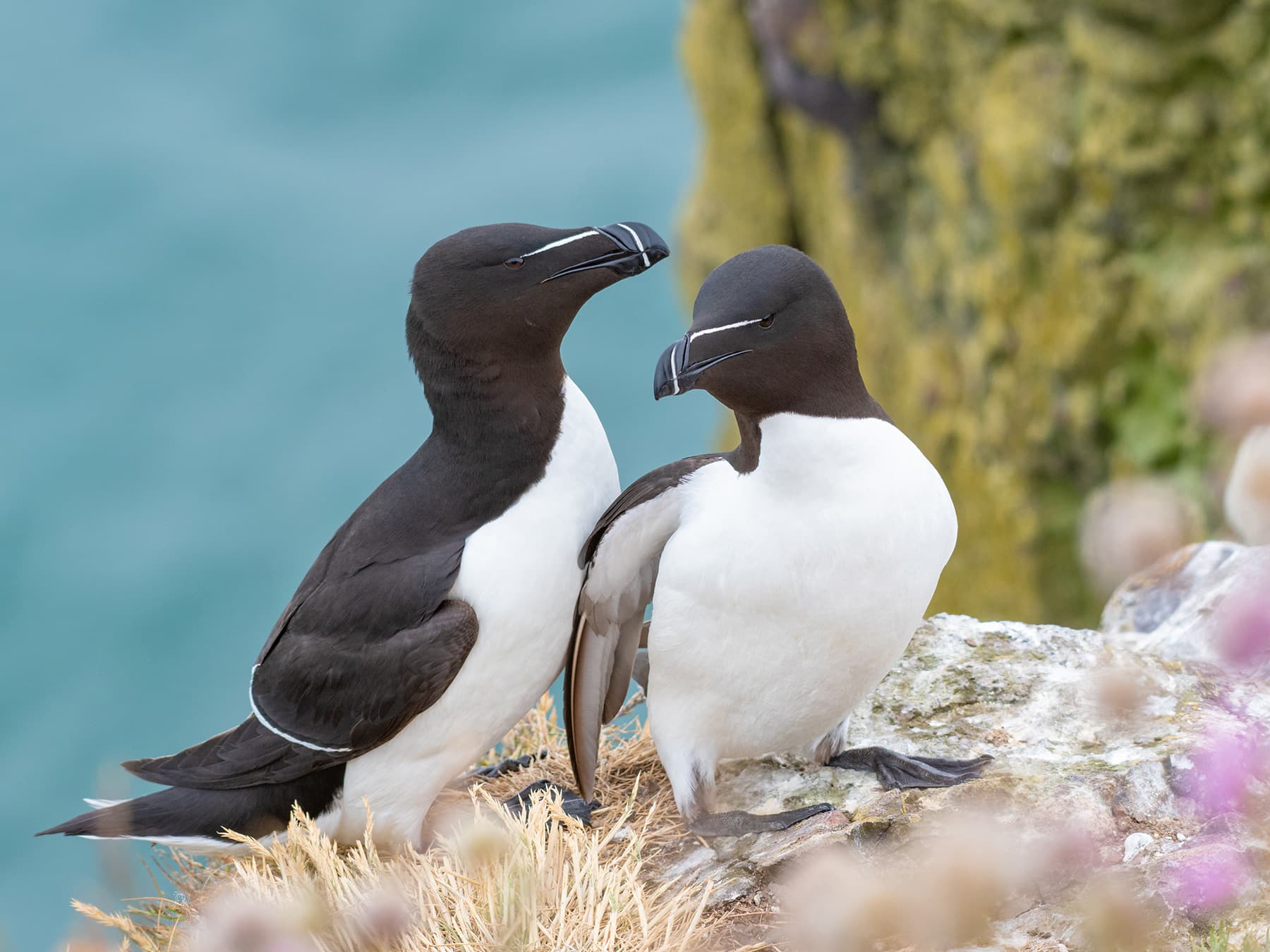
Razorbill
Alca tordaLC
A rare resident seen offshore mainly in late summer and autumn, with some midwinter records. Best spotted from coastal headlands.
Jul–Jan
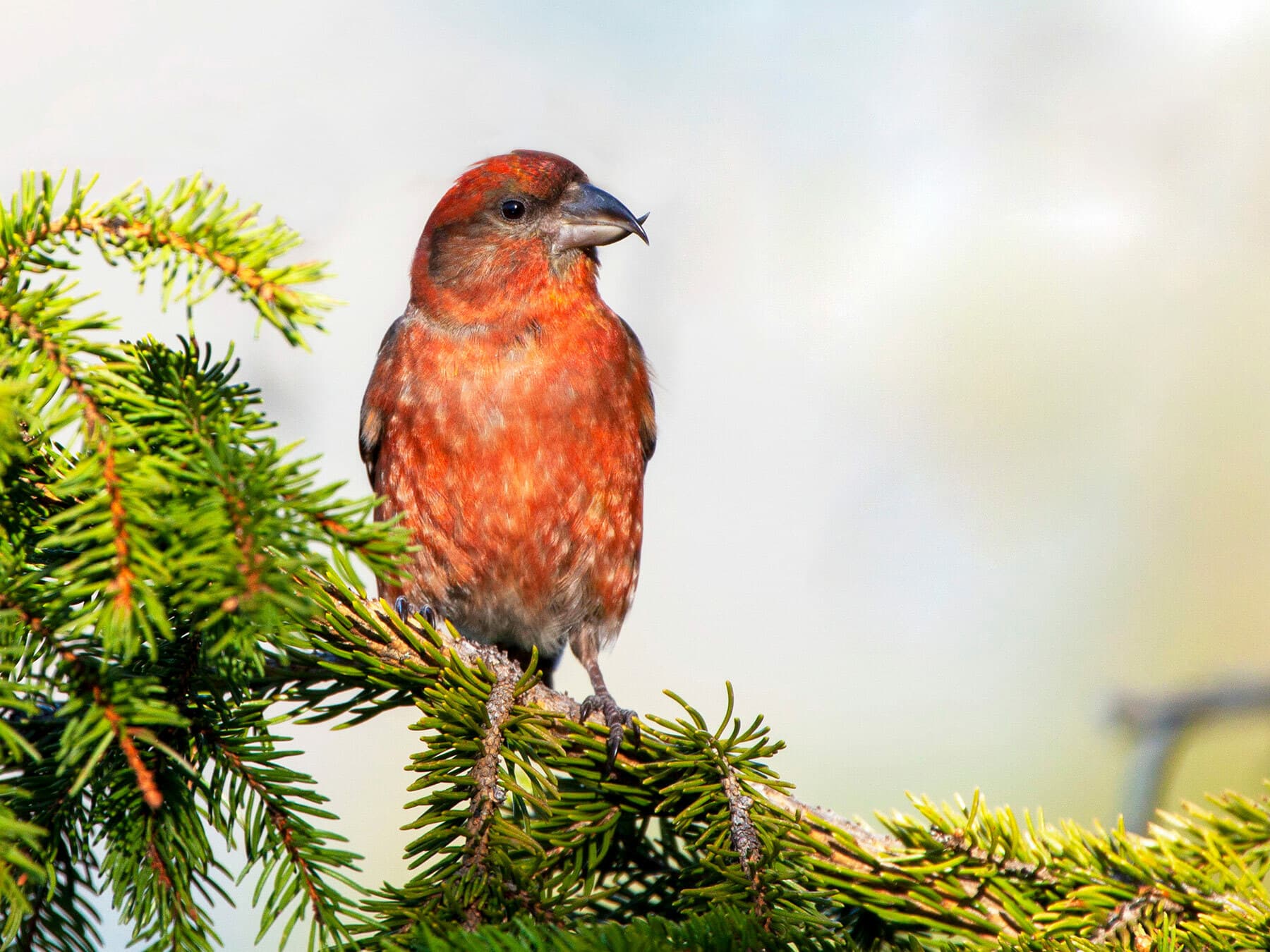
Red Crossbill
Loxia curvirostraLC
A rare and nomadic resident of Durham's conifer plantations, with erratic appearances linked to spruce cone crops.
Jun–Mar
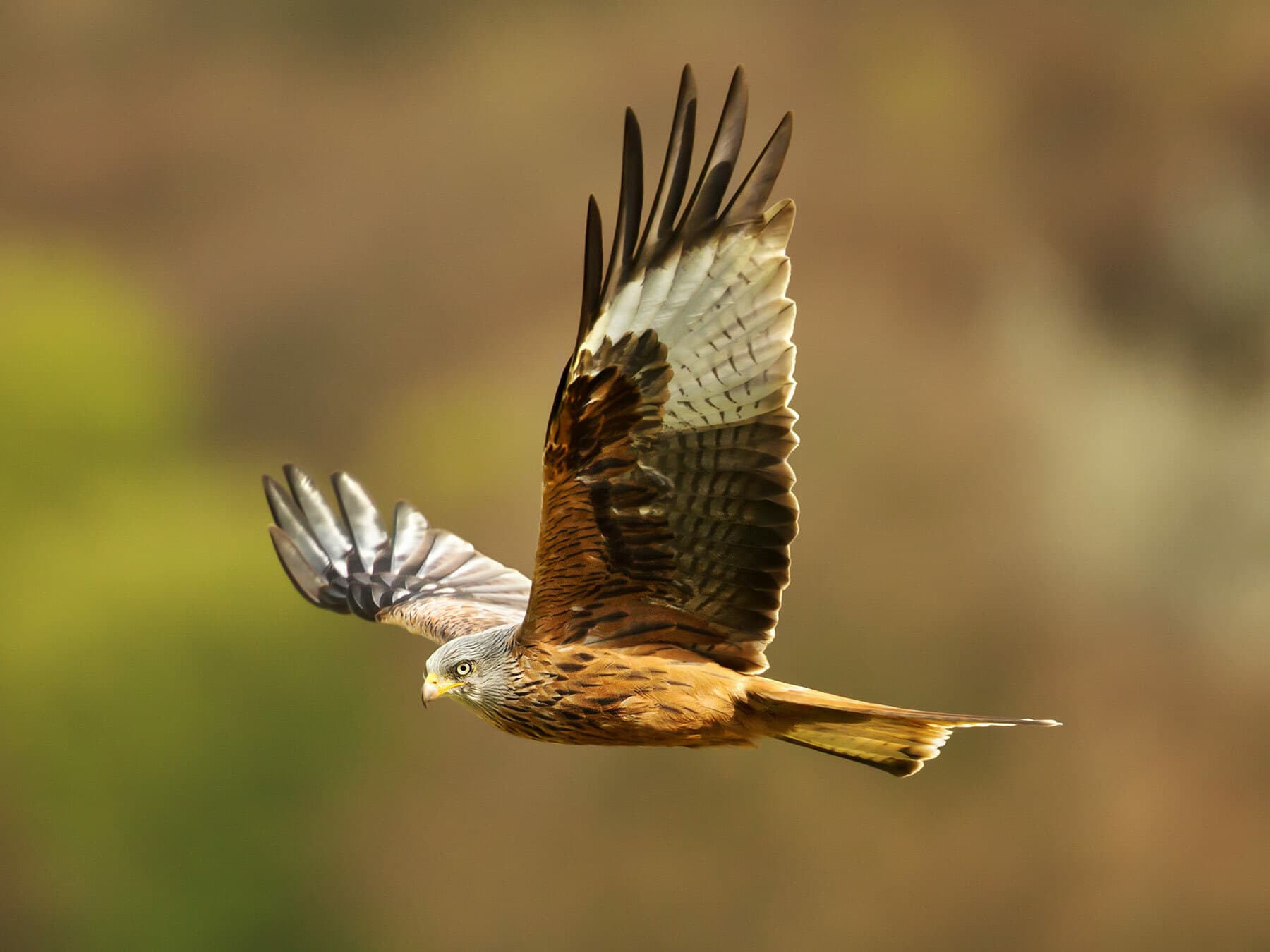
Red Kite
Milvus milvusLC
A rare but increasingly seen resident, soaring over farmland and woodland edges. Durham lies at the edge of its expanding range.
Feb–Dec
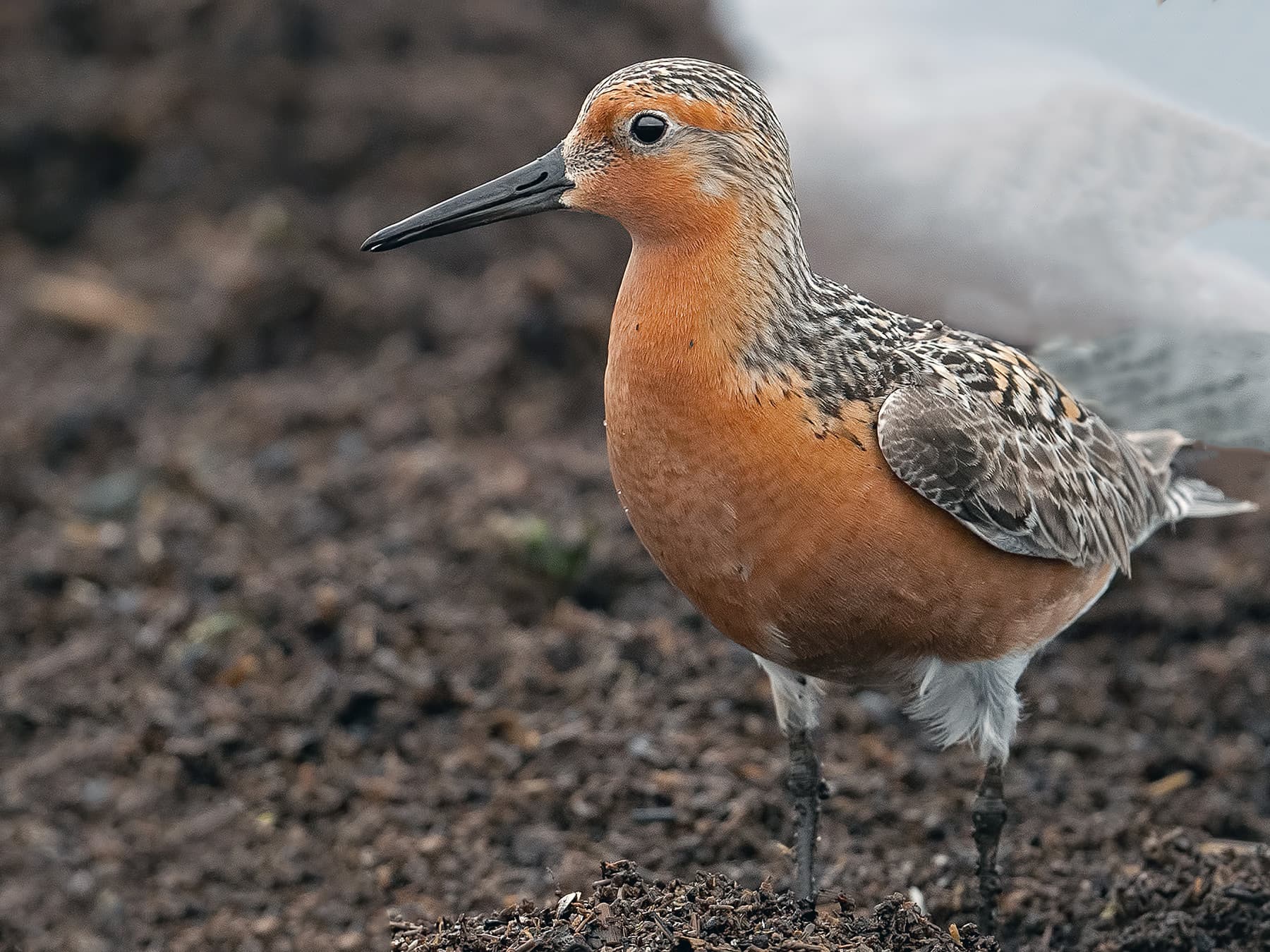
Red Knot
Calidris canutusNT
A rare non-breeding visitor to the Durham coast, occasionally seen in flocks on sandy beaches and estuarine mudflats outside the summer months.
Jul–Mar
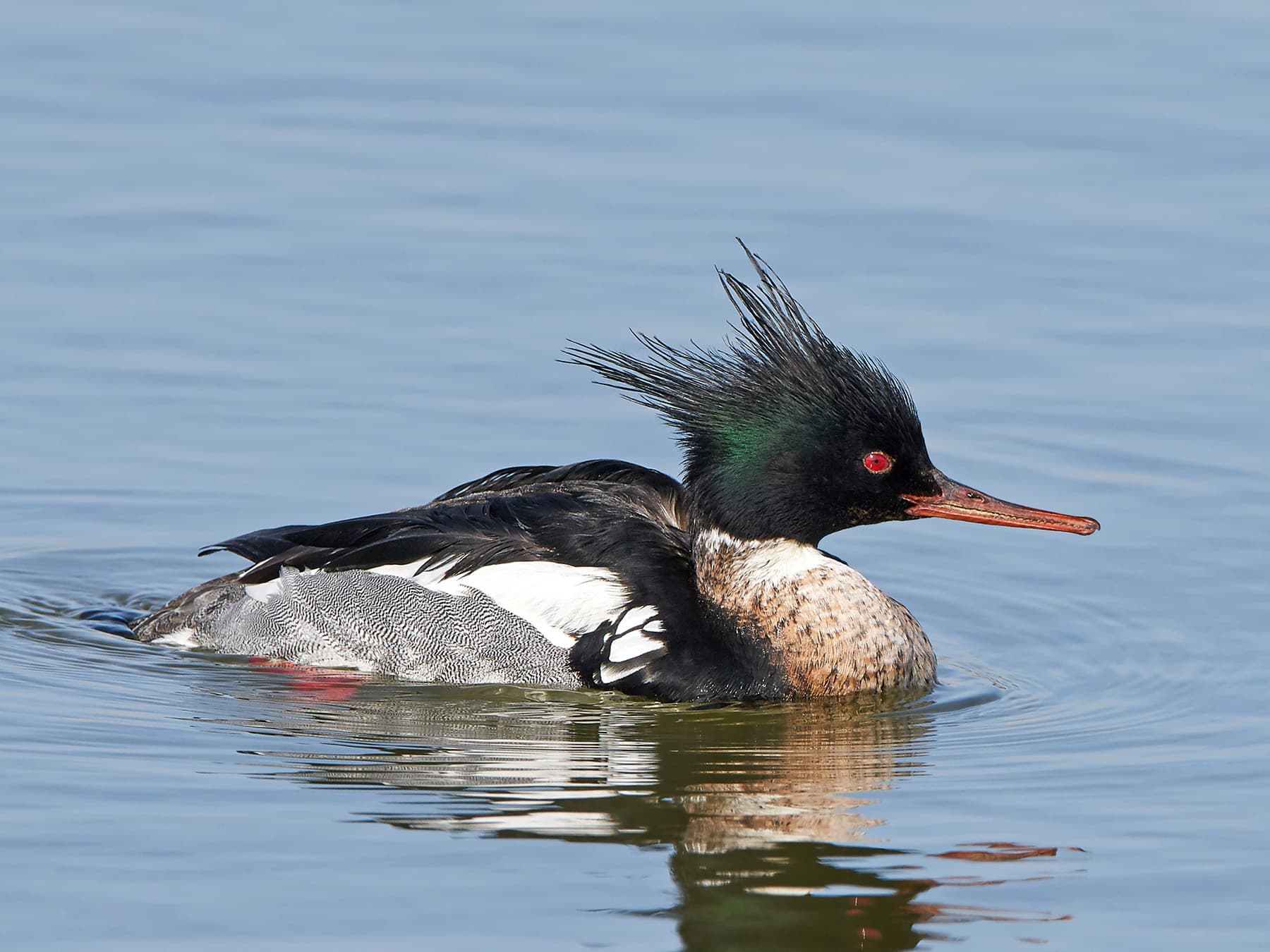
Red-breasted Merganser
Mergus serratorLC
A rare non-breeding visitor, mainly seen along the Durham coast and river estuaries from autumn through to early spring.
Sep–Apr
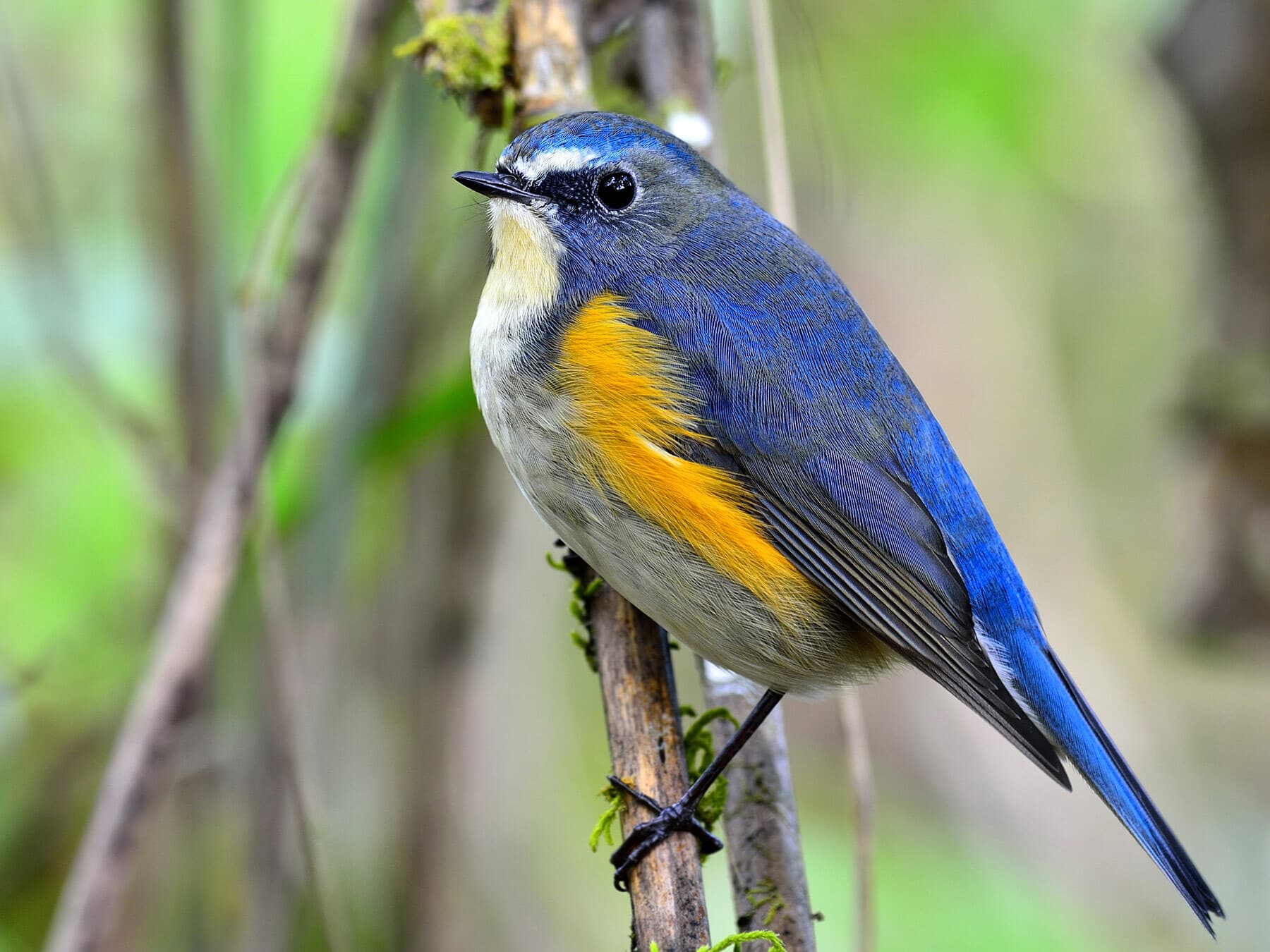
Red-flanked Bluetail
Tarsiger cyanurusLC
An extremely rare vagrant from eastern Asia, with occasional winter records along the Durham coast. A major rarity for the region.
Jan
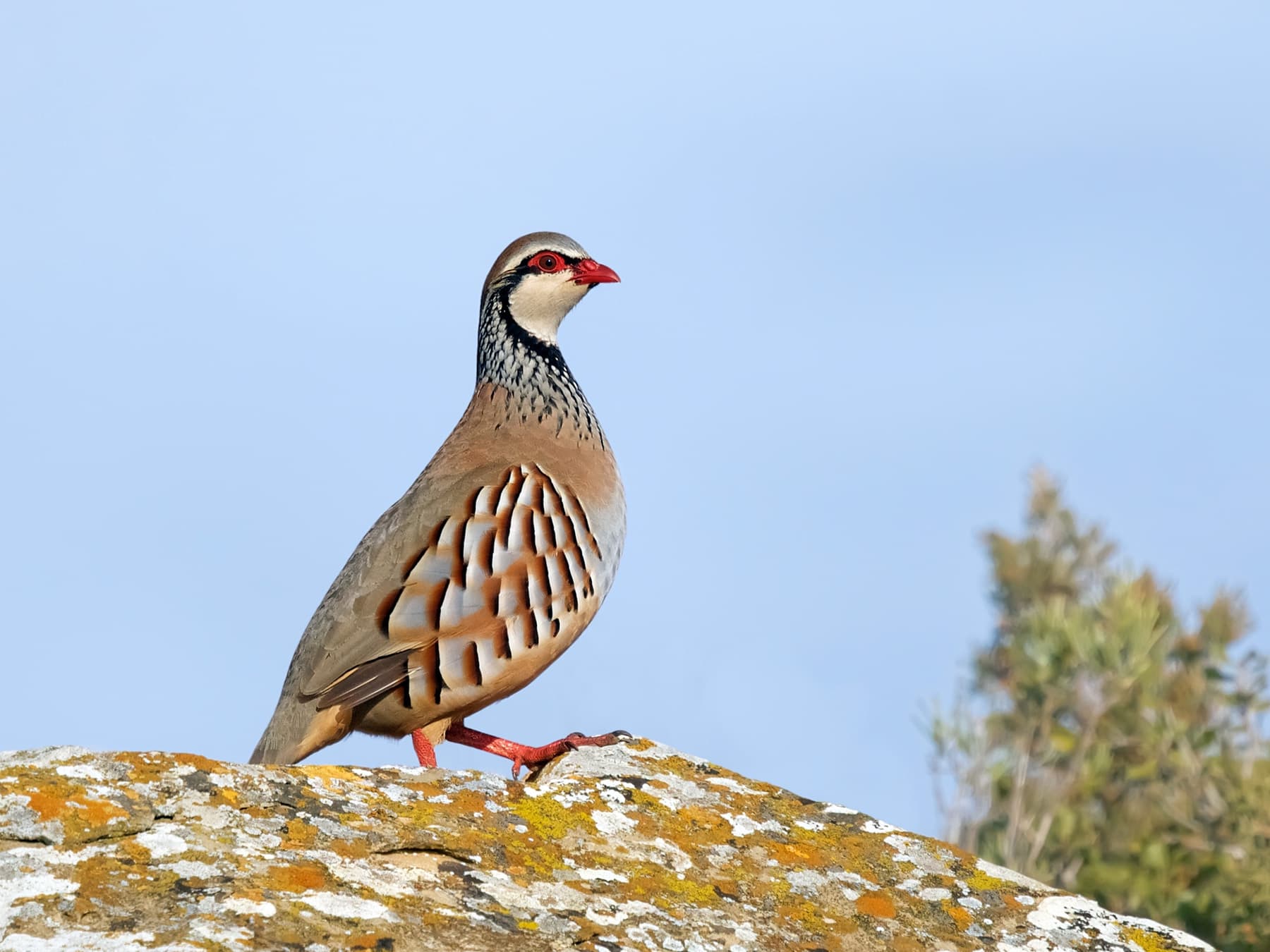
Red-legged Partridge
Alectoris rufaNT
A rare passage visitor in spring, near the northern edge of its UK range. Occasionally noted on lowland farmland in April and May.
Apr–May
Spotted something?
Upload a photo to identify it
Identify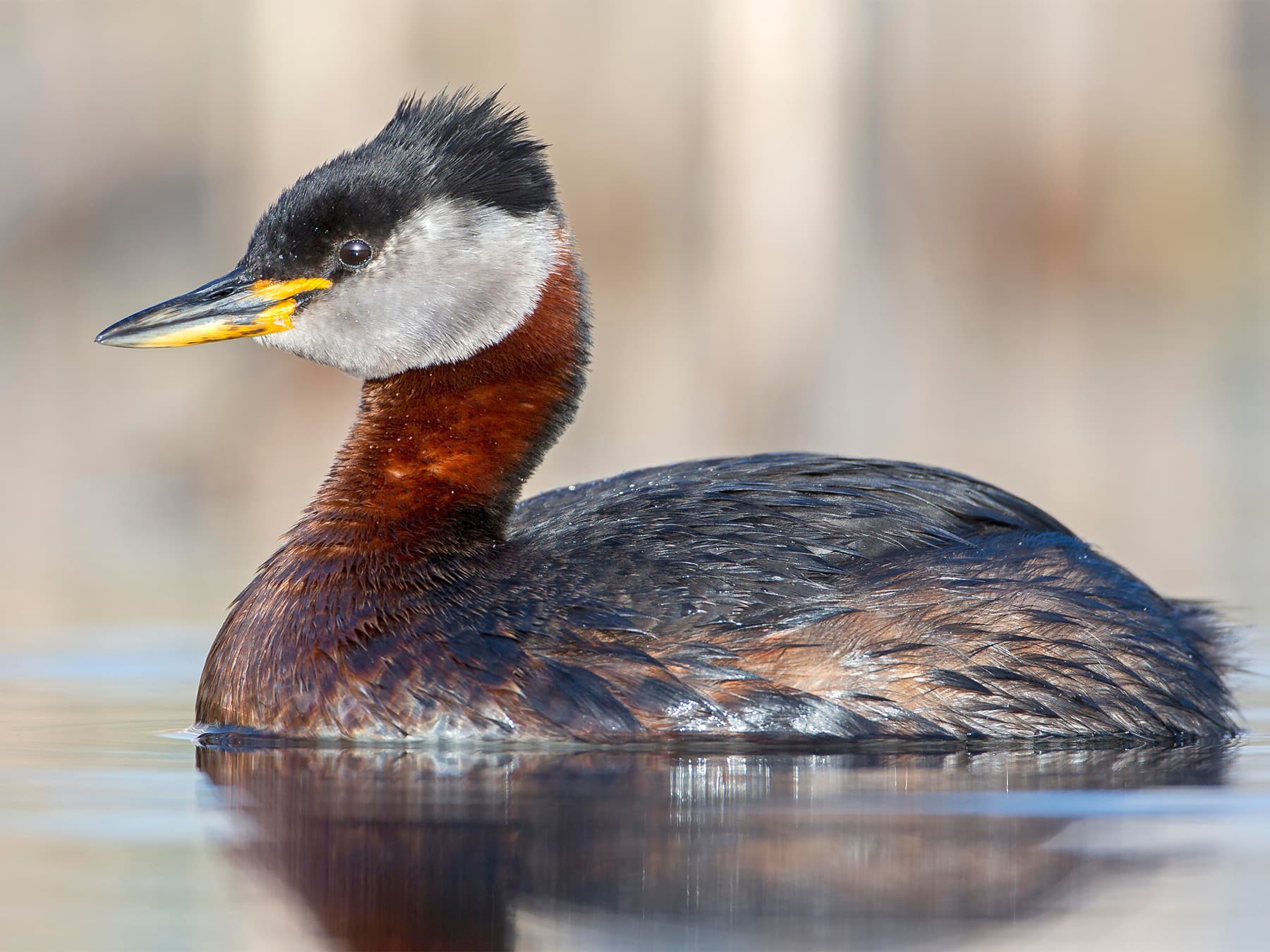
Red-necked Grebe
Podiceps grisegenaLC
A rare passage visitor, mainly recorded in February. Occasionally seen offshore or on coastal waters during harsh winter weather.
Feb
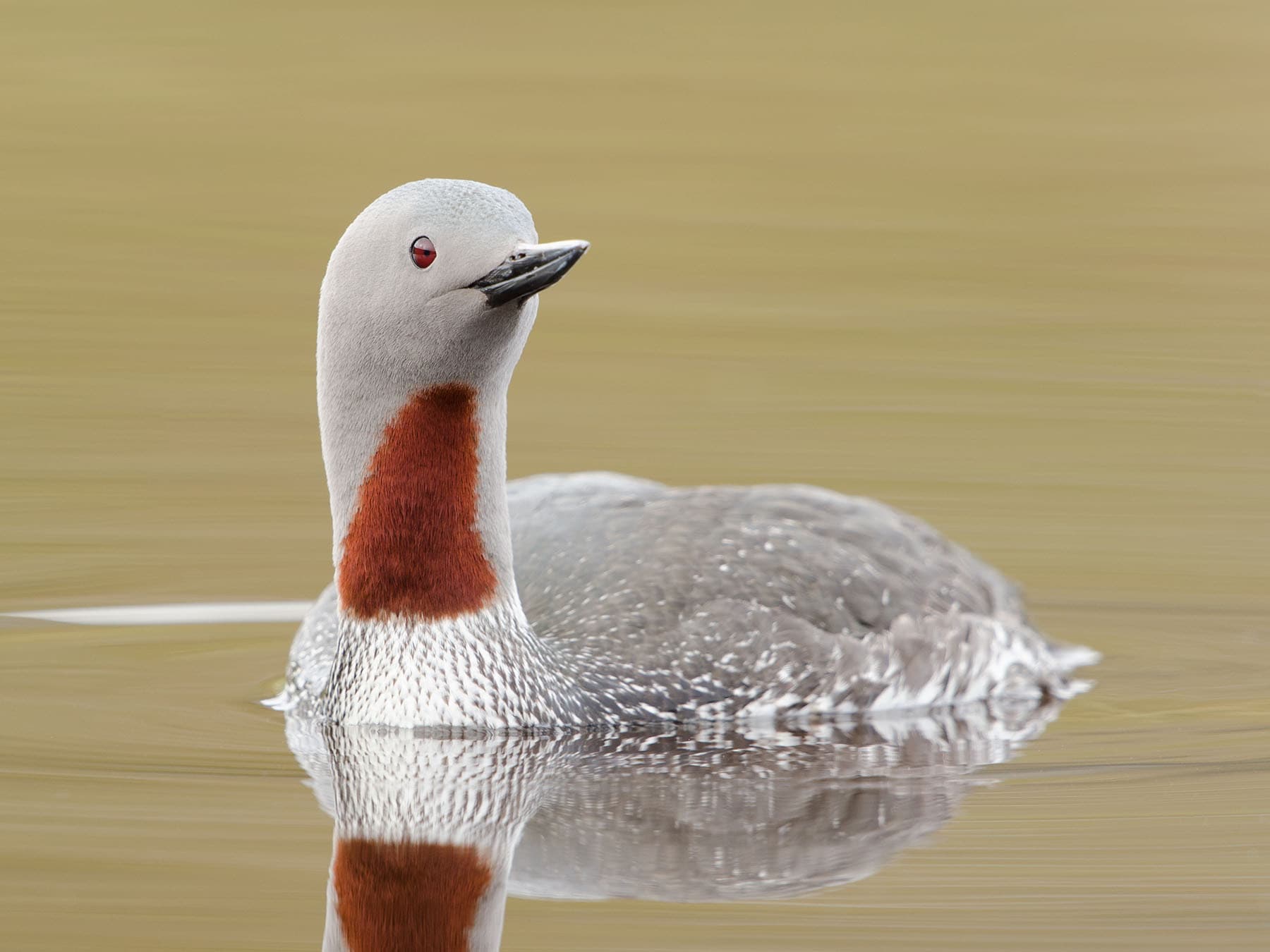
Red-throated Loon
Gavia stellataLC
A rare resident seen offshore most of the year. Often flies low over the sea in ones and twos past Durham's coastal watchpoints.
Jun–Mar
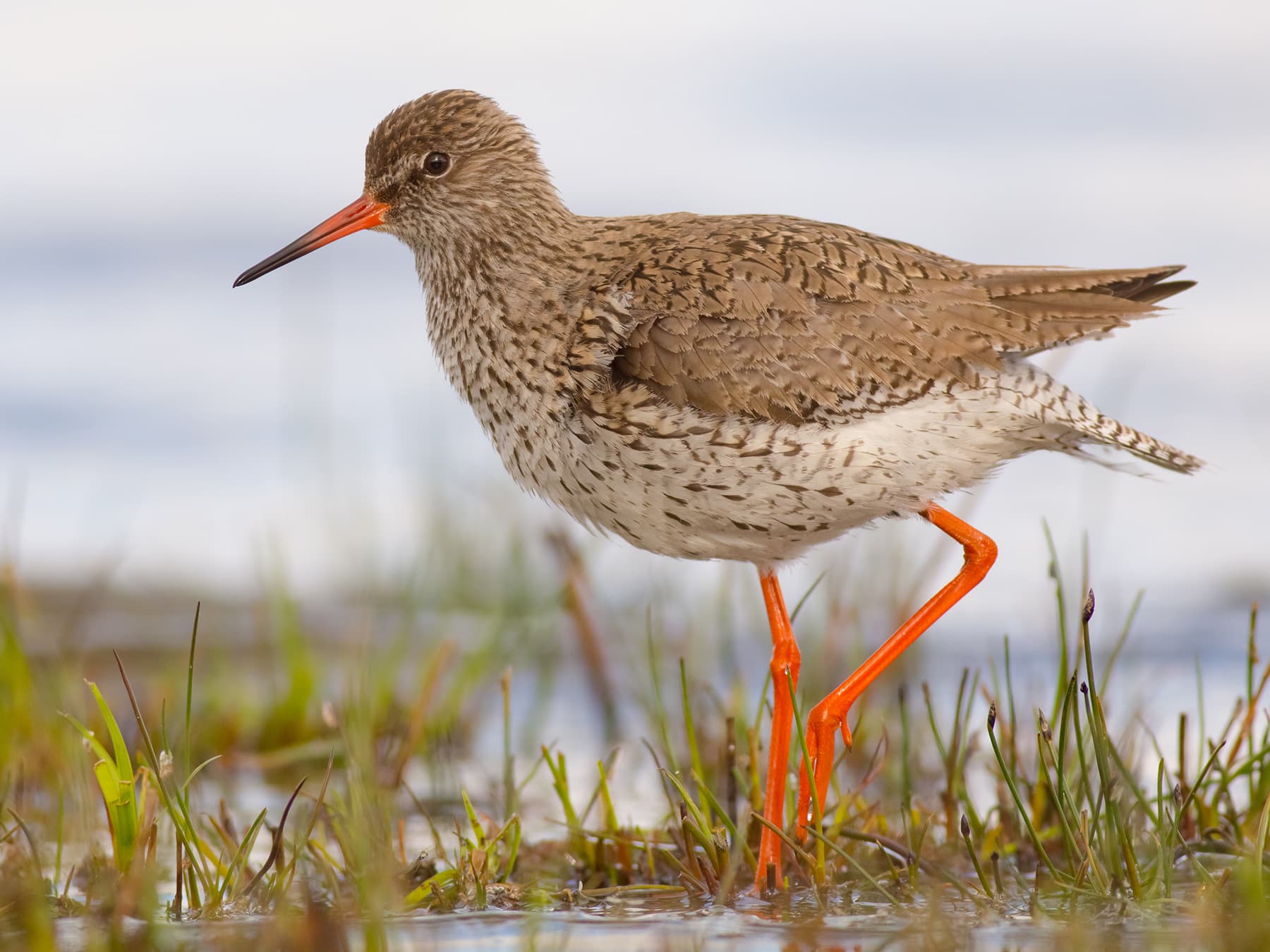
Redshank
Tringa totanusLC
An uncommon year-round resident found on coastal mudflats and inland wet grasslands. Its loud piping alarm call is distinctive at breeding sites.
Year-round
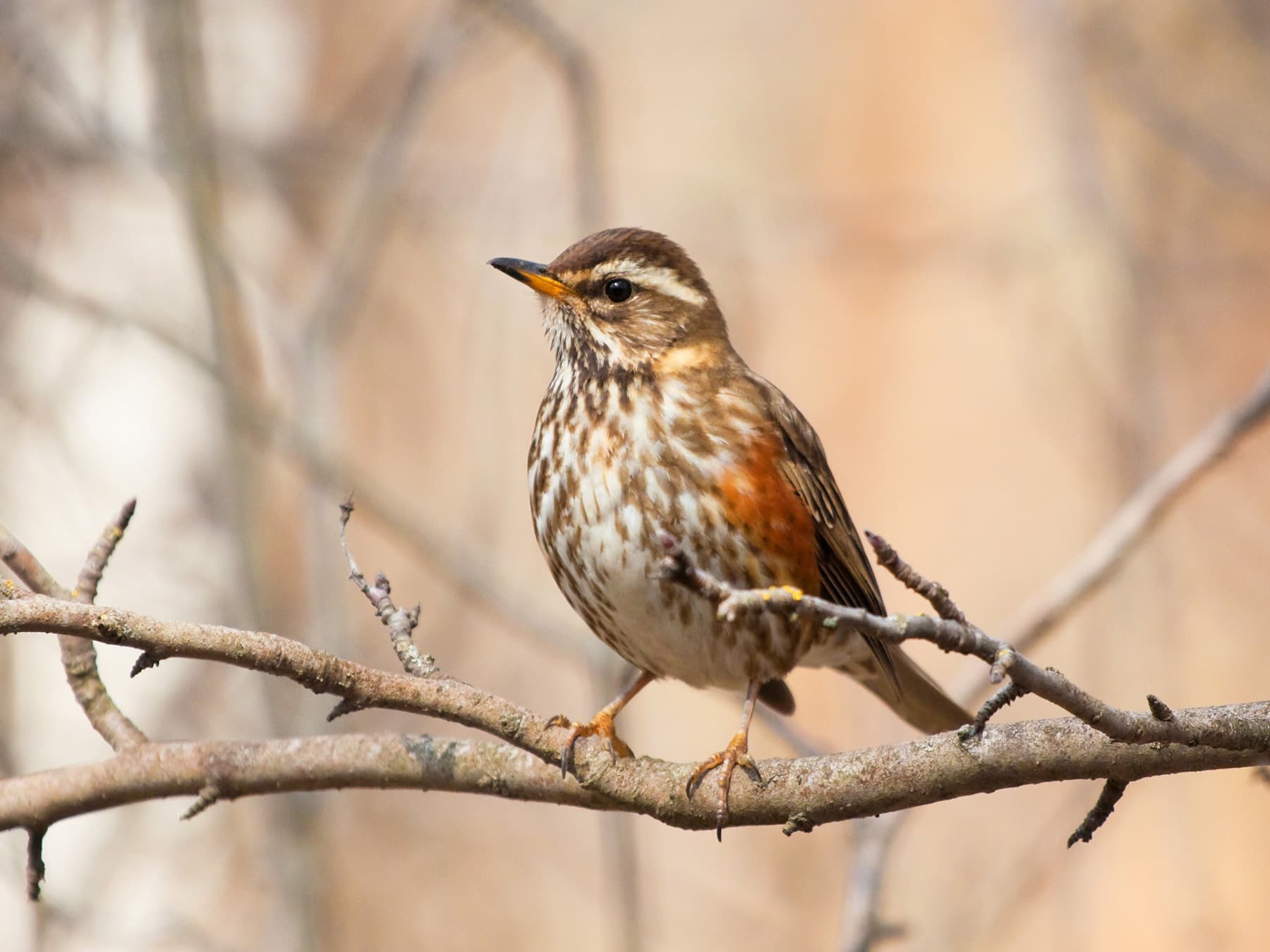
Redwing
Turdus iliacusNT
An uncommon winter visitor from Scandinavia, arriving from October and lingering into spring. Feeds on berries in hedgerows alongside fieldfares.
Sep–Apr
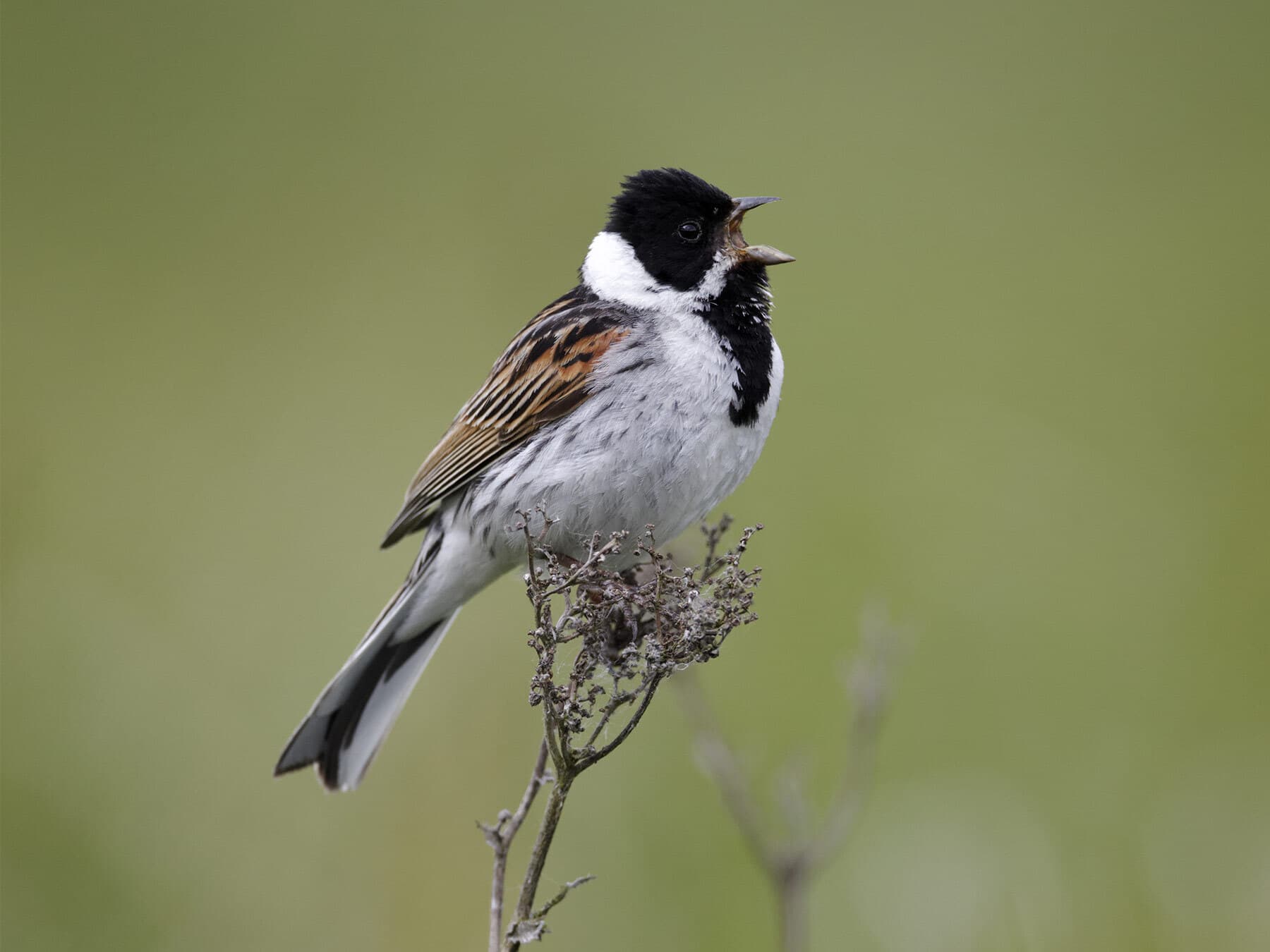
Reed Bunting
Emberiza schoeniclusLC
An uncommon year-round resident of wetlands, reedbeds, and damp ditches. Often seen at sites like Rainton Meadows and along river margins.
Year-round
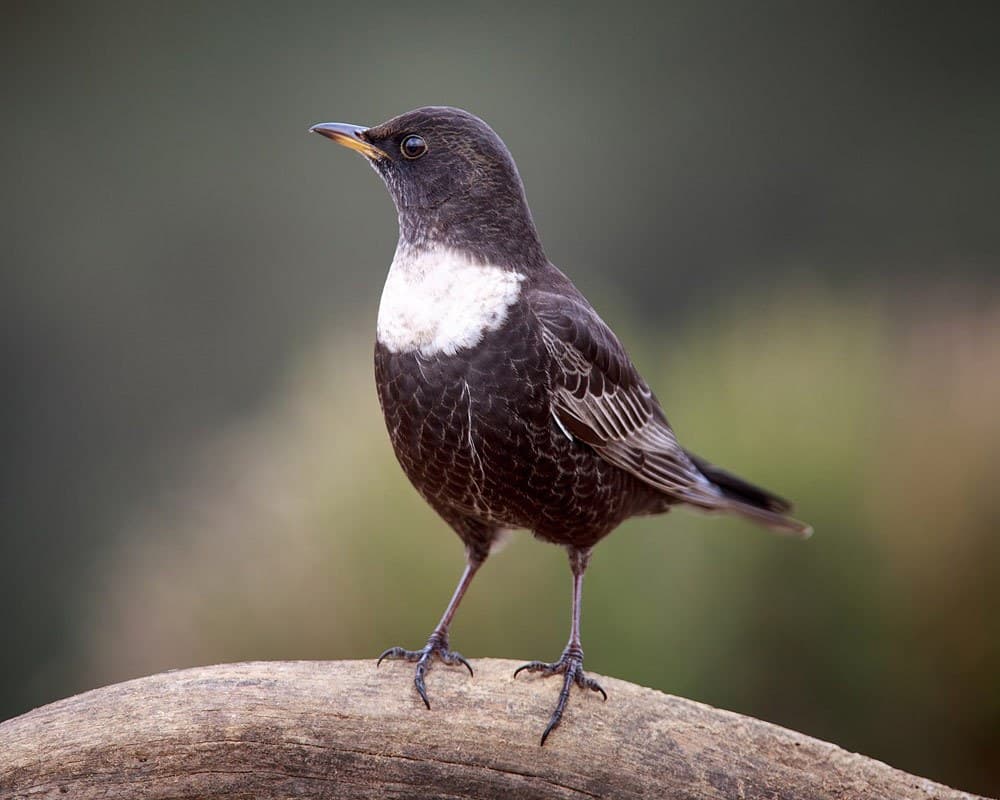
Ring Ouzel
Turdus torquatusLC
A rare summer breeder on the high Pennine moorlands of western Durham. Look for its distinctive white breast crescent on rocky crags in spring.
Apr–Jun
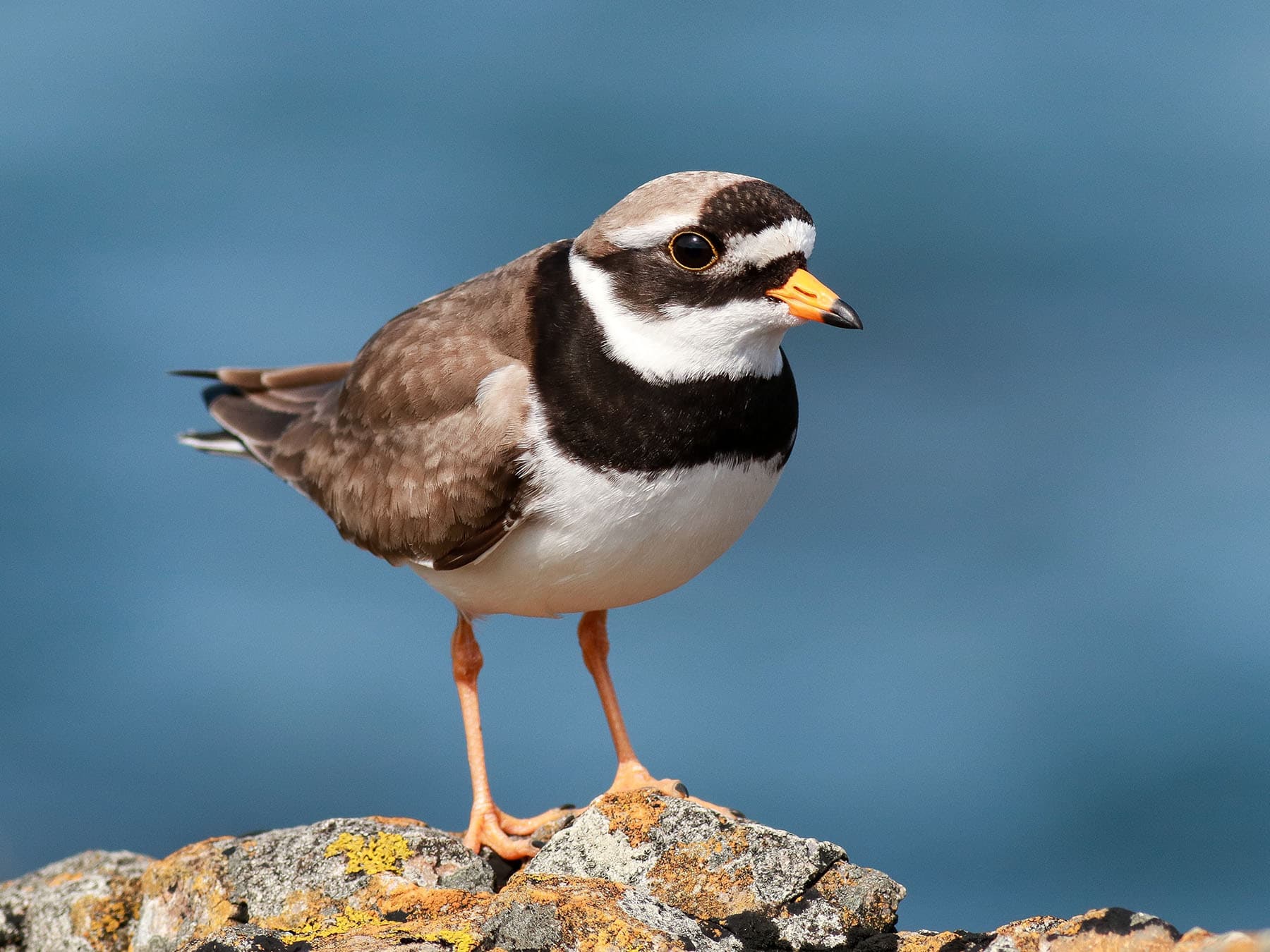
Ringed Plover
Charadrius hiaticulaLC
An uncommon resident nesting on shingle beaches and river gravels. Numbers bolstered by passage birds in spring and autumn.
Year-round
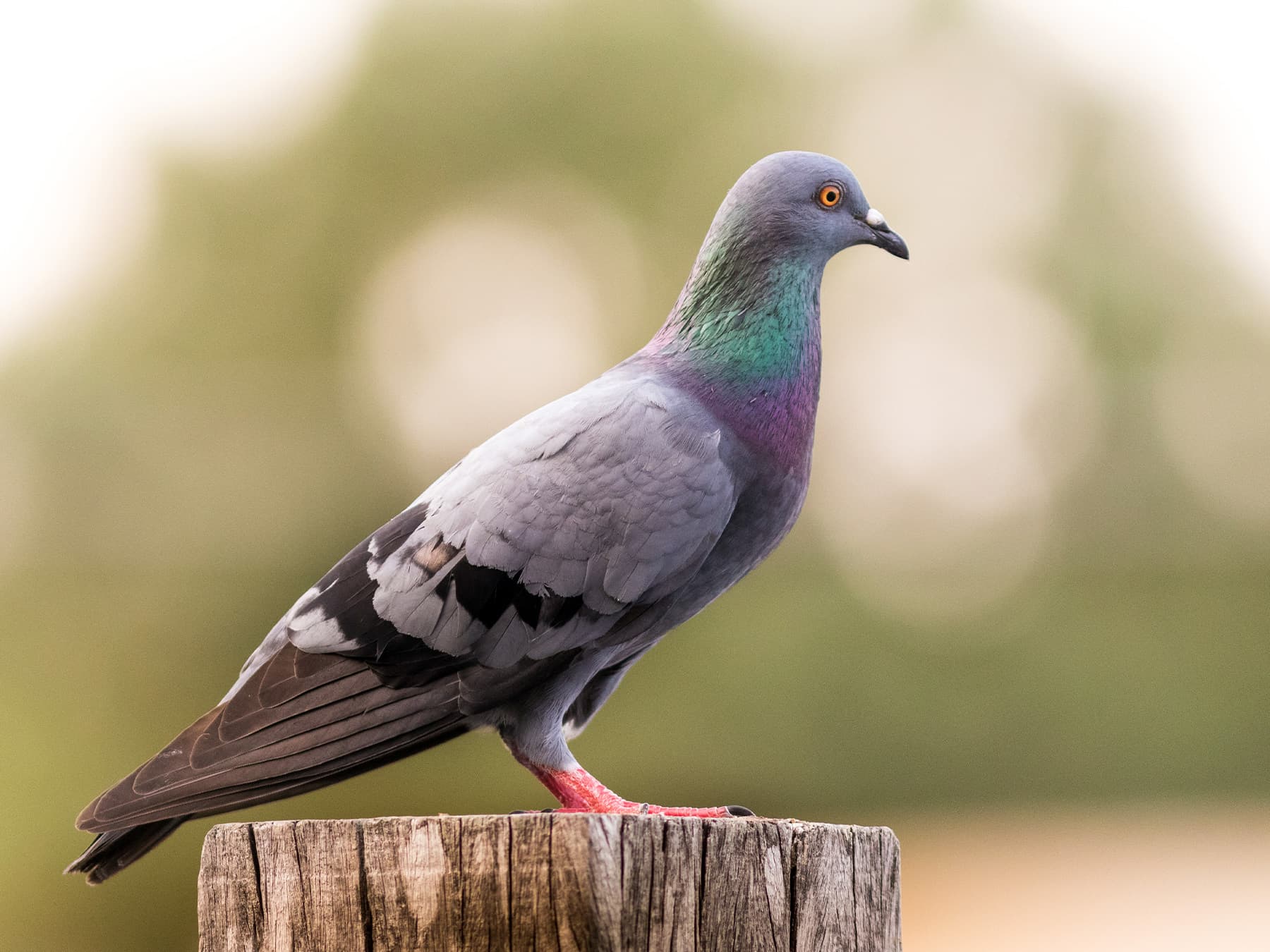
Rock Dove
Columba liviaLC
An uncommon resident; feral populations frequent towns and coastal cliffs. True wild-type birds may persist along the Durham coast.
Year-round
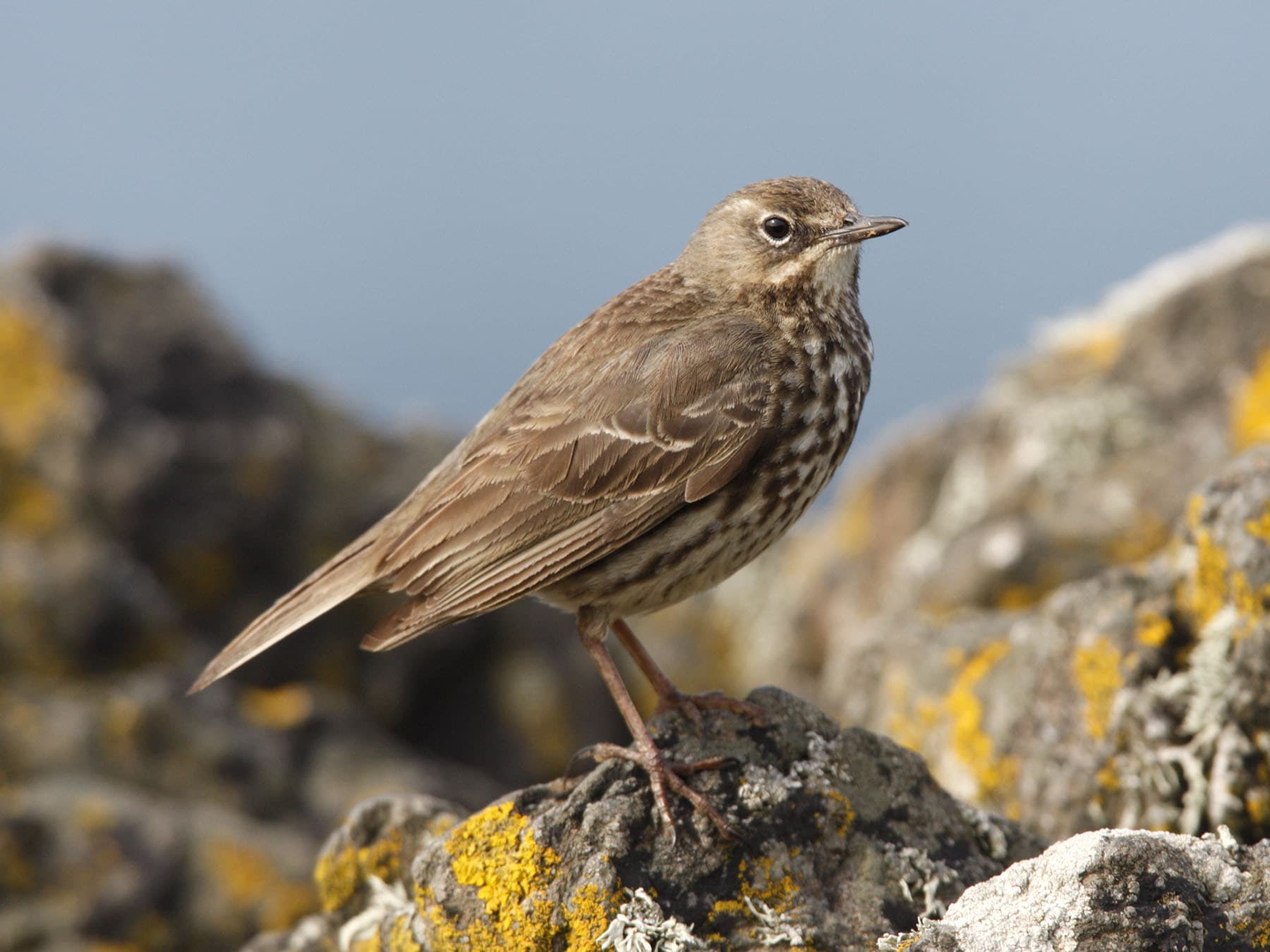
Rock Pipit
Anthus petrosusLC
A rare non-breeding visitor to Durham's rocky coastline, present from autumn through to early spring.
Sep–Mar
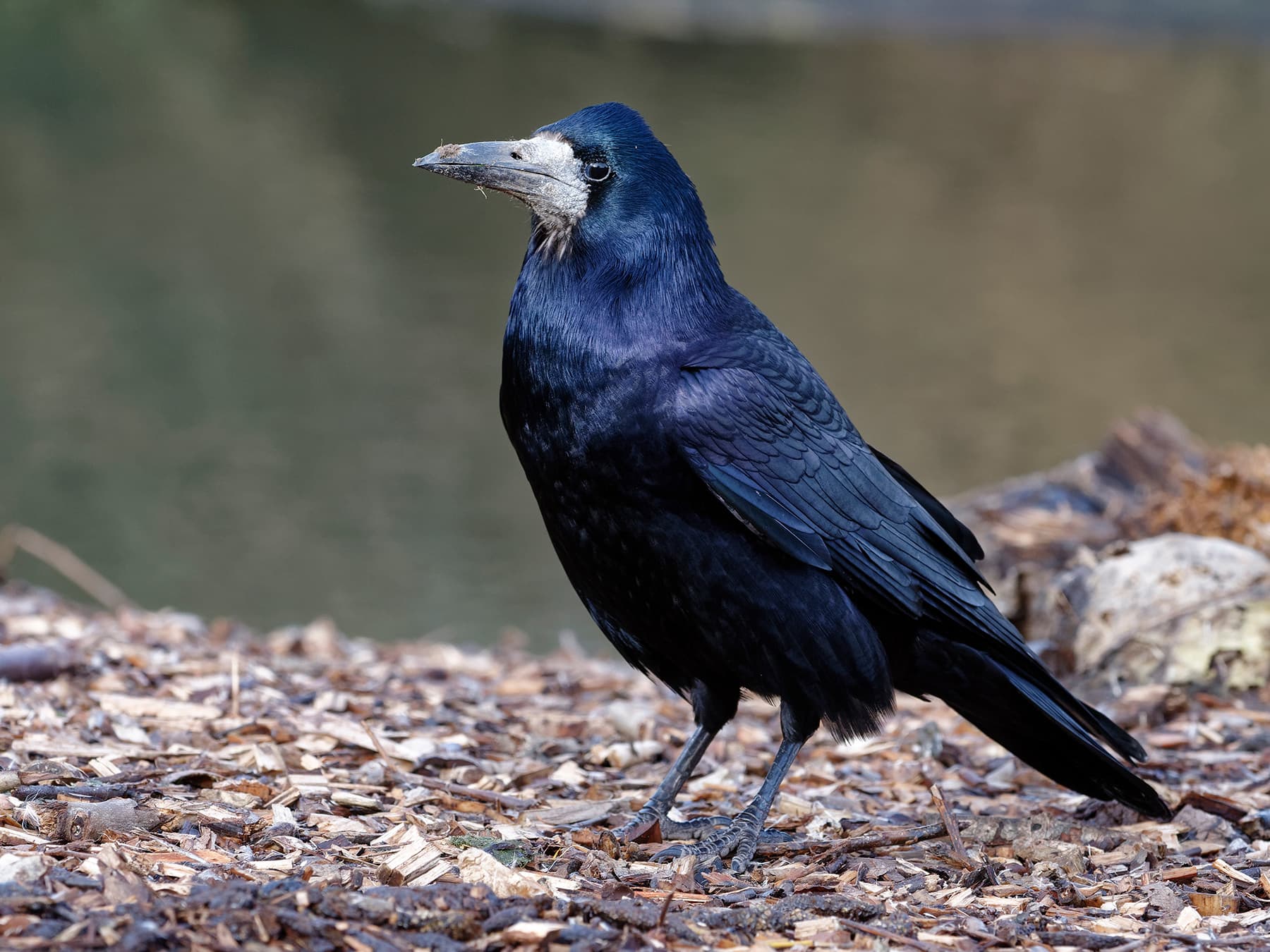
Rook
Corvus frugilegusLC
Uncommon resident found in farmland rookeries, though declining across the region. Gregarious, often feeding in ploughed fields.
Year-round
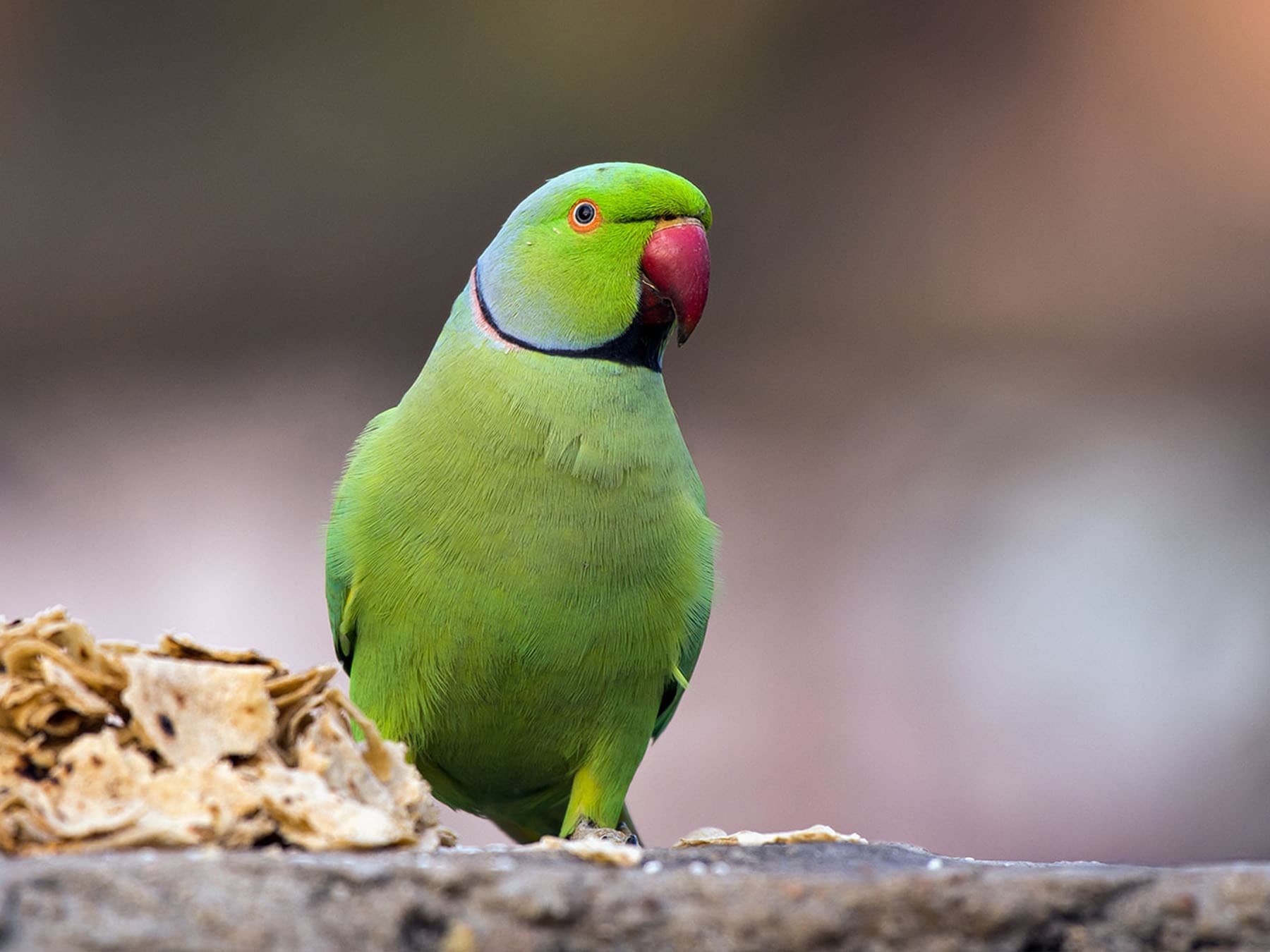
Rose-ringed Parakeet
Alexandrinus krameriLC
A rare winter visitor, well north of its main range in south-east England. Occasional sightings likely involve wandering or escaped birds.
Dec–Feb
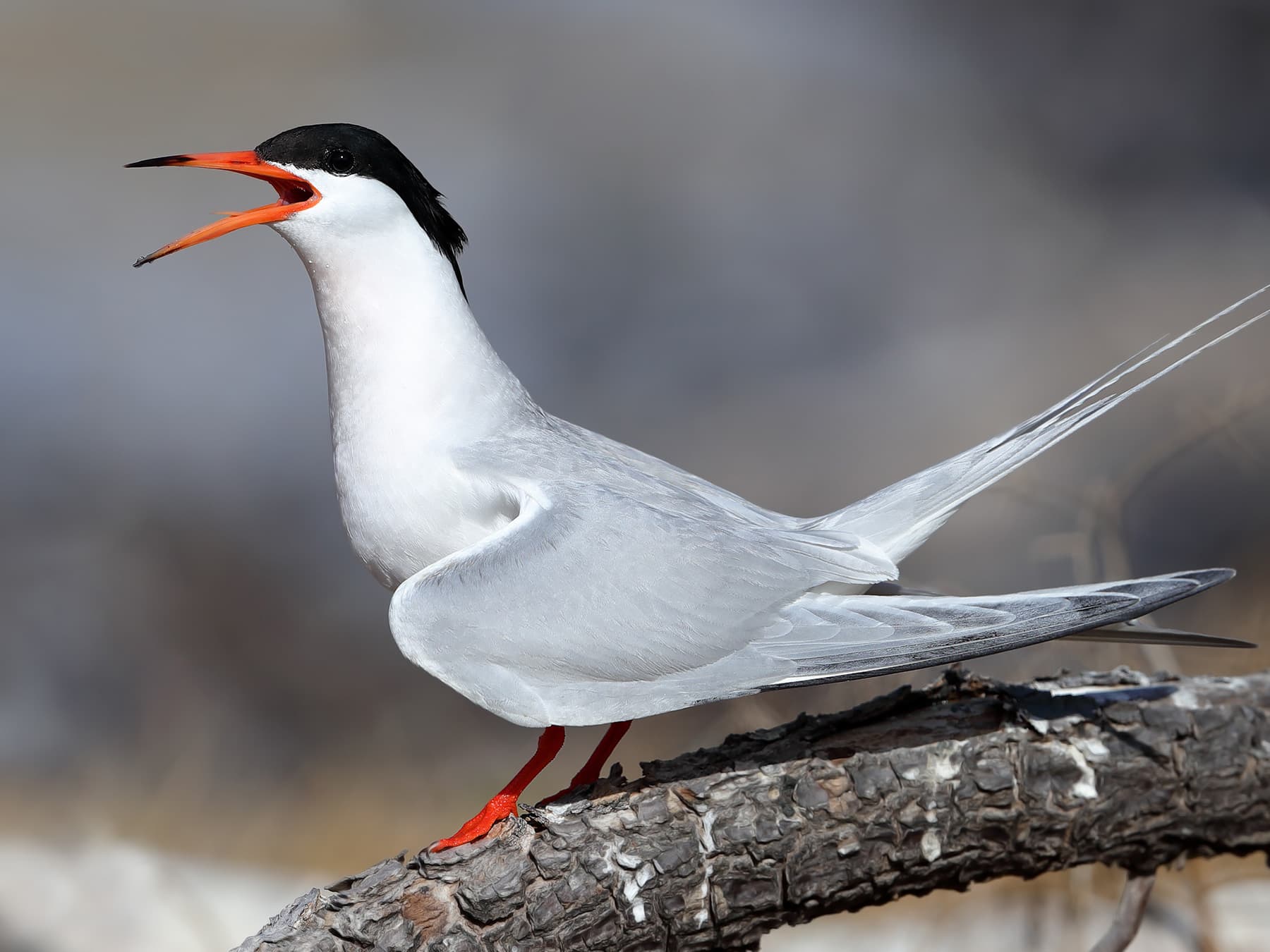
Roseate Tern
Sterna dougalliiLC
A rare passage migrant in August and September. One of the UK's rarest breeding terns, occasionally seen off the Durham coast.
Aug–Sep
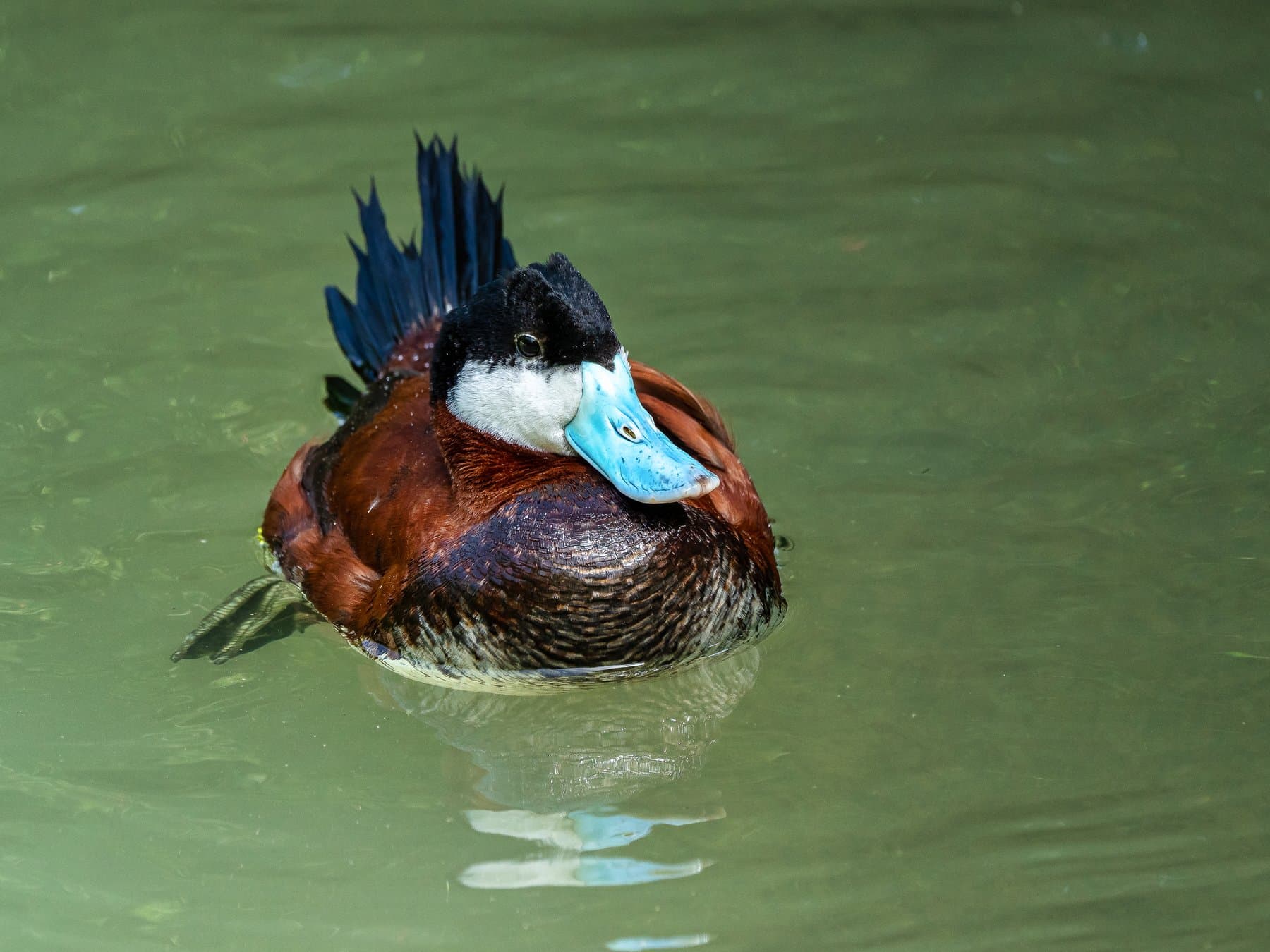
Ruddy Shelduck
Tadorna ferrugineaLC
An exceptionally rare visitor recorded in February. Any sightings likely involve wandering individuals of uncertain origin.
Feb
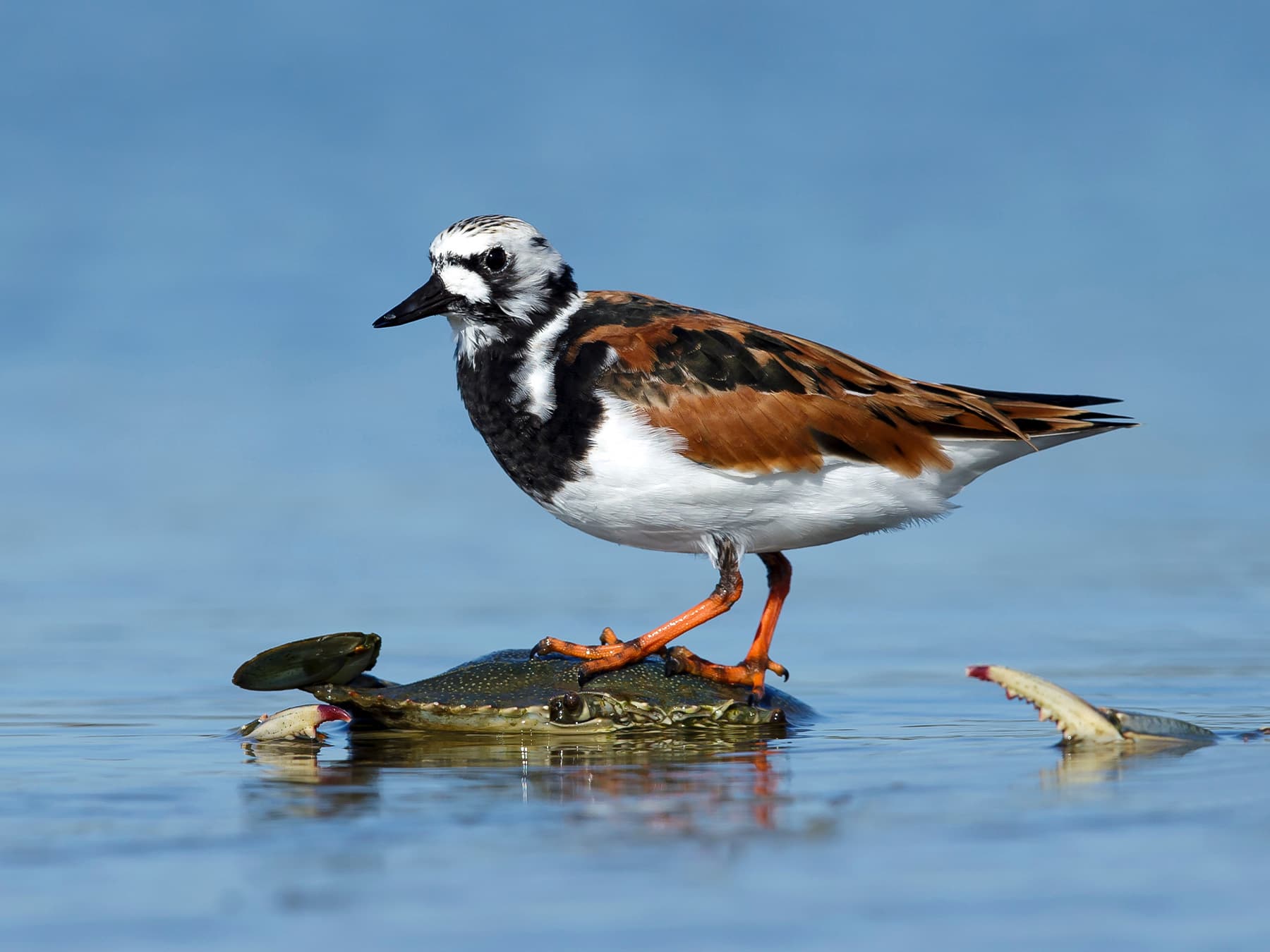
Ruddy Turnstone
Arenaria interpresLC
An uncommon but year-round presence on Durham's rocky shoreline, flipping stones and seaweed to find invertebrates. Most numerous outside summer.
Year-round
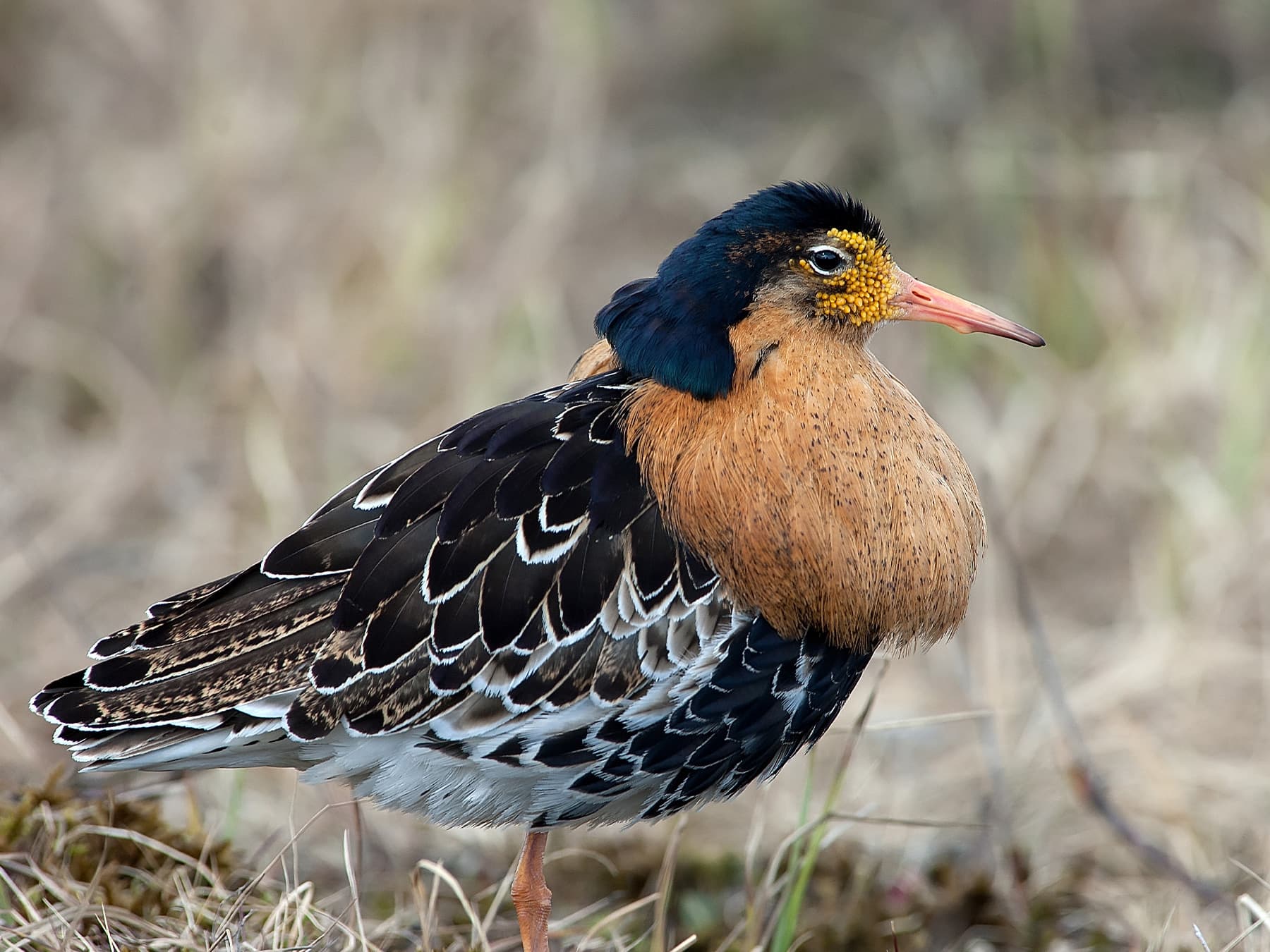
Ruff
Philomachus pugnaxLC
A rare autumn passage migrant, occasionally found at freshwater pools and flooded fields in August and September. Males in breeding plumage are seldom seen here.
Aug–Sep