Birds in Durham
Explore 199 species found in this region.
Durham is a richly diverse county for birdwatching, with 197 recorded species found across its varied landscapes of upland moorland, river valleys, coastal stretches, and ancient woodlands. From the striking Northern Lapwing displaying over farmland to the elusive Eurasian Woodcock in dense woodland, the county offers rewarding birding throughout the year. Notable species include the colourful Mandarin Duck along wooded waterways, Common Merganser on the River Wear, and Horned Lark on the high Pennine tops.
Visiting in September? Look out for Brent Goose and Eurasian Spoonbill arriving this month, and Common Raven and Common Reed-warbler depart for the season.


Showing 162–184 of 199 species
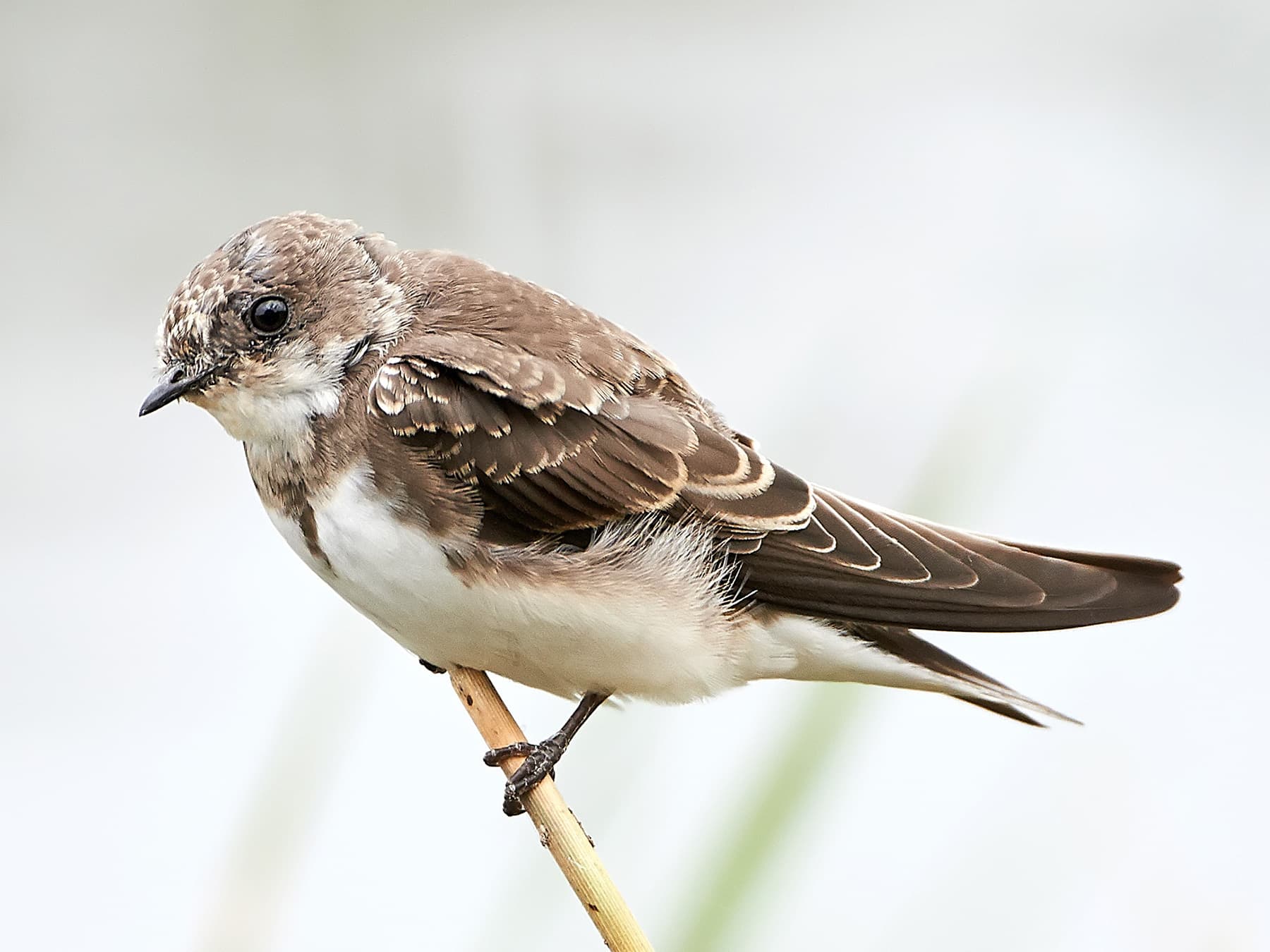
Sand Martin
Riparia ripariaLC
An uncommon summer visitor breeding in sandy riverbanks along the Wear and Tees. Arrives from March, departing by September.
Mar–Sep
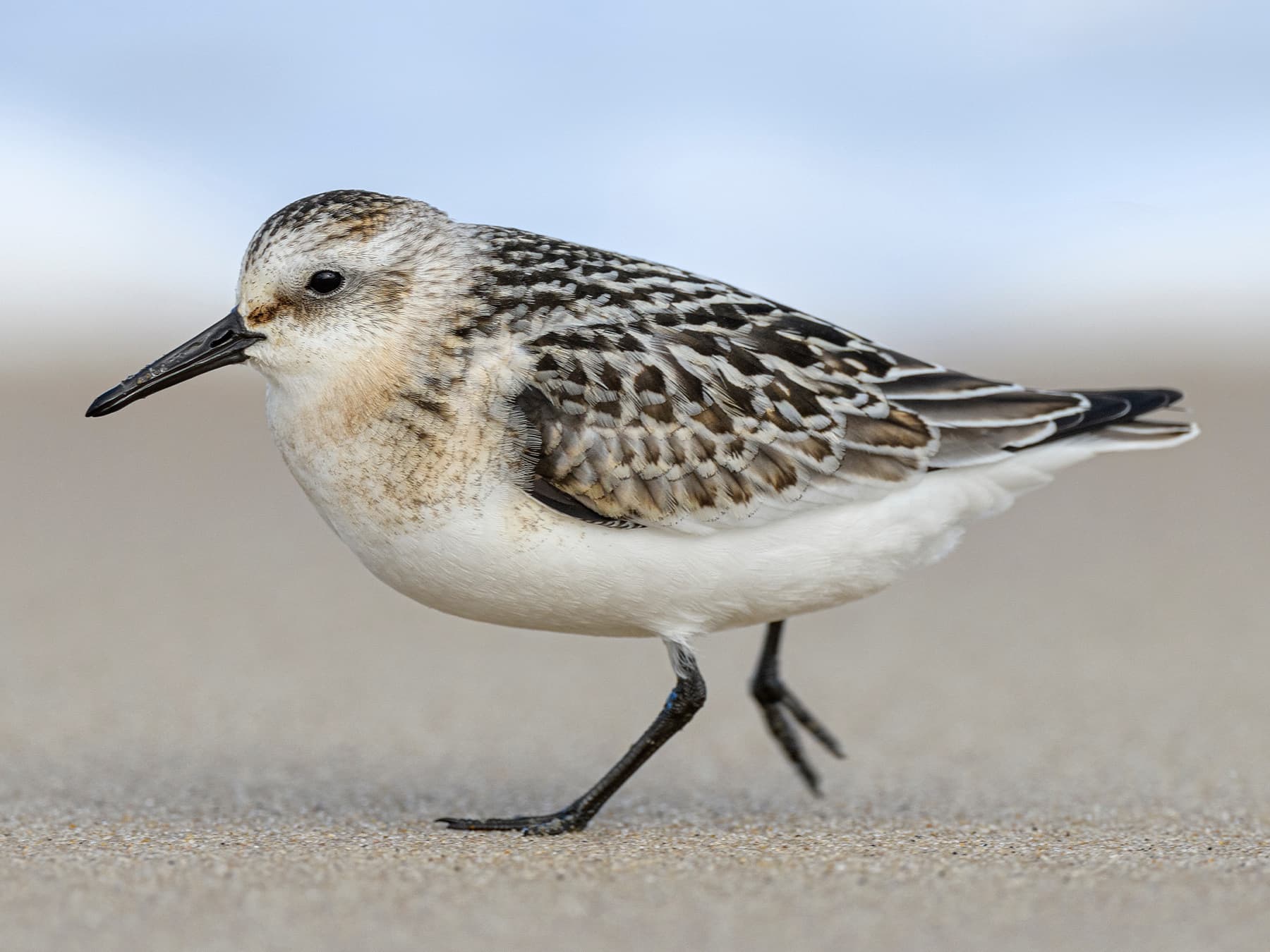
Sanderling
Calidris albaLC
A scarce but year-round visitor to Durham's sandy beaches, often seen in small flocks running along the tideline. Most numerous on passage.
May–Mar
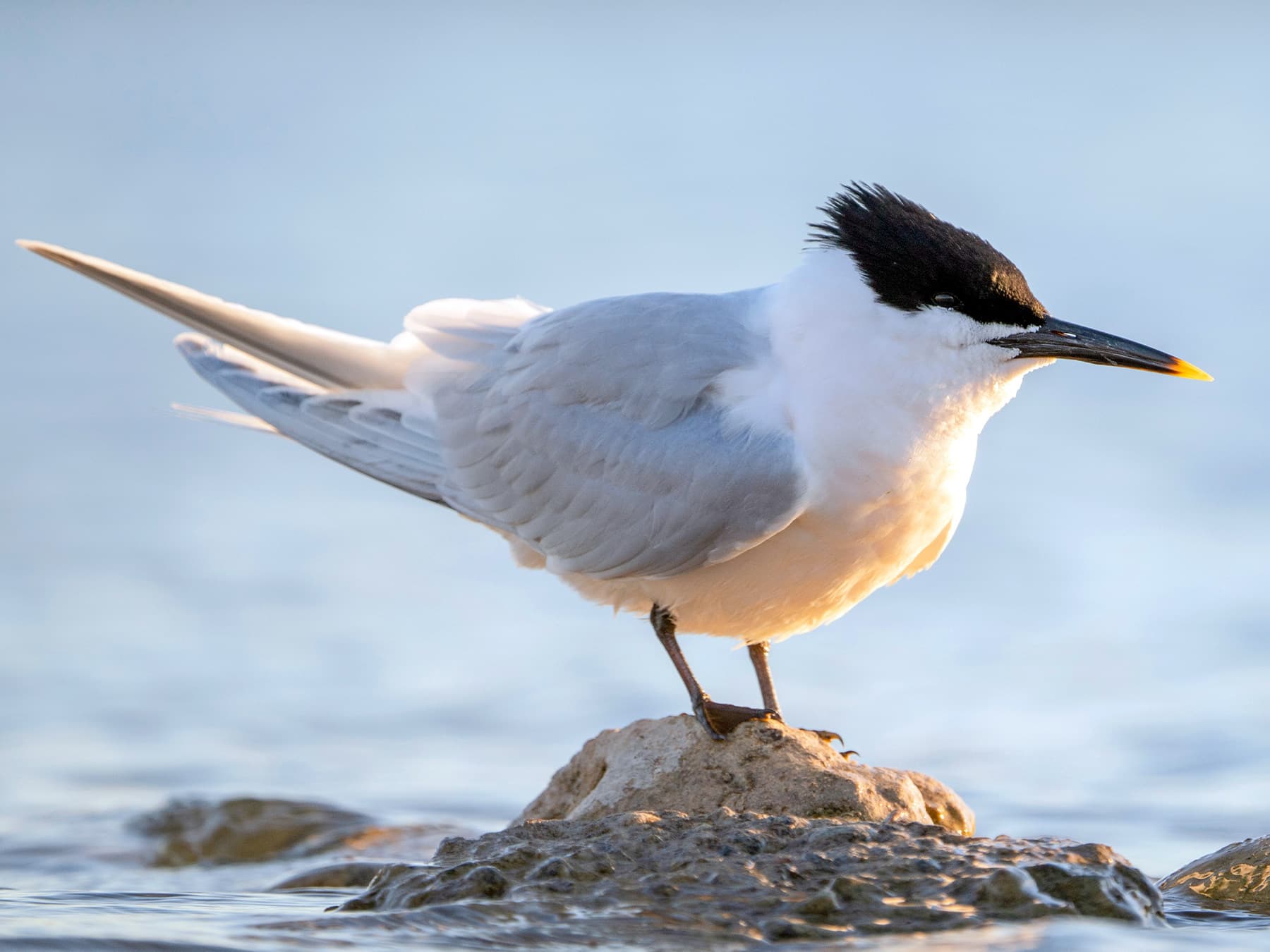
Sandwich Tern
Thalasseus sandvicensisLC
An uncommon breeder present from May to October. Plunge-dives for fish along the Durham coastline, often in noisy groups.
May–Oct
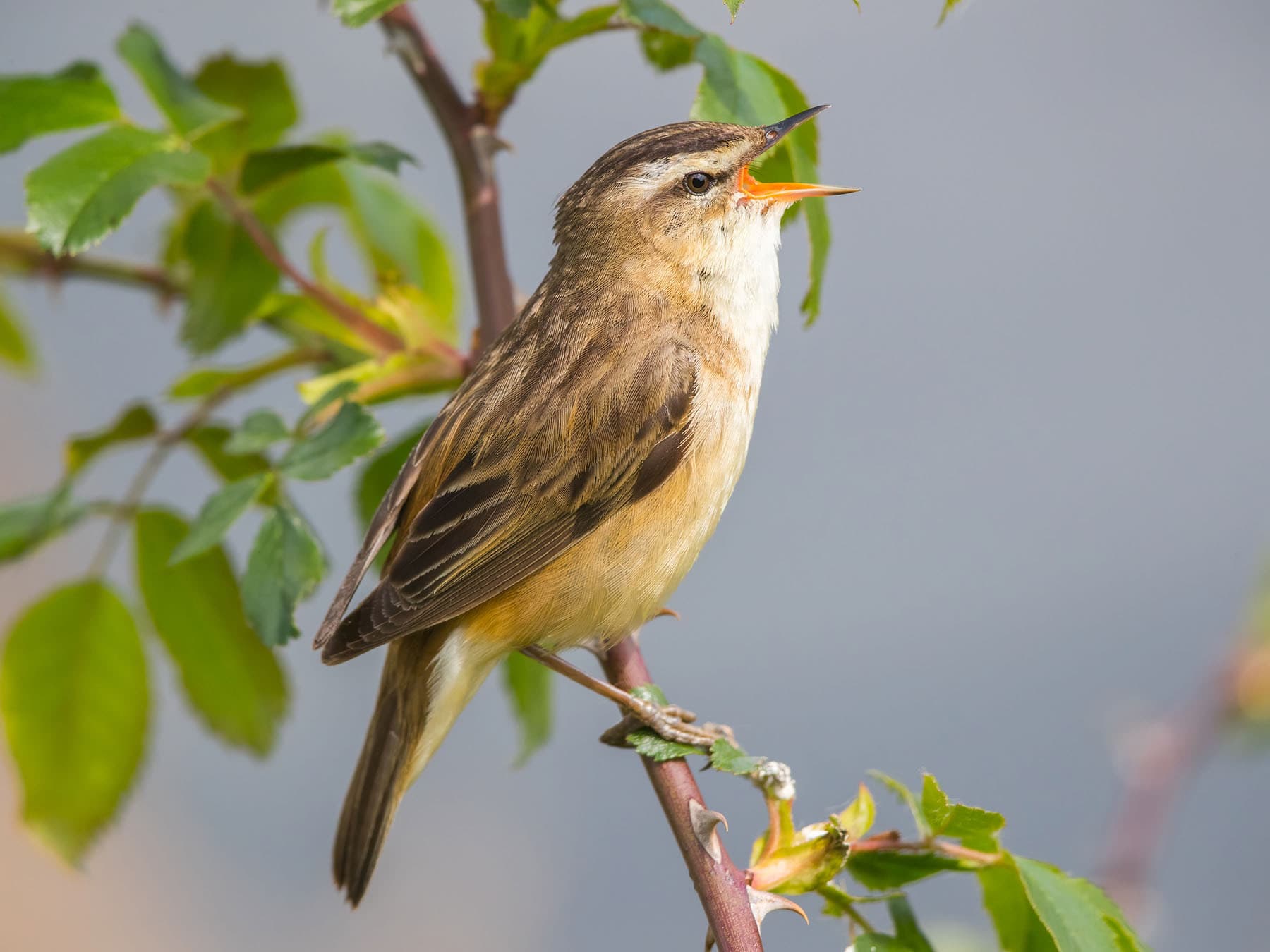
Sedge Warbler
Acrocephalus schoenobaenusLC
An uncommon summer breeder arriving in April, favouring reedbeds and waterside scrub along rivers and wetland margins.
Apr–Aug
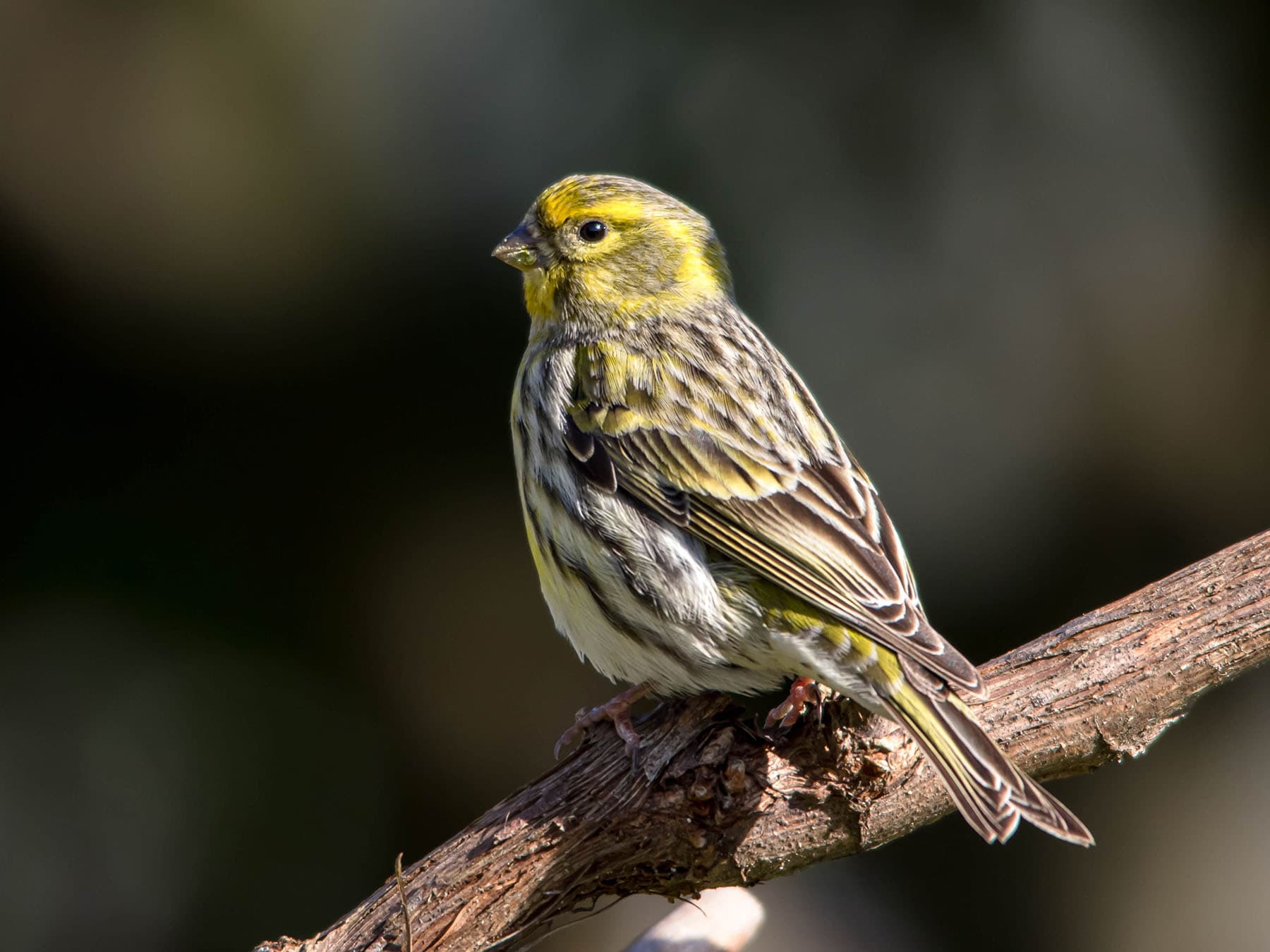
Serin
Serinus serinusLC
An exceptionally rare vagrant from continental Europe, with occasional December records in Durham.
Dec
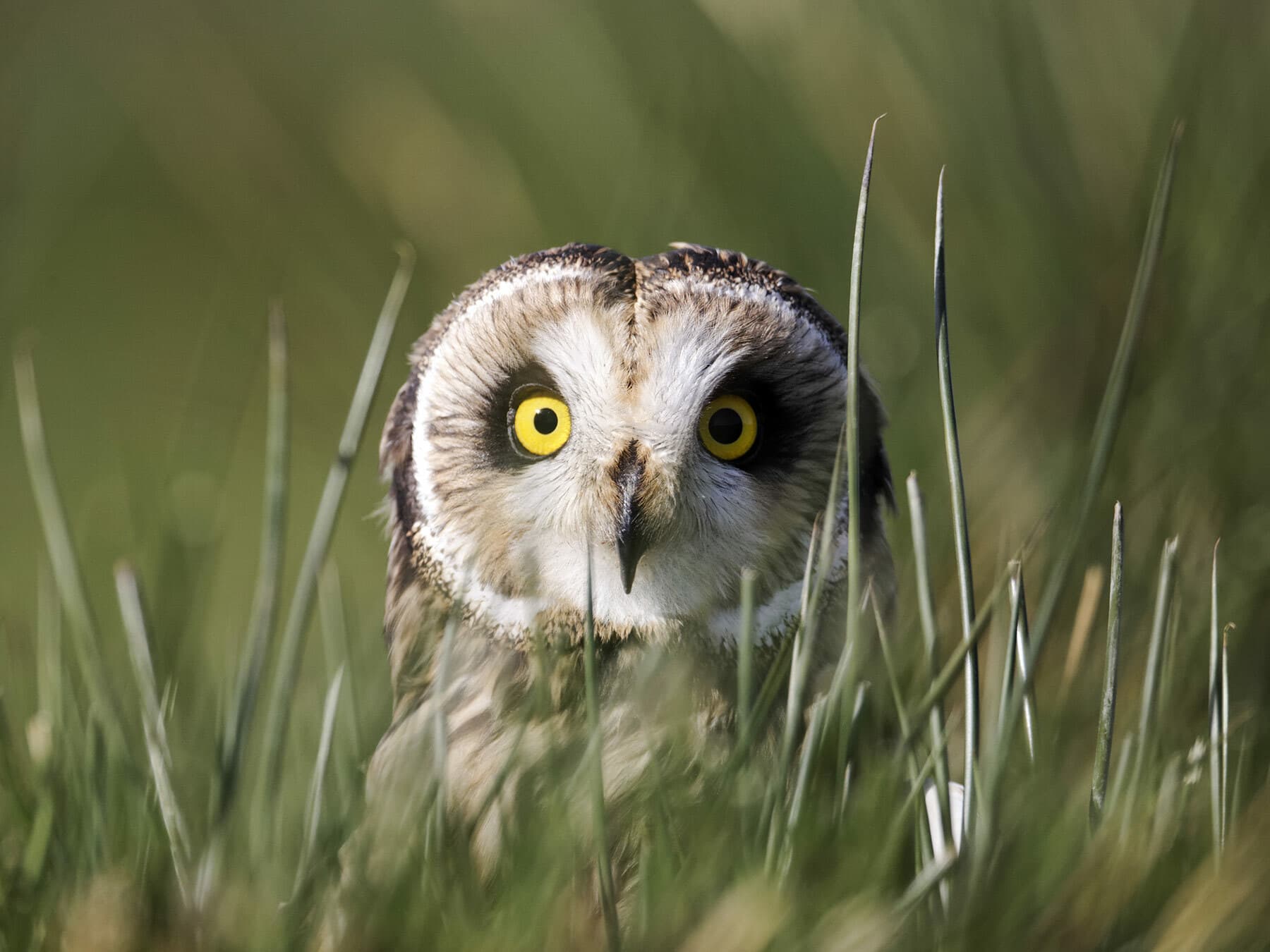
Short-eared Owl
Asio flammeusLC
A rare resident of upland moors and rough grassland. Hunts with buoyant, wavering flight low over the ground, mainly at dawn and dusk.
Aug–May
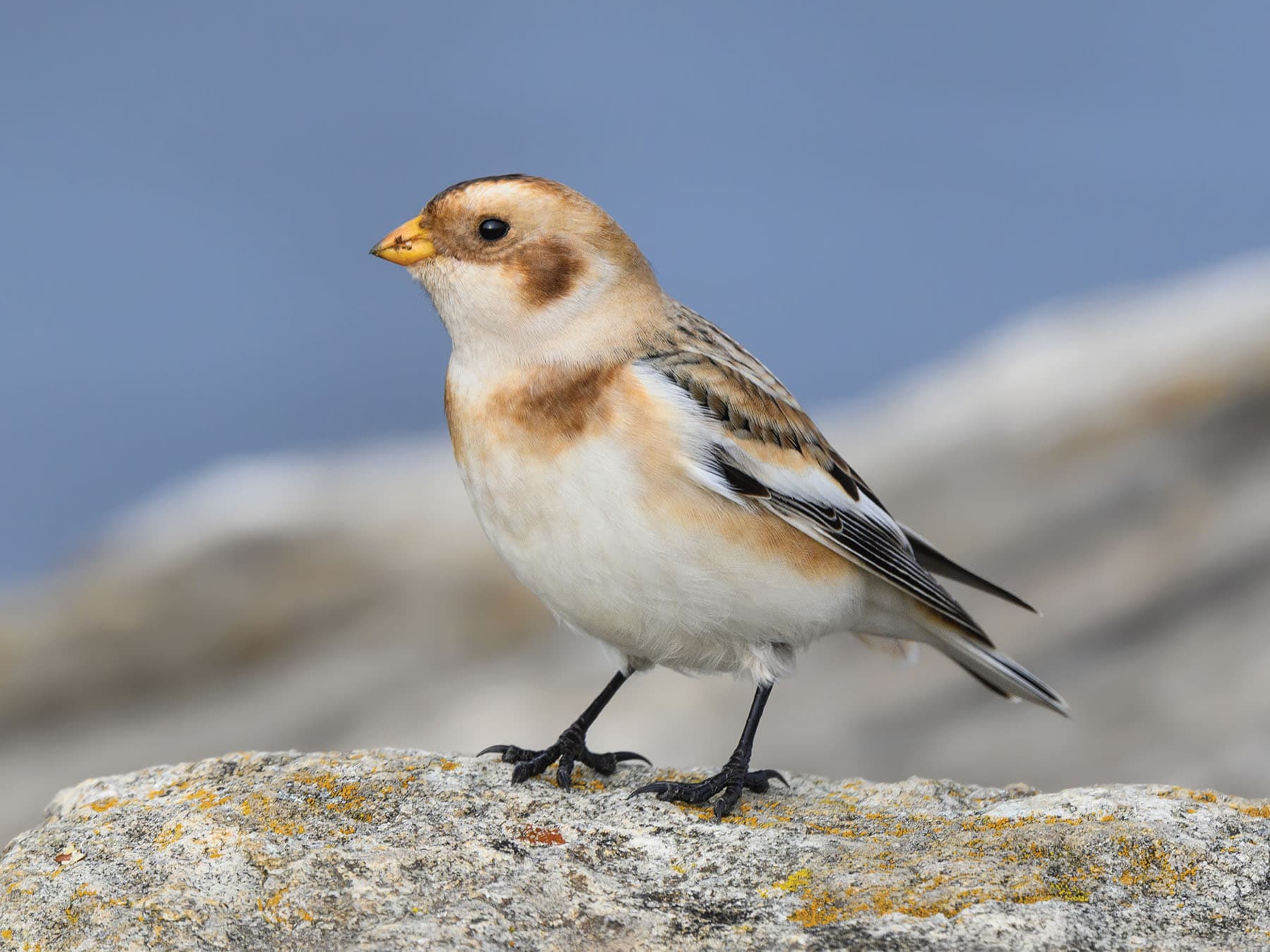
Snow Bunting
Plectrophenax nivalisLC
A rare winter visitor to Durham's exposed coastline and upland fells, occasionally seen in small flocks on beaches and moorland edges.
Nov–Feb
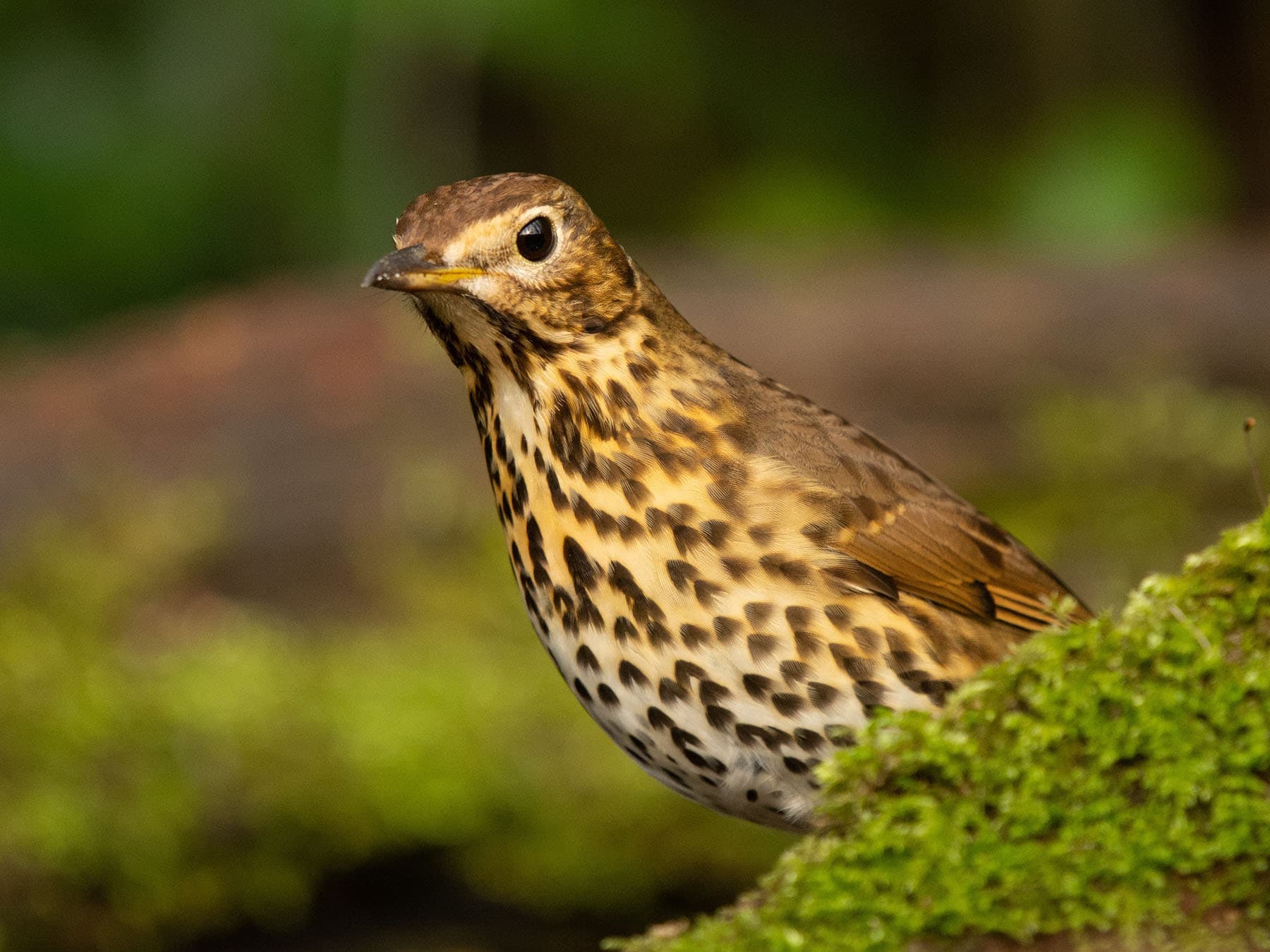
Song Thrush
Turdus philomelosLC
A common resident of gardens, hedgerows and woodland across Durham. Its melodious, repetitive song is heard from late winter onwards.
Year-round
Spotted something?
Upload a photo to identify it
Identify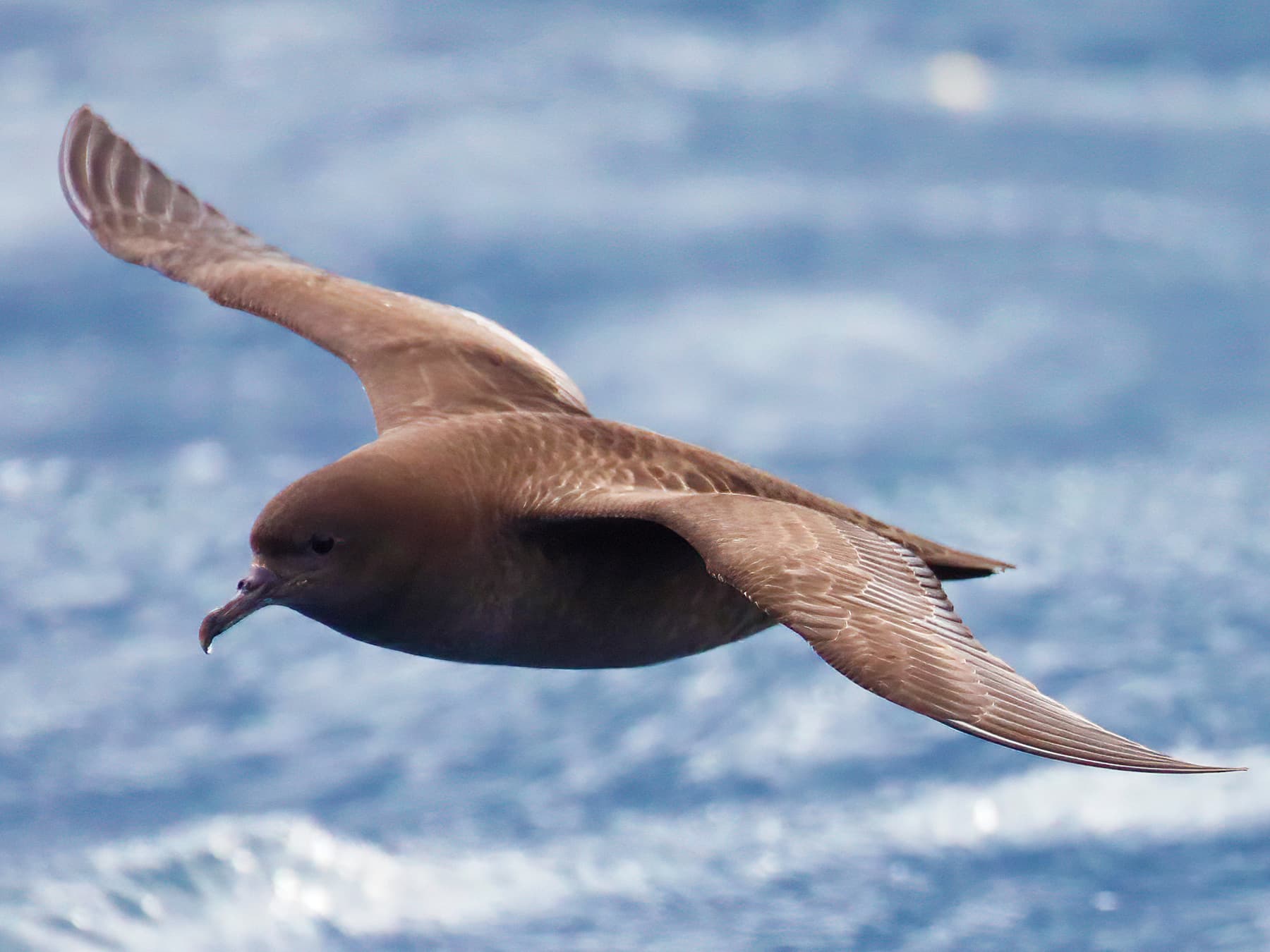
Sooty Shearwater
Ardenna griseaNT
A rare autumn passage visitor, occasionally spotted from Durham's coast during September seawatches in strong onshore winds.
Sep
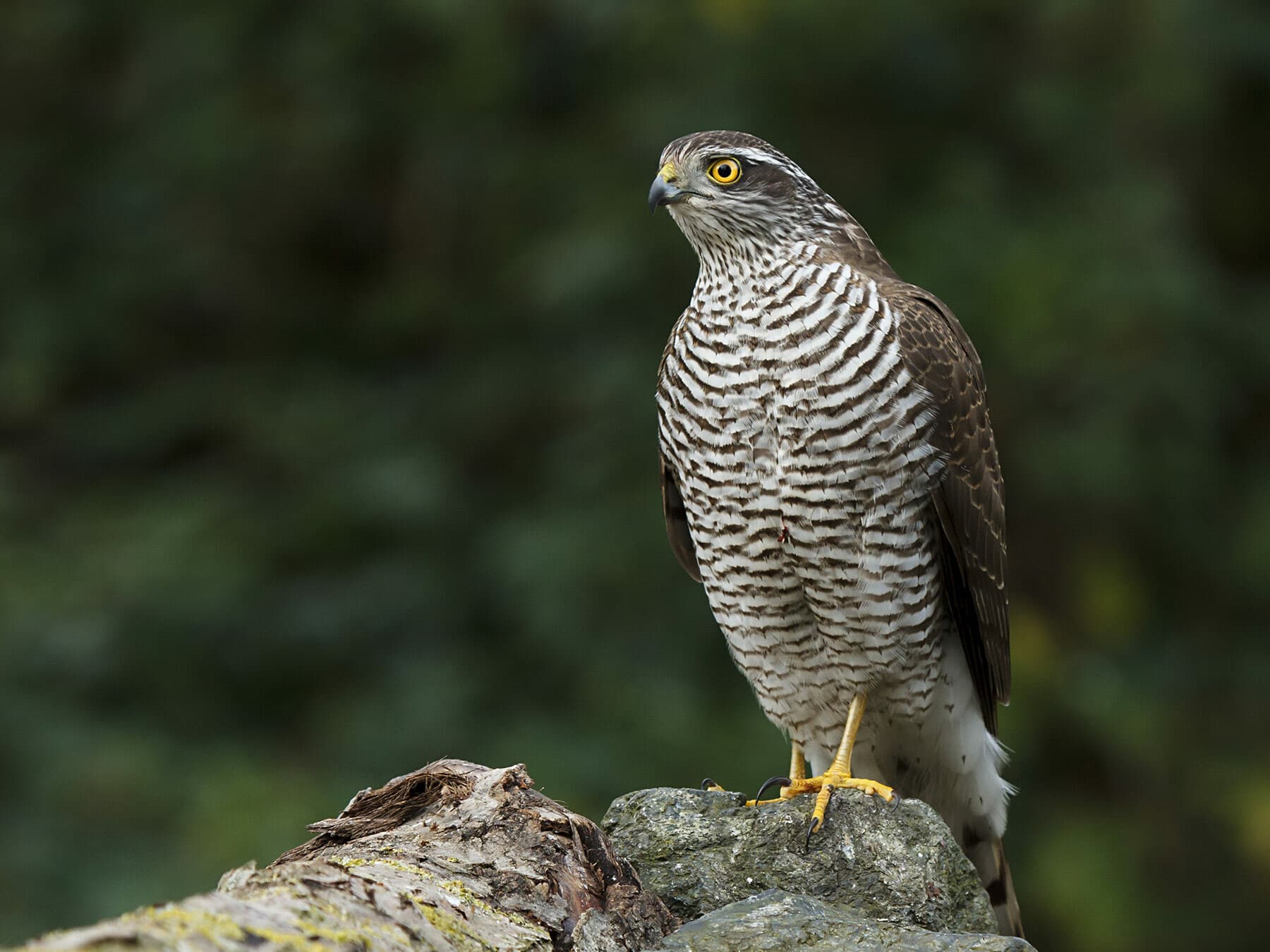
Sparrowhawk
Accipiter nisusLC
An uncommon year-round resident of woodlands and gardens. Dashes through hedgerows and along garden fences in pursuit of small birds.
Year-round
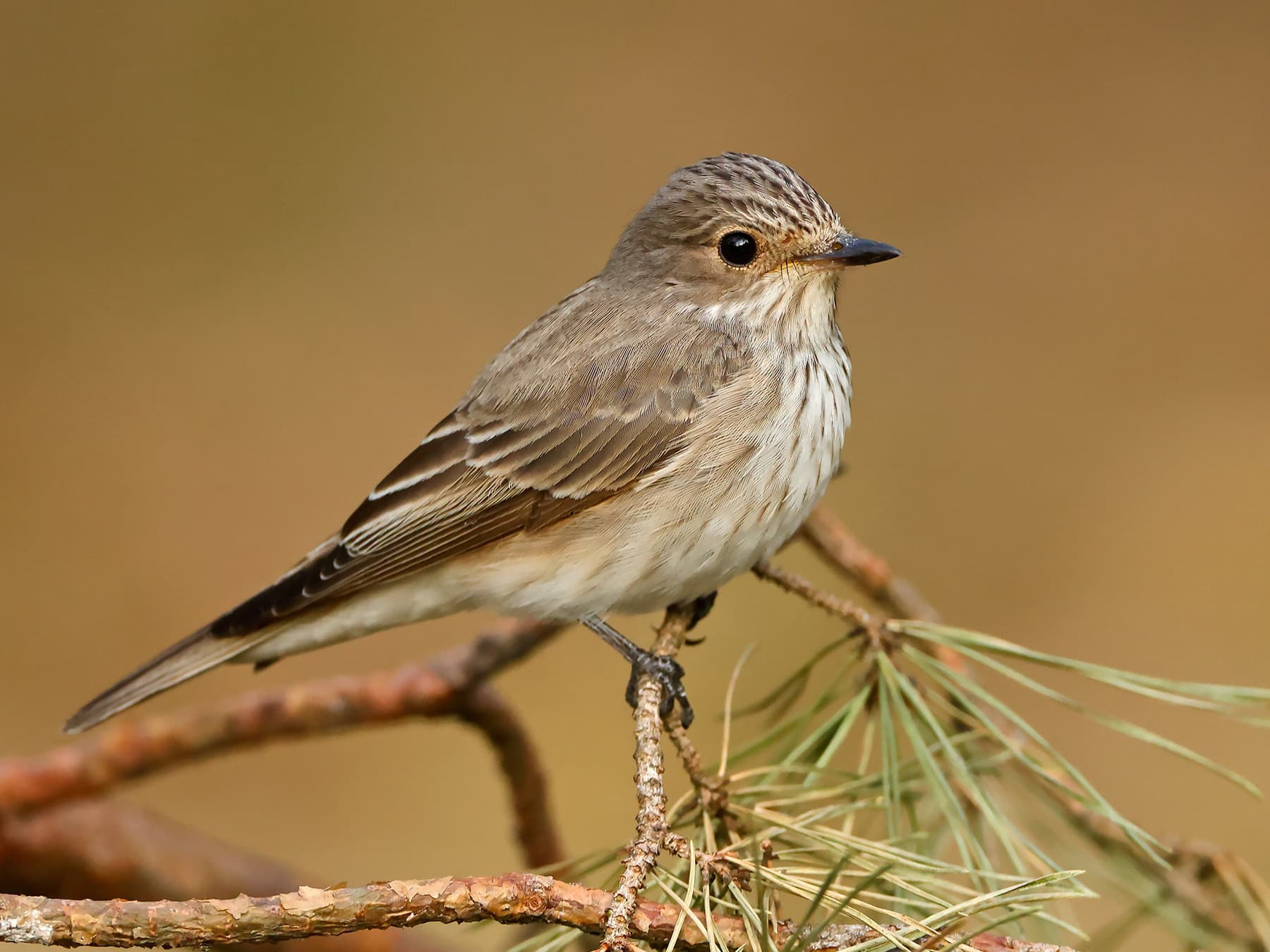
Spotted Flycatcher
Muscicapa striataLC
A rare and declining summer visitor, breeding in open woodland and parkland. Sallies from exposed perches to catch insects from May to September.
May–Sep
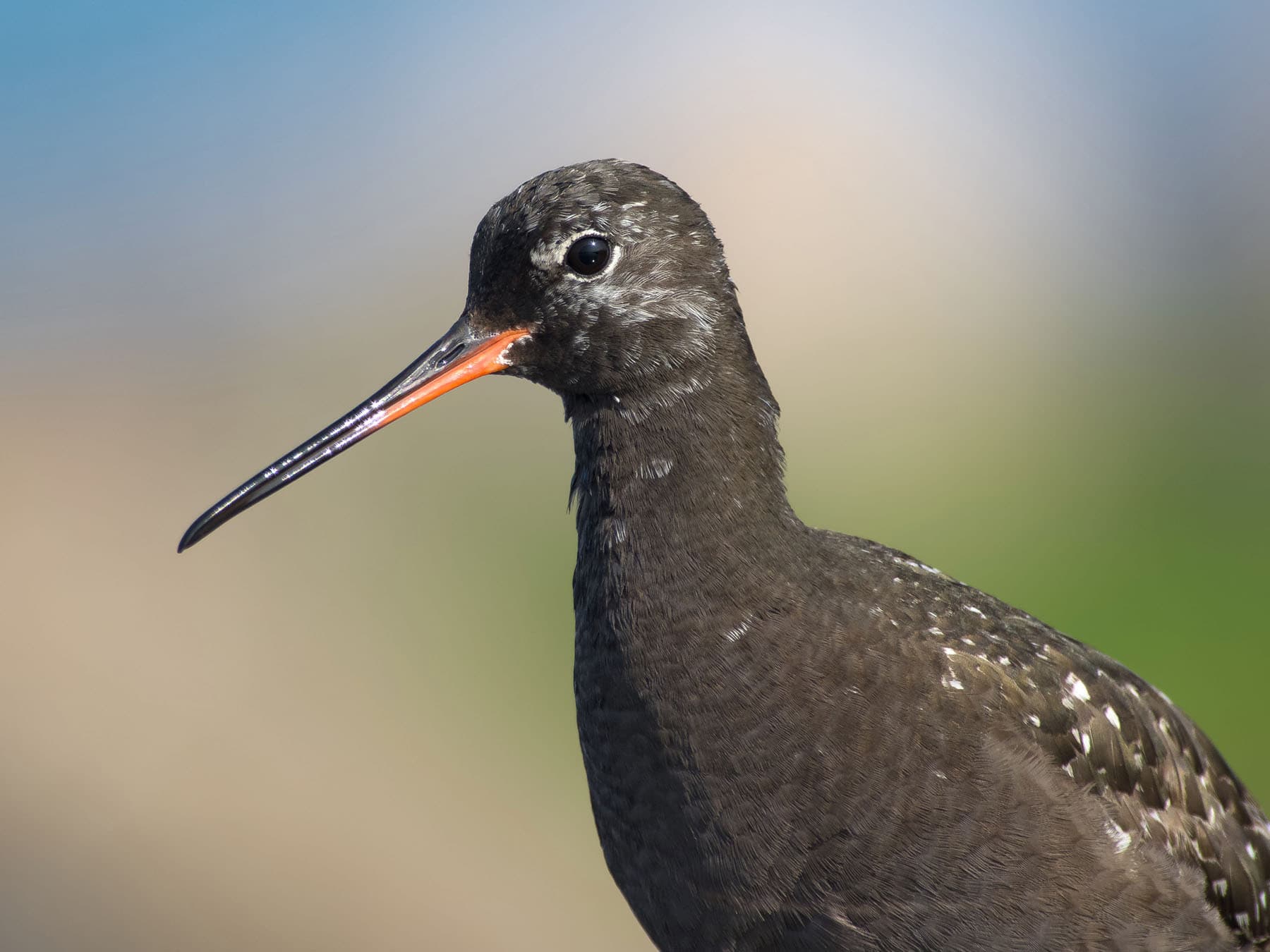
Spotted Redshank
Tringa erythropusLC
A rare passage migrant seen briefly in late winter and autumn at coastal pools and estuaries. Longer-legged and darker than the common Redshank.
Aug–Mar
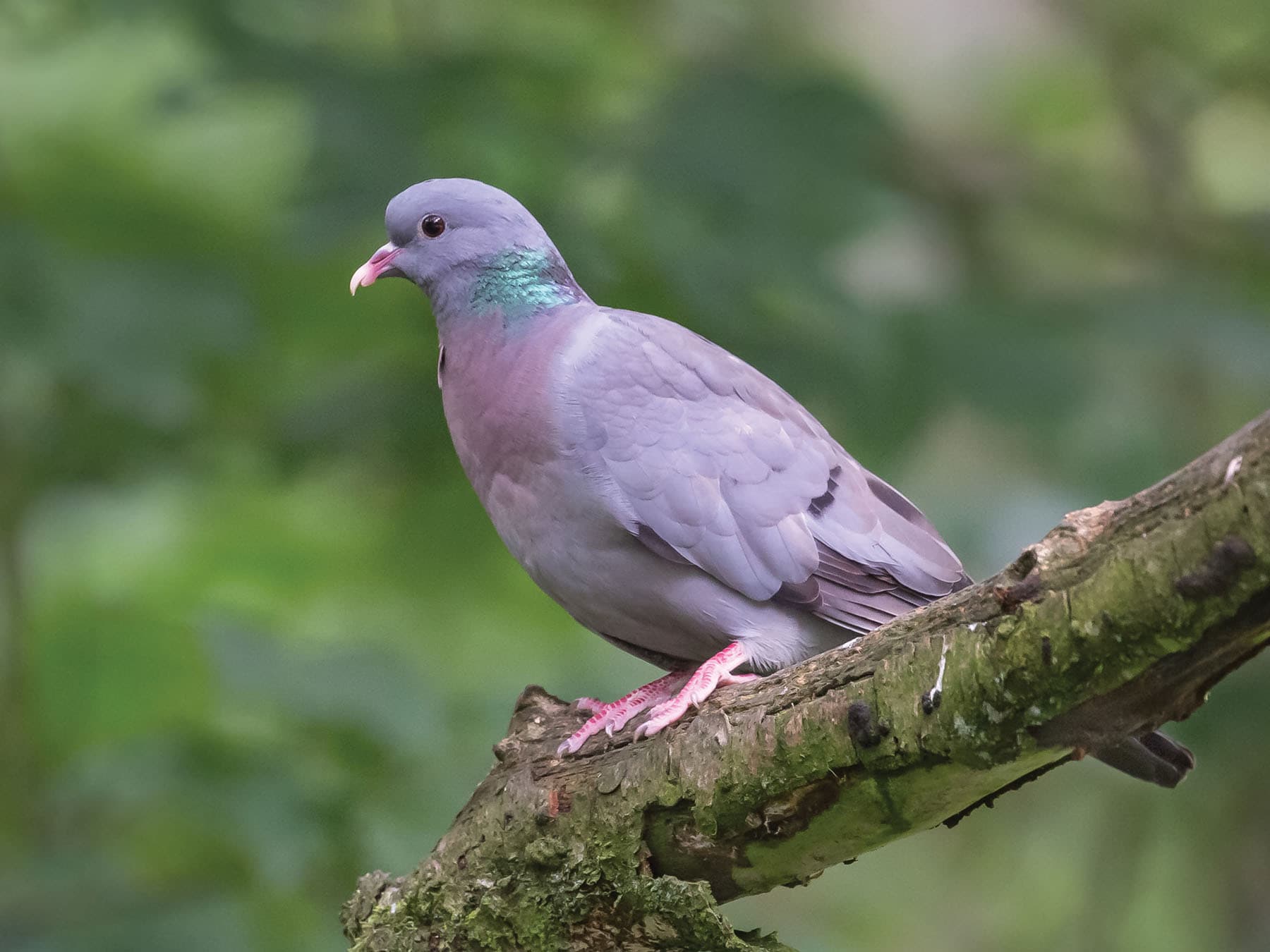
Stock Dove
Columba oenasLC
An uncommon but widespread resident of mature woodland and parkland, often nesting in tree holes across lowland Durham.
Year-round
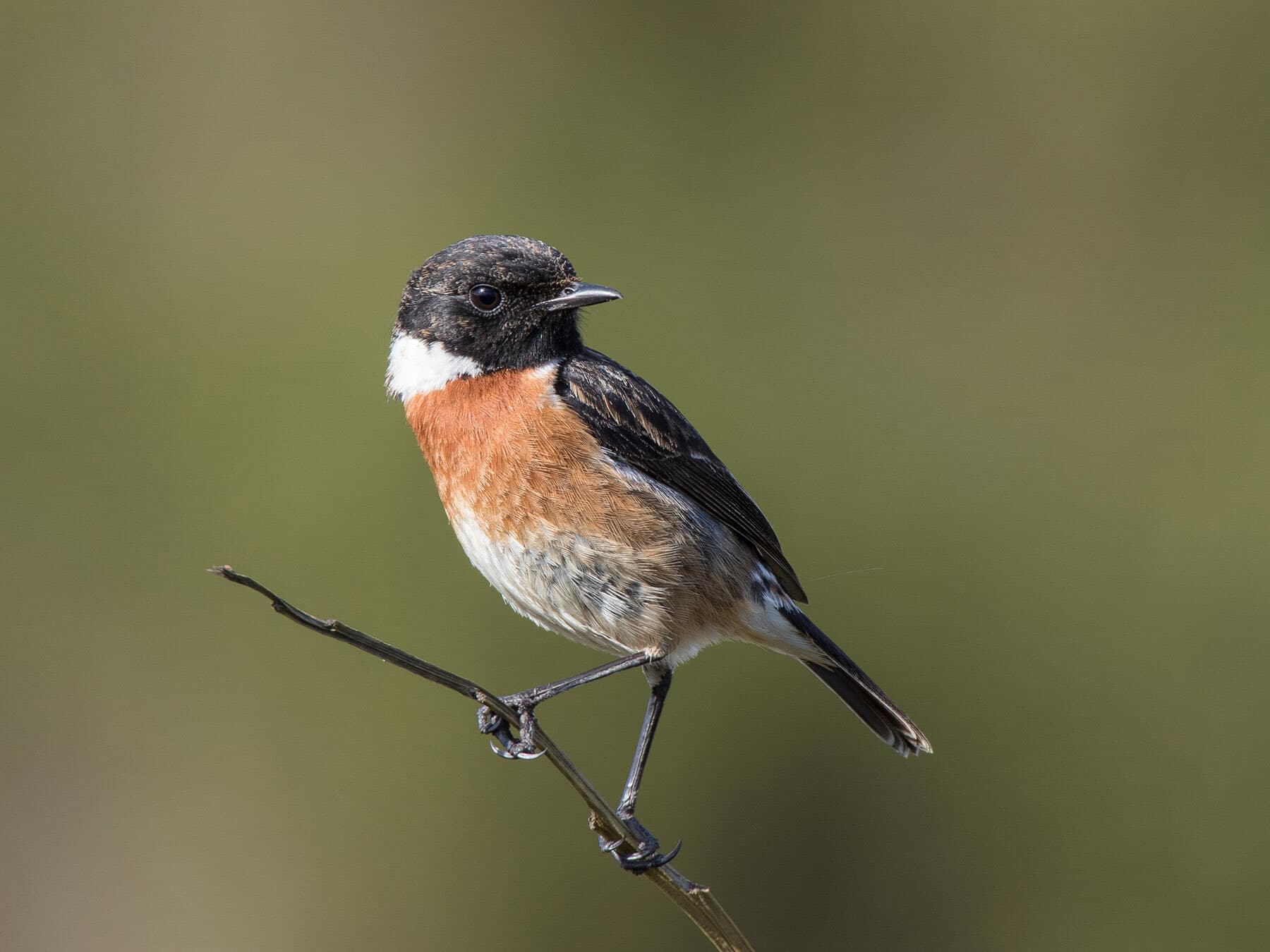
Stonechat
Saxicola torquatusLC
A scarce resident found year-round on Durham's coastal gorse and upland heath, often perching prominently on bushes.
Year-round
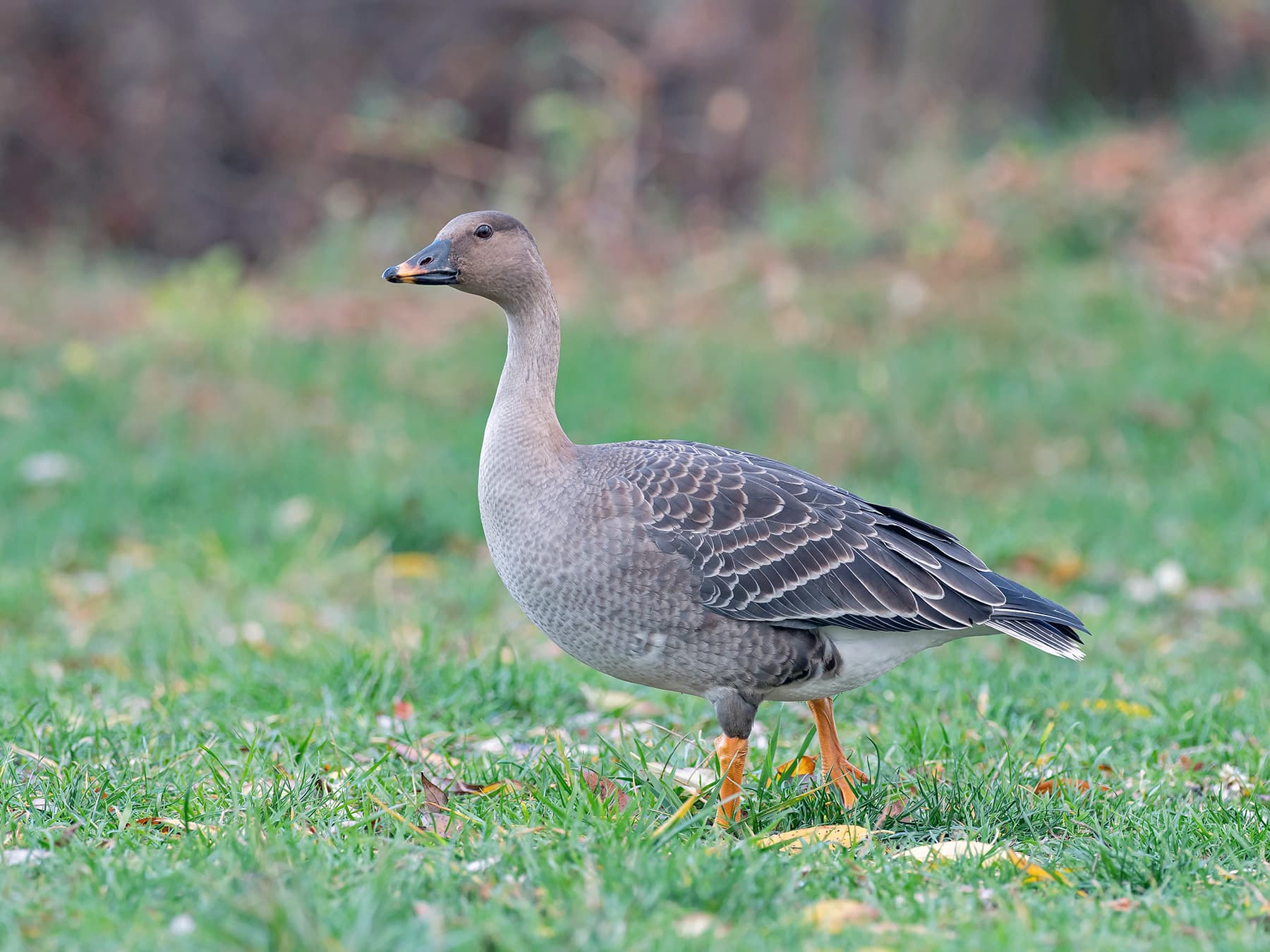
Taiga Bean Goose
Anser fabalisLC
A rare passage visitor, occasionally turning up in December on stubble fields or wetland margins with other wintering geese.
Dec
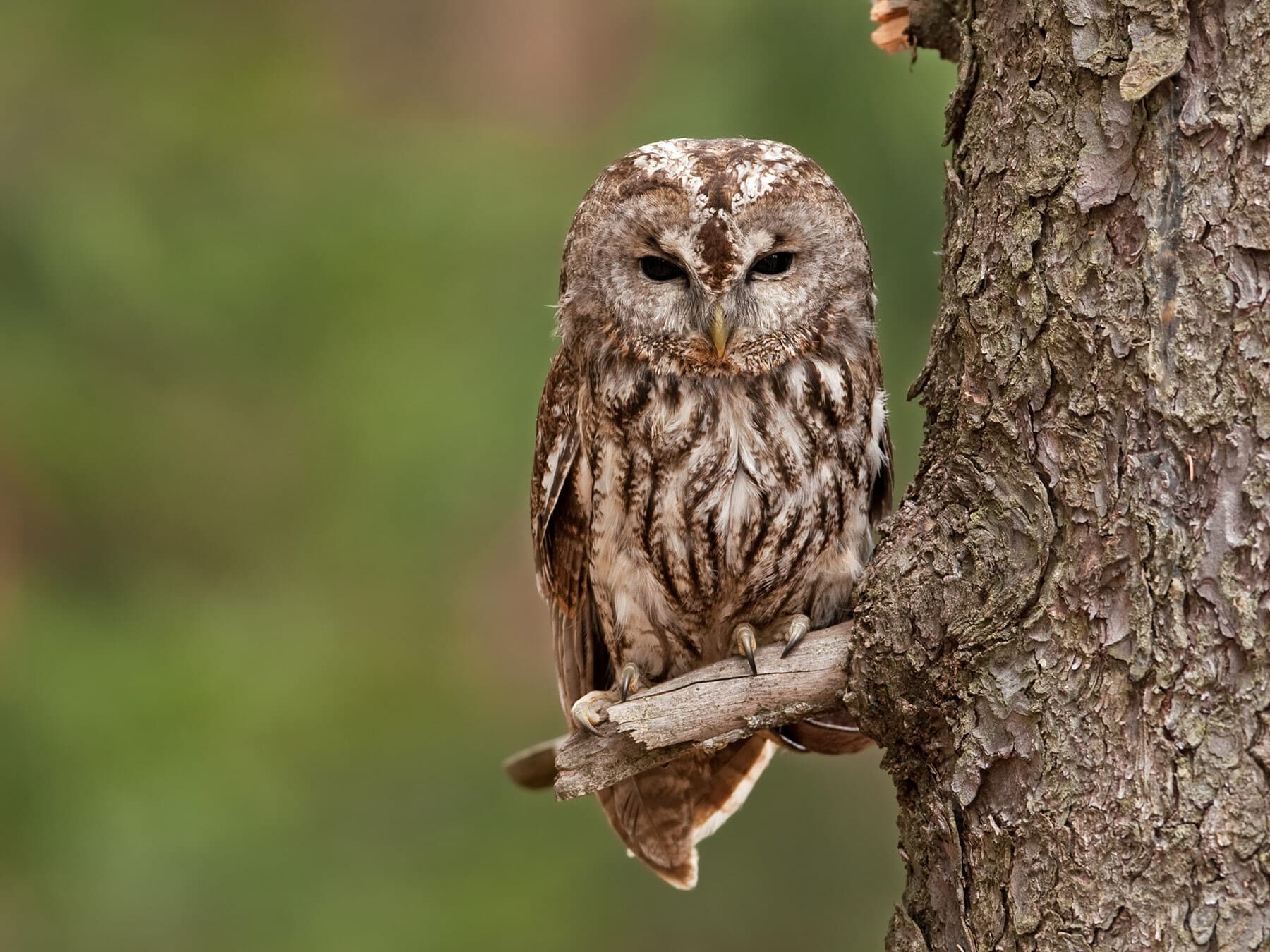
Tawny Owl
Strix alucoLC
A rare but year-round resident of mature woodland. More often heard than seen, its familiar hooting carries through Durham's woods at night.
Year-round
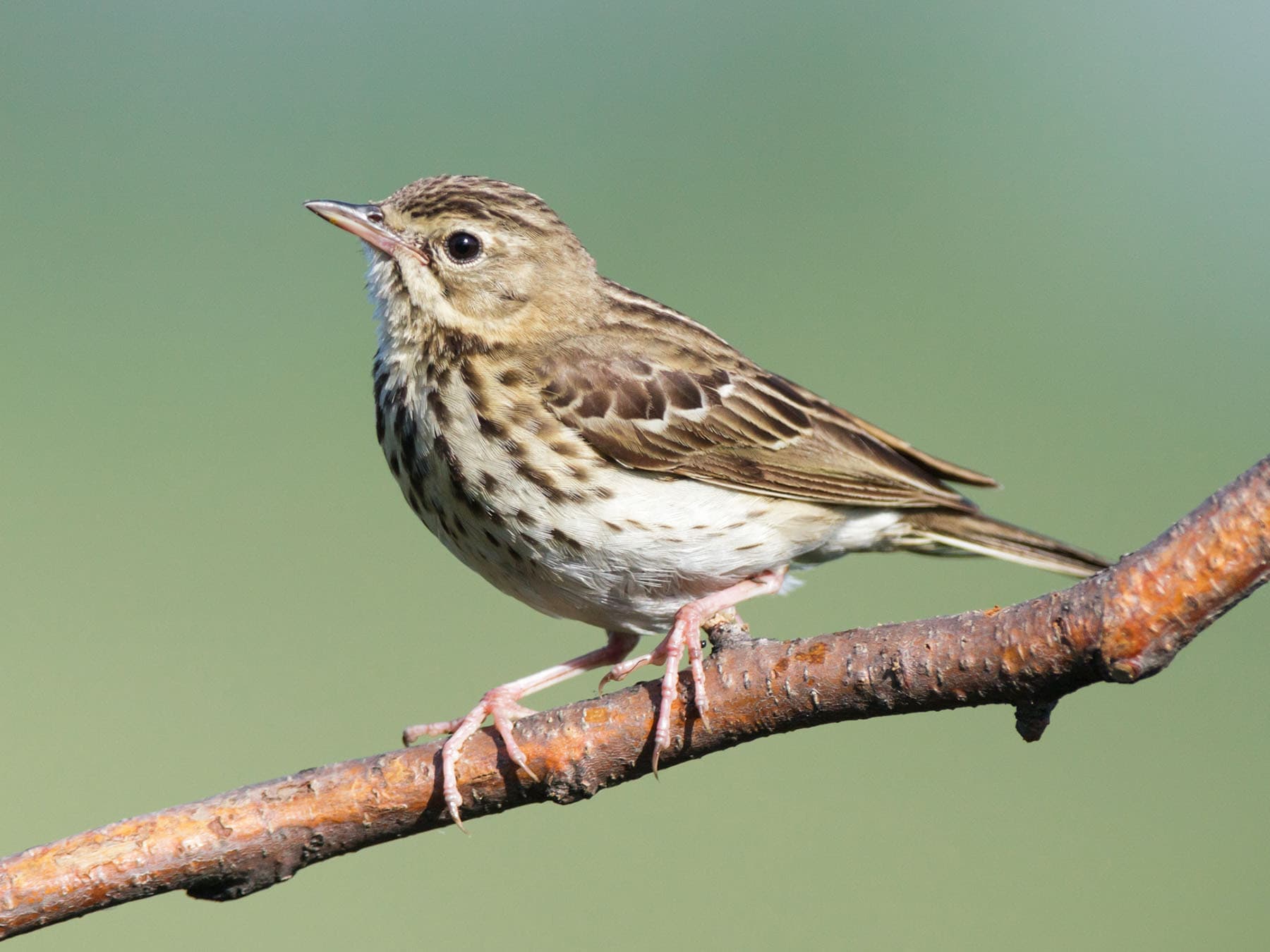
Tree Pipit
Anthus trivialisLC
A rare summer breeder arriving in April, favouring open woodland edges and hillside clearings in western Durham.
Apr–Jun
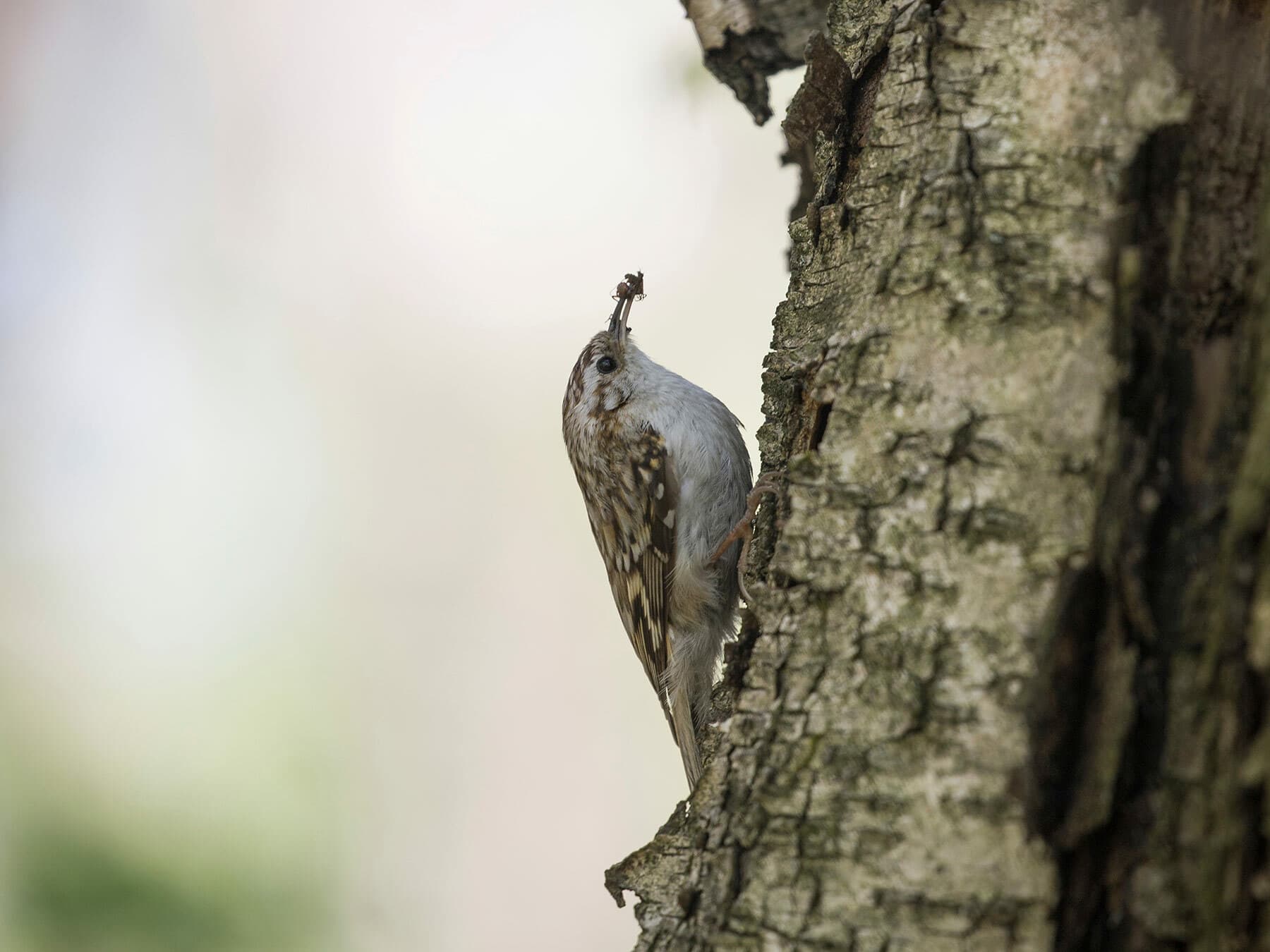
Treecreeper
Certhia familiarisLC
An unobtrusive resident that spirals up tree trunks in mature woodland and parkland. Present year-round but easily overlooked.
Year-round
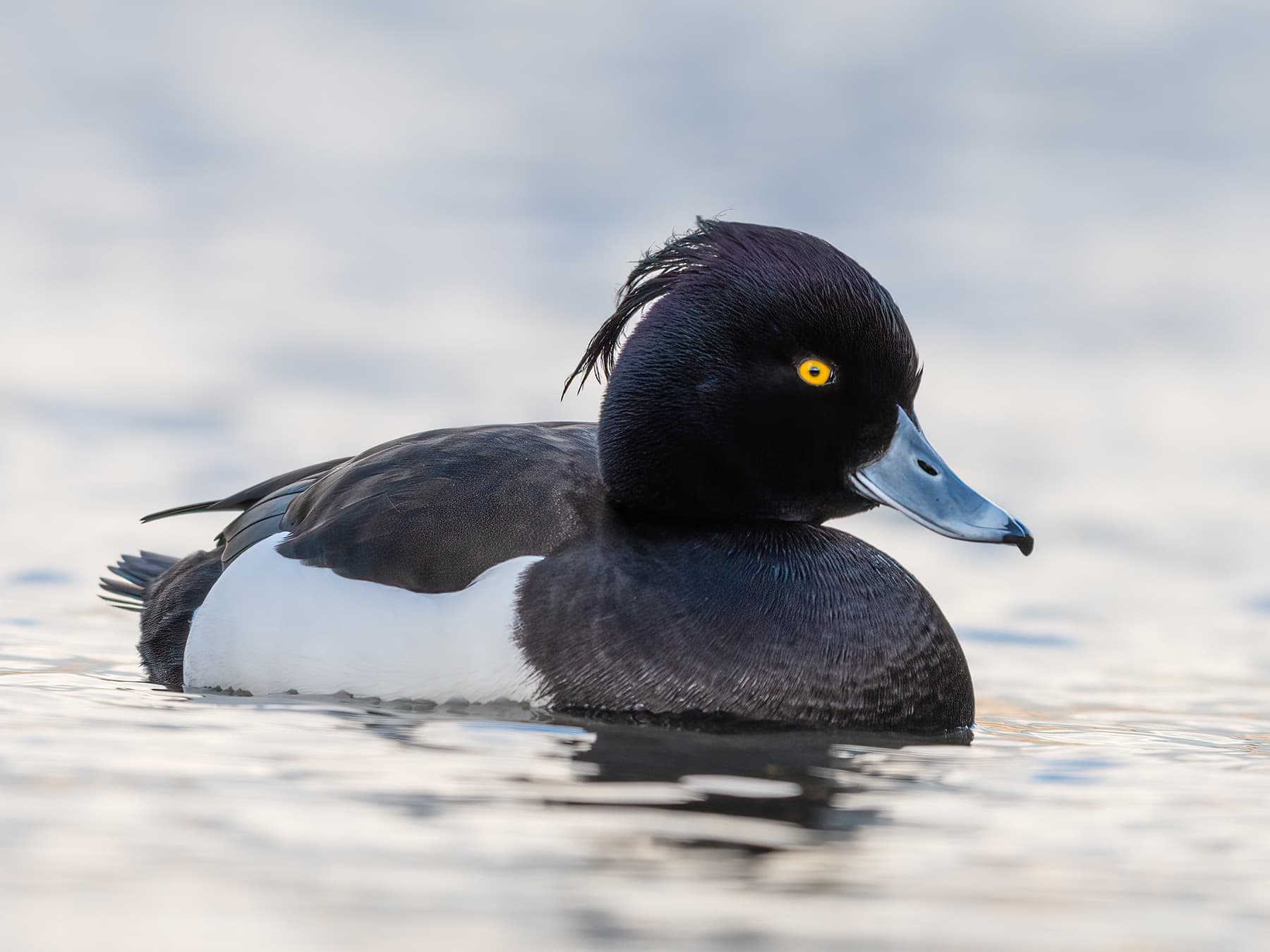
Tufted Duck
Aythya fuligulaLC
An uncommon year-round resident on lakes and reservoirs. Breeds locally and numbers increase in winter with Continental arrivals.
Year-round
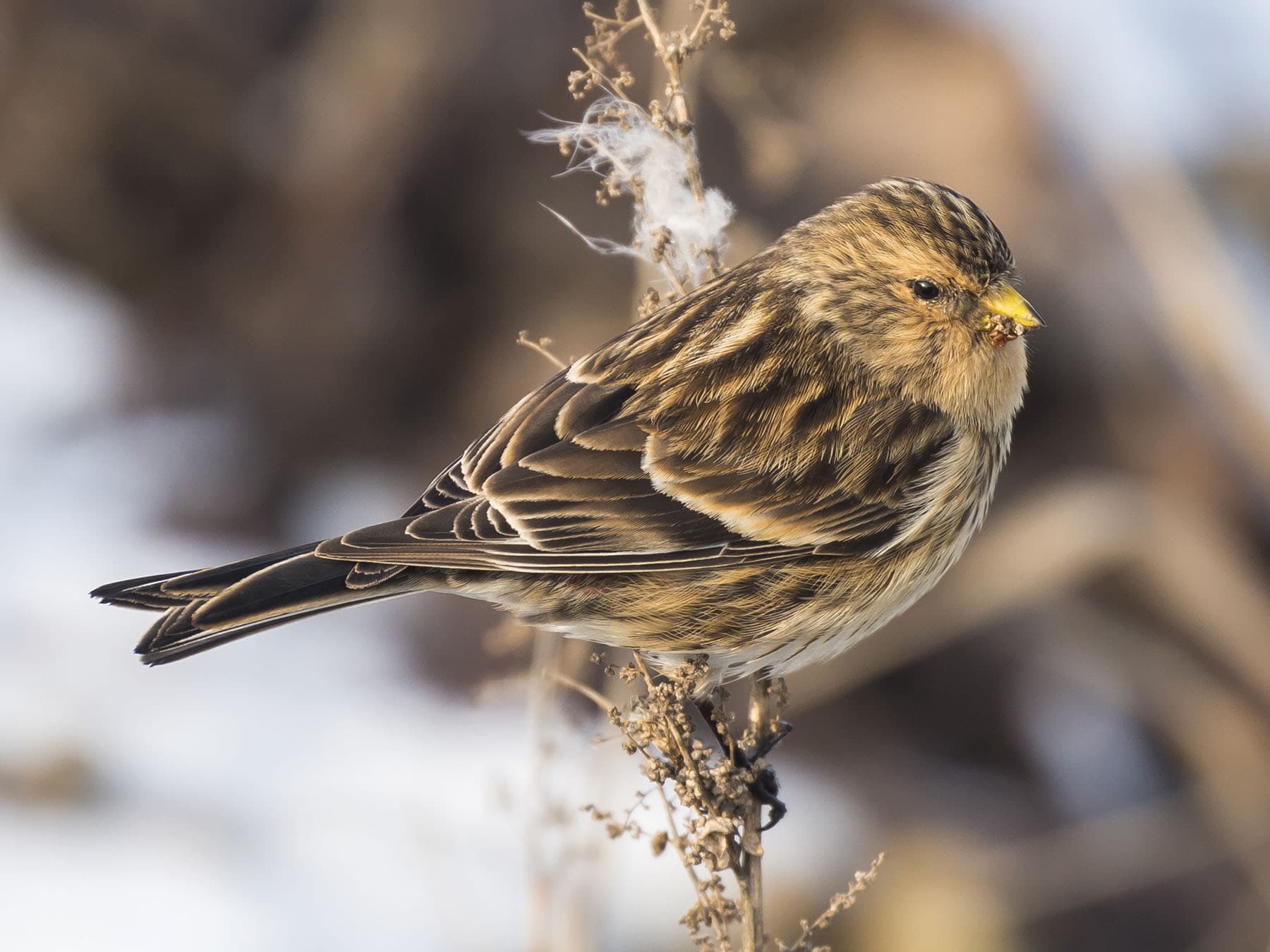
Twite
Linaria flavirostrisLC
A rare winter visitor to Durham's coast and stubble fields, present from November to March in small flocks.
Nov–Mar
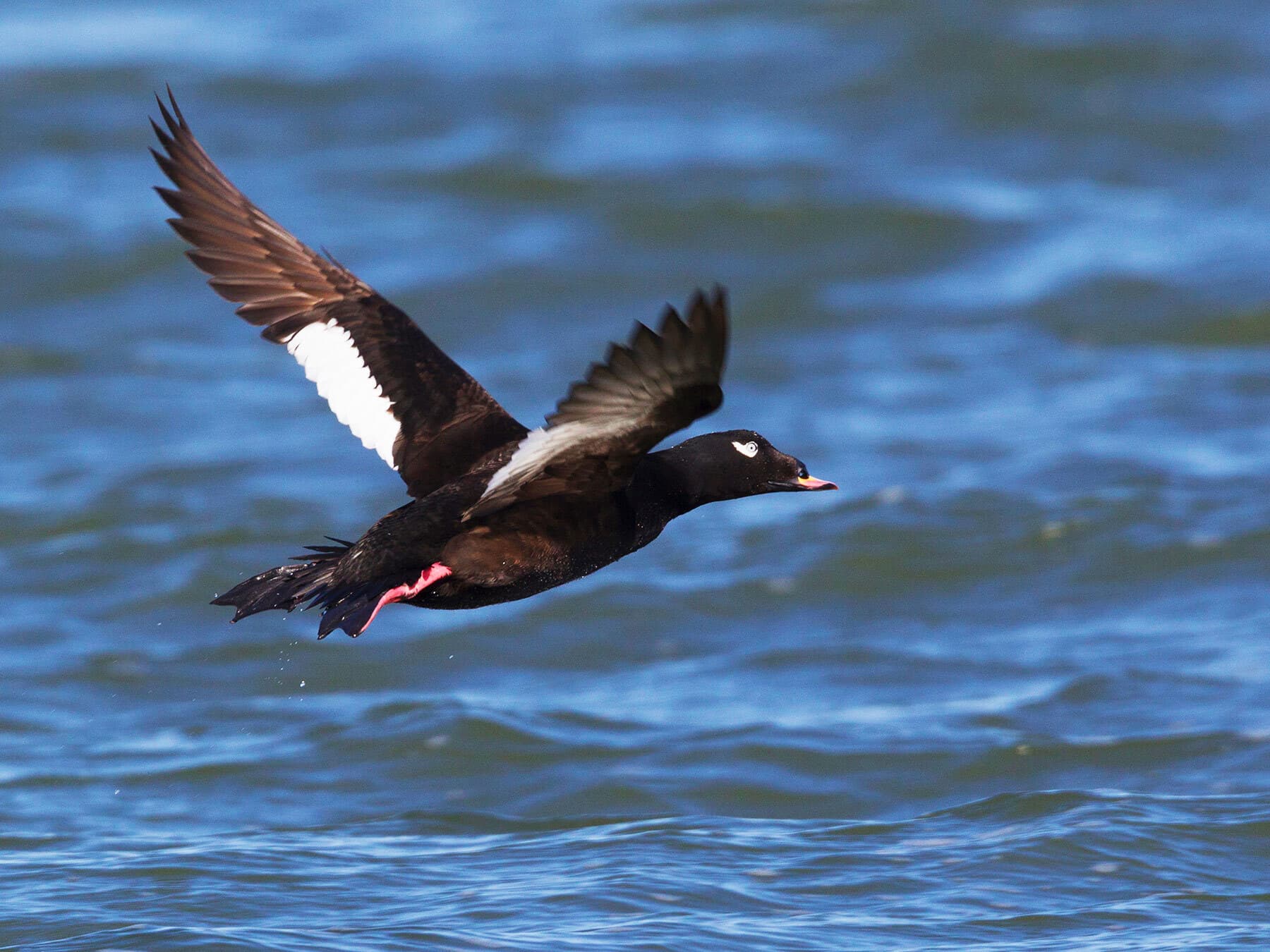
Velvet Scoter
Melanitta fuscaVU
A rare passage visitor seen offshore in autumn and early winter. Usually spotted among Common Scoter flocks off the Durham coast.
Oct–Dec
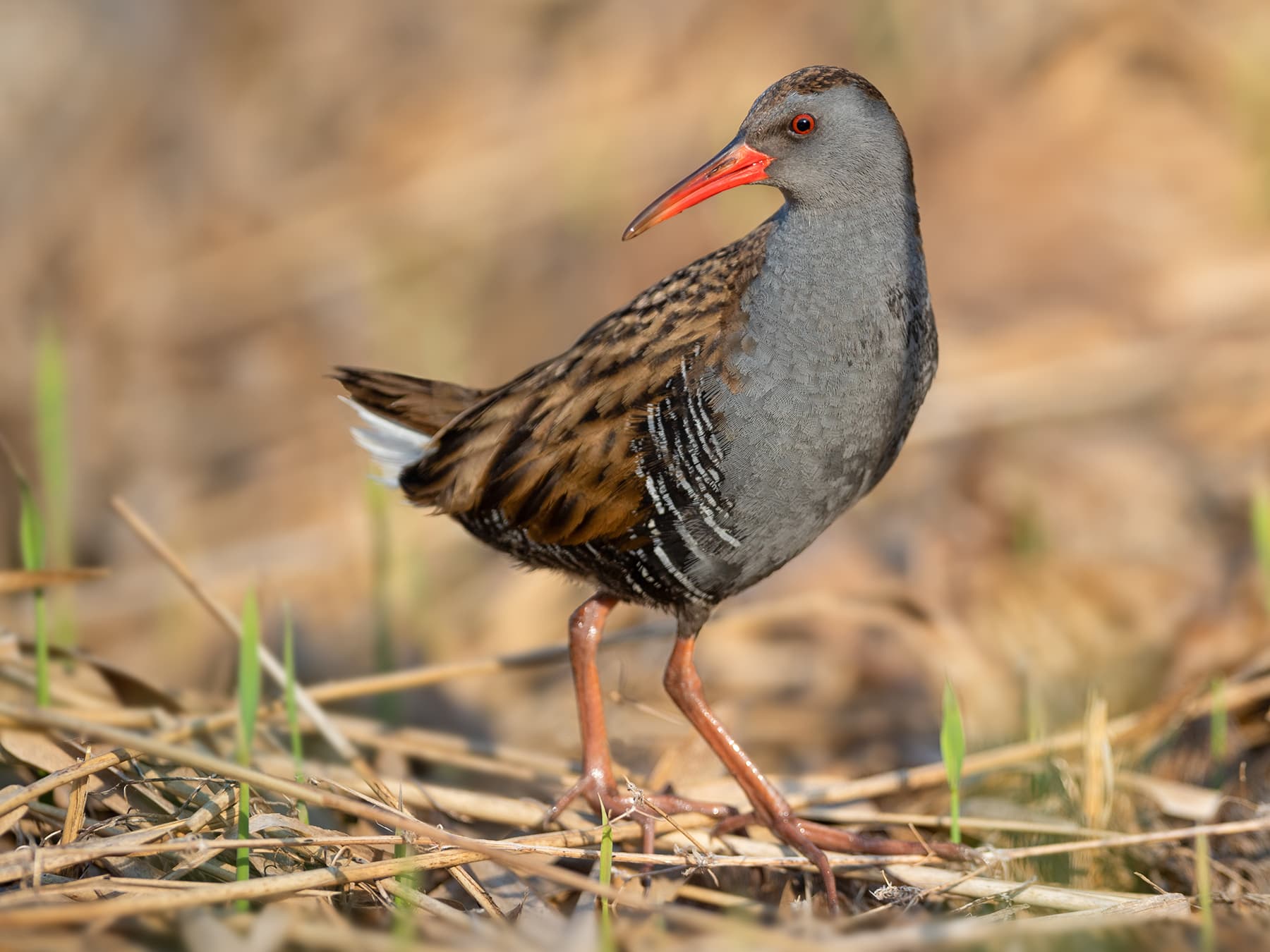
Water Rail
Rallus aquaticusLC
A rare and secretive non-breeding visitor to reedbeds and marshy wetlands, most likely encountered from autumn into winter.
Sep–Jan
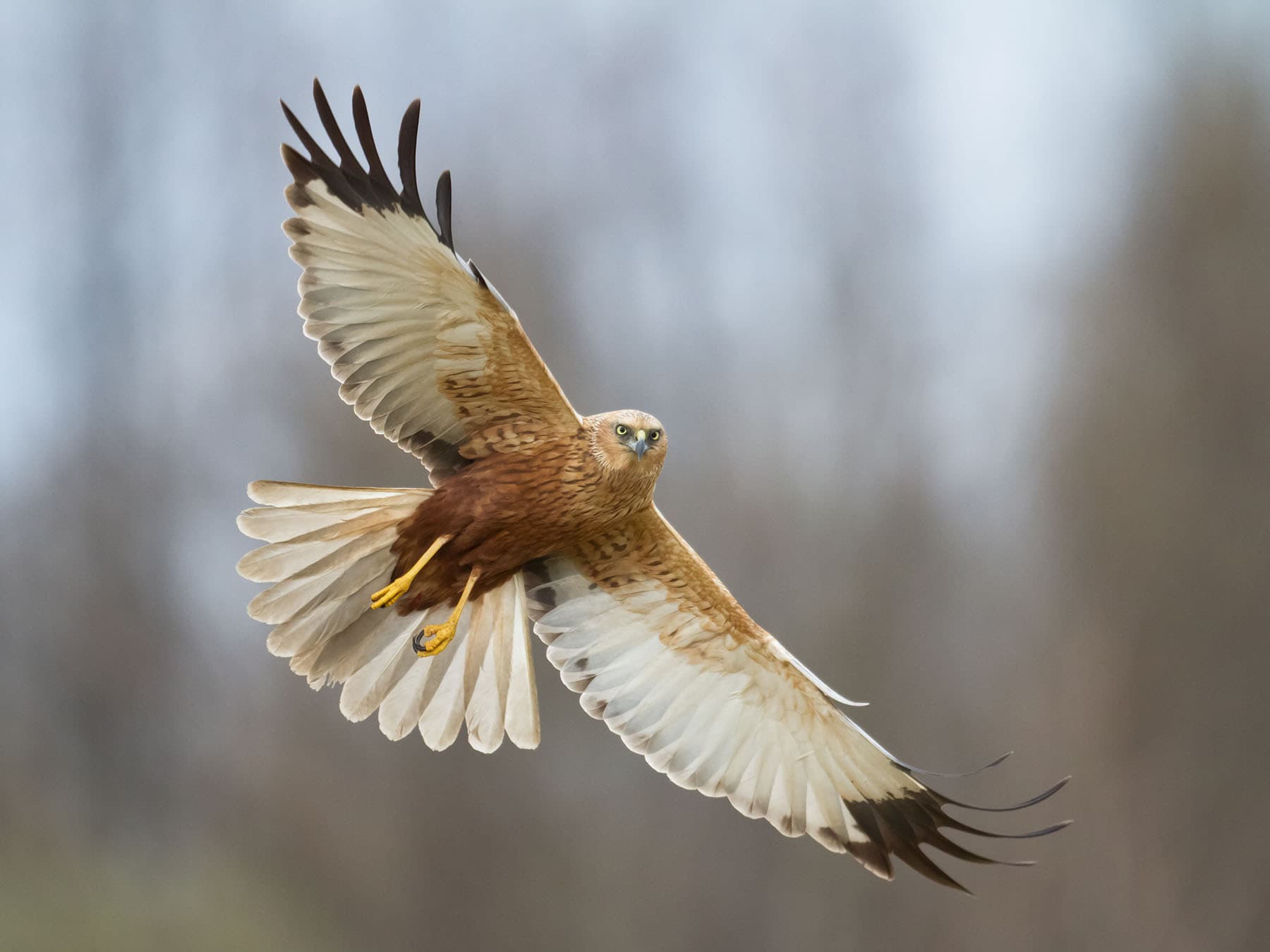
Western Marsh-harrier
Circus aeruginosusLC
A rare but increasingly recorded resident, favouring reedbeds and wetland margins. Durham sightings reflect a wider national recovery.
Jun–Mar