Birds in Durham
Explore 199 species found in this region.
Durham is a richly diverse county for birdwatching, with 197 recorded species found across its varied landscapes of upland moorland, river valleys, coastal stretches, and ancient woodlands. From the striking Northern Lapwing displaying over farmland to the elusive Eurasian Woodcock in dense woodland, the county offers rewarding birding throughout the year. Notable species include the colourful Mandarin Duck along wooded waterways, Common Merganser on the River Wear, and Horned Lark on the high Pennine tops.
Visiting in September? Look out for Brent Goose and Eurasian Spoonbill arriving this month, and Common Raven and Common Reed-warbler depart for the season.


Showing 185–199 of 199 species
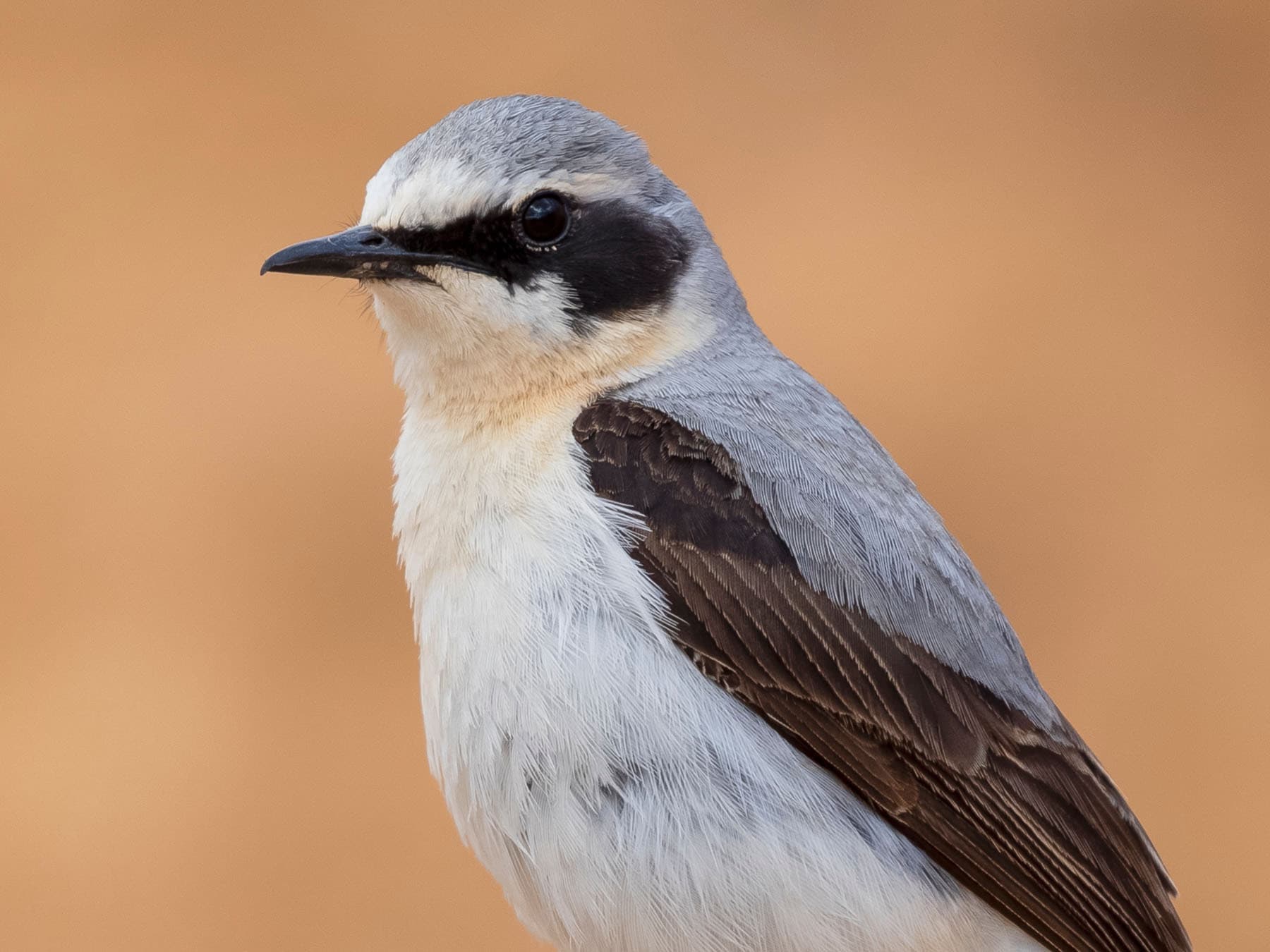
Wheatear
Oenanthe oenantheLC
A rare breeder on Durham's upland moorland and fell walls, arriving in March and departing by September.
Mar–Sep
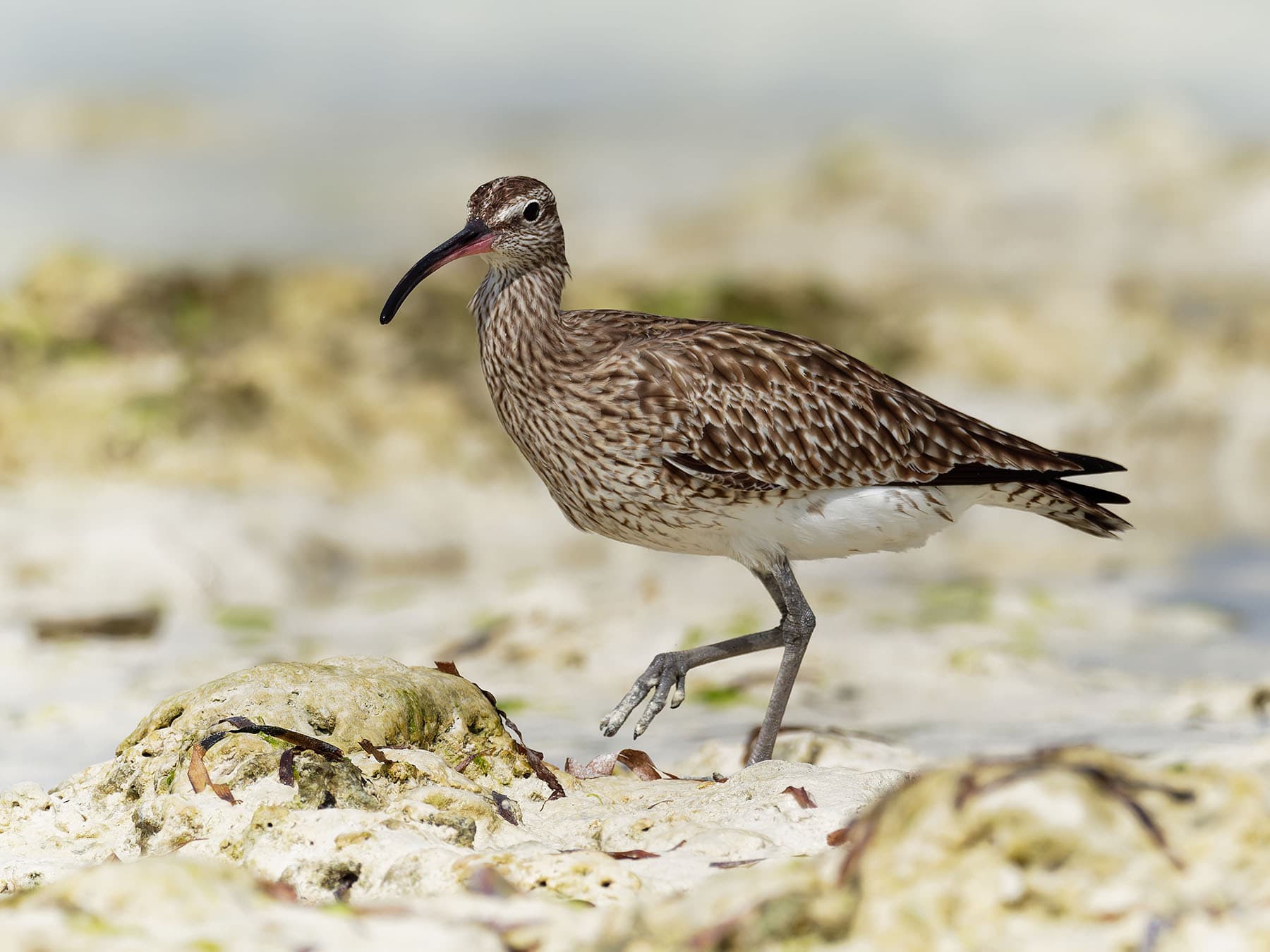
Whimbrel
Numenius phaeopusLC
A rare passage migrant, mainly seen in spring and late summer on the Durham coast or inland wetlands. Listen for its distinctive rippling whistle.
Apr–Sep
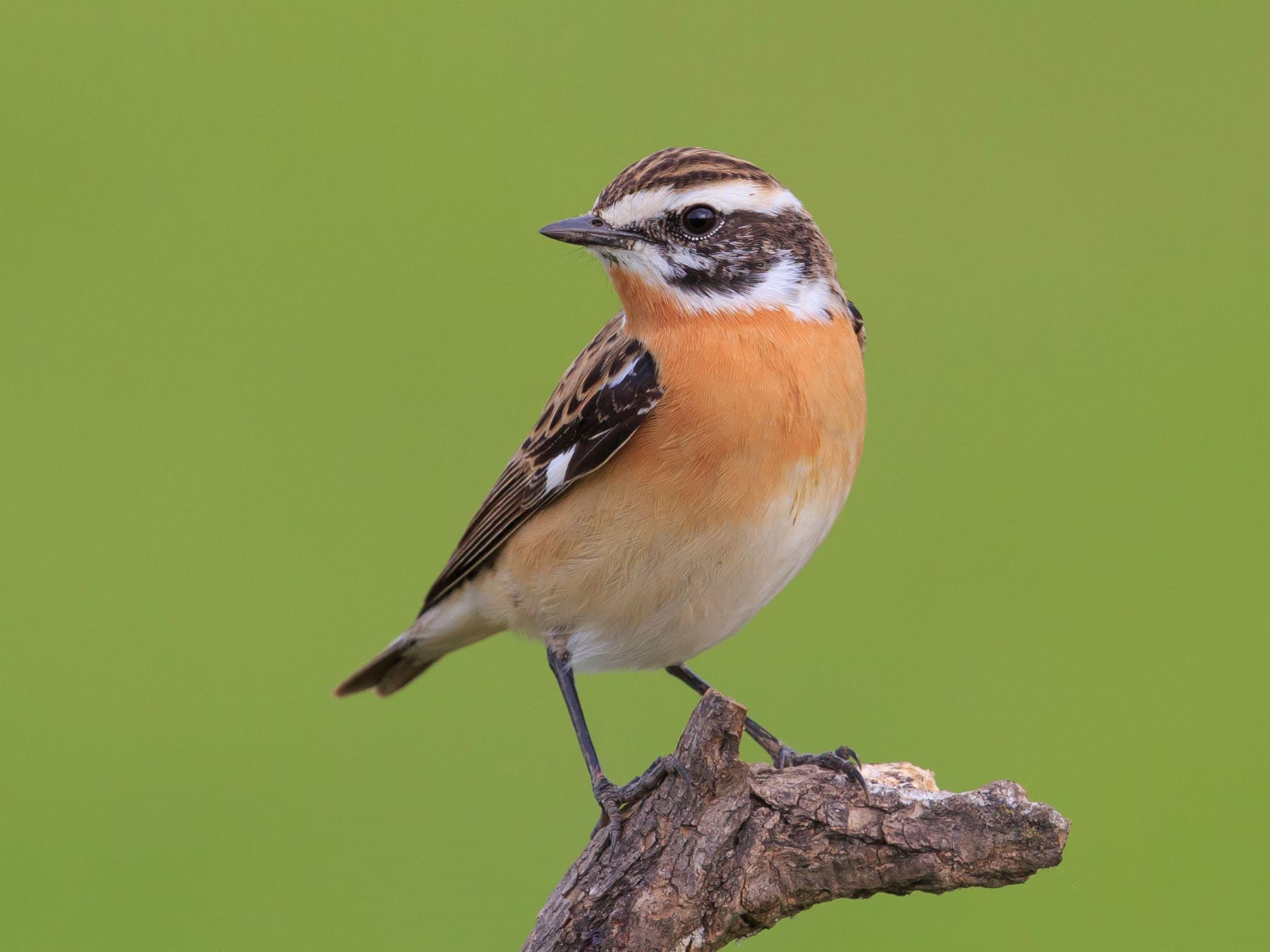
Whinchat
Saxicola rubetraLC
A rare autumn passage migrant through Durham, pausing briefly on rough grassland and moorland edges in August and September.
Aug–Sep
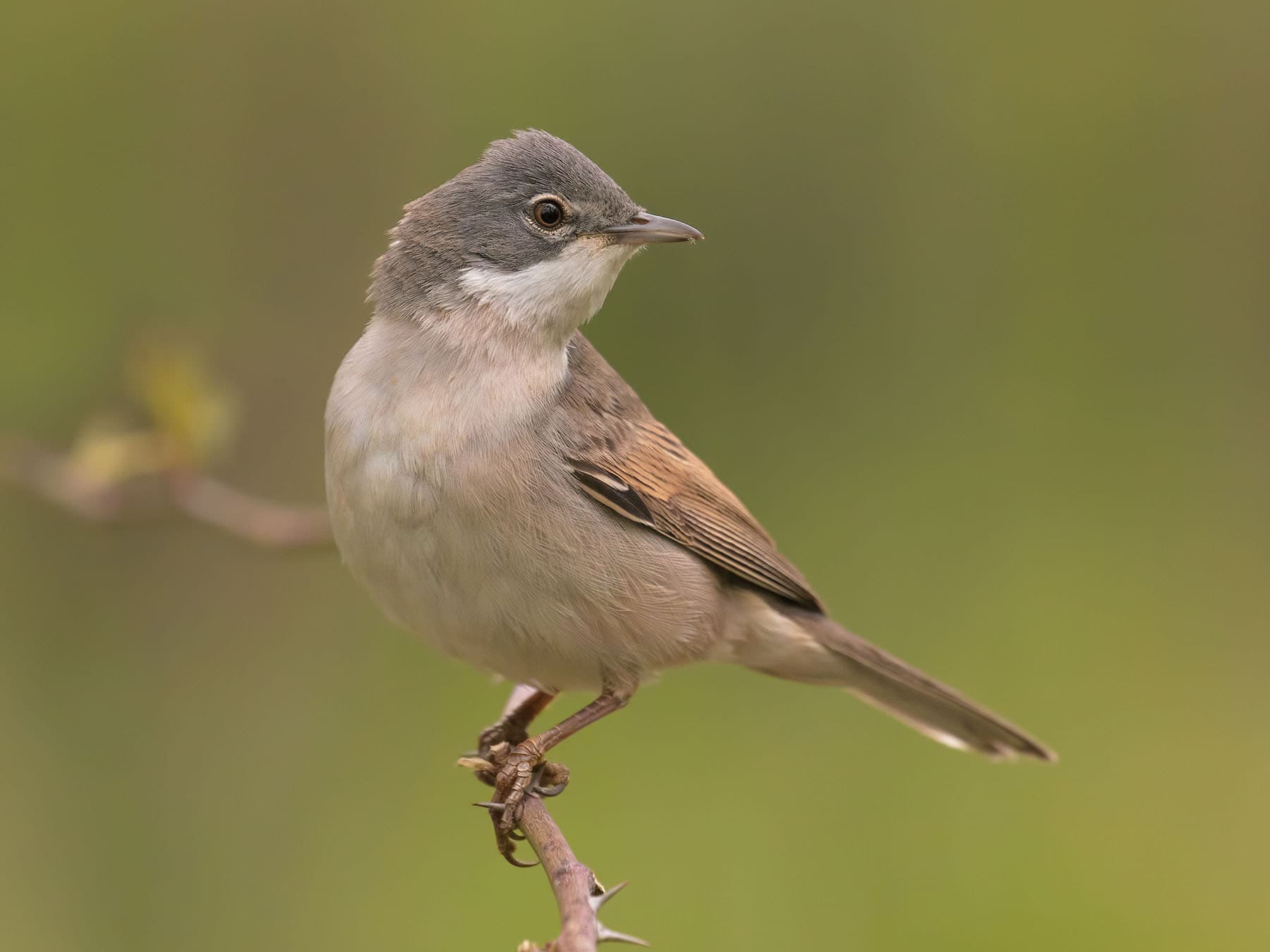
Whitethroat
Curruca communisLC
An uncommon summer breeder found in hedgerows, scrub and field margins. Its scratchy song carries across Durham's lowland farmland from April.
Apr–Sep
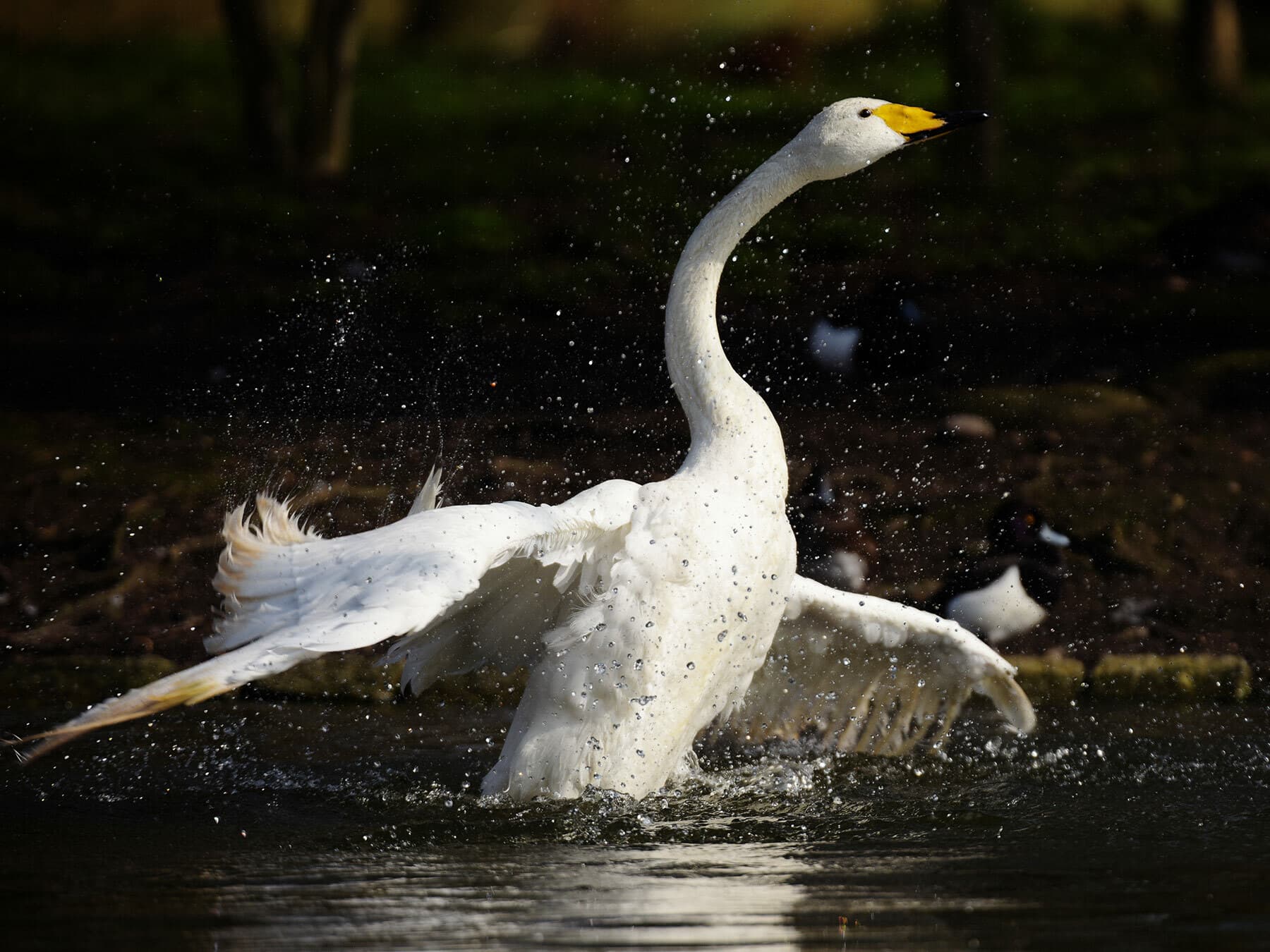
Whooper Swan
Cygnus cygnusLC
A rare passage visitor in autumn and winter, with records in January, March, October and November on reservoirs and flooded fields.
Oct–Mar
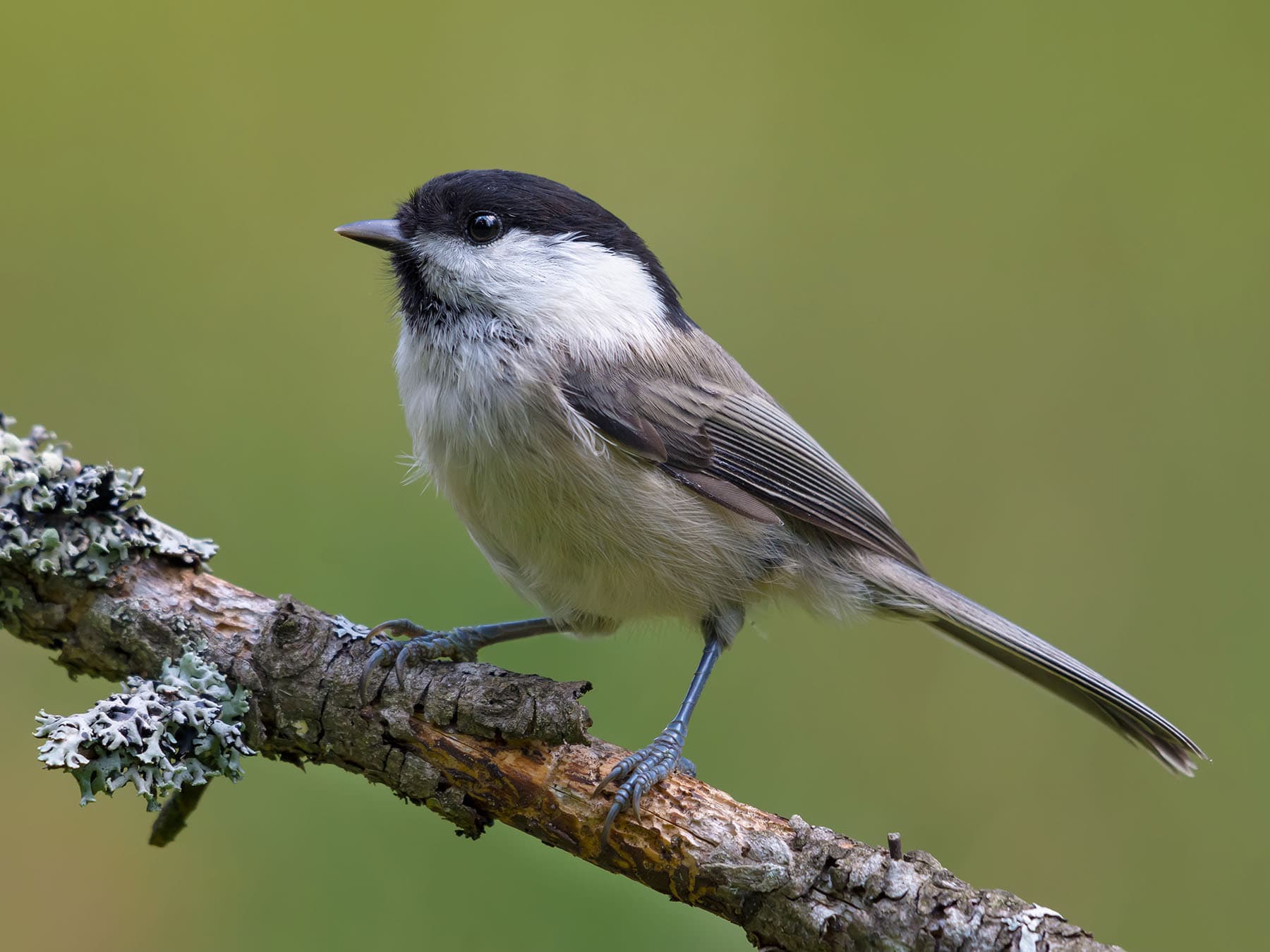
Willow Tit
Poecile montanusLC
Uncommon resident of damp woodland and scrubby hedgerows. A nationally declining species, Durham remains a relative stronghold.
Year-round
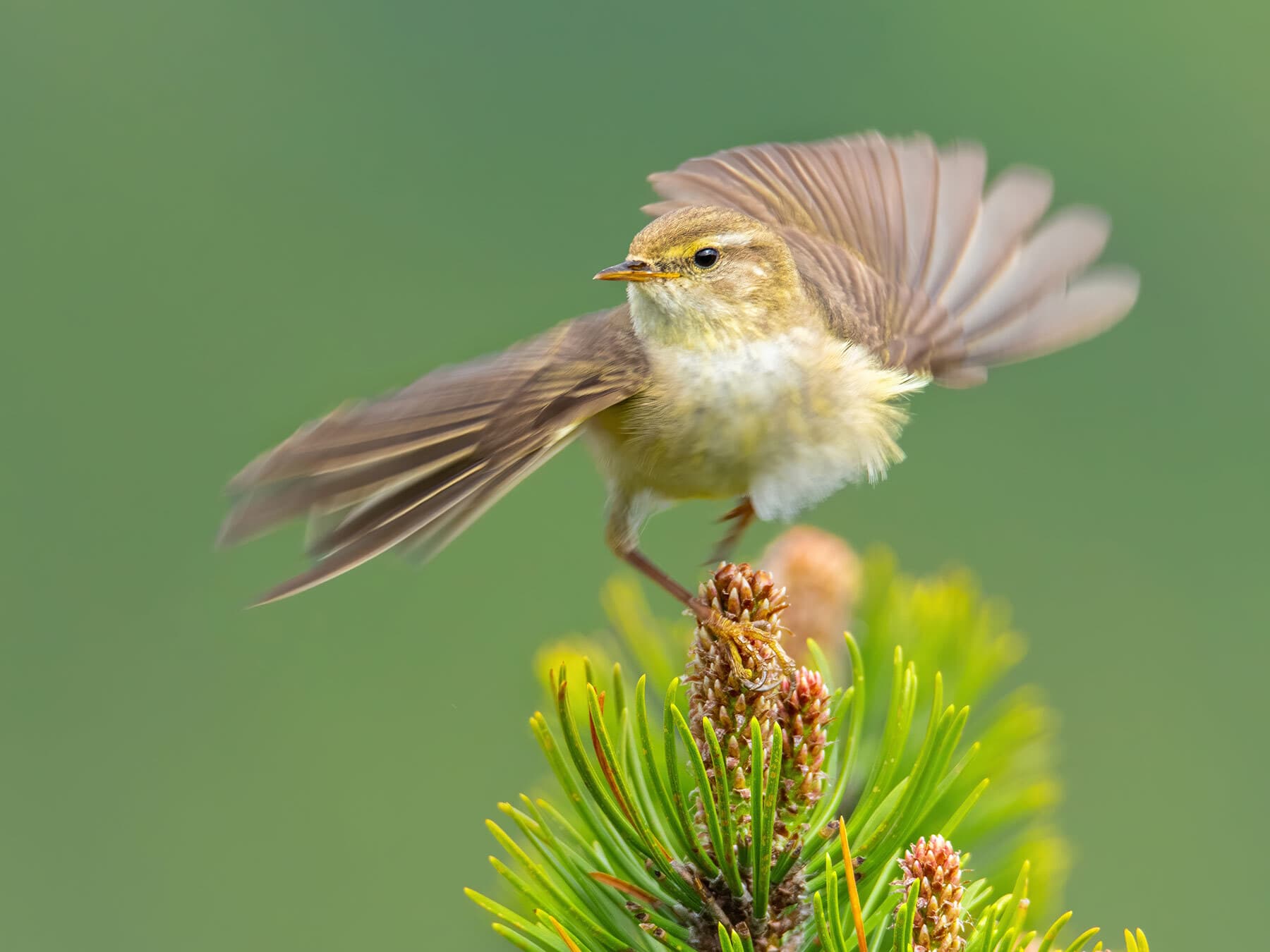
Willow Warbler
Phylloscopus trochilusLC
A common summer visitor breeding in woodland, scrub and moorland edges from April to September. Its gentle descending song is a hallmark of Durham's spring.
Apr–Sep
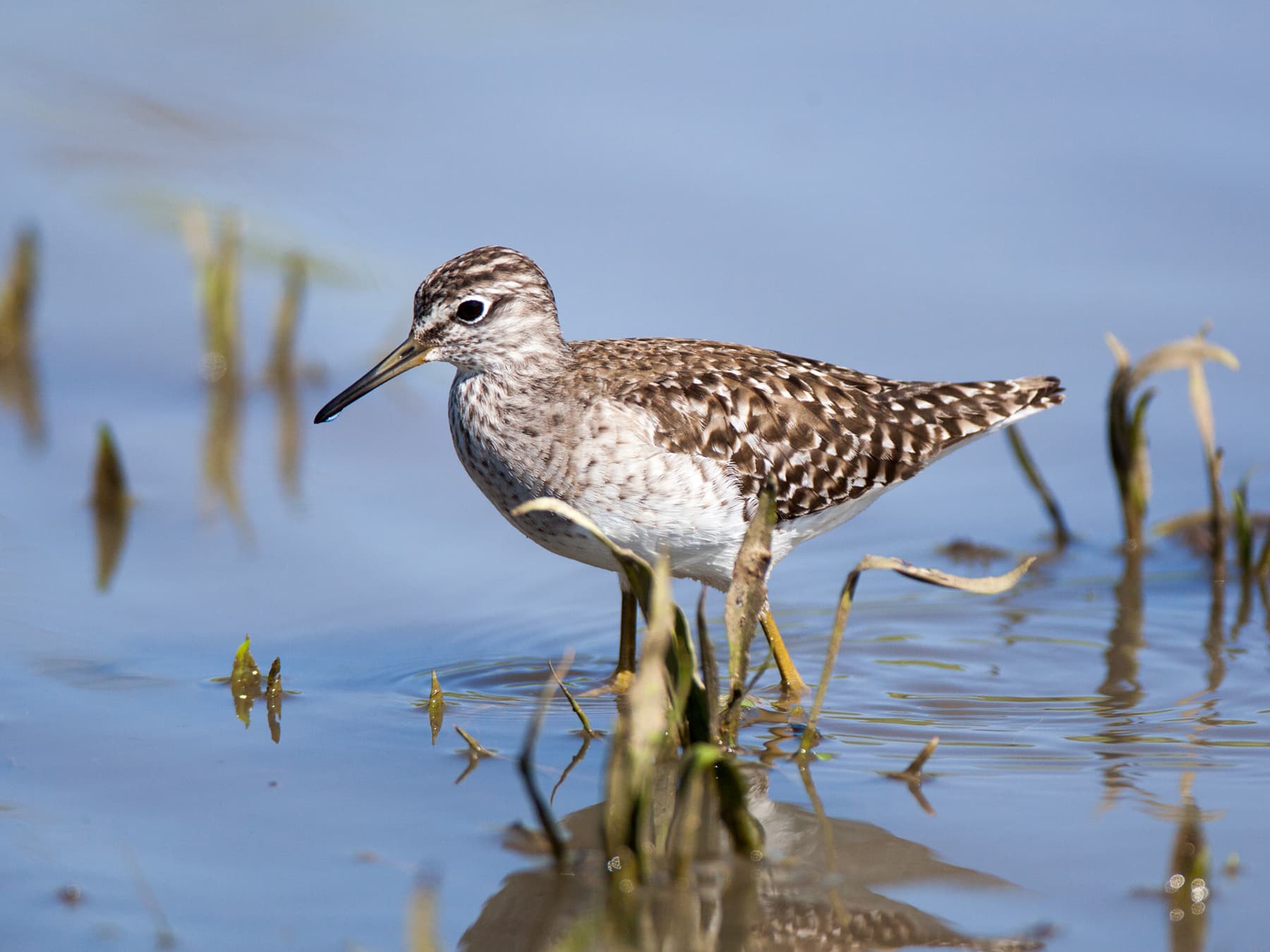
Wood Sandpiper
Tringa glareolaLC
A rare passage migrant in August, occasionally stopping at freshwater wetlands and flooded fields. One of the scarcer waders recorded in Durham.
Aug
Spotted something?
Upload a photo to identify it
Identify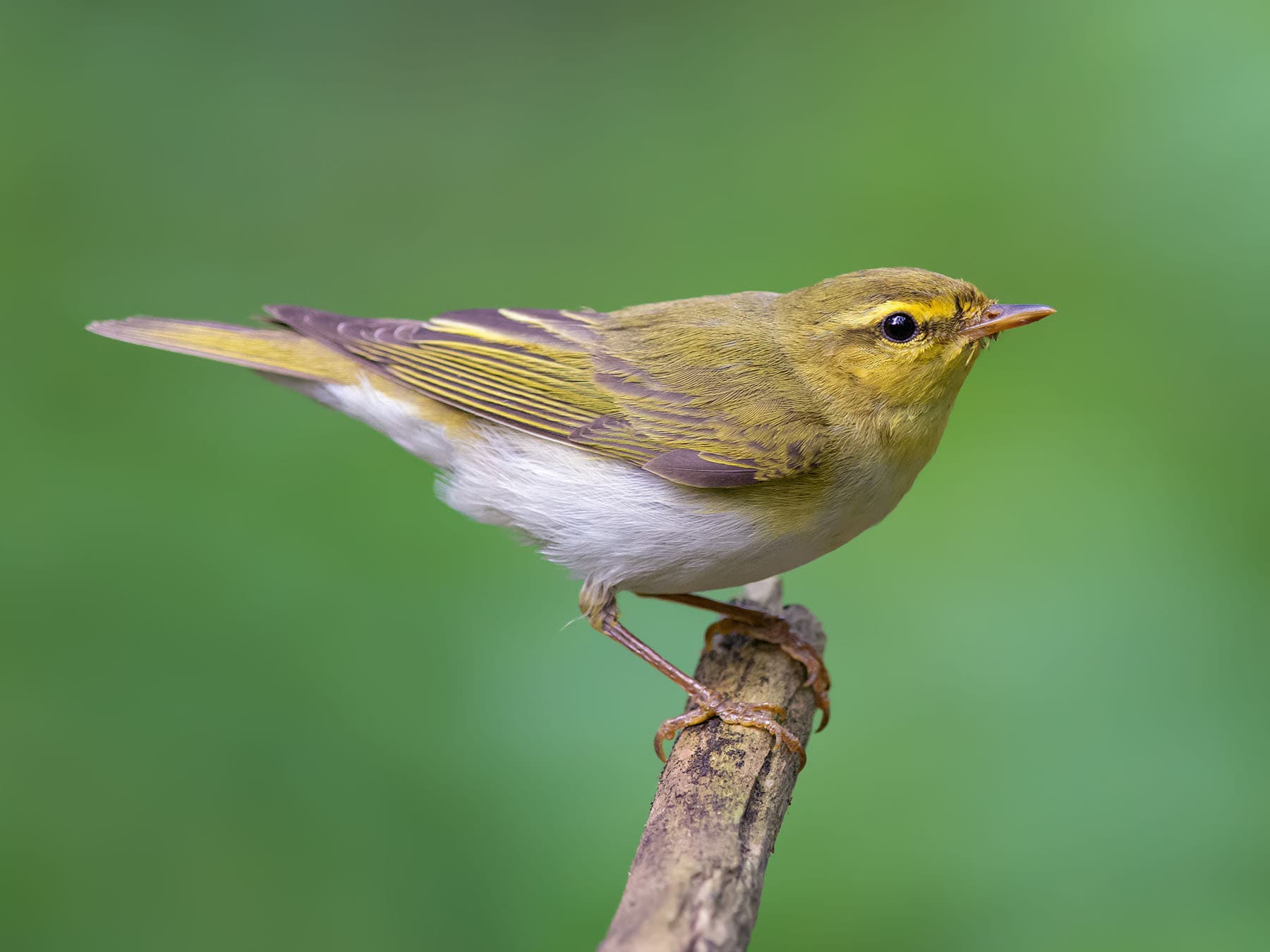
Wood Warbler
Phylloscopus sibilatrixLC
A rare passage visitor in late spring, occasionally lingering in mature oak woodland. Has declined sharply as a northern breeder.
May–Jun
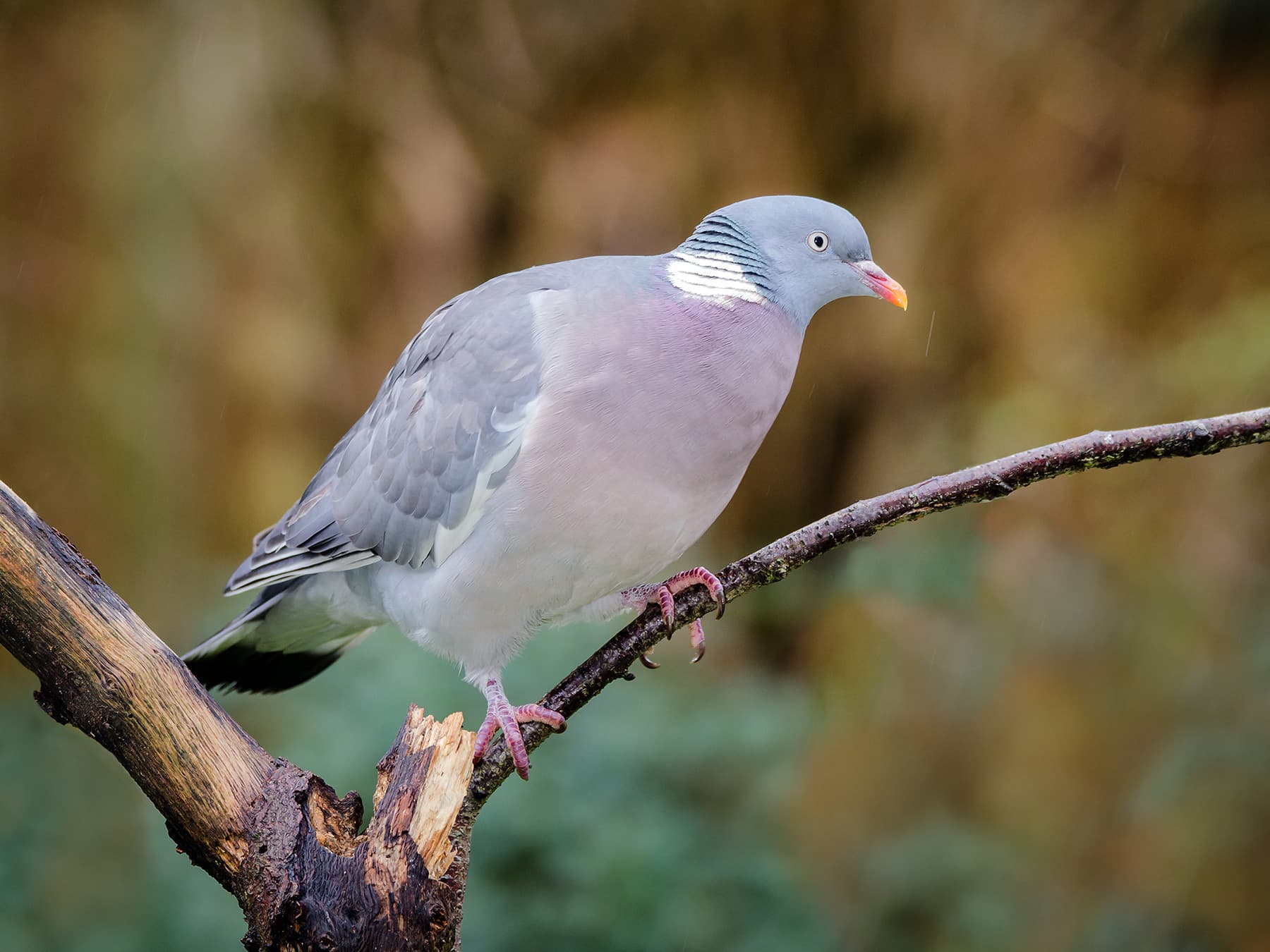
Woodpigeon
Columba palumbusLC
An abundant resident found in gardens, parks, woodland, and farmland throughout the county. Numbers swell in autumn with continental immigrants.
Year-round
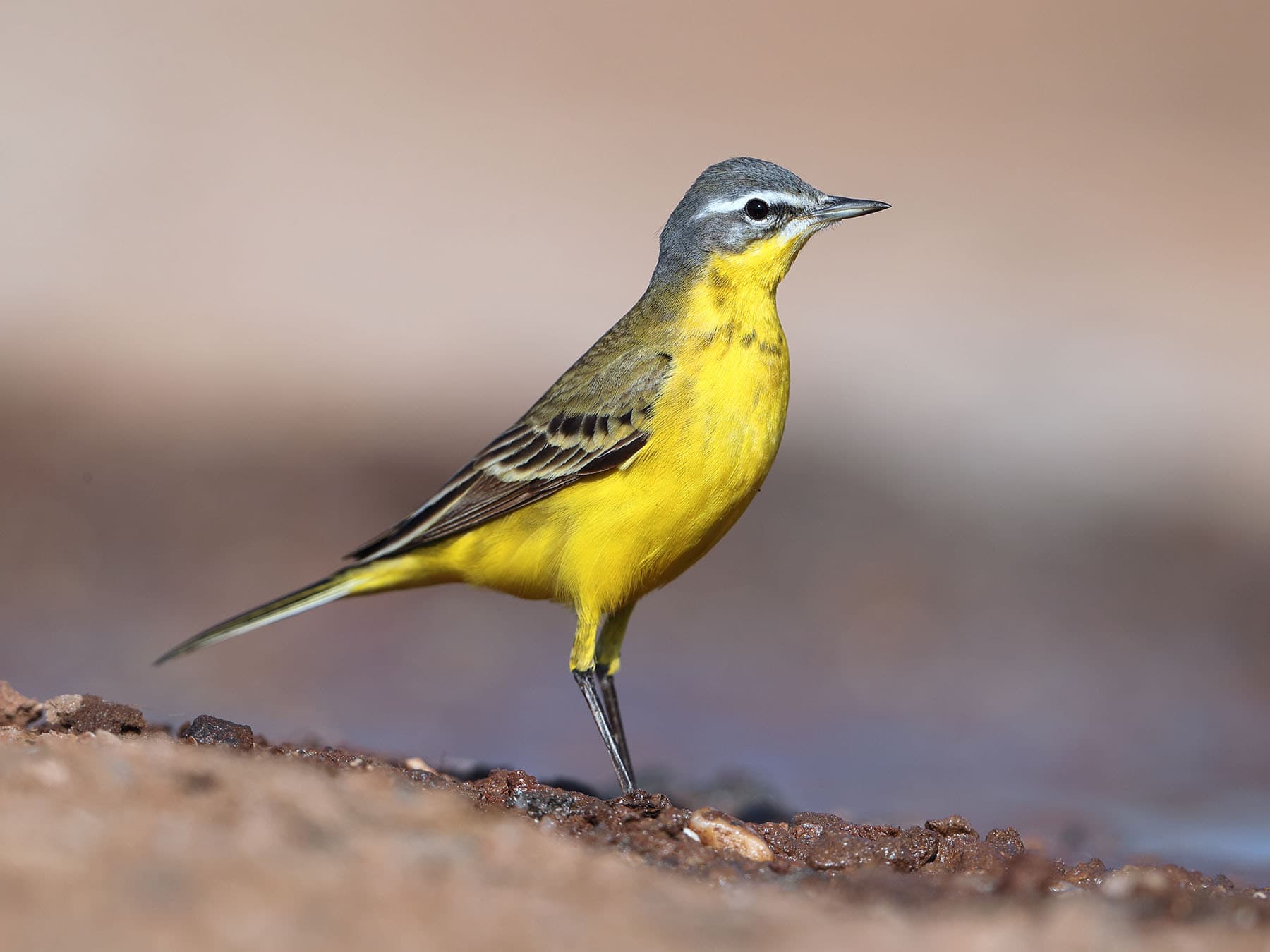
Yellow Wagtail
Motacilla flavaLC
A rare and declining summer breeder on Durham's lowland pastures and arable fields, present from April to August.
Apr–Aug
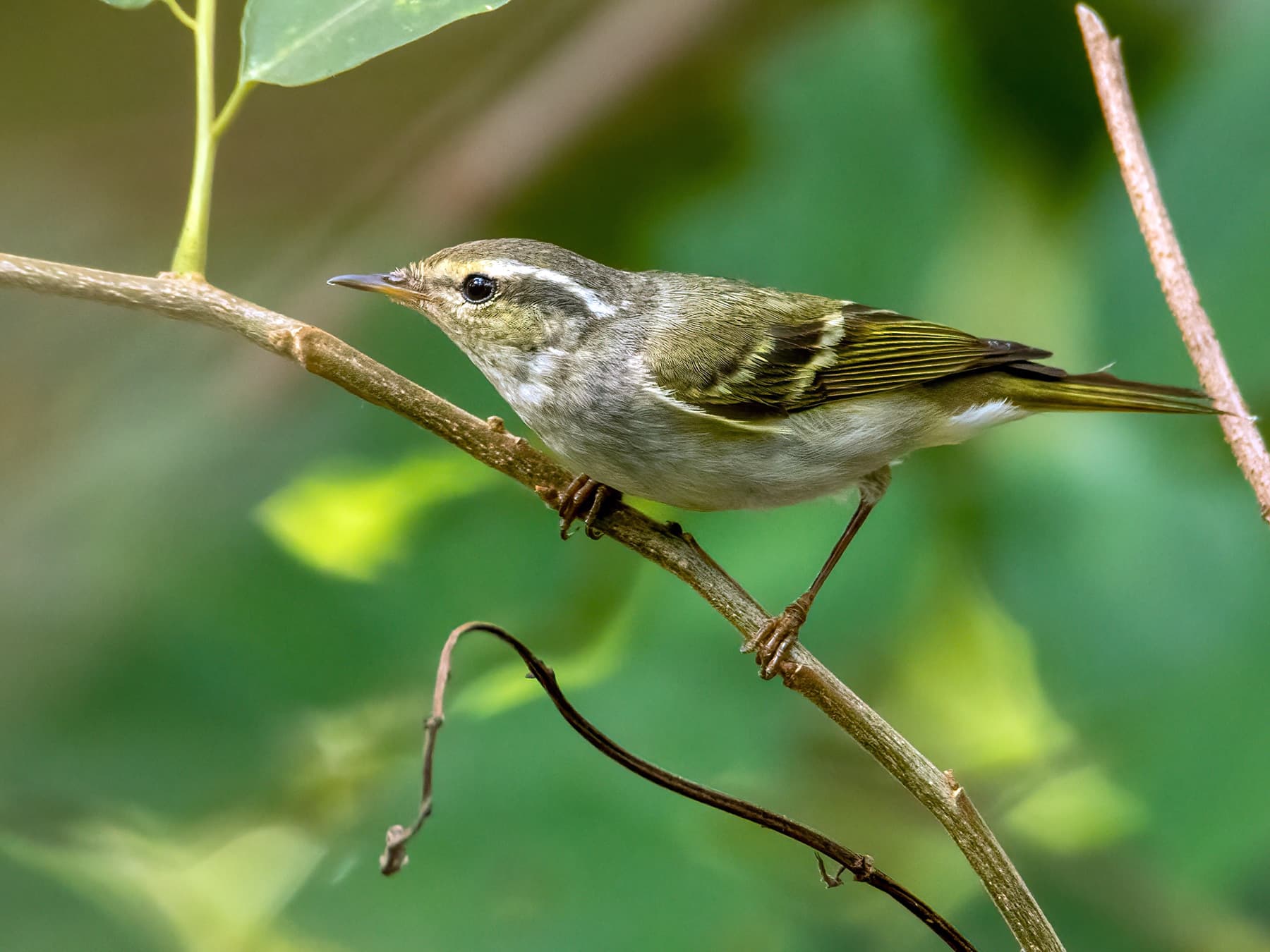
Yellow-browed Warbler
Phylloscopus inornatusLC
A rare autumn vagrant from Siberia, turning up along the Durham coast in September and October during easterly winds.
Sep–Oct
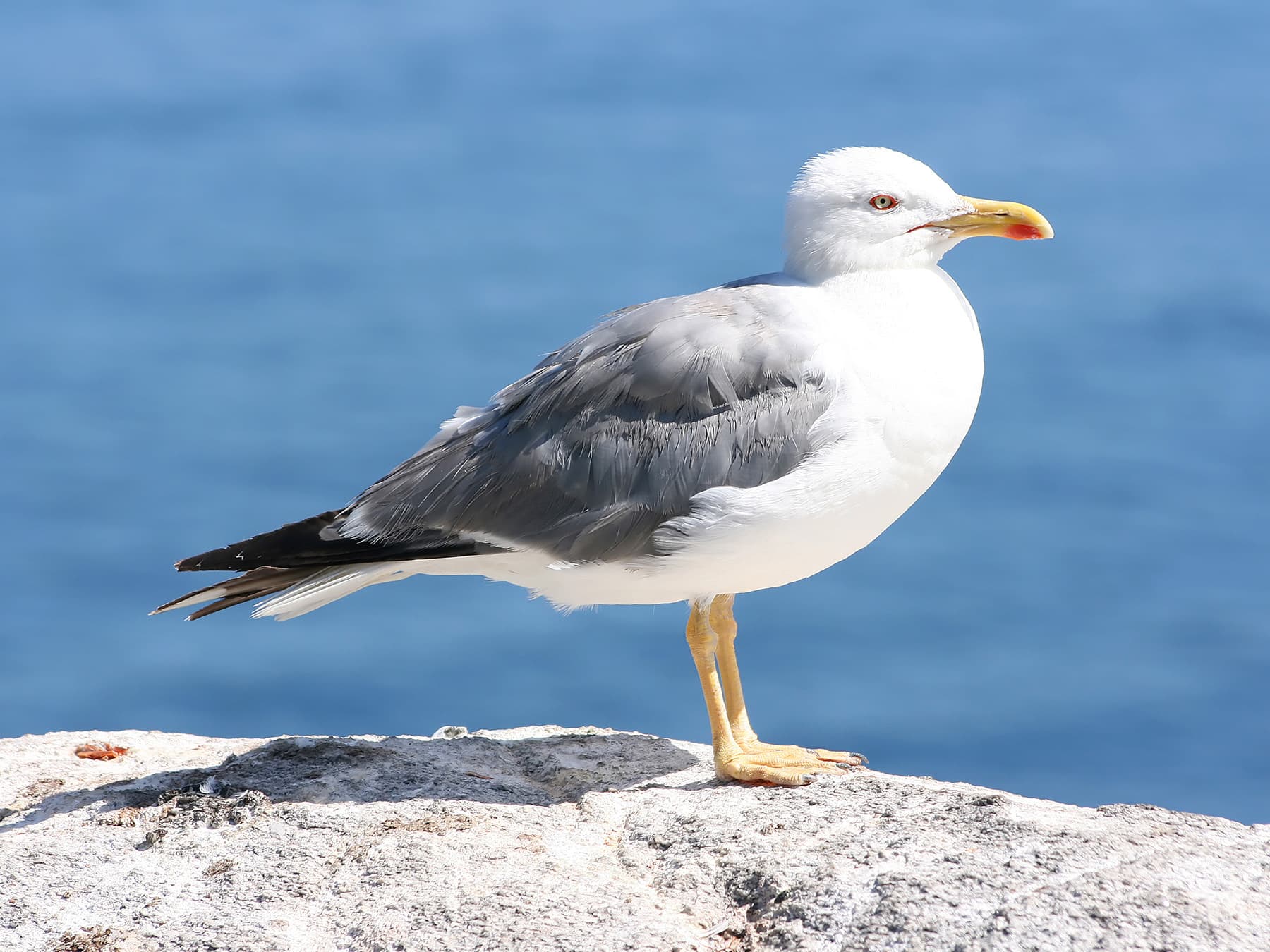
Yellow-legged Gull
Larus michahellisLC
A rare non-breeding visitor, mainly in winter and late summer. Look carefully through flocks of Herring Gulls at the coast or tips.
Aug–Feb
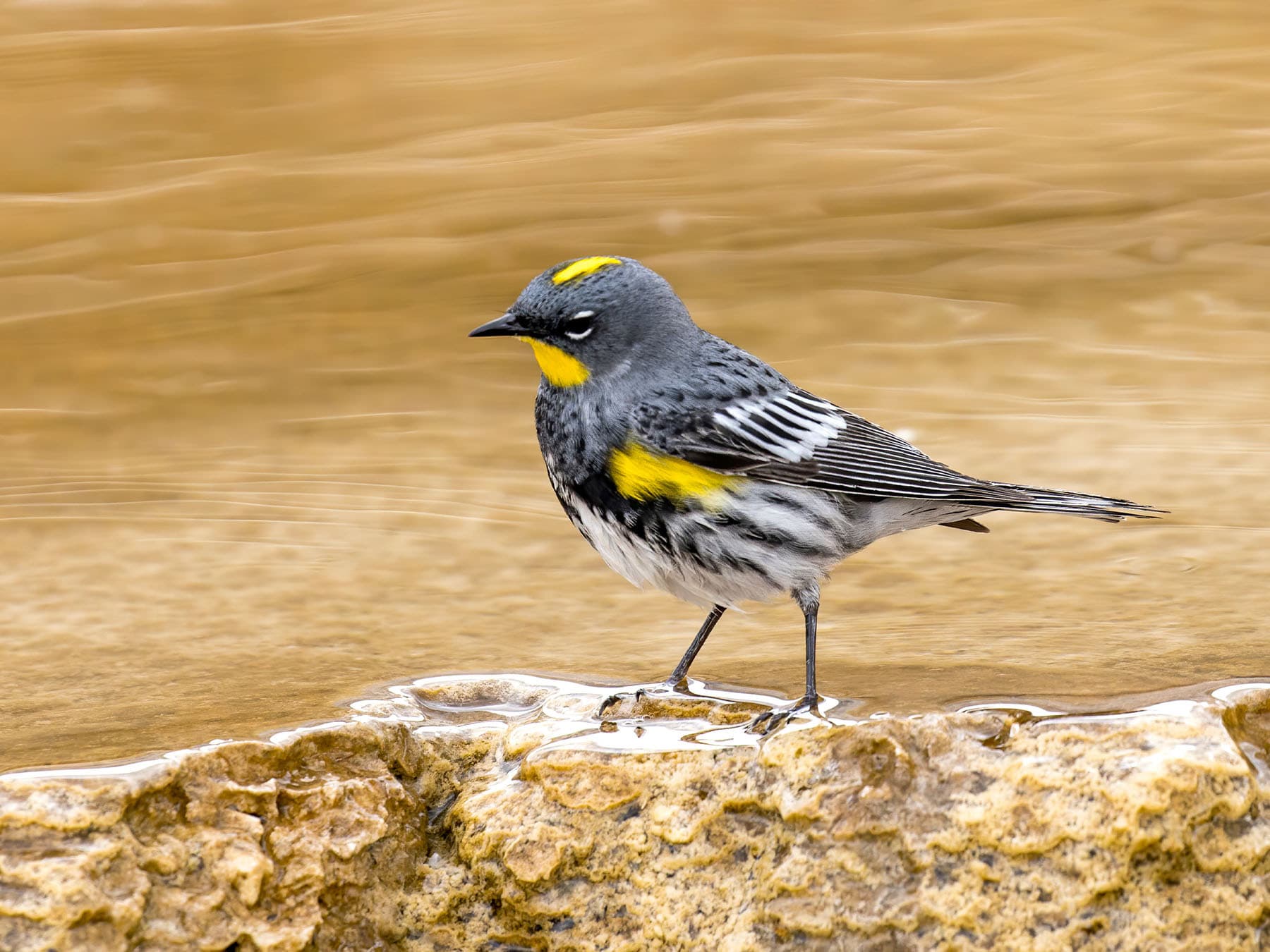
Yellow-rumped Warbler
Setophaga coronataLC
An extremely rare North American vagrant. Any Durham record is exceptional and likely involves a transatlantic storm-drifted individual.
Feb
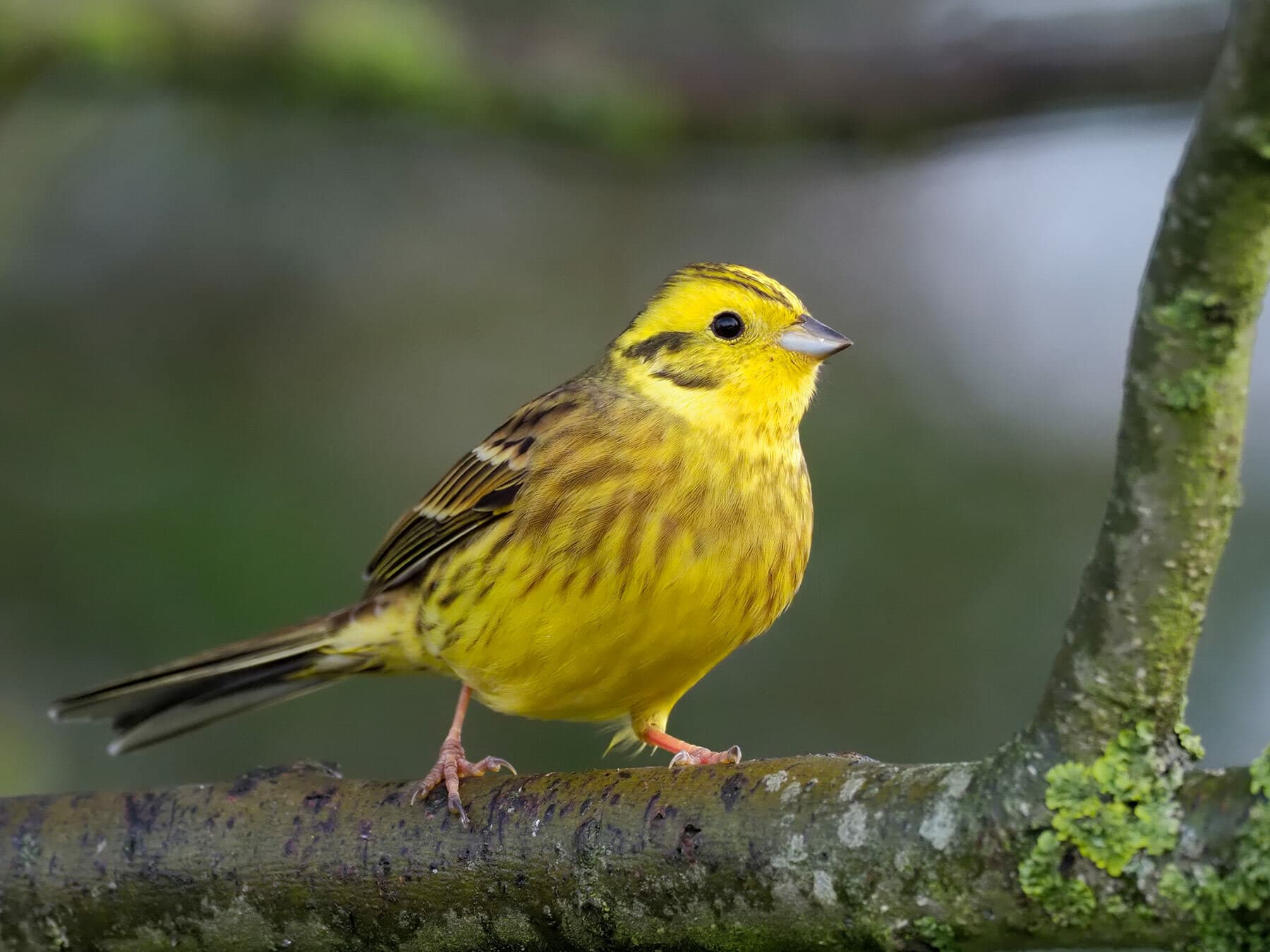
Yellowhammer
Emberiza citrinellaLC
An uncommon resident of hedgerows and farmland edges. Has declined significantly but still found year-round in lowland agricultural areas.
Year-round