Birds in Durham
Explore 199 species found in this region.
Durham is a richly diverse county for birdwatching, with 197 recorded species found across its varied landscapes of upland moorland, river valleys, coastal stretches, and ancient woodlands. From the striking Northern Lapwing displaying over farmland to the elusive Eurasian Woodcock in dense woodland, the county offers rewarding birding throughout the year. Notable species include the colourful Mandarin Duck along wooded waterways, Common Merganser on the River Wear, and Horned Lark on the high Pennine tops.
Visiting in September? Look out for Brent Goose and Eurasian Spoonbill arriving this month, and Common Raven and Common Reed-warbler depart for the season.


Showing 116–138 of 199 species
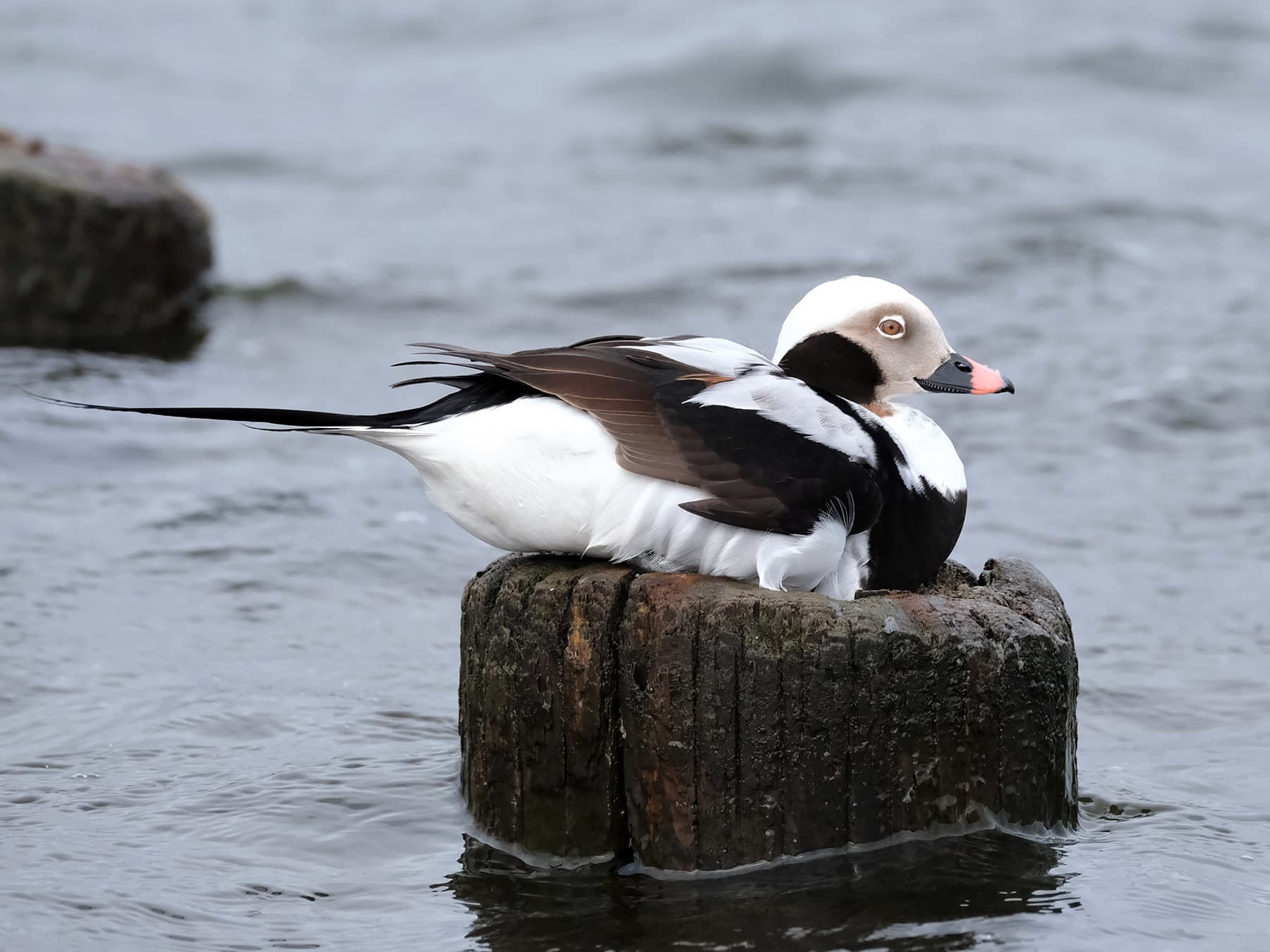
Long-tailed Duck
Clangula hyemalisVU
A rare autumn passage visitor, occasionally seen on the Durham coast or larger reservoirs during October and November.
Oct–Nov
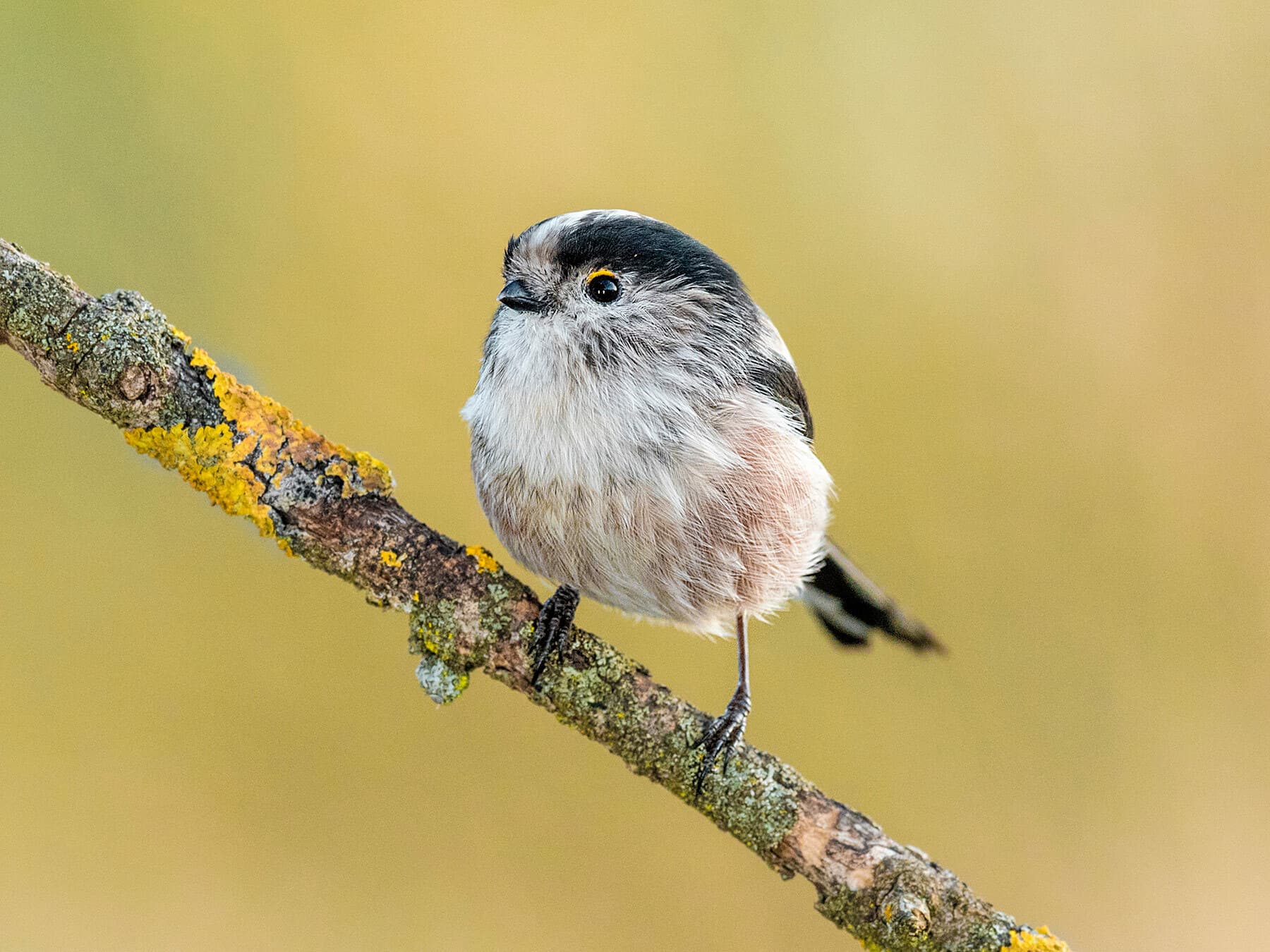
Long-tailed Tit
Aegithalos caudatusLC
Resident all year, often seen in noisy family flocks moving through hedgerows and woodland. Regularly visits garden feeders in winter.
Year-round
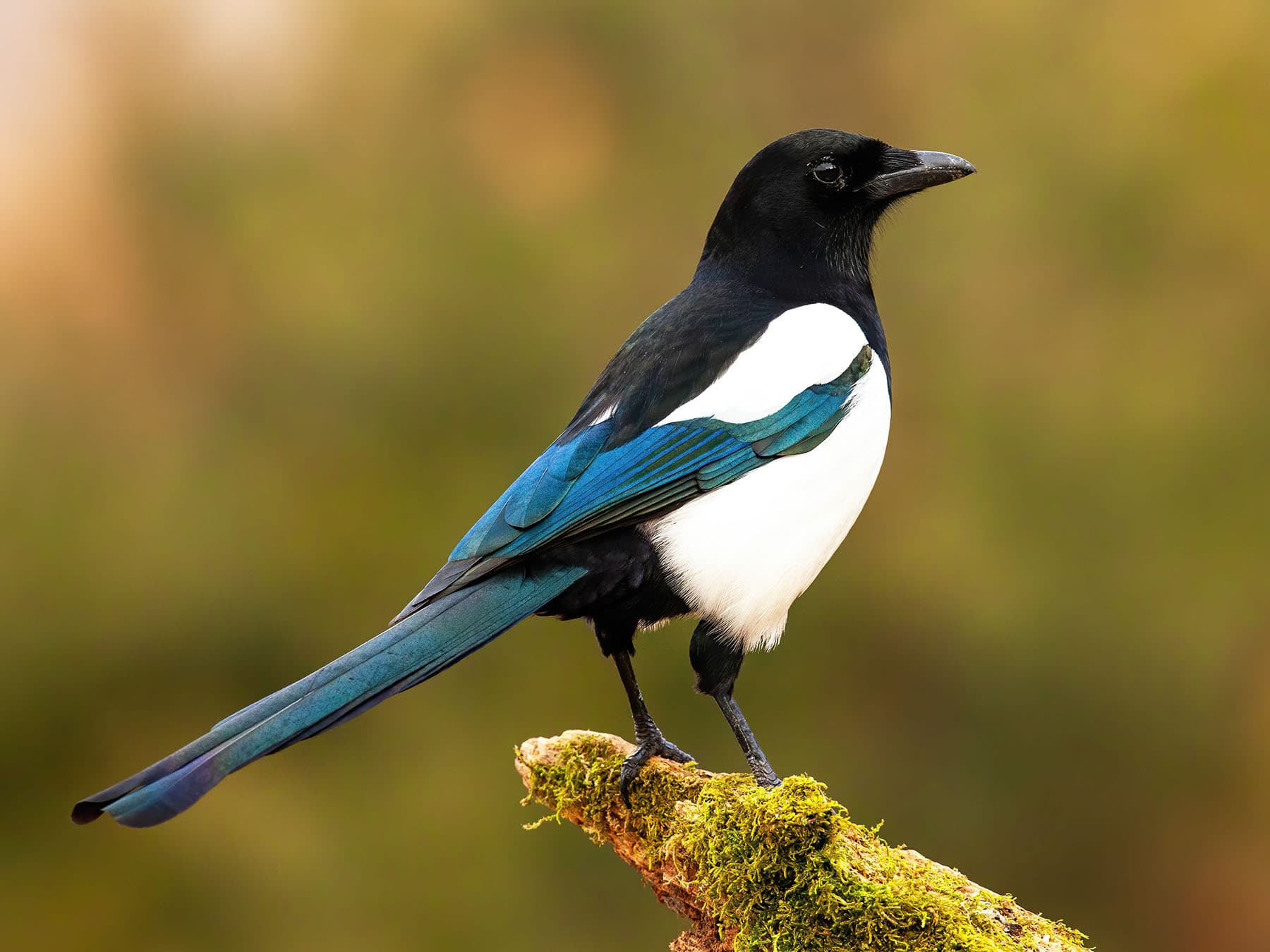
Magpie
Pica picaLC
A bold and familiar resident, common in gardens, parks, and farmland throughout the county all year round.
Year-round
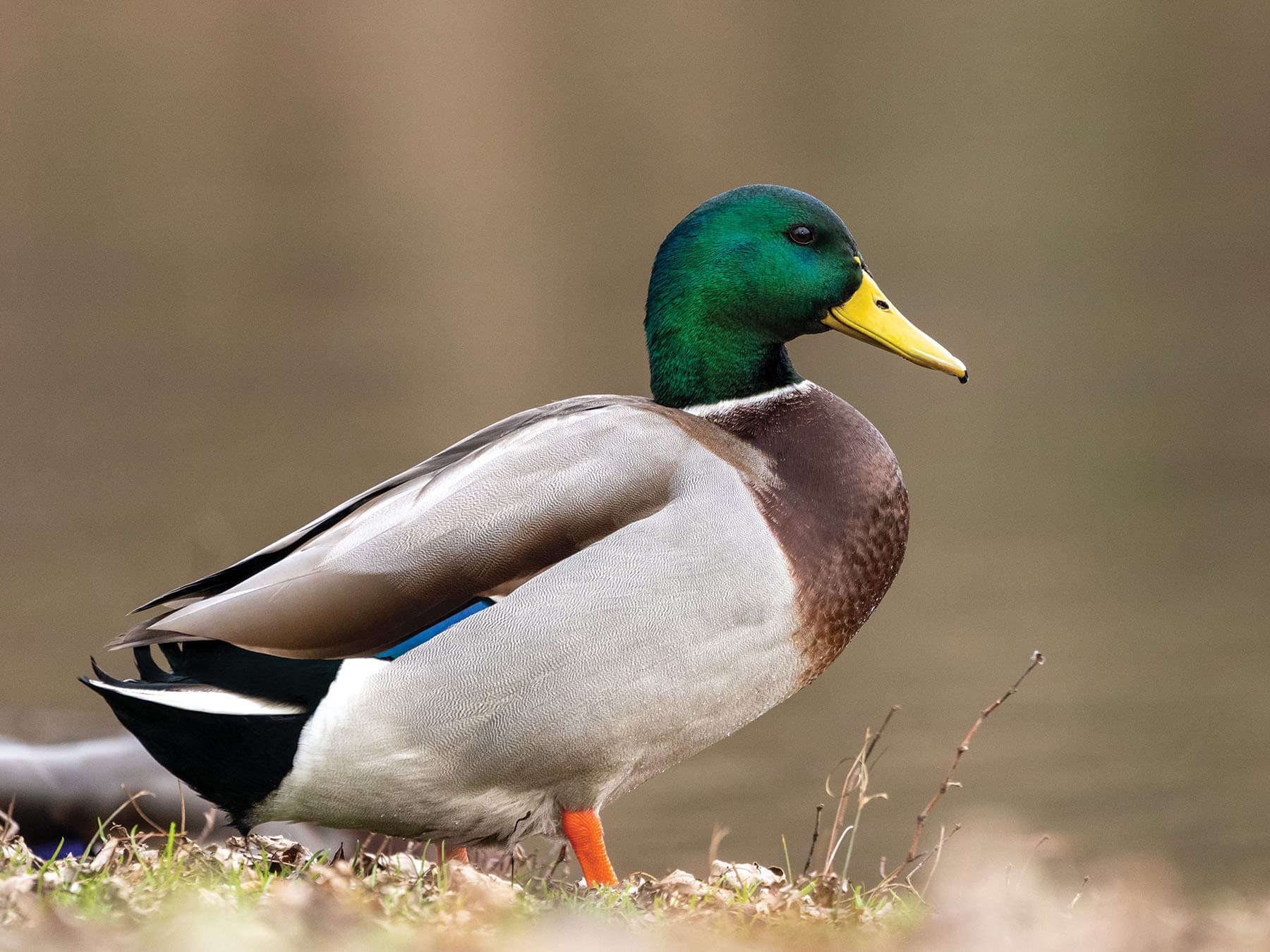
Mallard
Anas platyrhynchosLC
The commonest duck in the county, found year-round on rivers, lakes, park ponds and farmland pools throughout Durham.
Year-round
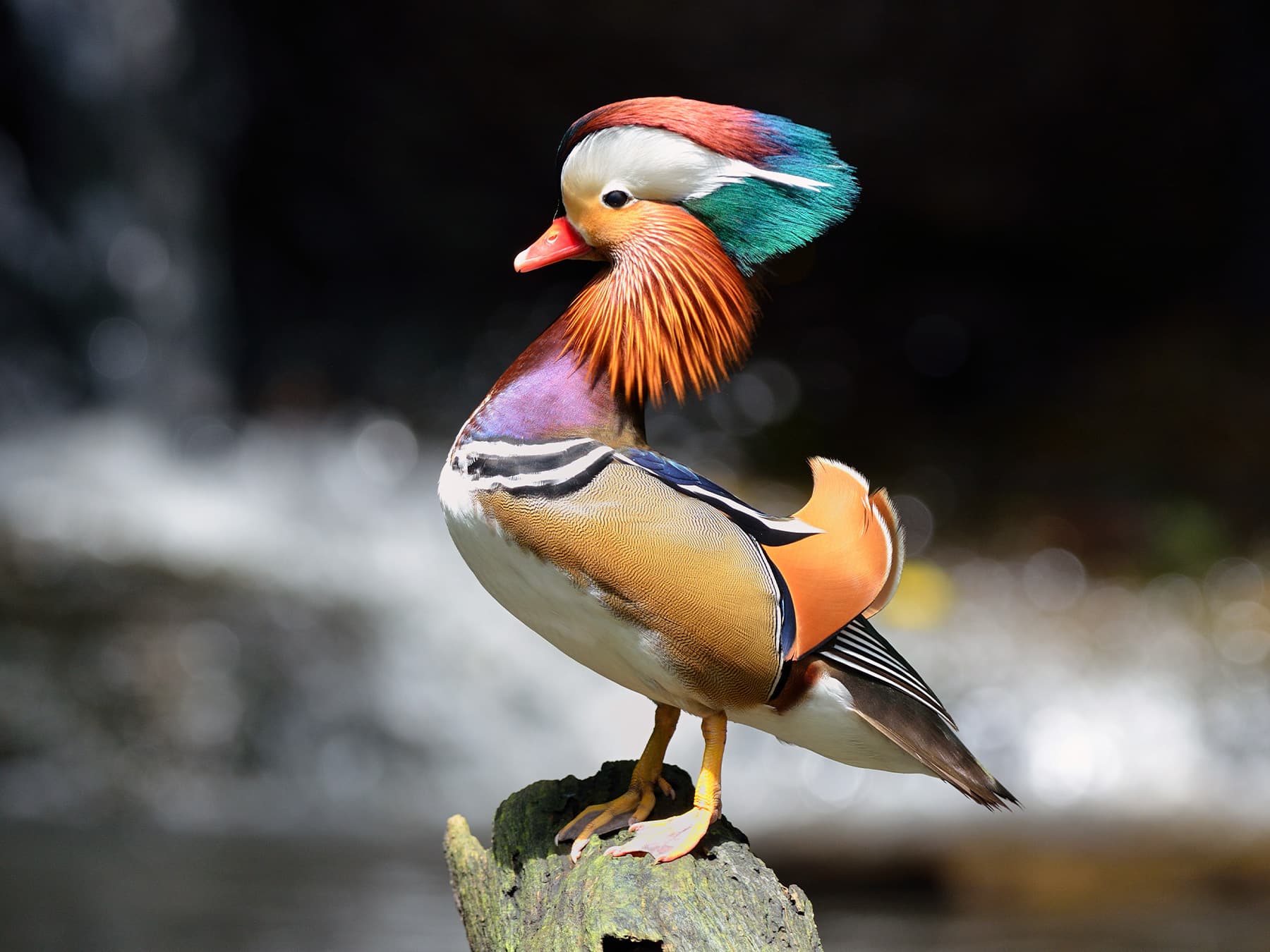
Mandarin Duck
Aix galericulataLC
A rare but increasing breeder found on wooded rivers and lakes from spring through autumn. A striking exotic addition to the county.
Mar–Oct
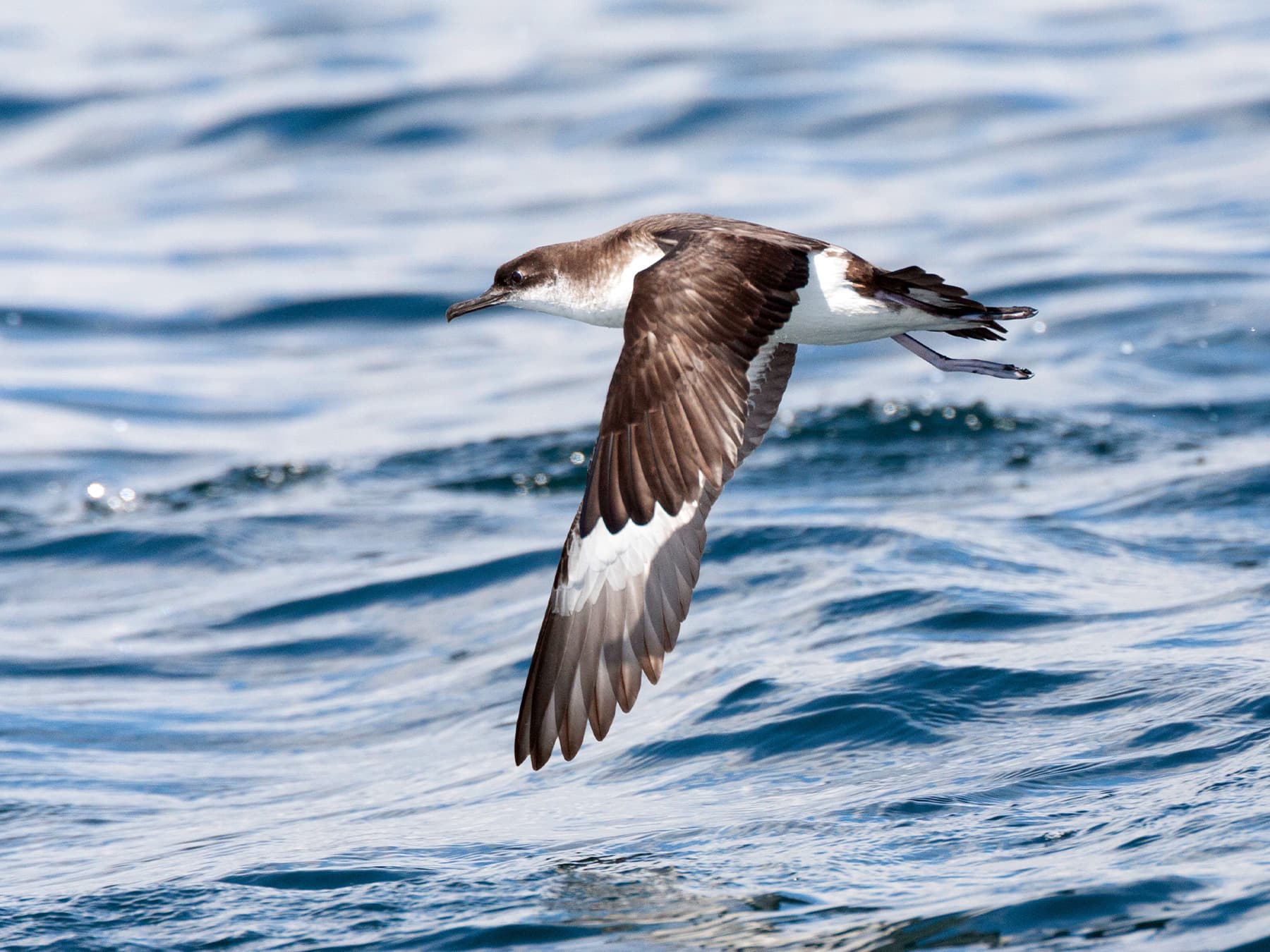
Manx Shearwater
Puffinus puffinusLC
Rare passage migrant seen offshore from July to October. Best spotted during seawatches at coastal headlands in easterly winds.
Jul–Oct
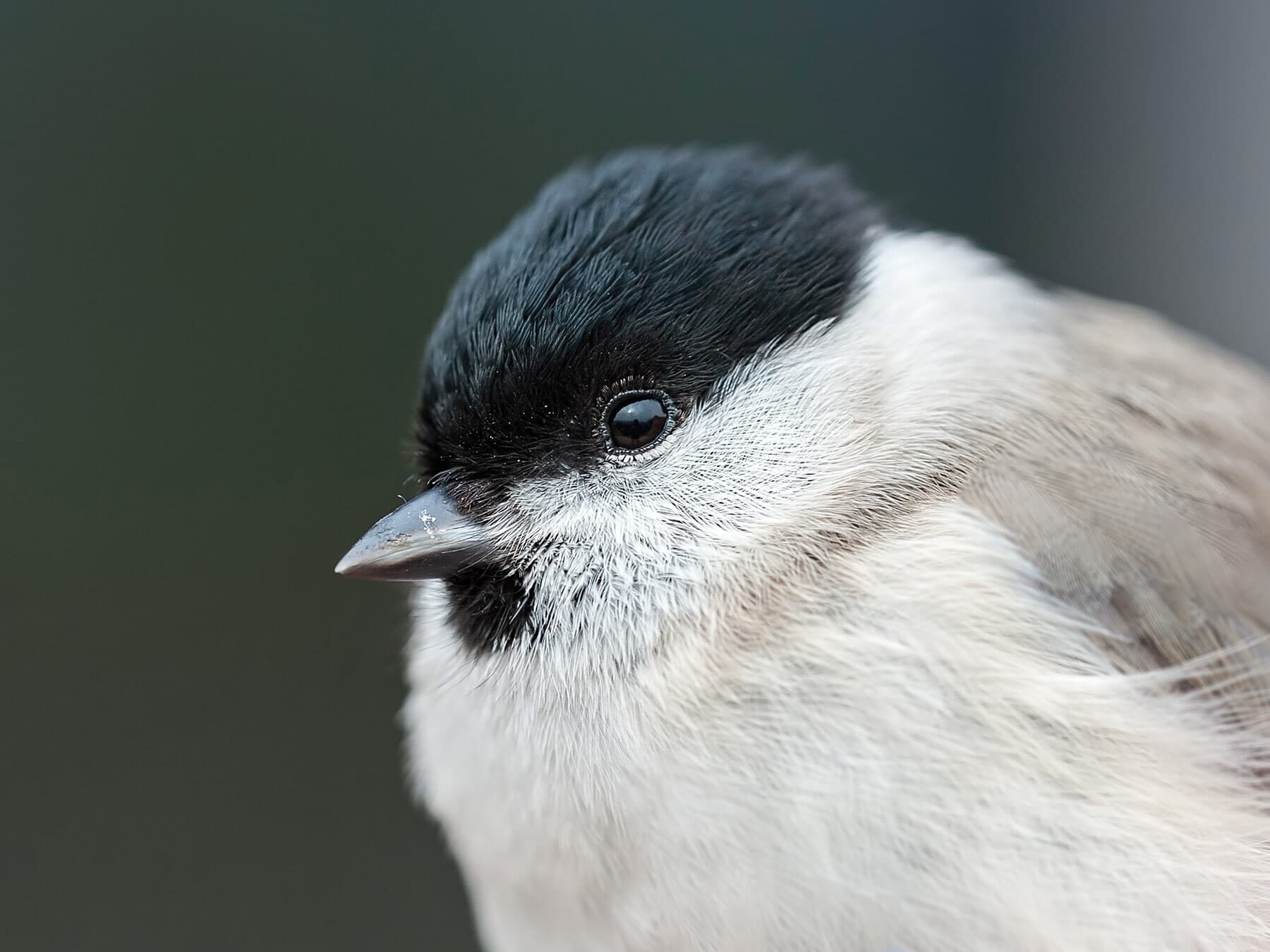
Marsh Tit
Poecile palustrisLC
A rare and declining resident near the northern edge of its UK range. Favours mature deciduous woodland with dense understorey.
Year-round
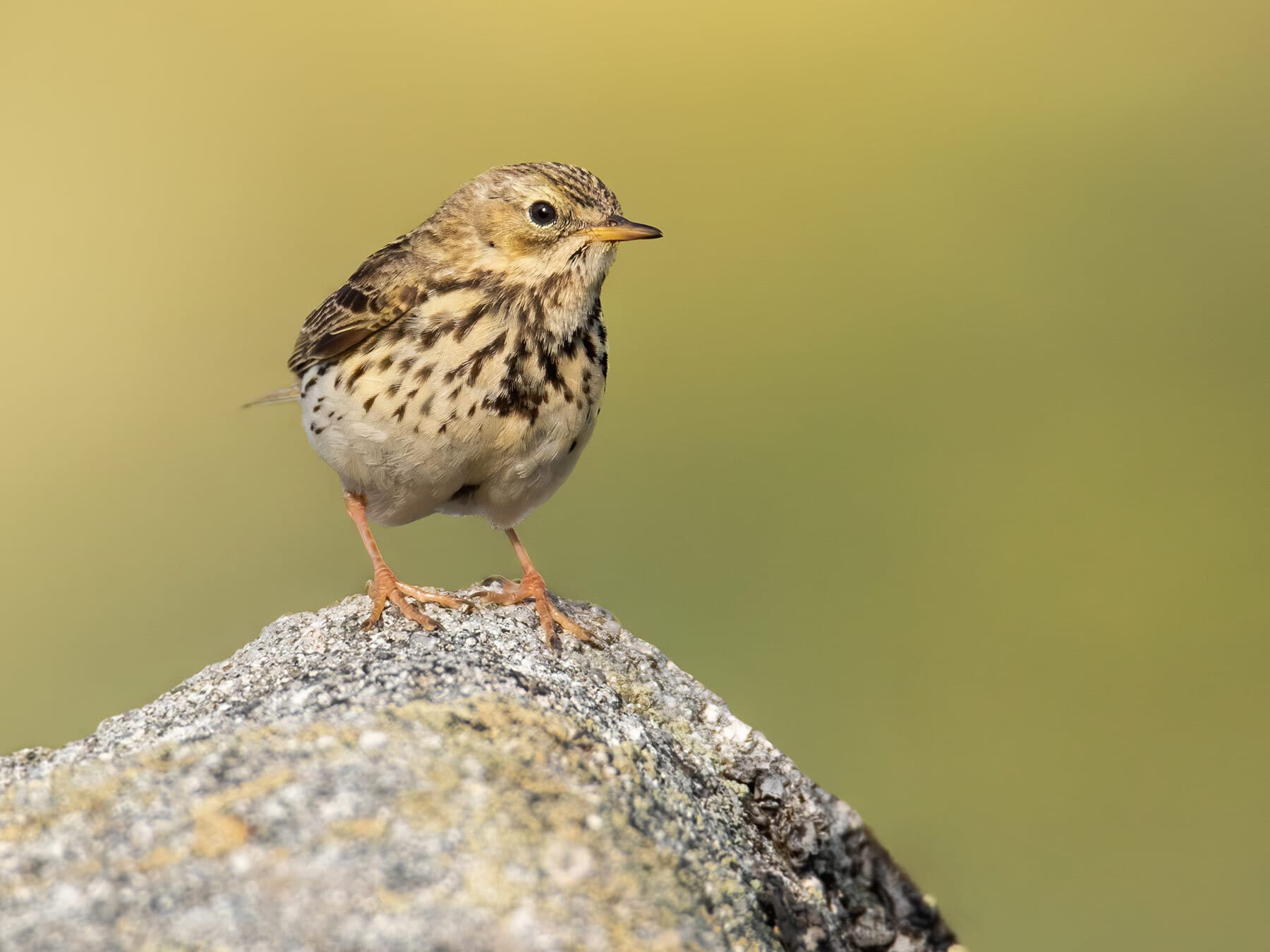
Meadow Pipit
Anthus pratensisLC
An uncommon resident of Durham's moorlands and rough grasslands, delivering its parachuting song flight over the Pennine fringes.
Year-round
Spotted something?
Upload a photo to identify it
Identify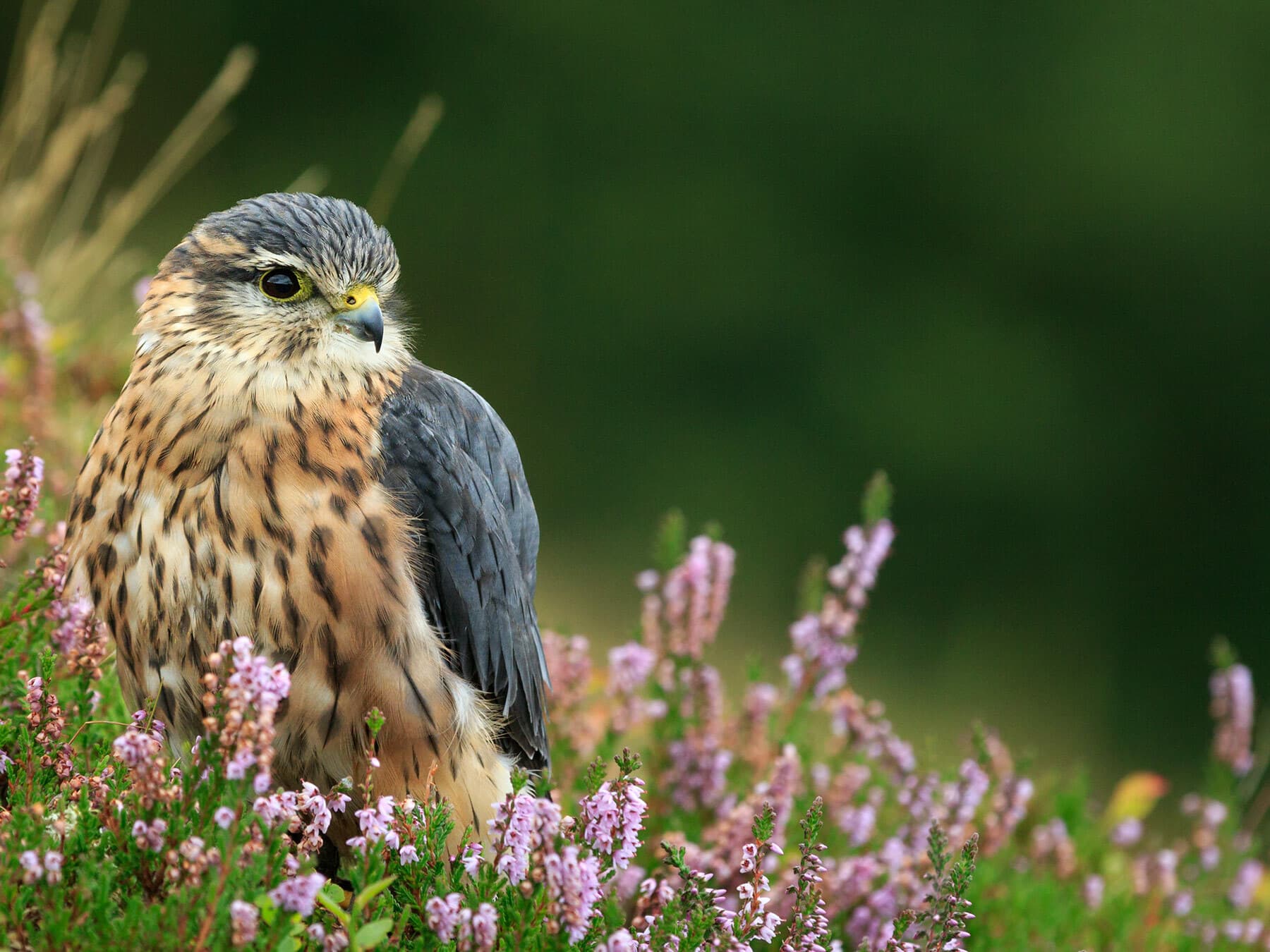
Merlin
Falco columbariusLC
A rare passage migrant, mainly in spring and autumn. This small, dashing falcon breeds on nearby upland moors but is scarce in lowland Durham.
Mar–Sep
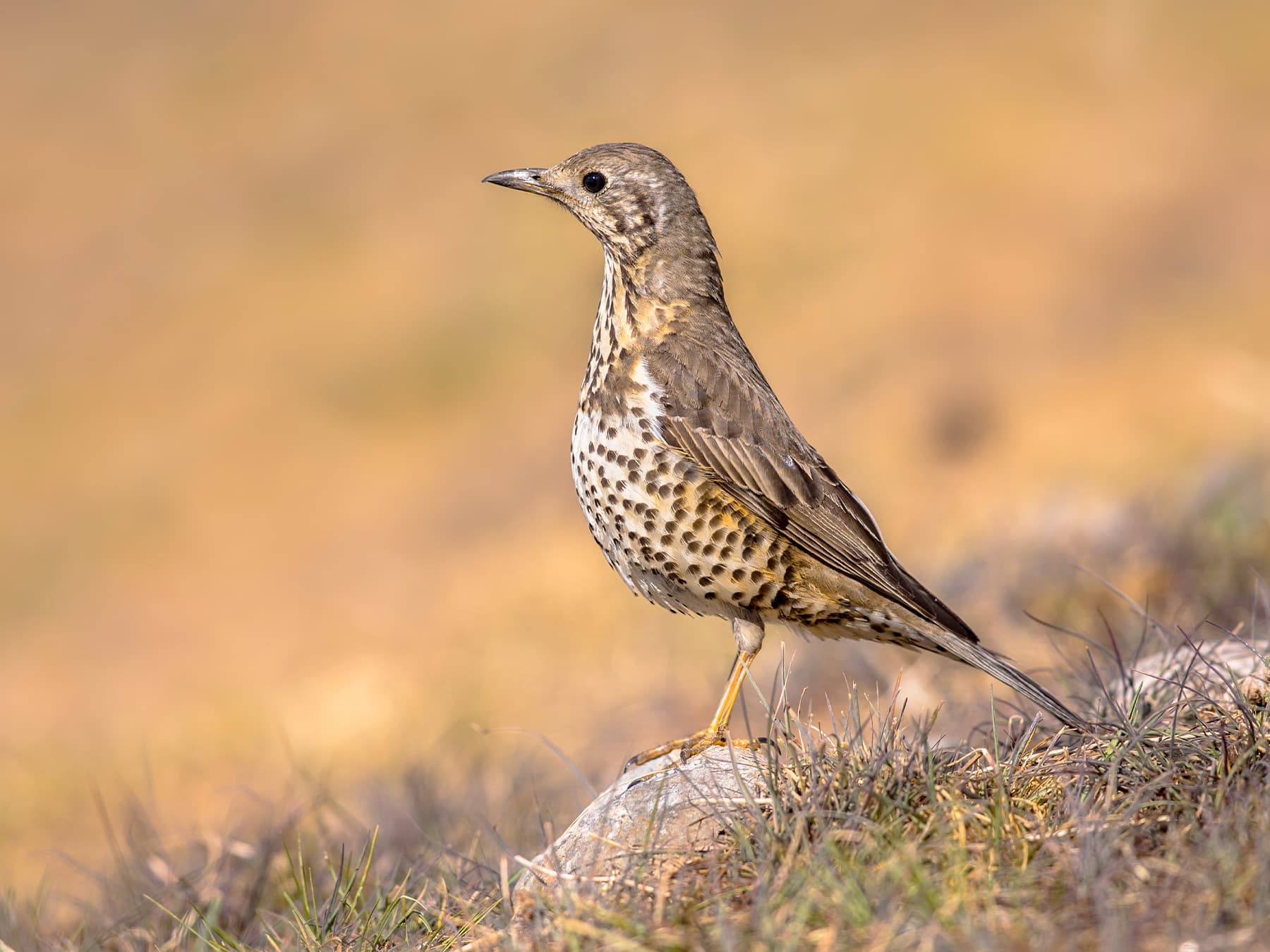
Mistle Thrush
Turdus viscivorusLC
An uncommon but widespread resident of parkland and open woodland. Often sings from exposed treetops even in midwinter.
Year-round
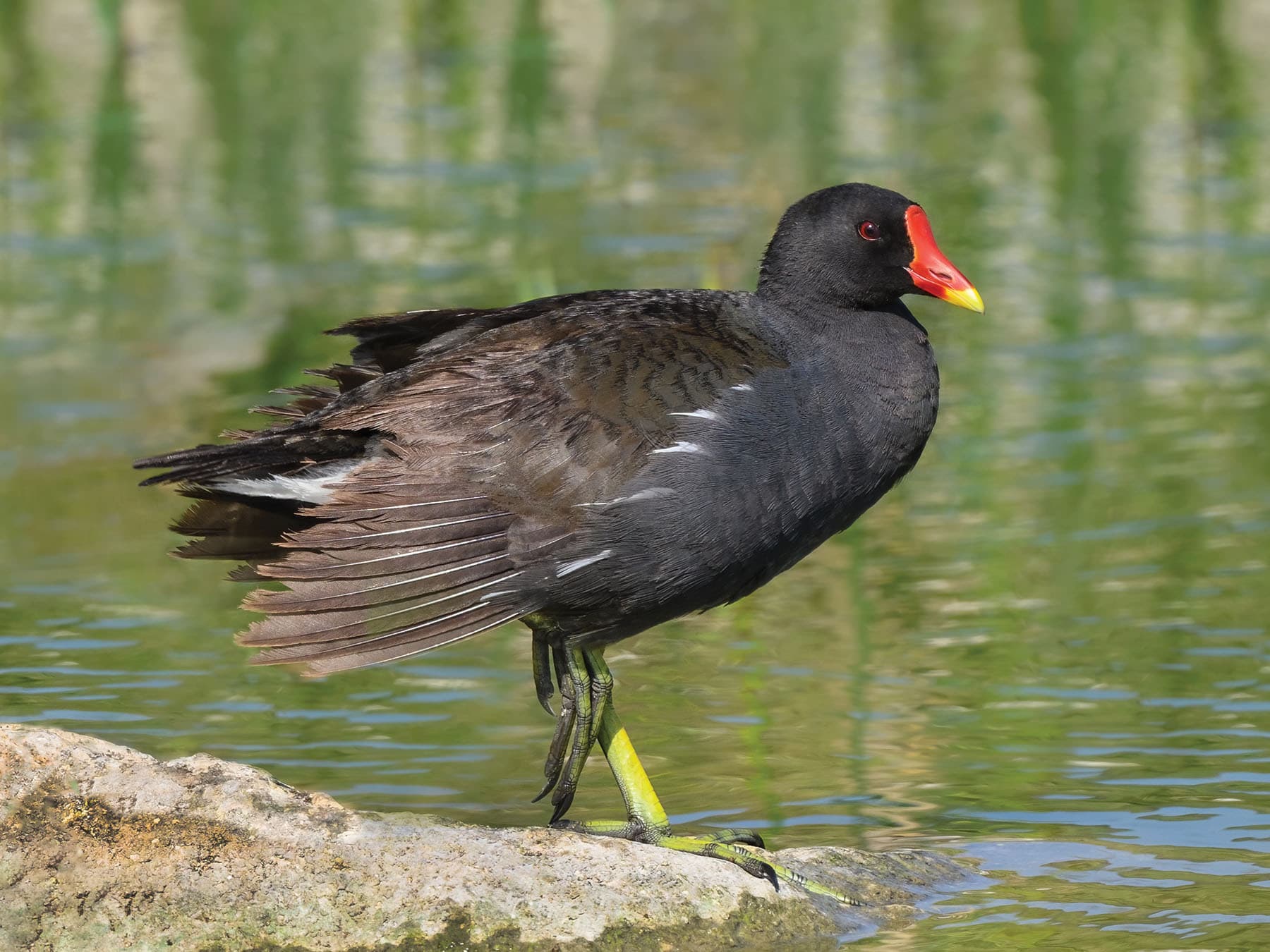
Moorhen
Gallinula chloropusLC
A common resident of ponds, rivers and waterways throughout Durham. Readily seen on urban park lakes and along the River Wear.
Year-round
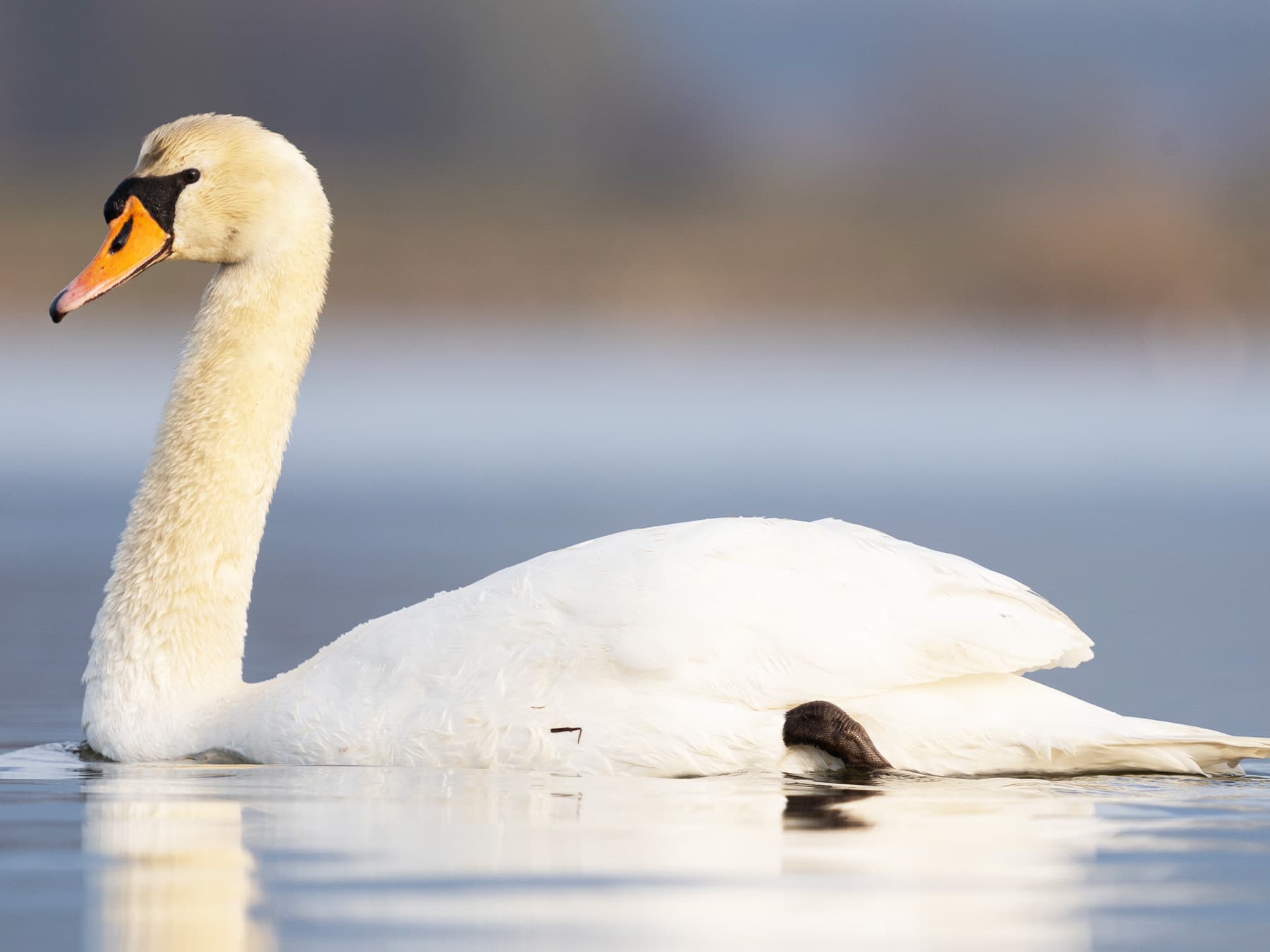
Mute Swan
Cygnus olorLC
An uncommon year-round resident gracing the River Wear and larger lakes. Pairs breed on sheltered waterways across the county.
Year-round
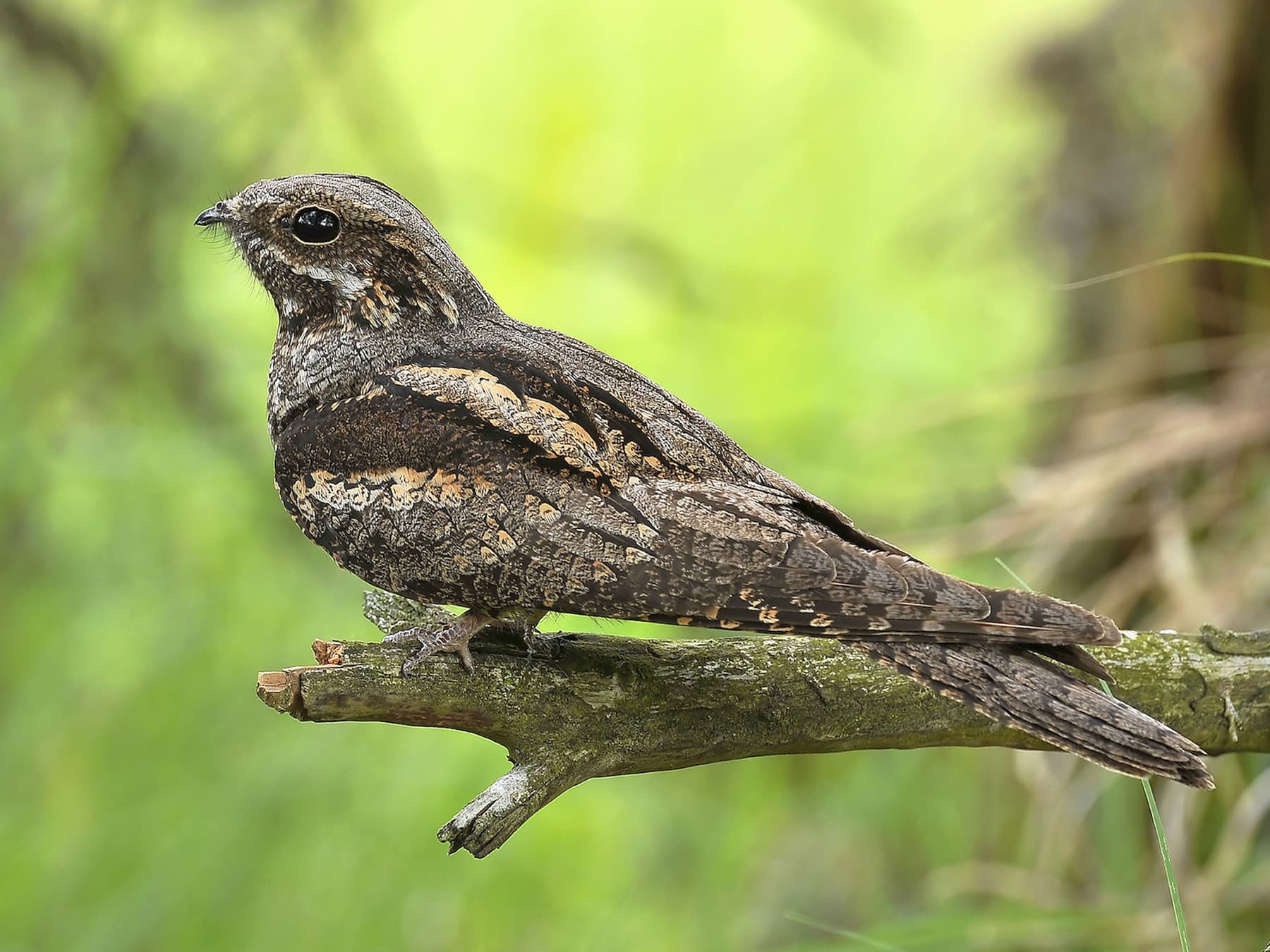
Nightjar
Caprimulgus europaeusLC
A rare passage visitor in late spring, occasionally recorded on heathland and young conifer plantations in the Durham uplands.
May–Jun
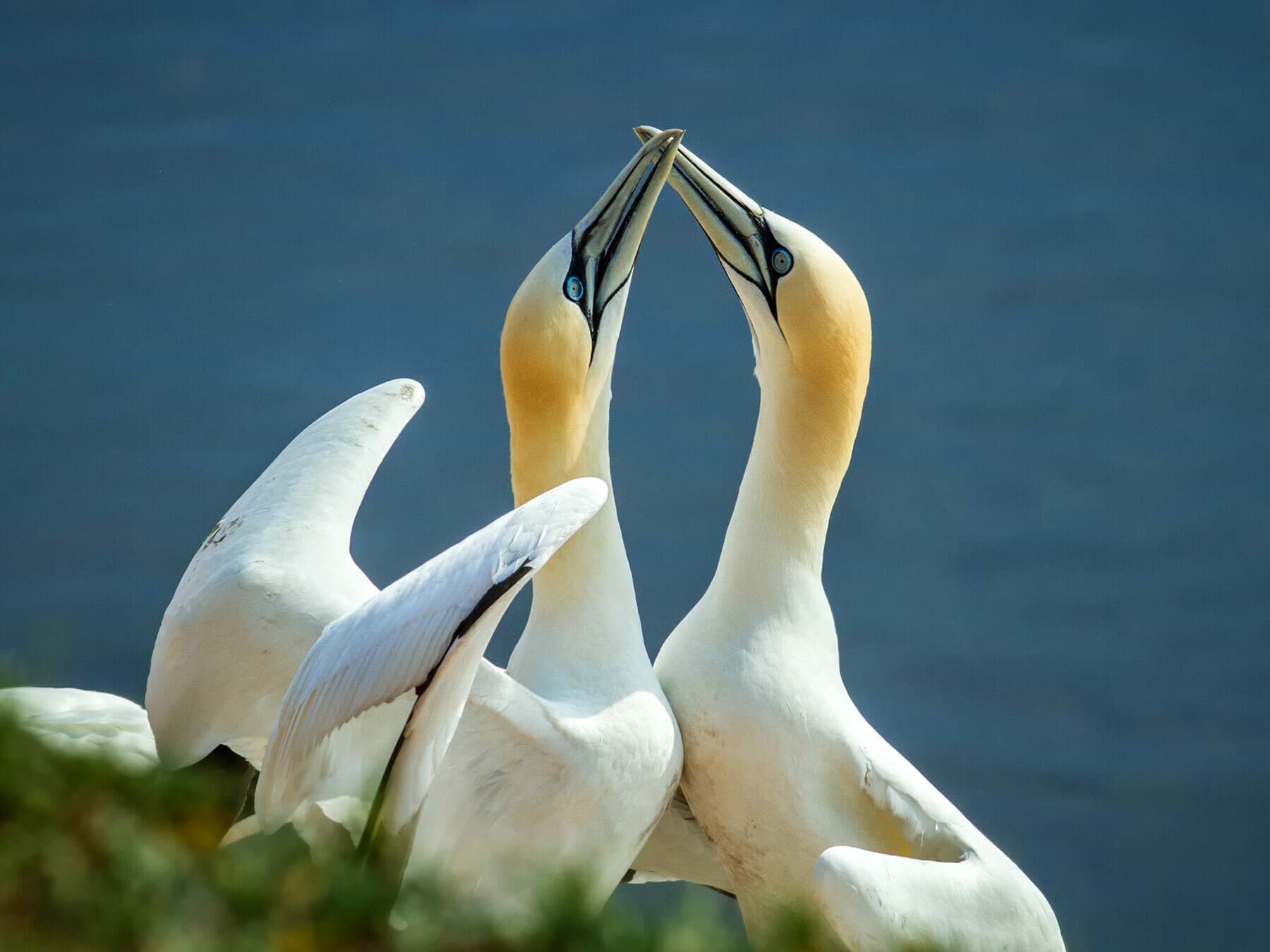
Northern Gannet
Morus bassanusLC
Uncommon but regularly seen offshore from late spring through autumn. Plunge-diving birds are a spectacular sight from Durham's coastline.
May–Nov
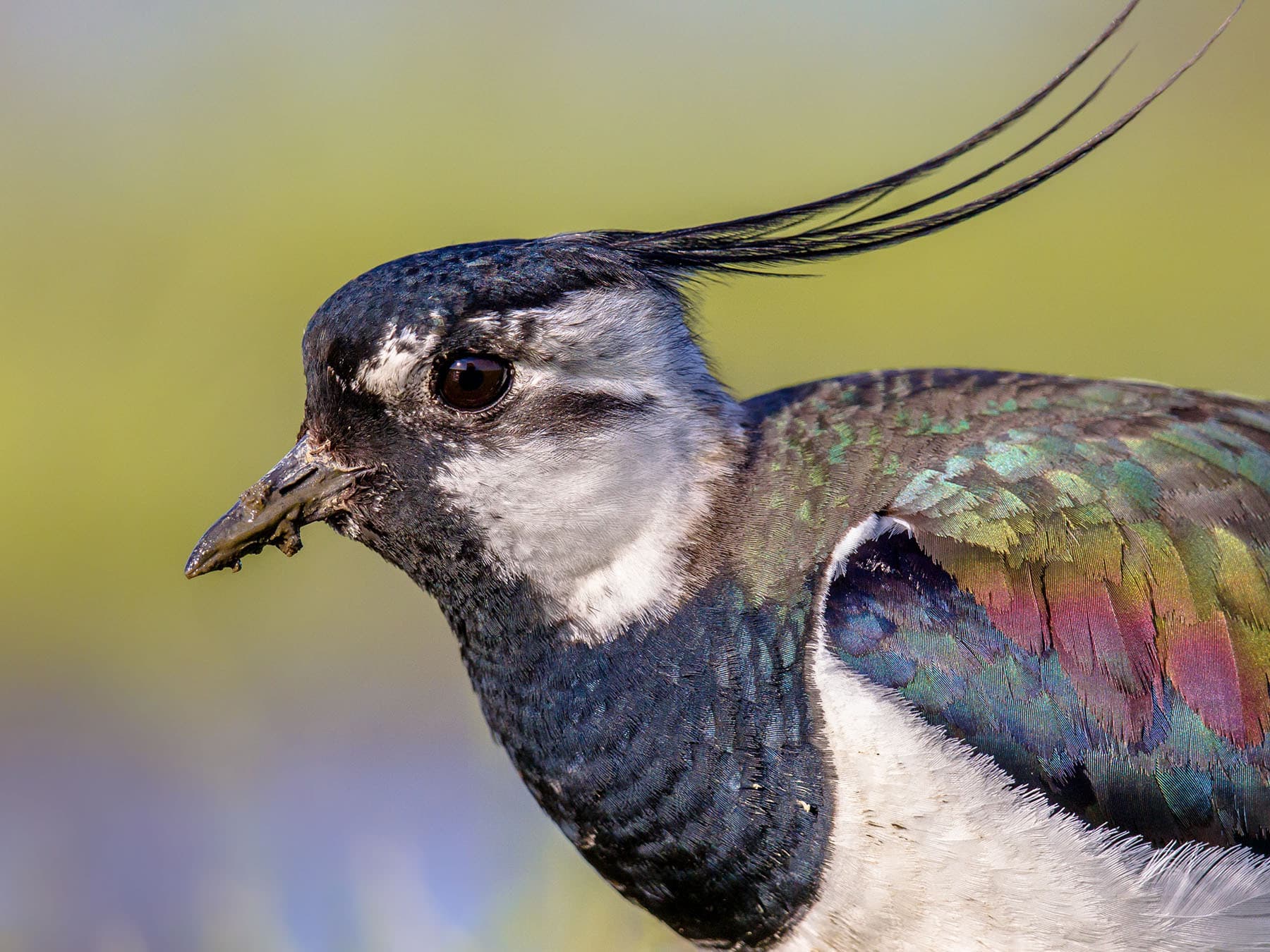
Northern Lapwing
Vanellus vanellusNT
A common resident of Durham's farmland and upland pastures year-round. Declining nationally but still seen in tumbling display flights over fields in spring.
Year-round
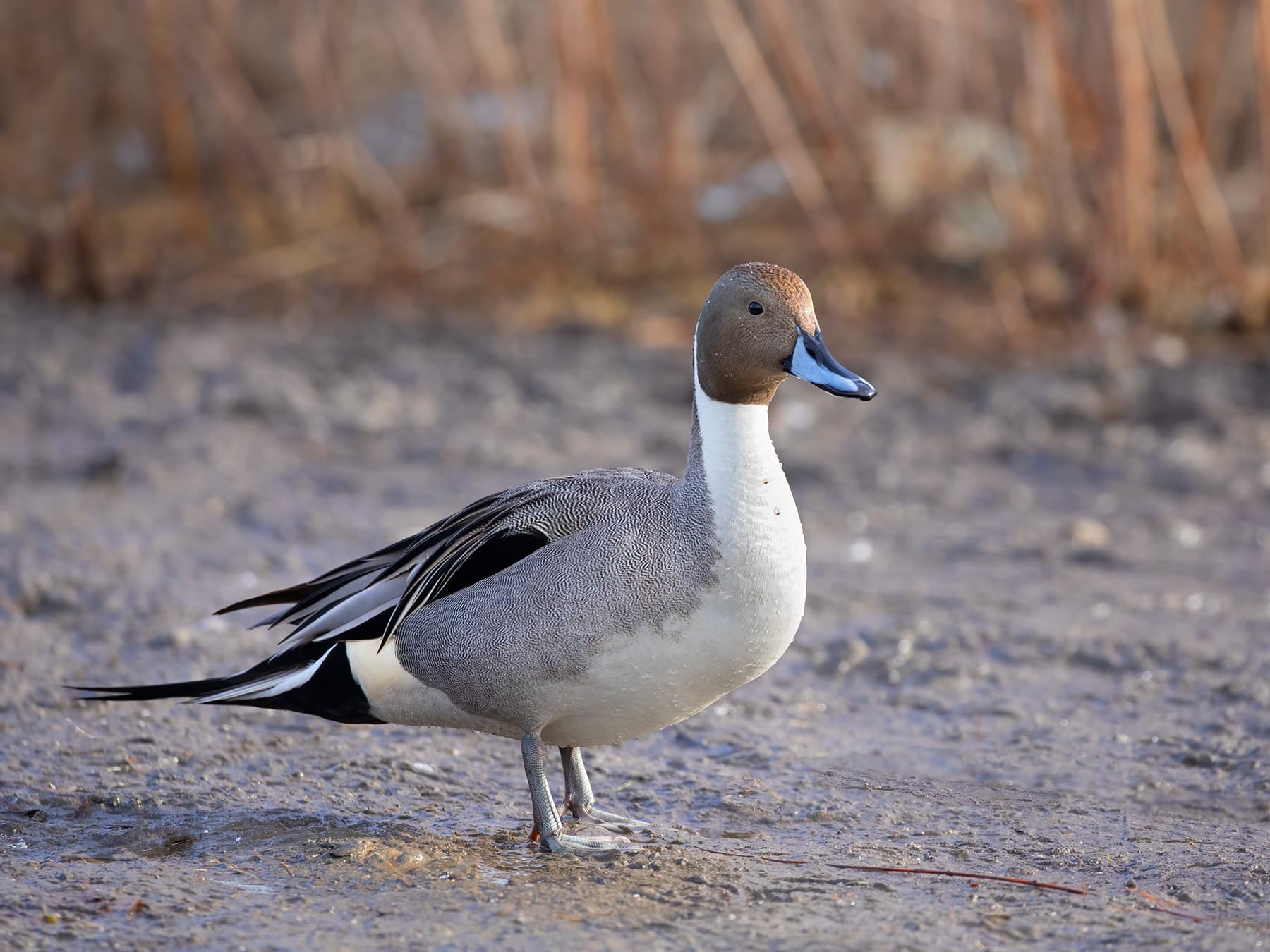
Northern Pintail
Anas acutaLC
A rare passage visitor in autumn and late winter. This elegant dabbling duck favours shallow wetlands and reservoir margins.
Sep–Feb
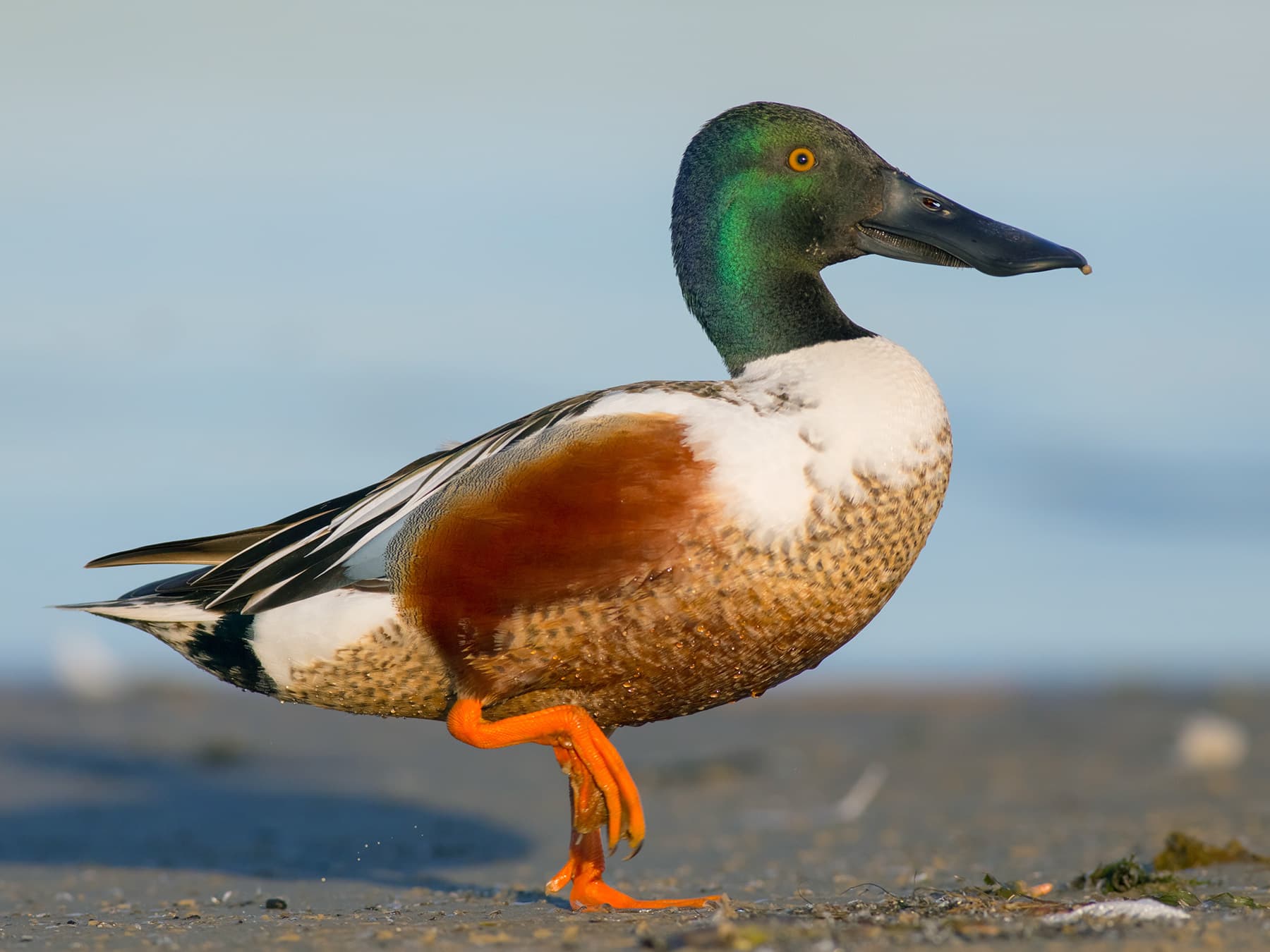
Northern Shoveler
Spatula clypeataLC
An uncommon resident on shallow wetlands and reservoirs. Numbers peak in autumn and winter when migrants bolster local birds.
Aug–Jun
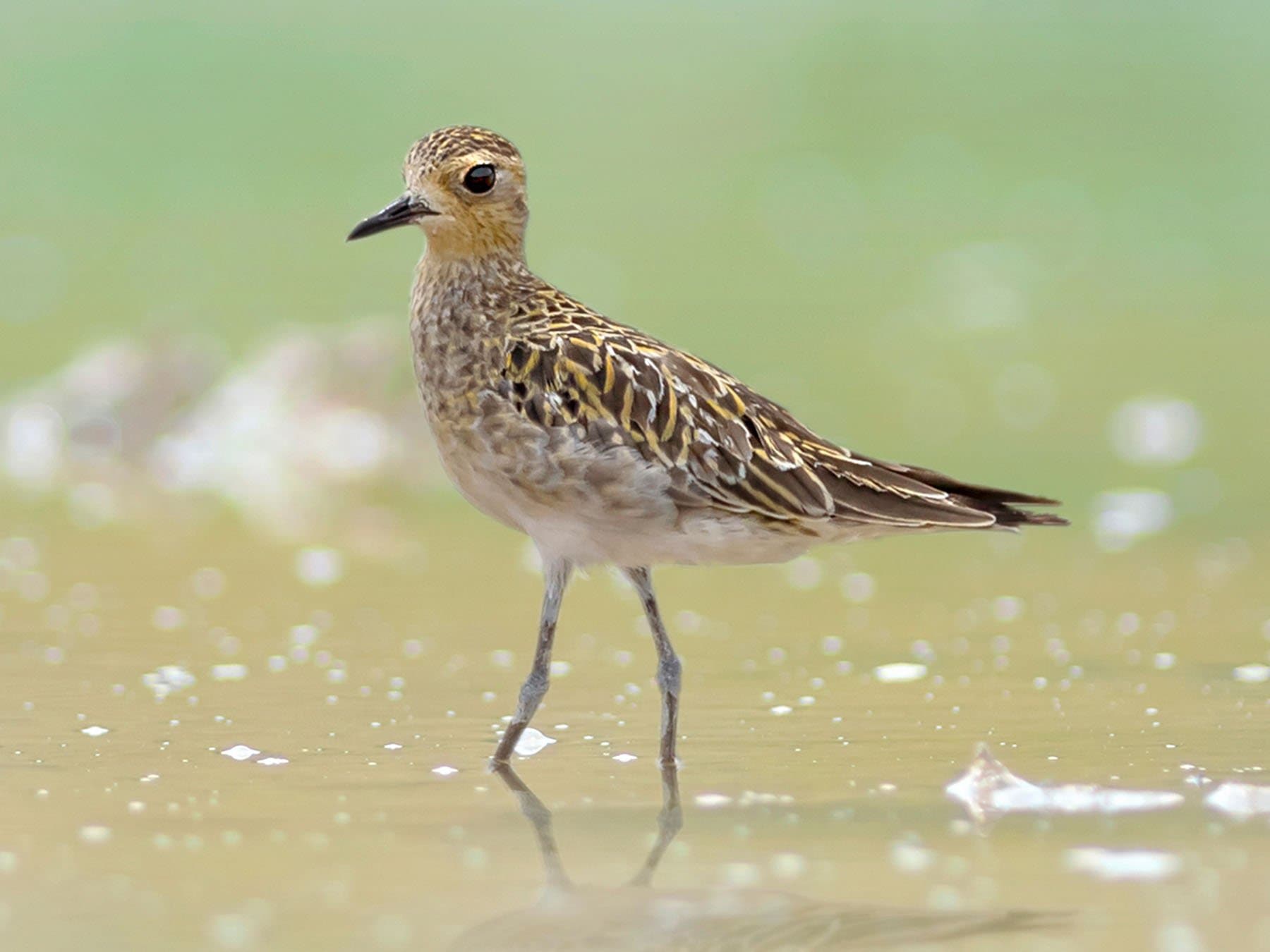
Pacific Golden-Plover
Pluvialis fulvaLC
An exceptionally rare passage vagrant, recorded in June. Any sighting in Durham would be a notable county record.
Jun
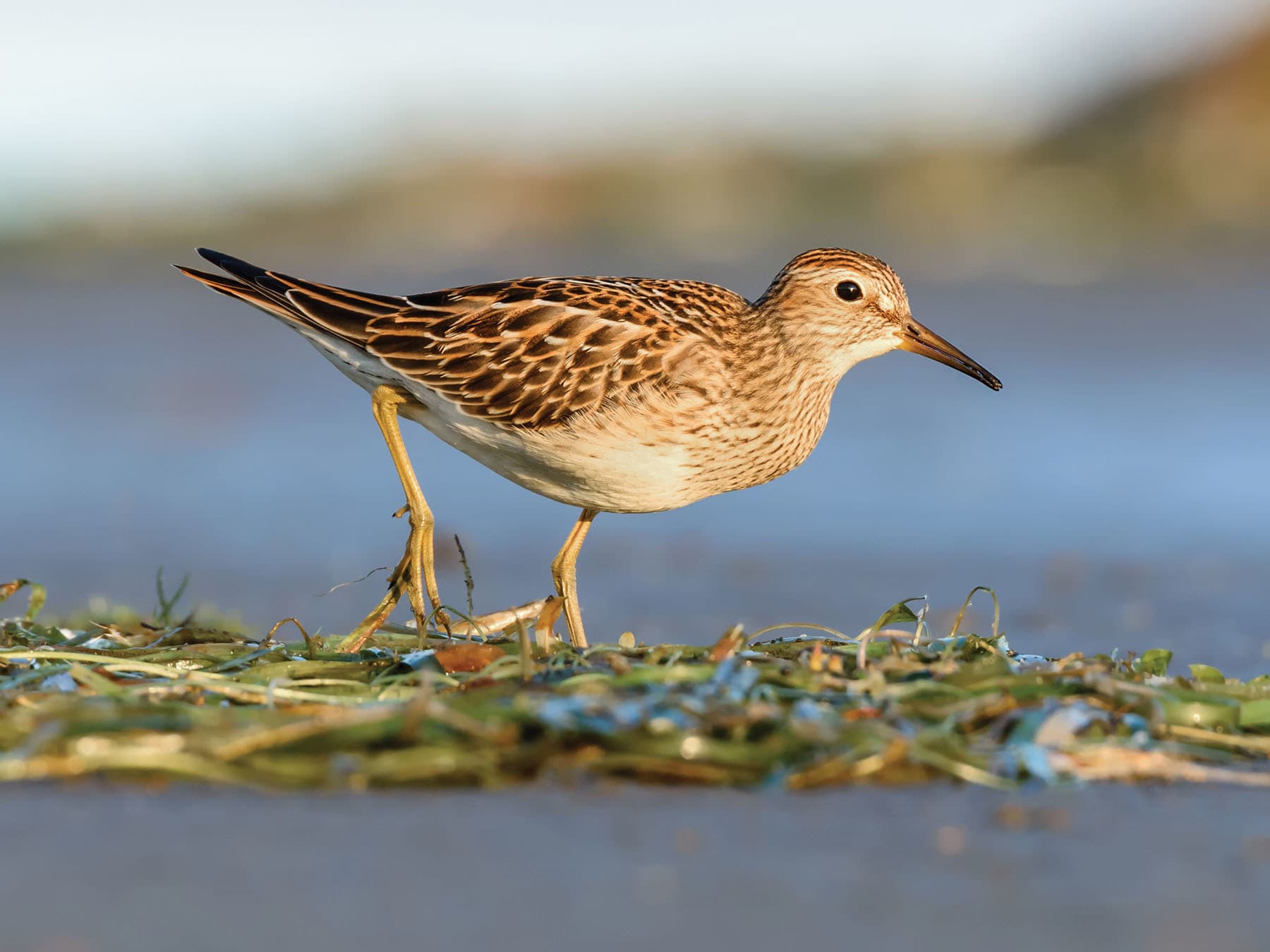
Pectoral Sandpiper
Calidris melanotosLC
A rare Nearctic vagrant, occasionally appearing at freshwater pools in September. A prized find for Durham's birdwatchers during autumn passage.
Sep
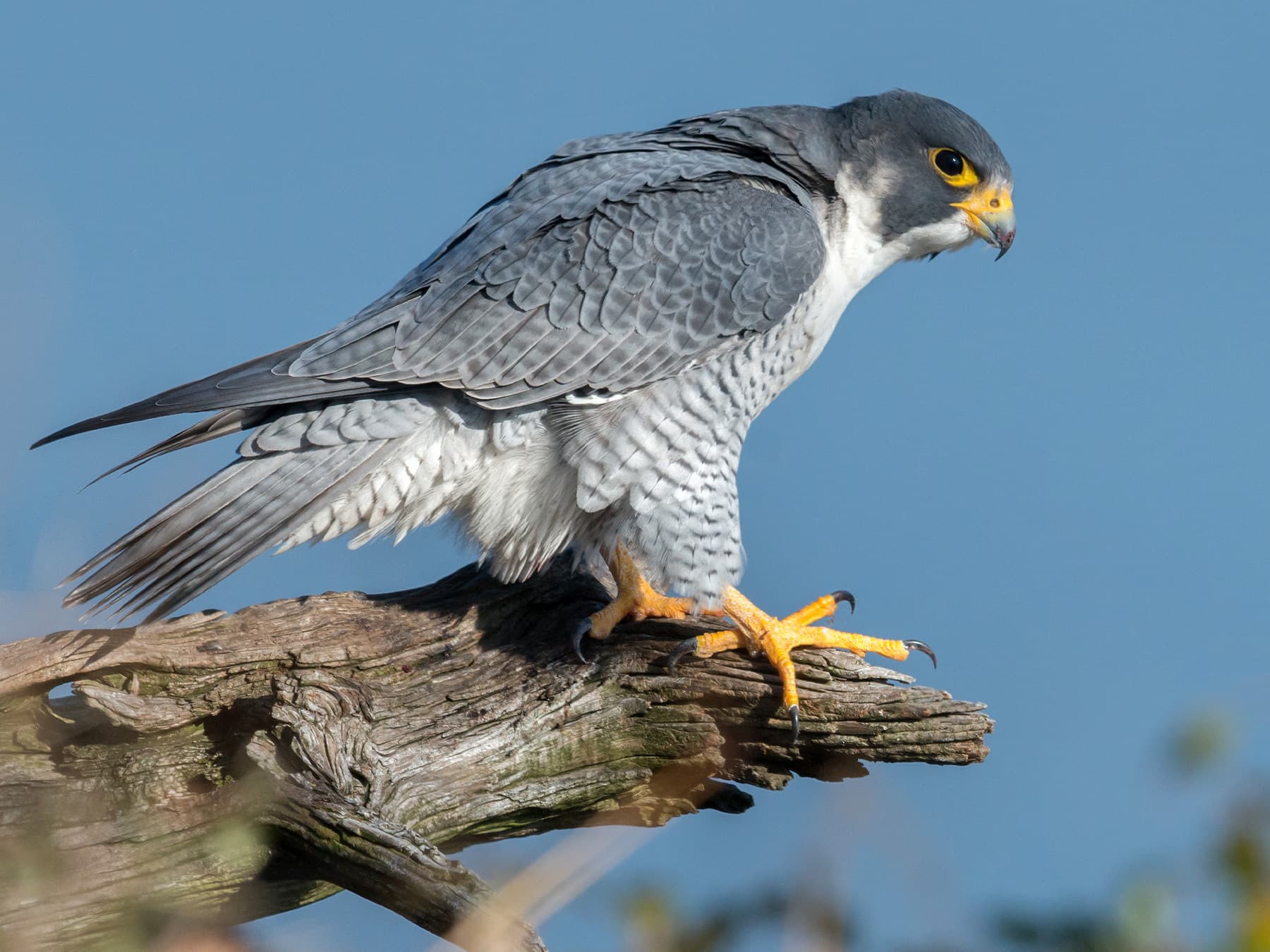
Peregrine Falcon
Falco peregrinusLC
Rare resident, famously nesting on Durham Cathedral. Hunts pigeons over the city rooftops and along the river corridor.
Jun–Apr
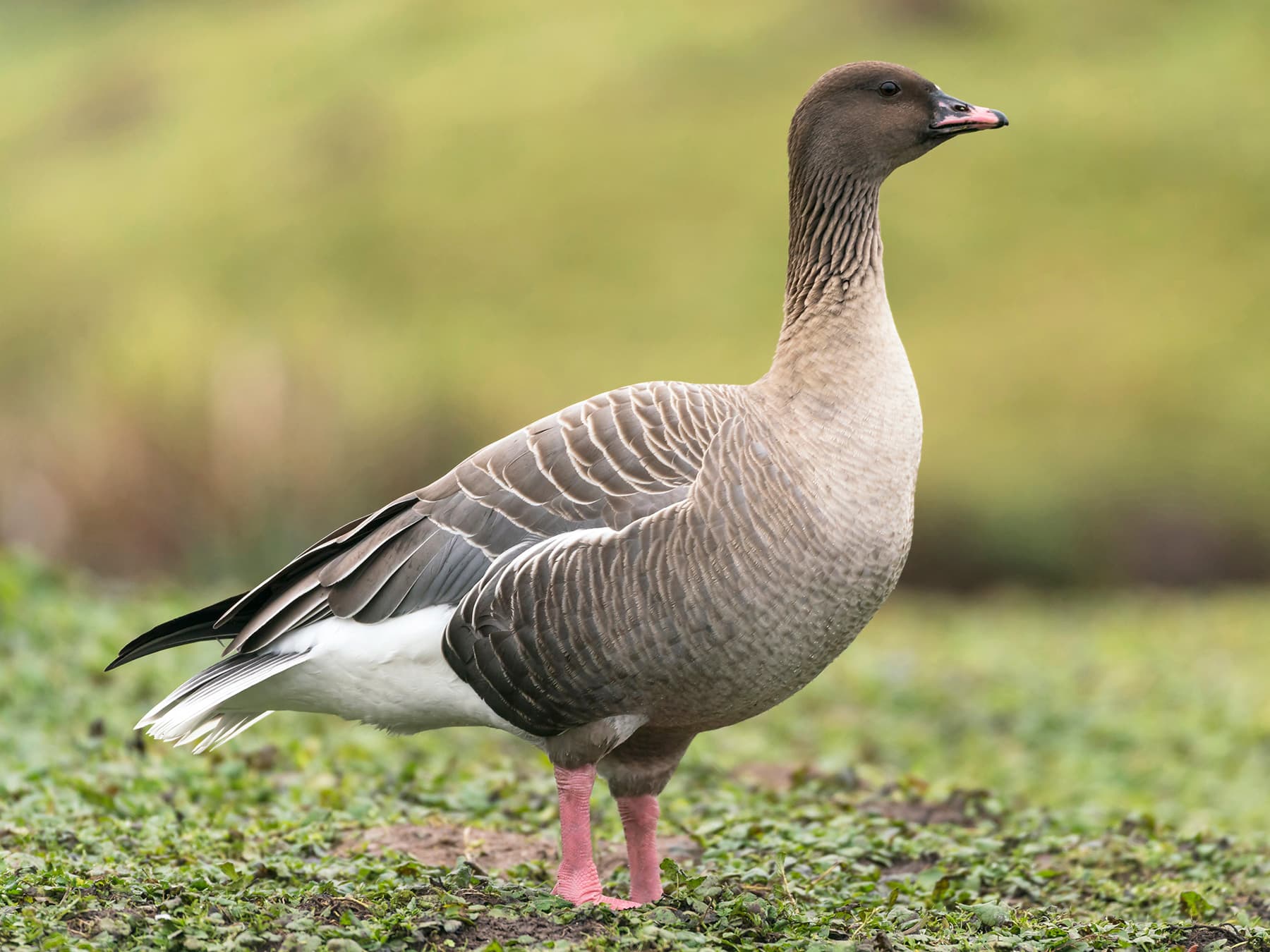
Pink-footed Goose
Anser brachyrhynchusLC
A rare non-breeding visitor from autumn through to spring. Skeins may pass overhead, with small flocks occasionally settling on farmland.
Sep–Mar
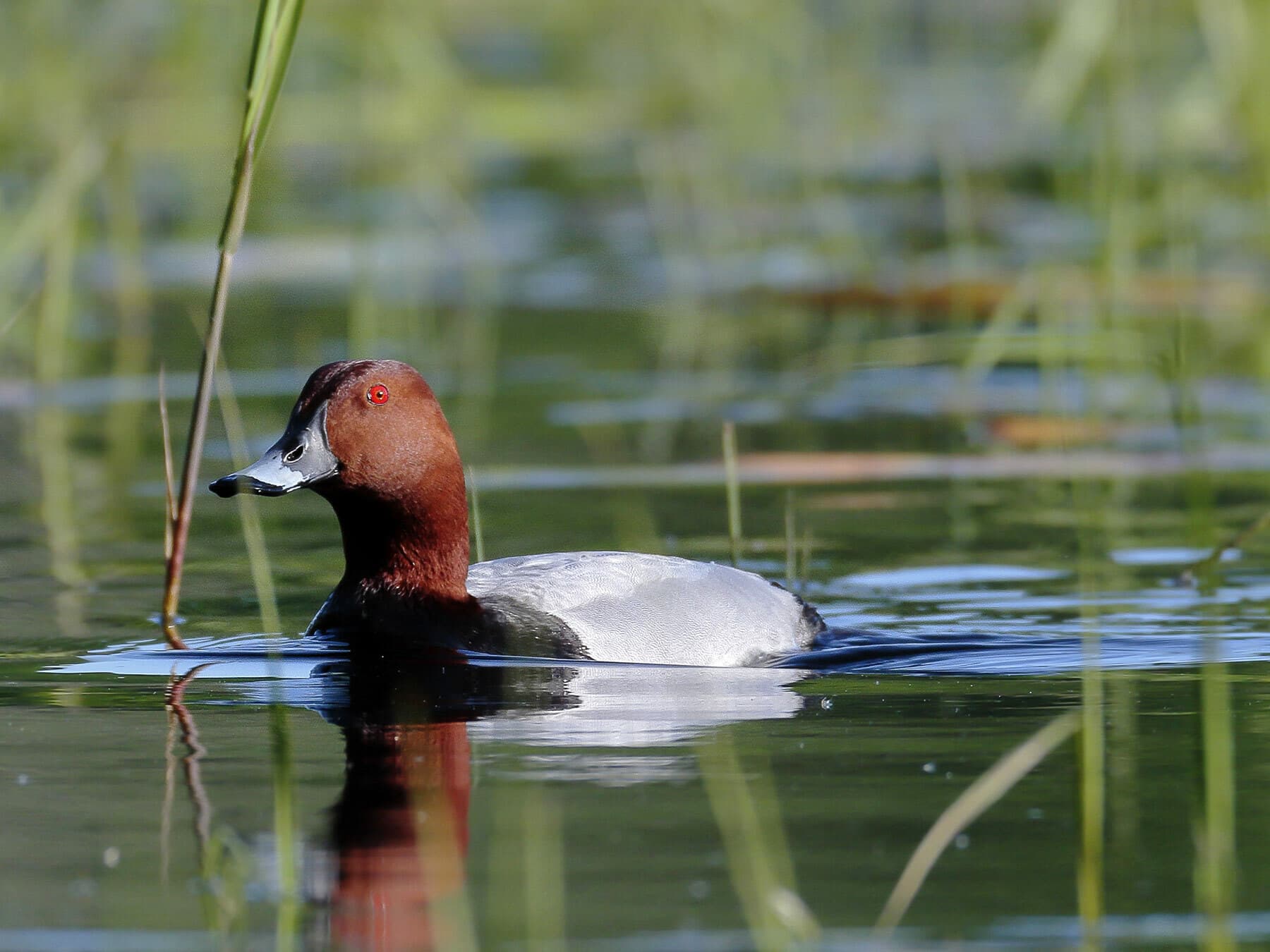
Pochard
Aythya ferinaVU
A rare year-round resident on deeper lakes and reservoirs. Numbers have declined significantly in recent decades across the UK.
Year-round
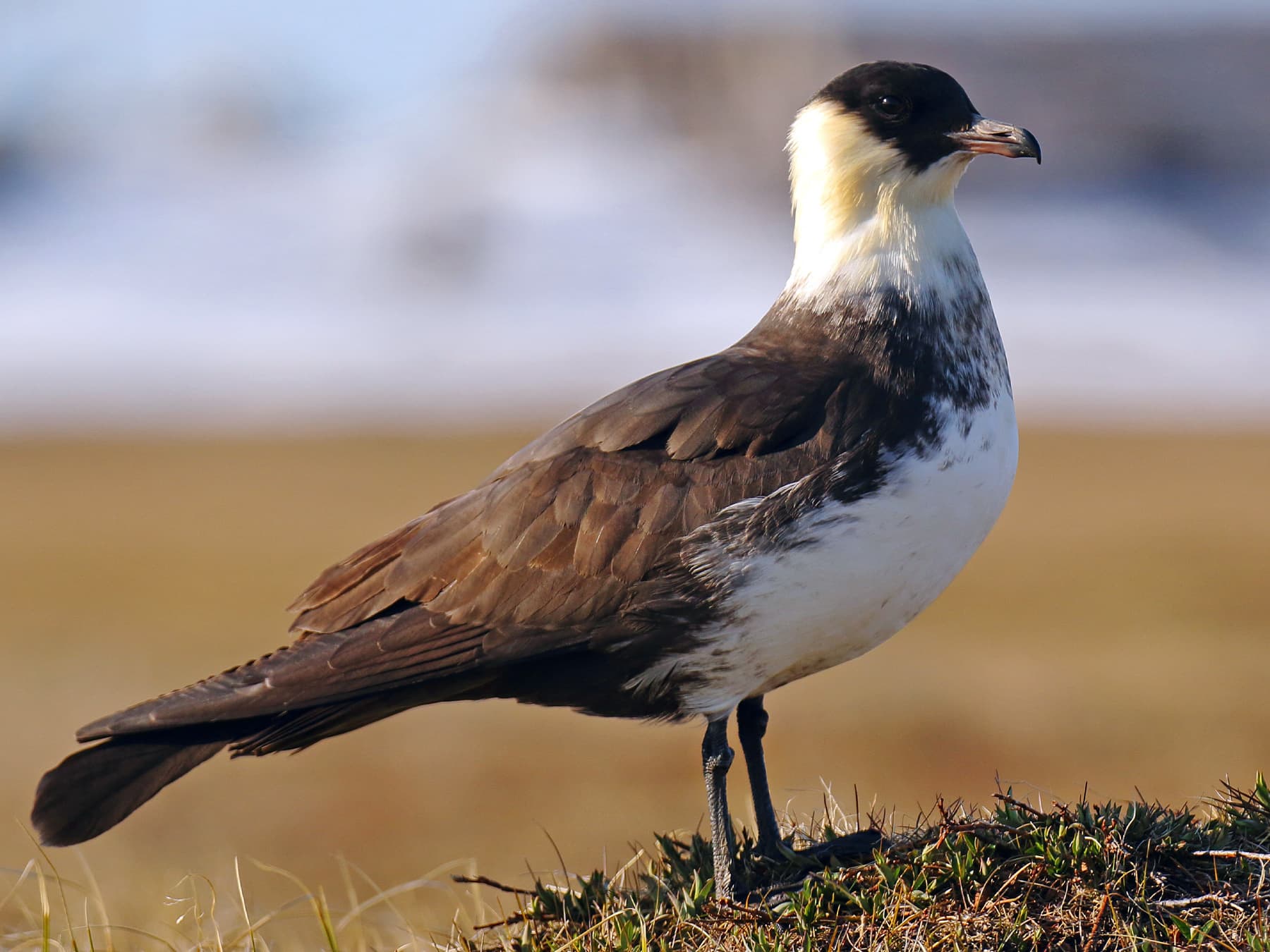
Pomarine Jaeger
Stercorarius pomarinusLC
A rare autumn seabird, occasionally spotted from Durham's headlands in September during strong onshore winds. Bulkier than the Arctic Jaeger.
Sep