Birds in Durham
Explore 199 species found in this region.
Durham is a richly diverse county for birdwatching, with 197 recorded species found across its varied landscapes of upland moorland, river valleys, coastal stretches, and ancient woodlands. From the striking Northern Lapwing displaying over farmland to the elusive Eurasian Woodcock in dense woodland, the county offers rewarding birding throughout the year. Notable species include the colourful Mandarin Duck along wooded waterways, Common Merganser on the River Wear, and Horned Lark on the high Pennine tops.
Visiting in September? Look out for Brent Goose and Eurasian Spoonbill arriving this month, and Common Raven and Common Reed-warbler depart for the season.


Showing 93–115 of 199 species
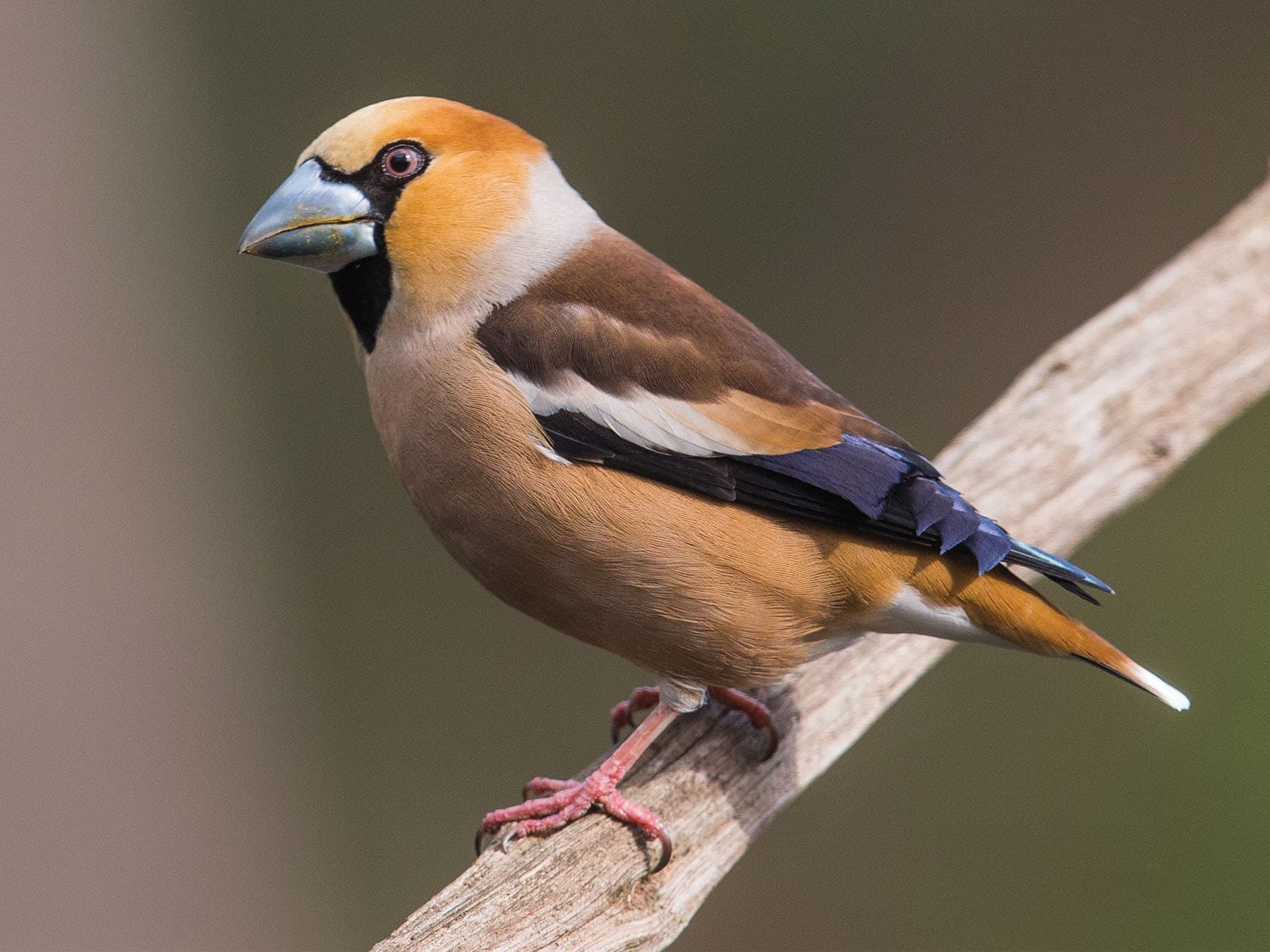
Hawfinch
Coccothraustes coccothraustesLC
A rare and elusive passage visitor, occasionally recorded in Durham's mature woodlands during winter months.
Jan–Feb
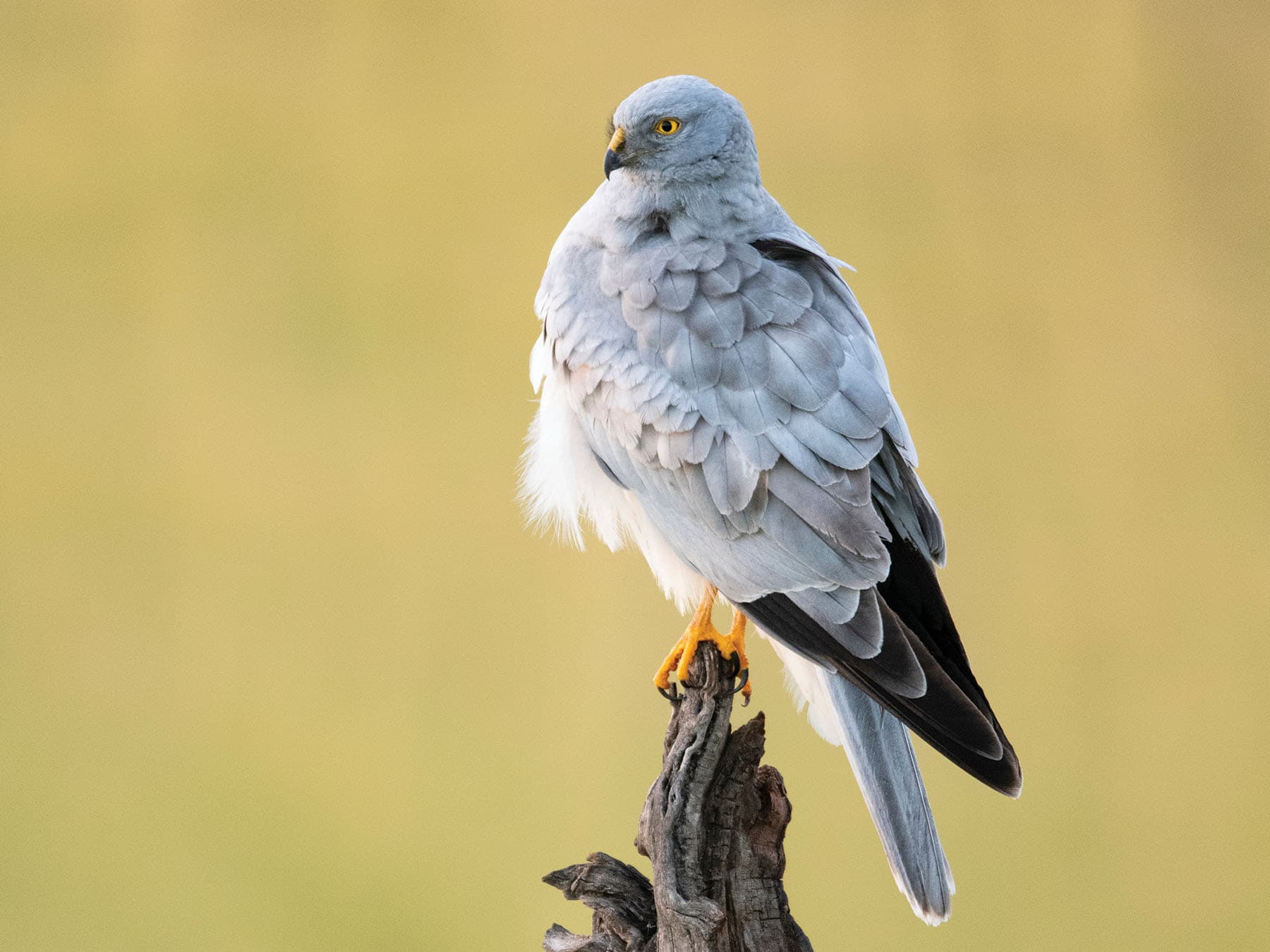
Hen Harrier
Circus cyaneusLC
A rare passage visitor in late summer, occasionally seen quartering over moorland and coastal fields in August and September.
Aug–Sep
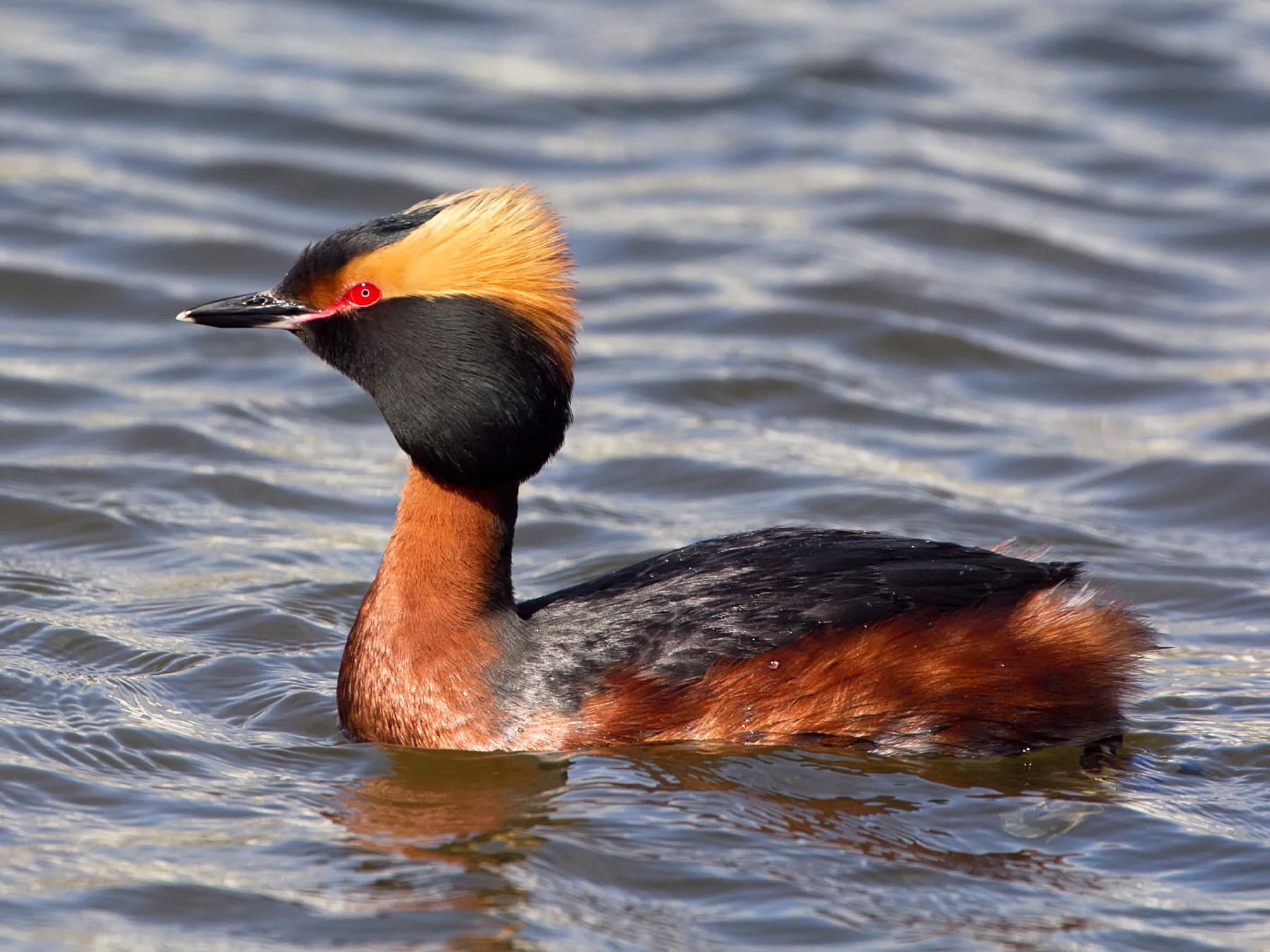
Horned Grebe
Podiceps auritusVU
A rare passage visitor in winter and autumn, occasionally found on sheltered coastal waters or larger inland reservoirs.
Oct–Feb
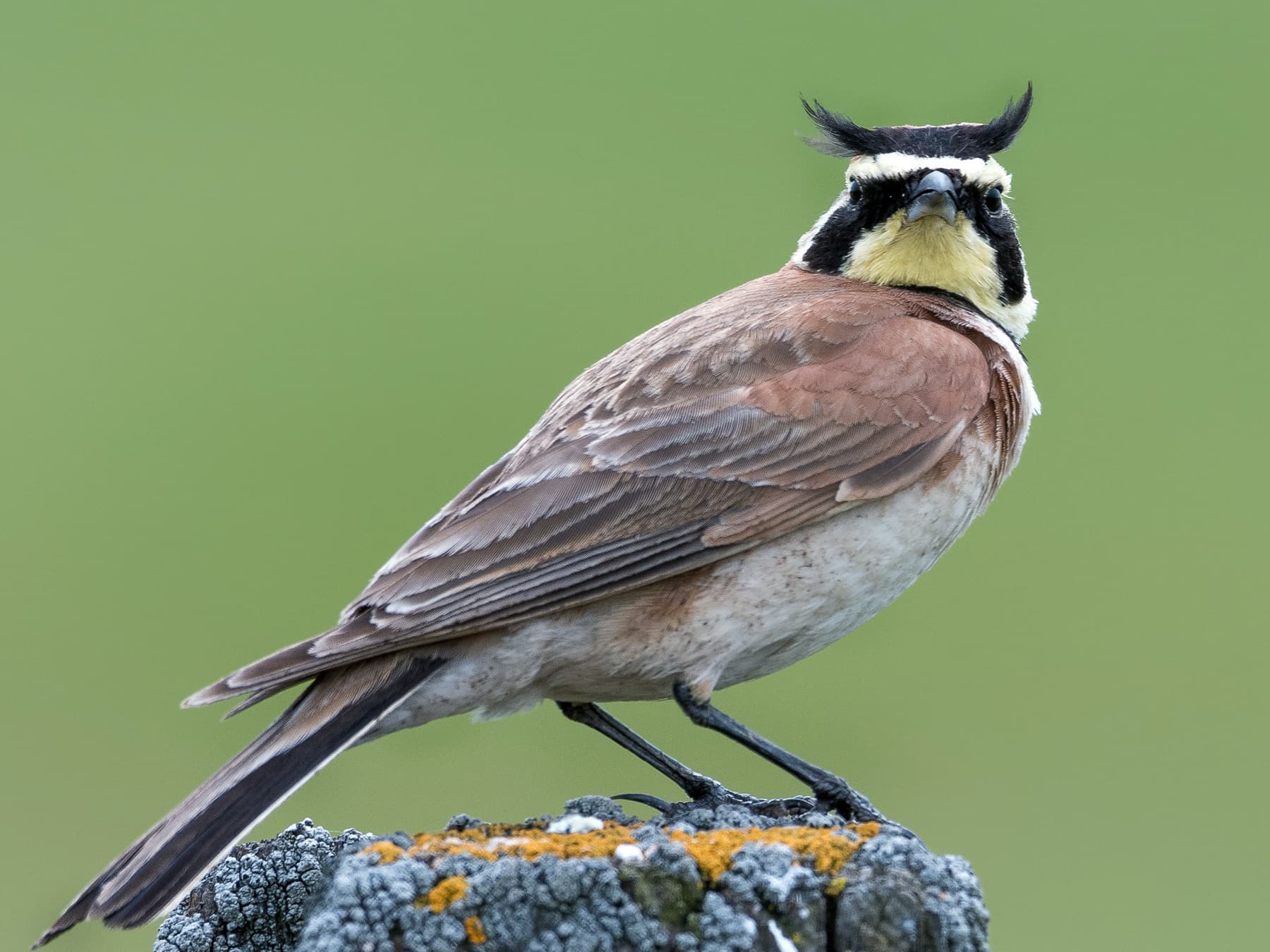
Horned Lark
Eremophila alpestrisLC
A rare passage visitor, occasionally recorded along the Durham coast in late winter. Favours short-cropped coastal grassland.
Feb
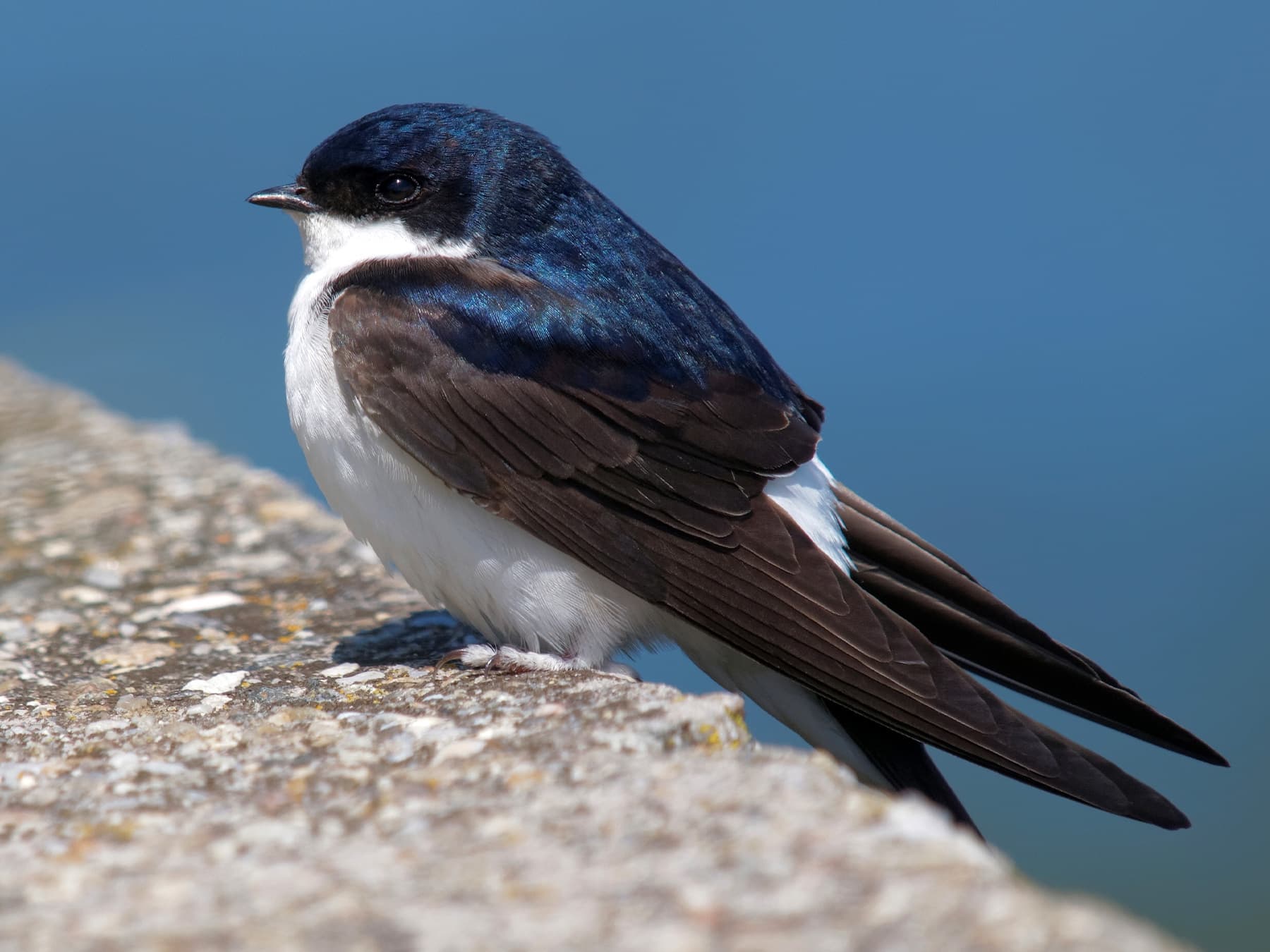
House Martin
Delichon urbicumLC
An uncommon summer visitor nesting under eaves in towns and villages. Numbers have declined notably in recent decades.
Apr–Oct
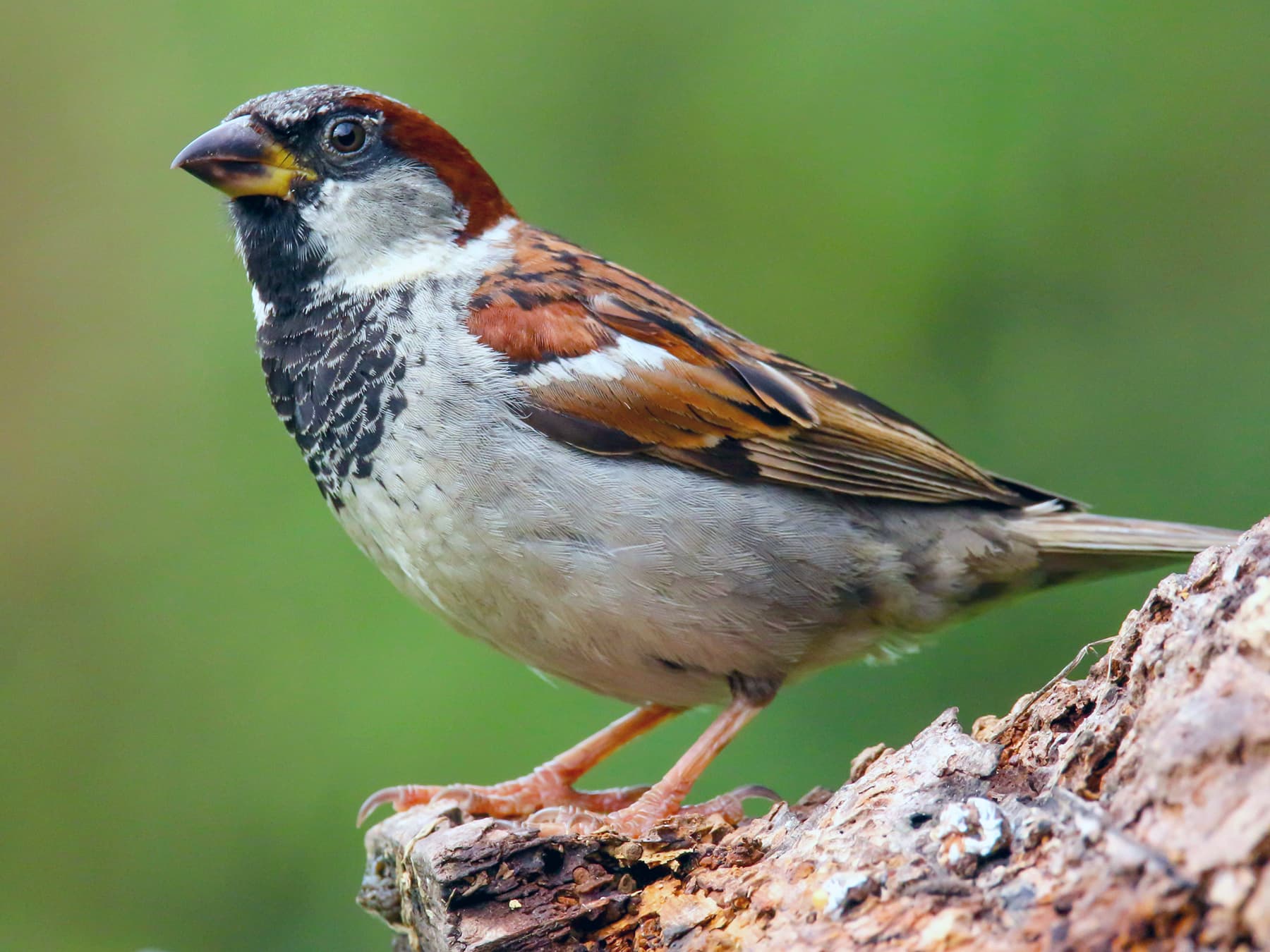
House Sparrow
Passer domesticusLC
A common resident closely tied to Durham's towns and villages, nesting under eaves and gathering in noisy colonies.
Year-round
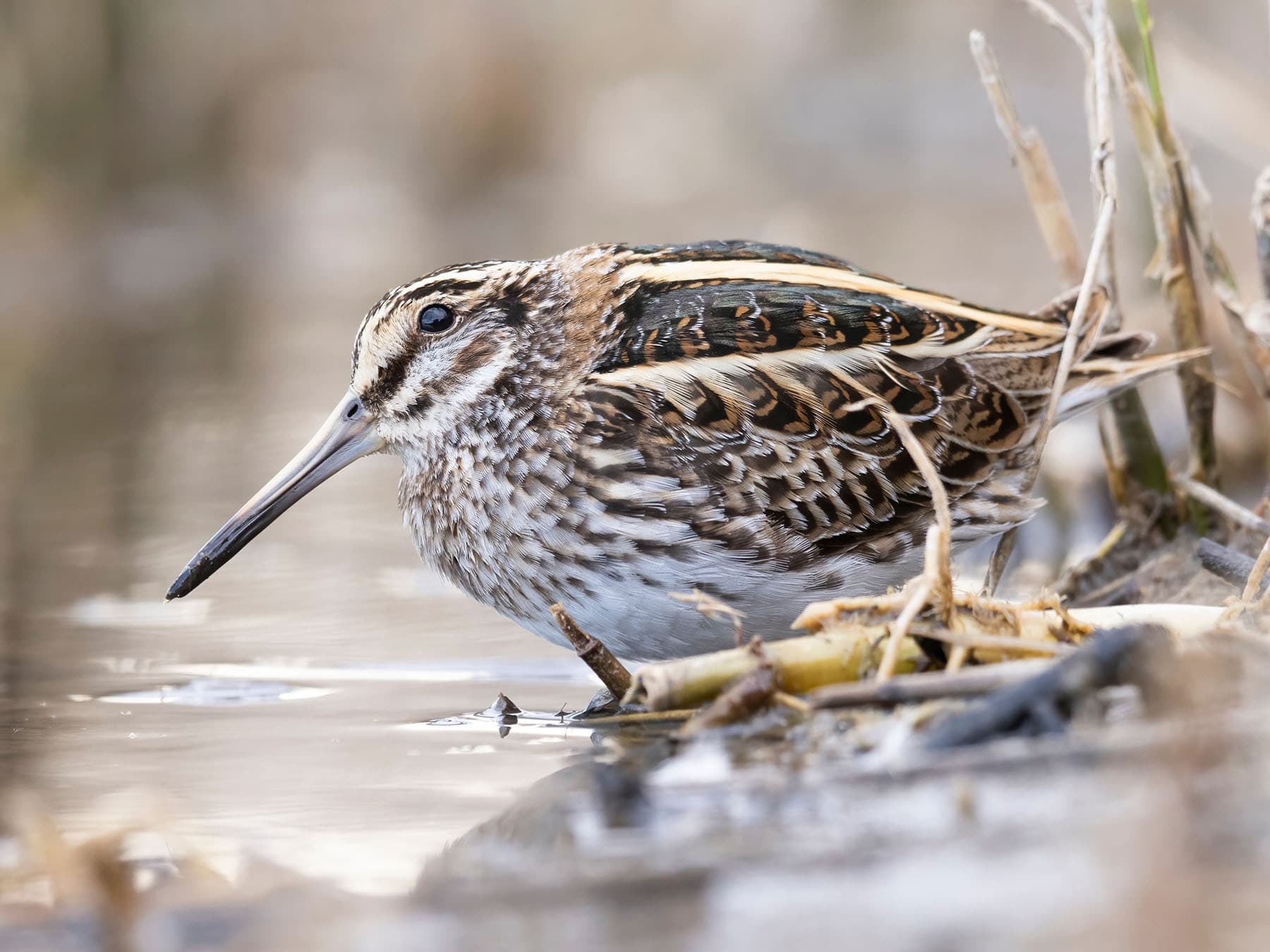
Jack Snipe
Lymnocryptes minimusLC
A secretive and rare passage visitor, occasionally flushed from boggy margins and wet meadows. Most likely encountered in late winter.
Feb
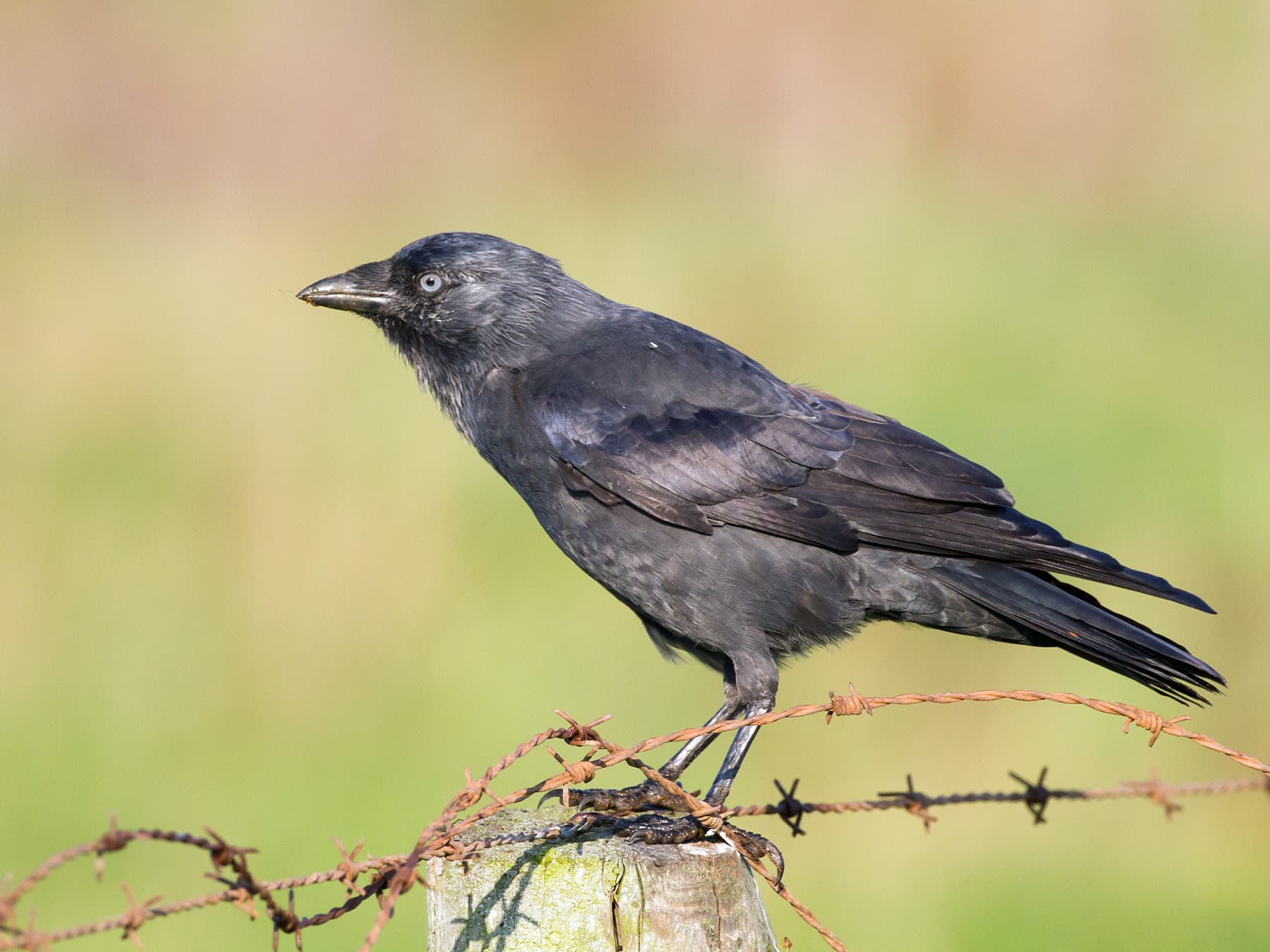
Jackdaw
Coloeus monedulaLC
Common and sociable resident, nesting in old buildings, church towers, and tree cavities. Often seen in noisy flocks with rooks.
Year-round
Spotted something?
Upload a photo to identify it
Identify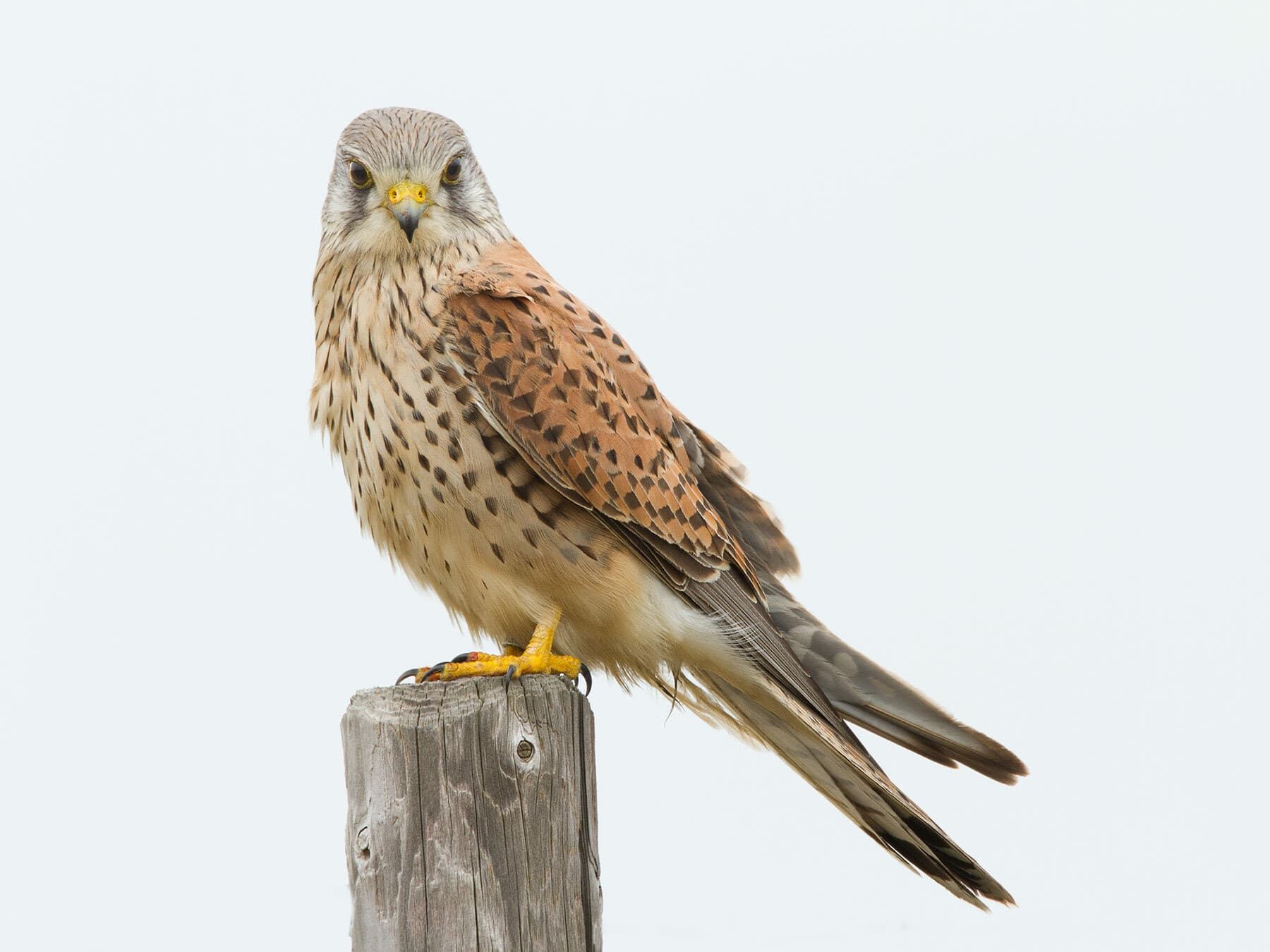
Kestrel
Falco tinnunculusLC
An uncommon year-round resident, hovering over roadside verges and open farmland. One of Durham's most visible birds of prey.
Year-round
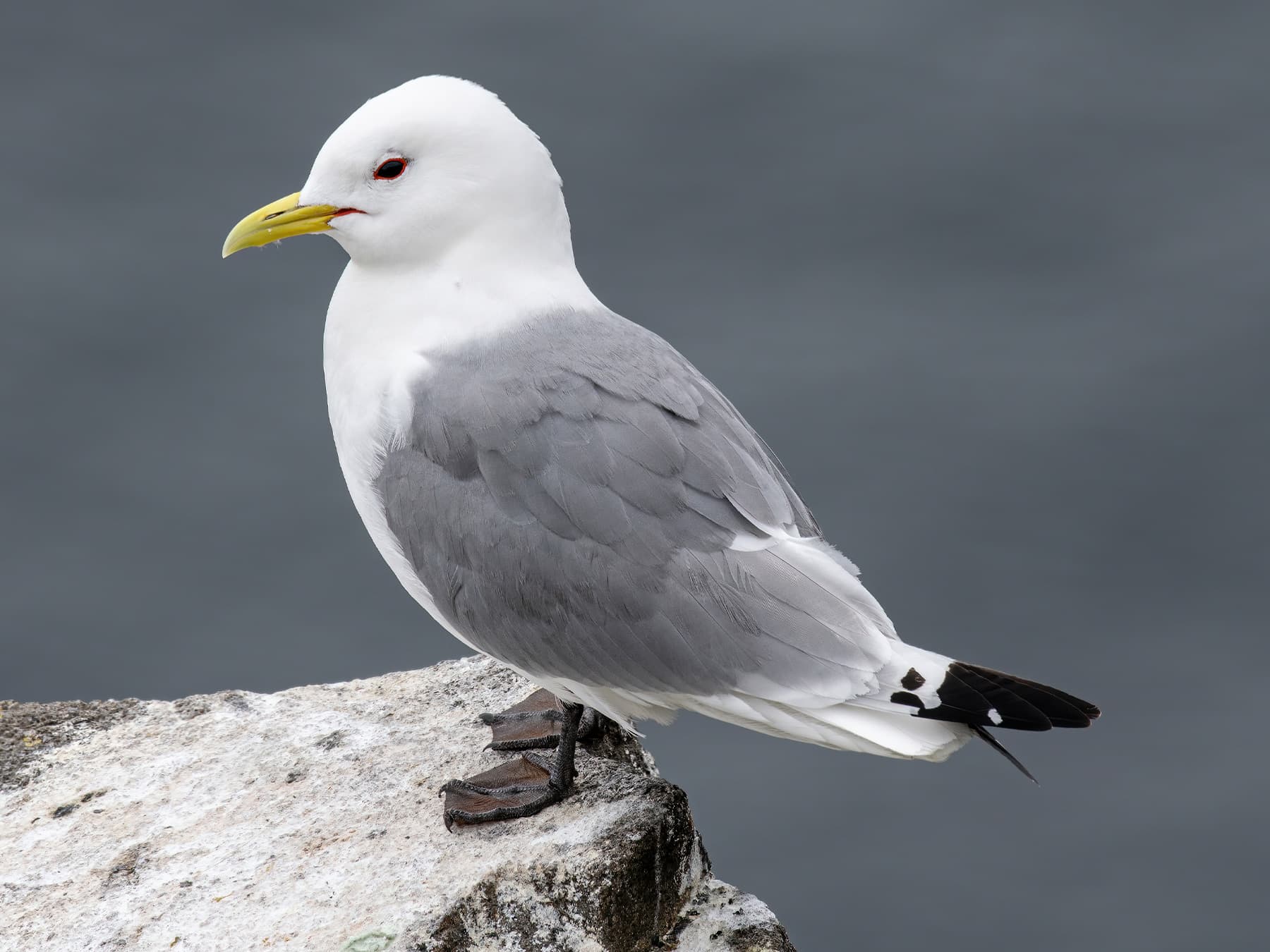
Kittiwake
Rissa tridactylaVU
Breeds in small numbers on Durham's coastal cliffs from spring through autumn. This declining species is increasingly scarce across the UK.
Mar–Nov
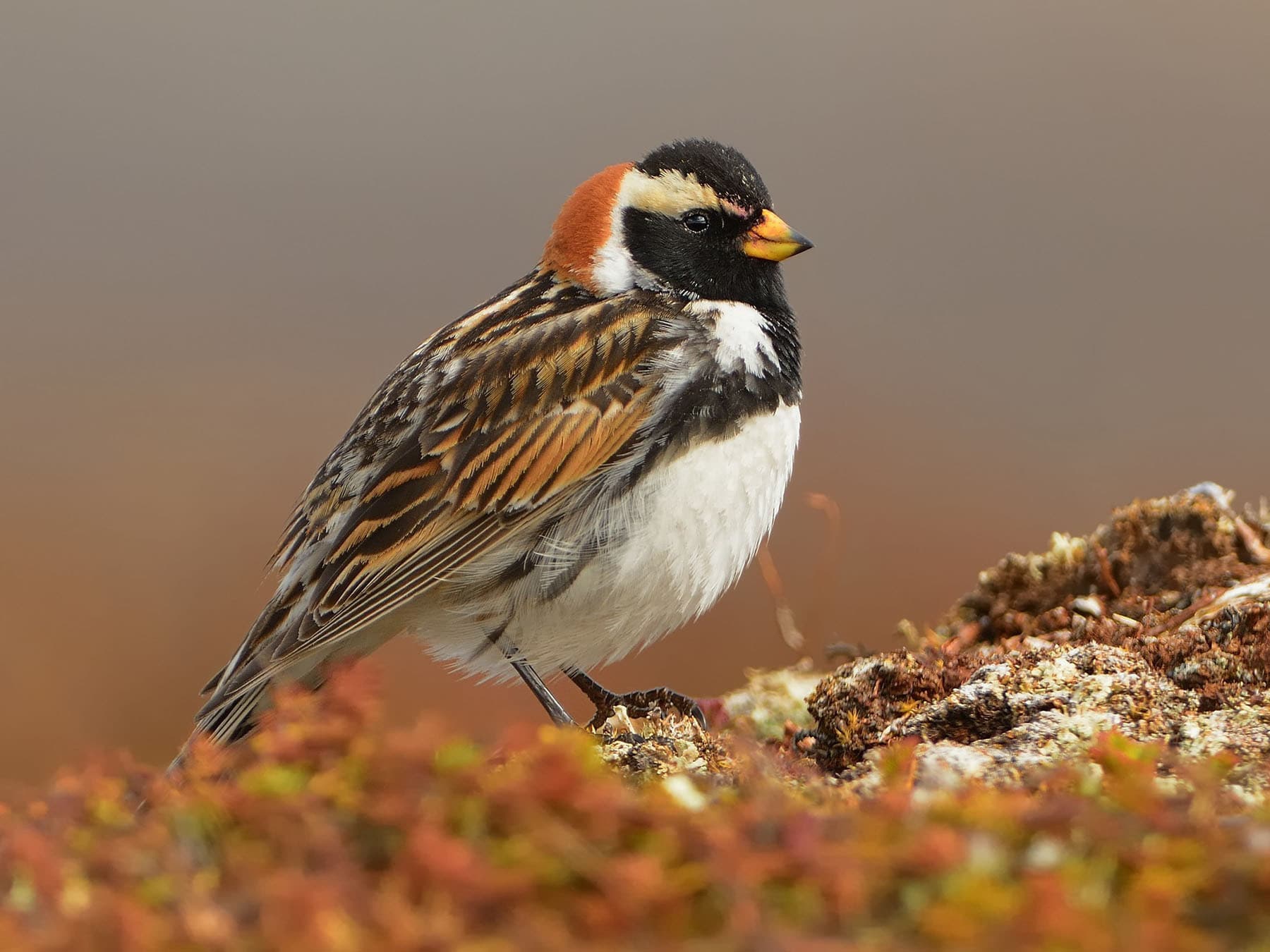
Lapland Longspur
Calcarius lapponicusLC
A rare autumn passage migrant, occasionally recorded on coastal stubble fields and short grassland around Durham in September.
Sep
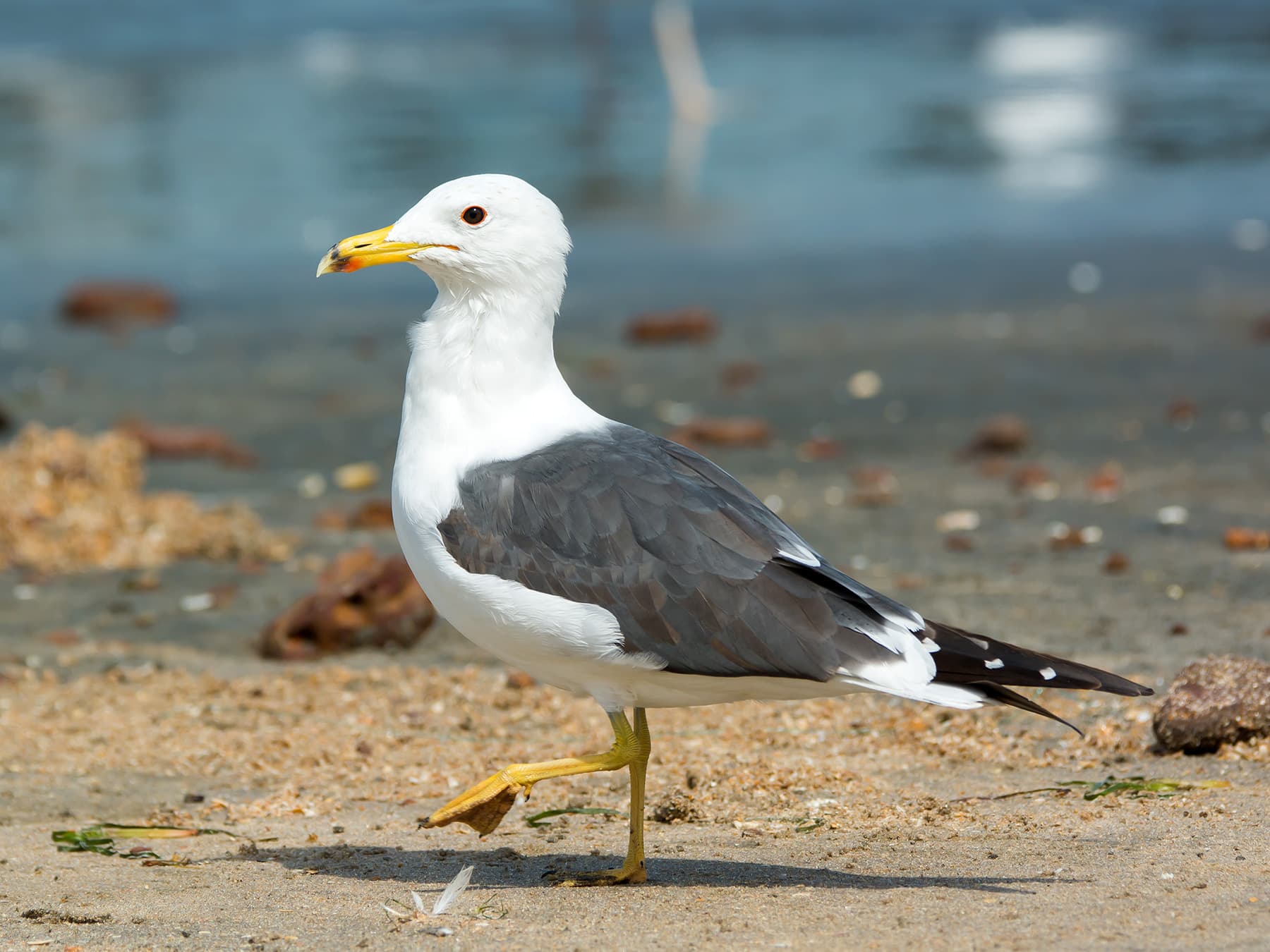
Lesser Black-backed Gull
Larus fuscusLC
Uncommon year-round resident, more numerous in summer. Frequents the coast, landfill sites, and inland water bodies.
Year-round
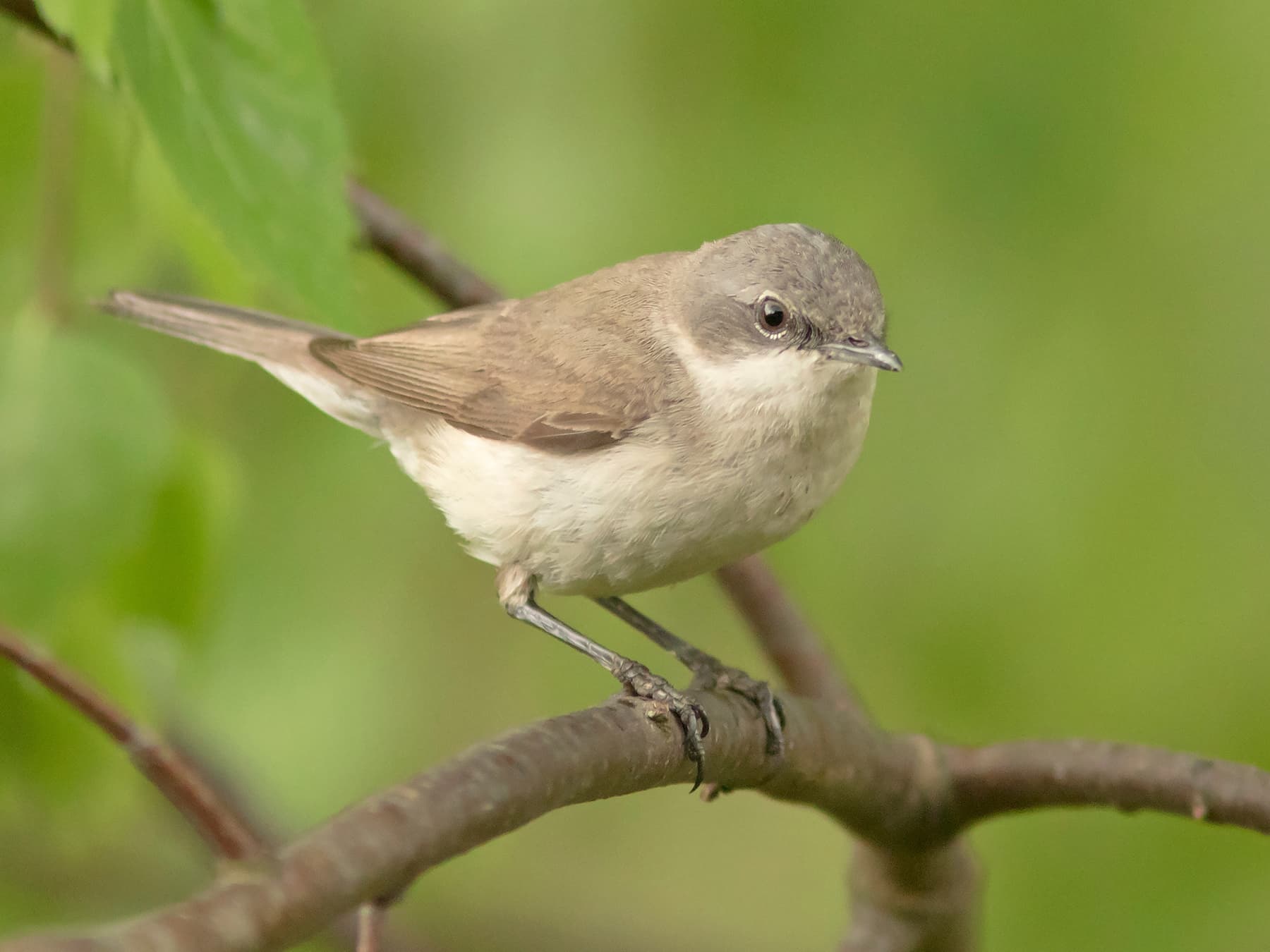
Lesser Whitethroat
Curruca currucaLC
A rare breeding visitor favouring tall hedgerows and scrubby thickets. Near the northern edge of its English range in Durham.
Apr–Oct
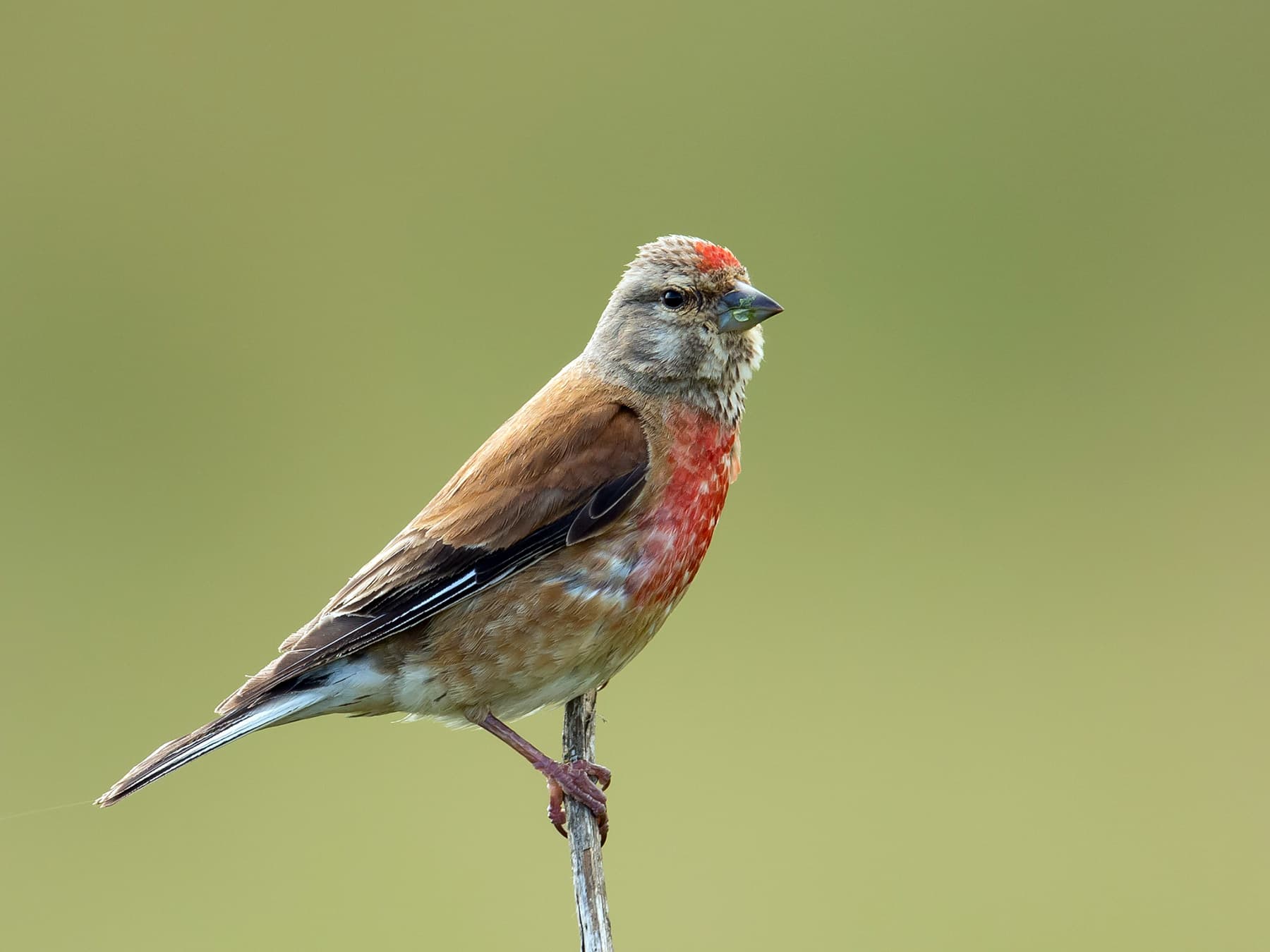
Linnet
Linaria cannabinaLC
An uncommon resident of Durham's gorse-covered commons and farmland hedgerows, declining due to loss of seed-rich habitats.
Year-round
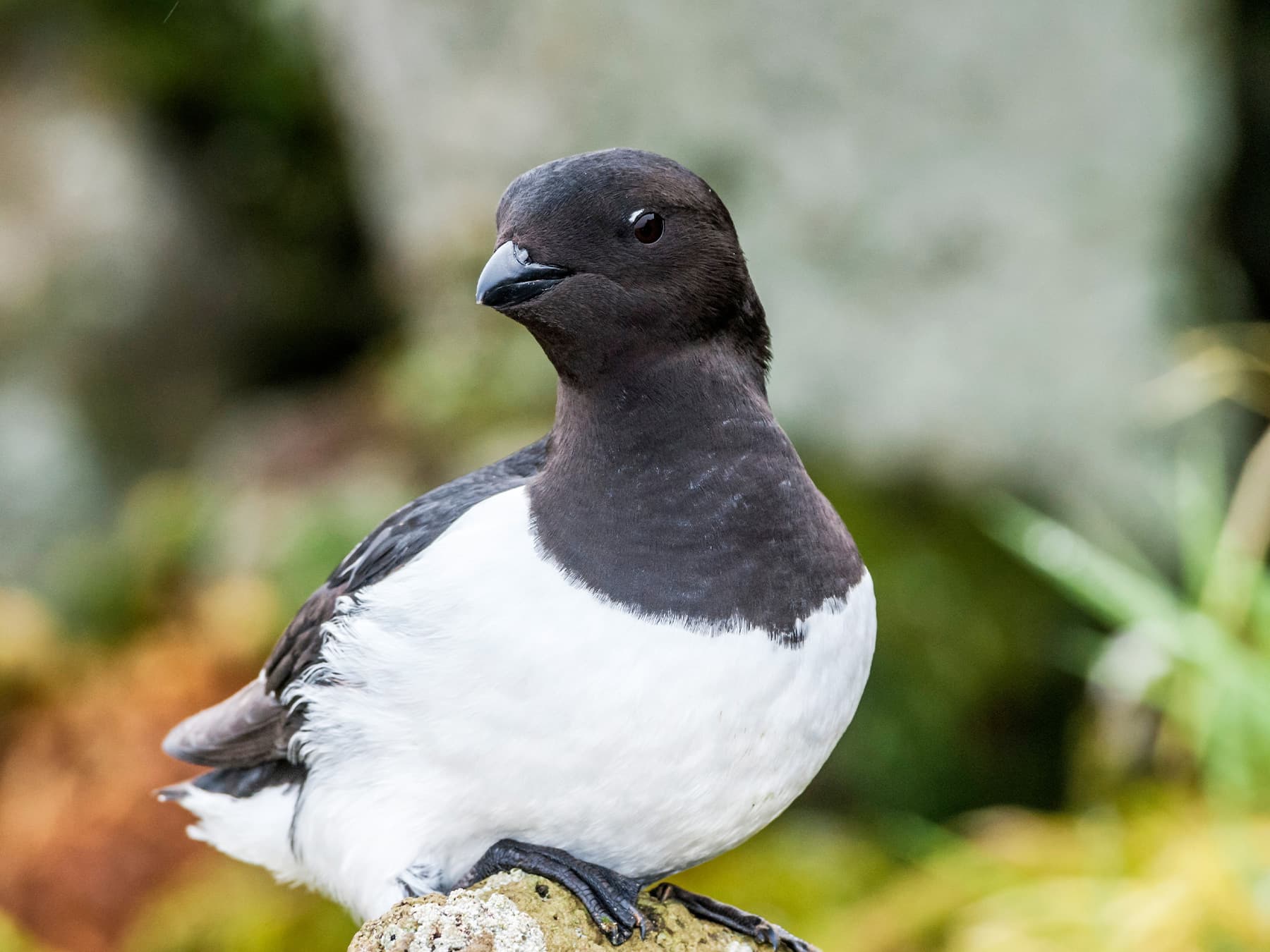
Little Auk
Alle alleLC
A rare November visitor, sometimes driven close inshore or even inland by strong North Sea gales. A prized find for seawatchers.
Nov
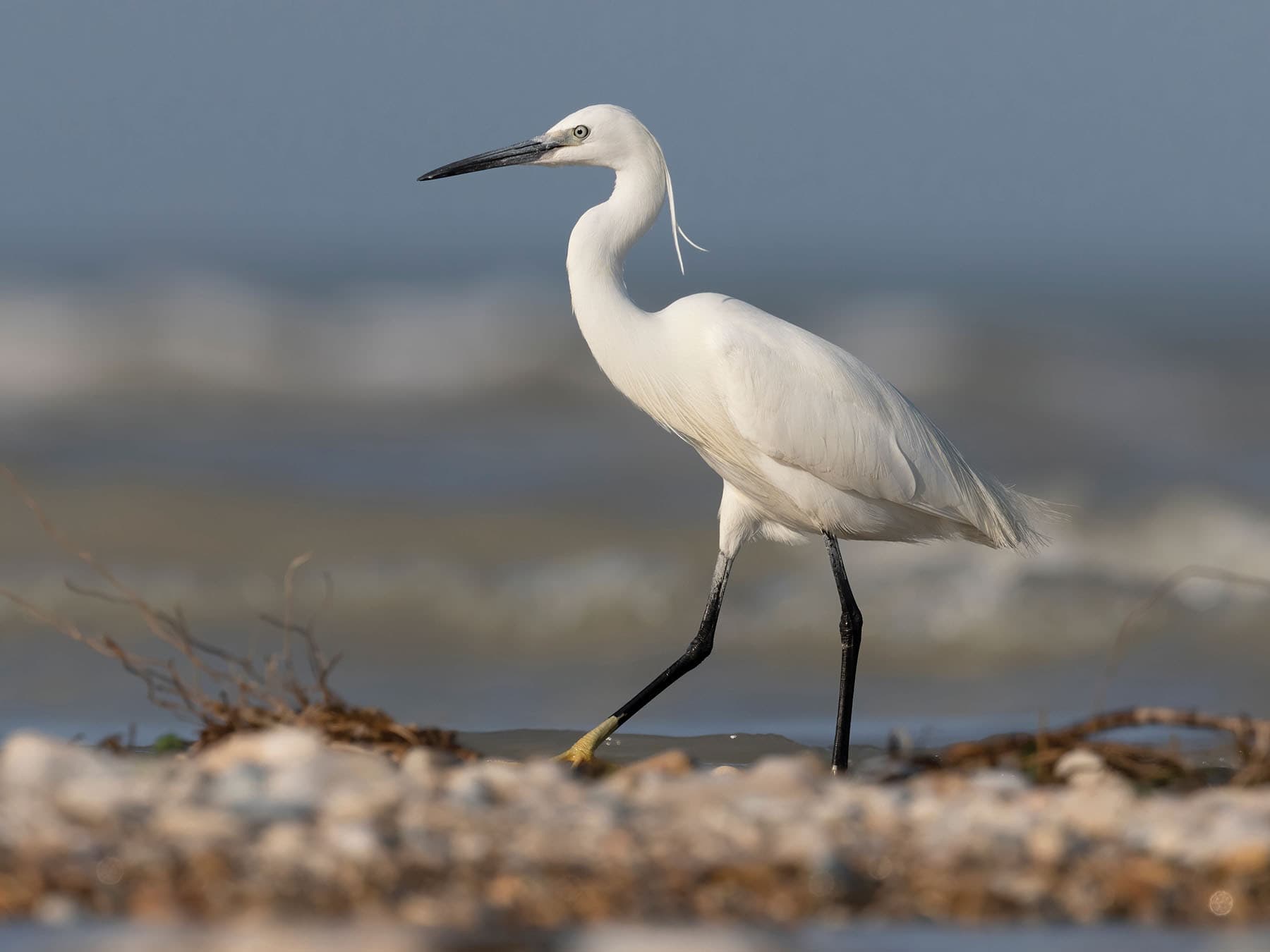
Little Egret
Egretta garzettaLC
A recent colonist now resident year-round, favouring the Wear and Tees estuaries and coastal pools. Still uncommon but increasingly established.
Year-round
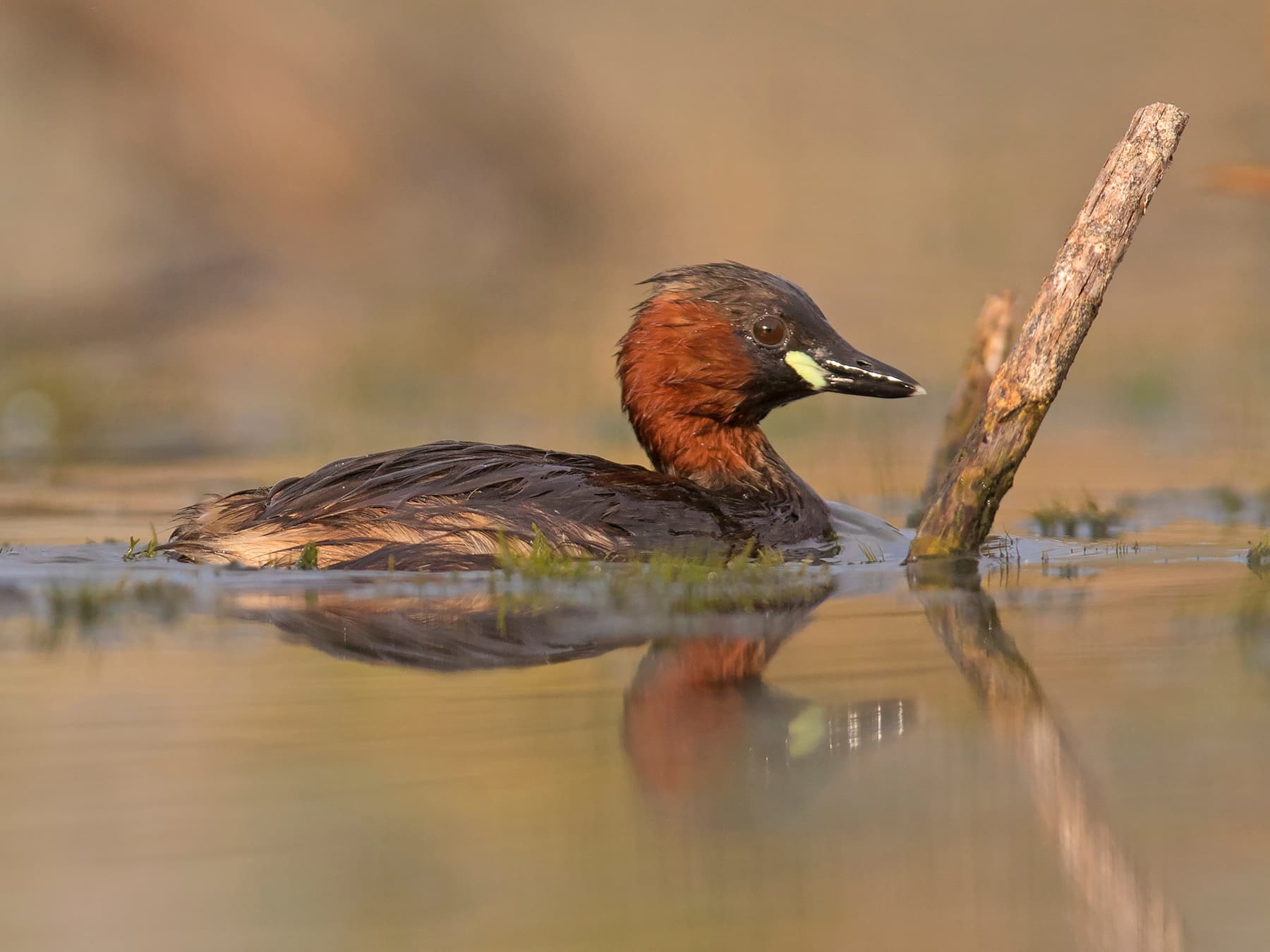
Little Grebe
Tachybaptus ruficollisLC
An uncommon year-round resident on sheltered ponds, lakes, and slow rivers. Often heard before seen, with a distinctive trilling call.
Year-round
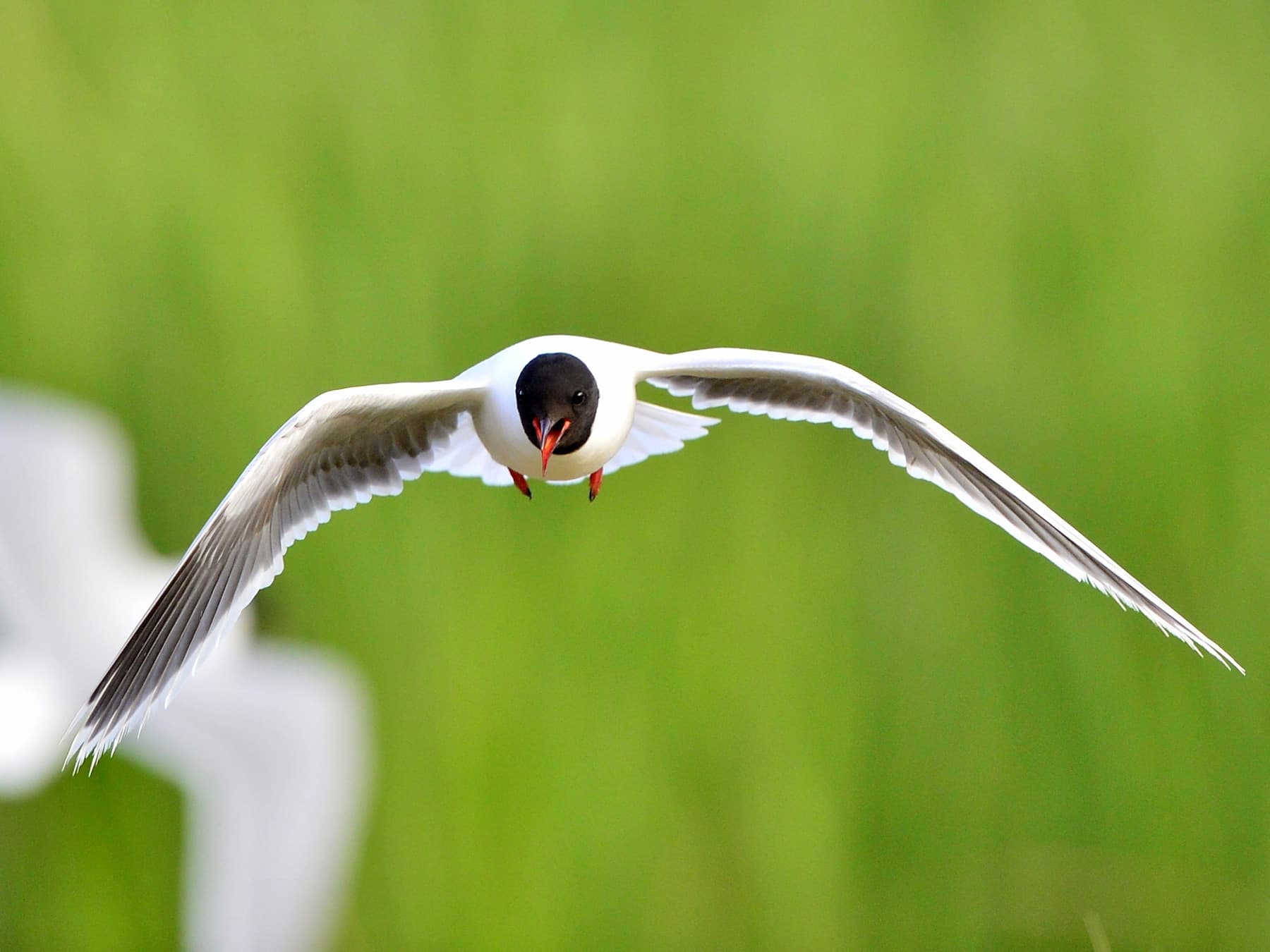
Little Gull
Hydrocoloeus minutusLC
A rare passage migrant in September, occasionally spotted at coastal pools or offshore. Its dainty, buoyant flight is distinctive.
Sep
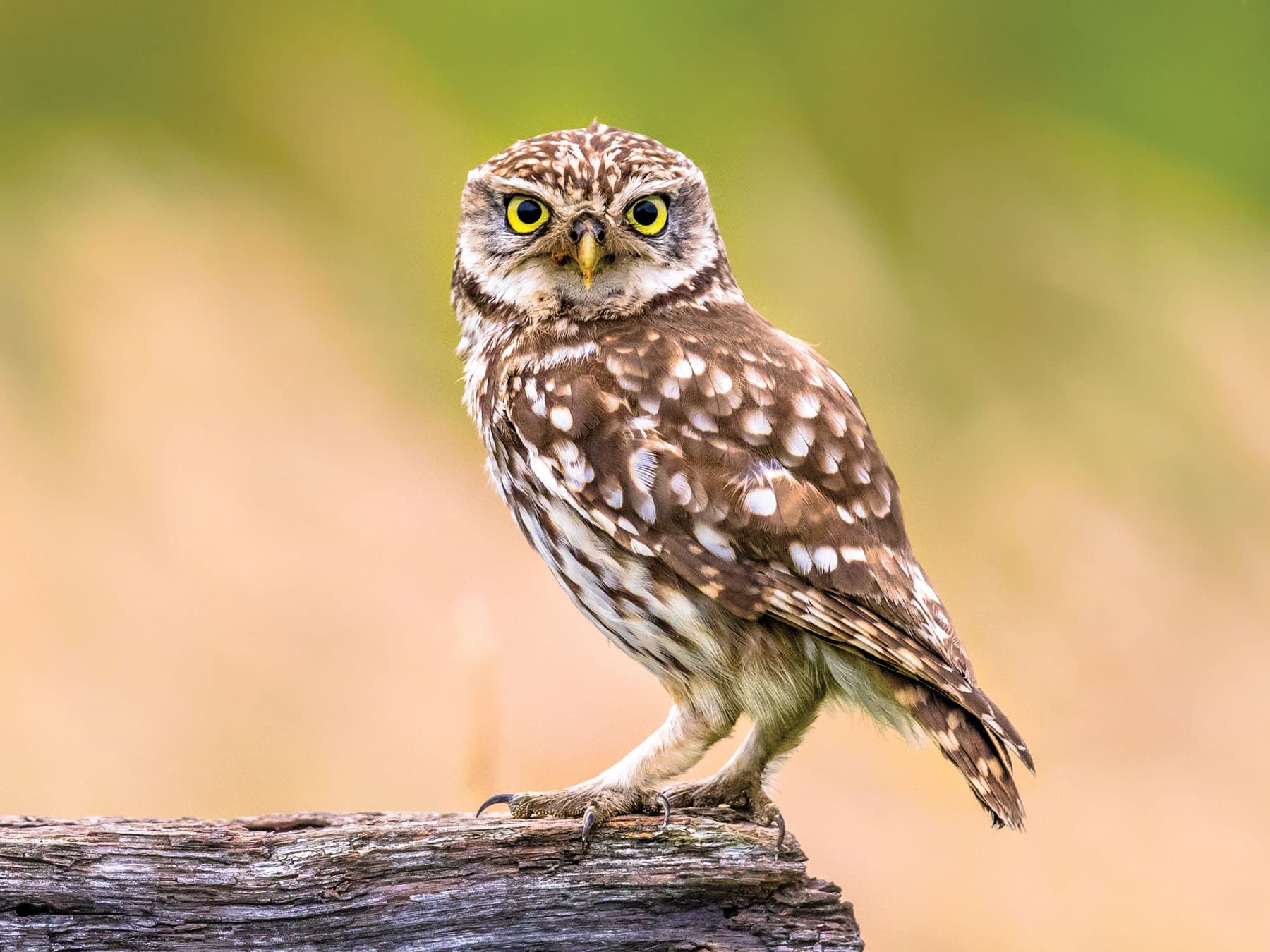
Little Owl
Athene noctuaLC
A rare resident of lowland farmland with old trees and stone walls. Often bobs comically when perched; most active at dawn and dusk.
Nov–Sep
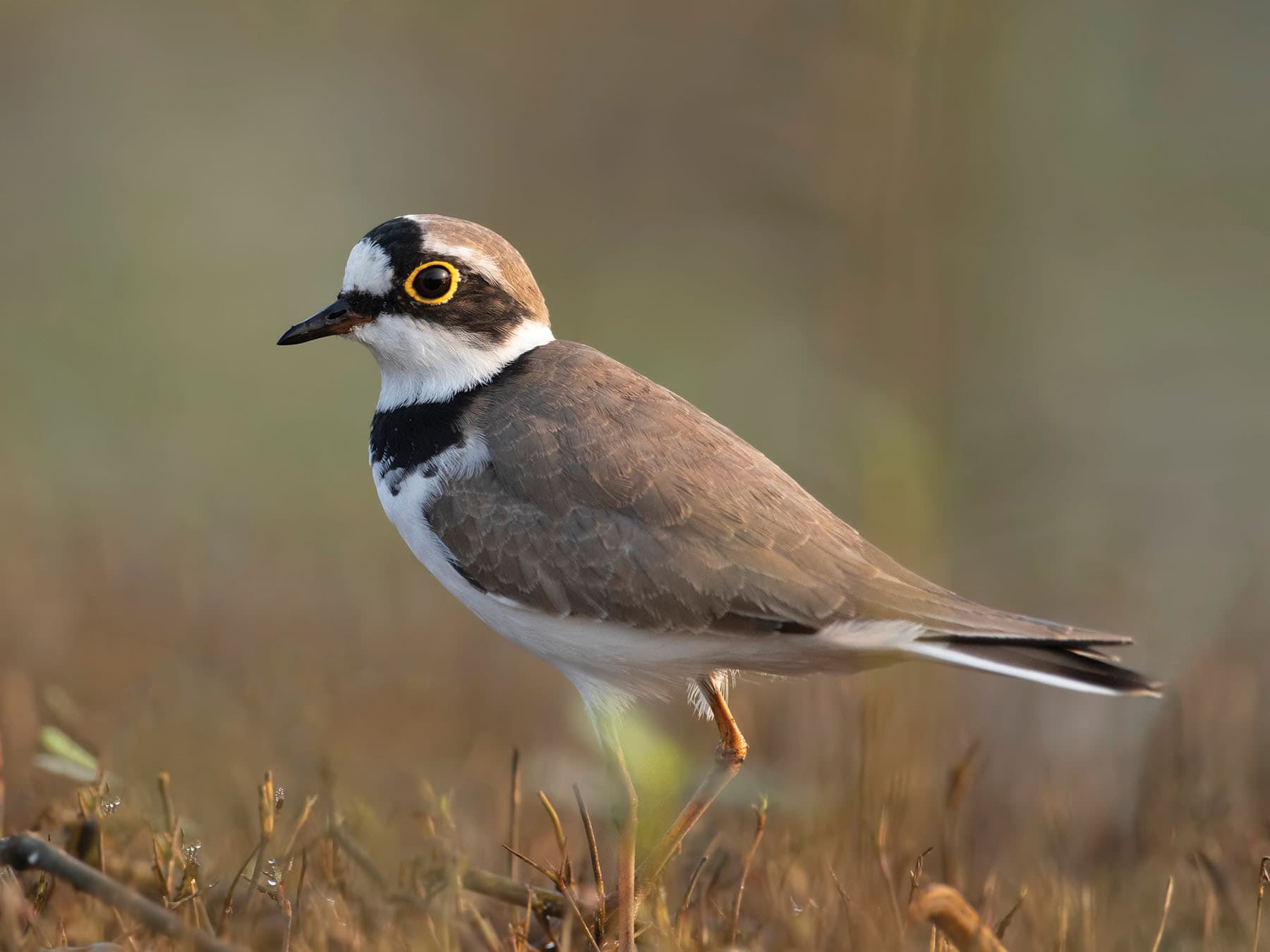
Little Ringed Plover
Charadrius dubiusLC
A rare summer breeder favouring gravel pits and reservoir margins. One of the earliest spring migrants, arriving from April.
Apr–Aug
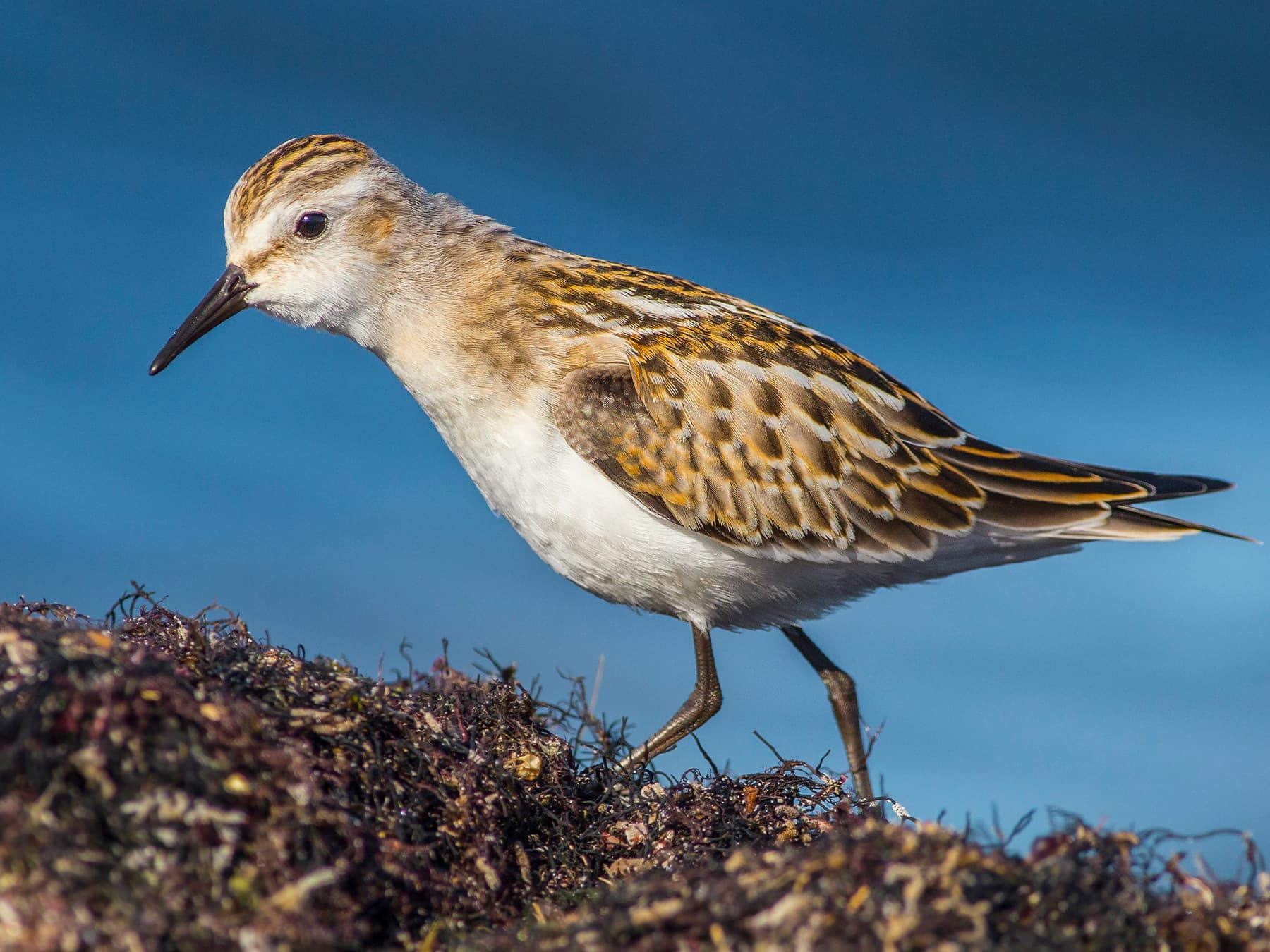
Little Stint
Calidris minutaLC
A rare autumn passage migrant in August–September, found at coastal scrapes and freshwater margins. Tiny size helps distinguish it from Dunlin.
Aug–Sep
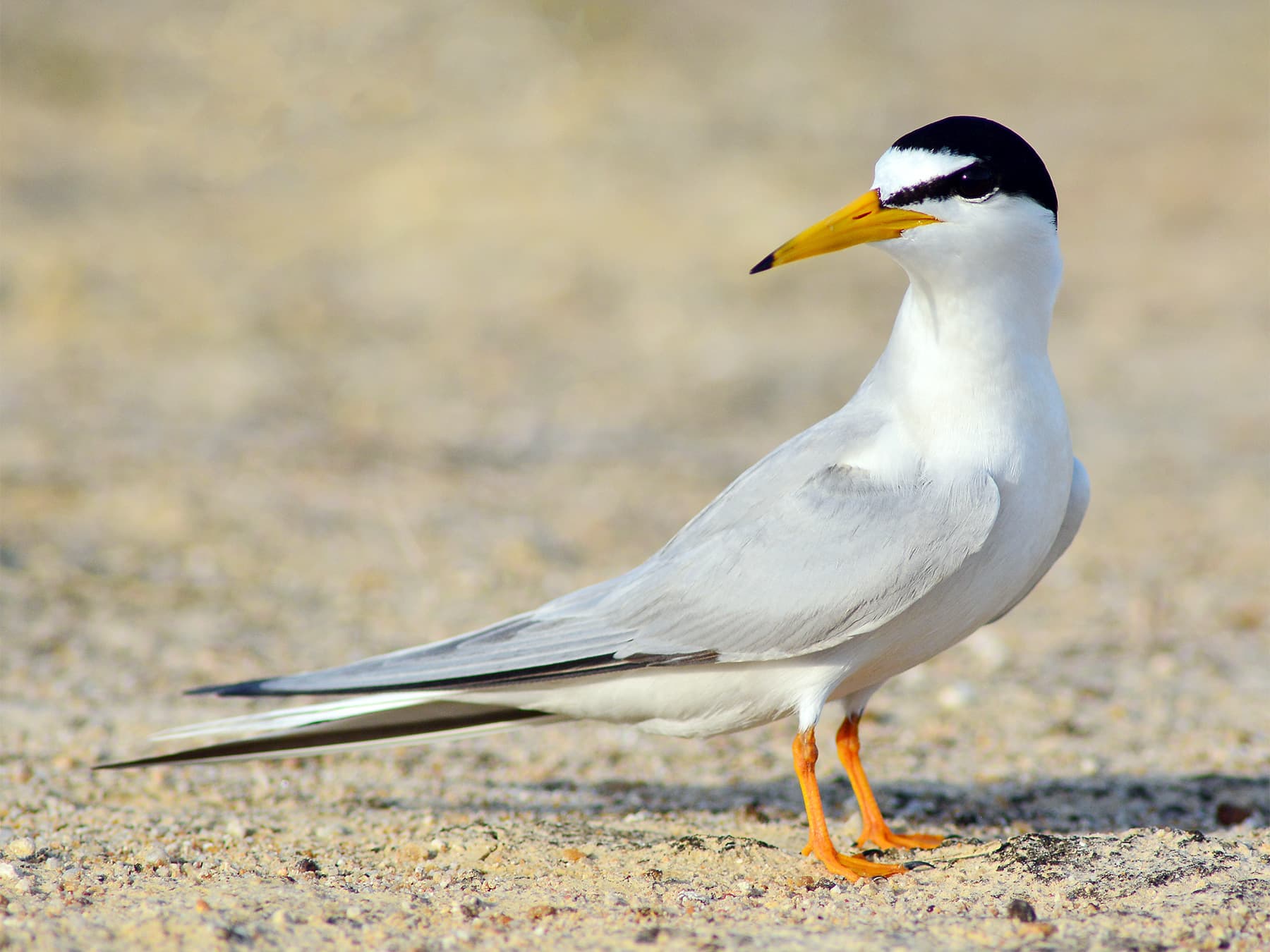
Little Tern
Sternula albifronsLC
A rare summer breeder from May to August, nesting on shingle beaches along the Durham coast. Vulnerable to disturbance and declining.
May–Aug
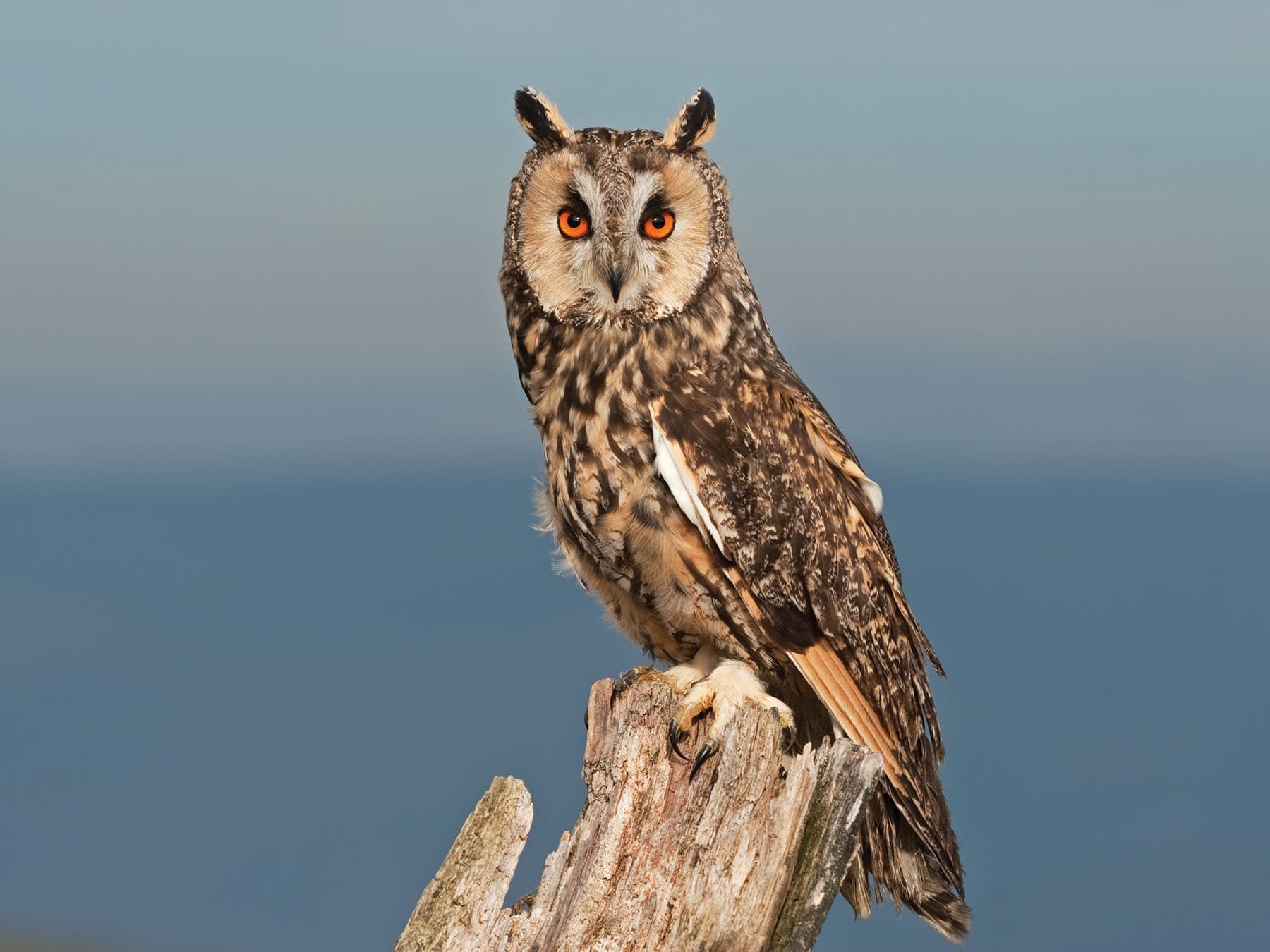
Long-eared Owl
Asio otusLC
A rare and secretive passage visitor, occasionally recorded in summer. Roosts in dense cover and is easily overlooked.
Jul