Birds in Durham
Explore 199 species found in this region.
Durham is a richly diverse county for birdwatching, with 197 recorded species found across its varied landscapes of upland moorland, river valleys, coastal stretches, and ancient woodlands. From the striking Northern Lapwing displaying over farmland to the elusive Eurasian Woodcock in dense woodland, the county offers rewarding birding throughout the year. Notable species include the colourful Mandarin Duck along wooded waterways, Common Merganser on the River Wear, and Horned Lark on the high Pennine tops.
Visiting in September? Look out for Brent Goose and Eurasian Spoonbill arriving this month, and Common Raven and Common Reed-warbler depart for the season.


Showing 70–92 of 199 species
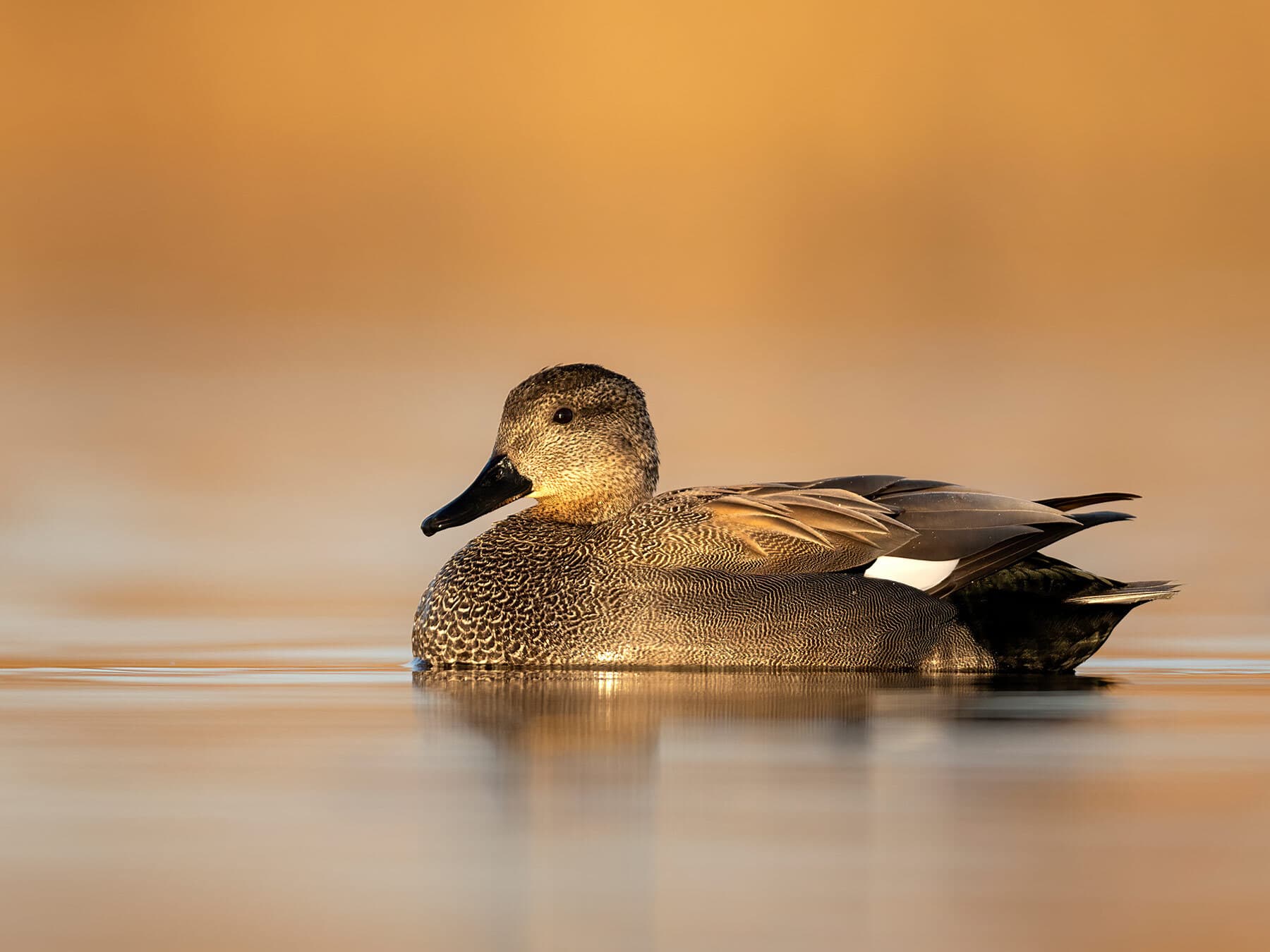
Gadwall
Mareca streperaLC
An uncommon year-round resident favouring lakes and reservoirs with vegetated margins. Has increased in recent decades across the region.
Year-round
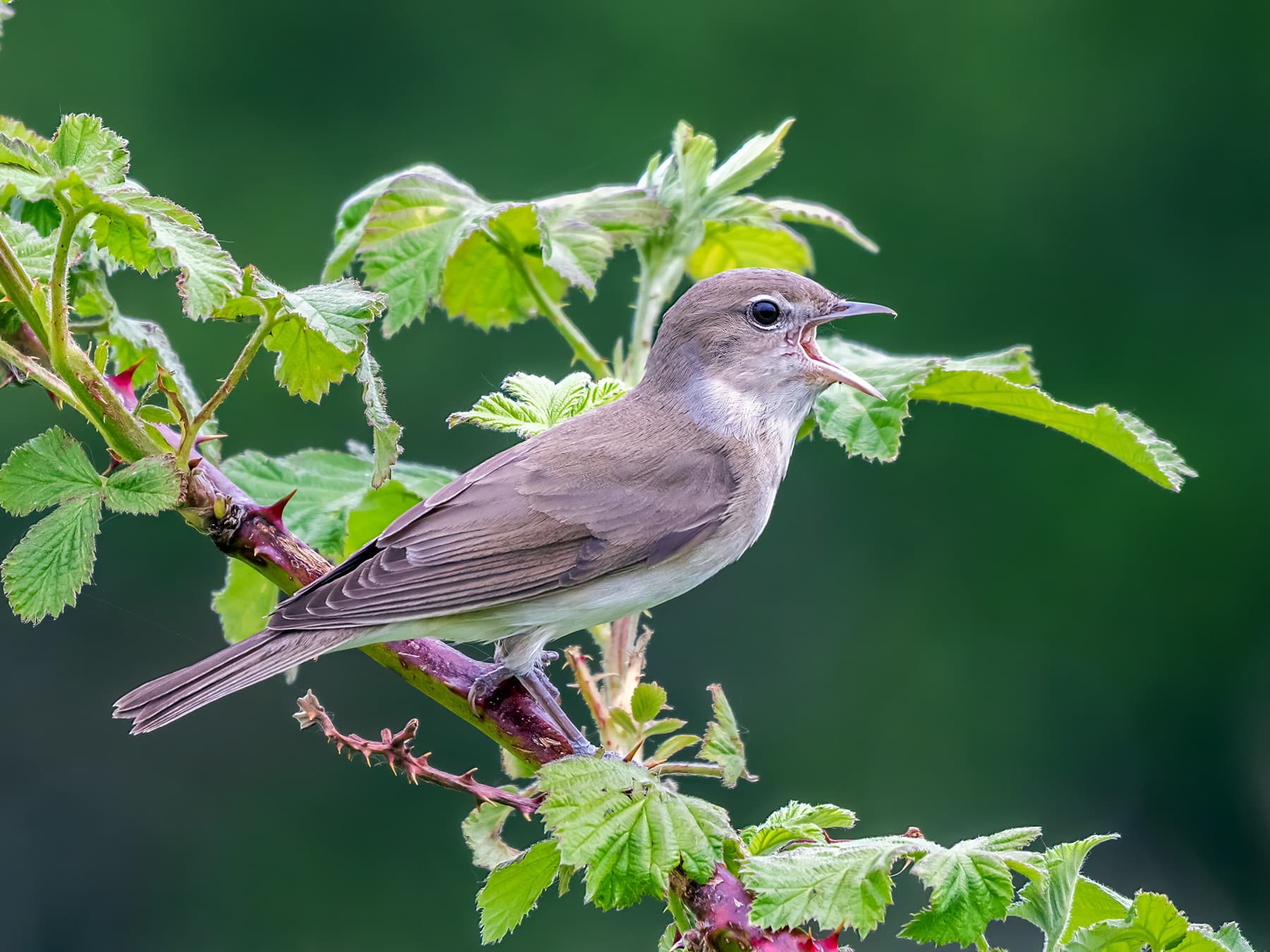
Garden Warbler
Sylvia borinLC
An uncommon summer visitor to dense woodland with thick undergrowth. Its rich warbling song can be heard from April, though the bird itself is often elusive.
Apr–Sep
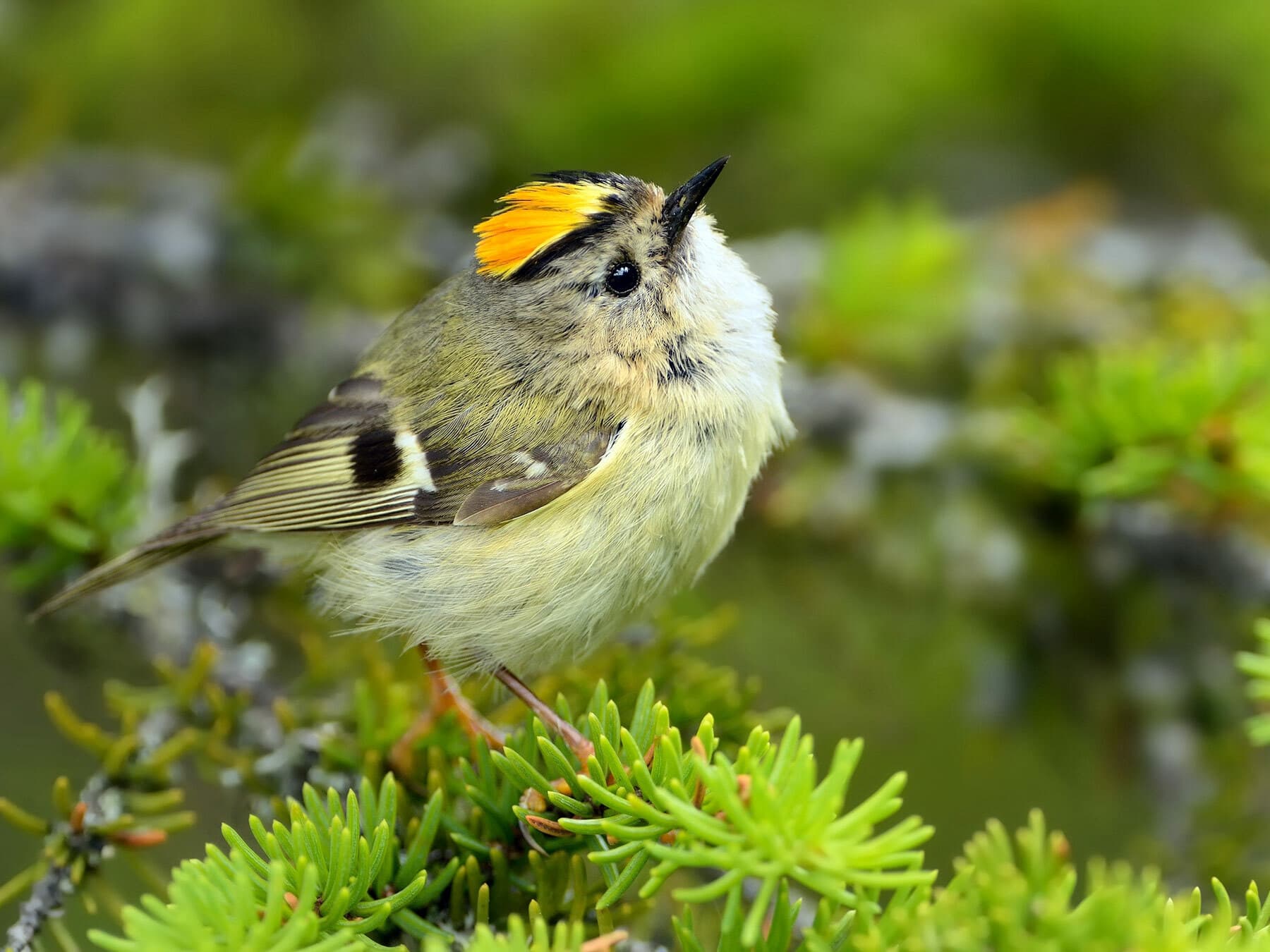
Goldcrest
Regulus regulusLC
A tiny resident of coniferous and mixed woodland, present year-round. Numbers swell in autumn with continental migrants arriving along the coast.
Year-round
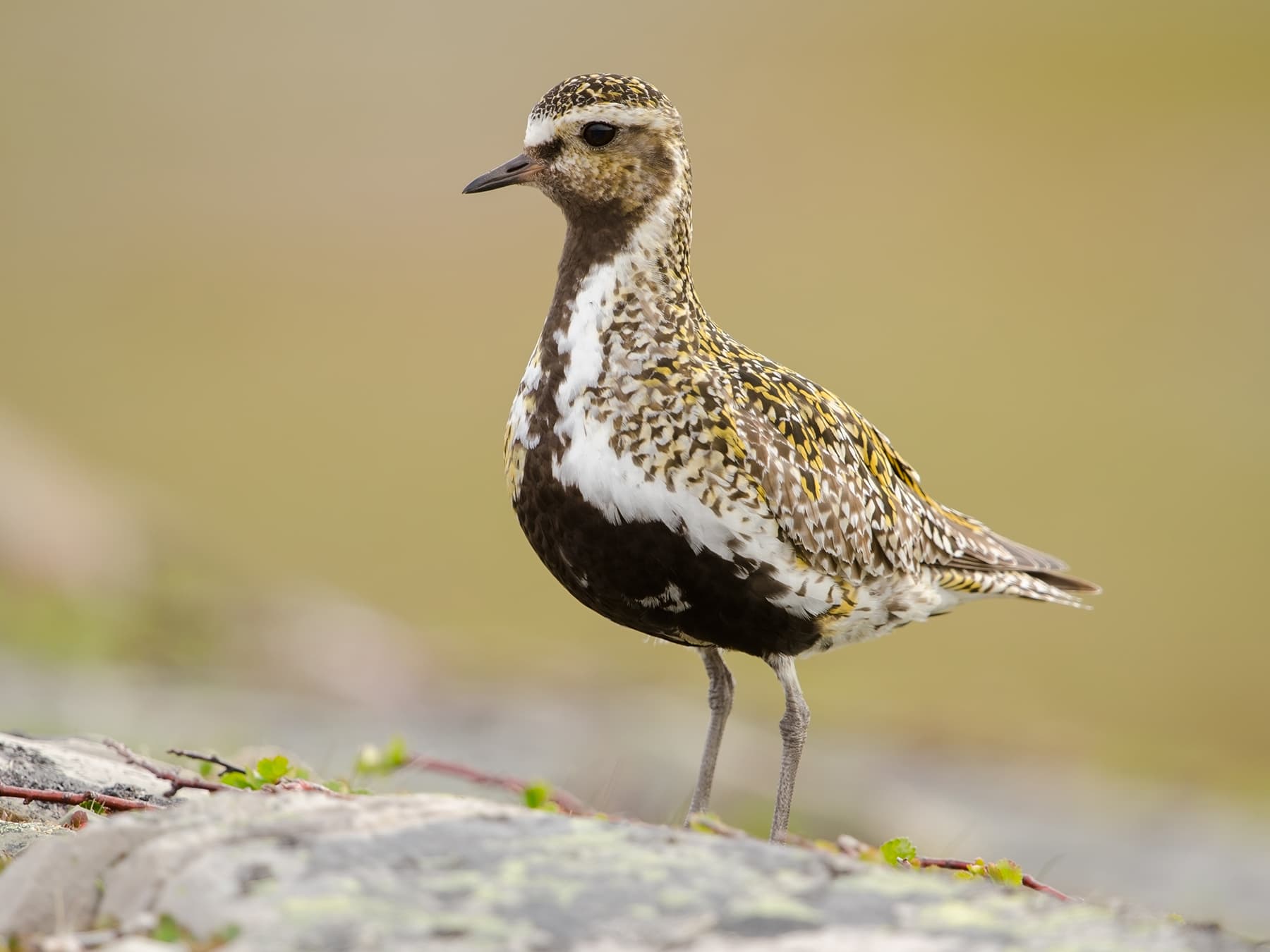
Golden Plover
Pluvialis apricariaLC
An uncommon resident breeding on upland moors in summer. Large flocks gather on lowland fields in autumn and winter.
Year-round
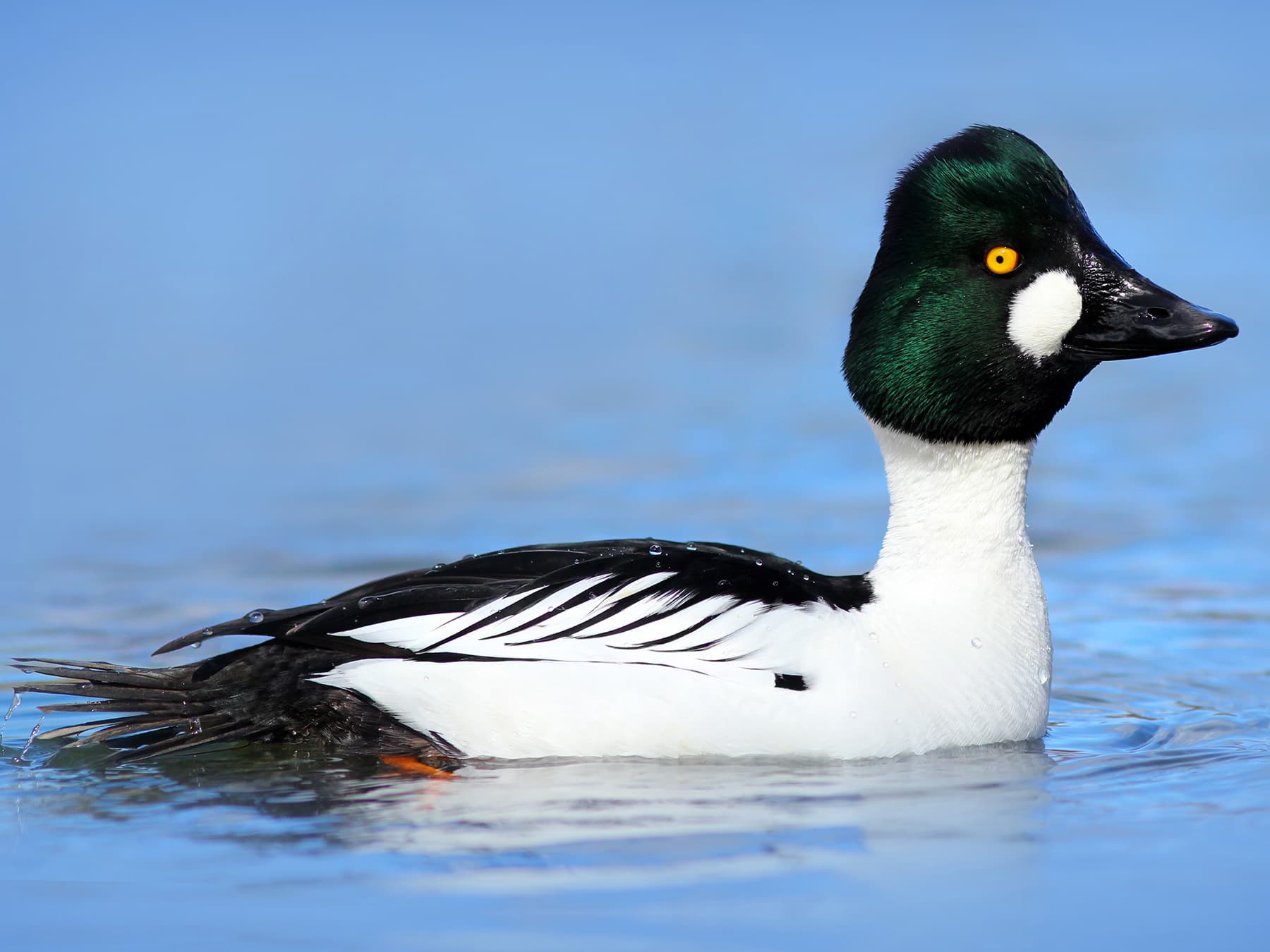
Goldeneye
Bucephala clangulaLC
An uncommon winter visitor found on reservoirs and rivers, often seen diving on the Wear or at upland waters from October to April.
Oct–Apr
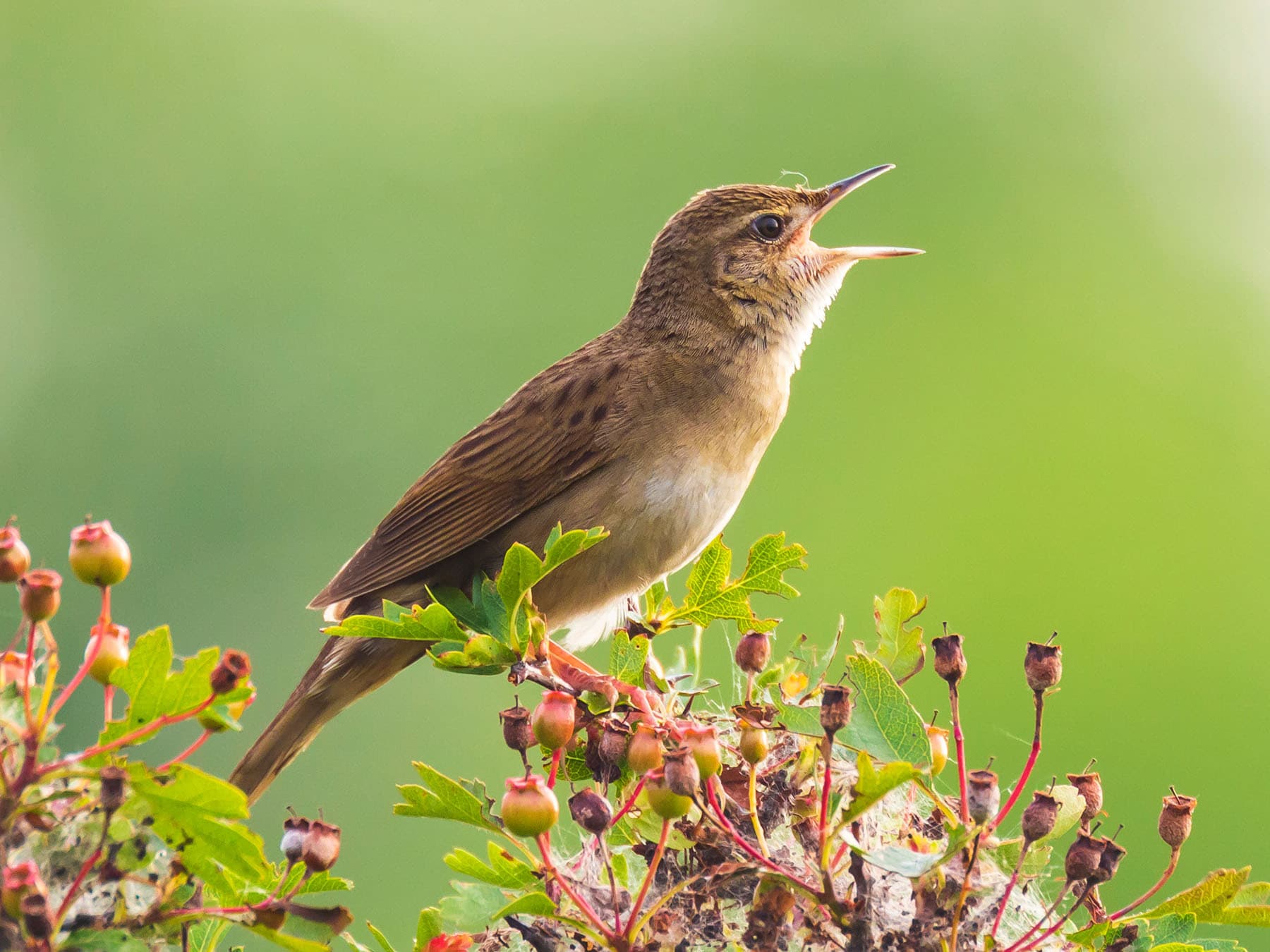
Grasshopper Warbler
Locustella naeviaLC
A rare and secretive summer breeder, more often heard reeling from dense scrub and rough grassland than seen.
Apr–Jul
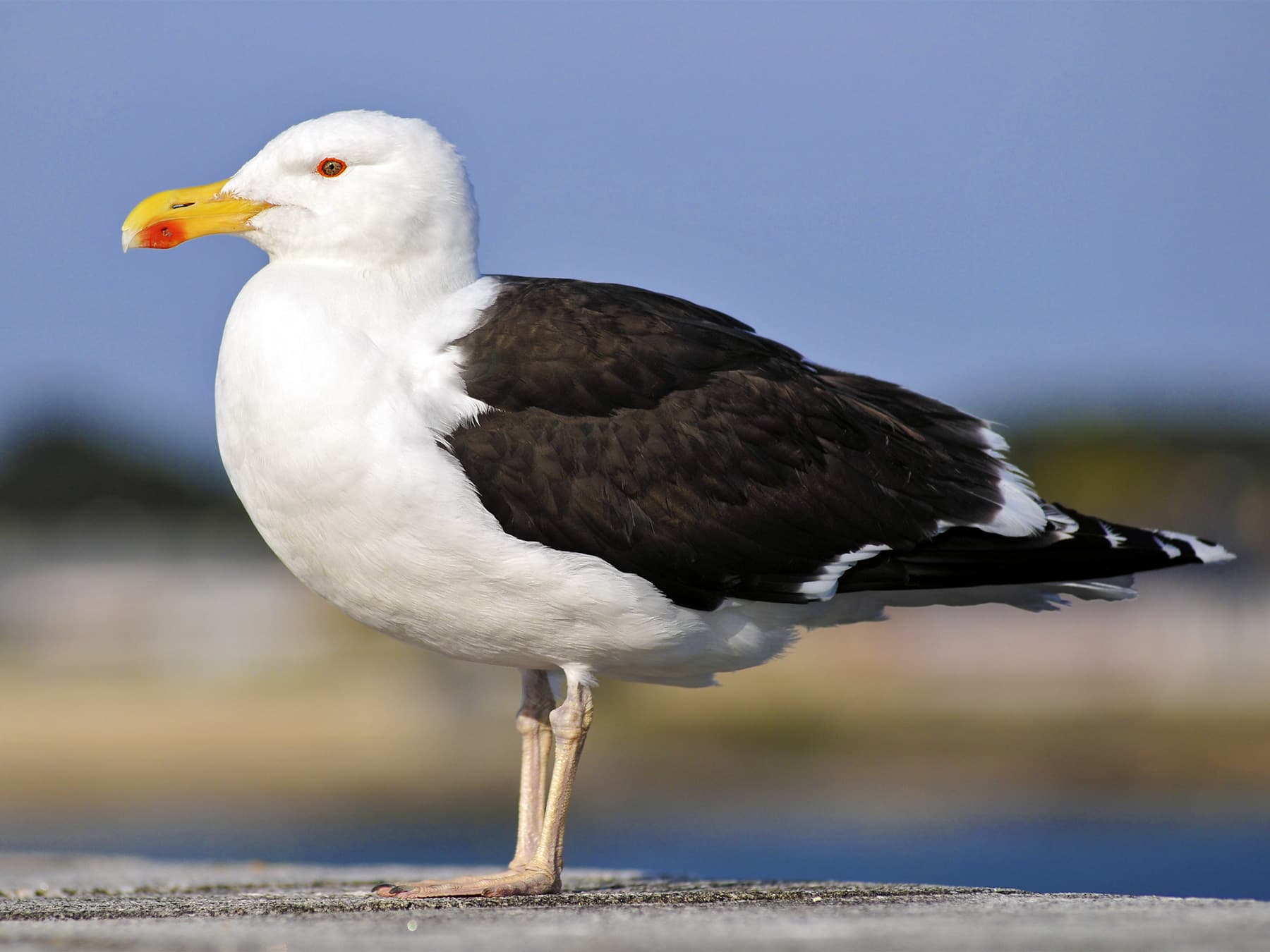
Great Black-backed Gull
Larus marinusLC
An uncommon but imposing resident, seen year-round along the coast and at reservoirs. The largest gull in the region.
Year-round
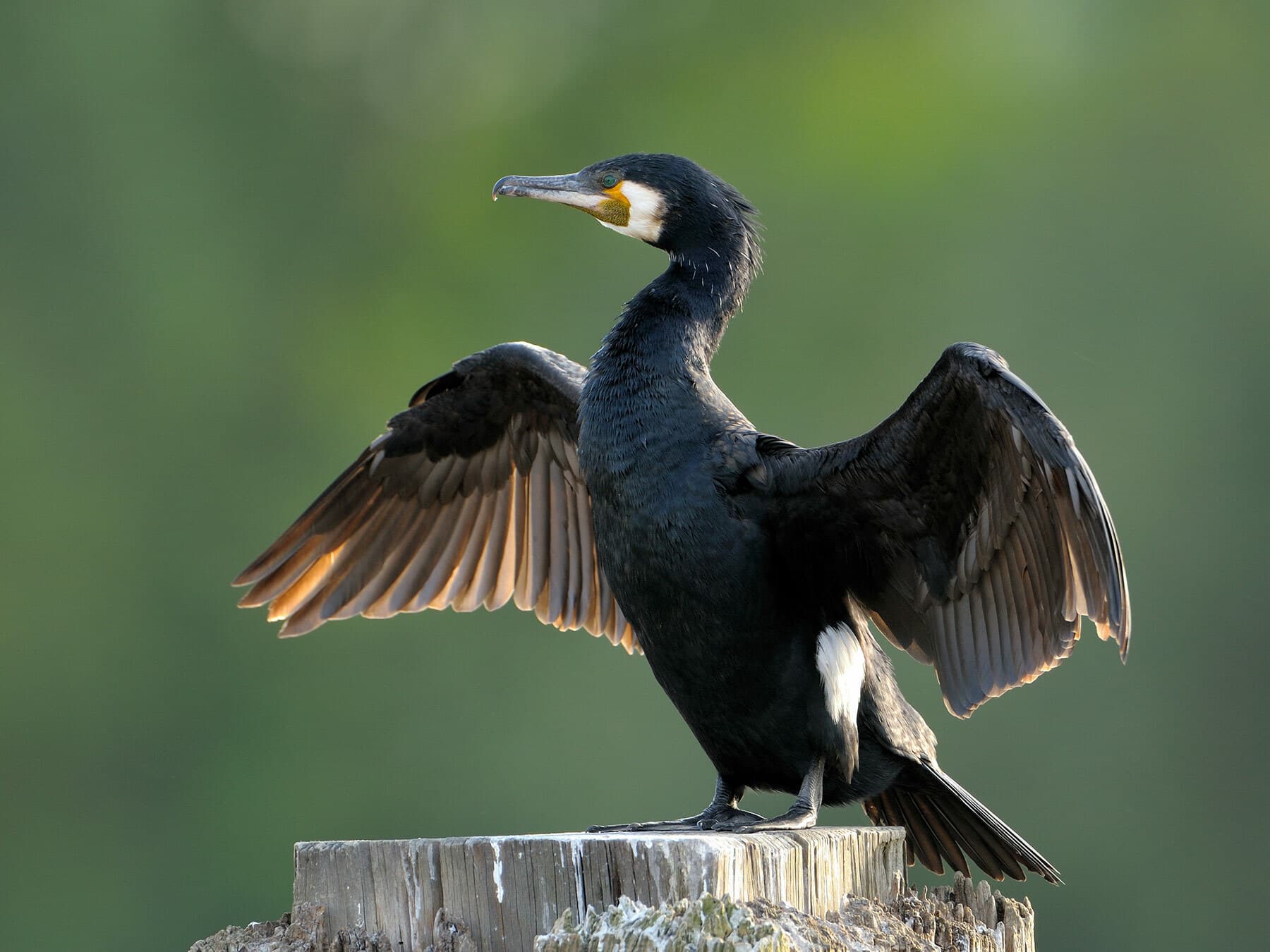
Great Cormorant
Phalacrocorax carboLC
A common year-round resident found along rivers, reservoirs, and the coast. Often seen perched with wings outstretched to dry.
Year-round
Spotted something?
Upload a photo to identify it
Identify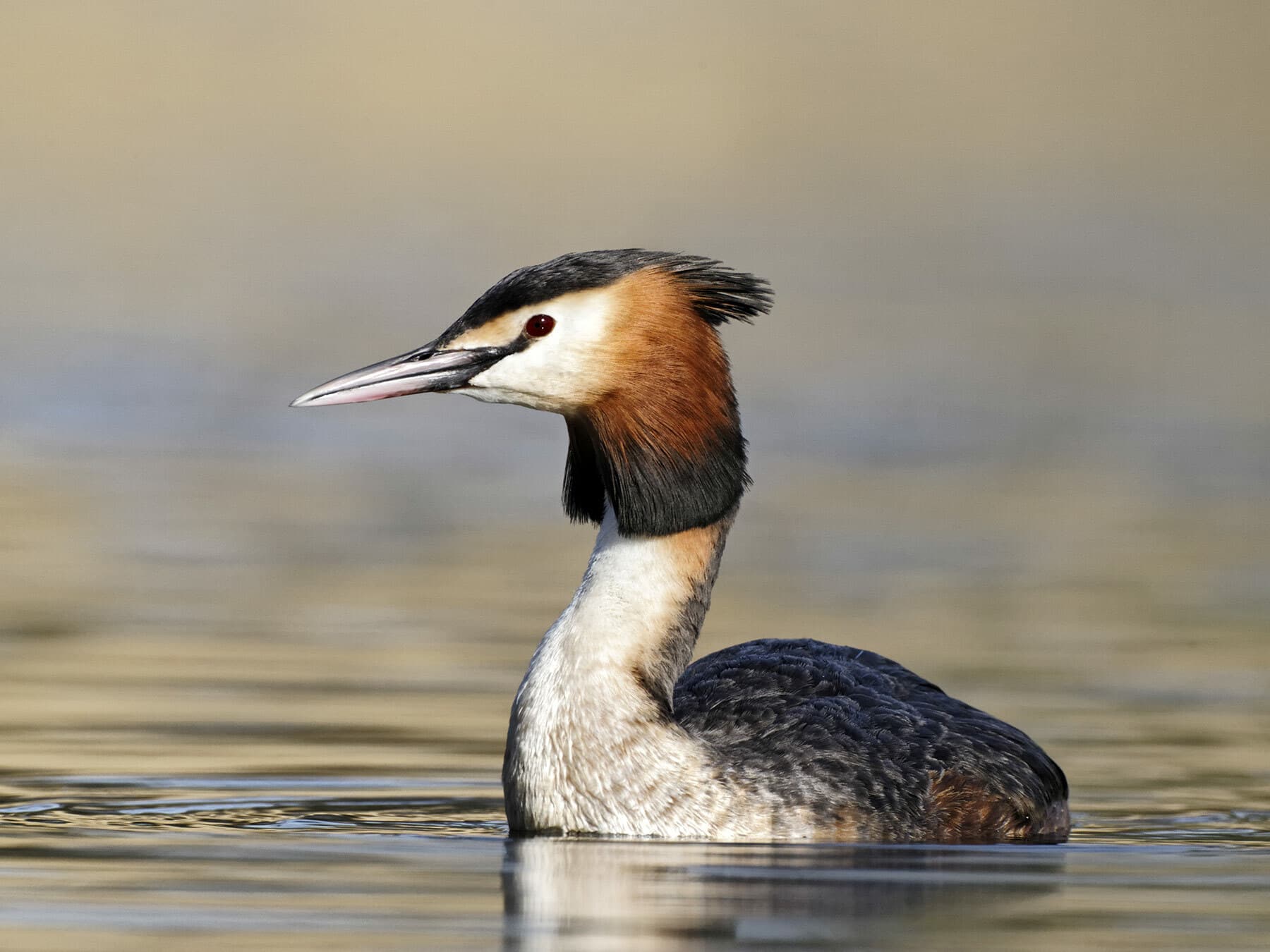
Great Crested Grebe
Podiceps cristatusLC
An uncommon resident breeding on larger lakes and reservoirs. Performs its elaborate courtship display in spring at sites across Durham.
Year-round
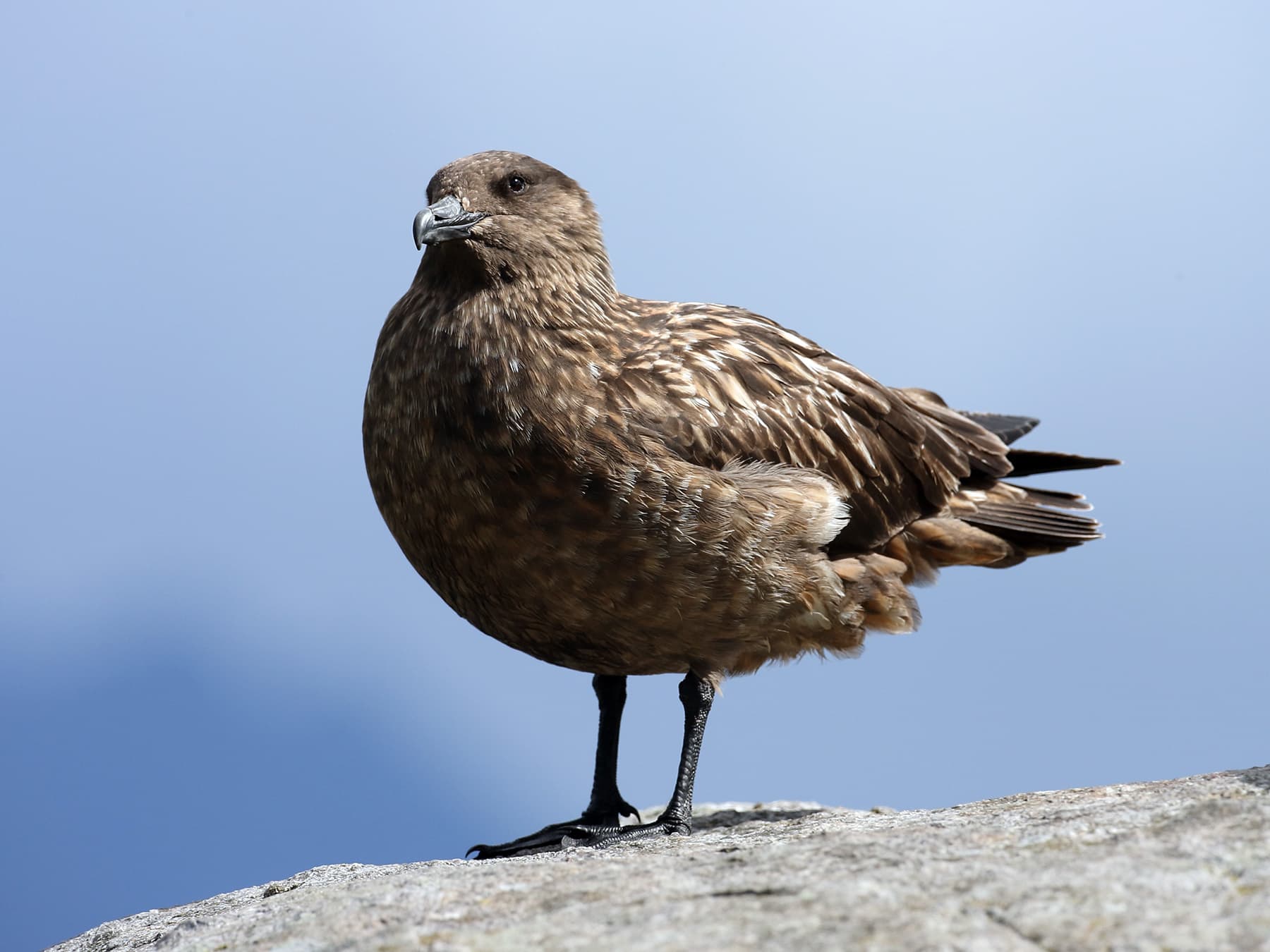
Great Skua
Catharacta skuaLC
A rare passage visitor off the Durham coast in August and September, often seen harassing other seabirds during autumn seawatching sessions.
Aug–Sep
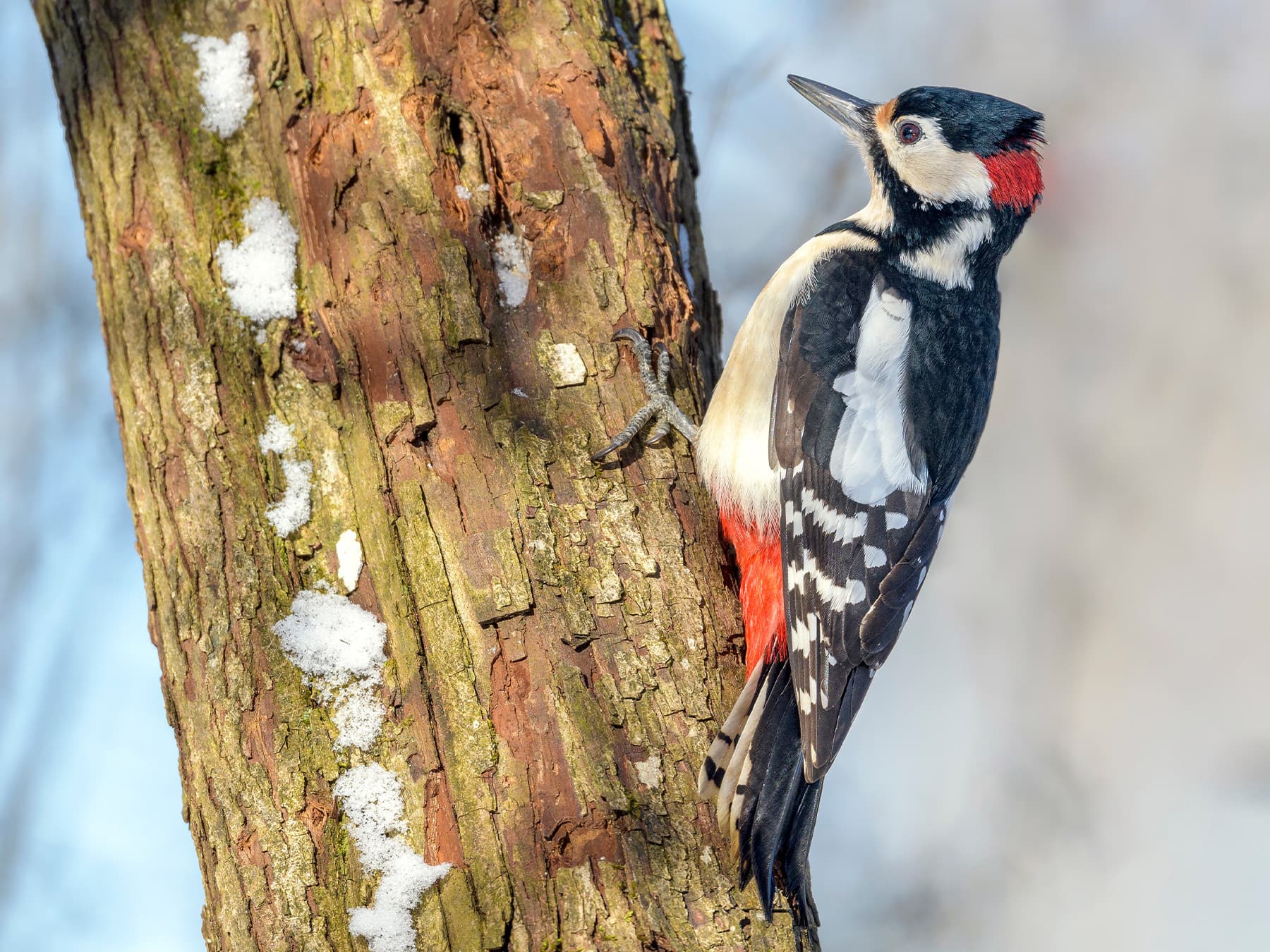
Great Spotted Woodpecker
Dendrocopos majorLC
An uncommon year-round resident of mature woodland and parks. Its loud drumming in spring echoes through Durham's deciduous woods.
Year-round
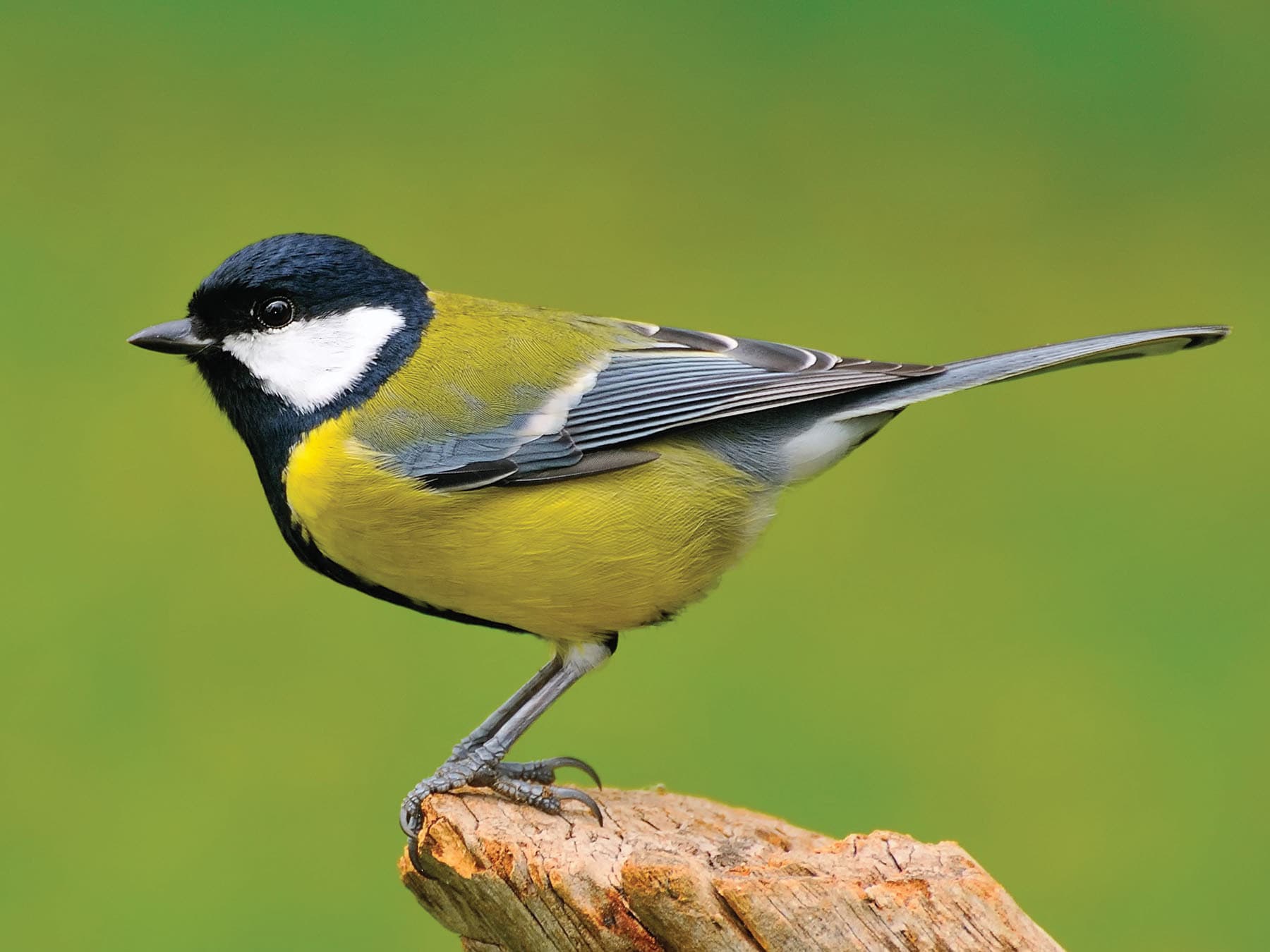
Great Tit
Parus majorLC
Common resident in gardens, woodland, and parkland throughout the year. Its loud, ringing song is heard from January onwards.
Year-round
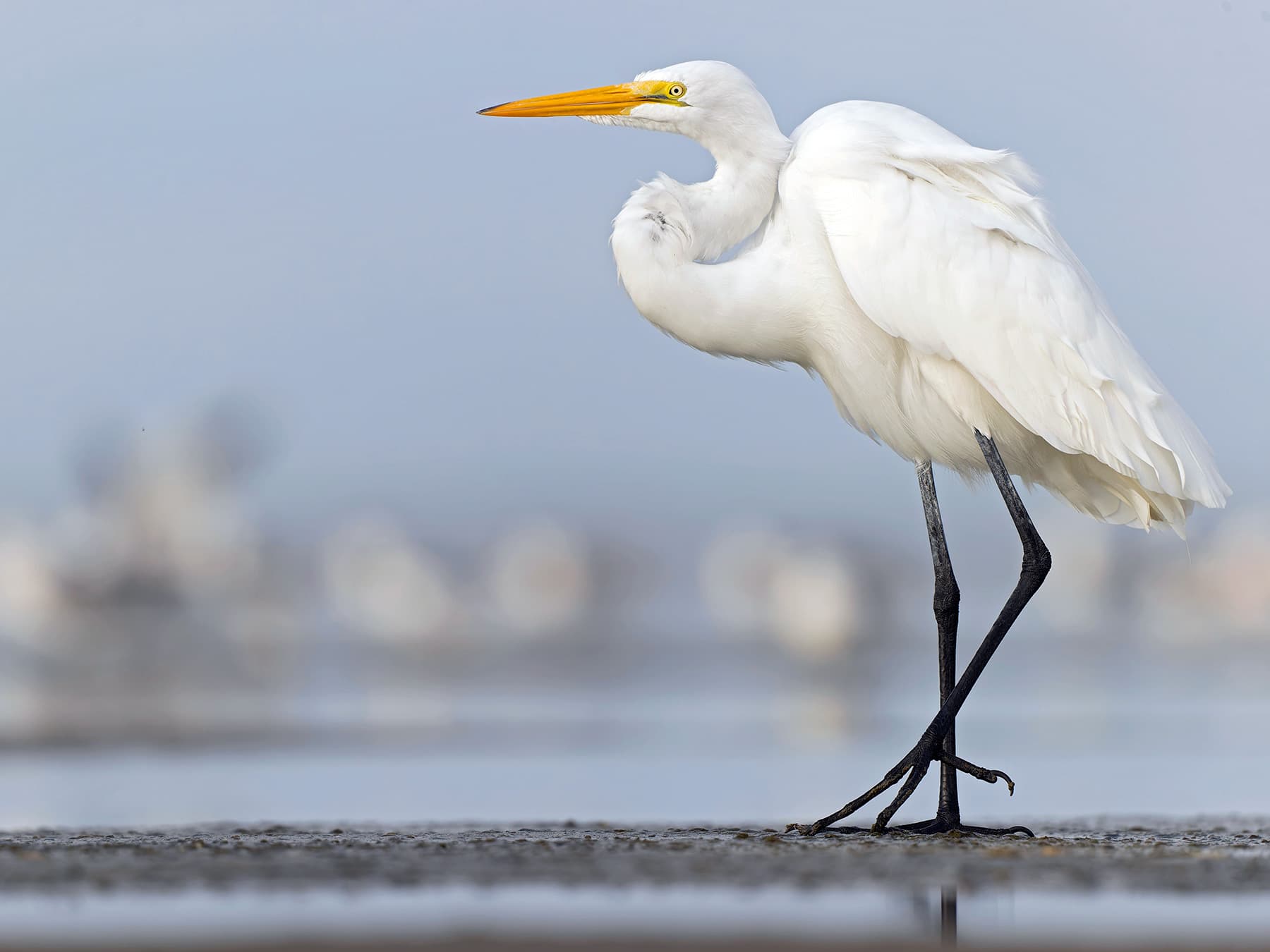
Great White Egret
Ardea albaLC
A rare non-breeding visitor to wetlands and reservoirs, mainly in autumn and winter. Part of a recent national range expansion.
Aug–Feb
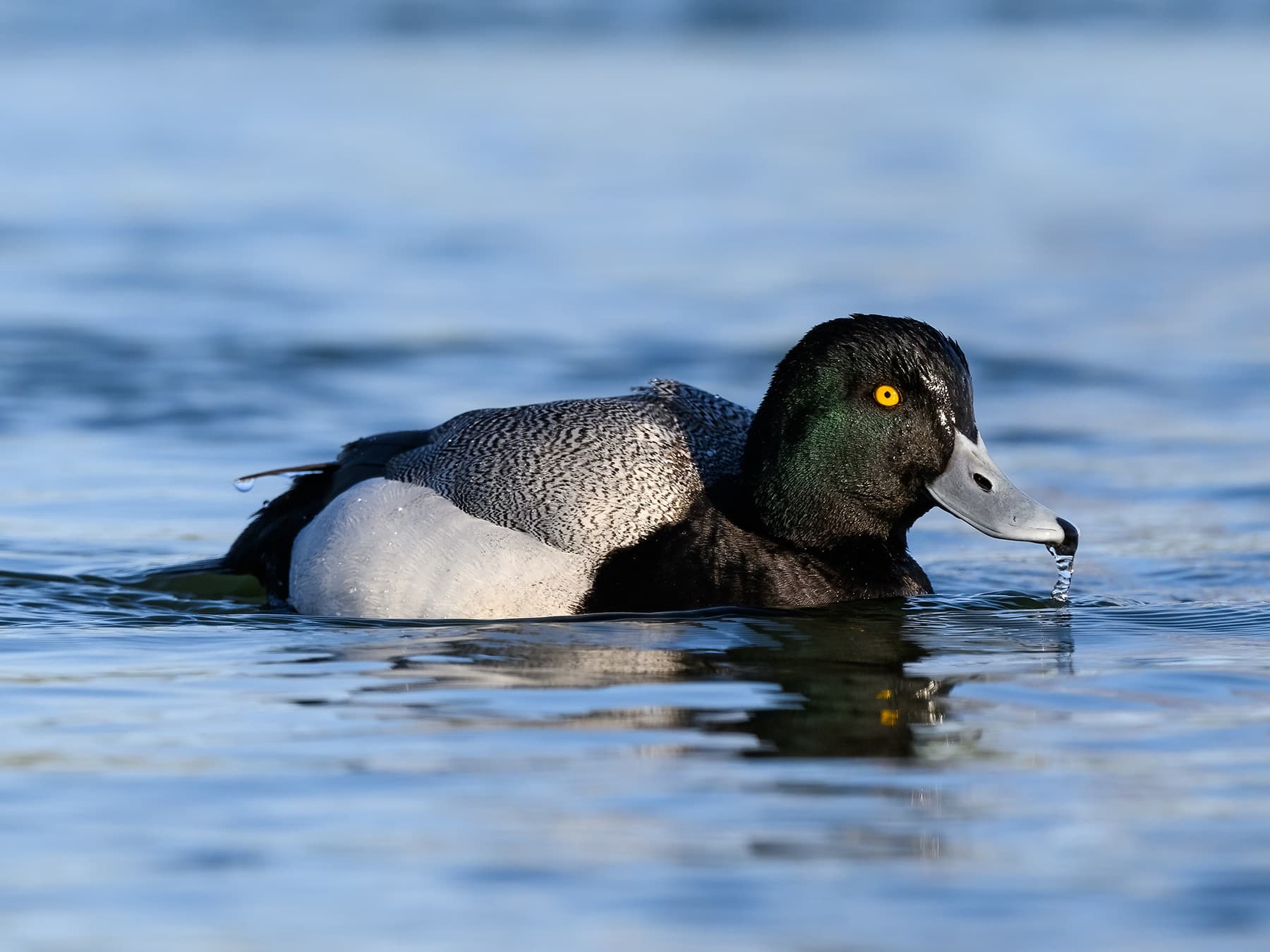
Greater Scaup
Aythya marilaLC
A rare visitor, with occasional records in summer. Most likely seen on coastal waters or larger inland reservoirs.
Jul
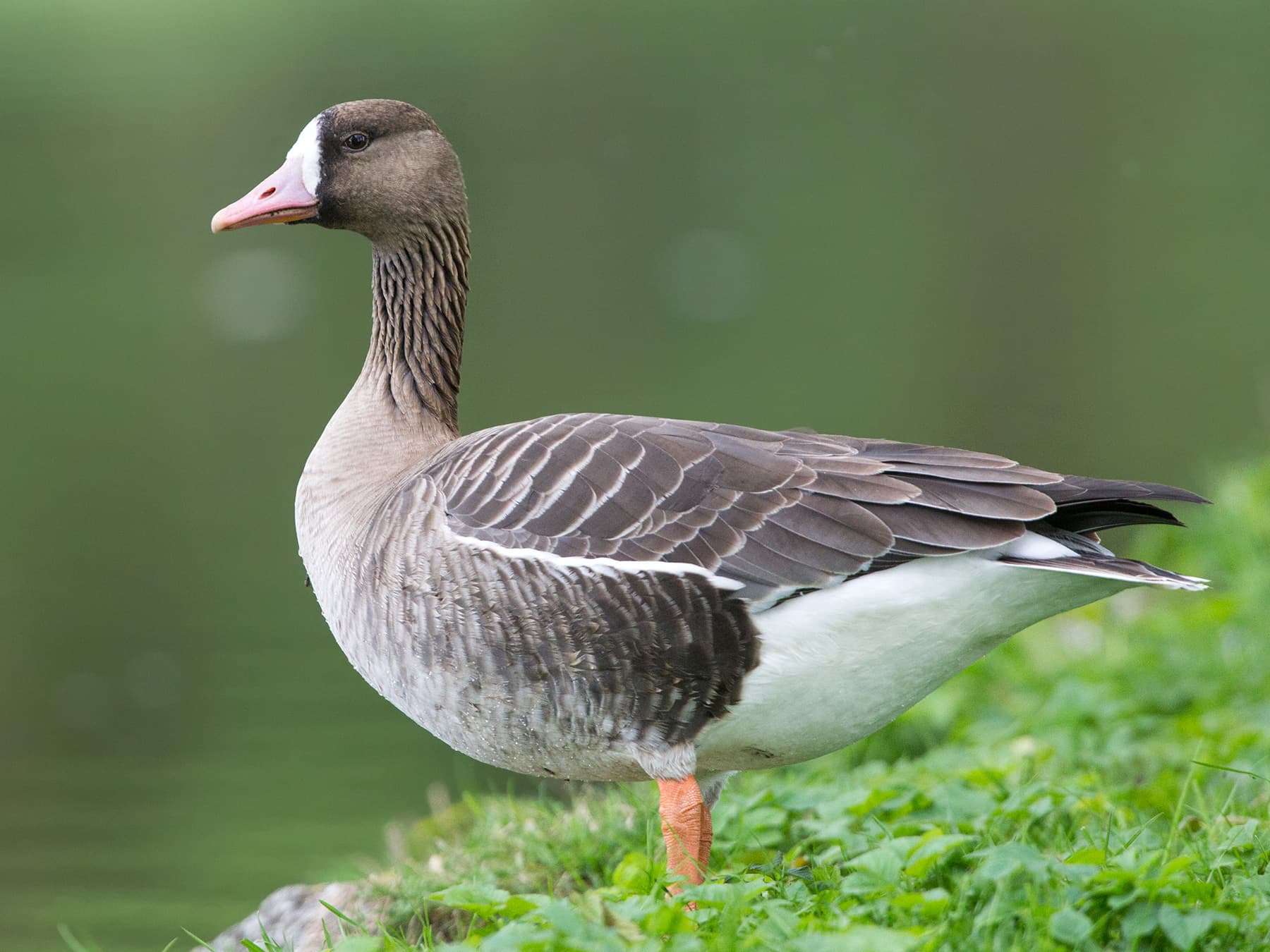
Greater White-fronted Goose
Anser albifronsLC
A rare winter visitor, occasionally recorded in January among flocks of other grey geese on farmland and wetlands.
Jan
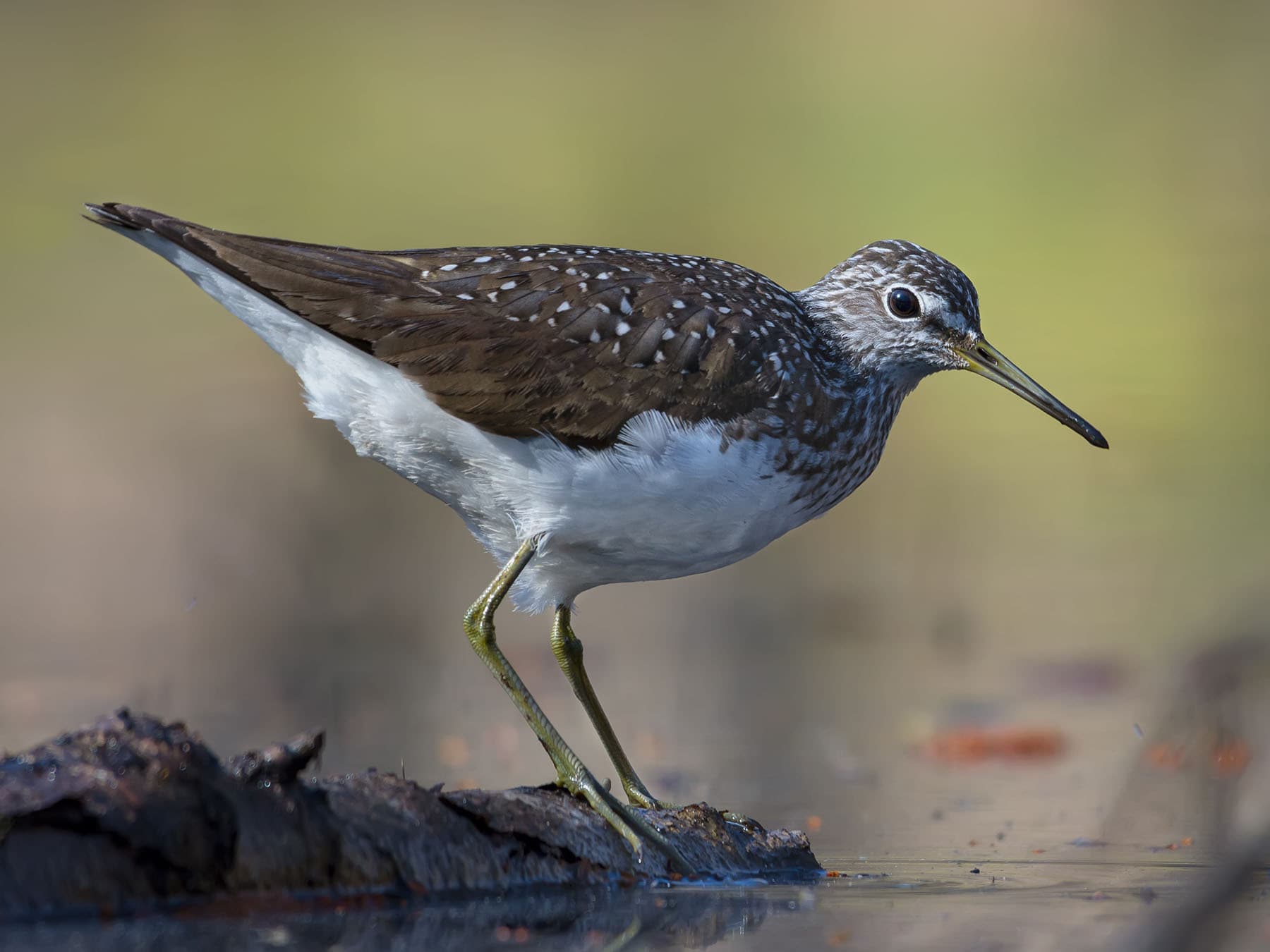
Green Sandpiper
Tringa ochropusLC
A rare autumn passage migrant, typically seen at freshwater pools and muddy margins in August and September. Often solitary and easily overlooked.
Aug–Sep
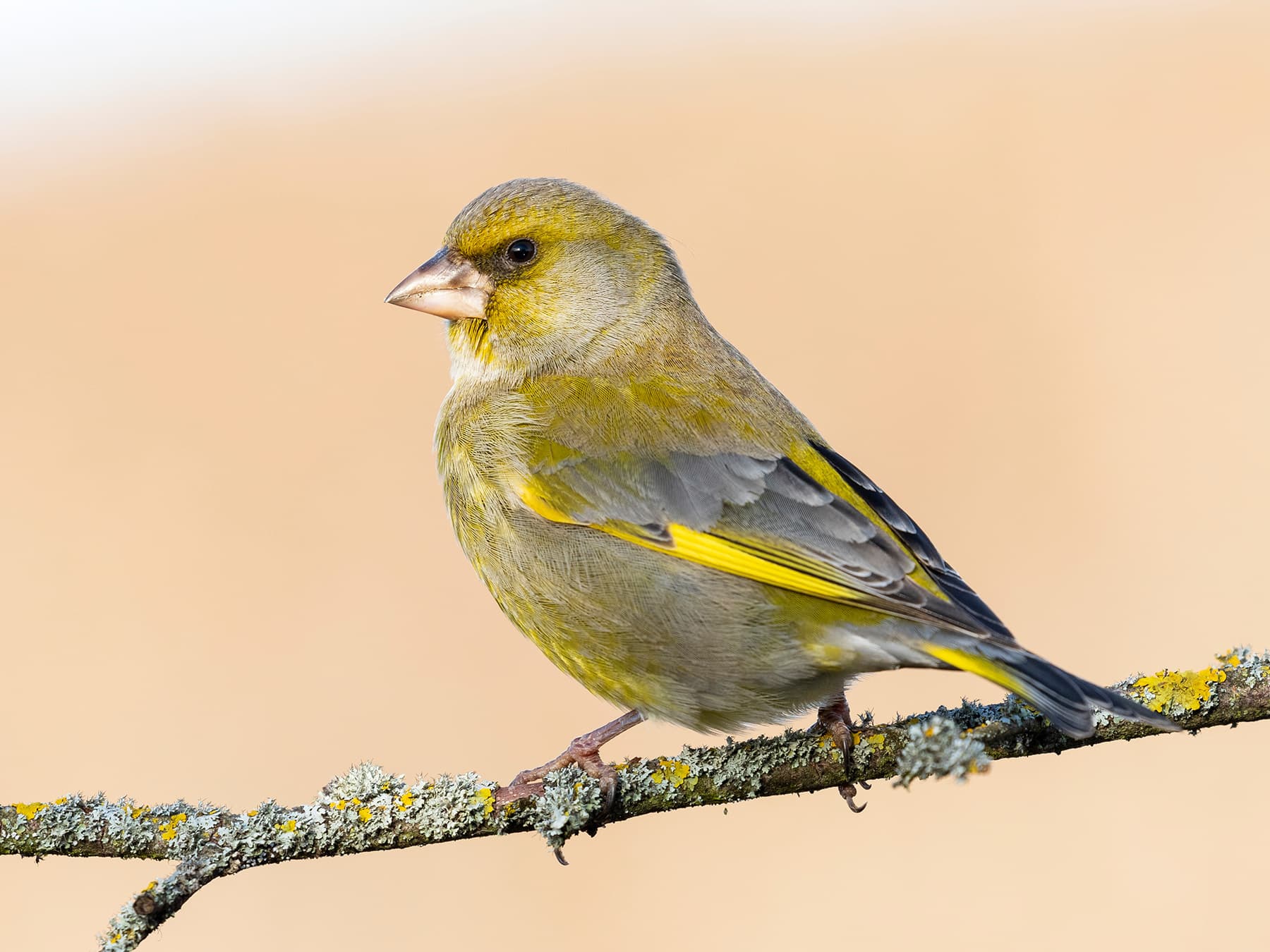
Greenfinch
Chloris chlorisLC
An uncommon resident visiting garden feeders, though numbers have declined sharply due to trichomonosis disease.
Year-round
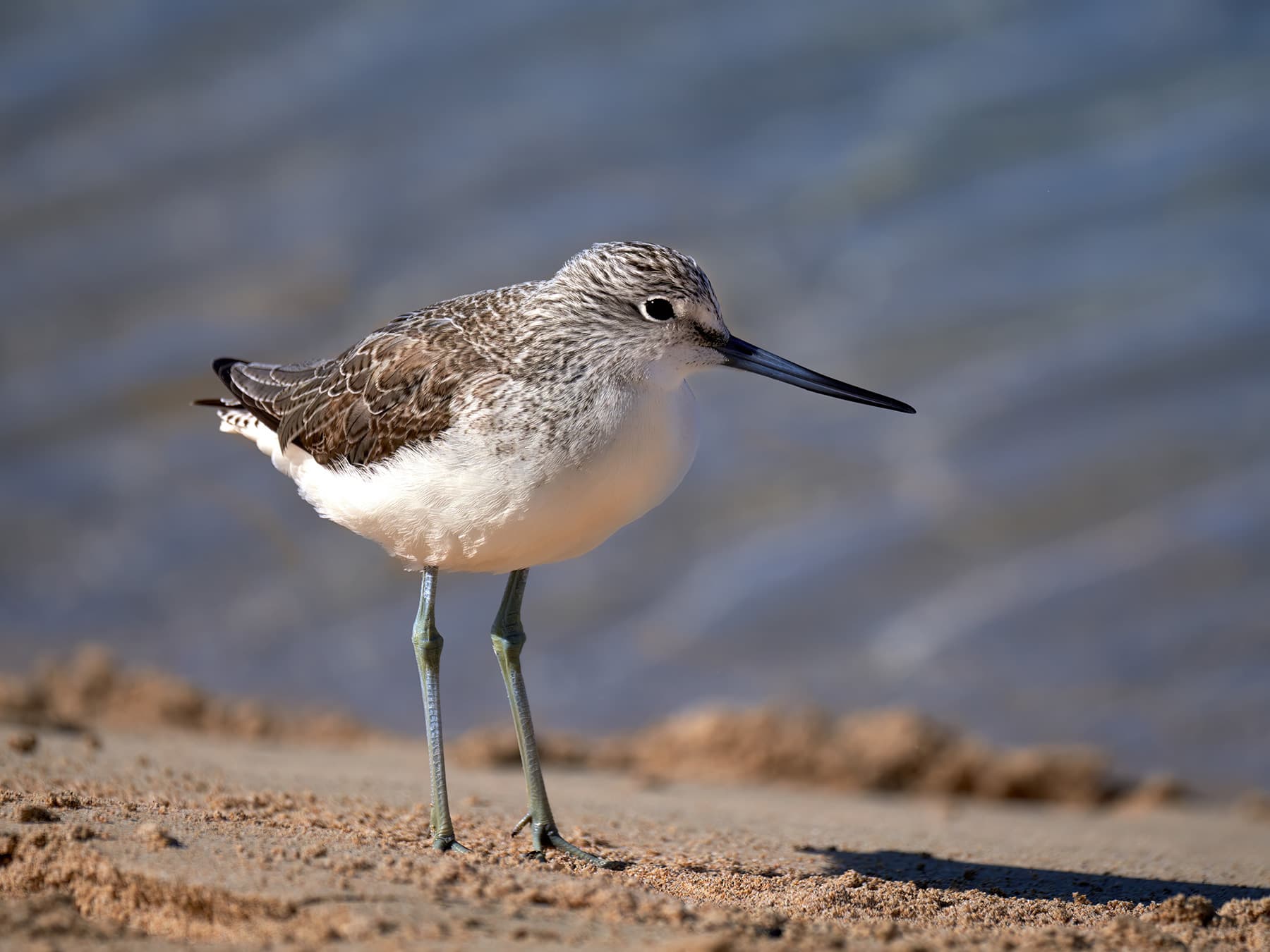
Greenshank
Tringa nebulariaLC
A rare but regular visitor, mainly on autumn passage from July to October at reservoirs and coastal wetlands. Distinctive ringing call aids identification.
Jul–Mar
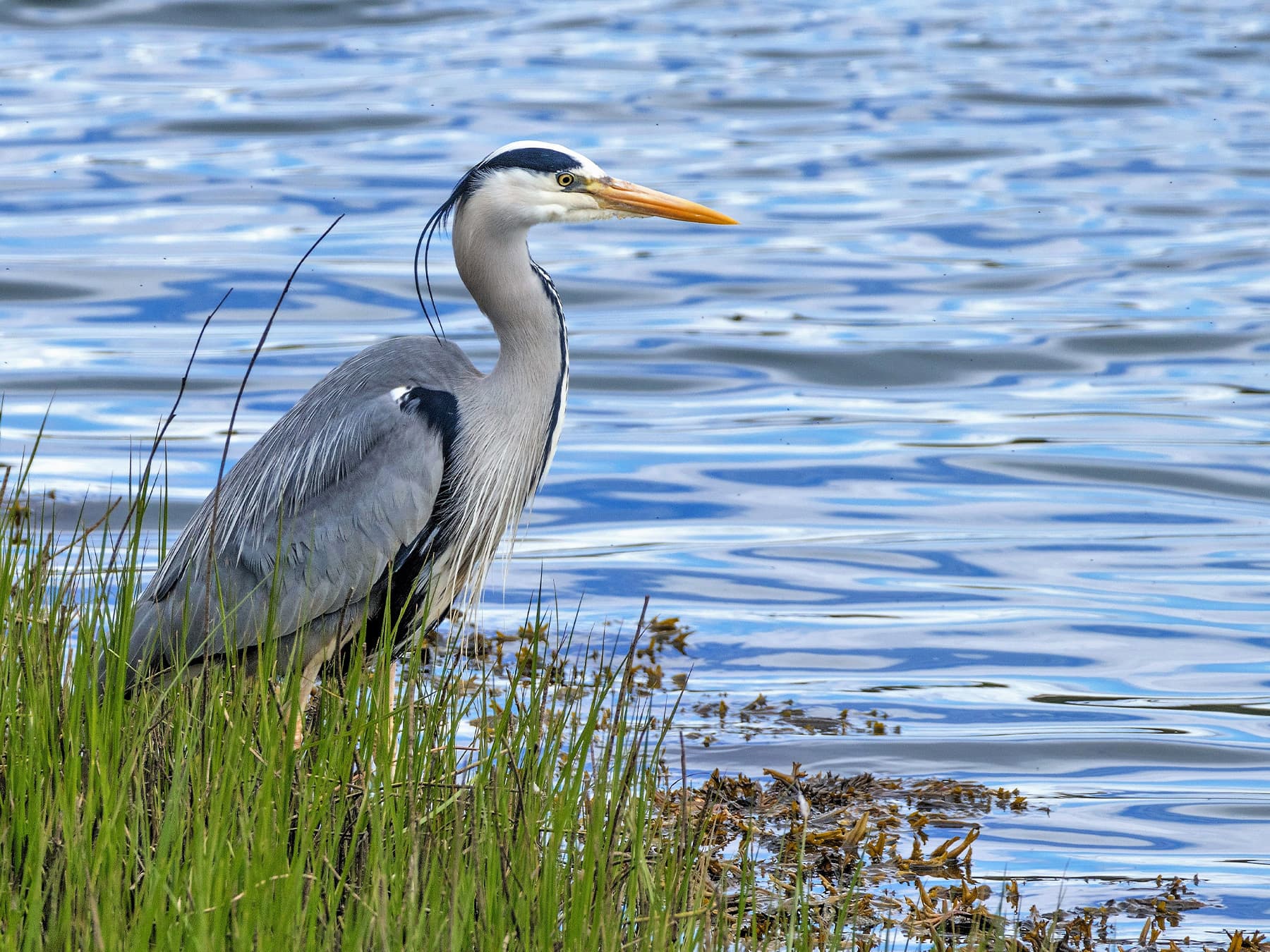
Grey Heron
Ardea cinereaLC
An uncommon but year-round resident, found along rivers, ponds, and wetlands. Often seen standing motionless at the water's edge.
Year-round
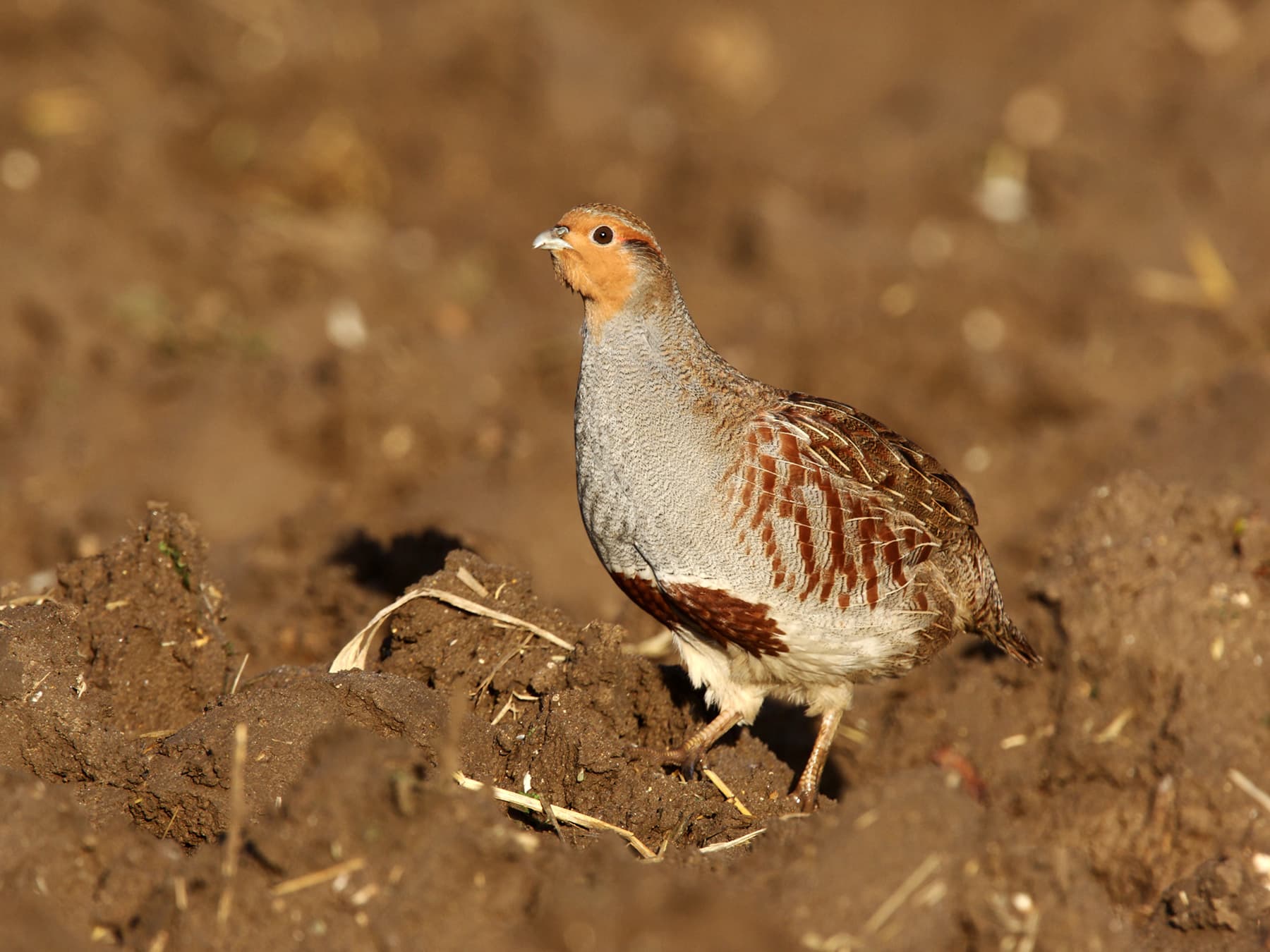
Grey Partridge
Perdix perdixLC
A rare and declining resident of arable farmland in lowland Durham. Numbers have fallen sharply due to agricultural intensification.
Year-round
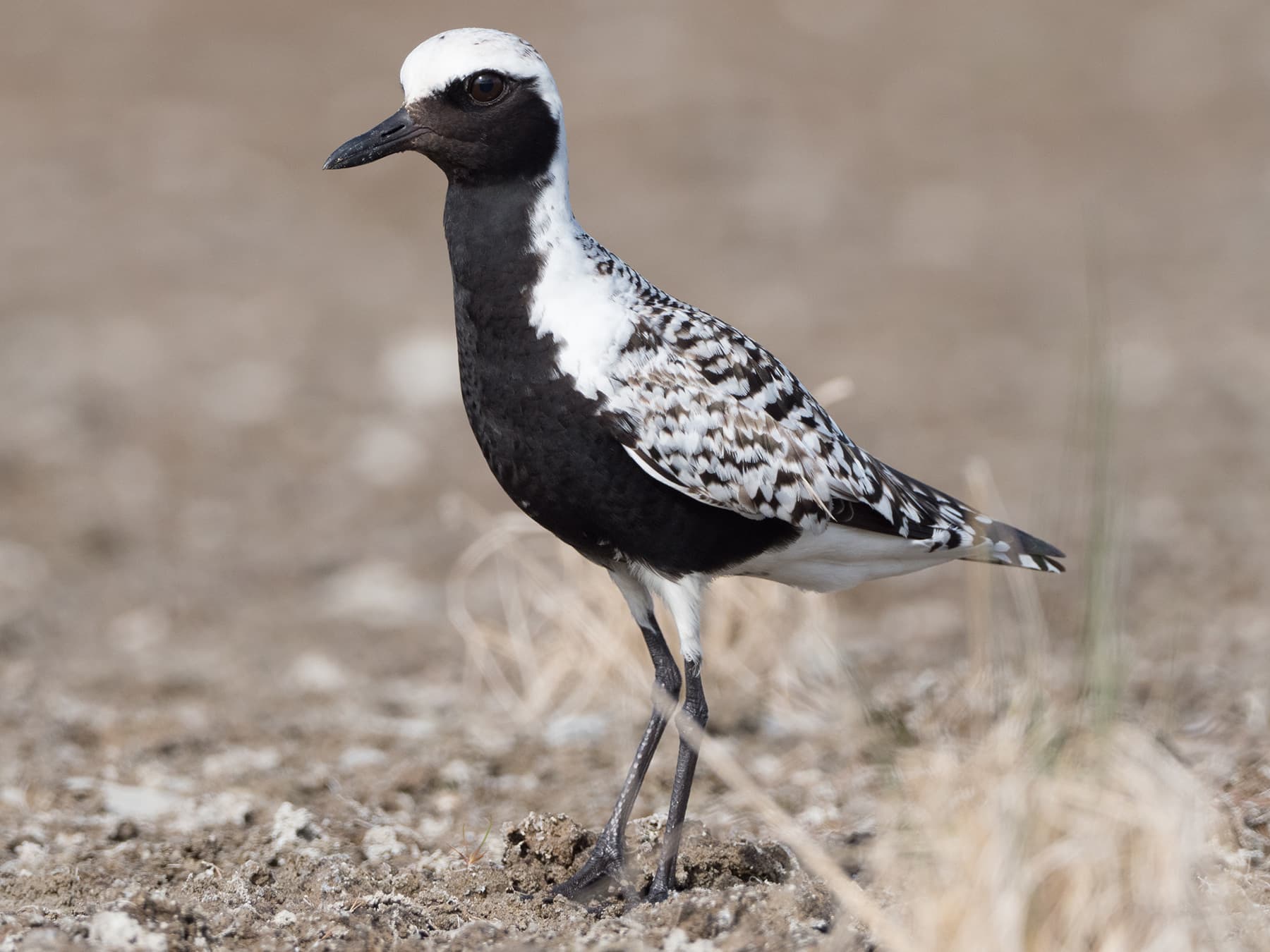
Grey Plover
Pluvialis squatarolaLC
A rare non-breeding visitor to the Durham coastline, found on mudflats and rocky shores mainly from late summer through winter.
Aug–Feb
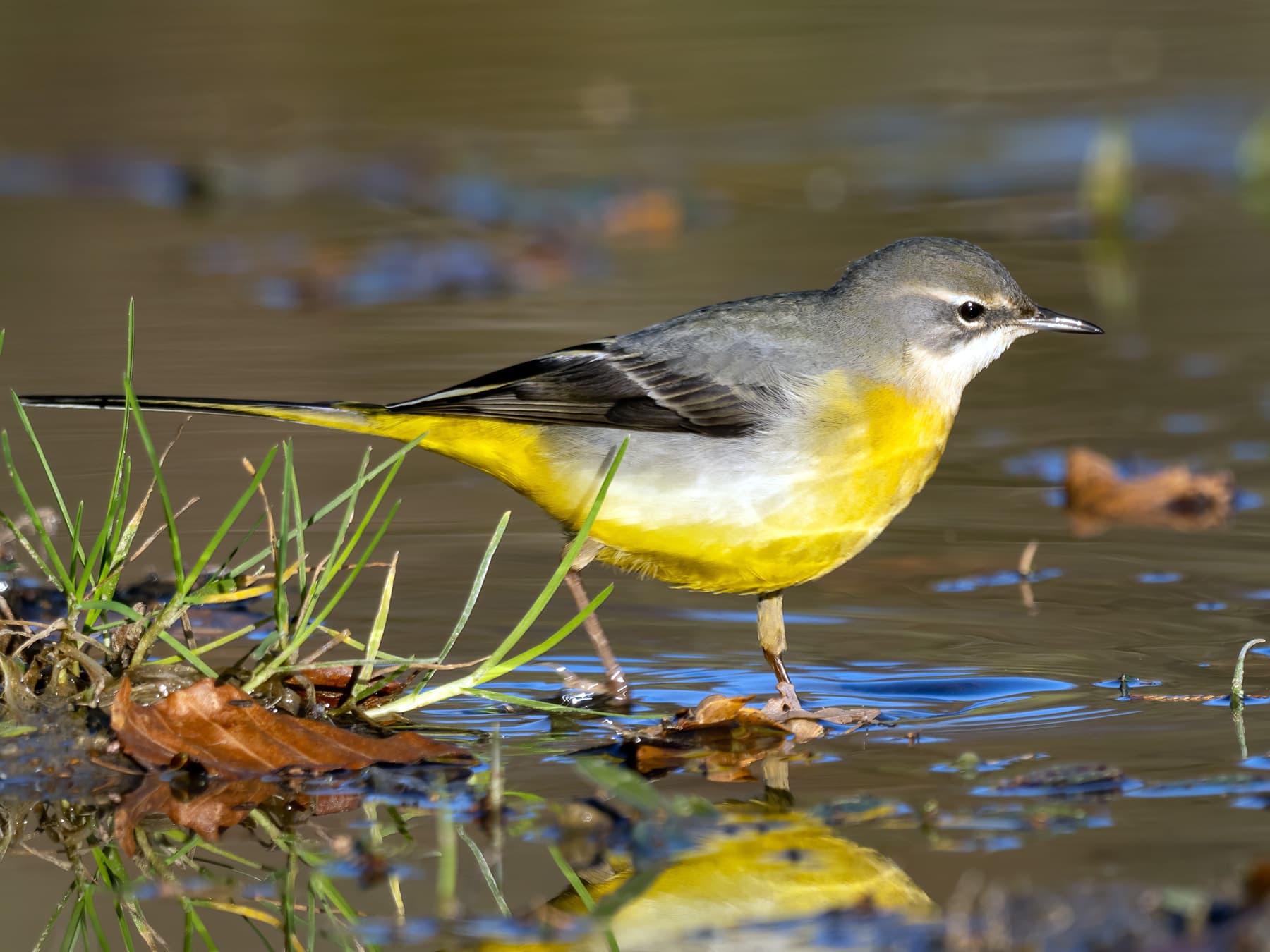
Grey Wagtail
Motacilla cinereaLC
An uncommon resident along Durham's fast-flowing rivers and streams, bobbing its long tail on rocks year-round.
Year-round
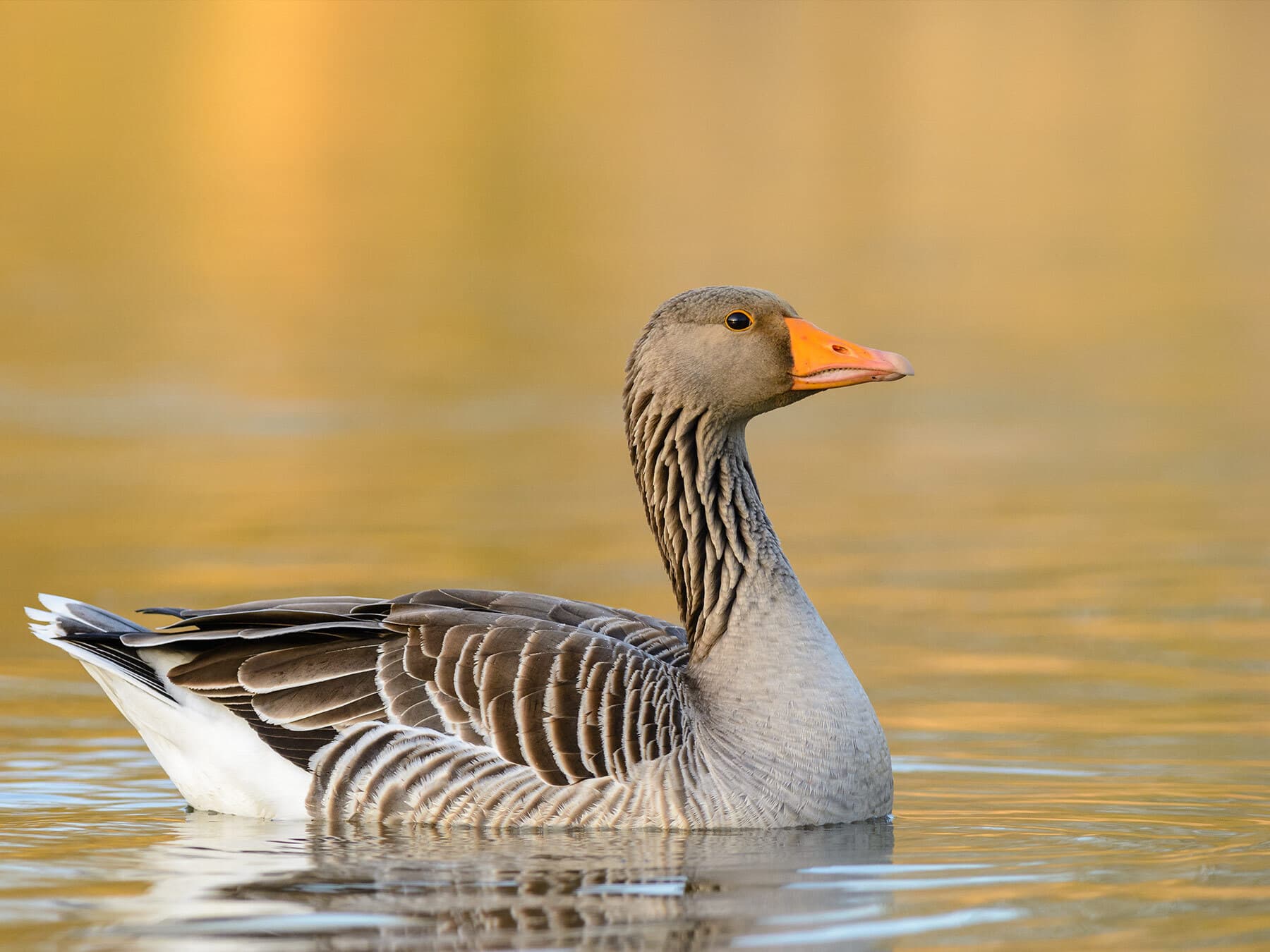
Greylag Goose
Anser anserLC
An uncommon year-round resident found on reservoirs, lakes and farmland. Feral populations breed locally alongside truly wild birds.
Year-round