Birds in Durham
Explore 199 species found in this region.
Durham is a richly diverse county for birdwatching, with 197 recorded species found across its varied landscapes of upland moorland, river valleys, coastal stretches, and ancient woodlands. From the striking Northern Lapwing displaying over farmland to the elusive Eurasian Woodcock in dense woodland, the county offers rewarding birding throughout the year. Notable species include the colourful Mandarin Duck along wooded waterways, Common Merganser on the River Wear, and Horned Lark on the high Pennine tops.
Visiting in September? Look out for Brent Goose and Eurasian Spoonbill arriving this month, and Common Raven and Common Reed-warbler depart for the season.


Showing 47–69 of 199 species
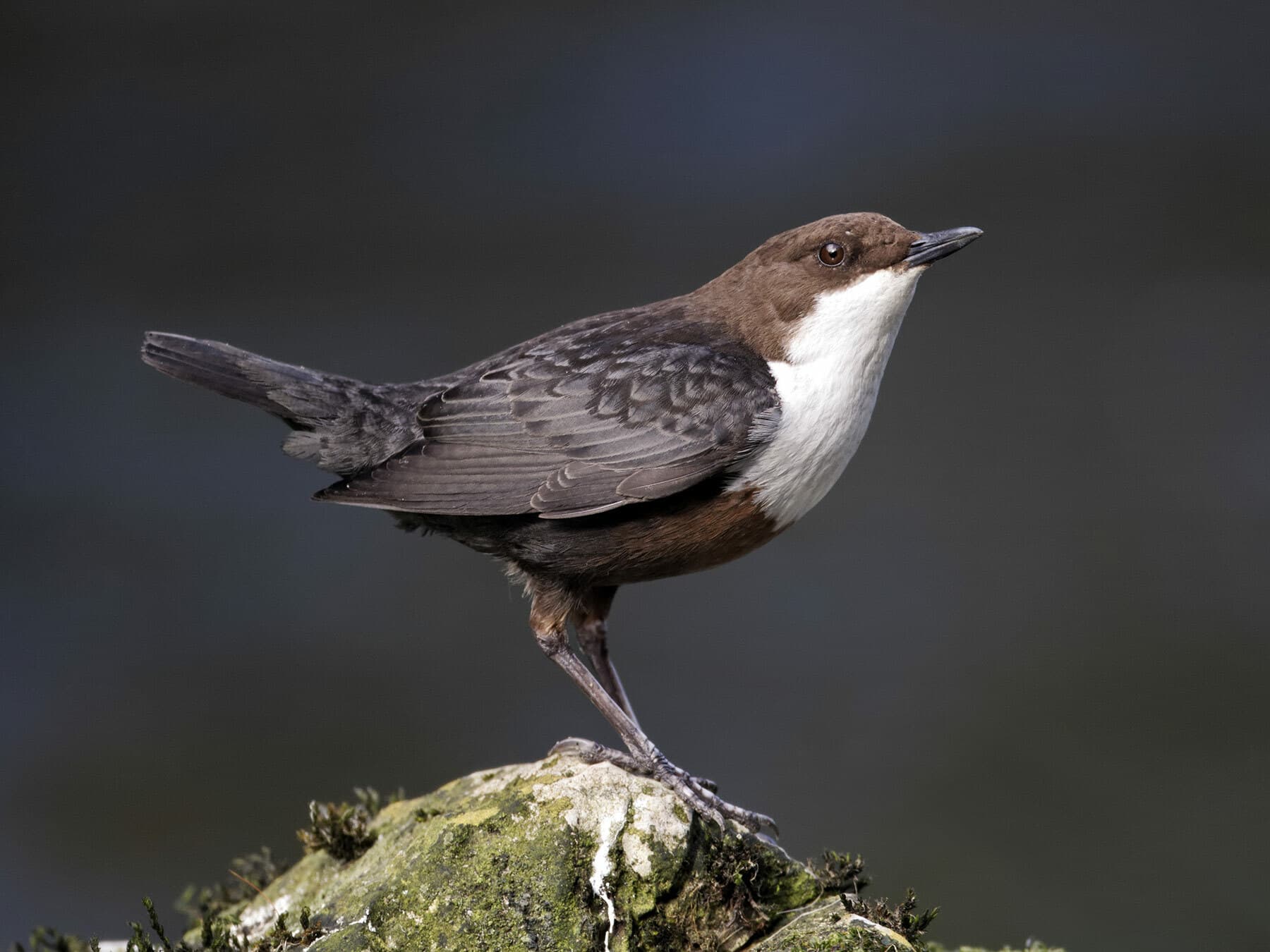
Dipper
Cinclus cinclusLC
A charismatic resident of fast-flowing rivers and streams in the Pennine dales and Wear valley. Bobs on rocks year-round, even in winter spate.
Year-round
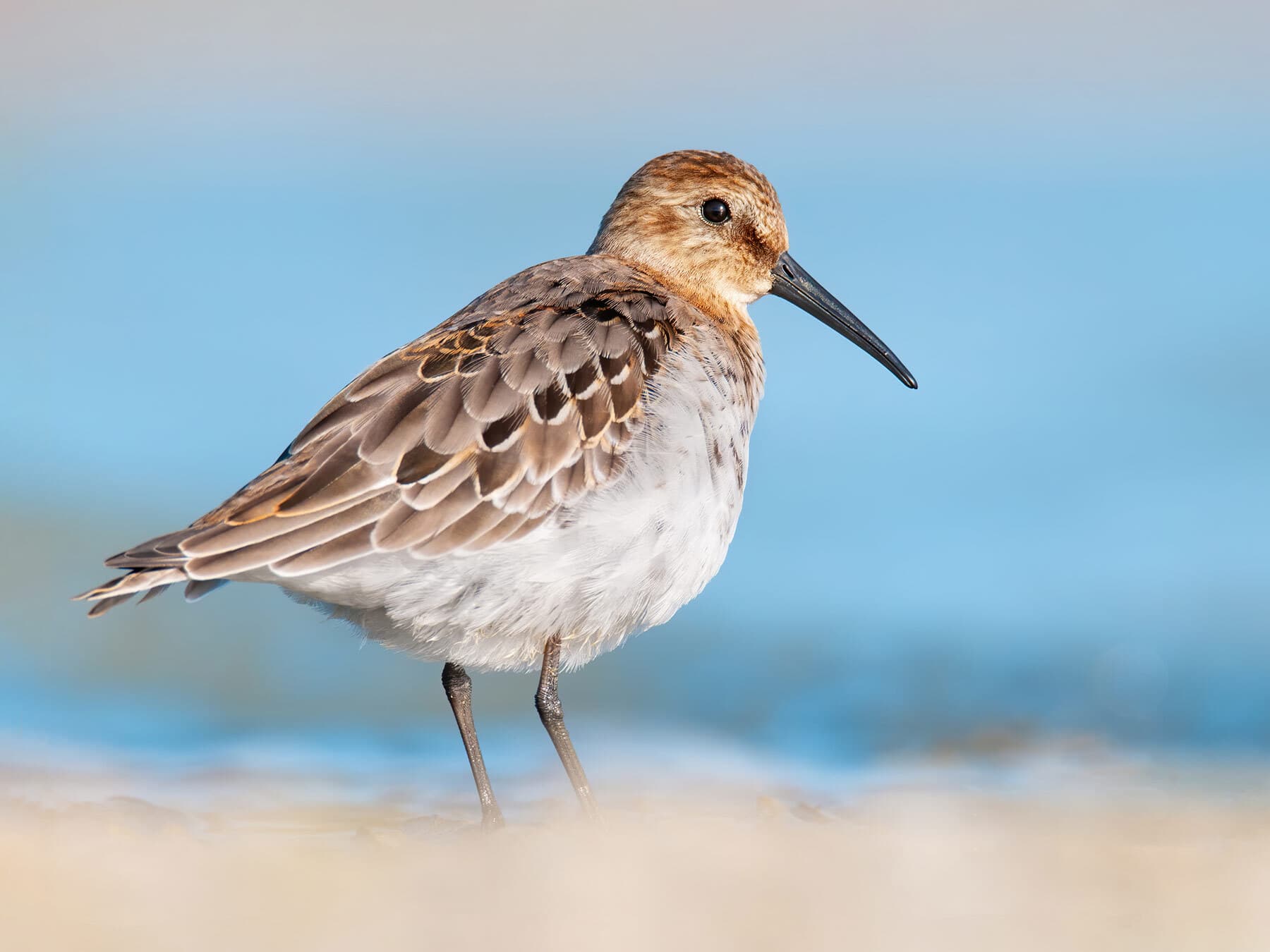
Dunlin
Calidris alpinaLC
An uncommon year-round resident found on coastal mudflats and upland moorland breeding sites. Numbers peak in autumn with passage birds.
Year-round
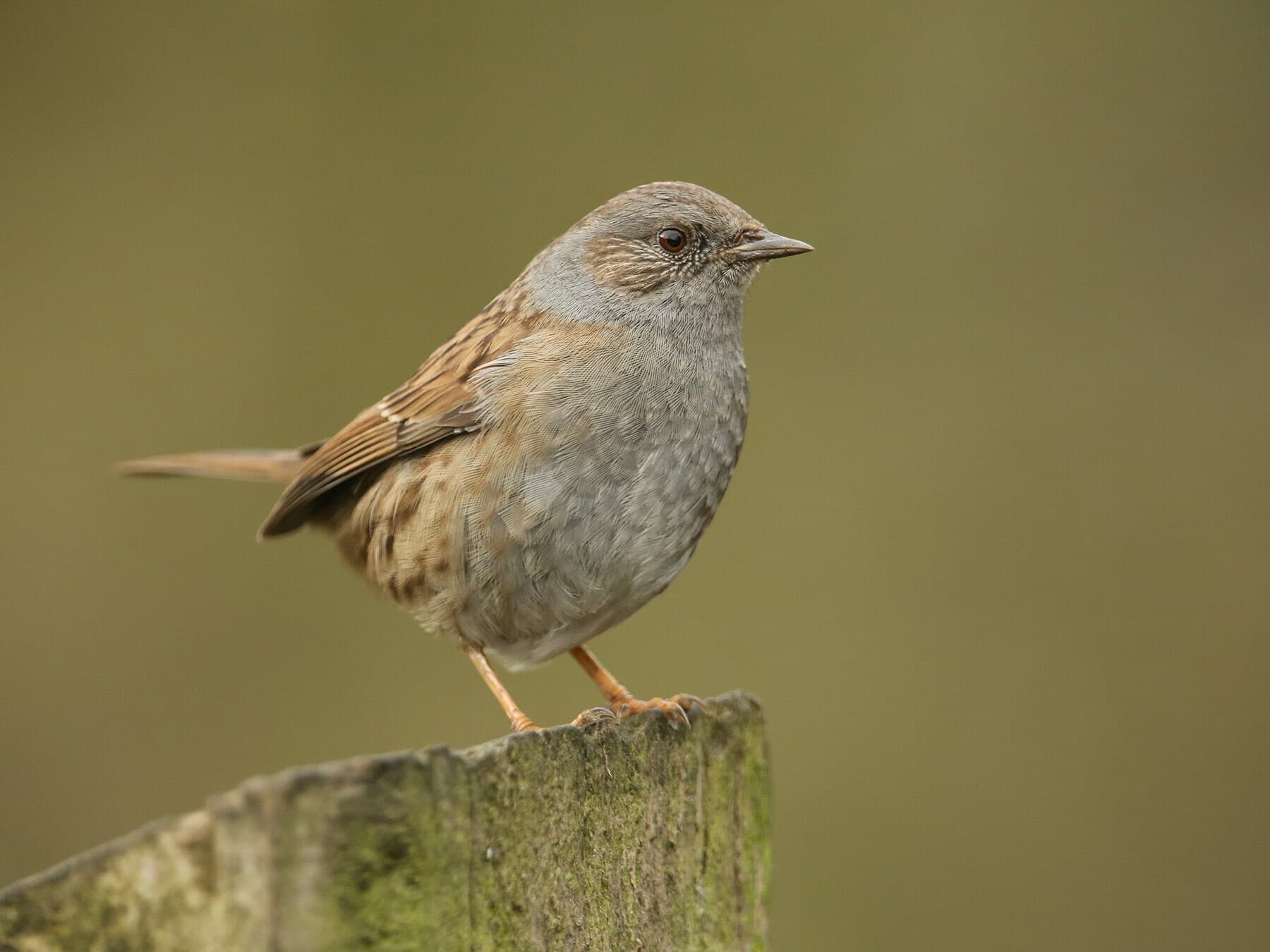
Dunnock
Prunella modularisLC
A common resident throughout Durham, found in gardens, hedgerows, and woodland undergrowth year-round. Often heard before seen.
Year-round
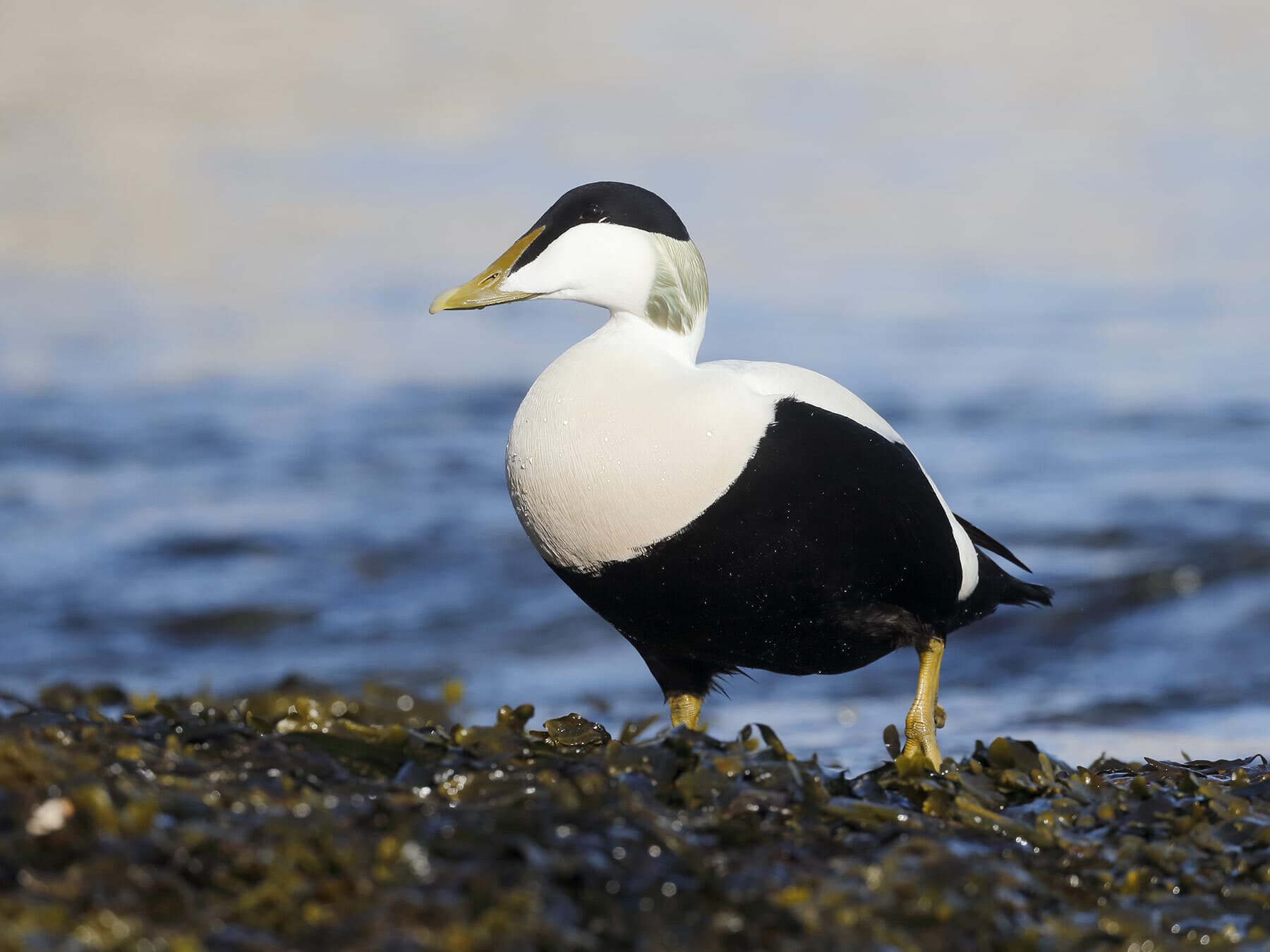
Eider
Somateria mollissimaNT
An uncommon year-round resident along the Durham coastline. Breeds on rocky shores and forms moulting rafts offshore in summer.
Year-round
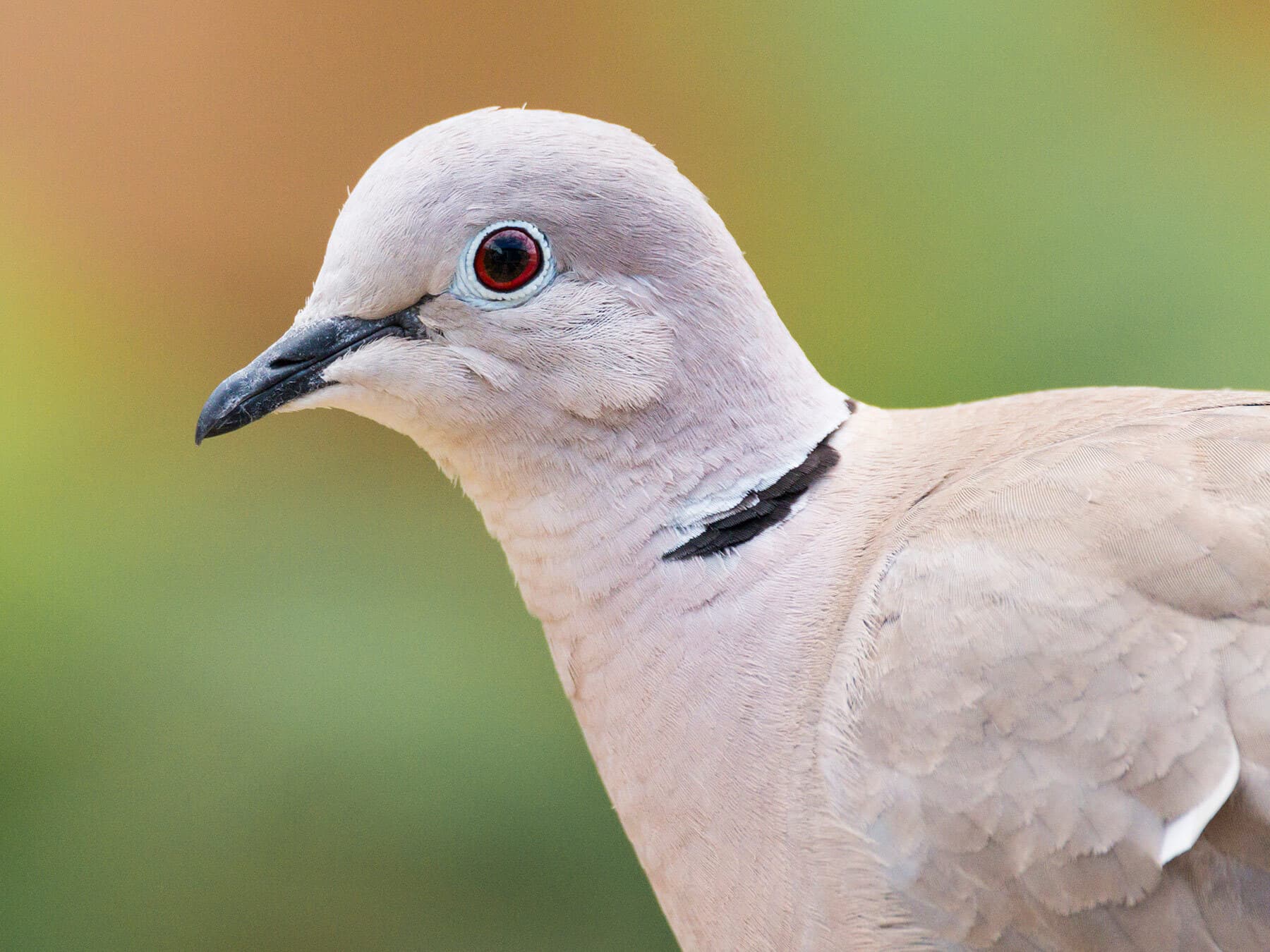
Eurasian Collared Dove
Streptopelia decaoctoLC
An uncommon resident of gardens, farms and suburban areas throughout Durham. Its monotonous three-note call is a familiar sound.
Year-round
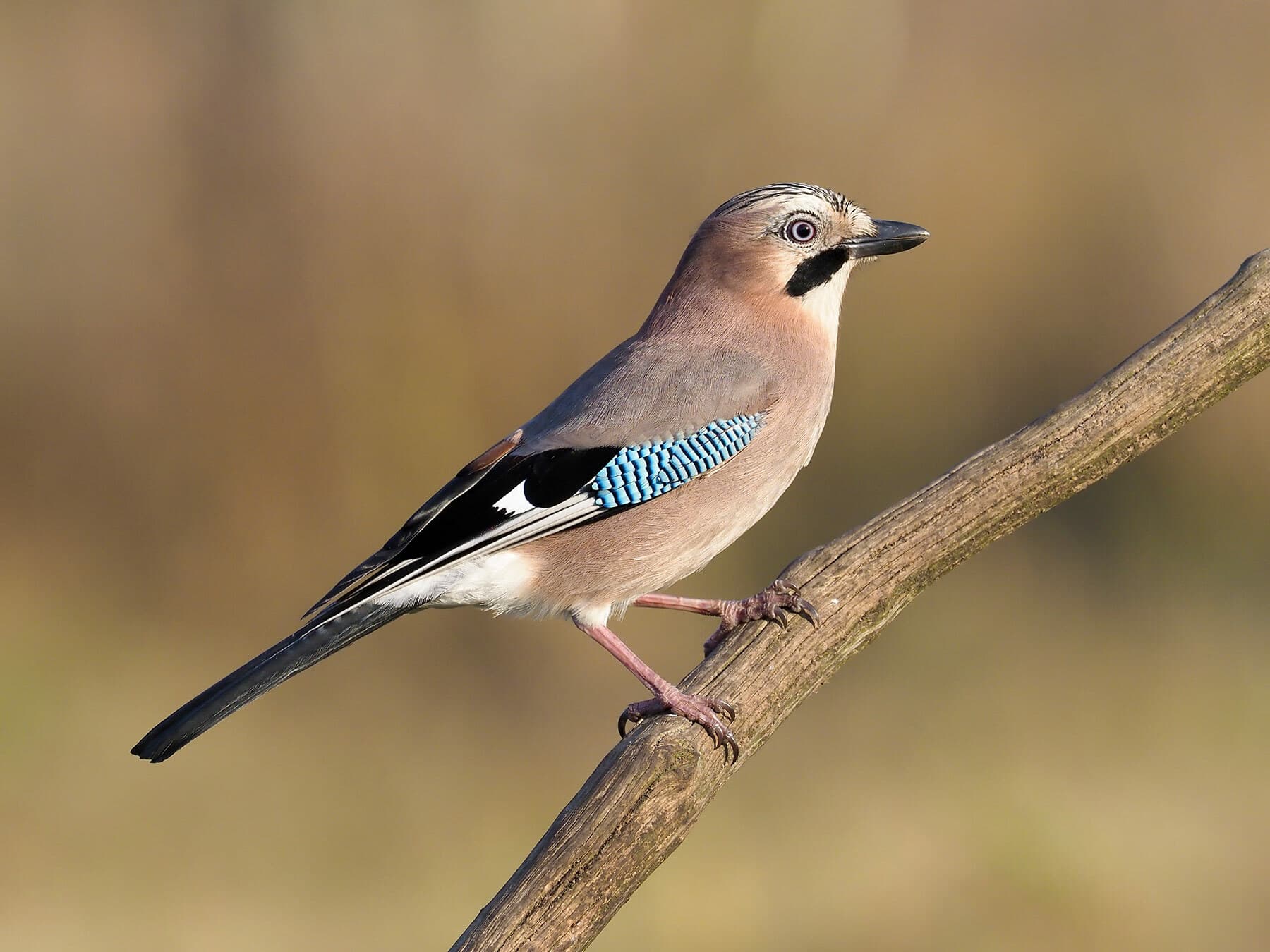
Eurasian Jay
Garrulus glandariusLC
An uncommon but year-round resident of mature broadleaved and mixed woodland. Often heard giving its harsh screeching call.
Year-round
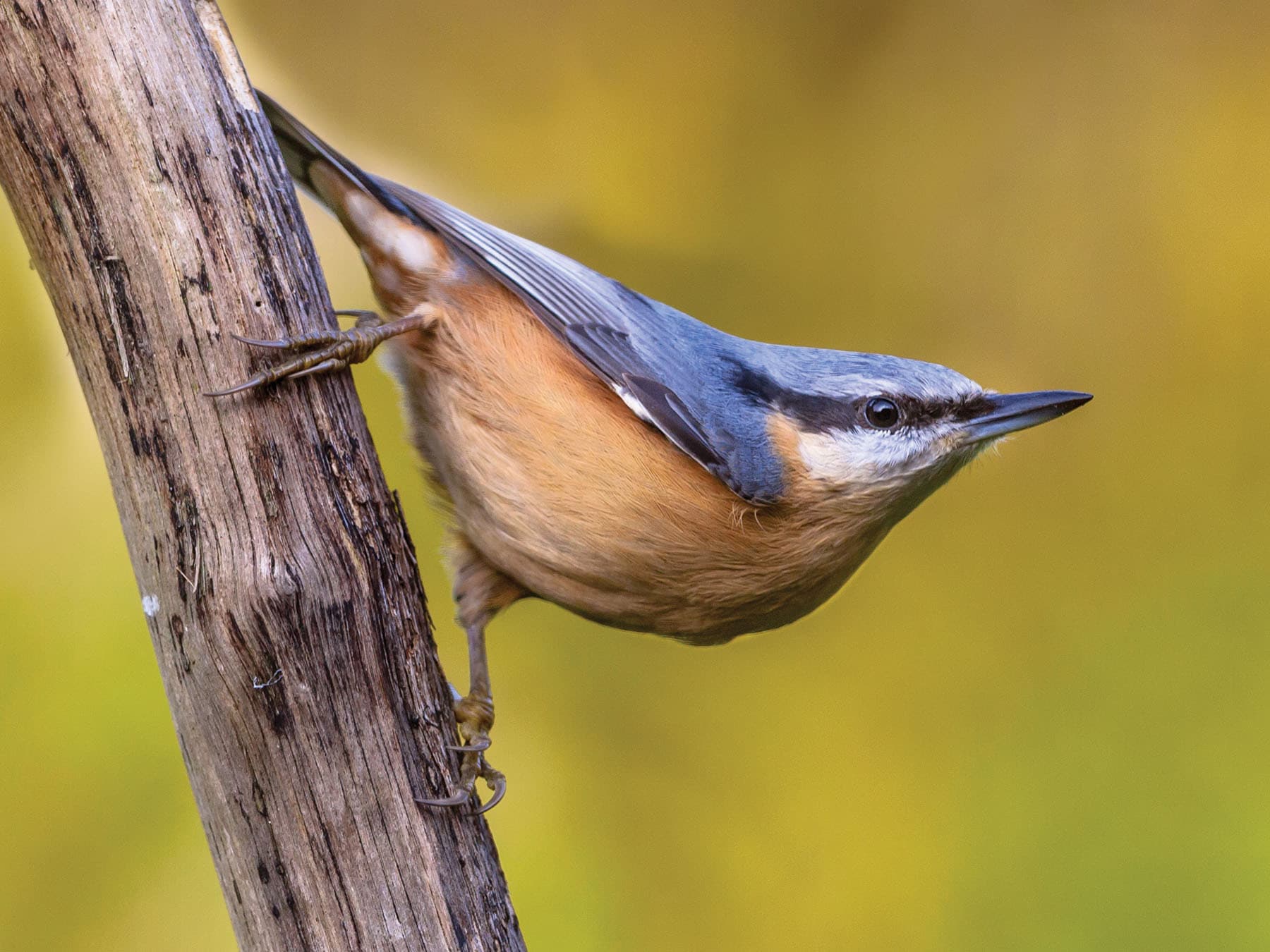
Eurasian Nuthatch
Sitta europaeaLC
An uncommon but increasing resident of mature deciduous woodland. Listen for its loud ringing call in parks and wooded valleys across the county.
Year-round
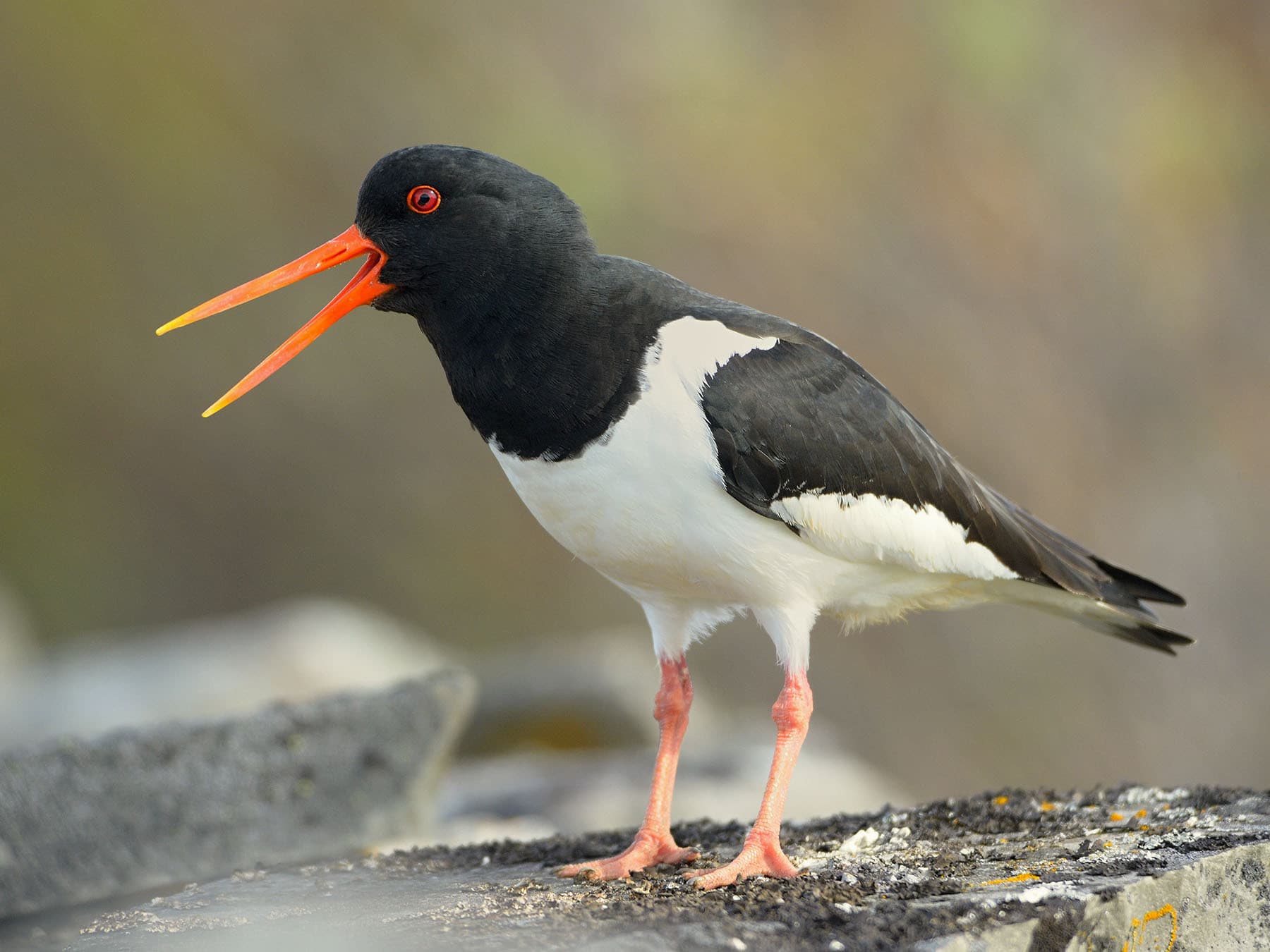
Eurasian Oystercatcher
Haematopus ostralegusNT
A common resident breeding on shingle beaches, river gravels and farmland. Noisy and conspicuous along the Durham coast and rivers.
Year-round
Spotted something?
Upload a photo to identify it
Identify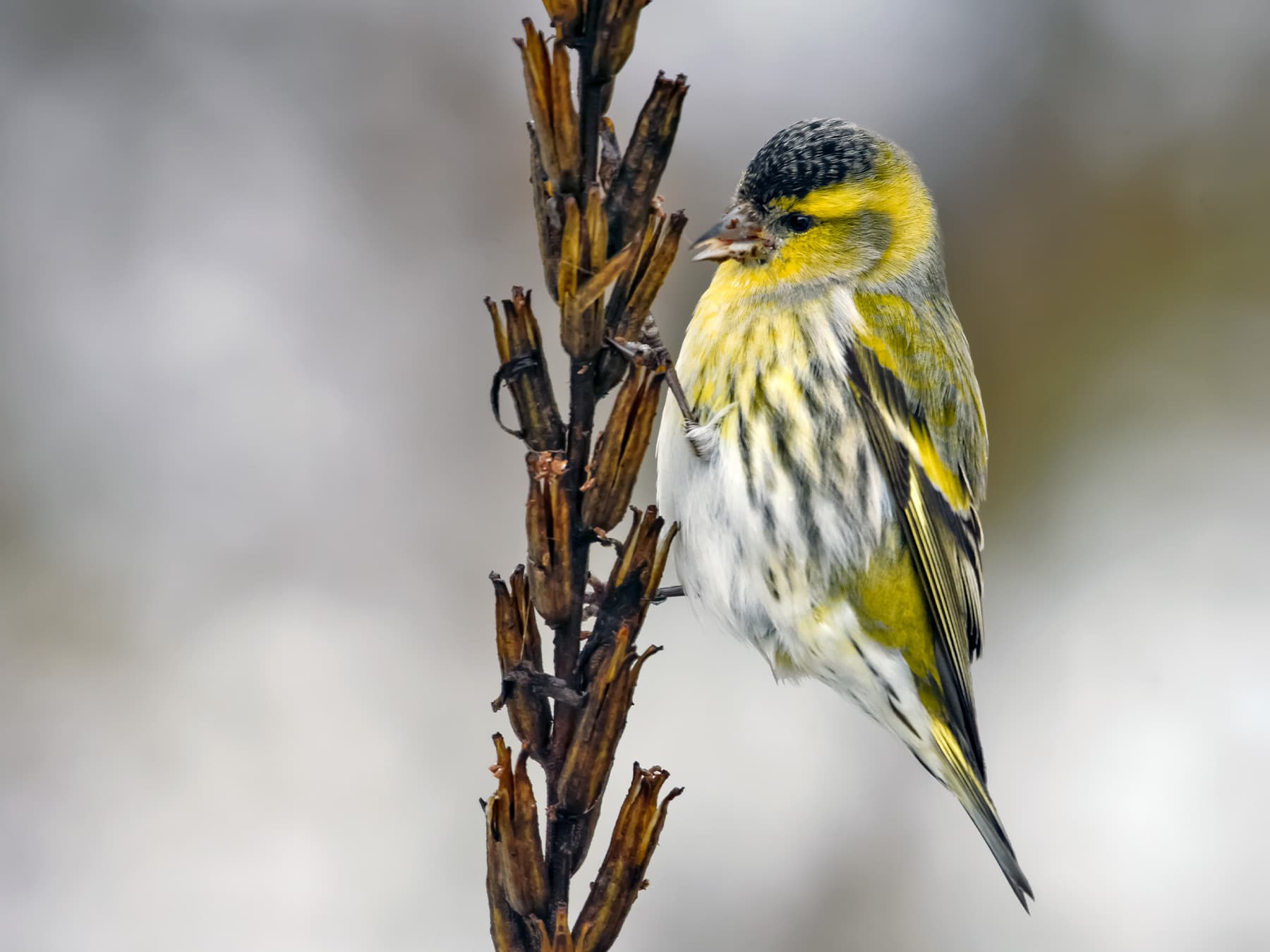
Eurasian Siskin
Spinus spinusLC
An uncommon resident favouring conifer plantations and alder-lined waterways. Numbers fluctuate, with winter flocks visiting garden feeders in some years.
Year-round
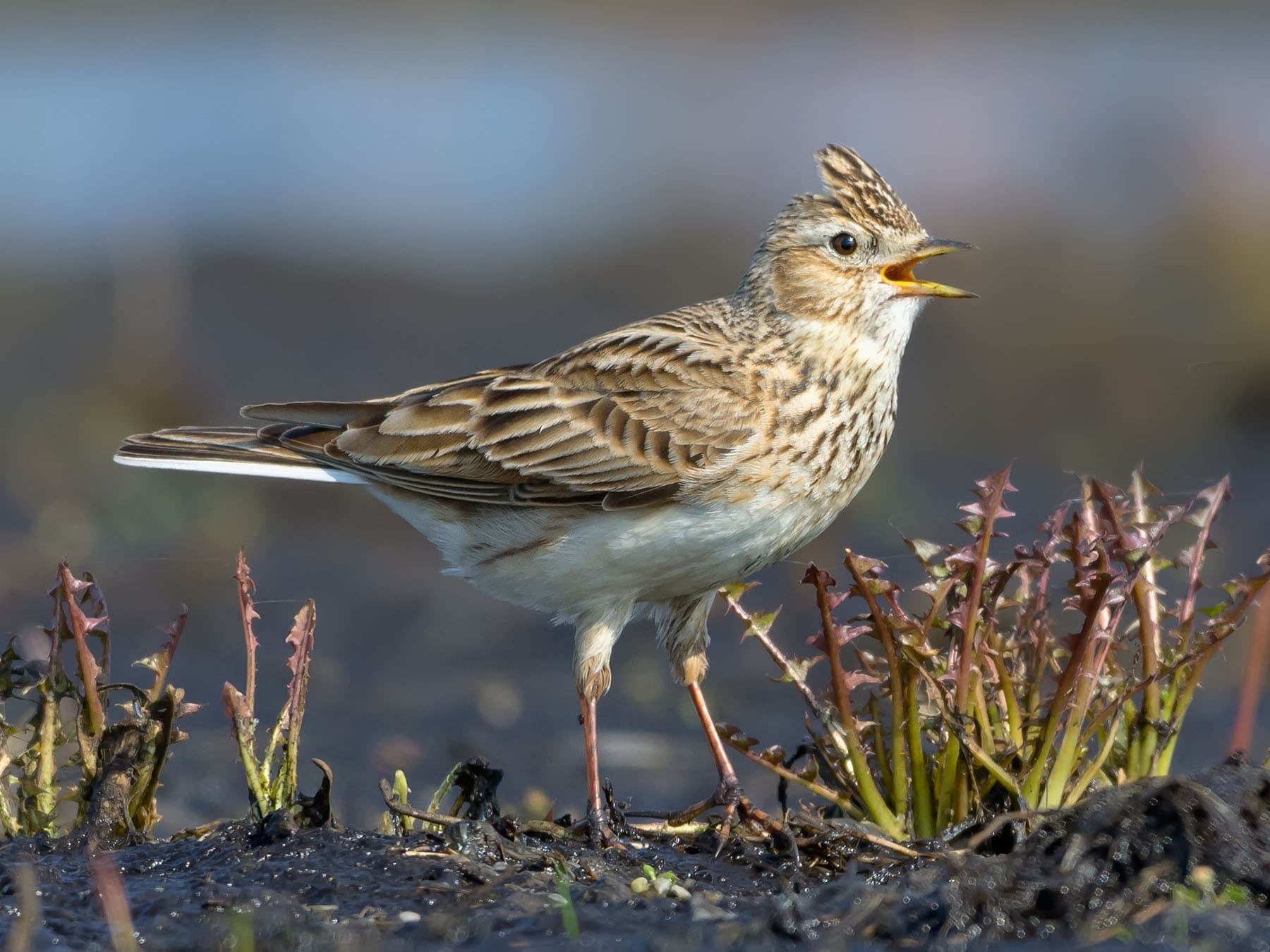
Eurasian Skylark
Alauda arvensisLC
Uncommon resident of open farmland and upland pastures. Declining nationally, but its song flight still graces Durham's fields.
Year-round
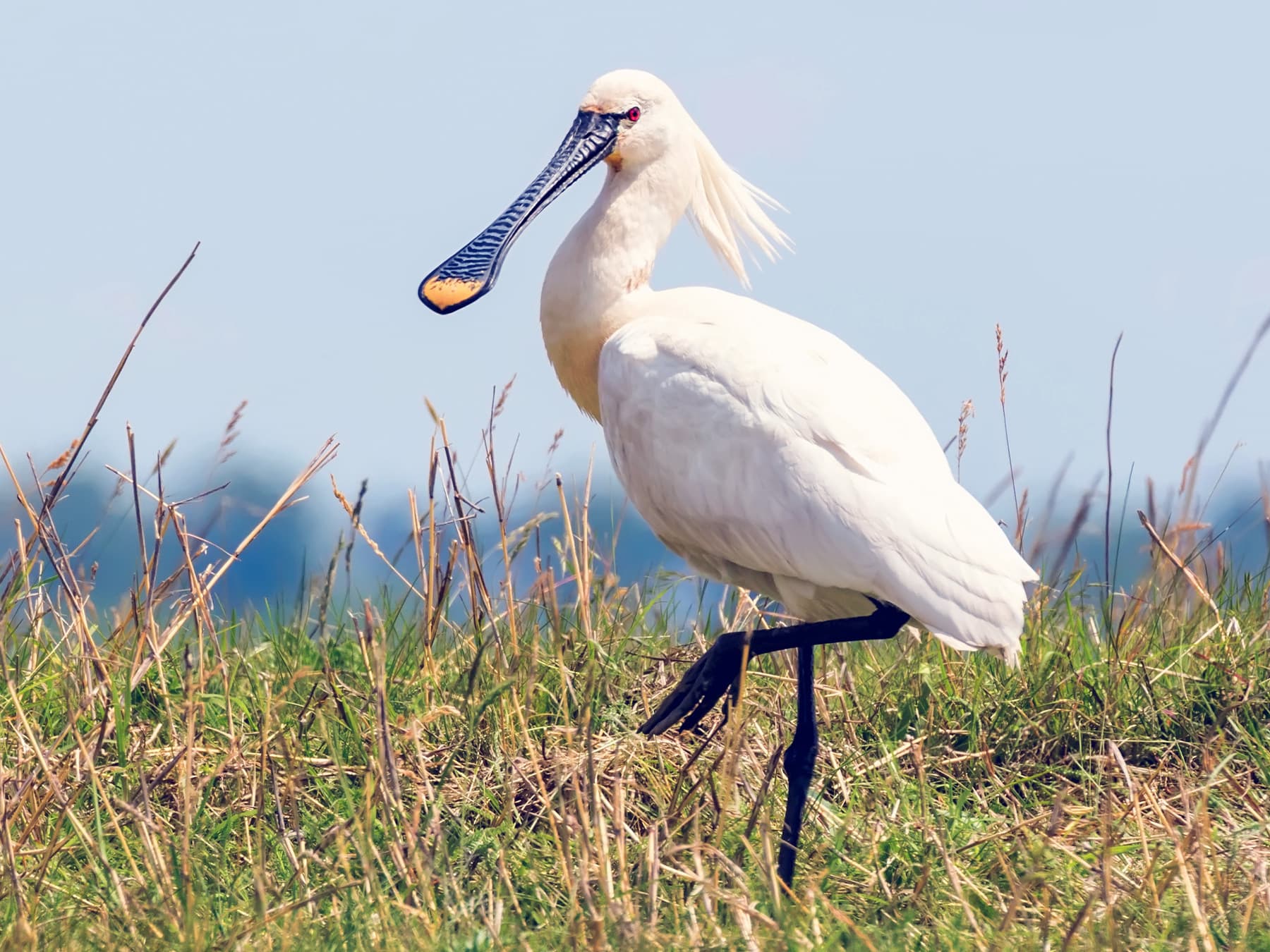
Eurasian Spoonbill
Platalea leucorodiaLC
A rare passage visitor, occasionally recorded at coastal wetlands. Sightings in Durham remain scarce but are increasing nationally.
Sep–Jan
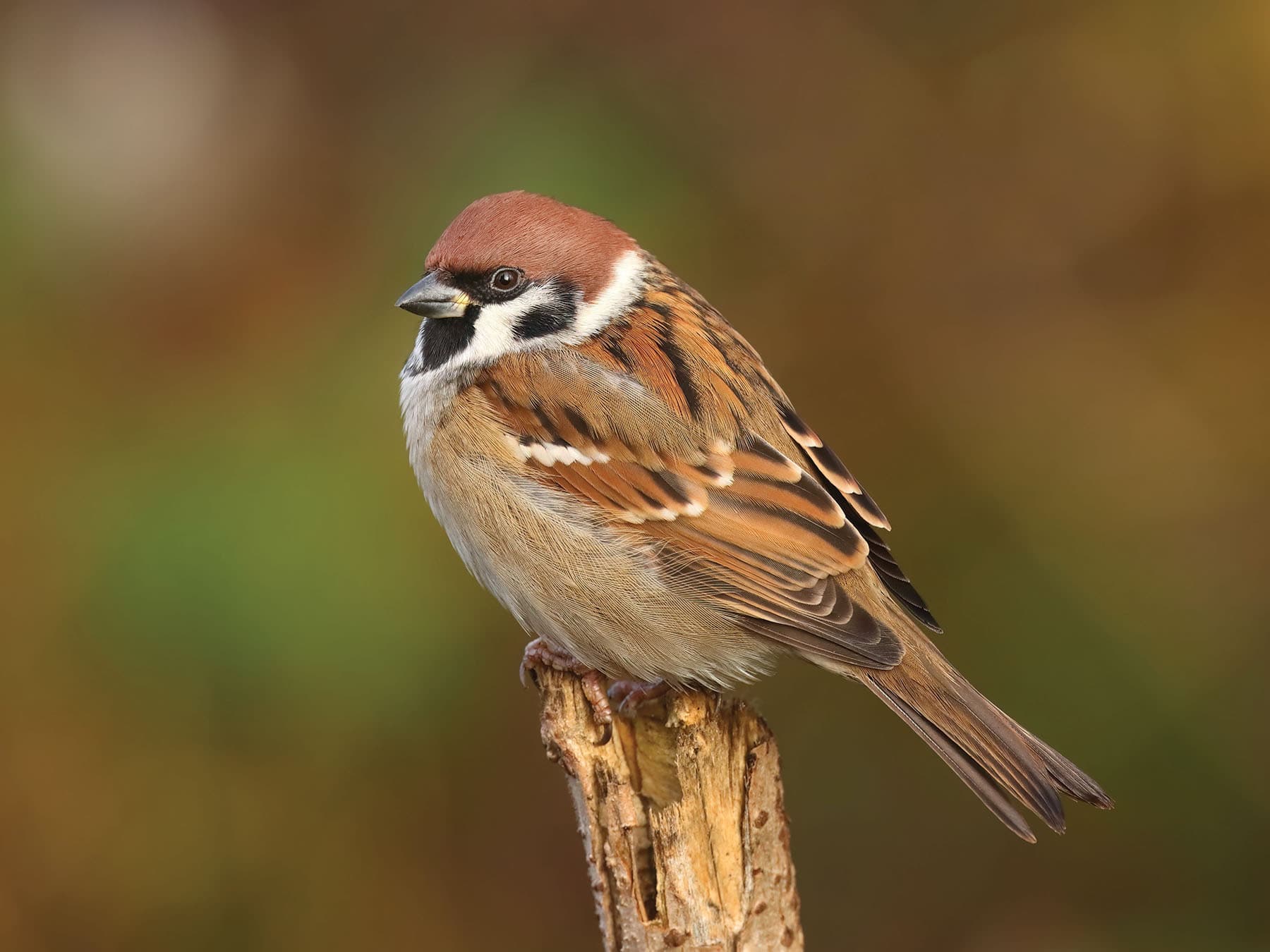
Eurasian Tree Sparrow
Passer montanusLC
An uncommon resident favouring farmland with hedgerows and rural gardens, less tied to buildings than its commoner cousin.
Year-round
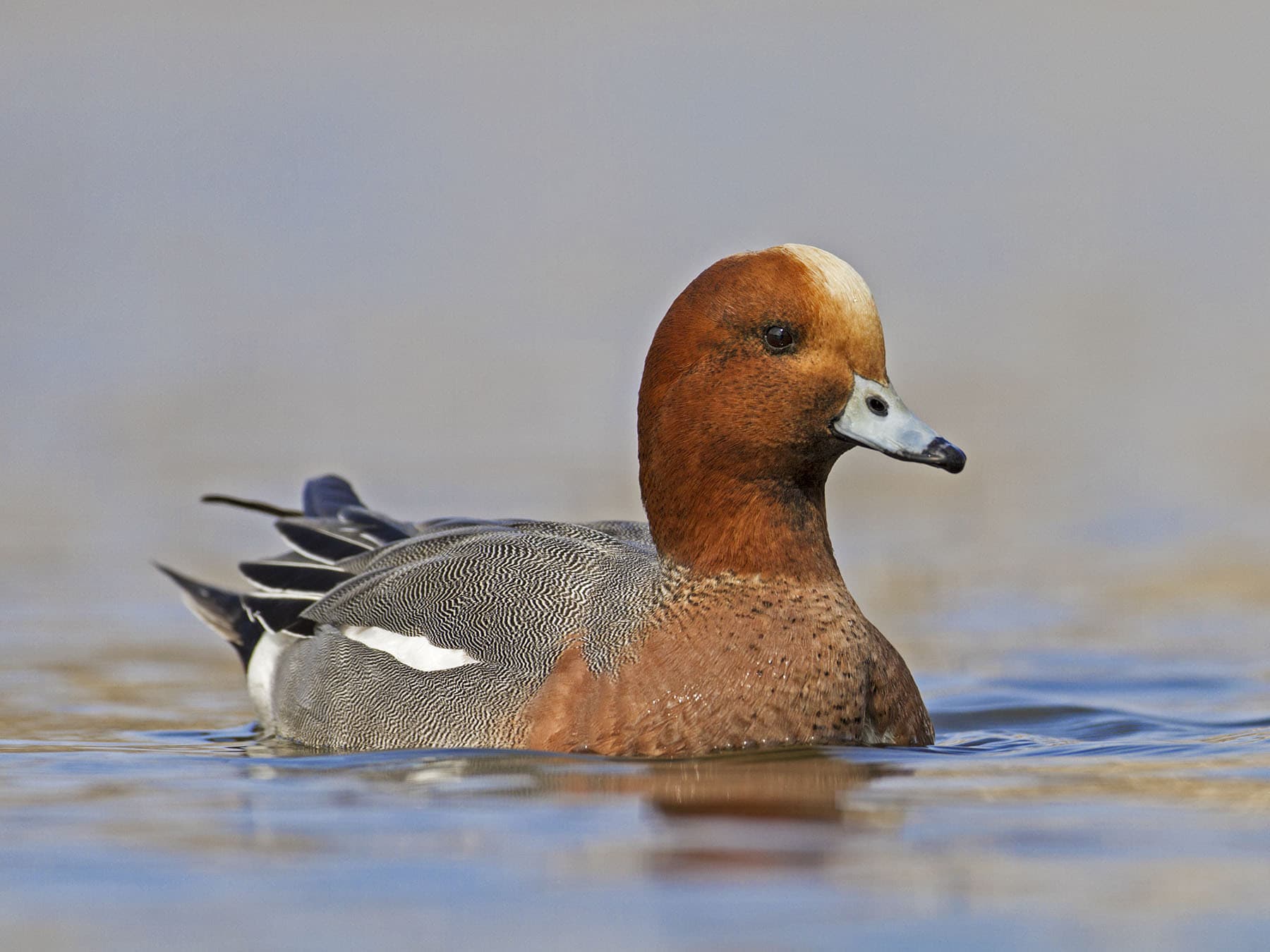
Eurasian Wigeon
Mareca penelopeLC
An uncommon resident, with numbers swelling in winter when Icelandic and Scandinavian birds join locals on reservoirs and flooded fields.
Year-round
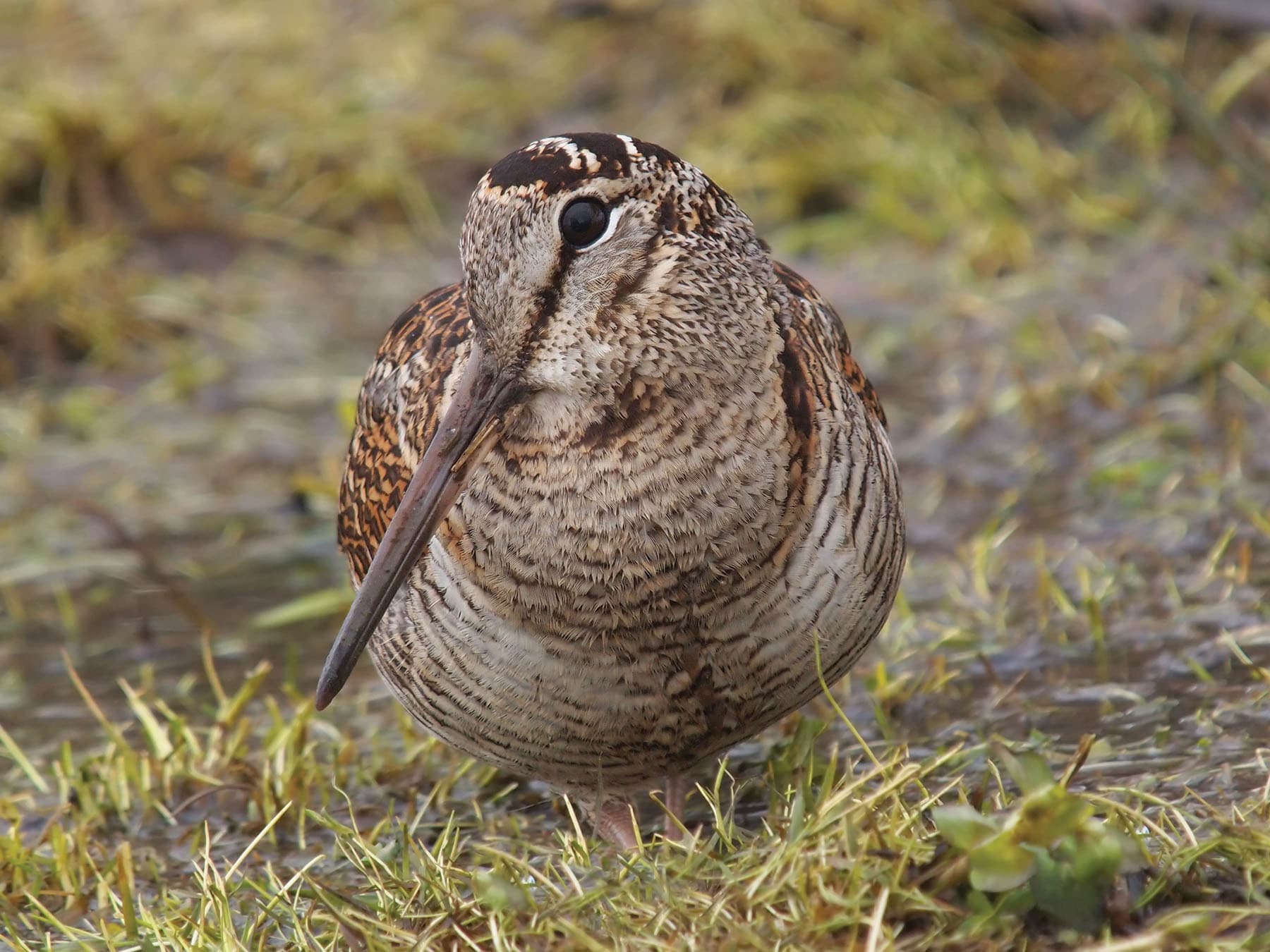
Eurasian Woodcock
Scolopax rusticolaLC
A scarce resident of Durham's mature woodlands, most often seen during its roding display flights at dusk in spring. Winter numbers boosted by continental arrivals.
Oct–Jun
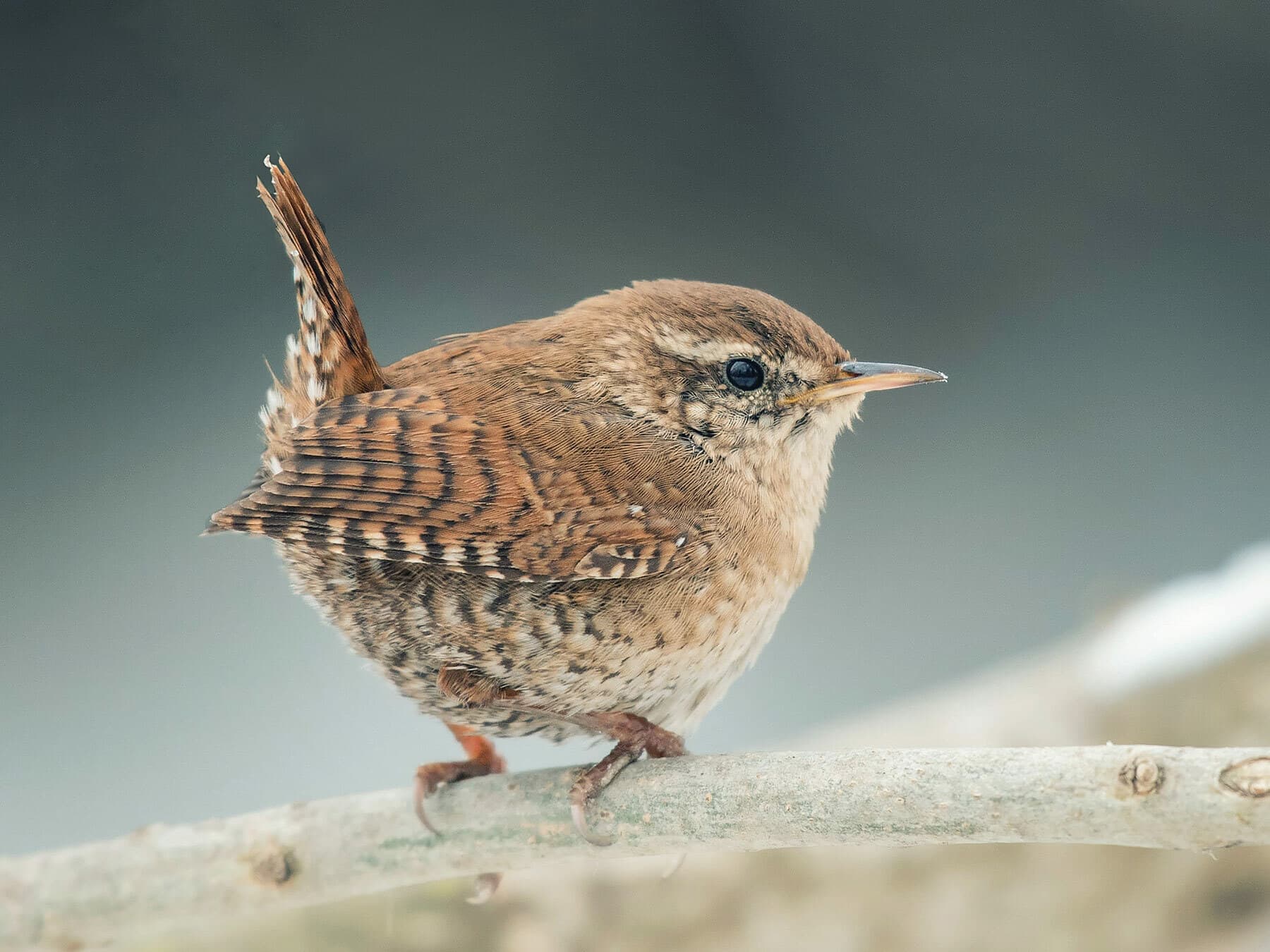
Eurasian Wren
Troglodytes troglodytesLC
One of Durham's most abundant residents, found in almost every habitat from gardens to moorland edges. Its powerful song belies its tiny size.
Year-round
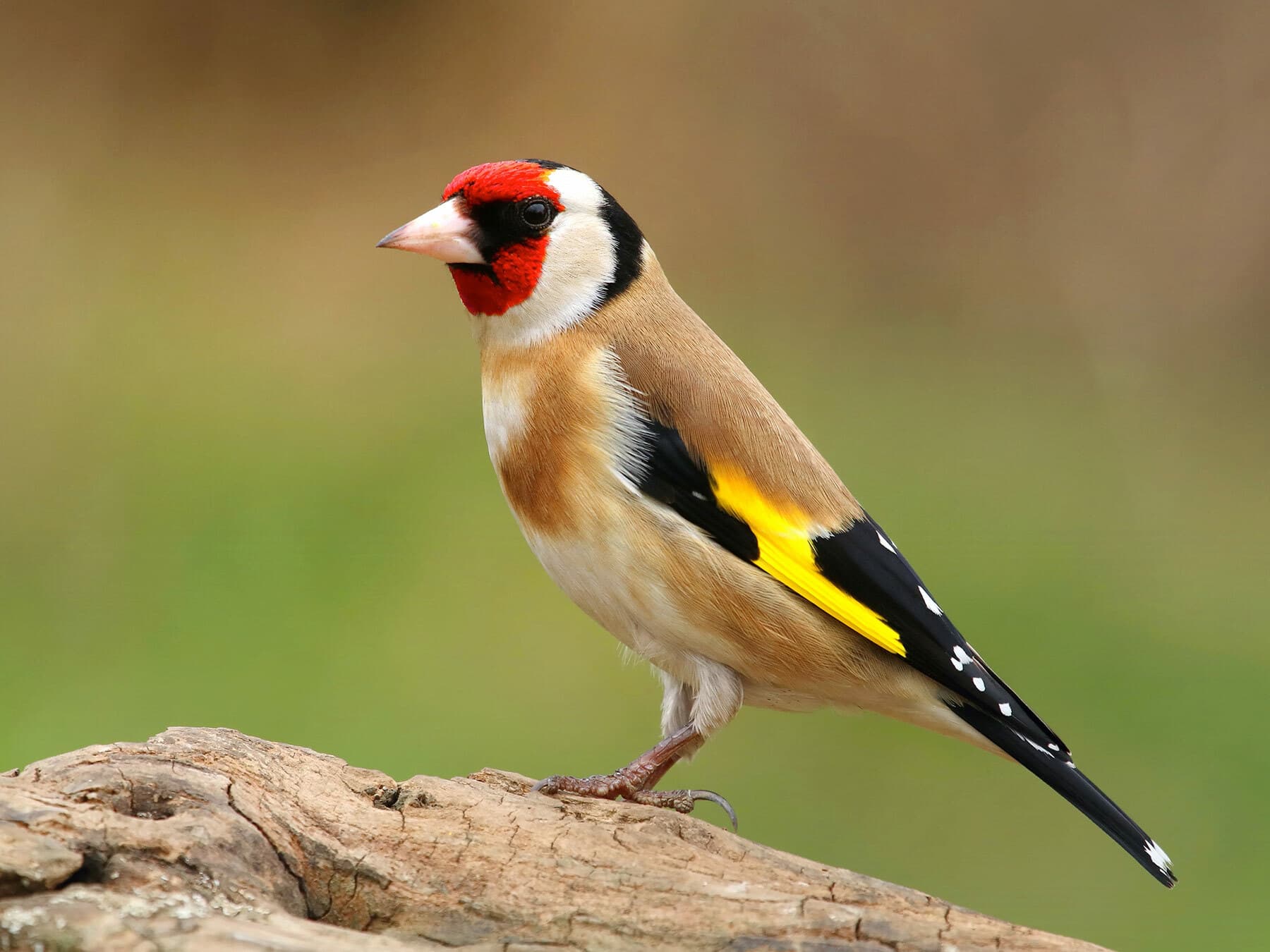
European Goldfinch
Carduelis carduelisLC
A common and increasing resident, flocking on teasel and thistle heads across Durham's gardens and waste ground year-round.
Year-round
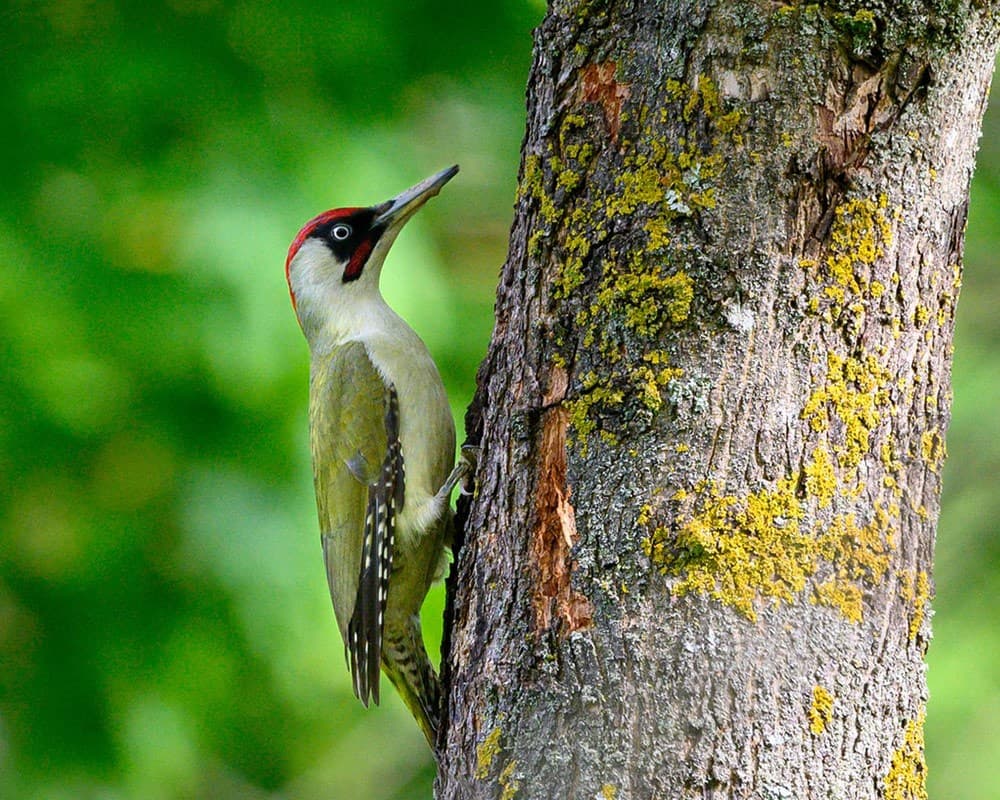
European Green Woodpecker
Picus viridisLC
A rare resident near the northern edge of its UK range. Its loud, laughing call carries across parkland and woodland edges.
Jan–Oct
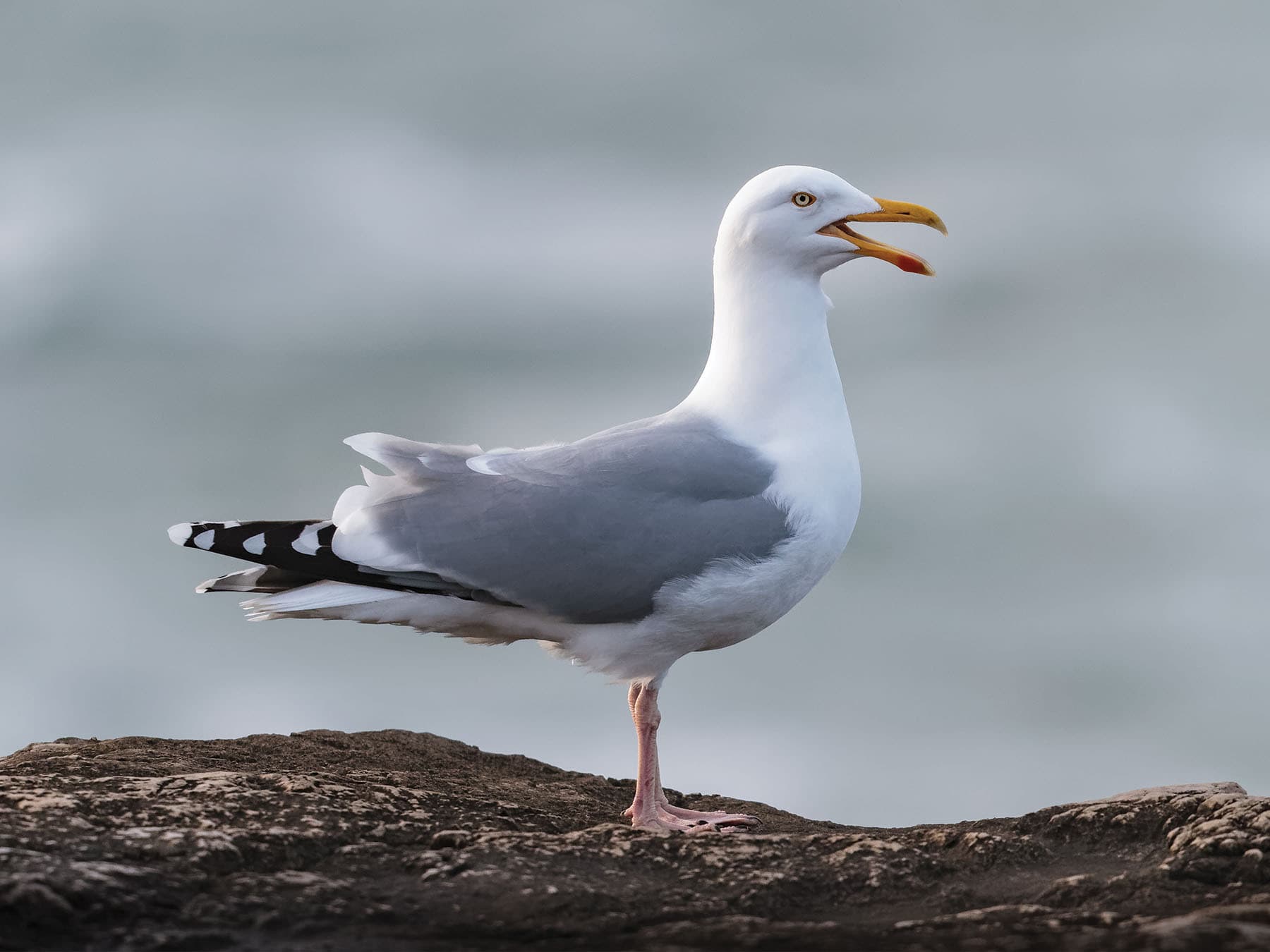
European Herring Gull
Larus argentatusLC
A common resident found year-round along the coast, at tips, and in urban areas. Noisy and conspicuous across Durham's towns.
Year-round
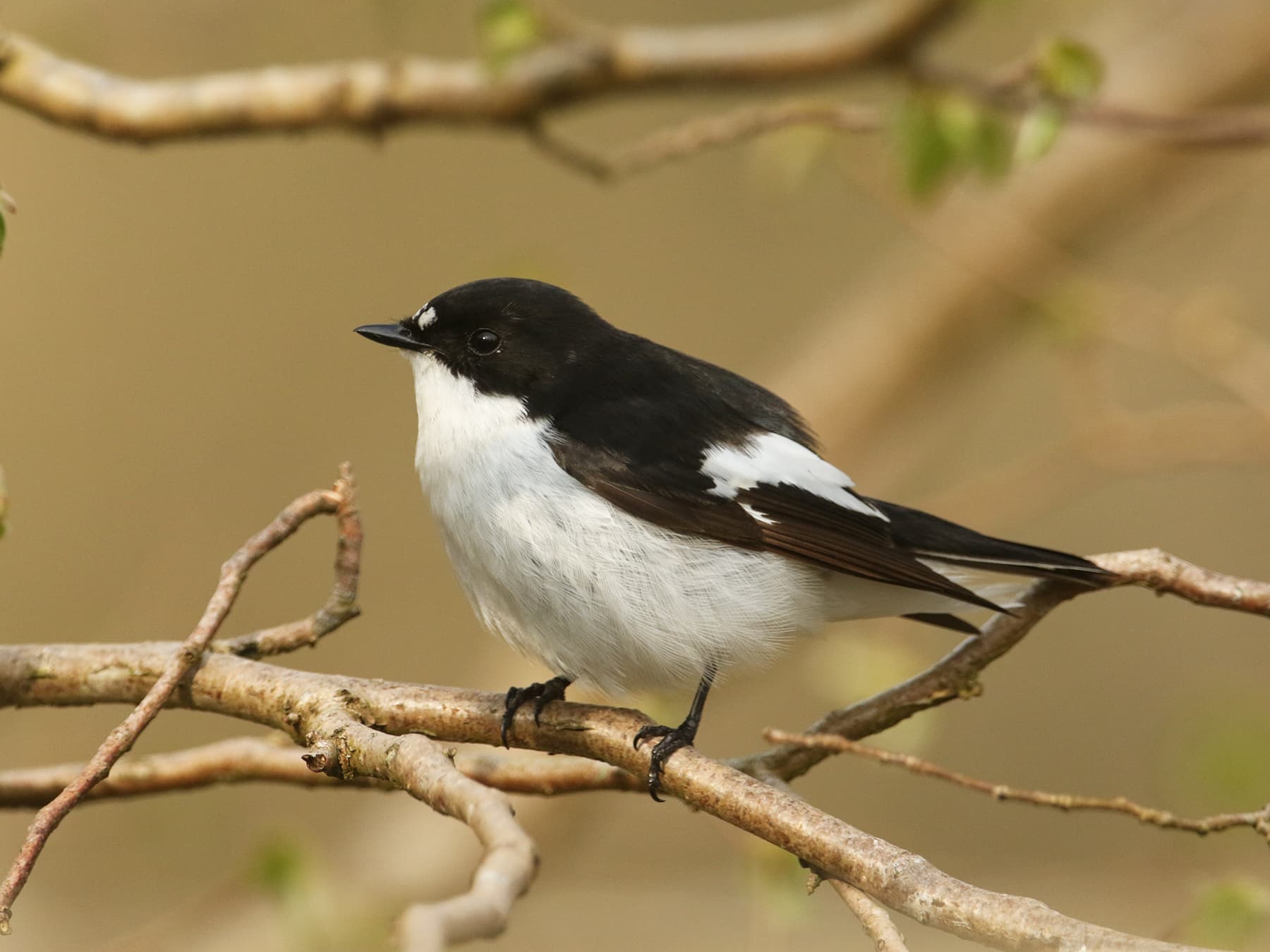
European Pied Flycatcher
Ficedula hypoleucaLC
A rare breeding visitor to mature oak woodland, particularly in the western dales. Readily takes to nestboxes where provided.
Apr–Sep
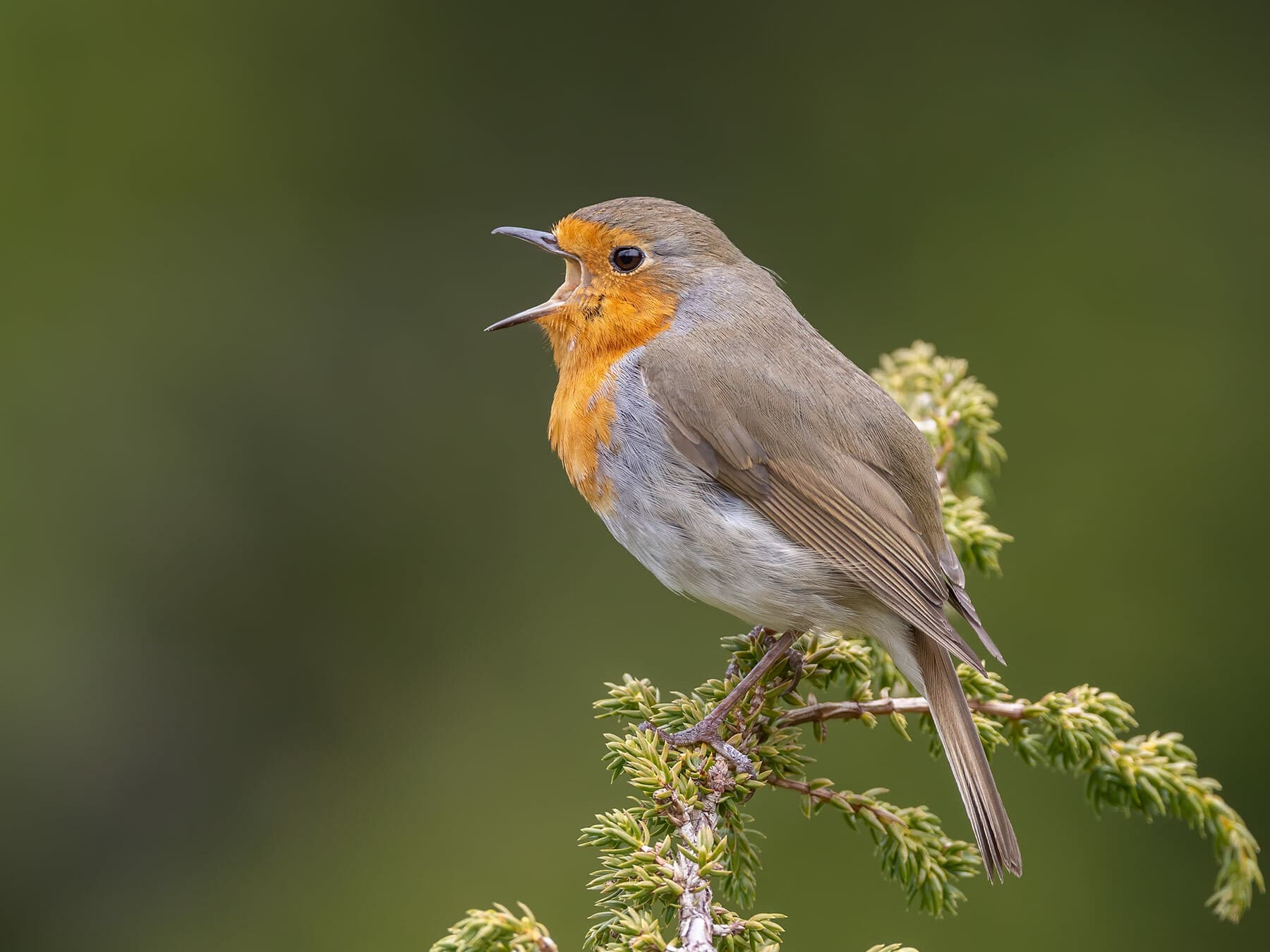
European Robin
Erithacus rubeculaLC
A beloved year-round resident of gardens, woodland and hedgerows. One of the most confiding birds in Durham, often singing through winter.
Year-round
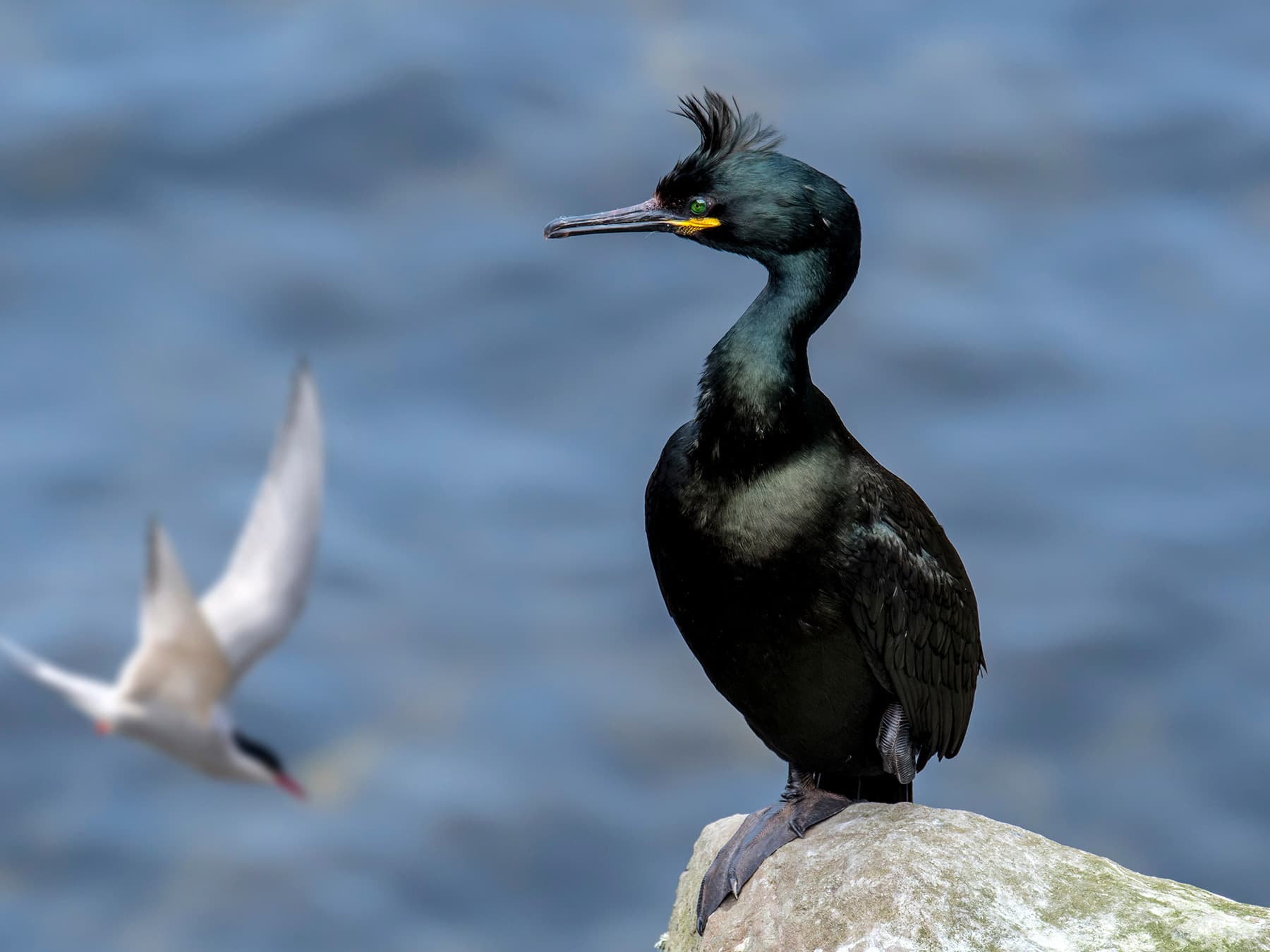
European Shag
Phalacrocorax aristotelisLC
A rare resident along Durham's rocky coastline. Smaller and darker than the Great Cormorant, with a distinctive wispy crest in spring.
Jun–Mar
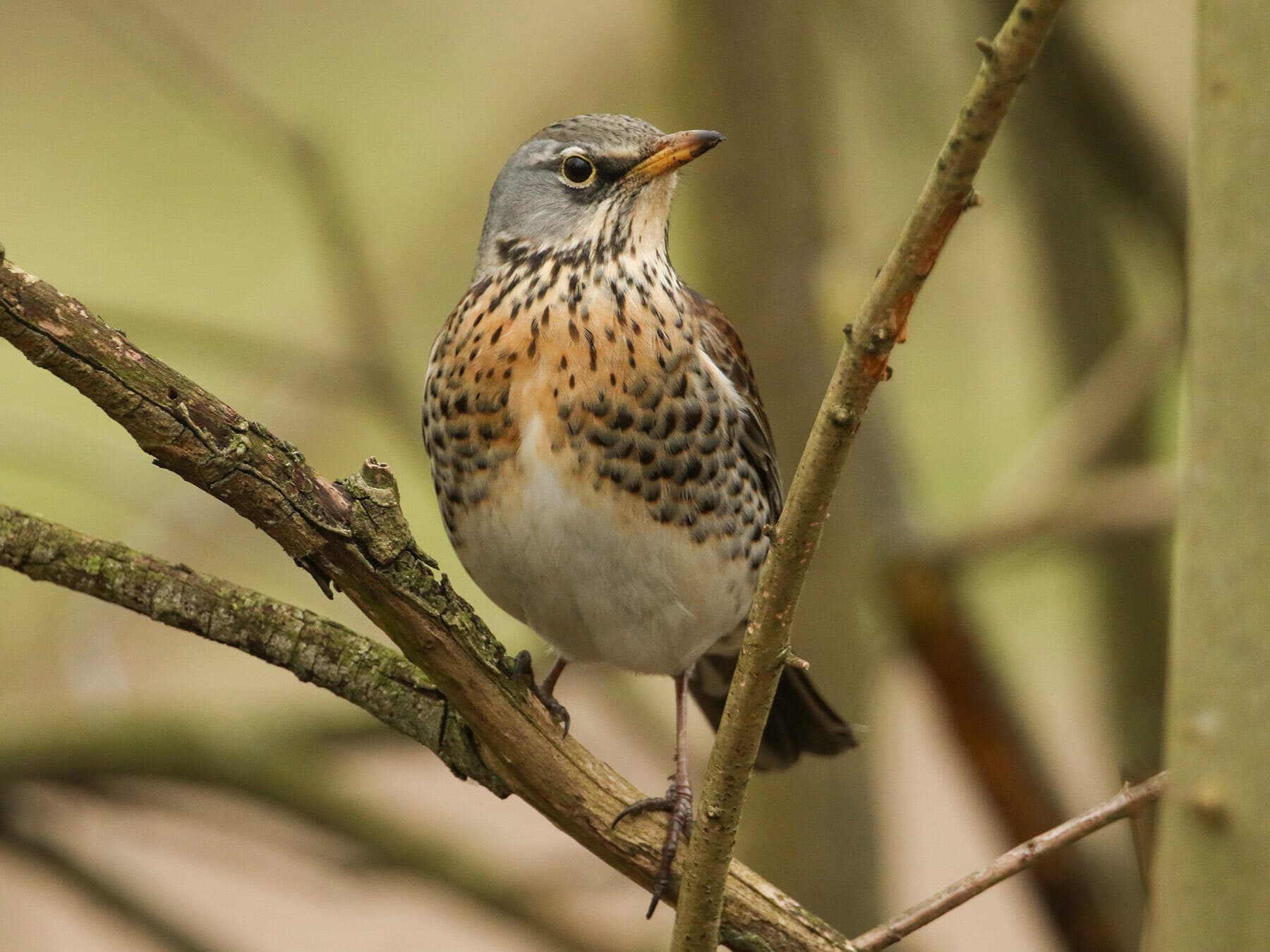
Fieldfare
Turdus pilarisLC
An uncommon winter visitor from Scandinavia, often seen in noisy flocks on farmland and berry-laden hedgerows from October to April.
Oct–Apr
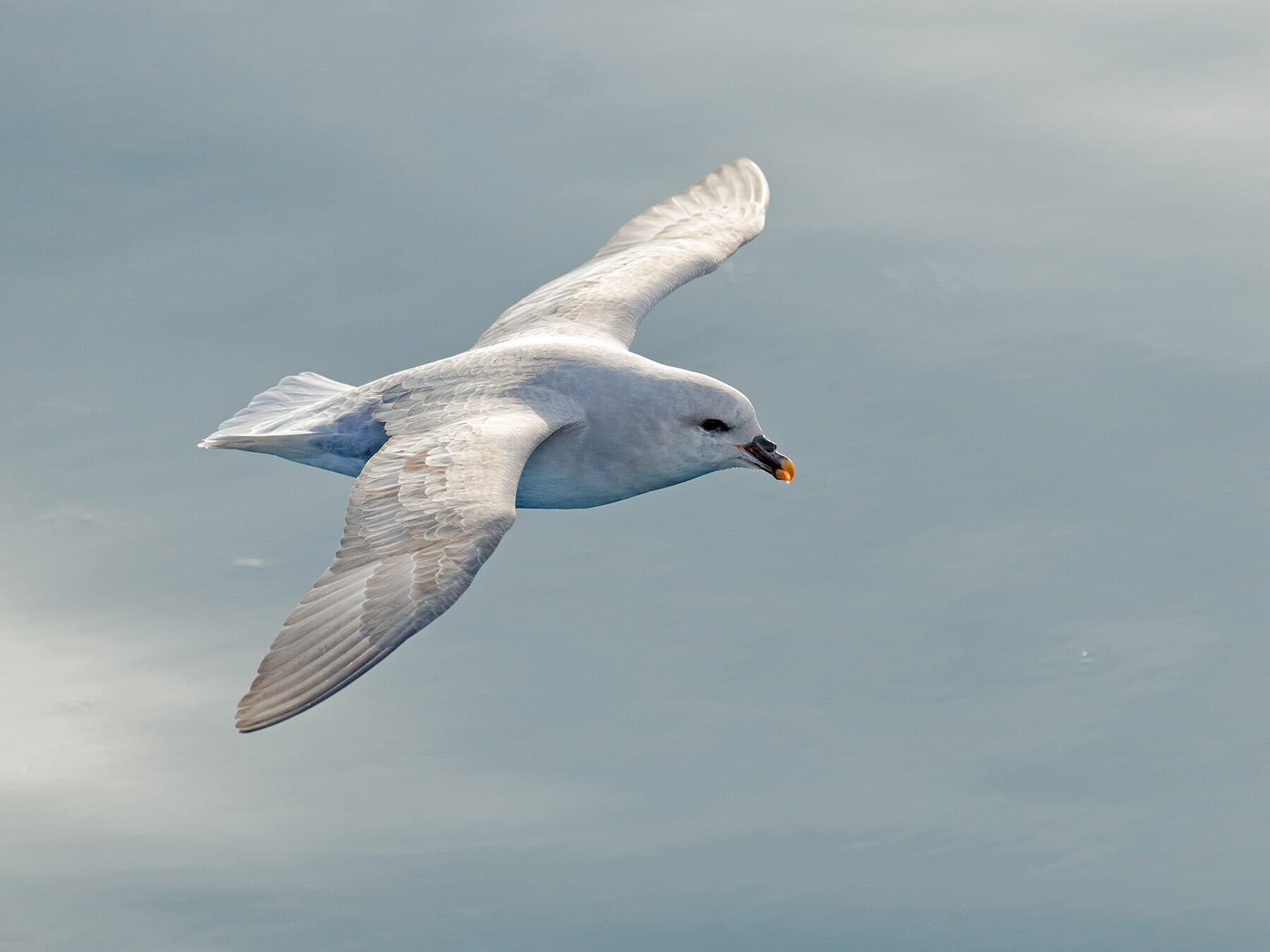
Fulmar
Fulmarus glacialisLC
A rare breeder along Durham's coastal cliffs, present from spring through autumn. Stiff-winged flight distinguishes it from gulls offshore.
Jan–Sep