Birds in Durham
Explore 199 species found in this region.
Durham is a richly diverse county for birdwatching, with 197 recorded species found across its varied landscapes of upland moorland, river valleys, coastal stretches, and ancient woodlands. From the striking Northern Lapwing displaying over farmland to the elusive Eurasian Woodcock in dense woodland, the county offers rewarding birding throughout the year. Notable species include the colourful Mandarin Duck along wooded waterways, Common Merganser on the River Wear, and Horned Lark on the high Pennine tops.
Visiting in September? Look out for Brent Goose and Eurasian Spoonbill arriving this month, and Common Raven and Common Reed-warbler depart for the season.


Showing 24–46 of 199 species
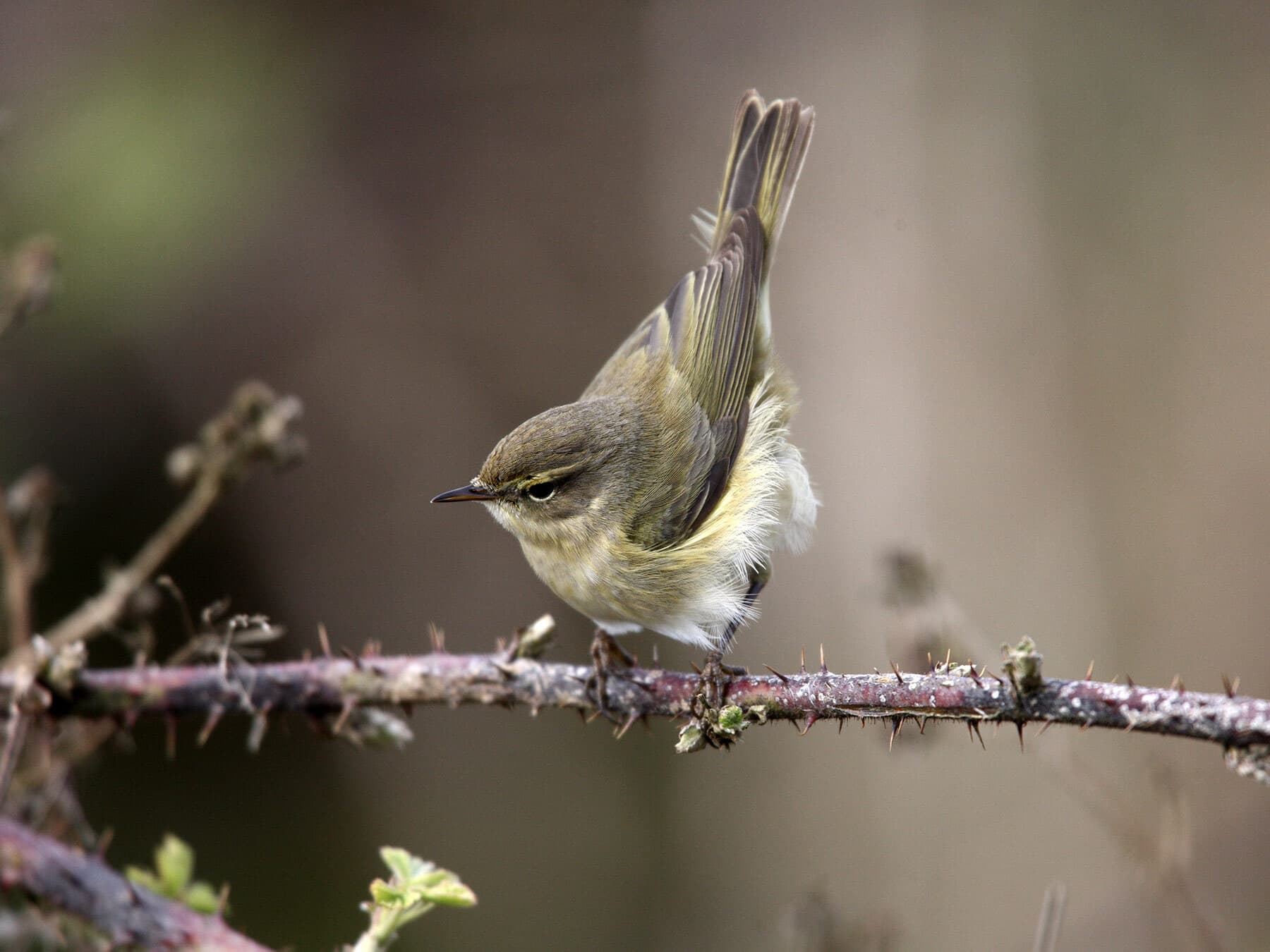
Chiffchaff
Phylloscopus collybitaLC
A year-round resident found in woodlands and gardens across Durham. Its repetitive 'chiff-chaff' song is one of the earliest signs of spring.
Year-round
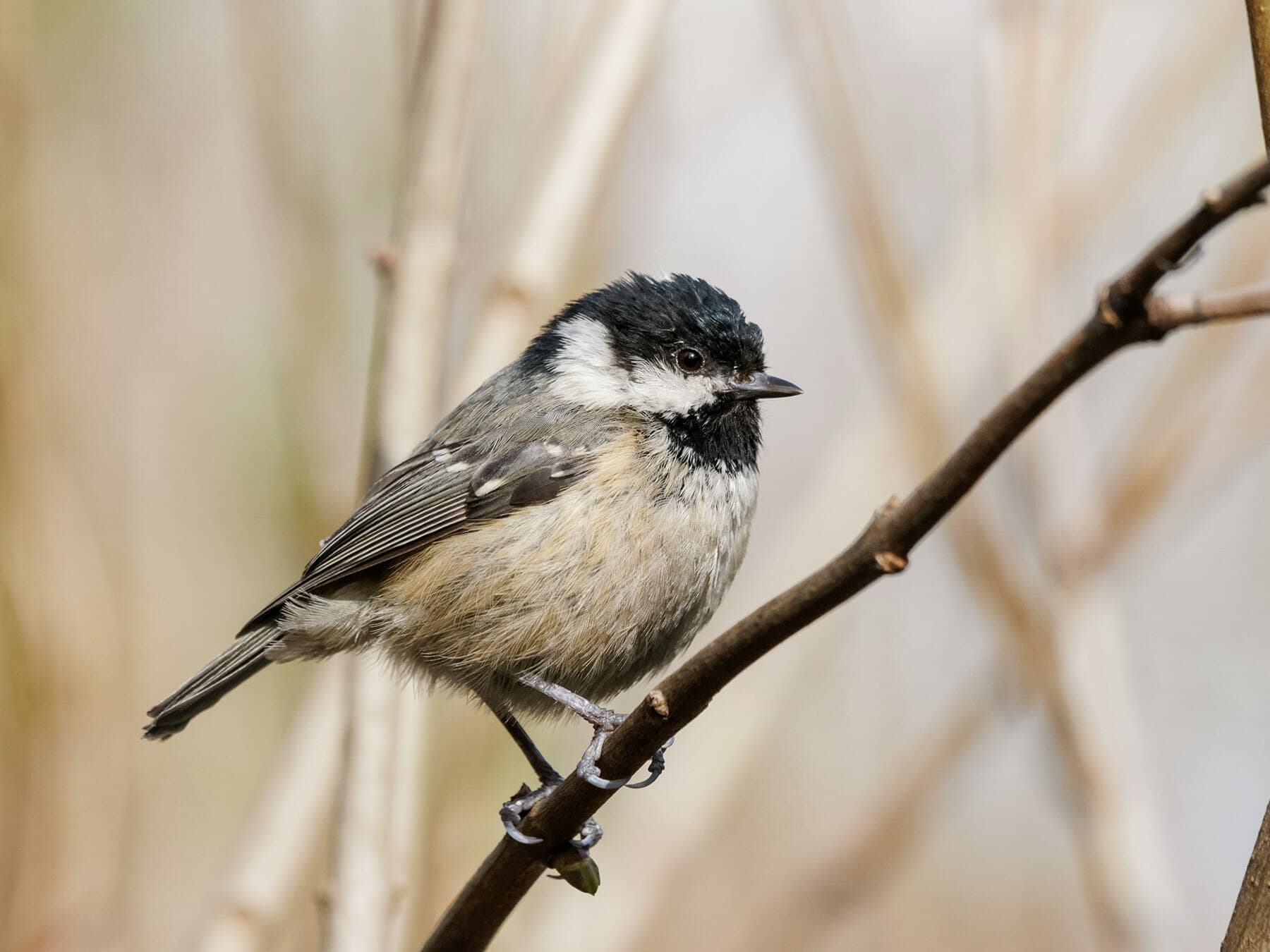
Coal Tit
Periparus aterLC
Common year-round in coniferous and mixed woodland, readily visiting garden feeders. Often hoards seeds for winter.
Year-round
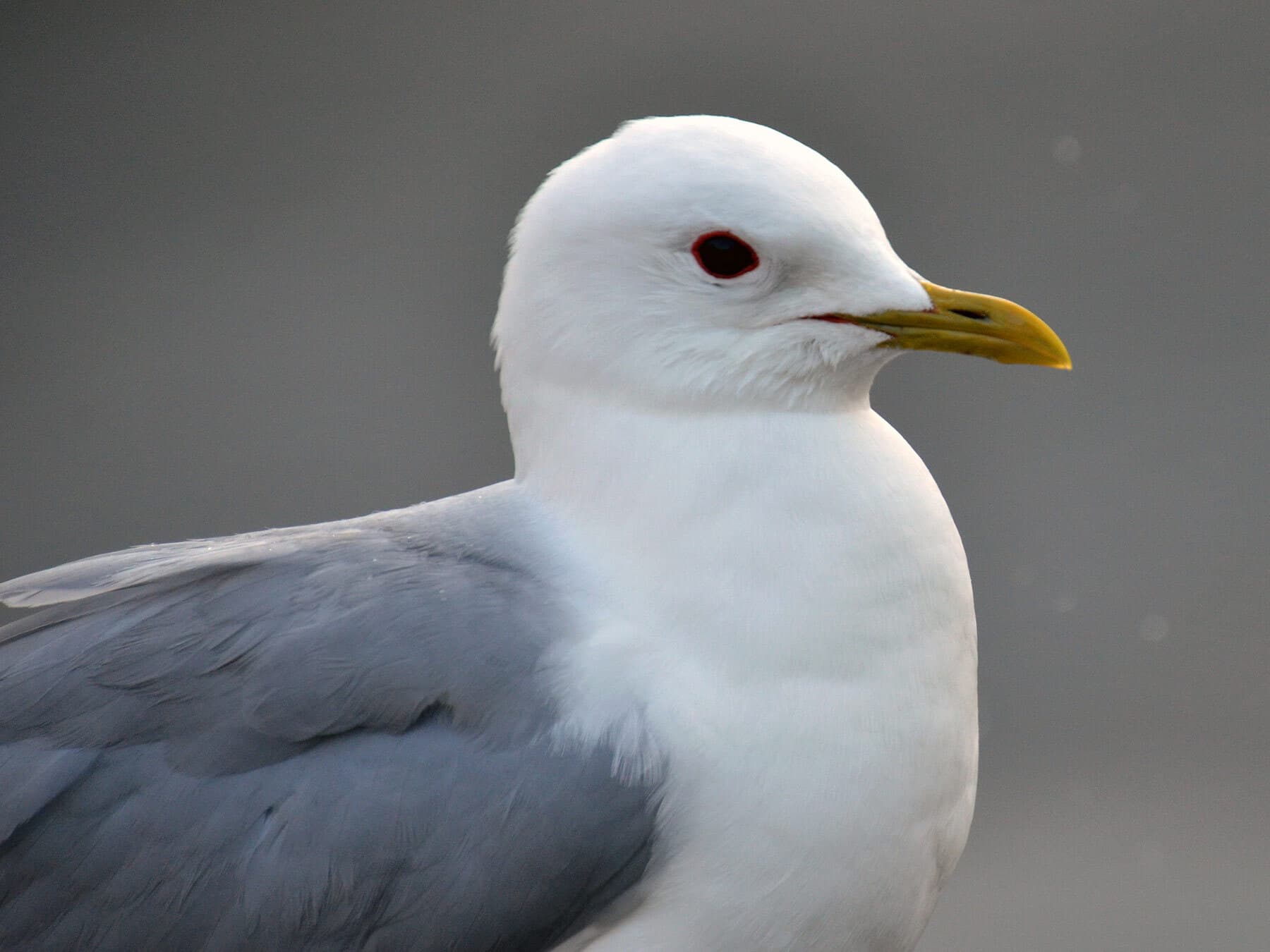
Common Gull
Larus canusLC
Present year-round on farmland, playing fields, and reservoirs. More numerous in winter when northern birds boost local numbers.
Year-round
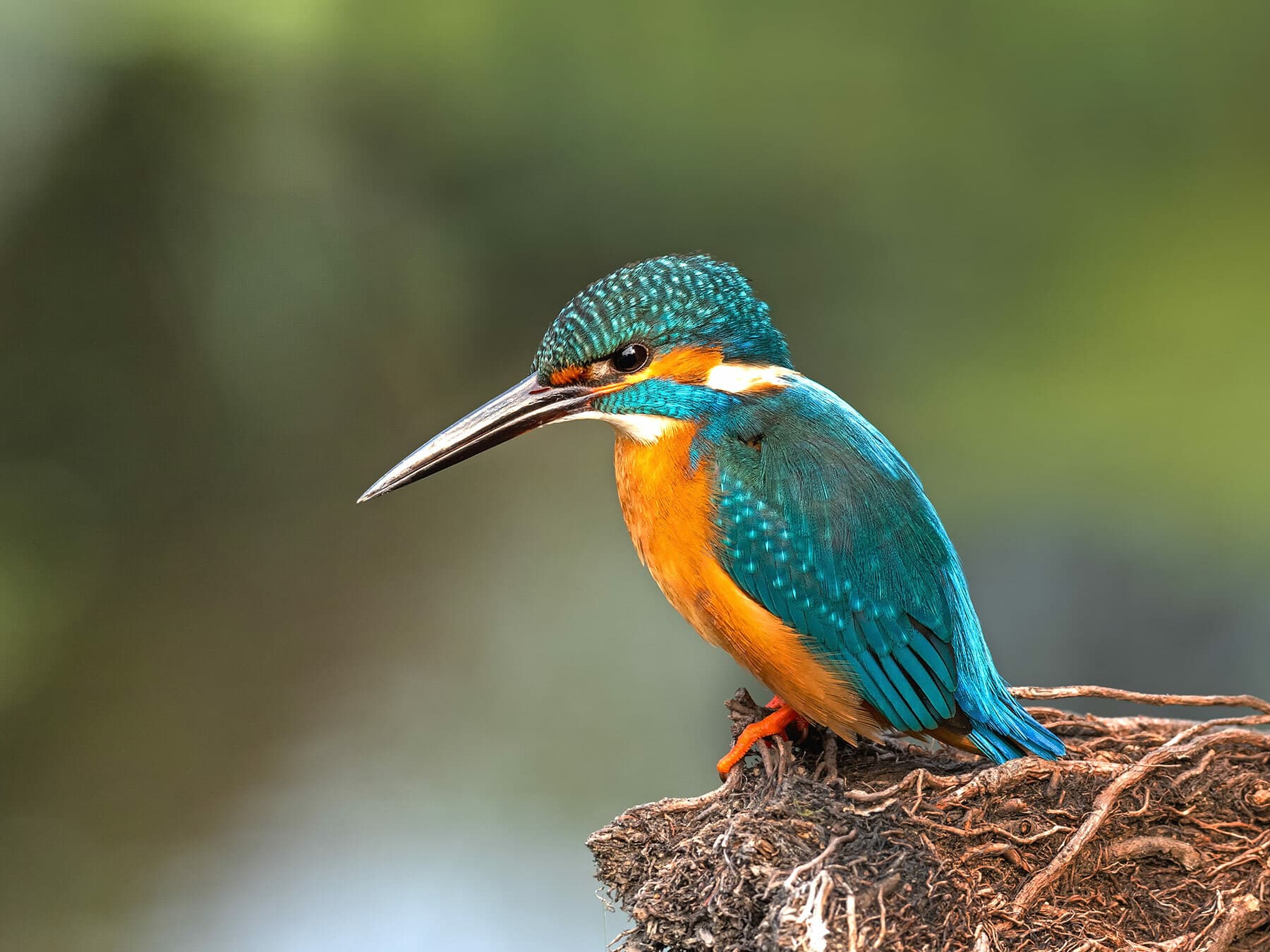
Common Kingfisher
Alcedo atthisLC
An uncommon year-round resident along clean rivers and streams. A flash of electric blue darting low over the water reveals its presence.
Year-round
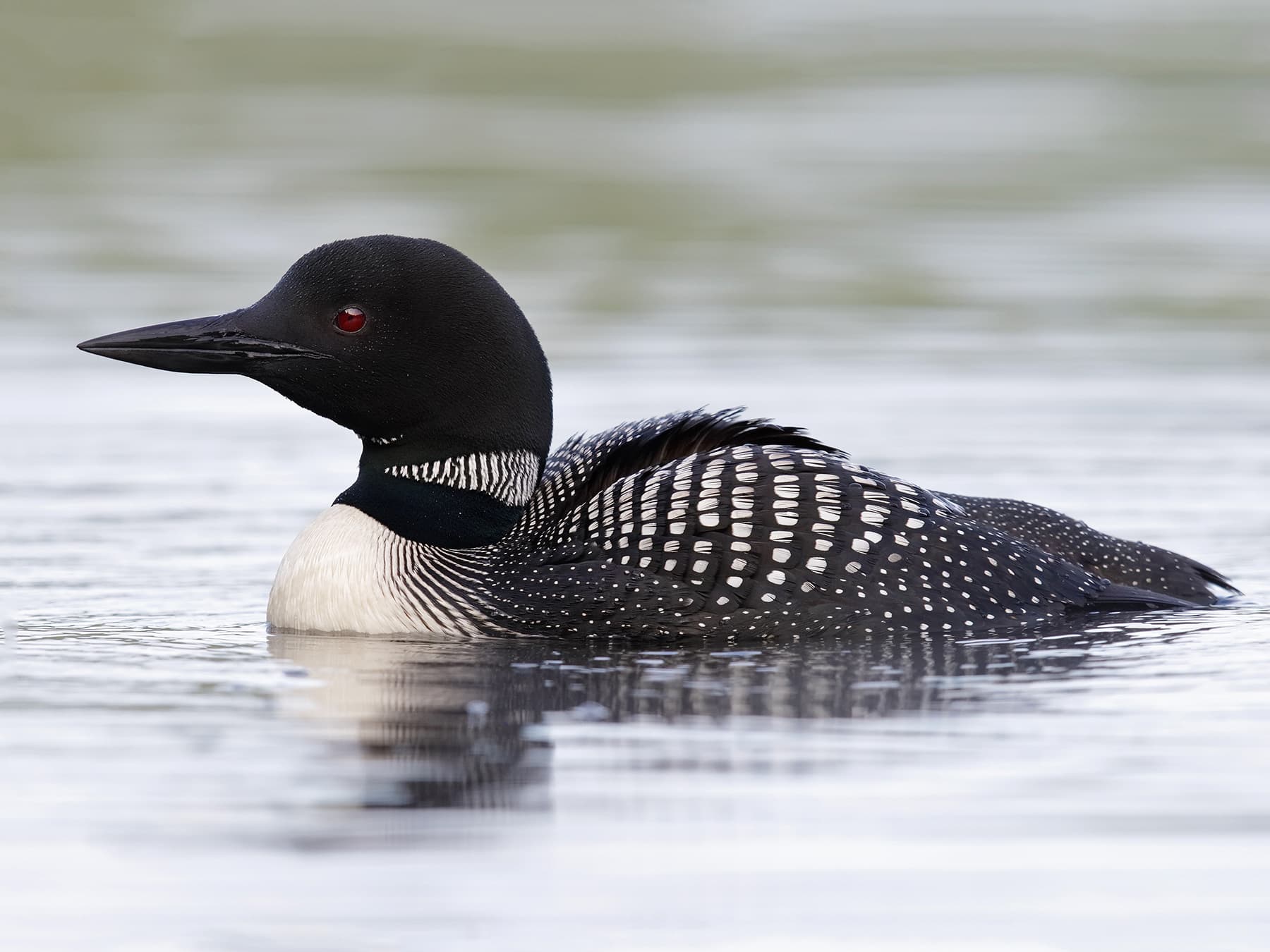
Common Loon
Gavia immerLC
A rare winter visitor in December to February, occasionally found offshore or on large inland water bodies during cold spells.
Dec–Feb
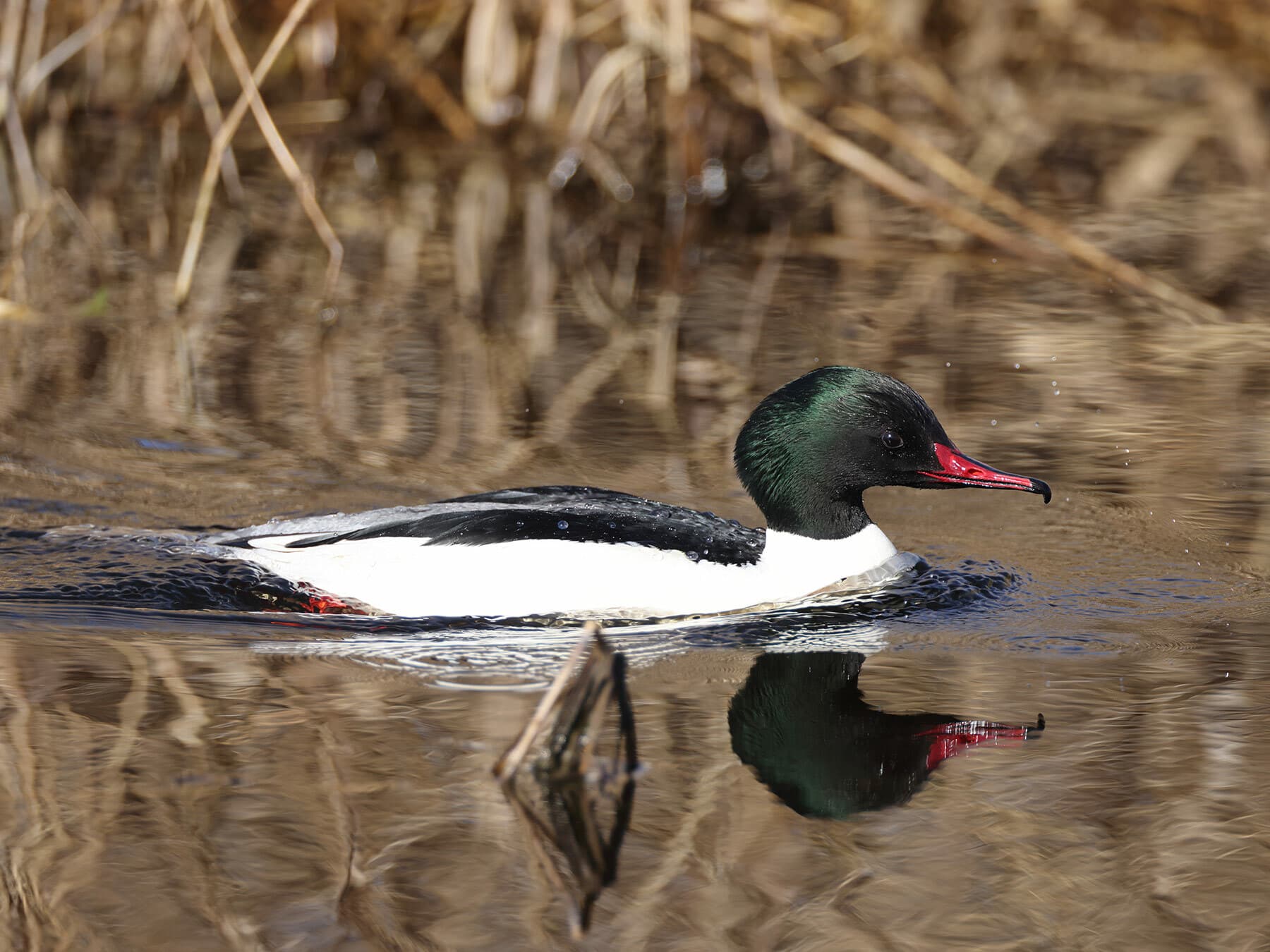
Common Merganser
Mergus merganserLC
An uncommon resident breeding along the River Wear and Tees. Often seen in small parties fishing on fast-flowing stretches.
Year-round
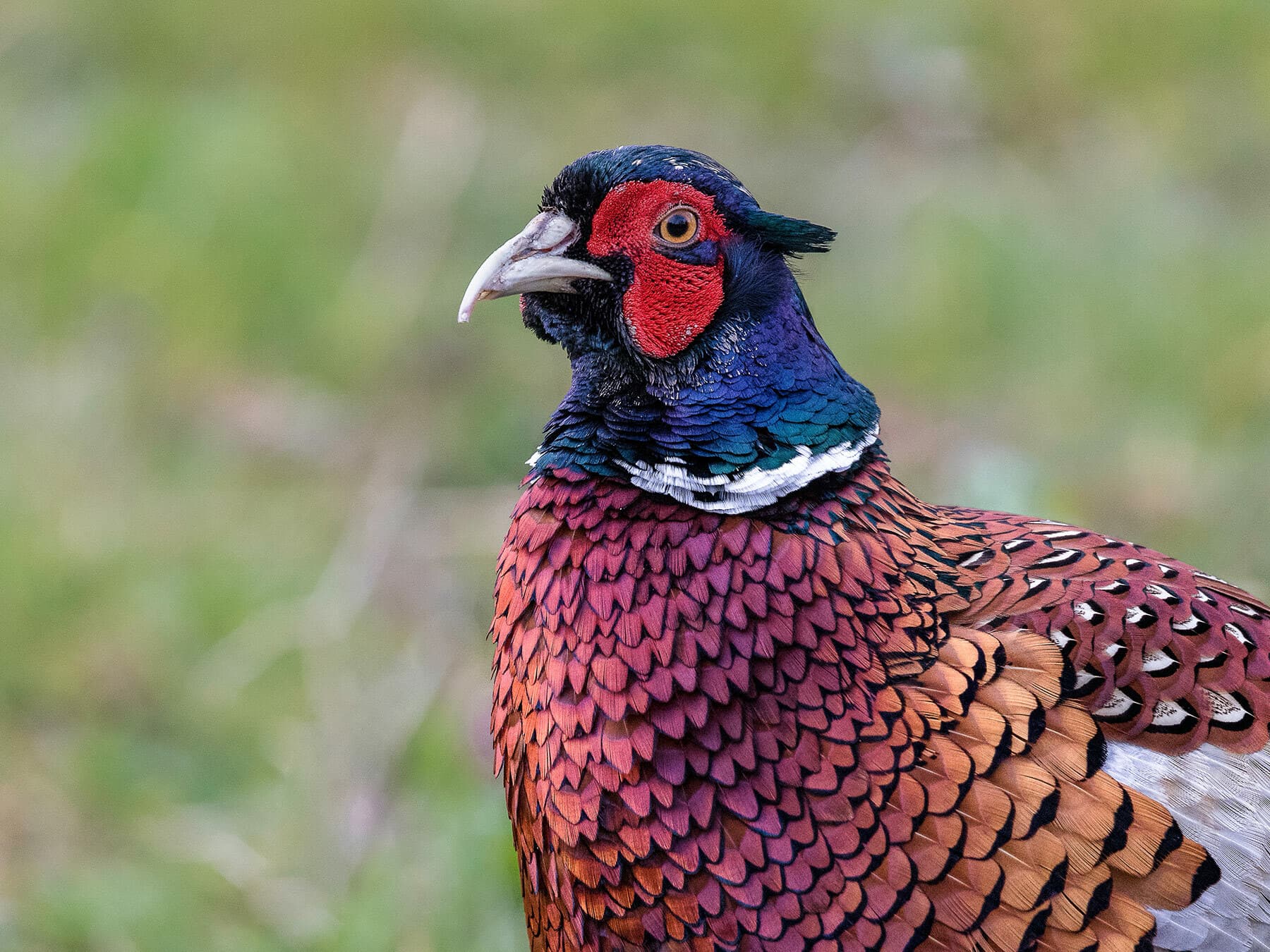
Common Pheasant
Phasianus colchicusLC
A common resident found across farmland, woodland edges and hedgerows throughout the county, largely sustained by annual releases.
Year-round
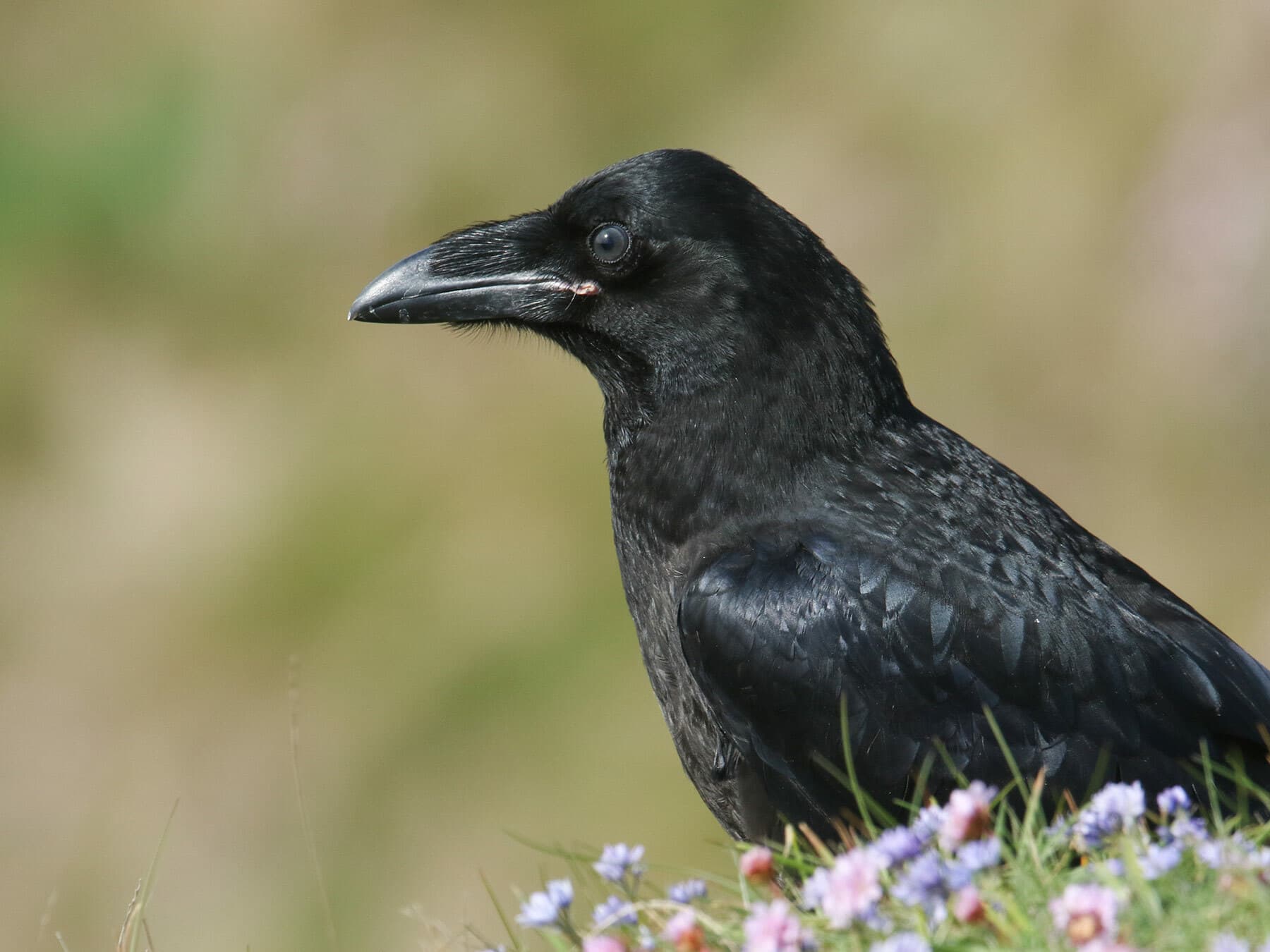
Common Raven
Corvus coraxLC
A rare but increasing resident, favouring the western uplands and Pennine fringe. Deep cronking calls betray its presence.
Aug–May
Spotted something?
Upload a photo to identify it
Identify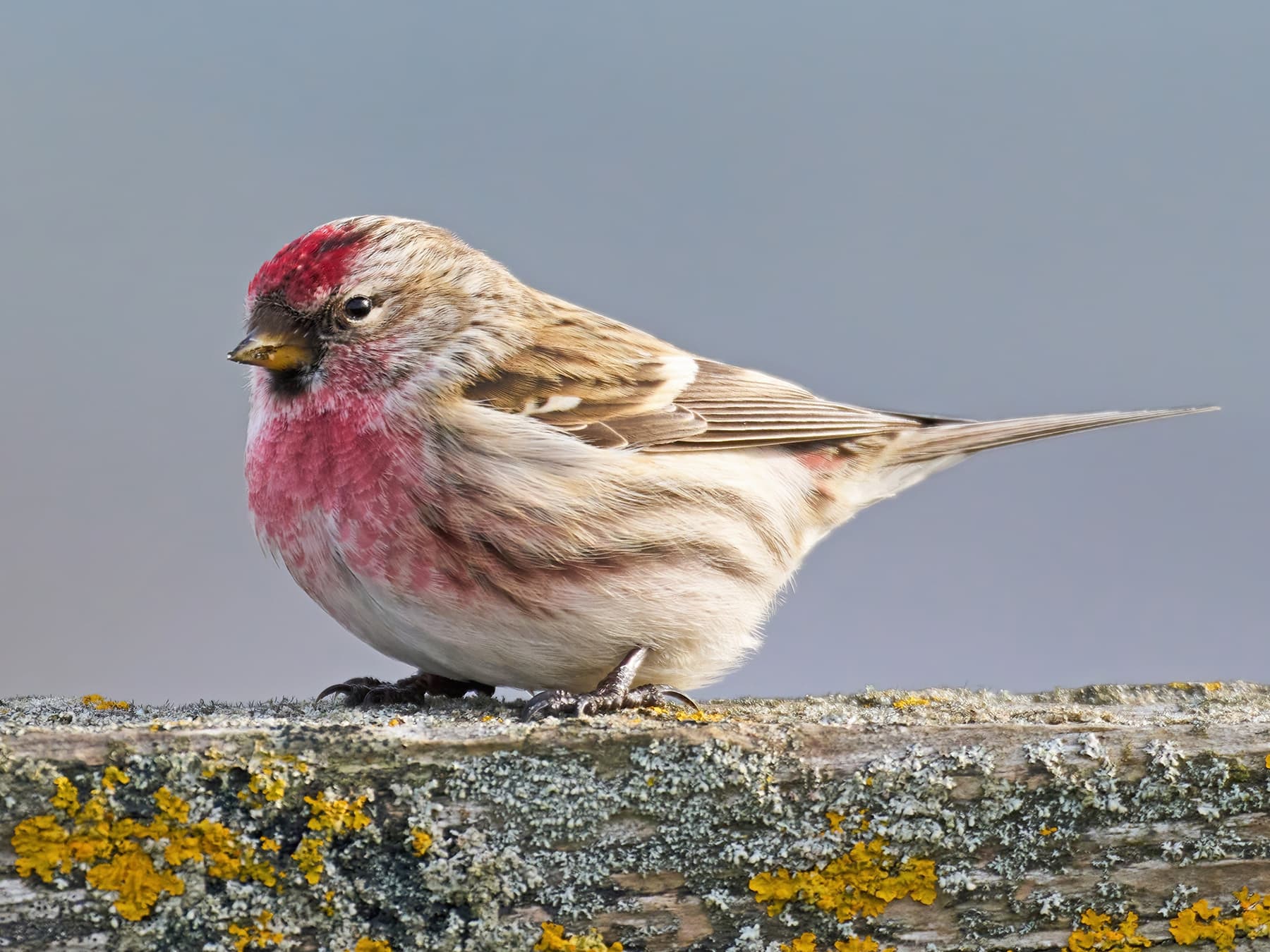
Common Redpoll
Acanthis flammeaLC
A rare resident found in birch and alder woodland, sometimes visiting garden feeders in winter with siskin flocks.
Year-round
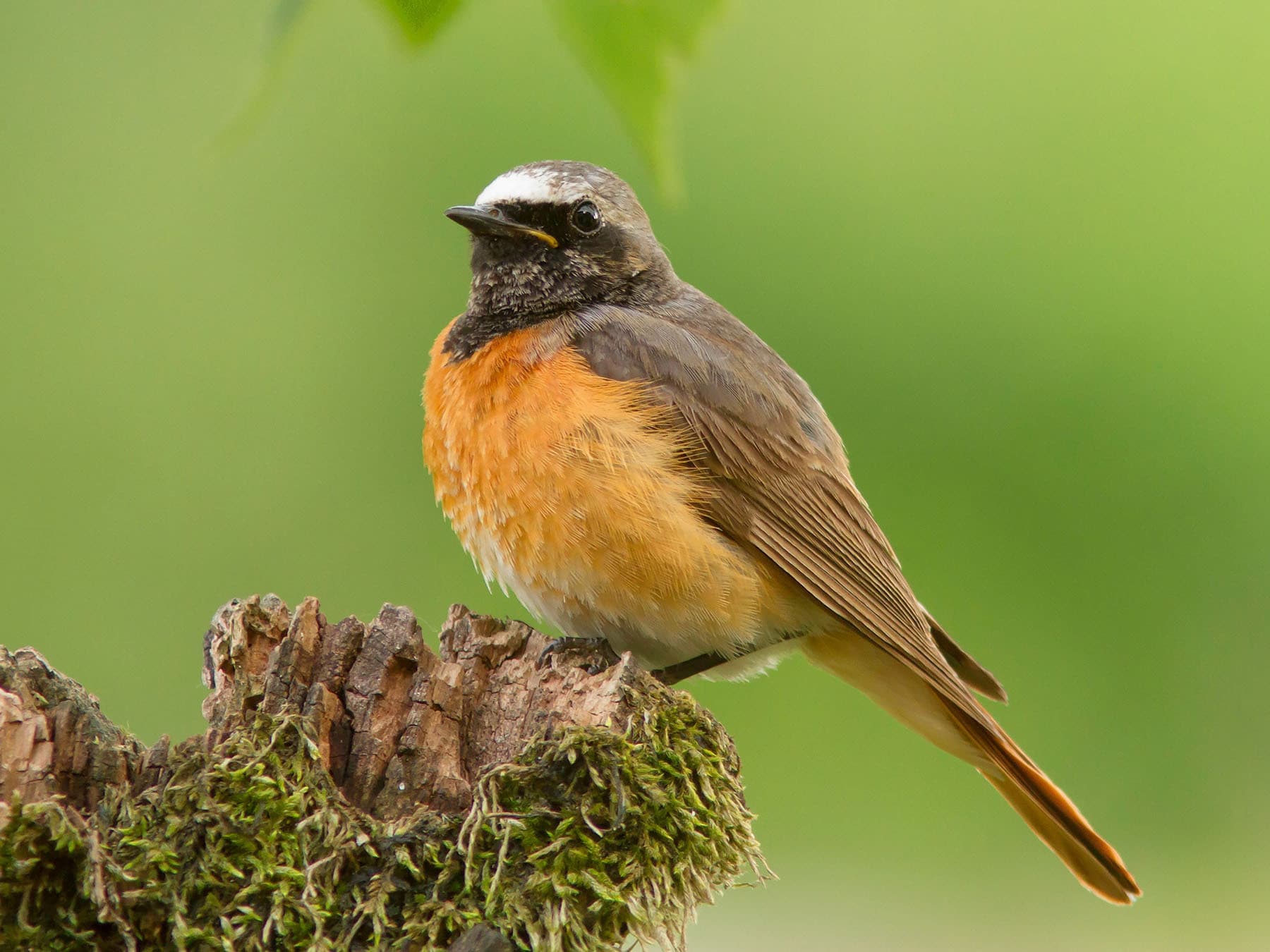
Common Redstart
Phoenicurus phoenicurusLC
A rare breeding visitor to Durham's upland oak woodlands from April to September, favouring mature trees with nest holes.
Apr–Sep
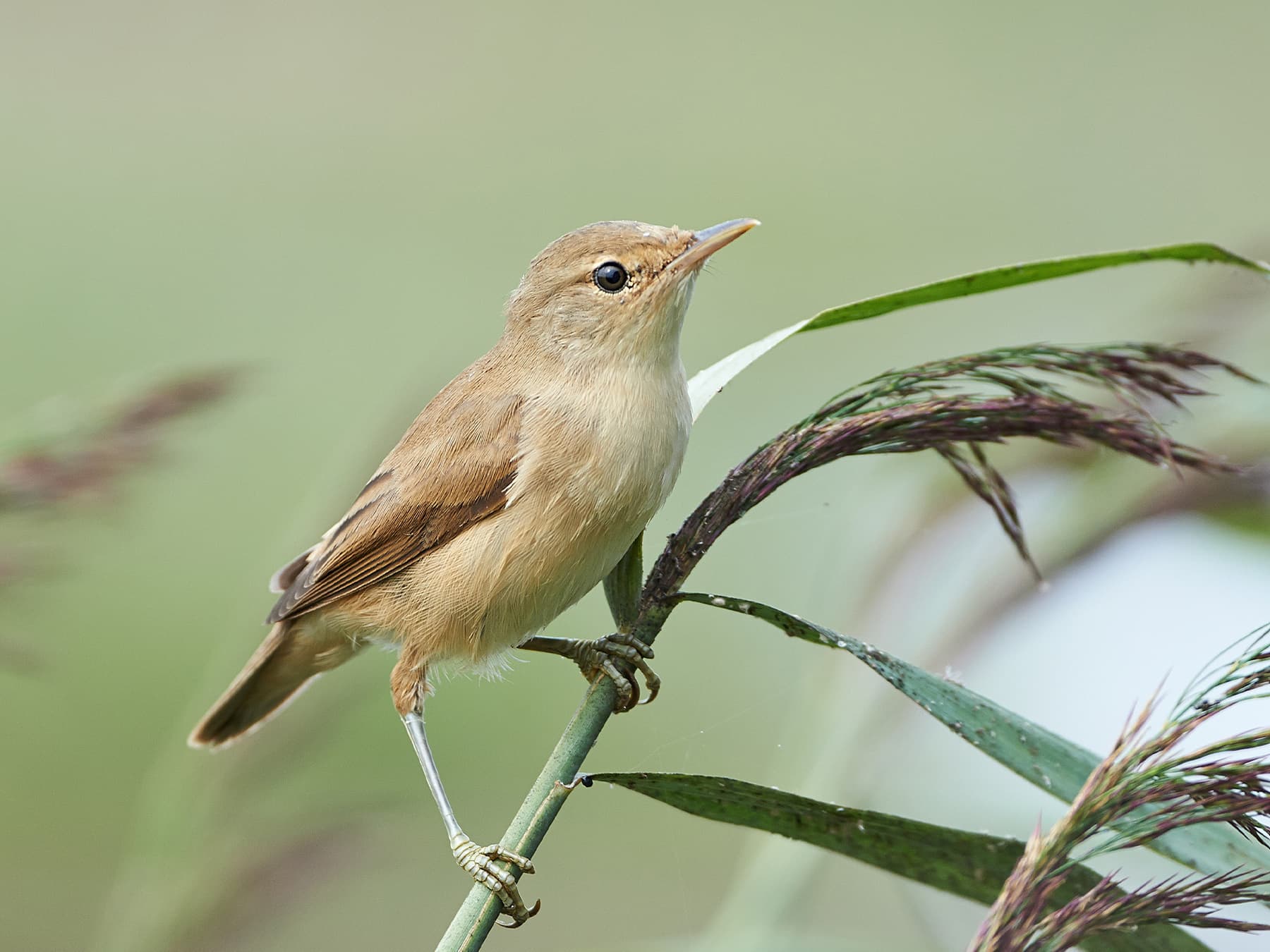
Common Reed-warbler
Acrocephalus scirpaceusLC
A rare breeding visitor near the northern limit of its range, found in reedbeds from April to August.
Apr–Aug
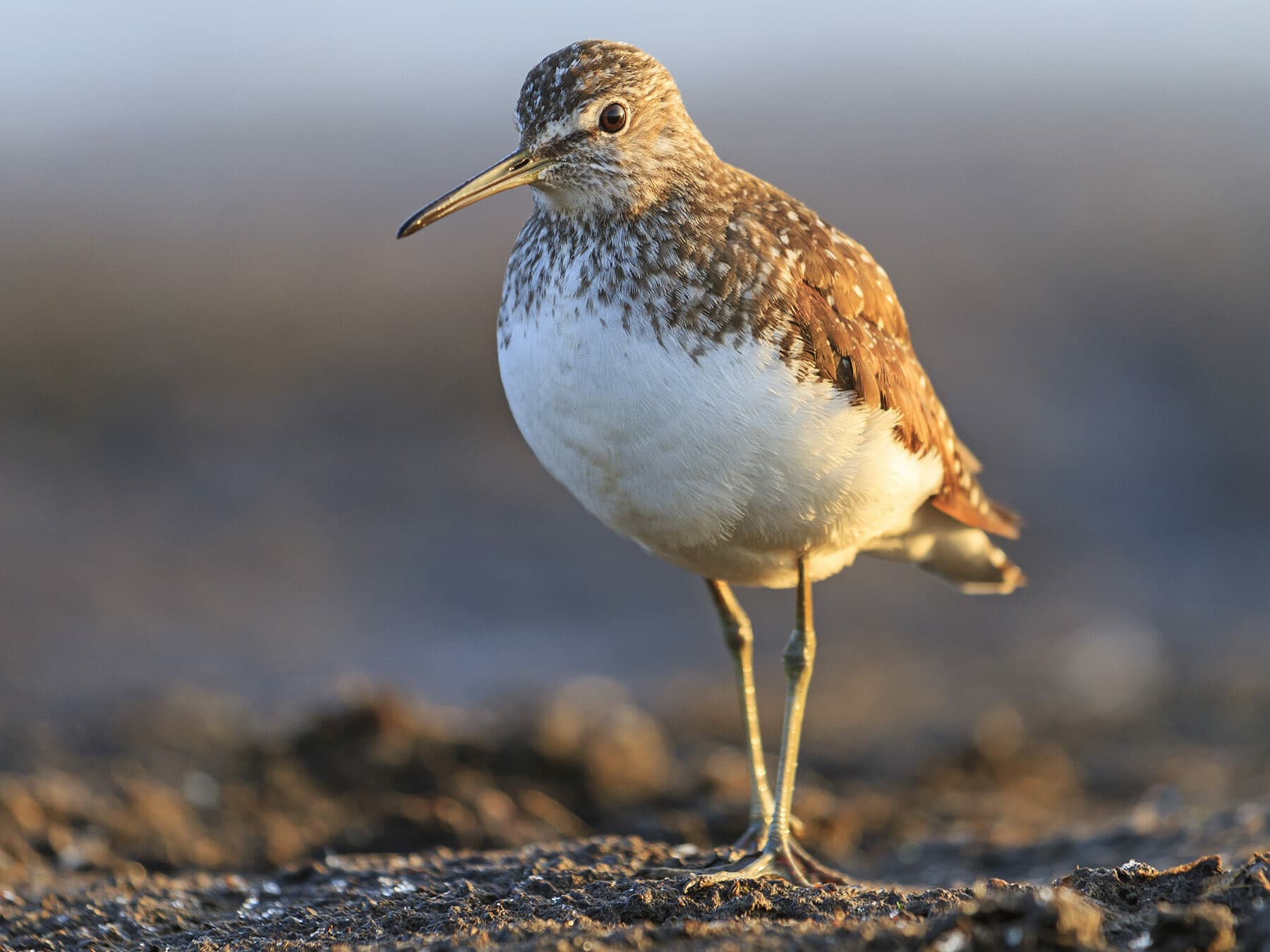
Common Sandpiper
Actitis hypoleucosLC
An uncommon summer breeder along Durham's rivers and reservoirs from April to September. Bobs constantly on waterside rocks and stones.
Apr–Sep
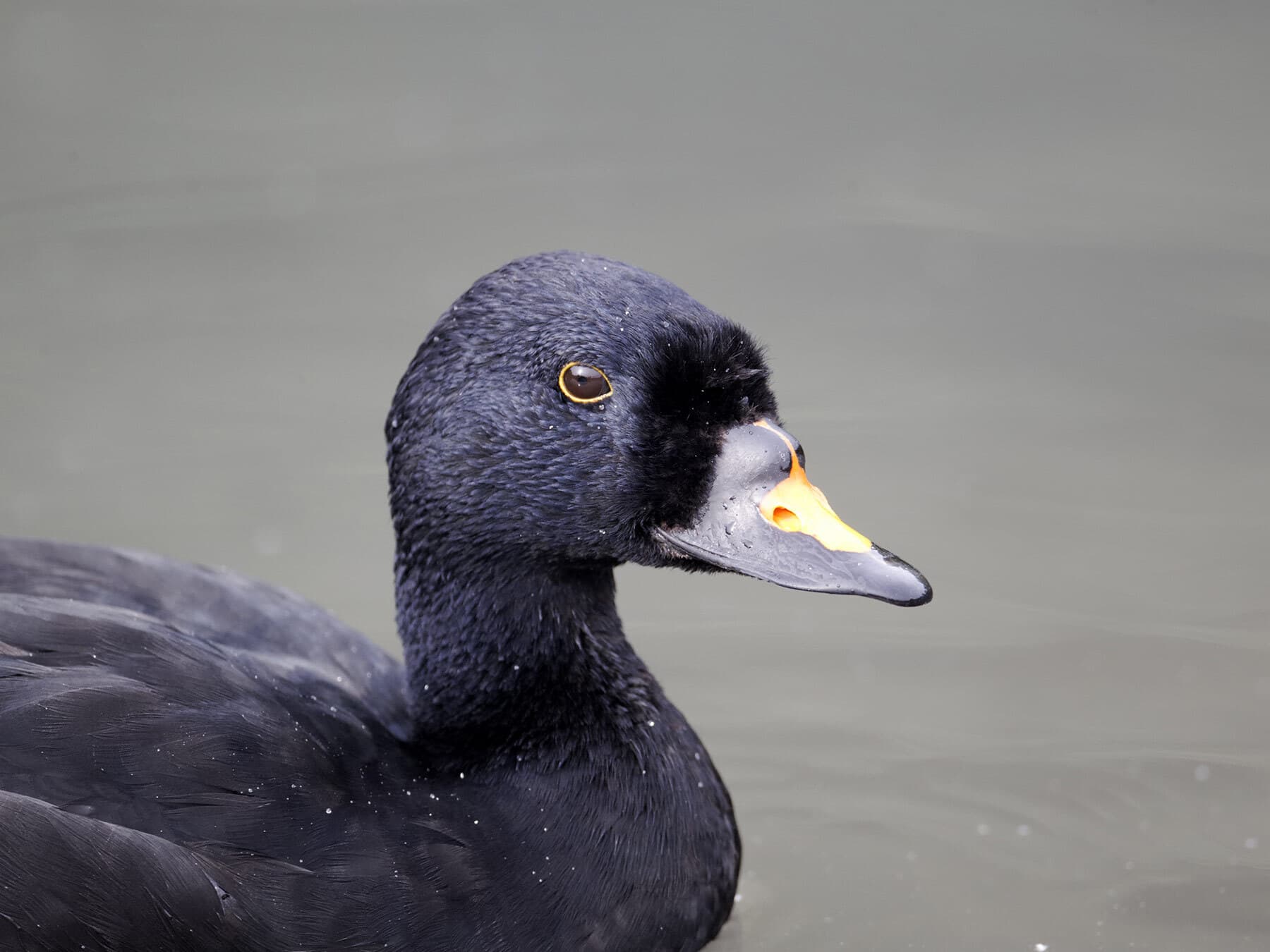
Common Scoter
Melanitta nigraLC
A rare but near year-round presence offshore. Small flocks are seen from the Durham coast, with numbers peaking during passage.
May–Mar
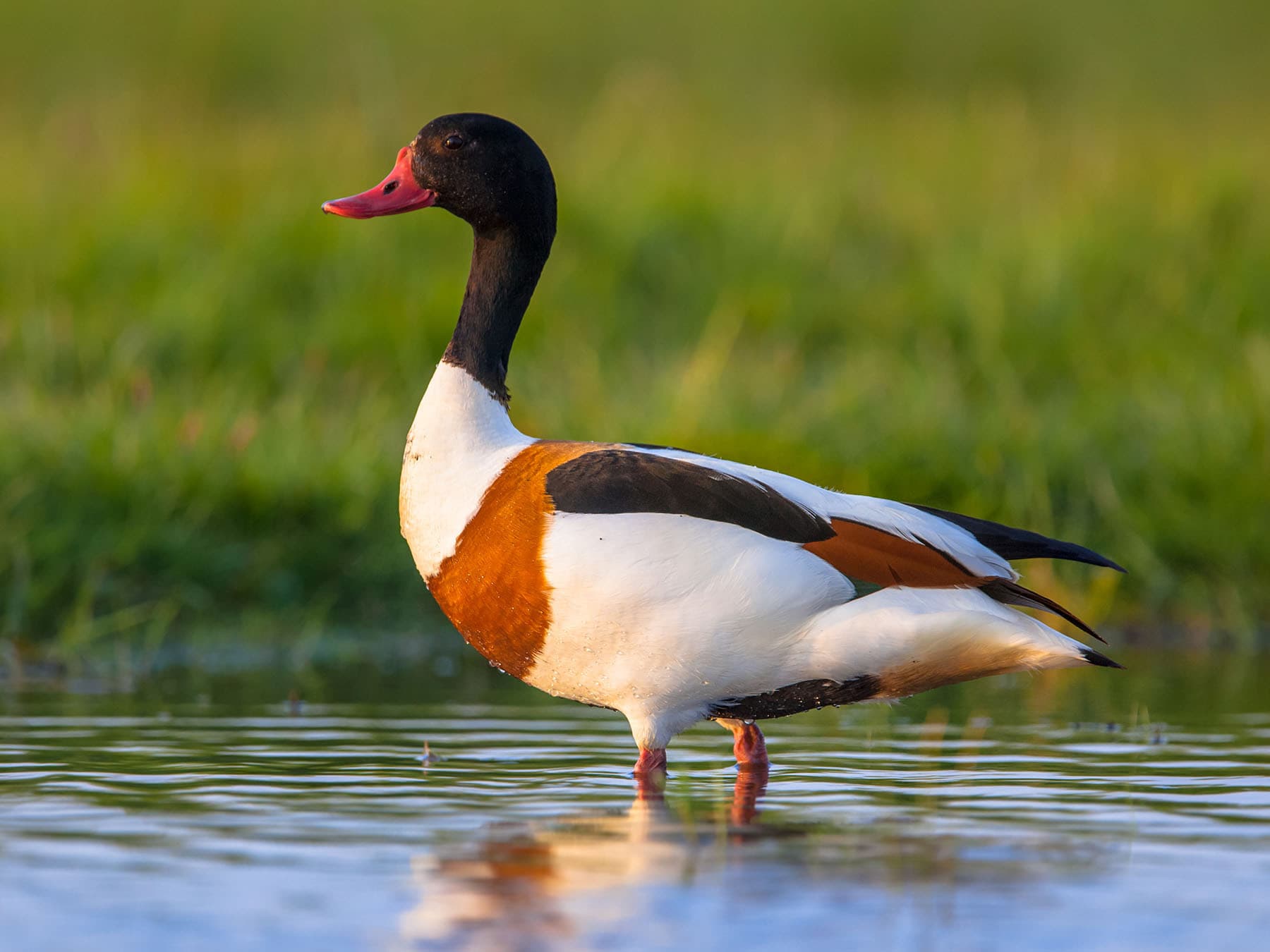
Common Shelduck
Tadorna tadornaLC
An uncommon resident breeding along the Durham coast and estuaries. Also found inland at reservoirs and gravel pits.
Year-round
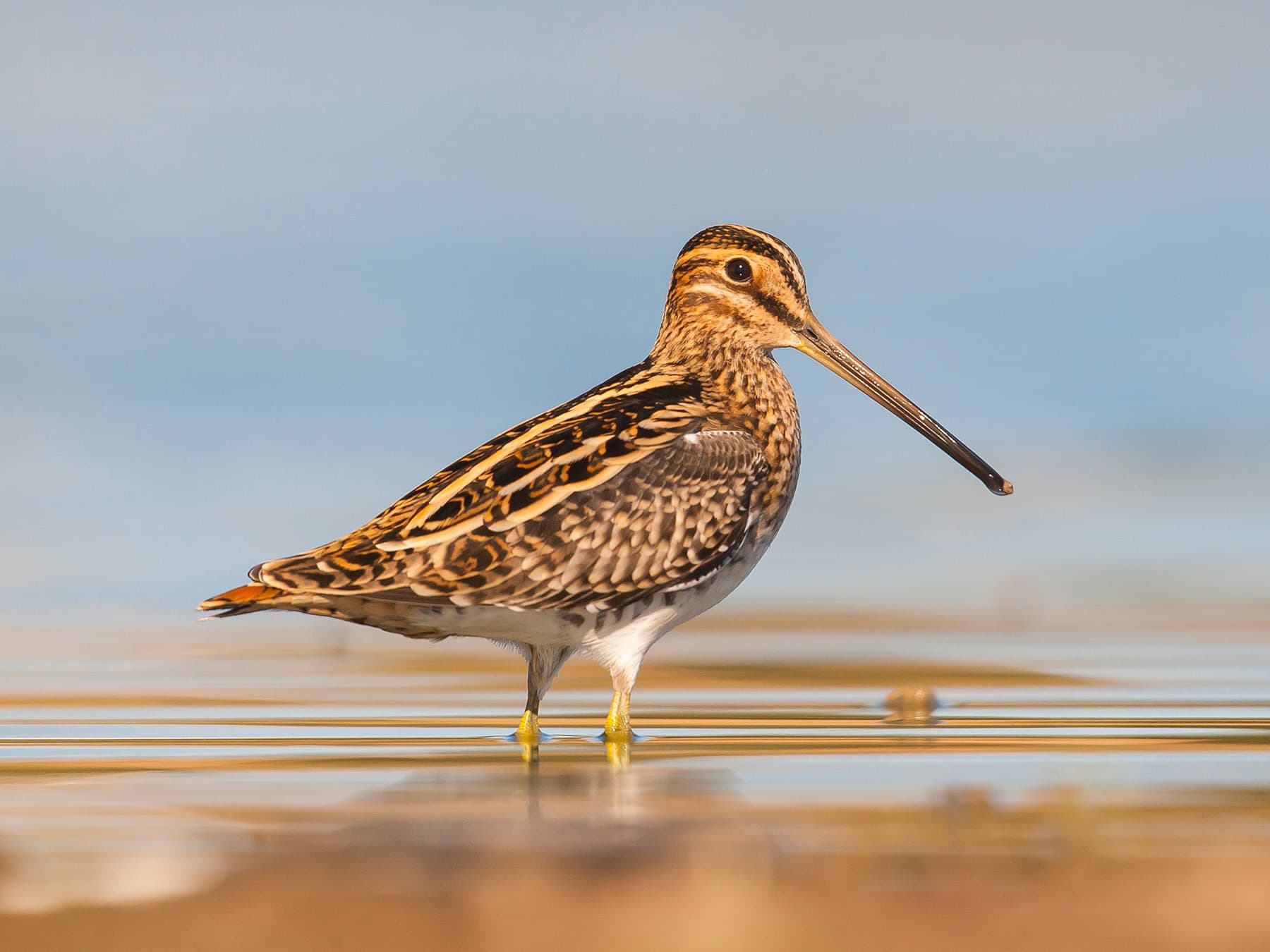
Common Snipe
Gallinago gallinagoLC
A scarce year-round resident of boggy moorland and wet meadows. Its drumming display in spring is heard on Durham's uplands but declining breeding numbers.
Year-round
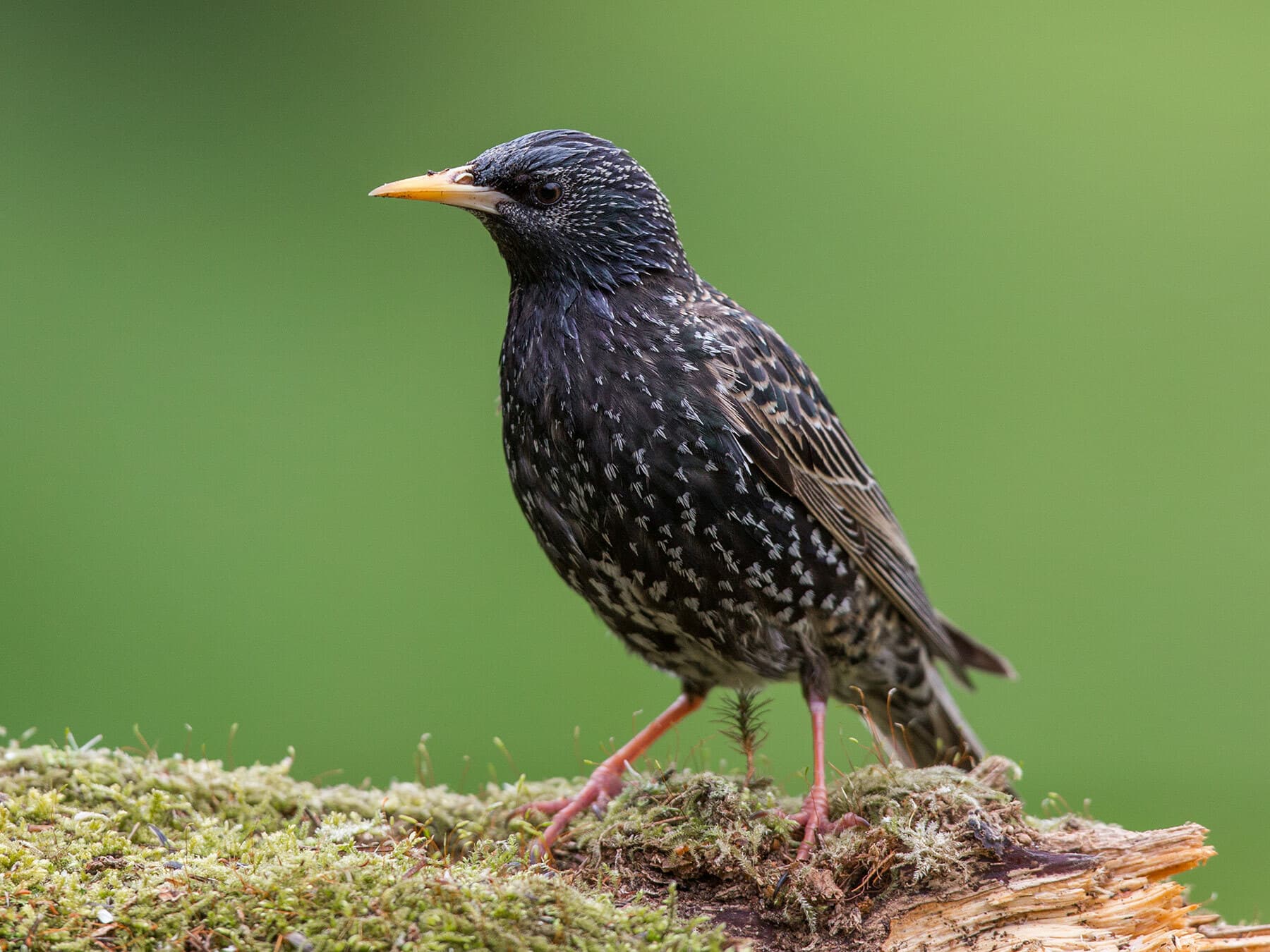
Common Starling
Sturnus vulgarisLC
A common resident seen in towns, farmland and gardens throughout the year. Winter roosts can form spectacular murmurations over Durham's urban areas.
Year-round
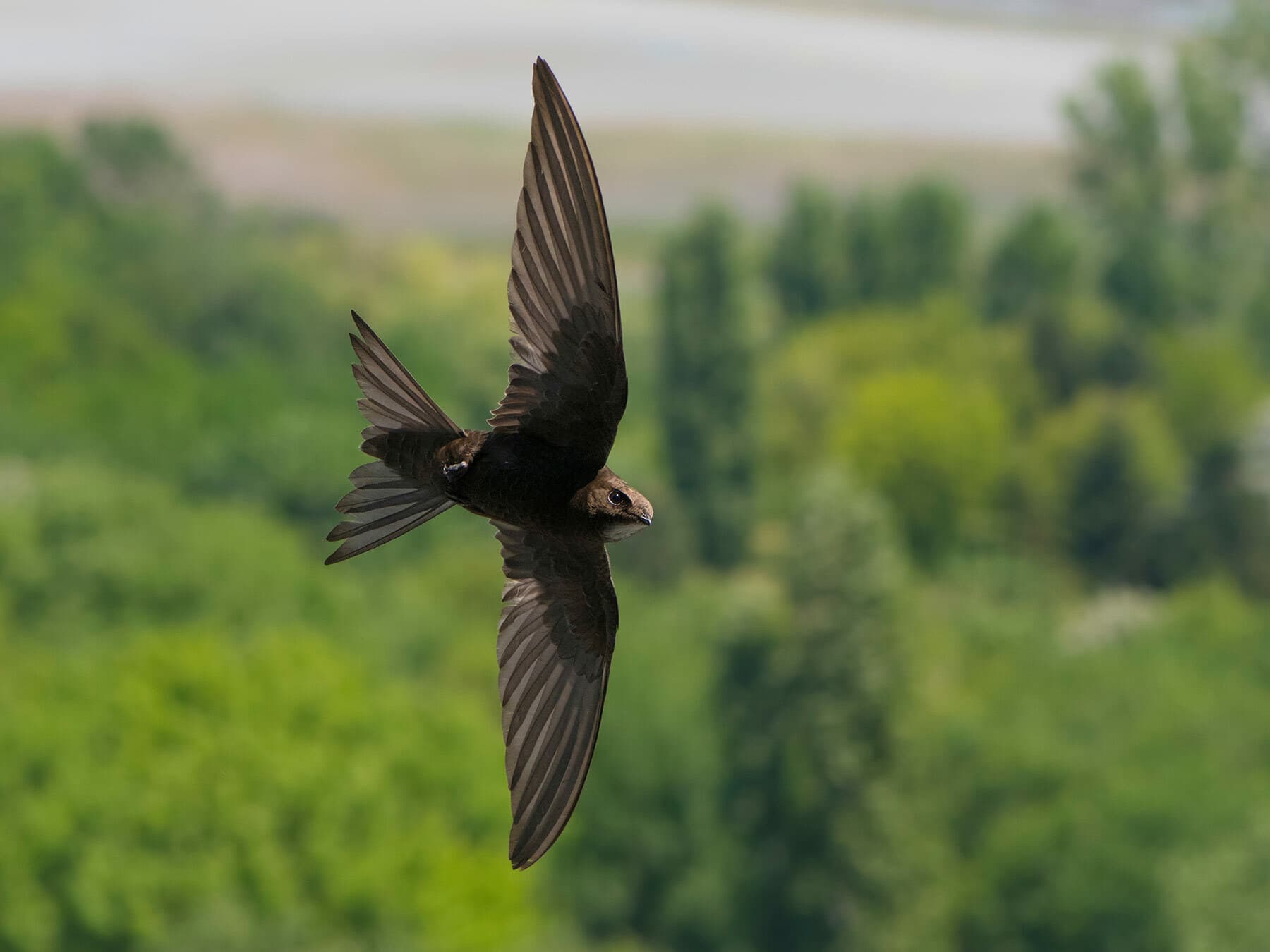
Common Swift
Apus apusLC
A common summer breeder screaming over Durham's towns and villages from May to August, nesting under eaves of older buildings.
May–Sep
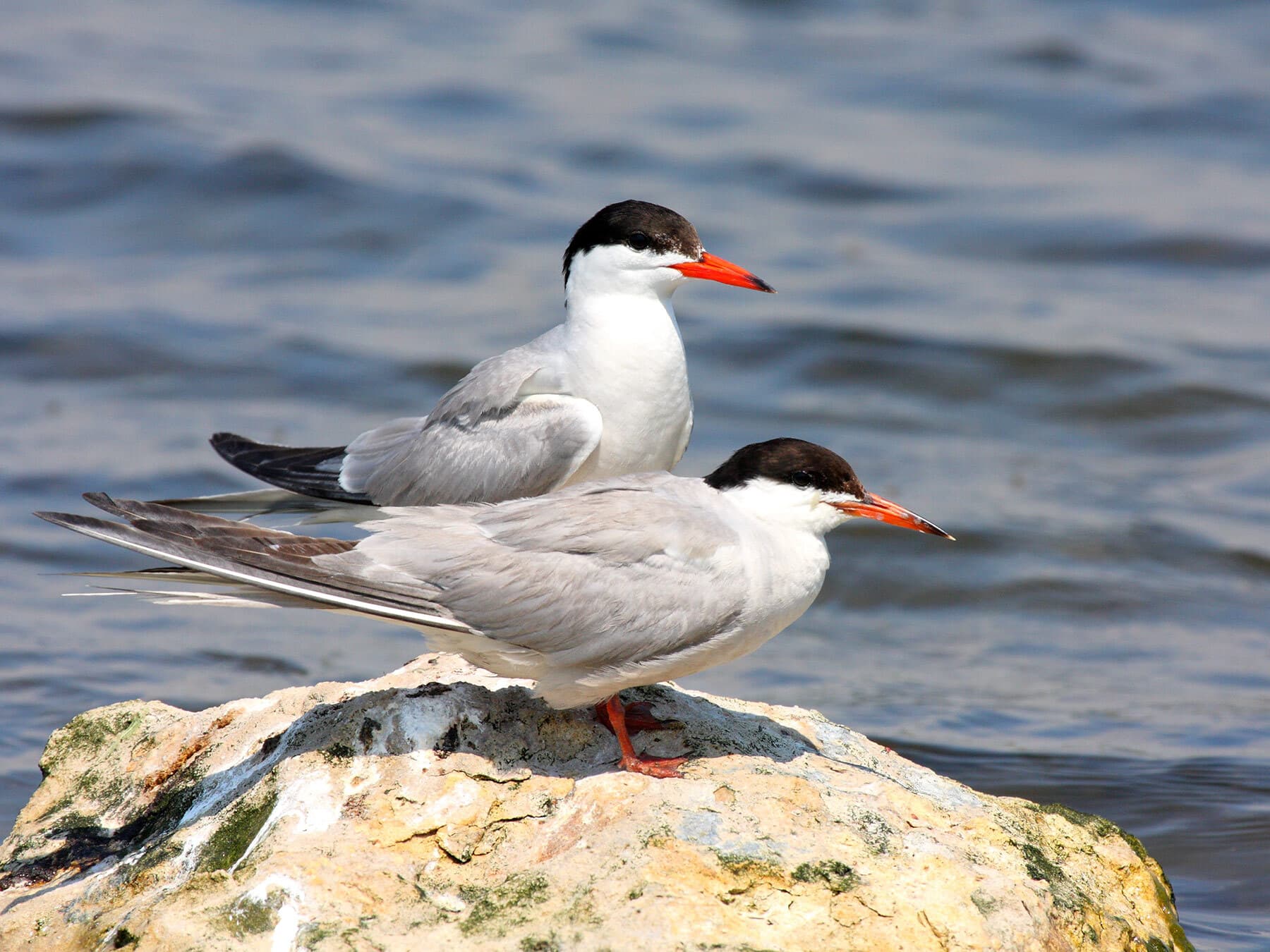
Common Tern
Sterna hirundoLC
An uncommon breeding visitor from May to October, found at coastal sites and occasionally inland reservoirs across Durham.
May–Oct
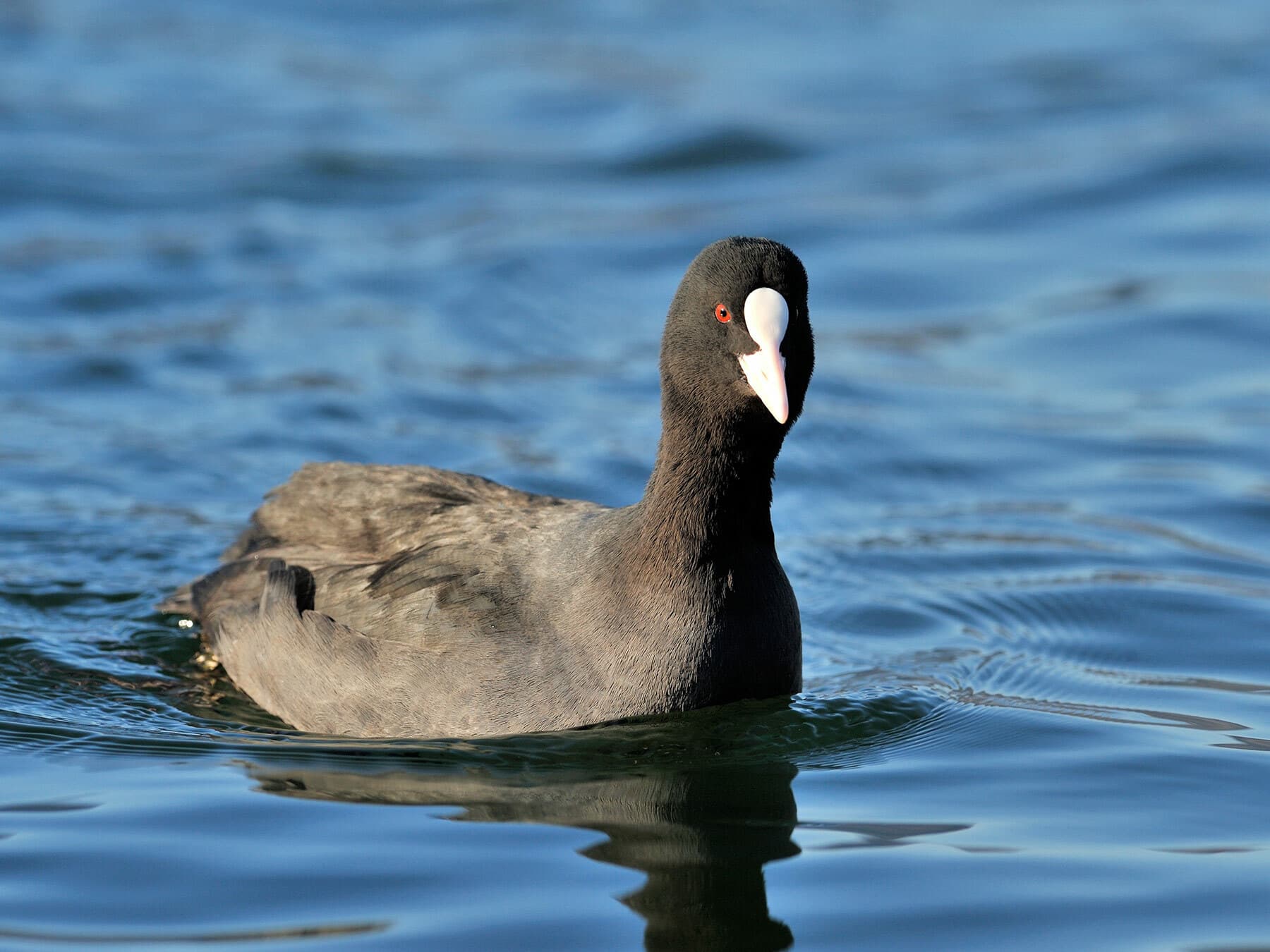
Coot
Fulica atraLC
An uncommon resident found on larger lakes and reservoirs across the county. Numbers may increase in winter with visiting birds.
Year-round
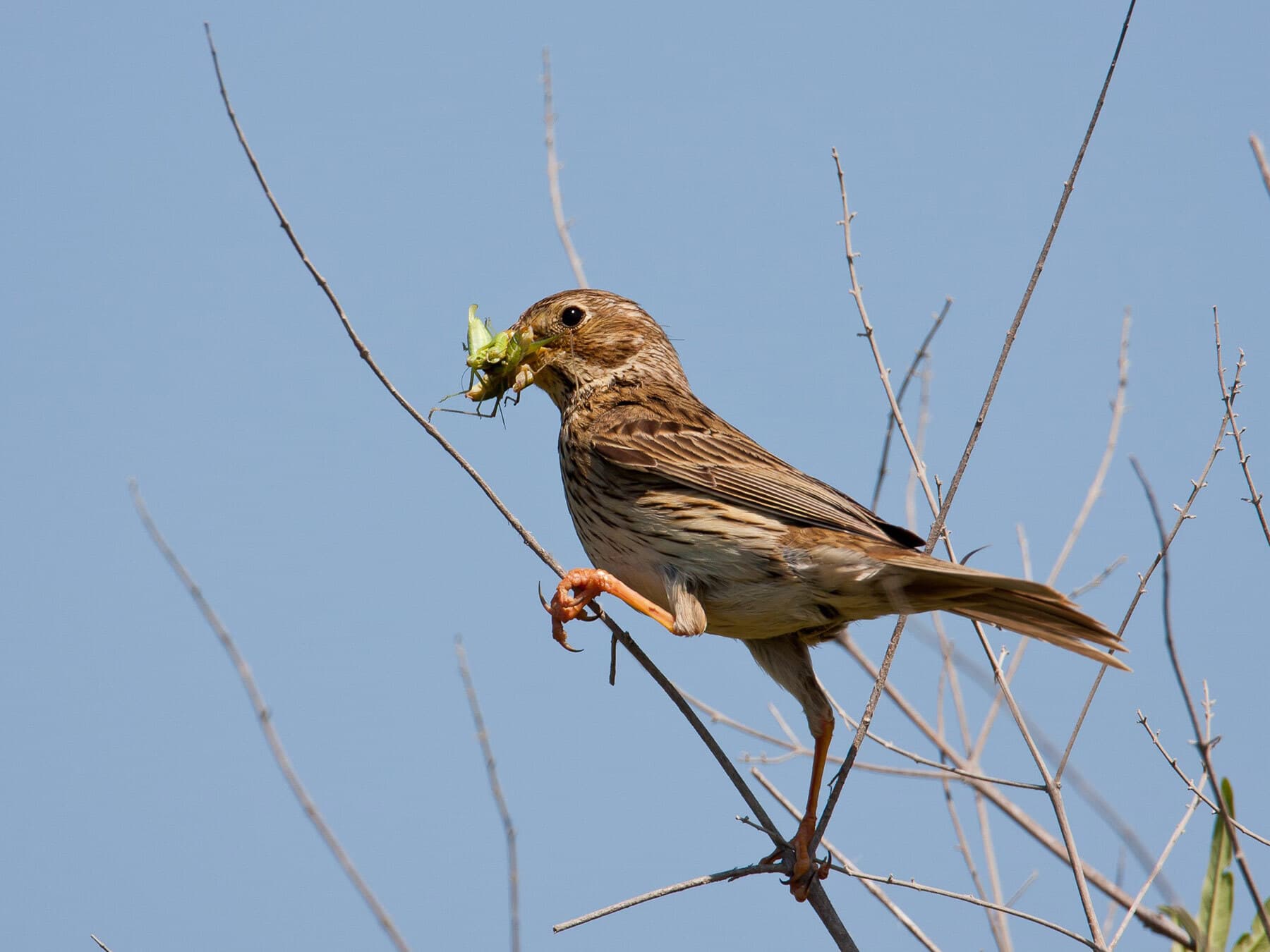
Corn Bunting
Emberiza calandraLC
A rare and declining breeding species, clinging on in scattered arable farmland pockets. Its jangling song is now seldom heard in the county.
May–Jul
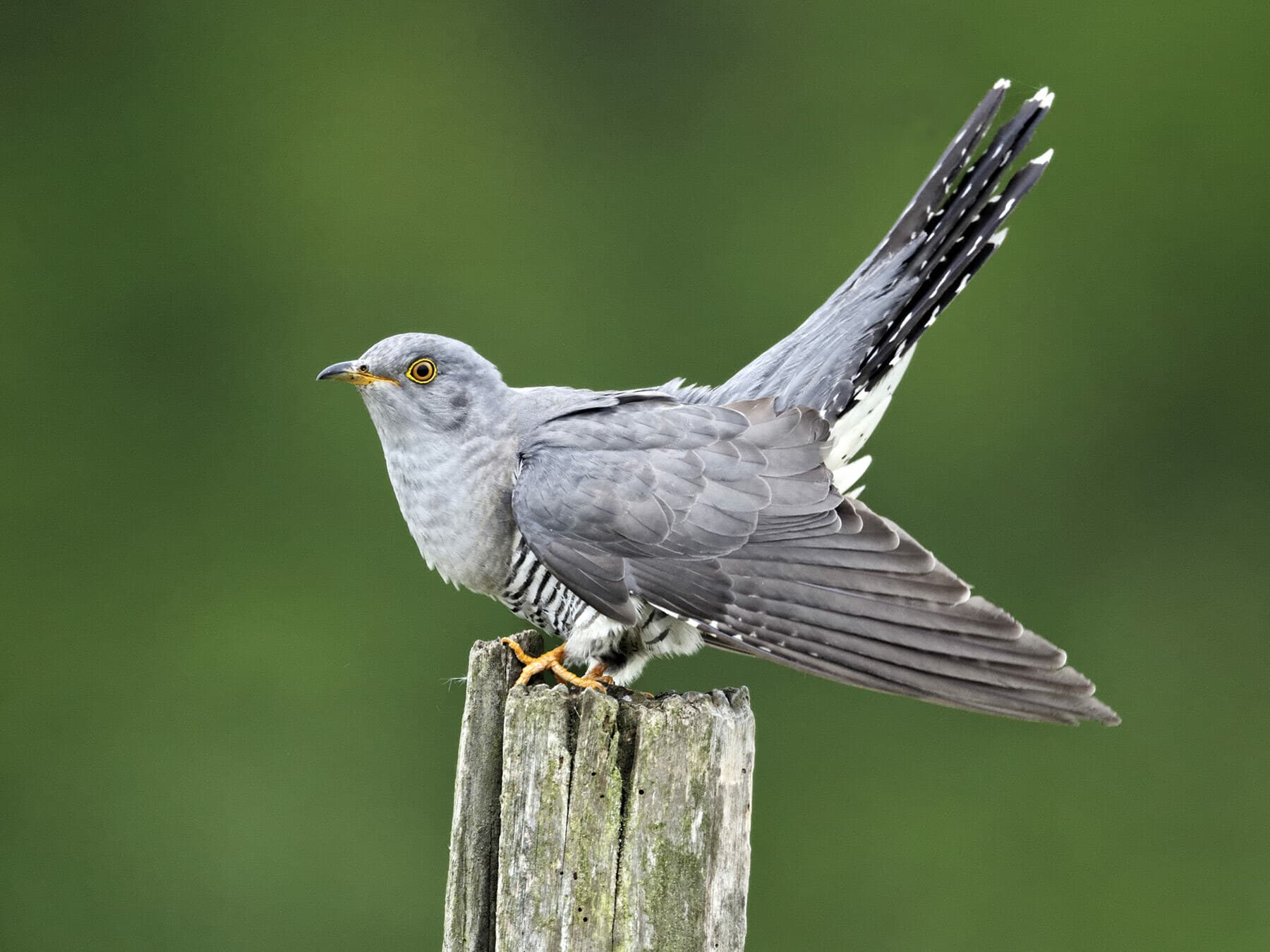
Cuckoo
Cuculus canorusLC
An uncommon summer breeder arriving in May, favouring moorland edges and wooded valleys. Declining across the county in recent decades.
May–Jul
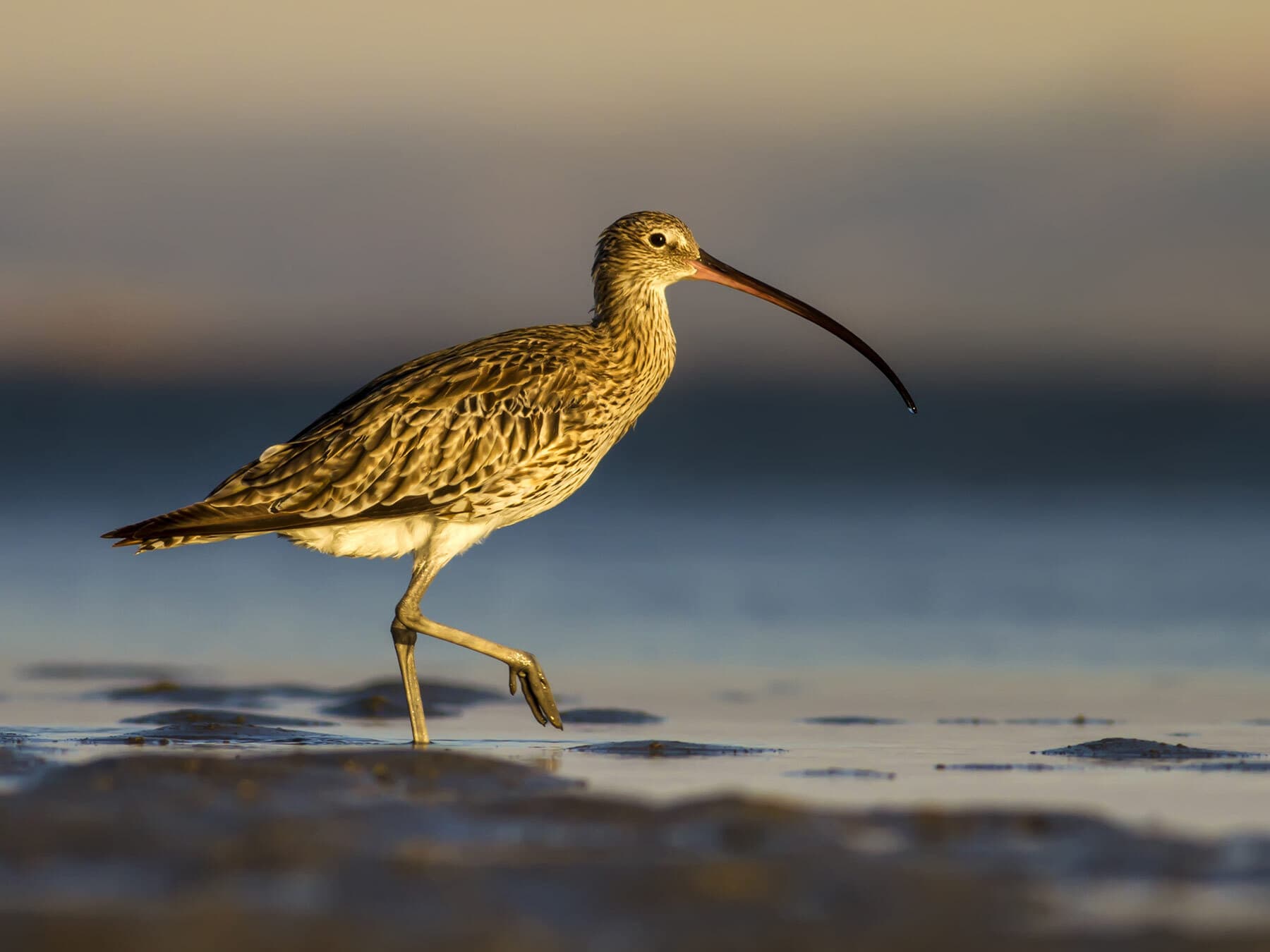
Curlew
Numenius arquataNT
A common resident breeding on Durham's upland moors and rough pastures. Its evocative bubbling call is a defining sound of the county's moorlands.
Year-round
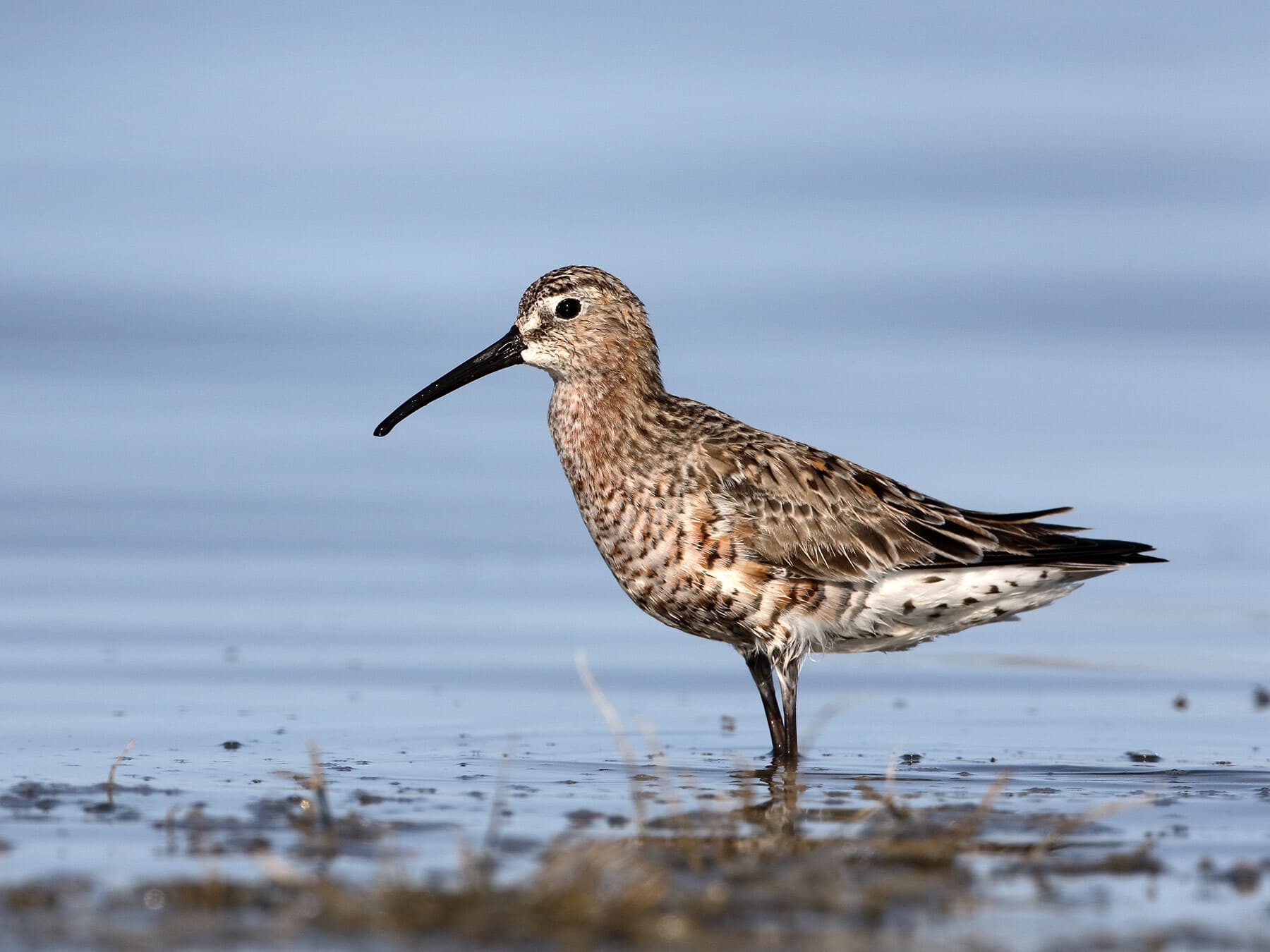
Curlew Sandpiper
Calidris ferrugineaNT
A rare autumn passage migrant, typically appearing at coastal pools and mudflats in August–September. Often found feeding alongside Dunlin.
Aug–Sep