Birds in Cumbria
Explore 187 species found in this region.
Cumbria is one of England's most rewarding counties for birdwatching, with 184 recorded species found across its diverse landscapes of lakes, estuaries, upland fells, and ancient woodlands. The region's varied habitats attract everything from wintering wildfowl such as Pink-footed Goose and Northern Pintail on the Solway Firth to breeding waders like Northern Lapwing and Common Sandpiper along the Lake District's shores. Woodland species including Great Tit and the striking Mandarin Duck can also be encountered, while the county's coastline and river systems support populations of Common Merganser and Common Shelduck year-round.
Visiting in July? Look out for Bar-tailed Godwit and Golden Eagle arriving this month, and Barn Owl and Cetti's Warbler depart for the season.


Showing 93–115 of 187 species
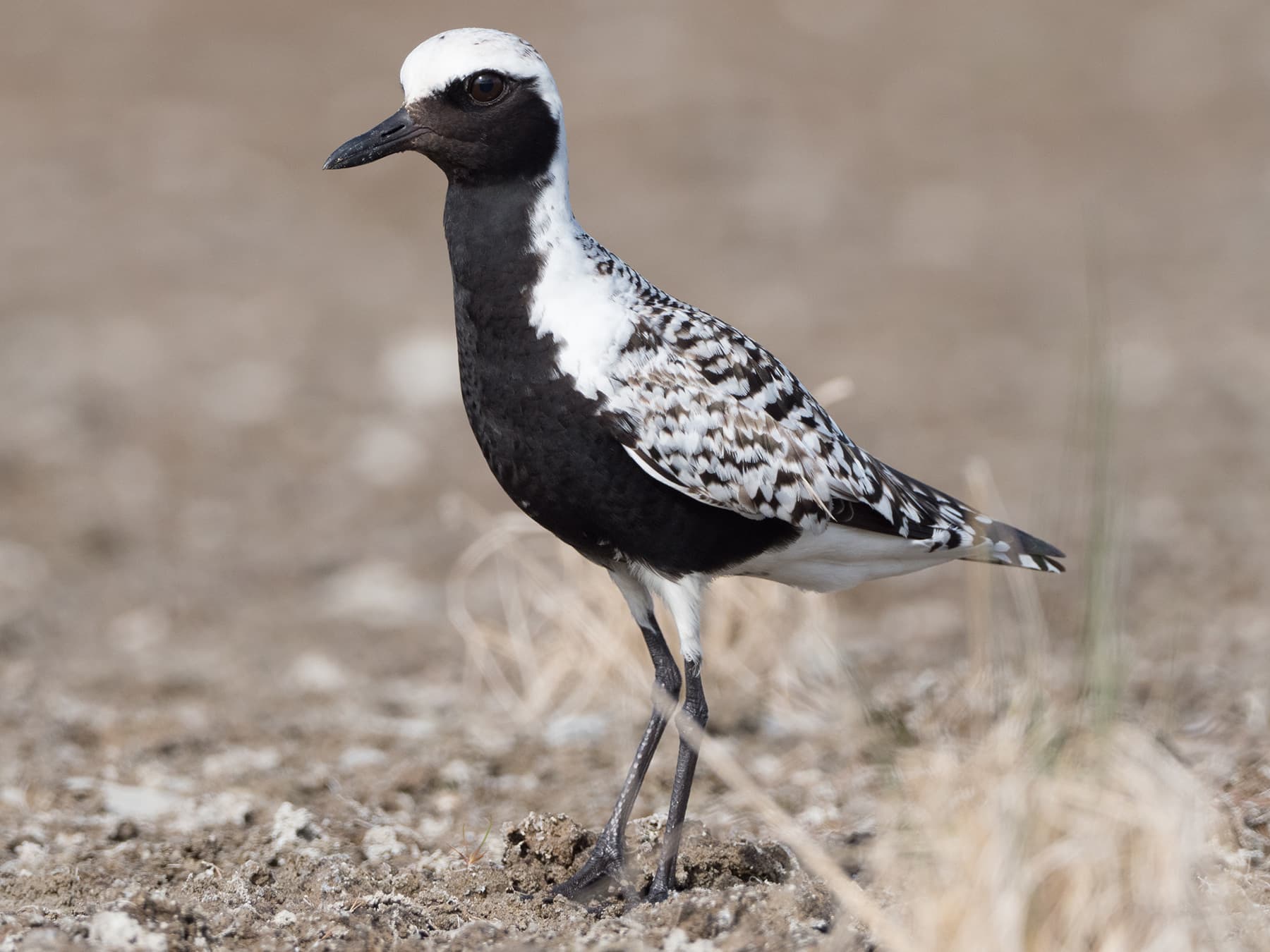
Grey Plover
Pluvialis squatarolaLC
A rare non-breeding visitor to Cumbria's estuaries, mainly seen on the Solway and Morecambe Bay mudflats outside summer months.
Aug–Apr
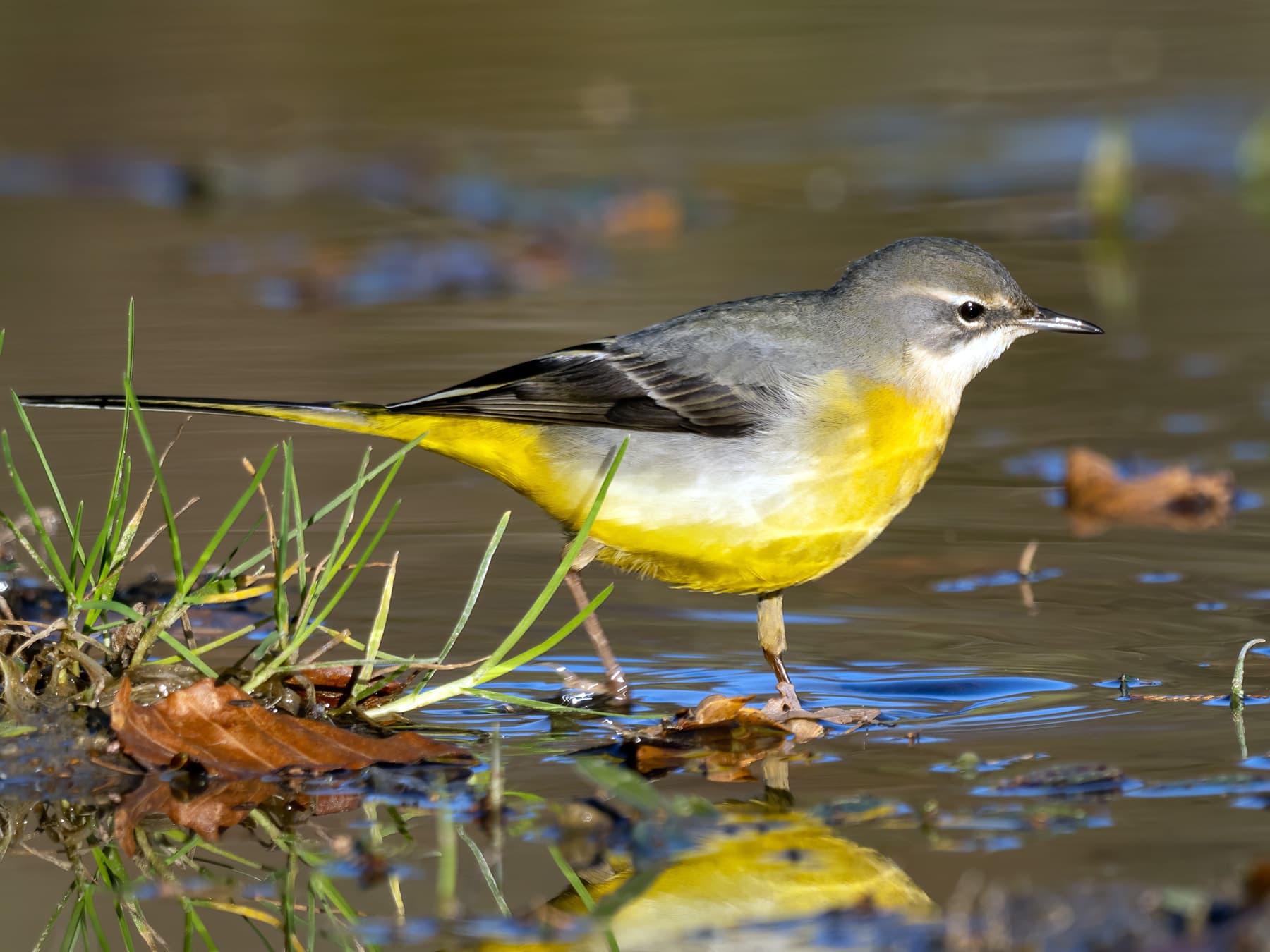
Grey Wagtail
Motacilla cinereaLC
A resident of fast-flowing streams and rivers, often seen bobbing its long tail on rocks alongside dippers.
Year-round
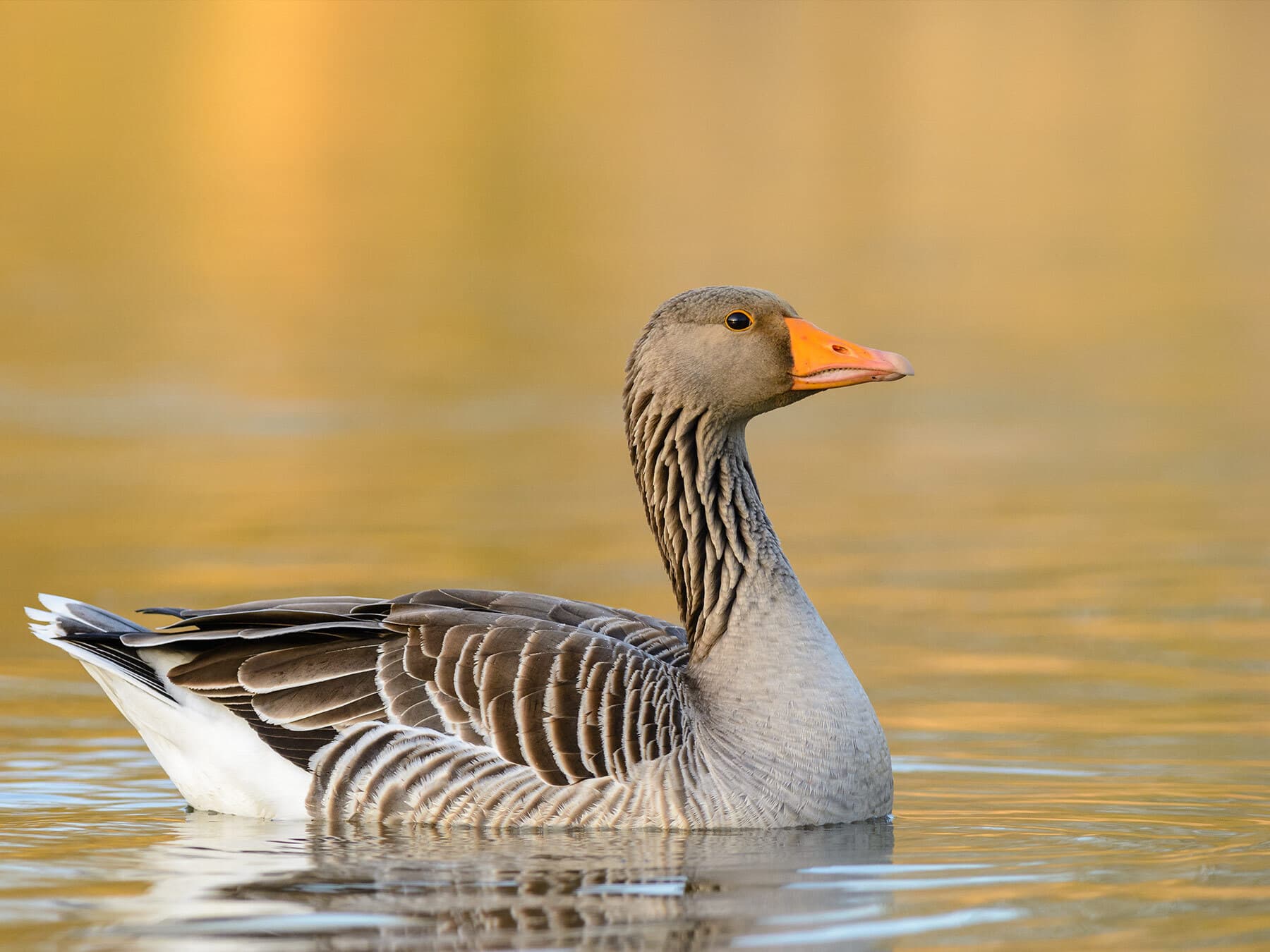
Greylag Goose
Anser anserLC
An uncommon year-round resident found on lakes, estuaries and farmland, with both feral and wild birds present.
Year-round
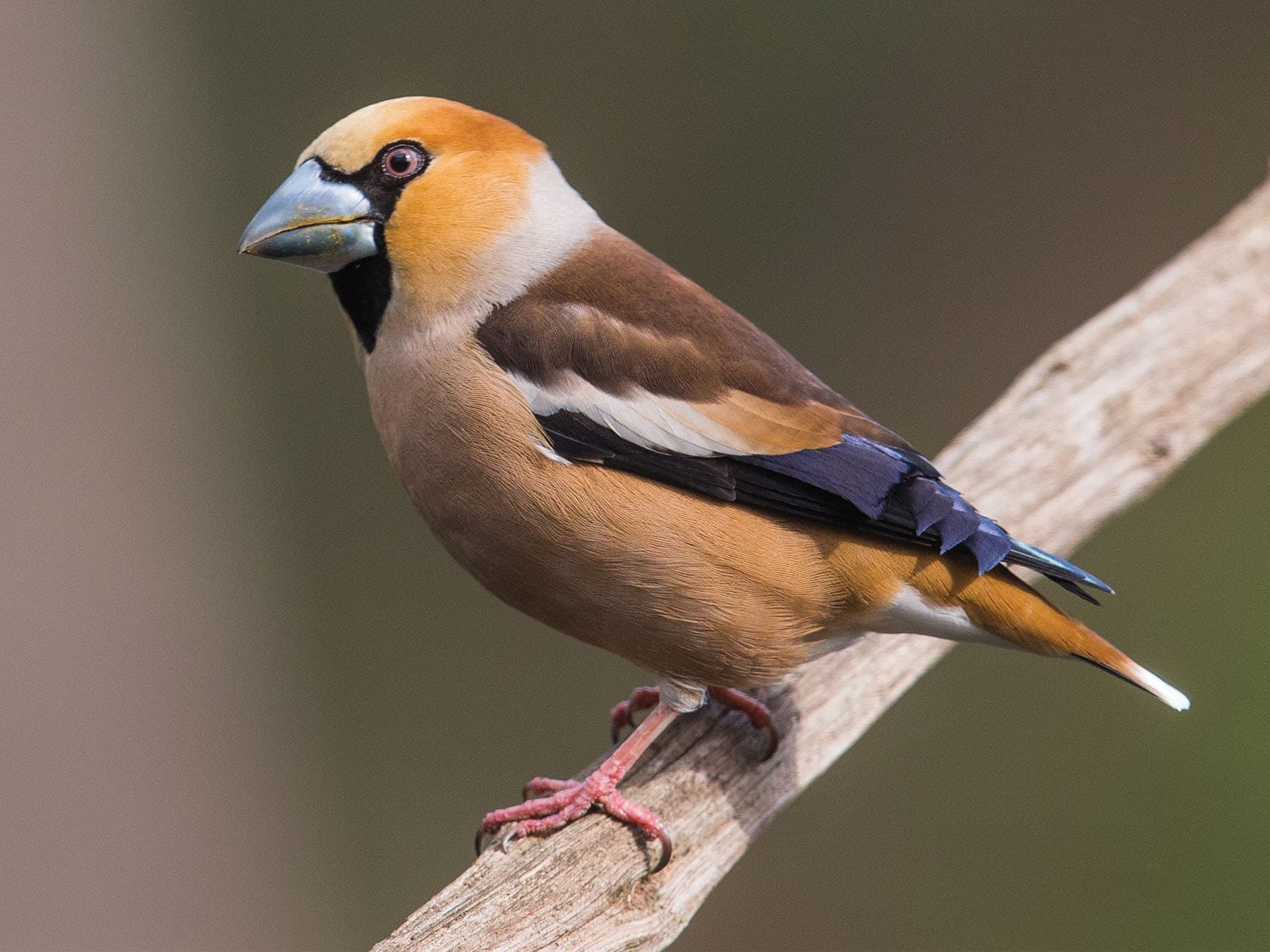
Hawfinch
Coccothraustes coccothraustesLC
A rare passage visitor, occasionally noted in spring and late autumn. Cumbria lies outside its core UK range, making any sighting notable.
Nov–Apr
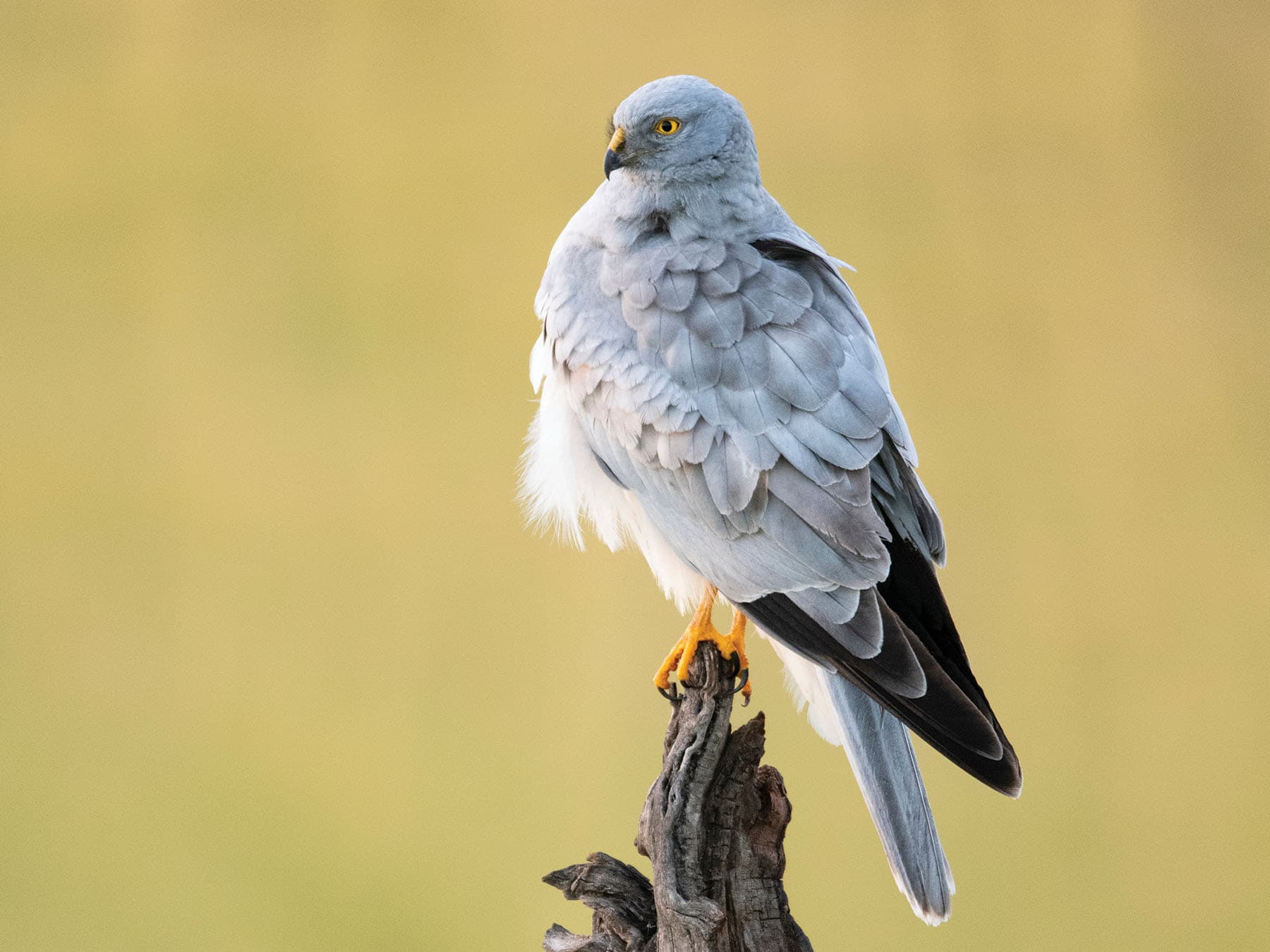
Hen Harrier
Circus cyaneusLC
A rare non-breeding visitor to Cumbrian moorlands and coastal marshes in winter. Persecution on upland grouse moors continues to limit its presence.
Nov–Feb
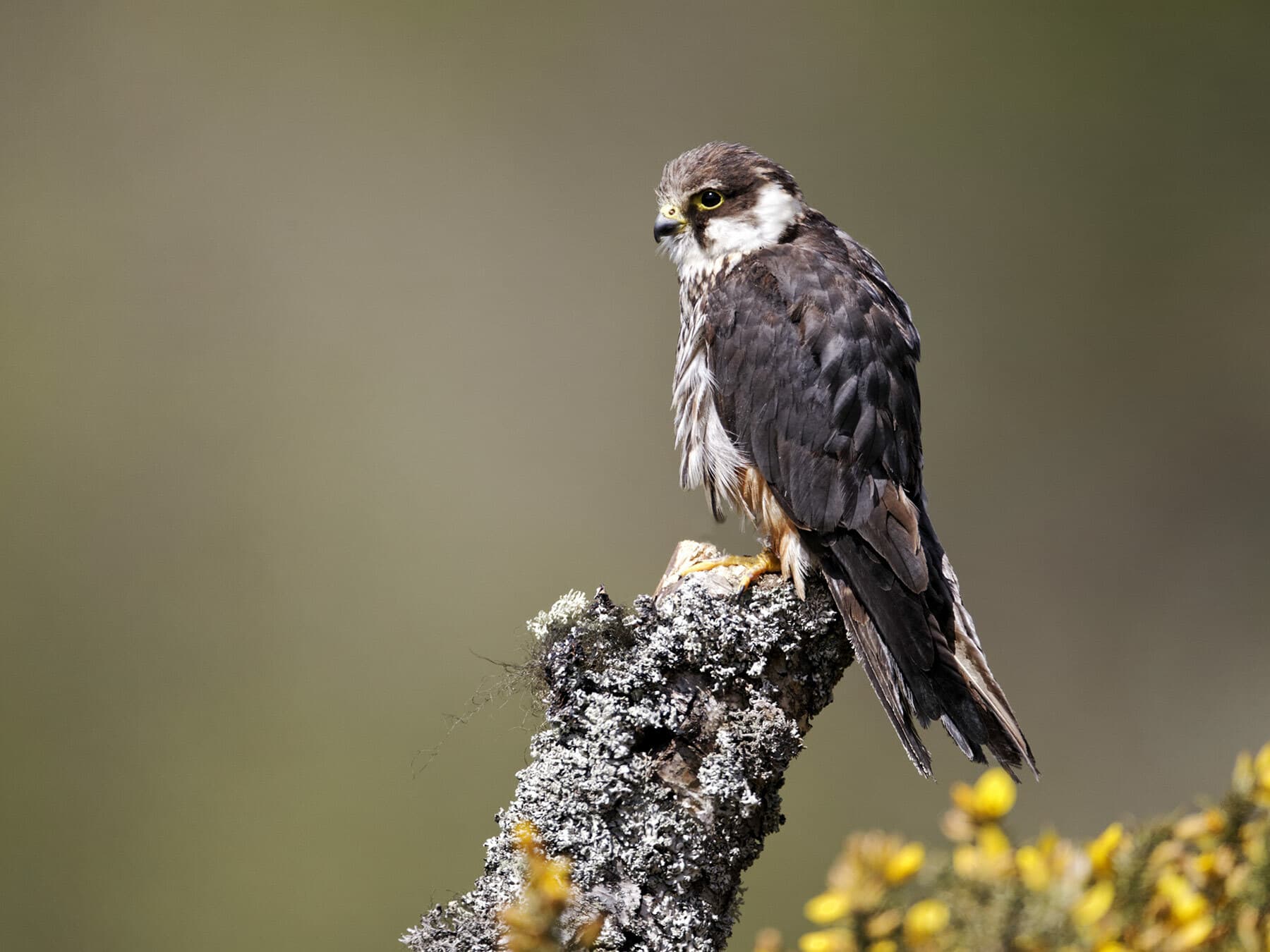
Hobby
Falco subbuteoLC
A rare summer breeding visitor from May to September, hunting dragonflies over wetlands and open country. At the northern edge of its English range.
May–Sep
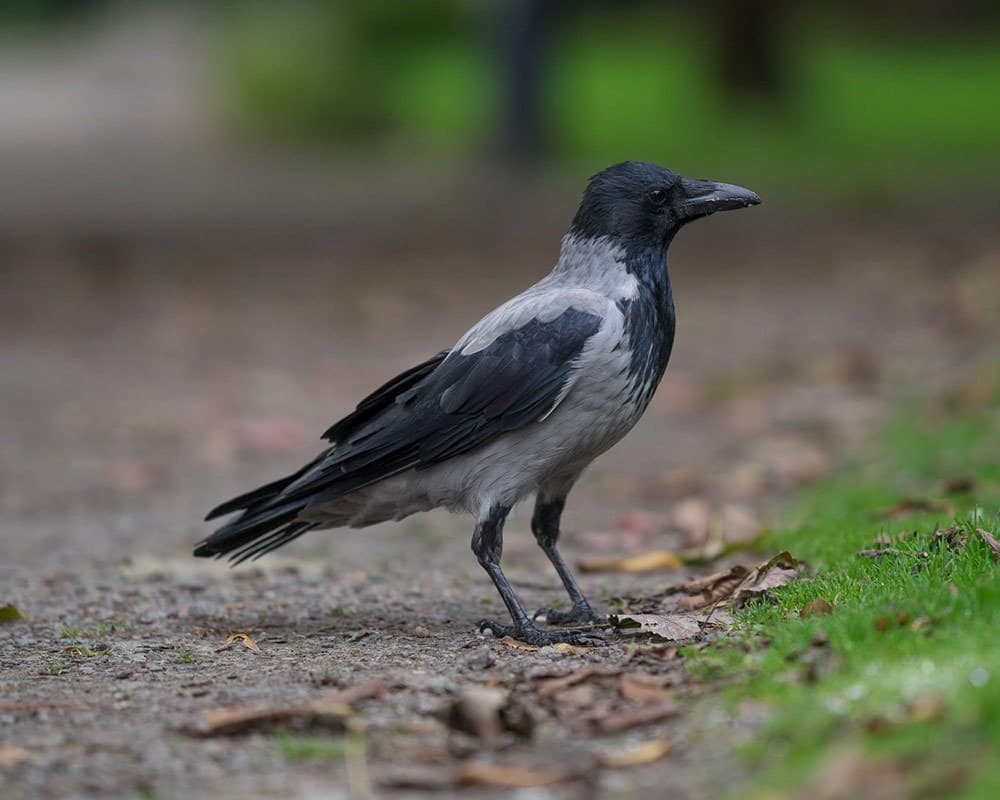
Hooded Crow
Corvus cornixLC
A rare passage visitor, occasionally turning up in December. Cumbria lies near the hybrid zone with Carrion Crow.
Dec
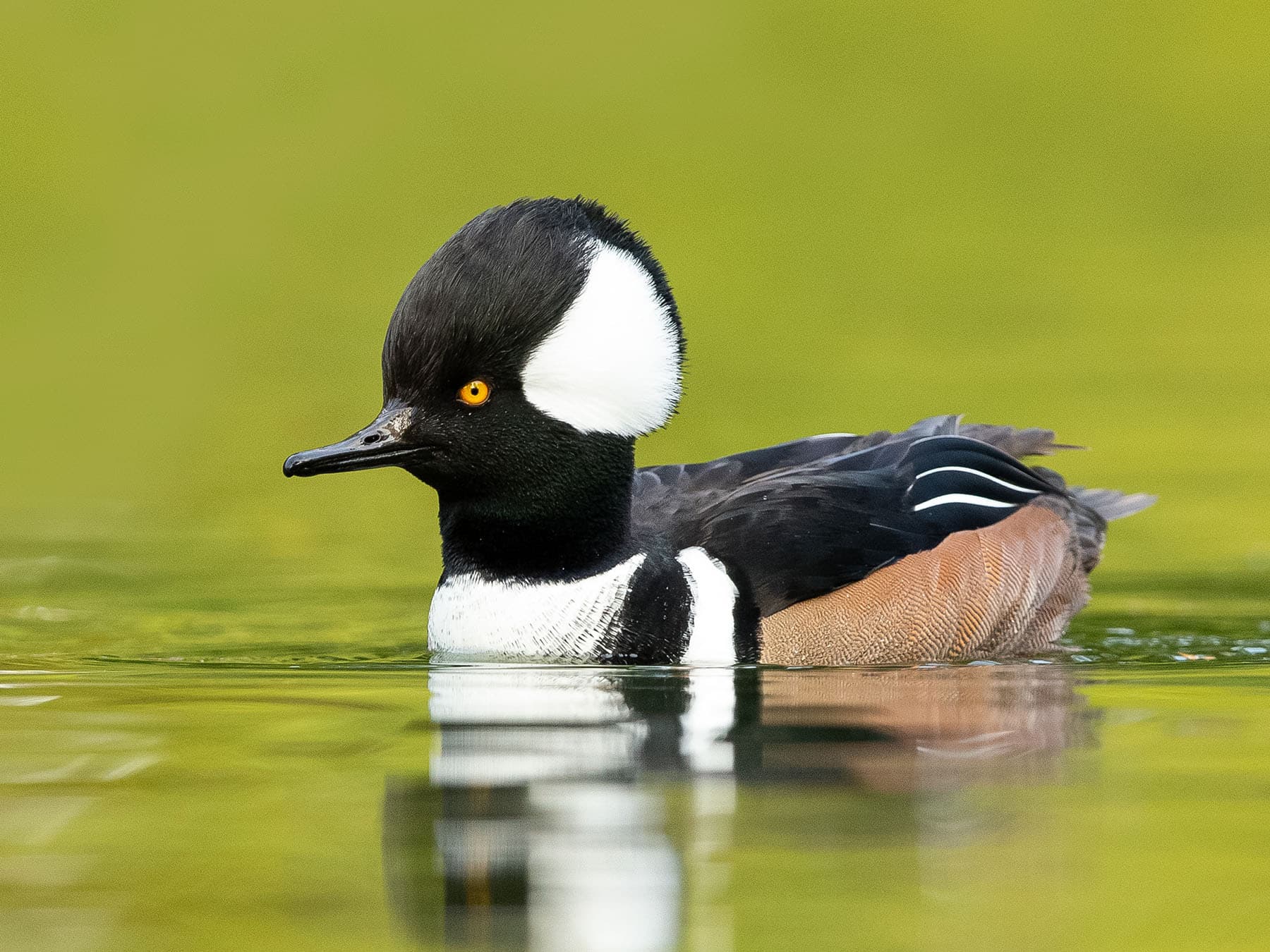
Hooded Merganser
Lophodytes cucullatusLC
A rare spring vagrant of uncertain origin, occasionally recorded on Cumbrian lakes in April and May.
Apr–May
Spotted something?
Upload a photo to identify it
Identify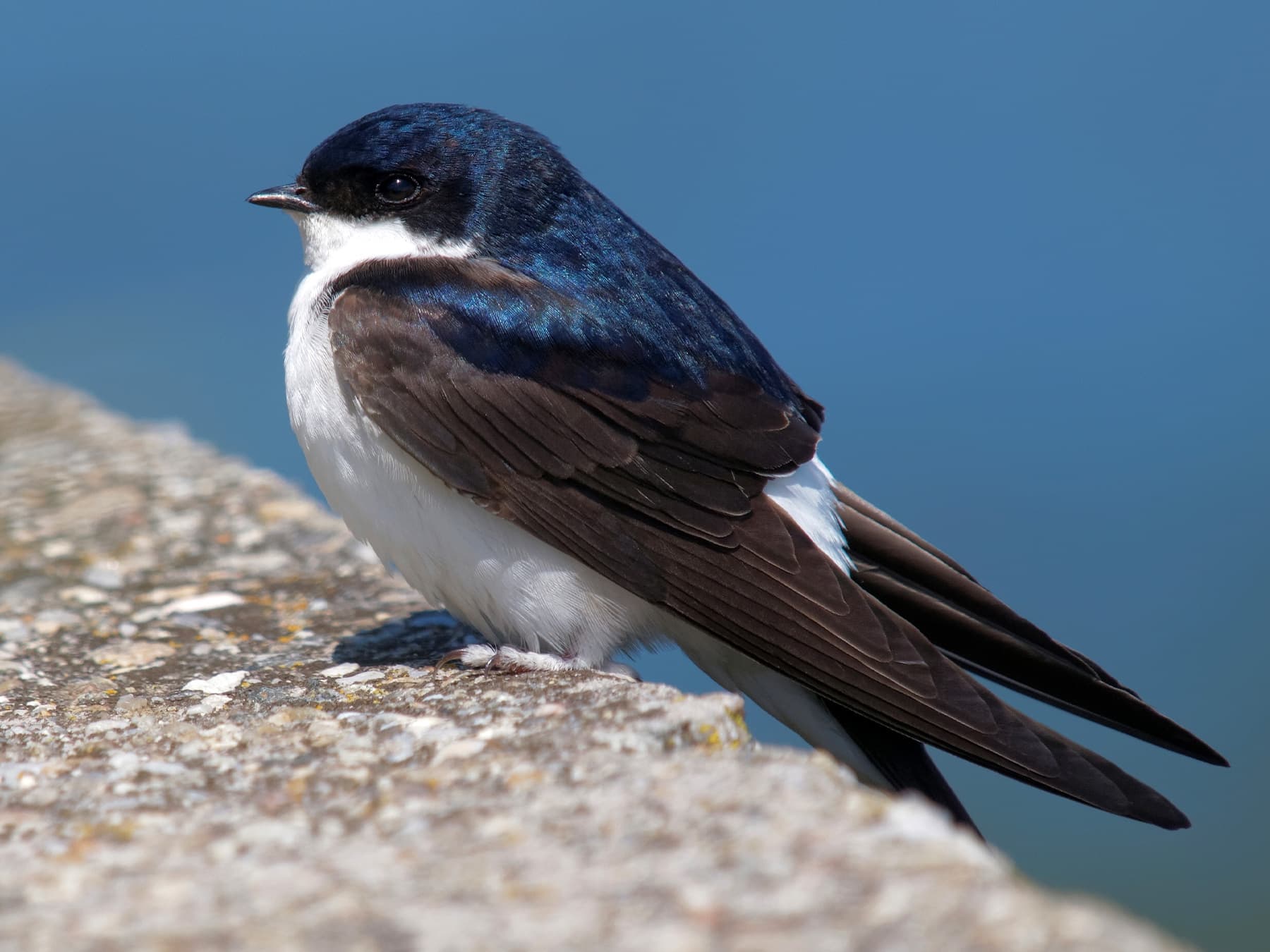
House Martin
Delichon urbicumLC
A common breeding visitor from April, nesting under eaves in Cumbrian towns and villages before departing by October.
Apr–Oct
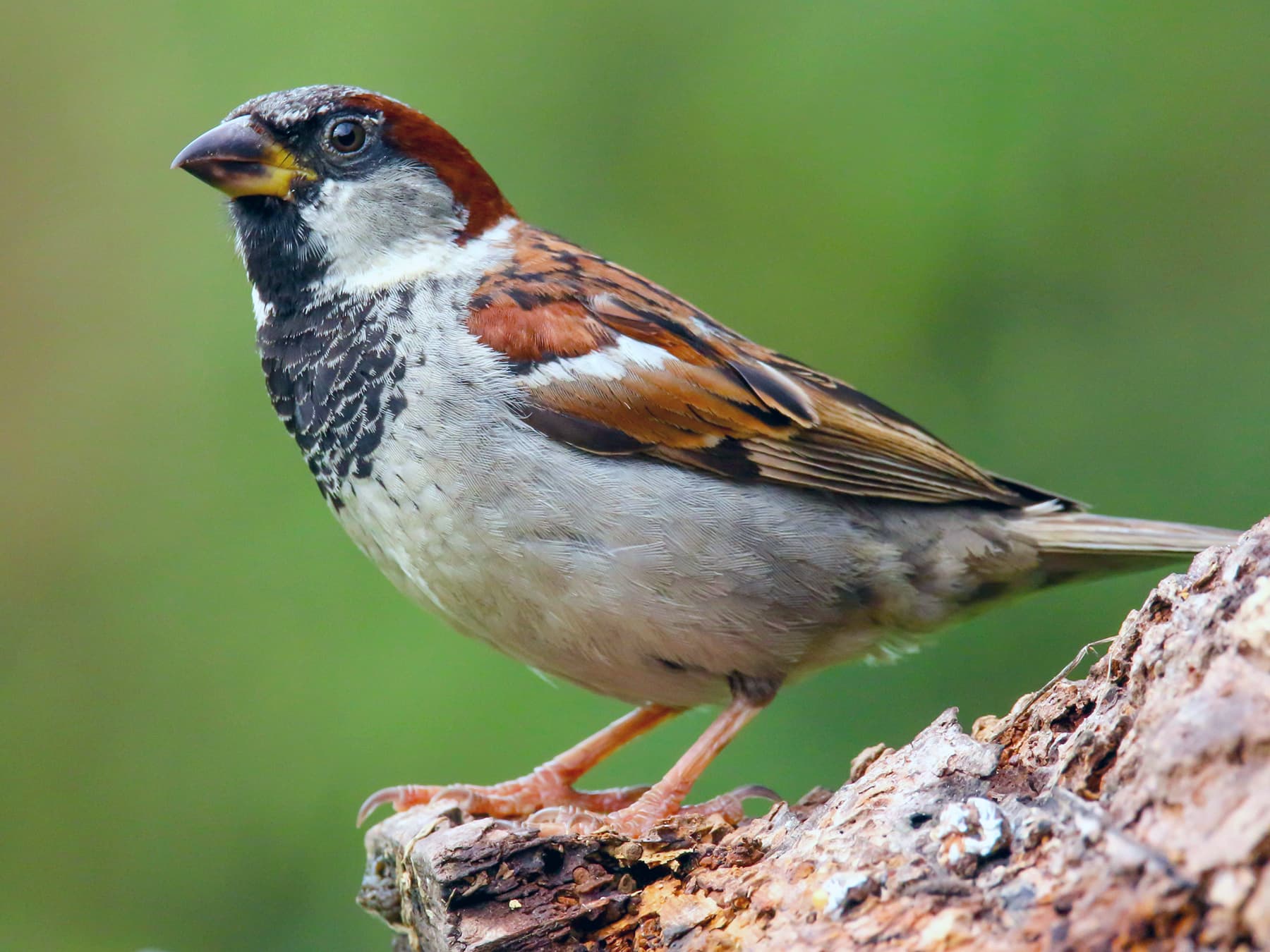
House Sparrow
Passer domesticusLC
A common resident of Cumbrian towns and villages, nesting colonially under eaves. Numbers have declined nationally.
Year-round
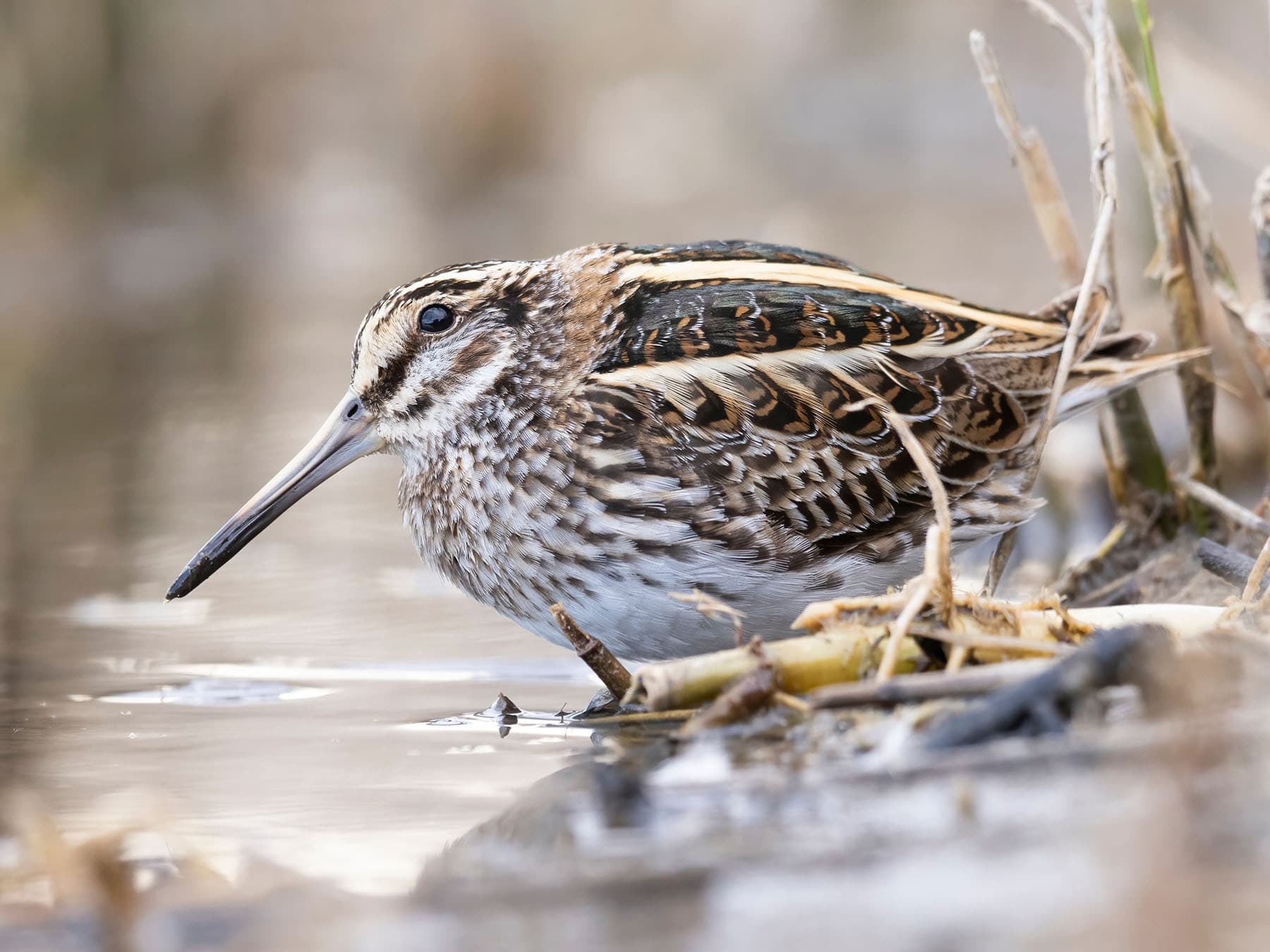
Jack Snipe
Lymnocryptes minimusLC
A secretive winter visitor to boggy marshes and wet meadows, rarely seen due to its cryptic habits. Most records from November to January.
Nov–Jan
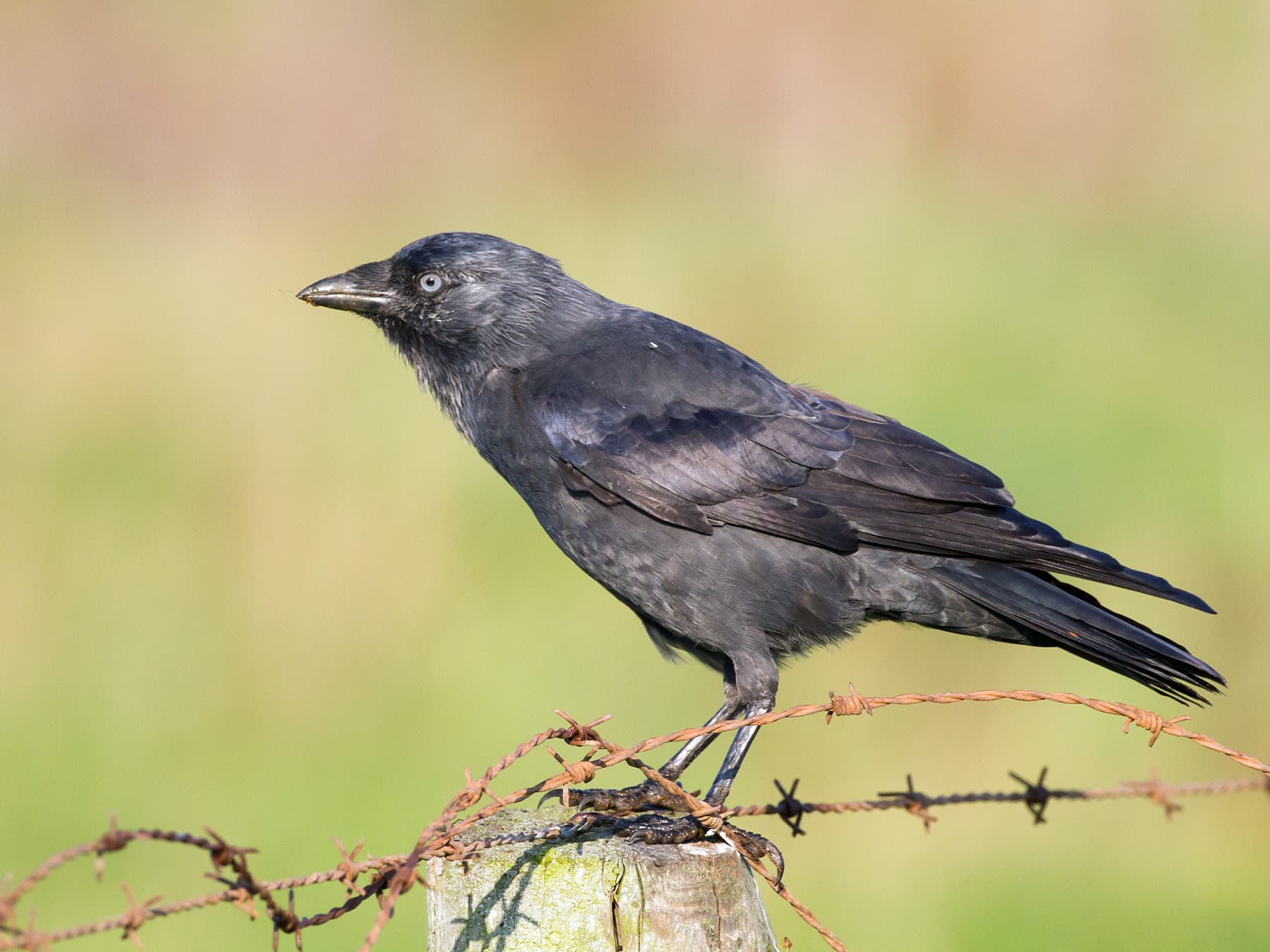
Jackdaw
Coloeus monedulaLC
A common and sociable resident, nesting in old buildings, church towers and crags. Noisy flocks are a familiar sight in Cumbrian towns and villages.
Year-round
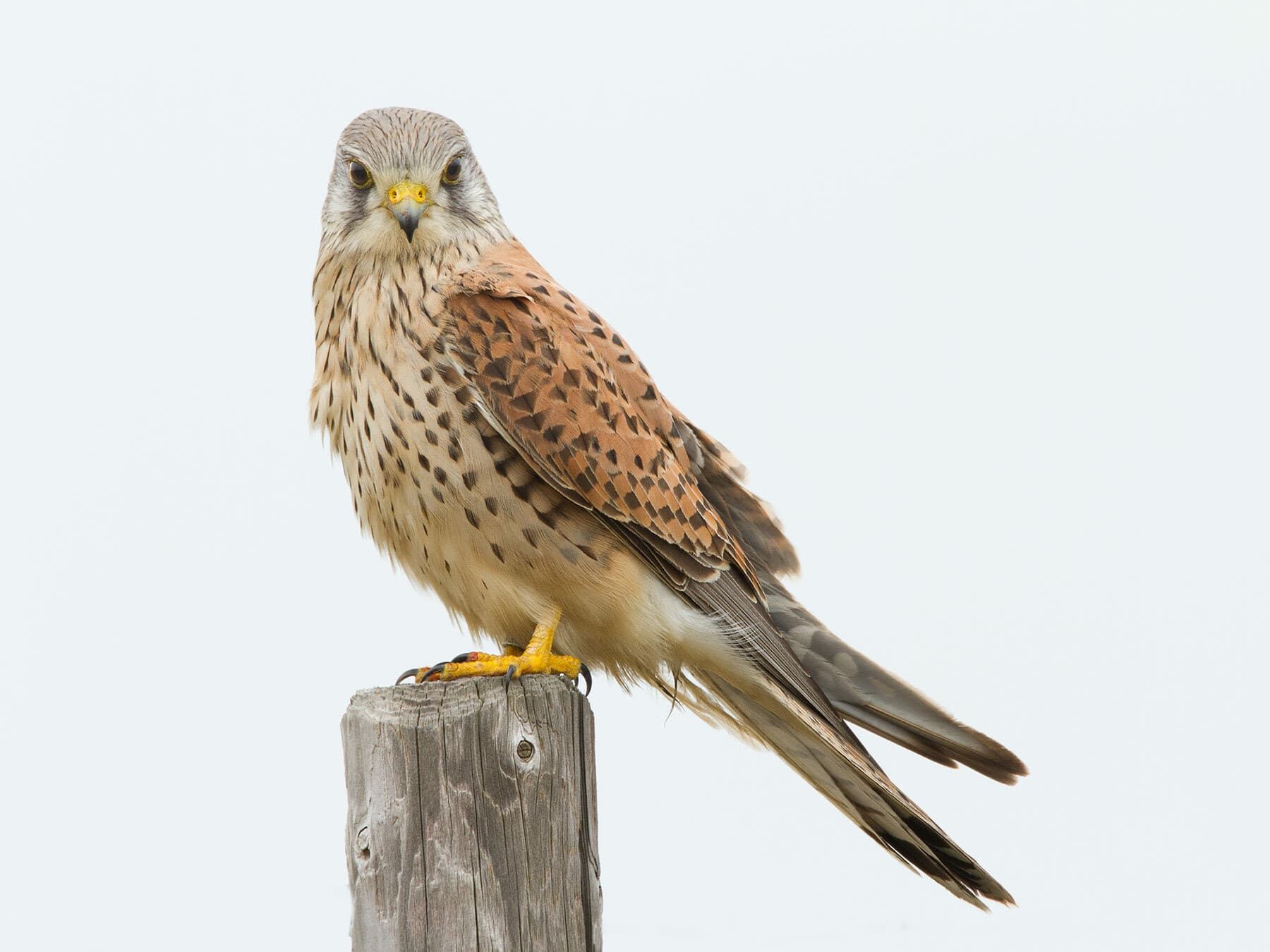
Kestrel
Falco tinnunculusLC
An uncommon year-round resident, hovering over roadside verges and rough grassland. Found across lowland farmland and along fell margins.
Year-round
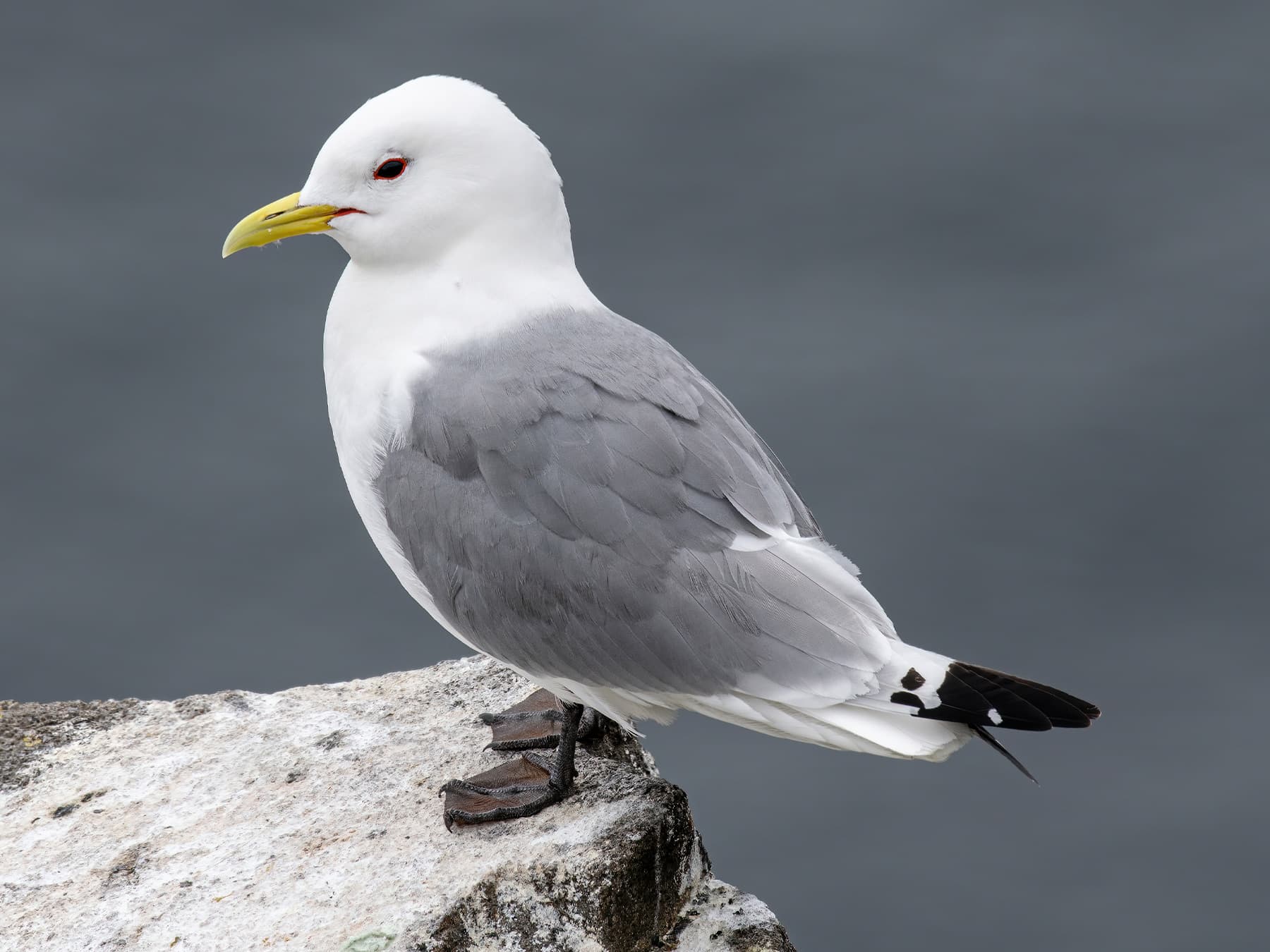
Kittiwake
Rissa tridactylaVU
Breeds in small numbers at St Bees Head cliffs from spring through autumn. This declining seabird is a prized sight along Cumbria's coast.
Mar–Nov
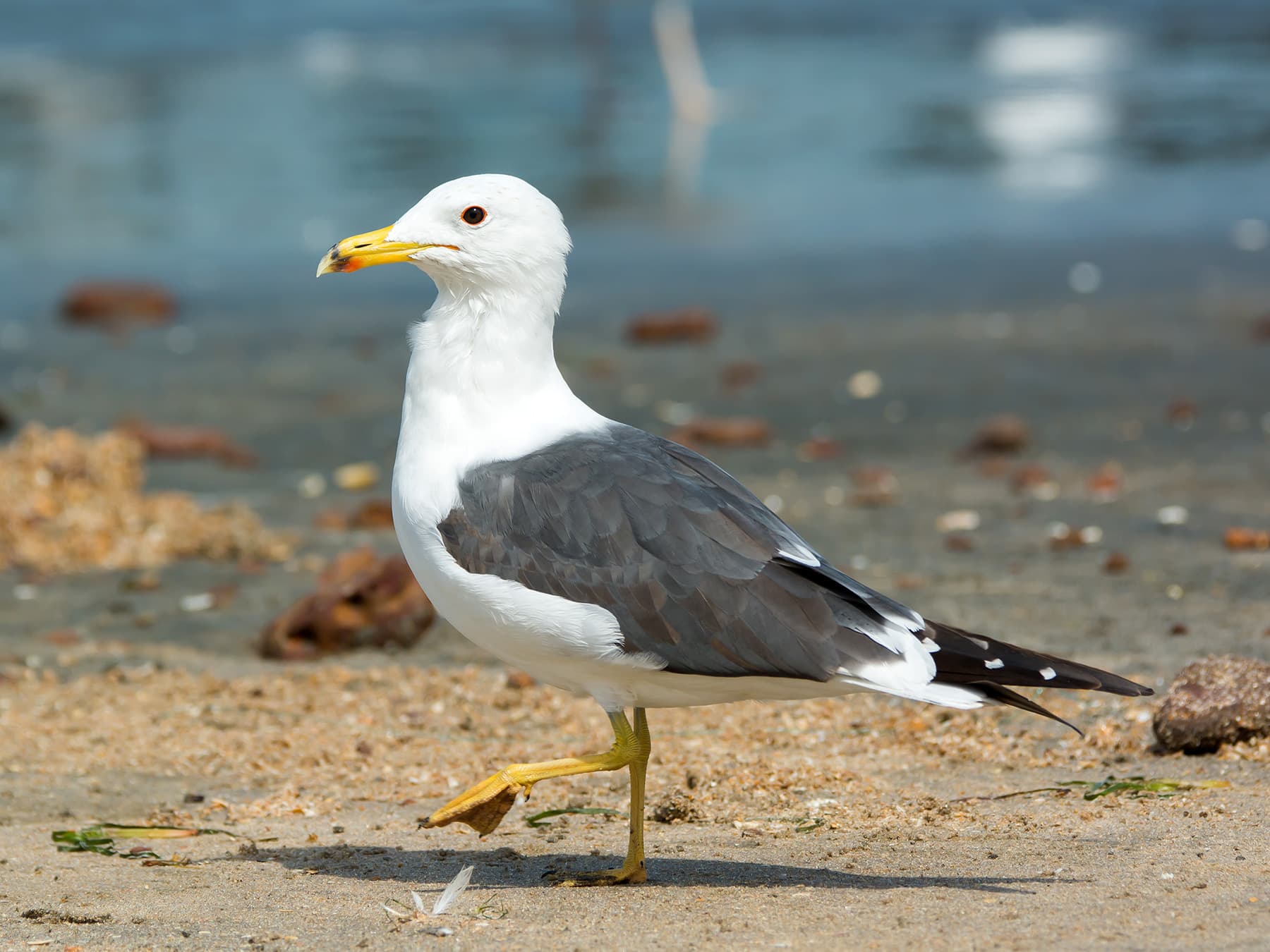
Lesser Black-backed Gull
Larus fuscusLC
A common resident found at coastal sites, reservoirs, and urban areas throughout the year. Breeds in colonies on rooftops and islands.
Year-round
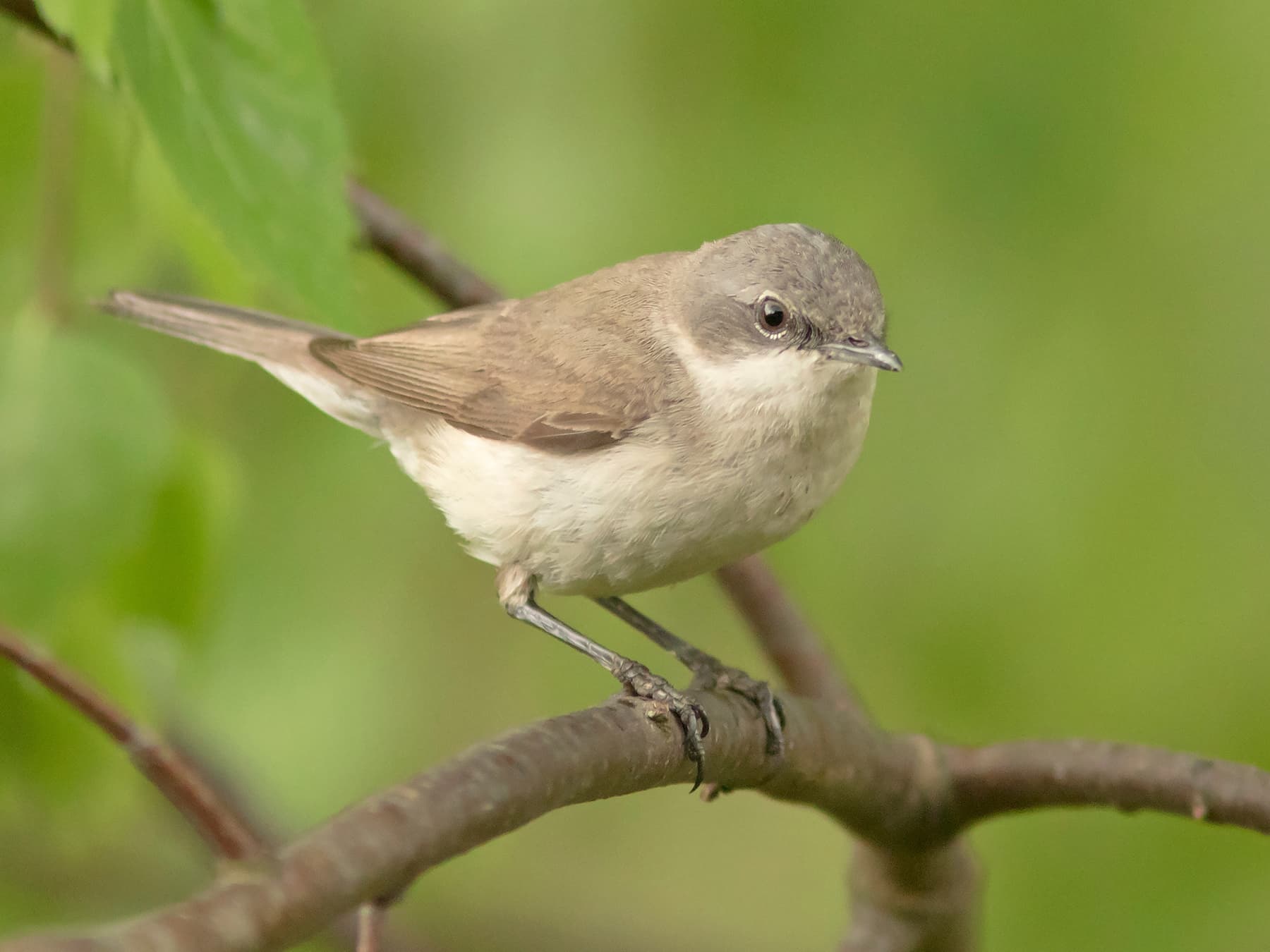
Lesser Whitethroat
Curruca currucaLC
A rare breeding visitor from April to August, found in tall hedgerows and scrubby areas in lowland Cumbria.
Apr–Aug
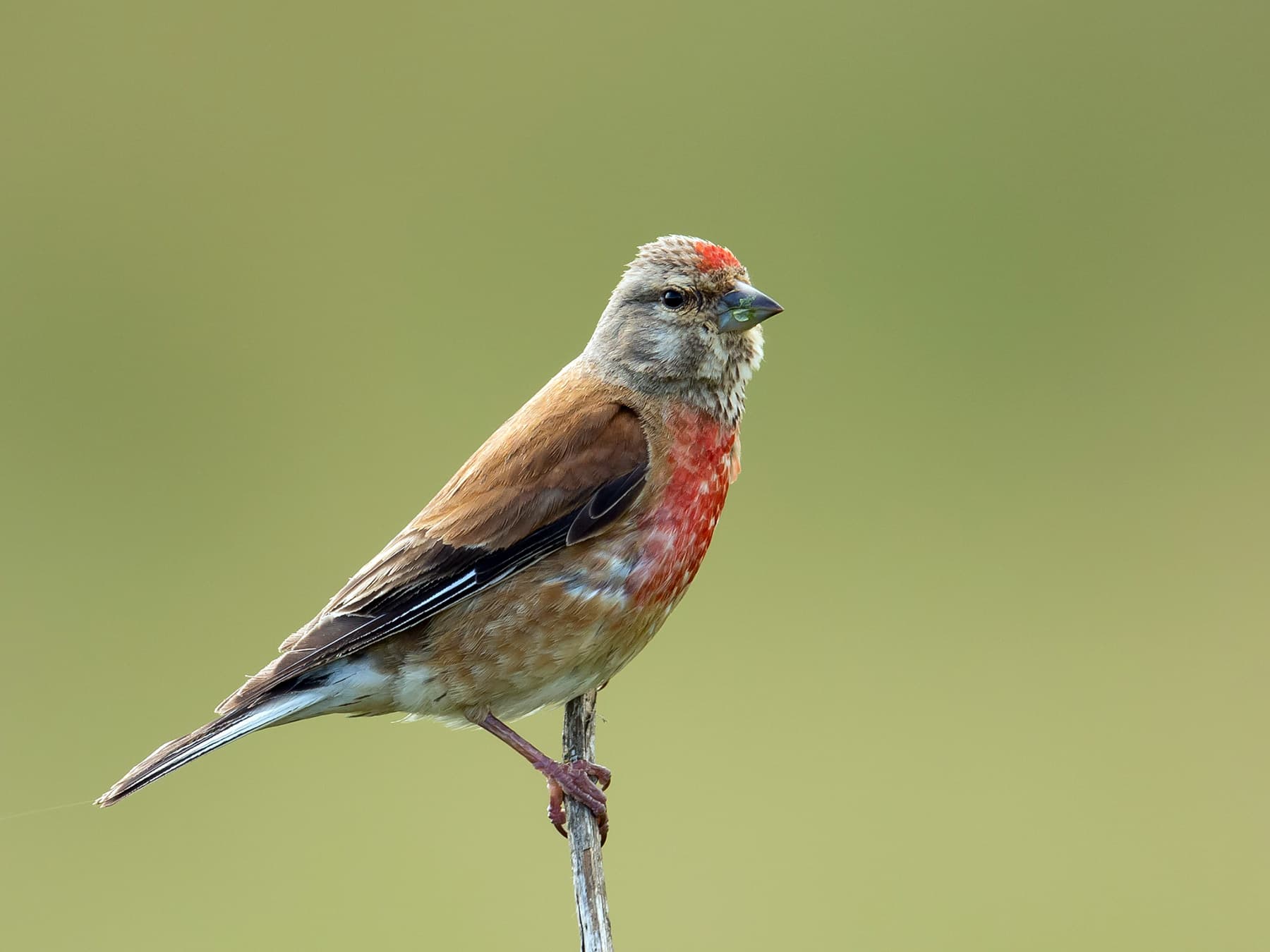
Linnet
Linaria cannabinaLC
An uncommon resident of gorse-covered commons and farmland edges, forming small flocks in winter on stubble fields and weedy margins.
Year-round
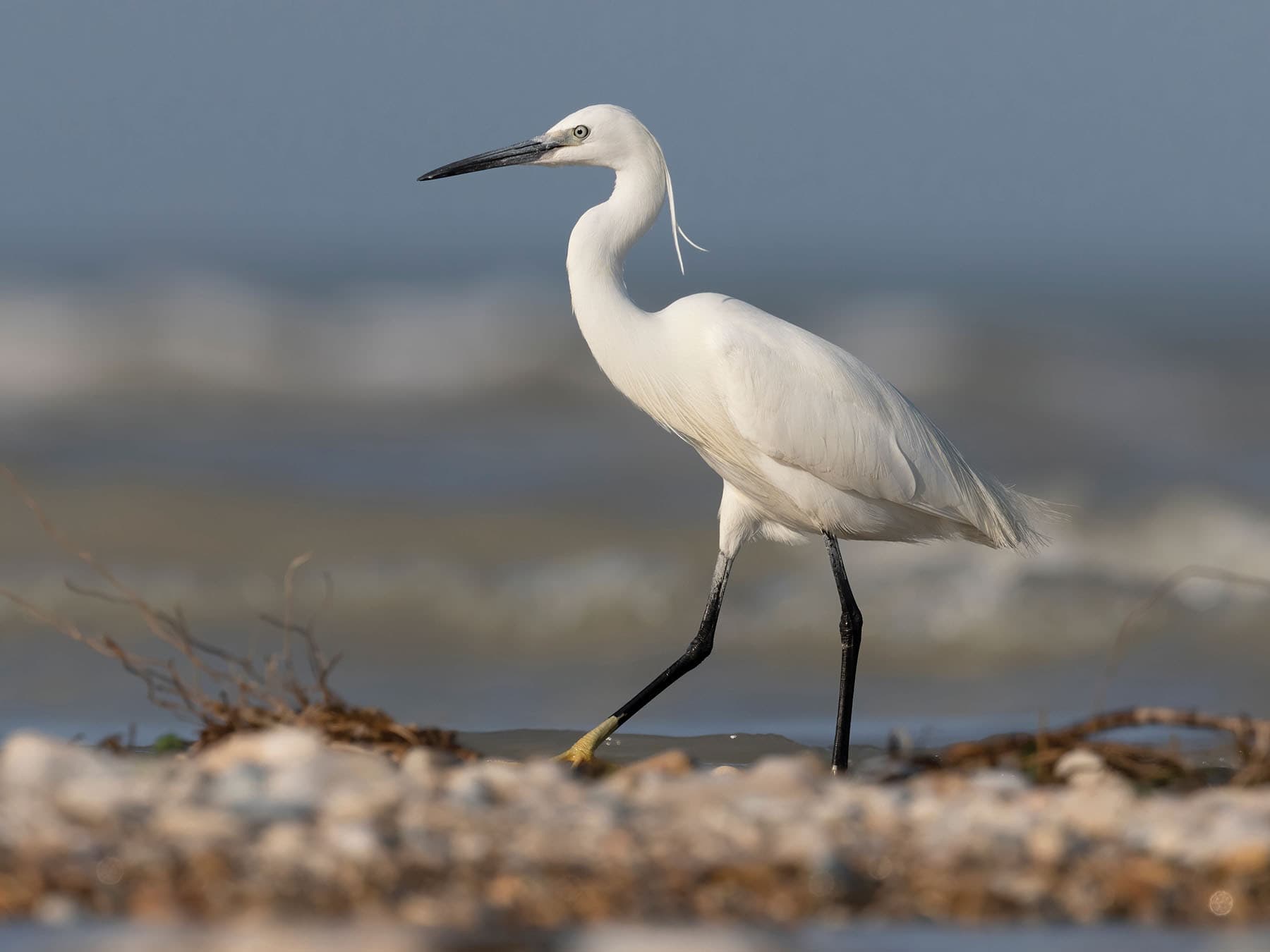
Little Egret
Egretta garzettaLC
An uncommon but increasing resident, most often seen along estuaries and coastal wetlands such as Morecambe Bay.
Year-round
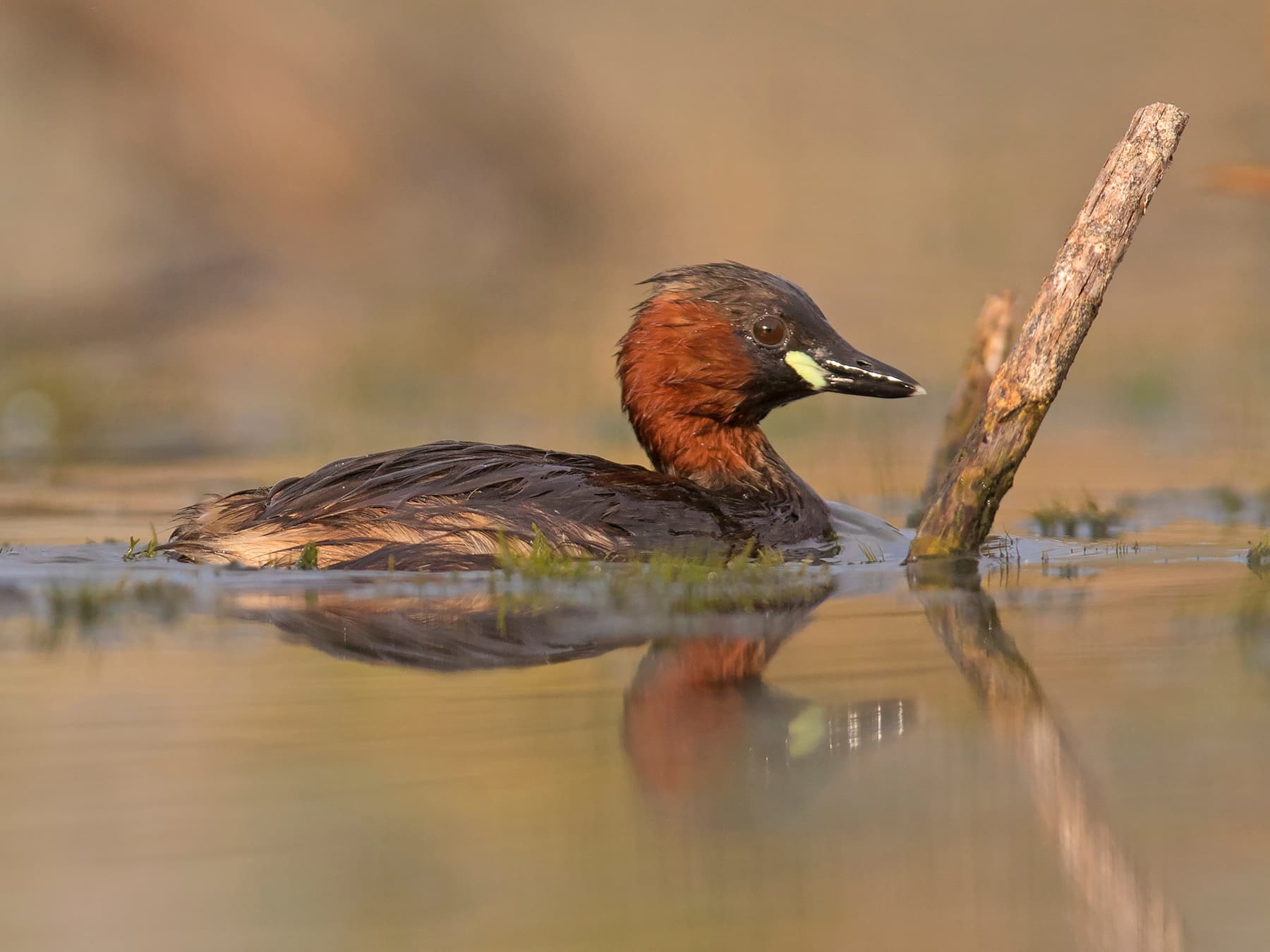
Little Grebe
Tachybaptus ruficollisLC
An uncommon year-round resident on sheltered ponds, lakes, and slow rivers. Often heard before seen, with a distinctive trilling call.
Year-round
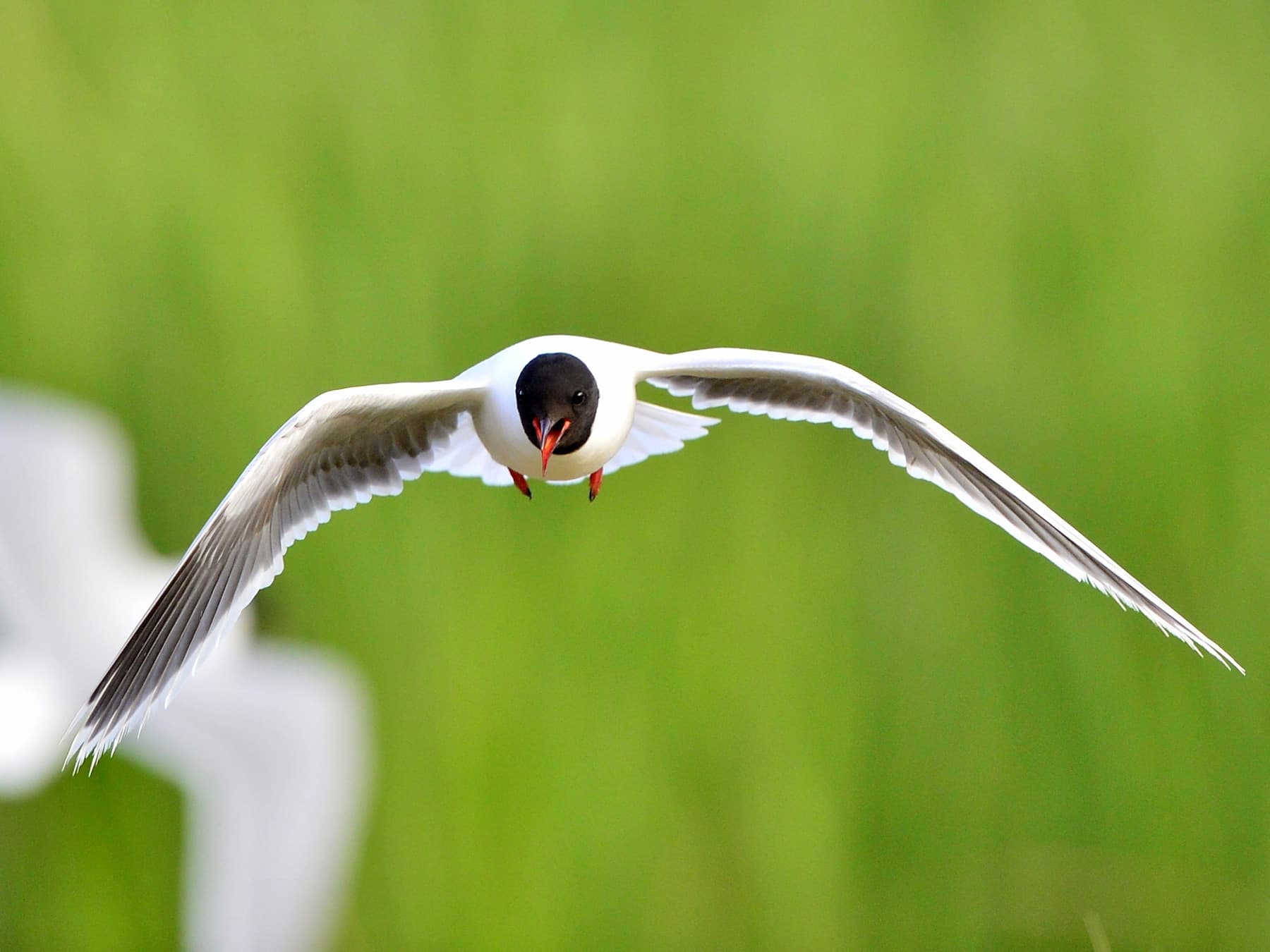
Little Gull
Hydrocoloeus minutusLC
A rare passage visitor in May, occasionally spotted at coastal estuaries and inland lakes during spring migration.
May
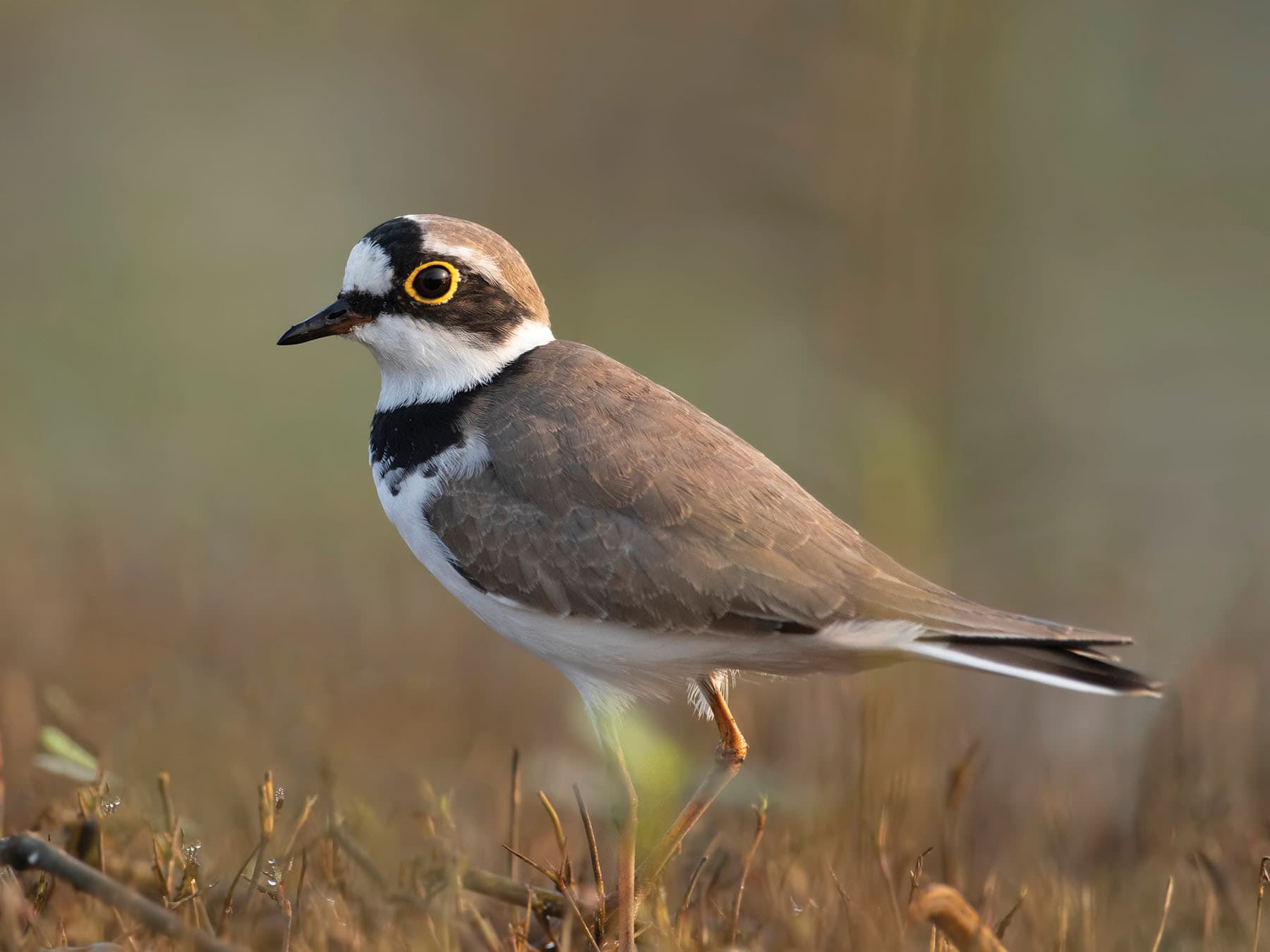
Little Ringed Plover
Charadrius dubiusLC
A rare summer breeder on gravel pits and riverine shingle banks. Arrives in April and departs by August.
Apr–Aug
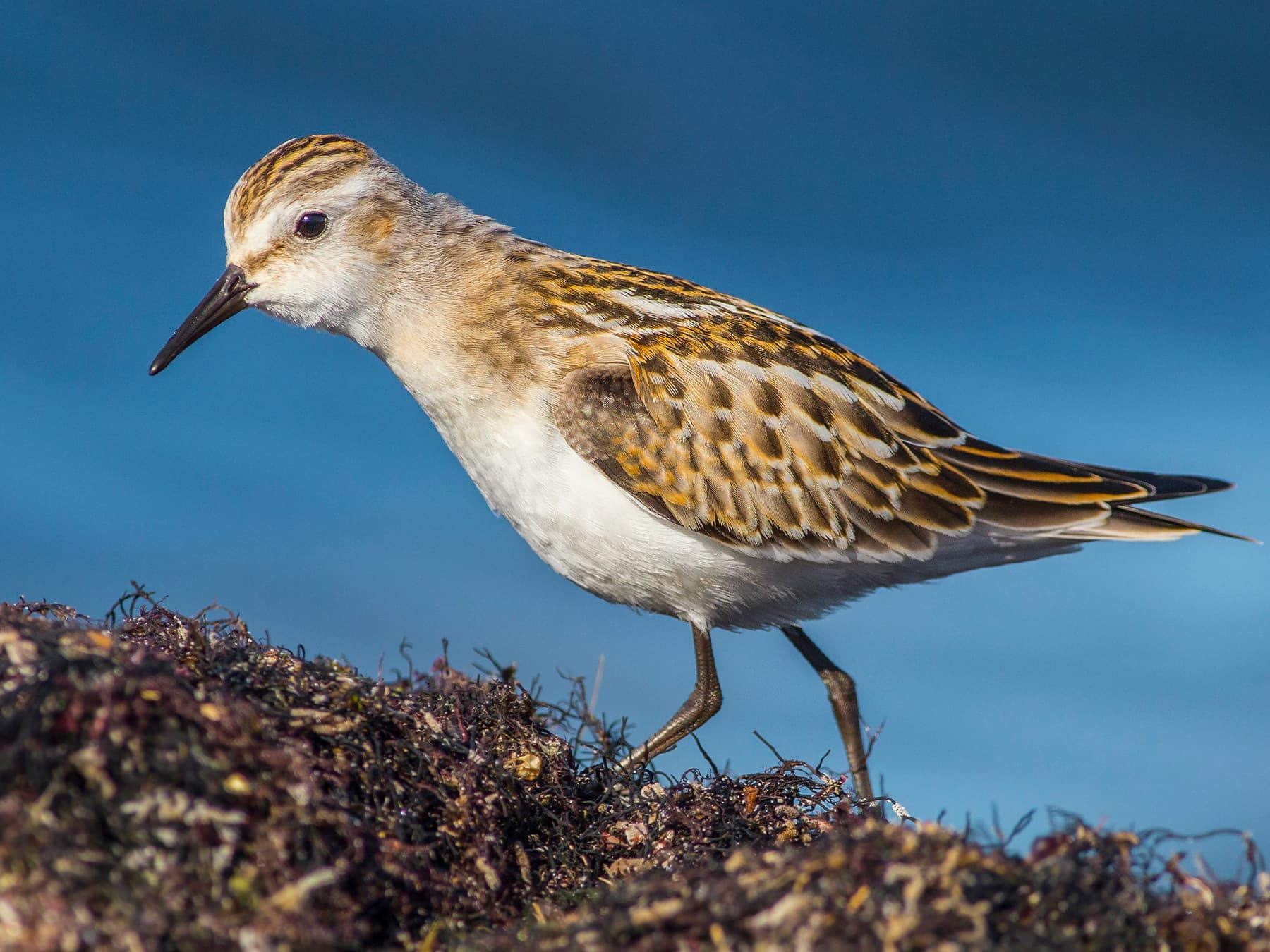
Little Stint
Calidris minutaLC
A rare autumn passage migrant, occasionally appearing on coastal pools and muddy fringes in September.
Sep
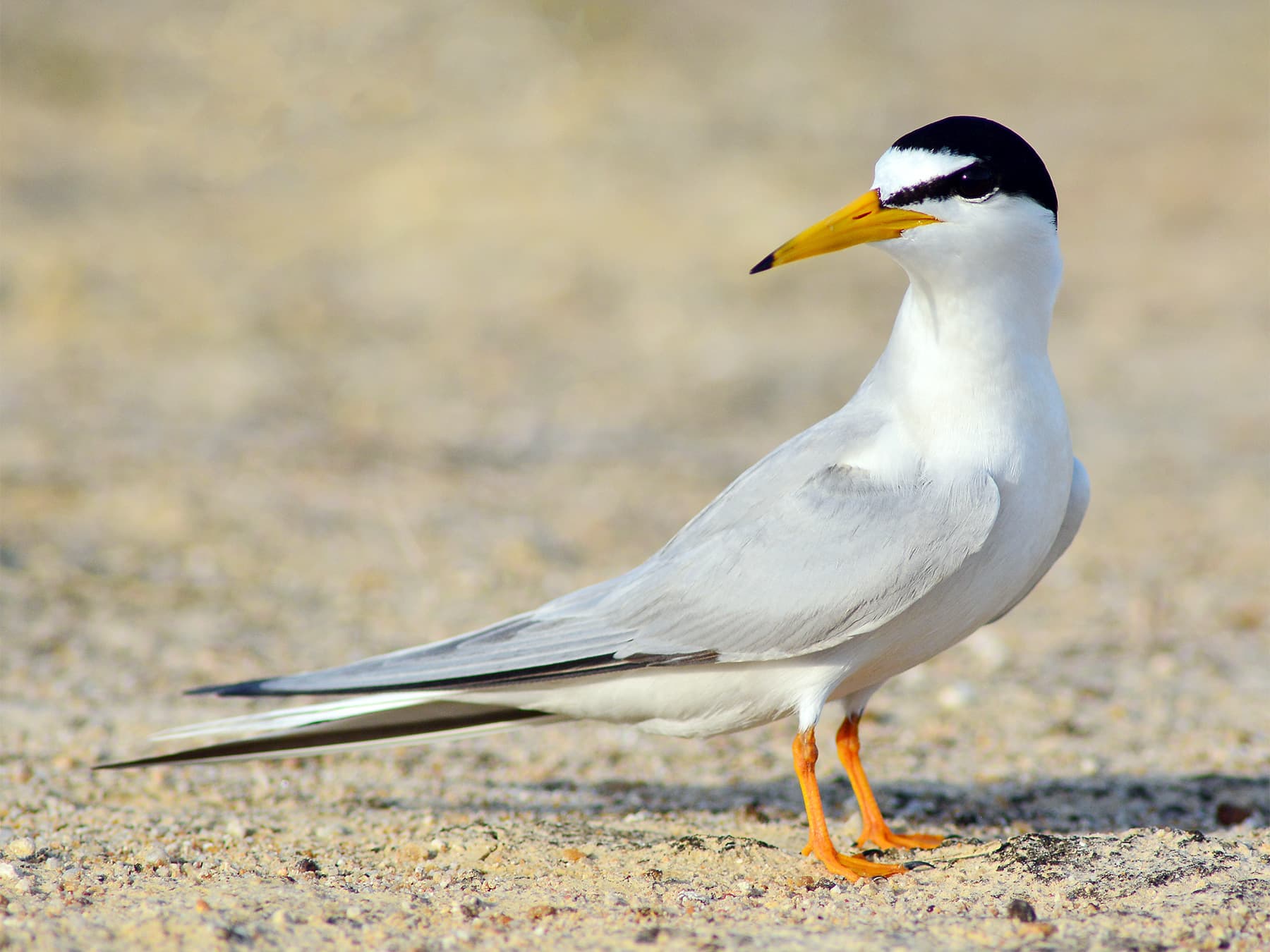
Little Tern
Sternula albifronsLC
A rare summer breeder from May to August, nesting on shingle beaches along the coast. A declining species needing undisturbed nesting sites.
May–Aug