Birds in Cumbria
Explore 187 species found in this region.
Cumbria is one of England's most rewarding counties for birdwatching, with 184 recorded species found across its diverse landscapes of lakes, estuaries, upland fells, and ancient woodlands. The region's varied habitats attract everything from wintering wildfowl such as Pink-footed Goose and Northern Pintail on the Solway Firth to breeding waders like Northern Lapwing and Common Sandpiper along the Lake District's shores. Woodland species including Great Tit and the striking Mandarin Duck can also be encountered, while the county's coastline and river systems support populations of Common Merganser and Common Shelduck year-round.
Visiting in July? Look out for Bar-tailed Godwit and Golden Eagle arriving this month, and Barn Owl and Cetti's Warbler depart for the season.


Showing 70–92 of 187 species
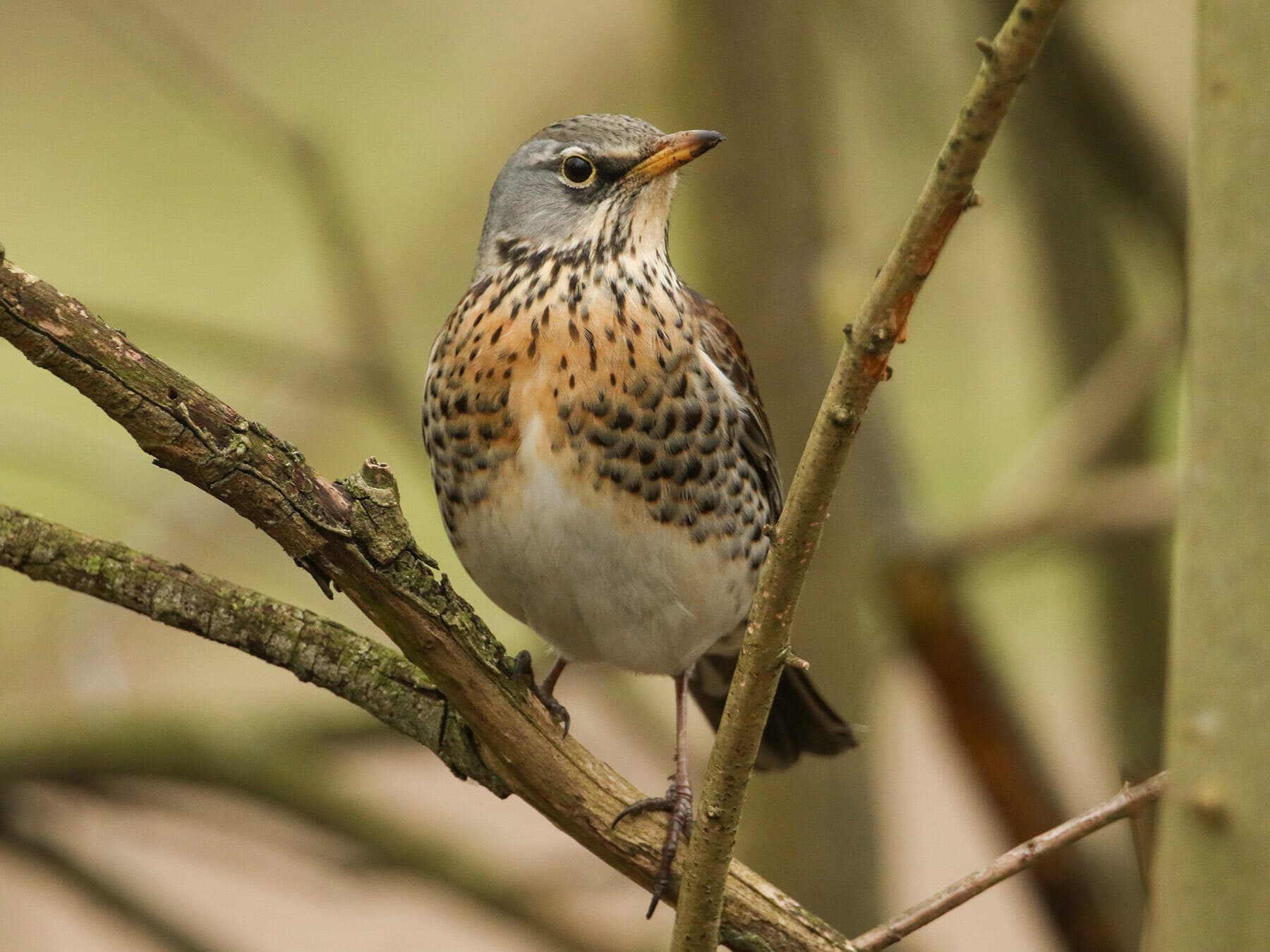
Fieldfare
Turdus pilarisLC
A winter thrush from Scandinavia, forming noisy flocks on berry-laden hedgerows and open farmland from October to April.
Oct–Apr
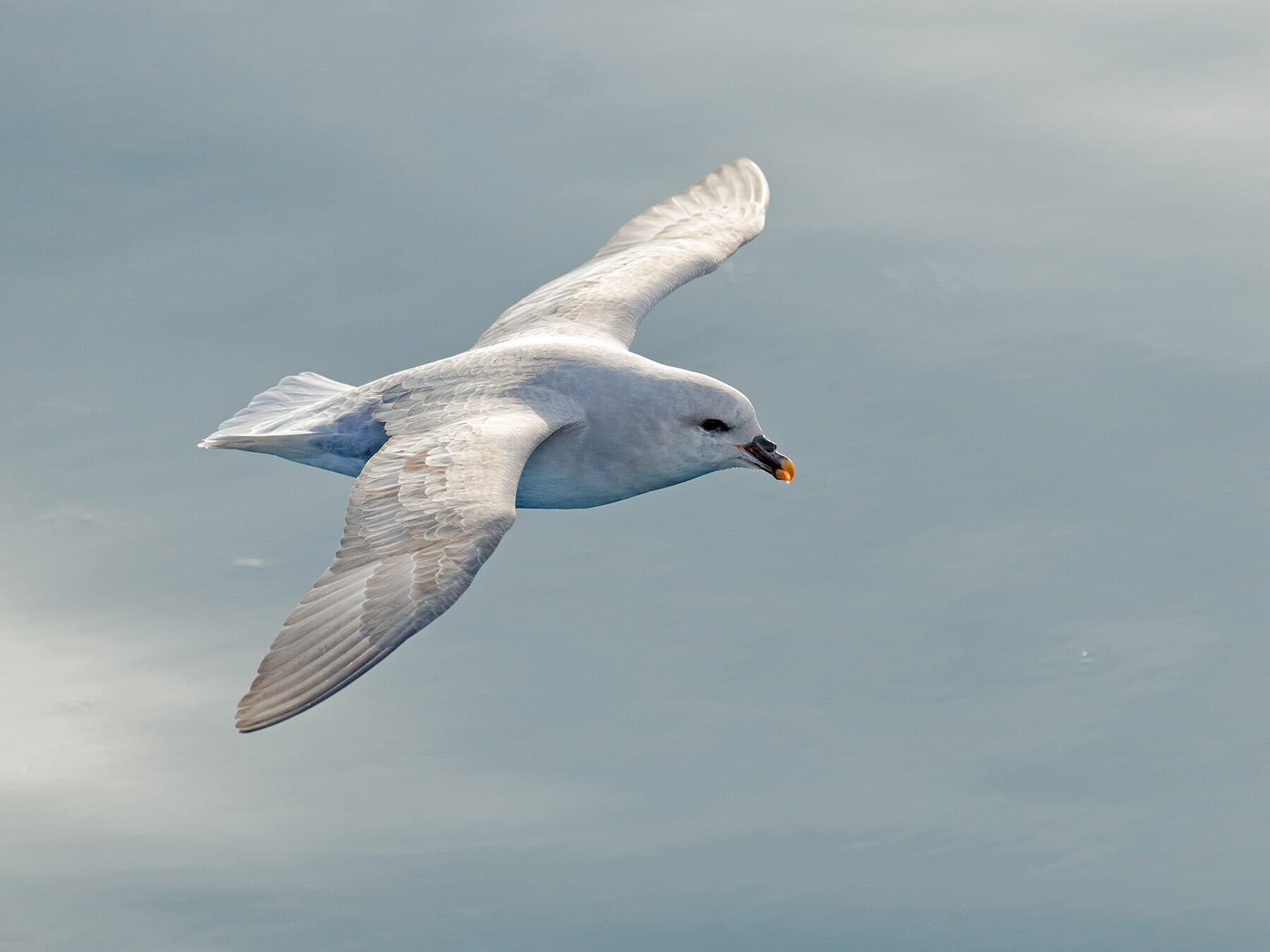
Fulmar
Fulmarus glacialisLC
A rare breeder at St Bees Head cliffs from April to August. Stiff-winged flight and musky smell distinguish this tube-nosed seabird.
Apr–Aug
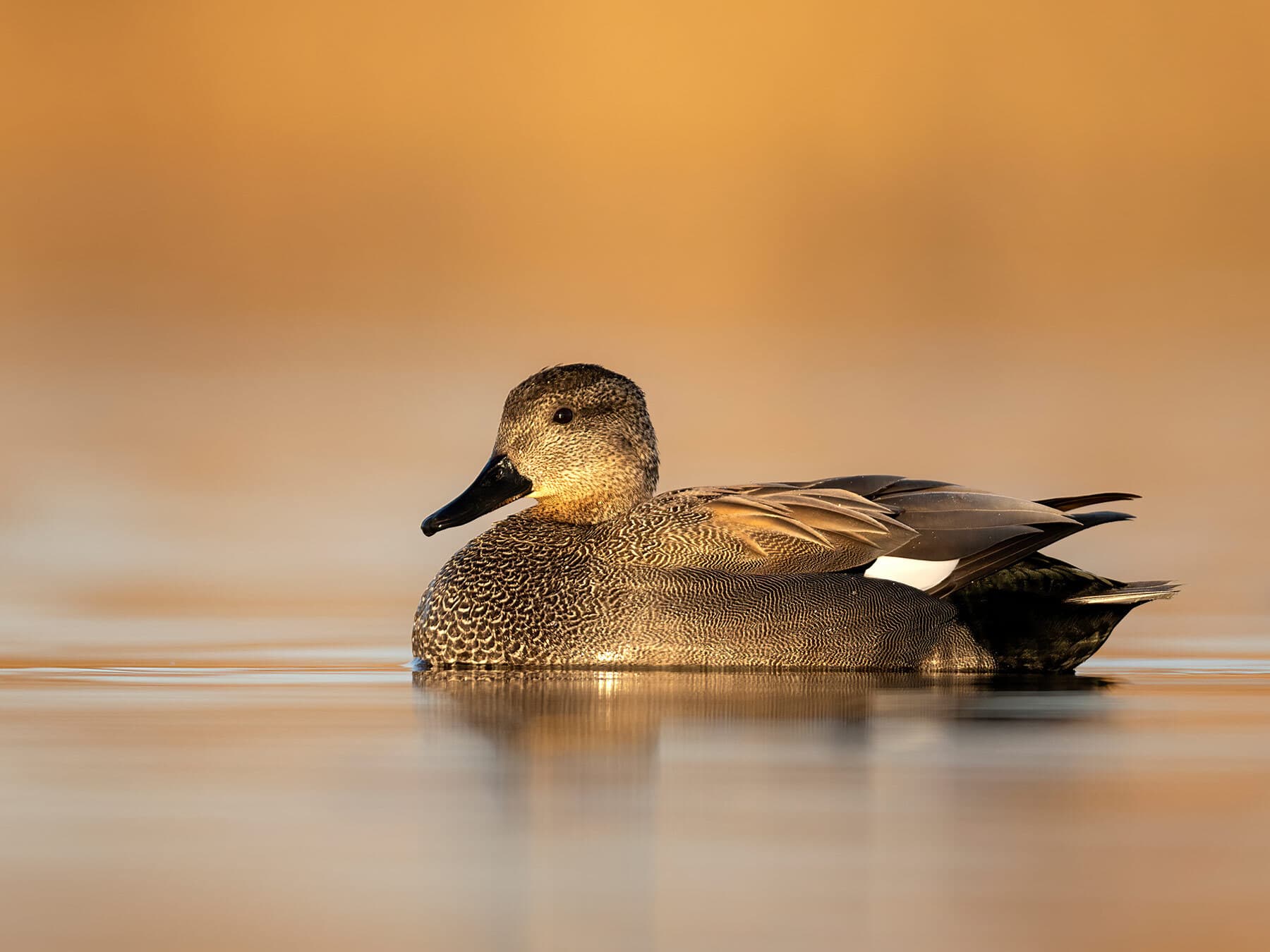
Gadwall
Mareca streperaLC
An uncommon resident on lowland lakes and reservoirs, often overlooked among larger flocks of dabbling ducks.
Year-round
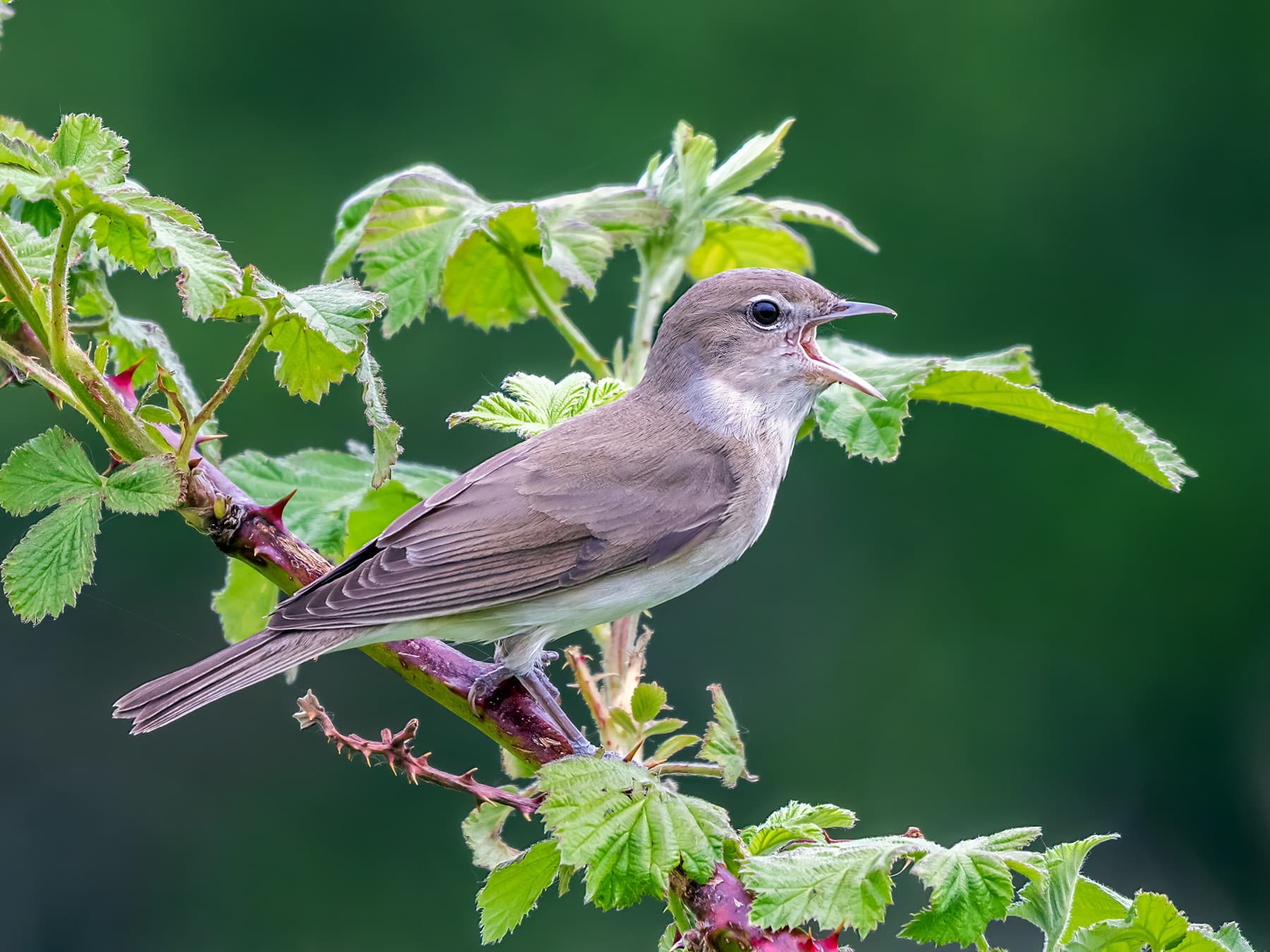
Garden Warbler
Sylvia borinLC
An uncommon summer breeder from April to August, favouring dense scrub and woodland edges across the county.
Apr–Aug
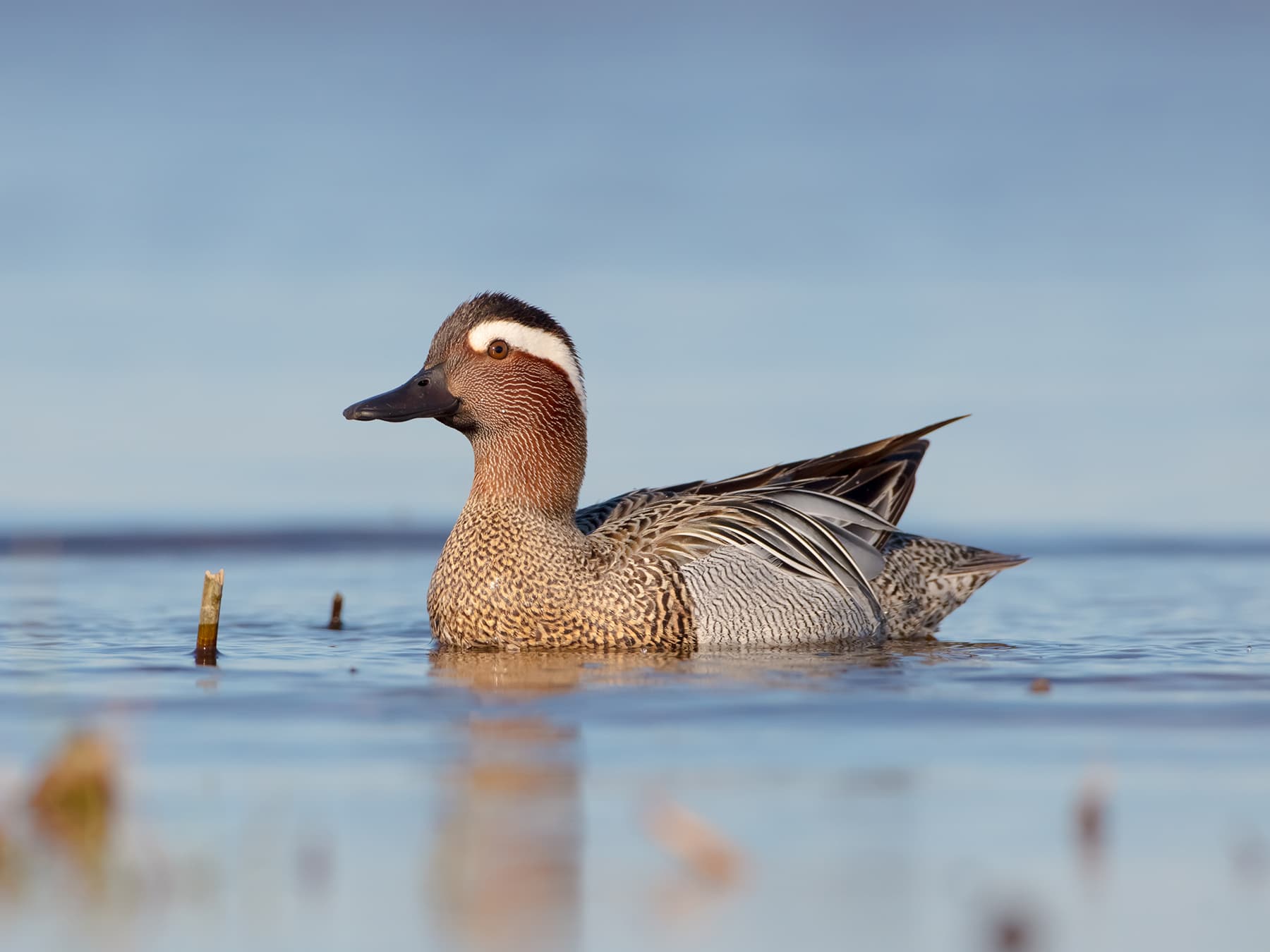
Garganey
Spatula querquedulaLC
A rare passage migrant glimpsed on freshwater pools in spring and again briefly in September.
Apr–Sep
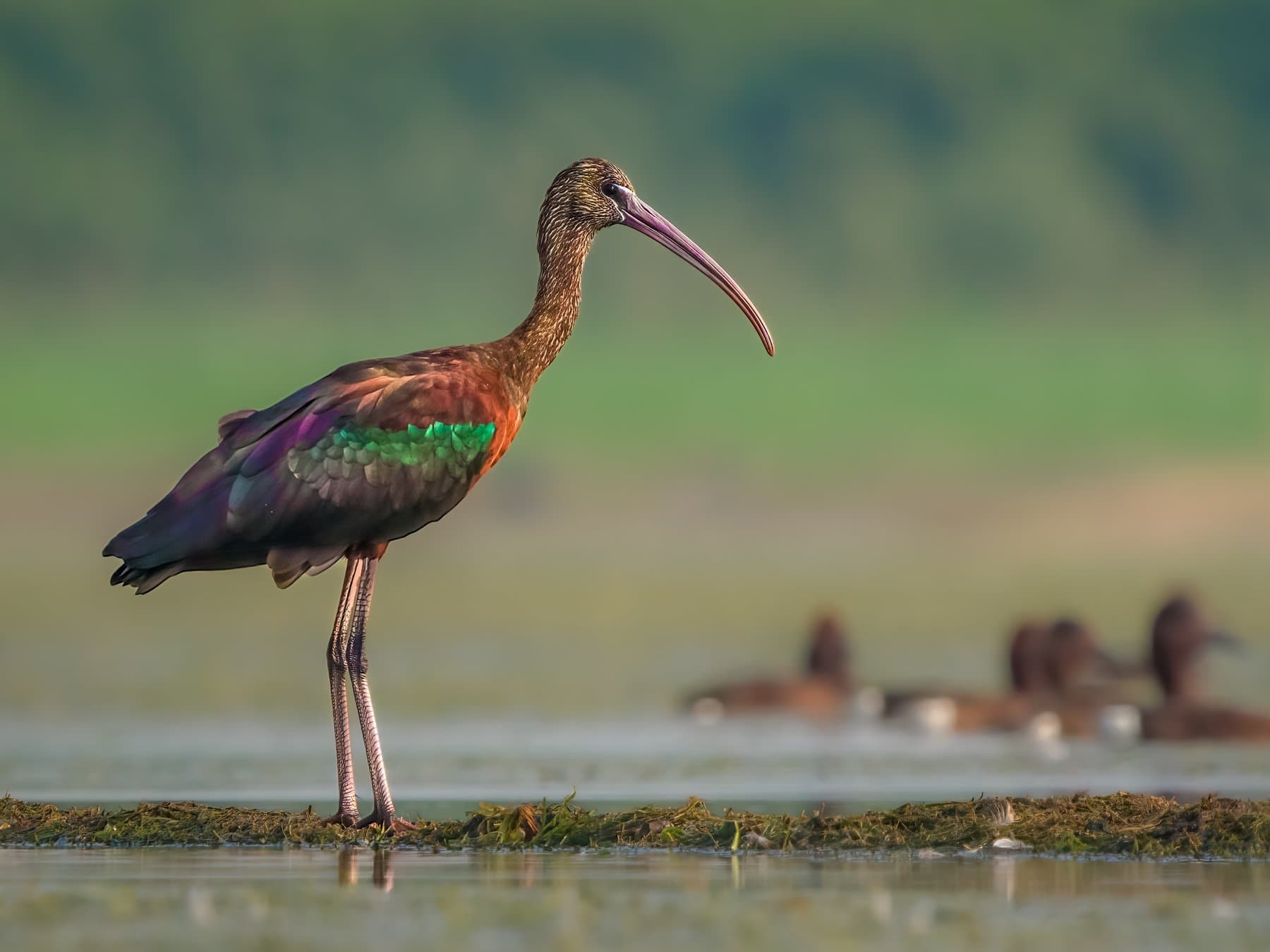
Glossy Ibis
Plegadis falcinellusLC
A rare autumn vagrant, occasionally recorded in October at coastal marshes and estuaries. A striking dark wader with a curved bill.
Oct
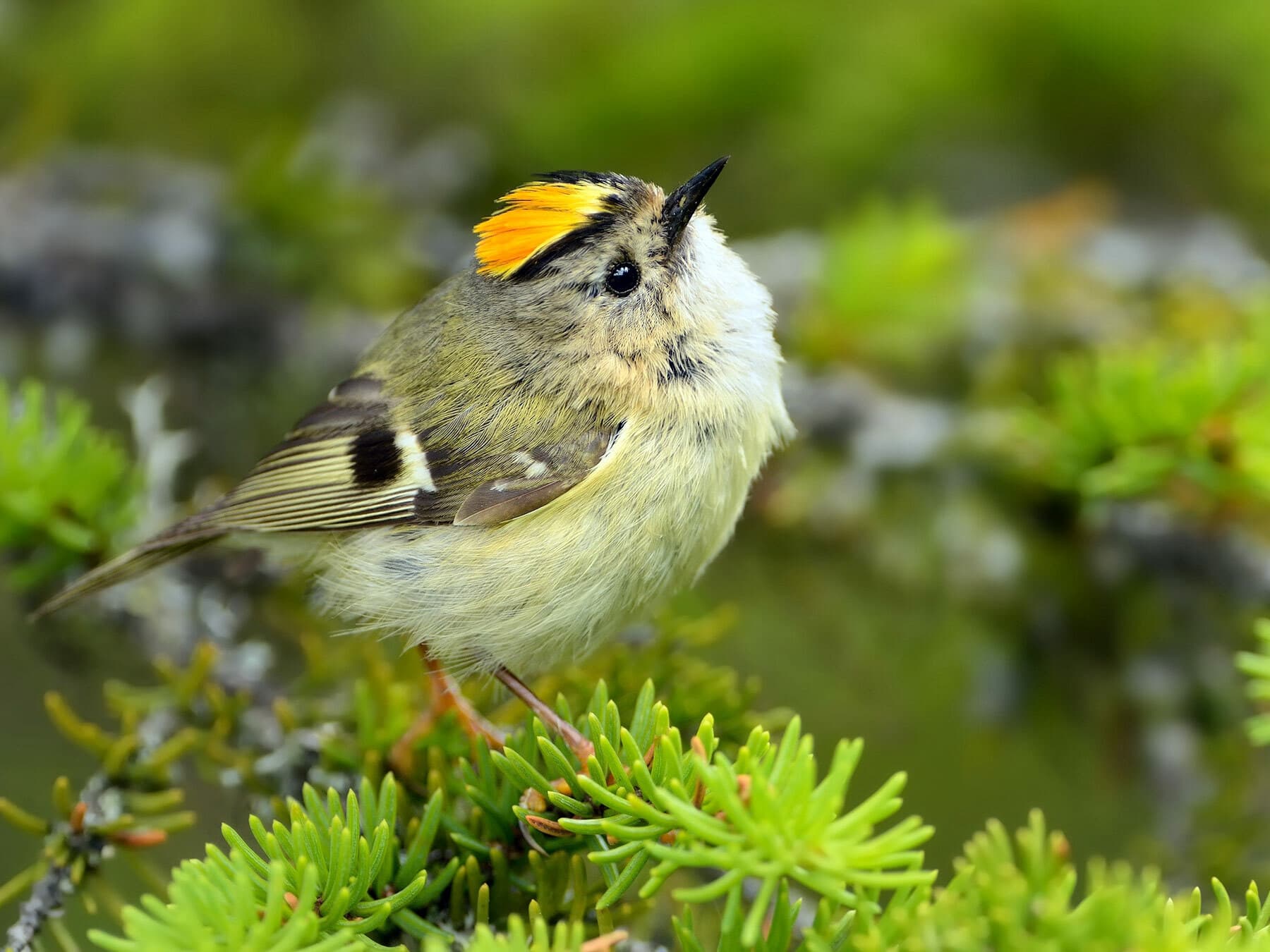
Goldcrest
Regulus regulusLC
An uncommon but year-round resident, favouring conifer woodlands and often hard to spot despite its high-pitched call.
Year-round
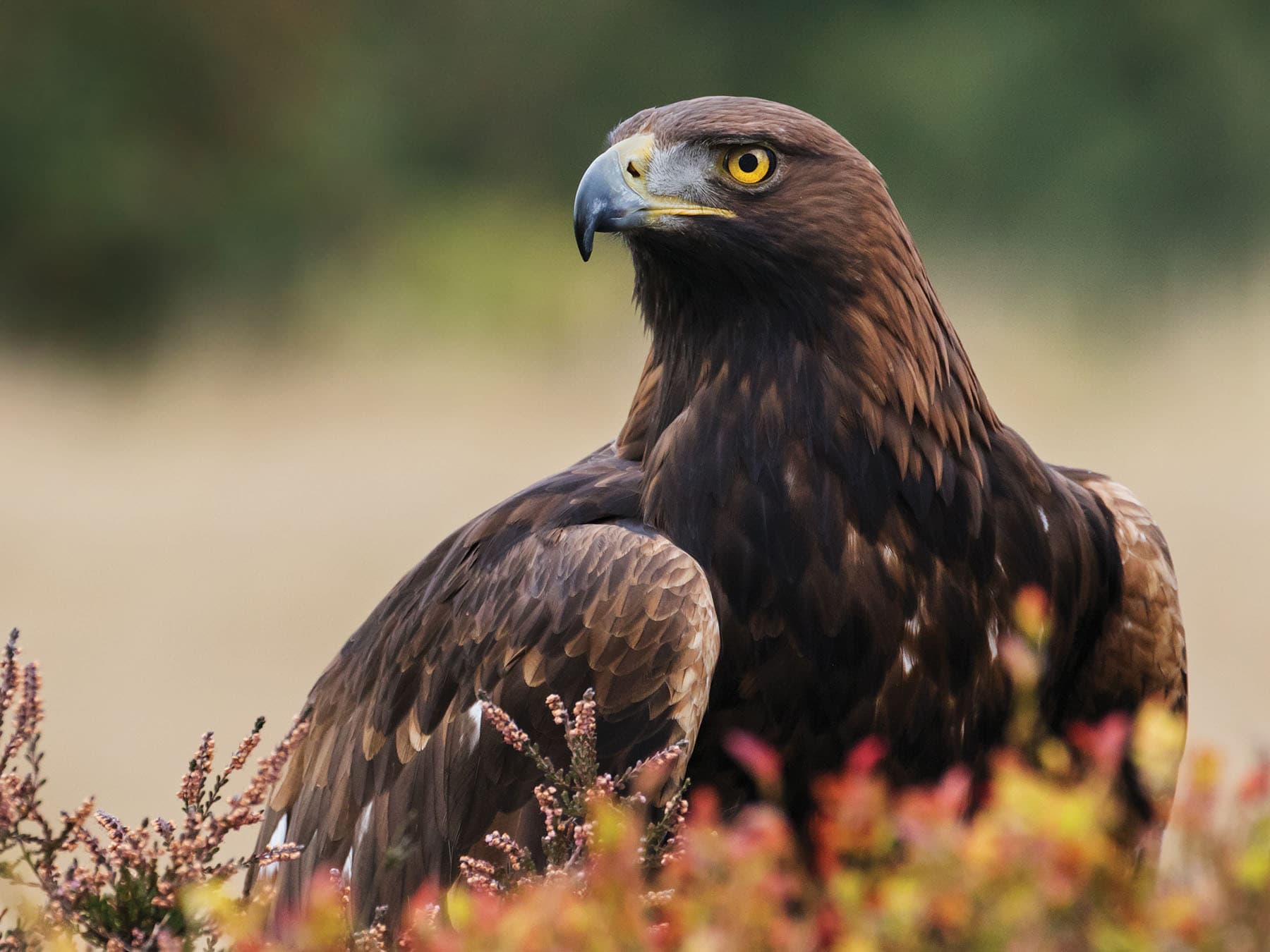
Golden Eagle
Aquila chrysaetosLC
A rare breeding bird in the remote Lakeland fells, representing one of England's very few territories. Sightings are extremely scarce and highly prized.
Apr–Jul
Spotted something?
Upload a photo to identify it
Identify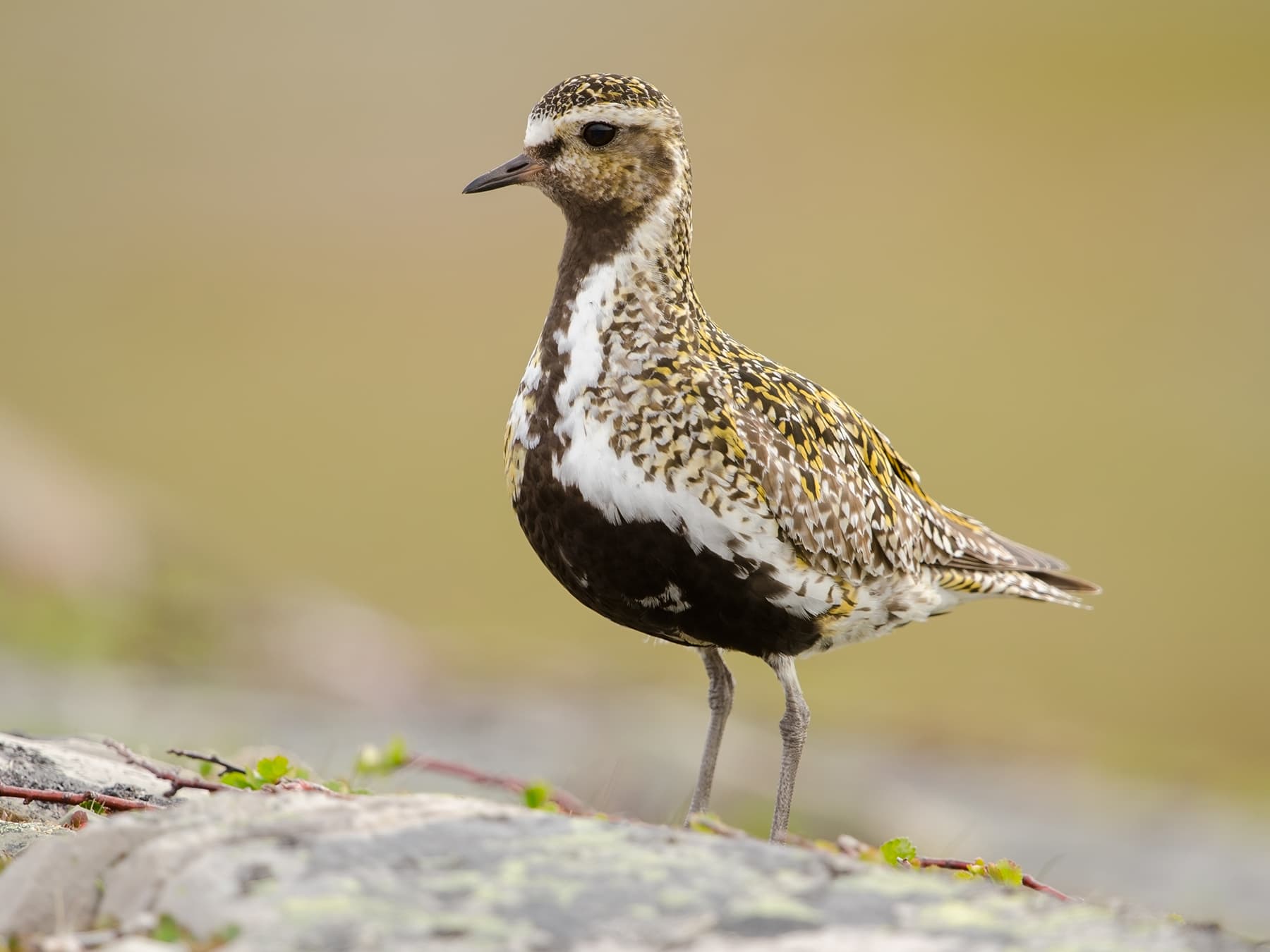
Golden Plover
Pluvialis apricariaLC
Breeds on high Cumbrian fells and moorland in summer. In winter, flocks gather on lowland fields and coastal marshes.
Year-round
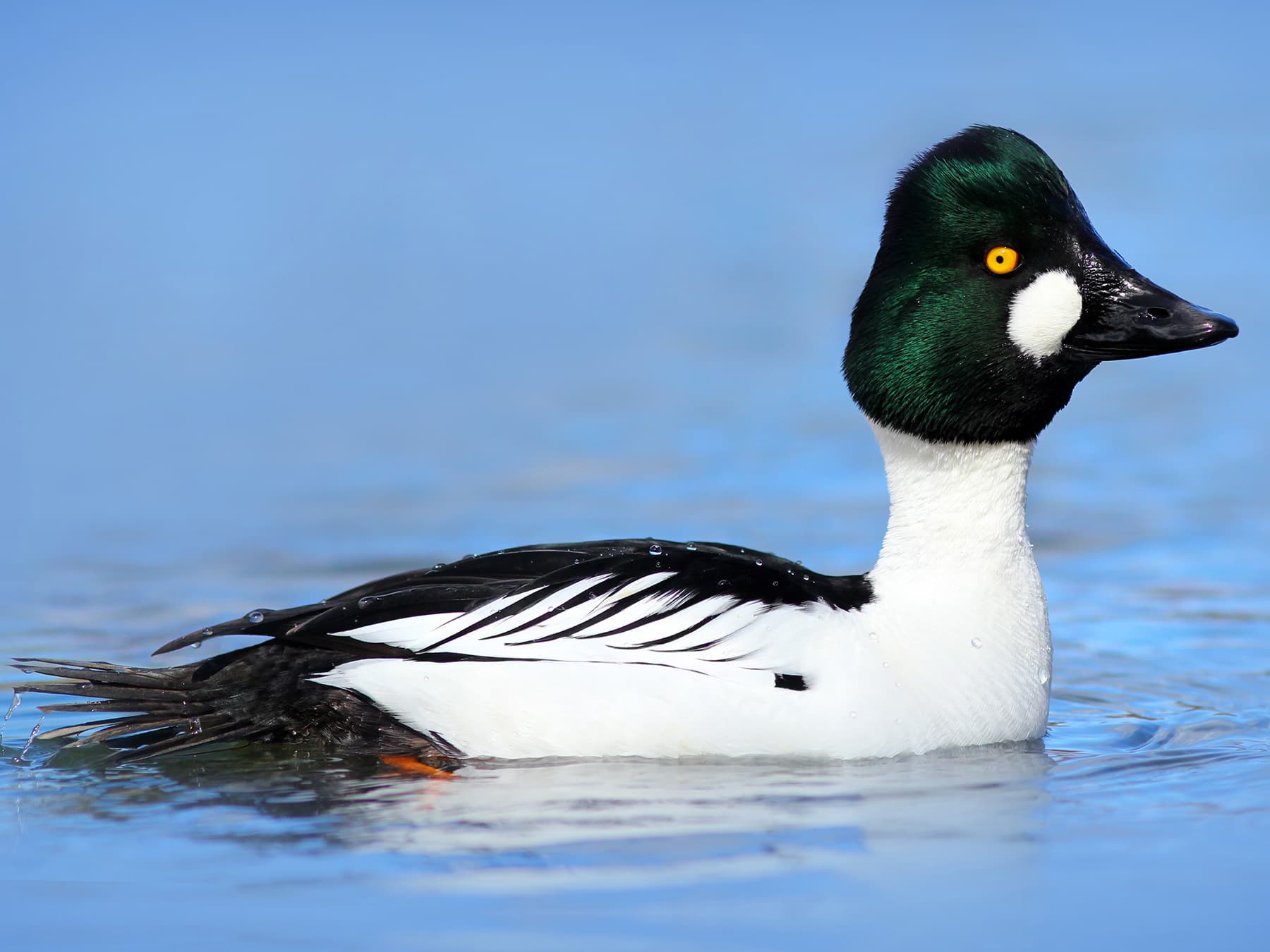
Goldeneye
Bucephala clangulaLC
An uncommon winter visitor to Cumbria's lakes and estuaries, arriving from autumn and lingering into spring.
Aug–Apr
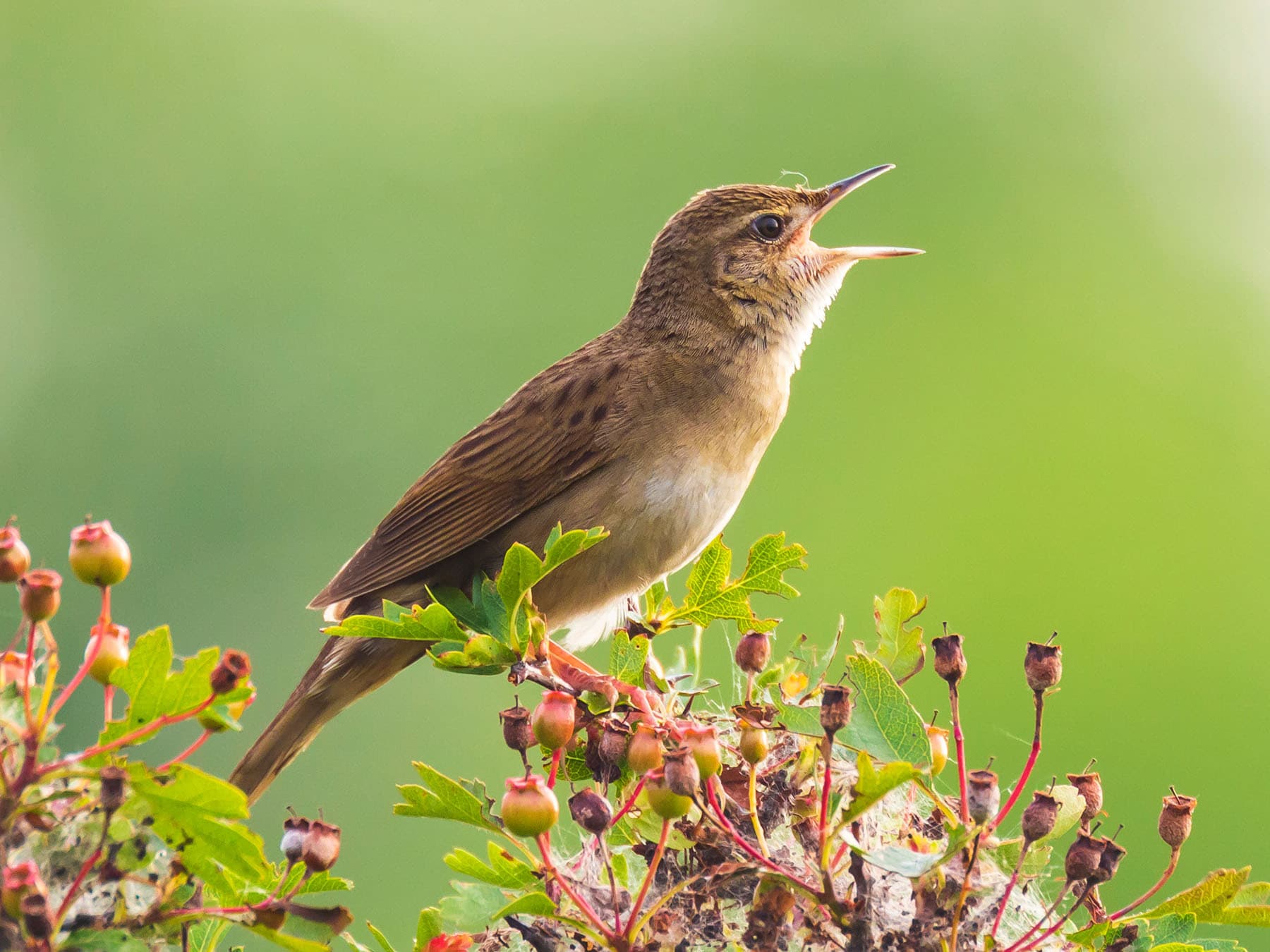
Grasshopper Warbler
Locustella naeviaLC
A rare and secretive summer breeder, more often heard reeling from dense grassland and scrub than seen.
Apr–Aug
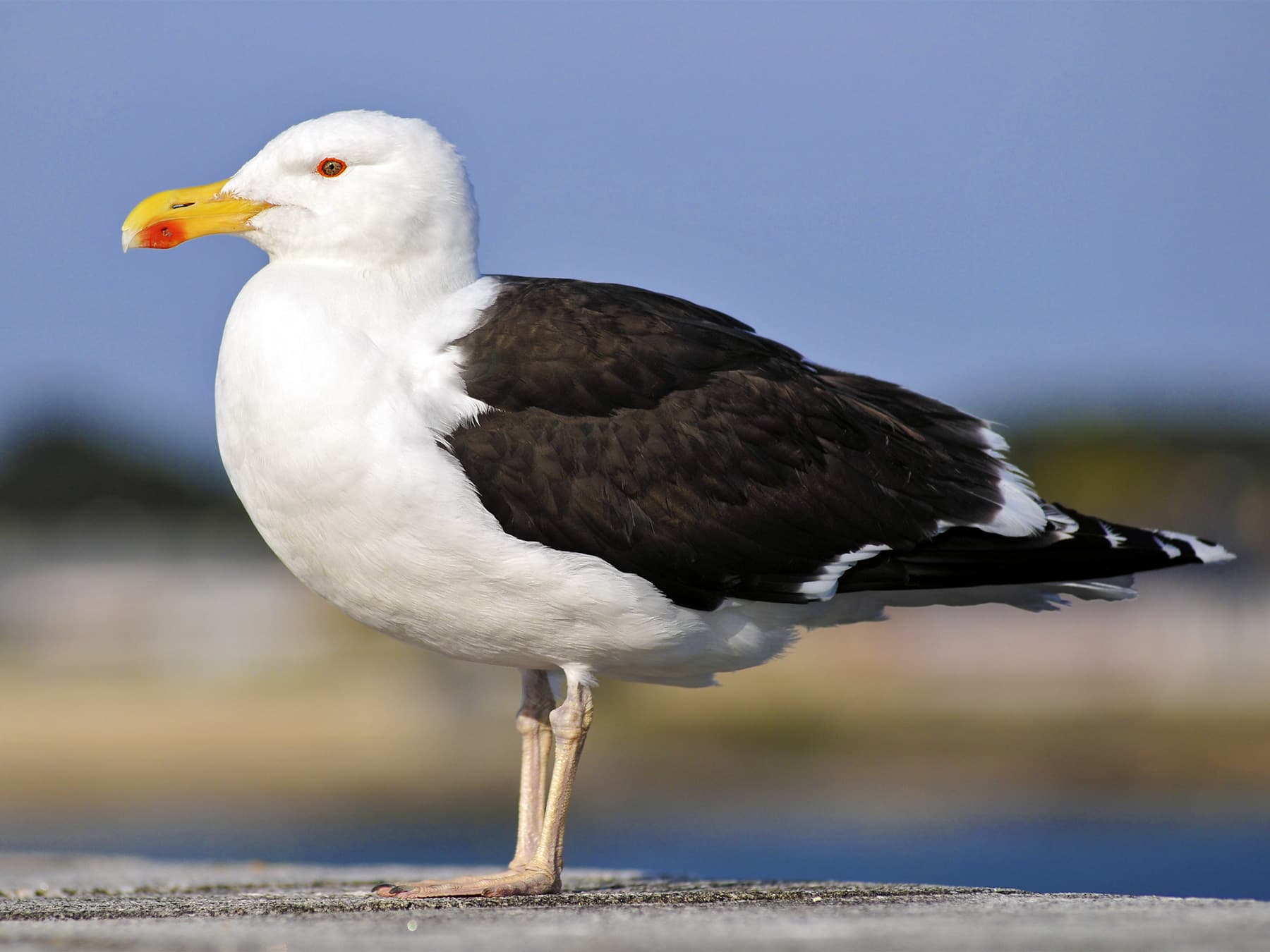
Great Black-backed Gull
Larus marinusLC
An uncommon but imposing resident found along the coast and at estuaries year-round. The largest British gull species.
Year-round
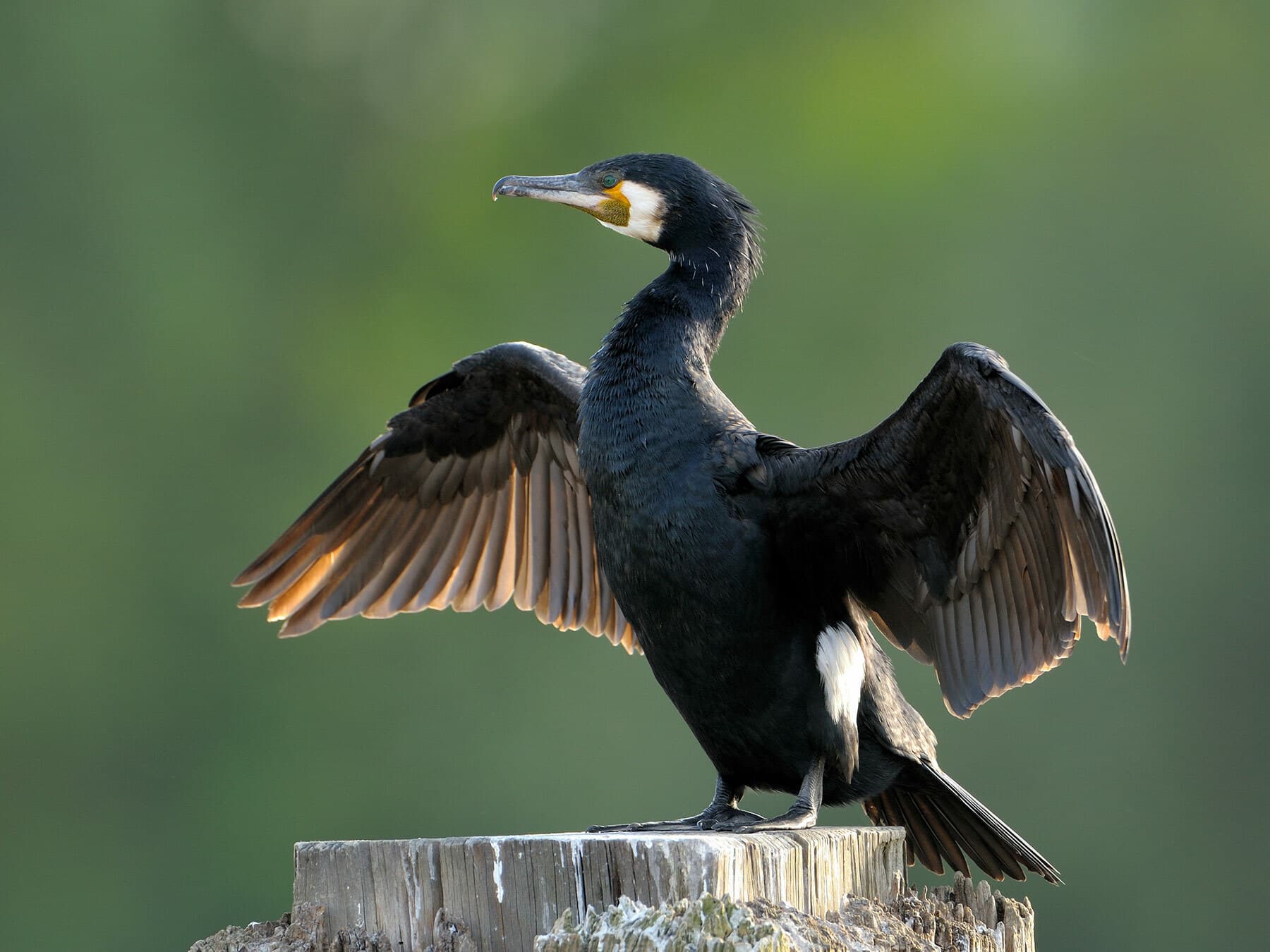
Great Cormorant
Phalacrocorax carboLC
A common year-round resident on lakes, rivers, and the coast. Often seen perched with wings outstretched on rocks and jetties.
Year-round
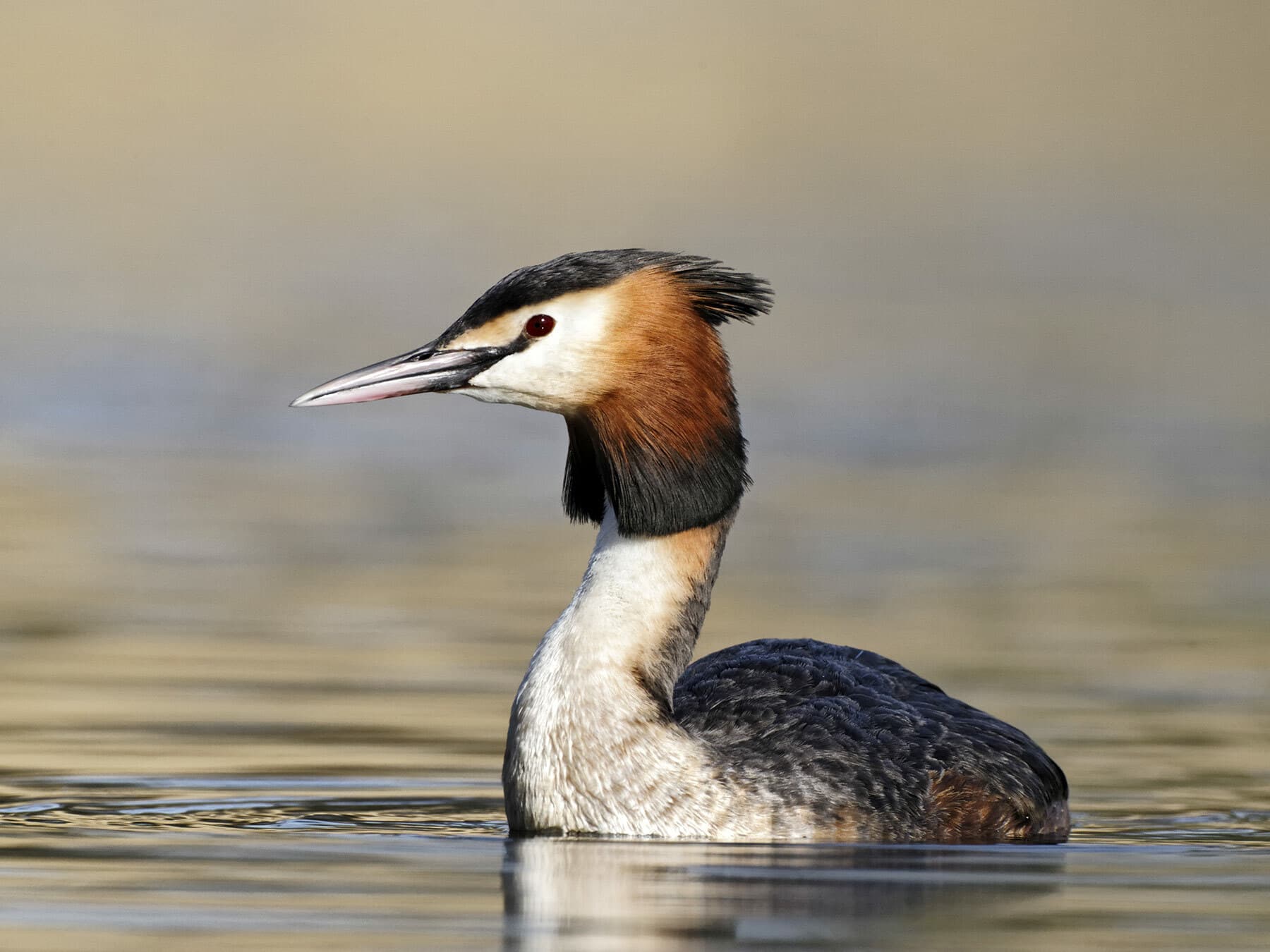
Great Crested Grebe
Podiceps cristatusLC
An uncommon resident on larger lakes and reservoirs year-round. Performs elaborate courtship displays on waters like Windermere.
Year-round
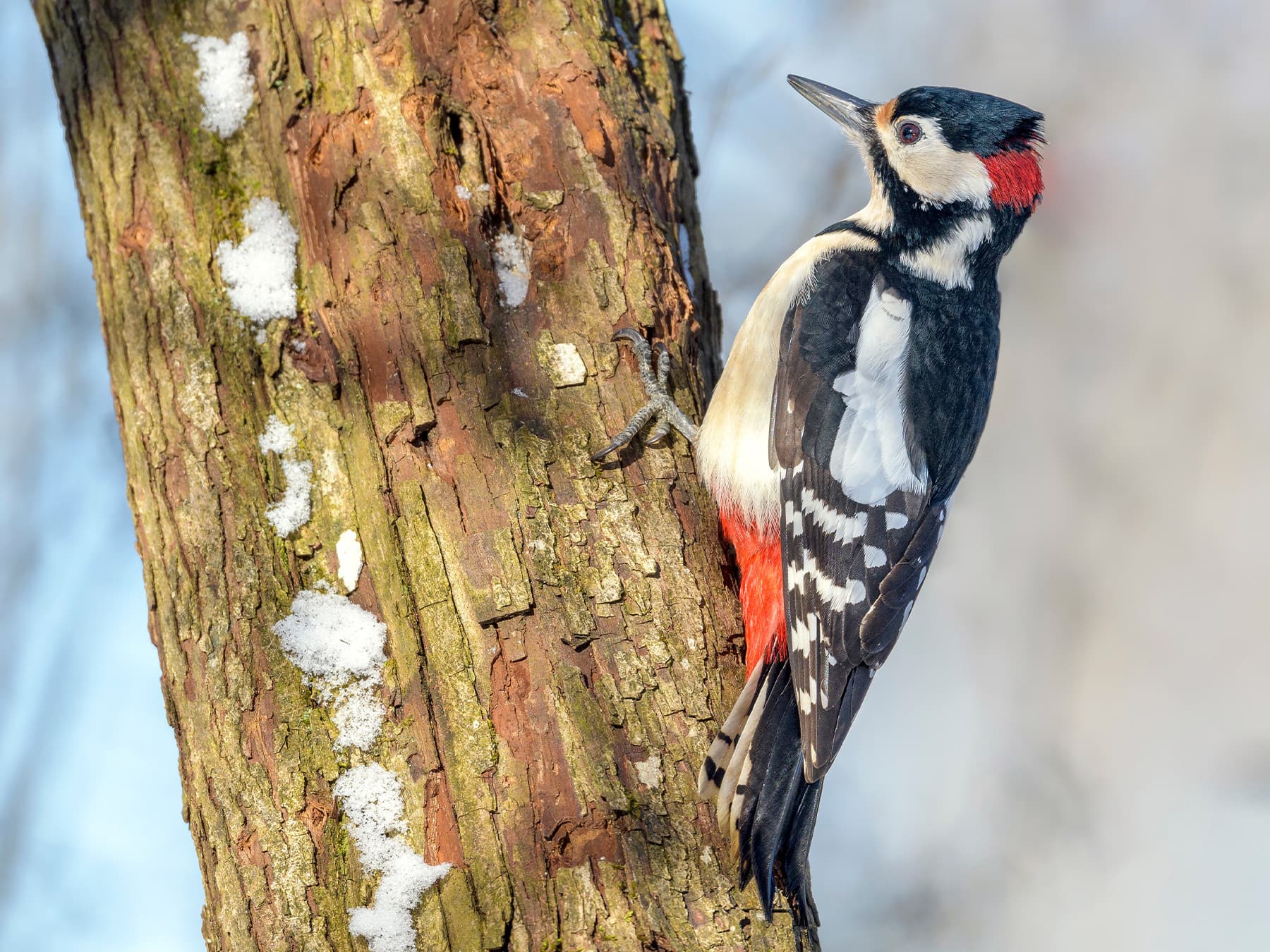
Great Spotted Woodpecker
Dendrocopos majorLC
An uncommon resident of broadleaved and mixed woodlands, also visiting garden feeders. Its loud drumming echoes through Cumbrian woods in spring.
Year-round
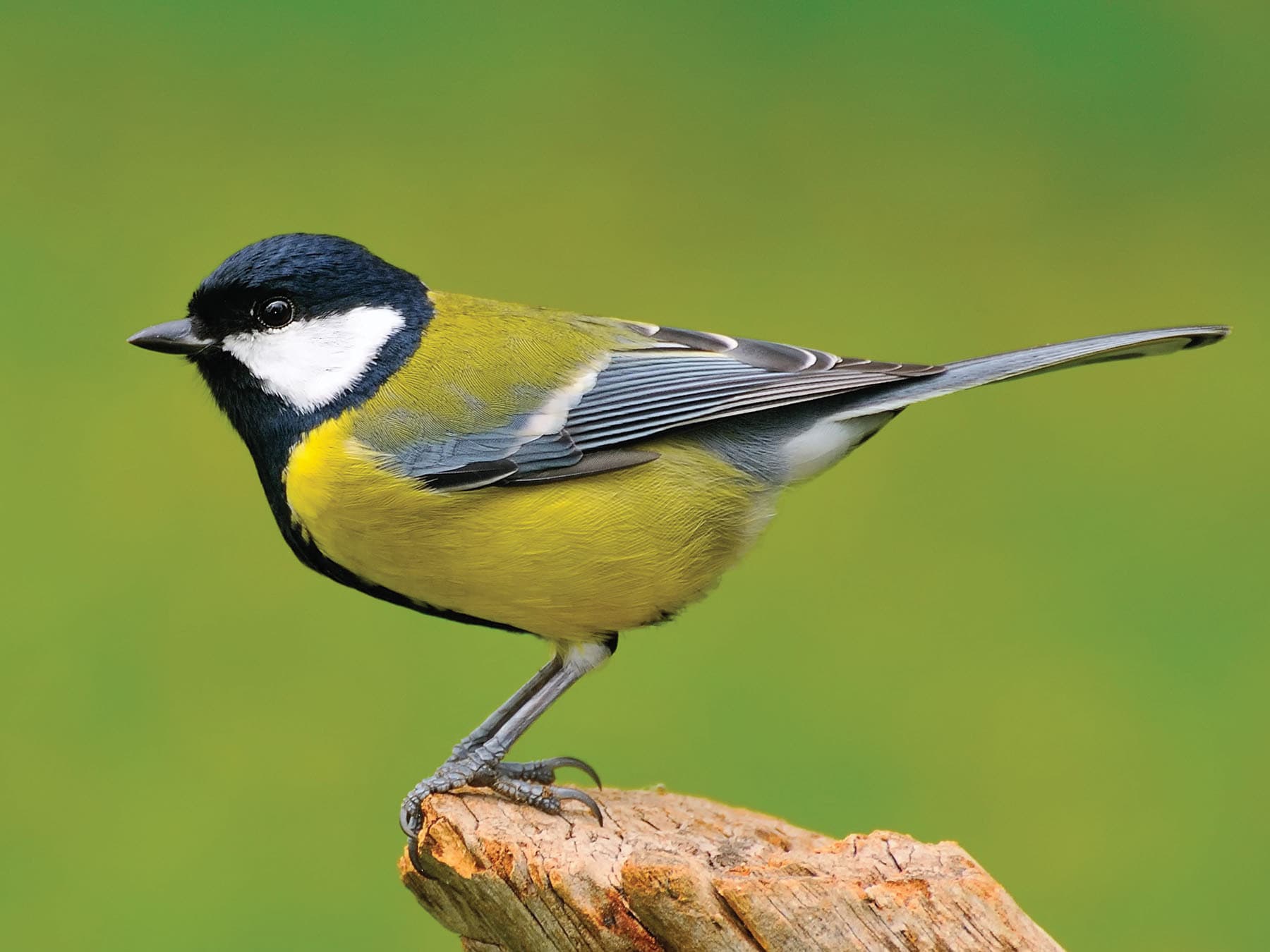
Great Tit
Parus majorLC
A common year-round resident, bold and vocal in gardens and deciduous woodlands across the county.
Year-round
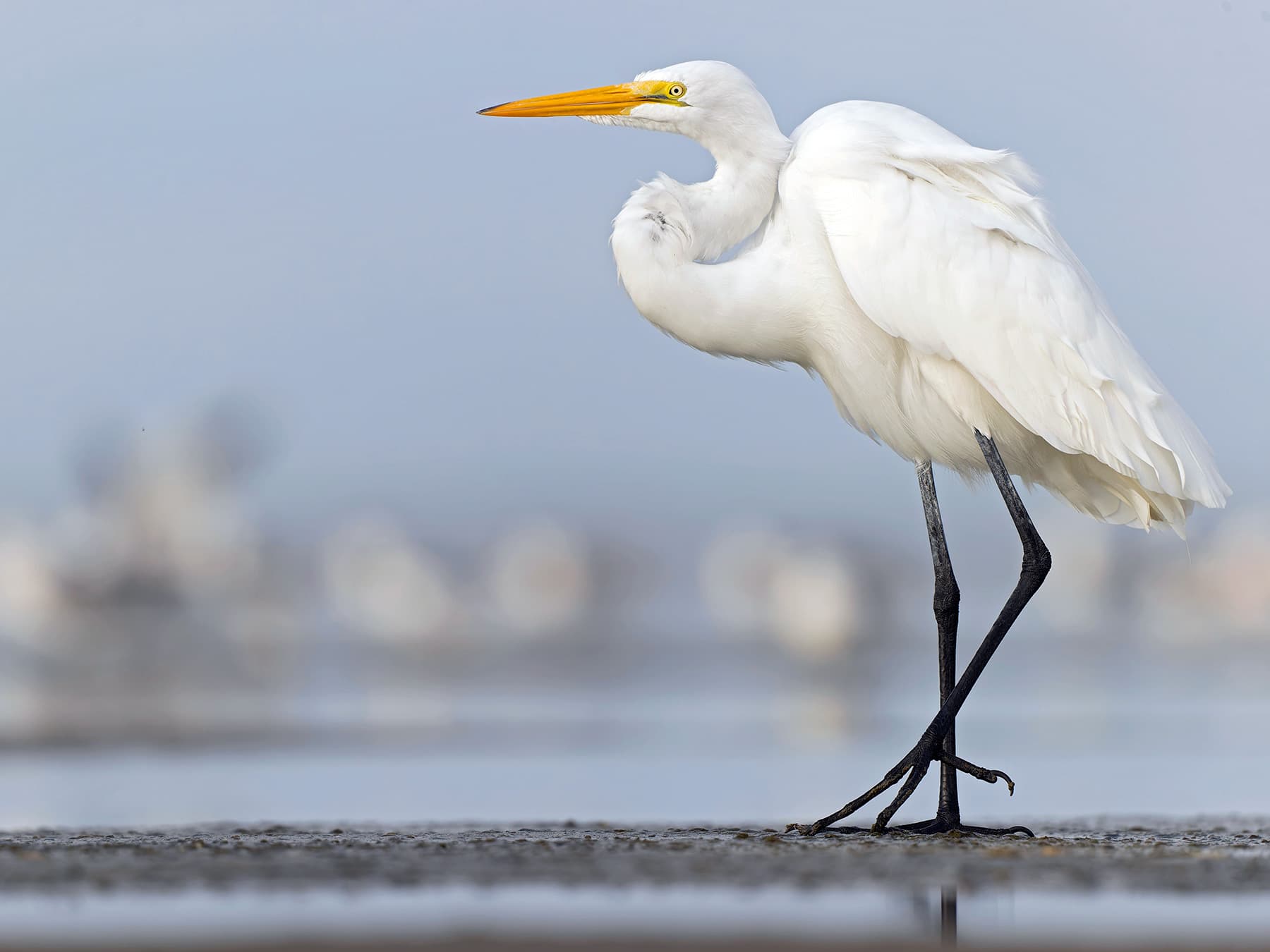
Great White Egret
Ardea albaLC
A rare non-breeding visitor to Cumbrian wetlands and estuaries, increasingly recorded in recent years. Present from autumn through winter and into early spring.
Aug–Mar
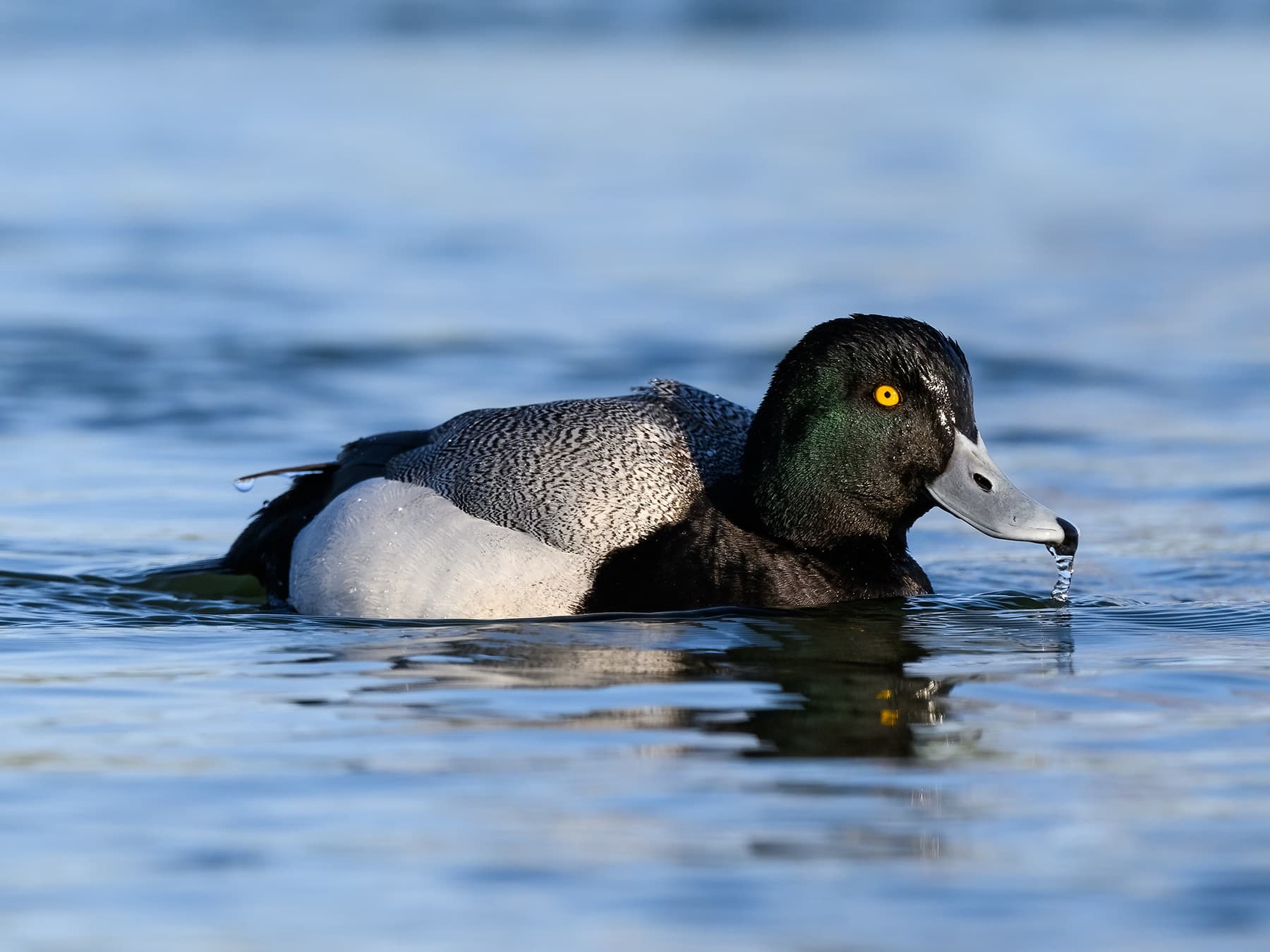
Greater Scaup
Aythya marilaLC
A rare winter visitor to coastal waters and sheltered bays. Small numbers may appear on the Solway Firth or Morecambe Bay.
Oct–Mar
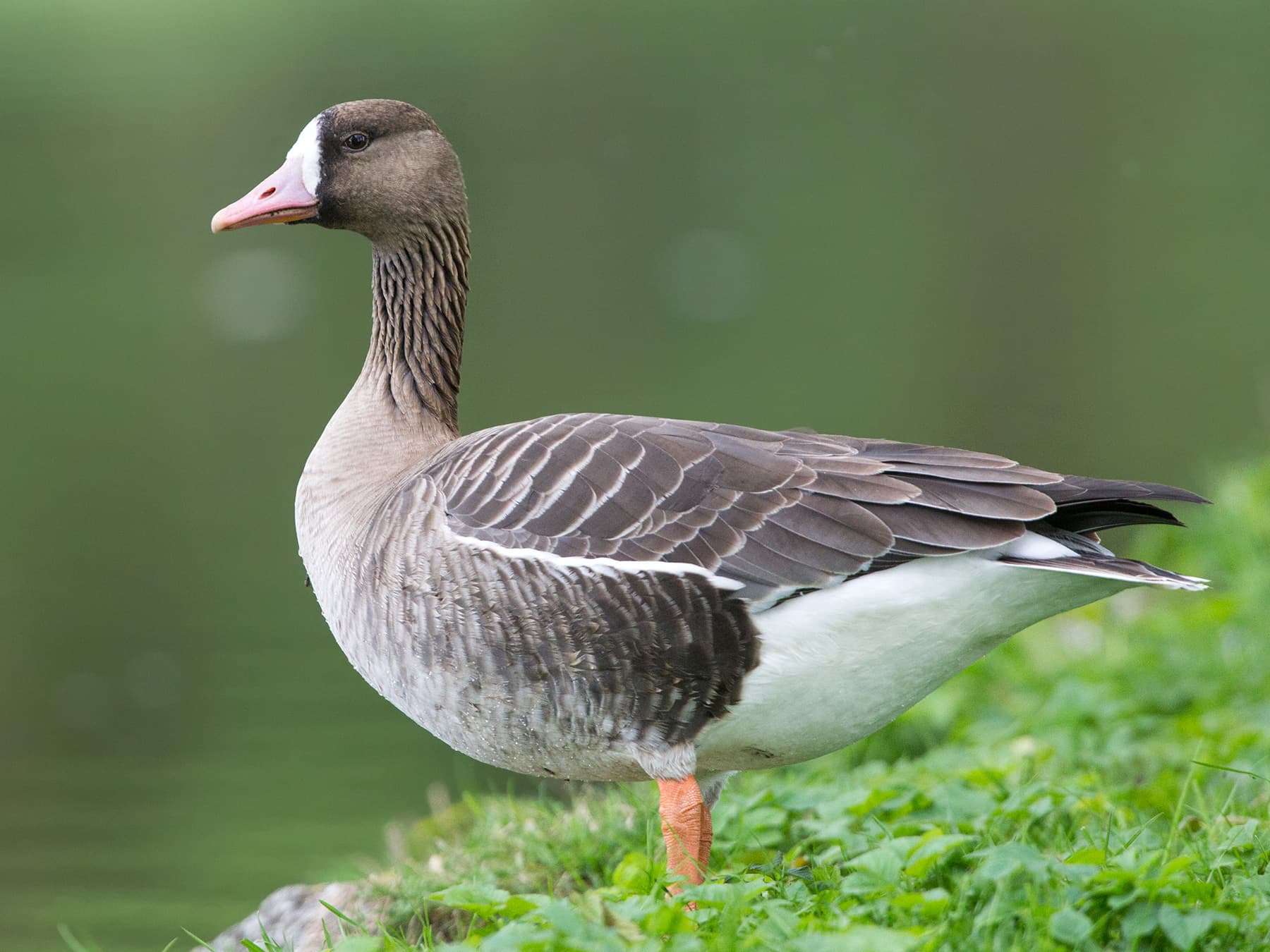
Greater White-fronted Goose
Anser albifronsLC
A rare winter passage visitor, occasionally seen in January and February on coastal marshes and estuarine fields.
Jan–Feb
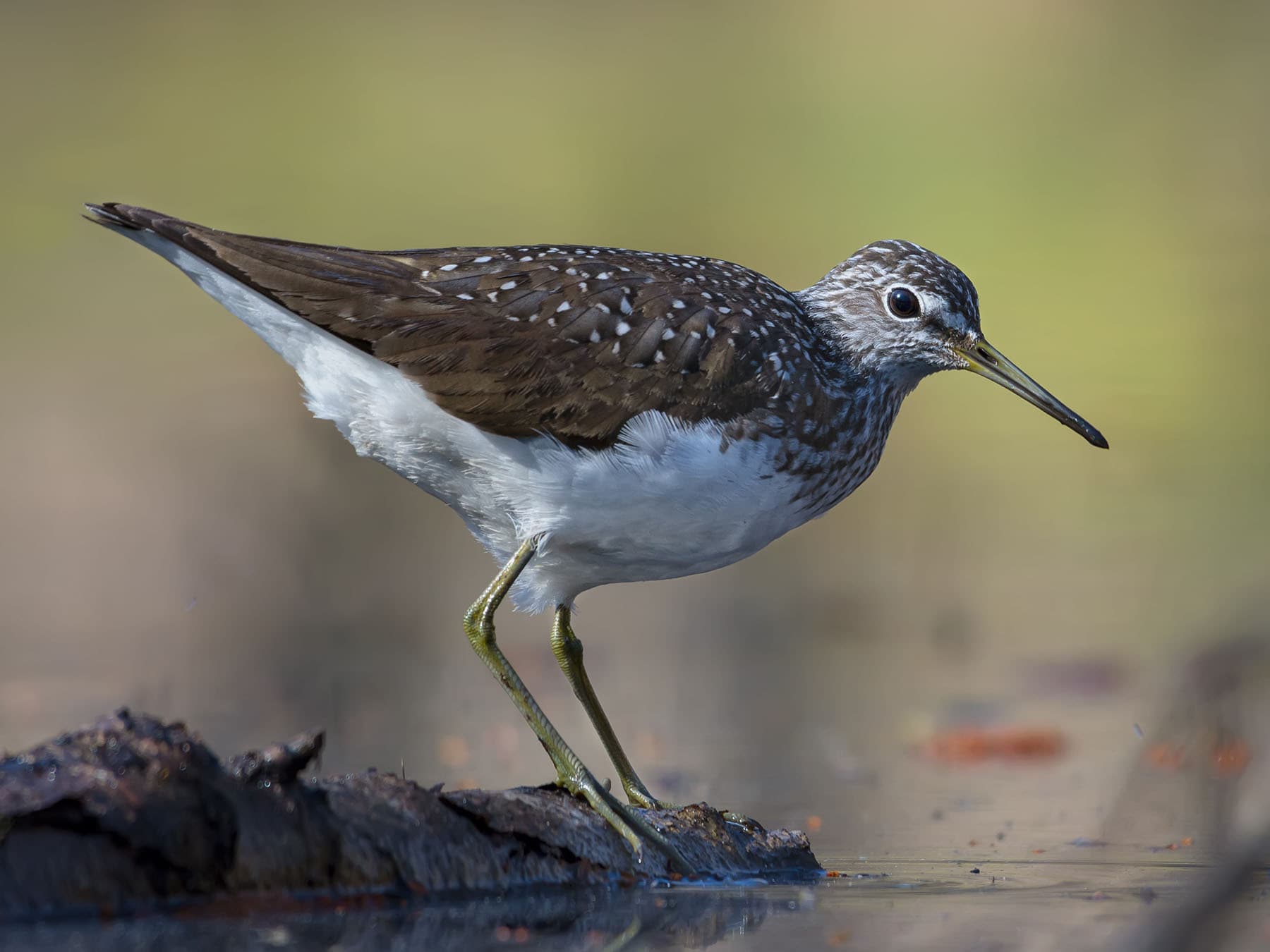
Green Sandpiper
Tringa ochropusLC
A rare visitor to freshwater margins and ditches, mainly on passage in spring and autumn. Often solitary and easily overlooked.
Mar–Oct
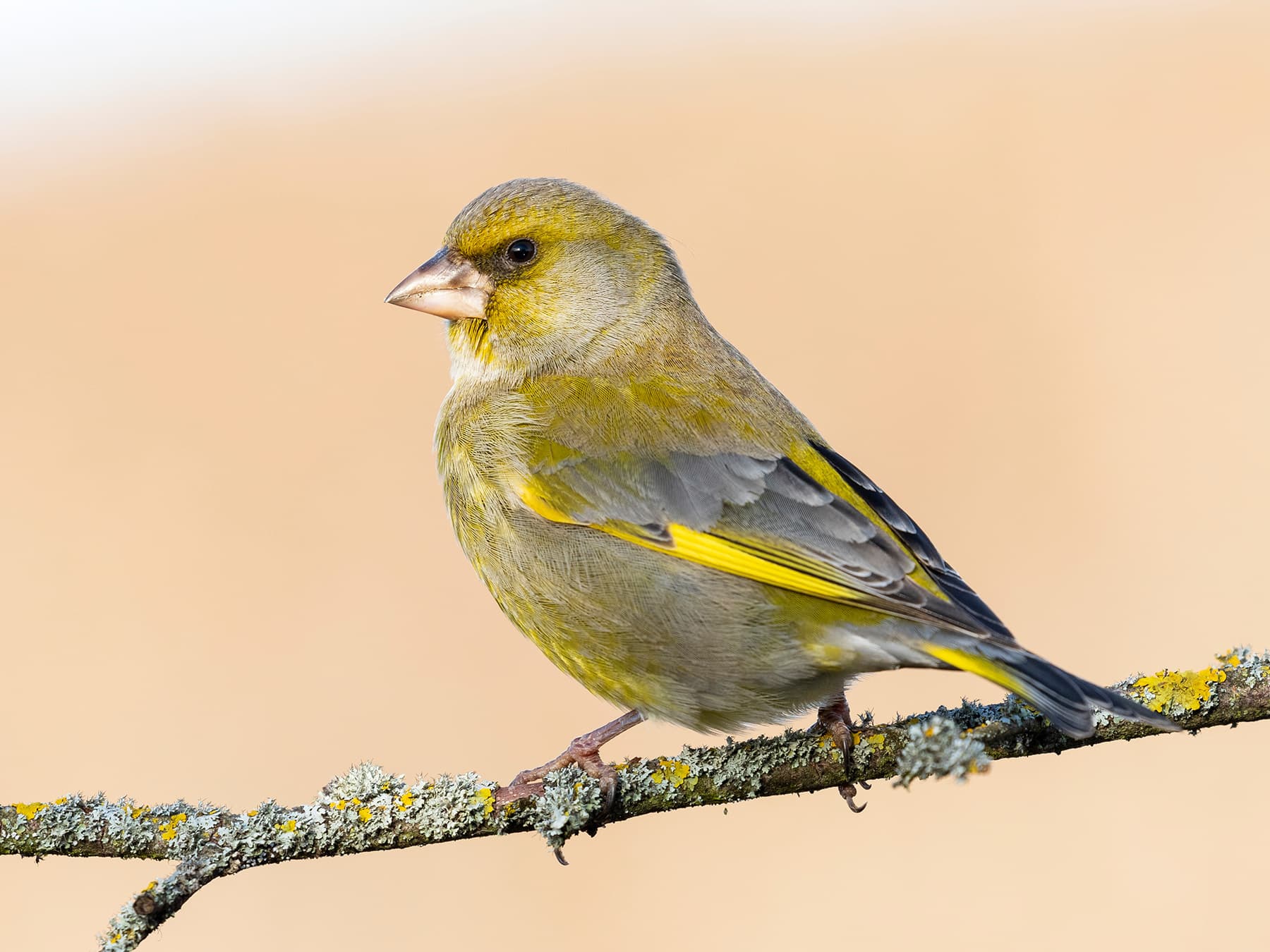
Greenfinch
Chloris chlorisLC
A common resident of gardens, farmland and hedgerows, though numbers have declined significantly in recent decades due to disease.
Year-round
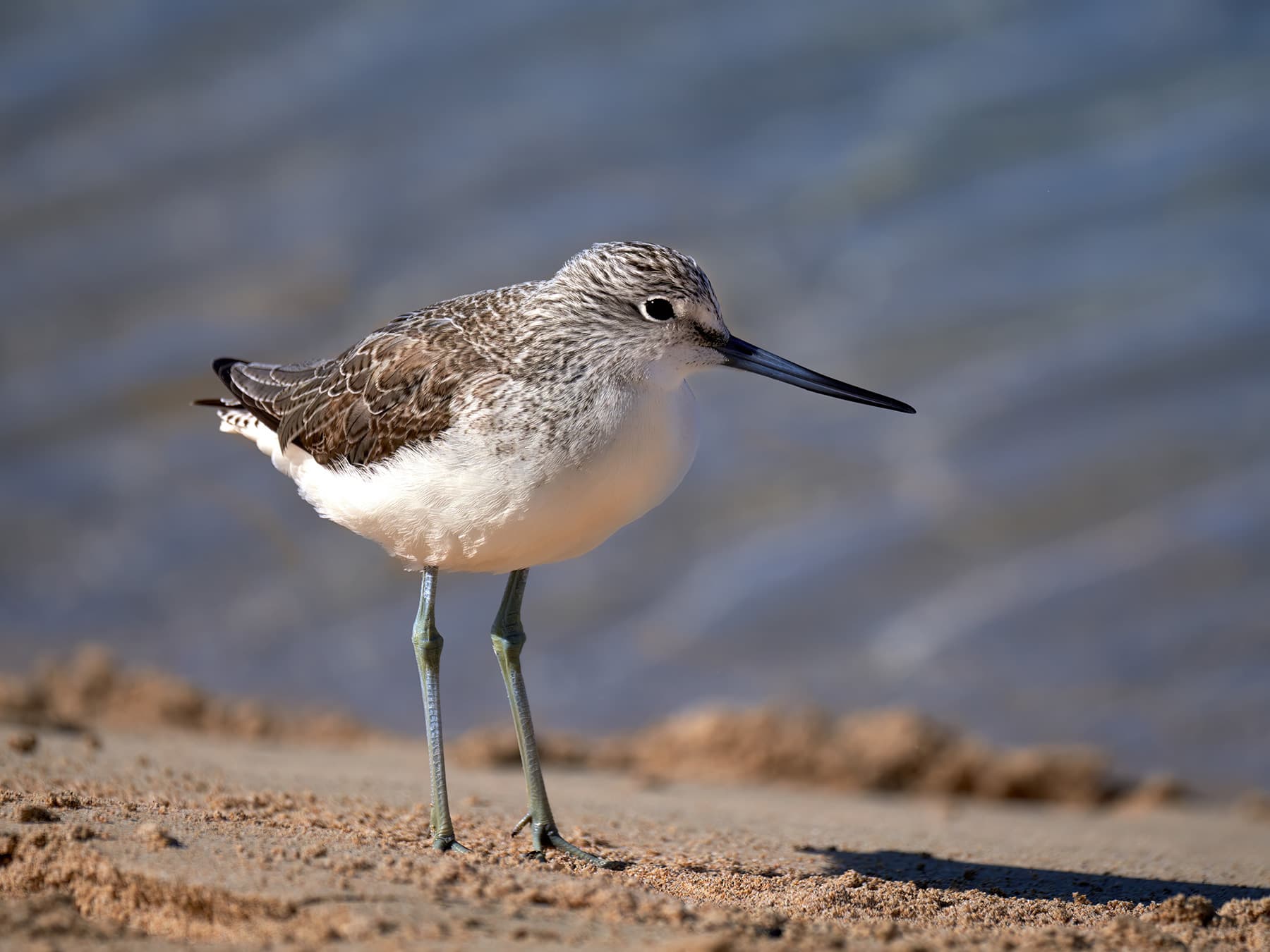
Greenshank
Tringa nebulariaLC
A rare non-breeding visitor to estuaries and lakeshores, most often seen during autumn passage on the Solway or inland wetlands.
Jul–Mar
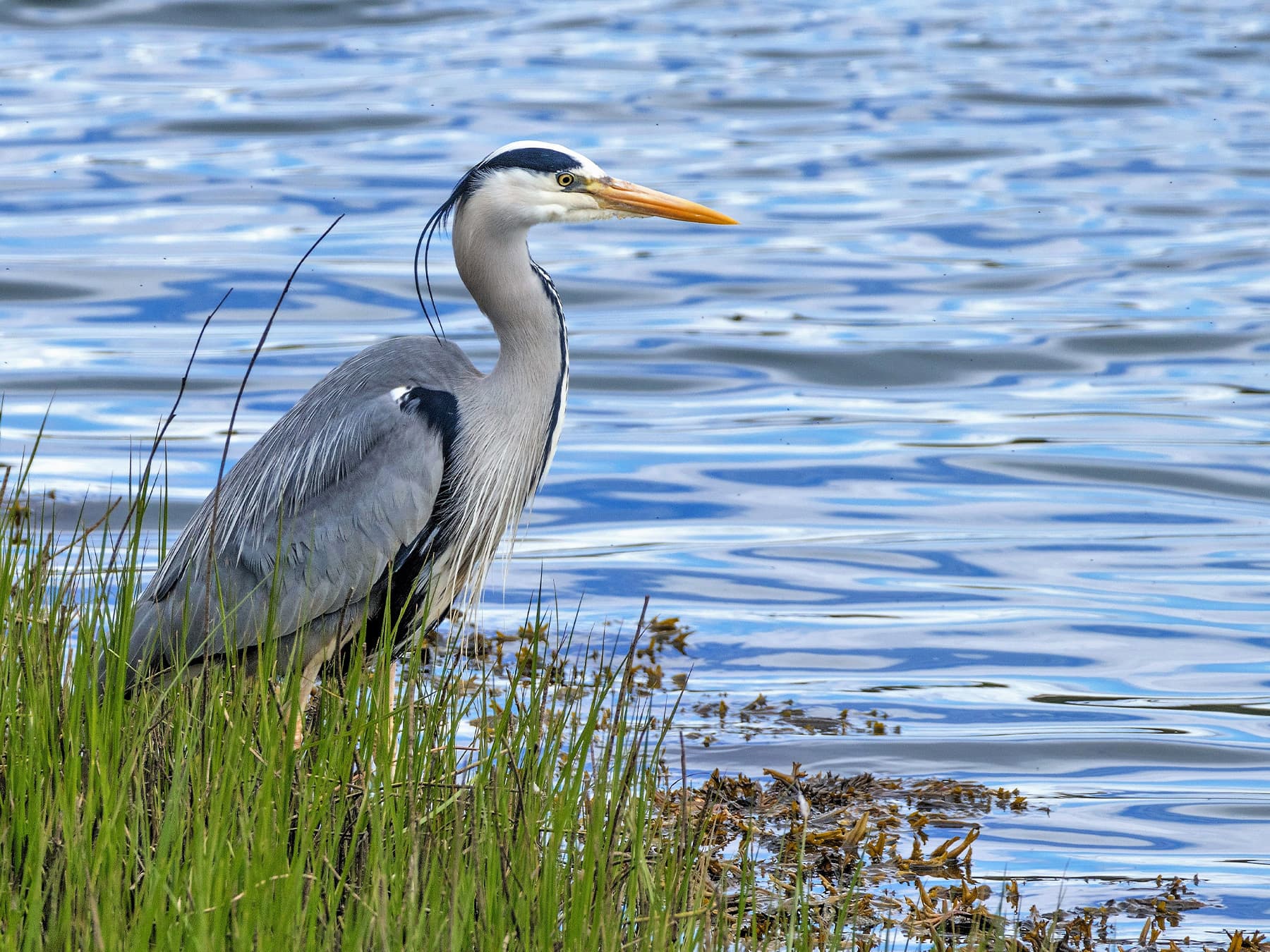
Grey Heron
Ardea cinereaLC
A common resident found year-round along rivers, lakes and estuaries. Heronries are well established across the Lake District and lowland valleys.
Year-round