Birds in Cumbria
Explore 187 species found in this region.
Cumbria is one of England's most rewarding counties for birdwatching, with 184 recorded species found across its diverse landscapes of lakes, estuaries, upland fells, and ancient woodlands. The region's varied habitats attract everything from wintering wildfowl such as Pink-footed Goose and Northern Pintail on the Solway Firth to breeding waders like Northern Lapwing and Common Sandpiper along the Lake District's shores. Woodland species including Great Tit and the striking Mandarin Duck can also be encountered, while the county's coastline and river systems support populations of Common Merganser and Common Shelduck year-round.
Visiting in July? Look out for Bar-tailed Godwit and Golden Eagle arriving this month, and Barn Owl and Cetti's Warbler depart for the season.


Showing 116–138 of 187 species
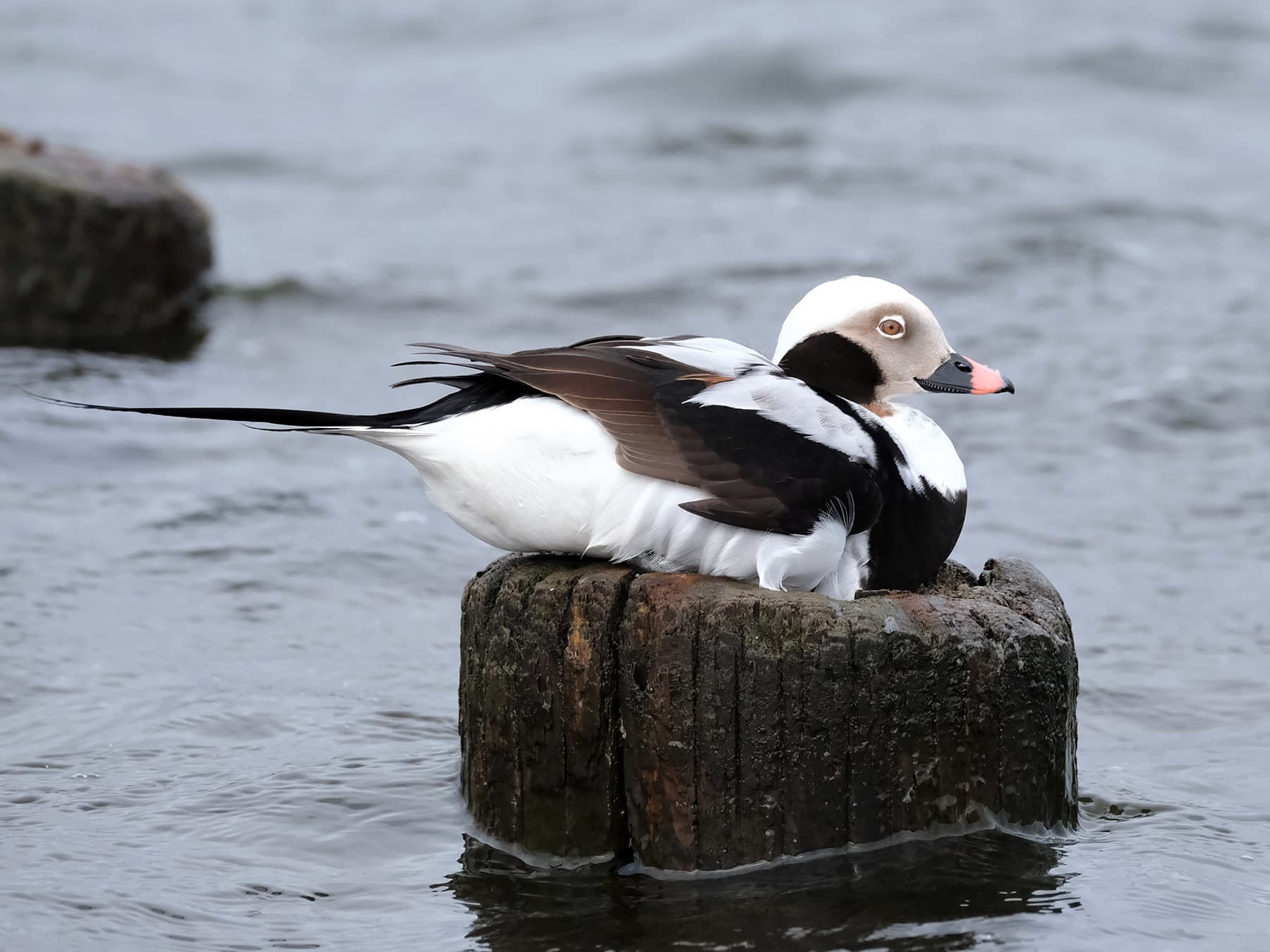
Long-tailed Duck
Clangula hyemalisVU
A rare midwinter visitor, occasionally seen on coastal waters or large inland lakes. A scarce but prized find for local birders.
Jan
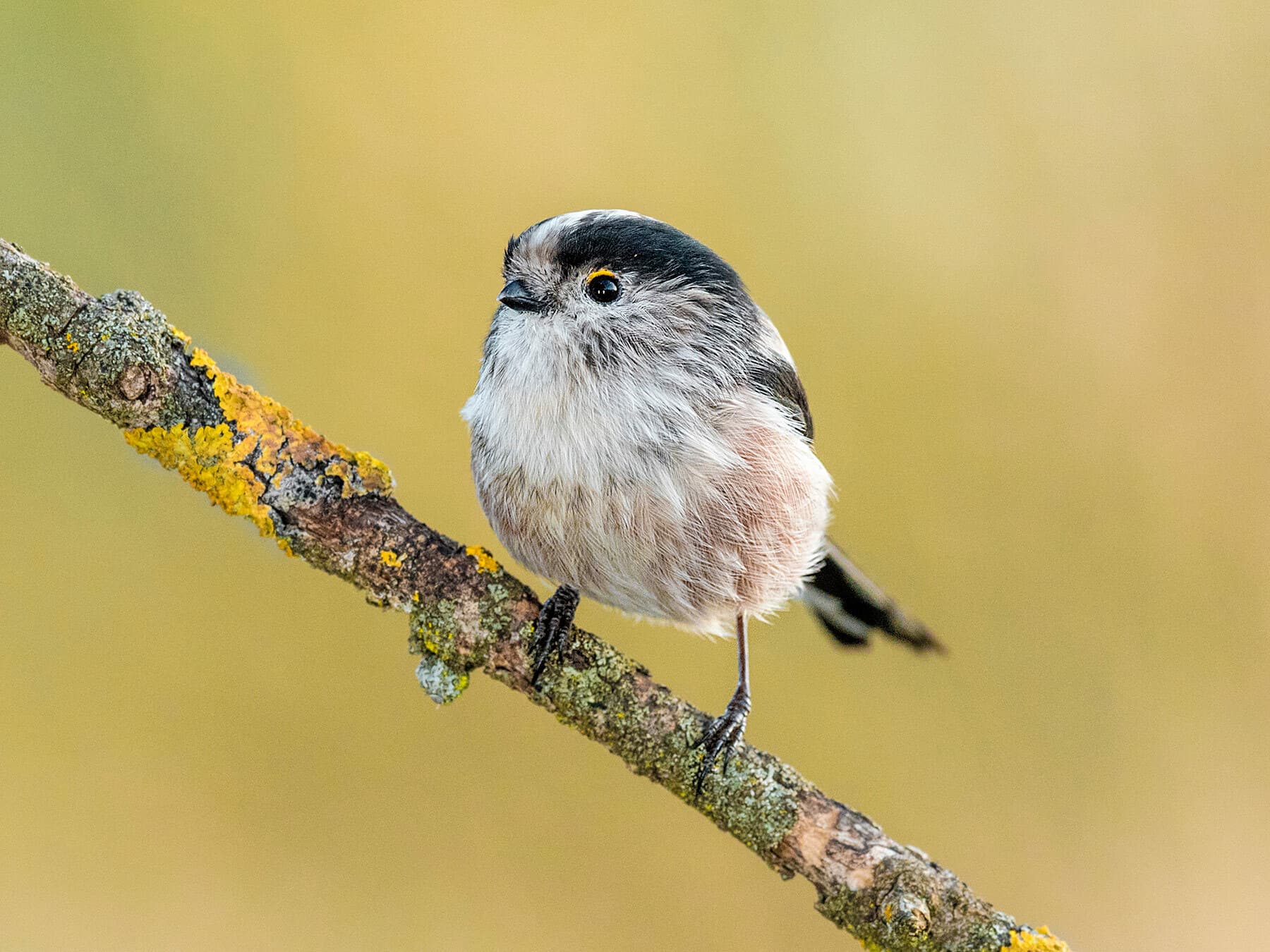
Long-tailed Tit
Aegithalos caudatusLC
A common resident, roving in noisy family flocks through hedgerows and woodland edges throughout the year.
Year-round
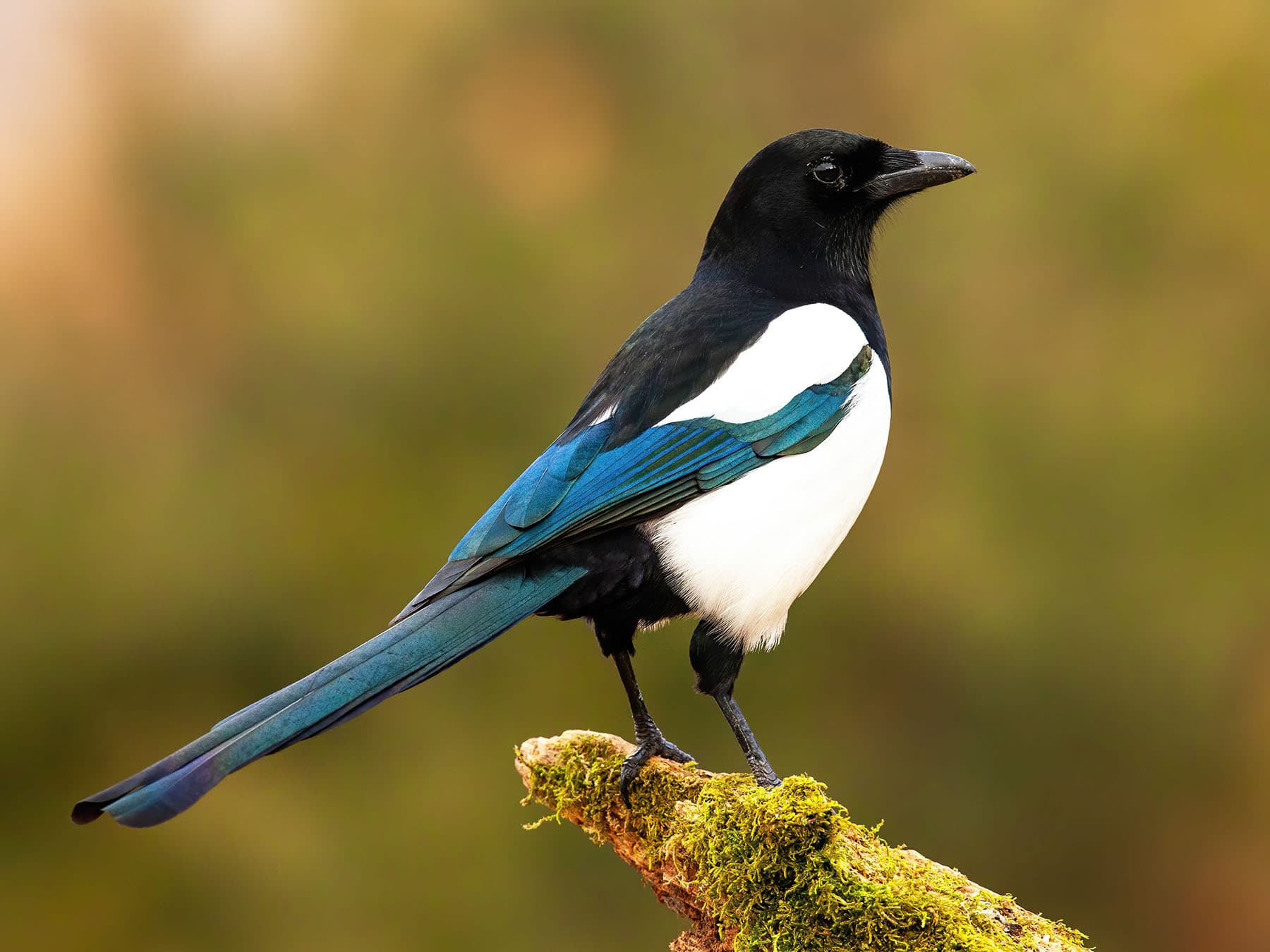
Magpie
Pica picaLC
A common resident of farmland, gardens and urban areas throughout the county. Bold and conspicuous, often seen in small groups on lawns and hedges.
Year-round
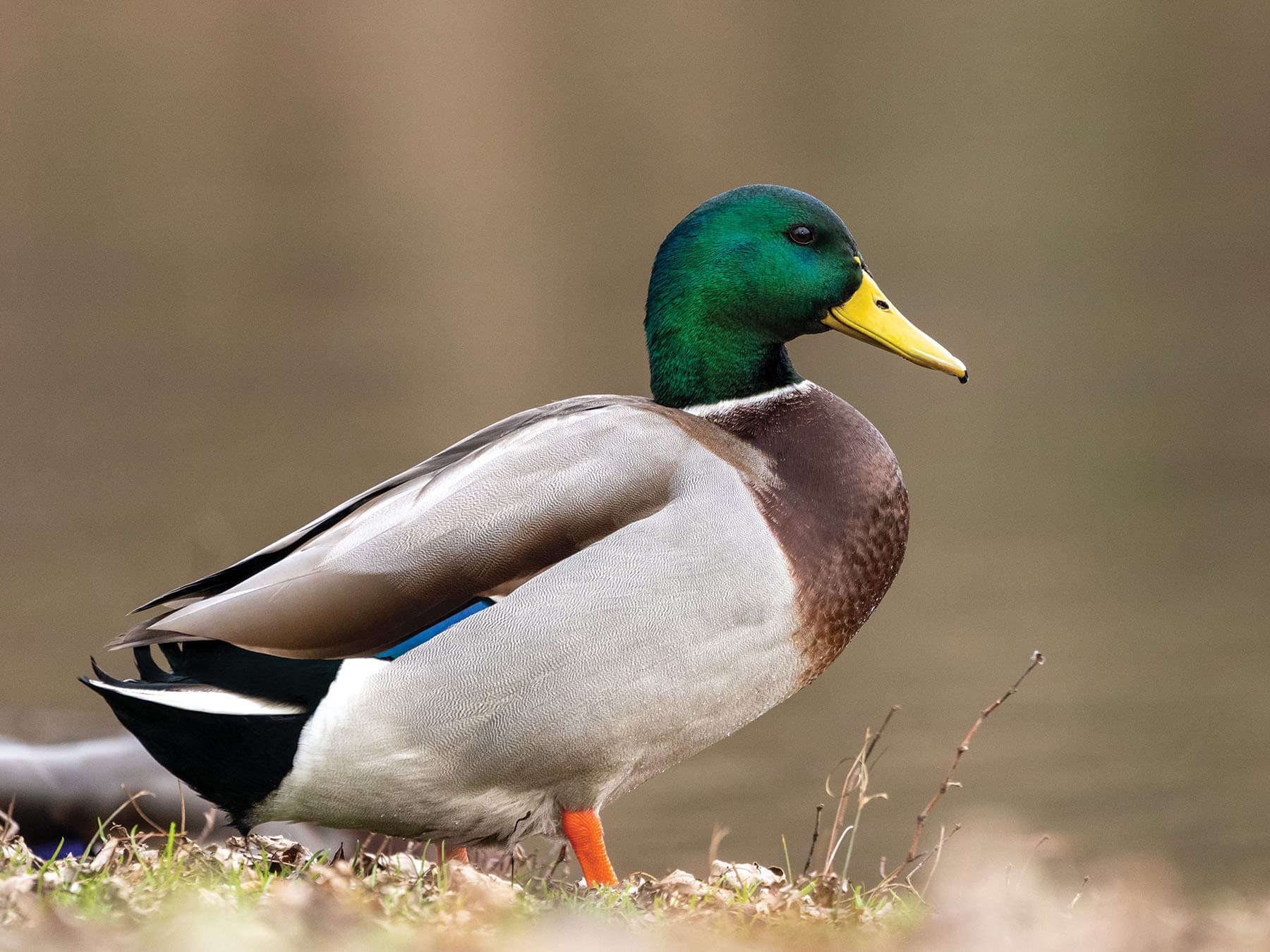
Mallard
Anas platyrhynchosLC
A common resident found on virtually any waterbody, from upland tarns to town park ponds. Present year-round across the county.
Year-round
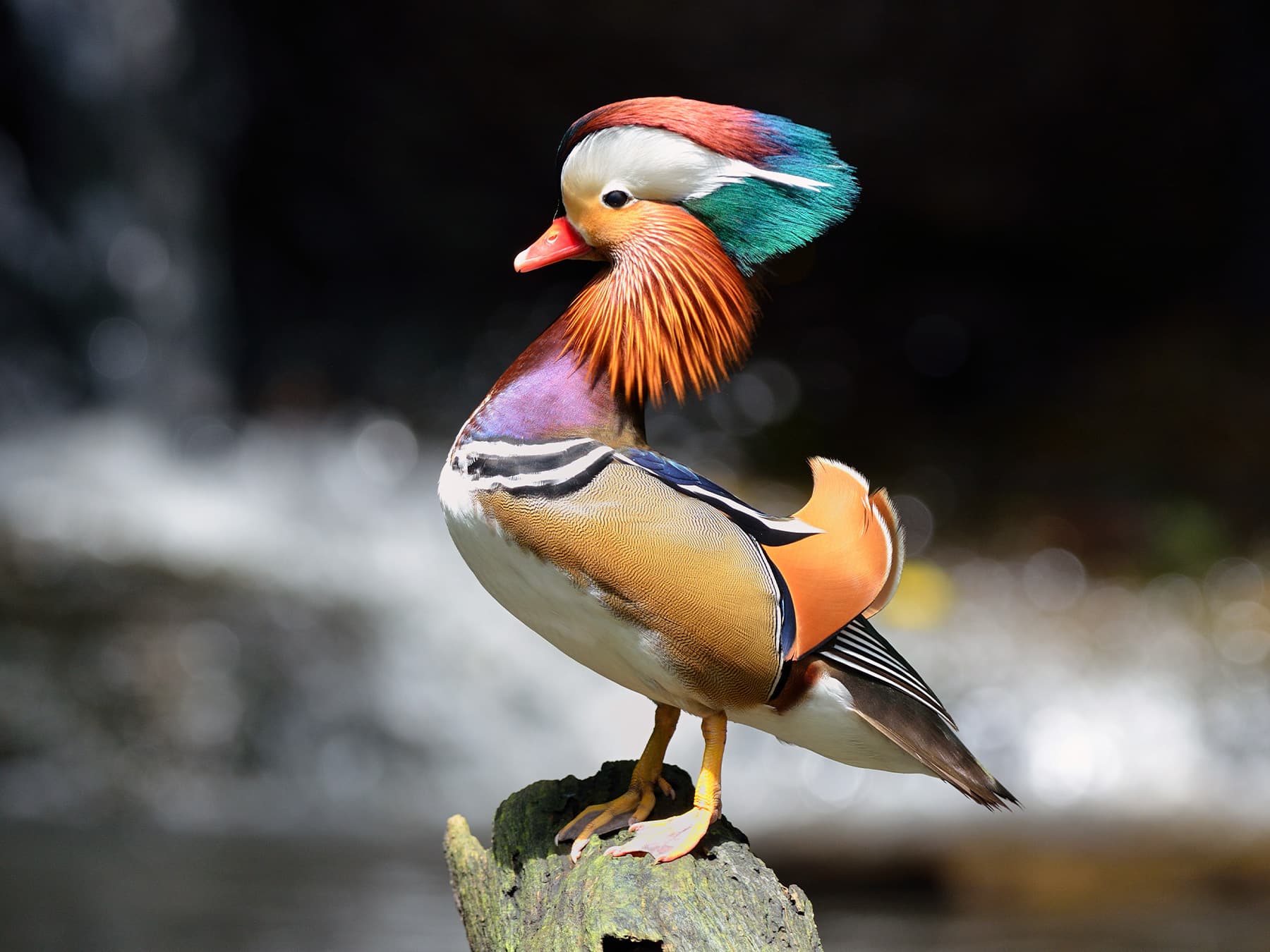
Mandarin Duck
Aix galericulataLC
A rare resident found on wooded lakes and rivers. Small feral populations persist, favouring sheltered waterways with overhanging trees.
Dec–Oct
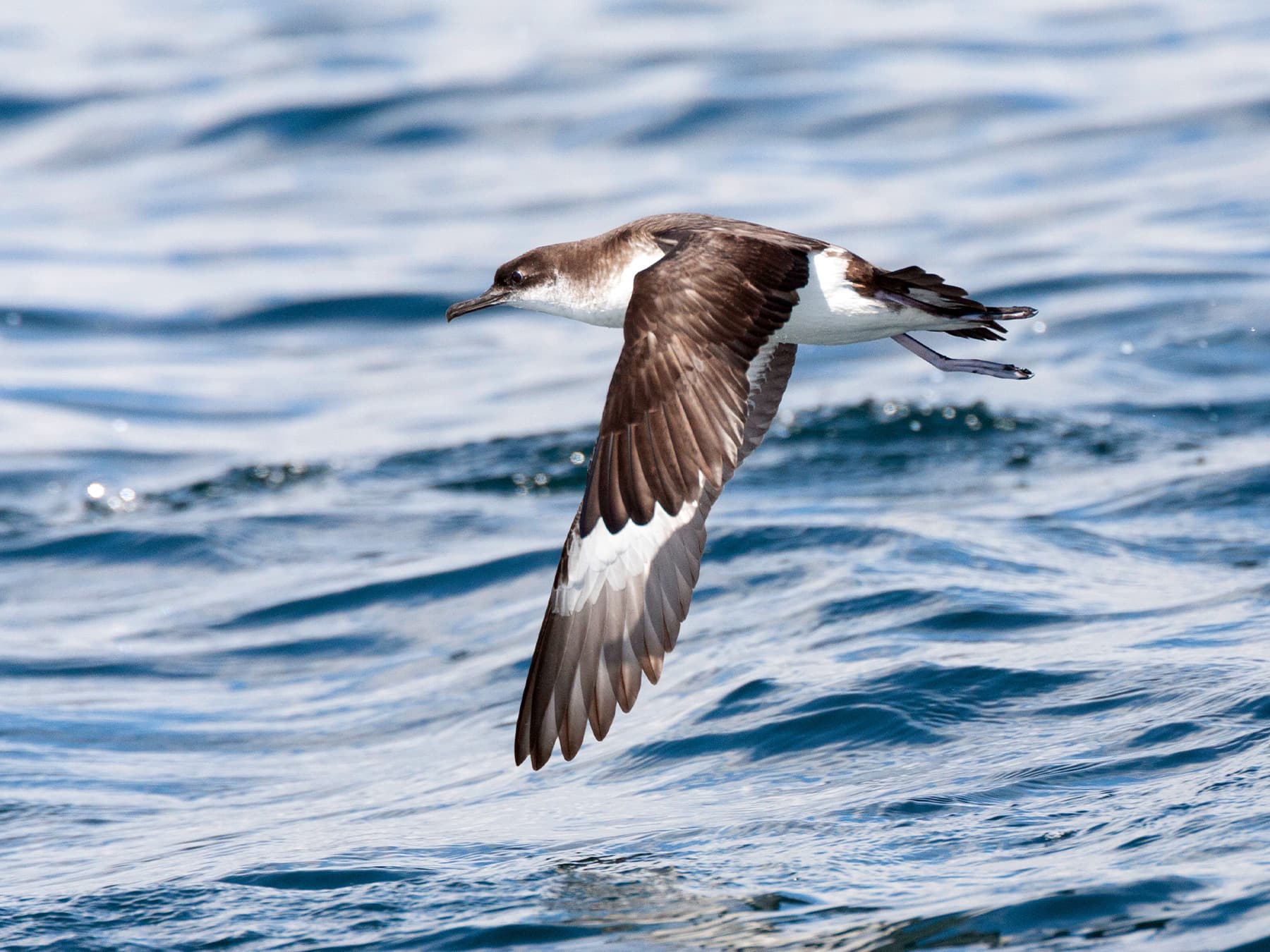
Manx Shearwater
Puffinus puffinusLC
A rare passage visitor seen offshore from June to August. Best spotted from coastal headlands during onshore winds.
Jun–Aug
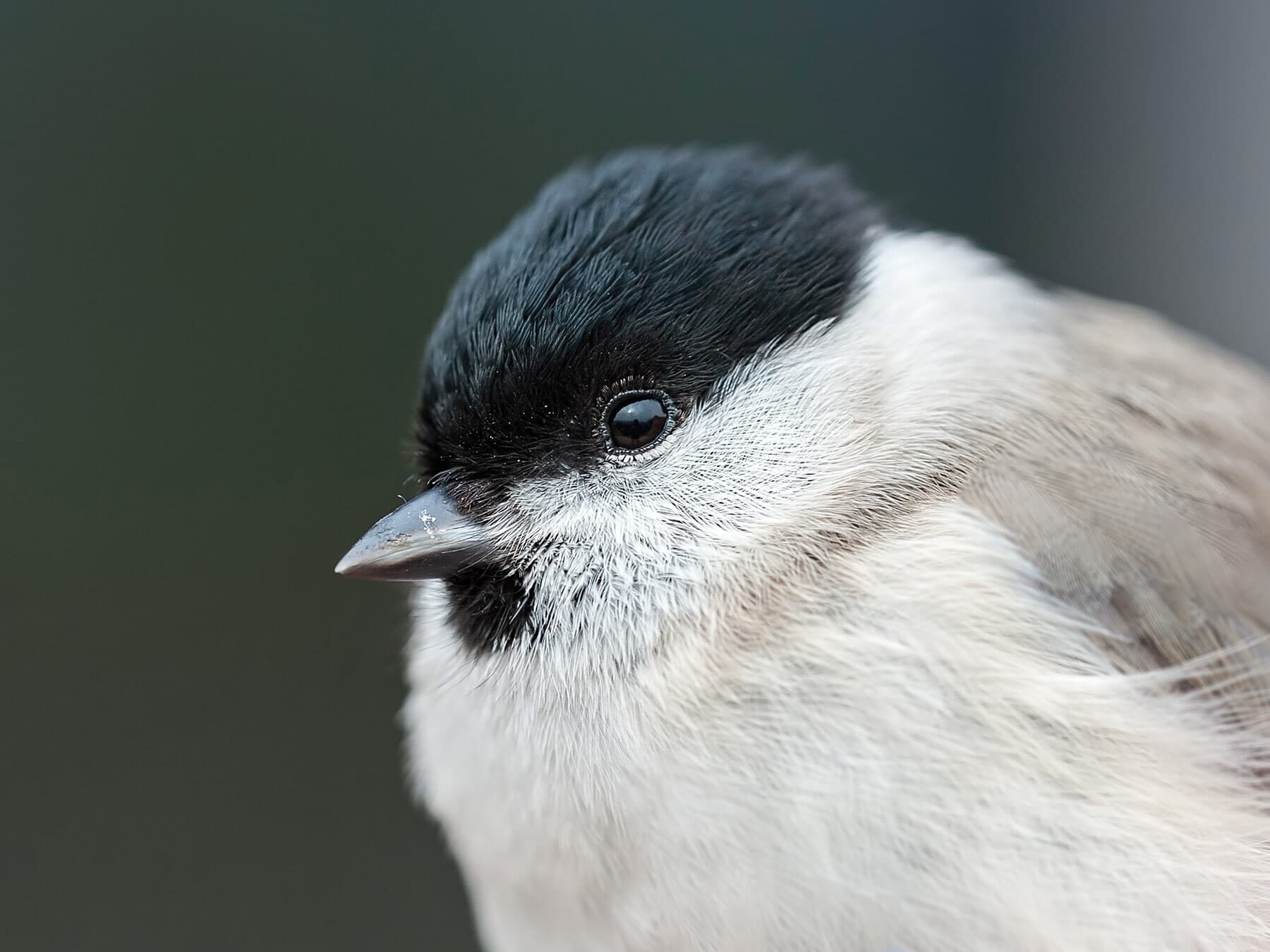
Marsh Tit
Poecile palustrisLC
A rare resident at the north-western edge of its British range, found in scattered broadleaved woodlands in southern Cumbria.
Year-round
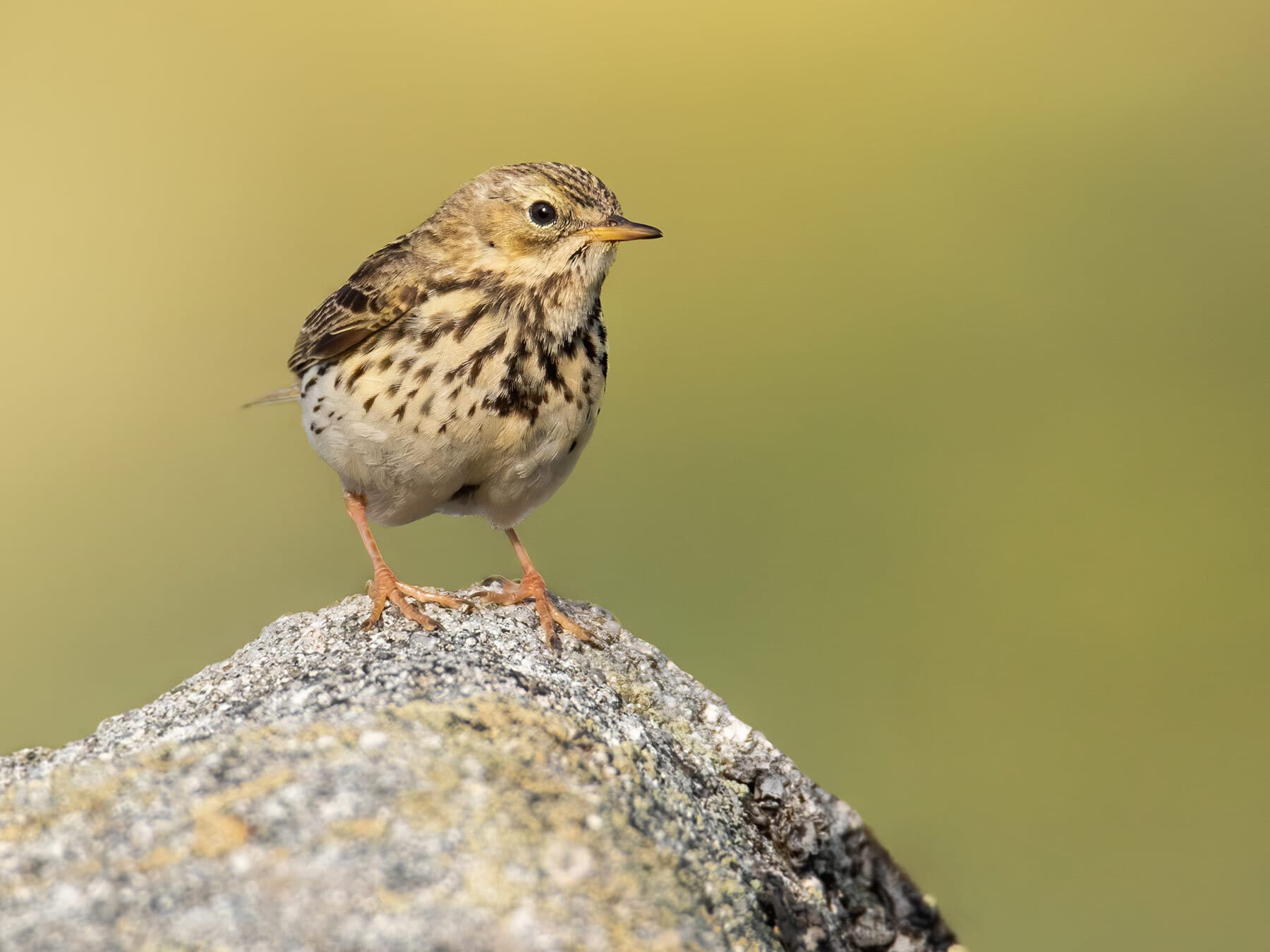
Meadow Pipit
Anthus pratensisLC
Abundant year-round across Cumbrian fells and upland moors, where its thin call is the quintessential sound of open hill country.
Year-round
Spotted something?
Upload a photo to identify it
Identify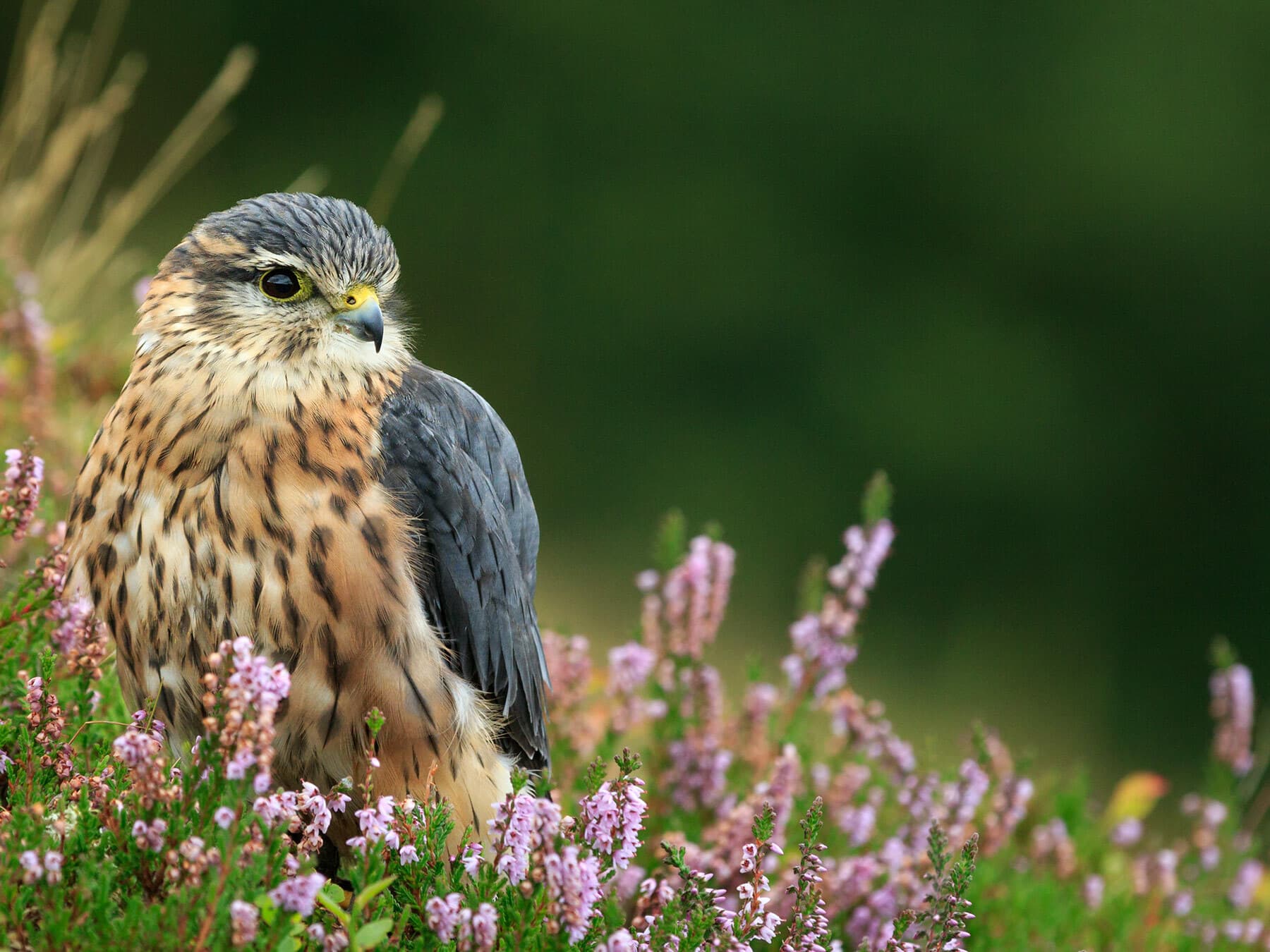
Merlin
Falco columbariusLC
A rare resident of upland moors and bogs, moving to lower ground and coasts in winter. Britain's smallest falcon, fast and agile in pursuit of pipits.
Aug–May
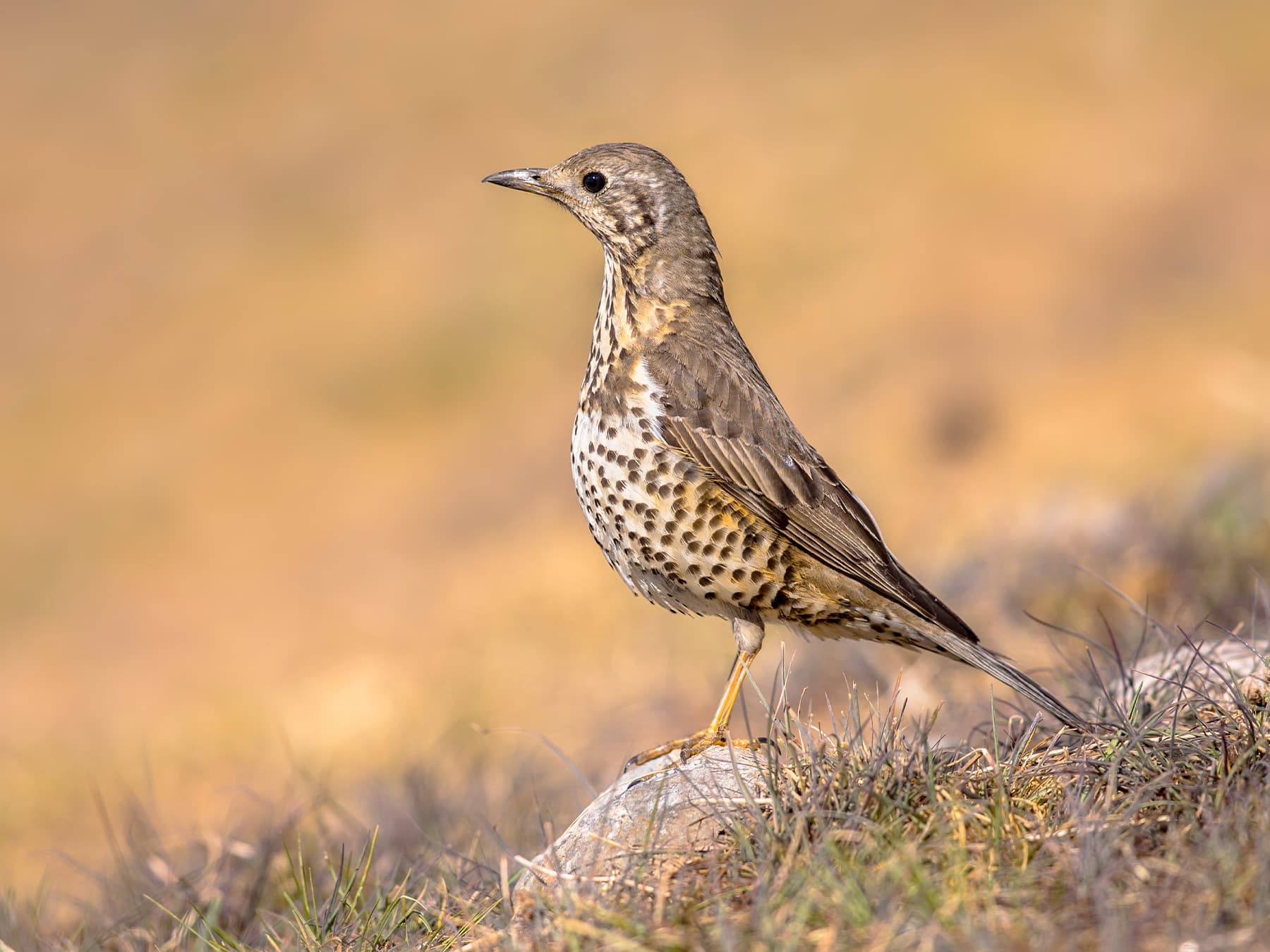
Mistle Thrush
Turdus viscivorusLC
A bold, upright thrush found in parkland and open woodland. Often sings from tall trees even in midwinter storms.
Year-round
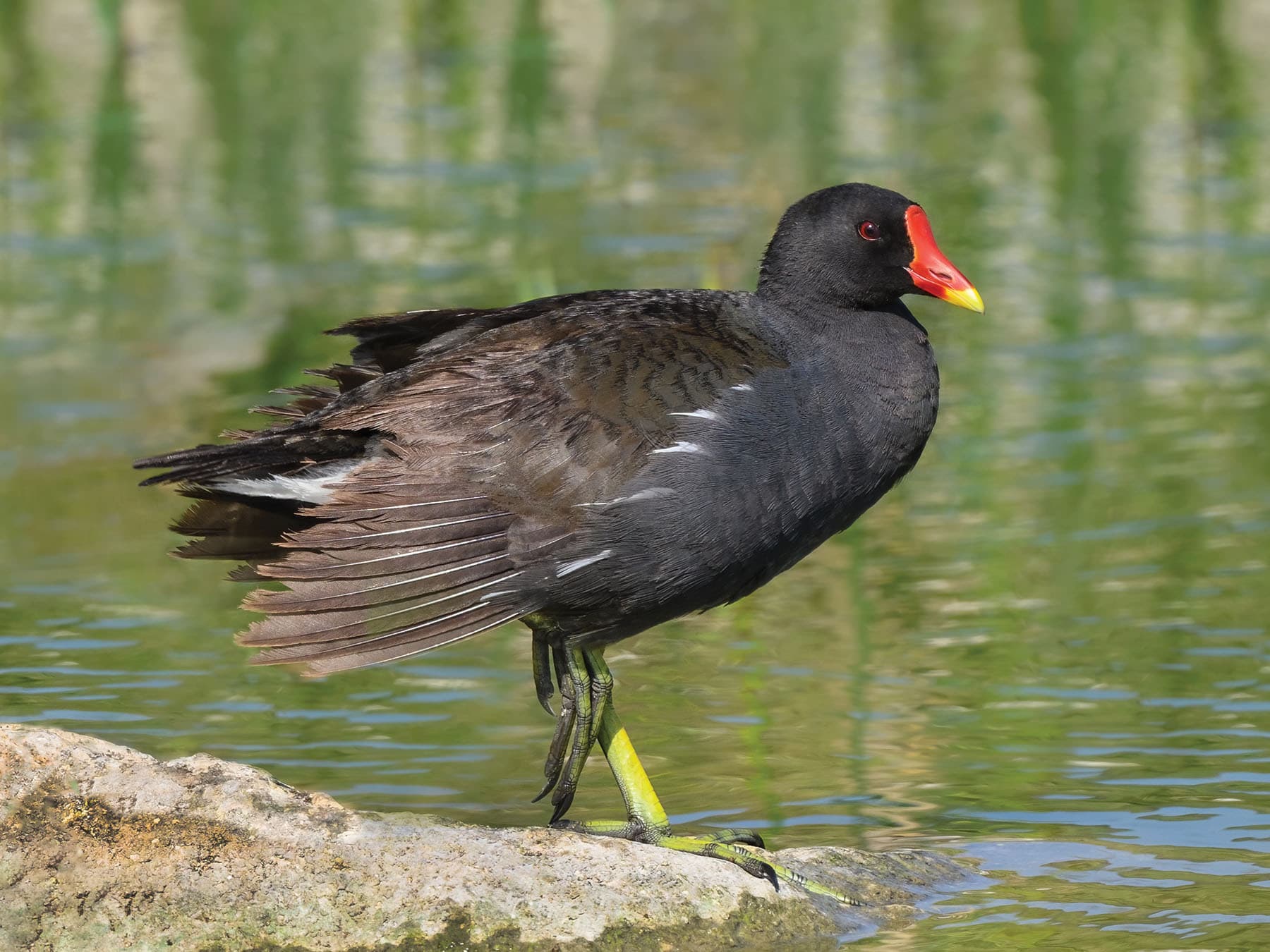
Moorhen
Gallinula chloropusLC
An uncommon resident of ponds, ditches and lake margins, often skulking among waterside vegetation.
Year-round
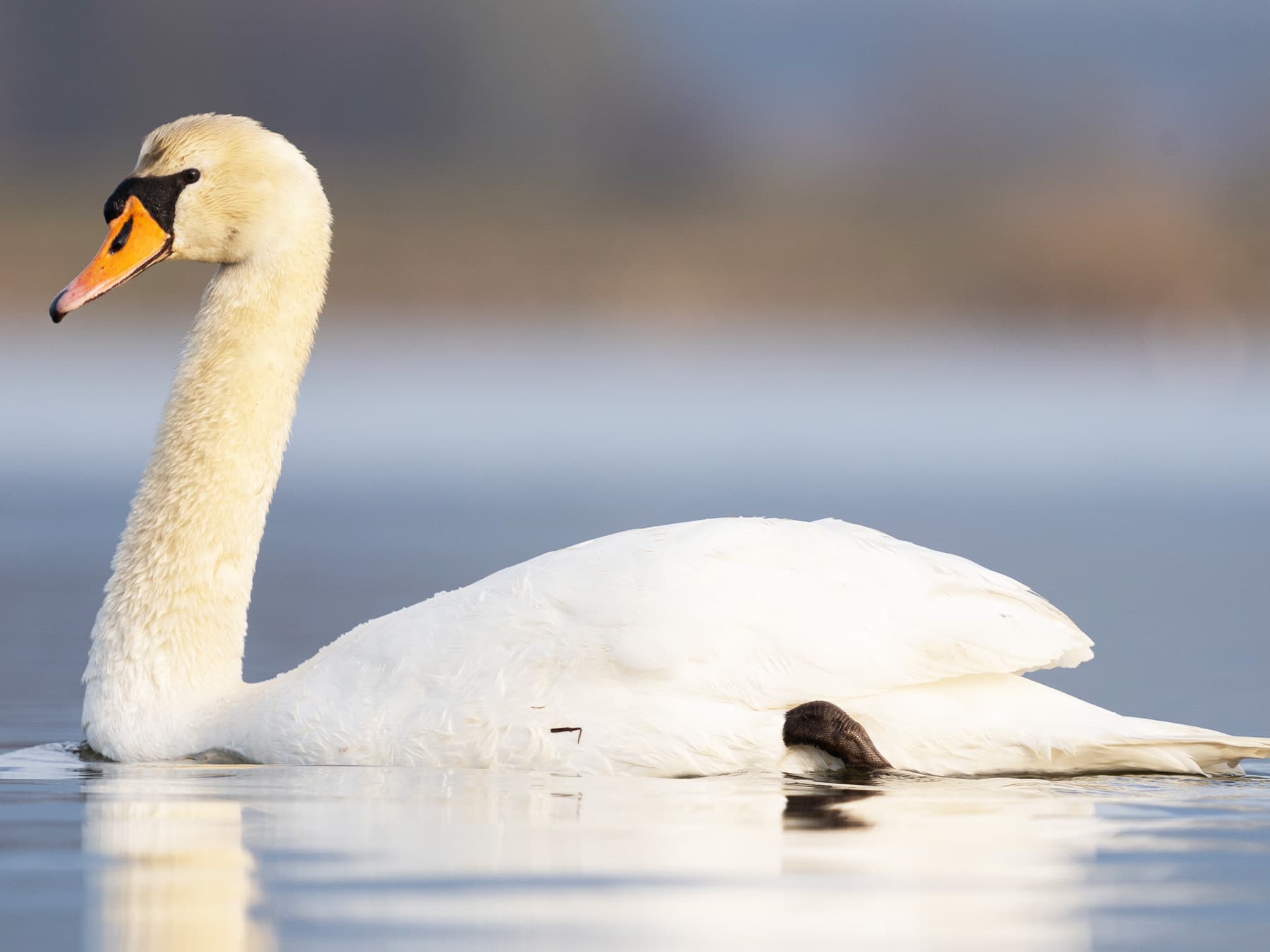
Mute Swan
Cygnus olorLC
A familiar sight on Cumbria's lakes and rivers year-round, nesting along waterways and in town centres.
Year-round
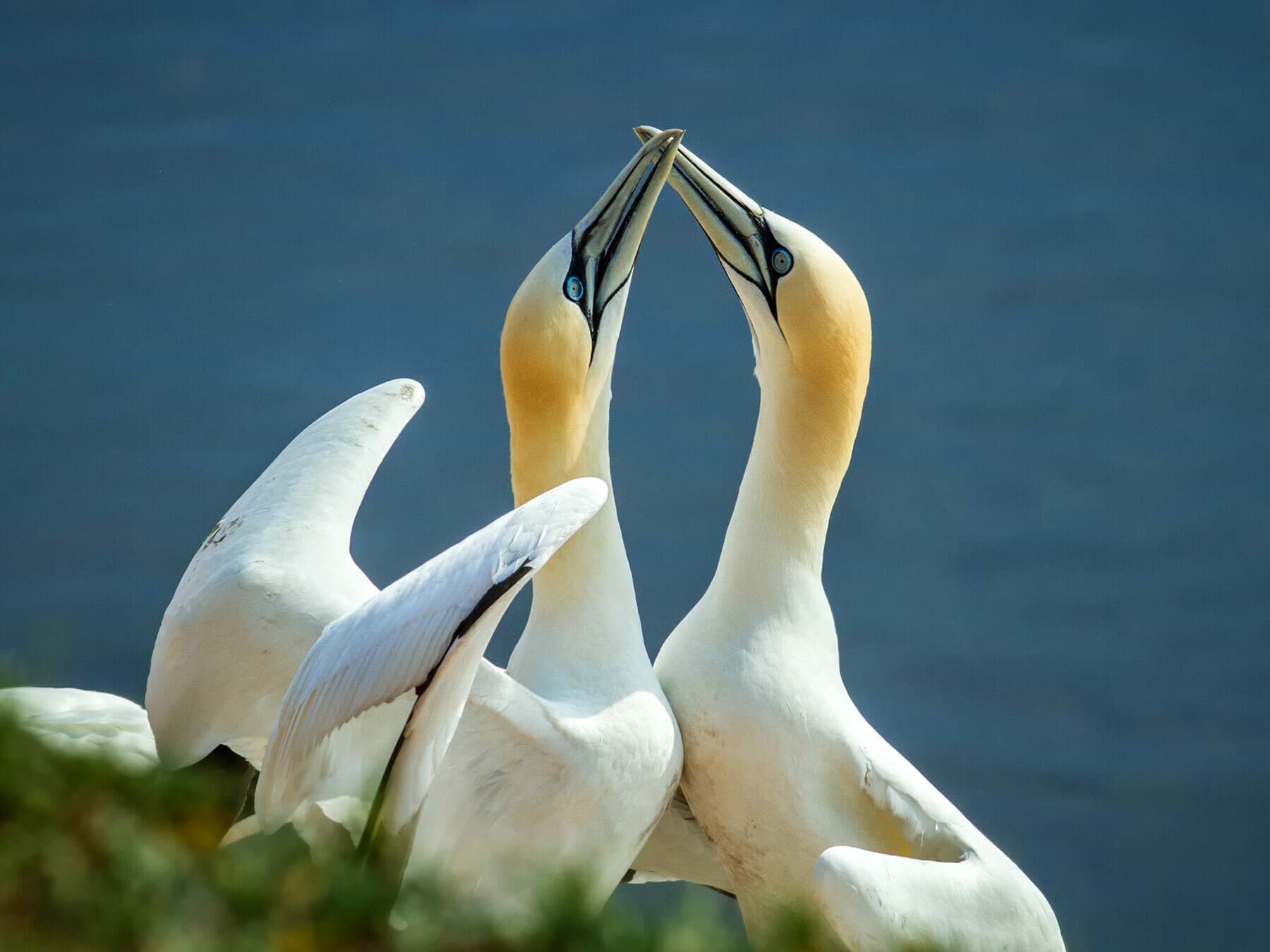
Northern Gannet
Morus bassanusLC
A rare breeder seen off the Cumbrian coast from April to October, plunge-diving for fish in the Irish Sea.
Apr–Oct
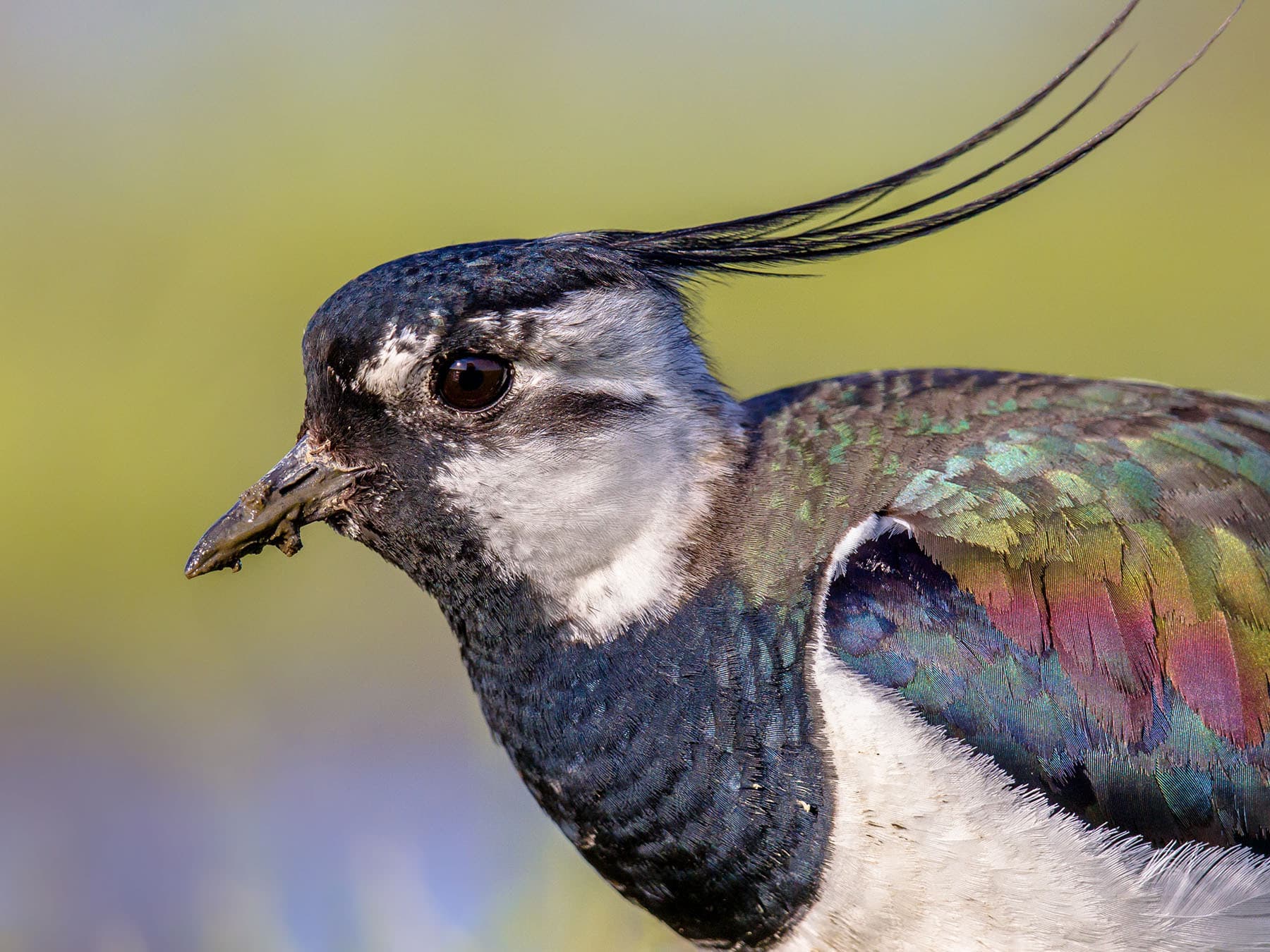
Northern Lapwing
Vanellus vanellusNT
An uncommon but declining resident of farmland and wetland, with winter flocks gathering on coastal fields.
Year-round
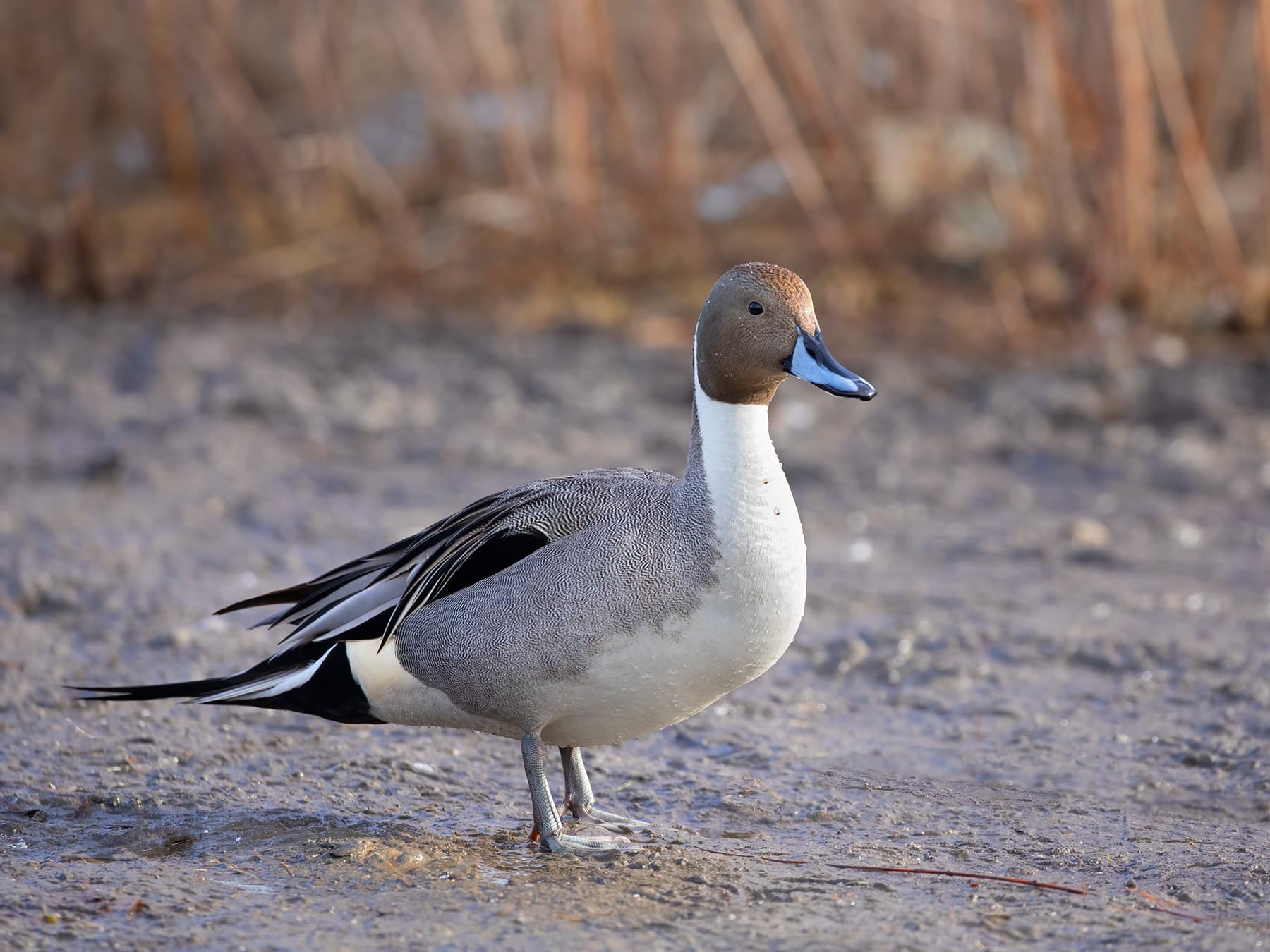
Northern Pintail
Anas acutaLC
A rare non-breeding visitor to estuaries and coastal marshes, mainly from autumn to spring. Morecambe Bay is a key site.
Sep–Apr
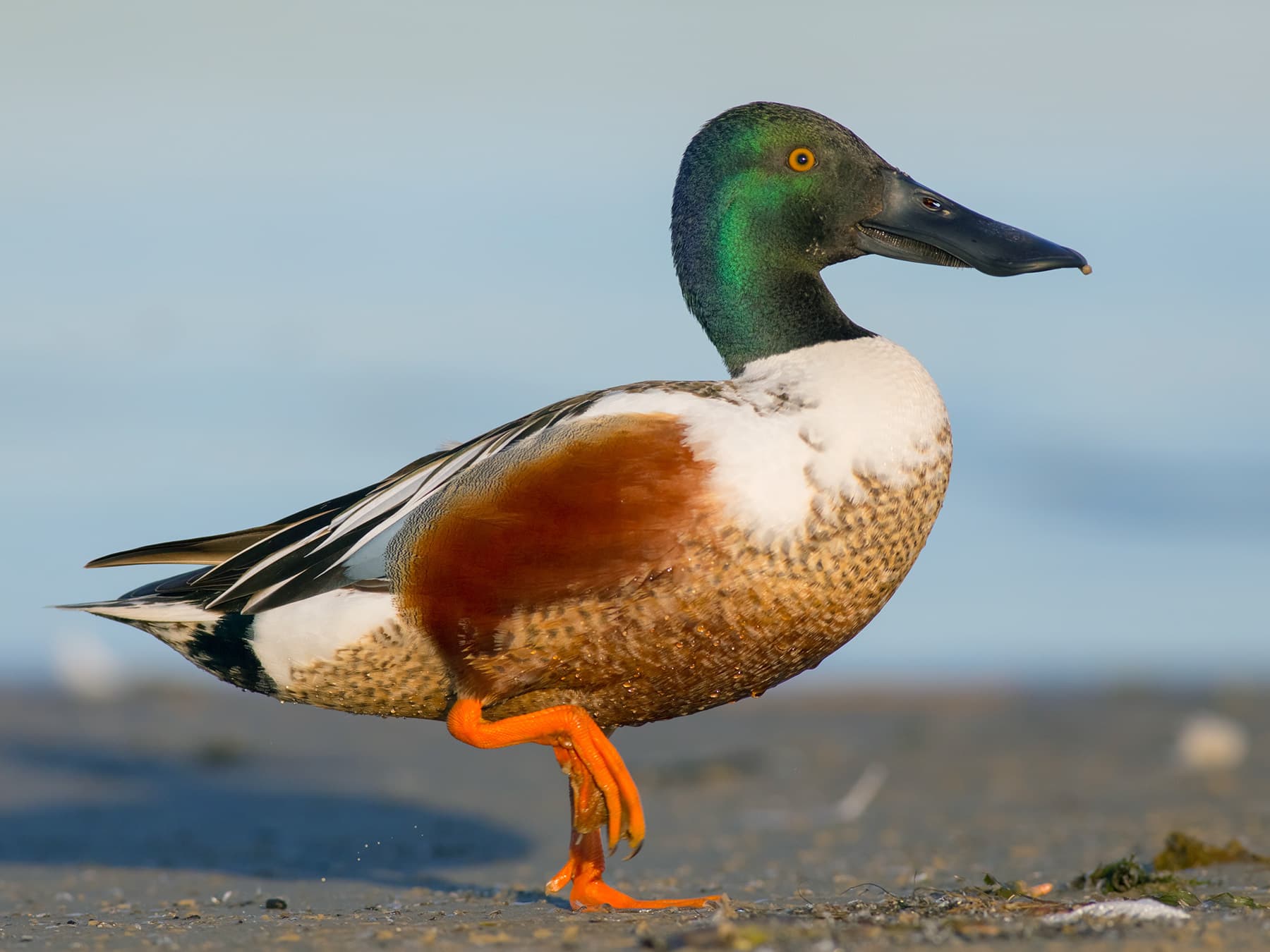
Northern Shoveler
Spatula clypeataLC
An uncommon resident on shallow lakes and marshes, with numbers boosted by winter visitors. Scarcer during midsummer.
Aug–May
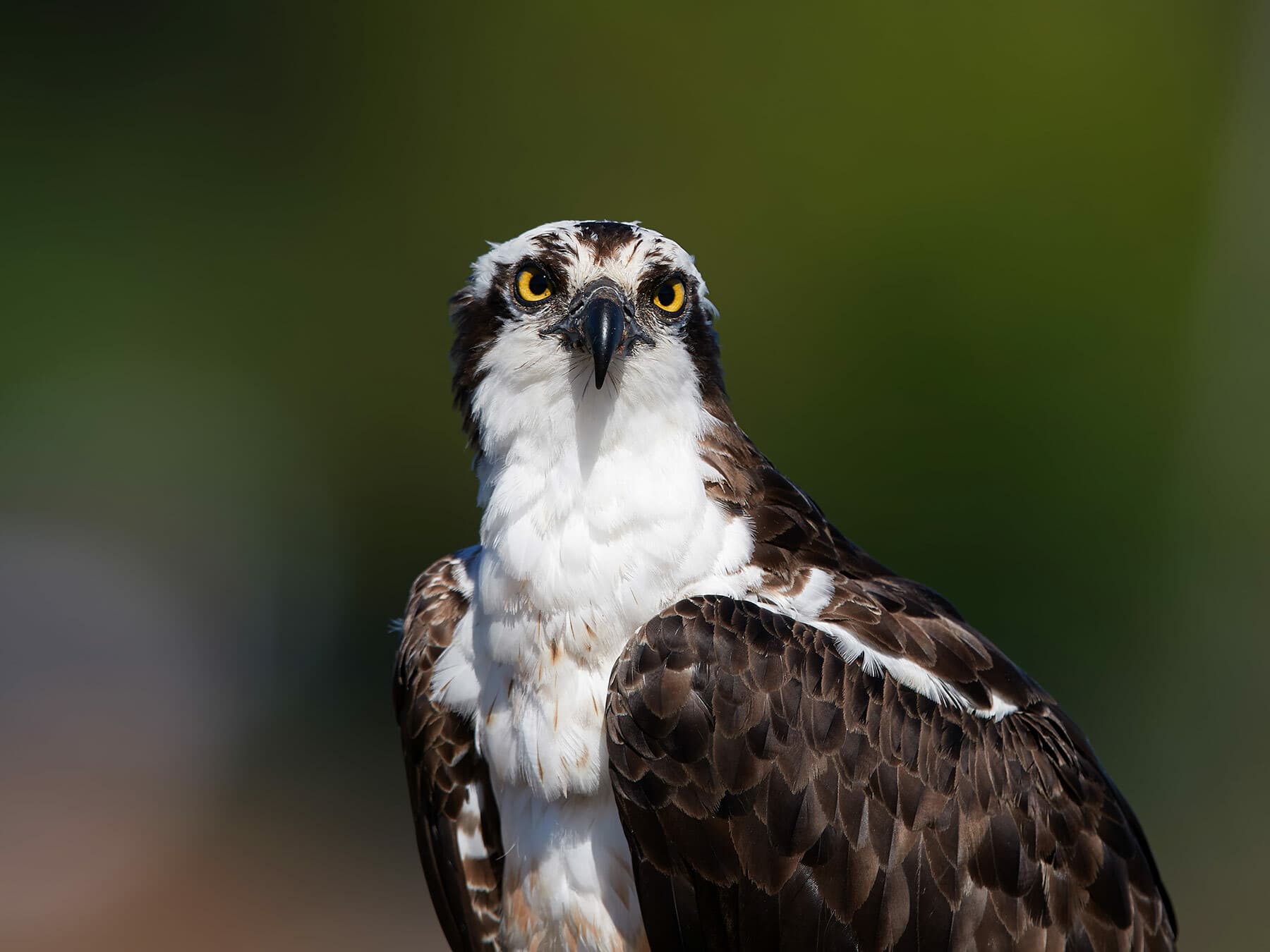
Osprey
Pandion haliaetusLC
An uncommon but celebrated breeding visitor, returning from March to September. Bassenthwaite Lake hosts one of England's most famous nesting sites.
Mar–Sep
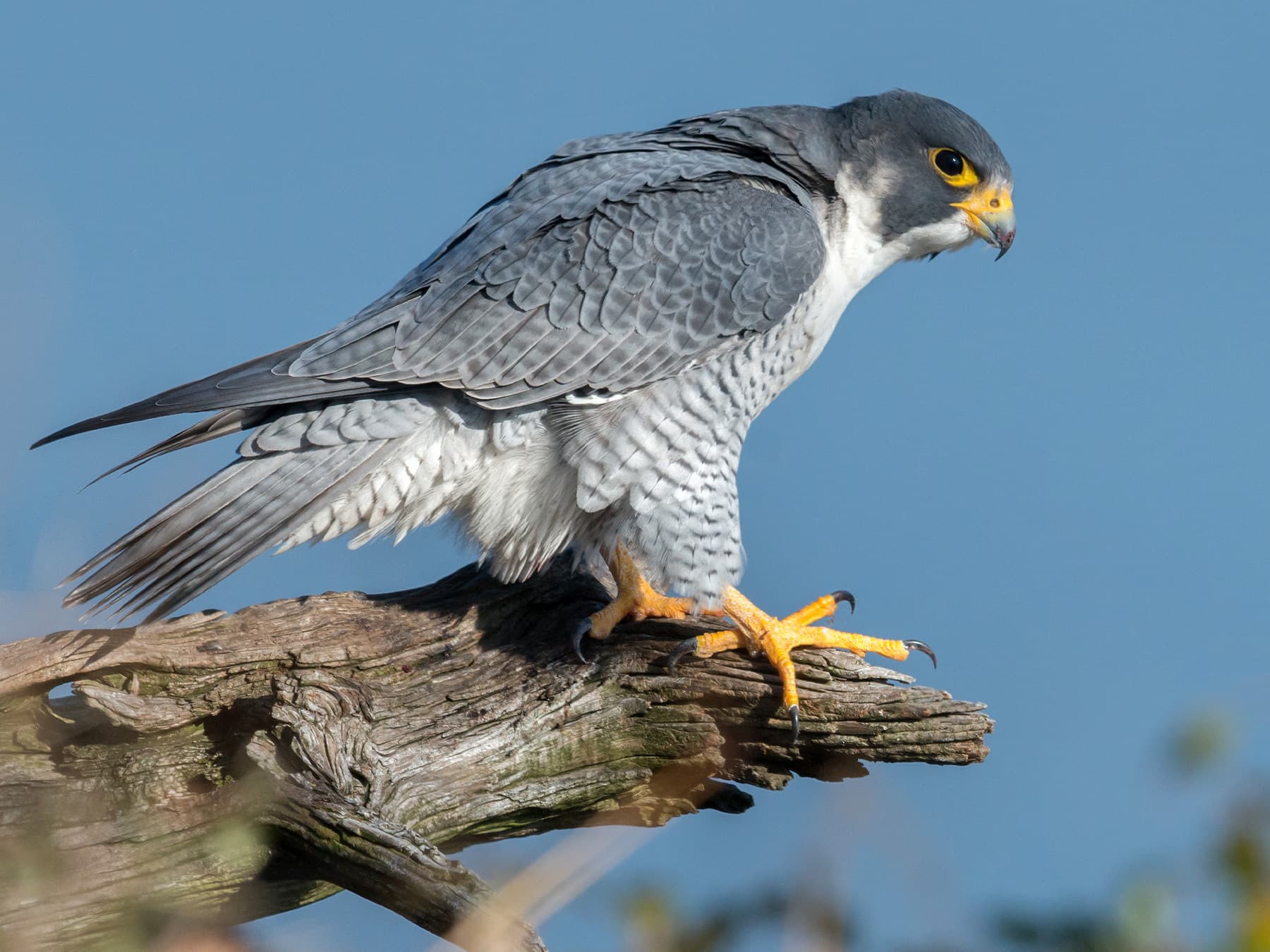
Peregrine Falcon
Falco peregrinusLC
A rare but year-round resident, nesting on crags and quarry faces. Increasingly seen hunting over Cumbrian towns as well as wild fell country.
Year-round
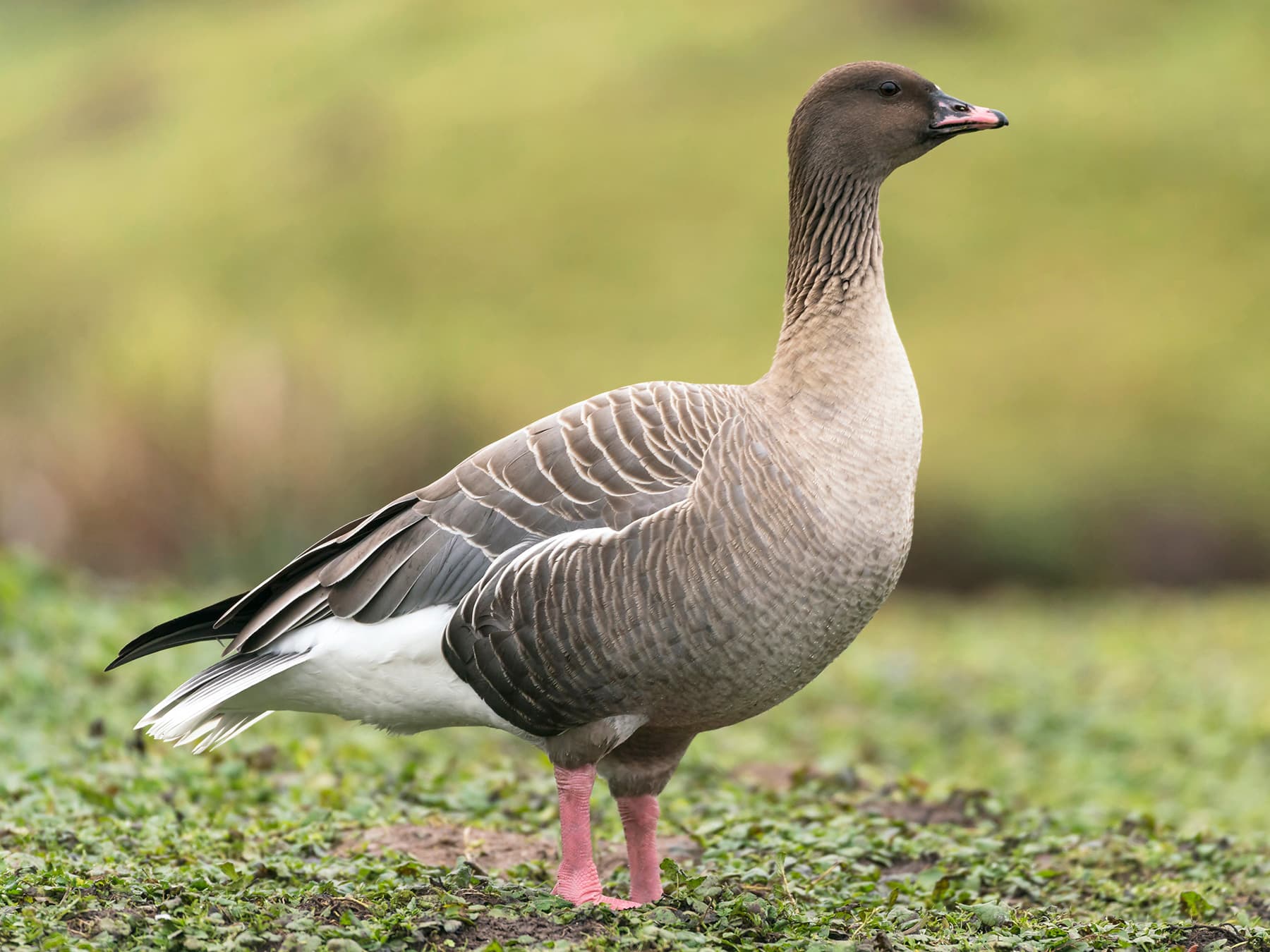
Pink-footed Goose
Anser brachyrhynchusLC
Winters on estuaries and farmland in large flocks, notably around Morecambe Bay, arriving from Iceland in autumn.
Sep–May
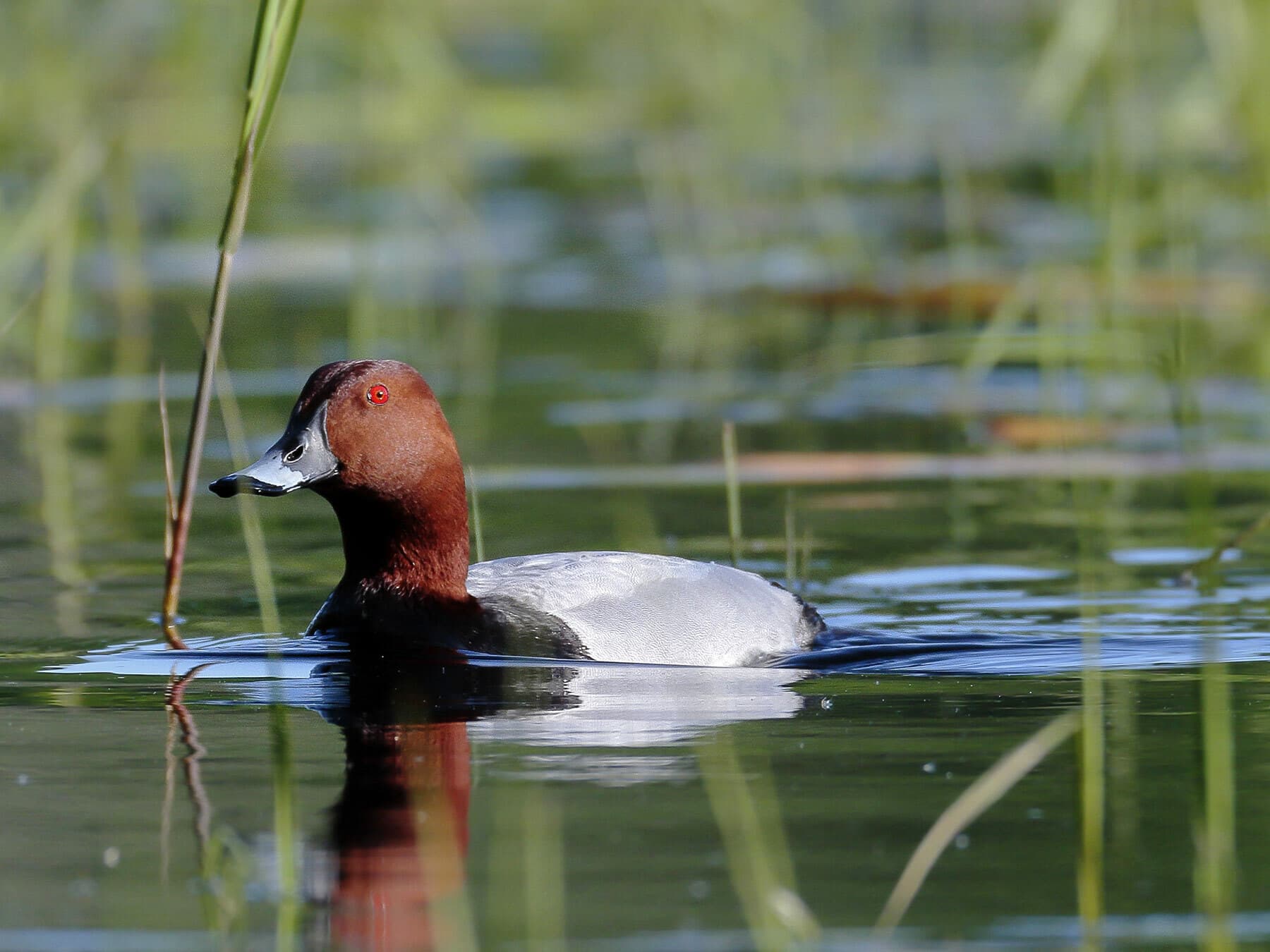
Pochard
Aythya ferinaVU
A rare non-breeding visitor to lowland lakes and reservoirs. Numbers have declined nationally, making sightings increasingly notable.
Jun–Mar
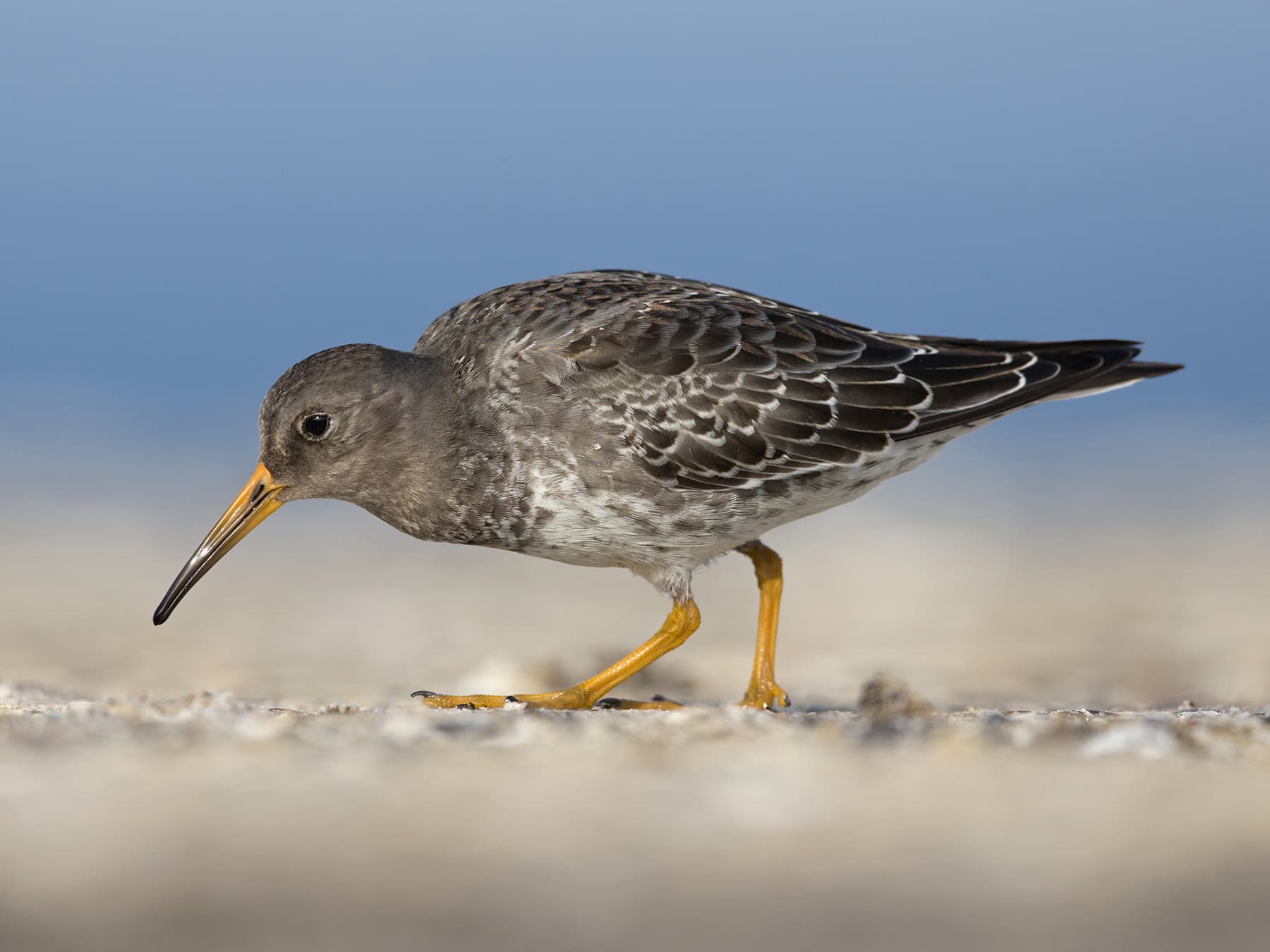
Purple Sandpiper
Calidris maritimaLC
A rare passage visitor to rocky shores and harbour walls along the Cumbrian coast, recorded mainly in midwinter.
Jan
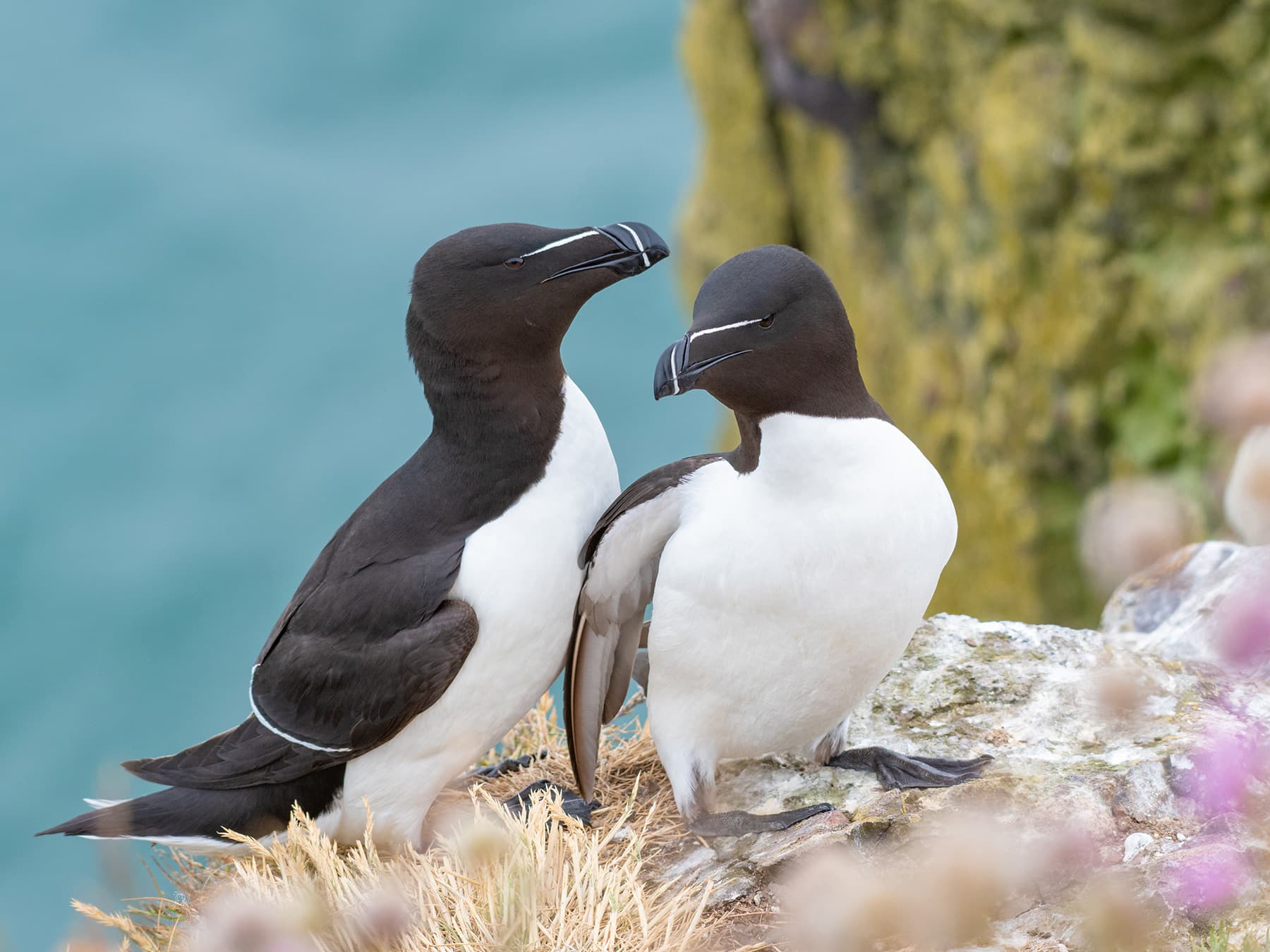
Razorbill
Alca tordaLC
A rare breeding seabird at St Bees Head, Cumbria's only seabird cliff colony. Present from spring through summer on narrow ledges.
Mar–Sep
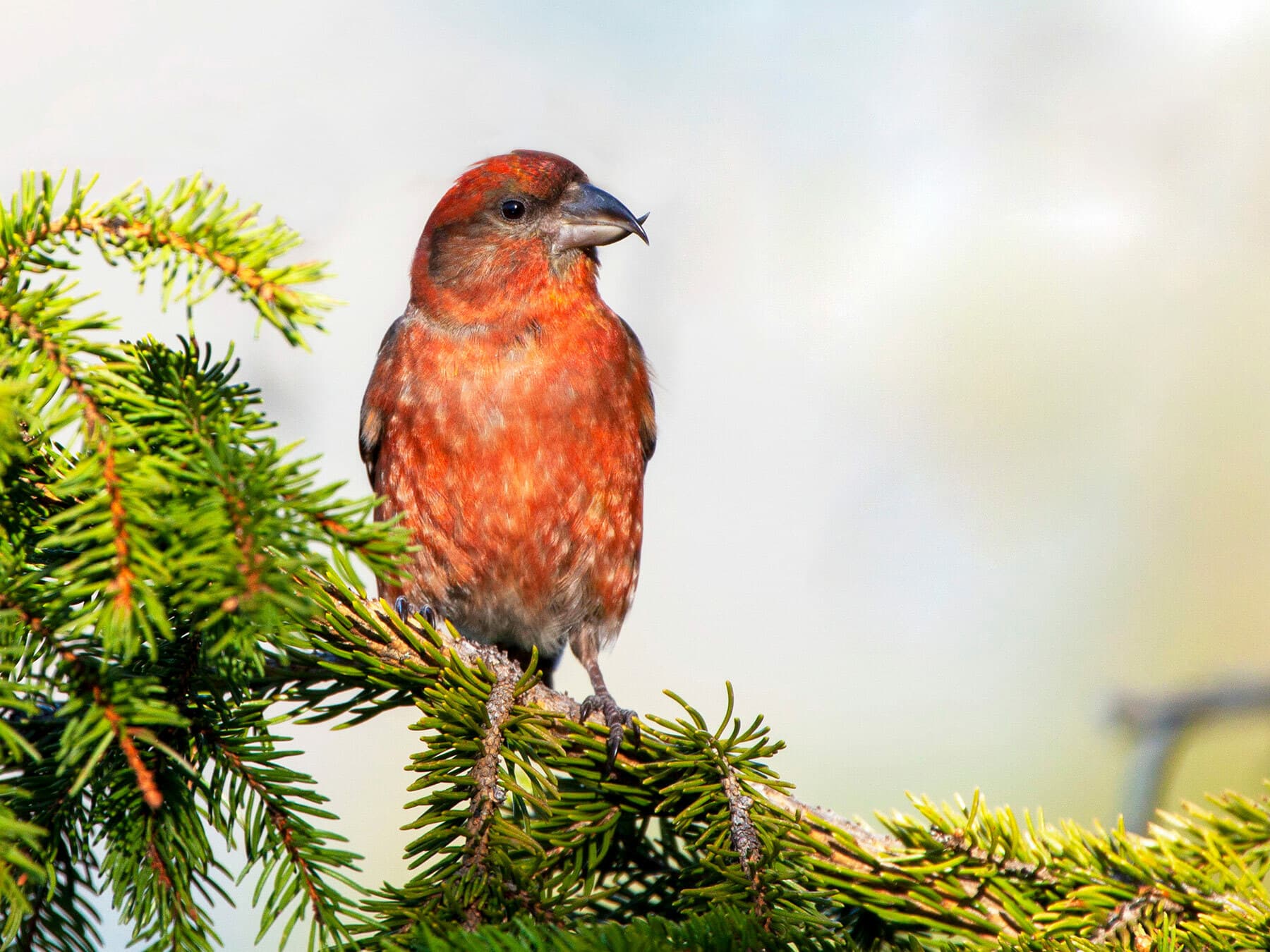
Red Crossbill
Loxia curvirostraLC
A scarce resident of Cumbria's conifer plantations, with numbers fluctuating markedly between years depending on spruce cone crops.
May–Mar