Rare Birds in Cumbria
86 species matching this filter.
Cumbria's diverse landscapes—from the rugged Lake District fells and ancient woodlands to the expansive Solway Firth and Morecambe Bay estuaries—provide habitat for an impressive variety of rare bird species. With 83 species classified as rare across the county, patient birdwatchers may encounter elusive gems such as Black Grouse on upland moorland edges, Barn Owls quartering lowland farmland at dusk, or Arctic Jaegers passing through coastal waters during autumn migration. The county's mosaic of habitats, including reedbeds, coastal cliffs, and remote fell country, makes it a rewarding destination for those seeking Britain's harder-to-find birds.


Showing 47–69 of 86 species
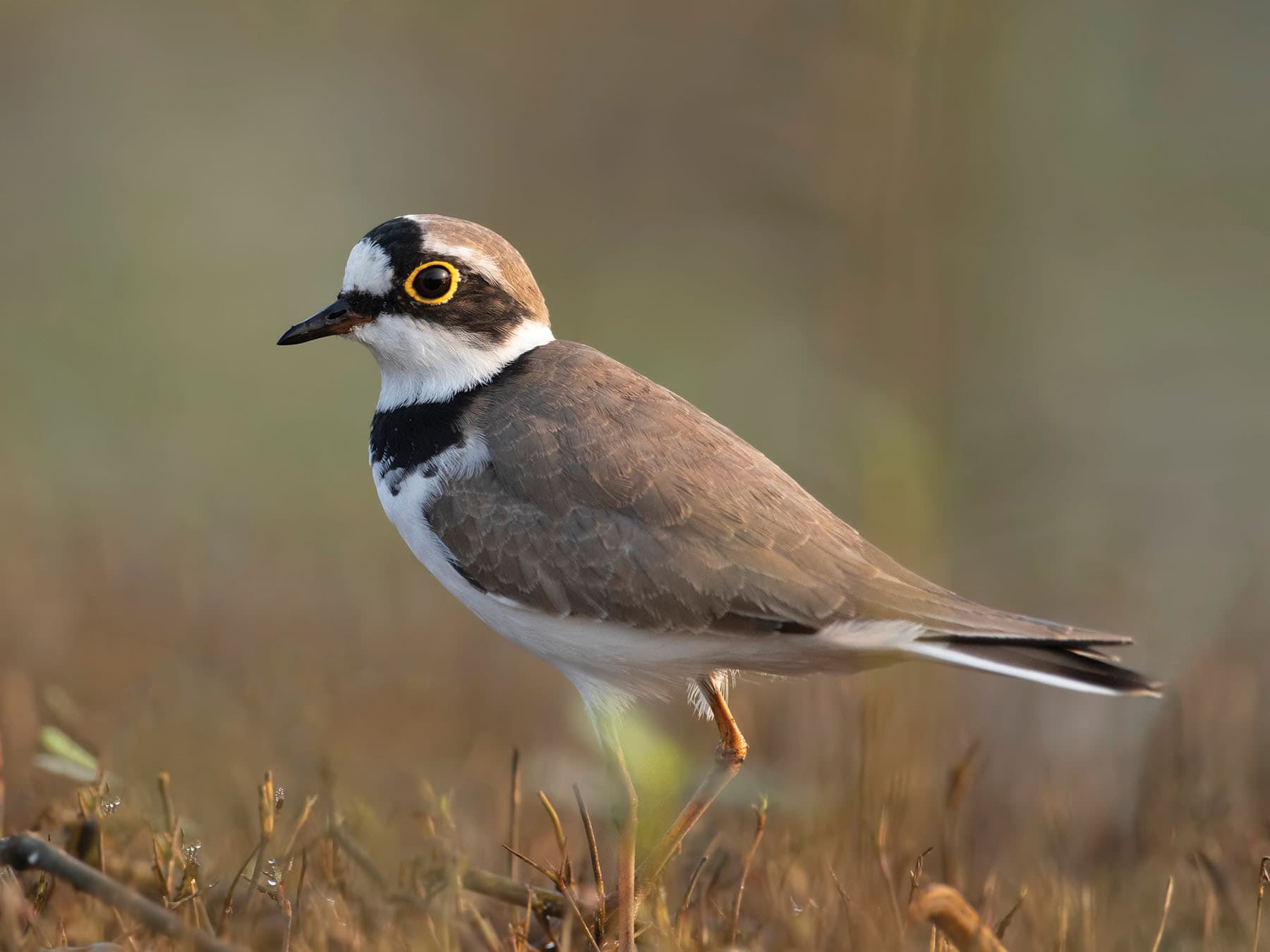
Little Ringed Plover
Charadrius dubiusLC
A rare summer breeder on gravel pits and riverine shingle banks. Arrives in April and departs by August.
Apr–Aug
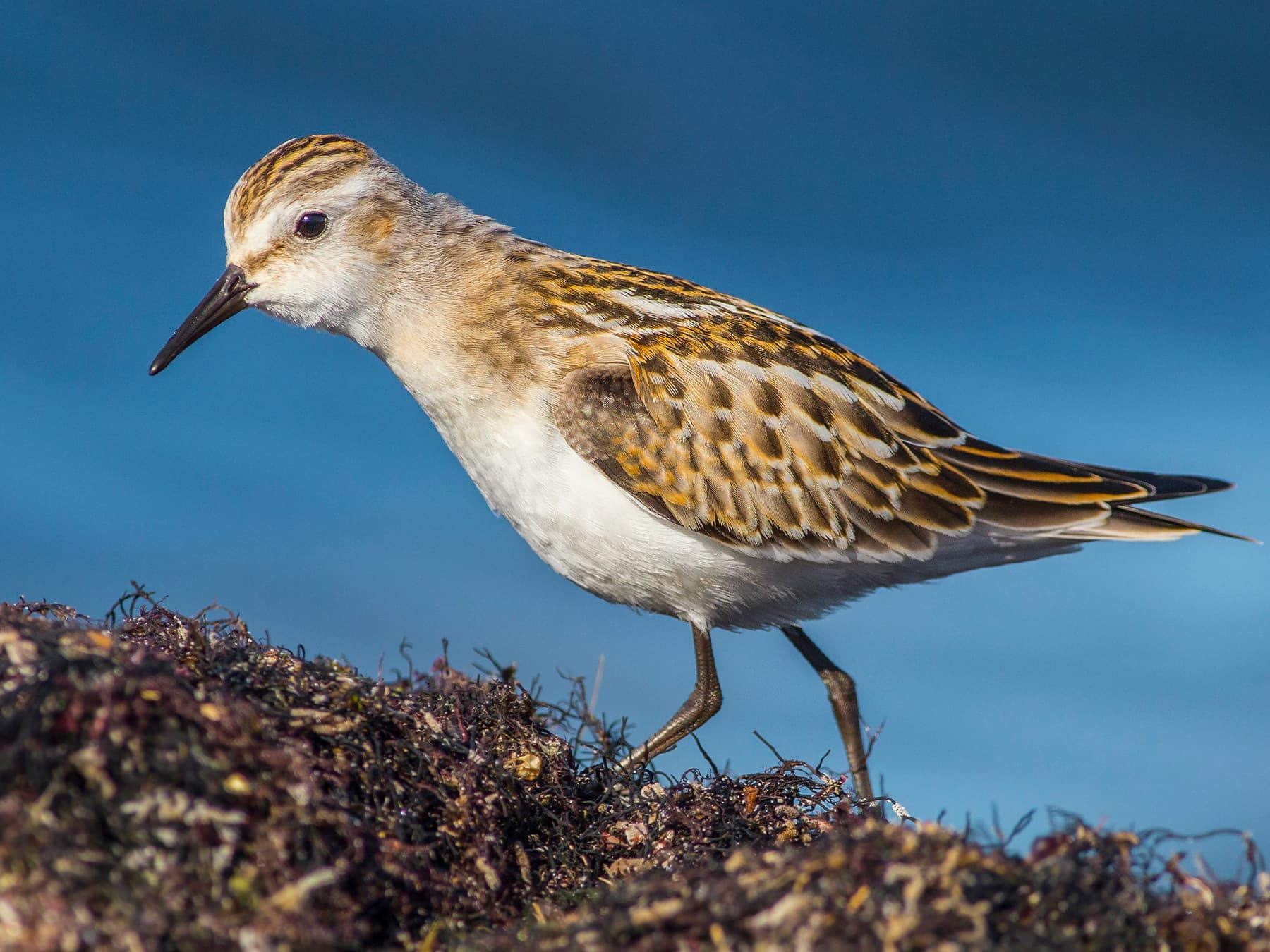
Little Stint
Calidris minutaLC
A rare autumn passage migrant, occasionally appearing on coastal pools and muddy fringes in September.
Sep
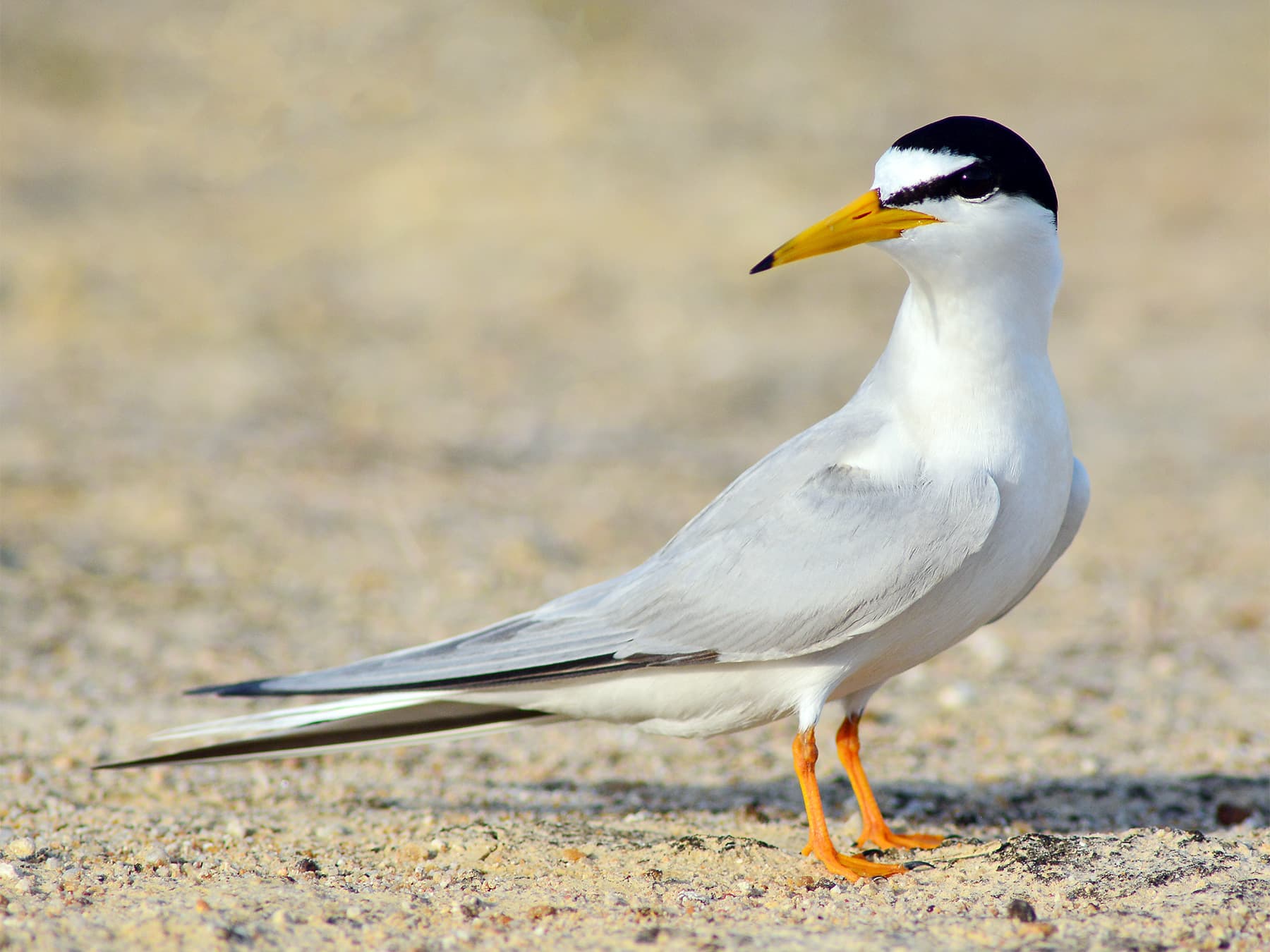
Little Tern
Sternula albifronsLC
A rare summer breeder from May to August, nesting on shingle beaches along the coast. A declining species needing undisturbed nesting sites.
May–Aug
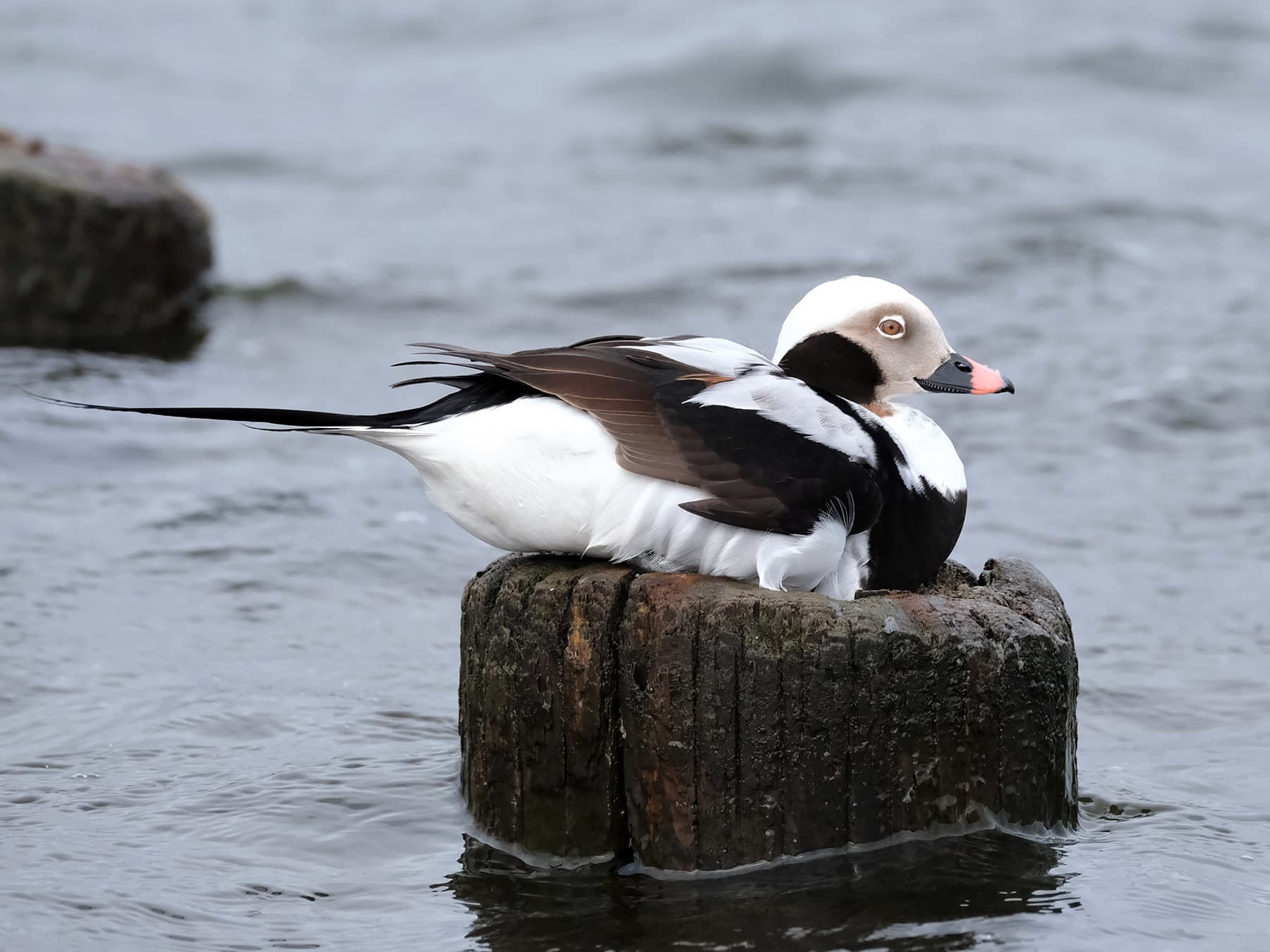
Long-tailed Duck
Clangula hyemalisVU
A rare midwinter visitor, occasionally seen on coastal waters or large inland lakes. A scarce but prized find for local birders.
Jan
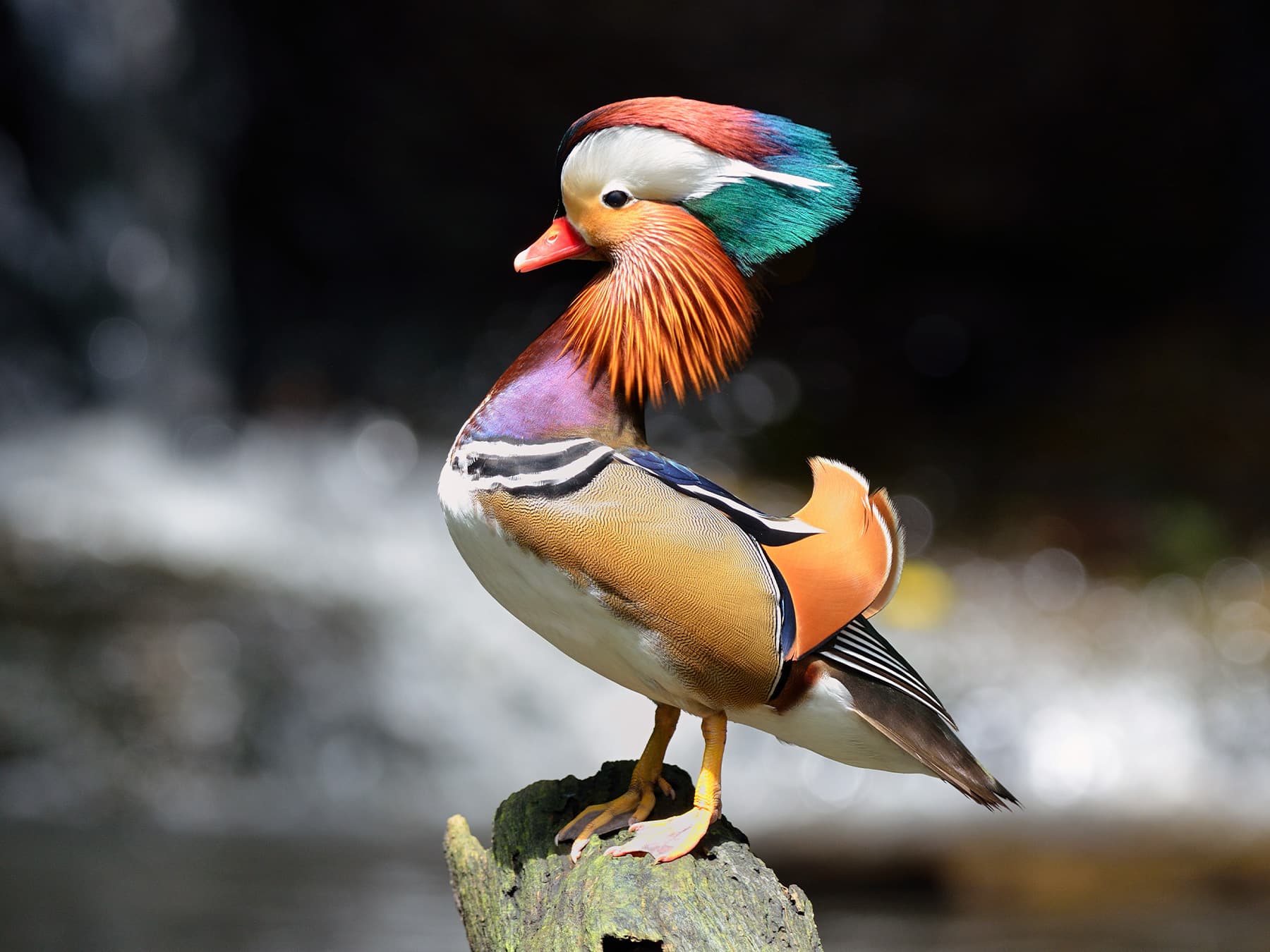
Mandarin Duck
Aix galericulataLC
A rare resident found on wooded lakes and rivers. Small feral populations persist, favouring sheltered waterways with overhanging trees.
Dec–Oct
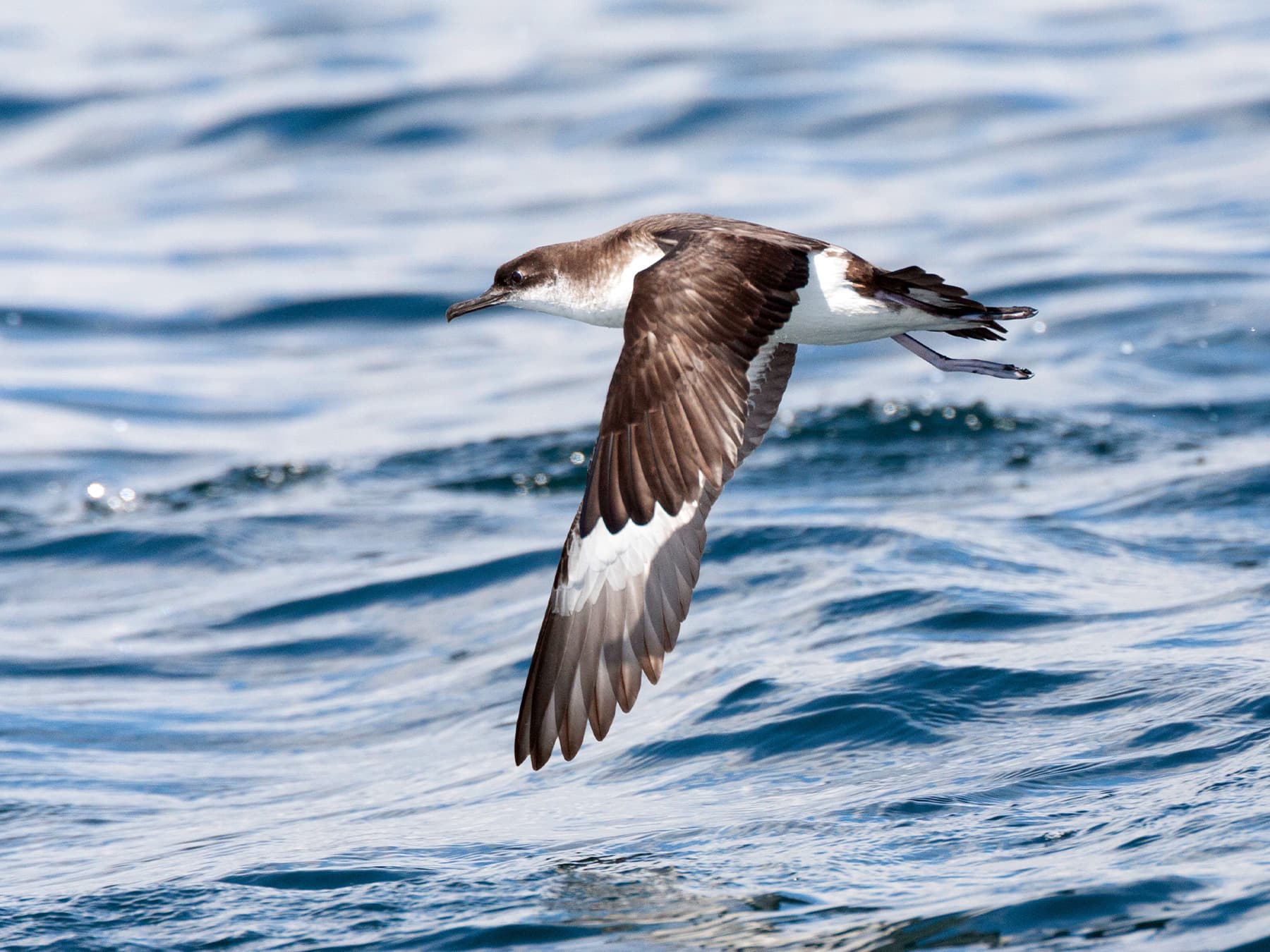
Manx Shearwater
Puffinus puffinusLC
A rare passage visitor seen offshore from June to August. Best spotted from coastal headlands during onshore winds.
Jun–Aug
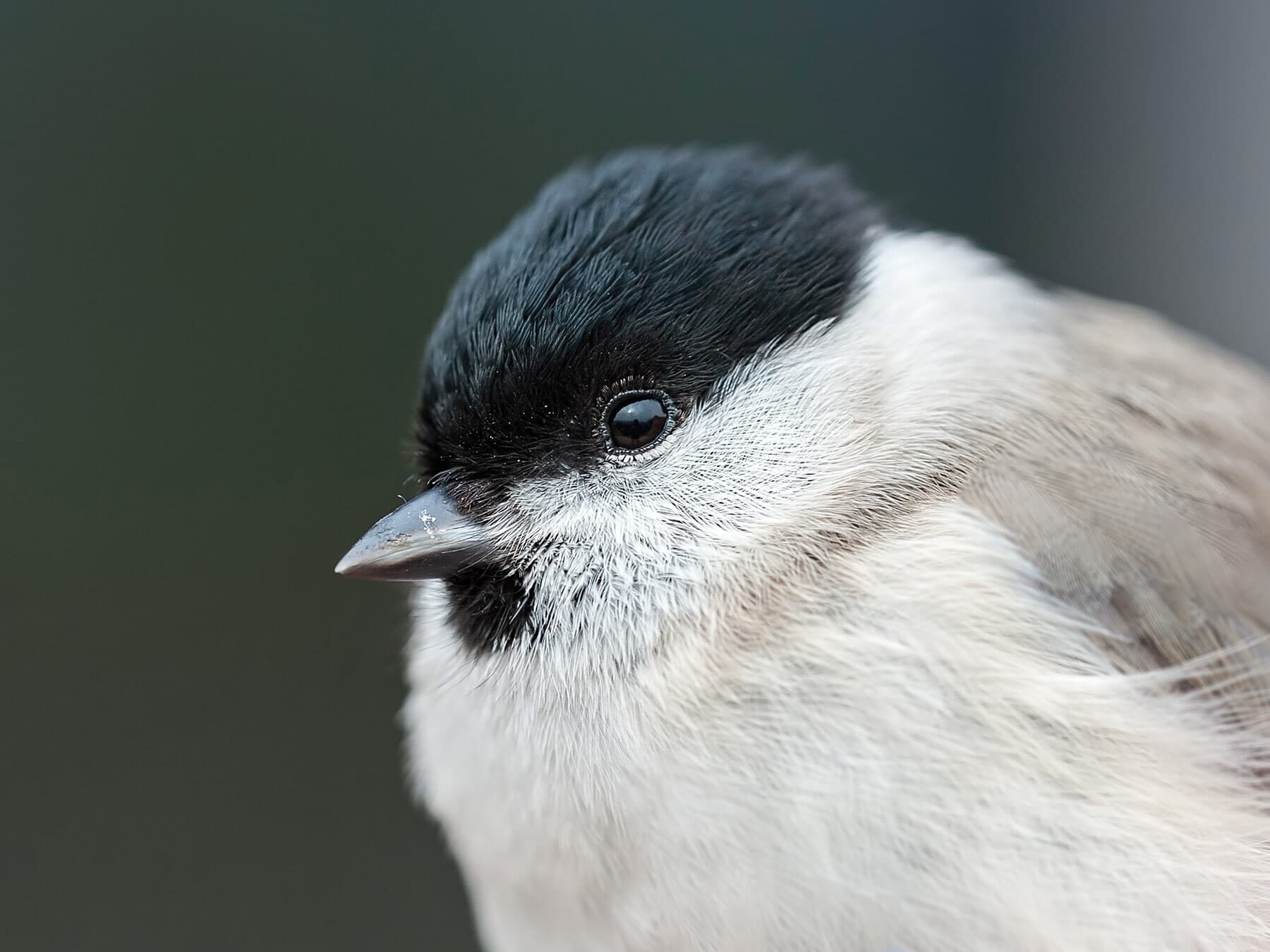
Marsh Tit
Poecile palustrisLC
A rare resident at the north-western edge of its British range, found in scattered broadleaved woodlands in southern Cumbria.
Year-round
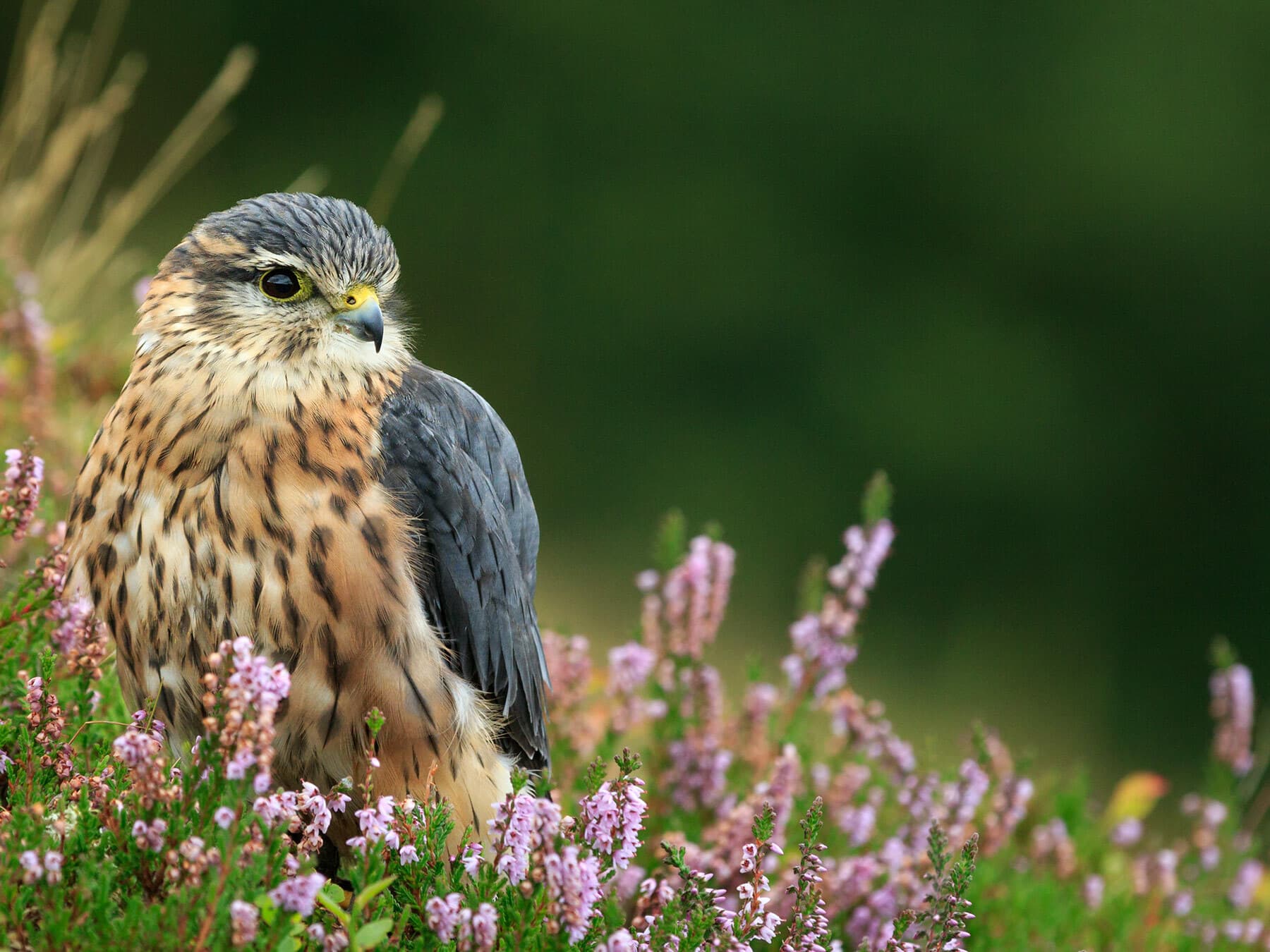
Merlin
Falco columbariusLC
A rare resident of upland moors and bogs, moving to lower ground and coasts in winter. Britain's smallest falcon, fast and agile in pursuit of pipits.
Aug–May
Spotted something?
Upload a photo to identify it
Identify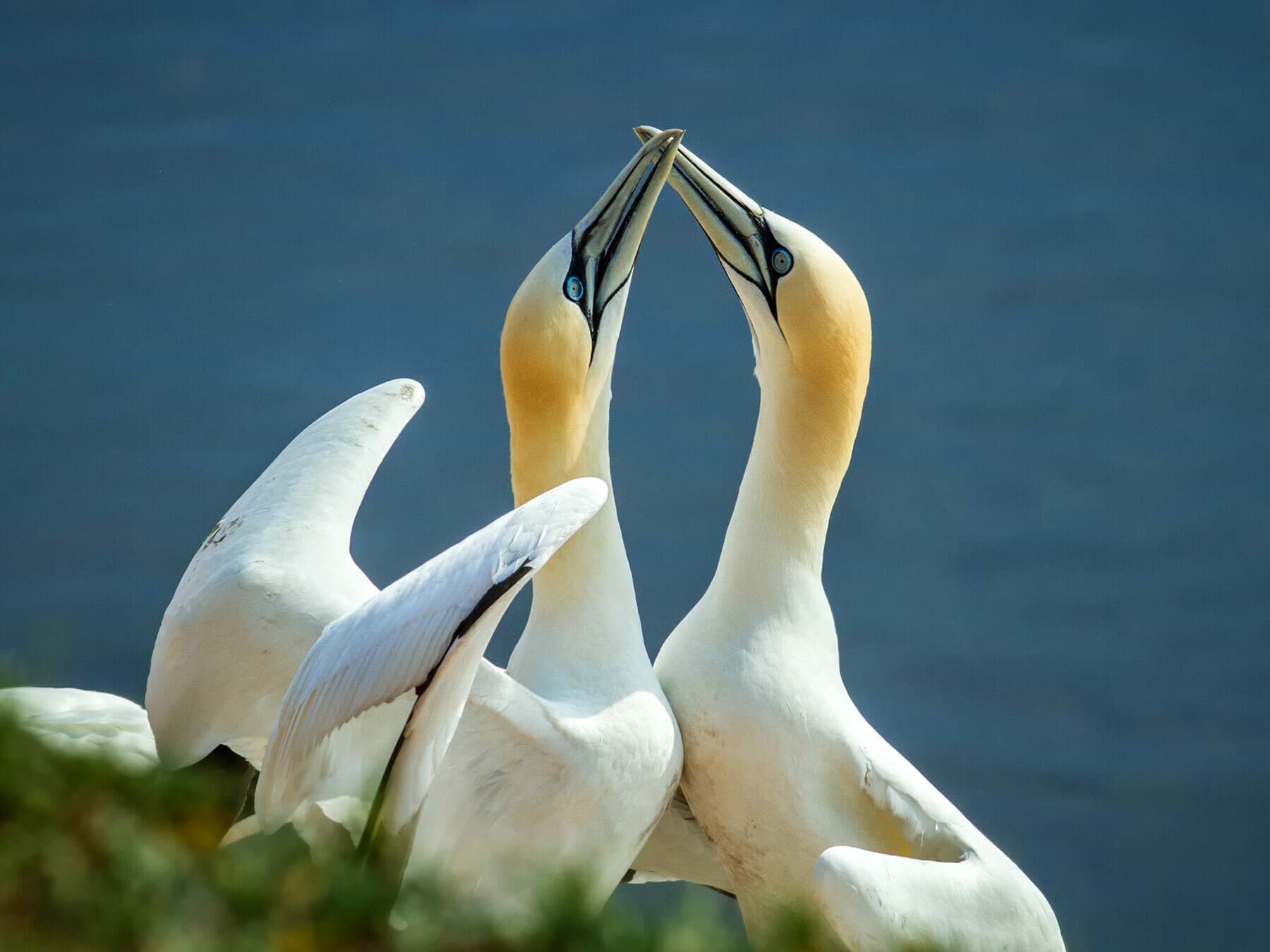
Northern Gannet
Morus bassanusLC
A rare breeder seen off the Cumbrian coast from April to October, plunge-diving for fish in the Irish Sea.
Apr–Oct
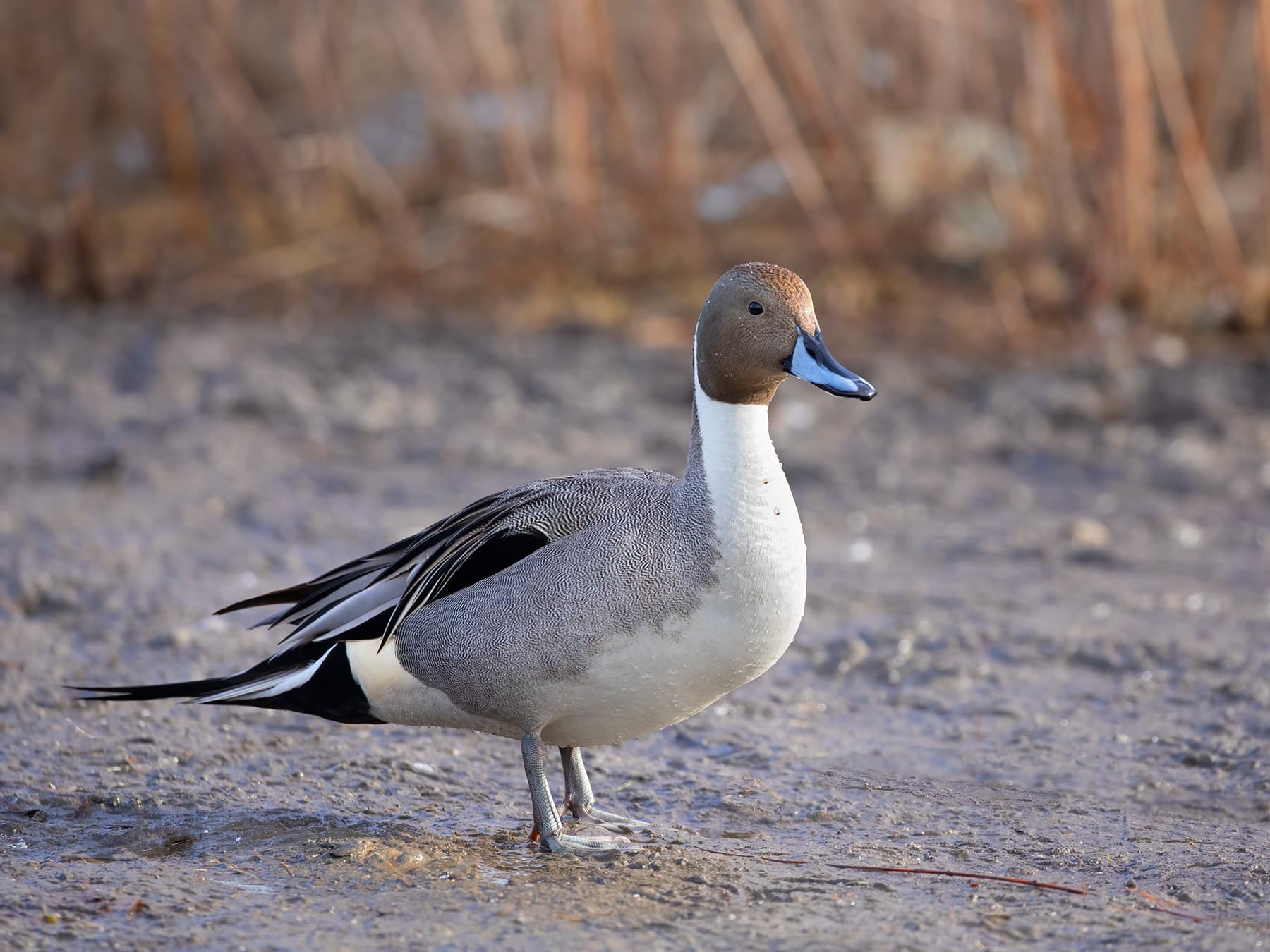
Northern Pintail
Anas acutaLC
A rare non-breeding visitor to estuaries and coastal marshes, mainly from autumn to spring. Morecambe Bay is a key site.
Sep–Apr
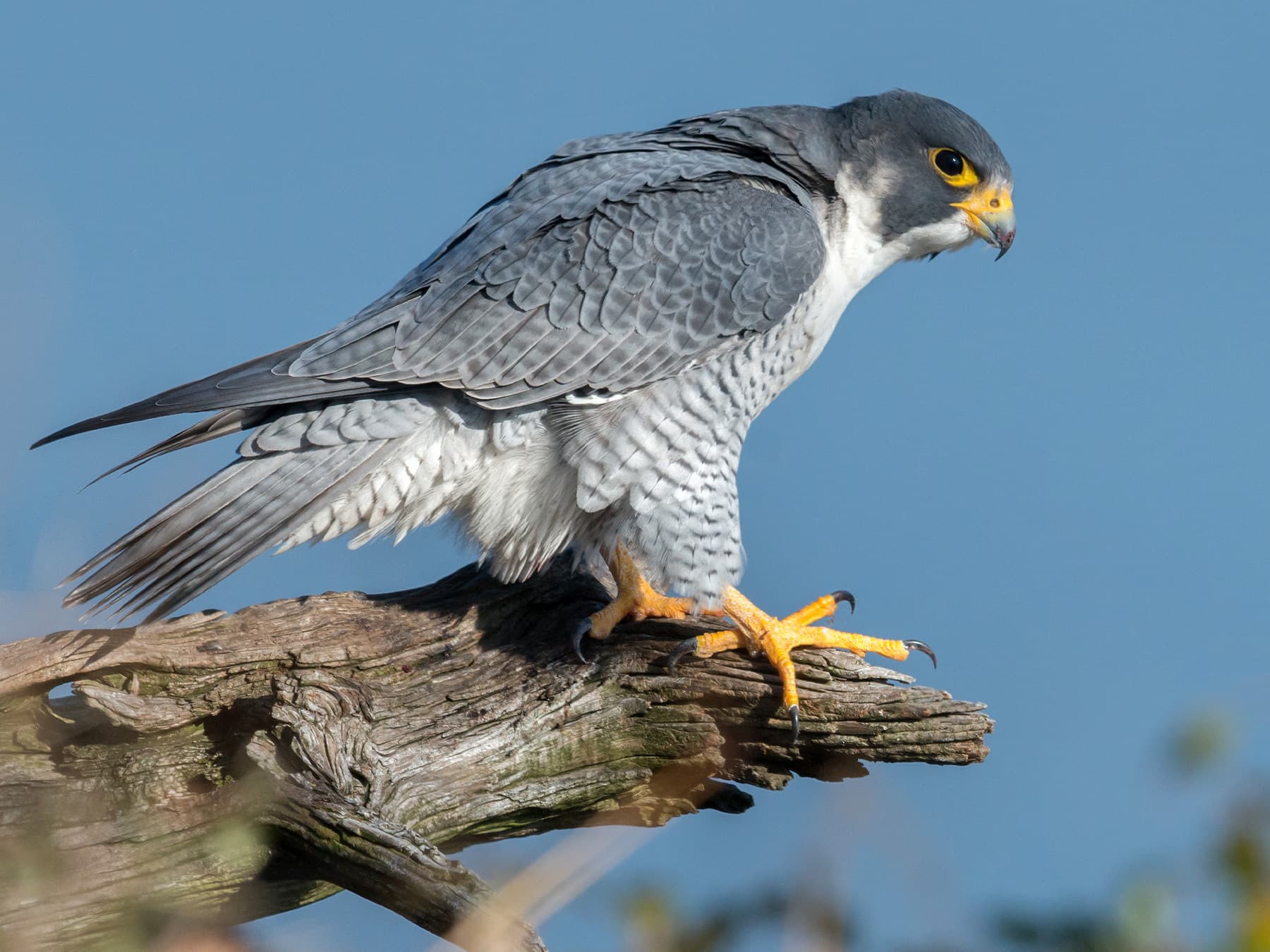
Peregrine Falcon
Falco peregrinusLC
A rare but year-round resident, nesting on crags and quarry faces. Increasingly seen hunting over Cumbrian towns as well as wild fell country.
Year-round
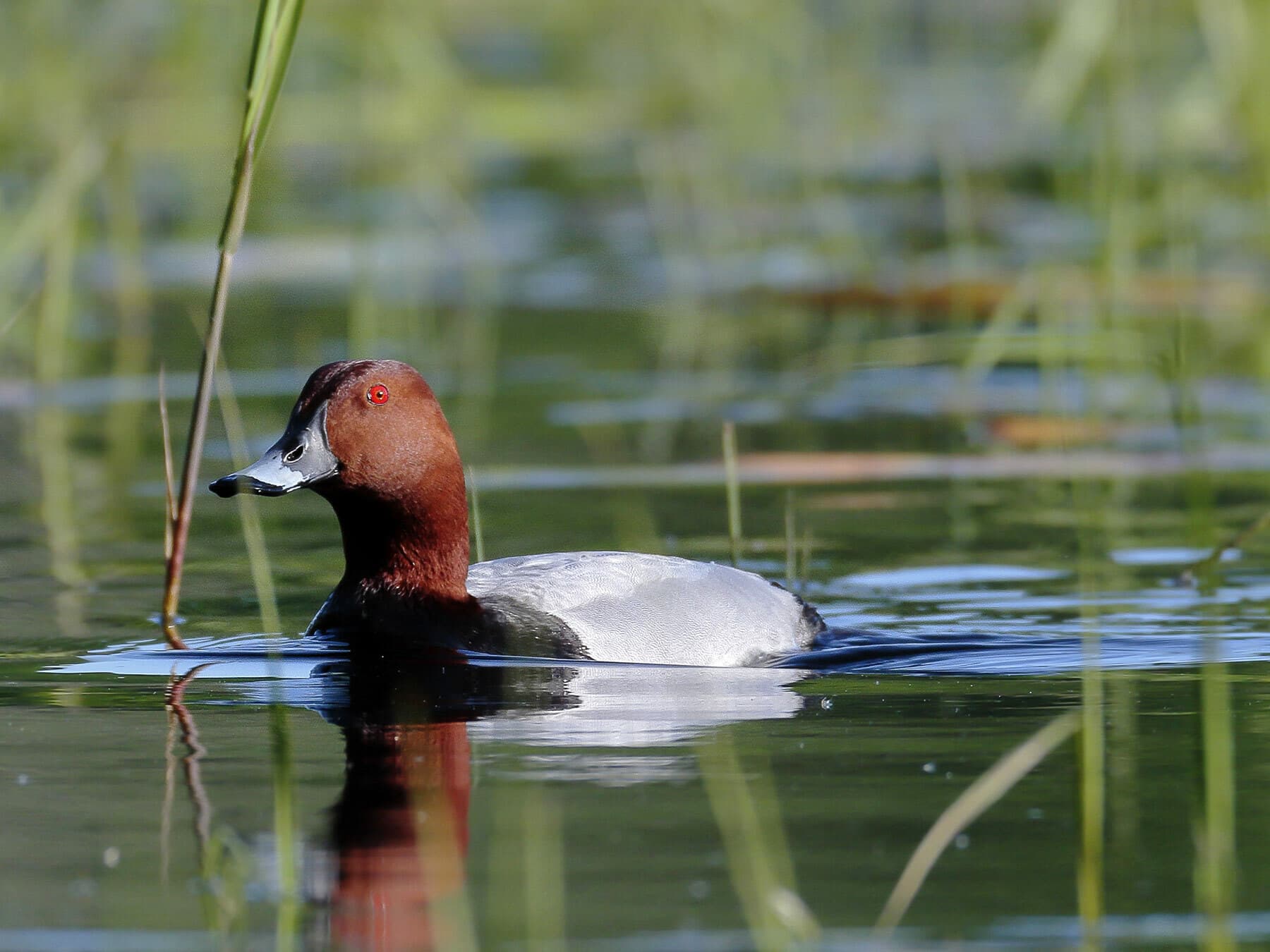
Pochard
Aythya ferinaVU
A rare non-breeding visitor to lowland lakes and reservoirs. Numbers have declined nationally, making sightings increasingly notable.
Jun–Mar
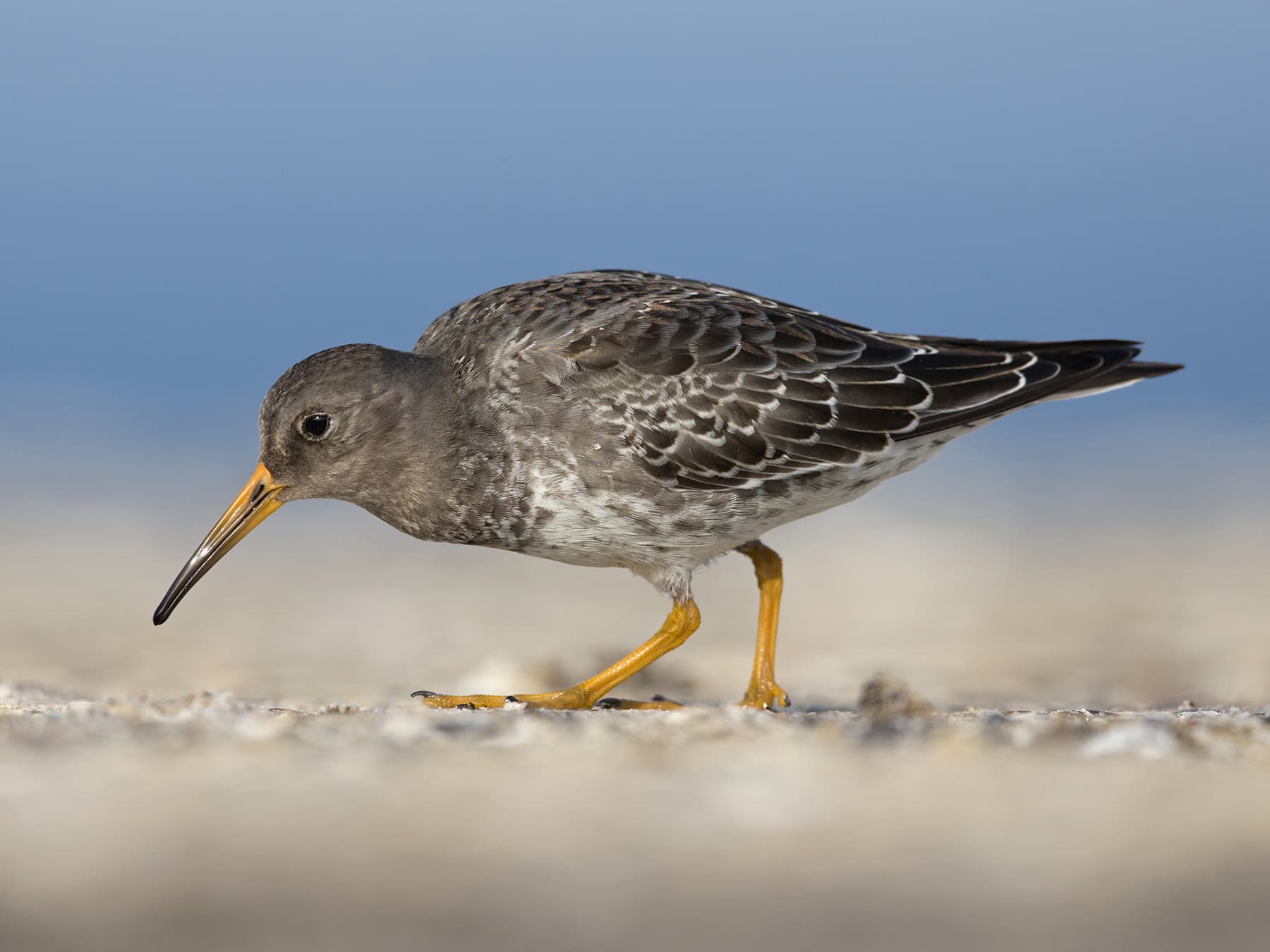
Purple Sandpiper
Calidris maritimaLC
A rare passage visitor to rocky shores and harbour walls along the Cumbrian coast, recorded mainly in midwinter.
Jan
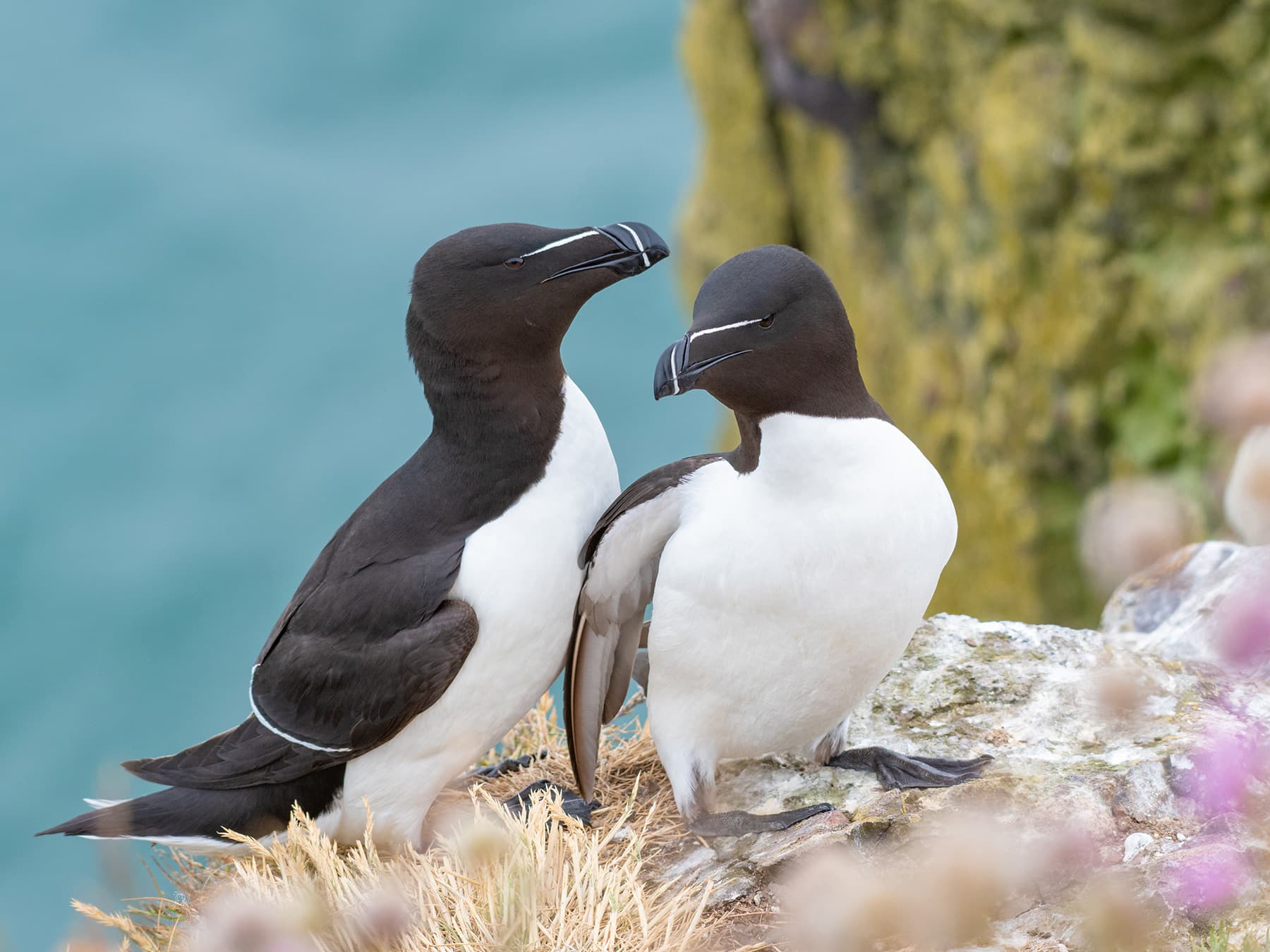
Razorbill
Alca tordaLC
A rare breeding seabird at St Bees Head, Cumbria's only seabird cliff colony. Present from spring through summer on narrow ledges.
Mar–Sep
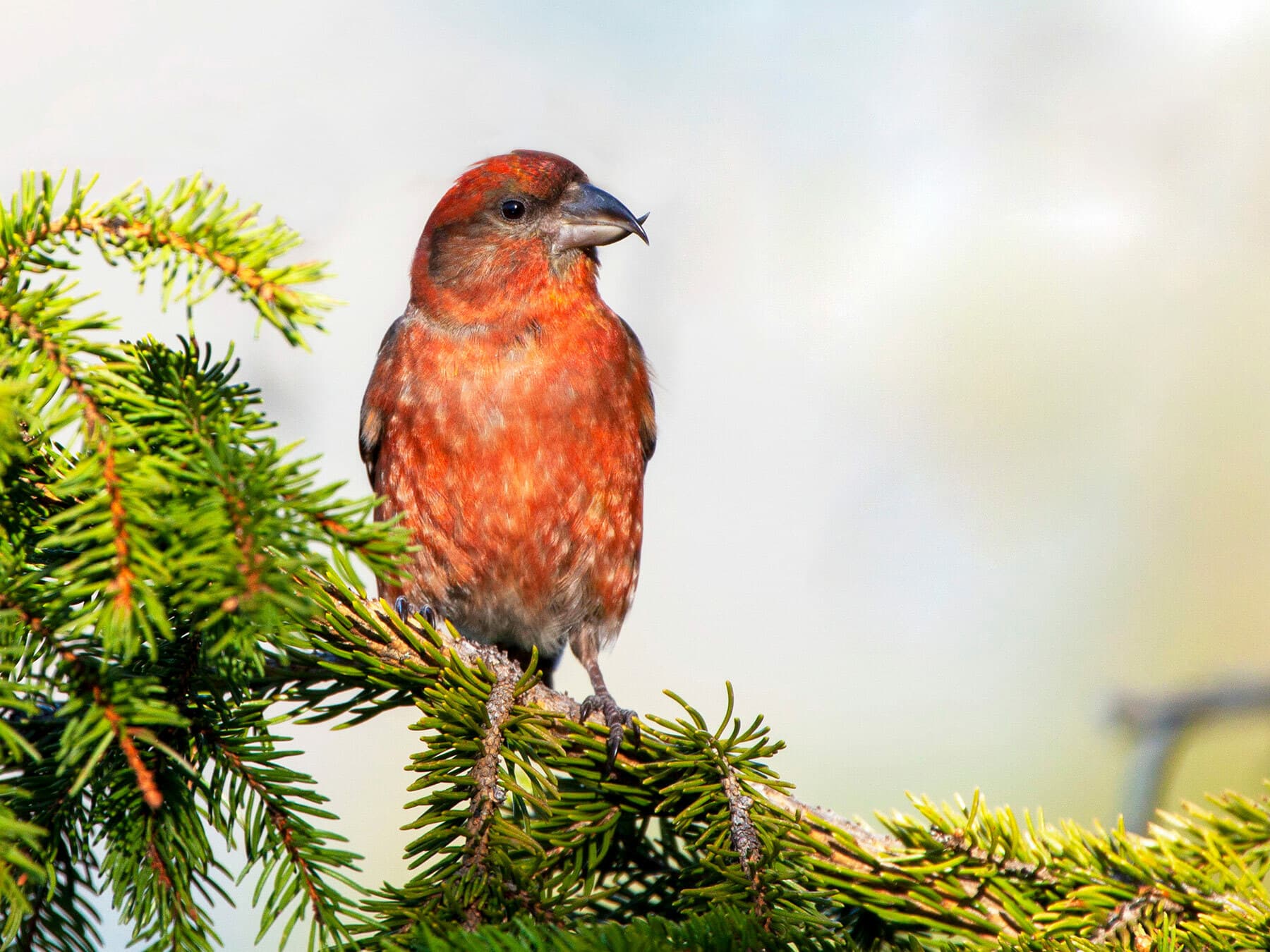
Red Crossbill
Loxia curvirostraLC
A scarce resident of Cumbria's conifer plantations, with numbers fluctuating markedly between years depending on spruce cone crops.
May–Mar
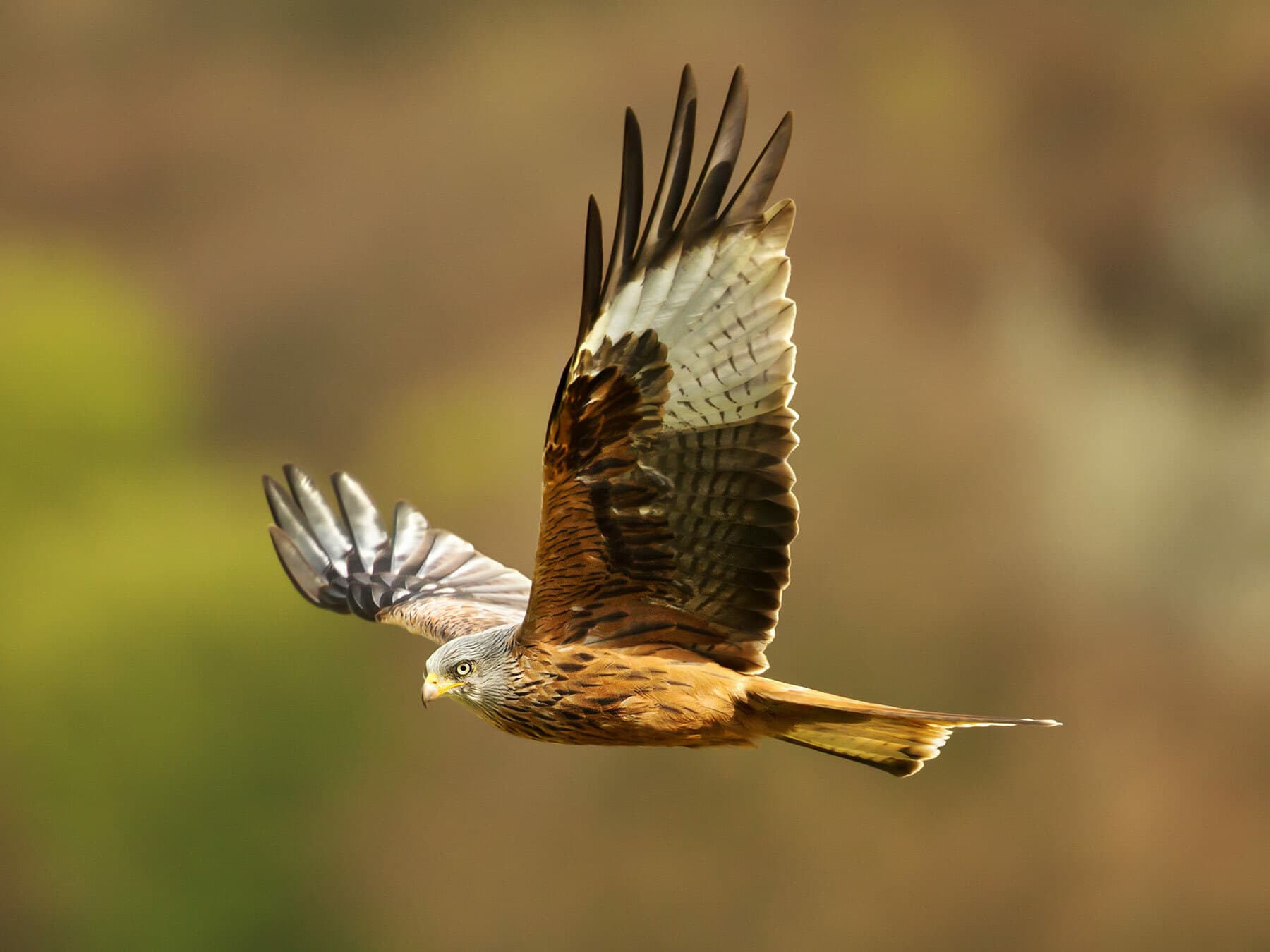
Red Kite
Milvus milvusLC
A rare breeding visitor, part of a slowly recovering population in northern England. Seen soaring over valleys and farmland from March to September.
Mar–Sep
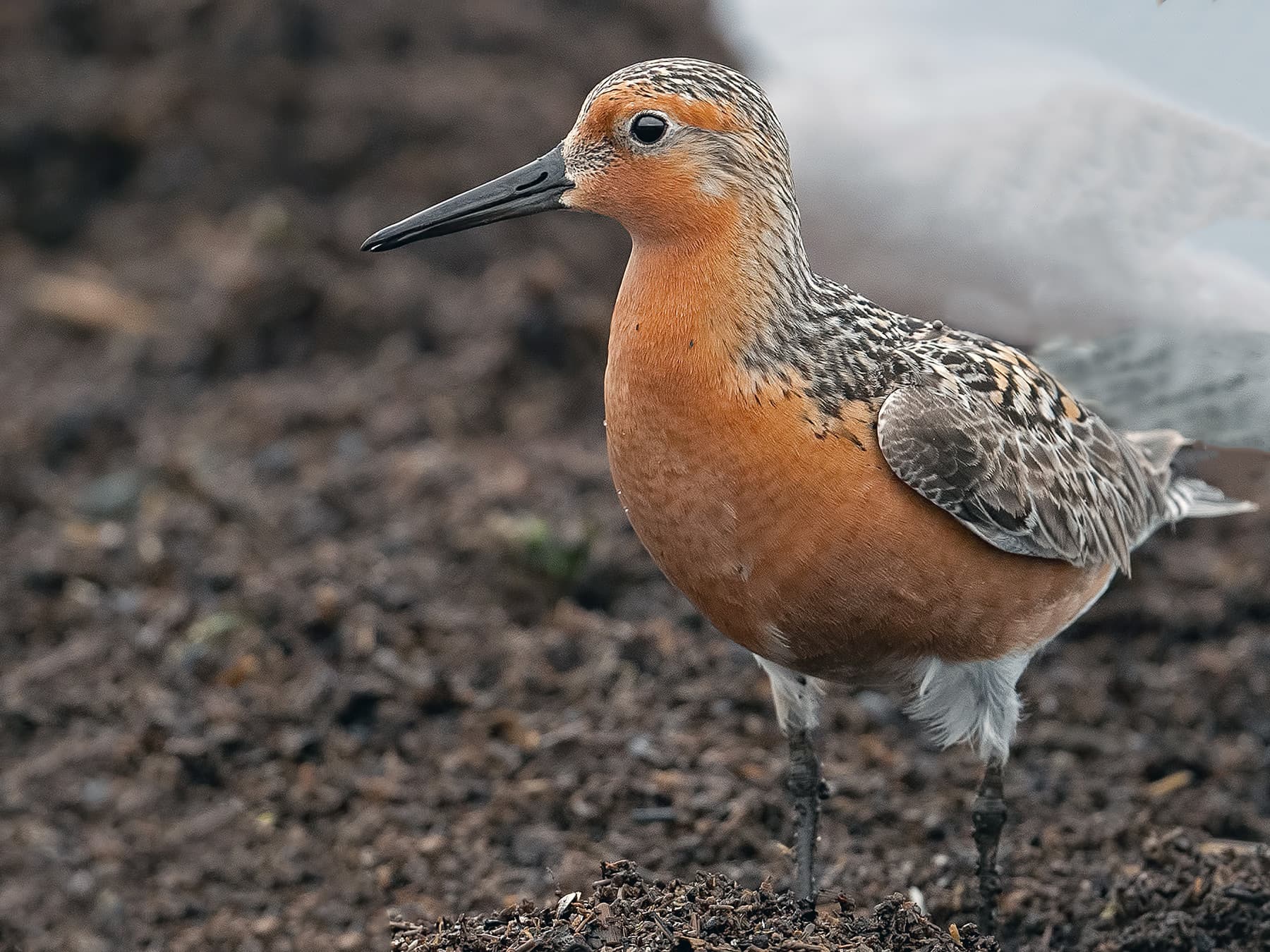
Red Knot
Calidris canutusNT
Found in small numbers on Morecambe Bay and Solway mudflats, mainly outside summer. Large winter flocks are increasingly scarce nationally.
Jul–May
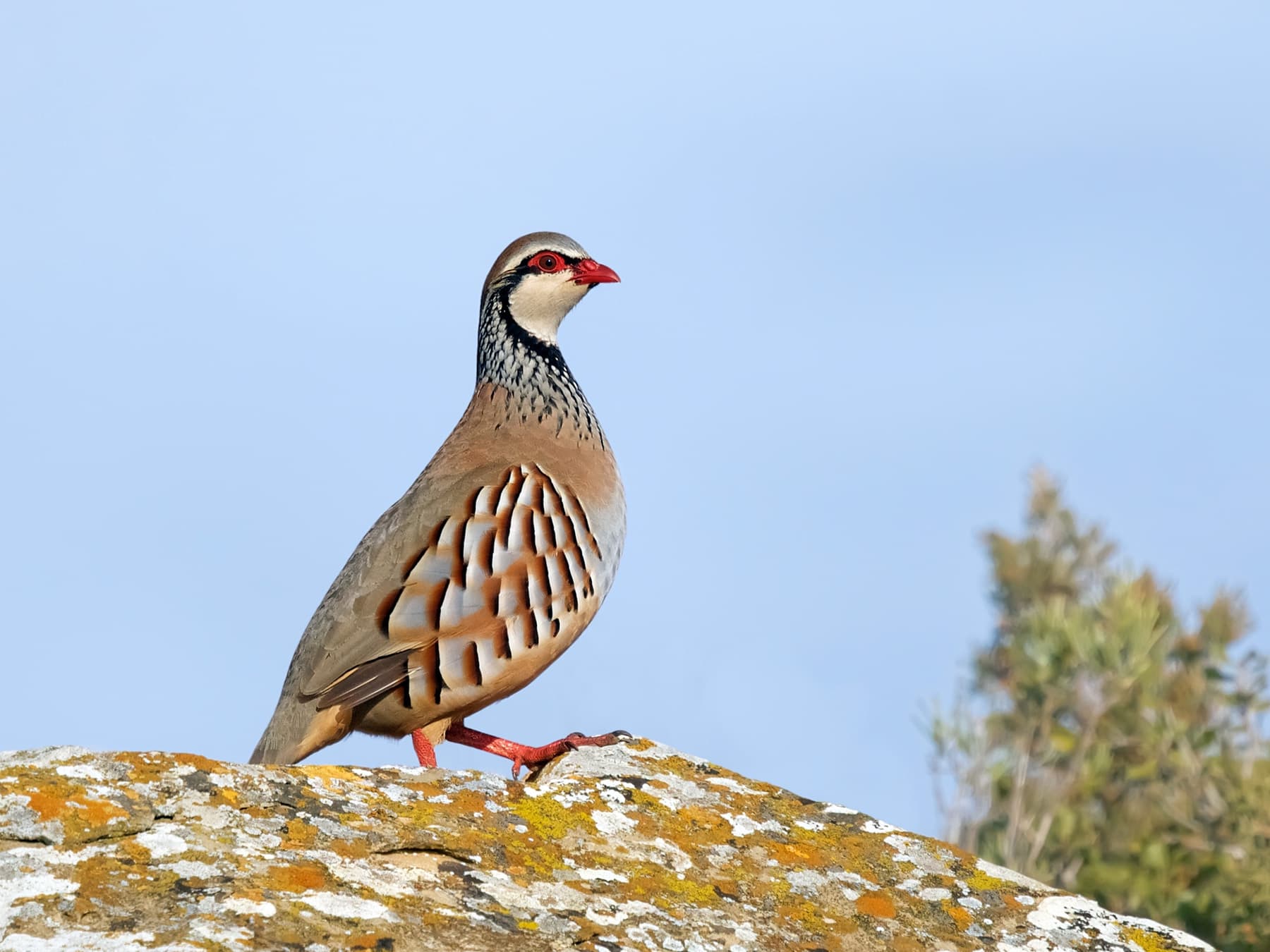
Red-legged Partridge
Alectoris rufaNT
A rare resident of lowland farmland, near the north-western edge of its range. Prefers arable fields and hedgerow margins.
Year-round
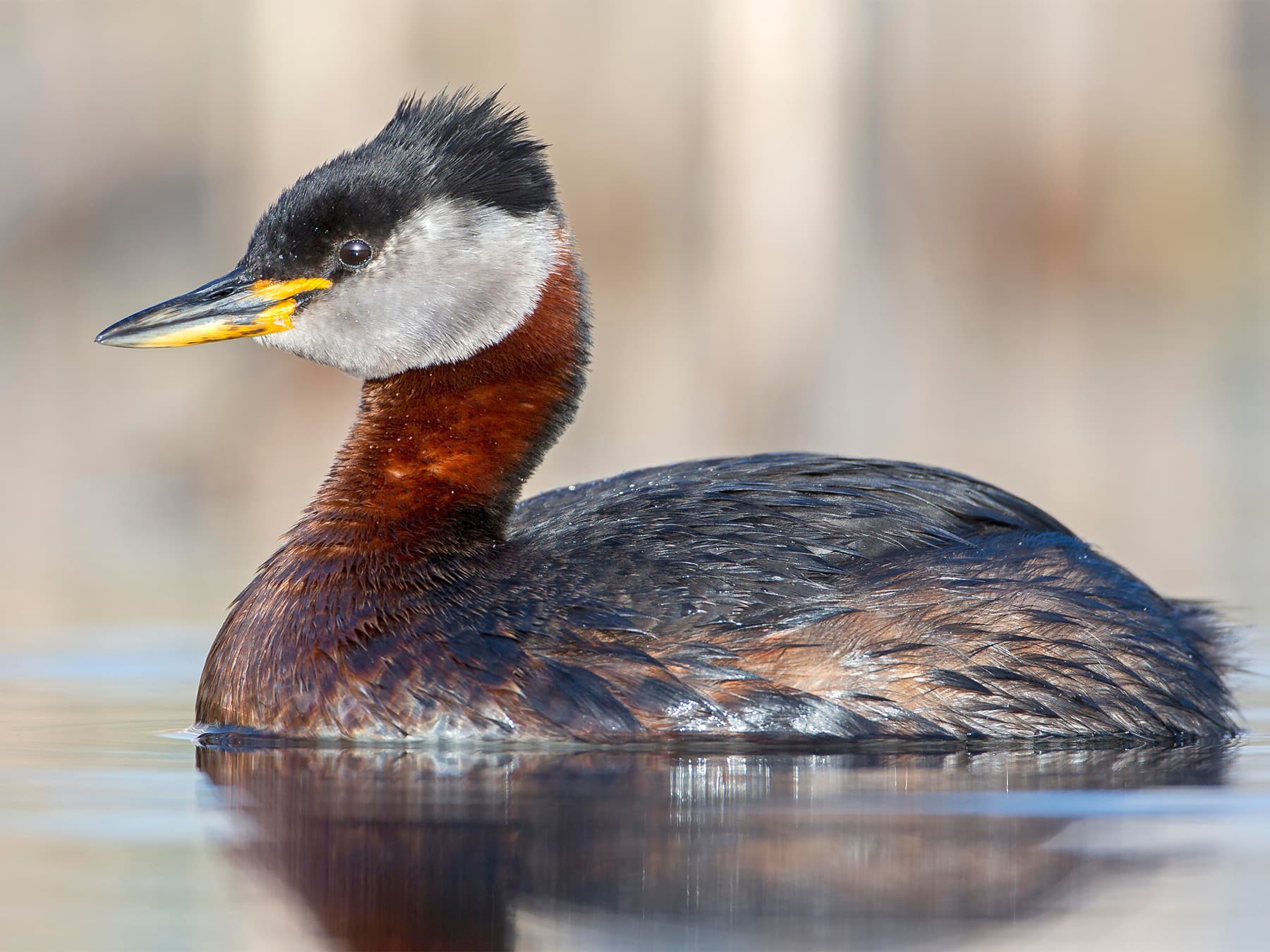
Red-necked Grebe
Podiceps grisegenaLC
A rare passage visitor, occasionally recorded in November on coastal waters and larger lakes during autumn dispersal.
Nov
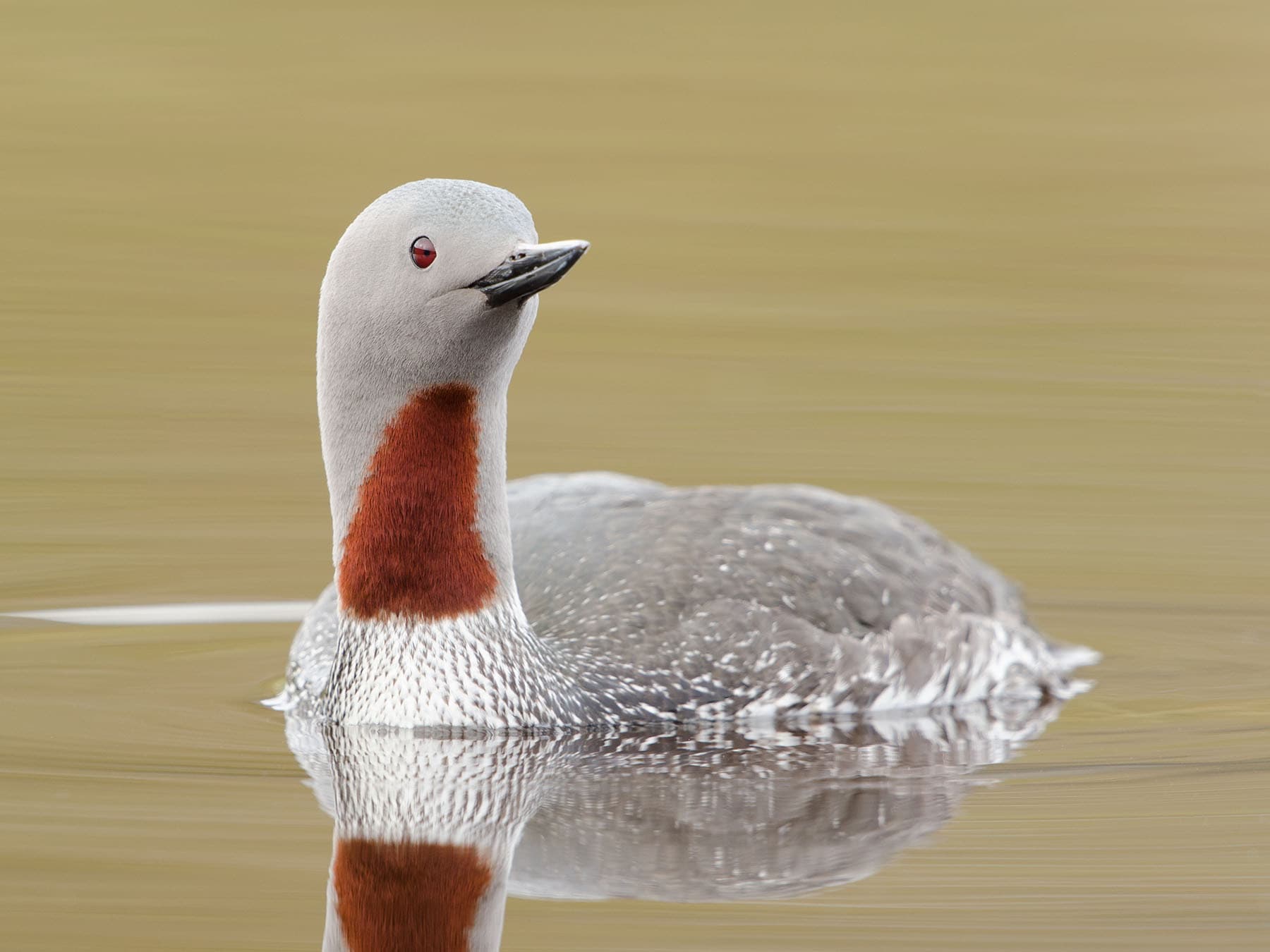
Red-throated Loon
Gavia stellataLC
A rare resident, breeding on remote upland tarns and wintering along the coast. Absent in summer months from lowland areas.
Sep–May
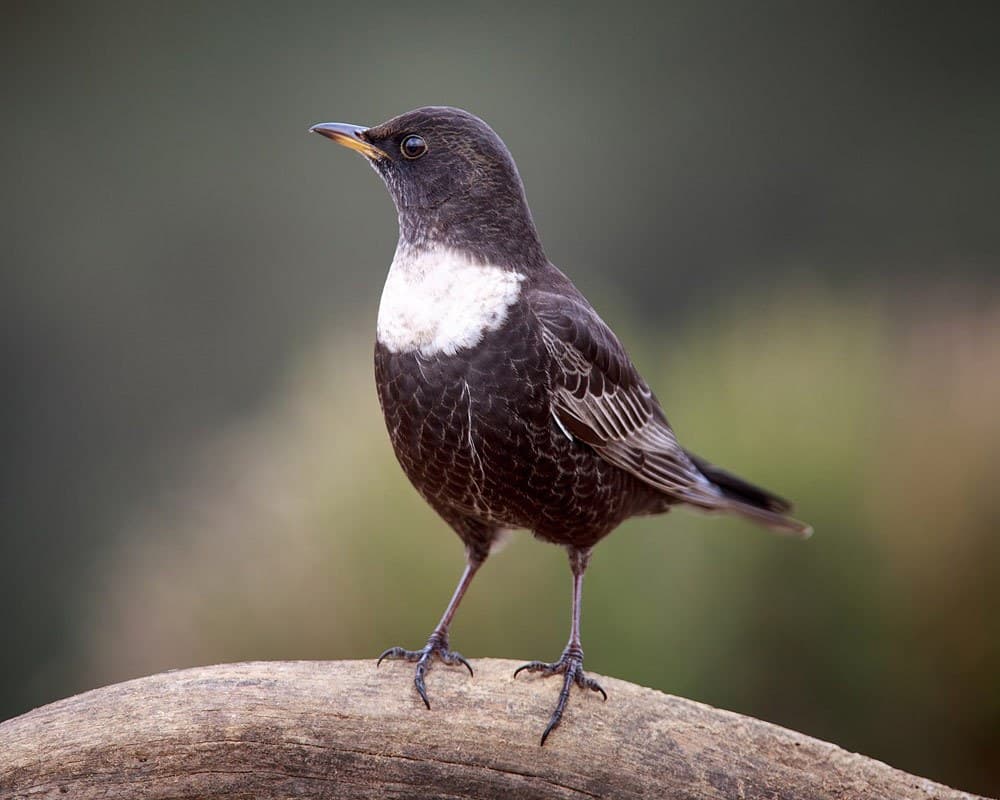
Ring Ouzel
Turdus torquatusLC
A rare and declining summer breeder on high Lakeland crags and fell-sides. Look for its distinctive white breast crescent.
Apr–Jun
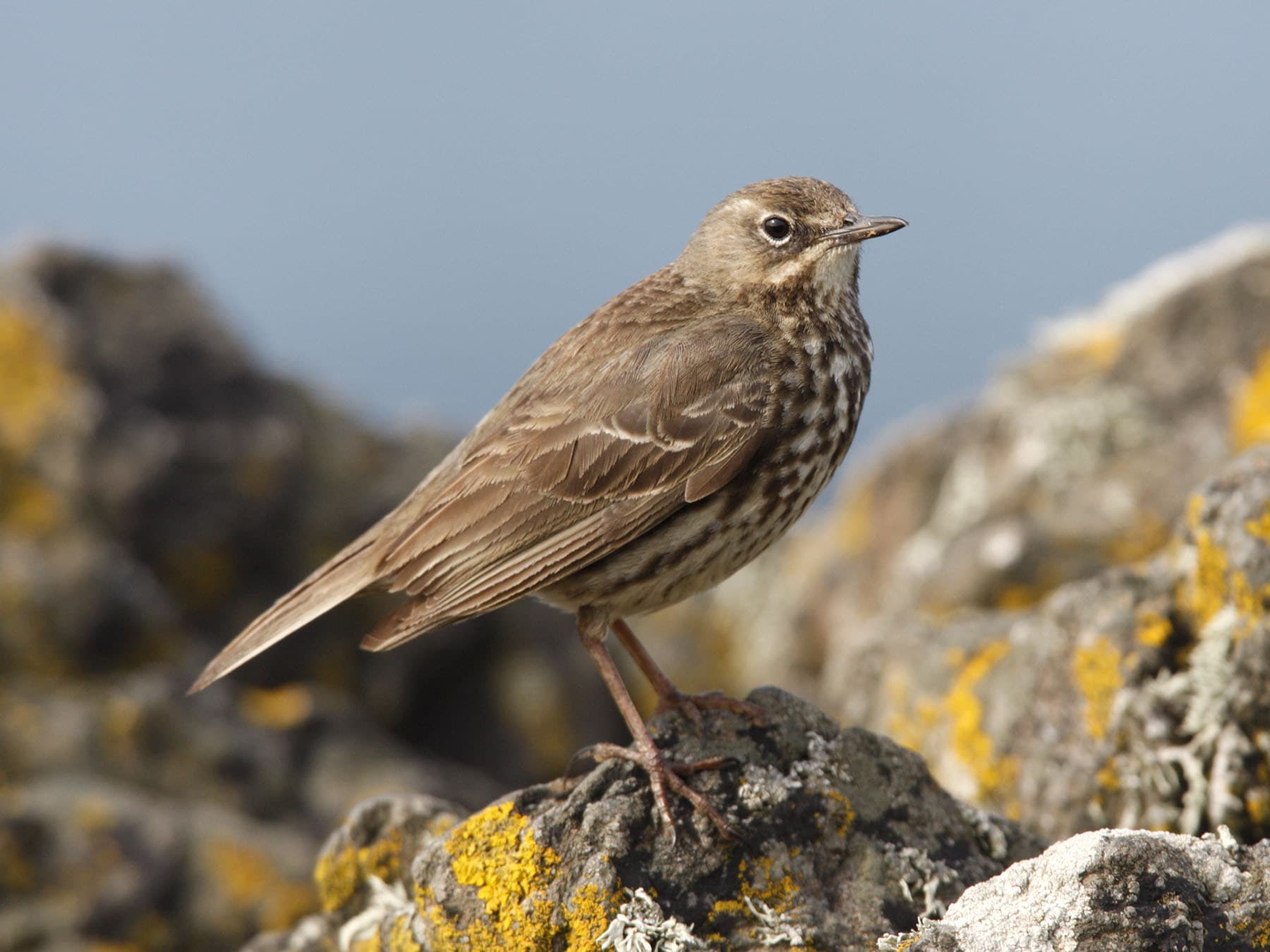
Rock Pipit
Anthus petrosusLC
A scarce resident of Cumbria's rocky coastline, foraging among seaweed-strewn boulders at St Bees Head and along the Solway shore.
Year-round
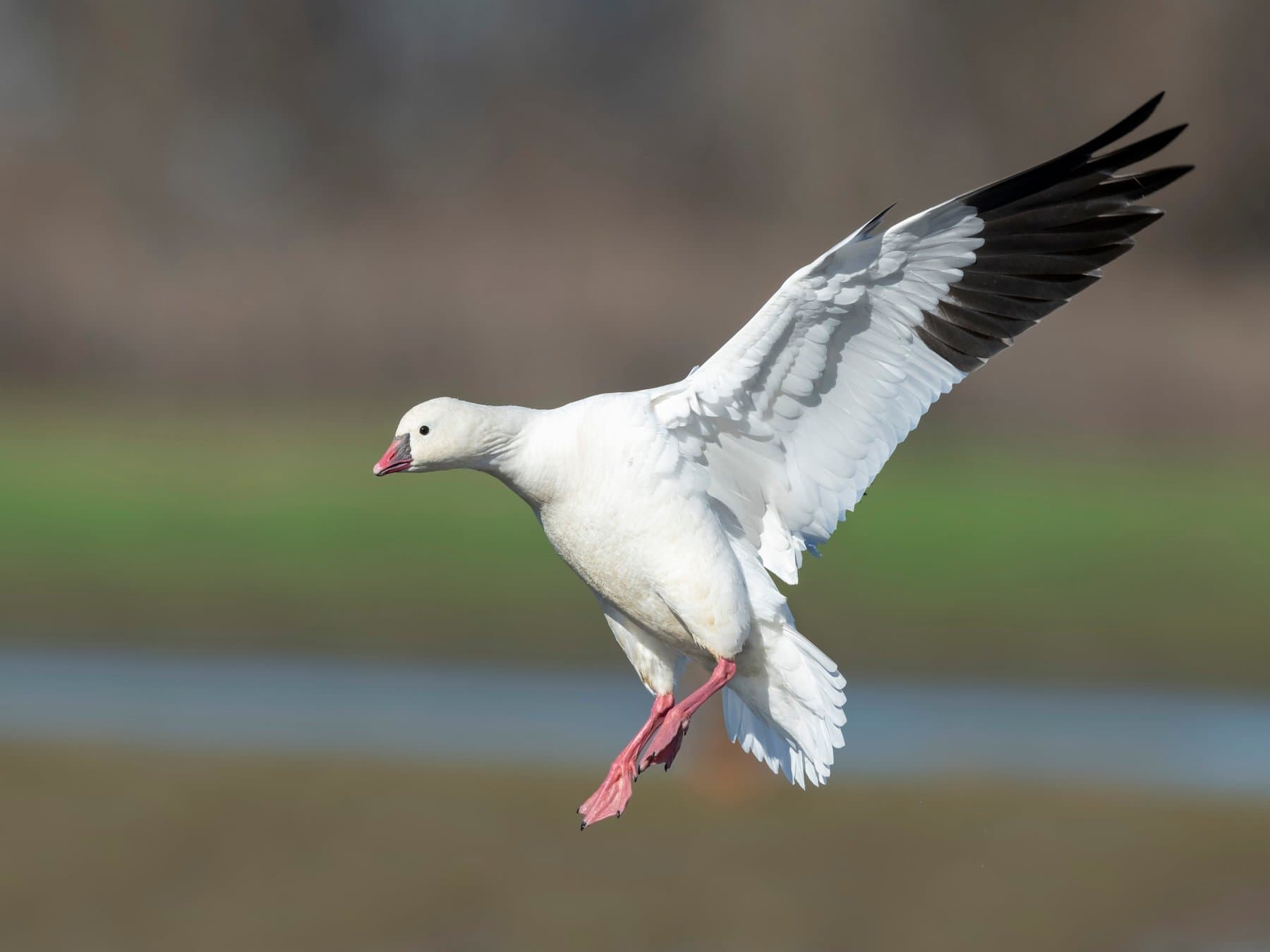
Ross's Goose
Anser rossiiLC
An extremely rare visitor in midwinter, likely of uncertain origin. May associate with other wintering goose flocks on lowland fields.
Jan