Rare Birds in Cumbria
86 species matching this filter.
Cumbria's diverse landscapes—from the rugged Lake District fells and ancient woodlands to the expansive Solway Firth and Morecambe Bay estuaries—provide habitat for an impressive variety of rare bird species. With 83 species classified as rare across the county, patient birdwatchers may encounter elusive gems such as Black Grouse on upland moorland edges, Barn Owls quartering lowland farmland at dusk, or Arctic Jaegers passing through coastal waters during autumn migration. The county's mosaic of habitats, including reedbeds, coastal cliffs, and remote fell country, makes it a rewarding destination for those seeking Britain's harder-to-find birds.


Showing 24–46 of 86 species
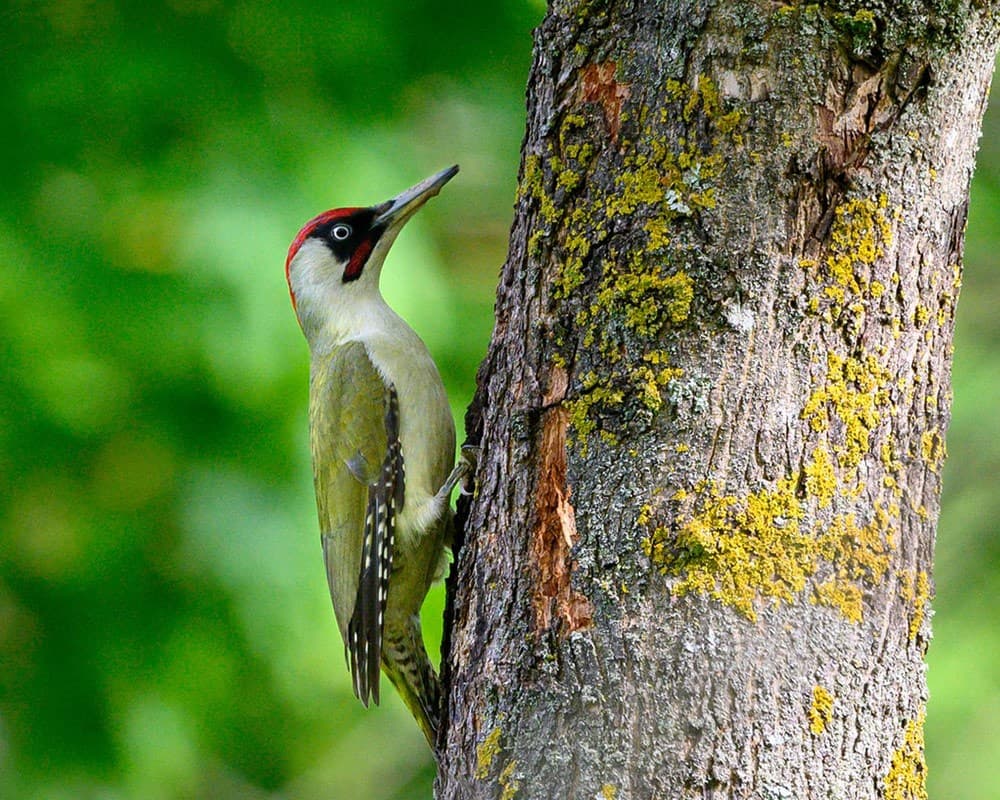
European Green Woodpecker
Picus viridisLC
A rare resident found in parkland, open woodland and field edges. Its loud, laughing call carries far but it can be surprisingly hard to spot.
Year-round
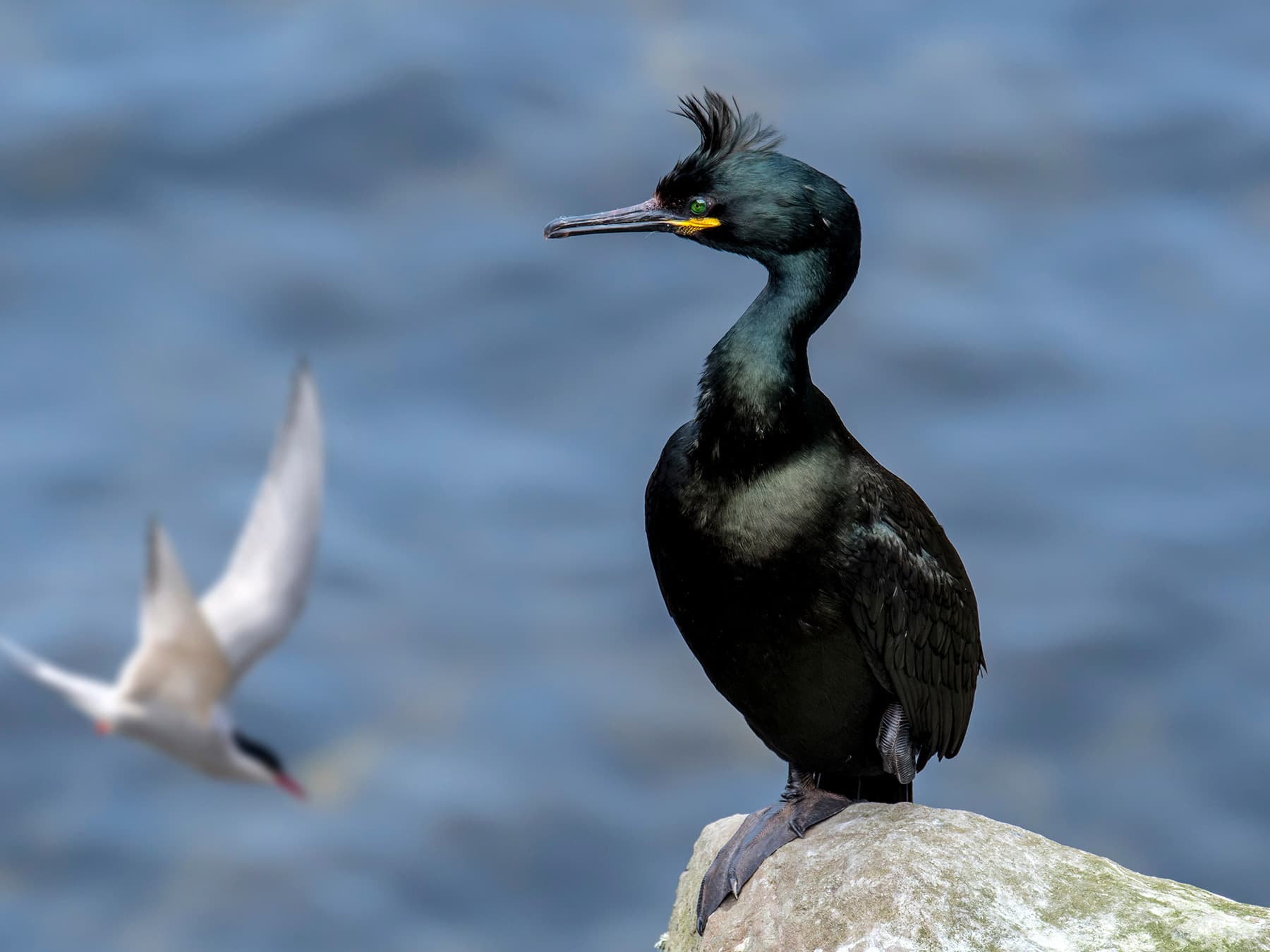
European Shag
Phalacrocorax aristotelisLC
A rare resident along rocky coastlines, breeding at St Bees Head. Smaller and darker than the Great Cormorant, preferring saltwater.
Jun–Apr
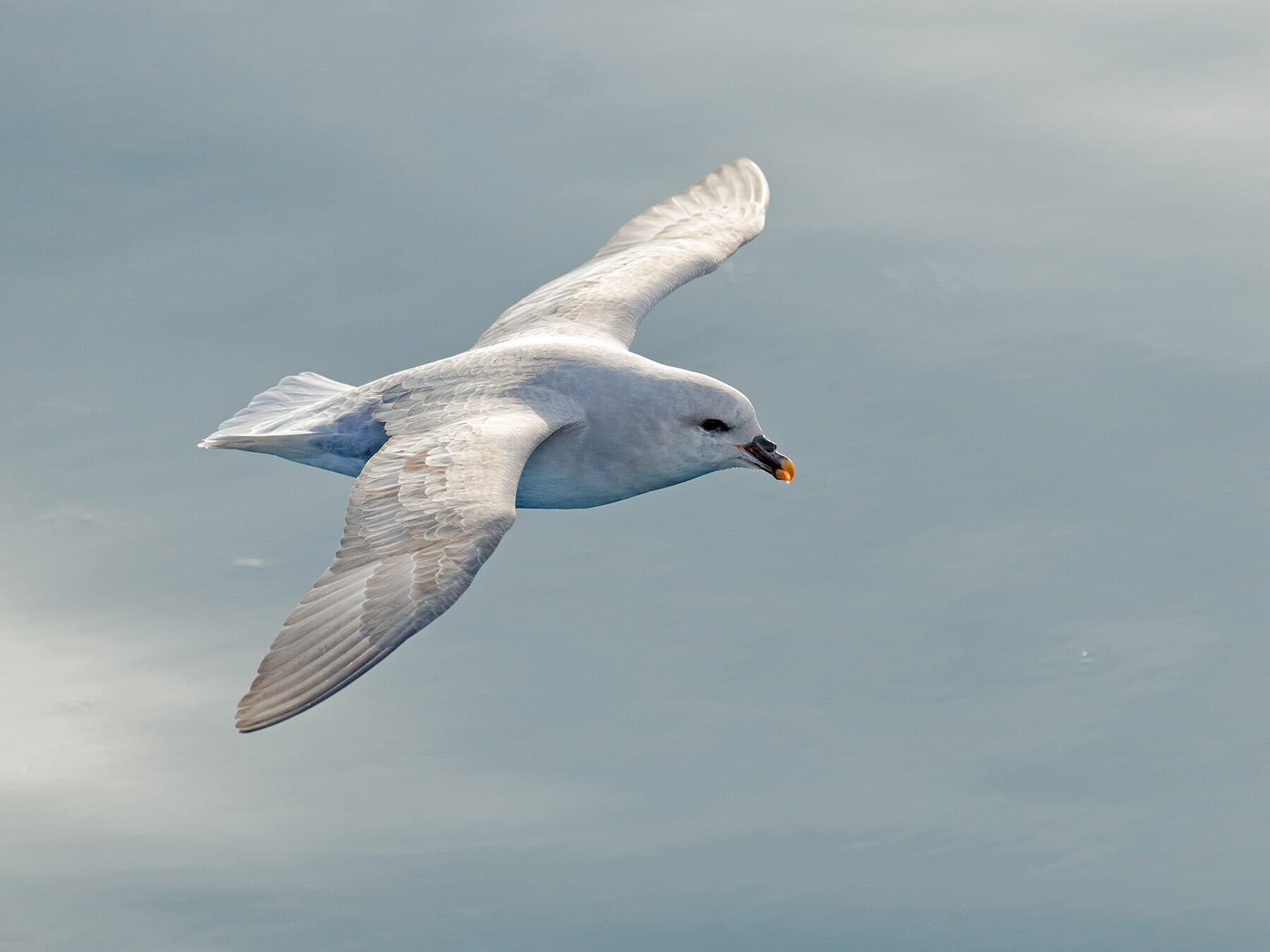
Fulmar
Fulmarus glacialisLC
A rare breeder at St Bees Head cliffs from April to August. Stiff-winged flight and musky smell distinguish this tube-nosed seabird.
Apr–Aug
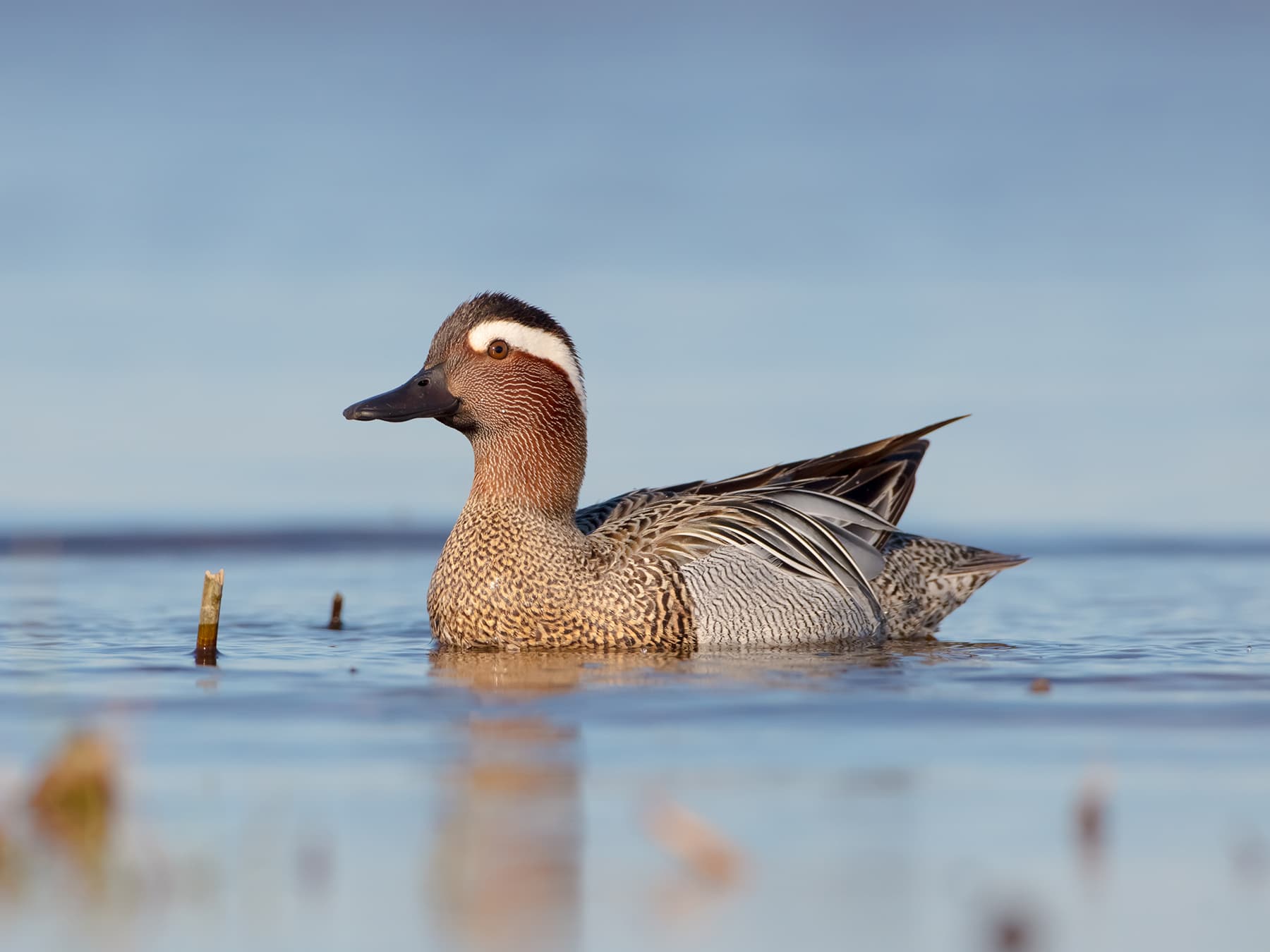
Garganey
Spatula querquedulaLC
A rare passage migrant glimpsed on freshwater pools in spring and again briefly in September.
Apr–Sep
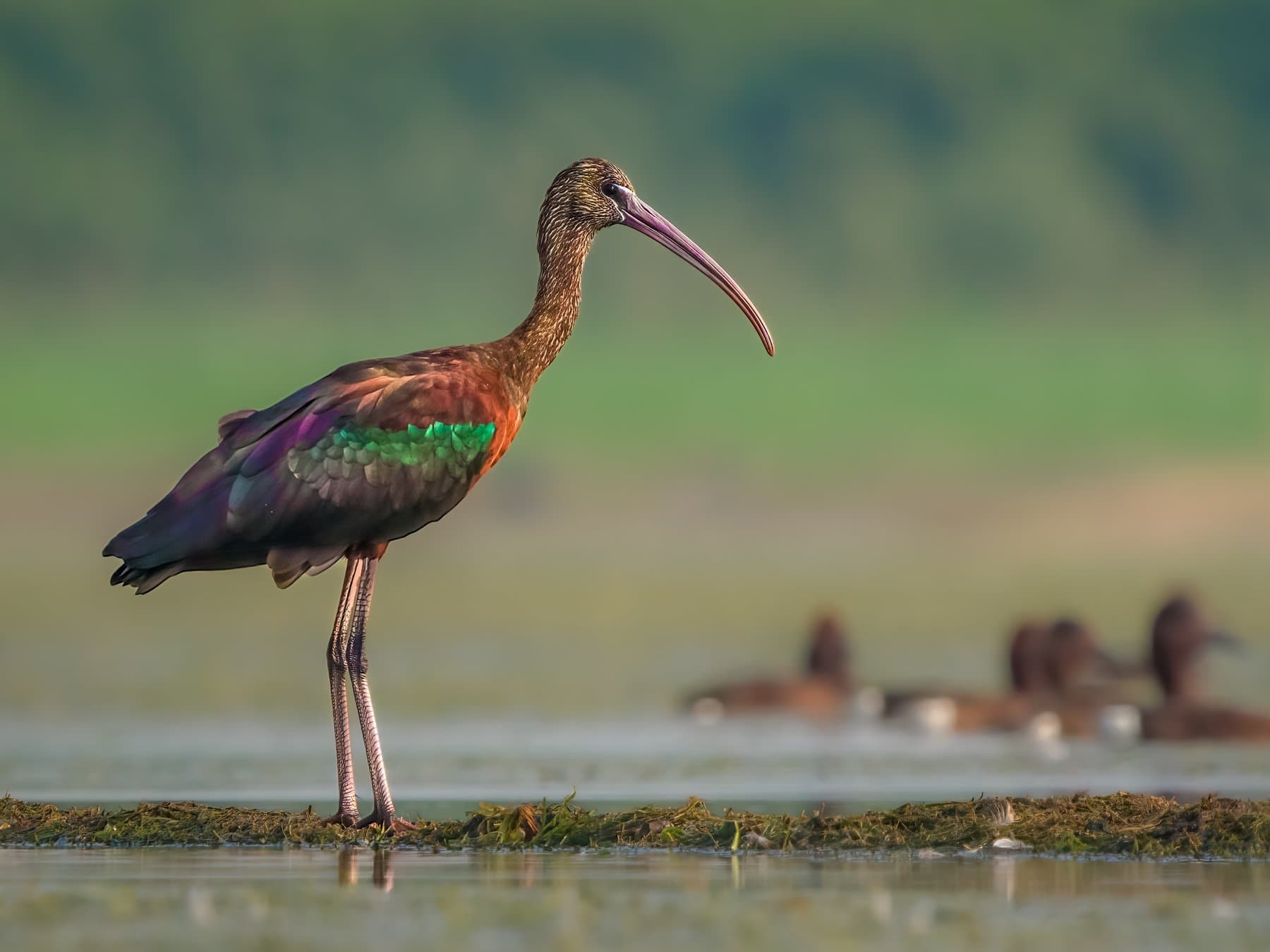
Glossy Ibis
Plegadis falcinellusLC
A rare autumn vagrant, occasionally recorded in October at coastal marshes and estuaries. A striking dark wader with a curved bill.
Oct
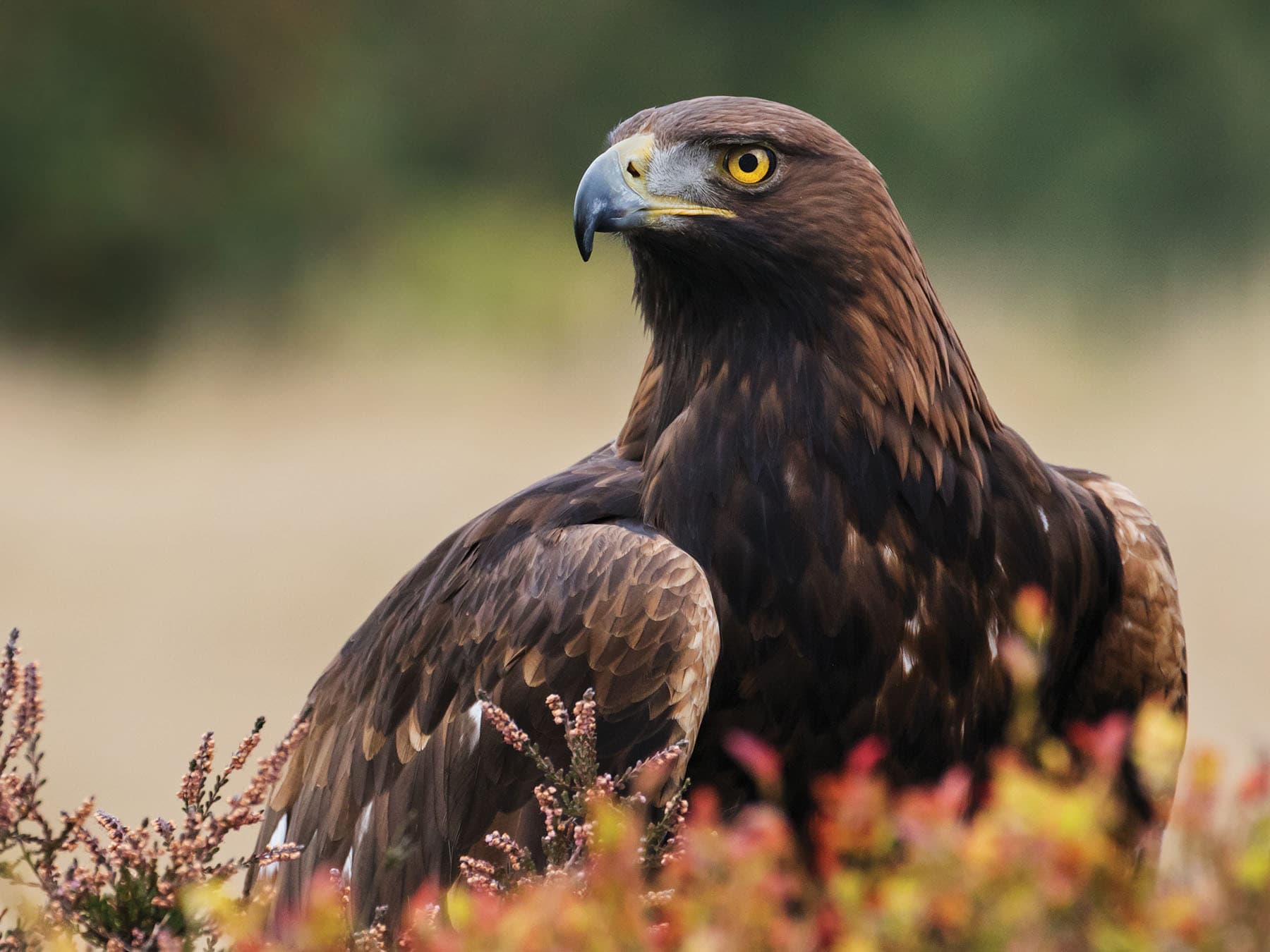
Golden Eagle
Aquila chrysaetosLC
A rare breeding bird in the remote Lakeland fells, representing one of England's very few territories. Sightings are extremely scarce and highly prized.
Apr–Jul
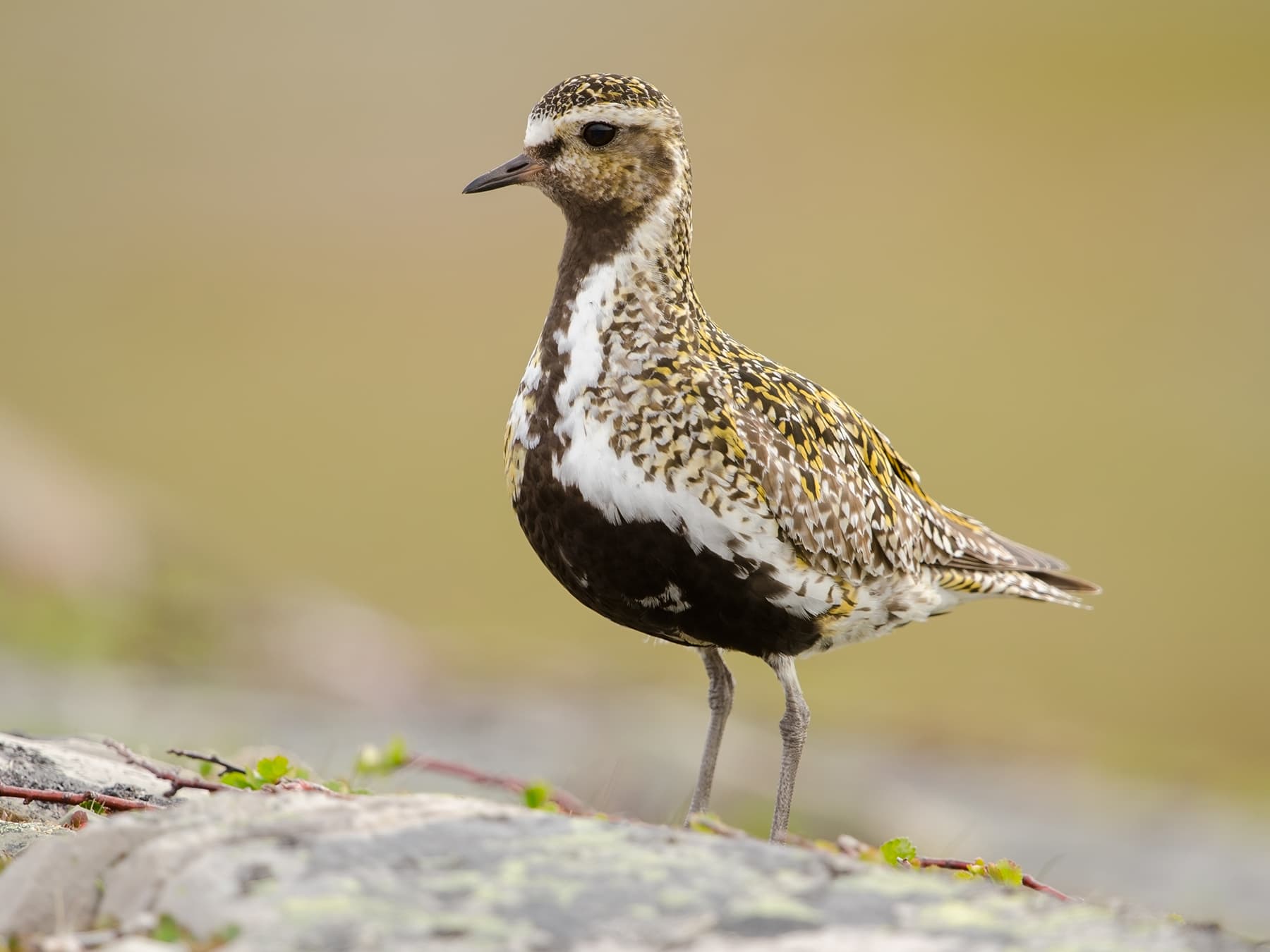
Golden Plover
Pluvialis apricariaLC
Breeds on high Cumbrian fells and moorland in summer. In winter, flocks gather on lowland fields and coastal marshes.
Year-round
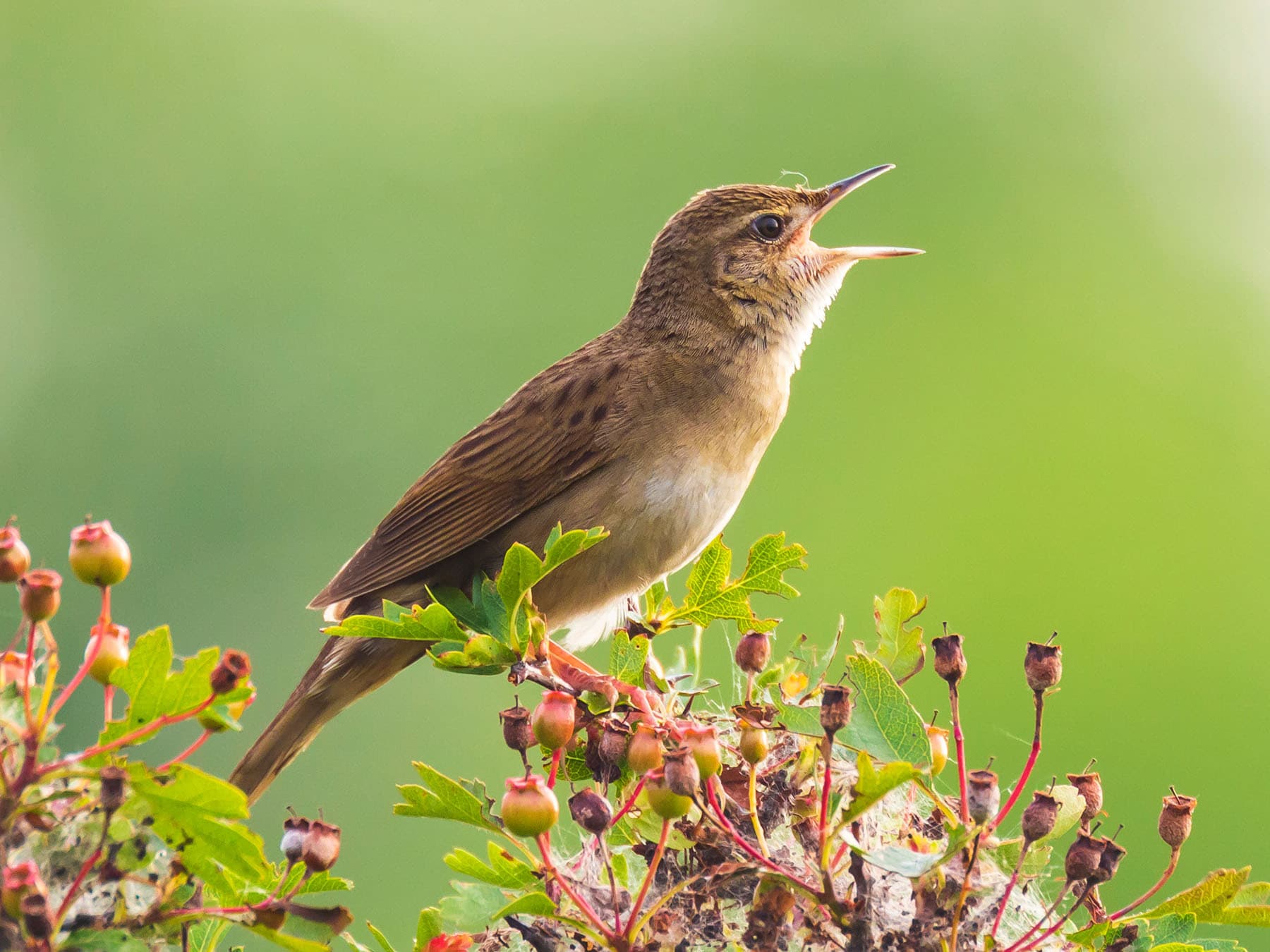
Grasshopper Warbler
Locustella naeviaLC
A rare and secretive summer breeder, more often heard reeling from dense grassland and scrub than seen.
Apr–Aug
Spotted something?
Upload a photo to identify it
Identify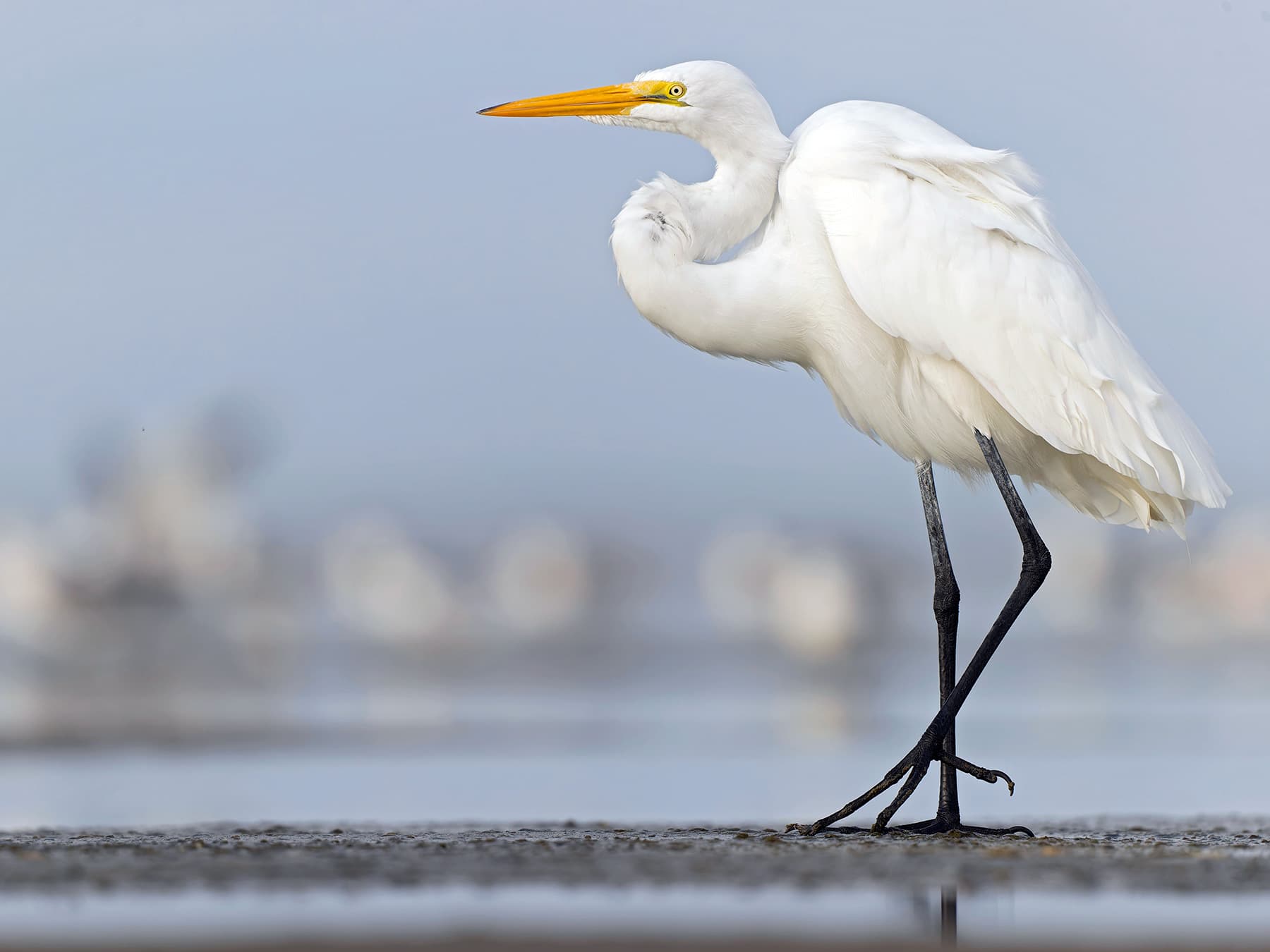
Great White Egret
Ardea albaLC
A rare non-breeding visitor to Cumbrian wetlands and estuaries, increasingly recorded in recent years. Present from autumn through winter and into early spring.
Aug–Mar
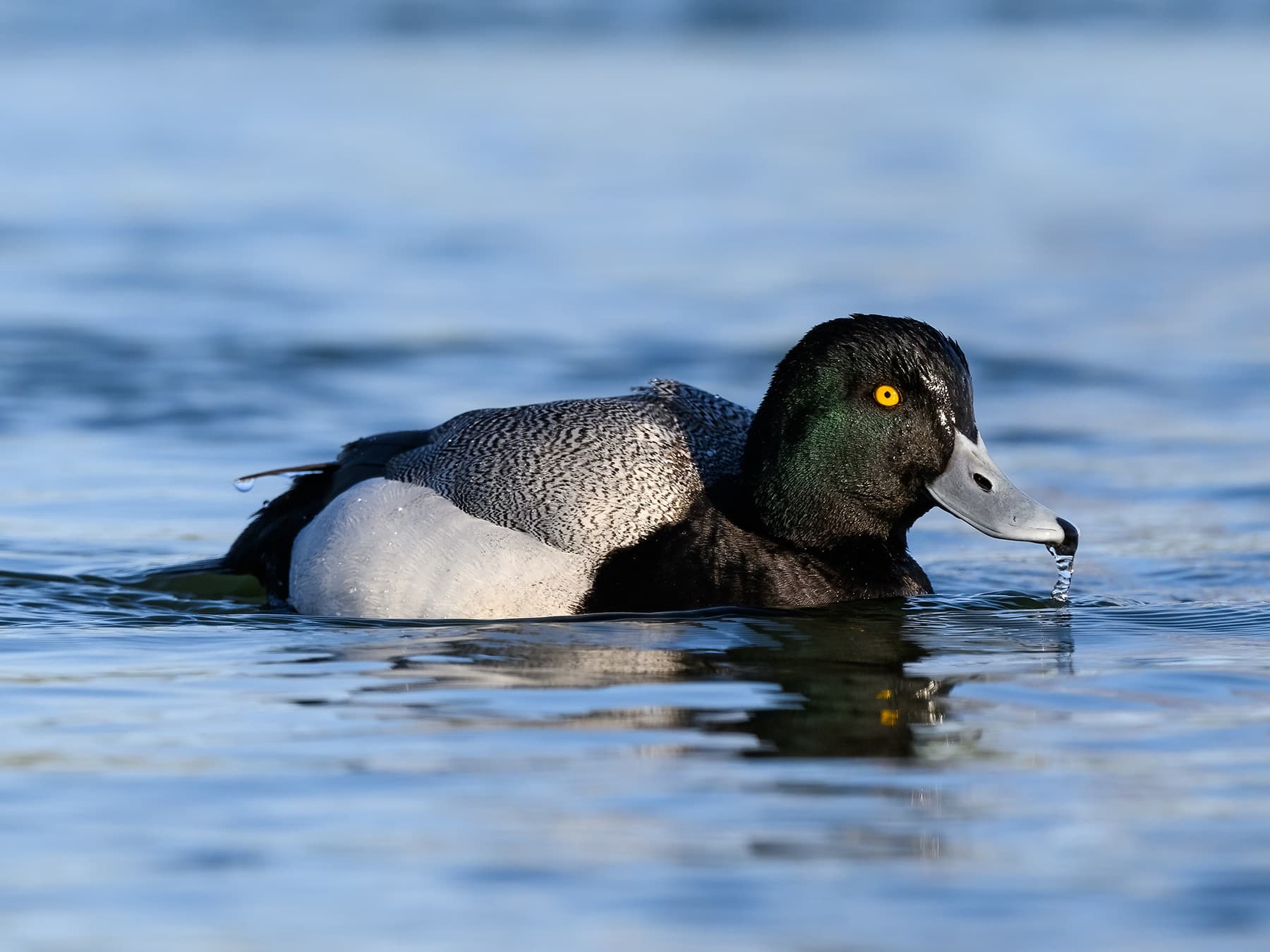
Greater Scaup
Aythya marilaLC
A rare winter visitor to coastal waters and sheltered bays. Small numbers may appear on the Solway Firth or Morecambe Bay.
Oct–Mar
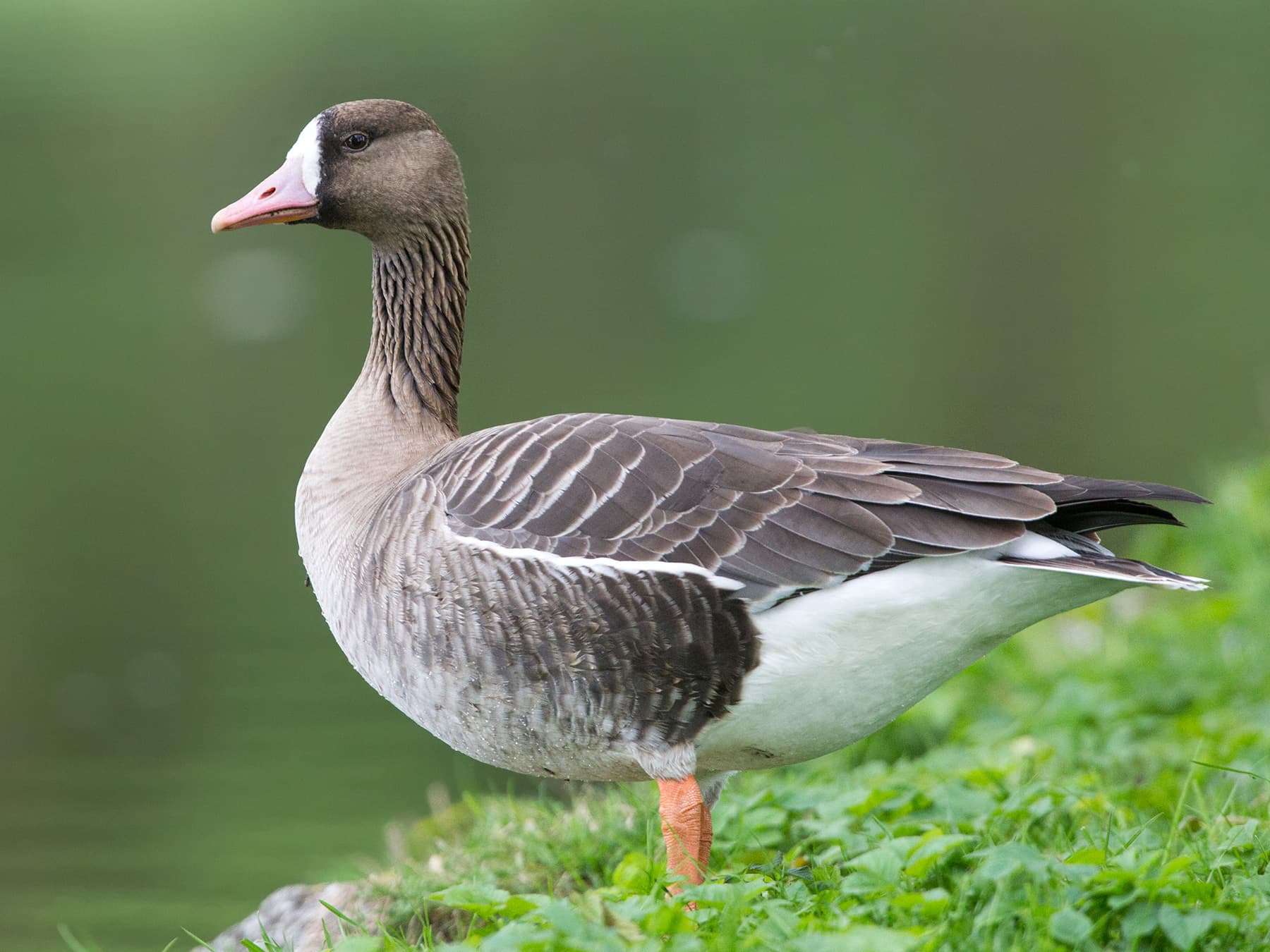
Greater White-fronted Goose
Anser albifronsLC
A rare winter passage visitor, occasionally seen in January and February on coastal marshes and estuarine fields.
Jan–Feb
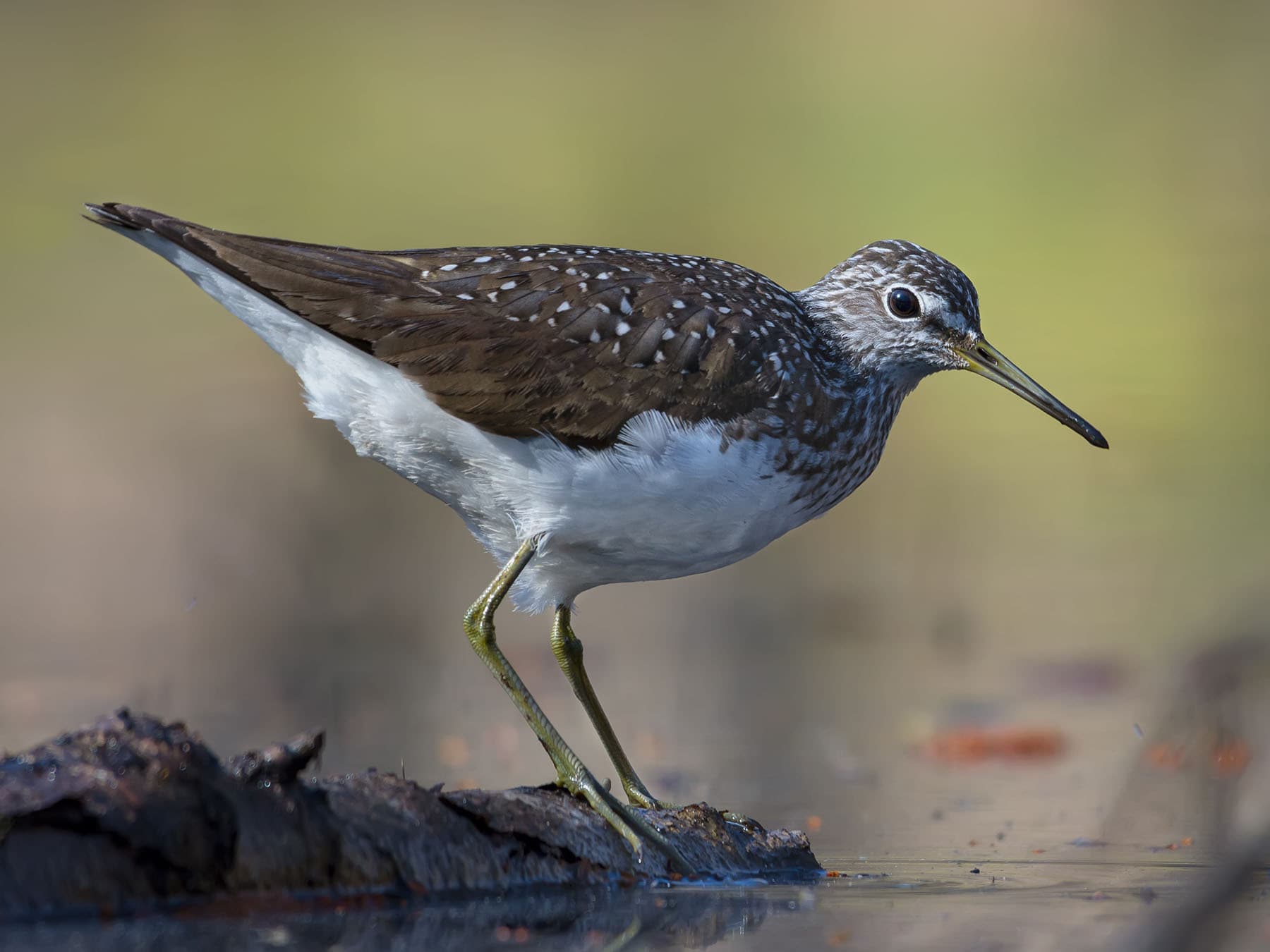
Green Sandpiper
Tringa ochropusLC
A rare visitor to freshwater margins and ditches, mainly on passage in spring and autumn. Often solitary and easily overlooked.
Mar–Oct
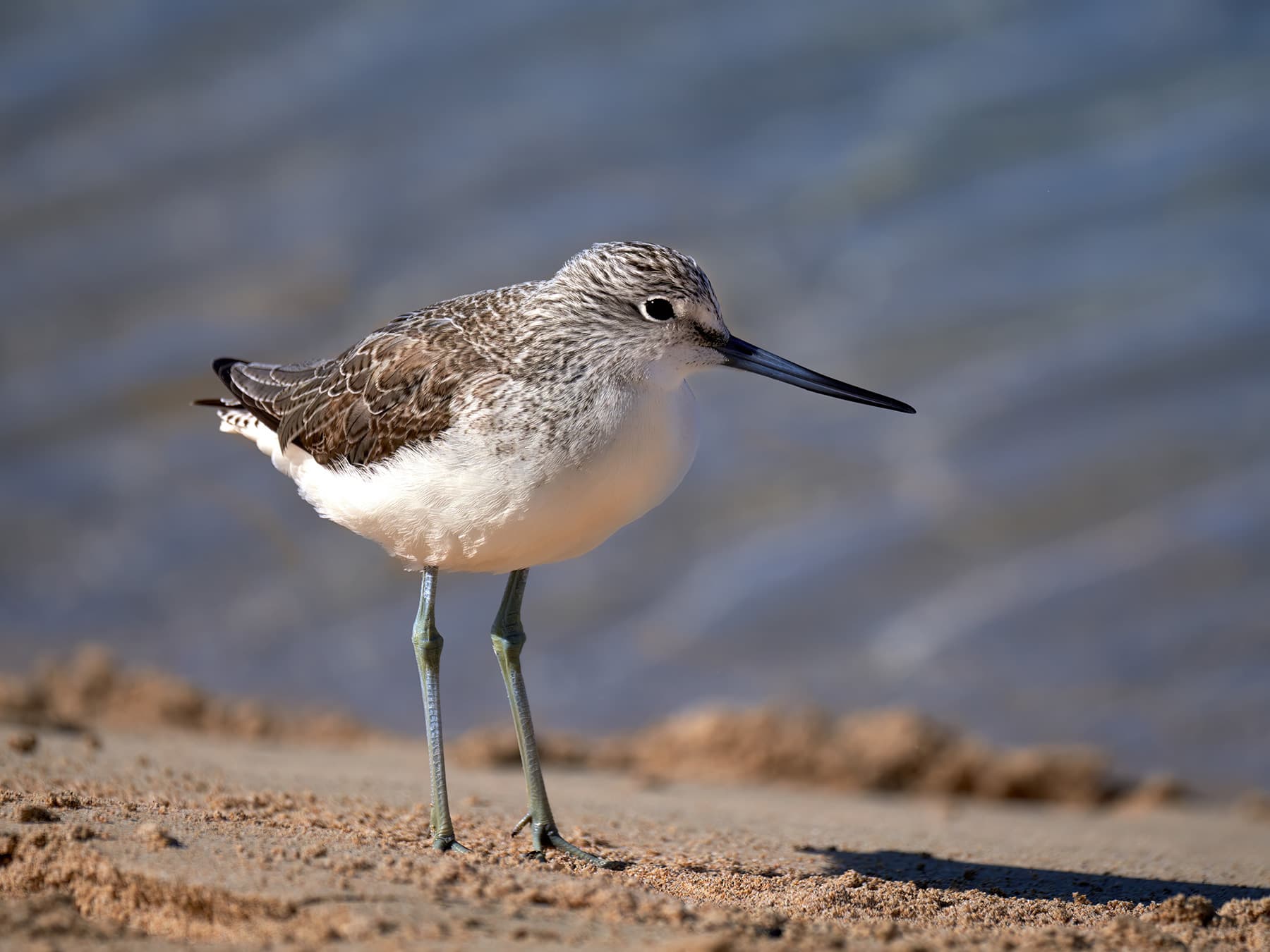
Greenshank
Tringa nebulariaLC
A rare non-breeding visitor to estuaries and lakeshores, most often seen during autumn passage on the Solway or inland wetlands.
Jul–Mar
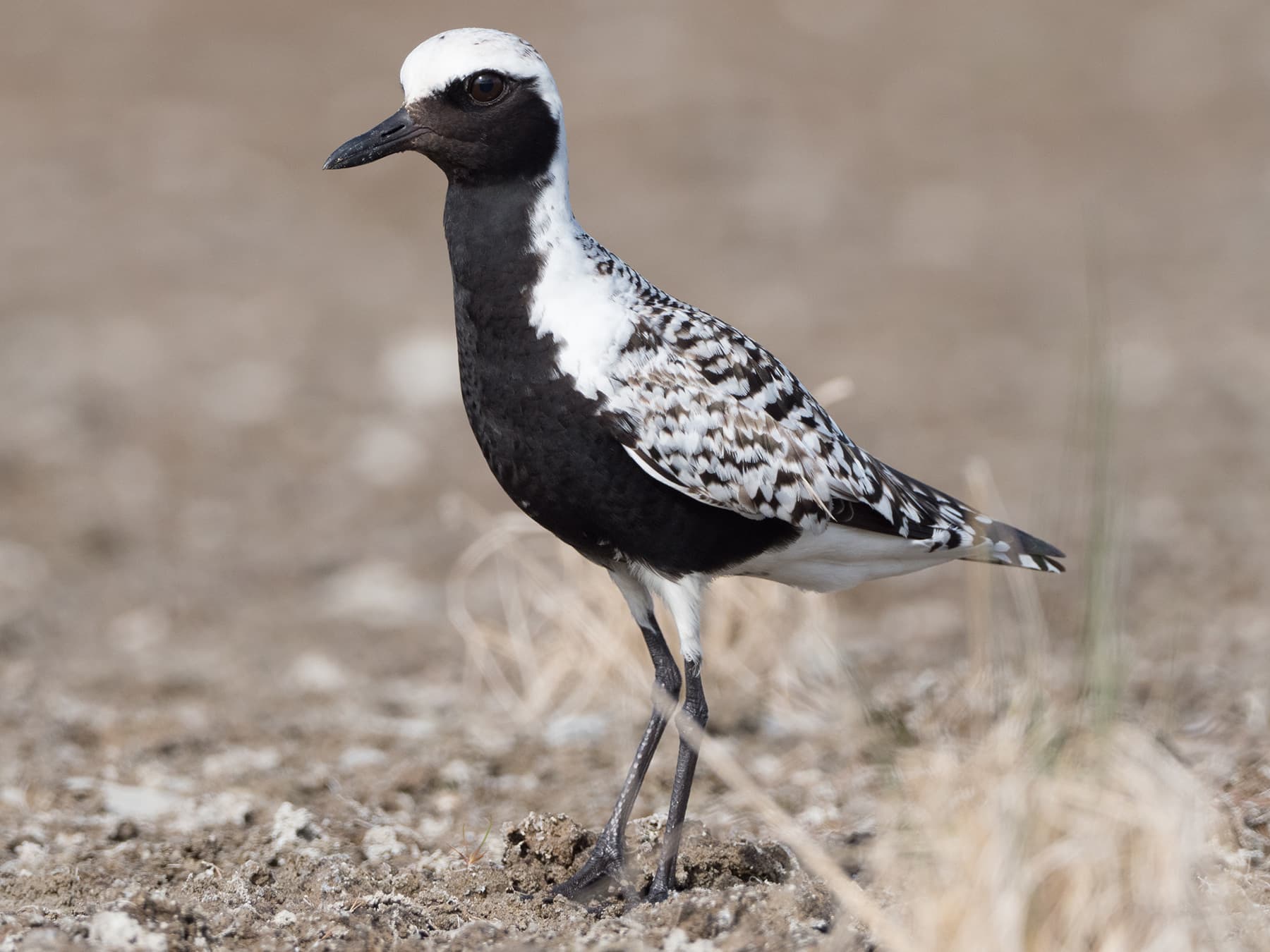
Grey Plover
Pluvialis squatarolaLC
A rare non-breeding visitor to Cumbria's estuaries, mainly seen on the Solway and Morecambe Bay mudflats outside summer months.
Aug–Apr
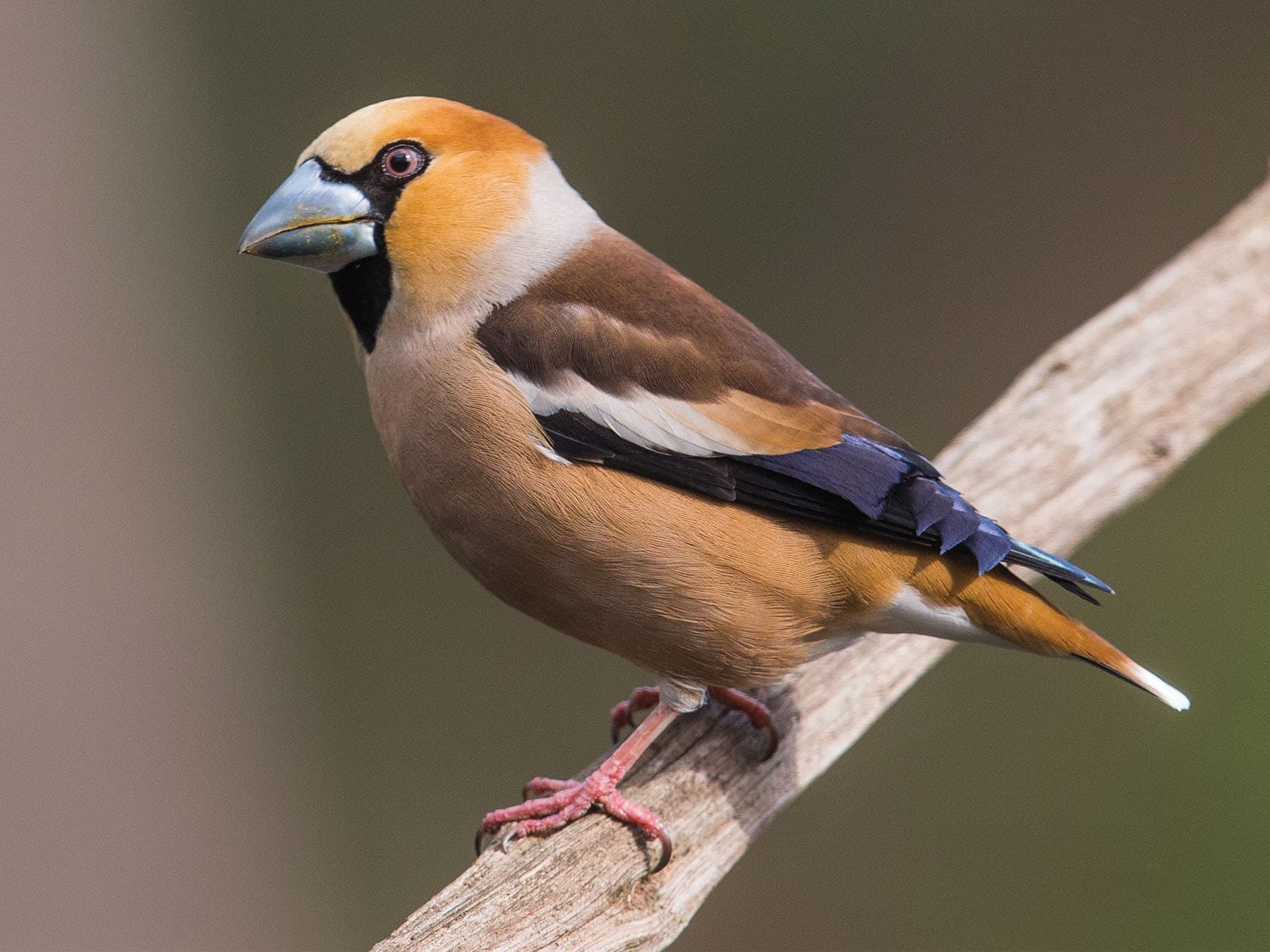
Hawfinch
Coccothraustes coccothraustesLC
A rare passage visitor, occasionally noted in spring and late autumn. Cumbria lies outside its core UK range, making any sighting notable.
Nov–Apr
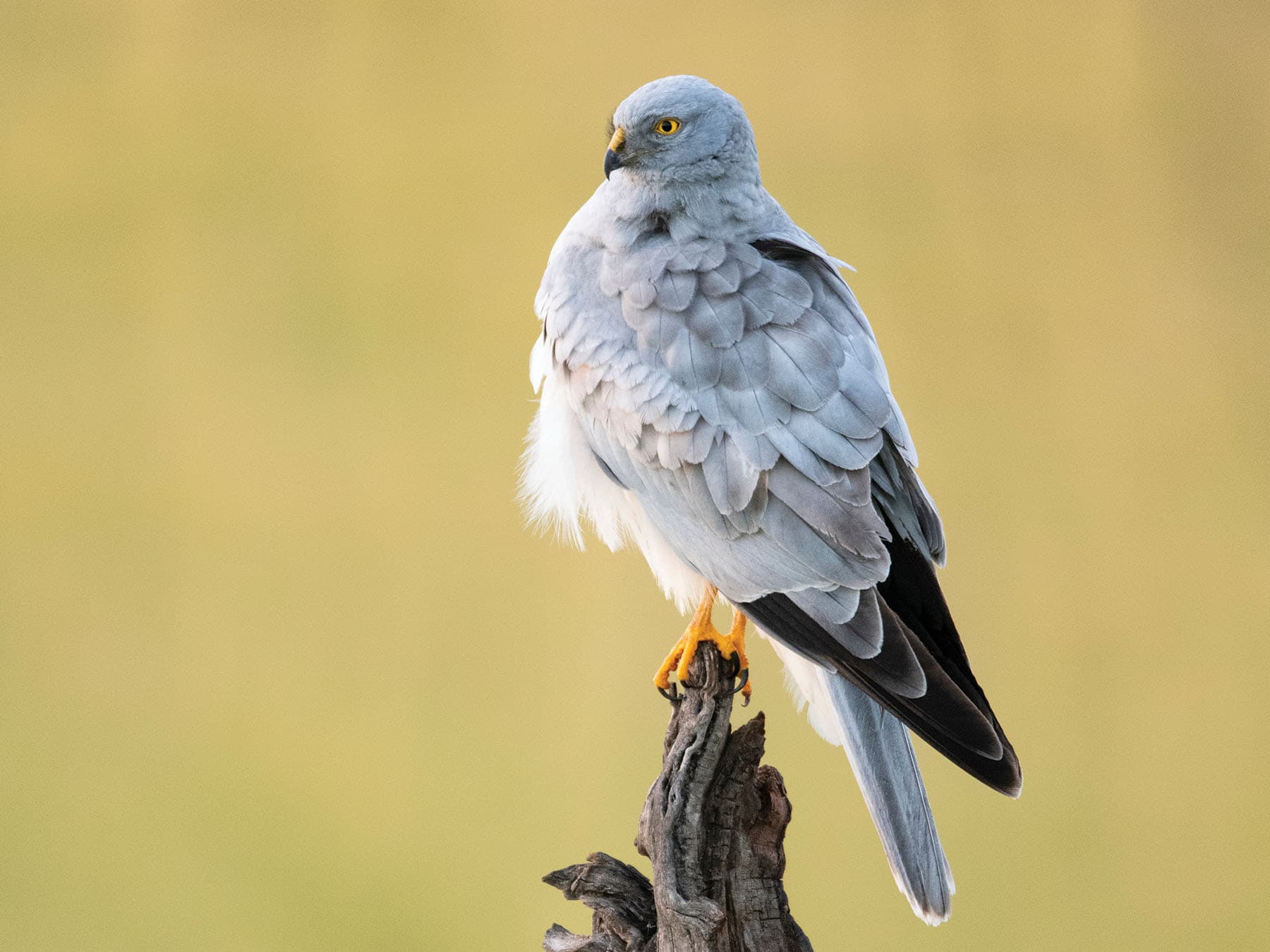
Hen Harrier
Circus cyaneusLC
A rare non-breeding visitor to Cumbrian moorlands and coastal marshes in winter. Persecution on upland grouse moors continues to limit its presence.
Nov–Feb
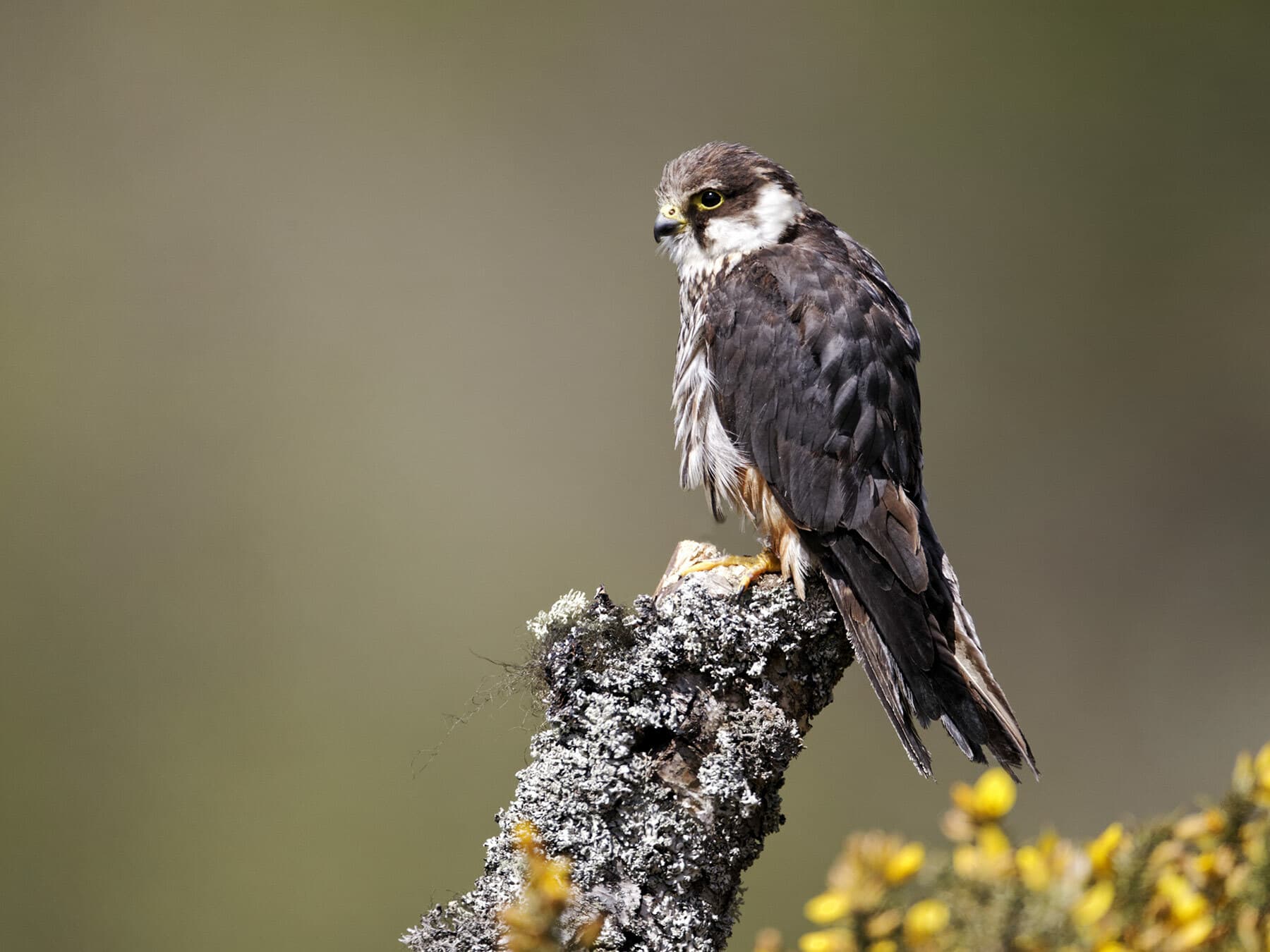
Hobby
Falco subbuteoLC
A rare summer breeding visitor from May to September, hunting dragonflies over wetlands and open country. At the northern edge of its English range.
May–Sep
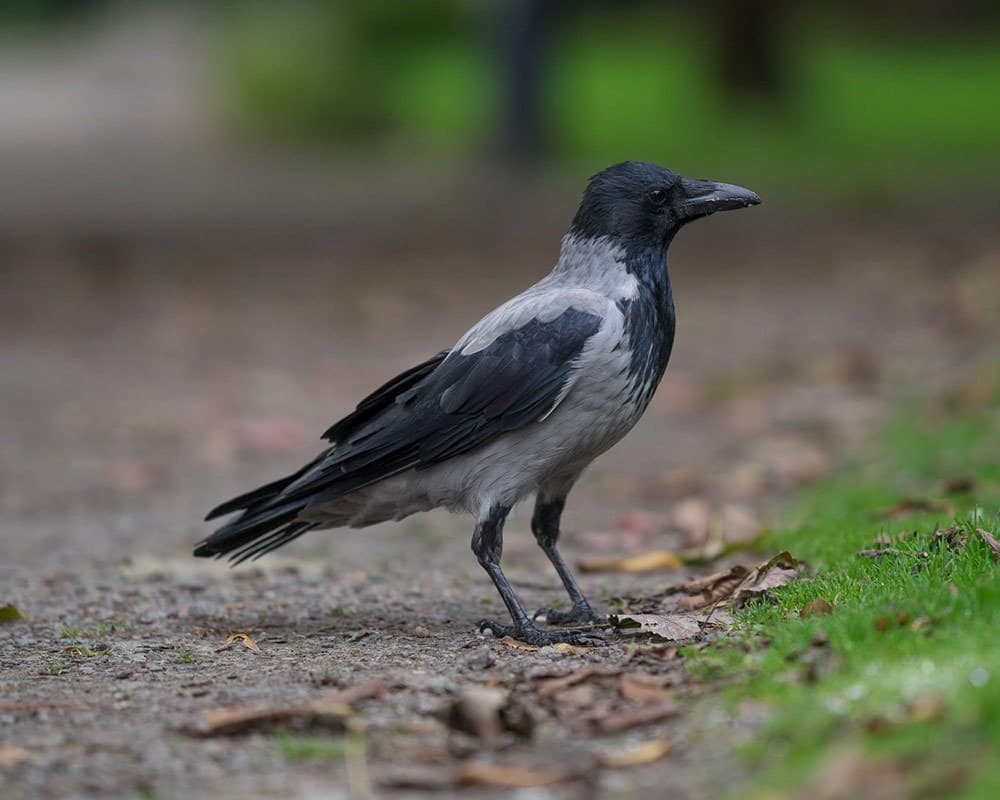
Hooded Crow
Corvus cornixLC
A rare passage visitor, occasionally turning up in December. Cumbria lies near the hybrid zone with Carrion Crow.
Dec
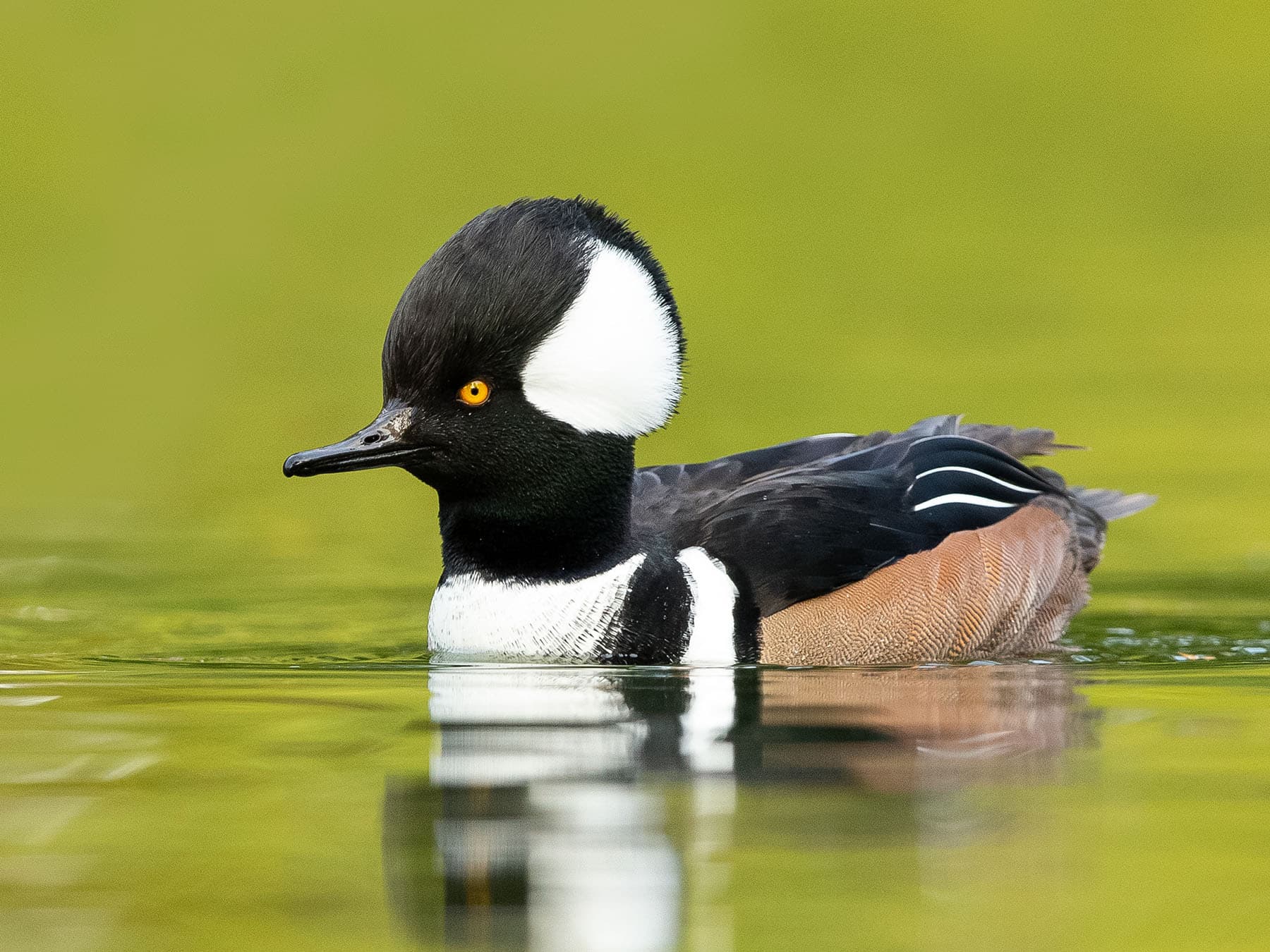
Hooded Merganser
Lophodytes cucullatusLC
A rare spring vagrant of uncertain origin, occasionally recorded on Cumbrian lakes in April and May.
Apr–May
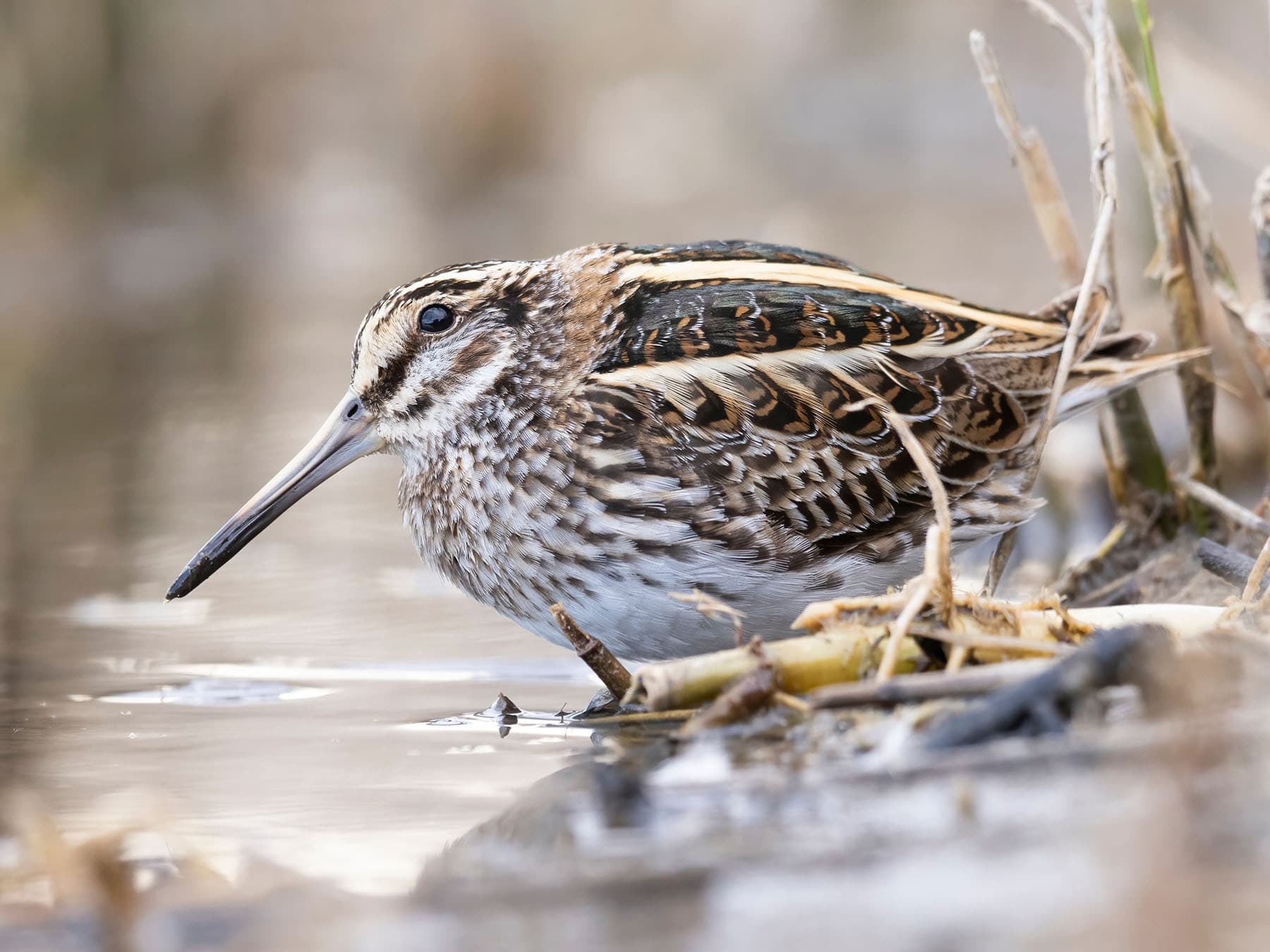
Jack Snipe
Lymnocryptes minimusLC
A secretive winter visitor to boggy marshes and wet meadows, rarely seen due to its cryptic habits. Most records from November to January.
Nov–Jan
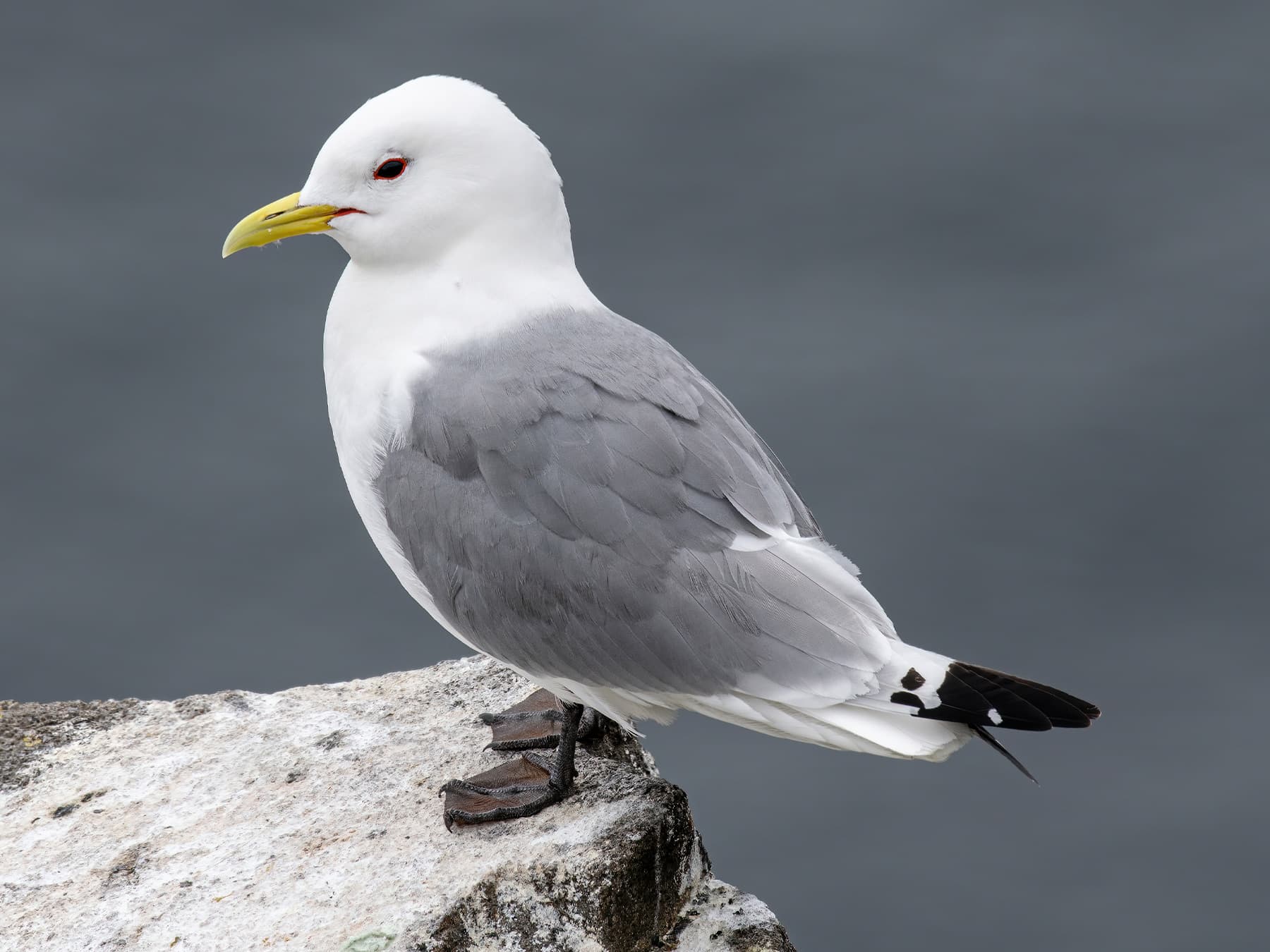
Kittiwake
Rissa tridactylaVU
Breeds in small numbers at St Bees Head cliffs from spring through autumn. This declining seabird is a prized sight along Cumbria's coast.
Mar–Nov
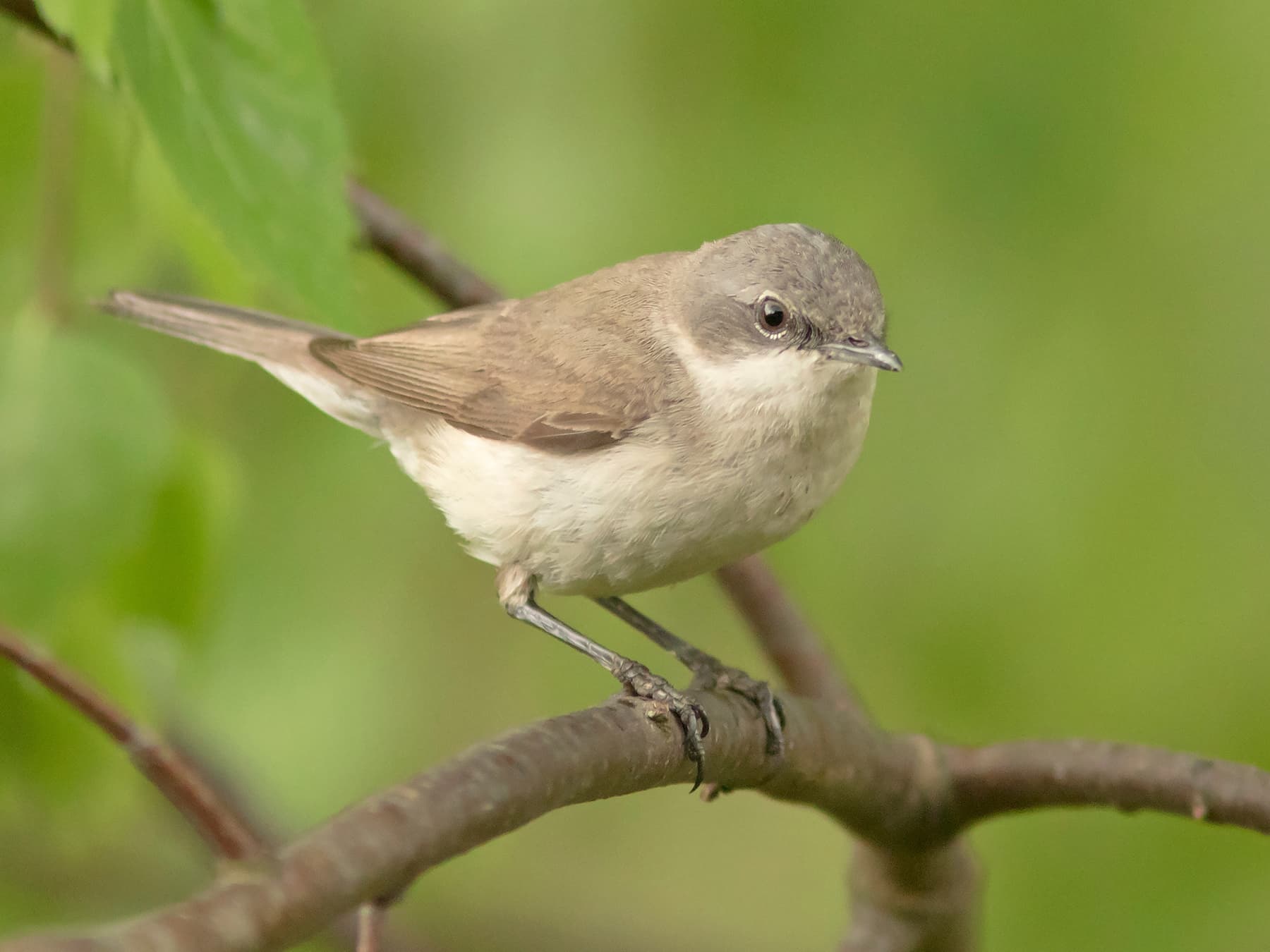
Lesser Whitethroat
Curruca currucaLC
A rare breeding visitor from April to August, found in tall hedgerows and scrubby areas in lowland Cumbria.
Apr–Aug
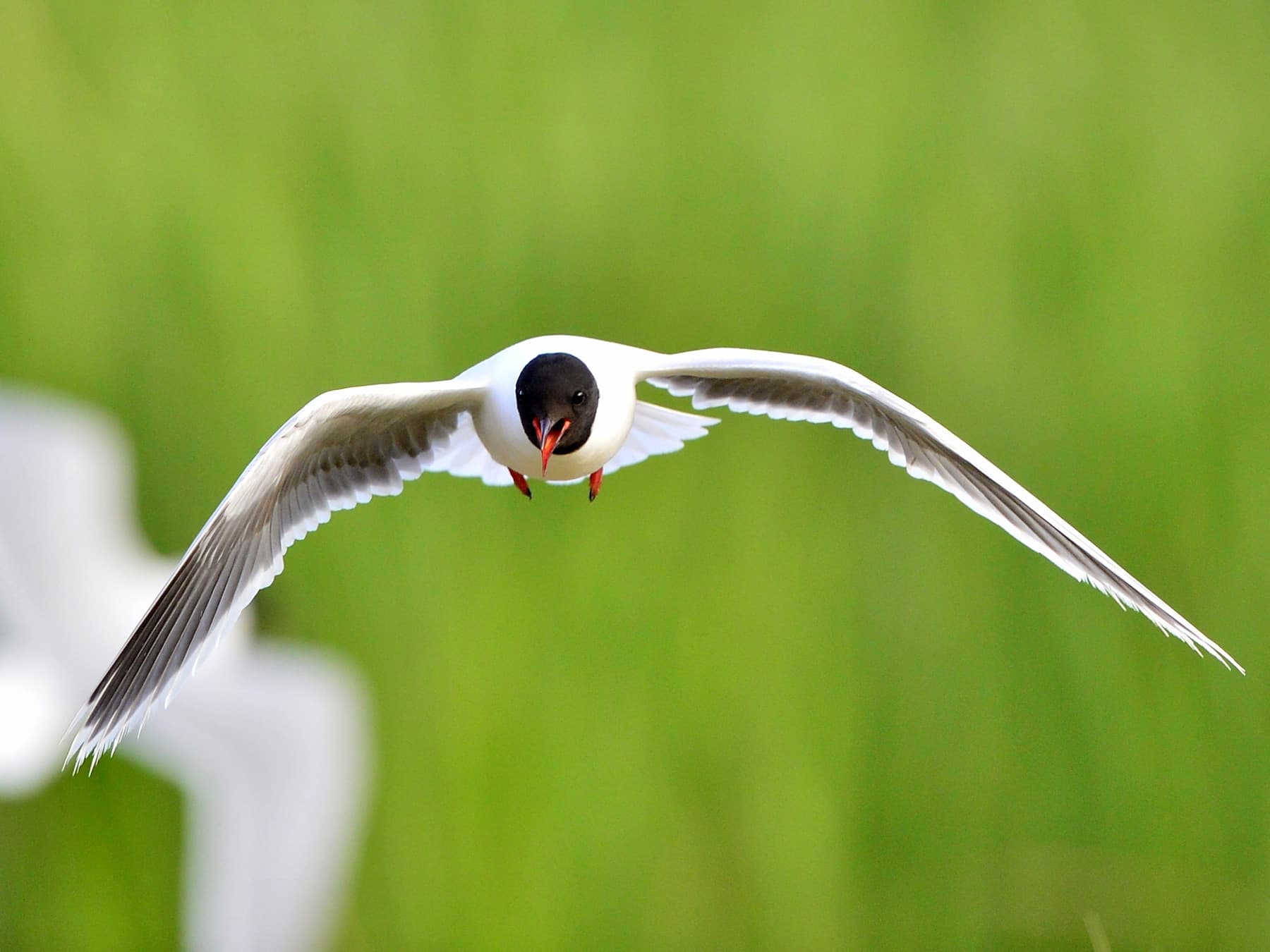
Little Gull
Hydrocoloeus minutusLC
A rare passage visitor in May, occasionally spotted at coastal estuaries and inland lakes during spring migration.
May