Rare Birds in Cumbria
86 species matching this filter.
Cumbria's diverse landscapes—from the rugged Lake District fells and ancient woodlands to the expansive Solway Firth and Morecambe Bay estuaries—provide habitat for an impressive variety of rare bird species. With 83 species classified as rare across the county, patient birdwatchers may encounter elusive gems such as Black Grouse on upland moorland edges, Barn Owls quartering lowland farmland at dusk, or Arctic Jaegers passing through coastal waters during autumn migration. The county's mosaic of habitats, including reedbeds, coastal cliffs, and remote fell country, makes it a rewarding destination for those seeking Britain's harder-to-find birds.


Showing 1–23 of 86 species
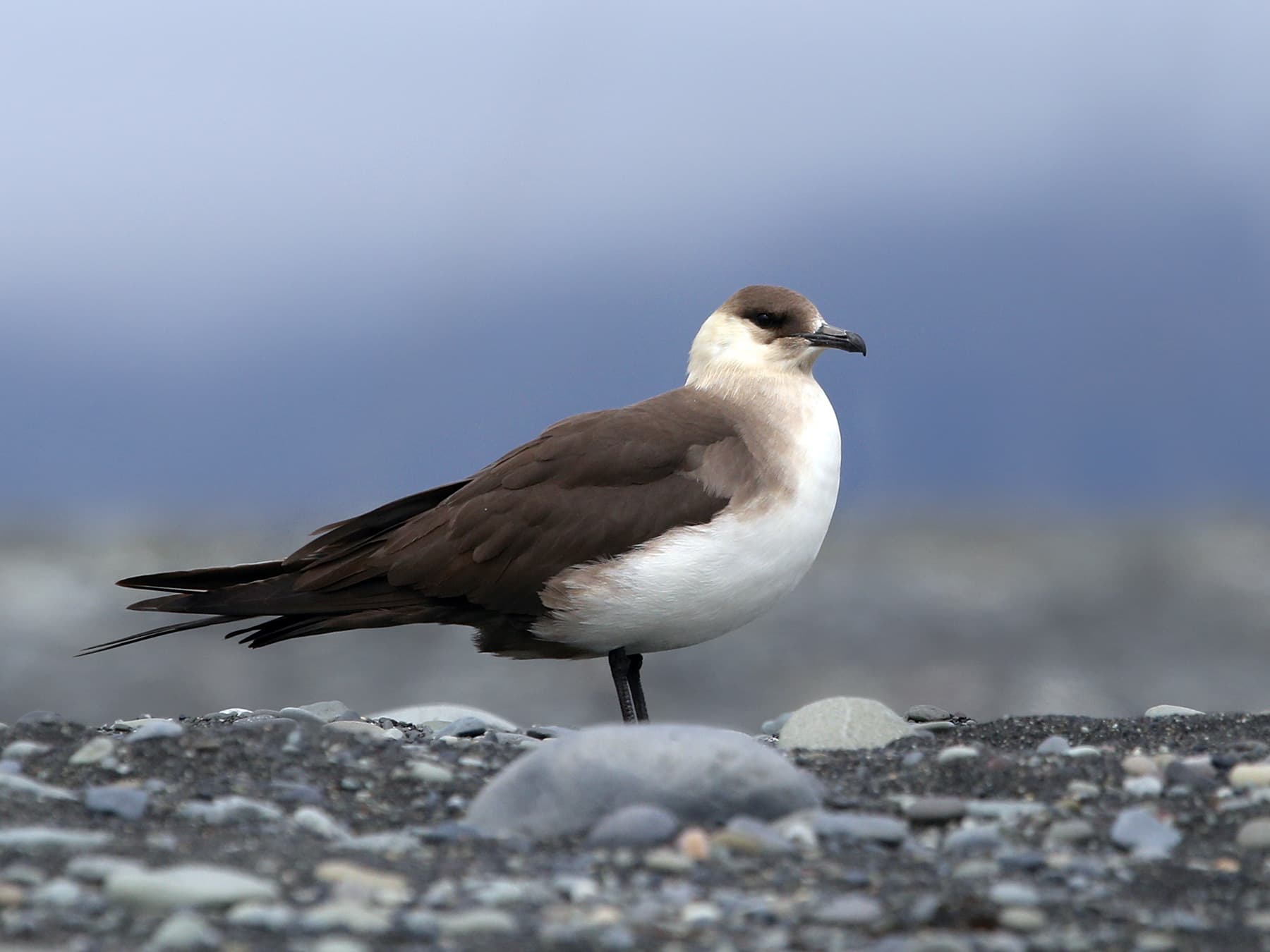
Arctic Jaeger
Stercorarius parasiticusLC
A rare spring passage migrant seen offshore from Cumbria's coast, often harassing terns and gulls as it heads north to breed.
May
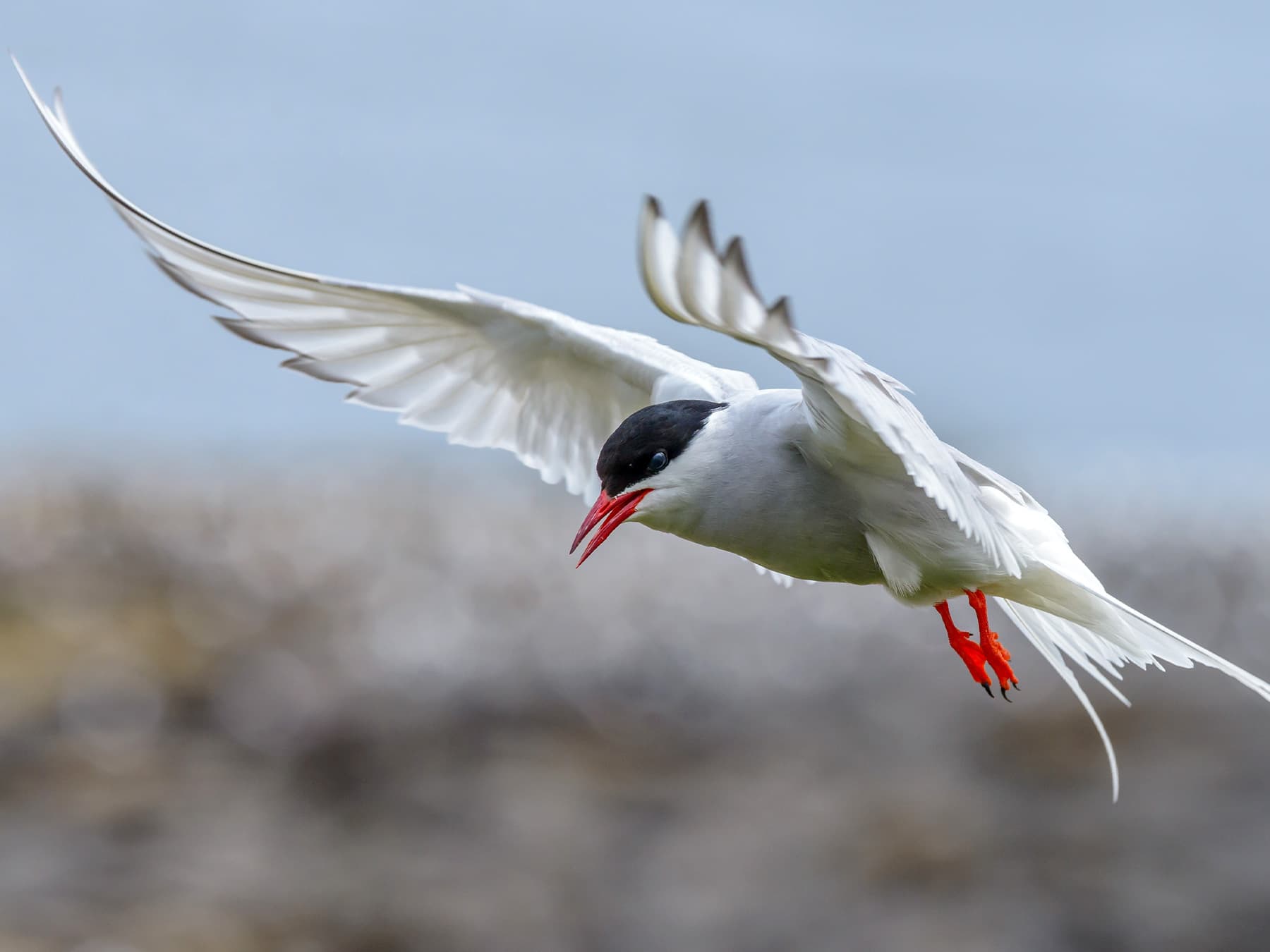
Arctic Tern
Sterna paradisaeaLC
A rare summer breeder from May to July, nesting at a few coastal and island sites. Elegant in flight with deeply forked tail.
May–Jul
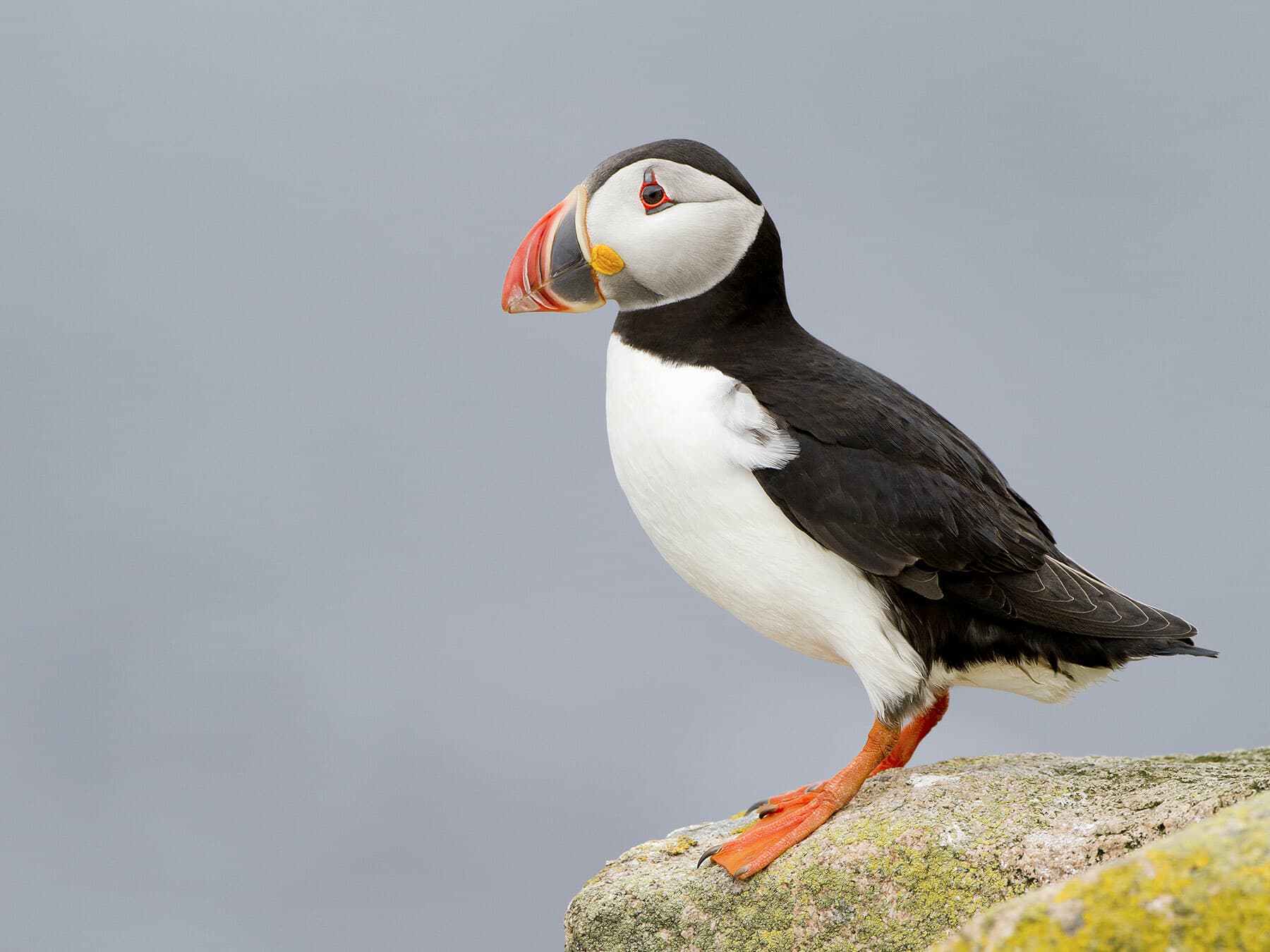
Atlantic Puffin
Fratercula arcticaVU
A rare passage visitor seen offshore in summer, occasionally close to the coast at St Bees Head. Does not breed in Cumbria.
Jun–Jul
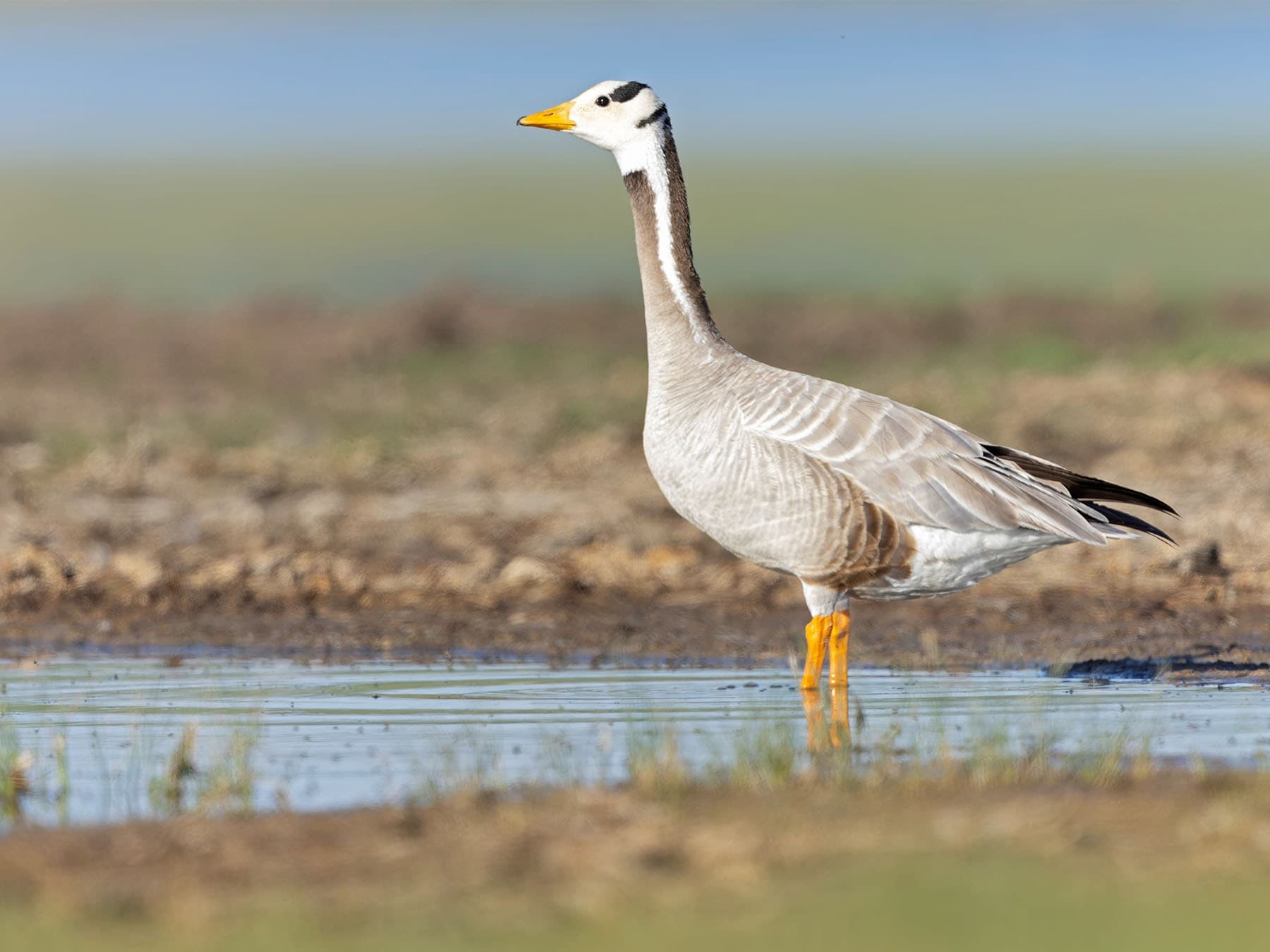
Bar-headed Goose
Anser indicusLC
A rare summer visitor, likely an escapee from wildfowl collections. Occasionally seen on lakes and wetlands in June and July.
Jun–Jul
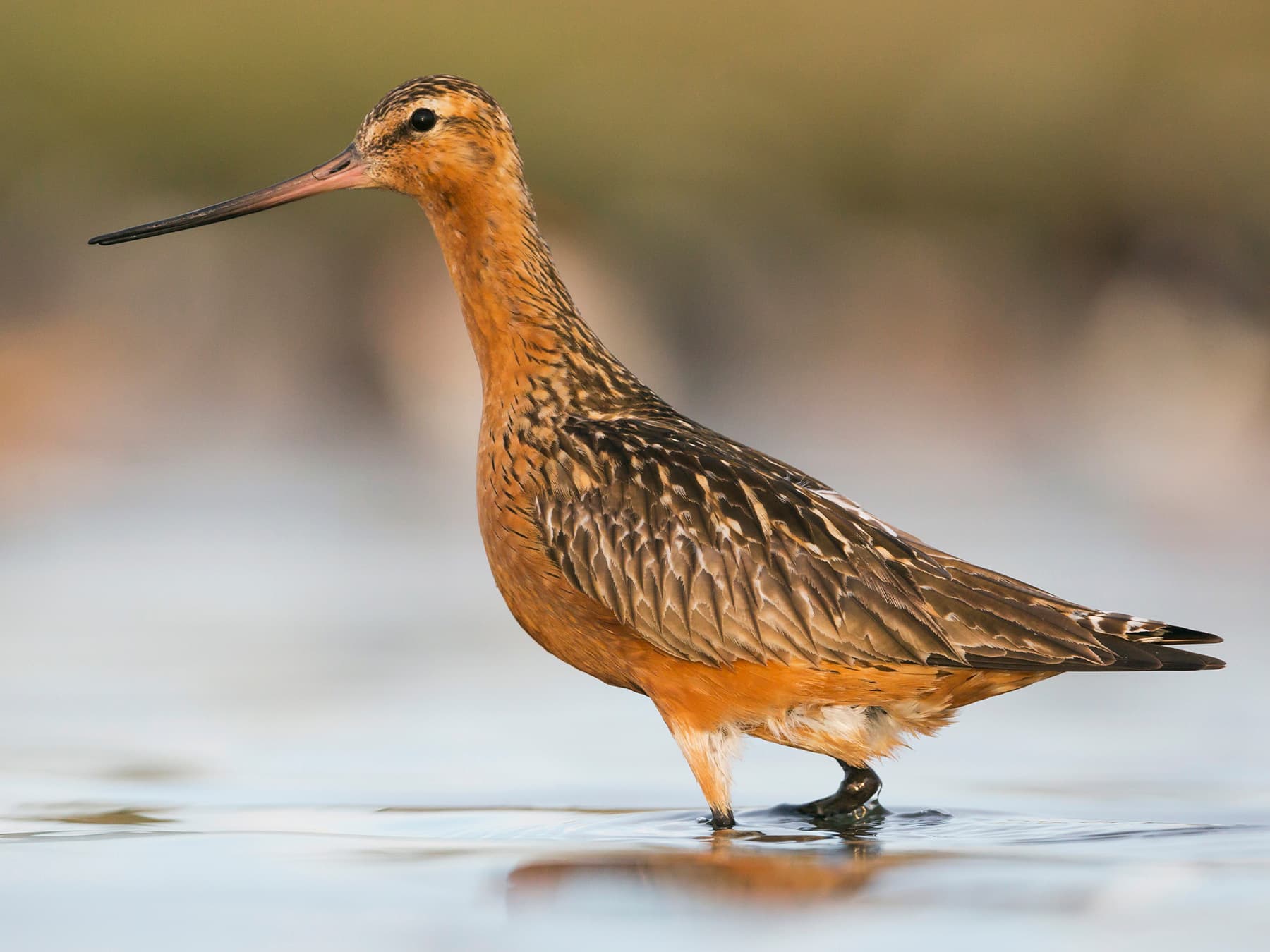
Bar-tailed Godwit
Limosa lapponicaNT
A rare but year-round visitor to Cumbria's estuaries, favouring the sandy shores and mudflats of Morecambe Bay and the Solway.
May–Mar
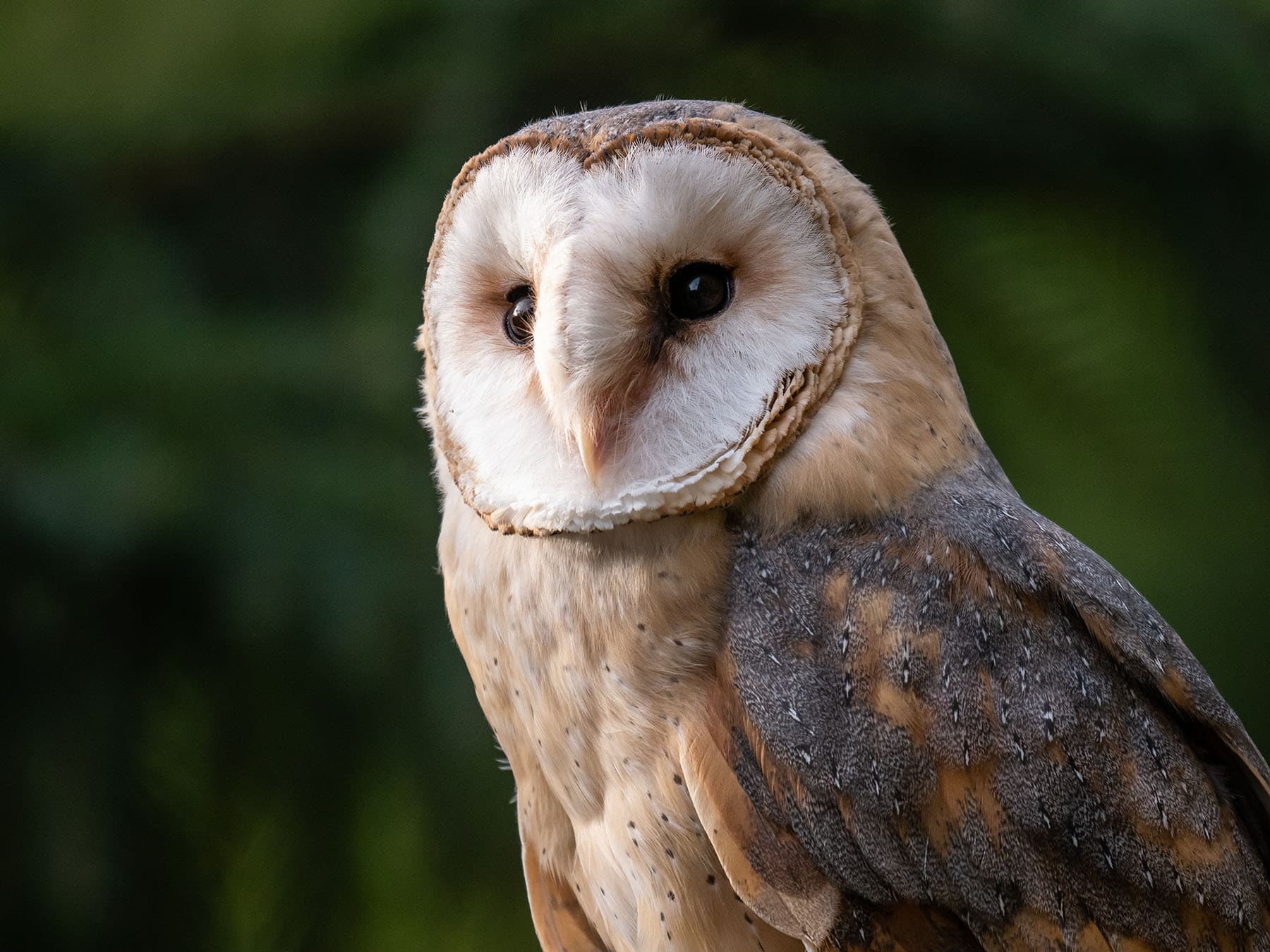
Barn Owl
Tyto albaLC
A rare but year-round resident of lowland farmland and field margins. Often glimpsed at dusk hunting along roadsides and over rough grassland.
Aug–Jun
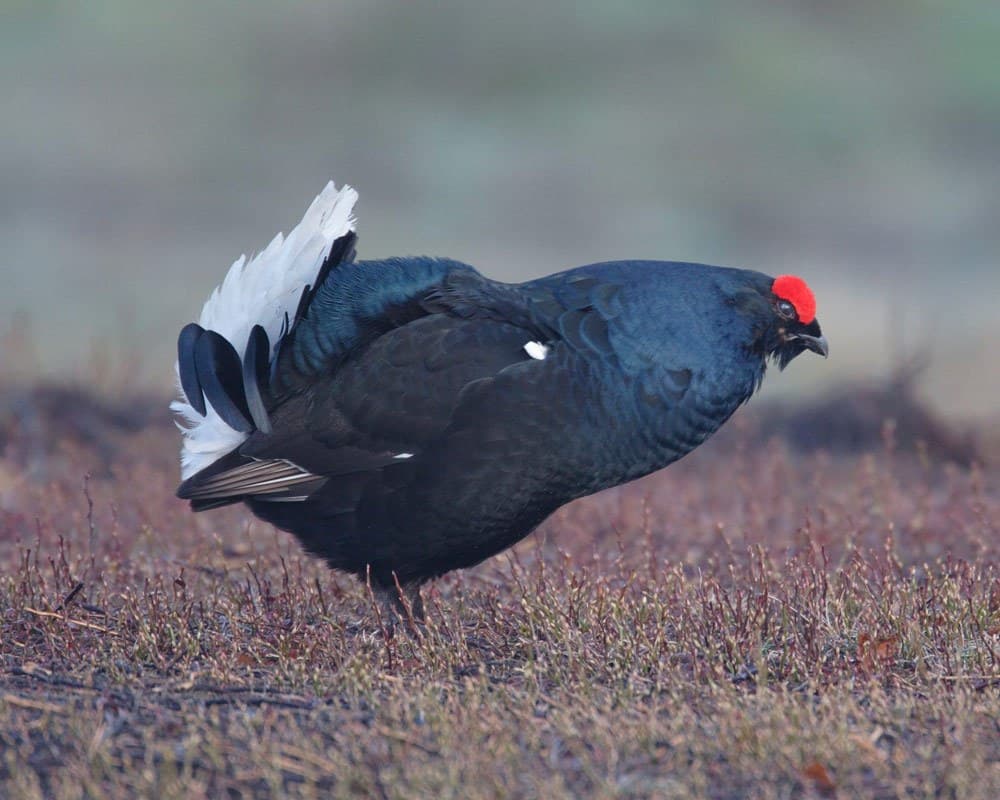
Black Grouse
Lyrurus tetrixLC
A rare spring visitor to moorland edges in the North Pennines fringe. Lekking males may be seen in April and May.
Apr–May
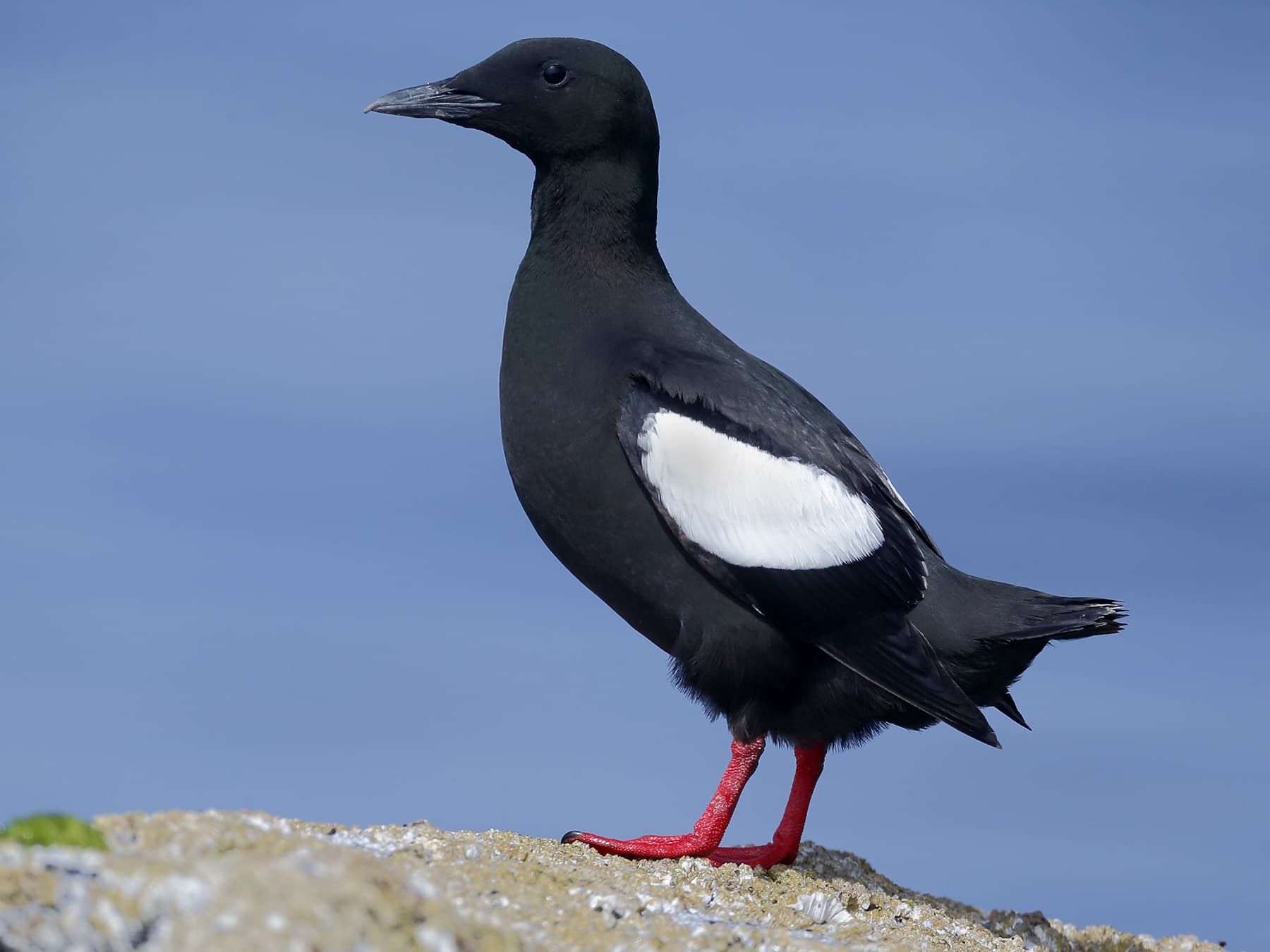
Black Guillemot
Cepphus grylleLC
A rare breeder on Cumbria's rocky coast, notably around St Bees Head. Distinctive red feet and white wing patches aid identification.
Apr–Jul
Spotted something?
Upload a photo to identify it
Identify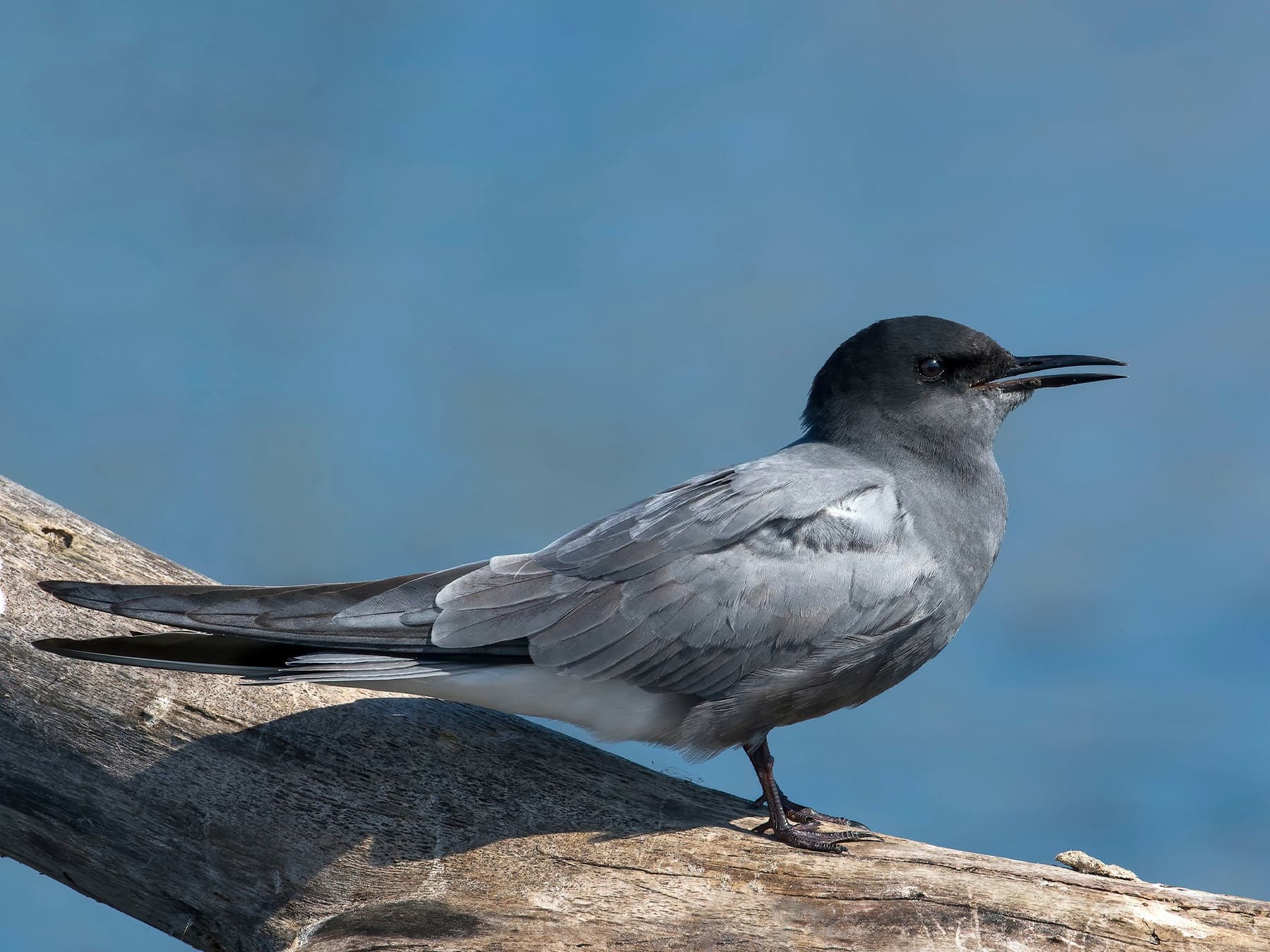
Black Tern
Chlidonias nigerLC
A rare autumn passage migrant, occasionally seen in September at coastal pools and inland lakes during southward migration.
Sep
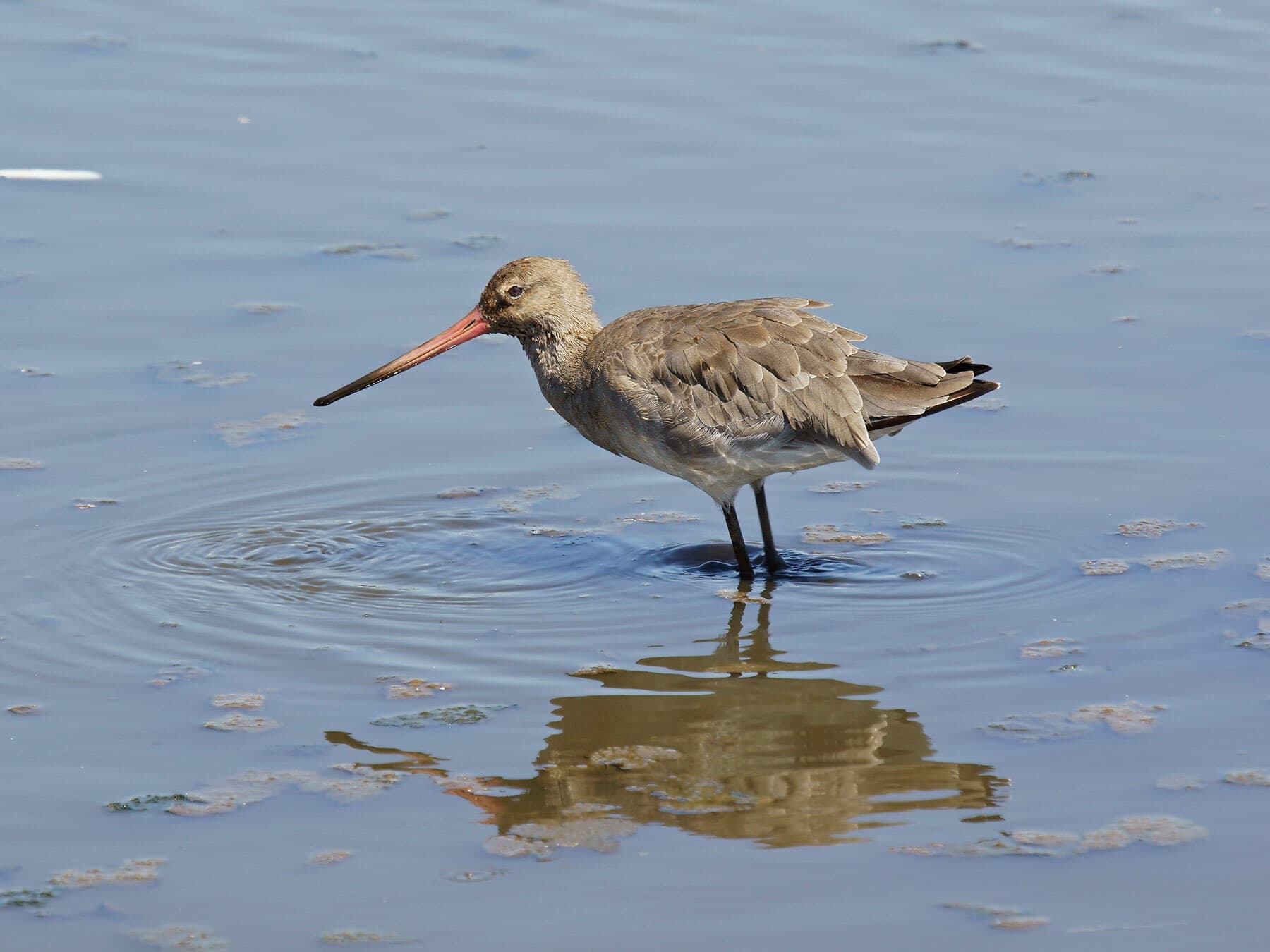
Black-tailed Godwit
Limosa limosaNT
Present year-round in small numbers on Cumbrian estuaries and coastal wetlands. A declining species nationally, making local sightings notable.
Year-round
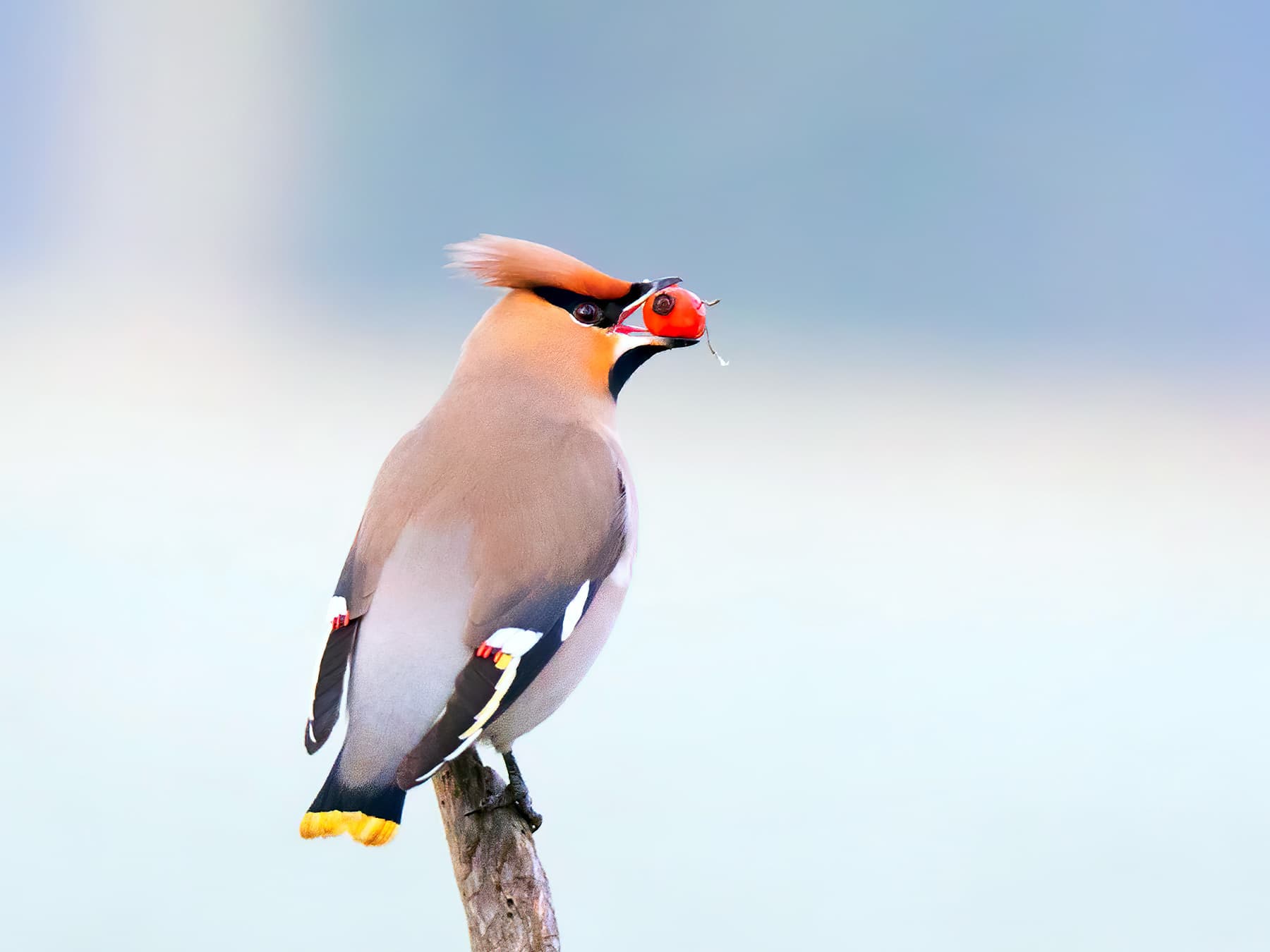
Bohemian Waxwing
Bombycilla garrulusLC
A rare and irruptive winter visitor, appearing in some years to feed on rowan and cotoneaster berries in Cumbrian towns.
Nov–Dec
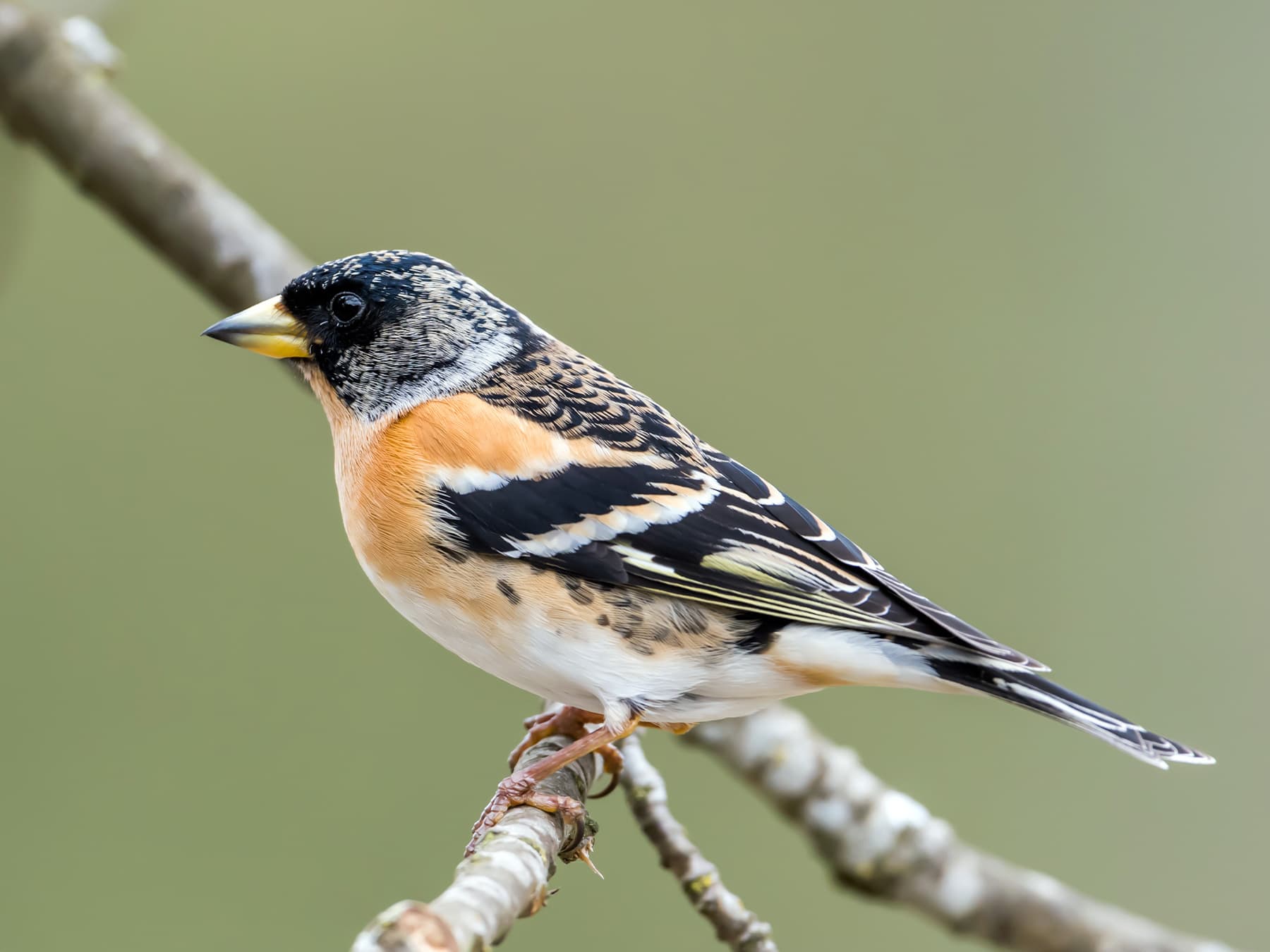
Brambling
Fringilla montifringillaLC
A scarce winter visitor from Scandinavia, occasionally joining Chaffinch flocks at beech mast sites in Cumbrian woodlands from October to April.
Oct–Apr
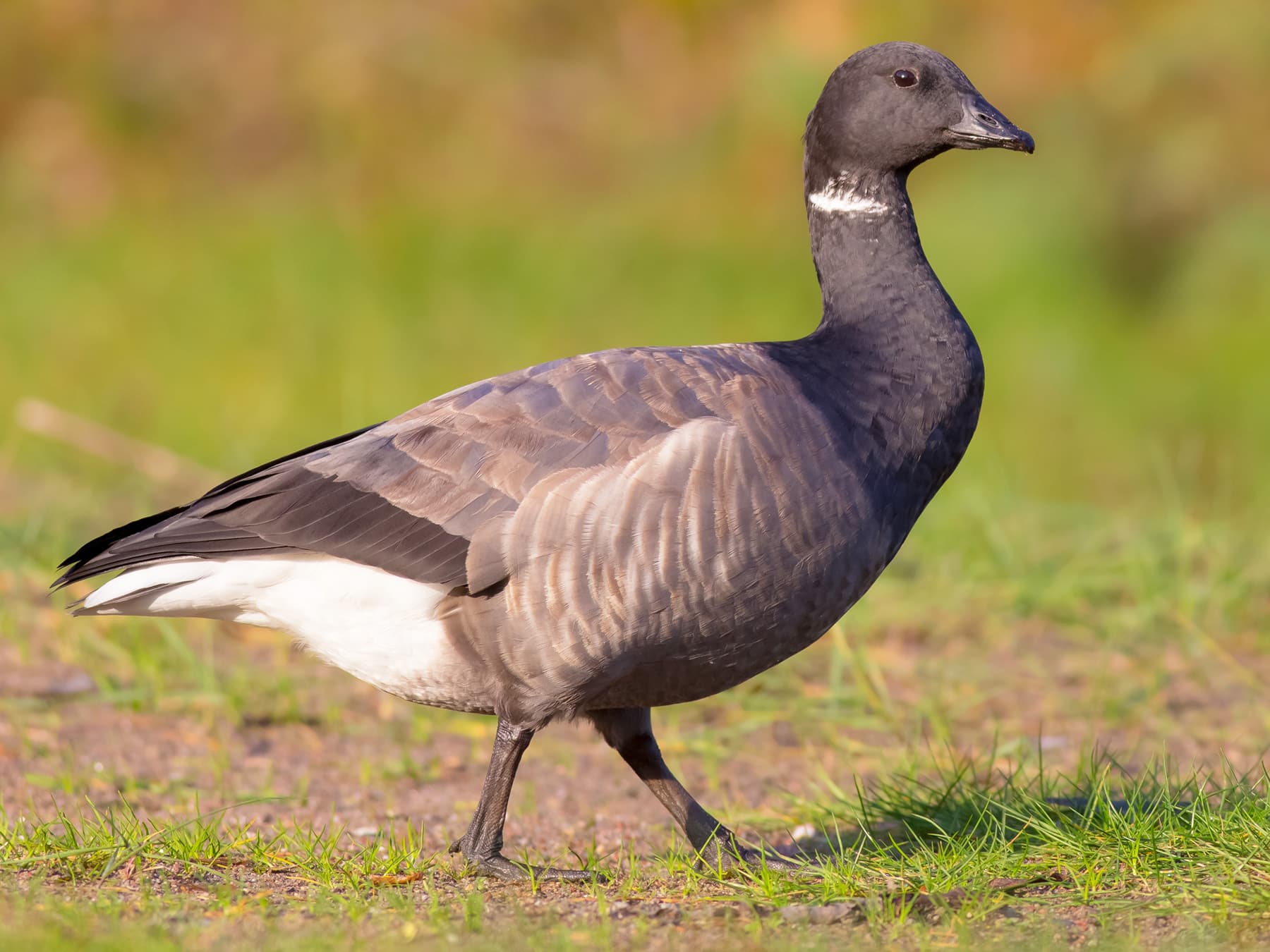
Brent Goose
Branta berniclaLC
A rare non-breeding visitor to Cumbrian estuaries, mainly around Morecambe Bay. Present from autumn through to spring.
Sep–Apr
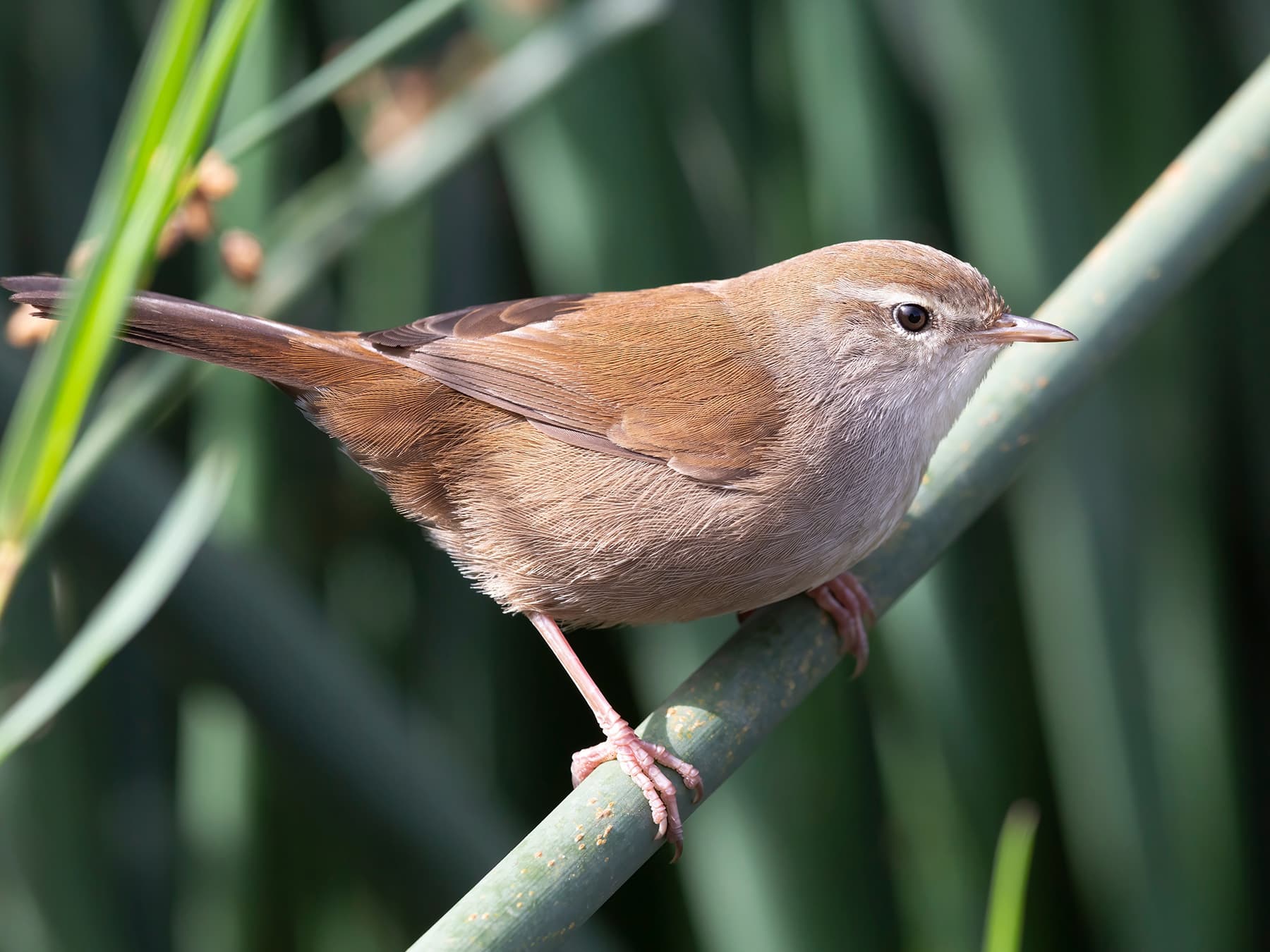
Cetti's Warbler
Cettia cettiLC
A rare but expanding resident, its explosive song occasionally heard from dense wetland scrub at scattered Cumbrian sites.
Aug–Jun
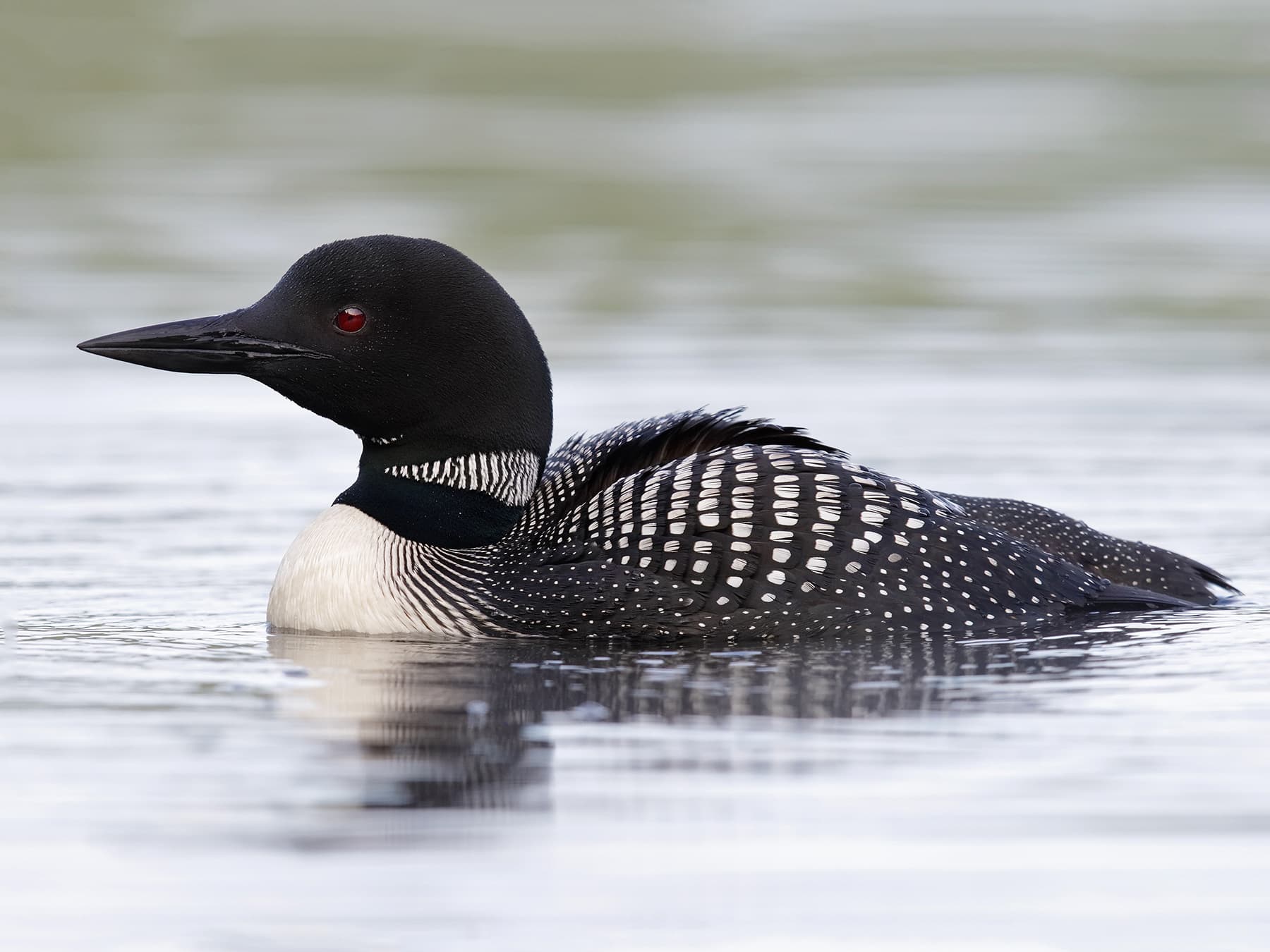
Common Loon
Gavia immerLC
A rare non-breeding winter visitor, occasionally seen on larger lakes and coastal waters from November to January.
Nov–Jan
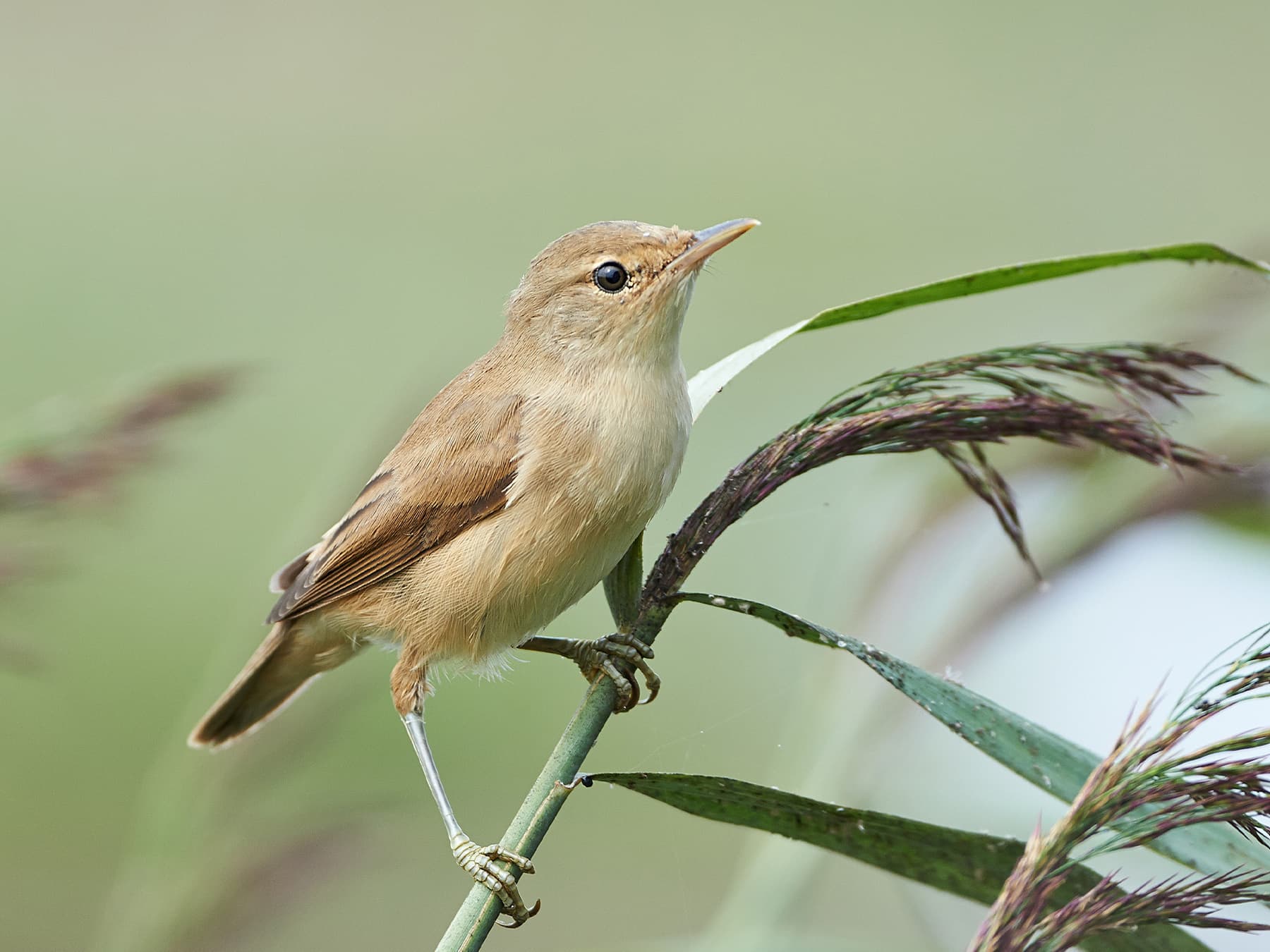
Common Reed-warbler
Acrocephalus scirpaceusLC
A rare breeding visitor from April to September, found in small numbers in reedbeds at the edge of its northern range.
Apr–Sep
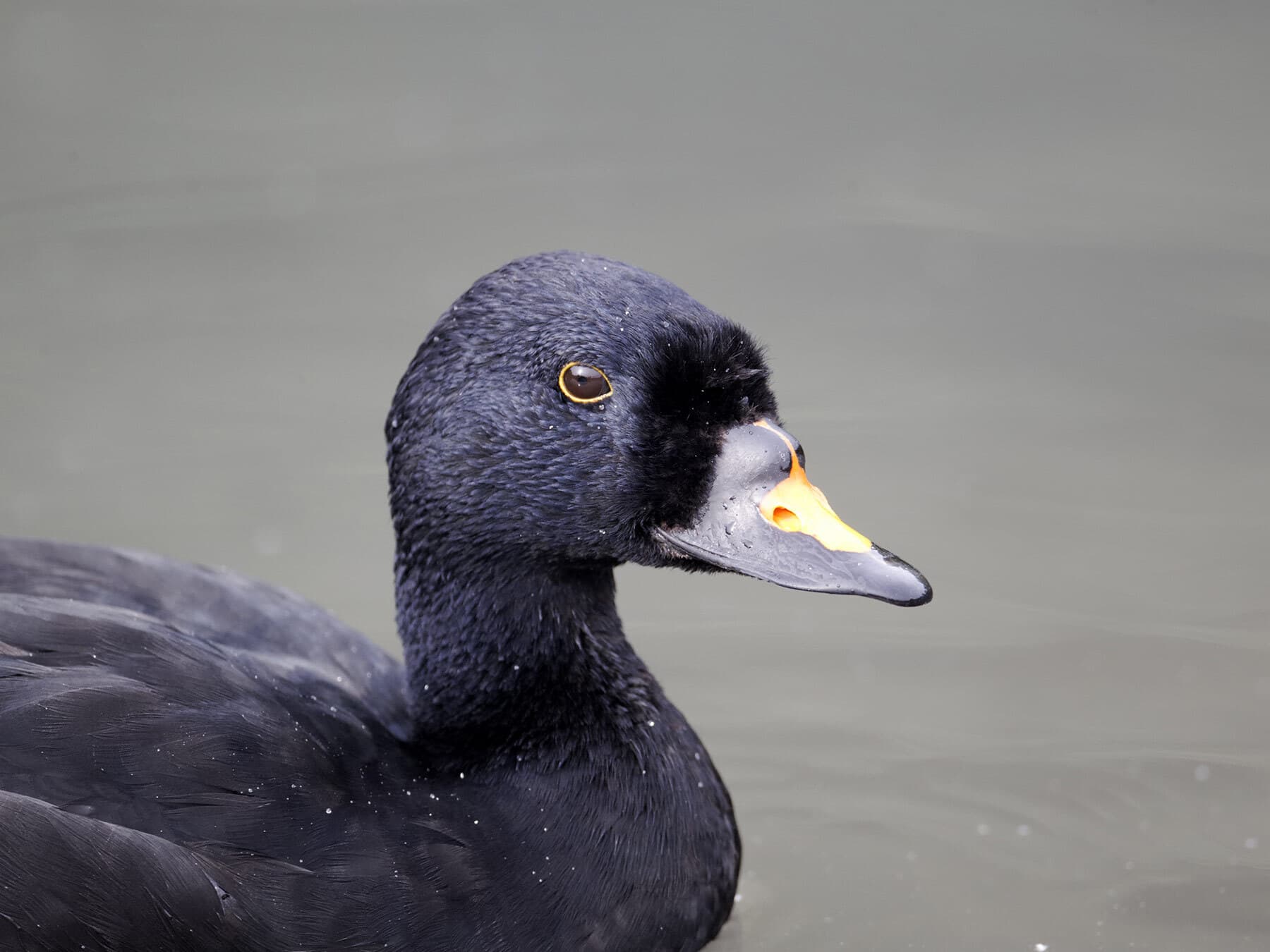
Common Scoter
Melanitta nigraLC
A rare resident seen in small numbers offshore, often in rafts on the Irish Sea off the Cumbrian coast.
Year-round
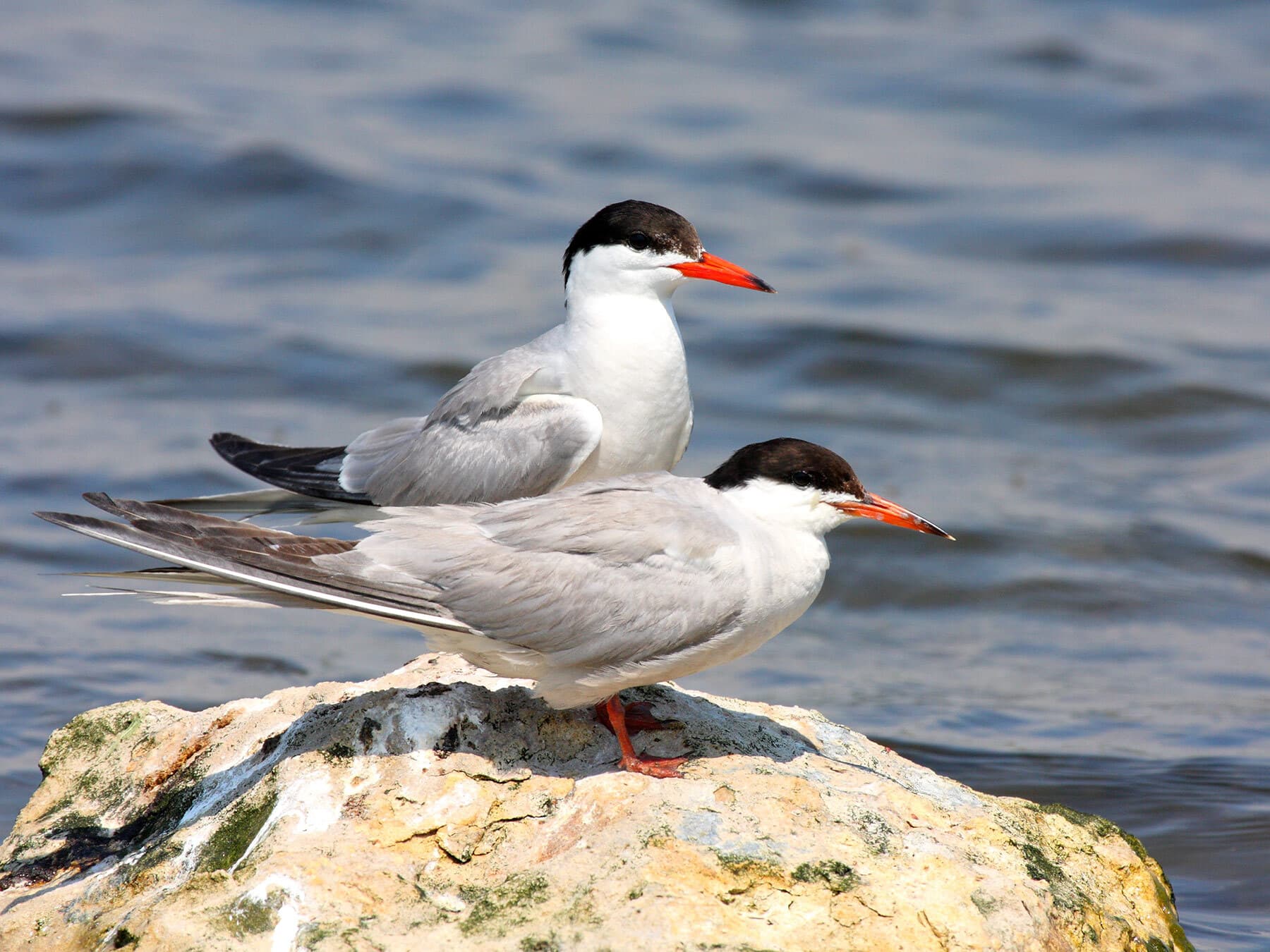
Common Tern
Sterna hirundoLC
A rare breeding visitor from May to August, found at gravel pits, lakes, and coastal sites. Plunge-dives for fish in shallow waters.
May–Aug
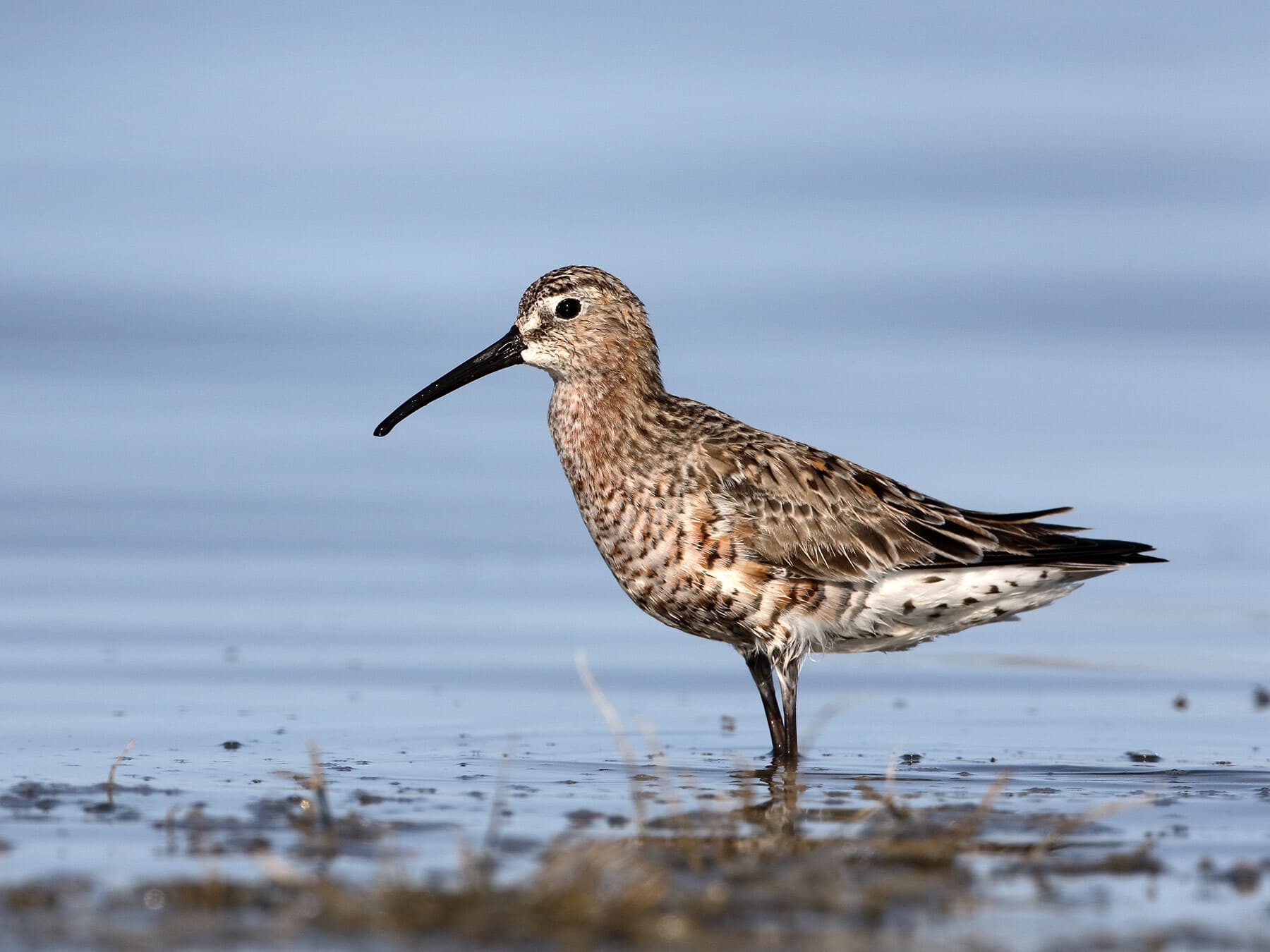
Curlew Sandpiper
Calidris ferrugineaNT
A scarce autumn passage migrant, briefly visiting coastal mudflats and estuarine margins in September.
Sep
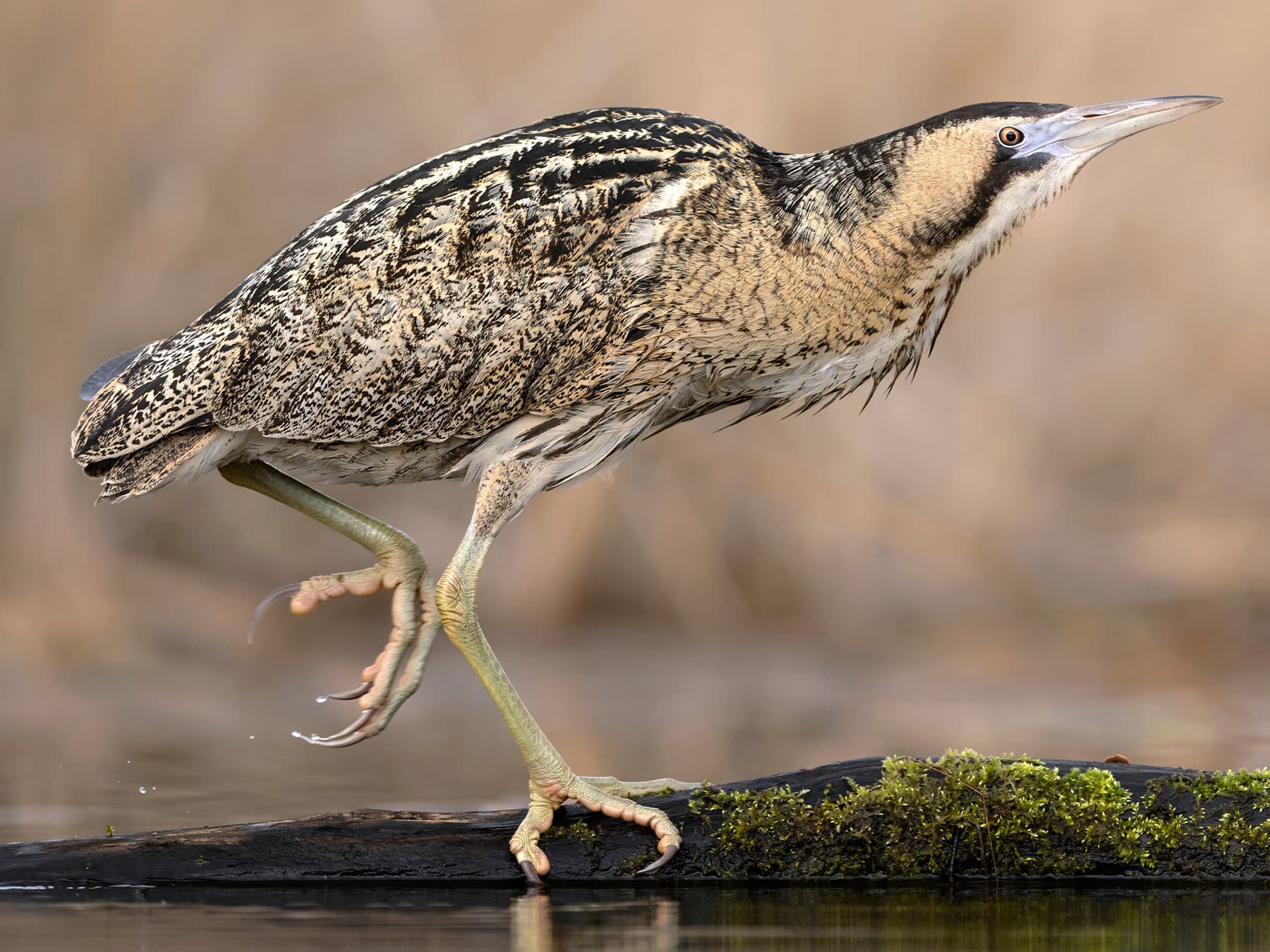
Eurasian Bittern
Botaurus stellarisLC
A rare passage visitor in March, occasionally flushed from reedbeds around Morecambe Bay and lowland wetlands. Secretive and far more often heard than seen.
Mar
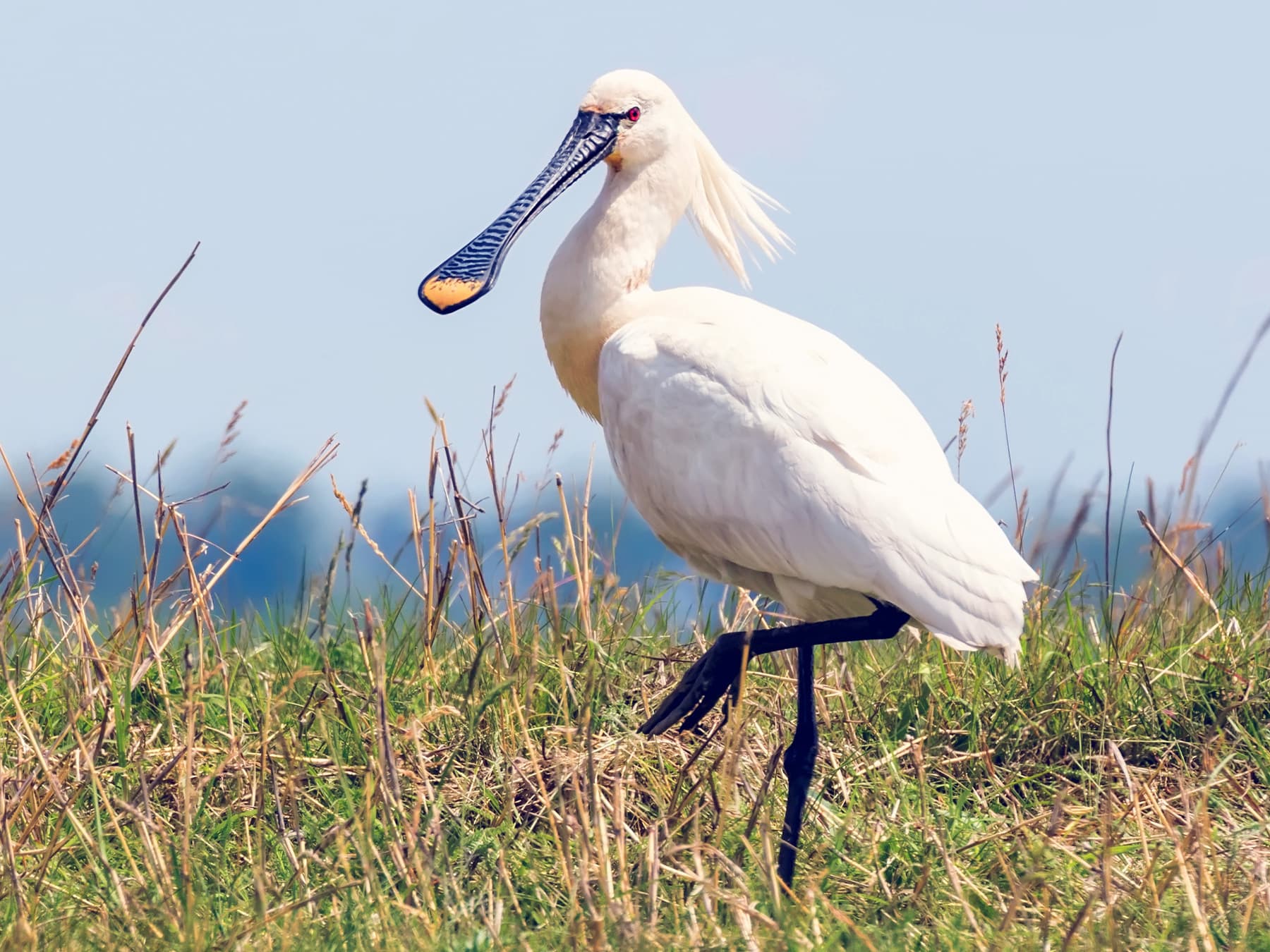
Eurasian Spoonbill
Platalea leucorodiaLC
A rare passage visitor recorded in winter and summer months at estuaries and wetlands. Increasingly seen in England as the species expands north.
Jan–Jul
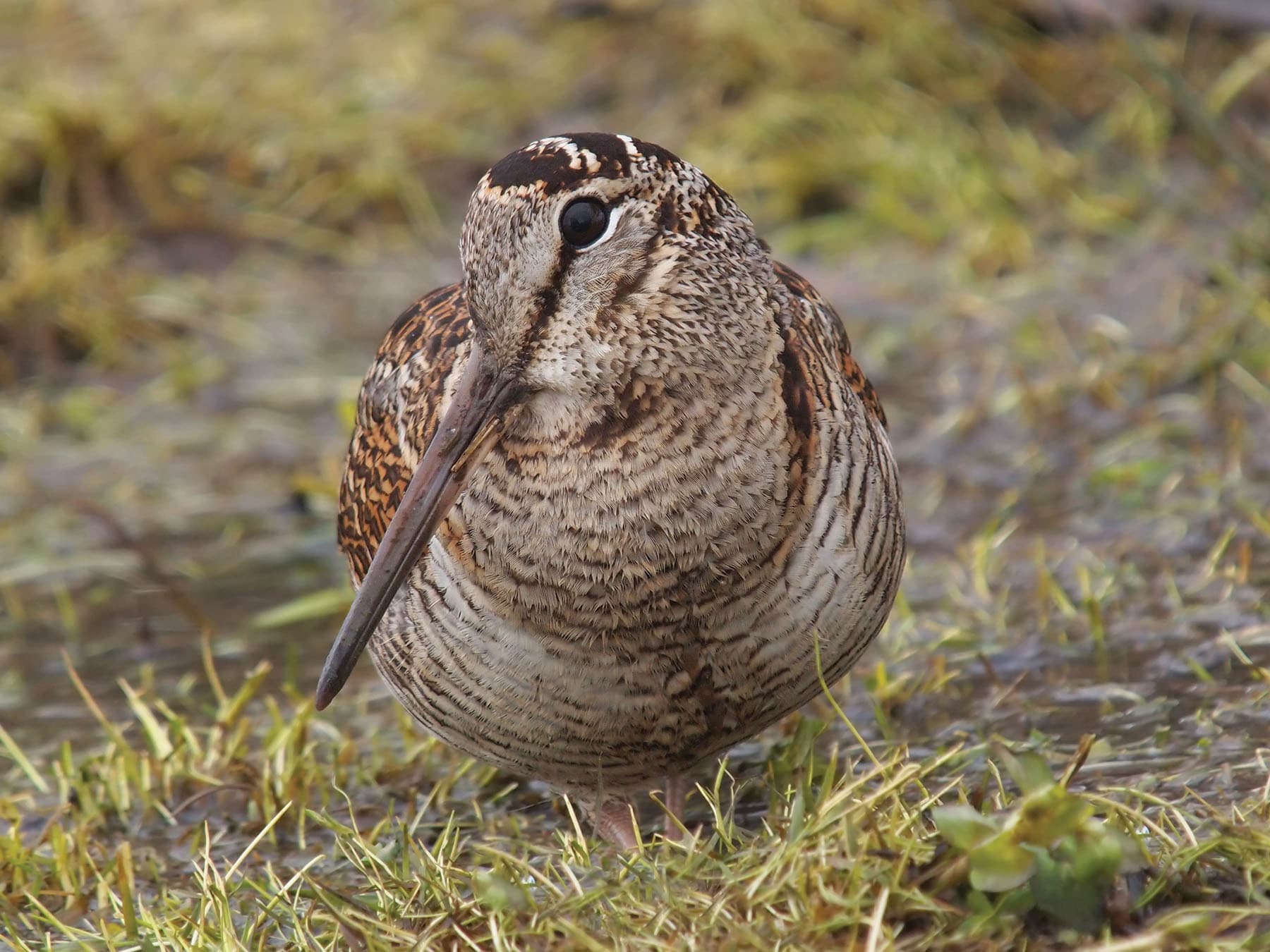
Eurasian Woodcock
Scolopax rusticolaLC
A rare non-breeding visitor to Cumbrian woodlands and damp fields in winter. Numbers bolstered by continental migrants during cold spells.
Nov–Mar
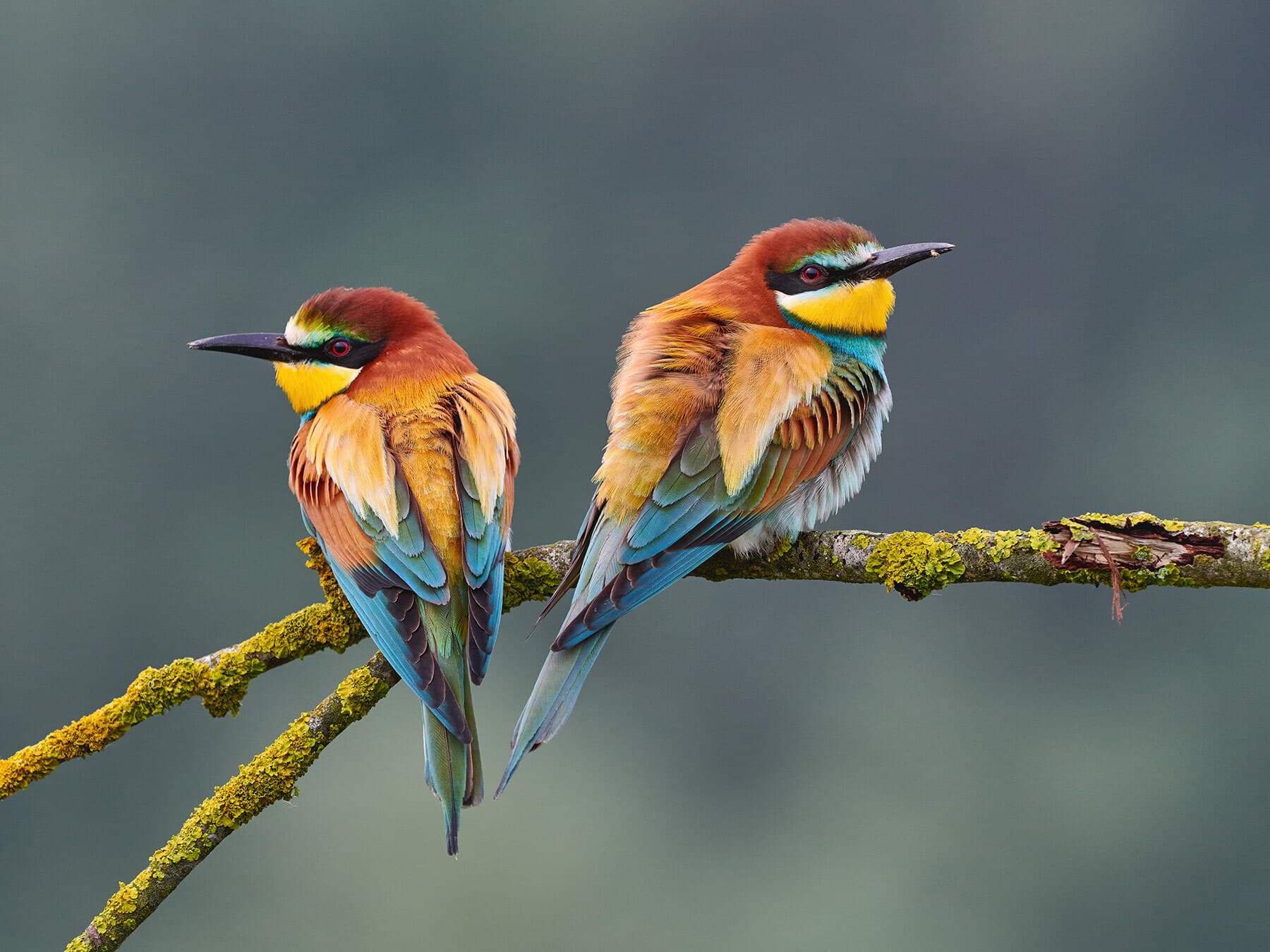
European Bee-eater
Merops apiasterLC
An exceptionally rare passage vagrant, with occasional August records. A dazzling southern European species that causes great excitement when it appears.
Aug