Uncommon Birds in United Kingdom
100 species matching this filter.
The United Kingdom is home to a fascinating array of uncommon bird species, with 96 recorded across its diverse landscapes. From the haunting call of the Barn Owl over farmland hedgerows to the striking Arctic Jaeger patrolling northern coastlines, these less frequently encountered species reward patient and dedicated birdwatchers. Habitats ranging from Scottish sea cliffs hosting Black Guillemots and Great Skuas to the heathlands favoured by the Eurasian Stone-curlew make the UK a remarkably varied birding destination.


Showing 70–92 of 100 species
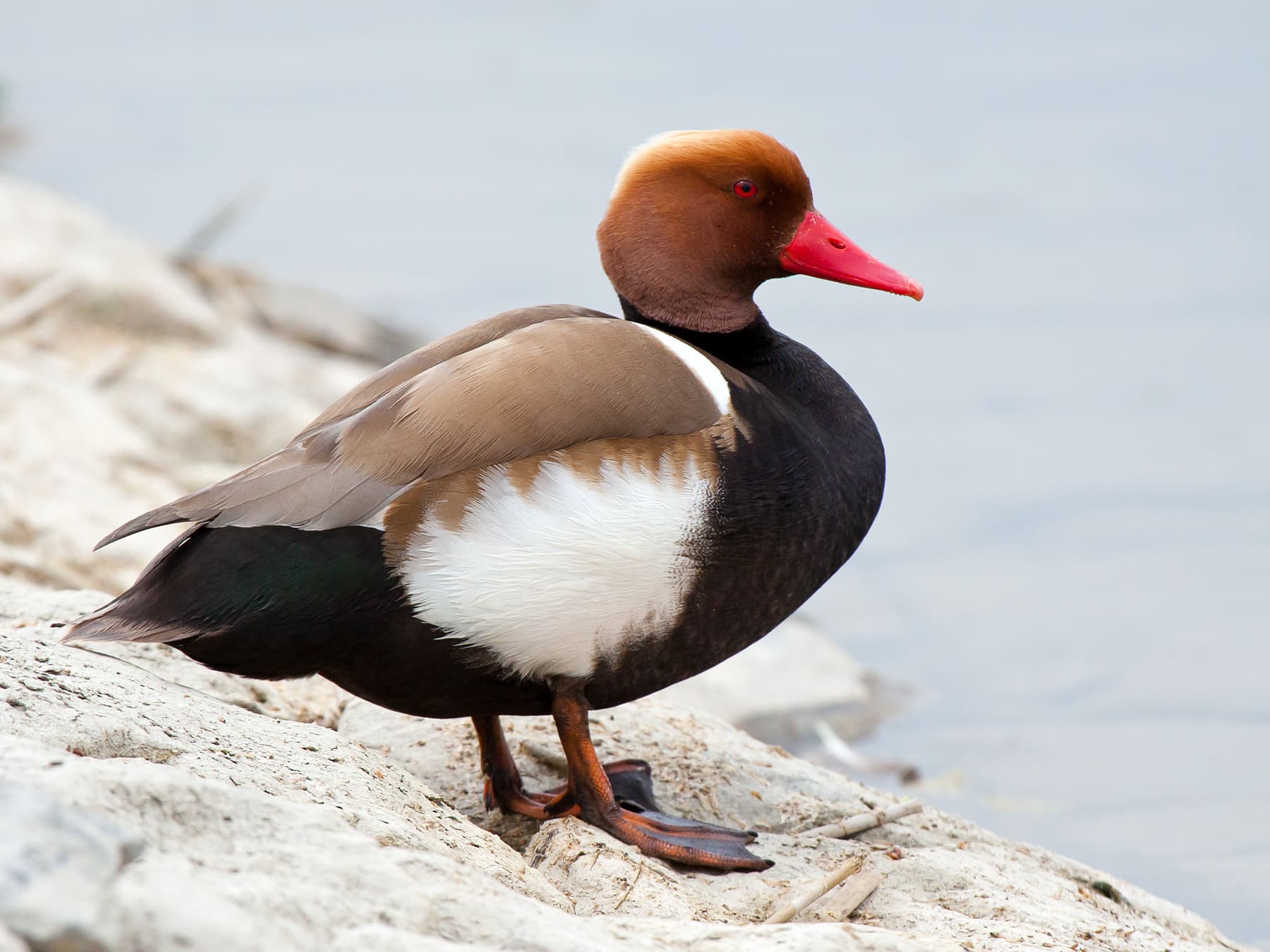
Red-crested Pochard
Netta rufinaLC
An uncommon resident, with a growing feral population centred on southern English gravel pits and reservoirs.
Year-round
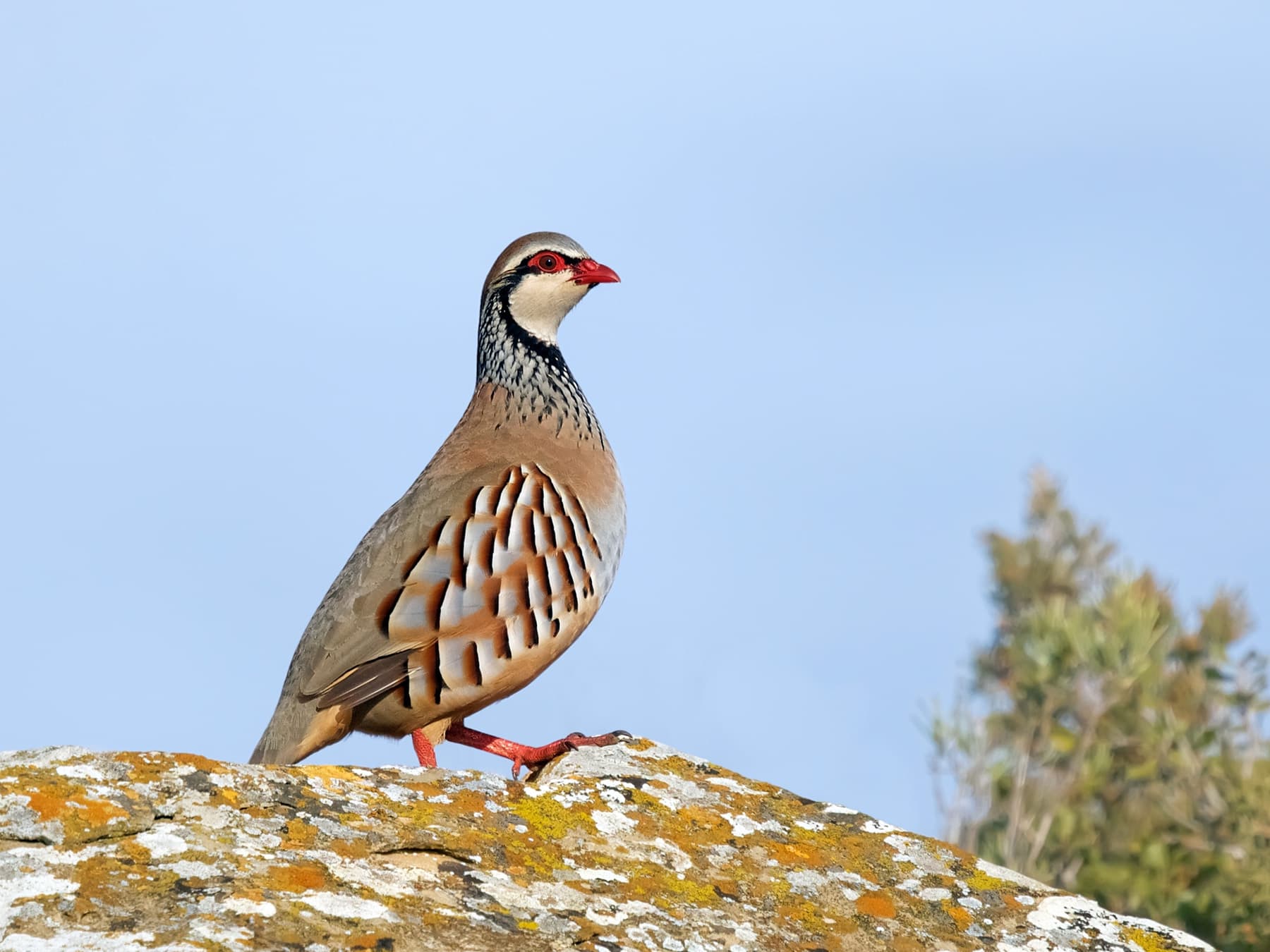
Red-legged Partridge
Alectoris rufaNT
An introduced resident most common on farmland in lowland England. Often seen in small coveys scurrying across arable fields.
Year-round
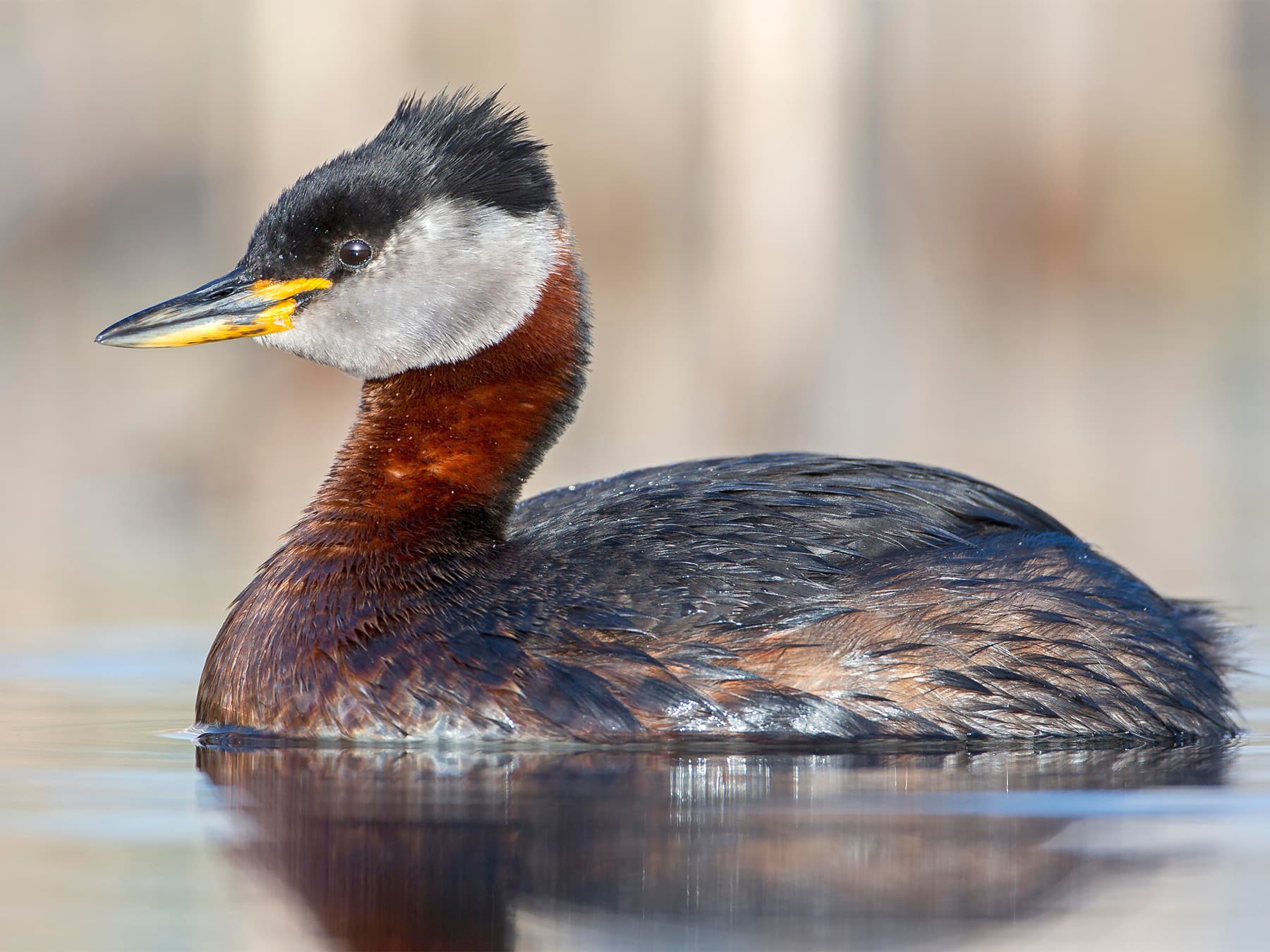
Red-necked Grebe
Podiceps grisegenaLC
An uncommon visitor, mainly seen in winter along east coast waters and estuaries. A very scarce breeder, with occasional nesting attempts in Scotland.
Jul–May
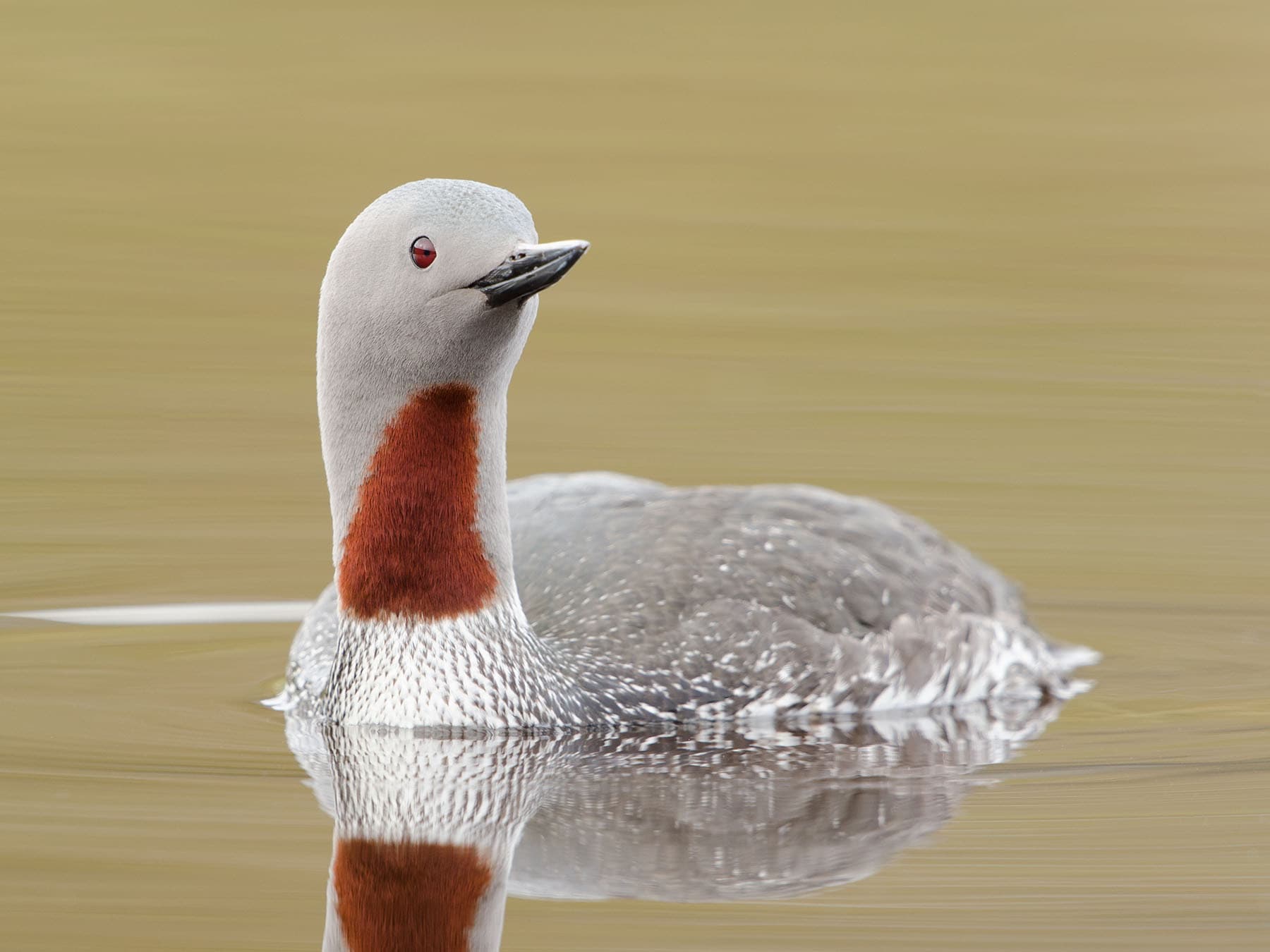
Red-throated Loon
Gavia stellataLC
Breeds on remote Scottish lochs in summer and winters around British coasts. Known locally as Red-throated Diver.
Year-round
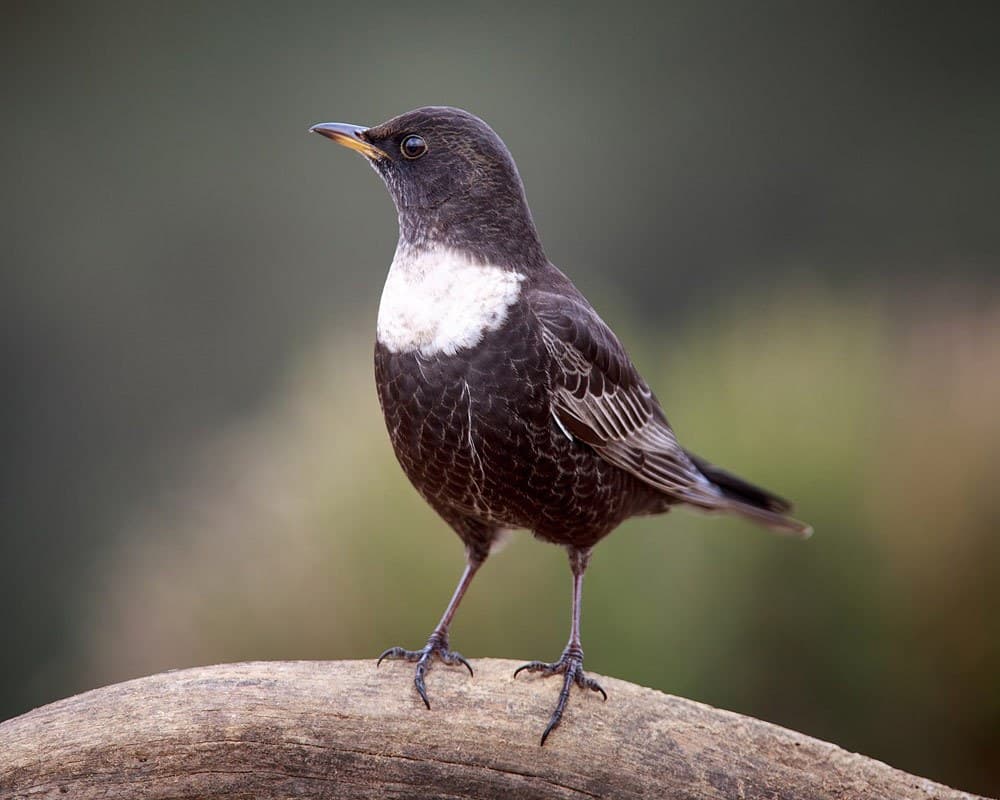
Ring Ouzel
Turdus torquatusLC
A summer visitor to upland moorlands and crags, arriving in April. Often called the 'mountain blackbird', it is declining as a UK breeder.
Apr–Nov
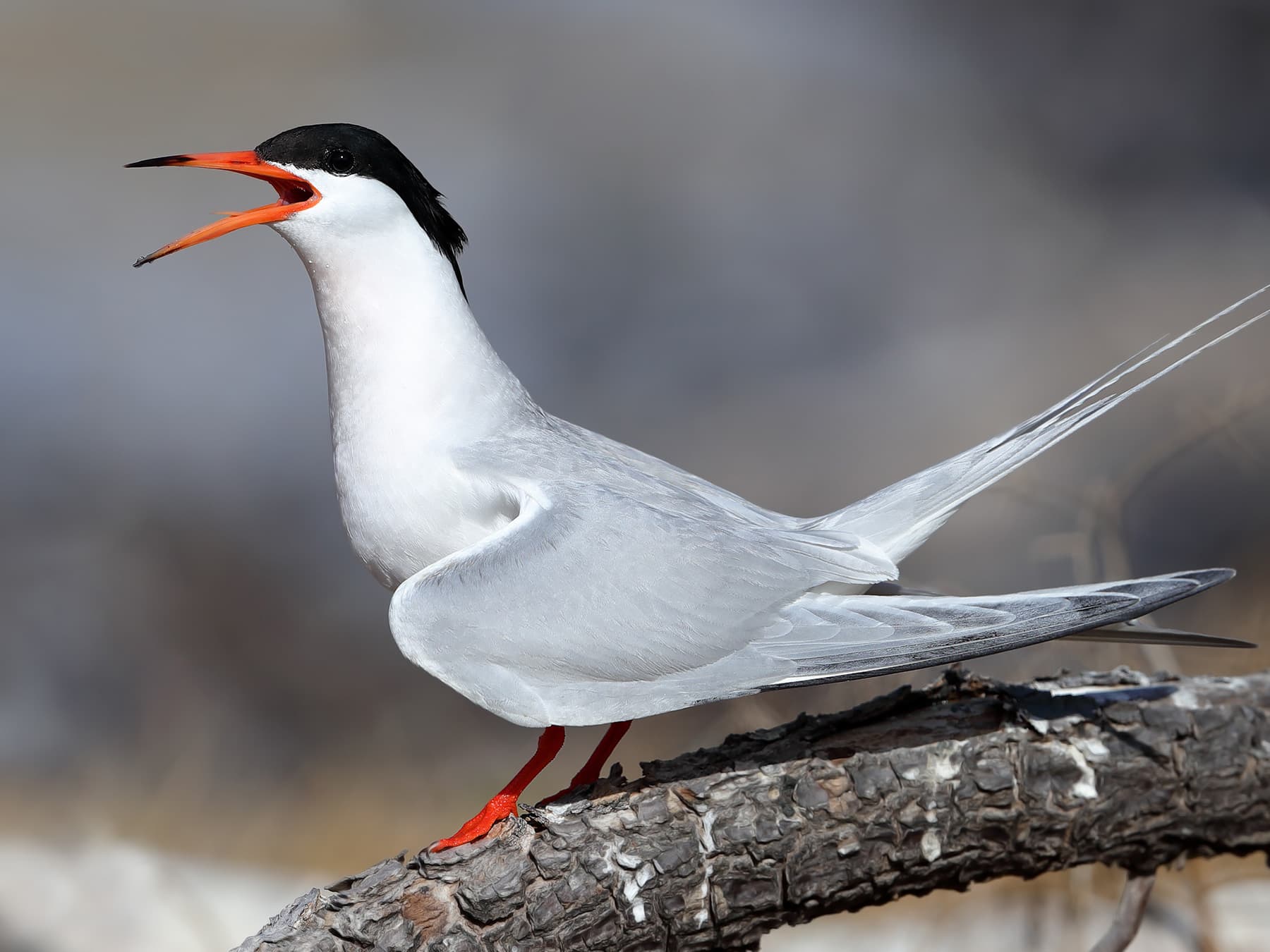
Roseate Tern
Sterna dougalliiLC
A rare breeding tern, arriving May–September at a handful of coastal colonies. Coquet Island in Northumberland is a key UK site.
May–Sep
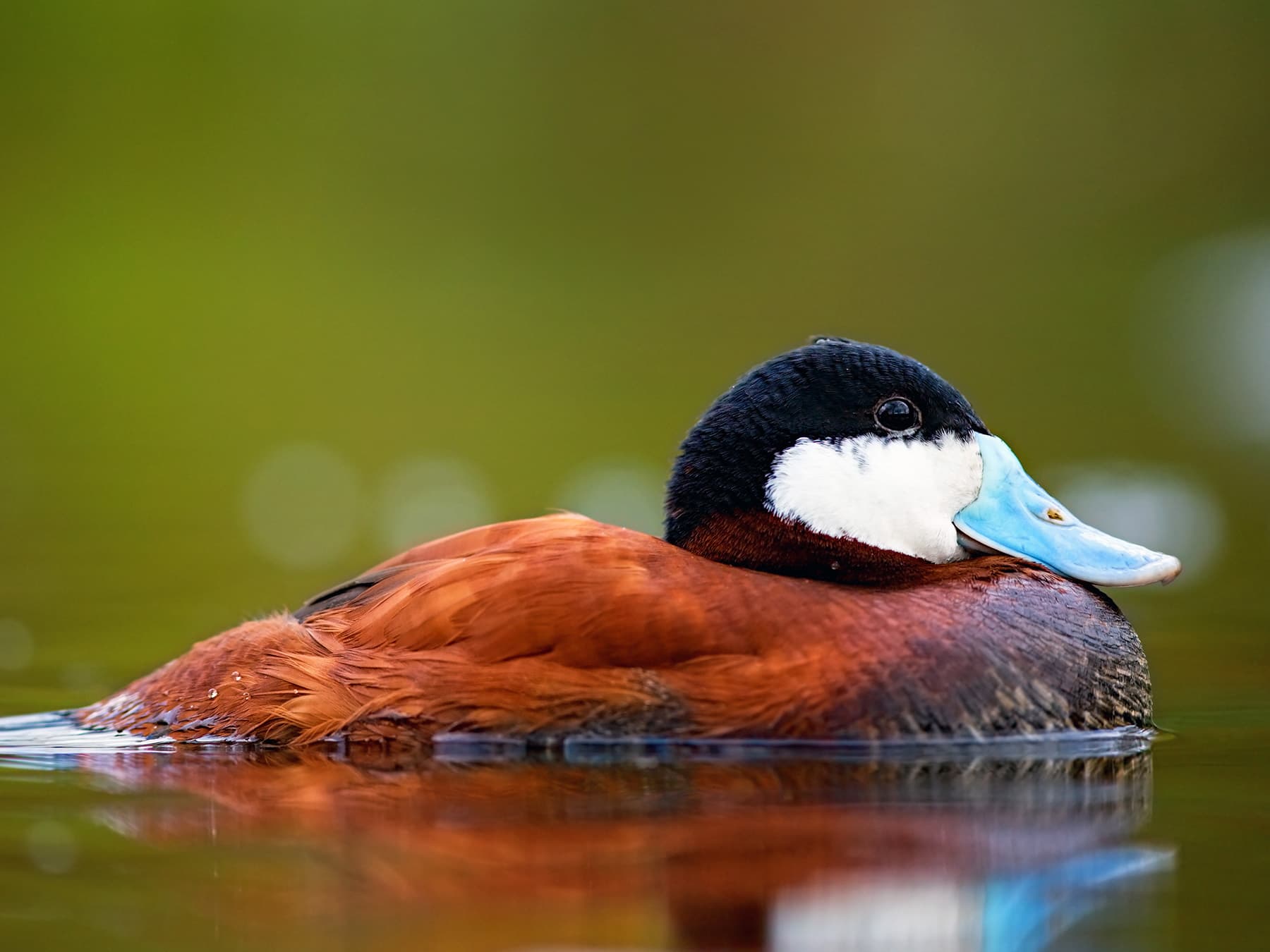
Ruddy Duck
Oxyura jamaicensisLC
An uncommon introduced resident, now heavily controlled due to threats to native White-headed Ducks. Numbers have declined sharply.
Year-round
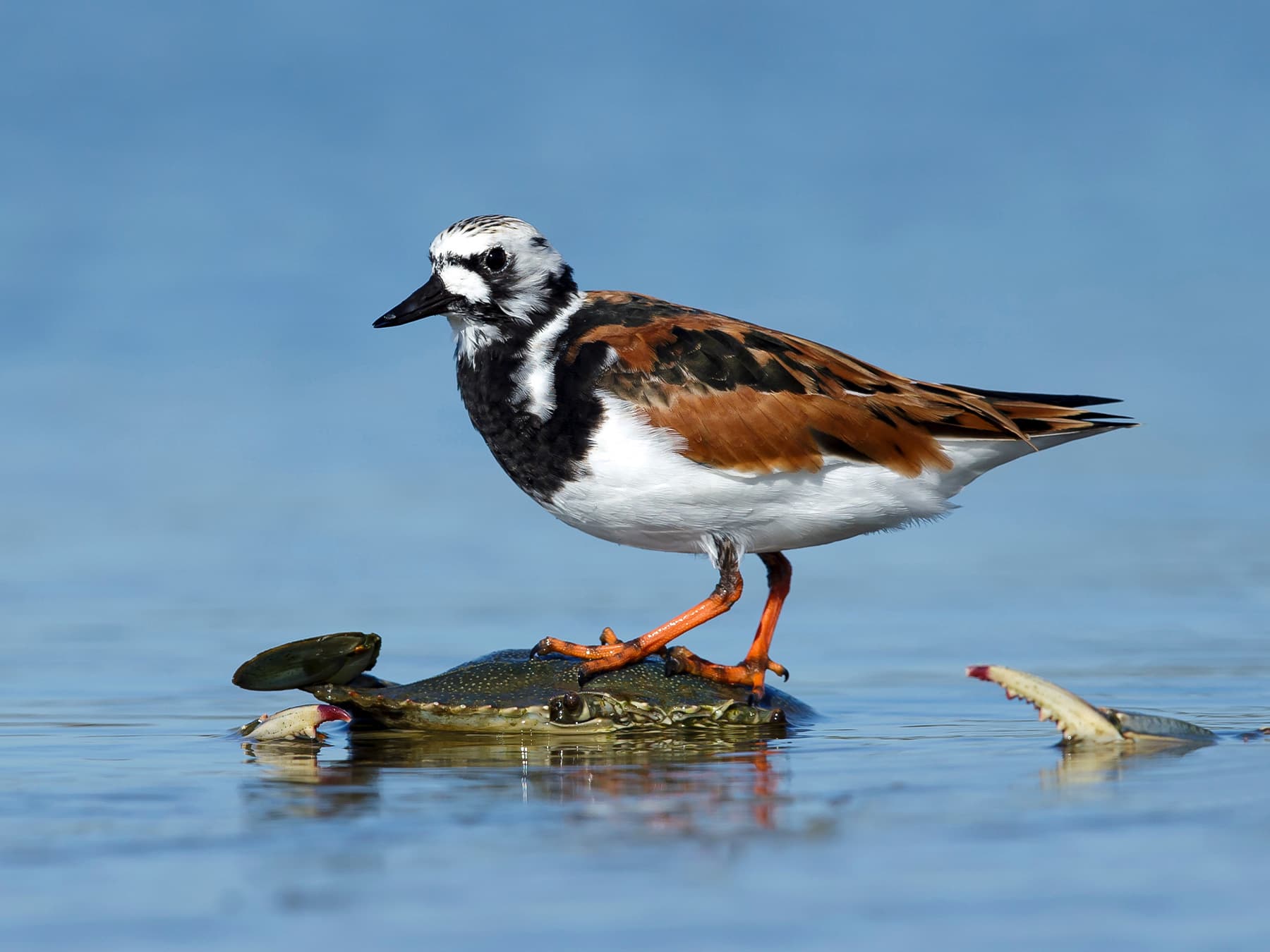
Ruddy Turnstone
Arenaria interpresLC
Found year-round on rocky shorelines and harbours, flipping stones and seaweed to find invertebrates. Numbers peak in winter with arrivals from Arctic breeding grounds.
Year-round
Spotted something?
Upload a photo to identify it
Identify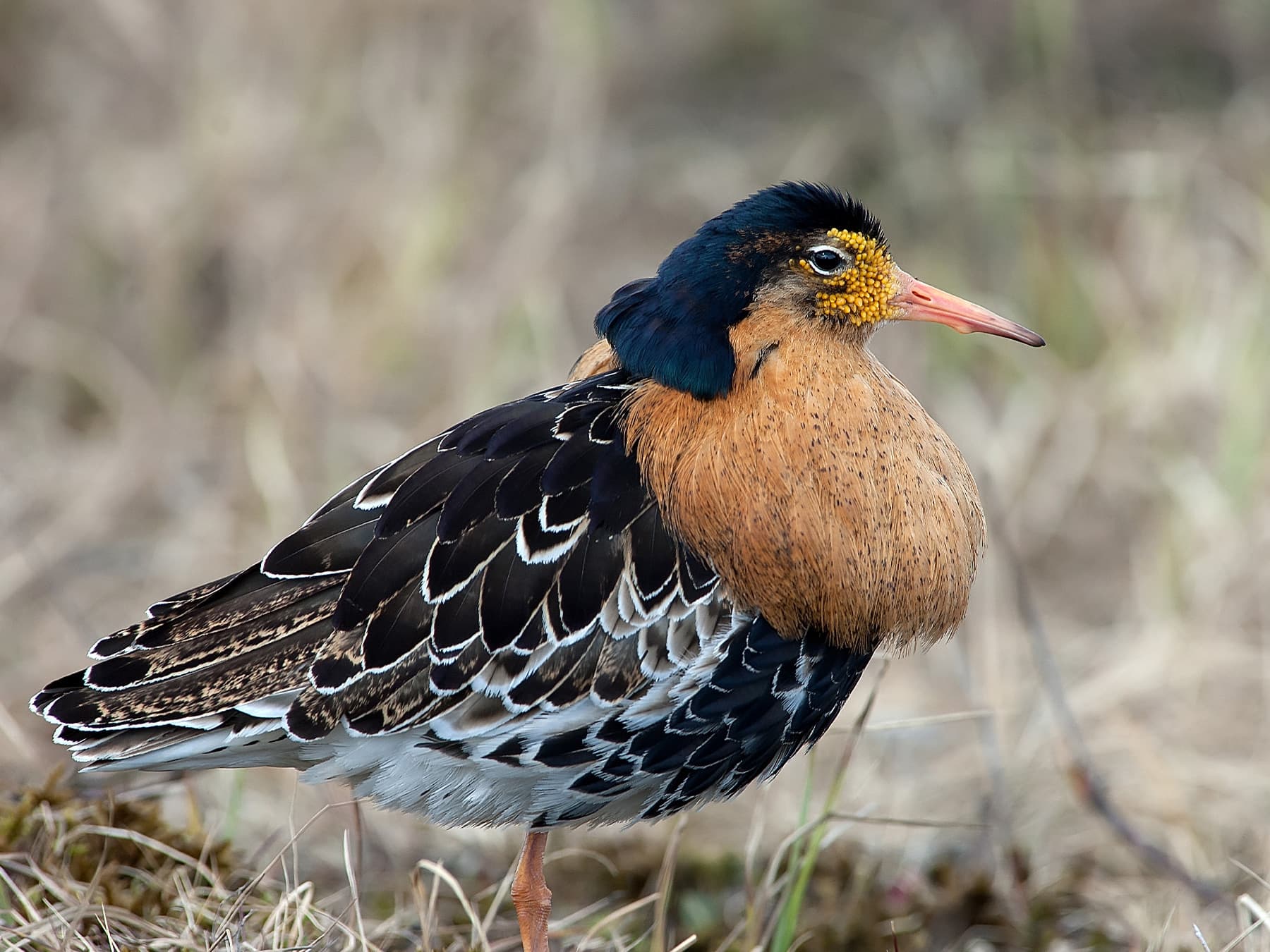
Ruff
Philomachus pugnaxLC
An uncommon wader found on coastal marshes and flooded fields, mainly as a passage migrant and winter visitor. Very few now breed in the UK.
Year-round
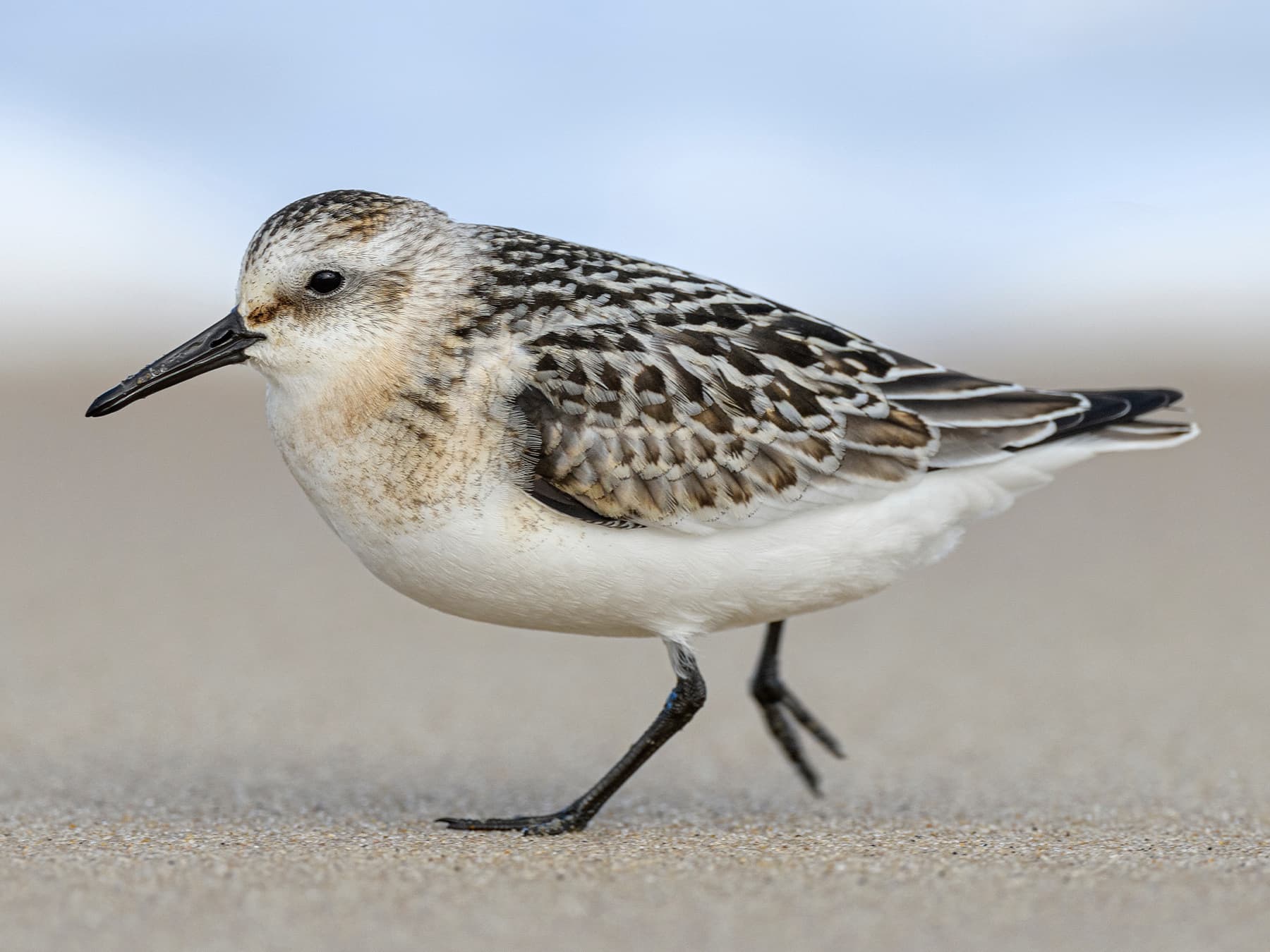
Sanderling
Calidris albaLC
A pale, energetic wader found on sandy beaches year-round, with numbers peaking in winter. Runs rapidly along the tideline chasing waves.
Year-round
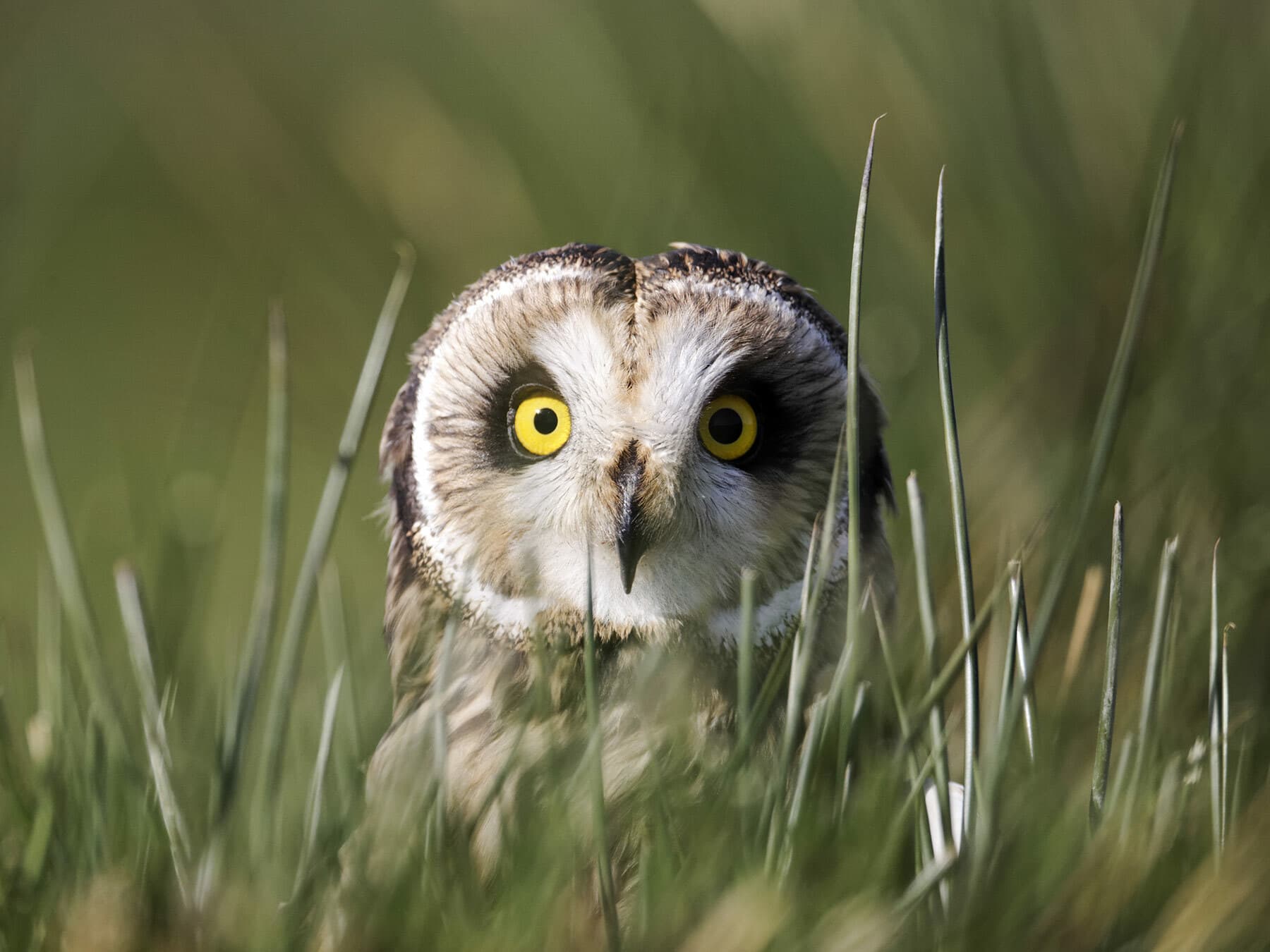
Short-eared Owl
Asio flammeusLC
Hunts over moorland, rough grassland and coastal marshes. Breeds in upland areas and disperses to lowland sites in winter.
Year-round
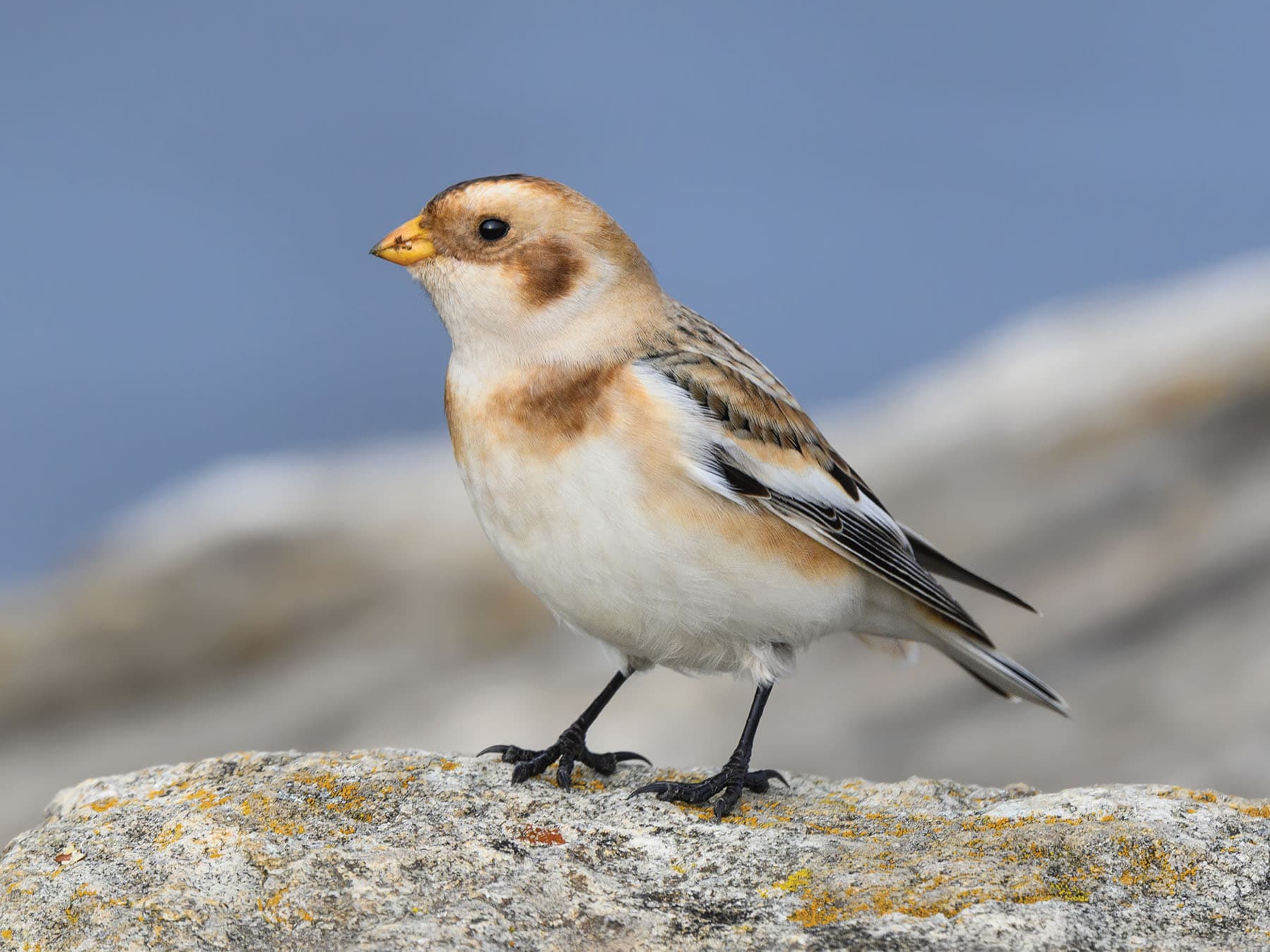
Snow Bunting
Plectrophenax nivalisLC
An uncommon non-breeding visitor to exposed coasts, mountain tops, and shingle beaches from autumn through spring. A scarce breeder on the highest Scottish summits.
Sep–Apr
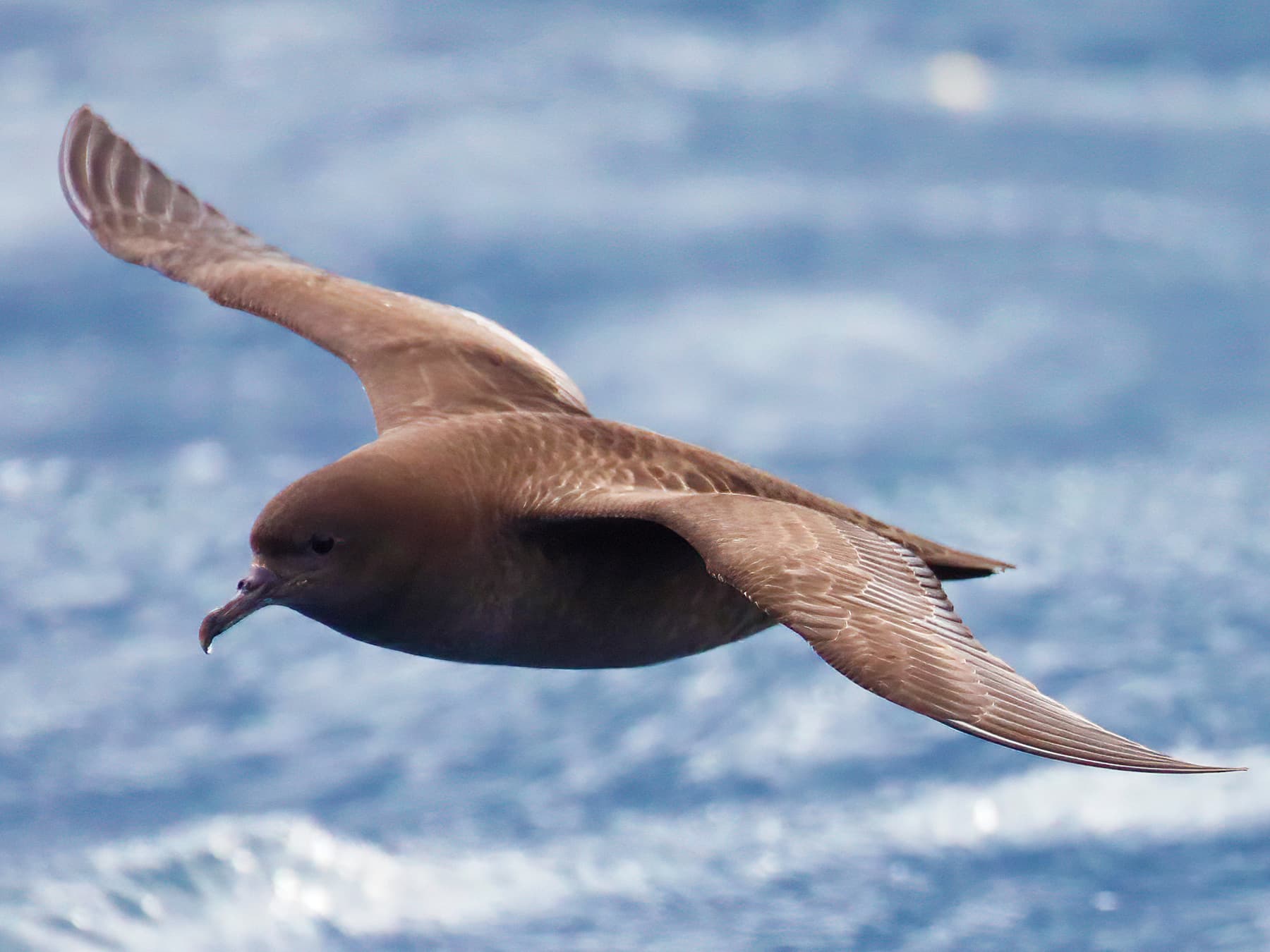
Sooty Shearwater
Ardenna griseaNT
An uncommon pelagic visitor seen offshore from June to November, mainly from western headlands. Seawatching in autumn gales offers the best chances of sighting.
Jun–Nov
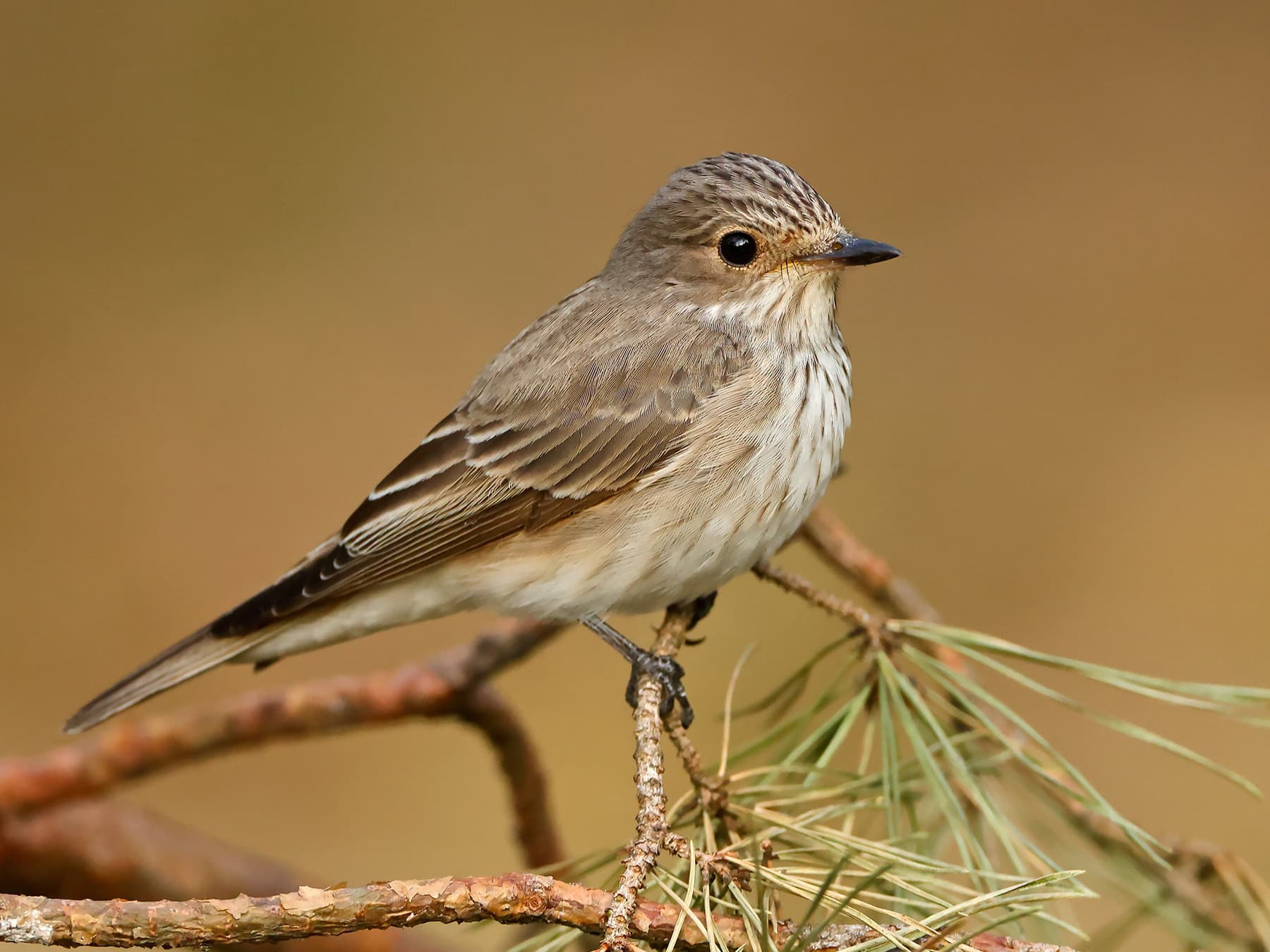
Spotted Flycatcher
Muscicapa striataLC
A declining summer visitor arriving in May, favouring woodland edges, churchyards, and mature gardens. Sallies from exposed perches to catch flying insects.
May–Oct
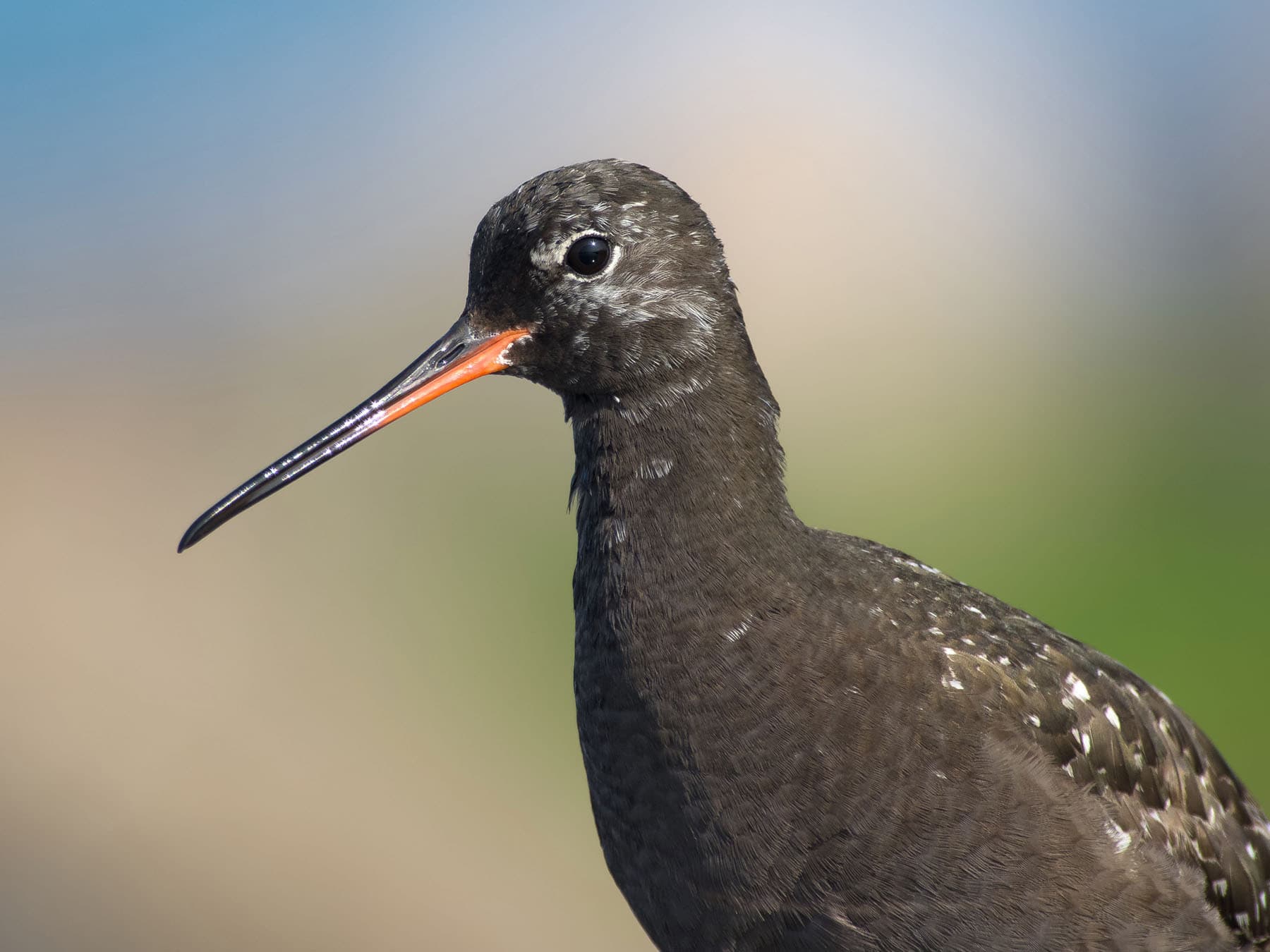
Spotted Redshank
Tringa erythropusLC
An uncommon wader found on estuaries and coastal marshes, most numerous on autumn passage and in winter.
Year-round
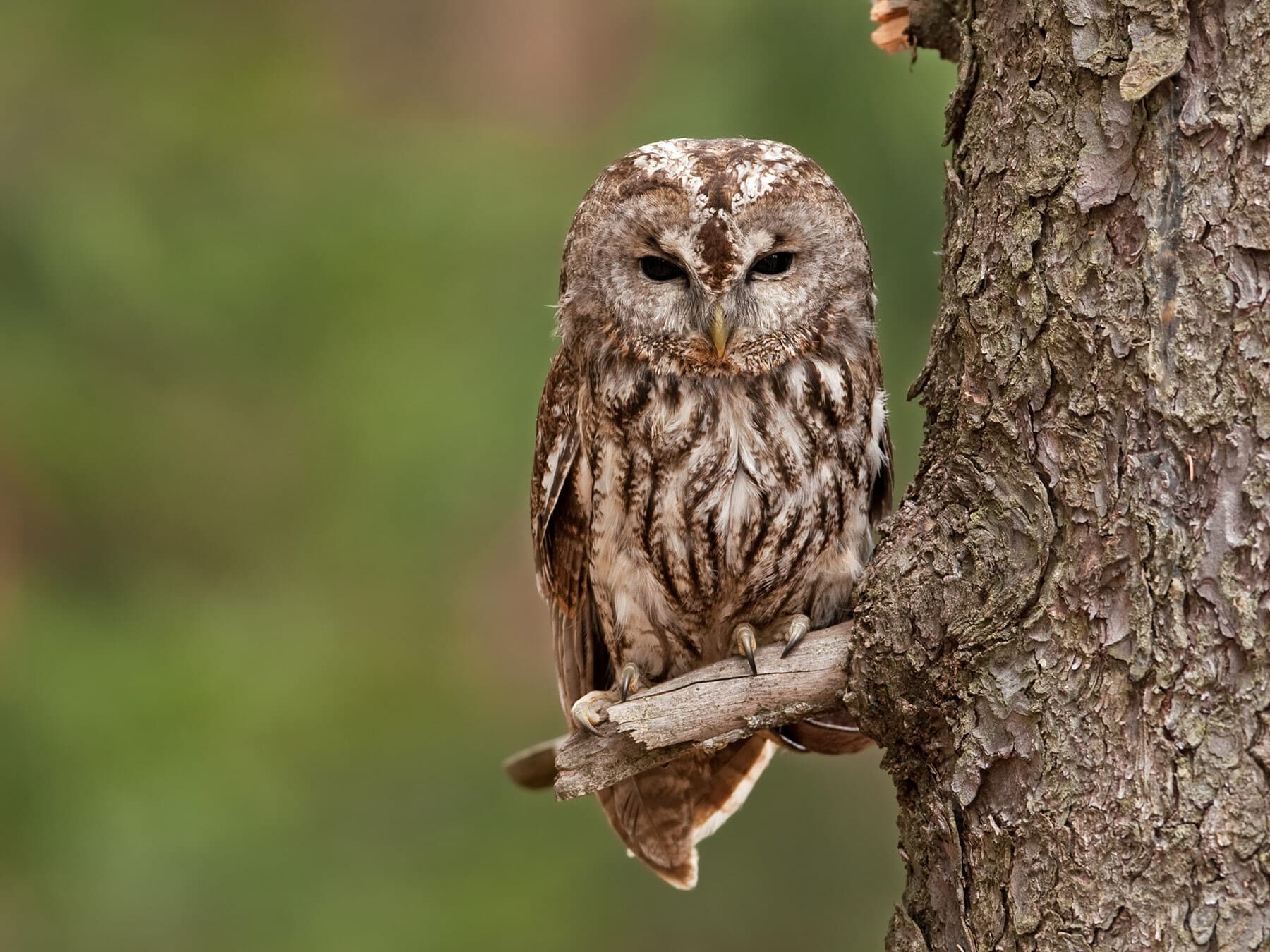
Tawny Owl
Strix alucoLC
A year-round resident of deciduous and mixed woodland across Britain, absent from Ireland. Its familiar hooting call is a classic sound of the British countryside at night.
Year-round
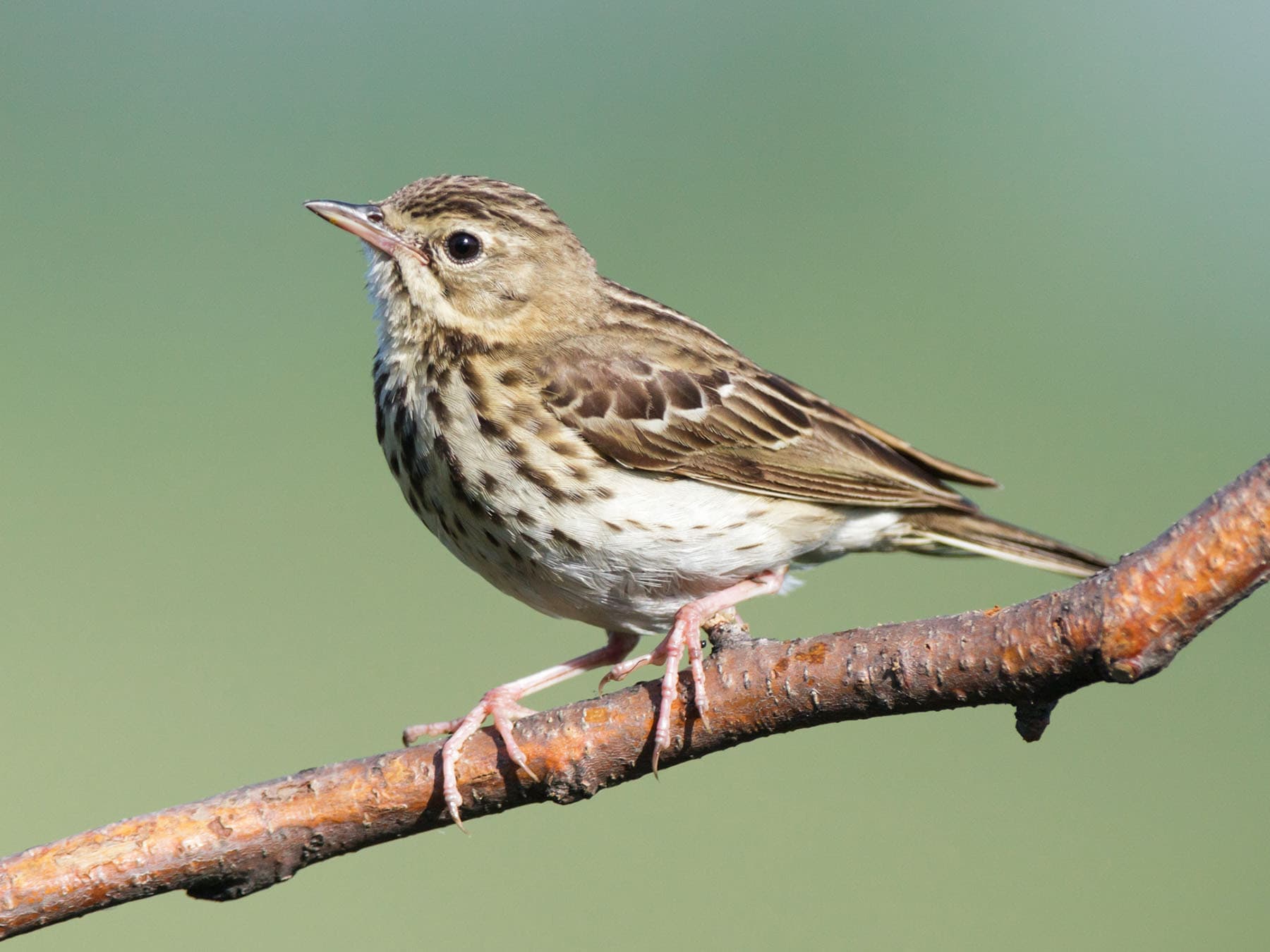
Tree Pipit
Anthus trivialisLC
A declining summer visitor to open woodland and heathland, arriving from April. Its distinctive parachuting song flight sets it apart from the resident Meadow Pipit.
Apr–Oct
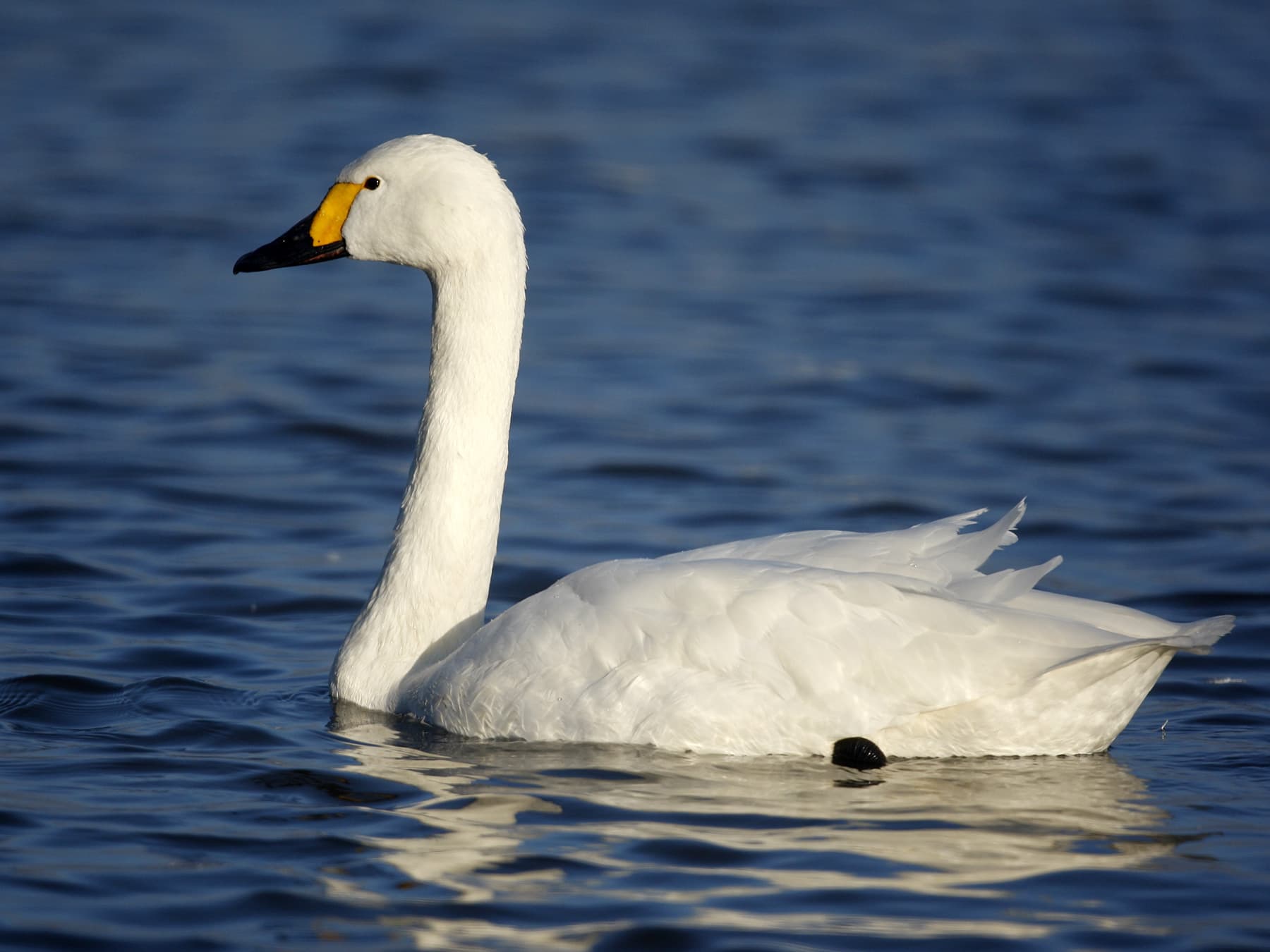
Tundra Swan
Cygnus columbianusLC
An uncommon winter visitor from Arctic Russia, arriving October–March. Key sites include the Ouse Washes and Severn Estuary.
Oct–Mar
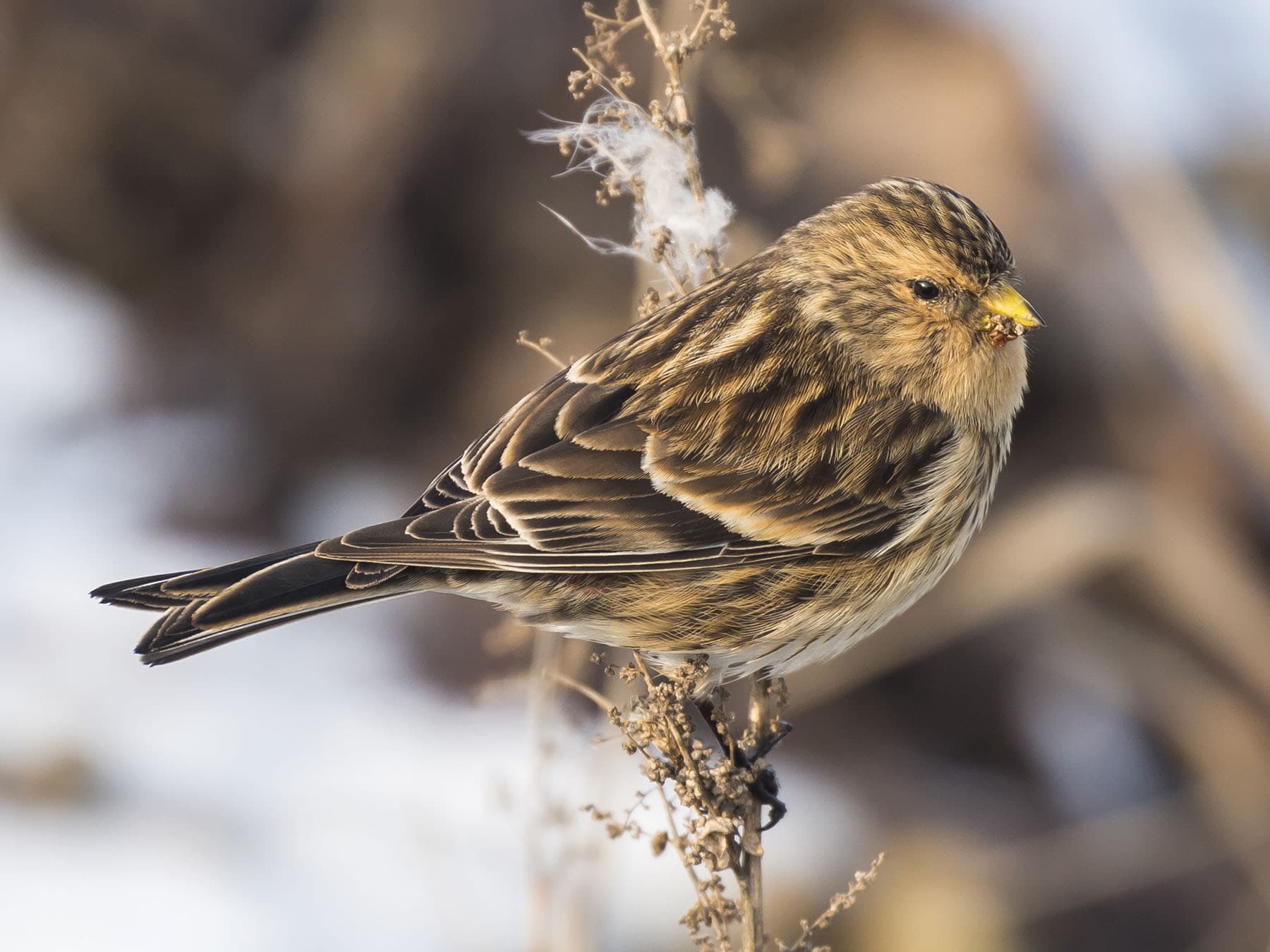
Twite
Linaria flavirostrisLC
An uncommon resident of upland moorland in summer, moving to coastal saltmarshes in winter. A declining species of conservation concern in the UK.
Year-round
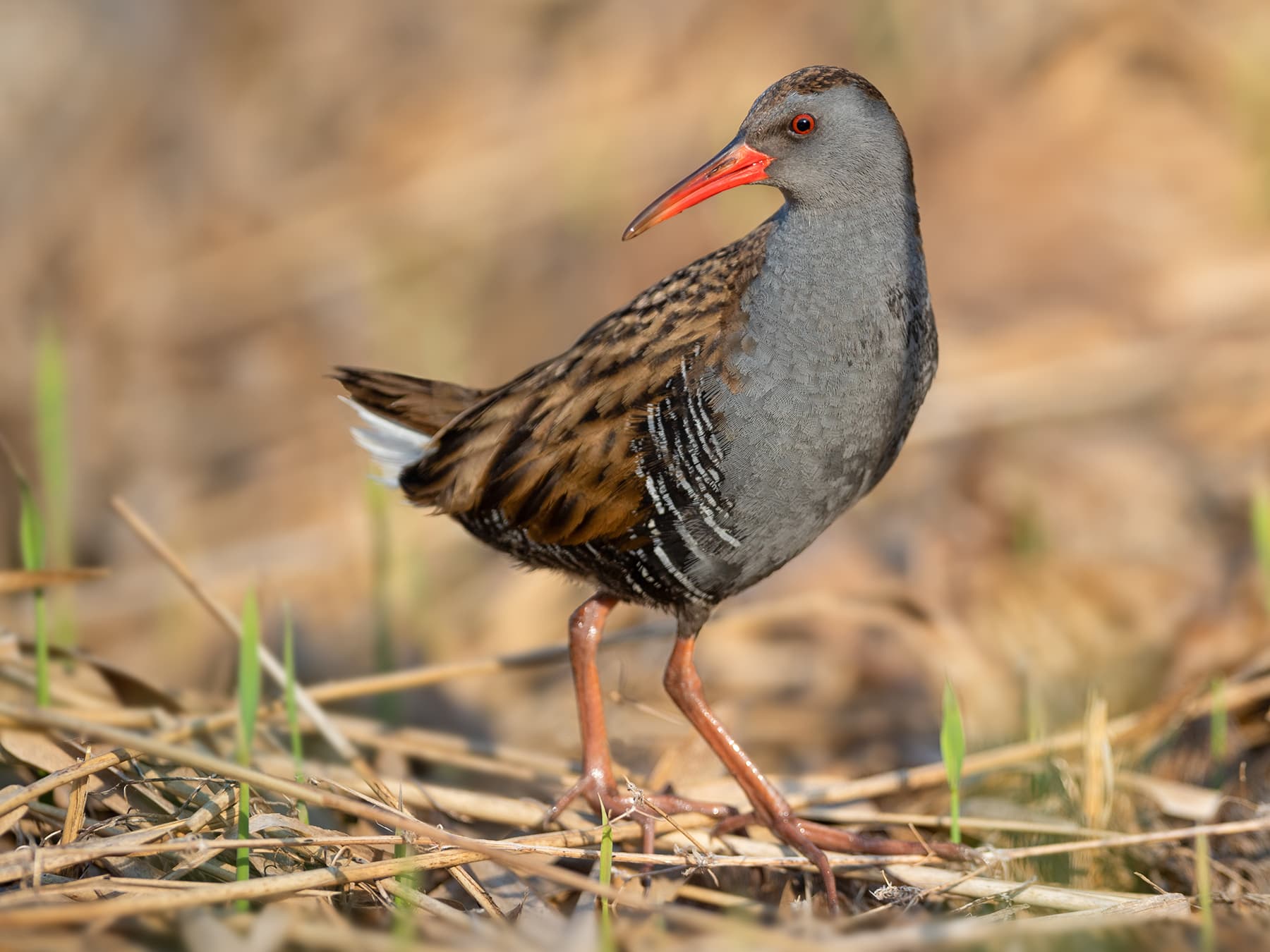
Water Rail
Rallus aquaticusLC
A secretive resident of marshes and reedbeds, more often heard giving its pig-like squealing call than seen. Numbers increase in winter with Continental arrivals.
Year-round
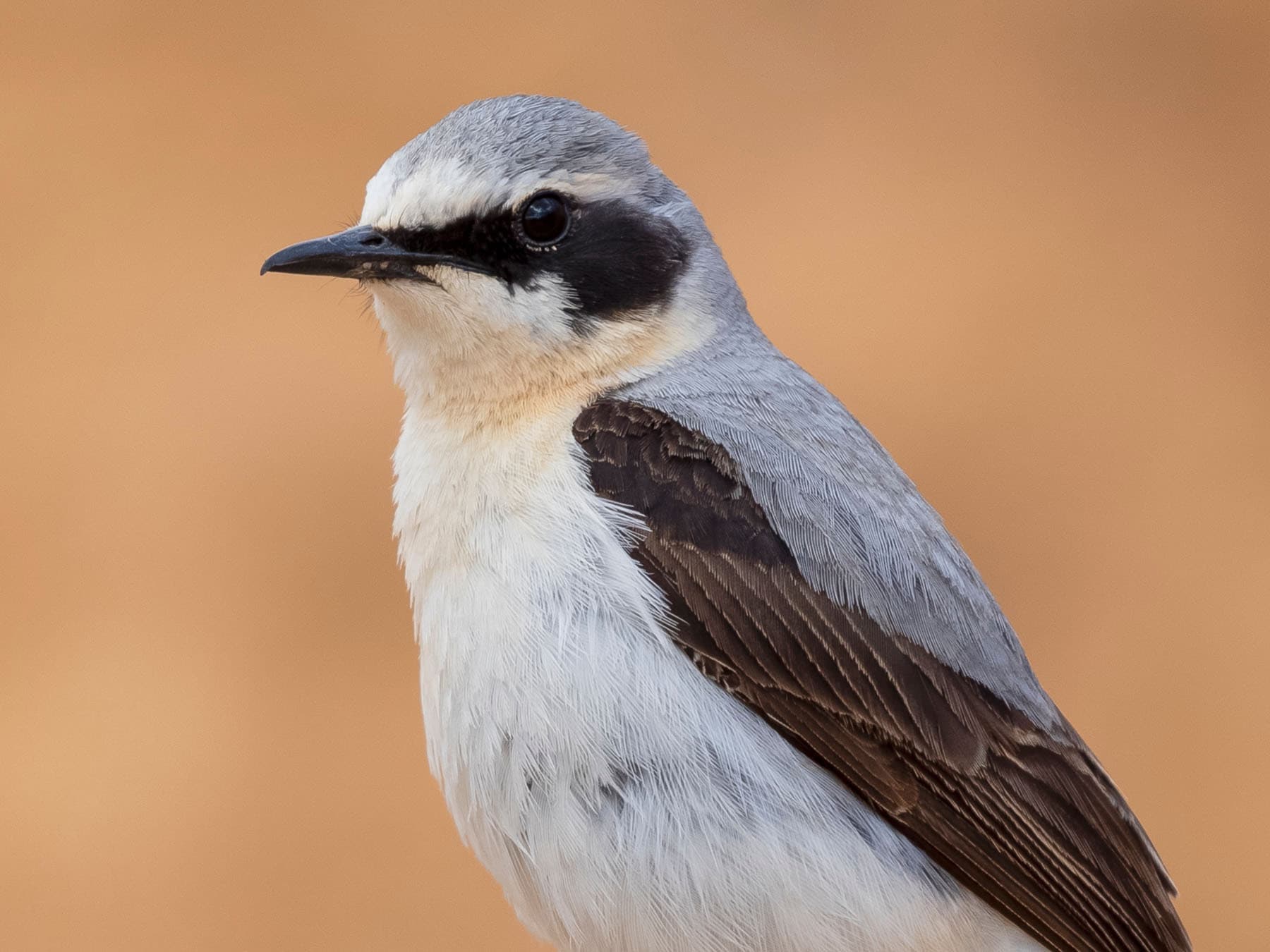
Wheatear
Oenanthe oenantheLC
A summer breeder on upland moors and coastal grasslands. One of the earliest spring migrants, often seen perched on rocks and walls.
Mar–Nov
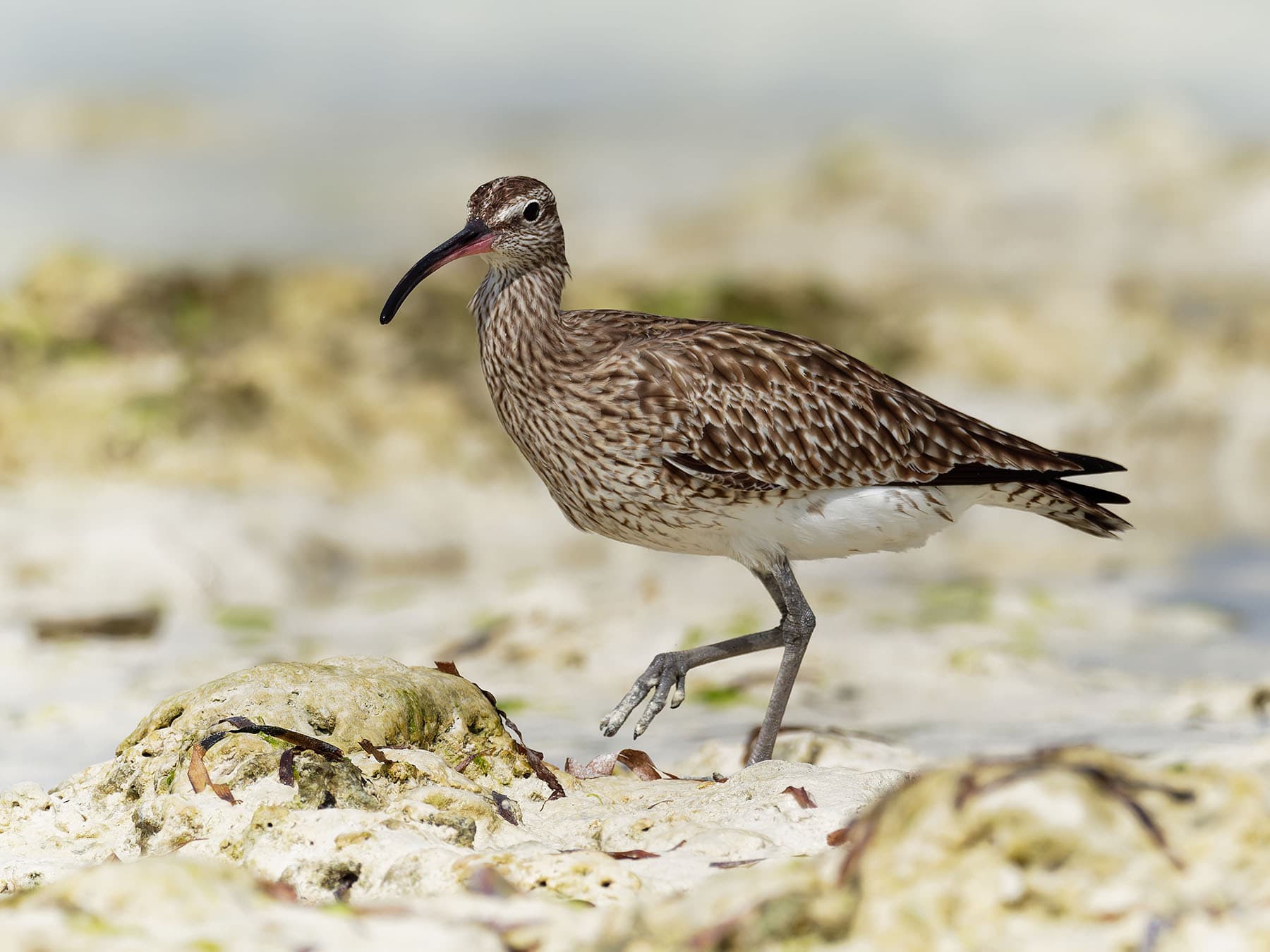
Whimbrel
Numenius phaeopusLC
An uncommon resident with a tiny breeding population in Shetland. Most frequently seen as a passage migrant along coasts in spring and autumn.
Year-round
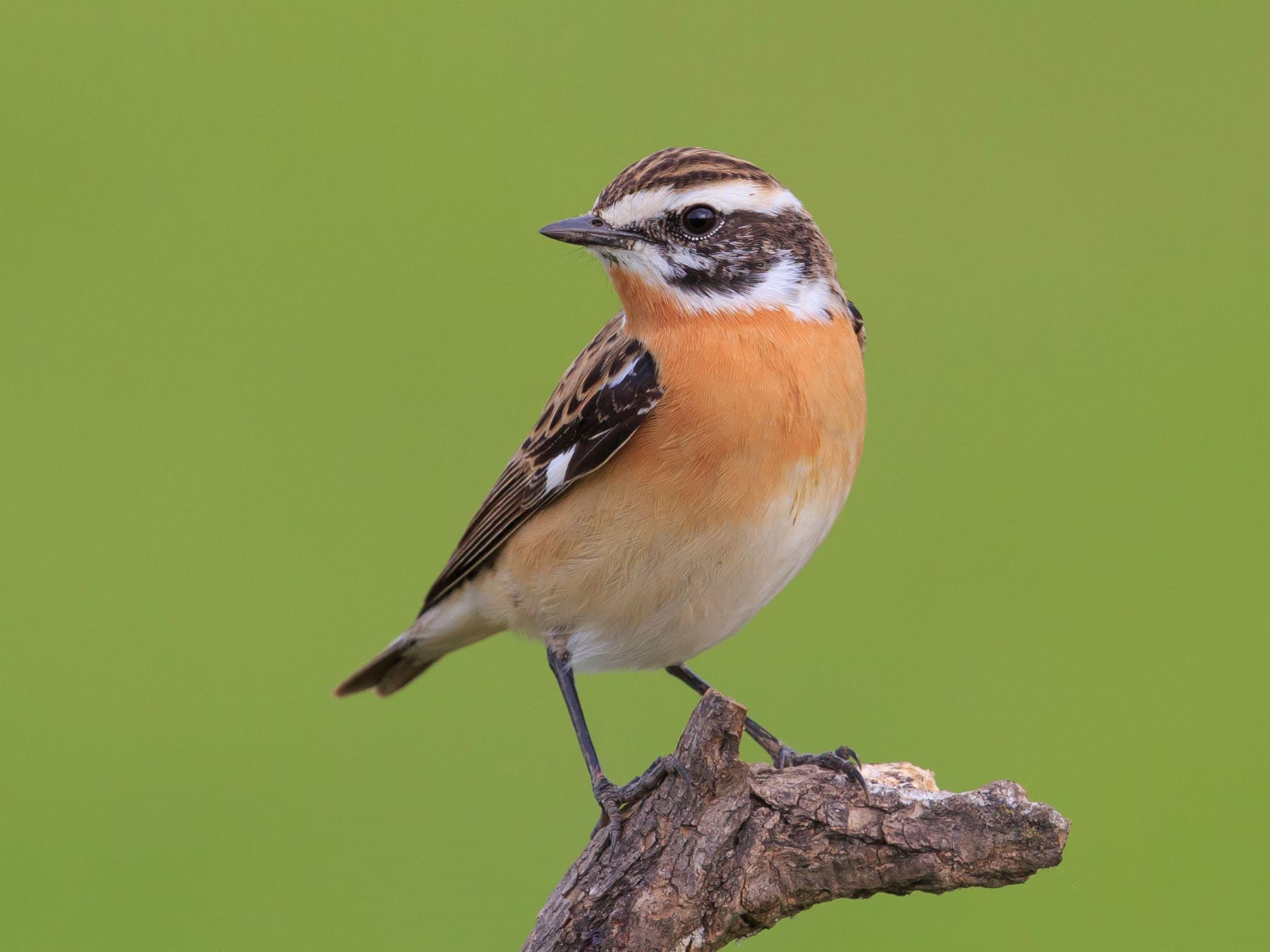
Whinchat
Saxicola rubetraLC
A declining summer visitor favouring upland hay meadows and bracken-covered hillsides. Identified by its bold white eyestripe and orange breast.
Apr–Oct