Uncommon Birds in United Kingdom
100 species matching this filter.
The United Kingdom is home to a fascinating array of uncommon bird species, with 96 recorded across its diverse landscapes. From the haunting call of the Barn Owl over farmland hedgerows to the striking Arctic Jaeger patrolling northern coastlines, these less frequently encountered species reward patient and dedicated birdwatchers. Habitats ranging from Scottish sea cliffs hosting Black Guillemots and Great Skuas to the heathlands favoured by the Eurasian Stone-curlew make the UK a remarkably varied birding destination.


Showing 93–100 of 100 species
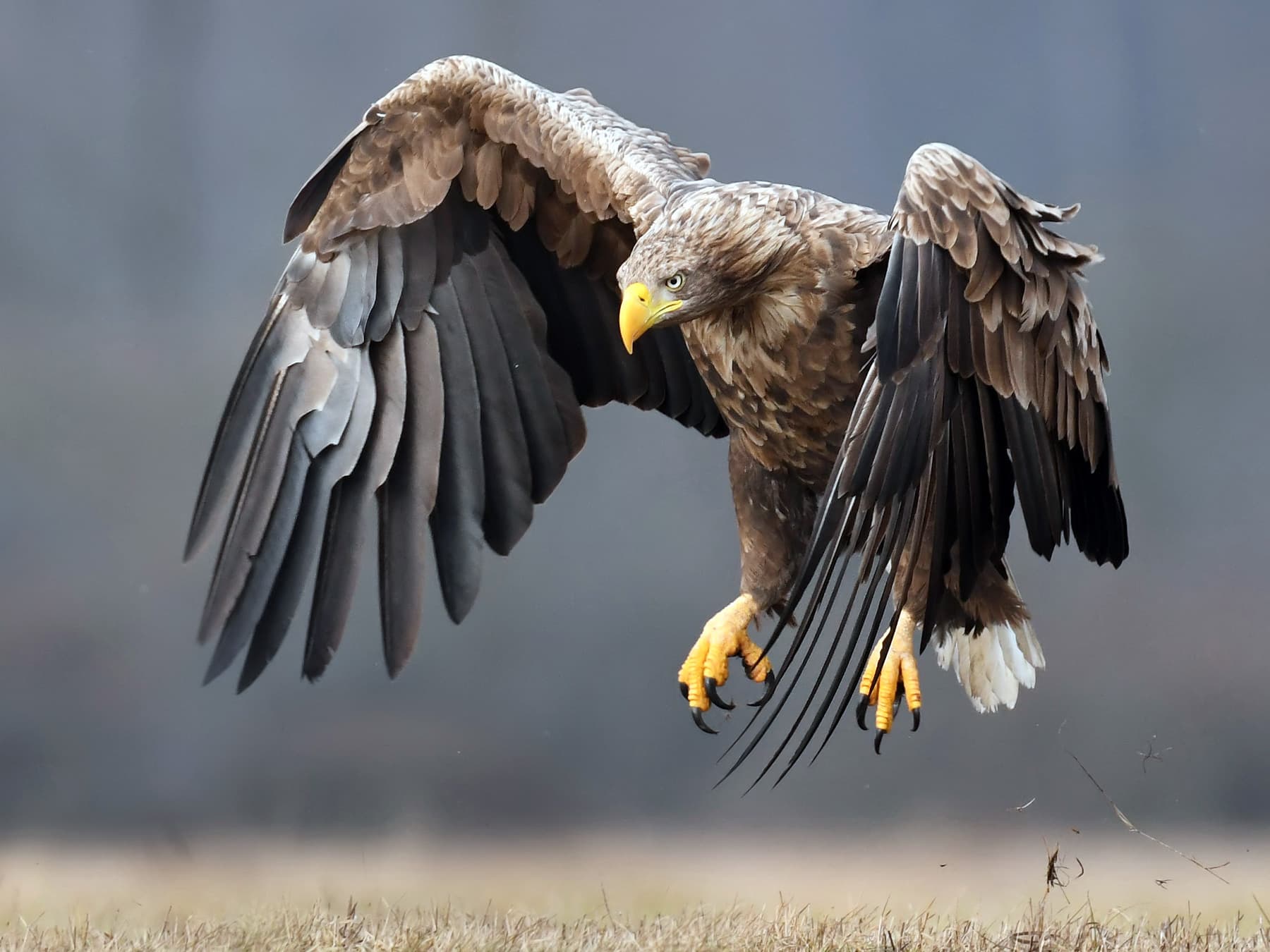
White-tailed Sea-eagle
Haliaeetus albicillaLC
Successfully reintroduced to Scotland and now spreading to England. This massive raptor hunts over sea lochs, coasts and large lakes.
Year-round
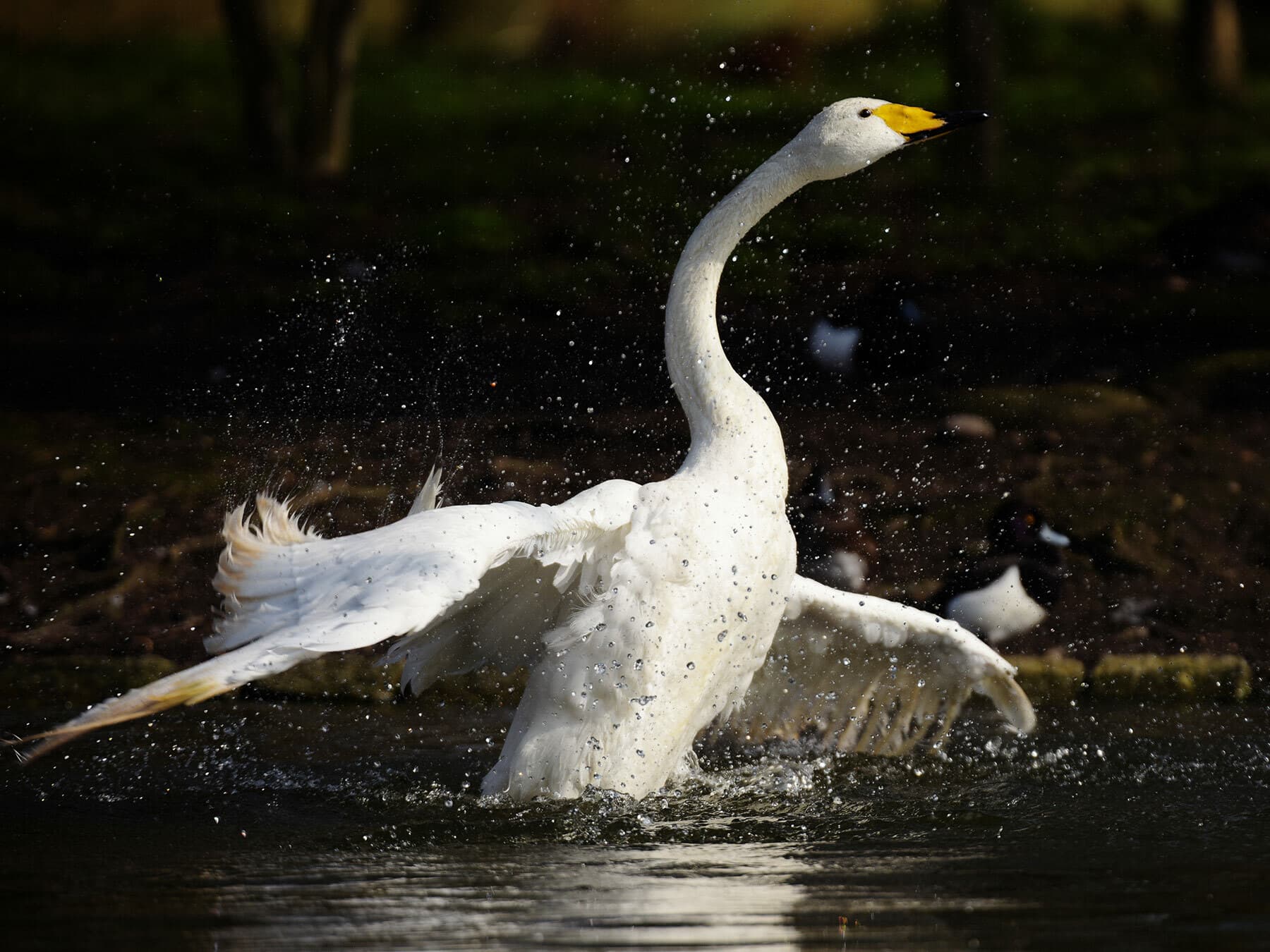
Whooper Swan
Cygnus cygnusLC
An uncommon winter visitor from Iceland, gathering on traditional sites such as the Ouse Washes and Scottish lochs. A few pairs breed in northern Scotland.
Year-round
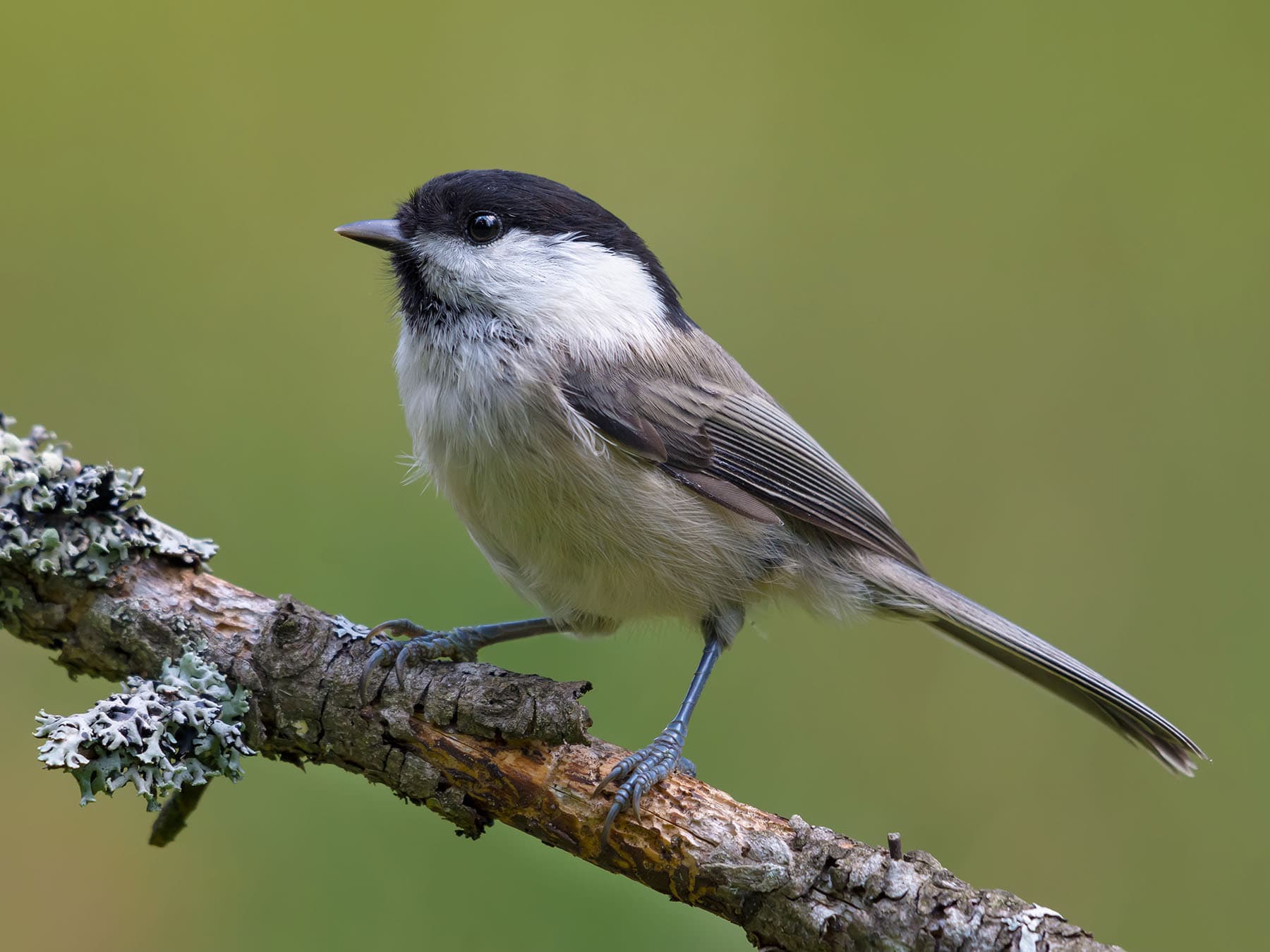
Willow Tit
Poecile montanusLC
An uncommon and rapidly declining resident of damp woodland and scrubby hedgerows, mainly in England and Wales. A Red List species of high conservation concern.
Year-round
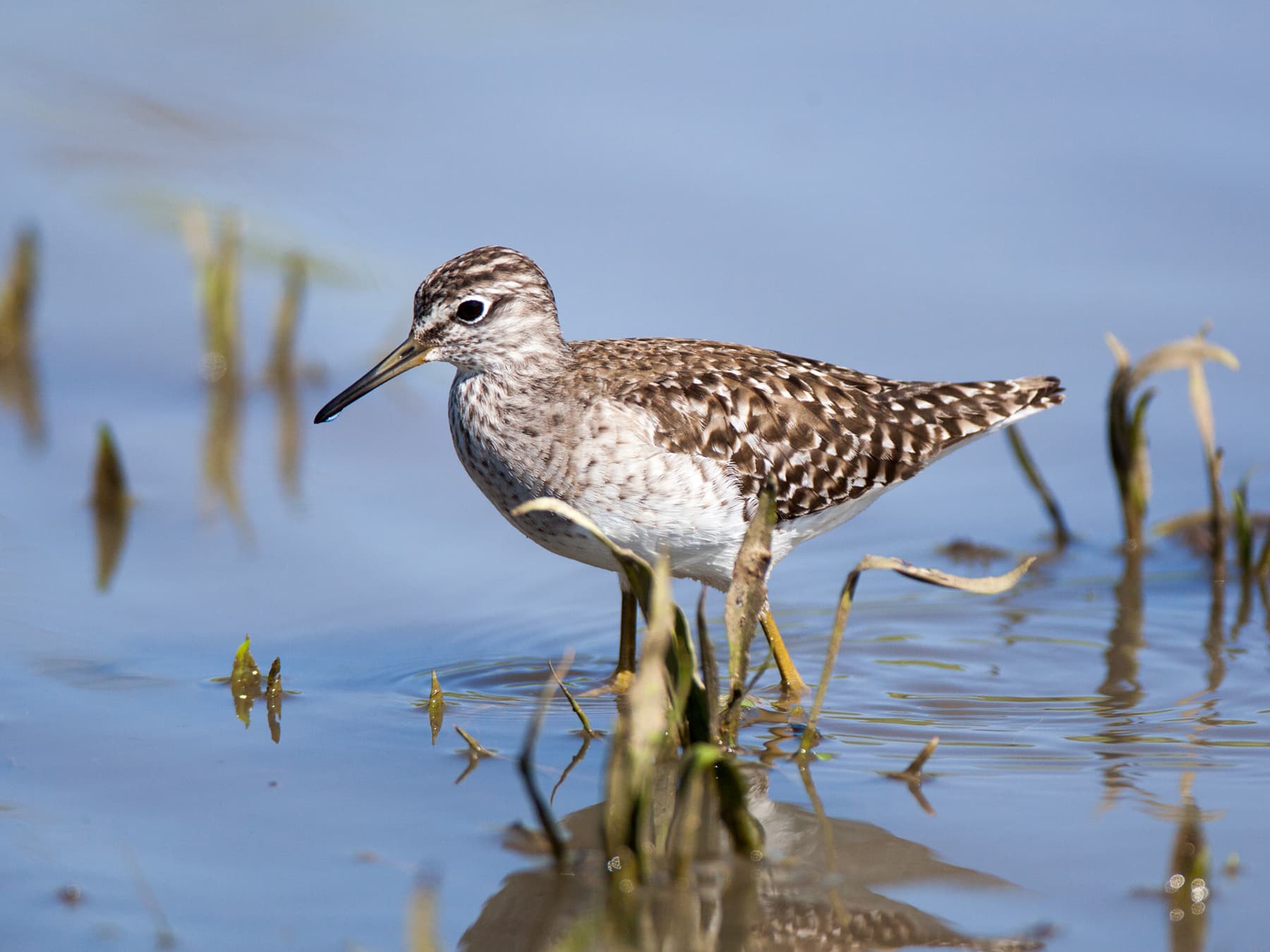
Wood Sandpiper
Tringa glareolaLC
A rare breeding bird in the Scottish Highlands, more often seen as a passage migrant at freshwater marshes and pool edges in spring and autumn.
Apr–Oct
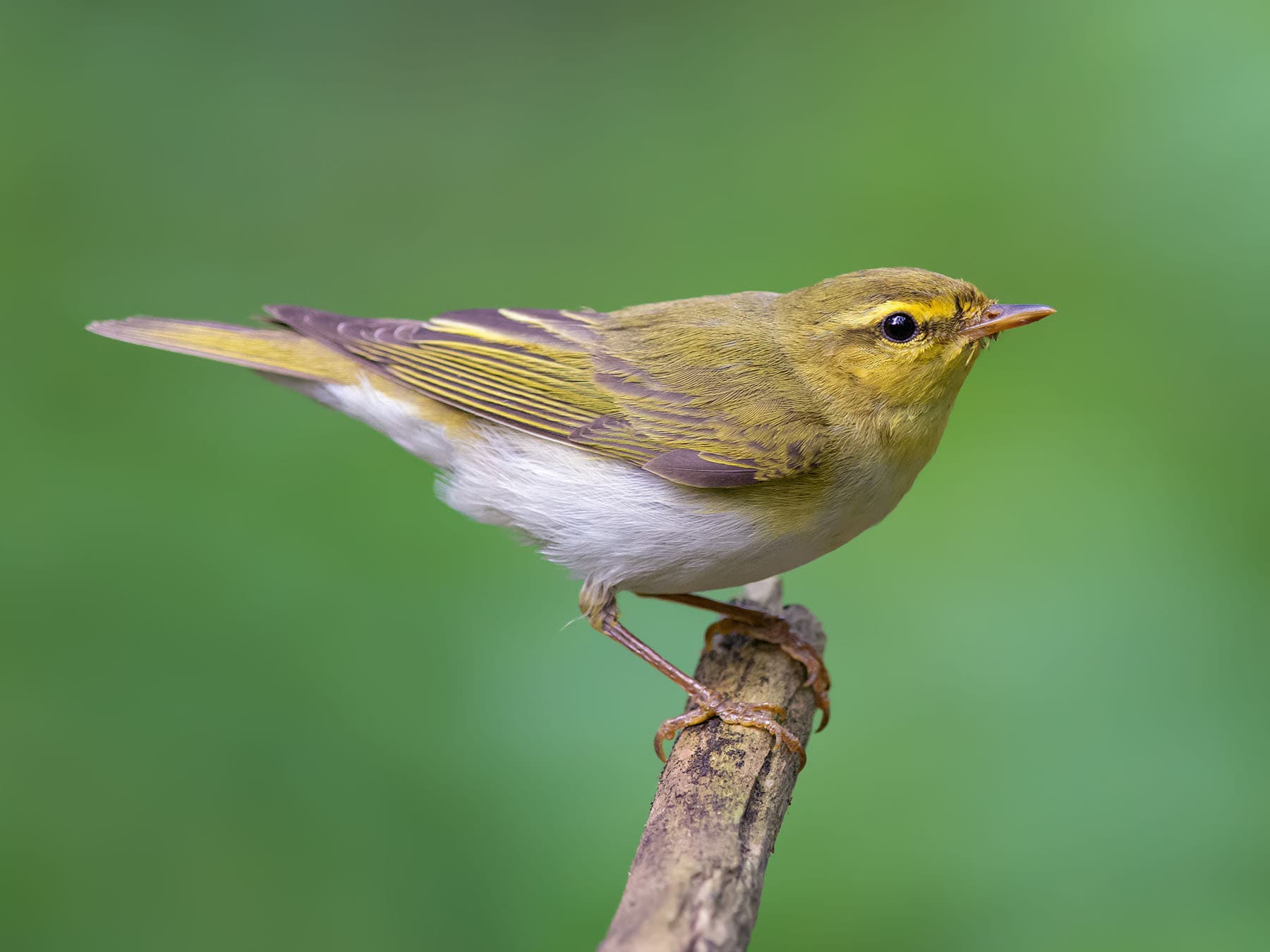
Wood Warbler
Phylloscopus sibilatrixLC
An uncommon summer breeder in mature oak and beech woodlands, mainly in Wales and western Britain. Has declined significantly in recent decades.
Apr–Sep
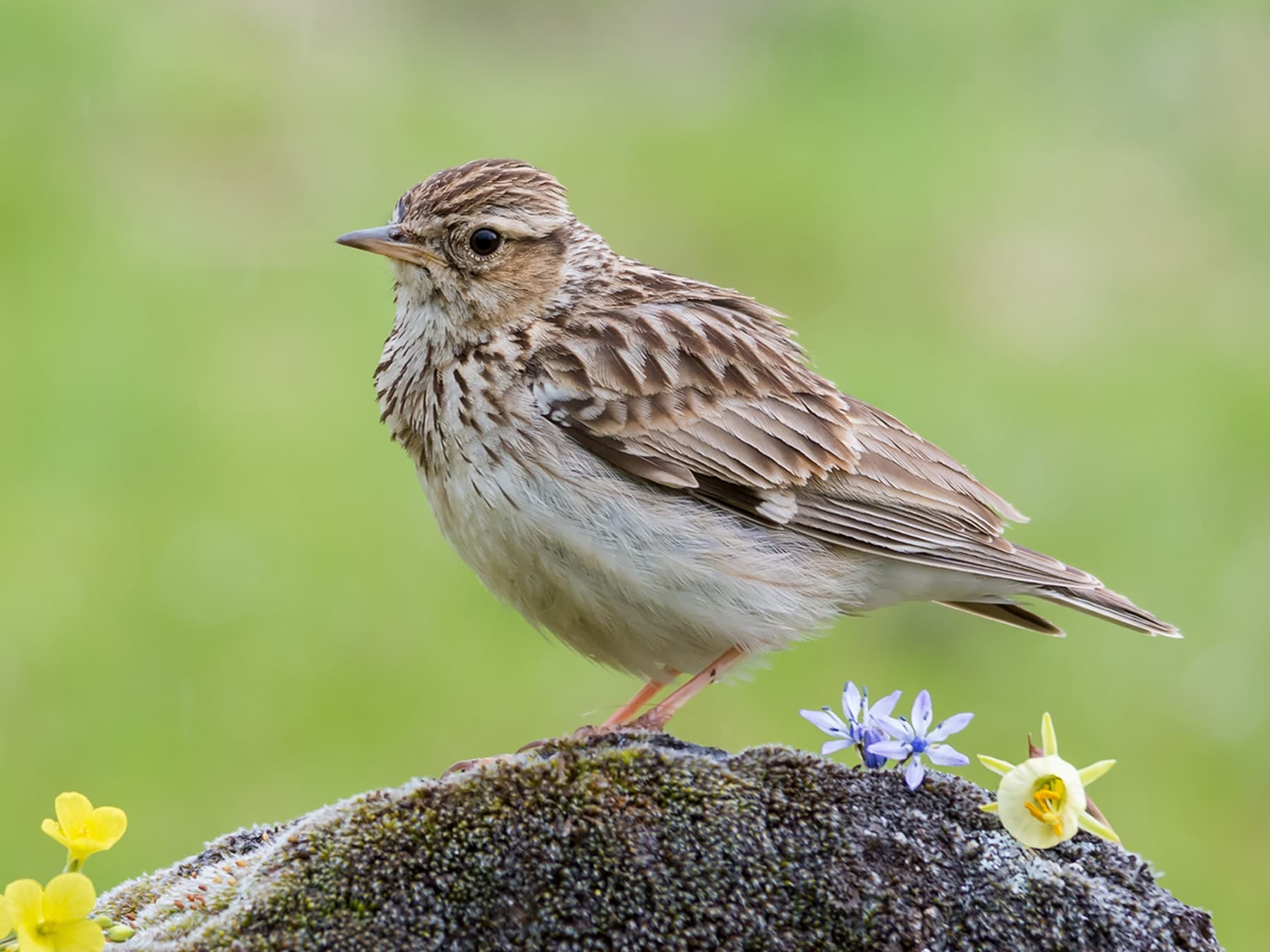
Woodlark
Lullula arboreaLC
An uncommon year-round resident of lowland heaths and forest edges in southern England. Its melodious song can be heard from late winter onwards.
Year-round
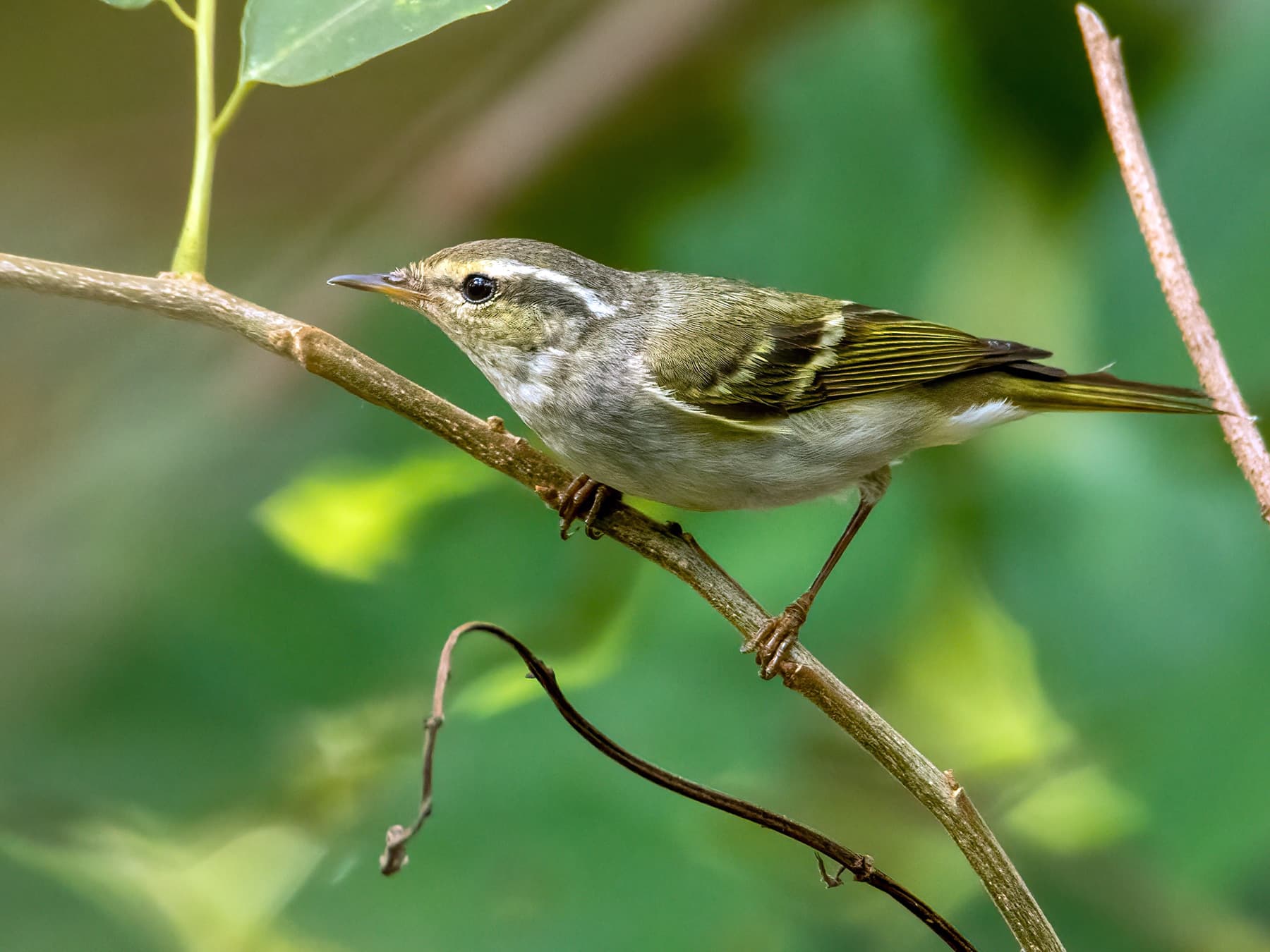
Yellow-browed Warbler
Phylloscopus inornatusLC
An uncommon autumn visitor from Siberia, increasingly recorded along the east coast. Most appear in October, often in coastal scrub and sycamore trees.
Sep–Jan
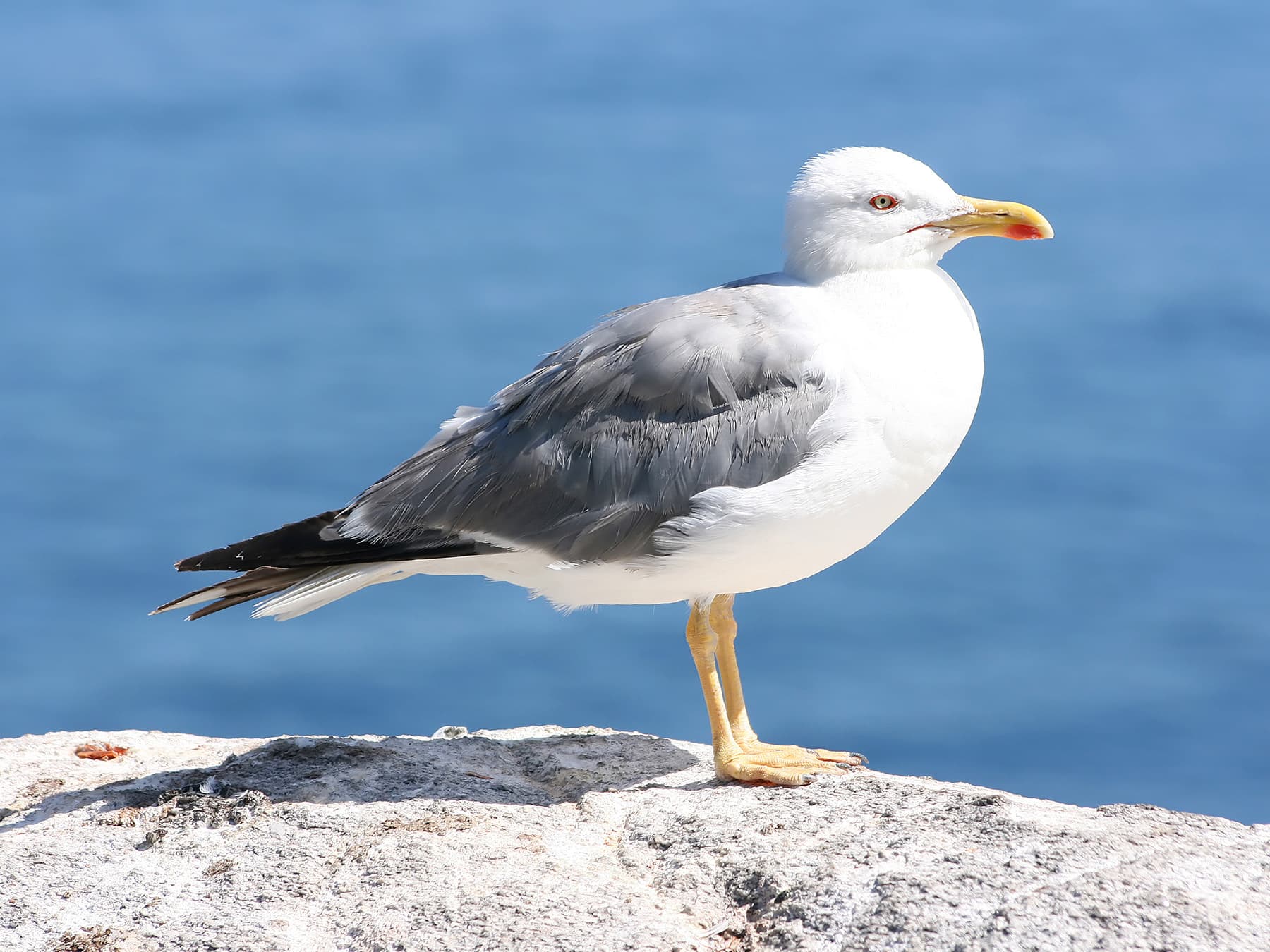
Yellow-legged Gull
Larus michahellisLC
An uncommon year-round visitor, most often seen at southern reservoirs and landfill sites, with numbers peaking in late summer and autumn.
Year-round