Uncommon Birds in United Kingdom
100 species matching this filter.
The United Kingdom is home to a fascinating array of uncommon bird species, with 96 recorded across its diverse landscapes. From the haunting call of the Barn Owl over farmland hedgerows to the striking Arctic Jaeger patrolling northern coastlines, these less frequently encountered species reward patient and dedicated birdwatchers. Habitats ranging from Scottish sea cliffs hosting Black Guillemots and Great Skuas to the heathlands favoured by the Eurasian Stone-curlew make the UK a remarkably varied birding destination.


Showing 47–69 of 100 species
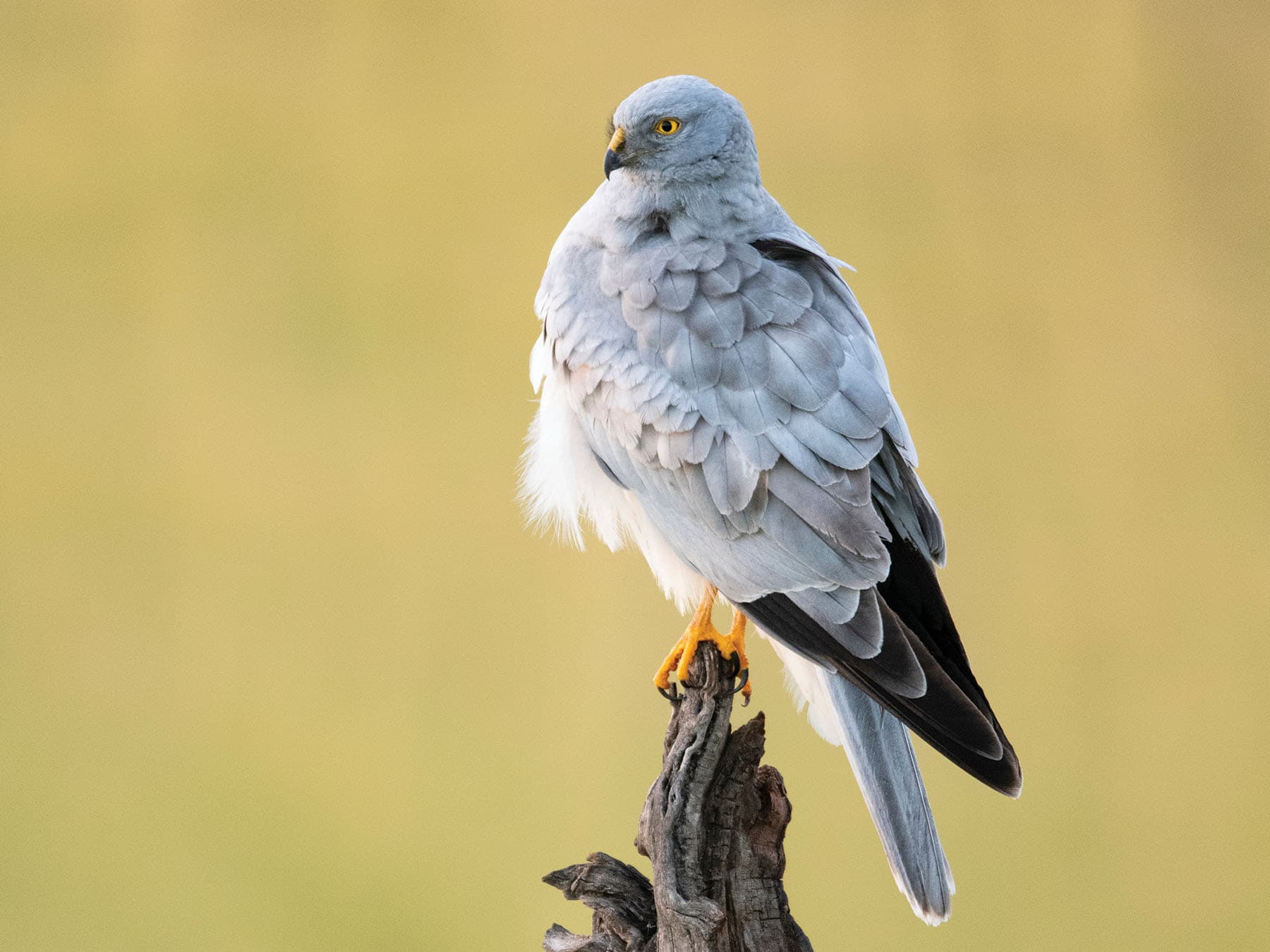
Hen Harrier
Circus cyaneusLC
An uncommon resident of upland moorlands, heavily persecuted on some grouse moors. Winters more widely on lowland marshes and farmland.
Year-round
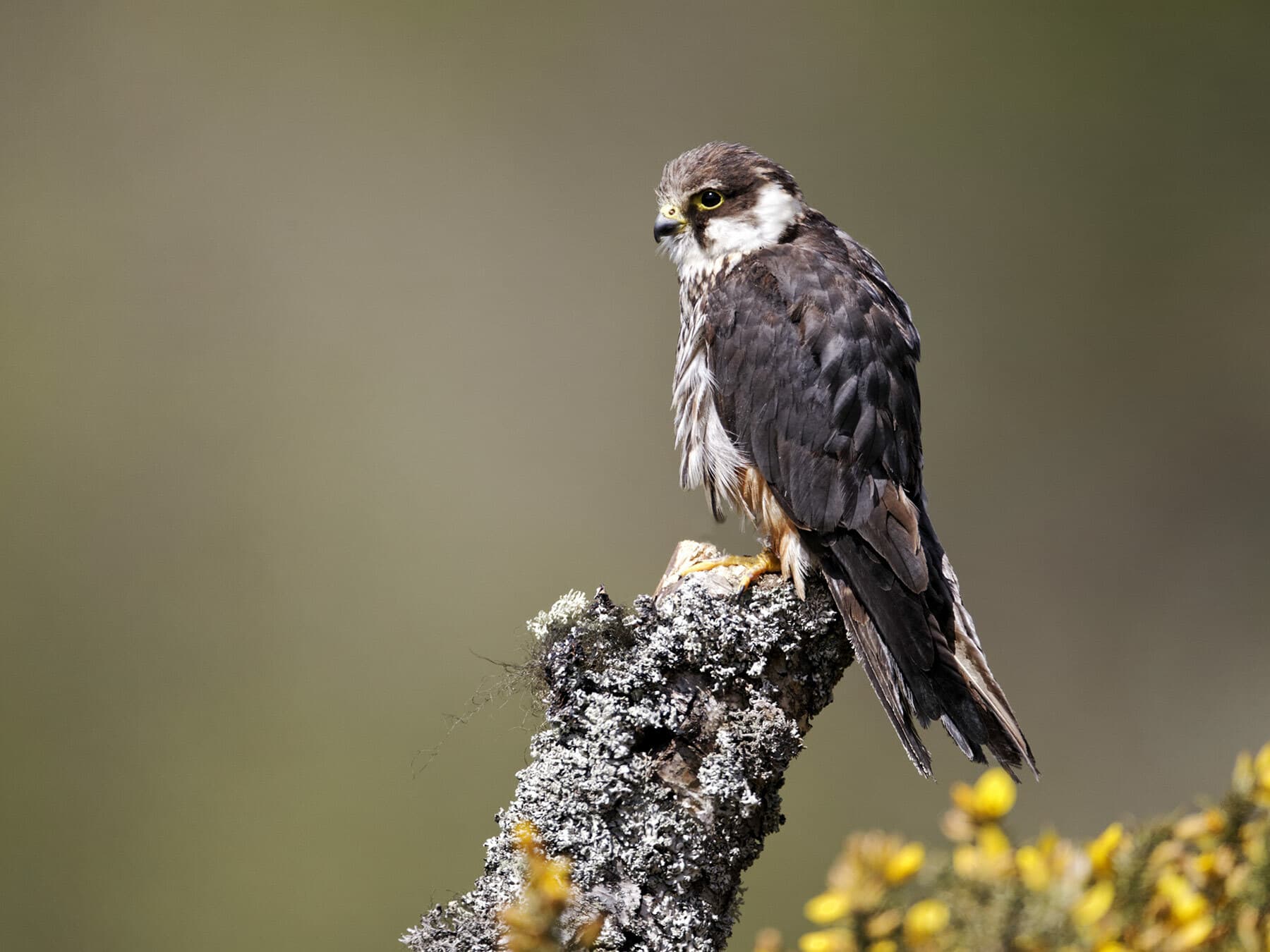
Hobby
Falco subbuteoLC
An elegant summer visitor to southern England, hunting dragonflies and small birds over heathland and wetlands from April to October.
Apr–Oct
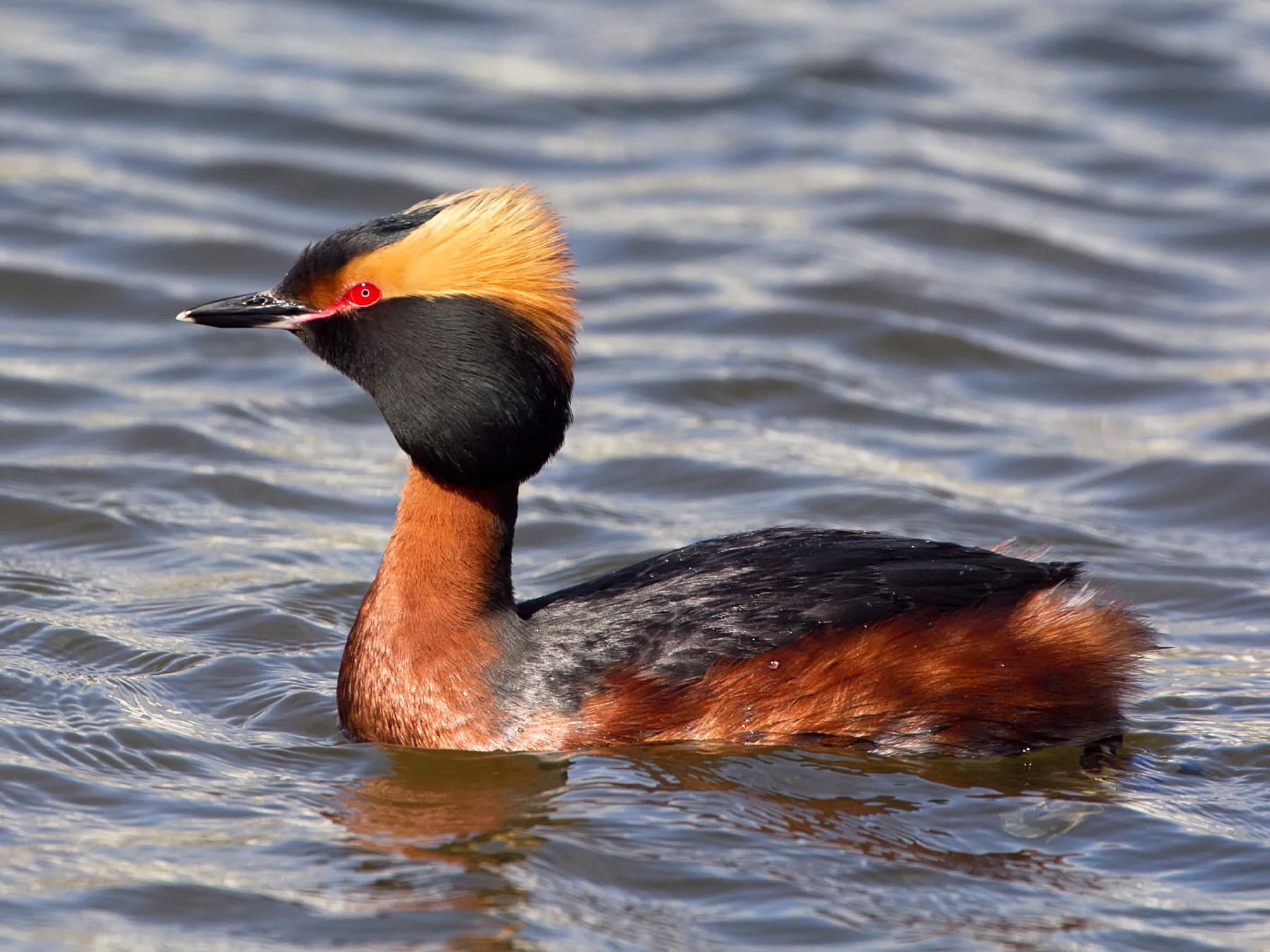
Horned Grebe
Podiceps auritusVU
Known as Slavonian Grebe in the UK, a scarce breeder on Scottish Highland lochs. Winters around sheltered coasts and estuaries.
Sep–Jul
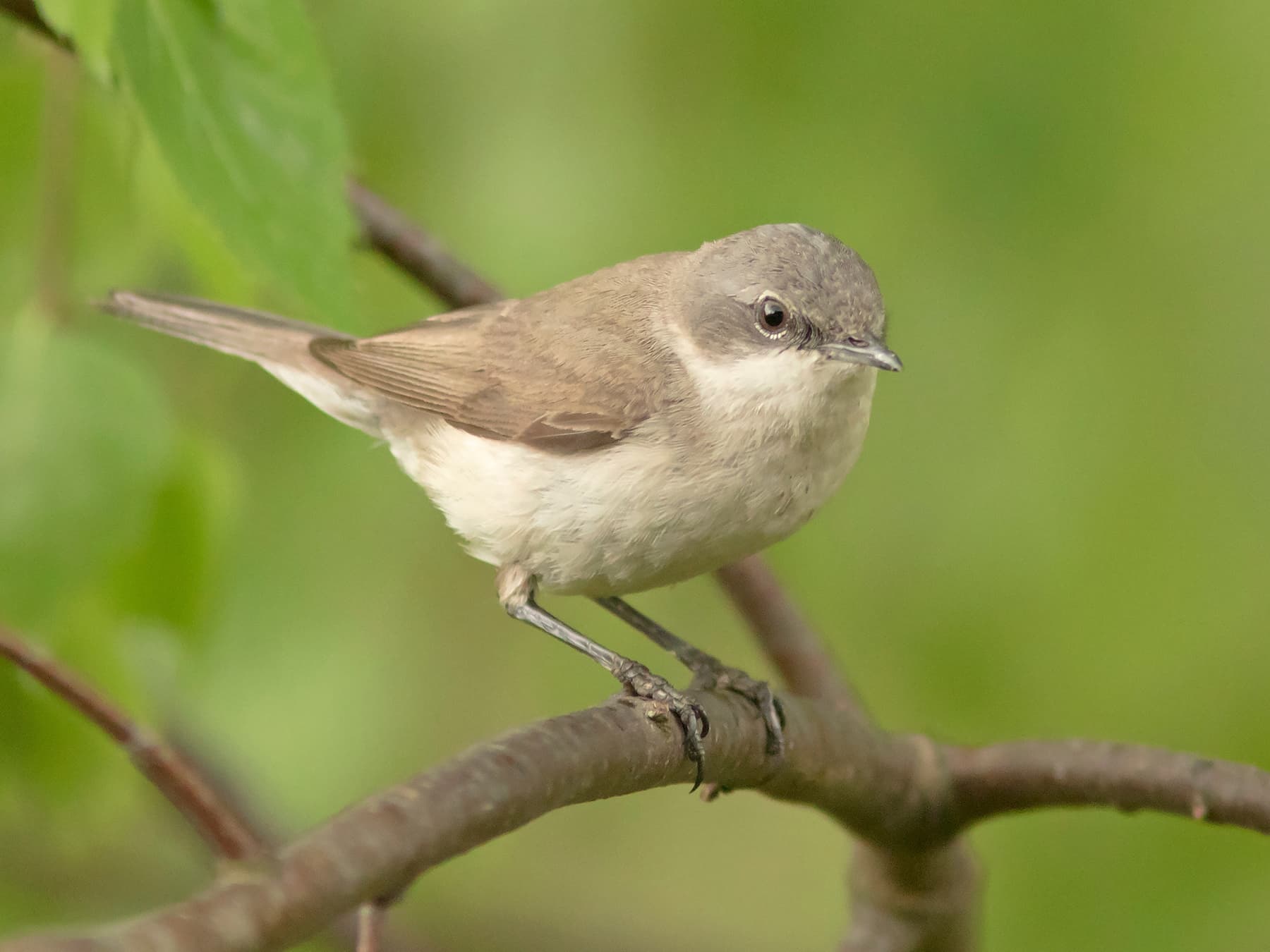
Lesser Whitethroat
Curruca currucaLC
A summer breeding visitor to hedgerows and scrubby thickets, mainly in England. Its dry, rattling song is distinctive, and it departs southward by October.
Apr–Oct
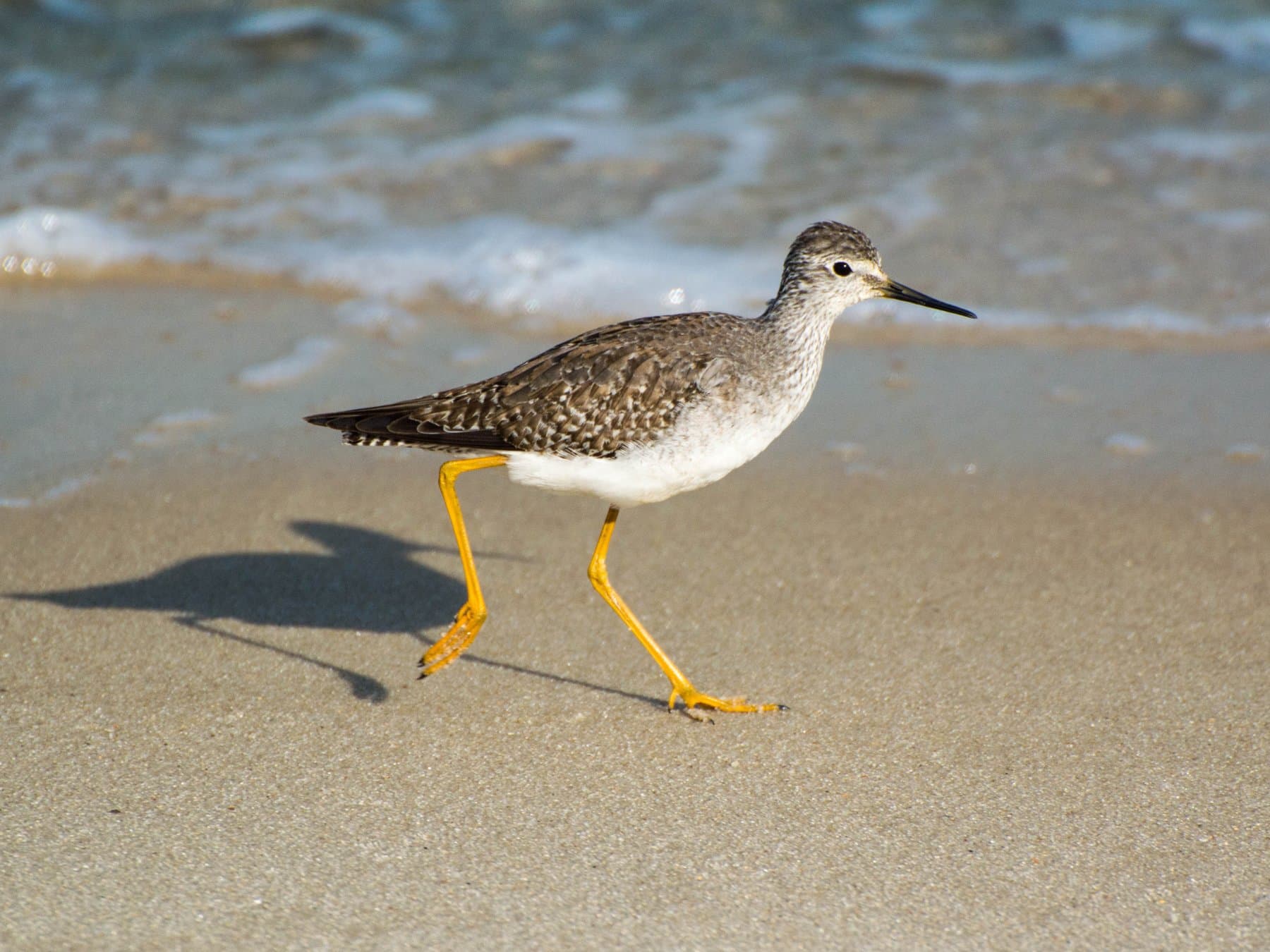
Lesser Yellowlegs
Tringa flavipesVU
A scarce Nearctic wader that turns up as a vagrant, mainly in autumn. Most records come from freshwater marshes and coastal pools in southern England.
Year-round
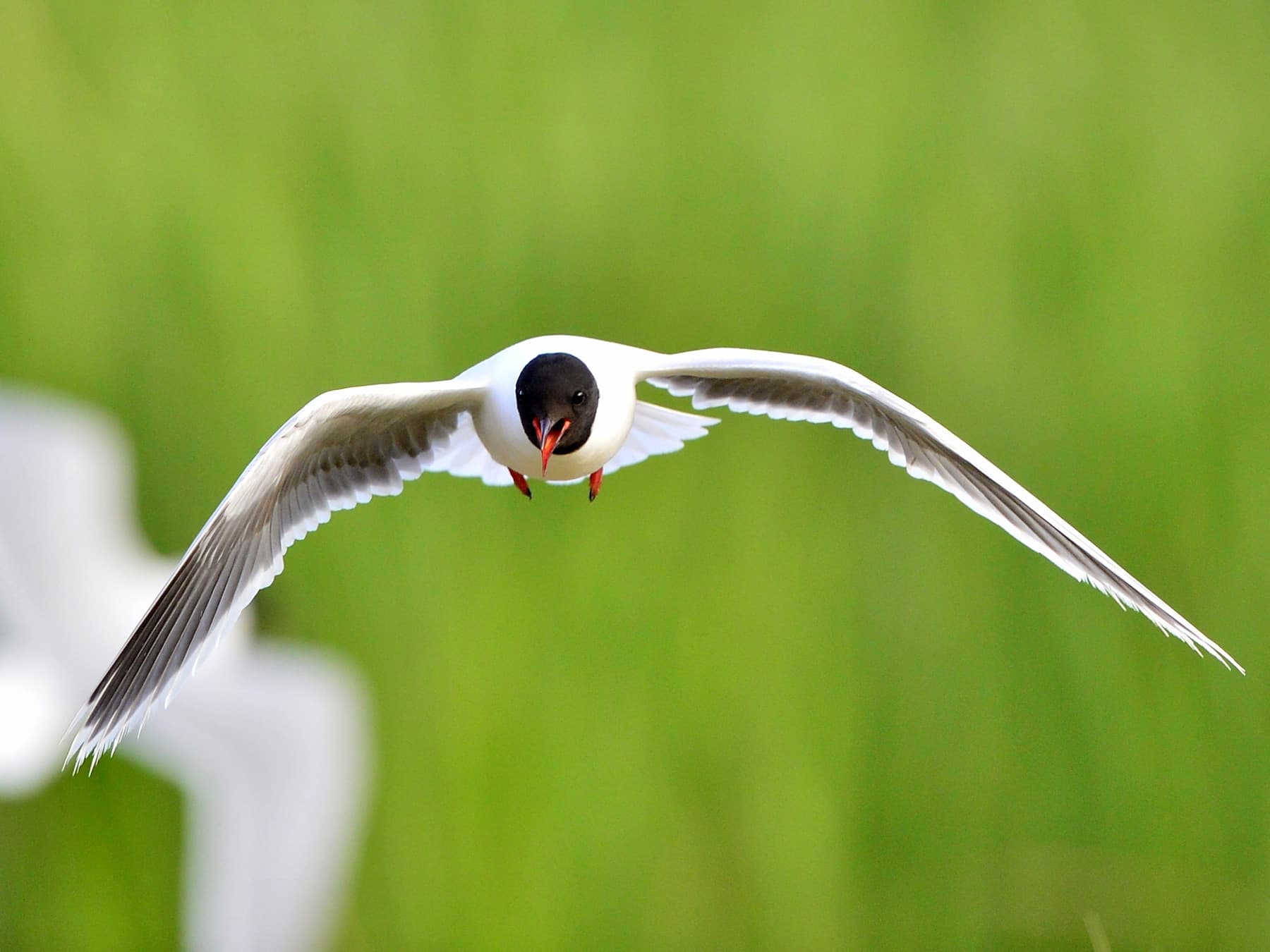
Little Gull
Hydrocoloeus minutusLC
An uncommon gull found year-round at reservoirs, coastal marshes, and estuaries. Numbers peak during passage periods, with a dainty, buoyant flight.
Year-round
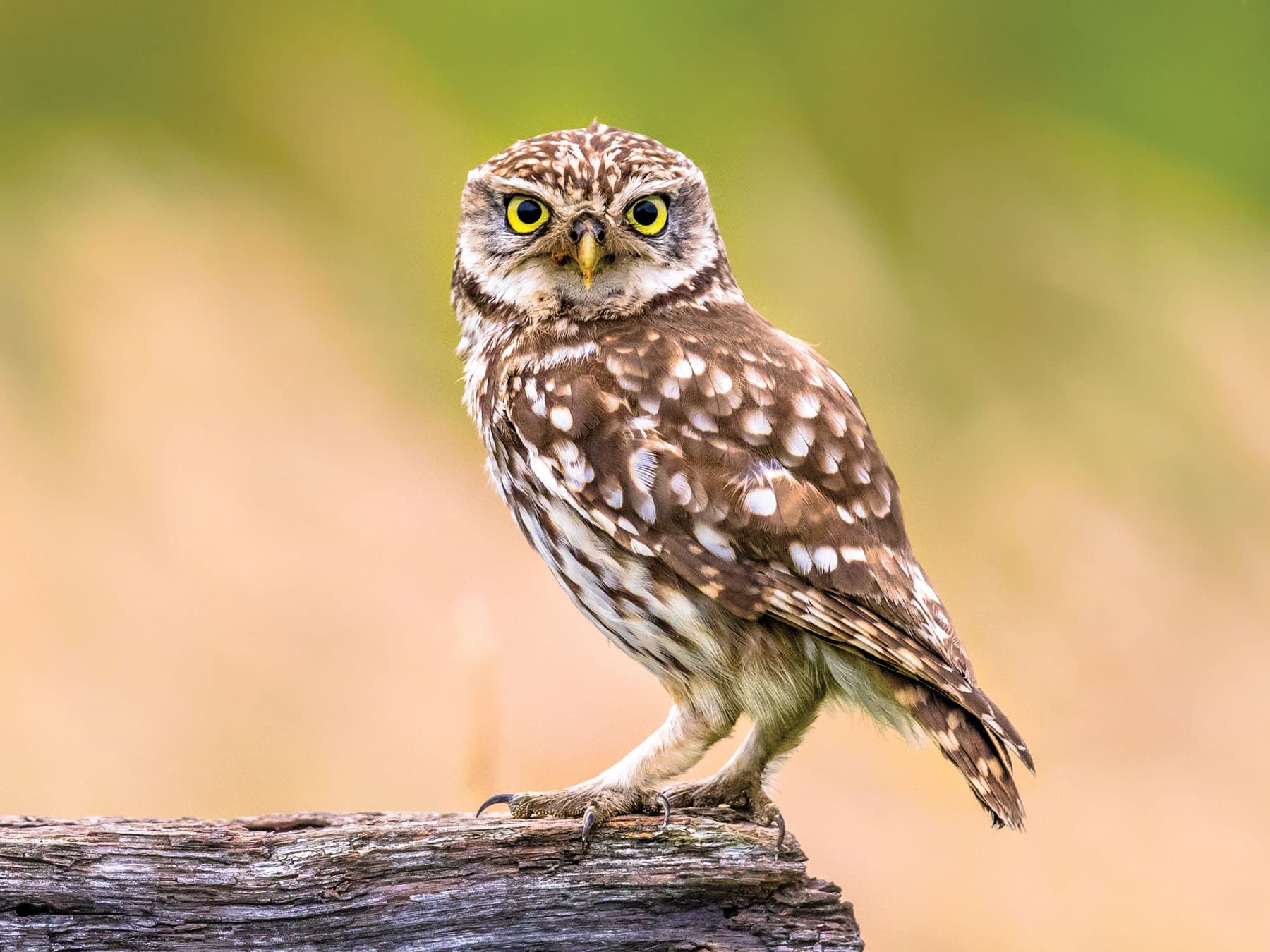
Little Owl
Athene noctuaLC
An introduced resident found year-round in lowland farmland and orchards, mainly in England and Wales. Often perches prominently on fence posts and barn roofs.
Year-round
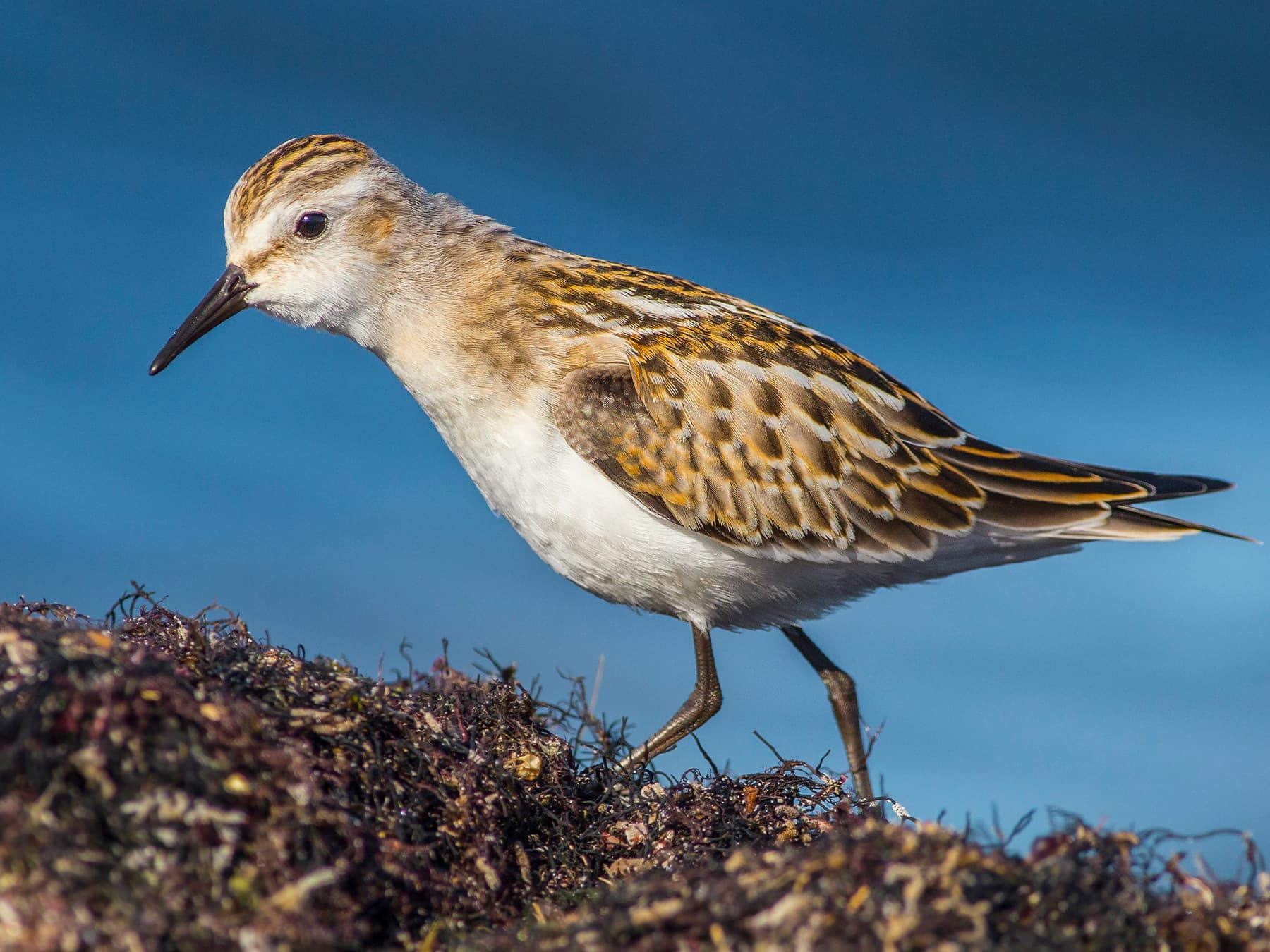
Little Stint
Calidris minutaLC
A small wader found on coastal mudflats and freshwater margins, peaking in autumn passage. Most numerous along eastern and southern estuaries.
Year-round
Spotted something?
Upload a photo to identify it
Identify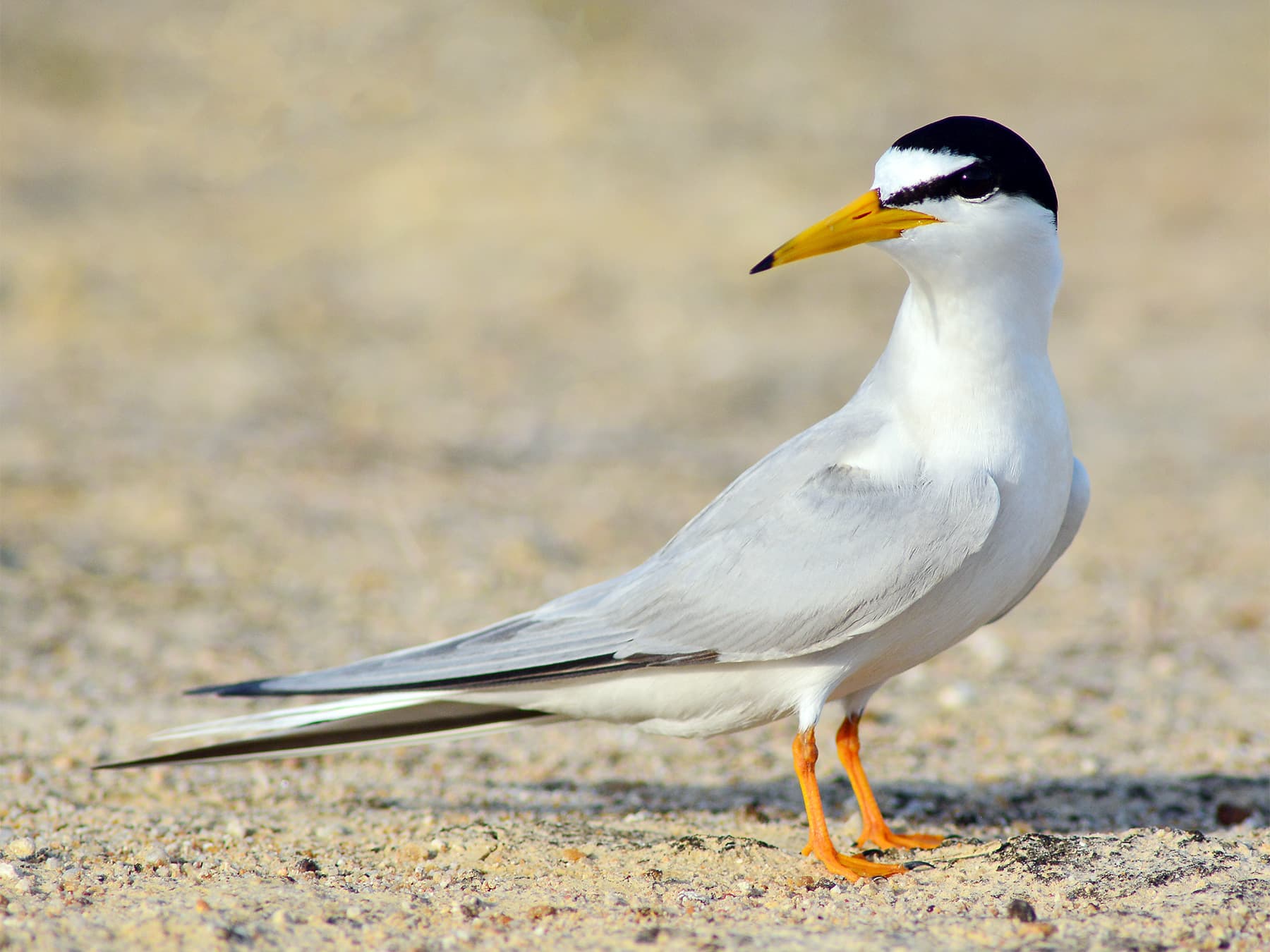
Little Tern
Sternula albifronsLC
An uncommon summer breeder on shingle beaches and sandy coasts from April to September. A Schedule 1 species, vulnerable to disturbance and declining.
Apr–Sep
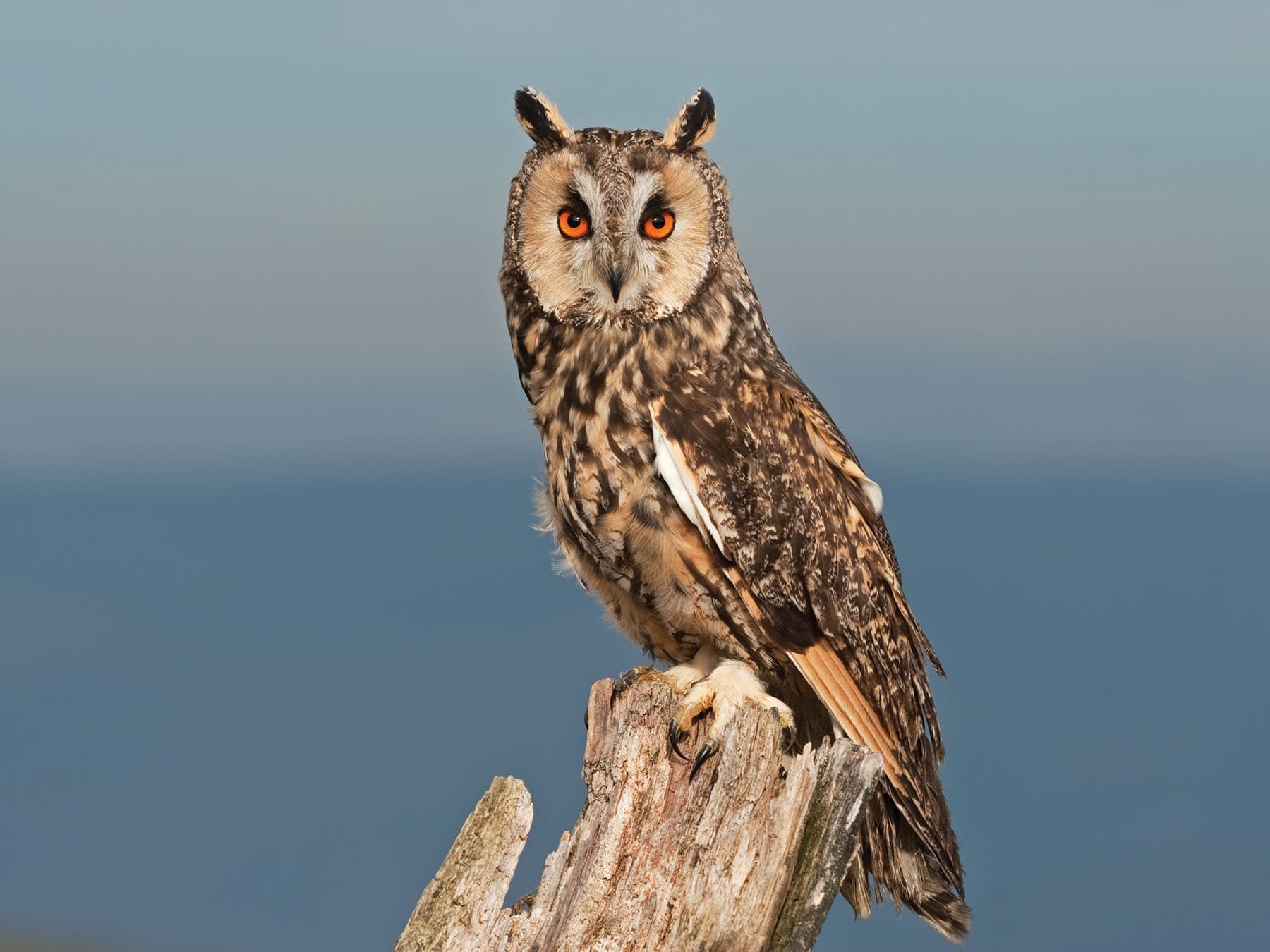
Long-eared Owl
Asio otusLC
A secretive nocturnal resident of dense conifer plantations and thick hedgerows, easily overlooked but present year-round across Britain.
Year-round
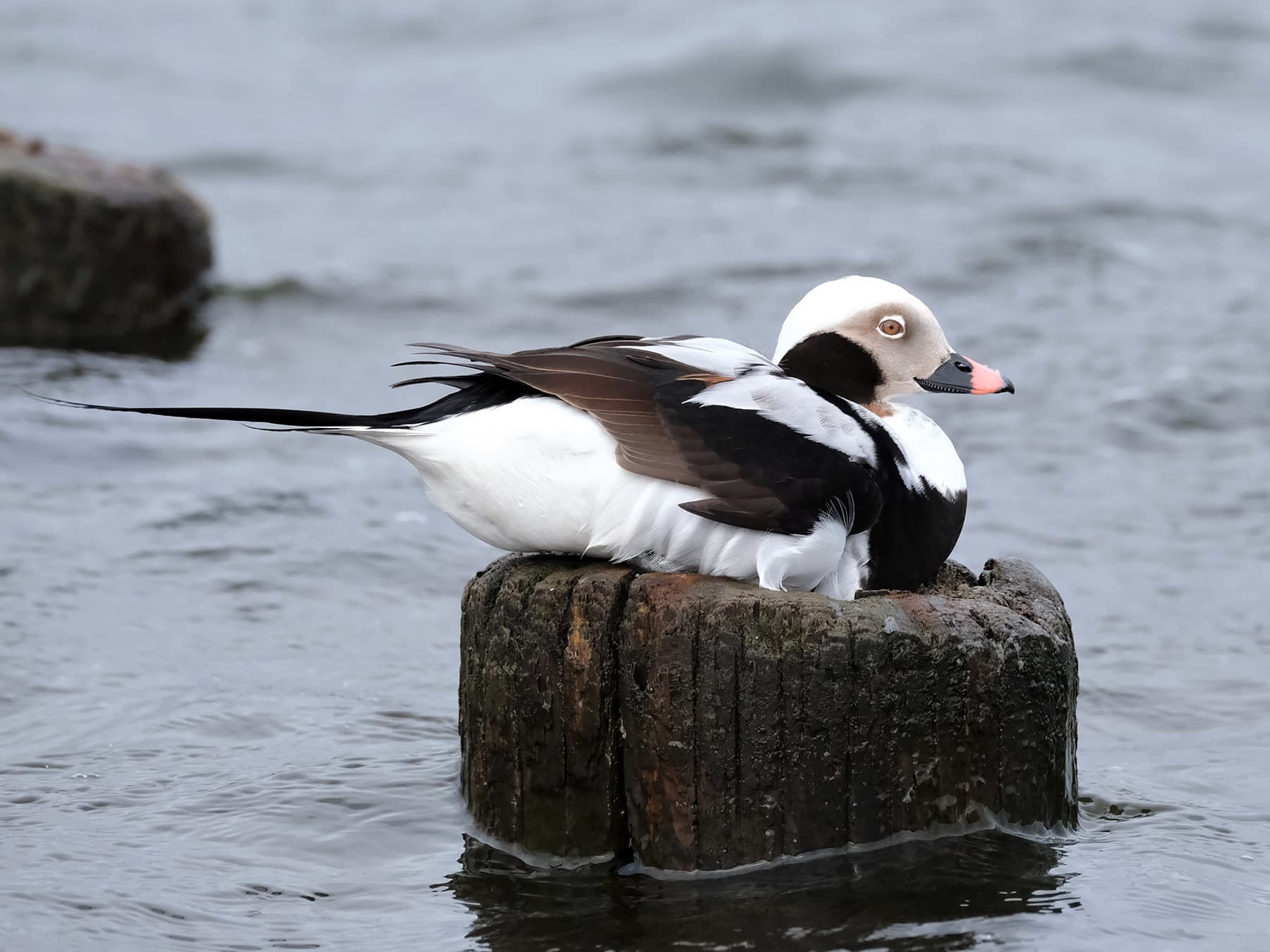
Long-tailed Duck
Clangula hyemalisVU
A scarce sea duck wintering mainly off Scottish coasts. Small numbers breed in the Highlands; most arrive from Scandinavia in autumn.
Sep–May
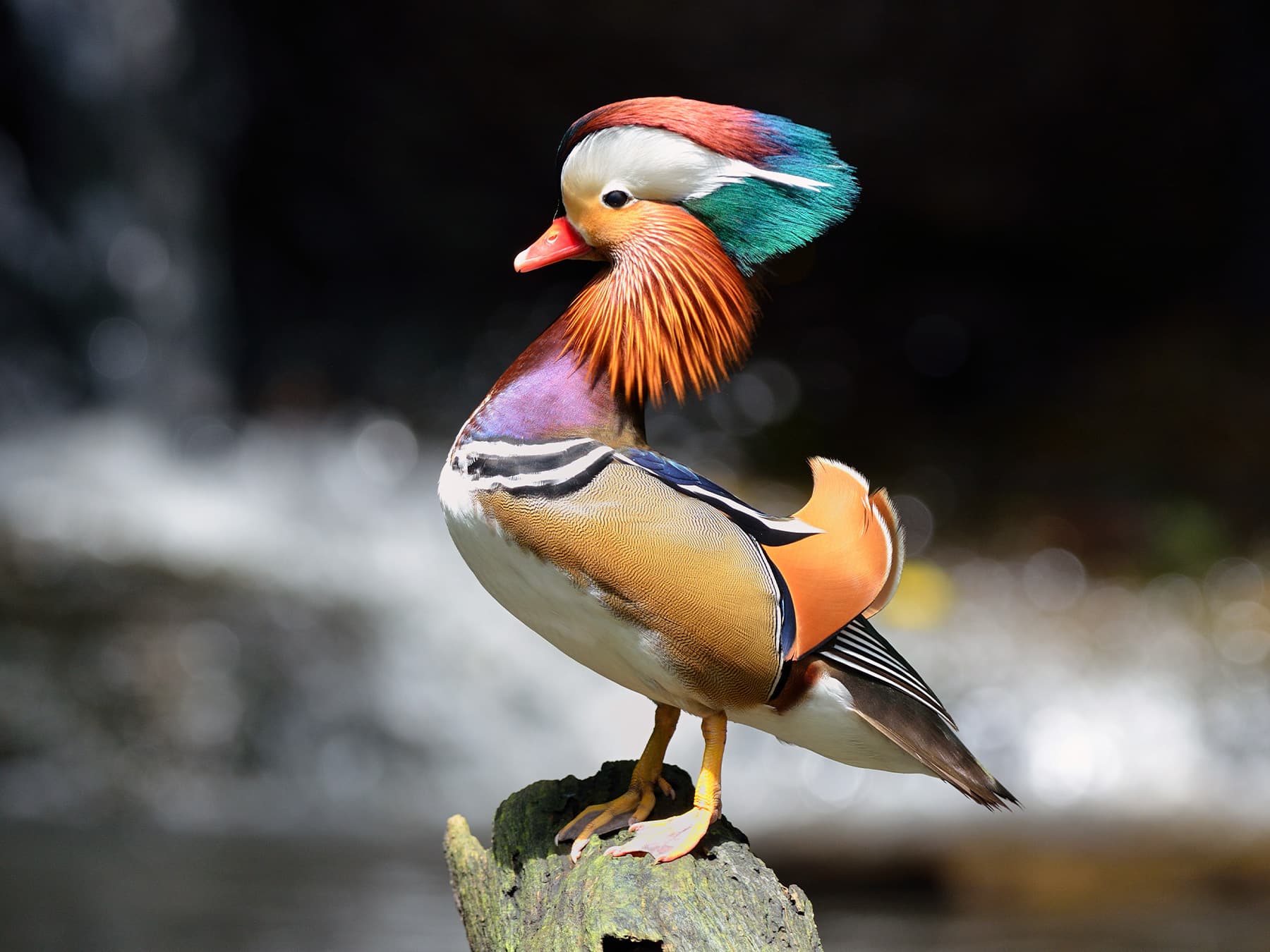
Mandarin Duck
Aix galericulataLC
An uncommon introduced resident of wooded lakes and rivers. The ornate male is unmistakable on park ponds, especially in southern England.
Year-round
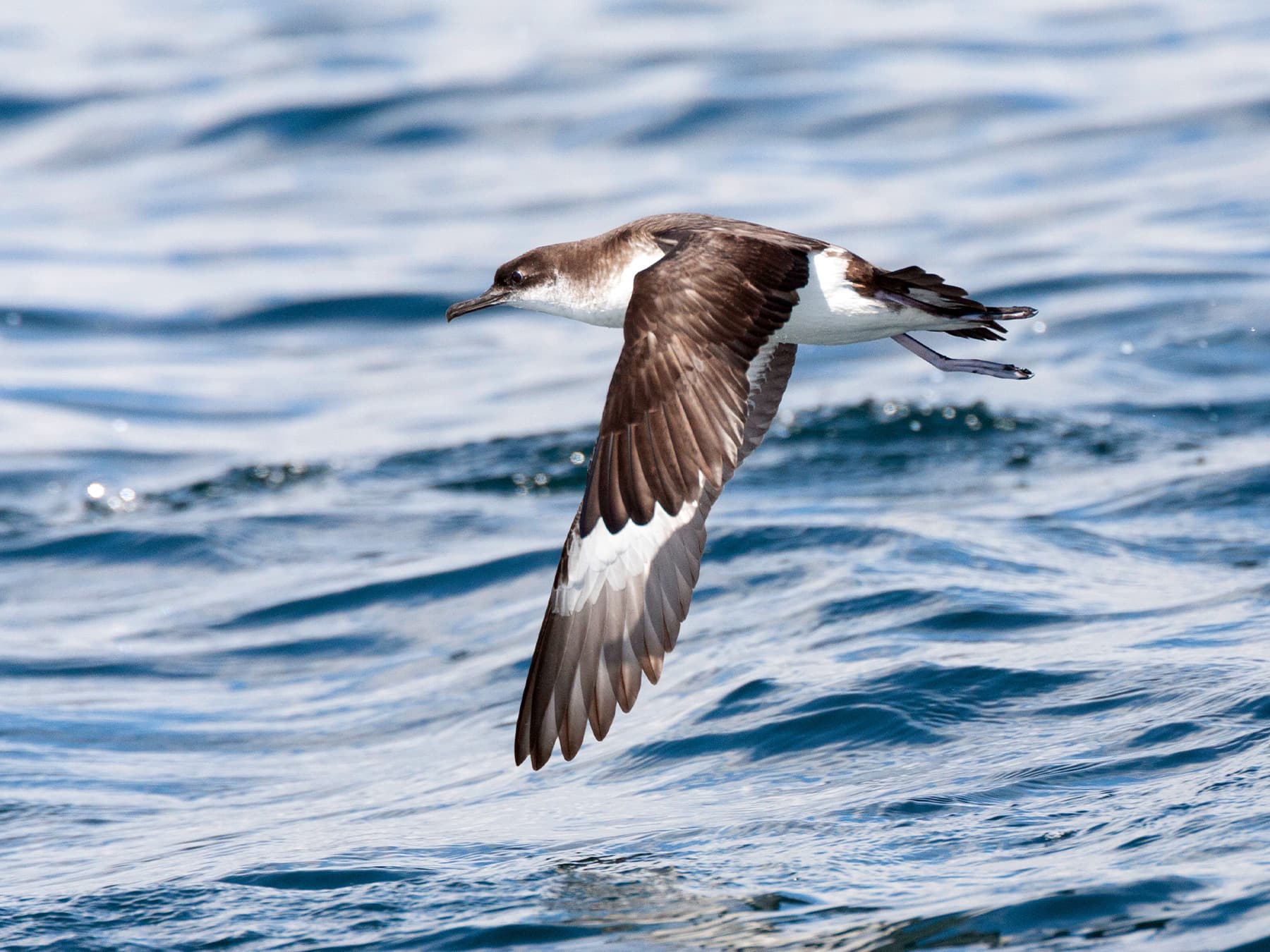
Manx Shearwater
Puffinus puffinusLC
An uncommon breeder on western islands, nesting in burrows on offshore islands. Best known from colonies on Skomer and Rum.
Year-round
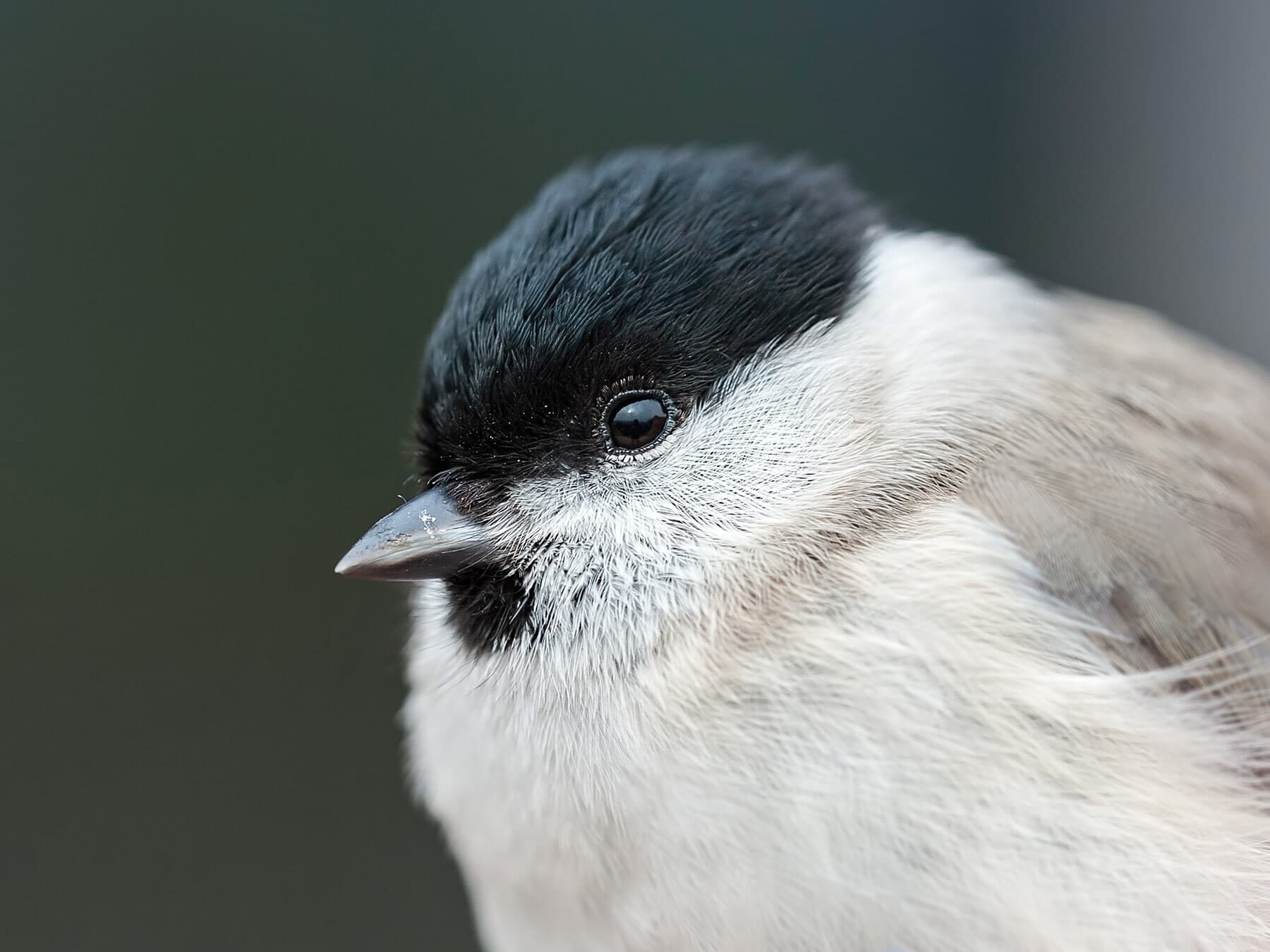
Marsh Tit
Poecile palustrisLC
An uncommon but sedentary resident of mature deciduous woodland in England and Wales. Declining in many areas and absent from Scotland and Ireland.
Year-round
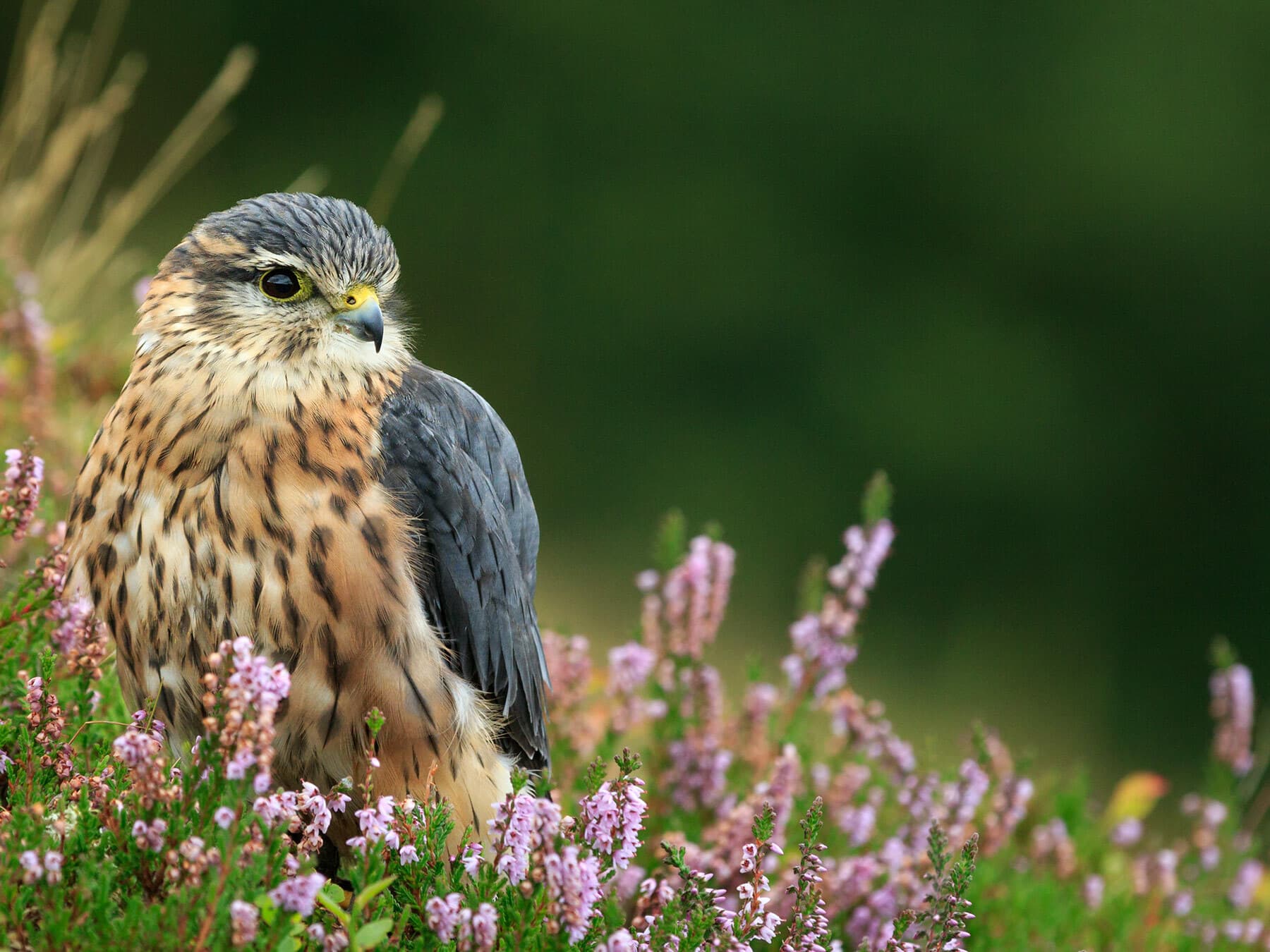
Merlin
Falco columbariusLC
An uncommon resident falcon of upland moors in summer, moving to lowland coasts and marshes in winter.
Year-round
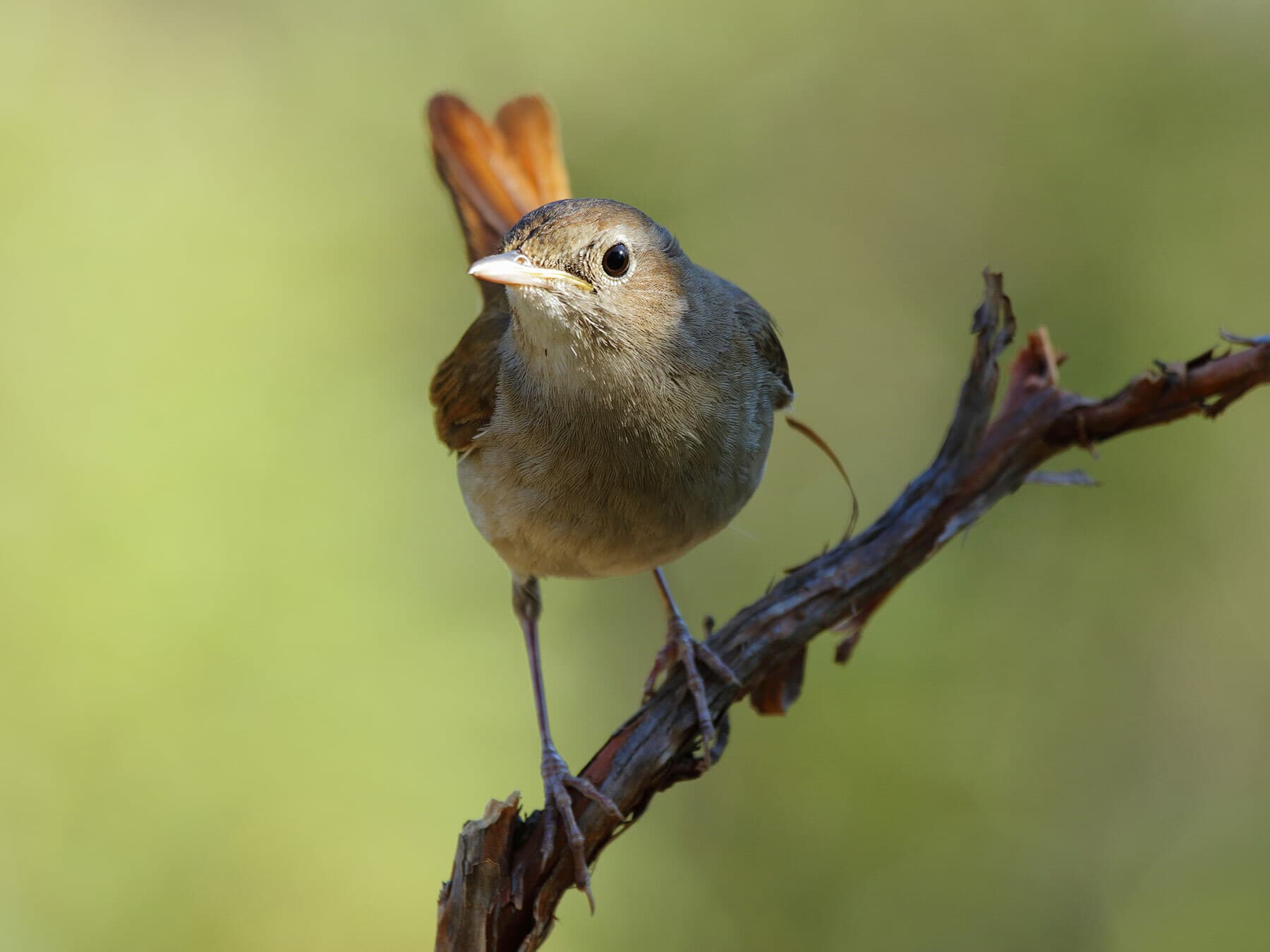
Nightingale
Luscinia megarhynchosLC
An uncommon summer breeder in dense scrub and woodland of south-east England. Its rich, powerful song is heard from April to June.
Apr–Aug
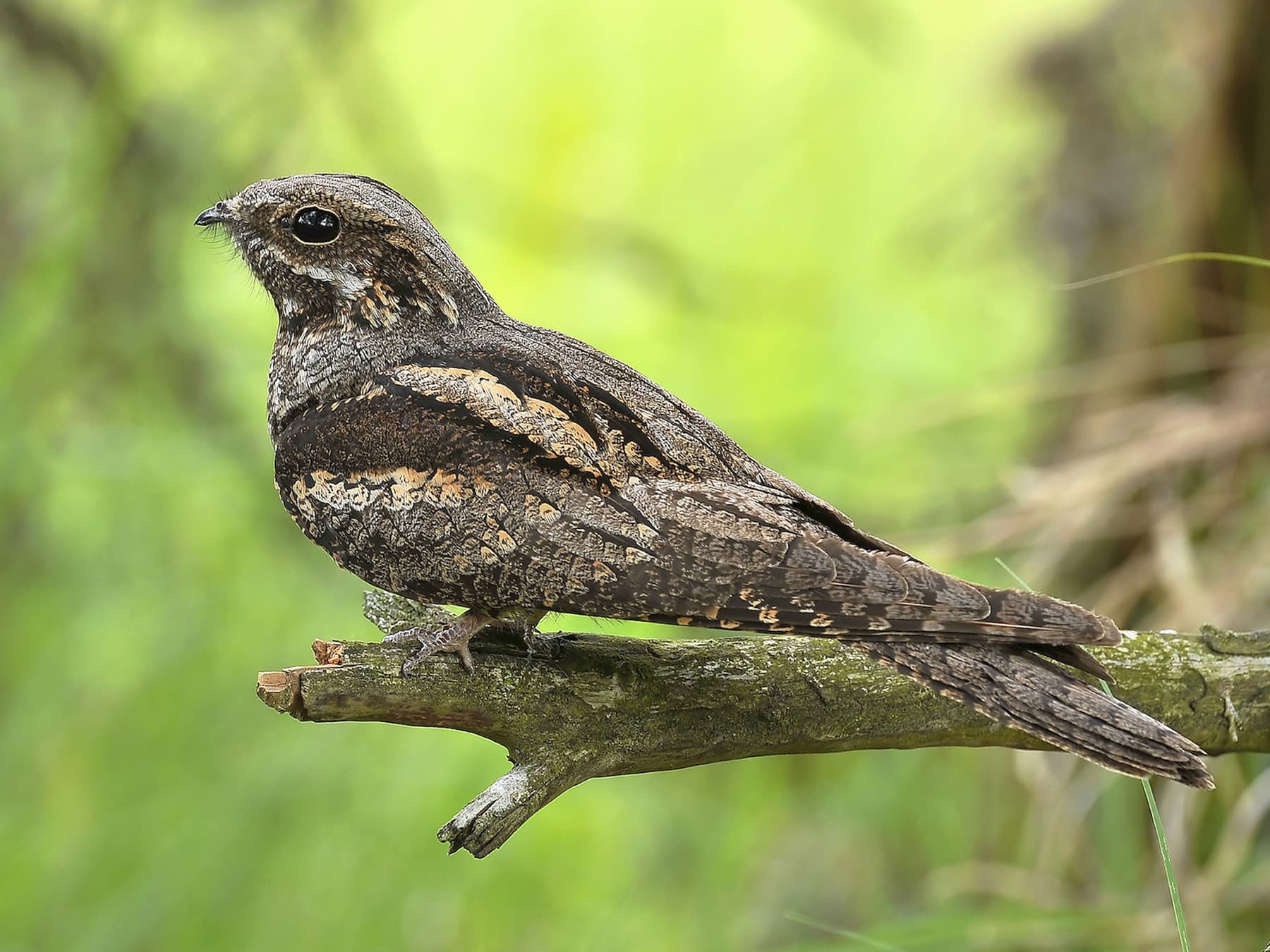
Nightjar
Caprimulgus europaeusLC
A summer visitor arriving in May, breeding on heathland, young forestry plantations and moorland edges. Best detected by its distinctive churring song at dusk.
May–Sep
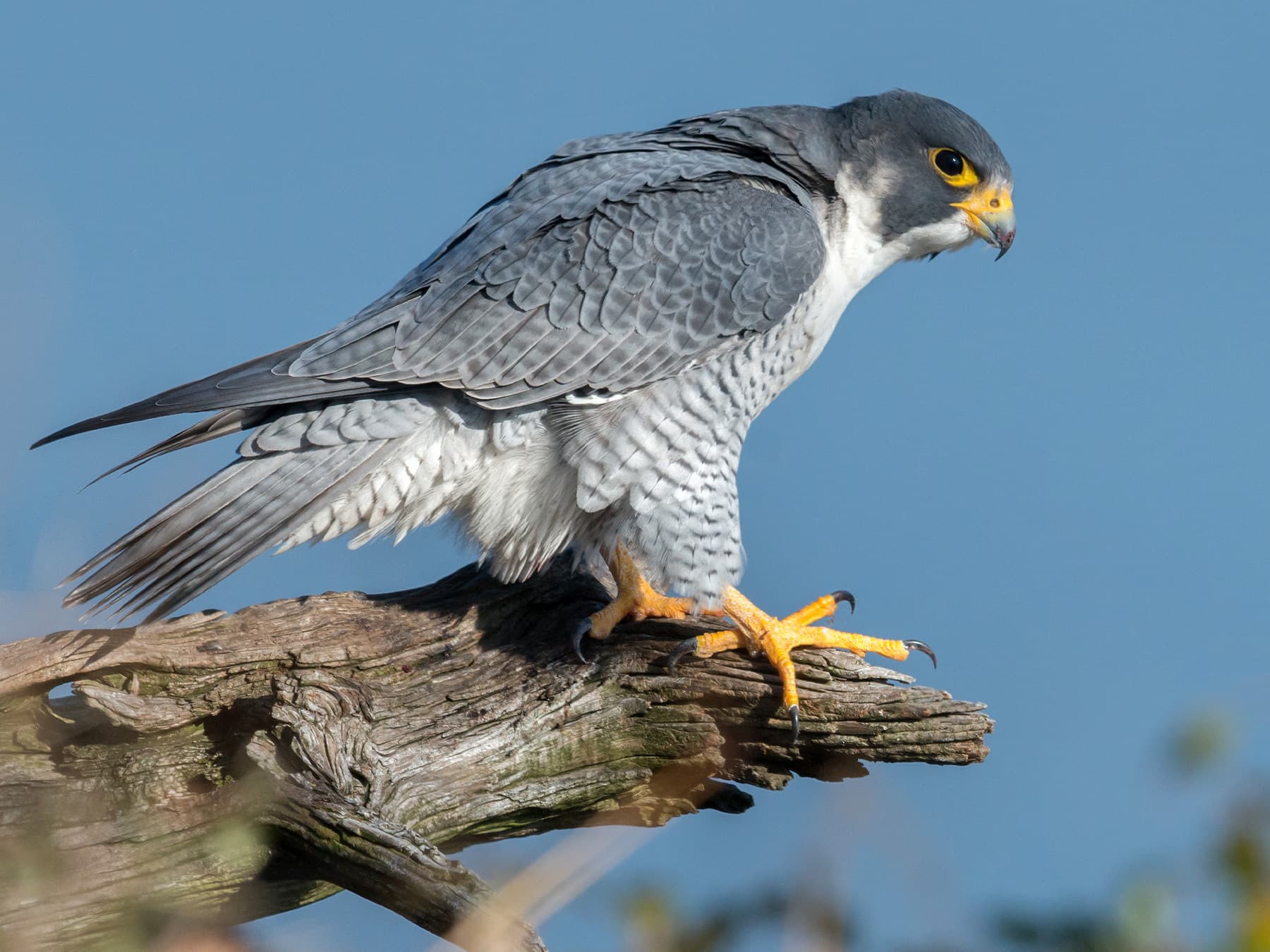
Peregrine Falcon
Falco peregrinusLC
A year-round resident increasingly seen on cathedral ledges and city towers. The world's fastest animal has recovered well from past declines.
Year-round
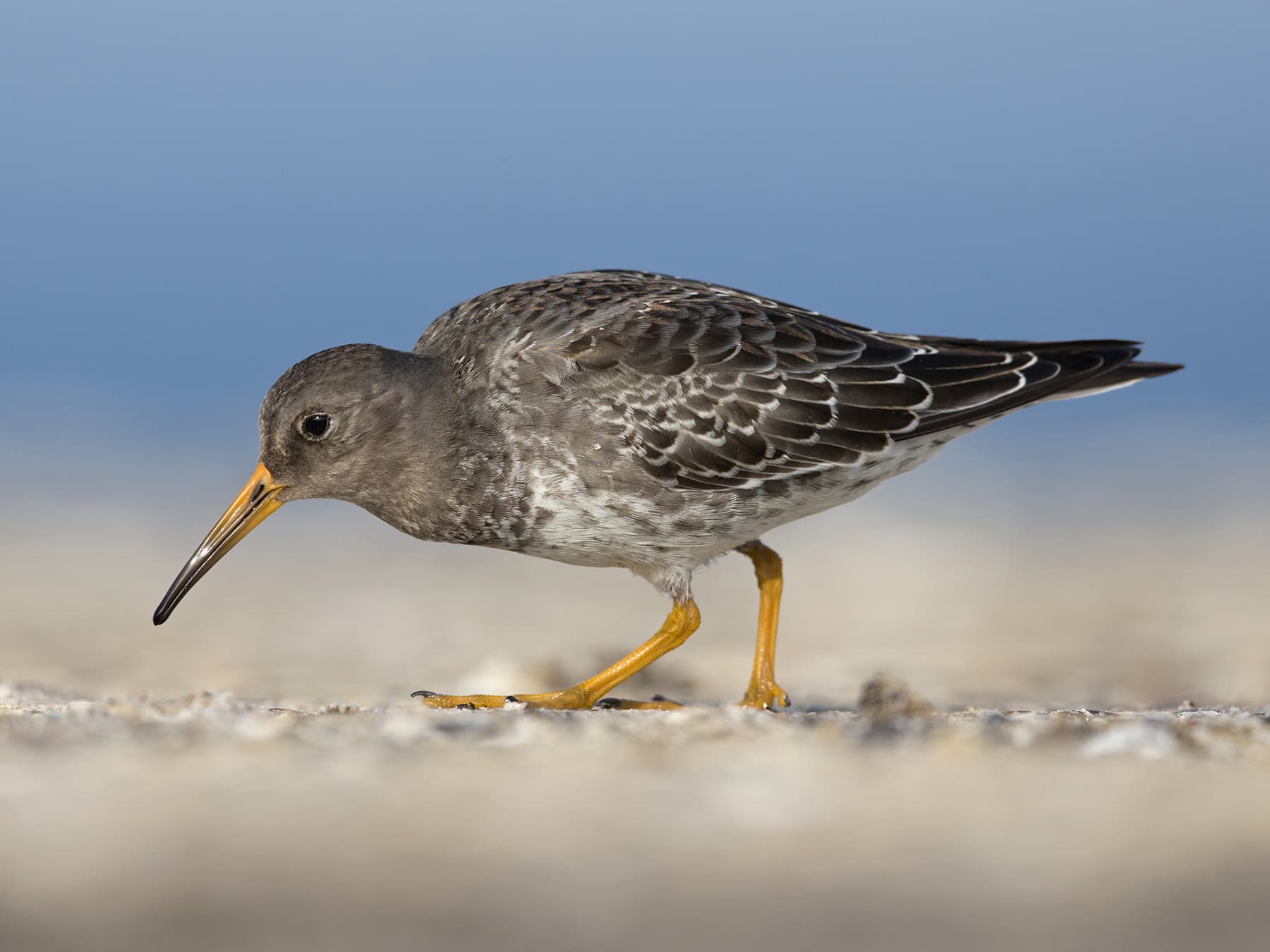
Purple Sandpiper
Calidris maritimaLC
An uncommon wader favouring rocky shorelines and harbour walls, mainly in winter. A tiny number breed in the Scottish Highlands.
Jul–May
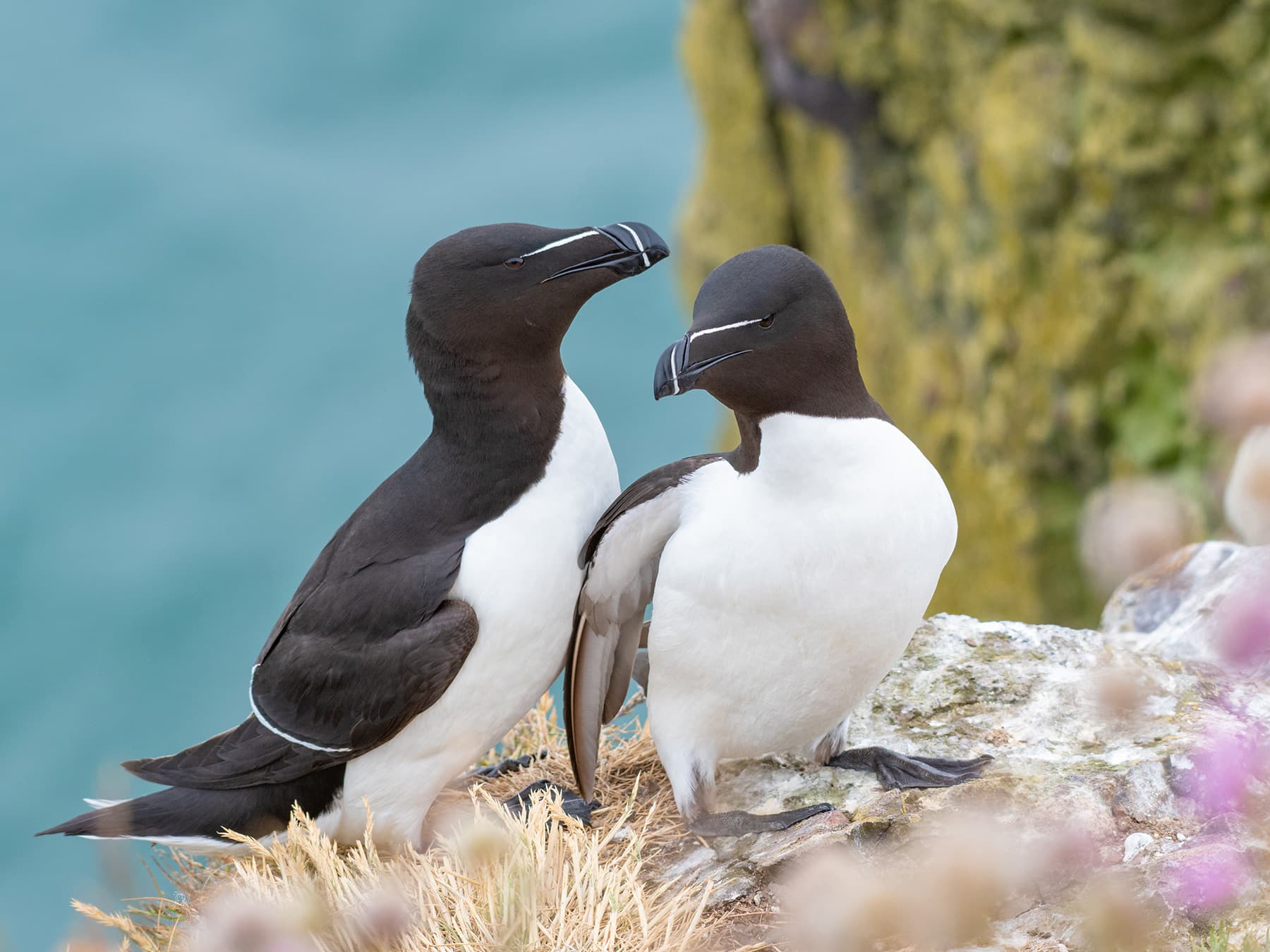
Razorbill
Alca tordaLC
Breeds on sea cliffs around the coast, especially in Scotland and Wales. Disperses offshore in winter but can be seen from headlands year-round.
Year-round
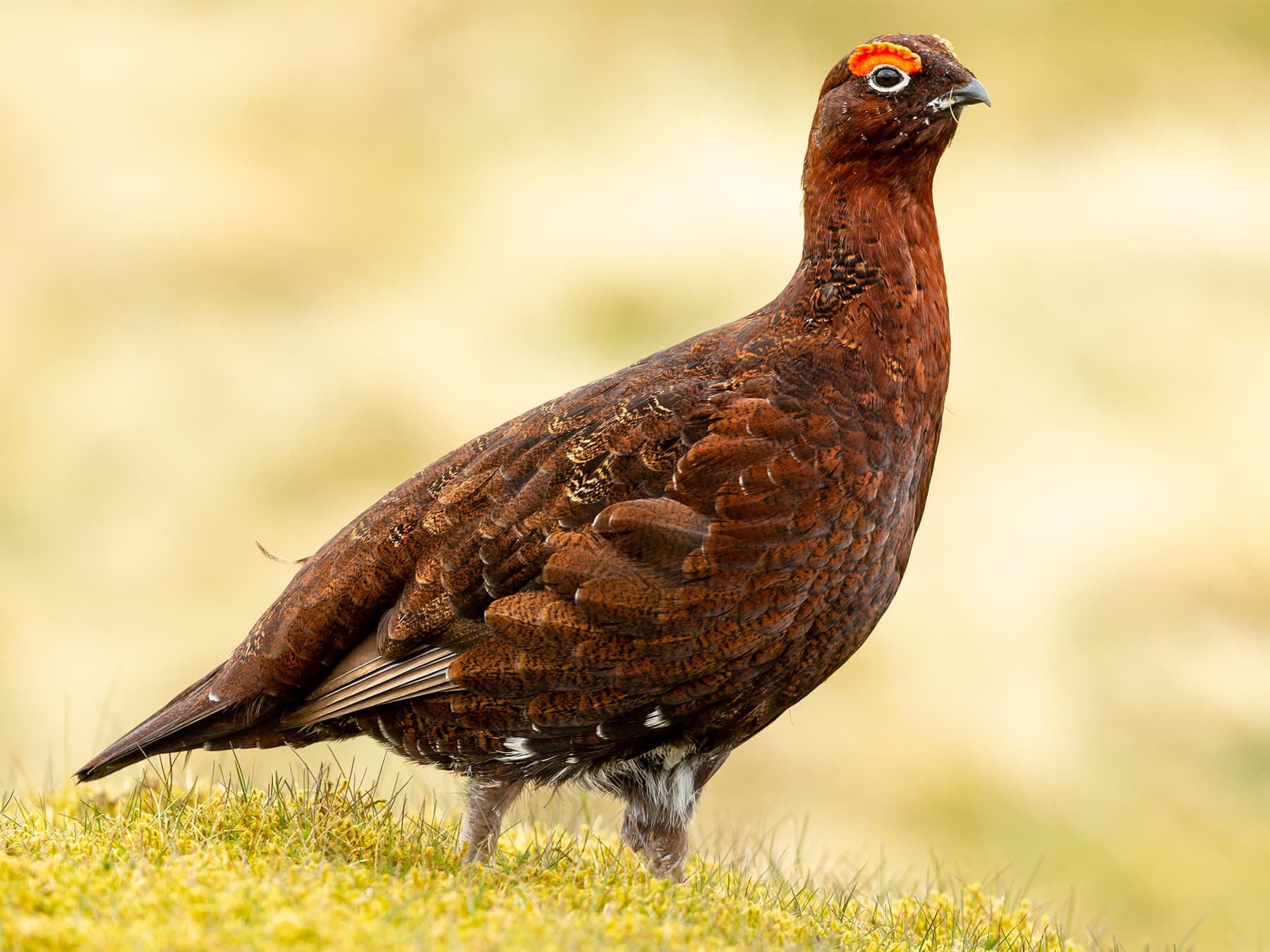
Red Grouse
Lagopus lagopus scoticaLC
A UK endemic subspecies found on heather moorlands across Scotland, northern England and Wales. Populations are closely managed alongside grouse moor shooting.
Year-round
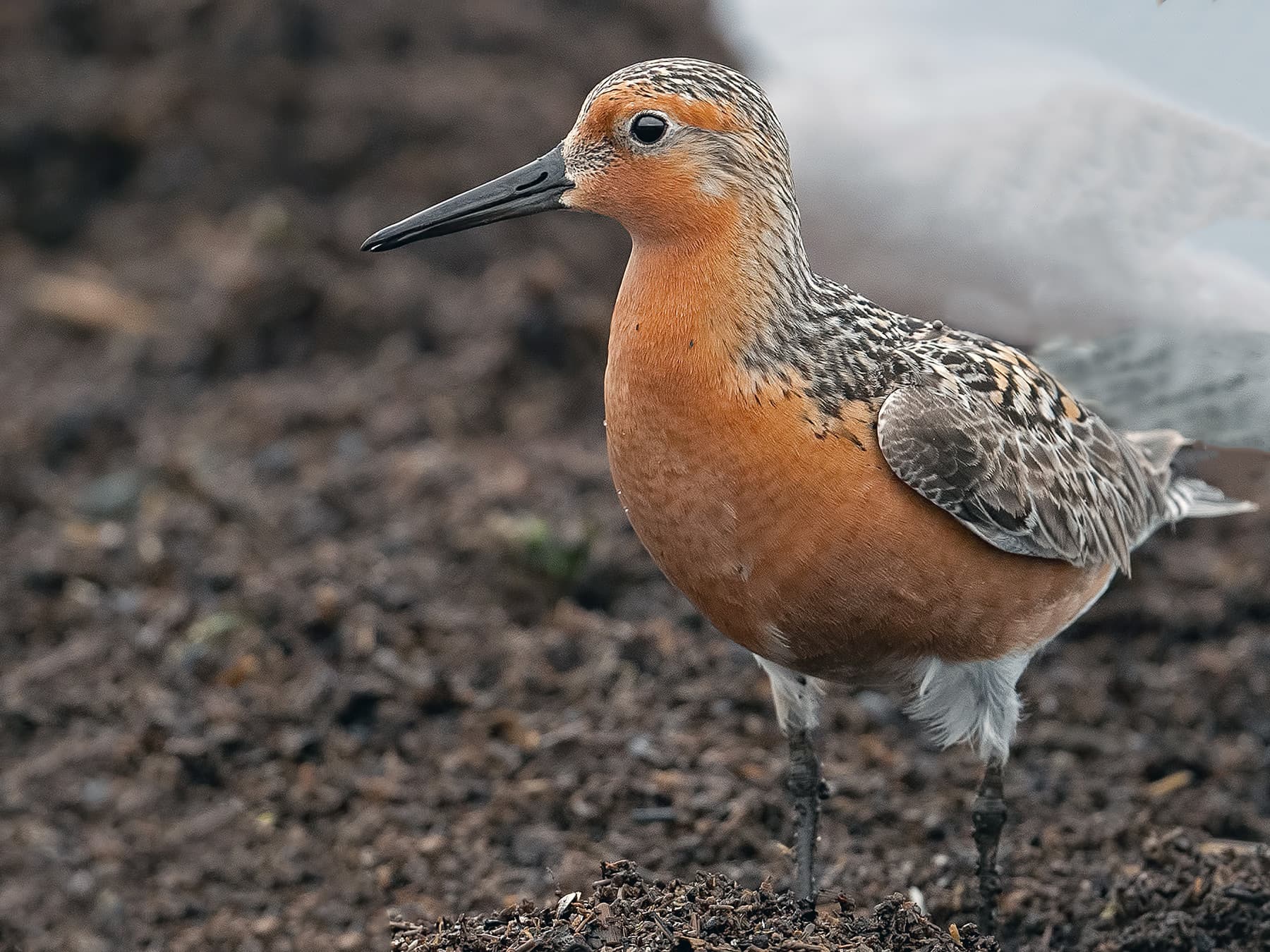
Red Knot
Calidris canutusNT
Gathers in vast winter flocks on estuaries such as the Wash and Morecambe Bay. These Arctic breeders are a spectacular sight swirling over mudflats at high tide.
Year-round
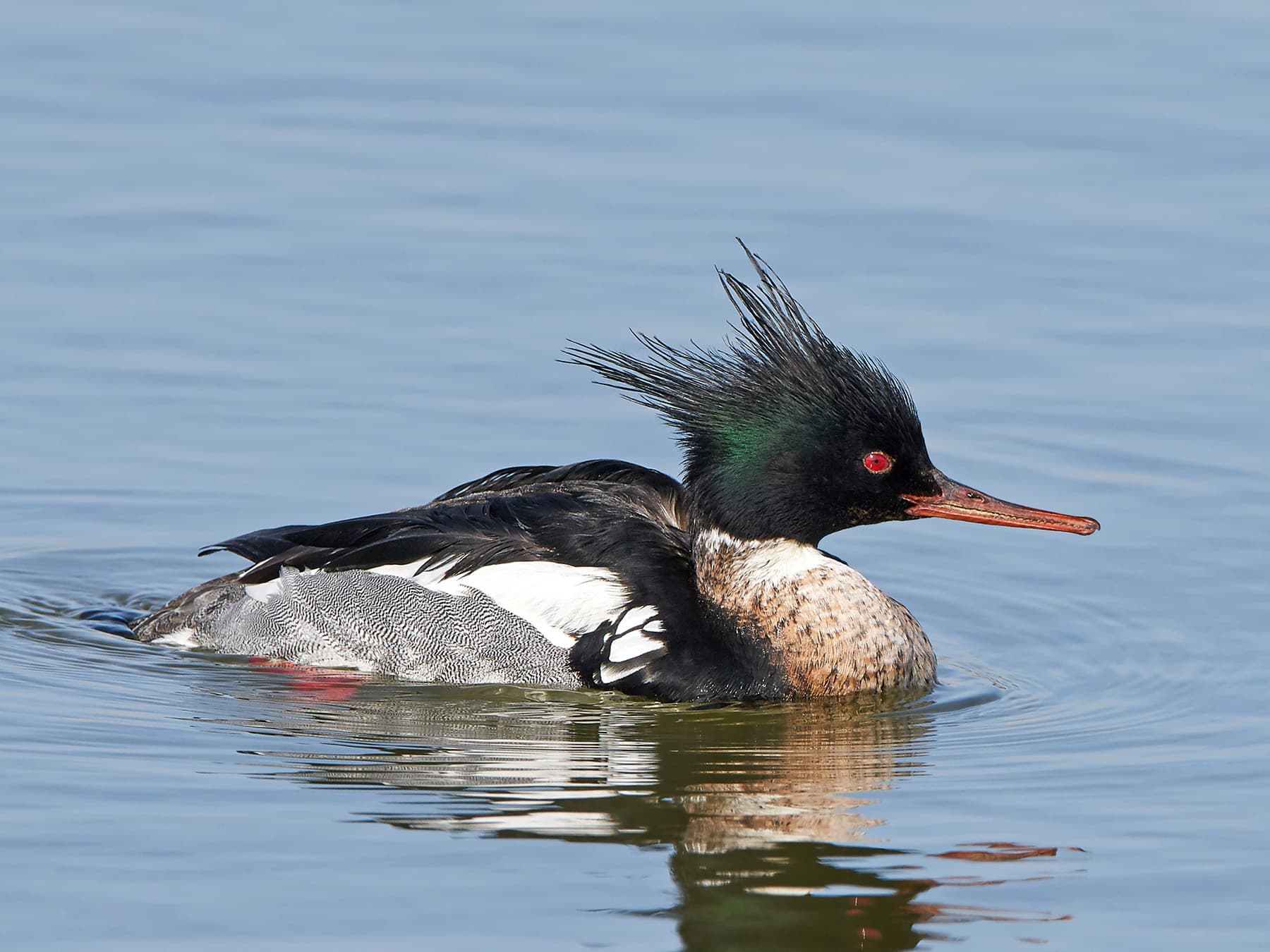
Red-breasted Merganser
Mergus serratorLC
Breeds on rivers and lochs in Scotland and Ireland, moving to sheltered coasts in winter. Often seen in small groups on estuaries.
Year-round