Uncommon Birds in United Kingdom
100 species matching this filter.
The United Kingdom is home to a fascinating array of uncommon bird species, with 96 recorded across its diverse landscapes. From the haunting call of the Barn Owl over farmland hedgerows to the striking Arctic Jaeger patrolling northern coastlines, these less frequently encountered species reward patient and dedicated birdwatchers. Habitats ranging from Scottish sea cliffs hosting Black Guillemots and Great Skuas to the heathlands favoured by the Eurasian Stone-curlew make the UK a remarkably varied birding destination.


Showing 24–46 of 100 species
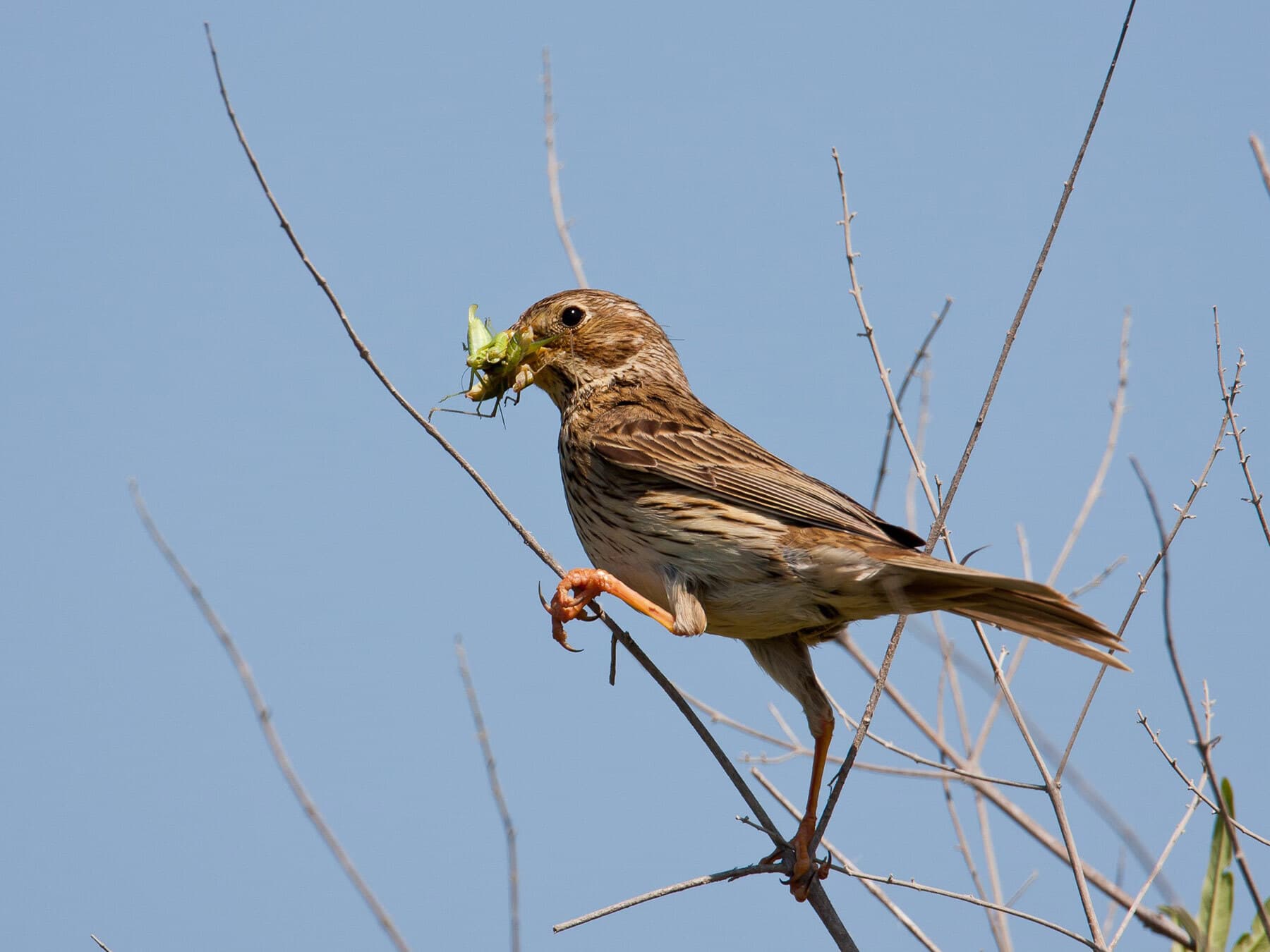
Corn Bunting
Emberiza calandraLC
A declining resident of arable farmland, often perched on wires or fence posts delivering its jangling song. Now largely restricted to parts of eastern and southern England.
Year-round
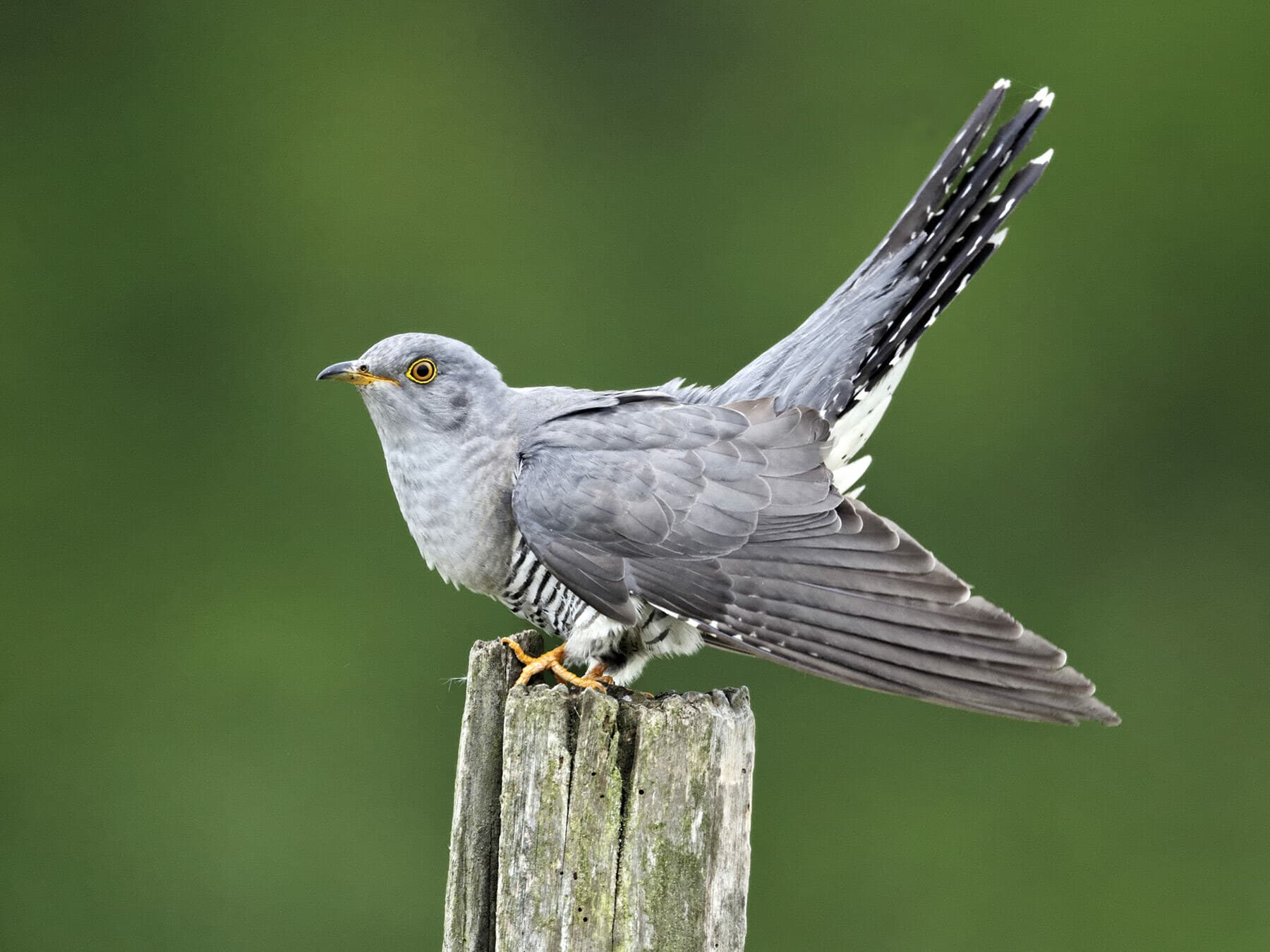
Cuckoo
Cuculus canorusLC
A declining summer visitor arriving in April, its distinctive call heard across woodlands and reedbeds before departing by September.
Apr–Sep
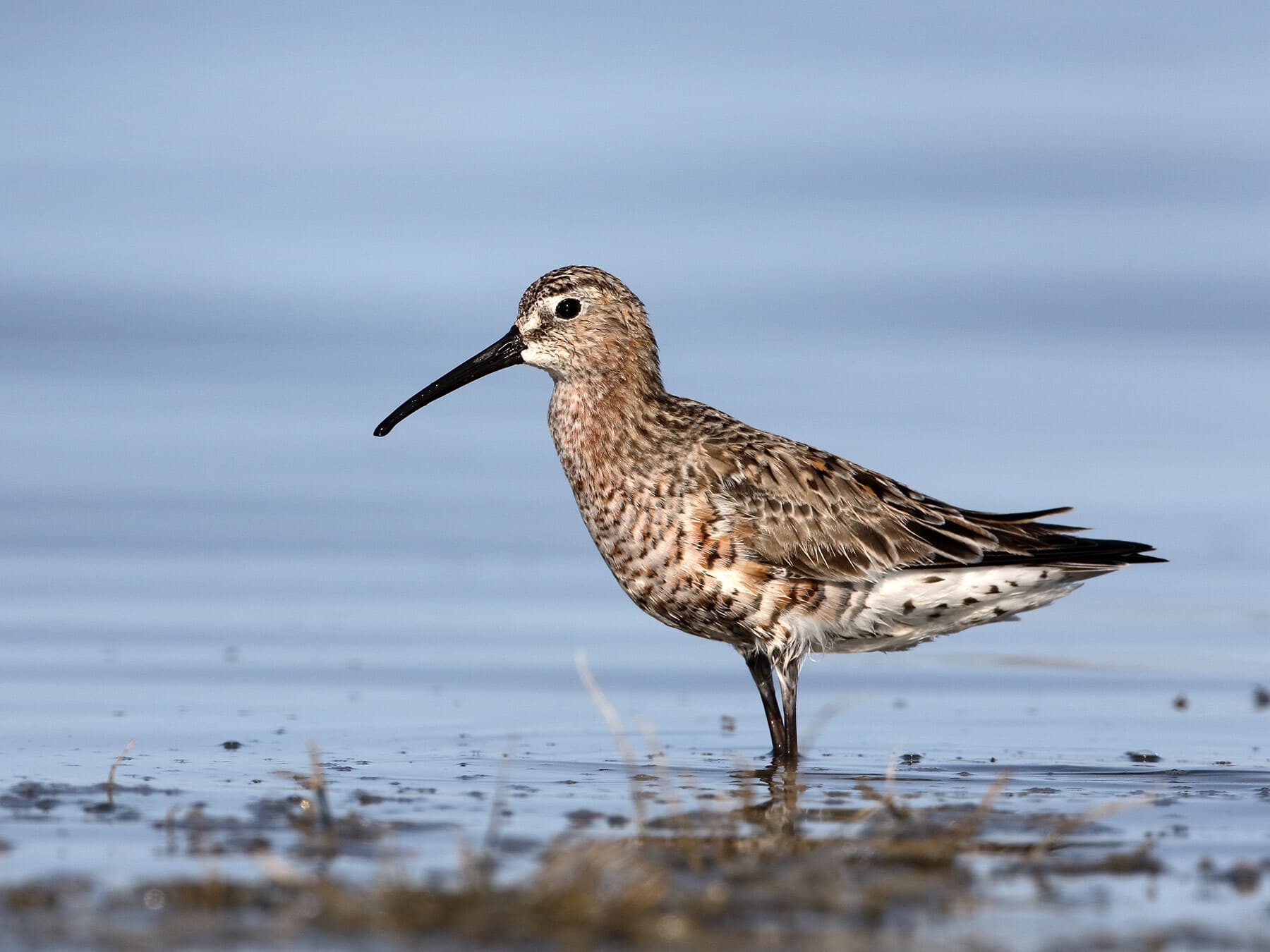
Curlew Sandpiper
Calidris ferrugineaNT
An uncommon passage wader seen mainly on coastal mudflats and estuaries from late summer into autumn. Most records come from eastern and southern England.
Apr–Nov
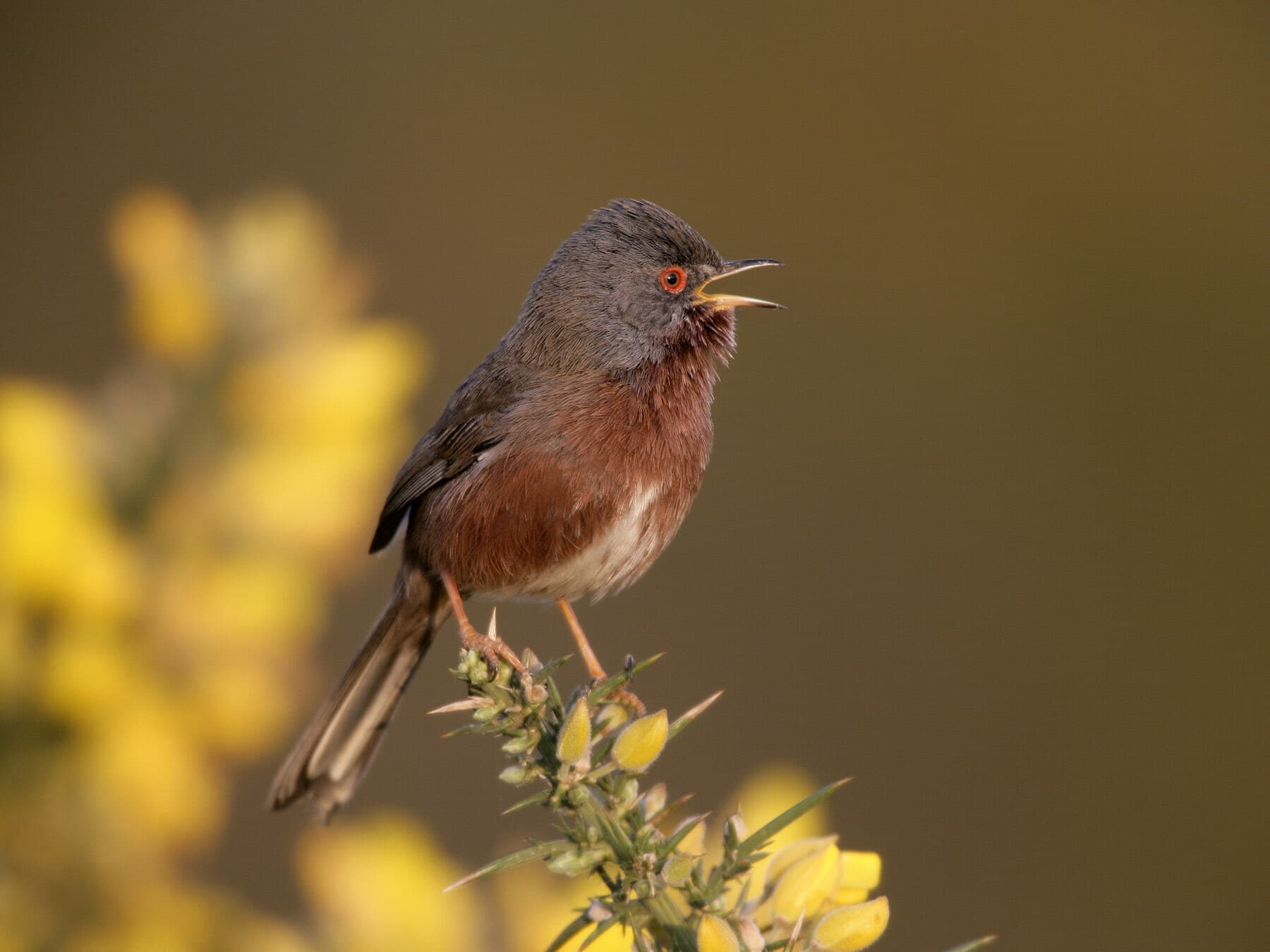
Dartford Warbler
Curruca undataNT
A scarce resident of lowland heathland and gorse scrub, mainly in southern England. Sensitive to harsh winters but has slowly expanded its range in recent decades.
Year-round
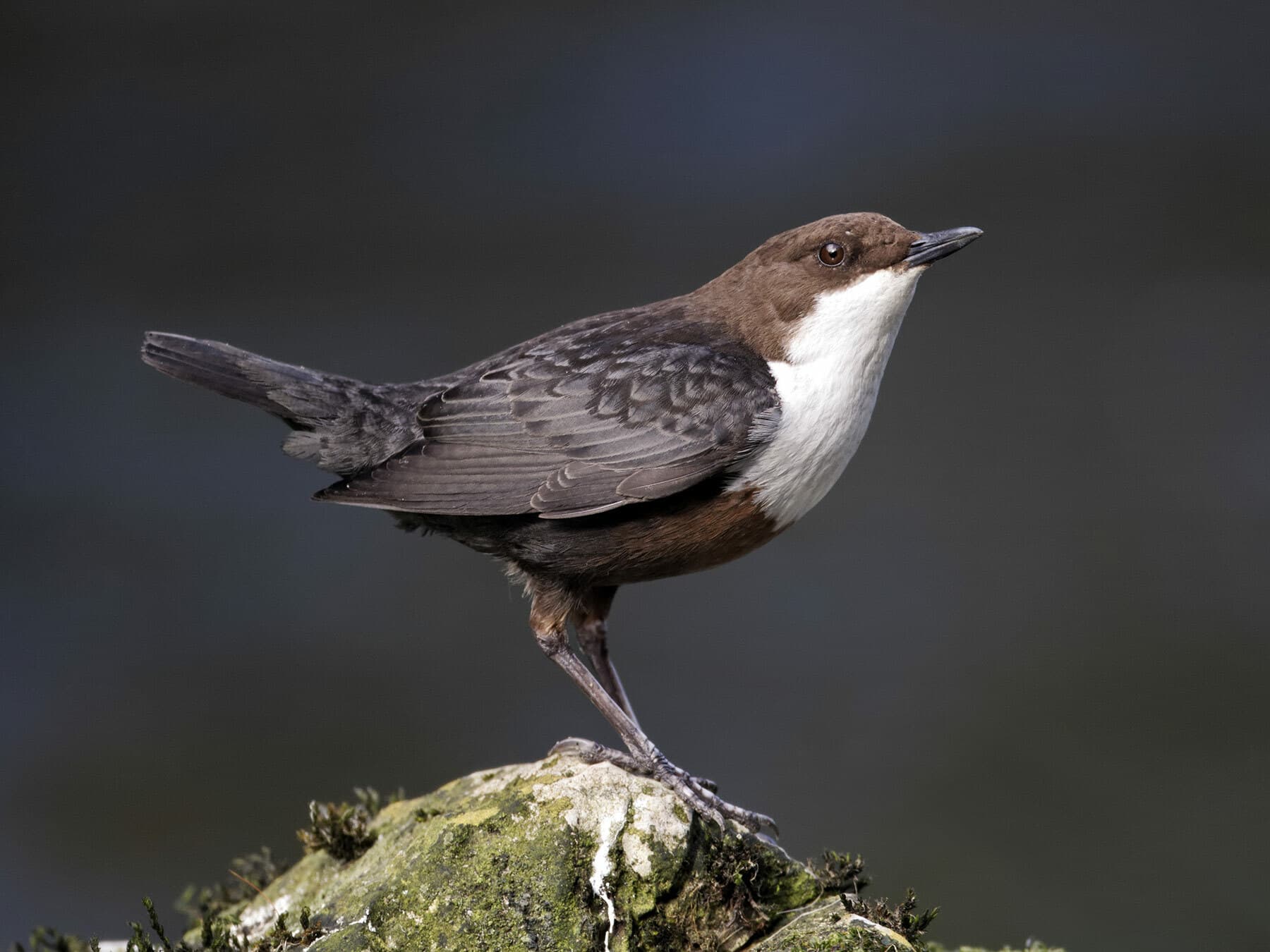
Dipper
Cinclus cinclusLC
An uncommon but charismatic resident of fast-flowing upland streams in Wales, Scotland, and northern England. Bobs on rocks before plunging underwater to feed.
Year-round
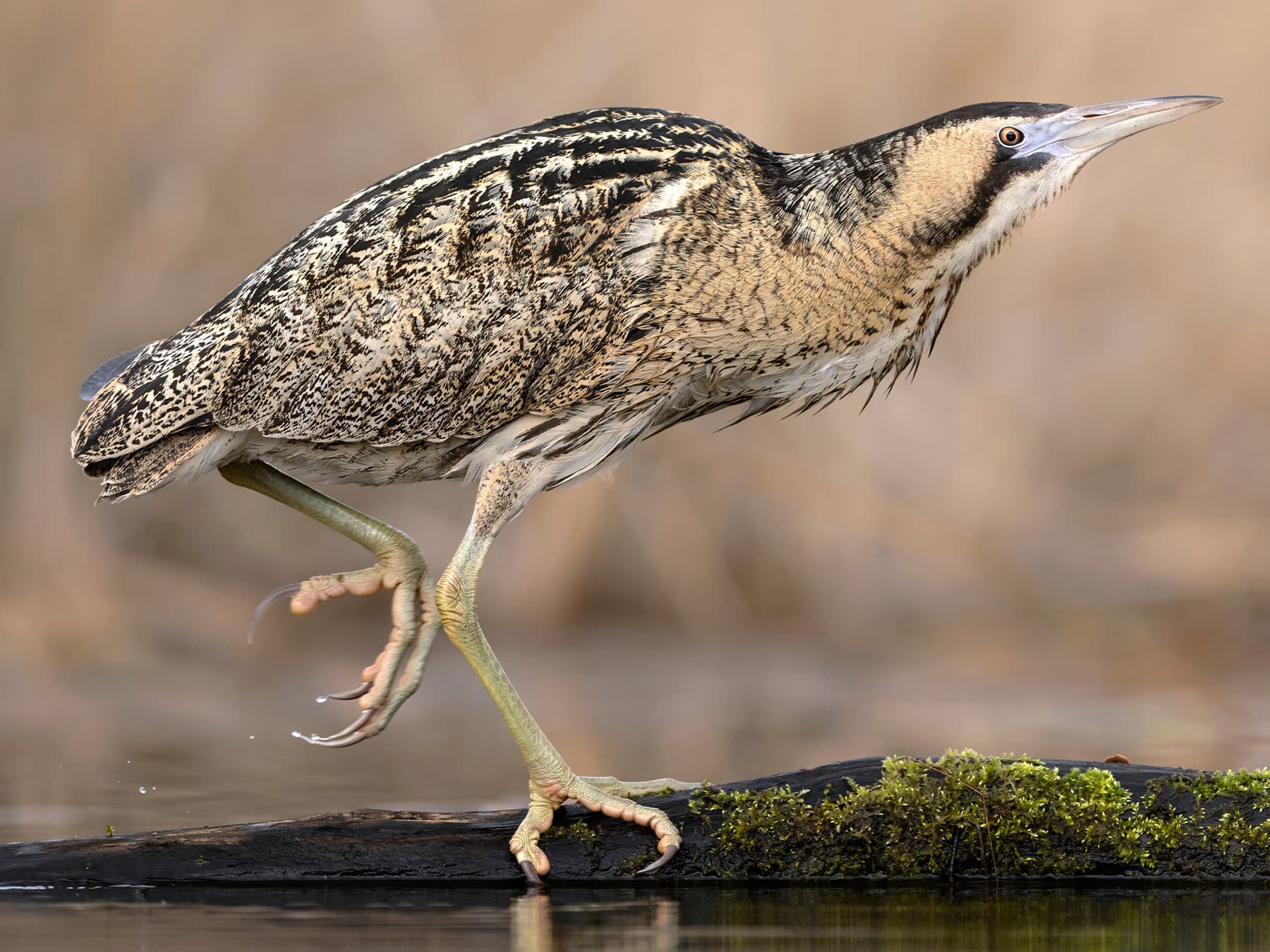
Eurasian Bittern
Botaurus stellarisLC
A secretive resident of extensive reedbeds, best known for the male's deep booming call in spring. Conservation efforts have helped numbers recover at key wetland sites.
Year-round
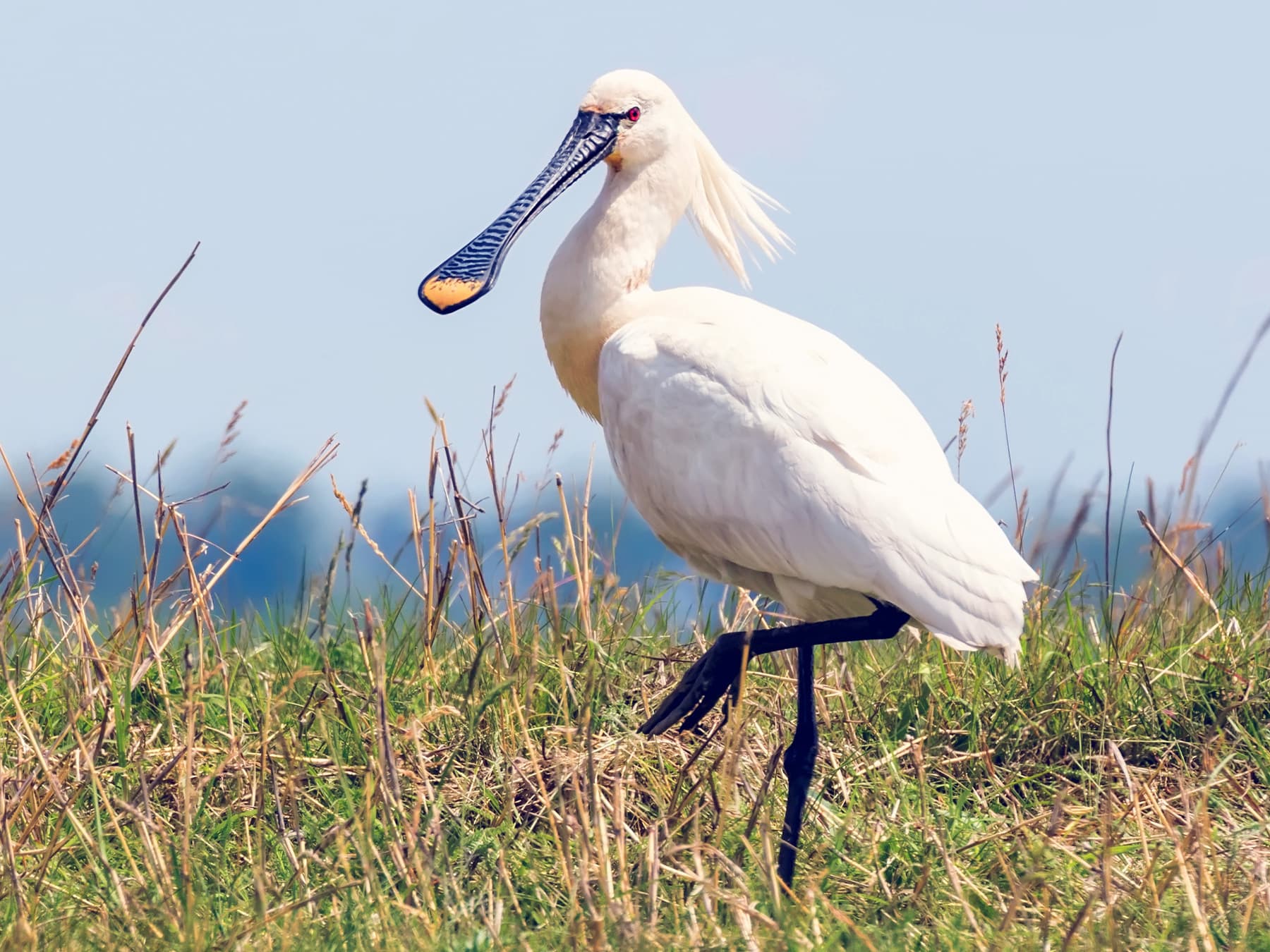
Eurasian Spoonbill
Platalea leucorodiaLC
An uncommon but increasing resident, now breeding at a handful of sites in East Anglia. Favours shallow wetlands and coastal lagoons.
Year-round
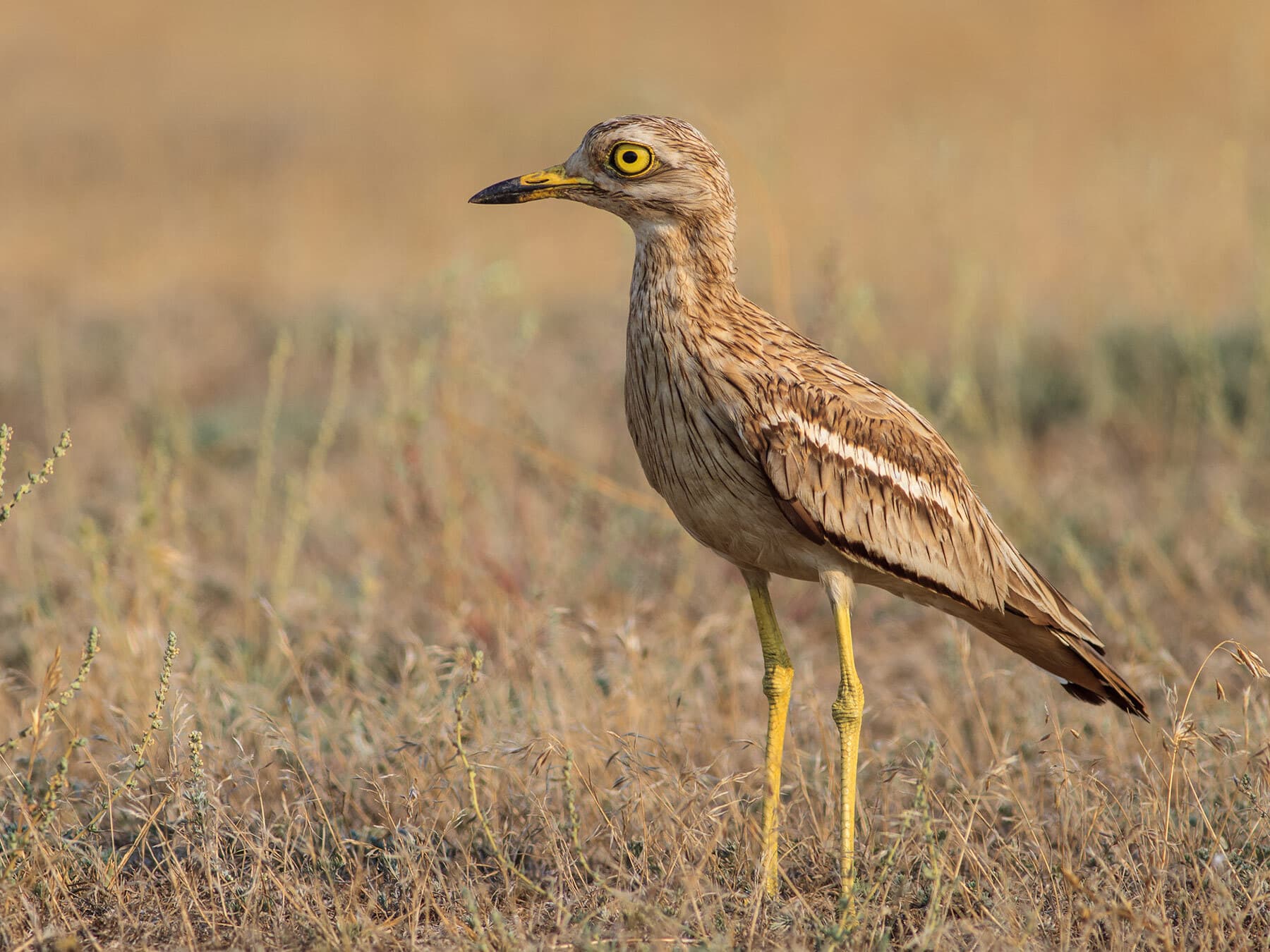
Eurasian Stone-curlew
Burhinus oedicnemusLC
A scarce breeding visitor to chalk downland and heathland, mainly in East Anglia and Wiltshire. Its eerie nocturnal calls carry far across open stony ground.
Mar–Oct
Spotted something?
Upload a photo to identify it
Identify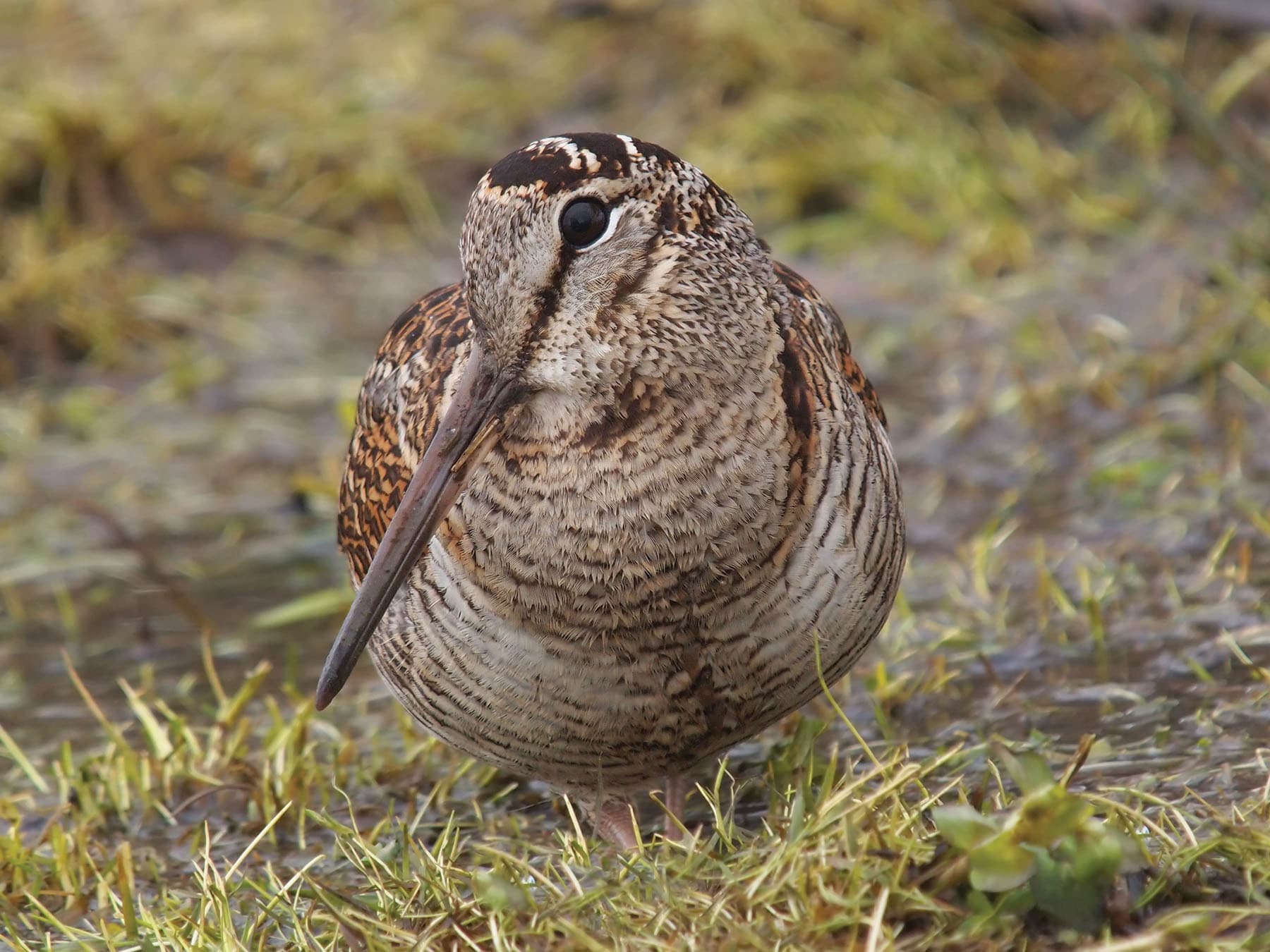
Eurasian Woodcock
Scolopax rusticolaLC
A secretive resident of damp woodland floors, best seen during its 'roding' display flights at dusk in spring. Winter numbers swell with Continental immigrants.
Oct–Jul
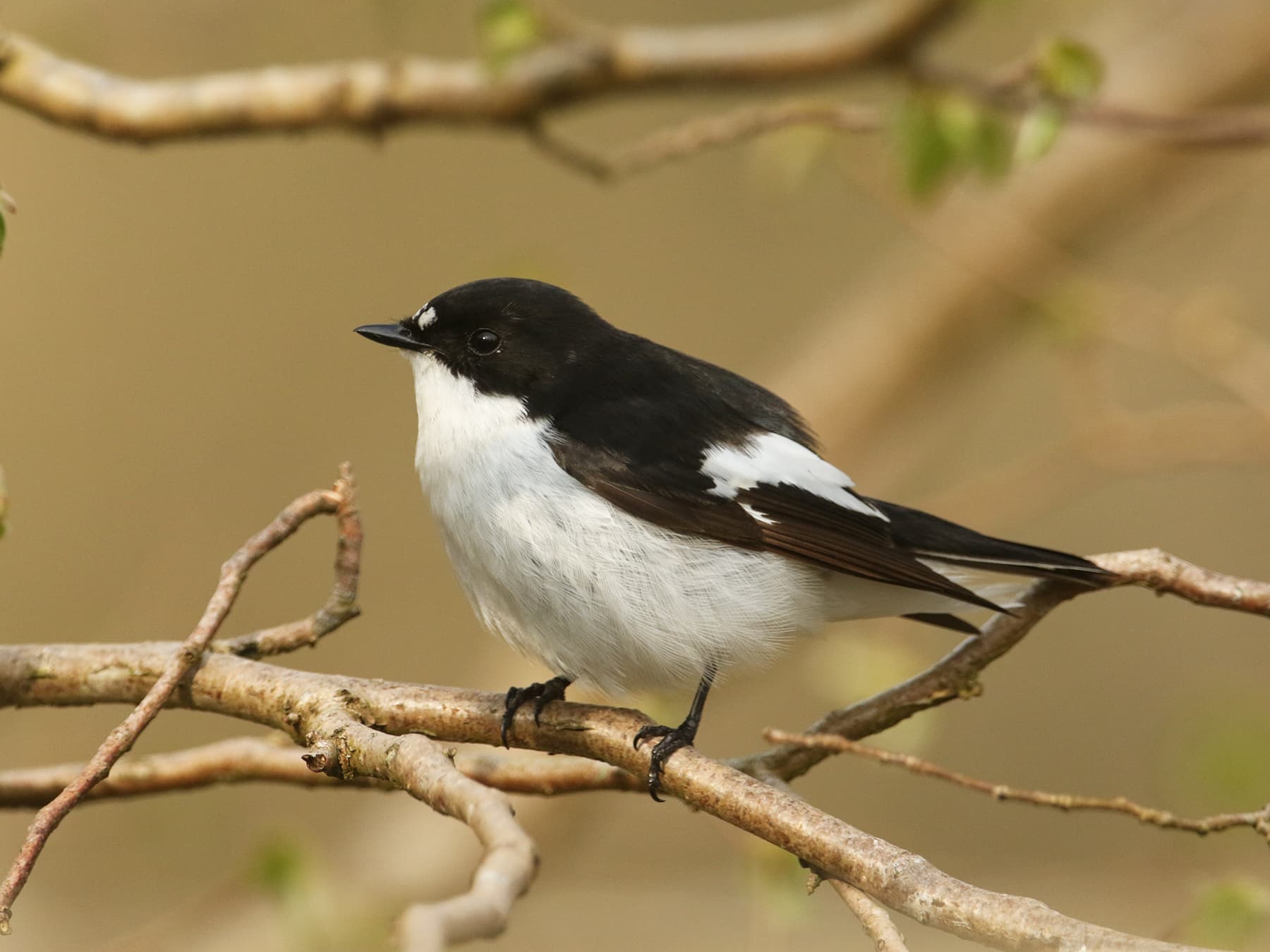
European Pied Flycatcher
Ficedula hypoleucaLC
Breeds in oak woodlands of western Britain, favouring nest boxes and tree holes. Arrives in spring and departs by autumn, with males sporting bold black-and-white plumage.
Apr–Oct
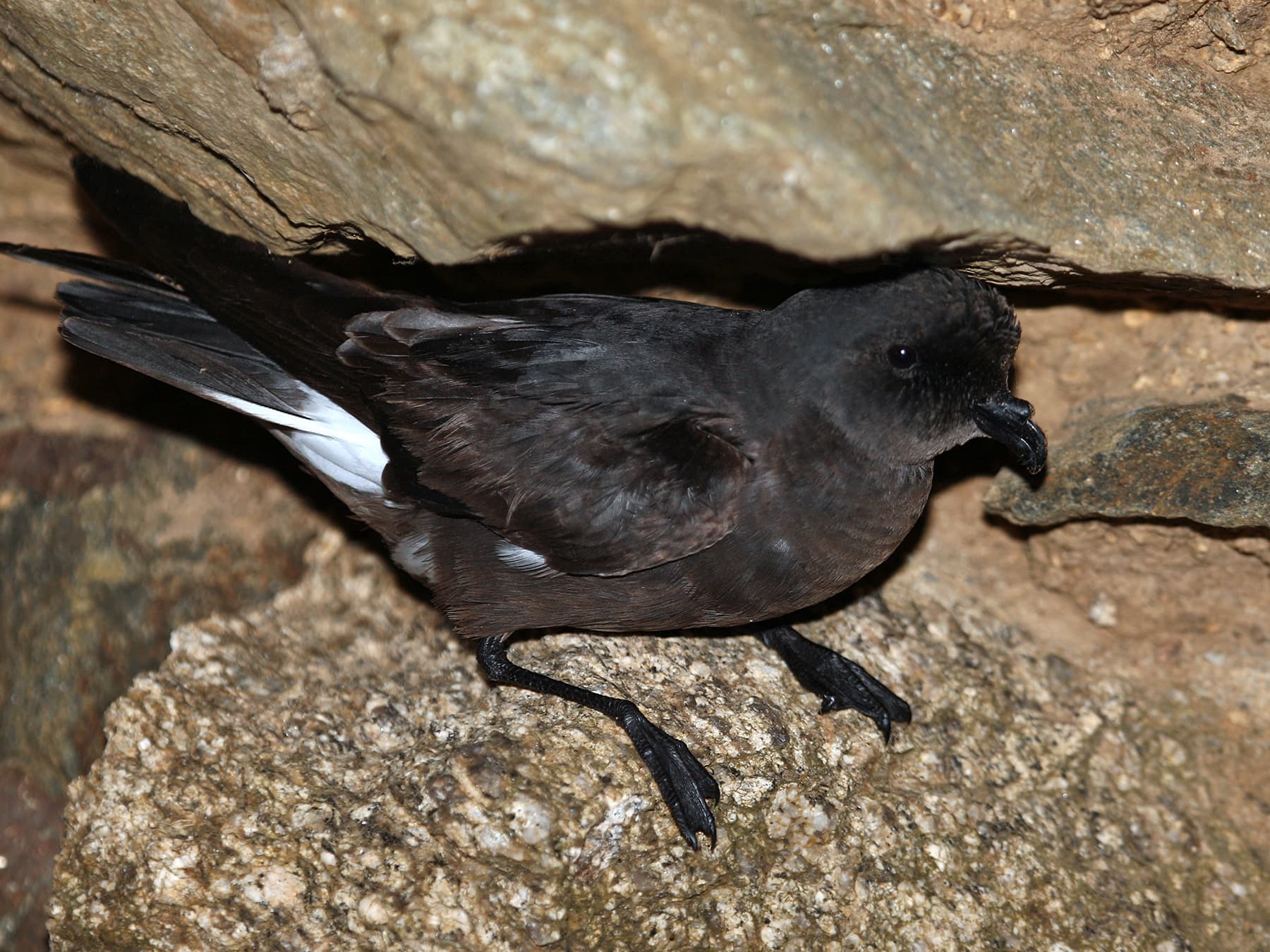
European Storm-petrel
Hydrobates pelagicusLC
An uncommon breeder on remote western and northern islands, arriving from May and lingering into autumn. Nests in rocky crevices, visiting colonies nocturnally.
May–Nov
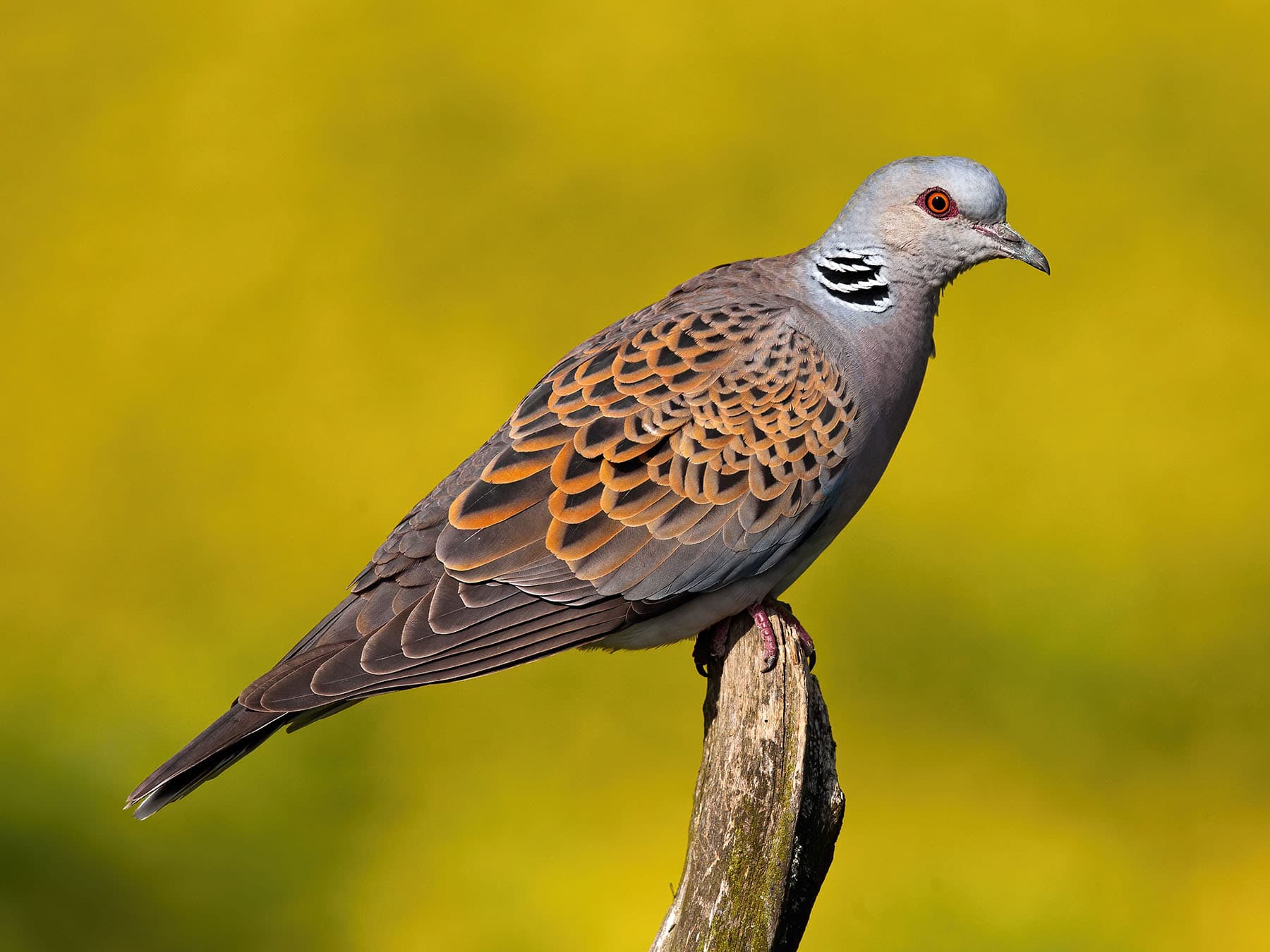
European Turtle-dove
Streptopelia turturVU
A rapidly declining summer visitor to farmland and hedgerows in south-east England. Now one of the UK's most threatened breeding birds.
Apr–Oct
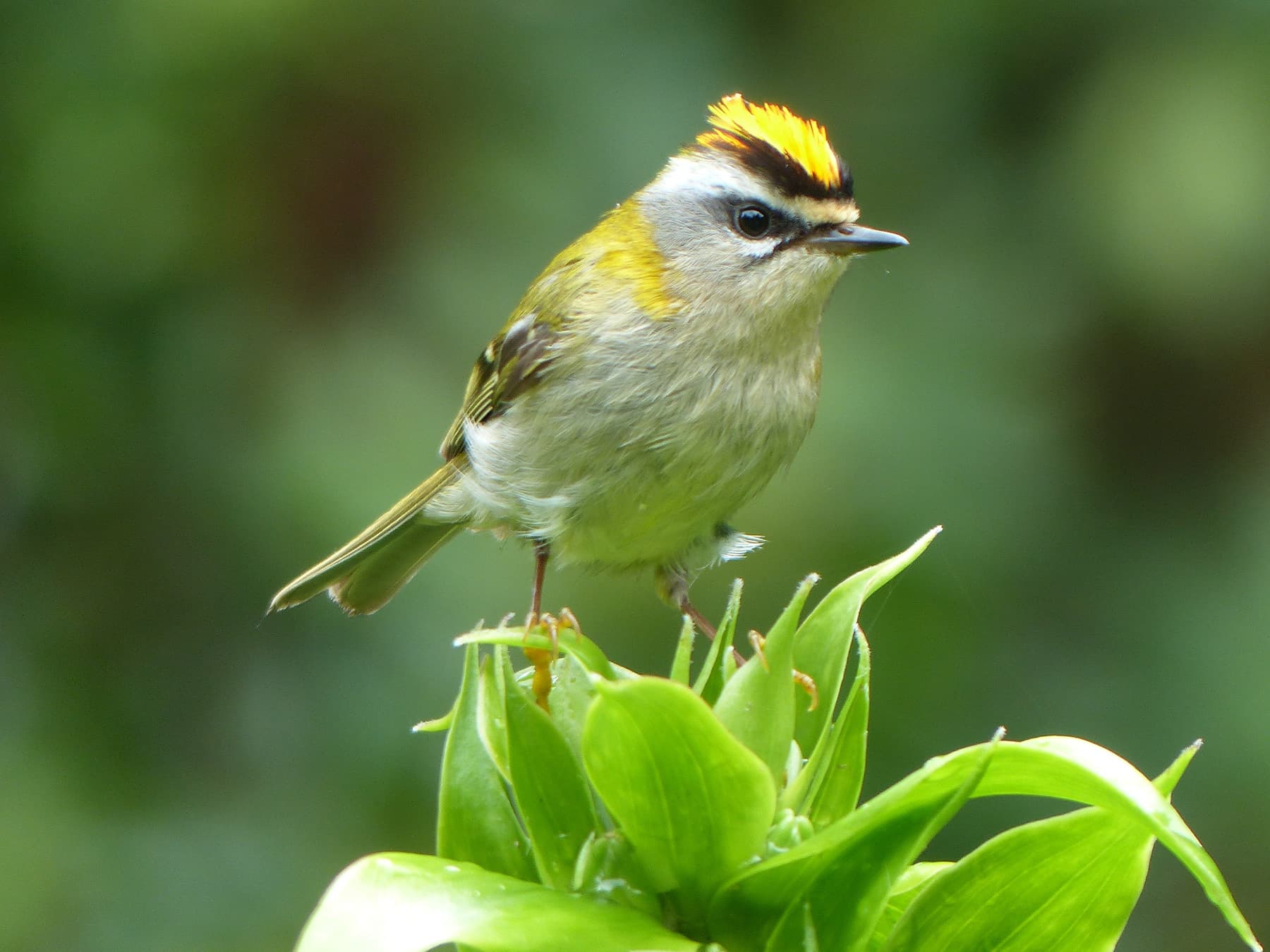
Firecrest
Regulus ignicapillaLC
A tiny resident of coniferous and mixed woodland, slowly expanding its breeding range in southern England. Its bold orange crown stripe distinguishes it from the Goldcrest.
Year-round
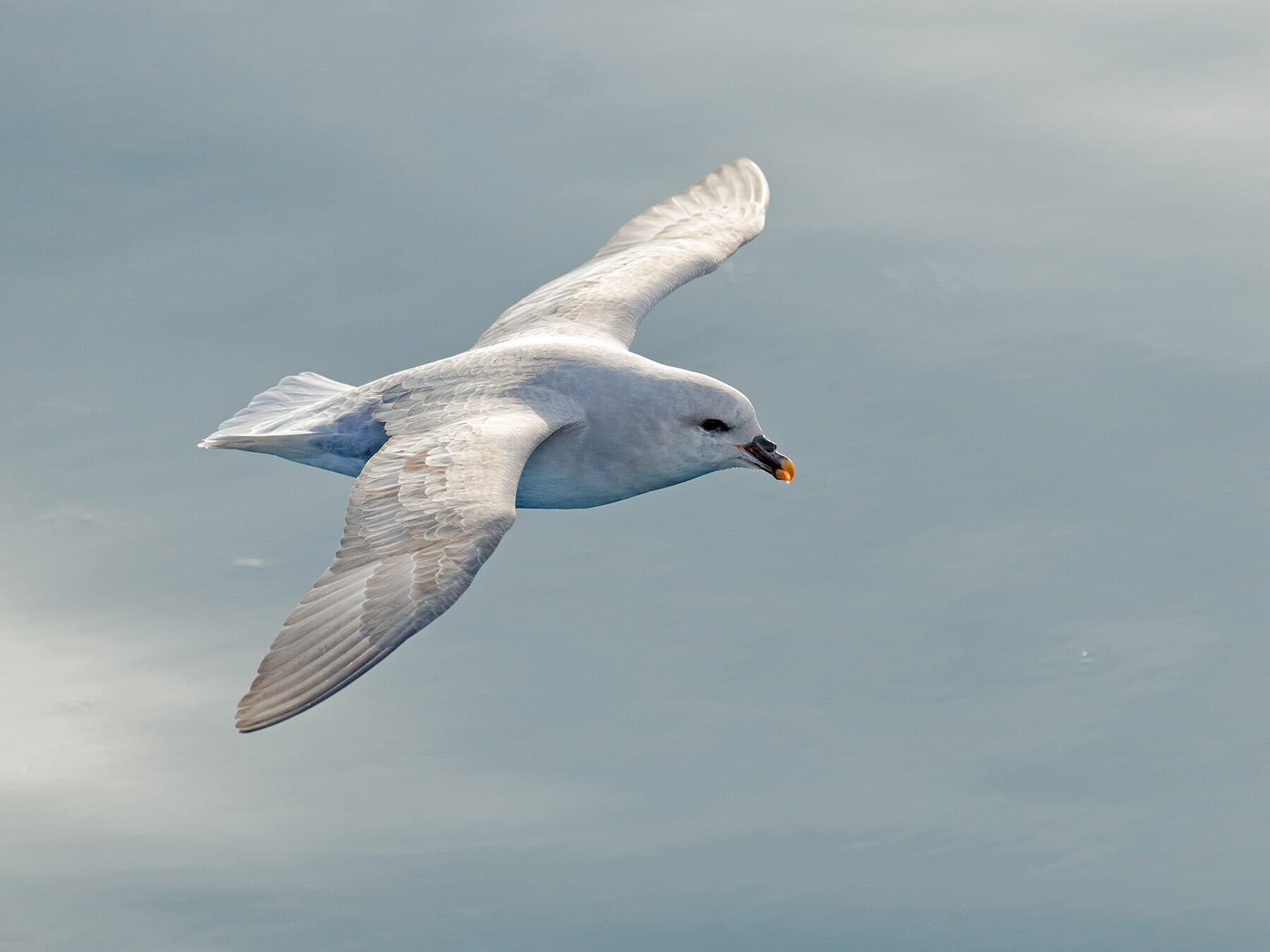
Fulmar
Fulmarus glacialisLC
Nests on sea cliffs around the coast, especially in Scotland and northern England. Numbers have declined sharply in recent years.
Year-round
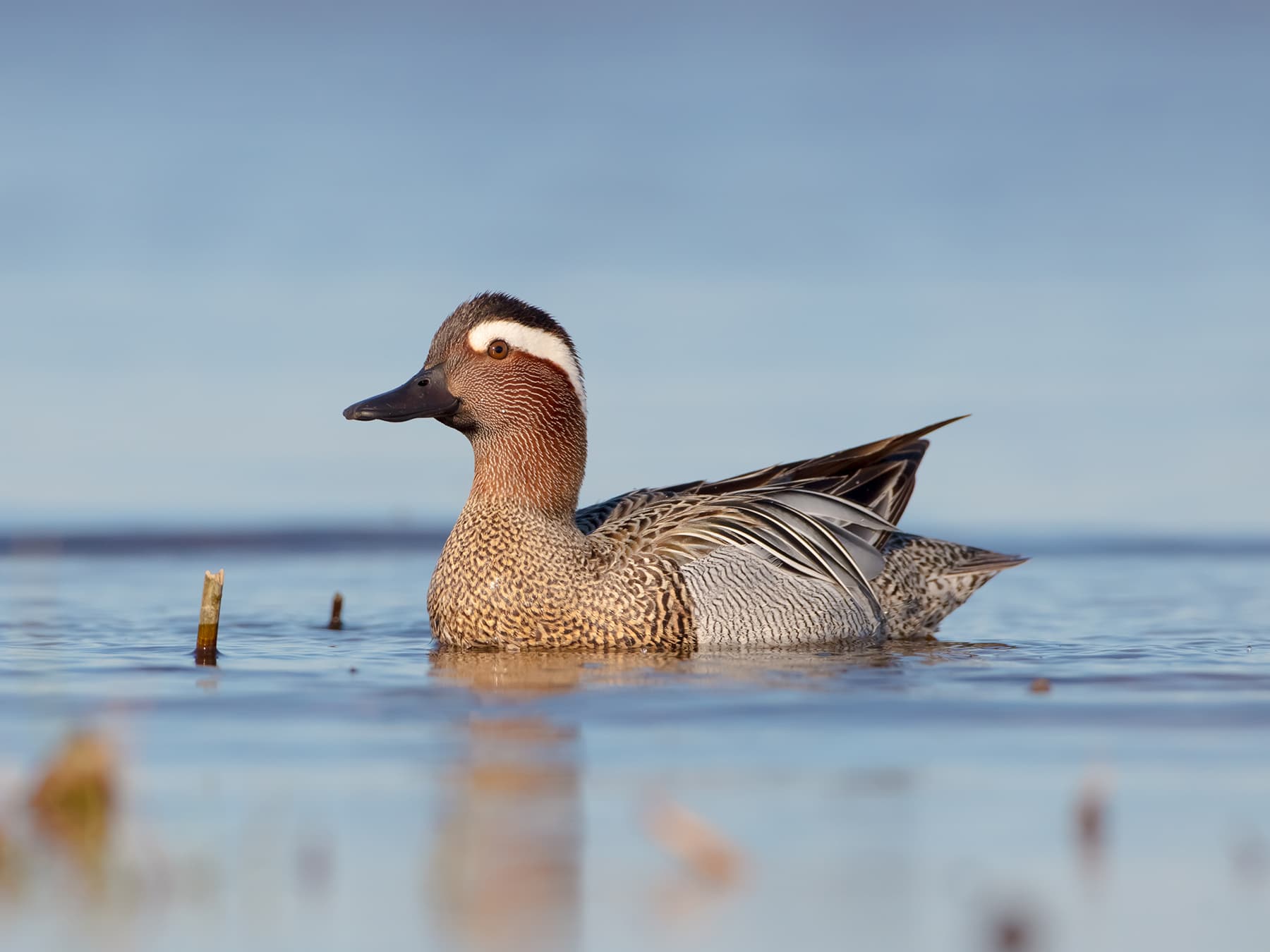
Garganey
Spatula querquedulaLC
A scarce summer visitor arriving from Africa in spring, favouring shallow wetlands and flooded meadows mainly in southern and eastern England.
Mar–Oct
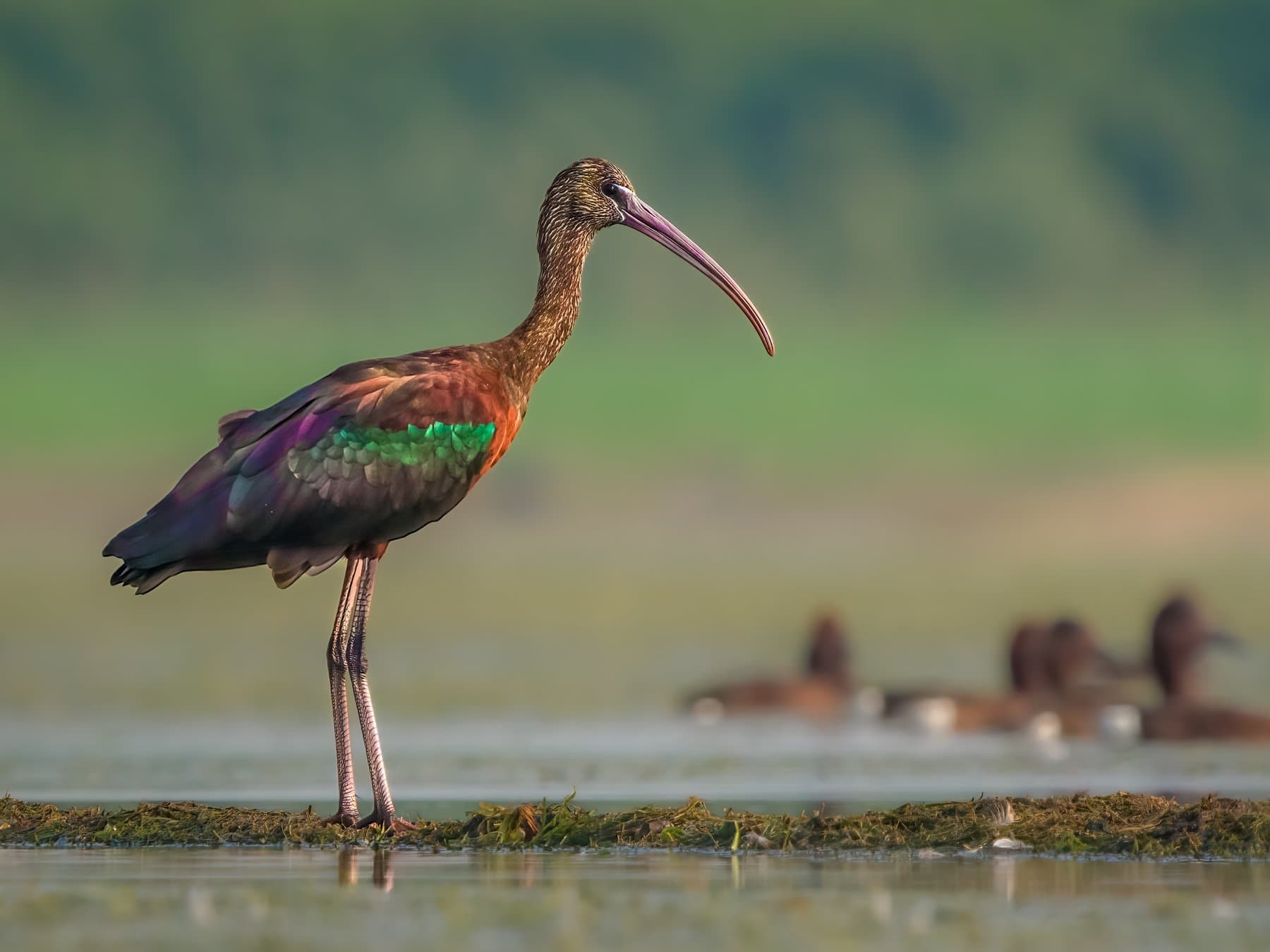
Glossy Ibis
Plegadis falcinellusLC
An uncommon but increasingly regular resident of marshes and wetlands. Sightings have risen notably in recent years, mainly in southern England.
Year-round
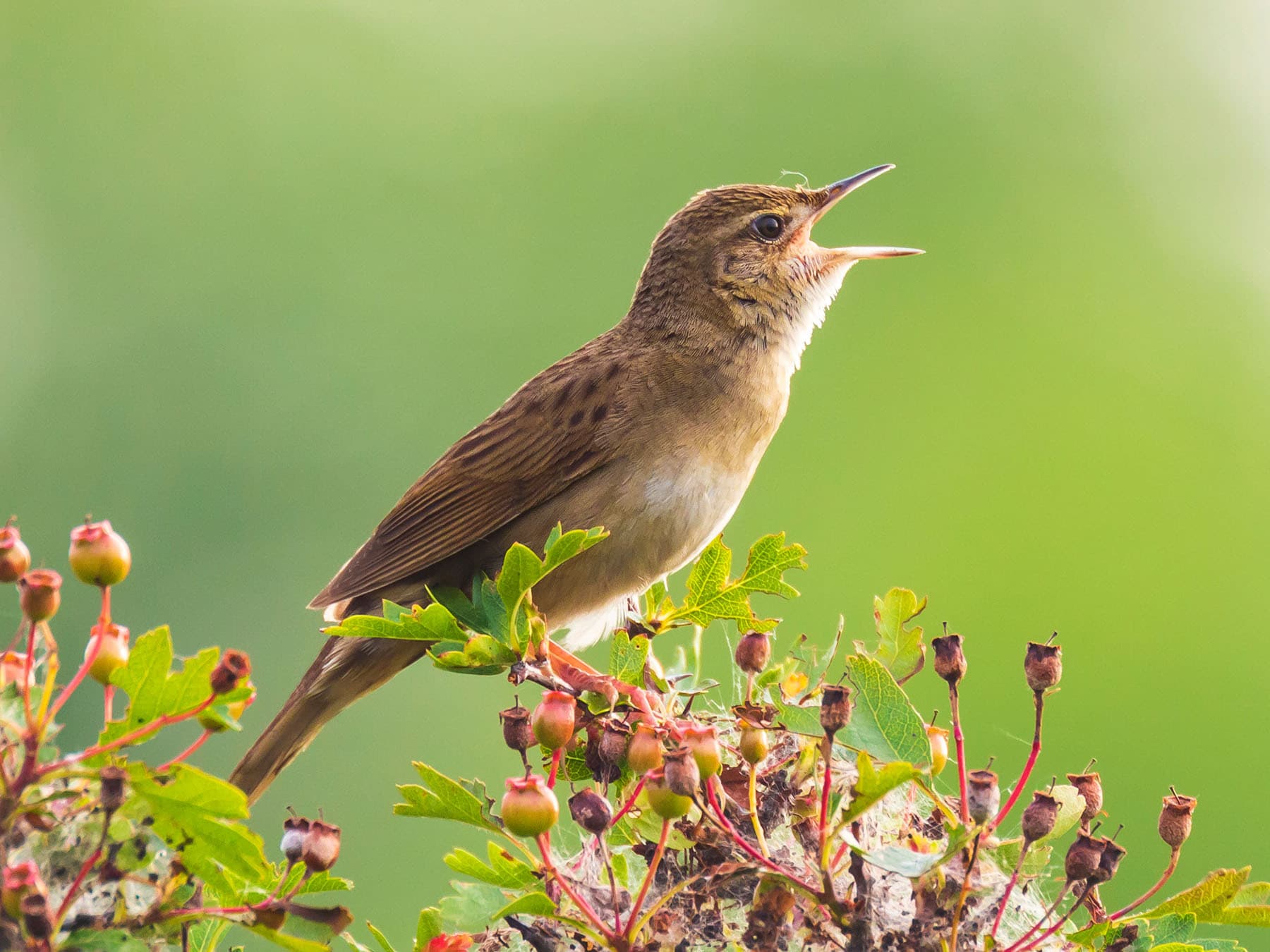
Grasshopper Warbler
Locustella naeviaLC
A skulking summer visitor to dense grassland, marshes, and young plantations. Its extraordinary insect-like reeling song, delivered from deep cover, is easier heard than seen.
Apr–Sep
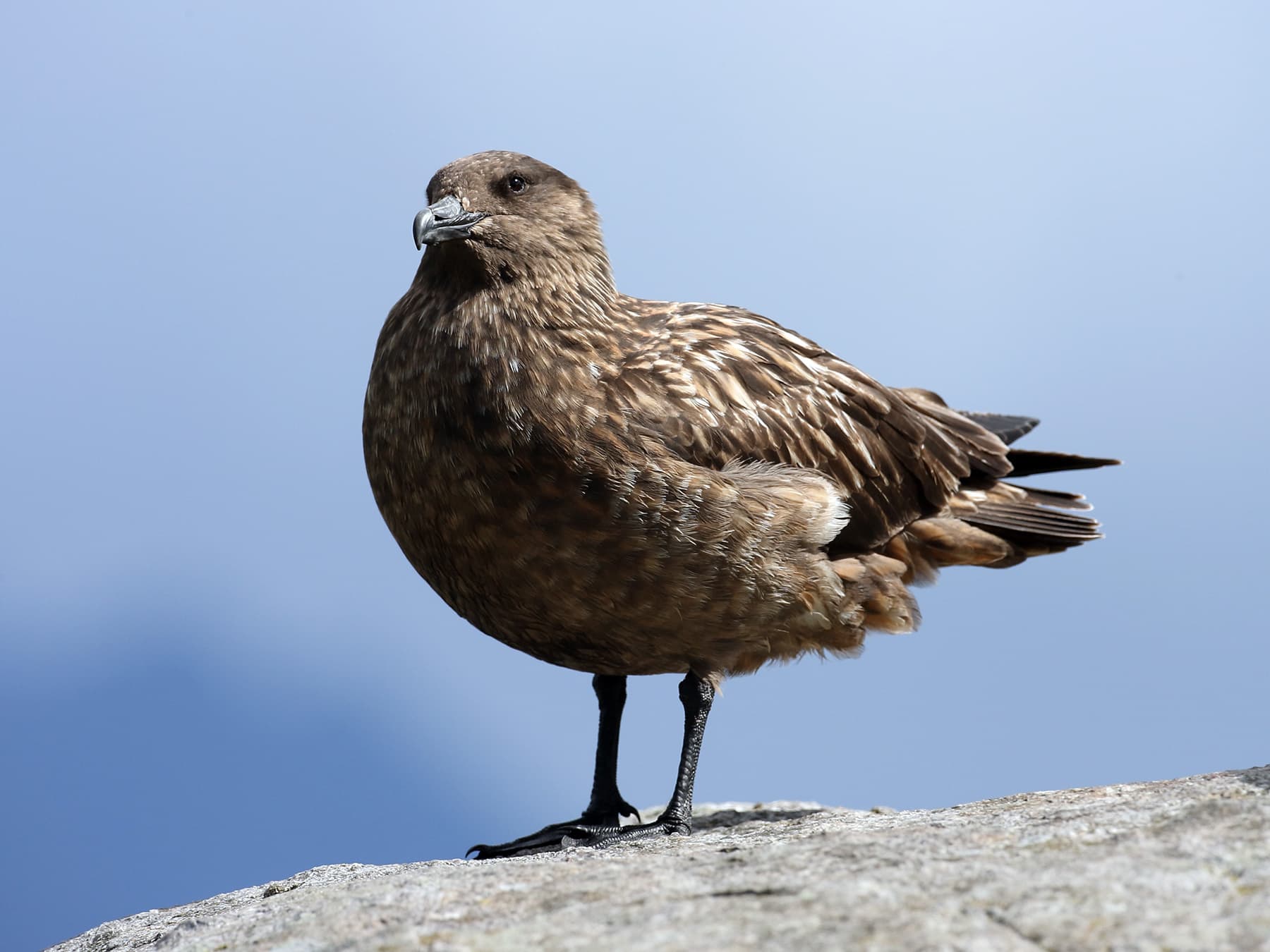
Great Skua
Catharacta skuaLC
Breeds on remote Scottish and Shetland islands, aggressively defending nesting colonies. Known as the 'bonxie', it pirates food from other seabirds.
Year-round
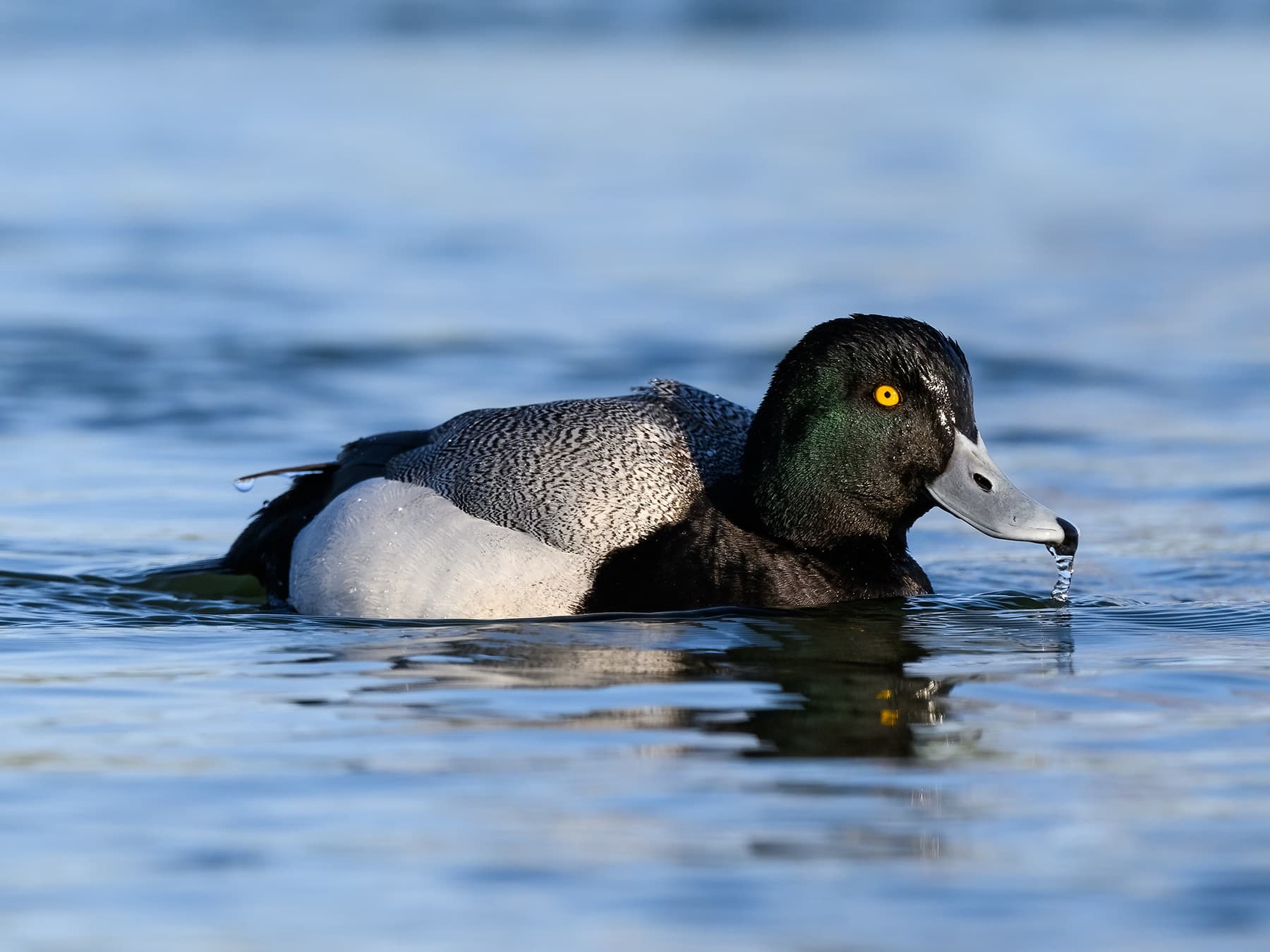
Greater Scaup
Aythya marilaLC
Mainly a winter visitor to sheltered coastal bays and estuaries, with notable flocks in Scotland and Northern Ireland. Scarce in summer.
Jul–May
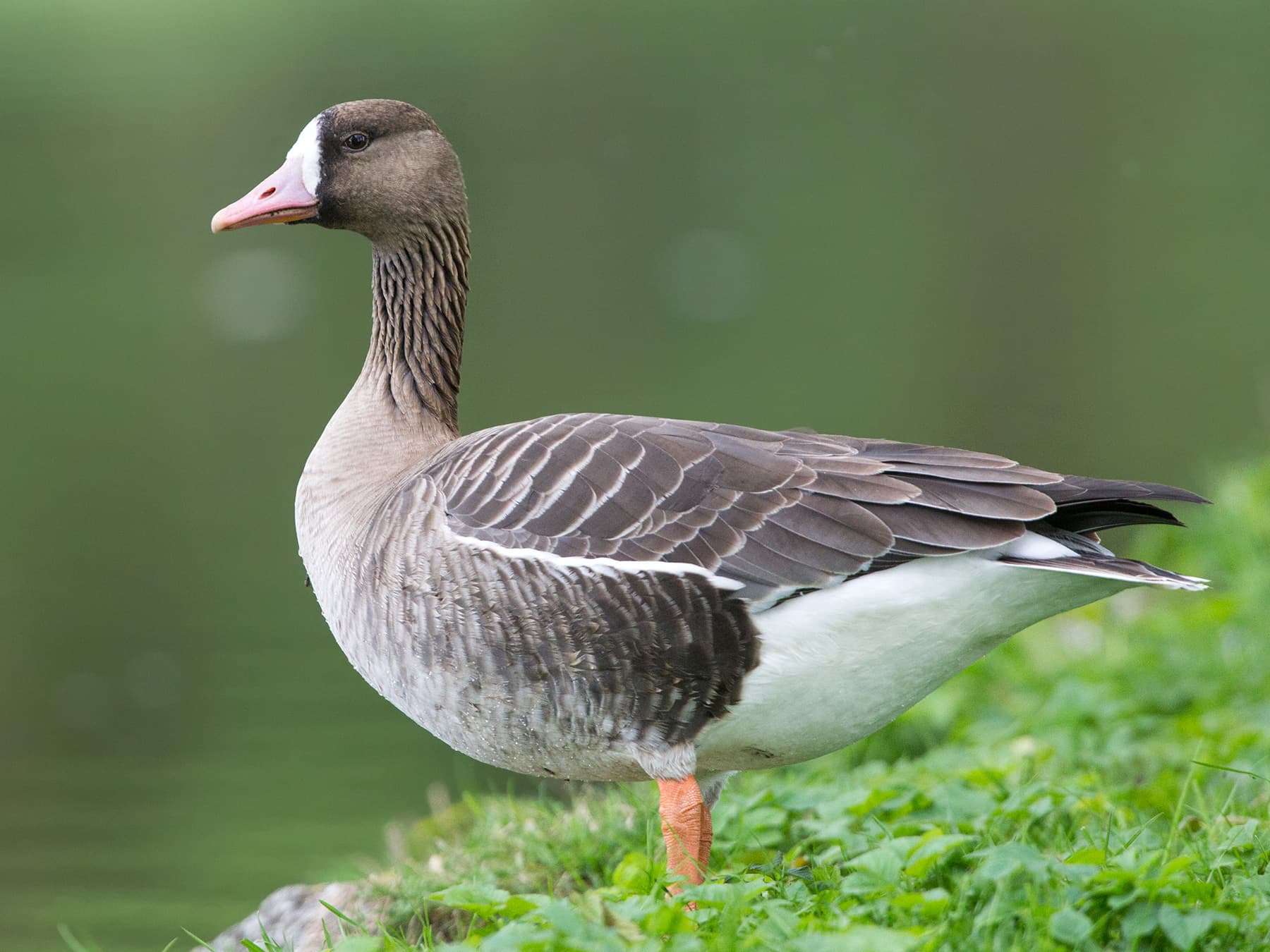
Greater White-fronted Goose
Anser albifronsLC
An uncommon winter visitor to wet grasslands and marshes, with key flocks in Gloucestershire and on the Swale in Kent. Numbers vary between winters.
Year-round
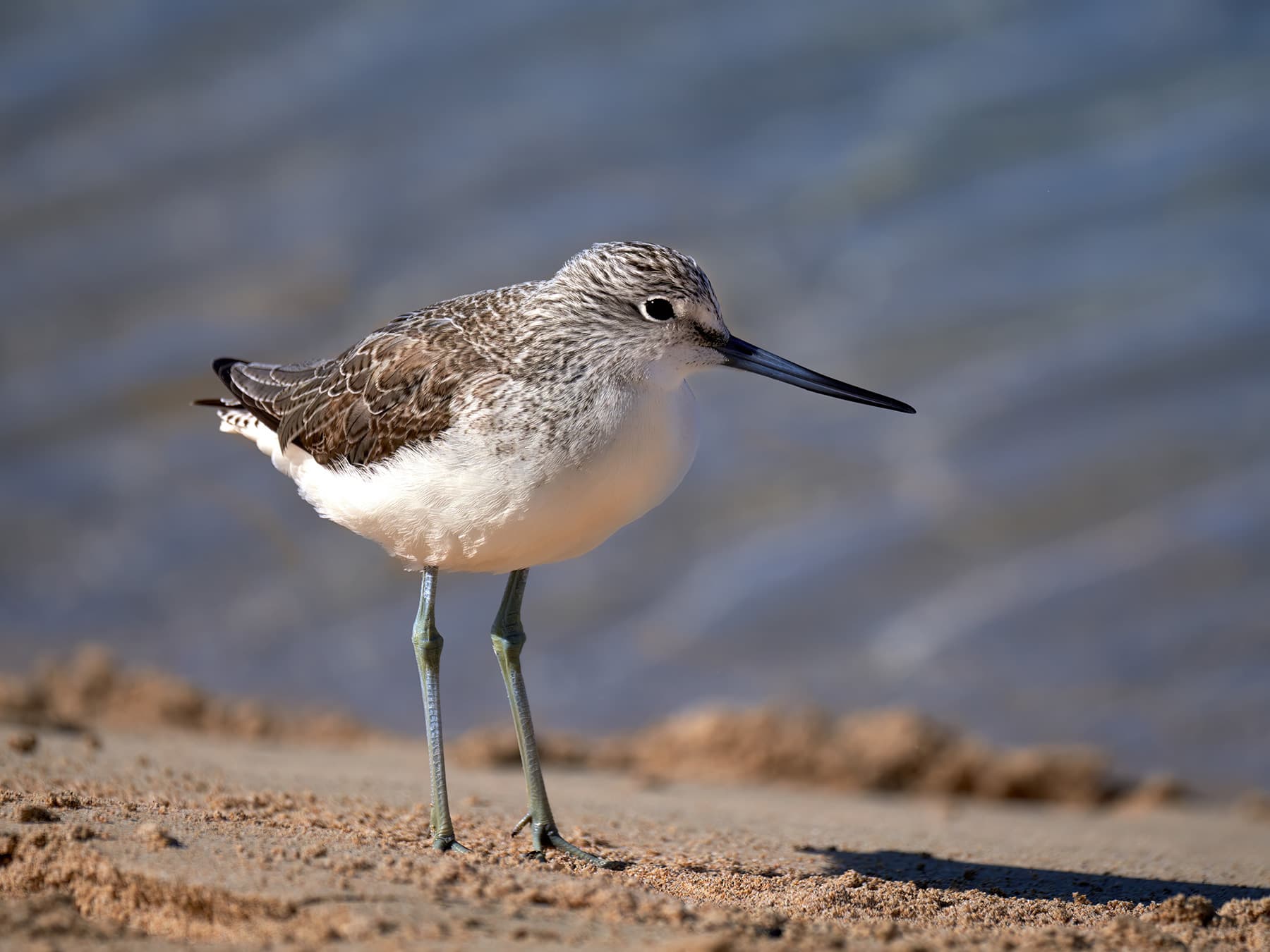
Greenshank
Tringa nebulariaLC
Breeds on Scottish bogs and moorland in summer, then disperses to estuaries and coastal marshes across Britain for the winter months.
Year-round
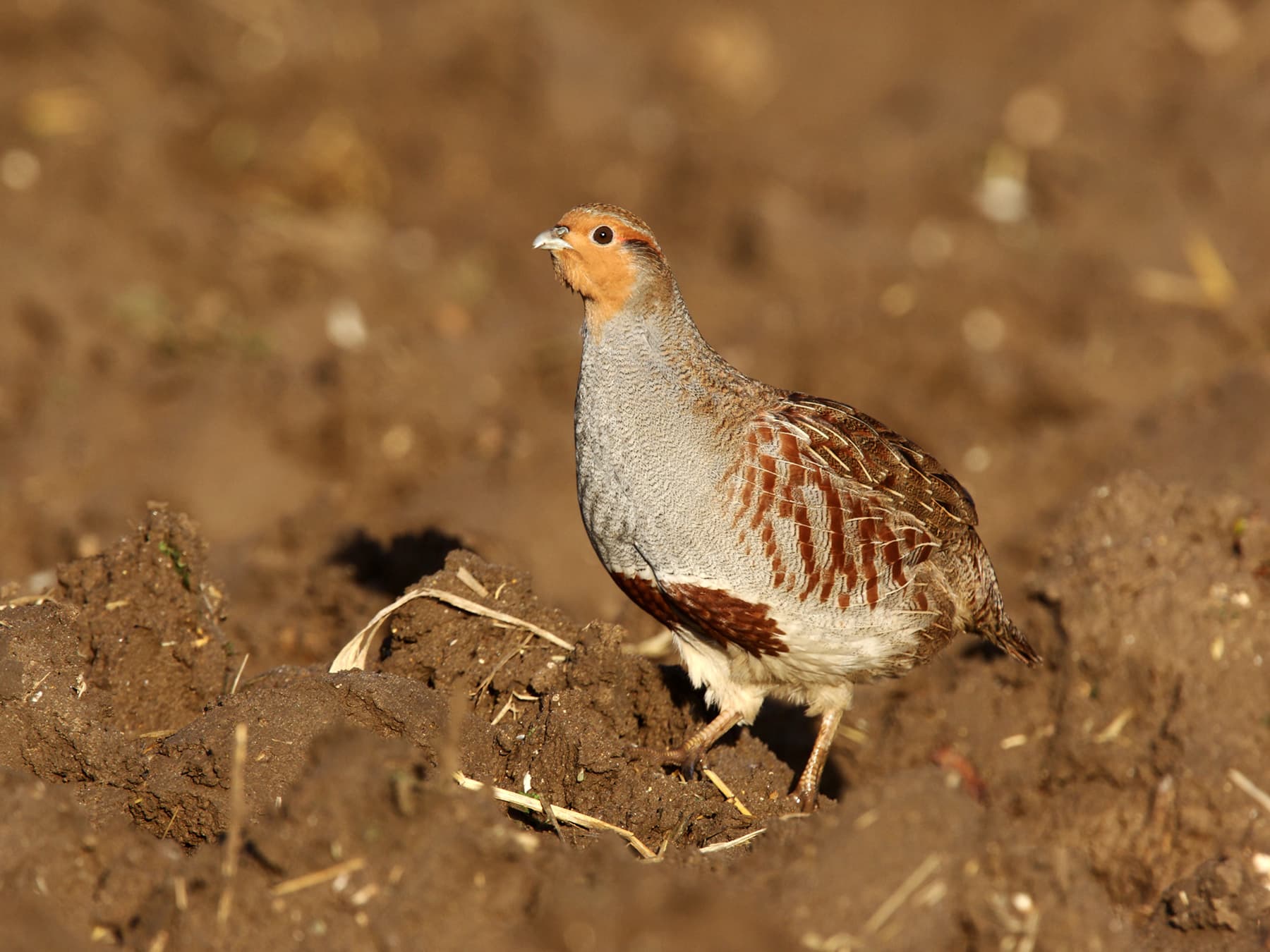
Grey Partridge
Perdix perdixLC
An uncommon and declining resident of arable farmland. Once widespread, it has suffered greatly from modern farming practices.
Year-round
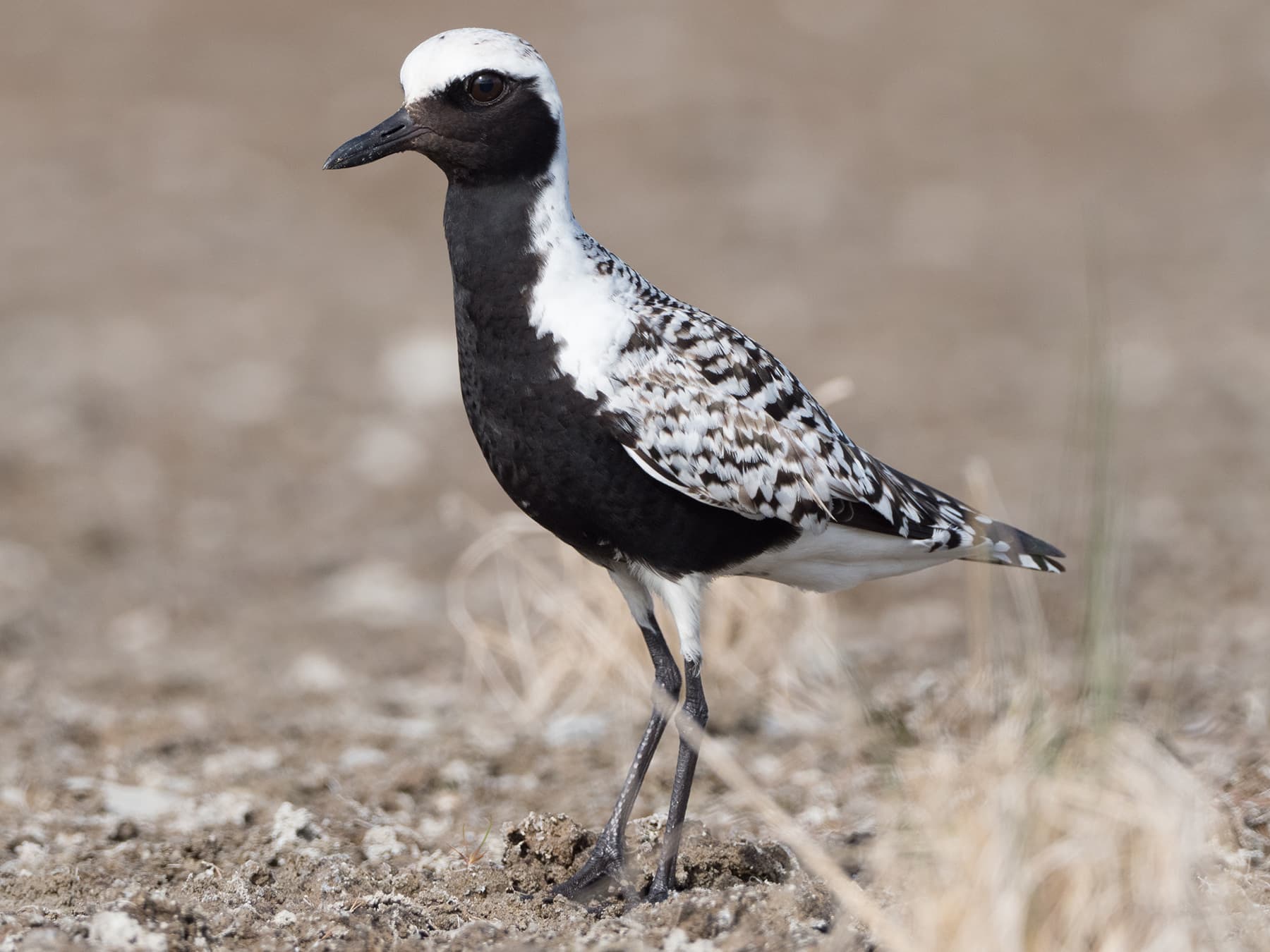
Grey Plover
Pluvialis squatarolaLC
An uncommon but regular visitor to estuaries and mudflats, mainly from autumn through spring. Breeds in the high Arctic and passes through on migration.
Year-round