Uncommon Birds in United Kingdom
100 species matching this filter.
The United Kingdom is home to a fascinating array of uncommon bird species, with 96 recorded across its diverse landscapes. From the haunting call of the Barn Owl over farmland hedgerows to the striking Arctic Jaeger patrolling northern coastlines, these less frequently encountered species reward patient and dedicated birdwatchers. Habitats ranging from Scottish sea cliffs hosting Black Guillemots and Great Skuas to the heathlands favoured by the Eurasian Stone-curlew make the UK a remarkably varied birding destination.


Showing 1–23 of 100 species
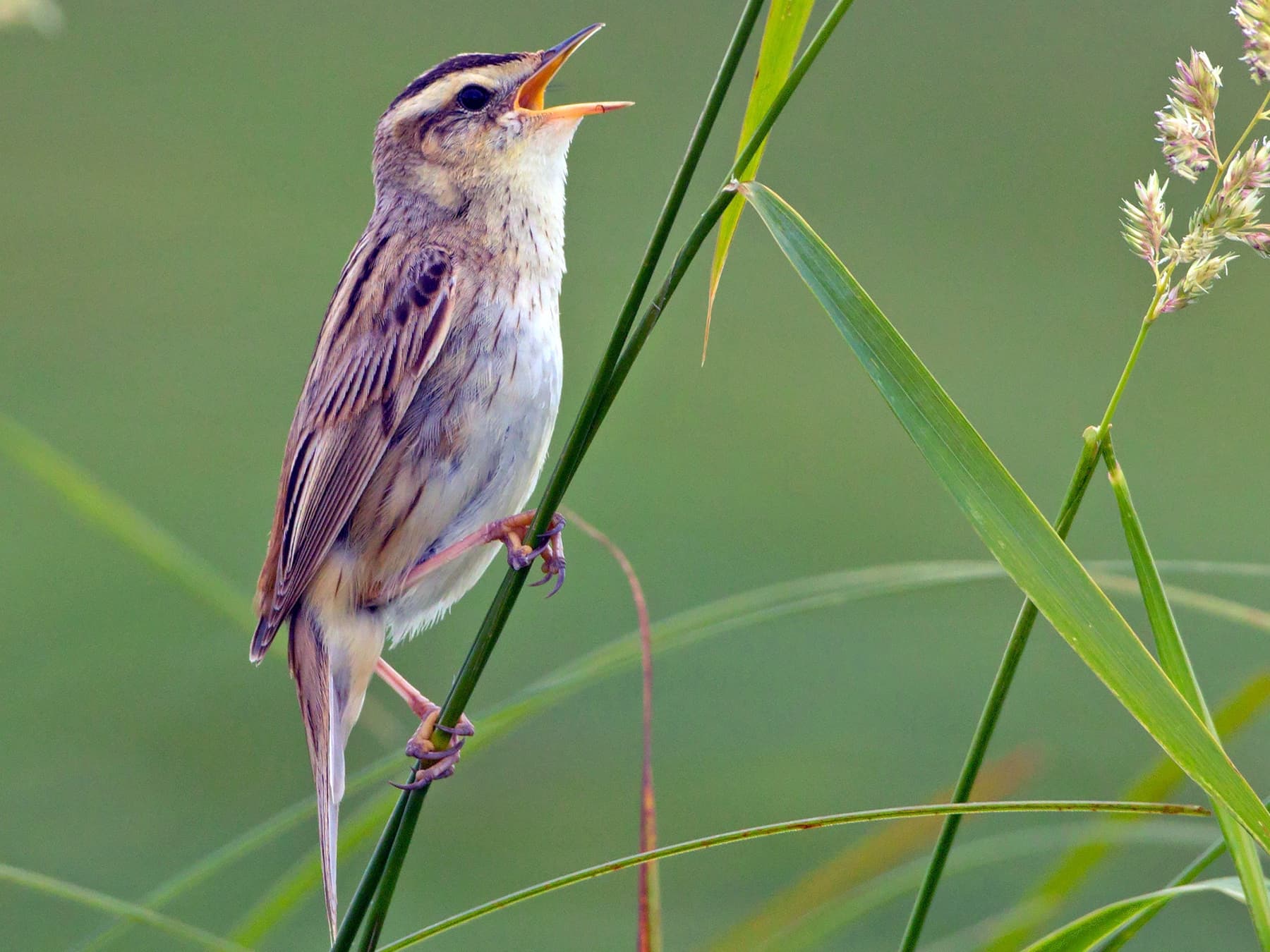
Aquatic Warbler
Acrocephalus paludicolaVU
An uncommon passage migrant, mainly found in coastal reedbeds and sedge marshes in southern England during late summer and early autumn.
Jun–Sep
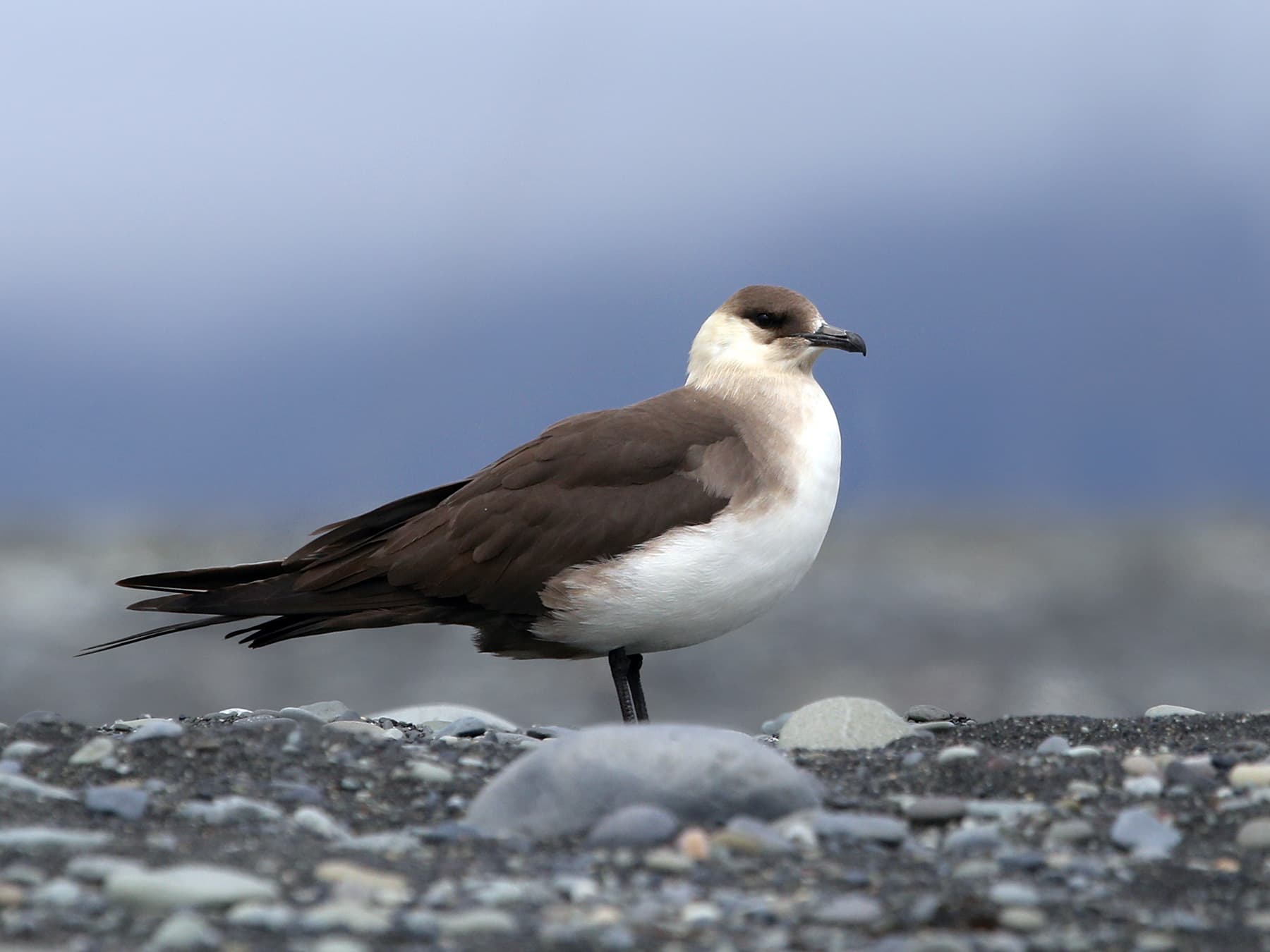
Arctic Jaeger
Stercorarius parasiticusLC
Breeds on moorland and coastal areas in northern Scotland. Seen on passage off headlands in autumn, harassing terns and gulls for food.
Mar–Dec
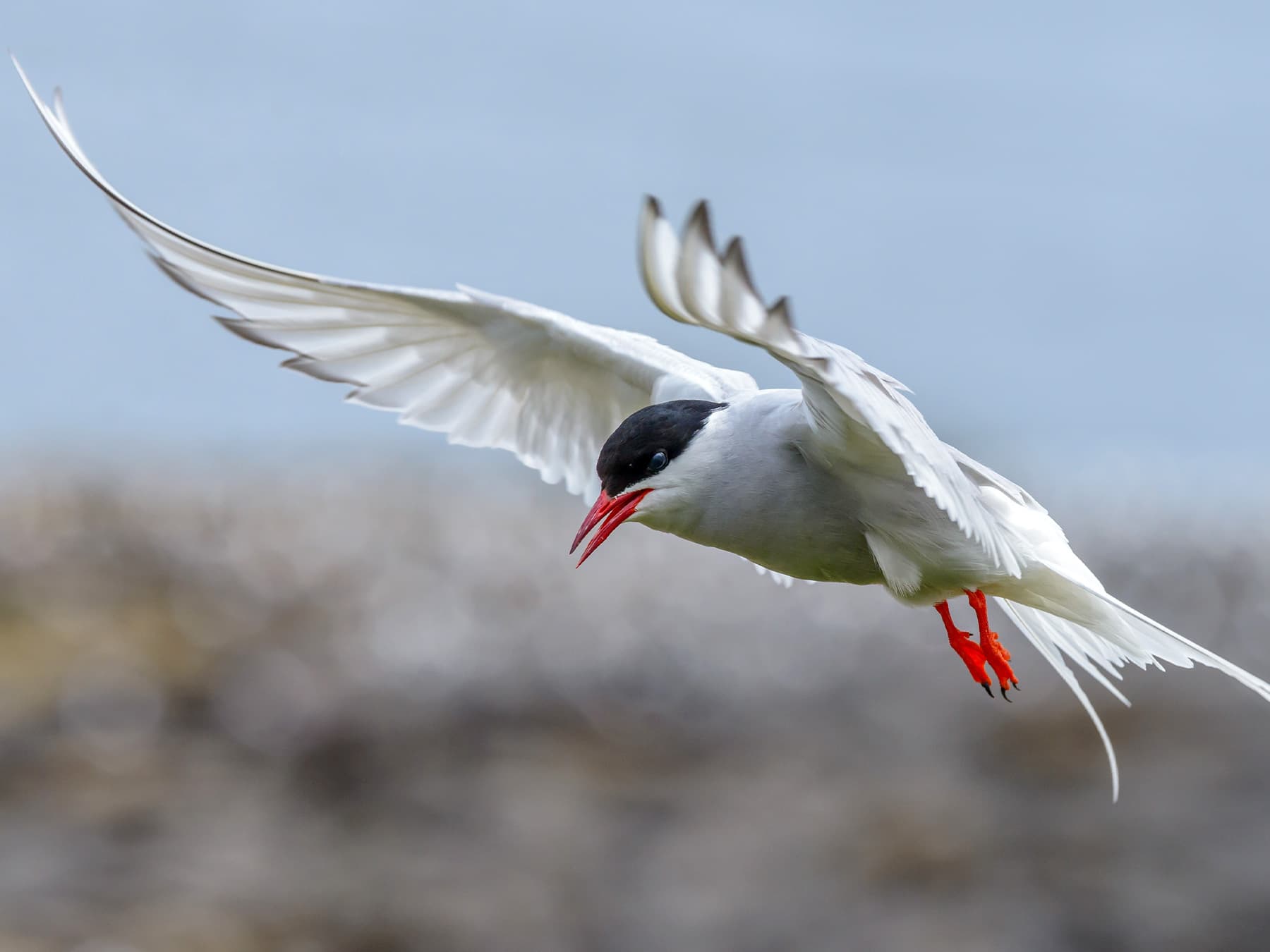
Arctic Tern
Sterna paradisaeaLC
An uncommon breeder on northern and Scottish coasts, arriving from April. Undertakes the longest migration of any bird, wintering in Antarctic waters.
Apr–Nov
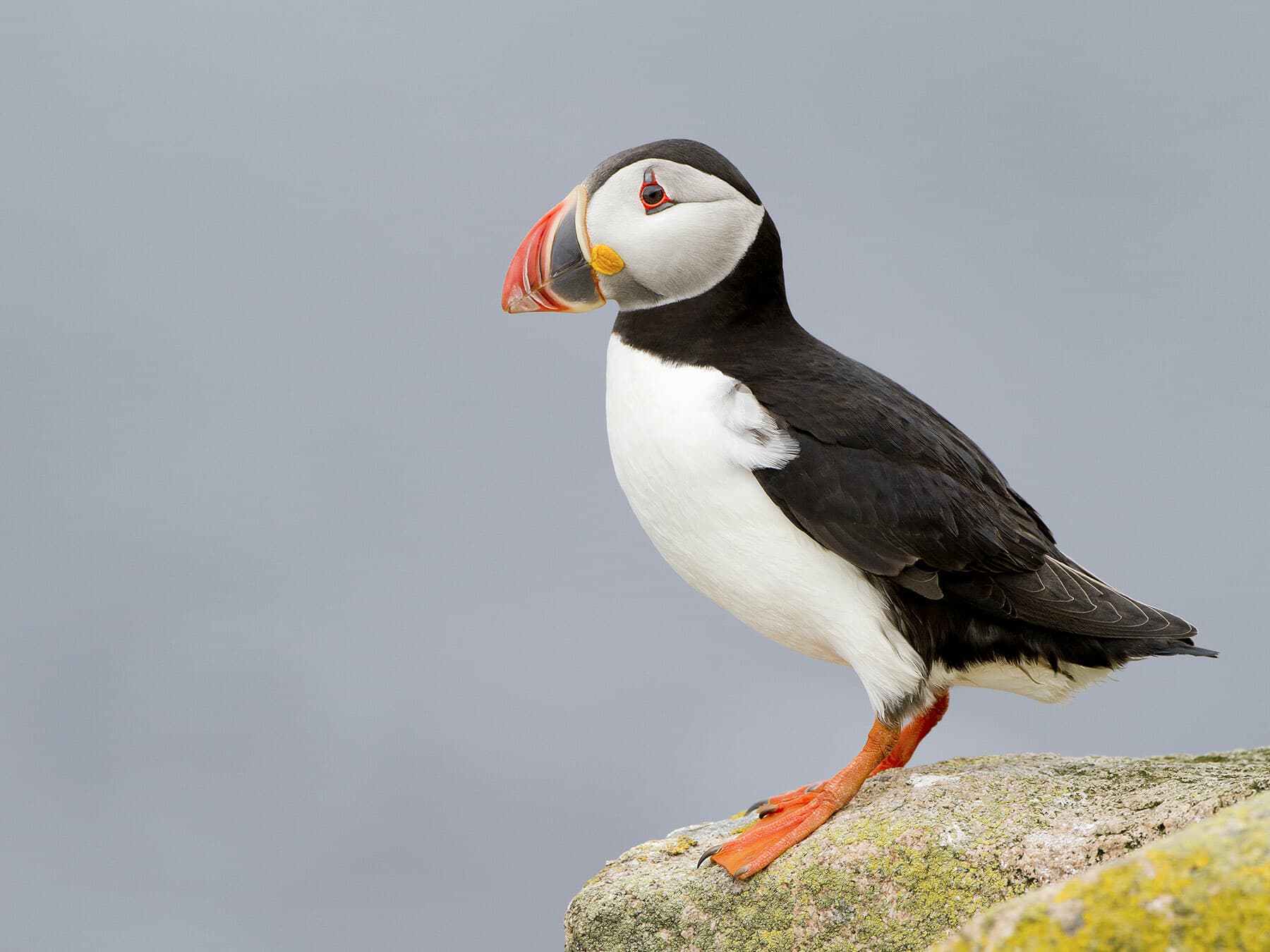
Atlantic Puffin
Fratercula arcticaVU
Breeds in large colonies on remote sea cliffs and offshore islands, notably in Scotland and Wales. Spends winter far out at sea in the North Atlantic.
Year-round
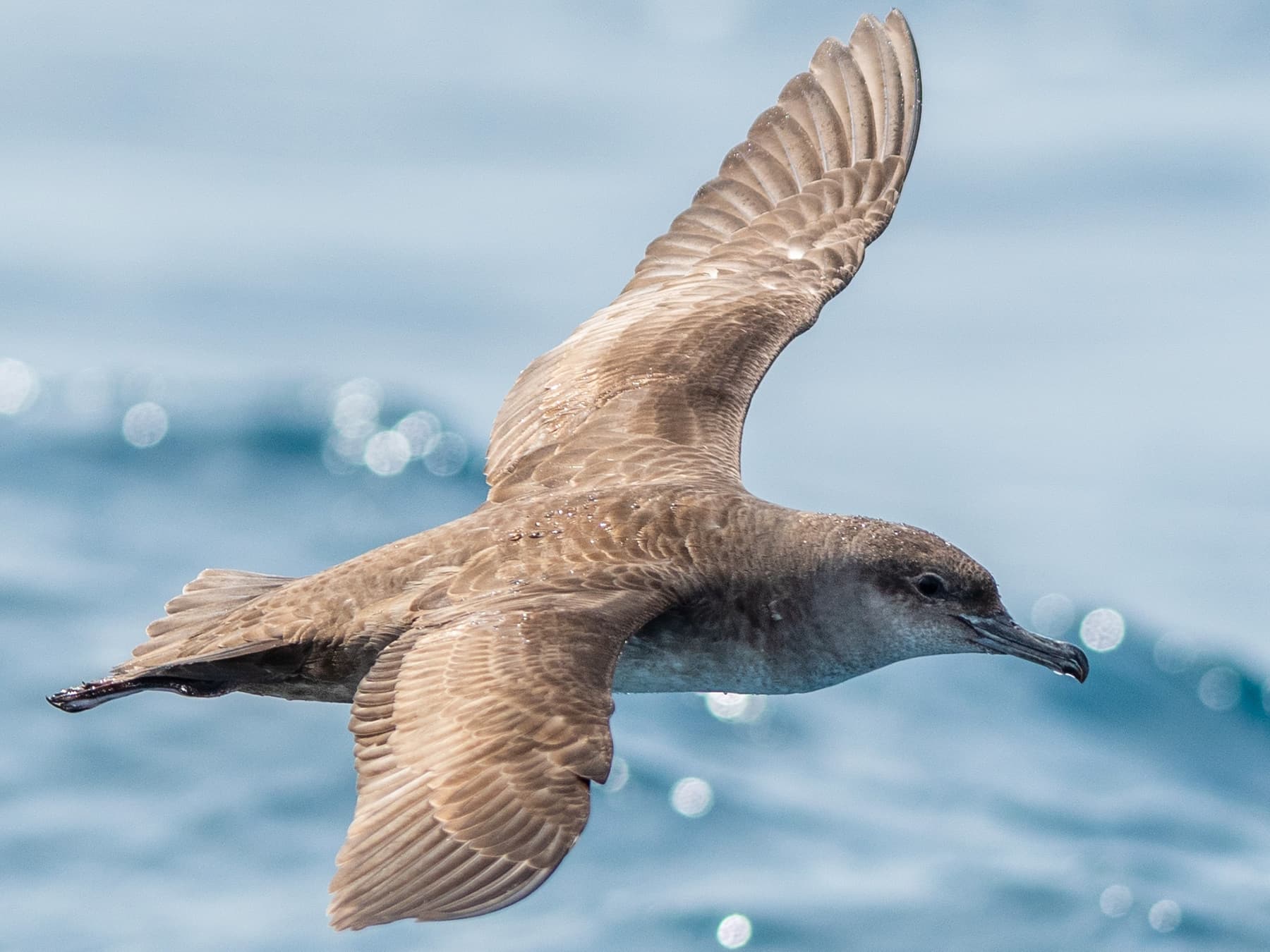
Balearic Shearwater
Puffinus mauretanicusCR
A critically endangered seabird seen offshore mainly from late summer to autumn. Best spotted from southern and south-western headlands.
Jun–Nov
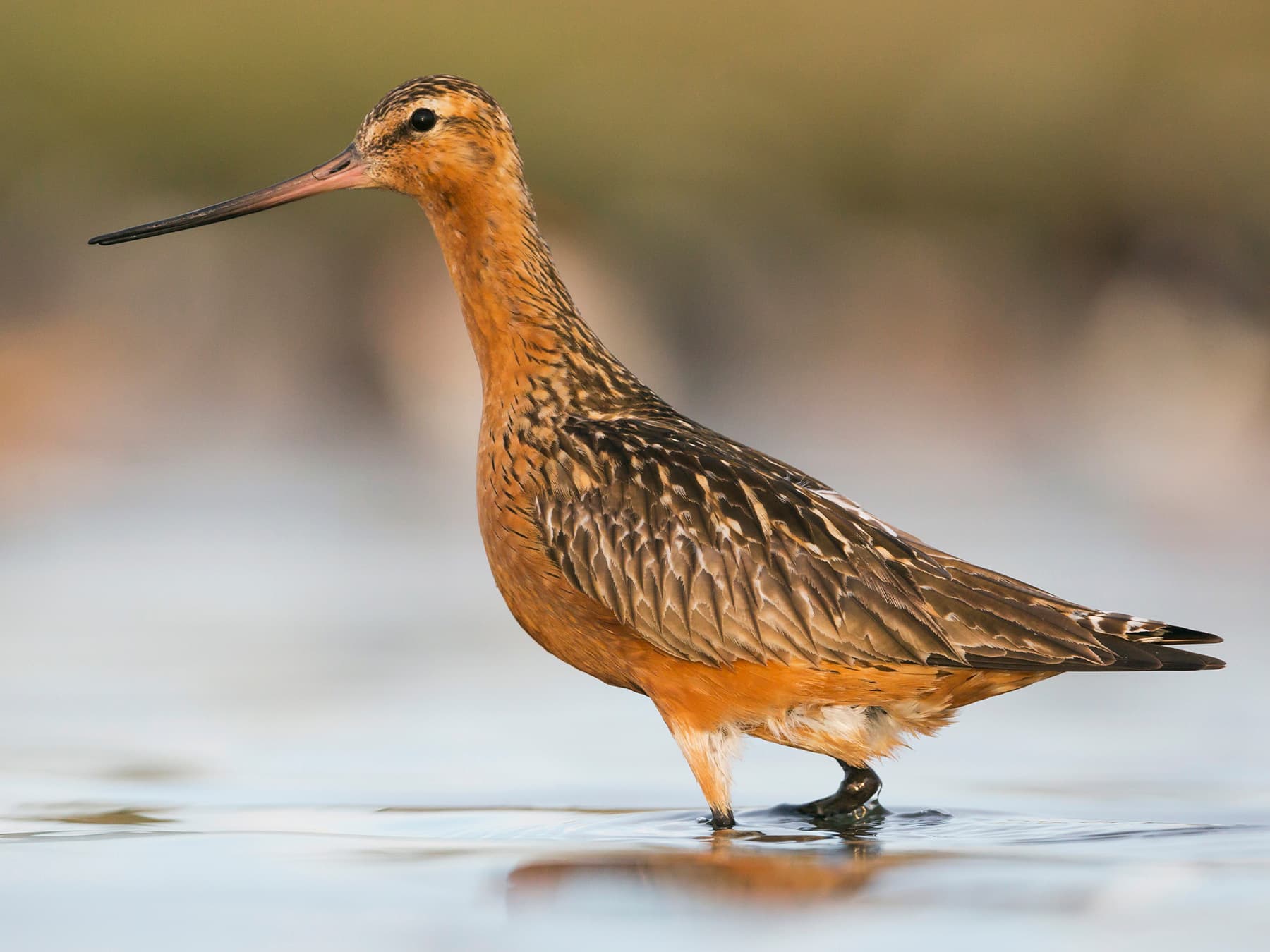
Bar-tailed Godwit
Limosa lapponicaNT
Found year-round on sandy estuaries and mudflats, with numbers peaking in winter. Large flocks gather at key sites like the Wash, probing the mud with their upturned bills.
Year-round
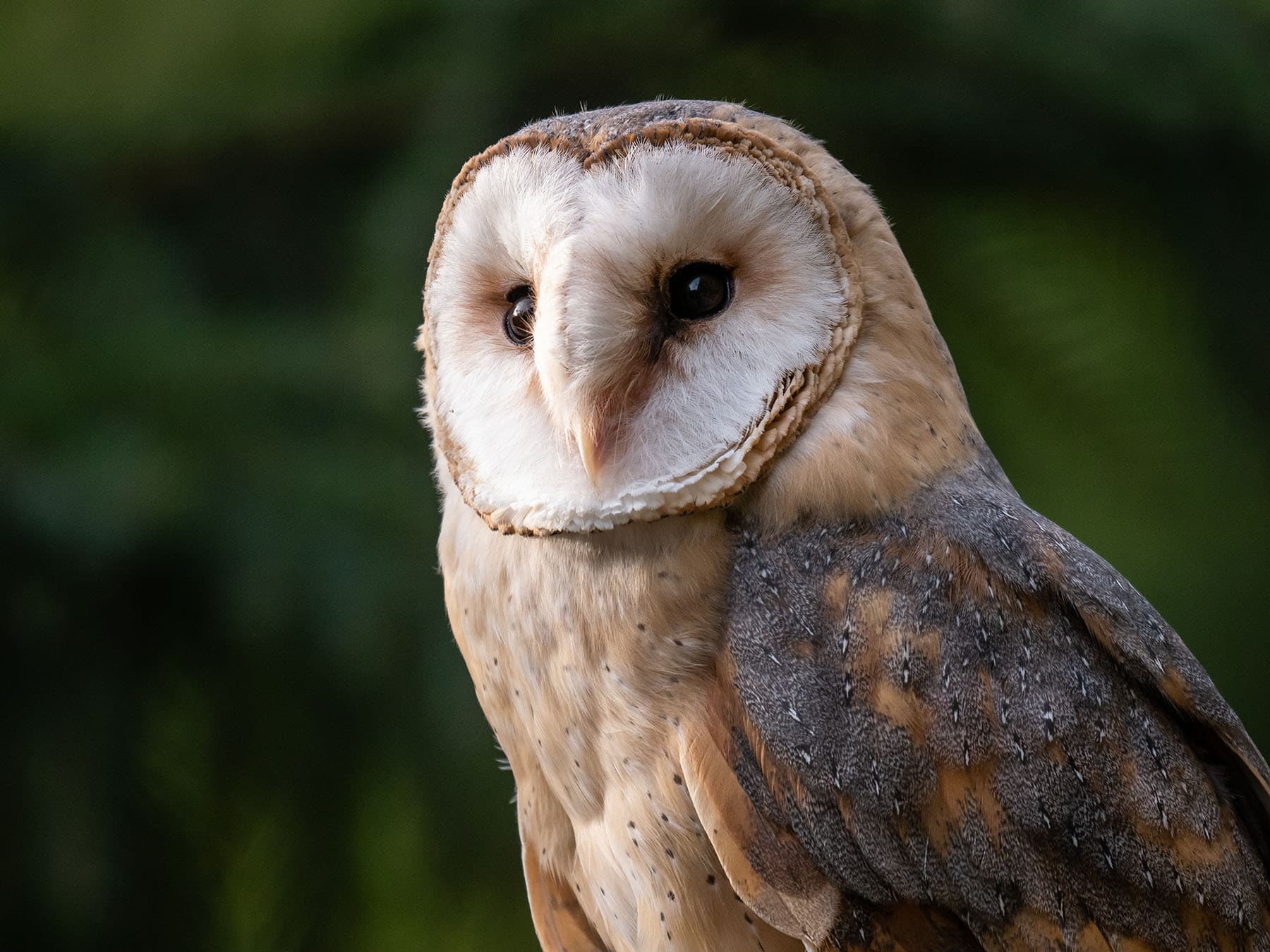
Barn Owl
Tyto albaLC
A year-round resident favouring rough grassland, farmland margins, and old barns. Often seen hunting at dusk along hedgerows and field edges.
Year-round
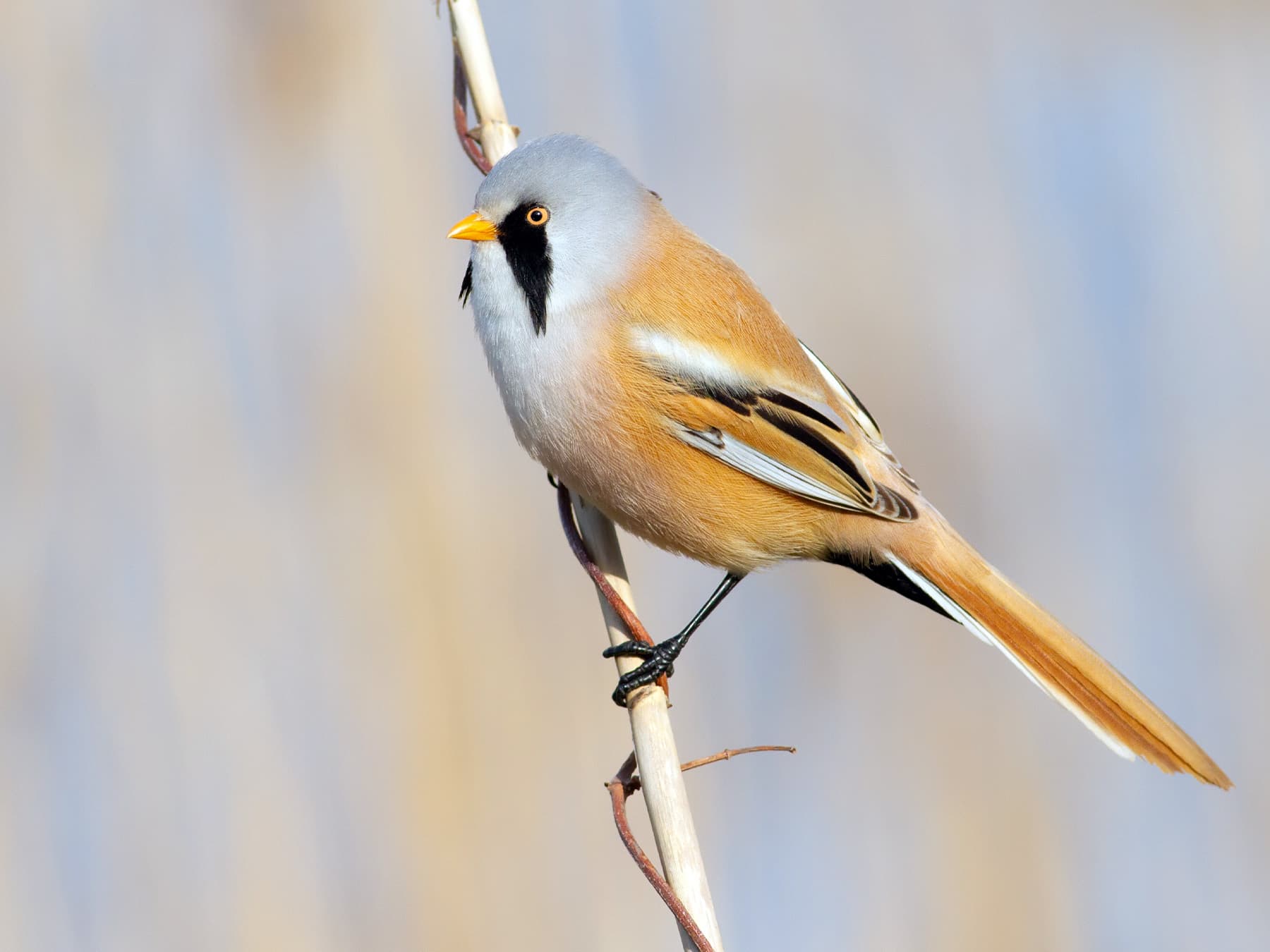
Bearded Tit
Panurus biarmicusLC
An uncommon year-round resident of extensive reedbeds, mainly in East Anglia and a few other southern sites. Eruptive autumn movements can spread birds to new areas.
Year-round
Spotted something?
Upload a photo to identify it
Identify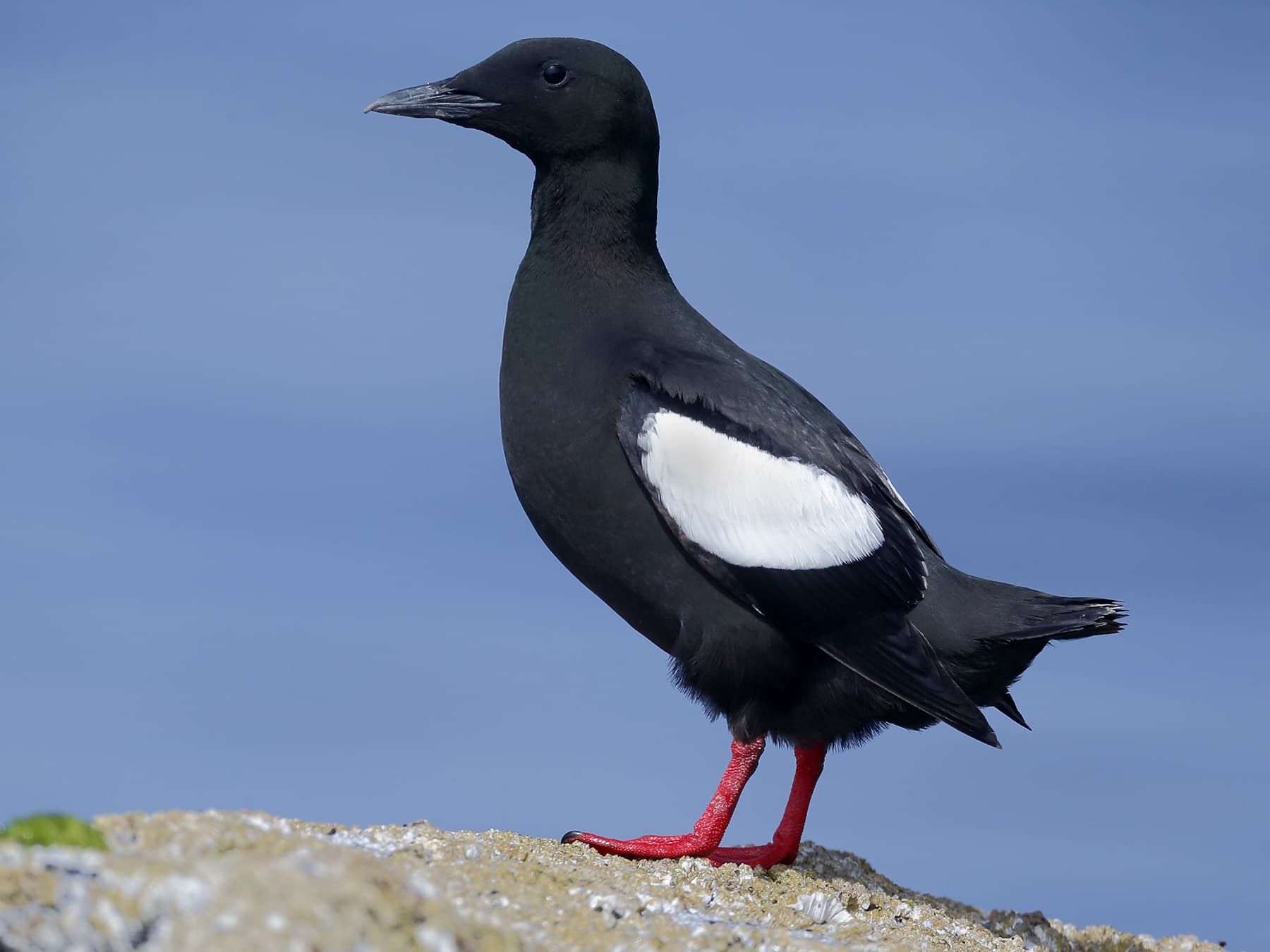
Black Guillemot
Cepphus grylleLC
A charming resident of rocky coasts in Scotland, Northern Ireland, and the Isle of Man. Its striking black plumage with white wing patches and bright red feet are distinctive.
Year-round
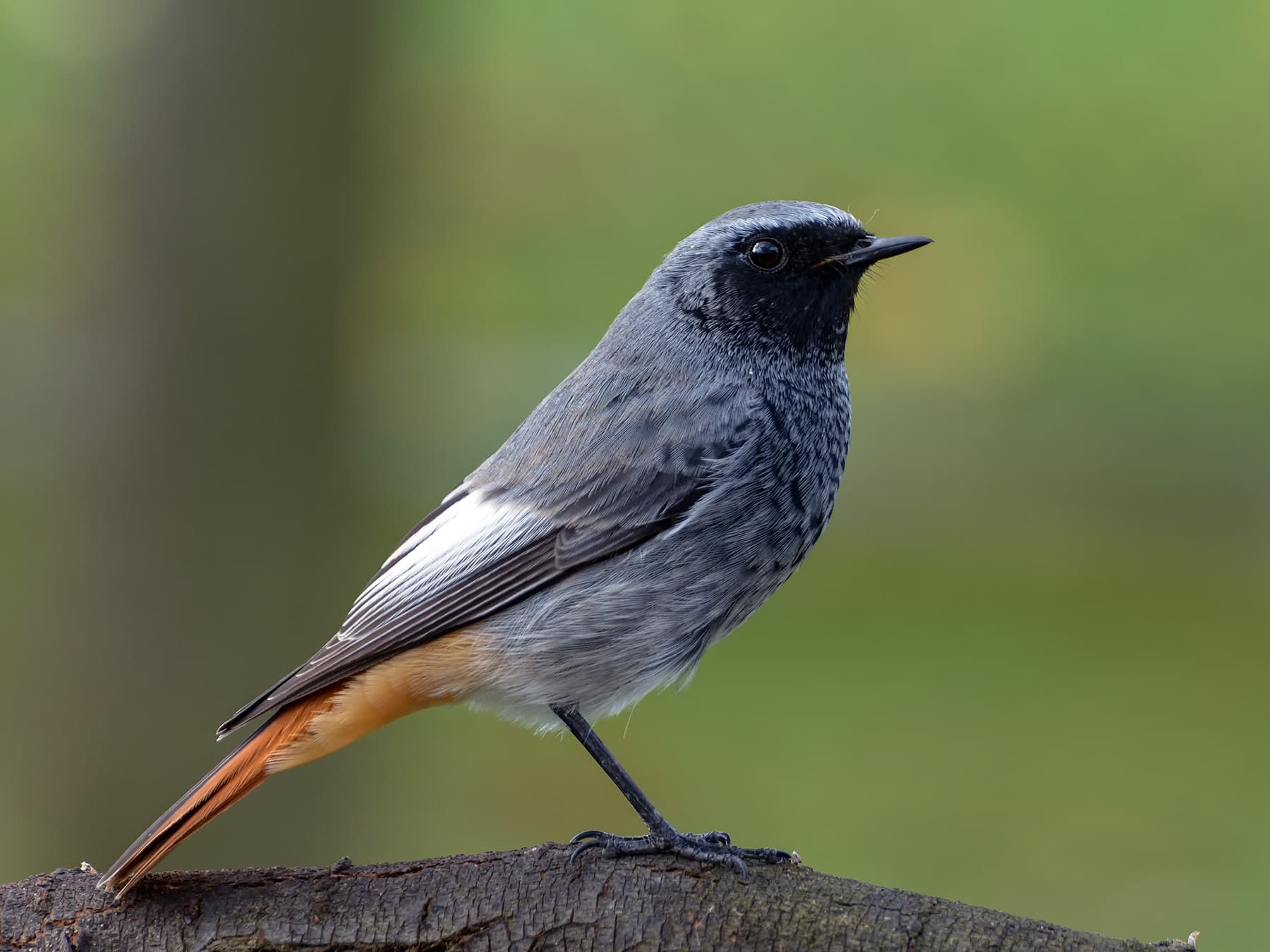
Black Redstart
Phoenicurus ochrurosLC
An uncommon year-round resident, favouring urban industrial sites, power stations, and coastal cliffs. Breeds in small numbers, mainly in south-east England.
Year-round
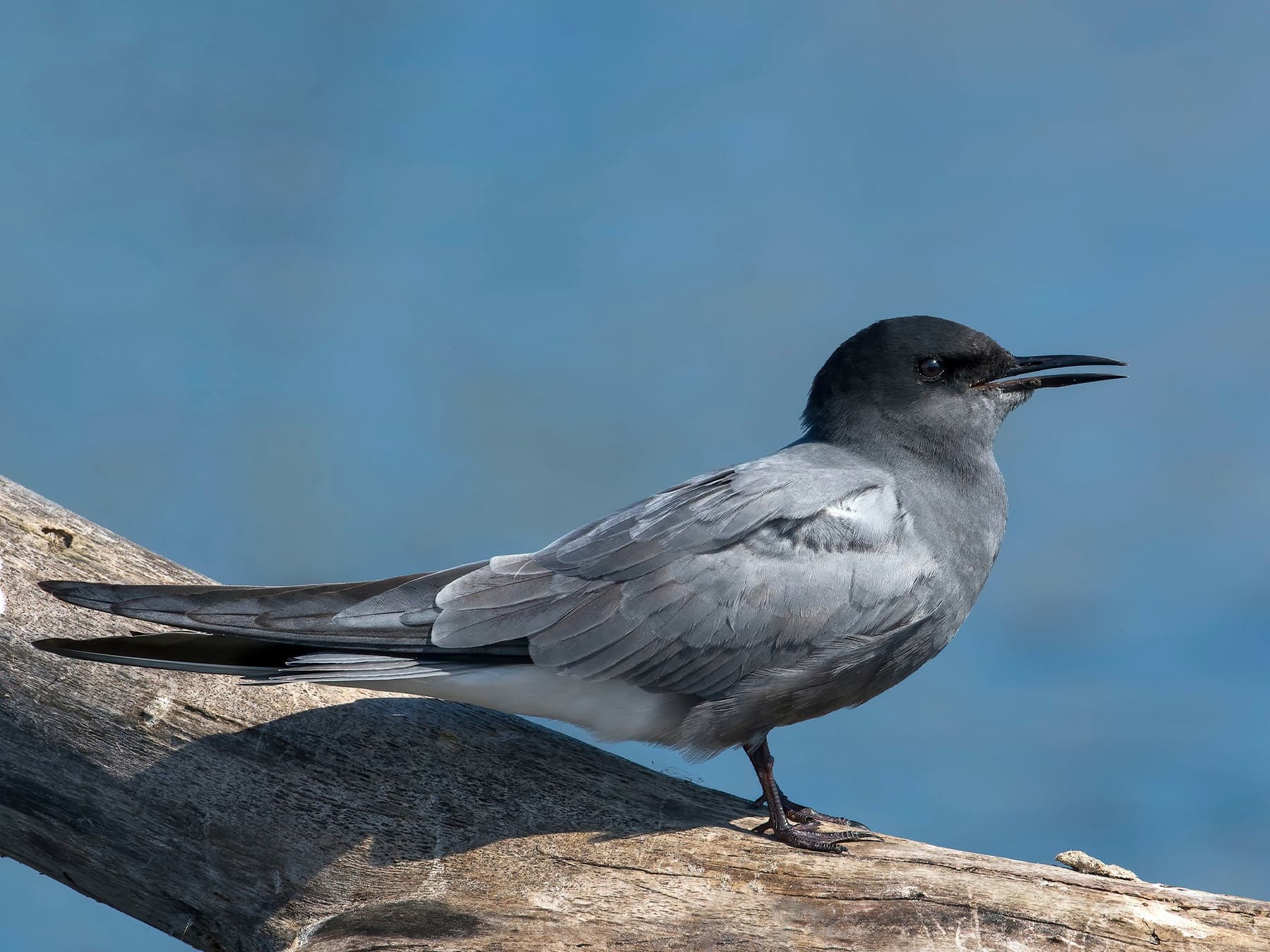
Black Tern
Chlidonias nigerLC
An uncommon passage migrant seen over freshwater lakes and reservoirs, mainly in spring and autumn. No longer breeds in the UK.
Apr–Nov
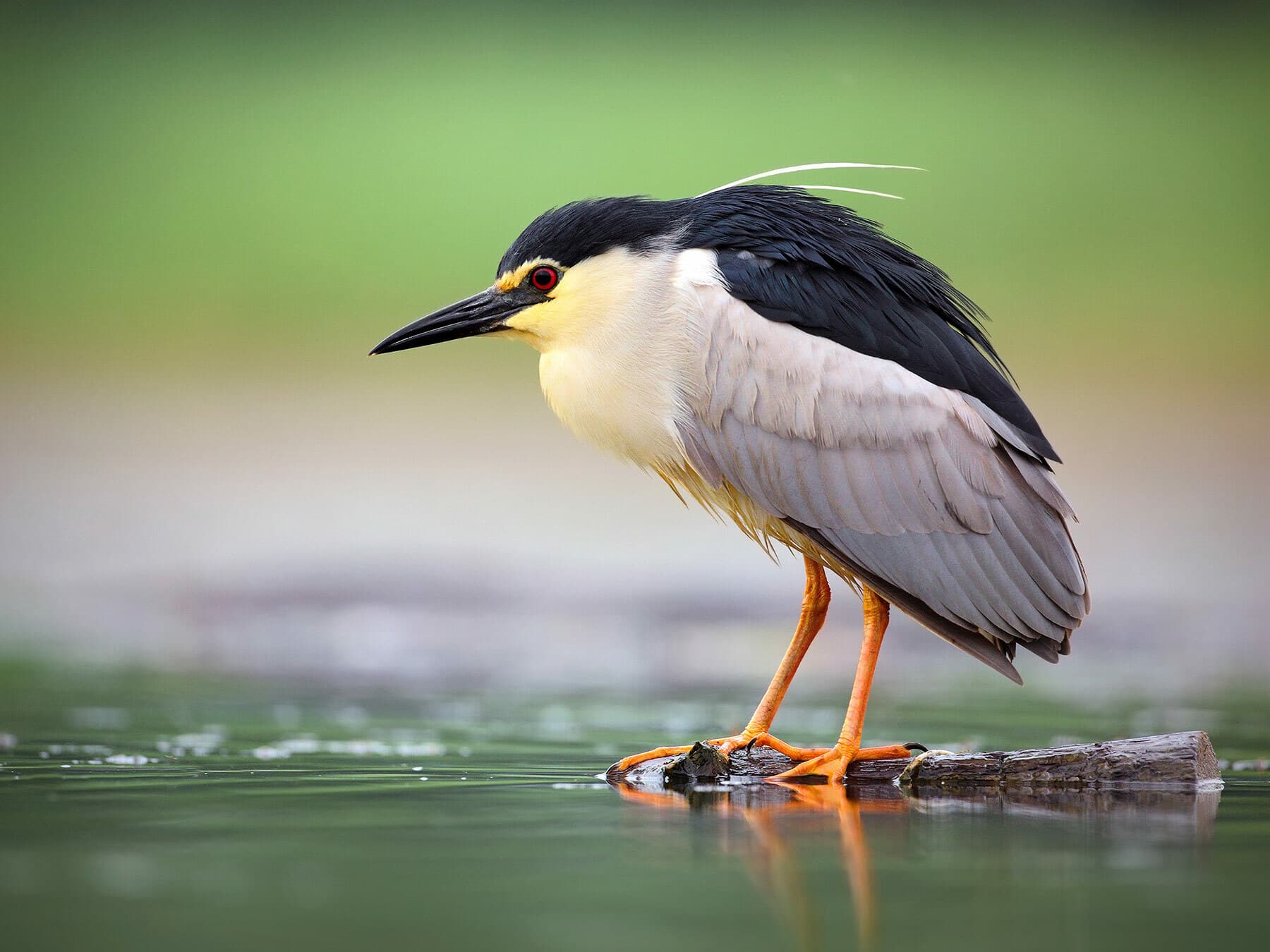
Black-crowned Night-heron
Nycticorax nycticoraxLC
An uncommon passage visitor to wetlands and reedbeds, mainly in spring and late summer. This stocky, nocturnal heron is most often seen at dusk at southern marshes.
Apr–Aug
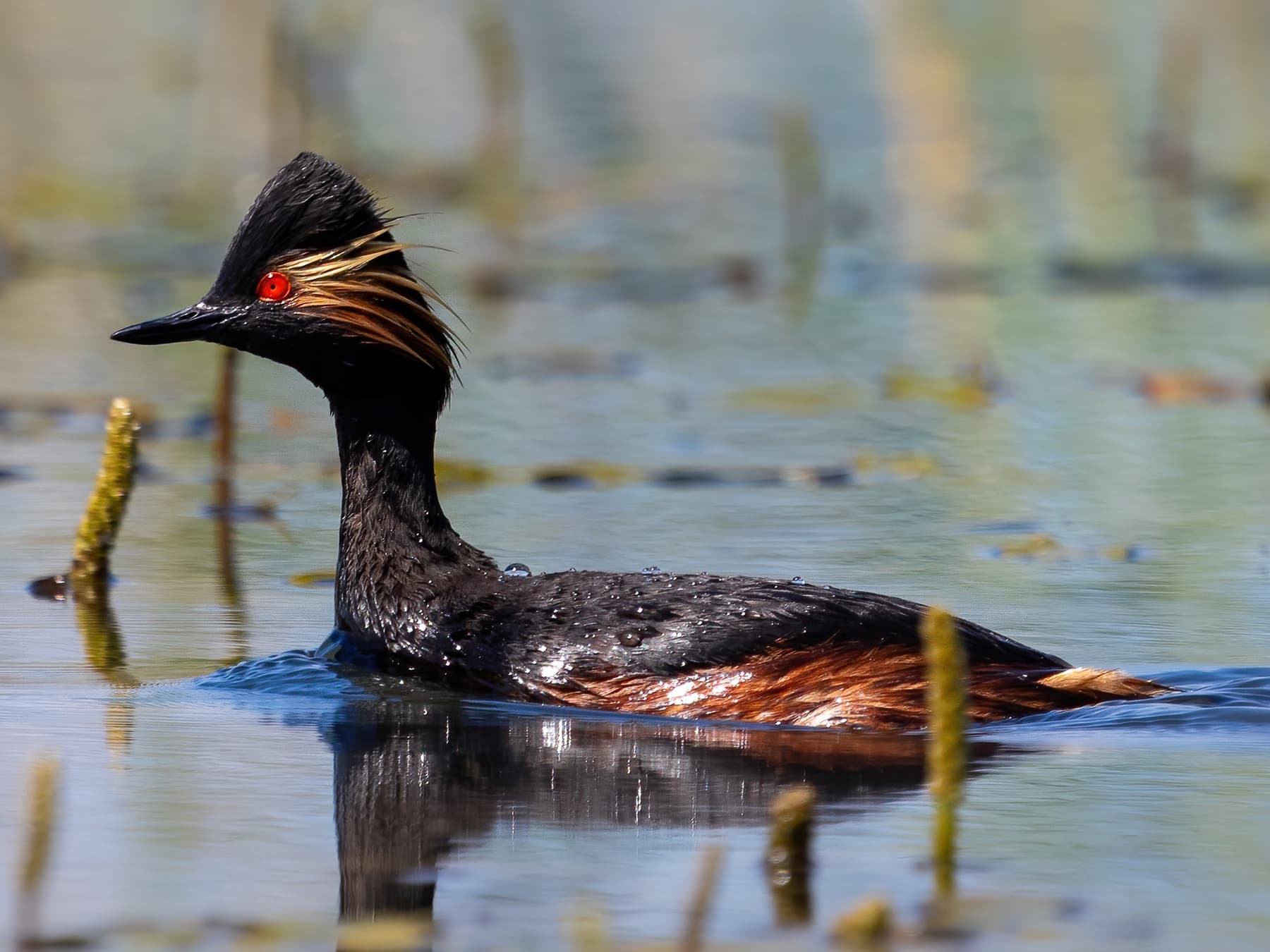
Black-necked Grebe
Podiceps nigricollisLC
An uncommon resident breeding at a handful of shallow lakes. More widespread in winter on reservoirs and sheltered coastal waters.
Year-round
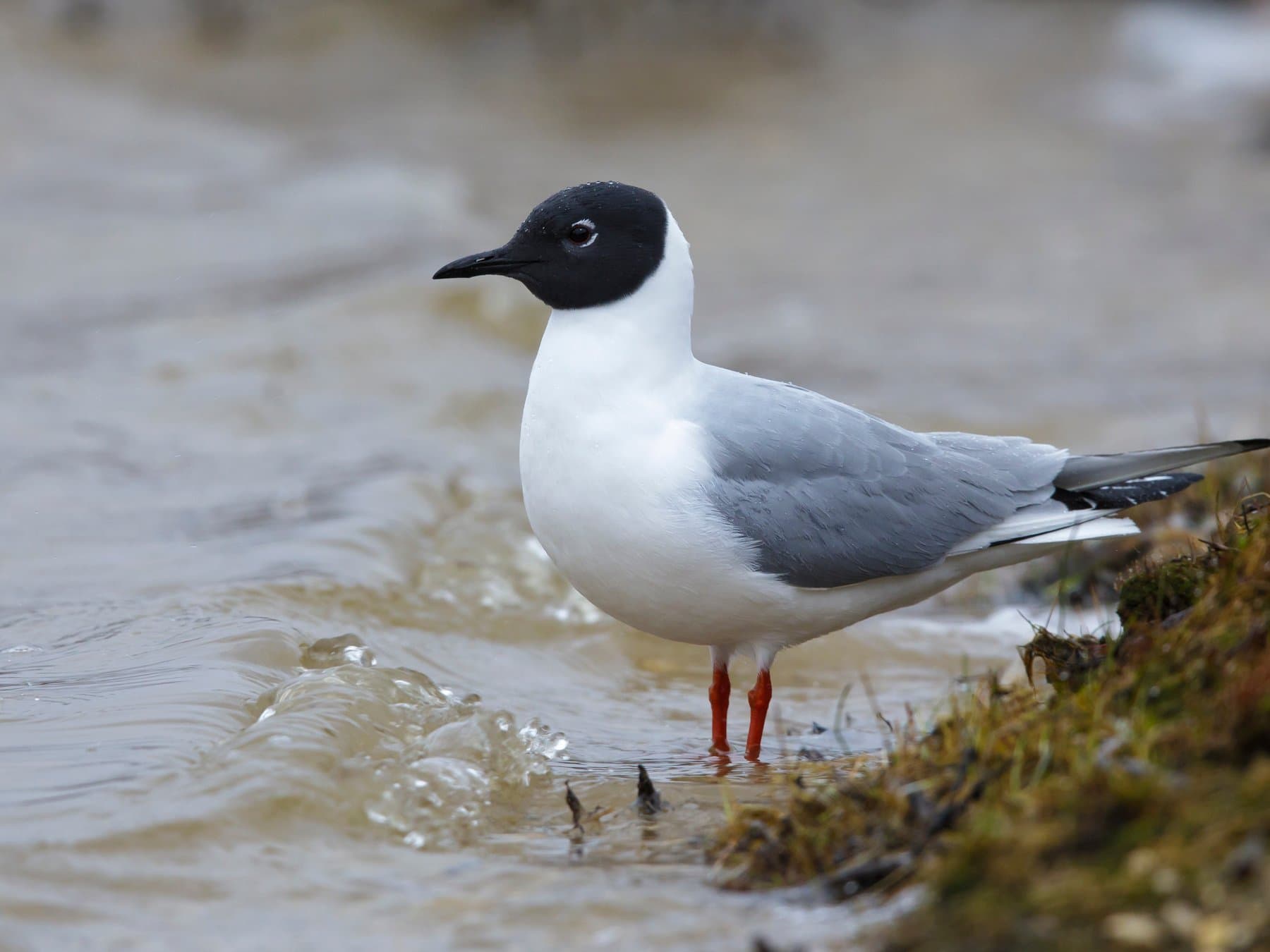
Bonaparte's Gull
Chroicocephalus philadelphiaLC
An uncommon Nearctic vagrant, occasionally lingering at reservoirs, harbours, and coastal sites. Most records come from southern England and Ireland.
Apr–Jan
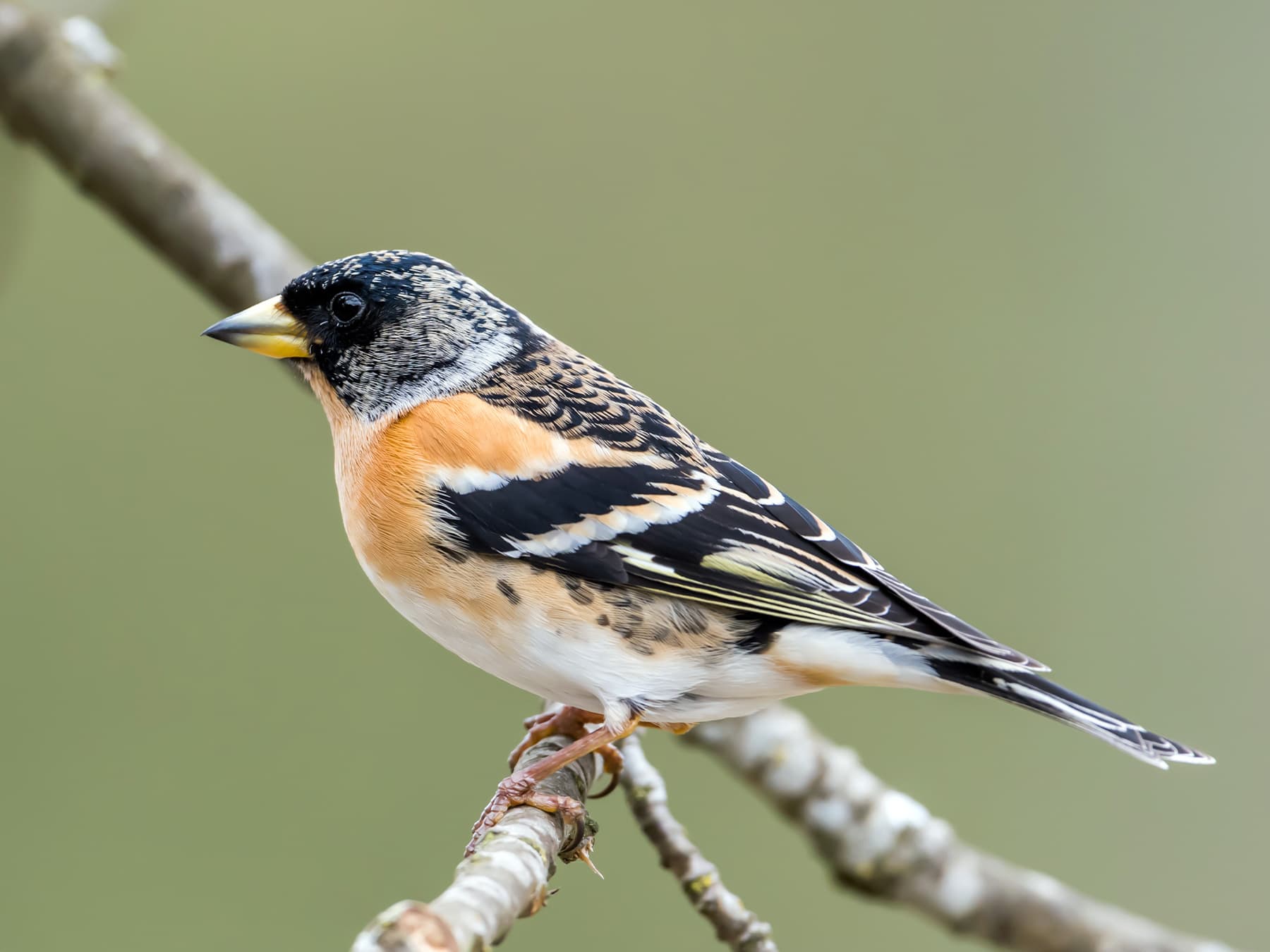
Brambling
Fringilla montifringillaLC
An uncommon winter visitor from Scandinavia, often joining Chaffinch flocks at woodland edges and garden feeders. Numbers vary greatly between years.
Sep–Apr
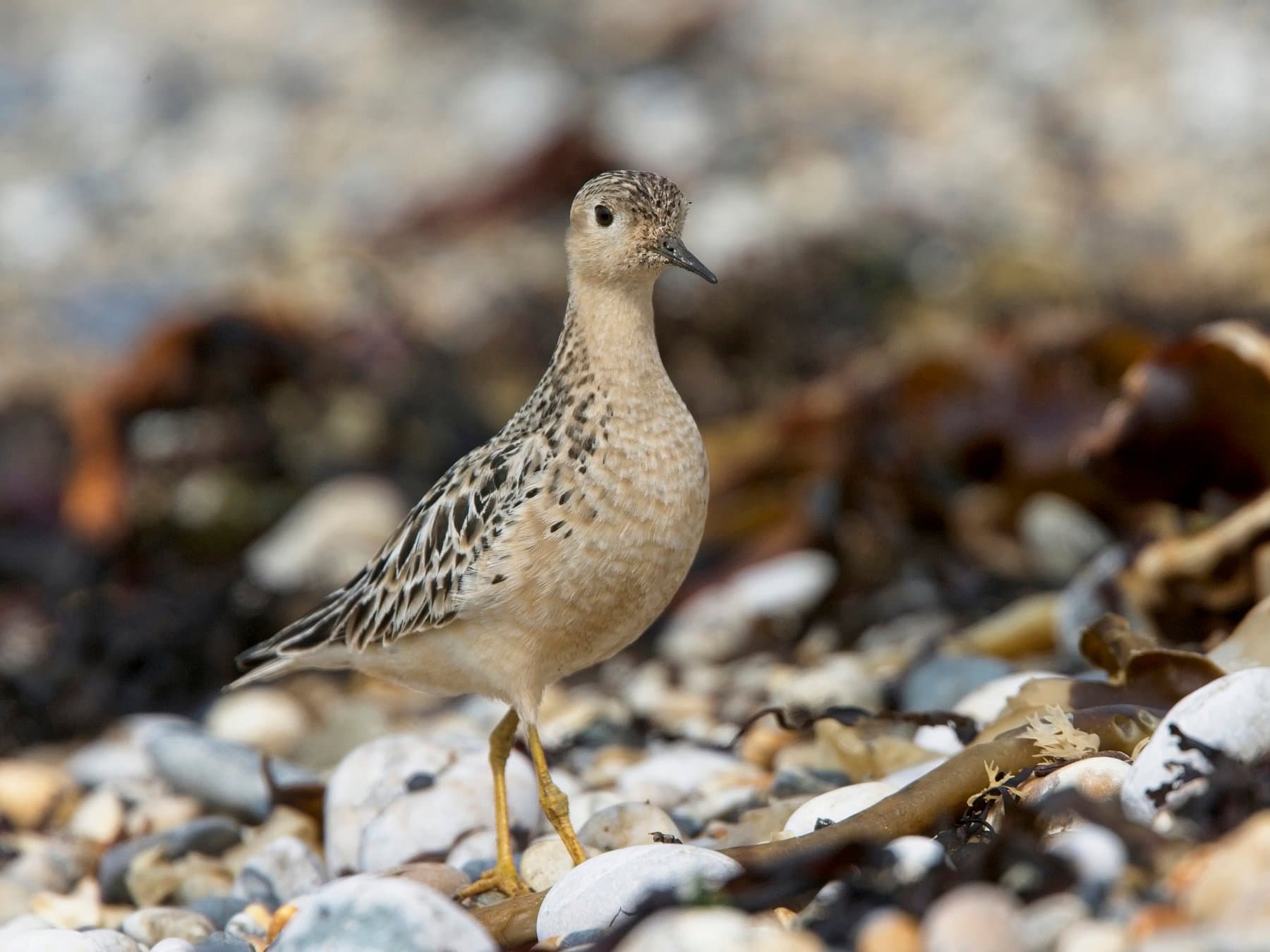
Buff-breasted Sandpiper
Calidris subruficollisVU
A scarce autumn passage migrant from North America, favouring short-grass fields and airfields. Most records come from south-west coasts.
May–Oct
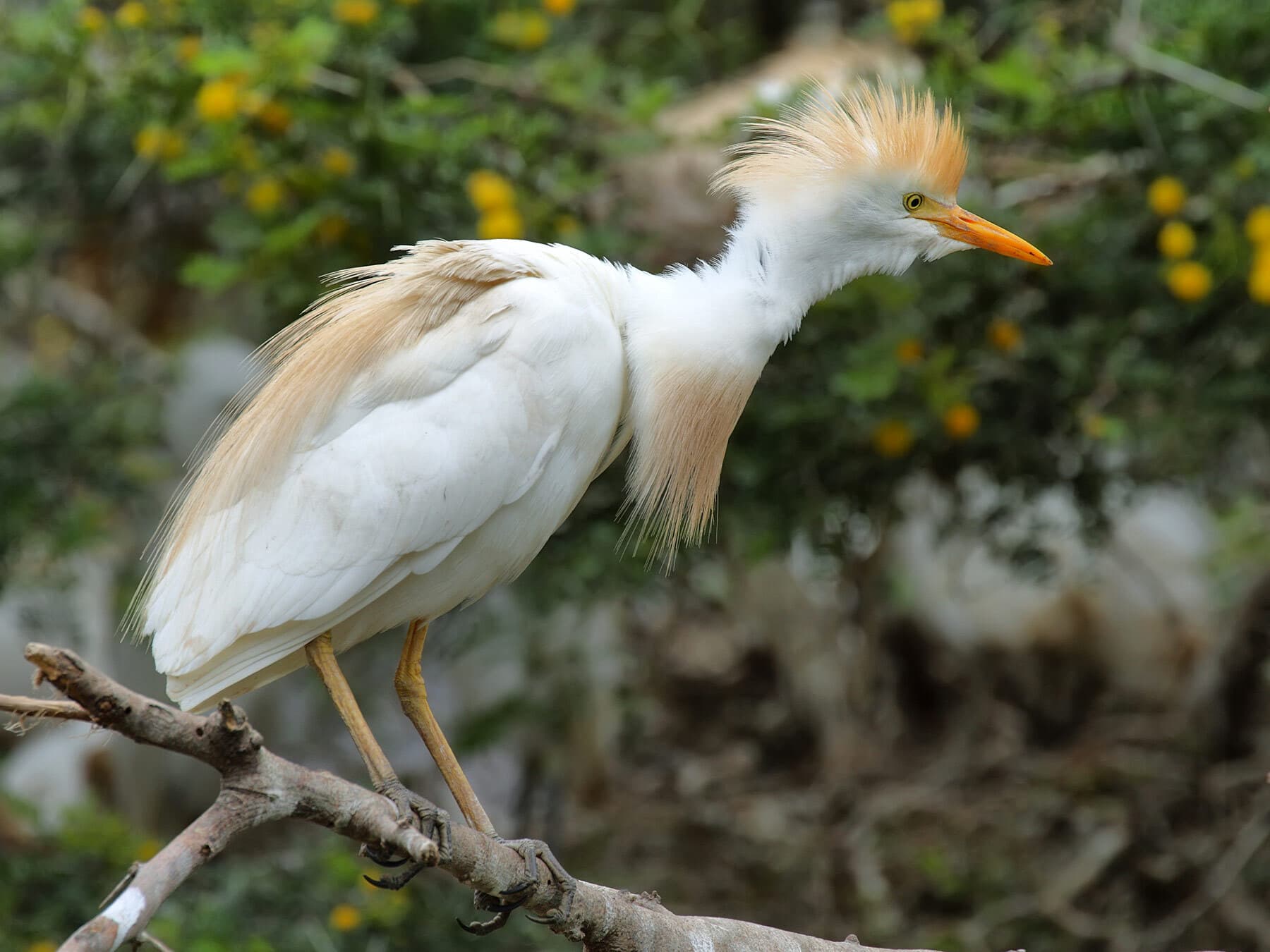
Cattle Egret
Bubulcus ibisLC
A recent colonist now breeding in small numbers, mainly in south-west England. Often found alongside livestock in damp pastures.
Year-round
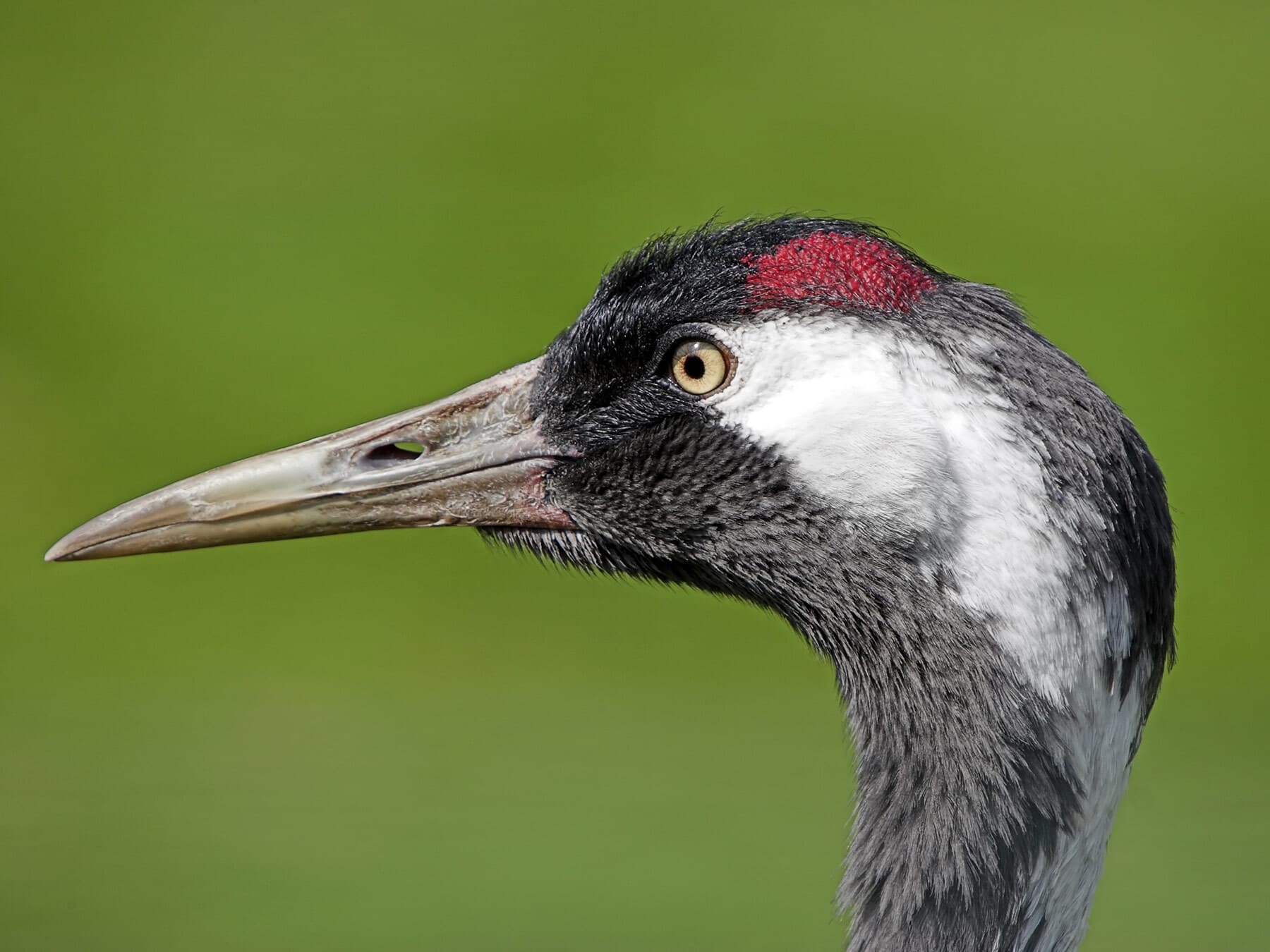
Common Crane
Grus grusLC
A recolonising breeder, now nesting in the Norfolk Broads and Somerset Levels. Numbers are slowly increasing thanks to reintroduction and conservation efforts.
Year-round
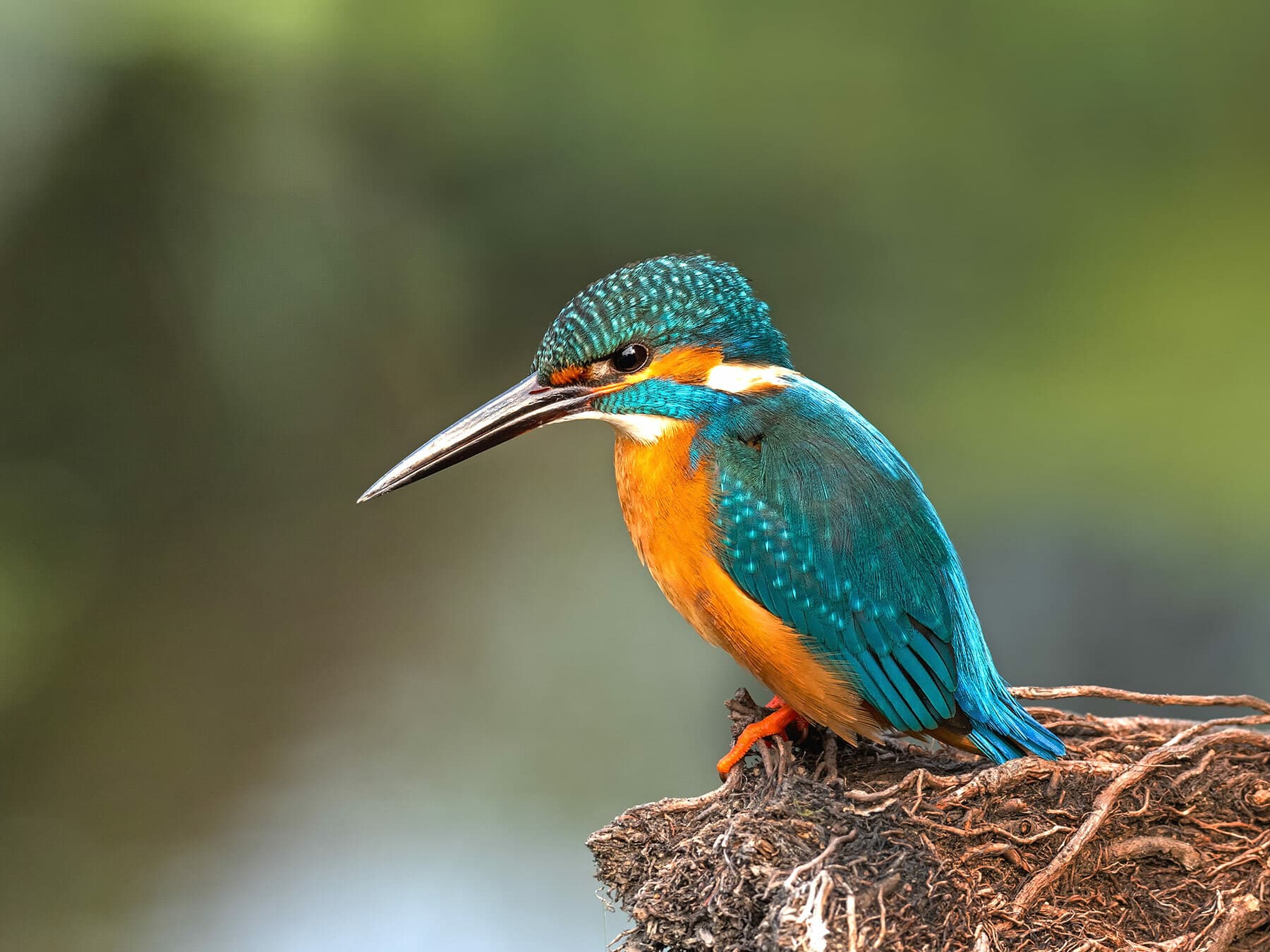
Common Kingfisher
Alcedo atthisLC
An uncommon but iconic resident of rivers and streams, often glimpsed as a flash of electric blue darting low over water.
Year-round
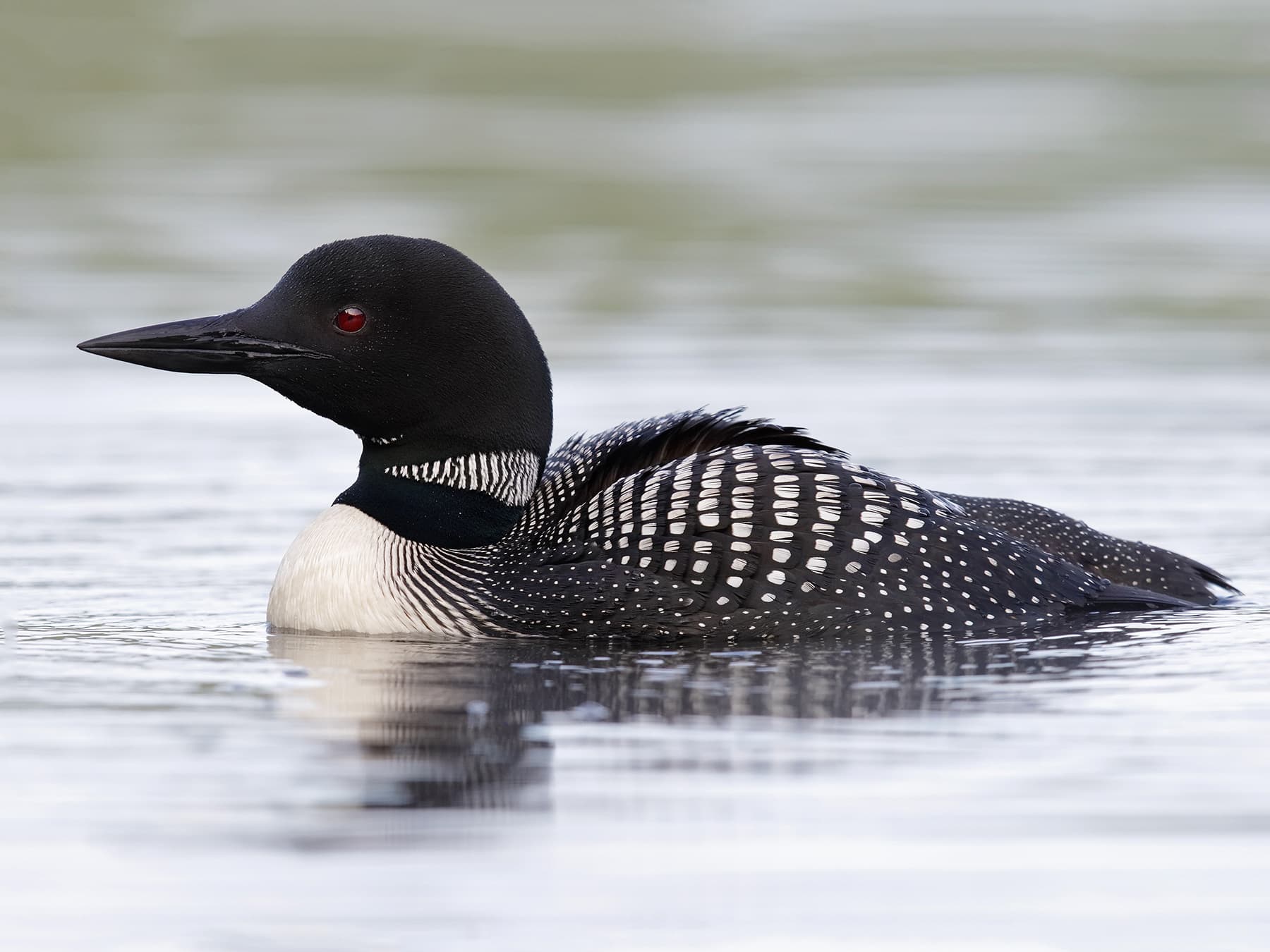
Common Loon
Gavia immerLC
Known locally as Great Northern Diver, found year-round on Scottish lochs and coastal waters. Most numerous in winter, with breeding confined to a handful of Scottish sites.
Year-round
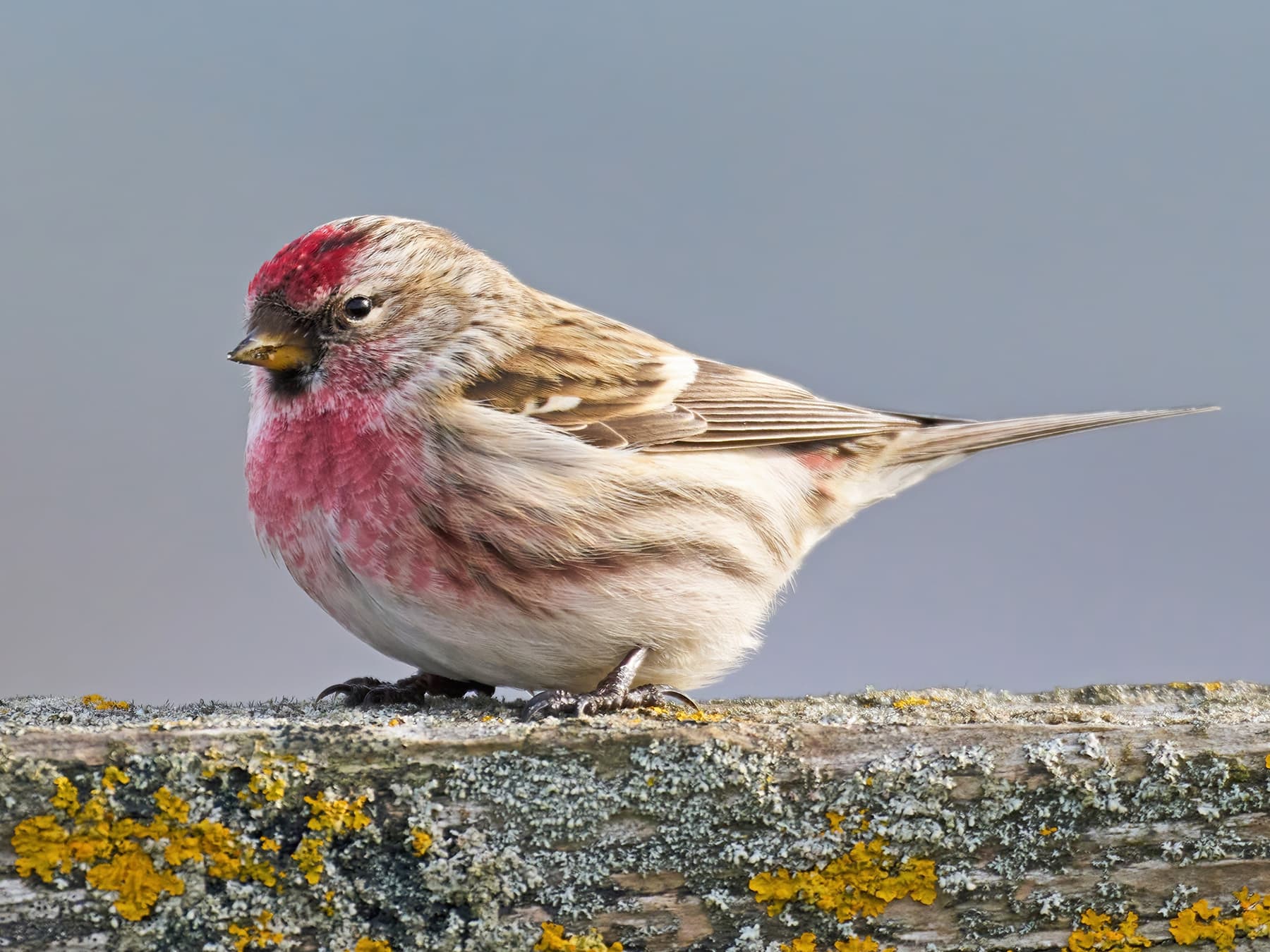
Common Redpoll
Acanthis flammeaLC
An uncommon resident and winter visitor, favouring birch and alder woodland. Numbers fluctuate with irruptive movements from the Continent.
Year-round
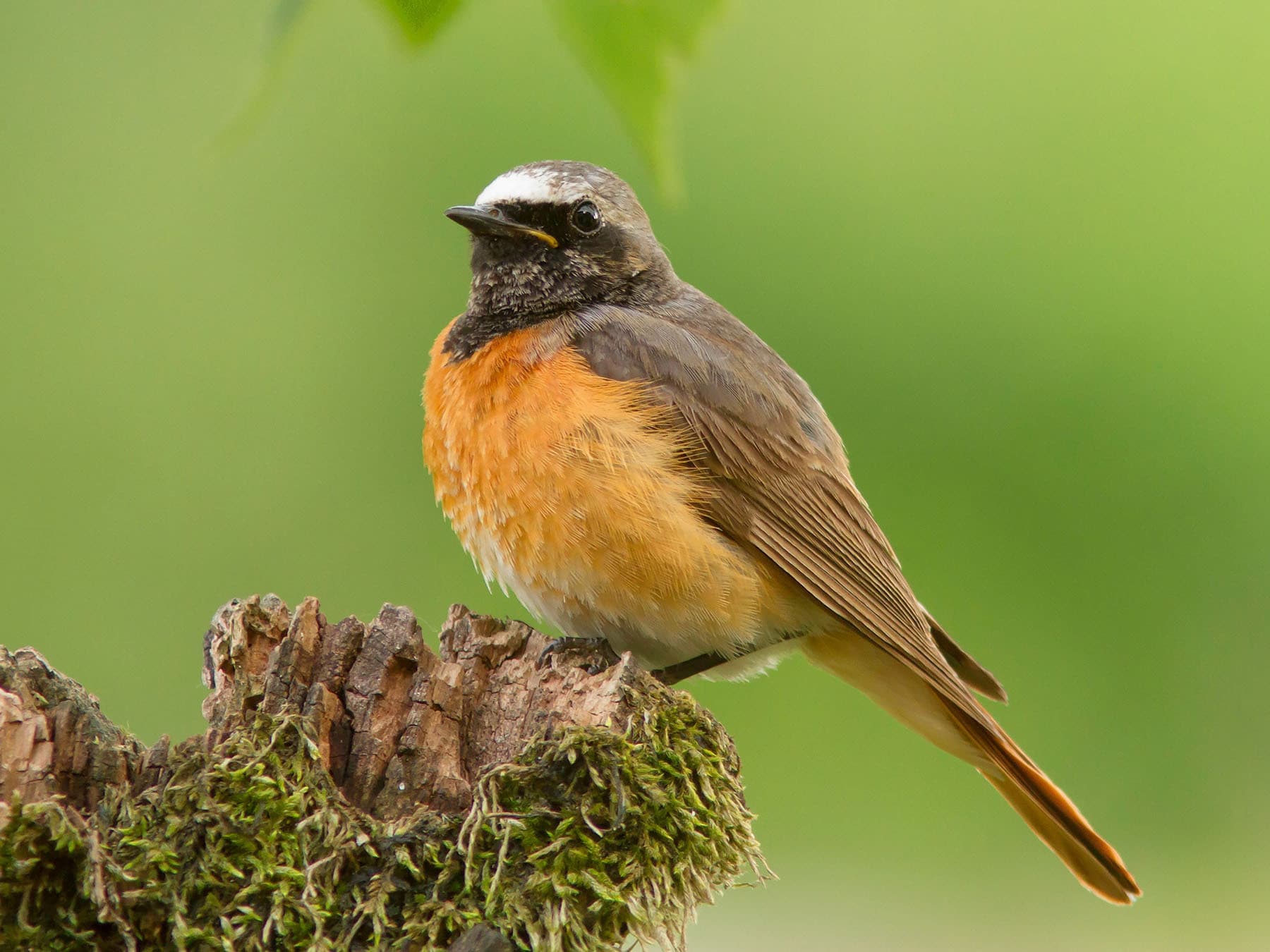
Common Redstart
Phoenicurus phoenicurusLC
A summer breeding visitor favouring mature oak woodland, especially in Wales and western Britain. Males sport a vivid orange breast.
Apr–Oct
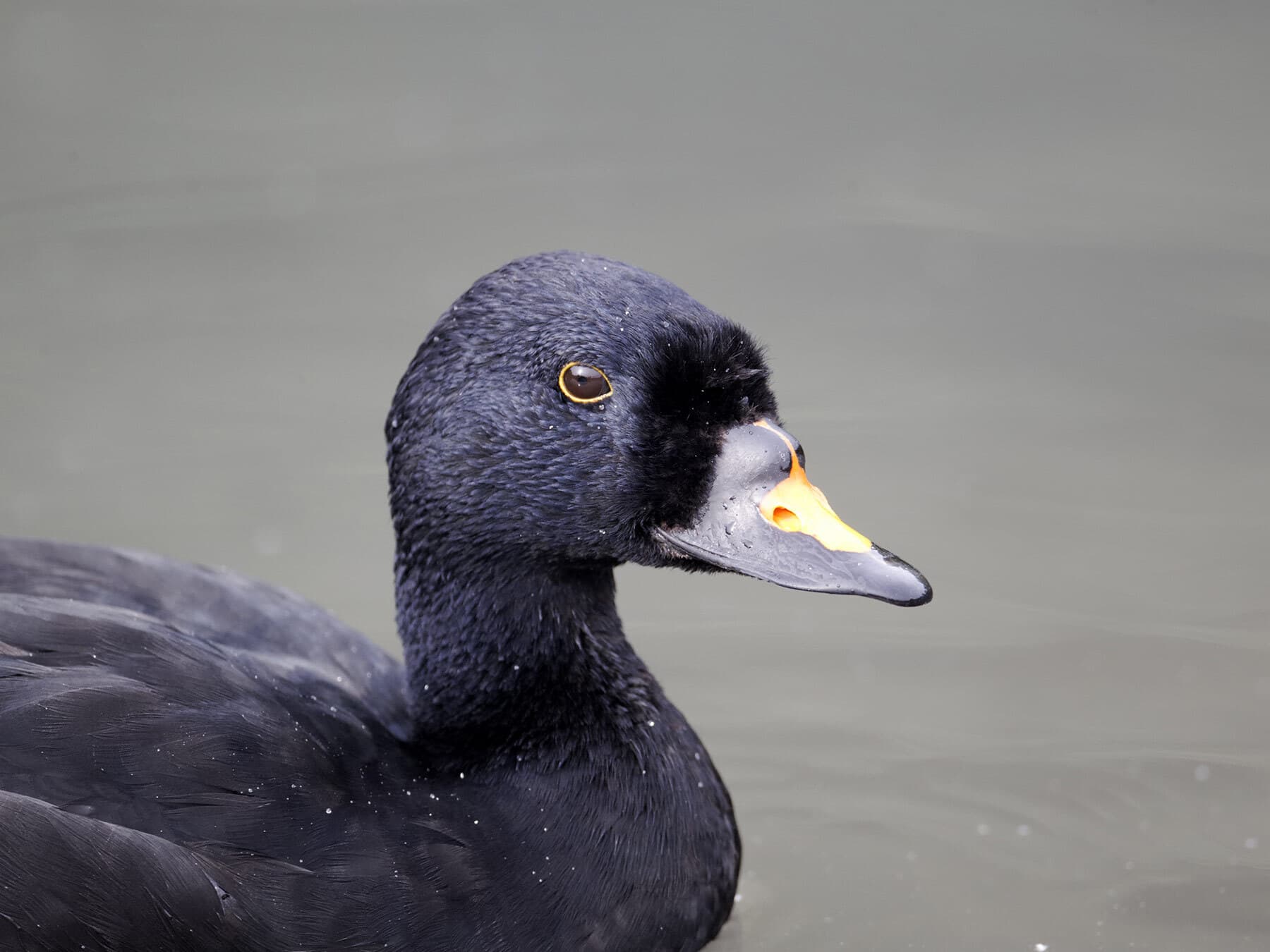
Common Scoter
Melanitta nigraLC
An uncommon year-round resident, breeding at a few freshwater lochs in Scotland and Ireland. Larger numbers winter offshore, forming rafts along exposed coasts.
Year-round