Birds in West Yorkshire
Explore 185 species found in this region.
West Yorkshire supports a rich diversity of birdlife, with 182 species recorded across its varied landscapes of upland moorland, river valleys, reservoirs, and urban parklands. From the iconic Northern Lapwing displaying over farmland to wintering flocks of Pink-footed Geese and the striking Mandarin Duck found on sheltered waterways, the county offers rewarding birding throughout the year. Key habitats include the Pennine moorlands to the west, the Aire and Calder river corridors, and numerous reservoirs that attract both breeding and passage species.
Visiting in September? Look out for Black Tern and Common Redpoll arriving this month, and Avocet and Barnacle Goose depart for the season.


Showing 70–92 of 185 species
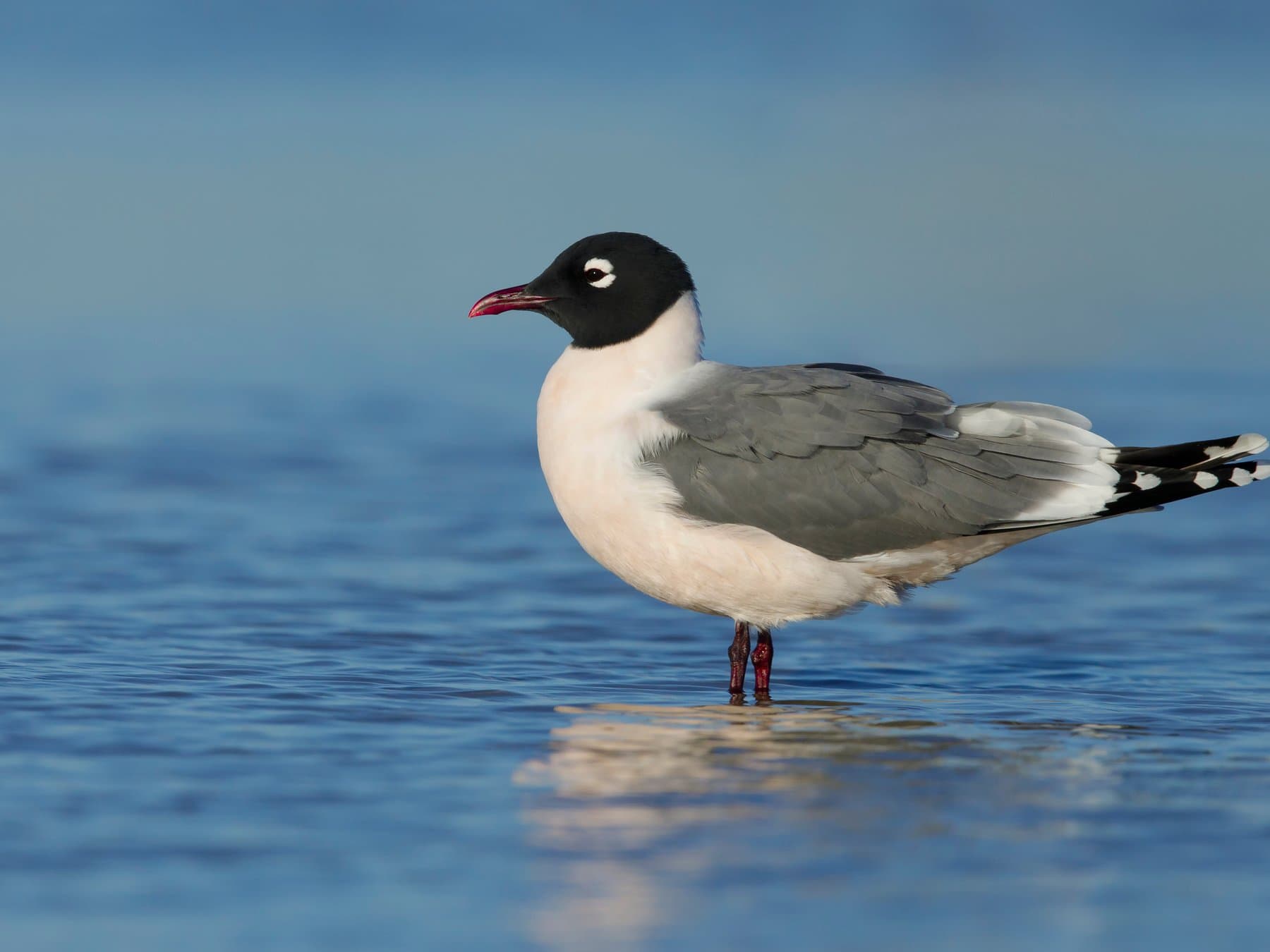
Franklin's Gull
Leucophaeus pipixcanLC
An extremely rare Nearctic vagrant. Any record in West Yorkshire is exceptional and draws considerable attention from regional birders.
May–Sep
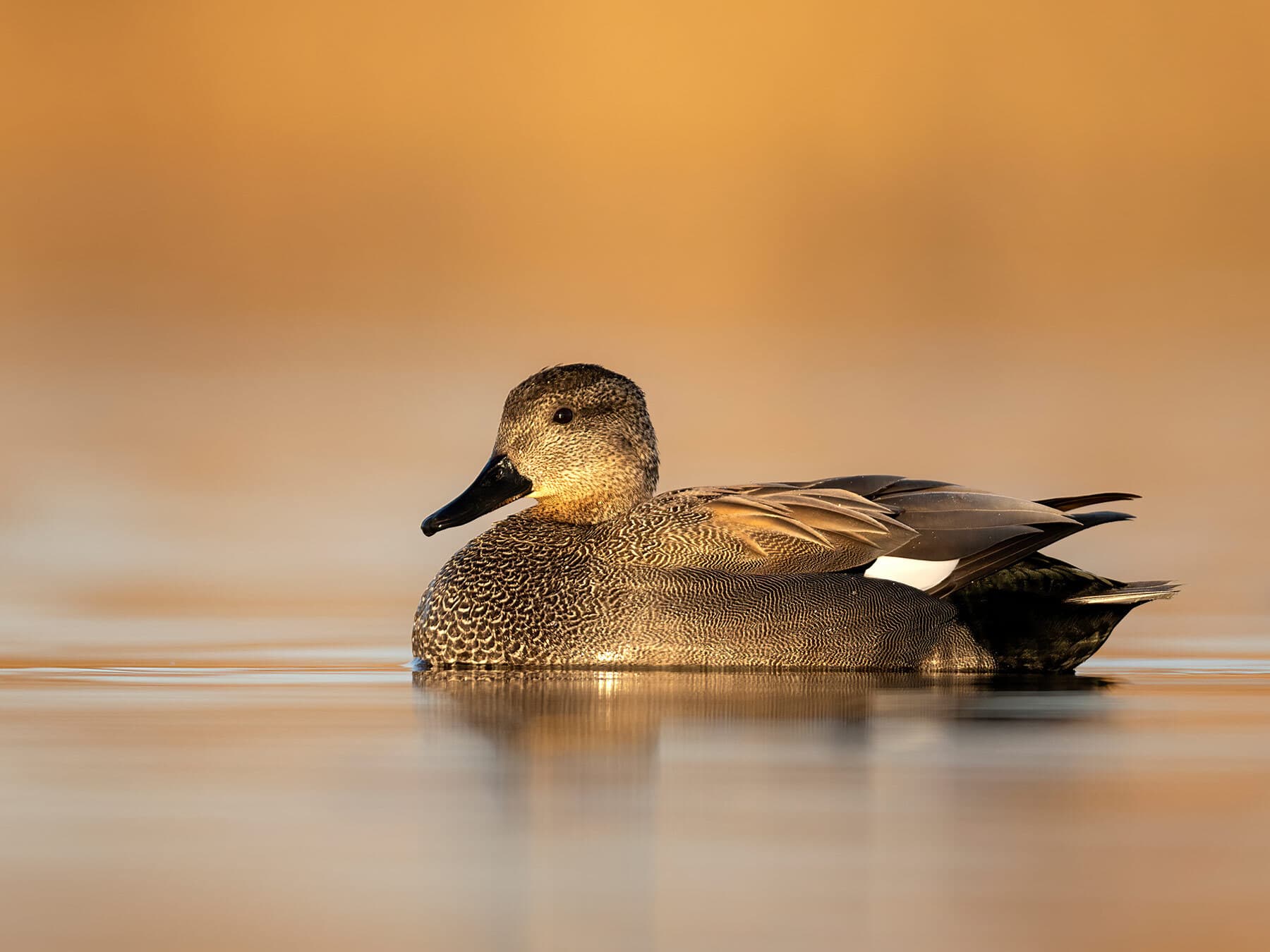
Gadwall
Mareca streperaLC
A common year-round resident on lakes and reservoirs. Has increased significantly in recent decades across the region.
Year-round
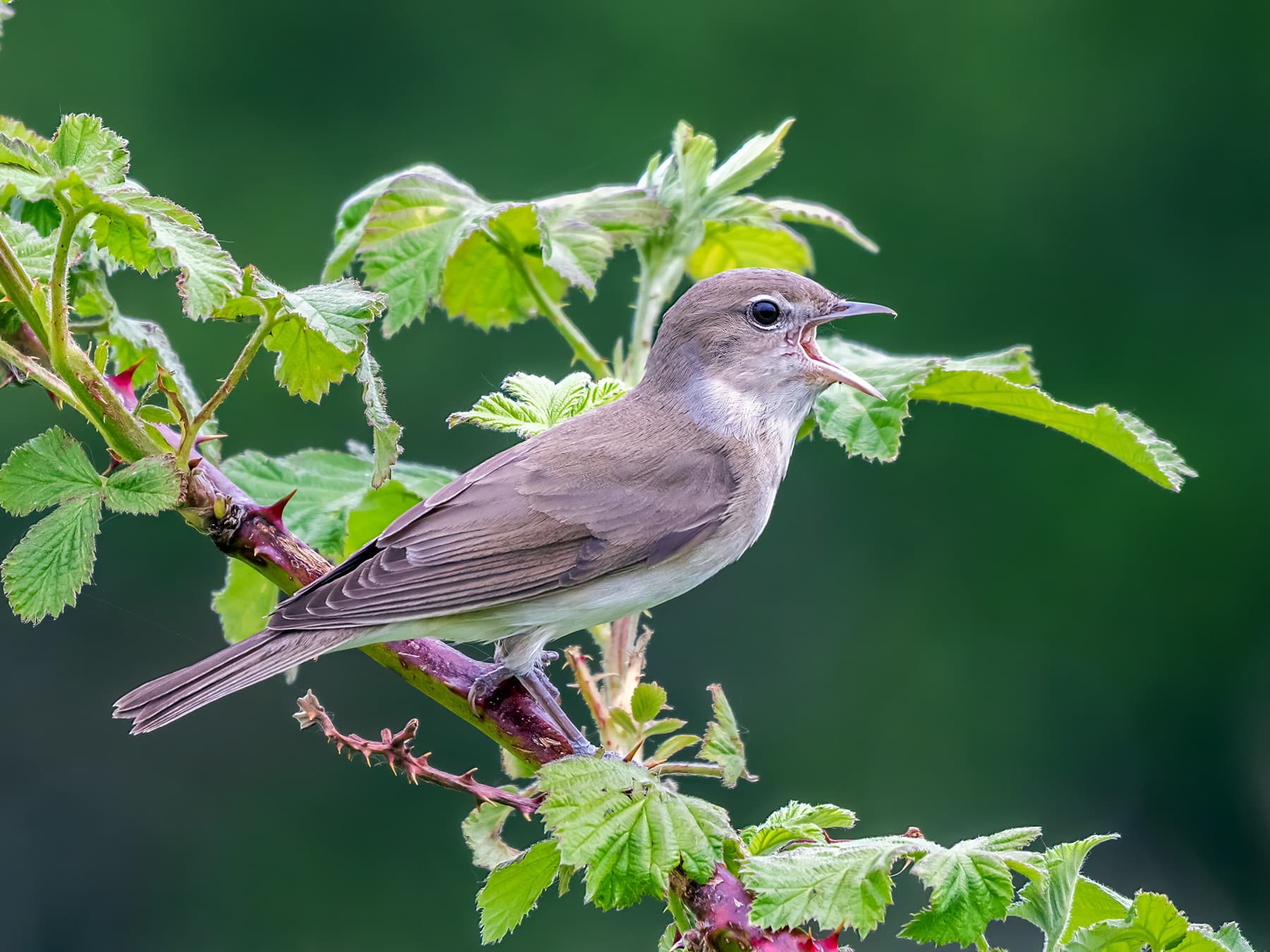
Garden Warbler
Sylvia borinLC
An uncommon summer breeder in dense woodland and scrub from April to July. Its rich warbling song is easily confused with Blackcap.
Apr–Jul
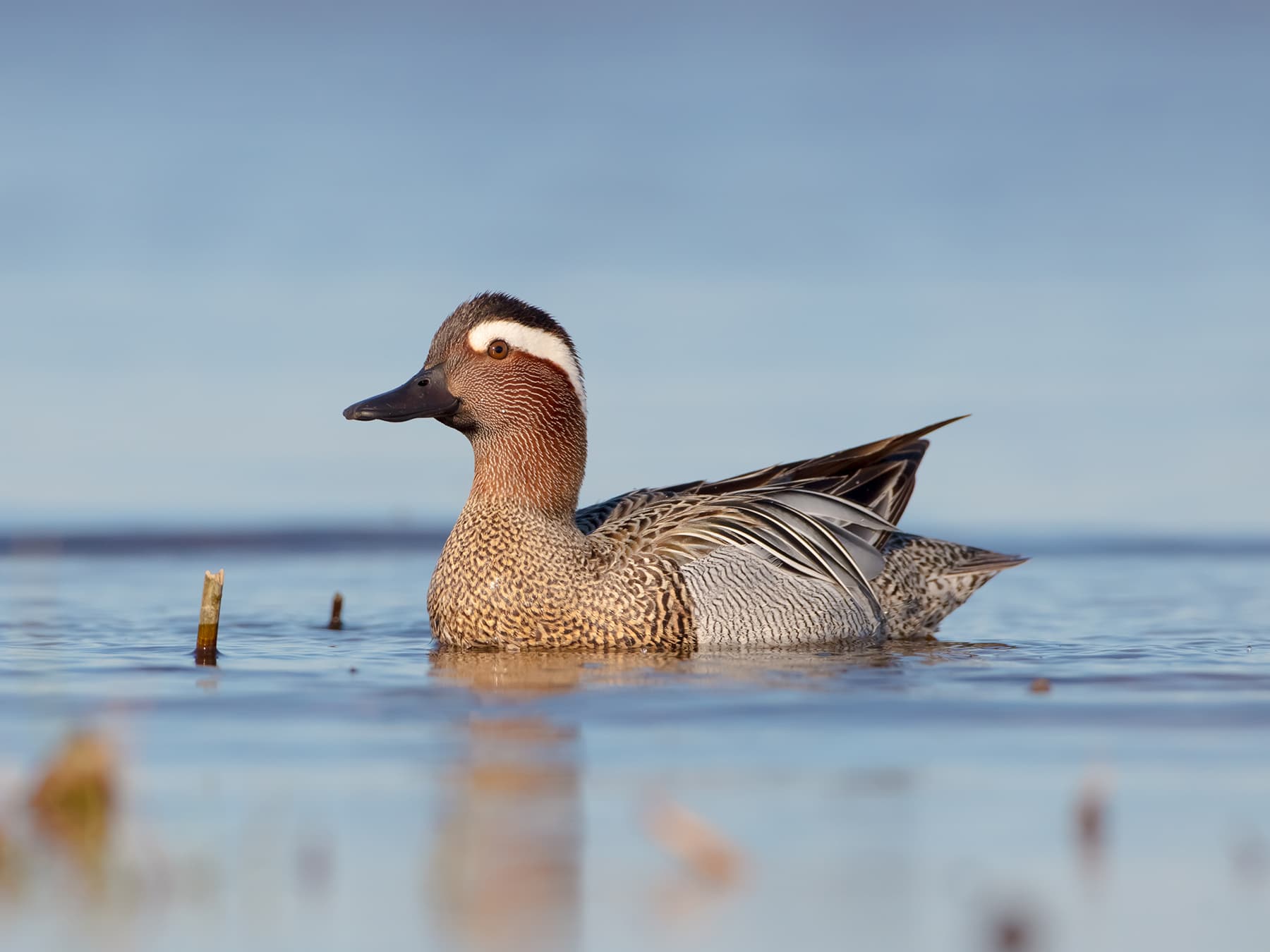
Garganey
Spatula querquedulaLC
A rare summer breeder, arriving in April and departing by September. Favours shallow wetlands with emergent vegetation.
Apr–Sep
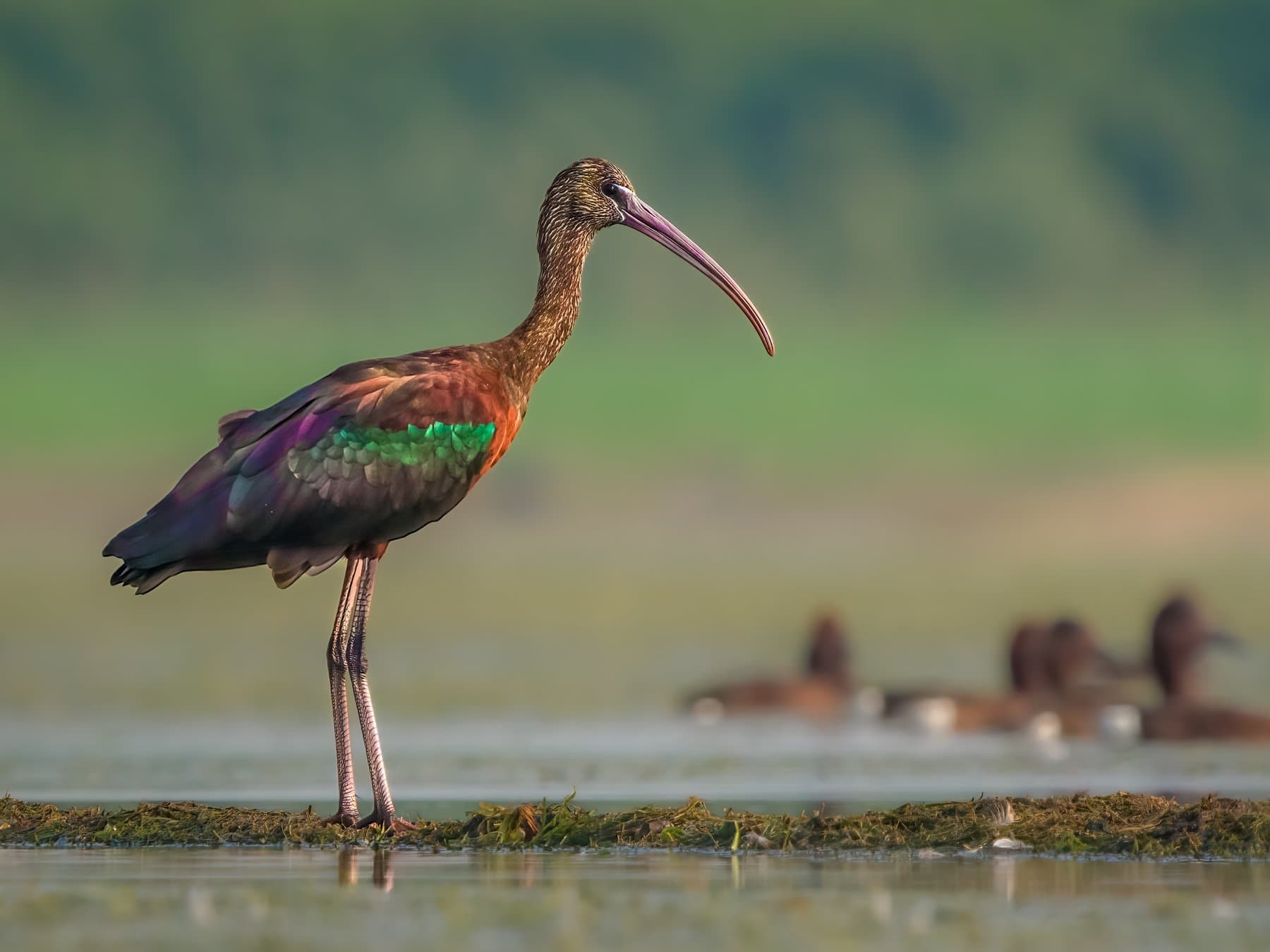
Glossy Ibis
Plegadis falcinellusLC
A rare non-breeding visitor to wetlands and marshy pools, reflecting the species' recent northward expansion across Britain.
Nov–Jan
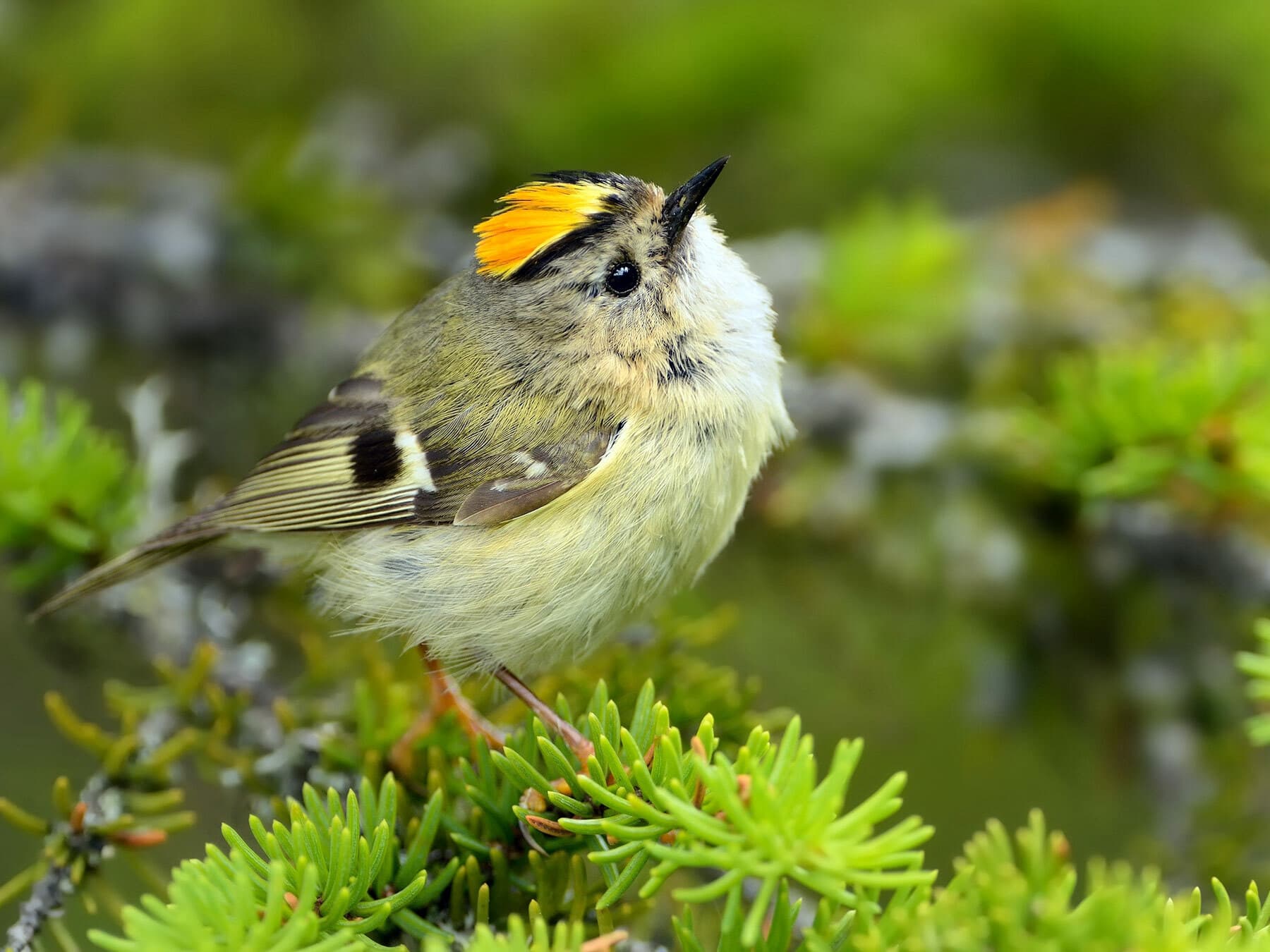
Goldcrest
Regulus regulusLC
An uncommon resident of coniferous and mixed woodland. Britain's smallest bird, often heard giving its thin, high-pitched call.
Year-round
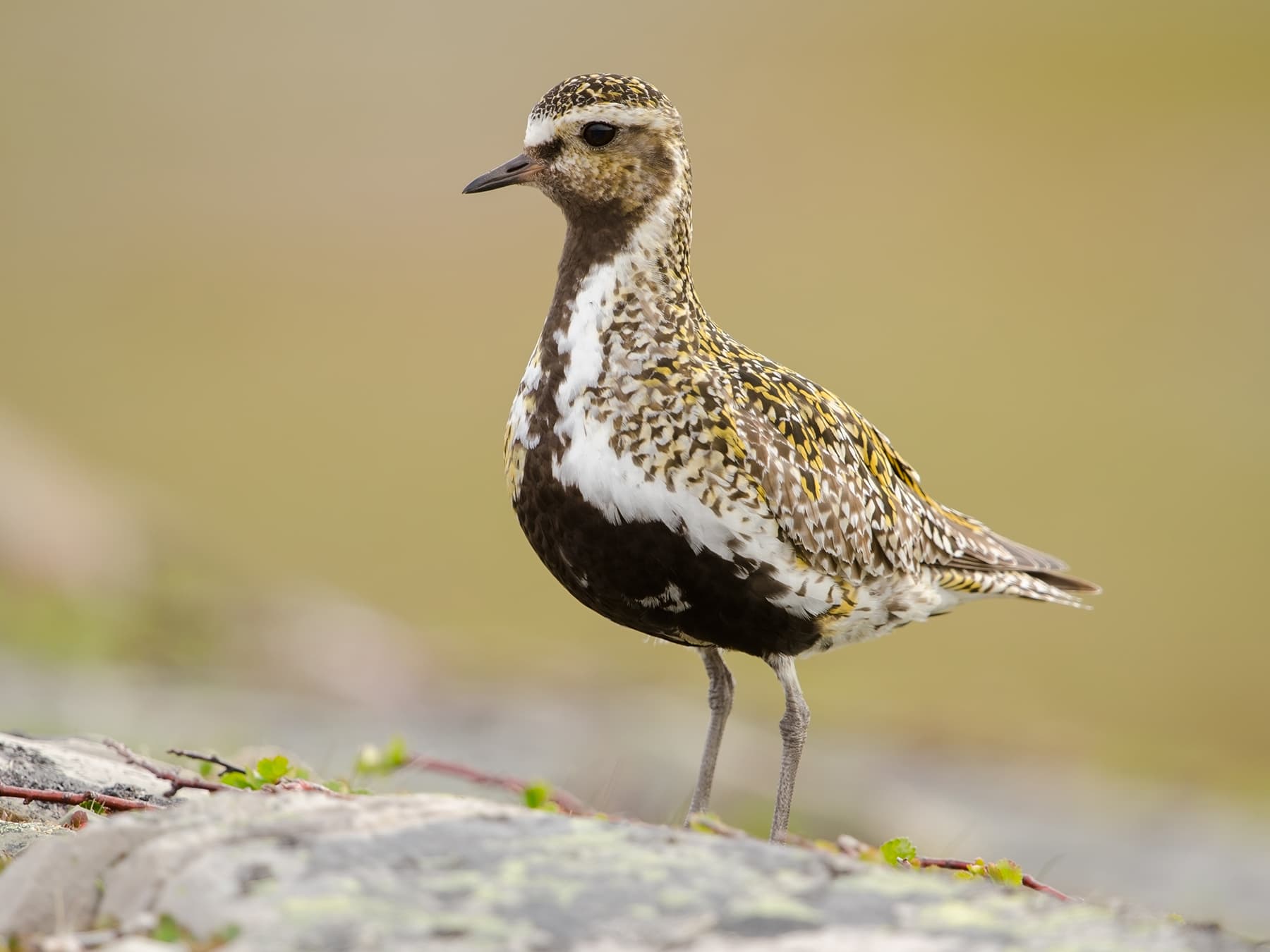
Golden Plover
Pluvialis apricariaLC
A rare year-round resident of the Pennine moorlands, breeding on upland heather bogs and gathering in lowland fields during winter.
Year-round
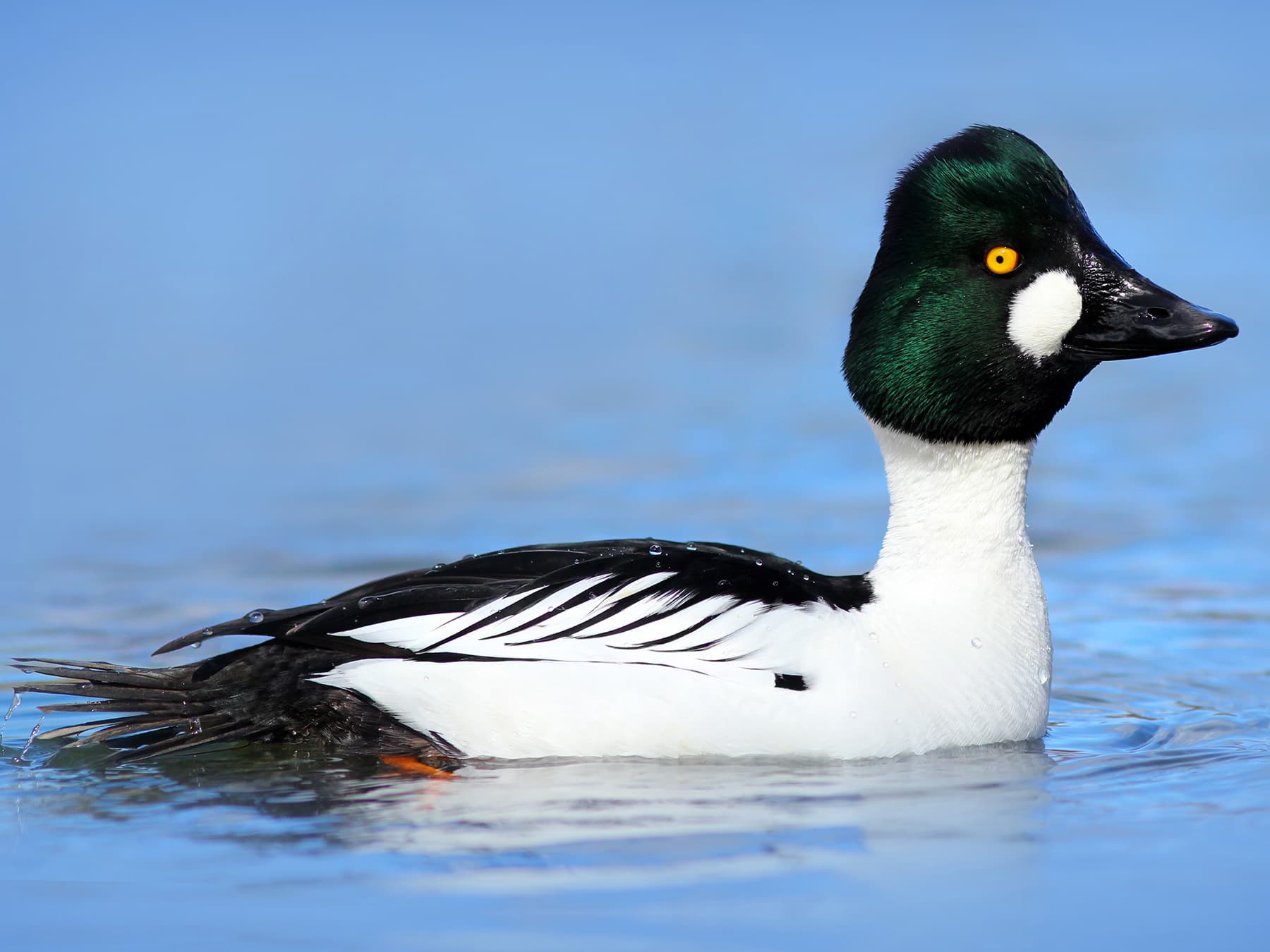
Goldeneye
Bucephala clangulaLC
An uncommon but regular winter visitor to reservoirs and larger lakes. Diving birds are a welcome sight from autumn to spring.
Jul–May
Spotted something?
Upload a photo to identify it
Identify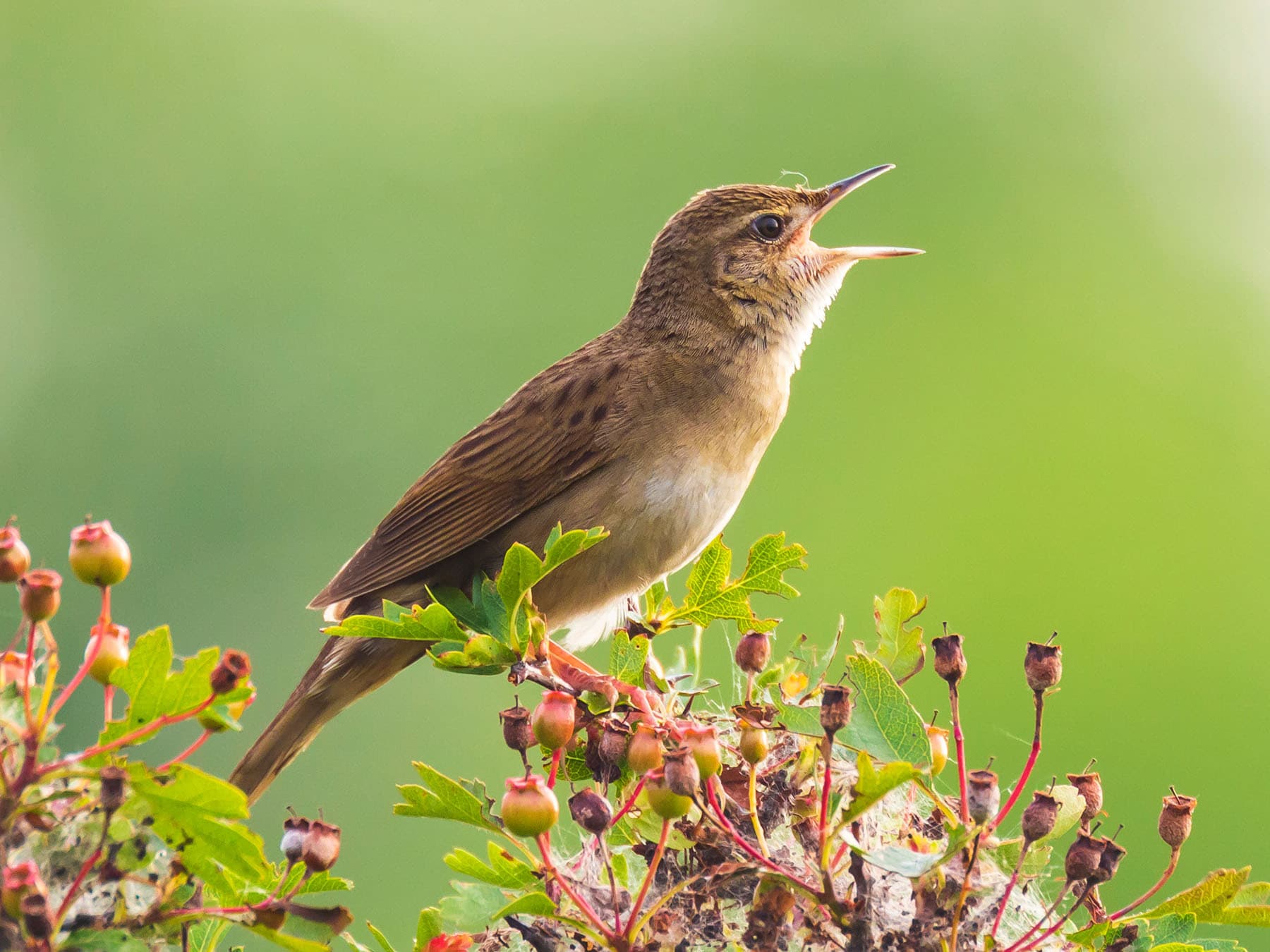
Grasshopper Warbler
Locustella naeviaLC
A rare breeding visitor, arriving in April and favouring rough grassland and scrubby moorland edges. Best detected by its insect-like reeling song.
Apr–Aug
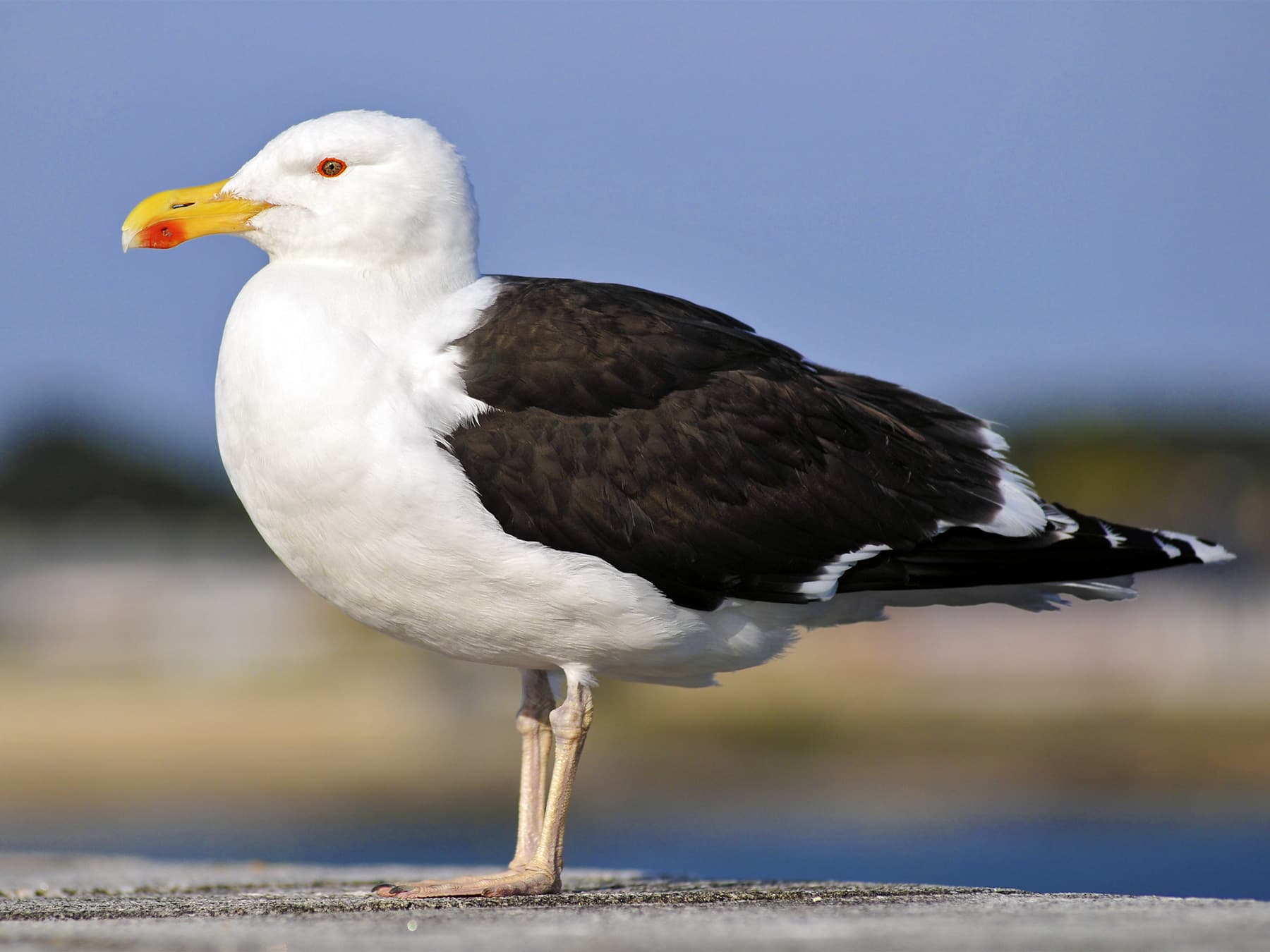
Great Black-backed Gull
Larus marinusLC
An uncommon but year-round presence, often seen loafing at reservoirs or soaring over urban areas alongside smaller gulls.
Year-round
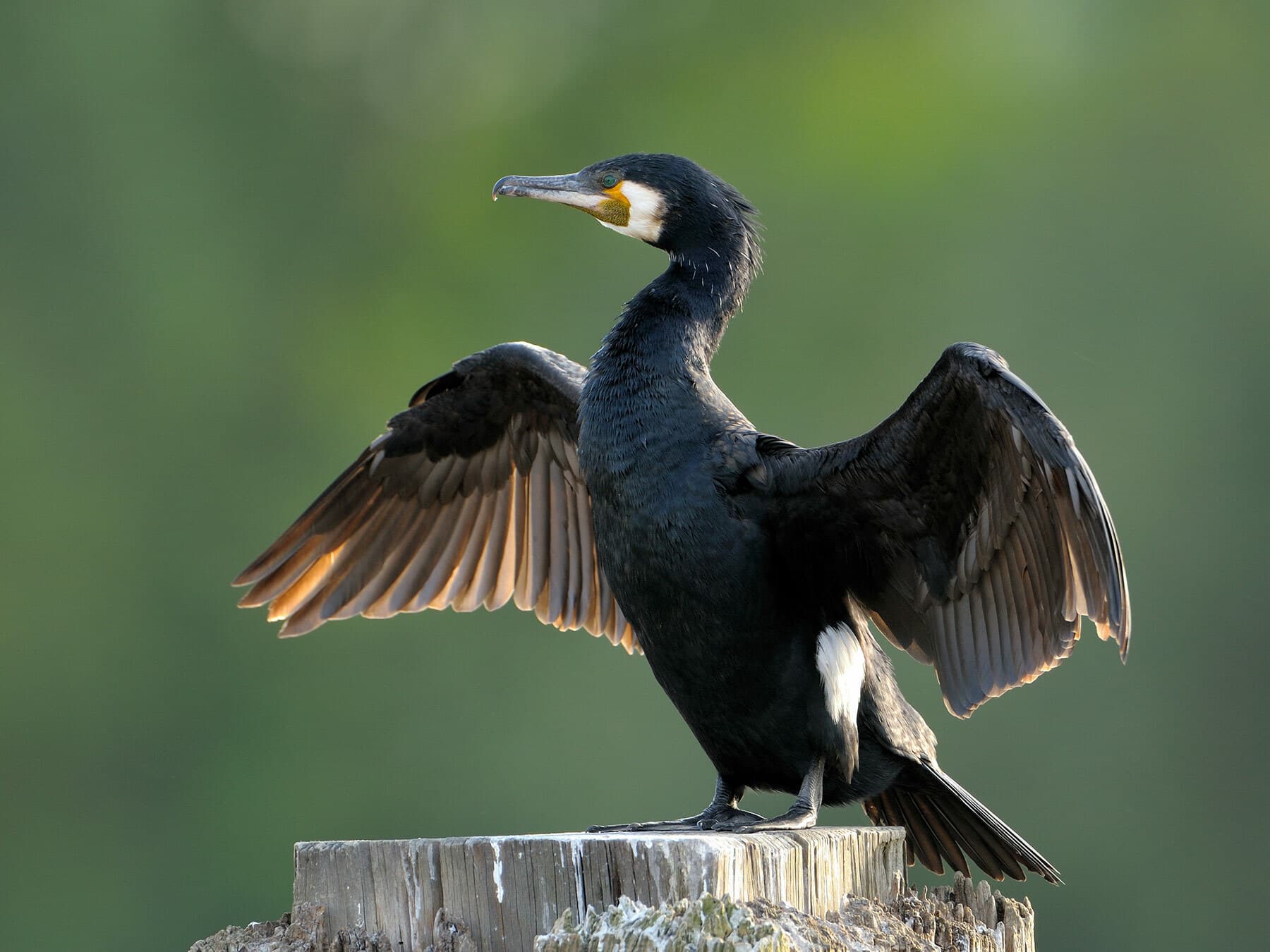
Great Cormorant
Phalacrocorax carboLC
Commonly seen perched with wings outstretched along rivers and reservoirs. Numbers have increased significantly across the region in recent decades.
Year-round
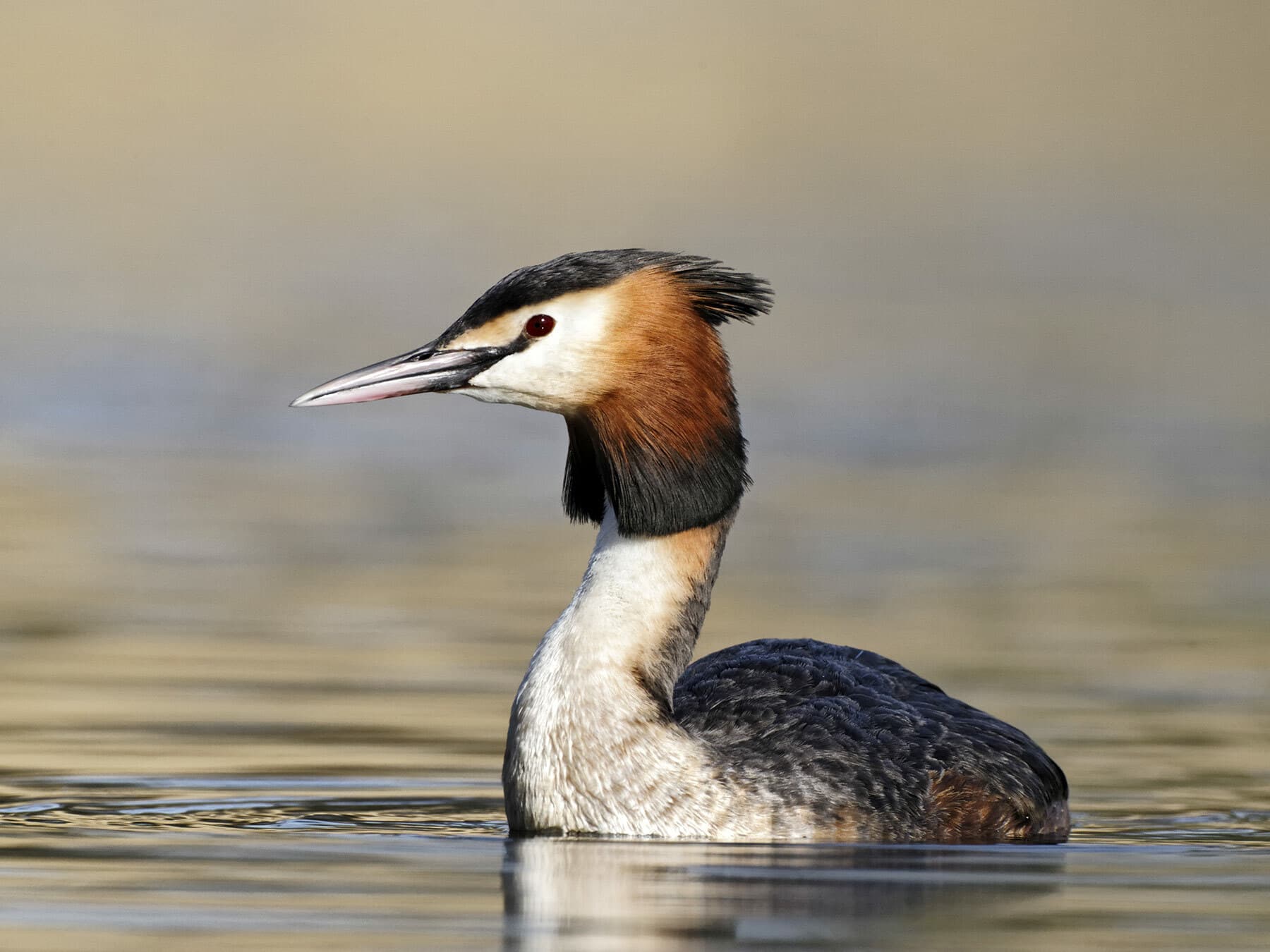
Great Crested Grebe
Podiceps cristatusLC
A year-round resident on reservoirs and larger lakes, performing elaborate courtship dances in spring. Breeds at sites like Pugney's and Wintersett.
Year-round
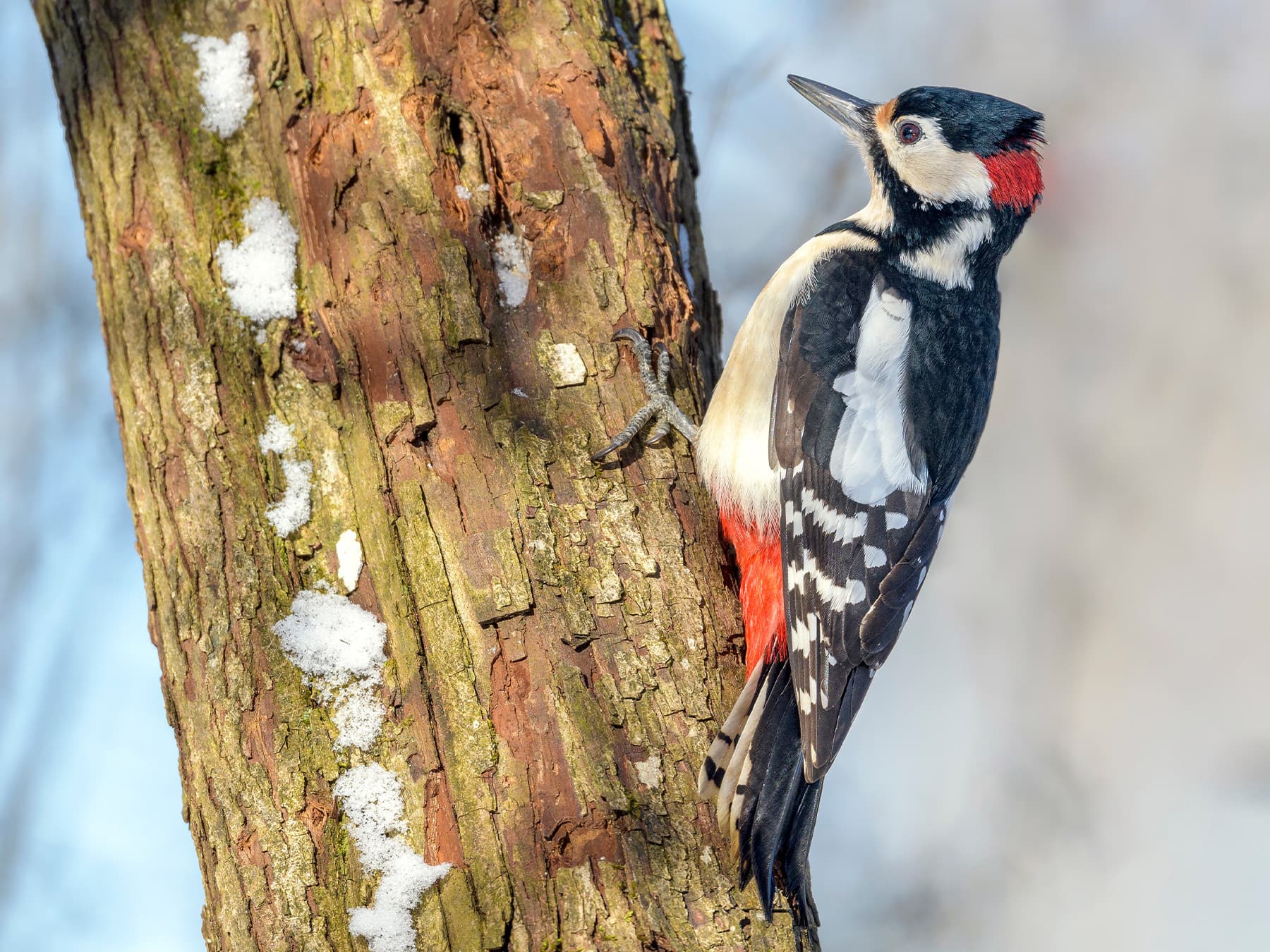
Great Spotted Woodpecker
Dendrocopos majorLC
An uncommon year-round resident of mature woodland and parkland. Its loud drumming is a familiar spring sound in wooded valleys and gardens.
Year-round
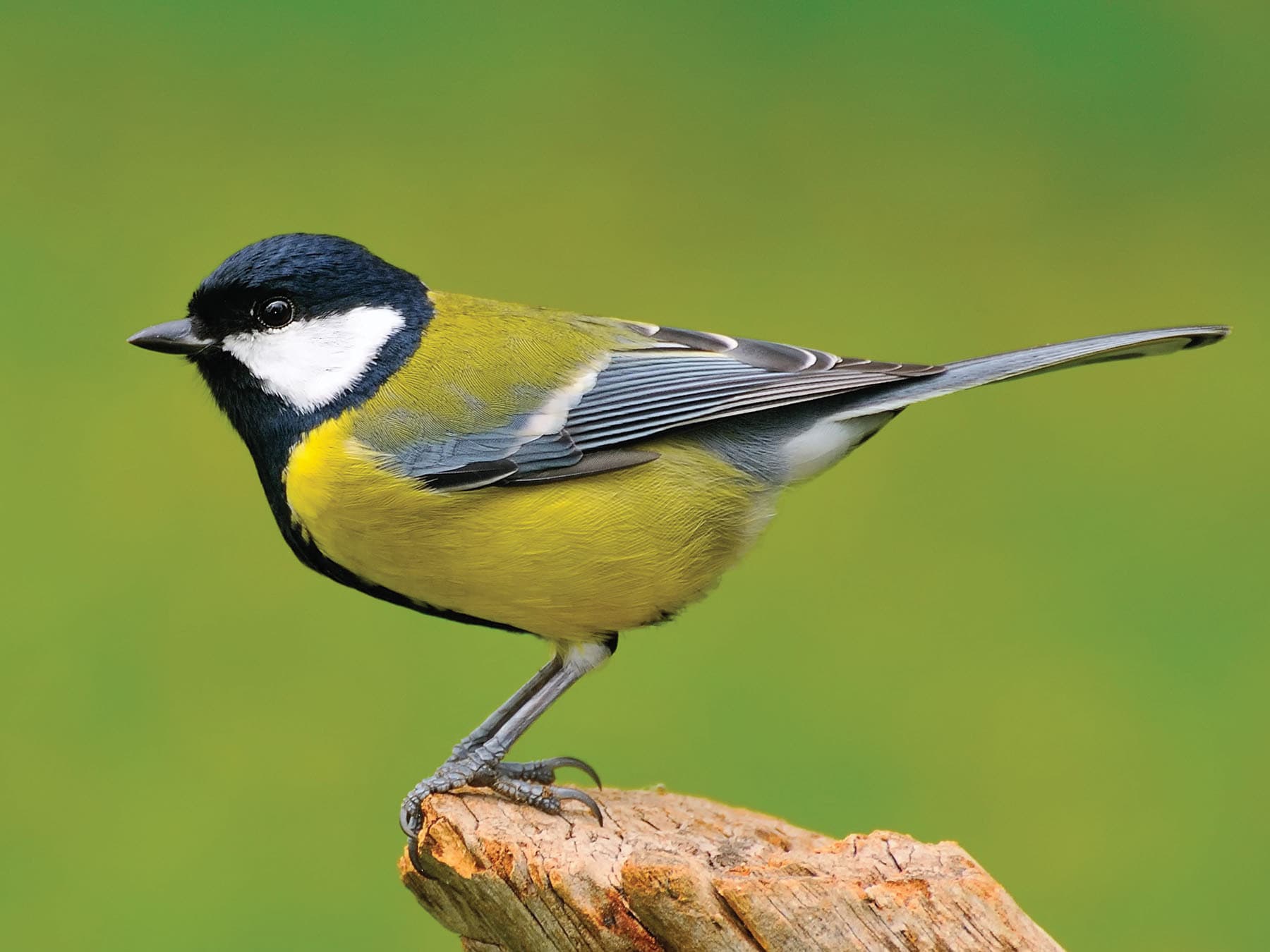
Great Tit
Parus majorLC
A common and familiar garden resident year-round, readily visiting feeders. Its bold two-note song is one of the first heard in late winter.
Year-round
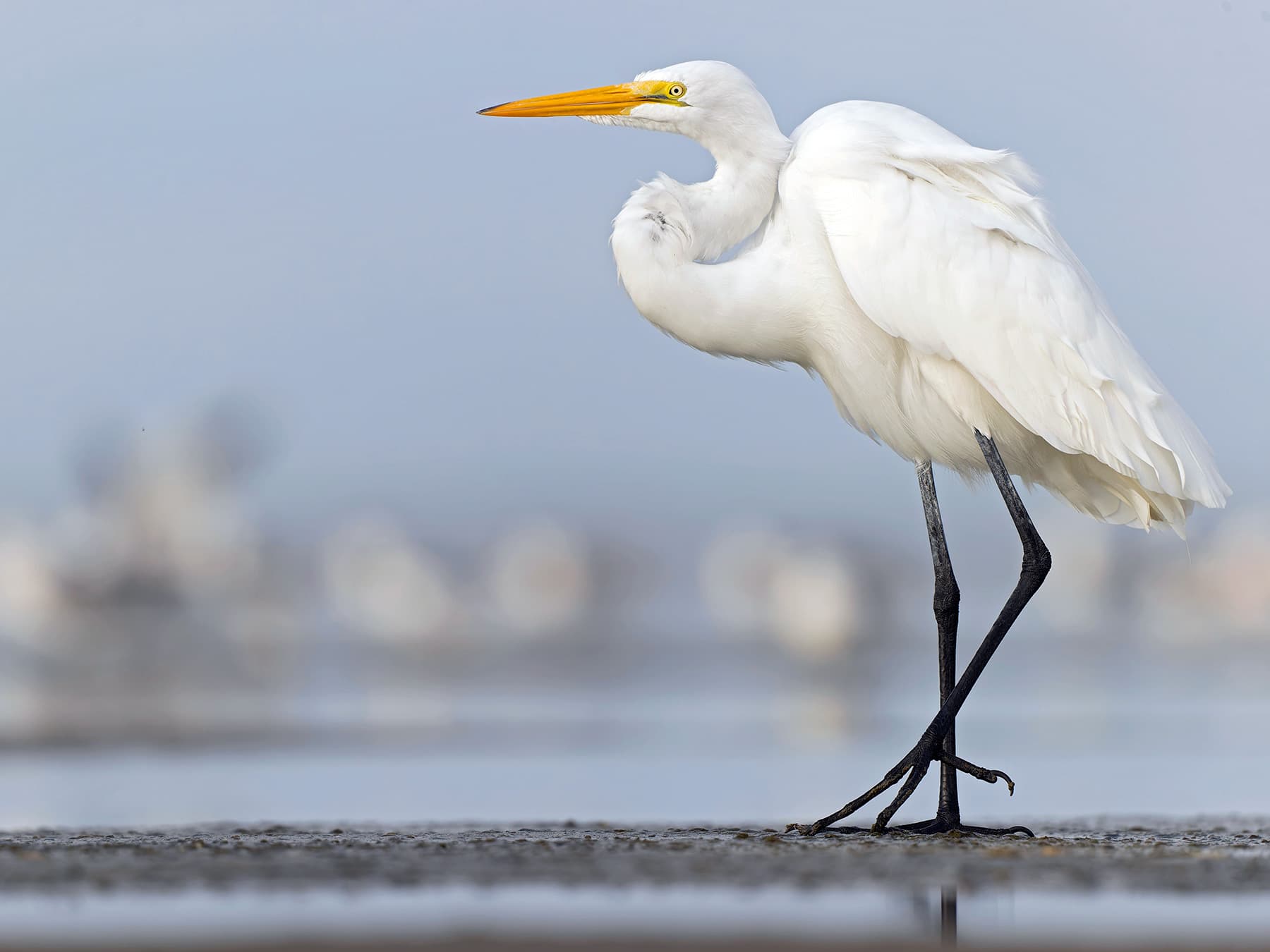
Great White Egret
Ardea albaLC
An increasingly regular sight at reservoirs and river valleys year-round, part of a wider colonisation of northern England.
Year-round
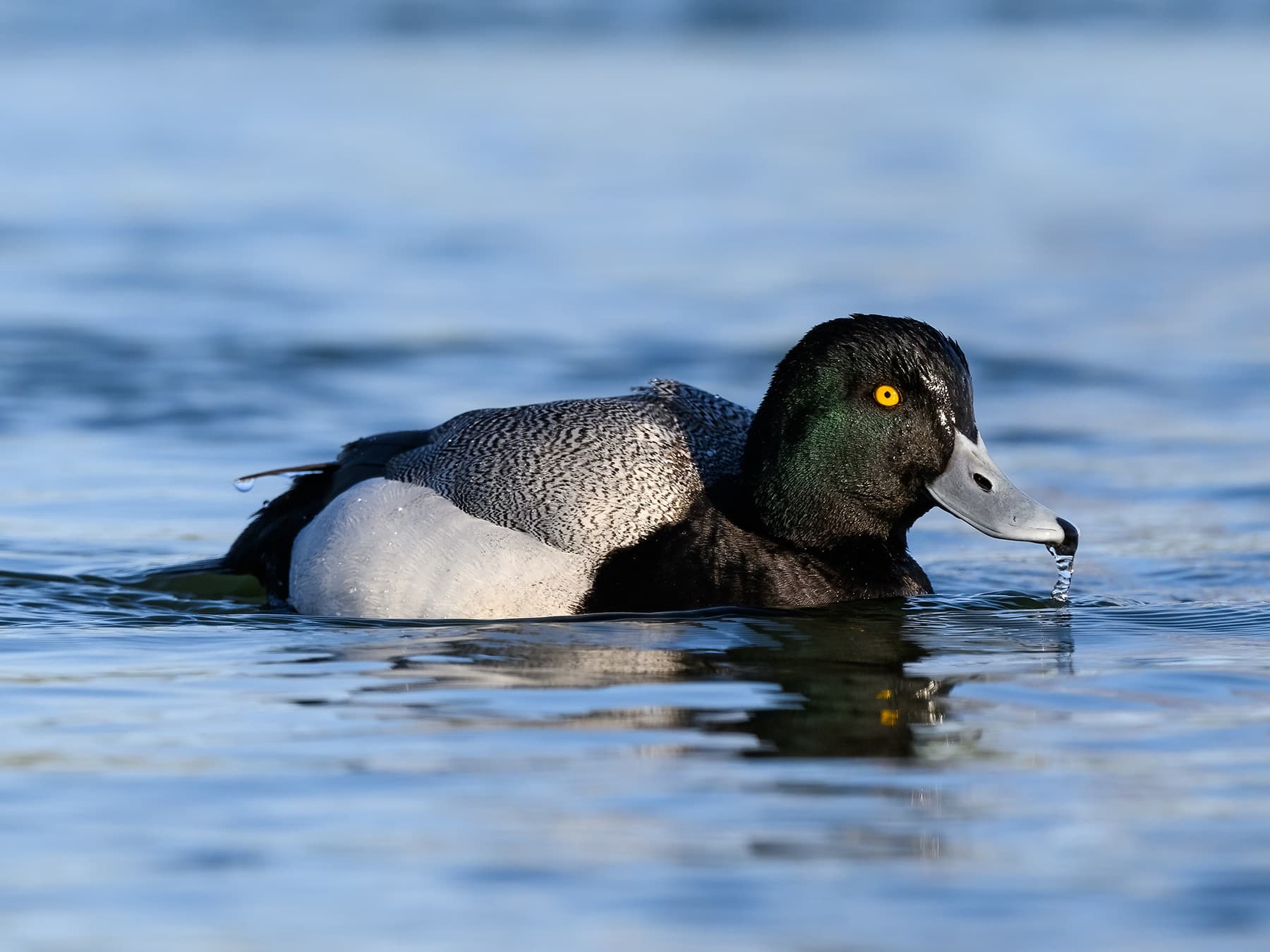
Greater Scaup
Aythya marilaLC
A rare winter visitor, occasionally appearing on larger reservoirs between December and March among flocks of Tufted Duck.
Dec–Mar
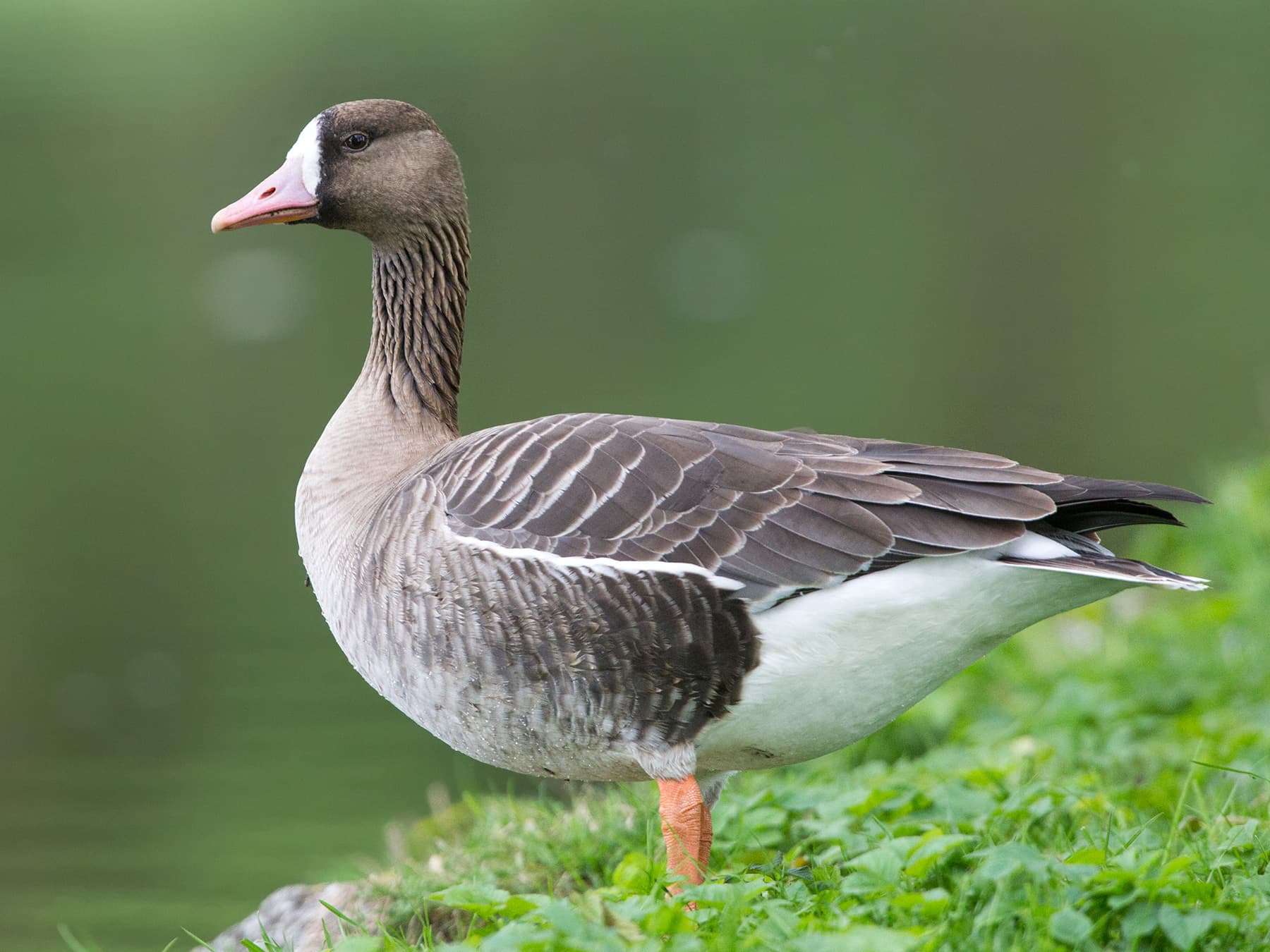
Greater White-fronted Goose
Anser albifronsLC
A rare passage visitor with occasional February records. Most sightings involve birds briefly stopping at reservoirs.
Feb
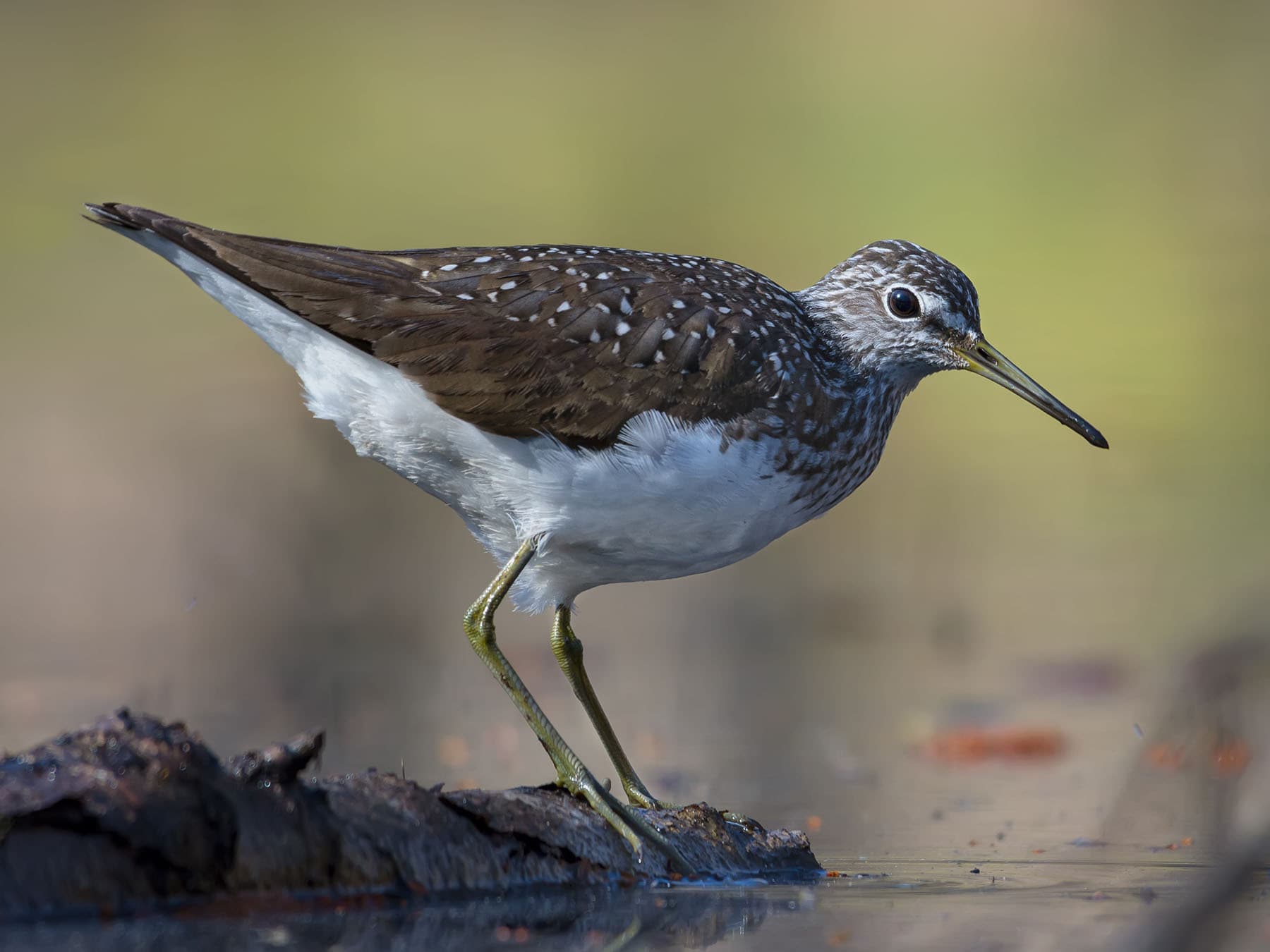
Green Sandpiper
Tringa ochropusLC
A rare breeder, most often spotted at reservoirs and sewage works during passage from late summer into autumn. Dark upperparts and white rump are distinctive in flight.
Mar–Nov
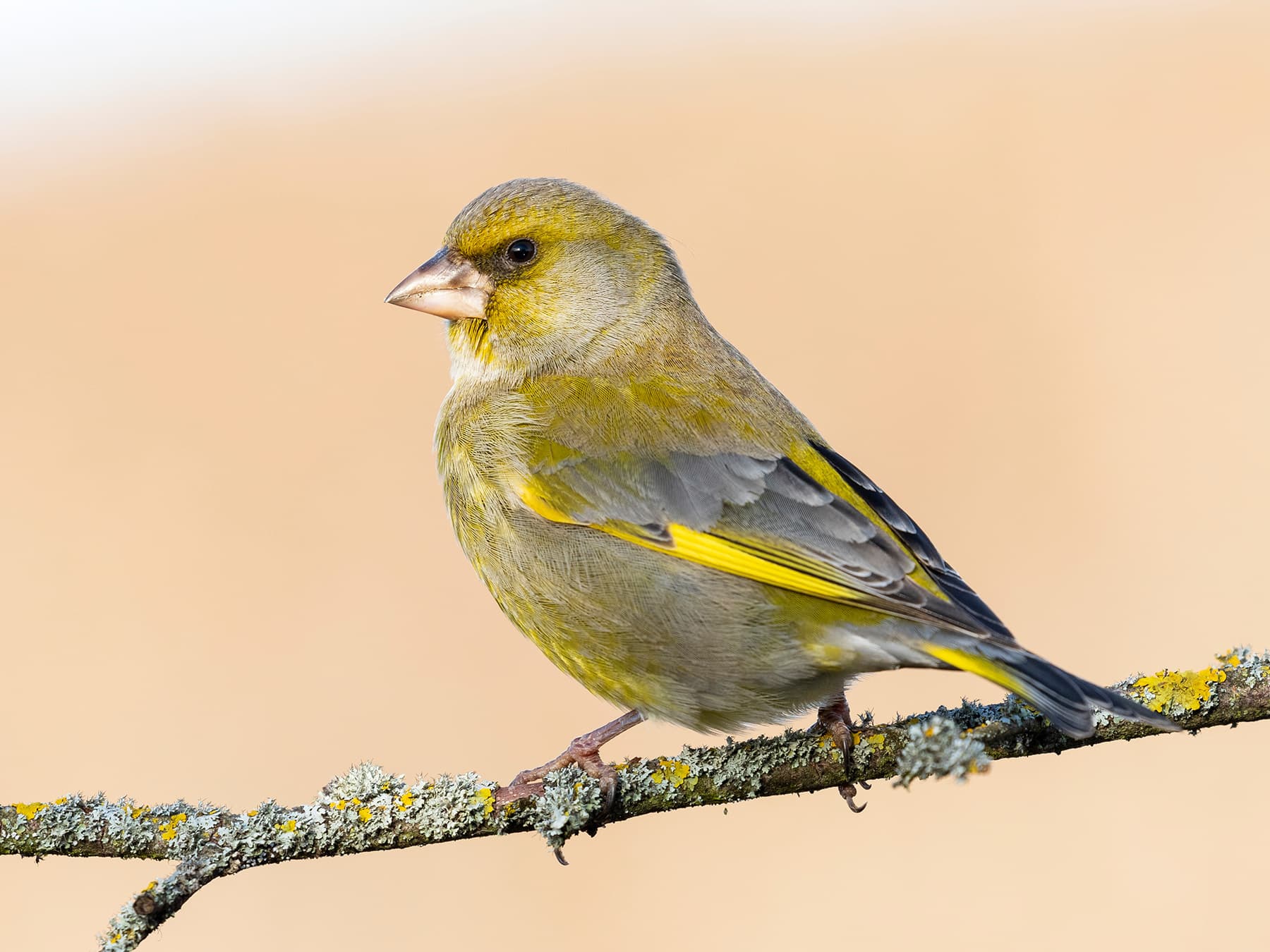
Greenfinch
Chloris chlorisLC
A common garden and farmland resident, though numbers have declined sharply due to disease. Its wheezy song is heard from hedgerows year-round.
Year-round
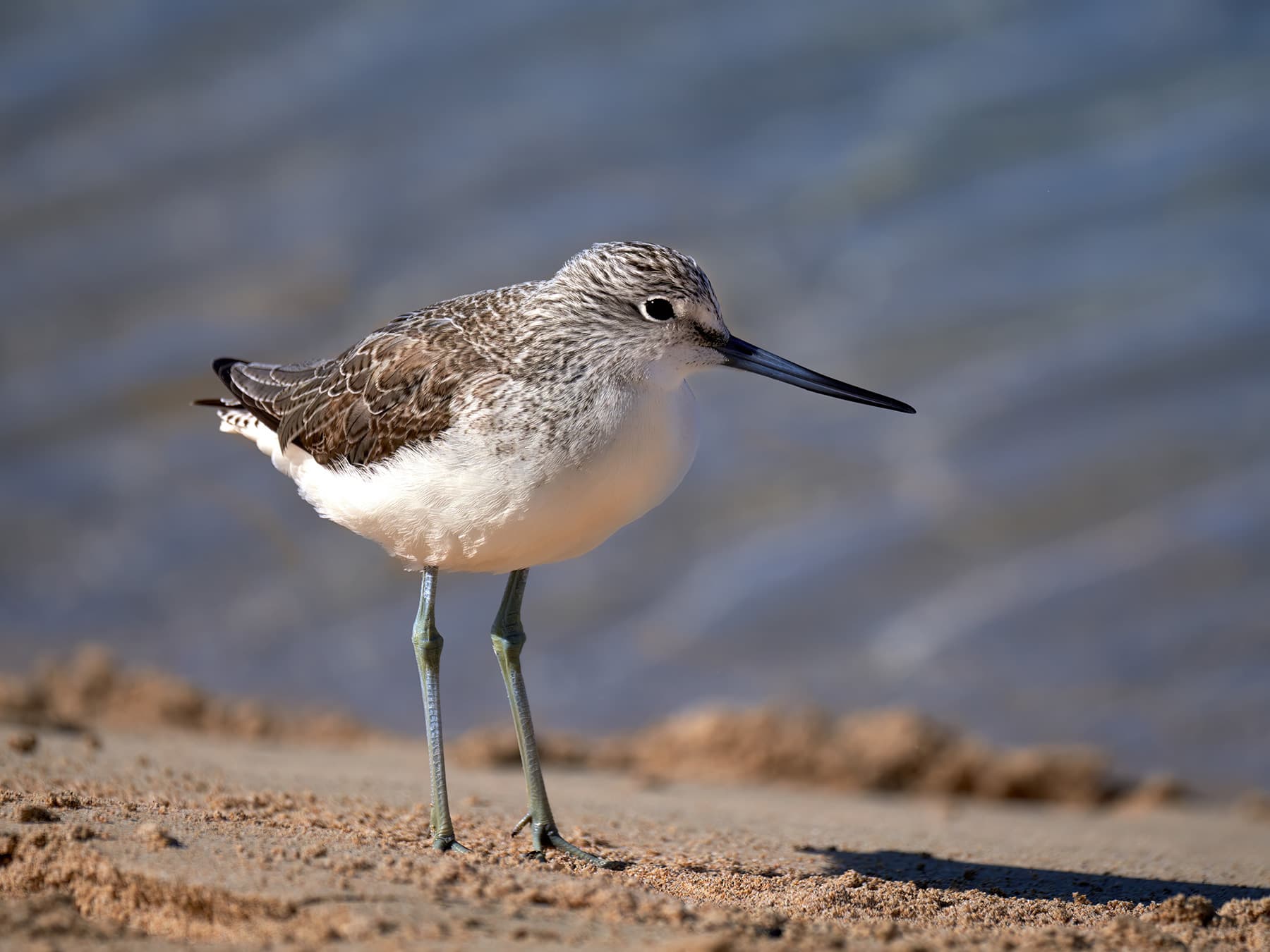
Greenshank
Tringa nebulariaLC
A rare passage wader seen at reservoirs and flooded fields, mainly from July to September as birds move south from Scottish breeding grounds.
May–Sep
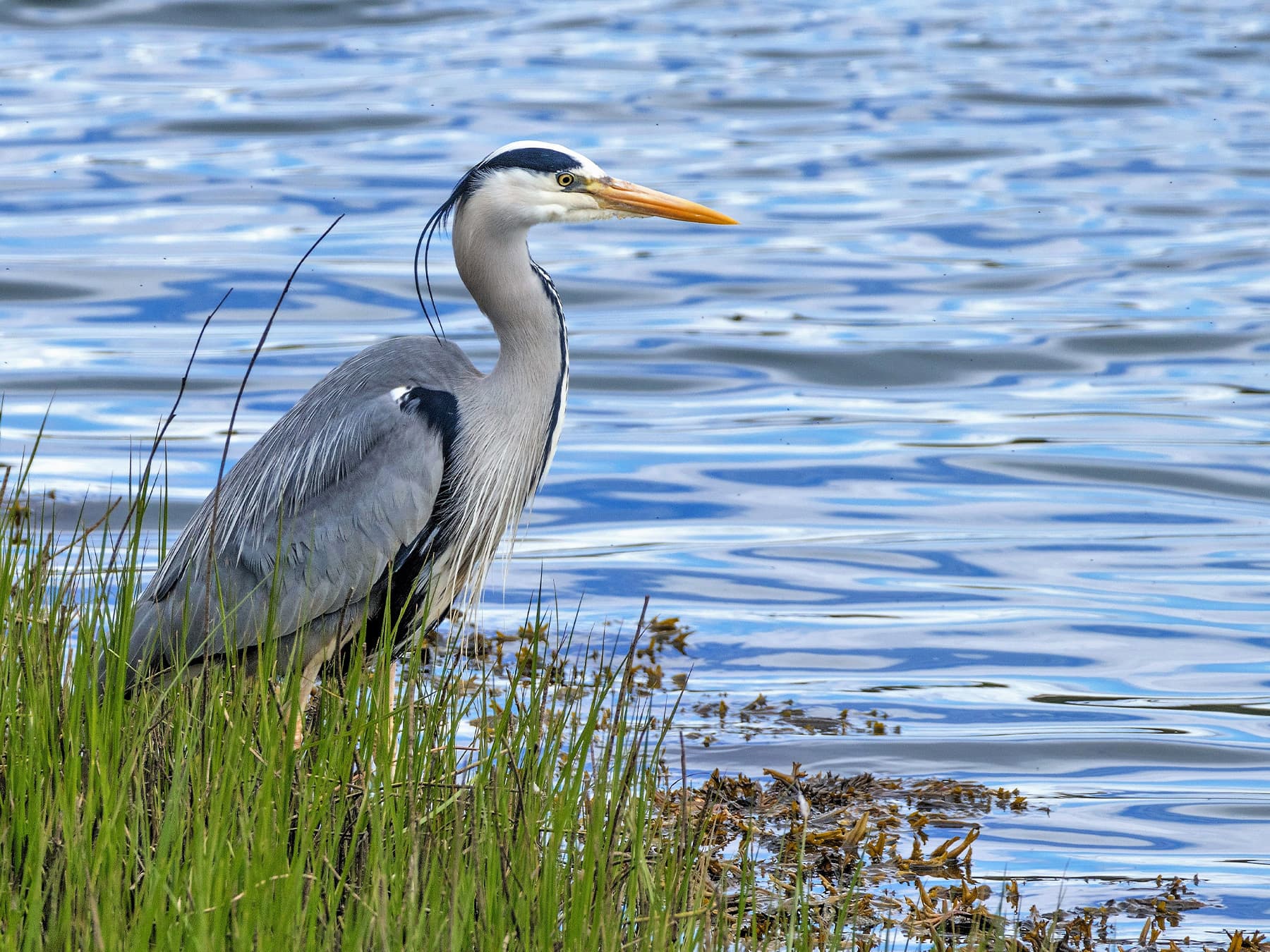
Grey Heron
Ardea cinereaLC
A familiar sight year-round, standing motionless by rivers, canals, and garden ponds. Heronries are established at several wooded sites across the county.
Year-round
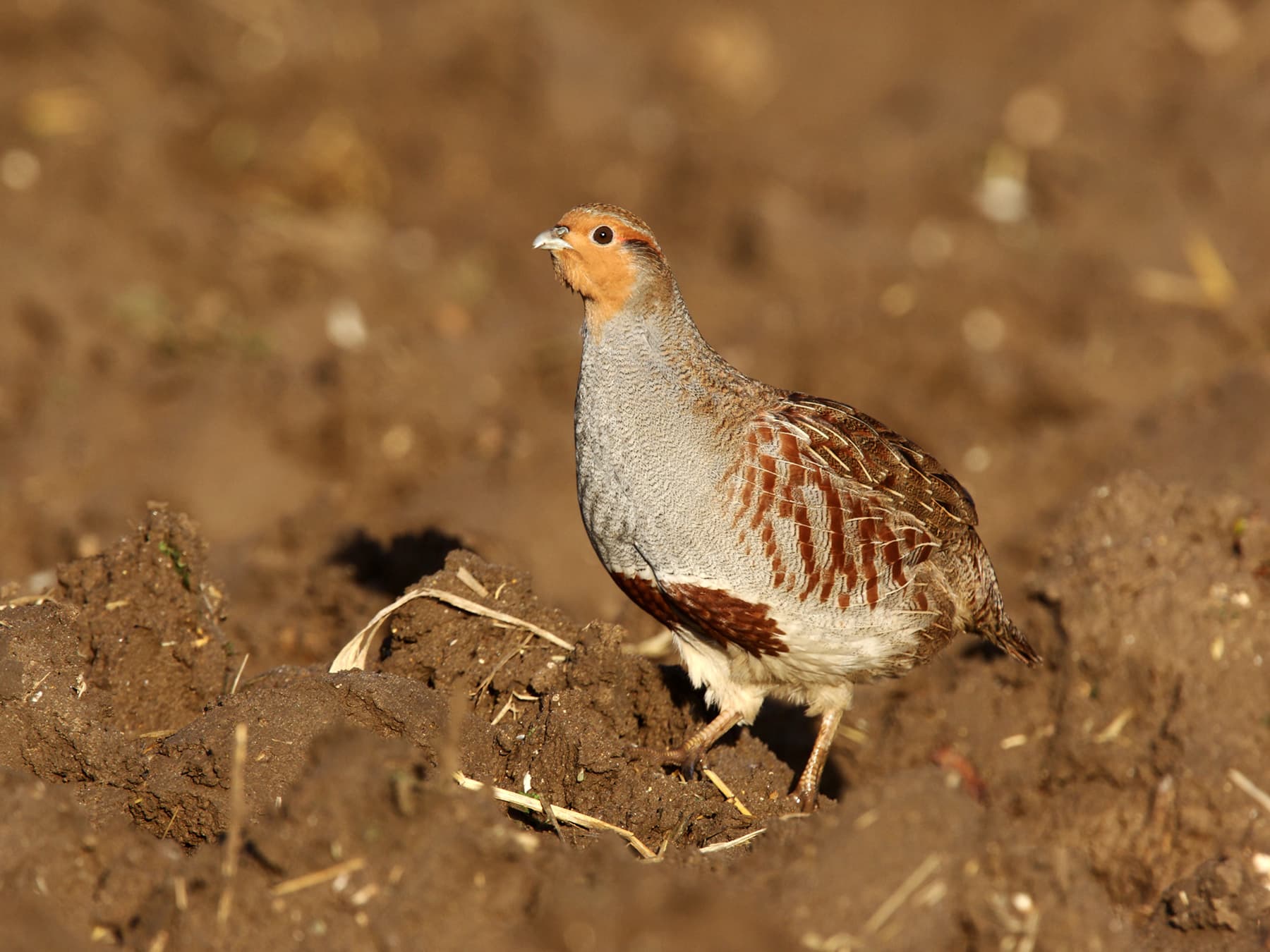
Grey Partridge
Perdix perdixLC
A declining resident of arable farmland and field margins in the lowland east of the region. Rarely encountered and of significant conservation concern.
Year-round
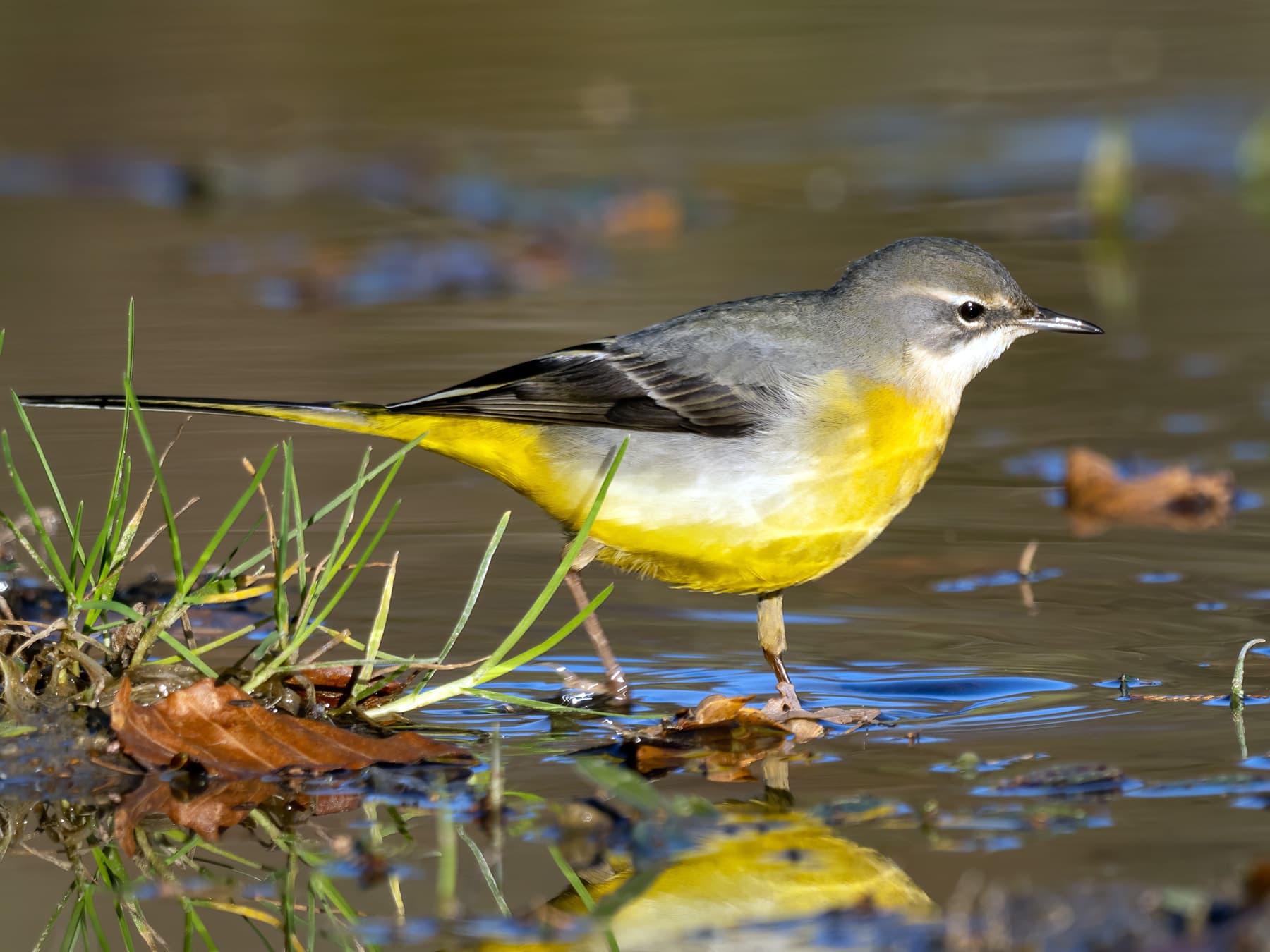
Grey Wagtail
Motacilla cinereaLC
An uncommon resident favouring fast-flowing streams and rivers in the Pennine valleys. Its bright yellow underparts flash as it bobs on waterside rocks.
Year-round