Birds in West Yorkshire
Explore 185 species found in this region.
West Yorkshire supports a rich diversity of birdlife, with 182 species recorded across its varied landscapes of upland moorland, river valleys, reservoirs, and urban parklands. From the iconic Northern Lapwing displaying over farmland to wintering flocks of Pink-footed Geese and the striking Mandarin Duck found on sheltered waterways, the county offers rewarding birding throughout the year. Key habitats include the Pennine moorlands to the west, the Aire and Calder river corridors, and numerous reservoirs that attract both breeding and passage species.
Visiting in September? Look out for Black Tern and Common Redpoll arriving this month, and Avocet and Barnacle Goose depart for the season.


Showing 47–69 of 185 species
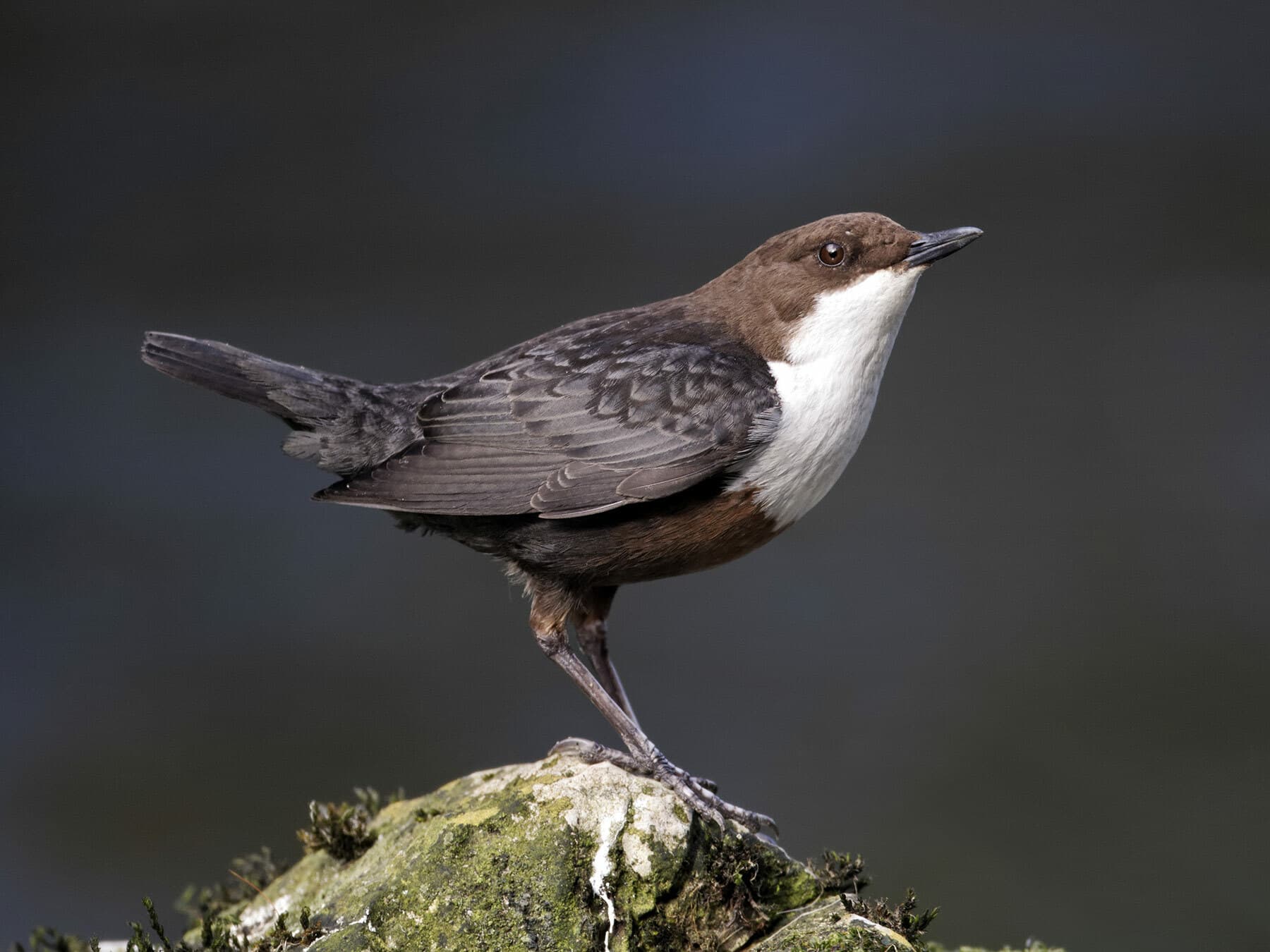
Dipper
Cinclus cinclusLC
A rare but charismatic resident of fast-flowing Pennine streams and rivers, bobbing on rocks in upland valleys year-round.
Year-round
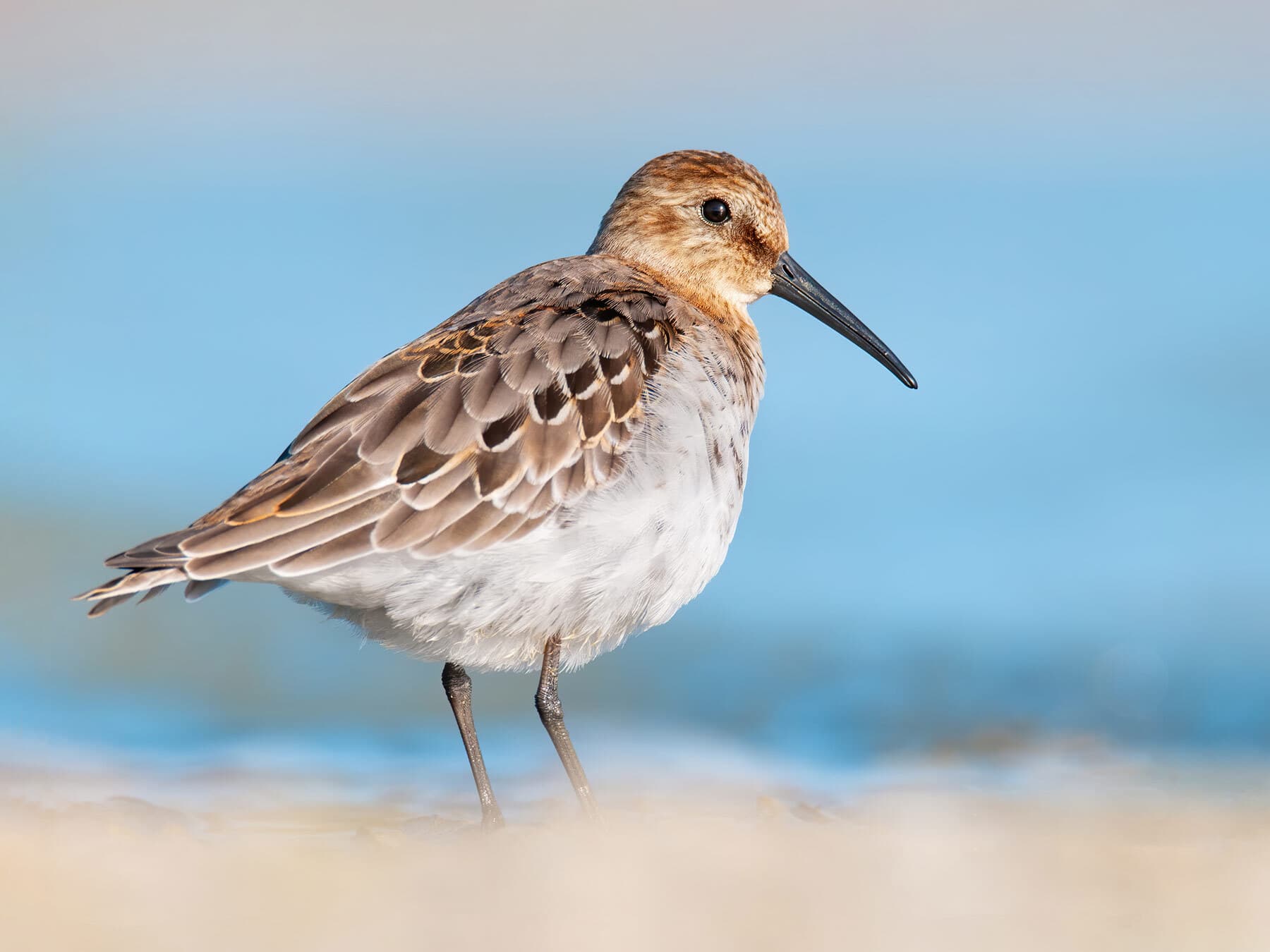
Dunlin
Calidris alpinaLC
A rare breeding resident on upland moorland, with small numbers nesting on the Pennine fringes. Also seen on passage at lowland reservoirs.
Mar–Jan
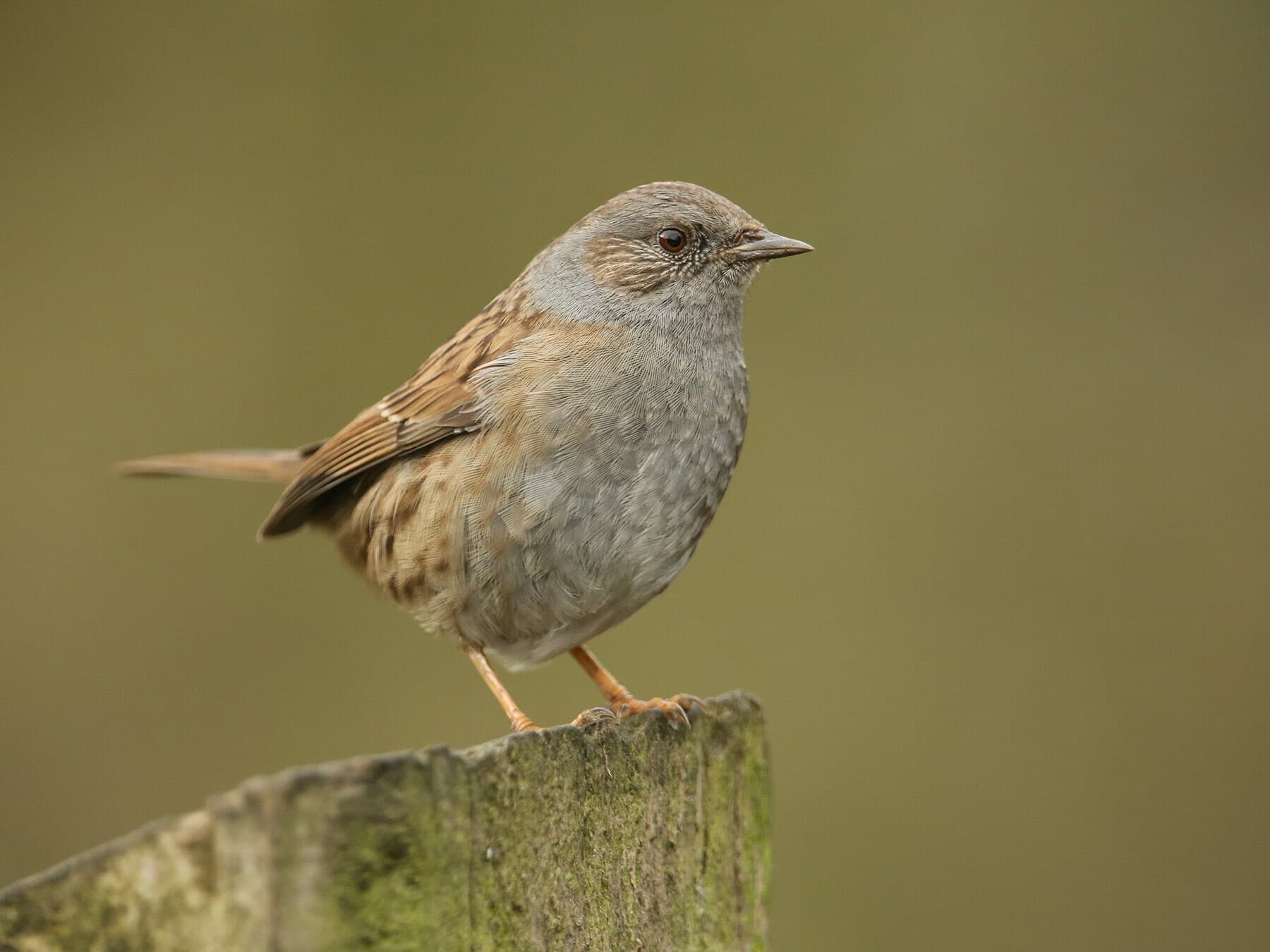
Dunnock
Prunella modularisLC
A common resident of hedgerows, gardens and scrubby edges throughout the region. Often shuffles quietly along the ground beneath feeders.
Year-round
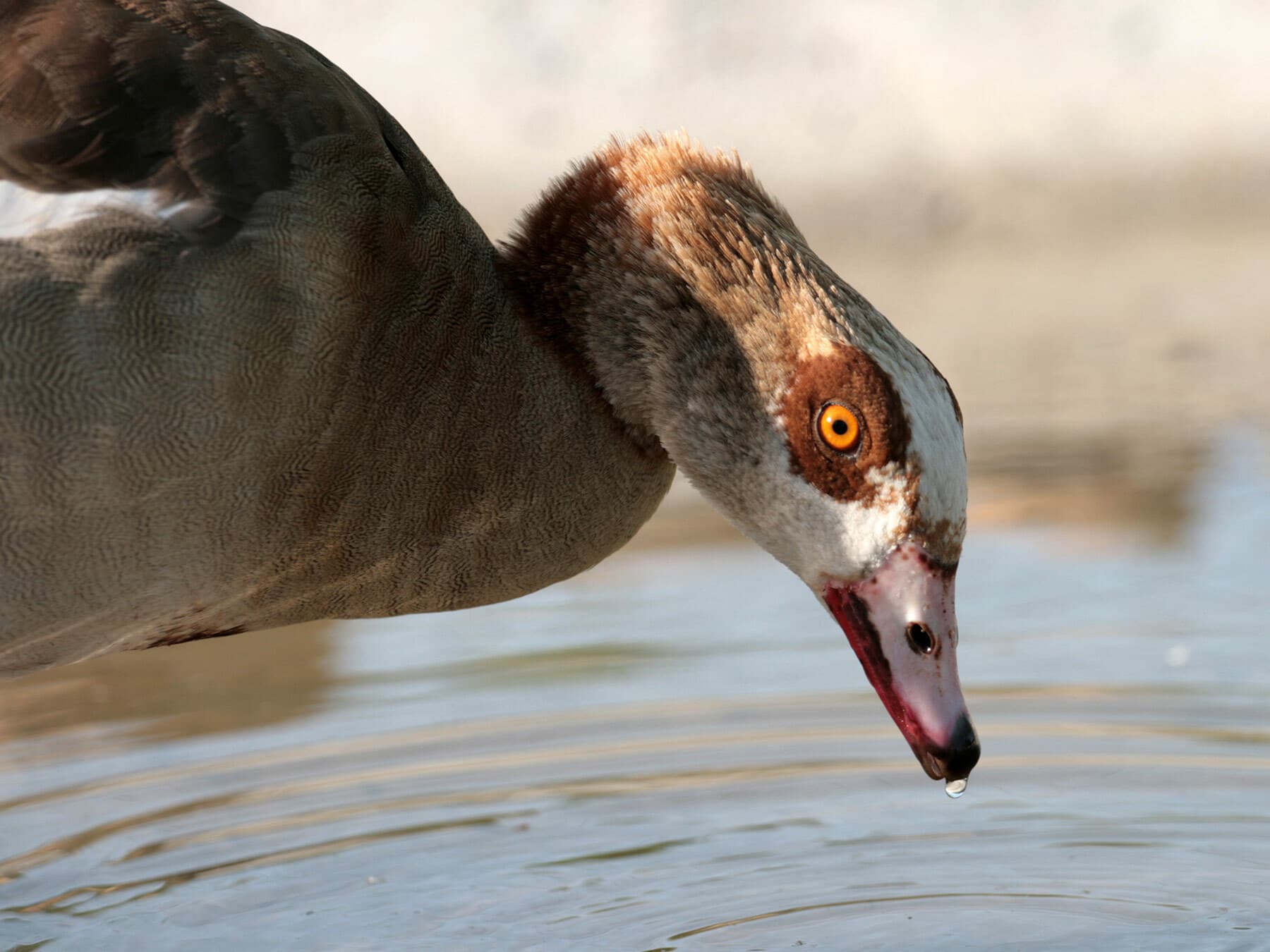
Egyptian Goose
Alopochen aegyptiacaLC
A rare spring visitor, with occasional April–May records. Part of a slowly expanding feral population in England.
Apr–May
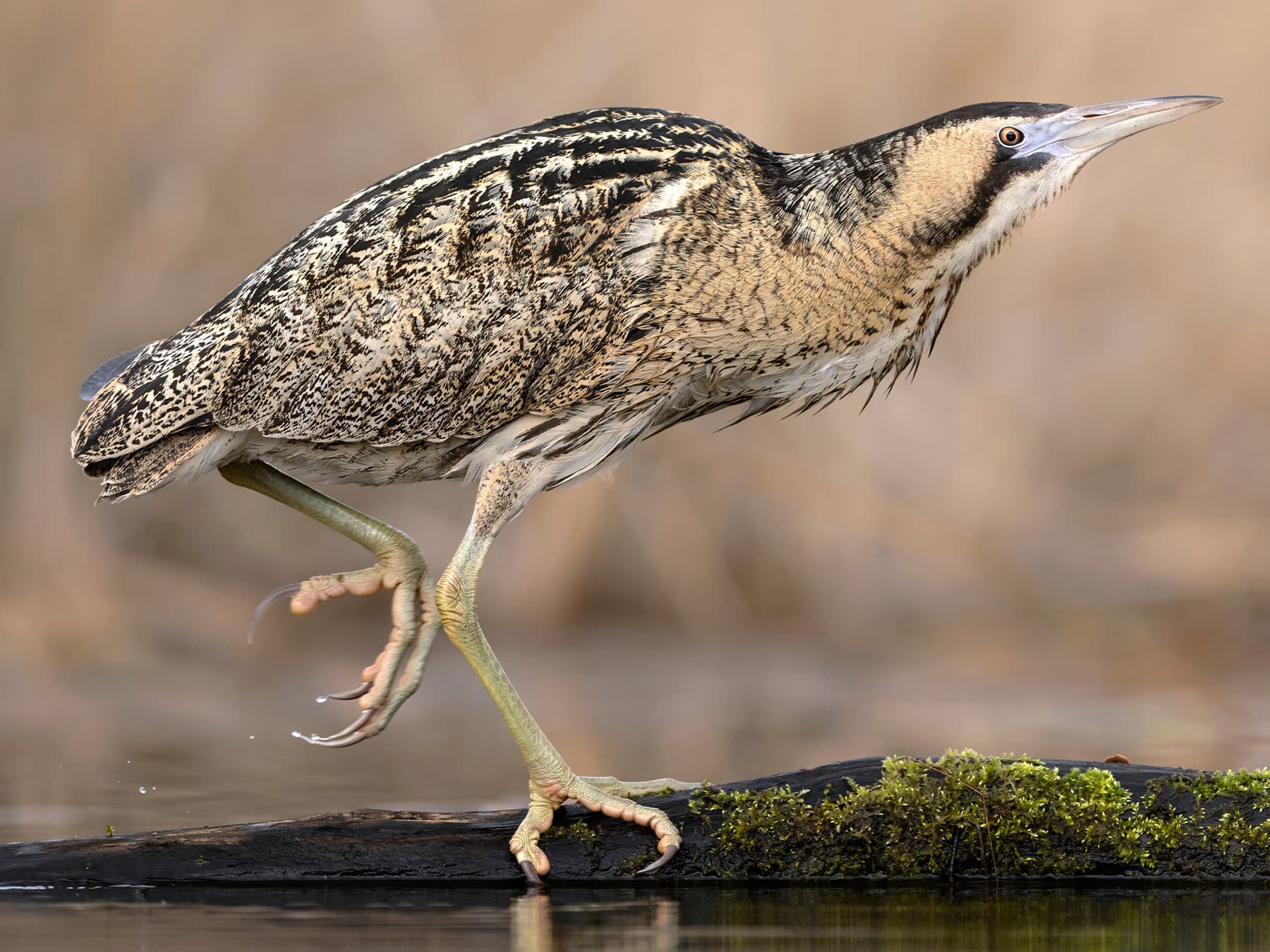
Eurasian Bittern
Botaurus stellarisLC
An uncommon resident of reedbeds and wetlands, most easily detected by its deep booming call in spring. Favours sites with extensive Phragmites reed.
Jan–Nov
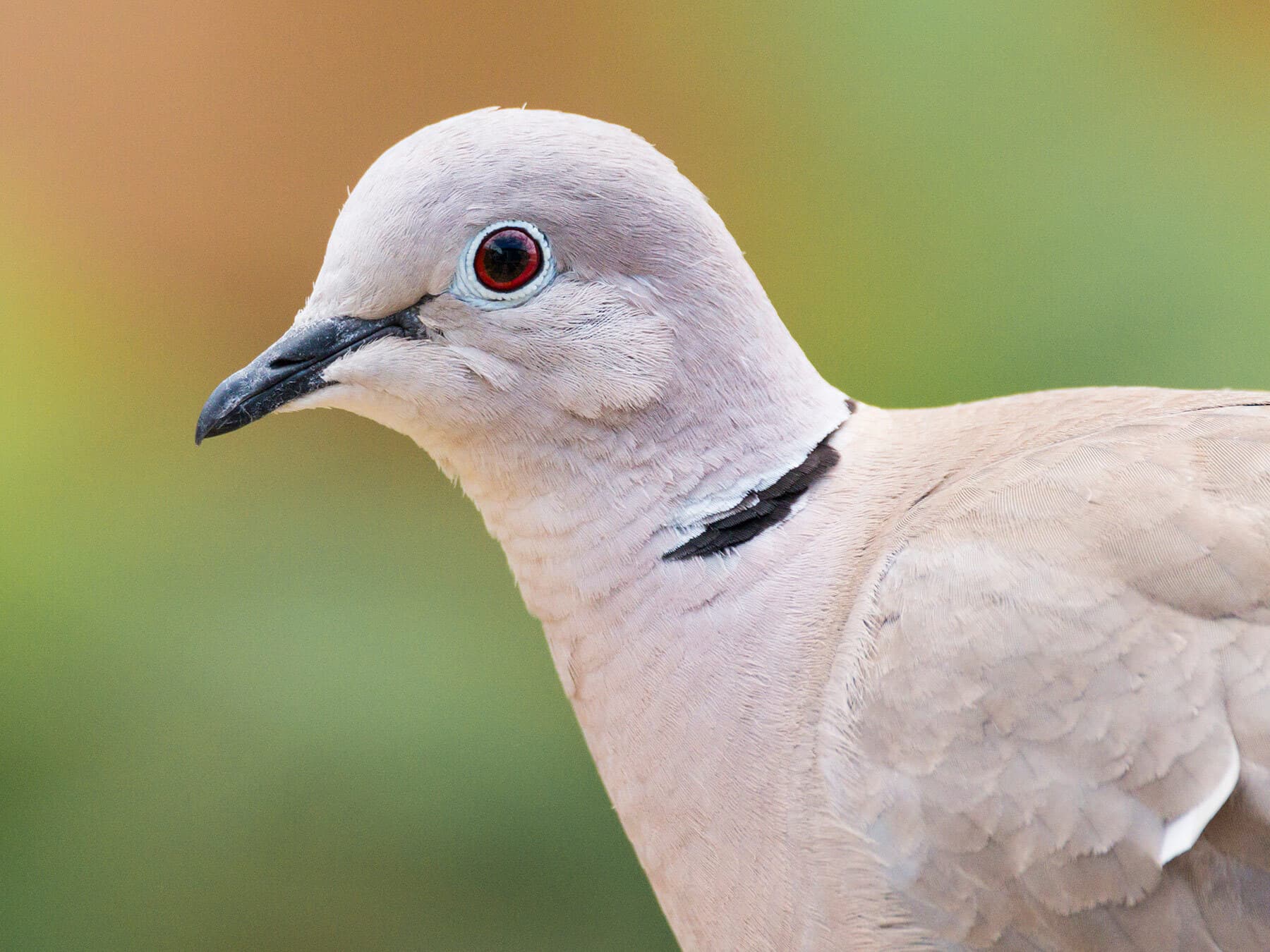
Eurasian Collared Dove
Streptopelia decaoctoLC
A common resident of gardens, farms, and suburban areas. Its monotonous three-note call is a familiar sound across towns and villages.
Year-round
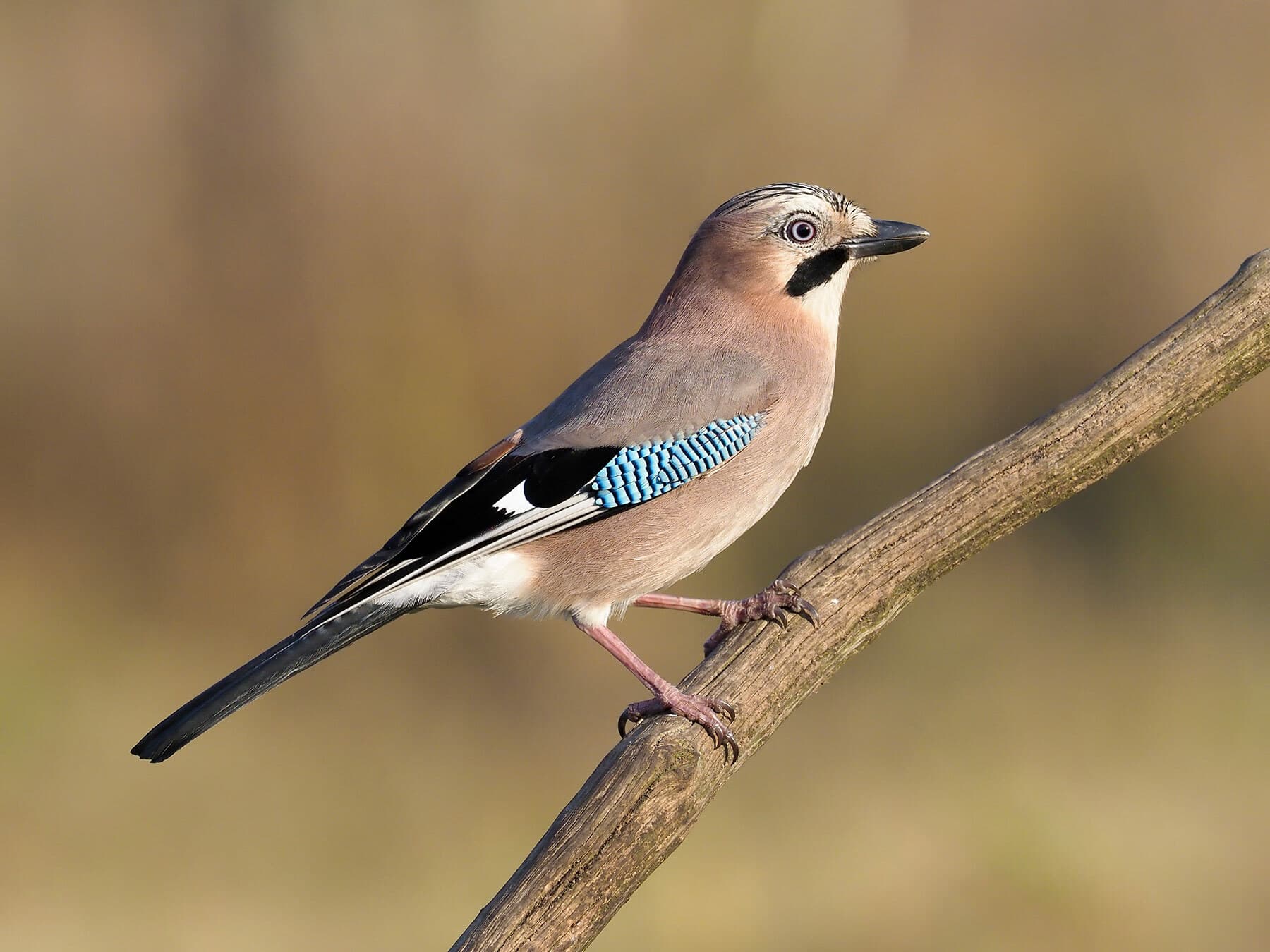
Eurasian Jay
Garrulus glandariusLC
An uncommon but year-round resident of broadleaved and mixed woodland. Its harsh screeching call often betrays its presence among the oaks.
Year-round
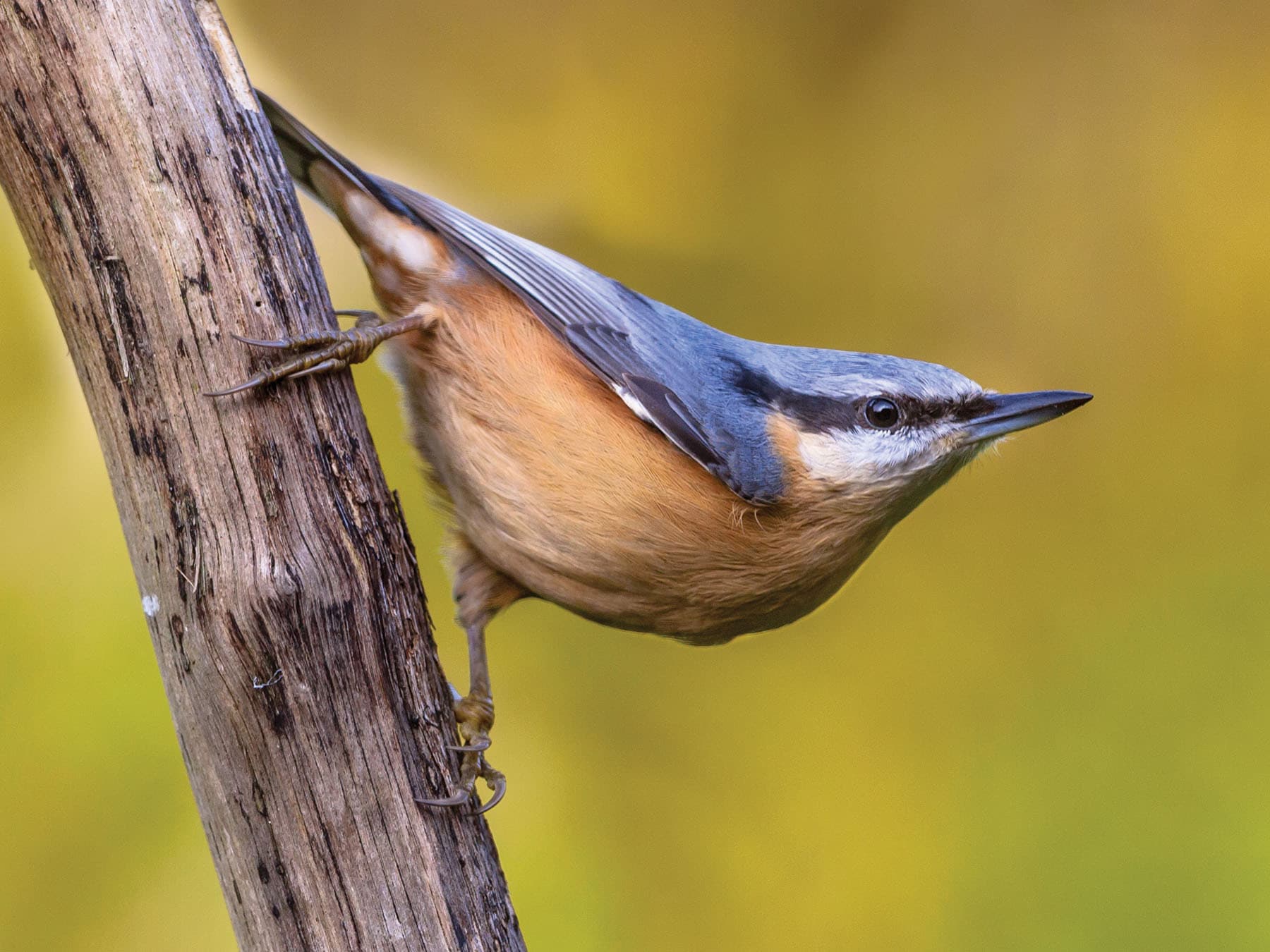
Eurasian Nuthatch
Sitta europaeaLC
An uncommon resident of mature deciduous woodland, often seen spiralling down tree trunks in parks and wooded valleys.
Year-round
Spotted something?
Upload a photo to identify it
Identify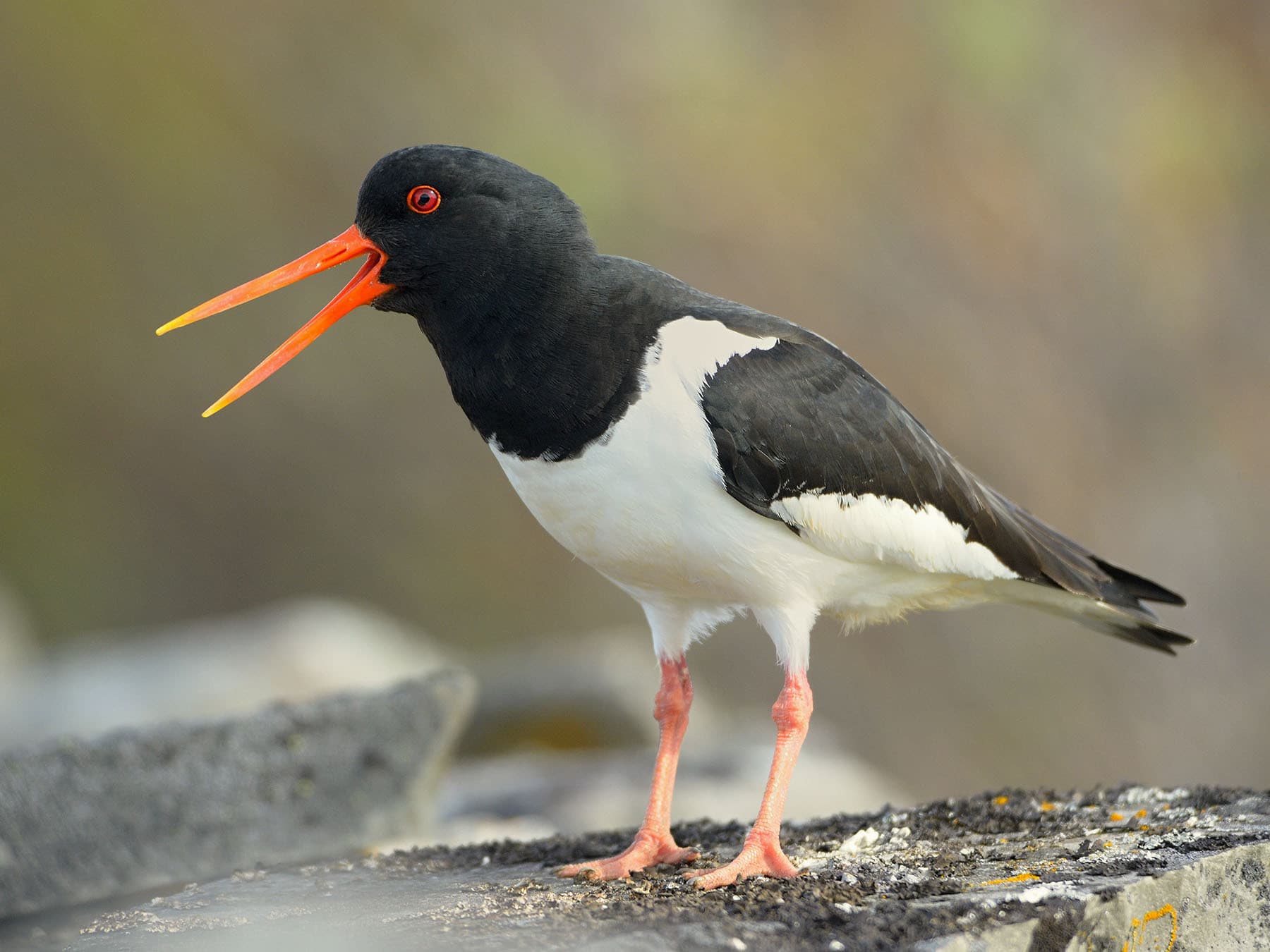
Eurasian Oystercatcher
Haematopus ostralegusNT
An uncommon but increasing inland breeder, nesting on river shingle and reservoir margins. Present from January to September in the region.
Jan–Sep
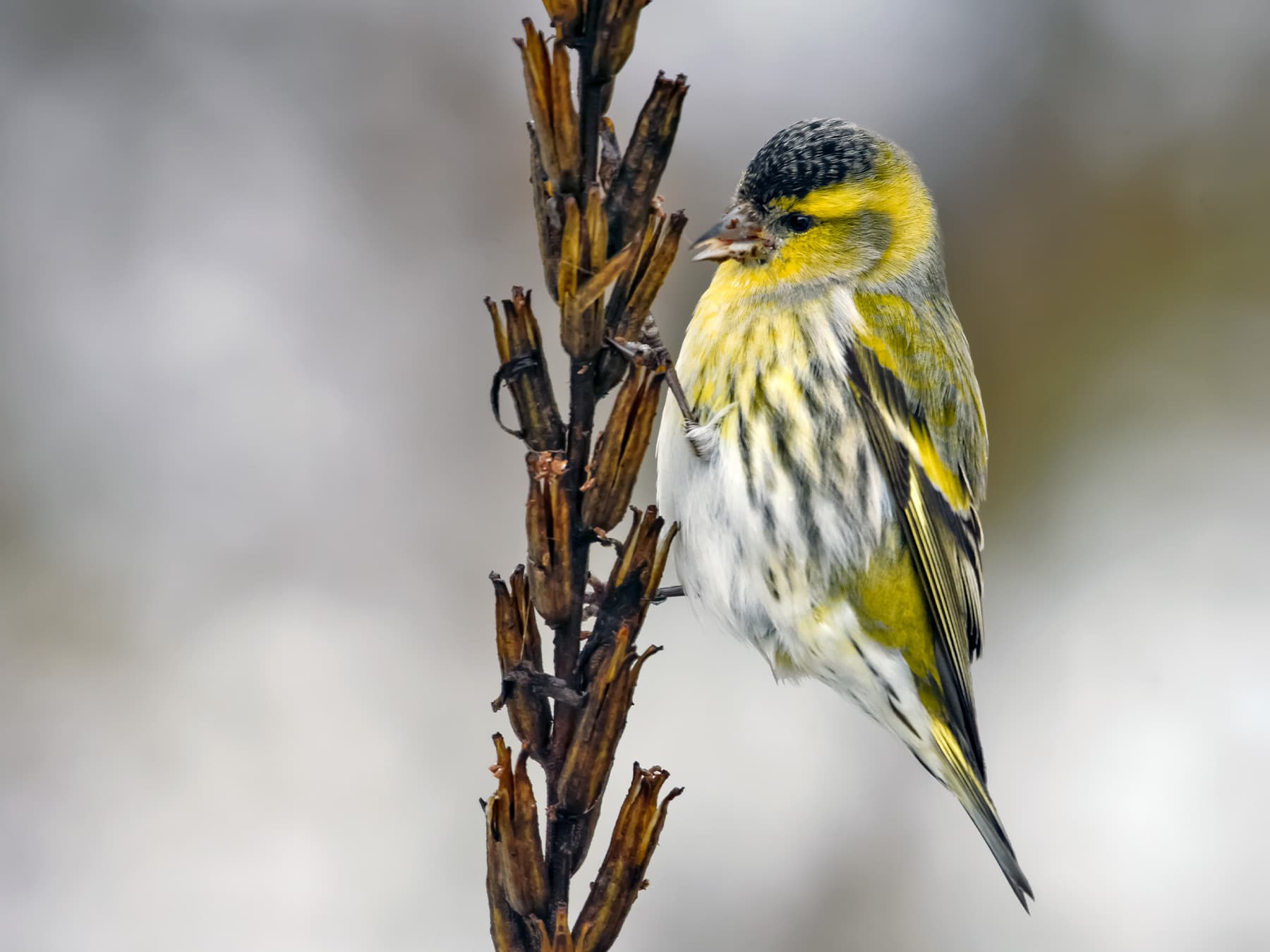
Eurasian Siskin
Spinus spinusLC
An uncommon but year-round resident, favouring conifer plantations and alder-lined waterways. Flocks visit garden nyjer seed feeders, especially in late winter.
Year-round
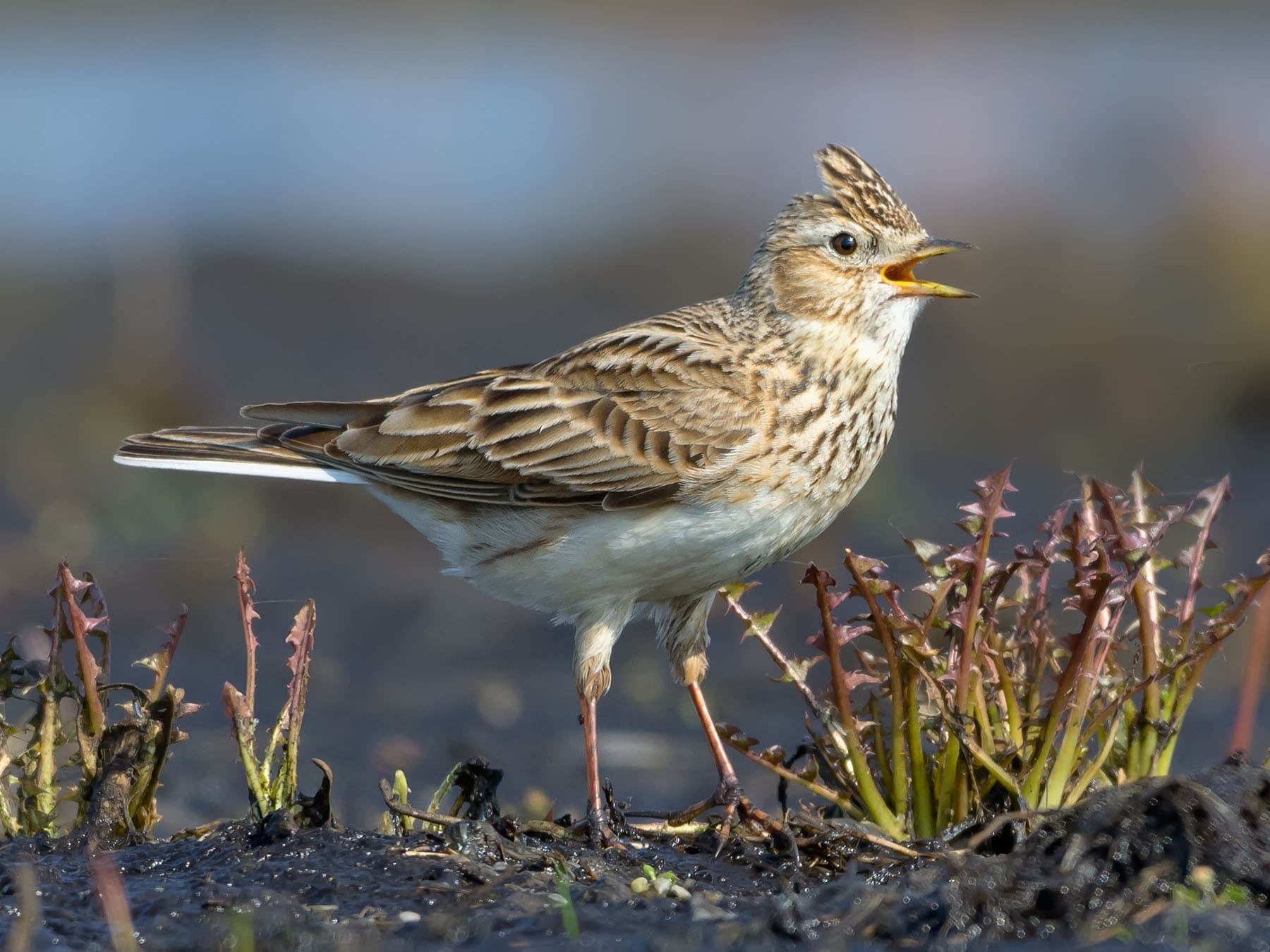
Eurasian Skylark
Alauda arvensisLC
An uncommon but year-round resident of open farmland and moorland fringes. Its soaring song flight is a characteristic sound of the Pennine uplands.
Year-round
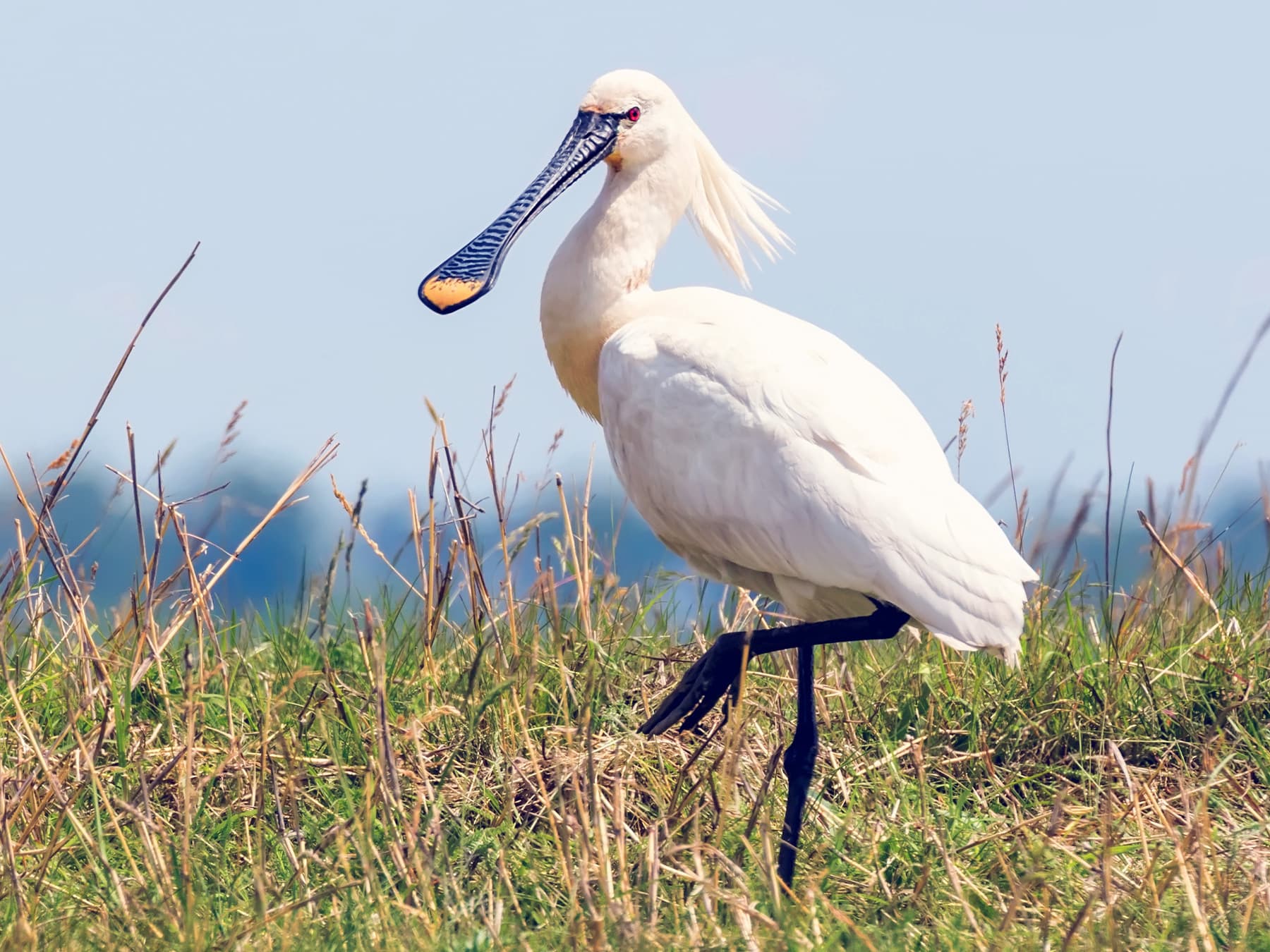
Eurasian Spoonbill
Platalea leucorodiaLC
An uncommon but increasingly regular breeder, present from March to October. A notable addition to the region's wetland sites in recent years.
Mar–Oct
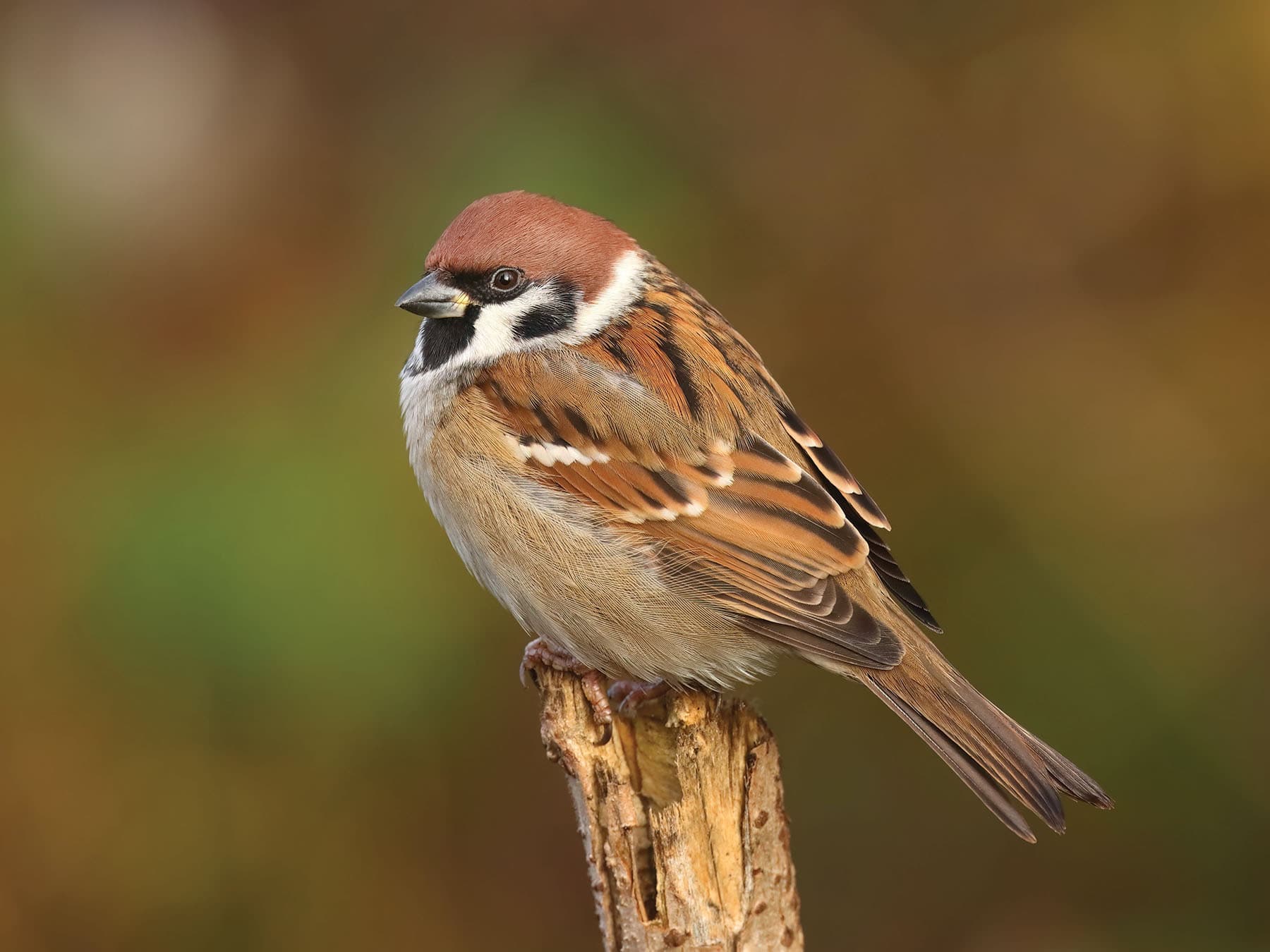
Eurasian Tree Sparrow
Passer montanusLC
A rare resident, much scarcer than House Sparrow. Small colonies persist around farmyards and rural edges of the region.
Year-round
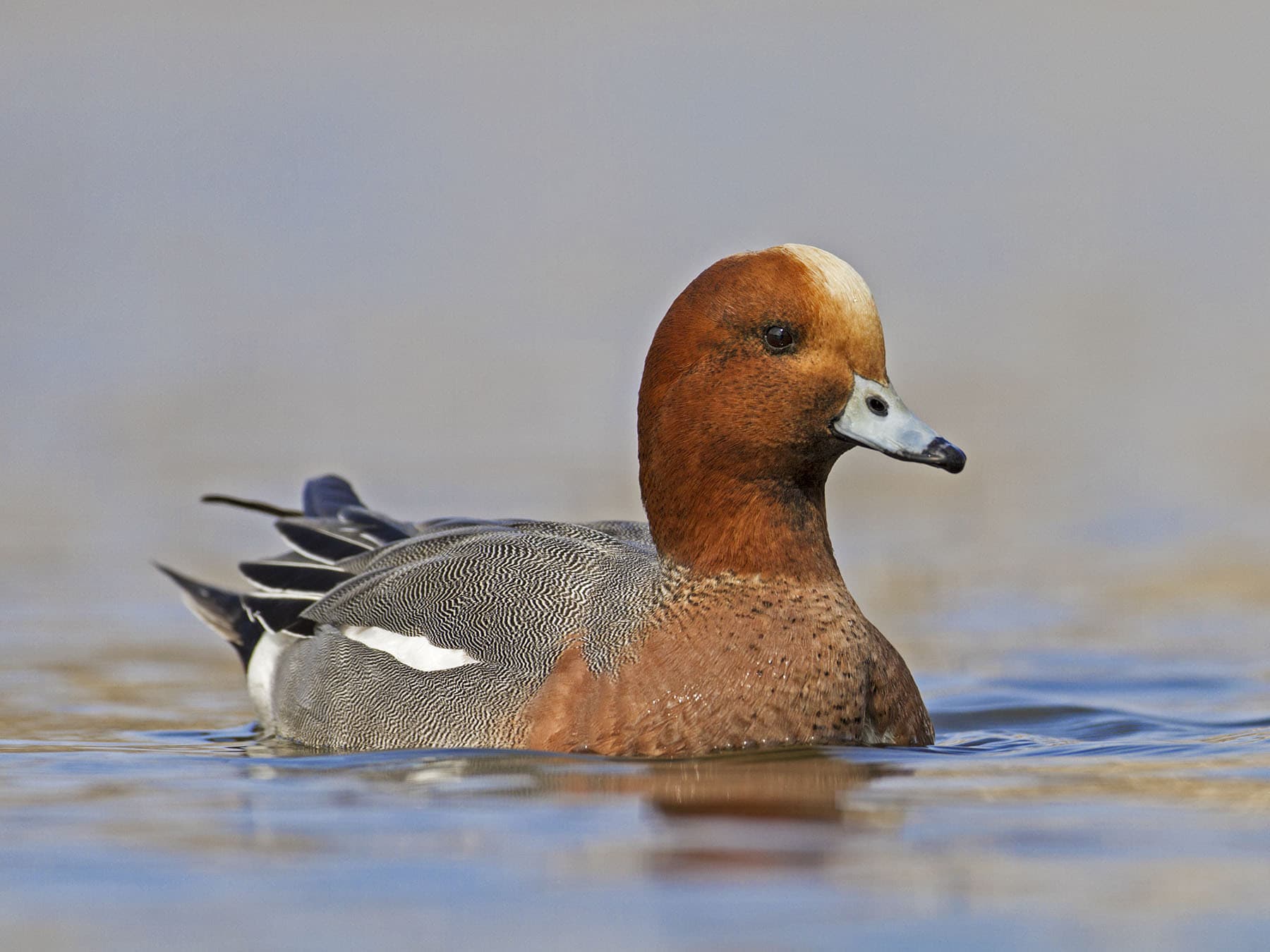
Eurasian Wigeon
Mareca penelopeLC
An uncommon resident, most numerous in winter when numbers are boosted by migrants on reservoirs and flooded grassland.
Year-round
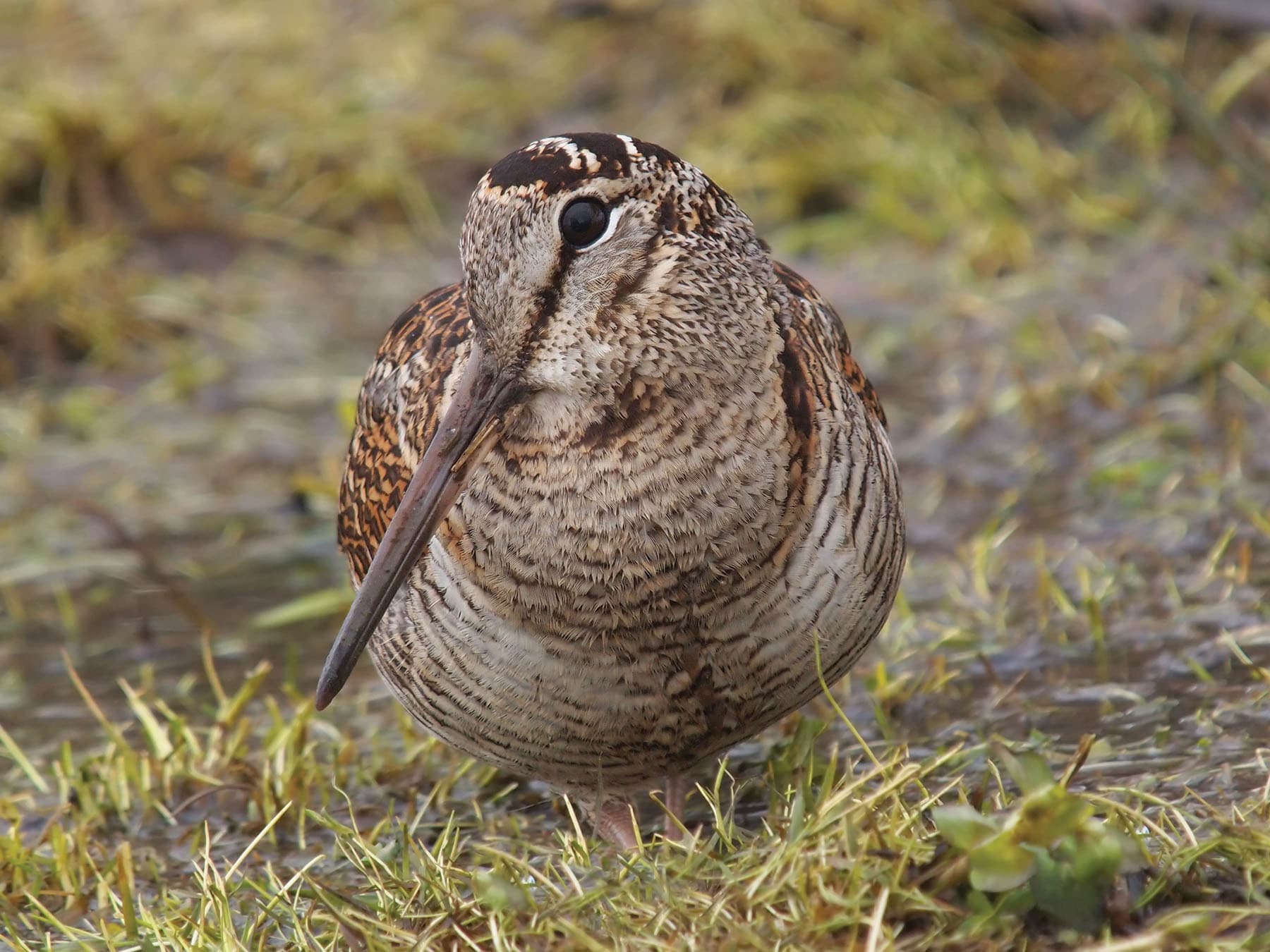
Eurasian Woodcock
Scolopax rusticolaLC
A rare and secretive resident of damp woodland. Most likely encountered during roding display flights at dusk over Pennine-edge woodlands in spring.
Nov–Jun
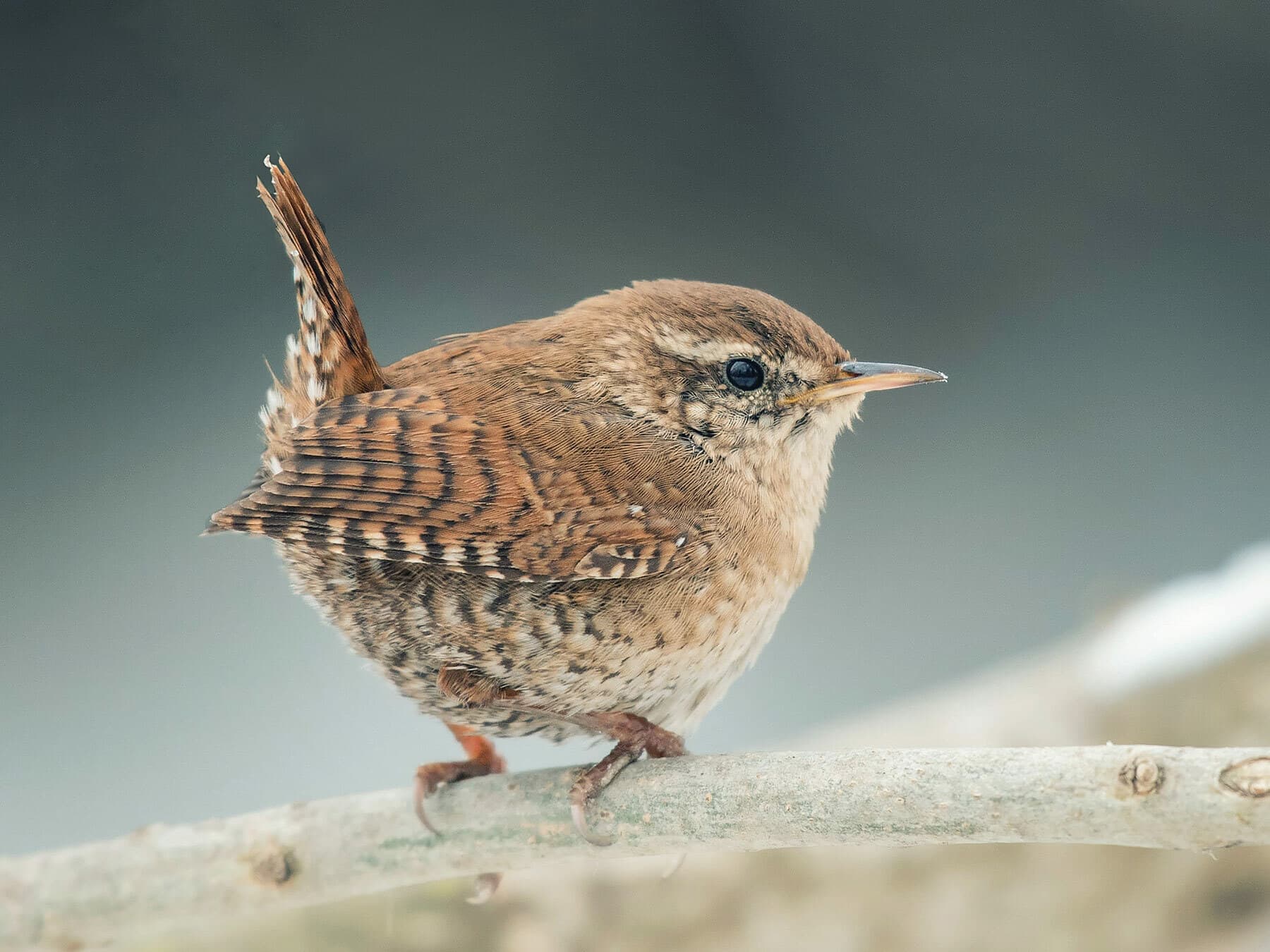
Eurasian Wren
Troglodytes troglodytesLC
An abundant resident found in almost every habitat from moorland edges to town gardens. Its explosive song belies its tiny size.
Year-round
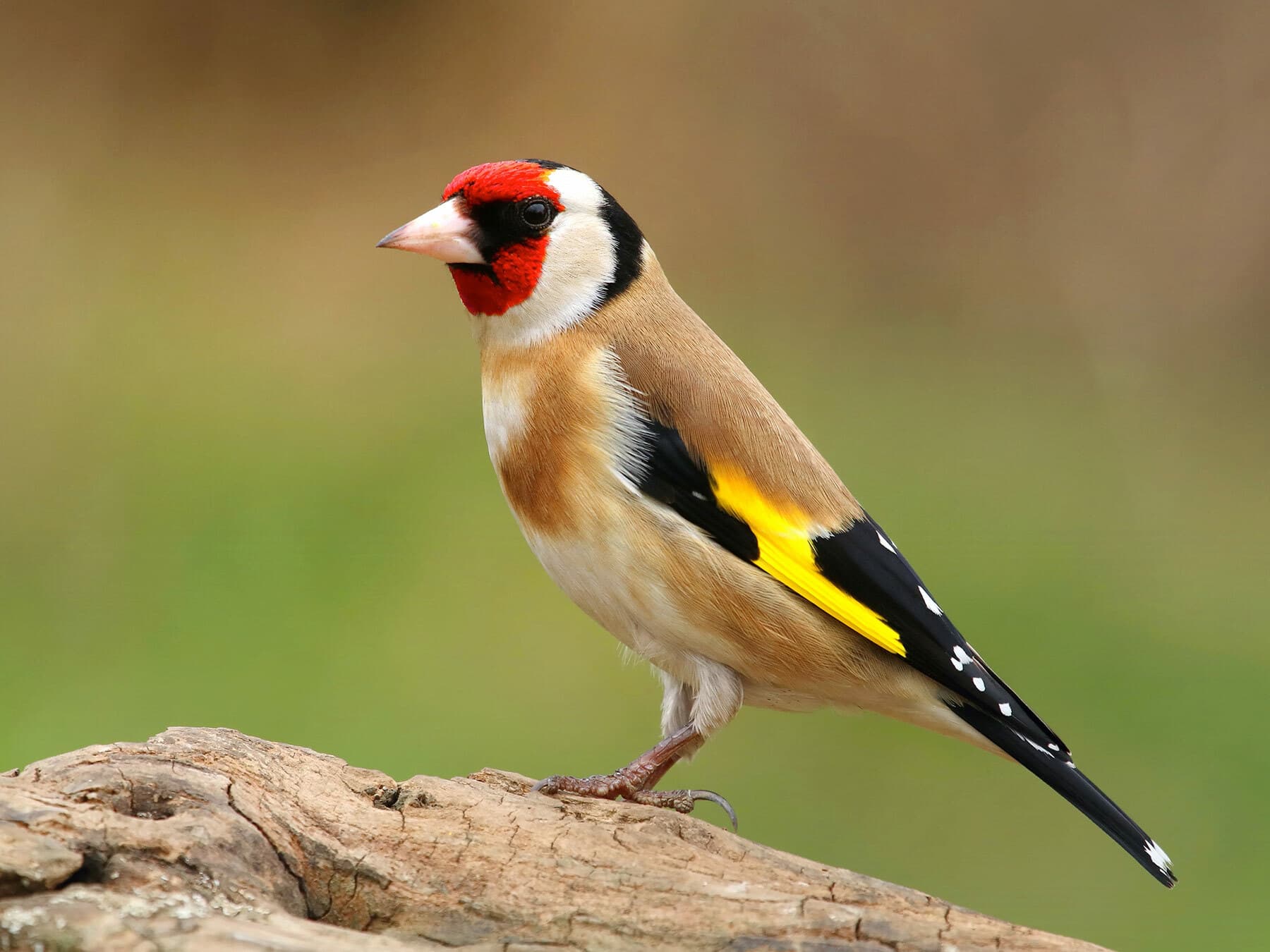
European Goldfinch
Carduelis carduelisLC
A common and colourful resident, increasingly visiting garden feeders. Flocks gather on seed-rich waste ground and field margins.
Year-round
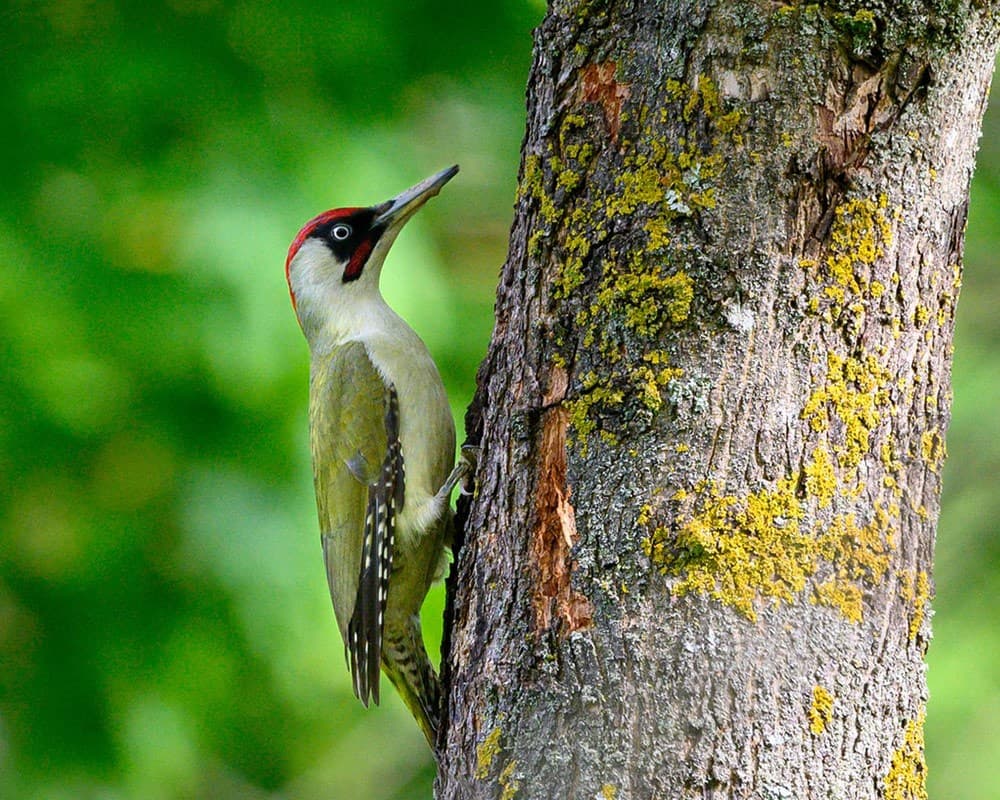
European Green Woodpecker
Picus viridisLC
Heard more often than seen, its loud laughing call rings across parkland and woodland edges throughout the year.
Year-round
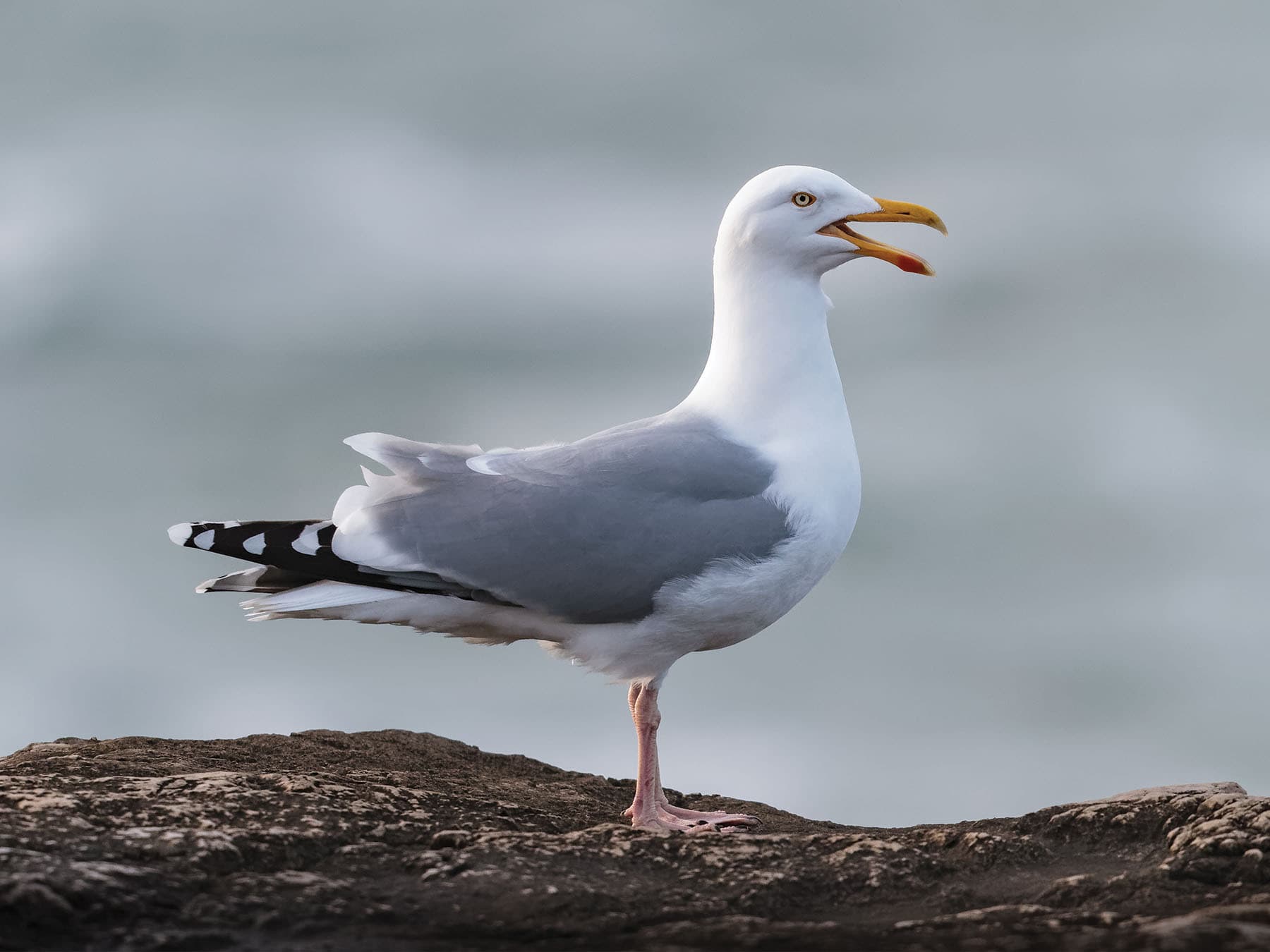
European Herring Gull
Larus argentatusLC
A common year-round resident, frequenting reservoirs, landfill sites and urban rooftops. Large numbers gather at winter roosts across the region.
Year-round
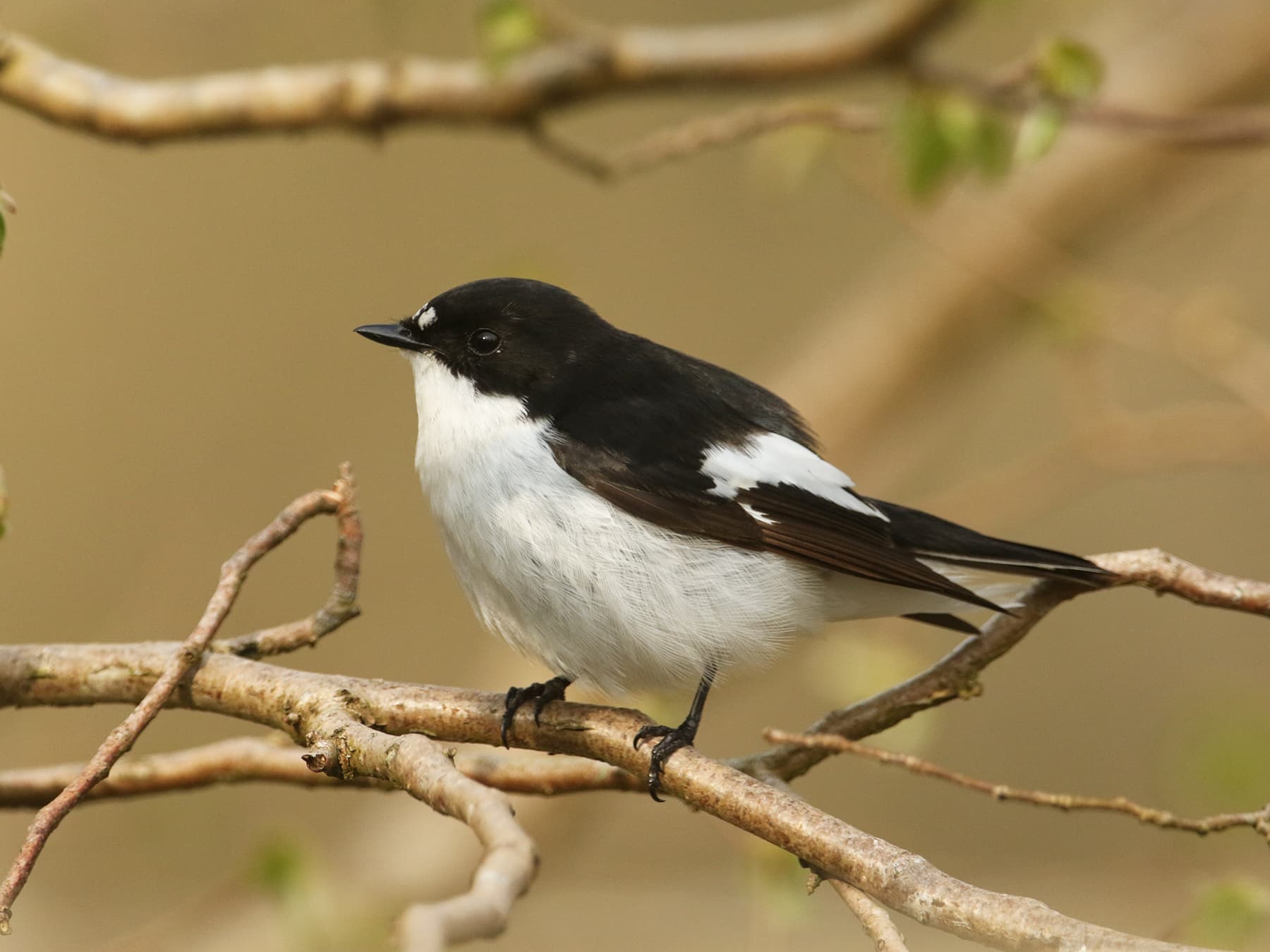
European Pied Flycatcher
Ficedula hypoleucaLC
A rare spring passage migrant in May, occasionally stopping at wooded sites. Breeds in nearby upland oak woods further west.
May
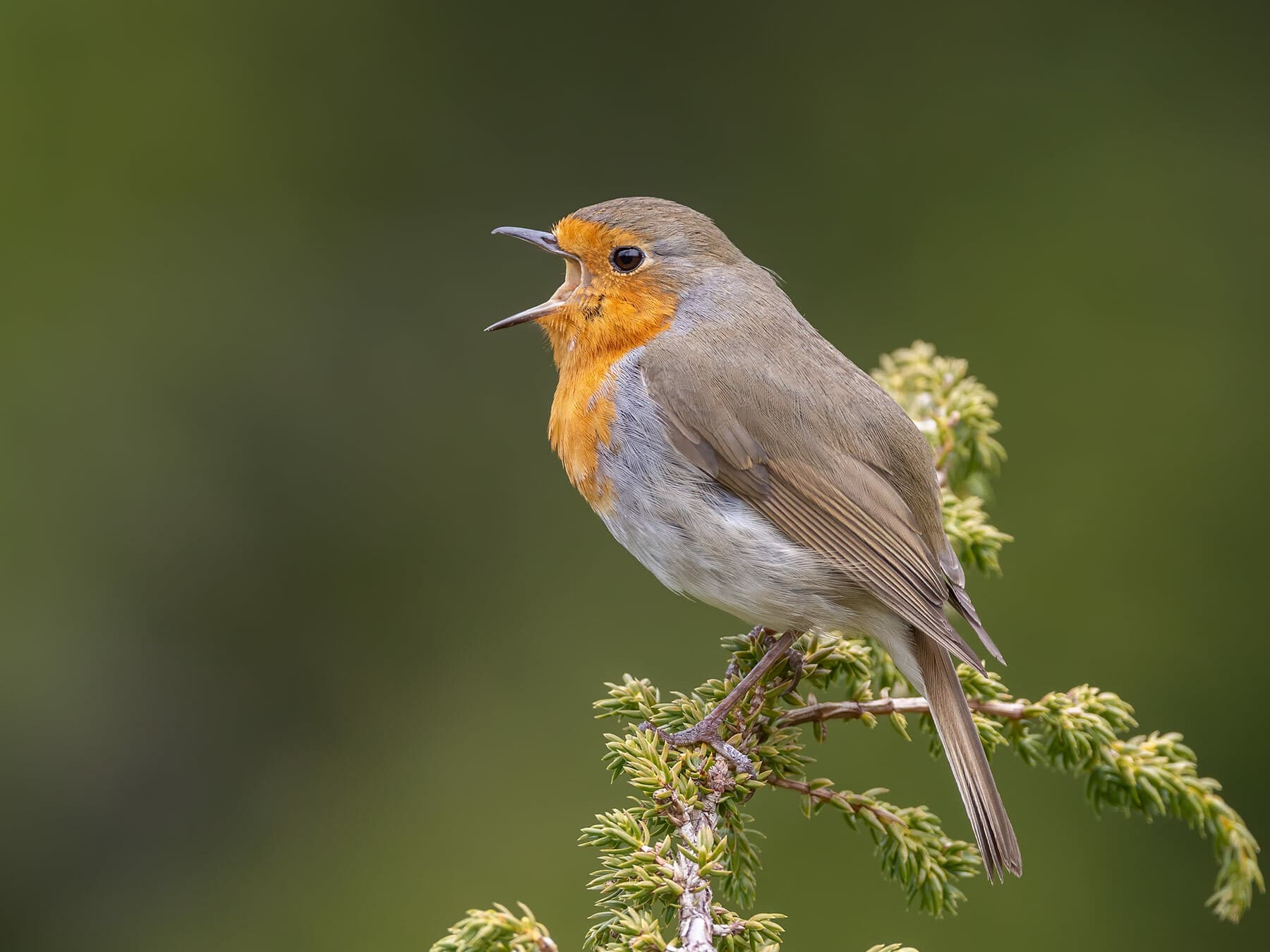
European Robin
Erithacus rubeculaLC
One of the region's most familiar garden birds, present year-round. Fiercely territorial, its melodious song is heard even through the darkest winter months.
Year-round
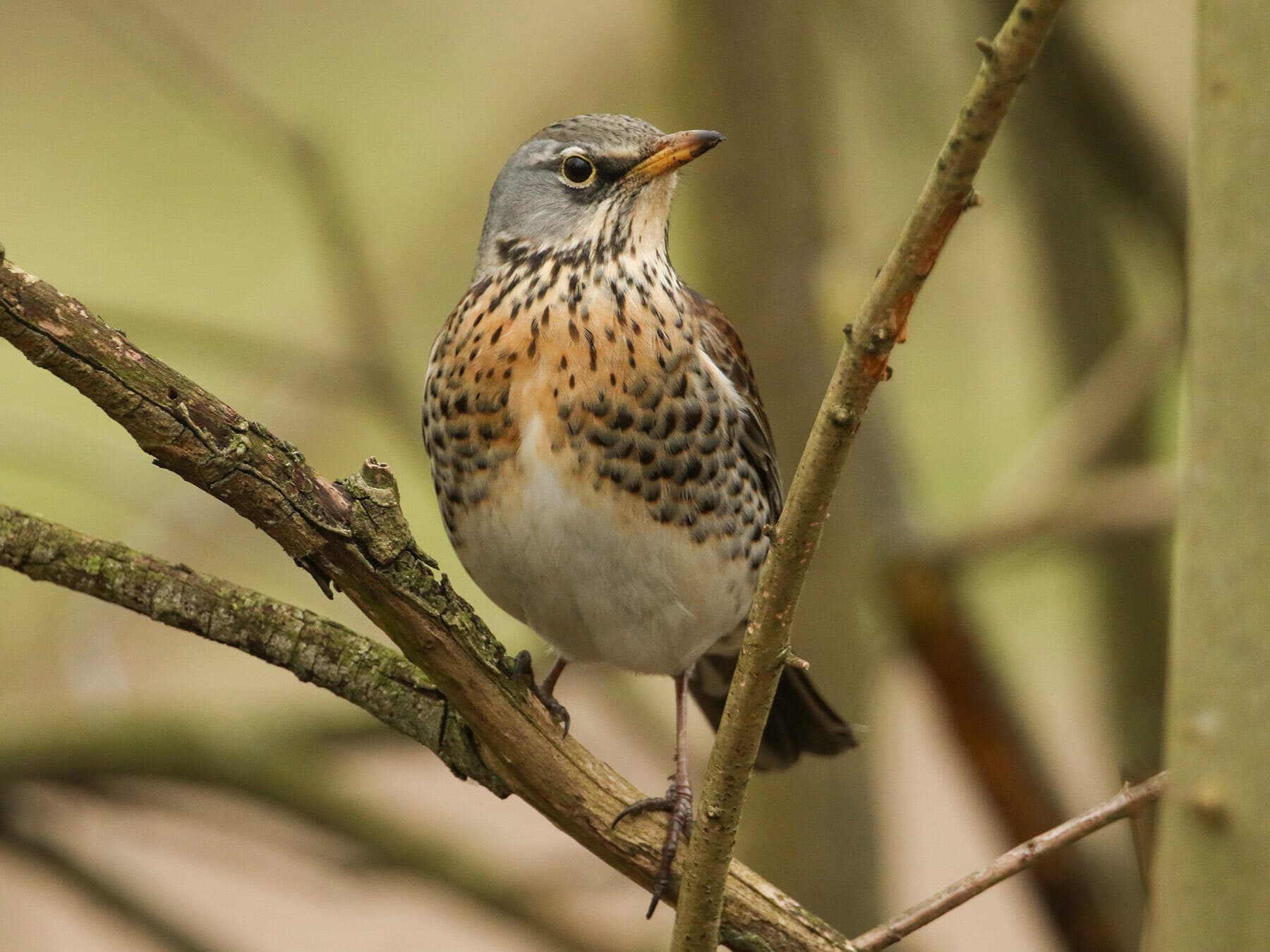
Fieldfare
Turdus pilarisLC
An uncommon winter visitor from Scandinavia, arriving from October and feeding in flocks on hedgerow berries across farmland.
Oct–Apr
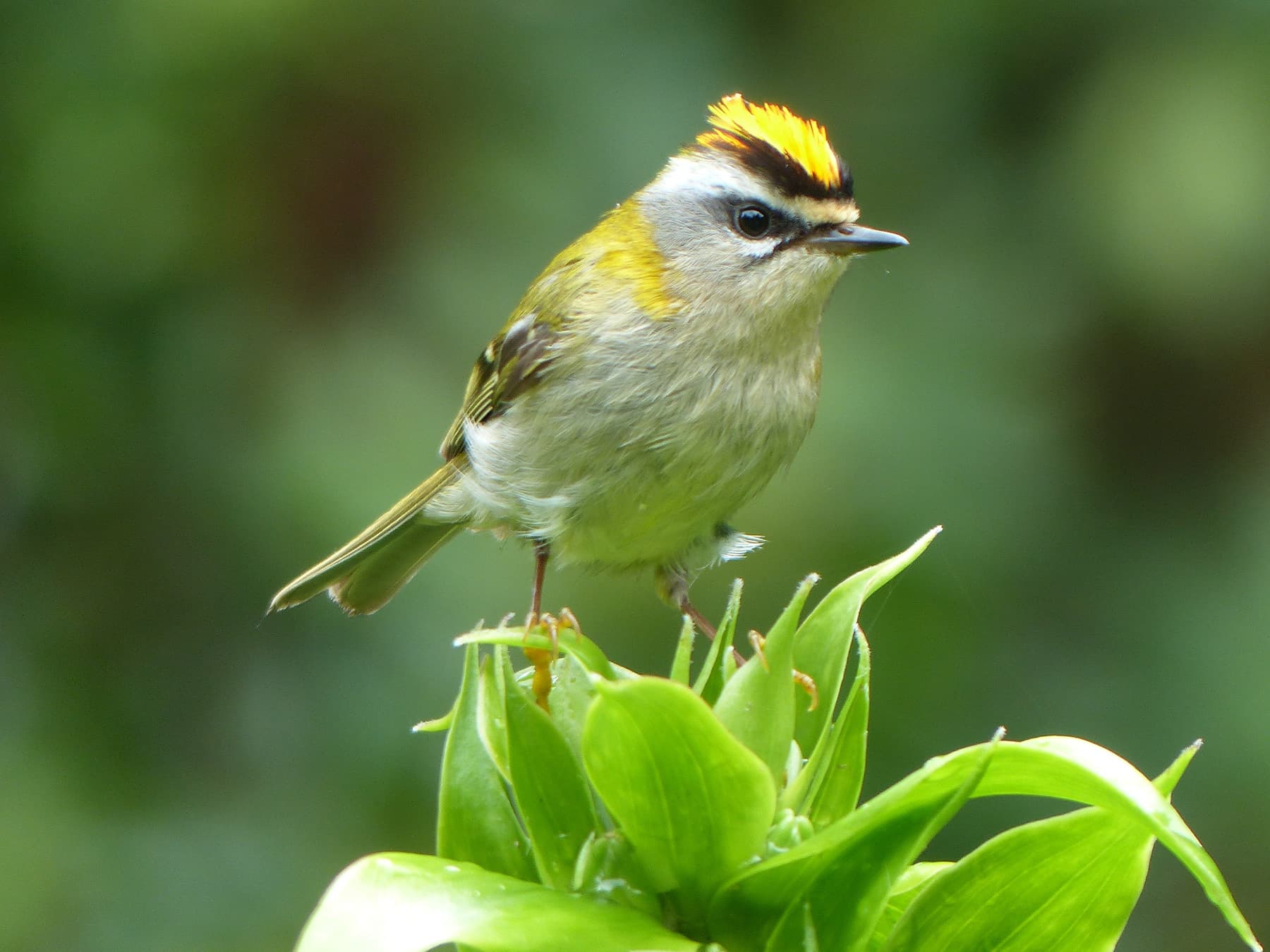
Firecrest
Regulus ignicapillaLC
A rare passage visitor, occasionally recorded in February. Much scarcer than its Goldcrest cousin, typically found in sheltered scrub or conifer stands.
Feb