Birds in West Sussex
Explore 211 species found in this region.
West Sussex is home to an impressive 207 recorded bird species, reflecting the county's rich diversity of habitats — from the chalk downlands of the South Downs to the coastal mudflats and harbours of Chichester and Pagham. Birdwatchers can enjoy sightings ranging from familiar garden visitors like the Great Tit and Magpie to scarcer species such as the Great Grey Shrike and the elegant Northern Pintail. The county's wetlands, woodlands, and estuaries make it one of the most rewarding birding destinations in southern England.
Visiting in July? Look out for Brent Goose and Common Snipe arriving this month, and American Golden-Plover and Cirl Bunting depart for the season.


Showing 116–138 of 211 species
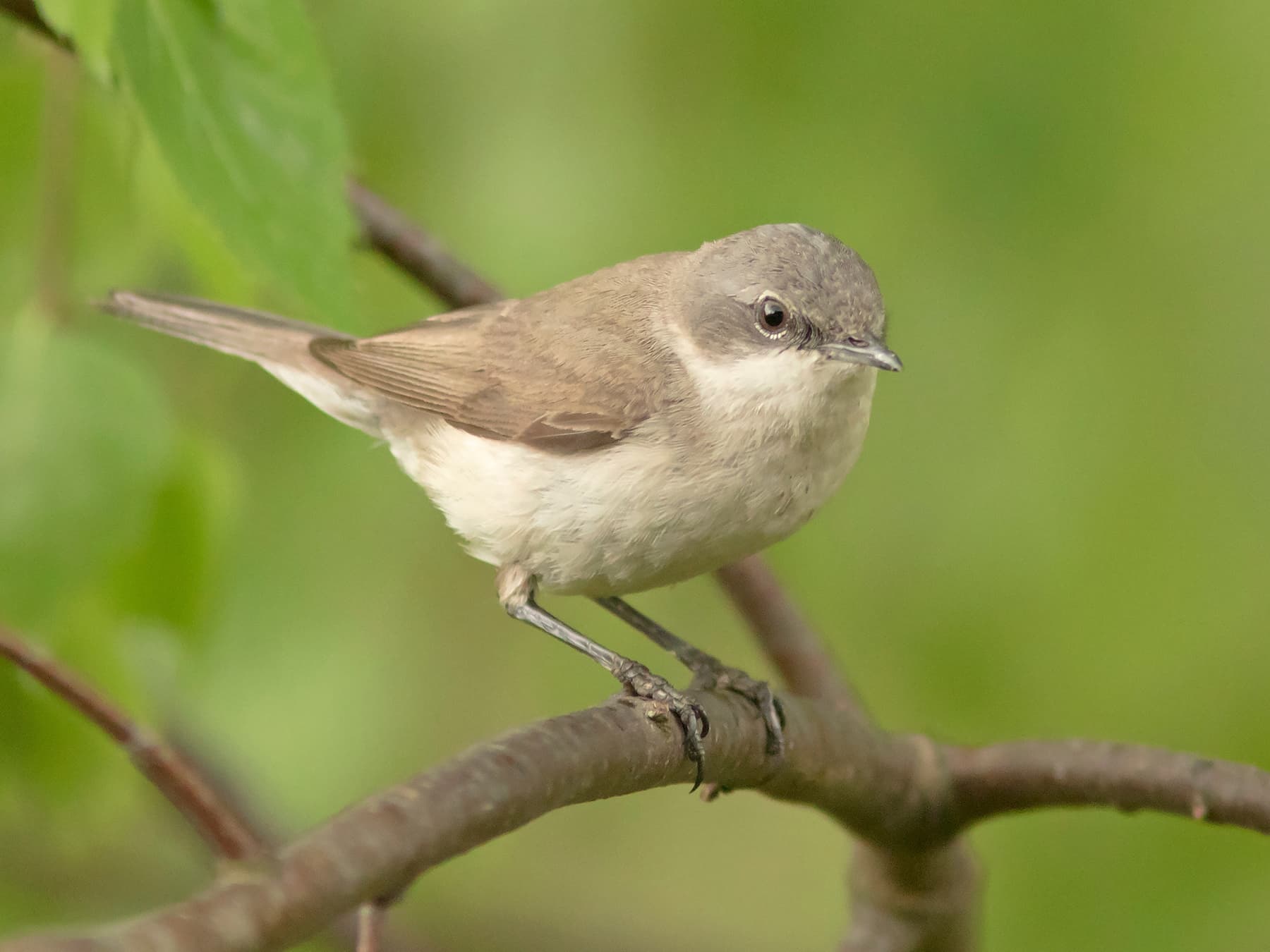
Lesser Whitethroat
Curruca currucaLC
An uncommon summer breeder arriving in April, favouring tall hedgerows and scrubby woodland edges across the county.
Apr–Sep
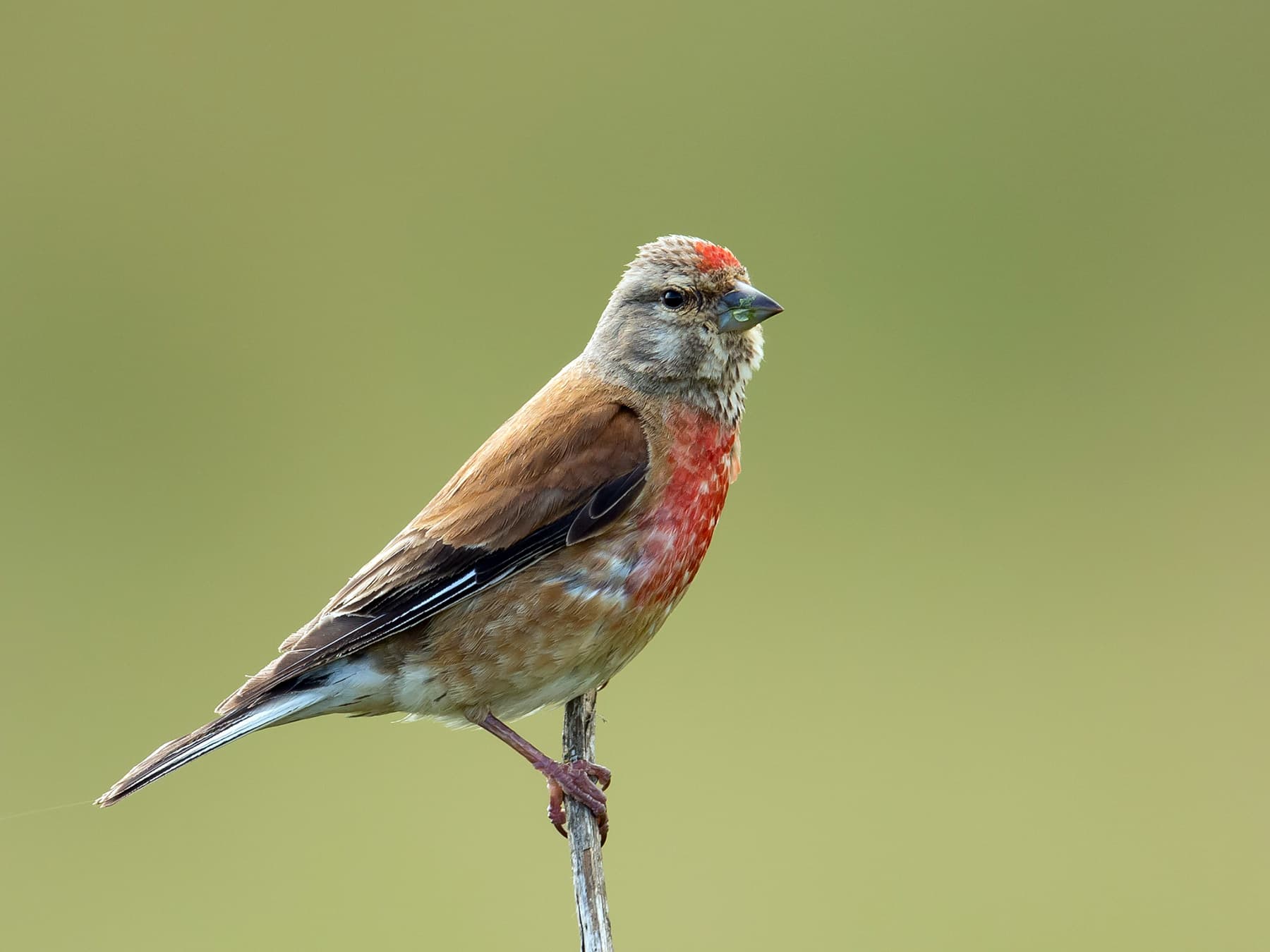
Linnet
Linaria cannabinaLC
A common year-round resident of farmland, downland and coastal scrub. Often forms large flocks on stubble fields in winter.
Year-round
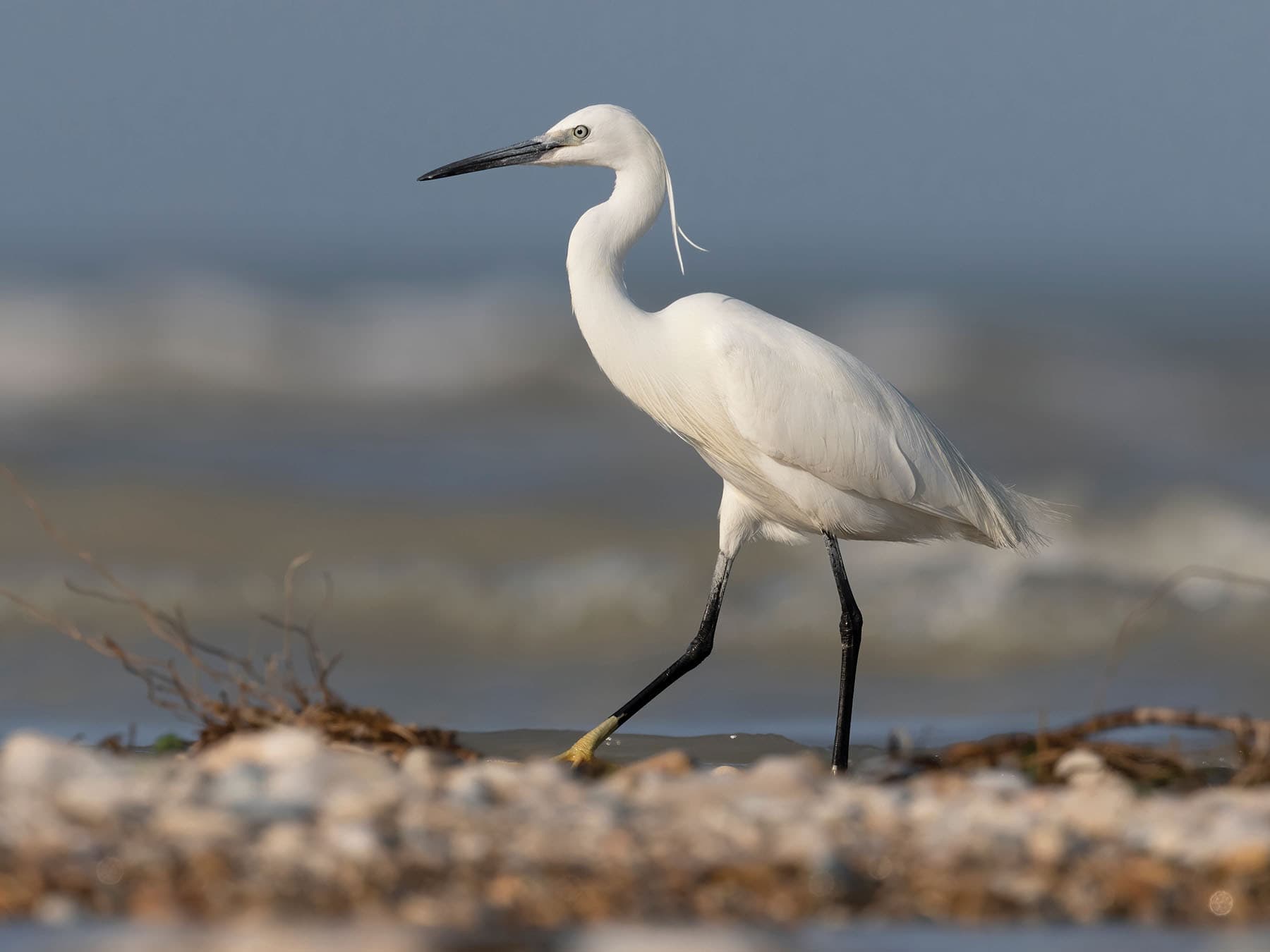
Little Egret
Egretta garzettaLC
Now a common resident along coastal marshes, harbours and rivers. Has colonised successfully since the 1990s and breeds at several sites.
Year-round
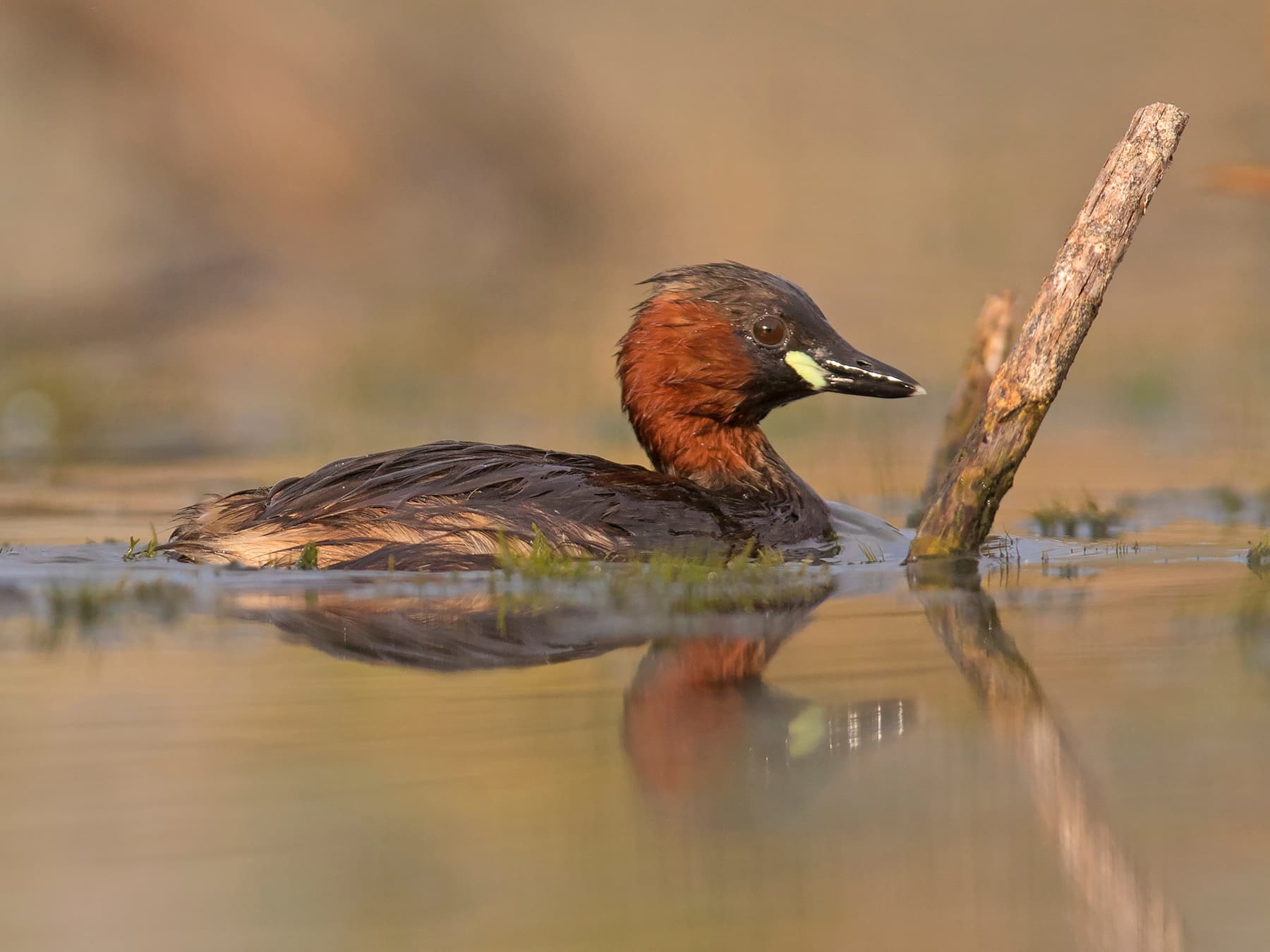
Little Grebe
Tachybaptus ruficollisLC
An unobtrusive resident of ponds, lakes and slow-moving rivers. Breeds on sheltered waterbodies and is more vocal in spring.
Year-round
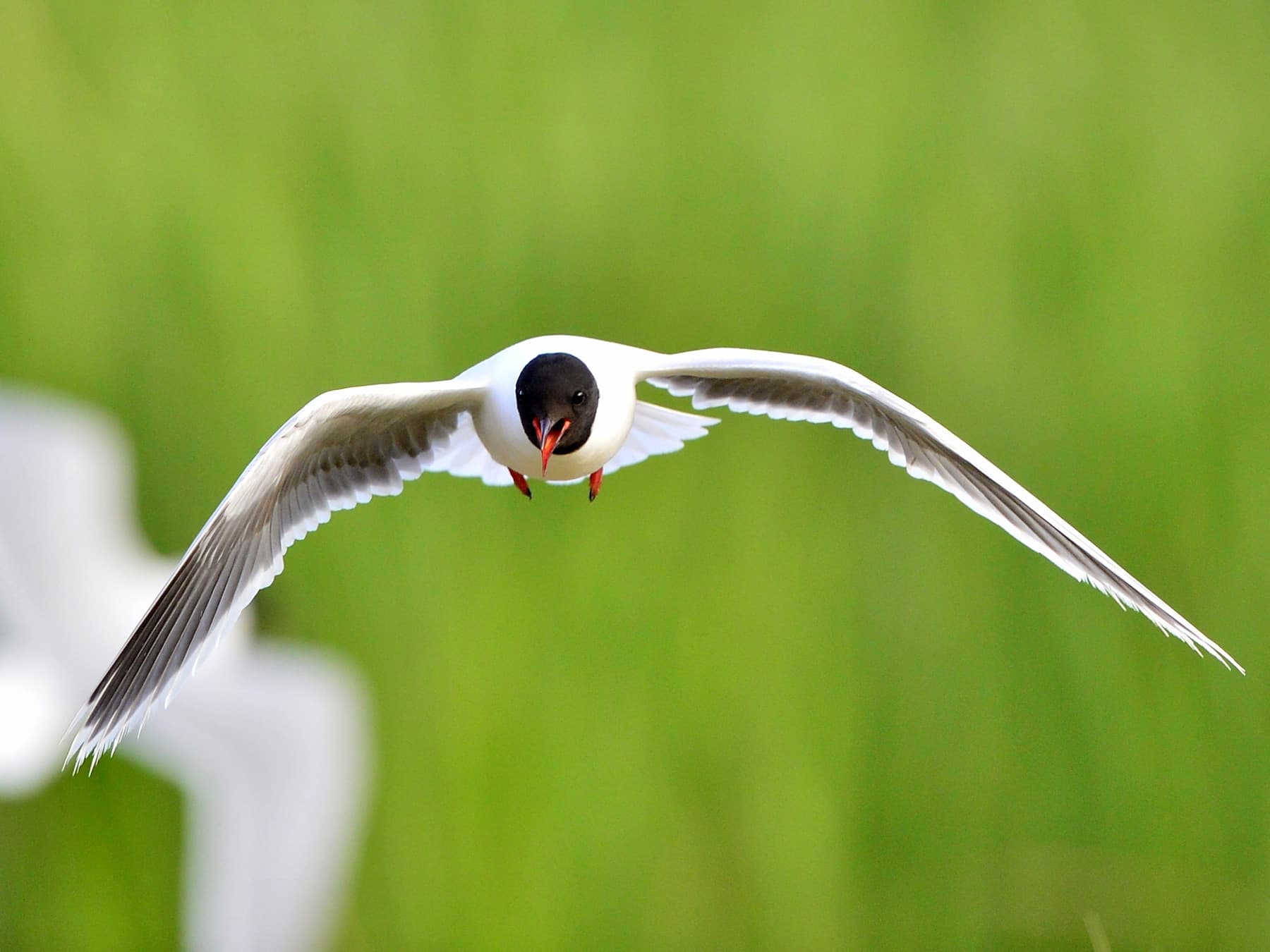
Little Gull
Hydrocoloeus minutusLC
A rare and dainty non-breeding gull, occasionally spotted offshore or at coastal lagoons during winter and spring passage.
Nov–Apr
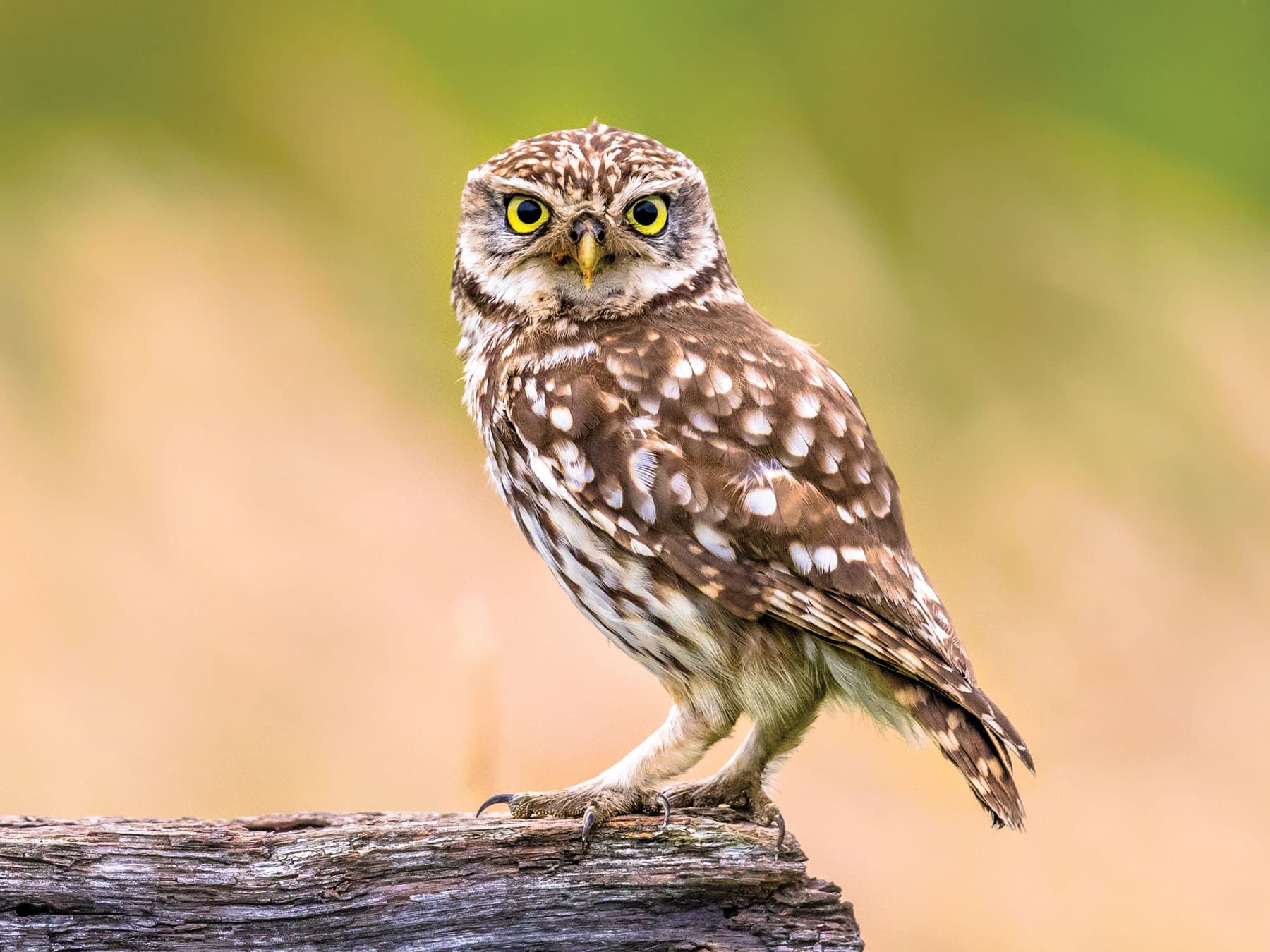
Little Owl
Athene noctuaLC
A rare breeder on farmland and parkland, declining significantly across southern England. Most active at dawn and dusk.
Mar–Aug
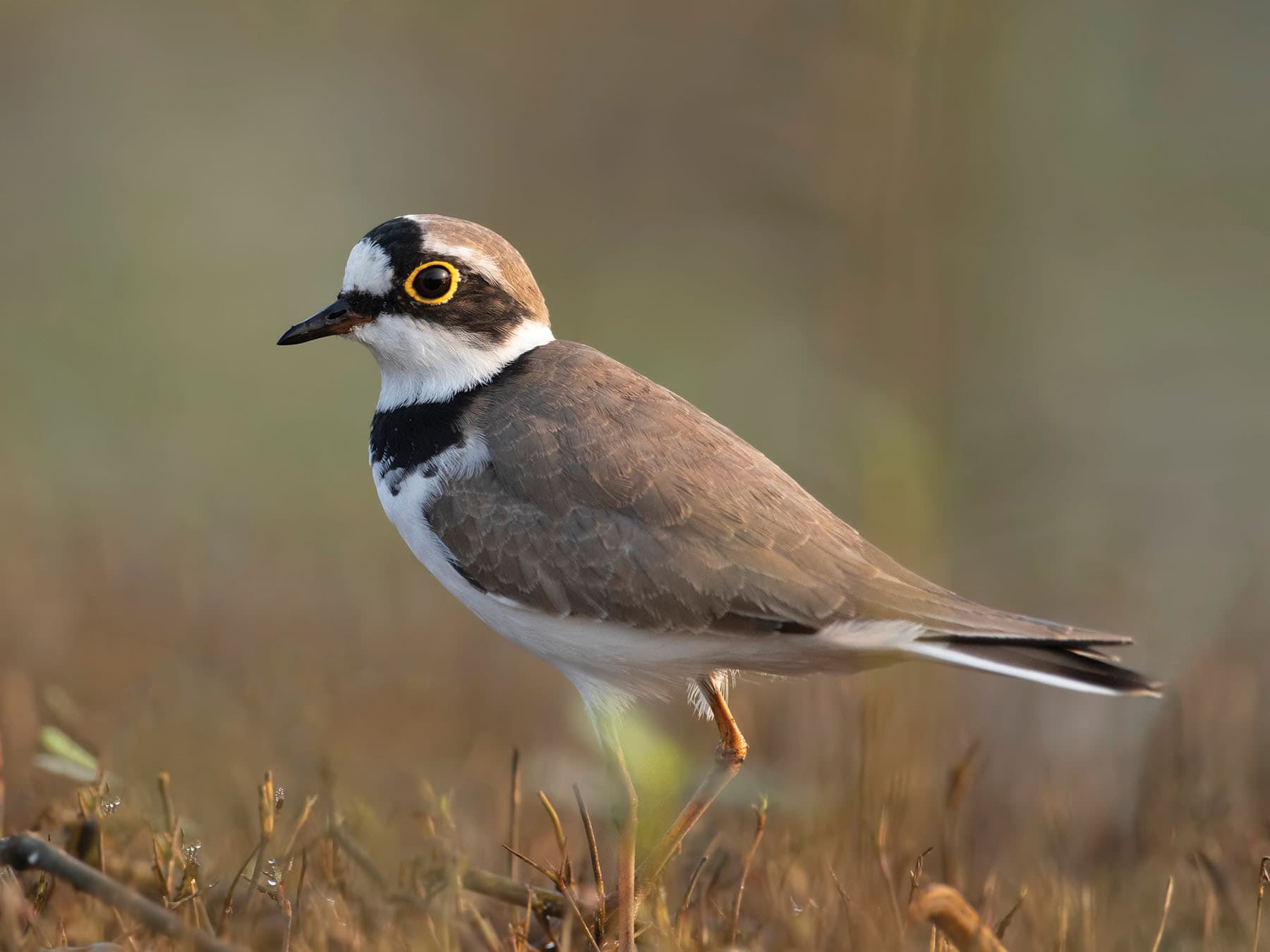
Little Ringed Plover
Charadrius dubiusLC
An uncommon summer breeder at gravel pits and reservoir margins. Arrives in March and departs by September.
Mar–Sep
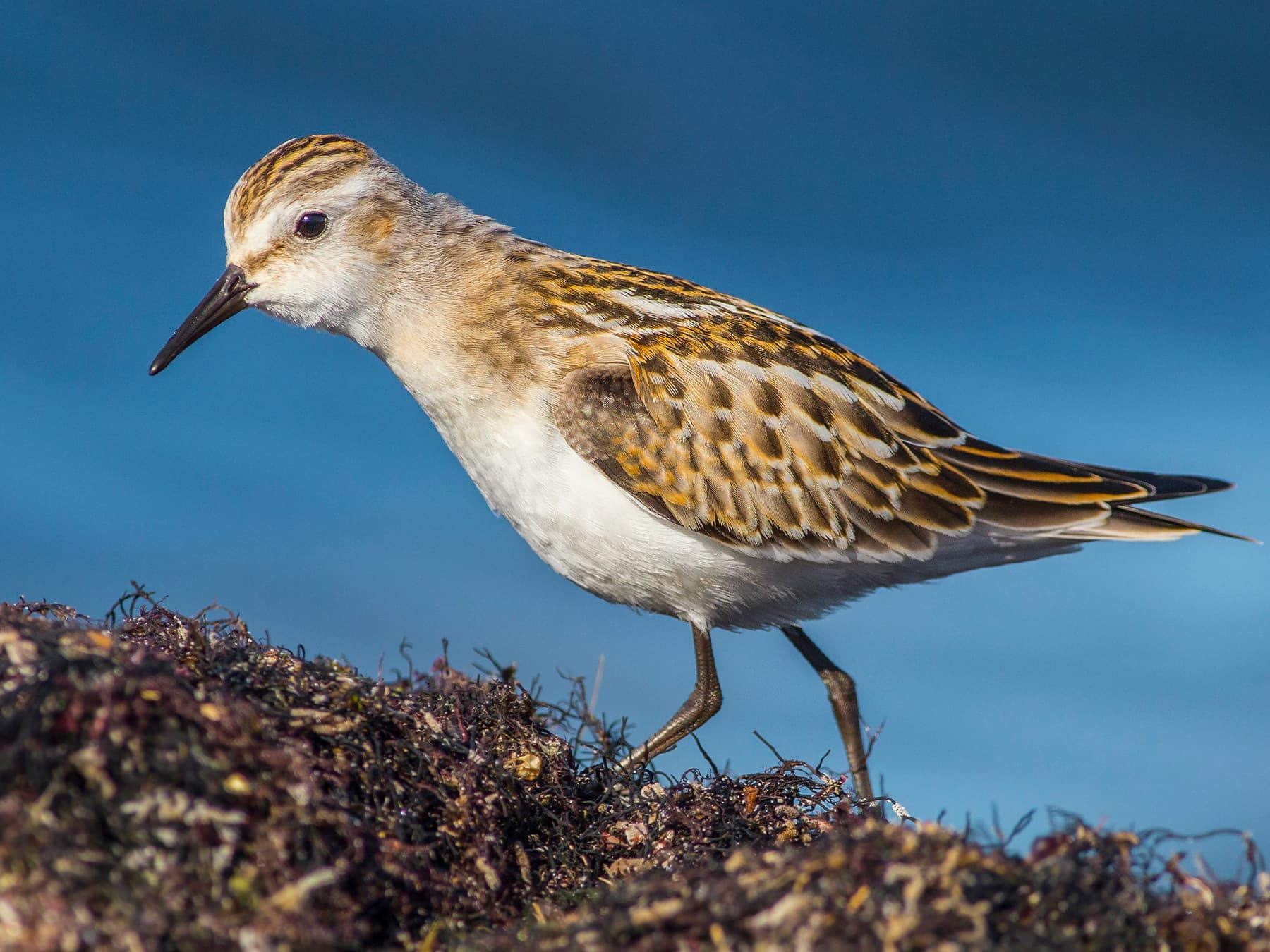
Little Stint
Calidris minutaLC
A rare autumn passage migrant, occasionally appearing at coastal pools and muddy scrapes from August to October.
Aug–Oct
Spotted something?
Upload a photo to identify it
Identify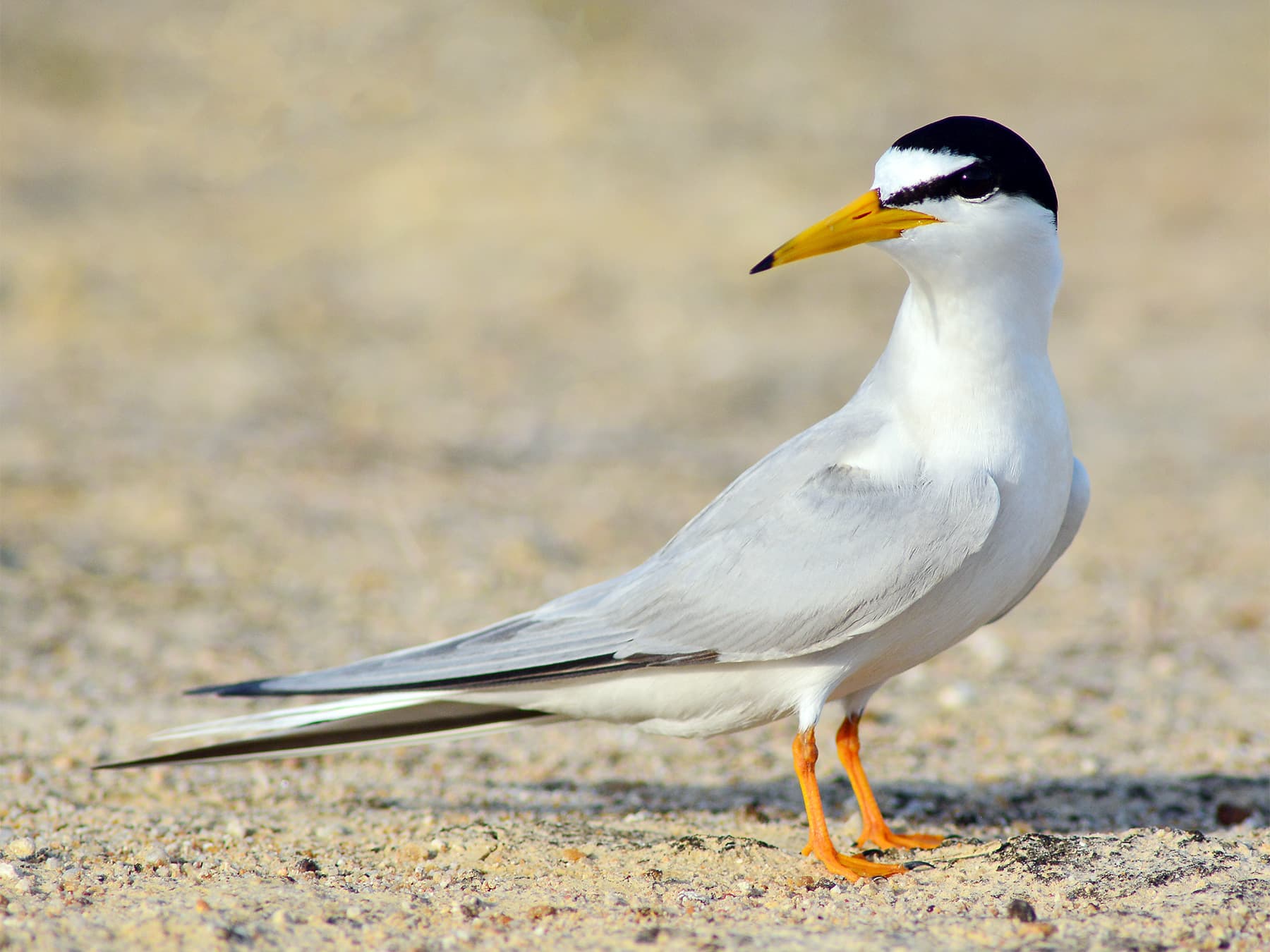
Little Tern
Sternula albifronsLC
An uncommon summer breeder on shingle beaches along the coast. Nesting colonies are vulnerable to disturbance and flooding.
Apr–Aug
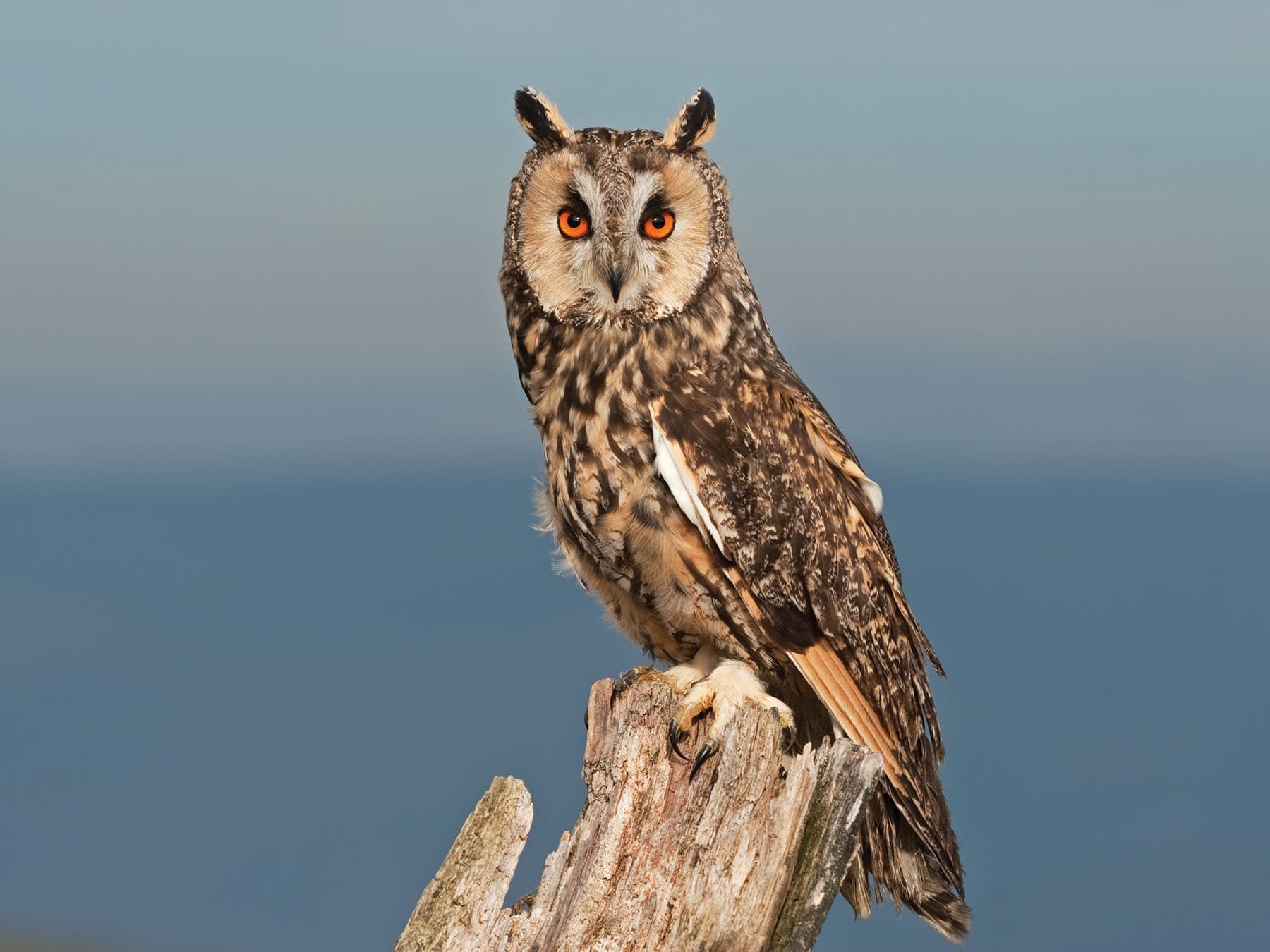
Long-eared Owl
Asio otusLC
A rare and secretive winter visitor, occasionally flushed from dense scrub and conifer plantations in early spring.
Jan–Mar
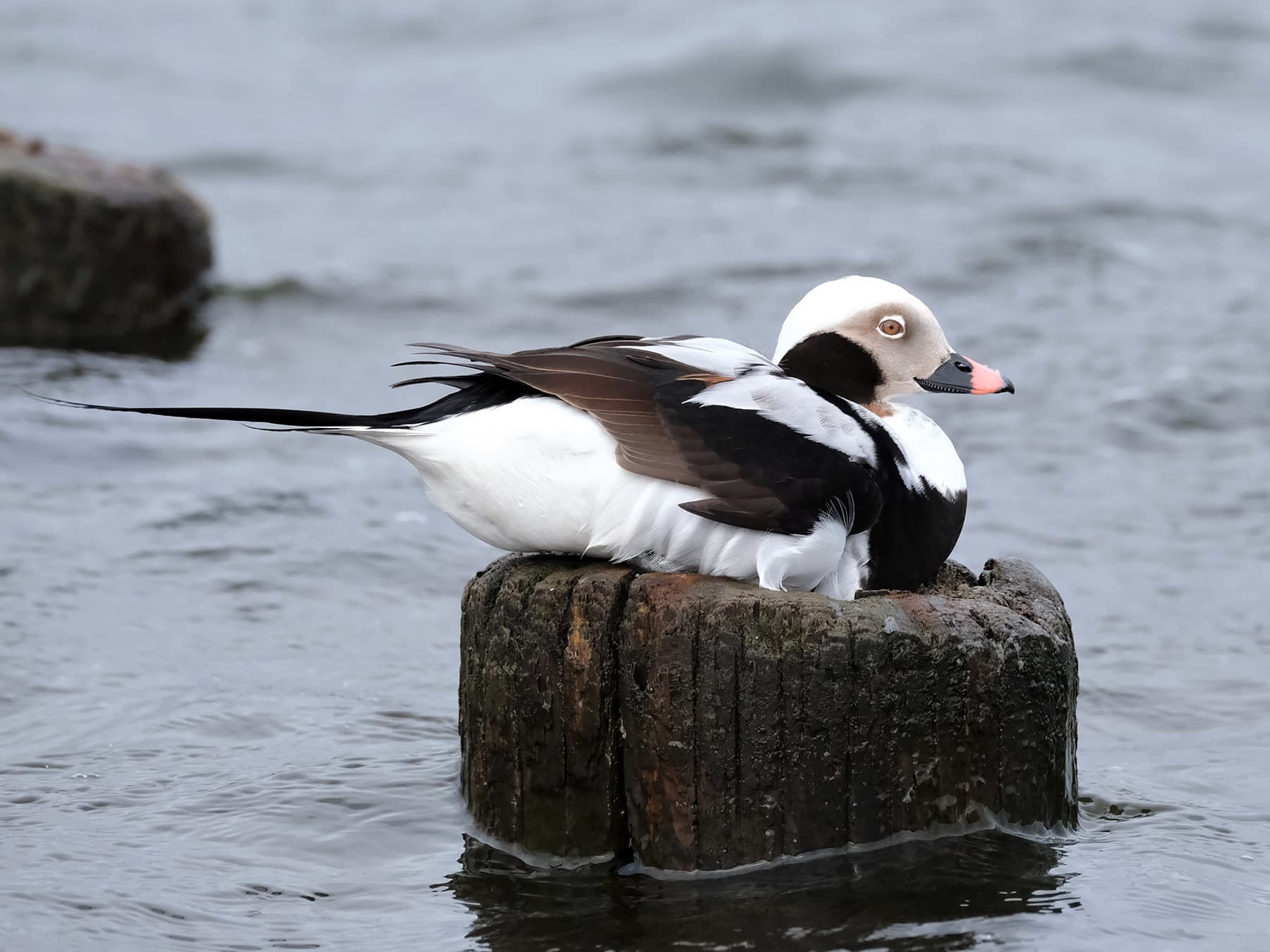
Long-tailed Duck
Clangula hyemalisVU
A rare winter visitor to coastal waters, occasionally seen offshore or in harbours between November and March.
Nov–Mar
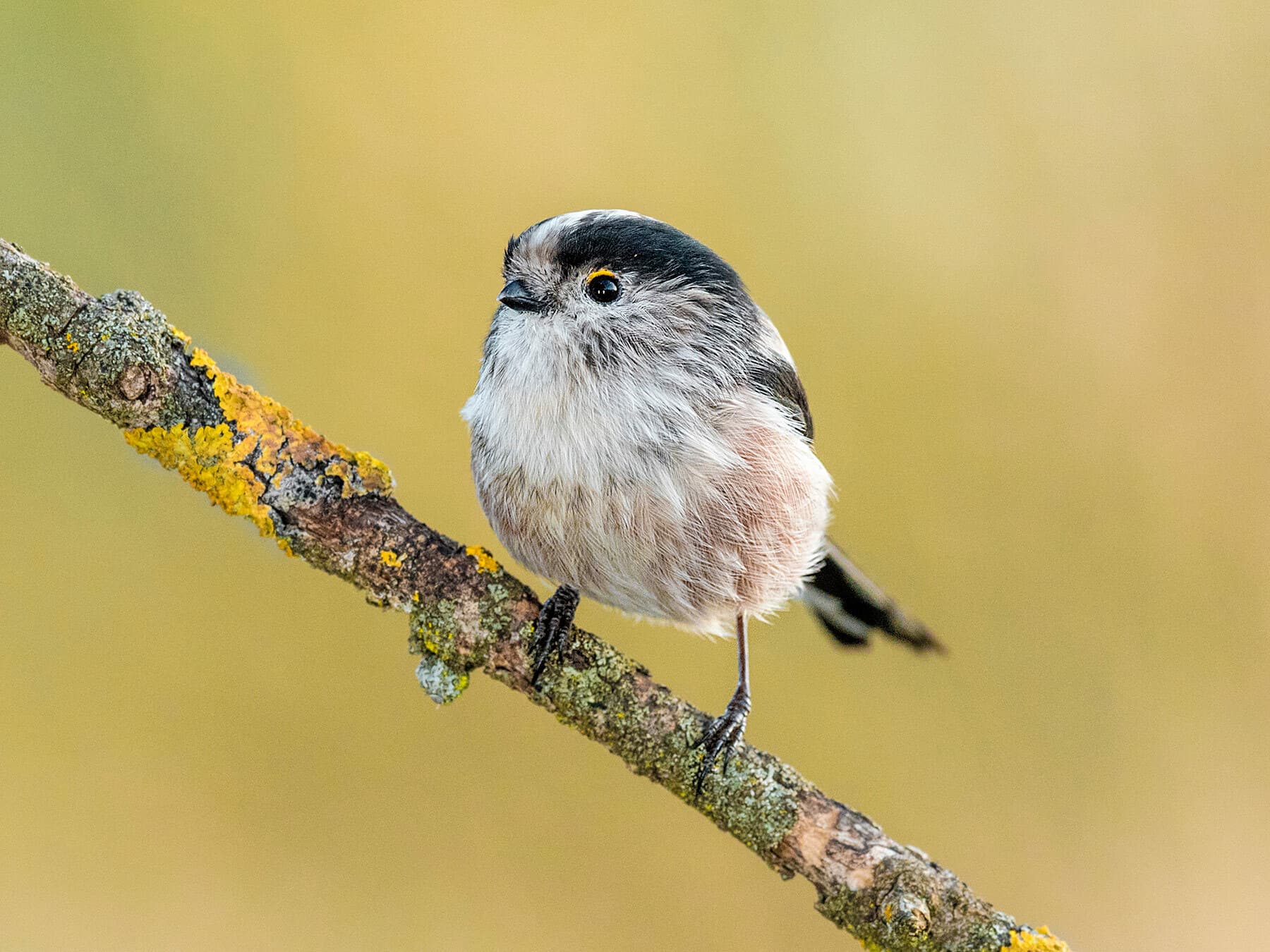
Long-tailed Tit
Aegithalos caudatusLC
Charming acrobatic flocks roam hedgerows and woodland edges year-round. Commonly seen in family parties, their contact calls a constant chatter.
Year-round
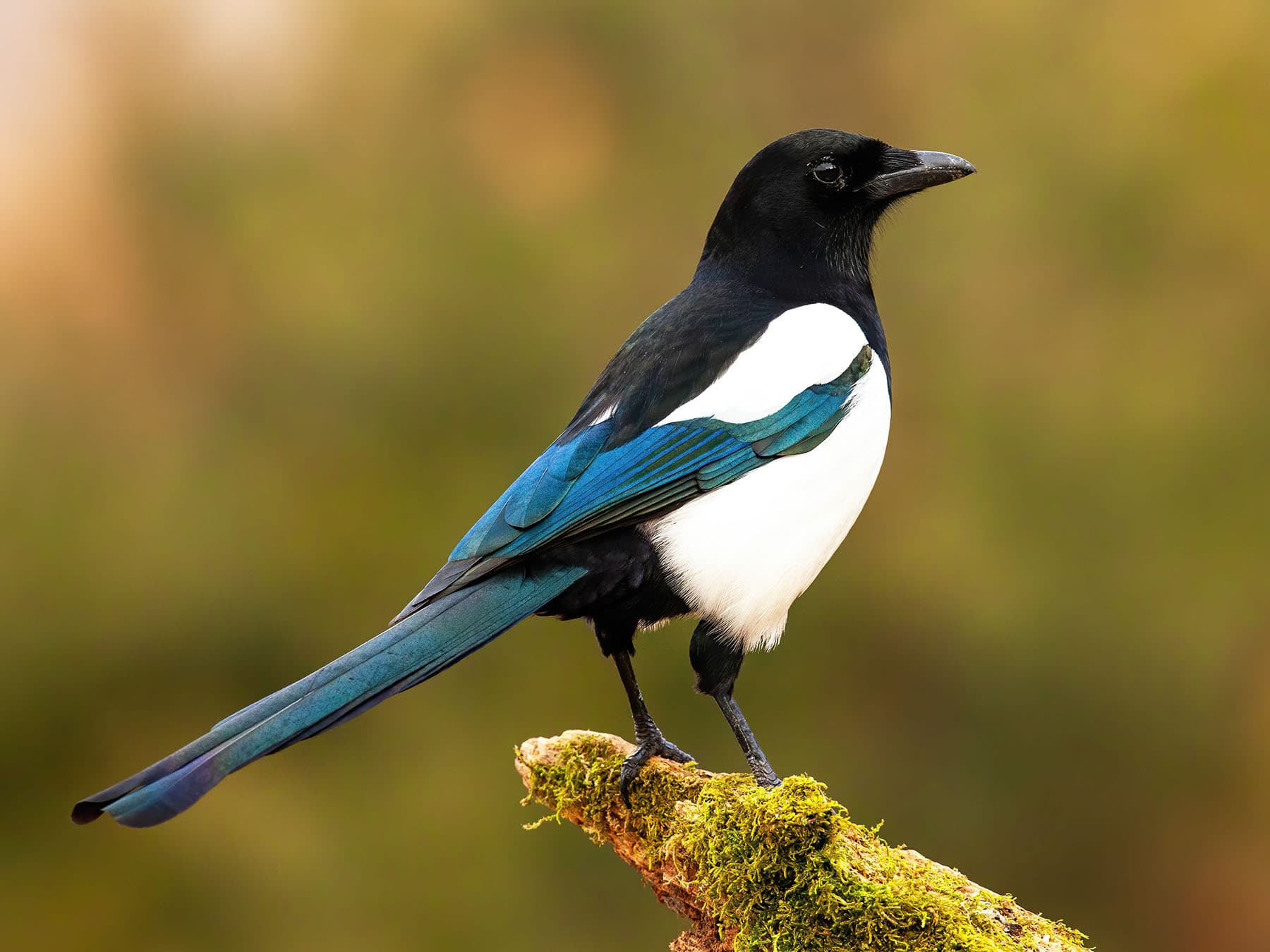
Magpie
Pica picaLC
A bold and conspicuous resident found in gardens, parks and farmland year-round. Easily recognised by its striking black-and-white plumage.
Year-round
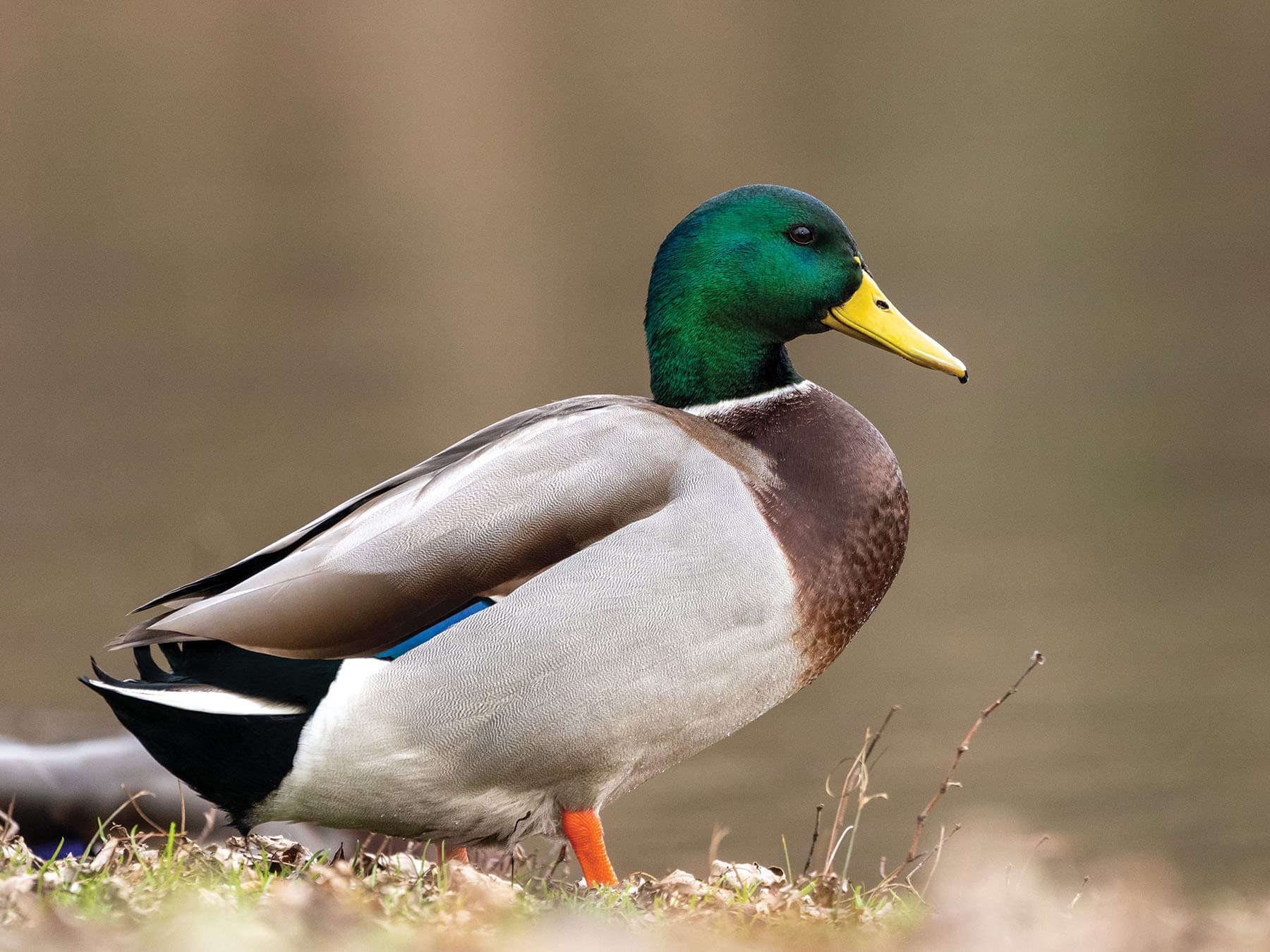
Mallard
Anas platyrhynchosLC
A common resident found on virtually any freshwater body, from urban park ponds to rural rivers and coastal marshes.
Year-round
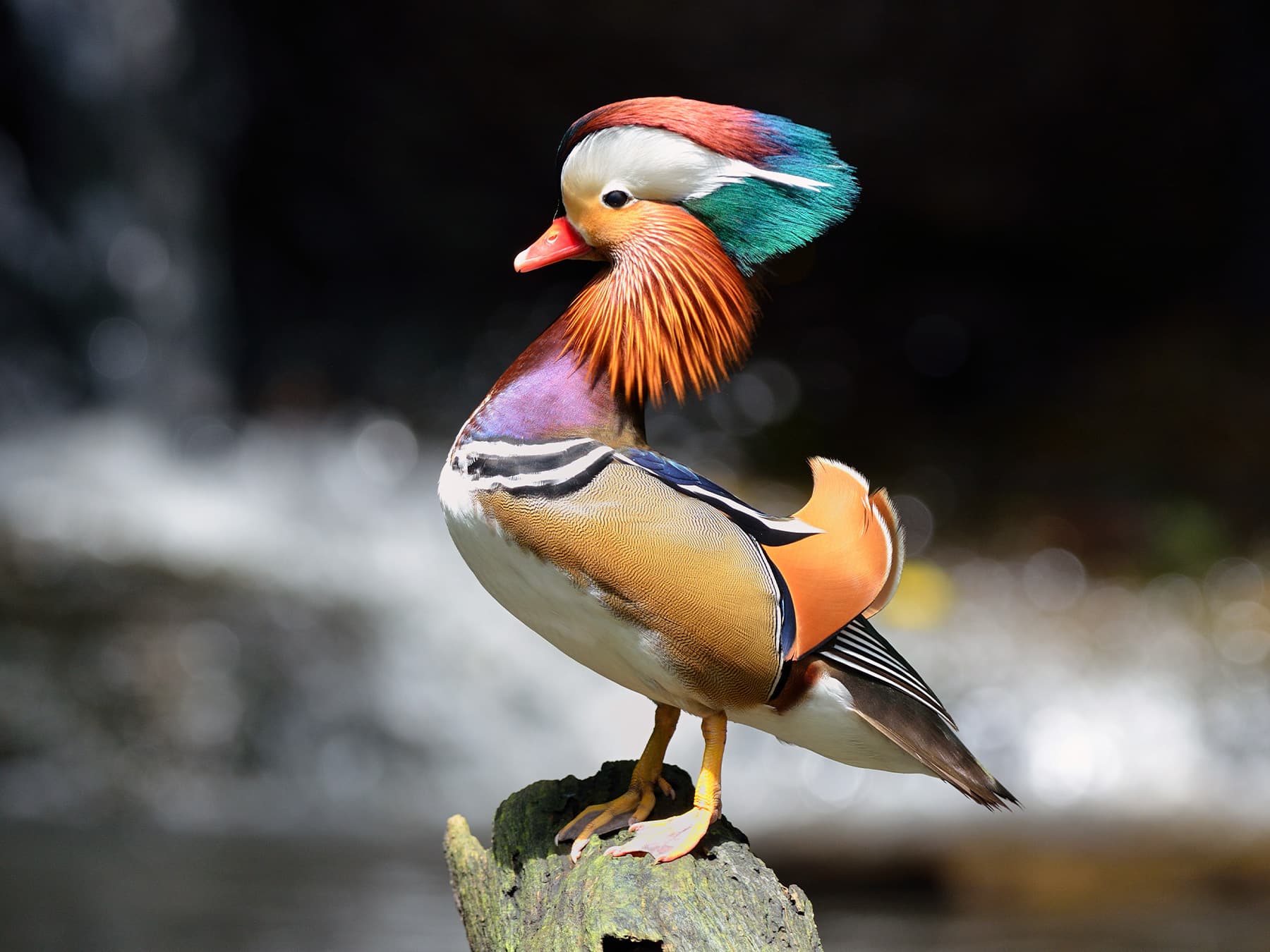
Mandarin Duck
Aix galericulataLC
A scarce but established resident of wooded lakes and rivers, with feral populations breeding in parkland settings year-round.
Year-round
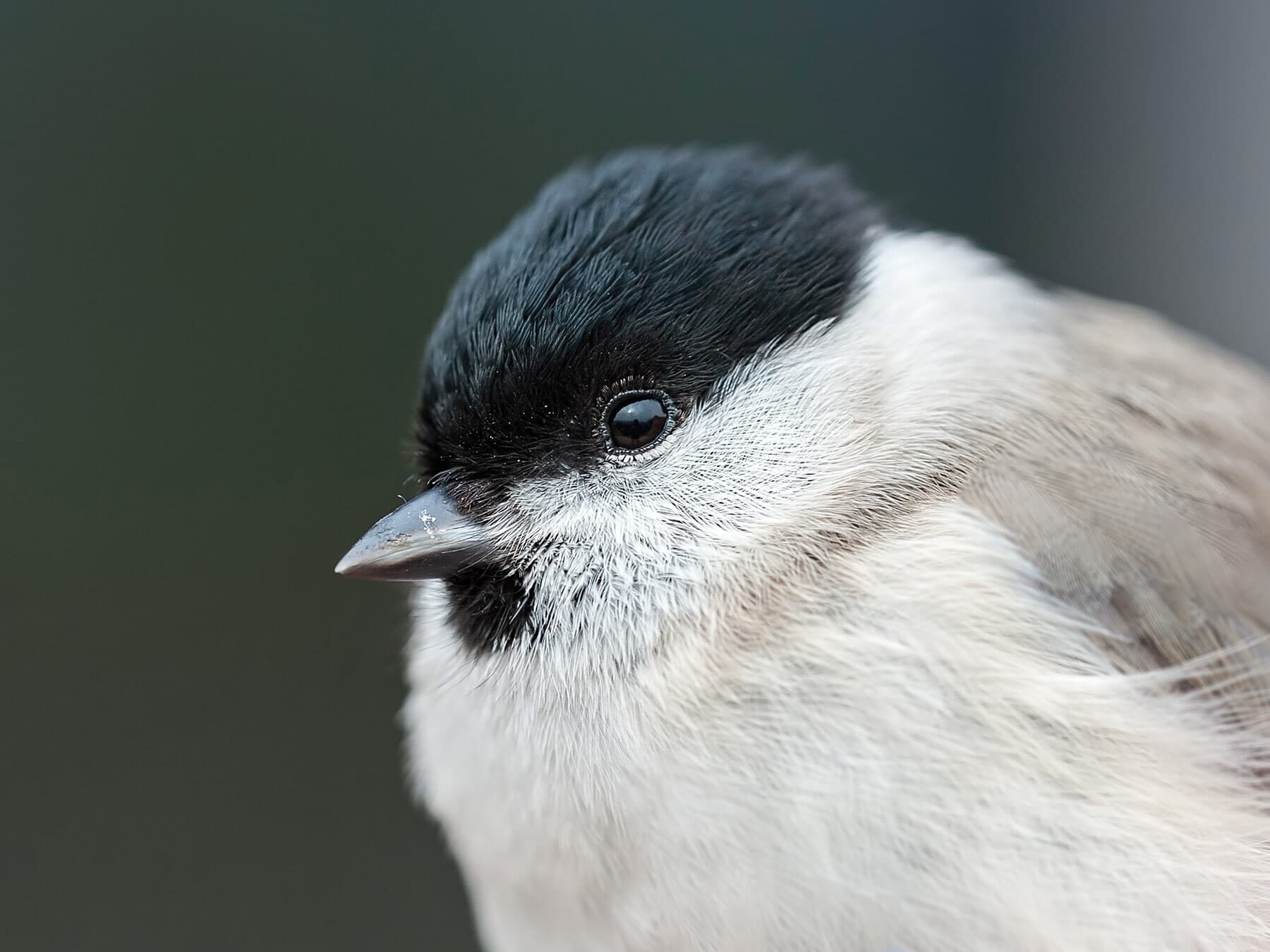
Marsh Tit
Poecile palustrisLC
An uncommon resident of mature deciduous woodland, often heard giving its distinctive 'pitchoo' call. Declining nationally.
Year-round
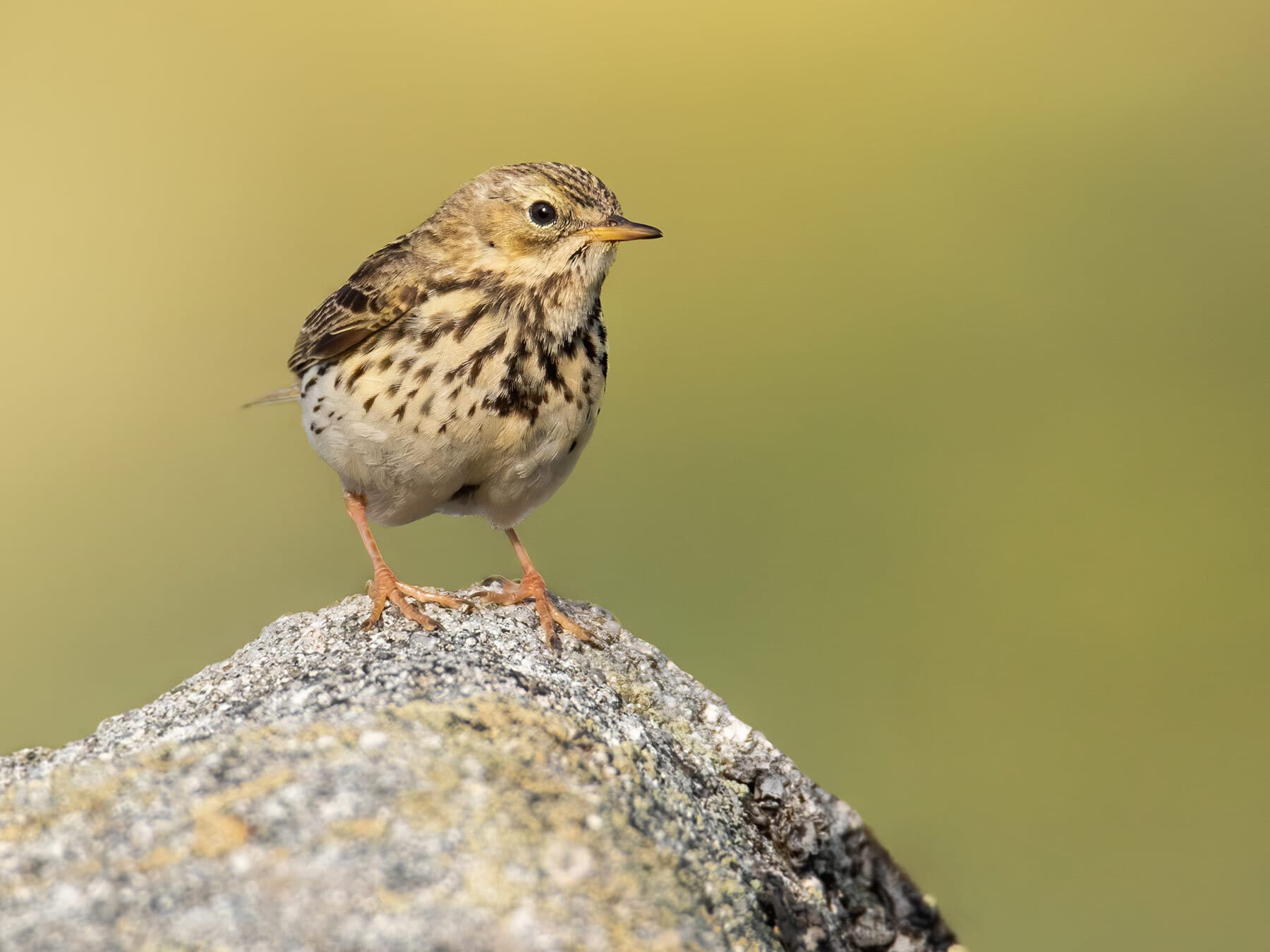
Meadow Pipit
Anthus pratensisLC
A common resident of open downland, heathland and coastal grassland. Numbers swell in autumn with passage migrants.
Year-round
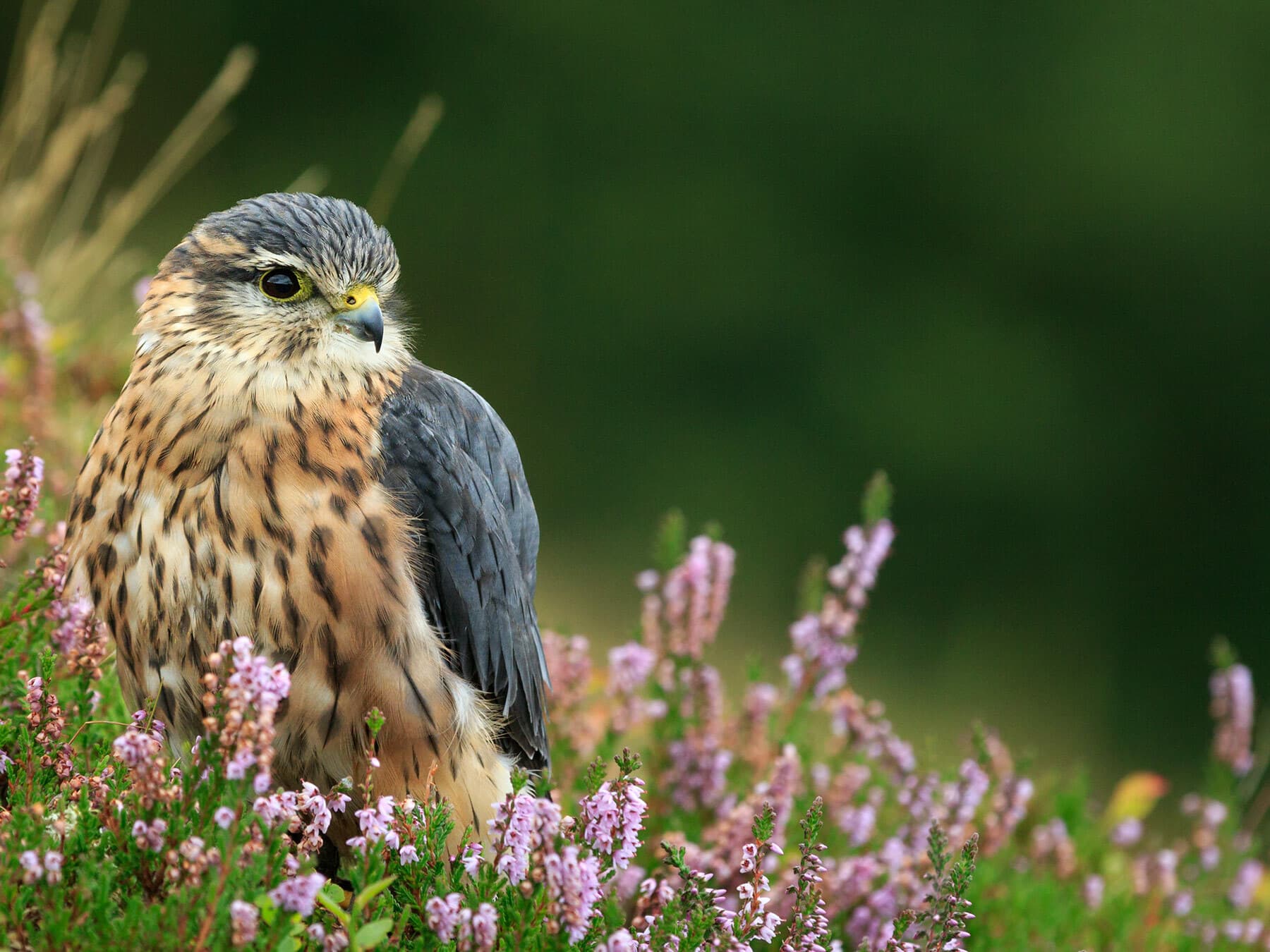
Merlin
Falco columbariusLC
A rare winter visitor from October to March, occasionally hunting over coastal marshes and open downland.
Oct–Mar
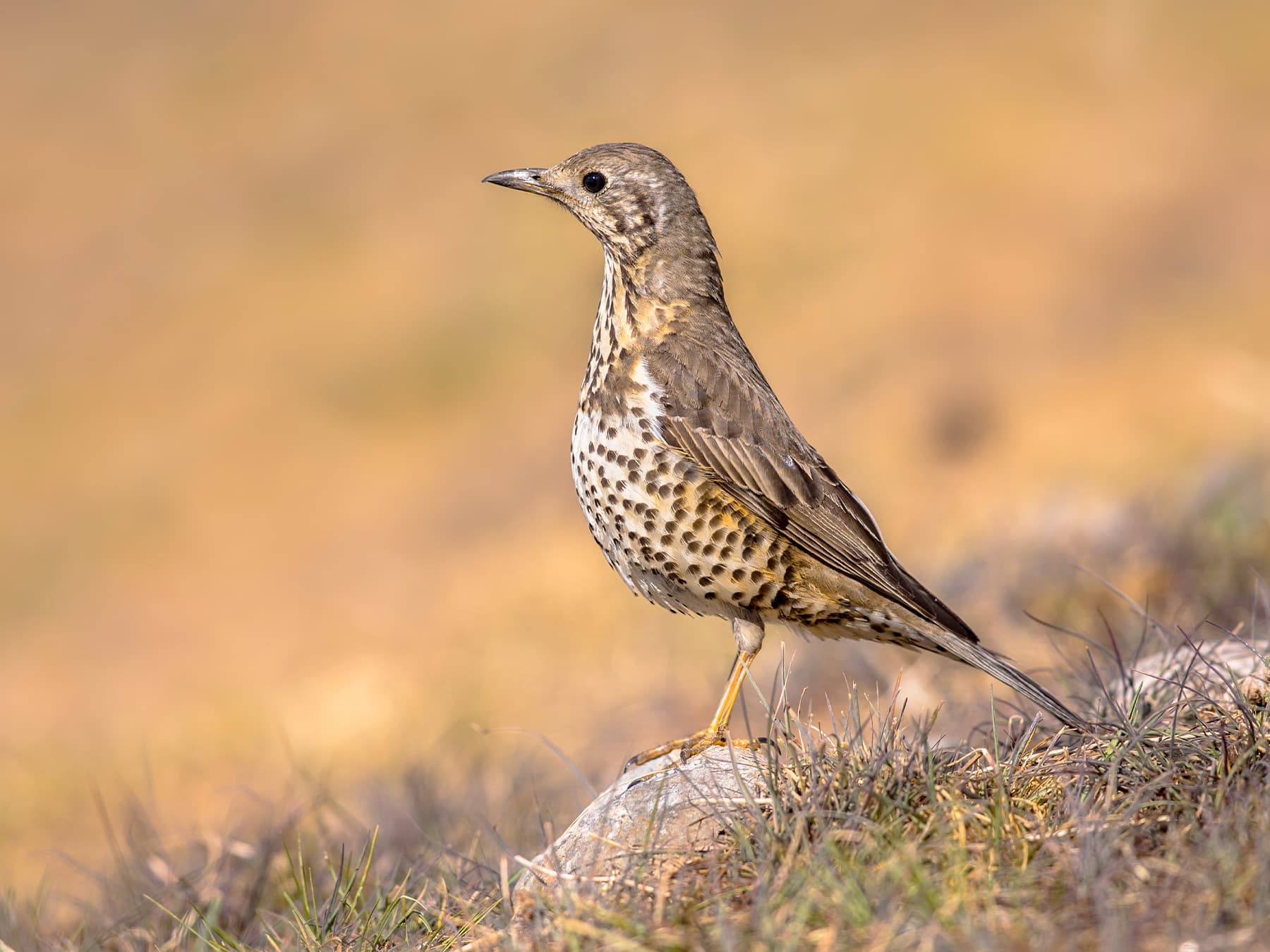
Mistle Thrush
Turdus viscivorusLC
An uncommon resident of parkland and open woodland, often singing boldly from treetops even in winter. Feeds on berries in autumn.
Year-round
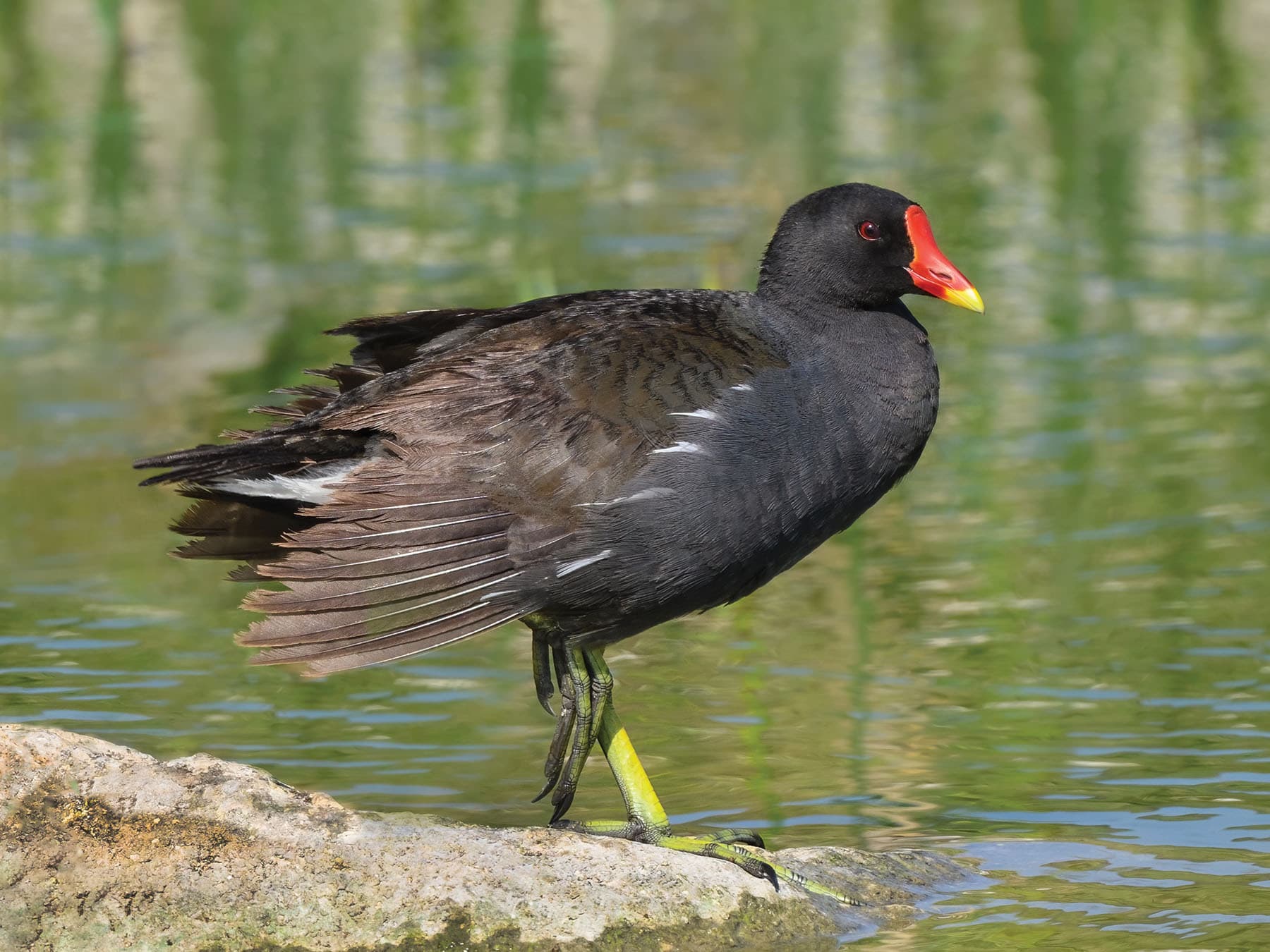
Moorhen
Gallinula chloropusLC
A common resident of ponds, lakes, and ditches throughout the county, often seen foraging along vegetated waterway margins.
Year-round
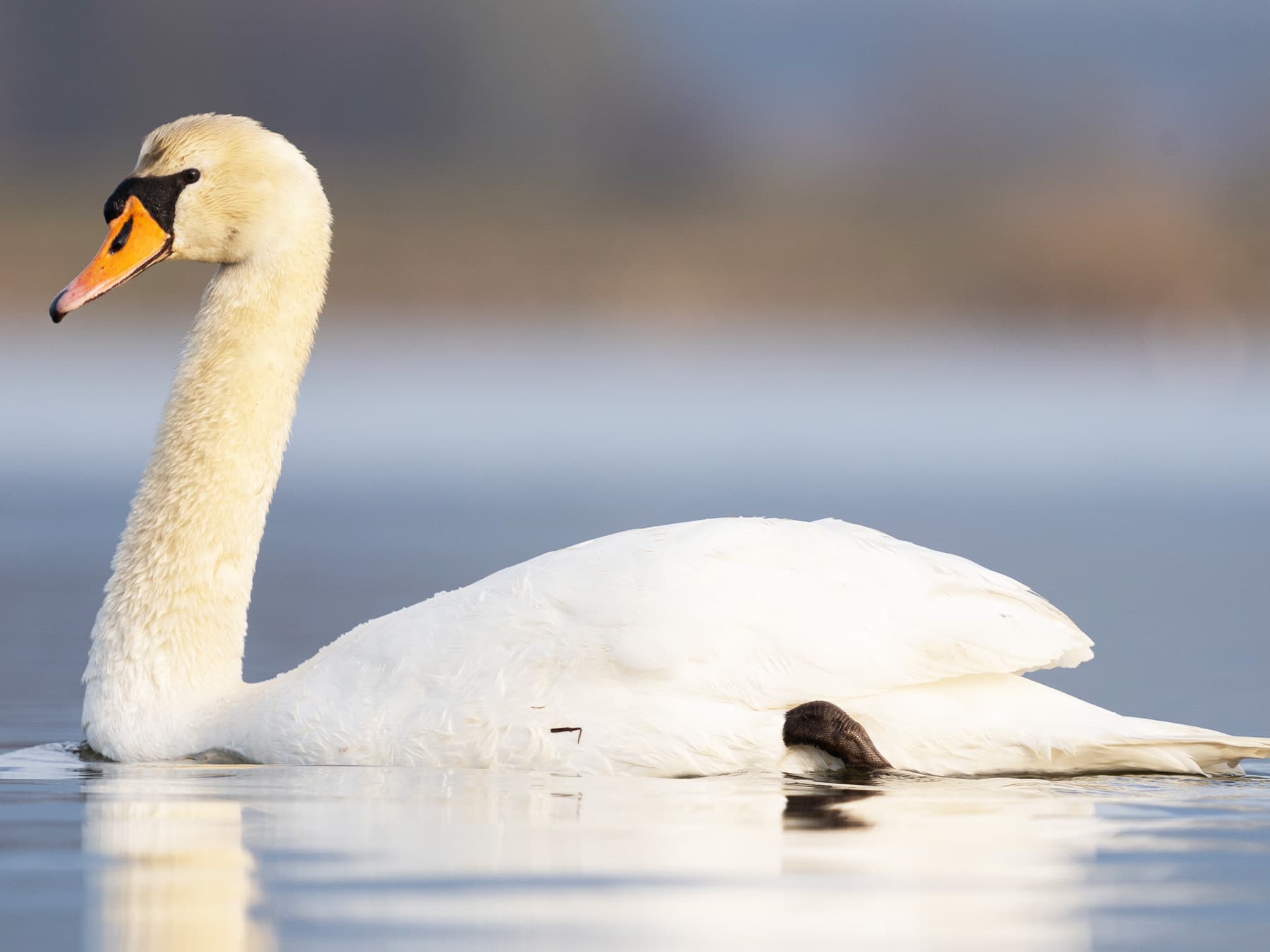
Mute Swan
Cygnus olorLC
A familiar year-round resident on rivers, lakes, and coastal harbours. Breeds readily across the county's waterways.
Year-round
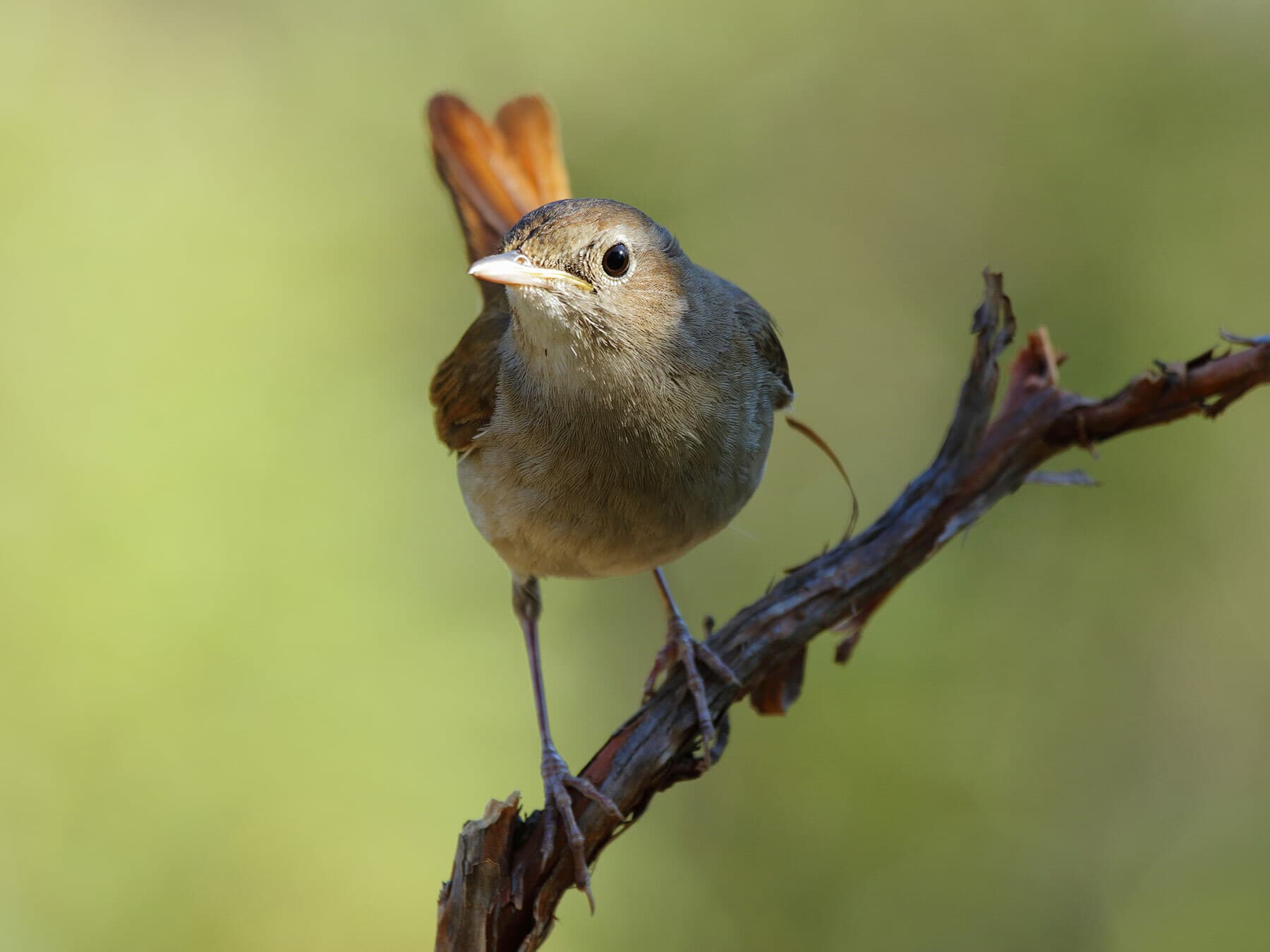
Nightingale
Luscinia megarhynchosLC
An uncommon but prized summer breeder in dense thickets and coppiced woodland. West Sussex remains a stronghold for this declining species.
Apr–Aug
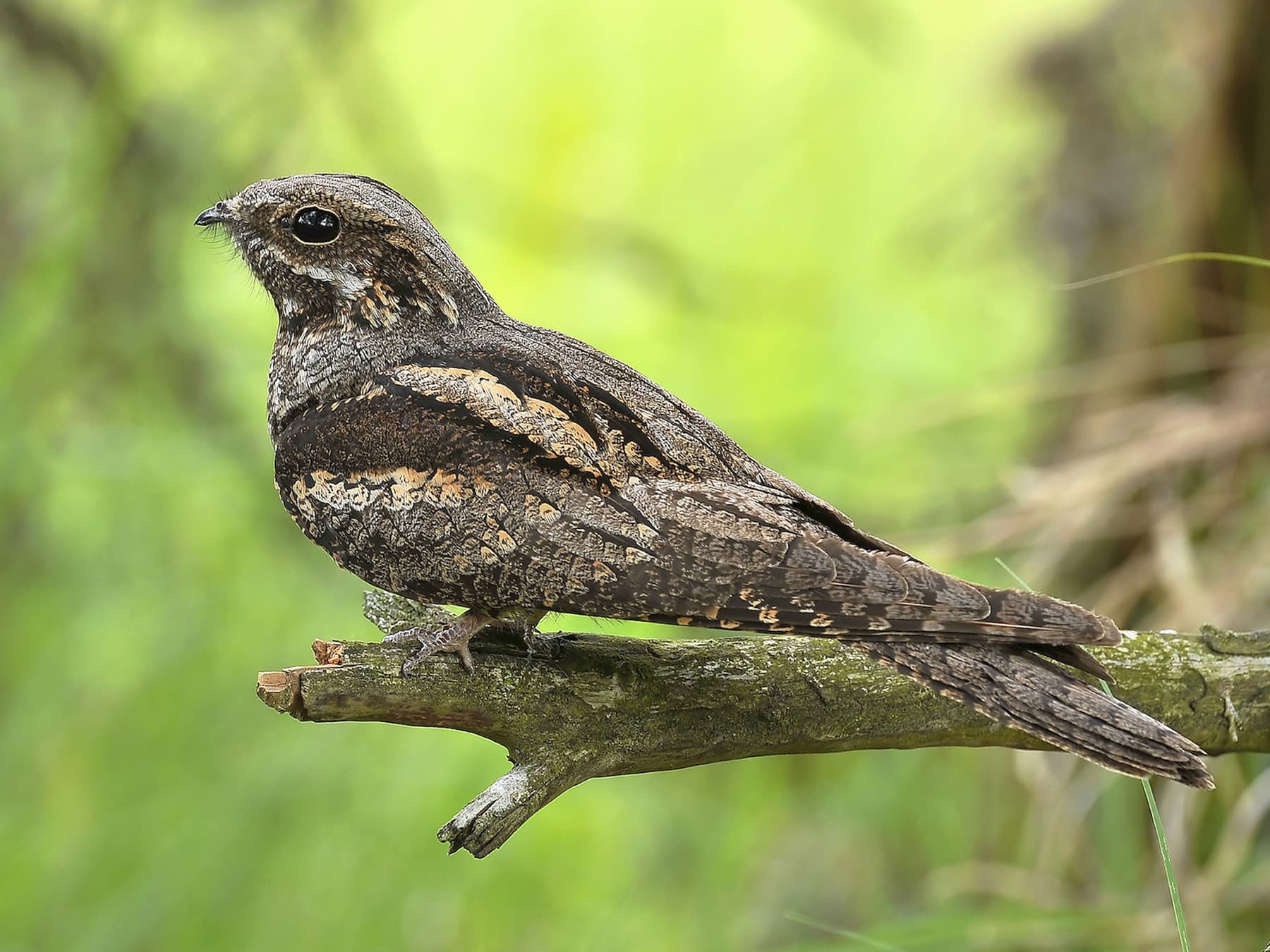
Nightjar
Caprimulgus europaeusLC
A rare summer breeder on lowland heaths such as Iping and Ambersham Commons. Best detected by its distinctive churring song at dusk.
May–Jul