Birds in West Sussex
Explore 211 species found in this region.
West Sussex is home to an impressive 207 recorded bird species, reflecting the county's rich diversity of habitats — from the chalk downlands of the South Downs to the coastal mudflats and harbours of Chichester and Pagham. Birdwatchers can enjoy sightings ranging from familiar garden visitors like the Great Tit and Magpie to scarcer species such as the Great Grey Shrike and the elegant Northern Pintail. The county's wetlands, woodlands, and estuaries make it one of the most rewarding birding destinations in southern England.
Visiting in July? Look out for Brent Goose and Common Snipe arriving this month, and American Golden-Plover and Cirl Bunting depart for the season.


Showing 93–115 of 211 species
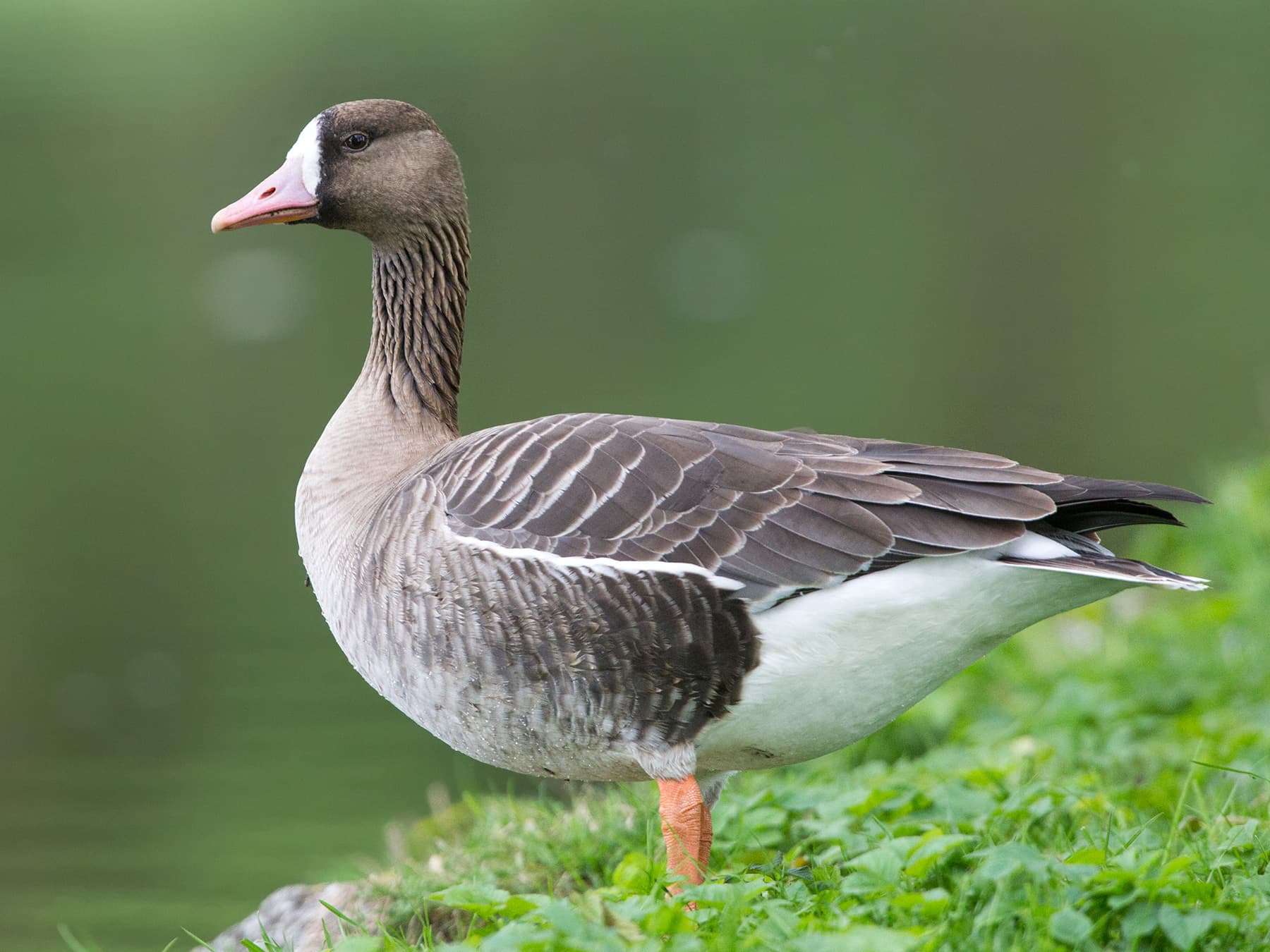
Greater White-fronted Goose
Anser albifronsLC
A rare winter visitor to the coastal grazing marshes, occasionally joining flocks of other geese at sites like Pulborough Brooks.
Nov–Mar
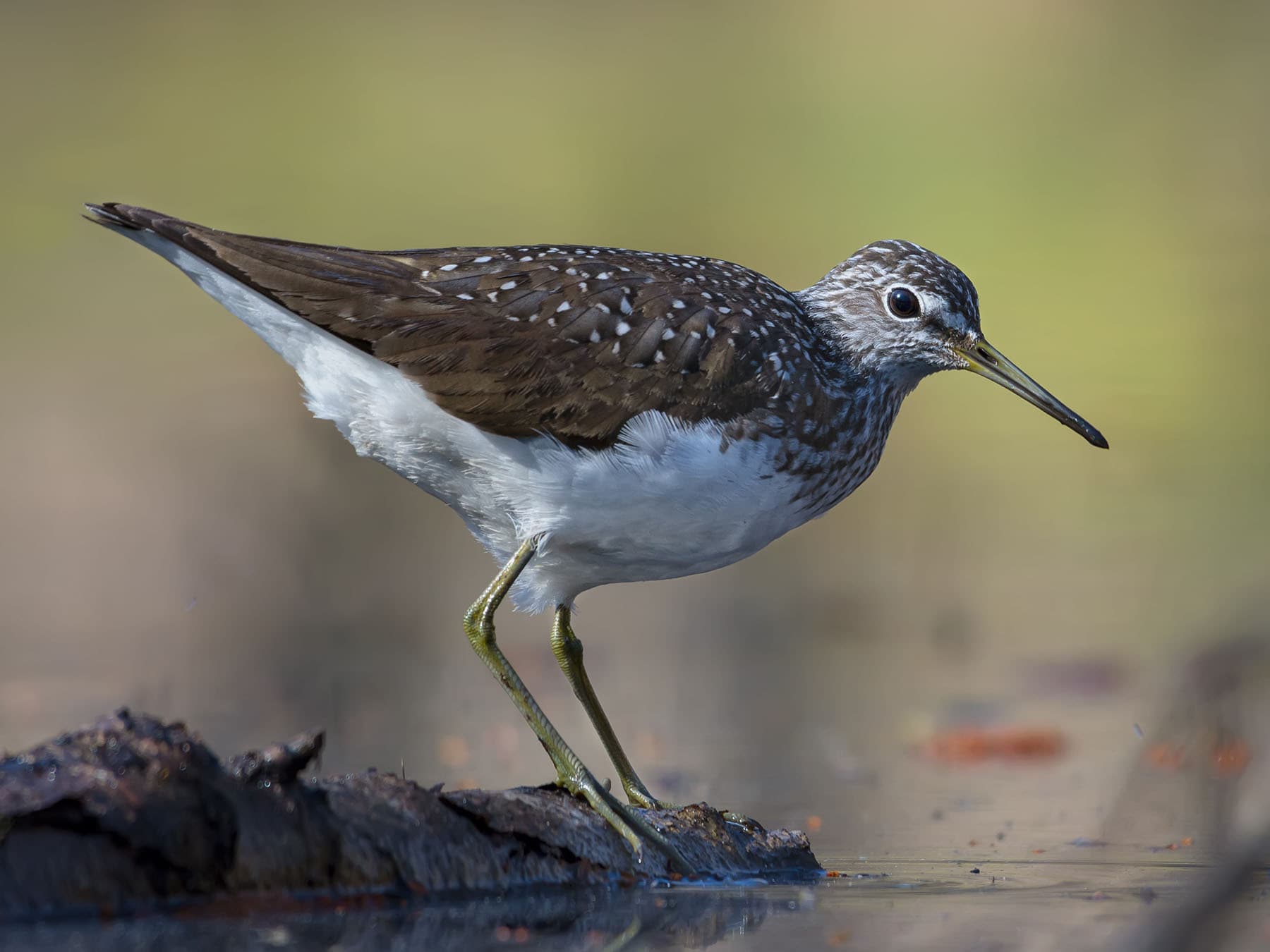
Green Sandpiper
Tringa ochropusLC
An uncommon but widespread wader found along streams, ditches, and watercress beds, present in most months of the year.
Jun–Apr
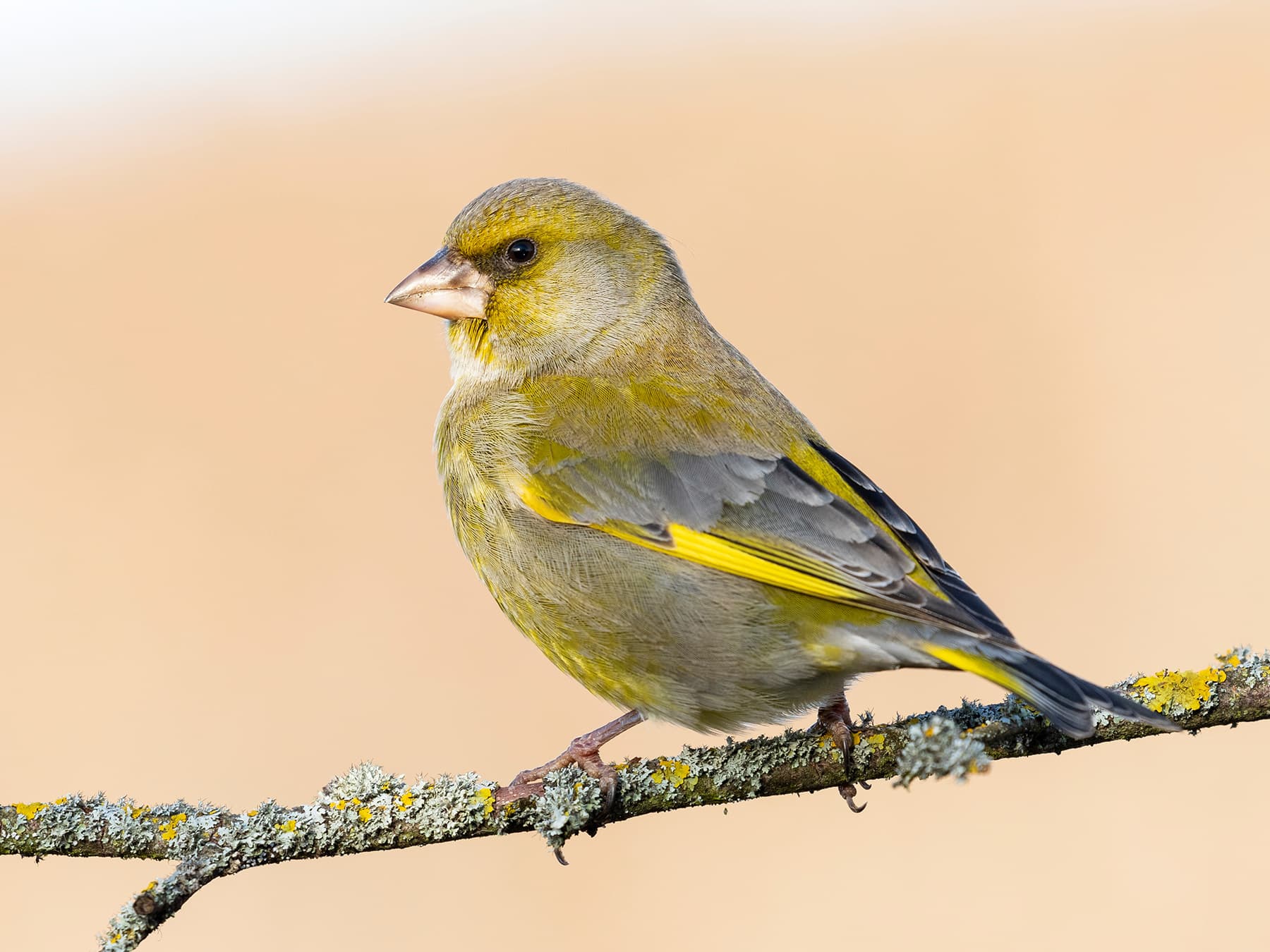
Greenfinch
Chloris chlorisLC
A common garden and farmland resident year-round, though numbers have declined significantly due to trichomonosis disease.
Year-round
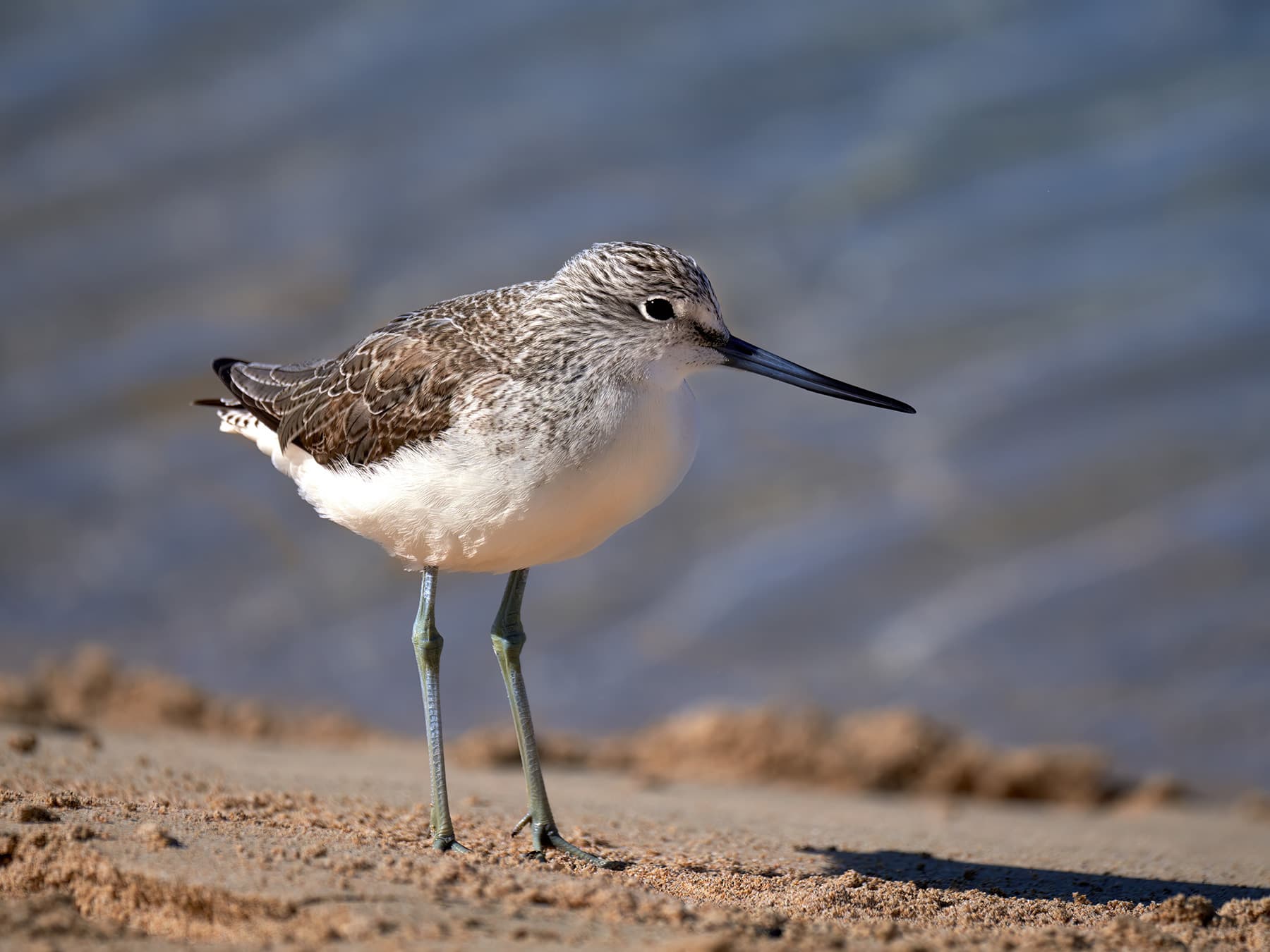
Greenshank
Tringa nebulariaLC
An uncommon but year-round wader, often seen feeding at coastal harbours and estuaries such as Pagham and Chichester Harbour.
Year-round
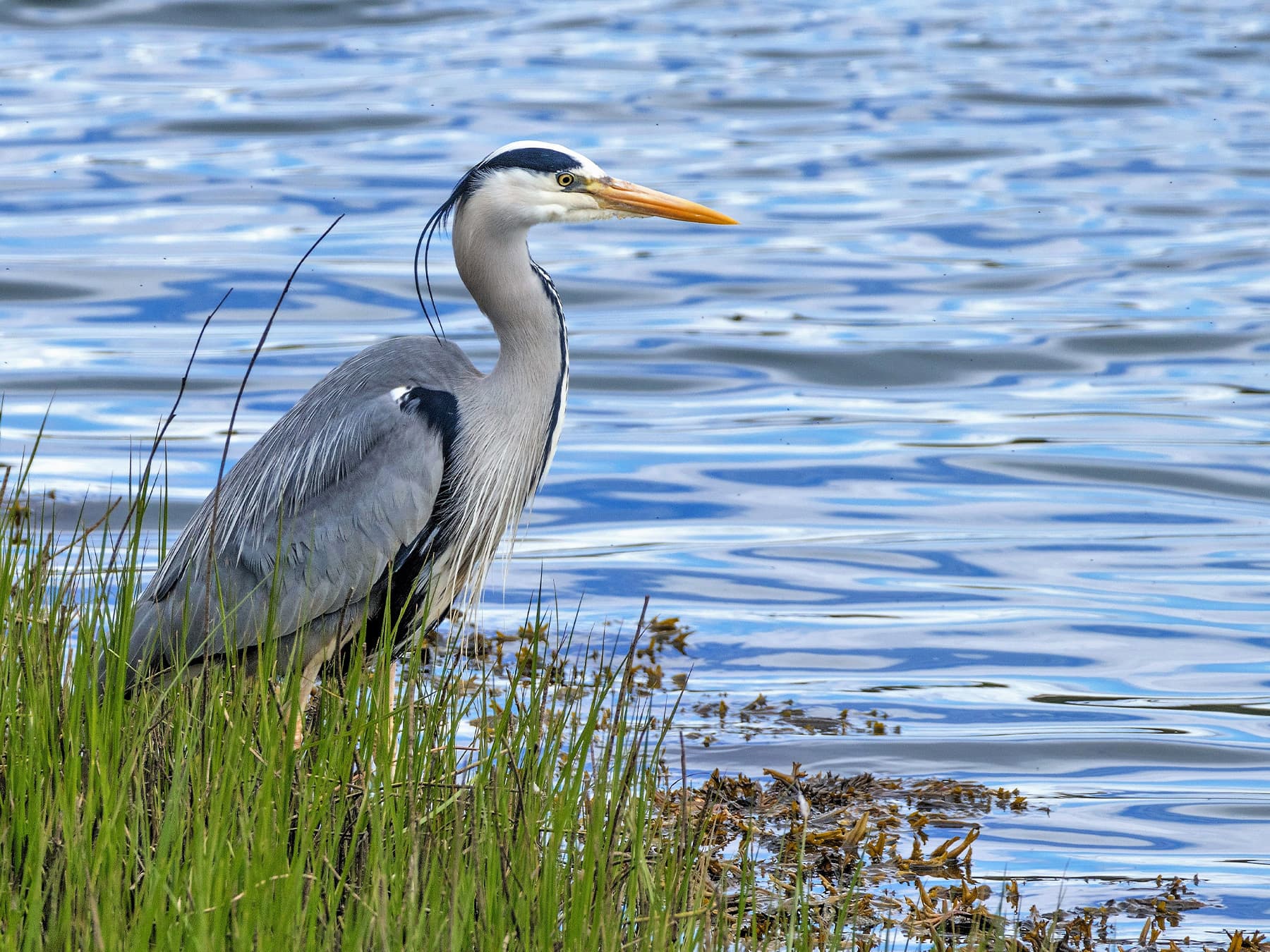
Grey Heron
Ardea cinereaLC
A common year-round resident, often seen standing motionless at rivers, lakes, and coastal marshes across the county.
Year-round
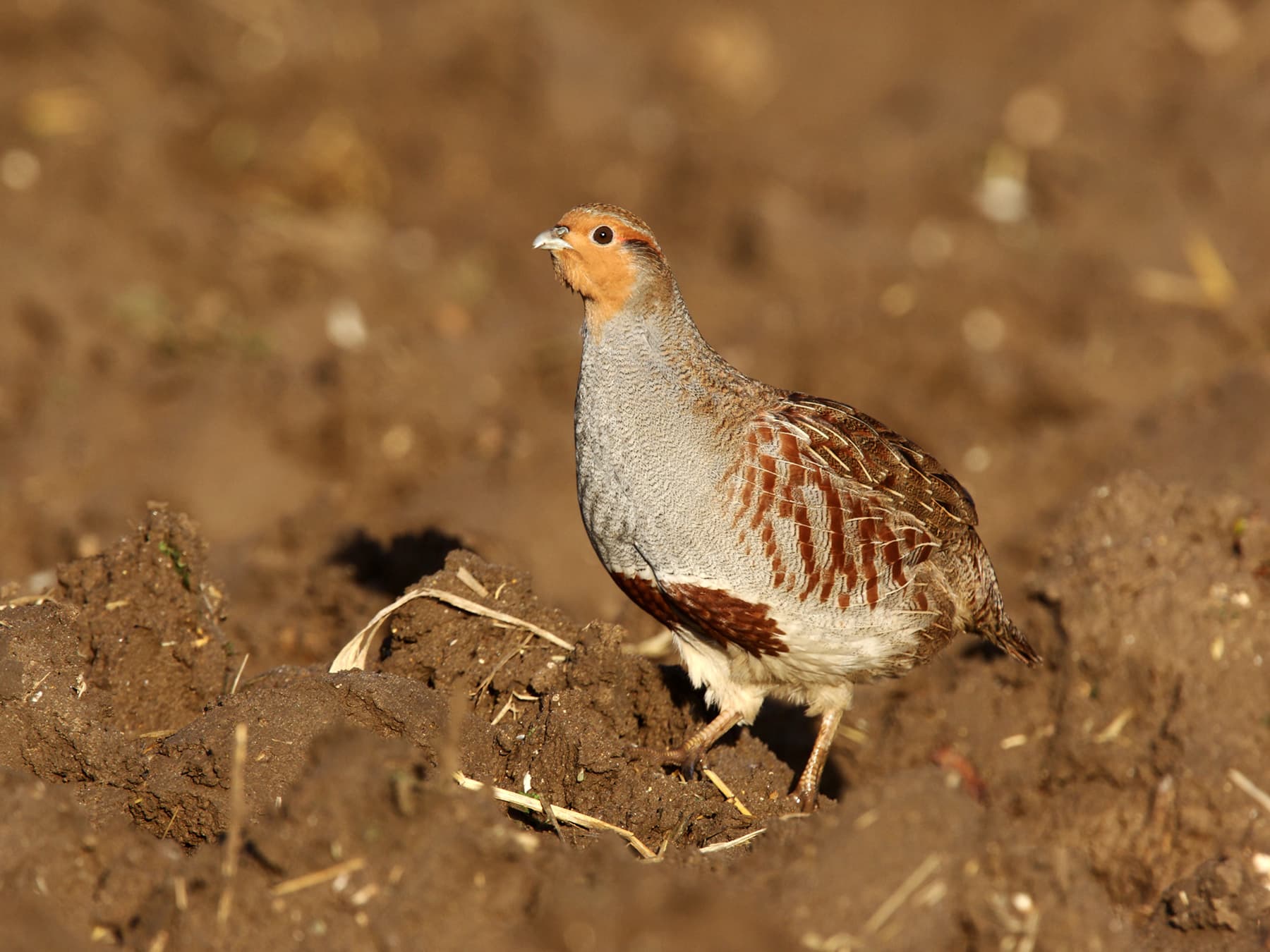
Grey Partridge
Perdix perdixLC
A scarce and declining resident of arable farmland, now rarely encountered on the South Downs and coastal plain.
Year-round
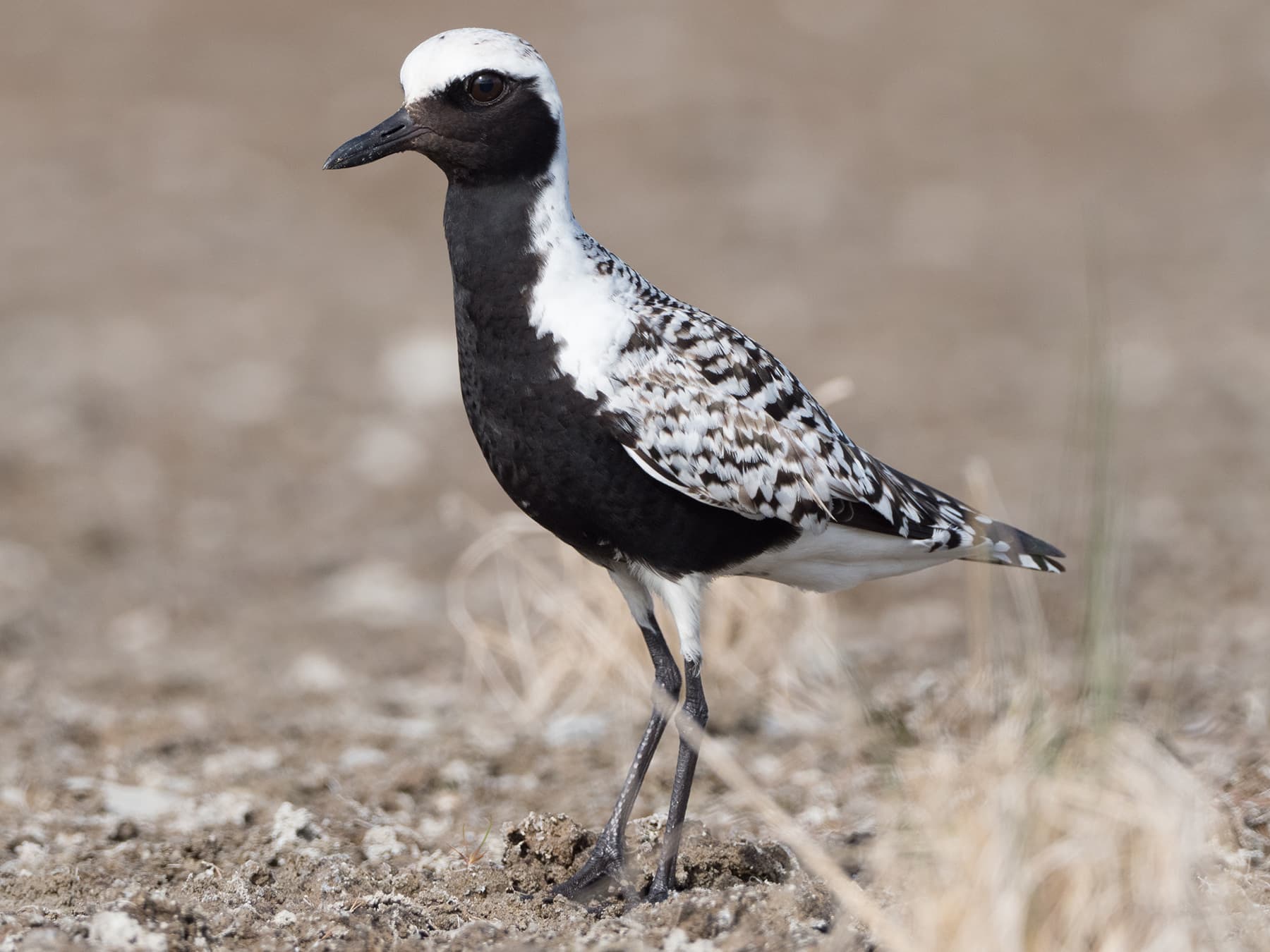
Grey Plover
Pluvialis squatarolaLC
An uncommon wader of mudflats and coastal shores, most numerous in winter at Chichester and Pagham harbours.
Year-round
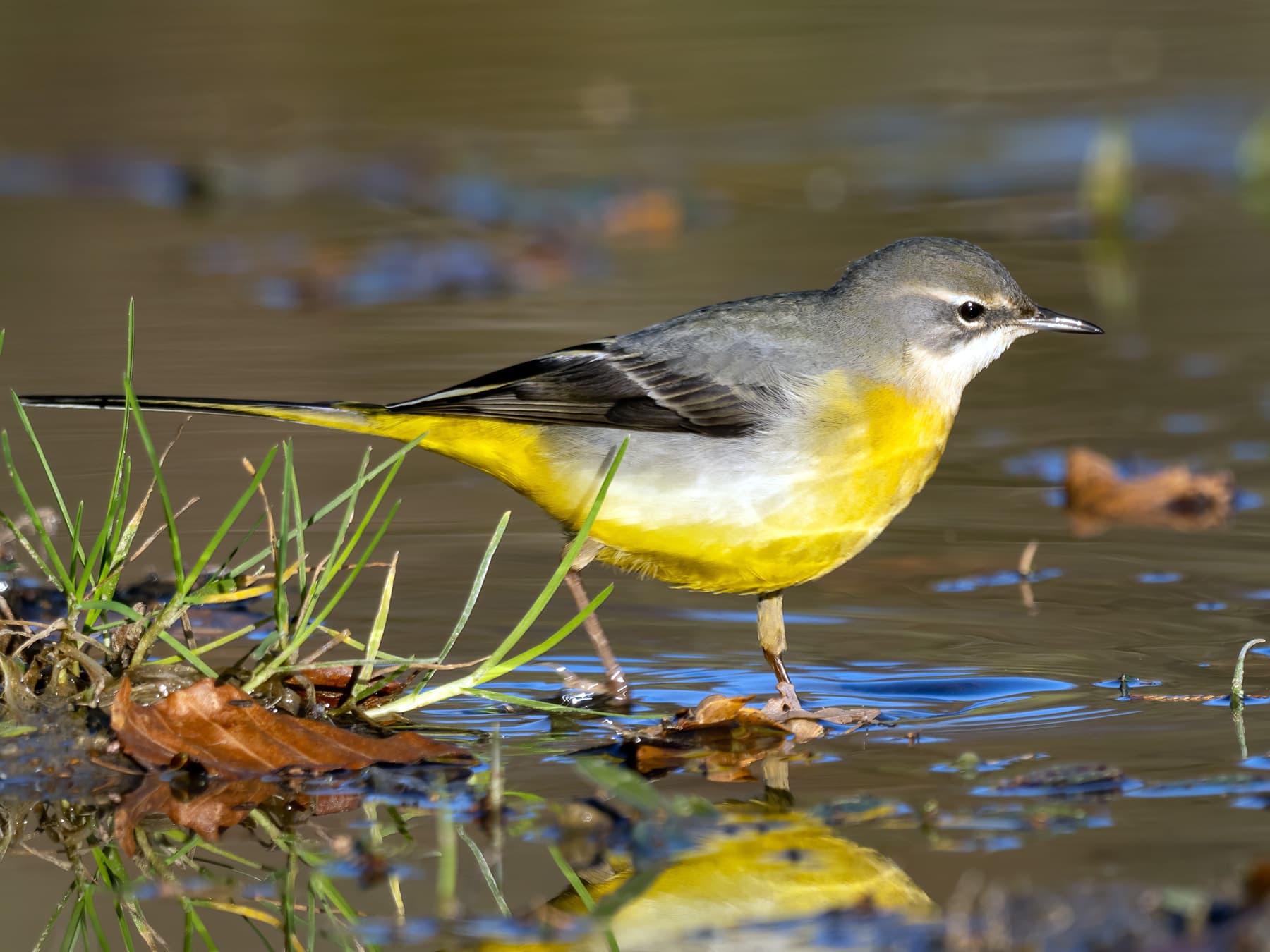
Grey Wagtail
Motacilla cinereaLC
An uncommon year-round resident found along streams and rivers, bobbing its long tail on rocks. More widespread in winter.
Year-round
Spotted something?
Upload a photo to identify it
Identify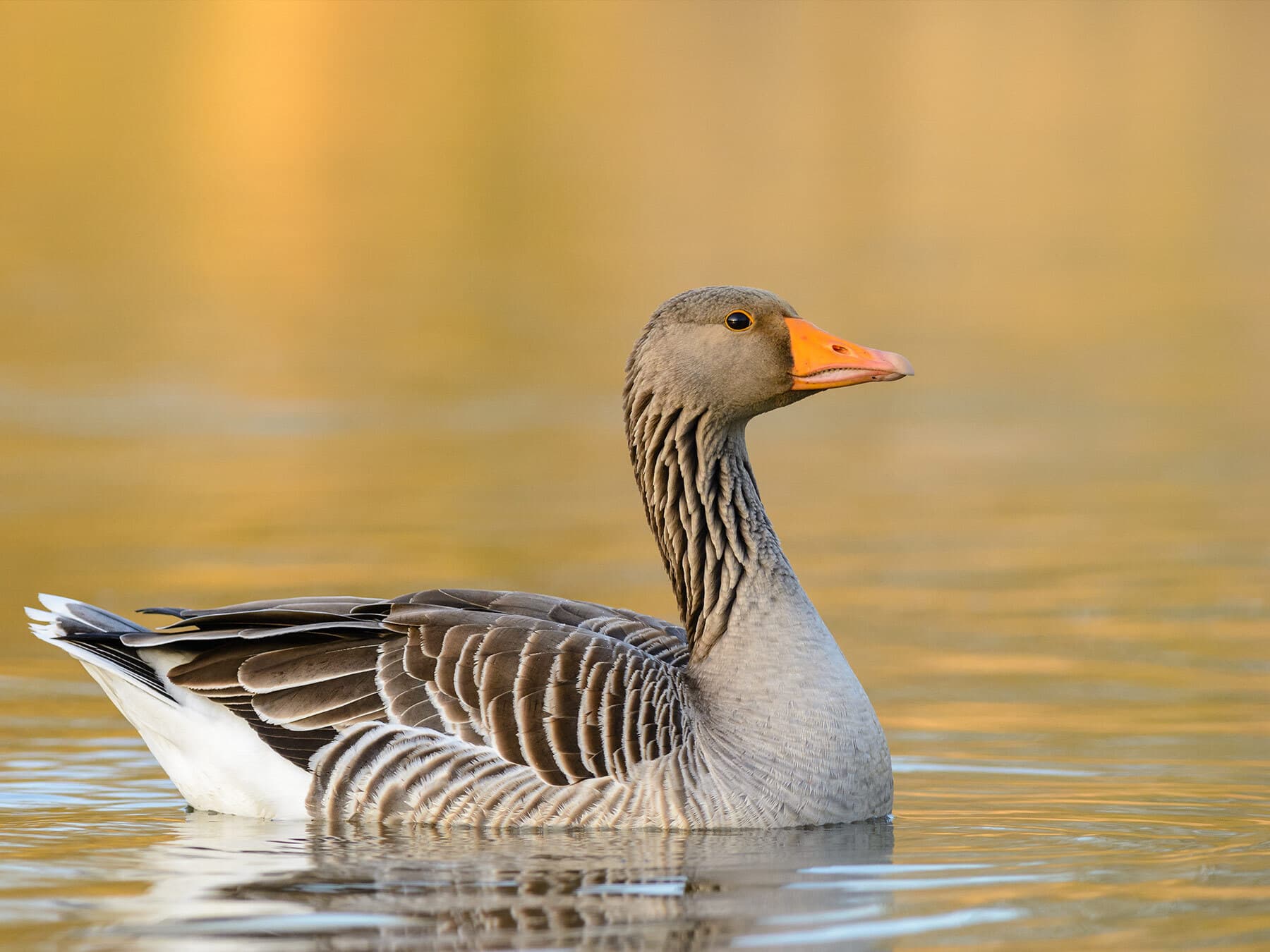
Greylag Goose
Anser anserLC
An uncommon year-round resident, found on lakes, reservoirs and grazing marshes such as those at Pulborough Brooks and the Arun valley.
Year-round
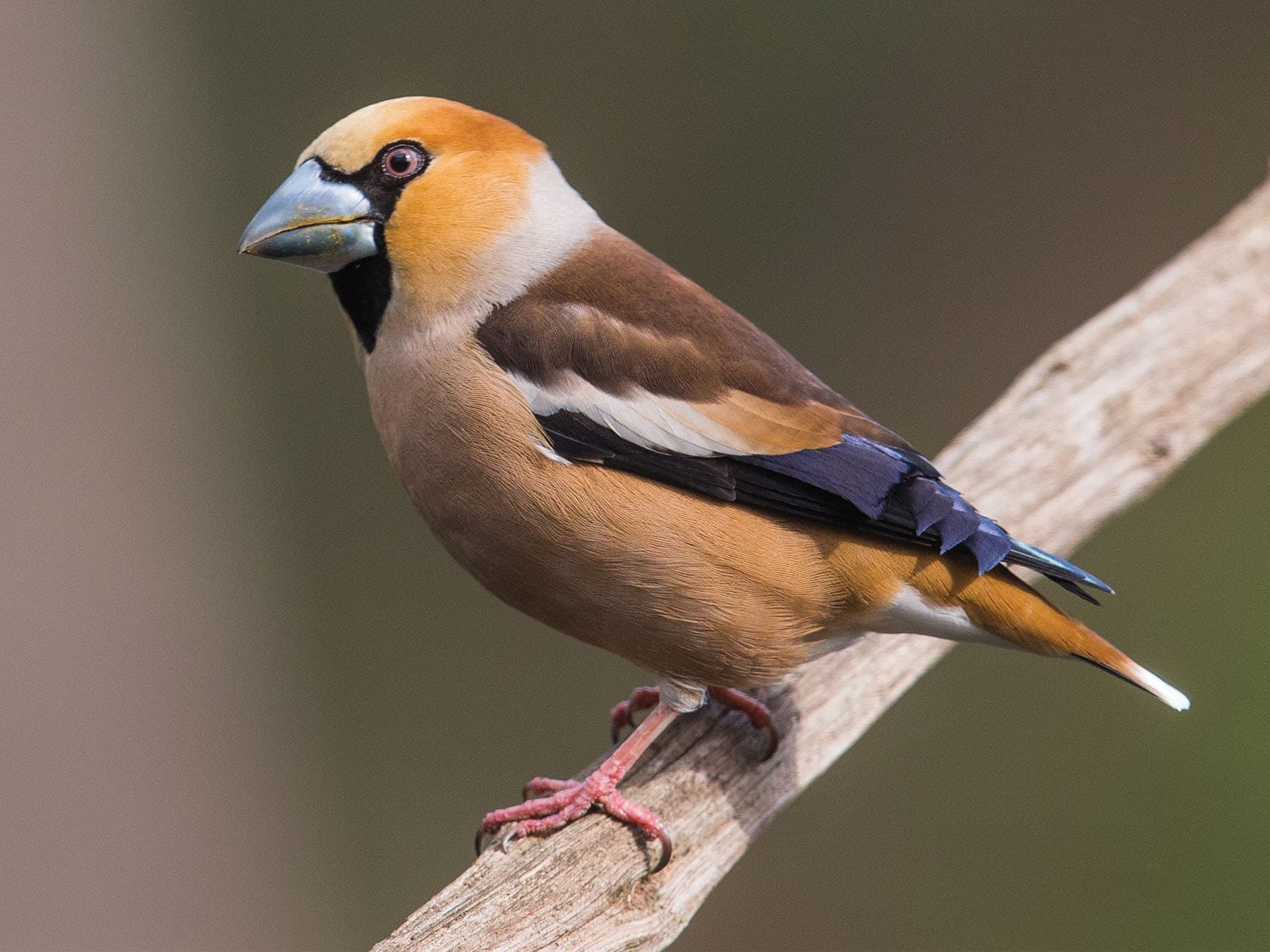
Hawfinch
Coccothraustes coccothraustesLC
A rare and elusive winter visitor, occasionally seen in mature woodland with hornbeam. West Sussex woodlands offer suitable habitat.
Oct–Mar
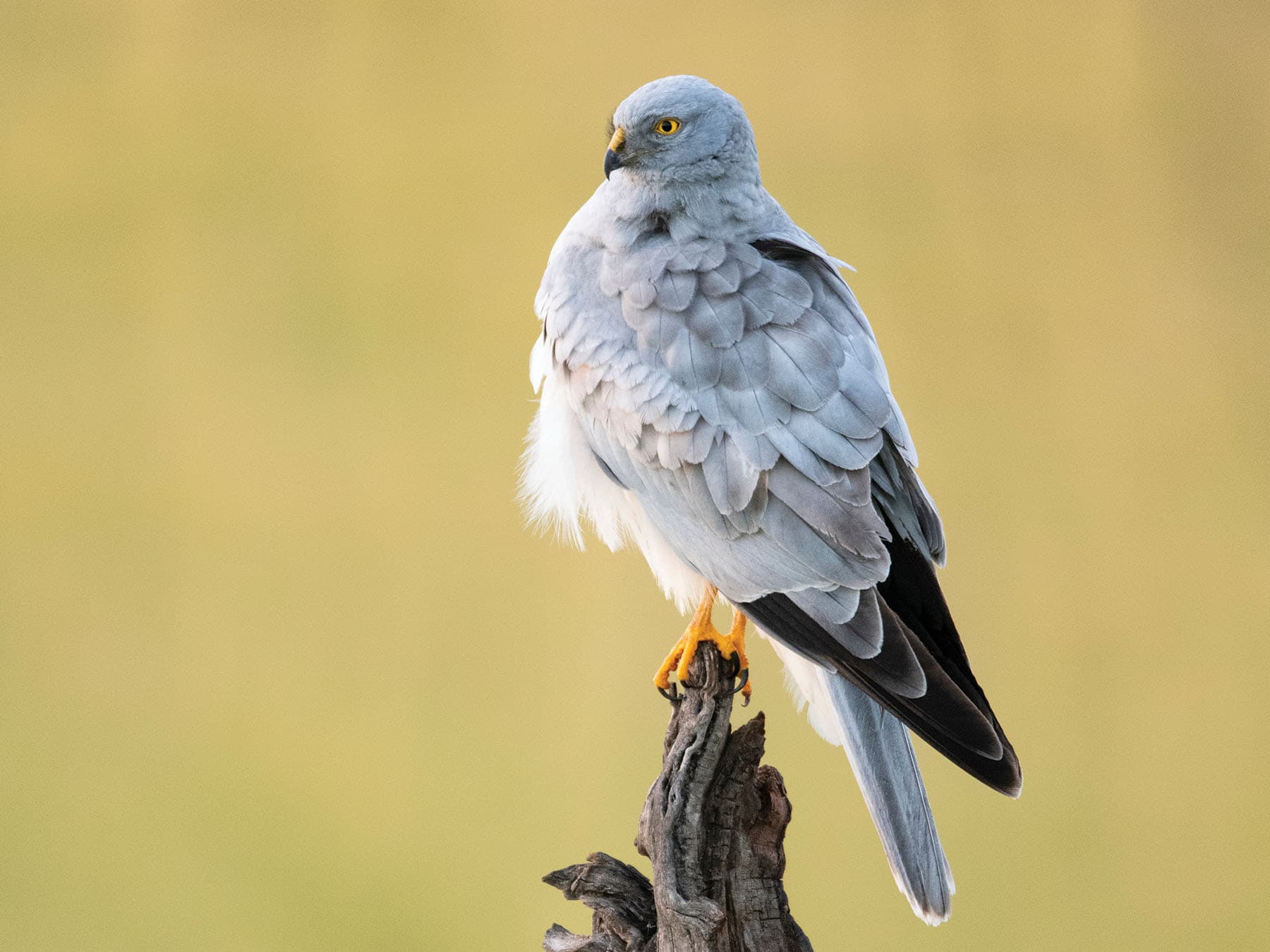
Hen Harrier
Circus cyaneusLC
A rare winter visitor from November to March, quartering low over coastal marshes and farmland at sites like Amberley.
Nov–Mar
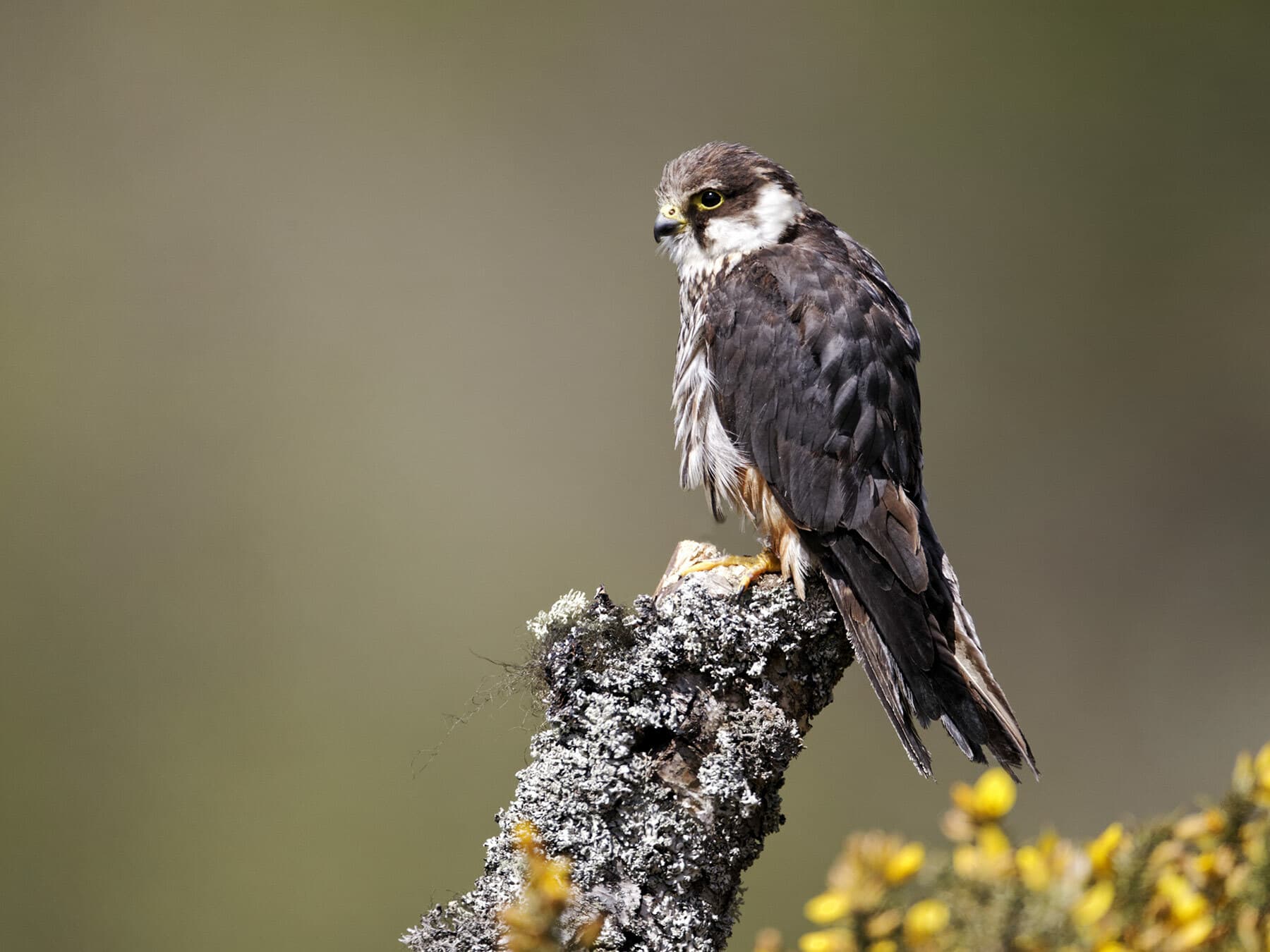
Hobby
Falco subbuteoLC
An agile summer falcon arriving in April, hunting dragonflies and hirundines over heathland and wetlands. Breeds uncommonly across the county.
Apr–Oct
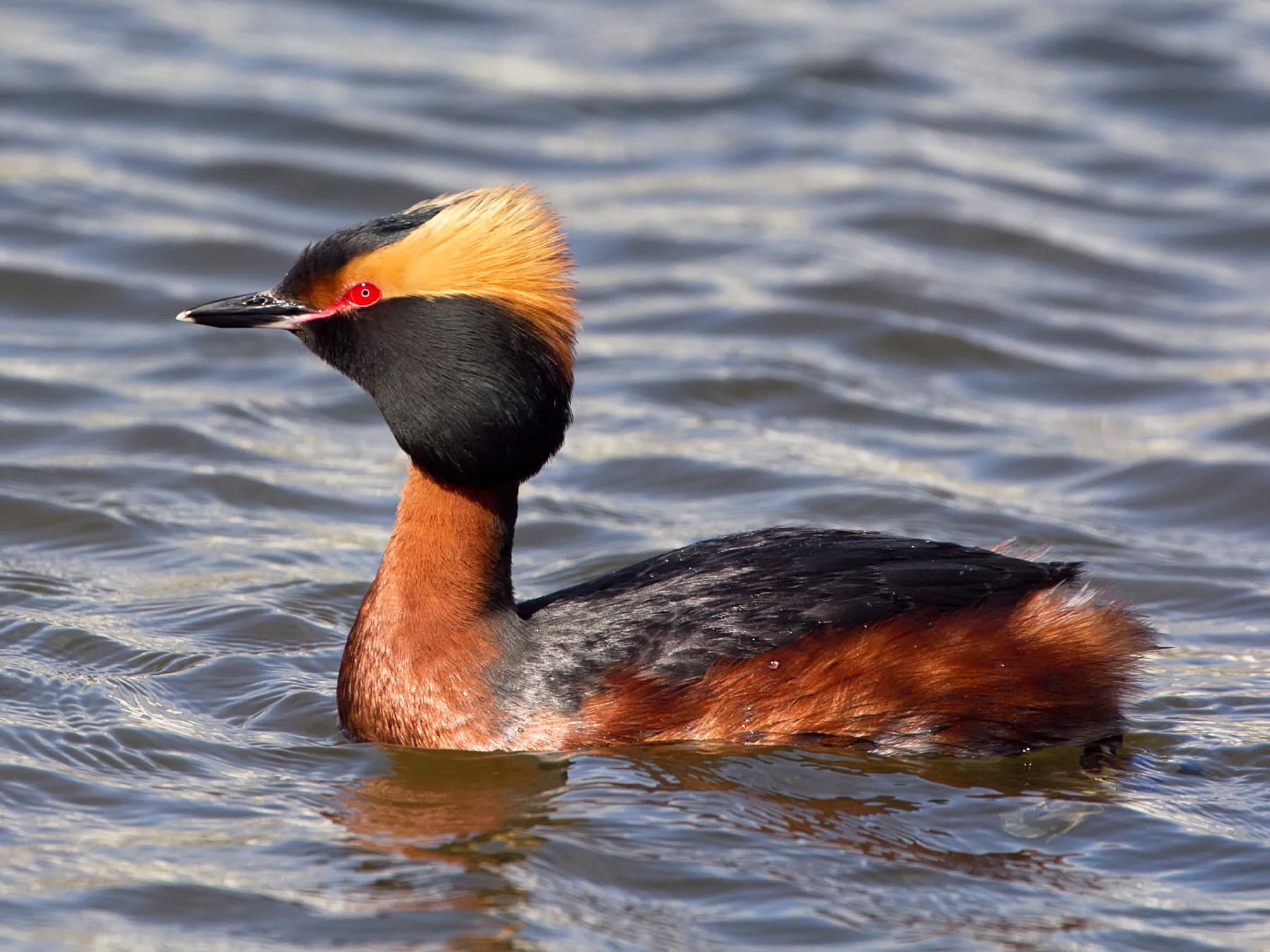
Horned Grebe
Podiceps auritusVU
A rare winter visitor from November to March, occasionally found on sheltered coastal waters and harbours such as Chichester.
Nov–Mar
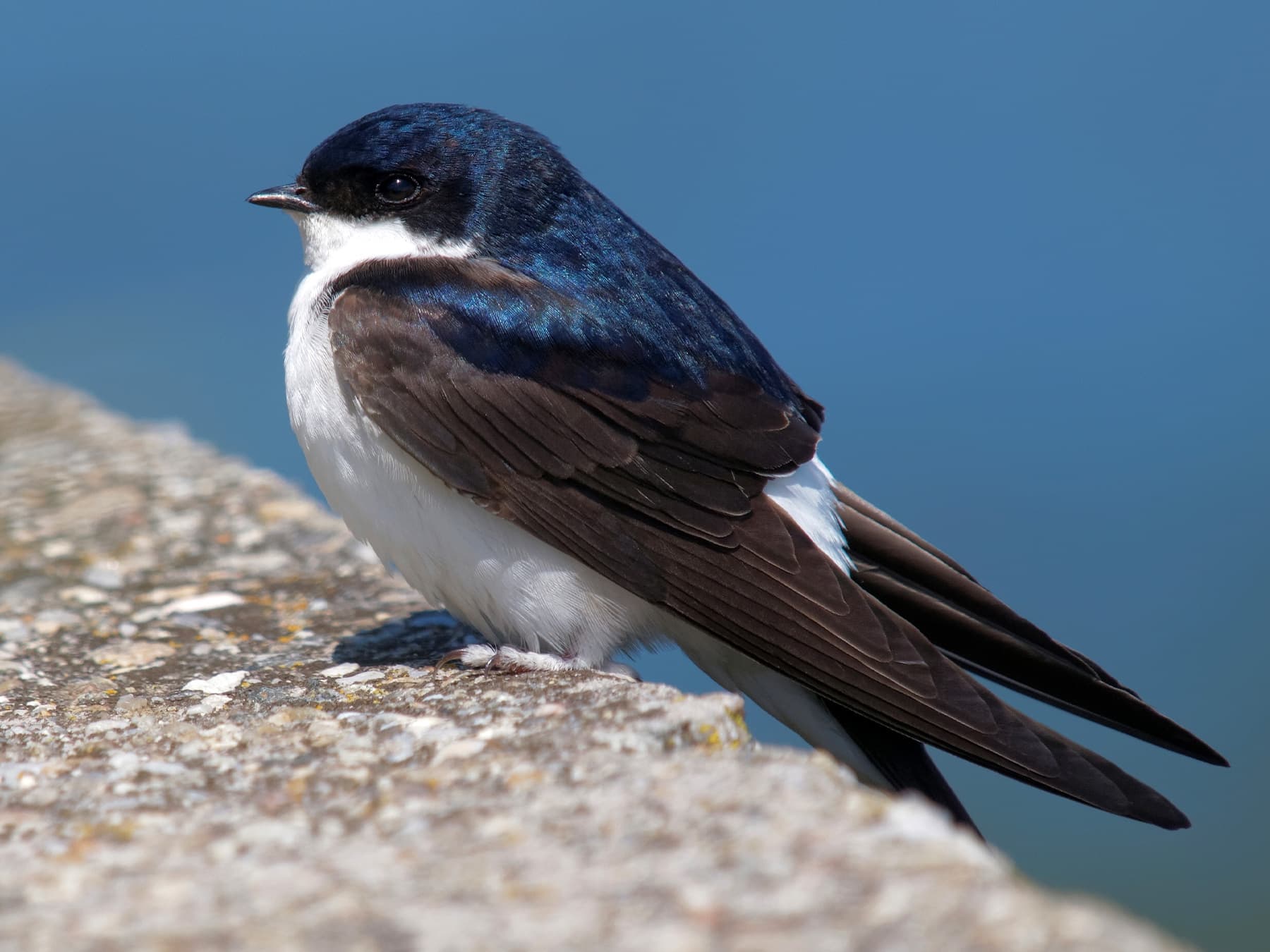
House Martin
Delichon urbicumLC
A common summer breeder nesting under eaves in towns and villages, arriving in April and departing by October.
Apr–Oct
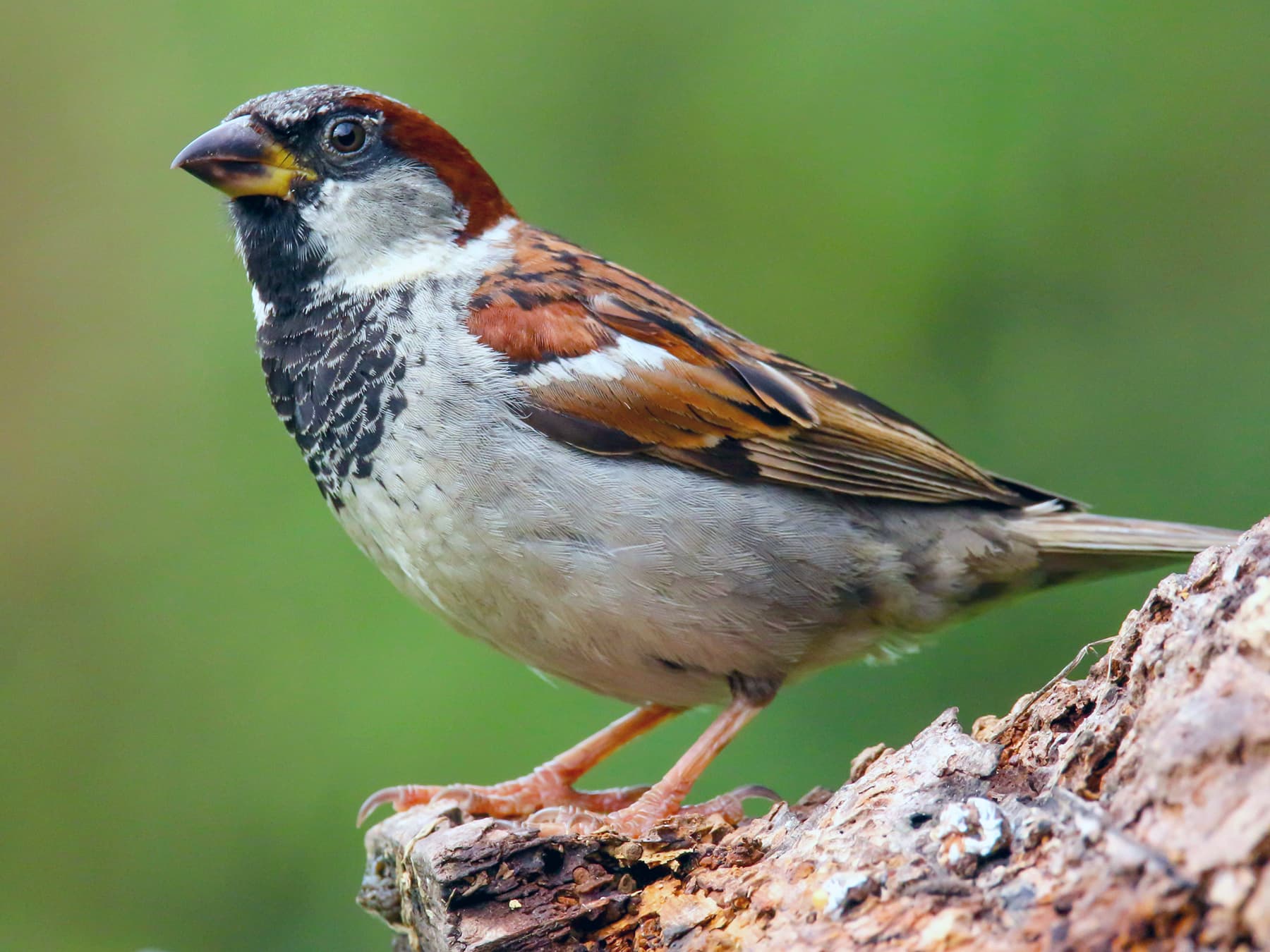
House Sparrow
Passer domesticusLC
A common year-round resident closely tied to human habitation. Found in towns, villages and farms across the county.
Year-round
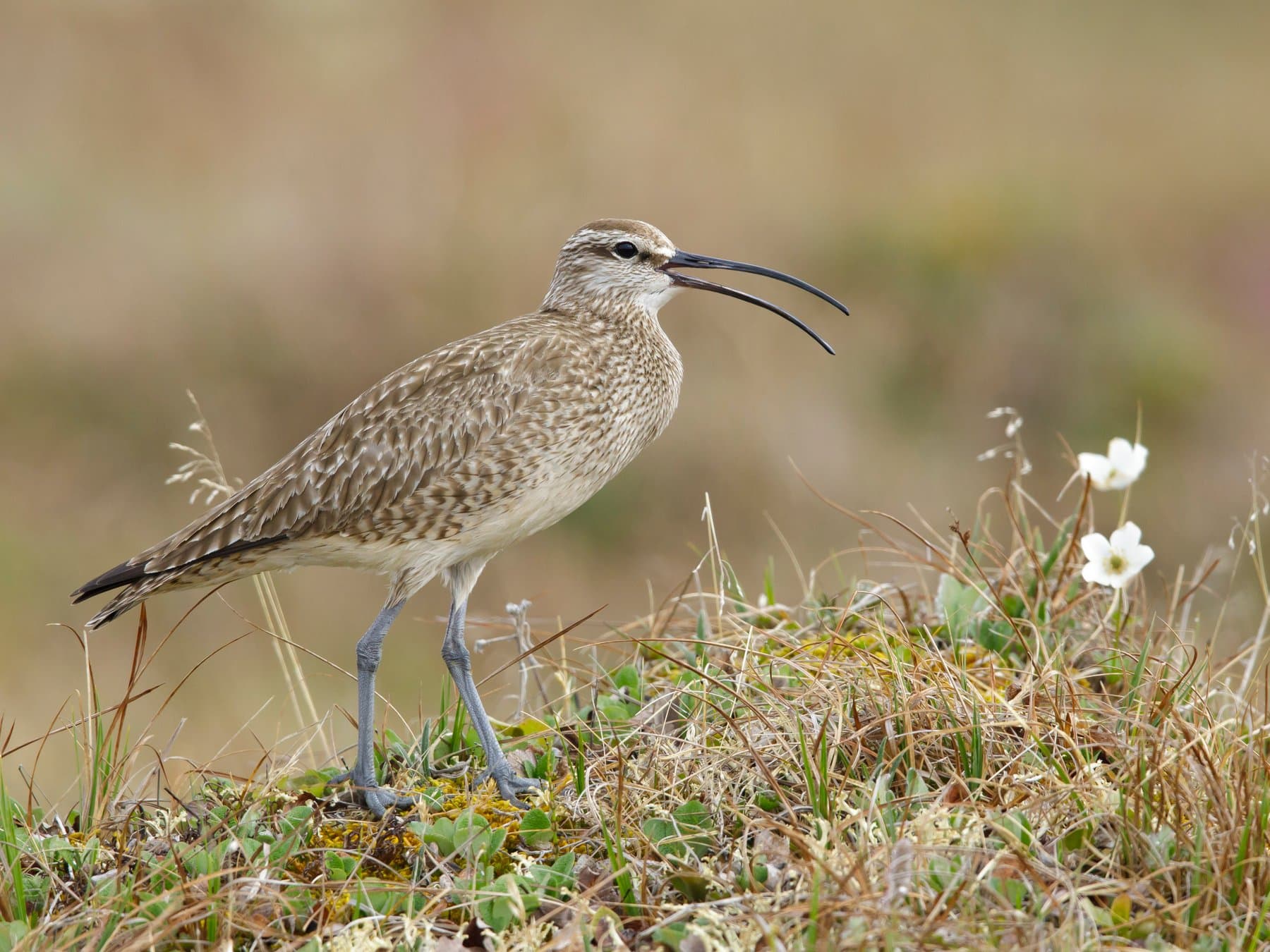
Hudsonian Whimbrel
Numenius hudsonicusLC
A rare Nearctic vagrant, recorded as a passage bird in June. A notable find for any West Sussex birder.
Jun
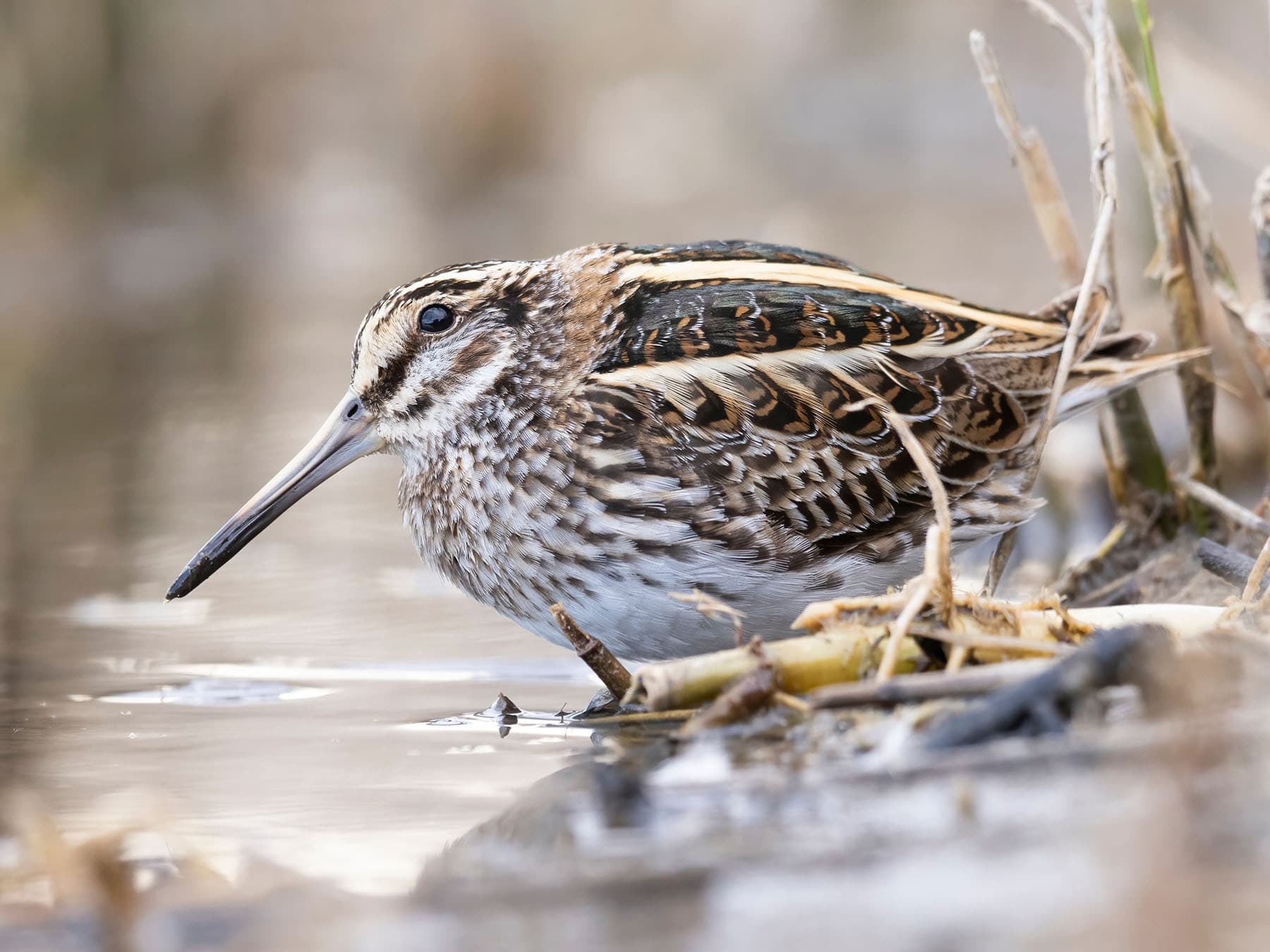
Jack Snipe
Lymnocryptes minimusLC
A rare and secretive passage visitor to marshy areas, recorded in midwinter. Easily overlooked due to its skulking habits.
Dec–Jan
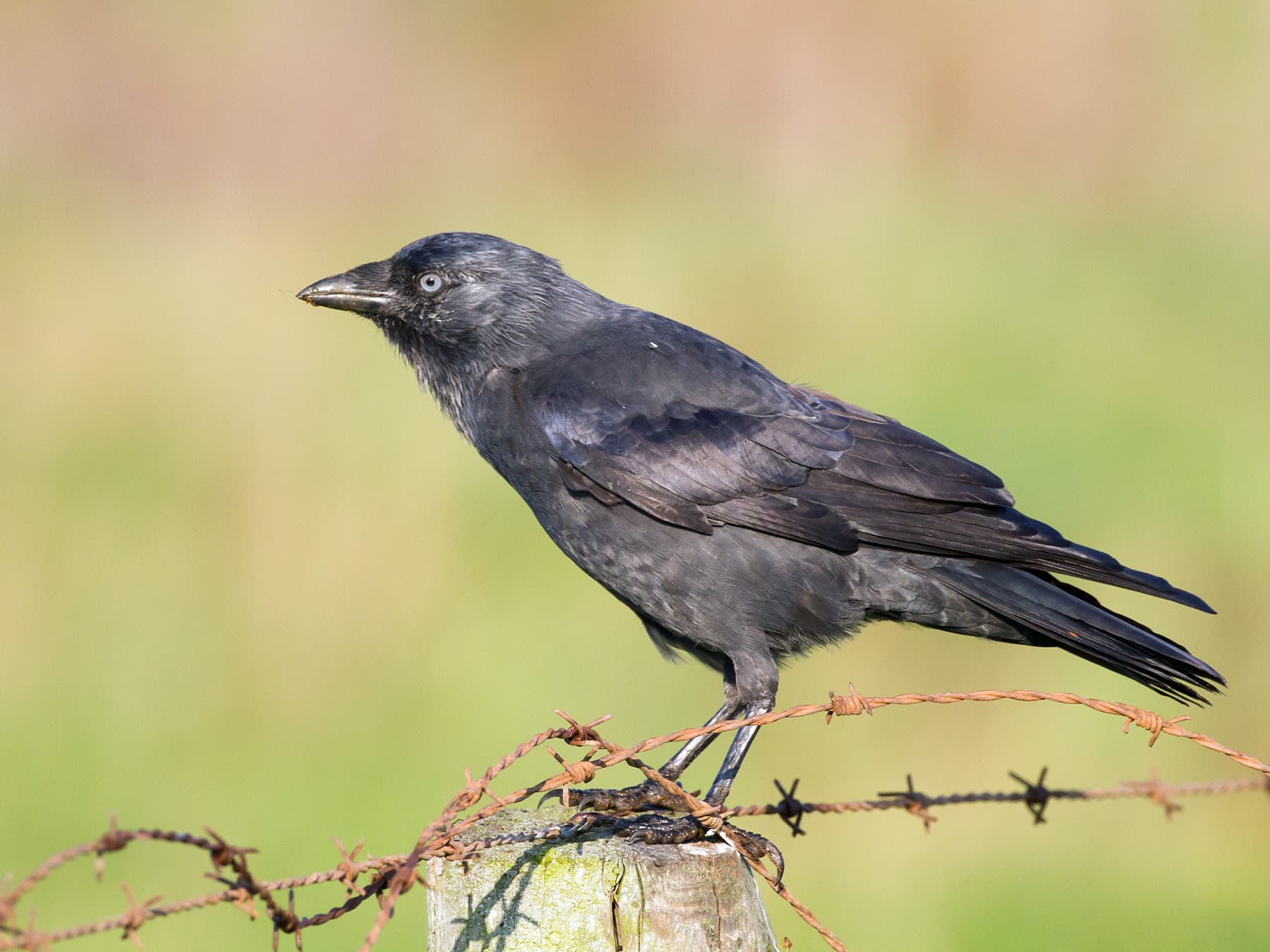
Jackdaw
Coloeus monedulaLC
A common and sociable resident found in towns, villages, and farmland year-round, often nesting in old buildings and trees.
Year-round
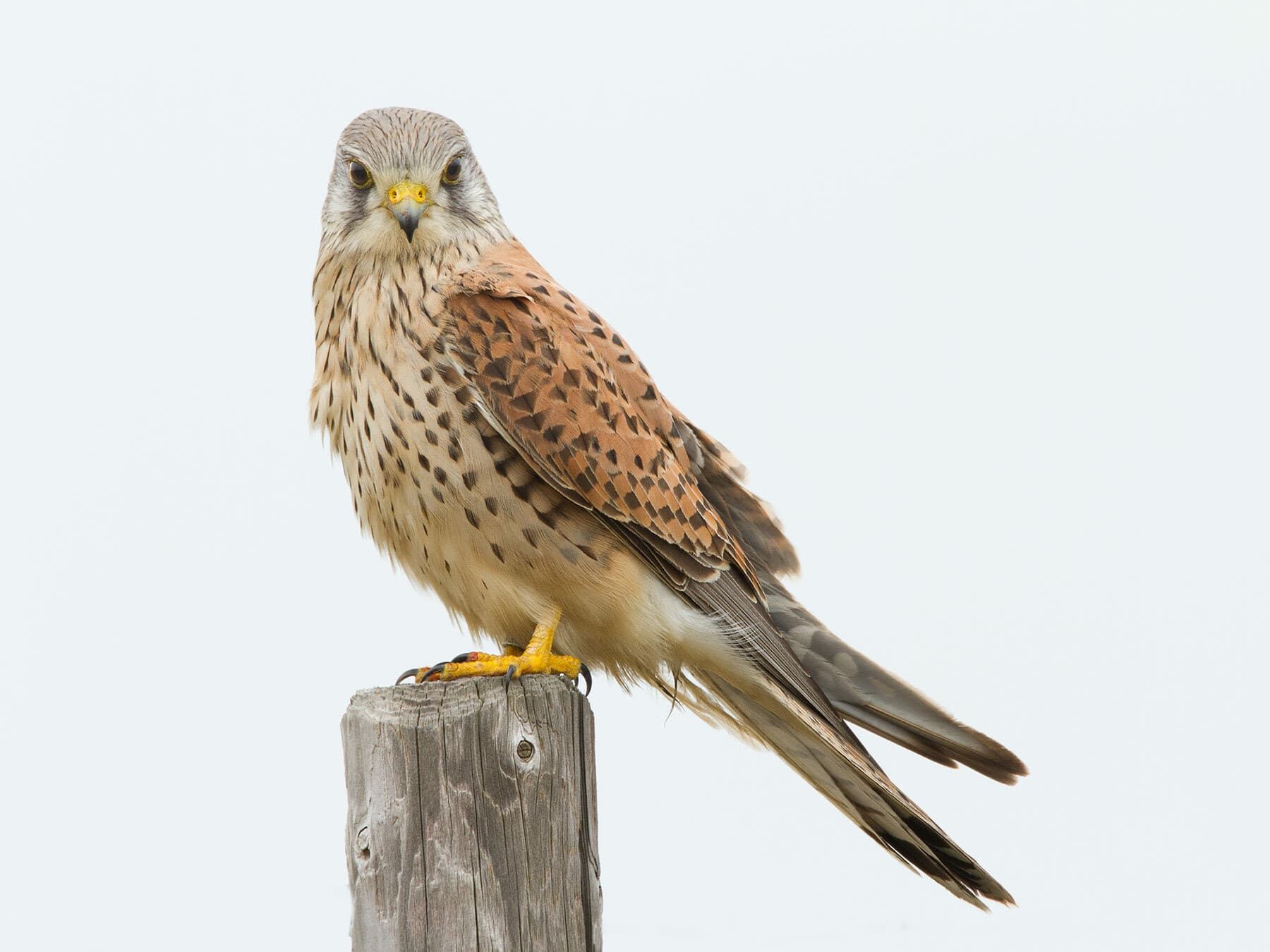
Kestrel
Falco tinnunculusLC
A common year-round resident, frequently seen hovering over roadside verges and downland grassland hunting for voles.
Year-round
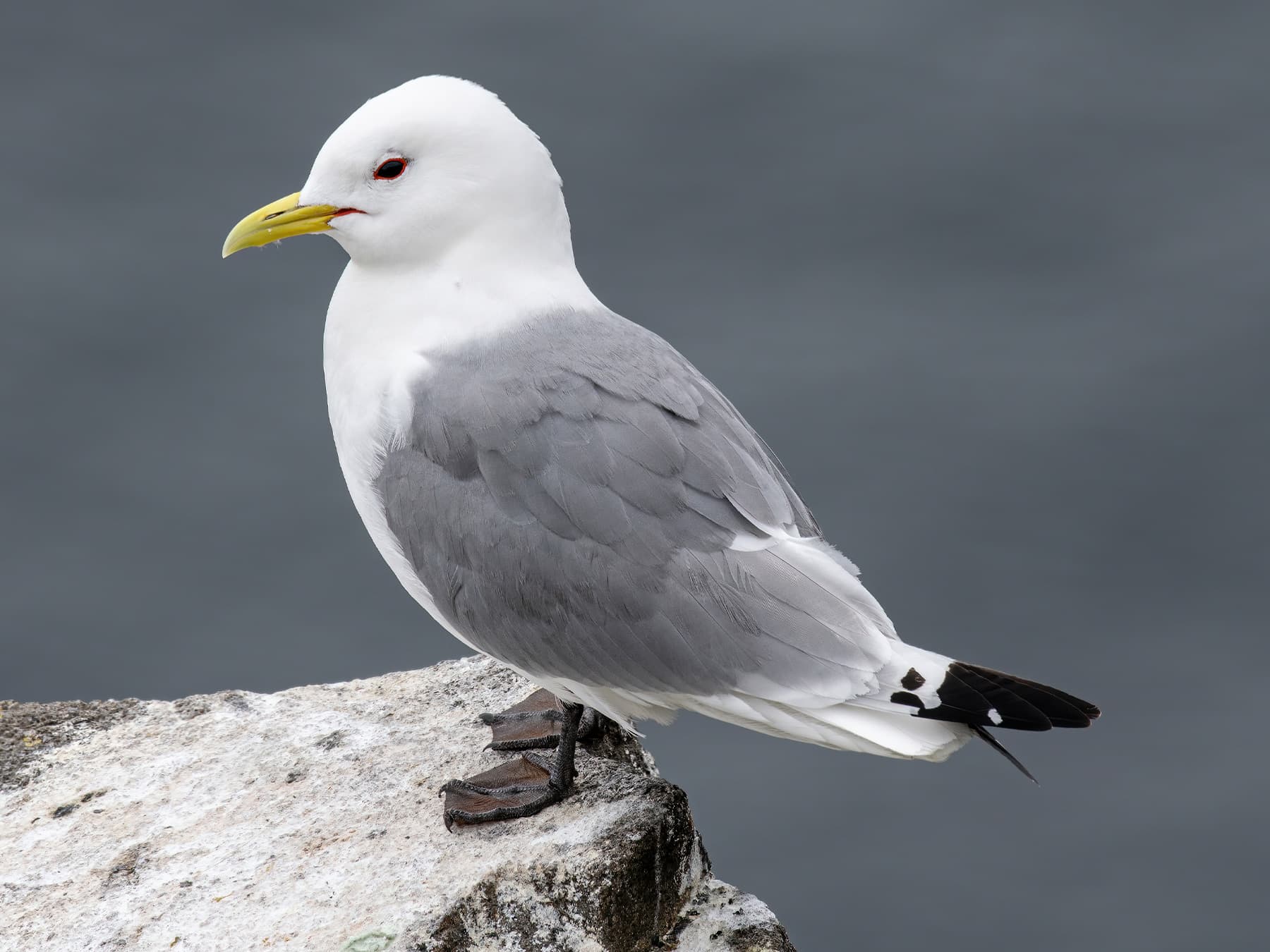
Kittiwake
Rissa tridactylaVU
Scarce but present offshore for much of the year, often seen from seawatching points. Numbers have declined sharply in recent decades.
Aug–May
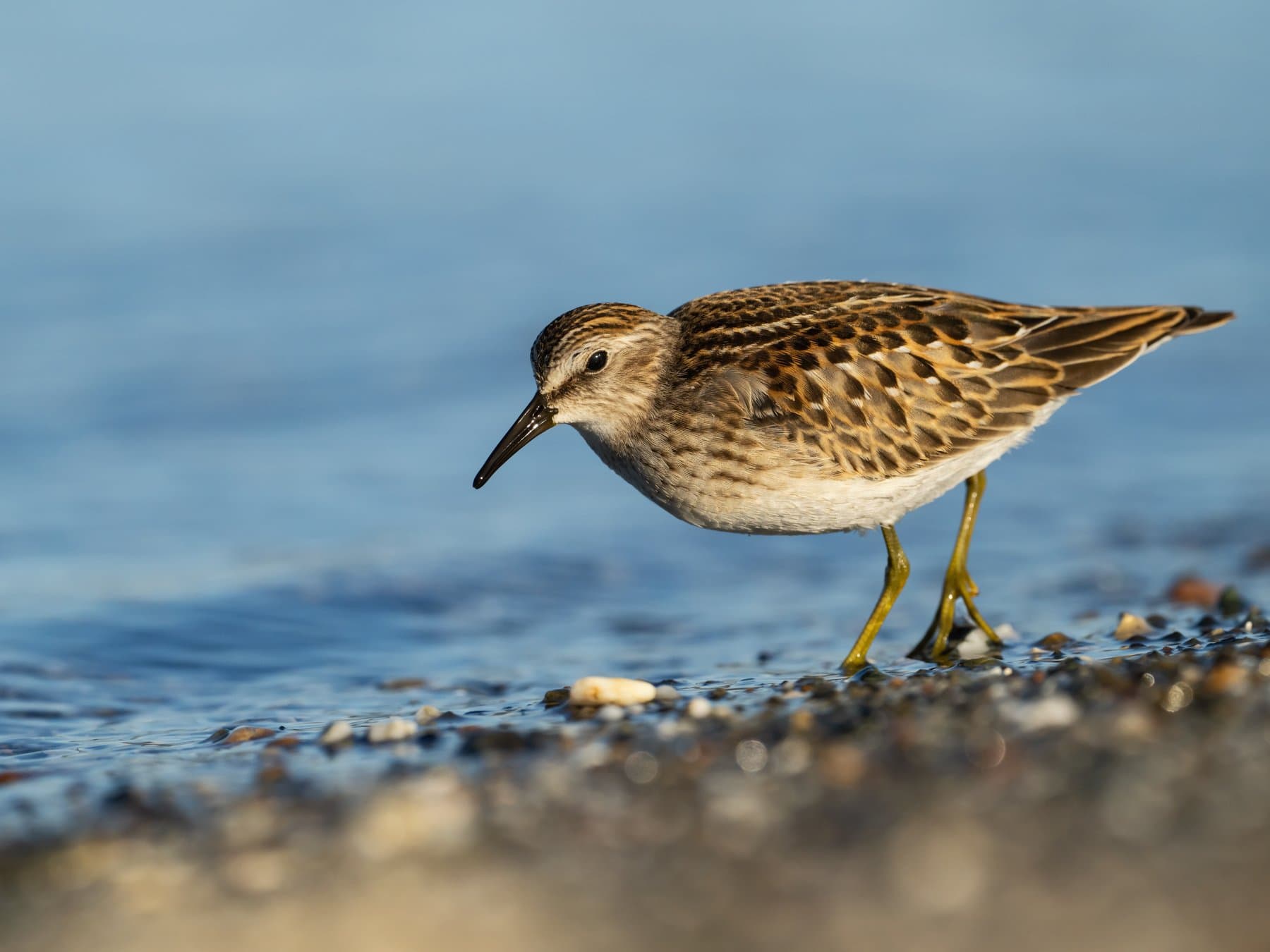
Least Sandpiper
Calidris minutillaNT
An extremely rare Nearctic vagrant; any April record in West Sussex would be a major county find on coastal pools.
Apr
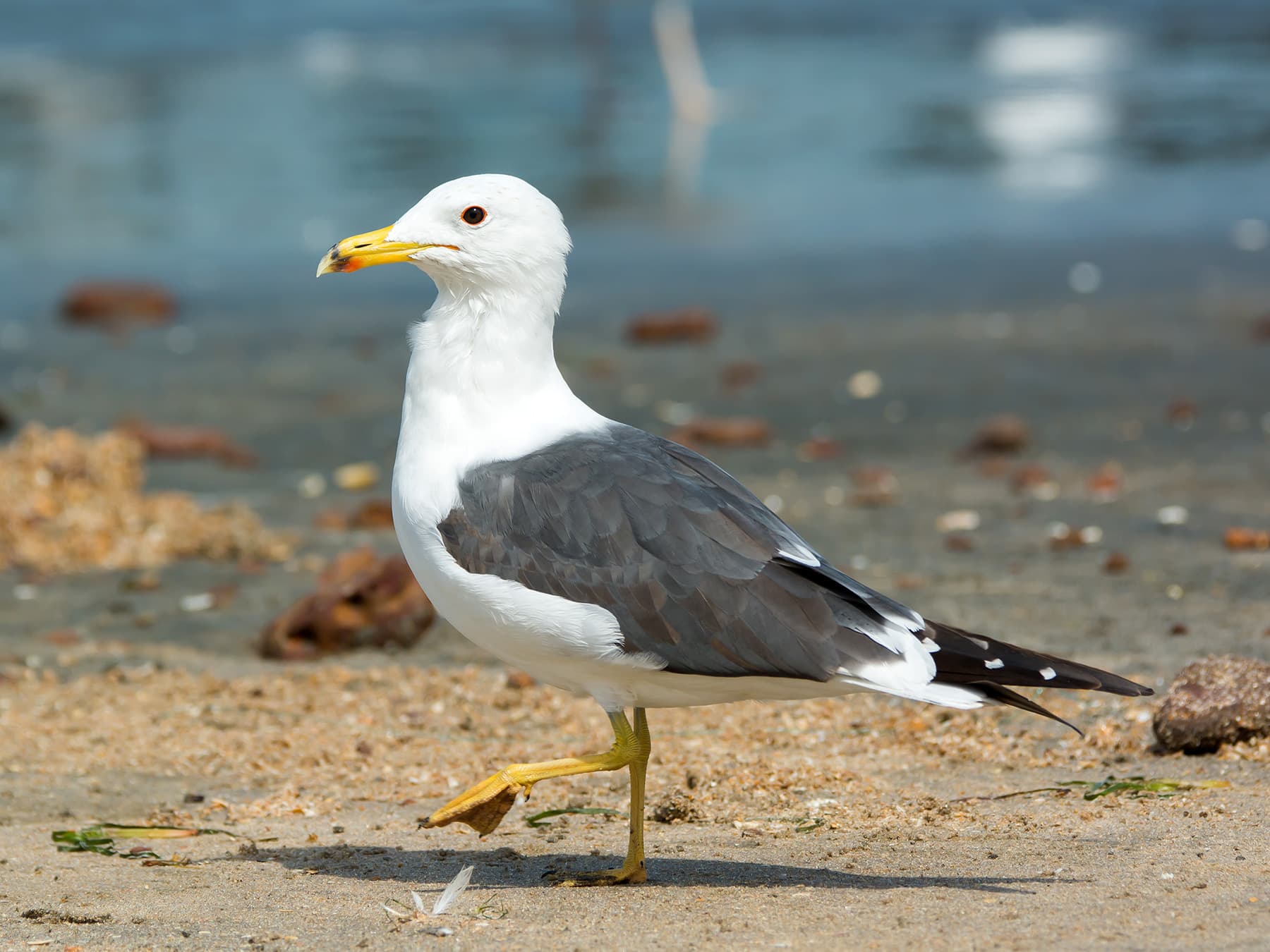
Lesser Black-backed Gull
Larus fuscusLC
Present year-round but most numerous in late summer. Frequents coastal roosts, landfill sites and playing fields across the county.
Year-round
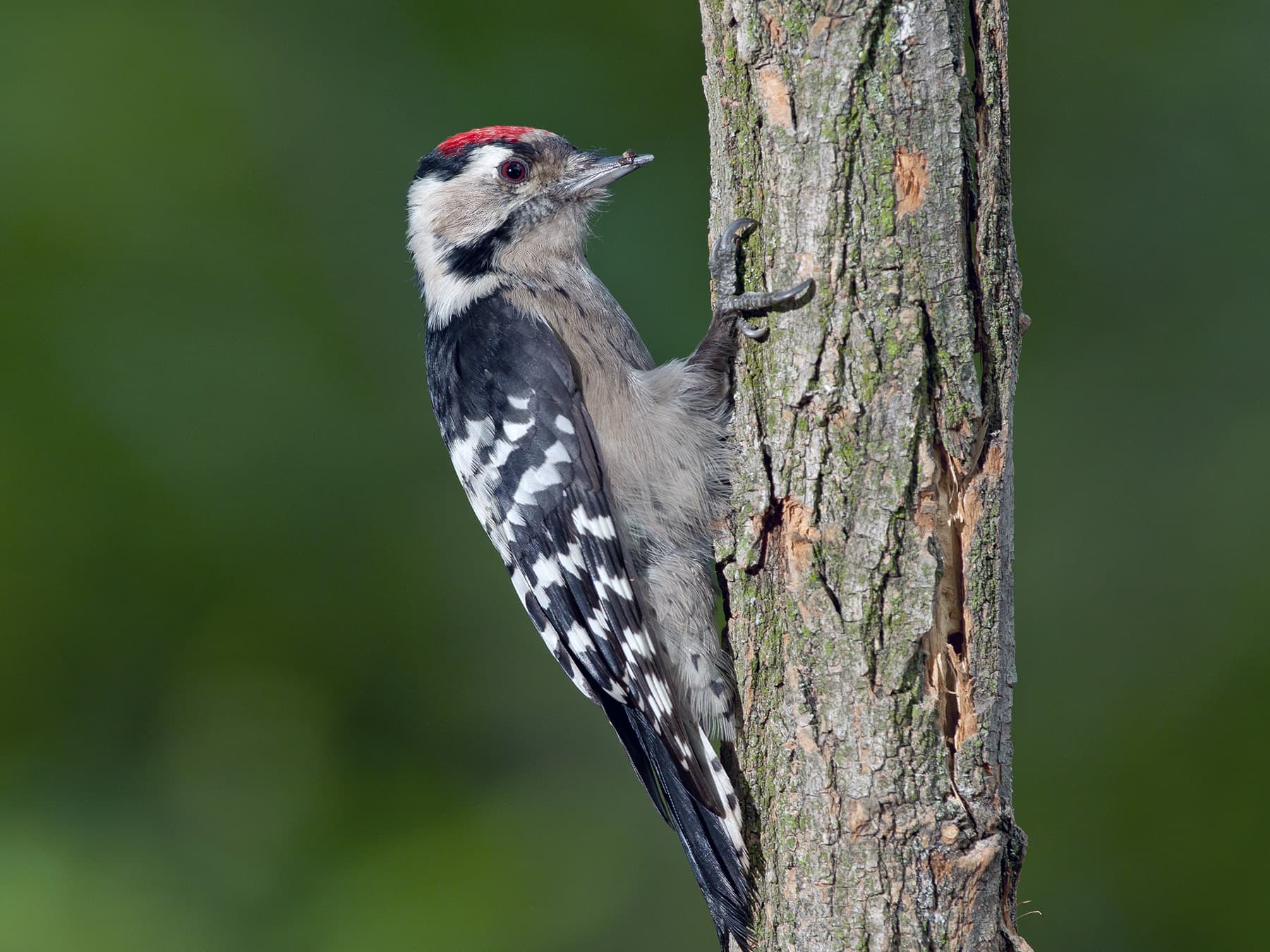
Lesser Spotted Woodpecker
Dryobates minorLC
A rare and declining species, occasionally recorded on passage in March and December in mature broadleaved woodland.
Dec–Mar