Rare Birds in Tyne and Wear
91 species matching this filter.
Tyne and Wear may be one of England's most urbanised counties, but its diverse habitats — from the North Sea coastline and estuarine mudflats of the Tyne and Wear rivers to pockets of woodland and parkland — attract a surprising variety of rare bird species. With 89 species classified as rare in the region, patient observers may encounter anything from the elusive Barn Owl and Eurasian Woodcock in quieter rural fringes to scarce passage migrants such as Bluethroat, Little Stint and Greenshank along the coast. Notable winter visitors like the Iceland Gull and breeding-season specialities such as the Garden Warbler add further interest throughout the year.


Showing 1–23 of 91 species
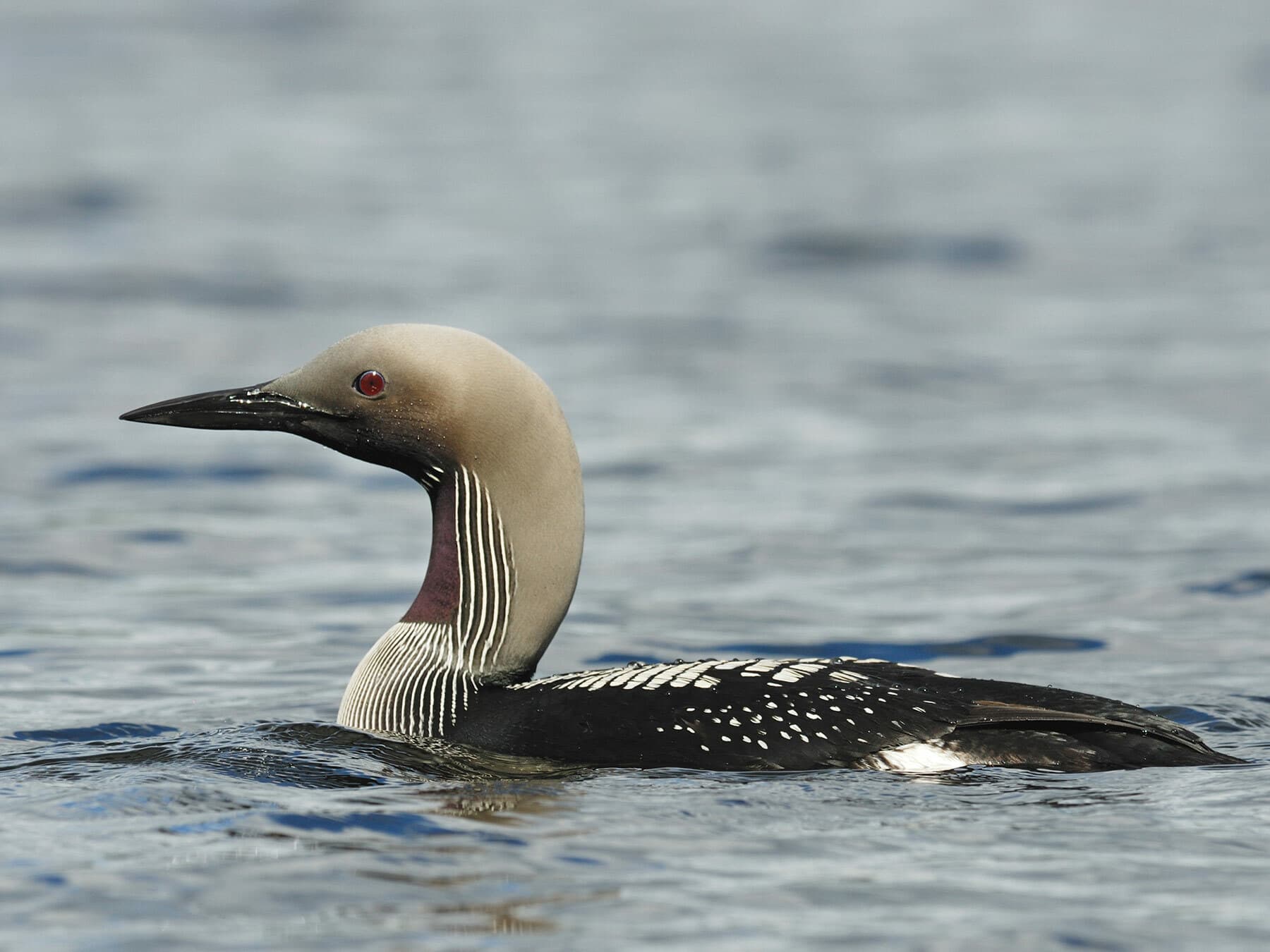
Arctic Loon
Gavia arcticaLC
A rare passage visitor, occasionally seen offshore or in sheltered bays during autumn migration and into early winter.
Sep–Jan
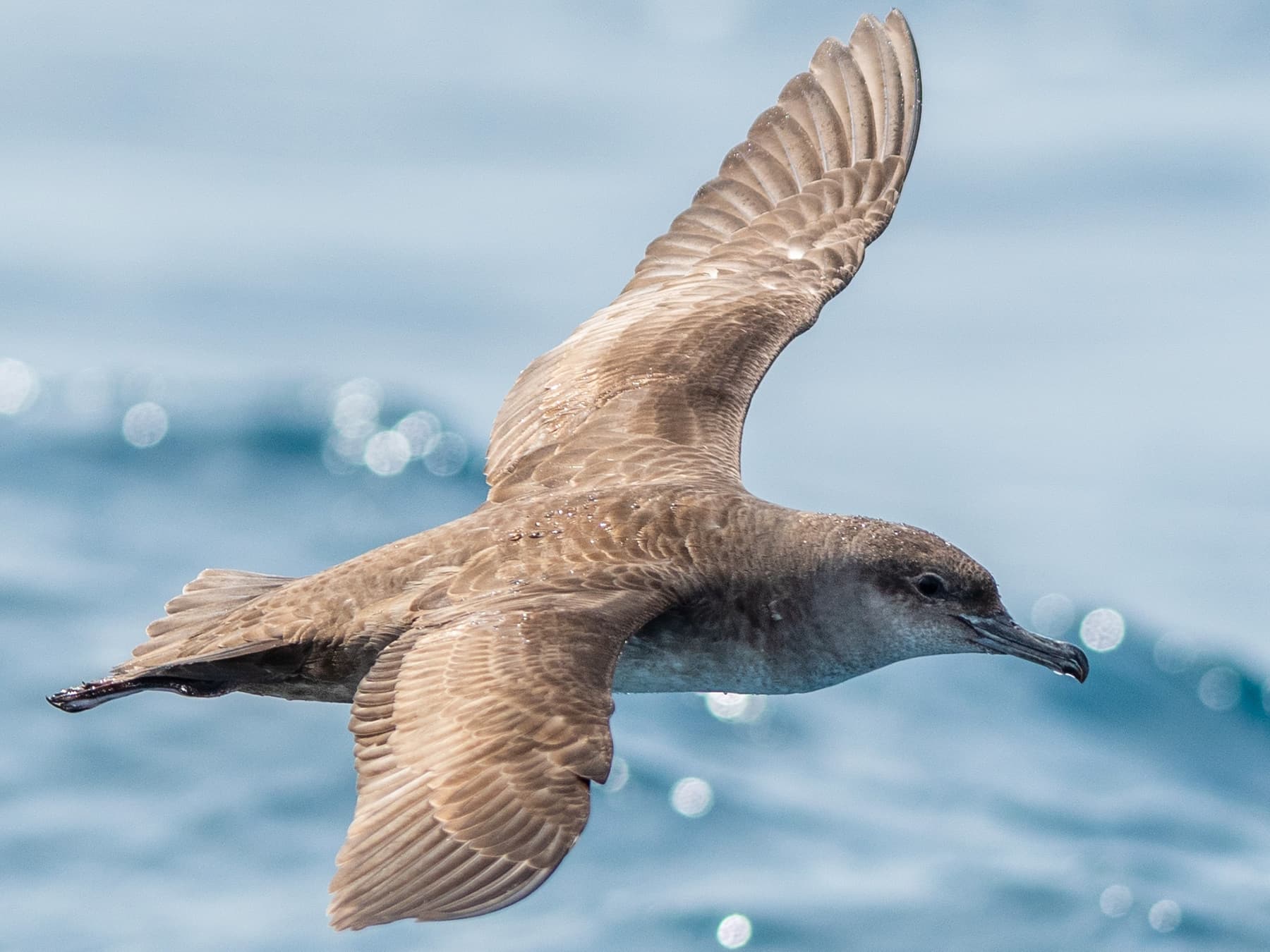
Balearic Shearwater
Puffinus mauretanicusCR
A rare and globally threatened shearwater, occasionally recorded on passage in August–September during seawatches.
Aug–Sep
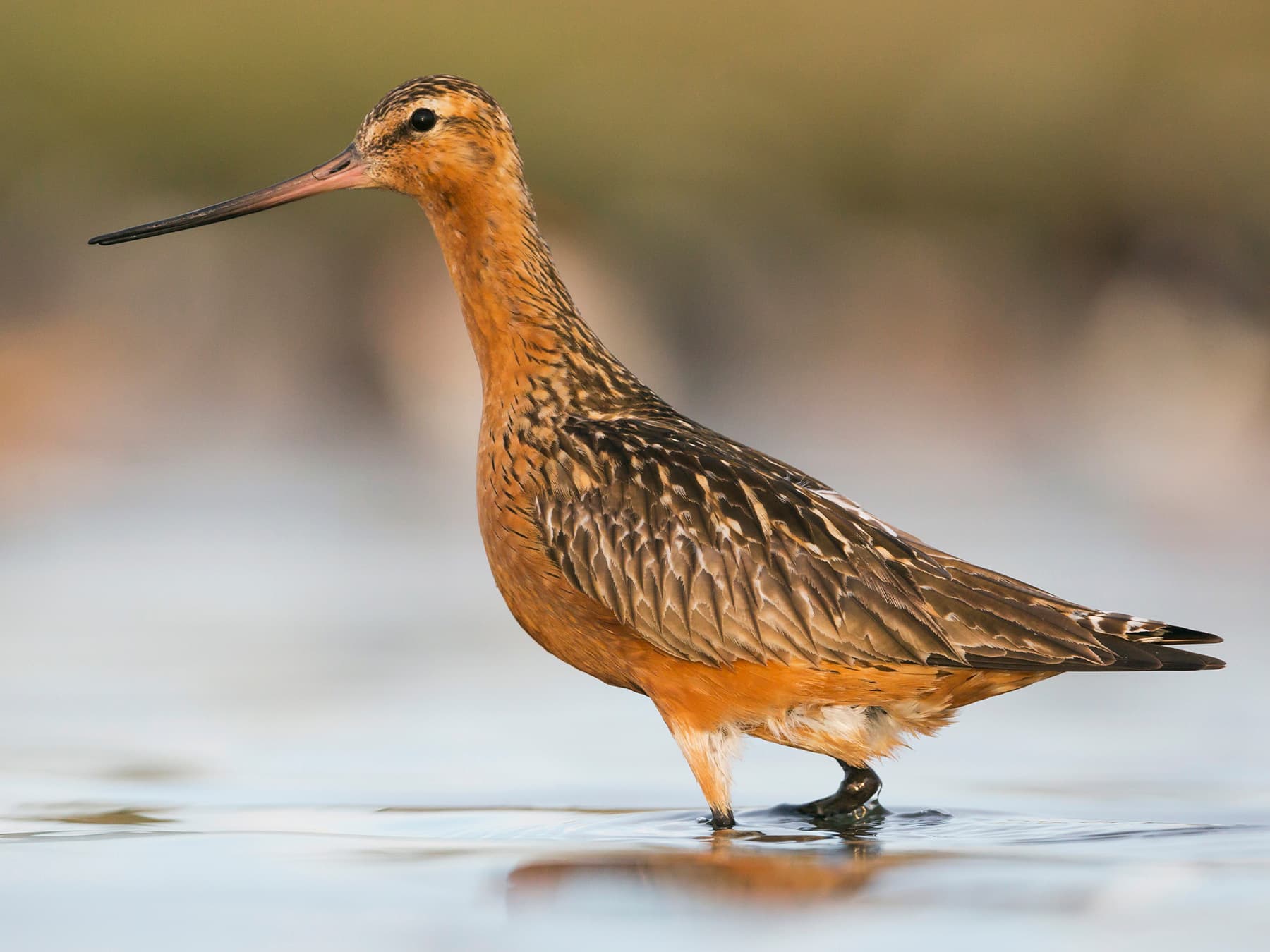
Bar-tailed Godwit
Limosa lapponicaNT
A rare non-breeding visitor to estuaries and mudflats, present from late summer through winter. Best looked for along the Tyne and Wear coastline.
Jul–Feb
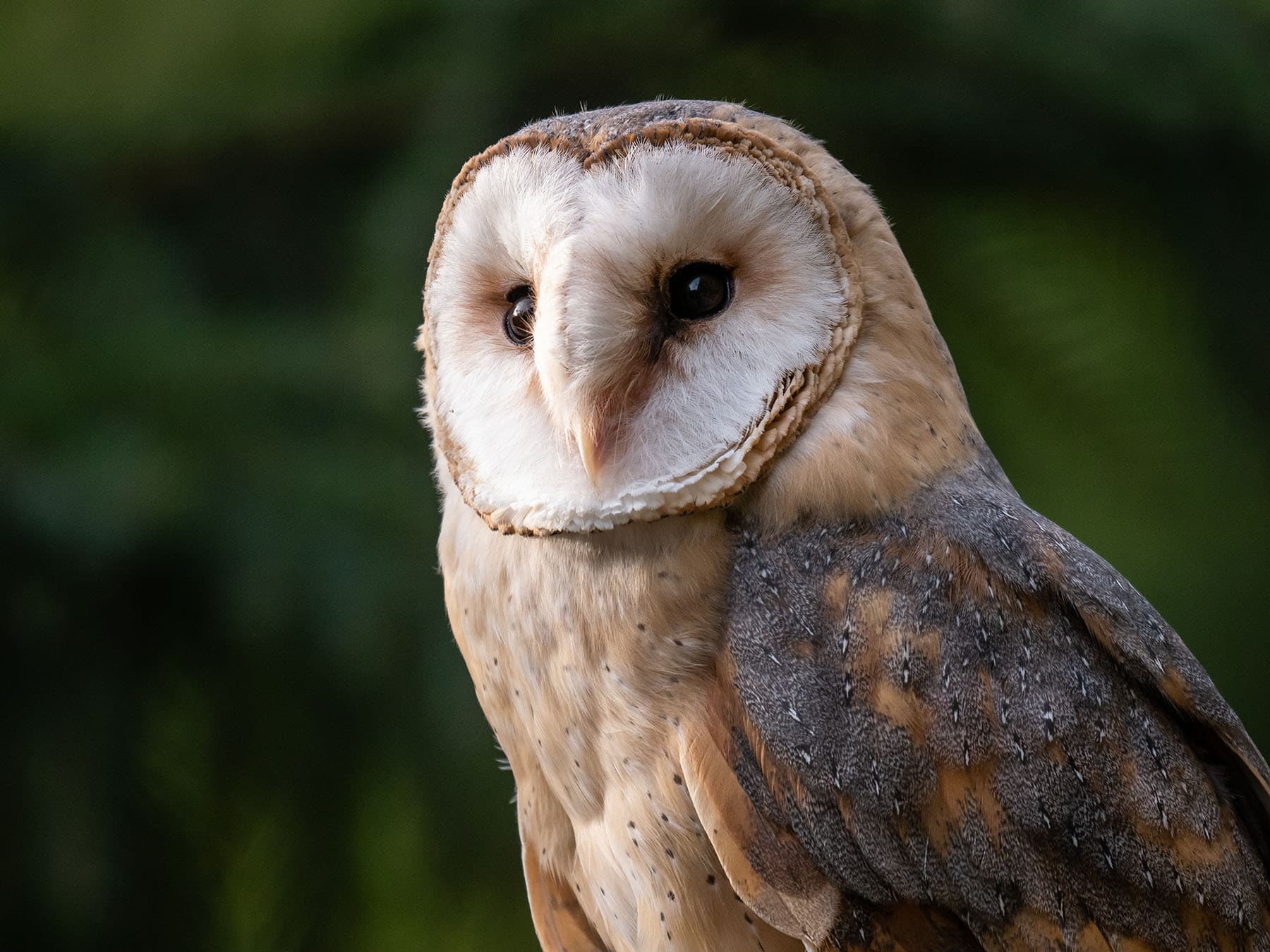
Barn Owl
Tyto albaLC
A scarce resident, favouring farmland and rural fringes. Sightings are thinly spread, with records in winter, spring and summer months.
Nov–Jul
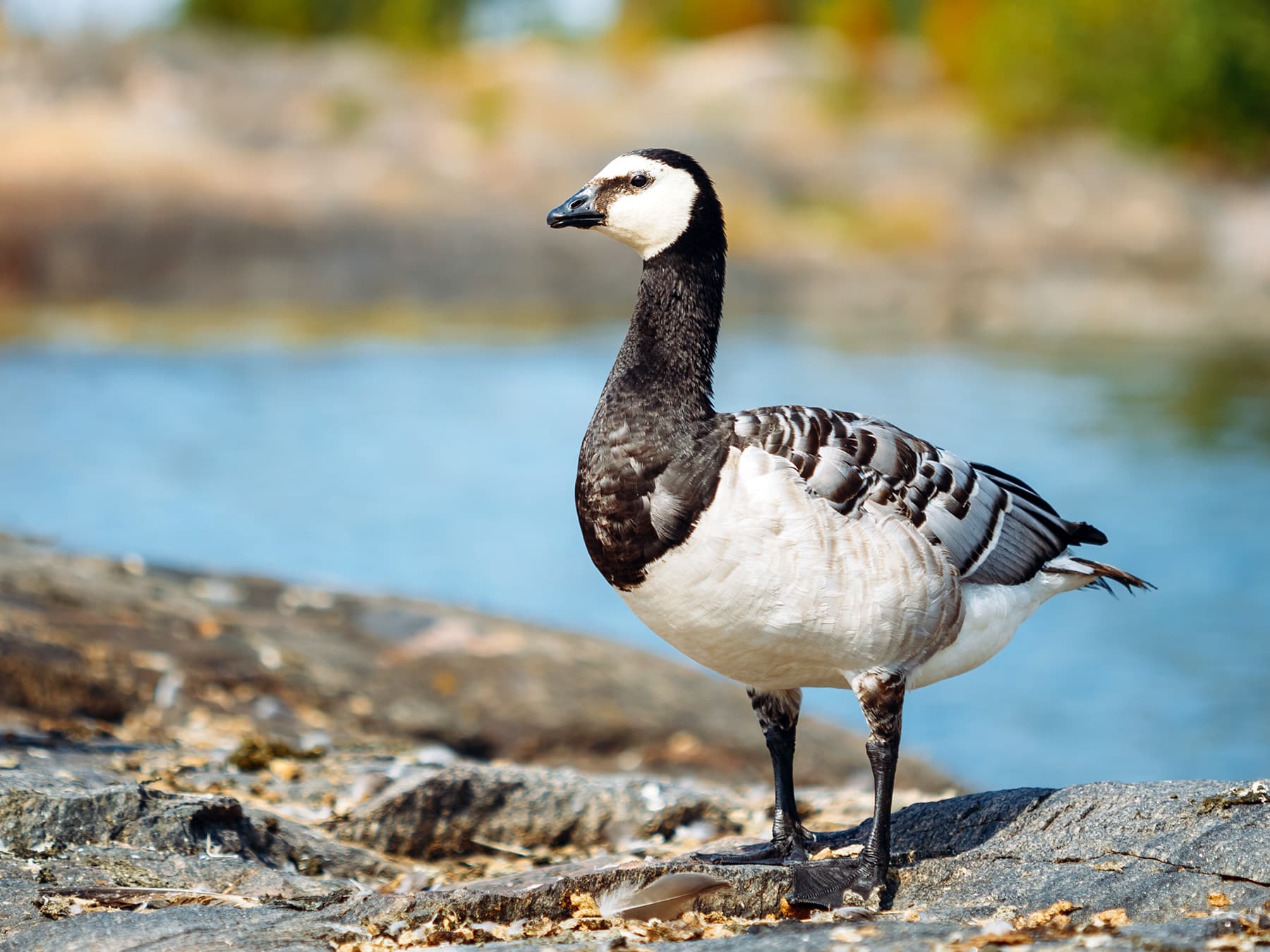
Barnacle Goose
Branta leucopsisLC
A rare resident, with both feral birds and genuine wild vagrants occurring. Small numbers frequent parks and coastal fields.
Sep–May
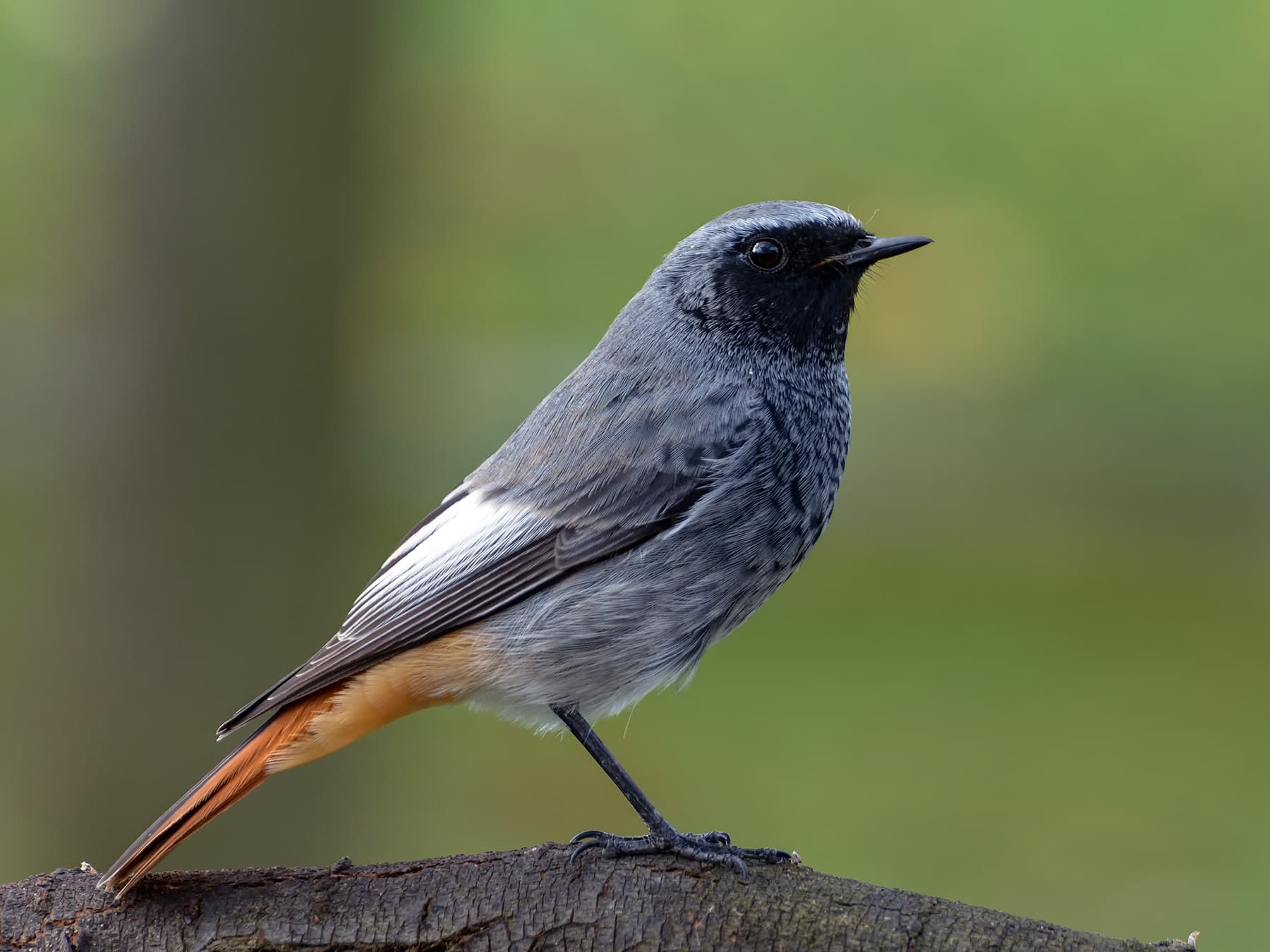
Black Redstart
Phoenicurus ochrurosLC
A rare passage visitor, occasionally seen on coastal buildings and industrial sites. Most records come from spring and autumn migration periods.
Oct–Apr
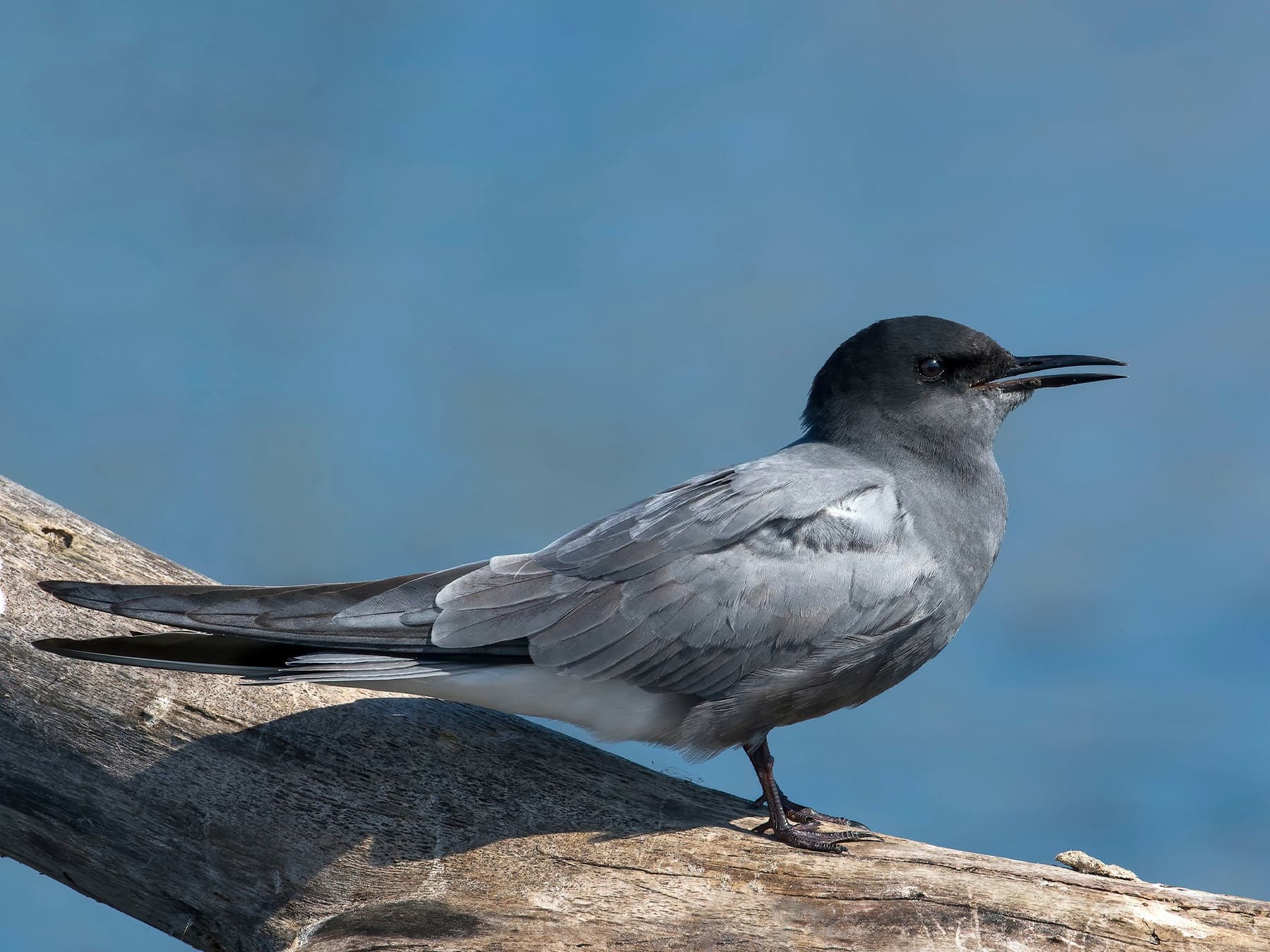
Black Tern
Chlidonias nigerLC
A rare autumn passage migrant in August and September, sometimes seen dipping over coastal pools and wetlands.
Aug–Sep
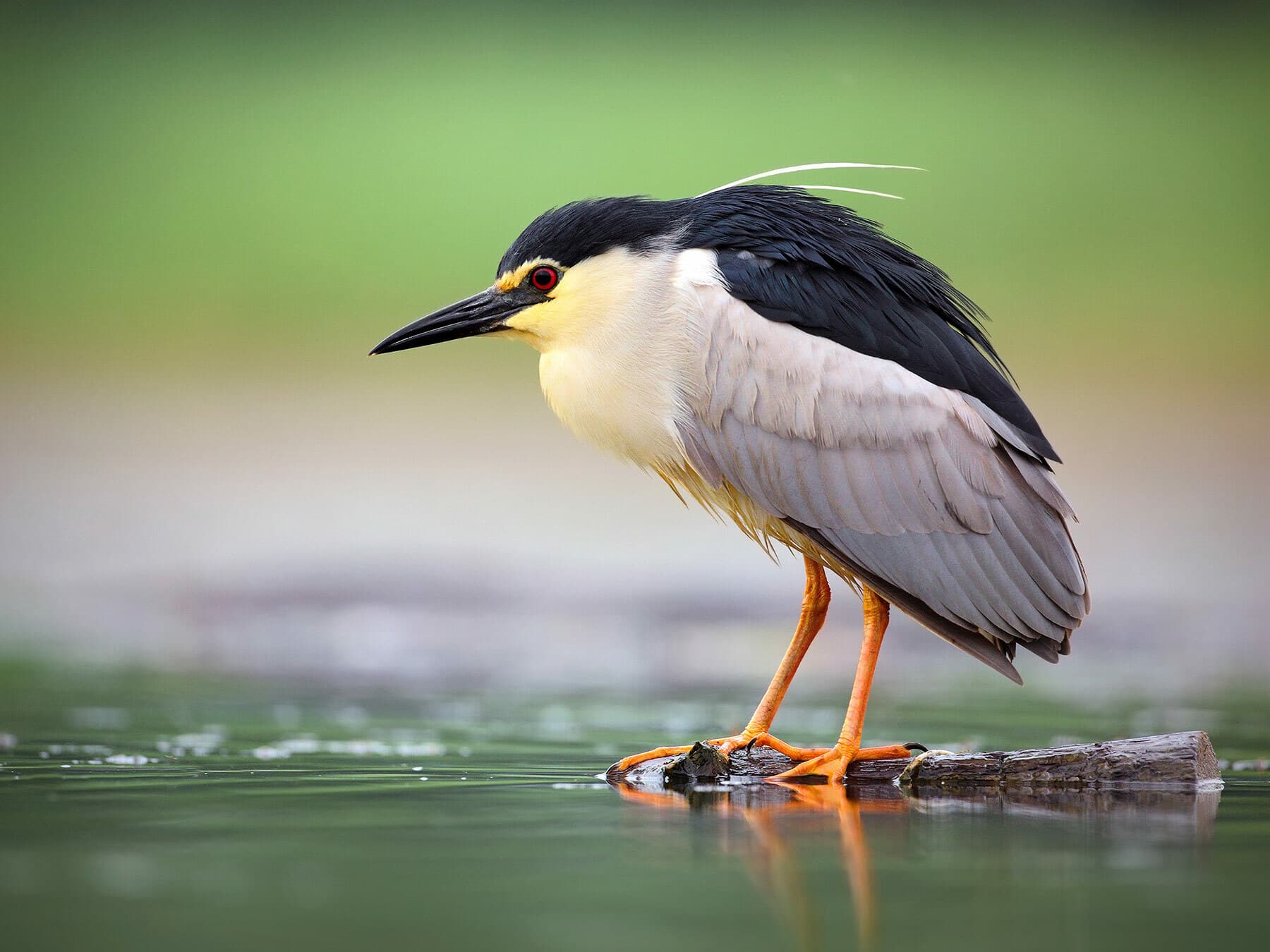
Black-crowned Night-heron
Nycticorax nycticoraxLC
A rare passage visitor, occasionally recorded in July. Any sighting in Tyne and Wear is a notable event for local birders.
Jul
Spotted something?
Upload a photo to identify it
Identify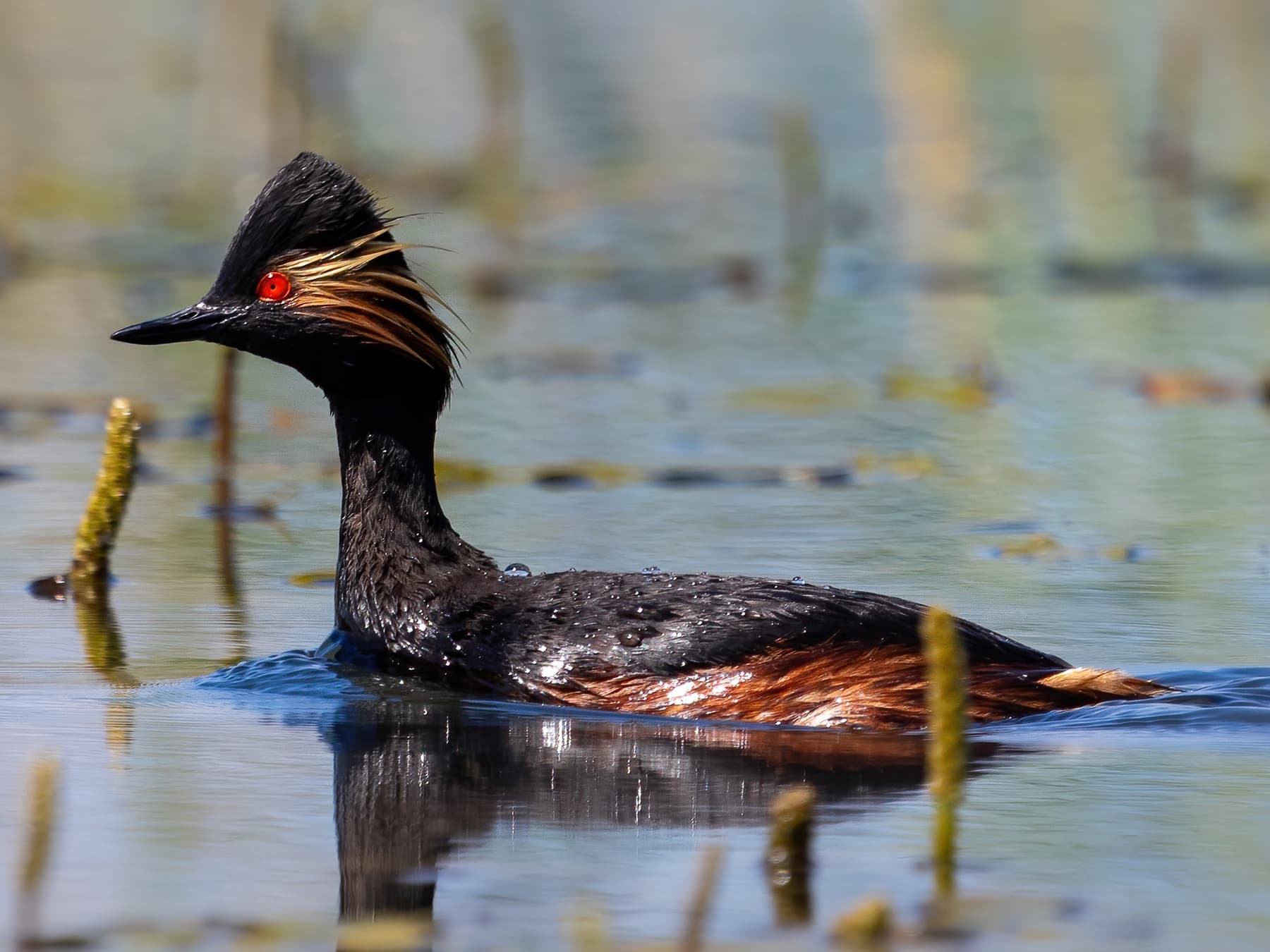
Black-necked Grebe
Podiceps nigricollisLC
A rare breeding species, present from April to June on sheltered freshwater pools and lakes in the region.
Apr–Jun
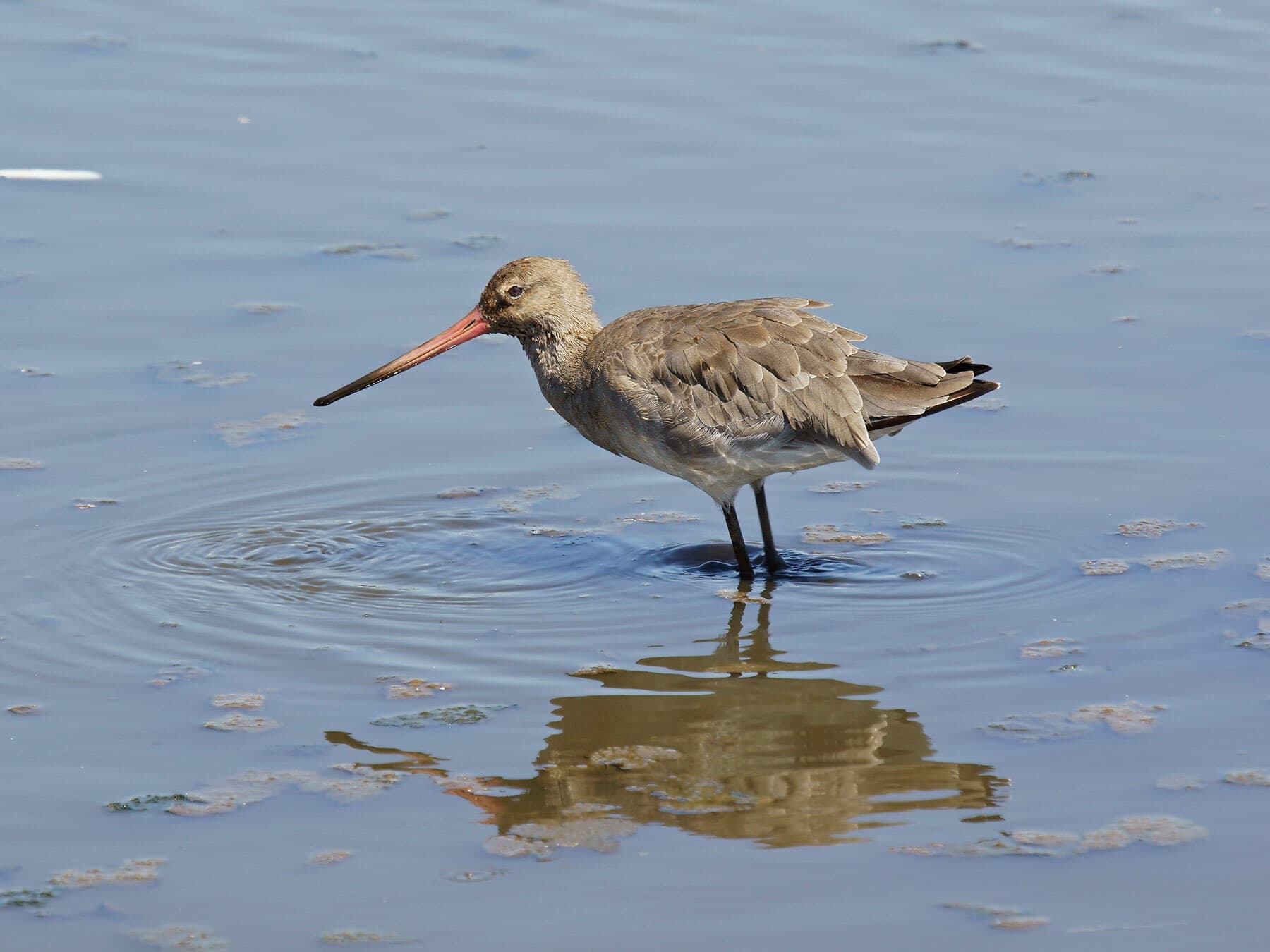
Black-tailed Godwit
Limosa limosaNT
A rare breeding visitor found on wet grasslands and estuarine margins from spring through autumn, with elegant black-and-white wing bars in flight.
Mar–Nov
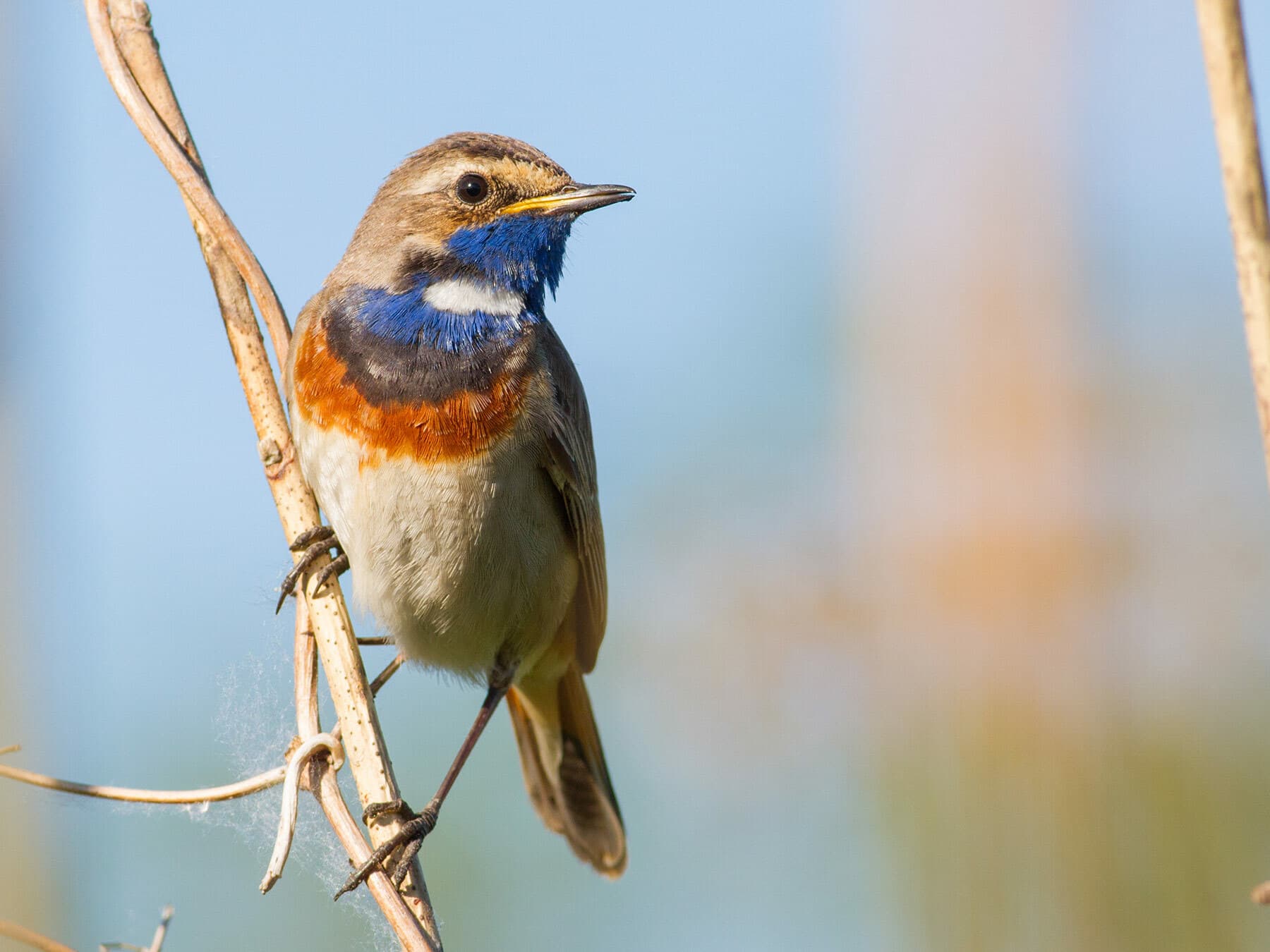
Bluethroat
Luscinia svecicaLC
A rare spring passage migrant, occasionally turning up along the coast in May. Most records come from headlands and scrubby coastal sites.
May
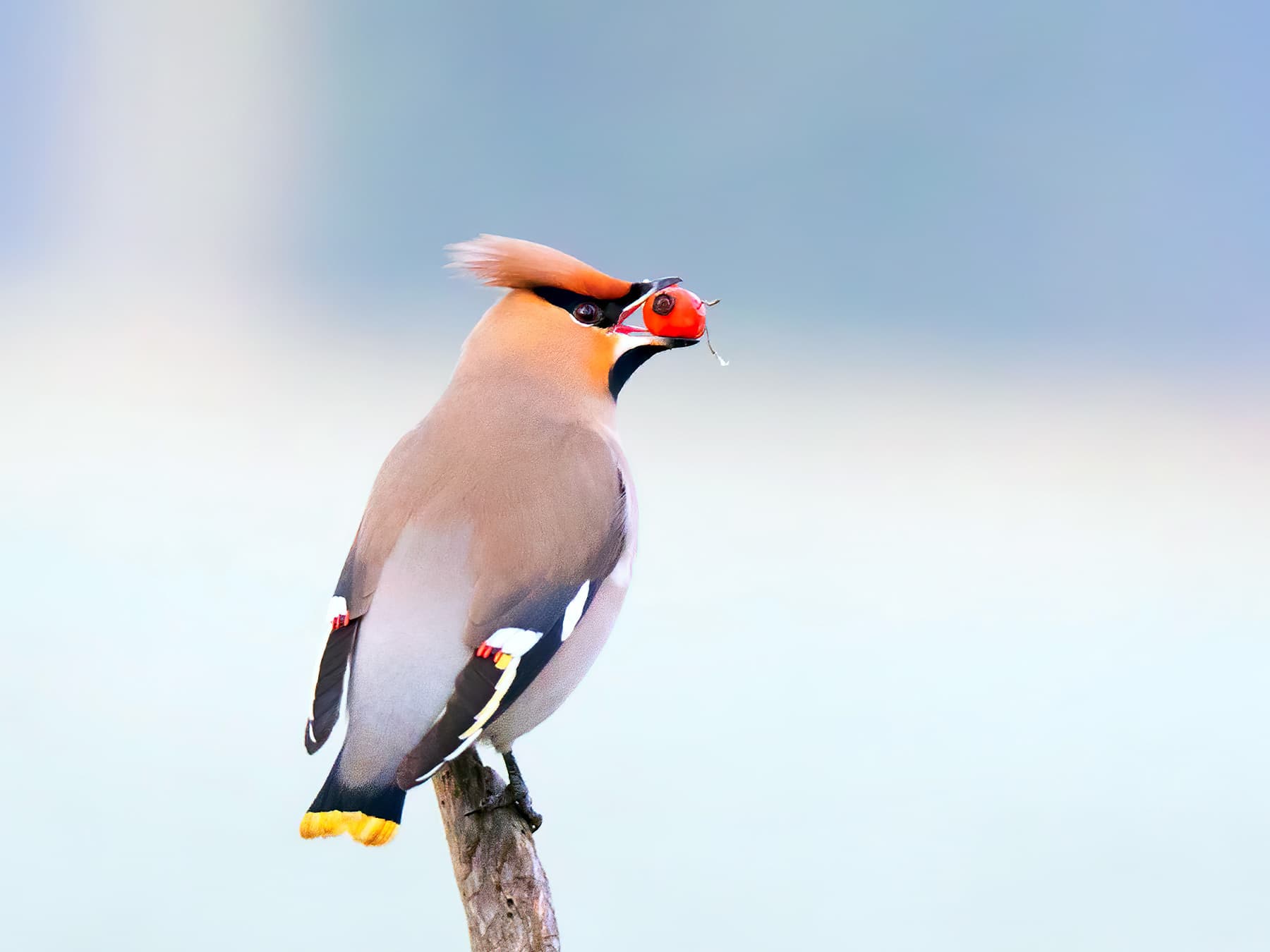
Bohemian Waxwing
Bombycilla garrulusLC
An irruptive winter visitor, arriving in variable numbers from November. Flocks descend on berry-laden trees in parks and gardens.
Nov–Jan
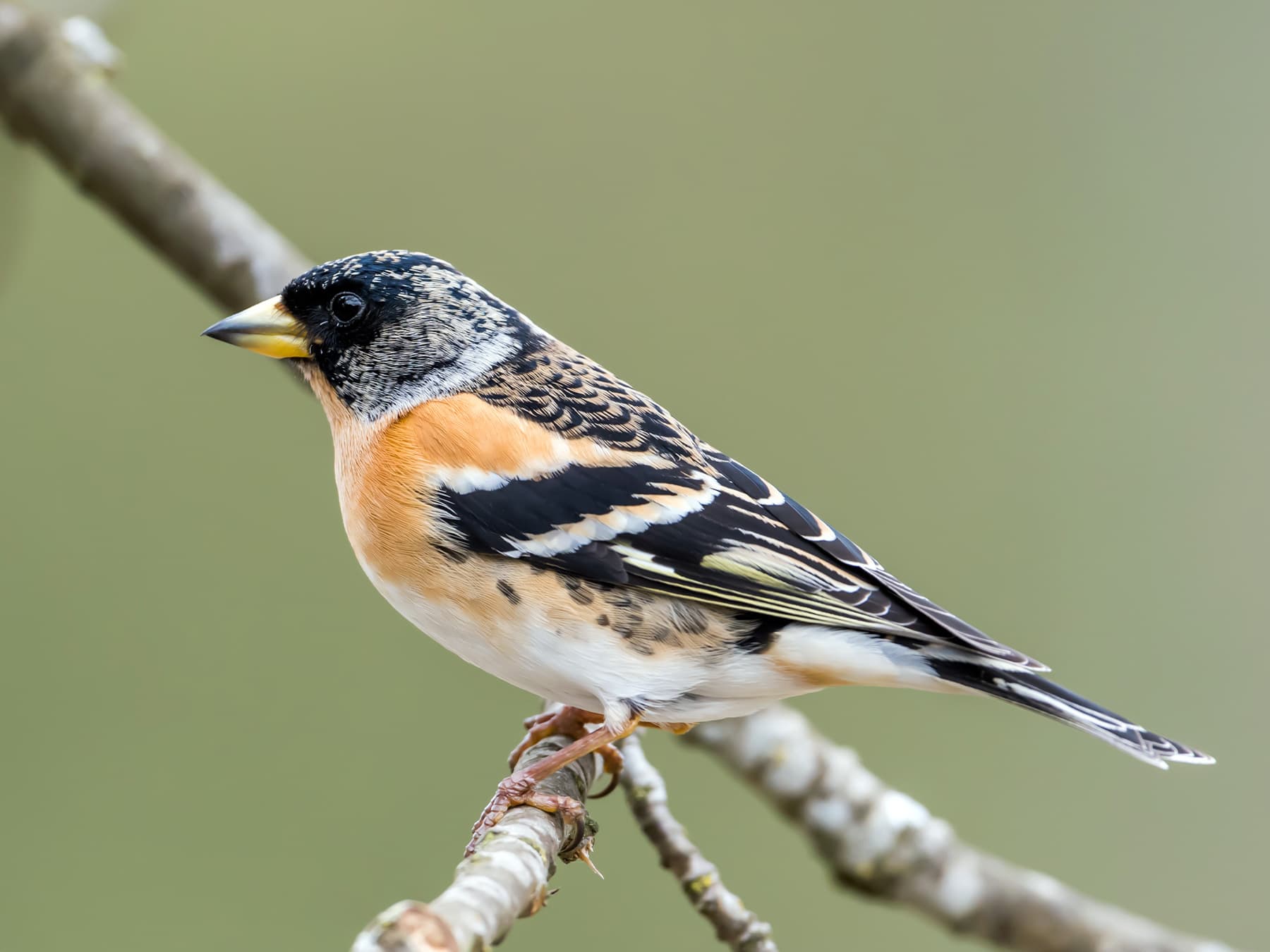
Brambling
Fringilla montifringillaLC
A rare winter visitor and passage migrant, sometimes joining Chaffinch flocks in woodland and farmland from October to April.
Oct–Apr
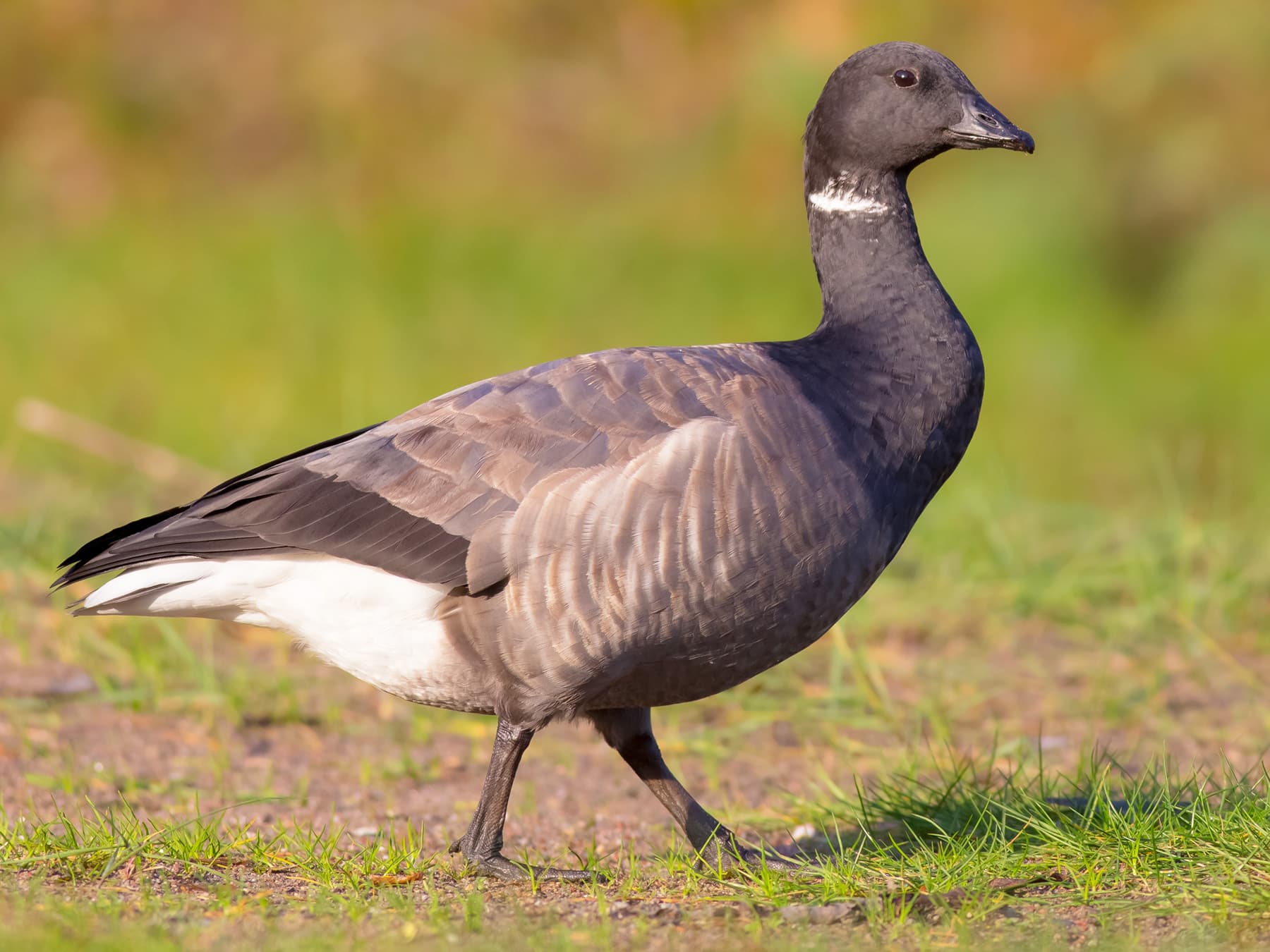
Brent Goose
Branta berniclaLC
A rare winter visitor to the coast, occasionally seen on mudflats and estuaries around the Tyne and Wear shoreline from autumn through to early spring.
Sep–Feb
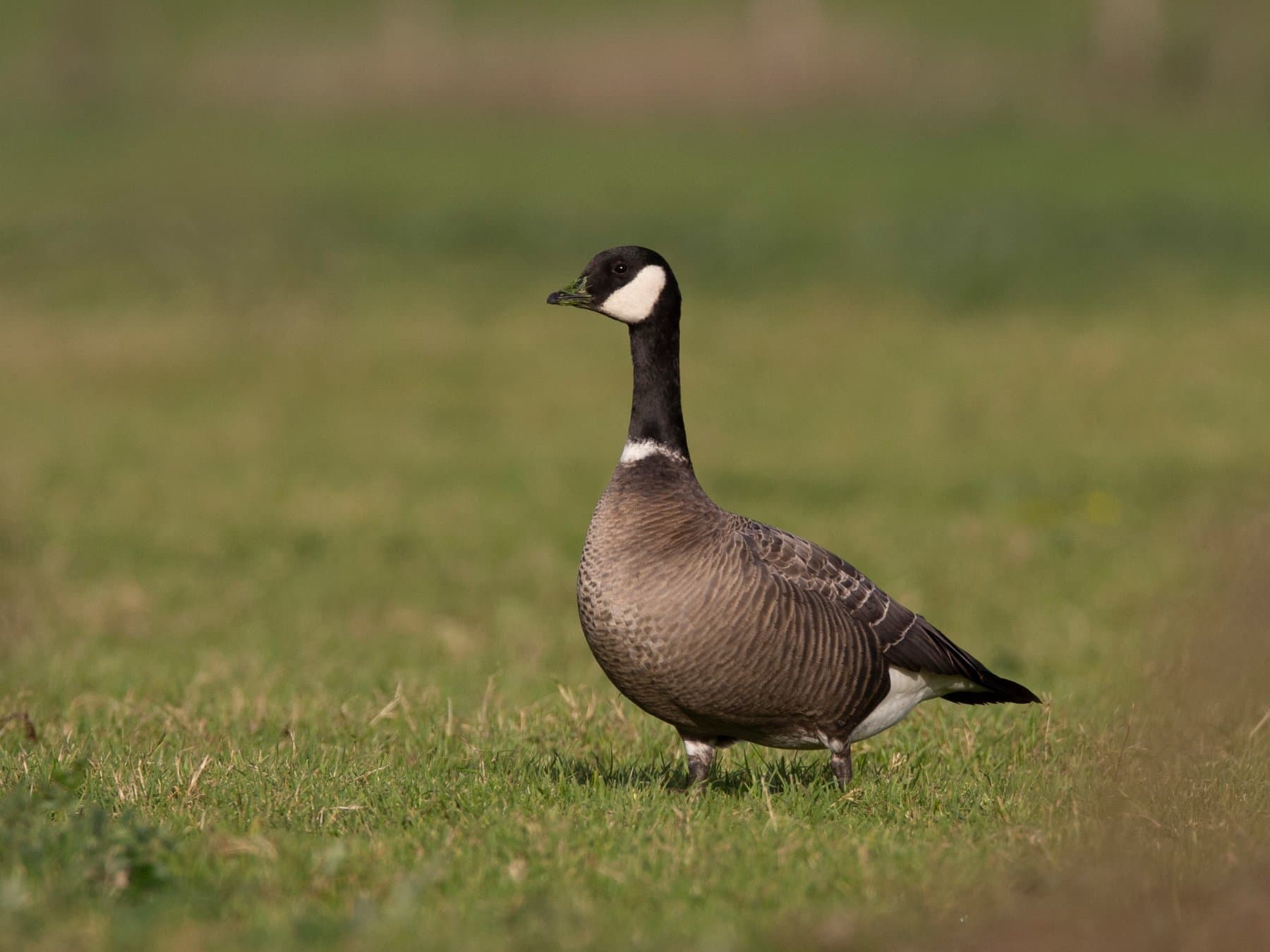
Cackling Goose
Branta hutchinsiiLC
A rare Nearctic vagrant, occasionally recorded among flocks of wintering geese during spring passage in the region.
Mar
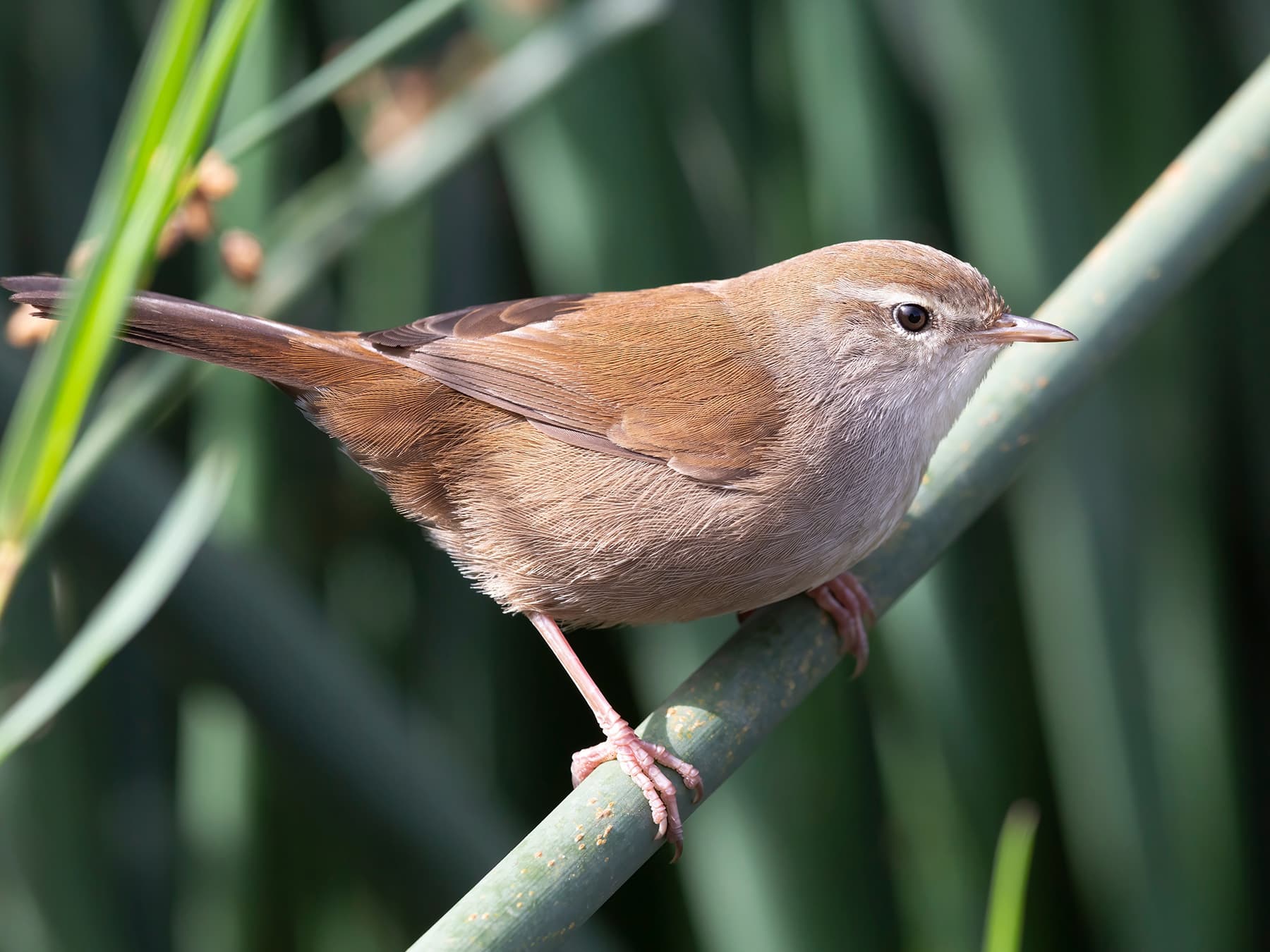
Cetti's Warbler
Cettia cettiLC
A rare and recent colonist, more often heard than seen in dense wetland vegetation. Part of a northward range expansion across England.
Nov–Jul
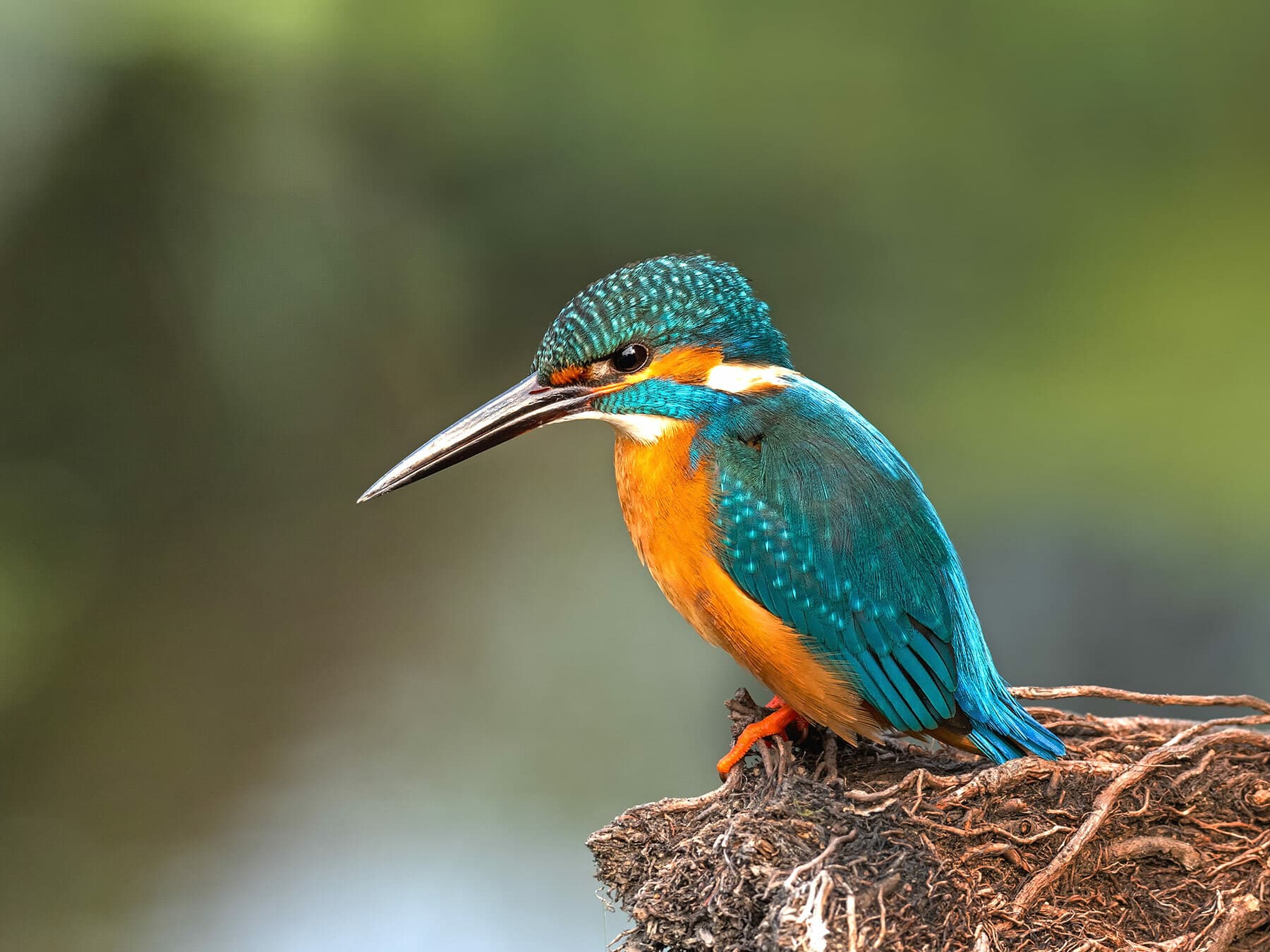
Common Kingfisher
Alcedo atthisLC
A scarce year-round resident along clean rivers and streams, occasionally visiting urban waterways in the Tyne valley.
Year-round
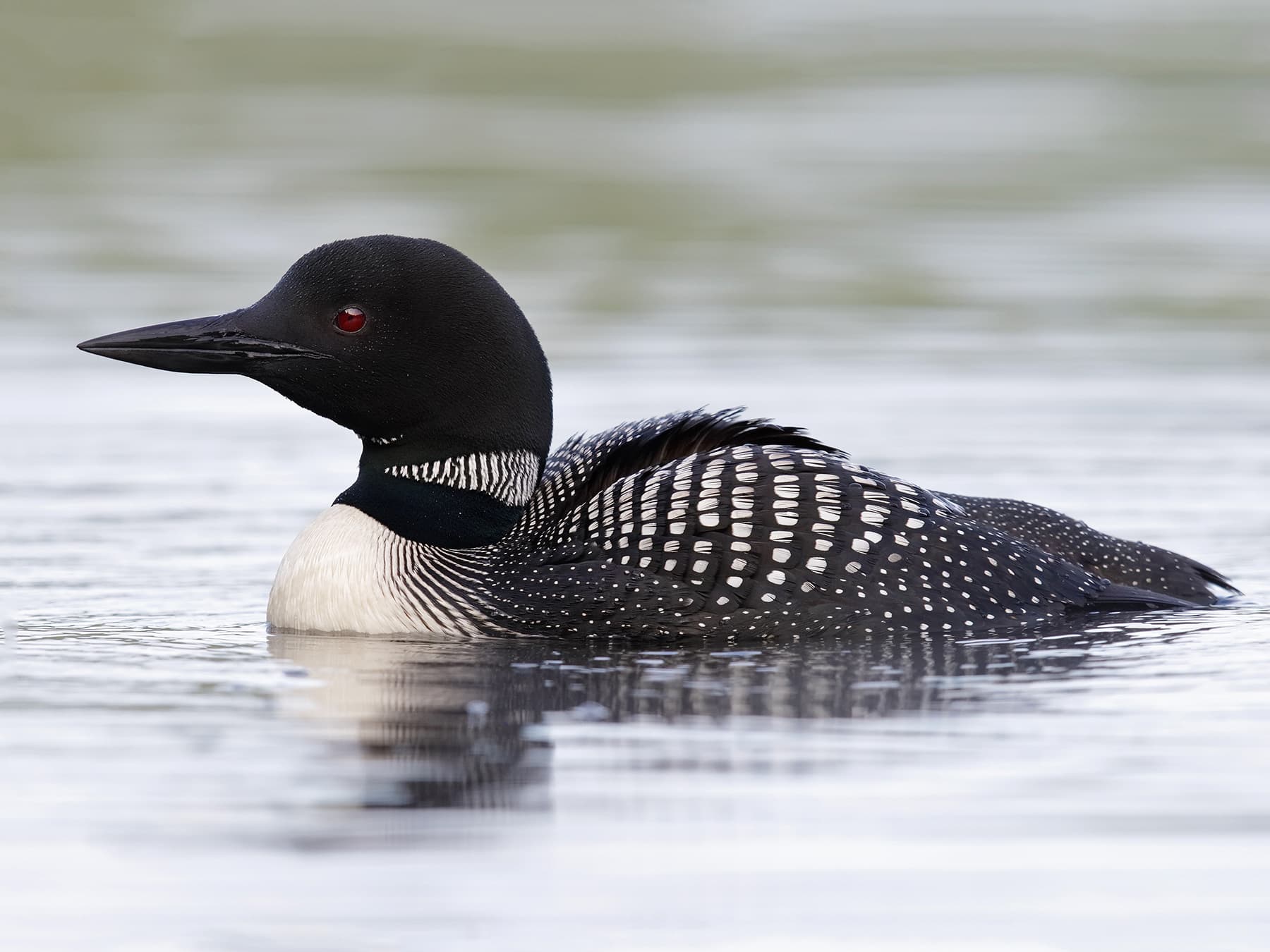
Common Loon
Gavia immerLC
A rare but near year-round presence off the coast, favouring deeper waters. Most likely seen from headlands and piers.
Sep–Jun
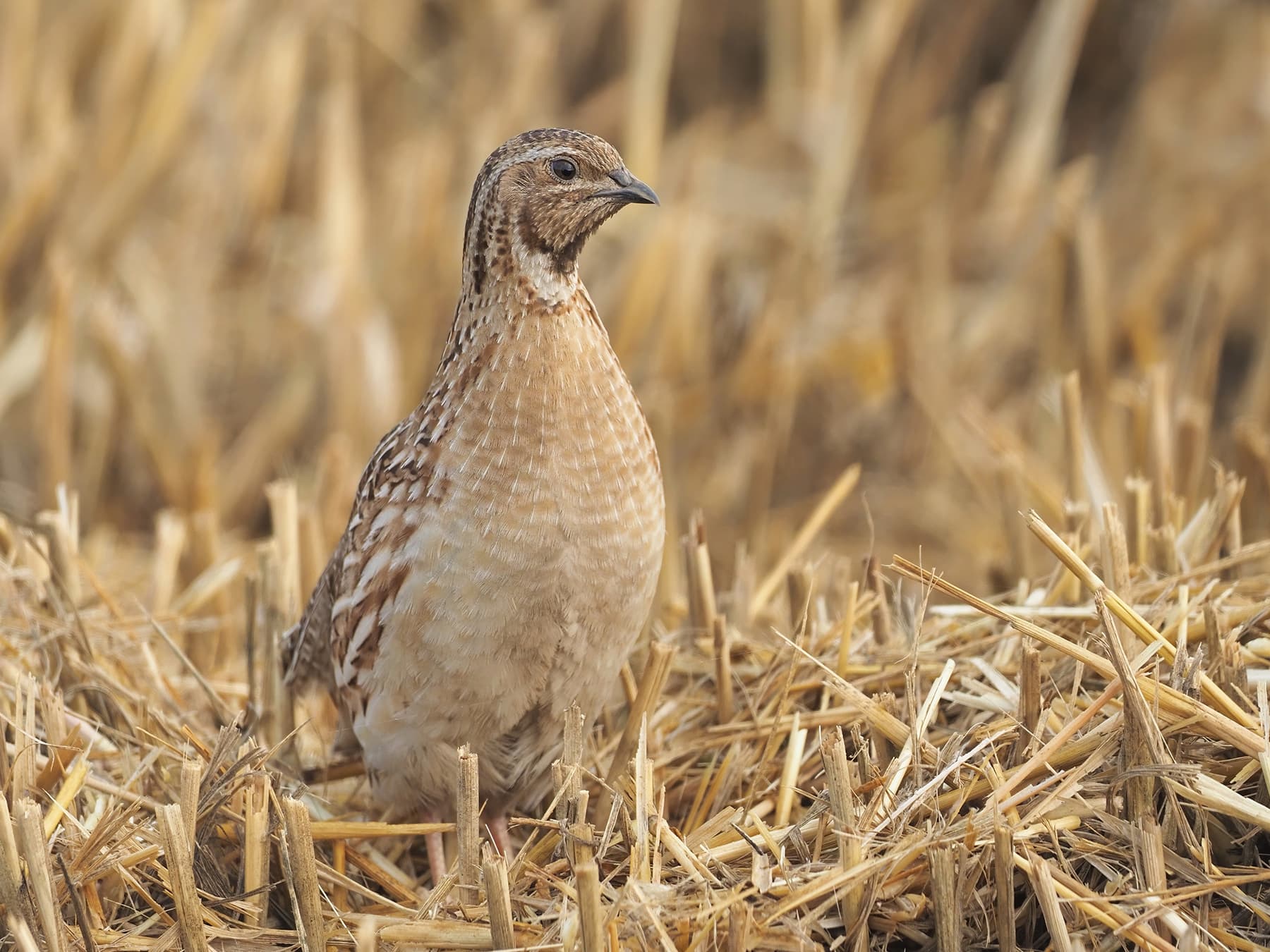
Common Quail
Coturnix coturnixLC
A rare passage migrant, more often heard than seen. Occasionally recorded calling from cereal fields in early summer.
Jun
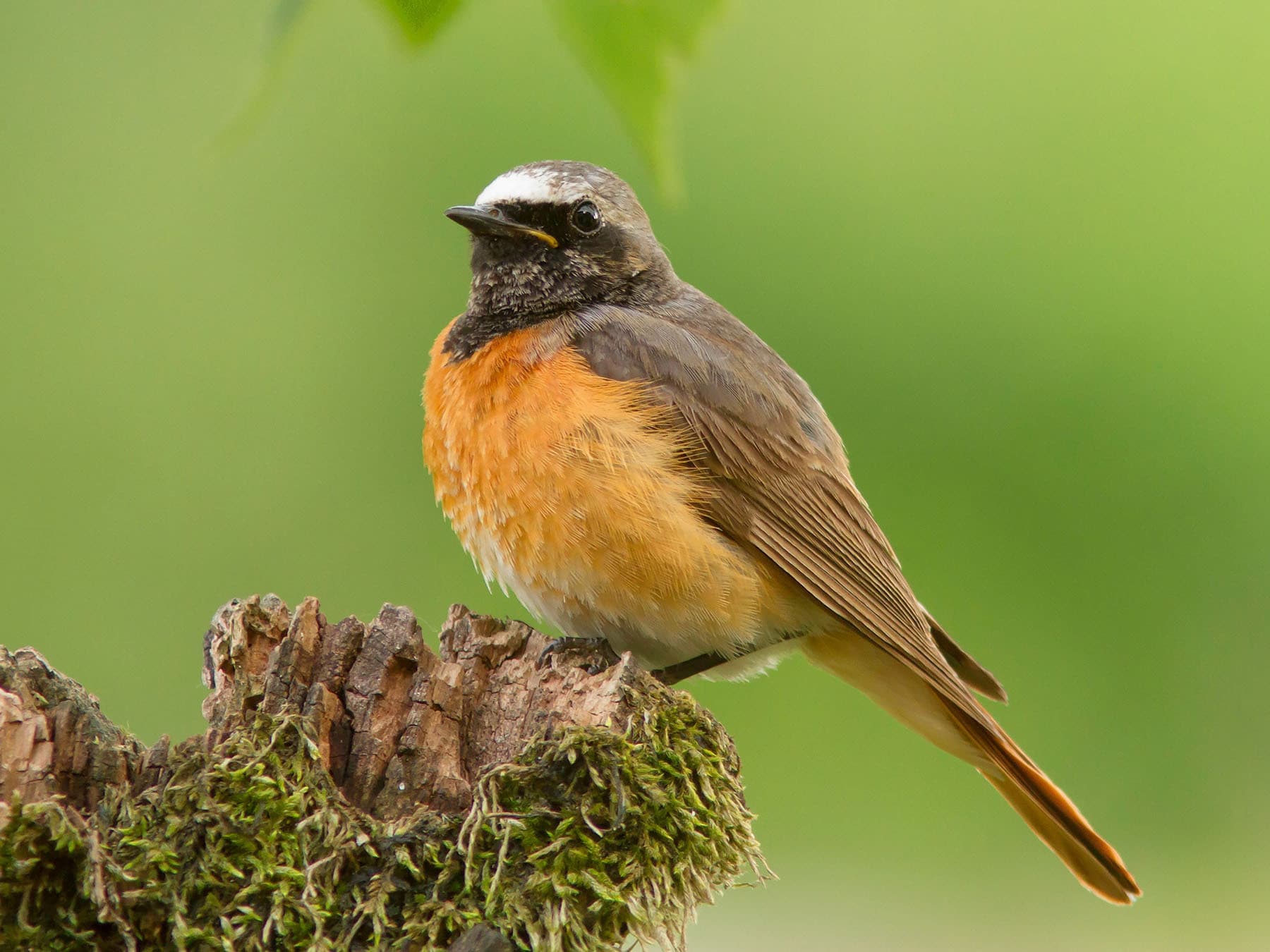
Common Redstart
Phoenicurus phoenicurusLC
A rare passage migrant in spring and autumn, favouring coastal scrub and parks. Does not typically breed in the region.
May–Sep
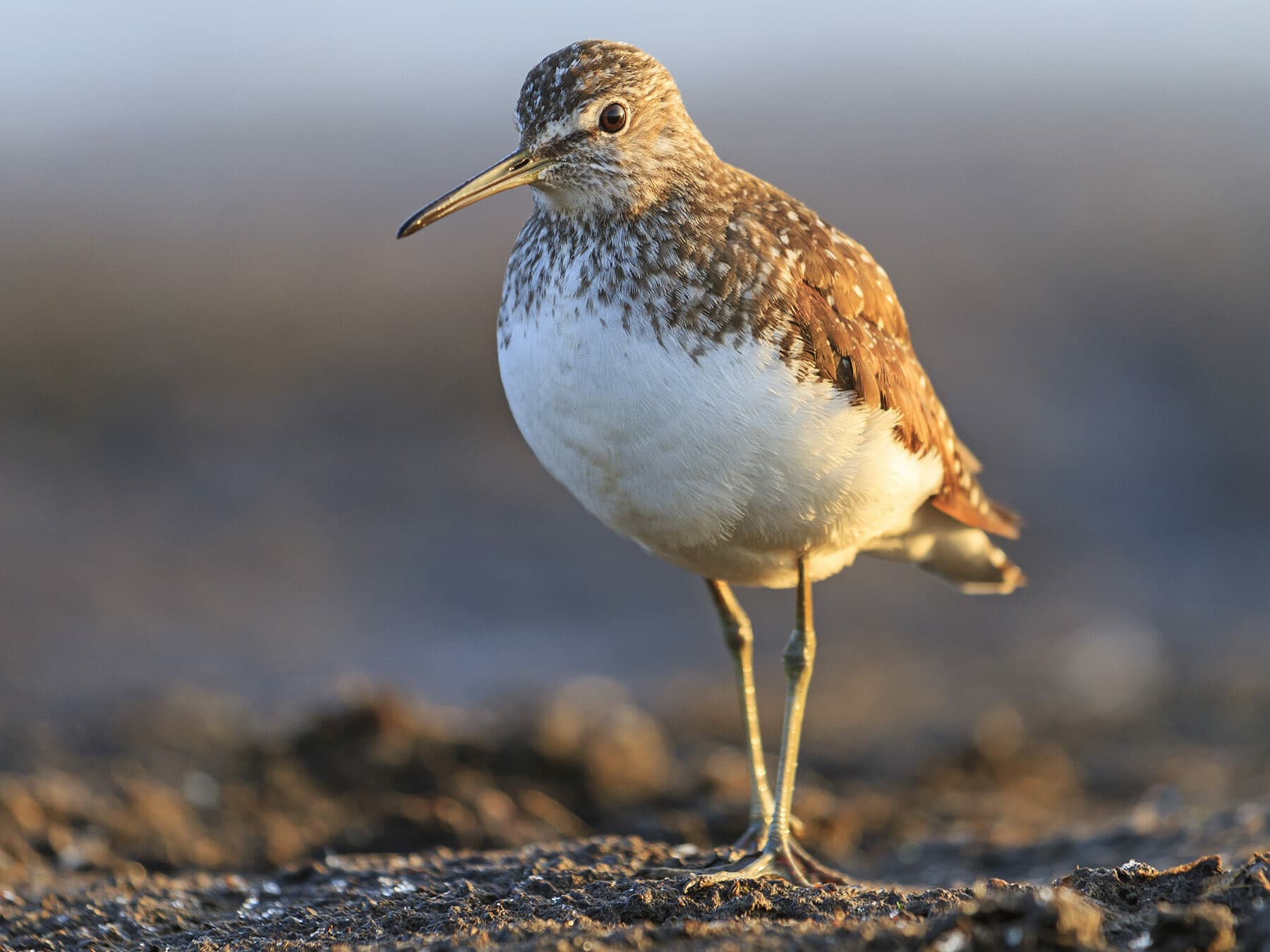
Common Sandpiper
Actitis hypoleucosLC
A rare breeding visitor, bobbing along stony riverbanks from April to September. Most likely along the upper Tyne tributaries.
Apr–Sep
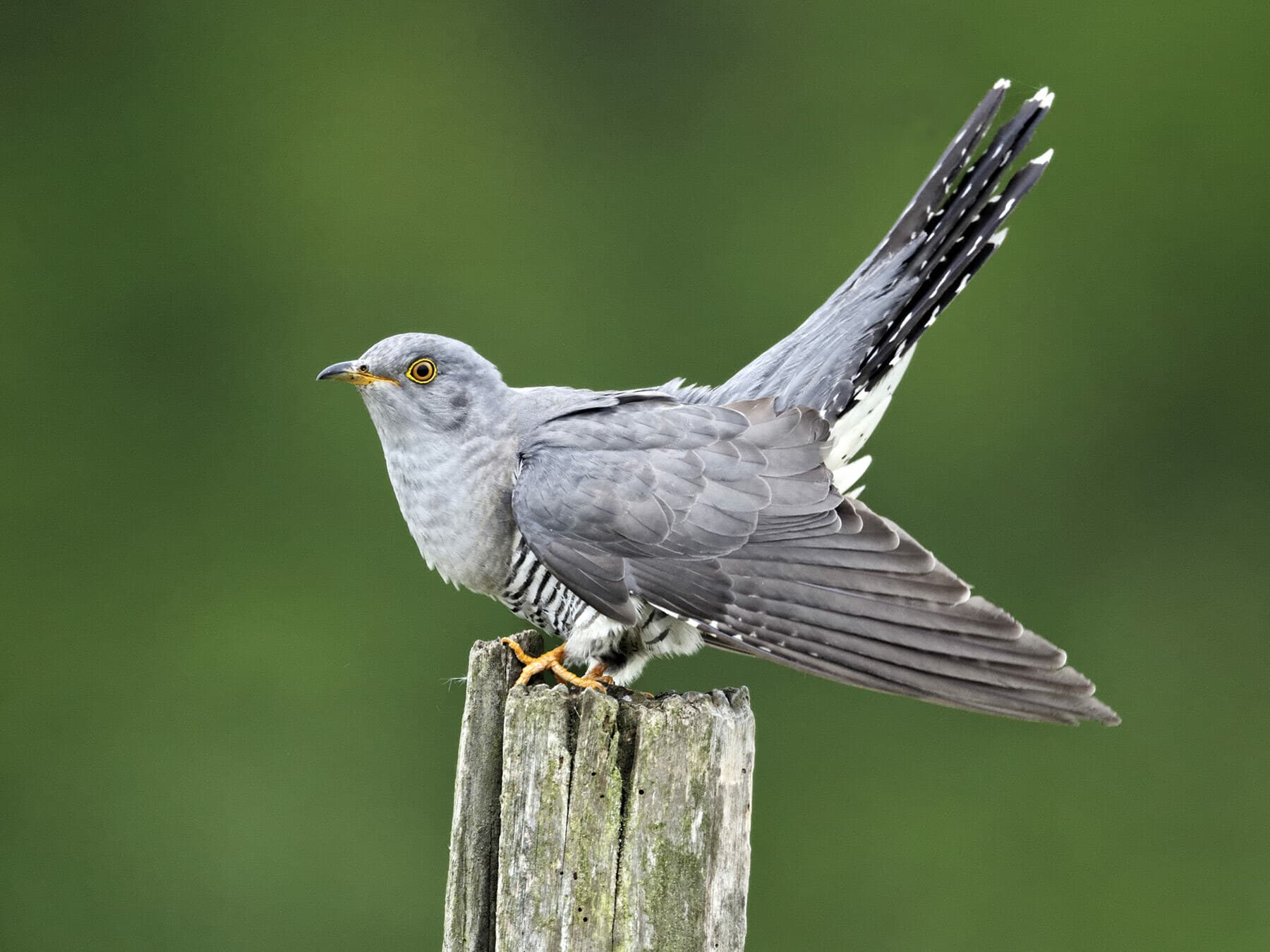
Cuckoo
Cuculus canorusLC
A rare passage visitor heard or seen briefly in late spring and summer, its distinctive call carrying across scrubby woodland edges.
May–Aug
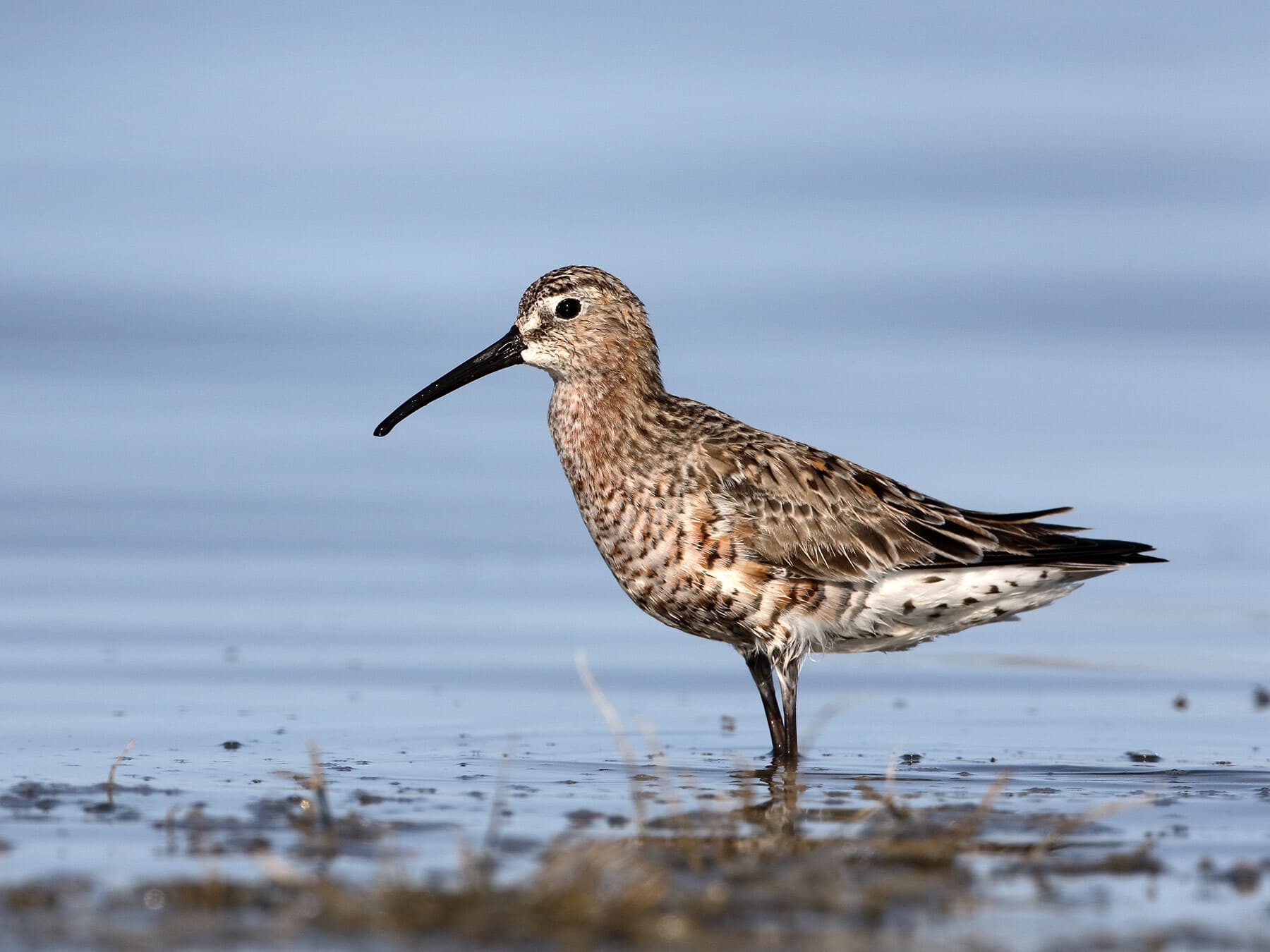
Curlew Sandpiper
Calidris ferrugineaNT
A rare autumn passage wader, appearing on coastal pools and mudflats in August–September, often among Dunlin flocks.
Aug–Sep